
India
France and India are poised to deepen their already robust strategic defense partnership, with a significant upgrade on the horizon. During a crucial India-France strategic dialogue scheduled for September 30 to October 1, France is set to offer full support to India in constructing nuclear submarines, developing advanced jet engines, and enhancing underwater drone capabilities. This dialogue, involving India's National Security Advisor Ajit Doval and French Diplomatic Adviser Emmanuel Bonne, reflects the growing depth of cooperation between the two nations in critical defense and security domains.At the heart of these discussions is France’s offer of comprehensive assistance in several key areas:Nuclear Submarines for Indian NavyIndia has long recognized the need for strengthening its naval capabilities, and France has stepped forward with a concrete offer. The Indian Navy has been urging the government to prioritize the construction of two nuclear attack submarines, a move that could substantially boost India's maritime defense. France, with its proven expertise in submarine technology, is prepared to share this knowledge. Nuclear submarines, with their long-range endurance and ability to remain submerged for extended periods, are vital assets in the context of India's broader security interests, particularly in the Indo-Pacific region. Jet Engines with Full Transfer of TechnologyThe dialogue also brings good news for India's efforts in indigenous defense manufacturing. Safran, a French aerospace giant, has extended a significant offer to India: a 100% transfer of technology (ToT) for 110 kilo-Newton thrust engines. These advanced engines are crucial for India's upcoming Advanced Medium Combat Aircraft (AMCA) program, which aims to produce a next-generation fighter jet. The deal ensures that India gains complete autonomy over the technology, with the option to export the jointly developed engines to other nations without restrictions.Safran's involvement is not new—having collaborated with ISRO in the 1970s to develop rocket engines, they have now offered India the chance to develop and upgrade jet engines. This includes training Indian engineers in advanced metallurgy, a crucial component of high-performance engine production. The long-term vision of this collaboration could pave the way for further developments in India's aerospace sector, helping the nation achieve self-reliance in critical defense technologies.Underwater Drones to Enhance Surveillance and Naval OperationsAs the dynamics of modern warfare evolve, underwater drones have become an essential part of intelligence, surveillance, and reconnaissance (ISR) missions. France’s offer includes fully autonomous systems that can operate in the air, surface, and underwater, significantly enhancing India's ISR capabilities. These drones will protect India’s naval assets, such as submarines, and bolster the Indian Navy's ability to monitor and secure its maritime borders.This expanded defense partnership also coincides with India's ongoing negotiations to acquire 26 Rafale Maritime fighter jets for its aircraft carriers. Additionally, France’s Naval Group will work with India to build three more Kalvari-class diesel attack submarines as part of Project 75, which focuses on strengthening India's underwater fleet.Broader Geopolitical and Strategic Cooperation While defense cooperation will dominate the dialogue, France and India are also keen to enhance their partnership in the Indo-Pacific. Both nations have significant stakes in the region, with the Indian Ocean being a strategic hotspot. The discussions between Doval and Bonne are expected to cover wider geopolitical issues, including Middle Eastern conflicts and the security of shipping lanes, particularly in the Red Sea, where commercial vessels have been targeted.France has shown interest in India’s Middle East Economic Corridor project, which aims to foster greater economic and trade linkages between India, the Middle East, and Europe. Additionally, the two sides are expected to touch on the evolving situations in Bangladesh and Sri Lanka, reflecting the broader security and political concerns in South Asia.A Trusted Partnership for Strategic Autonomy France has been a long-standing and reliable defense partner for India. From supplying cutting-edge weaponry to offering high-tech defense technology, France's commitment to strengthening India's military capabilities aligns with India's strategic objective of achieving greater autonomy in defense production and reducing dependence on foreign suppliers. As the world becomes more multipolar, partnerships like the one between France and India highlight the importance of cooperation in addressing shared security challenges. With nuclear submarines, advanced jet engines, and underwater drones on the table, the upcoming India-France strategic dialogue is set to further consolidate the defense ties between these two global powers.The future looks promising as India continues to build its military capabilities, while France remains a steadfast partner, willing to share advanced technology and expertise that will not only bolster India's security but also enhance its global standing.
Read More → Posted on 2024-09-22 15:18:07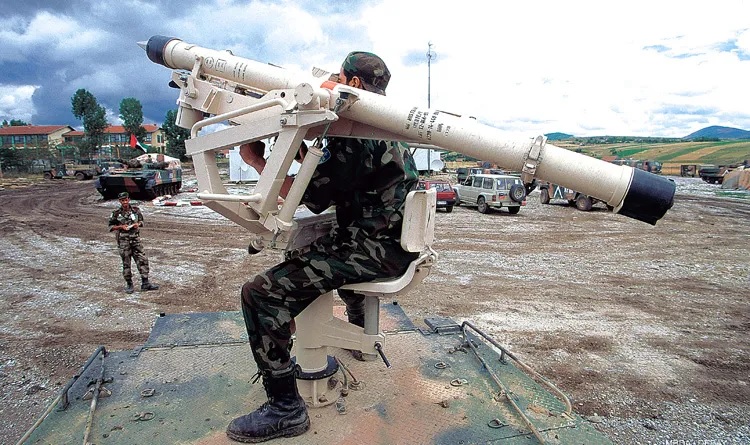
India
India’s defense landscape is evolving rapidly in response to growing regional challenges. With potential conflicts on two fronts, involving China and Pakistan, the country needs a robust and adaptable defense manufacturing process. One technology that is showing immense potential in this regard is additive manufacturing, commonly referred to as 3D printing. This cutting-edge technology could be a game-changer, especially in the production of critical defense systems like Very Short-Range Air Defense Systems (VSHORADS) and Anti-Tank Guided Missiles (ATGMs).The Rising Demand for Flexible Weapon ManufacturingModern conflicts, as seen around the world, tend to be long and drawn out, placing immense pressure on weapon stockpiles and supply chains. In India's case, maintaining a consistent and agile supply of advanced weapons and their components is critical to ensure readiness. This is where additive manufacturing could offer vital support. 3D printing allows components to be produced layer by layer from digital models. Unlike traditional manufacturing methods, which often involve cutting materials or assembling multiple parts, 3D printing can create the entire component in a single, unified process. This not only reduces waste but also enables faster production times and introduces a level of flexibility that traditional methods cannot match.Benefits of 3D Printing for Indian DefenseThe speed and customization offered by 3D printing can significantly benefit India’s defense industry. For example, producing a missile motor or a vital component for a VSHORADS system through conventional methods could take several weeks. However, using 3D printing, these parts can be ready in just a few days. The ability to manufacture quickly, coupled with the option to produce parts on demand, is critical when faced with the unpredictability of combat situations.Another key advantage is the capacity for innovation. 3D printing allows designers to experiment with materials and create lightweight, intricate designs that would be difficult or impossible using traditional methods. This capability becomes crucial for systems like VSHORADS and ATGMs, where reducing the weight of the missile or its launcher without compromising effectiveness could make a significant tactical difference.Additionally, India's military often relies on older systems that may no longer have readily available replacement parts due to supply chain limitations. 3D printing offers an efficient solution for creating these obsolete parts, extending the lifespan of legacy systems.How 3D Printing Could Impact VSHORADS and ATGMsVery Short-Range Air Defense Systems (VSHORADS) and Anti-Tank Guided Missiles (ATGMs) are two critical elements of India’s defensive arsenal. VSHORADS systems are designed to protect ground forces from aerial threats such as helicopters and low-flying aircraft, while ATGMs target enemy tanks and armored vehicles. Given India’s challenging terrain, particularly in regions such as the Himalayas, these systems need to be not only effective but also adaptable to quick repairs and modifications in the field.Additive manufacturing could significantly aid in this process. In conflict zones, where resupply is often delayed or disrupted, the ability to print essential parts on the spot could be the difference between success and failure. For instance, 3D-printed missile fins, launcher components, or even job aids like repair tools could be rapidly produced to keep the systems operational during intense combat.Moreover, these systems need regular upgrades to stay ahead of evolving threats. Additive manufacturing provides the flexibility to quickly prototype new designs, test them, and integrate them into existing systems. India could leverage this capability to ensure that its defense technologies remain cutting-edge, providing a critical edge on the battlefield.A Glimpse into the Future of Indian DefenseAs 3D printing continues to mature, its role in defense will likely expand, encompassing more advanced weapon systems and potentially even larger platforms like drones or combat vehicles. In the context of VSHORADS and ATGMs, 3D printing could transform how India manufactures, maintains, and modernizes its military arsenal, giving the country a crucial advantage in both peacetime and conflict.India’s defense establishment is increasingly focusing on integrating new technologies to make its forces more self-reliant and agile. As the global defense landscape shifts, 3D printing stands out as a technology that can meet the country’s need for rapid, on-demand production while also fostering innovation in the defense sector.With further investment and development in this area, India is poised to become a leader in the application of 3D printing for defense, setting a new standard for the future of warfare.
Read More → Posted on 2024-09-21 15:50:20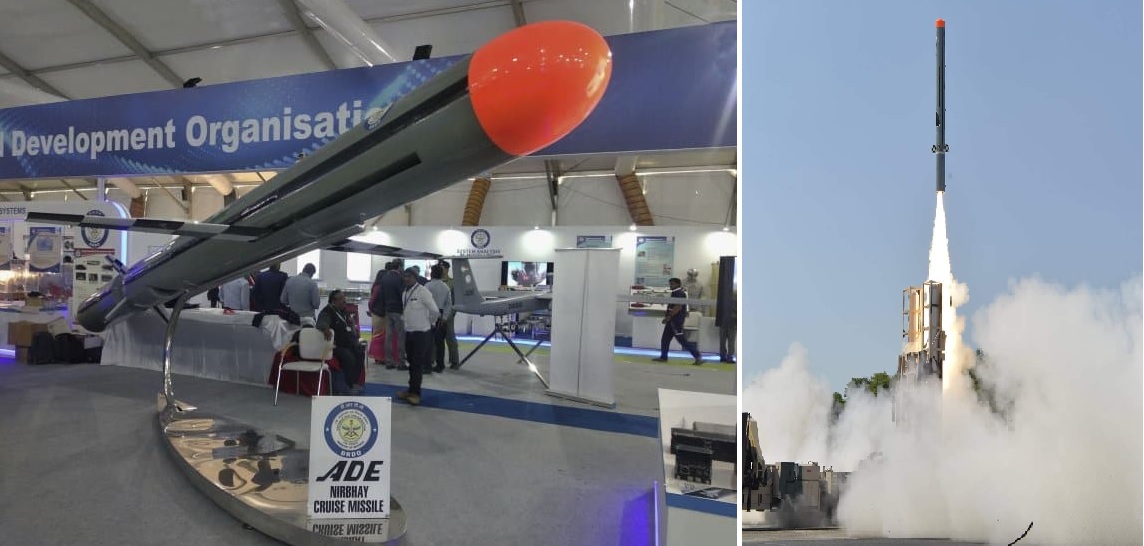
India
India’s Defence Research and Development Organisation (DRDO) is preparing for a landmark event this year: the maiden launch of the Nirbhay Long-Range Land Attack Cruise Missile (LACM) for the Indian Air Force (IAF). This moment represents a major leap in the country’s indigenous missile development capabilities, reflecting India's growing focus on self-reliance in defense technology.The Nirbhay missile is a cutting-edge subsonic cruise missile, designed to be a highly versatile weapon system. Developed by the Aeronautical Development Establishment (ADE), a branch of DRDO, Nirbhay boasts an impressive range of up to 1,000 kilometers. It is capable of delivering both conventional and nuclear payloads, giving it a key role in strengthening India's strategic deterrence.One of the key features of the Nirbhay missile is its all-weather, long-range capability, allowing it to strike deep into enemy territory under any conditions. The missile is highly adaptable, capable of being launched from land, sea, or air, giving India a flexible weapon that can be deployed in various combat scenarios. This versatility is enhanced by the ongoing development of different versions of the missile, including air-launched and submarine-launched variants.Nirbhay’s precision is also one of its most valuable assets. After a series of six developmental trials, the missile has demonstrated a single-shot kill probability of over 90%. This high accuracy, combined with its long range and ability to carry multiple types of warheads, makes it an ideal tool for both tactical strikes and strategic missions.The missile’s design includes advanced guidance systems with inertial navigation and satellite-based corrections, ensuring it stays on course even during long-distance strikes. Nirbhay can fly at subsonic speeds—around Mach 0.7—using a terrain-hugging flight profile to avoid detection by enemy radar systems, enhancing its stealth characteristics. Additionally, the missile’s onboard systems allow it to adjust its flight path mid-air to avoid obstacles, giving it a sophisticated level of maneuverability.With the Indian military's need for increased long-range precision strike capabilities, the operationalization of the Nirbhay missile is seen as a critical step. Its deployment with the IAF will significantly enhance India’s ability to conduct deep-strike missions, both in conventional warfare and as part of its nuclear deterrence strategy. The missile is expected to play a pivotal role in defending the country's borders, especially in high-stakes scenarios where long-range precision is essential.DRDO's success in the development and planned launch of Nirbhay also fits into India's broader military modernization efforts. The nation has been steadily increasing its focus on indigenously produced military hardware, aiming to reduce reliance on foreign suppliers and enhance its self-sufficiency in defense production.In addition to the land-launched version being prepared for the IAF, DRDO is working on several other variants. The air-launched version, which could be fired from Indian fighter jets, offers even greater flexibility in strike operations. Meanwhile, the ship-launched and submarine-launched variants, which are currently undergoing trials, would provide India with the ability to launch the missile from sea platforms, enhancing the country’s naval strike capabilities.The launch of the Nirbhay missile for the IAF is expected to be a major step forward, cementing India's position as a regional power with advanced cruise missile technology. This development not only boosts India’s defense capabilities but also sends a strong message to adversaries in the region about the nation’s growing military prowess.
Read More → Posted on 2024-09-21 15:47:23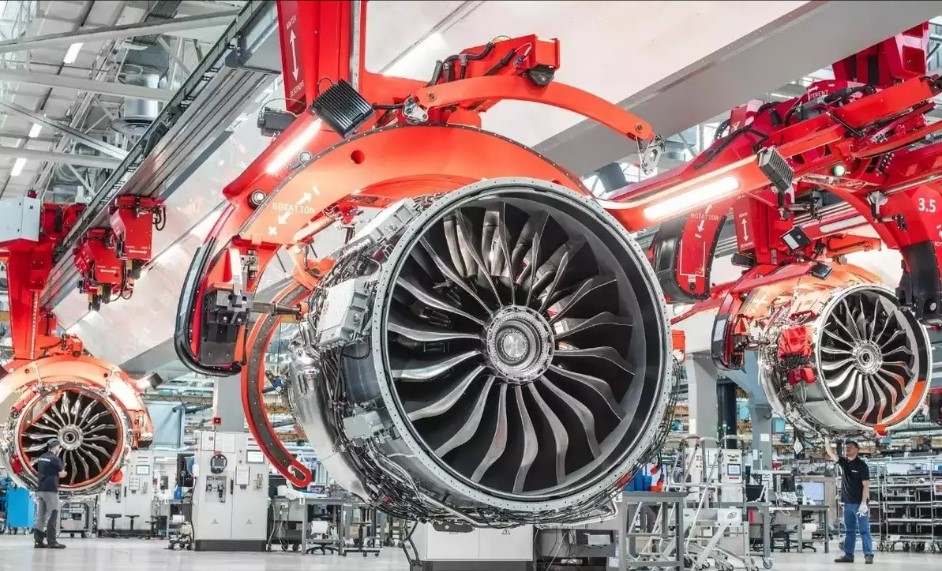
India
GE Aerospace is ramping up its investment in India, as the country becomes an increasingly critical player in the global aviation supply chain. Over the past few years, the company has witnessed a staggering 20-fold increase in exports from India between 2018 and 2022, driven by the rapid expansion of its supplier network and rising global demand for aircraft engines.Currently, GE Aerospace has more than 1,300 engines in operation across India, powering both Boeing and Airbus aircraft for leading airlines such as Air India, IndiGo, and Vistara. The company’s presence is set to grow even further, with an additional 2,000 engines slated for delivery to Indian airlines over the next nine years. This tremendous growth has sparked discussions about establishing a local maintenance, repair, and overhaul (MRO) facility in India to support the burgeoning fleet.GE Aerospace’s South Asia CEO, Vikram Rai, pointed to India’s growing importance, noting that the country is not only a massive market but also home to top-tier talent that makes it a vital part of the company’s global supply chain. This relationship has been strengthened through partnerships with major Indian firms, such as Tata Advanced Systems Ltd (TASL). In November 2022, GE signed a multi-year contract with TASL to manufacture components for its commercial aircraft engines, a deal valued at $1 billion. These components are being used in GE's engine manufacturing facilities around the world, showcasing India’s key role in the company’s global operations.The idea of establishing an MRO facility in India is being actively explored as the need for engine maintenance grows alongside the fleet size. "We continue to evaluate an engine MRO here," Rai stated, hinting at the company’s intentions to make India a hub for engine maintenance in the future. The potential facility would not only cater to Indian airlines but could also serve as a regional MRO center, enhancing India’s position in the global aviation ecosystem.Beyond its current engine portfolio, GE Aerospace is looking toward the future with its next-generation open-fan architecture engines. These engines, which are being developed as part of the CFM RISE (Revolutionary Innovation for Sustainable Engines) program, promise a 20% improvement in fuel efficiency over current models. A significant portion of the research and development for these cutting-edge engines is taking place at GE’s John F Welch Technology Centre (JFWTC) in Bengaluru. These engines are expected to enter service on narrow-body aircraft by the mid-2030s, further solidifying GE Aerospace’s long-term commitment to India.As GE Aerospace deepens its ties with India through local manufacturing, research, and possibly an MRO facility, the country is becoming a pivotal part of the company's global strategy. The massive surge in exports, along with the impending arrival of thousands of new engines, underscores India’s growing prominence in the aviation sector, both as a market and a critical component of GE’s supply chain.This forward-looking approach positions GE Aerospace to not only capitalize on India’s aviation boom but also to contribute to its long-term success, as the country becomes a key player in the global aviation landscape.
Read More → Posted on 2024-09-21 15:44:03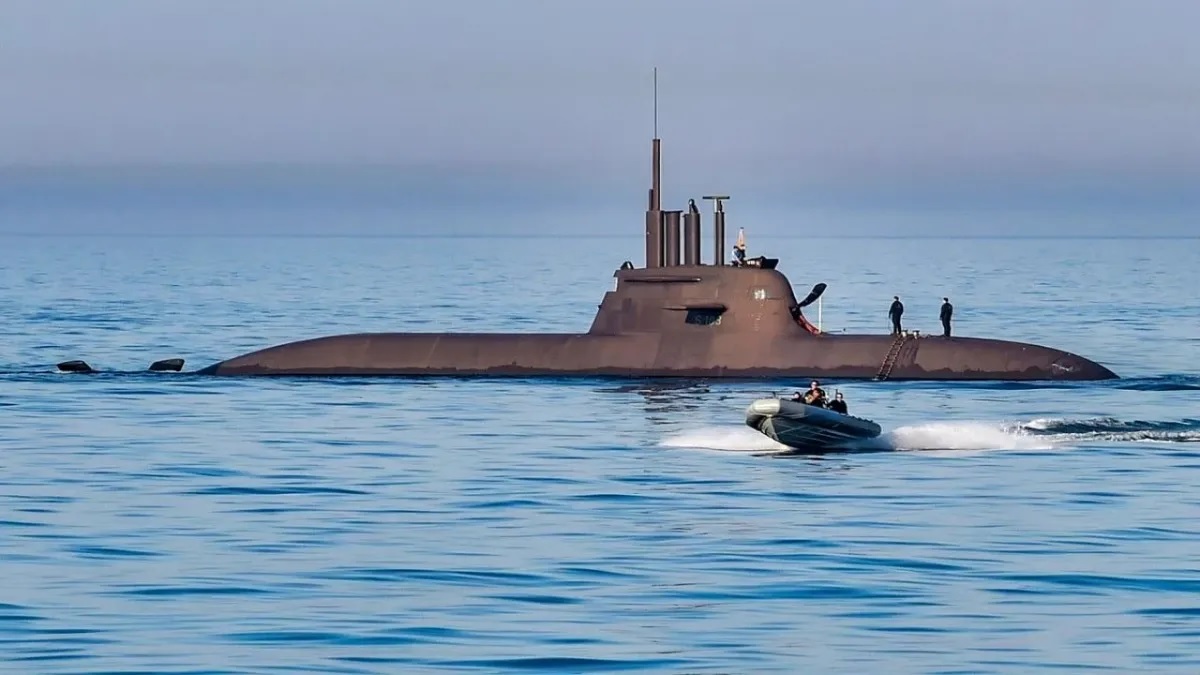
India
In a bold bid for India’s Project-75I submarine tender, ThyssenKrupp Marine Systems (TKMS) has made an offer that could transform India into a regional hub for submarine manufacturing. At the heart of TKMS’s proposal is the promise to build six advanced submarines in collaboration with Mazagon Dock Shipbuilders Ltd (MDL) and to create a long-term, self-sustaining submarine ecosystem in India.CEO Oliver Burkhard of TKMS has set forth an ambitious vision that extends far beyond simply constructing submarines. Should TKMS secure the contract, the company plans to source critical components and materials from Indian suppliers, not only for the submarines built within India but also for other international submarine programs. This would position Indian suppliers on a global stage and strengthen the country’s industrial base.TKMS’s bid centers around its U-212 submarine, a modern and highly capable platform known for its stealth and long-range capabilities. The U-212 class, already in service with the German and Italian navies, is noted for its Air Independent Propulsion (AIP) technology, which allows it to remain submerged for extended periods—an advantage in the Indian Ocean, where stealth is crucial. This feature, combined with the submarine's state-of-the-art sonar and advanced weapon systems, would give India a significant strategic edge.One of the key aspects of the offer is the Transfer of Technology (ToT) package. This agreement, if accepted, would allow India to build the six submarines domestically while acquiring the expertise needed to design and construct its own submarines in the future. The ToT would not only increase India's defense self-sufficiency but also foster the growth of its indigenous submarine-building capabilities.Beyond the technical benefits, TKMS is proposing a more holistic vision for India as a submarine hub. The plan would include training Indian engineers, transferring specialized manufacturing know-how, and building a sustainable supply chain. In essence, India could become a regional center for submarine maintenance, upgrades, and even exports, serving as a supplier for TKMS’s global submarine network. Such a hub would generate significant economic activity, create high-tech jobs, and further cement India’s role in the defense sector.The estimated value of the Project-75I tender is over ₹45,000 crore (approximately $5.4 billion), making it one of the largest defense contracts in India’s recent history. TKMS’s offer, which emphasizes both technological prowess and long-term strategic benefits, is competing with other global submarine manufacturers for the contract. But Burkhard’s bold plan for local manufacturing and integration into the global supply chain could tip the scales in favor of TKMS.With regional tensions rising and India seeking to enhance its maritime defense, the strategic importance of the Project-75I tender cannot be overstated. The Indian Navy’s push to modernize its submarine fleet comes at a critical time, and TKMS’s offer, with its potential to create lasting economic and strategic benefits, is being closely scrutinized. As the competition intensifies, the prospect of India becoming a submarine powerhouse with the help of TKMS could play a significant role in shaping the future of the country's naval capabilities. The decision is eagerly awaited, with the outcome set to impact not just India’s defense sector, but the global submarine industry at large.
Read More → Posted on 2024-09-21 15:39:09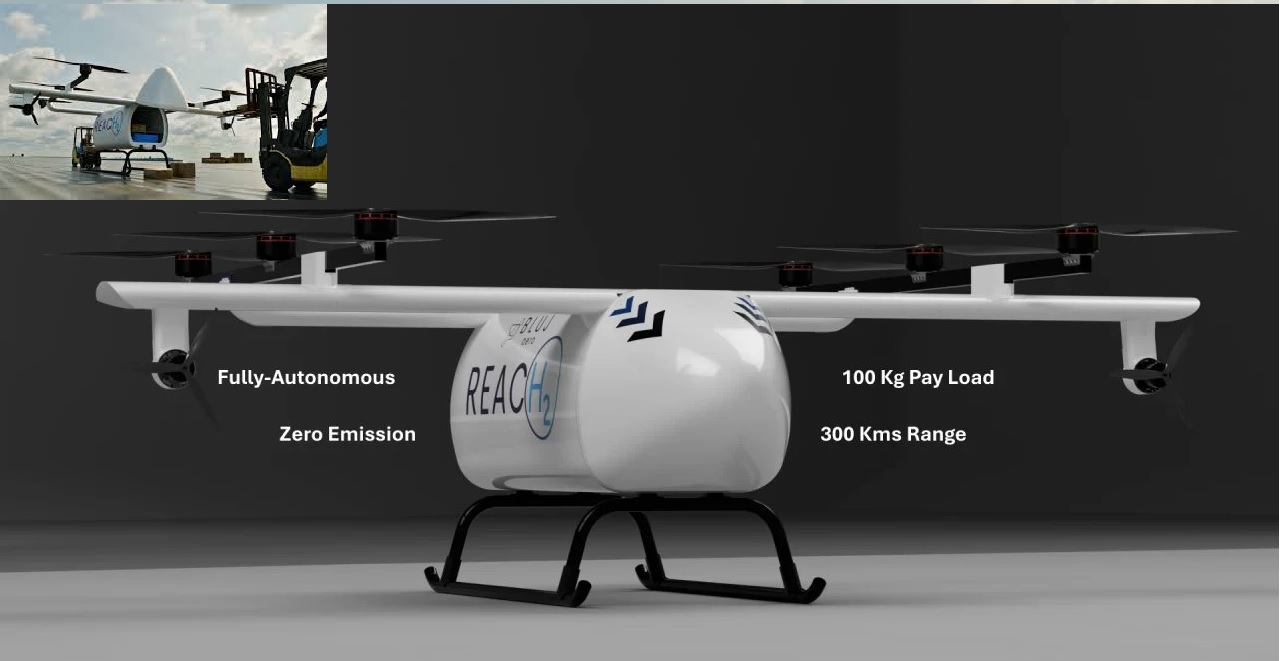
India
BluJ Aero, a forward-thinking start-up based in Hyderabad, India, is making waves in the aviation industry with its ambitious plan to develop a hydrogen-powered vertical take-off and landing (VTOL) aircraft. Founded in May 2022 by Maruthi Amardeep Sri Vatsavaya and Utham Kumar Dharmapuri, BluJ Aero is positioning itself at the cutting edge of sustainable air transportation. The company's mission is clear: to revolutionize the way we think about air mobility by harnessing hydrogen fuel cells for clean, efficient, and long-range flights.The core idea behind BluJ Aero's aircraft lies in its innovative use of hydrogen fuel cells, which generate electricity by combining hydrogen with oxygen from the air, releasing only water and heat as by-products. This technology offers a significant advantage over traditional battery-powered electric aircraft by allowing for longer ranges without harmful emissions. BluJ Aero’s aircraft is designed with the future in mind, aiming not only to tackle pressing environmental concerns but also to create a practical, cost-efficient alternative to current transport solutions.### Cutting-Edge Aircraft DesignBluJ’s VTOL aircraft is designed to stand out in both form and function. With a compact wingspan of 6 meters and a length of 4 meters, the aircraft offers a nimble yet capable solution to various transportation challenges. Initially, it is designed to carry a payload of up to 100 kg, but future versions aim to push this capacity up to 1 ton (1,000 kg). The aircraft’s range is just as impressive—early models are expected to achieve between 400 and 500 km on a single tank of hydrogen, with future iterations potentially reaching up to 800 km.These specifications highlight BluJ Aero's vision of creating an aircraft that is versatile enough for various industries, including cargo transport, urban air mobility, and even defense. The ability to carry substantial payloads over long distances with zero emissions offers a glimpse into how the aviation industry might evolve in the years to come.Building Momentum with Strategic FundingLike any groundbreaking start-up, BluJ Aero has drawn the attention of investors eager to be part of the future of aviation. The company recently secured $2.25 million in seed funding, led by Endiya Partners and Ideaspring Capital, with additional backing from Rainmatter Foundation. This infusion of capital will not only accelerate the development of their first commercial VTOL aircraft but will also allow the start-up to expand its team and grow its operations. From a current team of nine, BluJ plans to increase its workforce to twenty employees by the end of 2023, all focused on bringing the hydrogen-powered VTOL to life.BluJ Aero's ambitious timeline includes conducting test flights of a prototype powered by a lithium-ion battery by late 2023. This step will lay the groundwork for their ultimate goal: a fully hydrogen-powered VTOL, which the company aims to demonstrate by 2024. An Experienced Team at the HelmBehind BluJ Aero’s promising progress is a leadership team with deep expertise in the aerospace sector. With experience at global aerospace giants like Boeing, GE, ISRO, and Collins Aerospace, the founding team brings a wealth of technical knowledge and industry know-how to the table. This expertise is particularly crucial when tackling the challenges associated with hydrogen fuel cell technology, which, while promising, requires careful engineering to ensure safety, efficiency, and reliability.Transforming Air TransportationBluJ Aero’s vision extends beyond the technical innovations of hydrogen-powered flight. The company sees its VTOL aircraft as a solution for a range of sectors that rely on fast, reliable, and sustainable transport. In logistics, the ability to move cargo efficiently over long distances without the need for roads could transform supply chains, especially in regions where ground infrastructure is lacking or underdeveloped. Defense applications also come into play, with the VTOL’s versatility offering new possibilities for rapid troop and equipment deployment.Urban air mobility is another exciting area that BluJ Aero is targeting. As cities grow and congestion increases, the need for efficient, eco-friendly transportation solutions is becoming more pressing. BluJ’s aircraft could reduce travel times between cities, providing an alternative to ground transportation that is both faster and greener.Aligning with India’s Green Hydrogen PushIndia has placed a growing emphasis on the use of green hydrogen as part of its broader energy transition strategy. The government’s efforts to develop and promote hydrogen infrastructure align closely with BluJ Aero’s goals. As the hydrogen economy grows, BluJ’s aircraft could benefit from reduced operational costs compared to traditional hybrid electric systems, further enhancing the appeal of this groundbreaking technology.With its bold approach to hydrogen-powered aviation, BluJ Aero is not only working to reshape the skies but also to pave the way for a more sustainable future. By combining cutting-edge fuel cell technology with a focus on practical, real-world applications, the company is positioning itself as a key player in the next generation of air transport.BluJ Aero’s long-range, hydrogen-powered VTOL aircraft could represent the future of eco-friendly aviation, one that significantly reduces emissions while meeting the growing demands of global transportation.
Read More → Posted on 2024-09-21 15:35:56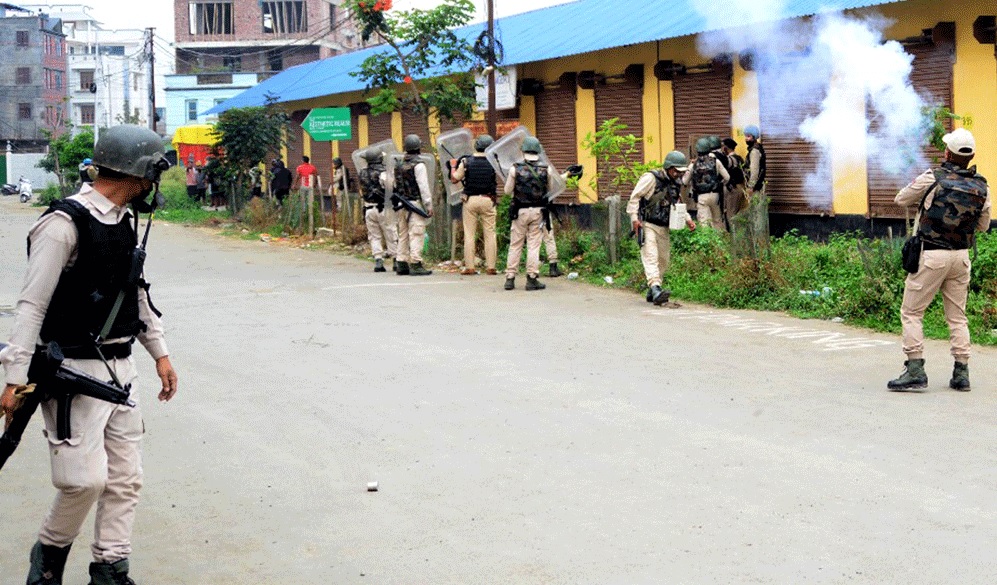
India
Manipur has been placed on high alert following the infiltration of around 900 well-armed Kuki militants from Myanmar, sparking immediate concern across security agencies. According to the state’s Security Advisor, Kuldiep Singh, the infiltration was detected in mid-September, prompting swift action by the government. Singh confirmed that a high-level meeting of the Security Operation Group (SOG) was held on September 18 to strategize a response. The meeting included representatives from the Indian Army, Assam Rifles, Manipur Police, BSF, CRPF, and other security agencies, all of whom discussed coordinated measures to address the potential threat.The infiltrating militants, who reportedly crossed the border in small groups of about 30 each, are believed to be well-equipped with heavy weaponry. The authorities believe that the militants, after infiltrating Manipur’s border areas, will need food and shelter. In response, the security forces have launched combing operations to locate the militants and prevent them from establishing bases in the region. Assam Rifles, the primary security force responsible for guarding the India-Myanmar border, has been put on high alert, tightening border surveillance. The use of modern equipment such as binoculars and anti-drone systems has also been ramped up to prevent further incursions. It was reported that about 648 bunkers, believed to be used by the militants, have been destroyed so far, and several drone attacks have been thwarted. Sensitive locations, including railways and roads, have also been placed under heightened security, and a strict ban on drones has been implemented throughout the state.In addition to these measures, security personnel have been instructed to search for materials commonly used in militant operations, such as pipes, explosives, and other components that could be used to manufacture drones and improvised explosive devices (IEDs). During these operations, Assam Rifles apprehended a Kuki militant from Myanmar, who has since been handed over to local police. The captured militant is being processed under the Foreigners Act, and further investigations are ongoing.One of the most alarming incidents occurred when a drone bomb attack was attempted in Koutruk, a village in Manipur. The investigation into this drone strike has been handed over to the National Investigation Agency (NIA), as the local government lacks the technological capacity to probe such advanced attacks. The authorities suspect that the militants could be planning more attacks around the end of September, further increasing the urgency of preventive actions.These developments come at a time of heightened tensions in the region, with the Myanmar-Manipur border being a hotbed for militant activity due to the rugged terrain, which makes it difficult to monitor infiltration. The Manipur government, aware of the dangers posed by these infiltrations, has taken proactive measures to neutralize the threat before the militants can organize large-scale attacks. The involvement of multiple security agencies underscores the seriousness of the situation, as the authorities work to ensure the safety and security of Manipur’s residents.The situation in Manipur highlights the growing threat posed by militant groups operating along the India-Myanmar border. With sophisticated tactics such as drone warfare being employed by these groups, the need for advanced surveillance and coordinated efforts between military, paramilitary, and local law enforcement has never been more critical. As the state braces for potential attacks, vigilance and prompt action remain essential in keeping the situation under control.
Read More → Posted on 2024-09-21 15:32:24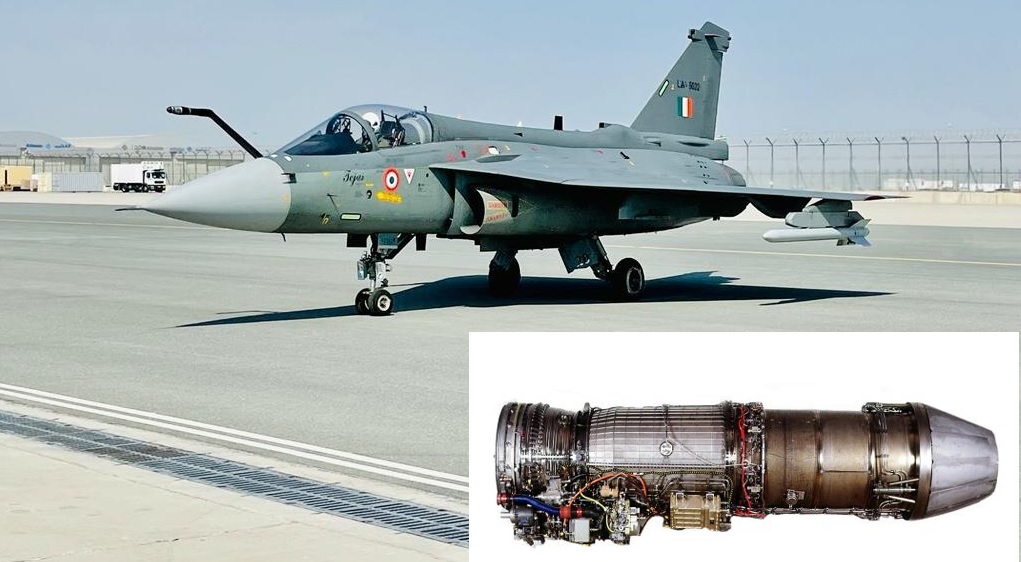
India
Turkey’s recent order of 100 F404 engines for its Hurjet light fighter jets has brought renewed attention to an engine family that holds crucial importance for India’s Tejas Mk1A program. As both nations gear up to strengthen their respective air forces with indigenous aircraft, the shared reliance on General Electric’s (GE) F404 engine could actually benefit India's Tejas program, despite the initial appearance of added competition for engine supply.India has long faced challenges with the timely delivery of its Tejas Mk1A jets, a situation partly driven by the global demand for the F404 engines. The Tejas Mk1A uses the F404-GE-IN20 variant, a higher thrust model specifically designed for its needs. However, securing these engines in a competitive landscape has been difficult, given the rising global interest in the F404 engine family. The United States' T-7A Red Hawk trainer and South Korea's T-50 Golden Eagle jets, both powered by variants of the F404, have created additional pressure on GE Aerospace’s production lines.Turkey's decision to procure 100 F404 engines for its Hurjet project comes at a critical moment. While the Hurjet and the Tejas Mk1A are different aircraft, their dependence on the same engine type could actually provide a boost to India's fighter jet program. Turkey's sizable order is expected to push GE Aerospace to expand its production capabilities, benefiting India indirectly by securing a more reliable supply of F404 engines.The F404 engine, which once appeared to be on the verge of being phased out in favor of newer, more powerful models like the F414 used in the US Navy’s Super Hornets, is experiencing a revival. With countries like Turkey and India relying on it for their advanced light fighters, the engine's robust and reliable performance has become more valuable than ever. GE’s focus on ramping up production of this engine family is a response to rising global demand, ensuring its longevity in the market.As GE Aerospace accelerates its production pace, the Indian Air Force could benefit from faster deliveries of the Tejas Mk1A. With the Tejas program already facing delays, a more consistent supply of engines could streamline production and allow India to meet its ambitious air fleet modernization goals. This not only strengthens India’s defense capabilities but also positions the Tejas as a significant player in the global market for light fighter aircraft.In the end, Turkey’s order of F404 engines doesn’t just affect its Hurjet program. It has far-reaching implications for GE Aerospace’s production and, more importantly, for India’s Tejas Mk1A. As the demand for these engines surges, so too does GE’s commitment to scaling up its production capacity, ultimately paving the way for faster and more reliable engine supplies for both countries.What initially seemed like a competition for resources could turn into a mutually beneficial situation, where both Turkey and India gain from the F404 engine’s resurgence. With increased production, India stands to speed up deliveries of its Tejas Mk1A jets, which are vital for modernizing its air force. At the same time, Turkey will advance its own Hurjet program, contributing to the global demand that is driving this production boom.In conclusion, while the F404 engine may have once appeared to be nearing the end of its life cycle, its role in multiple light fighter projects across the globe ensures its continued relevance in modern military aviation. For India, the expanded production capacity could offer the boost needed to expedite the delivery of Tejas Mk1A jets, securing a more robust future for the Indian Air Force.
Read More → Posted on 2024-09-20 15:33:21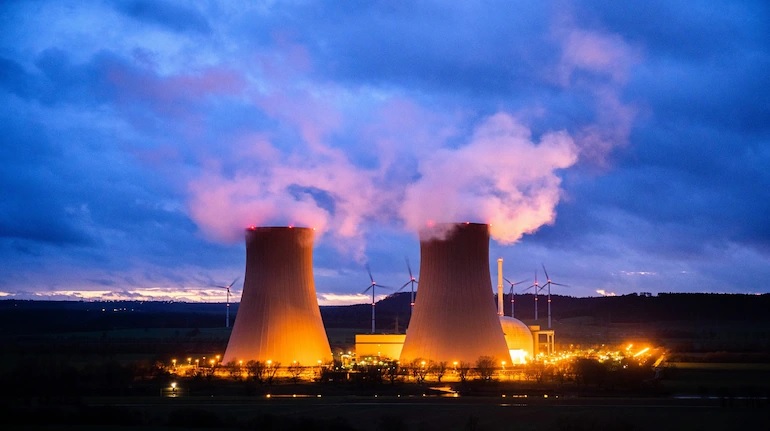
India
India's nuclear energy landscape has taken a significant leap forward with the Rajasthan Atomic Power Project's Unit 7 (RAPP-7) reaching the criticality milestone. Criticality marks the moment a nuclear reactor initiates a controlled fission chain reaction, the essential step that brings the plant closer to full power generation. Achieving this status on Thursday night at 10:42 p.m., the reactor, located at Rawatbhata in Rajasthan, is part of India's growing fleet of indigenous nuclear power reactors.RAPP-7 is not just any reactor – it's part of India's ambitious series of 700 MW Pressurised Heavy Water Reactors (PHWR), a type of nuclear technology specifically designed and developed by the Nuclear Power Corporation of India Limited (NPCIL). The importance of this achievement is underscored by the fact that RAPP-7 is the third in this 16-reactor series, which NPCIL is constructing across the country. The first two reactors of this kind, KAPS-3 and KAPS-4, have already been operational at Kakrapar in Gujarat, establishing a strong precedent for India’s indigenous nuclear capabilities.This project is part of the twin-unit RAPP-7 and RAPP-8, both designed with a combined capacity of 2×700 MW. While RAPP-7 has now moved into the operational phase, RAPP-8 is still under construction, with significant progress being made on equipment installation. NPCIL aims to bring RAPP-8 online by next year.For now, RAPP-7 will undergo a series of stringent experiments and tests. These tests will ensure the reactor operates safely before it is connected to the national grid. The Atomic Energy Regulatory Board (AERB) plays a crucial role in this process, providing the necessary clearances as the reactor’s power output gradually increases to its full 700 MW capacity. If all goes according to plan, RAPP-7 will be generating electricity by the end of this year, offering a significant boost to India’s energy security.The criticality of RAPP-7 not only highlights the success of India's indigenous nuclear reactor design but also underscores NPCIL’s expertise in constructing and managing large-scale nuclear projects. Rawatbhata itself is a hub for nuclear energy, already home to six reactors with a combined capacity of 1,180 MW. These new additions, RAPP-7 and RAPP-8, will significantly bolster the site’s total capacity, contributing to India's broader nuclear energy goals.India's energy future is deeply tied to the success of these indigenous reactors. NPCIL currently operates 24 nuclear reactors with a total installed capacity of 8,180 MW. Another eight units, including RAPP-7, are under construction, which will add an additional 6,800 MW to the grid. Over the next decade, India is also planning to build 10 more reactors with a combined capacity of 7,000 MW, which will be progressively rolled out by 2032.The criticality of RAPP-7 is not only a technical achievement but also a step toward India’s commitment to sustainable and reliable energy sources. As the country continues to ramp up its nuclear power generation, it places greater emphasis on energy self-reliance and reducing its carbon footprint. With new reactors coming up in states like Rajasthan, Gujarat, and Haryana, India’s nuclear future looks both promising and essential to meeting the growing energy demands of its population. Once fully operational, the RAPP-7 reactor will play a pivotal role in providing clean and consistent energy to millions of homes, contributing to India’s larger efforts to combat climate change and secure a stable energy supply.
Read More → Posted on 2024-09-20 15:30:30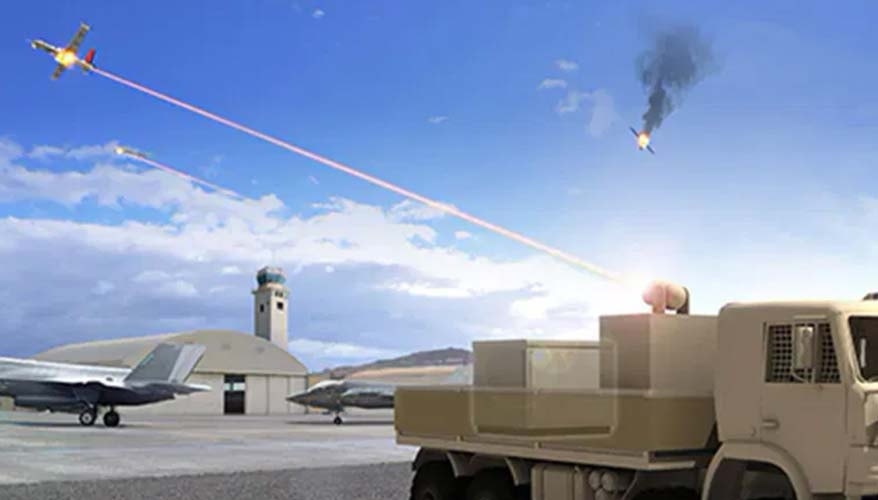
India
The Defence Research and Development Organisation (DRDO) has unveiled an impressive agenda for 2024, setting its sights on a range of innovative projects that are set to shape India's defence landscape. With a focus on both technological advancements and military recruitment, DRDO's plans include psychological assessments for the Agniveer recruits, development of cutting-edge weapon systems, and an effort to bolster regulatory frameworks that oversee India's military capabilities.A major highlight of this agenda is the introduction of psychological evaluations for Agniveers—young soldiers recruited under the Agnipath scheme. Recognizing the importance of mental resilience in today's combat scenarios, DRDO is developing a comprehensive psychometric assessment to evaluate the recruits' cognitive and emotional fitness. This test, expected to be rolled out later this year, will offer deeper insights into each recruit’s psychological readiness, ensuring a more holistic recruitment process for the Indian Armed Forces.On the technological front, DRDO’s 2024 roadmap includes key advancements in India’s air defence. The organization is nearing the Final Operational Clearance (FOC) of its Airborne Early Warning and Control (AEW&C) system, known as "Netra". This state-of-the-art system is designed to detect and track aerial threats over vast distances, enhancing the Indian Air Force's ability to respond to incoming dangers more effectively. Equipped with radar and communication systems, "Netra" will serve as a critical force multiplier, allowing India to maintain an advantage in air surveillance and threat neutralization.Furthermore, DRDO is making strides in the field of Directed Energy Weapons (DEW), focusing on a powerful 30 kW system. This technology, which uses focused electromagnetic energy to disable targets such as rogue drones, offers a glimpse into the future of warfare where conventional ammunition may be complemented—or even replaced—by energy-based systems. Capable of neutralizing aerial threats with precision and speed, this DEW system underscores India's commitment to staying ahead of the curve in modern military tech.The organization is also advancing its efforts to counter the growing threat of drones, which have become an increasing concern in modern conflict zones. To combat this, DRDO is developing a High-Power Microwave (HPM) system aimed at disabling unmanned aerial vehicles (UAVs) by disrupting their electronic controls. As drones continue to evolve into a serious security threat, the deployment of anti-drone technologies will be pivotal in securing India's airspace.In another ambitious move, DRDO is preparing for the maiden launch of a Long-Range Land Attack Cruise Missile (LRLACM). Designed for flexibility across air, naval, and land platforms, this missile will enhance India’s precision-strike capabilities over vast distances. With its ability to carry out deep-penetration strikes, the LRLACM will serve as a critical tool in India's strategic arsenal, capable of targeting adversarial infrastructure with high accuracy.As part of its modernization drive, DRDO is also seeking to give statutory backing to key regulatory bodies such as the Centre for Military Airworthiness and Certification (CEMILAC) and the Centre for Fire, Explosive, and Environment Safety (CFEES). Strengthening these organizations will enhance the overall safety, certification, and compliance standards in India's defence sector, particularly in the context of new weapons development and testing protocols.Overall, DRDO’s agenda for 2024 presents a clear vision of how India is stepping up its defence game. By integrating advanced weaponry like the "Netra" AEW&C system, Directed Energy Weapons, and anti-drone technologies, the country is making significant strides in securing its airspace and strategic interests. Meanwhile, the psychological evaluations for Agniveer recruits signal a move towards a more comprehensive and forward-thinking approach to military preparedness. As DRDO continues to push the boundaries of innovation, these developments are set to play a critical role in safeguarding India’s national security amid evolving global threats.
Read More → Posted on 2024-09-20 15:25:53
India
India’s ongoing efforts to combat terror financing and money laundering have garnered praise from the global Financial Action Task Force (FATF), which lauded the country’s strides in understanding and mitigating current and emerging threats. In its recently released Mutual Evaluation Report, FATF highlighted India’s proactive approach in tackling terrorism financing (TF) and its sophisticated use of financial intelligence to detect illicit activities. This recognition positions India as a growing leader in the global fight against financial crimes, although the report suggests that further improvements are necessary to ensure the system remains robust as the country’s economy expands.The FATF, an international watchdog for preventing money laundering and the financing of terrorism and weapons of mass destruction, emphasized that India’s investigative agencies, particularly the National Investigation Agency (NIA) and Enforcement Directorate (ED), have shown exceptional capability in tracking down money trails. The report praised India’s ability to handle complex financial investigations and identify financial support to terrorist activities, which aligns with the risks present in different regions of the country. The FATF report took note of the high level of technical compliance that India has achieved with the FATF's global Anti-Money Laundering (AML) and Counter-Terrorist Financing (CTF) standards. The country’s legal and regulatory frameworks are working effectively to curb financial crimes, providing a clear deterrence to terrorists and criminals who seek to use the financial system for illicit purposes.One of the most significant acknowledgments in the report was India's effective handling of the terror financing risks posed by groups like ISIS and Al Qaeda, particularly in regions such as Jammu and Kashmir. These areas, along with insurgencies in the northeastern parts of the country and left-wing extremism in central India, remain a focal point for the government’s counter-terrorism efforts. The FATF observed that India faces a diverse range of terrorism threats, many of which are localized within its borders, making domestic financial intelligence capabilities critical.FATF’s evaluation also recognized India's broader initiatives in financial inclusion. Over the past decade, the number of individuals with access to bank accounts has more than doubled, promoting the use of digital payment systems. This financial inclusion has played a significant role in reducing the informal economy and preventing money laundering through traditional, unmonitored channels. However, despite this progress, the FATF urged India to continue refining its AML/CFT framework, particularly in ensuring that criminal trials related to money laundering and terrorism financing are expedited and that appropriate sanctions are applied. India’s progress is also evident in its handling of illegal activities that fuel money laundering. Key risks identified include cyber fraud, corruption, and drug trafficking, which continue to be pervasive. While the country has made headway in prosecuting fraud and forgery-related cases, challenges remain in addressing human trafficking and drug-related crimes. The FATF stressed the importance of resolving the backlog of money laundering cases pending in Indian courts, signaling a need for a more streamlined judicial process in these areas.On the international front, India’s cooperation in sharing financial intelligence and working with foreign counterparts was praised. FATF highlighted that Indian authorities are actively contributing to global efforts in tracking illicit financial flows and disrupting the financing of terrorism beyond its borders. Nonetheless, as India's economy and financial system expand, FATF cautioned that the country must remain vigilant in updating and enhancing its financial safeguards. With the increasing use of digital payments and cross-border transactions, ensuring that new avenues for illicit financial activities are not exploited will be critical.In conclusion, FATF’s evaluation of India paints a picture of significant progress but also highlights areas where further work is needed. As India continues to strengthen its regulatory and investigative capabilities, the global financial watchdog remains optimistic about the country’s future role in the global fight against financial crime.
Read More → Posted on 2024-09-20 15:18:49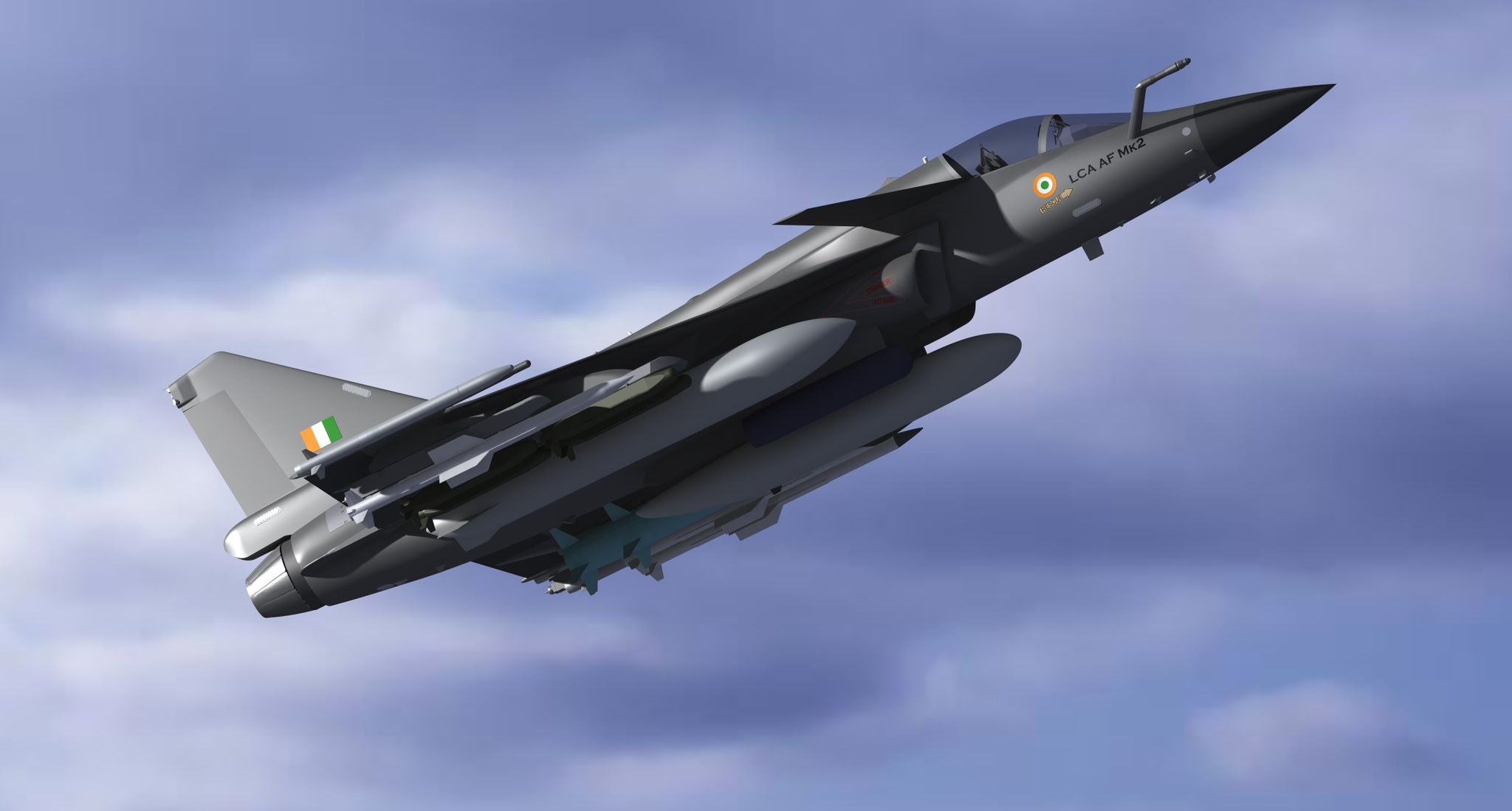
India
India’s aerospace industry is on the cusp of a significant breakthrough with the Tejas MkII, an advanced version of the indigenous Light Combat Aircraft (LCA), set to enter the assembly stage this month at Hindustan Aeronautics Limited’s (HAL) Bangalore facility. This new iteration represents a leap forward in the country's indigenous fighter jet development program and could further enhance India's air defense capabilities. The Tejas MkII will play a pivotal role in replacing aging fighters like the Mirage 2000 and Jaguar, giving the Indian Air Force (IAF) a modern combat edge.The Aircraft and Systems Testing Establishment (ASTE), a key institution of the Indian Air Force, is at the heart of testing the Tejas MkII. The ASTE will be working closely with HAL to ensure the aircraft is ready for its highly anticipated first flight, which is expected to occur next year. Currently, the HAL facility in Bangalore is already buzzing with activity, as parts of the fuselage and smaller equipment have started arriving, marking the beginning of the aircraft's assembly process.While the original Tejas MkI variant was designed primarily for air-to-air missions, the Tejas MkII brings notable upgrades and is expected to feature enhanced capabilities for air-to-ground roles as well. It is planned to be powered by the more powerful GE-F414 engine, significantly improving its thrust-to-weight ratio compared to the MkI variant. This increased power will allow the Tejas MkII to carry more payload, including advanced weaponry like beyond-visual-range (BVR) missiles, air-to-ground precision weapons, and even anti-ship missiles.The aircraft's avionics are also getting a significant upgrade. The MkII will be equipped with an active electronically scanned array (AESA) radar, improving its tracking and targeting abilities. It will also feature a digital fly-by-wire system, advanced electronic warfare (EW) suites, and an integrated onboard oxygen generation system (OBOGS), which will enhance pilot endurance in extended missions. Furthermore, the redesigned airframe offers increased fuel capacity, giving the fighter jet extended range, making it better suited for long-range missions.Before the aircraft takes to the skies, it will go through an intense series of ground-based tests at HAL. This includes engine runs, high-speed taxi trials, and stress tests that will push the aircraft's systems to their limits. The ASTE test pilots, known for their rigorous standards and expertise, will be involved in every phase of the testing. These experienced pilots will play a crucial role in evaluating the control systems, testing the new cockpit layout, and fine-tuning emergency protocols. Their input will ensure that the aircraft meets the high expectations set for it.Although the name of the pilot who will perform the Tejas MkII's maiden flight is still under wraps, there is no doubt that it will be someone from ASTE’s highly skilled and elite team. Their work will not only shape the future of the Tejas MkII but will also influence the direction of future indigenous fighter programs.The Tejas MkII program is a giant leap in India’s self-reliance in defense production, symbolizing decades of effort to develop cutting-edge indigenous aviation technologies. Once operational, the Tejas MkII will represent India's next-generation fighter, with capabilities that could make it a contender in the international defense market. As assembly begins and testing progresses, the Tejas MkII brings India one step closer to fielding a world-class fighter jet.
Read More → Posted on 2024-09-19 16:05:42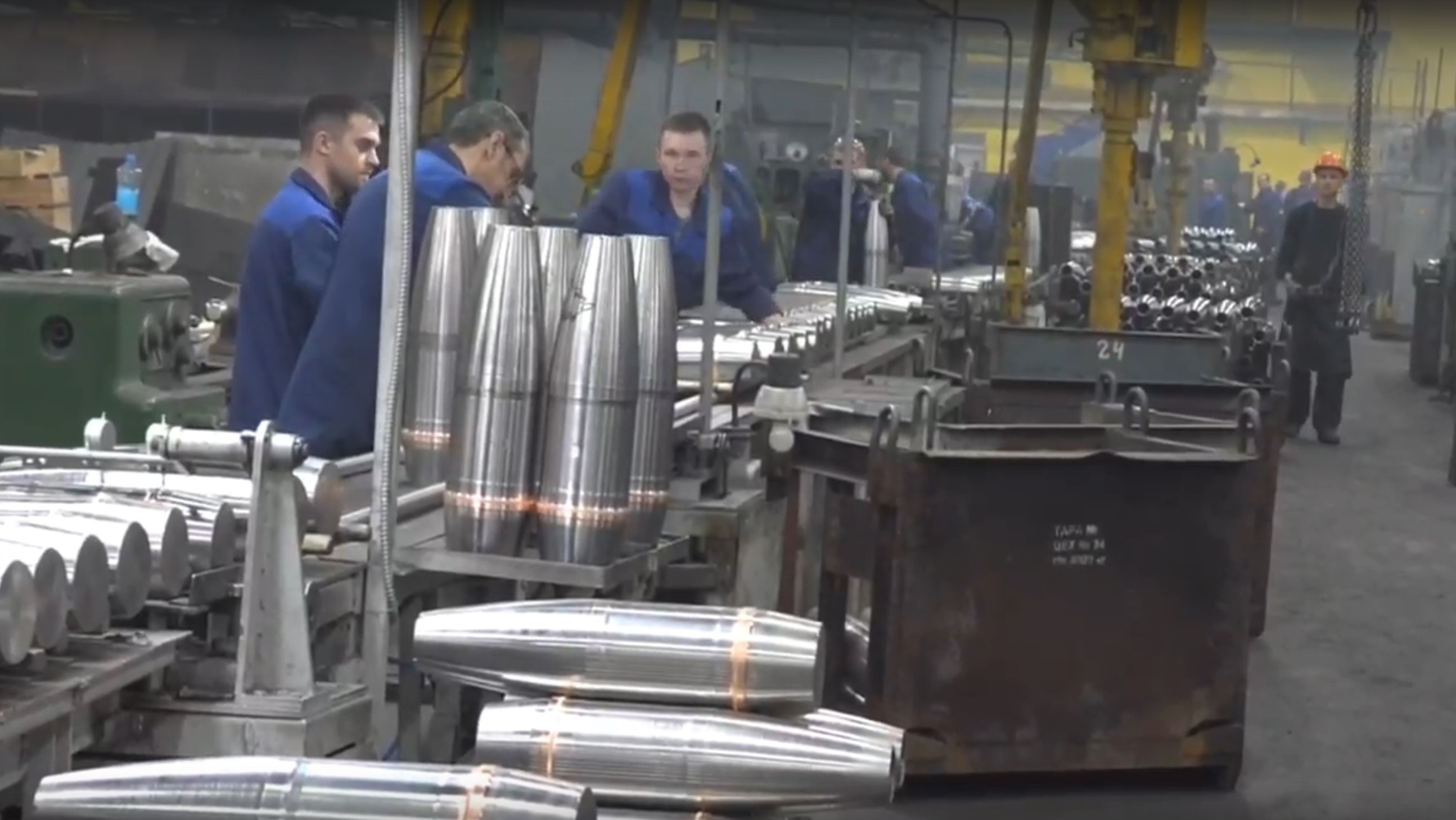
India
India’s artillery shells, manufactured by state-owned defense companies, have found their way into Ukraine’s battlefield, sparking anger from Russia. Though India has not directly supplied arms to Ukraine, several European countries, including Italy and the Czech Republic, have acted as intermediaries, transferring Indian-made munitions to Kyiv. This development has raised concerns in Moscow, which views the transactions as a breach of trust by one of its key strategic partners.The shells, originally sold to European defense contractors, were meant for use in their own defense systems. However, customs data analyzed by Reuters revealed that these artillery shells, including 155mm L15A1 rounds, have ended up in Ukraine as part of its war effort against Russia. Indian regulations prohibit the re-export of weaponry to unintended users, but European countries like Italy, Spain, and the Czech Republic have circumvented this by shipping Indian arms to Ukraine without New Delhi’s intervention.Russia, a long-time arms supplier to India, raised the issue multiple times, most recently during a July 2024 meeting between Russian Foreign Minister Sergei Lavrov and India’s External Affairs Minister Subrahmanyam Jaishankar. Moscow expressed its dissatisfaction, particularly over Indian munitions being used by the Ukrainian forces. However, India has remained largely silent on the matter, with no action taken to stop these transfers.Indian arms manufacturers like Yantra India and Munitions India have been at the forefront of this quiet surge in arms exports. Data shows that the export of munitions components to countries like Italy, Spain, and the Czech Republic surged from just $2.8 million before the Ukraine war to $135 million by mid-2024. Italian defense contractor MES, which has a strong relationship with Yantra India, played a significant role by purchasing empty shells from India, filling them with explosives, and shipping them to Ukraine. Reports suggest that other Western firms, lacking the capacity to mass-produce artillery shells, relied on Indian suppliers to meet Ukraine's growing demand for ammunition.This arms trade between India and Europe has placed New Delhi in a precarious position. India, which has maintained a neutral stance in the Russia-Ukraine conflict, faces pressure from both sides. While Russia remains a key defense partner, supplying more than 60% of India’s arms imports, India has also deepened its strategic ties with the U.S. and Europe amid concerns over China’s growing influence. Washington, Ukraine’s biggest supporter, has strengthened its defense relations with India, with the two countries cooperating on military technologies.India’s defense industry is in a period of rapid expansion. According to Indian Defense Minister Rajnath Singh, India’s defense exports exceeded $2.5 billion in the last fiscal year, and the country aims to raise this to $6 billion by 2029. However, India’s ambitions to become a major arms exporter have collided with its commitments to Russia, with some end-user violations occurring in the rush to expand its footprint in the global arms market.Despite Russia’s protests, India has shown no signs of slowing down its arms exports. A former top executive at Yantra India stated that India was aware of the situation but chose not to take any action. For New Delhi, the export of ammunition to European countries represents an opportunity to strengthen ties with Western powers while balancing its relations with Moscow. Yet, this balancing act risks complicating India’s future defense partnerships, particularly with Russia.The situation also highlights the complexity of the global arms trade, where weapons intended for one user often find their way to unintended destinations. In Ukraine’s case, Indian munitions have become a crucial component of its defense against Russian aggression. However, this trade-off has placed India in a delicate geopolitical position, one where its actions—or inactions—are being closely monitored by both sides of the conflict.
Read More → Posted on 2024-09-19 16:02:05
India
India is embarking on an ambitious project to completely fence the entire 1,643 km porous border it shares with Myanmar. This massive undertaking, estimated to cost Rs 31,000 crore, is driven by the need to curb cross-border smuggling and, more urgently, to address the underlying security concerns fueling the ongoing violence in Manipur. The India-Myanmar border, which spans four northeastern states—Manipur, Mizoram, Nagaland, and Arunachal Pradesh—has long been a hotspot for illegal activities, including the trafficking of arms, ammunition, drugs, and human trafficking. The Role of the India-Myanmar Border in Manipur's CrisisUnion Home Minister Amit Shah, in recent statements, pinpointed the porous nature of the India-Myanmar border as a critical factor in the ethnic violence that erupted in Manipur in May 2023. According to Shah, the smuggling of arms and ammunition from Myanmar into India has exacerbated tensions between the local Kuki and Meitei communities, contributing to the region's unrest. In light of this, Shah announced that the first 30 kilometers of the border fencing had already been completed. Additional fencing has also been constructed near Moreh, Manipur's border town, with 21 km of work currently underway in other strategic locations across the state.The project has been approved by the Cabinet Committee on Security, which has given the green light to not just the fencing but also the construction of roads along the India-Myanmar border to enhance patrolling and surveillance. The new fencing, coupled with modern technology, aims to better secure the border and reduce illegal infiltration and smuggling, which have long plagued the northeastern states.Scrapping of the Free Movement RegimeIn a significant policy shift, the Indian government recently scrapped the Free Movement Regime (FMR) that had been in place along the India-Myanmar border. This regime, which allowed people living near the border to cross into each other’s territories without documentation for up to 16 kilometers, was initially established in 2018 under India’s Act East Policy to facilitate cross-border ties. However, this system was increasingly seen as a loophole for illegal arms and narcotics smuggling, thus contributing to the volatile situation in Manipur.With the FMR gone, stricter monitoring of cross-border movement is expected, further bolstering India’s efforts to stabilize the region. However, local communities who relied on this regime for daily interactions, trade, and familial visits will feel the impact, making the implementation of the new border policies delicate.A Response to Growing Violence in ManipurThe violence in Manipur, which began in May 2023 after a tribal solidarity march by the Kuki community, has claimed over 220 lives, including those of civilians and security personnel. The Meitei community’s demand for Scheduled Tribe status led to tensions with the Kuki people, whose stronghold lies in the hill districts of the state. The government’s approach to fencing the border comes as part of a larger strategy to restore peace in the region by clamping down on illegal arms inflows and better controlling the movement of people across the India-Myanmar frontier.Home Minister Amit Shah has been leading efforts to stabilize the situation in Manipur, and several measures have been implemented to ease the hardships faced by the local population. For instance, 25 mobile vans have been introduced to deliver essential goods at fair prices across all districts of the state. Additionally, the Kendriya Police Kalyan Bhandar (KPKB) initiative has expanded with the opening of 16 new police canteens, aimed at providing affordable commodities to the people in Manipur, in both valley and hilly districts.The Path ForwardAs India proceeds with this monumental fencing project, the broader goal is to secure its northeastern frontier and curb the flow of arms, drugs, and insurgents that have destabilized the region. This effort to create a fortified, monitored border will be crucial not only for resolving the current conflict in Manipur but also for long-term security in the Northeast, which has historically been plagued by insurgencies and smuggling operations linked to its porous borders with Myanmar, Bangladesh, and Bhutan.Though the complete fencing of the India-Myanmar border is a long-term endeavor, the progress made so far is a testament to India’s commitment to resolving the security challenges in the region. As work continues on the remaining 1,600 kilometers, the project represents a new chapter in India’s efforts to bring stability to one of its most sensitive regions.
Read More → Posted on 2024-09-19 15:55:06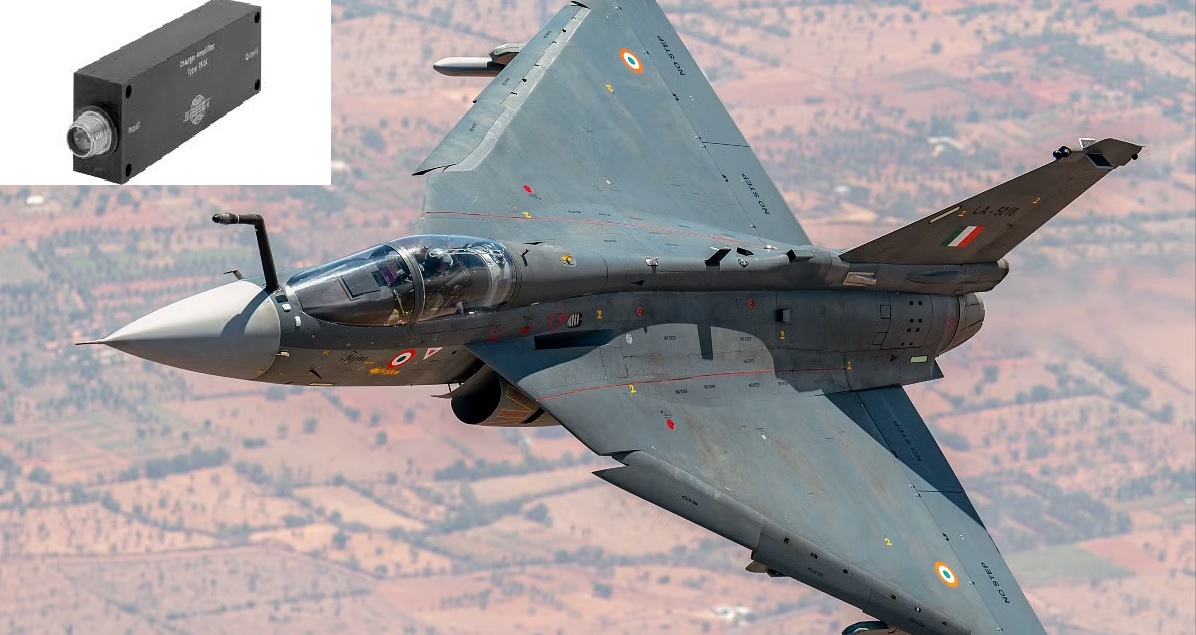
India
The delivery of India's TEJAS MK-1A fighter jets is facing further setbacks, as a key component—an engine charge amplifier sourced from Denmark—has been placed on an export blacklist by Danish authorities. This complication comes on top of an existing delay caused by the late delivery of engines from General Electric (GE) and software refinements that have taken longer than anticipated.The engine charge amplifier, though a relatively small component, plays a vital role in the operation of the aircraft. It measures the temperature of the engine and regulates its performance accordingly, ensuring that the engine functions optimally under different conditions. In the case of the TEJAS MK-1A, these amplifiers were originally imported from Denmark. However, as Denmark has imposed export restrictions—likely linked to the ongoing Russia-Ukraine conflict—the component’s availability has become a major bottleneck.India’s Ministry of Defence has taken up the issue through diplomatic channels, hoping to resolve the matter with the Danish government. However, Hindustan Aeronautics Limited (HAL), which is responsible for producing the Tejas jets, has already initiated efforts to indigenize the charge amplifier. A Bangalore-based company has been contracted to develop the component locally. According to sources, this firm is nearing completion of the development, and HAL will soon begin testing. Once testing is successful, mass production will follow.While HAL’s indigenization efforts offer hope, the delay caused by the Danish export restrictions compounds other challenges in delivering the 83 TEJAS MK-1A jets contracted by the Indian Air Force (IAF). HAL signed the contract in 2021, with the first aircraft originally expected to be delivered in March 2023, followed by 16 jets each year. However, no aircraft has been delivered to date. Even before the Danish issue emerged, there were delays due to GE’s failure to deliver the F404-IN20 engines on time.The engines are another critical factor in the delay. GE, the supplier of the engines, has assured the Indian government that it will begin delivering two engines per month starting in November 2024, after a discussion between India’s Defence Minister Rajnath Singh and US officials during his visit to Washington in August. GE attributed the delays to global supply chain issues, as well as the time required for certifying new vendors and ensuring parts meet rigorous testing standards.Software changes have also played a role in slowing the aircraft’s rollout. The Israeli-made avionics systems installed in the TEJAS MK-1A required certain modifications, further stretching the timeline for delivery. Despite these setbacks, HAL is optimistic that with the indigenization of the charge amplifiers and the resumption of engine deliveries, they can meet revised deadlines for the jets.The hope now is that the first TEJAS MK-1A will be delivered by the end of October or November 2024. HAL expects that the indigenization process for the charge amplifiers will be completed soon, with the initial batch of aircraft potentially utilizing some amplifiers imported under the earlier Danish contract.The TEJAS MK-1A is a significant upgrade over the earlier variants of the Tejas fighter jet. Designed as a lightweight, multi-role aircraft, it boasts advanced radar systems, improved electronic warfare capabilities, and enhanced weapons-carrying capacity. The F404-IN20 engines powering the jet offer reliable performance, while the avionics systems provide modern targeting and mission management features.While these delays are frustrating for the IAF, the long-term prospects for the TEJAS MK-1A remain promising. The indigenization of key components like the engine charge amplifier could help reduce future dependence on foreign suppliers, aligning with India’s broader push toward self-reliance in defense production.As HAL works against the clock to resolve these issues, the delivery of the TEJAS MK-1A jets to the IAF is expected to move forward in the coming months, provided there are no further complications in the supply chain or regulatory approvals. For now, the focus remains on overcoming the challenges posed by the Danish export restrictions and ensuring that the fighter jets are ready to bolster India's aerial defense capabilities as soon as possible.
Read More → Posted on 2024-09-19 15:44:58Search
Top Trending in 24 Hours
-
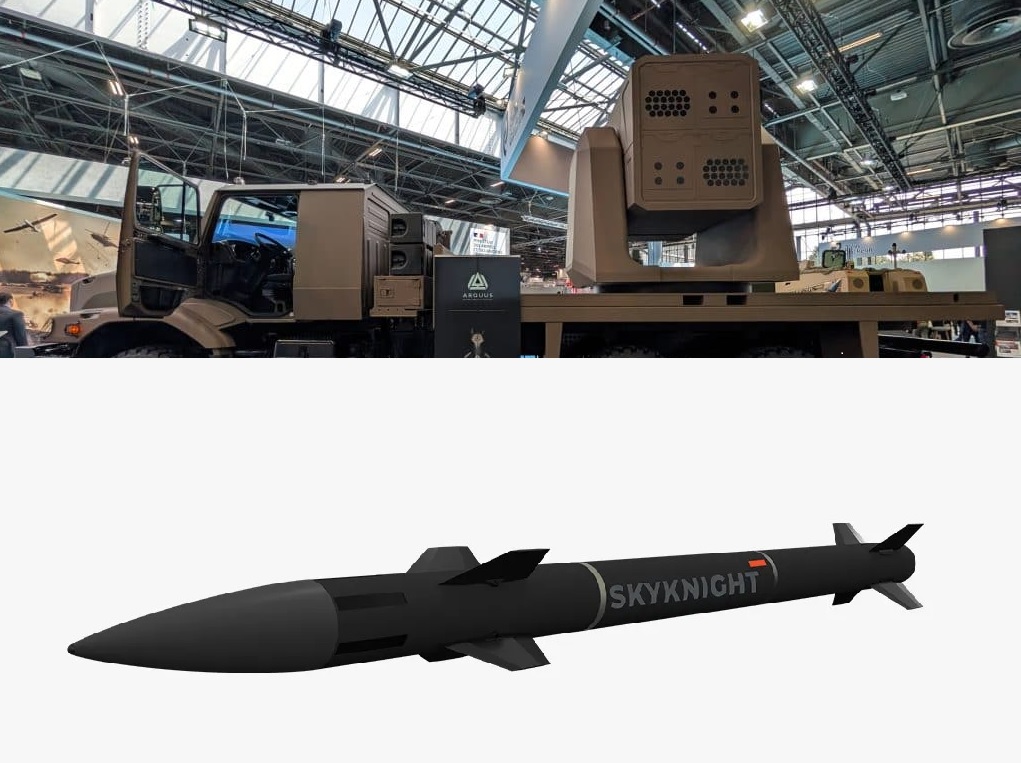 Naval Group Unveils Rampart Modular CIWS Multi-Purpose Weapon System for Naval and Ground Forces at Eurosatory 2026
-
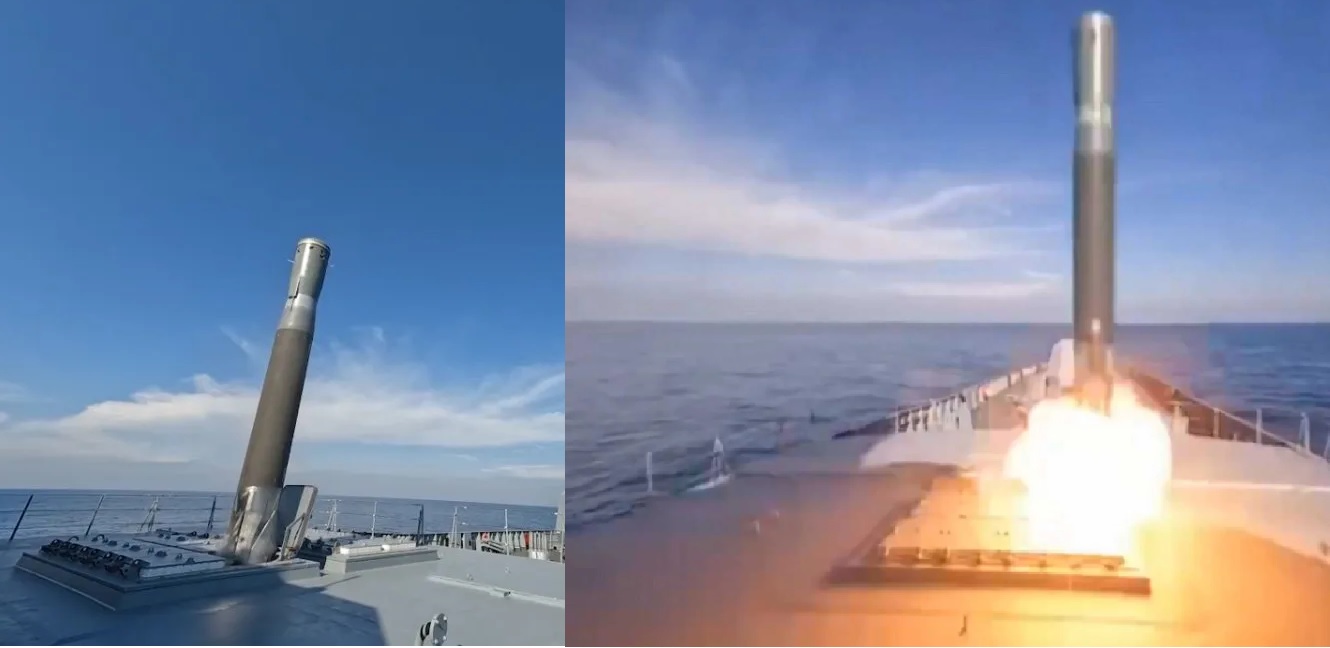 Open-Source Evidence Suggests Russia's Zircon Is a Quasi-Ballistic Missile, Not a True Hypersonic Cruise Weapon
-
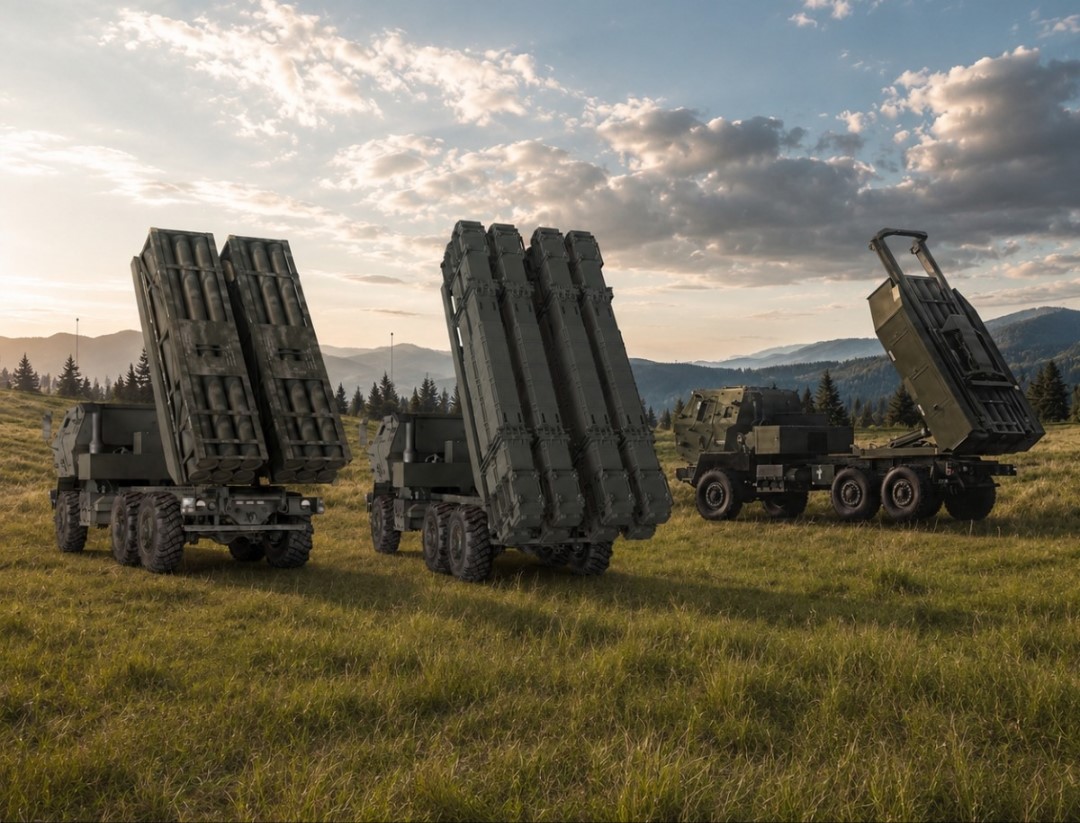 Lockheed Martin Unveils HIMARS FLEX with Dual-Pod Launcher and NATO-Compatible Air Defense Integration
-
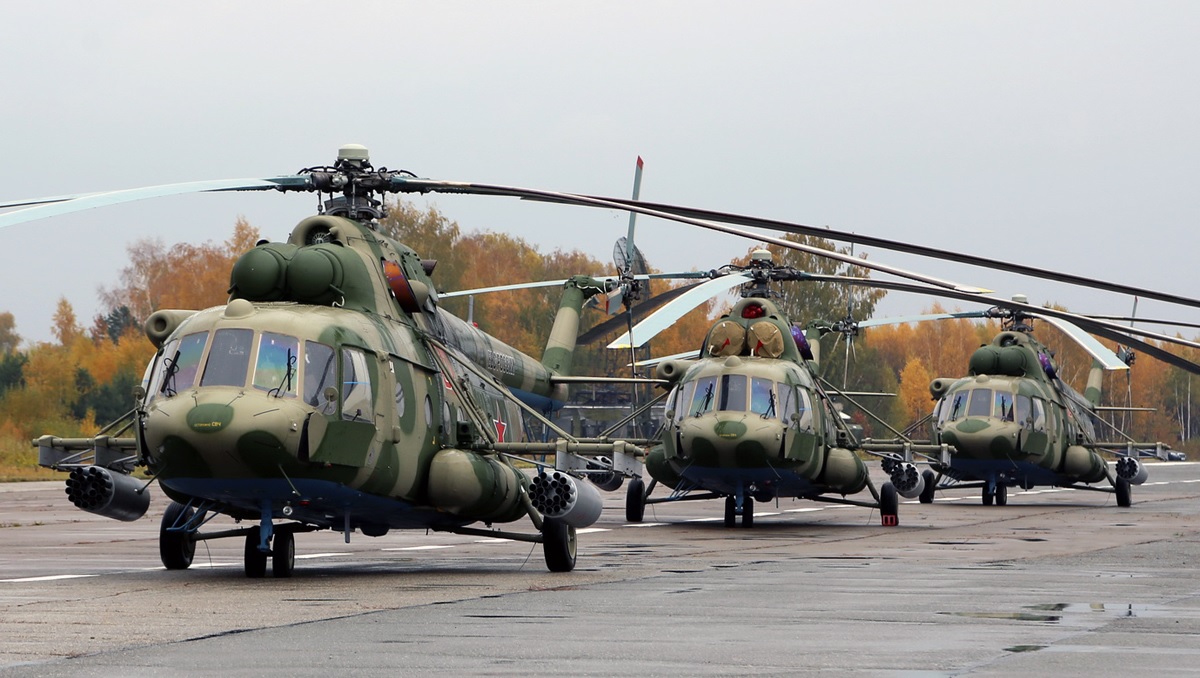 Iran Signs Deal with Russia for 20 Mi-8 and Mi-17 Helicopters to Boost Rescue and Medical Missions
-
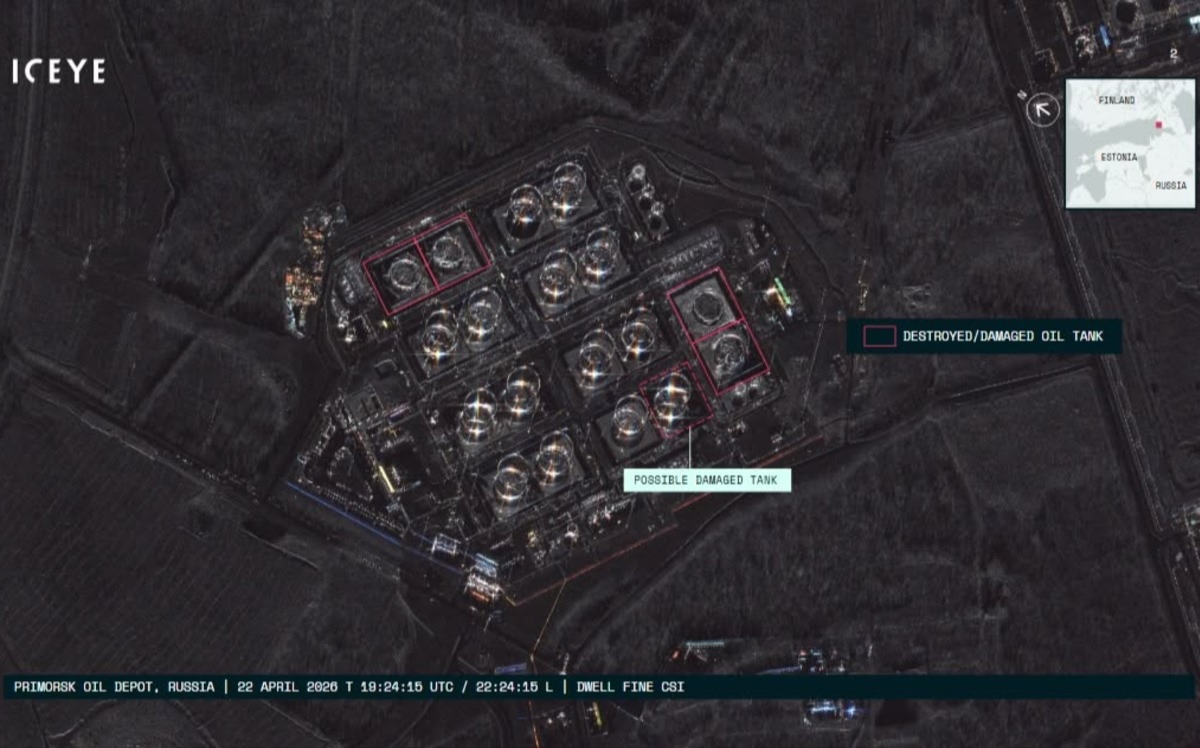 Portugal Doubles Sovereign SAR Satellite Fleet with Order for Two Additional ICEYE Satellites
-
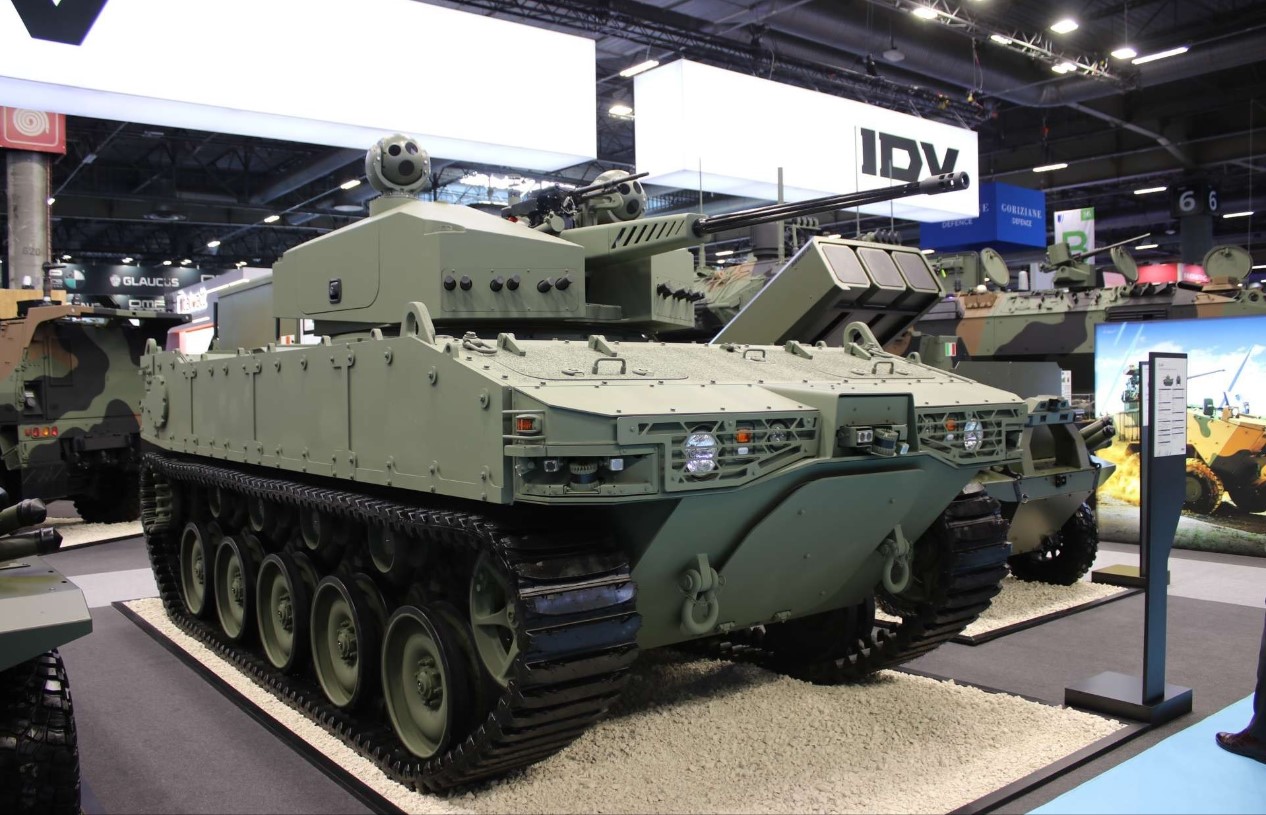 IDV Unveils CL2X Hybrid Uncrewed Light Tank at Eurosatory 2026
-
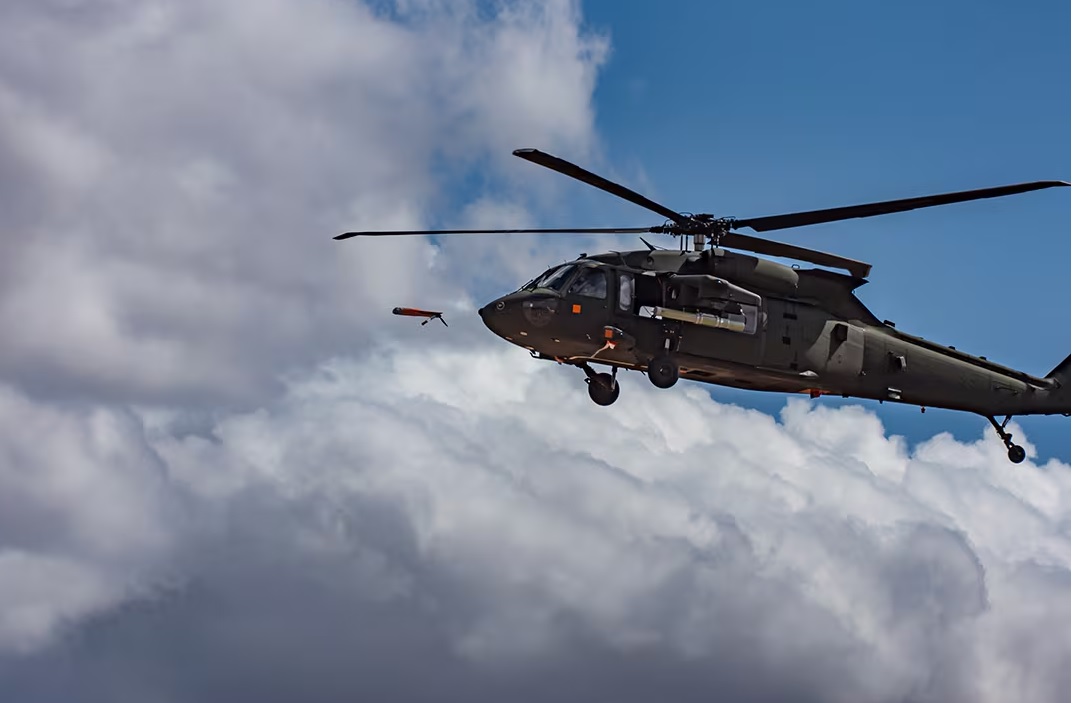 U.S. Army Completes First Flight Test of Medium-Range Air-Launched Effects from Black Hawk Helicopter
-
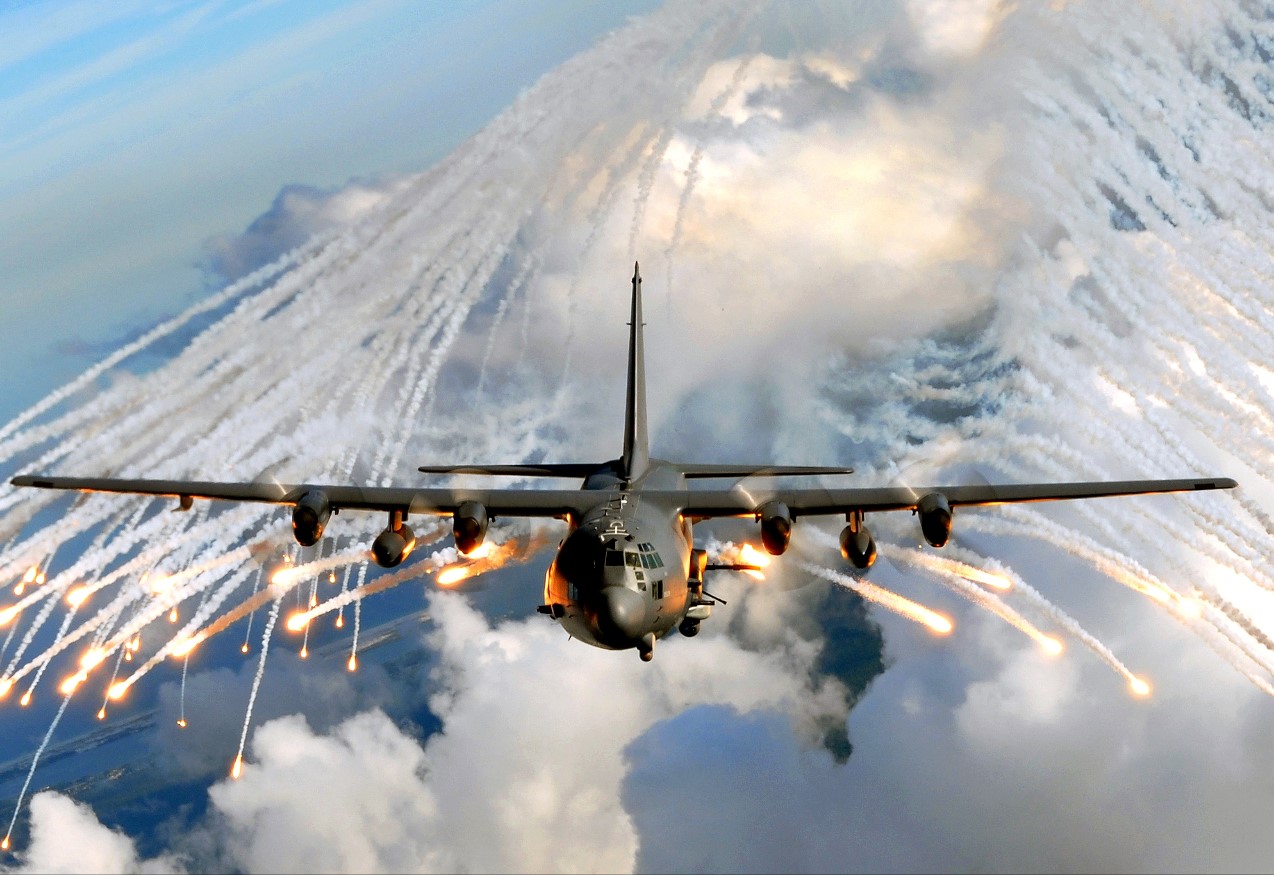 Pentagon Expands Alloy Surfaces Contract to $328.8 Million for Advanced Aircraft Decoy Flares Amid Evolving Drone Threats
Top Trending in 4 Days
-
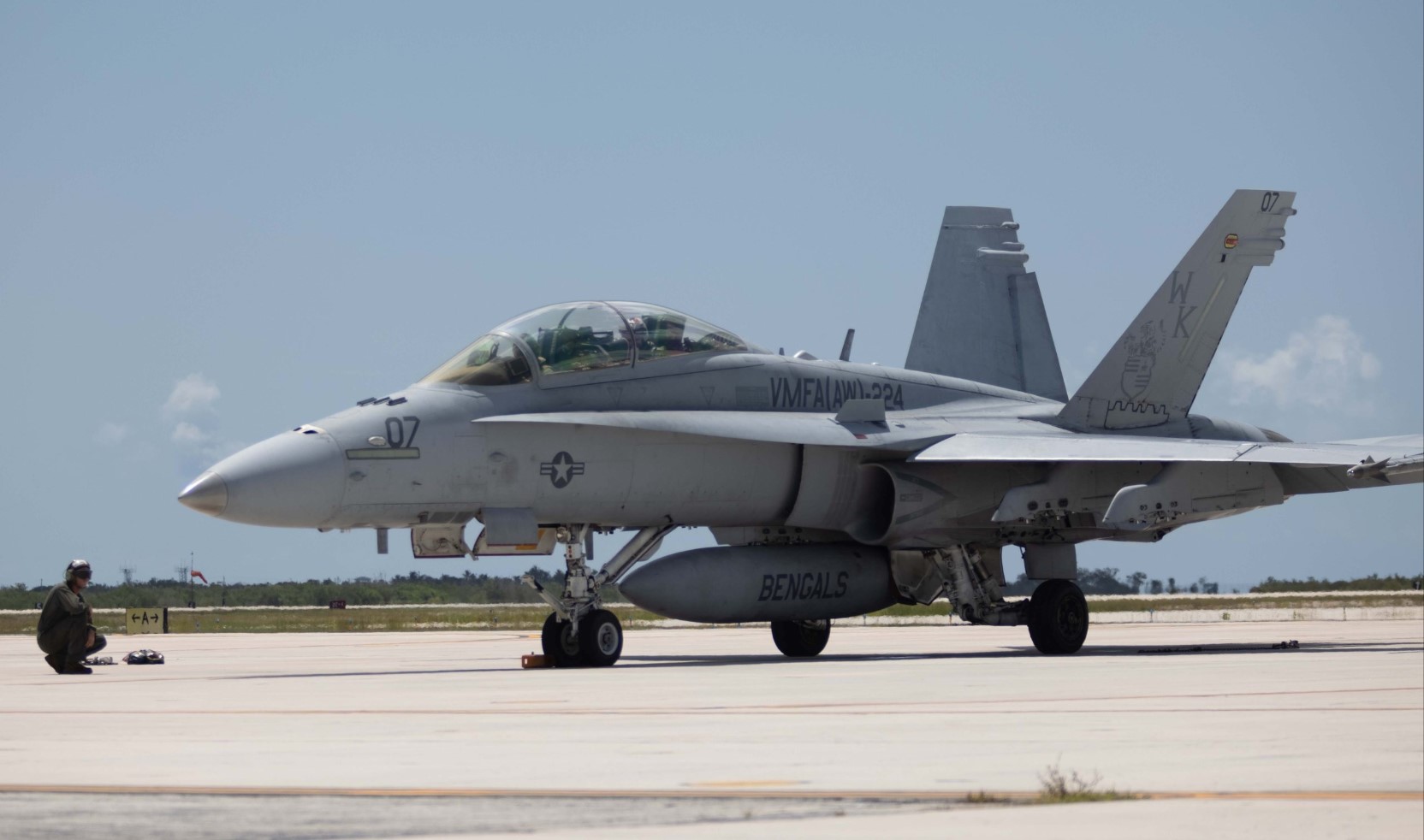 US Marine Corps F/A-18D Hornet Crashes During Training Flight in Washington Mountains; Pilot Ejects Safely
-
 Tulsi Gabbard Releases Declassified Files Detailing U.S.-Backed Network of 120 Biolaboratories Across 30+ Countries
-
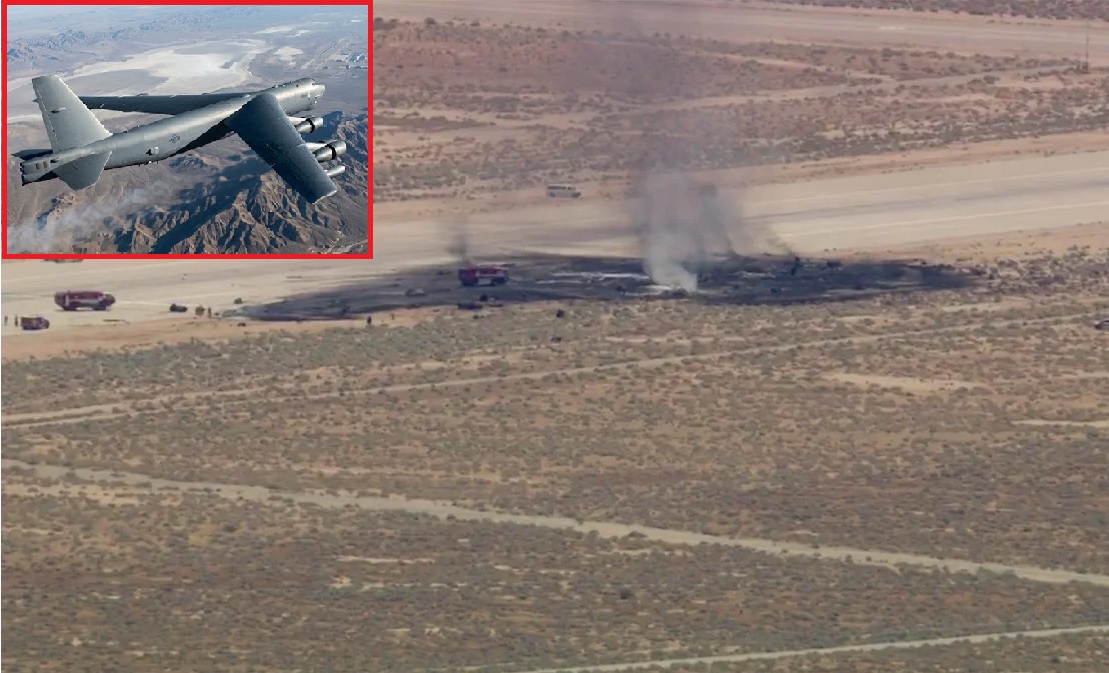 8 U.S. Air Force Crew Members Killed in B-52 Bomber Crash During Test Flight at Edwards Air Force Base
-
 Ukraine Introduces Balloon-Launched DART Missile Designed to Defeat Electronic Warfare
-
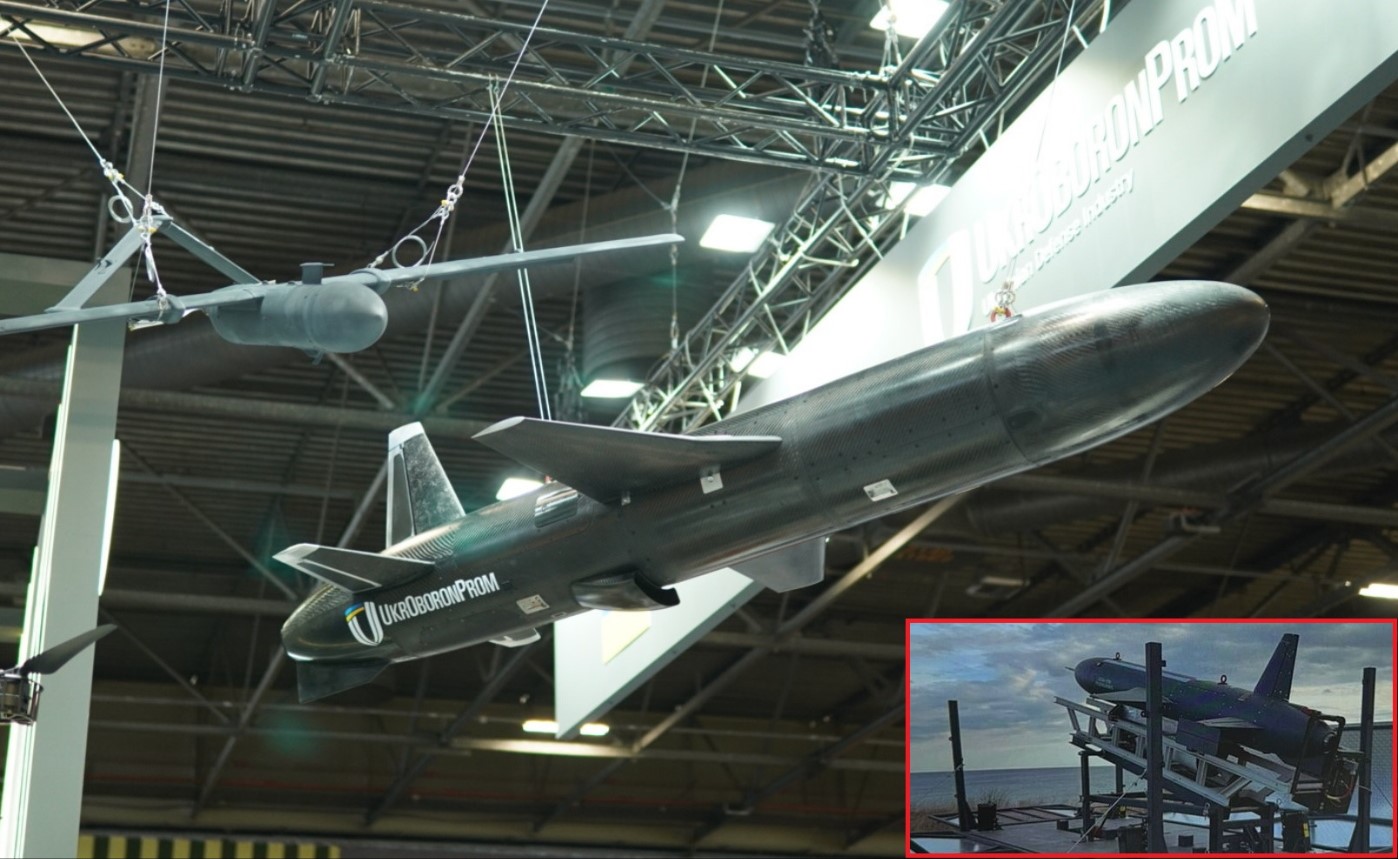 Ukraine Unveils UAV-290 Jet-Powered Strike Drone with 650 km Range at Eurosatory 2026
-
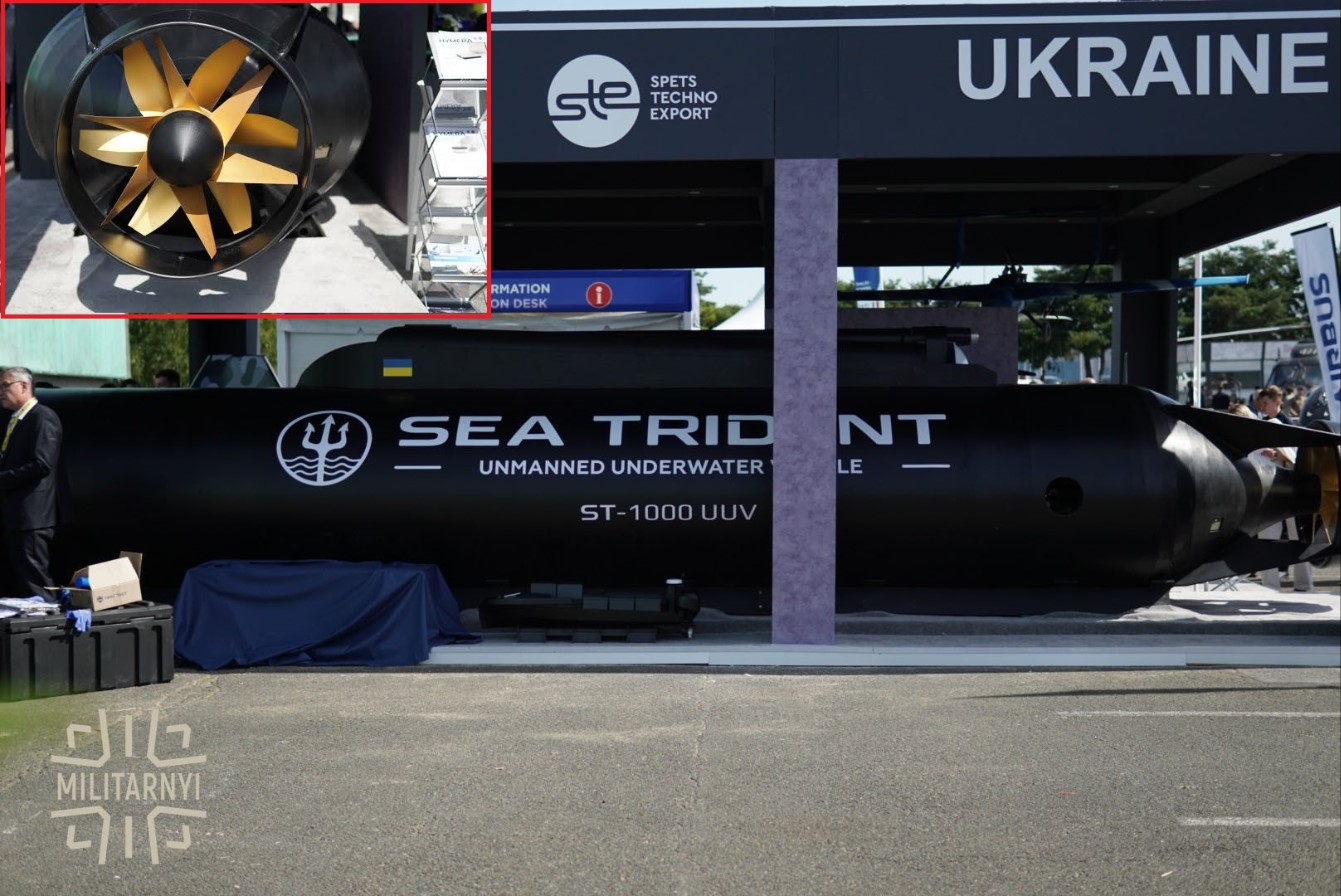 Ukraine Unveils 'Sea Trident' 10-Ton Autonomous Underwater Drone at Eurosatory 2026
-
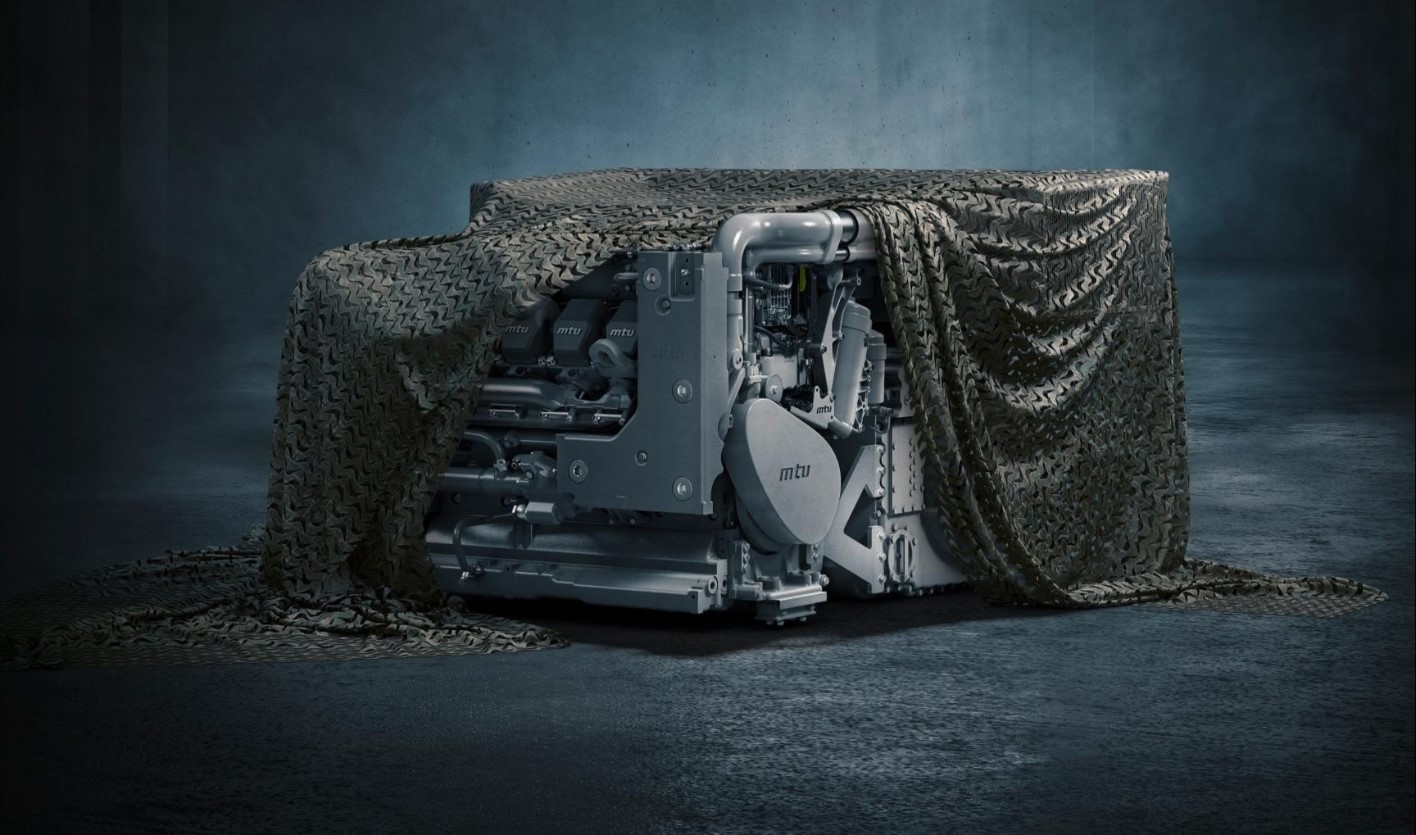 Rolls-Royce Unveils New Hybrid Powertrain for Heavy Military Vehicles at Eurosatory 2026
-
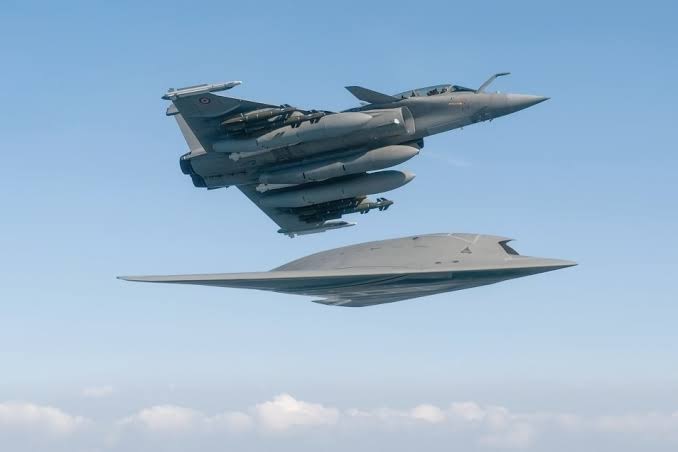 France Agrees to Equip Future Indian Rafales with AI, MUM-T and Secure Satellite Links Under F5 Standard