
India
In a major step toward strengthening India's self-reliance in critical technologies, Bharat Electronics Limited (BEL), a leading public sector enterprise in the defense sector, has signed a Memorandum of Understanding (MoU) with the Space Applications Centre (SAC) of the Indian Space Research Organisation (ISRO). This collaboration is focused on the indigenisation and production of space-grade Travelling Wave Tube Amplifiers (TWTAs), a vital component in satellite communication and other space-related systems.The MoU, signed at SAC in Ahmedabad, is seen as a significant move towards reducing dependence on foreign suppliers for high-tech equipment, particularly in space and defense sectors. This agreement between BEL and ISRO aims to establish an infrastructure that can efficiently produce these sophisticated devices in India, helping the country save foreign exchange while also contributing to its strategic technological capabilities.What is a TWTA?The Travelling Wave Tube Amplifier (TWTA) is a key technology in satellite communications and space exploration missions. It's a highly complex device that amplifies microwave signals by controlling the interaction of microwaves with an electron beam under ultrahigh vacuum conditions. These amplifiers are critical for various satellite applications, including communication, navigation, and remote sensing. TWTAs are not only used in communication satellites but also in scientific missions, microwave radar systems, and even in inter-spacecraft communication links. Given their role in enabling secure and reliable satellite communications, they are integral to India's growing ambitions in space and defense.Indigenisation and Infrastructure DevelopmentThe significance of this MoU extends beyond just the production of TWTAs. BEL’s state-of-the-art manufacturing facility has been established to meet the stringent requirements of such space-grade technology. By collaborating with SAC, BEL will focus on turning SAC's developed TWTA prototypes into mass-producible models, a process known as “productionisation.” This process involves refining a prototype design to make it feasible for large-scale manufacturing. The production of these TWTAs within India will mark a major milestone in India’s efforts to indigenise critical space and defense technologies, aligning with the government's push for "Make in India."Implications for Space and DefenseThis partnership is expected to bolster India’s space and defense programs by ensuring that critical components like TWTAs are available domestically. The indigenisation of such key technologies not only enhances India’s self-reliance but also strengthens its ability to deploy advanced satellite communication systems for both civilian and military purposes.For ISRO, the availability of indigenous TWTAs means more control over the supply chain for its various satellite missions, including communication satellites, remote-sensing payloads, and space exploration projects. For BEL, this collaboration opens up opportunities to diversify its expertise from traditional defense electronics to cutting-edge space technologies.Saving Foreign Exchange and Boosting Technological ExpertiseOne of the most crucial benefits of this partnership is the potential savings in foreign exchange. India has historically depended on imports for certain high-tech components in the space and defense sectors, often incurring significant costs. By producing TWTAs domestically, the country can reduce its reliance on costly imports, thereby saving valuable foreign currency. Moreover, the development of these amplifiers in India will lead to technological advancements and expertise that can be applied to other space and defense-related projects.The collaboration between BEL and ISRO’s SAC represents a vital step forward in India’s pursuit of indigenisation in critical technology sectors. By focusing on the production of space-grade TWTAs, this partnership not only boosts India’s self-reliance in space and defense technologies but also strengthens the country's position in the global space industry. As India continues to expand its space exploration and defense capabilities, the ability to produce such critical components domestically will play a key role in its future successes.
Read More → Posted on 2024-10-01 15:43:43
India
In a significant leap for India's indigenous defence manufacturing sector, Lokesh Machines Limited has completed the delivery of 550 'Asmi' 9x19 mm submachine guns (SMGs) to the Northern Command of the Indian Army. This delivery marks a historic moment, as it is the first time that a submachine gun designed and manufactured by a private Indian company has been inducted into the armed forces.The consignment was officially flagged off in a ceremony by Major General Rakesh Manocha, General Officer Commanding the Telangana and Andhra Sub Area. The event underlined the importance of this accomplishment, showcasing the Indian Army’s increasing reliance on homegrown defence solutions, a vital shift away from imported weaponry.Lokesh Machines, a company known for its prowess in CNC machine manufacturing, took a bold step into the defence sector by developing the Asmi submachine gun in collaboration with the Armament Research & Development Establishment (ARDE), Pune, and the Indian Army. This collaboration represents the strong partnership between India’s industrial and military sectors, aimed at boosting self-reliance in defence technology.The Asmi, meaning "pride" in Sanskrit, lives up to its name. It is not just a symbol of Indian manufacturing capability but a product that holds its ground against internationally acclaimed SMGs like the Israeli Uzi and the German MP5. After rigorous testing, the Asmi outperformed these global standards, ultimately securing the Indian Army’s confidence.One of the most appealing aspects of the Asmi SMG is its lightweight design. Weighing less than 2.4 kg, the Asmi is 10-15% lighter than its foreign counterparts, making it highly agile and easy to handle for soldiers in the field. This weight reduction is crucial in modern combat scenarios where speed and mobility can make a significant difference.The Asmi features a telescoping bolt design, allowing for a more compact form without compromising firepower. Its fully automatic mode, combined with a 9x19 mm caliber, provides the perfect blend of accuracy, control, and rapid-fire capability. It’s equipped with a picatinny rail for mounting advanced optics and accessories, making it versatile for a variety of combat environments.Not only has Lokesh Machines delivered to the Indian Army, but it has also supplied pilot lots of the Asmi SMG to other elite security units in India, such as the National Security Guard (NSG), Assam Rifles, and the Border Security Force (BSF). These units are currently evaluating the gun, and positive feedback could result in further orders, solidifying Asmi's place as a preferred weapon for Indian security forces.The Asmi represents a major breakthrough for Indian defence, signaling the capability of local manufacturers to produce world-class military hardware. For Lokesh Machines, this success marks their transformation from a CNC machinery company to a significant player in India's growing defence industry. The induction of Asmi into the Indian Army is a clear sign that India's ambition for Atmanirbhar Bharat (self-reliant India) in defence is gaining momentum.
Read More → Posted on 2024-10-01 15:37:21
India
In a significant step towards securing the nation's communication systems, the Indian Army has taken a leap forward by adopting Quantum Key Distribution (QKD) technology. This initiative, propelled by India's Atmanirbhar Bharat mission, seeks to replace traditional encryption methods with quantum-based solutions, bolstering the security of military communications and minimizing manpower commitments.The Indian Army signed eight procurement contracts under the Innovations for Defence Excellence (iDEX) framework, which is designed to foster indigenous technological innovation. A notable highlight was the contract for Quantum Secure Key Generation, signed with QuNu Labs, a Bengaluru-based company leading India's efforts in quantum cryptography. This collaboration, formalized at a ceremony at South Block in New Delhi in the presence of Lieutenant General NC Raja Subramani, Vice Chief of Army Staff, marked a new chapter in the Indian Army's pursuit of cutting-edge cybersecurity measures.What is Quantum Key Distribution?Quantum Key Distribution (QKD) is a technology that uses the principles of quantum mechanics to securely distribute encryption keys. Unlike traditional encryption, which relies on complex algorithms, QKD enables the secure exchange of cryptographic keys by leveraging quantum particles such as photons. The inherent nature of quantum particles ensures that any attempt to intercept the key exchange would immediately be detectable, making QKD virtually unhackable. This makes it ideal for securing sensitive military communications, where even the slightest breach can have severe consequences.QuNu Labs, the firm responsible for developing the QKD system, has proposed a 200 km single-hop Quantum Key Distribution network, which was selected under iDEX's Open Challenge 2.0. This technology will allow for the secure transmission of keys over long distances without the need for intermediaries, further enhancing the security of the communication lines. As part of the contract, QuNu Labs will be responsible for delivering this state-of-the-art system to the Indian Army.A Strategic Move Towards Self-RelianceThe adoption of QKD technology is part of a broader initiative under Atmanirbhar Bharat, aimed at reducing India's dependence on foreign technologies. The iDEX program, launched by Prime Minister Narendra Modi in April 2018 during the Defence Expo India, plays a critical role in this effort. iDEX's mission is to create an ecosystem that fosters innovation and supports technological development in the defense and aerospace sectors by engaging research institutions, startups, MSMEs, and individual innovators. These entities are provided with funding and resources to develop solutions that meet the needs of India's defense forces.With 74 ongoing projects under iDEX, the Indian Army is actively working with 77 startups to develop next-generation technologies. Four pieces of equipment developed under the iDEX scheme are already being field-tested by the Army, demonstrating the potential for rapid adoption of these innovations. The QKD system from QuNu Labs is one such technology, and based on its field performance, it may undergo further development to enhance its capabilities.The Future of Secure CommunicationAs cyber threats become increasingly sophisticated, the need for secure communication channels has never been more critical. Traditional algorithm-based encryption systems are at risk of becoming obsolete as quantum computing advances. QKD offers a solution to this problem by providing a level of security that is resistant to even the most powerful computational attacks.The Indian Army's decision to adopt QKD technology is a proactive measure to future-proof its communication systems. With the rapid advancement of quantum technologies globally, this move positions India at the forefront of military cybersecurity. By embracing innovations from homegrown companies like QuNu Labs, the Indian Army is not only enhancing its operational capabilities but also contributing to the country's self-reliance in critical defense technologies.As the iDEX program continues to support groundbreaking technologies, the partnership between the Indian Army and startups like QuNu Labs will play a pivotal role in shaping the future of India's defense capabilities. The integration of Quantum Key Distribution technology is just one example of how the Indian Army is embracing the future of warfare, ensuring that it remains prepared for the challenges of tomorrow's cyber battlefield.
Read More → Posted on 2024-10-01 15:09:32
India
The Indian government is undertaking a massive initiative to curb the rise of cybercrime and human trafficking, particularly in Southeast Asia. In response to alarming reports of 29,466 Indians going missing across countries like Thailand, Cambodia, Myanmar, and Vietnam, the Union Ministry of Telecommunications has announced a crackdown that will see 2.17 crore mobile connections being disconnected. These connections, many of which are linked to fraudulent activities and forged documents, are part of a wider strategy to combat a troubling trend: the rise of "cyber slavery."Since January 2022, thousands of Indians have been reported missing after traveling to Southeast Asia on visitor visas, with promises of high-paying jobs luring them to these foreign shores. Unfortunately, the reality is often far from what is promised. Many are trapped in a cycle of exploitation, forced into conducting cyber fraud and participating in illegal activities. The phenomenon, now referred to as cyber slavery, is particularly prevalent in countries like Thailand, which has reported over 20,450 missing Indians.The Ministry of Home Affairs (MHA) convened a high-level inter-ministerial panel earlier this month to address the issue. The meeting included representatives from the Bureau of Immigration, the Financial Intelligence Unit, the Reserve Bank of India, and various security experts. The panel discussed the growing threat posed by cybercrime networks based in Southeast Asia, which target Indian citizens for human trafficking and exploit them in cyber scams.A closer look at the demographics of the missing reveals that more than half are young adults aged 20 to 39, with a majority being male. The states of Punjab, Maharashtra, and Tamil Nadu have been identified as contributing over a third of the total missing persons, highlighting the widespread impact of this issue across India.To address the crisis, the Department of Telecommunications (DoT) is taking several measures. Besides the disconnection of 2.17 crore mobile connections, the government will block around 2.26 lakh mobile handsets. This is in line with efforts to disrupt the communications infrastructure used by criminal networks. Telecom operators have also been directed to block incoming international spoofed calls that appear with Indian numbers. This effort has already seen a 35% reduction in such calls, with full implementation of the new security measures expected by December 31, 2024.In a bid to track potential victims and prevent further exploitation, Indian telecom service providers are now required to submit weekly reports on Indian mobile numbers that are roaming in high-risk countries such as Hong Kong, Cambodia, Laos, Myanmar, and the Philippines. This will provide the authorities with real-time data on suspicious activity and help locate those who may be at risk.The role of the Indian Cyber Crime Coordination Centre (I4C) has been crucial in understanding the scale of the problem. Their data analysis revealed that nearly 45% of cybercrimes targeting Indian citizens originate from Southeast Asia. Since January 2023, the National Cyber Crime Reporting Portal has logged close to 100,000 complaints of cyber-related issues.The inter-ministerial panel has identified vulnerabilities in India’s banking, immigration, and telecommunications systems that are exploited by these criminal networks. The Bureau of Immigration, for example, has been tasked with improving screening processes to prevent potential victims from leaving the country. Similarly, the Ministry of Civil Aviation will implement stricter checks at airports to ensure that travelers are not unknowingly stepping into dangerous situations.The accounts of survivors who have escaped from these operations paint a disturbing picture. Many were forced into creating fake social media profiles or impersonating financial experts to lure unsuspecting individuals into cryptocurrency scams and other fraudulent schemes. Their stories underscore the urgency of this issue and the need for a coordinated effort between India and its Southeast Asian counterparts.The government’s decision to disconnect these mobile connections and block handsets is a critical step toward dismantling the communication networks that allow these criminal enterprises to flourish. By cutting off access to mobile networks, authorities aim to disrupt the operations of these cybercrime syndicates and protect vulnerable individuals from falling into their traps.This operation reflects the Indian government’s determination to fight back against cybercrime and human trafficking. However, more needs to be done to prevent these cases from happening in the first place. Strengthened international cooperation, better screening at immigration points, and increased awareness among citizens are all crucial in combating this growing menace.
Read More → Posted on 2024-10-01 15:06:06
India
In a significant step toward bolstering indigenous defense capabilities, the Indian Air Force (IAF) has decided to equip its Light Combat Helicopter (LCH) Prachand with MKU’s homegrown NETRO NB-3101 Aviation Night Vision Goggles (ANVG). This marks the first time the IAF will be using locally developed night vision technology on one of its most advanced attack helicopters.The selection of the NETRO NB-3101 ANVGs for the LCH Prachand is not an isolated choice. These goggles had previously proved their mettle in operational use with the IAF’s Mi-17 helicopters, where they delivered impressive results. Their ability to significantly enhance night vision capability in challenging environments, along with their robust design and reliability, made them a natural choice for deployment in the LCH Prachand fleet.Designed specifically for aircraft pilots, the NETRO NB-3101 is equipped with state-of-the-art technology that gives pilots a critical edge in nighttime operations. At its core is the Gen III Image Intensifier sensor, a technology that has revolutionized night vision in aviation. The sensor delivers sharp, clear visuals even in the darkest conditions, providing pilots with enhanced situational awareness and the ability to navigate low altitudes with ease. This becomes particularly valuable in covert or tactical operations where precision and stealth are crucial.The goggles also come with advanced optics that enable stereoscopic vision, offering pilots a 3D-like view, crucial for depth perception during high-speed flight or low-altitude maneuvers. The need for such precision is heightened in helicopters like the LCH Prachand, which is designed to operate in high-altitude environments and complex terrains, including the Himalayan region. Whether it’s providing close air support, performing search and rescue missions, or engaging in anti-tank warfare, the ability to see clearly in low light significantly enhances the operational efficiency of this multi-role helicopter.A key feature of the NETRO NB-3101 ANVGs is their ruggedness. Built to meet the MIL STG 810G military standard for environmental durability, these goggles are waterproof and can withstand extreme weather conditions, from freezing high-altitude winds to scorching desert heat. This level of resilience makes them ideal for the Indian Air Force, which often operates in varied and tough climates. The LCH Prachand, already a versatile machine, will benefit enormously from this added level of nighttime capability.The move to integrate indigenously developed night vision goggles into the LCH Prachand also reflects India's growing push for self-reliance in defense manufacturing. MKU Limited, the company behind these night vision goggles, is a leading player in India's defense technology landscape. The company's focus on developing high-performance, indigenous defense equipment aligns with the Indian government’s "Make in India" initiative, which aims to reduce dependence on foreign suppliers and enhance the country’s own defense production capabilities.The LCH Prachand, developed by Hindustan Aeronautics Limited (HAL), is already a formidable combat platform. Capable of operating at altitudes as high as 20,000 feet, the helicopter is designed for high-altitude warfare, making it ideal for deployment in areas like Ladakh. It can carry a range of armaments, including air-to-air missiles, 70 mm rockets, and anti-tank guided missiles, making it a versatile platform in both offensive and defensive roles. With the integration of NETRO NB-3101 ANVGs, its operational capabilities, especially in night missions, will be significantly enhanced.The IAF’s decision to adopt these indigenously developed night vision goggles highlights a broader trend of increasing reliance on domestic defense manufacturers. This is not only a strategic move for national security but also a significant boost for the domestic defense industry, encouraging more innovation and production within the country.In essence, the integration of the NETRO NB-3101 into the LCH Prachand symbolizes a shift toward self-reliance in critical defense technologies, a crucial step as India continues to modernize its armed forces. The Prachand, with its newly enhanced night-fighting capabilities, will undoubtedly be a more formidable presence in the skies, especially in conflict zones that require high-altitude operations during nighttime or low-visibility conditions.As the IAF continues to focus on indigenization, the collaboration between MKU and HAL will play a pivotal role in future advancements, not only for the LCH Prachand but for other platforms within the Indian defense ecosystem.
Read More → Posted on 2024-09-30 14:46:04
India
The Indian Army is gearing up to take a substantial leap in its artillery capabilities with the upcoming trials of the indigenously developed 155mm/52 calibre Mounted Gun System (MGS) in 2025. This cutting-edge system, designed by the Defence Research and Development Organisation (DRDO), represents a crucial advancement in India's defense landscape, reinforcing the nation's growing emphasis on self-reliance and indigenous production under the "Make in India" initiative.The MGS is based on the Advanced Towed Artillery Gun System (ATAGS), which has already made a name for itself in the Indian artillery space. The mounted gun system combines the firepower of a powerful 155mm howitzer with the mobility of a high-speed, high-mobility vehicle. This fusion allows the system to quickly transition between driving and firing modes, providing a tactical edge in rapid deployment, especially in diverse terrains such as deserts, plains, and even semi-mountainous regions.Lieutenant General Adosh Kumar, Director General of Artillery, recently confirmed the scheduled trials, marking a significant milestone in the Indian Army's artillery modernization drive. The MGS has already undergone extensive developmental trials, which included a rigorous 600-kilometer mobility test, demonstrating its endurance and reliability. These upcoming trials aim to finalize its operational readiness, bringing it one step closer to full-scale induction.One of the standout features of the 155mm/52 calibre MGS is its remarkable range and accuracy. The system can strike targets as far as 48 kilometers, depending on the type of ammunition used. Its precision is enhanced by an automated gun alignment and positioning system, which reduces human error and the workload on the crew. This advanced system also shortens the time between movements and engagements, making it ideal for modern combat scenarios where agility and speed are essential.Last year, the Defence Acquisition Council, chaired by Defence Minister Rajnath Singh, approved the procurement of 800 units of the MGS. This decision underscores the government’s commitment to boosting the Indian Army’s firepower through indigenous means. The MGS is expected to become a cornerstone of India’s artillery force, complementing other advanced systems like the Dhanush, ATAGS, K9 Vajra, and towed artillery guns that are already being integrated into the force.The development of the MGS is not just a military achievement but also a showcase of India's thriving defense manufacturing sector. Major private players such as Tata and Larsen & Toubro (L&T) have been instrumental in the production of this sophisticated artillery system. This collaboration highlights India's increasing capability to produce world-class defense equipment, reducing dependence on foreign imports.The MGS stands out due to its combination of firepower and mobility. Mounted on a high-mobility 8x8 platform, it can traverse difficult terrains at speeds up to 80 km/h. This feature ensures that it can rapidly deploy, engage targets, and then reposition swiftly, a crucial advantage in modern-day warfare where speed and flexibility are key.The gun’s 52-calibre barrel also contributes to its extended range, allowing it to strike enemy positions from a safer distance. Additionally, the system is compatible with various types of ammunition, including high-explosive, smoke, and illumination rounds, adding versatility to its combat role. These characteristics make the MGS a vital asset for both defensive and offensive operations, particularly in contested border regions.The upcoming trials will be critical in fine-tuning the MGS before it enters full production. The system's ability to perform under different climatic and geographic conditions will be tested rigorously, ensuring that it can meet the diverse operational needs of the Indian Army. Given the challenges along India's borders, particularly with China and Pakistan, the MGS is expected to play a pivotal role in strengthening India’s defense posture.In conclusion, the trials of the DRDO-developed Mounted Gun System represent a significant advancement in India’s military capabilities. With its cutting-edge technology, mobility, and firepower, the MGS is set to revolutionize the Indian Army's artillery arsenal, providing the force with enhanced operational flexibility and greater firepower. As India continues to strengthen its defense infrastructure, this indigenous system stands as a symbol of the country’s growing self-reliance in the global defense arena.
Read More → Posted on 2024-09-30 14:03:38
India
After months of intense negotiations, France has finally submitted its last offer for the sale of 26 Rafale-Marine (Rafale-M) fighter jets to India. This final proposal, presented shortly before Indian National Security Advisor Ajit Doval's visit to Paris, marks a significant moment in the deal that is crucial for the Indian Navy's modernization efforts. As a testament to the diligent negotiations between the two nations, the price has been reduced, ensuring better value for India while addressing its specific defense needs.The Rafale-M jets, designed for carrier operations, are set to enhance the capabilities of the Indian Navy, especially on its newly commissioned aircraft carrier, INS Vikrant. The French jets are renowned for their versatility, boasting a range of advanced features that make them suitable for complex maritime operations. They are not only designed to take off from aircraft carriers but also come equipped with advanced avionics, including AESA radar technology and sophisticated electronic warfare systems.One of the key aspects of this deal is the customization India has demanded for the Rafale-M jets. Unlike the previous acquisition for the Indian Air Force, this version of Rafale is expected to come equipped with some homegrown systems. For instance, the indigenous Uttam AESA radar is likely to be integrated into these jets, showcasing India's growing self-reliance in defense technologies. This move allows India to save both time and money by relying less on foreign systems.In addition to radar customization, India has requested the integration of locally developed weapons. This includes the Astra beyond-visual-range air-to-air missile, a formidable weapon designed to engage targets at long distances. Alongside this, India is pushing for the integration of the Rudram anti-radiation missile, which would make the Rafale-M an even more powerful tool in neutralizing enemy radar and defense systems. These weapon integrations reflect India's broader defense strategy, which increasingly favors domestic technology while maintaining interoperability with foreign systems.The final offer from France includes considerations of inflation, and much of it mirrors the previous deal India struck with Dassault Aviation for 36 Rafale jets for the Indian Air Force. This continuity has allowed both parties to streamline the pricing structure, ensuring transparency and mutual benefit. The naval variant of the deal, however, includes additional components, such as 40 drop tanks and a few workstations to support operations both on the carrier and at naval bases.Notably, the deal has grown in scope when it comes to the type of weaponry that will accompany the jets. India is set to receive a larger number of Meteor long-range air-to-air missiles. The Meteor missile, with its beyond-visual-range capabilities and unrivaled propulsion system, provides the Rafale-M with a distinct edge in air-to-air combat. The missile is complemented by anti-ship weaponry that will further bolster India’s naval firepower.The French delegation, which visited New Delhi recently, is believed to have ironed out these final details with Indian defense officials. Discussions focused not only on the price and specifications but also on long-term collaboration in defense technologies, including maintenance and future upgrades for the Rafale-M fleet.The Rafale-M jets are an ideal choice for India, not only because of their advanced technology but also their operational track record. In the past, the Rafale jets have proven themselves in various combat situations across different terrains, making them a reliable option for India’s growing maritime needs.For France, this deal further cements its defense ties with India. The two nations have a long history of military cooperation, and this latest agreement is expected to be one of the highlights of the upcoming India-France Strategic Dialogue, where Ajit Doval will meet with his French counterparts. The discussions are anticipated to cover not only this deal but broader strategic cooperation in defense, technology transfer, and regional security.With the deal expected to be finalized before the end of the fiscal year, India stands to gain a crucial upgrade to its naval air fleet, reinforcing its position in the Indo-Pacific region. The Rafale-M jets, with their enhanced capabilities and integrated domestic technologies, will be key to India’s maritime strategy for years to come.
Read More → Posted on 2024-09-30 13:51:38
India
As part of its ongoing efforts to enhance maritime defense, the Indian Navy is set to welcome "Vagsheer," the sixth and final Kalvari-class submarine, into its fleet by December. Built by Mazagon Dock Shipbuilders Limited (MDL) in Mumbai, the submarine has entered its final trials, signaling the conclusion of an extensive construction process that began under the ambitious Project 75.The Kalvari-class submarines are a vital element of India's naval modernization efforts, which are designed to ensure that the Navy can operate effectively across the vast and increasingly contested waters of the Indian Ocean. The Vagsheer, like its predecessors, is a diesel-electric attack submarine developed through a collaboration with France's Naval Group, a leader in naval defense technology. This partnership has been instrumental in transferring critical technologies that have allowed MDL to construct these advanced submarines indigenously.One of the key aspects of the Kalvari-class submarines is their stealth capabilities. Thanks to their low acoustic signatures, they are difficult to detect, giving the Indian Navy a significant advantage in both offensive and defensive operations. Each submarine in this class is equipped with Exocet SM39 missiles and torpedoes, providing robust firepower for anti-surface and anti-submarine missions. They are also fitted with advanced sonar suites that enable effective surveillance and intelligence gathering. The addition of these vessels significantly enhances the Navy's ability to monitor and, if necessary, engage hostile targets across a broad range of environments.The Vagsheer’s commissioning will follow the delivery of five earlier submarines in the Kalvari class, all of which have bolstered India's underwater force. These submarines are capable of performing a wide array of missions, from long-range strikes to supporting special operations forces. In a region marked by increasing tensions and competition, particularly with China's growing presence in the Indian Ocean, India’s focus on strengthening its underwater fleet is crucial for maintaining regional stability.Interestingly, the Vagsheer is not only a culmination of Project 75, but it may also serve as a prelude to future collaborations. India and France are in talks about constructing three more Kalvari-class submarines, a move that would further solidify India’s naval dominance and contribute to its goal of achieving self-reliance in defense under the "Atmanirbhar Bharat" initiative.MDL’s expertise in constructing these submarines has grown significantly over the course of the project, reflecting India’s commitment to becoming a major defense manufacturer. The success of Vagsheer’s final trials will not only underscore MDL’s technical capabilities but also mark another significant step towards India’s long-term strategic goals in the region.Moreover, the addition of Vagsheer comes at a time when the Indian Navy is rapidly expanding its overall fleet. In August, the Navy commissioned INS Arighaat, its second indigenous nuclear-powered ballistic missile submarine, reinforcing the country’s nuclear deterrent capabilities. Additionally, the inauguration of the Vinetra submarine escape training facility in Visakhapatnam further showcases India’s growing focus on bolstering its naval strength. This facility, constructed by L&T Defence, represents a new standard for underwater crew safety and training, once again highlighting India’s defense manufacturing expertise.As the commissioning of Vagsheer approaches, the submarine is poised to not only expand India’s naval arsenal but also symbolize the nation’s evolving maritime ambitions. The Indian Ocean, a critical region for global trade and geopolitics, is increasingly a focal point of India’s security concerns. The Vagsheer will play a vital role in ensuring that the Indian Navy remains a powerful force capable of countering any potential threats in the region, contributing to the broader goal of maintaining peace and stability.In the broader scope of India’s naval development, the imminent arrival of the Vagsheer is a critical milestone that reflects the success of India's defense policies and its growing capabilities on the world stage. By December, when this cutting-edge submarine officially joins the Indian fleet, the country’s maritime defense will be further reinforced, securing its position as a major naval power in the Indo-Pacific region.
Read More → Posted on 2024-09-30 13:35:38
India
As Indian National Security Advisor Ajit Doval prepares for a strategic visit to France, significant progress has been made in India's pursuit of acquiring 26 Rafale Marine jets. In a crucial development, France has submitted its final price offer for the Rafale Marine jet deal, following intense negotiations with India. This deal, critical for boosting India's naval capabilities, comes just as Doval is set to meet with his French counterparts in Paris.The Rafale Marine, a naval variant of the widely acclaimed Rafale fighter jet, is slated to serve aboard India's indigenously built aircraft carrier, INS Vikrant. With India focusing on expanding its maritime power projection in the Indo-Pacific region, these jets are expected to play a vital role in bolstering the Indian Navy’s strike capacity. The integration of the Rafale Marine into the fleet will enhance the navy’s ability to project air power over the seas and reinforce its deterrent capabilities.### Negotiations Yield Price ReductionsAccording to defense sources, the price for the Rafale Marine jets has been significantly reduced after prolonged negotiations, with France submitting its "best and final" offer. The talks, which culminated in this pricing breakthrough, included high-level discussions both in New Delhi and Paris. Sources say that the agreement incorporates a reasonable inflation rate, taking into account the terms of the previous 2016 contract, where India purchased 36 Rafale fighter jets for its Air Force. The benchmark of this earlier deal provided a solid foundation for structuring the new naval contract.### Advanced Capabilities for the Indian NavyIndia is particularly interested in incorporating domestic technology into the Rafale Marine jets. Notably, India has asked for the integration of the indigenous Uttam AESA radar system, a cutting-edge radar developed by India’s DRDO. While incorporating such technology would typically extend the delivery timeline by nearly eight years, this move signals India’s intent to gradually decrease its dependence on foreign defense technologies and boost its indigenous capabilities. However, given the long development timeline, integrating Uttam radar may be deferred for future upgrades.India has also requested the inclusion of its homegrown missile systems in the deal. The Rafale Marine jets may be armed with the Astra beyond-visual-range (BVR) air-to-air missile, which provides a major upgrade in missile range and accuracy. Additionally, the Indian Navy is seeking to equip the aircraft with the Rudram anti-radiation missile, designed to neutralize enemy radar and air defense systems, enhancing the jets' offensive strike capabilities in contested environments.Moreover, the deal encompasses the inclusion of sophisticated long-range Meteor air-to-air missiles and anti-ship weaponry, significantly expanding the Rafale Marine’s strike envelope. These advanced missiles, combined with drop tanks to extend the jets’ range, will give the Indian Navy a formidable edge in both air-to-air and anti-ship operations.### Strategic Dialogue and Future CooperationThe timing of this final price submission coincides with Doval’s visit to France for the India-France Strategic Dialogue. This meeting will not only focus on finalizing the Rafale Marine deal but also touch on broader defense collaboration, including maritime security and Indo-Pacific strategies. The Rafale Marine acquisition is a key element of this strategic partnership, enhancing India’s naval capabilities at a time of increasing geopolitical tensions in the Indian Ocean region.India’s decision to move forward with the Rafale Marine deal is viewed as a clear indicator of its commitment to strengthening its maritime defense and securing its borders. As part of the ongoing negotiations, India has also approved deviations in the letter of request, a move that reflects its determination to adapt the jets to its unique requirements.The inclusion of roughly 40 drop tanks and specialized workstations for the planes underscores India’s focus on customizing the jets to its specific operational needs. With the integration of French and Indian technology, the Rafale Marine jets are expected to deliver a significant boost to India's naval aviation capabilities, aligning with its long-term vision of self-reliance in defense.### Closing the DealBoth nations are eager to finalize the deal before the close of the financial year. Once concluded, the Rafale Marine contract will mark yet another milestone in the deepening defense relationship between India and France. This acquisition represents not only a technological leap for the Indian Navy but also reinforces the robust strategic partnership between the two nations in the realm of defense and security.The Rafale Marine’s deployment on INS Vikrant will be a significant step forward in modernizing India's naval forces, enhancing operational readiness, and reinforcing the country’s defense posture in an increasingly volatile Indo-Pacific.
Read More → Posted on 2024-09-29 15:31:58
India
India is taking a major step forward in upgrading its air defense capabilities as the Indian Air Force (IAF) looks to acquire six indigenous Airborne Early Warning and Control (AEW&C) systems. These high-tech systems are essential for providing real-time situational awareness and enhancing the country's defense against a growing range of aerial threats. The recent Request for Information (RFI) from the Ministry of Defence (MoD) underlines the urgency to equip the IAF with next-generation surveillance technology, and it also pushes for more home-grown innovations under the 'Make in India' initiative.A New Era in Indian Air DefenceThe new AEW&C systems are expected to vastly improve the IAF’s ability to detect, track, and neutralize airborne threats over long ranges. These aircraft-mounted systems will feature a cutting-edge Active Electronically Scanned Array (AESA) radar with 360-degree coverage, ensuring comprehensive monitoring of the airspace. Unlike older systems, this AESA radar will not only detect enemy aircraft but also track smaller threats like unmanned aerial vehicles (UAVs), helicopters, and even hypersonic missiles, making it a versatile tool for modern warfare.The current Netra AEW&C, based on the Embraer ERJ-145 platform, provides a good foundation, but the newly proposed system marks a leap in sophistication. The AESA radar, for instance, will not only be more powerful but also capable of operating in 4D, offering precise tracking of altitude, direction, distance, and velocity. This improved radar will significantly outperform the 3D systems currently in service, enabling the IAF to engage faster-moving and higher-altitude threats with precision.Key Specifications: Beyond Just EnduranceOne of the most critical upgrades in this new system will be its extended endurance. The aircraft selected for the AEW&C will need to fly for over eight hours at a stretch and be equipped with air-to-air refueling to extend its operational range even further. This will enable continuous surveillance over vast areas, particularly over high-altitude zones where strategic threats may emerge. Additionally, these aircraft must be able to operate from airfields at higher elevations, a requirement that underscores India’s need to monitor airspace over its mountainous borders.The radar system won't just track airborne threats. It will also have specialized modes to monitor ground activity, making it useful for border surveillance and even tracking fast-moving threats like hypersonic missiles. With these capabilities, the IAF will have a robust early warning system that can not only detect enemy aircraft but also function as a command and control center for other forces, integrating data and coordinating responses across multiple platforms.Advanced Defensive and Electronic CapabilitiesThe AEW&C system will be more than just a surveillance tool. It will feature advanced electronic surveillance measures (ESM), giving it the ability to detect enemy radars, communications, and jamming signals. This capability will be critical in identifying and countering threats that rely on stealth or electronic warfare.Further enhancing its defensive capabilities, the system will include missile warning systems and countermeasures to protect itself from potential attacks. These countermeasures may include electronic jamming, flares, and chaff to misdirect incoming missiles, ensuring the aircraft's survivability in hostile environments.Indigenous Focus and Make in IndiaThe MoD has strongly emphasized the importance of indigenization in this procurement process. Although there’s no explicit requirement for a fully indigenous system, vendors are encouraged to propose solutions that incorporate significant Indian-made components. This aligns with the broader national goal of reducing dependence on foreign military imports and fostering local defense innovation.To ensure this, the procurement will follow the Defence Acquisition Procedure (DAP) 2020 guidelines, which prioritize domestic manufacturing. The timeline for delivery ranges between 36 to 60 months from the time of contract signing, indicating the MoD’s determination to field these systems as soon as possible.Implications for India’s Air Defense NetworkThe addition of these advanced AEW&C systems will transform the IAF’s operational capabilities. By integrating the new systems into its existing network, the IAF will enhance its ability to conduct network-centric operations, where real-time data sharing and seamless coordination between different branches of the armed forces are essential.The AEW&C systems will also bolster India's strategic deterrence by acting as a force multiplier during conflict. Their long-range radar capabilities and battle management systems will provide the IAF with the ability to detect enemy formations far beyond India’s borders, giving commanders crucial early warning and decision-making time.While the aircraft platform for this new system hasn’t been specified in the RFI, the endurance and operational requirements suggest that it will likely surpass the capabilities of the Airbus A320 used in the current Netra AEW&C. The aircraft will have to support the much larger and more sophisticated 4D AESA radar, further elevating India's air defense network to cutting-edge levels.In essence, the acquisition of these six AEW&C systems marks a significant boost to India's defense preparedness. The IAF will gain a powerful tool for air surveillance, situational awareness, and command and control, placing it on par with some of the world’s most advanced air forces.With its new AEW&C systems, the Indian Air Force is set to achieve a major technological upgrade. These systems, with their advanced radars, extended endurance, and indigenous components, represent a vital addition to India’s defense infrastructure. As India faces a dynamic and challenging security environment, these sophisticated platforms will provide the IAF with the tools needed to defend its skies effectively and maintain strategic superiority over its adversaries.This procurement is a clear statement of intent from the Indian Ministry of Defence — to modernize, to indigenize, and to enhance the country's ability to respond to 21st-century threats.
Read More → Posted on 2024-09-29 15:29:22
India
Lockheed Martin, a dominant force in the global aerospace industry, has recently shifted its focus in India’s fighter jet acquisition talks. Despite widespread speculation and the global buzz around the F-35A, the American defense giant is instead offering its F-21 fighter—a modernized, India-specific version of the F-16—as the prime candidate for India’s modernization needs. This pivot away from the F-35A comes as Lockheed Martin confirmed that it hasn’t officially proposed the stealth fighter to New Delhi, marking a significant moment in India’s defense procurement strategy.The Early F-35 Rumors and Recent DevelopmentsThe F-35, one of the most advanced fighter jets in the world, had been the subject of rumors in India since 2018. Back then, there was speculation that India might be eyeing the F-35 to upgrade its fleet. However, the Chief of the Indian Air Force at the time, Air Marshal Birender Singh Dhanoa, quickly quashed these rumors, stating that India had no plans to pursue the F-35 at that point. The country was already focusing on its indigenous efforts, particularly the AMCA (Advanced Medium Combat Aircraft) project, designed to reduce reliance on foreign technology.Fast forward to 2023, the arrival of two F-35s at the Aero India show in Bengaluru reignited these discussions. It was the jet’s first appearance at the show, drawing considerable attention from defense analysts and the public alike. This high-profile event led to fresh rumors, with many wondering if India might be reconsidering its stance on the F-35, especially given its shifting geopolitical landscape. Rear Admiral Michael L. Baker, a U.S. military attaché, however, confirmed that India was still in the very early stages of any discussions regarding the F-35. The Geopolitical Shift and India’s Western OptionsIndia’s defense strategy has evolved dramatically in recent years, particularly as it navigates complex relations with Russia and the U.S. The ongoing Russia-Ukraine war has thrown a wrench into India's traditional reliance on Russian military hardware, raising concerns about future supplies and prompting New Delhi to consider Western alternatives more seriously. The U.S. sees this as an opportunity to deepen its military partnership with India, leading to the offer of the F-21.Enter the F-21: Tailored for IndiaLockheed Martin introduced the F-21 during Aero India in 2019, aiming to position it as a frontrunner in India’s Medium Multi-Role Combat Aircraft (MMRCA) competition, which aims to procure 114 fighter jets. The F-21 is not just another F-16; it’s a highly customized variant designed specifically to meet India’s unique needs. One of the key selling points is that the F-21 aligns perfectly with India’s ‘Make in India’ initiative, promising significant technology transfer and the establishment of a local production line in collaboration with Tata Advanced Systems.The F-21 boasts several advanced features that set it apart from the standard F-16. It is equipped with the AN/APG-83 radar, derived from Lockheed Martin’s fifth-generation fighter jets like the F-35 and F-22. This radar brings enhanced situational awareness and targeting capabilities. The F-21 also features a state-of-the-art Ground Collision Avoidance System (GCAS) and a modernized glass cockpit that improves pilot efficiency. Another notable upgrade is the inclusion of a retractable refueling boom, a feature that extends the jet’s operational range.On the combat front, the F-21 can carry an array of advanced air-to-air and air-to-ground missiles, including the AIM-120 AMRAAM, giving it versatile strike capabilities. Lockheed Martin’s promise of local production in India also means that thousands of jobs could be generated through this deal, strengthening both U.S. and Indian defense ties.Why No F-35 for India—At Least for NowWhile the F-35 has undeniably captured global attention with its cutting-edge stealth technology, India is currently not in the market for this fighter jet. The F-35’s integration into India’s military infrastructure would require significant adjustments, and there are concerns about its compatibility with India’s current systems. Retired Air Marshal Manmohan Bahadur, a noted expert in Indian defense, has pointed out that integrating the F-35 into the IAF might be more complex than it seems, especially given India’s existing mix of Russian, Israeli, and indigenous platforms.Moreover, India’s focus remains firmly on developing its AMCA program, which is expected to deliver an indigenous fifth-generation fighter in the coming decade. This project aligns more closely with India’s long-term goal of achieving strategic defense autonomy, reducing dependence on foreign suppliers, and boosting its domestic defense manufacturing capabilities.F-21’s Unique Selling PointsIn contrast to the high-tech F-35, the F-21 is positioned as a practical, affordable, and immediately available solution that integrates well with India’s existing infrastructure. It offers a balance between cutting-edge technology—such as the radar systems derived from Lockheed’s fifth-gen platforms—and a cost-effective, easily maintainable platform based on the proven F-16 lineage.Lockheed Martin’s pitch also emphasizes the potential future benefits. By adopting the F-21, India could build a closer relationship with U.S. defense contractors, potentially paving the way for future collaboration on more advanced aircraft, including the F-35, once India’s indigenous efforts have matured. In essence, the F-21 is presented not just as a fighter for today but as a stepping stone to greater defense cooperation between the two nations.
Read More → Posted on 2024-09-29 15:24:52
India
India could soon become the world’s largest operator of Rafale fighter jets, potentially surpassing even France, according to forecasts by Dassault Aviation. By 2040, India may operate over 200 Rafale jets, as both the Indian Air Force (IAF) and Indian Navy continue to expand their fleets. This projection is rooted in India's current defense plans, which include acquiring additional jets under the Multi-Role Fighter Aircraft (MRFA) competition, along with naval variants for the country's growing maritime needs.At present, the Indian Air Force operates 36 Rafale jets, a deal that was finalized in 2016 as part of India’s effort to modernize its aging fleet. These twin-engine, multi-role fighters have significantly enhanced India's combat capabilities, especially in terms of air superiority and long-range strike potential. The Rafale can carry a wide range of advanced weapons, including the Meteor beyond-visual-range air-to-air missiles, SCALP long-range standoff missiles, and Exocet anti-ship missiles, making it a formidable asset for both air and naval operations.Dassault, the French aerospace company behind the Rafale, has also offered to manufacture the jet in India as part of the Make in India initiative. This offer is part of a broader bid for the MRFA competition, in which the IAF is looking to acquire 114 new fighter jets to strengthen its fleet. If Rafale is chosen, it would bring the total number of Rafales in India to 150 or more, surpassing even France's current fleet of 185 jets.In addition to the IAF’s plans, the Indian Navy is eyeing the Rafale M (Marine) variant to enhance its aircraft carrier capabilities. Having already secured a deal for 26 naval Rafales, Dassault predicts that India may seek an additional 31 Rafale Ms in the future. These jets would operate from India's aircraft carriers, including the INS Vikrant, enabling the Navy to project power across the Indian Ocean region. With this, India's Rafale fleet could swell to 200 jets, dwarfing the French Navy's current count of 46 Rafale M jets.The increasing Indian interest in Rafale jets reflects the country’s strategic push to maintain air superiority in a region marked by growing military competition. India's neighbors, particularly China and Pakistan, have been upgrading their own air forces with advanced fighter jets, and India needs a cutting-edge platform to maintain the balance of power. The Rafale, with its sophisticated radar systems, advanced weaponry, and combat agility, has proven its mettle as a versatile, high-performance jet capable of meeting these demands.However, the Rafale's high price tag has sparked criticism in the past. Despite its cost, Indian military officials argue that the jet’s advanced capabilities more than justify the investment. The addition of long-range Meteor missiles, which far outclass Pakistan's AMRAAMs, gives India a distinct advantage in aerial combat. Moreover, the SCALP missile provides India with a critical long-range strike capability, capable of hitting high-value targets deep inside enemy territory, including hardened infrastructure.The Rafale's operational range and payload capacity also make it ideal for India’s diverse military needs. Whether flying sorties over the Himalayas or patrolling the vast Indian Ocean, the jet’s performance in varying conditions adds to its appeal. Furthermore, with local manufacturing and technology transfer on the table, the Rafale deal aligns with India’s long-term vision of becoming self-reliant in defense production.Dassault’s proposal to manufacture Rafale jets in India also presents significant opportunities for the country’s aerospace sector. This move could create jobs, bolster technological capabilities, and bring substantial investment into India. By producing the Rafale domestically, India would not only enhance its defense industry but also reduce its reliance on foreign imports, a critical aspect of the Make in India initiative.In summary, the potential expansion of India's Rafale fleet signals a clear shift in the country's defense posture. With the possibility of operating over 200 jets by 2040, India is positioning itself as a major military power, not only in South Asia but on the global stage. As Dassault continues to work closely with Indian defense authorities, the Rafale program could play a pivotal role in shaping the future of India's defense capabilities and its aerospace industry.
Read More → Posted on 2024-09-29 15:15:26
India
Vice Admiral Monde Lobese, the Chief of the South African Navy, recently showcased a keen interest in the BrahMos supersonic cruise missile during his visit to the BrahMos pavilion at the Africa Aerospace and Defence Exhibition (AAD) held at Air Force Base Waterkloof, Tshwane. This visit is a significant indicator of the growing international appeal of this advanced missile system, particularly among nations looking to bolster their maritime defence capabilities.The BrahMos missile, a product of a joint venture between India's Defence Research and Development Organisation (DRDO) and Russia's NPO Mashinostroyeniya, has already established itself as a formidable weapon in the arsenals of the Indian Army, Navy, and Air Force. The missile’s name is a portmanteau of two major rivers, the Brahmaputra in India and the Moskva in Russia, symbolizing the collaboration between the two countries.During the comprehensive briefing provided by the BrahMos Aerospace team, Vice Admiral Lobese was introduced to the missile’s versatile capabilities. The BrahMos is not just any supersonic cruise missile; it is widely regarded as one of the fastest in its class, reaching speeds of up to Mach 3—three times the speed of sound. It is capable of carrying a conventional warhead weighing up to 300 kilograms, and it can be launched from multiple platforms, including ships, submarines, aircraft, and even land-based mobile launchers.The missile's range, initially capped at 290 kilometers due to international missile control restrictions, has now been extended to over 400 kilometers following India's entry into the Missile Technology Control Regime (MTCR). This range extension significantly enhances the BrahMos’s strategic value, allowing it to strike targets with pinpoint accuracy at greater distances. The missile uses a two-stage propulsion system, with a solid-propellant booster engine in the first stage that brings the missile to supersonic speed and a liquid-fueled ramjet engine in the second stage that takes it to its final destination at an extremely high speed.Vice Admiral Lobese’s interest is a testament to the BrahMos’s growing reputation as a reliable and potent weapon system. The South African Navy, which currently lacks a supersonic anti-ship missile in its arsenal, could see the BrahMos as a strategic asset capable of enhancing its maritime strike capabilities. The missile’s ability to evade radar detection due to its low-altitude flight profile and its high speed makes it a difficult target for enemy air defences, ensuring a higher probability of mission success.The BrahMos team highlighted several key milestones during the briefing, including successful tests of the missile from various platforms. For instance, the BrahMos has been successfully tested from a Su-30MKI fighter jet, making India the first country in the world to have a missile with such versatility. Additionally, the Indian Navy has equipped its warships with the BrahMos, providing them with a significant edge in naval combat.This visit by Vice Admiral Lobese could be the beginning of a deeper exploration into acquiring the BrahMos system for the South African Navy. While no formal discussions have yet taken place, the interest shown is indicative of the broader trend among nations to upgrade their military capabilities with state-of-the-art technology.As the BrahMos continues to garner international attention, its potential induction into navies like South Africa's could significantly shift the balance of maritime power in regions prone to geopolitical tensions. With its proven track record, extended range, and versatile deployment options, the BrahMos is set to remain a key player in the global defence market for years to come.
Read More → Posted on 2024-09-28 16:14:48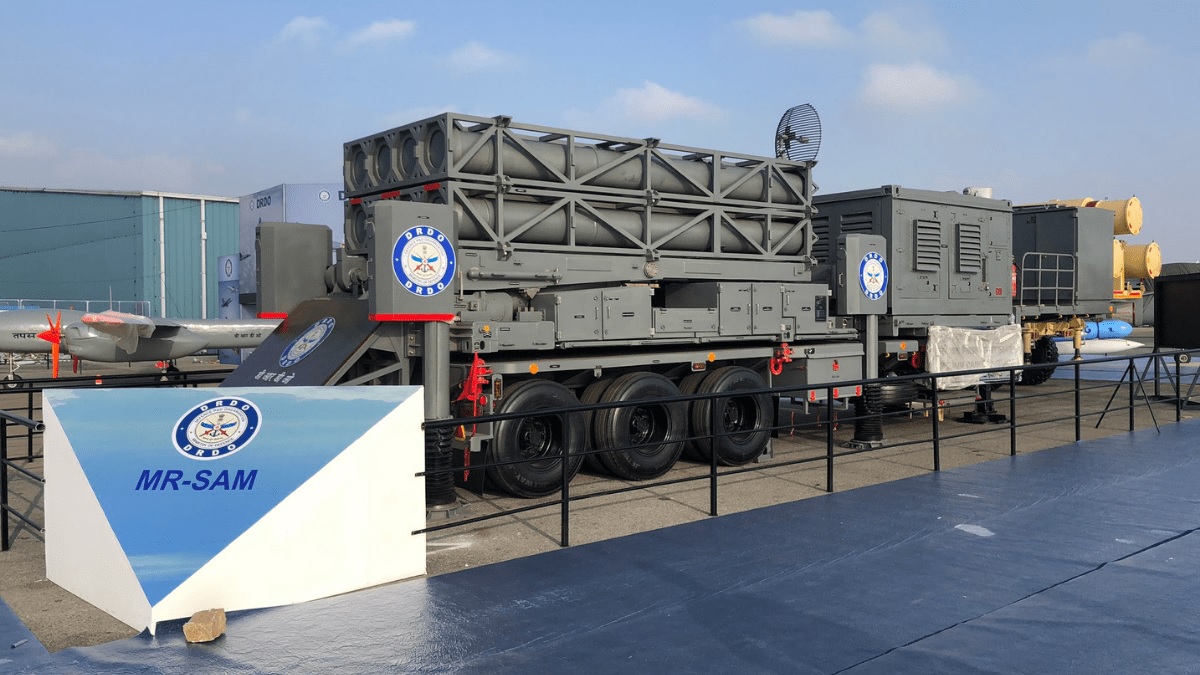
India
The Ministry of Corporate Affairs (MCA) has given its approval to a landmark joint venture between Bharat Electronics Limited (BEL) and Israel Aerospace Industries Limited (IAI). This new entity, named "BEL IAI AeroSystems Private Limited," is set to become a pivotal player in the maintenance and support of the Medium-Range Surface-to-Air Missile (MRSAM) system deployed across various branches of the Indian military. The partnership not only strengthens India’s air defense capabilities but also symbolizes a growing trend of international collaboration in defense technology.A Strategic Alliance for Sustained Defense CapabilityThe joint venture between BEL and IAI is poised to provide a range of crucial services, including repair and maintenance of the MRSAM system, which is an essential component of India’s air and missile defense network. With BEL holding a 40% stake and IAI holding the majority 60%, the partnership is designed to leverage the technological prowess of IAI and the local expertise and infrastructure of BEL to ensure the MRSAM systems remain in peak operational condition.The MRSAM system itself is a sophisticated piece of technology, developed in a previous collaboration between IAI and India’s Defence Research and Development Organisation (DRDO). It is designed to intercept and destroy a wide array of aerial threats, including fighter jets, helicopters, and missiles. The system's capabilities include a range of up to 70 kilometers, an advanced radar system, and the ability to simultaneously engage multiple targets. It is currently deployed by the Indian Air Force, Army, and Navy, playing a critical role in safeguarding India's airspace.Beyond Maintenance: Driving Technological GrowthWhile the immediate focus of the joint venture is on providing maintenance and support, the implications of this partnership extend much further. There are high expectations that this collaboration will spur further technological advancements in India's defense sector. The synergy between BEL’s experience in electronics and IAI’s cutting-edge missile technology could lead to innovations not just in the MRSAM system but in other areas of defense technology as well.Both companies have expressed their intention to collaborate on research and development initiatives. This could potentially result in the development of new variants of the MRSAM or entirely new systems tailored to the unique requirements of the Indian armed forces. The venture is also likely to contribute to India’s ambitions of becoming more self-reliant in defense manufacturing, reducing dependence on foreign technology for critical defense infrastructure.Awaiting Final ApprovalsDespite the MCA's approval, the joint venture is still subject to final clearances from the Ministry of Defence in India and the Committee of Ministries for Social & Economic Affairs in Israel. These approvals are crucial for the full operationalization of the joint venture, allowing it to commence its activities and contribute to the ongoing modernization of India’s defense forces.A Boost for India's Defense EcosystemThe formation of BEL IAI AeroSystems Private Limited is more than just a business deal; it represents a significant step in the strategic partnership between India and Israel. The venture is expected to enhance the responsiveness and efficiency of the MRSAM support system within India, providing the armed forces with faster turnaround times for repairs and upgrades. This, in turn, will ensure that the MRSAM systems are always ready to respond to any potential threats.In the broader context, this joint venture is a testament to India's evolving defense strategy, which increasingly focuses on building partnerships with global leaders in defense technology to bolster its own capabilities. By integrating advanced foreign technology with domestic production and support capabilities, India is not only strengthening its defense posture but also laying the groundwork for future growth in its defense manufacturing sector.The establishment of BEL IAI AeroSystems Private Limited is a promising development that underscores the importance of international cooperation in achieving self-reliance in defense. As the joint venture begins its journey, it will be closely watched for its impact on both the operational readiness of India's MRSAM systems and the broader dynamics of India-Israel defense relations.
Read More → Posted on 2024-09-28 16:10:00
India
India’s missile development program is witnessing significant advancements as the Defence Research and Development Organisation (DRDO) continues its work on a variety of sophisticated weapons systems aimed at bolstering the country’s defense capabilities. The Indian Army is actively pursuing the induction of long-range missiles, including the Pralay and Nirbhay, as well as advanced loitering munitions and extended-range rockets to enhance its firepower and strategic reach.Hypersonic Missile DevelopmentDRDO is spearheading efforts to develop hypersonic missiles capable of achieving speeds greater than Mach 5, making them difficult to intercept. Hypersonic missiles are considered a game-changer in modern warfare due to their unparalleled speed, maneuverability, and ability to strike distant targets with precision. The technology involves advanced propulsion systems like scramjets, which enable these missiles to travel at extreme velocities while maintaining control and accuracy.India's hypersonic missile development is focused on enhancing both the range and lethality of its missile systems. Although specific details of the projects are classified, the development is likely inspired by successful tests of the Hypersonic Technology Demonstrator Vehicle (HSTDV), which laid the groundwork for future hypersonic weapons.Nirbhay and Pralay MissilesThe Indian Army has set its sights on the induction of two key missile systems: the Nirbhay and Pralay. The Nirbhay missile, a subsonic cruise missile with a range of around 1,000 to 1,500 kilometers, is designed for deep-strike capabilities. It is equipped with a terrain-hugging flight profile, making it difficult to detect and intercept, and can carry a variety of warheads. Recent enhancements are expected to extend its range to 2,000 kilometers, bringing more strategic targets within its reach.The Pralay missile, on the other hand, is a short-range ballistic missile with a range of approximately 150 to 400 kilometers. It is intended to provide the Army with the ability to carry out quick, high-precision strikes on enemy positions and infrastructure. With a payload capacity of up to 1,000 kilograms, Pralay is designed for use in both conventional and nuclear roles, offering a flexible and potent deterrent.Expanding the Pinaka Rocket SystemThe Pinaka Multi-Barrel Rocket Launcher (MBRL) system has been a success story in India’s drive for self-reliance in defense technology. The Army plans to extend the range of this indigenous system from its current maximum of 75 kilometers to up to 300 kilometers. This upgraded version, known as the Pinaka Mk-II, is expected to significantly enhance the Army’s artillery capabilities, enabling it to strike deeper into enemy territory with greater accuracy and lethality.Advanced Munitions and DronesLt. Gen. A Kumar, Director General of the Indian Army's Regiment of Artillery, highlighted ongoing efforts to procure and develop advanced munitions and drones to keep pace with modern warfare requirements. The Army is actively engaging with the private sector and academic institutions to develop Sensor Fused Munitions (SFM) and extended-range ammunition using ramjet propulsion technology. These munitions are expected to offer superior accuracy and lethality, enhancing the effectiveness of artillery units.Additionally, the Army is looking to induct loitering munitions and swarm drones. Loitering munitions, also known as "kamikaze drones," can hover over a target area before diving in for a precision strike. Swarm drones, operating in coordinated formations, can overwhelm enemy defenses and provide real-time intelligence, surveillance, and reconnaissance (ISR) capabilities.Adapting to Modern WarfareThe Indian Army is also taking lessons from ongoing global conflicts, such as the war in Ukraine, to refine its operational strategies and capabilities. Lt. Gen. Kumar emphasized the need for continual innovation and adaptation to integrate effectively in a combined arms environment. The focus is on enhancing operational preparedness and developing advanced employment philosophies to address emerging threats.Women Officers in the Artillery RegimentIn a significant step towards gender inclusivity, the Regiment of Artillery has commissioned 19 women officers, assigning them to various units with different equipment profiles and terrain conditions. The Army is committed to providing equal opportunities and is confident in their abilities to excel in their roles.Training and ModernizationThe Army is modernizing its training infrastructure to keep pace with the introduction of new technologies and weapons systems. The training of Agniveers, a new cadre of soldiers, is being updated to incorporate the use of niche technologies such as loiter munitions and advanced drones. Modern physical training facilities and state-of-the-art classrooms with audio-visual aids are being established to enhance the overall training experience.Future ProspectsWith the induction of advanced missile systems and munitions, the Indian Army aims to significantly boost its strike capabilities and deterrence posture. The ongoing development of hypersonic missiles and the extension of existing weapon systems' ranges will provide the armed forces with the ability to strike deep and hard, enhancing India’s strategic depth and operational reach. As the country continues to invest in cutting-edge technology and indigenous defense manufacturing, its military prowess is set to scale new heights.
Read More → Posted on 2024-09-28 15:57:55Search
Top Trending in 24 Hours
-
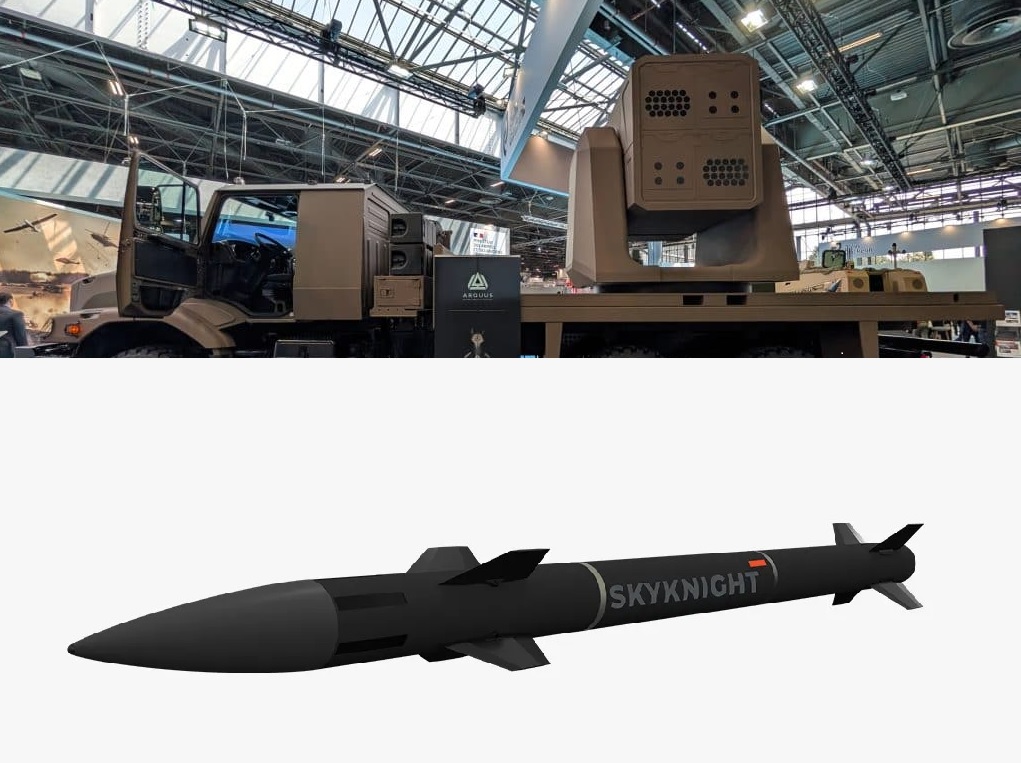 Naval Group Unveils Rampart Modular CIWS Multi-Purpose Weapon System for Naval and Ground Forces at Eurosatory 2026
-
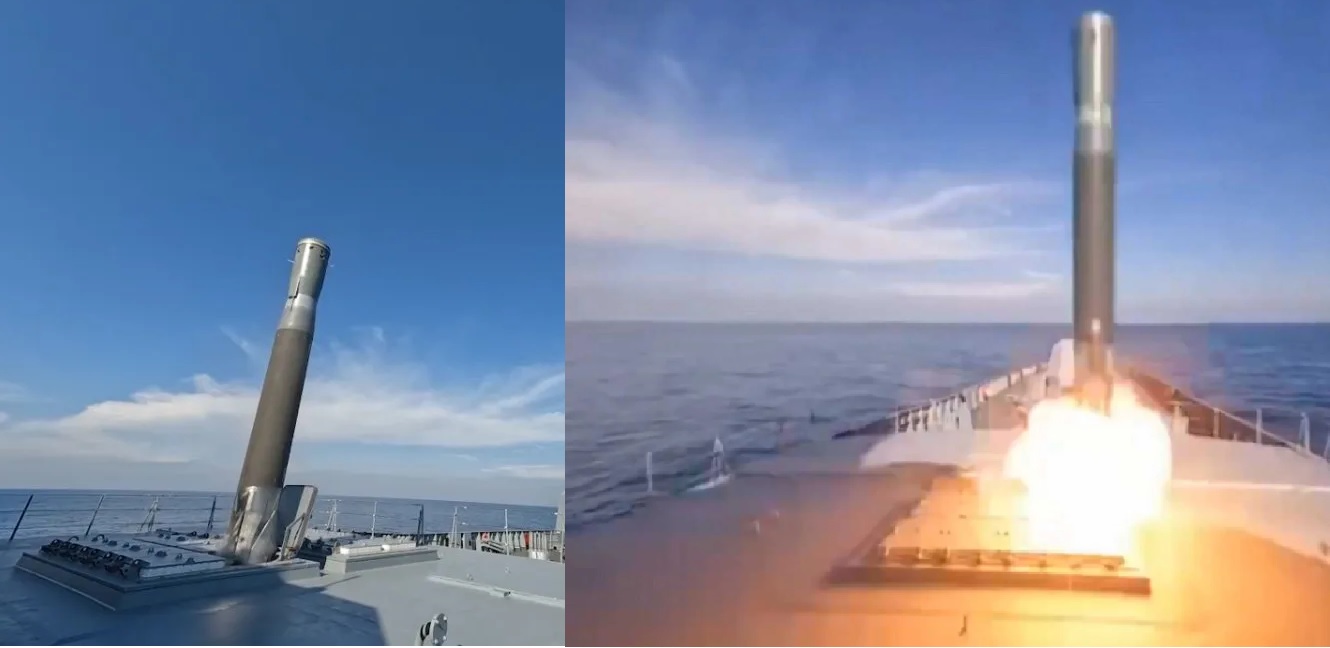 Open-Source Evidence Suggests Russia's Zircon Is a Quasi-Ballistic Missile, Not a True Hypersonic Cruise Weapon
-
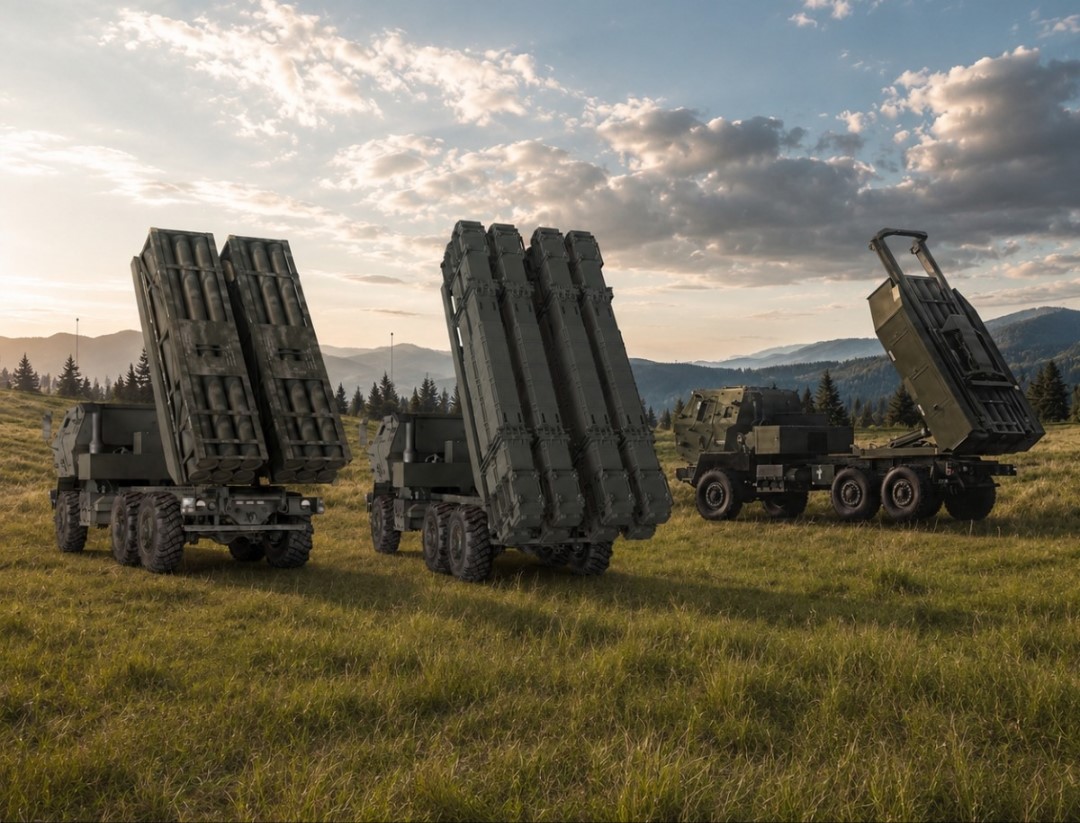 Lockheed Martin Unveils HIMARS FLEX with Dual-Pod Launcher and NATO-Compatible Air Defense Integration
-
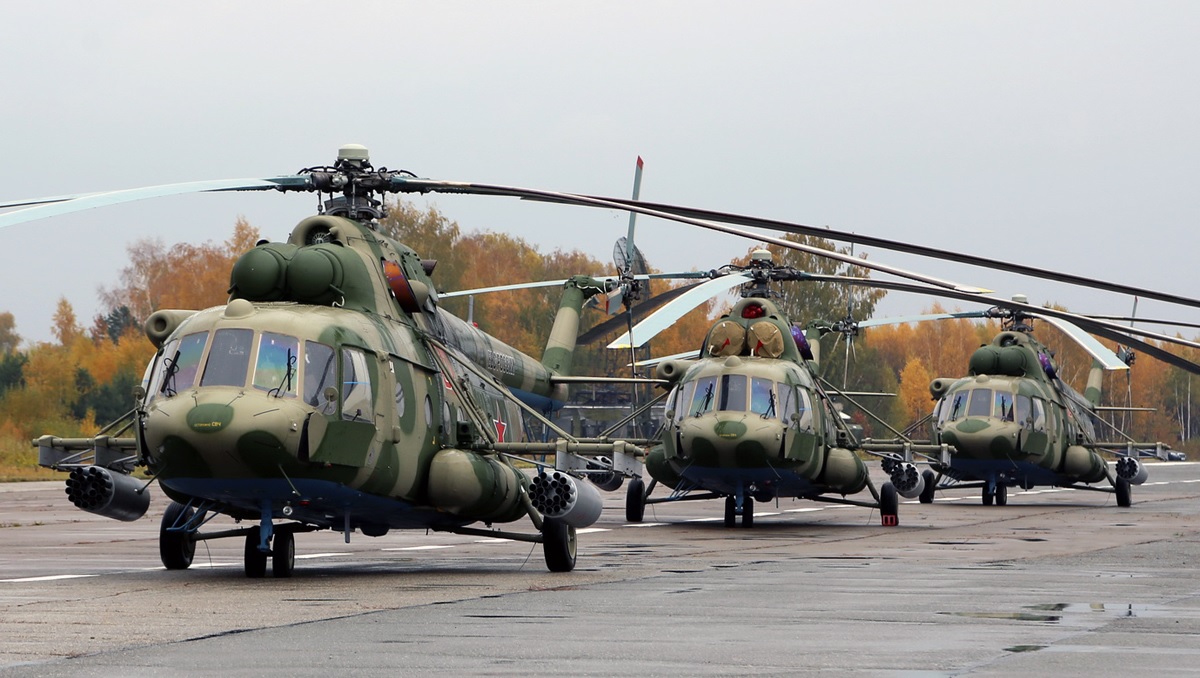 Iran Signs Deal with Russia for 20 Mi-8 and Mi-17 Helicopters to Boost Rescue and Medical Missions
-
 Why the U.S. Restored Pacific Command Name, Ending the Indo-Pacific Designation After Eight Years
-
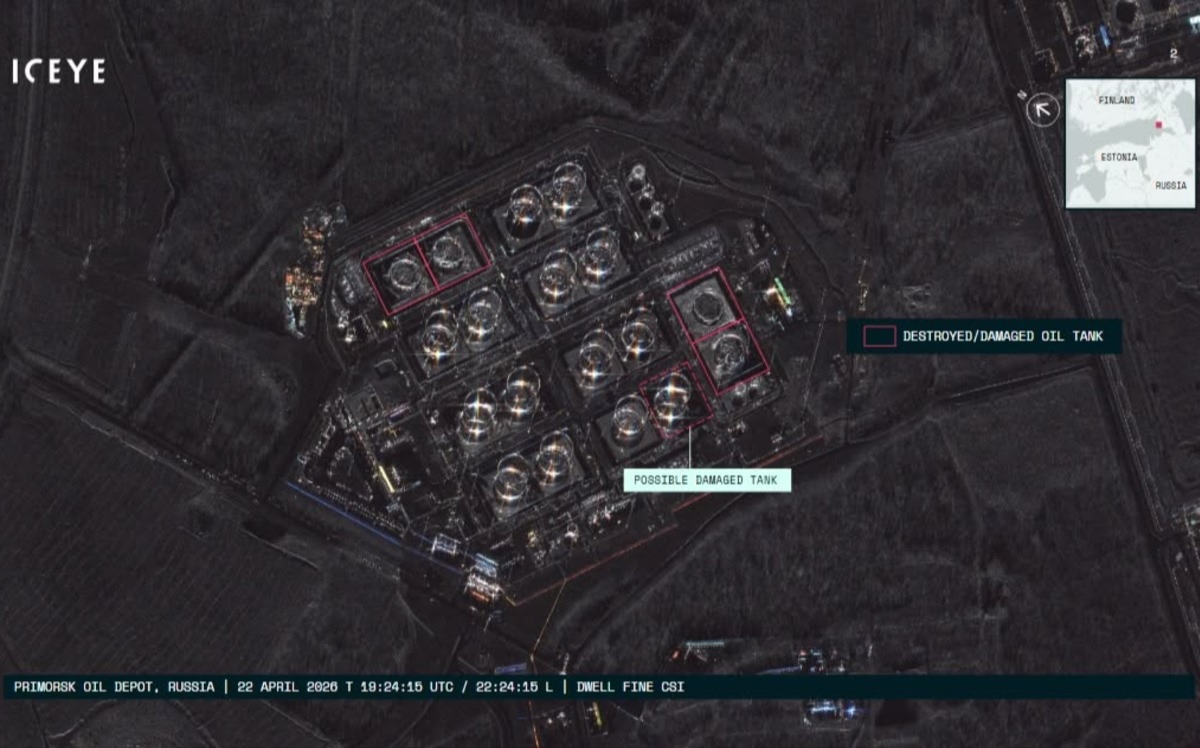 Portugal Doubles Sovereign SAR Satellite Fleet with Order for Two Additional ICEYE Satellites
-
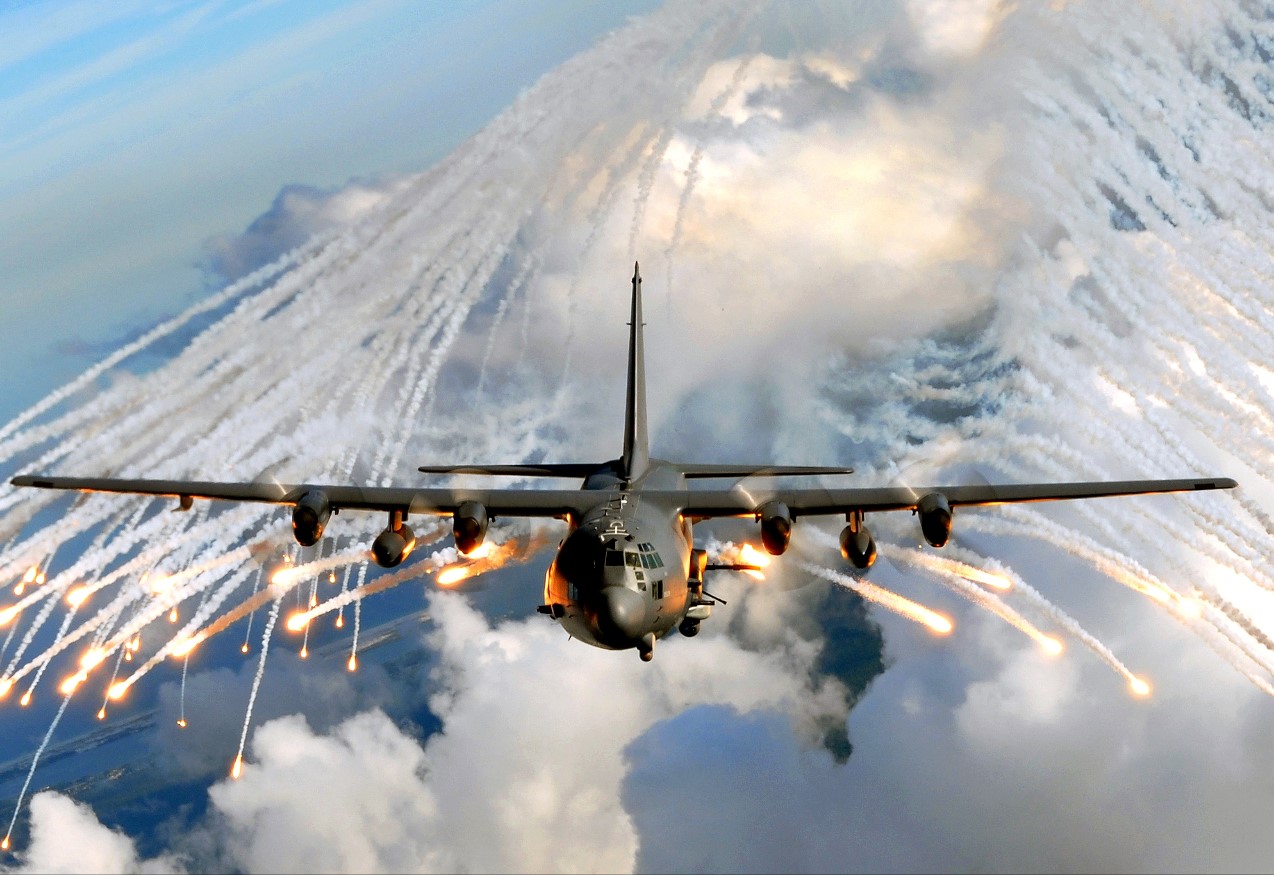 Pentagon Expands Alloy Surfaces Contract to $328.8 Million for Advanced Aircraft Decoy Flares Amid Evolving Drone Threats
-
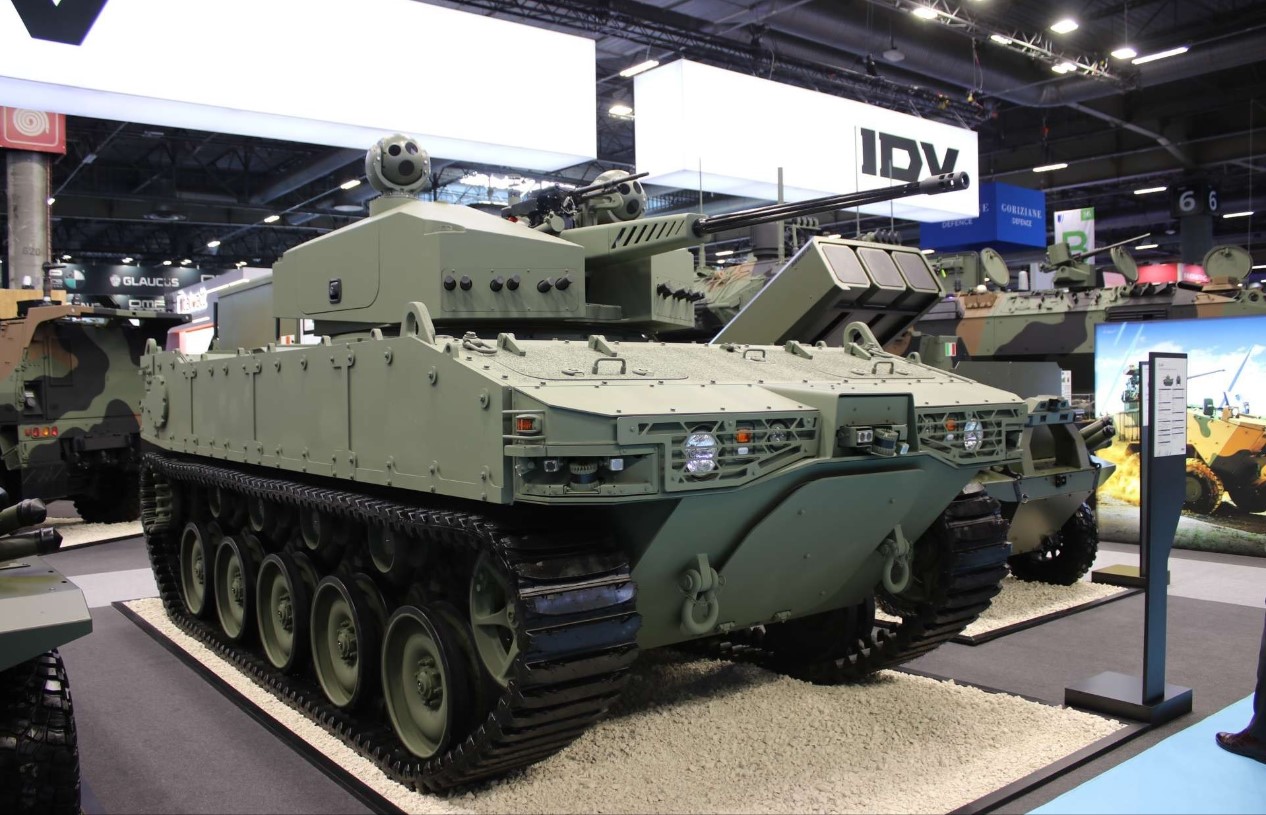 IDV Unveils CL2X Hybrid Uncrewed Light Tank at Eurosatory 2026
Top Trending in 4 Days
-
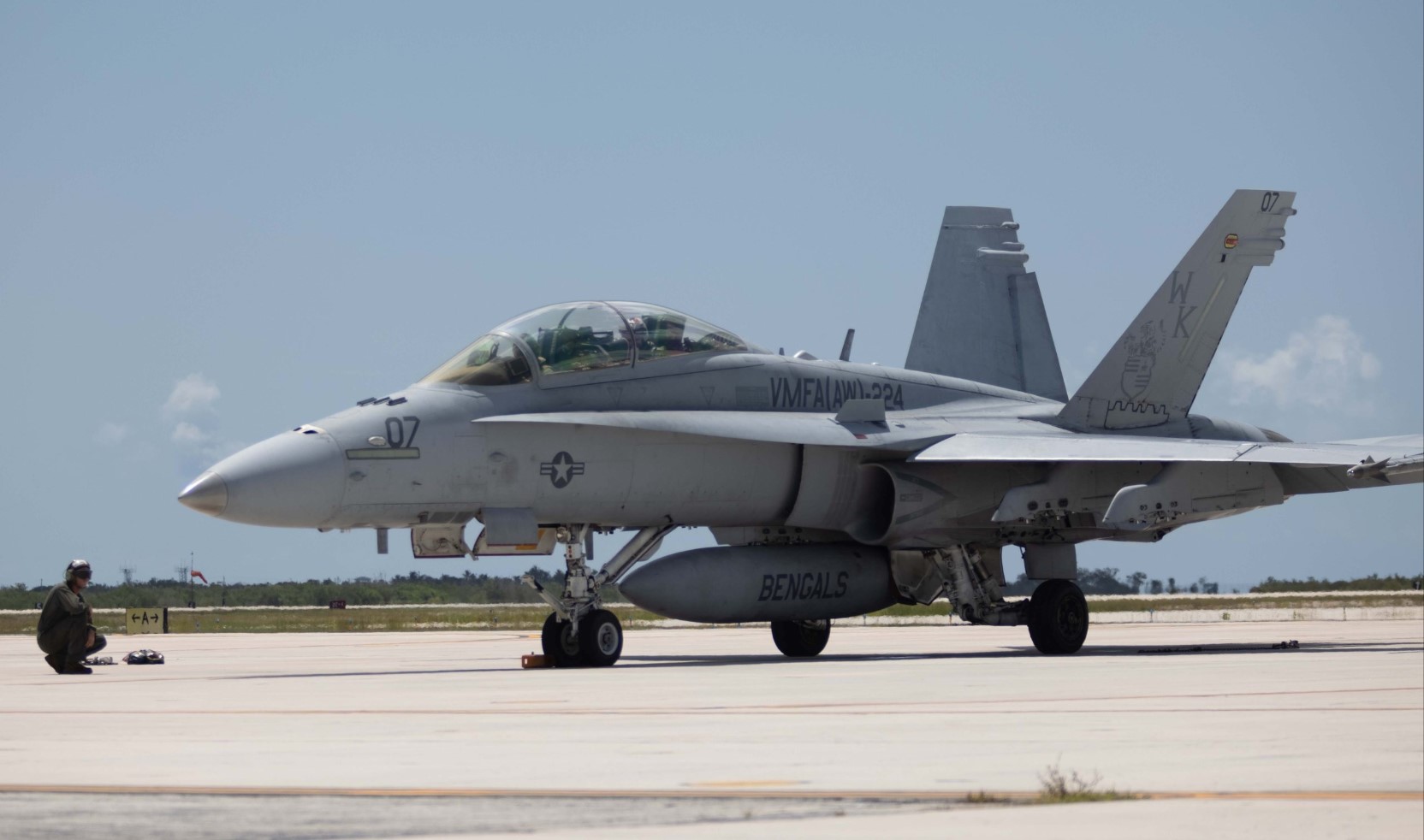 US Marine Corps F/A-18D Hornet Crashes During Training Flight in Washington Mountains; Pilot Ejects Safely
-
 Tulsi Gabbard Releases Declassified Files Detailing U.S.-Backed Network of 120 Biolaboratories Across 30+ Countries
-
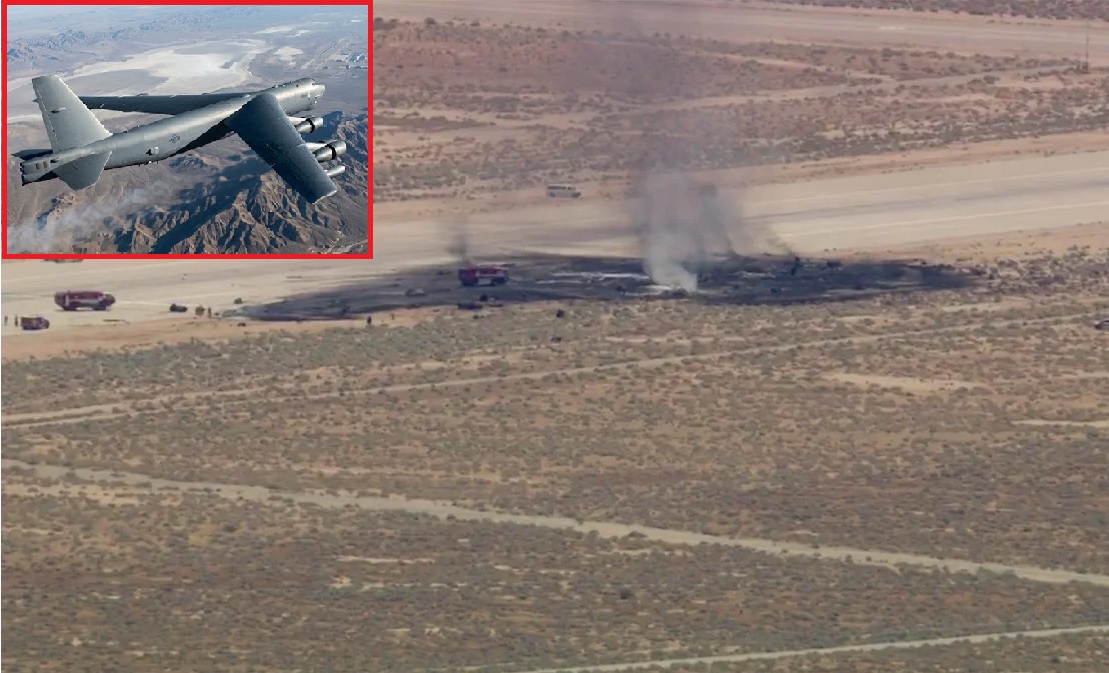 8 U.S. Air Force Crew Members Killed in B-52 Bomber Crash During Test Flight at Edwards Air Force Base
-
 Ukraine Introduces Balloon-Launched DART Missile Designed to Defeat Electronic Warfare
-
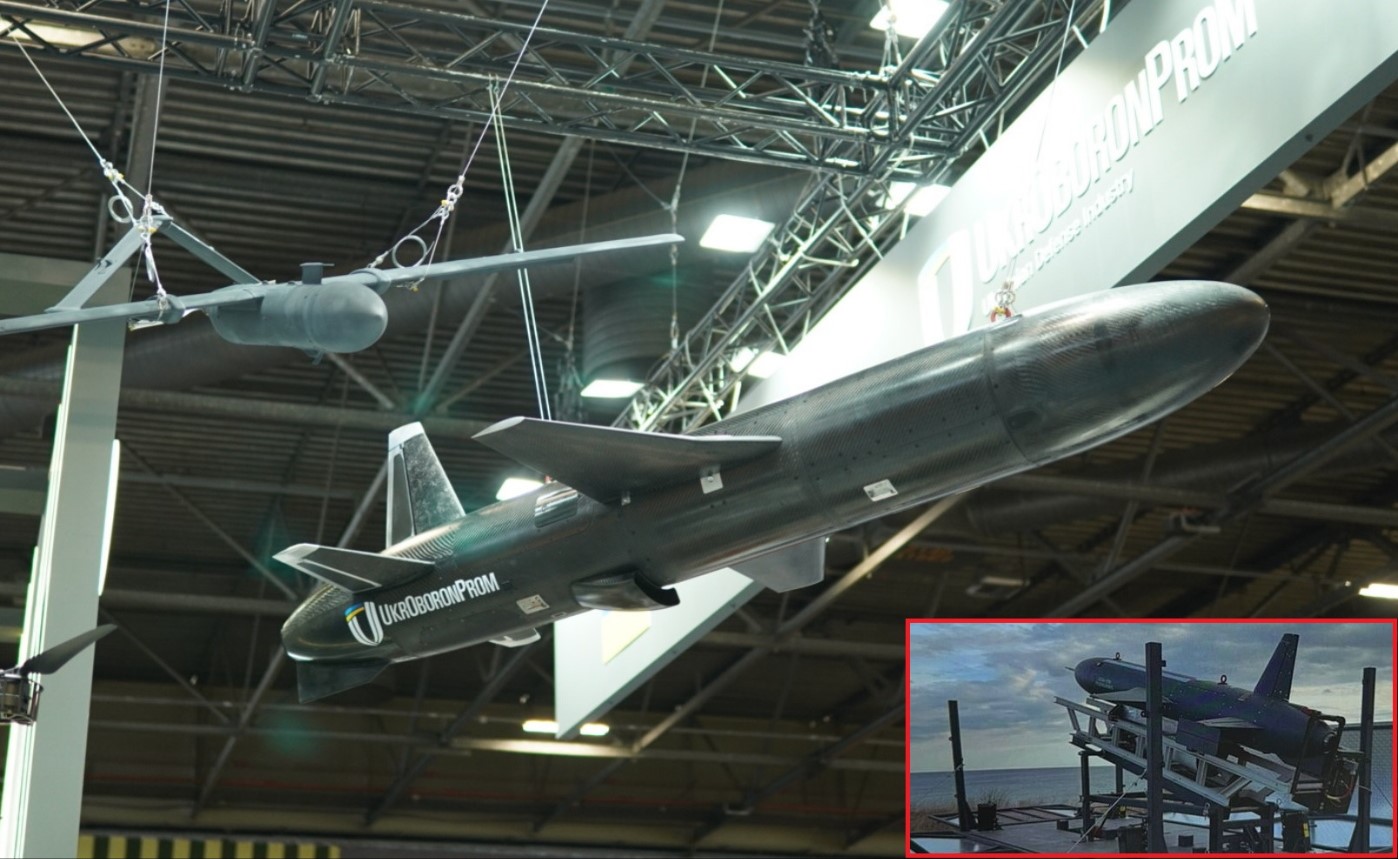 Ukraine Unveils UAV-290 Jet-Powered Strike Drone with 650 km Range at Eurosatory 2026
-
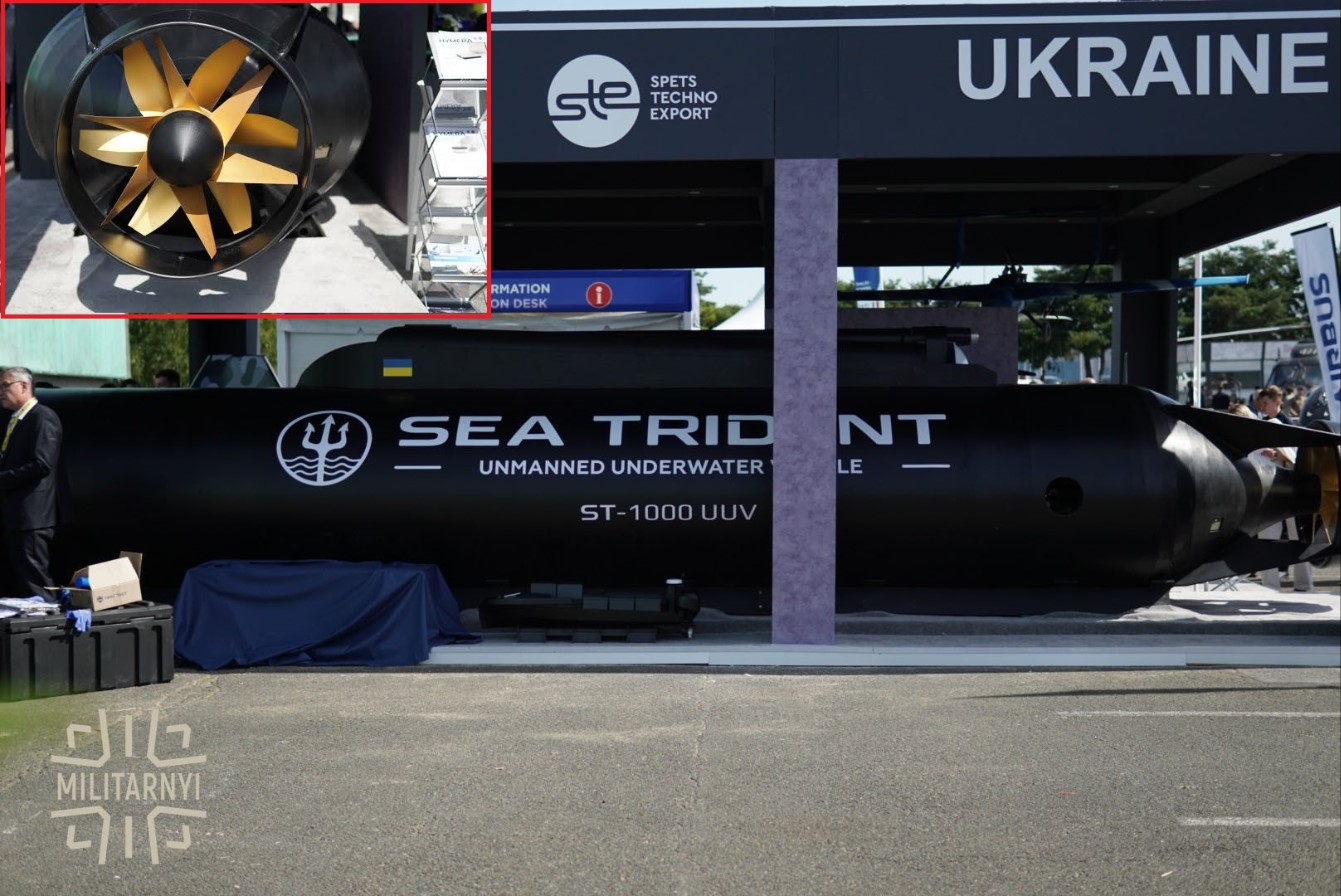 Ukraine Unveils 'Sea Trident' 10-Ton Autonomous Underwater Drone at Eurosatory 2026
-
 Rolls-Royce Unveils New Hybrid Powertrain for Heavy Military Vehicles at Eurosatory 2026
-
 France Agrees to Equip Future Indian Rafales with AI, MUM-T and Secure Satellite Links Under F5 Standard