India
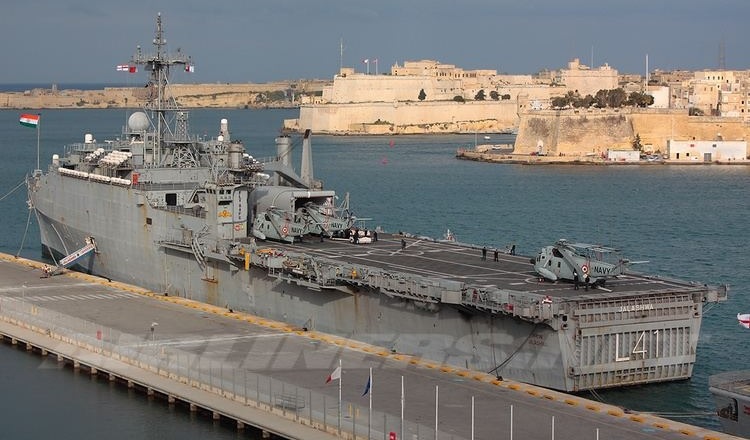
In a bold step towards fortifying its amphibious capabilities, the Indian Navy is exploring the construction of state-of-the-art Landing Platform Docks (LPDs), aiming to build them domestically. This ambitious project aligns with India’s broader goal of self-reliance in defence manufacturing and reflects its growing maritime strength.The initiative follows the release of a Request for Information (RFI) in 2021, which invited major Indian shipbuilders such as Cochin Shipyard Ltd (CSL) and Garden Reach Shipbuilders & Engineers Ltd (GRSE) to participate. Other key players, including Larsen & Toubro (L&T) Shipbuilding and Mazagon Dock Shipbuilders Limited (MDL), have also shown interest. These companies have proposed innovative designs in collaboration with international Original Equipment Manufacturers (OEMs), signaling the Navy’s intent to leverage global expertise while boosting local production capabilities.The specifications of these LPDs indicate their potential to significantly enhance India’s amphibious warfare capabilities. Measuring around 200 meters in length, these colossal ships will be able to carry a crew of 540 sailors along with 900 combat-ready troops. With a displacement of up to 8,000 tons, these ships are engineered for both endurance and capacity, allowing the Navy to deploy significant manpower and equipment during extended missions.Speed and range are key considerations in the design. The Indian Navy envisions a cruising speed of 14 to 16 knots, supported by an impressive range of 10,000 nautical miles at an economical pace. This will allow the LPDs to operate across vast distances, extending their deployment capabilities to remote areas of interest, a crucial factor for a navy looking to project power across the Indo-Pacific region.A standout feature of these LPDs is their propulsion system. The Navy has specified either an Integrated Full Electric Propulsion (IFEP) or Hybrid Propulsion system, highlighting its commitment to modern and environmentally friendly technologies. This emphasis on electric propulsion is expected to make these vessels more efficient, quieter, and less reliant on traditional fuel sources.While these LPDs are primarily designed for amphibious operations, they will also be heavily armed. The Navy plans to equip the ships with a formidable array of weapons, including 32 Vertical Launch Short Range Surface to Air Missiles (VLSRSAM) for air defence and 16 anti-ship missiles for offensive operations. Close-In Weapon Systems (CIWS), heavy machine guns with stabilized mounts, and medium machine guns will bolster the vessel’s defensive capabilities. Future upgrades may even include directed energy weapons, underscoring the cutting-edge nature of these platforms.On the sensor front, the LPDs will be equipped with an advanced suite of systems to enhance situational awareness. This includes a 3D air surveillance radar, surface surveillance radar, electronic warfare support systems, and an electro-optical/infrared search and track system. These systems will enable the ships to operate effectively in complex, multi-domain environments where detecting and neutralizing threats is critical.The design also includes a unique "through deck" configuration, essentially transforming the LPDs into Landing Helicopter Docks (LHDs). This allows for seamless flight operations, enabling the ships to conduct simultaneous helicopter operations from their hangars and decks. The LPDs will be capable of carrying a range of aircraft, including two heavy-lift helicopters, 12 special operations helicopters, and two Naval Ship-borne Unmanned Aerial Systems (NSUAS). The hangar is designed to house all these aircraft, while the reinforced forward deck will allow for the operation of heavy-lift helicopters.One of the most remarkable aspects of this project is the Indian Navy’s decision to build these LPDs domestically. By partnering with local shipyards and manufacturers, the Navy not only aims to strengthen its amphibious capabilities but also contributes to the growth of India's defence industry. This project is a reflection of the country’s ongoing push for indigenization in defence production, a key part of India’s "Make in India" initiative. With the construction of these LPDs, the Indian Navy is positioning itself as a formidable force in the region, capable of conducting complex amphibious operations and safeguarding India’s maritime interests. The project also highlights India's ambition to emerge as a major player in global shipbuilding, enhancing its strategic autonomy and showcasing its growing expertise in defence manufacturing.
Read More → Posted on 2024-09-15 15:49:46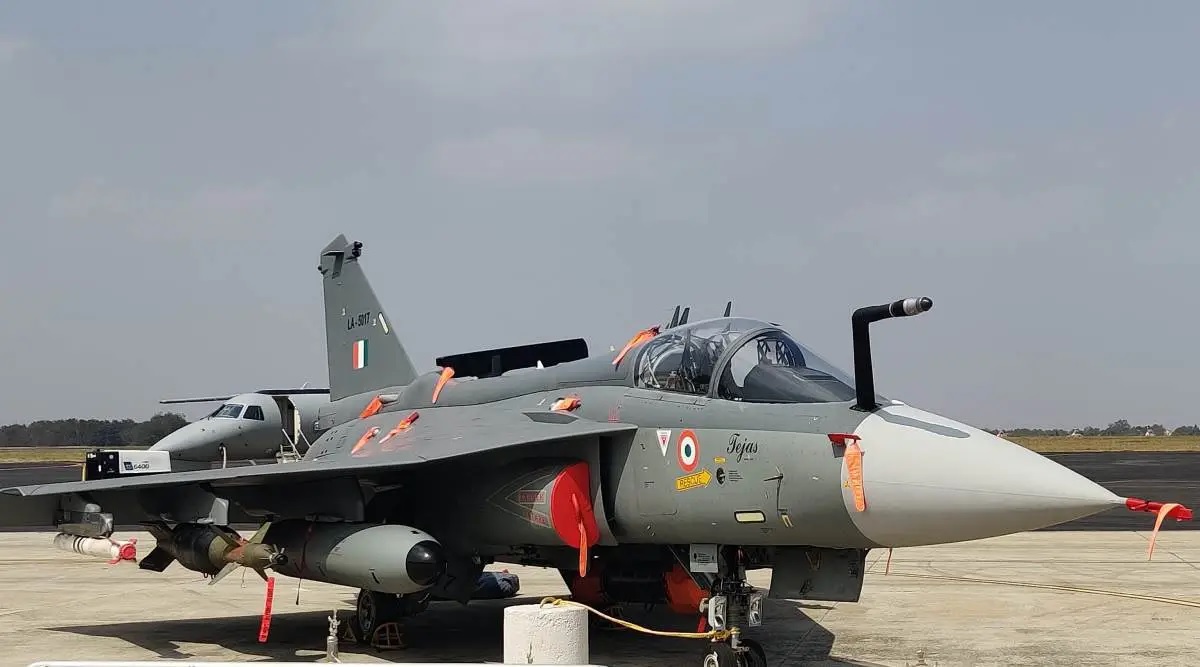
India
Hindustan Aeronautics Limited (HAL) is preparing to deliver the first Tejas Mk1A fighter jet to the Indian Air Force (IAF) by the end of next month, a pivotal milestone in India’s indigenous aircraft development program. The Tejas Mk1A, which successfully completed its maiden flight in March 2024, represents a major leap in capability for the IAF as it modernizes its aging fighter fleet.The Tejas Mk1A, an evolution of the earlier Tejas variants, incorporates several improvements aimed at making it more effective in modern combat scenarios. Among the key enhancements are advanced avionics, updated software systems, and improvements in weapons integration. These advancements are critical to meeting the specific needs of the IAF, which has been working closely with HAL to refine the design and performance of the aircraft.One of the standout features of the Mk1A variant is its radar system. The jet is equipped with an Active Electronically Scanned Array (AESA) radar, which significantly improves its targeting and surveillance capabilities. AESA radars allow the aircraft to track multiple targets at greater distances with higher precision, a crucial feature in modern air combat. This radar system is a major upgrade from the mechanically scanned radars used in earlier versions of the Tejas.Another improvement in the Mk1A variant is its Electronic Warfare (EW) suite, which gives the jet enhanced defense capabilities against enemy radar and missile systems. The advanced self-protection system includes radar warning receivers, jammers, and countermeasures dispensers, making the aircraft more survivable in hostile environments.While this initial batch of Tejas Mk1A jets will be powered by General Electric's F-404 engines, HAL plans to transition to more advanced engines in future batches, potentially boosting the aircraft's speed and thrust. The F-404 engine has been a reliable powerplant, providing solid performance, but the IAF’s long-term vision includes exploring more powerful engines to enhance the jet's combat capabilities.The IAF is not only receiving one aircraft; this delivery kicks off the fulfillment of a larger contract for 83 Tejas Mk1A jets, which are expected to be delivered in phases over the coming years. The IAF plans to form a new squadron of Tejas Mk1A fighters, with the third squadron likely to be stationed at the Nal Airbase in Rajasthan, close to the Pakistan border. This strategic positioning highlights the importance of the Tejas in reinforcing India’s air defense capabilities in sensitive regions.The Tejas program, despite some delays in its earlier stages, has gained momentum in recent years. The Mk1A variant’s development has been viewed as a crucial step in ensuring that the IAF has a versatile, modern fighter jet that is not only capable of defensive roles but also offensive air superiority missions. Its relatively lighter weight and advanced avionics make it a nimble yet powerful addition to India’s aerial arsenal.As HAL prepares to hand over the first jet, it is also working on integrating new software features requested by the IAF, which will further enhance the aircraft’s operational readiness. The delivery marks a positive turn in India’s indigenous defense manufacturing efforts, a critical focus for the nation’s long-term security and self-reliance goals.With its compact design, advanced radar, and improved survivability systems, the Tejas Mk1A is expected to serve as a backbone for the IAF’s fighter fleet, especially as older aircraft such as the MiG-21 are phased out. As more Tejas Mk1A jets are inducted into service, the IAF’s ability to respond to evolving threats and maintain aerial superiority will be significantly bolstered.The delivery of the first Tejas Mk1A not only underscores HAL’s manufacturing capabilities but also signals India’s growing confidence in its ability to design and produce world-class military hardware. As the aircraft enters service, it will play a critical role in enhancing the IAF’s operational capabilities and supporting India's defense strategy in the coming years.
Read More → Posted on 2024-09-15 15:47:38
India
In a bold move that could redefine global governance, the United States has called for significant reforms to the United Nations Security Council (UNSC), proposing new permanent seats for African nations, as well as for India, Japan, and Germany. These reforms would be the first major overhaul to the UNSC in decades, aiming to address long-standing demands for better representation of developing nations and emerging powers. However, the U.S. has made it clear that any new permanent members would not be granted veto power, which has long been a contentious issue.A Call for African RepresentationThe U.S. proposal seeks to add two permanent seats for African countries, which currently hold three non-permanent, rotating seats on the council. The existing setup allows African nations to participate in the UNSC, but only for two-year terms without the same level of influence enjoyed by the five permanent members— the U.S., China, Russia, France, and the UK. These five have veto power, allowing them to block any UNSC resolution.Linda Thomas-Greenfield, the U.S. ambassador to the UN, announced the proposal at the Council on Foreign Relations, emphasizing that African nations deserve a stronger voice in global decision-making. This move is in line with growing global recognition that Africa's geopolitical importance, population, and economic potential warrant greater representation on the world stage.However, the U.S. is firm in its stance that these new African members should not have veto power. Washington argues that expanding the veto would risk further deadlock within the already divided council, where vetoes by permanent members often paralyze action on key issues like climate change and global conflicts.Expanding Membership: India, Japan, and GermanyIn addition to Africa, the U.S. reiterated its longstanding support for permanent seats for India, Japan, and Germany—three nations that have consistently lobbied for greater influence within the UN. India, with its rapidly growing economy and population, is the world’s largest democracy and has been seen as an essential player in global governance. Japan, a key U.S. ally in Asia, is one of the largest contributors to the UN budget. Germany, the largest economy in Europe, plays a central role in both the EU and NATO.Yet, like the proposed African seats, these nations would not be granted veto power, a condition that reflects the U.S.'s reluctance to shift the balance of power within the council. The veto has been a tool of immense strategic value to the permanent members, allowing them to shape international policies according to their national interests.A Seat for Island NationsIn another significant development, the U.S. has proposed a rotating seat specifically for small island developing states (SIDS), which have long voiced concerns over their lack of representation. These nations, often the most vulnerable to climate change, have argued that their unique challenges, from rising sea levels to economic instability, are not adequately addressed by the international community. A rotating seat would ensure that their voices are consistently heard at the highest levels of global decision-making.The Path to Reform: A Daunting TaskWhile the U.S. proposal has been welcomed by many, reforming the UNSC is no small feat. Any changes to its structure require the approval of two-thirds of the 193 UN member states, as well as the unanimous agreement of the current five permanent members. This poses a significant challenge, particularly because the expansion of permanent membership without veto power has been met with resistance.Russia, for instance, has warned African nations to be cautious of reforms that could include new Western members like Germany and Japan, arguing that such a move might perpetuate Western dominance in the council. Moscow has also raised concerns that expanding the council without granting veto power to new members would not adequately address the historical marginalization of African nations.Additionally, some African leaders, like Sierra Leone’s President Julius Maada Bio, have called for the complete abolition of the veto. They argue that if the veto is to remain, it should be extended to all new permanent members as a matter of fairness.Global Reactions: A Step Towards Justice?The U.S. initiative has been largely viewed as a positive step towards addressing the long-standing imbalance in the UNSC. UN Secretary-General António Guterres has previously expressed concern over the lack of African representation on the council, and Washington’s latest proposal seems to align with his calls for reform.Still, the road to actual change is fraught with challenges, not least the entrenched interests of the current permanent members. For the U.S., pushing through such reforms will require navigating delicate diplomatic negotiations with both allies and adversaries.The proposed reforms also reflect broader geopolitical shifts, as nations like India and Japan continue to assert their roles as major global players. Whether or not these proposals will succeed remains uncertain, but they signal a growing recognition that the current structure of the UNSC no longer reflects the realities of a changing world.In the end, any reform must balance the interests of emerging powers, developing nations, and the permanent members who have held sway over the council since its inception. For now, the U.S. proposal offers hope that the UNSC can be reshaped into a more inclusive and representative body, even if the road ahead is long and uncertain.
Read More → Posted on 2024-09-15 15:45:22
India
Assam is set to become a key player in India’s technological landscape with the announcement that Dassault Systèmes, a subsidiary of France's Dassault Group, will be establishing an aerospace and defense training hub in the state. The project, which represents a significant Rs 240 crore investment, is poised to bring substantial growth to Assam’s industrial sector, particularly in cutting-edge fields like aerospace, defense, automotive, and electric vehicle (EV) technologies.The hub will not only serve as a training center for future engineers and technicians but also play a pivotal role in shaping the next generation of talent in high-demand industries. This initiative, officially announced by Assam Chief Minister Himanta Biswa Sarma, has received approval from the Assam cabinet, marking it as a cornerstone of the state’s future industrial and technological ambitions.A Vision for Skilled Workforce DevelopmentDassault Systèmes, known globally for its contributions to aviation and defense, including the development of the iconic Rafale fighter jet, is bringing its decades of expertise to the project. The training hub will focus on equipping Assam’s youth with essential skills in the rapidly advancing fields of aerospace, defense systems, and EV technology. With the rise of electric mobility and the ongoing innovations in automotive design, this facility is positioned to meet the evolving demands of modern industry.The center will also focus on digital innovations such as 3D printing, virtual simulations, and advanced product design, areas in which Dassault has led the way globally. For Assam, this means the creation of a robust talent pipeline capable of supporting high-tech industries that are critical to the future of both India and the global economy.Impact on Assam’s Industrial EcosystemThe establishment of this training hub represents a significant moment for Assam, as it positions itself as an attractive destination for foreign direct investment (FDI) and high-tech innovation. The project is expected to generate a wealth of job opportunities in fields that traditionally have been concentrated in more industrialized regions of India. By tapping into Dassault's global network, the state is set to cultivate a workforce that can compete on an international scale, making Assam a hub for technological prowess in aerospace and defense.Furthermore, the presence of Dassault Systèmes will likely encourage the development of ancillary industries and startups, creating a ripple effect throughout the local economy. The training facility will work closely with Assam's existing industries, fostering an environment where innovation and industrial growth go hand-in-hand.A Global Standard of ExcellenceDassault Systèmes' decision to invest in Assam is a clear signal of the state's growing importance on the global stage. The company, which is a leader in 3D design software, 3D digital mockups, and product lifecycle management (PLM) solutions, is known for its focus on sustainable innovation and next-generation technologies. By integrating these advanced fields into Assam’s local workforce development, the state is positioning itself as a key player in the global technological arena.The hub is expected to attract a wide range of talent, not only from Assam but from across the region, further enhancing the state's status as a center for technical education and industrial growth. With access to world-class training, local engineers, technicians, and specialists will be equipped to drive advancements in aerospace and automotive sectors, with an eye towards the growing demand for electric vehicles and sustainable technologies.A Bright Future for AssamThe Rs 240 crore investment by Dassault Systèmes is not just a financial commitment but a long-term strategy to embed the highest standards of technological expertise within Assam. This aligns with India's broader ambitions to become a global leader in aerospace, defense, and electric mobility. The collaboration will be instrumental in addressing India's skilled labor shortages in these high-tech fields, ensuring that the nation is prepared for the future of industry and innovation.As Assam prepares to host this state-of-the-art facility, it becomes clear that this is more than just a regional development. It is a crucial step forward for India’s aerospace and defense sectors, one that will bring far-reaching benefits to both the state and the country as a whole. With Dassault Systèmes at the helm, Assam’s new training hub promises to be a beacon of technological excellence, driving the future of innovation in India.
Read More → Posted on 2024-09-14 15:27:17
India
India is embarking on a significant military restructuring to counter rising threats from both China and Pakistan. At the heart of this effort is the establishment of integrated command centres in three strategic locations: Lucknow, Jaipur, and Trivandrum. These centres are expected to revolutionize the coordination and response capabilities of the Indian Armed Forces, unifying the operations of the Army, Navy, and Air Force under one cohesive structure.The primary goal of these integrated command centres is to streamline decision-making and enhance military readiness across India's northern and western borders. China’s aggressive military posturing along the Line of Actual Control (LAC) and Pakistan’s ongoing confrontations along the Line of Control (LoC) are driving the need for a unified and robust response mechanism. By positioning these centres in different parts of the country, India is looking to ensure that its military can respond swiftly and effectively to simultaneous threats on multiple fronts.A Unified Command Structure for a Cohesive DefenceIndia’s military command traditionally operated under separate branches, which often resulted in delayed coordination and fragmented responses during crises. The new integrated command centres will bring the operations of the three military branches—Army, Navy, and Air Force—under a single command structure, following a model similar to China’s theatre commands. This reorganization aims to enhance real-time communication, resource-sharing, and operational efficiency in case of a conflict, providing a unified command with greater oversight and control.The decision to place command centres in Lucknow, Jaipur, and Trivandrum is no coincidence. Lucknow, located in the northern part of India, will focus on the potential Chinese threat along the eastern front, particularly the sensitive regions of Ladakh and Arunachal Pradesh. Jaipur, centrally located, is well-positioned to manage operations along India’s western front with Pakistan. Meanwhile, Trivandrum will safeguard India’s southern waters and the Indian Ocean Region, which has become a theatre of increasing strategic importance due to Chinese naval activity.Countering China and Pakistan's Growing Military TiesA significant driver behind this initiative is the deepening military cooperation between China and Pakistan. The China-Pakistan Economic Corridor (CPEC), a crucial part of Beijing’s Belt and Road Initiative, has heightened strategic concerns for India, as it extends Chinese influence in Pakistan-administered Kashmir and beyond. The close military partnership between these two adversaries poses a dual-front challenge for India, demanding a more integrated and efficient military strategy.By adopting this integrated approach, India is also responding to China's recent military reforms, which have successfully integrated its forces into joint commands, allowing for rapid deployment and precise coordination. India's leadership is keen to ensure its forces are not caught off-guard in a similar situation, particularly in the sensitive Himalayan and border regions where tensions with China have been on the rise.Enhancing Military Capabilities and InfrastructureThe establishment of these command centres is just one part of India’s larger plan to modernize and bolster its military capabilities. The Indian Air Force, for example, is moving forward with a ₹3 lakh crore strategic upgrade that includes the procurement of advanced fighter jets, modern missile systems, and enhanced surveillance technologies. These investments are aimed at addressing air superiority concerns, particularly in light of China’s advanced air force and Pakistan’s expanding missile arsenal.Furthermore, India is focusing on developing key infrastructure projects along its borders with China and Pakistan. Improved roadways, rail networks, and airbases in these areas will not only provide better logistical support during potential conflicts but will also allow for quicker troop and equipment mobilization in times of crisis.A Future-Ready MilitaryThe proposal for these command centres has already been presented to Defence Minister Rajnath Singh, with approval expected soon. Once the green light is given, it is estimated that the restructuring and operationalization of these centres will take between 12 to 18 months. While the timeline is ambitious, the urgency of the situation demands swift action.India’s proactive steps in establishing these command centres reflect its determination to stay ahead of evolving geopolitical challenges. With China and Pakistan forging closer ties and enhancing their military coordination, India recognizes the need for a future-ready defence strategy. The integrated command centres in Lucknow, Jaipur, and Trivandrum represent a critical step toward a more agile, coordinated, and capable military, ready to respond to any threats that may arise from its powerful neighbours. In the coming years, these command centres will serve as the backbone of India’s defence strategy, ensuring that the country is not only well-prepared for future challenges but can also effectively counter any external threats with speed and precision.
Read More → Posted on 2024-09-14 15:22:23
India
Cochin Shipyard Limited (CSL) has embarked on an ambitious project to construct the largest dredger in India, the 'DCI Dredge Godavari', a vessel that promises to revolutionize the country's dredging capabilities. With a massive hopper capacity of 12,000 cubic meters, this Trailing Suction Hopper Dredger (TSHD) is being built for the Dredging Corporation of India (DCI). The keel-laying ceremony, a critical milestone in ship construction, was conducted virtually, with Union Minister of Ports, Shipping & Waterways, Sarbananda Sonowal, officiating the event. Several dignitaries, including the Dutch Ambassador to India, Marisa Gerards, were present, underscoring the international significance of this project.What makes the DCI Dredge Godavari particularly noteworthy is its design and technical sophistication. Built in collaboration with Royal IHC, a Dutch company renowned globally for its expertise in dredger construction, the vessel is being developed under the ‘Beagle’ platform, which is known for its efficiency, durability, and cutting-edge technology in dredging operations. At 127 meters long and 28 meters wide, the dredger is engineered to operate in both coastal and inland waters, making it a key asset for India's maritime infrastructure.Once operational, the DCI Dredge Godavari will become the most technologically advanced dredger ever constructed in India. Its ability to hold and transport 12,000 cubic meters of dredged material in a single trip will drastically increase the efficiency of dredging activities across the country’s major ports. This is particularly important as India continues to push forward with its Maritime India Vision (MIV) 2030, a strategic plan aimed at enhancing the country’s port infrastructure and supporting economic growth through improved shipping and logistics capabilities.The dredger's construction is not just a matter of national pride but also a critical move for bolstering India’s dredging capabilities, which are essential for maintaining navigable waterways, supporting larger vessels, and facilitating trade. With its advanced features and collaboration with Royal IHC, the vessel is designed to meet the evolving needs of India's growing maritime sector, ensuring that it can compete on the global stage.The collaboration with Royal IHC brings in world-class expertise. The Dutch firm has a long history of building some of the most sophisticated dredging equipment in the world. This collaboration will transfer knowledge and technology to Indian engineers, further boosting the country’s shipbuilding and maritime capabilities. The dredger will also feature advanced suction systems capable of dredging deep waters efficiently, a key requirement for India’s deepwater ports.In essence, the DCI Dredge Godavari represents a significant step forward in India's maritime ambitions. Not only will it enhance the operational capacity of the Dredging Corporation of India, but it will also support the government's broader initiatives to develop the coastal shipping industry and improve the economic flow through the country’s ports. With such a powerful and technologically advanced vessel, India is set to enhance its ability to maintain critical shipping lanes and facilitate larger volumes of cargo movement in the years to come.The construction of the DCI Dredge Godavari at Cochin Shipyard, combined with international expertise from Royal IHC, symbolizes a bold leap forward for India’s shipbuilding and maritime industry. This project is a testament to the country's growing focus on self-reliance and technological advancement, aiming to secure its place as a global maritime powerhouse.
Read More → Posted on 2024-09-14 15:16:13
India
Russia's Su-57 stealth fighter jet, a fifth-generation marvel, is becoming an increasingly hot commodity in international defense circles, especially as countries look to modernize their air forces amid shifting geopolitical landscapes. Once a regular fixture in global arms exhibitions, Russia's military manufacturers have become less visible on the international stage following the Ukraine invasion in 2022. However, the Su-57, particularly its export variant, the Su-57E, continues to make waves in regions where Russia retains significant defense ties.Recently, at the Egyptian International Air Show, Russian manufacturers displayed a wide range of their advanced weaponry, with the Su-57E being the star of the show. This marked a rare post-2022 international appearance and highlighted Africa’s strategic importance to Moscow. Both Egypt and Algeria emerged as key potential buyers of the jet, with Algeria making the biggest splash by reportedly signing a deal for 14 Su-57 fighters, set for delivery by 2025.Algeria's defense relationship with Russia is extensive, with around 67% of its military hardware sourced from Moscow. As tensions in North Africa mount—particularly with Morocco’s acquisition of F-16s from the U.S.—Algeria is pushing to maintain military parity, and the Su-57 offers them a distinct technological edge. The Su-57, designed for air superiority, stands out for its stealth capabilities, supercruise speeds, and advanced avionics, which can enhance Algeria’s overall defense posture.Egypt, though it hasn't yet signed a contract, is also keen to upgrade its air capabilities and has shown significant interest in acquiring the Su-57. For Egypt, the fighter jet would play a critical role in modernizing its air fleet, offering state-of-the-art radar evasion and missile detection systems. The Egyptian Air Force is already in discussions with Russia regarding potential purchases, possibly indicating future deals in line with its goal of fortifying national defense.But it’s not just Africa where Russia's Su-57 is gaining traction. India, a long-standing defense partner of Russia, is actively considering adding the Su-57 to its fleet. For India, this move would represent a significant step forward in its drive for military modernization. The discussions go beyond just acquiring the aircraft—there’s also talk of joint development and technology transfer, aligning with India's broader 'Make in India' initiative to ramp up indigenous defense production. Having previously collaborated with Russia on the BrahMos missile, India is well-placed to explore further co-production opportunities.Vietnam and Indonesia, two Southeast Asian nations facing escalating regional security concerns, are also eyeing the Su-57. Vietnam, in particular, has entered into discussions with Russia regarding the aircraft’s potential acquisition. During the MAKS 2024 air show, Vietnamese defense officials expressed keen interest in the fighter jet, exploring options for not just procurement but also technology transfers and joint production. Vietnam sees the Su-57 as a game-changer for its air defense, offering advanced stealth and long-range engagement capabilities, crucial in maintaining a strategic edge in the region’s contested airspaces.One of the Su-57's most impressive features is its stealth technology, which allows the aircraft to operate in highly contested air environments without detection. This makes it a formidable platform for air superiority missions. It also boasts the ability to carry a wide array of armaments, including air-to-air and air-to-ground missiles, enhancing its versatility in combat scenarios. Furthermore, its supercruise capability allows the Su-57 to fly at supersonic speeds without afterburners, improving fuel efficiency and operational range.As these nations consider adding the Su-57 to their fleets, the broader implications of such acquisitions come into play. For countries like Vietnam and Algeria, buying the Su-57 is not just about acquiring a new fighter jet—it’s about securing defense autonomy, building up local defense industries, and managing complex technology transfers. Algeria, for example, aims to set up domestic production capabilities to assemble aircraft parts, a strategy that Russia is actively supporting to deepen bilateral defense ties.India's potential acquisition is driven by its need to maintain a qualitative edge against neighboring China and Pakistan, both of whom are rapidly expanding their air capabilities. If India decides to go ahead with purchasing the Su-57, it could push forward the country’s long-term goal of strengthening its indigenous defense manufacturing and securing high-end technology transfers from Russia.However, acquiring the Su-57 comes with challenges. For one, it’s a costly investment—each jet is estimated to cost around $150 million. Beyond the financial outlay, there are the logistics of integrating new technologies into existing military infrastructure, training pilots, and maintaining a steady supply of spare parts, which could be complicated by international sanctions on Russia. Additionally, for nations like Vietnam or Algeria, balancing relations with both Western and Russian defense suppliers presents another layer of complexity.Nonetheless, the Su-57’s allure is clear. As regional tensions simmer in Africa, Southeast Asia, and South Asia, countries are racing to secure cutting-edge technologies to bolster their air forces. The Su-57, with its stealth capabilities, advanced avionics, and adaptability, provides an enticing option for nations looking to modernize and maintain their strategic defenses.
Read More → Posted on 2024-09-14 15:10:50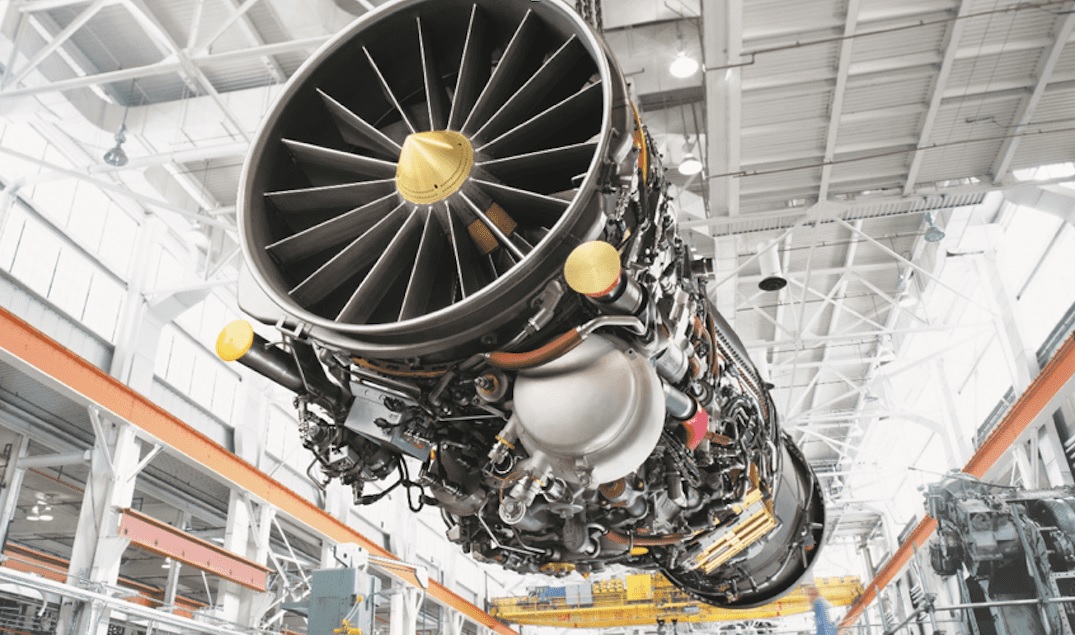
India
India’s ambitious journey towards self-reliance in defense production is about to take a major leap with Hindustan Aeronautics Limited (HAL) gearing up to locally manufacture the GE F414 engines. The engines, essential to the country's upcoming Tejas MkII fighter jets, are set to begin rolling out from HAL’s new facility in 2028. This marks a pivotal moment in India's efforts to reduce its dependence on foreign imports for critical defense equipment and boost domestic production capabilities.The foundation for this significant project lies in the ongoing India-U.S. deal that would see the production of 99 F414 engines under license from General Electric (GE). This technology transfer (ToT) agreement is crucial, as it empowers HAL to produce these advanced engines indigenously. The agreement not only includes the know-how but also the expertise to make HAL a key player in manufacturing high-performance jet engines, a domain traditionally dominated by a few global players.Once operational, the new HAL facility will begin producing one engine per month in its initial phase. By the time it reaches its full capacity, the facility aims to produce two engines per month, matching the projected requirement for around 24 Tejas MkII aircraft annually by 2030-31. The Tejas MkII, India’s advanced multirole fighter jet, is slated to play a critical role in modernizing the Indian Air Force (IAF) and keeping pace with evolving defense needs. With the IAF’s forecast of needing 200 Tejas MkII jets by 2039-2040, HAL's facility is being structured to expand production, ensuring 30 aircraft annually as demand grows.The GE F414 engine is renowned for its power and reliability, with a thrust class of 22,000 pounds, making it one of the most widely used engines in modern fighter aircraft, such as the F/A-18E/F Super Hornet. The F414 features advanced technology like full authority digital engine control (FADEC), which optimizes engine performance under various flight conditions, enhancing both the power and efficiency of the aircraft.For HAL, the challenge is not just building engines but mastering the technology behind them. The establishment of this production facility means creating a local ecosystem of skilled labor, advanced machinery, and logistical frameworks capable of handling such complex manufacturing. HAL’s move to secure a suitable site and begin preparations for this facility is evidence of its long-term vision to become a global defense manufacturing hub.Furthermore, the ToT agreement is expected to facilitate the transfer of sophisticated manufacturing processes, including materials engineering, precision machining, and quality control—all crucial for building jet engines. These capabilities will bolster India’s high-tech manufacturing sectors, leading to spin-offs in other industries, such as aerospace and advanced engineering.This production facility represents more than just the making of F414 engines. It’s about ensuring the IAF is equipped with indigenous solutions for its next-generation fighter jets, minimizing reliance on international suppliers. The partnership with GE Aerospace stands to open doors for more collaborative ventures between India and the U.S. in defense technology, cementing strategic ties.As HAL eyes the 2028 production start date, the successful realization of this facility will be a defining achievement for India's defense industry. It underscores India's march towards self-reliance and technological sovereignty in defense, empowering the nation to design, develop, and produce world-class fighter jets with homegrown engines.
Read More → Posted on 2024-09-14 15:03:28
India
Hindustan Aeronautics Limited (HAL) is one of India’s most prominent aerospace companies, recognized for its pivotal role in the nation’s defense sector. However, despite its early successes in combat aircraft design, HAL has faced significant challenges in maintaining a continuous design and development pipeline. One of the most glaring setbacks in this regard was the Indian Air Force’s (IAF) decision not to assign a follow-up project to HAL after the completion of the HF-24 Marut program. This lack of foresight resulted in the gradual erosion of HAL's design expertise, a loss that still impacts India’s defense industry today.The HF-24 Marut, India’s first indigenously designed jet fighter, was a monumental achievement. It was a symbol of HAL’s growing prowess and capability in the realm of aircraft design. Despite some limitations in its performance, the HF-24 proved that India could develop combat aircraft in-house. But once the Marut program concluded, HAL found itself with little to no design work. This marked the beginning of a decline in HAL’s design expertise.One of the most promising attempts to revive HAL's design capabilities was the HF-73 project. Initiated in 1972, this joint venture between HAL and Messerschmitt-Bölkow-Blohm aimed to develop a twin-engine strike fighter for the Indian Air Force. The HF-73 would have been a significant leap in India's aircraft development, offering the IAF a more modern, capable combat aircraft. It was intended to fill the gap left by the aging HF-24 and provide a foundation for future aircraft designs. Unfortunately, the project was shelved before it could reach fruition. The abandonment of the HF-73 further hampered HAL's ability to advance in aircraft design, stalling potential progress for decades.This missed opportunity had long-term consequences. HAL's design bureau, which had shown its potential with the HF-24, was left underutilized. As engineers and designers who worked on the Marut project moved on or retired, their knowledge and expertise were not passed on to a new generation. The loss of this institutional memory proved costly as HAL became more dependent on foreign technology, limiting the development of indigenous capabilities.This reliance on foreign technology is still evident today. HAL has had to collaborate with international partners for many of its modern projects. For instance, while HAL manufactures the Su-30MKI under license from Russia, the core design and technology are not Indian. Similarly, the Tejas Light Combat Aircraft (LCA), which took decades to develop, was heavily reliant on foreign expertise for key systems like the engine and avionics. To reverse this trend and regain its standing as a leading aircraft design hub, HAL needs sustained investment in domestic design and research. A continuous aircraft development pipeline would allow engineers to build upon their experience, maintain a high level of innovation, and contribute to India’s defense autonomy. This requires not only financial support but also a strategic vision that ensures India’s defense industry is focused on self-reliance.Moreover, as global defense technologies continue to evolve, there is a pressing need for India to foster indigenous innovation. By focusing on continuous aircraft design, HAL can lead India toward reducing its dependence on foreign suppliers. This shift is critical, as reliance on external partners for defense technology can limit India’s ability to respond independently to threats and geopolitical shifts.The missed opportunity of the HF-73 project serves as a stark reminder of the importance of continuity in aircraft design. Had HAL been given the opportunity to pursue more projects following the HF-24, India’s defense industry might have been in a much stronger position today. Instead, the country has had to play catch-up, often turning to foreign manufacturers to fill gaps in its defense capabilities.The path forward is clear: India must prioritize the development of indigenous combat aircraft, not just as a point of national pride, but as a critical component of its defense strategy. HAL’s design and development capabilities should be nurtured, with a long-term vision that supports sustained investment and innovation in the aerospace sector. By doing so, India can strengthen its strategic autonomy and become a true leader in defense technology.Ultimately, the need for continuous aircraft design at HAL isn’t just about producing more planes—it’s about securing the future of India’s defense industry. It’s about ensuring that the next generation of engineers and designers are equipped with the skills and experience they need to keep India at the forefront of global defense innovation. And most importantly, it’s about ensuring that India is never again left without the capability to design and build its own aircraft.
Read More → Posted on 2024-09-13 16:15:33
India
India's defense capabilities have seen another significant boost as the country successfully test-fired its indigenously developed Vertical Launch Short Range Surface to Air Missile (VLSRSAM) on two consecutive days—September 12 and 13, 2024. Both tests were conducted from the Integrated Test Range (ITR) at Chandipur, located on the Odisha coast, marking a milestone in India’s air defense systems.The VLSRSAM is a potent weapon system designed to neutralize threats from enemy aircraft, helicopters, and other airborne targets. The missile is developed by the Defence Research and Development Organisation (DRDO), India's premier defense R&D agency, which confirmed the success of both tests. According to DRDO, the VLSRSAM system successfully intercepted high-speed, low-altitude aerial targets, mimicking sea-skimming threats, which are among the most challenging to counter due to their stealth and speed.Precision and Capabilities of VLSRSAMThe VLSRSAM is equipped with an advanced active radar homing seeker, making it highly effective against various types of aerial threats. Its vertical launch capability allows it to be deployed on naval vessels, enhancing the protection of India's maritime assets. The missile has a range of around 40-50 km and is designed to engage targets at both short and medium ranges. It has a quick reaction time, making it ideal for defending against surprise aerial attacks.The tests demonstrated the missile's ability to operate under challenging conditions, successfully engaging aerial targets at low altitudes. This is crucial for countering sea-skimming missiles, which fly just above the water surface to avoid radar detection and strike naval assets. The successful tests prove that VLSRSAM can offer effective defense against such sophisticated threats.Safety Measures During TestingGiven the scale and precision of the missile tests, safety precautions were stringently observed. Over 3,100 residents from six villages around the ITR in Chandipur were temporarily relocated to ensure their safety. The Balasore district administration worked closely with ITR authorities to ensure that the missile tests could proceed without posing any danger to the local population. This relocation highlights the care taken during missile testing in densely populated areas, especially when high-powered systems like VLSRSAM are involved.Strengthening India's Air Defense NetworkIndia’s defense forces have long sought a reliable and versatile surface-to-air missile system, and the VLSRSAM fits the bill perfectly. It is expected to significantly enhance India's layered air defense network, particularly for naval and coastal defense applications. The missile system can be deployed on various platforms, including naval ships, providing a mobile, flexible shield against aerial threats.The success of the two-day consecutive tests also underlines India's growing self-reliance in defense technology. With the geopolitical situation in the region demanding stronger defense preparedness, systems like VLSRSAM are pivotal for ensuring national security.India’s defense forces have been ramping up their arsenal with indigenous systems, and the successful testing of the VLSRSAM is a testament to the country’s ability to develop advanced missile systems in-house. As tensions rise across various fronts, having a reliable, quick-reaction missile system ready for deployment is a crucial step for India.This achievement reinforces India’s long-term goals of enhancing its defense capabilities and moving towards self-reliance in military technology. The VLSRSAM, with its range, precision, and advanced features, is a critical addition to India’s defense inventory, offering a robust response to any aerial threat.
Read More → Posted on 2024-09-13 15:57:39
India
Russia has presented India with an ambitious proposal: the joint production of the Ilyushin Il-76MD-90A, a modernized version of the Soviet-era Il-76 strategic transport aircraft. This move is part of Russia's ongoing effort to strengthen its defense collaboration with India while also helping to replace India’s aging fleet of Il-76MD aircraft, which were procured in the early 1980s. This plan, if realized, would rejuvenate India’s heavy airlift capabilities, providing the Indian Air Force (IAF) with a state-of-the-art workhorse for cargo and transport operations.The Ilyushin Il-76MD-90A, often referred to as a "flying fortress," is a remarkable upgrade over its predecessor. Powered by four Aviadvigatel PS-90A-76 engines, each generating 14,500 kgf of thrust, this aircraft represents a significant improvement in performance. The engines not only boost the aircraft's fuel efficiency but also extend its operational range, allowing it to cover up to 5,000 kilometers while carrying a hefty 52-ton payload. This makes the Il-76MD-90A ideal for long-range missions with substantial cargo, whether military equipment, personnel, or humanitarian supplies.What sets the Il-76MD-90A apart is its remarkable adaptability. With a maximum take-off weight (MTOW) of 210 tons, it can transport up to 60 tons over shorter distances. The aircraft also features a reinforced airframe made from modern long-life aluminum alloys, coupled with cutting-edge avionics. The flight deck has undergone a complete transformation with the introduction of a glass cockpit, reducing the pilot's workload and enhancing the overall safety of operations. The improved flight control systems eliminate the need for a flight engineer, streamlining operations.One of the standout features of the Il-76MD-90A is its ability to operate from rugged, unpaved runways as short as 2,000 meters. This capability makes it an indispensable asset for missions in remote regions, often inaccessible to conventional aircraft. The large cargo hold, measuring 24.5 meters in length, allows for the transport of oversized military equipment and vehicles. Moreover, the aircraft’s modular interior enables it to be reconfigured for a variety of missions, including troop transport, medevac operations, and even as a refueling tanker or firefighting aircraft.For the Indian Air Force, the Il-76MD-90A represents an attractive solution to modernize its strategic airlift fleet. The current Il-76MD models are becoming obsolete, primarily due to outdated navigation systems that restrict their ability to operate on international civil routes. The newer Il-76MD-90A addresses these shortcomings, offering enhanced operational flexibility and reduced maintenance costs.However, the prospect of joint production between Russia and India comes with significant hurdles. The ongoing sanctions against Russia, imposed by Western nations due to geopolitical tensions, complicate matters. Russia’s access to crucial aviation components, particularly high-tech systems like avionics, navigation gear, and carbon fiber composites, is severely restricted. Many of these parts are typically sourced from European or American manufacturers, and Russia is struggling to find reliable alternatives within its domestic industry.While India itself is not directly affected by these sanctions, the global nature of the aerospace supply chain means that disruptions in Russia’s access to key components could cause delays. Moreover, India’s aerospace industry, though rapidly growing, still relies on Western technologies for high-end avionics, sensor systems, and precision manufacturing. Initiatives like the Light Combat Aircraft (LCA) TEJAS have showcased India’s progress, but replicating that success on a larger scale with transport aircraft like the Il-76MD-90A would be a massive challenge.India could potentially look to other nations, such as Israel or France, to supply components that Russia can no longer access. Both countries have advanced aerospace sectors and have partnered with India in the past. However, integrating these non-Russian components into a Russian-designed aircraft could present technical challenges, requiring redesigns and re-certification processes that would significantly add to the project's complexity and cost.Another concern is Russia’s ability to produce essential components at the scale and quality required for mass production. While Russia has been working to replace Western parts with domestic alternatives, progress has been uneven. If India were to go ahead with the joint production of the Il-76MD-90A, it might need to rely on these Russian substitutes, which could lead to compromises in performance and reliability.Despite these obstacles, the collaboration between Russia and India on the Il-76MD-90A could bring benefits, including cost reductions and technological advancements. By leveraging India’s existing aerospace infrastructure and skilled workforce, the two nations could expedite production timelines. Additionally, India’s expertise in software and electronics could complement Russia’s manufacturing capabilities, resulting in a mutually beneficial partnership.However, India would need to weigh the risks associated with relying on Russian alternatives in light of sanctions and the potential geopolitical implications. If successful, the joint production of the Il-76MD-90A could mark a new chapter in India-Russia defense collaboration, but it would require careful planning, substantial investment, and innovative problem-solving to overcome the significant challenges involved.
Read More → Posted on 2024-09-13 15:54:31
India
India’s drive for self-reliance in defence is set to gain significant momentum as Adani Defence takes on a critical role in the development of the Defence Research & Development Organisation's (DRDO) RudraM-II missile program. The RudraM-II, a sophisticated air-to-surface missile, is designed to neutralize high-value enemy targets such as Surface-to-Air Missile (SAM) sites, radars, and air defence systems. The missile represents the next step in India's efforts to bolster its indigenous military capabilities and reduce reliance on foreign defence technology.In a major development, Adani Defence has been named the Development cum Production Partner (DcPP) for the RudraM-II program, according to recent company disclosures. This partnership positions Adani Defence as a key player in the nation's missile technology landscape, continuing its growing role in the defence sector. Adani was previously the DcPP for the RudraM-I Anti-Radiation Missile (ARM), which was designed to target enemy radar and communication systems. With this prior experience, Adani’s involvement in the RudraM-II program is expected to bring invaluable expertise to the table.The RudraM-II is an advanced missile equipped with cutting-edge technologies developed by DRDO’s premier laboratories. The missile can be launched from a variety of fighter jets and is designed to have precision targeting capabilities, making it a potent asset in modern warfare. One of its key features is its ability to take out enemy defences from long ranges, ensuring the safety of the attacking aircraft while maximizing the impact on enemy infrastructure.The successful test flight of RudraM-II marks a significant milestone in India’s defence innovation. This missile can engage multiple types of enemy assets in a single mission, making it versatile and highly effective. While specific technical specifications of the missile remain classified, reports suggest that it can carry a sizable warhead, has a range extending to several hundred kilometers, and features advanced guidance systems for improved accuracy.Adani Defence's new role as the DcPP for the RudraM-II will be critical in accelerating the missile's production, making it operational for the Indian Air Force (IAF) within a shorter timeline. This collaboration also highlights the increasing synergy between India’s public and private defence sectors. As part of the “Atmanirbhar Bharat” (self-reliant India) initiative, the government is encouraging partnerships like this to not only enhance defence capabilities but also to develop homegrown expertise that can be exported to friendly nations.This partnership is expected to bring about faster technological innovations, streamline the production process, and reduce the cost of missile systems, thus making them more accessible to India's armed forces. Furthermore, as the missile enters mass production, it could lead to greater employment opportunities and technical advancements within India's growing defence manufacturing sector.The RudraM-II is designed to complement other missiles in India’s arsenal, like the BrahMos and Nirbhay, but its unique role in neutralizing enemy air defences makes it indispensable in any modern aerial warfare scenario. With Adani Defence spearheading its production, the missile’s deployment could be realized sooner than expected, greatly enhancing India's offensive capabilities in contested airspace.This collaboration not only reinforces Adani Defence’s rising prominence in India’s military-industrial complex but also aligns with the nation’s broader strategy of enhancing indigenous defence production. By reducing reliance on foreign imports, particularly for critical technologies like missile systems, India aims to secure its strategic autonomy and position itself as a global player in advanced military technologies.As DRDO and Adani Defence forge ahead with the RudraM-II program, it represents not just the future of India’s missile development but also a pivotal shift towards creating a robust and self-sustaining defence ecosystem.
Read More → Posted on 2024-09-13 15:52:08
India
Brazil and India are exploring a potential defence collaboration that could see the Brazilian Air Force (FAB) replacing its aging fleet of F-5 fighters with India's Tejas Mk1A and MkII jets, while India evaluates Brazil's Embraer C-390 Millennium as part of its Medium Transport Aircraft (MTA) tender. This move comes as both nations seek to modernize their air capabilities and build stronger ties through mutual defence procurement.The initiative took a significant step forward when Lieutenant Brigadier Marcelo Kanitz Damasceno, the Brazilian Air Force Commander, expressed his country's interest in India's Tejas during a recent visit to India. The Brazilian military is eyeing the Tejas Mk1A and the forthcoming MkII versions, which offer advanced technology, improved performance, and greater payload capacity, as strong candidates to replace the FAB's decades-old F-5 jets, slated for retirement by 2030.Why Brazil is Eyeing the Tejas Mk1A and MkIIThe Tejas, developed by Hindustan Aeronautics Limited (HAL), has made headlines for its remarkable features. The Mk1A variant offers upgrades in avionics, improved radar systems, and enhanced weapons-carrying capabilities over the earlier Tejas variants. It also boasts advanced electronic warfare systems and a more efficient maintenance structure. However, Brazil is particularly interested in the Tejas MkII, which is still in development but promises a significant leap in performance over the Mk1A.The Tejas MkII will feature a larger airframe, more powerful engines, and increased range. Its payload capacity will surpass that of the F-5, making it a superior option for Brazil as it seeks to modernize its fighter fleet for future combat scenarios. Additionally, the Tejas MkII’s compatibility with a range of armaments, including air-to-air and air-to-surface missiles, positions it as a versatile fighter capable of addressing Brazil's defensive needs well into the future.The aircraft has also earned international attention, particularly after its participation in "Tarang Shakti," a multinational military exercise, and high-profile endorsements from Indian Air Force (IAF) officials. This visibility is crucial as India pushes to export the Tejas, marking a key step in the country's ambition to become a global player in defence manufacturing.Brazil’s Offer: Embraer C-390 Millennium for India’s Transport FleetWhile Brazil shows interest in the Tejas, it is also positioning its Embraer C-390 Millennium to meet India's needs for medium transport aircraft. The C-390 Millennium is a modern military transport aircraft, known for its reliability, high mobility, and flexibility. It can perform a wide range of missions, from cargo transport to medical evacuation and aerial refueling. The IAF is reportedly in the market for 40 to 80 such aircraft under its MTA program, and Brazil is hoping the C-390 will fit the bill. The Brazilian-made aircraft has been praised for its impressive payload capacity (up to 26 tons), speed, and ability to operate on short, unpaved runways—an essential feature for military operations in diverse terrains like India’s.A potential joint venture between Embraer and India's Mahindra Group to manufacture the C-390 in India would align perfectly with the Indian government's "Make in India" initiative. The production of the C-390 in India could create jobs, transfer valuable technology, and bolster the country’s domestic defence manufacturing sector.Strategic Implications for India-Brazil Defence TiesThis emerging partnership could represent a strategic shift for both countries. If successful, the deals involving the Tejas and C-390 would enhance the defence capabilities of both nations while opening doors for further collaboration in military technology. The joint production of the C-390, combined with Brazil's potential procurement of Tejas jets, could lead to joint ventures and technology transfers that benefit both sides.Moreover, the defence deals reflect the broader trend of India seeking new international buyers for its indigenous military products while also diversifying its own military acquisitions. For Brazil, securing an advanced fighter jet like the Tejas would modernize its air force and reduce dependency on older platforms. For India, selecting the C-390 for its transport fleet would introduce a versatile, modern aircraft that could significantly enhance the IAF’s operational flexibility.A Promising Future for Defence CooperationAs discussions continue, both the Tejas and C-390 deals symbolize a deepening of India-Brazil defence ties. These agreements could potentially lead to further military cooperation, including joint development and production of advanced defence technologies. The successful procurement of these platforms would not only enhance military readiness but also strengthen the economic and strategic partnership between two key players in the Global South.
Read More → Posted on 2024-09-12 16:27:32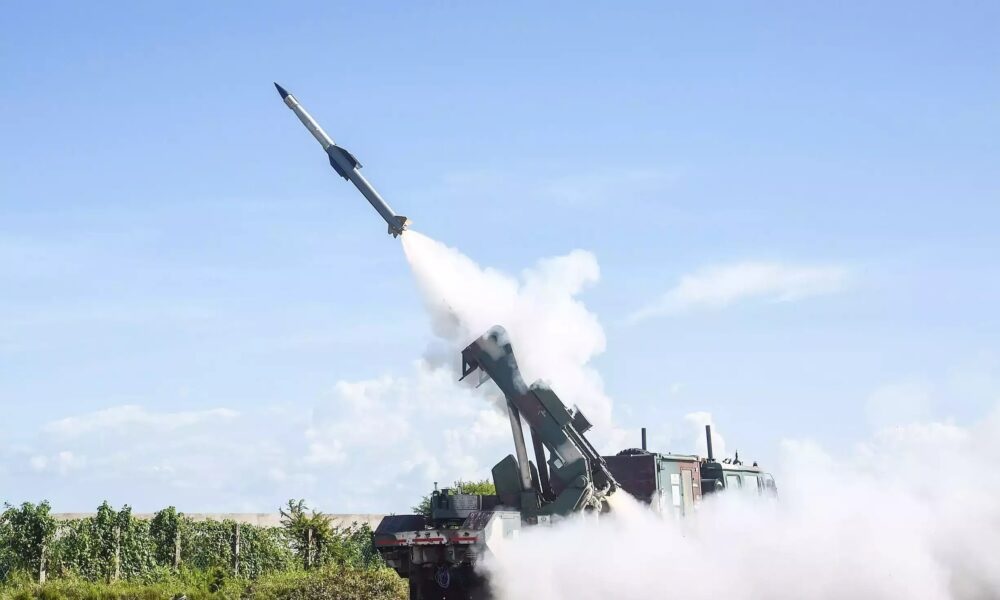
India
India has made another stride in its pursuit of self-reliance in defense technology with the successful test-firing of its indigenously developed Vertical Launch Short Range Surface to Air Missile (VL-SRSAM). Conducted by the Defence Research and Development Organisation (DRDO), the test took place on September 12, 2024, at a missile testing facility off the coast of Odisha. This missile system, designed specifically to enhance the air defense capabilities of the Indian Navy, is poised to be a game-changer in safeguarding Indian naval assets from a variety of aerial threats.The VL-SRSAM is an advanced surface-to-air missile system, designed to intercept and destroy hostile aircraft, drones, and other aerial targets within a short range. Developed entirely by DRDO, this missile features cutting-edge technology, including a solid rocket motor for propulsion, enabling it to achieve rapid acceleration. Its highly maneuverable flight control system allows it to perform evasive maneuvers and engage targets with precision, making it a formidable asset in close-range air defense.During the test, the missile was fired against a high-speed aerial target designed to mimic the characteristics of an enemy aircraft. The missile performed flawlessly, intercepting and destroying the target mid-air. This demonstrated not only its high accuracy but also its reliability in real-time combat scenarios. The Integrated Test Range (ITR) at Chandipur employed a series of radars, electro-optical tracking systems, and telemetry systems to monitor the missile's trajectory and collect crucial data on its flight performance.What sets the VL-SRSAM apart from other defense systems is its vertical launch capability. This design feature enables the missile to be stored and launched vertically from the decks of naval ships, saving valuable space and allowing for quicker response times. Its rapid reaction time makes it ideal for defending naval ships against fast-moving threats, such as fighter jets or incoming missiles.The success of this test is a significant milestone for India's defense sector, as it showcases the nation’s ability to develop sophisticated weapons systems without reliance on foreign technology. Senior officials from DRDO and the Indian Navy were present at the test launch, underscoring the importance of this achievement for India’s defense preparedness. The VL-SRSAM is expected to be deployed across various naval platforms, providing critical protection to India's fleet in increasingly contested waters. Its development is part of India's broader push towards Atmanirbhar Bharat (self-reliant India), aiming to reduce dependency on foreign defense imports and strengthen indigenous military capabilities.With ongoing efforts to refine and enhance the VL-SRSAM, India is not only ensuring the security of its naval forces but also positioning itself as a leader in defense technology on the global stage. This success highlights DRDO's capacity for innovation and strengthens India's overall defense architecture, offering a robust shield against any potential airborne threats.
Read More → Posted on 2024-09-12 16:02:41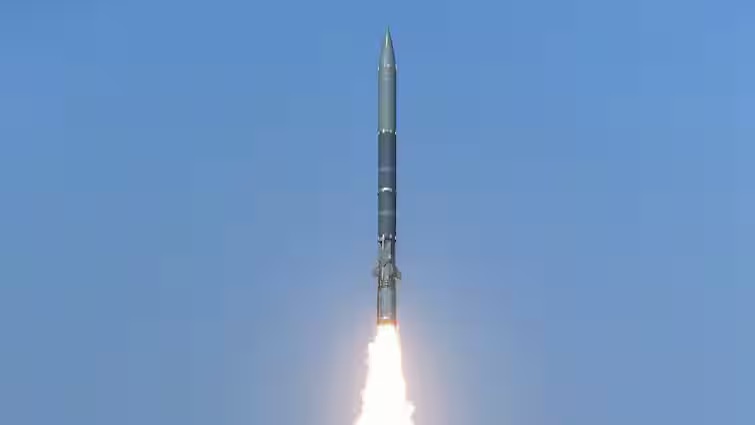
India
In anticipation of a crucial missile test by the Defence Research and Development Organisation (DRDO), the district administration of Balasore, Odisha, is gearing up for a large-scale precautionary evacuation. The focus of the operation is six villages situated near the Integrated Test Range (ITR) in Chandipur, where the missile is set to be launched from Pad-3. Given the proximity of these villages—just 2.5 km from the launch site—the evacuation has been deemed essential to ensure the safety of the residents.Around 3,100 villagers are being temporarily relocated to nearby shelters. This initiative is part of a well-coordinated effort by the Balasore district administration, who, following the advisories of DRDO, have arranged for three shelter camps to house the evacuees. According to officials, these camps are equipped with basic amenities, ensuring that the displaced individuals have a safe and comfortable stay during the missile test.To ensure smooth operations, a joint meeting between DRDO authorities, district officials, and the police was held to fine-tune the evacuation process. Over 100 officials have been deployed to oversee the relocation, and 15 sections of the police force (with each section comprising 10 personnel) have been tasked with maintaining order and providing assistance. The district administration has also assured that every effort is being made to manage the temporary evacuation process with minimal inconvenience to the affected villagers.This isn't the first time residents near the ITR in Chandipur have been evacuated for missile tests. Given the significant advancements in missile technology, such tests are becoming increasingly frequent in this coastal district. The area is home to one of India's premier missile testing facilities, and over the years, it has seen the launch of a wide variety of missiles, including the Agni, Prithvi, and BrahMos series. These tests are crucial for ensuring India's defense preparedness, but they also require strict safety protocols, especially when conducted close to populated areas.The Chandipur test range is a pivotal asset in India's defense infrastructure. It plays a key role in the testing of various missile systems developed by DRDO. From long-range ballistic missiles to surface-to-air defense systems, the facility has been instrumental in bolstering India's strategic capabilities. The missiles tested here are often state-of-the-art, incorporating cutting-edge technologies that enhance range, precision, and lethality. This also means that the safety measures surrounding these tests are meticulously planned to minimize risks to the local population.For the villagers, the temporary displacement has become a familiar process, albeit still disruptive. The district administration's swift action and DRDO's precautions reflect the seriousness with which these tests are conducted. In this instance, the missile test is expected to occur within a day or two after the evacuation, with residents likely to return to their homes shortly afterward, once the area is declared safe.As missile technology continues to evolve, the importance of facilities like Chandipur grows. With each successful test, India inches closer to greater self-reliance in defense technology, strengthening its position on the global stage. However, the challenge remains to balance this progress with the safety and well-being of the local communities living near such sensitive installations.In summary, Balasore is once again at the forefront of a critical defense exercise, with the DRDO set to launch a missile from its Chandipur range. While these events showcase India's advancing defense capabilities, they also bring with them necessary precautions to safeguard the surrounding communities, with the temporary relocation of villagers being a key part of this process.
Read More → Posted on 2024-09-12 15:59:39Search
Top Trending in 24 Hours
-
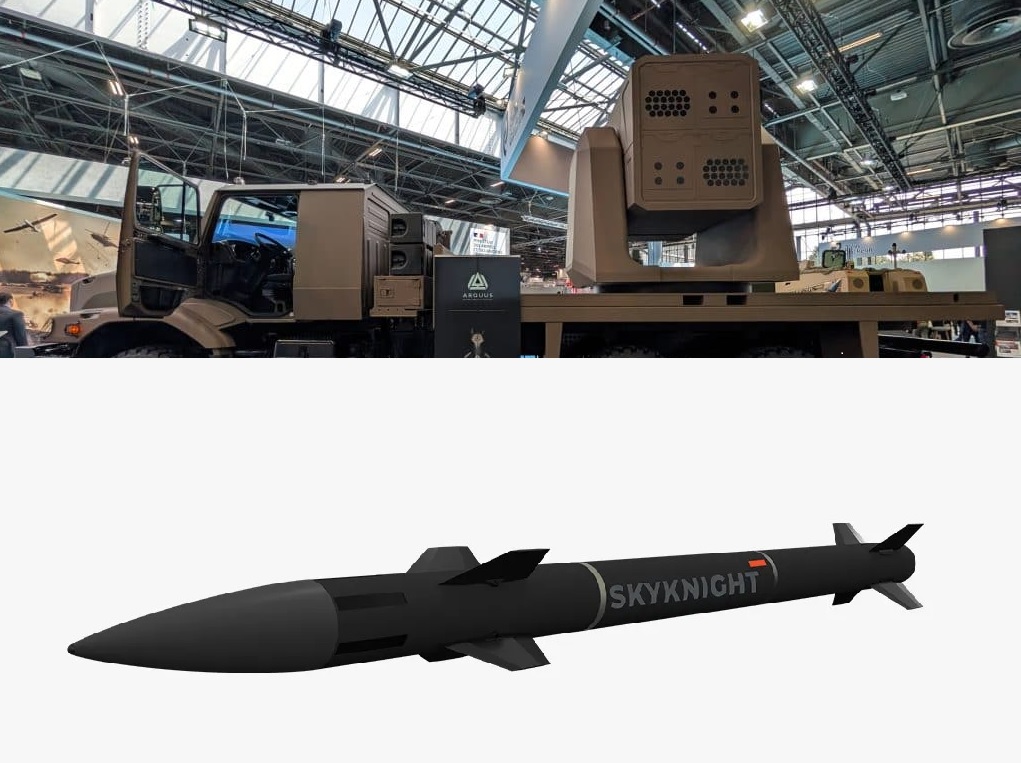 Naval Group Unveils Rampart Modular CIWS Multi-Purpose Weapon System for Naval and Ground Forces at Eurosatory 2026
-
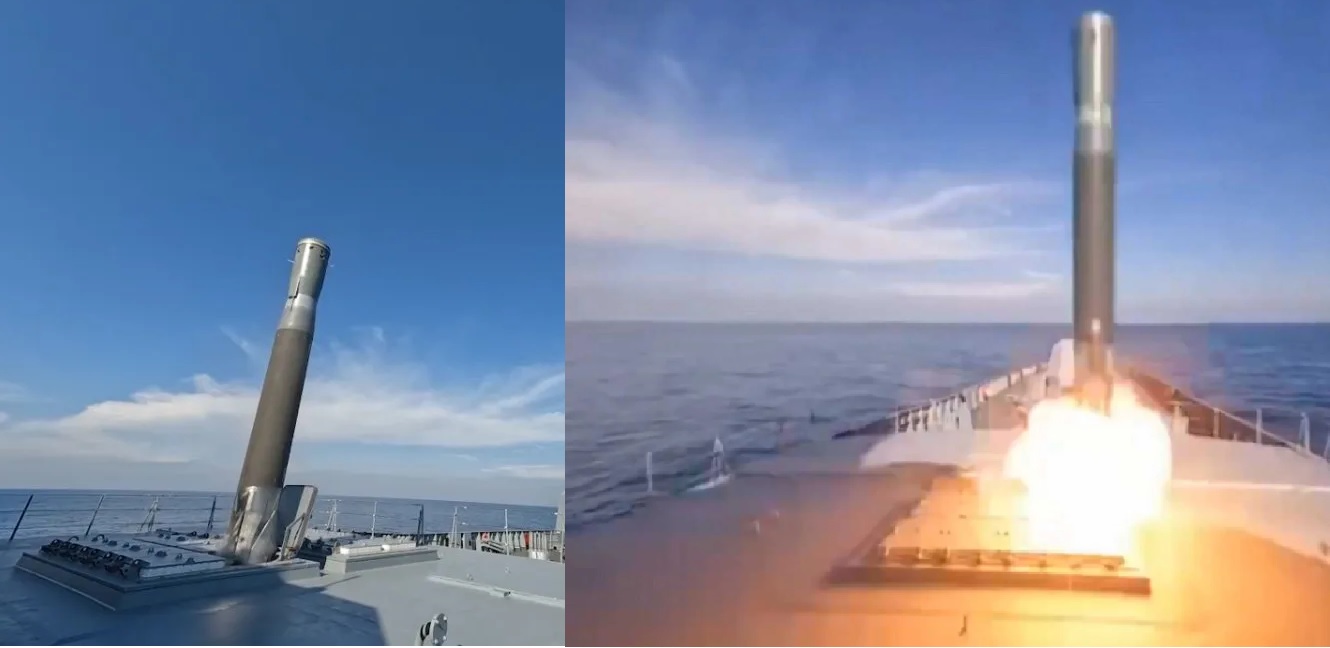 Open-Source Evidence Suggests Russia's Zircon Is a Quasi-Ballistic Missile, Not a True Hypersonic Cruise Weapon
-
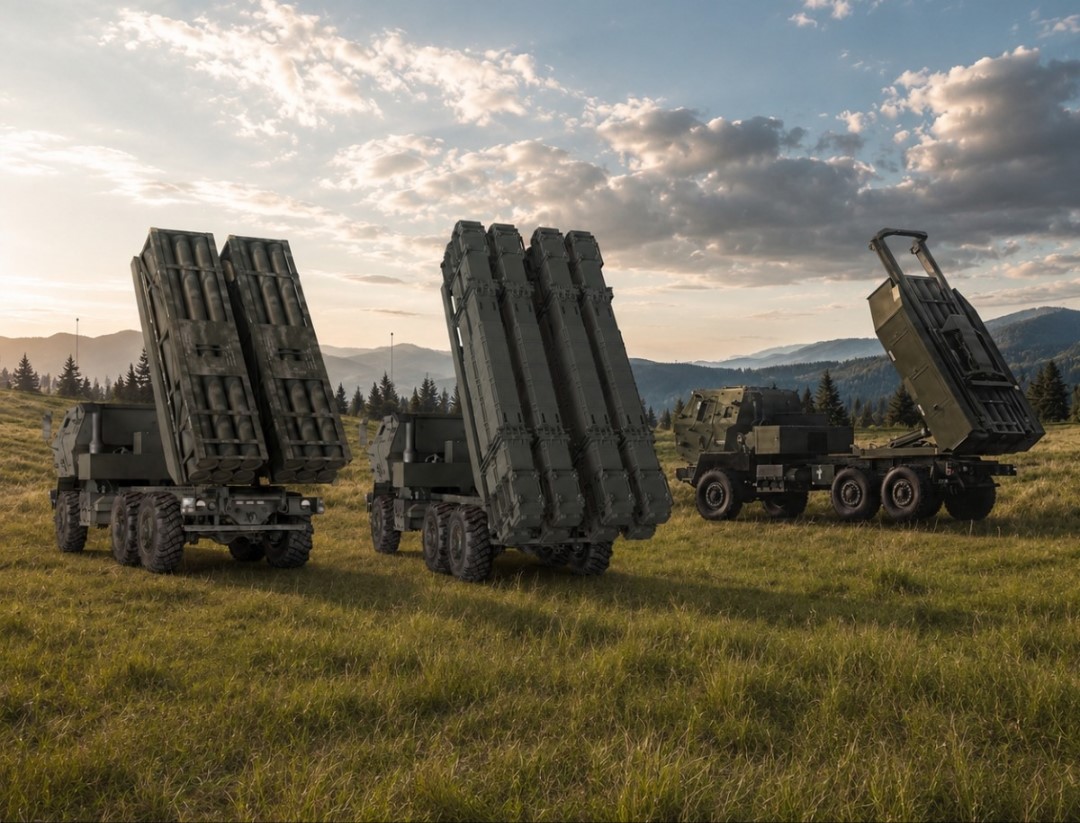 Lockheed Martin Unveils HIMARS FLEX with Dual-Pod Launcher and NATO-Compatible Air Defense Integration
-
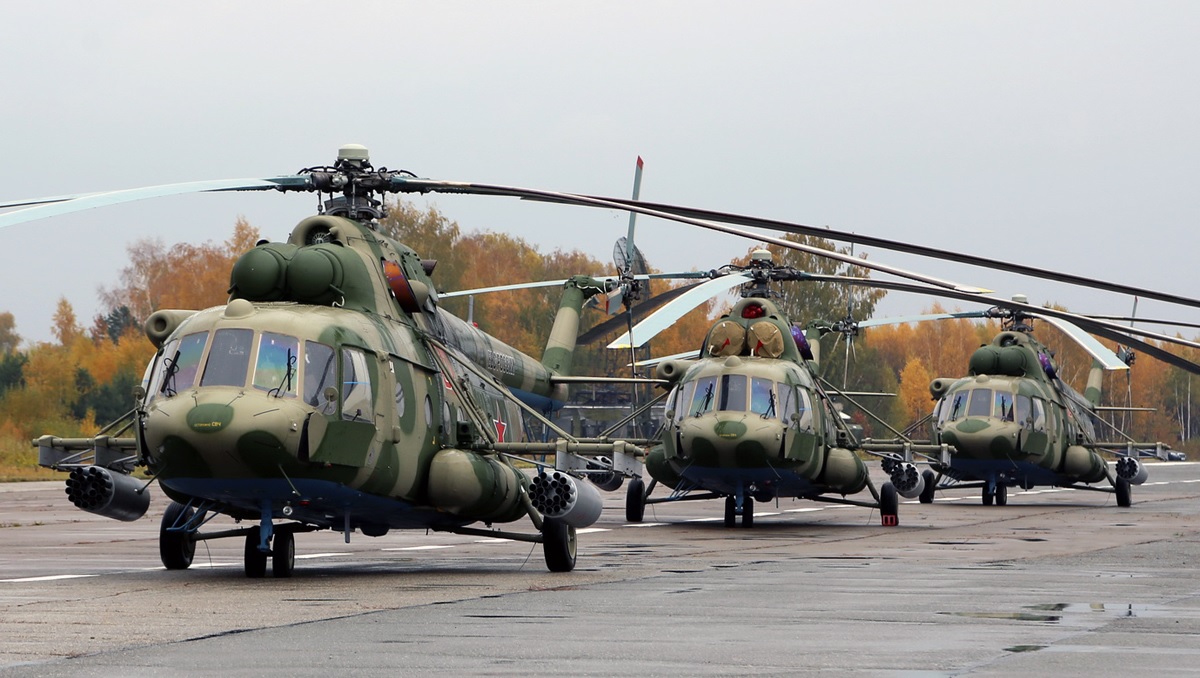 Iran Signs Deal with Russia for 20 Mi-8 and Mi-17 Helicopters to Boost Rescue and Medical Missions
-
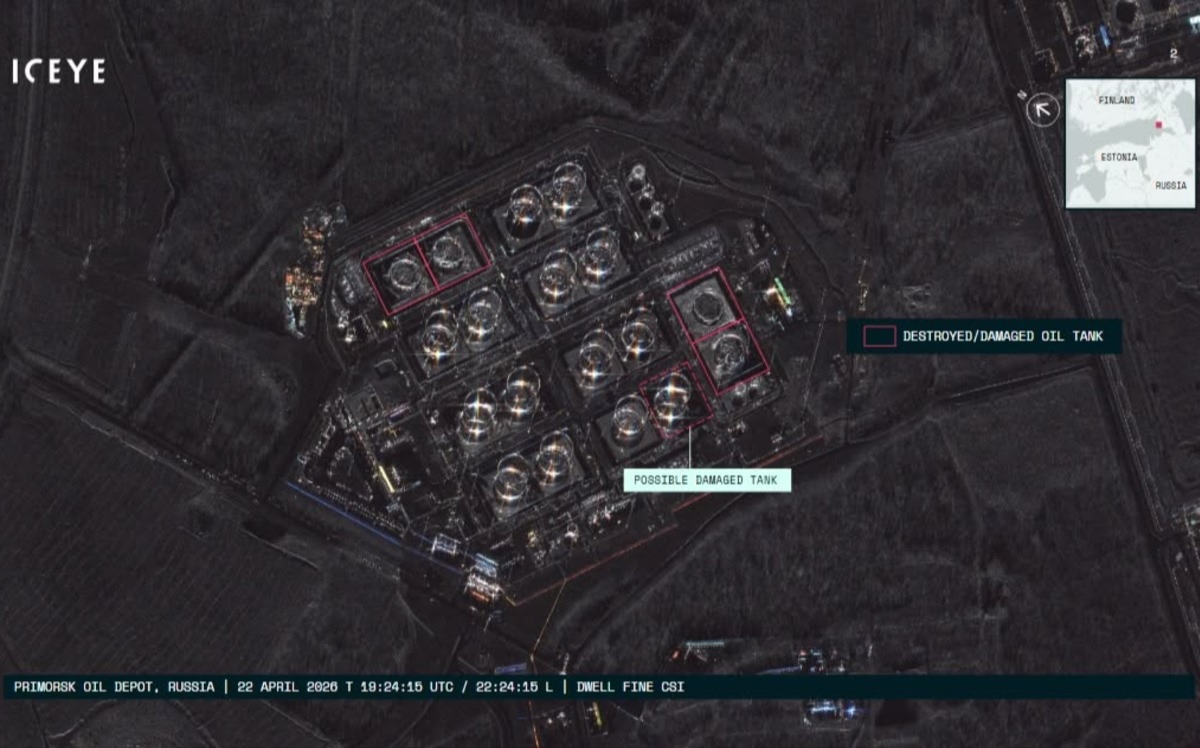 Portugal Doubles Sovereign SAR Satellite Fleet with Order for Two Additional ICEYE Satellites
-
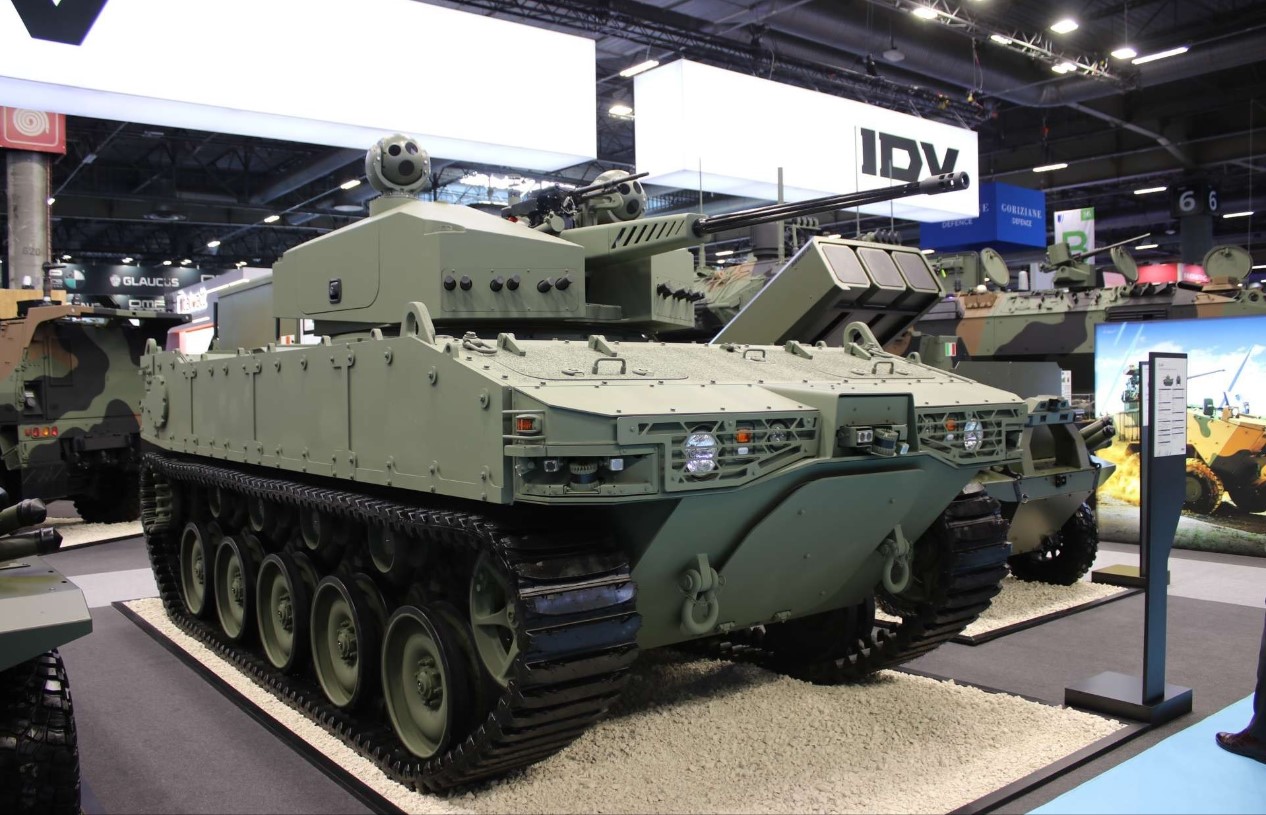 IDV Unveils CL2X Hybrid Uncrewed Light Tank at Eurosatory 2026
-
 Why the U.S. Restored Pacific Command Name, Ending the Indo-Pacific Designation After Eight Years
-
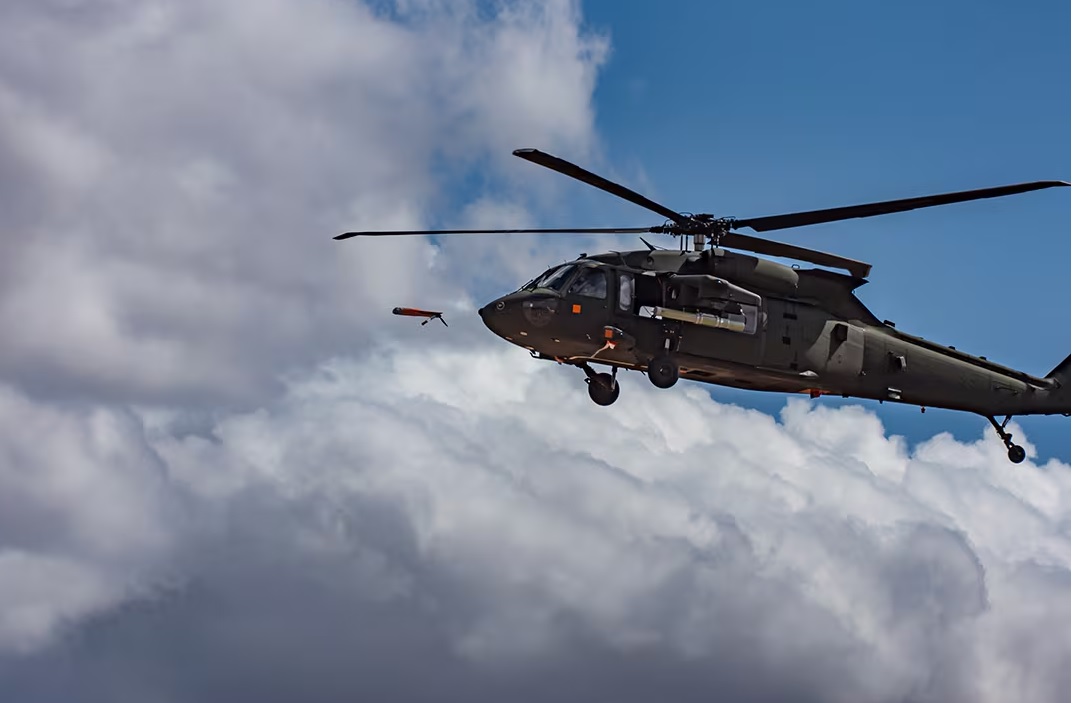 U.S. Army Completes First Flight Test of Medium-Range Air-Launched Effects from Black Hawk Helicopter
Top Trending in 4 Days
-
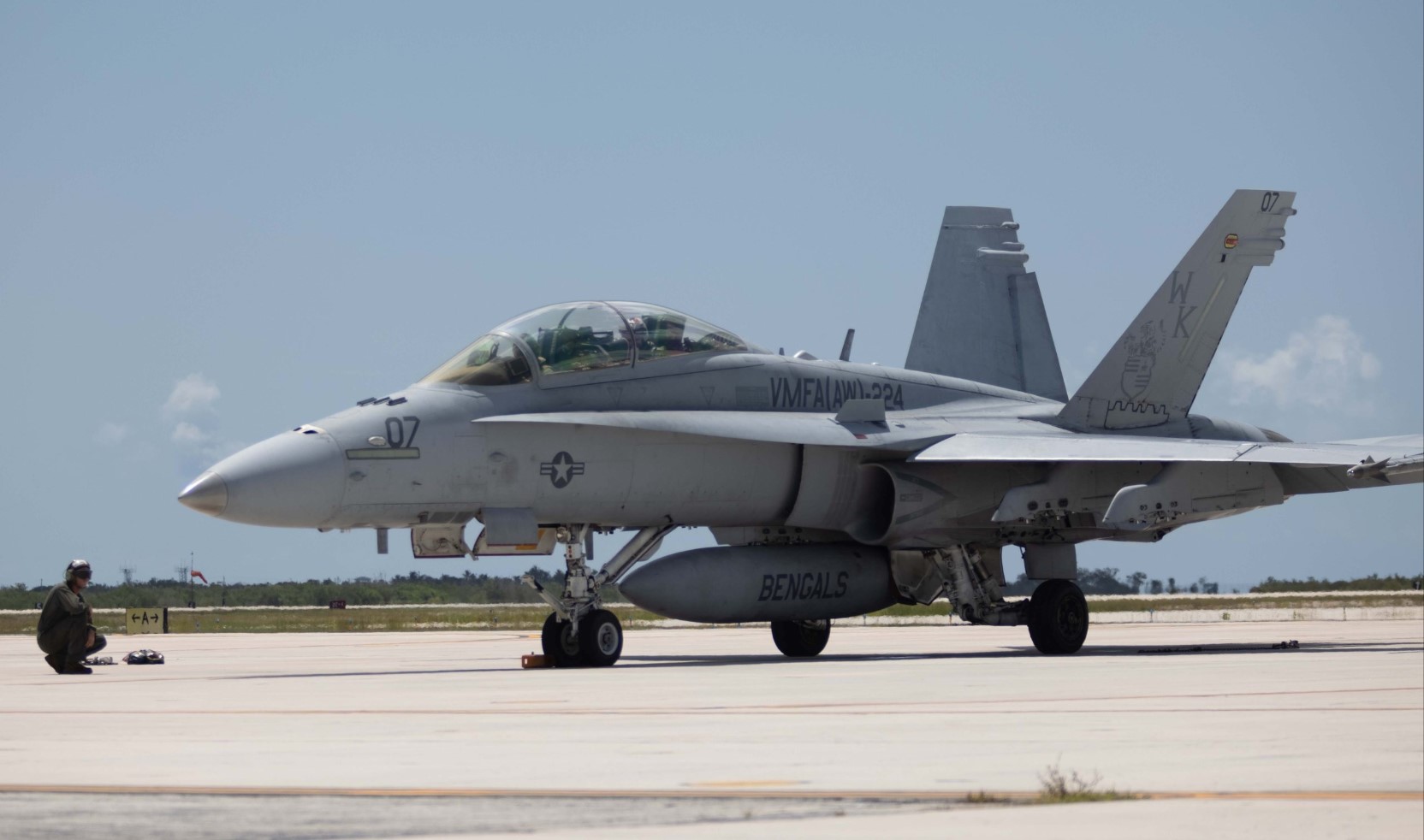 US Marine Corps F/A-18D Hornet Crashes During Training Flight in Washington Mountains; Pilot Ejects Safely
-
 Tulsi Gabbard Releases Declassified Files Detailing U.S.-Backed Network of 120 Biolaboratories Across 30+ Countries
-
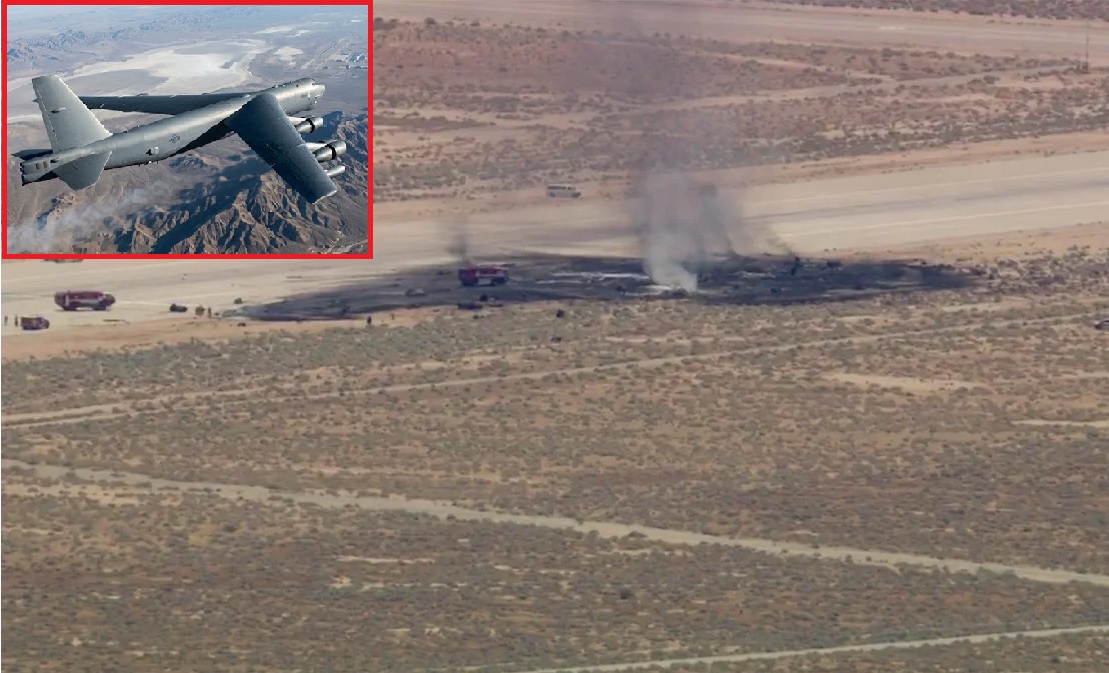 8 U.S. Air Force Crew Members Killed in B-52 Bomber Crash During Test Flight at Edwards Air Force Base
-
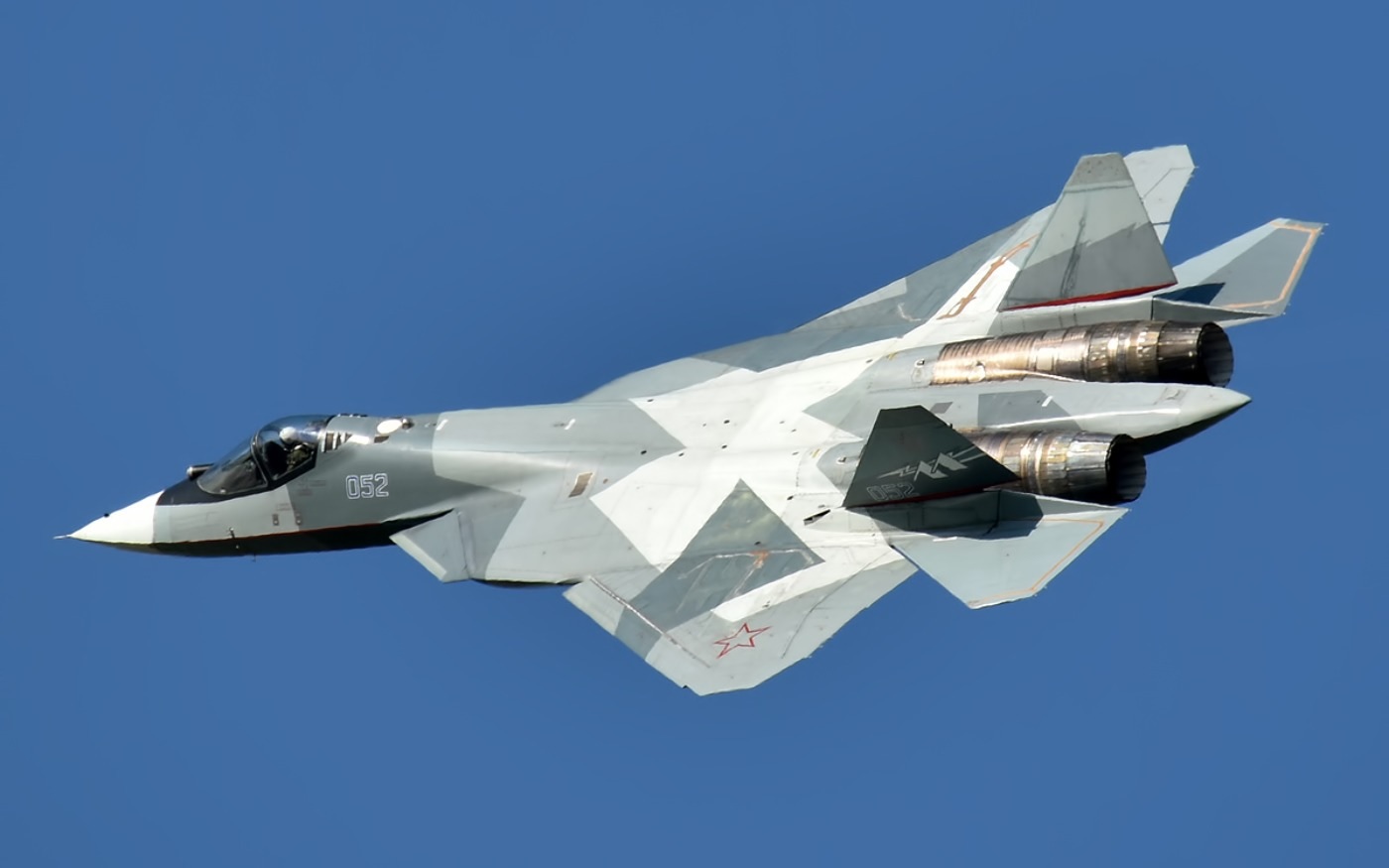 Russian Analysts Debate Su-57 Capabilities After Putin Calls Fighter Superior to F-35
-
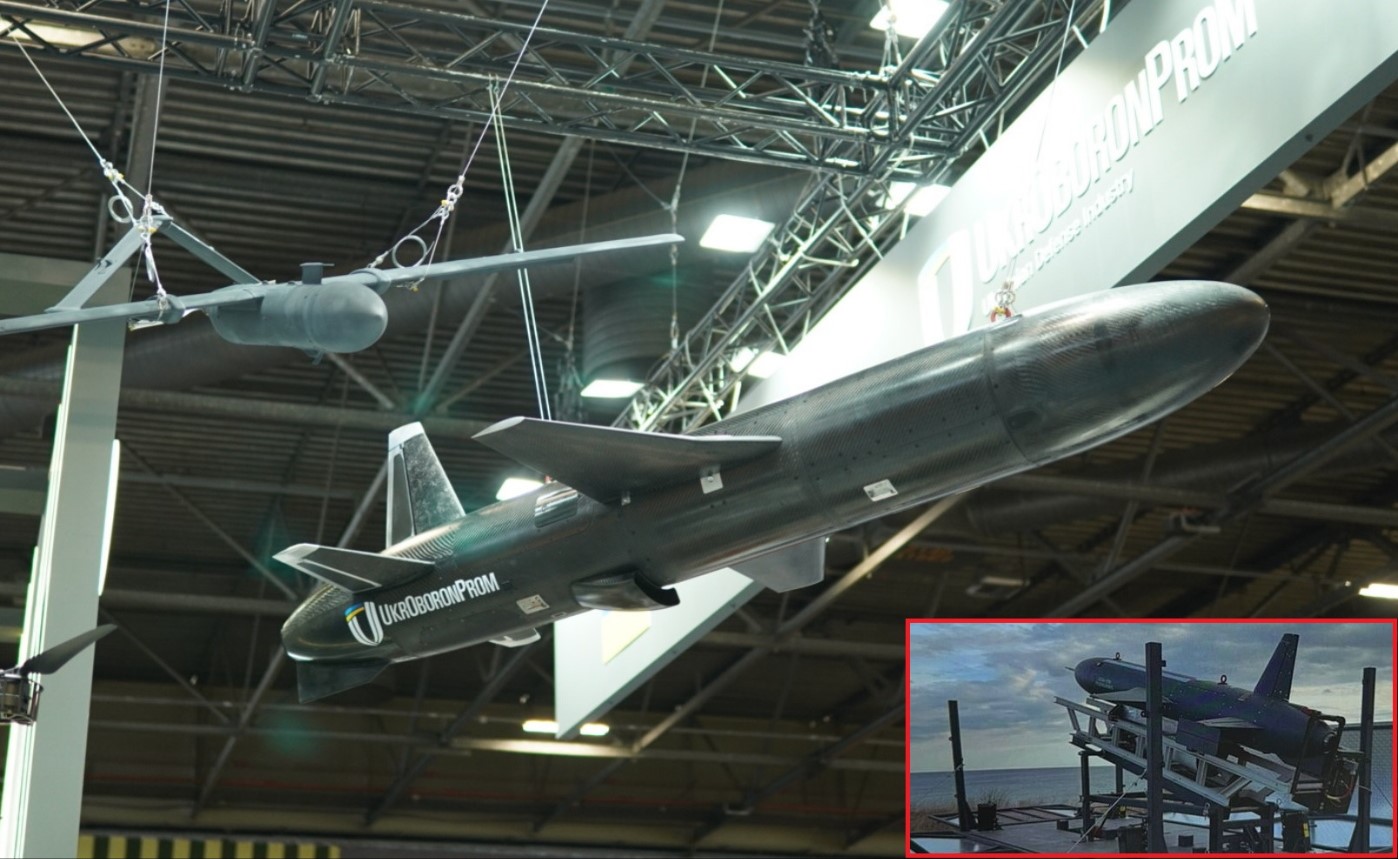 Ukraine Unveils UAV-290 Jet-Powered Strike Drone with 650 km Range at Eurosatory 2026
-
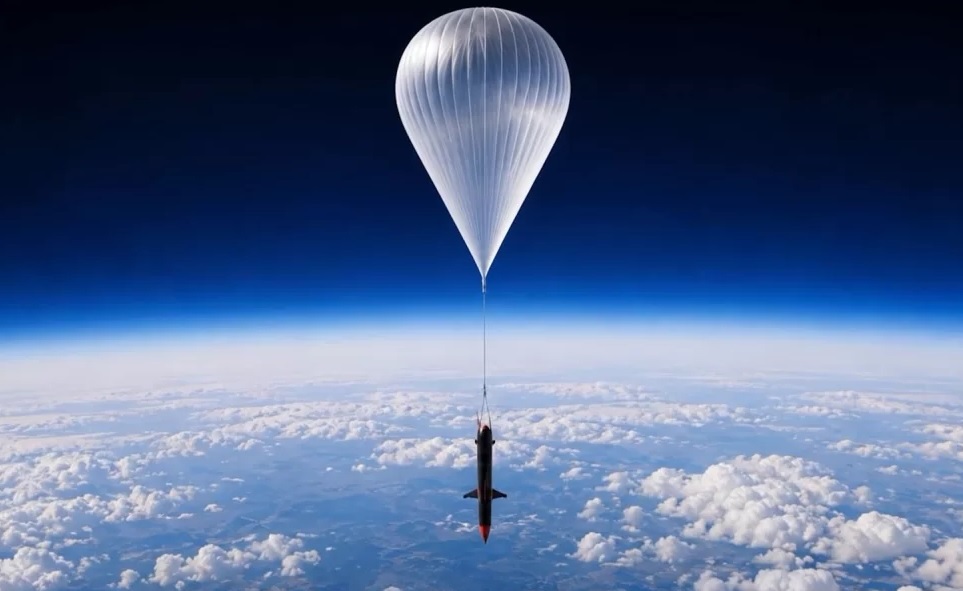 Ukraine Introduces Balloon-Launched DART Missile Designed to Defeat Electronic Warfare
-
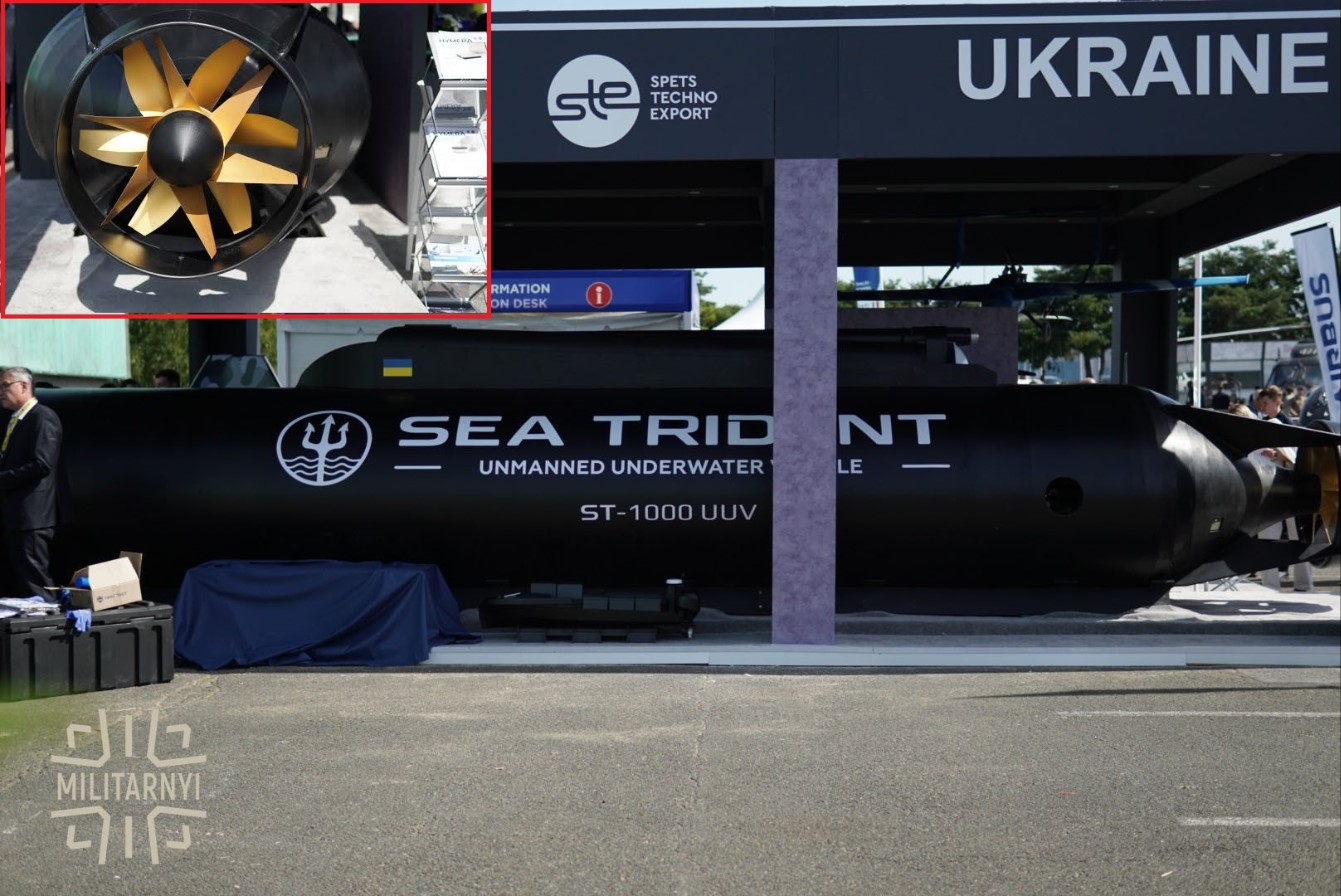 Ukraine Unveils 'Sea Trident' 10-Ton Autonomous Underwater Drone at Eurosatory 2026
-
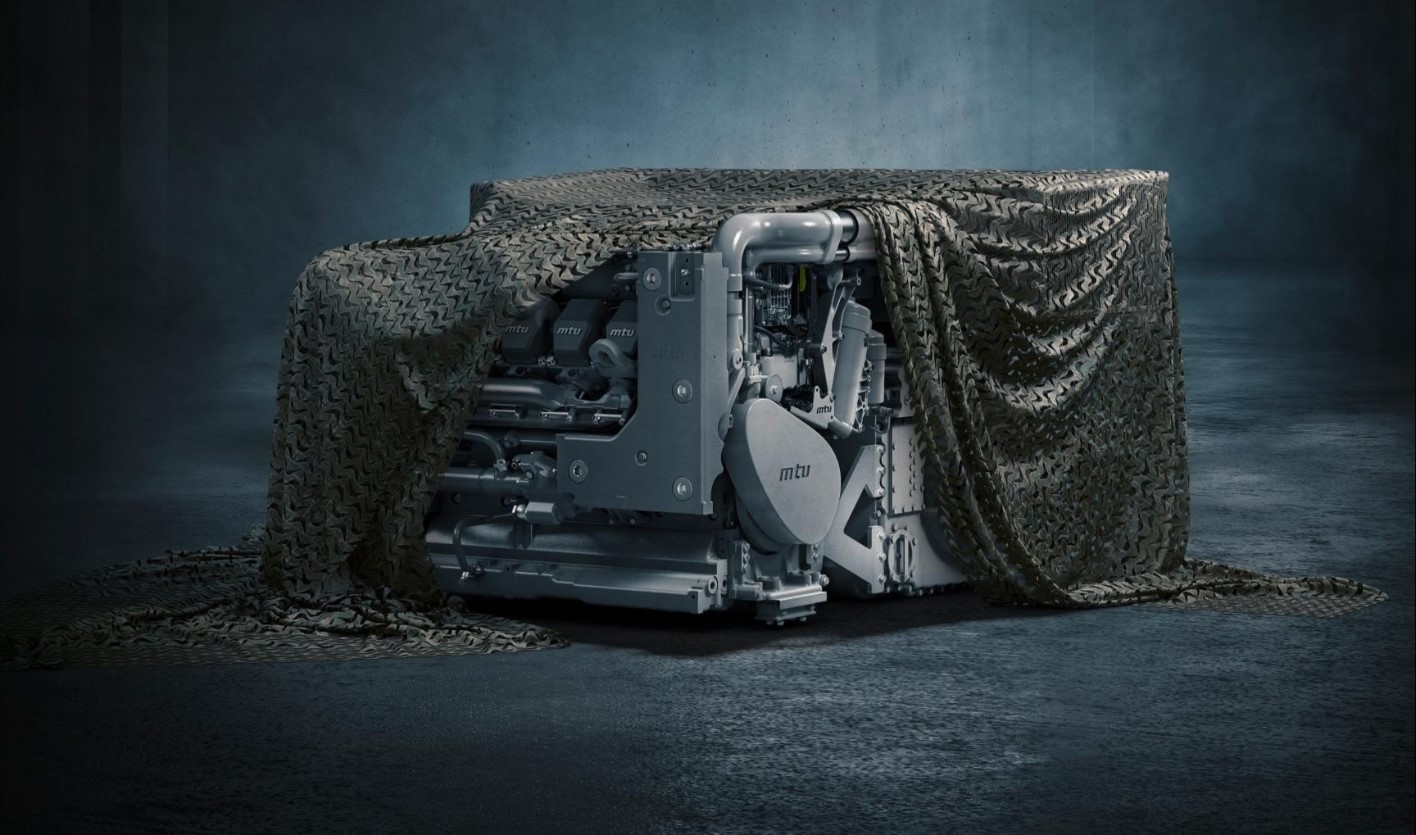 Rolls-Royce Unveils New Hybrid Powertrain for Heavy Military Vehicles at Eurosatory 2026