GE Aerospace is ramping up its investment in India, as the country becomes an increasingly critical player in the global aviation supply chain. Over the past few years, the company has witnessed a staggering 20-fold increase in exports from India between 2018 and 2022, driven by the rapid expansion of its supplier network and rising global demand for aircraft engines.
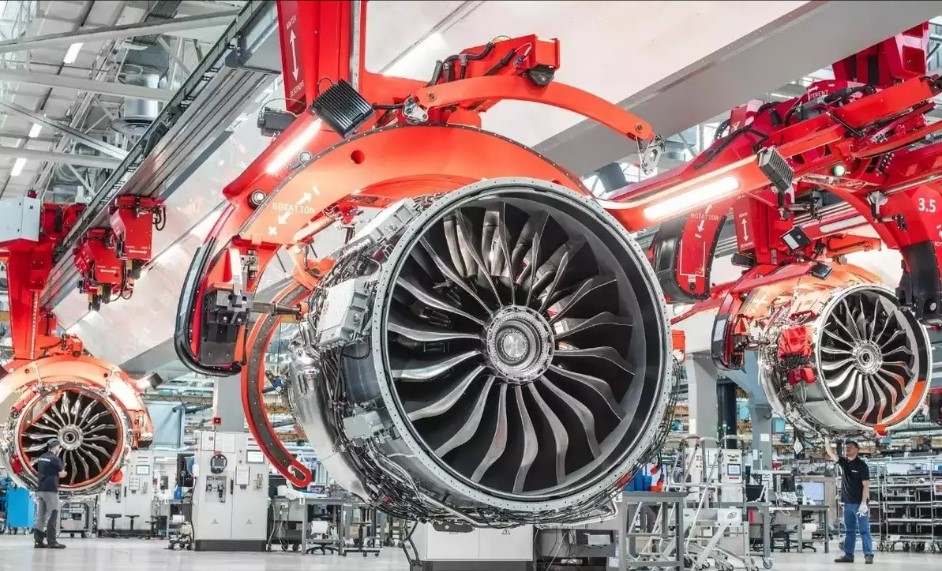
Currently, GE Aerospace has more than 1,300 engines in operation across India, powering both Boeing and Airbus aircraft for leading airlines such as Air India, IndiGo, and Vistara. The company’s presence is set to grow even further, with an additional 2,000 engines slated for delivery to Indian airlines over the next nine years. This tremendous growth has sparked discussions about establishing a local maintenance, repair, and overhaul (MRO) facility in India to support the burgeoning fleet.
GE Aerospace’s South Asia CEO, Vikram Rai, pointed to India’s growing importance, noting that the country is not only a massive market but also home to top-tier talent that makes it a vital part of the company’s global supply chain. This relationship has been strengthened through partnerships with major Indian firms, such as Tata Advanced Systems Ltd (TASL). In November 2022, GE signed a multi-year contract with TASL to manufacture components for its commercial aircraft engines, a deal valued at $1 billion. These components are being used in GE's engine manufacturing facilities around the world, showcasing India’s key role in the company’s global operations.
The idea of establishing an MRO facility in India is being actively explored as the need for engine maintenance grows alongside the fleet size. "We continue to evaluate an engine MRO here," Rai stated, hinting at the company’s intentions to make India a hub for engine maintenance in the future. The potential facility would not only cater to Indian airlines but could also serve as a regional MRO center, enhancing India’s position in the global aviation ecosystem.
Beyond its current engine portfolio, GE Aerospace is looking toward the future with its next-generation open-fan architecture engines. These engines, which are being developed as part of the CFM RISE (Revolutionary Innovation for Sustainable Engines) program, promise a 20% improvement in fuel efficiency over current models. A significant portion of the research and development for these cutting-edge engines is taking place at GE’s John F Welch Technology Centre (JFWTC) in Bengaluru. These engines are expected to enter service on narrow-body aircraft by the mid-2030s, further solidifying GE Aerospace’s long-term commitment to India.
As GE Aerospace deepens its ties with India through local manufacturing, research, and possibly an MRO facility, the country is becoming a pivotal part of the company's global strategy. The massive surge in exports, along with the impending arrival of thousands of new engines, underscores India’s growing prominence in the aviation sector, both as a market and a critical component of GE’s supply chain.
This forward-looking approach positions GE Aerospace to not only capitalize on India’s aviation boom but also to contribute to its long-term success, as the country becomes a key player in the global aviation landscape.
——— End of Article ———