
India
In a groundbreaking development for India's defense industry, Tata Advanced Systems Ltd (TASL), a subsidiary of the Tata Group, is set to establish India's first overseas defense manufacturing plant in Casablanca, Morocco. This move signifies not only India’s ambition to become a global defense exporter but also strengthens its strategic ties with Africa, a region of growing geopolitical importance.The state-of-the-art facility in Casablanca will focus on the production of the Wheeled Armoured Platform (WhAP), an 8x8 amphibious infantry combat vehicle that has been jointly developed by TASL and the Defence Research and Development Organisation (DRDO) of India. This versatile vehicle is already a proven asset in the Indian Army, deployed in the harsh terrains of Ladakh. The WhAP is designed to operate efficiently across diverse landscapes, from scorching deserts to treacherous mountains and marshy lands, making it an ideal choice for various African environments.The Moroccan plant will have the capacity to produce up to 100 WhAP units annually and is expected to become operational within a year. The first batch of vehicles is anticipated to roll out in about 18 months, a testament to the speed and efficiency with which TASL aims to execute this project. The plant will not only serve Morocco but is also positioned as a strategic hub for expanding into the broader African defense market. Sukaran Singh, CEO and Managing Director of TASL, emphasized the significance of this venture, stating, "This not only enables TASL to help initiate Morocco's defense ecosystem but also acts as a launch point for TASL into the rest of Africa for select defense systems."The WhAP itself is a robust, multi-role platform capable of transporting troops and engaging in combat. It is armed with a 30mm automatic cannon and can be equipped with various weapon systems, making it adaptable to different operational needs. Its amphibious capabilities allow it to traverse water bodies, while its modular design means it can be configured for a range of missions, from reconnaissance to anti-aircraft warfare. The vehicle’s ability to operate in extreme temperatures, from -20°C to 55°C, and its compatibility with diverse armaments, such as anti-tank guided missiles and heavy machine guns, have made it an attractive option for the Royal Moroccan Armed Forces, who conducted extensive trials in the region's deserts before making their decision.The establishment of this facility is also a significant milestone for Morocco, as it will be the first in the country capable of manufacturing a complete major defense platform. This project is expected to generate employment for around 350 people, providing a substantial boost to the local economy. Moreover, a significant portion of the manufacturing process will be carried out in India, fostering further collaboration and economic exchange between the two countries.For India, this initiative aligns with a broader strategy to expand its defense footprint in Africa, a market traditionally dominated by Russian and European suppliers. In recent years, China has also emerged as a key player, increasing its influence through strategic partnerships and defense exports. India, however, has been making concerted efforts to enhance its defense cooperation with African nations through high-level bilateral visits, training programs, and government initiatives such as the India-Africa Defence Ministers Conclave.The Casablanca plant represents a significant win for TASL, providing a strategic entry point into the growing African defense market. The company's foray into Morocco could pave the way for future collaborations and the introduction of other defense systems tailored to the needs of African nations. This initiative also reflects India's increasing focus on indigenous defense production and export, in line with the government's 'Make in India' and 'Atmanirbhar Bharat' (self-reliant India) policies.As India and Morocco embark on this collaborative venture, the establishment of this plant could potentially transform the defense landscape in Africa, offering new opportunities for cooperation and development in the region. The success of this project could also set a precedent for similar initiatives in other parts of the world, showcasing India's growing capabilities in defense manufacturing and its readiness to take on new global challenges.
Read More → Posted on 2024-09-28 15:53:28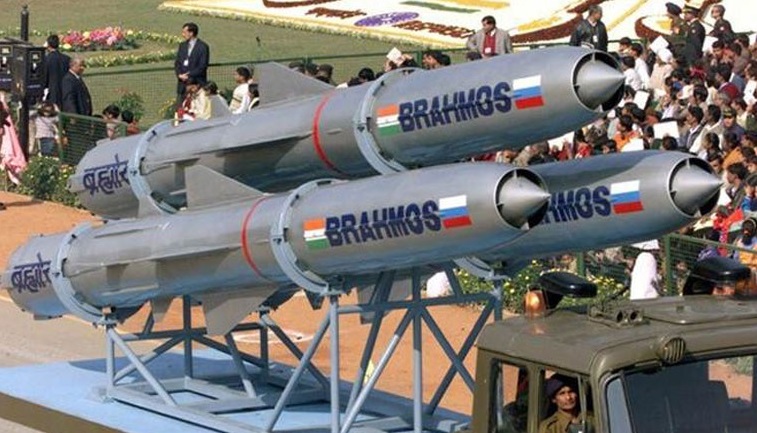
India
In a significant move for India’s defense sector, BrahMos Aerospace, the Indo-Russian joint venture responsible for producing the world-renowned BrahMos supersonic cruise missiles, has become the first major company in the field to reserve positions for former Agniveers. This step marks a new chapter in the integration of military-trained personnel into the broader defense industry, ensuring that those who serve under the Agnipath scheme can transition smoothly into civilian roles after their tenure in the armed forces.A Strategic Workforce ShiftBrahMos Aerospace's decision to reserve vacancies for ex-Agniveers comes at a time when the defense sector is expanding its technological and operational capacities. With the Agnipath scheme—launched by the Indian government in June 2022—young individuals aged 17.5 to 21 are recruited for a four-year term in the armed forces, with the possibility of 25% being retained for long-term military service. The remaining 75%, however, face an uncertain future once their short tenure ends. BrahMos Aerospace’s new policy seeks to address this concern, offering a structured pathway for these individuals to enter the defense industry.In a formal statement, BrahMos Aerospace confirmed that at least 15% of its vacancies in technical and general administrative positions will be reserved for ex-Agniveers. This includes a significant 50% reservation in administrative and security roles, some of which may be outsourced, further ensuring ample opportunities for these skilled individuals.The initiative does not stop with BrahMos Aerospace itself. The company is encouraging its 200-plus industry partners, many of whom are closely tied to the defense supply chain, to follow suit by reserving 15% of their workforce for ex-Agniveers. This collective effort could significantly shape the future of India's defense workforce, ensuring that military veterans are seamlessly absorbed into relevant civilian roles.Why Agniveers?The decision to hire former Agniveers aligns perfectly with the objectives of the Agnipath scheme and the broader vision of creating a highly skilled defense workforce in India. These individuals undergo rigorous training during their four-year stint in the armed forces, developing not only combat skills but also technical proficiency, discipline, leadership, and an ability to adapt quickly to changing environments—skills that are in high demand across various sectors.BrahMos Aerospace, a pioneer in advanced missile technology, stands to gain from hiring personnel with such unique qualifications. Ex-Agniveers will likely contribute in roles ranging from technical operations to administrative management, enhancing the company’s ability to innovate and maintain its leadership in the defense industry.The BrahMos missile itself is a testament to the cutting-edge capabilities that the company fosters. Capable of flying at a speed of 2.8 Mach—almost three times the speed of sound—it can be launched from diverse platforms, including submarines, ships, aircraft, and land-based systems. The involvement of highly trained ex-Agniveers could play a key role in sustaining and advancing such high-performance projects.A Broader National ImpactBrahMos Aerospace’s initiative is not only about filling vacancies. As India aims to become a developed nation by 2047, the defense and industrial sectors will be critical to this transformation. Companies like BrahMos believe that Agniveers, with their unique blend of military and technical training, will be instrumental in building the country’s industrial future.By offering opportunities to ex-Agniveers, BrahMos is also addressing concerns raised by critics of the Agnipath scheme, particularly opposition parties that have questioned the long-term career prospects of those not retained in the military after their four-year term. This policy ensures that a significant number of former Agniveers have a clear path to employment in industries that value their experience and skills.The ripple effect of this decision may extend beyond BrahMos Aerospace. Other government agencies and departments have already announced plans to hire ex-Agniveers, signaling a growing recognition of their potential contributions to civilian sectors. BrahMos’s move may inspire more companies within the defense ecosystem to offer similar opportunities, potentially reshaping the employment landscape for military-trained personnel.A Bold Step ForwardBrahMos Aerospace’s commitment to reserving vacancies for ex-Agniveers is a forward-thinking initiative that highlights the value of military training in the civilian workforce. By leveraging the skills, discipline, and adaptability of Agniveers, the company is not only bolstering its own operations but also contributing to the larger national goal of integrating skilled veterans into critical sectors.As India pushes forward in its defense and technological ambitions, the involvement of ex-Agniveers in companies like BrahMos Aerospace will be essential in shaping the nation’s future. This initiative is a testament to how public-private partnerships can address key workforce challenges while contributing to national security and economic growth.
Read More → Posted on 2024-09-27 16:13:54
India
The Indian Army is embracing the future of warfare by integrating advanced AI-powered drones and robots into its high-altitude operations in Ladakh. This development marks a significant leap forward in military modernization, leveraging artificial intelligence (AI) to address the unique challenges posed by one of the most inhospitable terrains on the planet.High-Altitude Warfare: The Ladakh ChallengeLadakh, located in the northernmost reaches of India, sits at staggering altitudes that often exceed 15,000 feet. The thin air, freezing temperatures, and rugged, unpredictable terrain make this region a logistical and tactical nightmare for traditional military operations. Troops stationed in such environments not only face enemy forces but must also contend with harsh weather conditions, altitude sickness, and the difficulty of transporting supplies and equipment.To adapt to these extreme conditions, the Indian Army is looking to AI-powered autonomous systems like drones and robots. These unmanned systems can take over essential tasks—like surveillance, reconnaissance, and logistical support—reducing the burden on soldiers and improving mission success rates. The combination of AI and automation is proving to be the ideal solution to the growing need for adaptability in high-altitude warfare.Indigenous Innovations: Himtech and Drone-a-thon 2The Indian Army's quest for high-tech solutions is not limited to acquiring off-the-shelf technology from abroad. Instead, it is working to develop and promote homegrown solutions tailored to its specific needs. A key player in this effort is *Himtech*, an event organized in collaboration with the Federation of Indian Chambers of Commerce and Industry (FICCI). This initiative highlights the development of indigenous defence technologies with a specific focus on high-altitude environments like Ladakh.Himtech brings together over 90 vendors from the Indian defence industry, all showcasing cutting-edge solutions for the Army. Among the technologies on display are Unmanned Aerial Vehicles (UAVs) for conducting reconnaissance and surveillance missions, as well as Unmanned Ground Vehicles (UGVs) that can navigate treacherous terrains, transport supplies, and support ground troops in remote areas. The introduction of these autonomous systems aims to significantly extend the operational reach of the Indian Army, particularly in areas that are difficult or impossible for personnel to access on foot.Further advancing this effort is *Drone-a-thon 2*, a large-scale testing event held in Ladakh at altitudes of 15,000 feet. Here, indigenous drones were put to the test in real-world conditions, assessing their performance in thin air, freezing temperatures, and rough terrain. Drones designed for military use must be able to withstand extreme environmental stressors, and Drone-a-thon 2 proved to be a crucial step in identifying which systems are up to the challenge.These events underscore the Indian Army's commitment to self-reliance and technological innovation. By fostering an environment of innovation and testing, the Army is not only sourcing solutions domestically but ensuring that the technology is specifically suited for the challenges of high-altitude warfare.The Role of AI in Autonomous SystemsAI plays a central role in the effectiveness of these new systems. For instance, drones equipped with AI can autonomously navigate the terrain, identify objects of interest, and relay real-time data back to command centers. In high-altitude operations, where visibility may be compromised by fog or snowfall, AI-powered UAVs can provide a continuous and reliable stream of data to help ground troops make informed tactical decisions.On the ground, UGVs powered by AI can autonomously map out safe routes through difficult terrain, transport supplies to soldiers in remote outposts, and even support combat operations by carrying weapon systems. These systems are capable of learning and adapting to their environment, making them indispensable assets in Ladakh, where conditions change rapidly, and human intervention may not always be feasible.The Future of Indian Military Operations in LadakhThe Indian Army's adoption of AI-powered autonomous systems is a clear signal of its intent to remain at the cutting edge of military technology. These innovations will not only reduce the physical and mental burden on soldiers operating in extreme environments but also enhance the overall effectiveness of military operations.AI-powered systems promise to transform how the Army operates in Ladakh, increasing the reach of reconnaissance missions, improving supply chain logistics, and enhancing combat capabilities. This initiative also reflects India's broader goal of achieving self-reliance in defence technology, a critical step toward reducing dependence on foreign suppliers and fostering homegrown innovation.As AI-powered drones and robots become more integrated into military strategies, they will enable the Indian Army to adapt swiftly to emerging threats, particularly in regions as demanding as Ladakh. This evolution represents a bold new era for the Indian Armed Forces—one where technology and human ingenuity combine to overcome even the harshest challenges of modern warfare.Incorporating AI-powered autonomous systems into high-altitude warfare marks a pivotal moment for the Indian Army. Through initiatives like Himtech and Drone-a-thon 2, the Army is driving forward the development of indigenous technology that can withstand the unique challenges of Ladakh. As these systems continue to evolve, they will play an increasingly vital role in enhancing the operational capabilities of the Indian military, ensuring that it remains prepared for the demands of modern warfare.
Read More → Posted on 2024-09-27 16:06:17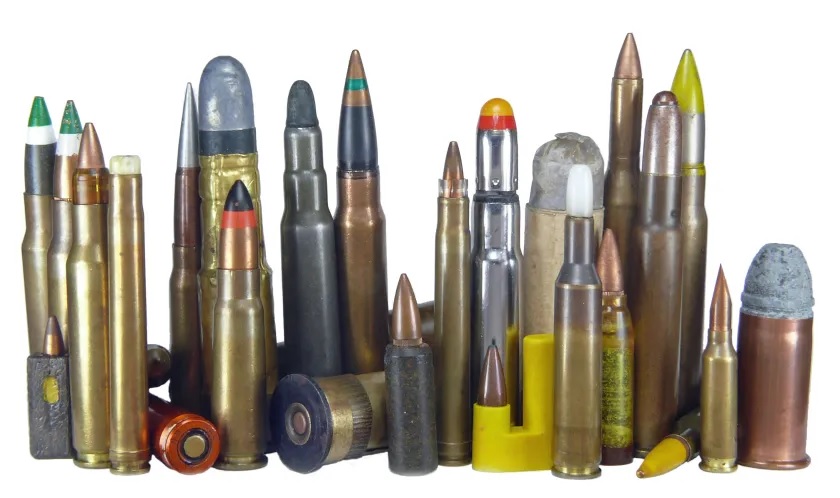
India
Adani Defence, the defence manufacturing arm of the Adani Group, is taking significant steps to bolster India’s small arms ammunition production. The company is on track to double its annual production capacity from 150 million to 300 million rounds, a move that will meet approximately 50% of India’s yearly demand for small arms ammunition by next year. This expansion comes on the back of the recent commencement of production at their new state-of-the-art facility in Kanpur, Uttar Pradesh.The Kanpur plant, which is central to this ambitious expansion, is equipped with cutting-edge machinery and technology, enabling the production of a diverse range of small caliber ammunition. The facility currently manufactures 150 million rounds annually, supplying around 25% of India’s needs. The planned increase in production will make Adani Defence a pivotal player in India's ammunition market, providing crucial support for both national security and the defence sector’s growth.The types of ammunition produced at the Kanpur plant include some of the most widely used calibers by the Indian Armed Forces and security agencies, such as the 5.56 X 45 mm, 7.62 X 51 mm, 7.62 X 39 mm, 8.6×70 mm / .338 Lapua Magnum, and 9 X 19 mm rounds. These calibers are compatible with various assault rifles, sniper rifles, and handguns used in military and police operations. The 7.62 X 51 mm NATO round, for instance, is a standard issue for many of the world's armed forces and is used in both machine guns and sniper rifles, highlighting the versatility and demand for such ammunition.Adani Defence’s expansion aligns with the broader national vision of 'Aatmanirbhar Bharat' (self-reliant India), which aims to reduce dependency on foreign defence imports and boost domestic manufacturing capabilities. By doubling its production capacity, the company is not only contributing to India's self-sufficiency in defence but also enhancing its ability to respond to growing security challenges both domestically and internationally.In addition to catering to the domestic market, Adani Defence is also exploring opportunities in the global market. The quality and competitive pricing of its ammunition have positioned it as a promising exporter, with potential to tap into markets in Asia, Africa, and the Middle East. The demand for small arms ammunition is consistently high worldwide due to its critical role in defence and law enforcement.The Kanpur facility’s capabilities extend beyond just quantity. The advanced technology and quality control measures in place ensure that each round of ammunition meets rigorous standards, making them suitable for high-stakes scenarios where reliability is paramount. For example, the .338 Lapua Magnum, produced at the facility, is renowned for its long-range precision and is favored by military snipers for engagements at distances beyond 1,500 meters.This strategic expansion is not just a business move for Adani Defence but also a statement of commitment to strengthening India's defence ecosystem. The company’s investment in the Kanpur facility, with its modern production lines and robust testing protocols, demonstrates a long-term vision to position itself as a key player in the global defence supply chain.As India looks to modernize its armed forces and enhance its strategic capabilities, domestic manufacturers like Adani Defence are crucial in ensuring that the country has reliable access to essential military supplies. By ramping up production to 300 million rounds per year, Adani Defence is setting a new benchmark for the Indian defence manufacturing industry and playing a vital role in the nation’s quest for self-reliance.In summary, Adani Defence’s plan to double its small arms ammunition production is a pivotal step towards meeting half of India’s annual demand. This move not only bolsters national security but also aligns with the broader goals of fostering a self-reliant defence sector and exploring global market opportunities. With its modern facilities and ambitious production targets, Adani Defence is poised to become a cornerstone of India’s defence manufacturing landscape.
Read More → Posted on 2024-09-27 15:55:45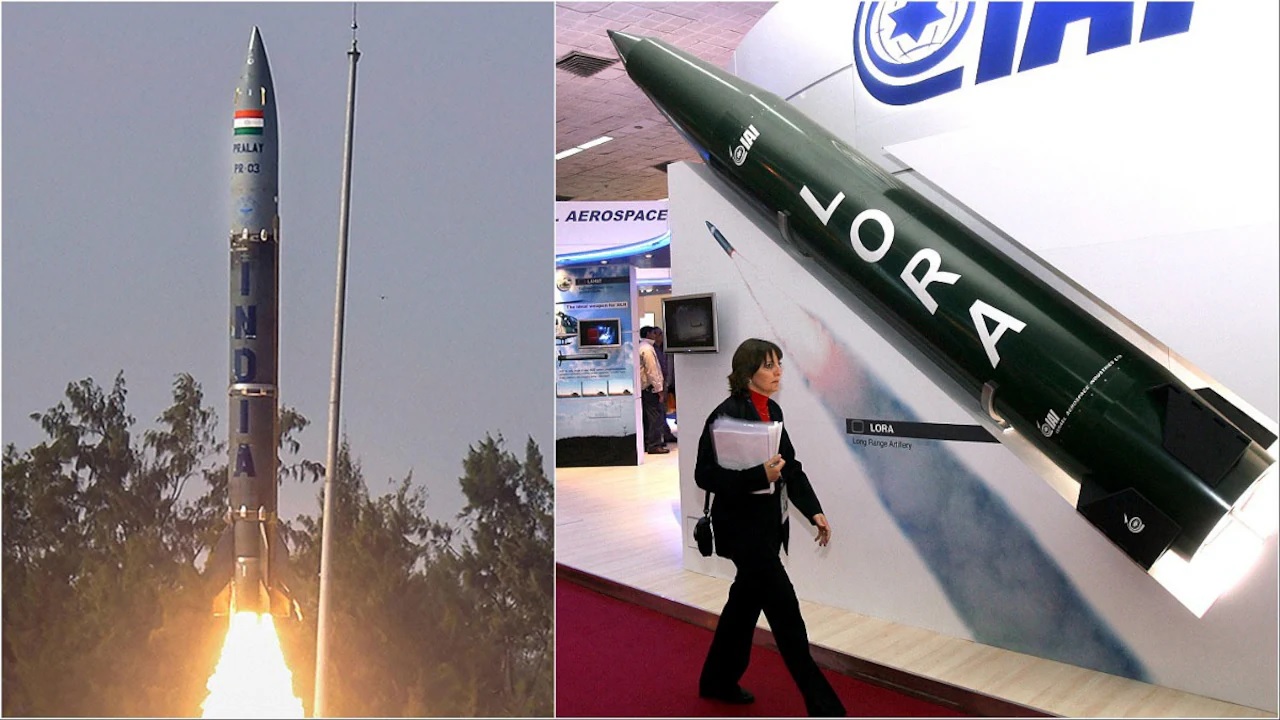
India
Amid rising tensions in the South Caucasus, India is reportedly considering Armenia’s request to purchase the Pralay tactical ballistic missile system. This potential deal comes in response to Azerbaijan's acquisition and deployment of the Israeli LORA missile system, a move that has prompted Yerevan to seek a robust counterbalance. As the Nagorno-Karabakh conflict continues to simmer, Armenia is looking for advanced capabilities to deter Azerbaijani military actions, making the Pralay a compelling option.The Strategic Context Behind Armenia’s RequestThe roots of Armenia's interest in the Pralay missile can be traced back to its efforts to bolster its defense capabilities following the 2020 Nagorno-Karabakh war. During the conflict, Azerbaijan reportedly used the LORA missile system to target Armenian positions and infrastructure, exposing vulnerabilities in Armenia’s defense. The LORA, which stands for Long-Range Artillery, is an Israeli-developed missile with a range of up to 400 kilometers, known for its precision and effectiveness against fortified positions and strategic assets.In contrast, the Pralay missile is a relatively new entrant to India’s defense arsenal, developed by the Defence Research and Development Organisation (DRDO). It is a solid-fueled, canisterized tactical ballistic missile with a range of 150 to 500 kilometers, capable of carrying a variety of warheads, including high-explosive, fragmentation, and penetration types. This flexibility in payloads allows the Pralay to target diverse objectives such as airfields, radar installations, and communication centers, making it a versatile tool in battlefield scenarios.The Missile Technology Control Regime (MTCR) ChallengeHowever, there are significant hurdles to be addressed before the Pralay can be exported to Armenia. India is a member of the Missile Technology Control Regime (MTCR), an international agreement that restricts the export of missile systems with ranges exceeding 300 kilometers and payloads over 500 kilograms. As a result, the current specifications of the Pralay exceed these limits, potentially complicating the transfer process.To comply with MTCR guidelines, the DRDO might have to modify the Pralay, possibly by reducing its range or altering its payload capacity. This would be similar to how other countries have adjusted their missile exports to meet international regulations. Yet, these modifications would not necessarily diminish the missile’s utility for Armenia, as a range of around 300 kilometers would still provide significant coverage within the regional conflict zone.India’s Expanding Defense ExportsIndia's interest in supplying the Pralay to Armenia is part of its broader strategy to position itself as a significant player in the global defense market. In recent years, India has ramped up its military exports, supplying advanced weapon systems to various countries. The Pralay, with its advanced capabilities and strategic utility, represents a new frontier in India’s arms exports, signaling a shift towards more complex and high-tech systems.While the deal is yet to be finalized, reports suggest that New Delhi has agreed in principle to supply the Pralay to Armenia. This comes amidst substantial domestic orders for the missile from the Indian Air Force and Army, indicating the missile's strategic value. If the deal goes through, it would mark a significant milestone for India's defense exports and could pave the way for similar deals in the future.Geopolitical ImplicationsThe potential sale of the Pralay missile to Armenia also has broader geopolitical implications. The South Caucasus region is a complex web of alliances and rivalries, with Turkey and Russia playing significant roles in supporting Azerbaijan and Armenia, respectively. By potentially arming Armenia with the Pralay, India is not just selling a missile; it is also making a strategic statement about its role in regional and global security dynamics.Moreover, this move could signal a deepening of India-Armenia defense ties, which have seen a steady increase in recent years. Armenia has previously procured Indian defense equipment, including the Swathi weapon-locating radar, highlighting a growing defense partnership between the two nations.Looking AheadWhile the Pralay missile sale to Armenia remains unconfirmed and faces several regulatory and logistical challenges, its potential highlights the evolving nature of India’s defense exports and its increasing willingness to engage in complex geopolitical arenas. As both nations navigate these waters, the outcome of this potential deal will be closely watched by regional and global powers alike, given its implications for the balance of power in the South Caucasus and beyond.
Read More → Posted on 2024-09-27 15:47:56
India
In a remarkable stride towards bolstering its defense capabilities, India has successfully indigenized the Ship Installed Chemical Agent Detection System (SICADS), a crucial technology for chemical warfare defense. This achievement, realized through a collaboration between the Military Engineering Services (MES), Larsen & Toubro’s Strategic Electronics Division (L&T-SEC) Bengaluru, and the Defence Research and Development Establishment (DRDE) Gwalior, marks a significant milestone in India’s journey towards self-reliance in defense technology.SICADS is a sophisticated system designed to detect and identify a broad spectrum of chemical warfare agents as well as selected toxic industrial chemicals. This technology is not just about defense; it's a shield that ensures the safety of naval personnel and the integrity of naval operations in the face of chemical threats. Developed to meet the stringent requirements of the Indian Navy, the system is now ready to be deployed on warships, enhancing the country’s maritime security posture.The path to indigenization was no small feat. The DRDE, known for its work in chemical and biological defense, spearheaded the development of SICADS. Leveraging their extensive research in chemical detection, DRDE collaborated with L&T-SEC, the designated Design Cum Production Partner (DCPP), to bring this advanced system to fruition. This partnership drew on the strengths of both organizations: DRDE’s deep technical knowledge and L&T-SEC’s expertise in strategic electronics and defense production. The result is a system that not only meets but exceeds international standards for chemical detection and identification.The indigenization of SICADS is a testament to India’s growing capability to develop high-end defense technologies domestically. Before this, India relied heavily on foreign sources for such advanced systems, which came with limitations, both in terms of availability and adaptability to Indian operational requirements. By developing SICADS indigenously, India has reduced its dependence on foreign technology and ensured that the system is tailored to its unique needs.From a technical standpoint, SICADS is a multi-layered detection system. It can identify various chemical agents through a combination of sensors and analytical modules. The system is designed to operate under the challenging conditions of a naval environment, providing real-time data to alert and protect crew members from potential chemical hazards. Its robustness ensures that even in adverse conditions—whether at sea during a storm or under the stress of combat—SICADS will deliver reliable performance.Economically, the successful indigenization of SICADS has far-reaching implications. It is expected to stimulate the domestic defense industry by creating new opportunities for Indian manufacturers and suppliers. Moreover, it aligns with the Indian government’s ‘Make in India’ initiative, aimed at boosting local production and reducing dependence on imports. By developing this technology at home, India is not only saving costs associated with foreign procurement but is also investing in the growth of its own defense ecosystem.This achievement places India among a select group of nations capable of developing sophisticated chemical detection systems. As the threats of chemical warfare and toxic industrial chemical exposure become more pronounced globally, having a robust detection system like SICADS is crucial for any nation’s defense strategy. For India, this system not only enhances its defense capabilities but also serves as a symbol of the nation’s growing prowess in defense technology.Looking ahead, the success of SICADS could pave the way for further advancements in chemical and biological defense. The collaboration between MES, L&T-SEC, and DRDE sets a precedent for future projects that require the synergy of research, development, and production expertise. It also highlights the importance of self-reliance in defense technologies, especially in a world where geopolitical uncertainties can impact the availability and reliability of foreign defense systems.In conclusion, the indigenization of SICADS is a landmark achievement for India. It strengthens the country’s defense capabilities, reduces reliance on foreign technology, and underscores the potential of Indian defense research and development. As this advanced chemical detection system becomes a standard feature on Indian warships, it will play a critical role in safeguarding the nation’s maritime security and ensuring the safety of its naval personnel in the face of chemical threats.
Read More → Posted on 2024-09-27 15:43:59
India
India is on the brink of securing a transformative deal for advanced fighter jet engines this year, a move set to bolster the country’s indigenous defence manufacturing capabilities. Hindustan Aeronautics Limited (HAL), the premier state-owned aerospace and defence company, is at the forefront of this development. Chairman and Managing Director of HAL, DK Sunil, has indicated that the agreement, primarily with General Electric (GE) Aerospace, will likely be finalized within this financial year, aligning with the government's vision for self-reliance in defence technology.The deal under discussion is centered around the production of the F414 INS6 engines in India. These powerful engines are designed to equip the next-generation Light Combat Aircraft (LCA) Tejas MK-2, currently under development. The F414 engine, an advanced derivative of the F404, is known for its high thrust-to-weight ratio and has been widely used in aircraft like the F/A-18 Super Hornet. It features full authority digital engine control (FADEC), enabling superior performance and fuel efficiency, which are crucial for modern fighter jets.For India, the acquisition of this technology is a pivotal step. The collaboration with GE Aerospace includes a substantial technology transfer component, initially proposed at 56% but now elevated to an impressive 80%. This enhancement in the technology transfer scope covers critical areas such as sophisticated coatings for engine components, advanced manufacturing processes, and techniques for high-temperature materials, all of which are essential for producing state-of-the-art fighter jet engines.Amy Gowder, President of GE Aerospace, has confirmed that the deal is progressing smoothly. A comprehensive technical proposal is expected to be submitted to HAL soon, suggesting that the final agreement is on the horizon. The anticipation around this deal is palpable, as it marks a significant stride towards reducing India's dependency on foreign defence technology and aligns with the broader 'Make in India' initiative.The impending agreement is not merely a transaction for engine production; it represents a strategic partnership poised to reshape India’s aerospace landscape. With the establishment of a new engine production facility in Bangalore, HAL is preparing to ramp up its manufacturing capabilities. The facility, once operational, will not only produce the F414 engines but also serve as a hub for future indigenous engine development, potentially including the Kaveri engine project, which has been under development for several years.DK Sunil has also revealed that the production of the Tejas MK-1A is on track, with deliveries set to commence as soon as the engines ordered from the US arrive. This development is crucial, given the current shortage of fighter aircraft in the Indian Air Force (IAF). The Tejas MK-1A, an upgraded variant of the LCA, features advanced avionics, an active electronically scanned array (AESA) radar, and an electronic warfare suite, making it a formidable addition to the IAF's fleet.The finalization of this deal will not only strengthen India's defence capabilities but also signal a major shift towards self-sufficiency. The Indian government is in the last stages of approving a manufacturing license agreement, which will enable HAL to initiate production swiftly after the contract is signed. The operational timeline for the new facility is projected to be within two years of the agreement being inked.HAL is also set to see a significant boost in its order book, expected to double to around ₹2.1 lakh crore within the next year, driven by strong government support for indigenous defence production. This deal is seen as a game-changer for HAL, enabling it to meet the increasing demand for advanced fighter aircraft in India.The potential impact of this deal is far-reaching. It will not only address the immediate needs of the Indian Air Force but also lay the groundwork for future collaborations in the aerospace sector. As HAL and GE Aerospace inch closer to finalizing this landmark agreement, it is clear that the partnership will have profound implications for India's defence ecosystem, heralding a new era of indigenous capabilities and technological prowess.
Read More → Posted on 2024-09-27 15:35:38
India
In a move to enhance its maritime logistics capability, the Indian Navy has inducted the fifth missile cum ammunition barge, LSAM 13, into its fleet. The addition of this barge, built by SECON Engineering Projects Pvt Ltd, Visakhapatnam, is part of an eight-vessel project aimed at strengthening the Navy’s operational readiness. The induction ceremony took place at the Naval Dockyards in Mumbai, where Commodore C Rami Reddy, Commanding Officer of INS Tunir, presided over the event.The contract for constructing these eight missile cum ammunition barges was signed between the Ministry of Defence (MoD) and SECON Engineering on February 19, 2021. The LSAM 13 is the latest in this series, designed to provide logistical support to the Indian Navy's combat vessels. These barges are crucial for the safe and efficient transportation, embarkation, and disembarkation of ammunition and other critical supplies to Indian naval platforms, both at dock and in outer harbors.Missile cum ammunition barges like LSAM 13 play a vital role in the Indian Navy's logistics chain. They are specifically designed to handle and transport a wide range of ordnance, including missiles, shells, and explosives, ensuring that warships are always stocked with the necessary munitions during operations. This capability is essential not only for resupply during peacetime but also for maintaining the operational readiness of the fleet during extended deployments or in conflict scenarios.These vessels are designed with features that ensure the safe handling of ammunition. They are equipped with specialized compartments and mechanisms for secure stowage, minimizing the risk of accidents during loading and unloading. The barges also boast advanced navigation systems to safely navigate through congested harbor areas and deliver supplies to naval ships positioned offshore.The design and construction of the LSAM 13 and its sister ships involved rigorous testing, with model testing conducted at the Naval Science and Technological Laboratory in Visakhapatnam. This meticulous design process ensured that the barges met the stringent safety and operational standards required by the Indian Navy.The induction of LSAM 13 and the upcoming additions of the remaining barges are a testament to the Indian Navy's focus on self-reliance and its commitment to the 'Make in India' initiative. By leveraging indigenous capabilities, the Navy not only enhances its operational logistics but also contributes to the growth of India's shipbuilding industry.In recent years, the Indian Navy has made significant strides in bolstering its maritime capabilities. The induction of these missile cum ammunition barges follows the recent inclusion of the indigenous aircraft carrier INS Vikrant into the Western Fleet. This move, along with other strategic enhancements, highlights the Navy's efforts to strengthen its logistics and combat capabilities, ensuring it remains a formidable force in the region.With the addition of LSAM 13, the Indian Navy is better positioned to support its fleet during extended deployments, providing a robust logistical backbone that is crucial for sustained maritime operations. The induction of these barges will undoubtedly boost the Navy’s capacity to project power and respond to challenges in the Indian Ocean region.
Read More → Posted on 2024-09-27 15:29:15
India
The Indian Army has successfully concluded an intensive training program for the Tanzanian People’s Defence Force (TPDF), equipping them with the skills to operate the BMP-2 Infantry Combat Vehicle (ICV). This rigorous 12-week training course, held at the Mechanised Infantry Centre & School (MIC&S) in Ahmednagar, Maharashtra, spanned from July 1 to September 24, 2024. It marked a significant milestone in the growing defence collaboration between India and Tanzania, aimed at enhancing the operational capabilities of the TPDF's Mechanised Infantry.The BMP-2, known in India as the “Sarath,” is a highly versatile, amphibious infantry combat vehicle, widely recognized for its firepower, mobility, and protection. Designed to transport infantry troops into battle while providing direct fire support, the BMP-2 is equipped with a 30 mm 2A42 automatic cannon, a 7.62 mm PKT coaxial machine gun, and an AT-5 Spandrel anti-tank guided missile launcher. The vehicle's robust design includes a fully welded steel hull, which offers protection against small arms fire and shell splinters, while its amphibious capabilities allow it to traverse water obstacles with minimal preparation. Powered by a UTD-20 diesel engine, the BMP-2 can reach speeds of up to 65 km/h on land and 7 km/h in water, making it a formidable asset in various combat scenarios.The training program for the TPDF soldiers was meticulously structured to cover every aspect of operating and maintaining the BMP-2. The Tanzanian troops were immersed in both theoretical and practical sessions, gaining comprehensive knowledge of the vehicle’s complex systems. The course included detailed lessons on the mechanical and electrical systems of the BMP-2, the nuances of its armament, and the protocols for performing field repairs. Additionally, soldiers were trained in advanced tactics for deploying the BMP-2 in various combat situations, such as assault operations, defensive maneuvers, and amphibious engagements.The practical component of the training was particularly intense, involving hands-on exercises in simulated combat environments. Tanzanian troops were required to demonstrate their proficiency in handling the BMP-2, from performing rapid vehicle start-ups and executing swift tactical maneuvers to engaging targets with precision. The emphasis was on developing a deep understanding of the vehicle's capabilities and limitations, ensuring that the TPDF personnel could operate the BMP-2 effectively under different operational conditions.This training program is part of a broader initiative by the Indian government to strengthen defence ties with African nations through capacity building and skill development. For Tanzania, this collaboration provides a significant boost to its military modernization efforts, enabling the TPDF to enhance its mechanized infantry capabilities and better safeguard its national interests.The successful completion of this training program not only highlights the Indian Army’s expertise in operating and maintaining the BMP-2 but also underscores its commitment to supporting partner nations in building self-reliant and capable armed forces. As the Tanzanian soldiers return home, they carry with them valuable skills and experiences that will contribute to the operational effectiveness of the TPDF and bolster Tanzania's defence posture in the region.In the broader context of India-Tanzania relations, this training initiative symbolizes a deepening strategic partnership, grounded in mutual respect and shared security interests. With both countries committed to expanding their defence cooperation, such joint training programs are likely to become a cornerstone of their bilateral relationship, promoting regional stability and enhancing the collective security of the African continent.
Read More → Posted on 2024-09-26 16:18:37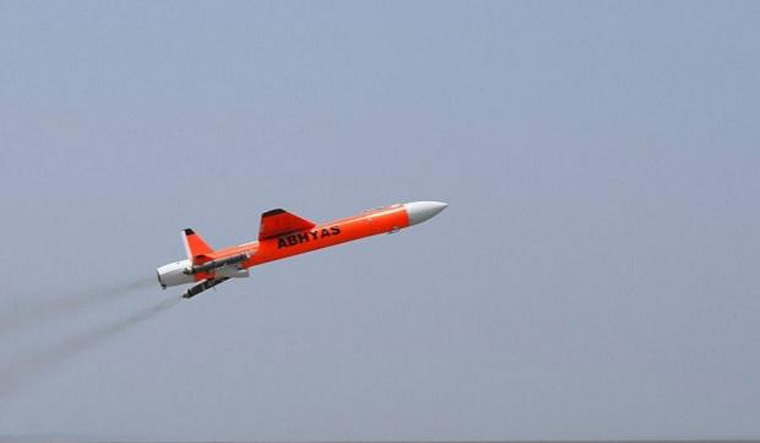
India
India's Defence Research and Development Organisation (DRDO) is on a mission to transform the Abhyas High-speed Expendable Aerial Target (HEAT) from a simple target drone into a formidable weapon system, tailored to meet the challenges of modern warfare. Originally designed as a cost-effective platform to simulate enemy aircraft for testing air-to-air and surface-to-air missiles, Abhyas is now being reimagined for far more sophisticated roles, including kamikaze drone and loitering munition applications. This transformation is set to significantly bolster India’s unmanned warfare capabilities and could revolutionize the way the Indian military approaches tactical operations.The Abhyas drone, developed by the Aeronautical Development Establishment (ADE) under DRDO, has already proven itself as an agile and reliable platform. With a range of 100 kilometers, a top speed of 0.5 Mach, and an endurance of 45 minutes, it serves as an effective mimic for enemy threats during live-fire exercises. But the new vision for Abhyas aims to take it beyond these traditional roles. By integrating advanced avionics, guidance systems, and potentially even artificial intelligence, DRDO intends to convert Abhyas into a versatile asset for real combat situations.One of the most exciting prospects for the Abhyas platform is its potential adaptation into a kamikaze drone. By equipping it with a small warhead, the drone could be used for one-way missions against enemy positions, radar installations, or even moving armored vehicles. This transformation would provide the Indian armed forces with an affordable, indigenous option for conducting precision strikes without risking the lives of pilots. These kamikaze drones could also be deployed in swarms, overwhelming enemy defenses and enhancing the effectiveness of traditional air and ground assaults.In addition to its potential as a kamikaze drone, the Abhyas is also being evaluated for use as a loitering munition. Loitering munitions, sometimes referred to as "suicide drones," hover over the battlefield, gathering intelligence and awaiting the perfect moment to strike. This capability would make Abhyas a valuable tool for reconnaissance and surveillance missions, especially in hostile environments where manned aircraft would be at greater risk. Equipped with an electro-optical or infrared camera, the loitering version of Abhyas could provide real-time imagery and target data to ground forces or command centers before diving onto its target.One of the crucial developments being explored is integrating the Abhyas into Manned-Unmanned Teaming (MUM-T) operations. MUM-T allows for seamless coordination between manned aircraft and unmanned systems like Abhyas, creating a networked battlefield environment. In such operations, manned fighters or helicopters could use the Abhyas drones for a variety of roles—from drawing enemy fire and locating air defenses to executing coordinated strikes. This would not only enhance the operational capabilities of the manned aircraft but also significantly reduce the risk to human pilots in high-threat environments.This concept is part of a broader shift in military strategy worldwide, as armed forces increasingly look to unmanned systems to perform the "dull, dirty, and dangerous" tasks traditionally handled by human pilots. With MUM-T, the Abhyas could act as an extension of the pilot’s senses and reach, operating in areas too risky for manned aircraft while still being under the control and direction of human operators.The adaptability and relatively low cost of the Abhyas platform make it an appealing choice for these new roles. Its airframe, made of lightweight composite materials, is not only robust but also easy to manufacture, which could facilitate rapid production and deployment. The modular design allows for quick upgrades and modifications, making it possible to integrate new technologies as they become available. This flexibility could see the Abhyas platform evolve further, incorporating electronic warfare capabilities or even swarming algorithms that allow multiple drones to work together autonomously.As the DRDO continues to refine the Abhyas platform, its potential to transform India’s military strategy becomes increasingly clear. Whether used as a kamikaze drone, a loitering munition, or a part of MUM-T operations, the new and improved Abhyas could provide the Indian armed forces with a highly versatile tool for modern combat scenarios. By investing in such indigenous solutions, India not only strengthens its defense capabilities but also reduces reliance on foreign technology, aligning with the government's broader goals of self-reliance in defense production. With these advancements, the Abhyas drone could soon become a key component of India’s arsenal, offering new ways to deter and defeat threats on the battlefield.
Read More → Posted on 2024-09-26 16:10:58
India
In a significant stride for India’s defence exports, the Small Arms Factory (SAF) in Kanpur, Uttar Pradesh, is set to supply 2,000 modified medium machine guns (MMGs) to an undisclosed European country. This deal, secured last December, marks a milestone for India as it penetrates the competitive European arms market with its first-ever export of these sophisticated weapons.The machine guns in question are not your typical infantry support weapons; they are a refined version of the MAG (Mitrailleuse d'Appui Général) 7.62mm machine gun. Known for their robustness and versatility, these MMGs are designed to be deployed across a variety of platforms, including vehicles, tanks, aircraft, and even naval vessels. Their adaptability has made them a favored choice among military forces globally, and the European buyer, although not publicly identified, has recognized their value in modern combat scenarios.These MMGs are built to fire the NATO-standard 7.62x51mm cartridge, renowned for its stopping power and accuracy at long ranges. Weighing around 11 kilograms, the weapon’s design allows it to be mounted on a tripod for stability or used in handheld mode when mobility is crucial. It operates on a gas-powered system and is air-cooled, with a belt-fed mechanism that ensures a continuous rate of fire, which can reach an impressive 1,000 rounds per minute. This high rate of fire, combined with an effective range of up to 1,800 meters, makes it a formidable weapon on the battlefield, providing sustained suppressive fire and effective area denial.One of the standout features of these MMGs is their quick-change barrel system, which helps in managing overheating issues during prolonged engagements. The barrels, made of chromium-plated bore and chamber, can be swapped out in a matter of seconds, ensuring that the weapon remains operational even under intense use. This feature significantly enhances the weapon's longevity and reliability, key factors for any military force looking to maximize the combat effectiveness of its hardware.The SAF in Kanpur has a long history of producing high-quality small arms. Established in 1942, it has been a cornerstone of India’s indigenous arms manufacturing. The factory has been responsible for producing various iconic weapons over the decades, including the 9mm Carbine and the 51mm Mortar. The current deal reflects the factory’s ongoing commitment to innovation and excellence in arms production, as it caters to both domestic and international markets.The order for these modified MMGs includes customizations requested by the European client, indicating a tailored approach to meet specific operational needs. While the exact details of these modifications remain classified, it is evident that India’s defence industry is capable of delivering not just off-the-shelf products but also bespoke solutions that align with the strategic requirements of its customers.Surendra Patil Yadav, General Manager of SAF Kanpur, confirmed the order, expressing pride in the factory’s ability to meet international standards. "We have received an order of 2,000 MMGs from European companies," he stated, emphasizing that the factory’s capacity and technological capabilities are on par with global players in the defence sector. The cost and identity of the buyer remain confidential, a common practice in the defence industry to protect sensitive information.This deal is more than just a commercial transaction; it is a testament to India’s growing competence in the global arms trade. As India continues to expand its defence exports, this agreement could pave the way for further collaborations and bolster its position as a credible arms supplier on the international stage. The success of this contract will likely serve as a springboard for similar deals in the future, further enhancing India's reputation in the global defence community.For the SAF in Kanpur, the deal is a validation of its efforts to innovate and stay relevant in a highly competitive market. It represents a new chapter in India’s defence manufacturing narrative, one that is increasingly looking outward and seeking to establish its footprint in new territories.
Read More → Posted on 2024-09-26 15:22:17
India
In a significant stride towards self-reliance in defence technology, the Defence Research & Development Organisation (DRDO) and the Indian Institute of Technology (IIT) Delhi have unveiled a new, state-of-the-art bulletproof jacket named ‘ABHED’ (Advanced Ballistics for High Energy Defeat). This collaborative effort, developed at the DRDO Industry Academia Centre of Excellence (DIA-CoE) at IIT Delhi, is set to revolutionize personal protection gear for Indian armed forces, offering a lighter, stronger, and fully indigenous solution.The ABHED bulletproof jacket represents a remarkable innovation in body armor technology, meticulously engineered using polymers and indigenous boron carbide ceramic material. This combination is not just a testament to India’s growing prowess in advanced material science but also a significant leap towards reducing the nation’s dependence on imported defence equipment.The Science Behind ABHEDThe development of ABHED involved extensive research and testing, leveraging high strain rate characterization of materials, followed by precise modeling and simulation in collaboration with DRDO experts. The result is a modular design jacket that offers comprehensive protection without compromising on mobility or comfort. One of the standout features of the jacket is its weight. At a minimum of 8.2 kg and a maximum of 9.5 kg, the ABHED jacket is significantly lighter than the weight limits set by the Indian Army’s General Staff Qualitative Requirements (GSQR).This weight reduction is a game-changer for military personnel who often have to endure long hours in hostile environments. By utilizing boron carbide—a material known for its exceptional hardness and lightweight properties—the jacket provides a formidable barrier against high-caliber rounds while ensuring the wearer’s agility and endurance are not compromised.Comprehensive ProtectionThe ABHED jacket is designed with front and rear armors that provide 360-degree protection, making it highly suitable for modern combat scenarios where threats can emerge from any direction. It meets the highest threat levels as per the BIS (Bureau of Indian Standards) specifications, offering unparalleled protection against various ballistic threats. The armor plates have successfully passed all necessary R&D trials, adhering to stringent testing protocols to ensure the highest standards of safety and performance.Ready for Transfer and DeploymentWith the research phase completed and successful trials behind them, DRDO and IIT Delhi are now preparing for the next step: transferring the technology to industry partners. Based on a comprehensive selection criteria matrix, several Indian industries have been shortlisted for the Transfer of Technology (ToT). The DIA-CoE is ready to hand over the technology to three such industries, paving the way for mass production and deployment of these advanced bulletproof jackets to Indian armed forces.A Testament to CollaborationThe development of ABHED is not just a triumph of technology but also a shining example of collaboration between defence research, academia, and industry. The DIA-CoE, established in 2022 by transforming the Joint Advanced Technology Center of DRDO at IIT Delhi, aims to foster such synergies for breakthrough innovations. It has been instrumental in bringing together DRDO scientists, academic researchers, and industry partners to work on advanced defence technologies.The Road AheadAs India continues its push towards indigenization in defence manufacturing, ABHED stands as a symbol of what can be achieved through concerted efforts and collaboration. With the successful development of this jacket, Indian soldiers will soon have access to a world-class, lightweight, and highly effective protective gear designed and made in India. This not only enhances their safety on the battlefield but also strengthens the country’s defence capabilities.Secretary of Defence R&D and Chairman of DRDO, Dr. Samir V. Kamat, lauded the achievement, highlighting the successful ecosystem of defence R&D fostered by DRDO, academia, and industry. As the technology transitions to production, the impact of ABHED will be felt far beyond the laboratories and test ranges—it will be a shield for those who guard the nation.In conclusion, ABHED is more than just a bulletproof jacket; it is a milestone in India's journey towards self-reliance in defence technology, promising enhanced protection for those who serve on the front lines.
Read More → Posted on 2024-09-26 15:14:05
India
MTAR Technologies Limited, a prominent player in India’s defence manufacturing landscape, has secured a significant order worth ₹15.4 crore from the Defence Research & Development Laboratory (DRDL). This contract involves the manufacturing and supply of both full-scale and sub-scale combustors, a critical component in the development of cutting-edge air-breathing engine technology for various defence applications. This strategic collaboration reflects MTAR’s commitment to enhancing India's defence capabilities and marks a pivotal step in the evolution of future-generation engine systems. The company is expected to complete the order by September 2025, adhering to the specified contract terms. This timeline indicates not only MTAR’s capability to meet stringent deadlines but also highlights the urgency surrounding advancements in defence technologies.MTAR Technologies has been a cornerstone in the Indian defence ecosystem for over four decades, excelling in the domains of clean energy, space exploration, and defence systems. The Hyderabad-based company is well-equipped with seven manufacturing units, including a specialized export facility, which bolsters its production capacity and efficiency. By fostering strategic partnerships with leading Indian organizations and global Original Equipment Manufacturers (OEMs), MTAR has been able to enhance its technological prowess and market reach.The recent order is expected to significantly bolster MTAR's position in the realm of air-breathing engines, which are critical for various military applications, including unmanned aerial vehicles (UAVs) and advanced missile systems. These engines are known for their efficiency and high-performance capabilities, providing a tactical edge in aerial combat scenarios. In financial terms, MTAR Technologies saw its shares close at ₹1,746, reflecting a modest increase of ₹6.10, or 0.35%, on the National Stock Exchange (NSE). This uptick in share value can be attributed to market optimism surrounding the company's new contract and its implications for future growth.As India continues to invest in its defence technology infrastructure, orders like this one from DRDL not only enhance MTAR’s product offerings but also contribute to the nation’s self-reliance in defence manufacturing. With its expertise and robust manufacturing capabilities, MTAR Technologies is poised to play a vital role in the future of India’s defence sector, ensuring that the country remains at the forefront of technological innovation and operational readiness.
Read More → Posted on 2024-09-25 15:42:33
India
India’s ascent as a dominant player in Asia took a significant leap forward, overtaking Japan to claim the position of the third-largest power in the Asia Power Index. This remarkable shift, highlighted by the Ministry of Information and Broadcasting on Wednesday, reflects India's growing geopolitical influence, dynamic economic growth, and demographic potential.The Asia Power Index, developed by the Lowy Institute in 2018, ranks the power dynamics of 27 nations in the Asia-Pacific region, examining their capacity to shape and respond to external events. India's steady rise in this index signals the country's increasing ability to assert itself in regional affairs and global diplomacy.Economic Growth and Youth-Driven PotentialA key driver behind India’s leap in the Asia Power Index is its robust post-pandemic economic recovery. The Ministry noted a 4.2-point increase in India’s Economic Capability score, an indicator that reflects the country’s strong GDP growth and expanding economic clout. With India now recognized as the world’s third-largest economy in purchasing power parity (PPP) terms, it has clearly solidified its status as a major force in Asia’s economic landscape.What truly sets India apart from its regional peers, such as Japan and China, is its youthful population. While other powers in Asia face aging populations and declining labor forces, India is benefiting from what experts call a "demographic dividend." This younger workforce is expected to fuel India’s economic momentum in the coming decades, driving labor productivity and consumer demand. The ministry noted an 8.2-point increase in India's Future Resources score, signaling this long-term growth potential.Geopolitical Clout and DiplomacyBeyond economic strength, India’s rise in the Asia Power Index is also driven by its growing role in international diplomacy and regional security. India’s active participation in multilateral organizations like the Quad (Quadrilateral Security Dialogue) has elevated its influence in security matters across the Indo-Pacific. Despite not having formal military alliances, India’s partnerships with countries like the United States, Japan, and Australia allow it to play a pivotal role in shaping regional security architecture.India's expanding diplomatic reach is also evident in its defense relations. Recent defense deals, such as the BrahMos missile sale to the Philippines, underscore the country’s geopolitical ambitions and willingness to extend its influence beyond South Asia. Though India's economic relationships lag behind its defense initiatives, these strategic moves are helping India project power across the region.Rising Power in the Asia-PacificThe Asia Power Index evaluates countries across eight critical categories: Economic Capability, Military Capability, Resilience, Future Resources, Economic Relationships, Defense Networks, Diplomatic Influence, and Cultural Influence. India's consistent performance across these categories showcases its well-rounded development as a major regional power.This rise isn’t just a reflection of India’s current capabilities; it’s an indication of the country's future potential. As India continues to strengthen its economic foundations and expand its geopolitical footprint, it will undoubtedly play a more decisive role in shaping the future of Asia.With Japan now trailing behind, India's position as the third-largest power in Asia marks a new era in regional geopolitics—one where India is increasingly seen as a central player, capable of influencing both regional dynamics and global trends. The coming years are poised to further solidify India’s role as a major power, with its youthful workforce, robust economic trajectory, and strategic partnerships laying the groundwork for continued dominance in Asia.
Read More → Posted on 2024-09-25 15:36:48
India
In today’s rapidly evolving world, drones have become integral to both civilian and military operations, ranging from delivery services to intelligence gathering and covert attacks. However, as drones become more advanced, the need for technologies capable of detecting and neutralizing them has grown critical. Unistring Tech Solutions (UTS), a Hyderabad-based defense R&D company, has stepped up to meet this challenge with its revolutionary AESA (Active Electronically Scanned Array) radar system, a breakthrough in drone detection technology.UTS's AESA radar is not your typical detection system. It has the capability to track up to 100 drones at the same time, providing a robust solution for dealing with the rising threat of unmanned aerial vehicles (UAVs). The system’s multi-target tracking capability is essential for situations involving drone swarms, a growing concern for military and security forces worldwide. This radar has been developed by UTS, a company founded by seasoned scientists from the Defence Research and Development Organisation (DRDO), K Srinivasa Raju and Nagendra Babu Samineni.The AESA radar system is not only designed to detect drones but also includes advanced electronic counter-countermeasures (ECCM) to ensure it functions reliably even in environments where jamming and electronic warfare tactics are employed. This makes it an ideal tool for the military, especially in scenarios where adversaries attempt to disrupt radar systems.One of the radar’s standout features is its AI-based classification algorithms, which help to minimize false alarms. Unlike traditional radar systems that might struggle to differentiate between drones and other objects, such as birds, UTS’s AESA radar can accurately identify UAVs, making it much more effective in real-world applications. Given that most older radar systems were designed to track larger aircraft, this kind of precision marks a significant leap forward in counter-drone technology.UTS’s commitment to developing indigenous defense technologies aligns with India's push for self-reliance in its defense sector. The company has already played a significant role in providing subsystems for India's anti-drone systems, which are increasingly being purchased by the government. UTS’s Managing Director, Nagendra Babu Samineni, highlights the company's vision of reducing India's reliance on imported defense technology. The firm recently secured a contract worth ₹43.42 crore for the supply of advanced electronic warfare (EW) equipment, further cementing its place in the Indian defense landscape.The AESA radar’s capabilities have made it highly attractive, not only to India but also for potential export to friendly nations. UTS is eyeing the global market for its counter-drone technology, although any exports will be subject to government regulations and approvals.Beyond the immediate successes of the AESA radar, UTS has positioned itself for long-term growth. The company projects a turnover exceeding ₹250 crore for the current financial year, driven by its cutting-edge technologies in electronic warfare, radar systems, and communications.Recently, UTS was recognized for its innovations at the 49th ELCINA awards, winning in the small and medium enterprises category. This prestigious recognition reflects the company’s ongoing contribution to India's defense capabilities and its mission of advancing self-reliance in critical technologies.The AESA radar, which was developed through the IDEX (Innovation for Defence Excellence) initiative, is expected to be delivered within six to eight months. Its potential for mass production and large-scale procurement underscores the government’s growing reliance on indigenous solutions for national security.For Unistring Tech Solutions, the journey has only just begun. With its sights set on future innovations and the expansion of its technological footprint, UTS is rapidly becoming a key player in both national and international defense markets. As drone threats evolve, UTS’s AESA radar stands as a formidable tool to keep skies safe, making it clear that this Hyderabad-based company is ready to meet the challenges of modern warfare.The sky, it seems, is not the limit for UTS—it's just the beginning.
Read More → Posted on 2024-09-25 15:21:45Search
Top Trending in 24 Hours
-
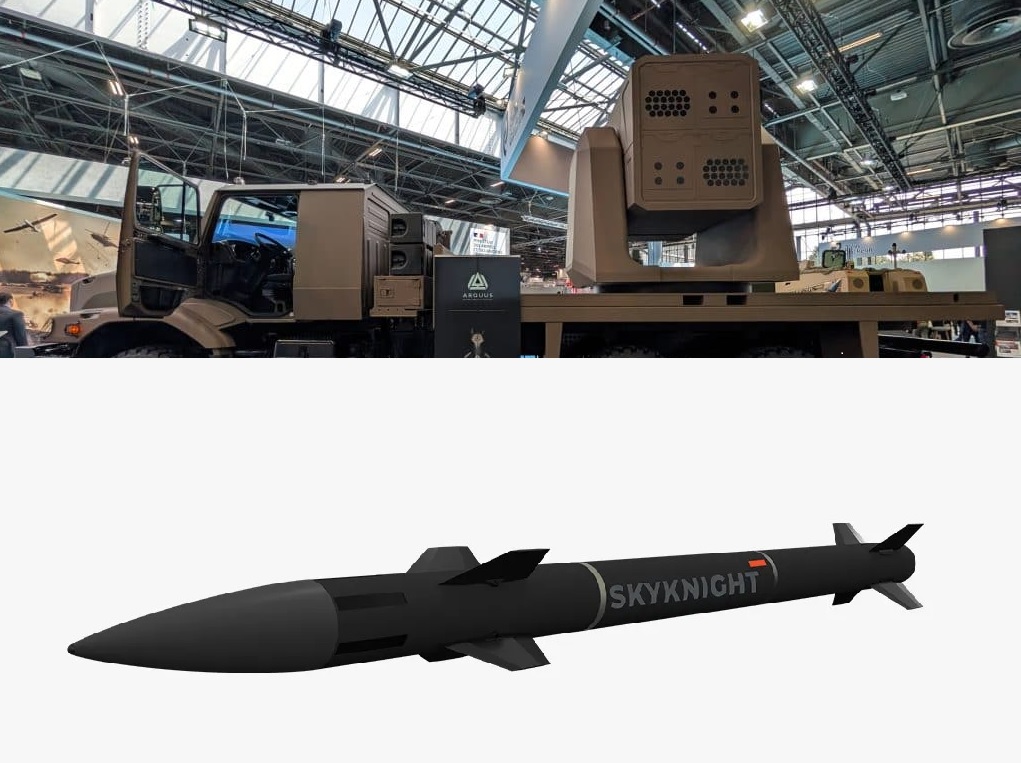 Naval Group Unveils Rampart Modular CIWS Multi-Purpose Weapon System for Naval and Ground Forces at Eurosatory 2026
-
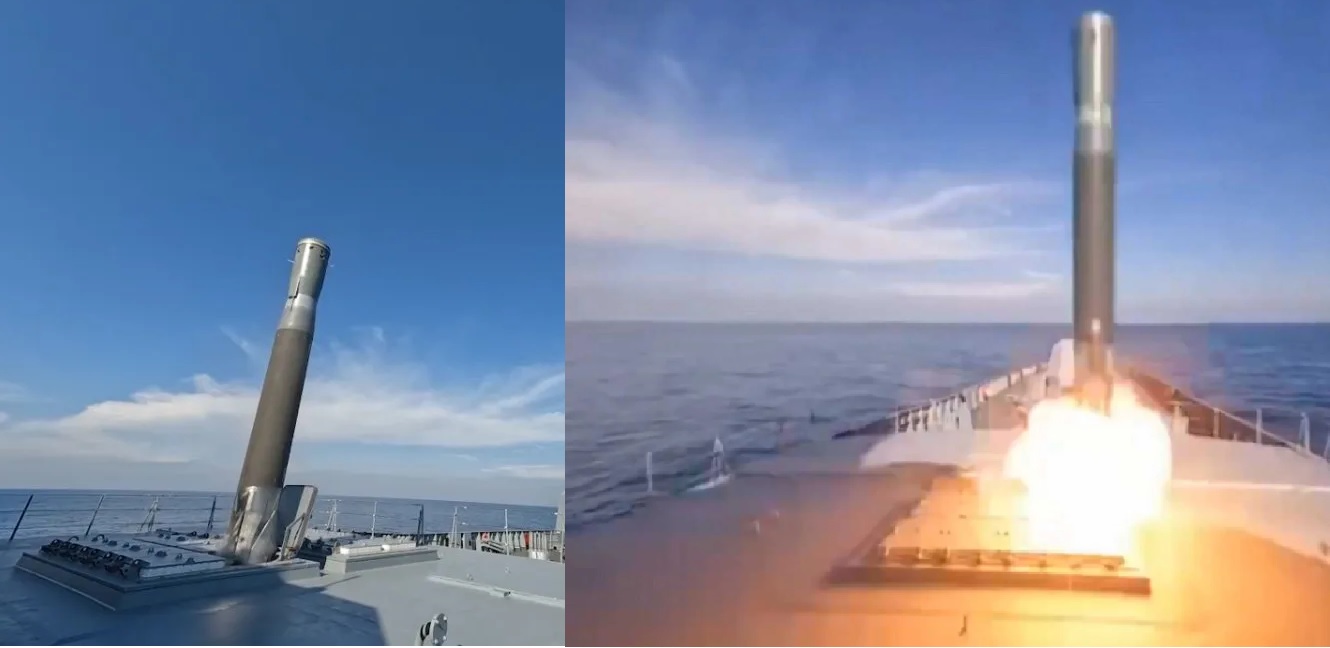 Open-Source Evidence Suggests Russia's Zircon Is a Quasi-Ballistic Missile, Not a True Hypersonic Cruise Weapon
-
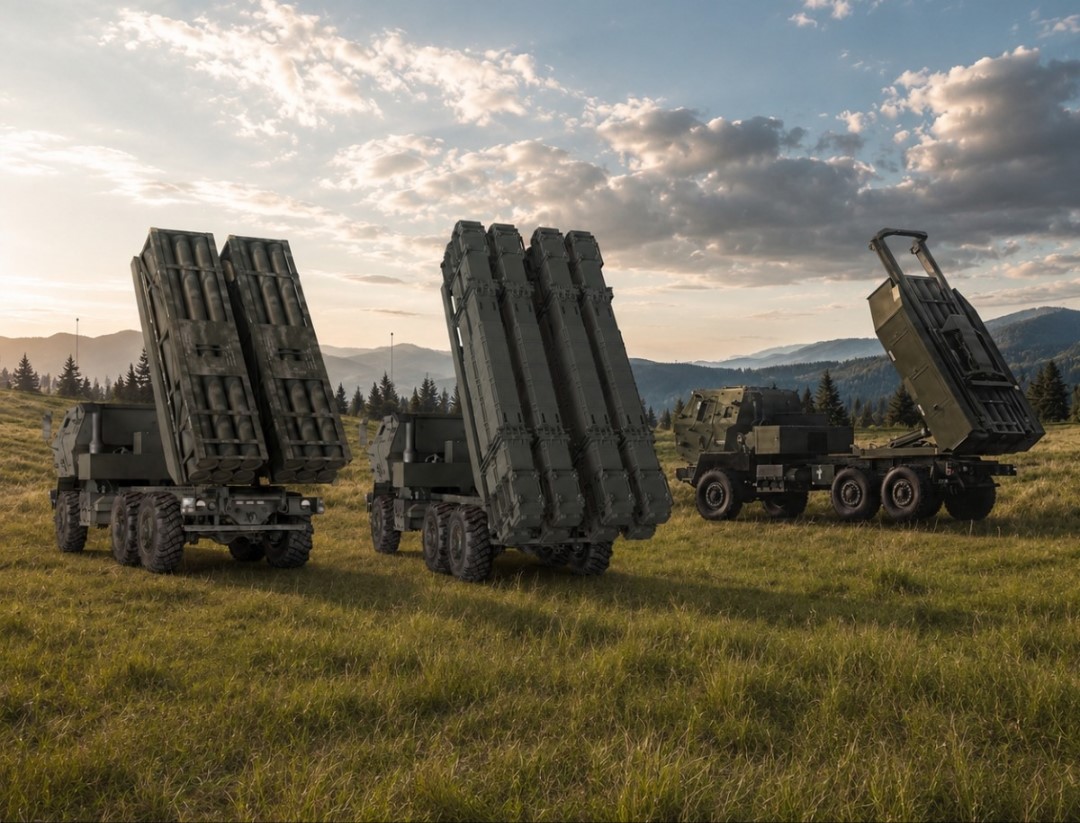 Lockheed Martin Unveils HIMARS FLEX with Dual-Pod Launcher and NATO-Compatible Air Defense Integration
-
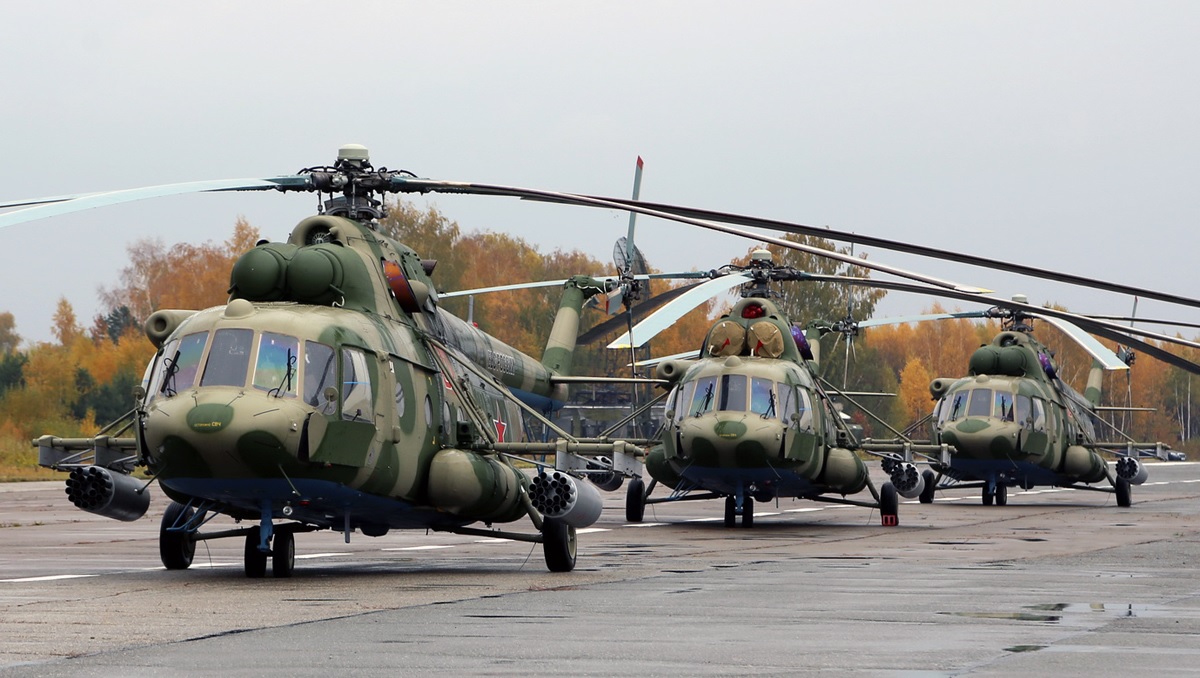 Iran Signs Deal with Russia for 20 Mi-8 and Mi-17 Helicopters to Boost Rescue and Medical Missions
-
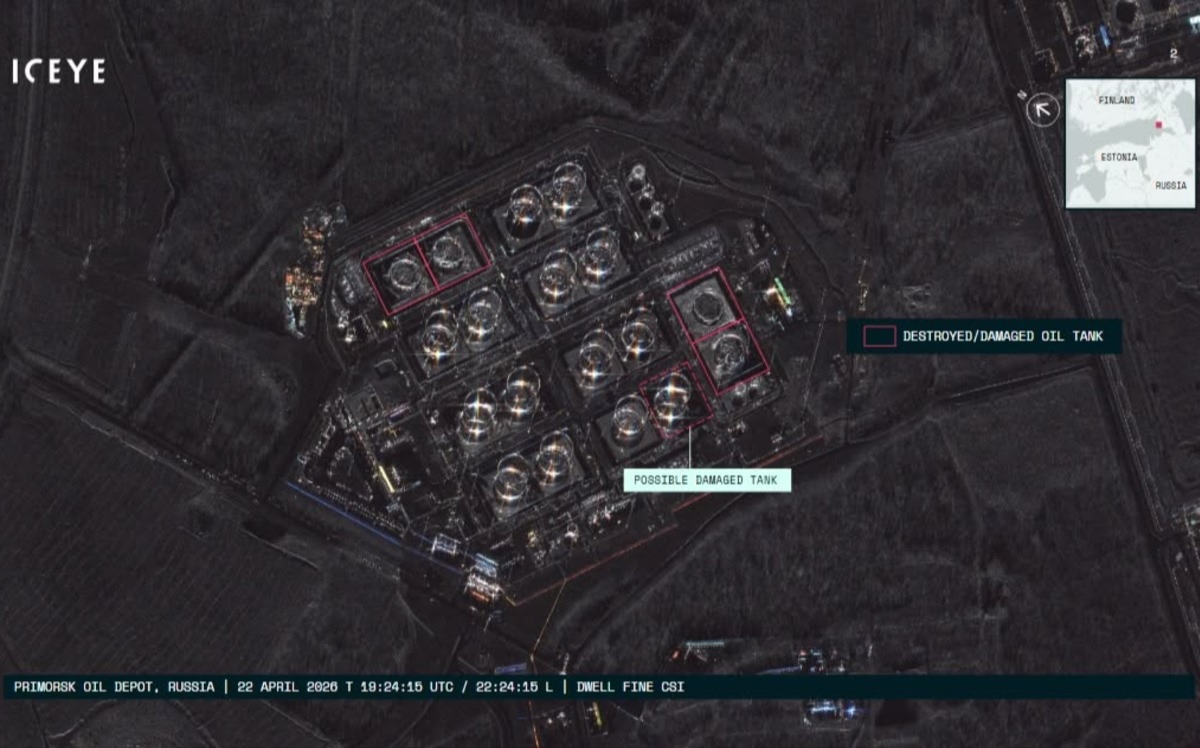 Portugal Doubles Sovereign SAR Satellite Fleet with Order for Two Additional ICEYE Satellites
-
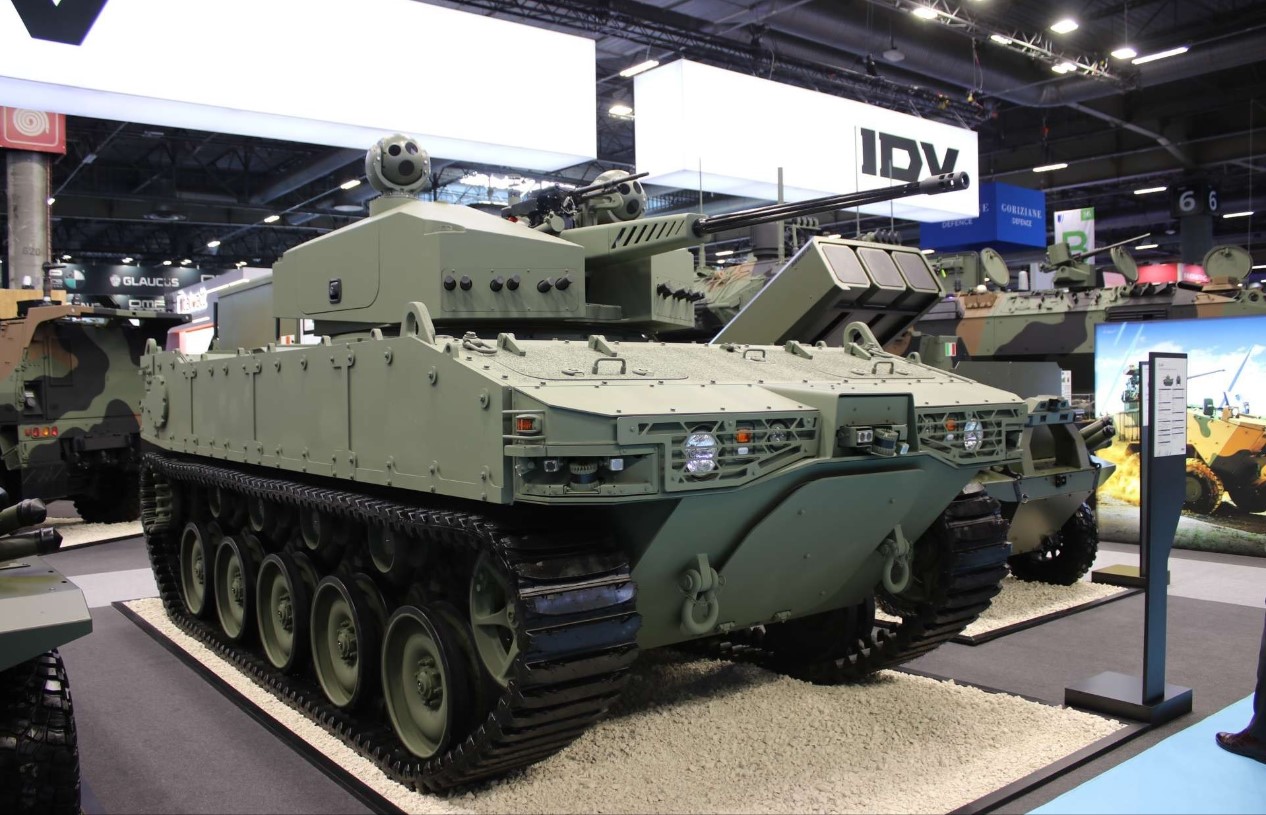 IDV Unveils CL2X Hybrid Uncrewed Light Tank at Eurosatory 2026
-
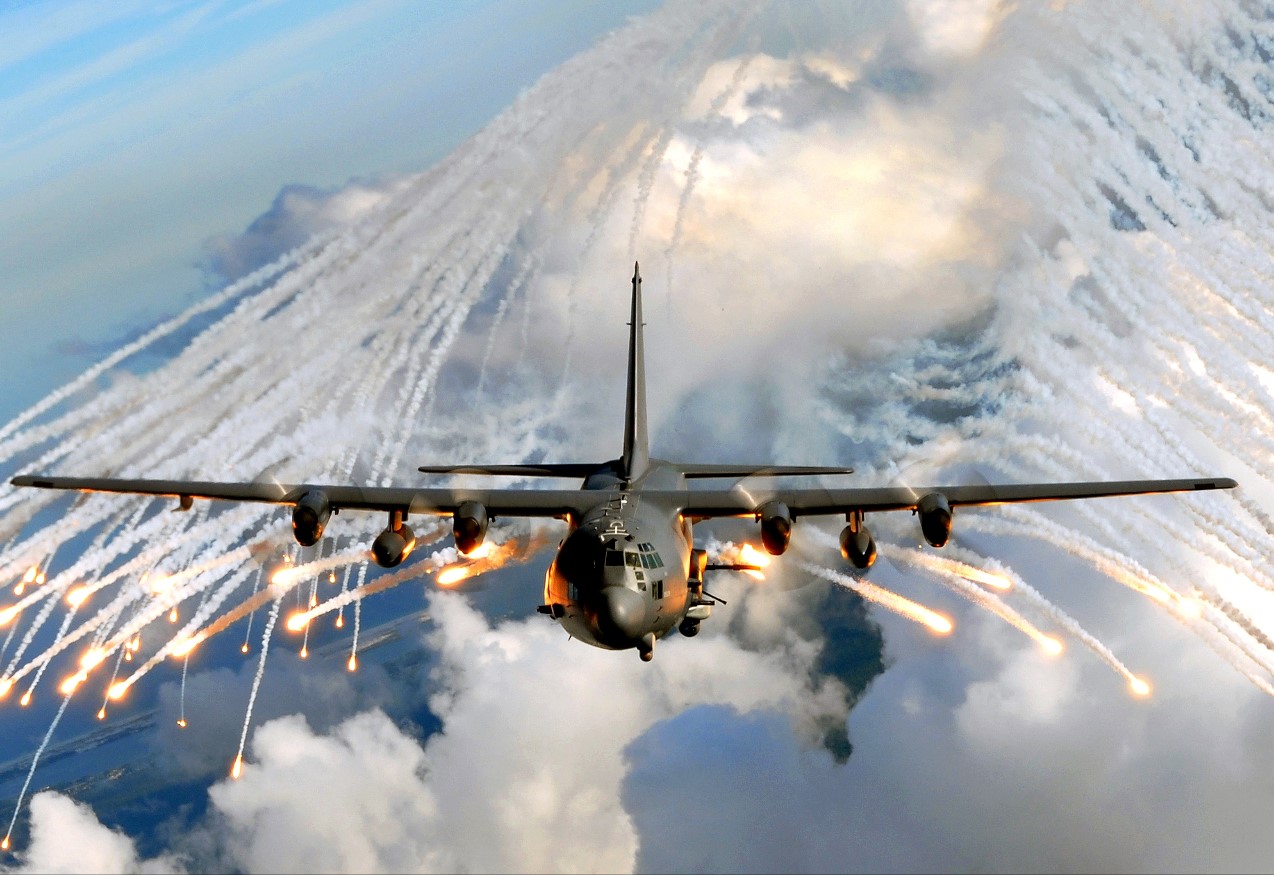 Pentagon Expands Alloy Surfaces Contract to $328.8 Million for Advanced Aircraft Decoy Flares Amid Evolving Drone Threats
-
 Why the U.S. Restored Pacific Command Name, Ending the Indo-Pacific Designation After Eight Years
Top Trending in 4 Days
-
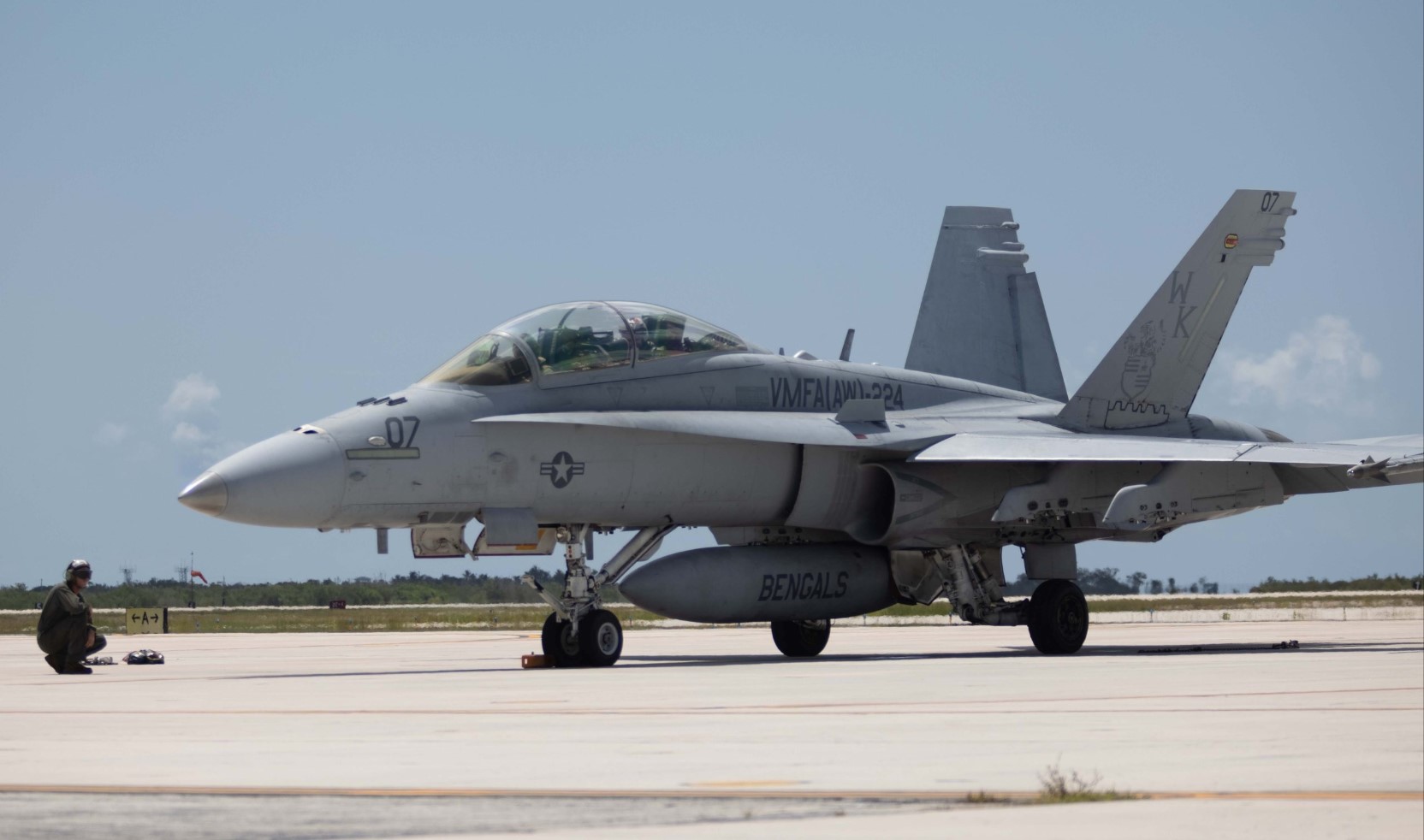 US Marine Corps F/A-18D Hornet Crashes During Training Flight in Washington Mountains; Pilot Ejects Safely
-
 Tulsi Gabbard Releases Declassified Files Detailing U.S.-Backed Network of 120 Biolaboratories Across 30+ Countries
-
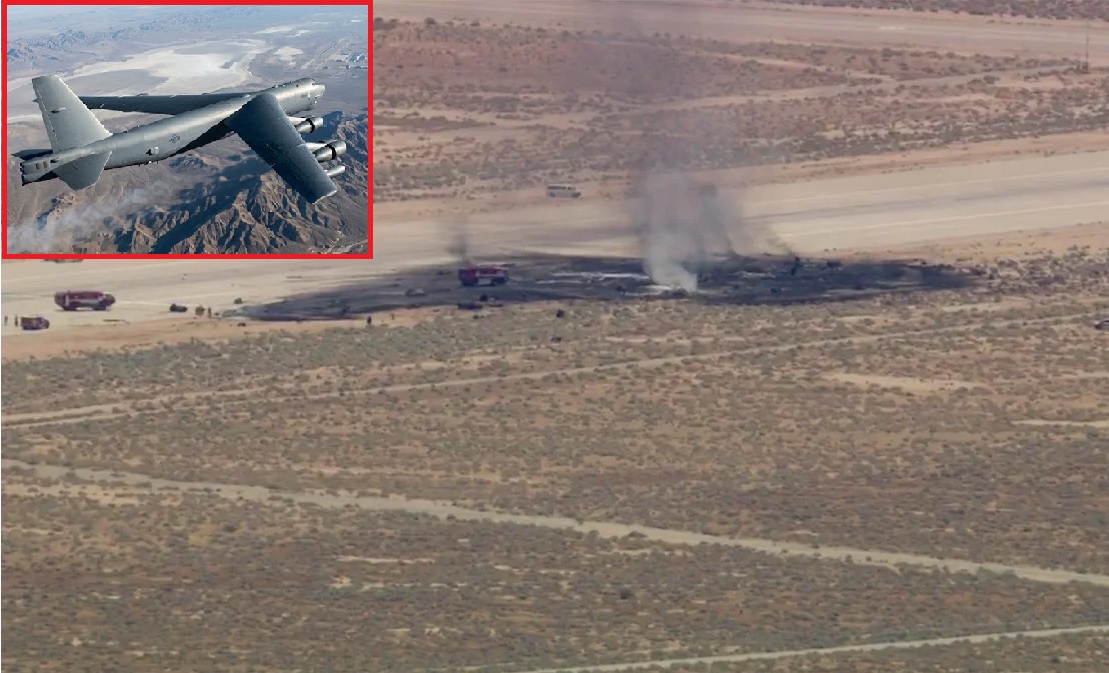 8 U.S. Air Force Crew Members Killed in B-52 Bomber Crash During Test Flight at Edwards Air Force Base
-
 Ukraine Introduces Balloon-Launched DART Missile Designed to Defeat Electronic Warfare
-
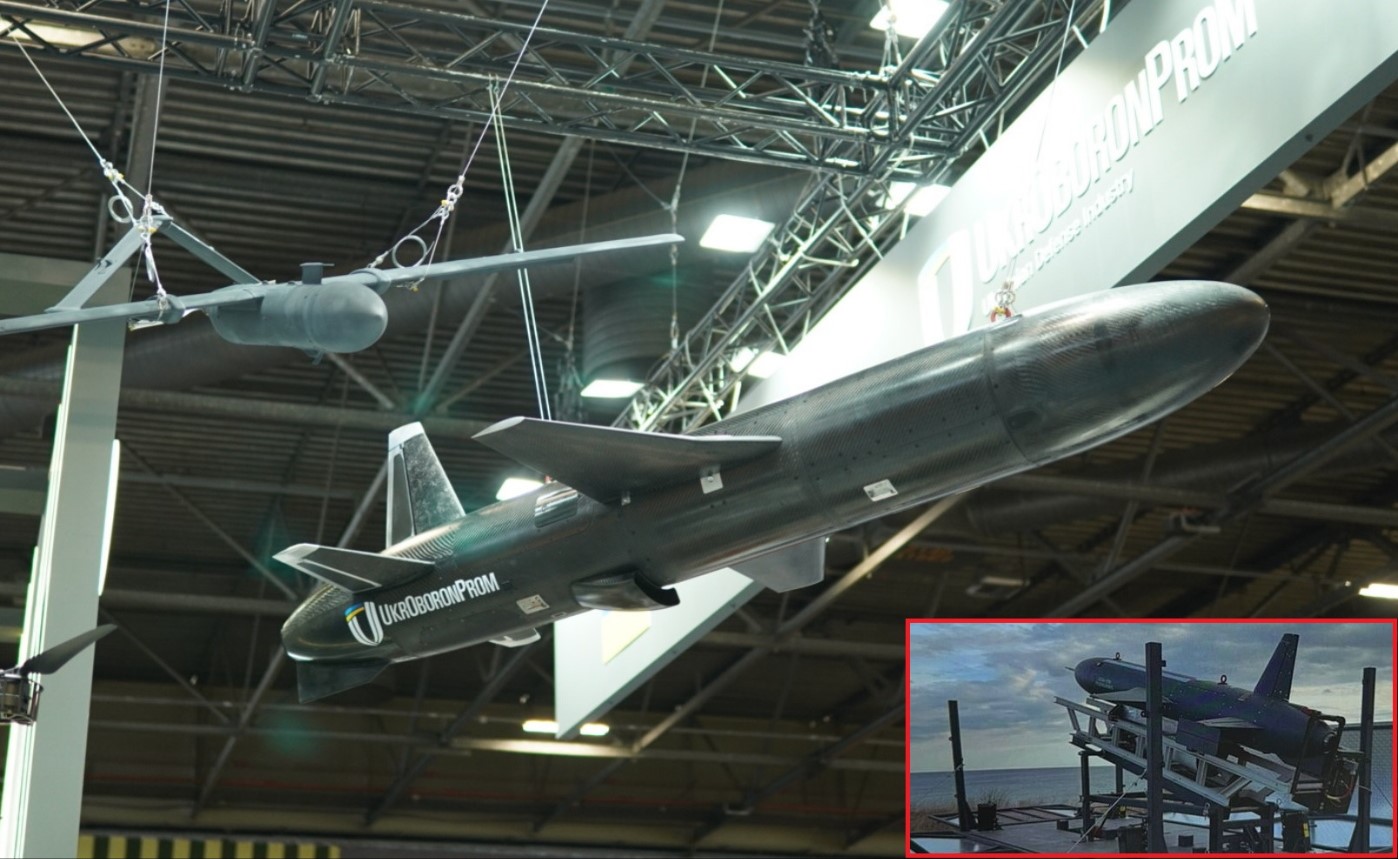 Ukraine Unveils UAV-290 Jet-Powered Strike Drone with 650 km Range at Eurosatory 2026
-
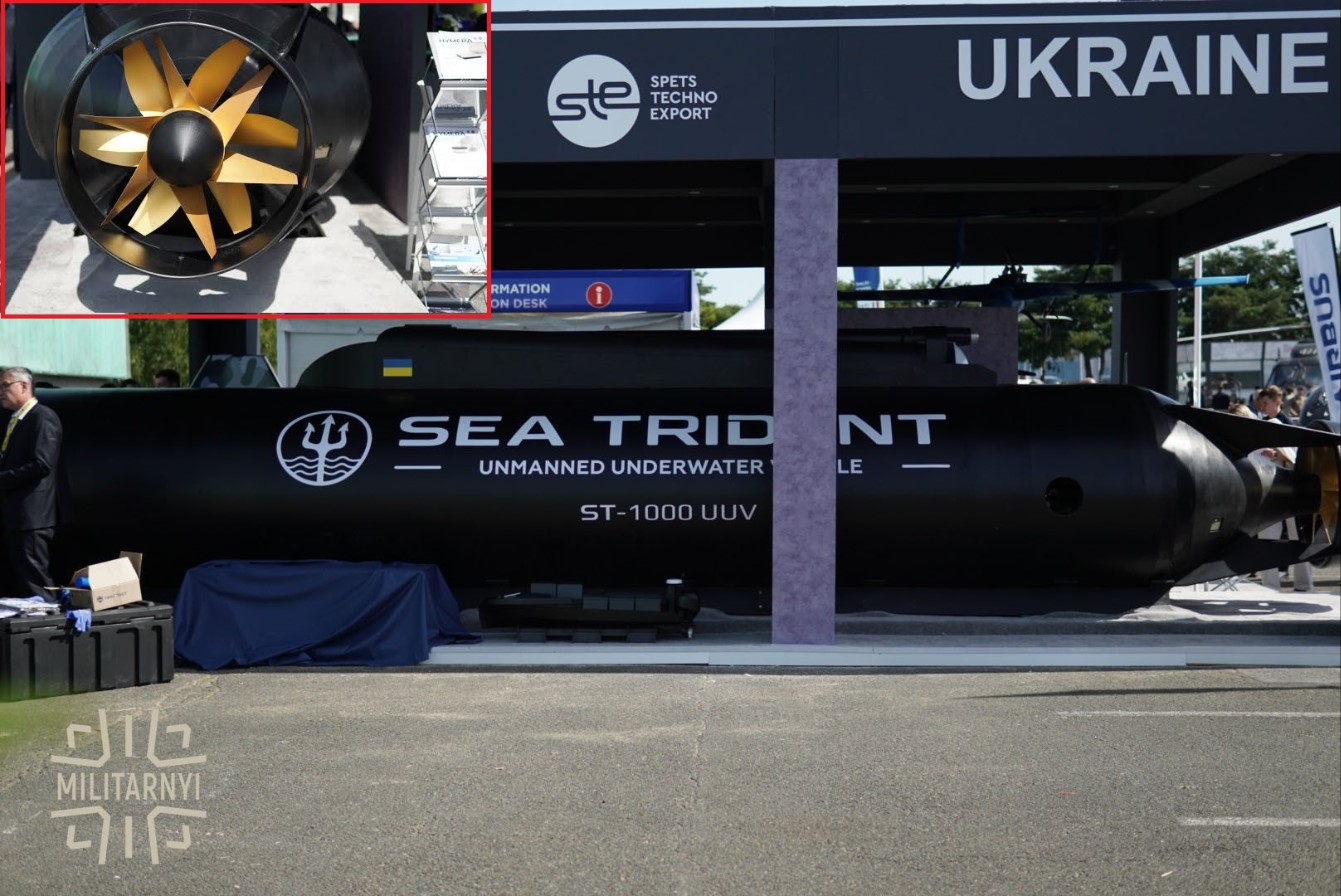 Ukraine Unveils 'Sea Trident' 10-Ton Autonomous Underwater Drone at Eurosatory 2026
-
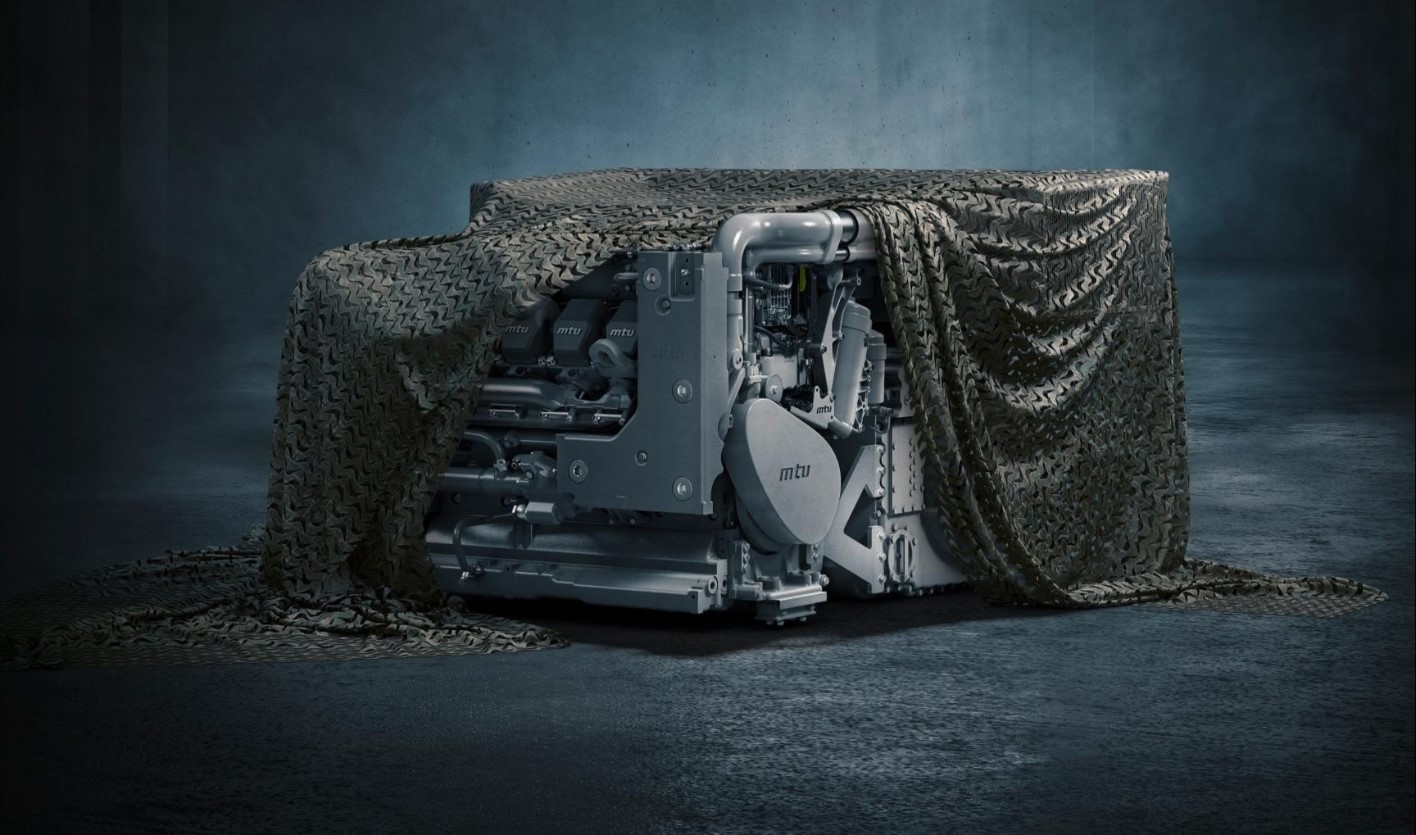 Rolls-Royce Unveils New Hybrid Powertrain for Heavy Military Vehicles at Eurosatory 2026
-
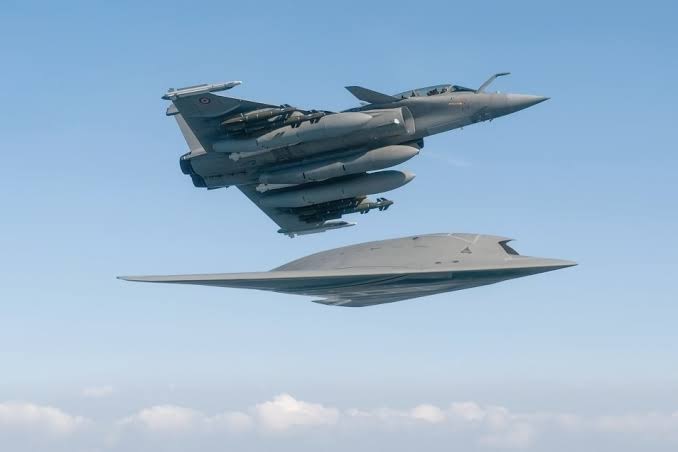 France Agrees to Equip Future Indian Rafales with AI, MUM-T and Secure Satellite Links Under F5 Standard