
India
Chennai is rapidly emerging as a hub for cutting-edge transportation technology, with TuTr Hyperloop, a deep tech startup incubated at IIT Madras, at the forefront of this transformation. The company is working towards building a hyperloop network in India that promises to revolutionize travel with speeds reaching up to 600 km/h. This groundbreaking project, which blends futuristic technology with practical applications, is bringing India closer to a future of ultra-fast, efficient, and sustainable transportation.At the heart of this effort is the construction of the world’s first 410-meter hyperloop test track at IIT Madras' Discovery campus in Thaiyur, Chennai. This test track, when completed, will serve as a proving ground for the technologies that will eventually power India’s hyperloop system. The hyperloop concept, a transportation method where pods move through low-pressure tubes, allows for near-supersonic travel speeds, with minimal energy consumption.TuTr Hyperloop has already reached significant milestones. The company has developed a prototype for a linear induction motor, a key component in driving hyperloop pods, which is currently undergoing rigorous testing. But the technological journey doesn’t stop there. The next major hurdle is the development of the levitation system, a technology that will enable the pod to float and glide through the tube, eliminating friction and further increasing speed potential. Testing for this aspect is expected to begin soon, with the team pushing hard to refine the system for both safety and scalability.Dr. Aravind S Bharadwaj, Founder Director of TuTr Hyperloop, envisions this system as more than just a futuristic mode of travel. Instead, he aims to make hyperloop a commercially viable technology that can complement India’s existing transportation infrastructure. According to him, the first practical goal is not simply achieving maximum speed, but creating a system that can enhance India’s current Metro Rail networks by adding high-speed corridors that would allow commuters to travel 60 kilometers in just 15 minutes. Such corridors could make travel between cities or key transport hubs far more efficient and accessible.The hyperloop pods themselves are designed to carry around 30-40 passengers at a time, making them ideal for high-capacity, rapid transit. In addition to passenger transport, the technology holds enormous potential for freight movement, particularly in logistics-heavy industries like port operations and mining. With the ability to transport goods quickly over long distances, hyperloop could become a game-changer for India's supply chains.TuTr Hyperloop has garnered strong backing from both the government and the private sector. Industry giants like Larsen & Toubro, ArcelorMittal, Hindalco, Dassault, Ansys, and TI have thrown their weight behind the project, providing funding and technological support. This level of industry confidence signals the transformative potential of hyperloop in India’s transportation landscape.One of the primary challenges that TuTr is focusing on is cost-efficiency. Developing hyperloop technology on a large scale is a massive investment, and keeping costs low is critical to making the system affordable and widely accessible. If successfully implemented, this new transportation system could offer a faster, greener, and more cost-effective alternative to road and air travel for both passengers and freight.The potential impact of this technology on India’s future is vast. As the nation’s cities continue to grow and its transportation needs become more urgent, hyperloop could provide the high-speed connectivity necessary to support both economic growth and sustainability. Moreover, by leveraging cutting-edge technology developed domestically, TuTr Hyperloop is positioning India as a global leader in futuristic transport solutions.With the ambitious project advancing rapidly, the vision of hyperloop travel in India is no longer a distant dream. Instead, it’s becoming a tangible possibility that could reshape how Indians move, work, and live—bringing the country closer to a transportation revolution powered by speed, efficiency, and innovation.
Read More → Posted on 2024-09-25 15:14:57
India
In a significant development for defense cooperation, Boeing's subsidiary Liquid Robotics and India's Sagar Defence Engineering have entered into an agreement to co-develop and co-produce Unmanned Surface Vehicles (USVs). This partnership marks a pivotal moment in the deepening defense ties between Washington and New Delhi, with both nations seeking to enhance their technological and defense capabilities. The collaboration was officially announced during Indian Prime Minister Narendra Modi's visit to the United States, coinciding with the Quad meeting and the UN General Assembly. At the heart of this new partnership is Boeing’s cutting-edge USV, the Wave Glider, a state-of-the-art vehicle powered by both wave and solar energy. The Wave Glider is primarily used for ocean research, climate modeling, and monitoring seismic and tsunami activity, making it a versatile tool in modern maritime applications. With its unique propulsion system and endurance in challenging ocean environments, the USV has proven invaluable not just for research but also for supporting offshore energy operations. By expanding this technology into the Indian defense ecosystem, the partnership aims to enhance maritime security in the Indo-Pacific region.Shane Goodenough, CEO of Liquid Robotics, highlighted the strategic importance of this collaboration, stating, “The Wave Glider is an ideal system for fostering collaboration between the U.S. and Indian governments and strengthening tactical readiness in the Indo-Pacific.” Goodenough also emphasized that Sagar Defence has a strong track record in integrating unmanned systems into defense missions, making them an ideal partner for this venture.Sagar Defence, an Indian leader in unmanned maritime systems, will play a crucial role in not only producing the Wave Gliders but also adapting them to local defense requirements. This partnership will bolster India's defense readiness while simultaneously promoting the transfer of high-end technology. The co-production plan is expected to create a robust defense manufacturing framework that aligns with India’s "Make in India" initiative.The White House also acknowledged the significance of this partnership in a statement released on September 21, emphasizing its role in strengthening the U.S.-India strategic defense partnership. This collaboration is one among several other key initiatives between the two nations, including Lockheed Martin's agreement with Tata Advanced Systems to establish a maintenance facility for C-130J Super Hercules aircraft in India.The U.S.-India defense relationship has evolved over the past decade, beginning with the 2012 launch of the Defence Technology and Trade Initiative (DTTI), which was intended to deepen technological collaboration. Despite initial hurdles, particularly with India's complex acquisition processes, recent efforts under the Biden administration aim to accelerate defense cooperation through initiatives such as the India-U.S. Defence Acceleration Ecosystem. One notable effort under this initiative is the INDUSWERX consortium, designed to provide Indian and U.S. companies with access to premier defense testing ranges. This program is part of a broader strategy to facilitate greater collaboration between defense and dual-use technology firms in both countries. With agreements like the one between Boeing’s Liquid Robotics and Sagar Defence, there is a clear momentum building in defense technology co-development between the U.S. and India.This partnership is not just about enhancing defense capabilities but also about fostering long-term industrial cooperation. It represents a major step forward in India’s efforts to modernize its defense forces while building an advanced manufacturing ecosystem at home. Both nations are expected to benefit strategically and economically from the new defense initiatives, strengthening their collective maritime security and defense technology sectors. As India and the U.S. continue to pursue common goals in defense cooperation, agreements like this will play a critical role in shaping the future of the Indo-Pacific’s security architecture.
Read More → Posted on 2024-09-25 15:12:42
India
After a delay stretching over six months, Boeing is set to deliver the first three AH-64E Apache attack helicopters to the Indian Army by December. This development follows supply chain disruptions that have hampered the original delivery schedule. The initial batch, which was supposed to arrive in May, has been pushed to the end of this year. Another set of three helicopters, part of India's order, will follow in the coming months.India has been eagerly awaiting these helicopters due to their critical role in enhancing the Army’s combat capabilities, particularly on the western front. The AH-64E Apache is regarded as one of the most advanced and deadly attack helicopters in the world. With its sophisticated systems, it can perform in diverse combat conditions, including anti-armor operations. The Apaches’ ability to destroy tanks, vehicles, and other assets makes them a perfect fit for India’s western desert terrain. However, their capabilities are somewhat limited in high-altitude operations, which is why they are better suited for lower elevations like the deserts near the border.A source familiar with the defense deal mentioned that the delivery delay was discussed with U.S. officials at a political level during the Indian Defense Minister's official visit in August. The Indian government urged the U.S. to expedite the process given the importance of these helicopters for the Army's strategic plans.The Apache AH-64E is equipped with advanced avionics, including the latest generation of targeting systems like the Longbow radar, which enables it to track and engage multiple targets at once. Its Hellfire missiles, Hydra 70 rockets, and 30mm M230 Chain Gun make it lethal on the battlefield. The helicopter also has a top speed of 293 km/h and a range of about 476 km, giving it both speed and endurance in combat scenarios. India’s defense acquisition of the Apache helicopters began in 2020, with a deal valued at around $800 million. The deal not only covers the delivery of six Apaches but also includes training for six Army pilots and 24 technicians, ensuring the helicopters are operated and maintained effectively. The 451 Aviation Squadron, which was established in Jodhpur in March, will be the first Indian Army unit to operate these helicopters. The squadron will complement India’s existing fleet of indigenous Light Combat Helicopters (LCH), adding a formidable punch to the Army’s air assault capabilities.Before this, the Indian Air Force had already inducted 22 Apache helicopters as part of a previous deal. The Indian government had initially approved the procurement of 39 Apache helicopters, with 22 going to the Air Force and the remainder earmarked for the Army. This time, the Army is keen to procure even more Apache helicopters to further strengthen its attack capabilities. Last year, the Chief of Defence Staff initiated a study to assess the need for more armored helicopters across all three services—Army, Navy, and Air Force. The study supported the Army’s request for an additional 11 Apaches, bringing the total number of desired helicopters to 39, matching the original procurement target.As the December delivery date approaches, the arrival of these first three Apaches will mark a significant milestone in the modernization of India's military aviation capabilities. The Army, which has long sought a dedicated fleet of attack helicopters, will finally see the Apache join its ranks, a move that is set to redefine how India approaches close air support and battlefield operations.
Read More → Posted on 2024-09-25 15:09:53
India
Apollo Micro Systems Ltd (AMSL), a prominent name in India's defense and aerospace sectors, has taken a significant leap forward with its latest collaboration with the Defence Research and Development Organization (DRDO). On September 18th, DRDO’s Armament Research and Development Establishment (ARDE) selected the Hyderabad-based company for the technology transfer of the PRACHAND anti-tank munition hardware, marking an important milestone in India's efforts to boost indigenous defense production.The PRACHAND is a cutting-edge anti-tank munition designed to destroy heavily armored enemy vehicles with precision. It operates by delivering a full-width attack, ensuring that the target is neutralized with maximum impact. This is especially critical in modern warfare, where armored vehicles play a decisive role on the battlefield. The ability of the PRACHAND to penetrate these formidable defenses makes it an invaluable asset for the Indian Armed Forces.With this technology transfer, Apollo Micro Systems will now be responsible for mass-producing the PRACHAND munition hardware, aligning with India’s overarching goal of achieving self-sufficiency in defense technology. This move is not just about increasing production; it’s about enhancing India’s strategic autonomy in developing and deploying sophisticated military equipment.The transfer of the PRACHAND tech underscores the DRDO’s confidence in Apollo Micro Systems' capability to handle large-scale production, maintaining the quality and efficiency required for military hardware. With years of experience in defense electronics and aerospace technology, Apollo Micro Systems is well-positioned to scale up production to meet the high demands of the Indian Army.In addition to its anti-tank capabilities, the PRACHAND’s design likely incorporates modern guidance systems to enhance its accuracy and effectiveness against moving targets, though official details about such systems are often kept under wraps for security reasons. It’s this blend of high-tech features and battlefield-tested reliability that makes PRACHAND a game-changer in anti-tank warfare.Apollo Micro Systems has committed to ensuring the timely and efficient production of these munitions, contributing to India’s broader “Make in India” initiative in defense. The company’s existing infrastructure, coupled with its expertise in high-end defense hardware, provides the necessary foundation to meet these goals.In the coming years, this partnership between DRDO and Apollo Micro Systems is expected to not only bolster India’s defense manufacturing capabilities but also to set a precedent for future collaborations in other critical areas of military technology. By producing the PRACHAND munition domestically, India moves one step closer to its goal of becoming a global defense manufacturing hub, reducing dependency on foreign imports and solidifying its place in the global defense landscape.This development also signals a broader shift towards greater private sector participation in India's defense industry, a trend that is likely to continue as the country invests more heavily in modernizing its military infrastructure.
Read More → Posted on 2024-09-25 15:03:48
India
The Indian Army is on the verge of enhancing its anti-tank capabilities with the introduction of the Sarisa CLIPON Thermal Imager, set to be integrated into the Konkurs anti-tank guided missile (ATGM) launchers next week. Developed by Tonbo Imaging, a leader in cutting-edge imaging systems, this new addition promises to offer greater precision and operational effectiveness in the battlefield.The Sarisa CLIPON is a sophisticated Long-Wave Infrared (LWIR) thermal imager, designed to give soldiers a tactical advantage by allowing them to lock onto and engage both stationary and moving targets under a wide range of challenging conditions. Whether it's during nighttime operations, in adverse weather, or on terrain obscured by dust and smoke, this imager ensures that the Konkurs launcher can still function with pinpoint accuracy. The Sarisa operates in the LWIR spectral range, which is particularly useful for long-range threat detection and identification, making it an invaluable asset for modern combat scenarios.One of the standout features of the Sarisa is its ease of integration. The thermal imager is mounted in a "CLIPON" fashion, meaning it attaches directly in front of the Konkurs ATGM launcher's optics channel. This innovative design allows the thermal imager to work seamlessly with the Konkurs’ direct view optics, eliminating the need for additional zeroing or adjustments by the operator. Soldiers can use the same sight channel for both optical and thermal imaging, streamlining operations and reducing the time needed to engage a target. This setup significantly boosts the operational efficiency of the Konkurs launcher in high-stakes combat situations.Additionally, the Sarisa thermal imager is designed with both safety and durability in mind. It features an ergonomic housing with shock absorbers to protect the device during intense field operations. Moreover, it comes with a face shield that offers protection to the gunner during missile launch, making it a more reliable and soldier-friendly system.This technological upgrade is expected to strengthen the Indian Army’s combat capabilities against armored threats. The Konkurs ATGM, already a proven system, will now be able to detect, recognize, and engage targets more effectively thanks to the Sarisa CLIPON’s enhanced thermal imaging capacity. With this new capability, Indian soldiers will have the means to operate with higher accuracy and effectiveness, even in some of the most challenging battlefield conditions.The integration of the Sarisa CLIPON Thermal Imager into the Indian Army's arsenal marks a step forward in modernizing its anti-tank defenses. As the Army continues to evolve and prepare for future threats, this new technology will play a crucial role in ensuring that its troops remain equipped with the most advanced systems available.
Read More → Posted on 2024-09-24 15:24:27
India
In the challenging terrains of high-altitude regions, where temperatures often plummet to life-threatening sub-zero levels, India’s armed forces face a daunting battle not just against adversaries, but also against the elements. Enter *SnowTent*, an innovative solution developed by Hyderabad-based Enertech Engineering Private Limited, a company that has embraced the Aatmanirbhar Bharat initiative with a vision to provide warmth and safety for soldiers stationed in these extreme environments. SnowTent is a marvel of modern engineering designed to offer crucial support to troops deployed in high-altitude and sub-zero regions like the northern borders. The innovation lies in its ability to create a warm, secure shelter in some of the most inhospitable terrains on Earth. What sets SnowTent apart from other military shelters is its 3-in-1 kerosene heating system. This unique feature ensures a continuous supply of heat, regardless of how brutal the weather gets. Even when temperatures plunge to dangerous lows, SnowTent’s heating system keeps the inside comfortably warm, preventing soldiers from succumbing to frostbite or hypothermia. The system’s efficiency makes it possible to maintain warmth with minimal kerosene consumption, which is a critical aspect for troops operating in remote locations where resupply can be a challenge.In addition to its robust heating system, SnowTent is equipped with a solar-powered electricity setup, which provides sustainable energy for lighting and basic electrical needs. This is not just an eco-friendly solution but also a critical feature that reduces reliance on external fuel supplies. The solar panels ensure that even when cut off from conventional power sources, the tent remains lit and functional, enabling soldiers to perform essential tasks after dark.Enertech’s Director, Avish Chandha, proudly highlighted that SnowTent is entirely designed and manufactured in Hyderabad, showcasing the strength of Indian innovation in defense technology. The tent's portability is another significant advantage. It can be disassembled and packed into three compact bags, making it easy to transport via helicopters or trucks. For troops stationed in remote and often inaccessible areas, this portability ensures that they can quickly set up or relocate their shelter without a heavy logistical burden.Safety is also a top priority in SnowTent’s design. The fabric used in its construction is 100% fire-retardant, offering protection against potential fire hazards. This is especially critical in tents equipped with heating systems, where the risk of accidental fires can be a concern. By incorporating fire-retardant materials, Enertech ensures the safety of its occupants, even in extreme conditions.The Border Roads Organization (BRO), which plays a pivotal role in constructing and maintaining roads in India’s border areas, has already recognized the immense value of SnowTent. The organization has procured a significant number of these tents to provide comfortable accommodation for their staff working in challenging environments. The tents not only improve the comfort of BRO personnel but also enhance their efficiency, as they are better able to focus on their tasks without worrying about the harsh weather.SnowTent is more than just a shelter—it is a symbol of India’s growing self-reliance in defense technologies. Developed under the Aatmanirbhar Bharat initiative, it exemplifies the country’s efforts to innovate and reduce its dependence on foreign military supplies. As India strengthens its presence in high-altitude areas, particularly along its northern borders, solutions like SnowTent will play an indispensable role in ensuring the well-being of its soldiers.In the larger context, SnowTent represents a crucial step towards building a sustainable, indigenous defense industry. Its blend of advanced technology, practical design, and sustainability underscores India’s capacity to meet the unique challenges faced by its armed forces. As India continues to innovate in defense and military infrastructure, products like SnowTent will ensure that the country’s soldiers remain safe, warm, and ready to face any challenge, no matter how extreme the environment.
Read More → Posted on 2024-09-24 15:12:31
India
The Indian Army has taken a leap forward in modernizing its capabilities for high-altitude warfare, deploying 100 robotic mules to enhance logistics support in extreme terrains. As part of this push, the Army is also evaluating logistics drones and specialized tents designed to withstand freezing conditions of -40°C. These new technologies are tailored to improve efficiency and the overall well-being of soldiers stationed in some of the most unforgiving environments on Earth, including the Siachen Glacier.Robotic Mules: A Game-Changer for High-Altitude LogisticsIn high-altitude regions like Siachen, the extreme cold, steep terrain, and lack of proper roads make it incredibly difficult to transport supplies. The introduction of robotic mules, procured under emergency provisions, aims to solve this logistical challenge. These robotic mules are designed to navigate complex terrains, including river crossings and stairs, which are often encountered in high-altitude warfare. Capable of carrying loads up to 15 kg, the robotic mules can operate in temperatures as low as -40°C and as high as 55°C, making them versatile for a wide range of environments. What sets these mules apart is their ability to operate autonomously, helping transport crucial supplies such as food, ammunition, and medical equipment to troops deployed in hard-to-reach locations. The high mobility and endurance of these robotic assistants will greatly reduce the dependency on human porters and traditional pack animals like mules and yaks.Logistics Drones: The Future of Supply in High-Altitude WarfareIn addition to robotic mules, the Indian Army is testing logistics drones to improve supply chains in remote areas. One of the standout performers, the CargoMax 4000Q drone, caught the Army's attention during the recent Drone-A-Thon 2 competition. This drone is capable of carrying a load of up to 50 kg and can fly up to 10 kilometers, reaching altitudes of 6000 meters. If successful, the Army plans to roll out these drones to support quicker, safer, and more efficient deliveries of essential supplies.These drones can significantly enhance the Army's ability to supply troops in otherwise inaccessible areas. Whether delivering emergency medical supplies, rations, or equipment, these logistics drones could minimize the risk associated with traditional methods of supply delivery, which often involve treacherous treks by foot or air drops that can miss their target zones due to the challenging weather conditions.Peak Pods: Revolutionary Shelter for Extreme ColdWhile maintaining logistics is crucial, ensuring the safety and comfort of soldiers in harsh climates is equally important. The Indian Army is evaluating new tents, dubbed Peak Pods, designed to keep troops safe in temperatures as low as -40°C. These high-altitude tents are a vital upgrade from traditional shelters, offering a sustainable and energy-efficient solution. Despite the sub-zero conditions outside, the internal temperature of these tents remains a comfortable 15°C, without the need for fuel or electricity.Each tent is equipped with an inbuilt bio-toilet, addressing hygiene and waste management issues in the isolated, freezing environments soldiers operate in. This eco-friendly solution is not just a game-changer in terms of comfort but also ensures that the environmental footprint in sensitive high-altitude areas is minimized.Modernization for Siachen and BeyondThe deployment of robotic mules, trials of logistics drones, and evaluation of advanced shelter solutions like Peak Pods highlight the Indian Army's focus on modernizing its approach to high-altitude warfare. These innovations aren't just about enhancing efficiency but also about improving the overall quality of life for soldiers stationed in some of the world's most challenging terrains, such as the Siachen Glacier.With these advancements, the Indian Army is setting new benchmarks for how military operations can be conducted in extreme conditions. The use of robotic mules, drones, and state-of-the-art shelter systems will not only make logistics easier but also provide soldiers with much-needed relief from the harsh elements they face daily. This is a clear indication that the Army is looking toward the future, ensuring that technology plays a crucial role in maintaining readiness and resilience in high-altitude warfare.
Read More → Posted on 2024-09-24 15:07:33
India
The Indian Navy's MQ-9B Predator drone, a high-altitude, long-endurance (HALE) remotely piloted aircraft leased from General Atomics, crashed off the coast of Chennai last week due to a failure in its power systems. The incident has raised concerns about the operational reliability of the drones, prompting the Navy to seek a detailed report from the manufacturer, General Atomics.The MQ-9B Predator, known for its advanced surveillance and reconnaissance capabilities, was on a routine mission when the onboard power generators and batteries failed mid-flight. This technical failure made it impossible for the drone to continue its mission safely, leading to a critical decision to deliberately ditch the aircraft in the sea to avoid any risk to people or property on the ground. According to defense sources, the drone was navigated to a safe area over the sea, where it was successfully ditched in a controlled manner.The Indian Navy operates these drones from INS Rajali, Arakkonam, under a lease agreement with General Atomics, an American defense contractor. The arrangement allows the Indian Navy to utilize the drones for maritime surveillance, paying only for the services provided. The drones are flown by American pilots employed by General Atomics, which manages operations under this agreement.The crash occurred around 2 PM during a routine surveillance mission, with Navy officials reporting that the technical failure could not be corrected in-flight. As a result, the drone was guided away from populated areas and intentionally brought down over the sea.The MQ-9B drones are a critical part of the Navy's intelligence and surveillance infrastructure, boasting impressive capabilities. These drones can fly at altitudes of up to 40,000 feet and remain airborne for over 40 hours, making them ideal for long-range maritime reconnaissance. They are equipped with advanced sensors, including synthetic aperture radars (SAR), maritime surveillance radars, and electro-optical/infrared sensors, allowing them to gather detailed intelligence over vast areas.In response to the crash, the Indian Navy has requested a comprehensive report from General Atomics to understand the root cause of the power system failure. This report is expected to provide insights into what went wrong and suggest measures to prevent such incidents in the future. Although the incident resulted in the loss of the drone, there were no injuries or damage on the ground, thanks to the controlled ditching in the sea.The crash underscores the importance of reliable power systems in unmanned aerial vehicles (UAVs) like the MQ-9B. Power generators and batteries are critical to the operation of the drone’s navigation systems, sensors, and communication equipment. A failure in these systems can render the aircraft inoperable, as seen in this incident.For the Indian Navy, this crash is a reminder of the risks involved in operating advanced unmanned systems, even with cutting-edge technology. The detailed report from General Atomics will be essential in determining how to enhance the reliability of these drones and ensure the safety of future operations.
Read More → Posted on 2024-09-24 14:58:33
India
In an effort to boost India’s naval aviation capabilities, the Defence Research and Development Organisation (DRDO) has proposed the acquisition of 8-10 Naval Light Combat Aircraft (LCA) MkI for the Indian Navy. These jets, specifically designed for aircraft carrier operations, are part of a strategic plan to gather valuable data and experience for the development of the upcoming Twin-Engined Deck-Based Fighter (TEDBF). The Naval LCA MkI is a modified version of the LCA Tejas, tailored to meet the unique challenges of naval operations. It has been tested on aircraft carriers and demonstrated its ability to take off and land on the INS Vikramaditya. Three prototypes, NP-1, NP-2, and NP-5, have already been developed and are instrumental in advancing naval aviation technology. These jets are intended not just to fill an operational gap but to serve as a testing ground for cutting-edge technology, ultimately guiding the development of the more advanced TEDBF.The TEDBF project is particularly significant because it is envisioned as a "5th-generation minus" fighter jet, meaning it will incorporate many next-gen capabilities but with certain compromises to ensure that it remains cost-effective and easier to maintain. Much of its design will borrow from the Advanced Medium Combat Aircraft (AMCA), a highly ambitious 5.5-generation fighter jet project in the works for the Indian Air Force. The decision to integrate technologies from both programs ensures streamlined development and a shared technological base, making the TEDBF a crucial part of India’s future defense strategy.One of the major advantages of acquiring the Naval LCA MkI now is that it gives the Indian Navy and the DRDO the opportunity to test and perfect technologies needed for TEDBF in a real-world environment. Lessons learned from these aircraft will guide the future design and development process, ensuring that the TEDBF is tailored to the Navy’s specific needs, including advanced radar systems, enhanced avionics, and the ability to carry a diverse range of weapons, from air-to-air missiles to anti-ship systems.This proposal is seen as a vital step in India's quest for defense self-reliance. By accelerating the development of homegrown fighter jets, India can reduce its dependence on foreign suppliers and strengthen its maritime security. With the Indian Ocean region becoming increasingly contested, having a robust and capable naval air fleet is essential for maintaining strategic dominance.In addition to providing critical data for the TEDBF program, the Naval LCA MkI jets will also serve a functional role for the Navy. They will be used for pilot training, operational testing, and possibly even limited combat roles, giving the Indian Navy experience with carrier-based air operations. This dual use of the aircraft—both as a test platform and a functional fighter jet—illustrates a smart, resource-efficient approach to defense development.The TEDBF itself is expected to be a two-engine aircraft, capable of operating from both the INS Vikramaditya and the newer INS Vikrant aircraft carriers. It will feature cutting-edge stealth capabilities, advanced radar, and a payload capacity capable of carrying a diverse arsenal. Although not a full-fledged 5th-generation jet, the TEDBF is designed to be a formidable air superiority and multi-role fighter, capable of engaging in aerial dogfights as well as conducting maritime strike missions.By acquiring the Naval LCA MkI now, India is ensuring that its naval aviation force continues to evolve. These aircraft are not only a temporary solution but a vital part of the learning curve for the development of future indigenous defense technologies. The DRDO’s proposal, if accepted, could accelerate the TEDBF program and ensure that India is better prepared for future challenges in naval warfare.This initiative signals India's strong commitment to advancing its defense technologies and expanding its naval capabilities, positioning the country as a key player in regional and global maritime security.
Read More → Posted on 2024-09-23 14:27:05
India
Nibe Limited, a prominent Indian aerospace and defense company, is gearing up to launch a cutting-edge constellation of 23 military-grade intelligence satellites. This ambitious project marks a major milestone in India's efforts to enhance its space-based surveillance and intelligence capabilities. The constellation is expected to be expanded to 40 satellites over time, signaling Nibe’s long-term vision for bolstering India’s strategic presence in space.The satellites in this constellation will be equipped with advanced Optical, Infra-Red, and Synthetic Aperture Radar (SAR) technologies. These tools are essential for providing high-resolution imagery and data in real-time, benefiting both military and civilian applications. From monitoring borders and conducting reconnaissance to supporting disaster management and environmental monitoring, the versatility of these satellites is key to India's growing reliance on space for national security and development.What makes this project even more significant is Nibe Limited’s partnership with global aerospace giants and key Indian space startups. Thales Alenia Space, a joint venture between French company Thales and Italian firm Leonardo, will supply essential components, including radar systems and satellite expertise. Their SAR technology, known for providing high-resolution images even in poor weather conditions or during the night, is crucial for defense operations. Larsen & Toubro, a major Indian conglomerate with extensive engineering capabilities, will play a key role in manufacturing and integrating the satellites. Adding to the innovation are India’s emerging space startups AgniKul and Skyroot. These companies, known for their breakthroughs in small satellite launch vehicles, are an essential part of India’s new space race. AgniKul, for example, has developed a highly adaptable rocket called Agnibaan, which can launch satellites on demand with precision. Skyroot is also pioneering the development of efficient rocket technologies that complement Nibe Limited’s satellite constellation plan.The successful deployment of these satellites will enhance India’s ability to gather intelligence from space with a level of sophistication previously limited to major space-faring nations. Nibe’s project, however, doesn’t just have military implications. The intelligence gathered from these satellites will also contribute to global issues like disaster response, agricultural monitoring, and climate change tracking. These satellites will be able to detect early signs of environmental disasters, track forest fires, or predict flooding patterns, giving the authorities crucial lead time for responding to crises.In addition to its strategic benefits, Nibe’s satellite project positions India as a rising player in the global space industry. With increasing competition in the space economy, India has been steadily building its commercial and governmental satellite capabilities. This constellation will elevate India’s standing as a technology hub for defense and space innovation, complementing the efforts of ISRO, the Indian Space Research Organisation.By investing in this constellation, Nibe Limited is contributing to India's growing role in space surveillance and intelligence-gathering. The satellites will be a vital asset for India's national security and an essential part of the country’s space strategy for the future. With the support of global and domestic partners, Nibe’s ambitious plan is set to redefine India’s place in the global space race.
Read More → Posted on 2024-09-23 14:18:56
India
In a frank and rare admission, DRDO Chairman Dr. Samir V. Kamat openly discussed the missteps involved in the development of the Kaveri engine for the Tejas Light Combat Aircraft (LCA). The Kaveri engine project, which began in the 1980s, was meant to provide India with an indigenous engine for its flagship fighter jet. However, Kamat acknowledged that trying to develop the engine in parallel with the aircraft was a "rookie mistake." This unconventional approach disrupted the entire timeline of the Tejas program, causing delays that stretched across decades.In the aerospace world, Kamat explained, aircraft are typically designed around existing engines rather than simultaneously developing a new one. Engine creation is an incredibly time-consuming and complex task, often taking 15 to 20 years to complete. The Kaveri engine’s development, for example, faced several technical hurdles. One of the major challenges was achieving the required thrust-to-weight ratio, a critical factor in determining a jet's performance. The engine also struggled with high-altitude testing and reliability issues during trials, making it unsuitable for the Tejas in its current form.As a result, the Indian Air Force (IAF) ultimately decided to use the GE F404 engine from General Electric for the Tejas, a decision that allowed the aircraft to move forward. But the Kaveri engine's development was not entirely in vain—it provided valuable lessons and continues to serve as the foundation for future engine research in India.Dr. Kamat emphasized that to avoid repeating past mistakes, the DRDO is now seeking international partnerships to co-develop next-generation high-thrust engines. Among the companies in talks are Safran from France, Rolls-Royce from the UK, and General Electric from the US. These partnerships are key to fast-tracking India's engine development capabilities, particularly since these global players bring decades of expertise and technological know-how. Importantly, both Safran and Rolls-Royce have assured the DRDO that the intellectual property generated from any collaboration will remain with India, which would bolster the country’s self-reliance in defence technologies.The urgency of the matter is clear—India needs a home-grown high-thrust engine, not just for its fighter jets but also for various military platforms including drones and future combat aircraft. To meet this goal, Kamat highlighted the need for better coordination between academia, industry, and the DRDO. Currently, he explained, Indian research in this field suffers from a siloed approach, where different entities work in isolation. A unified, collaborative approach could significantly speed up the innovation process.One of the major concerns Kamat raised was the lack of capacity-building in the country. He noted that while India has an abundance of engineering talent, many Indian engineers lack the specific skills required for high-end R&D in areas such as aerodynamics, material science, and propulsion systems. This gap is a hurdle in the development of indigenous technologies. However, he expressed optimism about India's future, believing that by focusing on disruptive technologies—areas where innovations can leapfrog over traditional methods—India could catch up to global standards.Kamat’s vision is to drive India’s defence ecosystem toward more high-risk, high-reward projects. The Ministry of Defence has taken a step in this direction by approving the Technology Development Fund (TDF), which allocates resources to cutting-edge research projects that may have uncertain outcomes but immense potential if successful. As India looks to the future, the DRDO is working on an array of next-generation military platforms. These include high-endurance autonomous vehicles, infantry combat vehicles, robotic soldiers, and even conventional submarines. Kamat revealed that a prototype of a new light tank is in development and is expected to be delivered to the Indian Army by 2027.Despite the DRDO’s ambitious plans, Kamat underscored the need for significantly increased R&D spending. India currently spends just 0.65% of its GDP on defence R&D, compared to 2.83% by the US and 2.14% by China. Without a substantial boost in funding, India risks falling behind in defence innovation, Kamat warned.The road ahead for India's defence and aerospace sectors is steep, but with lessons learned from the Kaveri engine's missteps and new collaborations on the horizon, the DRDO appears committed to steering India toward a more self-sufficient and advanced defence future.
Read More → Posted on 2024-09-23 14:12:57
India
As India moves towards modernizing its aging tank fleet, it is making significant decisions regarding the future of its thousands of T-72 tanks, many of which are set to be retired. The T-72, initially manufactured in India under a Soviet license, has been a backbone of the Indian Army for decades. However, with advancements in military technology and geopolitical shifts, the country is now looking to replace these aging tanks with more advanced models like the T-90.In a surprising twist, there is growing speculation that some of these retired T-72s could find their way back to Russia. International media has highlighted the possibility of India re-exporting these tanks to its long-standing defense partner, a move that would undoubtedly raise eyebrows, particularly in the West. Russia, facing international sanctions and pressure to increase its military capabilities amid its involvement in Ukraine, could potentially acquire these refurbished tanks from India.India, however, isn’t looking to simply discard its old T-72s. Instead, the plan is to overhaul them before export, ensuring that the tanks remain combat-capable and attractive to buyers across the world. These tanks will undergo modernization at the Heavy Vehicles Factory in Avadi, the same facility that once produced them under license. Once upgraded, the T-72s could be sold to nations in Africa, the Middle East, and Southeast Asia, regions where the demand for reliable, cost-effective military hardware remains strong.The T-72 has long been favored due to its durability and simplicity, making it an attractive option for countries with limited defense budgets. However, among the potential buyers, Russia itself stands out. Despite Russia’s efforts to ramp up production of its more modern T-90M tanks—reportedly over 100 units per month—the need for additional tanks remains. The reactivation of older Soviet-era tanks from Russian stockpiles has become a common practice, and acquiring refurbished T-72s from India could offer a quick and cost-effective way for Russia to bolster its military.While India has historically maintained close defense ties with Russia, the geopolitical landscape is complex. Western nations, particularly the U.S. and European Union, have imposed heavy sanctions on Russia, including restrictions on arms transfers. As a result, there is speculation that India could face pressure to avoid directly selling tanks to Russia. However, as seen with India’s role in the re-export of Russian oil and gas, it is clear that India has managed to navigate these sanctions creatively, often acting as an intermediary in global trade.India has become a pivotal player in the global energy market by purchasing Russian oil at discounted rates, refining it domestically, and then reselling the processed products to Europe. This practice has allowed India to maintain its strategic autonomy while reaping economic benefits. In a similar vein, India could potentially re-export its T-72 tanks to Russia through third-party nations, skirting direct sanctions and maintaining its defense ties with Moscow.The Heavy Vehicles Factory in Avadi is well-equipped to carry out the necessary upgrades to the T-72s, ensuring they meet modern battlefield requirements. These upgrades may include enhancements to armor, firepower, and mobility, making the tanks more suitable for current warfare scenarios. Such modernization could further increase the appeal of these tanks, not just to Russia but to other nations looking to strengthen their armored fleets.The broader strategic implications of this potential tank re-export are significant. India’s decision to modernize its military while continuing to engage with Russia reflects its desire to balance its relationships with both Western and Eastern powers. India is investing heavily in Western-manufactured defense systems, such as the S-400 missile defense system from Russia and advanced fighter jets from the United States. Simultaneously, it remains a key player in the global arms market, with plans to export defense equipment worldwide.In conclusion, India’s decision to retire and potentially re-export its T-72 tanks to Russia underscores the intricate balance it must strike between modernization, geopolitical pressures, and maintaining its defense partnerships. The coming years will reveal how India navigates these challenges, but one thing is certain: the country is poised to play a significant role in the global defense landscape, whether through the sale of tanks or its strategic energy partnerships.
Read More → Posted on 2024-09-23 14:09:54
India
Cochin Shipyard Ltd (CSL), India's premier shipbuilding powerhouse, is charting a new course in sustainable maritime technology. With a robust order book of 65 ships valued at over ₹22,000 crore, CSL is spearheading efforts to design and construct green vessels powered by cleaner, future-forward technologies like hydrogen fuel cells, methanol, electric propulsion, and hybrid battery systems. This bold shift comes at a crucial time when the global shipping industry is under increasing pressure to minimize its carbon footprint and contribute to the fight against climate change.At the heart of CSL’s green transition is its commitment to building environmentally-friendly ships for both domestic and international clients, including the Indian Navy. While the majority of current projects focus on naval and coastal ships, CSL has begun developing ships powered by innovative green technologies for international clients, positioning itself as a leader in the global green maritime sector. The company's Chairman and Managing Director, Madhu S. Nair, underscored this commitment, highlighting CSL’s ongoing efforts to embrace cutting-edge solutions that reduce emissions and environmental impact.CSL’s green shipbuilding endeavors include vessels powered by hydrogen fuel cells, which convert hydrogen into electricity, producing only water as a byproduct. Methanol-powered ships are also a key focus, utilizing a cleaner-burning fuel that significantly reduces emissions compared to traditional marine fuels. Moreover, CSL is working on electric and hybrid battery-powered vessels, which offer greater energy efficiency and reduced operational costs.The company’s green innovation is not limited to domestic projects. CSL has forged strategic partnerships with European shipping technology firms to access advanced green shipbuilding technologies. These collaborations will enhance CSL’s capability to manufacture next-generation ships for global markets, allowing it to meet the growing demand for greener maritime solutions. These European partnerships reflect CSL's forward-thinking approach as it positions itself to compete with global shipyards on the cutting edge of clean technology.In addition to international collaboration, CSL is developing indigenous technologies. One notable achievement is the construction of a hydrogen fuel cell-powered ferry, currently undergoing tests in Varanasi’s inland waterways. This project serves as a technology demonstrator, showcasing CSL’s ability to deliver innovative, low-emission solutions that can be scaled up for commercial production in the near future. Investing in the future, CSL recently injected ₹3,000 crore into expanding its infrastructure, including the development of a new dry dock and an international ship repair facility in Kochi. These facilities are expected to dramatically increase the shipyard’s repair capacity and support its green shipbuilding ambitions. To further meet the rising demand, CSL is also exploring the possibility of setting up an additional ship repair facility on India’s West Coast.On top of these projects, CSL’s Udupi and Hooghly facilities, which focus on high-technology products and serve international clients, are playing an integral role in the company’s strategy to meet global green shipping needs. Meanwhile, the Kochi facility remains a hub for large vessels and cutting-edge technology demonstrators catering to the Indian Navy and the broader Indian market.A significant milestone in CSL’s journey was the recent keel-laying of India’s largest dredger, the DCI Dredge Godavari. Built in collaboration with the Royal IHC, Netherlands, this dredger is a prime example of the technologically advanced ships that CSL is now capable of producing. The ship’s construction not only enhances India’s maritime capabilities but also reflects CSL's expanding footprint in the production of high-tech, eco-friendly vessels.With its focus on green technologies, global partnerships, and investments in modern infrastructure, Cochin Shipyard Ltd is at the forefront of India’s drive towards a more sustainable maritime industry. As the world moves towards greener transportation solutions, CSL's innovative approach and pioneering spirit place it in a pivotal position to lead the transformation of global shipping into a cleaner, greener, and more efficient industry.
Read More → Posted on 2024-09-23 13:55:08
India
India is stepping into the global arena of anti-drone technologies with a device that is gaining attention — the Vajra-Shot. Developed by Big Bang Boom Solutions, a Chennai-based defence startup, this handheld anti-drone jammer reflects India’s growing ambition to innovate in defence technologies and become self-reliant in countering modern threats. With drones increasingly being used for surveillance, attacks, and smuggling, having a reliable defence mechanism is critical, and the Vajra-Shot offers a compact, user-friendly, and advanced solution for neutralizing these threats.A New Dawn in India's Defence CapabilitiesThe Vajra-Shot is not just another piece of hardware in India's defence arsenal. Its development signifies India's drive towards indigenization in cutting-edge military technologies. With a lightweight and compact design, the device is tailored for ease of use, allowing military and law enforcement personnel to quickly deploy it in diverse environments. Its software-defined architecture makes it adaptable to different frequencies, offering versatility in combating a range of UAV (unmanned aerial vehicle) threats.Unlike conventional anti-drone systems that often require heavy equipment and complex setups, Vajra-Shot is designed to be carried by a single individual, providing a tactical advantage in mobile and rapidly changing operational scenarios. Its electronic jamming capabilities are designed to disrupt the communication links between drones and their controllers, effectively grounding or incapacitating them. This is particularly important given the rise of consumer drones and small UAVs that are being used for nefarious activities such as smuggling, spying, or even carrying out attacks.Competing on a Global StageIndia’s entry into the global anti-drone market with the Vajra-Shot is not without competition. The world’s leading defence players, including the United States, China, Israel, and Russia, have developed sophisticated systems designed to counter drone threats. Each of these nations leverages its military and technological experience to build robust defences, but India’s Vajra-Shot offers a unique proposition by focusing on compactness, affordability, and indigenous innovation.United StatesThe U.S. has long been a leader in developing anti-drone technologies, with systems that range from electronic warfare to kinetic interceptors. Their focus is on integrating these technologies into broader military platforms, offering multi-layered defences that can counter not only small consumer drones but also larger, more advanced UAVs used by adversaries. The Vajra-Shot, while more niche in its focus, offers a more cost-effective solution suitable for targeted deployments, especially in mobile field operations.ChinaChina’s progress in drone technology is well-known, with the nation producing both UAVs and anti-drone systems at a rapid pace. Chinese attack drones are increasingly being integrated into military operations, and its counter-drone technologies are evolving just as quickly. China is one of the largest exporters of drones, and its countermeasures reflect its need to defend against the very products it manufactures. India’s Vajra-Shot, with its focus on indigenous production, reflects a strategic effort to break reliance on foreign technologies.IsraelIsrael is considered a pioneer in drone warfare, having developed some of the most advanced UAV systems used globally. Its experience in using drones for surveillance and combat has led to the creation of highly effective counter-drone measures. The Vajra-Shot, though not as deeply embedded in military strategy as Israeli systems, offers a flexible and immediate response to small UAV threats, ideal for quick response scenarios.RussiaRussia is expanding its drone capabilities, often through partnerships with countries like China. Their approach includes not only the development of offensive drone capabilities but also counter-drone systems designed to protect sensitive infrastructure and military assets. India's Vajra-Shot adds another layer to this competitive landscape, showcasing India's potential to create homegrown solutions that can rival those of its larger military counterparts.A Strategic Move for IndiaThe development of the Vajra-Shot is a key milestone in India’s broader defence strategy. As drones become more common on modern battlefields and in urban environments, the ability to counter these threats becomes increasingly important. India's focus on self-reliant defence technologies is part of a larger national effort to reduce dependence on foreign imports, and the Vajra-Shot is an example of how innovation can bolster India’s position in global defence markets.In comparison to global competitors, Vajra-Shot may not have the same level of integration into larger military systems, but it stands out for its simplicity, portability, and ability to address the increasing use of small UAVs by non-state actors. As countries around the world grapple with the challenges posed by drones, India’s Vajra-Shot is likely to become a critical tool, both for national defence and as a potential export to allied nations facing similar threats.By developing technologies like Vajra-Shot, India is not only protecting its airspace but also positioning itself as a significant player in the rapidly evolving landscape of anti-drone warfare. The future of this handheld jammer looks promising as the global demand for compact, effective, and affordable anti-drone solutions continues to grow.India’s Vajra-Shot represents a leap forward in anti-drone technology, offering a unique blend of portability, affordability, and advanced electronic jamming. As India continues to develop indigenous solutions, the Vajra-Shot positions the country as a serious contender in the global defence market, capable of addressing the increasing threats posed by UAVs.
Read More → Posted on 2024-09-22 15:30:31
India
In a move that signals a major shift in global military alliances, India has overtaken NATO allies to become the United States’ top military partner. This unprecedented development underscores the deepening strategic ties between the two nations, driven by shared interests, a growing alignment of defense priorities, and an increasingly complex global security environment. According to the US Congressional Research Service, this is a milestone in U.S. foreign policy, as India's role in joint military exercises and personnel exchanges now exceeds that of any NATO country.The trajectory of US-India military cooperation took off significantly after Narendra Modi became Prime Minister of India in 2014. With his leadership, several crucial defense agreements were signed, laying the groundwork for deeper military collaboration. Among these are the Logistics Exchange Memorandum of Agreement (LEMOA) in 2016, which allows the two countries to use each other’s bases for logistics and refueling; the Communications Compatibility and Security Agreement (COMCASA) in 2018, which enables encrypted communications between the two militaries; and the Basic Exchange and Cooperation Agreement (BECA) in 2020, which facilitates the sharing of geospatial intelligence. These agreements have been pivotal in strengthening the defense relationship and enhancing interoperability between the Indian and American armed forces.What makes this growing partnership even more notable is the role of the Pentagon, which has emerged as the principal driver of US-India defense ties. In contrast to the US State Department, which has sometimes been criticized for its diplomatic entanglements in foreign affairs, the Pentagon has focused on building trust and cooperation through military-to-military engagement. With a defense budget that dwarfs that of the State Department, the Pentagon's influence in shaping the relationship with India is substantial. Analysts suggest that this is a more accurate barometer of US-India relations than diplomatic gestures, as the military ties seem immune to shifts in the political landscape of either country.The defense trade has become a central pillar of this evolving relationship. In 2016, India was designated as a "Major Defence Partner" by the US Congress, a status that opens doors for higher levels of military cooperation and technology transfer. Since 2008, India has purchased over $20 billion worth of US-origin defense equipment, including advanced aircraft, helicopters, and surveillance systems. The US currently supplies 10% of India's defense imports, a figure expected to grow as India’s defense procurement is projected to surpass $200 billion over the next decade.A cornerstone of the partnership is the joint military exercises conducted between the two nations. India and the US are currently engaged in the 20th edition of the "Yudh Abhyas" exercise, an annual training event that has expanded in scope and complexity since its inception in 2004. This year’s exercise involves a larger contingent of troops and advanced military equipment, reflecting the growing trust and coordination between the two militaries. Additionally, bilateral exercises such as "Vajra Prahar" for Special Forces, "Cope India" for the Air Force, and humanitarian-focused tri-service drills further solidify operational ties.Moreover, India and the US also participate in high-profile multilateral exercises like the Malabar naval drills, which include other key players like Japan and Australia, as well as the Rim of the Pacific (RIMPAC) exercises. These multilateral engagements help position the US-India military partnership as a stabilizing force in the Indo-Pacific region, a zone increasingly fraught with strategic challenges due to China’s rise and shifting geopolitical dynamics.The growing military partnership between India and the US is viewed by many strategic observers as a signal of India’s increasing importance to US foreign policy. This development highlights India as a critical player in the regional security architecture of the Indo-Pacific, a region where both nations seek to counterbalance China’s growing influence. As India continues to enhance its military capabilities and modernize its defense infrastructure, the US is well-positioned to become a primary beneficiary of India’s expanding defense procurement, further cementing the bilateral partnership.Ultimately, India’s rise as the US’s top military partner marks a significant evolution in the global security landscape. This partnership, underpinned by shared democratic values and mutual strategic interests, is set to play a defining role in shaping the Indo-Pacific’s future stability and security.
Read More → Posted on 2024-09-22 15:24:52Search
Top Trending in 24 Hours
-
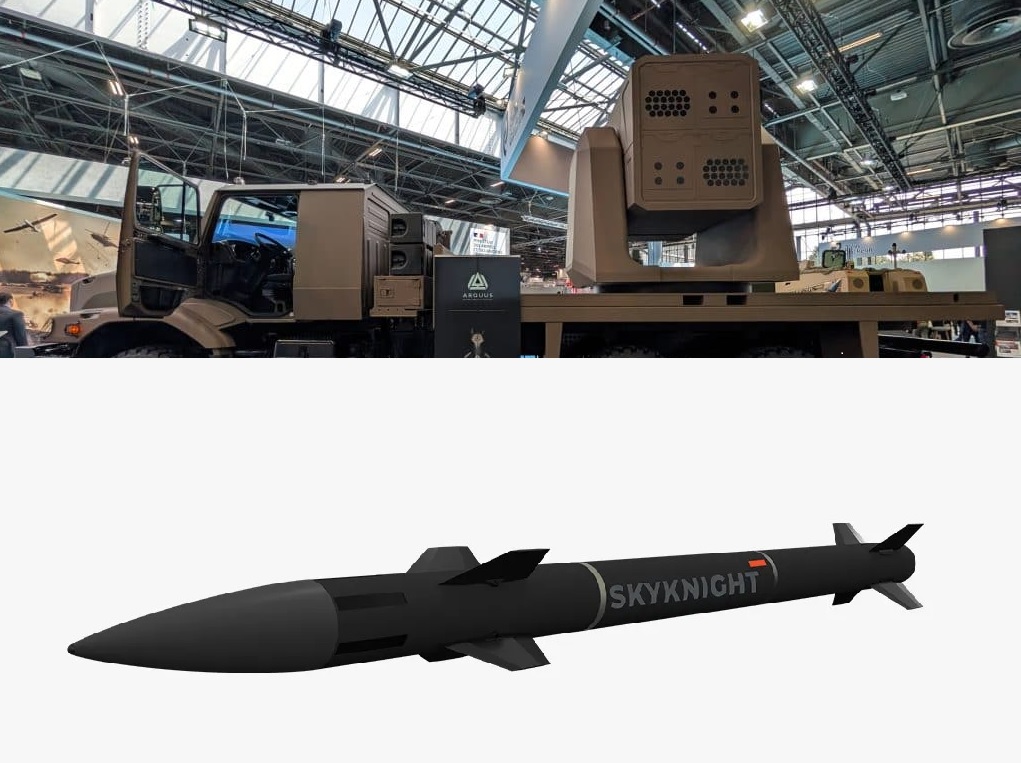 Naval Group Unveils Rampart Modular CIWS Multi-Purpose Weapon System for Naval and Ground Forces at Eurosatory 2026
-
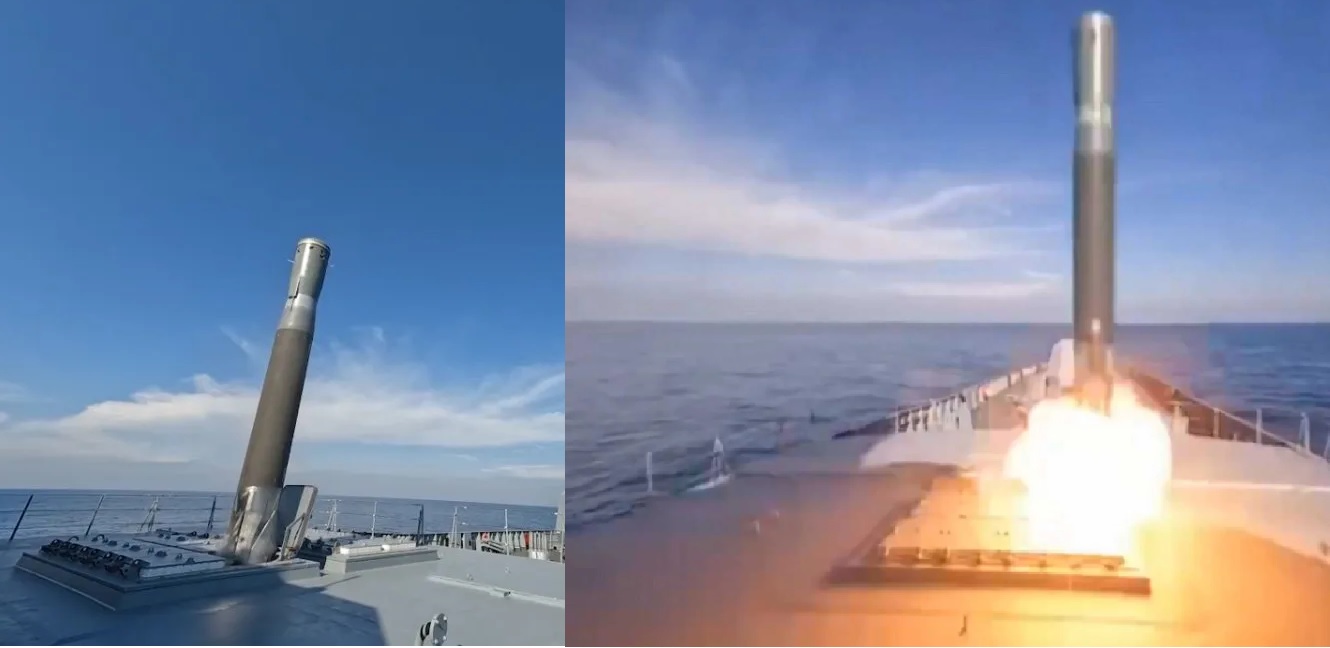 Open-Source Evidence Suggests Russia's Zircon Is a Quasi-Ballistic Missile, Not a True Hypersonic Cruise Weapon
-
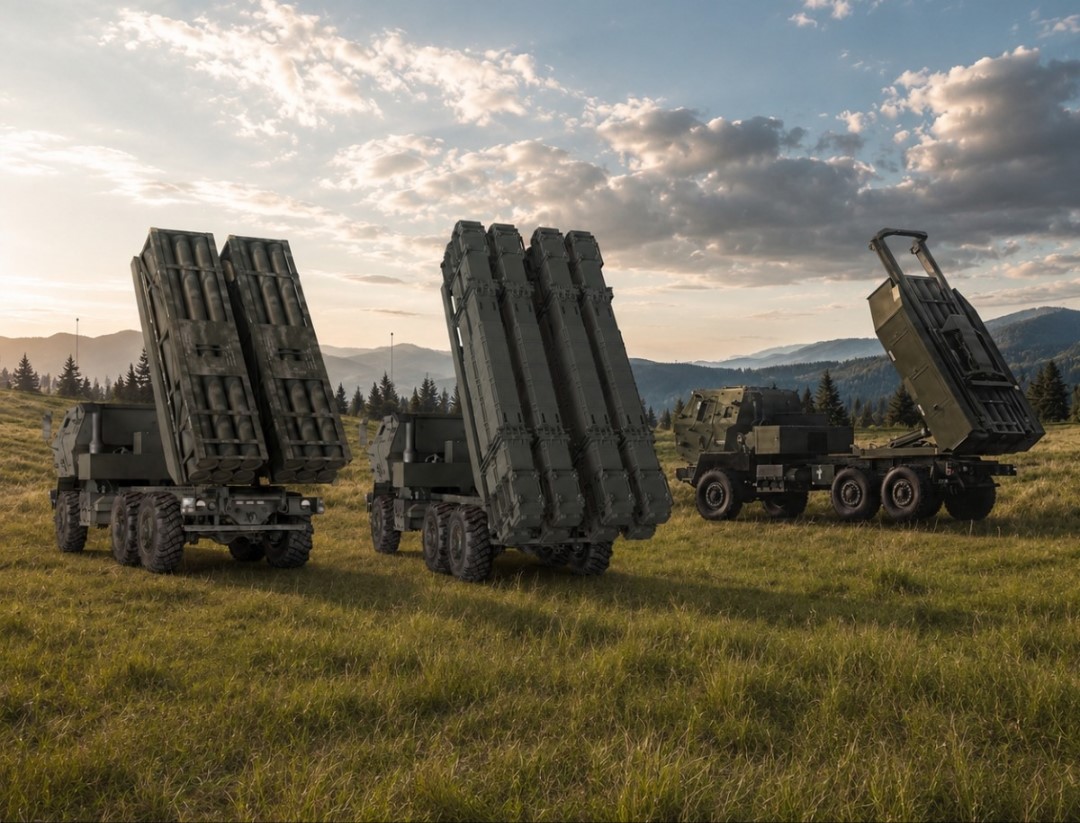 Lockheed Martin Unveils HIMARS FLEX with Dual-Pod Launcher and NATO-Compatible Air Defense Integration
-
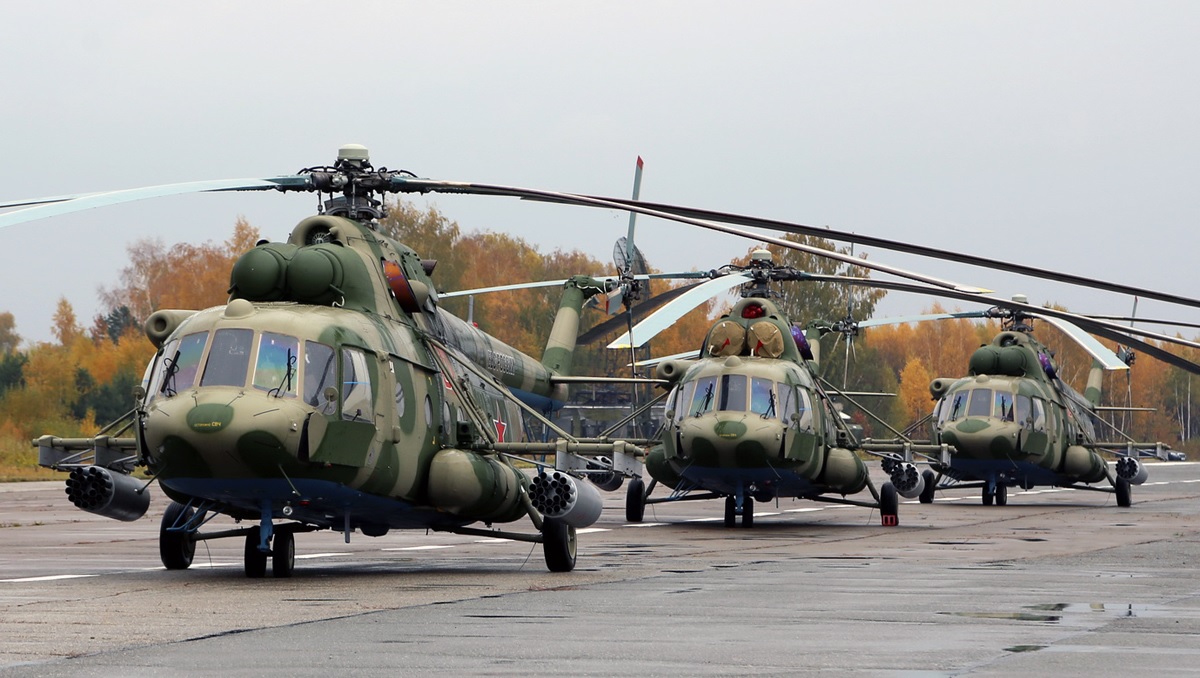 Iran Signs Deal with Russia for 20 Mi-8 and Mi-17 Helicopters to Boost Rescue and Medical Missions
-
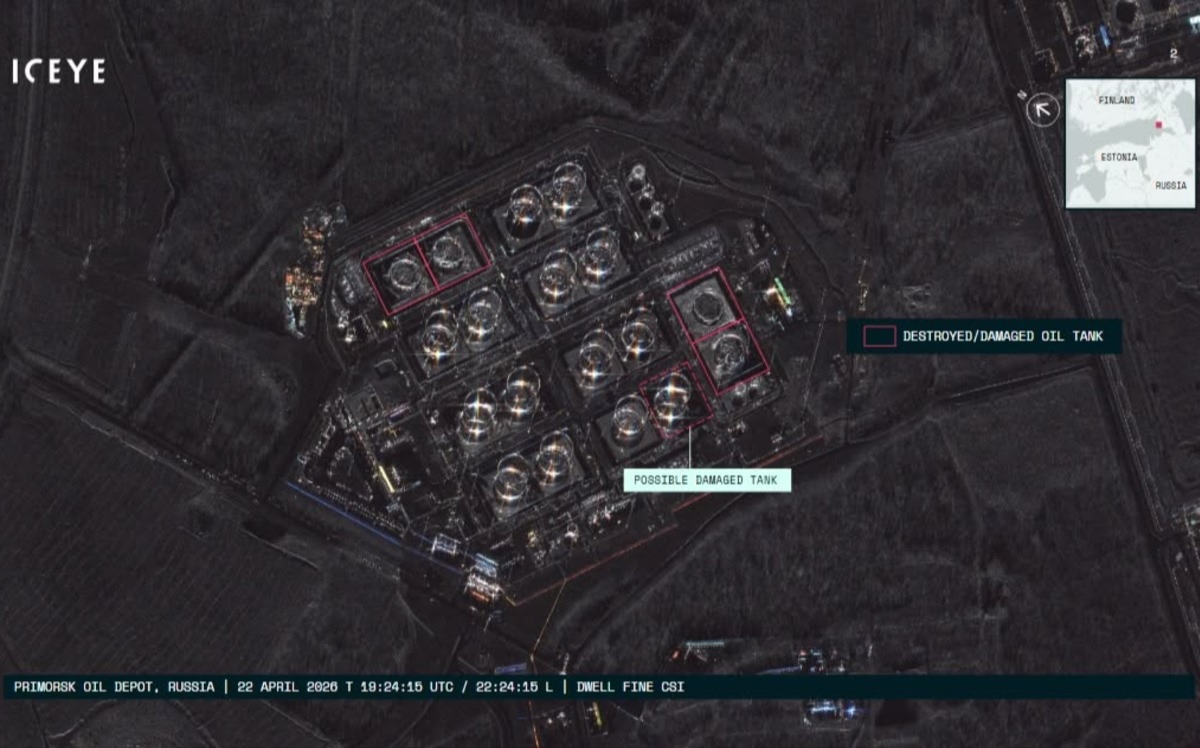 Portugal Doubles Sovereign SAR Satellite Fleet with Order for Two Additional ICEYE Satellites
-
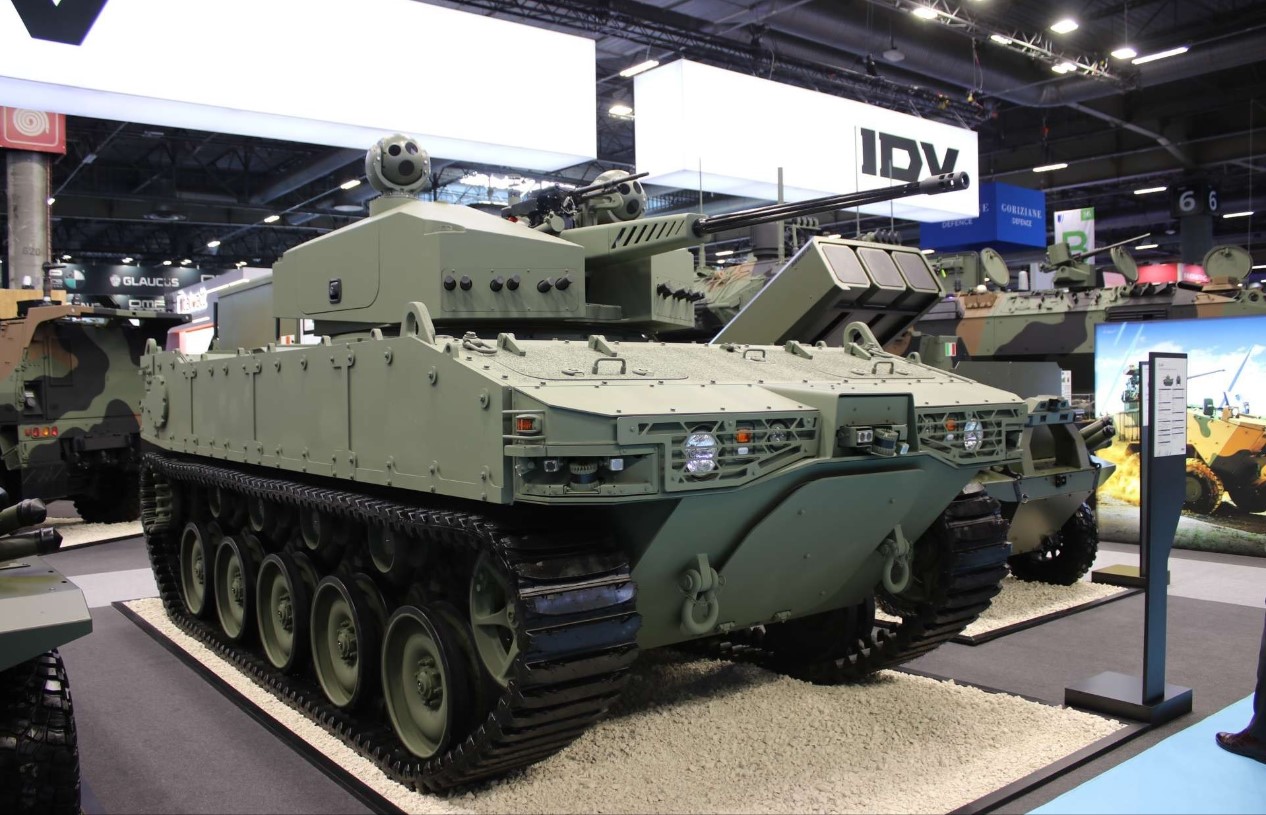 IDV Unveils CL2X Hybrid Uncrewed Light Tank at Eurosatory 2026
-
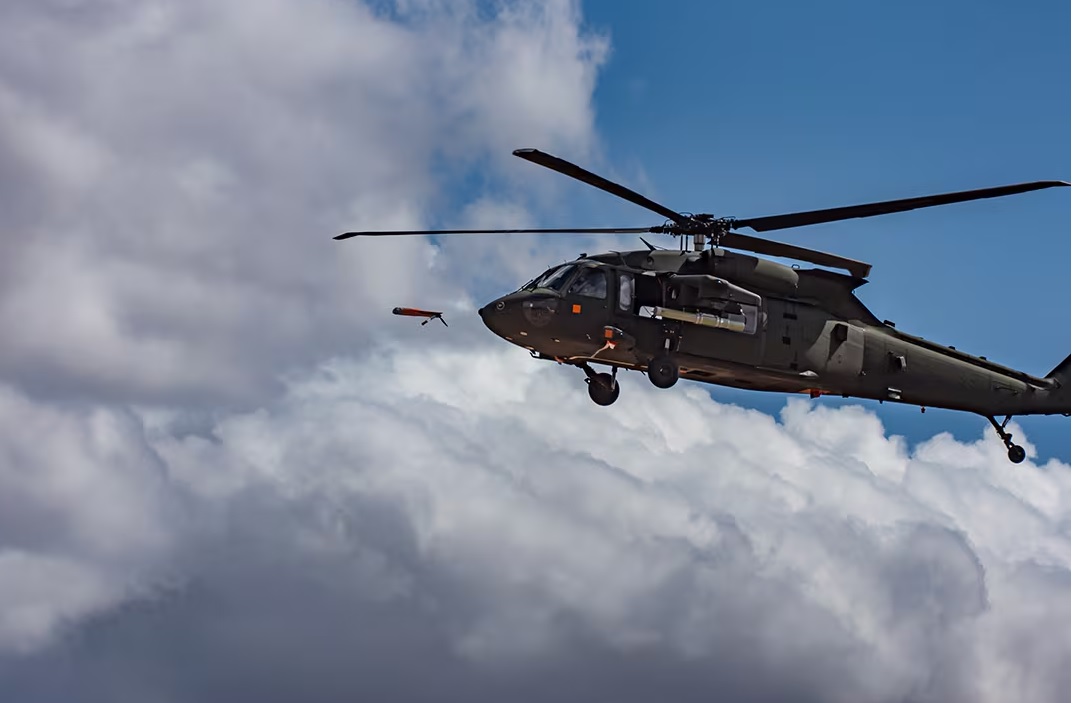 U.S. Army Completes First Flight Test of Medium-Range Air-Launched Effects from Black Hawk Helicopter
-
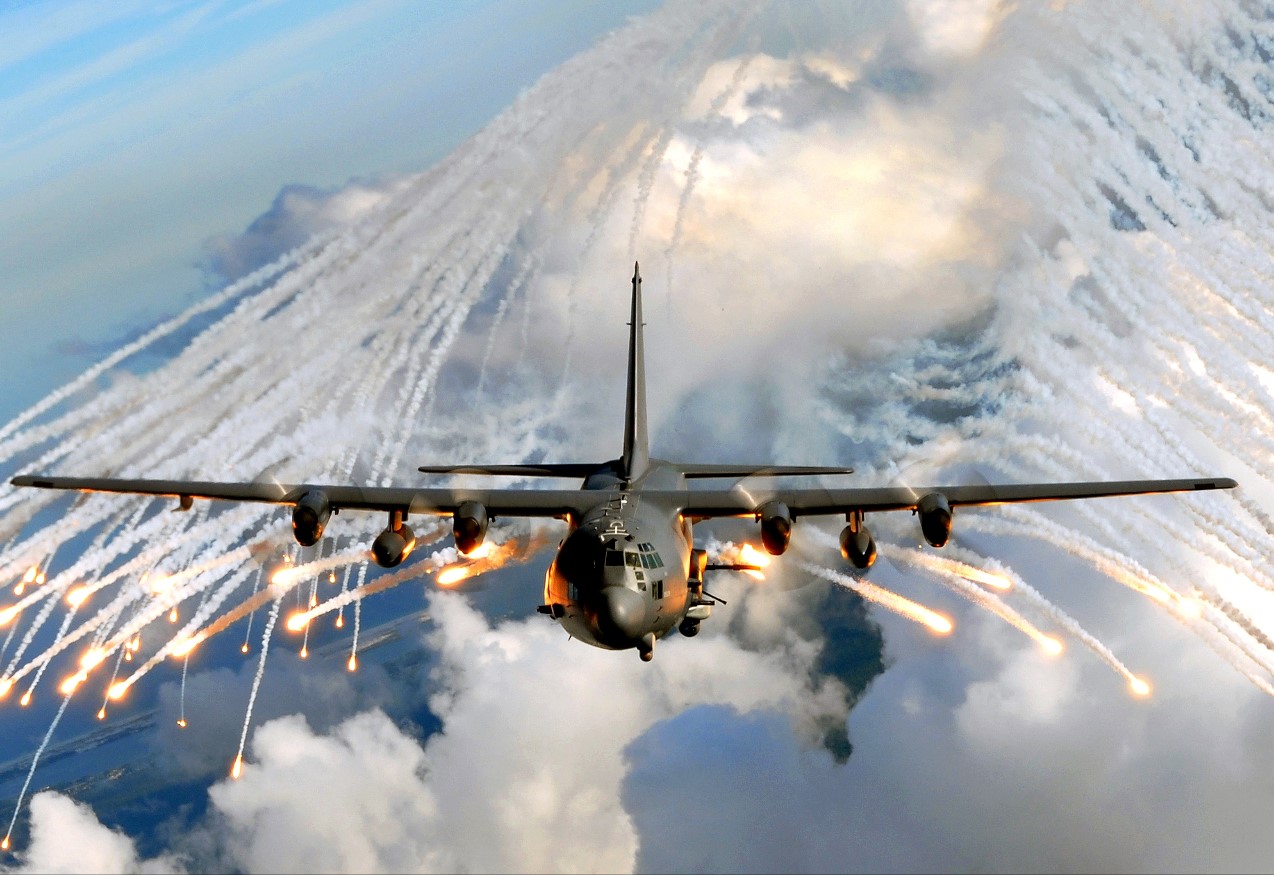 Pentagon Expands Alloy Surfaces Contract to $328.8 Million for Advanced Aircraft Decoy Flares Amid Evolving Drone Threats
Top Trending in 4 Days
-
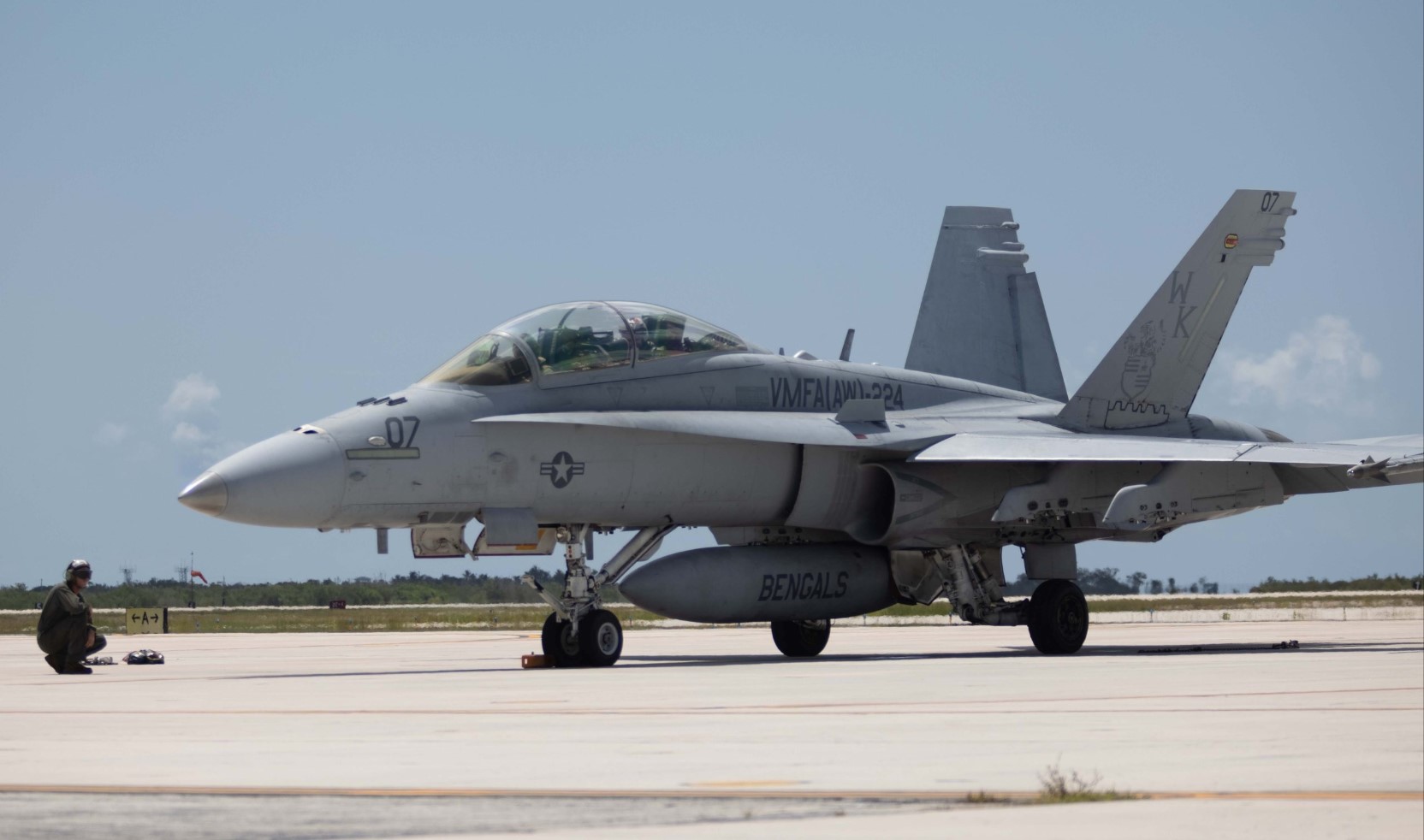 US Marine Corps F/A-18D Hornet Crashes During Training Flight in Washington Mountains; Pilot Ejects Safely
-
 Tulsi Gabbard Releases Declassified Files Detailing U.S.-Backed Network of 120 Biolaboratories Across 30+ Countries
-
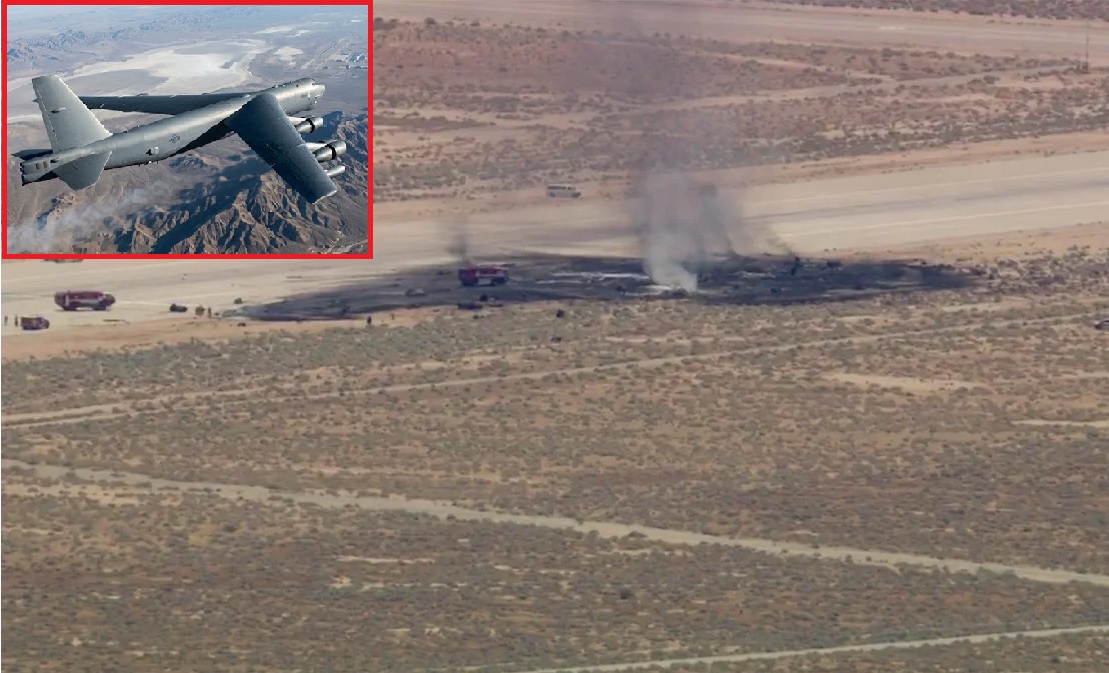 8 U.S. Air Force Crew Members Killed in B-52 Bomber Crash During Test Flight at Edwards Air Force Base
-
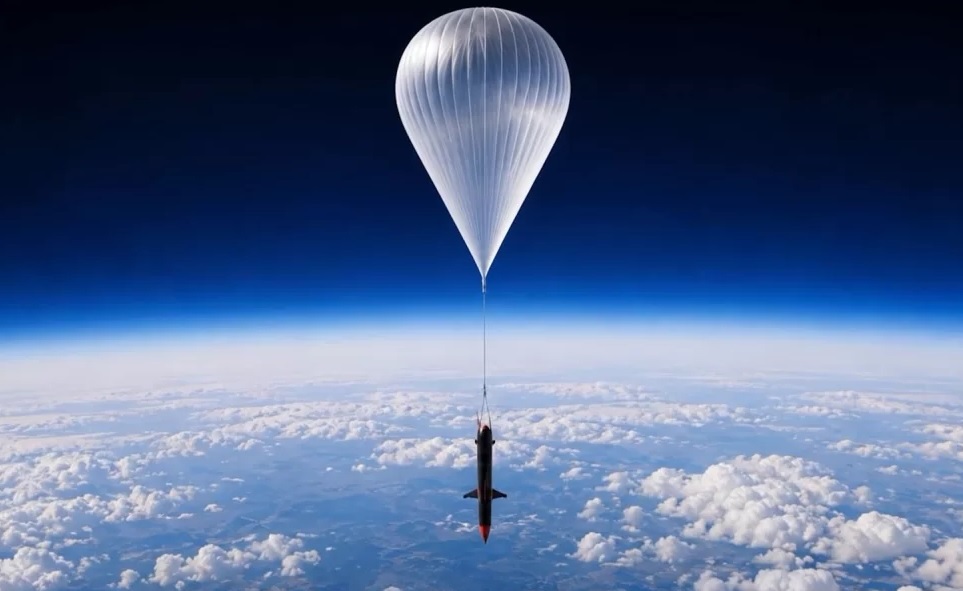 Ukraine Introduces Balloon-Launched DART Missile Designed to Defeat Electronic Warfare
-
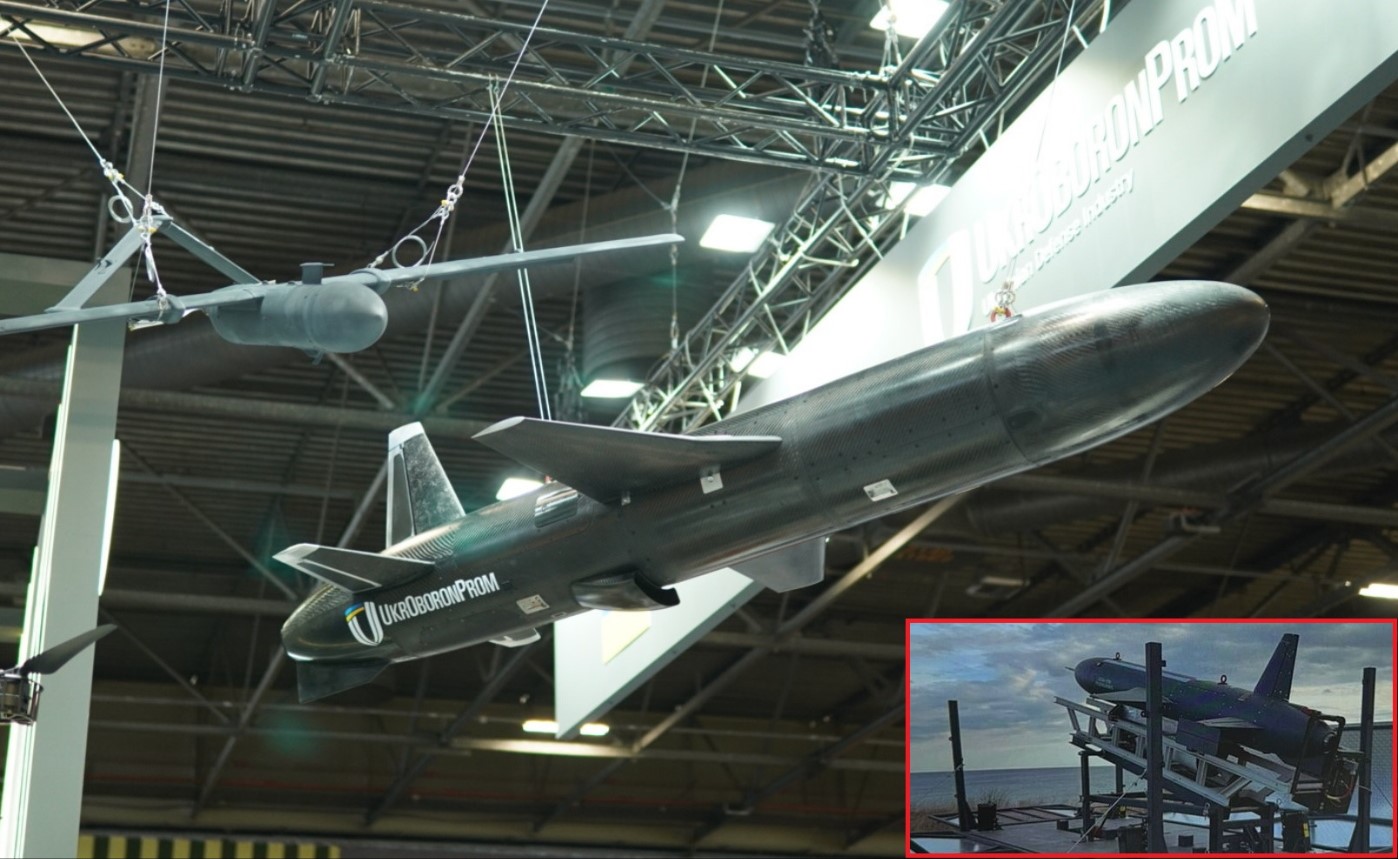 Ukraine Unveils UAV-290 Jet-Powered Strike Drone with 650 km Range at Eurosatory 2026
-
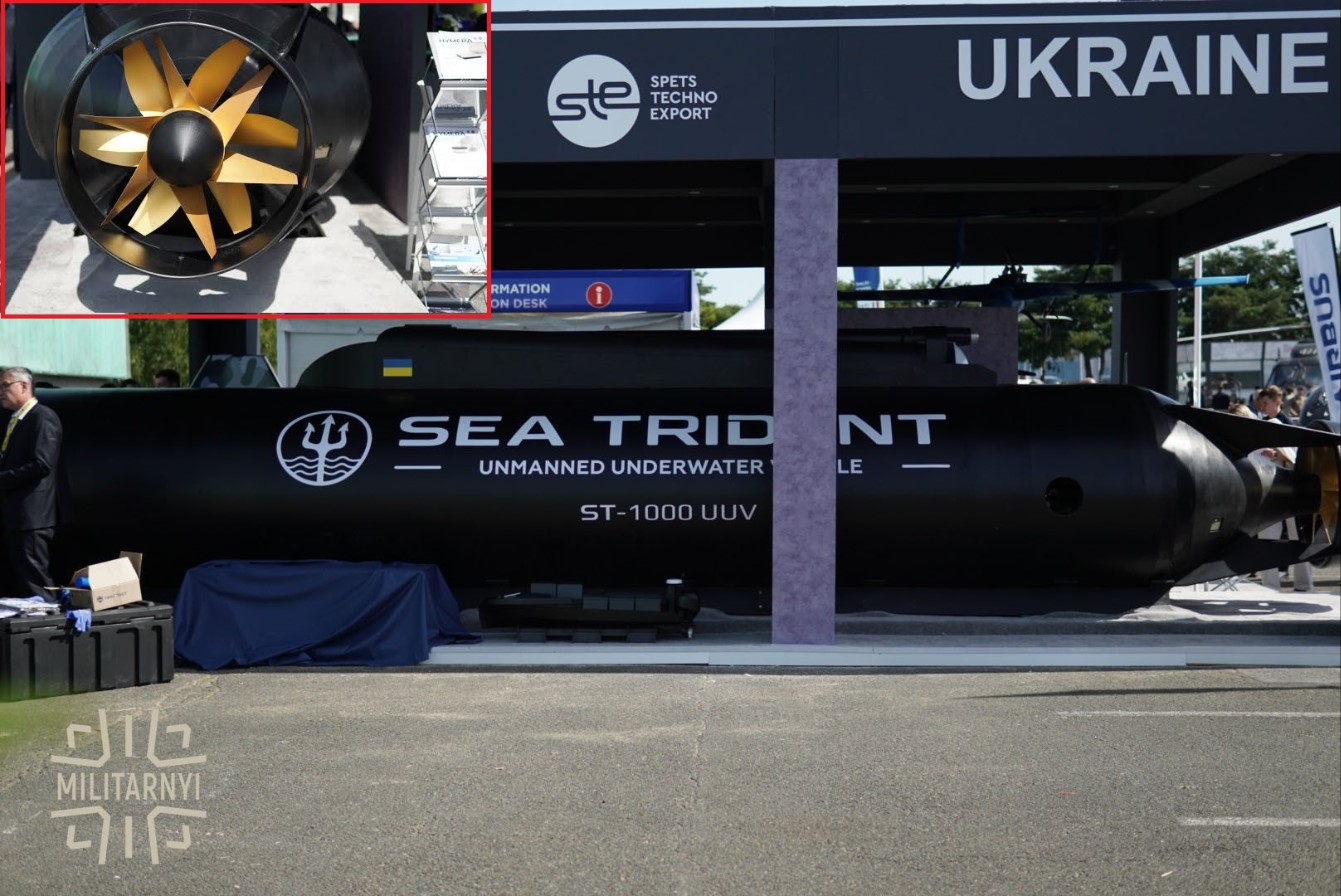 Ukraine Unveils 'Sea Trident' 10-Ton Autonomous Underwater Drone at Eurosatory 2026
-
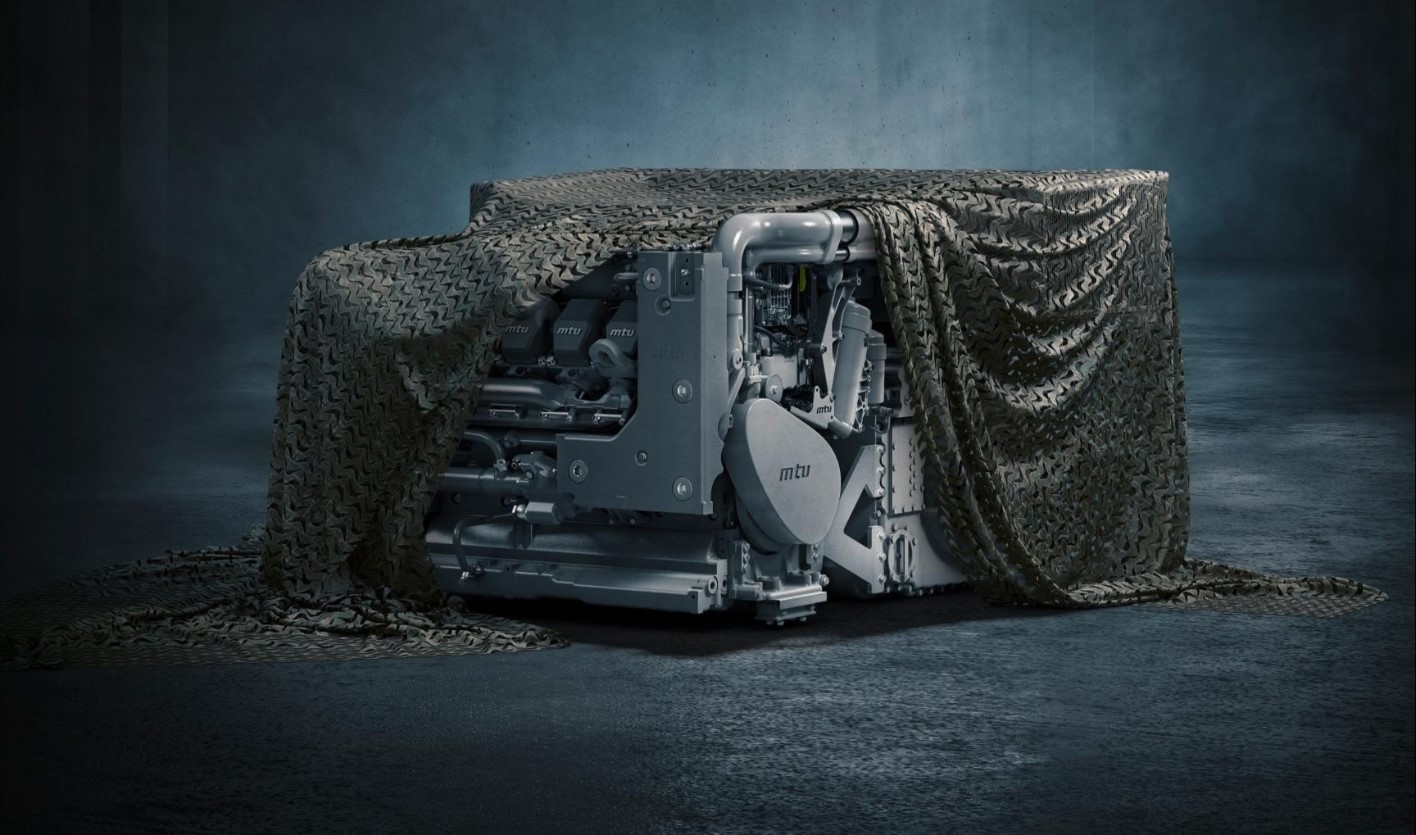 Rolls-Royce Unveils New Hybrid Powertrain for Heavy Military Vehicles at Eurosatory 2026
-
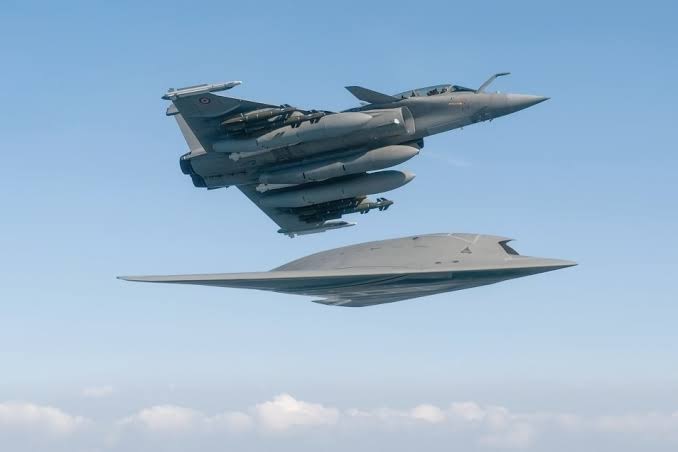 France Agrees to Equip Future Indian Rafales with AI, MUM-T and Secure Satellite Links Under F5 Standard