
India
India has firmly rejected a UN report critical of its electoral process, labelling the comments as "unwarranted" and "out of touch with reality." This bold response came from Anupama Singh, First Secretary at the Permanent Mission of India, during the 57th session of the UN Human Rights Council in Geneva. The UN Working Group on Enforced and Involuntary Disappearances had included a section on elections in its report, which sparked India's sharp criticism. Singh, speaking on behalf of India, expressed pride in the country’s electoral achievements, pointing out that India is home to the largest democracy in the world. She emphasized that India had just completed the world's largest electoral exercise, with millions of people voting to elect their government. This government, Singh argued, reflects the will of the people, making the UN report’s comments not only unfounded but indicative of potential bias. She urged the Working Group to avoid being influenced by politically motivated narratives, calling for adherence to the established code of conduct that governs the group’s work.India's government has long emphasized the strength and transparency of its electoral system. With over 900 million eligible voters and a turnout often surpassing 60%, Indian elections are logistically complex but are carried out under rigorous rules. The Election Commission of India, an independent constitutional body, oversees this process, ensuring free and fair elections. Any suggestion that this system lacks integrity is viewed by the Indian government as an attack on its democratic foundations.Singh also reiterated India’s commitment to human rights. Citing the Indian Constitution, she emphasized that human rights are safeguarded as fundamental rights, with an independent judiciary to protect them. In particular, the right to life and personal liberty is seen as paramount. She mentioned the writ of habeas corpus, which acts as a safeguard against unlawful detention, and highlighted the National Human Rights Commission’s ability to address cases of enforced disappearances, even taking suo moto cognizance when necessary.India’s response reflects a broader concern that international bodies may sometimes rely on external narratives without fully understanding the complexities of domestic issues. India has made it clear that, while it remains committed to human rights and democratic values, it expects such assessments to be fair and objective.The UN Working Group's report, which covers a wide range of human rights issues, appears to have struck a nerve with India by including a critique of its electoral process, which is seen by many as a pillar of its democratic identity. India has called for greater caution and integrity in the preparation of such reports, especially when it comes to sensitive matters like elections.In a world where democratic processes are increasingly scrutinized, India's response is a reminder of its confidence in its democratic framework and its insistence that critiques from global bodies should be grounded in a nuanced and accurate understanding of local realities.
Read More → Posted on 2024-09-19 15:40:57
India
In a significant boost for the Indian Air Force (IAF), the first of the 83 TEJAS MK-1A fighter jets ordered is poised for delivery by the end of October. This marks a crucial development as the IAF works to address its dwindling fighter jet numbers.The delivery has been slightly delayed from the initial schedule due to necessary updates and adjustments. Recent modifications included completing iterations on Israeli software integrated into the TEJAS MK-1A, with final testing now underway. These updates are essential for enhancing the aircraft's operational capabilities and ensuring it meets the latest standards.The first TEJAS MK-1A aircraft will be equipped with Category-B engines. These engines, which are reserve units from previous transactions with General Electric (GE), are being utilized temporarily. The new, state-of-the-art General Electric F404-IN20 engines are expected to arrive starting in November, following delays addressed by Defence Minister Rajnath Singh during his recent visit to Washington.Originally, Hindustan Aeronautics Limited (HAL) aimed to begin deliveries in March 2024 as part of a contract signed with the IAF in February 2021. However, delays in the aircraft's first flight, which only occurred in March, necessitated additional trials before delivery.The TEJAS MK-1A is an upgraded version of the TEJAS fighter, which has faced a long and winding development path. The program began in 1983 with the goal of producing an indigenous aircraft by 1994, but the first prototype only took to the skies in 2001. Initial Operational Clearance was granted in December 2013, with the final clearance for the first aircraft in 2019. The IAF has received 36 of these earlier models, with four more still pending delivery.The MK-1A variant, which emerged from a 2015 agreement during Manohar Parrikar's tenure as Defence Minister, includes several enhancements over the original TEJAS. These improvements feature advanced electronic radar, enhanced communication systems, additional combat capabilities with Beyond Visual Range Missiles, and upgraded maintenance features.Looking ahead, the IAF plans to order 97 more TEJAS MK-1A aircraft. To meet this demand and future production needs, the IAF has proposed a public-private partnership model to expand production capabilities. The goal is to establish multiple production lines to accommodate the anticipated induction of nearly 300 TEJAS fighters over the next fifteen years.Air Chief Marshal V R Chaudhary emphasized the need for diversified production approaches to match the IAF's requirements, highlighting the potential for increased collaboration with private partners to enhance manufacturing efficiency and output.This upcoming delivery represents a crucial step in bolstering India's air combat capabilities and showcases the ongoing progress and adaptation within the TEJAS program.
Read More → Posted on 2024-09-18 16:07:37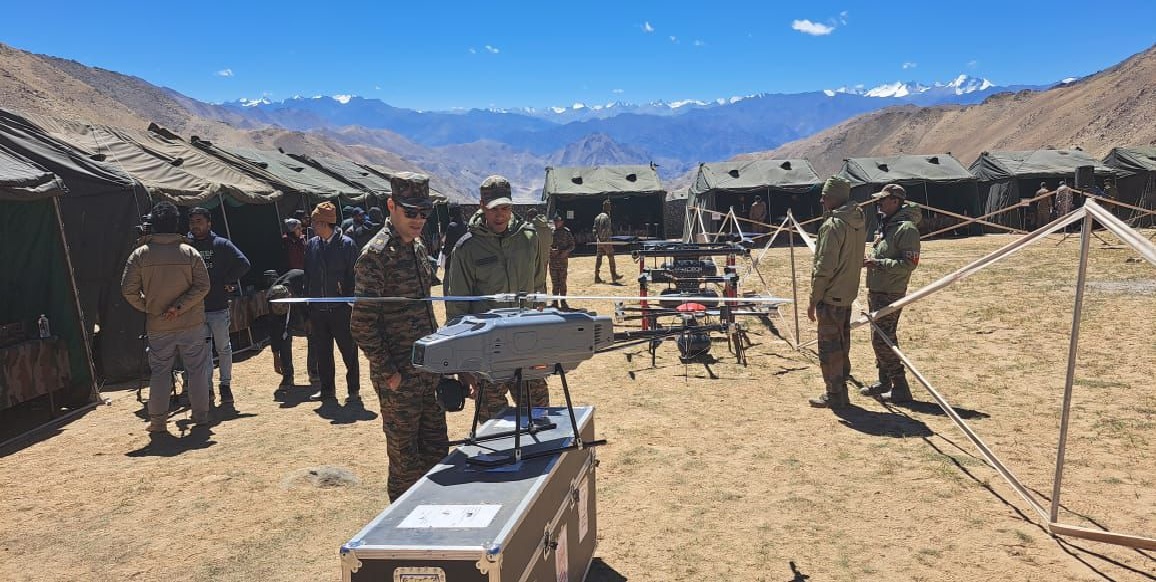
India
In an impressive display of innovation and strategic foresight, the Indian Army has launched the second edition of the HIM-DRONE-A-THON. This significant event, held from September 17th to 18th, 2024, in Leh, Ladakh, marks a pivotal moment in India’s defense technology, focusing on drones engineered for high-altitude warfare. The collaboration with the Federation of Indian Chambers of Commerce and Industry (FICCI) reflects the Army’s commitment to harnessing cutting-edge indigenous solutions for modern combat and logistics in some of the world's most challenging terrains.HIM-DRONE-A-THON 2, set against the backdrop of Ladakh’s Wari La Pass at over 15,000 feet, provided an exceptional platform for testing drones under extreme environmental conditions. Ladakh’s altitude, low temperatures, and rugged topography make it an ideal proving ground for assessing the endurance, performance, and utility of drones in real-world, high-stakes scenarios. The strategic importance of these tests cannot be overstated, given India’s focus on securing its northern borders, where high-altitude combat is a critical concern.This year’s event attracted over 20 drone manufacturers, each bringing a range of technological innovations to the table. These manufacturers showcased drone capabilities that go beyond traditional uses, extending into advanced areas such as surveillance, logistics, swarm operations, and even loitering munitions. A notable highlight of the showcase was the emphasis on first-person view (FPV) drones, a technology that offers a real-time, on-the-ground perspective, essential for tactical operations and intelligence gathering in remote or hostile environments.The Indian Army, through HIM-DRONE-A-THON 2, aims not just to evaluate these technologies but to actively identify solutions that could be integrated into its defense infrastructure. Drones capable of efficient surveillance at high altitudes, reliable logistics support for troops stationed in remote outposts, and those designed for precision strikes have the potential to revolutionize the way the Indian military operates in mountainous regions. The Army’s feedback will be crucial in refining these systems, ensuring they meet the exacting standards required for deployment in hostile environments.The event also highlighted a broader trend in global military strategy, where drones are becoming indispensable. Recent conflicts, such as those in Ukraine and Israel, have shown the critical role drones play, from surveillance and reconnaissance to direct combat applications. Their ability to operate in difficult-to-reach areas with minimal human risk makes them ideal for high-stakes military operations.For the Indian Army, the role of drones in high-altitude warfare is of paramount importance, especially given the geographical challenges of the northern borders with China and Pakistan. The need for superior technology to navigate and control these regions is urgent, and the potential of indigenous drone solutions could give India a distinct edge in ensuring territorial security. HIM-DRONE-A-THON 2 was not only a testing ground but a demonstration of India’s growing self-reliance in defense technology. The event also laid the foundation for increased collaboration between the defense sector and private industry, positioning India as a burgeoning leader in drone technology on the global stage. The innovations displayed in Ladakh could well propel India into the international drone market, opening up opportunities for defense exports and further boosting the country’s technological prowess.Beyond military applications, the technologies tested at HIM-DRONE-A-THON 2 have significant potential for civilian use in remote areas. From disaster management to logistics and communication in hard-to-reach locations, the event showcased how drones could also enhance civilian infrastructure in India’s most challenging regions. The Indian Army’s proactive approach to integrating new technologies like drones into its operations demonstrates a clear commitment to ensuring that the country remains at the forefront of modern warfare. HIM-DRONE-A-THON 2 is a clear indication that India is not just reacting to global defense trends but shaping them, ensuring its armed forces are prepared for future conflicts with the best possible technology.As drones continue to evolve and their roles in both civilian and military operations expand, India’s HIM-DRONE-A-THON 2 stands as a significant milestone in the nation’s defense innovation journey, showcasing the possibilities that indigenous technologies offer in ensuring national security and operational superiority.
Read More → Posted on 2024-09-18 15:35:40
India
Squadron Leader Mohana Singh has once again made history, this time by becoming the first female fighter pilot in India to be cleared to fly the Light Combat Aircraft (LCA) Tejas, India’s indigenously developed fighter jet. This achievement is not just a personal milestone but a significant moment in the journey of women in the Indian Air Force (IAF), marking a new era of gender equality in the country's defense forces.Mohana Singh, along with her colleagues Avni Chaturvedi and Bhawana Kanth, was part of the first batch of women inducted into the fighter stream of the IAF in 2016. At that time, this trio made headlines, as the Air Force had only recently opened its fighter wings to female pilots. The decision to allow women to fly combat aircraft was groundbreaking, symbolizing India’s increasing commitment to equal opportunities in its military forces. Initially, the three women were trained on various aircraft from the Air Force’s fleet, including the Sukhoi Su-30MKI, one of the IAF’s primary fighter jets. Over the years, Singh has built a distinguished career, flying not just the Su-30MKI but also now the LCA Tejas, showcasing her adaptability and skill across different aircraft platforms.Tejas, the aircraft Singh now pilots, is a homegrown marvel. Developed by Hindustan Aeronautics Limited (HAL), the LCA Tejas is a single-engine, multi-role fighter designed primarily for air combat and ground attack missions. Lightweight and highly maneuverable, it represents India’s push toward self-reliance in defense technologies. The aircraft is equipped with modern avionics, advanced radar systems, and a sophisticated fly-by-wire system, allowing it to perform in complex combat scenarios. Singh’s qualification to fly the Tejas is a testament to both her exceptional abilities as a pilot and the operational readiness of the aircraft itself.Squadron Leader Singh's latest achievement comes on the heels of her participation in the recent 'Tarang Shakti' military exercise in Jodhpur. During this exercise, she was part of a historic flight alongside the Vice Chiefs of the Indian Armed Forces. The exercise, which included countries such as the U.S., Australia, and Japan, was a key moment in showcasing India's military capabilities and international collaboration. Singh’s role in this exercise highlighted not only her technical skill but also the evolving role of women in high-level defense activities.The Indian Air Force has made significant strides in integrating women into its ranks. Currently, there are about 20 women serving as fighter pilots, with many of them flying advanced aircraft like the Su-30MKI and Tejas. The IAF's decision in 2016 to allow women into its fighter stream has opened doors for female officers to serve on an equal footing with their male counterparts. This is part of a broader trend in India’s military, where women are being given opportunities in previously male-dominated roles, from flying combat jets to serving in elite forces like the Garud commandos.In December 2023, the IAF also inducted its first batch of women Agniveers, marking another milestone. The Agniveers are recruited under the Agnipath scheme, a short-term service program aimed at bringing young people into the military. Women Agniveers, after completing their training, now serve in various non-officer roles, further expanding the scope of women’s participation in the defense sector.Singh’s journey, from being one of the first women inducted into the fighter stream to now flying the Tejas, symbolizes the growing presence of women in India’s armed forces. Her accomplishments not only reflect personal perseverance but also the broader strides India is making in achieving gender equality in one of its most crucial sectors.With the LCA Tejas now being flown by a female pilot for the first time, the IAF has yet another reason to celebrate its advancements in both technology and gender inclusion. Singh’s achievement underscores the growing confidence in India’s indigenous fighter jet program and highlights the important role women play in the nation’s defense.
Read More → Posted on 2024-09-18 15:29:40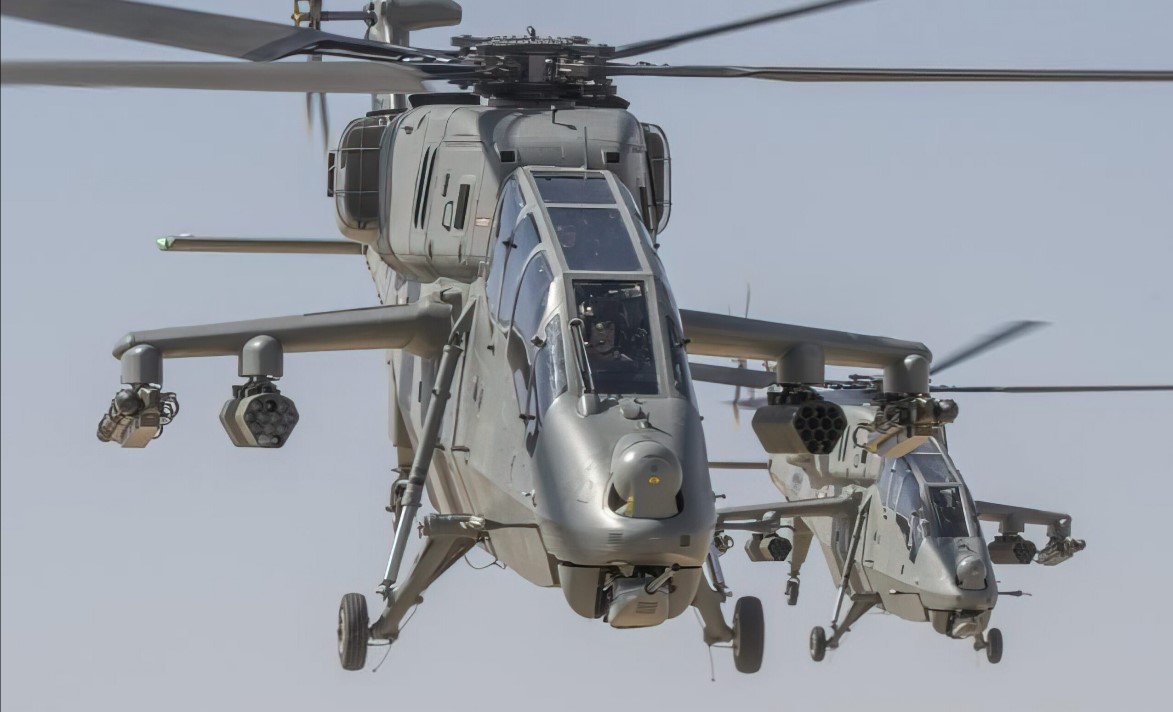
India
Nigeria is on the verge of significantly upgrading its military firepower by acquiring four Light Combat Helicopters (LCH) from India's Hindustan Aeronautics Limited (HAL). As negotiations between the two nations near completion, this move signals Nigeria’s commitment to modernizing its aerial defence capabilities and enhancing its counterterrorism operations.The LCH, developed by HAL, is a highly advanced and versatile combat helicopter. Built as a derivative of HAL’s Dhruv Advanced Light Helicopter (ALH), the LCH stands out for its state-of-the-art design, which includes stealth technology, armored protection, and crash-worthy landing gear. These features enhance its survivability and make it suitable for high-risk military operations. The helicopter’s light weight and advanced maneuverability give it an edge in combat situations, especially in rough terrains such as high-altitude mountains and dense jungle environments.Nigeria's interest in the LCH stems from its need for a robust and reliable platform to conduct a variety of military operations, including counter-insurgency, combat search and rescue, and enemy air defense destruction. The LCH is armed with precision weapons, including air-to-air and air-to-ground missiles, 70mm rocket systems, and a nose-mounted 20mm cannon. Its targeting systems, including electro-optical sensors and thermal imaging, allow the helicopter to operate effectively both day and night.This acquisition comes at a critical time for Nigeria as the country faces increasing internal security challenges, particularly from insurgent groups such as Boko Haram. The LCH’s adaptability to Nigeria’s geographic diversity—ranging from vast savannahs to dense forests—makes it an ideal fit for Nigerian military operations. Its ability to counter drones and other slow-moving aerial threats adds an extra layer of tactical capability that could be invaluable in Nigeria's ongoing fight against terrorism.The deal is being facilitated through a soft credit arrangement, demonstrating Nigeria’s growing interest in international defense partnerships. Interestingly, this move comes on the heels of the Nigerian Army's previous involvement with HAL’s Dhruv helicopters, where officers underwent extensive training in India. This prior experience with HAL’s helicopter technology has paved the way for this new partnership, easing the transition to more advanced systems like the LCH.The helicopter's modern design, which includes a glass cockpit and composite airframe, is not only a technological leap but also a product of HAL's indigenous innovation. The Indian Air Force and Army have already inducted the LCH into their fleets, and ongoing collaborations between India’s Defence Research and Development Organisation (DRDO) and HAL are focused on further enhancing the helicopter's weaponry and operational capabilities.For Nigeria, this acquisition is part of a broader military modernization strategy. The country is reportedly looking to acquire up to 12 twin-engine attack helicopters from various suppliers, with HAL’s LCH being a strong contender. Other potential suppliers include Airbus and Turkey’s TAI, but the LCH’s proven track record in challenging environments, combined with its adaptability and firepower, gives it a competitive edge.Beyond just providing helicopters, HAL is committed to offering comprehensive training programs for Nigerian military personnel. These training initiatives will ensure that Nigeria can operate and maintain these sophisticated helicopters effectively, ensuring the long-term success of the acquisition.In conclusion, as Nigeria prepares to finalize this deal, the acquisition of HAL’s Light Combat Helicopters is set to bolster its military strength, particularly in counterterrorism and internal security operations. This partnership also highlights the growing international reach of India’s defense manufacturing sector, underscoring HAL’s emergence as a global supplier of advanced military equipment.
Read More → Posted on 2024-09-18 15:27:17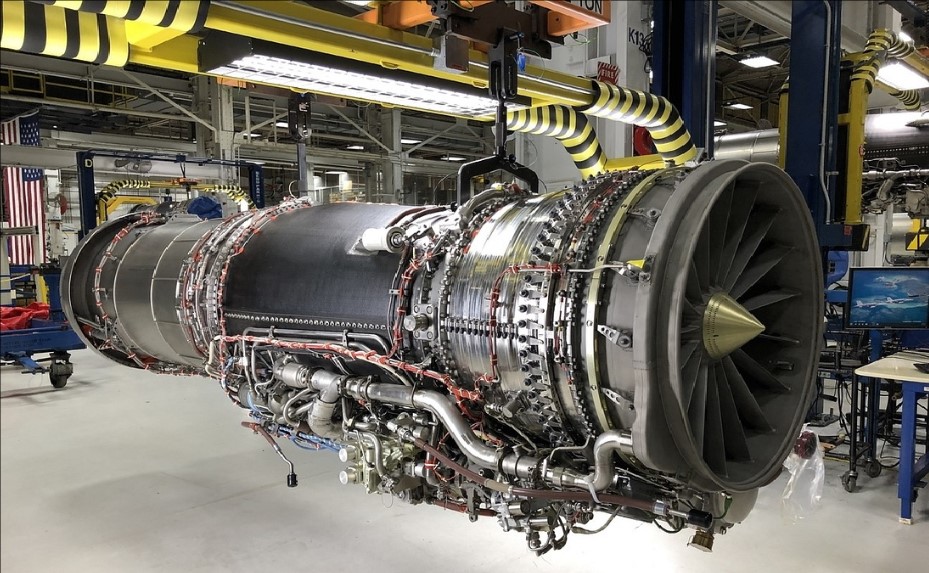
India
In a move that could significantly enhance India’s aerospace capabilities, GE Aerospace and Hindustan Aeronautics Limited (HAL) are nearing a landmark agreement for the transfer of technology (ToT) for the F-414 engine. This deal, expected to be finalized later this year, will allow HAL to produce the F-414 engine locally in Bangalore, marking a significant milestone for India’s defense manufacturing sector.The F-414 engine, which powers several fighter jets, including the indigenous Tejas Mark 2, is known for its high performance and reliability. Through this deal, India will gain access to approximately 80% of the engine’s manufacturing technology—an unprecedented level of technology transfer for this particular engine. By comparison, South Korea, which also uses the F-414 engine in its KF-21 fighter jet, received only 59% ToT. This illustrates the scale and importance of the agreement between India and GE Aerospace.However, there are some critical elements of the technology that GE will retain. One of the key components withheld from the transfer is the single crystal (SX) blade casting process. These blades are vital for the engine's performance, as they can withstand extremely high temperatures and pressures within the engine's turbine section. Despite this limitation, HAL will gain the necessary technology to coat and machine these blades, giving it significant manufacturing control over the majority of the engine components.In addition to the SX blades, the software for the Full Authority Digital Engine Control (FADEC) system will also remain under GE’s control. The FADEC system is crucial for optimizing engine performance, as it precisely manages the engine’s parameters, including fuel flow and engine speed, ensuring efficient operation and safety. While HAL will not have access to the software, the Indian company will be able to locally manufacture the physical components of the engine, giving it control over most of the production process.The remaining 20% of the engine technology, which includes these sensitive elements, will be supplied directly by GE Aerospace to HAL, ensuring that GE retains control over critical intellectual property. This arrangement balances HAL’s manufacturing autonomy with GE’s protection of its proprietary technologies. It allows HAL to gain extensive knowledge and expertise in engine manufacturing while maintaining GE's control over the most critical elements of the engine.India’s indigenous capabilities in engine manufacturing are also progressing, particularly in the casting of single crystal blades. The country made significant strides in this field during the development of the Kaveri engine, a domestic jet engine project. Although the SX blade technology transfer is withheld in the GE deal, India could potentially replace the withheld components in the future using its own advancements, allowing for complete local production of the engine.The deal’s finalization will not only bolster India's defense capabilities but also reduce its reliance on foreign suppliers. By establishing a domestic production line for the F-414 engine, India will create new opportunities for local industries and jobs, driving growth in its aerospace sector. Furthermore, this transfer of technology will significantly elevate HAL’s capabilities, putting India on the path to becoming a global leader in advanced jet engine production.As India continues to advance its indigenous defense manufacturing capabilities, this partnership with GE Aerospace is poised to be a crucial step toward greater self-reliance. While key technologies will remain under GE’s control, India is well-positioned to leverage its own expertise and resources to eventually bridge these gaps, potentially leading to full local manufacturing of high-performance jet engines in the near future.
Read More → Posted on 2024-09-17 16:46:08
India
Boeing is set to take a monumental leap forward in the realm of quantum communication with the announcement of the Q4S satellite, scheduled to launch in 2026. This innovative satellite mission, funded entirely by Boeing, represents a groundbreaking effort to demonstrate the potential of quantum entanglement swapping in orbit—a key technology that could pave the way for a secure, global quantum internet. The mission is far from just another satellite launch. It’s part of Boeing’s vision to revolutionize how humanity transmits and processes information. Quantum technology holds the promise to reshape industries by leveraging quantum sensors and computers, which offer extraordinary precision and computational capabilities far beyond what’s possible with today’s technology. The Q4S mission will explore how quantum networks can be established across vast distances, a critical step in making global quantum communication networks a reality.At the heart of this mission is quantum entanglement swapping, an advanced technique that allows quantum information to be transferred between particles without physically moving them. This process, known as quantum teleportation, has been described as “spooky action at a distance” by Albert Einstein due to its seemingly mysterious and instantaneous nature. By using entangled photon pairs, the Q4S satellite aims to test how these quantum interactions can occur in the challenging environment of space. If successful, this technology could unlock the potential to transmit quantum information over vast distances, overcoming limitations like signal loss and decoherence that currently hinder long-distance quantum communication.The satellite itself is equipped with two entangled-photon pair sources and will serve as a platform to test how quantum networking can be operationalized in space. Boeing is working alongside HRL Laboratories—a joint venture between Boeing and General Motors—which has been instrumental in refining the benchtop versions of this technology and finalizing the space-hardened payloads that will be used in orbit. These technological advancements are part of Boeing’s broader effort to lead the charge in quantum computing and networking.Boeing’s quantum experiment has far-reaching implications beyond communication. Quantum sensors, which are far more sensitive than existing technology, have the potential to provide unprecedented levels of detail in scientific research. For example, they could improve our understanding of the Earth and space environments, where current instrumentation is limited in sensitivity and resolution. Quantum computing also offers vast opportunities for industries like finance, healthcare, and cybersecurity by enabling the processing of enormous amounts of data with greater efficiency and fewer errors than traditional computers.Quantum networks, such as the one Boeing is exploring with Q4S, offer a host of promising applications. These include highly secure, error-free communication systems, fault-tolerant computing, secure voting mechanisms, and even quantum computing environments where data can be processed without being exposed. This could revolutionize how industries, governments, and even militaries handle sensitive data, making it virtually impossible for information to be intercepted or hacked.Jay Lowell, chief engineer for Boeing’s Disruptive Computing, Networks & Sensors organization, emphasized the importance of the mission: “We’re making a big bet on quantum technology. Quantum entanglement swapping underpins the communication of the future, expanding quantum networks beyond simple point-to-point communication. We’re launching Q4S to prove it can be done in orbit.”The success of Q4S could open the door to scalable quantum communication networks, allowing data to be transmitted securely and effectively over great distances. This would be a significant breakthrough, as quantum communication is currently limited by issues like signal degradation and distance limitations.Boeing’s Chief Technology Officer, Todd Citron, echoed these sentiments, highlighting Boeing’s role as a leader in quantum technology: “We’re doing much more than participating in quantum research. We are leading the way to operationalize and scale quantum technologies for global applications.”The launch of Q4S represents the culmination of years of research and development, and its success could bring humanity one step closer to achieving a secure quantum internet, with far-reaching implications for industries and technologies worldwide. As the world stands on the brink of the quantum era, Boeing’s bold venture into space-based quantum networking signals a new frontier in secure communication and computing.By 2026, when Q4S is set to launch, Boeing could very well be leading the charge toward a quantum-connected future, forever changing how we understand and use information. The Q4S mission is more than just a technological experiment—it’s a glimpse into the future of communication itself.
Read More → Posted on 2024-09-16 16:16:57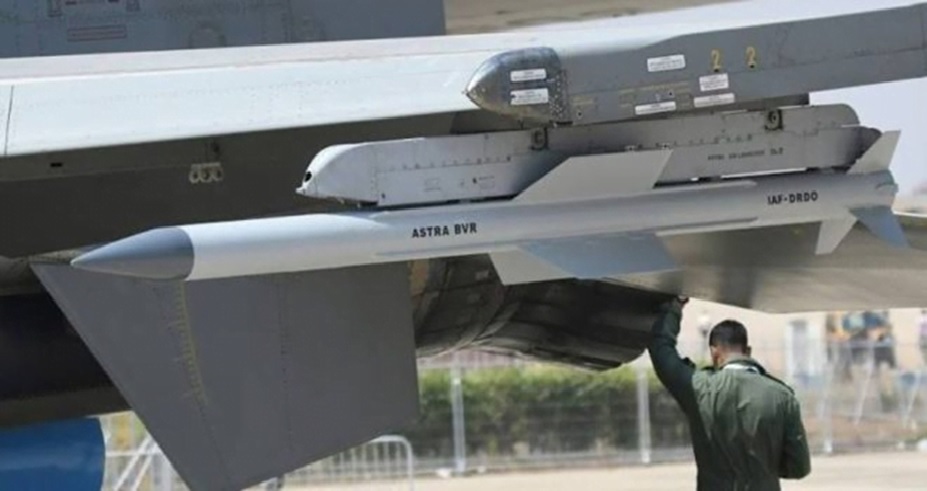
India
India's Defence Research and Development Organisation (DRDO) is nearing a crucial milestone with its Astra Mk-2 beyond-visual-range (BVR) air-to-air missile, a key component in enhancing the Indian Air Force's (IAF) air combat capabilities. According to recent updates, DRDO is on track to conclude all major trials for the Astra Mk-2 by 2026, with full-scale production likely to commence in 2027. This timeline sets the stage for the missile to be inducted into the IAF's operational fleet within the next three years, further solidifying India’s commitment to self-reliance in defence technology.The Astra Mk-2 is a significant leap forward from its predecessor, the Astra Mk-1, boasting a range of 140 to 160 kilometers, a substantial upgrade from the Mk-1's 110 kilometers. This extended range will allow IAF pilots to engage enemy aircraft from a much greater distance, offering a tactical edge in high-stakes aerial combat. The missile's improved dual-pulse rocket motor and enhanced guidance systems enable it to maintain speed and accuracy, even in challenging conditions, giving the IAF a clear advantage in long-range engagements.Development of the Astra Mk-2 has been rigorous, with extensive testing phases spread over the last two years. Trials have included captive and separation tests, which are critical for ensuring that the missile can be safely launched from a fighter jet, and tests of the dual-pulse rocket motor, which is key to providing the missile with sustained thrust over longer distances. According to DRDO Chairman Dr. Samir V. Kamat, these tests have largely validated the missile’s core systems, leaving only a few steps before the missile is fully combat-ready.The upcoming user trials, set to begin later this year, will be pivotal. These trials will involve the integration of the Astra Mk-2 with various IAF fighter platforms, including the indigenous Tejas Light Combat Aircraft, the Sukhoi Su-30MKI, and potentially the upgraded Mirage 2000 and Rafale jets. The Astra Mk-2’s ability to seamlessly integrate with multiple aircraft is crucial, as it ensures that the IAF's fleet remains versatile and capable of responding to a wide range of combat scenarios.One of the standout features of the Astra Mk-2 is its advanced seeker technology, which has been designed to target enemy aircraft with high precision, even in electronic warfare environments where enemy forces attempt to jam radar signals. The missile is also equipped with a high-explosive warhead, ensuring that once it locks onto its target, the chances of a successful hit are greatly increased.What sets the Astra Mk-2 apart is its BVR combat capability. BVR missiles allow fighter pilots to engage targets beyond visual range, often before the enemy aircraft even realizes it has been targeted. This "first-look, first-shoot" capability is crucial in modern air combat, where speed and distance can mean the difference between success and failure.The DRDO’s success with the Astra Mk-2 project is a testament to India's growing expertise in missile technology. With the potential to mass-produce the missile by 2027, India will not only enhance its own defense capabilities but also reduce its reliance on foreign missile systems, a goal long pursued by Indian defense planners. The Astra Mk-2, once fully operational, will provide the IAF with a formidable weapon in its arsenal, ensuring that it remains competitive with the air forces of neighboring countries.As the DRDO prepares for the final stages of testing, the Astra Mk-2 is poised to become a game-changer in India's air combat strategy, helping to secure the nation's skies with cutting-edge, indigenous technology.
Read More → Posted on 2024-09-16 16:14:17
India
The Indian Army has taken a major step towards modernizing its defense capabilities by showcasing its indigenously developed UAV-Launched Precision Guided Munition (ULPGM). Manufactured by Adani Defence, this new weapon represents a significant boost to India's domestic defense manufacturing sector, as well as its strategic arsenal. The ULPGM is designed to be deployed from unmanned aerial vehicles (UAVs), giving the Indian Army enhanced precision-strike capability from a safe distance.One of the key features of the ULPGM is its versatility. With an effective range between 2 to 6 kilometers, this lightweight munition weighs between 5 to 8.5 kilograms, making it suitable for a wide variety of mission profiles. The ULPGM is outfitted with a 2-kilogram warhead, which, despite its size, offers considerable firepower for tactical missions. The ability to integrate this munition with drones introduces an entirely new dimension to India’s military operations, especially in terms of standoff engagements. This allows the army to strike targets with great precision while reducing the risk to personnel on the ground.What truly sets the ULPGM apart from traditional munitions is its sophisticated technology. The inclusion of Imaging Infrared (IIR) seekers allows the weapon to lock onto targets with precision, even in adverse conditions. Additionally, its kinetic kill capabilities provide flexibility in engaging not just stationary but also moving targets. This makes it ideal for anti-personnel, anti-armor, and anti-bunker roles.One standout feature is its jet vane system, which significantly enhances the munition's maneuverability. This innovation enables the ULPGM to adjust its flight path mid-air, providing superior accuracy in hitting its intended target. For military strategists, this means the ability to engage high-value targets with minimal collateral damage, an essential capability in modern warfare.The low-cost nature of the ULPGM makes it an attractive option for sustained operations. UAVs equipped with these munitions can strike from a distance, minimizing exposure to enemy fire while maintaining high operational efficiency. This combination of affordability, precision, and range marks the ULPGM as a game-changer for India's military forces.As India continues to invest in defense technology, the future development of the ULPGM includes even more advanced variants. One of the planned upgrades includes a missile-aided version with a larger 10-kilogram warhead. This would allow for increased firepower and an expanded range of missions, including anti-tank roles. There is also speculation about the development of a version capable of delivering sub-munitions, akin to a cluster bomb, which would provide even broader tactical options for the Indian Army.The induction of this indigenous UAV-Launched Precision Guided Munition highlights India's growing self-reliance in defense manufacturing. The collaboration between Adani Defence and the Indian military is not just about producing effective munitions; it’s about fostering technological growth and creating opportunities for local industries. The ULPGM is more than just a weapon—it's a symbol of India's evolving military strength and its capacity to develop cutting-edge technologies in-house.As these developments unfold, India continues to demonstrate its commitment to becoming a global leader in defense technology, while enhancing the capabilities of its armed forces in ways that were previously dependent on foreign suppliers. The ULPGM is a critical addition to the Indian Army’s arsenal and a testament to the country’s strategic vision for modern warfare.
Read More → Posted on 2024-09-16 16:04:27
India
The Indian Radar Development Establishment (IRDE) has called on Indian industries to participate in an ambitious project aimed at developing stealthy conformal domes for high-speed aircraft. This initiative is part of India’s ongoing effort to advance its indigenous defence technologies and reduce reliance on foreign imports, particularly in sensitive aerospace applications.Conformal domes are critical to the performance of high-speed aircraft, serving as protective covers for electro-optical (EO) payloads such as infrared and visible spectrum cameras. These payloads are essential for high-altitude surveillance, targeting, and navigation, making them a crucial part of modern air warfare. What sets conformal domes apart is their ability to maintain aerodynamic efficiency and stealth capabilities, which are vital for high-speed aircraft operating in hostile environments.One of the key challenges IRDE has outlined is the need for conformal domes to minimize both drag and radar cross-section (RCS). Reducing the aircraft's RCS makes it harder for enemy radar to detect, while minimizing drag improves fuel efficiency and speed. This combination of stealth and aerodynamic performance is particularly important for next-generation aircraft expected to operate at supersonic or even hypersonic speeds.The materials used in these domes are equally critical to their performance. IRDE has specified the use of multiple sapphire windows for the domes. Sapphire, known for its exceptional transparency in both infrared and visible wavelengths, offers superior hardness and thermal resistance. These properties make it ideal for use in high-speed flight, where environmental conditions such as heat and pressure can be extreme. Sapphire’s ability to withstand such conditions while maintaining optical clarity ensures that the EO payloads function effectively in real-time, even during the most challenging missions.However, incorporating sapphire into a complex dome structure presents a significant challenge. Expertise in material science, optics, and precision engineering is required to integrate the sapphire windows into the dome without compromising image quality or operational functionality. The domes must ensure distortion-free imaging, which is vital for the EO systems to capture accurate surveillance data and target information.Another critical aspect of the project involves creating a hermetically sealed environment inside the dome to protect the sensitive EO payloads from environmental contaminants such as dust, moisture, and extreme temperatures. Achieving this level of protection, while maintaining the dome’s structural integrity at high speeds, is a key technical hurdle that the participating industries will need to overcome.Additionally, IRDE has emphasized the need for the domes to be seamlessly integrated with the aircraft’s body, particularly its belly. This ensures that the dome’s aerodynamic profile does not interfere with the aircraft’s overall stealth and performance. By reducing airflow disturbances around the dome, designers can enhance both the aircraft’s speed and its radar evasion capabilities.This project not only highlights India’s push towards self-reliance in defence technology but also offers a significant opportunity for Indian industries to contribute to a critical aspect of modern aerospace engineering. Companies involved in this collaboration will gain invaluable experience in developing advanced aerospace components, particularly in material science and aerodynamics.As the development of conformal dome technology progresses, it could unlock further advancements in the field of high-speed aircraft, particularly in stealth and reconnaissance operations. Given the global interest in hypersonic flight and stealth technology, this initiative may have far-reaching implications for India’s defence capabilities and its position in the international aerospace industry.The collaboration between IRDE and Indian industry in this project is not just about creating a single component but about building expertise and capacity for future advancements in India’s aerospace sector.
Read More → Posted on 2024-09-16 15:55:54
India
General Atomics, a major global player in unmanned aerial vehicles (UAVs), is making significant strides in strengthening India’s drone manufacturing industry. In a move that underscores India's growing role as a global defense hub, General Atomics has pledged to source over 30% of its drone components from Indian companies. This bold step is part of a broader initiative to invest in India’s economy while enhancing its technological capabilities.At the core of this collaboration lies a shared vision between General Atomics and India to build a more self-reliant defense ecosystem. With India actively modernizing its military forces, drones have become an essential tool for reconnaissance, surveillance, and defense operations. The Indian government, recognizing the strategic importance of UAVs, has already secured an agreement to purchase 31 drones from General Atomics, with the distribution spread across the Navy, Army, and Air Force. A key component of this partnership is the allocation of 15 drones to the Indian Navy. These UAVs are expected to revolutionize India’s naval surveillance, providing real-time data that can monitor maritime borders, track potential threats, and assist with naval operations. For a country like India, which has a vast coastline and critical sea routes to protect, such capabilities are crucial. The drones General Atomics provides, including advanced models like the MQ-9B SeaGuardian, offer enhanced endurance and the ability to operate for extended periods, covering larger areas than traditional manned systems.But the partnership isn’t limited to purchasing drones. General Atomics will be sharing its expertise with Indian engineers and defense manufacturers to help build a robust domestic drone production capability. This technology transfer aims to equip India with the tools and knowledge to develop its own high-tech drones, reducing dependence on foreign suppliers in the future.With the Indian government pushing for initiatives like "Make in India" and "Atmanirbhar Bharat" (self-reliant India), General Atomics’ investment is well-timed. It aligns perfectly with India’s vision of becoming a global powerhouse in aerospace and defense manufacturing. By sourcing components locally, General Atomics not only fosters economic growth but also promotes a transfer of technological expertise that could have far-reaching implications for India’s defense industry.India’s defense modernization plan is ambitious, and UAVs are central to its strategy. General Atomics’ commitment marks a significant milestone in this effort, representing a fruitful partnership that strengthens India’s position in the global drone market while addressing its national security needs. Through this collaboration, India is well on its way to becoming a leader in both drone manufacturing and cutting-edge defense technology.
Read More → Posted on 2024-09-16 15:50:38
India
As Brazil looks to enhance its air defense capabilities, two leading missile systems have emerged as frontrunners for a key upgrade contract: India’s Akash missile system and China’s Sky Dragon-50. Both systems represent the latest in surface-to-air missile (SAM) technology, but India’s Akash holds several advantages that may sway Brazil in its decision-making.Proven Performance and Operational HistoryThe Akash missile system has a distinct edge due to its extensive operational experience with the Indian Armed Forces. Tested and deployed in real-world conditions, the Akash has proven its reliability across a variety of terrains and climates, from desert landscapes to high-altitude mountainous regions. This kind of testing environment demonstrates the system's ability to perform under diverse and harsh conditions, something Brazil, with its vast and geographically varied territory, will likely value.In contrast, while China’s Sky Dragon-50 boasts impressive specifications, including a longer radar detection range of up to 150 km, it lacks the same depth of operational experience. The Sky Dragon-50 has not been subjected to as many varied or rigorous tests outside of China, which raises questions about how well it would perform in unfamiliar environments, especially in the tropical and forested regions of Brazil.Mobility and FlexibilityAkash also stands out in terms of its mobility. The system can be mounted on a variety of platforms, including both wheeled and tracked vehicles, providing flexibility in deployment. This makes it well-suited to Brazil’s vast landscape, which includes dense jungles, wetlands, and mountainous regions. Akash’s mobility allows it to be rapidly deployed and maneuvered, a crucial factor in ensuring effective air defense over such an expansive area. Sky Dragon-50, while capable of being transported on vehicles, may not offer the same level of deployment versatility. The ability to move the Akash system across challenging terrains and set it up quickly gives it an operational edge in the unpredictable environments that Brazil’s military forces might encounter.Government-to-Government TiesAnother factor in Akash’s favor is the potential for a government-to-government agreement between Brazil and India. Such an arrangement could streamline the procurement process and foster stronger bilateral defense ties between the two nations. This approach is likely to simplify the deal, reduce the bureaucratic hurdles, and open doors for broader military cooperation, something Brazil's military leaders, including Army Commander General Tomás Miguel Paiva, have expressed interest in.While China’s defense industry has an established presence in several Latin American countries, India's growing reputation as a defense exporter is increasingly attractive. For Brazil, a partnership with India could mean greater flexibility in technology transfer, maintenance support, and possible joint production opportunities. These factors could further solidify Akash’s position as the preferred choice.Multi-Target Engagement CapabilityIn terms of technology, one of the most notable advantages of the Akash system is its sophisticated radar and targeting capabilities. Akash uses a phased array radar system capable of simultaneously tracking and engaging multiple targets at once, a vital feature in modern air defense scenarios. While Sky Dragon-50 also has powerful radar capabilities, Akash’s radar system is known for its precision in target acquisition and its high probability of intercepting multiple threats.This makes Akash particularly suitable for defending against a variety of airborne threats, including aircraft, drones, and missiles. The ability to neutralize multiple threats simultaneously could be critical in protecting Brazil’s airspace, especially in a region where varied and unpredictable security challenges exist.Conclusion: A Strong Case for AkashAlthough China's Sky Dragon-50 has formidable specifications and might be a strong competitor on paper, India’s Akash missile system offers proven performance, greater mobility, and the possibility of deeper strategic ties between Brazil and India. These factors make Akash a more reliable and versatile choice for Brazil’s air defense upgrade. As Brazil weighs its options, Akash’s track record of successful deployments and its flexibility in challenging environments are likely to be decisive factors in the final decision.For Brazil, choosing Akash would not only strengthen its air defense but also open avenues for greater defense collaboration with India, a rising player on the global defense stage.
Read More → Posted on 2024-09-16 15:31:06
India
In a remarkable stride towards innovation in aviation, Indian Air Force (IAF) Squadron Leader SS Bhatkare, a Su-30 MKI pilot, has developed a cutting-edge, AI-driven aircraft inspection system. This pioneering development aims to address one of the critical challenges in aviation: reducing accidents caused by human error. The system, born out of the vision of a self-reliant India or "Aatmanirbhar Bharat," is a reflection of how the country's defence sector is embracing advanced technologies to enhance safety and efficiency.Squadron Leader Bhatkare’s inspiration came from the increasing emphasis on innovation and indigenous development within the Indian defence sector over the past few years. "Since 3-5 years, there has been a lot of promotion given to startups and innovations to make things in India. That motivated me to innovate something of my own," Bhatkare shared in a recent interview. His system focuses on detecting faults in aircraft panels, gauges, and covers, areas that could be easily overlooked due to fatigue or human error during routine inspections.Aircraft maintenance and inspection are critical components of aviation safety. Traditionally, pilots and technicians have relied on manual checks to identify potential issues, but this process has inherent limitations. Fatigue, distraction, and the sheer complexity of aircraft systems mean that there is always the possibility of missing small but crucial details. This is where Bhatkare’s AI-driven system steps in. Using an array of cameras and sensors, the system scans the entire surface of the aircraft, identifying any irregularities or potential damages that may compromise safety. The AI not only improves the accuracy of inspections but also significantly reduces the time taken for these checks.By automating this process, Bhatkare’s innovation mitigates risks associated with human oversight, ensuring that every aircraft is thoroughly examined before it takes off. This could prove to be a game-changer in improving operational safety across the IAF and, potentially, other global air forces. The system developed by Squadron Leader Bhatkare is aligned with India’s broader push towards indigenization in defence manufacturing. Over the years, India has made significant progress in developing its own military technologies, from light combat aircraft like the Tejas to radars and electronic warfare systems. Defence Minister Rajnath Singh, who recently attended the multilateral aerial exercise 'Tarang Shakti 2024,' reiterated the country’s commitment to self-reliance in defence, stating that India has taken "strong steps towards indigenisation in the manufacture of weapons, platforms, and aircraft."The 'Tarang Shakti 2024' exercise itself showcased some of the IAF’s indigenously developed platforms, including the Surya Kiran aircraft and Tarang helicopters. These advancements, combined with innovations like Bhatkare's AI-driven inspection system, highlight India's growing capabilities in aerospace technology.As the Indian Air Force continues to modernize its fleet and adopt new technologies, innovations like these will play an increasingly important role in ensuring that pilots and aircraft operate in the safest possible conditions. Bhatkare’s contribution not only enhances aviation safety but also underscores the importance of fostering home-grown talent and innovation within the defence sector.By embracing AI and other advanced technologies, India is not only improving its military readiness but also setting an example for other nations in the field of aviation safety. With innovations like Bhatkare’s AI-driven inspection system, the future of Indian aviation looks more secure and efficient than ever.
Read More → Posted on 2024-09-15 16:05:16
India
In a crucial plea to the United Liberation Front of Asom (Independent) or ULFA(I), Assam Chief Minister Himanta Biswa Sarma has emphasized the importance of maintaining peace in the state, particularly at a time when Assam is on the verge of becoming a major economic powerhouse. Addressing the issue at ‘The Assam Tribune’s Dialogue 2024,’ Sarma’s call to ULFA(I) leader Paresh Barua underscored the potential harm that militant activities could have on the region's youth and future development.The Chief Minister’s speech was a response to recent threats by the banned militant outfit, which claimed to have planted explosives across the state in a bid to disrupt Independence Day celebrations. While the police successfully neutralized several of these threats, Sarma warned that such actions could derail Assam's rapid progress. He noted, “We are marching strongly and resolutely. I am sure if the state remains peaceful... we will become a powerhouse in India’s landscape in the next ten years.”Sarma’s message was clear: militant activities threaten not only the physical security of Assam but also its economic prospects. He urged Paresh Barua to reconsider strategies that jeopardize the future of Assam’s youth. Sarma’s remarks came after police discovered explosives in multiple locations, including Guwahati, highlighting the gravity of the situation.However, his speech wasn’t just a rebuke of militancy. Sarma offered a vision of a prosperous and peaceful Assam, where differences could be resolved through dialogue, not violence. In his view, there is room for conflicting ideas in a democracy, but the key is ensuring that such conflicts don’t harm the state’s overall stability. “A state cannot prosper if more problems are created in the guise of resolving a crisis,” he said.Beyond the immediate threat posed by ULFA(I), Sarma also addressed concerns about the treatment of non-Assamese communities within the state. He warned that discrimination against these groups could harm Assamese people living elsewhere in India. His message was one of unity, urging people to recognize the interconnectedness of different communities and the importance of treating everyone with respect.This nuanced stance is part of a broader strategy to shift Assam’s image from a state marked by insurgency, floods, and agitation to one known for its economic potential and welcoming atmosphere. Sarma emphasized that major industrial players, such as Tata, Reliance, and Adani, have already committed to investments in Assam. The Chief Minister is keen to transform Assam’s youth from job seekers into job creators, capitalizing on the region’s growing opportunities.Sarma also envisions Guwahati as a future gateway, not just to the North East but to South East Asia. With several new initiatives in the pipeline, the city’s landscape is poised for significant change. This ambition ties into the central government’s broader strategy for the North East, which is increasingly seen as a critical region in India’s economic growth.Union Minister Jyotiraditya Scindia echoed this sentiment during the event, emphasizing the North East’s role in Prime Minister Narendra Modi’s ‘Viksit Bharat’ vision. With an investment of ₹81,000 crore already flowing into the region, Scindia noted that the North East is transitioning from a remote outpost to a key driver of the nation’s economy and connectivity with South East Asia.As Assam continues to grow, Sarma made it clear that while the state is open to investment and development, it will not compromise its rich culture and linguistic heritage. He reassured the audience that Assam’s future is one of balance—between economic progress and cultural preservation.In conclusion, Sarma’s appeal to ULFA(I) is about much more than just security. It is about securing the future of Assam’s youth, protecting its economy, and ensuring that the state’s journey towards prosperity continues uninterrupted. The Chief Minister’s vision is one where peace and progress go hand in hand, and he hopes that even those who have taken up arms will recognize the importance of this path for Assam’s future.
Read More → Posted on 2024-09-15 16:01:37
India
China is taking significant steps toward bolstering its naval capabilities with the development and testing of the J-35, a stealth fighter jet that is set to be deployed on its third aircraft carrier, *Fujian*. Unlike its predecessors, the *Fujian* is equipped with advanced technology like an electromagnetic aircraft launch system (EMALS), similar to that found on the U.S. Navy's *USS Gerald R. Ford*. The J-35, China’s next-generation carrier-borne stealth fighter, could be a key component in transforming the power and versatility of its naval aviation.According to official reports from Chinese state media, the *J-35* was tested earlier this year on the *Liaoning*, China's first aircraft carrier, which was originally a Soviet-era ship refitted for the People’s Liberation Army Navy (PLAN). The J-35, still in its developmental stage, marks China's second fifth-generation fighter jet, following the introduction of the J-20. Its role is crucial, as it is designed for deployment on aircraft carriers like the *Fujian*, which represents a technological leap forward for China’s naval forces.The *Fujian* is notably larger than China’s two previous carriers, *Liaoning* and *Shandong*, with a displacement of approximately 80,000 tons. This new carrier features a flat-top flight deck, allowing the implementation of EMALS technology, unlike the older ski-jump take-off ramps on the other two carriers. This modern system will give the *Fujian* the capability to launch a broader variety of aircraft, including the stealthy and highly anticipated J-35, more efficiently.The J-35 itself is being developed by the Shenyang Aircraft Corporation and is often compared to Lockheed Martin’s F-35, a fifth-generation fighter that is widely regarded as one of the most advanced in the world. While the J-35 is still in its prototype phase, it is expected to rival the F-35 in terms of stealth features, radar-evading capabilities, and overall performance. The J-35 is being viewed as China’s answer to the U.S. military’s technological advancements in aerial combat, particularly with the U.S.'s carrier-borne F-35.China’s third carrier, *Fujian*, represents the next evolution in the PLAN’s capability to project power far from its shores. Its electromagnetic catapult technology, which allows for smoother, faster aircraft launches, gives China a more efficient way to deploy heavier and more sophisticated aircraft like the J-35. The system is also less taxing on the aircraft themselves, reducing wear and tear and potentially extending the lifespan of China's carrier fleet.The testing of the J-35 on both the *Liaoning* and the *Shandong* suggests that China plans to integrate this advanced stealth fighter into the operations of all its carriers, enhancing the capabilities of its naval air wing across the board. By equipping all three carriers with the J-35, China is not only increasing the technological sophistication of its naval aviation but also boosting its deterrence and power projection capabilities, particularly in strategic regions such as the South China Sea.This development is closely watched by global military experts, as it indicates China’s growing ability to compete with the U.S. and other nations that rely heavily on carrier-borne operations. Collin Koh, a senior fellow at Singapore’s S. Rajaratnam School of International Studies, commented that the use of the *Liaoning* as a testing platform for the J-35 signals China’s commitment to refining its carrier-borne aircraft technology, ensuring that the J-35 becomes a viable and fully operational fighter for the future.While the J-35 remains under development, its integration into China’s growing carrier fleet highlights the country’s push to assert its dominance in naval warfare, with an eye on competing with the world's leading military powers. If successful, the J-35, when combined with the cutting-edge capabilities of the *Fujian*, could provide China with a formidable maritime presence, reshaping the balance of power in Asia and beyond.
Read More → Posted on 2024-09-15 15:57:51Search
Top Trending in 24 Hours
-
 Naval Group Unveils Rampart Modular CIWS Multi-Purpose Weapon System for Naval and Ground Forces at Eurosatory 2026
-
 Open-Source Evidence Suggests Russia's Zircon Is a Quasi-Ballistic Missile, Not a True Hypersonic Cruise Weapon
-
 Iran Signs Deal with Russia for 20 Mi-8 and Mi-17 Helicopters to Boost Rescue and Medical Missions
-
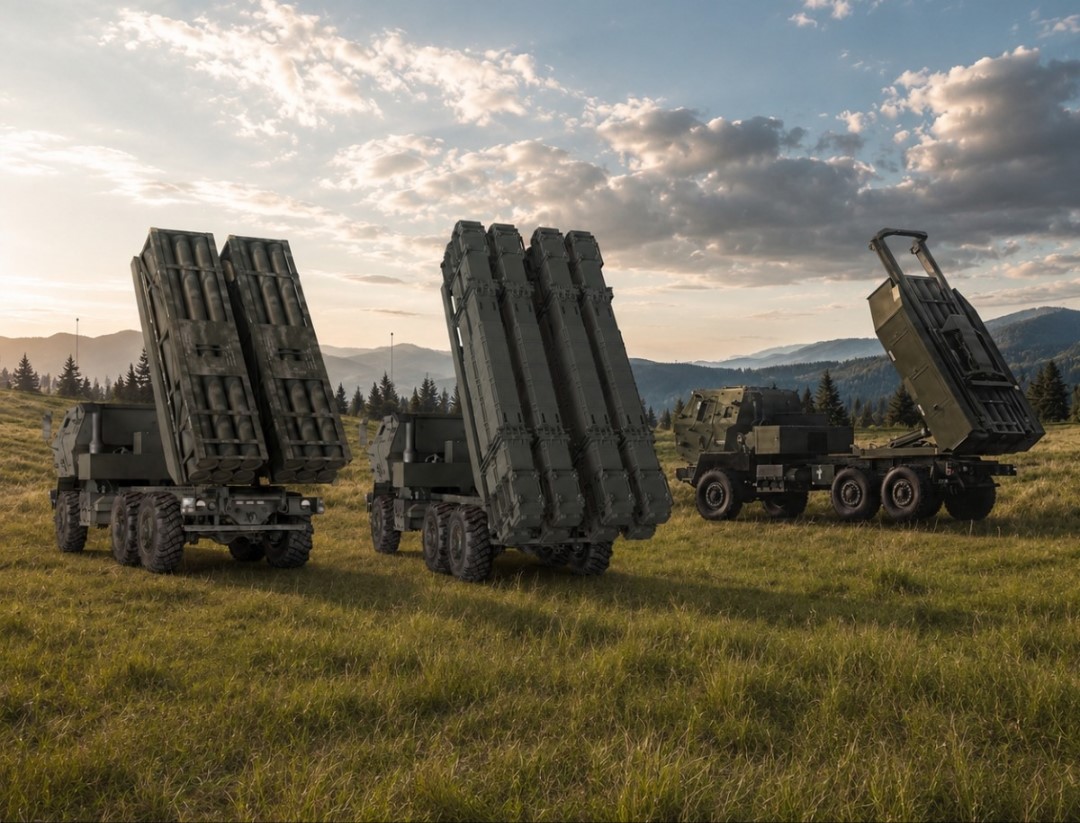 Lockheed Martin Unveils HIMARS FLEX with Dual-Pod Launcher and NATO-Compatible Air Defense Integration
-
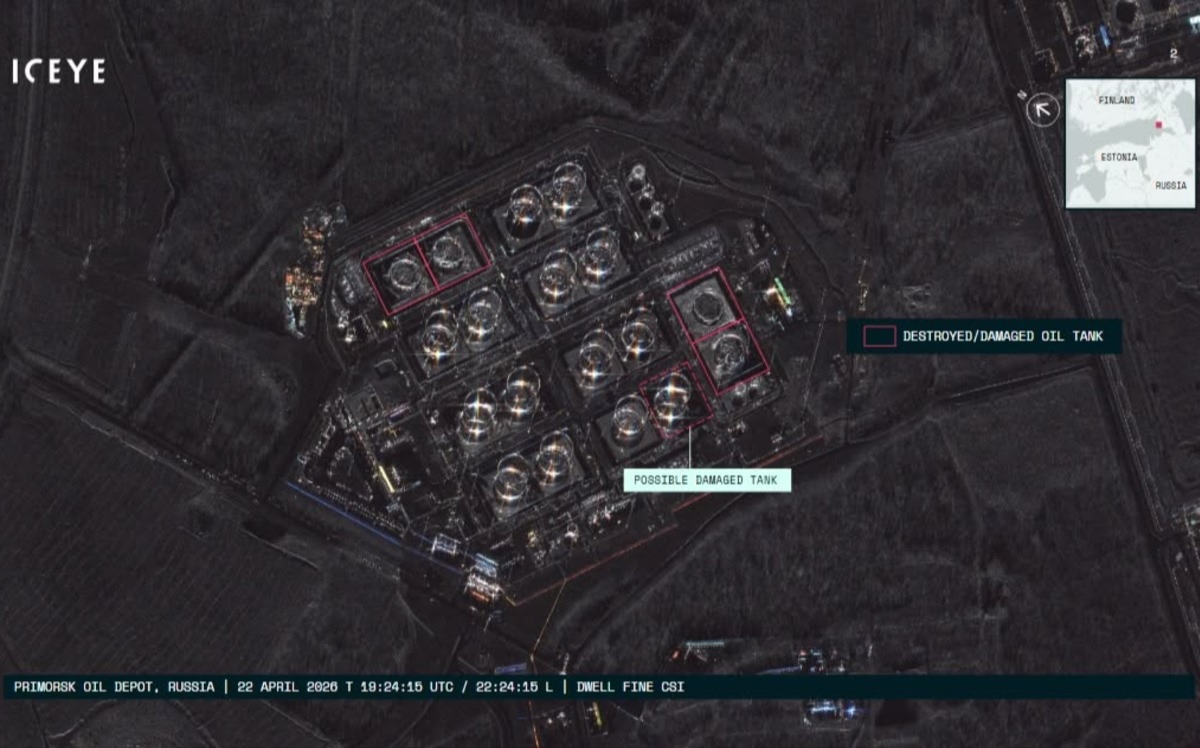 Portugal Doubles Sovereign SAR Satellite Fleet with Order for Two Additional ICEYE Satellites
-
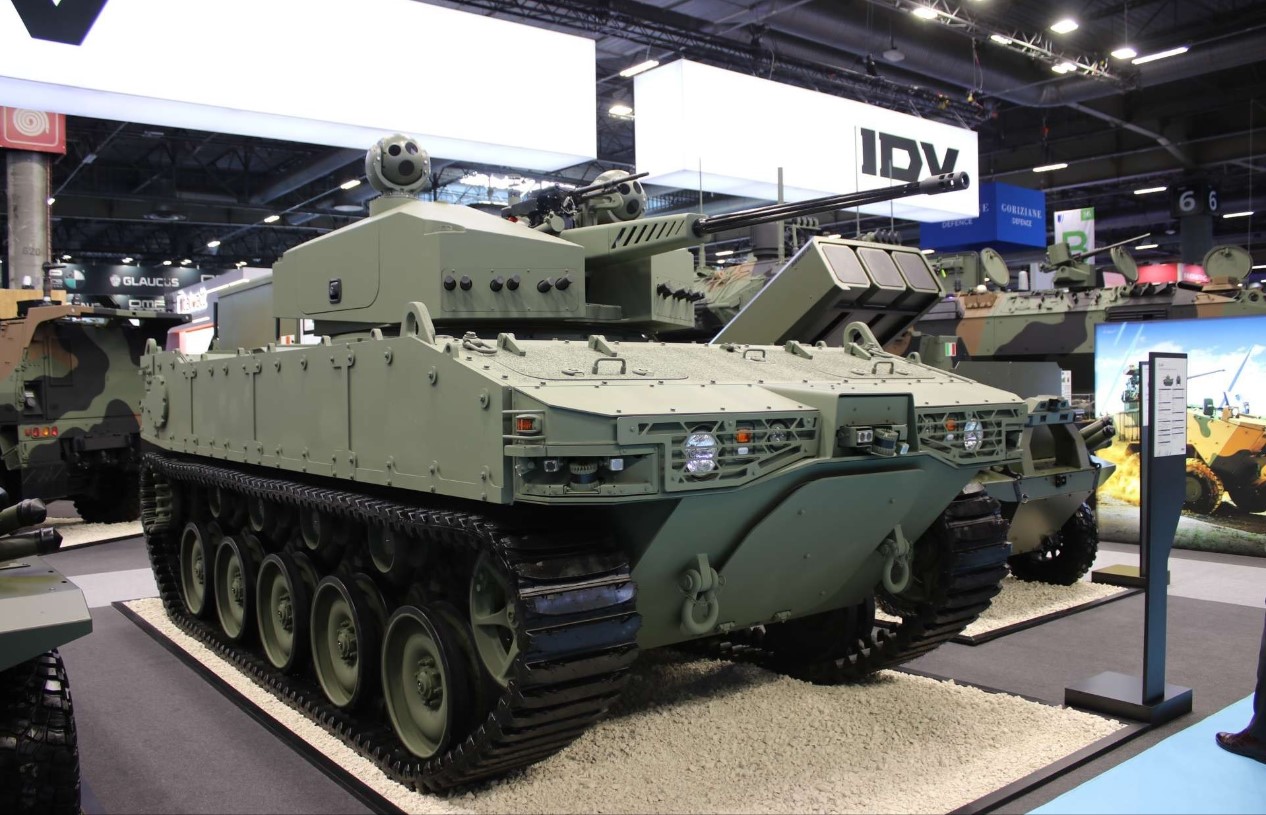 IDV Unveils CL2X Hybrid Uncrewed Light Tank at Eurosatory 2026
-
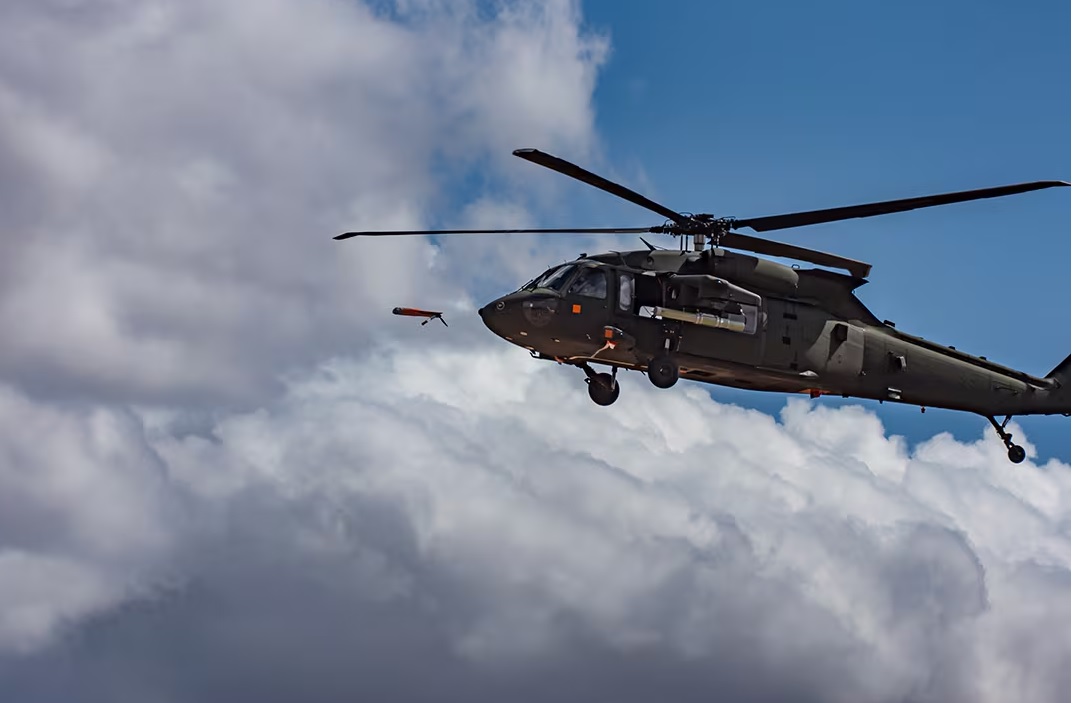 U.S. Army Completes First Flight Test of Medium-Range Air-Launched Effects from Black Hawk Helicopter
-
 Why the U.S. Restored Pacific Command Name, Ending the Indo-Pacific Designation After Eight Years
Top Trending in 4 Days
-
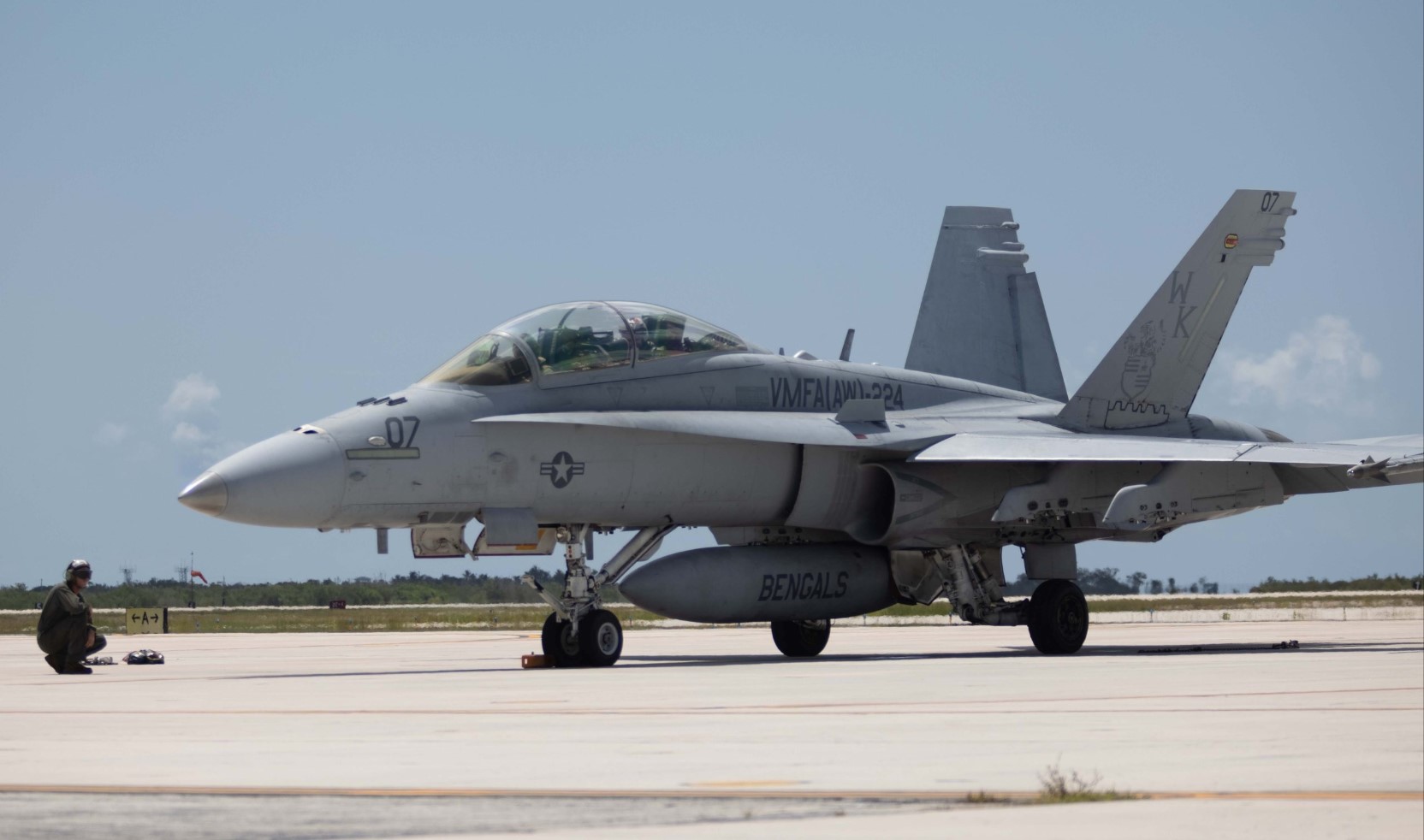 US Marine Corps F/A-18D Hornet Crashes During Training Flight in Washington Mountains; Pilot Ejects Safely
-
 Tulsi Gabbard Releases Declassified Files Detailing U.S.-Backed Network of 120 Biolaboratories Across 30+ Countries
-
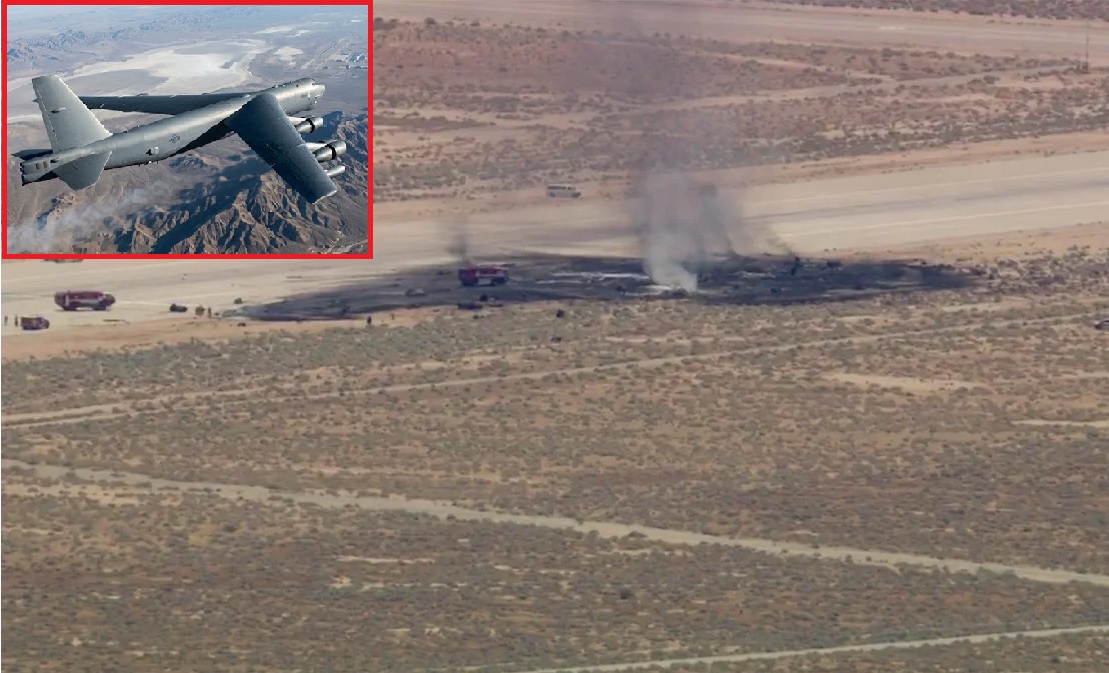 8 U.S. Air Force Crew Members Killed in B-52 Bomber Crash During Test Flight at Edwards Air Force Base
-
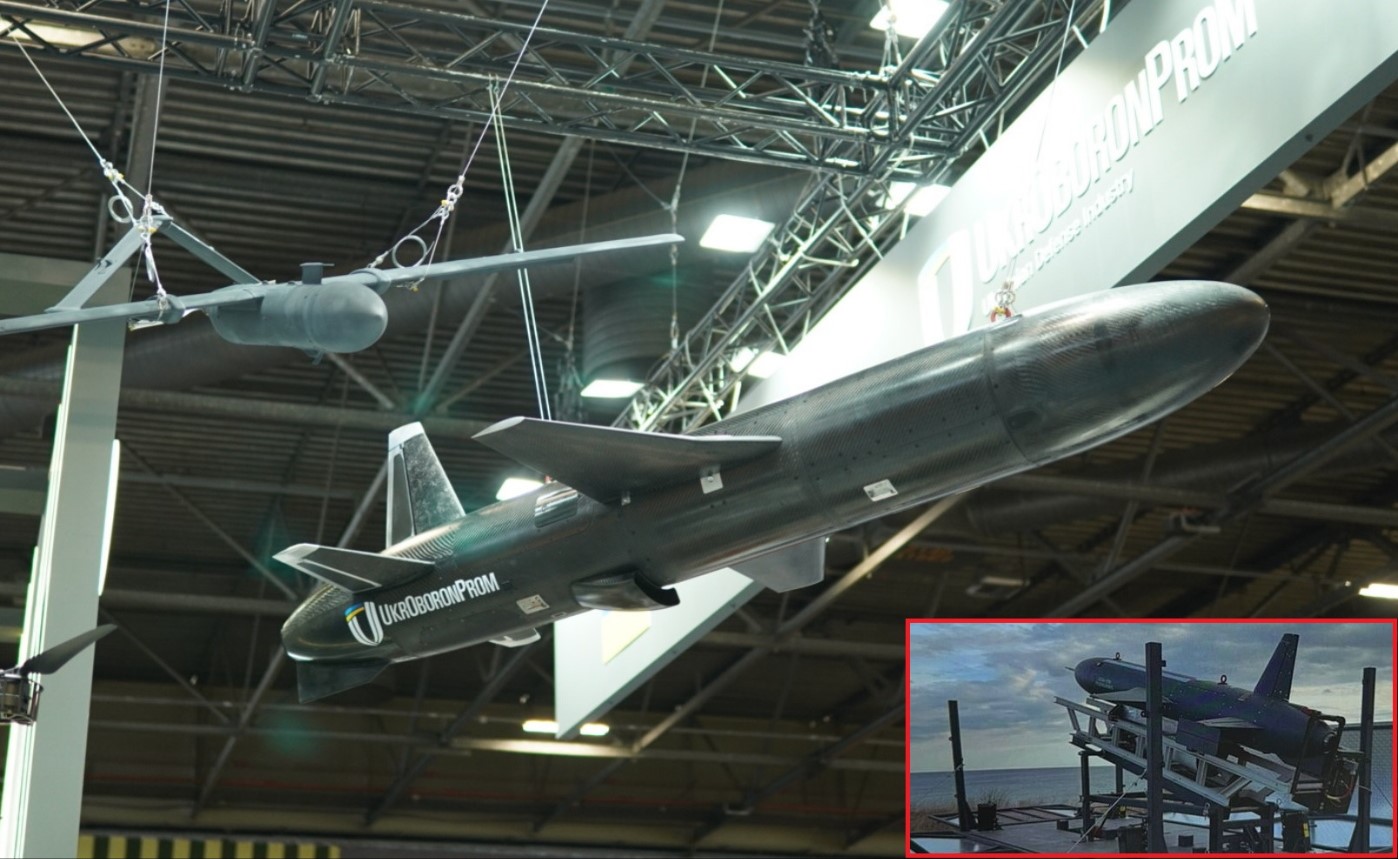 Ukraine Unveils UAV-290 Jet-Powered Strike Drone with 650 km Range at Eurosatory 2026
-
 Ukraine Introduces Balloon-Launched DART Missile Designed to Defeat Electronic Warfare
-
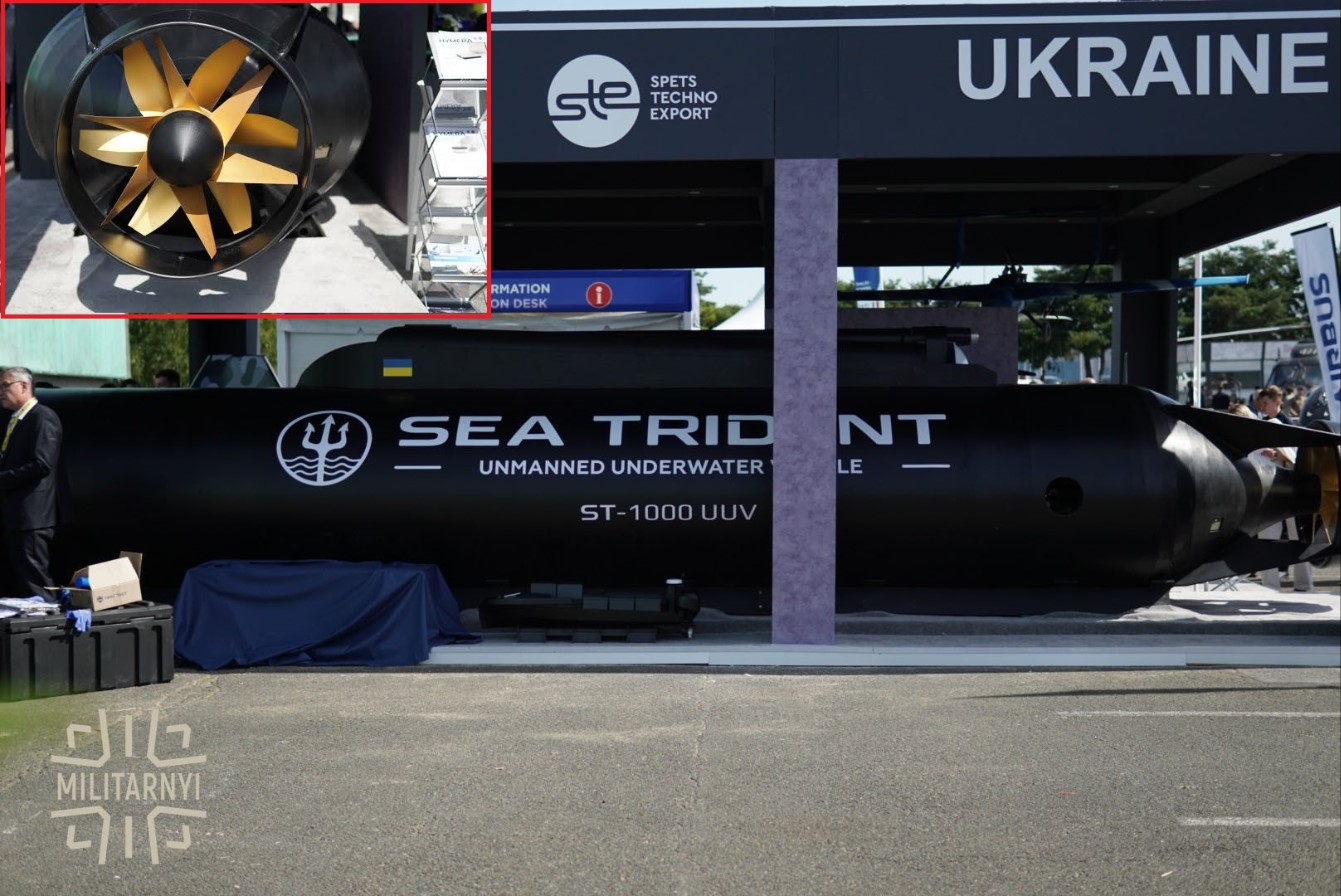 Ukraine Unveils 'Sea Trident' 10-Ton Autonomous Underwater Drone at Eurosatory 2026
-
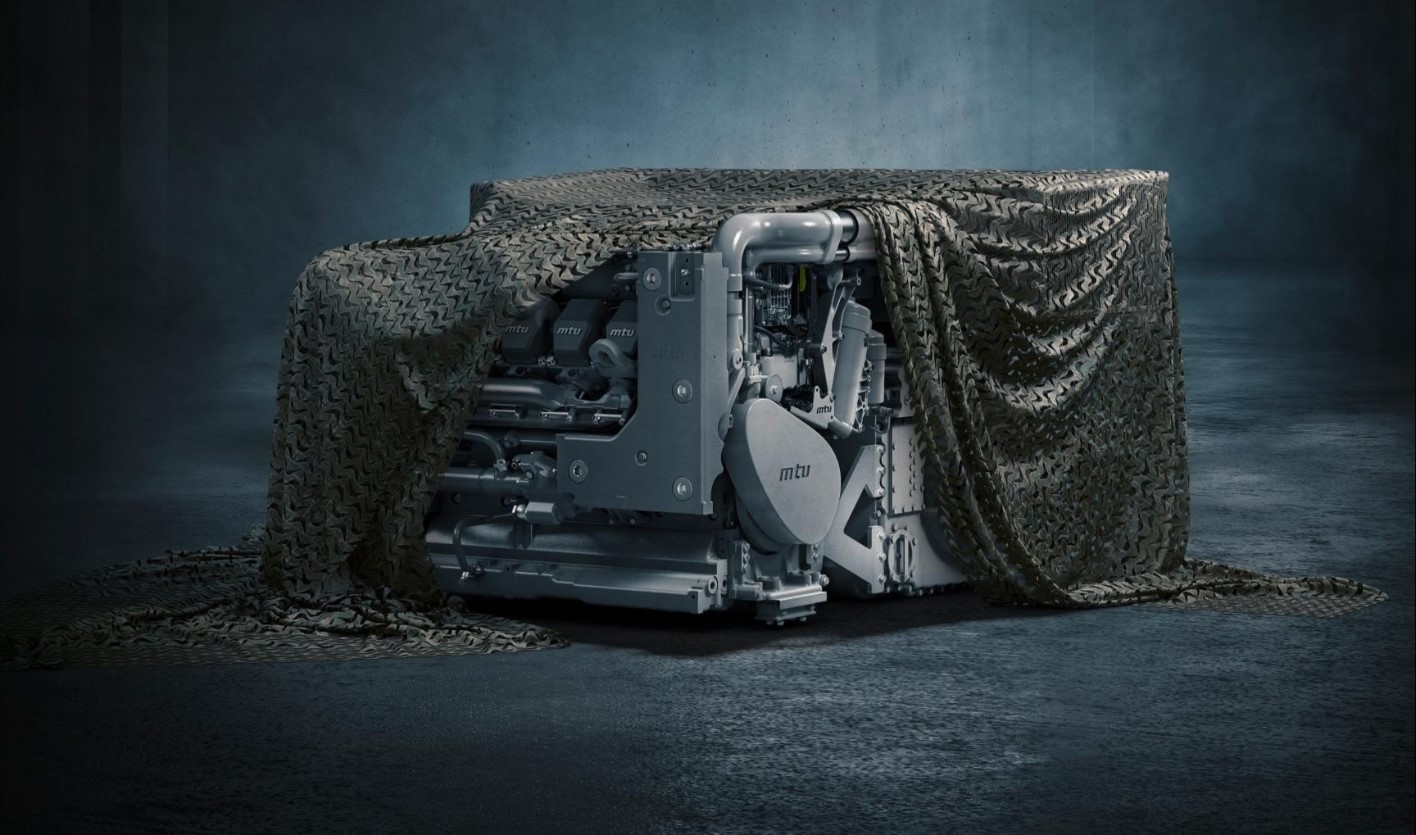 Rolls-Royce Unveils New Hybrid Powertrain for Heavy Military Vehicles at Eurosatory 2026
-
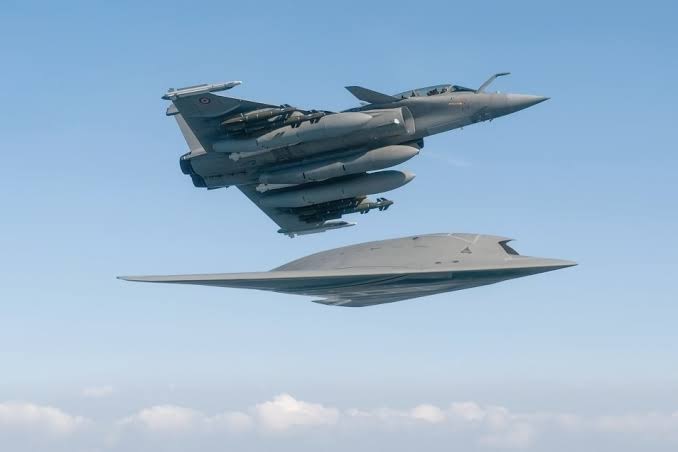 France Agrees to Equip Future Indian Rafales with AI, MUM-T and Secure Satellite Links Under F5 Standard