France and India are poised to deepen their already robust strategic defense partnership, with a significant upgrade on the horizon. During a crucial India-France strategic dialogue scheduled for September 30 to October 1, France is set to offer full support to India in constructing nuclear submarines, developing advanced jet engines, and enhancing underwater drone capabilities. This dialogue, involving India's National Security Advisor Ajit Doval and French Diplomatic Adviser Emmanuel Bonne, reflects the growing depth of cooperation between the two nations in critical defense and security domains.
At the heart of these discussions is France’s offer of comprehensive assistance in several key areas:
Nuclear Submarines for Indian Navy
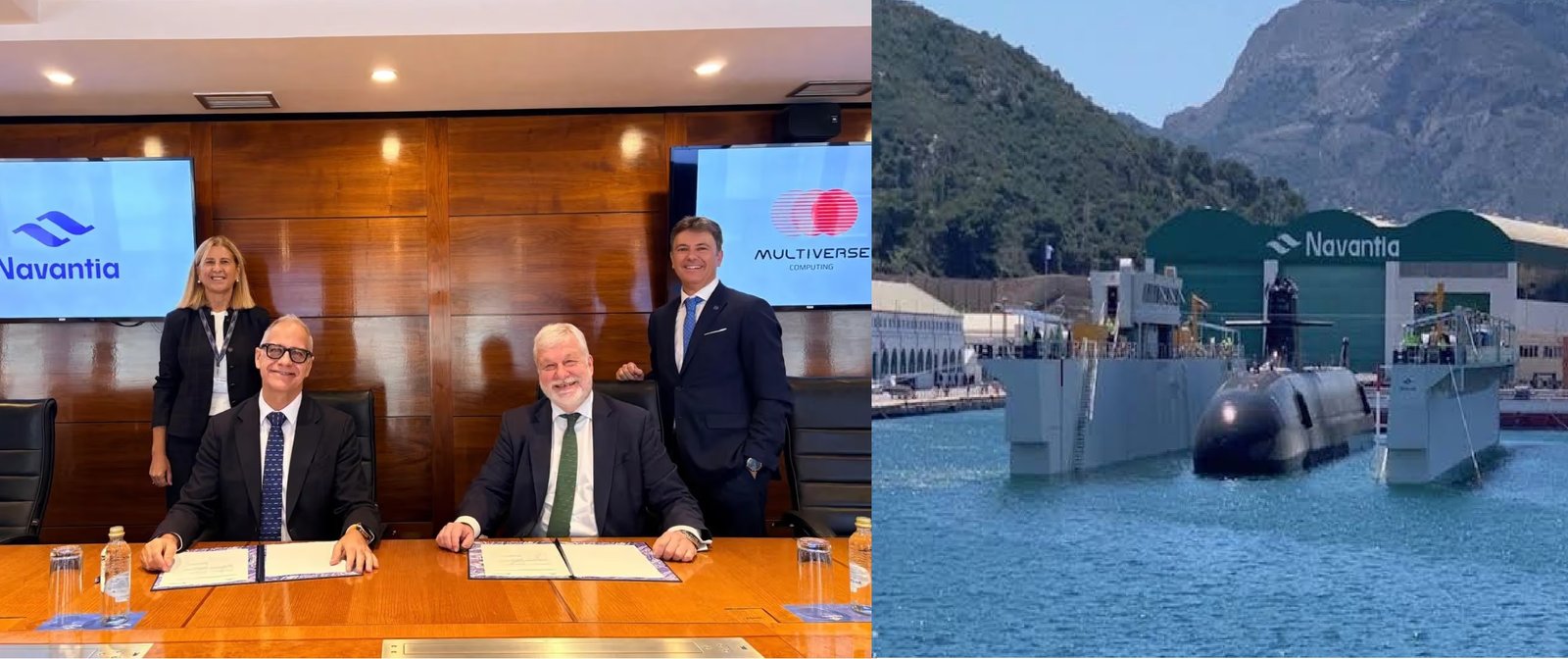
India has long recognized the need for strengthening its naval capabilities, and France has stepped forward with a concrete offer. The Indian Navy has been urging the government to prioritize the construction of two nuclear attack submarines, a move that could substantially boost India's maritime defense. France, with its proven expertise in submarine technology, is prepared to share this knowledge. Nuclear submarines, with their long-range endurance and ability to remain submerged for extended periods, are vital assets in the context of India's broader security interests, particularly in the Indo-Pacific region.
Jet Engines with Full Transfer of Technology
The dialogue also brings good news for India's efforts in indigenous defense manufacturing. Safran, a French aerospace giant, has extended a significant offer to India: a 100% transfer of technology (ToT) for 110 kilo-Newton thrust engines. These advanced engines are crucial for India's upcoming Advanced Medium Combat Aircraft (AMCA) program, which aims to produce a next-generation fighter jet. The deal ensures that India gains complete autonomy over the technology, with the option to export the jointly developed engines to other nations without restrictions.
Safran's involvement is not new—having collaborated with ISRO in the 1970s to develop rocket engines, they have now offered India the chance to develop and upgrade jet engines. This includes training Indian engineers in advanced metallurgy, a crucial component of high-performance engine production. The long-term vision of this collaboration could pave the way for further developments in India's aerospace sector, helping the nation achieve self-reliance in critical defense technologies.
Underwater Drones to Enhance Surveillance and Naval Operations
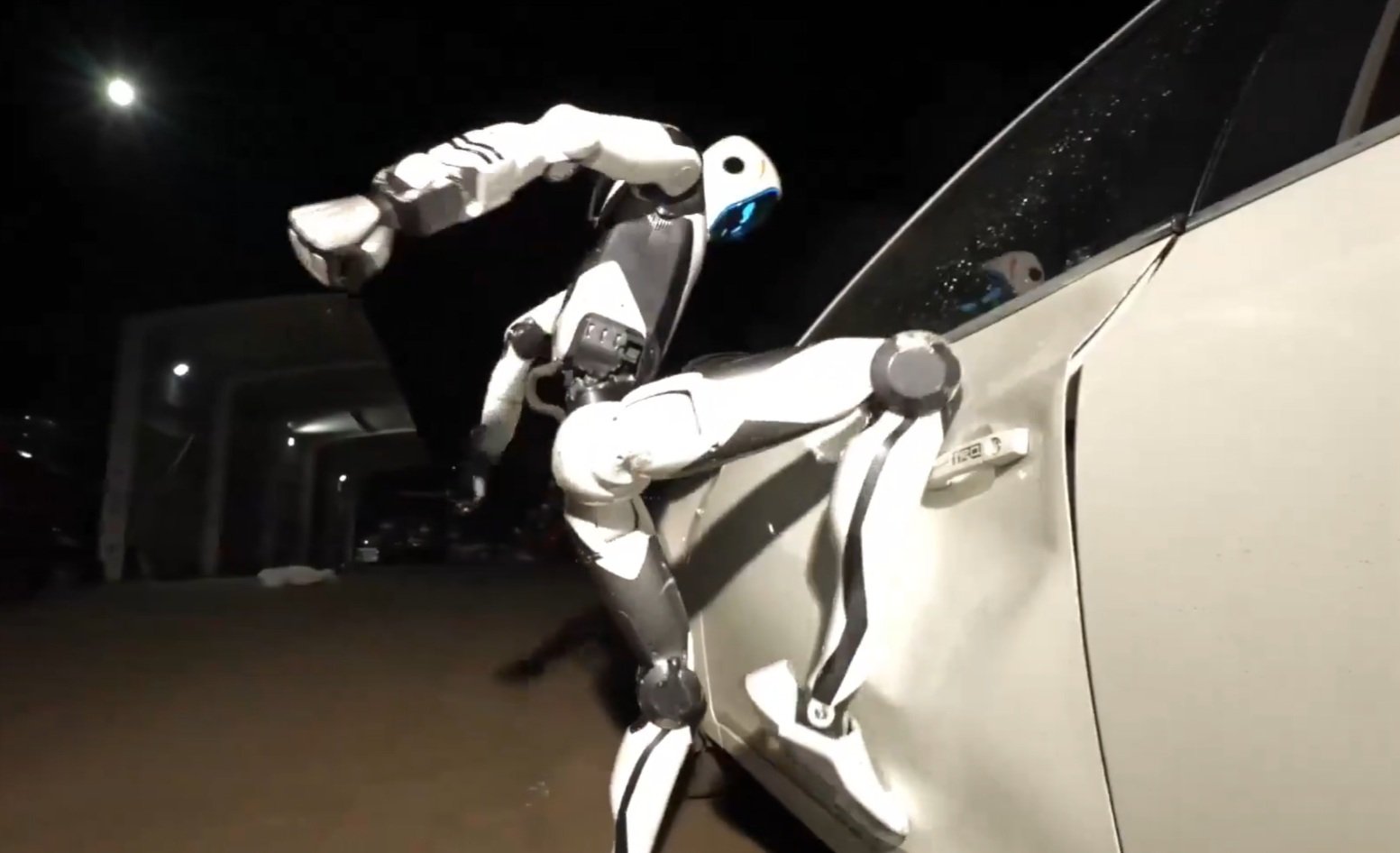
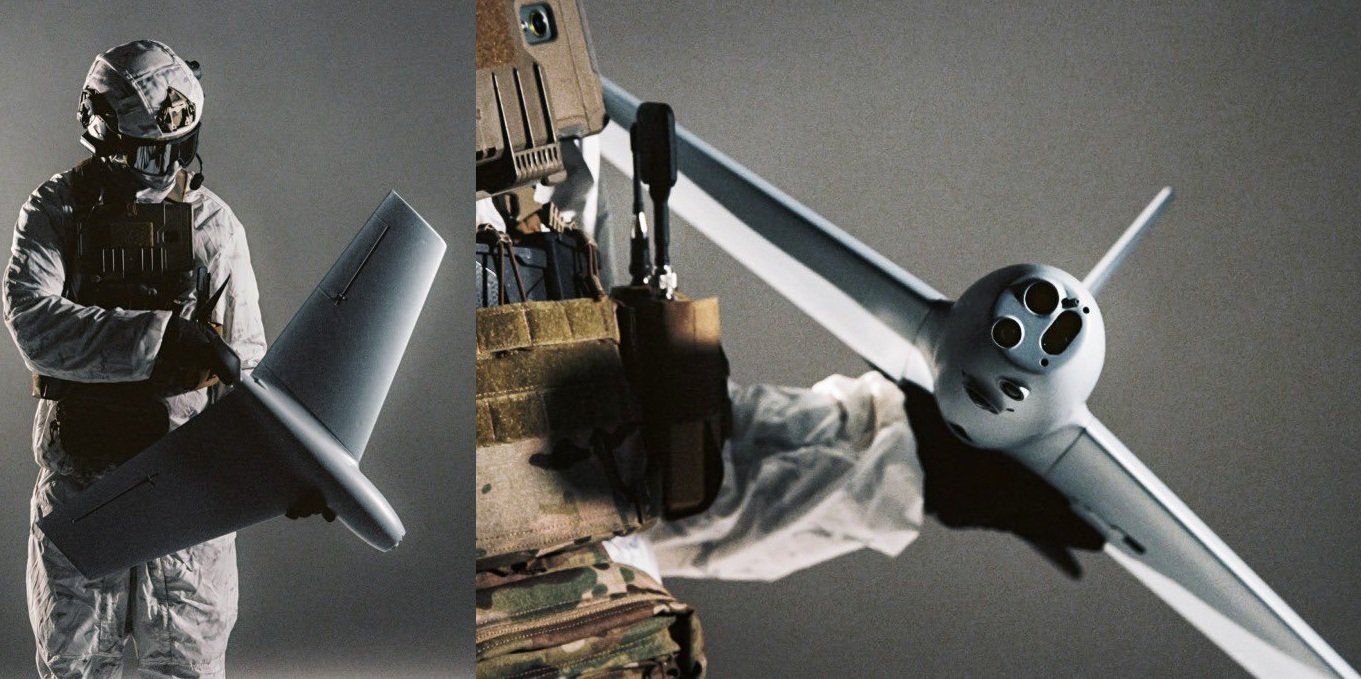
As the dynamics of modern warfare evolve, underwater drones have become an essential part of intelligence, surveillance, and reconnaissance (ISR) missions. France’s offer includes fully autonomous systems that can operate in the air, surface, and underwater, significantly enhancing India's ISR capabilities. These drones will protect India’s naval assets, such as submarines, and bolster the Indian Navy's ability to monitor and secure its maritime borders.
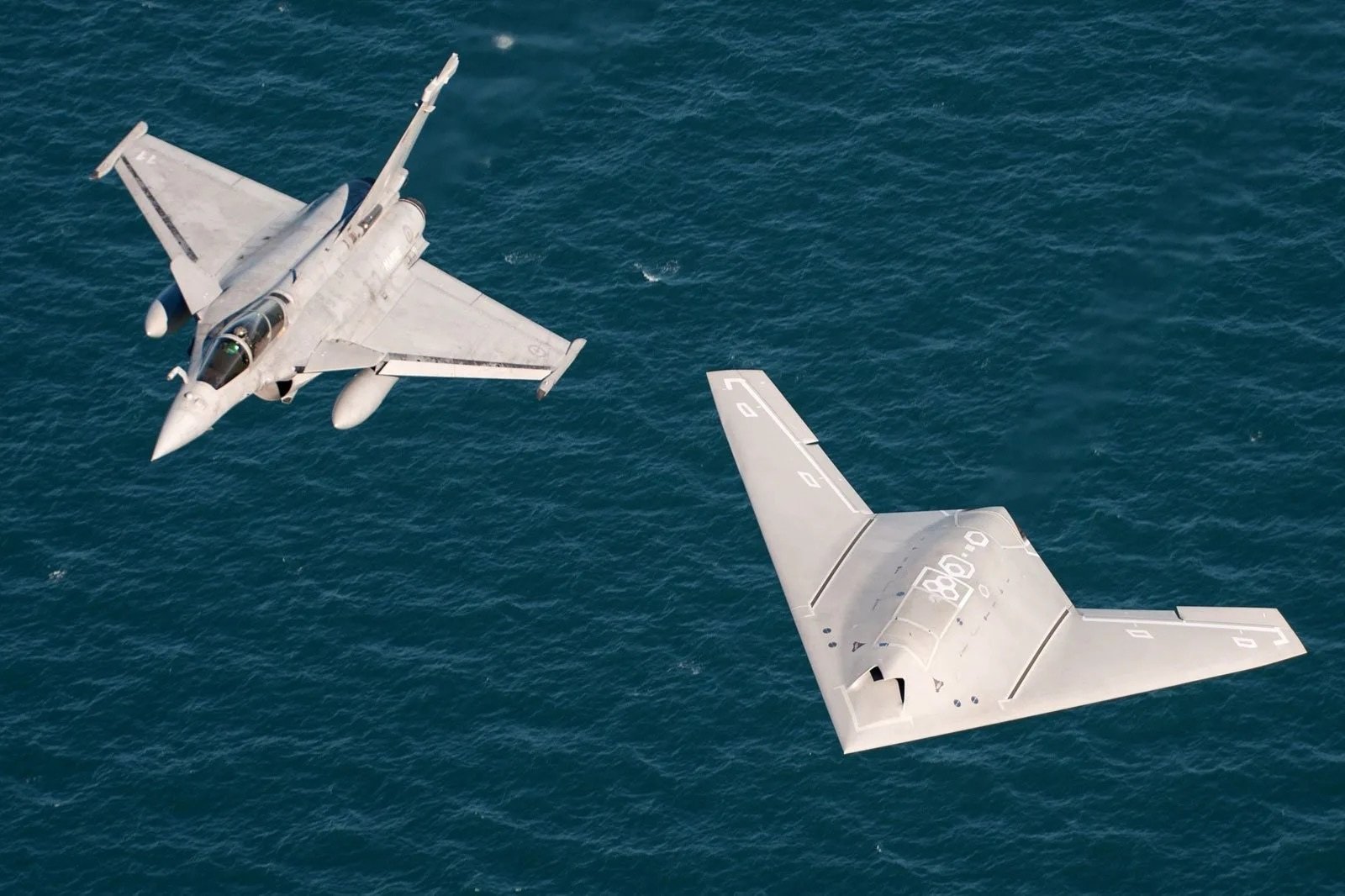
This expanded defense partnership also coincides with India's ongoing negotiations to acquire 26 Rafale Maritime fighter jets for its aircraft carriers. Additionally, France’s Naval Group will work with India to build three more Kalvari-class diesel attack submarines as part of Project 75, which focuses on strengthening India's underwater fleet.
Broader Geopolitical and Strategic Cooperation
While defense cooperation will dominate the dialogue, France and India are also keen to enhance their partnership in the Indo-Pacific. Both nations have significant stakes in the region, with the Indian Ocean being a strategic hotspot. The discussions between Doval and Bonne are expected to cover wider geopolitical issues, including Middle Eastern conflicts and the security of shipping lanes, particularly in the Red Sea, where commercial vessels have been targeted.
France has shown interest in India’s Middle East Economic Corridor project, which aims to foster greater economic and trade linkages between India, the Middle East, and Europe. Additionally, the two sides are expected to touch on the evolving situations in Bangladesh and Sri Lanka, reflecting the broader security and political concerns in South Asia.
A Trusted Partnership for Strategic Autonomy
France has been a long-standing and reliable defense partner for India. From supplying cutting-edge weaponry to offering high-tech defense technology, France's commitment to strengthening India's military capabilities aligns with India's strategic objective of achieving greater autonomy in defense production and reducing dependence on foreign suppliers.
As the world becomes more multipolar, partnerships like the one between France and India highlight the importance of cooperation in addressing shared security challenges. With nuclear submarines, advanced jet engines, and underwater drones on the table, the upcoming India-France strategic dialogue is set to further consolidate the defense ties between these two global powers.
The future looks promising as India continues to build its military capabilities, while France remains a steadfast partner, willing to share advanced technology and expertise that will not only bolster India's security but also enhance its global standing.
——— End of Article ———