India
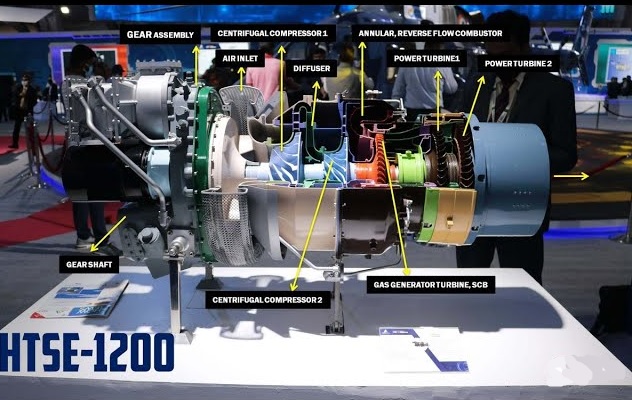
Hindustan Aeronautics Limited (HAL) is moving forward in its mission to develop a fully indigenous engine with the HTSE-1200 (Hindustan Turbo Shaft Engine). Designed to power helicopters in the 3 to 6-ton class, this turbo-shaft engine is expected to be ready for service by mid-2025. Currently, the fabrication of five HTSE-1200 engines has begun, underscoring the company’s commitment to advancing India’s self-reliance in aerospace technology.The HTSE-1200 engine is tailored to meet the propulsion needs of a wide range of medium-lift helicopters, a crucial asset for both military and civilian operations. This development aims to replace India’s reliance on imported engines, offering a homegrown alternative with advanced capabilities. One of the helicopters that stands to benefit from this engine is the Advanced Light Helicopter (ALH-Dhruv), already a key player in India’s defense and rescue missions. HAL plans to integrate an HTSE-1200 engine into an older ALH-Dhruv prototype for live testing, ensuring the engine’s real-world viability and performance before mass production.The technical aspects of the HTSE-1200 reflect HAL's engineering prowess. The engine has been developed in collaboration with the Defence Metallurgical Research Laboratory (DMRL), ensuring it meets the rigorous demands of modern aviation. Key milestones in the engine’s development include the achievement of 100% RPM (Revolutions Per Minute) during core engine trials, an essential validation of its performance capabilities. This success indicates the engine's readiness to operate under full power, a critical aspect for helicopter missions that require both reliability and versatility in varied environments.Additionally, a technology demonstrator of the HTSE-1200 has already undergone successful sea-level trials. These trials, coupled with the engine's 100% speed run on its core, demonstrate that the engine can perform in different atmospheric conditions, ensuring it meets the needs of high-altitude operations as well as sea-level missions. The modular design of the engine, which allows for the easy replacement of key parts, ensures ease of maintenance and longer operational life—a significant advantage in field operations where downtime must be minimized.The HTSE-1200 features state-of-the-art digital engine control systems, offering precision in operation and efficiency. These systems allow pilots and ground crews to monitor the engine's performance in real time, offering critical data that can be used to fine-tune the helicopter’s performance or pre-emptively address potential issues. In terms of specifications, the engine’s power output is designed to be in the range of 1,200 horsepower, ideal for medium-sized helicopters that need to perform both agile maneuvers and heavy-lift operations.One of the key aspects of this development is its long-term impact on India’s aerospace industry. With the HTSE-1200, HAL will provide a much-needed engine that can be used in multiple platforms, reducing dependency on foreign suppliers for helicopter engines. This not only strengthens the country's defense capabilities but also enhances its position as a player in the global aerospace market.As HAL prepares for the engine's deployment, the HTSE-1200 is set to become a cornerstone in powering India’s expanding helicopter fleet, which includes not only military helicopters but also those used in medical evacuation, disaster relief, and civilian transport. With the first batch of engines expected to be ready by 2025, HAL's HTSE-1200 represents a bold step forward in India’s journey toward aerospace self-reliance. This advanced engine will likely become a core component of future helicopter designs, as HAL continues to expand its range of indigenous helicopters. In the coming years, the HTSE-1200 could also be adapted for use in other helicopter platforms, making it a versatile and invaluable asset for India’s defense forces and civil aviation needs.
Read More → Posted on 2024-09-12 15:32:50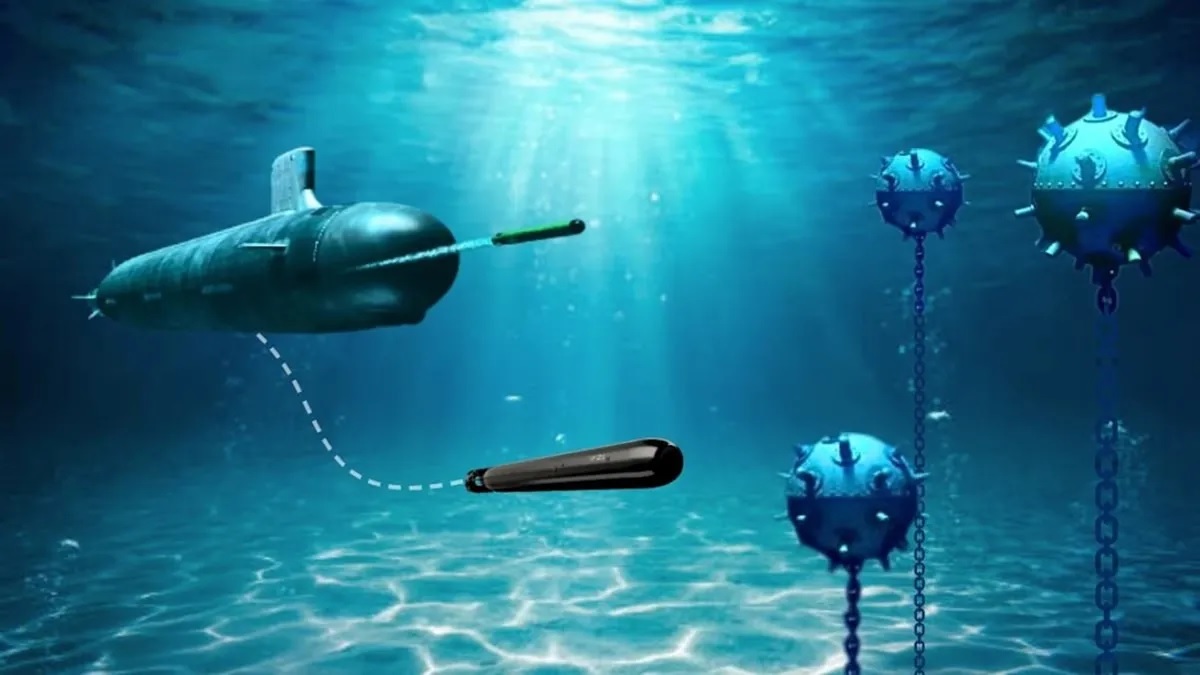
India
The Indian Navy is on the verge of making a pivotal decision in its ambitious Project 75 India (P75I) submarine program, with the MDL-TKMS partnership emerging as the leading contender. This strategic initiative aims to bolster India’s underwater defense capabilities with six cutting-edge conventional submarines equipped with Air Independent Propulsion (AIP) technology. After years of delay, the decision is expected to significantly enhance India's maritime strength.The P75I project, part of India’s larger 30-year submarine-building plan, has experienced numerous setbacks since its inception. Initially, the plan envisioned 24 conventional submarines, but it was later adjusted to include 18 conventional submarines and six nuclear-powered ones. Currently, the Indian Navy operates 16 conventional submarines, including five Scorpene-class boats built under the earlier Project 75. The upcoming induction of the sixth Scorpene-class submarine later this year will round off this batch, but the P75I submarines are meant to address future threats with more advanced capabilities.At the heart of the P75I deal is the collaboration between Mazagon Dock Shipbuilders Limited (MDL), a state-owned Indian shipyard, and Germany’s ThyssenKrupp Marine Systems (TKMS), one of the global leaders in submarine technology. The MDL-TKMS bid has surged ahead, thanks to its successful demonstration of a fully operational AIP system during the field evaluation trials (FET). This sea-proven system, a crucial feature for extended underwater endurance, is a key factor in the Navy's recommendation. The ability of AIP to allow submarines to remain submerged for extended periods without surfacing makes it a game-changer in modern naval warfare.In contrast, Spain’s Navantia, another competitor in the bidding process, struggled to meet this critical requirement. Their AIP-equipped submarine isn’t expected to be operational until 2026, making the MDL-TKMS bid more attractive to the Navy, which seeks a proven system to minimize risks in deployment. The presence of a proven AIP system significantly reduces the potential for technical and operational setbacks that could arise from the introduction of untested technologies.Beyond the technical advantages, the deal holds substantial geopolitical implications. The selection of the MDL-TKMS consortium comes at a time of increasing maritime tensions in the Indo-Pacific region, making the modernization of India’s submarine fleet a pressing need. The decision also coincides with German Chancellor Olaf Scholz’s upcoming visit to India in October, where the submarine deal is expected to be a major talking point. Although a formal contract may not be signed during his visit, the discussions will reflect the progress made and may further solidify India-Germany defense ties.Project 75I is not only about strengthening India’s naval capabilities but also aims to push forward the country’s vision of self-reliance in defense manufacturing. A stipulation of the contract is the gradual increase in indigenous content, contributing to the "Make in India" initiative and enhancing the local defense industry. The submarines will be built domestically, leveraging the expertise of MDL, which has a long history of constructing submarines, including the Scorpene class under a similar arrangement with France.The upcoming decision on the P75I submarine deal is viewed as a watershed moment for India's maritime strategy. As the region’s security environment becomes increasingly complex, having a fleet equipped with advanced technologies such as AIP will enable the Indian Navy to maintain a tactical edge, particularly in long-endurance missions where staying undetected is crucial. Additionally, this project will ensure that India continues to develop its domestic defense capabilities, positioning it as a strong player in the global defense market.The MDL-TKMS bid has clearly demonstrated its superiority in terms of technical readiness, and its selection could bring about a new chapter in India’s naval history. With a decision expected soon, the Navy is moving closer to securing a long-term solution to its submarine capability requirements, ensuring that the country remains a formidable force in the region’s maritime domain.
Read More → Posted on 2024-09-12 15:25:17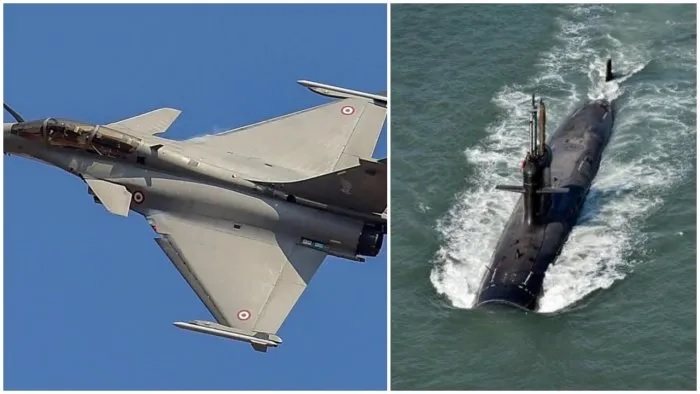
India
As the end of the fiscal year approaches, the Indian Navy is gearing up to finalize three substantial defence deals that are set to transform its operational capabilities. These agreements, valued at a combined ₹1.25 lakh crore, are pivotal to the Navy’s ongoing modernization efforts and aim to enhance its surveillance and combat readiness.The primary focus of these deals includes the acquisition of advanced drones, submarines, and fighter jets. Specifically, the Navy is looking to procure 31 MQ-9B drones, three additional Scorpene-class submarines, and 26 Rafale-M fighter jets. This ambitious plan is supported by an unprecedented capital budget of ₹61,000 crore, allocated by the Indian government to bolster the Navy's modernization.MQ-9B Drone Deal: Nearing the Finish LineThe deal for 31 MQ-9B drones is one of the most anticipated components of this procurement spree. Designed for anti-submarine warfare, these drones are poised to enhance the Navy’s surveillance capabilities significantly. The contract, which falls under a Letter of Acceptance from the U.S. government, is expected to be finalized before October 31. The arrangement will see the Indian Navy receiving 15 of these drones, while the remaining units will be distributed between the Army and Air Force. Notably, the deal includes the integration of Indian weapon systems onto the drones, including a planned incorporation of the Naval Anti-Ship Missile (Short Range) once development is completed.Expansion of Scorpene SubmarinesAnother crucial aspect of the Navy's procurement strategy is the expansion of its submarine fleet. The deal for three additional Scorpene-class submarines, valued at approximately ₹40,000 crore, is progressing well. These submarines will be built in collaboration between France’s Naval Group and India’s Mazagon Dockyard Limited (MDL). The new submarines will feature cutting-edge technology and an indigenous combat management system, reflecting significant input from Indian firms. Bharat Electronics Limited (BEL) will play a key role in this program, underscoring the project’s commitment to integrating local expertise and technology.Rafale-M Jets for INS VikrantThe third major deal involves the acquisition of 26 Rafale-M fighter jets, which are intended for deployment on the INS Vikrant, India’s indigenous aircraft carrier. This ₹50,000 crore deal is progressing with a similar framework to the earlier procurement of 36 Rafale jets for the Indian Air Force. The decision has been made not to integrate the indigenous Uttam radar system into the Rafale-M fleet to avoid increasing costs and project delays. These jets will play a crucial role in enhancing the air power of the INS Vikrant, bolstering its operational capabilities on the high seas.Strengthening Naval CapabilitiesThese substantial defence deals highlight the Indian Navy’s strategic focus on upgrading its capabilities in both surveillance and underwater warfare. By modernizing its fleet with advanced drones, submarines, and fighter jets, the Navy is positioning itself to significantly enhance its operational effectiveness and readiness in the years ahead. The forthcoming contracts are a testament to the Navy’s commitment to maintaining a robust and technologically advanced fleet, crucial for India’s maritime security.This push for modernization represents a critical investment in the Navy's future, ensuring that it remains well-equipped to address emerging threats and challenges in the maritime domain.
Read More → Posted on 2024-09-11 15:24:17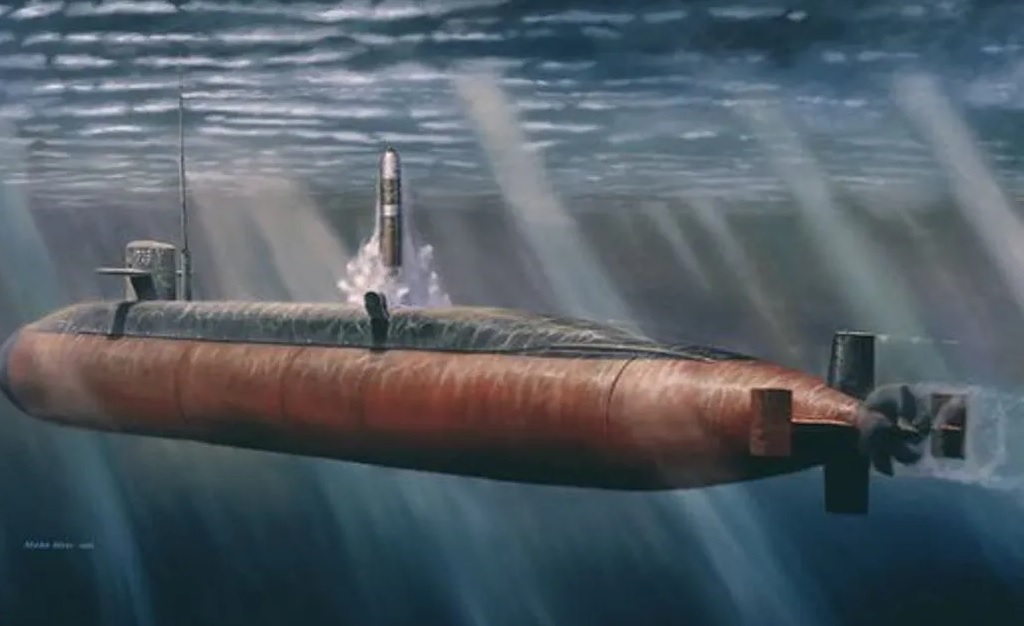
India
India is on the brink of a significant upgrade in its naval capabilities with the development of its next-generation S5 class ballistic missile submarines (SSBNs). This new class of SSBNs is set to revolutionize India's nuclear deterrence strategy, introducing advanced features and enhanced firepower that will bolster the country's strategic defense posture.The S5 class SSBNs represent a major leap from the existing Arihant-class submarines. One of the most notable advancements is the addition of 12 or more missile launch tubes. This is a substantial increase from the four launch tubes found on the Arihant-class submarines. With this expanded capacity, the S5 class will be able to carry and deploy a significantly larger arsenal of ballistic missiles, including the K5 and its advanced variant, the K5 SLBM. These missiles are designed for long-range nuclear strikes, capable of carrying multiple warheads to targets at great distances.In terms of propulsion and energy, the S5 class will be powered by a new 190-megawatt pressurized light-water reactor (PWR) fueled by enriched uranium. This state-of-the-art reactor promises not only to enhance the submarine's range but also to reduce its acoustic signature, making it much harder for enemy forces to detect. The increased power and efficiency will also allow the S5 submarines to operate more freely across the vast expanses of the Indian and Pacific Oceans.The technological advancements in the S5 class extend beyond just firepower and propulsion. The submarines are expected to incorporate cutting-edge stealth technologies, further enhancing their survivability and operational effectiveness. This will ensure that India's nuclear deterrent remains credible and capable of withstanding potential threats in a rapidly evolving geopolitical landscape.As the S4 and S4 Star submarines near their final stages of fitment, the S5 class is approaching the end of its design phase, with official sanction anticipated soon. This development underscores India's dedication to maintaining a robust and effective nuclear triad, which includes land-based, sea-based, and air-based nuclear delivery systems.The S5 class SSBNs will play a crucial role in reinforcing India's nuclear deterrent, providing the country with a powerful tool to ensure national security and strategic stability. This next-generation submarine fleet represents a significant advancement in India's defense capabilities, reflecting the nation's commitment to maintaining a strong and credible nuclear posture in a complex and dynamic global environment.
Read More → Posted on 2024-09-11 15:20:38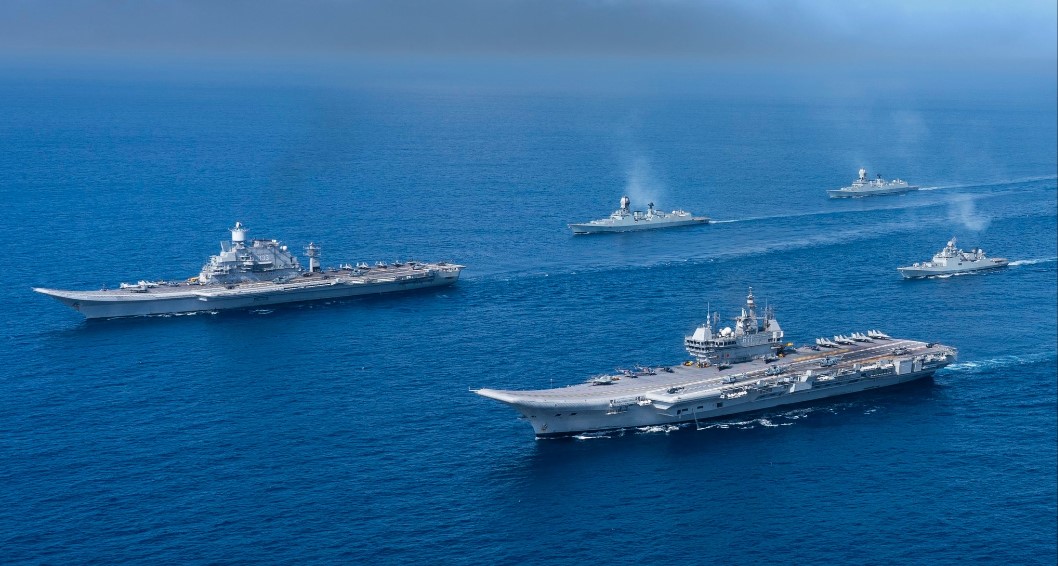
India
Bharat Electronics Limited (BEL), the government-owned electronics company, recently made headlines with a significant contract win. On Wednesday, BEL announced that it has been awarded an impressive ₹1,155 crore in new orders. A key component of this contract is a ₹850 crore deal with Cochin Shipyard Limited (CSL) for the supply of its state-of-the-art Multi-Function Radar (MFR) in the X Band.This radar system, designed by the Defence Research and Development Organisation (DRDO) and manufactured by BEL, is a cutting-edge piece of technology tailored to enhance the defense capabilities of naval vessels. The X Band Multi-Function Radar is engineered to detect, acquire, and track airborne threats, providing a crucial shield for naval ships against potential aerial attacks. Its versatility makes it an essential asset for modern naval operations, ensuring the safety and effectiveness of maritime defense.In addition to this substantial order, BEL has also secured other contracts totaling ₹305 crore. These orders encompass a range of advanced technologies and systems, including navigational complex systems for ships, thermal imagers, communication equipment, and various fire control and gun control systems. The comprehensive nature of these orders highlights BEL's broad role in equipping and modernizing naval forces.With these new contracts, BEL’s total order intake for the current financial year has surged to ₹7,075 crore, underscoring the company's pivotal role in advancing defense technology and contributing to national security.This latest development reflects BEL’s continued commitment to providing high-quality, indigenous defense solutions and reinforces its position as a key player in India's defense sector.
Read More → Posted on 2024-09-11 15:18:11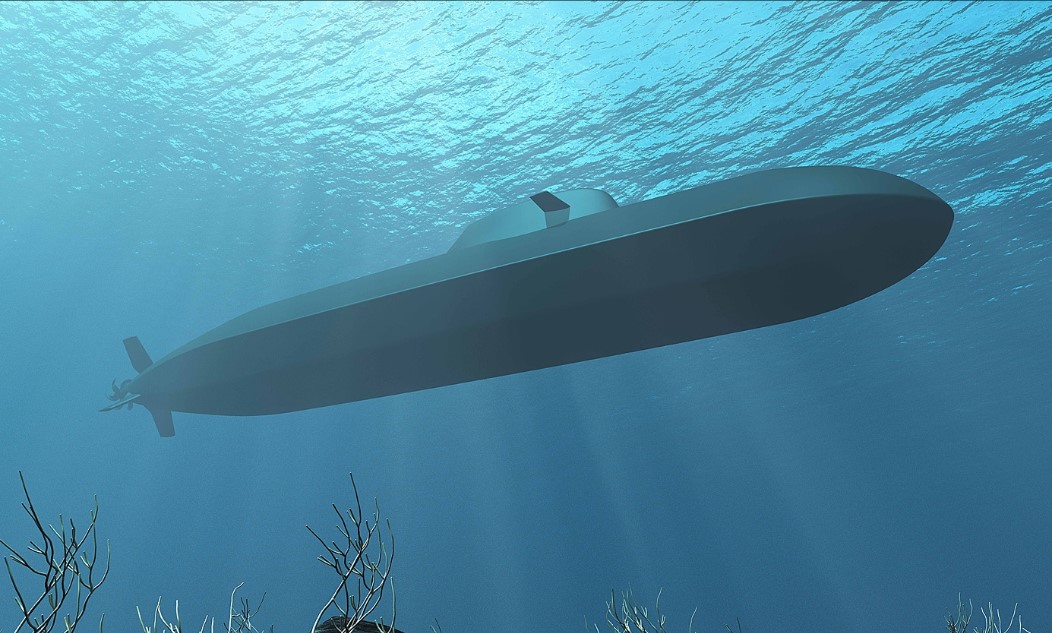
India
ThyssenKrupp Marine Systems (TKMS) has reached a significant milestone in the development of its advanced submarine design, a major step forward for India's P-75I program. The company recently completed a crucial Design Review, showcasing a cutting-edge submarine concept that emphasizes "Stealth Shaping" technology.The new design is a refined evolution of the Type-212CD submarines, which are currently being developed for Germany and Norway. Although the Indian variant of this design has not been officially named by TKMS, it draws heavily from the Type-212CD, incorporating key advancements that set it apart from the earlier Type-212A models.This design review was comprehensive, involving the meticulous analysis of over 100,000 pages of documentation. The review ensured that the design met about 6,000 contractual requirements, as validated by the German Ministry of Defence. This rigorous process underscores the design’s robustness and TKMS’s commitment to delivering a high-quality product.A standout feature of the Type-212CD design is its stealth capabilities. Unlike traditional submarines with rounded hulls, this design utilizes angled hulls that significantly reduce the reflection of sonar waves. This innovative approach results in a much lower acoustic signature, allowing the submarine to operate with greater stealth and effectiveness in contested maritime environments.The Indian Navy's P-75I program aims to enhance its underwater capabilities with the acquisition of six advanced diesel-electric submarines equipped with air-independent propulsion (AIP) technology. This program is crucial for maintaining India's strategic advantage in the region. The successful completion of TKMS’s Design Review represents a crucial step toward fulfilling these requirements and bringing the submarine closer to operational readiness.
Read More → Posted on 2024-09-11 15:11:00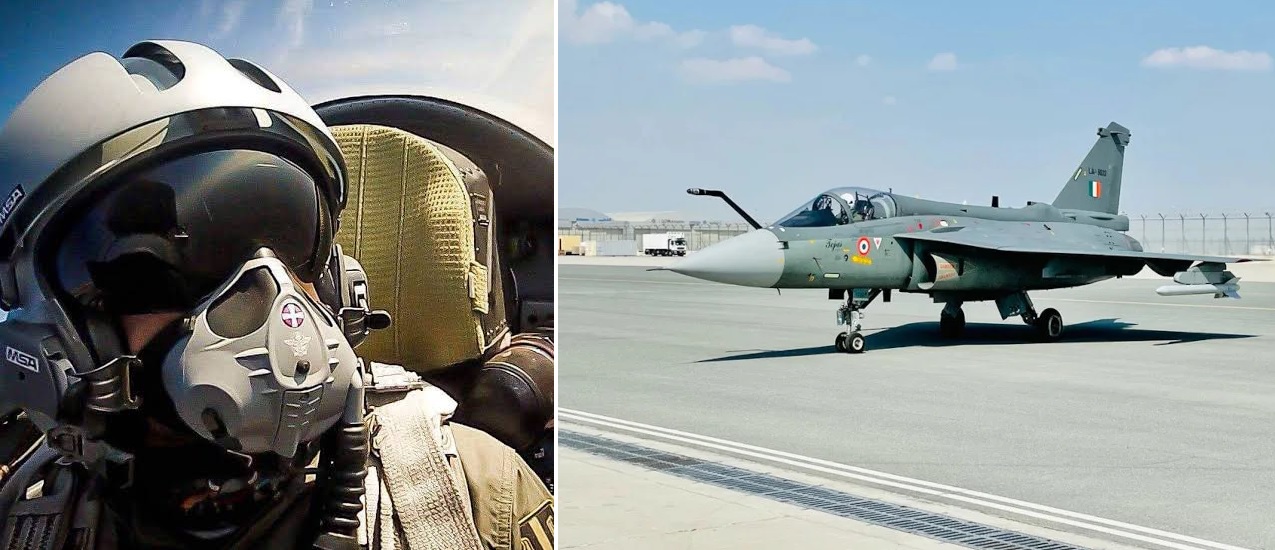
India
In a major step forward for pilot safety and operational readiness, the Indian Air Force (IAF) has begun equipping its Tejas Mk1 fighter jet pilots with the advanced MSA Gallet LA 100 helmets. This state-of-the-art headgear is specifically designed for combat pilots, marking a critical enhancement in how the IAF prepares its pilots for high-intensity missions. The introduction of these helmets comes as part of a larger initiative to upgrade pilot gear, with similar helmets already in use by IAF pilots flying the Mirage and Rafale fleets.The journey toward procuring the MSA Gallet LA 100 helmets began in 2022, with the IAF launching a tender to source helmets that could meet the rigorous demands of both the Mirage and Tejas squadrons. The Tejas, being a multi-role light combat aircraft, requires gear that can withstand extreme conditions, particularly during supersonic flight and emergency ejections. The MSA Gallet LA 100 is purpose-built for such high-risk scenarios, offering pilots superior protection, durability, and comfort.One of the key features of the MSA Gallet LA 100 helmet is its robust windblast resistance. During supersonic ejections, the helmet’s ability to protect the pilot’s head from high-speed wind forces can mean the difference between life and death. This is especially critical given the speeds at which modern fighter jets like the Tejas operate. The helmet’s seamless integration with oxygen masks also ensures that pilots maintain a stable oxygen supply during high-altitude operations, where breathing becomes difficult due to the thinning atmosphere.Another standout feature is the helmet’s construction, which includes carbon and aramid fibers. This combination of materials provides an exceptional level of protection against shocks and impacts, while also being lightweight enough to reduce pilot fatigue during long sorties. The helmet’s durability is paired with advanced visor technology, which enhances a pilot’s visibility in various lighting conditions. Whether it’s UV protection during daytime missions or improved visibility in low-light environments, the helmet is designed to optimize situational awareness.In terms of performance, the MSA Gallet LA 100 is also designed to withstand high g-forces, a common occurrence in combat and aerobatic flight maneuvers. This g-force resilience means pilots experience less strain on their neck and head, helping them to stay alert and focused during the intense physical demands of dogfights or evasive maneuvers. Comfort and ease of wear are equally important, and the helmet’s ergonomic design ensures that pilots can endure long hours in the cockpit without discomfort or distraction.Having already been proven with the IAF’s Rafale fleet, the MSA Gallet LA 100 helmet is quickly becoming the go-to choice for modern air combat. Its introduction to the Tejas Mk1 fleet reflects the IAF’s commitment to providing its pilots with the best possible equipment, enhancing their capabilities and overall mission success. With the ability to protect pilots during supersonic ejections and offer high levels of situational awareness, these helmets are more than just protective gear—they are a critical part of the IAF’s strategy to maintain air superiority and pilot safety in the face of ever-evolving challenges.By equipping its Tejas pilots with the MSA Gallet LA 100 helmets, the Indian Air Force is taking a significant step toward ensuring that its airmen are prepared for the most demanding combat environments. As the IAF continues to modernize its fleet and technology, these helmets will play an integral role in safeguarding the lives of pilots, while boosting the operational capabilities of the nation's defense forces.
Read More → Posted on 2024-09-11 15:01:16
India
In a significant legal decision, the Supreme Court of India has dismissed a Public Interest Litigation (PIL) that sought to stop the export of arms and military equipment to Israel. The PIL, filed by Ashok Kumar Sharma and supported by lawyer Prashant Bhushan, argued that India's ongoing arms exports to Israel should be halted due to the ongoing conflict in Gaza, where thousands of Palestinians have been killed following a violent escalation with Hamas.The court's decision was delivered by a bench comprising Chief Justice D.Y. Chandrachud, Justice J.B. Pardiwala, and Justice Manoj Misra. The justices stated that the judiciary cannot intervene in the realm of foreign policy, which falls under the purview of the executive branch. Chief Justice Chandrachud emphasized that such decisions could significantly affect the nation's foreign policy, and the court does not possess the expertise to predict the broader implications of halting these exports.The bench clarified that while Indian firms involved in arms exports could potentially face legal challenges for breaching contractual obligations, the court itself is not in a position to issue a ban or cancel export licenses. The court's stance reflects a clear boundary between judicial authority and foreign policy, reinforcing that matters of international relations and defense exports are beyond the judiciary's reach.This ruling comes at a time of heightened international scrutiny over Israel's military actions in Gaza. On October 7, 2023, Hamas launched a major assault on Israel, resulting in the deaths of approximately 1,200 people. In response, Israel's military operations have led to significant casualties among Palestinians, prompting global calls for various forms of intervention and support.The Supreme Court's decision underscores the complex interplay between national security, foreign policy, and judicial oversight, highlighting the limitations of the court in addressing issues intertwined with international diplomacy and defense strategies.
Read More → Posted on 2024-09-10 16:21:05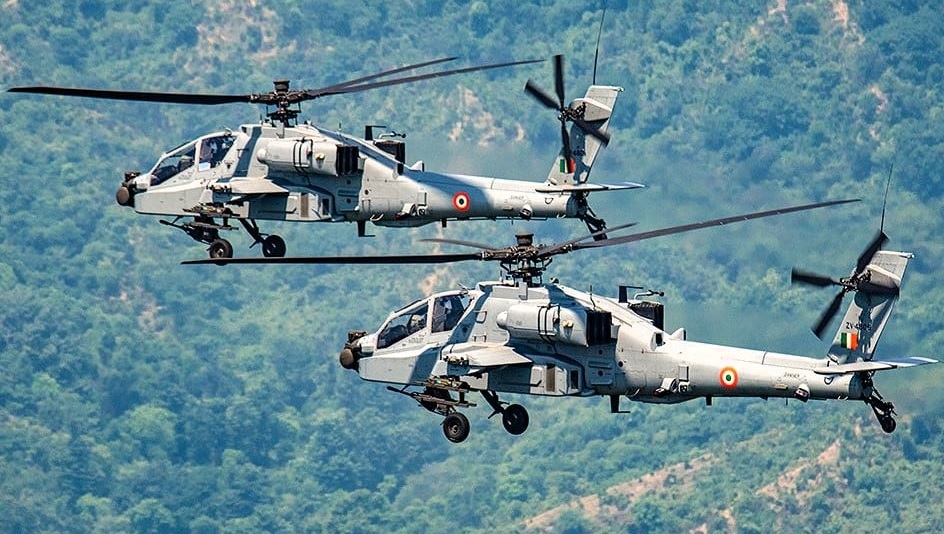
India
In one of its most challenging operations to date, the Indian Air Force (IAF) has successfully undertaken the retrieval of a Boeing Apache attack helicopter stranded on a rugged Ladakh peak since April. The helicopter, which made an emergency landing north of Khardung La pass at an altitude of 12,000 feet, had been grounded for months due to the harsh terrain and logistical constraints.The operation, which spanned several months, highlighted the IAF's resilience and resourcefulness in overcoming the treacherous conditions of the high-altitude region. The stranded Apache helicopter could not be airlifted from the site, even by the IAF’s powerful Chinook helicopters, as the weight and altitude made such an effort impossible. Instead, the IAF had to resort to an alternative plan: dismantling the helicopter and transporting it piece by piece to Leh by road.The Apache AH-64E is one of the world’s most advanced attack helicopters, boasting a sophisticated array of weaponry and systems designed for precision strikes against both air and ground targets. The IAF inducted 22 Apache helicopters from Boeing in a Rs 14,910 crore deal, making these helicopters a vital asset in India's defense, particularly in regions like Ladakh, which is prone to military tensions with China.The Apache helicopter is equipped with a 30mm M230 chain gun, Hellfire missiles, and Hydra 70 rockets, giving it formidable firepower. It also has advanced avionics and a Longbow radar system, enabling it to operate effectively in complex environments. This particular helicopter had to be retrieved from one such complex environment—one of the world's highest and most unforgiving terrains.Given the impossibility of airlifting the 10,000 kg helicopter from the mountain peak, a team of skilled IAF personnel and technicians trekked to the remote landing site. After an extensive assessment of the damage, they meticulously dismantled the helicopter into 400 individual parts. These parts were then manually carried by the team to the nearest road accessible to vehicles, a monumental task in itself considering the harsh conditions of the region. The dismantling and transportation process was not only physically demanding but also required technical precision to ensure that every component was safely retrieved.Only the Apache’s airframe and engine remained at the site after the dismantling, as these were too large and heavy to be carried manually. For these final components, the IAF deployed a specialized crane operated by trained personnel with mountaineering expertise. The crane used long steel wires to carefully lower the airframe and engine onto a waiting truck, marking the conclusion of the mission.This recovery operation was not just a technical challenge but also took place against the backdrop of heightened military tensions between India and China in the region. The deployment of Apache helicopters in Ladakh is a testament to India’s strategic focus on bolstering defense capabilities in the sensitive border areas.The Apache’s advanced capabilities are crucial for the IAF’s operations in such regions. It is a highly maneuverable helicopter, capable of flying in day and night conditions, even in adverse weather. It can also carry out precision strikes, making it an invaluable asset for missions in Ladakh’s rugged terrain. Its retrieval was, therefore, a matter of priority for the IAF, and the success of the operation underscores the military's technical expertise and determination in safeguarding India’s defense interests.This operation to recover the Apache highlights the complexities the IAF faces when operating in high-altitude areas like Ladakh, but it also showcases their ability to adapt and innovate in extreme situations.
Read More → Posted on 2024-09-10 16:17:43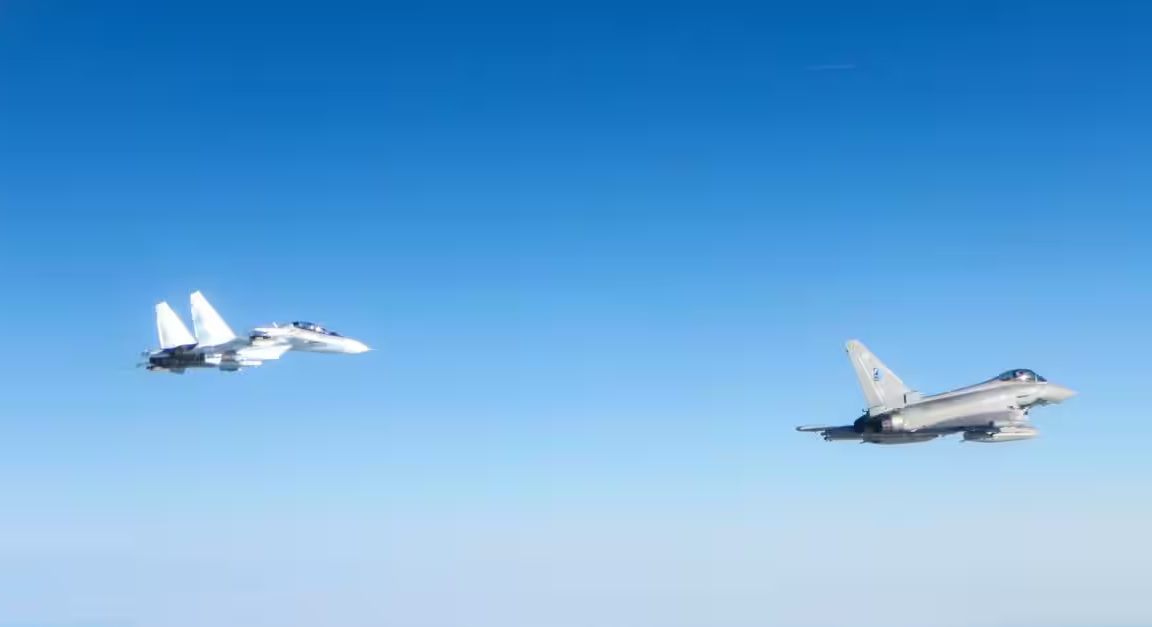
India
Exercise Tarang Shakti 2024, a major multilateral air combat exercise held in India, became the stage for an exciting aerial showdown between two of the world's most powerful fighter jets—the Eurofighter Typhoon and the Indian Air Force's Su-30MKI. A viral video from the event caught the attention of aviation enthusiasts worldwide, showcasing a gripping dogfight simulation between these two iconic aircraft. The video offered a fascinating glimpse into the realm of modern air combat, where agility, power, and technology meet the intense skill of the pilots.The Eurofighter Typhoon, a European-made multirole fighter, is renowned for its superior agility, impressive speed, and cutting-edge avionics. Capable of flying at Mach 2, the Typhoon is equipped with powerful EJ200 engines and advanced radar systems like the Captor-E AESA radar, designed for quick radar lock-ons and situational awareness in both beyond visual range (BVR) and within visual range (WVR) combat. However, during the simulated dogfight at Tarang Shakti 2024, the Typhoon faced a formidable challenge in the Indian Su-30MKI.The Su-30MKI, developed by Russia and customized by India, stands as a heavyweight contender in air combat, thanks to its twin AL-31FP thrust-vectoring engines. These engines allow the Su-30MKI to perform incredibly tight turns, steep climbs, and high-angle maneuvers that many other jets cannot match. It is these features that were on full display during the simulated dogfight. As the Eurofighter Typhoon aggressively pursued the Su-30MKI, attempting to secure a radar lock for a simulated missile launch, the Indian jet performed a sharp right-hand turn, evading the Typhoon with breathtaking agility. This moment was a testament to the Su-30MKI’s reputation for supermaneuverability.In WVR scenarios like the one seen in the viral video, close-quarters combat requires pilots to execute complex, high-risk maneuvers with split-second timing. The Su-30MKI's thrust vectoring gives it a distinct edge in these encounters, as it can turn and climb at extreme angles, avoiding lock-ons and positioning itself for counterattacks. This makes the Su-30MKI a highly capable dogfighter, even against advanced Western aircraft like the Eurofighter.The Eurofighter Typhoon, on the other hand, thrives in both BVR and WVR engagements. Its powerful radar systems and high-speed capabilities make it lethal at long distances, where radar-guided missiles play a dominant role. But as the viral dogfight demonstrates, even the most advanced avionics must contend with the unpredictability of close-range air combat. Despite its technological edge, the Eurofighter’s pursuit of the Su-30MKI revealed that sheer maneuverability remains a critical asset in dogfights.Exercise Tarang Shakti 2024 was not just about close-combat dogfights. The event emphasized a wide range of combat scenarios, from BVR missile engagements to joint strike operations and aerial refueling. The presence of diverse aircraft from multiple nations, including the British Eurofighter and the Indian Su-30MKI, underscored the importance of multinational cooperation and exchange of knowledge in modern warfare. These exercises allow countries to learn from one another, improving pilot skill sets, understanding of tactics, and the operational strengths and weaknesses of different fighter jets.The viral video of the Eurofighter-Su-30MKI dogfight has become a symbol of how far modern military aviation has evolved. It also highlights how even in an age dominated by long-range missiles and advanced avionics, the fundamentals of air combat—speed, agility, and the ability to outmaneuver your opponent—still reign supreme.In the end, while the Eurofighter Typhoon's cutting-edge technology and speed make it one of the most formidable fighters in the skies, the Su-30MKI's agility and supermaneuverability proved to be a match for the Typhoon in close-quarters combat. Both aircraft stand as paragons of modern air combat technology, offering unique strengths and showcasing the incredible capabilities of their respective air forces.
Read More → Posted on 2024-09-10 16:08:30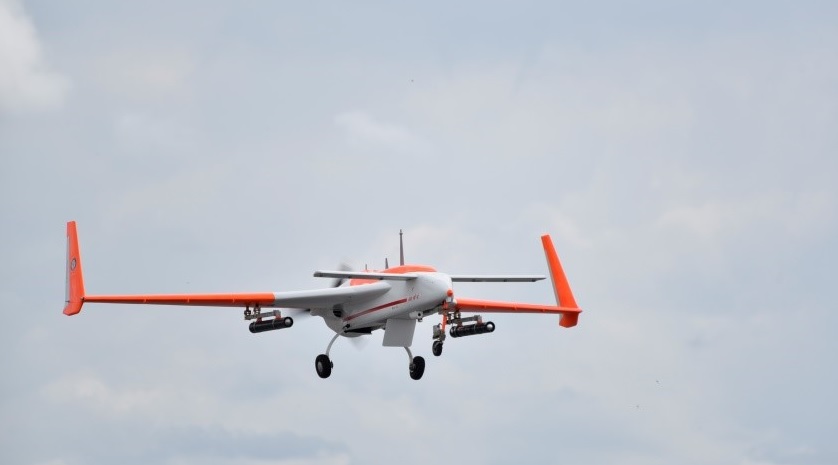
India
India’s drive towards self-reliance in defence technology is hitting a new stride with the indigenously developed *Short Range-Unmanned Aerial Vehicle-Weaponised* (SR-UAV-W), also known as the "Archer." This UAV, designed for multiple roles, is now gearing up for crucial anti-tank missile trials—a significant milestone that could elevate India's defence capabilities to the next level.After successfully clearing initial flight demonstrations, the Archer is ready for its next big challenge: testing its ability to fire and guide anti-tank missiles with precision. These trials, expected to take place soon, will simulate battlefield conditions using dummy targets. If the Archer can showcase pinpoint accuracy in these missile tests, it will signal its readiness for real combat scenarios. The Archer UAV has been designed with versatility in mind, with its functions spanning intelligence gathering, surveillance, target acquisition, tracking, and reconnaissance (ISTAR). These capabilities provide a comprehensive solution for boosting battlefield awareness, giving commanders real-time intelligence during missions. The Archer’s advanced Electro-Optical and Infrared (EO/IR) payload further allows it to track and identify targets, even in harsh environments or during nighttime operations.One of the Archer's key strengths lies in its endurance and operational range. It can fly at altitudes up to 22,000 feet and stay airborne for up to 12 hours, making it ideal for prolonged missions. This level of endurance ensures that the UAV can support lengthy reconnaissance or surveillance operations without needing to land frequently. A unique feature that sets the Archer apart is its compatibility with the Ground Control Station (GCS) developed for India’s Tapas UAV program. This integration streamlines operations and improves efficiency, reducing the logistical footprint by eliminating the need for separate GCS systems. By sharing this infrastructure, the Archer and Tapas UAV programs are designed to work seamlessly together, maximizing the resources available to India’s defence forces.The upcoming trials for the weaponized Archer UAV are particularly important for India’s Army and paramilitary forces, which have already expressed interest in this homegrown platform. A successful demonstration of the Archer’s anti-tank capabilities could lead to its widespread adoption in India's military forces, significantly boosting the country's capacity for self-reliant defence.The Archer UAV is not only a testament to India’s growing technological prowess but also a symbol of the nation’s commitment to reducing reliance on foreign defence imports. If the trials prove successful, it will be a major step forward in empowering India’s defence forces with cutting-edge indigenous technology. This achievement would represent a meaningful leap in India’s ongoing pursuit of defence self-sufficiency, placing the Archer at the forefront of the country’s military innovations.
Read More → Posted on 2024-09-10 16:02:51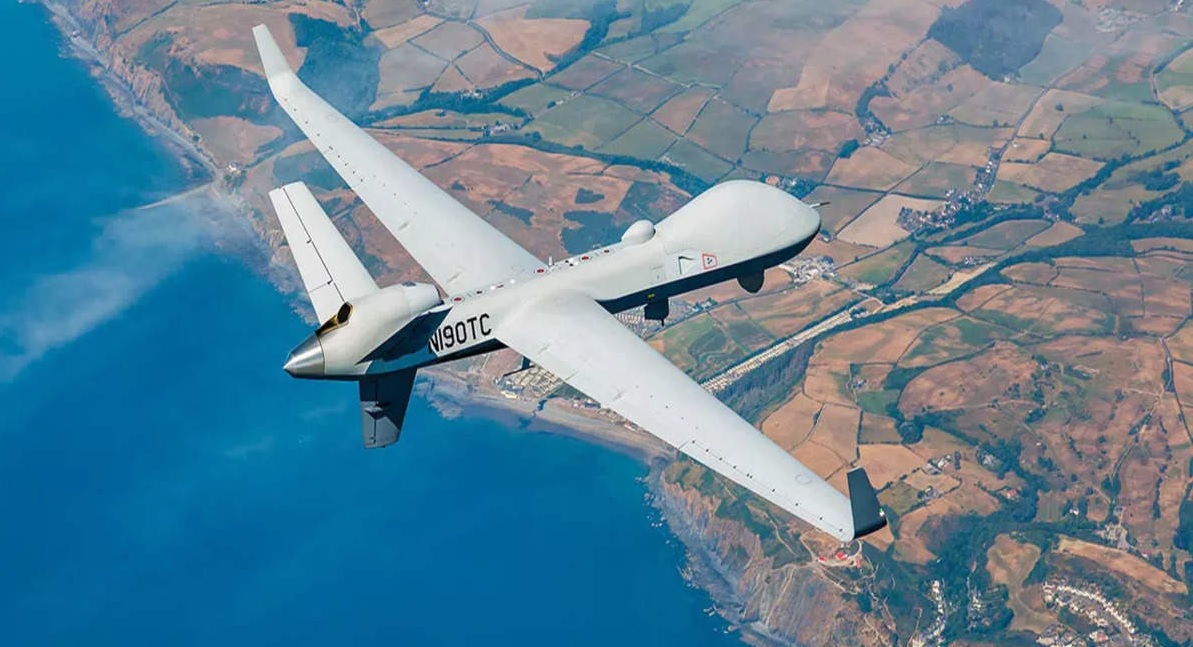
India
India is on the verge of sealing a major defense deal with the United States, acquiring advanced MQ-9B Predator drones. This significant procurement, valued at $3.1 billion, follows the Indian Defence Ministry's approval, marking a pivotal upgrade in the country’s military capabilities. The deal, which was greenlit by the Defence Acquisition Council (DAC) in late July, is now awaiting final expenditure approval from the Finance Ministry and clearance from the Cabinet Committee on Security (CCS). According to reports, the agreement needs to be finalized by October 31 to avoid a price hike from the manufacturer, General Atomics.The MQ-9B Predator drones, developed by US-based General Atomics, are some of the most advanced unmanned aerial vehicles (UAVs) in the world. India’s planned acquisition includes 31 of these drones, armed with air-to-surface missiles and laser-guided bombs. The breakdown of their distribution reflects India's strategic defense objectives. The Indian Navy will receive 16 of these drones to bolster maritime security, while the Army and Air Force will receive eight drones each for land-based operations and surveillance.The MQ-9B, sometimes referred to as the SkyGuardian, is the latest variant of the Predator family, capable of operating in all weather conditions and remaining airborne for over 40 hours. This long endurance, combined with its ability to carry a range of weaponry, makes it an indispensable tool for monitoring vast areas, striking precise targets, and conducting reconnaissance. The drones' versatility allows them to play a critical role in both maritime and land defense operations, making them a game-changer for the Indian military.The Indian Navy, which is already familiar with General Atomics’ technology, currently operates two leased Sea Guardian drones, an unarmed variant of the Predator, for maritime surveillance. These drones have been extended on lease for four more years and provide real-time domain awareness across critical maritime regions, from the Sunda Straits to the Suez Canal. The addition of the armed MQ-9B variants will significantly enhance India's ability to respond to threats, monitor critical areas, and project power across its maritime boundaries.The timeline for drone delivery is ambitious. India plans to induct 10 MQ-9Bs immediately, with the remaining drones delivered in batches every six months. The Navy’s drones will be stationed at strategically important bases like Arakkonam and Porbandar, giving India a comprehensive view of its vast coastline and maritime interests. On the other hand, the Army and Air Force will deploy their drones primarily along the Line of Actual Control (LAC), focusing on monitoring border regions and enhancing situational awareness, especially in areas of tension.The urgency behind this acquisition can be tied to the increasing use of drones in global conflicts. From Ukraine to the Middle East, unmanned aerial systems have proven their effectiveness in modern warfare, and non-state actors like the Houthis and Hezbollah have also embraced drone technology in their operations. India's decision to acquire armed drones is seen as a response to regional threats, particularly from China and Pakistan, both of which already possess weaponized drone capabilities. China has been a supplier of armed drones to Pakistan, adding another layer of complexity to the security landscape in the region.During a visit to the US in August, Defence Minister Rajnath Singh received an in-depth briefing on the Predator’s capabilities, further solidifying India's interest in this critical technology. The Predator drones have been used extensively by the US in the Middle East, especially in Afghanistan, where they have successfully carried out precision strikes on high-value targets. Their track record of effectiveness in hostile environments makes them a valuable addition to India’s defense arsenal.For India, the Predator deal represents more than just a technological upgrade; it signifies a shift towards modernizing its defense infrastructure to meet the challenges of contemporary warfare. With unmanned aerial systems becoming increasingly important in global military operations, the acquisition of MQ-9B drones marks a strategic move by India to not only strengthen its surveillance and strike capabilities but also maintain a competitive edge in the region.As the deal nears final approval, it is expected to further enhance the India-US defense partnership, which has been steadily growing in recent years. The inclusion of these cutting-edge drones will not only empower the Indian armed forces but also symbolize India's commitment to securing its borders and maritime interests amid rising geopolitical tensions.
Read More → Posted on 2024-09-10 15:59:51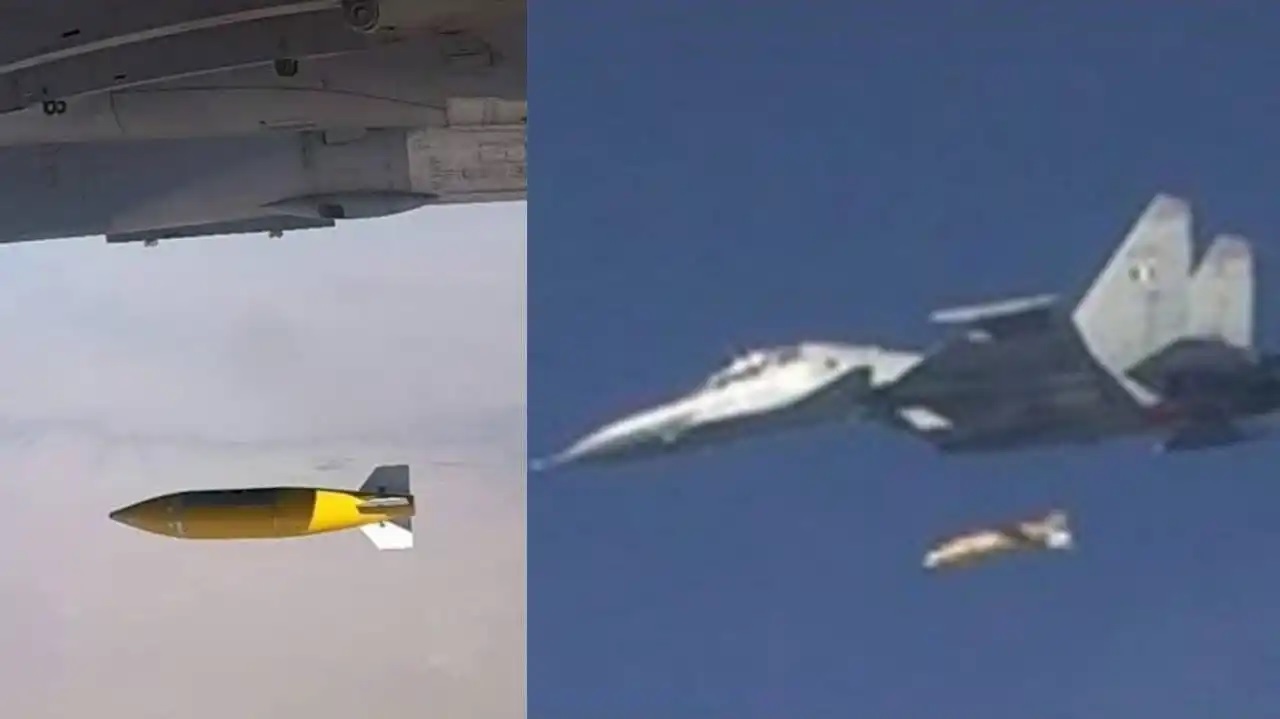
India
The Indian Air Force (IAF) is taking a substantial leap towards self-reliance by integrating an array of 16-18 indigenous weapon systems, developed by the Defence Research and Development Organisation (DRDO), onto its formidable Sukhoi Su-30MKI fleet. This move signals the IAF's commitment to strengthening its homegrown defense capabilities, while also enhancing the versatility of its frontline fighters in combat scenarios.At the core of this integration effort is the IAF's Software Development Institute (SDI), a crucial player in the technical process that bridges the gap between the Sukhoi-30MKI’s existing avionics and the new weapons. The SDI ensures that all onboard sensors, including the Mission Computer (MC), can communicate seamlessly with the new DRDO-developed weapon systems. This task requires programming and coding that aligns the aircraft’s software with the operational parameters of the new weaponry.One of the most notable systems being integrated is the 1,000 kg Gaurav glide bomb. Capable of striking targets at extended ranges, the Gaurav bomb is a precision-guided munition designed to enhance the Su-30MKI’s strike capabilities. Its glide mechanism allows the bomb to be launched from a distance, significantly reducing the risk to the aircraft by keeping it out of the range of enemy air defenses. The SDI is working on incorporating the Gaurav into the aircraft's targeting systems, ensuring that the bomb can be deployed with pinpoint accuracy.Alongside the Gaurav, several other DRDO-developed systems are being integrated, potentially including air-to-ground and air-to-air missiles, advanced bombs, and precision-guided munitions, each designed to give the Su-30MKI an edge in modern warfare. By adding these indigenous weapons, the IAF is not only improving the operational flexibility of the Su-30MKI but also reducing its reliance on foreign-made armaments, a strategic goal for India’s defense sector.The integration process itself is complex and involves rigorous testing to ensure that the new weapons can function seamlessly with the Su-30MKI's avionics and onboard systems. This testing phase includes mock combat scenarios to verify that the weapons can be deployed effectively in real-world conditions. Once successfully integrated, these weapon systems will give the Su-30MKI the capability to engage a wider variety of targets at longer distances with enhanced precision.The Su-30MKI, known for its versatility, is already a multirole fighter capable of conducting air superiority, ground attack, and maritime strike missions. With the addition of these advanced weapon systems, the aircraft will further cement its role as the backbone of the IAF’s combat fleet. The 1,000 kg Gaurav glide bomb alone will provide a significant boost to the fighter's strike range, allowing it to target high-value assets deep within enemy territory while minimizing risk to the pilot and aircraft.This latest integration drive is part of a broader effort by India to bolster its indigenous defense manufacturing capabilities under the 'Make in India' initiative. By utilizing DRDO-developed weaponry, the IAF is not only advancing its technological prowess but also aligning with national goals of reducing dependence on foreign defense imports. The success of these efforts could pave the way for future integrations of other homegrown systems across the IAF’s fleet.In conclusion, the IAF’s ongoing project to integrate DRDO-developed weapons like the Gaurav glide bomb into the Su-30MKI demonstrates a strong push towards enhancing indigenous combat capabilities. As these new systems are successfully brought online, they will undoubtedly increase the aircraft’s potency in both defensive and offensive roles, marking a significant milestone in India's journey toward a self-reliant defense force.
Read More → Posted on 2024-09-10 15:57:20
India
The Bengaluru Rameshwaram Cafe bombing, which shook the city in March 2024, was orchestrated by two ISIS-linked radicals, according to a detailed chargesheet filed by the National Investigation Agency (NIA). The explosion left nine people injured and caused significant damage to the cafe, but the NIA's investigation has unveiled a deeper and more disturbing conspiracy.The key figures involved, Mussavir Hussain Shazib and Abdul Matheen Ahmed Taaha, both hailing from Karnataka's Shivamogga district, were dedicated ISIS operatives. According to the NIA, these men were not just involved in the bombing, but had previously plotted to flee to ISIS-held territories in Syria, a move known as "Hijrah," where they intended to join the terror organization. Their journey into radicalism began years earlier when they became involved with the now-busted Al-Hind ISIS module in India.Shazib and Taaha were on the run for nearly three years, successfully evading law enforcement after the Al-Hind module was dismantled in 2020. However, their fugitive status ended when they were arrested in West Bengal, 42 days after the Rameshwaram Cafe attack. Shazib, as the investigation revealed, was the one who planted the improvised explosive device (IED) in the cafe.The NIA's investigation pointed out that these radicals were not working in isolation. They were deeply embedded in a network of operatives and sympathizers. Among their close associates were two other accused: Maaz Muneer Ahmed and Muzammil Shareef. These men were similarly indoctrinated into ISIS’s ideology and played significant roles in aiding the conspiracy. All four have been charged under various sections of the Indian Penal Code (IPC), Unlawful Activities (Prevention) Act (UAPA), Explosive Substances Act, and the Prevention of Destruction and Loss of Property (PDLP) Act.What makes this case more alarming is the NIA’s revelation that the Rameshwaram Cafe bombing was not their first attempt at orchestrating an attack. Earlier in January 2024, the group had plotted to bomb the BJP state office in Malleshwaram, Bengaluru, on a highly symbolic day — the Pran Pratishtha ceremony of the Ram Mandir in Ayodhya. However, that attack was unsuccessful, leading them to carry out the cafe blast as a backup plan.In a sophisticated twist, the NIA also discovered that Shazib and Taaha were receiving funds through cryptocurrencies. Their handler, who is still being investigated, sent them funds via crypto channels, which were then converted into regular currency using peer-to-peer (P2P) platforms on Telegram. This financial support enabled them to continue their operations and maintain their hideouts while plotting further attacks.The radicals had also acquired fake Indian SIM cards and bank accounts, which they used to carry out their activities discreetly. Some of these fraudulent identities were sourced from the dark web, showcasing the sophisticated methods used by the group to stay under the radar. Additionally, Taaha's ties to prominent terror operatives deepened their involvement in the global jihadist network. He was introduced to Mohammed Shaheed Faisal, an absconder in the Lashkar-e-Taiba Bengaluru conspiracy case, and through him, connected with leaders of the ISIS South India wing.As the NIA’s investigation continues, it is clear that this group of radicals posed a serious threat not only to Bengaluru but to India’s broader national security. Their connections to international terror networks, the use of cryptocurrencies, and the coordinated nature of their plots underscore the evolving threat of terrorism in the digital age.This case stands as a stark reminder of the persistent threat of radicalization, especially among vulnerable youth. The NIA has highlighted the importance of disrupting these terror cells early, as the potential for destruction grows more severe with each passing day.
Read More → Posted on 2024-09-10 15:46:12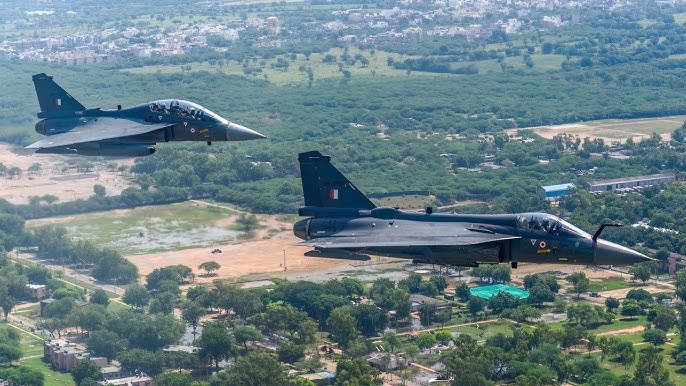
India
In a significant milestone for India's defense aviation, the Vice Chiefs of all three armed forces—Air Marshal A.P. Singh, Vice Admiral Krishna Swaminathan, and Lieutenant General N.S. Raja Subramani—took to the skies in the indigenous Light Combat Aircraft (LCA) Tejas in Jodhpur. This marked the first time such a high-profile trio participated in a joint flying exercise aboard the Tejas. The historic event unfolded during the multilateral exercise "Tarang Shakti," hosted at Jodhpur Air Force Station, which is part of a larger effort to boost India’s defense capabilities and global partnerships.The exercise, which runs from August 29 to September 15, 2024, includes participation from air forces of eight countries, with an additional 16 nations sending observers. This makes "Tarang Shakti" the largest multinational military exercise ever hosted by the Indian Air Force (IAF). The exercise aims to enhance interoperability between participating forces, an essential factor in modern warfare, where joint operations with allied nations are increasingly becoming the norm.The highlight of the day came when the Vice Chiefs took off in the LCA Tejas, an aircraft that symbolizes India's growing prowess in aerospace technology. Air Marshal A.P. Singh flew the single-seater version of the LCA Tejas, showcasing the agility and power of this compact fighter. Meanwhile, Vice Admiral Krishna Swaminathan and Lieutenant General N.S. Raja Subramani experienced the twin-seater trainer variant, which is designed for training purposes but retains much of the combat capabilities of its single-seater counterpart.The LCA Tejas is India's indigenously designed, lightweight, and multi-role fighter aircraft developed by Hindustan Aeronautics Limited (HAL). It is equipped with advanced avionics, a glass cockpit, and a fly-by-wire control system, making it a nimble yet potent platform for modern air combat. Capable of carrying a range of precision-guided munitions, the Tejas can be armed with air-to-air missiles like the R-73 and Derby, as well as air-to-ground weapons such as laser-guided bombs. It also boasts an impressive top speed of Mach 1.8, allowing it to engage threats at high altitudes with precision and efficiency.This event not only emphasized the LCA Tejas' operational capabilities but also served as a confidence booster for India’s indigenous defense manufacturing sector. The fact that the Vice Chiefs themselves flew the aircraft is a testament to the level of trust placed in Indian-made technology. It also underscores India’s goal of reducing its dependence on foreign imports and moving toward self-reliance in defense production.Adding to the significance of "Tarang Shakti" is the defense expo slated to take place from September 12 to 14. India will use this platform to showcase its indigenously manufactured weapons, aircraft, and other military assets to potential buyers and partners from friendly nations. The expo is part of India's broader strategy to increase defense exports, highlighting the global market potential of Indian-manufactured military equipment.The joint participation of Vice Chiefs from all three services during a major international exercise reflects a united and modernized Indian military. As the global defense landscape evolves, India’s indigenous platforms like the LCA Tejas are poised to play an increasingly vital role, both within its armed forces and in international defense markets.In conclusion, this landmark event at Jodhpur not only demonstrated the operational capabilities of the LCA Tejas but also emphasized India's growing clout in global defense collaborations. By leading such initiatives, the Indian military is positioning itself as a key player in shaping future multilateral defense exercises, further enhancing India’s strategic presence on the world stage.
Read More → Posted on 2024-09-09 16:16:12Search
Top Trending in 24 Hours
-
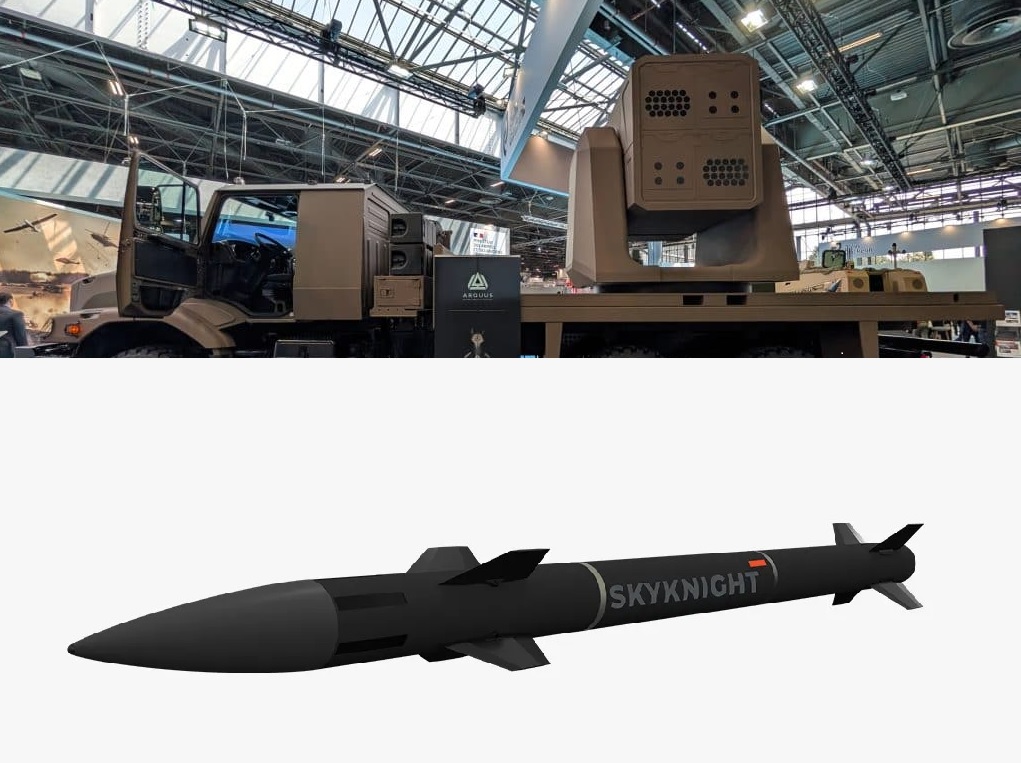 Naval Group Unveils Rampart Modular CIWS Multi-Purpose Weapon System for Naval and Ground Forces at Eurosatory 2026
-
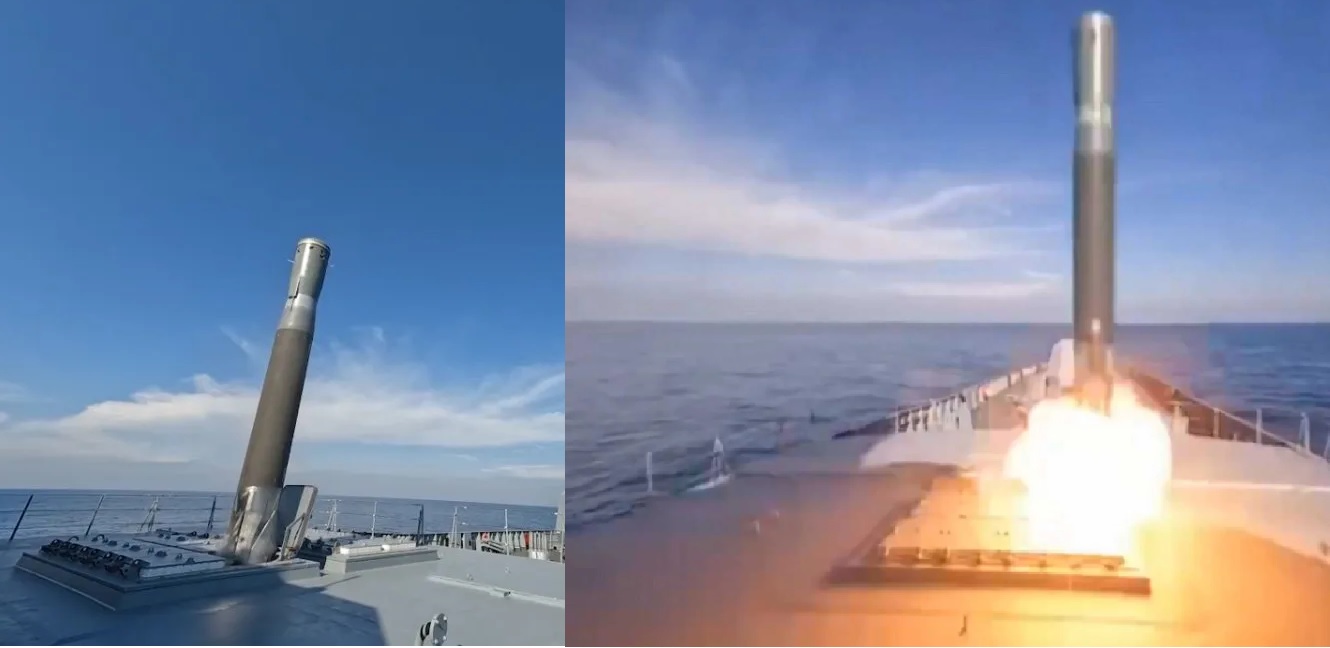 Open-Source Evidence Suggests Russia's Zircon Is a Quasi-Ballistic Missile, Not a True Hypersonic Cruise Weapon
-
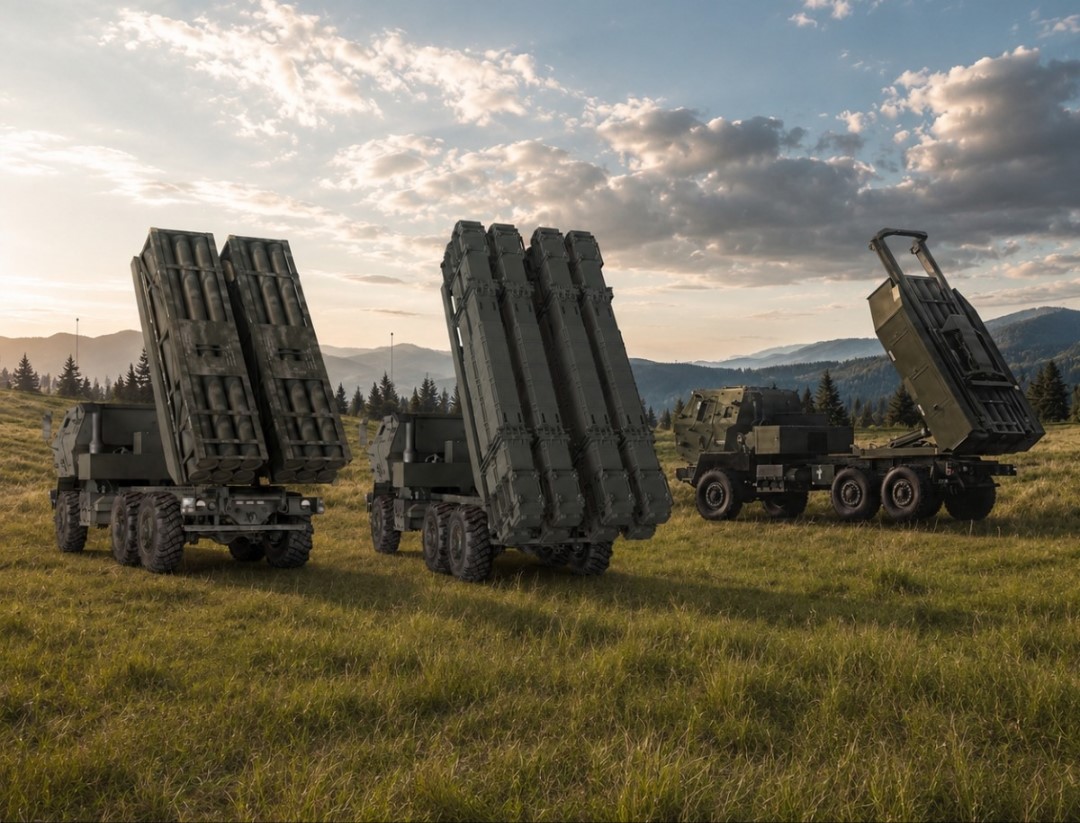 Lockheed Martin Unveils HIMARS FLEX with Dual-Pod Launcher and NATO-Compatible Air Defense Integration
-
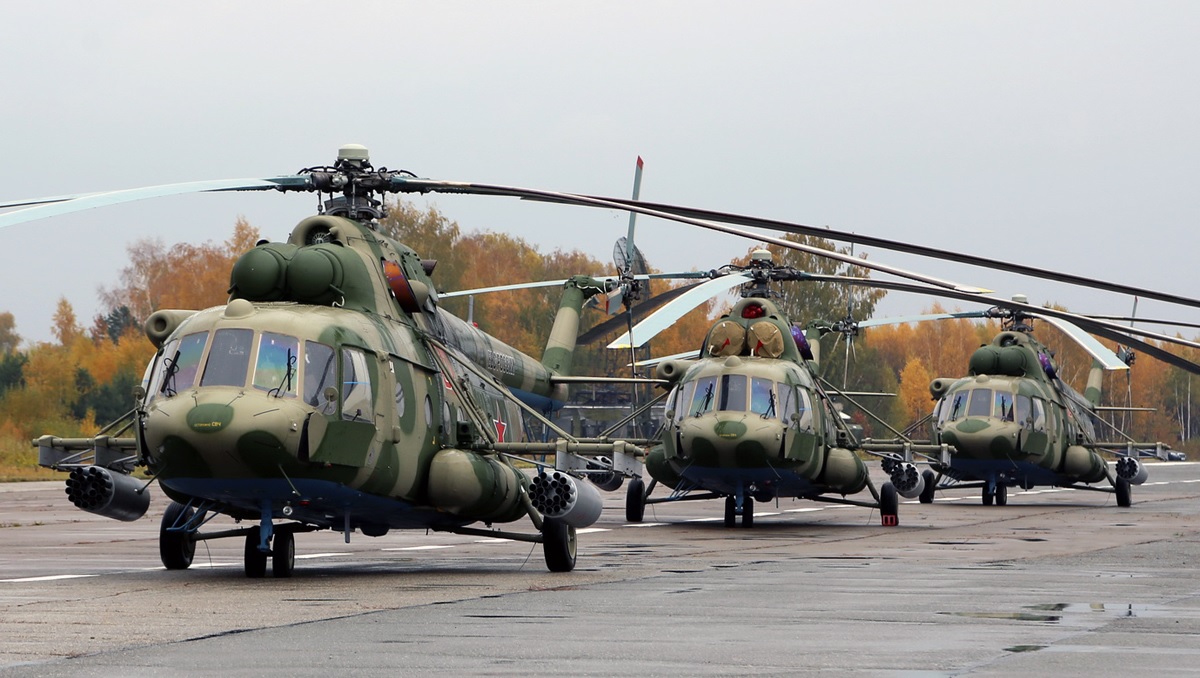 Iran Signs Deal with Russia for 20 Mi-8 and Mi-17 Helicopters to Boost Rescue and Medical Missions
-
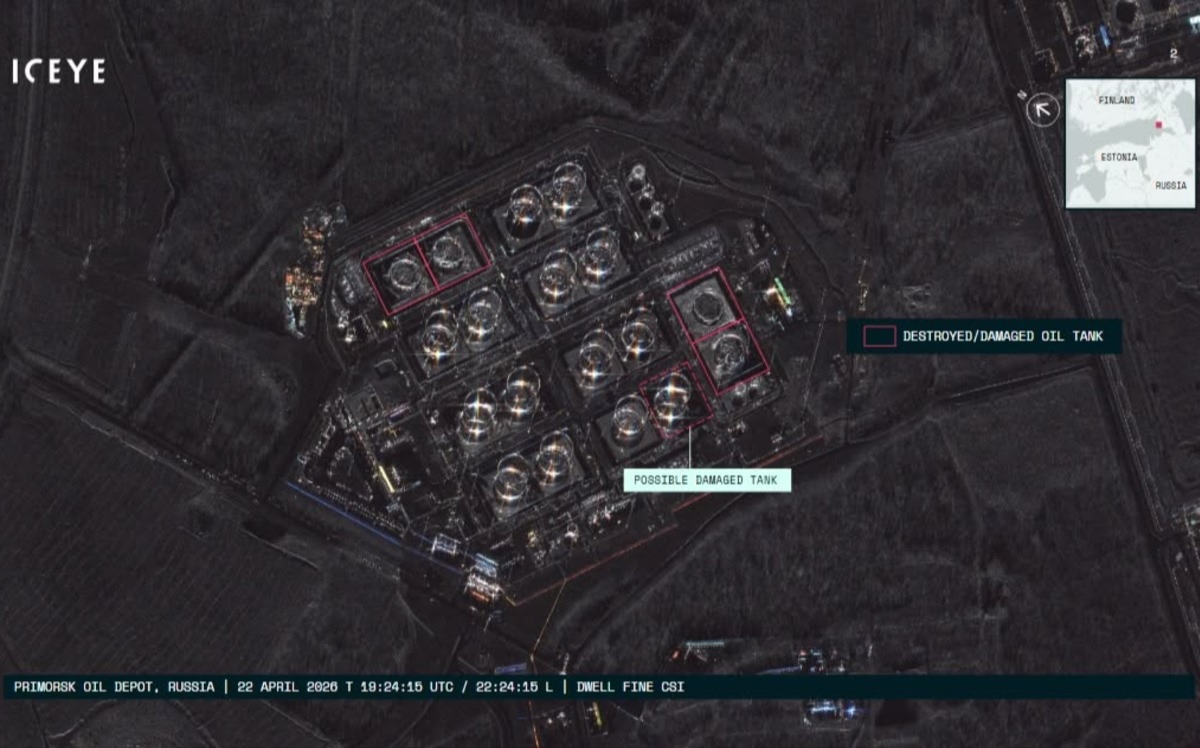 Portugal Doubles Sovereign SAR Satellite Fleet with Order for Two Additional ICEYE Satellites
-
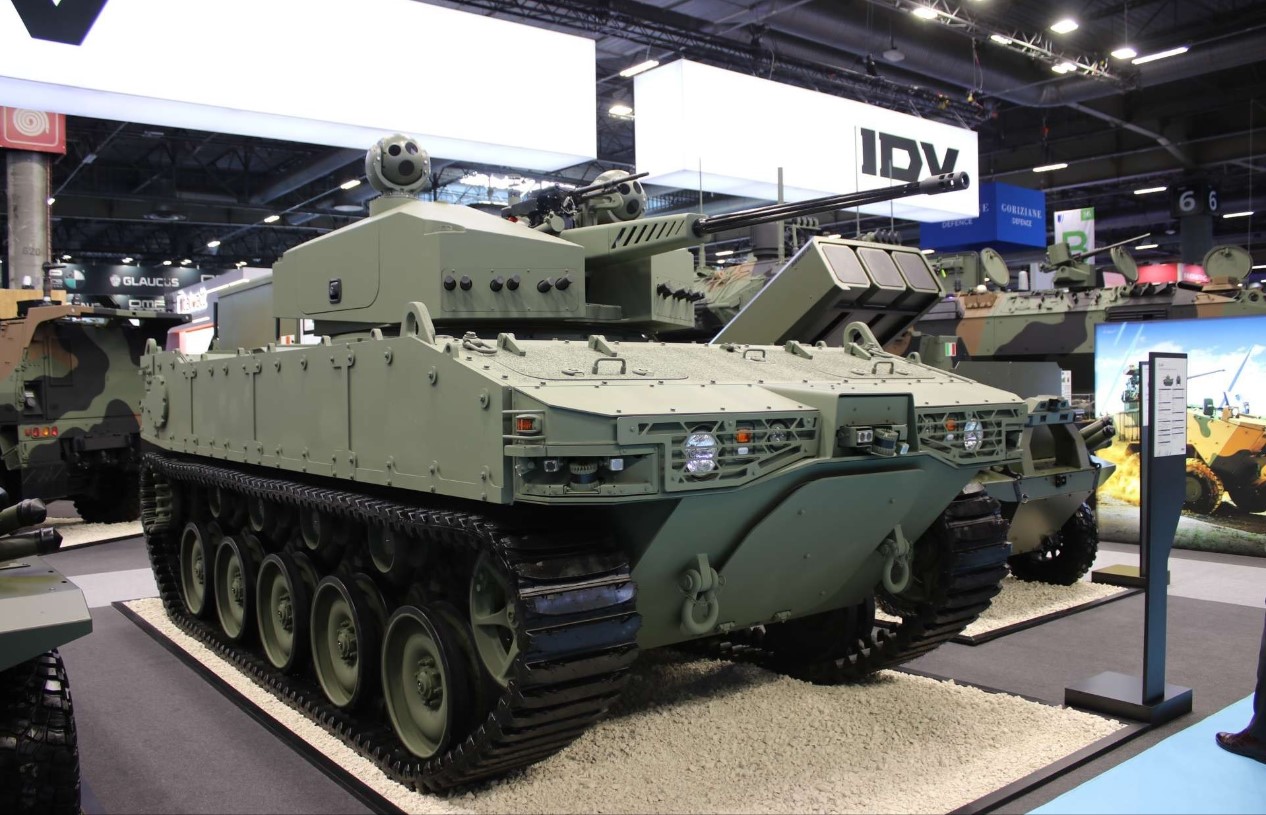 IDV Unveils CL2X Hybrid Uncrewed Light Tank at Eurosatory 2026
-
 Why the U.S. Restored Pacific Command Name, Ending the Indo-Pacific Designation After Eight Years
-
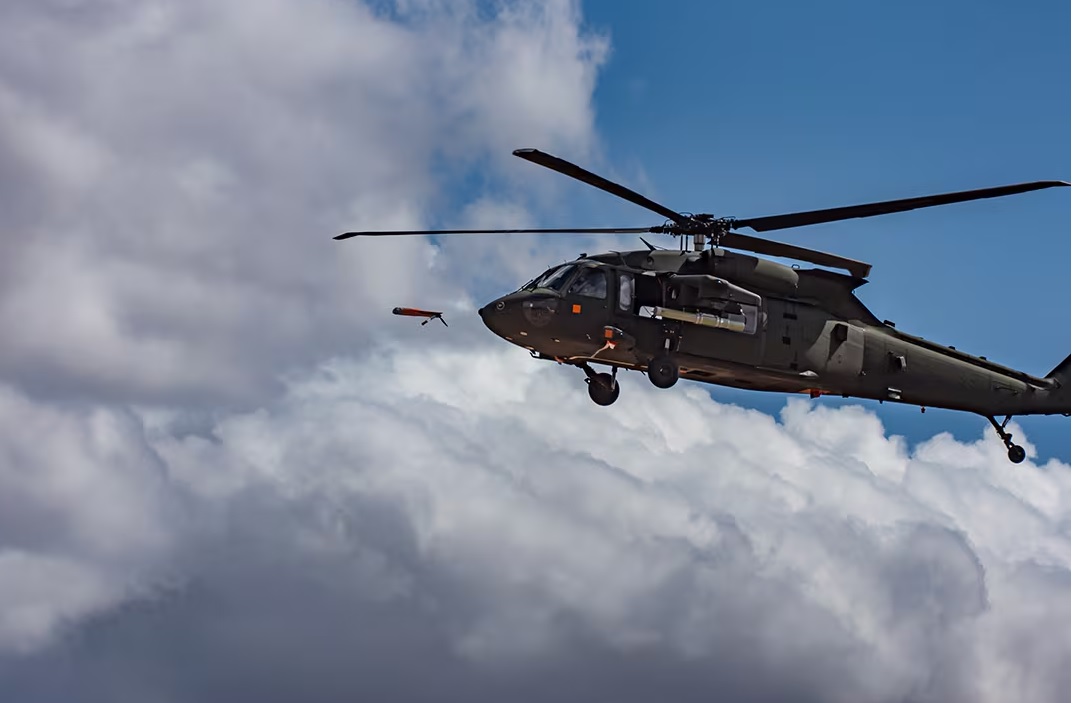 U.S. Army Completes First Flight Test of Medium-Range Air-Launched Effects from Black Hawk Helicopter
Top Trending in 4 Days
-
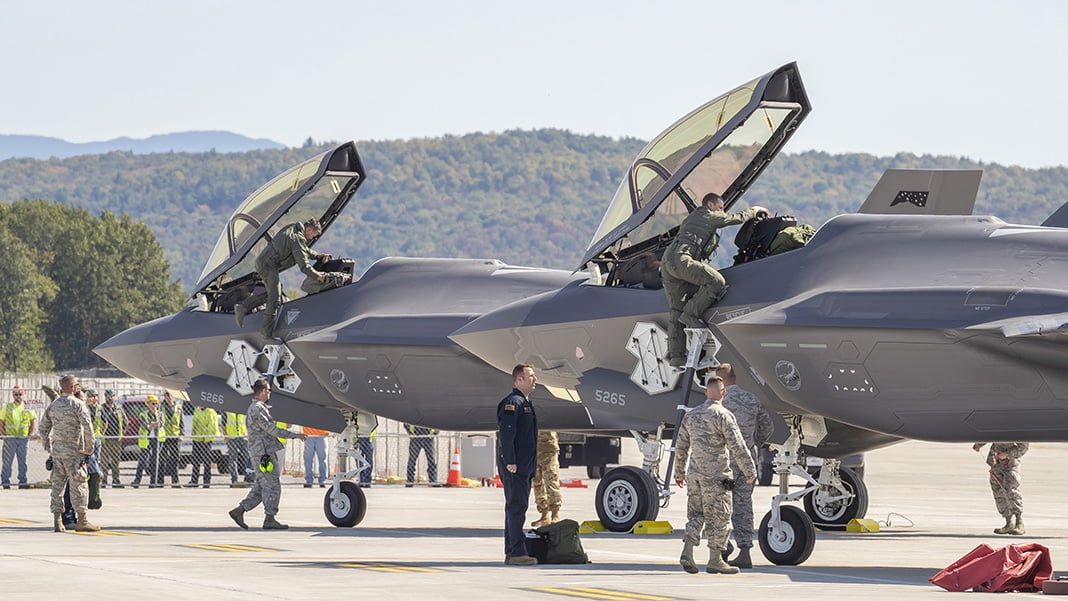 F-35 Fleet Readiness Falls to 25% Amid Parts Shortages and Software Delays: GAO Report
-
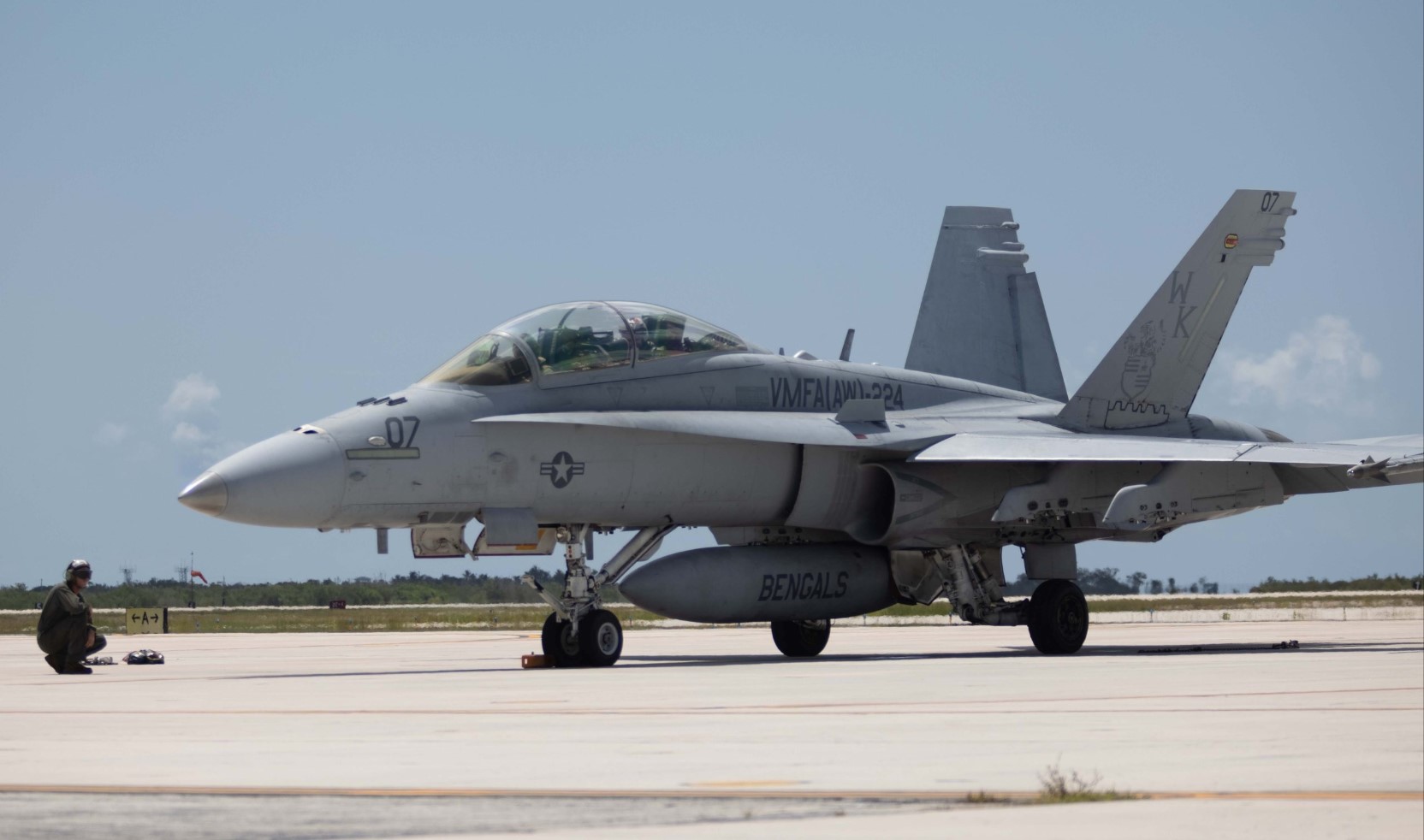 US Marine Corps F/A-18D Hornet Crashes During Training Flight in Washington Mountains; Pilot Ejects Safely
-
 Tulsi Gabbard Releases Declassified Files Detailing U.S.-Backed Network of 120 Biolaboratories Across 30+ Countries
-
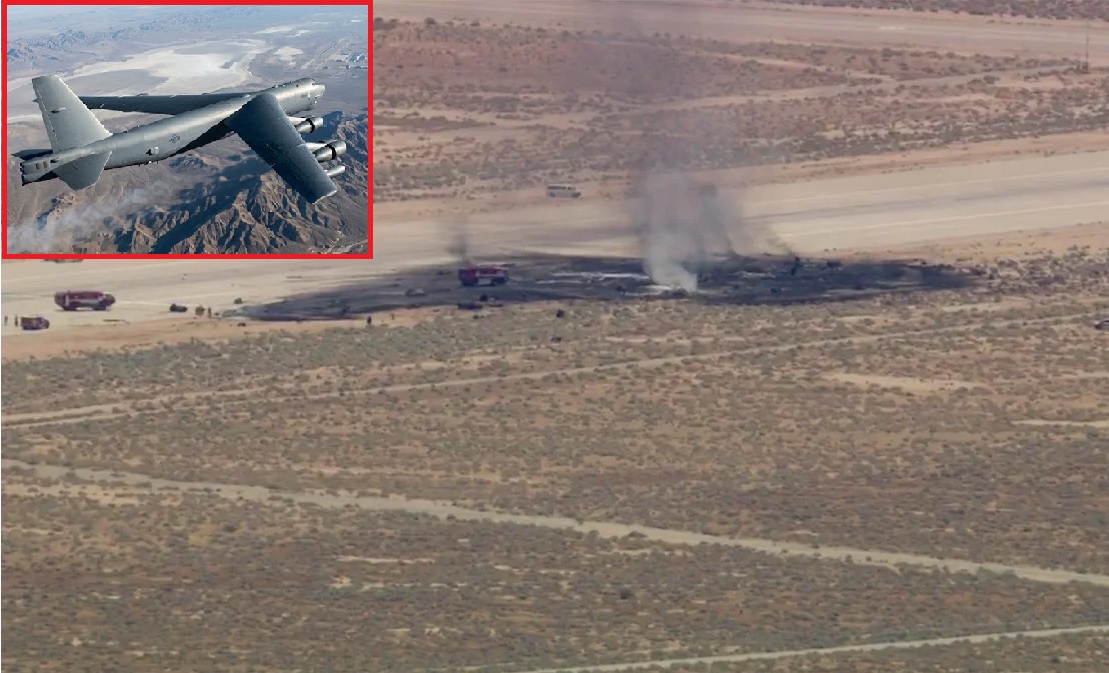 8 U.S. Air Force Crew Members Killed in B-52 Bomber Crash During Test Flight at Edwards Air Force Base
-
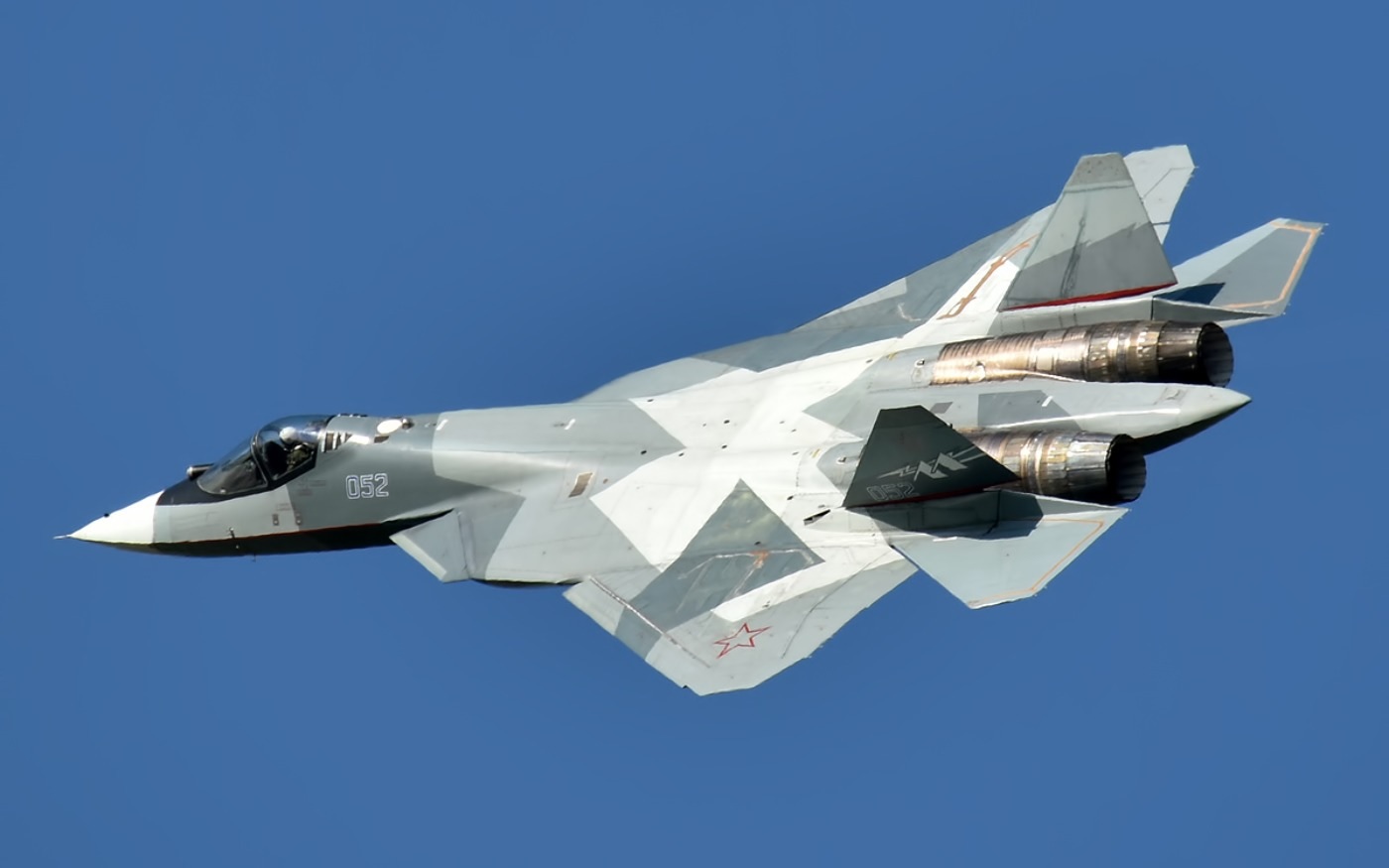 Russian Analysts Debate Su-57 Capabilities After Putin Calls Fighter Superior to F-35
-
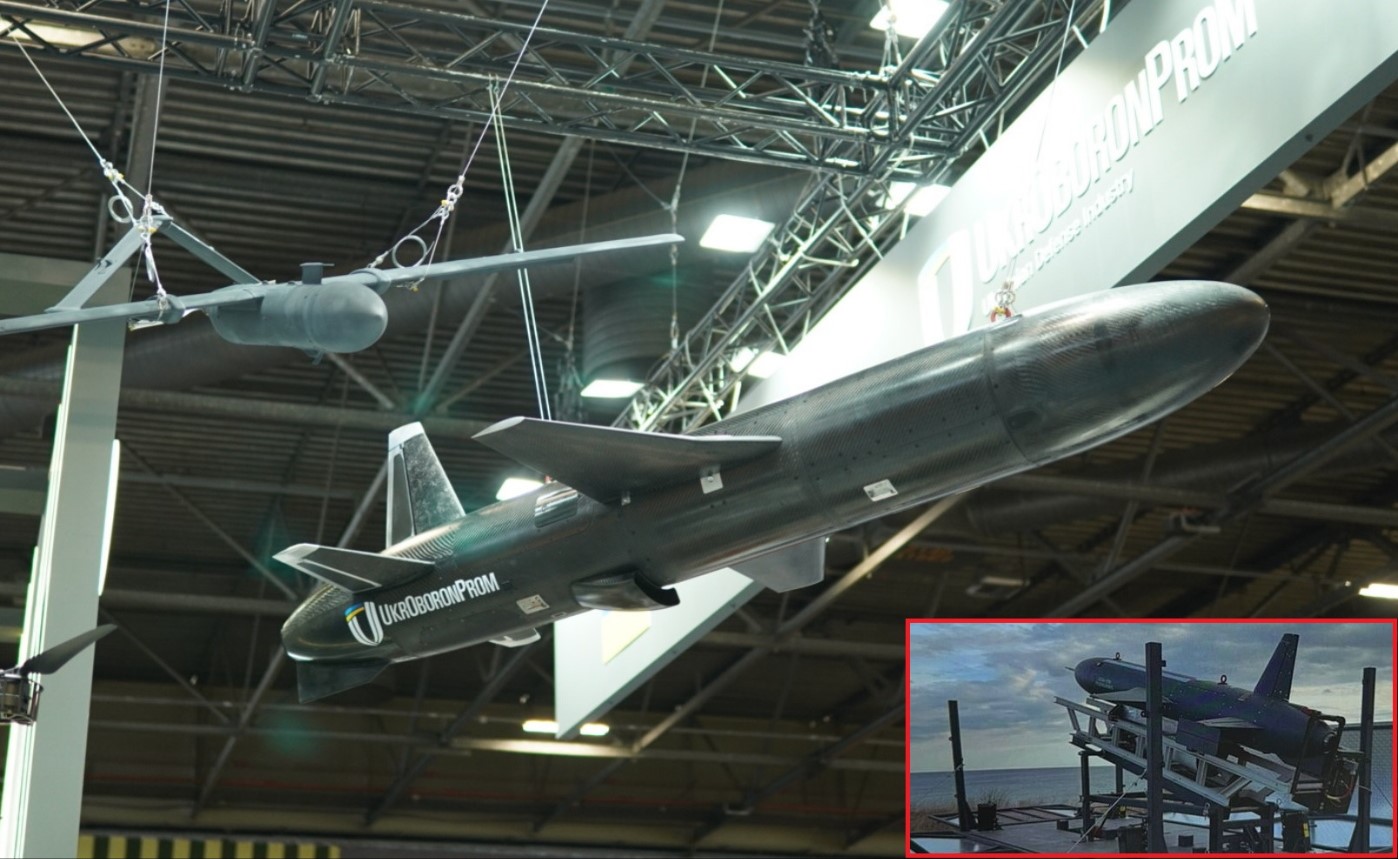 Ukraine Unveils UAV-290 Jet-Powered Strike Drone with 650 km Range at Eurosatory 2026
-
 Ukraine Introduces Balloon-Launched DART Missile Designed to Defeat Electronic Warfare
-
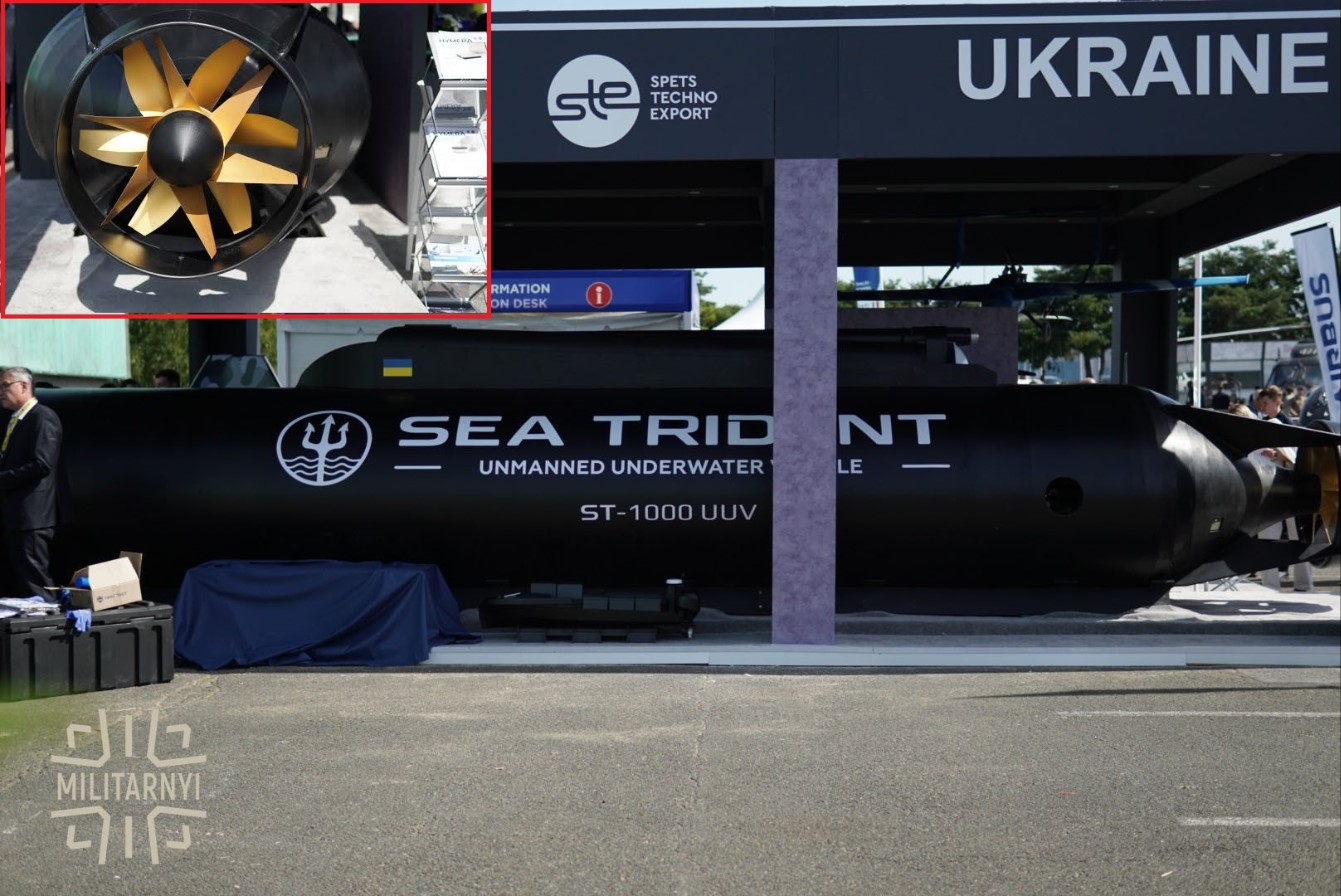 Ukraine Unveils 'Sea Trident' 10-Ton Autonomous Underwater Drone at Eurosatory 2026