India
The Parliamentary Standing Committee on Defence has called for the Defence Research and Development Organisation (DRDO) to intensify its efforts in developing cutting-edge technologies to address the challenges posed by hybrid warfare and non-conventional security threats. This recommendation comes amid global conflicts that have highlighted the increasing complexity and dangers of hybrid warfare, which combines kinetic and non-kinetic operations, cyberattacks, and psychological strategies. In a detailed report presented in Parliament, the committee underscored the urgency for DRDO to expand its research and development in areas such as anti-drone technologies and hybrid warfare systems. This includes a focus on both kinetic capabilities, like interceptive drones, and non-kinetic tools, such as advanced electronic warfare systems and artificial intelligence (AI) applications. DRDO's Performance Under Scrutiny While the committee acknowledged DRDO's significant achievements—completing 571 projects worth ₹34,161.58 crore over the past decade—it expressed concern over delays in other critical projects. Out of 55 ongoing projects, 23 failed to meet their deadlines, with eight projects worth ₹770.31 crore being prematurely closed due to limited success. These delays, the report suggests, could hinder the organization’s ability to respond swiftly to emerging threats. The committee’s critique also extended to the integration of research with academia. However, it commended DRDO for its initiatives in establishing DRDO Industry Academia-Centres of Excellence (DIA-COE) across leading institutions like IITs and IISc Bangalore. These collaborations aim to inspire young researchers to delve into defense technologies, thereby enhancing the country's innovation ecosystem. Expanding Focus to Emerging Technologies In response to earlier recommendations, the Ministry of Defence revealed DRDO's plans to expand research into groundbreaking fields such as quantum technologies, cognitive systems, smart materials, terahertz applications, directed energy weapons, and high-power electromagnetics. The integration of artificial intelligence and robotics into defense systems remains a key area of interest, with the potential to revolutionize weapon systems and enhance operational efficiency. Given the increasing use of drones in modern warfare, the panel emphasized the need to prioritize the development of advanced anti-drone technologies. These include sea drones, interceptive drones, and counter-drone systems equipped with AI-driven detection and neutralization mechanisms. The panel also highlighted the strategic importance of sea-based drones, particularly in maritime security operations. Energy Security for Armed Forces Beyond warfare technologies, the panel addressed the energy needs of armed forces personnel deployed in remote and border areas. Recognizing the logistical challenges posed by reliance on conventional energy sources, the committee urged DRDO to explore renewable energy solutions such as solar and wind power. These sustainable options could provide much-needed energy security to troops operating in harsh and isolated conditions. Hybrid Warfare: A Global Challenge The report draws attention to the evolving nature of warfare, marked by a blend of physical and digital combat. Hybrid warfare strategies, as seen in recent conflicts, involve cyberattacks, disinformation campaigns, and advanced weapon systems that transcend traditional combat scenarios. To counter these threats, the committee has called for the development of next-generation technologies that address both visible and covert aspects of hybrid warfare. This push for innovation underscores the need for DRDO to stay ahead in the global arms race, where technological supremacy is becoming the ultimate determinant of national security. The organization’s ability to deliver timely and effective solutions could play a pivotal role in ensuring India's readiness against emerging threats in the geopolitical landscape. A Call for Collaboration The committee reiterated the importance of collaboration between DRDO, academia, and industry to accelerate research and development efforts. This ecosystem of innovation is seen as essential for addressing the multifaceted challenges posed by modern warfare. The panel also emphasized the need to fast-track promising projects to ensure the Indian armed forces are equipped with state-of-the-art technology. As the DRDO charts its path forward, it faces the dual challenge of addressing existing gaps while pushing the boundaries of innovation. The committee’s recommendations highlight the critical role of timely execution and the strategic adoption of emerging technologies in safeguarding national security.
Read More → Posted on 2024-12-18 14:50:21
India
The XV India-Russia Business Dialogue held in Moscow on December 17, 2024, brought together over 700 business leaders, marking a pivotal moment in the bilateral relationship between the two nations. The event, organized to enhance collaboration in trade, technology, infrastructure, and energy, showcased the growing strategic and economic ties that define the India-Russia partnership. Prominent figures such as Sergey Cheremin, Minister of the Moscow City Government and Head of the Business Council for Cooperation with India; Vinay Kumar, Ambassador of India to Russia; Dmitry Volvach, Deputy Minister of Economic Development of the Russian Federation; and Vladimir Platonov, President of the Moscow Chamber of Commerce and Industry, were in attendance. Their presence underscored the shared commitment to fostering economic growth and mutual cooperation. One of the standout moments was the announcement of a landmark 10-year agreement between Rosneft and Reliance Industries for the supply of 500,000 barrels of crude oil per day. Valued at $13 billion annually, this deal represents the largest energy transaction ever between India and Russia, underscoring the importance of energy security in the bilateral relationship. Discussions during the dialogue extended beyond trade to focus on crucial areas like banking channels and payment mechanisms. Delegates explored the development of alternative settlement systems in national currencies, a measure seen as vital for stabilizing bilateral trade amidst global economic uncertainties. The dialogue also emphasized joint investment projects, particularly in transportation infrastructure and tourism, with Indian tourism to Russia reporting an 86% growth this year alone. The forum also delved into thematic areas such as finance, biotechnology, healthcare, and innovation. The sessions highlighted opportunities to enhance commodity flows, boost human resource development, and strengthen cooperation in emerging technologies. B2B meetings facilitated direct engagements between Indian and Russian businesses, paving the way for new ventures and partnerships. This year’s dialogue reaffirmed the ambitious target of achieving a trade turnover of $100 billion by 2030. Both nations have expressed their commitment to broadening their economic horizons, creating a robust framework for future cooperation. With agreements like the Rosneft-Reliance deal and discussions on policy frameworks, the India-Russia partnership is poised to evolve into a more dynamic and diversified relationship. The event was not just a dialogue but a testimony to the enduring partnership between India and Russia. It reflected their shared vision of leveraging each other’s strengths to achieve mutual prosperity and stability, setting the stage for deeper collaboration in the years to come.
Read More → Posted on 2024-12-18 14:46:07
India
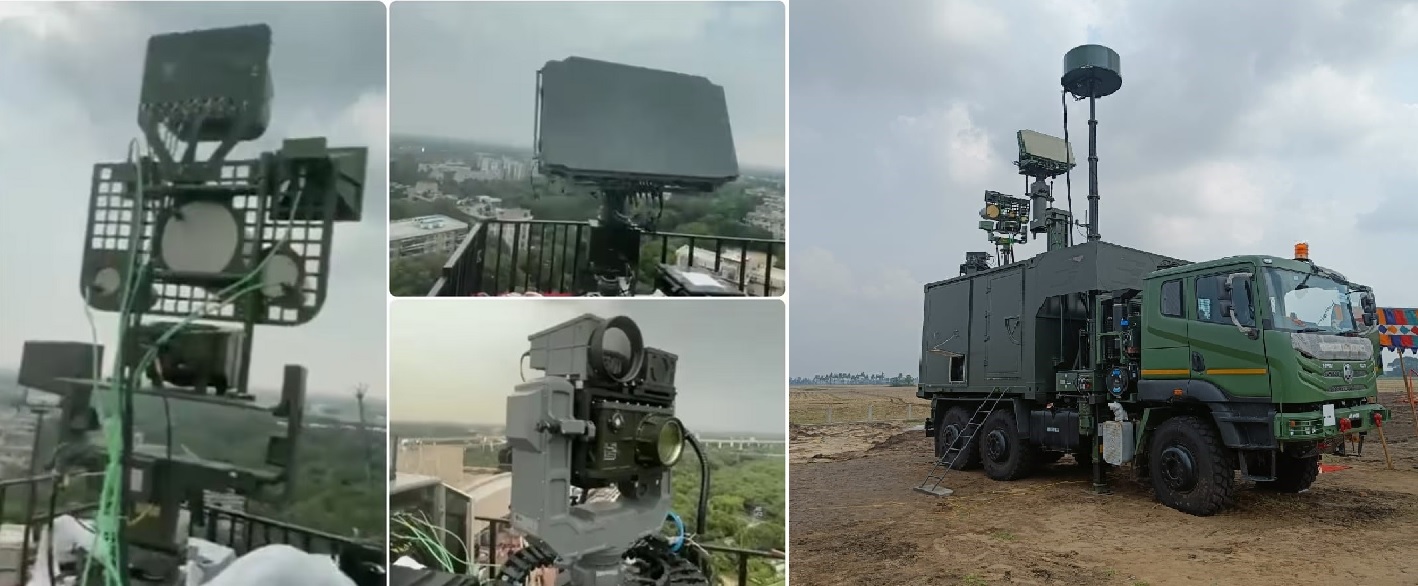
Recent reports have emerged suggesting that Bangladesh has deployed Turkish-made Bayraktar TB2 drones near the India-Bangladesh border. While some media outlets have painted this as a growing concern for India, the Indian defense establishment views the move as insignificant, with experts dismissing it as a “non-threat” for the Indian military. Instead, the deployment seems to reflect Bangladesh’s own insecurities about its internal situation and political standing rather than any real strategic challenge for India. The Bayraktar TB2 unmanned aerial vehicle (UAV), manufactured by Turkey’s Baykar Technologies, has gained prominence globally due to its successful use in conflicts like Syria, Libya, and Ukraine. However, despite its capabilities in surveillance, reconnaissance, and light attack roles, the TB2 is not considered a major technological threat to India. The drone can carry a payload of up to 150 kilograms, equipped with smart munitions, and operates effectively at altitudes around 25,000 feet. While useful for monitoring activities, its impact in a heavily fortified and technologically advanced border environment like India’s is minimal. Why Bangladesh Deployed the TB2 The timing of the TB2’s presence near the border comes amidst Bangladesh’s rising domestic tensions and fears of potential backlash from India. The current Bangladeshi government, often criticized for its growing alignment with the United States, appears to be adopting precautionary measures to “watch” India’s military movements near the border. This stems from rising insecurity within Bangladesh, particularly regarding reports of violence against Hindu minorities. Over the years, incidents of targeted violence, forced displacement, and religious persecution of minorities in Bangladesh have created significant friction. Political analysts suggest that Bangladesh’s government fears India could initiate a military operation in response to such events, further destabilizing the region. The TB2 deployment, therefore, appears less about aggression and more about intelligence-gathering to monitor Indian troop movements. Should tensions escalate, the Bangladeshi government may seek diplomatic or even military assistance from its allies, including the United States and left-leaning governments globally. India’s Measured Response While some Indian media outlets and defense commentators have exaggerated the significance of TB2 deployments, the Indian armed forces remain unperturbed. The TB2’s relatively modest capabilities make it no match for India’s advanced air defense systems. Even if Bangladesh intended to use the drones for surveillance, India’s superior radar networks and quick-response mechanisms ensure no unauthorized aerial activity goes unnoticed. Reports indicating that the Border Security Force (BSF) might deploy counter-drone measures, including SA-16 Gimlet or SA-7 Grail MANPADS (Man-Portable Air Defense Systems), have added to the confusion. The reality is that MANPADS are not operated by the BSF, as they fall under the jurisdiction of the Indian Army. Instead, India’s existing surveillance and response capabilities, including Akash surface-to-air missile systems, could effortlessly neutralize any potential drone threats. The Akash system, with its ability to target UAVs and low-flying aircraft within a range of 25 kilometers, makes it a formidable deterrent against TB2 drones. TB2 vs India’s Military Capability The TB2 UAV, while impressive for smaller nations, pales in comparison to India’s multi-layered defense systems. With radar systems capable of detecting low-altitude aerial incursions and an array of advanced air defense assets, India holds a clear technological edge. The Indian Air Force’s integrated defense network, supported by radar stations, missile systems, and combat aircraft, ensures that no drone activity can compromise border security. Additionally, India’s experience in countering drone threats, particularly along the western border with Pakistan, has led to significant advancements in anti-drone technology. From electronic jamming systems to laser-based interception methods, India possesses multiple tools to neutralize drones like the TB2 with ease. Overblown Narratives and Reality While some media narratives portray the TB2 deployment as a challenge to Indian security, it is, in reality, a reflection of Bangladesh’s own political fragility. The current government, grappling with domestic instability and fears of external intervention, likely sees the TB2 as a symbolic reassurance. For India, however, this is a “non-issue.” Senior defense experts have described the situation as “laughable,” given India’s overwhelming military superiority and preparedness. India’s refusal to escalate the matter speaks volumes about its strategic maturity. Rather than overreact to a minor move, Indian forces continue to focus on genuine threats. The TB2, despite its media hype, remains a small tool in a larger geopolitical landscape where India’s dominance is unquestionable. Conclusion Bangladesh’s deployment of TB2 drones near the border reflects its own internal insecurities more than any credible military strategy against India. While the drones serve as tools for monitoring and reconnaissance, they pose no real threat to Indian forces. India’s advanced air defense systems, including the Akash missile platform, could easily neutralize any such attempts. For India, this situation highlights the gap between media sensationalism and reality. While some commentators fuel unnecessary fear, the Indian military’s calm, confident stance underscores its dominance and ability to handle any contingency. Bangladesh’s use of TB2 UAVs is a small blip, unlikely to alter the region’s security dynamics or India’s strategic priorities.
Read More → Posted on 2024-12-17 17:20:17
India
The upcoming Aero India 2025 is set to offer a significant milestone for India’s aerospace ambitions, as the Tejas MK2 scale model takes center stage. Designed by the Aeronautical Development Agency (ADA) and built by Hindustan Aeronautics Limited (HAL), this scale model highlights a range of advanced features and weapon systems that showcase India’s progress in indigenous fighter jet technology. For defense analysts, international buyers, and potential partners, the showcase will serve as a preview of the Tejas MK2’s impressive combat capabilities and strategic value. At its core, the Tejas MK2 is a multirole fighter designed to fill the gap between lightweight aircraft like the Tejas MK1A and heavier fighters such as the Rafale. What sets the MK2 apart is its expanded airframe, upgraded systems, and greater payload capacity. With 11 hardpoints, the aircraft can carry an impressive array of weapons, offering unmatched versatility on the battlefield. Advanced Armament and Features The Tejas MK2’s armament layout signifies a leap forward in both air superiority and ground strike missions. Notably, the scale model for Aero India 2025 features twin Astra missile launchers, a crucial advancement for India’s Beyond Visual Range (BVR) engagement capabilities. The Astra Mk1 missiles, housed on dual-rack pylons, allow the Tejas MK2 to engage multiple aerial targets in a single sortie, enhancing its lethality in high-stakes combat scenarios. Importantly, this configuration also holds potential for the smaller Tejas MK1A, further strengthening the Indian Air Force’s (IAF) flexibility in engagements. In addition to the Astra missiles, the inclusion of the Rudram-2 anti-radiation missile marks the MK2 as a formidable player in electronic warfare. This weapon is capable of neutralizing enemy radar systems and surface-based air defenses, a critical feature in modern warfare where electronic dominance can dictate battle outcomes. Precision-strike missions are bolstered by High-Speed Low Drag (HSLD) Precision-Guided Munitions (PGMs) and the Smart Anti-Airfield Weapon (SAAW). The quad-SAAW launcher on the scale model demonstrates the Tejas MK2’s ability to perform area denial operations, a tactic aimed at crippling enemy airfields and fortified positions. General-purpose bombs, integrated targeting pods, and provisions for drop tanks further expand its mission profile, enabling extended-range operations and versatile strike capabilities. A Key Step for HAL and India’s Aerospace Ambitions The Tejas MK2 is not just an upgrade—it’s a reflection of India’s growing maturity in aerospace technology. Aero India 2025 will serve as a major platform for HAL to attract international buyers who are seeking cost-effective, advanced multirole fighters. For countries looking to modernize their air forces, the Tejas MK2 promises affordability without compromising on next-generation features. Compared to its predecessor, the Tejas MK2 boasts a longer fuselage, increased fuel capacity, and a more powerful engine. Its General Electric F414 INS6 engine offers greater thrust, which significantly improves the aircraft’s payload and range. The integration of advanced avionics, sensors, and digital fly-by-wire systems ensures that the MK2 can hold its own against contemporary fighter jets. The MK2’s development is also a critical step toward reducing India’s dependency on foreign fighter jets. As the IAF looks to phase out aging aircraft like the MiG-29 and Mirage 2000, the Tejas MK2 is poised to play a crucial role in modernizing India’s fleet. With its advanced weaponry, indigenous systems, and multirole capabilities, it has the potential to become a cornerstone of India’s air defense strategy. Global Attention at Aero India 2025 Aero India 2025 is expected to draw attention from defense analysts, aerospace experts, and global defense firms eager to witness India’s advancements. The scale model of the Tejas MK2 will not only highlight the aircraft’s combat potential but also underscore India’s capability to design, develop, and manufacture next-generation fighter jets. As HAL showcases this advanced multirole fighter to the world, it will further strengthen India’s position as a rising power in the global defense market. For India, the Tejas MK2 represents more than just a technological achievement—it’s a symbol of self-reliance, innovation, and the future of its aerospace industry. The Aero India 2025 debut of the Tejas MK2 scale model promises to be a defining moment, one that will showcase India’s aerospace evolution while paving the way for potential global collaborations. With its cutting-edge features, versatile armament, and cost-effective design, the Tejas MK2 is well-positioned to make its mark on the international stage.
Read More → Posted on 2024-12-17 15:49:13
India
A recent report by the Parliamentary Standing Committee on Defence has strongly recommended that the Defence Research and Development Organisation (DRDO) broaden its research and development focus to include critical areas like hybrid warfare, kinetic and non-kinetic operations, and advanced anti-drone technologies. The panel underscored that ongoing global conflicts highlight the growing complexities and hazards of hybrid warfare, which now demands greater combat readiness from India’s defense establishment. The report, tabled in Parliament on Tuesday, reviewed the progress and functioning of the DRDO and expressed both appreciation and concern over the organization’s achievements and setbacks. While noting that 571 projects worth ₹34,161 crore had been successfully completed in the last decade, the committee also pointed out delays in 23 out of 55 critical projects. In addition, eight projects worth ₹770 crore were stage-closed due to partial or unsuccessful outcomes. The Rise of Hybrid Warfare and DRDO's Role The report’s findings align with the realities of modern-day warfare, where conflicts no longer rely solely on conventional operations. Hybrid warfare combines traditional military tactics with non-conventional methods, including cyber attacks, drone swarms, electronic warfare, and disinformation campaigns. Non-kinetic operations, such as cyber warfare and psychological strategies, are increasingly being used alongside kinetic operations involving physical weaponry and strikes. Given this evolving battlefield, the committee emphasized that the DRDO must prioritize R&D efforts in hybrid warfare to ensure that India’s defense forces remain combat-ready. The panel urged DRDO to enhance its focus on developing advanced capabilities in anti-drone technology, including sea drones and interceptive drones, which are vital in countering both emerging aerial and maritime threats. DRDO's Engagement with Academia and Industries One of the panel’s notable recommendations from its previous report was for DRDO to collaborate more closely with premier academic institutions like the Indian Institutes of Technology (IITs) and the Indian Institute of Science (IISc) to encourage cutting-edge research in defense technologies. The defense ministry responded that DRDO has already established DRDO Industry Academia-Centre of Excellence (DIA-COE) in multiple IITs, IISc, and central universities to strengthen research partnerships. The committee expressed satisfaction with the existing mechanism but reiterated the importance of expanding research into emerging areas like artificial intelligence (AI), robotics, directed-energy weapons, quantum technologies, and smart materials. AI, in particular, holds immense potential for integration into defense systems and subsystems, offering advanced automation, real-time decision-making, and predictive analytics in combat scenarios. Focus on Energy Security for Armed Forces The report also touched upon the challenges faced by India’s armed forces personnel in remote and inaccessible border areas, where dependence on conventional energy sources creates operational difficulties. Recognizing the need for energy independence, the committee recommended that DRDO explore renewable energy solutions like solar and wind power to ensure energy security for troops stationed in these regions. Such efforts would significantly improve the living conditions of personnel deployed in extreme and far-flung locations. The Path Forward In its response, the Ministry of Defence highlighted that DRDO plans to expand research into critical areas such as quantum technologies, cognitive systems, terahertz technologies, high-power electromagnets, and directed-energy weapons. These technologies are essential not only for enhancing India’s offensive and defensive capabilities but also for preparing the armed forces to counter unconventional security threats in a rapidly evolving global security environment. The parliamentary panel’s recommendations reflect a clear understanding of the shifting dynamics of warfare. With adversaries increasingly using hybrid strategies, investing in R&D for both kinetic and non-kinetic warfare is no longer optional—it is imperative. By focusing on these emerging technologies and collaborating with academia and industry, the DRDO can ensure that India’s defense forces are equipped to handle modern threats efficiently. Furthermore, by addressing energy security challenges in border areas and embracing renewable solutions, DRDO has an opportunity to improve operational readiness while aligning with sustainable energy goals. As conflicts become more unpredictable and technologically driven, the role of organizations like DRDO becomes even more critical. By implementing the panel’s recommendations, India can reinforce its position as a defense technology leader while ensuring national security remains robust in an era of hybrid warfare.
Read More → Posted on 2024-12-17 15:42:31
India
In a bold move that could redefine India's Medium Transport Aircraft (MTA) procurement strategy, Embraer has pitched a weaponized variant of its C-390M Millennium for the Indian Air Force's (IAF) 60-aircraft tender. Known for its robust performance as a transport aircraft, the C-390M is now being showcased as a multi-role platform capable of tactical strikes, maritime security, and unmanned aerial operations. Beyond Transport: The Combat-Ready C-390M Embraer's vision for the C-390M goes far beyond its traditional role as a medium transport aircraft. The Brazilian aerospace company has proposed outfitting the aircraft with multiple hardpoints under its wings, enabling it to carry advanced air-to-surface and anti-ship weapons. This marks a significant evolution in the aircraft's operational capabilities, making it suitable for missions ranging from precision land attacks to maritime interdiction. The C-390M could be equipped with India's indigenous Rudram-II air-to-surface missile, a weapon known for its extended range and high accuracy against ground targets. For maritime operations, the aircraft can carry the NASM-MR (Medium-Range Anti-Ship Missile), providing a critical capability to strike naval threats. A Mothership for the Future: Drone Launch Capabilities A standout feature of Embraer's proposal is the development of a variant capable of serving as a mothership for air-launched drones. This innovation aligns with the IAF's growing focus on leveraging unmanned aerial systems (UAS) for swarm and autonomous missions. By integrating drone deployment systems, the C-390M could support reconnaissance, electronic warfare, and coordinated UAV strikes, significantly boosting India's operational edge. Advanced Specifications of the C-390M Millennium The C-390M's specifications underline its suitability for the IAF's requirements: Payload Capacity: Up to 26 tons, accommodating cargo, vehicles, troops, or weapon systems. Range: 2,815 kilometers with a full payload, extendable with aerial refueling capabilities. Speed: Maximum cruise speed of 870 km/h, allowing rapid deployment. Avionics: State-of-the-art systems for navigation, situational awareness, and precision targeting. Aerial Refueling: Dual role as a tanker and receiver, enhancing its versatility. STOL Capability: Ability to operate from short and semi-prepared runways, making it ideal for austere locations. Competitive Edge in a Crowded Market The IAF's MTA tender has attracted heavyweights like Lockheed Martin's C-130J Super Hercules and Airbus' A400M Atlas, both renowned for their proven track records. However, the weaponized C-390M offers a unique value proposition. By combining transport, tactical strike, and unmanned aerial operations in a single platform, it presents a cost-effective and versatile solution tailored to India's evolving defense needs. A Strategic Fit for India's Security Needs The weaponized C-390M aligns with India's strategy of enhancing its indigenous defense capabilities while integrating cutting-edge technologies. Its potential to deploy Indian-made missiles and operate as a drone mothership complements the government's emphasis on Atmanirbhar Bharat (self-reliant India) in defense manufacturing. Moreover, its multi-role design could simplify logistics and maintenance, reducing the need for multiple specialized platforms. This is particularly valuable for a vast country like India, where rapid response across diverse terrains and missions is critical. Conclusion Embraer's pitch for a weaponized C-390M Millennium represents a forward-looking approach to modern military aviation. By blending transport, combat, and drone-launching capabilities, the aircraft offers the IAF a transformative solution that could shape the future of its medium transport fleet. As India evaluates its options, the C-390M's adaptability and advanced features could provide the competitive edge needed to secure a place in the IAF's arsenal. Whether as a tactical workhorse or a combat-ready asset, the C-390M embodies the multi-role philosophy driving the next generation of military aircraft.
Read More → Posted on 2024-12-17 15:26:18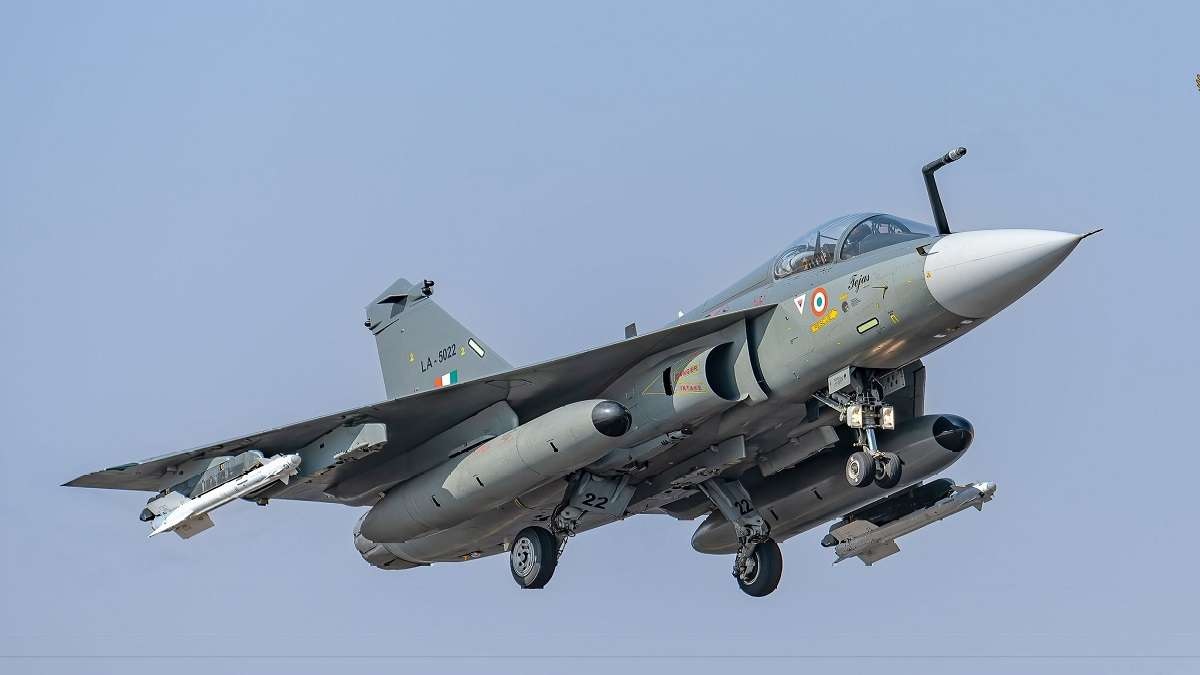
India
In a pivotal move to strengthen its air defense capabilities along the western frontier, the Indian Air Force (IAF) has deployed its Final Operational Clearance (FOC) Tejas Mk1 fighters. This decision, part of a broader strategy to phase out the aging MiG-21 fleet by 2026, marks a new chapter in the IAF’s modernization efforts. The Tejas, a light combat aircraft developed indigenously by Hindustan Aeronautics Limited (HAL), is being positioned as a direct replacement for the MiG-21, which has served the IAF for decades but is now nearing the end of its operational life. The Tejas Mk1 FOC variants, with their enhanced combat capabilities, have been moved from the southern bases to the strategically crucial western sector. The Jamnagar Air Force Station, a key facility in this region, has been chosen for this deployment. This station serves as a hub for the IAF’s efforts to integrate both new and legacy aircraft as the MiG-21s are gradually retired. As the MiG-21 fleet reduces its operations, the Tejas Mk1 fighters are set to take over many of the roles traditionally handled by their predecessors. One of the significant advantages of the Tejas over the MiG-21 is its advanced avionics and weaponry. The Tejas Mk1 FOC variants are now equipped with modern air-to-air missiles, including the Rafael Derby and the Russian-made Vympel R-77 (AA-12 Adder). These missile systems significantly enhance the Tejas' capabilities in both air-to-air and air-to-ground combat. With these upgrades, the Tejas is well-suited for a variety of combat scenarios, providing a substantial increase in operational effectiveness compared to the MiG-21. Looking ahead, the Tejas Mk1A, an even more advanced variant, is slated to join the ranks of the IAF. Expected to be officially inducted by March 2025, the Mk1A will feature cutting-edge technology, including an Active Electronically Scanned Array (AESA) radar, providing superior surveillance and target tracking capabilities. HAL is set to deliver the first batch of Mk1A aircraft, with at least four aircraft planned for deployment at the Nal Airbase in Rajasthan. This base, situated in a region that directly faces Pakistan, will become a crucial hub for the upgraded Tejas fleet, offering enhanced combat readiness in the western sector. The strategic deployment of the Tejas Mk1 fighters is designed to ensure that there is no gap in air defense as the MiG-21s are phased out. The transition allows the IAF to maintain continuous air superiority, especially in low to medium-threat environments. The Tejas, with its modern systems and superior maneuverability, is better equipped to counter evolving aerial threats. Its agility, combined with advanced missile systems, makes it a formidable asset in maintaining dominance over the region. With the upcoming induction of the Tejas Mk1A and a continued focus on indigenous development, the IAF is not only preparing for future conflicts but also working to reduce its reliance on foreign aircraft. This shift aligns with India's broader goals of achieving self-reliance in defense technology, ensuring enhanced national security while strengthening domestic manufacturing capabilities. As the MiG-21s make their exit, the Tejas Mk1 fighters are poised to play a central role in the IAF’s air defense strategy, marking a significant step forward in India’s quest for technological advancement and self-sufficiency in the defense sector.
Read More → Posted on 2024-12-16 17:04:43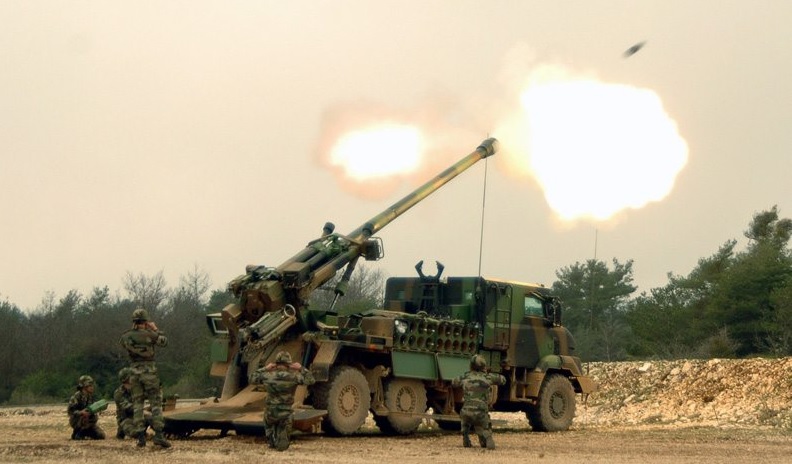
India
In a surprising twist to regional geopolitics, Azerbaijan has reportedly reached out through intermediaries in a Middle Eastern country to inquire about procuring Indian-made weapons. This development comes against the backdrop of recent public criticism by Azerbaijan’s Defence Ministry, which questioned the effectiveness of Indian arms sold to Armenia. Azerbaijan had dismissed these arms, such as the Pinaka Multi-Barrel Rocket Launchers (MBRLs), as ineffective in altering the regional military balance. This unexpected outreach to India, a nation Azerbaijan had previously criticized, underscores the dynamic nature of geopolitical alignments and defense strategies in the South Caucasus. As Azerbaijan explores new arms sources amidst evolving regional dynamics, its interest in Indian defense technology raises questions about shifting priorities and underlying needs. Azerbaijan’s Shifting Defense Strategy Historically, Azerbaijan has relied heavily on its strategic alliances with Turkey and Israel for advanced weaponry. Turkey has provided cutting-edge UAVs, including the Bayraktar TB2 drones that played a pivotal role in Azerbaijan’s military successes during the 2020 Nagorno-Karabakh conflict. Israel has supplied a broad array of systems, from missile defense to high-tech surveillance equipment. However, shifting geopolitical realities are influencing Azerbaijan's procurement strategy. Recent developments, including Israel’s intensified focus on the Gaza conflict, have slowed its arms exports. Similarly, while Turkish support remains steadfast, Azerbaijan appears to be diversifying its defense procurement to address potential gaps in its arsenal, particularly in artillery and ammunition. India’s growing defense manufacturing capabilities under its “Make in India” initiative have placed it on the radar of countries seeking reliable and cost-effective military hardware. Indian systems like the Pinaka MBRL, Dhanush and ATAGS artillery guns, and BrahMos missiles have garnered international interest for their performance and affordability. It’s this reputation that might have caught Azerbaijan’s attention, despite previous criticism. Why Indian Weapons? Azerbaijan’s interest reportedly centers on Indian-made artillery systems and ammunition. Indian artillery, including the Advanced Towed Artillery Gun System (ATAGS), has been praised for its accuracy, extended range, and robust design. The ATAGS, for instance, boasts a firing range of over 48 km, making it one of the longest-range systems in its class globally. Similarly, the Pinaka MBRL, with its rapid-fire capability and precision targeting, is a battlefield game-changer. India’s development of cost-efficient, high-quality small arms and ammunition could also appeal to Azerbaijan, particularly if it seeks to supplement its stockpiles without over-relying on existing suppliers. This interest could be driven by Azerbaijan’s recognition of the practical performance of Indian arms in the challenging terrains of Armenia, where they have reportedly been deployed. Diplomatic Nuances of the Proposal Baku’s choice to approach India indirectly, through a Middle Eastern intermediary, highlights the sensitivity of such a potential transaction. Direct engagement could risk Azerbaijan’s existing partnerships and invite criticism from allies like Turkey and Pakistan, especially given India’s defense relationship with Armenia. Using intermediaries allows Azerbaijan to gauge India’s willingness to engage without committing diplomatically. If India were to proceed with arms sales to Azerbaijan, it would need to balance its relations carefully with both Azerbaijan and Armenia. India has consistently supported Armenia by supplying weapons to bolster its defenses against Azerbaijani aggression. Expanding sales to Azerbaijan could risk alienating Yerevan, potentially straining the goodwill established between the two nations. Broader Implications Azerbaijan’s approach presents a unique opportunity for India to expand its defense export footprint. For New Delhi, entering Azerbaijan’s arms market could reinforce its standing as a global arms supplier while showcasing the quality of its indigenous defense products. However, such a move would require deft diplomacy to avoid exacerbating regional tensions in the South Caucasus. India’s broader strategic interests could also benefit from this engagement. Demonstrating the ability to balance competing interests in a volatile region like the South Caucasus could enhance India’s credibility as a global player. Additionally, it aligns with India’s ambition to challenge China’s growing influence in international defense markets, particularly in countries like Azerbaijan that have procured Chinese-origin systems such as the JF-17 fighter jets. Conclusion Azerbaijan’s discreet interest in Indian arms underscores the fluid nature of international relations and the pragmatic considerations that often drive defense procurement decisions. While the move could be seen as an acknowledgment of India’s growing capabilities in defense manufacturing, it also reflects Azerbaijan’s need to adapt to changing geopolitical and operational realities. For India, the proposal is a double-edged sword—an opportunity to showcase its defense products on a global stage, but one that demands careful navigation of its relationships in a deeply polarized region. If handled strategically, this could mark a significant milestone in India’s rise as a key player in global arms exports while influencing the delicate balance of power in the South Caucasus.
Read More → Posted on 2024-12-16 16:42:36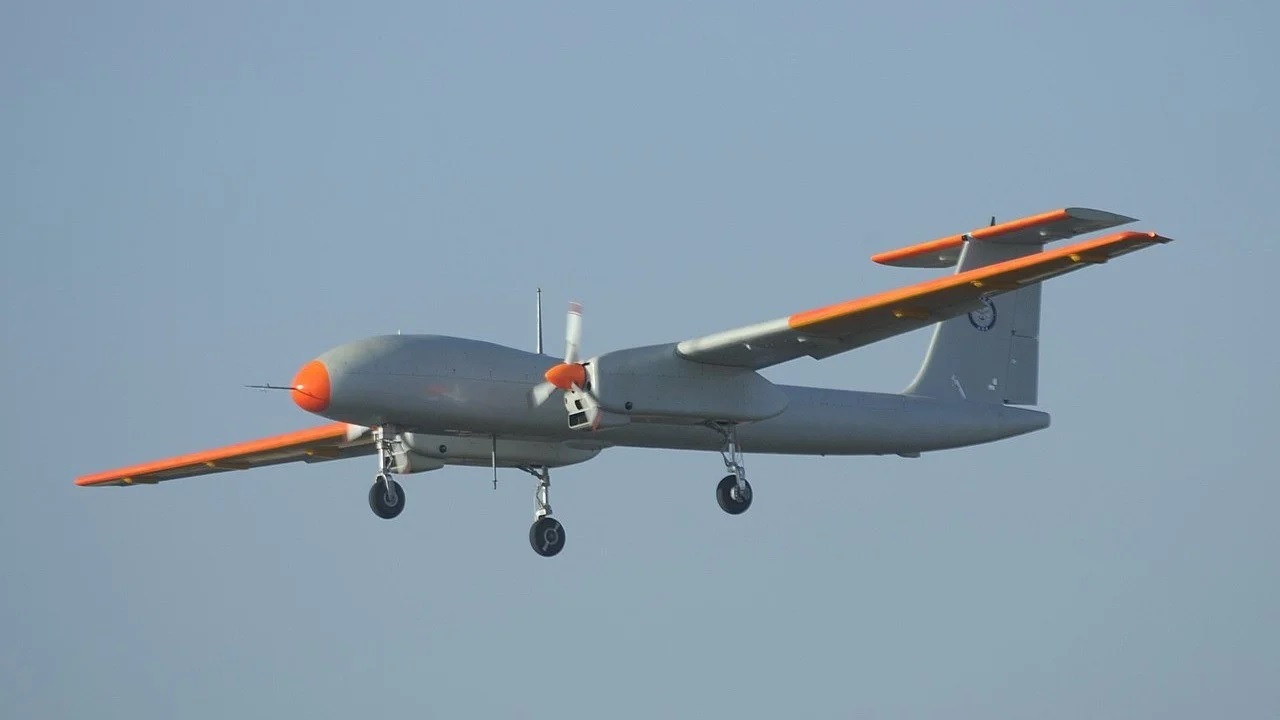
India
The Indian Navy is taking a significant stride toward enhancing maritime surveillance capabilities with plans to induct 10 indigenously developed Tapas (Tactical Airborne Platform for Aerial Surveillance) Medium Altitude Long Endurance (MALE) UAVs. This ambitious procurement aligns with India's broader goal of achieving self-reliance in defence technology while addressing immediate operational requirements with interim solutions. Strategic Deployment in Andaman and Nicobar The Andaman and Nicobar Islands, located at the crossroads of critical maritime trade routes, serve as a vital outpost for monitoring and securing the Indian Ocean. The deployment of Tapas UAVs at this location underscores the Navy's focus on strengthening its presence in a region witnessing increasing geopolitical activity. The UAVs will provide round-the-clock surveillance, enhancing the detection of threats such as illegal fishing, smuggling, and potential intrusions by hostile forces. Tapas UAV: A Homegrown Surveillance Powerhouse Developed by the Defence Research and Development Organisation (DRDO), the Tapas MALE UAV is designed to meet the specific needs of India's armed forces. It boasts an operational ceiling of 30,000 feet and an impressive endurance of up to 24 hours, making it ideal for long-range reconnaissance missions. Key Specifications of Tapas: Payload Capacity: The UAV can carry multiple payloads weighing up to 350 kg, including synthetic aperture radar (SAR), electronic intelligence (ELINT), and electro-optical sensors. Range: It has an operational range of over 1,000 km, suitable for extensive maritime and land-based surveillance. Engine: Powered by a robust piston engine, ensuring fuel efficiency for prolonged missions. Communication Systems: Features advanced satellite communication (SATCOM) for beyond-line-of-sight (BLOS) operations. Despite these impressive capabilities, the Tapas project has faced developmental challenges, particularly in achieving the Navy's stringent endurance and payload requirements. DRDO has been rigorously refining the design to reduce drag, enhance structural efficiency, and ensure operational reliability under diverse climatic conditions. Drishti-10: A Stopgap Solution with Global Expertise In parallel, the Indian Navy is procuring two Drishti-10 UAVs, a system developed by Adani Defence in collaboration with Elbit Systems of Israel. Based on the Hermes 900 Starliner, the Drishti-10 provides an immediate boost to surveillance capabilities while the Tapas undergoes final testing and production. Drishti-10 Specifications: Endurance: Capable of missions lasting up to 36 hours, exceeding Tapas in this parameter. Payloads: Equipped with cutting-edge imaging systems, maritime patrol radars, and advanced communication systems for real-time data transmission. Proven Design: Leveraging the combat-proven platform of Hermes 900, the Drishti-10 offers reliability and performance in various operational scenarios. The Drishti-10 complements the Navy’s existing fleet, which includes the formidable MQ-9 Sea Guardian UAVs sourced from the United States. Together, these systems enable a seamless transition toward indigenous solutions while ensuring no gaps in operational readiness. A Two-Pronged Approach to Readiness The Indian Navy's dual strategy—leveraging both interim foreign collaboration and indigenous technology—exemplifies its pragmatic approach to modernization. While the Tapas project embodies India's aspirations for self-reliance under the Atmanirbhar Bharat initiative, the procurement of Drishti-10 highlights the importance of operational immediacy in safeguarding national interests. Moreover, the deployment of Tapas and Drishti-10 aligns with the Navy's long-term vision of integrating UAVs into network-centric warfare frameworks, enabling real-time intelligence sharing with manned platforms like P-8I Poseidon maritime patrol aircraft. This synergy enhances situational awareness and strengthens India’s maritime security architecture. Future Prospects As DRDO continues to refine the Tapas UAV, its successful induction into the Navy will serve as a landmark achievement for India's defence industry. The experience gained from this program is expected to pave the way for future developments, such as the Ghatak stealth UCAV, reinforcing India’s position in the global UAV market. With the Andaman and Nicobar Islands set to become a hub for advanced UAV operations, India is poised to assert greater control over its maritime domain, ensuring security and stability in an increasingly contested region.
Read More → Posted on 2024-12-16 14:23:57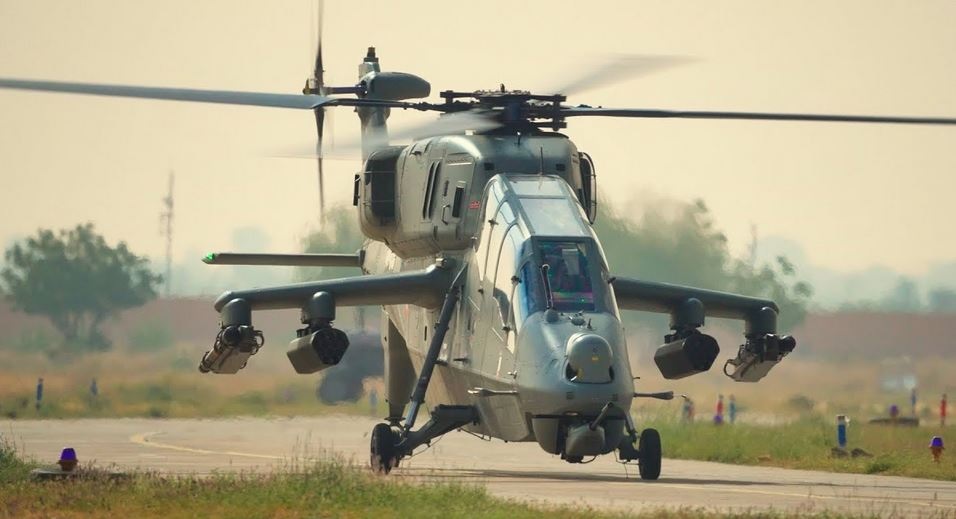
India
Hindustan Aeronautics Limited (HAL) is working on an ambitious project to integrate a miniaturized Active Electronically Scanned Array (AESA) radar into India's Light Combat Helicopter (LCH), Prachand. This breakthrough development is set to redefine the capabilities of the LCH, making it a formidable platform for counter-drone operations, reconnaissance, and precision strikes in challenging environments. The LCH Prachand, already renowned for its agility, advanced avionics, and combat versatility, is poised to become an even more powerful tool in India’s defense arsenal. With the introduction of the Mini-AESA radar, the helicopter will gain cutting-edge situational awareness, allowing it to operate with precision and confidence, even in the most complex battlefield scenarios. What Makes the Mini-AESA Radar Special? The Mini-AESA radar under development by HAL is a compact yet advanced system that provides unparalleled aerial mapping and target tracking capabilities. Unlike conventional radars, AESA technology uses multiple transmit-receive modules, enabling it to scan, detect, and track targets in real time across a wide field of view. Key features of the Mini-AESA radar include: Long-Range Detection: Enables tracking of enemy drones, loitering munitions, and other aerial threats over extended distances. High Resolution Imaging: Allows for precision targeting, which is critical in environments where accuracy can be the difference between mission success and failure. All-Weather Capability: Operates effectively in adverse weather conditions and low-visibility scenarios, ensuring uninterrupted operational performance. Low Size, Weight, and Power (SWaP): Compact design makes it ideal for lightweight platforms like the LCH and even autonomous systems. Counter-Drone and Anti-Loitering Munitions Role Drones and loitering munitions are emerging as major threats in modern warfare, capable of causing significant damage with minimal costs. The Mini-AESA radar is being specifically designed to address these challenges. By equipping the LCH with this radar, HAL aims to provide the Indian Army and Air Force with a highly effective countermeasure. The radar will allow the Prachand to detect enemy drones early, track their movement, and engage them using onboard weaponry. Similarly, loitering munitions, often designed to evade detection until their final moments, can be neutralized before they strike, thanks to the radar's high-precision capabilities. Broader Applications Across Platforms While the Mini-AESA radar is being tailored for the LCH, HAL envisions its utility far beyond helicopters. The compact radar system is being considered for integration with Loyal Wingman drones, autonomous combat UAVs, and other next-generation unmanned systems. These platforms, when equipped with AESA radar, will gain enhanced situational awareness, enabling more accurate and coordinated missions alongside manned aircraft. Future Steps and Trials Before the radar can be deployed, it will undergo rigorous Proof of Concept (PoC) testing to ensure it meets the operational demands of the LCH and other platforms. HAL is working closely with the Indian Army and Air Force to align the radar's development with their requirements. If approved, this innovation could significantly enhance India's defense capabilities, particularly in asymmetrical and hybrid warfare scenarios. The Strategic Impact The integration of the Mini-AESA radar will not only elevate the LCH Prachand's role in the Indian military but also demonstrate HAL's growing technological expertise. This step aligns with India's push for indigenization under the Make in India initiative, reducing dependency on foreign defense systems. Moreover, the radar's ability to support reconnaissance, surveillance, and precision strike missions underscores its importance in achieving future-ready combat platforms. By adopting such cutting-edge technologies, India positions itself as a formidable player in modern warfare. HAL’s Mini-AESA radar project exemplifies how innovation can drive operational excellence, ensuring that the LCH Prachand—and India’s defense forces—remain one step ahead in the ever-evolving dynamics of the battlefield.
Read More → Posted on 2024-12-16 14:16:01
India
Bharat Forge Ltd, a global heavyweight in metal forming and a critical contributor to the automotive and defense sectors, has strategically acquired a 25% equity stake in Edgelab SpA, a pioneering Italian firm specializing in autonomous underwater vehicles (AUVs). This acquisition represents a landmark step for Bharat Forge as it ventures into marine robotics, aiming to tap into emerging opportunities in underwater technology for both civilian and defense purposes. Edgelab SpA, based in Italy, has established itself as a leader in the design and manufacture of sophisticated AUVs. Its portfolio includes advanced underwater drones used in applications like oceanographic research, marine archaeology, offshore infrastructure inspections, port security, and environmental monitoring. The company's cutting-edge technology stands out for its precision, adaptability, and ability to operate in challenging underwater environments, making it a sought-after player in the global marine robotics market. The Strategic Partnership: What It Means for Both Companies This acquisition aligns seamlessly with Bharat Forge's long-term vision of diversifying its technological offerings while maintaining a competitive edge in specialized manufacturing. The partnership will enable Bharat Forge to leverage Edgelab’s expertise in AUV technology, opening avenues for innovation in underwater exploration and security. The synergy is expected to enhance Bharat Forge’s manufacturing and design capabilities, enabling the development of bespoke products for global markets, including India. With Edgelab’s established customer base across Europe and India, this partnership also offers Bharat Forge a direct pathway to strengthen its international footprint and capitalize on burgeoning opportunities in marine robotics. For Edgelab, Bharat Forge’s investment provides not just financial support but also access to world-class manufacturing facilities and operational know-how. This collaboration can facilitate scaling up production, penetrating new markets, and advancing research and development in AUV technologies. Key Technological Edge: Edgelab’s Underwater Innovations Edgelab’s autonomous underwater vehicles are equipped with state-of-the-art sonar systems, high-resolution imaging technologies, and AI-driven navigation capabilities. These features allow for real-time data acquisition and analysis, essential for applications in deep-sea exploration, resource mapping, and military reconnaissance. The company's flagship AUVs boast impressive specifications, including extended battery life, modular payload designs, and the ability to operate at depths exceeding 3,000 meters. This makes them ideal for diverse operations, from locating submerged archaeological treasures to conducting critical undersea maintenance for oil and gas pipelines. Implications for Defense and National Security The acquisition also reflects Bharat Forge's growing focus on sectors with direct relevance to defense and national security. Underwater drones are becoming increasingly vital in modern maritime defense strategies, aiding in tasks such as anti-submarine warfare, surveillance, and mine detection. With this investment, Bharat Forge positions itself as a key player in this high-tech domain, complementing its existing defense portfolio. India, with its extensive coastline and strategic maritime interests, stands to benefit significantly from the advancements this partnership can bring. The Indian Navy and other defense agencies could gain access to world-class underwater technology, bolstering the nation’s capabilities in safeguarding its waters. A Future of Collaborative Innovation Bharat Forge and Edgelab's collaboration is poised to deliver breakthrough technologies in marine robotics. Beyond defense, sectors like oceanography, environmental monitoring, and offshore energy exploration are likely to see transformative advancements. As underwater resources and security assume growing importance globally, the technologies developed through this partnership will have far-reaching implications. By investing in Edgelab, Bharat Forge is not just broadening its technological horizons but also strengthening its role in shaping the future of marine robotics and underwater exploration. This strategic move underscores Bharat Forge’s commitment to innovation and reinforces its position as a global leader in specialized engineering and technology.
Read More → Posted on 2024-12-15 16:19:15
India
Mishra Dhatu Nigam Limited (MIDHANI), India's premier organization in advanced materials development, has unveiled its latest innovation, the SN-41 superalloy. This nickel-based precipitation-hardening alloy is poised to redefine the benchmarks for high-temperature and high-stress performance in aerospace and defense technologies. As India seeks greater self-reliance in critical materials, the development of SN-41 marks a significant milestone in achieving indigenous capabilities for cutting-edge applications. What Makes SN-41 Revolutionary?The SN-41 superalloy has been meticulously engineered to meet the demanding requirements of modern jet engines and missile systems. Its unique composition offers a blend of high-temperature strength, resistance to oxidation, and exceptional durability under extreme stress. Here's a deeper look at its standout properties: High-Temperature StrengthSN-41 retains its structural integrity at temperatures up to 871°C (1600°F). This makes it a perfect fit for components like turbine blades and combustion chambers, which operate under intense thermal conditions. Outstanding Oxidation ResistanceThe alloy boasts remarkable oxidation resistance at temperatures up to 982°C (1800°F). This ensures it can withstand prolonged exposure to harsh environments, such as combustion gases and high-speed airflow in jet engines and missile systems. Corrosion and Wear ResistanceSN-41’s advanced metallurgical properties provide strong resistance against chemical corrosion and mechanical wear, enabling longer service life for critical components. Versatility Across ApplicationsThe alloy’s robustness makes it ideal for a variety of applications, including turbine wheels, fasteners, petrochemical reactor components, gas turbine nozzle partitions, and missile components. SN-41's Impact on Strategic IndustriesThe development of SN-41 is a vital step towards India's self-reliance in high-performance materials. Historically, India has relied heavily on imports for advanced superalloys required in jet engine manufacturing and defense systems. With SN-41, MIDHANI aims to eliminate this dependency, fostering technological independence and economic efficiency. In the aerospace sector, SN-41 is expected to enhance the performance of next-generation jet engines, such as the indigenous Kaveri engine. The superalloy’s high-temperature resilience and oxidation resistance will allow these engines to operate at greater efficiencies and under higher stress conditions, reducing maintenance and improving reliability. Similarly, in missile technology, SN-41 can be utilized in high-stress components exposed to rapid temperature changes, such as combustion chambers and nozzles. This can lead to improvements in missile endurance, accuracy, and overall operational capability. Advanced SpecificationsWhile MIDHANI has yet to disclose the full chemical composition of SN-41, typical nickel-based superalloys include elements like chromium, cobalt, molybdenum, and titanium to enhance specific properties. SN-41’s advanced precipitation-hardening mechanism ensures fine-grain microstructural stability, even under prolonged high-temperature conditions, resulting in superior creep resistance—a critical feature for aerospace materials. The manufacturing of SN-41 involves state-of-the-art processes such as vacuum induction melting (VIM) and powder metallurgy, ensuring consistent quality and performance. Additionally, the alloy can be customized for specific applications through heat treatment and alloying techniques. A Boost to India's A&D EcosystemThe unveiling of SN-41 underscores MIDHANI’s role in India’s quest for self-reliance in the aerospace and defense (A&D) sectors. By producing advanced materials domestically, India reduces its dependency on global supply chains, a critical advantage during geopolitical uncertainties. Moreover, the commercialization of SN-41 is expected to open up opportunities for collaboration with global aerospace giants, propelling India's standing in the international materials market. Future ProspectsSN-41 has the potential to be a cornerstone for India’s ambitious projects, such as the Advanced Medium Combat Aircraft (AMCA) and hypersonic missile programs. Its adoption could also extend to civilian aerospace, petrochemical industries, and power generation sectors, where high-performance materials are essential. ConclusionMIDHANI’s SN-41 superalloy represents a leap forward in India's material science capabilities. Its development not only aligns with the nation’s goals of technological self-reliance but also positions India as a global leader in the production of advanced superalloys. With applications ranging from next-gen jet engines to cutting-edge missile systems, SN-41 is set to play a transformative role in the aerospace and defense landscape.
Read More → Posted on 2024-12-15 16:09:41
India
The Indian Air Force (IAF) achieved a historic milestone on December 14, 2024, as the first batch of officers for the newly established Weapon Systems Branch was commissioned at the Air Force Academy in Dundigal, near Hyderabad. This commissioning ceremony marked a transformative moment in the history of the IAF, introducing a specialized operational branch designed to address the evolving dynamics of modern warfare. A Strategic Leap in Air Force Capabilities The Weapon Systems Branch, announced during the Air Force Day celebrations in 2022 by then Chief of Air Staff, Air Chief Marshal Vivek Ram Choudhari, is the first new operational branch introduced since India’s independence. Officially approved by the government on October 8, 2022, and formally launched in July 2024, this branch has been created with the primary objective of unifying all weapon system operators under a single cohesive framework. This reorganization aims to enhance operational efficiency by allowing fighter pilots to concentrate exclusively on their core flying duties while specialists in the branch handle weapon systems. The branch reflects the IAF's forward-thinking approach in adapting to modern warfare. By focusing on niche roles such as missile operations, drone management, and multi-crew aircraft weaponry, the branch seeks to align its capabilities with the rapid technological advancements in defense. Specialized Sub-Streams for Tactical Superiority The Weapon Systems Branch is divided into four specialized sub-streams, each focusing on a specific operational domain: Surface-to-Surface Missiles (SSM): Officers in this stream manage and operate missile systems targeting ground-based threats, enabling precision strikes on enemy installations. Surface-to-Air Missiles (SAM): This stream deals with the deployment and control of missile systems designed to neutralize aerial threats, forming a critical layer in India’s air defense network. Remotely Piloted Aircraft (RPA): Operators in this sub-stream oversee drone missions for surveillance, reconnaissance, and logistical support. With the increasing use of drones in combat scenarios, this specialization ensures the IAF remains at the forefront of unmanned warfare. Twin/Multi-Crew Aircraft Operations: Officers here focus on managing weapons systems aboard larger, multi-crew aircraft, such as bombers or transport aircraft, which often serve in complex and coordinated missions. These sub-streams demonstrate a clear intent to harness specialized expertise in varied operational environments, thereby reinforcing India’s strategic capabilities across multiple domains. The First Batch and its Significance The inaugural batch comprises 33 officers who now assume pioneering roles in this new cadre. These officers have undergone rigorous training to operate state-of-the-art systems, reflecting the branch’s emphasis on technical proficiency. Their commissioning signifies the IAF's readiness to operationalize this ambitious initiative and integrate advanced technologies into its operational framework. The ceremony also showcased the IAF’s vision for enhancing its operational readiness. By establishing this branch, the air force is taking proactive measures to address the challenges posed by modern warfare, including asymmetric threats and rapidly evolving technological paradigms. Technological Backbone and Strategic Importance The Weapon Systems Branch is more than just a structural reorganization; it represents a shift towards technology-driven operations. With the IAF inducting platforms like the S-400 air defense systems, BrahMos missile systems, and advanced drones, the need for highly skilled operators has become imperative. The establishment of this branch ensures that such sophisticated systems are managed with precision and expertise. Moreover, this initiative is expected to streamline resource allocation, improve mission efficiency, and enhance inter-branch coordination within the IAF. By fostering specialization, the IAF is poised to respond swiftly to threats while maintaining a robust deterrence posture. A Broader Trend in Modernizing Armed Forces The creation of the Weapon Systems Branch aligns with a broader trend within India’s armed forces of modernizing and adapting to emerging security challenges. The branch not only improves operational effectiveness but also underscores India’s commitment to maintaining a technologically advanced military capable of defending its sovereignty in a rapidly changing global security landscape. As the IAF continues to evolve, the Weapon Systems Branch will likely play a pivotal role in shaping India’s air power capabilities for decades to come.
Read More → Posted on 2024-12-15 15:57:46
India
India’s aerospace sector is at a critical juncture. Despite remarkable progress in indigenous aircraft programs like the Tejas Mk1A, MkII, Twin Engine Deck-Based Fighter (TEDBF), and the Advanced Medium Combat Aircraft (AMCA), a major infrastructural gap threatens to slow these advancements. This gap is the absence of true domestic aerodynamic testing facilities—a point recently underscored by S. Somanath, Chairman of the Indian Space Research Organisation (ISRO). The Challenges of External Dependence Speaking at the SAROD 2024 event, Somanath highlighted the heavy reliance on foreign facilities for conducting key aerodynamic tests. Facilities in countries like France, Russia, and the United States currently host India’s wind tunnel and jet simulation tests. However, these arrangements are fraught with challenges: Limited Accessibility: Scheduling tests abroad involves navigating through international priorities, often leading to delays. High Costs: The financial burden of outsourcing such critical tests significantly impacts project budgets. Geopolitical Constraints: Dependence on foreign entities can lead to potential vulnerabilities during sensitive projects, especially in defence. For organizations like the Aeronautical Development Agency (ADA) and Hindustan Aeronautics Limited (HAL), this reliance on external testing infrastructure poses a severe bottleneck. It directly affects the timelines of flagship projects like HAL’s Hindustan Lead-in Fighter Trainer (HLFT-42) and the TEDBF, which is intended to operate from Indian Navy aircraft carriers. Why Domestic Facilities are Crucial Aerodynamic testing is a cornerstone of aerospace engineering. While advancements in Computational Fluid Dynamics (CFD) offer virtual solutions, physical tests in wind tunnels remain irreplaceable for validating aerodynamic designs. The synergy between computational and physical testing ensures accuracy in the performance and stability of complex systems, especially for supersonic and stealth aircraft. Establishing state-of-the-art testing infrastructure in India would yield profound benefits: Accelerated Development Timelines: Domestic facilities would eliminate scheduling bottlenecks, allowing continuous and rapid iterations of aircraft designs. Enhanced Self-Reliance: With strategic autonomy, India would no longer depend on foreign nations for critical defence requirements. Cost Efficiency: Though the initial investment would be significant, the long-term savings in testing costs would be substantial. Fostering Innovation: Modern facilities would encourage innovation, training, and collaboration across India’s aerospace sector. The Road Ahead To address these challenges, Somanath has proposed creating a wind tunnel facility on par with ONERA in France. Such a facility could cater to both ISRO’s needs and India’s broader aerospace sector, including military and civilian aviation. Key features of such a facility would include: Hypersonic Wind Tunnels: Essential for testing vehicles that operate at speeds exceeding Mach 5, critical for programs like the Hypersonic Technology Demonstrator Vehicle (HSTDV). Cryogenic Testing Capability: To replicate conditions experienced by space-bound systems and high-altitude fighter jets. Low-Speed and High-Speed Wind Tunnels: For subsonic, transonic, and supersonic testing of various aircraft components. Bridging the Gap Investing in domestic aerodynamic testing facilities aligns with India’s broader goal of becoming a global aerospace hub. It complements the government's push for “Atmanirbhar Bharat” (Self-Reliant India) in defence technology and would significantly reduce dependence on foreign suppliers. Moreover, such infrastructure would support not just fighter jet programs but also UAVs, missiles, and space vehicles, amplifying India’s technological edge across multiple domains. With indigenous programs like the AMCA and TEDBF entering critical development phases, the establishment of advanced aerodynamic testing infrastructure is no longer optional—it is a necessity. By bridging this gap, India can not only fast-track its aerospace ambitions but also cement its status as a leader in cutting-edge defence and space technology.
Read More → Posted on 2024-12-15 15:54:07
India
India is taking another decisive step toward self-reliance in defence technology as the Ordnance Parachute Factory (OPF) in Kanpur prepares to manufacture state-of-the-art indigenous parachutes for the Tejas fighter jet. This initiative underlines the nation’s commitment to achieving autonomy in critical defence systems and aligns with the government’s flagship Atmanirbhar Bharat and Make in India campaigns. A Technological Leap in Defence Manufacturing The indigenous parachutes designed for the Tejas jets represent a breakthrough in Indian aerospace technology. These systems are crafted to function seamlessly at the jet's high operational speeds, which can reach up to 2,205 km/h (Mach 1.6). Such precision engineering is vital for pilot safety during emergency ejections, where every fraction of a second and ounce of reliability counts. The parachutes incorporate advanced materials and cutting-edge deployment mechanisms to ensure durability and performance under extreme conditions. They are designed to meet international safety and reliability standards, a testament to India's evolving defence manufacturing capabilities. The Legacy of OPF and Its Strategic Role Established in 1941, the Ordnance Parachute Factory is one of India's oldest institutions dedicated to defence manufacturing. Over the decades, it has developed a wide range of parachutes, including personnel, cargo, and special-purpose systems like the P-7 heavy drop parachute, used to deliver military supplies into combat zones. With this new venture, OPF is setting another milestone, as it becomes Asia's first facility to produce such advanced fighter jet parachutes at an affordable cost. Why Indigenous Parachutes Matter The introduction of homegrown parachutes for the Tejas jets holds immense strategic importance. Traditionally, such critical components were imported from countries like Russia and France, adding to procurement costs and creating dependencies that could disrupt the supply chain during emergencies or geopolitical tensions. By localizing production, India is not only reducing reliance on foreign suppliers but also ensuring quicker availability and better integration into its defence ecosystem. Tejas: India’s Pride in the Sky The Tejas Light Combat Aircraft (LCA) is a cornerstone of India's modern air combat strategy. Developed by Hindustan Aeronautics Limited (HAL), this supersonic, multi-role fighter boasts advanced avionics, weapon systems, and agility. The aircraft has already gained recognition for its lightweight design and versatility, making it a significant component of the Indian Air Force's modernization plans. With the indigenous parachutes, the Tejas program now becomes even more aligned with India’s self-reliance goals. This development not only enhances the aircraft’s safety systems but also solidifies the Tejas platform as a completely Indian-made fighter jet, increasing its appeal for potential export markets. A Boost to the Defence Ecosystem This initiative is expected to drive technological advancements across the defence sector. By leveraging local expertise, OPF is opening new opportunities for collaboration with small and medium enterprises (SMEs) in India. Additionally, the project will generate employment and skill development opportunities, with a notable emphasis on empowering women to take on roles in the manufacturing process—breaking barriers in a traditionally male-dominated field. Beyond Defence: Economic and Strategic Impacts The manufacturing of indigenous parachutes extends its benefits beyond the defence sector. It stimulates India's economy by fostering innovation, supporting ancillary industries, and reducing the import bill for defence equipment. Furthermore, such developments signal India's growing capabilities on the global stage, enhancing its reputation as a credible defence exporter. A Vision for the Future As the Ordnance Parachute Factory embarks on this ambitious project, it sets a new benchmark for indigenous defence production in India. The success of this program is expected to inspire similar ventures, strengthening the nation’s self-reliance in critical defence technologies. This milestone, achieved through collaboration, innovation, and vision, underscores India’s determination to protect its sovereignty while contributing to global aerospace advancements. With the Tejas program leading the way, the sky is not the limit but just the beginning.
Read More → Posted on 2024-12-15 15:49:17Search
Top Trending in 24 Hours
-
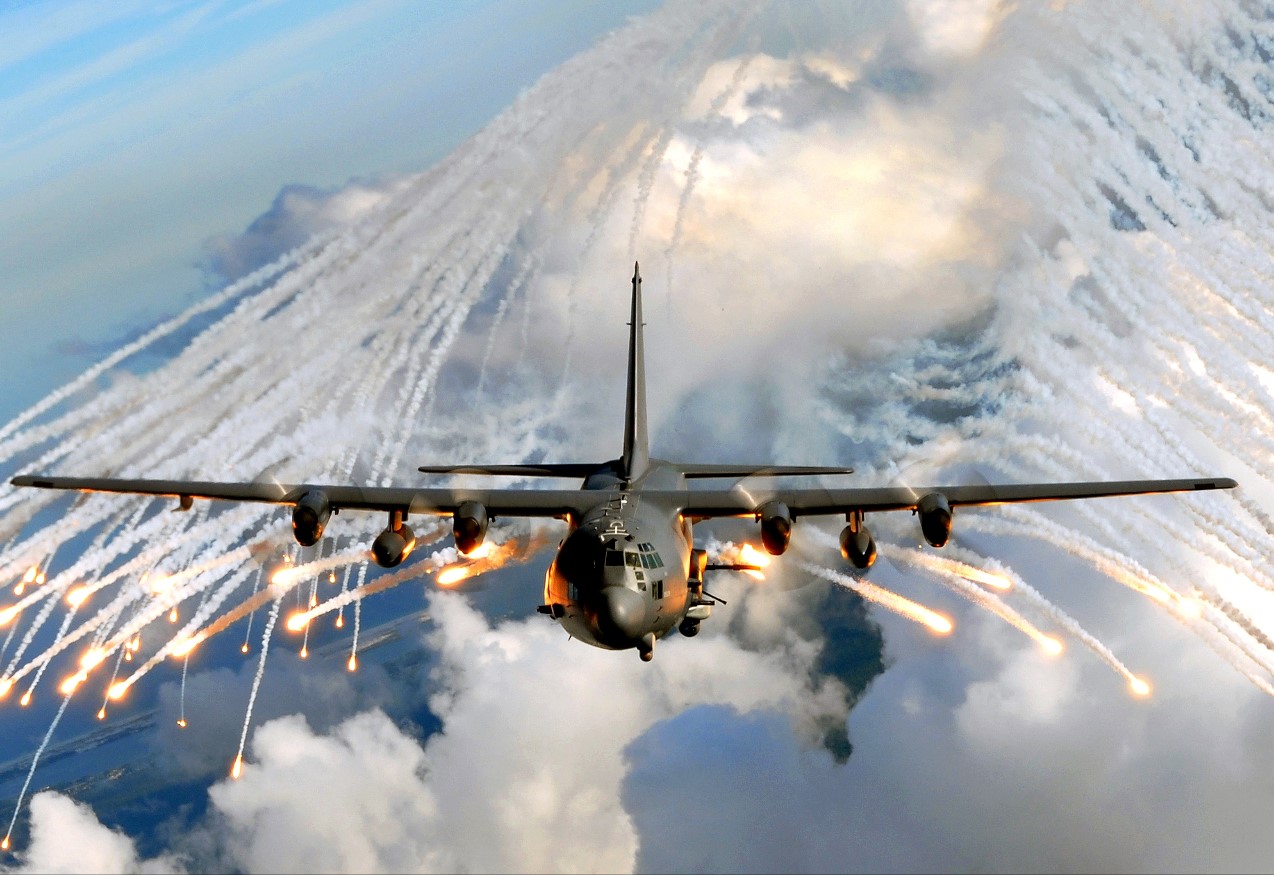 Pentagon Expands Alloy Surfaces Contract to $328.8 Million for Advanced Aircraft Decoy Flares Amid Evolving Drone Threats
-
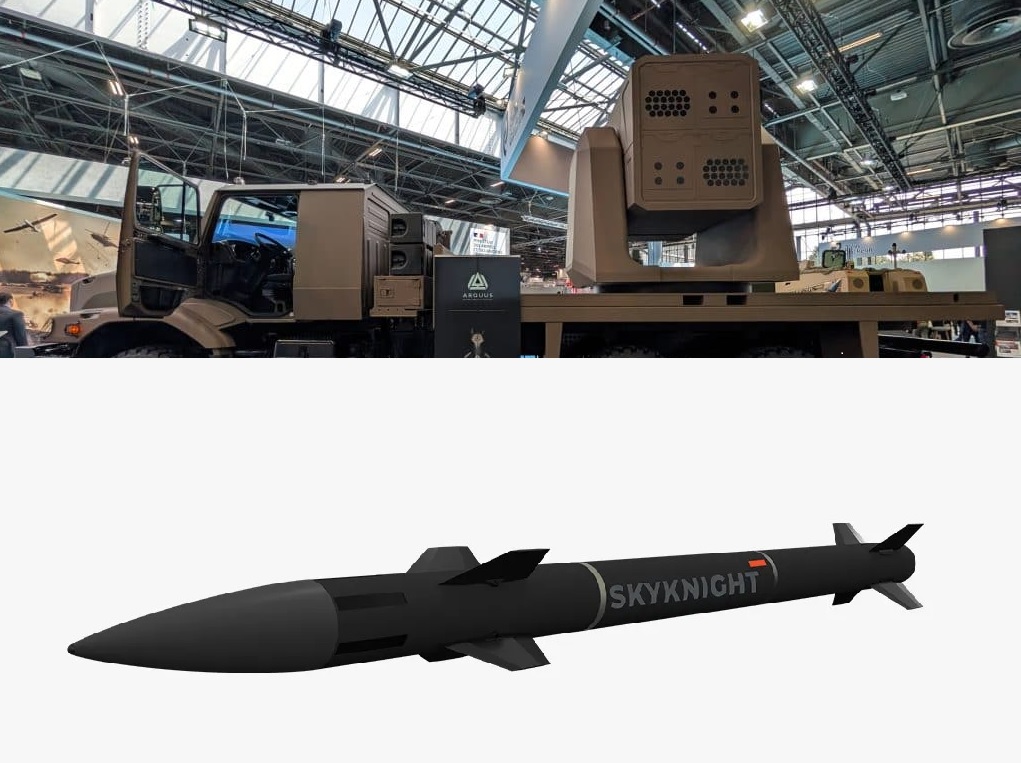 Naval Group Unveils Rampart Modular CIWS Multi-Purpose Weapon System for Naval and Ground Forces at Eurosatory 2026
-
 Why the U.S. Restored Pacific Command Name, Ending the Indo-Pacific Designation After Eight Years
-
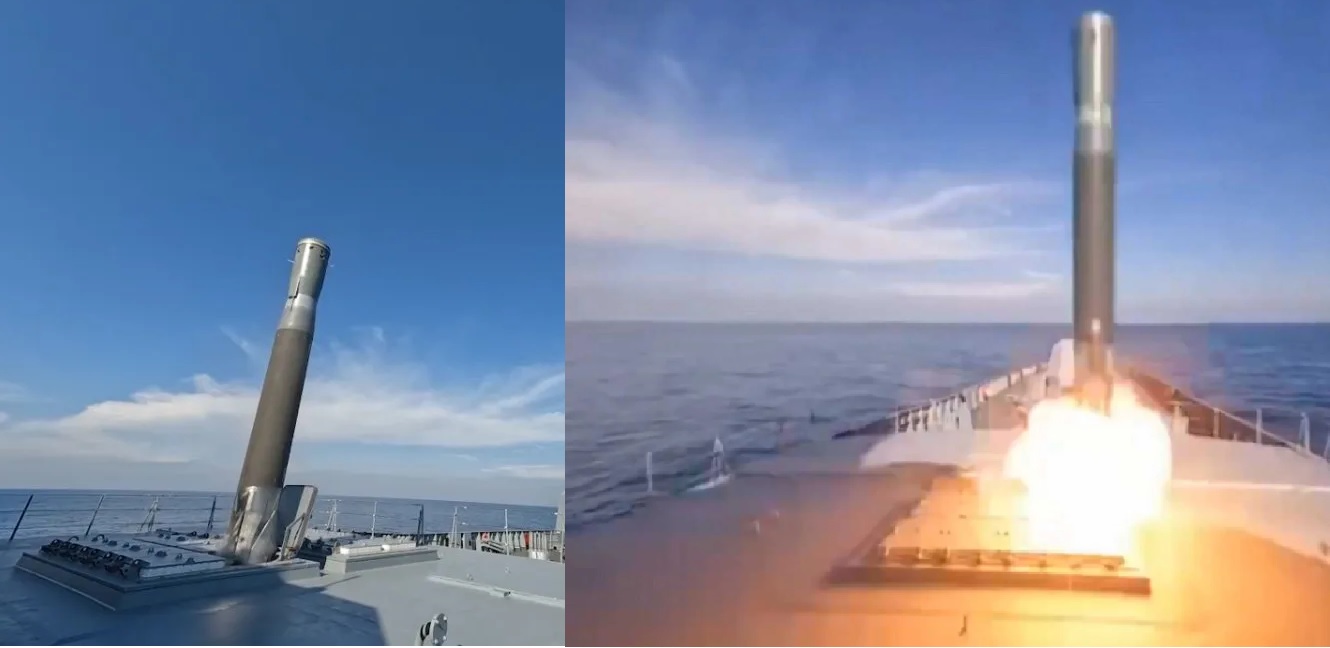 Open-Source Evidence Suggests Russia's Zircon Is a Quasi-Ballistic Missile, Not a True Hypersonic Cruise Weapon
-
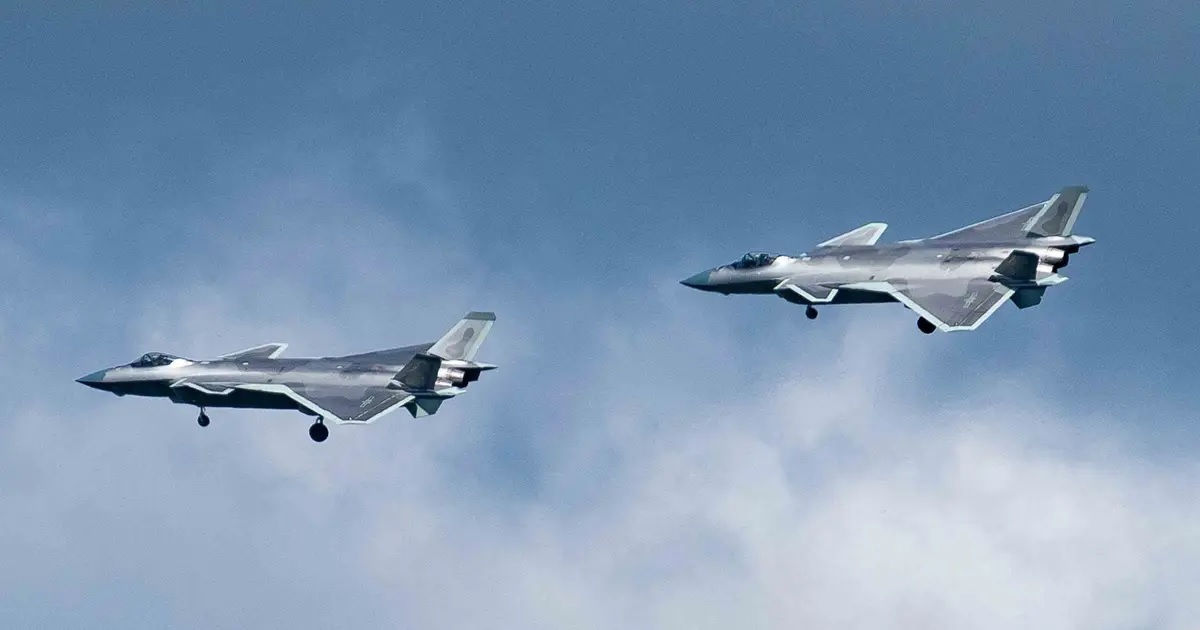 China Surpasses Russia as World’s Second-Most Powerful Air Force Amid Rapid J-20 and J-35 Expansion
-
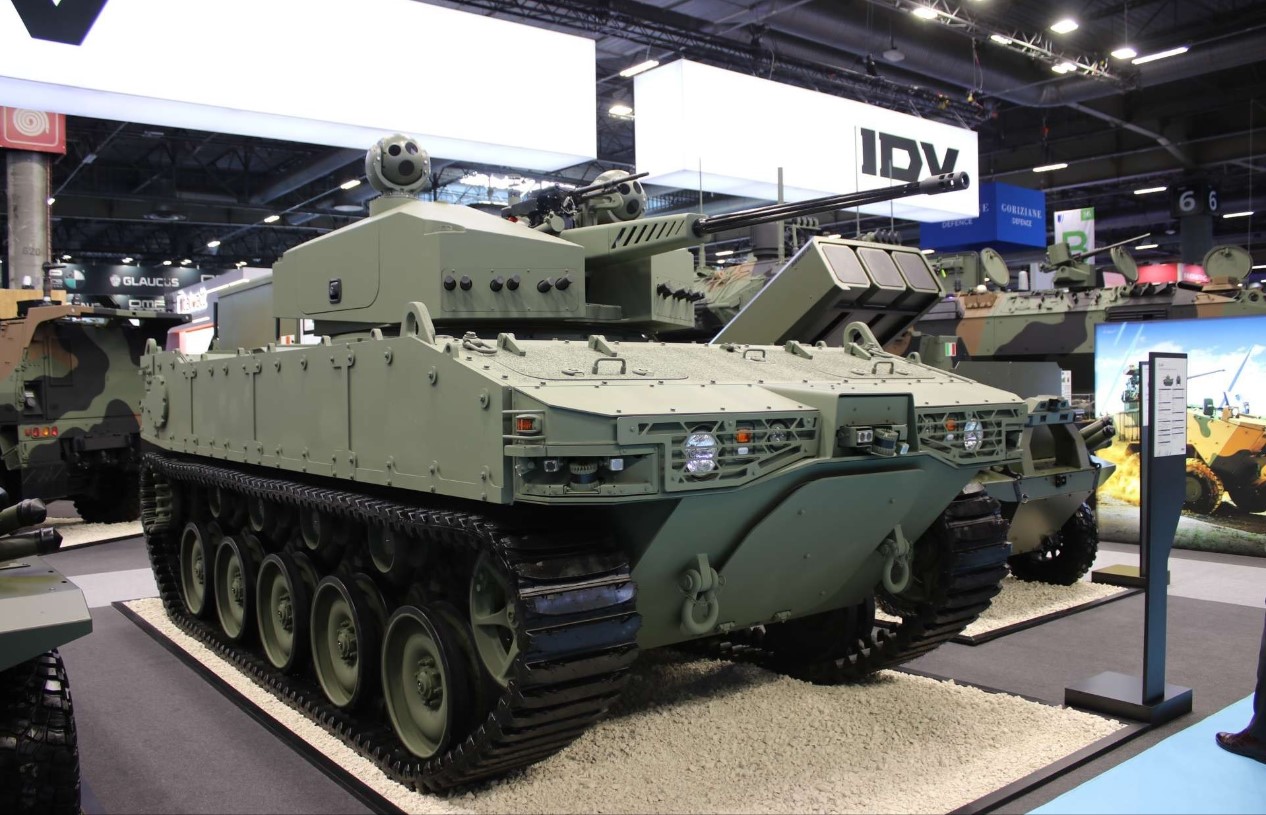 IDV Unveils CL2X Hybrid Uncrewed Light Tank at Eurosatory 2026
-
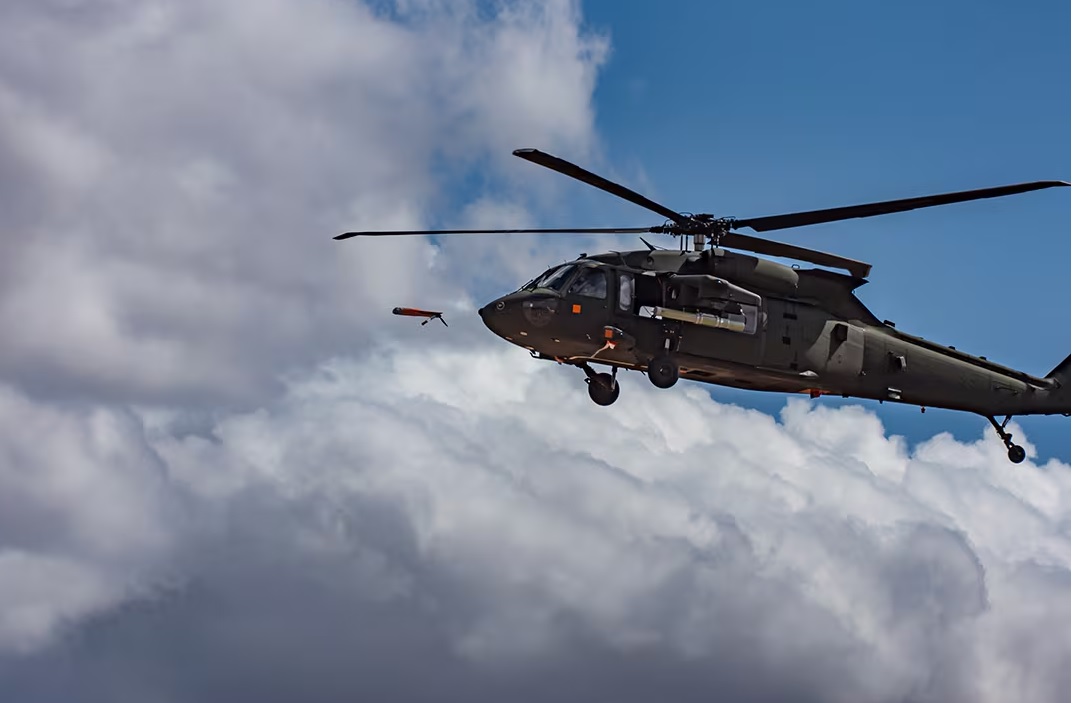 U.S. Army Completes First Flight Test of Medium-Range Air-Launched Effects from Black Hawk Helicopter
-
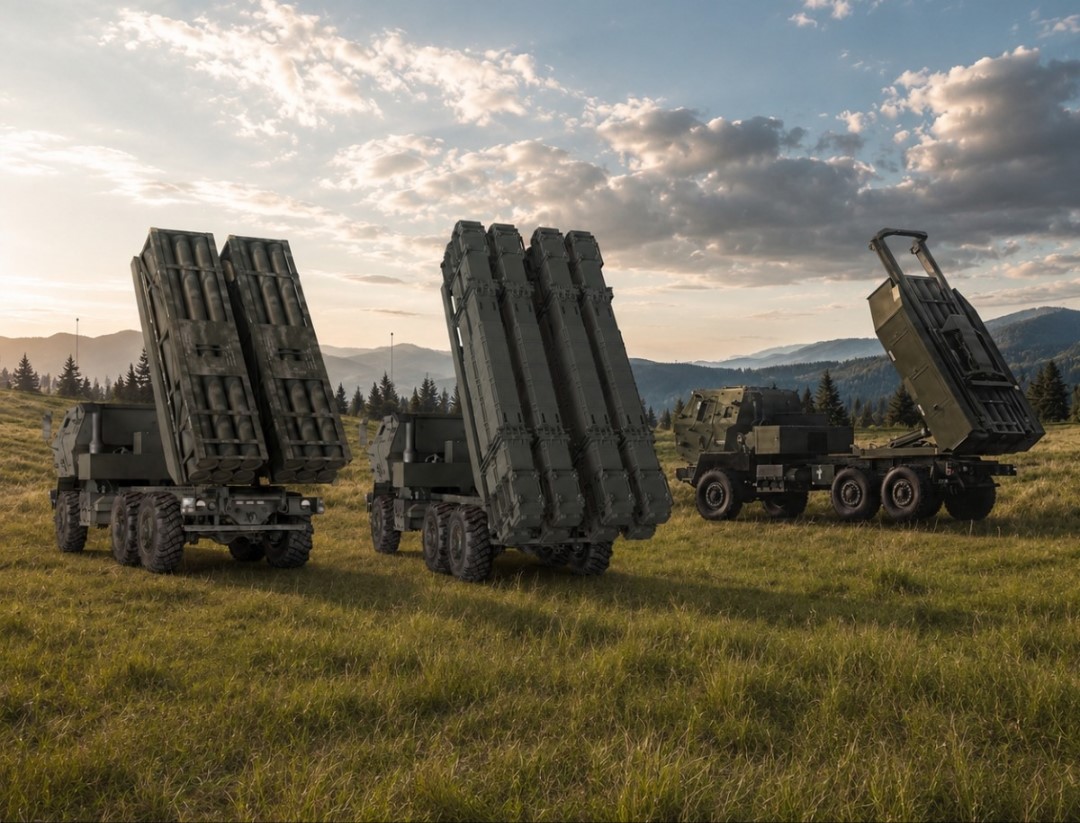 Lockheed Martin Unveils HIMARS FLEX with Dual-Pod Launcher and NATO-Compatible Air Defense Integration
Top Trending in 4 Days
-
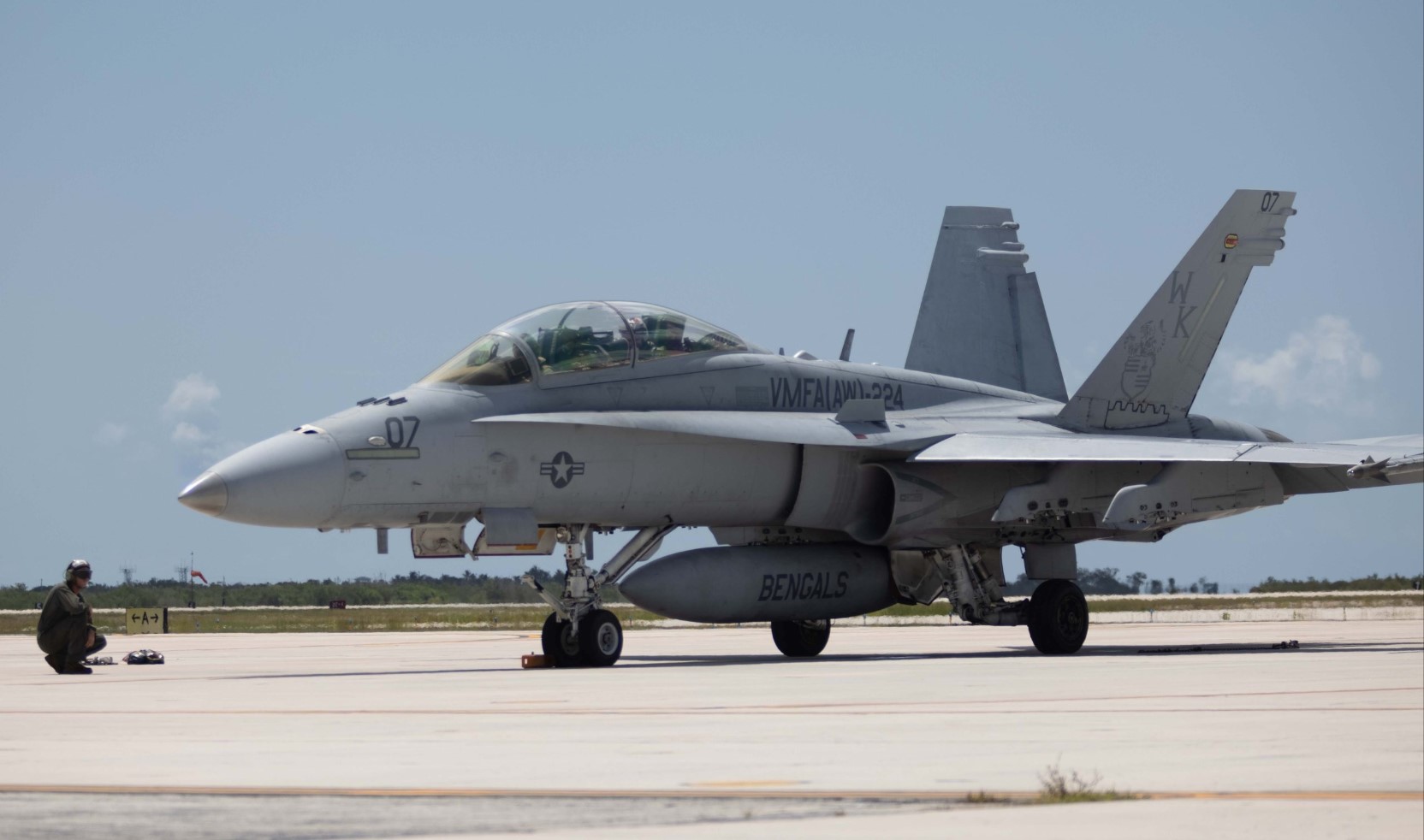 US Marine Corps F/A-18D Hornet Crashes During Training Flight in Washington Mountains; Pilot Ejects Safely
-
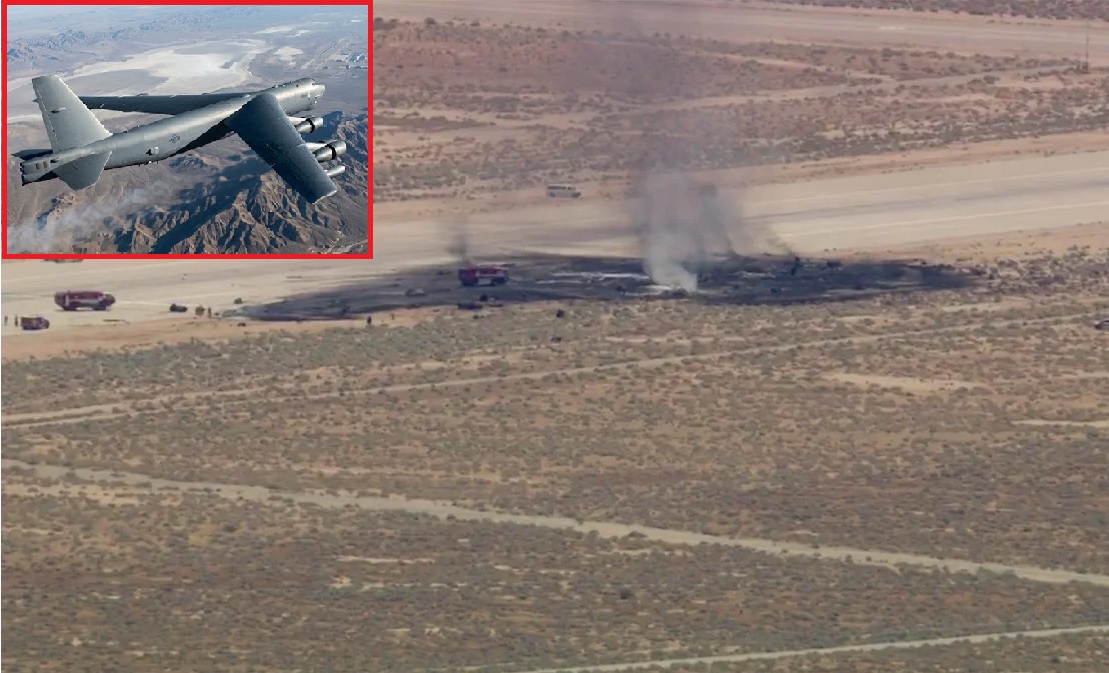 8 U.S. Air Force Crew Members Killed in B-52 Bomber Crash During Test Flight at Edwards Air Force Base
-
 Tulsi Gabbard Releases Declassified Files Detailing U.S.-Backed Network of 120 Biolaboratories Across 30+ Countries
-
 Ukraine Introduces Balloon-Launched DART Missile Designed to Defeat Electronic Warfare
-
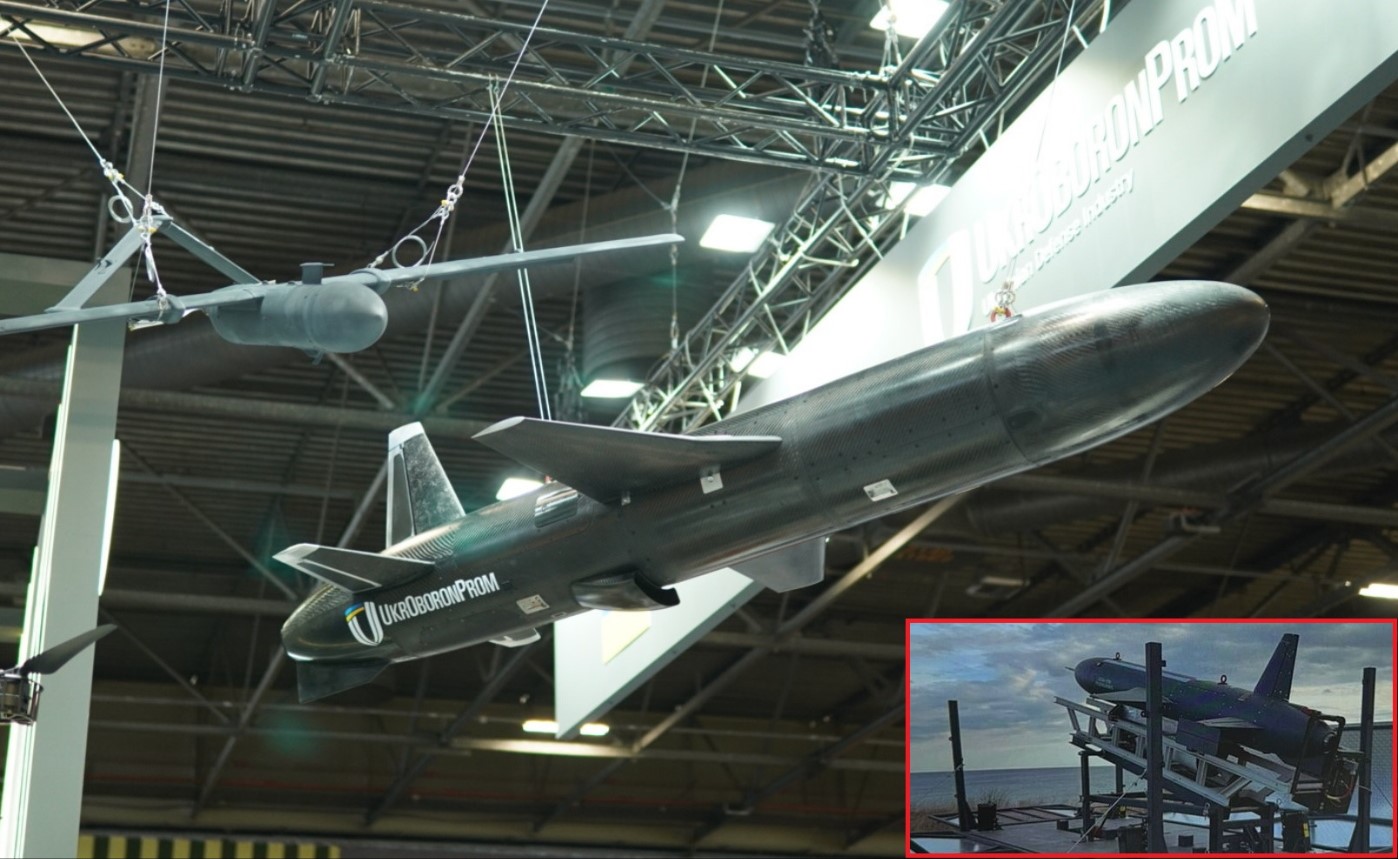 Ukraine Unveils UAV-290 Jet-Powered Strike Drone with 650 km Range at Eurosatory 2026
-
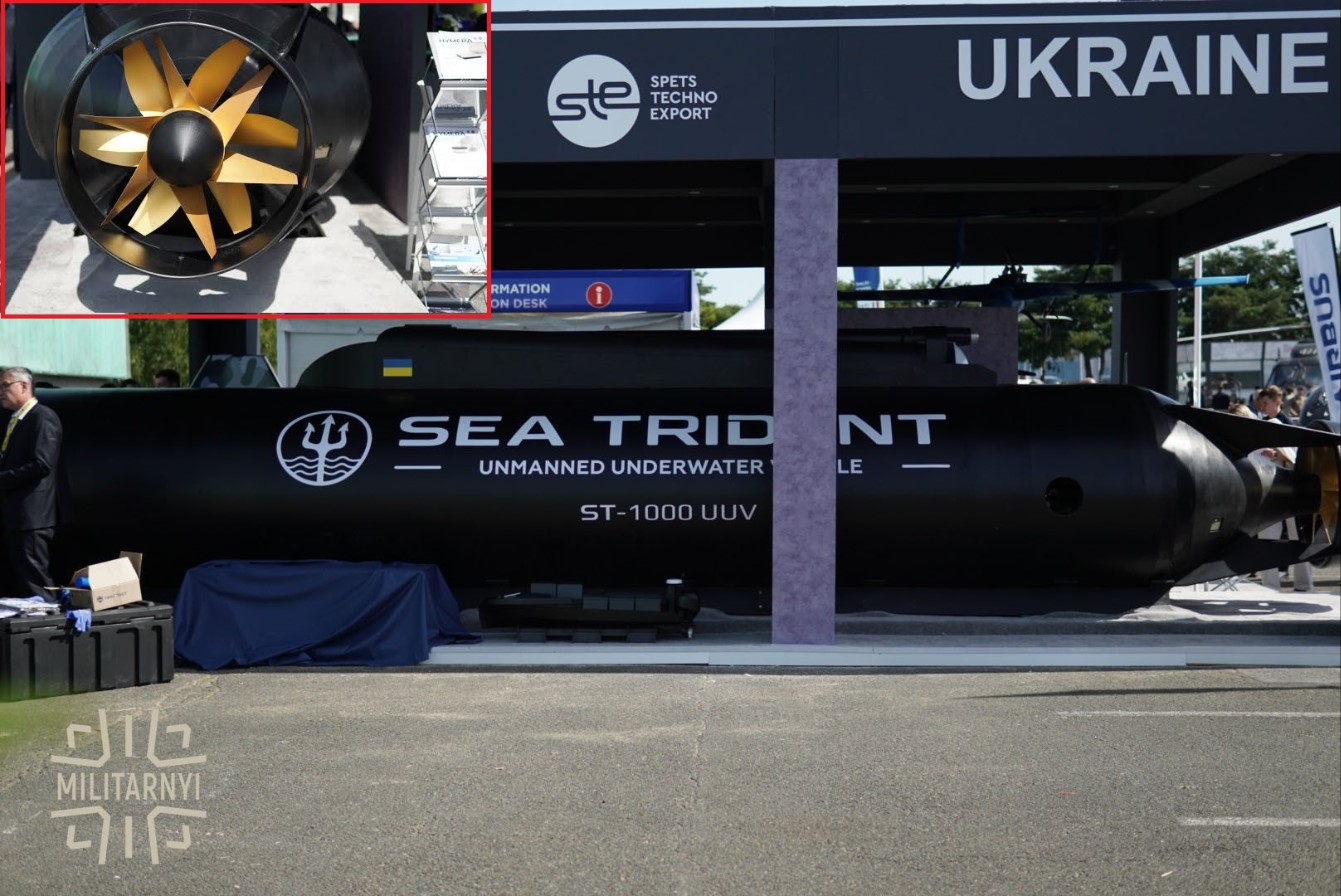 Ukraine Unveils 'Sea Trident' 10-Ton Autonomous Underwater Drone at Eurosatory 2026
-
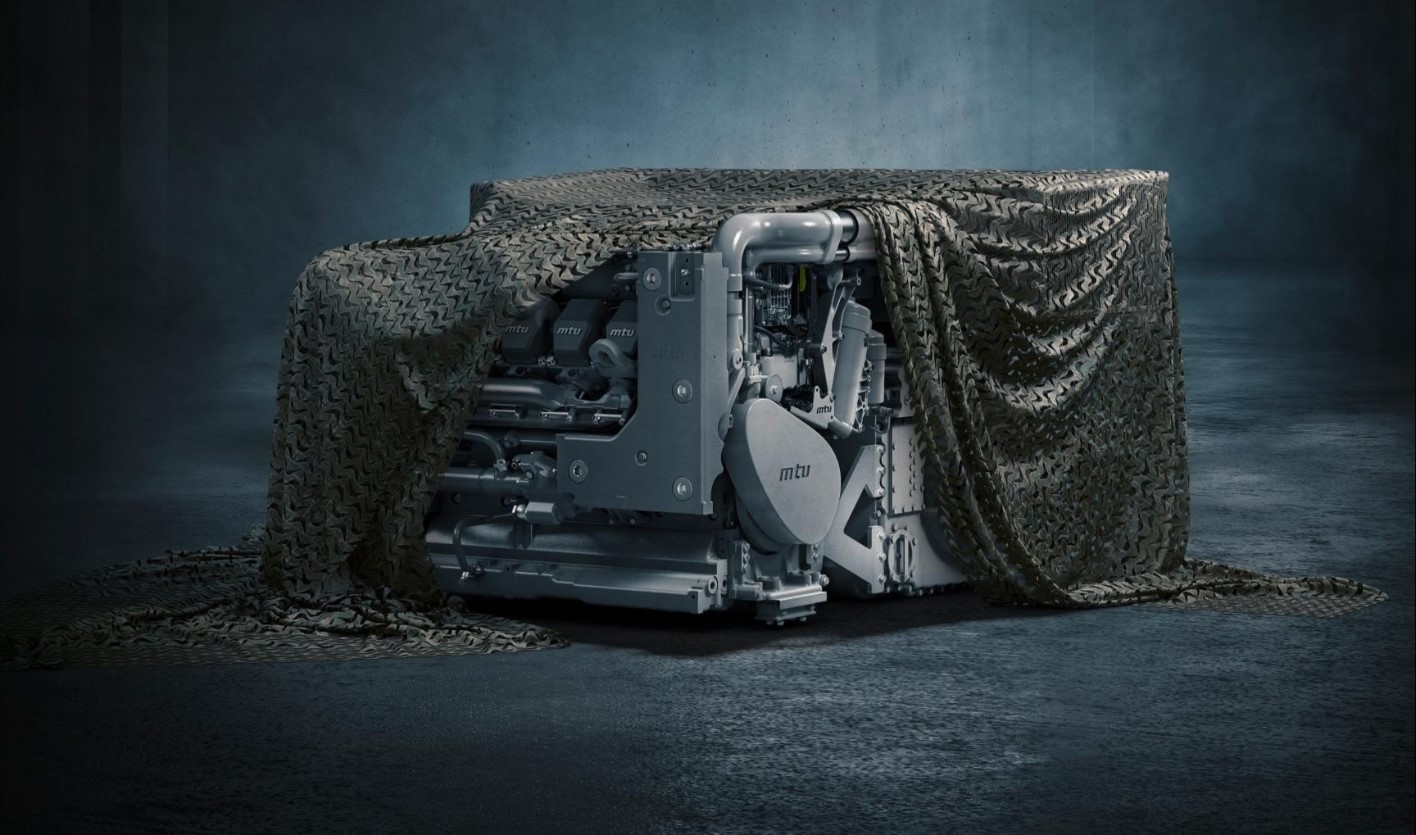 Rolls-Royce Unveils New Hybrid Powertrain for Heavy Military Vehicles at Eurosatory 2026
-
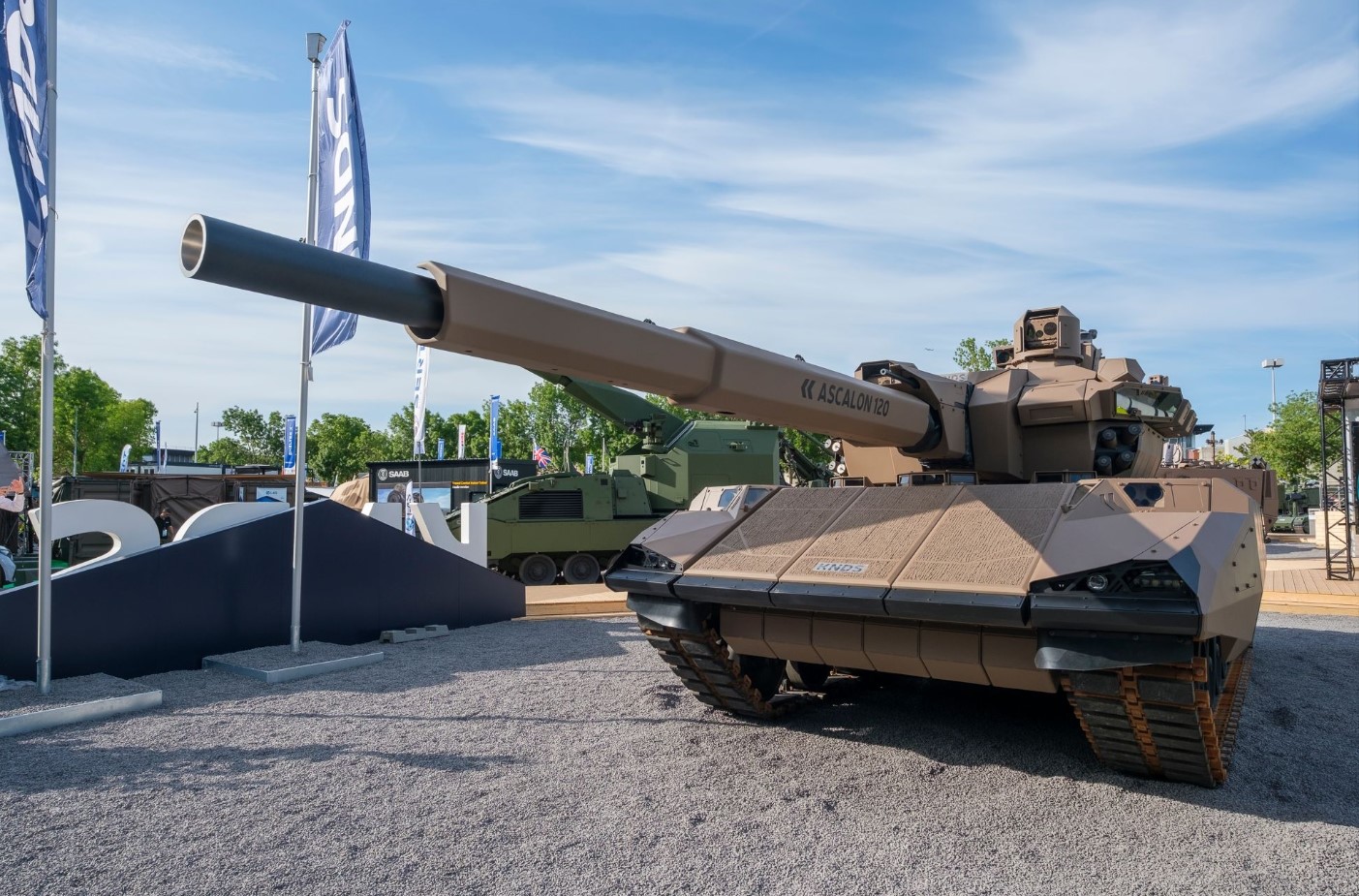 KNDS Unveils CAPINT Main Battle Tank at Eurosatory 2026 as Leclerc Stopgap