India
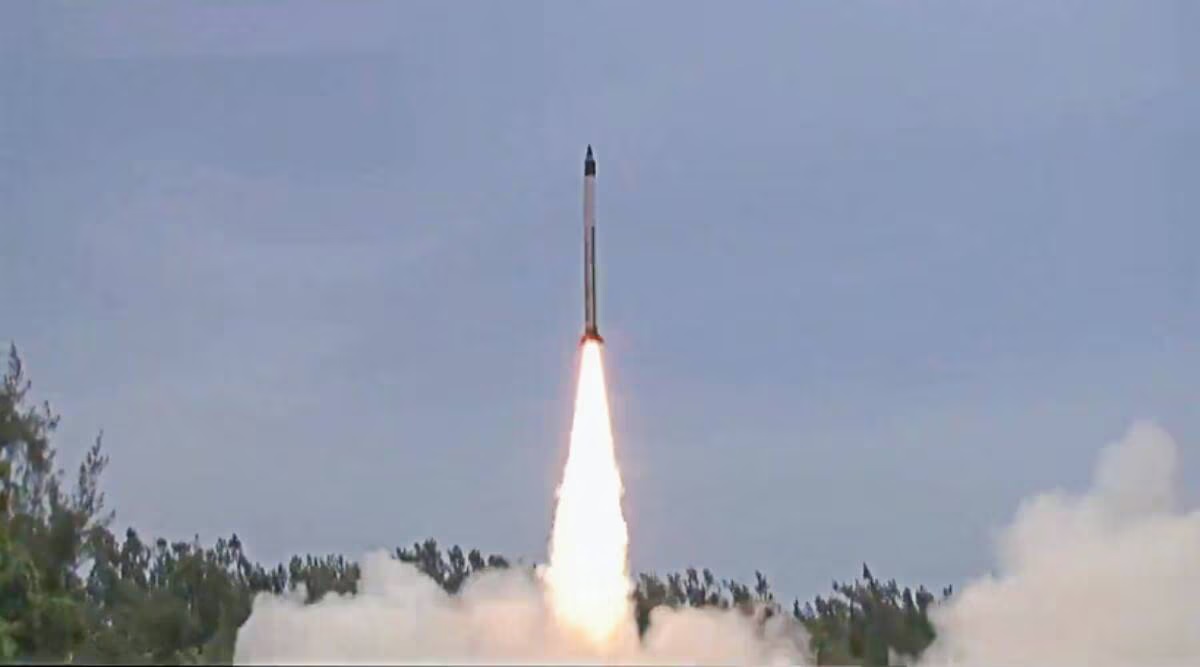
The Defence Research and Development Organisation (DRDO) is taking a significant step in advancing India's missile technology by initiating the procurement of a Ground Mobile Launcher for the M1 Missile under the PGLRSAM (Next Generation Surface-to-Air Missile System) project, also known as Project Kusha. This move underscores India's commitment to strengthening its air defence capabilities, particularly in the maritime domain. Ground Mobile Launcher Procurement for M1 Missile To enhance operational readiness across diverse terrains and environments, DRDO has invited tenders for the development of a specialized Ground Mobile Launcher for the M1 Missile System. This procurement process, spearheaded by the Defence Research and Development Laboratory (DRDL), ensures that the missile system will be deployable with high mobility and flexibility. The launcher will be a key component of the PGLRSAM system, allowing quick deployment and increased tactical adaptability. Its design will align with India's strategic focus on modernizing its air defence systems to address emerging aerial threats effectively. PGLRSAM: A Game-Changer for Naval Defence The PGLRSAM (Projected as a next-generation Long-Range Surface-to-Air Missile System) is a cutting-edge initiative aimed at redefining India's naval air defence capabilities. Building on the technological success of previous missile systems, PGLRSAM offers enhanced reach and versatility with interceptor missile variants featuring ranges of 150 km, 250 km, and potentially up to 350 km. This multi-layered defence capability enables PGLRSAM to neutralize a broad spectrum of aerial threats, including hostile aircraft, drones, and incoming missile attacks. Its integration with existing naval platforms, including the Indian Navy’s current and future warships, will complement systems like the MR-SAM, providing a robust and comprehensive air defence umbrella for maritime operations. M1 Missile Fabrication Alongside the launcher development, DRDO has ramped up efforts to fabricate additional M1 missiles, which serve as interceptors in the PGLRSAM system. The M1 missile boasts an operational range of approximately 150 kilometers, making it a critical asset for medium-range air defence. Fabrication plans for five new M1 missiles are expected to commence in late 2024, reflecting DRDO’s focus on maintaining an adequate stockpile for both testing and operational deployment. These missiles will integrate advanced guidance and propulsion systems to ensure precision and reliability. Strategic Importance The combination of the Ground Mobile Launcher and the advanced M1 missile enhances India's defence preparedness, particularly in maritime operations. The ability to deploy such systems efficiently in varied environments ensures a strategic edge in safeguarding naval assets and maintaining control over critical sea lanes. By developing PGLRSAM and supporting infrastructure, India is demonstrating its resolve to counter evolving threats and fortify its air defence systems. This initiative is a testament to DRDO’s role in driving innovation and ensuring self-reliance in defence technology. Conclusion The procurement of the Ground Mobile Launcher for M1 missiles under Project Kusha is a milestone in India’s journey towards modernizing its missile defence systems. With extended ranges, integration capabilities, and advanced fabrication underway, the PGLRSAM system is set to become a cornerstone of India's naval defence strategy. This advancement not only strengthens India’s maritime superiority but also ensures robust preparedness against ever-evolving aerial threats.
Read More → Posted on 2024-12-21 15:15:12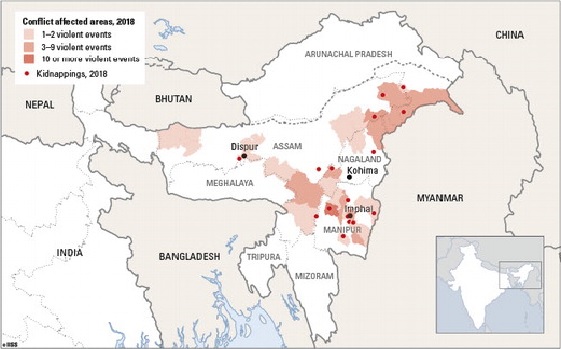
India
The recent arrest of eight suspected members of the terror outfit Ansar-al-Islam Bangladesh has brought to light a sinister plan targeting India's strategic Siliguri Corridor, also known as the Chicken’s Neck. This narrow stretch of land in West Bengal connects India’s northeastern states with the rest of the country, making it a critical lifeline. The suspects, apprehended through coordinated operations by the West Bengal, Kerala, and Assam police, were allegedly plotting synchronized attacks to create widespread instability in the region. Unveiling the Plot According to West Bengal Police ADG Supratim Sarkar, the terror suspects had been active since August, operating sleeper cells in Murshidabad and Alipurduar districts. The police recovered a 16 GB pen drive, fake identity cards, and jihadi literature from two suspects, Abbas Ali and Minarul Sheikh, during the arrests in Murshidabad. Investigations revealed plans to target the Siliguri Corridor, foment unrest in the northeast, and eliminate prominent Hindu leaders in eastern and northeastern India. Their strategy echoed the brutal 2015 hacking of a Bangladeshi blogger, raising concerns about a cross-border terror network. Murshidabad, with its proximity to Bangladesh, has reportedly become a transit hub for banned Bangladeshi outfits like Ansar-al-Islam. The suspects aimed to use this region to establish bases and execute their plans of destabilization, posing a grave threat to India’s internal security. Historical Criticism: Partition’s Strategic Oversight The vulnerability of the Siliguri Corridor can be traced back to the Partition of 1947. Cyril Radcliffe, the British lawyer who drew the boundary lines, is often criticized for his lack of understanding of the region's geography and the long-term implications of his decisions. His hurried demarcation created East Pakistan (now Bangladesh), granting India a mere 22-kilometer-wide corridor to connect the northeastern states with the mainland. This strategic oversight not only compromised India’s territorial integrity but also created a region susceptible to geopolitical manipulation. Critics argue that the creation of East Pakistan was influenced by certain leaders’ anti-India sentiments, aimed at keeping the country vulnerable in the event of a conflict. The narrow Chicken’s Neck remains a critical choke point, and its security challenges stem from these historical decisions. Broader Implications and Security Measures The arrests underscore the need for heightened vigilance in the Siliguri Corridor and surrounding regions. The corridor is not just a geographic link but a lifeline for trade, military movement, and cultural integration between the northeast and the rest of India. Any disruption in this area could have far-reaching consequences, both domestically and geopolitically. India’s security agencies must continue to collaborate to counter cross-border threats effectively. Strengthening intelligence networks, modernizing border infrastructure, and fostering socio-economic development in the northeast are essential to countering such threats. Conclusion The recent plot targeting the Siliguri Corridor highlights the enduring challenges posed by historical decisions and contemporary security threats. While the arrests mark a significant success for Indian security forces, they also serve as a reminder of the persistent vulnerabilities in the region. Protecting the Siliguri Corridor is not just about safeguarding a strip of land—it is about securing the unity and integrity of India.
Read More → Posted on 2024-12-21 15:12:35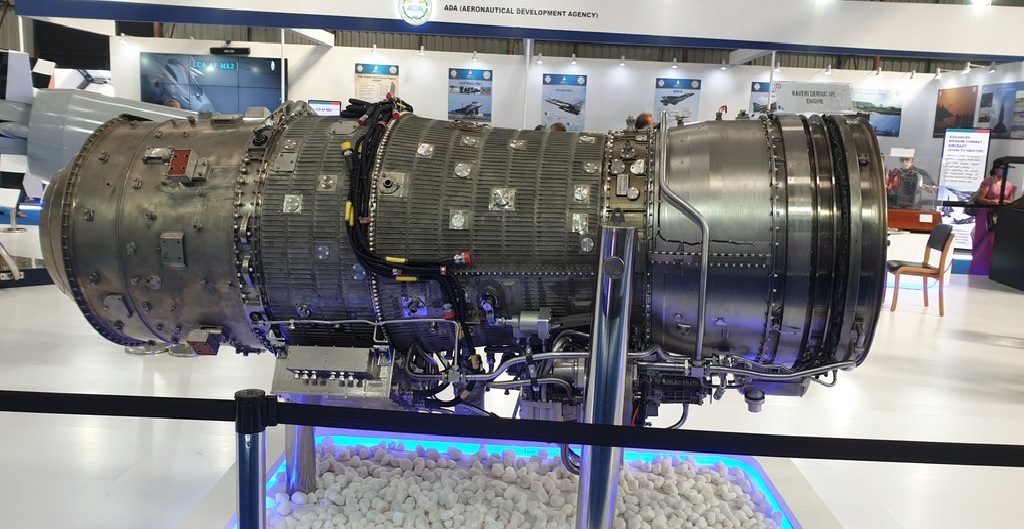
India
India’s Gas Turbine Research Establishment (GTRE) is poised to embark on extensive testing of advanced materials for aero engines, focusing on titanium alloys, nickel-based superalloys, and specialized steels. This initiative is a cornerstone of GTRE’s efforts to enhance the Kaveri engine program, aiming to boost thrust capabilities and meet the demands of modern fighter aircraft. Material Focus Areas Titanium Alloys Titanium alloys are integral to aero engines due to their exceptional strength-to-weight ratio and corrosion resistance. Among the most widely used is Ti-6Al-4V, a workhorse material since the 1950s. More advanced variants like Ti-6246 and Ti-6242 have been engineered to withstand higher temperatures and stresses. These alloys are particularly crucial in the cooler sections of engines, where weight savings significantly enhance performance. Key Specifications: Ti-6Al-4V: Tensile strength up to 950 MPa, temperature resistance up to 400°C. Ti-6246: Enhanced tensile strength (~1100 MPa) and temperature resistance (~450°C). Applications: Compressor blades, casings, and other lightweight structural components. Nickel-Based Superalloys Nickel-based superalloys are the backbone of high-temperature sections in aero engines, such as turbine blades and combustion chambers. Capable of operating at temperatures exceeding 1000°C, these materials maintain their strength and resist creep under extreme thermal and mechanical stresses. Advanced manufacturing processes, including investment casting, powder metallurgy, and additive manufacturing, are employed to produce these components with superior mechanical properties. Key Specifications: Examples: Inconel 718, Rene 41. Temperature Resistance: Exceeding 1100°C. Applications: Turbine discs, blades, and exhaust sections. Steels While less prominent in high-temperature zones, specialized steel alloys remain vital for certain components where toughness and cost-efficiency are priorities. They are often used in lower-stress, less thermally demanding parts such as shafts and gear mechanisms. Key Specifications: Examples: Maraging steels, stainless steels. Applications: Engine shafts, gear systems, and structural supports. Testing and Development Goals GTRE’s testing campaign is designed to validate these materials under operational conditions. This includes rigorous ground-based trials simulating the extreme environments faced by fighter aircraft engines. The program targets thrust capabilities of up to 80 kN, with the development of a new afterburner section being a central focus. Key Development Objectives: Ensure material durability under high-temperature and high-pressure conditions. Optimize performance metrics such as fuel efficiency and thrust-to-weight ratio. Collaborate with Hindustan Aeronautics Limited (HAL) and the Indian Air Force (IAF) for real-world evaluations using platforms like the MiG-29. Strategic Implications The successful integration of advanced materials will elevate the Kaveri engine program to meet global benchmarks, reducing reliance on imported propulsion systems. Moreover, GTRE’s focus on indigenously developed materials aligns with India’s Atmanirbhar Bharat (Self-Reliant India) initiative. These advancements not only cater to domestic defense requirements but also position India as a potential exporter of high-performance aero engine technologies. Future Prospects Looking ahead, GTRE’s research on titanium alloys, nickel superalloys, and steels will likely extend to unmanned aerial vehicles (UAVs) and next-generation stealth platforms. The establishment’s ongoing efforts underscore a commitment to innovation and self-reliance in the aerospace sector, paving the way for cutting-edge propulsion systems that can compete on the global stage.
Read More → Posted on 2024-12-20 15:41:13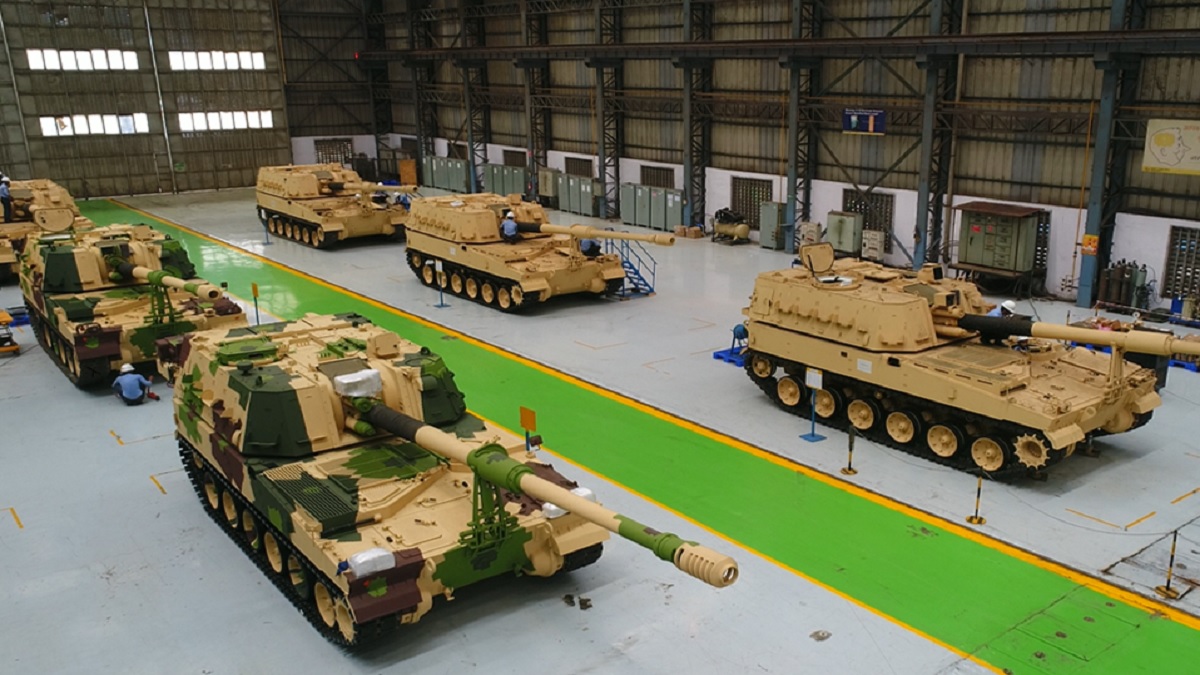
India
In a significant move to bolster India’s self-reliance in defense manufacturing, the Ministry of Defence (MoD) has inked a ₹7,628.70 crore agreement with Larsen & Toubro (L&T) for the acquisition of 100 K9 Vajra-T howitzers. This deal marks a major step forward in enhancing the Indian Army’s artillery capabilities and aligns with the government’s Atmanirbhar Bharat (Self-Reliant India) initiative. The K9 Vajra-T: An Indigenized Marvel The K9 Vajra-T is a 155mm/52-caliber tracked self-propelled artillery gun developed by South Korea’s Hanwha Defense and adapted to Indian conditions by L&T. The howitzer, manufactured at L&T’s Armoured Systems Complex in Hazira, Gujarat, boasts advanced technology and robust performance in diverse terrains. With a range of 40-50 kilometers, the K9 Vajra-T can deliver precise and sustained firepower, making it a formidable asset for the Indian Army. The system’s indigenization stands at over 80%, underscoring L&T’s capabilities in integrating cutting-edge defense technologies with local manufacturing. The howitzer’s operational flexibility is augmented by its ability to perform in extreme temperatures, from the scorching heat of deserts to the freezing cold of high-altitude regions like Ladakh. Enhancing Operational Readiness This fresh acquisition builds on the earlier successful induction of 100 K9 Vajra-T guns, which have proven their mettle in various field trials and operations, including deployment along India’s volatile northern borders. The additional 100 guns will significantly enhance the Army’s operational readiness and firepower, particularly in addressing emerging threats and maintaining a credible deterrent. Strategic Implications The deal reflects India’s commitment to fostering indigenous defense manufacturing and reducing dependency on foreign suppliers. By involving local vendors and small-scale industries in the supply chain, the agreement is expected to generate substantial economic benefits and boost employment in the defense sector. Moreover, the K9 Vajra-T’s deployment enhances the Army’s artillery modernization program, which aims to replace obsolete systems with state-of-the-art platforms. This move also positions India as a potential exporter of advanced artillery systems, aligning with the government’s vision of transforming the nation into a global defense manufacturing hub. Future Prospects With this deal, L&T has further solidified its role as a key player in India’s defense ecosystem. The company’s expertise in developing and delivering sophisticated defense systems positions it to contribute to upcoming projects, such as the Advanced Towed Artillery Gun System (ATAGS) and other indigenous weapon platforms. In conclusion, the ₹7,628.70 crore agreement for the K9 Vajra-T howitzers represents a strategic investment in India’s defense preparedness and self-reliance. By prioritizing indigenous manufacturing and leveraging advanced technology, the MoD’s initiative underscores its commitment to strengthening the nation’s defense capabilities in an evolving geopolitical landscape.
Read More → Posted on 2024-12-20 15:33:50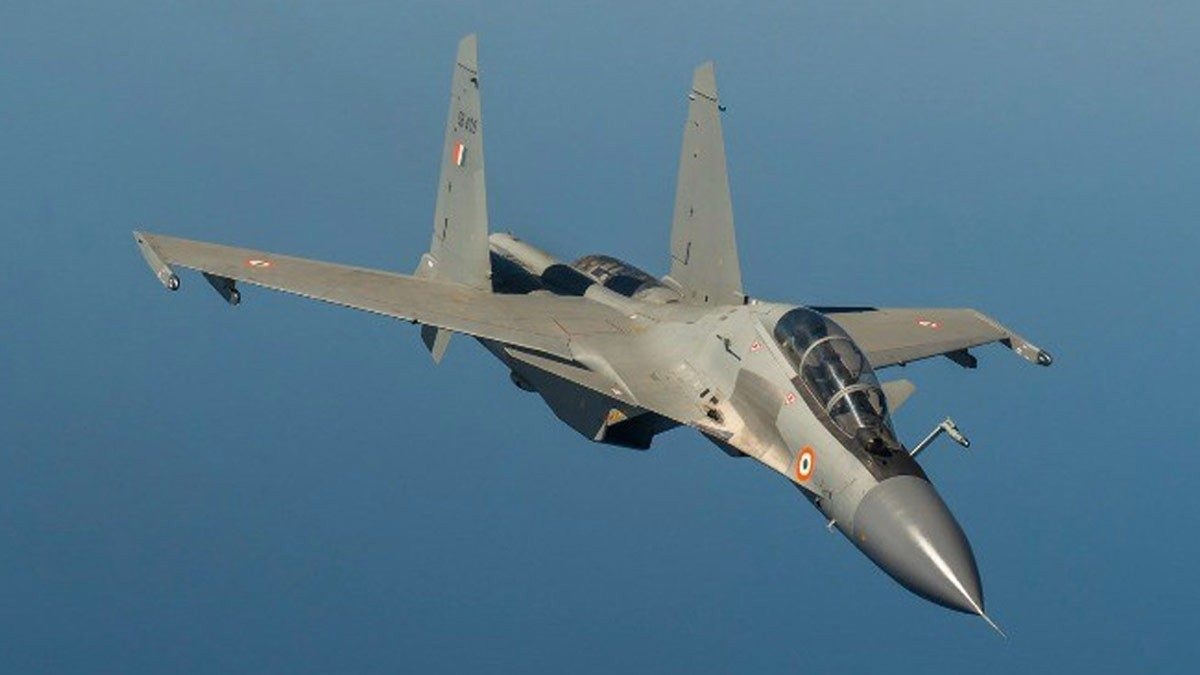
India
Hindustan Aeronautics Limited (HAL) is gearing up to commence deliveries of 12 new Sukhoi Su-30MKI fighter jets to the Indian Air Force (IAF) by April 2027. This development follows the signing of a ₹13,500 crore ($1.6 billion) contract on December 12, 2024, as part of India’s commitment to bolstering indigenous defence production under the “Aatmanirbhar Bharat” initiative. The new jets will address operational gaps caused by losses in previous years and enhance the IAF’s overall combat capability. Reactivating the Su-30MKI Production Line To fulfill the order, HAL is revitalizing its production line at the Nashik facility, a plant with a rich legacy in manufacturing various aircraft, including MiG series jets and earlier Su-30MKIs. The process involves significant contributions from local vendors for structural components, complemented by critical materials sourced from Russia. Preparatory activities are already underway, ensuring that the production line will be fully operational in time for the scheduled deliveries. Indigenous Engines and Local Manufacturing Push One of the standout features of this program is the focus on indigenous engine production. The AL-31FP engines, which power the Su-30MKI, will be manufactured at HAL’s Koraput division in Odisha. These engines will be produced from the raw material stage under a transfer of technology agreement with Russia. Initially, some spares, forgings, and castings will be imported, but as production progresses, the engines are expected to achieve an indigenous content of up to 63%. HAL plans to deliver 30 AL-31FP engines annually, with the entire production for the new jets to be completed within eight years. This local manufacturing effort will not only reduce dependency on imports but also solidify India’s position as a hub for advanced aerospace engineering. Comprehensive Upgrades for Existing Fleet Beyond new aircraft production, HAL is undertaking an extensive modernization program for the IAF's existing fleet of approximately 260 Su-30MKIs. This upgrade initiative, estimated at ₹65,000 crore, will incorporate cutting-edge technologies to keep the fleet combat-ready against evolving threats. Key enhancements include: Uttam AESA Radar: An advanced indigenously developed active electronically scanned array radar, offering superior target detection and tracking capabilities. Improved Electronic Warfare Systems: Enhanced survivability through better protection against enemy radar and missile threats. Advanced Weaponry: Integration of new-generation weapons, including long-range precision-guided munitions and air-to-air missiles. These upgrades are designed to significantly extend the operational lifespan and combat effectiveness of the Sukhoi-30MKI fleet, ensuring the IAF retains a technological edge for years to come. Strategic Importance of the Su-30MKI The Su-30MKI, a twin-engine, multi-role air superiority fighter, has been the backbone of the IAF’s combat fleet since its induction. Known for its versatility, the aircraft is capable of performing a wide range of missions, from air dominance to ground attack. The additional 12 jets will replace those lost in accidents and further strengthen the force’s operational readiness. A Step Forward in Self-Reliance This initiative underscores India’s growing emphasis on self-reliance in defence manufacturing. By prioritizing indigenous production and technology transfer, the program not only enhances the IAF’s combat capabilities but also boosts the domestic aerospace sector. HAL’s efforts to localize engine production and integrate advanced systems highlight the country’s strides toward reducing its dependency on foreign suppliers. As deliveries begin in 2027, the combination of new Sukhoi jets and the upgraded fleet will ensure that the IAF remains a formidable force in the region, ready to counter any potential threat.
Read More → Posted on 2024-12-20 15:25:46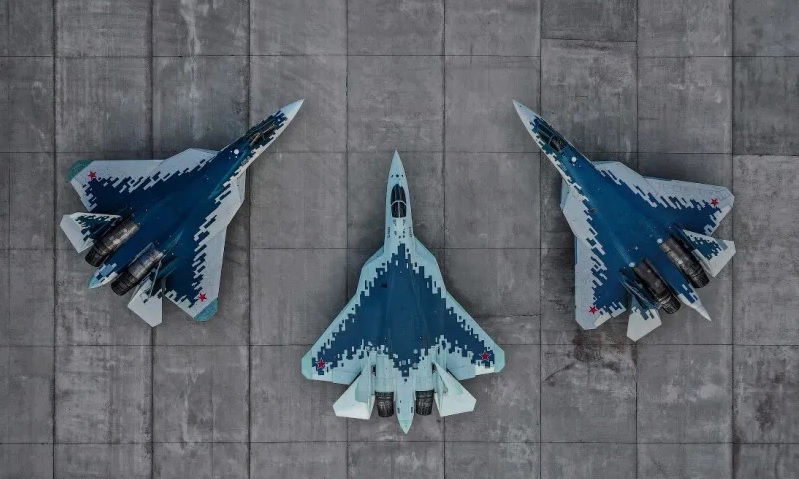
India
Russian President Vladimir Putin’s planned visit to India in early 2025 could mark a significant milestone in defense cooperation between the two nations. On the agenda is a Government-to-Government (G2G) deal offering India 60-70 Su-57E fifth-generation fighter jets, a move aimed at bolstering the Indian Air Force’s (IAF) combat capabilities. A Renewed Pitch for the Su-57E The Su-57E, an export version of Russia’s advanced Su-57 stealth fighter, has been designed to excel in air superiority and precision strike missions. It features cutting-edge avionics, super maneuverability, and stealth technology. Russia’s offer follows India’s 2018 exit from the Fifth-Generation Fighter Aircraft (FGFA) program, a collaborative effort that sought to create a customized, twin-seat Su-57 variant for India. Challenges such as delays, cost overruns, and questions about the fighter’s fifth-generation credentials led to India’s withdrawal. Russia now believes the Su-57E has addressed those concerns and could be a strong contender for India’s defense modernization. With its AL-51F engines—true fifth-generation powerplants—offering superior thrust, fuel efficiency, and stealth performance, the Su-57E represents a significant leap in combat technology. Competitive Pricing and Delivery Advantage One of the most appealing aspects of Russia’s proposal is the Su-57E’s pricing. The fighter jet is expected to be significantly cheaper than the French Dassault Rafale, which India has already acquired. Coupled with this is Russia’s ramped-up production capability, with annual Su-57 output set to increase from 15 to 25 units. This production expansion could ensure faster delivery timelines, an essential factor for India, given its urgent need to replenish its fighter squadrons. India’s Fighter Fleet Challenges The IAF currently faces a critical shortfall, operating with just 31 squadrons—far below the sanctioned strength of 42. This gap leaves India underprepared to handle a potential two-front conflict scenario with China and Pakistan. The Su-57E could serve as a much-needed interim solution while India develops its indigenous Advanced Medium Combat Aircraft (AMCA). The Su-57E also aligns with India’s vision for integrating advanced technologies, including stealth and network-centric warfare capabilities, into its fleet. With the AMCA still in the development phase, the Su-57E could bridge the gap until the indigenous fighter becomes operational in the 2030s. Strengthening India-Russia Defense Ties Beyond addressing India’s immediate defense needs, the Su-57E proposal underscores Russia’s commitment to strengthening its strategic ties with India. Despite India’s diversification of defense partnerships in recent years, Russia remains a key supplier, accounting for nearly 45% of India’s defense imports. The Su-57E deal, if finalized, could further solidify this relationship, particularly at a time when India is balancing its defense procurement strategy between traditional allies like Russia and new partners such as the United States and France. Conclusion President Putin’s 2025 visit could be a pivotal moment in India-Russia defense relations. The proposed Su-57E deal offers India a cost-effective, technologically advanced solution to its air force challenges, while providing Russia an opportunity to regain its foothold in India’s defense procurement landscape. As India weighs its options, the Su-57E could emerge as a critical component in shaping the future of its air combat capabilities.
Read More → Posted on 2024-12-20 15:07:15
India
The Indian Air Force (IAF) is gearing up to enhance its aerial combat strength with the procurement of 15 Astra MK-2 missiles. This advanced beyond-visual-range (BVR) air-to-air missile is set to redefine the IAF’s engagement capabilities, demonstrating India's growing prowess in indigenous defense technology. Development and Production Timeline The Defence Research and Development Organisation (DRDO) has been actively working on the Astra MK-2 project. A tender has been issued for the manufacturing of propellants and dual-pulse rocket motors, marking readiness for further trials within the next 7-8 months. Following these tests, Bharat Dynamics Limited (BDL) is slated to begin production by December 2024, signaling a critical phase in the missile’s journey to operational deployment. Specifications of Astra MK-2 The Astra MK-2 stands out with its extended range of over 160 km, a significant upgrade from the Astra MK-1, which is limited to 110 km. The missile is equipped with a dual-pulse rocket motor, providing enhanced end-game maneuverability and superior kinematic performance. Its guidance system, which includes inertial navigation and active radar, has been improved for higher accuracy and reliability during engagements. The missile’s maximum speed is expected to exceed Mach 4.5, enabling rapid interception of hostile targets. Furthermore, its tail chase range, crucial for rear attacks, has been extended to 35 km, compared to 20 km in the earlier version. Integration Across Platforms The Astra MK-2 will be integrated into multiple IAF platforms, including the Sukhoi Su-30MKI and the Tejas Light Combat Aircraft. Plans also include future compatibility with advanced fighter jets like the Tejas Mk-2 and the AMCA (Advanced Medium Combat Aircraft). This adaptability ensures the missile’s relevance across generations of combat aircraft. Astra MK-2 vs. Astra MK-1: Key Differences Feature Astra MK-1 Astra MK-2 Range Up to 110 km Over 150 km, up to 160 km Rocket Motor Single-pulse Dual-pulse Tail Chase Range 20 km 35 km Guidance System Inertial + active radar Enhanced guidance Maneuverability Limited Improved end-game kinematics Speed Mach 4.5 or above Exceeds Mach 4.5 Integration Su-30MKI Su-30MKI, Tejas, AMCA Cost ₹8 crores per unit ₹10-11 crores per unit Strategic Importance The Astra MK-2 plays a vital role in reducing India's dependency on imported air-to-air missiles, such as the Meteor. The advanced features of this indigenous missile position it as a formidable tool in achieving air superiority in modern combat scenarios. Comprehensive user trials are expected to conclude by 2026, after which the Astra MK-2 will become a staple in the IAF's arsenal. By investing in indigenous solutions like the Astra MK-2, India is not only bolstering its military capabilities but also fostering self-reliance in defense technology.
Read More → Posted on 2024-12-20 14:11:05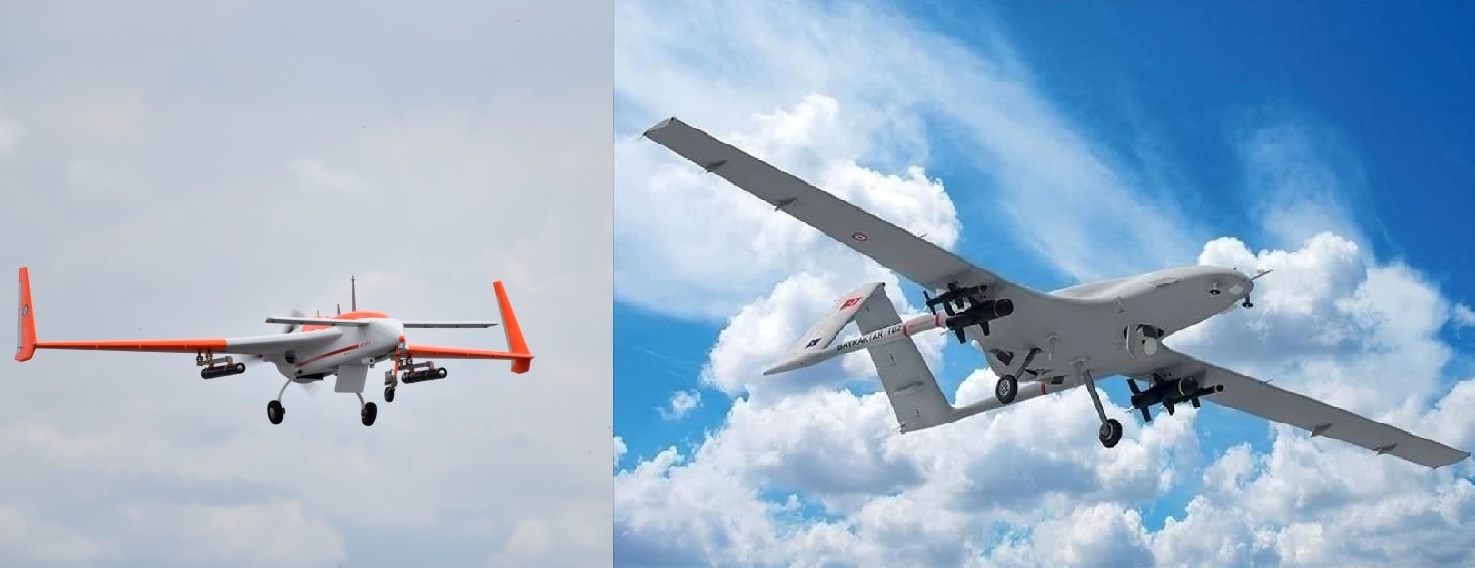
India
The evolution of unmanned aerial vehicles (UAVs) has significantly transformed modern warfare, offering enhanced surveillance and precision strike capabilities. Two notable UAVs in this domain are India's SRUAV-Weaponised Rustom-1 and Turkey's Bayraktar TB2. This article provides a detailed comparison of their specifications, capabilities, and cost.Design and Dimensions Rustom-1: Developed by India's Defence Research and Development Organisation (DRDO), the Rustom-1 is a Short Range Remotely Piloted Aircraft System (SR-RPAS) with an all-composite structure. It has a wingspan of 7.9 meters, a length of 5.12 meters, and a height of 2.4 meters. The empty weight is approximately 720 kg, with a maximum takeoff weight (MTOW) around 800 kg Bayraktar TB2: Produced by Turkey's Baykar company, the Bayraktar TB2 features a wingspan of 12 meters, a length of 6.5 meters, and a height of 2.2 meters. It has an empty weight of 500 kg and an MTOW of 650 kg Performance Rustom-1: The Rustom-1 can reach a maximum speed of 225 km/h, with an operational range of 200 km. It operates at altitudes up to 20,000 feet and has demonstrated an endurance of 10 hours. Bayraktar TB2: The TB2 has a maximum speed between 70 to 120 knots (approximately 130 to 220 km/h) and a communication range exceeding 150 km. It boasts a service ceiling of 22,000 feet and an endurance exceeding 20 hours. Payload and Armament Rustom-1: The SRUAV-Weaponised variant is expected to carry a payload of 95 kg, potentially including four Anti-Tank Guided Missiles (ATGMs), possibly the NAG-MK2. This armament would enable it to engage armored targets effectively. Bayraktar TB2: The TB2 has a payload capacity of 150 kg and is equipped with four hardpoints capable of carrying laser-guided smart munitions, such as the MAM-L and MAM-C missiles, suitable for precision strikes against various targets. Operational Capabilities Rustom-1: Initially designed for Intelligence, Surveillance, and Reconnaissance (ISR) missions, the weaponized Rustom-1 expands its role to include offensive operations, enhancing its versatility on the battlefield. Bayraktar TB2: The TB2 is a combat-proven platform with autonomous takeoff and landing capabilities, utilized in various operational theaters for both ISR and strike missions. Its extended endurance and higher service ceiling provide a tactical advantage in sustained operations. Cost Considerations Rustom-1: As an indigenous platform, the Rustom-1's development and production costs are not publicly disclosed. However, domestic production is expected to reduce procurement and maintenance expenses compared to imported systems. Bayraktar TB2: The unit cost of the TB2 varies based on configuration and quantity. Open sources indicate prices ranging from $1 million to $5 million per unit. For instance, Romania's planned acquisition of 18 TB2 drones for $300 million suggests a unit cost of approximately $16.7 million, potentially including additional equipment and support services. ConclusionBoth the SRUAV-Weaponised Rustom-1 and the Bayraktar TB2 offer distinct advantages tailored to their respective operational requirements. The Rustom-1's development reflects India's commitment to self-reliance in defense technology, providing a cost-effective solution with capabilities suited to regional needs. In contrast, the Bayraktar TB2's combat experience and extended endurance make it a formidable asset in various conflict scenarios. Decision-makers should consider mission-specific requirements, budget constraints, and strategic objectives when selecting between these UAV platforms.
Read More → Posted on 2024-12-19 16:38:53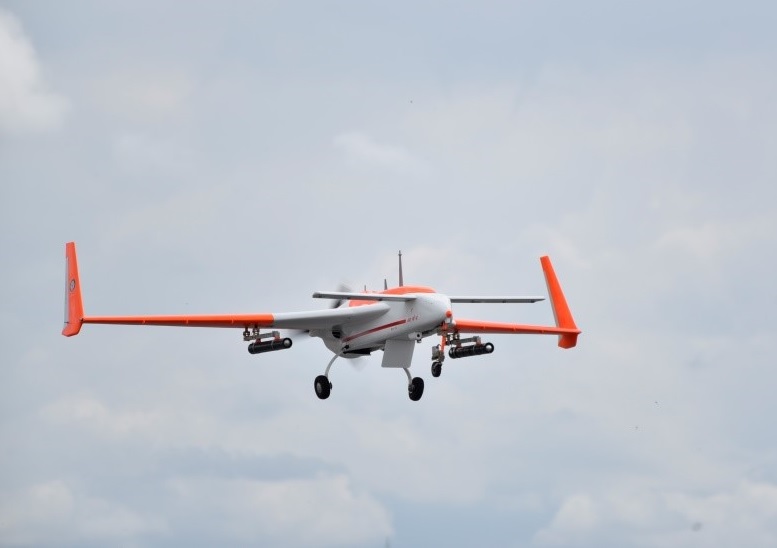
India
India's unmanned aerial landscape is poised for a significant leap forward with the weaponized variant of the Rustom-1 drone, the SRUAV-Weaponised (SRUAV-W). This armed drone signifies a transformative step in India's defense strategy, merging reconnaissance capabilities with offensive firepower. Designed and developed by the Defence Research and Development Organisation (DRDO), the SRUAV-W is set to be equipped with four Anti-Tank Guided Missiles (ATGMs), likely to be the advanced NAG-MK2. From Surveillance to Strike The Rustom-1 was initially conceived as an unmanned surveillance platform, focusing on ISR (Intelligence, Surveillance, and Reconnaissance) missions. However, the evolution into a weaponized variant underscores India's growing emphasis on indigenous development of versatile Unmanned Combat Aerial Vehicles (UCAVs). The SRUAV-W expands beyond reconnaissance to offer tactical offensive capabilities, addressing modern battlefield demands. The Power of NAG-MK2 ATGMs The addition of four ATGMs transforms the SRUAV-W into a formidable combat platform. While DRDO has not officially confirmed the missile system, the NAG-MK2 is widely anticipated to be the chosen armament. The NAG-MK2, an advanced variant of the NAG missile system, boasts enhanced range, precision guidance, and superior armor penetration. Key specifications include: Range: Over 8 kilometers, ensuring engagement from a safe standoff distance. Guidance System: Infrared seeker for pinpoint target acquisition and tracking, even in challenging conditions. Penetration Capability: Designed to neutralize heavily armored targets, including main battle tanks equipped with explosive reactive armor (ERA). By integrating these missiles, the SRUAV-W can effectively target and destroy armored vehicles, fortifications, and high-value ground assets. Advanced Features and Potential Upgrades Beyond its armament, the SRUAV-W is undergoing trials to validate key performance metrics, including: Payload Handling: Stability and flight performance with the additional weight of missiles and launch systems. Targeting Systems: Enhanced electro-optical and infrared sensors for accurate target acquisition. Operational Endurance: Prolonged flight durations to support sustained combat missions. Future upgrades could introduce a broader arsenal, such as air-to-ground rockets, precision-guided bombs, or swarm-capable payloads. Additionally, improved communication systems may enable networked operations, allowing coordinated strikes with other aerial and ground assets. A Strategic Asset for India The SRUAV-W’s development aligns with India’s vision of a self-reliant defense ecosystem under the "Make in India" initiative. Its integration into the armed forces would bolster India’s ability to conduct precision strikes, support ground forces, and enhance border security. The weaponized Rustom-1 also represents a significant leap in India’s ability to counter regional threats. Its multi-role capabilities provide flexibility for both offensive operations and peacekeeping missions, making it a valuable addition to the country’s defense inventory. With its advanced features and potential deployment of NAG-MK2 ATGMs, the SRUAV-W underscores India’s commitment to evolving defense technology, ensuring readiness for modern warfare challenges.
Read More → Posted on 2024-12-19 16:28:51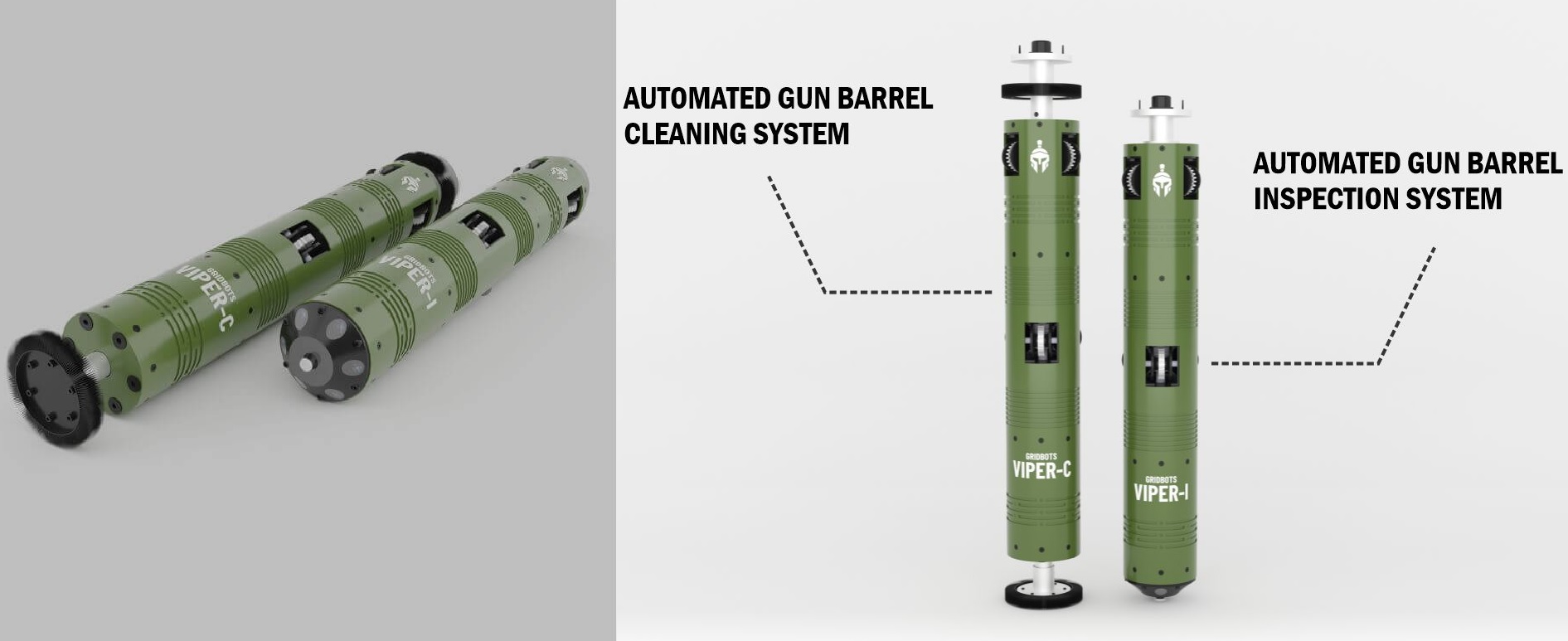
India
The Indian Army is embracing cutting-edge robotic technology to revolutionize the maintenance of its artillery and tank gun barrels. The Gridbots VIPER robot, now undergoing trials at select military locations, promises to replace traditional manual methods with precision-driven, automated solutions. A recent video showcasing the robot’s functionality has garnered significant attention, underscoring its potential to enhance the operational readiness of the armed forces. Challenges of Manual Gun Barrel Maintenance For decades, cleaning and inspecting gun barrels have relied on a manual process involving steel brushes attached to long rods. While this method is tried and tested, it presents several challenges: Labor-Intensive: Teams of personnel are required, making it a time-consuming and resource-heavy task. Inconsistent Results: Manual cleaning often struggles to remove deposits like carbon residue or copper slags from the rifling grooves inside barrels. Barrel Wear: Steel brushes can cause gradual wear and tear, reducing the barrel’s lifespan. Operational Constraints: In combat zones or under high operational stress, manual cleaning can be impractical, leading to performance issues from unclean barrels. The Gridbots VIPER: A Game-Changer for Gun Barrel Maintenance The VIPER robot is designed to tackle these challenges head-on. Equipped with advanced technology like zSCAN, a highly accurate laser 3D profilometer, the robot offers a comprehensive solution for both cleaning and inspecting gun barrels across artillery, tanks, and even submarine and airborne weapon systems. Key Features of the VIPER Robot: 3D Profilometry:The robot uses laser technology to provide a detailed analysis of the barrel’s condition. It can accurately measure imperfections, assess wear and tear, and identify potential issues that may affect performance. Automated Cleaning:Soft nylon brushes replace the traditional steel brushes, ensuring effective removal of carbon, copper slags, fouling, and combustion residues without causing damage to the rifling or barrel interior. Post-Cleaning Lubrication:After cleaning, the VIPER robot applies a protective layer of lubrication to prevent corrosion and enhance the barrel’s durability. Integrated Drying Mechanism:The built-in drying system ensures the barrel is instantly ready for use, irrespective of environmental conditions. This feature is especially valuable in combat scenarios. Advantages for the Indian Army By automating a critical yet labor-intensive maintenance process, the VIPER robot offers the Indian Army numerous benefits: Improved Efficiency: Maintenance tasks can be completed faster and more effectively, enhancing operational readiness. Reduced Manpower: Automation minimizes the need for large maintenance teams, freeing up personnel for other critical roles. Enhanced Barrel Longevity: The gentle cleaning process extends the life of gun barrels, reducing long-term costs. Readiness in Combat Zones: The VIPER’s portability and efficiency ensure that maintenance can be carried out even in challenging environments, maintaining peak weapon performance. Future Prospects The trials of the Gridbots VIPER robot signify a significant step towards modernizing the Indian Army’s maintenance protocols. If successfully integrated, this technology could pave the way for broader adoption across military units, not only in India but also globally. Its ability to combine inspection, cleaning, and lubrication in a single automated system makes it a valuable asset for artillery and armored units, ensuring operational superiority in the field. The Gridbots VIPER robot exemplifies the Indian Army’s commitment to leveraging advanced technology for enhanced efficiency and combat readiness, setting a new standard in military maintenance practices.
Read More → Posted on 2024-12-19 15:54:34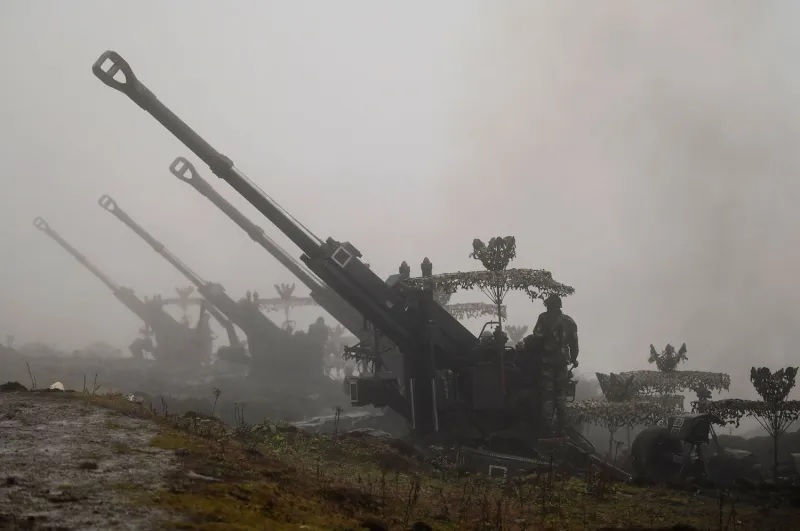
India
The United States Department of Defense has raised fresh alarms about China’s growing military presence along the Line of Actual Control (LAC) with India. According to the Pentagon's latest annual report, China has stationed around 120,000 troops, along with tanks, howitzers, missiles, and other heavy weaponry, across the disputed 3,488-km-long boundary, which extends from Ladakh in the west to Arunachal Pradesh in the east. Persistent Military Build-Up Since Galwan Since the deadly Galwan Valley clash in June 2020, the People's Liberation Army (PLA) has not reduced its military presence along the LAC, despite selective troop disengagements in certain areas. The report highlights that China has built extensive infrastructure to support brigade-level deployments in forward areas, ensuring the PLA's ability to sustain its operations. Over 20 combined arms brigades (CABs) remain stationed in strategic locations across the western, middle, and eastern sectors of the LAC. The Pentagon emphasized that China's Western Theatre Command, which oversees operations along the Indian border, continues to prioritize this frontier. The prolonged standoff has been fueled by differing perceptions of the border, resulting in clashes, force build-ups, and accelerated military infrastructure development. Strengthened Military Infrastructure In addition to deploying troops, the PLA has fortified its positions with advanced weaponry and support facilities. Heavy artillery, surface-to-air missiles, and combat-ready tanks have been strategically positioned to counter any potential escalation. This military posturing reflects China's broader strategy to secure its territorial claims and maintain a dominant presence in the region. Nuclear Modernization and Space Capabilities The Pentagon report also sheds light on China’s rapid nuclear modernization. With over 600 operational nuclear warheads as of mid-2024, Beijing is on track to amass more than 1,000 warheads by 2030. China’s diverse arsenal includes low-yield precision-strike missiles and intercontinental ballistic missiles (ICBMs) capable of delivering multi-megaton payloads. The report further highlights China's advancements in counter-space technologies, such as anti-satellite missiles, co-orbital satellites, and directed-energy systems like lasers. These developments bolster China's ability to contest space-based assets and deny adversaries access to critical domains. Rising Tensions with Taiwan Beyond its Indian border, China’s military assertiveness has also grown in the Taiwan Strait. The PLA has increased its naval and aerial activities, frequently breaching Taiwan’s air defense identification zone. The Pentagon describes Taiwan as the most significant flashpoint in U.S.-China relations, warning that Beijing’s aggressive posture could escalate into a conflict with global repercussions. The Biden administration has responded by enhancing U.S. military presence in the Indo-Pacific, aiming to deter Beijing's aggression while maintaining open channels for diplomatic engagement. Strengthening China-Russia Military Ties China’s military collaboration with Russia also features prominently in the Pentagon's report. Beijing has reportedly provided Moscow with dual-use items for its war efforts in Ukraine, signaling a deepening partnership aimed at challenging U.S. global influence. This alliance reflects a shared goal of reshaping the international order into a more multipolar system. Internal Challenges: Corruption in the PLA Despite its rapid military expansion, the PLA faces internal challenges, notably corruption scandals within its ranks. High-profile expulsions, such as those of former Defense Ministers Li Shangfu and Wei Fenghe, have shaken the Central Military Commission, which oversees the PLA. The ongoing investigations into senior officials underscore concerns about the military’s internal stability. Implications for Regional Security China’s persistent military build-up along the Indian border, coupled with its nuclear modernization and increasing assertiveness in Taiwan and the Indo-Pacific, underscores its ambition to dominate regional security dynamics. While internal corruption poses challenges, Beijing’s commitment to military modernization remains steadfast. As China continues to bolster its military capabilities and strengthen ties with Russia, regional tensions are likely to escalate, placing significant pressure on India and its allies to counterbalance Beijing’s aggressive posture.
Read More → Posted on 2024-12-19 15:50:42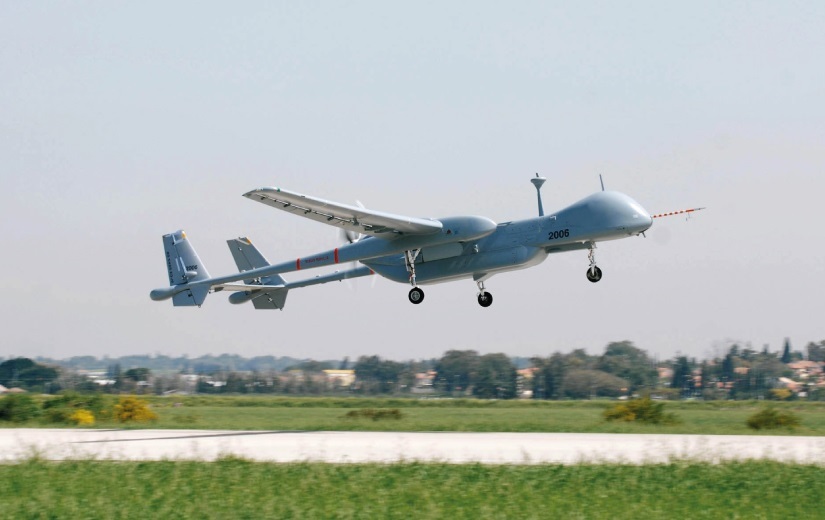
India
Economic Explosives Ltd (EEL), a Nagpur-based private defence company, has set a significant benchmark in India's aerospace sector with the inauguration of a state-of-the-art drone testing facility. Equipped with a 1.4-kilometer runway, the facility is tailored to support the development and testing of long-range Medium Altitude Long Endurance (MALE) unmanned aerial vehicles (UAVs). This ambitious project aims to bolster India's indigenous drone capabilities while catering to the critical operational requirements of the Indian Armed Forces. A First in Private Defence Infrastructure The testing facility, reportedly the largest of its kind within India's private sector, marks a pivotal advancement in the country's journey toward achieving self-reliance in defence technology. Designed exclusively for UAV trials, it will expedite the evaluation and refinement of EEL's MALE UAV, a strategic asset intended to strengthen surveillance, reconnaissance, and precision-strike capabilities for the armed forces. The MALE UAV project represents a critical component of India's modernization efforts in defence, enabling sustained operational endurance at altitudes of up to 30,000 feet. These drones, often equipped with advanced imaging systems, radar, and weaponry, play a vital role in border security and counter-terrorism operations. Strategic Significance of the Facility EEL's facility will not only serve as a hub for testing UAVs but also as a crucial enabler for innovation in India's burgeoning defence sector. By investing in such a large-scale, high-tech infrastructure, the company reinforces the strategic importance of indigenous development in aerospace technology. Key aspects of this development include: Accelerating Self-RelianceThe facility provides a dedicated environment for testing critical systems, ensuring the development of homegrown solutions to meet the armed forces' needs. This aligns with the "Make in India" initiative, which emphasizes reducing dependence on foreign defence imports. Enhancing Private Sector ContributionEEL's project underscores the growing role of private companies in shaping India's defence capabilities. With cutting-edge testing infrastructure, private players like EEL are bridging the gap between design and deployment, significantly reducing the timeline for operational readiness. Strengthening National Defence CapabilitiesThe MALE UAVs developed at this facility will dramatically improve the Indian Armed Forces' ability to conduct extended surveillance missions, monitor sensitive borders, and execute precision strikes in hostile environments. Bridging Technology Gaps The Indian defence sector has long relied on imports to meet its UAV requirements, with platforms like the Israeli Heron drones currently in use. However, initiatives like EEL's testing facility represent a paradigm shift toward locally developed solutions. The infrastructure will allow advanced flight testing, endurance trials, and payload integration under real-world conditions, enabling EEL to deliver a robust and versatile UAV platform. The Road Ahead As the global demand for UAVs surges, EEL's investment signals India's readiness to compete in the international drone market. The testing facility is poised to position India as a key player in UAV technology, contributing not only to domestic defence but also to exports in the future. With this landmark development, Economic Explosives Ltd demonstrates the potential of India's private sector to drive technological breakthroughs, ensuring that the Indian Armed Forces are equipped with the cutting-edge tools required to safeguard national security. The new drone testing facility and the MALE UAV program signify a giant leap forward in India's aerospace and defence capabilities, paving the way for a self-reliant and secure future.
Read More → Posted on 2024-12-19 15:47:15
India
As the global nature of warfare evolves to encompass the strategic frontier of space, India’s defence forces are laying the groundwork to secure the nation’s interests in this critical domain. Recognizing the increasing militarization of space, India is ramping up efforts to expand its space-based assets, fortify relevant infrastructure, and increase manpower in agencies tasked with space security. In a high-level presentation spearheaded by the Department of Military Affairs (DMA), senior Defence Ministry officials, service chiefs, and representatives from the Indian Space Research Organisation (ISRO) and Defence Research and Development Organisation (DRDO) outlined the roadmap for India’s defence space initiatives. This integrated approach underscores the country’s commitment to building capabilities for space-centric warfare. A major part of the strategy involves strengthening the Defence Space Agency (DSA), the nodal body overseeing the military’s space-related operations. The DSA, which operates under the leadership of the Chief of Defence Staff (CDS), has been tasked with a dual responsibility: rapidly increasing the number of Indian assets in space and ensuring their security from potential threats. This move comes as space becomes a more "congested, contested, competitive, and commercial" domain, as highlighted by CDS General Anil Chauhan in recent remarks. A Boost to India's Space-Based Assets The Defence Space Agency is preparing for an ambitious rollout of space-based surveillance and communication capabilities. A key element of this plan is the recently approved space-based surveillance project, which envisions the deployment of 52 satellites designed for strategic surveillance, communication, and navigation. These satellites will significantly enhance India's intelligence, surveillance, and reconnaissance (ISR) capabilities, particularly along sensitive areas like the Line of Actual Control (LAC) with China and borders with Pakistan. This large-scale satellite network will involve partnerships with both government and private entities, reflecting India's growing emphasis on integrating its private sector into the defence and space ecosystem. Enhanced satellite coverage is expected to provide high-resolution imagery, secure communication channels, and real-time situational awareness for military operations. Expanding Manpower and Ground Infrastructure Given the increased operational scope, the DSA and other related organisations are set to witness a significant expansion in personnel and resources. The Central government has also approved the establishment of two specialised agencies focused on developing both defensive and offensive space capabilities. This marks a clear shift towards preparing for potential conflicts that may unfold in the space domain. On the ground, the expansion of command and control infrastructure is underway to support the increasing number of satellites. Additionally, investments are being directed toward research and development in anti-satellite (ASAT) technology, advanced missile systems, and cyber capabilities to safeguard India’s space assets from adversarial threats. Collaboration and Innovation at the Core CDS General Anil Chauhan has emphasised the importance of fostering innovation and leveraging cutting-edge technologies to keep India at the forefront of space defence. He has called for stronger collaboration between military stakeholders, ISRO, DRDO, and the private sector to develop state-of-the-art systems for space warfare. This includes the development of precision-based weapons, counterspace technologies, and robust early-warning systems for tracking potential threats. India’s growing focus on space defence aligns with global trends where countries like the United States, China, and Russia are rapidly militarizing space. While India has made notable strides with the successful demonstration of ASAT capabilities during Mission Shakti in 2019, the current plans signify a broader and more sustained effort to dominate the space domain. Strategic Implications The expansion of India’s space assets has far-reaching implications for national security. Enhanced satellite surveillance will provide critical intelligence and early warning mechanisms, strengthening India's ability to respond to emerging threats. Moreover, bolstering defensive and offensive space capabilities ensures that India is prepared to counter any adversary attempting to challenge its space assets. This proactive approach places India among the growing ranks of nations recognising space as the next battleground. By investing in this strategic domain, the Indian defence forces are not only safeguarding national interests but also establishing the country as a formidable player in the global space race. With plans to increase space-based assets, manpower, and infrastructure, India is making it clear that its future defence strategy is firmly anchored in the skies above.
Read More → Posted on 2024-12-18 15:37:10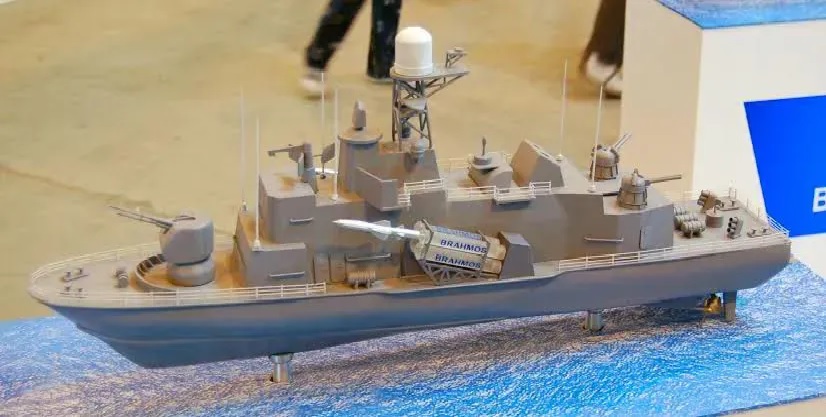
India
The Indian Navy’s Next Generation Missile Vessel (NGMV) program has seen a notable design change, cutting its BrahMos missile capacity in half—from eight to four. This reduction marks a significant departure from the vessel's originally envisioned role, hinting at a broader shift in the Navy's strategic and operational priorities. The initial design of the NGMV showcased a configuration optimized for offensive firepower. Renderings revealed Quad-Dual BrahMos launchers, placed aft of the main mast in a space-conserving vertical arrangement. This setup enabled the vessel to carry eight BrahMos supersonic cruise missiles, making it a formidable platform for surface warfare. However, the updated design features twin inclined canister BrahMos launchers positioned forward of the main mast, reducing the missile count to four. This design adjustment, while reducing offensive firepower, reflects a recalibrated approach to naval warfare and operational demands. Modern naval platforms are increasingly built to handle a broader array of missions, moving away from single-role dominance toward multi-role versatility. Likely Reasons Behind the Design Shift Focus on Advanced Systems and SensorsBy reallocating space and weight from the BrahMos launchers, the NGMV may now accommodate state-of-the-art sensors, electronic warfare (EW) suites, and communication systems. Enhanced situational awareness and network-centric capabilities are critical for modern navies to operate effectively in contested maritime environments. Improved Survivability and StealthThe revised design likely improves the ship’s stealth characteristics, such as a reduced radar cross-section. Enhanced survivability features, such as advanced countermeasures or layered defenses, may also explain the shift in layout and loadout. Expanded Mission VersatilityWith reduced emphasis on missile saturation strikes, the NGMV may now be better suited for multi-role operations. These could include anti-submarine warfare, maritime interdiction, convoy escort, and even humanitarian assistance or disaster relief missions. This adaptability aligns with the Indian Navy’s growing emphasis on a balanced fleet capable of responding to diverse threats and scenarios. Specifications of the Revised NGMV Design While detailed specifications remain classified, the NGMV is expected to feature: A displacement of approximately 2,500 tons. A stealth-centric hull design with low radar, acoustic, and infrared signatures. An integrated combat system featuring advanced radars like the MF-STAR for target acquisition and tracking. A mix of weapon systems, including close-in weapon systems (CIWS) for last-ditch defense and possibly a point air defense missile system like Barak-8 or VL-SRSAM. A focus on automation to reduce crew size and operational costs while increasing combat readiness. Why Reduce BrahMos Missiles? At first glance, the reduction in BrahMos missile capacity may appear as a compromise. However, naval warfare has shifted away from sheer firepower toward a more nuanced approach emphasizing versatility and survivability. The BrahMos missile itself, capable of delivering precision strikes at speeds of Mach 3 and ranges up to 450 kilometers, ensures that even a reduced complement can deliver a powerful punch when required. Moreover, India's focus on developing a distributed fleet architecture, where multiple platforms share responsibilities, reduces the need for any single vessel to carry excessive offensive armaments. The NGMV is expected to operate alongside other missile platforms such as the Kolkata-class destroyers, Visakhapatnam-class destroyers, and future frigates, which collectively enhance the Navy's striking power. Strategic Implications The updated NGMV design reflects the Indian Navy's adaptation to the evolving maritime security environment, especially in the Indo-Pacific. With rising tensions over contested waters, gray-zone operations, and anti-access/area denial (A2/AD) strategies, versatility becomes a key attribute for modern warships. This change also underscores a shift toward integrating ships into a larger, networked naval force. With robust data-sharing capabilities and advanced sensors, the NGMV can act as a force multiplier, coordinating with unmanned aerial and underwater systems, submarines, and larger surface combatants. Conclusion The reduction in BrahMos missiles from eight to four on the NGMV is not merely a design tweak but a deliberate recalibration of its operational role. By prioritizing versatility, survivability, and adaptability, the Indian Navy ensures the NGMV remains a relevant and capable asset in an increasingly complex maritime landscape. This development highlights the Navy’s forward-looking strategy, preparing for future challenges in a dynamic Indo-Pacific theater.
Read More → Posted on 2024-12-18 15:22:24
India
The Defence Research and Development Organization (DRDO) of India has announced the fifth edition of its innovation contest, Dare to Dream 5.0, as a tribute to the late Dr. APJ Abdul Kalam, a pioneer in aerospace and missile technology. This year’s contest introduces a cutting-edge challenge: designing a functional ejection system for helicopter pilots—a technological leap that could redefine pilot safety in critical situations. Helicopters have long been indispensable for military, rescue, and civilian operations. However, one major limitation remains unresolved: the lack of an effective ejection system. Unlike fixed-wing aircraft, helicopters cannot easily accommodate traditional ejection seats due to the presence of overhead rotor blades. These spinning blades create a deadly barrier, making safe ejection an extraordinary challenge. The Complexity of Helicopter Pilot Ejection Systems Designing a pilot ejection system for helicopters requires overcoming several obstacles. The key challenge is to ensure that the pilot can clear the rotor blades safely during ejection, particularly at low altitudes where traditional parachutes are often ineffective. High-speed deployment mechanisms or alternative technologies, such as capsule-based ejection systems, are being explored to address this problem. Historically, there have been some notable attempts to develop such systems. For instance, the Soviet Union experimented with helicopter ejection systems during the Cold War. The Kamov Ka-50, a Russian attack helicopter, was one of the first to incorporate a functional ejection mechanism. This system featured explosive charges to jettison the rotor blades milliseconds before the pilot seat was ejected. While innovative, this approach remained limited to specific helicopter models and has not yet been widely adopted due to its complexity and cost. In recent years, advancements in technology have reignited interest in solving this problem. Countries like the United States and China are reportedly working on advanced rotor blade jettison systems and capsule-based ejection methods. For example, the Sikorsky company has explored concepts that combine rapid rotor disassembly with ballistic ejection technology, though these remain in experimental stages. The Vision for India’s Indigenous Solution Through Dare to Dream 5.0, DRDO aims to crowdsource innovative ideas and leverage India’s talent pool to develop a viable solution for helicopter pilot ejection. The initiative is open to individual innovators and startups, reflecting the organization’s commitment to fostering homegrown technology. A successful system could revolutionize helicopter operations in India, particularly for the armed forces, which often operate in hostile terrains and adverse weather conditions. Beyond military applications, the technology could also benefit civilian sectors like disaster management, medical evacuation, and offshore oil and gas operations. Potential Features of a Future System While the contest invites fresh ideas, any functional ejection system would likely need to include the following capabilities: Rotor Blade Neutralization: A mechanism to safely stop or jettison rotor blades within milliseconds to clear an escape path. Low-Altitude Safety Measures: Deployment of airbags, rocket-assisted propulsion, or rapid-deployment parachutes to protect pilots during low-altitude ejections. Capsule-Based Systems: Enclosing the pilot in a protective capsule that can withstand impact forces and environmental hazards. Integration with AI Systems: Smart sensors to detect critical failures and automatically initiate ejection when human reaction time is insufficient. Broader Implications and Global Relevance If successful, DRDO’s initiative could position India at the forefront of aerospace innovation. The technology could have global applications, addressing safety concerns that have long plagued helicopter operations worldwide. It could also open up new avenues for collaboration with international aerospace manufacturers and defense contractors. The contest underscores DRDO’s commitment to solving complex problems while fostering a culture of innovation in India. By challenging engineers and entrepreneurs to "dream big," DRDO not only honors the legacy of Dr. APJ Abdul Kalam but also lays the groundwork for transformative advancements in aviation safety. With Dare to Dream 5.0, the future of helicopter pilot safety may take flight, offering a glimpse into a world where no mission is too dangerous and every pilot's life is safeguarded.
Read More → Posted on 2024-12-18 15:18:06Search
Top Trending in 24 Hours
-
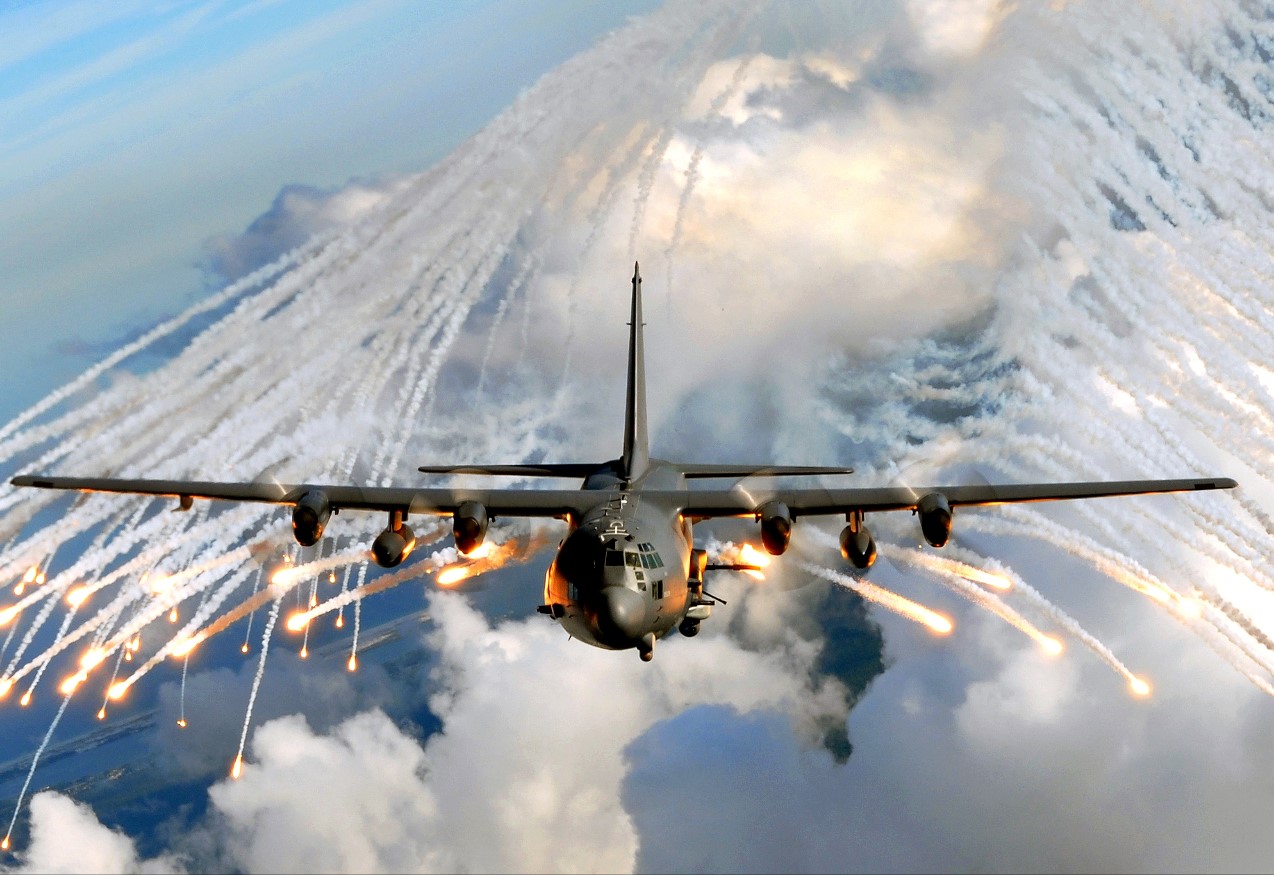 Pentagon Expands Alloy Surfaces Contract to $328.8 Million for Advanced Aircraft Decoy Flares Amid Evolving Drone Threats
-
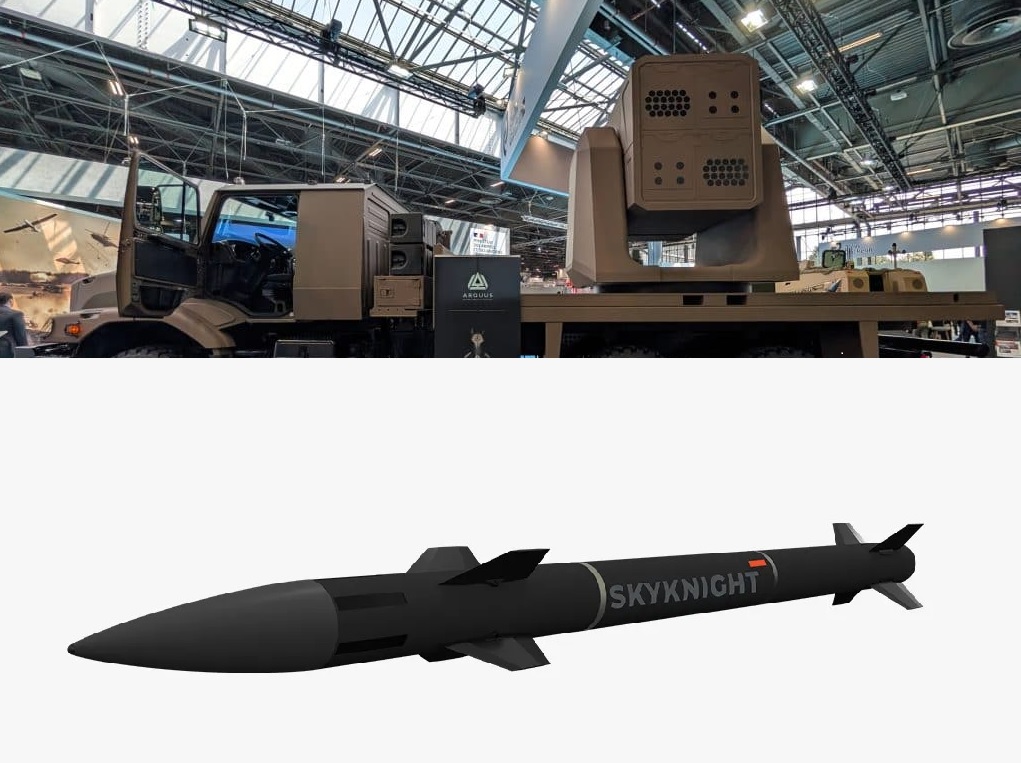 Naval Group Unveils Rampart Modular CIWS Multi-Purpose Weapon System for Naval and Ground Forces at Eurosatory 2026
-
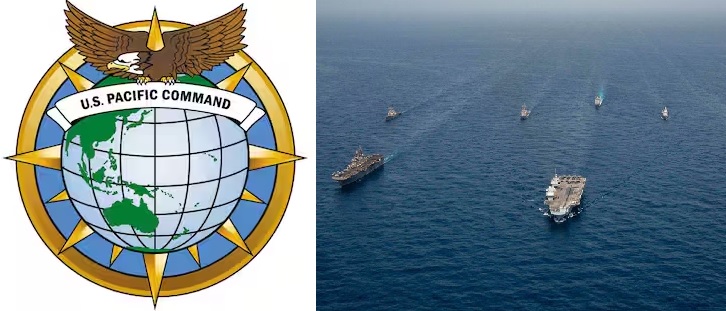 Why the U.S. Restored Pacific Command Name, Ending the Indo-Pacific Designation After Eight Years
-
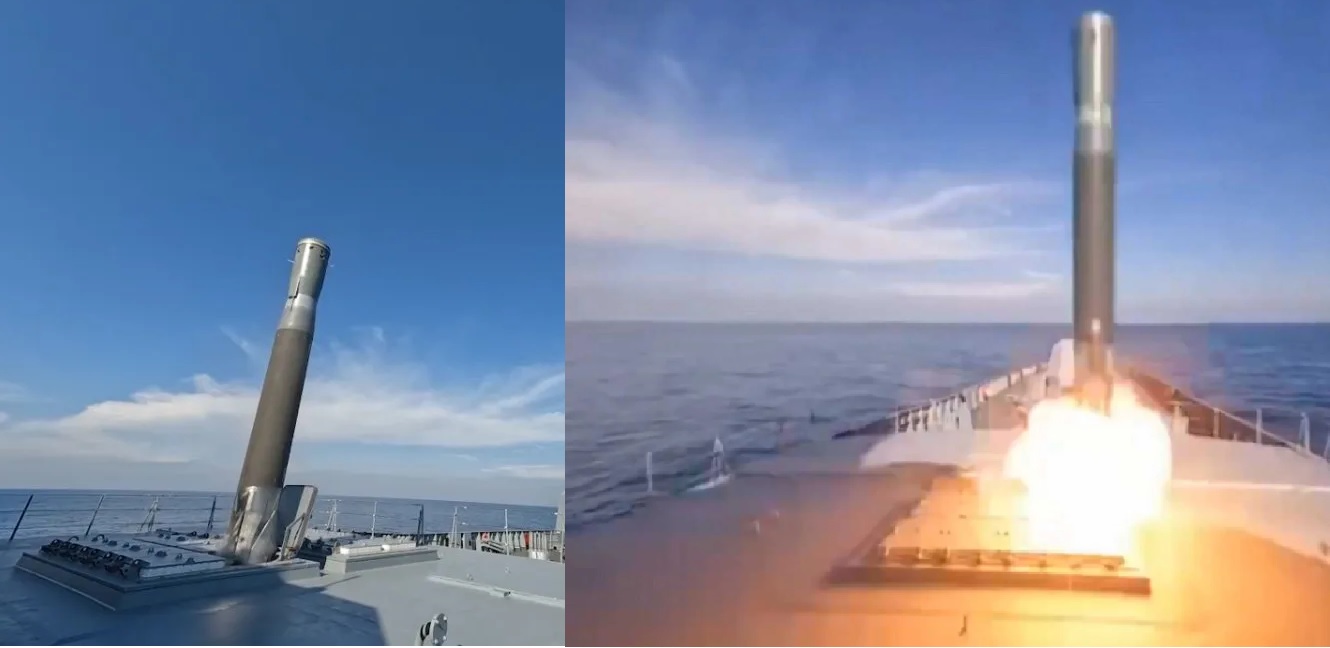 Open-Source Evidence Suggests Russia's Zircon Is a Quasi-Ballistic Missile, Not a True Hypersonic Cruise Weapon
-
 China Surpasses Russia as World’s Second-Most Powerful Air Force Amid Rapid J-20 and J-35 Expansion
-
 Lockheed Martin Unveils HIMARS FLEX with Dual-Pod Launcher and NATO-Compatible Air Defense Integration
-
 IDV Unveils CL2X Hybrid Uncrewed Light Tank at Eurosatory 2026
-
 U.S. Army Completes First Flight Test of Medium-Range Air-Launched Effects from Black Hawk Helicopter
Top Trending in 4 Days
-
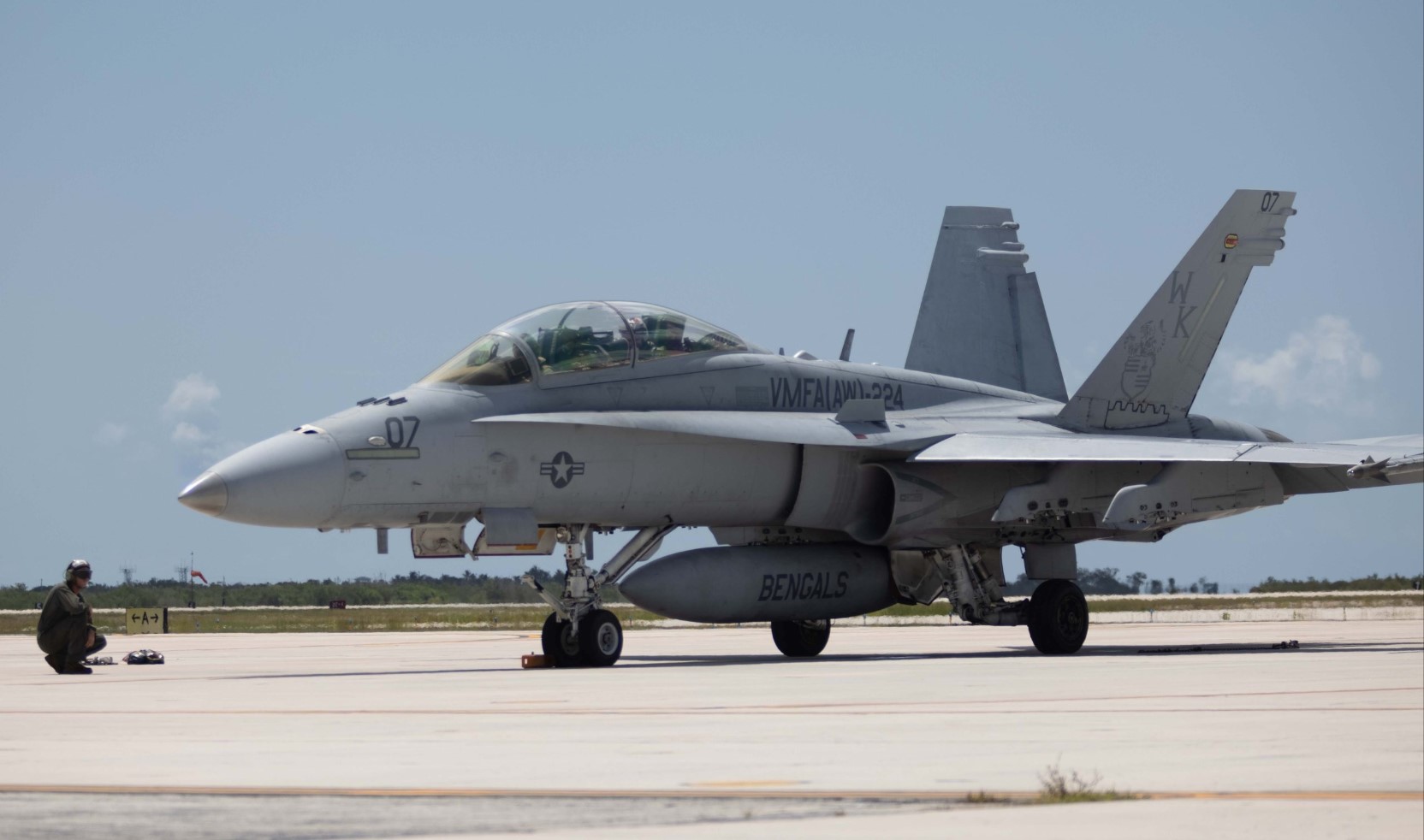 US Marine Corps F/A-18D Hornet Crashes During Training Flight in Washington Mountains; Pilot Ejects Safely
-
 Tulsi Gabbard Releases Declassified Files Detailing U.S.-Backed Network of 120 Biolaboratories Across 30+ Countries
-
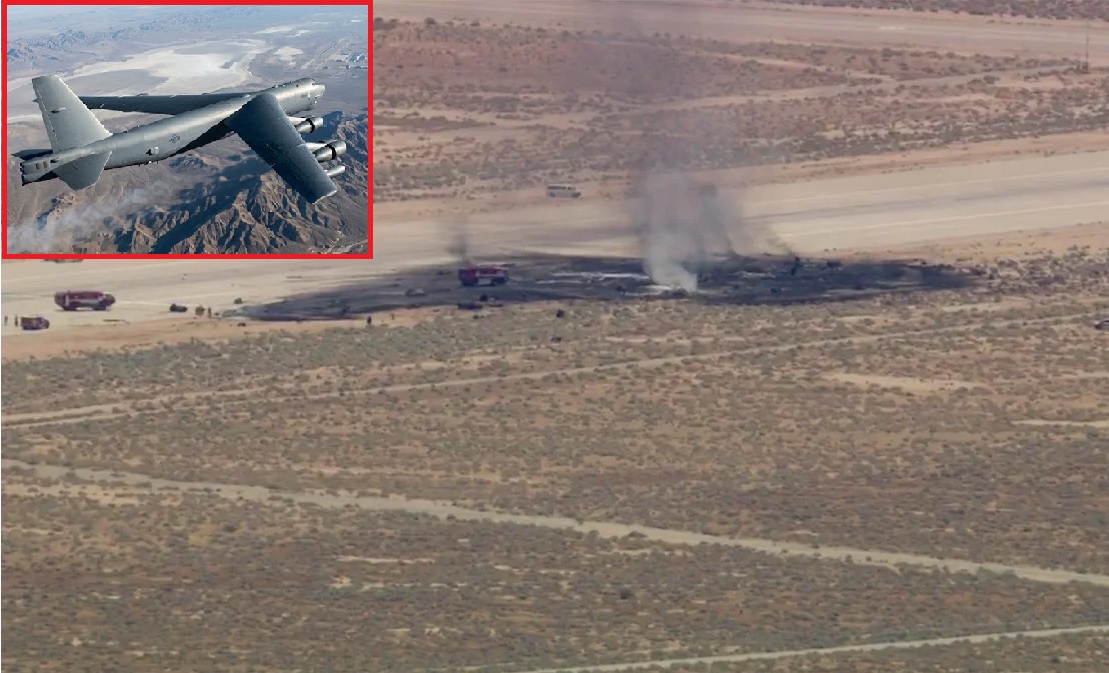 8 U.S. Air Force Crew Members Killed in B-52 Bomber Crash During Test Flight at Edwards Air Force Base
-
 Ukraine Introduces Balloon-Launched DART Missile Designed to Defeat Electronic Warfare
-
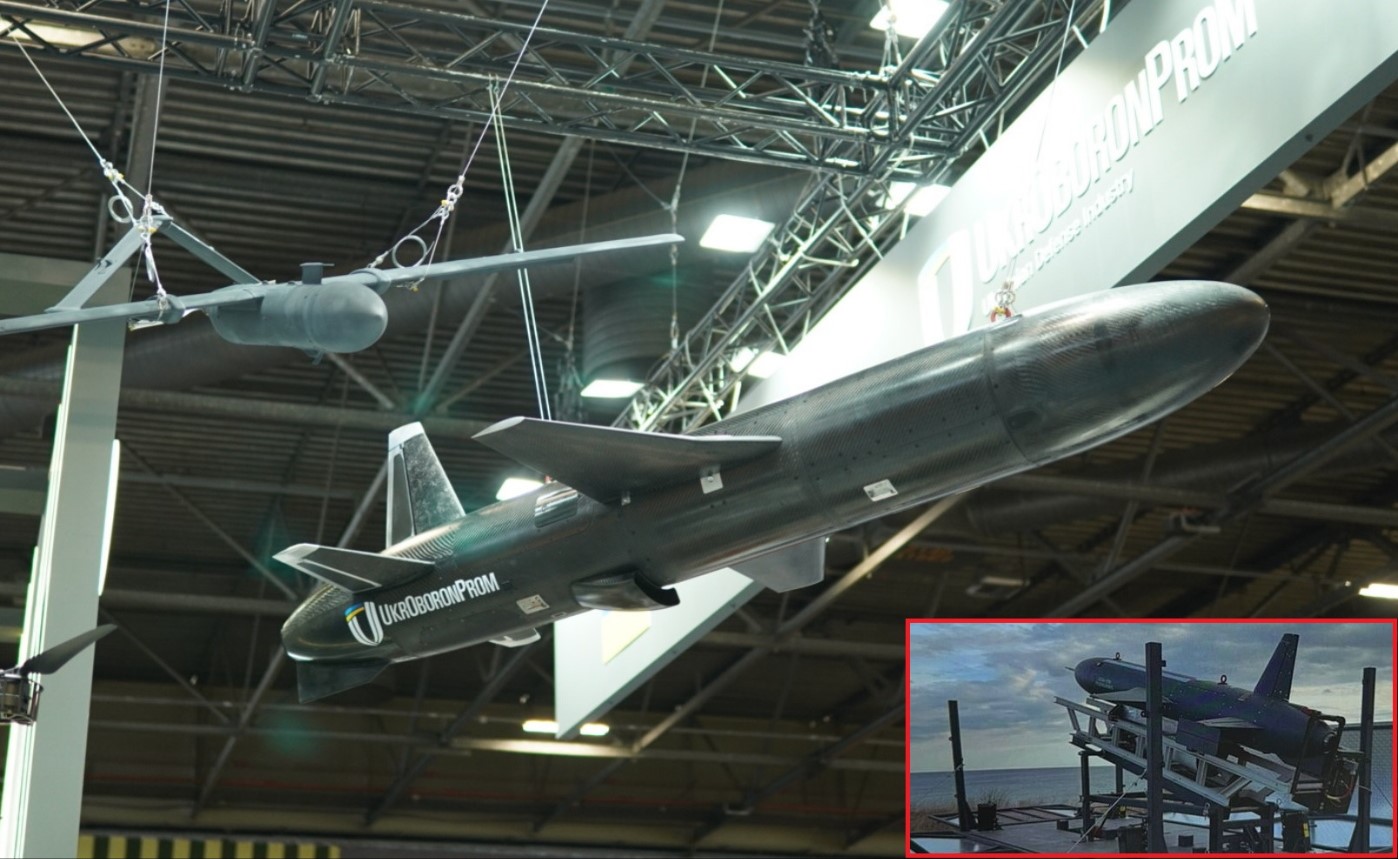 Ukraine Unveils UAV-290 Jet-Powered Strike Drone with 650 km Range at Eurosatory 2026
-
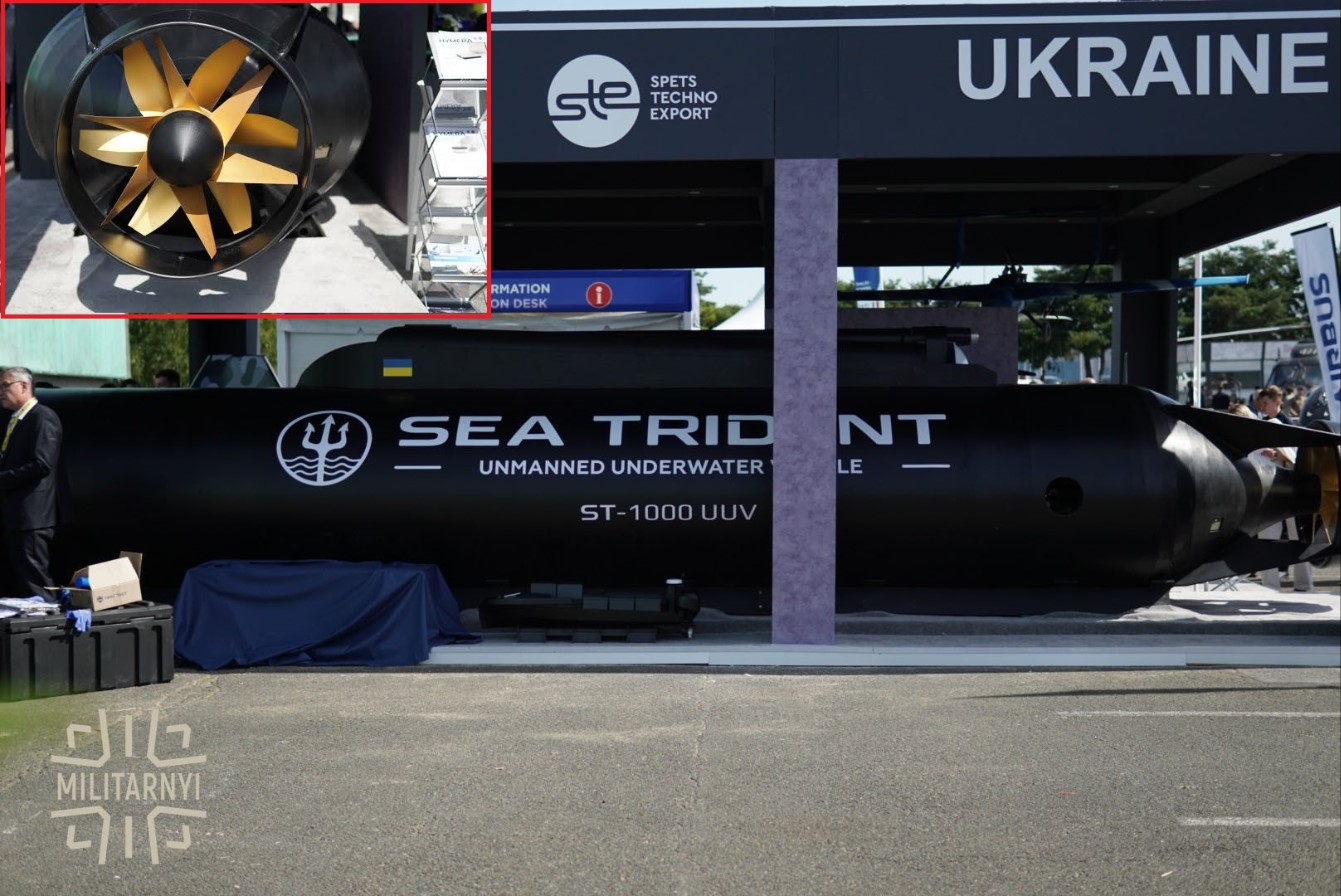 Ukraine Unveils 'Sea Trident' 10-Ton Autonomous Underwater Drone at Eurosatory 2026
-
 Rolls-Royce Unveils New Hybrid Powertrain for Heavy Military Vehicles at Eurosatory 2026
-
 KNDS Unveils CAPINT Main Battle Tank at Eurosatory 2026 as Leclerc Stopgap