
India
The Indian Army is embracing a sustainable future by opting for hydrogen-powered Heavy Motor Vehicle (HMV) trucks for non-combat operations. This decision follows a detailed evaluation of electric vehicles (EVs) and their limitations, particularly in the military's unique operational landscape. Why Hydrogen Over Electric? Battery-operated HMVs were initially considered as part of the Army's drive to adopt green technology. However, several challenges rendered them unsuitable for military logistics: Charging Infrastructure Gaps: Military operations often take place in remote and rugged terrains where the availability of EV charging stations is virtually nonexistent. In contrast, hydrogen can be produced and stored on-site at military bases, making it a more reliable and practical option. Operational Flexibility: Hydrogen-powered trucks offer versatility through flex-fuel capabilities. This means they can run on hydrogen or switch to diesel when necessary, ensuring uninterrupted operations even in unpredictable scenarios. Cost-Effectiveness: While the upfront cost of hydrogen technology is higher, its long-term operational expenses—especially in areas with limited electricity access—are significantly lower than those of maintaining a fleet of EVs. Refueling Speed: Hydrogen trucks can be refueled much faster than EVs can be charged, ensuring quick turnarounds during military operations. Indian Army’s Logistics Backbone The Indian Army operates a vast fleet of over 15,000 trucks for transporting personnel, supplies, and heavy equipment across diverse terrains. These vehicles play a crucial role in ensuring smooth logistics and are periodically upgraded with modern technologies. The decision to transition towards hydrogen-powered HMVs marks a significant step in modernizing this fleet. Collaborations with Indian Giants In a bid to integrate hydrogen technology, the Army has partnered with leading Indian automotive companies like Ashok Leyland and the Tata Group. These collaborations aim to design and develop hydrogen-powered trucks tailored to meet the Army's operational needs. The Army's initiative aligns with India’s broader push for self-reliance under the "Atmanirbhar Bharat" mission, as well as the country’s ambitious targets for green hydrogen adoption. The Ministry of New and Renewable Energy has already outlined policies to scale up hydrogen production and its applications across various sectors, including defense. Strategic and Environmental Benefits Switching to hydrogen-powered trucks provides dual benefits. Strategically, it enhances the Army’s ability to operate in remote areas with limited resources. Environmentally, it supports India's commitment to reducing carbon emissions and adopting green energy solutions. A Vision for the Future The Indian Army’s move towards hydrogen-powered HMVs is not just a shift in technology but a testament to its forward-thinking approach. By investing in innovative and sustainable solutions, the Army is setting a benchmark for defense forces worldwide. Furthermore, its collaboration with indigenous companies strengthens India's capabilities in hydrogen technology, potentially paving the way for broader applications across the country. This transition underscores the Army’s commitment to operational efficiency, sustainability, and self-reliance, ensuring it remains prepared for future challenges while contributing to a greener planet.
Read More → Posted on 2024-12-27 15:14:48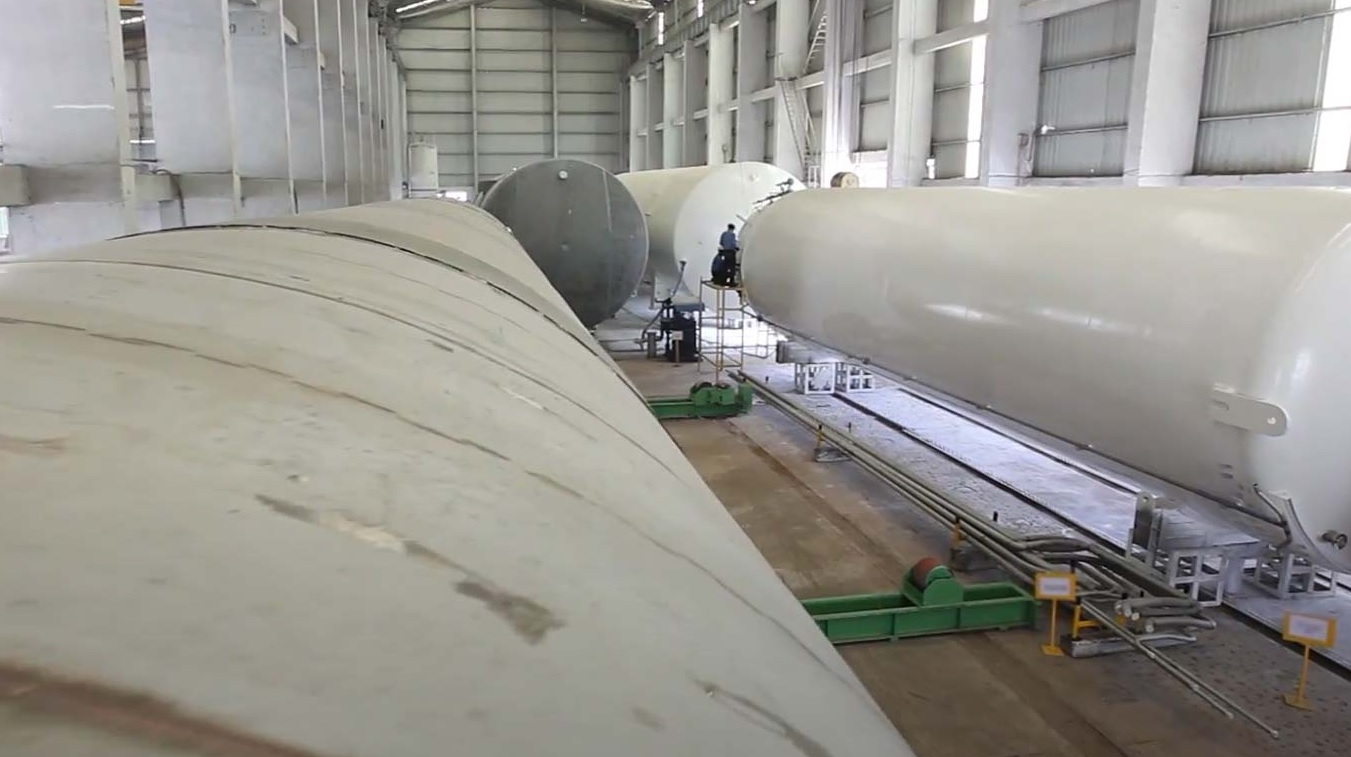
India
India has initiated an anti-dumping investigation into the import of LNG (Liquefied Natural Gas) fuel tanks from China following a complaint by Inox India Ltd, a leading domestic manufacturer. The investigation, led by the Directorate General of Trade Remedies (DGTR), aims to assess whether Chinese imports are being sold at unfairly low prices, causing significant harm to the domestic industry. Background of the Investigation LNG fuel tanks are specialized containers used to store and transport methane gas, primarily in heavy vehicles like trucks. These tanks are critical for India’s expanding clean energy ecosystem, particularly as the country transitions towards sustainable fuels. However, a surge in low-cost imports from China has raised alarms within the domestic manufacturing sector. Inox India Ltd claims that the influx of cheaper Chinese LNG fuel tanks has disrupted the market, eroding profit margins for Indian producers. The company filed a detailed application with DGTR, presenting evidence of material injury caused by these imports. The Scope of the Probe The DGTR's notification highlights that the investigation is based on "prima facie evidence" of dumping. The term "dumping" refers to the practice of exporting goods at prices lower than their normal value in the exporter’s domestic market, creating unfair competition. The investigation will examine whether the Chinese imports have caused measurable harm to Indian manufacturers and, if confirmed, recommend anti-dumping duties to restore market balance. Potential Outcomes and Implications If the DGTR concludes that dumping has indeed occurred, it will recommend imposing anti-dumping duties. These duties are designed to counteract unfair pricing and create a level playing field for domestic producers. The final decision to implement the duties rests with India’s finance ministry. This investigation is part of India’s broader trade strategy to protect its industries from predatory pricing practices under World Trade Organization (WTO) norms. The WTO permits member countries to impose anti-dumping duties as a safeguard against economic harm caused by cheap imports. Trade Data and Trends The import of LNG fuel tanks from China has seen a sharp rise. In the fiscal year 2023-24, imports were valued at $93.6 million. During April-October of the current fiscal year, the figure already stands at $42.7 million, a significant increase compared to $84.7 million in 2022-23. This upward trend underscores the urgency of addressing the issue. Broader Context of Anti-Dumping Measures India has previously imposed anti-dumping duties on various products, particularly those originating from China. These include steel, chemicals, and electronic components. The measures aim to protect domestic industries, ensure fair competition, and reduce dependency on low-cost imports. Conclusion The outcome of this investigation could set a precedent for addressing unfair trade practices in India's growing clean energy sector. By scrutinizing imports of LNG fuel tanks, India is taking a firm step toward safeguarding its domestic industry and promoting fair trade. The decision to impose anti-dumping duties, if warranted, will not only support local manufacturers but also contribute to a more balanced and competitive market.
Read More → Posted on 2024-12-27 15:07:39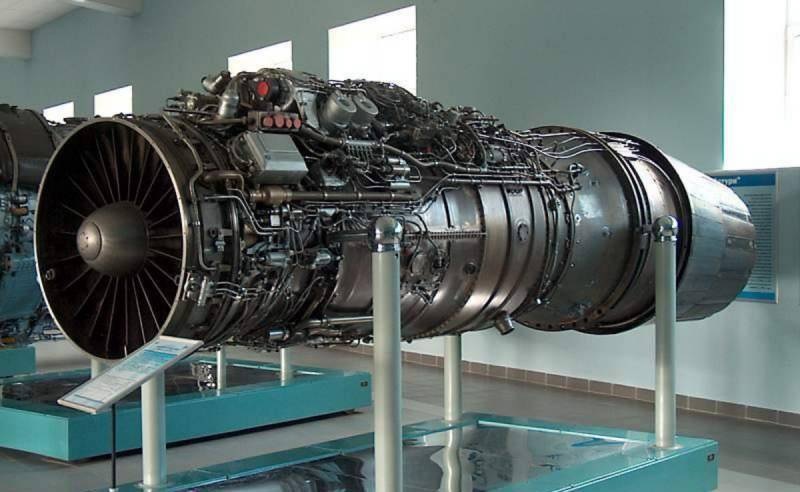
India
India’s ambition to enhance self-reliance in defense manufacturing has hit a roadblock as Russia resists Hindustan Aeronautics Limited's (HAL) plan to increase the indigenous content of AL-31FP aero engines. These engines power the Indian Air Force’s (IAF) frontline Su-30MKI fighter jets and are currently being produced under license by HAL at its Koraput division in Odisha. At present, the level of indigenous content in the AL-31FP engines is below 54%. HAL has outlined a target to raise this to 63% by replacing select assemblies and sub-assemblies with components manufactured in India. However, Russia has expressed significant reservations, citing intellectual property (IP) rights and the terms of the original Transfer of Technology (ToT) agreement. Challenges of the ToT Agreement The key limitation stems from the ToT agreement signed between India and Russia. According to the agreement, HAL is obligated to source critical raw materials and components exclusively from Russian suppliers. This provision prevents HAL from incorporating Indian alloys or substituting imported parts with locally made equivalents without obtaining Russian approval. Russia has made it clear that any unilateral changes to the engine design or production process by HAL would invalidate the warranty on the engines. This warning has put India in a dilemma: while localization could reduce costs and enhance durability, it risks undermining the reliability and after-sales support assured by the original manufacturer. Protecting Intellectual Property Russia’s opposition also reflects its concern over protecting proprietary technologies embedded in the AL-31FP engines. By limiting the scope for indigenization, Moscow seeks to maintain control over the production process and safeguard its intellectual property. The AL-31FP engines are a critical part of Russia's defense exports, and any dilution of control over their production could potentially affect future markets. India’s Push for Indigenization Despite these hurdles, HAL and the Gas Turbine Research Establishment (GTRE) have been working on plans to increase the local content in the engines. The proposed changes include replacing key assemblies with components made using Indian alloys, which are expected to improve durability and reduce long-term dependency on Russian supplies. However, if HAL proceeds without Russian authorization, it would need to take on the full responsibility for engine performance, warranties, and after-sales support. This could lead to increased costs for maintenance and greater operational challenges for the IAF. Strategic Implications The deadlock comes at a time when India is making significant efforts to boost domestic defense manufacturing under its “Atmanirbhar Bharat” (Self-Reliant India) initiative. The IAF operates a fleet of over 260 Su-30MKIs, making the AL-31FP engine a critical asset for India’s air power. Increasing the indigenization of these engines is not just an economic priority but also a strategic one, aimed at reducing vulnerabilities arising from geopolitical dependencies. While HAL is exploring alternative solutions, the path forward will likely require renegotiations with Russia to achieve a balance between indigenization goals and safeguarding engine reliability. The outcome of these discussions will have significant implications for India’s defense self-reliance and its long-term relationship with Russia.
Read More → Posted on 2024-12-26 14:47:38
India
Brazil has shown keen interest in the BrahMos-NG (Next Generation) supersonic cruise missile, a state-of-the-art weapon system co-developed by India and Russia. This advanced missile, known for its exceptional speed, compact design, and tactical versatility, is being evaluated as a potential addition to Brazil’s fleet of Saab Gripen-E fighters. Compact Power with Supersonic Speed The BrahMos-NG is a smaller, lighter version of the renowned BrahMos missile, specifically designed for next-generation platforms. Weighing just 1.3 tons, it is significantly lighter than its predecessor but retains its defining feature—a blistering Mach 3 speed, three times the speed of sound. This capability makes the BrahMos-NG nearly impossible to intercept with existing air defense systems, offering a critical advantage in modern warfare. Unlike traditional subsonic cruise missiles, which are increasingly vulnerable to interception by advanced defense systems, the BrahMos-NG’s high velocity ensures it can strike targets before countermeasures can be deployed. With a range of 290 kilometers, it is well-suited for precision strikes against high-value targets, providing enhanced offensive capabilities for air forces. Gripen-E Integration: A Game-Changer One of the standout features of the BrahMos-NG is its compact size, allowing integration with a wider array of aircraft, including non-Russian platforms like Brazil’s Gripen-E fighters. This compatibility, combined with the missile's cutting-edge performance, has captured the attention of Brazilian defense officials seeking to bolster their fleet's firepower. Brazil's interest reflects the growing international recognition of the BrahMos-NG as a transformative weapon. Its compact dimensions also make it adaptable for other platforms, such as smaller fighter jets and unmanned aerial vehicles (UAVs), broadening its operational scope. Rising Global Demand for Survivable Missiles The ongoing conflict in Ukraine has underscored the vulnerabilities of traditional subsonic missiles, even those with stealth features. With modern air defense systems becoming more sophisticated, the demand for survivable, high-speed solutions like the BrahMos-NG is surging. India’s own Air Force (IAF) has been a strong proponent of the BrahMos-NG program. The missile is expected to be initially deployed on Indian platforms like the Su-30MKI, Tejas Mk1A, and MkII, and potentially the Gripen-E in international markets. Development trials are slated to begin by 2026, with operational deployment projected soon thereafter. Production Readiness and Strategic Vision BrahMos Aerospace has been expanding its production capabilities in anticipation of the missile’s deployment. The newly inaugurated facility in Lucknow will serve as a production hub for the BrahMos-NG, ensuring timely delivery to both domestic and international customers. This production capacity will play a pivotal role in meeting the growing demand for the missile across the global market. Strategic Implications for Brazil By incorporating the BrahMos-NG into its Gripen-E fleet, Brazil could significantly enhance its deterrence and strike capabilities. The missile’s speed, precision, and adaptability align well with the operational requirements of modern air forces, making it a valuable asset for Brazil's defense strategy. As Brazil evaluates the BrahMos-NG, this collaboration could mark a new chapter in international defense cooperation, underscoring the missile’s potential as a game-changing weapon for air combat in the 21st century.
Read More → Posted on 2024-12-26 14:32:03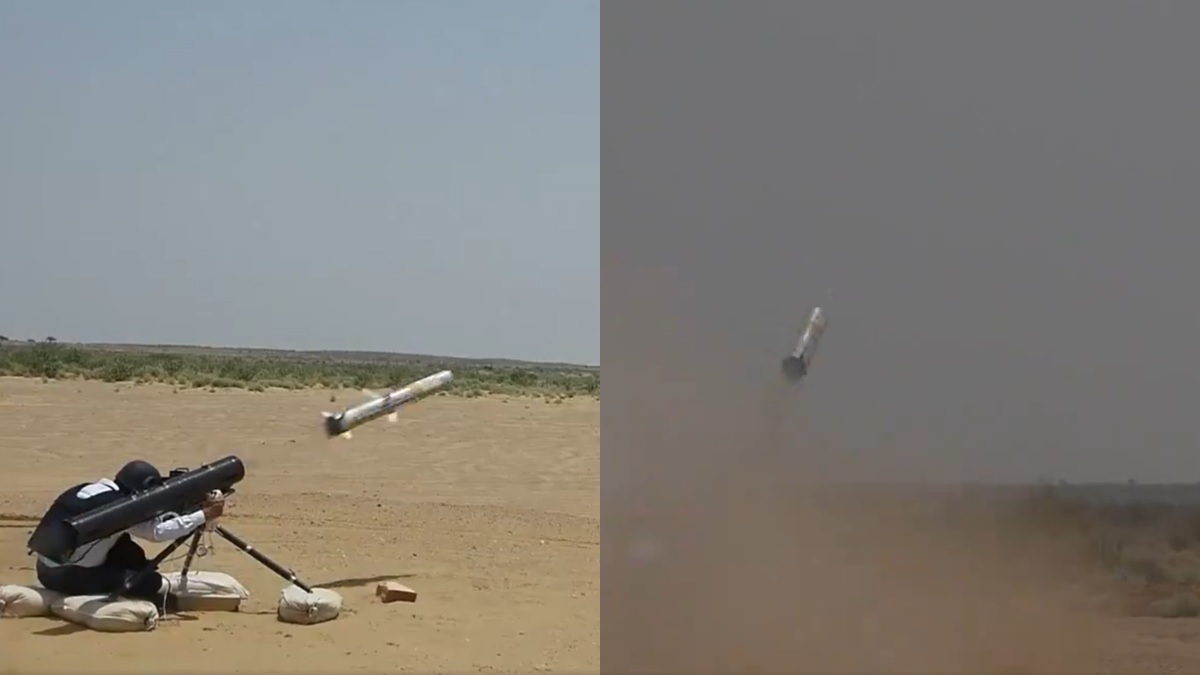
India
In a remarkable display of precision and resilience, the Indian Army's Anti-Tank Guided Missile (ATGM) units successfully conducted a high-altitude exercise at a staggering elevation of 15,000 feet in Sikkim. The exercise, organized under the Trishakti Corps, tested the Army's capabilities to operate in extreme conditions, showcasing its preparedness to neutralize threats in some of the world's most challenging terrains. Operating in Extreme ConditionsThe exercise was conducted under harsh environmental conditions, with temperatures plummeting to -9°C and operations carried out in complete darkness. These adverse factors added to the complexity, highlighting the ability of the ATGM detachments to deliver results despite severe weather and low visibility. This level of preparedness is critical in the Himalayan region, where high-altitude warfare remains a significant focus for the Indian Army. Advanced Technology in ActionThe ATGM detachments employed state-of-the-art systems capable of delivering pinpoint accuracy. These systems are equipped with advanced guidance mechanisms that enable operators to track and strike targets with precision, even in rugged and challenging terrain. The exercise demonstrated the effectiveness of these advanced missile systems, ensuring that the Army remains well-prepared to counter modern threats, including armored platforms and fortified enemy positions. Key Highlights of the DrillThe high-altitude drill was designed to test multiple aspects of operational readiness, including the rapid deployment of ATGM systems, coordination among units, and precision targeting. The ability to successfully hit targets in such extreme conditions reaffirmed the efficiency of both the equipment and the soldiers handling them. The training also emphasized teamwork and adaptability, crucial components in modern combat scenarios. Strategic SignificanceThis exercise underscores the Indian Army’s commitment to enhancing its operational readiness in the Eastern Himalayan region. Sikkim, with its strategic location along the India-China border, demands heightened vigilance and preparedness. By conducting such drills, the Indian Army not only strengthens its defensive posture but also sends a clear message of its resolve to protect national sovereignty. ConclusionThe success of the ATGM units in the Sikkim high-altitude exercise stands as a testament to the Indian Army’s readiness to face evolving security challenges. Through rigorous training and advanced technology, the Army continues to bolster its capabilities, ensuring the defense of India's borders under the most demanding conditions.
Read More → Posted on 2024-12-26 14:22:32
India
India's development of the AD-AH (Anti-Hypersonic) missile, spearheaded by the Defence Research and Development Organisation (DRDO), marks a significant step forward in the global race to counter hypersonic threats. Hypersonic Glide Vehicles (HGVs) represent the next frontier in missile technology, traveling at speeds exceeding Mach 5 and possessing unparalleled maneuverability. This makes intercepting them an extraordinary technical challenge, requiring innovation and precision at an unprecedented scale. Key Features of AD-AH and Kill Vehicle Design Kill Vehicle (KV) Technology:The AD-AH relies on a hit-to-kill mechanism, where the kill vehicle (KV) directly collides with its target at high speeds, ensuring destruction. The KV features: Multiple Thruster Ports: A distinctive aspect of its design is the placement of numerous micro-thrusters across its body. These thrusters allow for real-time trajectory correction, giving the missile the ability to respond to the rapid and unpredictable maneuvers of a hypersonic target. Advanced Sensor Suite: The KV incorporates cutting-edge infrared (IR) and radar homing sensors to detect, track, and lock onto its target during the hypersonic glide phase. Heat Shielding: Hypersonic speeds generate extreme temperatures due to atmospheric friction. The KV’s body is made of advanced heat-resistant materials to withstand these conditions. Propulsion and Guidance:The missile uses solid-fuel propulsion, allowing it to achieve rapid acceleration and high-altitude interception. The guidance system integrates AI-powered algorithms and real-time data from radars and satellites, ensuring the AD-AH can anticipate and respond to the complex flight paths of HGVs. Flexible Engagement Envelope:The AD-AH is designed to intercept hypersonic threats during their glide phase, where they are most vulnerable compared to their initial boost phase or terminal re-entry phase. This phase offers a limited window for interception, demanding exceptional precision and timing. Strategic Importance of AD-AH Development Hypersonic weapons are reshaping modern warfare by offering strategic powers the ability to strike swiftly and unpredictably. Russia and China are already deploying hypersonic weapons, such as Russia’s Avangard HGV and China’s DF-ZF glide vehicle. These developments pose a direct threat to the deterrence capabilities of traditional missile defense systems. India’s Defense Challenges: Regional Threats: With China’s hypersonic programs maturing rapidly, India must develop countermeasures to neutralize potential threats in the Indo-Pacific region. Nuclear Deterrence: The ability to counter hypersonic missiles ensures the viability of India’s nuclear deterrent by protecting critical assets from a first-strike scenario. Enhancing National Security: The AD-AH project aligns with India's broader defense modernization efforts, including: The Ballistic Missile Defence (BMD) program, which protects against conventional missile threats. Future integration with space-based sensors and India’s upcoming Airborne Early Warning and Control (AEW&C) systems for seamless tracking and engagement of hypersonic weapons. Global Comparison and DRDO’s Role While the AD-AH represents a significant achievement, it is important to analyze how India’s efforts stack up against global developments: United States: The U.S. is developing the Glide Phase Interceptor (GPI), specifically designed to counter HGVs. Its collaboration with companies like Northrop Grumman and Raytheon Technologies ensures access to advanced materials and testing infrastructure. Russia: While Russia is a leader in hypersonic offense, it is also exploring counter-hypersonic defenses, relying heavily on its S-500 system and future upgrades. China: China’s developments in directed-energy weapons and anti-satellite technologies could provide additional layers of defense against hypersonic threats. India, though relatively new to this domain, is leveraging DRDO’s expertise in advanced missile systems such as Astra, Akash-NG, and AD-1/AD-2 interceptors. The AD-AH project benefits from indigenous capabilities while aiming for technological self-reliance. Broader Implications and Challenges Technological Leadership:The AD-AH places India in an exclusive club of nations with the capability to intercept hypersonic threats. This enhances India's defense export potential and strengthens its partnerships with allies in the Quad and beyond. Challenges Ahead: Testing and Validation: Hypersonic interceptors require extensive testing under simulated combat scenarios, including target drones that mimic HGV behavior. Cost and Resource Allocation: Developing a comprehensive hypersonic defense system is expensive. India must balance the AD-AH project with other pressing defense priorities. Future Applications:The technology developed for AD-AH could find applications in space-based defenses, where similar principles of interception could protect against threats to satellites or other critical space assets. Conclusion The unveiling of the AD-AH missile and its Anti-Hypersonic Kill Vehicle (KV) signals India’s preparedness to tackle the most advanced threats in modern warfare. By focusing on indigenous innovation, leveraging advanced materials and sensors, and addressing regional security challenges, DRDO is positioning India as a leader in next-generation missile defense technologies. As the project moves into its final stages, the successful deployment of the AD-AH will not only strengthen India’s military capabilities but also serve as a deterrent against adversaries, ensuring stability in an increasingly volatile geopolitical landscape.
Read More → Posted on 2024-12-25 15:33:21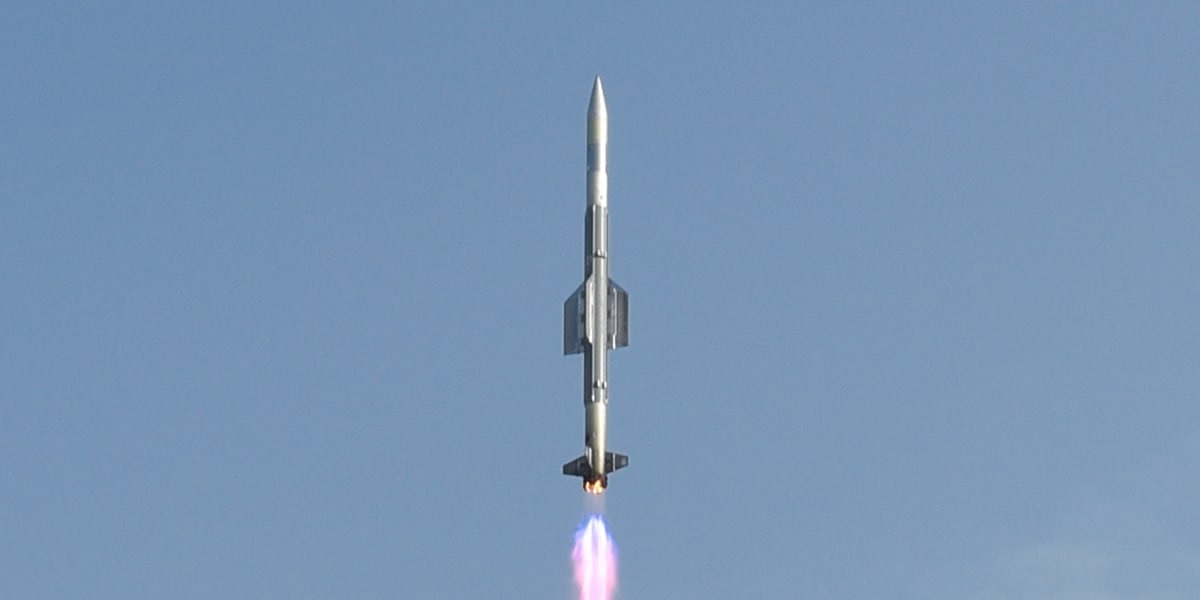
India
In a pivotal revelation, the Parliamentary Standing Committee on Defence has confirmed that the range of the Vertical Launch Short Range Surface to Air Missile (VLSRSAM) developed by India’s Defence Research and Development Organisation (DRDO) is significantly greater than initially stated. While earlier reports suggested a range of 30-40 km, the committee’s findings place the missile’s strike capability at an impressive 80 km. This extended range marks a major leap in the Indian Navy's defensive and offensive capabilities. VLSRSAM: A Game-Changer for the Indian Navy The VLSRSAM is a state-of-the-art surface-to-air missile system designed exclusively for the Indian Navy to counter diverse aerial threats. Its sophisticated vertical launch technology allows for rapid response to hostile targets, including fighter aircraft, helicopters, unmanned aerial vehicles (UAVs), and low-altitude sea-skimming missiles. The system is tailored to protect naval fleets against both conventional and advanced threats, significantly boosting maritime security. A critical advantage of the VLSRSAM lies in its compact vertical launch configuration, which minimizes the missile's storage footprint aboard ships while maximizing response speed and efficiency. This design makes it a crucial asset for modern warships tasked with handling high-threat environments. August 2022 Flight Test: A Technological Milestone The missile underwent a rigorous flight test on August 23, 2022, at the Integrated Test Range in Chandipur, Odisha. During the test, the VLSRSAM was launched against a high-speed unmanned aerial target. It flawlessly demonstrated its precision, tracking, and interception capabilities while confirming its effectiveness against fast-moving aerial threats. The success of this test marked a significant milestone in India’s indigenous defense technology development. It showcased the system's readiness for operational deployment and its ability to secure India’s naval assets in critical maritime zones. Strategic Implications of the Extended Range The confirmation of an 80-km range is a strategic game-changer. This extended capability allows the Indian Navy to engage hostile targets much farther from its assets, providing an early interception advantage and enhanced layers of defense. This longer range ensures a robust protective umbrella for naval vessels, giving them an edge in high-stakes maritime confrontations. Furthermore, the extended range aligns the VLSRSAM with modern naval defense standards, ensuring that the Indian Navy is well-equipped to counter evolving threats in contested waters. This development bolsters India's maritime defense posture and could play a key role in power projection across the Indian Ocean region. Challenges and Transparency in Reporting The parliamentary committee’s clarification not only highlights the missile’s capabilities but also raises questions about the earlier underrepresentation of its range. Transparency in defense projects is critical for accurate strategic planning, informed decision-making, and efficient budget allocation. Accurate representation also strengthens international perceptions of India’s defense capabilities, which is vital for fostering defense partnerships and collaborations. Conclusion The VLSRSAM's enhanced 80-km range cements its role as a cornerstone of India's naval defense strategy. Its ability to neutralize a wide range of aerial threats ensures that the Indian Navy is better prepared to protect its fleets and assert its dominance in the maritime domain. This revelation also underscores India’s commitment to advancing indigenous defense technologies and maintaining transparency in critical military programs. As the Indian Navy integrates the VLSRSAM into its arsenal, it solidifies its position as a formidable force in the region.
Read More → Posted on 2024-12-25 15:22:31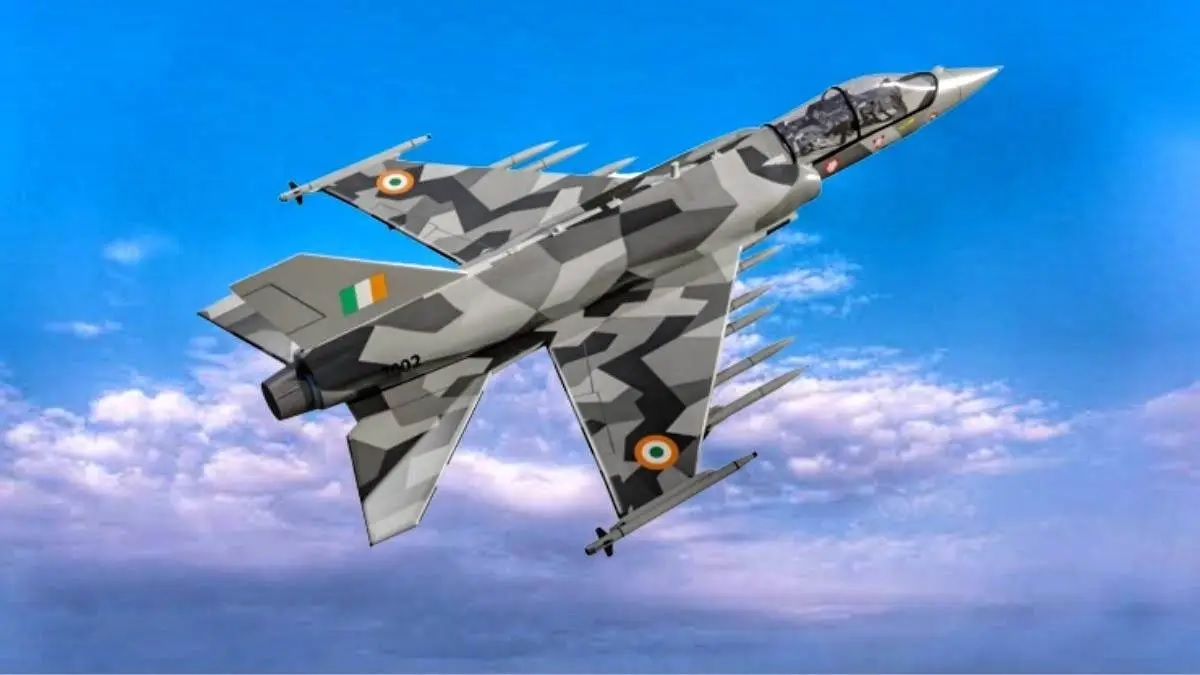
India
Hindustan Aeronautics Limited (HAL) is working on an ambitious project to develop the Hindustan Lead-in Fighter Trainer (HLFT-42), a cutting-edge aircraft designed to meet the advanced training needs of the Indian Air Force (IAF). As the IAF prepares for the induction of fifth-generation and advanced 4.5+ generation fighters like the Advanced Medium Combat Aircraft (AMCA) and Tejas Mk2, the HLFT-42 is set to become a critical link in training future fighter pilots. Addressing a Critical Training Gap The HLFT-42 aims to replace the ageing Hawk Mk132 Advanced Jet Trainers (AJTs), which have served the IAF for over 15 years. While the Hawk Mk132 is effective for training pilots on multi-role fighters like the Sukhoi Su-30MKI and MiG-29, it lacks the sophistication to prepare pilots for next-generation jets equipped with stealth features, advanced avionics, and modern weapon systems. The HLFT-42 will bridge this gap, providing a platform that closely simulates the performance, systems, and combat capabilities of modern 4.5+ and fifth-generation fighters. Key Features and Capabilities HAL envisions the HLFT-42 as a dual-role trainer, combining advanced training functionalities with combat-ready capabilities. Some of its standout features include: Simulated 4.5+ Generation Capabilities: The HLFT-42 will replicate systems and avionics similar to advanced fighters like the AMCA and Tejas Mk2, including active electronically scanned array (AESA) radar, advanced flight control systems, and sensor fusion capabilities. Combat Readiness: Unlike the Hawk Mk132, the HLFT-42 will be equipped with live-fire armaments, enabling pilots to experience real-world combat scenarios during training. Maximum Take-Off Weight (MTOW): With an MTOW of 16.5 tons, the trainer will support advanced flight dynamics and payload configurations. Twin-Seat Configuration: The dual-seat design ensures both the instructor and trainee can operate in tandem, enhancing training effectiveness. Current Progress and Development Timeline As of now, HAL is in the preliminary design phase of the HLFT-42, collaborating closely with the IAF to fine-tune the aircraft's specifications. Discussions are focused on ensuring the platform meets the specific training needs of pilots transitioning to advanced fighters. The prototype for the HLFT-42 is expected to roll out in the early 2030s, with the first induction into the IAF projected around 2035. This timeline aligns with the anticipated retirement of the Hawk Mk132, ensuring a seamless transition for the IAF’s training programs. Strategic Importance for India The development of the HLFT-42 represents a significant milestone in India's push for self-reliance in defence. By creating an indigenous advanced trainer, HAL is not only addressing the IAF's operational requirements but also strengthening India's position in the global aerospace sector. The HLFT-42 will ensure that Indian pilots are well-equipped to handle the complexities of next-generation fighters, further enhancing the IAF’s combat readiness. As India continues to modernize its defence forces, the HLFT-42 will play a pivotal role in shaping the next generation of fighter pilots, ensuring they are prepared to face the challenges of modern aerial warfare. With its advanced capabilities and indigenous roots, the HLFT-42 is set to become a cornerstone of India's defence ecosystem.
Read More → Posted on 2024-12-25 15:20:23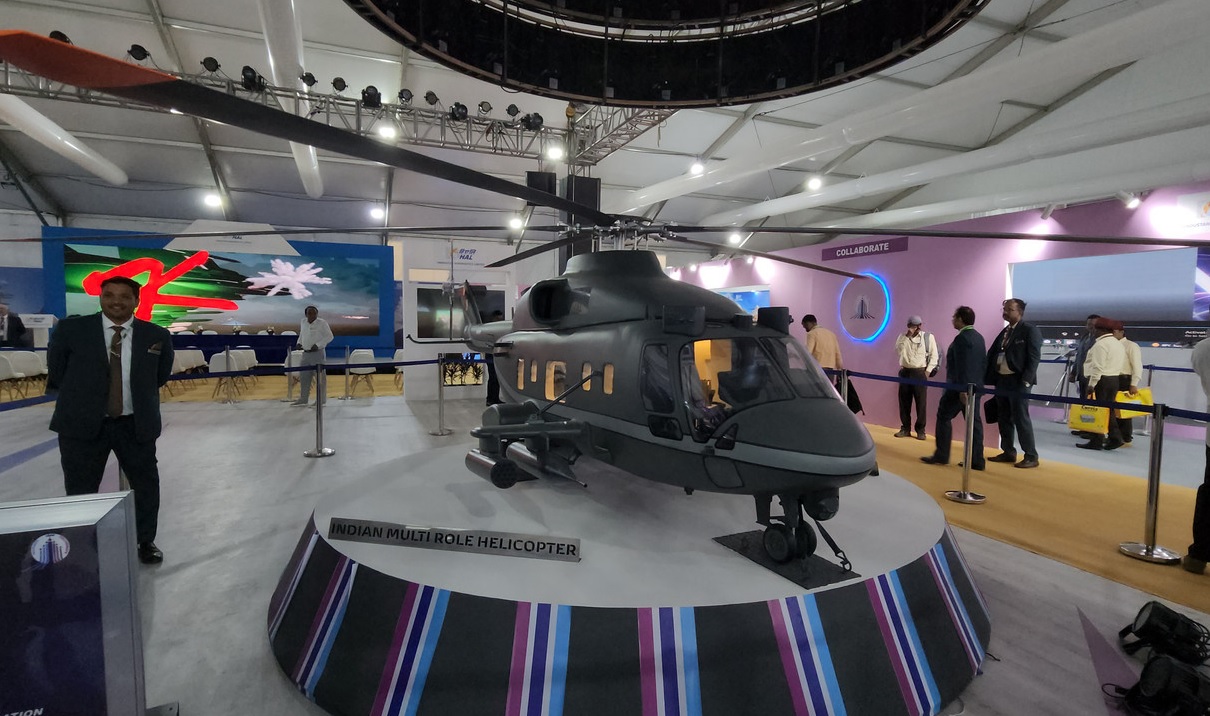
India
Hindustan Aeronautics Limited (HAL) is set to deliver a massive fleet of 419 Indian Multi-Role Helicopters (IMRH), marking a milestone in India’s defence modernization. The delivery includes 353 IMRH units for the Indian Army and Indian Air Force (IAF) to replace their aging Mi-17 fleet, and 66 specialized deck-based variants tailored to bolster the Indian Navy’s maritime capabilities. This ambitious plan is poised to transform the operational readiness of India’s armed forces across diverse domains. Replacing the Aging Mi-17 Fleet The IMRH is designed as a next-generation replacement for the Mi-17, a trusted workhorse of the Indian armed forces for decades. The Mi-17 fleet is nearing the end of its operational life, necessitating a transition to more advanced, capable platforms. The IMRH offers improved payload capacity, extended range, and the ability to operate effectively in high-altitude terrains, making it ideal for India’s unique geographical and strategic challenges. Advanced Design and Capabilities The IMRH is a twin-engine, medium-lift helicopter with a versatile design tailored for multiple roles. Its primary applications include troop transport, medical evacuation, combat search and rescue, and logistics support. The helicopter's indigenous design and manufacturing emphasize cutting-edge technology while aligning with the government’s "Atmanirbhar Bharat" initiative to achieve self-reliance in defence production. The IMRH features state-of-the-art avionics, superior survivability systems, and a rugged airframe designed to withstand extreme operational conditions. Its ability to carry 24 fully equipped troops or 4,000 kg of payload ensures it can meet diverse operational needs. Naval Variant: Deck-Based Multi-Role Helicopter (DBMRH) The Indian Navy’s variant, known as the Deck-Based Multi-Role Helicopter (DBMRH), will play a pivotal role in enhancing maritime operations. Designed for anti-submarine warfare, anti-surface warfare, and search-and-rescue missions, this variant incorporates critical modifications for naval use. Key features of the DBMRH include: Blade Folding Mechanism: Enables compact storage aboard ships and aircraft carriers. Corrosion Resistance: Enhanced materials to withstand harsh maritime environments. Advanced Avionics: Specialized systems for maritime surveillance and operations. These helicopters will significantly enhance the Navy’s ability to secure India's maritime boundaries and conduct high-stakes missions in the Indian Ocean Region. Production and Timelines HAL has been developing the IMRH for several years, with production timelines aligning strategically to ensure a seamless transition from the Mi-17 fleet. The first batch of IMRH helicopters is expected to roll out by the end of this decade. This phased delivery ensures operational continuity for the armed forces while phasing out older platforms. A Collaborative Endeavour The IMRH program represents a collaborative effort between HAL and India’s armed forces. The Indian Army and Air Force have closely coordinated with HAL for the land-based variant, while the Navy is taking the lead in developing the DBMRH. This joint approach underscores a unified commitment to strengthening India’s defence capabilities. A Step Towards Self-Reliance The procurement and production of the IMRH align with India’s broader strategy of self-reliance in defence manufacturing. The project’s emphasis on indigenous technology reduces dependency on foreign suppliers and enhances India’s defence ecosystem. Additionally, the program is expected to generate significant employment opportunities and boost local industries. Conclusion HAL’s delivery of 419 IMRH helicopters is a landmark initiative that underscores India’s commitment to modernizing its military capabilities. By replacing aging platforms with advanced, indigenous solutions, the IMRH program ensures the Indian armed forces remain prepared for diverse challenges, whether on land or at sea. This initiative not only strengthens national security but also reinforces India's position as a rising power in the global defence industry.
Read More → Posted on 2024-12-25 14:37:38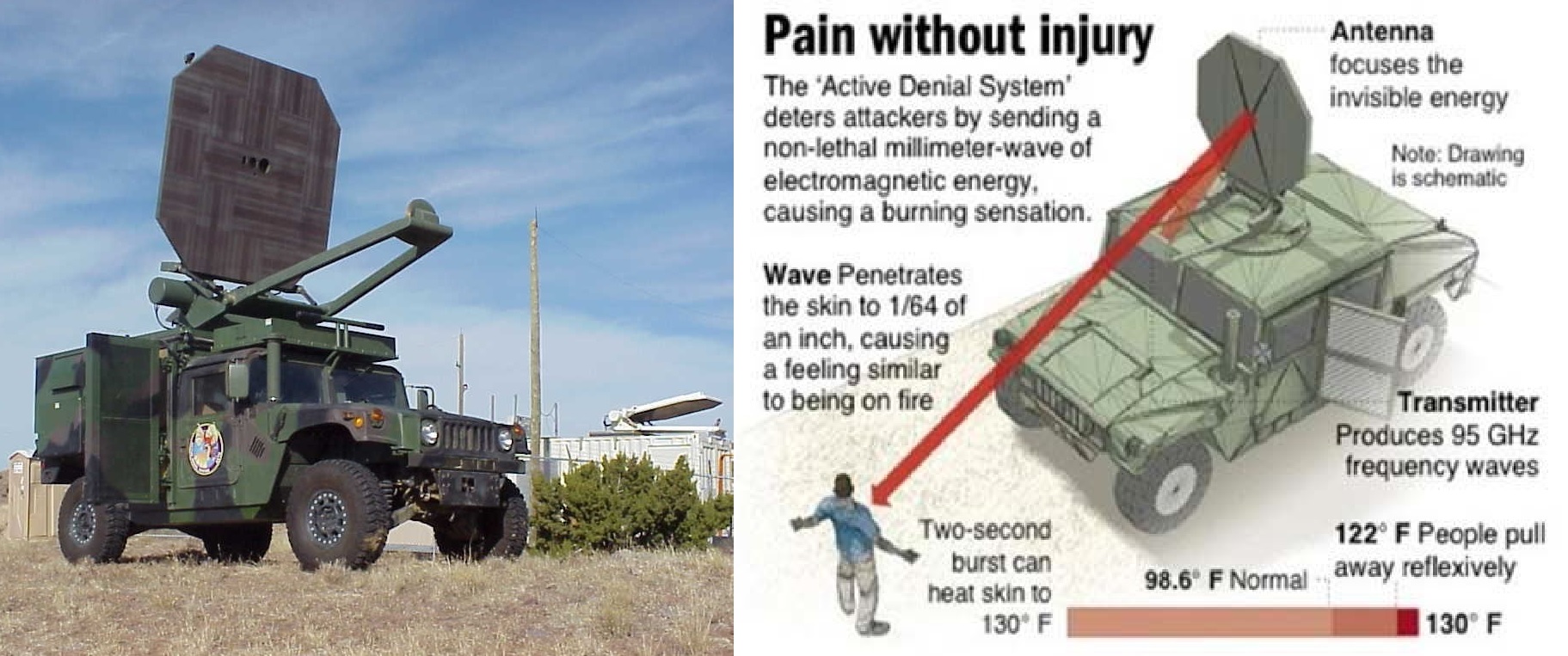
India
The Defence Research and Development Organization (DRDO) has launched the fifth edition of its prestigious "Dare to Dream" innovation contest, aimed at advancing cutting-edge defence technologies. Dedicated to the vision of former President and scientist Dr. APJ Abdul Kalam, this year's challenge invites innovators, startups, and researchers across India to design a Compact Solid-State Active Denial System (ADS) for non-lethal crowd control. The Focus on Active Denial System Technology At the center of this initiative is the Active Denial System, a sophisticated, non-lethal directed-energy weapon designed for effective crowd management. By emitting high-frequency radio waves at 95 GHz, the ADS creates an intense heating sensation on the skin, prompting individuals to instinctively move away without inflicting permanent harm. This innovative technology is envisioned as a safer alternative to traditional crowd control measures. The key components of the ADS include: RF Power Source:The system features an array of solid-state amplifiers operating at 95 GHz, delivering a power density of 1W/cm² over distances of 25 to 50 meters. This precise frequency and power level are critical for the system's functionality, ensuring its effectiveness while maintaining non-lethality. Antenna & Radiating System:A highly engineered antenna directs the RF beam with precision, dispersing the energy over a defined target area. This ensures controlled and focused emission to achieve crowd deterrence without collateral harm. Human-Machine Interface (HMI):The HMI enables operators to regulate the system's output, monitor performance, and implement safety measures. Ethical use protocols are embedded within the interface to prevent misuse. Mounting Options for Flexibility:The ADS is designed for versatile deployment. It can be mounted on drones for aerial use or installed on vehicles for ground-based operations, enabling rapid response in diverse environments. Addressing Modern Security Challenges The development of such a compact and mobile ADS aligns with the evolving needs of paramilitary and law enforcement agencies. In scenarios such as urban protests, border security, or managing public disorder, the system promises an effective, non-lethal solution that minimizes risks to human life. The emphasis on vehicle or drone-mounted platforms underscores the importance of mobility and quick deployment in fast-changing operational contexts. This adaptability is crucial for addressing challenges in densely populated or high-tension areas, where traditional crowd control methods may escalate tensions. Innovation Through "Dare to Dream 5.0" The "Dare to Dream 5.0" contest seeks to harness the creative potential of India's brightest minds. By inviting proposals for this cutting-edge ADS, the DRDO aims to foster innovation in defence technology and encourage indigenous development. Over the years, the initiative has demonstrated its ability to tap into talent across the country, driving advancements in critical areas. This challenge is not just about developing technology; it is about ensuring that India is at the forefront of non-lethal defence capabilities. The focus on ethical and effective solutions ensures that the innovations contribute to global standards of security and human rights. A Vision for the Future of Defence The development of non-lethal crowd control measures like the 95 GHz Active Denial System reflects a broader shift in modern defence strategies. The focus on reducing casualties while maintaining effective control is a priority for nations worldwide. With the DRDO's commitment to fostering innovation, this initiative marks a significant step toward enhancing India's security apparatus with cutting-edge, humane technology. By addressing critical gaps in current security measures, "Dare to Dream 5.0" not only pays homage to Dr. Kalam's vision of a self-reliant India but also sets the stage for a future defined by advanced, indigenous defence solutions.
Read More → Posted on 2024-12-25 14:30:05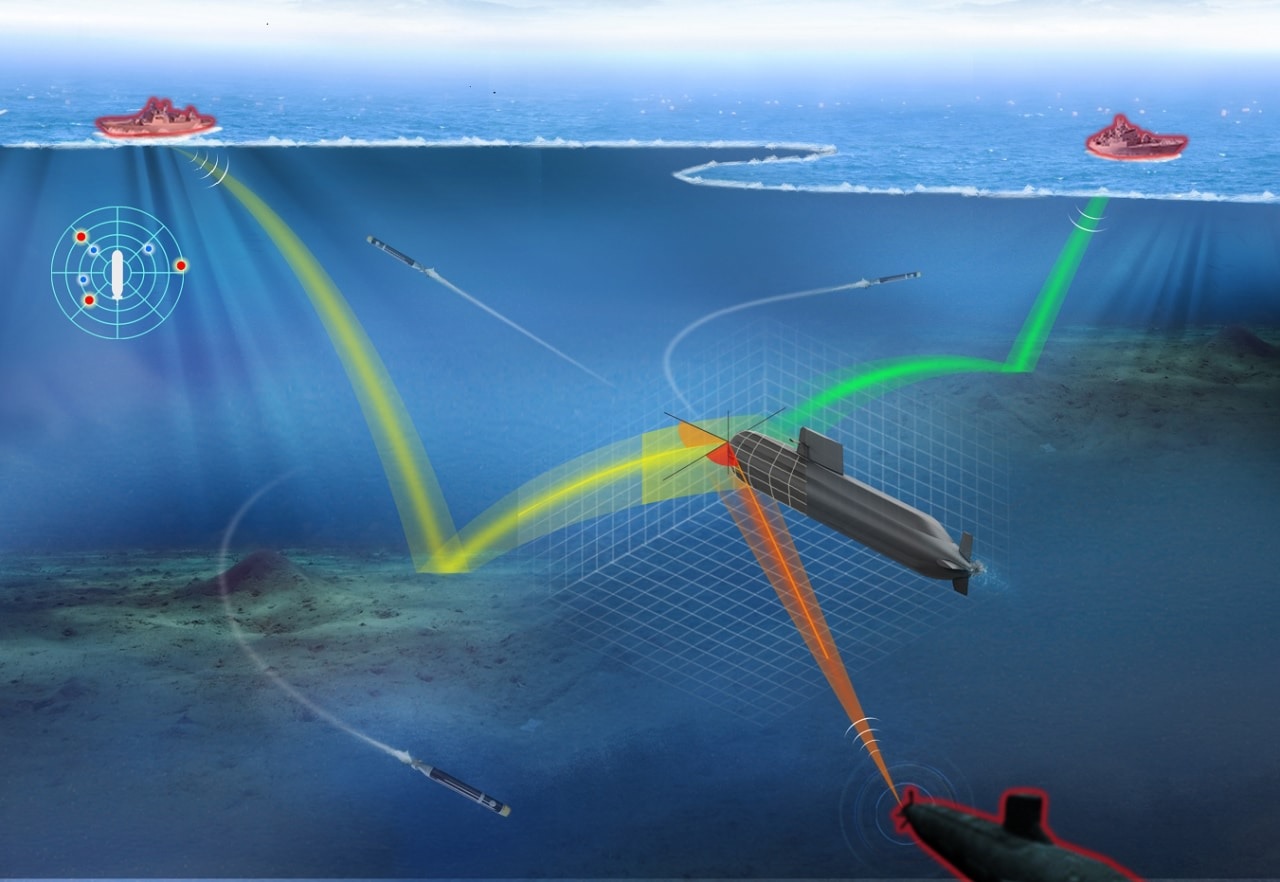
India
India's nuclear attack submarines (SSNs) are on the verge of a transformative upgrade as the Indian Navy plans to equip them with Conformal Flank Array Side Array Sonar systems. This advanced sonar technology promises to revolutionize the detection and tracking capabilities of the Indian Navy's fleet, providing a decisive edge in underwater warfare. What is Conformal Flank Array Sonar? Flank array sonar systems consist of hydrophones arranged strategically along the submarine’s hull, enabling 360-degree passive acoustic monitoring. Unlike traditional bow-mounted sonar, flank arrays offer a wider aperture for detecting sounds, significantly enhancing acoustic sensitivity. This makes them particularly effective for identifying low-frequency sounds emitted by other submarines, surface vessels, and even incoming torpedoes. The Conformal Flank Array Sonar system, specifically designed for stealth operations, excels in passive sonar capabilities. It detects underwater threats without emitting active signals, ensuring the submarine remains undetected while gathering critical intelligence about its surroundings. Key Advantages of the System Wide Acoustic Coverage: The 360-degree monitoring capability ensures comprehensive situational awareness, giving submarines the ability to track multiple targets simultaneously. Stealth and Detection Balance: The system operates passively, meaning it listens for sounds without transmitting signals that could reveal the submarine's position. Enhanced Tracking of Low-Frequency Signals: Low-frequency acoustic detection is particularly useful in identifying long-range threats, such as distant enemy submarines or surface ships. Hull Integration: Unlike towed arrays, which can hinder maneuverability, flank arrays are integrated into the submarine’s hull. This makes them more robust and reliable during high-speed operations. Overcoming Operational Challenges While the advantages of flank array sonar systems are significant, there are operational limitations. The performance of the array is tied to the submarine’s hull dimensions, which may restrict its sensitivity in deep-sea environments. Furthermore, the system requires advanced noise-filtering technology to differentiate between external threats and the submarine's own noise. Despite these constraints, the Conformal Flank Array Sonar system remains a powerful tool for enhancing underwater surveillance and survivability. Strategic Implications for India Integrating this cutting-edge technology into its SSNs reflects India's commitment to advancing its naval capabilities amid increasing regional maritime challenges. With adversaries such as China expanding their underwater fleets, the Indian Navy's adoption of flank array sonar systems represents a strategic move to maintain an edge in underwater detection and tracking. Moreover, these systems will bolster the Indian Navy's ability to operate in contested waters, whether in the Indian Ocean Region or beyond. Enhanced detection capabilities will allow submarines to identify and neutralize threats long before they become imminent, ensuring greater safety and effectiveness during missions. A Step Towards Future-Ready Naval Forces By equipping its nuclear attack submarines with Conformal Flank Array Sonar systems, the Indian Navy is investing in survivability and superiority in underwater warfare. This integration underscores India's broader efforts to modernize its submarine fleet and establish dominance in the underwater domain. As these systems are deployed, the Indian Navy will significantly enhance its ability to defend national interests and project power in the region. This upgrade, combined with India's indigenous defense initiatives, positions the country as a formidable player in modern naval warfare, ensuring its submarines remain a critical asset in safeguarding maritime security.
Read More → Posted on 2024-12-25 14:23:17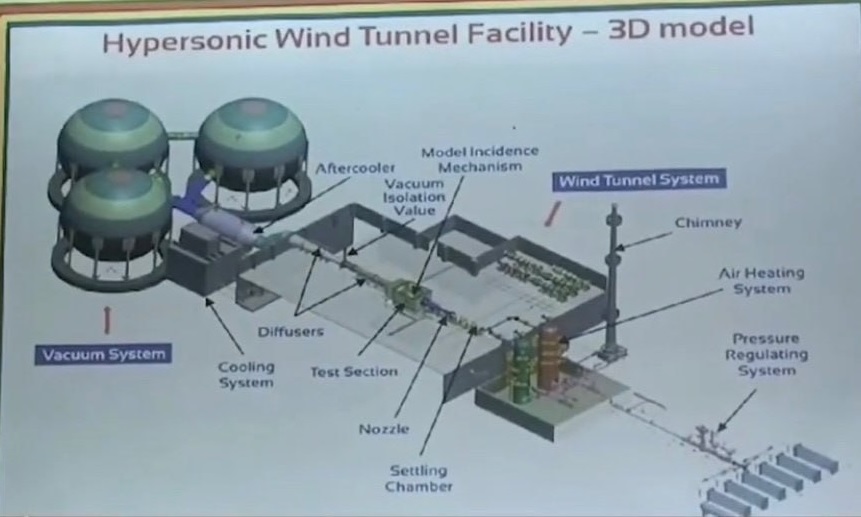
India
In a groundbreaking development, the Defence Research and Development Organisation (DRDO) has completed 1,000 successful tests at its state-of-the-art Hypersonic Wind Tunnel (HWT) facility. This achievement places India among an elite group of nations—the United States, Russia, China, and France—with the capability to test advanced hypersonic systems, marking a significant stride in indigenous defense research and technology development. Hypersonic Wind Tunnel: A Critical Asset The HWT, established in Hyderabad, is a key enabler for developing hypersonic systems, capable of testing air-breathing engines, re-entry vehicles, and other critical defense technologies. Hypersonic speeds, defined as Mach 5 and above, present unique aerodynamic and thermal challenges. The HWT allows researchers to simulate these extreme conditions, enabling precise testing and validation of materials, designs, and technologies before full-scale production. The facility's advanced features include: Mach Number Range: The tunnel can simulate speeds ranging from Mach 5 to Mach 12, covering a wide spectrum of hypersonic regimes. State-of-the-Art Diagnostics: Equipped with advanced optical and pressure-based measurement systems, it ensures high-fidelity data collection. Thermal Management: The system can replicate extreme thermal conditions, critical for testing the heat resistance of hypersonic vehicles. Large Test Section: The tunnel’s size enables testing of full-scale models, reducing reliance on scaled-down prototypes and improving accuracy. Achievements and Applications Over the course of 1,000 tests, the HWT has supported the development of numerous indigenous technologies. Key achievements include: Hypersonic Air-Breathing Engines: The facility played a vital role in advancing the Hypersonic Technology Demonstrator Vehicle (HSTDV), a platform critical for developing future hypersonic cruise missiles. Thermal Protection Systems: Validating heat-resistant materials for re-entry vehicles has been a major focus, ensuring survivability during atmospheric re-entry. Aerodynamic Refinements: Optimizing the designs of missiles, UAVs, and space systems for hypersonic travel. Strategic Implications India's capability to conduct hypersonic research is pivotal for its defense and space ambitions. Hypersonic weapons are seen as the next frontier in military technology, offering unparalleled speed and maneuverability, making them difficult to intercept. The HWT ensures that India remains at the forefront of this technological race, reducing dependency on foreign testing facilities and enhancing self-reliance. Moreover, the facility’s versatility extends to civilian applications, such as satellite re-entry systems and high-speed aerospace vehicles, underscoring its broad utility. Global Context The United States, Russia, China, and France have long dominated the hypersonic domain, leveraging advanced facilities to maintain technological superiority. With its HWT, India now joins this league, demonstrating its commitment to bridging the technology gap and contributing to global advancements in hypersonics. Future Prospects As DRDO continues to expand its capabilities, the HWT is expected to play a central role in upcoming projects, including: Operational Hypersonic Missiles: Developing fully operational hypersonic weapons systems to enhance strategic deterrence. Reusable Launch Vehicles (RLVs): Supporting ISRO’s efforts to create cost-effective and reusable space systems. Advanced Materials Research: Driving innovations in materials science for extreme conditions. Conclusion The completion of 1,000 tests at the Hypersonic Wind Tunnel is a testament to India’s growing prowess in advanced defense technologies. This milestone not only boosts the nation’s defense capabilities but also cements its position as a key player in the global hypersonics race. As DRDO continues to leverage the HWT for groundbreaking research, India’s vision of technological self-reliance takes another significant step forward.
Read More → Posted on 2024-12-24 15:39:16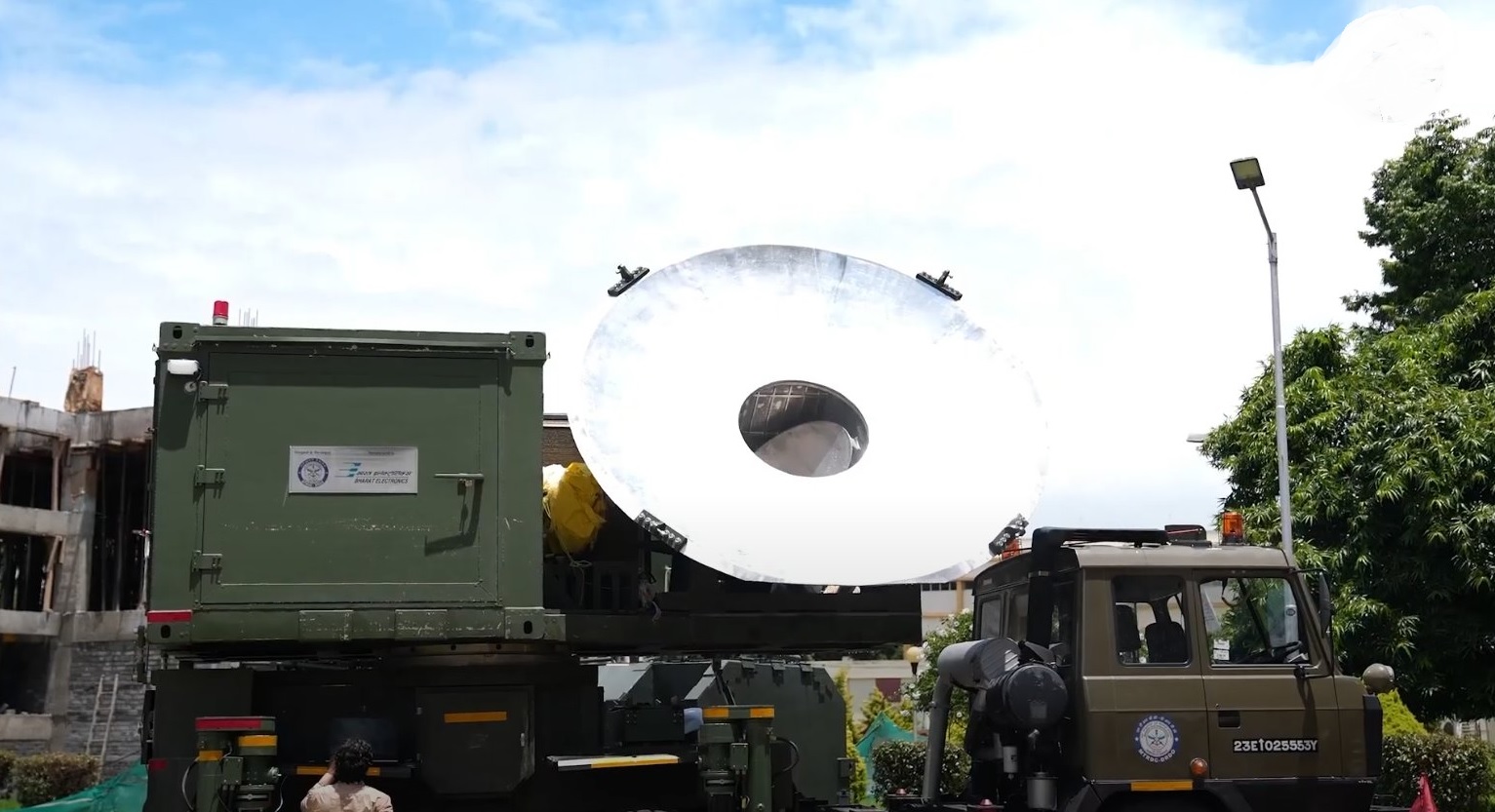
India
In a rare public showcase, the Defence Research and Development Organisation’s (DRDO) Microwave Tube Research and Development Centre (MTRDC) revealed its cutting-edge High Power Microwave (HPM) System. The unveiling, highlighted in a video by Bharat-Shakti, offers a glimpse into India's strides in indigenous defence technology, particularly in the realm of electronic warfare. The HPM system represents a significant leap forward in modern warfare technology, capable of disrupting and disabling electronic systems with precision. It emits high-intensity microwave pulses designed to interfere with the circuitry of devices such as drones, missiles, and other electronic equipment, rendering them non-operational without causing physical damage. This makes it a revolutionary tool for non-lethal electronic warfare. Key Features of the HPM System Non-Lethal NeutralizationUnlike traditional weapons that rely on kinetic energy to destroy targets, the HPM system provides a non-lethal solution. It is particularly effective in situations requiring the neutralization of electronic threats without collateral damage, making it an invaluable asset for anti-drone and electronic warfare operations. Range and PowerWith a range of up to 1 kilometer, the system is capable of generating sufficient power to affect multiple targets simultaneously. This capability makes it ideal for countering swarms of drones or disrupting missile guidance systems. Versatility Across ThreatsDesigned for adaptability, the HPM system can counter a wide range of threats, from small commercial drones to larger unmanned aerial vehicles (UAVs) and potentially even advanced missile systems. This versatility underscores its role in safeguarding modern battlefields and sensitive installations. Strategic Significance The introduction of the HPM system highlights India’s growing emphasis on indigenous defence technologies. By developing such advanced systems in-house, DRDO not only strengthens India’s self-reliance in defence but also positions the country as a leader in next-generation warfare solutions. The system aligns with global trends in leveraging directed-energy weapons (DEWs) to address emerging threats such as drone swarms and electronic infiltration. Potential Applications The HPM system could be deployed across various scenarios: Battlefield Operations: Neutralizing enemy drones or disabling communication systems. Infrastructure Protection: Securing critical installations, such as airports and power grids, against drone attacks. Anti-Missile Defence: Disrupting missile guidance systems before they can reach their targets. The Road Ahead The unveiling of the HPM system also sheds light on the broader research and development efforts of MTRDC, which is renowned for its focus on microwave tubes, radar systems, and related technologies. As global defence systems increasingly lean towards electronic warfare, the HPM system positions India at the forefront of this transformation. In conclusion, DRDO's High Power Microwave System is more than just a technological marvel; it’s a testament to India’s capabilities in pioneering advanced defence solutions. Its non-lethal, versatile, and precise nature makes it a cornerstone of future warfare, offering a glimpse into the evolving face of modern combat.
Read More → Posted on 2024-12-24 15:26:21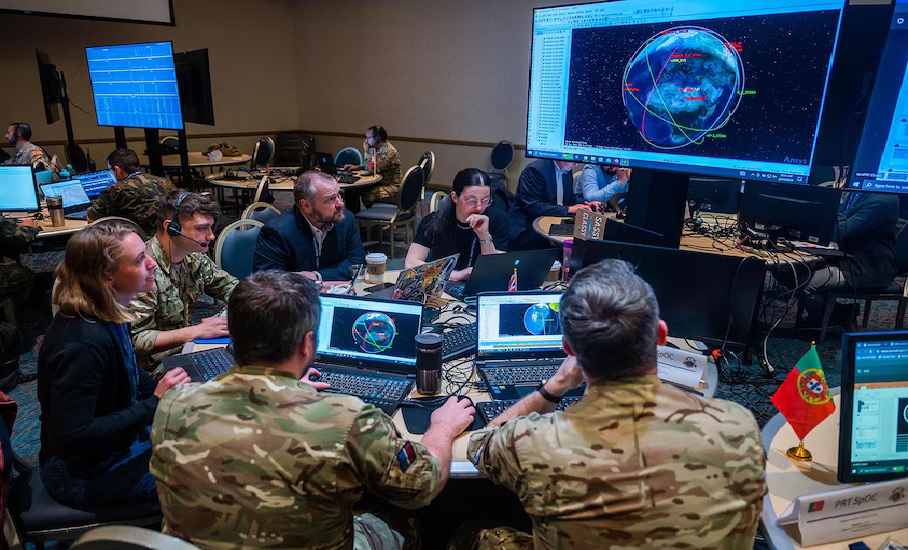
India
India is set to bolster its global space defense capabilities by participating in the United States Space Command's highly anticipated Global Sentinel Exercise 2025. Scheduled to take place at the Vandenberg Space Force Base in California, this strategic exercise underscores India's growing commitment to space security and its collaboration with international partners in safeguarding the space domain. A Pivotal Step in Space Security Collaboration Global Sentinel, an annual event organized by the US Space Command, is a premier multinational space domain awareness (SDA) exercise. It brings together allied nations to practice and refine coordination mechanisms to address challenges such as satellite collisions, space debris management, and threats to critical space infrastructure. For India, this marks a significant step toward integrating with global frameworks for space situational awareness and defense. India’s participation follows years of steady progress in space technology and defense under the aegis of the Indian Space Research Organisation (ISRO) and the Defence Space Agency (DSA). By joining this high-profile exercise, India is not only showcasing its technical prowess but also reinforcing its position as a key stakeholder in the peaceful and secure use of outer space. What the Exercise Entails Global Sentinel focuses on real-time collaborative problem-solving in space operations, emphasizing transparency, shared situational awareness, and coordinated responses. Participants engage in complex scenarios designed to simulate potential threats, such as: Avoiding collisions between satellites. Addressing cyber-attacks on space infrastructure. Mitigating the impact of space debris on orbiting assets. India’s delegation, which will include representatives from ISRO, DSA, and other related agencies, is expected to contribute significantly to discussions on advanced SDA technologies. The country’s expertise in tracking and cataloging orbital objects, as demonstrated through its NETRA (Network for Space Objects Tracking and Analysis) project, aligns perfectly with the exercise’s objectives. Strengthening Indo-US Space Ties India’s involvement also signifies deepening ties between New Delhi and Washington in the field of space security. Recent years have seen both nations signing key agreements, such as the Space Situational Awareness Memorandum of Understanding in 2022, which paved the way for data-sharing on orbital debris and satellite positioning. The Global Sentinel Exercise serves as another milestone in this partnership, offering India an opportunity to integrate with allied nations in building a resilient and secure space environment. It also highlights India's proactive stance in countering emerging threats to space assets, particularly in the Indo-Pacific region where strategic interests increasingly extend to outer space. Implications for India’s Space Security Goals Participation in exercises like Global Sentinel enables India to: Gain insights into best practices for SDA. Strengthen its response mechanisms against anti-satellite (ASAT) threats. Enhance inter-agency coordination between ISRO, DSA, and other defense entities. Moreover, this engagement complements India’s broader ambitions to establish itself as a space superpower. With missions like Chandrayaan-3 and Aditya-L1 demonstrating technological leadership, India’s contributions to the security dimension of space further cement its status as a responsible spacefaring nation. A Collaborative Future in Space As outer space becomes increasingly contested and congested, exercises like Global Sentinel play a critical role in fostering international collaboration. India’s participation is not just a testament to its advanced space capabilities but also a reflection of its commitment to working alongside global partners to maintain the sanctity of the final frontier. The Global Sentinel Exercise 2025 will undoubtedly serve as a platform for India to exchange knowledge, demonstrate its expertise, and solidify its place in the global efforts to ensure a safe, secure, and sustainable space environment for generations to come.
Read More → Posted on 2024-12-24 15:18:34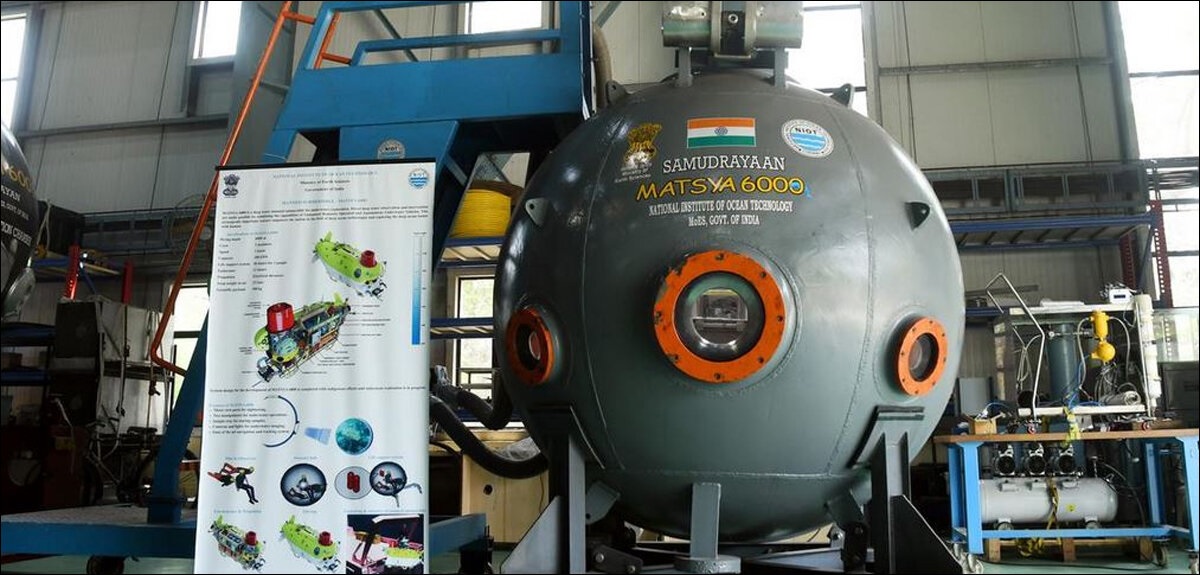
India
India’s National Institute of Ocean Technology (NIOT) is set to achieve a major milestone in its ambitious deep-sea exploration program as it conducts trials of the Matsya 6000 deep submersible vessel. Dubbed Samudrayan, this pioneering mission is expected to push the boundaries of India’s oceanographic research capabilities. The trials, scheduled for next week, will take place off the coast of Chennai, where NIOT is headquartered. Matsya 6000: India’s Gateway to the Deep Sea The Matsya 6000, designed and developed indigenously by NIOT under the Ministry of Earth Sciences, is a state-of-the-art submersible vessel engineered for deep-sea exploration. It is capable of diving to a depth of 6,000 meters, making it one of the most advanced vessels in its category. Constructed with titanium alloy, the vessel’s spherical cabin is built to withstand extreme pressures, allowing it to operate in the challenging environment of the deep ocean. The submersible is designed to carry three crew members for missions lasting up to 12 hours, with an additional 96-hour life support capacity in case of emergencies. Equipped with high-resolution cameras, robotic arms, and a range of scientific instruments, the Matsya 6000 can conduct tasks such as collecting sediment samples, studying marine biodiversity, and inspecting mineral deposits in the deep ocean. Significance of the Trials The upcoming trials are a crucial step in ensuring the submersible's operational readiness and safety. These tests will validate its structural integrity, navigation systems, and life-support mechanisms in real-world conditions. NIOT will conduct unmanned trials initially, gradually progressing to manned dives once the submersible’s systems are fully verified. If successful, the Matsya 6000 will play a pivotal role in India’s Deep Ocean Mission (DOM), a ₹4,077 crore initiative aimed at exploring the vast and largely untapped potential of the deep sea. This includes studying polymetallic nodules, cobalt-rich crusts, and other critical resources on the ocean floor, which could bolster India’s energy and resource security. Boost to India’s Oceanographic Expertise Samudrayan is not merely a technological achievement but also a symbol of India’s growing prowess in oceanographic research. With the Matsya 6000, India joins an elite group of countries, including the United States, Russia, and Japan, that possess the capability to explore depths beyond 6,000 meters. The project is also a testament to India’s commitment to sustainable development. By enhancing its ability to explore the deep ocean, India is positioning itself to contribute to global efforts in understanding marine ecosystems, mitigating climate change, and advancing blue economy initiatives. Looking Ahead The successful trials of Matsya 6000 will pave the way for its deployment in full-fledged scientific missions, potentially by 2025. These missions will provide invaluable insights into the deep ocean, a region often described as Earth’s final frontier. As NIOT gears up for the trials next week, all eyes are on Chennai, where this groundbreaking step in India’s maritime and scientific journey is set to unfold. The Matsya 6000 represents not just a technological triumph but a beacon of hope for sustainable exploration and utilization of the world’s oceans.
Read More → Posted on 2024-12-24 14:54:10Search
Top Trending in 24 Hours
-
 Pentagon Expands Alloy Surfaces Contract to $328.8 Million for Advanced Aircraft Decoy Flares Amid Evolving Drone Threats
-
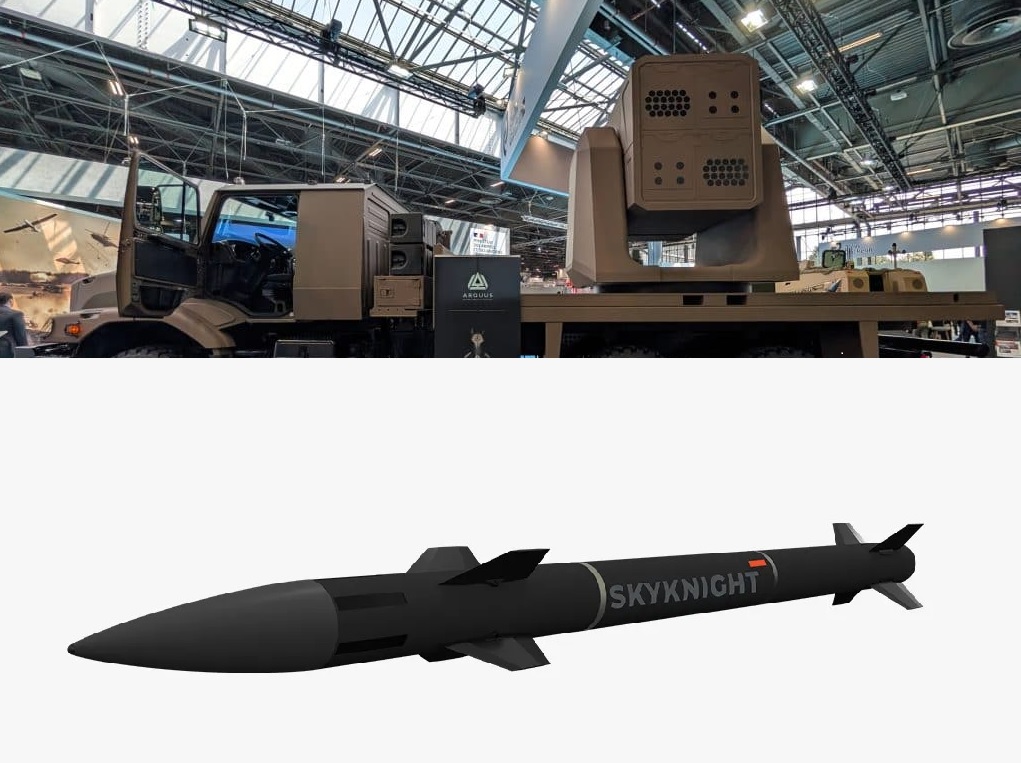 Naval Group Unveils Rampart Modular CIWS Multi-Purpose Weapon System for Naval and Ground Forces at Eurosatory 2026
-
 Why the U.S. Restored Pacific Command Name, Ending the Indo-Pacific Designation After Eight Years
-
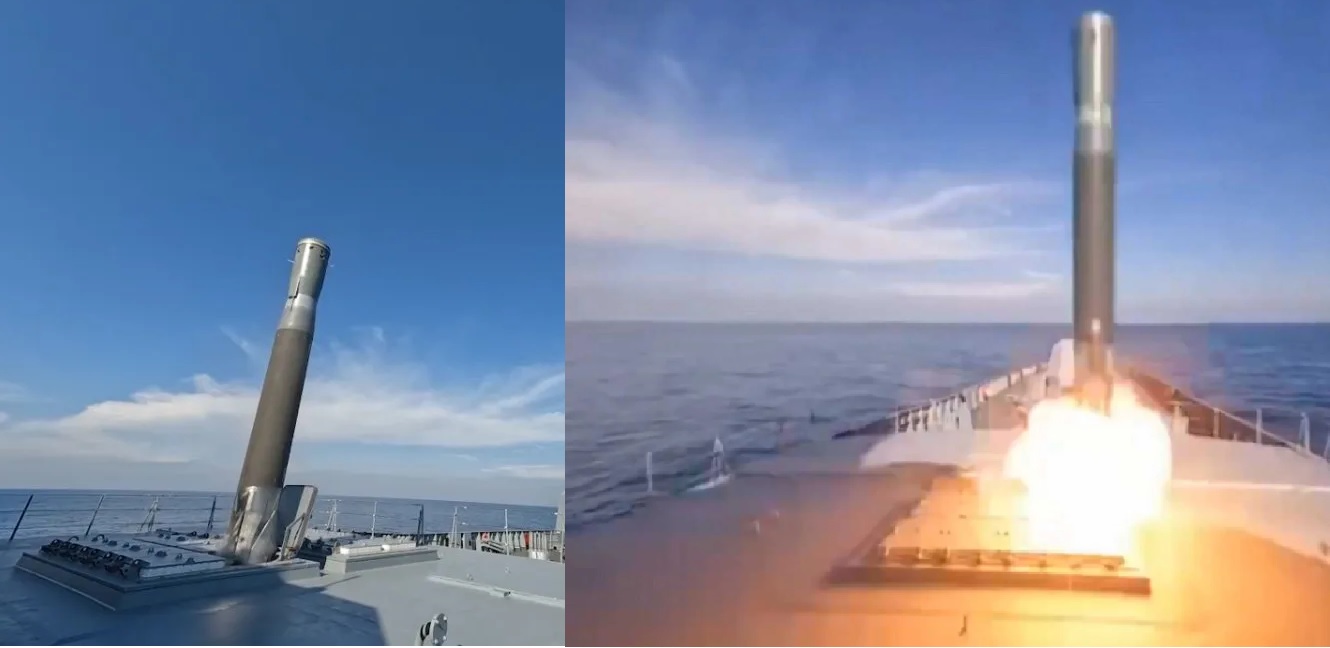 Open-Source Evidence Suggests Russia's Zircon Is a Quasi-Ballistic Missile, Not a True Hypersonic Cruise Weapon
-
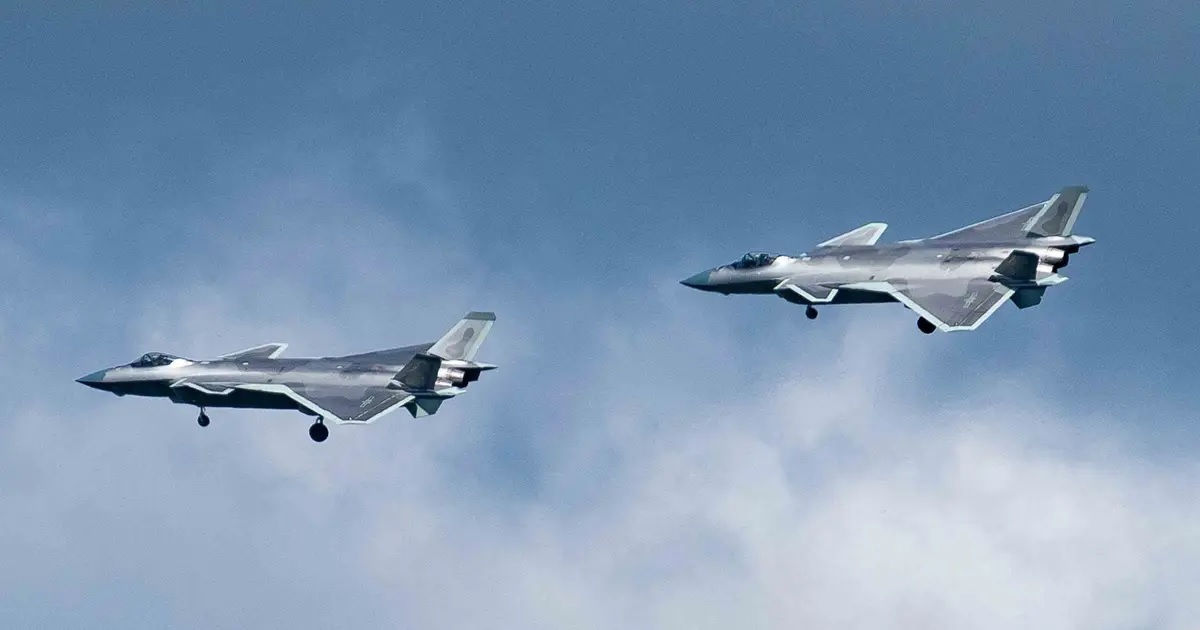 China Surpasses Russia as World’s Second-Most Powerful Air Force Amid Rapid J-20 and J-35 Expansion
-
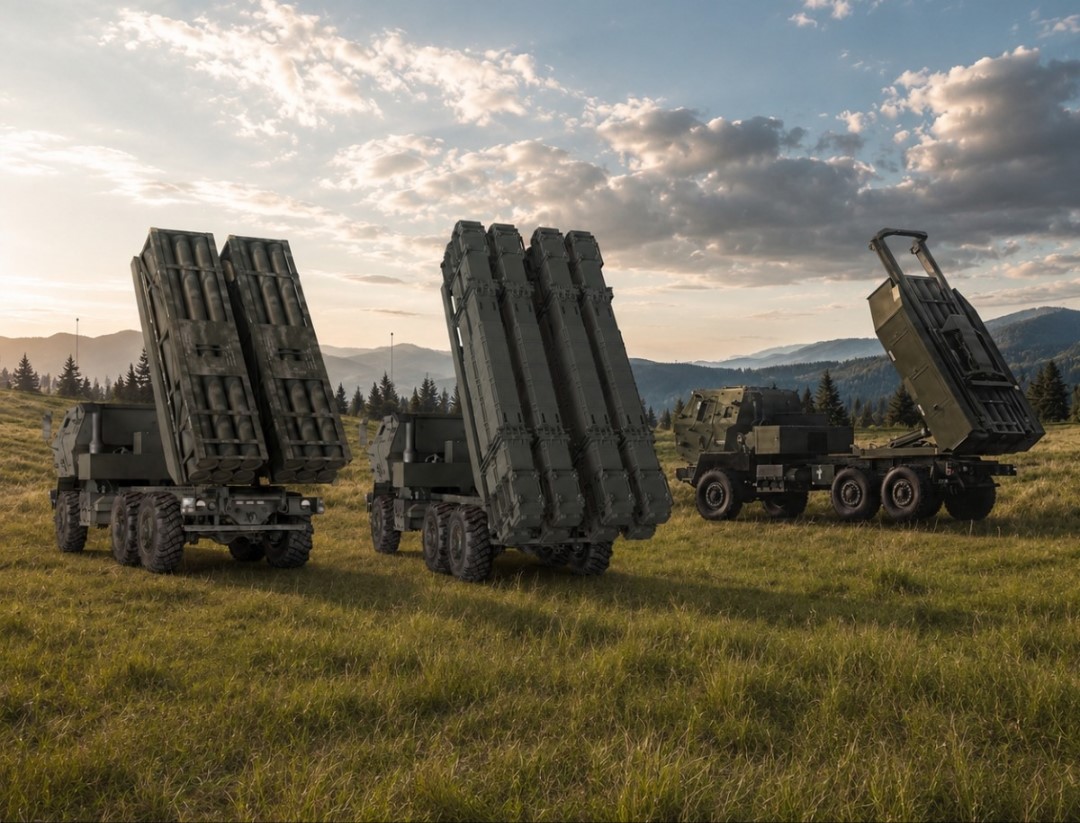 Lockheed Martin Unveils HIMARS FLEX with Dual-Pod Launcher and NATO-Compatible Air Defense Integration
-
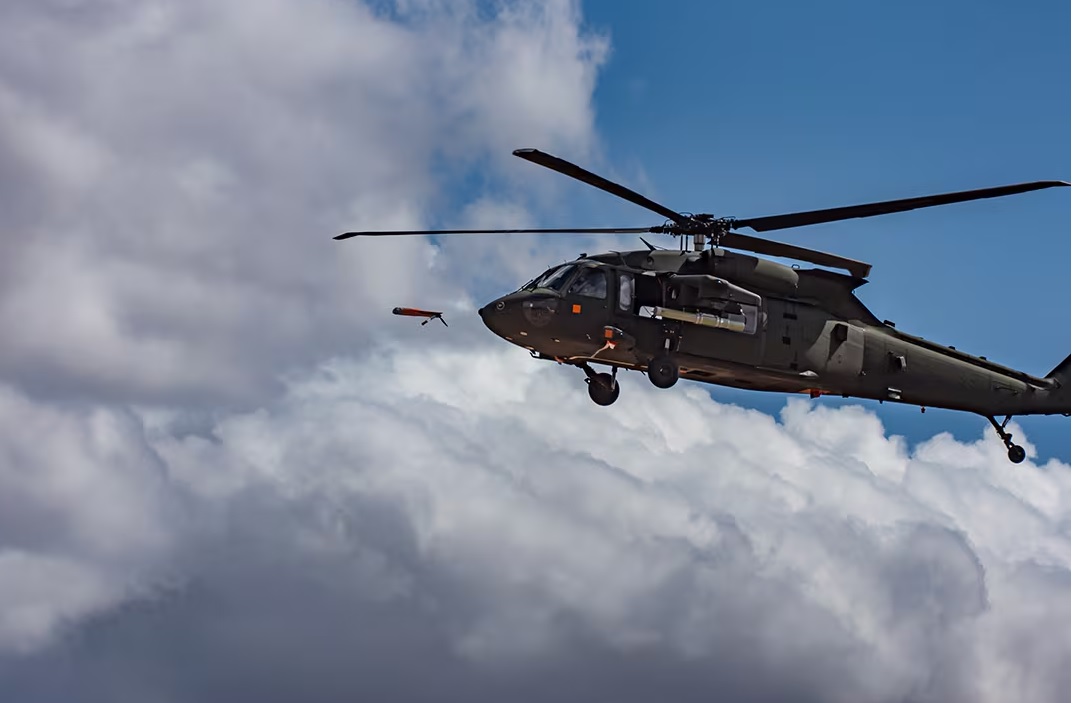 U.S. Army Completes First Flight Test of Medium-Range Air-Launched Effects from Black Hawk Helicopter
-
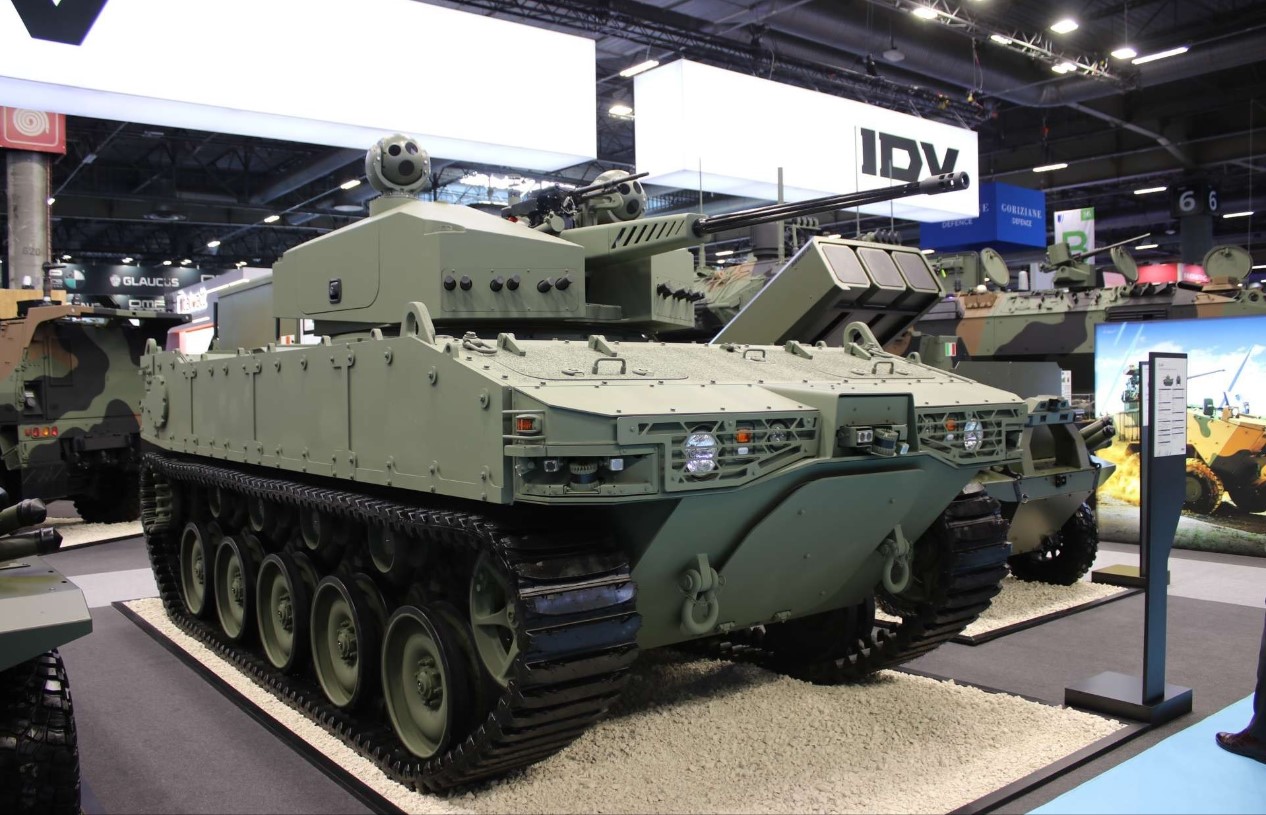 IDV Unveils CL2X Hybrid Uncrewed Light Tank at Eurosatory 2026
Top Trending in 4 Days
-
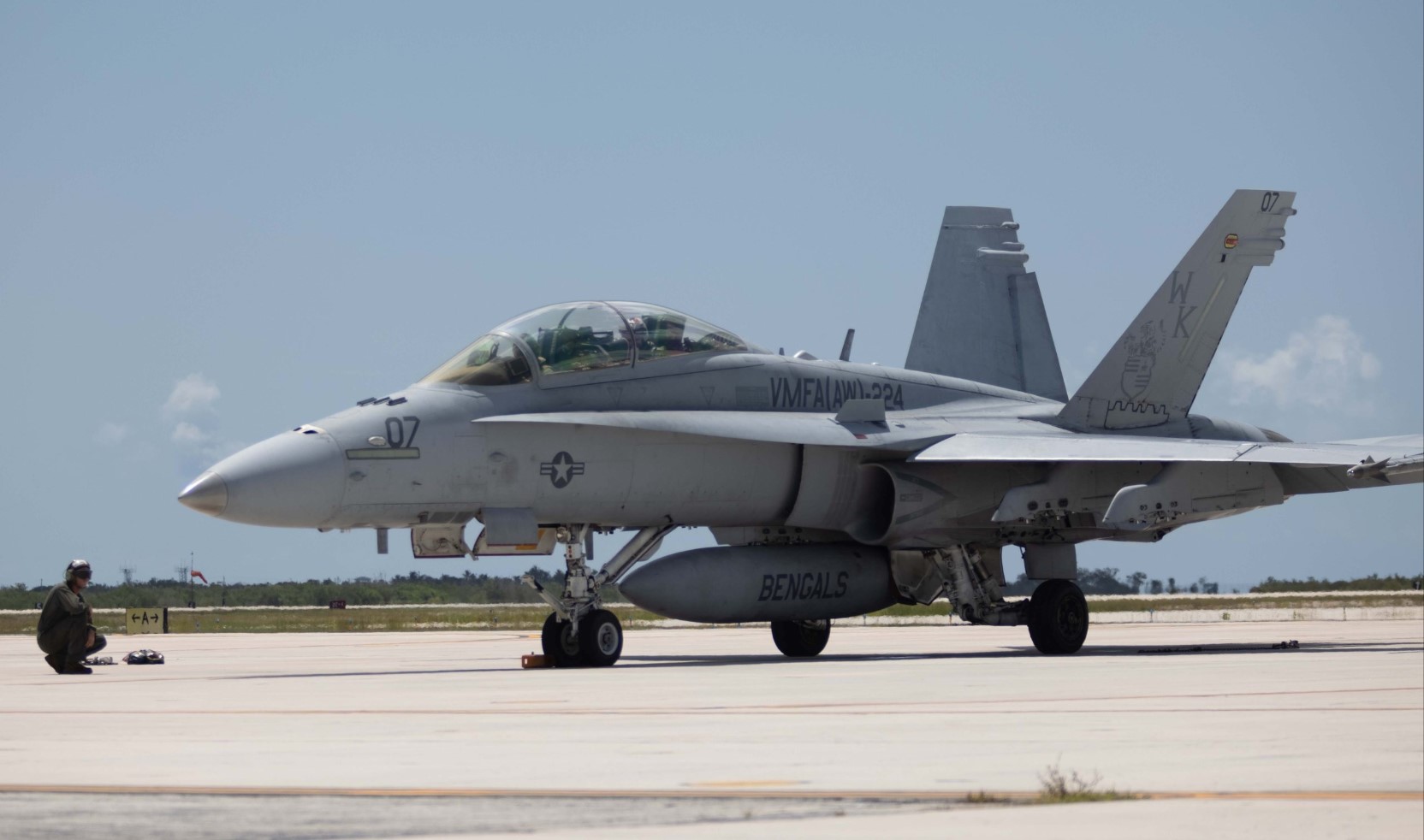 US Marine Corps F/A-18D Hornet Crashes During Training Flight in Washington Mountains; Pilot Ejects Safely
-
 Tulsi Gabbard Releases Declassified Files Detailing U.S.-Backed Network of 120 Biolaboratories Across 30+ Countries
-
 8 U.S. Air Force Crew Members Killed in B-52 Bomber Crash During Test Flight at Edwards Air Force Base
-
 Ukraine Introduces Balloon-Launched DART Missile Designed to Defeat Electronic Warfare
-
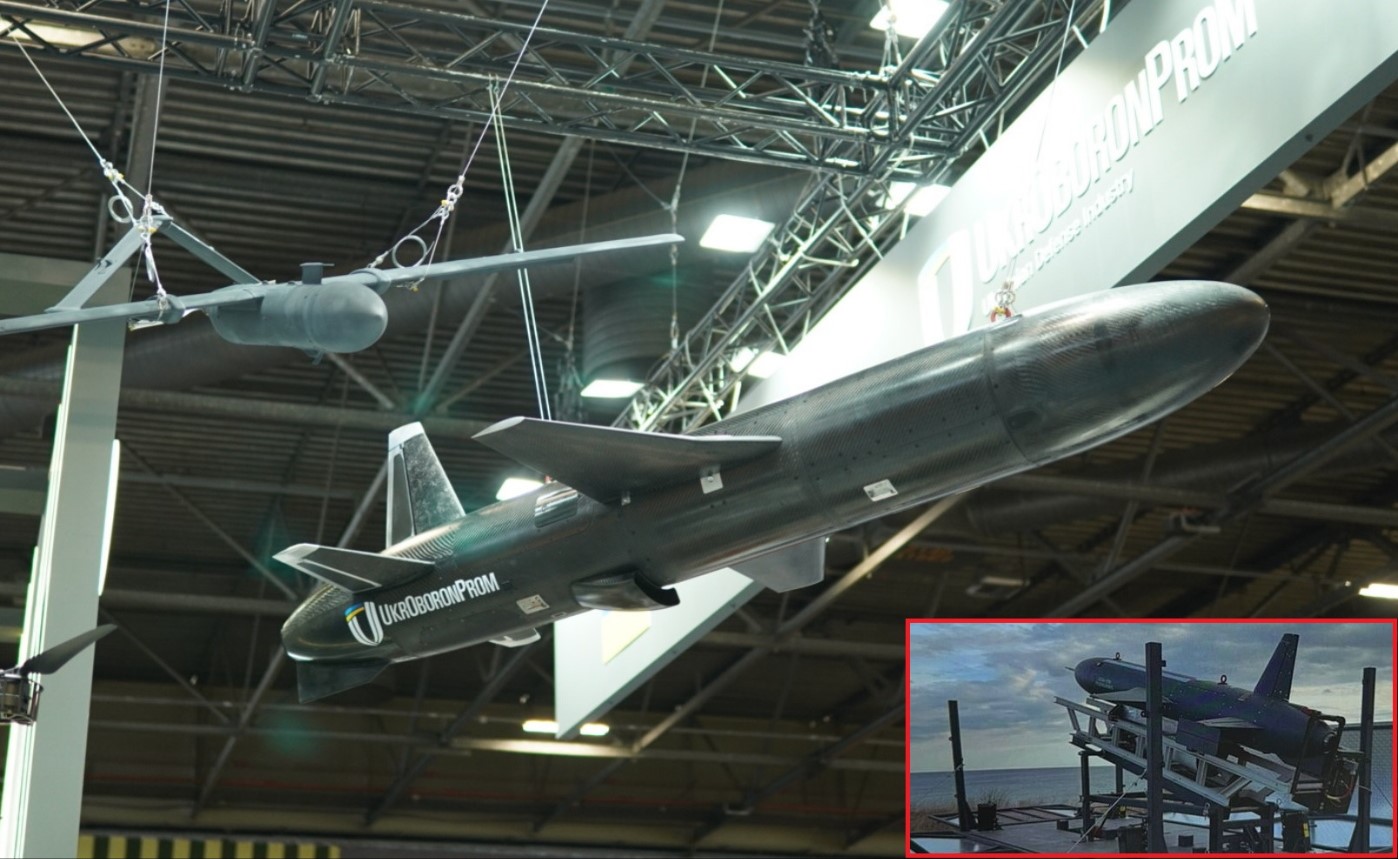 Ukraine Unveils UAV-290 Jet-Powered Strike Drone with 650 km Range at Eurosatory 2026
-
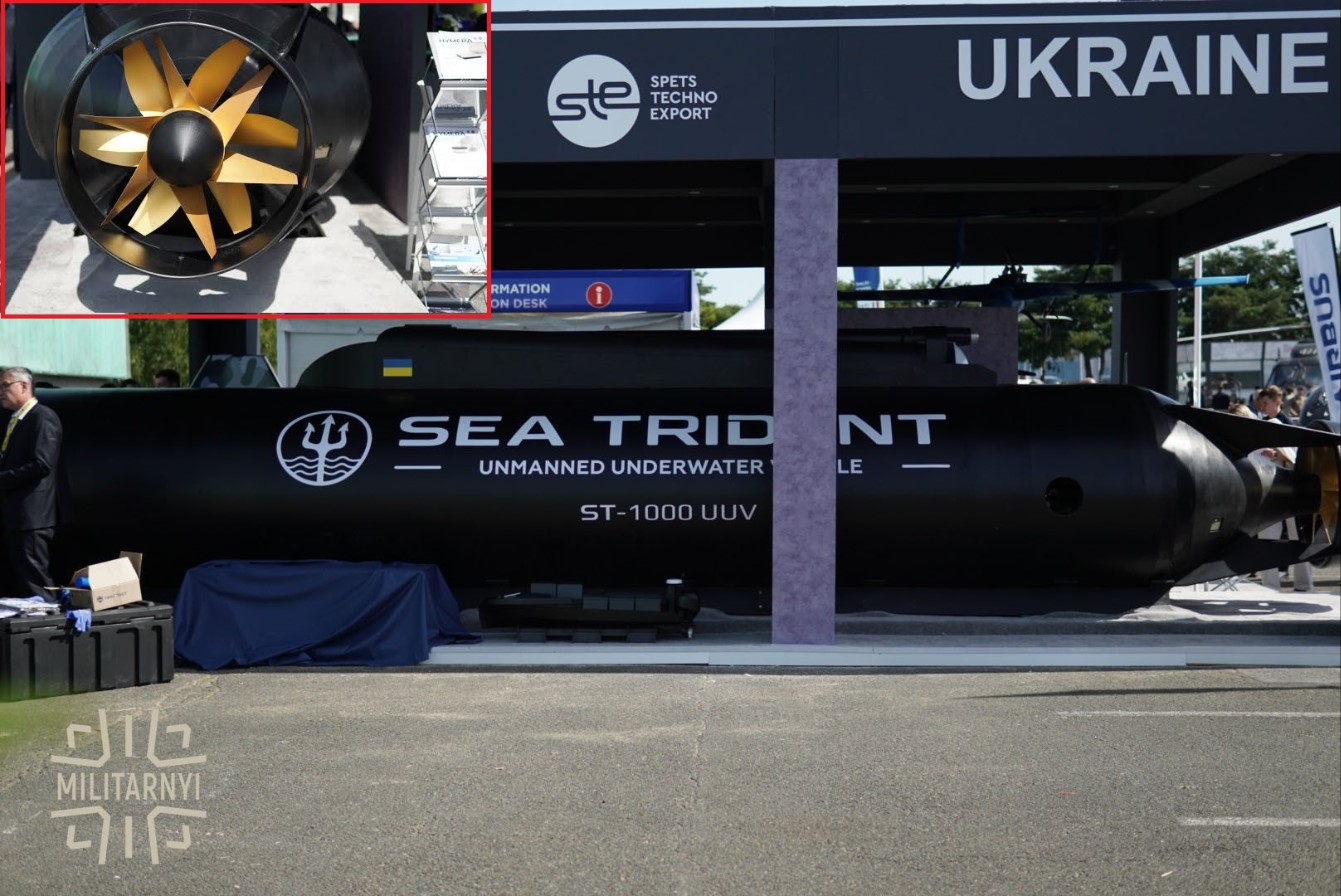 Ukraine Unveils 'Sea Trident' 10-Ton Autonomous Underwater Drone at Eurosatory 2026
-
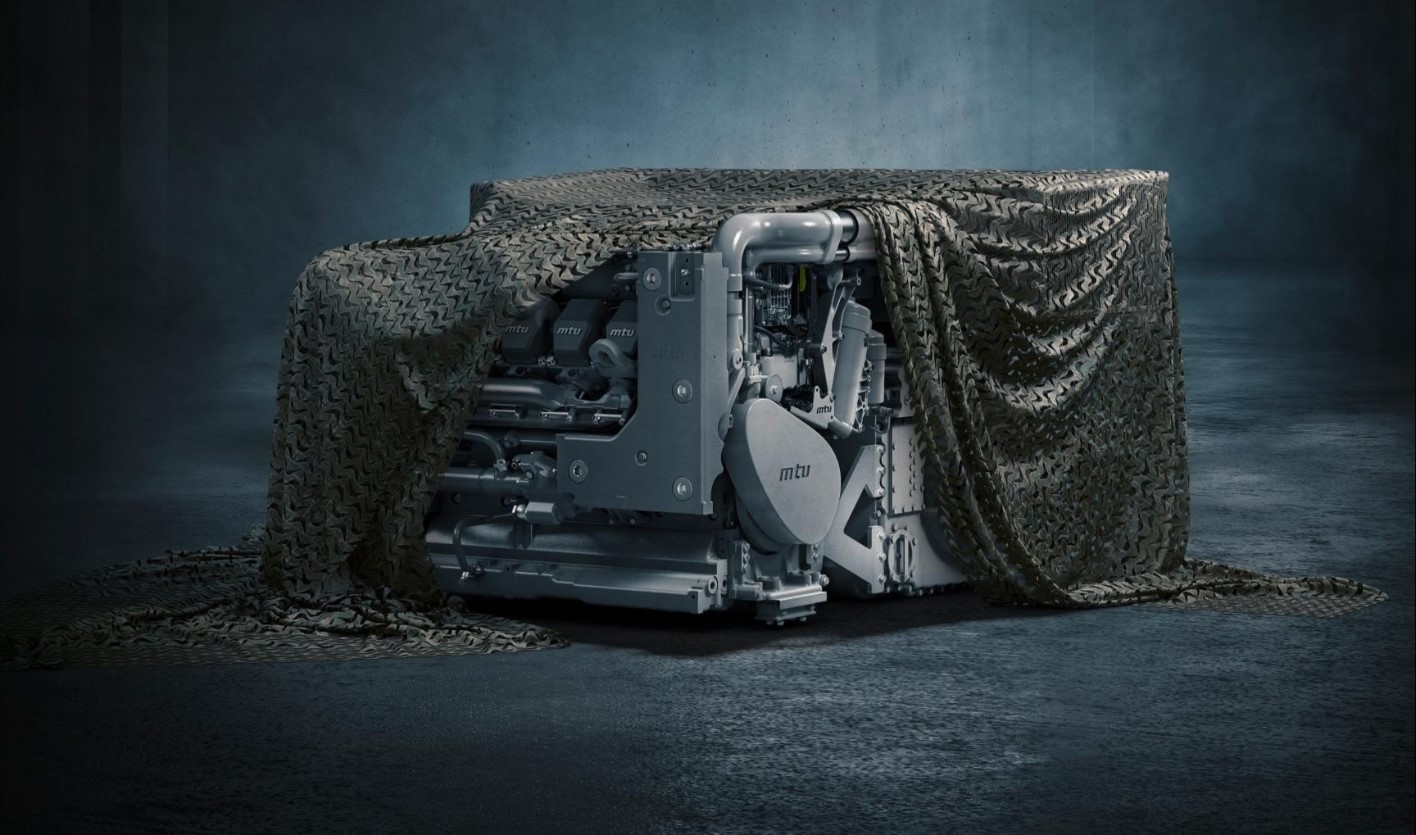 Rolls-Royce Unveils New Hybrid Powertrain for Heavy Military Vehicles at Eurosatory 2026
-
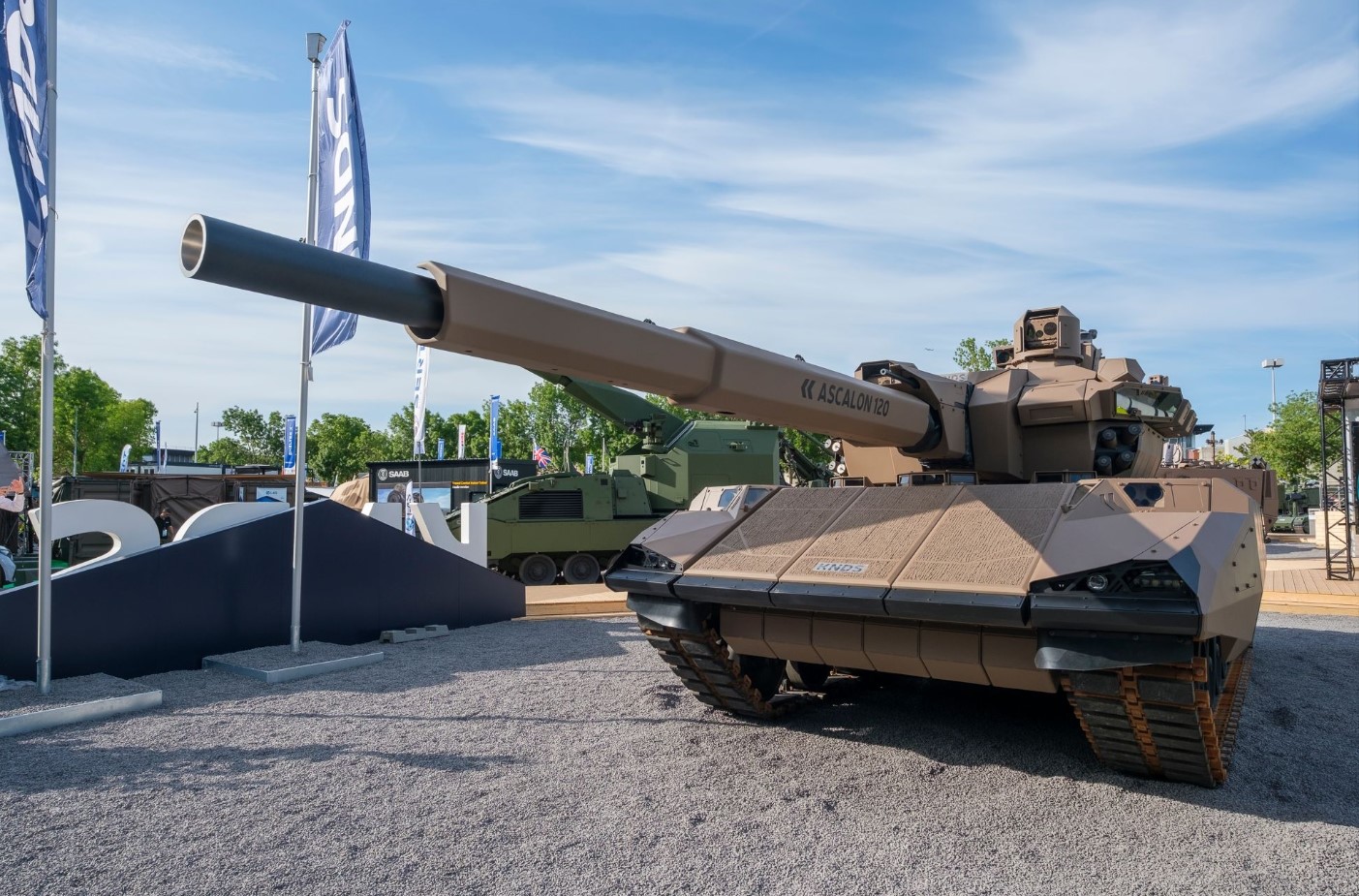 KNDS Unveils CAPINT Main Battle Tank at Eurosatory 2026 as Leclerc Stopgap