
India
Hindustan Aeronautics Limited (HAL), India’s state-owned aerospace and defense behemoth, has set its sights on revolutionizing air combat capabilities with the development of the CATS Warrior, a state-of-the-art Loyal Wingman Unmanned Combat Aerial Vehicle (UCAV). This advanced system, part of the broader Combat Air Teaming System (CATS) initiative, is being positioned as a game-changer for the Indian Air Force (IAF). With a targeted price tag of under $5 million per unit, the CATS Warrior promises a blend of affordability, versatility, and cutting-edge technology that is set to redefine the role of UCAVs in modern warfare. A Technological Marvel in the Making The CATS Warrior is being built as a stealthy, highly autonomous aerial platform capable of operating at altitudes between 36,000 and 40,000 feet. Its operational radius of 300 kilometers and endurance of up to two hours make it an ideal candidate for a variety of combat missions, particularly those deemed too risky for manned aircraft. The platform's low observability is enhanced by its stealth-optimized design, enabling it to penetrate heavily contested airspaces and operate effectively in hostile environments. At the heart of this innovation is the use of two PTAE-W turbojet engines, an upgraded iteration of the propulsion systems initially developed by India’s Defence Research and Development Organisation (DRDO) for the Lakshya pilotless target aircraft. These engines ensure a reliable and efficient power source for the CATS Warrior, leveraging proven technology while keeping production costs low. Multi-Role Capabilities for Diverse Combat Needs The CATS Warrior has been designed with modularity in mind, making it a highly adaptable platform for a range of operational roles. Its versatility ensures that it can seamlessly transition between offensive and defensive missions, depending on the battlefield scenario. Air Superiority: Equipped with a compact Active Electronically Scanned Array (AESA) radar, the UCAV can intercept and neutralize airborne threats such as enemy drones, UAVs, and attack helicopters. This capability ensures that the Warrior can dominate contested airspaces, acting as a force multiplier for IAF fighter jets. Precision Strike Missions: The UCAV is armed with two Smart Anti-Airfield Weapons (SAAW), precision-guided munitions developed by DRDO. These allow the Warrior to conduct surgical strikes on enemy airfields, radar installations, and other high-value targets, crippling adversary infrastructure with minimal risk to human pilots. A Force Multiplier for India’s Air Force HAL envisions the CATS Warrior as an indispensable asset for the IAF. With its affordable price point and high production scalability, the UCAV is set to be procured in large numbers, potentially transforming the composition of India’s aerial combat fleet. By acting as a Loyal Wingman to manned aircraft like the Tejas fighter, the Warrior can extend the combat reach and situational awareness of the IAF while reducing the risk to pilots in high-stakes scenarios. Additionally, the CATS Warrior’s low operating costs and advanced capabilities align perfectly with India’s vision of developing a self-reliant defense ecosystem. The platform’s indigenous design and reliance on domestically produced components underscore HAL’s commitment to the "Make in India" initiative. Looking Ahead With the CATS Warrior, HAL is not just delivering a new UCAV; it’s laying the foundation for a new era in Indian air combat. The platform’s unique combination of stealth, adaptability, and affordability makes it a promising candidate to address the IAF’s evolving operational needs. As development progresses, the Warrior is poised to become a cornerstone of India’s aerial defense strategy, enabling the country to maintain a technological edge in a rapidly changing security landscape. This innovative UCAV, which marries cost-effectiveness with advanced capabilities, is emblematic of India’s growing prowess in indigenous defense technology—a leap forward that places HAL and the IAF firmly on the global map of modern air warfare.
Read More → Posted on 2024-12-06 15:57:51
India
In a landmark move to bolster defense cooperation between India and Saudi Arabia, Zeus Numerix, a prominent Indian defense technology firm, showcased its advanced munitions and innovative solutions at the Saudi-India Defence Industry Seminar held in Riyadh. The seminar, a key event for strengthening bilateral ties, highlighted India’s growing expertise in defense manufacturing and its potential to contribute to Saudi Arabia's defense modernization efforts. Zeus Numerix, known for its groundbreaking work in defense technology, presented a suite of products that address the dynamic challenges of modern warfare. Among the highlights were solutions designed to enhance precision, scalability, and cost-effectiveness in military operations—key elements in today’s battlefield environments. Precision Guidance Kits for Mortars: Revolutionizing Accuracy At the forefront of Zeus Numerix's exhibit was its Precision Guidance Kit (PGK) for mortar systems. This cutting-edge technology transforms traditional mortars into precision-strike weapons by integrating advanced guidance mechanisms. The PGK ensures unparalleled accuracy, allowing rounds to hit their intended targets with pinpoint precision while minimizing collateral damage. Such innovation not only enhances operational efficiency but also aligns with the growing emphasis on precision in modern combat scenarios. UAV Weaponization Kit: Redefining Drone Lethality Another standout was Zeus Numerix’s UAV Weaponization Kit (UVW), a modular system designed to arm unmanned aerial vehicles (UAVs) with advanced munitions. This scalable solution simplifies the integration of strike capabilities into UAV platforms, providing military forces with a flexible and sustainable approach to drone-based operations. Drone-Agnostic Solutions: Expanding Possibilities Zeus Numerix further demonstrated its leadership in drone-based munitions with two notable innovations: Ejector Rack Unit: A versatile system enabling drones to deploy a wide range of munitions with efficiency and precision. This innovation underscores the importance of adaptability in drone operations. UAV-Dropped Munition: Designed for high-impact precision strikes, these munitions significantly enhance the operational lethality of drones. By integrating such capabilities, Zeus Numerix has positioned itself as a key player in the rapidly evolving domain of unmanned warfare. A Strategic Milestone in Saudi-India Defense Relations The seminar served as a pivotal platform for Zeus Numerix and other Indian defense firms to demonstrate their technological capabilities to Saudi decision-makers. As Saudi Arabia continues to modernize its defense infrastructure under its Vision 2030 initiative, India’s growing defense industry, exemplified by firms like Zeus Numerix, is poised to play a significant role in meeting the kingdom's strategic needs. The advanced solutions showcased by Zeus Numerix not only highlight India’s defense manufacturing prowess but also align with the global trend toward precision and sustainability in military operations. By presenting innovative, cost-effective, and scalable solutions, Zeus Numerix has reinforced its commitment to addressing the evolving demands of modern armed forces. The Saudi-India Defence Industry Seminar marks a significant step in fostering a deeper partnership between the two nations, opening new avenues for collaboration in the defense sector. For Zeus Numerix, the event was an opportunity to underscore India’s readiness to contribute to global defense modernization efforts, firmly establishing itself as a reliable partner in cutting-edge military technology.
Read More → Posted on 2024-12-06 15:48:57
India
In a significant boost to the Indian Navy's maritime prowess, the Russian-built warship INS Tushil is set to be officially commissioned on December 9 in a ceremony hosted in Russia. The event, which highlights the deep military cooperation between India and Russia, will see Defence Minister Rajnath Singh as the chief guest, with Navy Chief Admiral Dinesh K. Tripathi also in attendance. This milestone underscores India's ongoing efforts to modernize its naval capabilities amidst evolving regional and global maritime challenges. A Protector Shield with Advanced Capabilities INS Tushil, the latest addition to the Indian Navy, belongs to the P1135.6 class of stealth frigates—a class renowned for its multi-dimensional combat capabilities. The ship was built at the Yantar Shipyard in Kaliningrad, Russia, and launched in October 2021. Its name, "Tushil," is derived from the Sanskrit word for "Protector Shield," symbolizing its role as a sentinel of India's maritime interests. What sets INS Tushil apart is its advanced combat systems tailored to the Indian Navy's requirements. The frigate is equipped with a sophisticated array of indigenous and Russian-made weaponry and technology. Its arsenal includes: Anti-ship missiles: These are designed to neutralize enemy warships, ensuring dominance in surface warfare. Land-attack cruise missiles: These enable precision strikes on onshore targets, extending the ship's operational reach far beyond traditional naval engagement zones. Advanced radars and sonar systems: These ensure superior situational awareness in air, surface, and sub-surface dimensions. Stealth features: The ship incorporates low radar and acoustic signatures, enhancing its survivability and effectiveness in contested environments. This frigate is part of a broader strategic initiative under an Inter-Governmental Agreement (IGA) between India and Russia. Signed in October 2018, the agreement includes the construction of four Project 1135.6 ships—two in Russia and two at Goa Shipyard Limited (GSL) in India. This collaborative effort underscores India's focus on indigenization and self-reliance while leveraging Russian expertise in shipbuilding. India's Growing Maritime Arsenal The commissioning of INS Tushil marks a significant step in strengthening India's maritime defense strategy. Designed to operate across air, surface, and underwater domains, this ship is poised to play a crucial role in safeguarding India's expansive maritime interests, from the Indian Ocean Region to distant global waters. The Indian Navy's official statement, shared on the social media platform X, encapsulates the ship's symbolic and strategic importance: "INSTushil - New Sentinel of the Seas. Set to strengthen the arsenal of the #IndianNavy on #09Dec, this mighty guardian is ready to uphold #India's Maritime Legacy." Strengthening Indo-Russian Defense Ties The induction of INS Tushil also serves as a reminder of the robust defense partnership between India and Russia, which has been a cornerstone of India's defense procurement strategy for decades. Defence Minister Rajnath Singh's presence at the commissioning ceremony reflects the continued emphasis on this partnership. His visit follows several high-level exchanges between Indian and Russian leaders, including Prime Minister Narendra Modi's visits to Moscow earlier this year for the BRICS Summit and the 22nd Russia-India Summit. India's investment in Russian-built frigates, combined with indigenous manufacturing under the Make-in-India initiative, highlights a dual strategy of leveraging global expertise while building local capabilities. The Project 1135.6 ships, known for their combat versatility, will significantly enhance the Indian Navy's ability to address evolving maritime threats. A Maritime Legacy Strengthened With INS Tushil ready to join the fleet, the Indian Navy is set to reinforce its maritime strength further, ensuring operational readiness in an increasingly complex security environment. As a state-of-the-art stealth frigate, Tushil represents not only technological advancement but also a commitment to safeguarding India's maritime sovereignty and interests. As December 9 approaches, the commissioning of INS Tushil will stand as a testament to India's growing defense capabilities and enduring partnerships, positioning the nation as a formidable maritime power.
Read More → Posted on 2024-12-06 15:38:20
India
The Indian Navy is gearing up to significantly enhance its amphibious warfare capabilities with the acquisition of four new Landing Platform Docks (LPDs). These advanced vessels are set to play a pivotal role in a range of operations, including amphibious assaults, troop transportation, disaster relief, and humanitarian missions. As India focuses on expanding its maritime influence and modernizing its fleet, the LPD program stands out as a cornerstone of the Navy’s future strategy. A Critical Choice: Indigenous Design or Global Collaboration The project, which has been in the works since 2021, gained momentum when the Ministry of Defence (MoD) issued a Request for Information (RFI) specifying that the ships should be built by Indian shipyards. While this aligns with the government’s “Aatmanirbhar Bharat” (self-reliant India) initiative, the complexity of designing and building LPDs has necessitated collaboration with foreign defense firms for advanced technology and design expertise. This hybrid approach allows Indian shipbuilders to partner with experienced international players, ensuring the Navy gets state-of-the-art vessels while also boosting indigenous manufacturing capabilities. Two major contenders have emerged for this ambitious project: Hindustan Shipyard Limited (HSL) and Larsen & Toubro (L&T). The Competition: Key Partnerships and Designs HSL has joined forces with France's Naval Group, leveraging the company's rich expertise in amphibious shipbuilding. Naval Group has a stellar reputation, having developed several cutting-edge naval platforms, which could provide a technological edge to HSL's proposal. Meanwhile, L&T has partnered with Spain’s Navantia, presenting a strong case with their variant of the Juan Carlos I-class amphibious assault ship. The Juan Carlos I design is renowned for its multi-role capability, featuring a large well deck for landing craft, advanced aviation facilities for helicopters and fighter jets, and substantial cargo capacity. Its proven operational efficiency makes it a highly attractive option for the Indian Navy. Both shipyards are expected to incorporate significant indigenous content, ensuring compliance with India’s defense procurement policies. The vessels will likely be outfitted with cutting-edge combat management systems, radar technology, and anti-missile defense systems sourced from Indian companies, further solidifying the program's domestic manufacturing focus. Specifications and Capabilities The Indian Navy's LPDs are envisioned as multi-role platforms capable of carrying out both combat and non-combat missions. Each LPD is expected to have a displacement of 25,000 to 30,000 tons, a length of approximately 200 meters, and the capacity to transport over 1,000 troops. The ships will also house several helicopters, including advanced utility and attack variants, along with the ability to operate unmanned aerial vehicles (UAVs). The well deck is a critical feature, designed to accommodate landing craft and amphibious vehicles, enabling seamless ship-to-shore operations. Additionally, the ships will feature medical facilities to support humanitarian and disaster relief efforts. Their endurance and range are expected to enable extended deployments, bolstering India’s ability to project power in the Indian Ocean and beyond. Challenges Ahead Despite the promising partnerships and advanced design proposals, the LPD program faces several hurdles. Budgetary constraints are a significant concern, as the cost of building four such sophisticated vessels is substantial. Additionally, the success of the program hinges on smooth technology transfer agreements with foreign collaborators and the ability to maintain stringent timelines for delivery. The government’s push for private-sector involvement in defense manufacturing has also introduced a competitive dynamic. However, this competition could drive innovation and efficiency, ensuring that the Navy receives world-class vessels. Strategic Significance Once operational, these LPDs will be transformative for the Indian Navy’s amphibious and humanitarian missions. Their ability to deploy troops, equipment, and helicopters quickly in remote or contested regions will enhance India’s rapid response capabilities. Moreover, these vessels will reinforce India’s maritime presence in the Indian Ocean, aligning with its broader geopolitical objectives in an increasingly contested region. A final decision on the winning bidder is anticipated soon, and the outcome will mark a significant milestone in the Navy's modernization journey. Whether built on a fully indigenous blueprint or shaped by foreign expertise, the new LPDs will be pivotal in enhancing India’s naval power and strategic readiness.
Read More → Posted on 2024-12-06 15:26:54
India
The Twin Engine Deck-Based Fighter (TEDBF) program, currently under review by India’s National Security Council Secretariat (NSCS), marks a transformative leap in the Indian Navy’s quest for modernizing its carrier-based air fleet. Designed to replace the aging Mikoyan MiG-29Ks aboard the INS Vikramaditya and the recently commissioned INS Vikrant, the TEDBF embodies India’s ambition to bolster its maritime security with indigenously developed cutting-edge technology. A Modern Marvel in the Making The TEDBF, a collaborative project between the Aeronautical Development Agency (ADA) and Hindustan Aeronautics Limited (HAL), features a canard delta wing configuration—a hallmark of advanced aerodynamics. While classified as a "5th generation minus" fighter, the aircraft is poised to deliver exceptional performance across various combat roles, including air superiority, anti-ship warfare, and electronic warfare. This state-of-the-art jet will be powered by twin General Electric F414 engines, enabling superior thrust and shorter take-offs from India's Short Take-Off Barrier Arrested Recovery (STOBAR) aircraft carriers. To further optimize its stealth and combat readiness, the TEDBF incorporates a reduced radar cross-section and semi-recessed missile bays. Such enhancements underline its ability to operate effectively in highly contested environments. Advanced Features and Capabilities The Indian Navy has outlined 14 critical upgrades for the TEDBF, of which four have already been validated on the TEJAS Navy platform. Noteworthy innovations include automatic take-off and landing capabilities, a significant improvement over existing systems. This automation is expected to enhance operational safety and efficiency, especially under challenging maritime conditions. Other features include enhanced avionics, next-generation sensors, and an electronic warfare suite designed to provide the aircraft with a tactical edge. With an expected payload capacity of over 9 tons, the TEDBF will also support a diverse arsenal, from beyond-visual-range missiles to precision-guided munitions. Adjusted Requirements and Strategic Alignment Initially, the Indian Navy envisioned a fleet of 145 TEDBFs under a three-carrier operational model. However, recent policy revisions have recalibrated the requirement to approximately 87 aircraft, aligning with a two-carrier strategy. This streamlined approach ensures a balance between operational needs and budgetary feasibility, reflecting the Navy's evolving priorities in a rapidly changing geopolitical landscape. Development and Operational Timeline The TEDBF program has made significant progress despite delays in some design reviews. The first prototype is scheduled for a maiden flight by 2028, with production expected to commence by 2031. The program has already secured inter-ministerial clearances and is currently seeking a developmental budget of ₹14,000 crores for four prototypes. A Critical Design Review (CDR), slated for early 2025, will pave the way for securing Cabinet Committee on Security (CCS) funding approval. Once greenlit, the program will accelerate toward achieving its developmental milestones, ensuring the aircraft’s timely induction into the Navy’s fleet. A Pivotal Role in India’s Maritime Security The TEDBF is not merely a replacement for the MiG-29K; it represents a strategic asset designed to safeguard India’s maritime interests in the Indian Ocean Region (IOR). As tensions rise in the Indo-Pacific, the need for robust, carrier-based air power has never been more critical. By focusing on indigenous development, the TEDBF aligns with India’s Aatmanirbhar Bharat (self-reliant India) initiative, reducing dependency on foreign imports and fostering domestic technological expertise. The Navy plans to procure the TEDBF in two batches, with the first 45 units expected by the mid-2030s. Challenges and the Road Ahead Like any complex defense program, the TEDBF faces challenges, including budgetary constraints, technological hurdles, and evolving operational requirements. However, its successful realization will significantly enhance the Indian Navy’s combat readiness and operational flexibility, ensuring dominance in blue-water operations. The TEDBF program stands as a cornerstone of India’s naval modernization drive. It promises to deliver a formidable platform that not only replaces aging fleets but also redefines the capabilities of carrier-based aviation in the region. As the program progresses, its impact on India’s maritime security and defense ecosystem will undoubtedly be profound.
Read More → Posted on 2024-12-06 15:24:19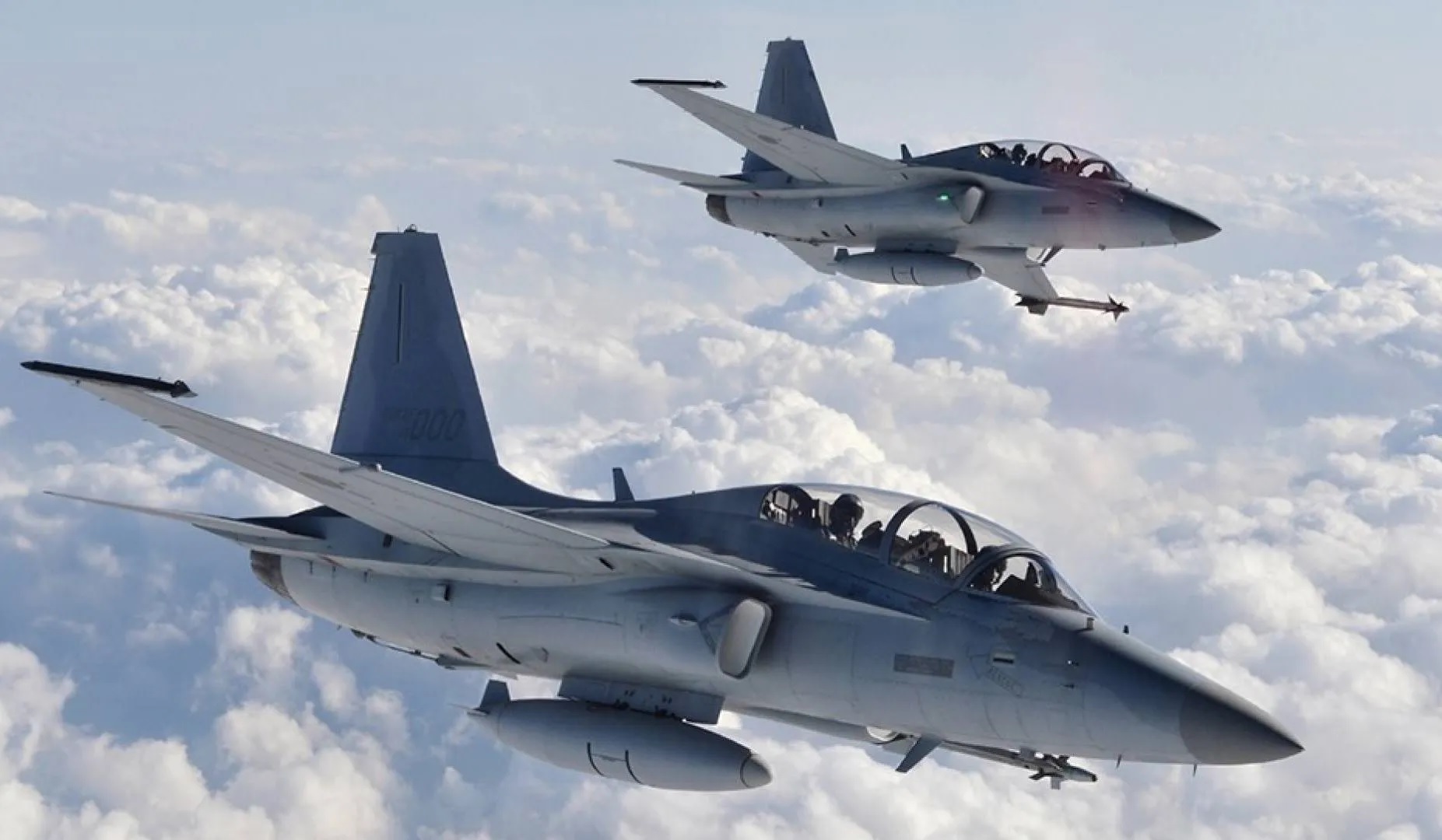
India
Korea Aerospace Industries (KAI) is stepping into the future of aerial combat with its ambitious "K-AI Pilot" program, designed to transform its FA-50 Fighting Eagle into a cutting-edge platform featuring artificial intelligence (AI)-driven pilot systems. This bold initiative not only showcases KAI's innovation in military aviation but also positions the FA-50 as a formidable competitor against India's HAL Tejas and Pakistan-China's JF-17 Thunder in the lucrative global light combat aircraft (LCA) market. By incorporating AI technology, KAI is aiming for a future where fighter jets can operate autonomously or with minimal human intervention. The K-AI Pilot project is expected to enable semi-autonomous flight capabilities by 2025 and full autonomy by 2026. If successful, this development will make the FA-50 one of the most advanced LCAs on the market, offering unparalleled versatility and combat effectiveness. FA-50: A Proven Platform, Now Smarter The FA-50, a derivative of KAI’s T-50 Golden Eagle trainer, is already well-regarded for its versatility, low cost, and multi-role capabilities. Equipped with advanced avionics, precision-guided weapons, and a General Electric F404 engine, the FA-50 can perform air-to-air, air-to-ground, and reconnaissance missions. With the addition of AI, its combat capabilities will reach new heights. The K-AI Pilot system aims to harness real-time data processing and machine learning algorithms to assist or replace human pilots during missions. This technology could include features like advanced threat recognition, automated tactical responses, and mission planning, allowing the FA-50 to adapt to rapidly changing battlefield scenarios with unprecedented precision. Competing with the Tejas and JF-17 KAI’s move to integrate AI comes at a time when competition in the LCA market is heating up. The JF-17 Thunder, jointly developed by Pakistan and China, is a cost-effective option for developing nations. Meanwhile, India's HAL Tejas is gaining traction due to its indigenous development, modern avionics, and an increasing push from the Indian government for defence exports. The K-AI Pilot will give the FA-50 an edge in this competitive space. By offering AI-driven capabilities, the aircraft can outperform its rivals in terms of operational flexibility and survivability. For instance, while the JF-17 and Tejas require human pilots to manage all tactical decisions, the FA-50’s AI system could autonomously analyze threats, optimize weapon deployment, and execute evasive maneuvers, giving it a clear battlefield advantage. The Future of Autonomous Combat KAI's embrace of AI technology is not just about enhancing the FA-50; it represents a larger trend in military aviation. The integration of AI into existing platforms serves as a stepping stone towards the development of fully unmanned combat aerial vehicles (UCAVs). These systems, capable of operating in hostile environments without risking human lives, are expected to dominate future air warfare. By leading the charge in AI integration, KAI is not only boosting its competitiveness but also aligning with the global shift toward automation in defence systems. The FA-50’s new capabilities will likely attract buyers looking for advanced technology without the costs associated with larger, more complex aircraft like the F-35. Strategic Implications for the Global Market The addition of the K-AI Pilot could make the FA-50 an attractive option for nations looking to modernize their air forces. Potential buyers may include Southeast Asian and African countries, where the FA-50 has already seen success due to its affordability and adaptability. Furthermore, AI-powered combat systems could pave the way for expanded mission profiles, such as long-range reconnaissance, electronic warfare, and high-risk strike missions. Final Thoughts KAI’s development of an AI pilot for the FA-50 fighter jet marks a transformative moment in military aviation. By pushing the boundaries of what LCAs can do, the company is setting a new benchmark for innovation in the defence sector. If the K-AI Pilot program achieves its goals, the FA-50 will not only challenge the dominance of the JF-17 and Tejas but also shape the future of air combat in an era increasingly defined by autonomous systems. As the global defence market continues to evolve, KAI’s bold vision could position South Korea as a key player in the next generation of military aviation.
Read More → Posted on 2024-12-05 16:17:58
India
In a strategic move that underscores the Indian Air Force's (IAF) commitment to autonomous warfare, plans are underway to acquire at least 150 Ghatak Unmanned Combat Aerial Vehicles (UCAVs). Equivalent to forming eight to nine full squadrons, this ambitious procurement highlights India’s growing focus on indigenization and advanced drone warfare. The Ghatak UCAV, a cutting-edge project spearheaded by the Aeronautical Development Establishment (ADE) in collaboration with the Defence Research and Development Organisation (DRDO), is designed to redefine air combat operations. With stealth, precision, and artificial intelligence (AI) as its core features, the Ghatak is poised to operate in some of the world's most challenging air defense environments. Stealth Meets Precision: Ghatak’s Tactical Edge Weighing approximately 13 tons, the Ghatak UCAV incorporates an array of stealth features, including its sleek, radar-evading flying-wing design. Built to penetrate deep into heavily fortified enemy territories, it features an internal weapons bay designed to carry a variety of payloads, such as precision-guided bombs and air-to-ground missiles. By avoiding external hardpoints, the UCAV minimizes its radar signature, enabling covert operations even in areas with advanced air defense systems. The weapons systems will allow the Ghatak to execute surgical strikes, suppression of enemy air defenses (SEAD), and high-risk reconnaissance missions. Advanced composite materials are also being used in the airframe to ensure it remains lightweight while offering high durability under combat conditions. Powered by Indigenous Innovation: The Kaveri Dry Engine A defining feature of the Ghatak UCAV is its propulsion system—the indigenous Dry Kaveri engine. Developed as a non-afterburning variant of the Kaveri engine, this powerplant has been optimized for unmanned aerial applications. The engine provides a thrust of approximately 52 kilonewtons, making it ideal for long-endurance missions while maintaining stealth. The integration of the Kaveri engine not only reduces reliance on foreign propulsion technologies but also signifies India's progress in achieving self-reliance in critical defence technology. This development follows years of dedicated research, overcoming challenges related to efficiency, cooling systems, and reliability for combat scenarios. AI-Driven Autonomy: Smarter, Faster, Deadlier Central to the Ghatak UCAV’s operations is its advanced AI framework. The onboard AI systems are being designed to enable autonomous navigation, target detection, threat assessment, and real-time decision-making without human intervention. These capabilities make it suitable for missions involving deep strikes, electronic warfare, or intelligence gathering in contested airspace. The UCAV will also feature swarming capabilities, allowing multiple Ghataks to operate in coordinated formations, overwhelming enemy defenses. This synergy between AI and operational flexibility gives the platform a significant edge in modern warfare scenarios. Development Timelines and Future Deployment Fabrication of the prototype is already underway, with early test flights anticipated by 2028. Following a rigorous testing phase and operational evaluations, the Ghatak is expected to join the IAF fleet by the late 2030s. While these timelines are ambitious, they represent a strategic push toward bolstering the country’s unmanned combat capabilities. The production process is receiving active support from the private sector as part of India's ‘Make in India’ initiative. Companies involved in advanced avionics, stealth coatings, and sensor technologies are likely to play pivotal roles in the Ghatak program's success. Strategic Implications for India’s Defence Once inducted, the Ghatak UCAV will drastically enhance the IAF’s ability to conduct high-stakes missions with reduced risk to human pilots. Its versatility, paired with its stealth and AI-driven systems, will make it a formidable asset for the IAF, capable of countering evolving threats from adversaries in the region. It also positions India as a serious contender in the global UCAV market, with potential export opportunities in the future. This bold step by the IAF reflects a clear vision to stay ahead in the rapidly evolving domain of autonomous warfare. The Ghatak UCAV, with its indigenous roots and futuristic design, is not just a technological leap but a statement of intent: India’s airpower is ready to meet the challenges of tomorrow.
Read More → Posted on 2024-12-05 16:04:00
India
Hindustan Aeronautics Limited (HAL) and General Electric (GE) are working closely to tackle supply chain challenges that have disrupted the delivery schedule of the F-404 engines, a critical element of India’s Light Combat Aircraft (LCA) Tejas Mk1A program. Despite the hurdles, both companies are optimistic about achieving their production targets, with GE committing to delivering 24-26 engines annually starting in 2026. The F-404 engines power the Tejas Mk1A, which has emerged as a vital project for the Indian Air Force (IAF) and India's indigenous defense manufacturing ecosystem. These engines, known for their robust design and proven reliability, offer a maximum thrust of 18,100 pounds with afterburner, enabling the Tejas Mk1A to perform complex combat and reconnaissance missions. The twin-shaft, low-bypass turbofan design of the F-404 provides a balance of power, durability, and adaptability, which is particularly important for multi-role fighter jets like the Tejas. Addressing Delays and Scaling Production Global supply chain disruptions have caused delays in engine deliveries, pushing HAL’s production timelines off schedule. However, GE has assured HAL of stabilizing supply by delivering 24-26 F-404 engines annually from 2025-26. This commitment aligns with HAL’s plan to scale up its Tejas Mk1A production to 24 aircraft per year, ensuring timely delivery of the 83 jets ordered by the IAF. HAL’s leadership has expressed confidence in overcoming these logistical challenges by collaborating with GE to streamline engine deliveries. By 2026, HAL aims to resolve the backlog caused by earlier delays and adhere to the Tejas Mk1A program’s original timelines. Supporting Domestic and Export Markets While fulfilling domestic commitments to the IAF remains a top priority, HAL is also targeting the international market with the Tejas Mk1A. Its advanced avionics, active electronically scanned array (AESA) radar, mid-air refueling capability, and competitive cost make it a strong contender in the global light combat aircraft segment. HAL is actively engaged in discussions with multiple countries interested in acquiring the Tejas Mk1A. With GE’s stabilized engine deliveries expected by 2026, HAL is confident that export agreements finalized in the coming years will be fulfilled without delay. The company views this as an opportunity to position the Tejas Mk1A as a globally recognized light combat aircraft, strengthening India’s presence in the international aerospace industry. Overcoming Challenges for a Promising Future Despite supply chain disruptions, HAL and GE’s collaborative efforts are setting the stage for long-term success. The stabilization of F-404 engine deliveries not only supports HAL’s peak production capacity but also boosts India’s ambitions of becoming a major player in the global defense market. As HAL meets domestic and export demands for the Tejas Mk1A, the program’s success highlights the importance of partnerships like the one with GE, which enable the development of indigenous capabilities and enhance India’s defense self-reliance.
Read More → Posted on 2024-12-05 15:59:30
India
Armenian Defence Minister Suren Papikyan's recent visit to the DEFEXPO exhibition in Gandhinagar, India, marked a significant step in deepening defence cooperation between Armenia and India. The visit, which took place on December 3, 2024, showcased Armenia's intent to bolster its military capabilities through collaboration with Indian defence industries. Papikyan explored various state-of-the-art defence systems, including Akash air defence systems and advanced combat drones, reflecting Armenia's strategic interest in enhancing its defensive arsenal. This focus is driven by the country's ongoing efforts to modernize its armed forces following the Nagorno-Karabakh conflict, which exposed critical vulnerabilities in its military equipment. The Armenian Defence Minister met with his Indian counterpart, Rajnath Singh, to discuss expanding military-technical cooperation. Although no formal agreements were signed during the visit, discussions reportedly included Armenia's potential procurement of key defence platforms. Notably, India's expertise in drone warfare, air defence, and indigenous technology development has positioned it as a valuable partner for Armenia in its military modernization efforts. India's defence exports have surged in recent years, with countries such as Armenia recognizing the cost-effectiveness and reliability of Indian systems. Last year, Armenia placed orders worth $250 million for Indian-made Pinaka rocket systems, artillery, and ammunition. The DEFEXPO visit served to reinforce these ties, offering Armenian officials a closer look at India's latest technological advancements in defence. The exhibition, one of India's largest defence events, featured cutting-edge solutions from Indian firms like Bharat Electronics Limited, Hindustan Aeronautics Limited, and private players such as Tata Advanced Systems. Armenia's interest in these offerings reflects its broader geopolitical strategy of diversifying its defence partnerships beyond traditional suppliers like Russia. This visit also highlights India’s growing role as a global defence exporter and strategic partner to nations seeking robust military capabilities. For Armenia, strengthening ties with India represents a strategic move to secure reliable defence supplies while addressing its regional security challenges. By engaging with Indian defence companies and officials at DEFEXPO, Armenia is signaling a clear commitment to diversifying its defence partnerships and reinforcing its military capabilities in the face of persistent regional tensions【9†source】【10†source】.
Read More → Posted on 2024-12-05 15:56:13
India
Pakistan faces mounting pressure to bolster its naval capabilities as India's nuclear-equipped naval fleet continues to grow in size and sophistication. The urgency of this issue was underscored by Abdul Basit, a former Pakistani High Commissioner to India, who has called for Pakistan to acquire nuclear-powered submarines. In a recent interview, Basit emphasized that achieving maritime nuclear parity is vital for regional stability and national security. India's Strategic Edge India's nuclear-powered submarine program is a cornerstone of its naval modernization. The Arihant-class submarines, designed to carry submarine-launched ballistic missiles (SLBMs), have significantly enhanced India's second-strike capability—an essential deterrent in the nuclear equation. Recent tests of the K-4 SLBM, capable of striking targets up to 3,500 km away, have cemented India's position as a dominant naval power in the Indian Ocean. These advancements have not gone unnoticed in Pakistan, where concerns about India’s growing ability to project power and sustain prolonged naval operations are escalating. The introduction of nuclear-powered submarines in India's arsenal allows for stealthier operations, longer underwater endurance, and a robust second-strike capability—factors that heavily tilt the strategic balance. Pakistan’s Current Submarine Fleet Pakistan currently operates diesel-electric submarines, which, while effective in certain tactical scenarios, lack the endurance and stealth of nuclear-powered vessels. Efforts are underway to arm conventional submarines with nuclear-capable missiles, but this approach is limited compared to India's dedicated platforms. The disparity poses a significant challenge to Pakistan's deterrence posture, particularly in an era of rapid technological advancements in naval warfare. The Case for Nuclear Submarines Basit argued that nuclear-powered submarines are not merely an aspirational goal but a strategic necessity. They could provide Pakistan with credible second-strike capability—a critical factor in maintaining deterrence stability. Nuclear-powered submarines can stay submerged for extended periods, offering both survivability and operational flexibility that diesel-electric submarines cannot match. Acquiring such advanced platforms, however, is fraught with challenges. Pakistan would need to overcome significant technological barriers, secure substantial financial investment, and navigate complex geopolitical dynamics. Unlike India, which benefits from established partnerships with Russia and growing collaboration with the U.S. and France, Pakistan lacks comparable avenues for acquiring cutting-edge naval technology. Technological and Financial Hurdles Building or acquiring nuclear-powered submarines requires a high degree of industrial and technological infrastructure. Developing miniaturized nuclear reactors for submarines is a monumental task that demands expertise and years of research. Financially, such a project would require billions of dollars—an investment that could strain Pakistan’s already stretched defense budget. Moreover, international scrutiny and non-proliferation concerns would likely complicate Pakistan’s efforts. Unlike India, which has successfully balanced its nuclear ambitions with strategic partnerships, Pakistan faces diplomatic isolation and stringent restrictions that could hinder its progress in this domain. A Realistic Path Forward? Basit's remarks highlight a broader concern within Pakistan’s strategic circles about India's growing naval dominance. However, many defense analysts question whether nuclear-powered submarines are a realistic solution for Pakistan in the short to medium term. Alternative approaches, such as enhancing conventional submarine capabilities, investing in underwater drone technology, or developing robust anti-submarine warfare systems, may offer more immediate and cost-effective options. While the acquisition of nuclear-powered submarines remains an ambitious goal, it underscores Pakistan’s strategic concerns in the face of India’s naval modernization. Whether Pakistan can translate these ambitions into reality will depend on its ability to navigate the technological, financial, and diplomatic challenges that lie ahead.
Read More → Posted on 2024-12-04 15:47:20
India
REDON Systems has introduced a groundbreaking addition to modern warfare with its Achuk Loitering Munition System, showcased recently on the versatile Tata 4×4 Light Mobility Vehicle (LMV). This cutting-edge system reflects the growing demand for precision, mobility, and adaptability in today’s combat scenarios. By seamlessly integrating advanced loitering munitions with a robust vehicle platform, REDON Systems positions the Achuk as a crucial tool for tactical superiority. The Achuk System: An Overview At its core, the Achuk Loitering Munition System is a barrel-launched platform designed for diverse operational scenarios. Whether engaging terrorist hideouts, neutralizing armored vehicles, or disabling critical infrastructure such as fuel and ammunition depots, Achuk delivers precision strikes with a lethal edge. Its adaptability extends to swarm operations, allowing multiple units to work in unison, overwhelming even the most sophisticated defenses. Features That Define Excellence The Achuk system stands out for its advanced software capabilities, ensuring unparalleled operational efficiency. Its Object Identification and Tracking feature enables precise target acquisition, while GPS Target Relay ensures real-time data sharing with ground control stations. These capabilities are fortified by encrypted communication systems that facilitate secure swarm configurations, amplifying the system’s tactical flexibility. Key Specifications Achuk’s operational metrics underscore its battlefield versatility: Strike Radius and Altitude: With a range of 30 kilometers and a maximum operational altitude of 3,500 meters, Achuk provides both reach and strategic depth. Payload Capacity: Capable of carrying 1.5 kilograms of explosives, optics, or electronics, it is optimized for high-precision missions. Environmental Resilience: The system performs effectively in extreme temperatures, from -20°C to 50°C, making it suitable for diverse geographical challenges. Rapid Deployment: A 15-minute setup time ensures readiness in dynamic combat environments, allowing for swift responses to evolving threats. Mounted on Tata 4×4 LMV: A Tactical Advantage The choice of the Tata 4×4 LMV as the Achuk system’s mobility platform highlights the importance of ruggedness and adaptability. Known for its off-road capabilities, high payload capacity, and operational reliability, the Tata LMV ensures that the Achuk system can be deployed in challenging terrains and high-stress scenarios. The vehicle also offers advanced communication systems, further enhancing the operational capabilities of the Achuk loitering munition. Addressing Modern Battlefield Challenges The Achuk Loitering Munition System is a response to the evolving dynamics of modern warfare, where agility and precision are paramount. Its ability to operate autonomously or semi-autonomously, coupled with swarm capabilities, positions it as a critical asset in asymmetric warfare, border security, and counter-terrorism operations. As REDON Systems continues to innovate, the Achuk system represents a leap forward in integrating mobility with advanced weaponry. By leveraging cutting-edge technology and robust platforms like the Tata 4×4 LMV, it sets a new benchmark for loitering munitions in the defense sector.
Read More → Posted on 2024-12-04 14:53:24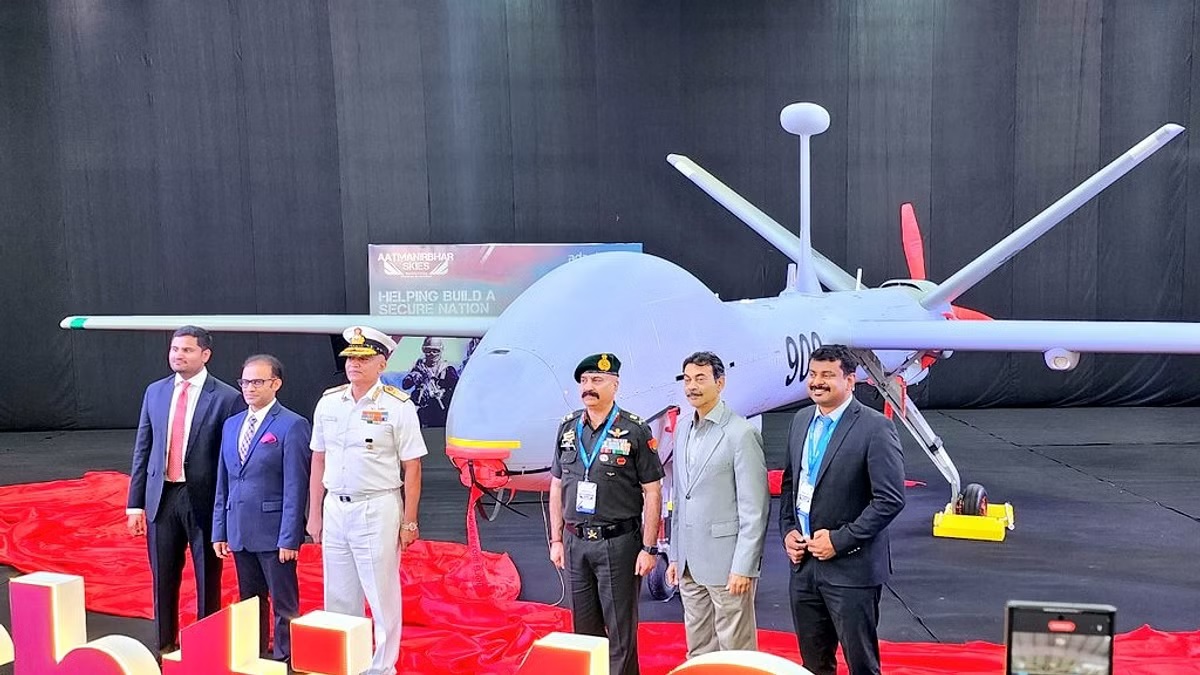
India
Adani Defence and Aerospace has taken another leap in bolstering India’s maritime surveillance capabilities by delivering the second Drishti-10 Starliner drone to the Indian Navy. This advanced unmanned aerial vehicle (UAV) is set to enhance the Navy’s ability to monitor critical shipping lanes, deter piracy, and secure the vast expanse of the nation’s maritime borders. The Drishti-10 Starliner, an adaptation of Israel’s Hermes 900 medium-altitude long-endurance (MALE) UAV, represents a significant achievement in India's indigenous defense production. Manufactured at Adani's state-of-the-art Hyderabad facility, this drone is built to endure harsh operational conditions while maintaining exceptional performance. With a flight endurance of 36 hours and a payload capacity of up to 450 kilograms, the Drishti-10 Starliner is equipped to handle diverse intelligence, surveillance, and reconnaissance (ISR) missions. Cutting-Edge Capabilities What sets the Drishti-10 apart is its STANAG 4671 certification, a NATO-standard that ensures the UAV's airworthiness in both segregated and unsegregated airspaces. This certification makes it the only all-weather military UAV in India’s arsenal, capable of fully autonomous operations supported by satellite communication (Satcom) for over-the-horizon missions. The drone’s modular payload design integrates advanced sensors and systems, enabling real-time data collection and analysis across vast maritime territories. Its ability to operate above 32,000 feet provides unparalleled situational awareness, making it a true force multiplier for the Indian Navy. Strategic Deployment The second Drishti-10 was inducted at the Porbandar base in Gujarat, following the deployment of the first unit earlier this year. Rear Admiral Janak Bevli, VSM, Assistant Chief of Naval Staff (Air), recently visited the base to review the drone's operations and commended its role in strengthening maritime security. The Indian Army has also adopted the Drishti-10, with two units ordered for deployment along the western border. One unit has already been stationed at Bhatinda, Punjab, where it plays a pivotal role in monitoring the frontier with Pakistan. The drone’s operational success across diverse terrains, from coastal areas to the challenging climates of the Himalayas, underscores its versatility and resilience. Driving Indigenous Innovation Adani Defence’s rapid development and delivery of the Drishti-10—achieved in less than three years—highlight India’s growing prowess in defense technology. Traditionally, such capabilities would take five to six years to materialize. The company’s collaboration with the Indian Navy and Army marks a defining moment in the nation’s journey toward self-reliance in defense production. Beyond being a technological marvel, the Drishti-10 Starliner represents a larger vision for India’s defense sector. It showcases the seamless integration of indigenous innovation, robust manufacturing, and strategic deployment, reinforcing India's commitment to protecting its maritime interests and asserting its presence in the region. As the Drishti-10 begins its new chapter with the Indian Navy, it symbolizes not just a step forward in surveillance capabilities, but also a testament to India’s unwavering resolve to safeguard its strategic interests through innovation and resilience.
Read More → Posted on 2024-12-04 14:43:00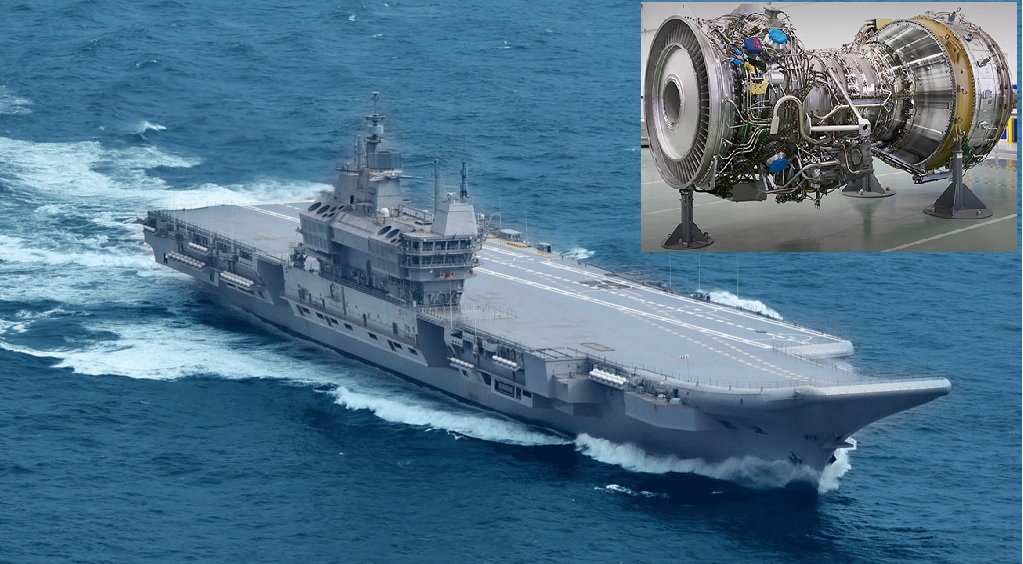
India
India's ambitious naval expansion plans are poised for a technological leap, as its second Indigenous Aircraft Carrier (IAC-2) considers adopting the Rolls-Royce MT-30 gas turbine engine paired with an Integrated Electric Propulsion System (IEPS). This potential transition signifies a departure from the U.S.-sourced LM2500 engines, aligning India's maritime capabilities with cutting-edge global standards. The Rolls-Royce MT-30: A Powerhouse in Naval Propulsion The Rolls-Royce MT-30 has gained acclaim as one of the most power-dense marine gas turbines available, delivering up to 36 MW of power per unit. This capability has been proven aboard elite vessels like the Royal Navy's HMS Queen Elizabeth and HMS Prince of Wales. These ships utilize the MT-30 within an electric propulsion framework, achieving enhanced efficiency, operational versatility, and reduced acoustic signatures—an invaluable feature for naval stealth and survivability. Why MT-30 for IAC-2? India's first Indigenous Aircraft Carrier, INS Vikrant, operates with four LM2500 gas turbines. However, the IAC-2 could leverage the MT-30's compact and lightweight design to optimize space for advanced weapon systems, aviation facilities, and crew accommodations. Furthermore, the IEPS integration would allow the ship to utilize electric power for various systems, enabling quieter operations and reducing fuel consumption during lower-speed missions. The MT-30's origins as a derivative of Rolls-Royce’s Trent aero engines ensure reliability and long-term performance. Its ability to propel vessels at speeds exceeding 40 knots, when paired with diesel engines, reflects its unmatched power density—a crucial advantage for modern aircraft carriers operating in contested environments. Strengthening UK-India Defense Ties The decision to consider Rolls-Royce propulsion systems is bolstered by the Joint Working Group on Electric Propulsion Capability Partnership, a bilateral initiative between India and the UK. This collaboration aims to foster technological exchange and enhance industrial partnerships, paving the way for the MT-30 and IEPS to become mainstays in future Indian naval projects. Besides IAC-2, the Indian Navy’s destroyers, frigates, corvettes, and landing platform docks (LPDs) are likely candidates for this propulsion upgrade, underscoring a broader trend toward modernizing fleet-wide capabilities. Beyond Power: Strategic Implications The adoption of Rolls-Royce marine turbines would mark a significant shift in India's defense sourcing strategy. For decades, India has relied on propulsion systems from the U.S., Russia, and Ukraine. Diversifying with UK-origin technology not only reduces dependency but also strengthens interoperability with allied navies. For the Indian Navy, the benefits are multifold: Enhanced Ship Performance: The MT-30 enables higher speeds and extended operational ranges, critical for aircraft carrier missions. Reduced Maintenance Costs: The turbine's modern design minimizes upkeep, ensuring cost efficiency over the vessel's lifecycle. Global Compatibility: Leveraging the MT-30 aligns India’s naval fleet with contemporary propulsion standards, enhancing operational cohesion in joint exercises with partner nations. IAC-2: A Future-Ready Carrier Although the propulsion system for IAC-2 is yet to be finalized, the MT-30’s proven track record makes it a compelling choice. If selected, this propulsion overhaul will position the IAC-2 as a technologically advanced platform capable of supporting India’s growing maritime ambitions. Furthermore, the integration of IEPS could set a precedent for future Indian warships, advancing the Navy’s capability to project power across the Indo-Pacific. As India continues to assert its role as a maritime powerhouse, the IAC-2, with Rolls-Royce MT-30 engines at its heart, could symbolize a new era of naval innovation—an era that embraces technological independence, strategic partnerships, and operational excellence.
Read More → Posted on 2024-12-04 14:31:28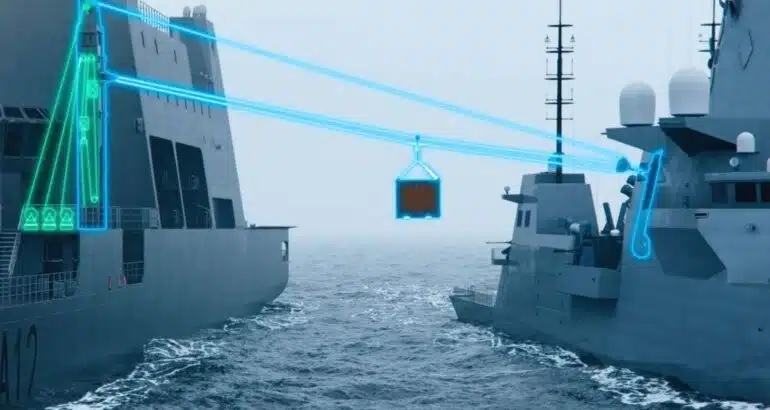
India
The Indian Navy’s operational prowess is set to receive a significant boost with the inclusion of Kongsberg Maritime's state-of-the-art Replenishment-at-Sea (RAS) technology in its new class of Fleet Support Ships (FSS). In a landmark agreement, Kongsberg Maritime has partnered with Hindustan Shipyard Limited (HSL) to equip these vessels with cutting-edge electric replenishment systems. This collaboration underscores the growing emphasis on enhancing naval logistics and operational sustainability in modern fleets. A New Era for Indian Naval Logistics The Indian Navy’s Fleet Support Ships program, involving five advanced replenishment vessels, is designed to provide vital logistical support to combat ships during extended missions. These ships, constructed by HSL, will carry fuel, ammunition, spare parts, and other critical supplies to ensure operational readiness far from home ports. With India’s increasing focus on strengthening its maritime capabilities, these vessels will play a pivotal role in maintaining fleet endurance across vast oceanic territories. The Edge of Kongsberg’s Electric RAS System Kongsberg Maritime’s electric RAS technology represents a paradigm shift in replenishment operations at sea. Traditional systems often relied on hydraulic mechanisms that posed challenges in precision, safety, and maintenance. Kongsberg’s electric solution, however, is engineered to deliver smoother and more reliable operations, especially during challenging maritime conditions. Key advantages include: Enhanced Safety: The electric RAS system minimizes the risks associated with handling heavy loads, ensuring safer replenishment operations for crew members. Increased Efficiency: Electric systems provide faster and more precise load transfer, reducing downtime during replenishment. Sustainability: The technology aligns with eco-friendly naval ambitions, reducing energy consumption and associated emissions compared to traditional systems. These attributes are particularly significant for a navy like India’s, which operates in diverse maritime zones ranging from calm tropical waters to turbulent high seas. Strategic Collaboration The contract signing, highlighted by the presence of Lisa Edvardsen Haugan, President of Kongsberg Maritime, marks a continuation of the longstanding relationship between the company and the Indian Navy. Haugan expressed pride in supporting the FSS program, emphasizing the mission-critical capabilities that Kongsberg’s technology will bring to the Indian fleet. “The development of our electric RAS system underscores our commitment to enhancing naval operational readiness while addressing sustainability challenges. We are excited to work with HSL on this prestigious project,” Haugan stated. Specifications and Operational Insights The Fleet Support Ships themselves are expected to feature a displacement exceeding 40,000 tons, capable of carrying over 20,000 tons of supplies. Equipped with advanced replenishment capabilities and defensive systems, these vessels will be vital in extending the Indian Navy’s reach. Kongsberg’s RAS technology will complement these ships' roles by ensuring seamless supply delivery, even under adverse conditions. The partnership between Kongsberg Maritime and HSL not only strengthens India’s naval infrastructure but also reflects the broader trend of integrating advanced technology into maritime operations. By opting for electric RAS systems, India reinforces its commitment to efficiency, safety, and sustainability, setting a benchmark for future naval projects globally. This development is yet another step toward realizing India’s vision of a modern, blue-water navy capable of safeguarding its maritime interests and contributing to regional stability.
Read More → Posted on 2024-12-03 16:06:10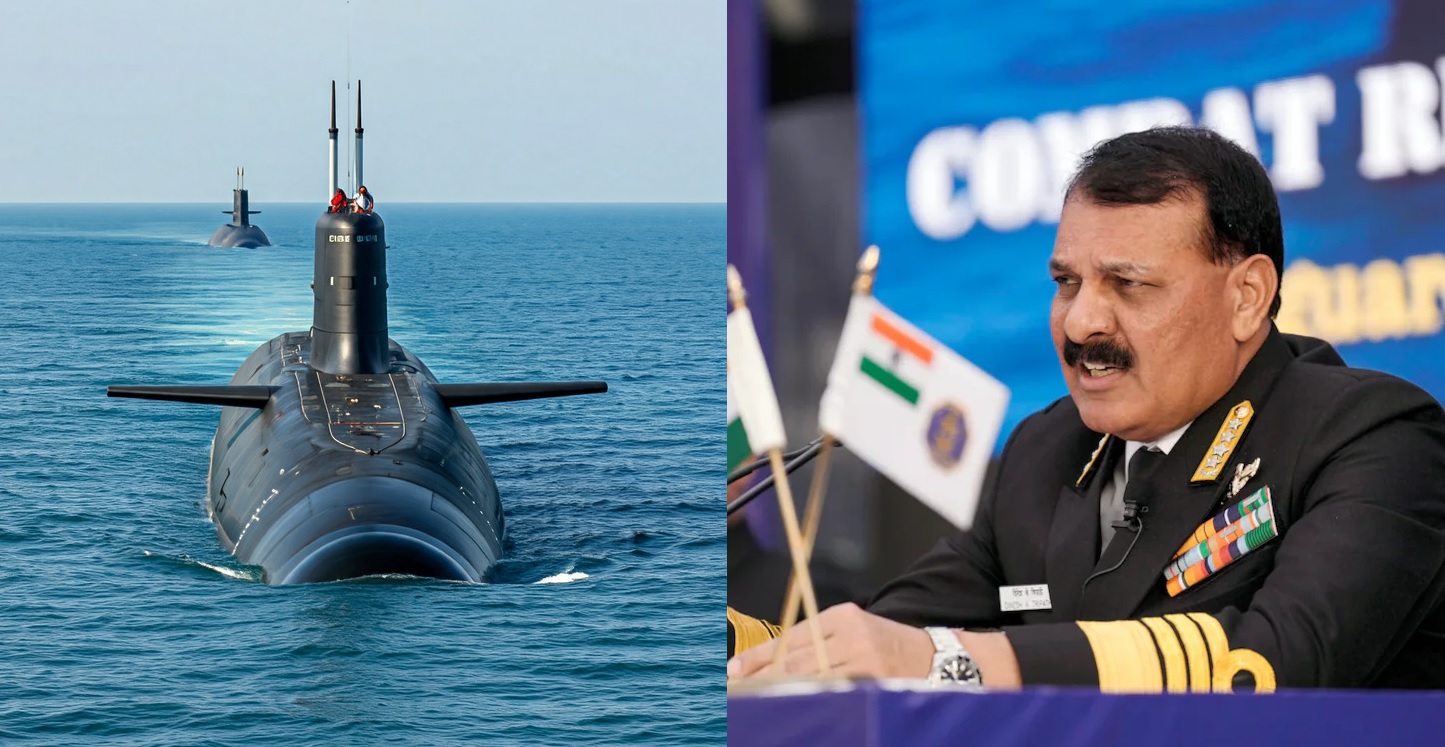
India
In a significant stride towards strengthening its maritime defense, India is set to deliver its first indigenously designed nuclear attack submarine by 2036, marking a transformative milestone in its defense capabilities. Navy Chief Admiral Dinesh K. Tripathi has confirmed that the project, which envisages six such submarines, underscores India’s growing self-reliance in designing and manufacturing complex defense platforms. The program reflects a high level of confidence from the government, evident in its October approval of a ₹35,000 crore budget for the initiative. A New Era of Submarine Warfare India already boasts nuclear-powered and nuclear-armed ballistic missile submarines (SSBNs) under the Arihant-class. These strategic deterrents are equipped with long-range nuclear weapons and serve as the backbone of India's nuclear triad. However, the upcoming nuclear attack submarines (SSNs) are set to introduce a whole new level of capability to the Indian Navy. Unlike the Arihant-class, which focuses on strategic deterrence, SSNs are designed for stealth and aggression, armed with advanced conventional weapons. One of the defining advantages of nuclear attack submarines is their ability to remain submerged indefinitely, thanks to a nuclear propulsion system. This allows them to operate covertly in sensitive regions, monitor enemy movements, and maintain a sustained presence in areas of strategic interest. In comparison, conventional submarines are limited by their need to surface periodically to recharge batteries, which makes them vulnerable to detection. Indigenous Capability: A National Triumph What sets this program apart is its indigenous nature. India has in the past relied on leased nuclear attack submarines from Russia, such as the Akula-class. The new project, however, will be a purely Indian effort, showcasing advancements in critical technologies such as miniaturized nuclear reactors, stealth systems, and weapon integration. These submarines will have minimal foreign components, reinforcing India's technological prowess and reducing dependency on external suppliers. The confidence in meeting the ambitious timeline stems from the robust ecosystem that has evolved around India’s defense industry. Admiral Tripathi highlighted that the program would act as a catalyst, energizing ancillary industries and driving innovation across the sector. Strategic Context: Joining an Elite Club Upon induction, India will join an exclusive group of nations, including the United States, Russia, and China, that possess nuclear attack submarines. This capability will serve as a force multiplier, significantly enhancing India’s ability to protect its maritime interests in contested waters, particularly in the Indian Ocean Region (IOR), where rival powers are expanding their naval presence. Parallel Modernization Efforts The SSN project is not the Indian Navy's only venture into submarine modernization. The process to acquire six Air Independent Propulsion (AIP)-equipped submarines under Project 75I is underway, with bids from international players such as MDL-TKMS and L&T-Navantia being evaluated. AIP technology enables conventional submarines to stay submerged longer, narrowing the performance gap with nuclear submarines. Additionally, India is finalizing a contract for three more Kalvari-class submarines, based on the French-designed Scorpène platform. These diesel-electric submarines have already demonstrated their effectiveness in enhancing India's underwater combat capabilities. Looking Ahead As the Indian Navy moves toward realizing its nuclear attack submarine vision, the program symbolizes more than just military advancement. It reflects India's strategic maturity and its readiness to take on challenges in a volatile geopolitical landscape. By 2036, when the first submarine is expected to join the fleet, India will have fortified its maritime defense with a formidable tool, further solidifying its position as a key player in global naval dynamics. The road ahead is challenging, but the foundations laid by the SSN program and other modernization efforts promise a future where India’s naval ambitions are matched by its capabilities.
Read More → Posted on 2024-12-03 15:53:57Search
Top Trending in 24 Hours
-
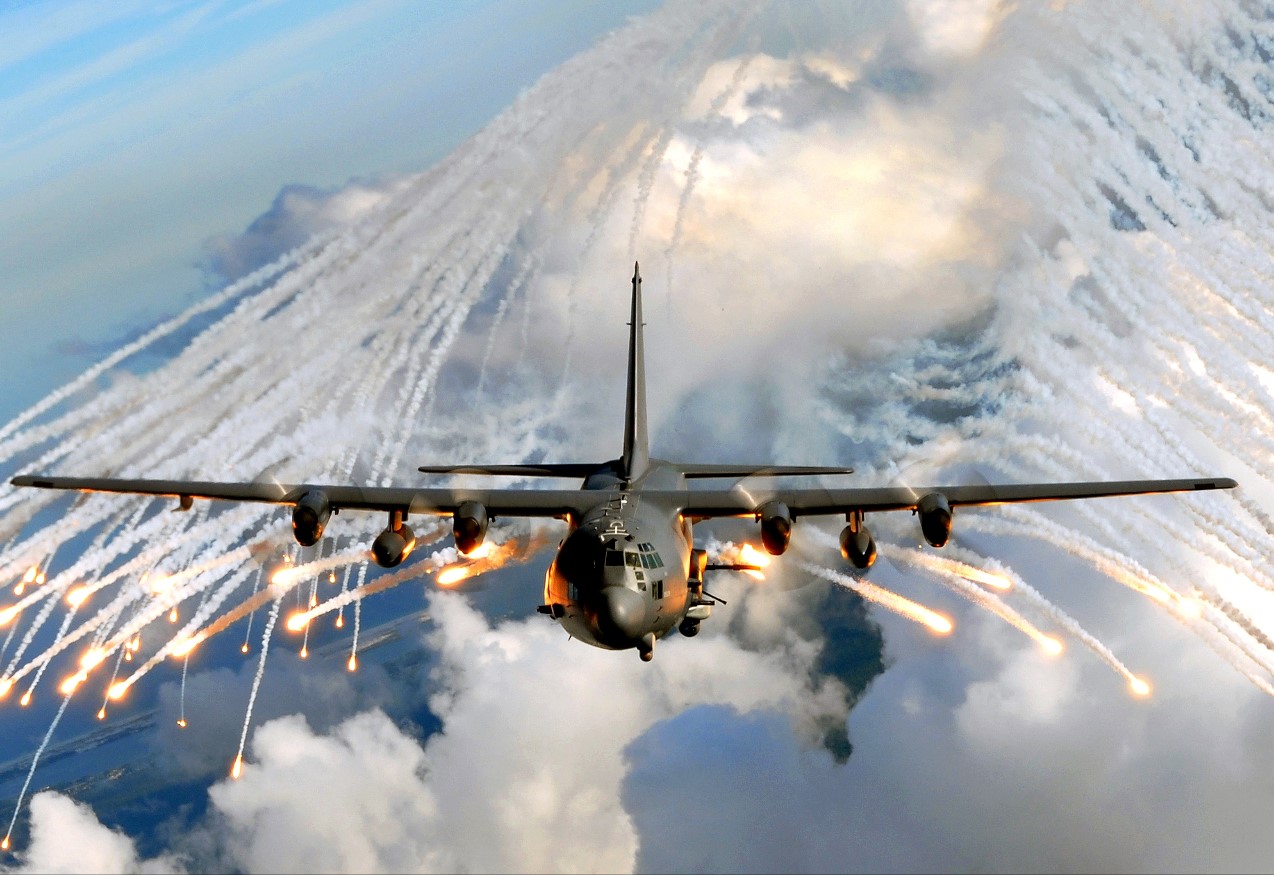 Pentagon Expands Alloy Surfaces Contract to $328.8 Million for Advanced Aircraft Decoy Flares Amid Evolving Drone Threats
-
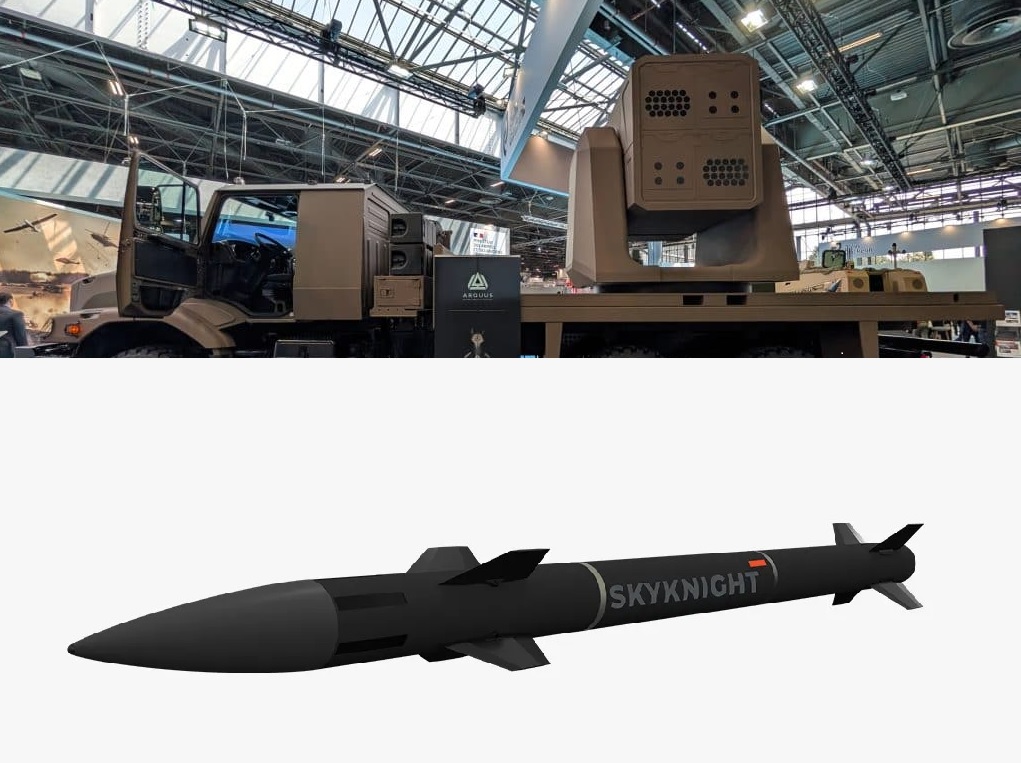 Naval Group Unveils Rampart Modular CIWS Multi-Purpose Weapon System for Naval and Ground Forces at Eurosatory 2026
-
 Why the U.S. Restored Pacific Command Name, Ending the Indo-Pacific Designation After Eight Years
-
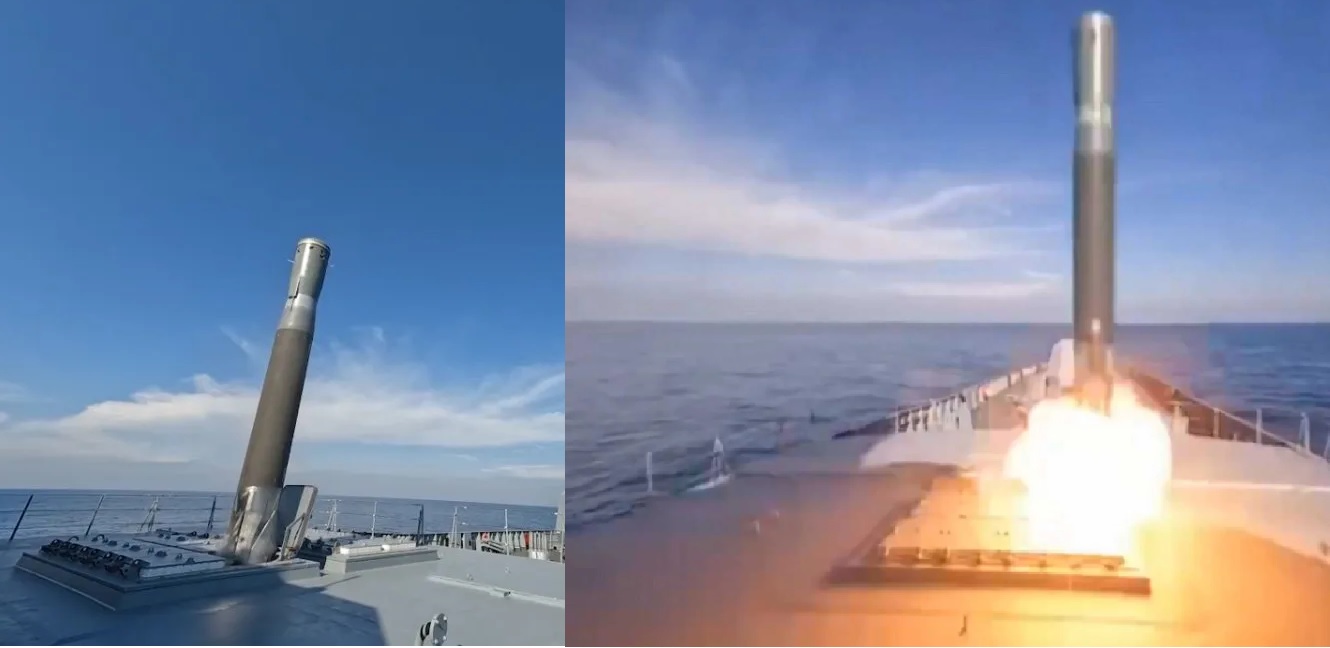 Open-Source Evidence Suggests Russia's Zircon Is a Quasi-Ballistic Missile, Not a True Hypersonic Cruise Weapon
-
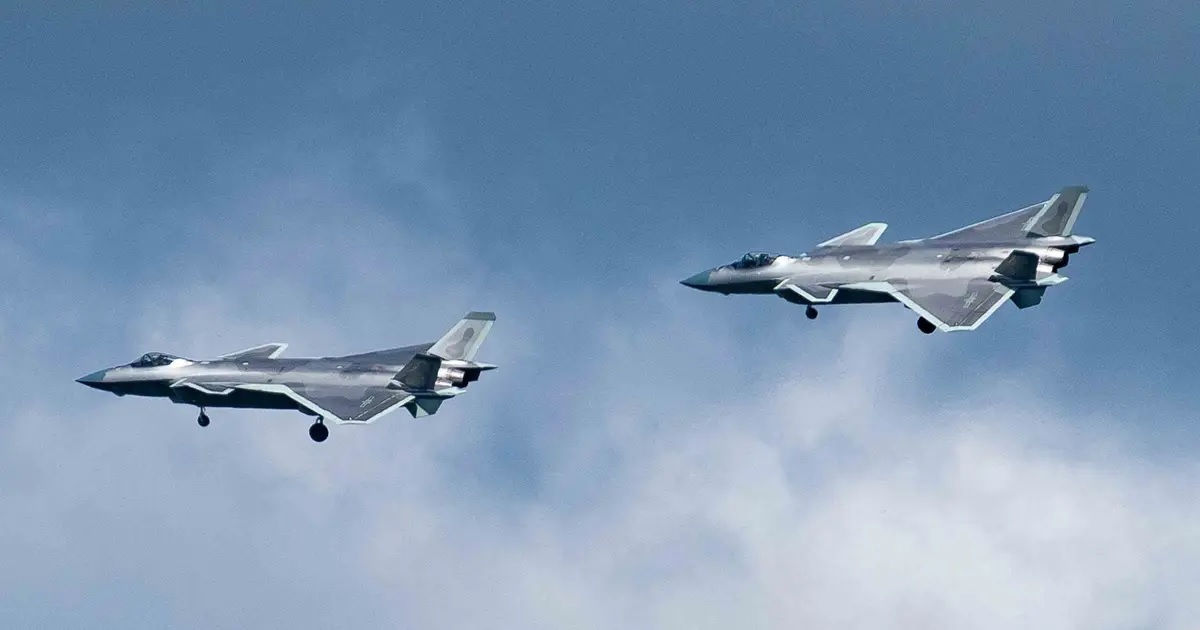 China Surpasses Russia as World’s Second-Most Powerful Air Force Amid Rapid J-20 and J-35 Expansion
-
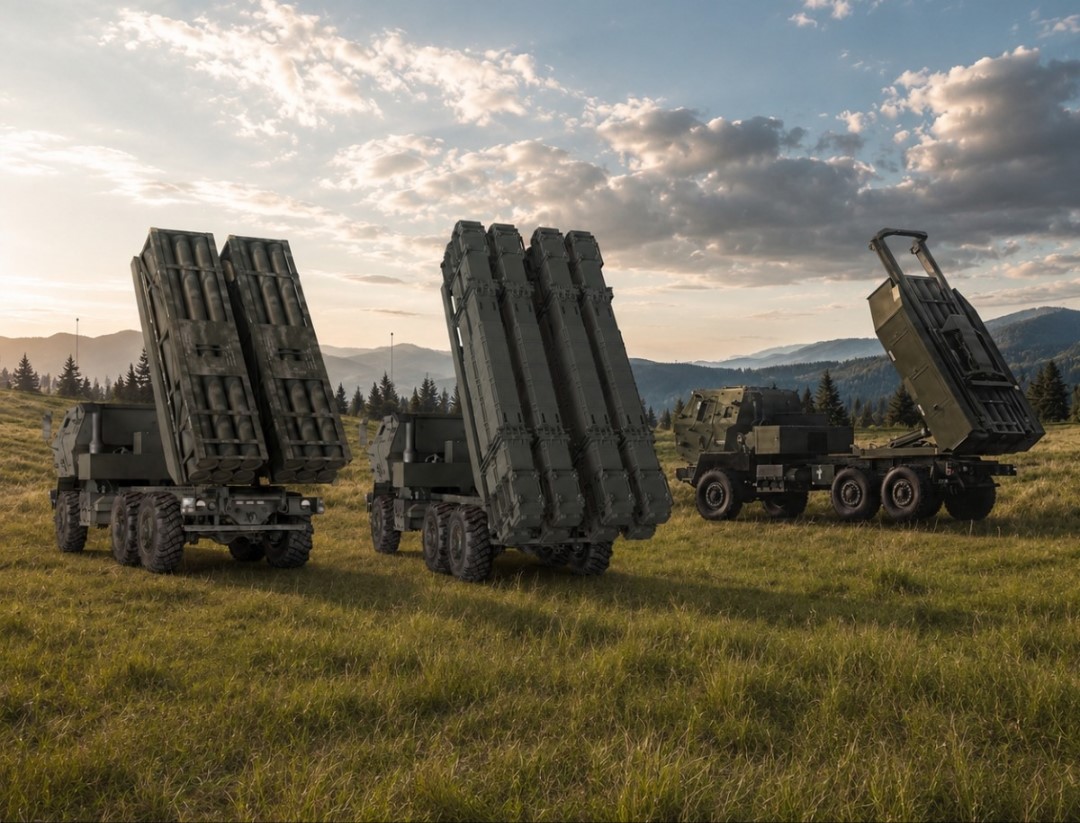 Lockheed Martin Unveils HIMARS FLEX with Dual-Pod Launcher and NATO-Compatible Air Defense Integration
-
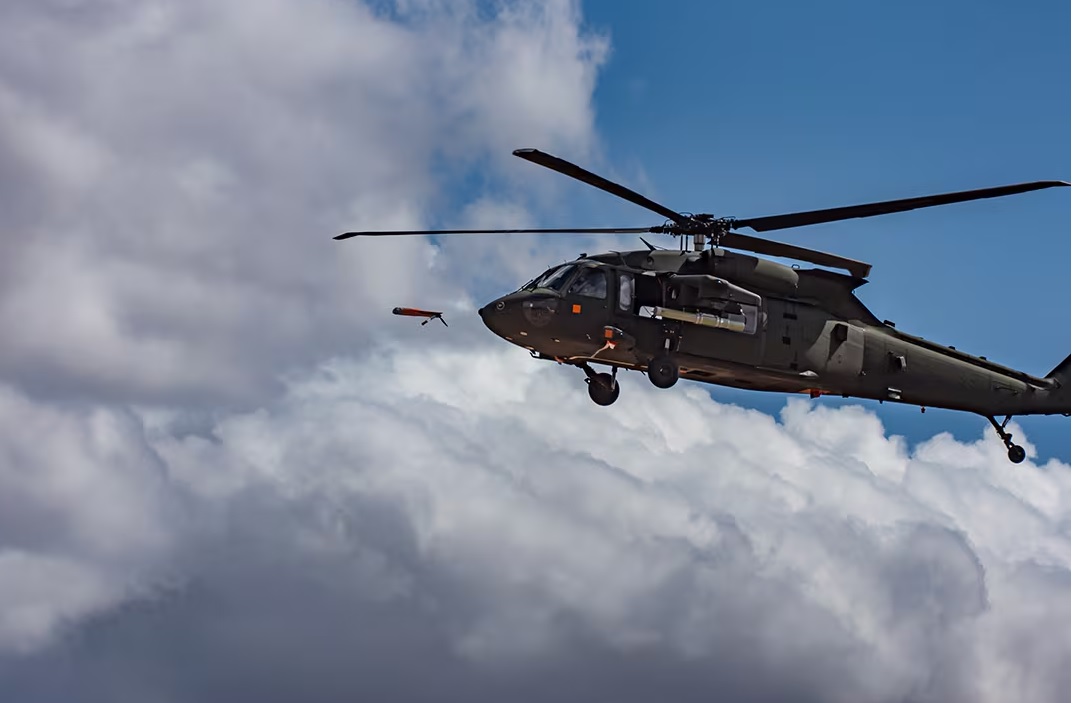 U.S. Army Completes First Flight Test of Medium-Range Air-Launched Effects from Black Hawk Helicopter
-
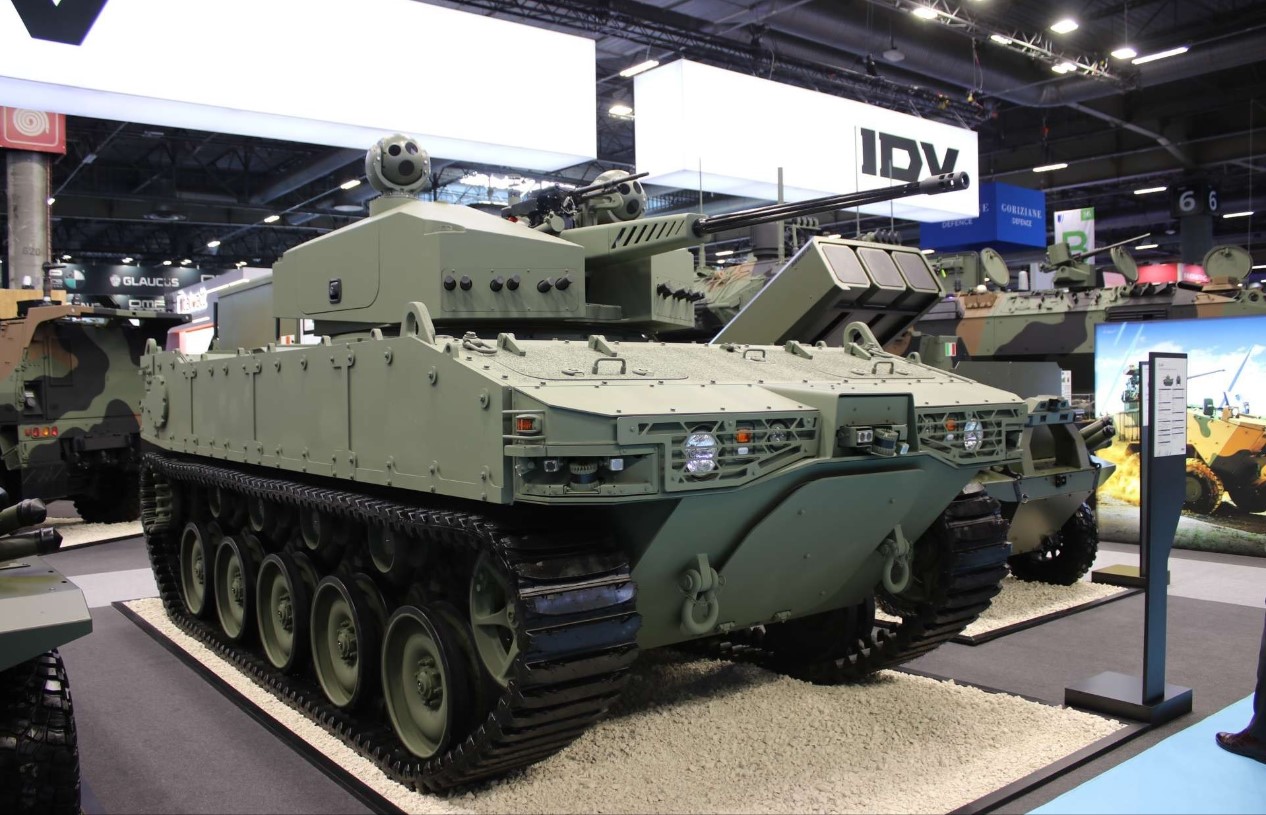 IDV Unveils CL2X Hybrid Uncrewed Light Tank at Eurosatory 2026
Top Trending in 4 Days
-
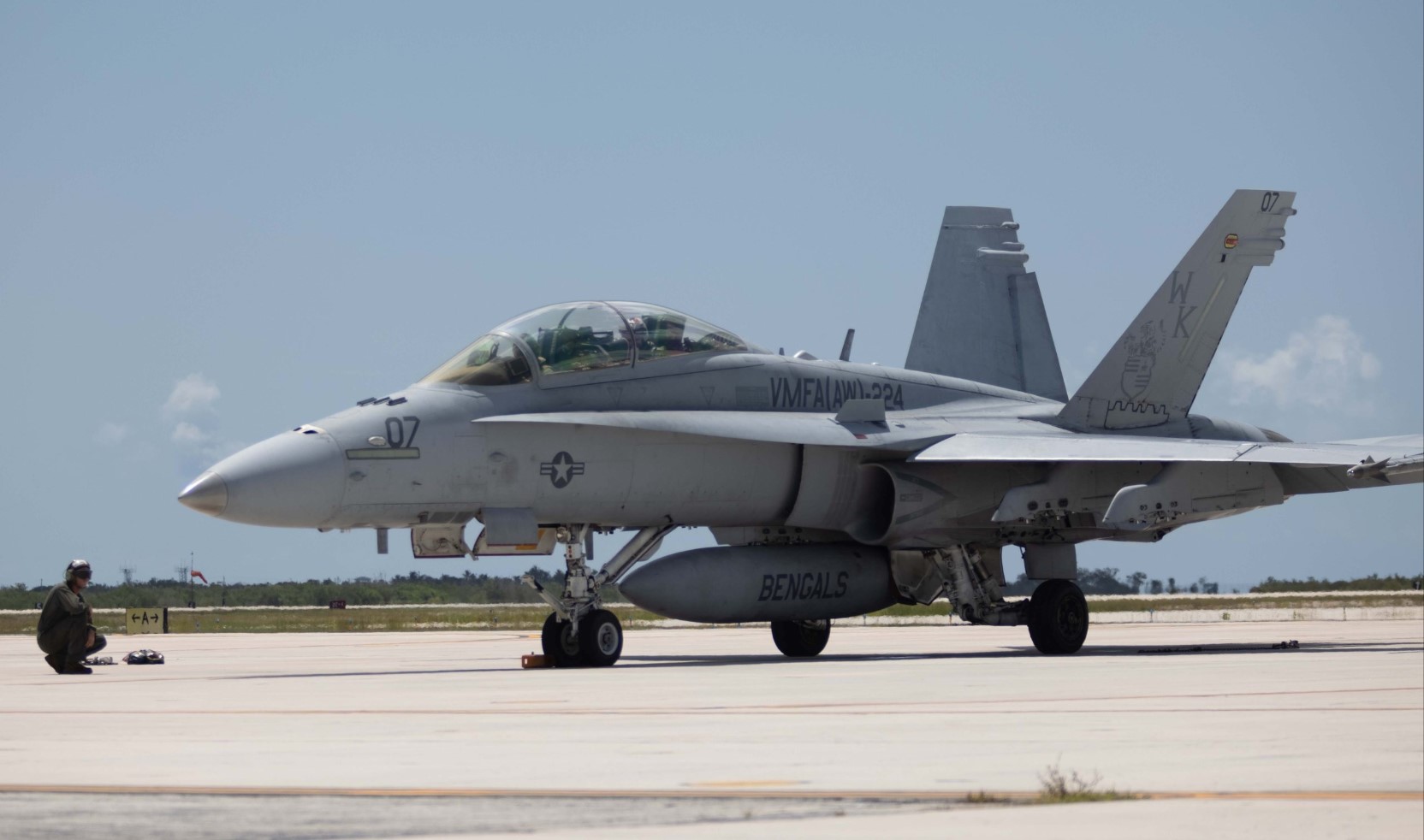 US Marine Corps F/A-18D Hornet Crashes During Training Flight in Washington Mountains; Pilot Ejects Safely
-
 Tulsi Gabbard Releases Declassified Files Detailing U.S.-Backed Network of 120 Biolaboratories Across 30+ Countries
-
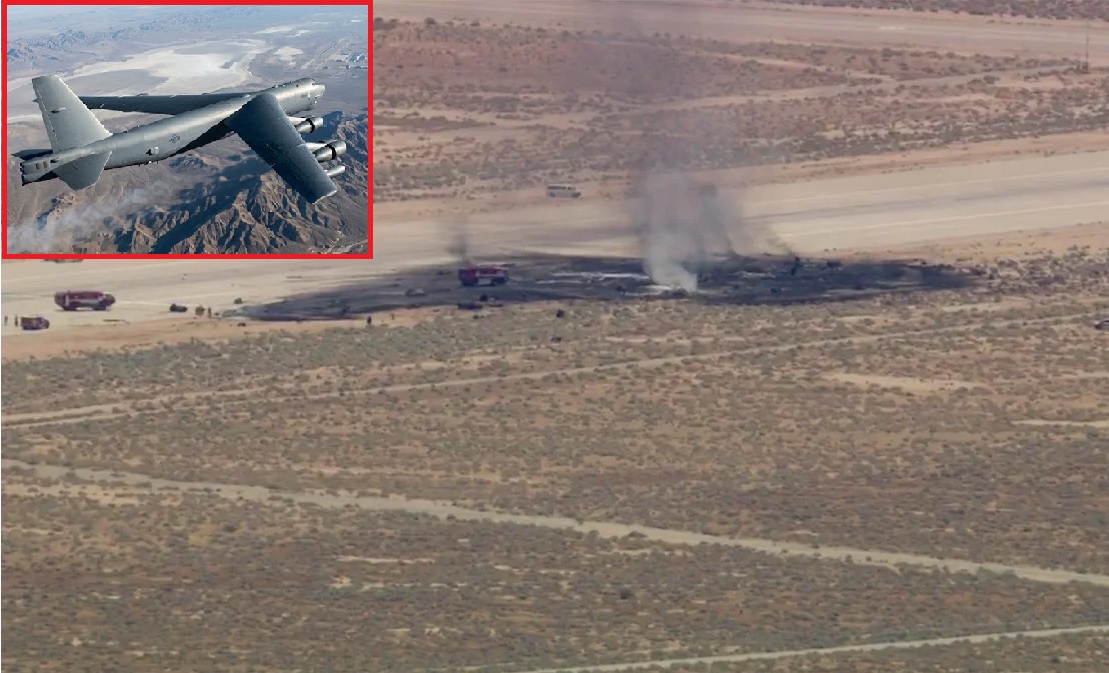 8 U.S. Air Force Crew Members Killed in B-52 Bomber Crash During Test Flight at Edwards Air Force Base
-
 Ukraine Introduces Balloon-Launched DART Missile Designed to Defeat Electronic Warfare
-
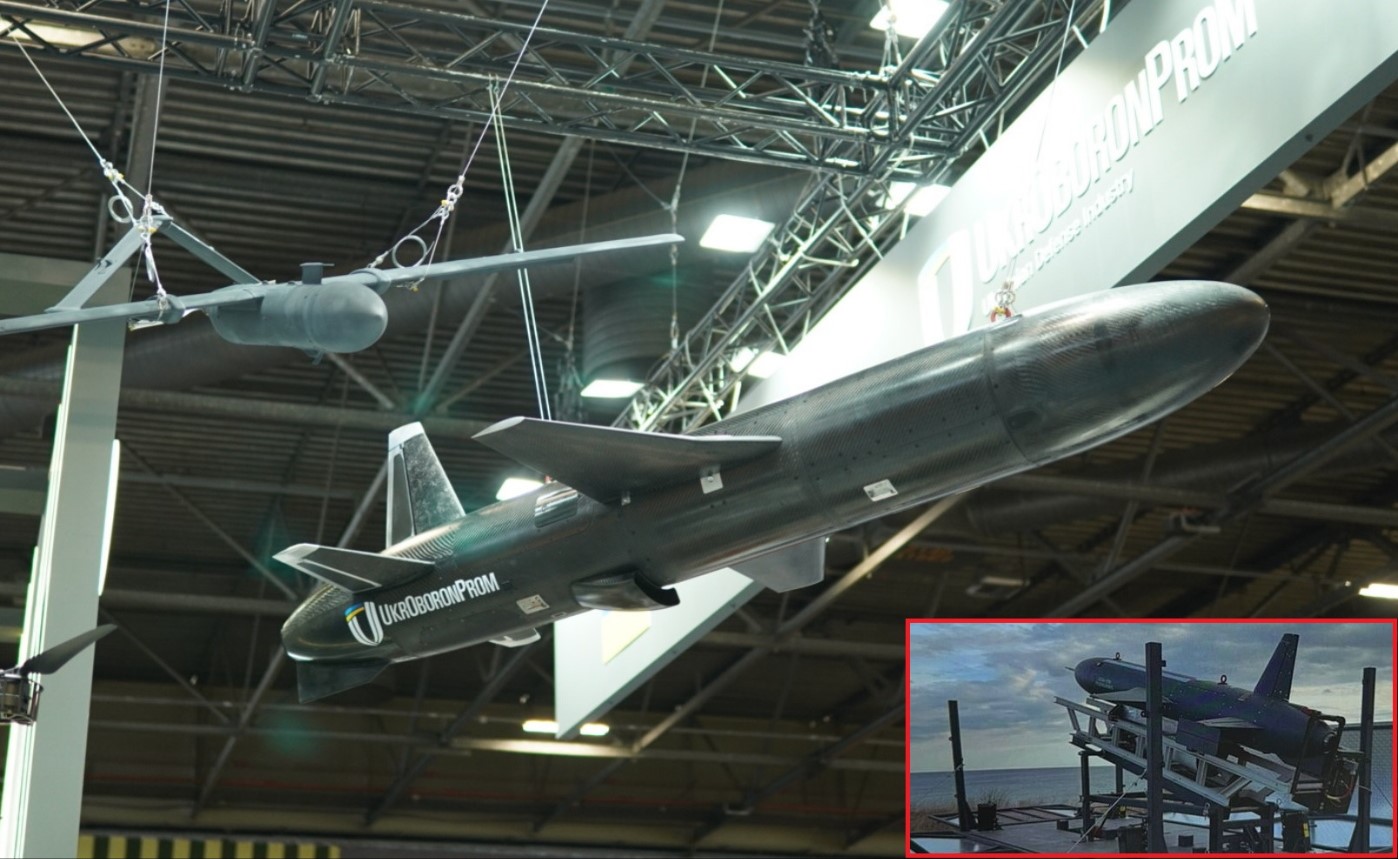 Ukraine Unveils UAV-290 Jet-Powered Strike Drone with 650 km Range at Eurosatory 2026
-
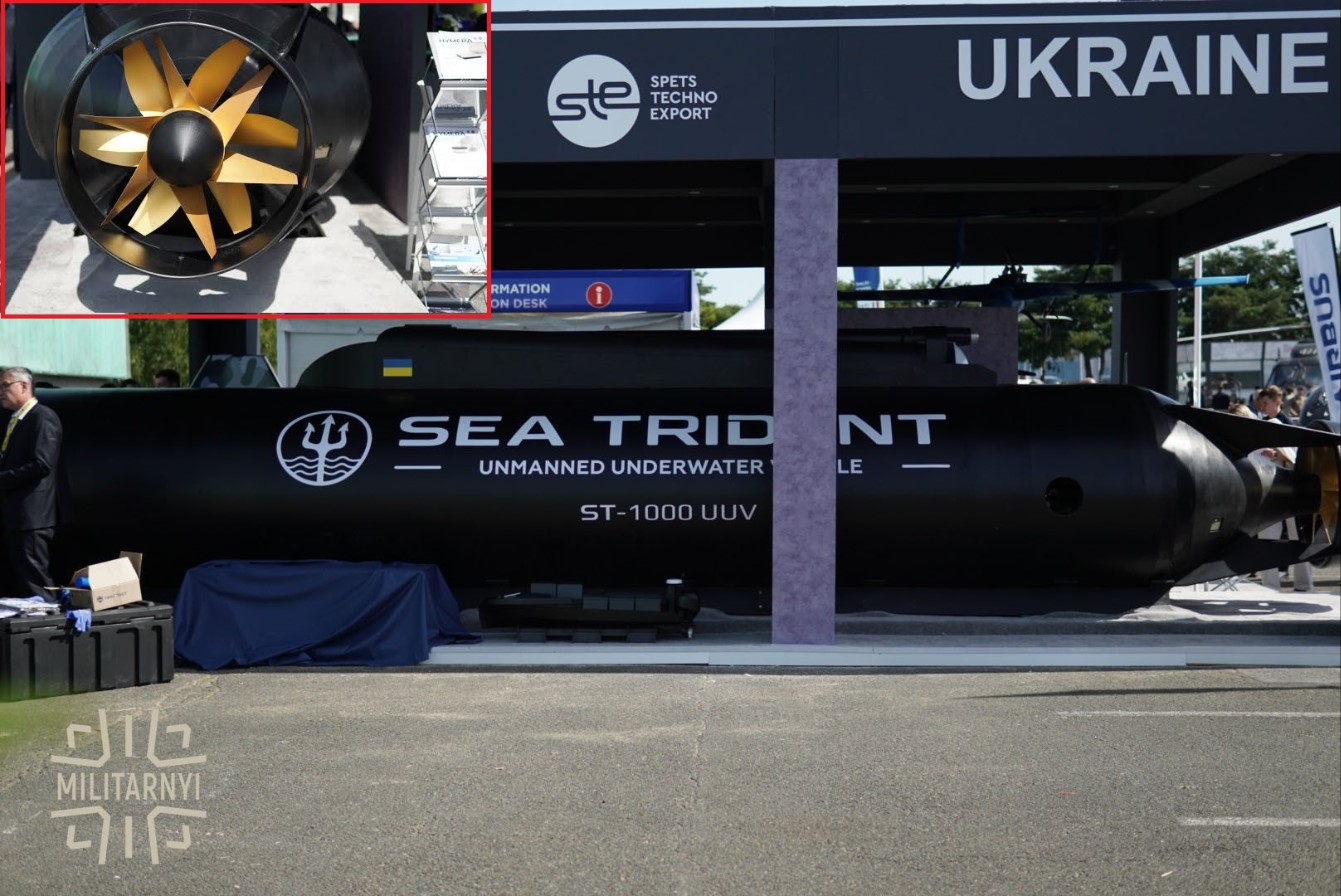 Ukraine Unveils 'Sea Trident' 10-Ton Autonomous Underwater Drone at Eurosatory 2026
-
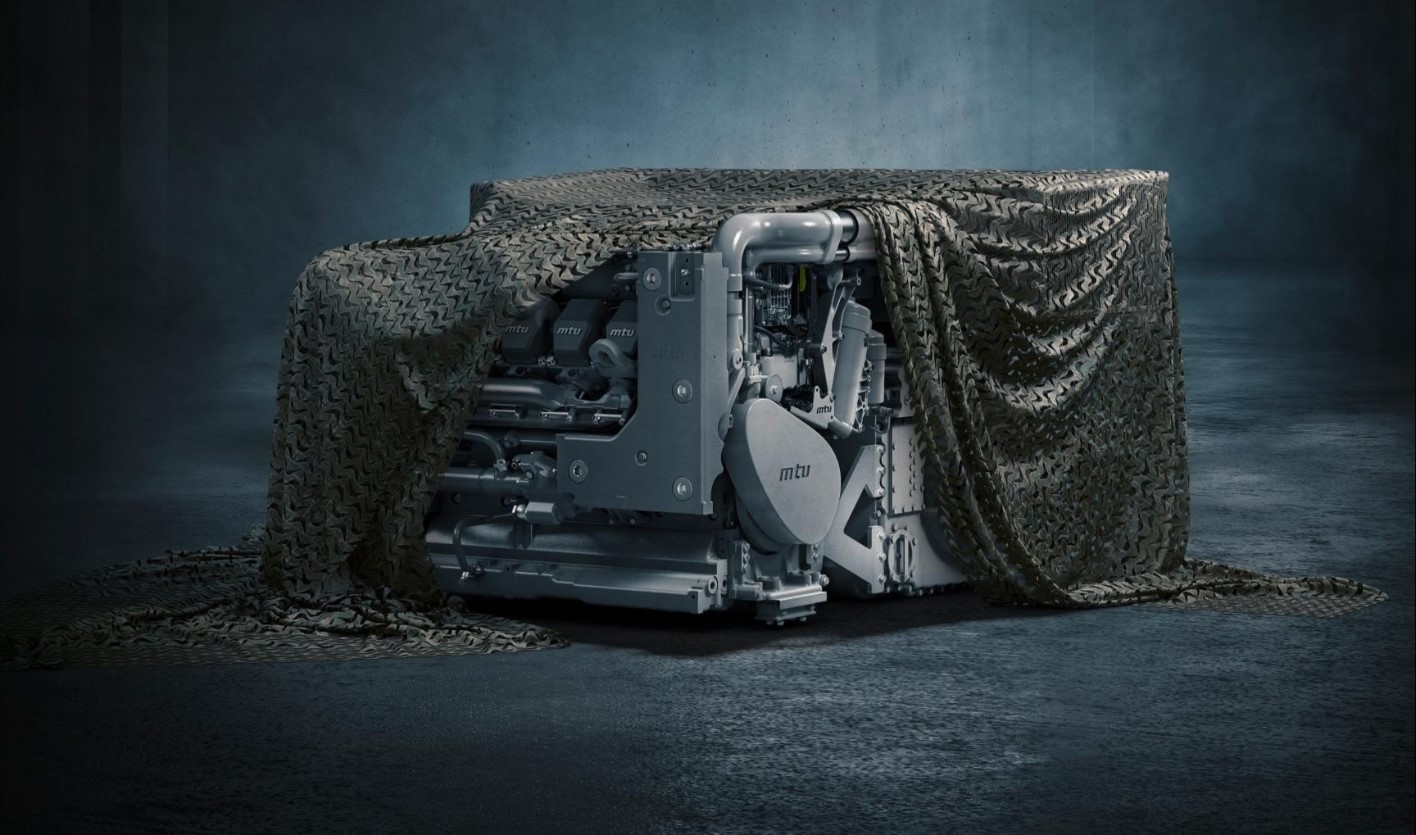 Rolls-Royce Unveils New Hybrid Powertrain for Heavy Military Vehicles at Eurosatory 2026
-
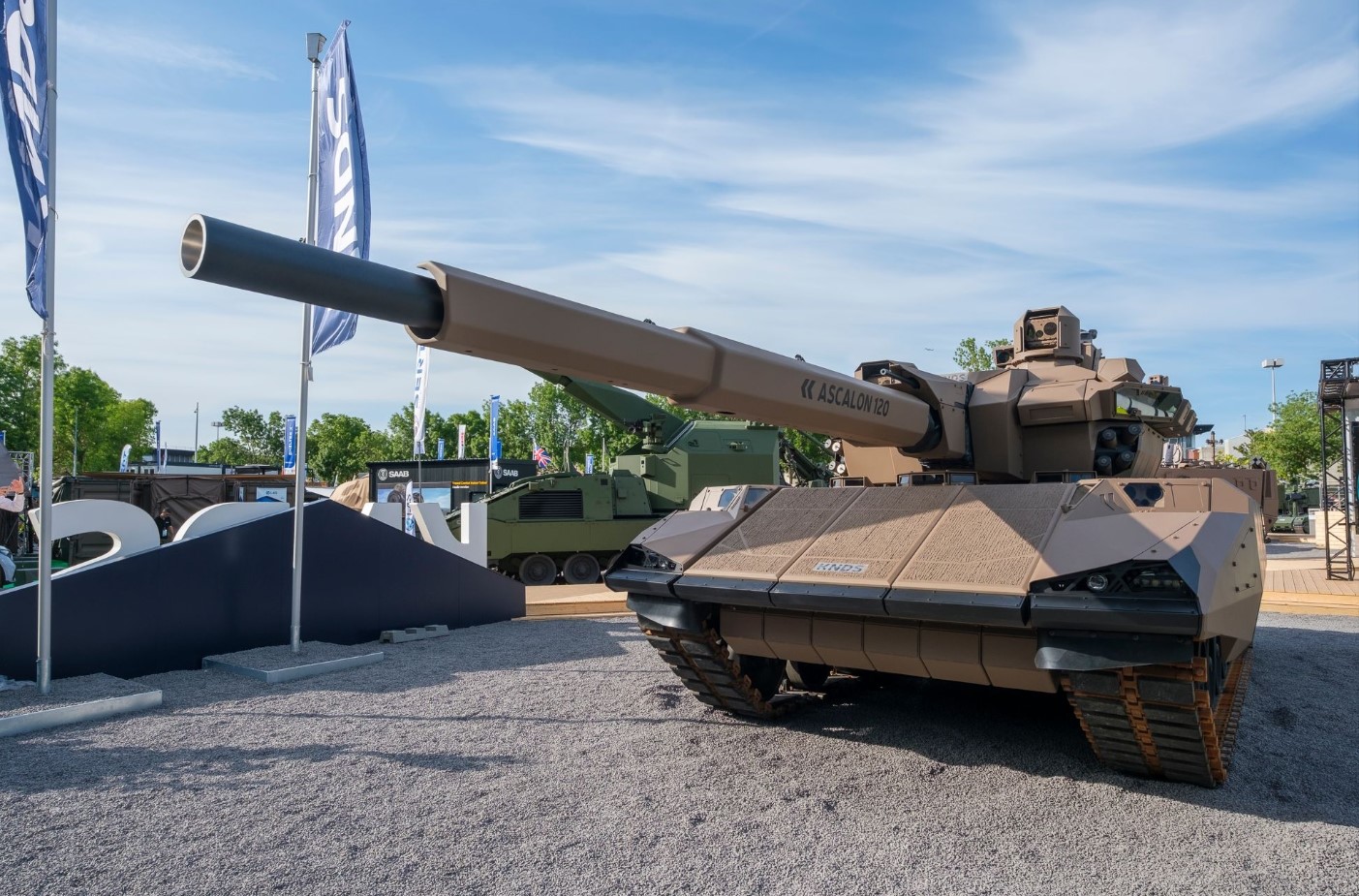 KNDS Unveils CAPINT Main Battle Tank at Eurosatory 2026 as Leclerc Stopgap