The Indian Air Force (IAF) achieved a historic milestone on December 14, 2024, as the first batch of officers for the newly established Weapon Systems Branch was commissioned at the Air Force Academy in Dundigal, near Hyderabad. This commissioning ceremony marked a transformative moment in the history of the IAF, introducing a specialized operational branch designed to address the evolving dynamics of modern warfare.
A Strategic Leap in Air Force Capabilities
The Weapon Systems Branch, announced during the Air Force Day celebrations in 2022 by then Chief of Air Staff, Air Chief Marshal Vivek Ram Choudhari, is the first new operational branch introduced since India’s independence. Officially approved by the government on October 8, 2022, and formally launched in July 2024, this branch has been created with the primary objective of unifying all weapon system operators under a single cohesive framework. This reorganization aims to enhance operational efficiency by allowing fighter pilots to concentrate exclusively on their core flying duties while specialists in the branch handle weapon systems.
The branch reflects the IAF's forward-thinking approach in adapting to modern warfare. By focusing on niche roles such as missile operations, drone management, and multi-crew aircraft weaponry, the branch seeks to align its capabilities with the rapid technological advancements in defense.
Specialized Sub-Streams for Tactical Superiority
The Weapon Systems Branch is divided into four specialized sub-streams, each focusing on a specific operational domain:
-
Surface-to-Surface Missiles (SSM): Officers in this stream manage and operate missile systems targeting ground-based threats, enabling precision strikes on enemy installations.
-
Surface-to-Air Missiles (SAM): This stream deals with the deployment and control of missile systems designed to neutralize aerial threats, forming a critical layer in India’s air defense network.
-
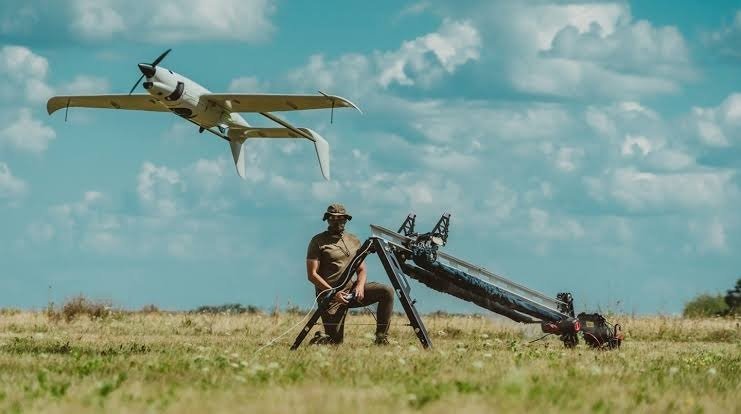
Remotely Piloted Aircraft (RPA): Operators in this sub-stream oversee drone missions for surveillance, reconnaissance, and logistical support. With the increasing use of drones in combat scenarios, this specialization ensures the IAF remains at the forefront of unmanned warfare.
-
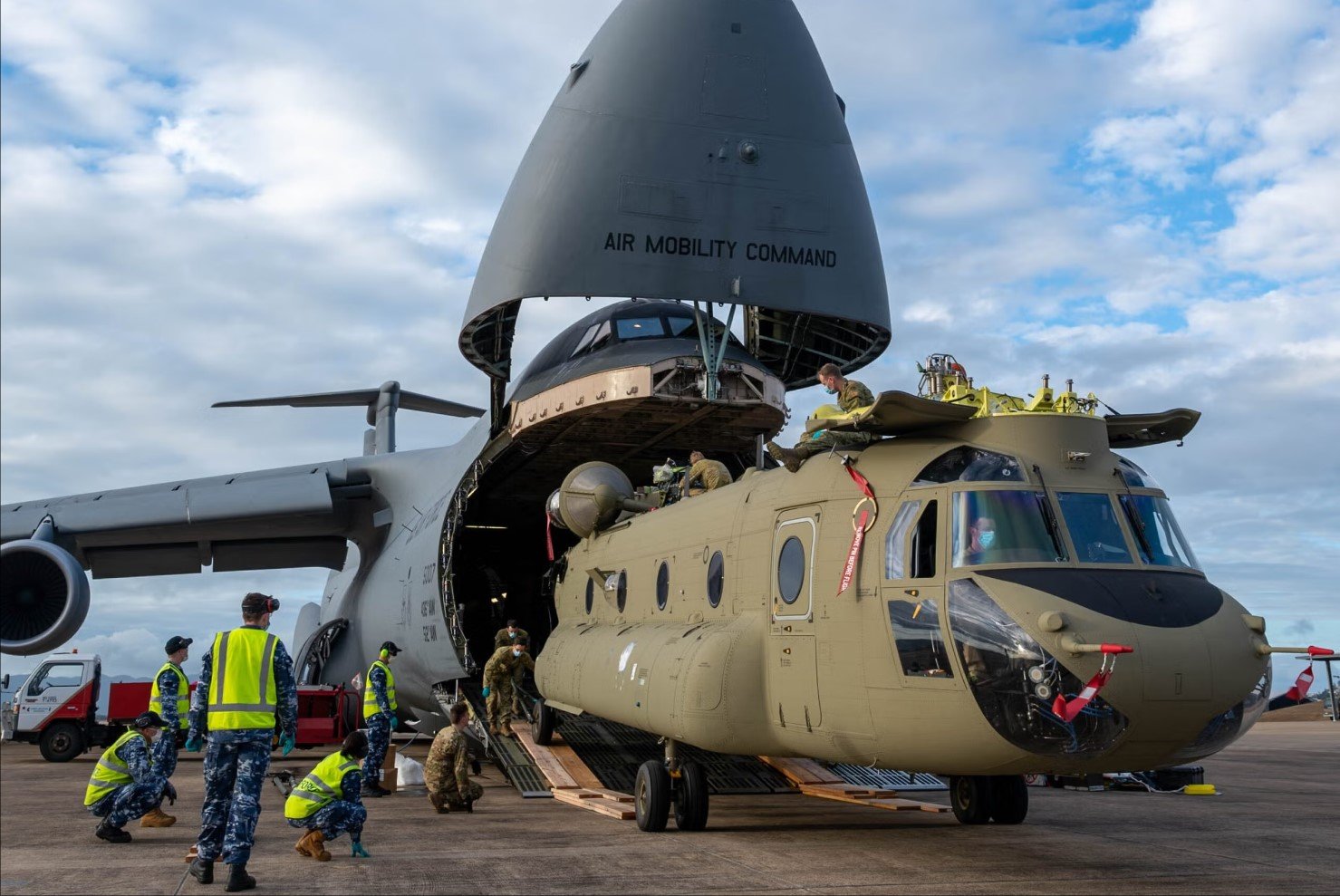
Twin/Multi-Crew Aircraft Operations: Officers here focus on managing weapons systems aboard larger, multi-crew aircraft, such as bombers or transport aircraft, which often serve in complex and coordinated missions.
These sub-streams demonstrate a clear intent to harness specialized expertise in varied operational environments, thereby reinforcing India’s strategic capabilities across multiple domains.
The First Batch and its Significance
The inaugural batch comprises 33 officers who now assume pioneering roles in this new cadre. These officers have undergone rigorous training to operate state-of-the-art systems, reflecting the branch’s emphasis on technical proficiency. Their commissioning signifies the IAF's readiness to operationalize this ambitious initiative and integrate advanced technologies into its operational framework.
The ceremony also showcased the IAF’s vision for enhancing its operational readiness. By establishing this branch, the air force is taking proactive measures to address the challenges posed by modern warfare, including asymmetric threats and rapidly evolving technological paradigms.
Technological Backbone and Strategic Importance
The Weapon Systems Branch is more than just a structural reorganization; it represents a shift towards technology-driven operations. With the IAF inducting platforms like the S-400 air defense systems, BrahMos missile systems, and advanced drones, the need for highly skilled operators has become imperative. The establishment of this branch ensures that such sophisticated systems are managed with precision and expertise.
Moreover, this initiative is expected to streamline resource allocation, improve mission efficiency, and enhance inter-branch coordination within the IAF. By fostering specialization, the IAF is poised to respond swiftly to threats while maintaining a robust deterrence posture.
A Broader Trend in Modernizing Armed Forces
The creation of the Weapon Systems Branch aligns with a broader trend within India’s armed forces of modernizing and adapting to emerging security challenges. The branch not only improves operational effectiveness but also underscores India’s commitment to maintaining a technologically advanced military capable of defending its sovereignty in a rapidly changing global security landscape.
As the IAF continues to evolve, the Weapon Systems Branch will likely play a pivotal role in shaping India’s air power capabilities for decades to come.
——— End of Article ———