In a surprising twist to regional geopolitics, Azerbaijan has reportedly reached out through intermediaries in a Middle Eastern country to inquire about procuring Indian-made weapons. This development comes against the backdrop of recent public criticism by Azerbaijan’s Defence Ministry, which questioned the effectiveness of Indian arms sold to Armenia. Azerbaijan had dismissed these arms, such as the Pinaka Multi-Barrel Rocket Launchers (MBRLs), as ineffective in altering the regional military balance.
This unexpected outreach to India, a nation Azerbaijan had previously criticized, underscores the dynamic nature of geopolitical alignments and defense strategies in the South Caucasus. As Azerbaijan explores new arms sources amidst evolving regional dynamics, its interest in Indian defense technology raises questions about shifting priorities and underlying needs.
Azerbaijan’s Shifting Defense Strategy
Historically, Azerbaijan has relied heavily on its strategic alliances with Turkey and Israel for advanced weaponry. Turkey has provided cutting-edge UAVs, including the Bayraktar TB2 drones that played a pivotal role in Azerbaijan’s military successes during the 2020 Nagorno-Karabakh conflict. Israel has supplied a broad array of systems, from missile defense to high-tech surveillance equipment. However, shifting geopolitical realities are influencing Azerbaijan's procurement strategy.
Recent developments, including Israel’s intensified focus on the Gaza conflict, have slowed its arms exports. Similarly, while Turkish support remains steadfast, Azerbaijan appears to be diversifying its defense procurement to address potential gaps in its arsenal, particularly in artillery and ammunition.
India’s growing defense manufacturing capabilities under its “Make in India” initiative have placed it on the radar of countries seeking reliable and cost-effective military hardware. Indian systems like the Pinaka MBRL, Dhanush and ATAGS artillery guns, and BrahMos missiles have garnered international interest for their performance and affordability. It’s this reputation that might have caught Azerbaijan’s attention, despite previous criticism.
Why Indian Weapons?
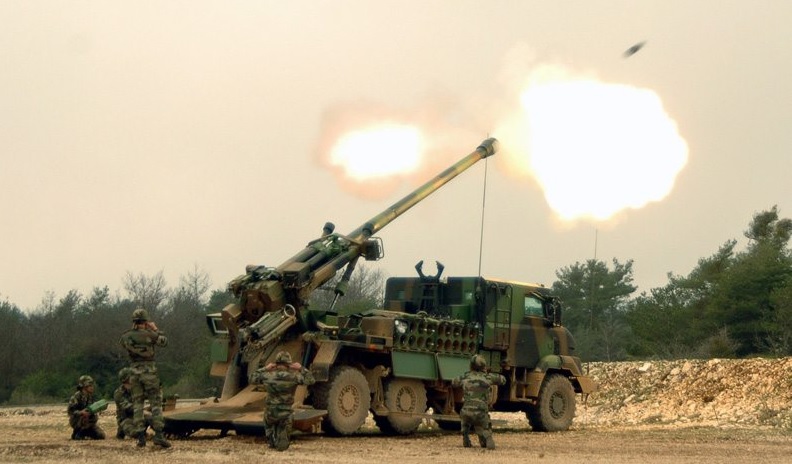
Azerbaijan’s interest reportedly centers on Indian-made artillery systems and ammunition. Indian artillery, including the Advanced Towed Artillery Gun System (ATAGS), has been praised for its accuracy, extended range, and robust design. The ATAGS, for instance, boasts a firing range of over 48 km, making it one of the longest-range systems in its class globally. Similarly, the Pinaka MBRL, with its rapid-fire capability and precision targeting, is a battlefield game-changer.
India’s development of cost-efficient, high-quality small arms and ammunition could also appeal to Azerbaijan, particularly if it seeks to supplement its stockpiles without over-relying on existing suppliers. This interest could be driven by Azerbaijan’s recognition of the practical performance of Indian arms in the challenging terrains of Armenia, where they have reportedly been deployed.
Diplomatic Nuances of the Proposal
Baku’s choice to approach India indirectly, through a Middle Eastern intermediary, highlights the sensitivity of such a potential transaction. Direct engagement could risk Azerbaijan’s existing partnerships and invite criticism from allies like Turkey and Pakistan, especially given India’s defense relationship with Armenia. Using intermediaries allows Azerbaijan to gauge India’s willingness to engage without committing diplomatically.
If India were to proceed with arms sales to Azerbaijan, it would need to balance its relations carefully with both Azerbaijan and Armenia. India has consistently supported Armenia by supplying weapons to bolster its defenses against Azerbaijani aggression. Expanding sales to Azerbaijan could risk alienating Yerevan, potentially straining the goodwill established between the two nations.
Broader Implications
Azerbaijan’s approach presents a unique opportunity for India to expand its defense export footprint. For New Delhi, entering Azerbaijan’s arms market could reinforce its standing as a global arms supplier while showcasing the quality of its indigenous defense products. However, such a move would require deft diplomacy to avoid exacerbating regional tensions in the South Caucasus.
India’s broader strategic interests could also benefit from this engagement. Demonstrating the ability to balance competing interests in a volatile region like the South Caucasus could enhance India’s credibility as a global player. Additionally, it aligns with India’s ambition to challenge China’s growing influence in international defense markets, particularly in countries like Azerbaijan that have procured Chinese-origin systems such as the JF-17 fighter jets.
Conclusion
Azerbaijan’s discreet interest in Indian arms underscores the fluid nature of international relations and the pragmatic considerations that often drive defense procurement decisions. While the move could be seen as an acknowledgment of India’s growing capabilities in defense manufacturing, it also reflects Azerbaijan’s need to adapt to changing geopolitical and operational realities.
For India, the proposal is a double-edged sword—an opportunity to showcase its defense products on a global stage, but one that demands careful navigation of its relationships in a deeply polarized region. If handled strategically, this could mark a significant milestone in India’s rise as a key player in global arms exports while influencing the delicate balance of power in the South Caucasus.
——— End of Article ———