India
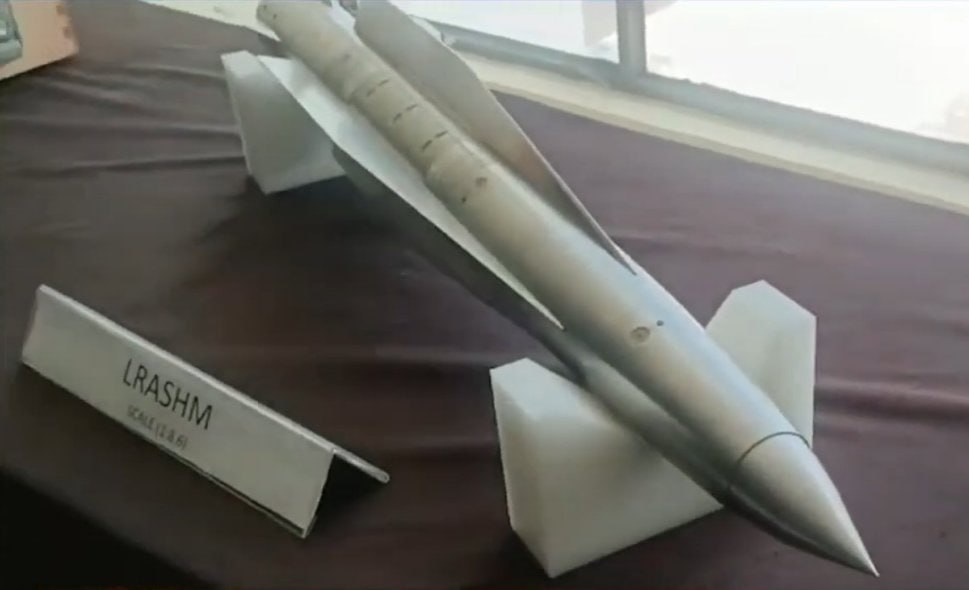
India’s Defense Research and Development Organization (DRDO) is steadily advancing in the realm of hypersonic technology, a field that is revolutionizing modern warfare. Among its ambitious projects, the Long-Range Anti-Ship Missile (LRAShM) stands out as a critical weapon system under development. Recently, a scaled-down model of this hypersonic missile was showcased, offering a glimpse into its design philosophy, potential specifications, and the nation’s progress in hypersonic capabilities. Here, we dive into the details of the project, its developmental timeline, and the technological features that set it apart. The Scaled-Down Model and Key Features The model displayed by DRDO reflects a missile design optimized for hypersonic speeds—greater than Mach 5—and long-range precision targeting. It embodies cutting-edge advancements in aerodynamics, propulsion systems, and guidance technology. Key features expected in the LRAShM include: Hypersonic Cruise Capability: Powered by a scramjet engine, the missile is designed to sustain speeds exceeding Mach 6, ensuring reduced reaction time for adversaries. Extended Range: Early estimates suggest a range of 1,000–2,000 km, allowing the weapon to strike targets deep within enemy naval formations. Stealth and Maneuverability: Incorporation of radar-absorbing materials and an ability to perform evasive maneuvers to counter interception. Precision Guidance: Advanced seekers and guidance systems, possibly leveraging AI, for terminal-phase precision targeting of moving ships. Versatility: Compatibility with multiple platforms, including warships, submarines, and aircraft, enhancing operational flexibility. Developmental Timeline The journey of the LRAShM’s development reflects India’s growing expertise in hypersonic systems. Here is a timeline of major milestones: 2019: DRDO successfully tested the Hypersonic Technology Demonstrator Vehicle (HSTDV), proving India’s ability to develop scramjet propulsion systems. 2021: The project for a hypersonic LRAShM officially gained momentum, with initial design studies and feasibility analyses completed. 2022: Collaborative work between DRDO’s laboratories and industry partners began on integrating scramjet engines with long-range strike capabilities. 2023: Testing of subsystems and critical technologies commenced, including high-temperature materials and guidance systems. 2024: Scaled-down model unveiled, marking significant progress in aerodynamic design validation and propulsion integration. 2025–26 (Expected): Prototype testing of the fully functional missile, including flight tests under simulated operational conditions. 2027–28 (Expected): Induction into the Indian armed forces after successful trials and validation. Strategic Importance The hypersonic LRAShM is poised to significantly enhance India’s maritime strike capability. In an era of increasing naval competition in the Indo-Pacific, the missile will serve as a force multiplier, capable of neutralizing high-value targets such as aircraft carriers and naval battle groups. Its hypersonic speed ensures survivability against modern air defense systems, while its long range allows for engagement from safe distances. Furthermore, the LRAShM underscores India’s self-reliance in defense technology, reducing dependence on foreign weapon systems and strengthening the nation’s position as a global defense innovator. Challenges and the Road Ahead Despite its promising features, the development of the hypersonic LRAShM is not without challenges. The extreme thermal and mechanical stresses associated with hypersonic speeds necessitate breakthroughs in material science and propulsion technology. Additionally, integrating AI-driven guidance systems and ensuring interoperability with existing military platforms will require meticulous planning and execution. As DRDO continues its work, collaboration with academia, private industry, and global partners could expedite the realization of this game-changing missile. The LRAShM project is a testament to India’s determination to emerge as a leader in advanced military technologies, ensuring its strategic security in the decades to come.
Read More → Posted on 2024-12-24 14:51:30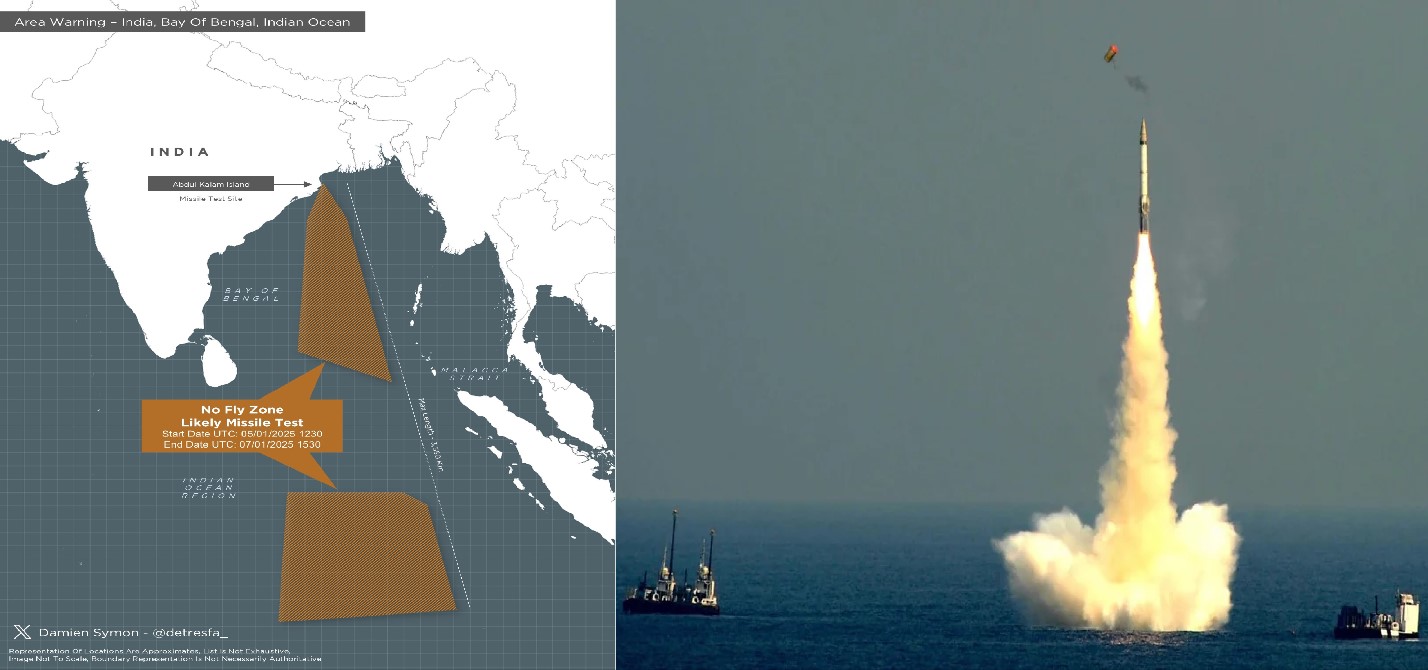
India
India has started the new year with a strong display of its strategic defense capabilities by issuing a Notice to Airmen (NOTAM) for a potential missile test in the Bay of Bengal region. The alert, effective from January 5 to January 7, 2025, spans an expansive area of 3,555 kilometers, aligning with the operational range of India’s advanced Agni-5 series of Intercontinental Ballistic Missiles (ICBMs). This move highlights India's ongoing efforts to enhance its missile technology and strengthen its deterrence capabilities. Potential Agni-5MkII Missile Test The issued NOTAM indicates a missile test trajectory that strongly suggests the Agni-5MkII is the focus. Known for its long-range capabilities and advanced technology, the Agni-5MkII is equipped with Multiple Independently targetable Reentry Vehicles (MIRVs). This cutting-edge feature allows a single missile to deliver multiple warheads to separate targets, significantly complicating any adversary's defense strategies. With a range exceeding 5,000 kilometers, the Agni-5 series positions India firmly within the realm of global strategic powers. If this test involves the Agni-5MkII, it will mark a key milestone in India's missile development. The integration of MIRV technology not only enhances the missile's effectiveness but also represents a formidable boost to India's nuclear deterrence strategy. Such advancements ensure India remains equipped to address evolving security challenges in an increasingly complex geopolitical landscape. Strategic Implications and Regional Reactions Missile tests of this nature rarely go unnoticed on the global stage. Regional adversaries like China and Pakistan will likely view this as a significant development, potentially prompting responses aimed at maintaining strategic balance. The Agni-5MkII, with its ability to carry multiple warheads, shifts the dynamics of regional defense, particularly in terms of second-strike capabilities. Neighboring nations, as well as global powers like the United States and Russia, will carefully analyze this test for its implications on Indo-Pacific security. India's consistent focus on bolstering its missile program reflects its commitment to both deterrence and defense. Alongside the Agni series, India is also making strides in anti-ballistic missile technology and satellite surveillance systems, further solidifying its position as a regional power with advanced defense capabilities. Broader Defense Strategy The upcoming missile test is part of India's broader strategy to modernize its military and ensure readiness against emerging threats. Over the years, India has invested heavily in indigenous missile development, including programs like the BrahMos missile, ballistic missile defense systems, and hypersonic technology. The Agni-5MkII's successful demonstration will reinforce India's deterrence posture while sending a clear message to potential adversaries about its readiness and technological prowess. Furthermore, the integration of MIRVs in its missile arsenal underscores India's capability to adapt to evolving military technologies, ensuring its defense forces remain future-ready. Conclusion India’s NOTAM for a missile test in the Bay of Bengal signals a significant step in its defense trajectory. Whether it involves the Agni-5MkII or another advanced missile, this test will not only enhance India’s strategic capabilities but also reaffirm its commitment to safeguarding national security. As global attention turns toward the Bay of Bengal in the coming days, the test is poised to highlight India’s growing role in shaping regional and global defense dynamics.
Read More → Posted on 2024-12-24 14:25:05
India
Adani Defence Systems & Technologies Ltd (ADSTL), a key subsidiary of the Adani Group, has announced a landmark acquisition in the aviation sector by taking an 85.8% stake in Air Works India (Engineering) Pvt. Ltd for ₹400 crore. This move not only marks Adani Defence's foray into India's growing Maintenance, Repair, and Overhaul (MRO) industry but also underscores its ambition to expand its footprint in both the commercial and defence aviation sectors. Air Works: A Leader in India's MRO Sector Air Works, founded in 1951, stands as India's largest private-sector MRO provider with a robust network of operations across 35 cities. The company boasts over 1,300 highly skilled employees and holds regulatory approvals from civil aviation authorities in more than 20 countries, including the US and Europe. Its expertise spans servicing fixed-wing and rotary-wing aircraft, catering to a diverse clientele that includes commercial airlines, private jets, and defence organizations. In recent years, Air Works has emerged as a critical player in the defence sector, undertaking projects for the Indian Navy and Air Force. Notable achievements include phase inspections and heavy maintenance for the Navy’s P-8I long-range maritime patrol aircraft and work on the IAF's transport fleet. This aligns perfectly with India’s Aatmanirbhar Bharat initiative, which aims to boost self-reliance in critical defence and aviation capabilities. Strategic Importance of the Acquisition The acquisition of Air Works is more than just a business transaction for Adani Defence; it is a strategic leap toward creating an integrated aviation services ecosystem. Jeet Adani, Director of Adani Airports, emphasized that this move would contribute significantly to strengthening India's aviation infrastructure at a time when the sector is poised for exponential growth. India, currently the third-largest aviation market globally, is expected to add more than 1,500 aircraft in the next few years. This rapid expansion creates a massive demand for MRO services, estimated to exceed $5 billion annually by 2030. By integrating Air Works' capabilities, Adani Defence positions itself to capitalize on this opportunity while reducing India's dependence on foreign MRO service providers. Ashish Rajvanshi, CEO of Adani Defence & Aerospace, highlighted that this acquisition enables the company to offer end-to-end MRO services across commercial and defence sectors. It also aligns with Adani’s broader vision of building a robust aerospace and defence portfolio, contributing to both national security and economic development. A Game-Changer for India's Defence and Aerospace Sector With this acquisition, Adani Defence is poised to play a pivotal role in transforming India's aerospace landscape. Air Works' decades-long expertise, combined with Adani's resources and vision, sets the stage for a new era of innovation and self-reliance in aviation. This strategic move not only bolsters India's indigenous capabilities but also aligns with global standards, making the country a competitive player in the international aviation market. For Adani Group, this acquisition reinforces its commitment to nation-building, while for Air Works, it marks the beginning of an exciting new chapter under the Adani umbrella.
Read More → Posted on 2024-12-24 14:15:50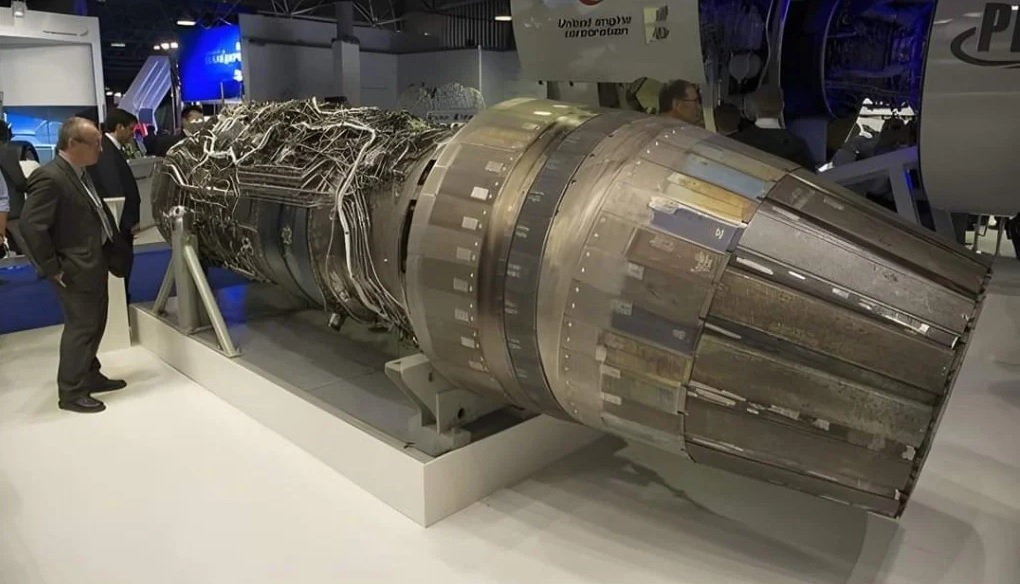
India
In a landmark achievement for India's aerospace engineering, the Gas Turbine Research Establishment (GTRE), part of the Defence Research and Development Organisation (DRDO), has announced that the indigenous Kaveri engine has been cleared for inflight testing. This pivotal development comes after decades of rigorous trials, modifications, and technological enhancements, marking a turning point in India’s pursuit of self-reliance in aero-engine technology. The Journey of the Kaveri Engine The Kaveri engine's development began in the late 1980s, originally intended to power India’s Light Combat Aircraft (LCA) Tejas. However, technical challenges related to weight, thrust deficits, and reliability hindered its certification for the LCA program. Despite these setbacks, the DRDO shifted its focus toward creating a dry variant of the Kaveri engine, optimized for unmanned aerial vehicles (UAVs), particularly for stealth platforms like the Ghatak Unmanned Combat Aerial Vehicle (UCAV). Over the years, the Kaveri project underwent transformative changes, benefiting from advanced simulations, design optimizations, and international collaborations. One significant milestone was the 2018 audit conducted by France's Safran, which confirmed that the engine had matured enough for integration with aircraft on a limited scale. Key Features and Specifications The latest iteration of the Kaveri engine has demonstrated impressive advancements in thrust, reliability, and operational stability. Currently, the engine delivers a dry thrust of approximately 49–51 kN, making it suitable for UAV applications. Plans are underway to integrate an afterburner, which could boost thrust to 73–75 kN, potentially enabling its use in manned aircraft or higher-performance UAVs. The engine has successfully passed extensive ground testing in India and high-altitude simulations in Russia. These tests validated its performance under extreme conditions, paving the way for inflight evaluations. Inflight Testing and Future Prospects The next critical step involves mounting the Kaveri engine onto a flying test bed (FTB) for real-world testing. This phase will assess its performance in diverse flight conditions, its interaction with onboard systems, and its reliability in dynamic operational scenarios. The inflight tests will also evaluate endurance, thermal stability, and efficiency, ensuring the engine meets the stringent requirements of modern aerial platforms. The GTRE and DRDO are already looking ahead, with plans for the development of a Kaveri 2.0 engine. This upgraded version aims to close the gap with globally renowned engines used by the Indian Air Force, offering higher thrust and greater fuel efficiency. Strategic Implications The clearance for inflight testing signifies more than a technological breakthrough; it represents a strategic victory for India's aerospace ambitions. By reducing dependency on foreign suppliers, the Kaveri engine aligns with the nation’s broader goal of self-reliance in defense technology. Furthermore, it positions India as a potential exporter of advanced aero-engine technology in the future. Challenges and the Road Ahead Despite this significant milestone, challenges remain. The Kaveri engine must demonstrate consistent performance across extended inflight tests and prove its adaptability to various operational requirements. Additionally, scaling the engine for integration with a wider range of platforms will require further refinements. Nevertheless, the successful inflight testing of the Kaveri engine could redefine India’s aerospace landscape, underscoring the nation’s capability to innovate and lead in high-tech defense solutions.
Read More → Posted on 2024-12-24 13:56:46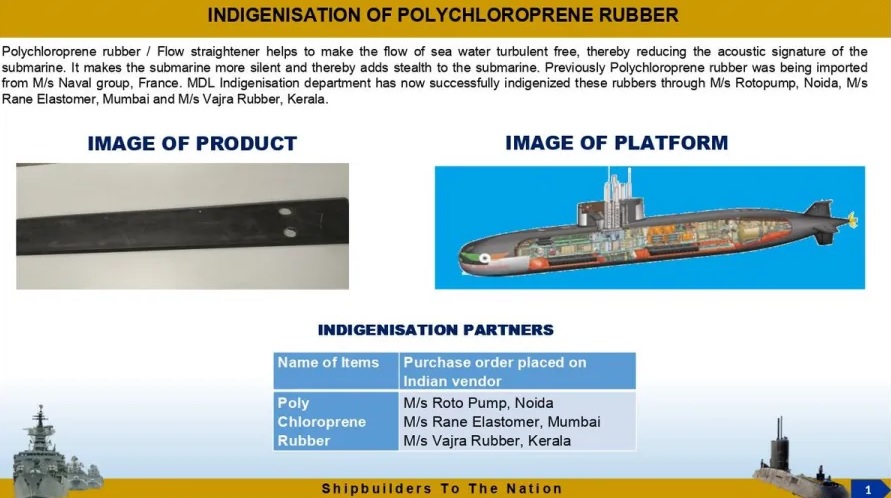
India
Mazagon Dock Shipbuilders Limited (MDL) has made a remarkable leap in India's quest for self-reliance in defence manufacturing. By successfully indigenising the production of Polychloroprene rubber/Flow straighteners, MDL has reinforced its commitment to enhancing the operational capabilities of India's submarine fleet. The Role of Polychloroprene Rubber / Flow Straightener in Submarine Stealth Submarines rely heavily on stealth to operate undetected in hostile environments. The Polychloroprene rubber/Flow straightener is a critical component in this regard. It ensures the smooth flow of seawater along the submarine’s hull, eliminating turbulence and reducing hydrodynamic noise. This significantly lowers the acoustic signature of the vessel, making it more challenging for adversaries to detect or track. Acoustic stealth is a cornerstone of modern submarine warfare. The quieter a submarine, the more effectively it can evade sonar detection, conduct reconnaissance, and execute missions. This is why such components are pivotal for submarines like the Scorpene class, which are known for their stealth characteristics. Moving Towards Self-Reliance Historically, India depended on imports from international suppliers such as the French firm Naval Group for these specialised components. This dependence not only posed logistical challenges but also inflated costs and created vulnerabilities in the supply chain. MDL’s successful indigenisation effort marks a major step forward in overcoming these hurdles. Collaborative Success This accomplishment was made possible through strategic collaborations with Indian manufacturers such as Rotopump in Noida, Rane Elastomer in Mumbai, and Vajra Rubber in Kerala. These partnerships underline the capability of Indian firms to meet stringent defence requirements while adhering to international standards. MDL’s Indigenisation department played a central role in this initiative, focusing on developing domestic expertise and manufacturing capacity. By involving local industry players, MDL has contributed to building a robust ecosystem for defence manufacturing in India. Enhanced Specifications Polychloroprene rubber is known for its exceptional resistance to seawater, weathering, and ozone, making it ideal for maritime applications. It offers high durability, flexibility, and resistance to degradation, ensuring long-term reliability in challenging underwater conditions. Additionally, the material's ability to maintain its structural integrity under varying temperatures and pressures is crucial for submarine operations. Flow straighteners, manufactured with this rubber, are designed to streamline water movement along the submarine's hull. Their optimised shape and material composition minimise drag, conserve energy, and enhance the overall hydrodynamic performance of the vessel. Broader Implications for Indian Defence This indigenisation effort aligns with the Government of India’s “Atmanirbhar Bharat” initiative, which aims to reduce dependence on foreign defence imports and bolster domestic production capabilities. MDL’s achievement showcases how Indian industries can deliver world-class components for advanced military platforms. Furthermore, the success of this project could inspire similar initiatives for other critical submarine components. By fostering innovation and collaboration, India is steadily building a foundation for comprehensive defence self-reliance. Conclusion MDL’s breakthrough in indigenising Polychloroprene rubber/Flow straighteners is not just a technical achievement but a strategic one. It strengthens India’s naval capabilities while reducing foreign dependency, ensuring a more secure and self-reliant defence infrastructure. As India continues to invest in indigenisation, such milestones serve as a testament to the country’s growing expertise in advanced defence technologies.
Read More → Posted on 2024-12-23 16:58:22
India
Mishra Dhatu Nigam (MIDHANI), a Hyderabad-based Defence Public Sector Undertaking (PSU), has achieved a major milestone in India's aerospace industry. The organization has successfully delivered its first batch of indigenously developed titanium and superalloys to Hindustan Aeronautics Limited (HAL). These advanced materials will play a crucial role in manufacturing the airframe and structural parts of the Tejas Mk2 fighter jet, a significant upgrade of India’s indigenous Light Combat Aircraft (LCA). Advanced Materials for High-Performance Aircraft The titanium alloys and superalloy components delivered by MIDHANI were developed in collaboration with the Centre for Military Airworthiness and Certification (CEMILAC) and the Directorate General of Aeronautical Quality Assurance (DGAQA). These agencies ensured that the materials adhered to stringent aerospace standards, making them fit for the demands of high-speed, supersonic combat aircraft. Titanium’s Role: Titanium alloys are renowned for their high strength-to-weight ratio, corrosion resistance, and ability to withstand extreme conditions. For the Tejas Mk2, these properties will ensure a lightweight yet robust airframe capable of handling the rigors of aerial combat and high-speed maneuvers. Superalloys' Contribution: Superalloys, often used in high-stress and high-temperature environments, bring exceptional durability and thermal resistance. Their incorporation into the jet's structural design will enhance the aircraft’s operational reliability and longevity under demanding flight conditions. Tejas Mk2: India’s Next-Gen Fighter Jet The Tejas Mk2 is a pivotal advancement in India’s defence aviation. Compared to the LCA Mk1, the Mk2 variant boasts enhanced avionics, a greater payload capacity, and a longer operational range. Powered by the GE F414 engine, the Tejas Mk2 will bridge the gap between the light combat aircraft category and medium-weight fighter jets. It is designed to carry a heavier payload of up to 6.5 tonnes and features additional hardpoints for armament, making it a versatile asset for the Indian Air Force (IAF). The titanium-based airframe components supplied by MIDHANI will ensure the Mk2 remains agile while maintaining structural integrity. This capability is critical for high-speed maneuvers and advanced combat scenarios. Indigenous Manufacturing Milestone The delivery marks a significant step in India's journey toward self-reliance in defence technology. MIDHANI has been a long-standing contributor to India’s defence and aerospace sectors, with expertise in advanced materials for critical projects like the Advanced Medium Combat Aircraft (AMCA) and other indigenous platforms. The Tejas Mk2 project exemplifies the synergy between defence PSUs and certification bodies like CEMILAC and DGAQA. Such collaboration ensures that materials and components meet the highest quality standards, supporting the timely progression of critical projects. Future Outlook The prototype of the Tejas Mk2 is slated for rollout by late 2025, with flight testing expected soon after. As HAL advances in manufacturing the aircraft, MIDHANI's role in supplying high-performance materials will remain vital. The success of this collaboration underscores the importance of indigenization in achieving strategic autonomy for India’s defence forces. The Tejas Mk2 not only represents a leap forward for India’s military aviation capabilities but also reinforces the nation’s commitment to building a robust, self-reliant defence manufacturing ecosystem.
Read More → Posted on 2024-12-23 15:49:50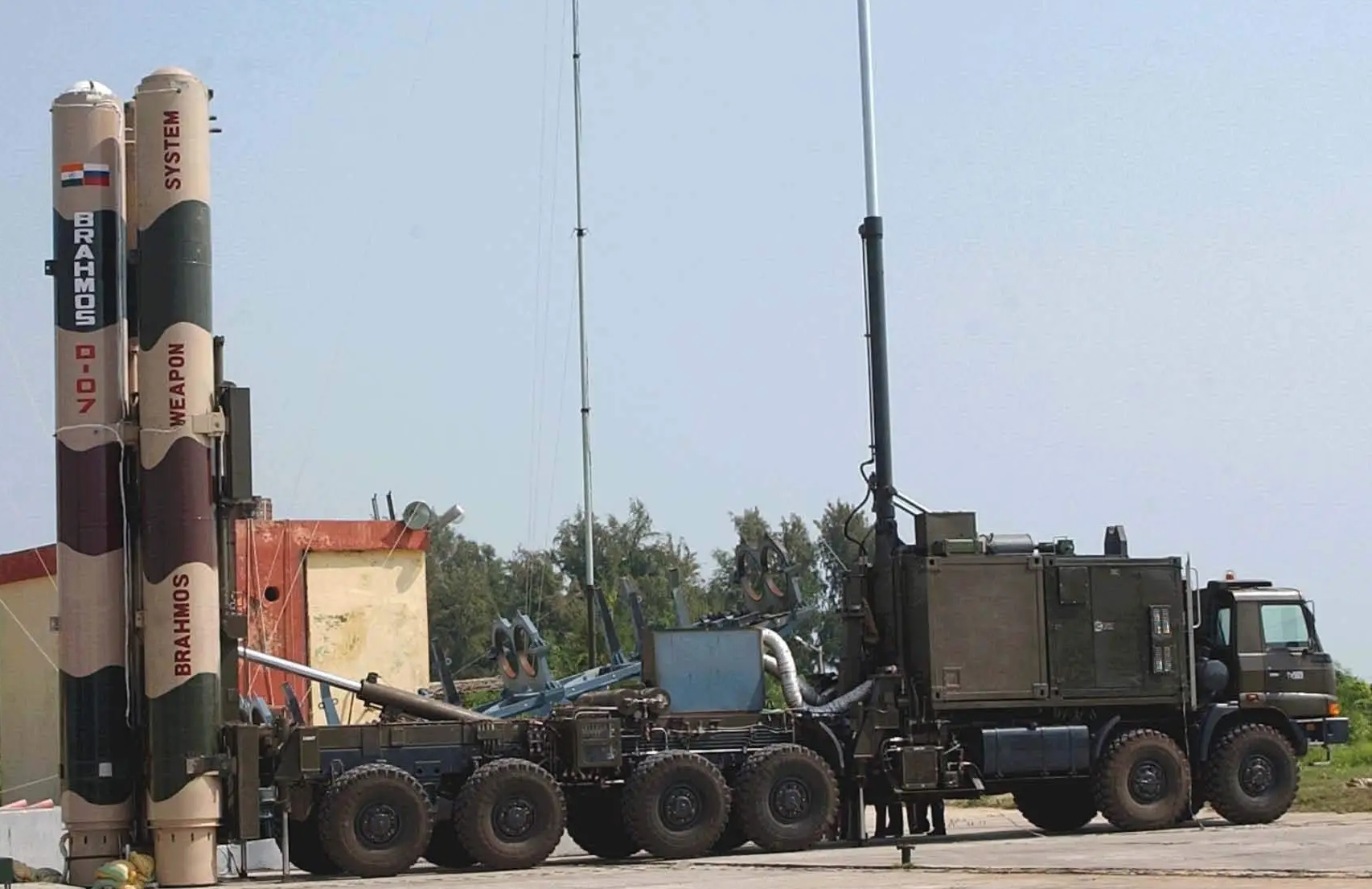
India
India and Vietnam are on the brink of a groundbreaking defence agreement involving the acquisition of the BrahMos supersonic cruise missile system, valued at $700 million. The deal, which is expected to be signed in the coming months, marks a significant milestone in defence cooperation between the two nations, reinforcing their strategic partnership amid evolving regional security challenges. The BrahMos missile, a joint development by India's Defence Research and Development Organisation (DRDO) and Russia's NPO Mashinostroyeniya, is renowned for its precision and speed. Capable of reaching speeds of up to Mach 2.9 and striking targets over 400 kilometers away, the missile is versatile and can be launched from land, sea, or air platforms. These capabilities make it a highly sought-after weapon system, especially in regions experiencing heightened security concerns. Strengthening Defence Ties This agreement positions Vietnam as the second international buyer of the BrahMos missile system, following the Philippines, which inked a similar deal in 2022. The Vietnamese Army and Navy are both expected to integrate the system into their arsenals, enhancing their defence capabilities significantly. Lieutenant General N.S. Raja Subramani, Vice Chief of the Indian Army, is currently on a pivotal three-day visit to Vietnam to solidify defence ties and finalize the BrahMos export deal. His visit underscores India's commitment to fostering deeper military collaboration with Vietnam, particularly as both nations navigate shared regional challenges, including maritime security in the South China Sea. Showcasing Collaboration at VIDE 2024 The Vietnam International Defence Expo 2024 (VIDE24) further highlighted the strengthening defence partnership between the two countries. The event featured the inauguration of an India Pavilion, showcasing cutting-edge defence technologies and products from prominent Indian companies such as BrahMos Aerospace, Hindustan Aeronautics Limited (HAL), Mazagon Dock Shipbuilders, and DRDO. High-ranking officials from both nations, including Vietnam's Minister of Public Security General Luong Tam Quang and Indian Secretary of Defence Production Sanjeev Kumar, attended the event. A Strategic Step in Regional Security This potential agreement reflects India's growing role as a global defence exporter and a key player in Southeast Asia. By enhancing Vietnam's military capabilities, the deal aims to counterbalance increasing assertiveness in the region, ensuring stability and security. For Vietnam, the acquisition of BrahMos represents a significant boost to its defence infrastructure, enabling it to protect its maritime interests effectively. For India, this deal not only strengthens its "Act East" policy but also underscores its emergence as a reliable defence partner for nations in Southeast Asia. As both countries move towards finalizing the agreement, this landmark collaboration is set to redefine their defence and strategic ties for years to come.
Read More → Posted on 2024-12-23 15:40:34
India
India's Defence Research and Development Organisation (DRDO) is taking a significant leap in advancing its naval warfare capabilities with the development of the Naval Anti-Ship Missile-Medium Range (NASM-MR). A centerpiece of this initiative lies in the fabrication of cutting-edge control surfaces, a critical step that highlights India’s self-reliance goals under the ‘Atmanirbhar Bharat’ initiative. The NASM-MR is an all-weather, over-the-horizon cruise missile tailored to counter small to medium-sized naval threats such as frigates, corvettes, and destroyers. Its control surfaces—integral components such as fins and wings—play a pivotal role in providing stability, maneuverability, and precision, enabling the missile to follow complex flight paths, evade enemy defenses, and accurately engage targets. Innovative Fabrication Process To fabricate the NASM-MR’s control surfaces, DRDO employs advanced materials like high-strength composites that enhance durability while keeping the structure lightweight. These composites enable improved aerodynamics, reduced drag, and extended range without compromising speed. Cutting-edge manufacturing techniques, including 3D printing and computer-aided design (CAD), are likely utilized to achieve precision and uniformity in these critical components. The National Aerospace Laboratories (NAL) has contributed to refining these control surfaces by conducting wind tunnel tests on NASM-MR prototypes. Such tests simulate real-world flight conditions, helping optimize the aerodynamic efficiency of the missile's design. This step is essential to ensure the missile's capability for low-altitude sea-skimming, a maneuver critical for avoiding radar detection. Strategic Significance of NASM-MR The NASM-MR represents a major boost to the Indian Navy's offensive capabilities. Designed for deployment from warships and potentially aircraft, this missile fills a key capability gap by providing a reliable, homegrown option for maritime strike operations. Its advanced control surfaces enable precise targeting of mobile and static naval threats, even in challenging environments. This project also underscores India’s commitment to reducing dependency on foreign technology for critical defense needs. By mastering the fabrication of complex components such as control surfaces, DRDO enhances India's strategic autonomy and strengthens its defense industrial base. Future Developments and Variants The NASM-MR is expected to go through several stages of development, including rigorous flight trials and iterative improvements based on performance data. Multiple prototypes are likely to be tested before the missile enters mass production. DRDO also has plans for various NASM-MR variants to address a broader range of operational needs, ensuring adaptability to evolving threats. Moreover, the NASM-MR builds on the progress of the NASM-SR (Short Range), which is already undergoing advanced testing. Together, these missiles form part of a comprehensive anti-ship missile program designed to bolster the Indian Navy's ability to counter rising regional naval threats, particularly in the Indian Ocean, where China's growing presence remains a concern. Conclusion The fabrication of control surfaces for the NASM-MR is a testament to DRDO’s technological prowess and its role in shaping India's defense landscape. As this missile nears its final stages of development, it not only enhances the Navy’s tactical edge but also reinforces India’s vision of self-reliance in defense. By integrating advanced manufacturing and aerodynamic expertise, the NASM-MR project marks a significant step forward in safeguarding India’s maritime interests.
Read More → Posted on 2024-12-22 15:49:10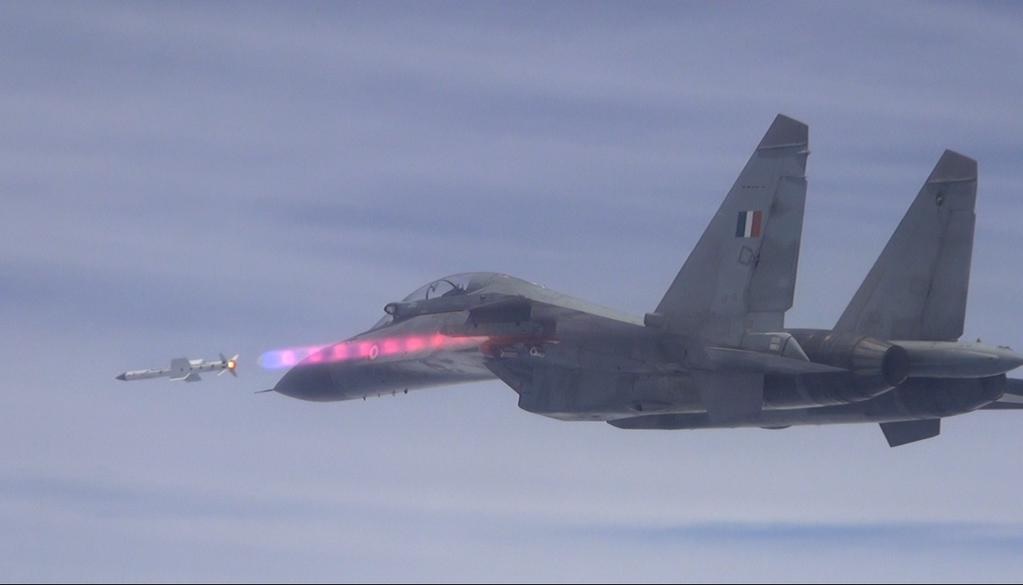
India
In a significant step towards bolstering defence cooperation and regional security, India has proposed integrating its indigenously developed Astra Mk1 Beyond Visual Range Air-to-Air Missile (BVRAAM) with Vietnam's fleet of Russian-origin Su-27 and Su-30 fighter jets. This initiative underscores India's growing role as a defence technology partner in the Indo-Pacific region, offering strategic advantages to both nations. Astra Mk1: A Cutting-Edge BVRAAM Developed by India’s Defence Research and Development Organisation (DRDO), the Astra Mk1 is a state-of-the-art missile designed for beyond-visual-range aerial combat. It features advanced active radar-seeker technology, enabling it to intercept enemy aircraft with exceptional precision, even in electronic warfare-heavy environments. The Astra Mk1 boasts an operational range of 80–110 kilometers and can achieve speeds of Mach 4.5. It is already integrated with the Indian Air Force’s Su-30MKI fleet, where it has demonstrated its effectiveness. The missile is also slated to be the primary air-to-air weapon for India’s Tejas Mk1A light combat aircraft, reflecting its critical role in India's air combat strategy. Strengthening Vietnam’s Air Combat Capabilities For Vietnam, the proposed integration of the Astra Mk1 with its Su-27 and Su-30MK2 fighters offers a major upgrade over its current arsenal of Russian-made R-27 and R-77 missiles. While the R-27 and R-77 are capable systems, their shorter range and older guidance technologies are less suited to modern aerial combat scenarios. Vietnam operates 10 Su-27 Flankers and 35 Su-30MK2 fighters, making this potential upgrade both timely and transformative. The Astra Mk1 would provide the Vietnamese People’s Air Force (VPAF) with the ability to engage enemy aircraft at extended ranges, enhance air superiority missions, and strengthen its defensive posture in the region. Strategic and Regional Implications This proposal is set against the backdrop of increasing strategic collaboration between India and Vietnam, with both nations sharing concerns over regional stability, particularly in the South China Sea. Vietnam has been steadily modernizing its military, and the integration of the Astra Mk1 aligns with its broader goals of maintaining a credible deterrent. India, on the other hand, is emerging as a key defence exporter. The Astra Mk1 marks a significant milestone in India’s indigenous defence manufacturing journey and showcases its ability to meet export demands. Over 400 units of the missile are already in service or on order with the Indian Air Force, with production scaling up for both domestic and international markets. Looking Ahead: Potential for Advanced Missiles India’s missile program is not stopping at the Astra Mk1. DRDO is actively working on advanced variants such as the Astra Mk2, which will have a range of up to 160 kilometers, and the Astra Mk3, incorporating cutting-edge solid-fuel ducted ramjet (SFDR) technology for extended reach and enhanced capabilities. Vietnam’s potential adoption of the Astra Mk1 could open doors for future collaboration on these advanced systems, further cementing defence ties between the two nations. Conclusion The integration of the Astra Mk1 missile with Vietnam’s Su-27 and Su-30 fleet would not only strengthen Vietnam's air combat capabilities but also deepen India-Vietnam defence cooperation. As regional dynamics evolve, this partnership signals a shared commitment to maintaining peace and stability in the Indo-Pacific. While formal agreements are yet to be signed, this proposal highlights India’s growing stature as a reliable defence partner and a leader in indigenous military technology development.
Read More → Posted on 2024-12-22 15:18:00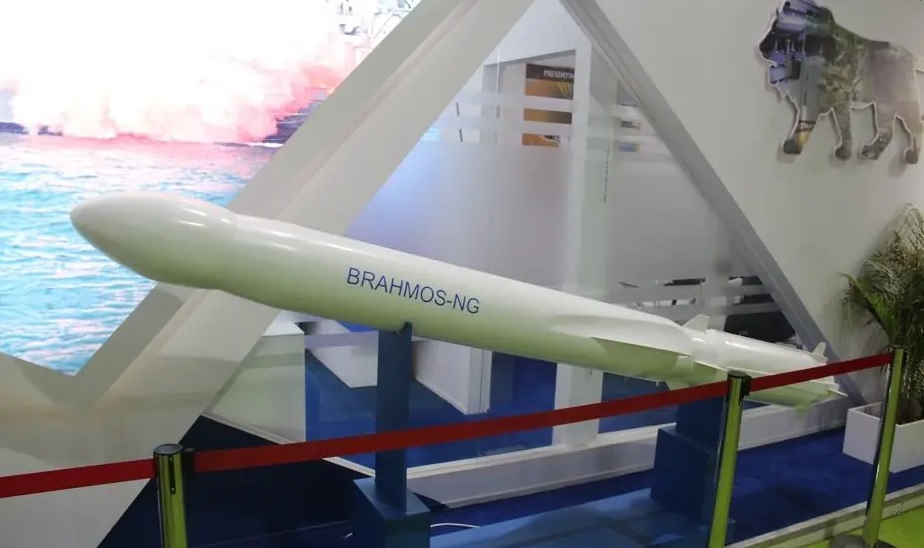
India
BrahMos Aerospace, the renowned Indo-Russian joint venture, is set to embark on a new chapter with the production of the next-generation BrahMos-NG missile slated to commence in late 2025. This cutting-edge supersonic cruise missile is expected to elevate the company’s global defense profile further while bolstering India’s military capabilities. New Manufacturing Facility in Lucknow A state-of-the-art manufacturing facility is under construction in Lucknow, Uttar Pradesh, to support BrahMos production. According to the company’s Director General, Jaiteerth Joshi, operations at this facility will begin in a phased manner by late 2025 or early 2026. Full-fledged production, however, may take additional time to ensure the facility is equipped with advanced systems and modern infrastructure. Once operational, the Lucknow facility will initially focus on producing the existing BrahMos missile systems before transitioning to the BrahMos-NG variant. This development marks a significant step in the company’s roadmap to meet domestic and international demand. Breakthrough Export Deals in 2024 BrahMos Aerospace has already made its mark globally, with the Philippines becoming its first export customer. In 2022, the Philippines signed a $375 million deal for three batteries of BrahMos missiles with a range of 290 kilometers. The first batch of these missiles was delivered in April 2024, demonstrating the company’s commitment to timely delivery and operational efficiency. Building on this success, BrahMos Aerospace is on the verge of securing two new export contracts in 2024. While the names of the prospective buyer countries remain undisclosed, negotiations are reportedly advancing. The expansion into new markets underscores the growing demand for the BrahMos system, recognized for its precision, speed, and reliability. BrahMos-NG: A Compact, Lethal Successor The BrahMos-NG (Next Generation) missile is designed to be a more compact and lighter version of the current BrahMos system. The missile will boast enhanced speed, firepower, accuracy, and stealth capabilities, making it a formidable weapon across multiple platforms. The development phase for the BrahMos-NG is underway, with the design blueprint finalized. The first prototype is expected to be integrated with the Su-30MKI fighter aircraft for testing. Development, integration, and trials are anticipated to take two to three years. Once ready, the BrahMos-NG will be deployed on aerial platforms, warships, submarines, and ground-based systems, significantly expanding its operational versatility. Vision for Hypersonic Technology In addition to the BrahMos-NG, the company is also exploring hypersonic missile technology. While this ambitious project is still in its early stages, BrahMos Aerospace aims to remain at the forefront of global advancements in hypersonic systems. The company plans to align its strategy with emerging technologies, ensuring readiness for the next generation of missile systems. Conclusion BrahMos Aerospace is poised to redefine the defense landscape with its innovative developments. The upcoming Lucknow facility, new export deals, and the evolution of the BrahMos-NG missile highlight the company’s unwavering commitment to technological excellence and international collaboration. These advancements will not only strengthen India’s defense capabilities but also position BrahMos Aerospace as a leader in the global arms market.
Read More → Posted on 2024-12-22 15:15:26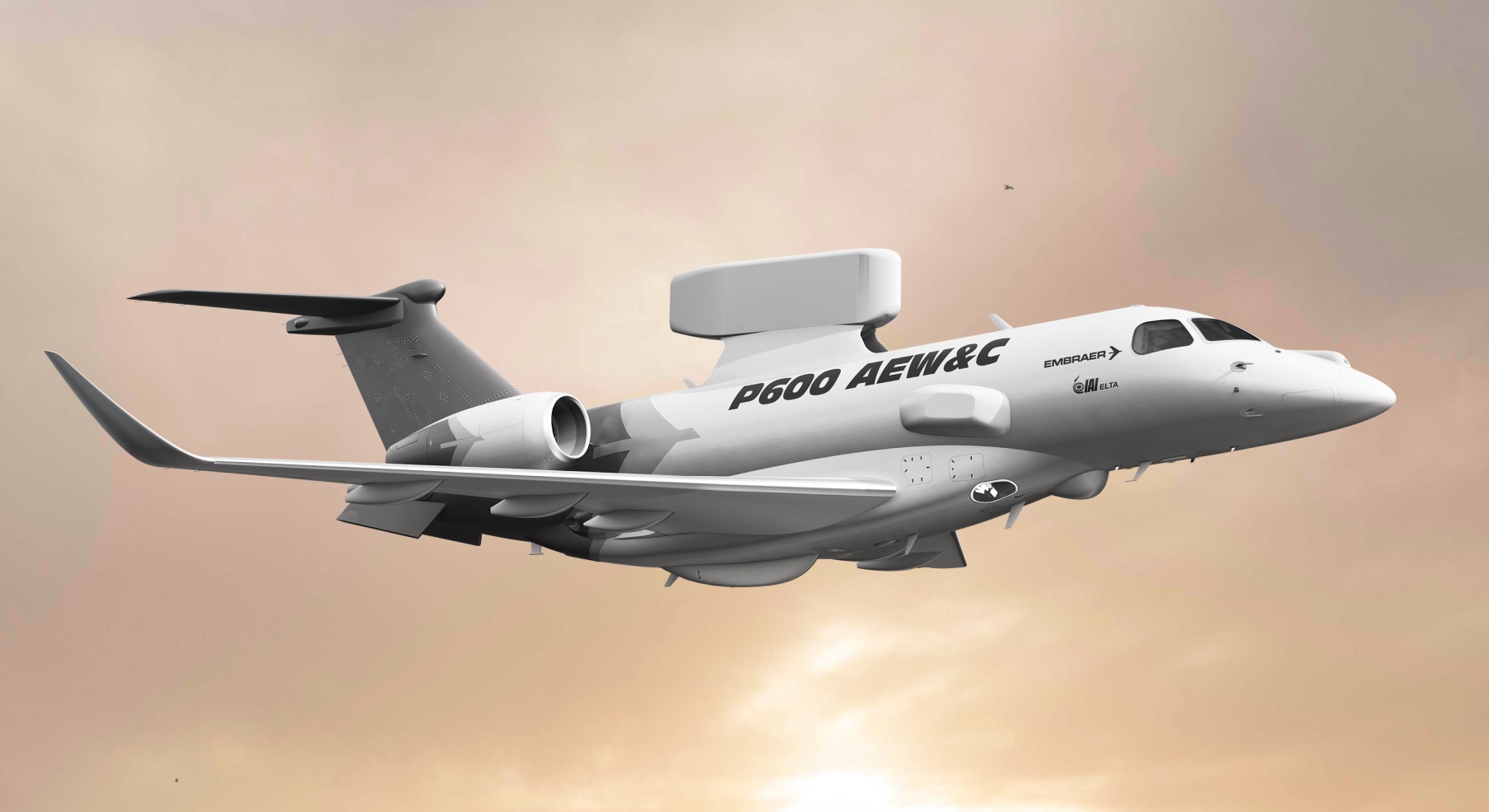
India
Brazilian aerospace giant Embraer is actively engaging with the Indian Air Force (IAF) to offer its Praetor 600 business jet as a platform for the next phase of India’s Airborne Early Warning and Control System (AEW&CS) program. This comes as Embraer ceases production of the ERJ145, the aircraft that currently serves as the backbone of India's Netra Mk1 AEW&CS. Transition from ERJ145 to Praetor 600 The IAF currently operates three Netra Mk1 systems, developed indigenously by the Defence Research and Development Organisation (DRDO) on ERJ145 platforms. These systems, integrated by DRDO's Centre for Airborne Systems (CABS), are pivotal in providing real-time surveillance and command capabilities. Their effectiveness was prominently demonstrated during the 2019 Balakot airstrike. While the IAF initially sought to procure six additional ERJ145 airframes for its AEW&CS expansion, Embraer discontinued ERJ145 production in 2020, shifting its focus to newer models like the E-Jet family and the Praetor series. The challenge of sourcing used ERJ145s from civilian markets, compounded by conversion costs and logistical issues, further complicated the expansion plans. Why the Praetor 600? The Praetor 600, a super mid-size business jet, presents a highly capable alternative with several advantages over the ERJ145: Enhanced Range and EnduranceThe Praetor 600 nearly doubles the operational range of the ERJ145, with a maximum range of 4,018 nautical miles (7,441 km) compared to the ERJ145’s 1,550 nautical miles (2,870 km). This translates to extended loiter times and a significantly larger surveillance footprint. Higher Service CeilingOperating at altitudes of up to 45,000 feet, the Praetor 600 offers better radar performance by leveraging higher altitude propagation. Speed and EfficiencyWith a maximum cruise speed of Mach 0.83 and advanced fuel efficiency, the Praetor 600 allows for longer missions, increasing its effectiveness for sustained surveillance. Technological AdvancementsIntroduced in 2019, the Praetor 600 features cutting-edge avionics, a fly-by-wire flight control system, and an ergonomic cockpit, reducing pilot workload and improving operational efficiency. Strategic Importance for India Embraer’s offer of six new Praetor 600 aircraft aligns with the IAF's goals of bolstering its airborne surveillance capabilities. The platform's modern features and readiness make it a compelling choice compared to retrofitting older ERJ145 models. Additionally, India’s "Netra Mk2" program, which envisions AEW&CS development on Airbus A319/320/321 platforms, remains an alternative. However, integrating such systems would require substantial time and resources. Final Decision The IAF and India’s Ministry of Defence now face a critical decision. They must weigh the operational benefits and readiness of the Praetor 600 against other strategic options, ensuring that India’s AEW&CS capabilities evolve to meet emerging challenges effectively. The Praetor 600 represents a forward-looking solution that could strengthen India’s surveillance network while introducing next-generation aerospace technologies to its fleet.
Read More → Posted on 2024-12-22 15:10:11
India
The Indian Navy has officially confirmed the purchase of 26 Rafale M fighter jets from France’s Dassault Aviation, marking a critical step in strengthening its carrier-based air power. This acquisition serves as a temporary measure to address immediate operational requirements, while the indigenously developed Twin Engine Deck-Based Fighter (TEDBF) is being prepared for deployment by 2033. Addressing Operational Gaps with Rafale M The Navy’s current aviation wing primarily operates the Russian-made MiG-29K fighter jets aboard its two aircraft carriers, INS Vikramaditya and the recently commissioned INS Vikrant. While these fighters have served adequately, their aging design and performance limitations are prompting the Navy to seek a replacement. The Rafale M, a naval variant of the Rafale fighter, is a modern, highly capable aircraft designed specifically for carrier operations. Its advanced features include: Carrier Compatibility: Adapted for catapult-assisted and ski-jump takeoffs, ideal for Indian Navy carriers. State-of-the-Art Sensors: Equipped with an Active Electronically Scanned Array (AESA) radar and cutting-edge sensor fusion technologies. Weapon Systems: Capable of deploying the Meteor beyond-visual-range air-to-air missile, SCALP air-launched cruise missile, and HAMMER precision-guided munitions. Multirole Capability: Performs air superiority, ground attack, reconnaissance, and even nuclear deterrence missions. These 26 Rafale Ms will serve as a "stopgap" measure, ensuring combat readiness until the TEDBF is ready to take over. Indigenous TEDBF: The Long-Term Vision The TEDBF program, a collaboration between India’s Aeronautical Development Agency (ADA) and Hindustan Aeronautics Limited (HAL), represents the Navy’s long-term strategic focus. This twin-engine, canard-delta wing multirole fighter is being designed specifically for carrier operations, tailored to the Navy’s unique operational needs. Key anticipated features of the TEDBF include: Stealth Design: Incorporation of stealth features to reduce radar cross-section and enhance survivability. Advanced Avionics: Integration of AESA radar, electronic warfare systems, and data link capabilities. Weapons Versatility: Ability to deploy air-to-air, air-to-surface, anti-ship missiles, and precision-guided bombs. Performance: Designed for supersonic speeds, superior agility, and enhanced payload capacity. The first prototype of the TEDBF is expected to take flight by 2028, with production starting around 2033 and induction into the Navy by 2035. This timeline allows for a phased transition, ensuring a seamless replacement of the MiG-29K fleet without compromising operational readiness. Strategic Implications By limiting the Rafale M purchase to just 26 units, the Indian Navy demonstrates a prudent allocation of resources, reserving significant funding for the development of indigenous capabilities. This move aligns with India’s broader strategic objectives of self-reliance in defense manufacturing under the "Aatmanirbhar Bharat" initiative. The TEDBF program is not only a milestone in India’s defense innovation but also a statement of intent to reduce long-term dependence on foreign military technology. It is expected to foster domestic aerospace advancements and create significant opportunities for collaboration within India’s defense industry. Conclusion The acquisition of Rafale M fighters as an interim solution underscores the Indian Navy’s commitment to maintaining combat effectiveness while staying focused on its indigenization goals. The TEDBF, once operational, will mark a new era of naval aviation for India, blending cutting-edge technology with homegrown innovation to ensure maritime dominance in the years ahead.
Read More → Posted on 2024-12-21 15:50:44
India
In a significant diplomatic accusation, Pakistan has claimed that India and Israel are orchestrating efforts to influence the United States in imposing sanctions on its missile development programs. These allegations have stirred controversy in international defense and political circles, further intensifying tensions in South Asia. The U.S. recently imposed sanctions on entities linked to Pakistan’s long-range ballistic missile program, including the National Development Complex (NDC). Citing concerns about the proliferation of weapons of mass destruction (WMD) and their delivery systems, Washington's actions were framed as measures to maintain regional stability. However, Pakistan's Foreign Ministry has rejected these justifications, arguing that the sanctions are politically motivated and aimed at curtailing its strategic capabilities. Accusations Against India and Israel Pakistan's leadership has pointed to a coordinated effort by India and Israel to undermine its missile program. Islamabad claims that both nations, motivated by geopolitical rivalry, are leveraging their influence in Washington to curb Pakistan’s defense advancements. Officials argue that the sanctions are an extension of broader attempts by India and Israel to maintain a strategic edge over Pakistan. Resilient Missile Development Despite the sanctions, Pakistan’s defense analysts remain defiant. Experts assert that the country has developed indigenous capabilities that allow it to circumvent such restrictions. The Shaheen series of ballistic missiles, which serve as a cornerstone of Pakistan’s strategic deterrence, is expected to remain unaffected by the sanctions. Analysts emphasize that these measures will not deter Pakistan’s resolve to maintain a credible defense against India’s growing missile capabilities. Double Standards in Arms Control? Criticism has also been directed at the perceived inconsistencies in U.S. arms control policies. Pakistani defense commentators highlight the lack of scrutiny over collaborations like the Indo-Russian BrahMos missile project while Pakistan-China missile technology partnerships face stringent oversight. This selective approach, they argue, exposes a geopolitical bias that favors India, further exacerbating regional imbalances. Regional Implications The sanctions have reignited discussions about the growing missile race between India and Pakistan, two nuclear-armed neighbors with a history of strained relations. Pakistan’s missile program is seen as a counterbalance to India’s advancements in conventional and nuclear missile technologies, including systems like Agni and BrahMos. The Shaheen and Ghauri missile families, which include long-range and nuclear-capable variants, are central to Pakistan’s strategic deterrence. This development underscores the fragile security landscape in South Asia. Analysts warn that escalating tensions could increase the risk of miscalculation, particularly as both nations seek to enhance their defense postures. The sanctions, instead of fostering stability, may fuel further mistrust and push Pakistan to accelerate its missile development. Conclusion The accusations against India and Israel, coupled with the imposition of U.S. sanctions, reflect the complex interplay of regional and international dynamics shaping South Asia’s security environment. As Pakistan doubles down on its missile program amidst allegations of bias and geopolitical maneuvering, the situation calls for a more balanced approach to arms control and non-proliferation in the region. Without equitable measures, the growing arms race risks destabilizing an already volatile area.
Read More → Posted on 2024-12-21 15:31:34
India
India’s ambitious Twin Engine Deck-Based Fighter (TEDBF) program is making steady progress toward its Critical Design Review (CDR), slated for mid-2025. This milestone is vital for evaluating the project’s design and technical feasibility, setting the stage for the Cabinet Committee on Security (CCS) to approve funding for the next stages. Designed to bolster India’s naval airpower, the TEDBF aims to replace aging MiG-29K fighters while providing cutting-edge capabilities tailored to carrier-based operations. A Unique Naval Fighter with Advanced Capabilities The TEDBF is classified as a "5 Minus Generation" fighter, but its design incorporates state-of-the-art features borrowed from the Advanced Medium Combat Aircraft (AMCA) program. It will also include modifications specifically tailored for maritime environments, such as advanced avionics, semi-stealth technology, and AI-enabled systems. These features will make the TEDBF an indispensable tool for safeguarding India’s maritime interests in the Indo-Pacific. Key advanced capabilities of the TEDBF include: Semi-Stealth Design: While not a full stealth fighter, the TEDBF will have reduced radar cross-section characteristics, making it harder to detect. AI-Driven Operations: The integration of artificial intelligence will enhance situational awareness, optimize mission efficiency, and improve decision-making for pilots in high-stakes scenarios. Cutting-Edge Maritime Systems: The fighter will feature long-range maritime radars and sensor fusion technologies to excel in naval reconnaissance and combat roles. High R&D Costs Reflect Naval-Specific Demands The research and development phase of the TEDBF program is estimated to cost ₹15,000 crores, reflecting the complexity of adapting an advanced fighter to meet the unique challenges of carrier-based operations. Some of the significant cost drivers include: Reinforced Undercarriage: To handle the high-impact stresses of short-distance, high-speed landings on moving carrier decks, the TEDBF requires specially designed landing gear. Tailhook Systems and Arrestor Wires: Essential for safe deck landings, these features ensure the aircraft’s compatibility with Indian Navy carriers. Naval Avionics and Systems: While leveraging technology from the AMCA program, the TEDBF requires custom adaptations like maritime communication systems and radars optimized for naval environments. Commitment to Production and Deployment The Indian Navy has committed to purchasing 145 TEDBF units to ensure the program’s financial viability. Production is expected to begin by 2034, with the fighters set to operate across India’s three aircraft carriers, including the INS Vikrant and INS Vikramaditya. The large order will offset the steep R&D investment and lay the groundwork for a robust domestic defense production ecosystem. Additionally, the lessons learned from the LCA-Navy program, which served as a precursor to the TEDBF, have reduced developmental risks and provided a technological foundation for the new fighter. Strengthening India’s Naval Edge With its blend of cutting-edge features and naval-specific enhancements, the TEDBF will be a cornerstone of India’s naval aviation strategy. The aircraft’s semi-stealth capabilities, advanced avionics, and AI-assisted systems will enhance its ability to dominate the maritime domain and project power in critical regions. As India continues to invest in indigenous defense capabilities, the TEDBF program reflects the country’s commitment to achieving self-reliance in defense technology while securing its strategic interests in the ever-evolving geopolitical landscape of the Indo-Pacific.
Read More → Posted on 2024-12-21 15:26:54
India
Mazagon Dock Shipbuilders Limited (MDL) has achieved a significant milestone by delivering two state-of-the-art warships, Surat and Nilgiri, to the Indian Navy ahead of schedule. This delivery includes the fourth stealth destroyer of Project 15B (Surat) and the first stealth frigate of Project 17A (Nilgiri), reaffirming India’s growing self-reliance in warship design and construction under the 'Make in India' initiative. Cutting-Edge Technology and Indigenous Design Both warships have been designed by the Indian Navy’s Warship Design Bureau and constructed at MDL under the supervision of the Warship Overseeing Team in Mumbai. These platforms showcase advanced stealth technology, enhanced survivability, and superior combat capabilities. Nilgiri: The First of Project 17A Class Frigates As the First of Class (FoC) ship of Project 17A, Nilgiri sets a new benchmark for India’s frigate capabilities. Designed indigenously, it incorporates advanced stealth features achieved through a specially shaped hull and radar-transparent deck fittings, making it difficult to detect. Equipped with cutting-edge weapons and sensors, Nilgiri boasts all-around capability to counter submarines, surface warships, anti-ship missiles, and fighter aircraft. It is armed with sophisticated mounted guns for close-range defense and effective naval gunfire. This frigate is designed to operate independently, serve as the flagship of a naval task force, and excel in diverse maritime warfare roles. With a significant indigenous content, Nilgiri represents a hallmark of India’s progress in warship design and construction, embodying the vision of self-reliance through the 'Atmanirbhar Bharat' initiative. Surat: A Stealth Destroyer Packed with Firepower Surat, the fourth ship of the Project 15B class, is a formidable platform equipped with an array of potent weapons. It carries supersonic BrahMos surface-to-surface missiles, Barak-8 medium-range surface-to-air missiles, and indigenously developed anti-submarine warfare systems, including Hull-Mounted Sonar Humsa NG, heavyweight torpedo tube launchers, and ASW rocket launchers. Surat demonstrates versatility far surpassing its predecessors, featuring an indigenous content of 72%, which is a marked improvement compared to the Project 15A (59%) and Project 15 (42%) destroyers. This high indigenous content underscores India’s capability to integrate local components, fostering the development of a robust defense ecosystem. MDL: Pioneers in India’s Naval Shipbuilding MDL has been at the forefront of India’s indigenous naval shipbuilding program, delivering numerous landmark vessels, including the Shivalik-class frigates, Kolkata-class destroyers, and Scorpene submarines. The shipbuilder’s history is closely intertwined with the evolution of India’s maritime defense capabilities, earning it the title of “Warship and Submarine Builders to the Nation.” By completing Surat and Nilgiri ahead of schedule, MDL has once again demonstrated its commitment to excellence and its ability to exceed global benchmarks in warship construction. These advanced platforms not only bolster the Indian Navy's operational readiness but also reflect the nation's progress toward achieving self-reliance in defense manufacturing. A Testament to India's Maritime Strength The delivery of Surat and Nilgiri marks a significant step forward in strengthening the Indian Navy's strategic capabilities. These warships, equipped with cutting-edge technology and a high degree of indigenous content, symbolize India's maritime prowess and its steadfast commitment to safeguarding its maritime interests.
Read More → Posted on 2024-12-21 15:19:20Search
Top Trending in 24 Hours
-
 Pentagon Expands Alloy Surfaces Contract to $328.8 Million for Advanced Aircraft Decoy Flares Amid Evolving Drone Threats
-
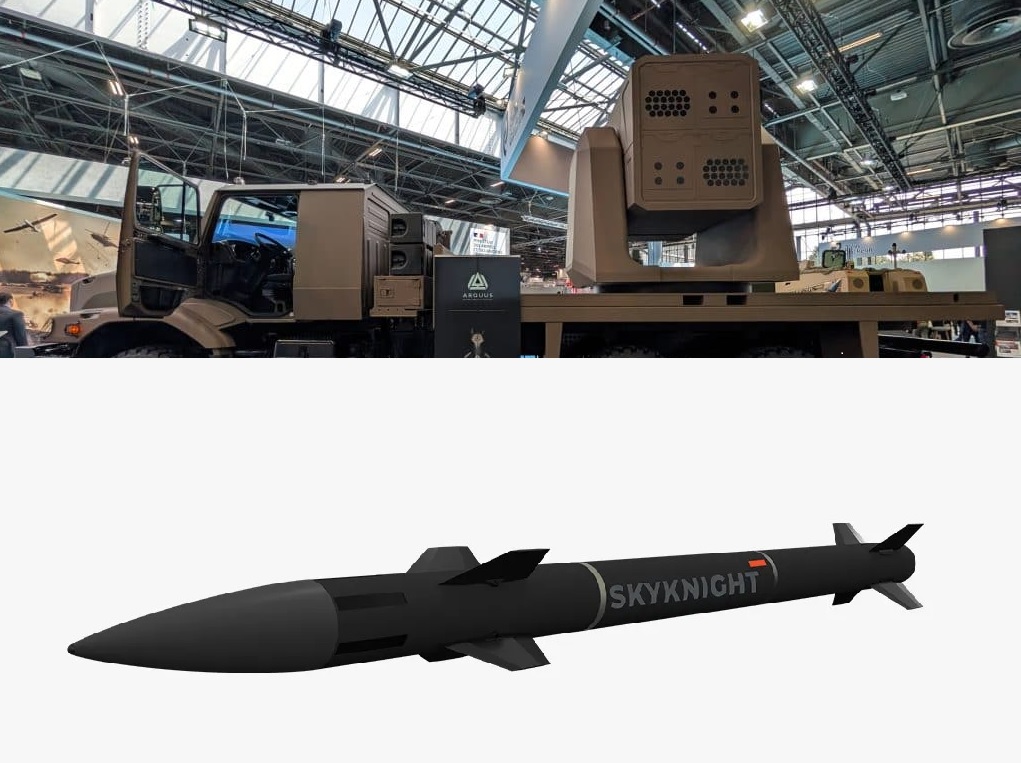 Naval Group Unveils Rampart Modular CIWS Multi-Purpose Weapon System for Naval and Ground Forces at Eurosatory 2026
-
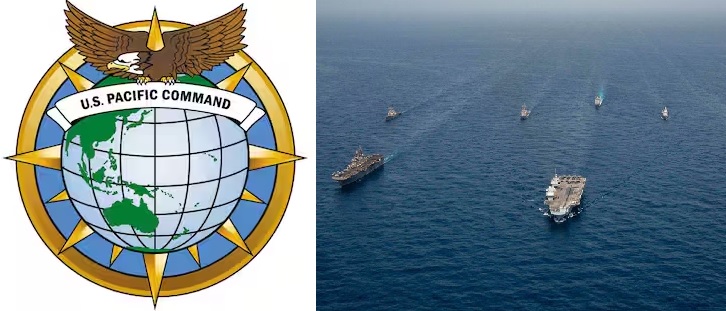 Why the U.S. Restored Pacific Command Name, Ending the Indo-Pacific Designation After Eight Years
-
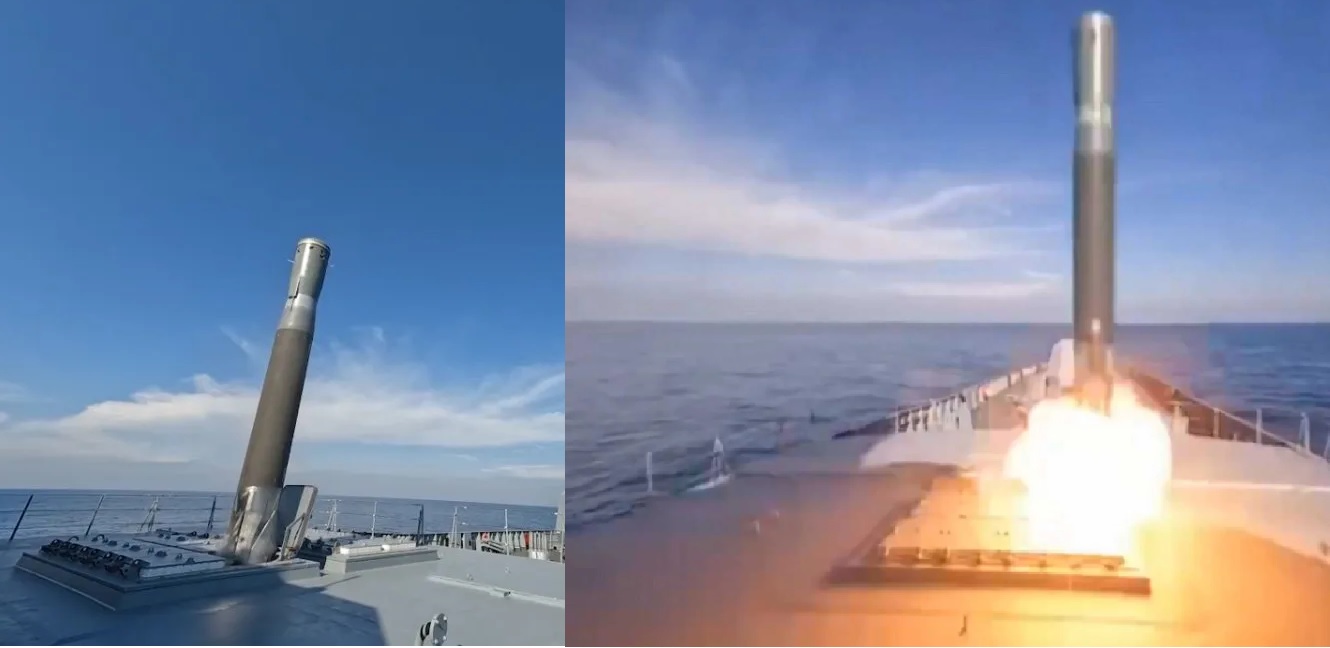 Open-Source Evidence Suggests Russia's Zircon Is a Quasi-Ballistic Missile, Not a True Hypersonic Cruise Weapon
-
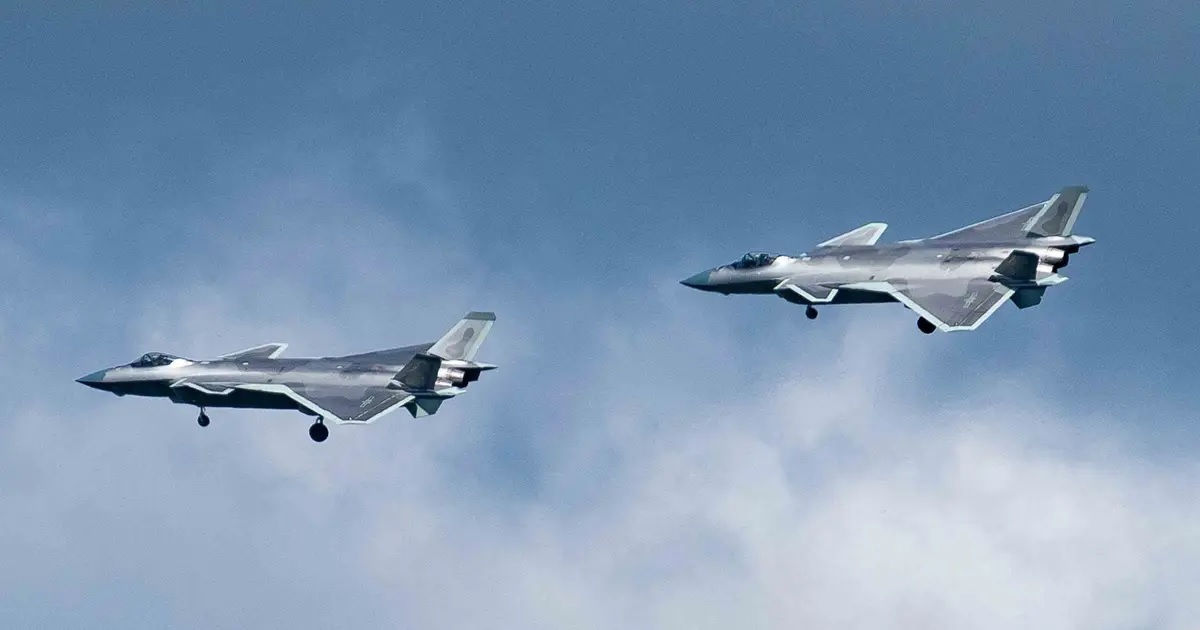 China Surpasses Russia as World’s Second-Most Powerful Air Force Amid Rapid J-20 and J-35 Expansion
-
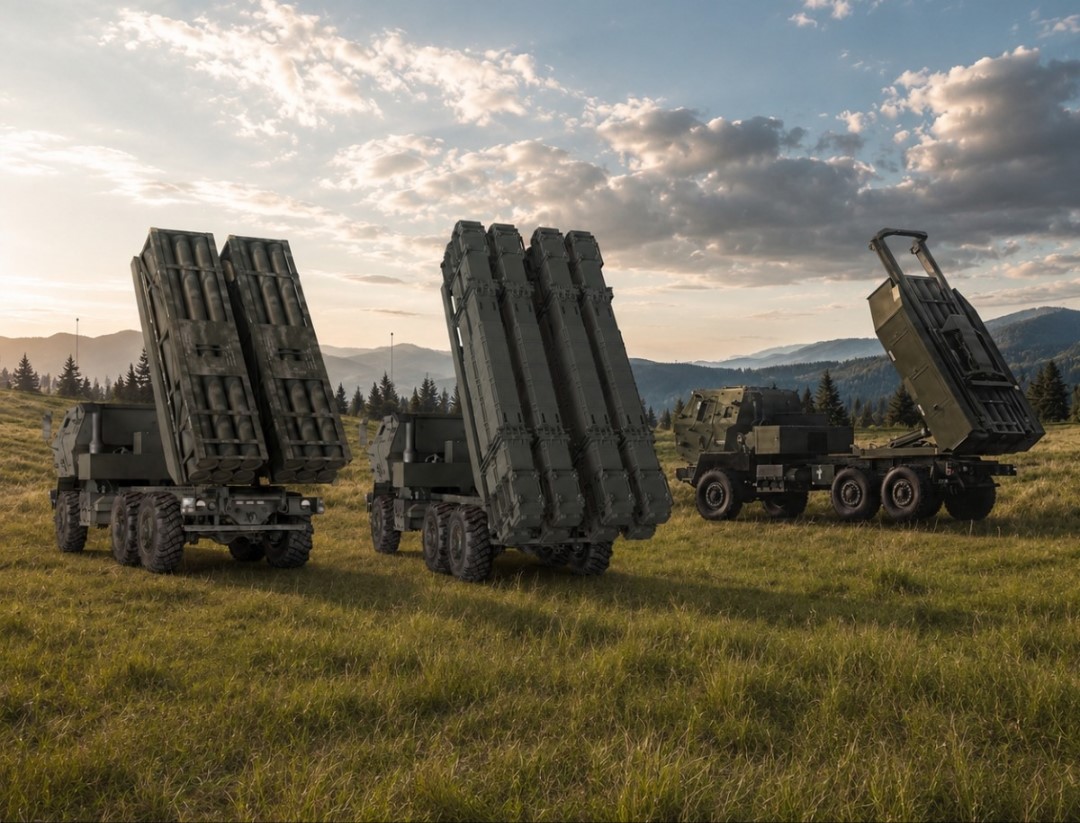 Lockheed Martin Unveils HIMARS FLEX with Dual-Pod Launcher and NATO-Compatible Air Defense Integration
-
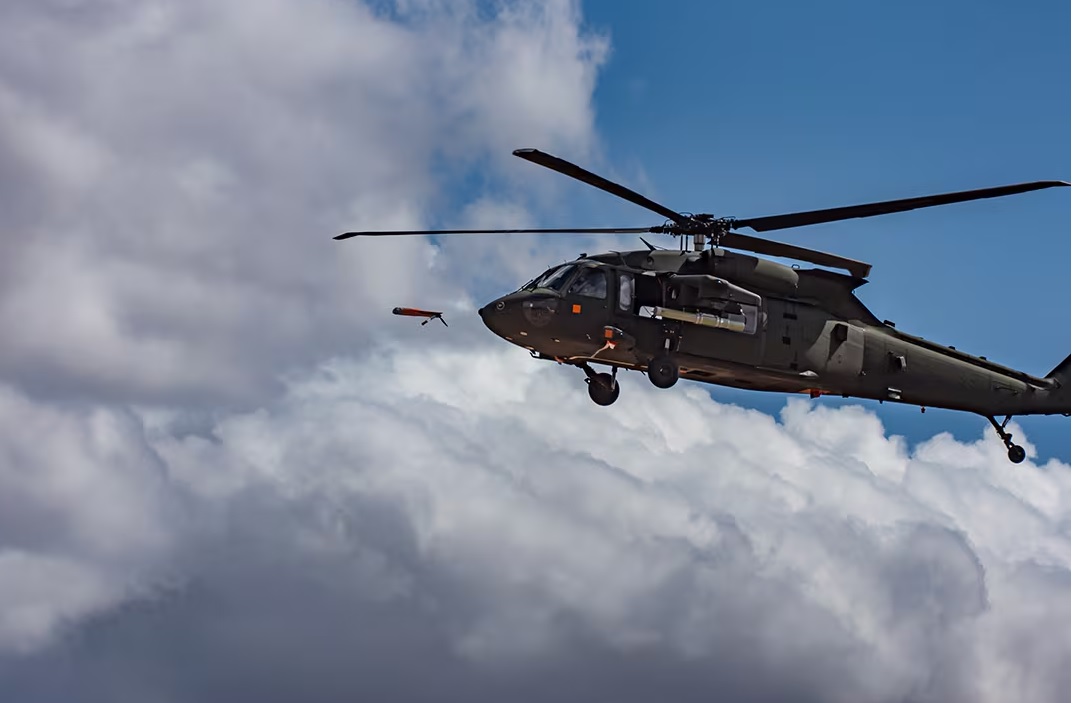 U.S. Army Completes First Flight Test of Medium-Range Air-Launched Effects from Black Hawk Helicopter
-
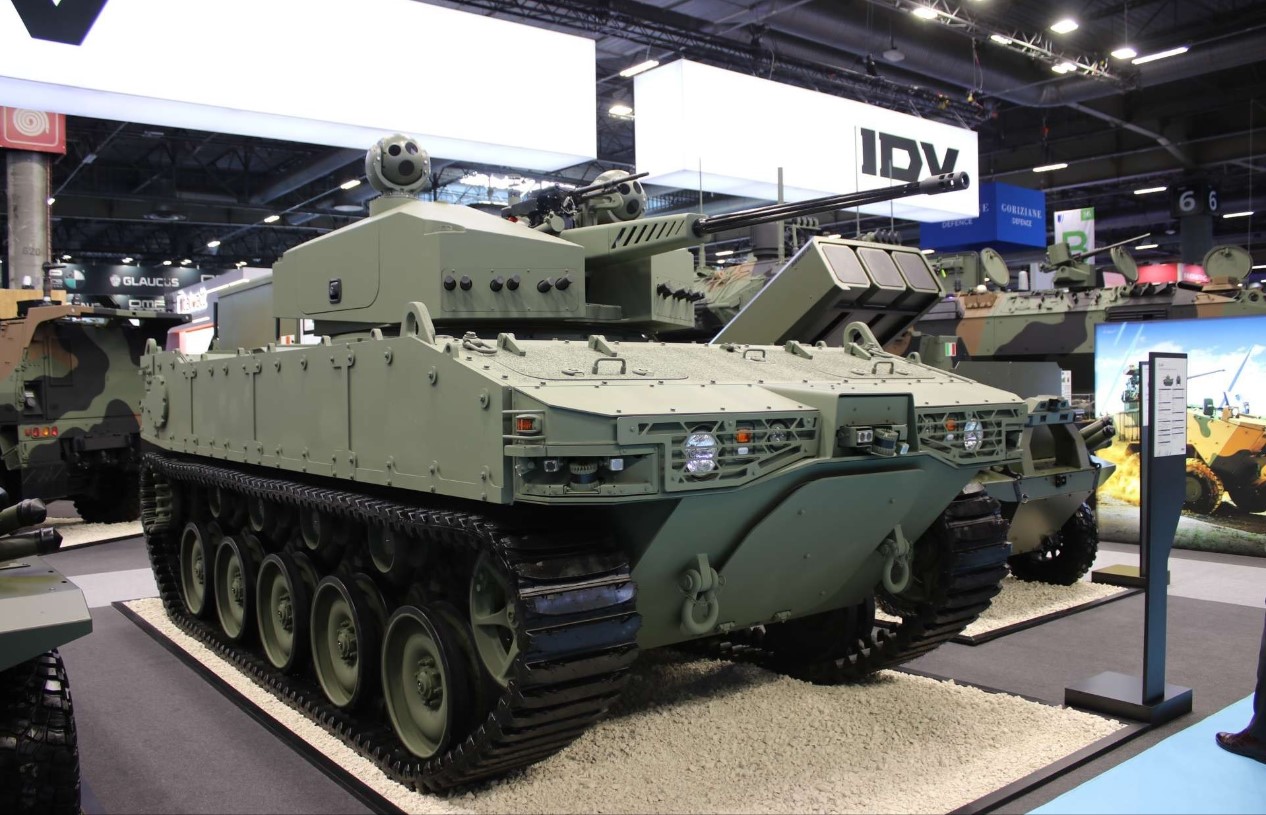 IDV Unveils CL2X Hybrid Uncrewed Light Tank at Eurosatory 2026
Top Trending in 4 Days
-
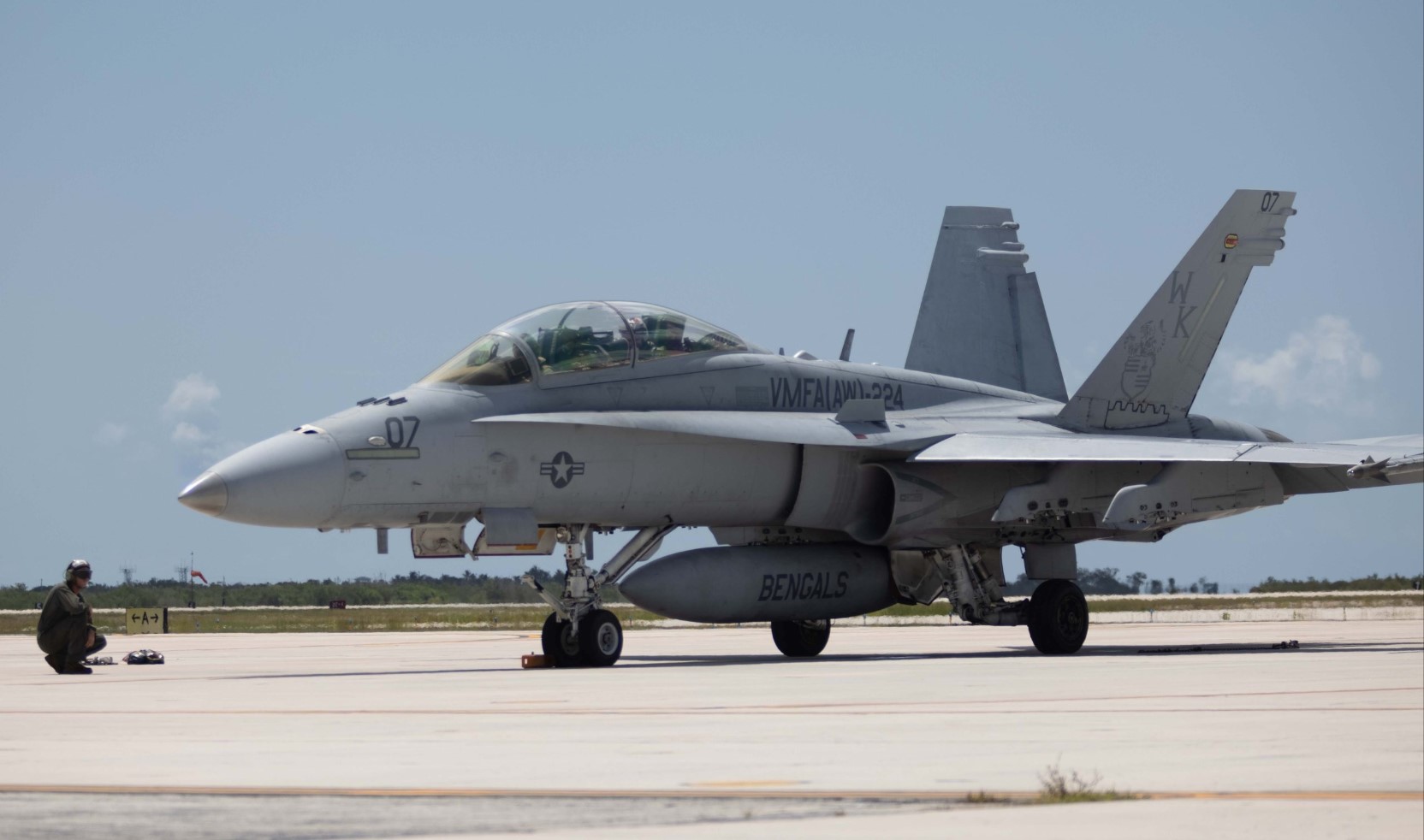 US Marine Corps F/A-18D Hornet Crashes During Training Flight in Washington Mountains; Pilot Ejects Safely
-
 Tulsi Gabbard Releases Declassified Files Detailing U.S.-Backed Network of 120 Biolaboratories Across 30+ Countries
-
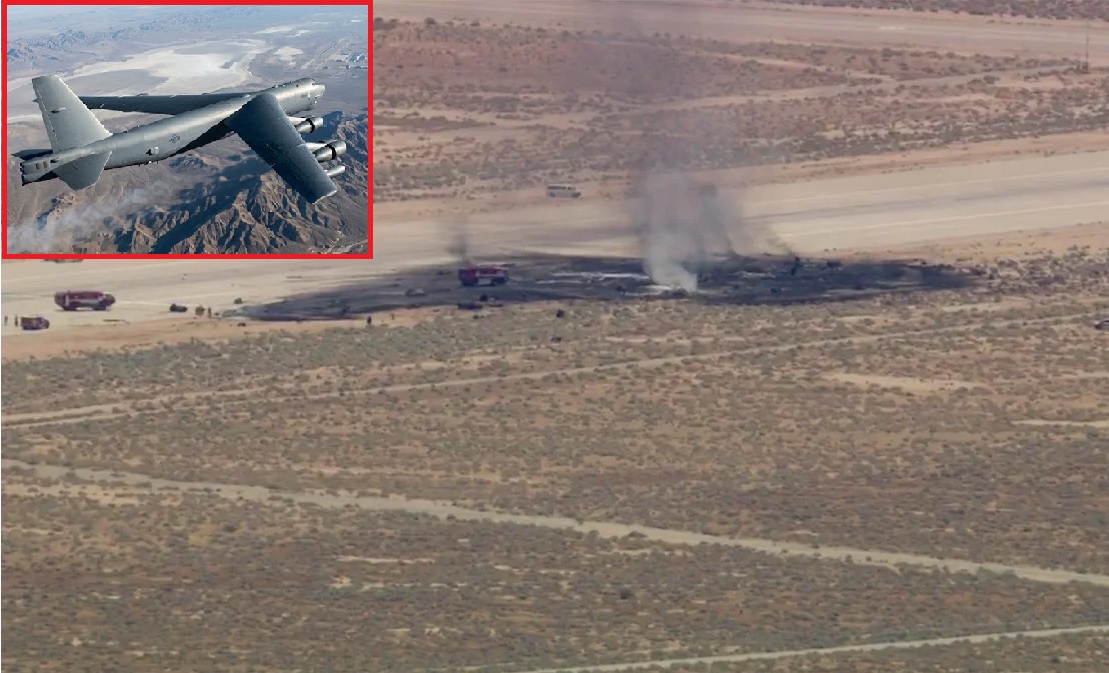 8 U.S. Air Force Crew Members Killed in B-52 Bomber Crash During Test Flight at Edwards Air Force Base
-
 Ukraine Introduces Balloon-Launched DART Missile Designed to Defeat Electronic Warfare
-
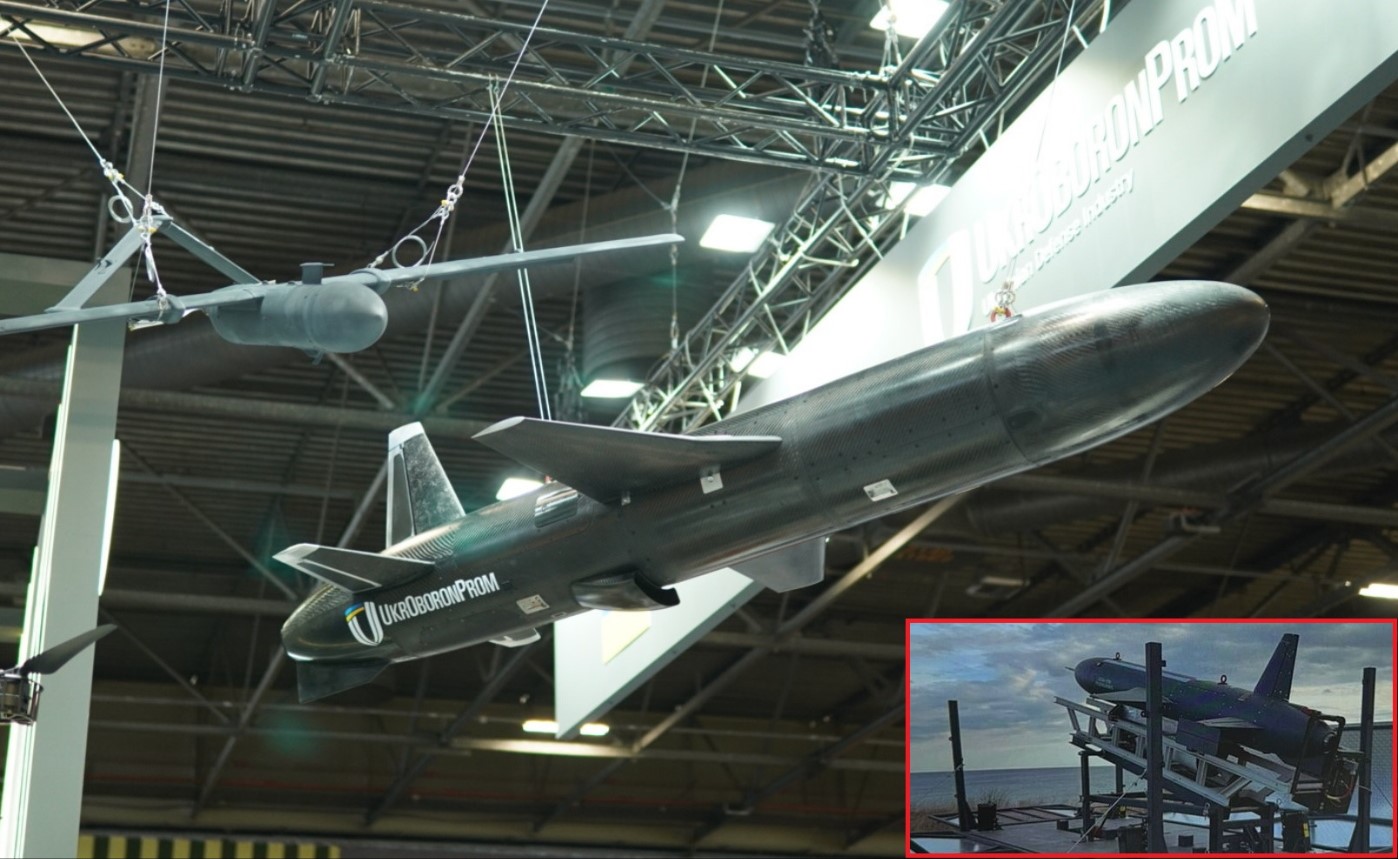 Ukraine Unveils UAV-290 Jet-Powered Strike Drone with 650 km Range at Eurosatory 2026
-
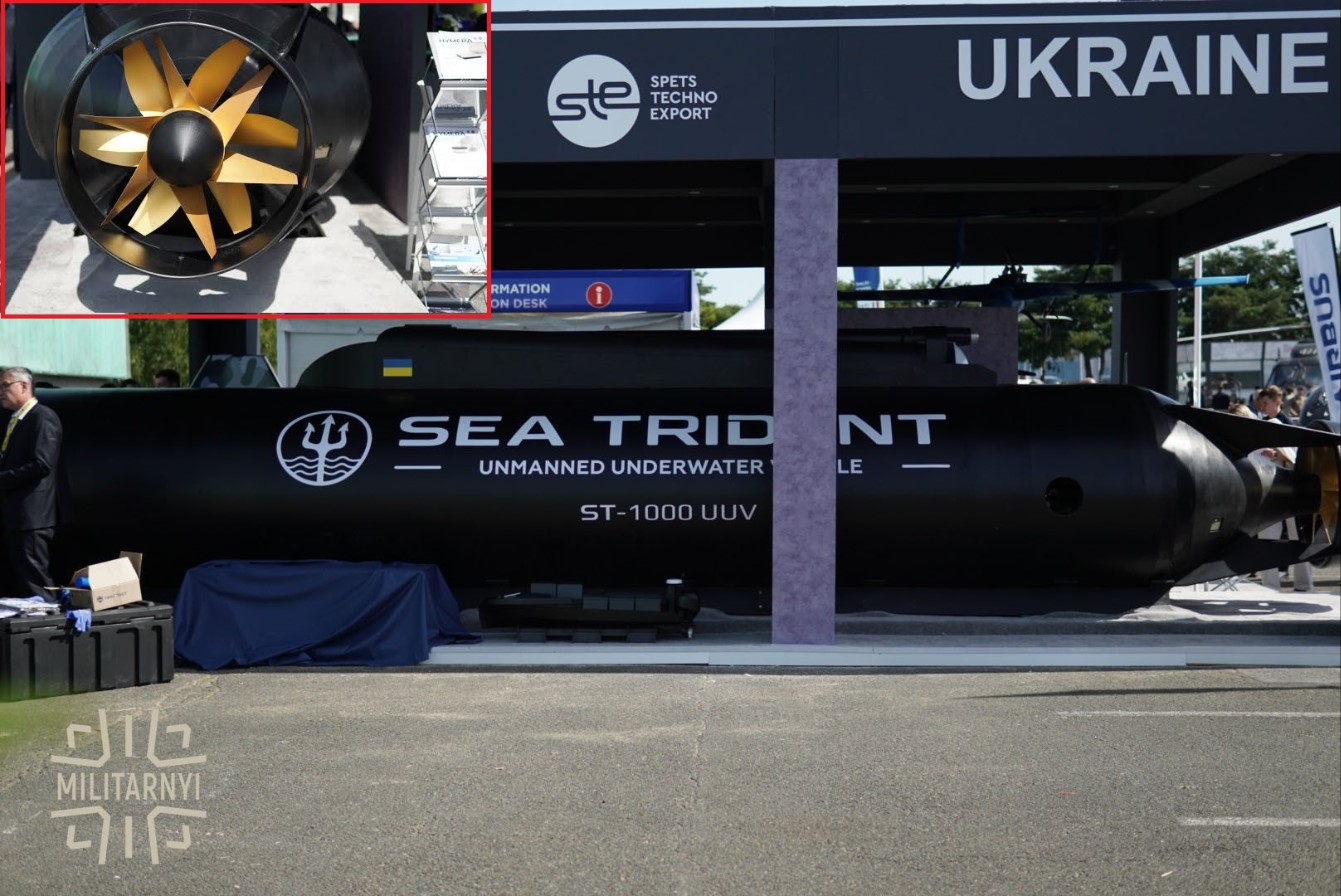 Ukraine Unveils 'Sea Trident' 10-Ton Autonomous Underwater Drone at Eurosatory 2026
-
 Rolls-Royce Unveils New Hybrid Powertrain for Heavy Military Vehicles at Eurosatory 2026
-
 KNDS Unveils CAPINT Main Battle Tank at Eurosatory 2026 as Leclerc Stopgap