Recent reports have emerged suggesting that Bangladesh has deployed Turkish-made Bayraktar TB2 drones near the India-Bangladesh border. While some media outlets have painted this as a growing concern for India, the Indian defense establishment views the move as insignificant, with experts dismissing it as a “non-threat” for the Indian military. Instead, the deployment seems to reflect Bangladesh’s own insecurities about its internal situation and political standing rather than any real strategic challenge for India.
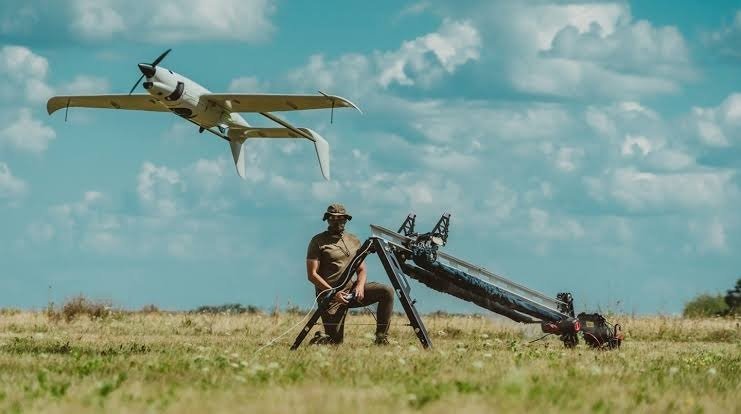
The Bayraktar TB2 unmanned aerial vehicle (UAV), manufactured by Turkey’s Baykar Technologies, has gained prominence globally due to its successful use in conflicts like Syria, Libya, and Ukraine. However, despite its capabilities in surveillance, reconnaissance, and light attack roles, the TB2 is not considered a major technological threat to India. The drone can carry a payload of up to 150 kilograms, equipped with smart munitions, and operates effectively at altitudes around 25,000 feet. While useful for monitoring activities, its impact in a heavily fortified and technologically advanced border environment like India’s is minimal.
Why Bangladesh Deployed the TB2
The timing of the TB2’s presence near the border comes amidst Bangladesh’s rising domestic tensions and fears of potential backlash from India. The current Bangladeshi government, often criticized for its growing alignment with the United States, appears to be adopting precautionary measures to “watch” India’s military movements near the border. This stems from rising insecurity within Bangladesh, particularly regarding reports of violence against Hindu minorities.
Over the years, incidents of targeted violence, forced displacement, and religious persecution of minorities in Bangladesh have created significant friction. Political analysts suggest that Bangladesh’s government fears India could initiate a military operation in response to such events, further destabilizing the region. The TB2 deployment, therefore, appears less about aggression and more about intelligence-gathering to monitor Indian troop movements. Should tensions escalate, the Bangladeshi government may seek diplomatic or even military assistance from its allies, including the United States and left-leaning governments globally.
India’s Measured Response
While some Indian media outlets and defense commentators have exaggerated the significance of TB2 deployments, the Indian armed forces remain unperturbed. The TB2’s relatively modest capabilities make it no match for India’s advanced air defense systems. Even if Bangladesh intended to use the drones for surveillance, India’s superior radar networks and quick-response mechanisms ensure no unauthorized aerial activity goes unnoticed.
Reports indicating that the Border Security Force (BSF) might deploy counter-drone measures, including SA-16 Gimlet or SA-7 Grail MANPADS (Man-Portable Air Defense Systems), have added to the confusion. The reality is that MANPADS are not operated by the BSF, as they fall under the jurisdiction of the Indian Army. Instead, India’s existing surveillance and response capabilities, including Akash surface-to-air missile systems, could effortlessly neutralize any potential drone threats. The Akash system, with its ability to target UAVs and low-flying aircraft within a range of 25 kilometers, makes it a formidable deterrent against TB2 drones.
TB2 vs India’s Military Capability
The TB2 UAV, while impressive for smaller nations, pales in comparison to India’s multi-layered defense systems. With radar systems capable of detecting low-altitude aerial incursions and an array of advanced air defense assets, India holds a clear technological edge. The Indian Air Force’s integrated defense network, supported by radar stations, missile systems, and combat aircraft, ensures that no drone activity can compromise border security.
Additionally, India’s experience in countering drone threats, particularly along the western border with Pakistan, has led to significant advancements in anti-drone technology. From electronic jamming systems to laser-based interception methods, India possesses multiple tools to neutralize drones like the TB2 with ease.
Overblown Narratives and Reality
While some media narratives portray the TB2 deployment as a challenge to Indian security, it is, in reality, a reflection of Bangladesh’s own political fragility. The current government, grappling with domestic instability and fears of external intervention, likely sees the TB2 as a symbolic reassurance. For India, however, this is a “non-issue.” Senior defense experts have described the situation as “laughable,” given India’s overwhelming military superiority and preparedness.
India’s refusal to escalate the matter speaks volumes about its strategic maturity. Rather than overreact to a minor move, Indian forces continue to focus on genuine threats. The TB2, despite its media hype, remains a small tool in a larger geopolitical landscape where India’s dominance is unquestionable.
Conclusion
Bangladesh’s deployment of TB2 drones near the border reflects its own internal insecurities more than any credible military strategy against India. While the drones serve as tools for monitoring and reconnaissance, they pose no real threat to Indian forces. India’s advanced air defense systems, including the Akash missile platform, could easily neutralize any such attempts.
For India, this situation highlights the gap between media sensationalism and reality. While some commentators fuel unnecessary fear, the Indian military’s calm, confident stance underscores its dominance and ability to handle any contingency. Bangladesh’s use of TB2 UAVs is a small blip, unlikely to alter the region’s security dynamics or India’s strategic priorities.
——— End of Article ———