
India
In a significant step to enhance India’s military readiness, the Centre's wildlife panel has approved the construction of ammunition storage facilities in East Ladakh. This strategic decision is particularly important given the region's proximity to the Line of Actual Control (LAC) with China, where tensions have remained high since the Galwan Valley clashes of June 2020. The proposed sites for the new ammunition storage facilities include Hanle and Photi La, both strategically vital and closer to the LAC. The current logistical setup requires transporting ammunition over 250 km to reach forward locations, a process that has long been viewed as a bottleneck during heightened military activity. The new facilities aim to address this issue by creating underground caverns and Formation Ammunition Storage Facilities (FASF) that can securely store and rapidly deploy ammunition when required. Specifications and Strategic Importance The planned underground caverns and FASF are designed to house a range of ammunition types, including artillery shells, anti-tank missiles, and other critical supplies essential for modern warfare. These storage units will be constructed to meet international standards, incorporating state-of-the-art safety measures to prevent accidental detonations and ensuring long-term storage without degradation. Hanle and Photi La were chosen for their strategic significance and geographic advantages. Located at high altitudes, these sites offer natural protection against potential aerial strikes while facilitating quicker access to frontline troops. Additionally, the underground design of the storage facilities minimizes visibility to enemy surveillance systems, making them more secure in the event of escalations. Broader Implications for National Security The establishment of ammunition storage facilities in East Ladakh is not an isolated development but part of a comprehensive strategy to strengthen India's border defenses. This move complements other initiatives, such as the construction of all-weather roads, advanced surveillance systems, and increased troop deployment in Eastern Ladakh. The decision also aligns with India’s evolving military doctrine, which emphasizes forward readiness and swift operational capabilities in contested regions. The 2020 Galwan clashes underscored the need for robust infrastructure in border areas, and these storage facilities will ensure that Indian forces are better prepared for any eventualities. Furthermore, the new storage facilities reflect India’s proactive stance in countering China's growing military presence in the region. With China continuing to build infrastructure along its side of the LAC, India’s efforts to modernize its logistics and preparedness underscore its commitment to safeguarding national sovereignty and territorial integrity. The Way Forward The approval from the wildlife panel highlights a balance between national security priorities and environmental considerations. While the construction of these facilities may raise concerns about potential ecological impacts, the government has emphasized that the projects will adhere to strict environmental guidelines to mitigate harm. As India continues to navigate its complex relationship with China, the establishment of these ammunition storage facilities serves as a critical measure to ensure operational efficiency and enhance military preparedness in one of the most sensitive regions of the country. With this move, India is sending a clear message: its defense forces are equipped and ready to safeguard the nation’s borders under any circumstances.
Read More → Posted on 2025-01-10 15:20:07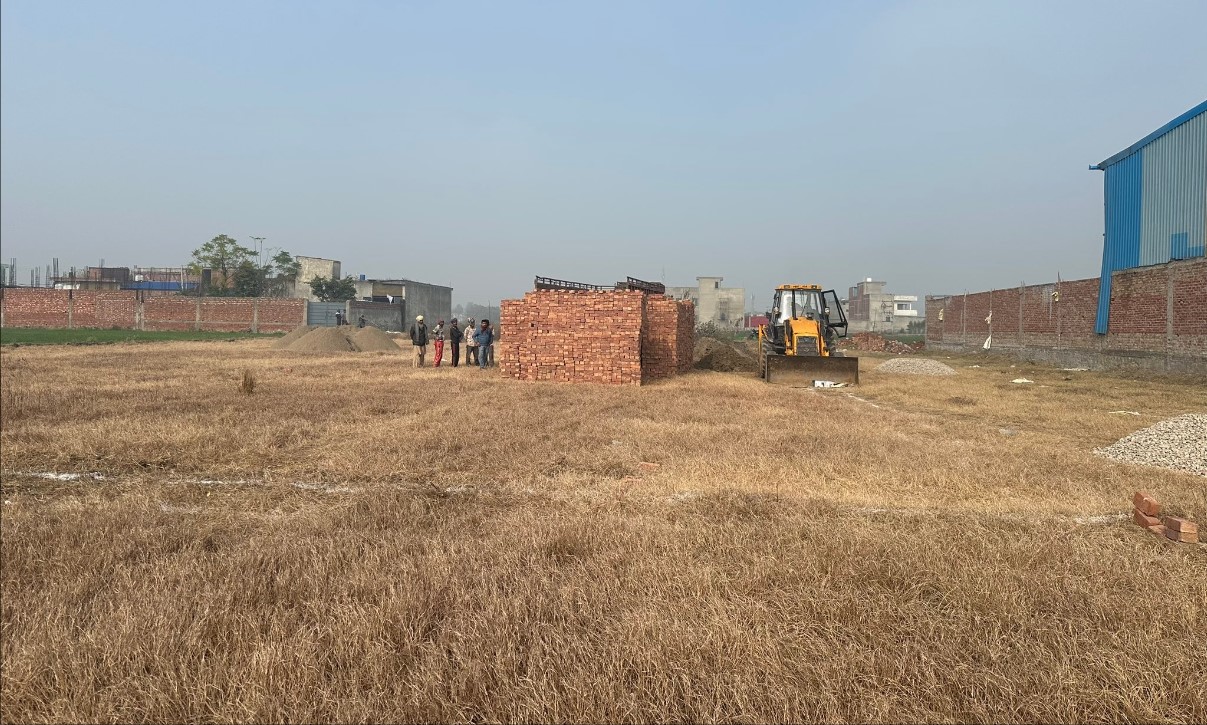
India
The aerospace industry has taken a significant step forward as DG Propulsion officially begins construction on its new jet engine manufacturing and testing facility. This ambitious project underscores the company’s dedication to advancing domestic propulsion technology and reducing dependence on foreign imports, marking a new milestone in the field of aerospace engineering. A Vision for Self-Reliance in Aerospace The groundbreaking ceremony, attended by industry leaders, government officials, and technology enthusiasts, symbolized more than just the start of construction. It highlighted DG Propulsion’s commitment to innovation, self-reliance, and the strategic advancement of India’s aerospace industry. The facility, once completed, will serve as a hub for research, development, and the production of next-generation jet engines, paving the way for greater technological independence. Facility Specifications and Capabilities DG Propulsion’s upcoming facility is designed to be a technological powerhouse. Key specifications include: Advanced R&D Labs: The facility will house cutting-edge research laboratories equipped with simulation and computational tools for aerodynamic modeling, material analysis, and engine performance testing. High-Precision Manufacturing: It will feature automated assembly lines, capable of handling complex jet engine components such as turbines, compressors, and combustors with micron-level precision. Comprehensive Testing Infrastructure: The facility will include high-altitude test chambers, noise-reduction technology, and endurance testing units to ensure engines meet stringent safety and performance standards. Sustainable Design: DG Propulsion is integrating energy-efficient systems, water recycling units, and eco-friendly materials to align with global sustainability goals. Strategic Impact and Future Goals This facility is not just about manufacturing; it’s a strategic investment in India’s aerospace future. DG Propulsion’s focus is to: Develop indigenous jet engines for military and commercial aviation. Enhance its global competitiveness by adhering to international standards. Reduce lead times for development cycles by integrating design, testing, and production under one roof. Driving Innovation and Growth DG Propulsion aims to leverage this facility to explore innovative propulsion technologies, including hybrid-electric and low-emission engines, aligning with global trends in sustainable aviation. The company is also collaborating with academic institutions and research bodies to foster talent and create a robust pipeline of aerospace engineers. A Catalyst for Local and National Development The facility is expected to generate significant economic benefits. From job creation to boosting local manufacturing ecosystems, it represents a win-win for the region and the nation. Additionally, by focusing on indigenous technology, DG Propulsion will contribute to India's broader goals of self-reliance in critical sectors. As the construction progresses, the world will watch DG Propulsion's journey closely. This state-of-the-art facility promises to be a game-changer for the aerospace industry, positioning India as a key player in the global jet propulsion market.
Read More → Posted on 2025-01-10 14:48:03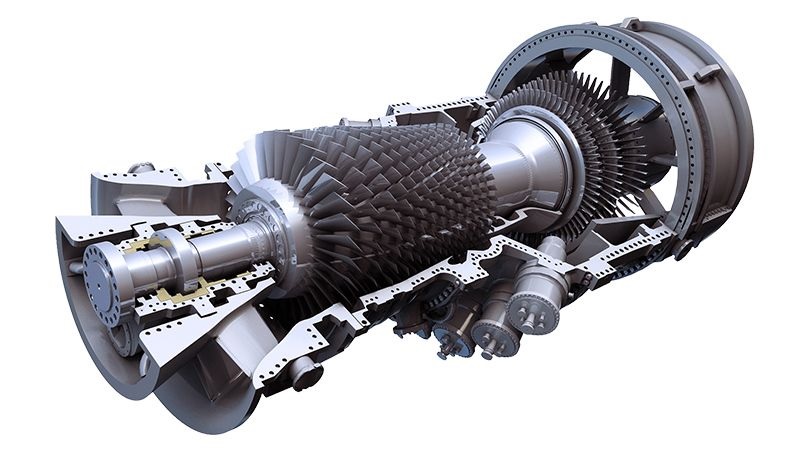
India
The Gas Turbine Research Establishment (GTRE), a premier institution under India’s Defence Research and Development Organisation (DRDO), has issued a global tender for the machining, brazing, and Electron Beam Physical Vapor Deposition (EBPVD) coating of single-crystal High-Pressure Turbine Rotor Blades and High-Pressure Nozzle Guide Vanes. This tender is a pivotal move in GTRE's efforts to advance indigenous gas turbine technology for the country’s aerospace and defense needs. A Closer Look at the Tender GTRE’s tender emphasizes the production of critical turbine components—high-pressure turbine rotor blades and nozzle guide vanes. These are essential for modern gas turbine engines, which operate under extreme conditions of temperature, pressure, and mechanical stress. Technical Highlights Single-Crystal TechnologyThe rotor blades and nozzle guide vanes are crafted using advanced nickel-based single-crystal superalloys. Single-crystal technology eliminates grain boundaries, which are often the starting points for failure under high temperatures and stress. This feature enhances the creep resistance, thermal stability, and overall durability of turbine components, making them indispensable for high-performance aero engines. Machining and BrazingThe machining process requires ultra-precise techniques to achieve exact geometrical tolerances necessary for optimal performance. Brazing, on the other hand, involves the joining of components with high-strength filler materials that can withstand the high temperatures and pressures of a turbine engine. These processes ensure the structural integrity and reliability of the turbine parts. EBPVD Coating for Thermal BarrierElectron Beam Physical Vapor Deposition (EBPVD) is a cutting-edge technique used to apply Thermal Barrier Coatings (TBCs) on turbine components. These coatings, often made from Yttria-Stabilized Zirconia (YSZ), provide exceptional thermal resistance, enabling the components to perform efficiently in extremely high-temperature environments. The columnar microstructure of EBPVD coatings offers superior strain tolerance and erosion resistance, ensuring longer operational lifespans. Strategic Significance The development of these high-performance components is a cornerstone in India’s push for self-reliance in aerospace and defense technologies. The tender not only reflects GTRE’s ambitions to enhance the operational efficiency of gas turbine engines but also aligns with broader national goals to indigenize critical technologies. Currently, India relies on imported single-crystal turbine blades and associated thermal barrier coatings for its aero engines. By fostering partnerships with global experts through this tender, GTRE aims to acquire advanced manufacturing capabilities, reduce foreign dependency, and strengthen indigenous platforms like the HAL Tejas Light Combat Aircraft and future advanced combat aircraft. A Step Toward Indigenous Excellence This tender exemplifies India’s commitment to building world-class capabilities in turbine technology. By leveraging state-of-the-art techniques like EBPVD and single-crystal superalloys, GTRE is poised to elevate the performance and durability of Indian-made gas turbine engines. The success of this initiative will not only enhance the operational readiness of the Indian Air Force but also position India as a key player in the global aerospace industry. GTRE’s call for global expertise underscores the importance of collaboration in achieving technological milestones that will shape the future of Indian aviation.
Read More → Posted on 2025-01-10 14:29:29
India
Bharat Dynamics Limited (BDL) and Ultra Maritime, a U.S.-based leader in undersea warfare systems, have announced a groundbreaking collaboration to co-produce advanced sonobuoys for the Indian Navy. This initiative, heralded as a first-of-its-kind partnership, was unveiled during National Security Advisor Jake Sullivan’s visit to Delhi on January 6, reflecting deepening U.S.-India defense ties under the U.S.-India Initiative on Critical and Emerging Technologies (ICET). What Are Sonobuoys? Sonobuoys are compact, deployable acoustic sensors used in anti-submarine warfare (ASW) to detect, classify, and track submarines. They play a pivotal role in maritime domain awareness, offering navies the ability to monitor undersea activities effectively. Key Specifications of the Sonobuoys The sonobuoys co-produced by Ultra Maritime and BDL will adhere to the highest U.S. Navy standards and are tailored for deployment in the Indian Ocean's challenging acoustic environment. Key features include: Multi-Static Active Solutions: Enhanced detection through simultaneous transmission and reception of acoustic signals from multiple buoys. Advanced Acoustic Performance: Optimized sensors designed to work effectively in Indian Ocean-specific conditions like high salinity, temperature variations, and complex seabed terrains. Data Transmission: Real-time relay of sonar data to naval platforms through encrypted communication systems. Durability and Versatility: Robust designs suitable for a range of maritime operations, including surveillance, search, and rescue. Ease of Deployment: Compatible with aerial, shipborne, and unmanned systems for rapid deployment in mission-critical scenarios. Production Details The partnership underscores India's "Make in India" initiative, which promotes domestic manufacturing with global collaboration. The production will be distributed between the U.S. and BDL’s facilities in Visakhapatnam, leveraging Indian expertise in defense manufacturing. The Indian Navy stands to gain access to sonobuoys that not only meet global benchmarks but are also tailored for regional challenges. The collaboration aims to transfer cutting-edge technology to BDL, enhancing its capability to produce state-of-the-art ASW solutions. Strategic Implications Boost to Indian Naval Capabilities: The advanced sonobuoys will significantly improve the Indian Navy’s ability to monitor its expansive maritime domain, particularly in contested waters. Strengthened U.S.-India Defense Ties: This partnership highlights the growing strategic alignment between the U.S. and India, emphasizing shared goals in maritime security and technological innovation. Undersea Domain Awareness: The co-production will enable better detection and deterrence of undersea threats, enhancing regional stability and global security. Leadership Insights Carlo Zaffanella, CEO of Ultra Maritime, emphasized the company’s commitment to partnering with BDL and the Indian Navy, stating: "This initiative not only delivers world-class sonobuoys but also reflects our dedication to addressing unique undersea challenges with innovative solutions." Commodore (Ret.) A. Madhavarao, Chairman of BDL, reiterated: "This collaboration exemplifies the importance of U.S.-India defense cooperation, meeting operational demands with urgency and precision." Future Prospects The partnership is set to drive innovation in sonobuoy technologies, focusing on improved acoustic systems and integration with autonomous platforms. This marks a significant step toward self-reliance in defense while reinforcing India's position as a strategic maritime power. With production set to commence soon, the Indian Navy is poised to deploy these advanced sonobuoys, strengthening its anti-submarine capabilities and maritime security framework. This collaboration also opens doors for further U.S.-India ventures in undersea warfare technology.
Read More → Posted on 2025-01-09 16:09:32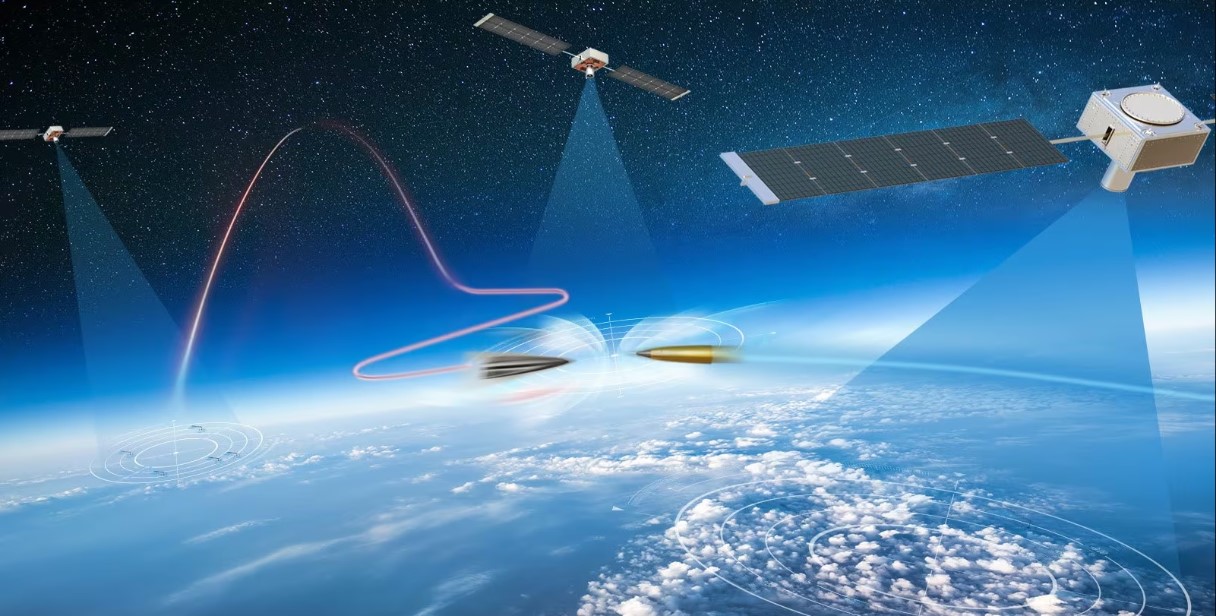
India
India’s Defence Research and Development Organisation (DRDO) is making significant strides in its Ballistic Missile Defence (BMD) program by entering Phase 3, which focuses on addressing the growing threat posed by hypersonic weapons. This ambitious phase includes the development of two advanced interceptor systems: the AD-AH (Anti-Hypersonic) and AD-AM (Anti-Maneuvering) interceptors. These systems aim to counter hypersonic projectiles that travel at speeds exceeding Mach 5 and pose a unique challenge due to their manoeuvrability and atmospheric flight paths. The Challenge of Hypersonic Weapons Hypersonic glide vehicles (HGVs) and hypersonic cruise missiles (HCMs) represent a new frontier in modern warfare. Unlike traditional ballistic missiles, which follow a predictable trajectory, HGVs and HCMs can perform evasive maneuvers, making them highly unpredictable. Their ability to operate within the Earth’s atmosphere further complicates interception since most traditional missile defence systems are optimized for exo-atmospheric engagements. AD-AH and AD-AM: A Leap in Missile Defence The AD-AH and AD-AM interceptors are being developed to address these challenges head-on: AD-AH Interceptor:Designed specifically to neutralize hypersonic glide vehicles, the AD-AH interceptor can track and engage targets that rapidly change direction during flight. Its advanced radar systems and guidance mechanisms ensure precision in intercepting these agile threats. AD-AM Interceptor:Tailored for hypersonic cruise missiles, the AD-AM is built to detect and destroy missiles flying at extremely high speeds within the atmosphere. Its ability to counter the complex flight paths of these missiles makes it a formidable defence tool. Both interceptors will incorporate cutting-edge technologies, including advanced heat-resistant materials to withstand the extreme temperatures generated during high-speed engagements and propulsion systems capable of matching the velocity of hypersonic threats. Key Specifications (Expected): While official details remain classified, analysts speculate the following features for the AD-AH and AD-AM systems: Speed: Capable of engaging targets at speeds up to Mach 8-10. Range: Estimated engagement range of 300-500 kilometers. Radar and Sensors: Advanced phased-array radars and infrared sensors for real-time tracking and target acquisition. Heat Resistance: Specially designed heat-shielding to endure atmospheric friction during interception. Manoeuvrability: Superior thrust-vectoring capabilities to handle rapid direction changes. Strategic Implications The development of AD-AH and AD-AM interceptors reflects India’s commitment to enhancing its defence capabilities and achieving technological self-reliance. By targeting hypersonic threats, India is addressing a critical gap in its missile defence infrastructure and positioning itself as a global leader in advanced defence systems. These interceptors also serve as a deterrent, bolstering India’s strategic posture in a region witnessing accelerated hypersonic weapon development by neighboring countries. The move highlights DRDO’s ability to adapt to emerging threats and contribute to national security through cutting-edge innovations. Conclusion India’s Phase 3 BMD program, spearheaded by the AD-AH and AD-AM interceptors, is a significant milestone in its defence evolution. These systems are poised to redefine the country’s air defence strategy, ensuring it remains prepared to counter the most advanced threats of the modern battlefield. With their unique capabilities, the AD-AH and AD-AM interceptors symbolize India’s resolve to stay at the forefront of defence technology, safeguarding its skies against hypersonic challenges.
Read More → Posted on 2025-01-09 15:50:31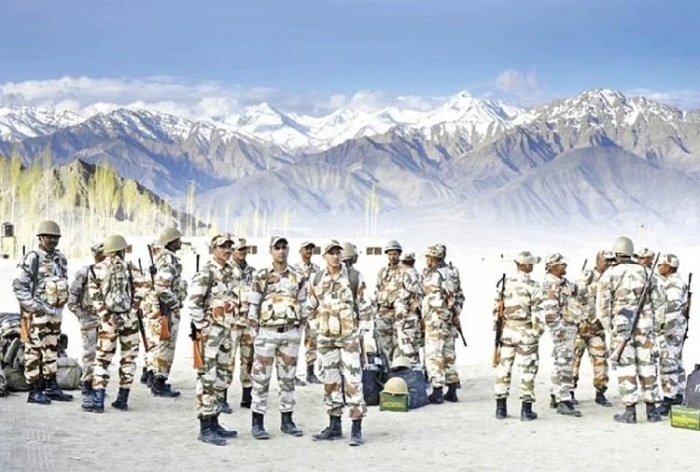
India
The Indo-Tibetan Border Police (ITBP) has taken significant steps to enhance its operational capabilities along the Line of Actual Control (LAC) with China, fortifying India's mountainous borders. The force has moved 33 of its 56 border posts closer to the LAC and deployed six new battalions in key areas, underscoring its commitment to safeguarding national security. This strategic shift was announced by ITBP Director General (DG) Rahul Rasgotra during the 63rd Raising Day parade held in Khordha, Odisha. Forwarding the Frontline As part of its "forwardisation plan," the ITBP has realigned 33 border posts closer to the LAC, with the remaining 23 posts expected to follow. These forward posts aim to ensure faster response times and enhance surveillance along the icy, high-altitude frontier. The move comes amid rising tensions along the India-China border and underscores India's preparedness to counter any potential threats in the region. Deployment of New Battalions The government has sanctioned seven new ITBP battalions, of which six have already been deployed in Arunachal Pradesh along the LAC. One additional battalion is stationed in Sikkim, fortifying India's northern defenses. This expansion boosts the ITBP's presence in these strategically sensitive areas, ensuring better border management and enhanced operational readiness. Modernization and Surveillance Enhancements In a bid to address shortcomings, the ITBP has undertaken a review of its technology-driven surveillance systems. Plans are underway to modernize equipment and integrate advanced tools for better situational awareness. The force also plans to leverage India's nationwide fiber-optic network for secure communication along the LAC. A modernization proposal is being drafted for the Union Home Ministry to address weaponry and other technological upgrades. Infrastructure Development The government has allocated ₹2,500 crore this year to improve infrastructure at forward posts, battalion camps, and other ITBP facilities. This follows a ₹1,000 crore investment last year, which focused on construction work in remote and challenging terrains. DG Rasgotra expressed gratitude to the Union Government and the Ministry of Home Affairs for prioritizing the welfare and efficiency of the force. Expanding Beyond Border Duties While its primary responsibility is to guard the 3,488-kilometer-long LAC, the ITBP also operates in internal security domains. Plans are underway to establish forward bases in Maoist-affected regions, including the dense jungles of Abujhmad in Chhattisgarh. Union Home Minister Amit Shah has set an ambitious goal to eradicate Left Wing Extremism (LWE) by March 2026, and the ITBP's expanded role will be instrumental in achieving this objective. A Legacy of Mountain Warfare Established after the 1962 Sino-Indian War, the ITBP is a mountain warfare-specialized paramilitary force. With approximately 90,000 personnel, it serves as the nation’s first line of defense along the LAC, operating in some of the world’s most inhospitable terrains. Union Minister of State for Home Affairs Nityanand Rai, who officiated as the chief guest at the Raising Day event, lauded the ITBP's unwavering dedication and its critical role in securing India's borders. The ITBP’s initiatives to modernize, expand, and fortify its operations reflect a proactive approach to national security, ensuring that India's mountainous borders remain well-guarded in the face of evolving challenges.
Read More → Posted on 2025-01-09 15:40:45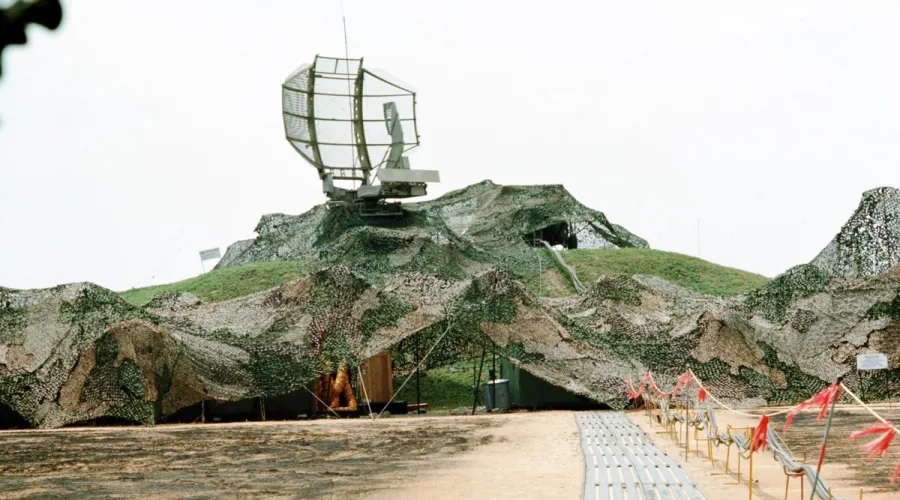
India
The Indian Army is making a substantial leap in fortifying its operational readiness in desert and semi-desert regions by initiating the procurement of 10,276 Multi-Spectral Camouflage Nets (MSCNs). This move reflects the growing emphasis on advanced concealment technologies to mitigate detection risks in challenging terrains. Purpose of the Procurement The procurement, issued under a detailed Request for Proposal (RFP), focuses on equipping crucial military assets such as tanks, artillery, and radar systems with state-of-the-art camouflage. These nets provide a multi-layered shield against enemy detection methods, ranging from visual observation to advanced electronic surveillance. Specifications and Capabilities of MSCNs The Multi-Spectral Camouflage Nets are designed to meet the rigorous demands of modern warfare, offering advanced concealment across multiple detection ranges. Their key features include: Visual ConcealmentThe MSCNs blend seamlessly with the natural environment, ensuring critical assets remain undetectable to the naked eye, even in open desert or semi-desert terrains. Thermal Signature ReductionThey significantly reduce heat emissions, masking equipment from thermal imaging devices and infrared detection, a crucial advantage in counter-surveillance measures. Radar Cross-Section ReductionBy minimizing radar reflectivity, these nets effectively hide equipment from enemy radar systems, bolstering the Army's ability to operate stealthily in hostile zones. Compatibility with Desert EnvironmentsThe MSCNs are engineered to match the unique conditions of desert and semi-desert regions, including adapting to the area's specific colors and light patterns. This ensures effective concealment during both day and night operations. Durability and Longevity When stored in sealed conditions, the nets come with a lifespan of up to 10 years. Once deployed, they are designed to withstand 150 handling cycles or up to seven years of use, making them highly reliable for prolonged military operations. Operational Advantages The deployment of MSCNs is set to provide a critical tactical edge in both offensive and defensive maneuvers. By reducing detectability across the electromagnetic (EM) spectrum, the Indian Army will have the ability to launch operations with a significantly reduced risk of enemy detection. Strategic Importance Desert and semi-desert terrains pose unique challenges for military operations due to their open landscapes and limited natural cover. The introduction of MSCNs will bridge this gap by offering artificial yet highly effective concealment, ensuring that high-value assets remain hidden from adversaries. This procurement aligns with the Indian Army’s broader objective of enhancing operational preparedness and survivability in diverse terrains. It underscores the Army's commitment to integrating advanced technologies into its arsenal, ensuring superiority on the modern battlefield. By equipping its forces with these cutting-edge camouflage systems, the Indian Army continues to strengthen its ability to adapt to evolving threats, maintain stealth, and execute operations with precision in challenging environments.
Read More → Posted on 2025-01-09 15:33:11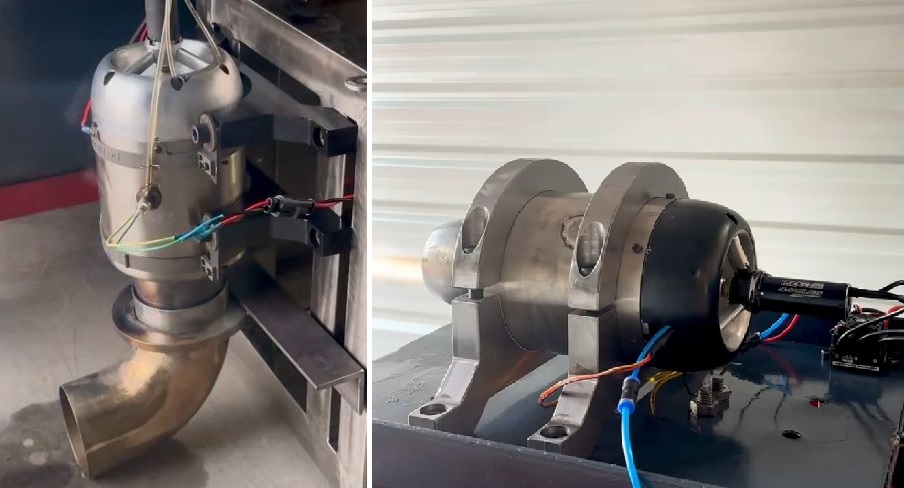
India
Delhi-based start-up DG Propulsion has reached a significant milestone in India’s aerospace technology journey by successfully conducting a Vertical Test Run of its indigenously developed DG-J40 micro turbojet engine. This achievement marks an important step in advancing India’s capabilities in unmanned aerial vehicles (UAVs) and defence technology while emphasizing the country’s focus on indigenous innovation. Key Specifications of the DG-J40 Turbojet Engine: Engine Type: Turbojet Thrust Capacity: Up to 40 kgf (392 N) Outer Diameter: 149 mm Full Length: 300 mm Weight: 3,600 g Maximum RPM: 96,000 Idle RPM: 28,800 Pressure Ratio: 3.8 Compact and lightweight, the DG-J40 is purpose-built for versatility. Its impressive thrust-to-weight ratio, combined with a modular design, allows it to meet various operational needs. This adaptability makes it an ideal candidate for military and commercial UAVs. The engine also offers features such as nozzle length adjustments and capabilities for water landings, further enhancing its range of applications. The Significance of the Vertical Test Run The successful vertical test run highlights the engine's robust performance and readiness for real-world applications. This achievement underscores India’s commitment to reducing reliance on imported technologies by fostering local expertise in aerospace and defence systems. The DG-J40’s development aligns with the Indian government’s initiatives such as "Make in India" and "Atmanirbhar Bharat" (self-reliant India). By supporting start-ups like DG Propulsion, these programs aim to build a strong foundation for cutting-edge research and manufacturing in critical sectors. Broader Implications for India’s Aerospace Industry The advancements showcased by the DG-J40 turbojet engine are expected to serve as a catalyst for further innovation within India’s aerospace ecosystem. As an indigenous product, the engine could potentially be integrated into military UAVs, high-speed target drones, and other aerial systems, contributing to enhanced national security. Moreover, DG Propulsion’s success is likely to inspire other start-ups and established firms to invest in indigenous technology solutions. By doing so, India can strengthen its foothold in the global aerospace market and position itself as a key player in defence and UAV technology. This achievement also reflects India’s growing capability to develop homegrown propulsion systems, a domain traditionally dominated by a handful of international manufacturers. The DG-J40 turbojet engine could eventually become a benchmark for future developments in UAV propulsion, opening doors for new export opportunities and collaborative ventures. Looking Ahead As DG Propulsion continues to refine its technologies, the DG-J40 engine is poised to play a significant role in India’s aerospace advancements. The company’s efforts not only enhance India’s technological independence but also demonstrate the potential for Indian start-ups to compete on a global scale. This milestone is more than just a technical accomplishment—it’s a symbol of India’s evolving role as a hub for innovation in defence and aerospace technology.
Read More → Posted on 2025-01-09 15:25:46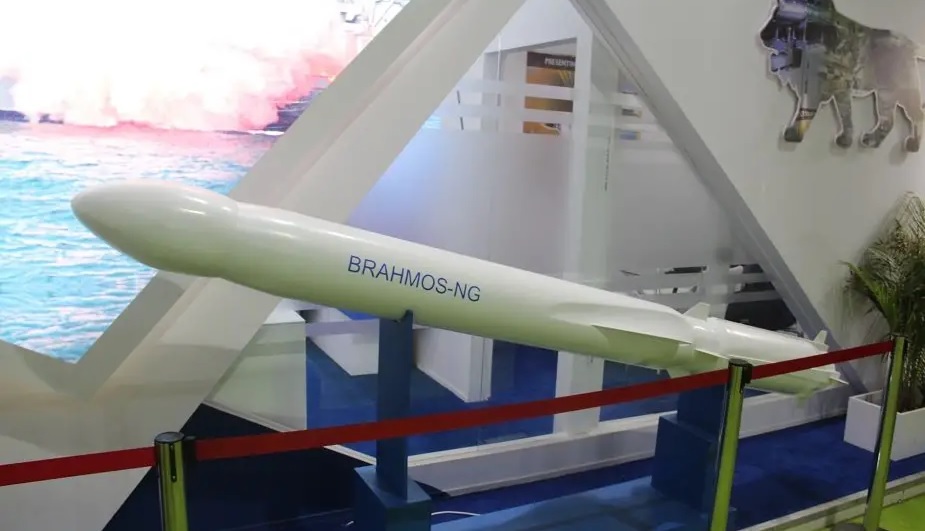
India
BrahMos Aerospace, a joint venture between India and Russia, is in advanced talks with the Indian Army to develop a ground-based version of the BrahMos-NG (Next Generation) cruise missile. This initiative aims to address the operational demands of high-altitude warfare, offering enhanced agility and deployment flexibility compared to its predecessor. A Game-Changer for High-Altitude Operations The proposed ground-based BrahMos-NG system is designed to meet the Indian Army’s specific needs for high-altitude terrains, where conventional systems often face logistical and operational challenges. Unlike the standard BrahMos missile, the BrahMos-NG is significantly lighter, weighing around 1.3 to 1.4 tons, compared to the 2.5-ton standard variant. This weight reduction enables the missile to be mounted on medium-class 8×8 Heavy Mobility Vehicles (HMVs), ensuring easier transportation and rapid deployment even in remote and mountainous regions. Key Specifications of the BrahMos-NG Weight: 1.3–1.4 tons, significantly lighter than the original BrahMos. Length: Approximately 6 meters, making it shorter and more compact. Range: Up to 290 kilometers, with a planned increase to over 400 kilometers in future iterations. Speed: Mach 3.5, maintaining its position as one of the fastest cruise missiles in the world. Guidance System: Advanced inertial navigation system integrated with GPS/GLONASS, ensuring precision targeting. Payload: Capable of carrying a 200-300 kg warhead. The missile's compact design not only enhances its mobility but also allows for integration across a variety of platforms, including trucks, aircraft, ships, and submarines. Renewed Interest from the Indian Army Initially, the Indian Army showed limited enthusiasm for the truck-mounted BrahMos-NG, focusing instead on its existing BrahMos systems. However, the lighter and more agile configuration of the BrahMos-NG has reignited interest, especially for high-altitude and rugged terrains, where the Army faces operational challenges. The integration of a booster stage in the ground-based variant will further enhance its range and performance, making it a strategic asset for mountainous regions. The Army's focus is now shifting to complementing its existing missile arsenal with the BrahMos-NG, which offers logistical ease, faster deployment, and the ability to operate in previously inaccessible areas. Broader Applications Across Services The BrahMos-NG program has already garnered strong interest from the Indian Air Force and Navy for its air-launched and submarine-launched variants. The Air Force plans to deploy the missile on platforms like the Sukhoi Su-30MKI and the upcoming HAL Tejas Mk2, while the Navy is considering it for integration into submarines and smaller warships. For the Army, the truck-mounted BrahMos-NG represents a strategic opportunity to enhance its missile capabilities while maintaining operational flexibility. Its ability to quickly mobilize in high-altitude regions makes it an ideal addition to India’s arsenal, particularly for defending critical areas along the northern and northeastern borders. Strategic Advantages The BrahMos-NG system's agility and lighter configuration address the unique challenges of high-altitude warfare. The reduced weight and compact design make it easier to transport, set up, and launch, even in difficult terrains. Its rapid deployment capability and extended range provide a strategic edge in scenarios requiring quick retaliation or preemptive action. Additionally, the BrahMos-NG’s ability to target both land and sea-based threats ensures that it can serve multiple roles, offering a high degree of versatility. This aligns with India’s broader defense strategy of maintaining a multi-domain operational capability. Looking Ahead As discussions between BrahMos Aerospace and the Indian Army progress, the ground-based BrahMos-NG missile system has the potential to redefine the Army’s capabilities in high-altitude regions. If successfully integrated, it will complement the existing BrahMos fleet and serve as a critical asset in addressing evolving security challenges. The system’s development underscores India’s commitment to self-reliance in defense manufacturing and innovation, as well as its readiness to adapt to complex and dynamic security environments. The BrahMos-NG is poised to be a game-changer, providing a strategic advantage to the Indian Army in its ongoing efforts to safeguard the nation’s borders.
Read More → Posted on 2025-01-09 15:15:26
India
In a landmark move poised to redefine India-US relations in the nuclear energy domain, the United States is finalizing steps to remove key Indian nuclear entities from its restricted "entities list." This decision, announced by US National Security Adviser Jake Sullivan during his visit to India, marks a pivotal step towards enhancing civil nuclear cooperation between the two nations, which have long aspired to deepen their partnership in this critical sector. Breaking Down the 'Entities List' Removal For decades, the inclusion of Indian nuclear companies on the US "entities list" imposed significant trade and research restrictions. Companies on this list were barred from accessing American nuclear technology, expertise, and materials, effectively hampering collaboration. However, the Biden administration's decision to remove these restrictions underscores the growing trust and shared vision between the two democracies. Speaking at the Indian Institute of Technology, Delhi, Sullivan emphasized the transformative potential of this move. “This will be an opportunity to turn the page on some of the frictions of the past and create opportunities for entities that have been on restricted lists to enter into deep collaboration with the United States," he said. The removal of Indian entities from the restricted list will unlock opportunities for Indian and American firms to jointly explore civil nuclear projects, foster scientific research, and develop advanced nuclear technologies. It also signals a commitment to fortifying the India-US strategic partnership, particularly in energy security and clean energy transitions. Boosting India's Nuclear Ambitions India's nuclear energy sector is critical to its energy strategy, especially as the country aims to reduce its dependence on fossil fuels. By 2030, India seeks to generate 50% of its electricity from non-fossil fuel sources, with nuclear power expected to play a significant role. This development comes at a crucial juncture, as India plans to ramp up its nuclear capacity through the construction of indigenous and collaborative reactor projects. With access to American technology, expertise, and investment, Indian firms can accelerate the adoption of advanced reactor designs, including Small Modular Reactors (SMRs), which are more efficient and cost-effective than traditional nuclear reactors. Additionally, US-India cooperation is likely to extend to areas such as nuclear safety protocols, waste management solutions, and grid integration. These advancements could position India as a global leader in sustainable nuclear energy development while creating significant business opportunities for US companies. A Multi-Billion-Dollar Opportunity The decision to remove trade restrictions is expected to catalyze a wave of investments in the nuclear sector. Industry experts anticipate the move could open a market worth billions of dollars, benefiting firms on both sides. For US companies, it provides access to one of the world’s fastest-growing energy markets. For Indian entities, it offers cutting-edge technology and expertise to bolster the country’s nuclear energy infrastructure. Implications for Global Energy Goals Beyond bilateral trade, this collaboration aligns with global efforts to combat climate change and transition to sustainable energy sources. Nuclear power, as a low-carbon energy source, is pivotal to reducing greenhouse gas emissions. Enhanced India-US nuclear cooperation can serve as a model for other nations seeking to balance energy demands with environmental commitments. Strategic Partnership Strengthened This step is more than just a regulatory change; it is a testament to the deepening strategic partnership between India and the United States. By removing long-standing barriers, both nations are signaling their intent to work together on issues of mutual interest, including energy security, technological innovation, and climate change mitigation. As the paperwork for this historic move nears completion, the stage is set for a new era of collaboration. This decision not only boosts India’s nuclear energy ambitions but also cements the India-US partnership as a cornerstone of global efforts to ensure a sustainable energy future.
Read More → Posted on 2025-01-09 15:06:49
India
India is gearing up to take a significant leap in defense technology with plans to develop a 6th-generation jet engine. This ambitious initiative, estimated to require an investment of $4-5 billion (₹40,000-50,000 crore), was announced by DRDO Chairman Dr. Samir V. Kamat during his address at the 21st Subroto Mukerjee Seminar. The project underscores India's commitment to achieving self-reliance in critical defense technologies, a cornerstone of the government's "Aatmanirbhar Bharat" vision. The Need for an Indigenous Jet Engine Modern fighter jets rely heavily on advanced engines for superior performance, maneuverability, and stealth. While India has made significant strides in defense manufacturing, it has yet to develop a fully indigenous high-performance jet engine. The development of a 6th-generation engine is crucial for powering India's next-generation fighter aircraft, including the Advanced Medium Combat Aircraft (AMCA) and unmanned aerial platforms. Key features of 6th-generation jet engines include: Adaptive Cycle Technology: Enhanced fuel efficiency and performance across various flight regimes. Stealth Integration: Reduced infrared and acoustic signatures. Higher Thrust-to-Weight Ratio: Improved speed, agility, and payload capacity. Thermal Management: Advanced cooling systems for sustaining high-performance operations. India’s Investment in Defense R&D During his speech, Dr. Kamat highlighted a pressing concern: India invests only 5% of its defense budget in research and development (R&D). This is significantly lower compared to major defense powers such as the United States and China, where R&D investment often exceeds 10% of the defense budget. The relatively low allocation poses challenges in keeping pace with rapidly evolving defense technologies. Collaborative Approach for Development To develop the 6th-generation jet engine, India plans to adopt a collaborative approach involving: DRDO’s Aeronautical Development Agency (ADA): Leading the design and development efforts. Private Industry Participation: Encouraging Indian companies to contribute to manufacturing and technology integration. International Partnerships: Collaborating with global leaders in jet engine technology for knowledge transfer and joint development. Strategic Implications of Indigenous Engine Development Reduced Dependence on Imports: Currently, India relies on foreign suppliers for high-performance engines, such as the General Electric engines powering the Tejas Mk1 and Mk2 fighters. An indigenous engine would reduce vulnerability to supply chain disruptions. Cost Efficiency: Developing engines domestically could lower long-term costs associated with imports, maintenance, and upgrades. Technological Sovereignty: Mastering jet engine technology is a hallmark of advanced nations, providing strategic autonomy in defense manufacturing. Export Potential: An indigenous 6th-generation engine could position India as a key player in the global defense market, offering advanced solutions to friendly nations. Challenges Ahead The road to developing a 6th-generation jet engine is fraught with challenges: High Development Costs: The $4-5 billion investment is substantial, requiring sustained funding over several years. Technological Complexity: Jet engine development involves mastering materials science, thermal dynamics, and precision engineering. Skilled Workforce: Building a team of highly skilled scientists and engineers will be critical. Time Frame: Developing a 6th-generation engine could take a decade or more, demanding unwavering commitment and strategic planning. India’s Defense Modernization Goals The indigenous jet engine program is part of India's broader efforts to modernize its armed forces. Alongside the AMCA project, India is also pursuing advancements in areas such as: Hypersonic Weapons Artificial Intelligence in Warfare Directed Energy Weapons Space-Based Defense Systems Conclusion India’s ambitious plan to invest $4-5 billion in developing a 6th-generation jet engine is a bold step toward achieving self-reliance in defense technology. While the challenges are significant, the long-term benefits in terms of strategic autonomy, cost savings, and global competitiveness make it a worthwhile endeavor. By fostering collaboration between government agencies, private industry, and international partners, India is poised to make its mark as a leader in advanced defense technologies.
Read More → Posted on 2025-01-08 16:01:33
India
India is charting a strategic course to bolster its defense capabilities in space by developing an advanced Integrated Satellite Communication Grid. This ambitious initiative involves deploying a network of satellites across various orbital layers, complemented by sophisticated data relay systems. The plan underscores the Indian defense forces' recognition of space as an emerging domain of warfare, requiring cutting-edge technology and strategic foresight. Key Features of the Satellite Communication Grid The grid aims to ensure seamless, secure, and rapid communication for India's defense forces. It incorporates: Orbital Diversity:The system will employ a combination of satellites in Low Earth Orbit (LEO), Medium Earth Orbit (MEO), and Geostationary Orbit (GEO). This multi-layered approach minimizes the dependency on any single satellite, enhancing redundancy and resilience. Data Relay Satellites:Tracking and data relay satellite systems are a focal point, designed to reduce the time taken to process and act on critical information. These systems will accelerate the OODA loop (Observe, Orient, Decide, Act), a vital framework in military decision-making. Quantum Communication:The incorporation of quantum communication technologies aims to secure data transmissions, leveraging quantum encryption's inherent immunity to hacking or interception. Space and Ground-Based Sensors:Advanced telescopes and radar systems will be deployed to provide real-time situational awareness. These sensors will empower commanders at tactical, operational, and strategic levels to make informed decisions swiftly. Industry Collaboration:The defense forces are actively engaging with private industry players to integrate innovative solutions, ensuring India remains competitive in the space defense domain. Advantages of the Integrated Grid Resilience Against Disruptions: The use of multi-orbital constellations ensures uninterrupted communication even in case of satellite failures or adversarial actions. Rapid Response Capability: Real-time data relay and processing will enhance the speed and effectiveness of military operations. Enhanced Security: Quantum communication offers unparalleled data security, safeguarding sensitive military information from potential threats. Situational Awareness: The integration of advanced sensors provides a comprehensive view of the operational environment, crucial for modern warfare. Why the Push for Space Dominance? Space is increasingly viewed as the "ultimate high ground" in defense strategy. Nations worldwide are investing heavily in space technologies to gain a competitive edge in intelligence gathering, communication, and offensive capabilities. India's move to develop an integrated satellite communication grid is a strategic response to these global trends and the growing space capabilities of potential adversaries. Future Plans and Challenges The Defense Space Agency (DSA), led by Air Vice Marshal Pawan Kumar, has emphasized the importance of a robust space infrastructure. However, achieving this ambitious vision requires addressing several challenges: Technological Complexity: Building and maintaining a multi-orbit constellation involves advanced engineering and significant investment. Collaboration with Industry: Effective public-private partnerships will be crucial for innovation and cost-efficiency. Cybersecurity: Protecting the satellite network from cyber threats will be a top priority. India’s Growing Space Ambitions India's defense space initiatives align with its broader space ambitions, demonstrated by ISRO's successes in launching satellites and interplanetary missions. The synergy between ISRO, the DSA, and the private sector could transform India's space ecosystem, making it a formidable player in the global space race. A Strategic Leap Forward The integrated satellite communication grid represents a transformative leap for India's defense forces, ensuring operational superiority in the space domain. By embracing cutting-edge technologies and fostering collaboration, India is poised to secure its interests in the increasingly contested realm of outer space.
Read More → Posted on 2025-01-08 15:53:08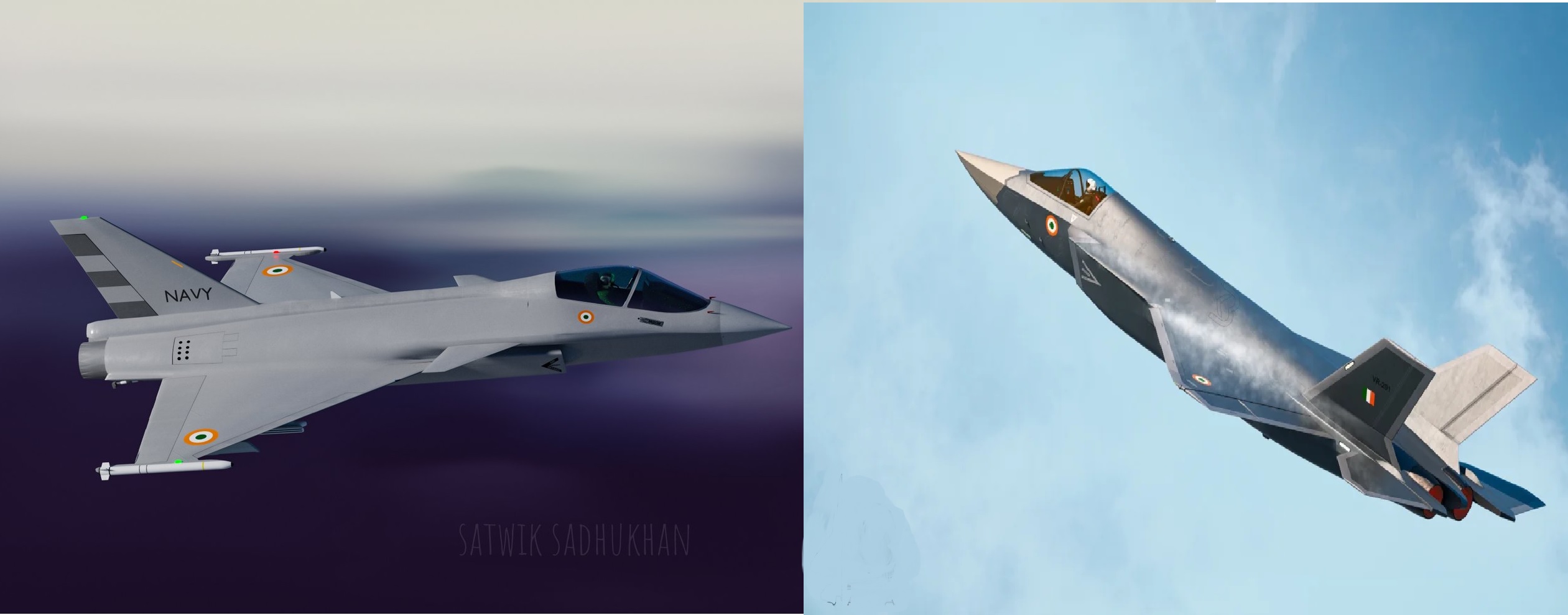
India
In a significant move aimed at consolidating India’s defence capabilities and optimizing budget allocation, the Ministry of Defence (MoD) is reportedly planning to merge the Indian Air Force (IAF) with the Navy’s Twin Engine Deck Based Fighter (TEDBF) program. This initiative not only aligns with India’s push for self-reliance in defence manufacturing but also addresses financial challenges associated with producing advanced fighter jets. The TEDBF program, spearheaded by Hindustan Aeronautics Limited (HAL) and the Aeronautical Development Agency (ADA), has been designed to replace the aging fleet of MiG-29K fighters currently operating from the Indian Navy’s aircraft carriers. The Indian Navy has projected a requirement of 145 TEDBF units, but the initial approval by the MoD is for 80 units, which raises concerns about production scale and per-unit costs. To make the program financially viable and attractive for private-sector participation, a minimum production of 200 jets is being proposed. The TEDBF: A Technological Marvel The TEDBF is a 4.5-generation fighter aircraft with several cutting-edge features. Designed for carrier operations, it boasts folding wings to optimize space on aircraft carriers. The twin-engine configuration enhances redundancy, safety, and operational range. With a maximum take-off weight (MTOW) of approximately 26 tonnes and a payload capacity of 9 tonnes, the TEDBF is a formidable multi-role aircraft capable of air superiority, strike missions, and maritime reconnaissance. Key specifications of the TEDBF include: Engines: Initially powered by the American GE F-414 engines, which deliver a thrust of 98kN per engine. Future versions will incorporate a 110kN-class engine being developed domestically by the Gas Turbine Research Establishment (GTRE). Avionics: State-of-the-art avionics suite with AESA radar, advanced electronic warfare systems, and data fusion capabilities. The avionics are expected to share significant overlap with those of the Advanced Medium Combat Aircraft (AMCA), ensuring cost efficiency and seamless technological integration. Weapons Loadout: Equipped with a variety of precision-guided munitions, air-to-air missiles, and anti-ship missiles. The TEDBF will also support indigenous weapons like the Astra BVRAAM (Beyond Visual Range Air-to-Air Missile) and BrahMos-NG cruise missile. Range and Speed: An operational range of approximately 1,000 km with a top speed of Mach 1.6, making it suitable for extended missions. Shared Development with AMCA The TEDBF and the IAF’s Advanced Medium Combat Aircraft (AMCA) programs are set to share several critical technologies and components. Common Line Replaceable Units (LRUs) and avionics systems will not only reduce development costs but also simplify logistics and maintenance. Both programs will eventually utilize the 110kN-class engine under development, ensuring continuity in propulsion systems and reducing dependency on foreign suppliers. Strategic Implications of the Merger By merging the IAF into the TEDBF program, the MoD aims to pool resources, avoid duplication of efforts, and achieve economies of scale. A larger production order will lower per-unit costs, making the program more viable for private-sector involvement. This move aligns with India’s push to promote Indigenous defence manufacturing under the “Atmanirbhar Bharat” initiative. Moreover, this strategy allows both the Navy and the Air Force to benefit from a unified development ecosystem. For the IAF, a version of the TEDBF tailored for ground-based operations could supplement its fleet, particularly in light of delays and cost escalations in the AMCA program. This collaboration will also enhance interoperability between the two services, a critical requirement in modern warfare. Challenges and Opportunities While the merger presents numerous benefits, challenges remain. The MoD must ensure that the integration of the two services into the TEDBF program does not lead to compromises in operational requirements or delays in timelines. Additionally, the development of the indigenous 110kN engine will be a key factor in ensuring long-term self-reliance and cost savings. On the brighter side, a successful implementation of this program could set a benchmark for future joint development initiatives in India’s defence sector. It will also strengthen India’s defence exports, as the TEDBF could attract interest from other nations seeking advanced yet cost-effective fighter aircraft. Conclusion The integration of the IAF with the Navy’s TEDBF program marks a transformative step in India’s defence strategy. By streamlining resources and fostering collaboration, the MoD aims to build a robust ecosystem for Indigenous fighter aircraft production. If executed successfully, this initiative could significantly enhance India’s air and naval combat capabilities while promoting self-reliance and technological innovation in the defence sector.
Read More → Posted on 2025-01-08 15:39:12
India
India’s security landscape is growing increasingly complex, with heightened challenges along its borders with China and Pakistan. At the 21st Subroto Mukherjee Seminar in New Delhi, Indian Air Force (IAF) Chief Air Chief Marshal A.P. Singh expressed serious concerns about the country’s preparedness in the face of rapid militarisation by its neighbours. He pointed to delays in critical indigenous defence projects, particularly the much-anticipated Tejas fighter jets, as a significant bottleneck. The Long Wait for Tejas Jets Over a decade has passed since the IAF placed an order for 40 Tejas Mark-1 fighter jets in 2010, yet these aircraft are still not fully delivered. The delay in delivering these jets, powered by the American GE-F404 turbofan engines, has raised concerns about the IAF’s ability to maintain operational readiness. The IAF chief described the pace of indigenous defence production as "too slow," warning that delayed technology is effectively denied technology. The IAF currently operates only 30 fighter squadrons, far below the sanctioned strength of 42.5 needed to counter dual-front threats from China and Pakistan. The situation underscores the pressing need for timely deliveries of both the 40 ordered Tejas jets and future variants such as the Mark-1A and Mark-2 models. A total of 180 Tejas Mark-1A and 108 Mark-2 jets are planned for induction before the IAF transitions to the Advanced Medium Combat Aircraft (AMCA). While the Tejas aircraft represents a leap in India’s indigenous capabilities, the slow production and delivery timelines diminish its immediate utility. The IAF has reiterated the urgent need for faster deliveries to address its squadron deficit. China’s Military Advancements Raise Alarms India’s delays in defence projects stand in stark contrast to China’s rapid military advancements. China recently revealed two sixth-generation stealth fighter jets during test flights, showcasing its leap ahead in defence technology. These tailless aircraft, featuring cutting-edge stealth capabilities, have stunned global military observers, including the United States, which is still finalising its sixth-generation fighter program. China’s existing fifth-generation Chengdu J-20 stealth fighters have already been deployed near the Indian border at Hotan and Shigatse airbases, adding further pressure on India to enhance its air combat capabilities. Indigenous Challenges and Self-Reliance Despite the government’s push for "Atmanirbhar Bharat" (self-reliant India), the pace of indigenisation in defence remains sluggish. The IAF has taken steps to foster local production, working with MSMEs to produce over 50,000 components for Base Repair Depots. Additionally, initiatives such as the Directorate of Aerospace Design and innovation schemes like iDEX (Innovations for Defence Excellence) aim to strengthen private sector participation. However, Air Chief Marshal Singh emphasised that self-reliance comes with a cost. Indigenous R&D projects may require higher upfront investments and involve risks and potential failures. He urged policymakers to accept these challenges, highlighting that strategic independence in defence is worth the financial and operational costs. Looking Ahead: AMCA and Strategic Focus While Tejas faces delays, India is already working on its next-generation fighter program, the Advanced Medium Combat Aircraft (AMCA). Approved in 2022 with a budget of ₹15,000 crore, the AMCA is expected to feature advanced stealth capabilities and a twin-engine design. The first prototype is slated for testing in four to five years, with production likely to begin after 2035. However, the IAF chief’s remarks highlight the importance of timely execution to ensure that AMCA avoids the delays that have plagued other indigenous programs. Conclusion Air Chief Marshal A.P. Singh’s candid observations highlight the urgent need for India to accelerate its indigenous defence projects to maintain a credible deterrence against its adversaries. As China and Pakistan modernise their militaries, India must address delays in critical programmes like Tejas and AMCA while fostering robust private sector partnerships. The path to self-reliance in defence may be challenging, but the strategic benefits far outweigh the costs.
Read More → Posted on 2025-01-08 15:24:53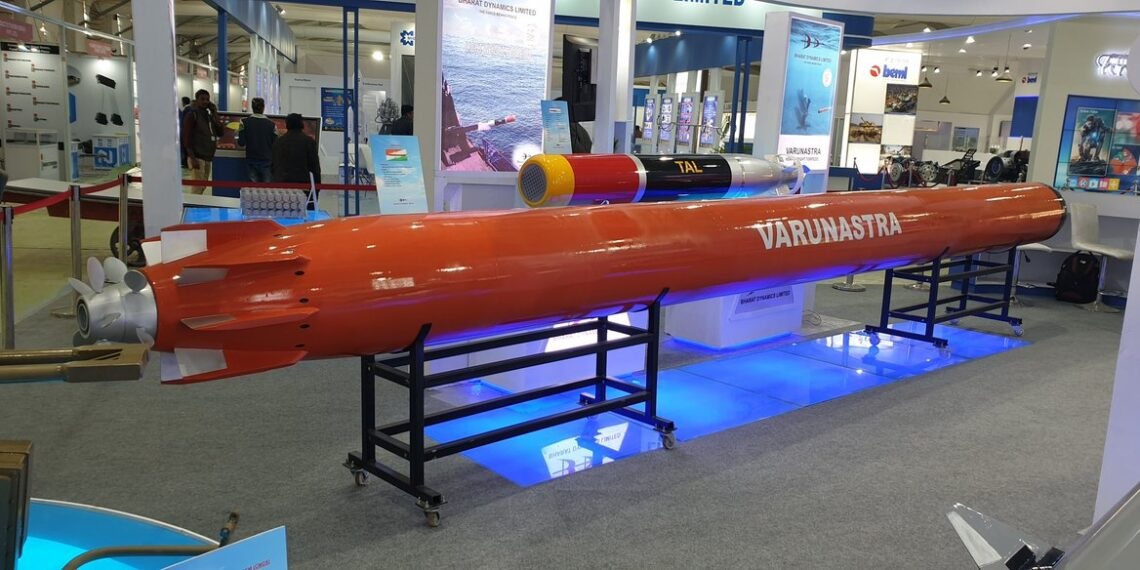
India
The Defence Research and Development Organisation (DRDO) has unveiled its latest innovation, the Electric Heavy Weight Torpedo (EHWT), a state-of-the-art submarine-launched weapon that significantly bolsters India's anti-submarine warfare (ASW) capabilities. This advanced torpedo represents a milestone in India's push for indigenization in defence technology under the ‘Aatmanirbhar Bharat’ initiative. Cutting-Edge Features of the EHWT The EHWT builds upon the success of DRDO’s Varunastra torpedo, offering enhanced precision, stealth, and performance. It is specifically designed for submarine deployment and is capable of engaging quiet enemy submarines in both shallow and deep waters. Unlike conventional torpedoes that use mechanical propulsion, the EHWT leverages an electric propulsion system, drastically reducing its acoustic signature. This low-noise operation enhances its stealth, making it harder for enemy sonar systems to detect. Key Specifications Range: 40 kilometers Speed: Up to 40 knots (approximately 74 km/h) Operating Depth: Up to 600 meters Guidance System: Autonomous guidance algorithms for precision targeting Warhead: High-impact payload for maximum destruction Propulsion: Electric motor, ensuring low acoustic emissions These specifications make the EHWT an ideal weapon for modern submarine warfare, where silence and precision are critical. Versatility in Submarine Integration The EHWT has been extensively tested with various submarine classes in the Indian Navy, including the Sindhughosh-class (Kilo-class) submarines. These trials validated its performance under diverse environmental conditions and confirmed its seamless integration with existing combat systems. The torpedo is also set to be incorporated into the Kalvari-class submarines, part of India’s Project-75 Scorpene program. This collaboration with France’s Naval Group ensures that the EHWT benefits from international expertise while retaining its indigenous roots. Such partnerships reflect a growing trend of combining global technological inputs with Indian innovation. Enhancing India’s Naval Power The development of the EHWT marks a significant leap in the Indian Navy’s underwater combat capabilities. Its ability to remain stealthy, travel long distances at high speeds, and operate across a wide range of depths ensures strategic superiority in the Indo-Pacific region. The torpedo’s advanced guidance algorithms allow it to track and engage targets even in challenging underwater conditions, such as strong currents or evasive maneuvers by enemy submarines. Strategic Significance The introduction of the EHWT strengthens India’s deterrence and offensive capabilities in a region marked by increasing naval competition. With its enhanced range and stealth features, the EHWT positions the Indian Navy as a formidable force, capable of countering submarine threats posed by adversaries. Its indigenous design underscores India's commitment to reducing dependence on foreign defence imports, paving the way for future self-reliant technological advancements. As tensions continue to rise in maritime hotspots, the EHWT serves as a powerful tool in safeguarding India’s maritime interests and asserting its naval dominance. With its cutting-edge features, it is poised to become a cornerstone of India’s undersea warfare strategy, reinforcing its status as a major player in global naval power dynamics.
Read More → Posted on 2025-01-08 15:18:06Search
Top Trending in 24 Hours
-
 Western Intelligence Warns Russia Could Launch Nuclear-Armed Satellite as Early as December
-
 U.S. Awards Lockheed Martin $330.6 Million Contract for Long-Lead Materials Supporting 75 F-35 Lot 22 Aircraft
-
 IG Defence Successfully Test-Fires JWALA MK-1 Counter-Drone Missile at Pokhran
-
 Germany Tests Kamikaze Drones and AI Targeting Systems in Lithuania Near Belarus Border
-
 Chinese Military Warns U.S. AI Could Threaten China’s Nuclear Missile Survivability
-
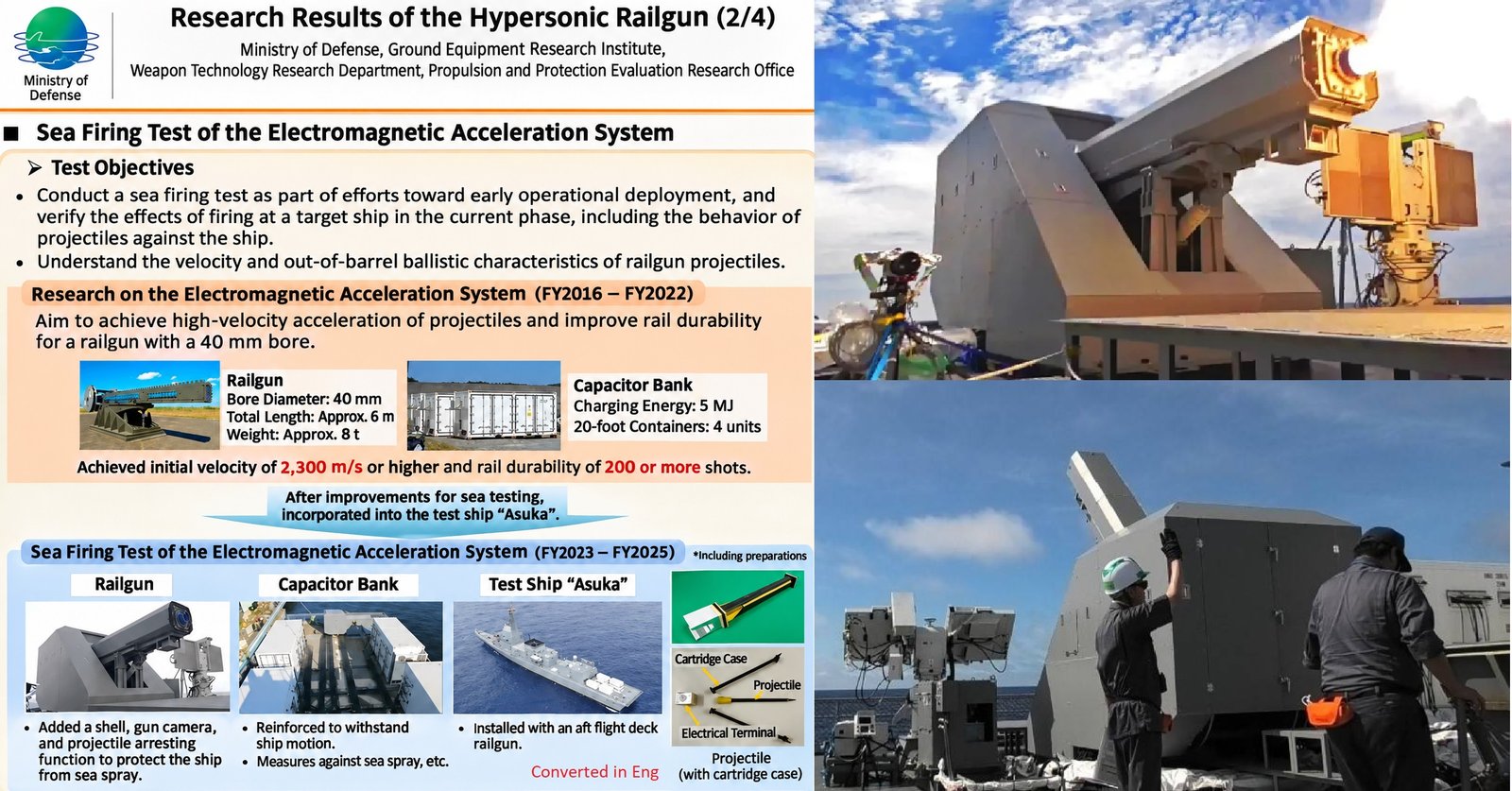 Japan Tests Battery-Powered Railgun in Ten-Shot Rapid-Fire Trial
-
 Ukraine Confirms Using Seven Naval Drones to Sink Russian Corvette Merkury Off Libya, Destroying Ka-27 Helicopter Aboard
-
 U.S. Army Places $60.3 Million Order With Saab for XM919 Shoulder-Fired Weapons
Top Trending in 4 Days
-
 Two Injured in Bahrain After Iranian Attacks; Iran Claims Strike on US Patriot Radars
-
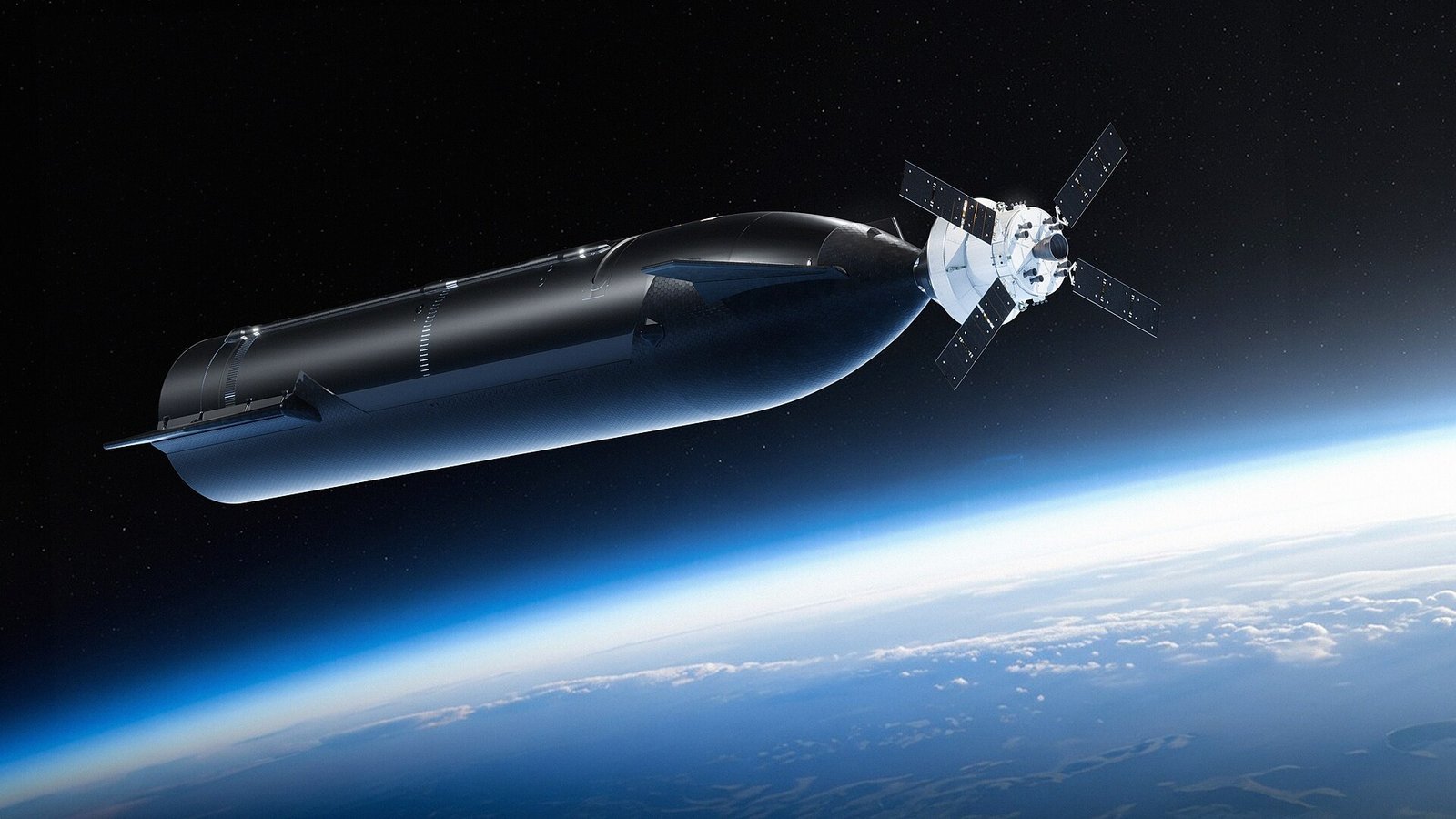 NASA's Orion Spacecraft Needs Major Modifications to Fly Backward with SpaceX Starship
-
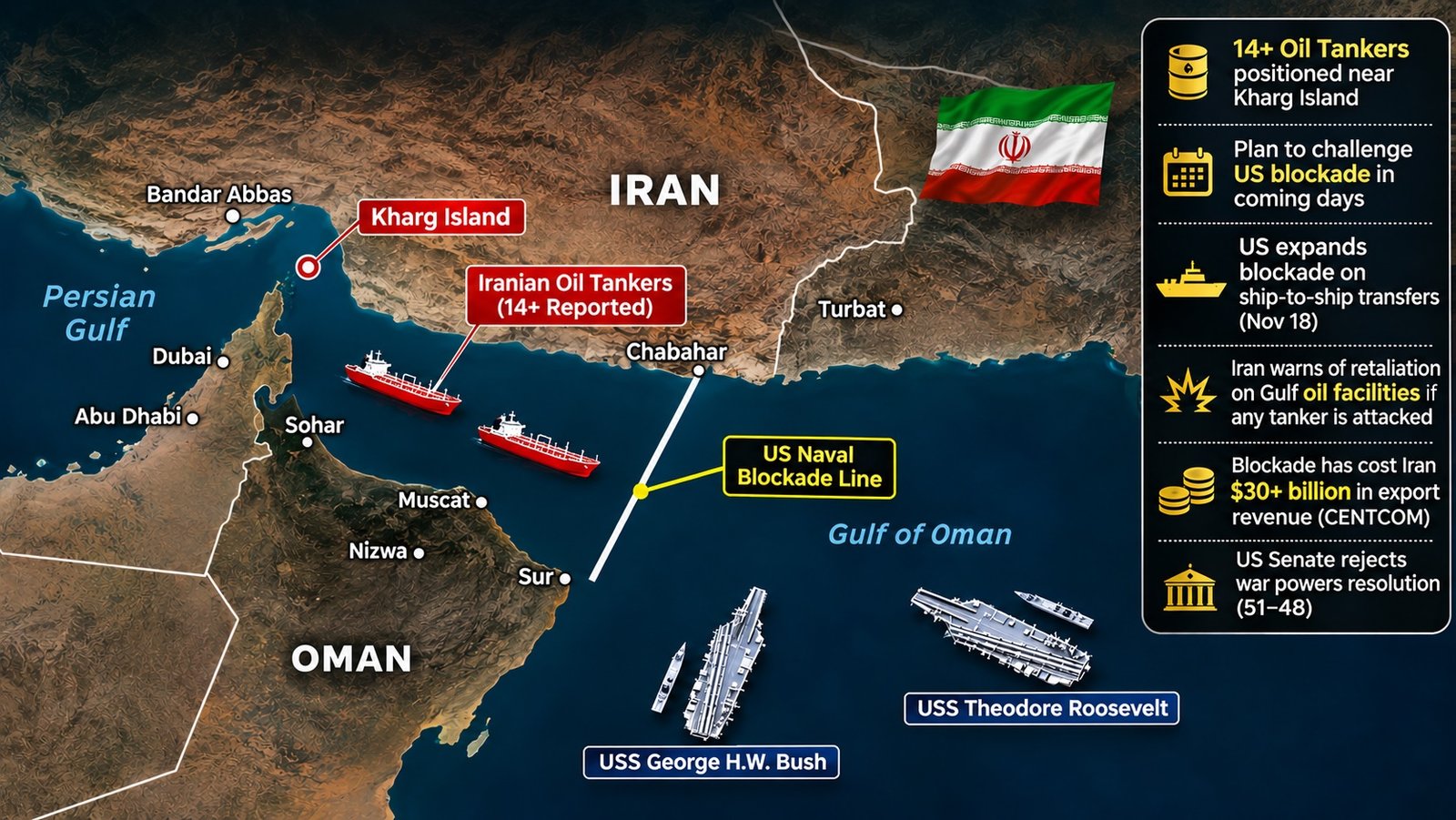 Iran Positions Oil Tankers at Kharg Island Amid Plans to Challenge US Naval Blockade
-
 Russian Corvette Merkury Almost Certainly Destroyed in Benghazi Port Explosion
-
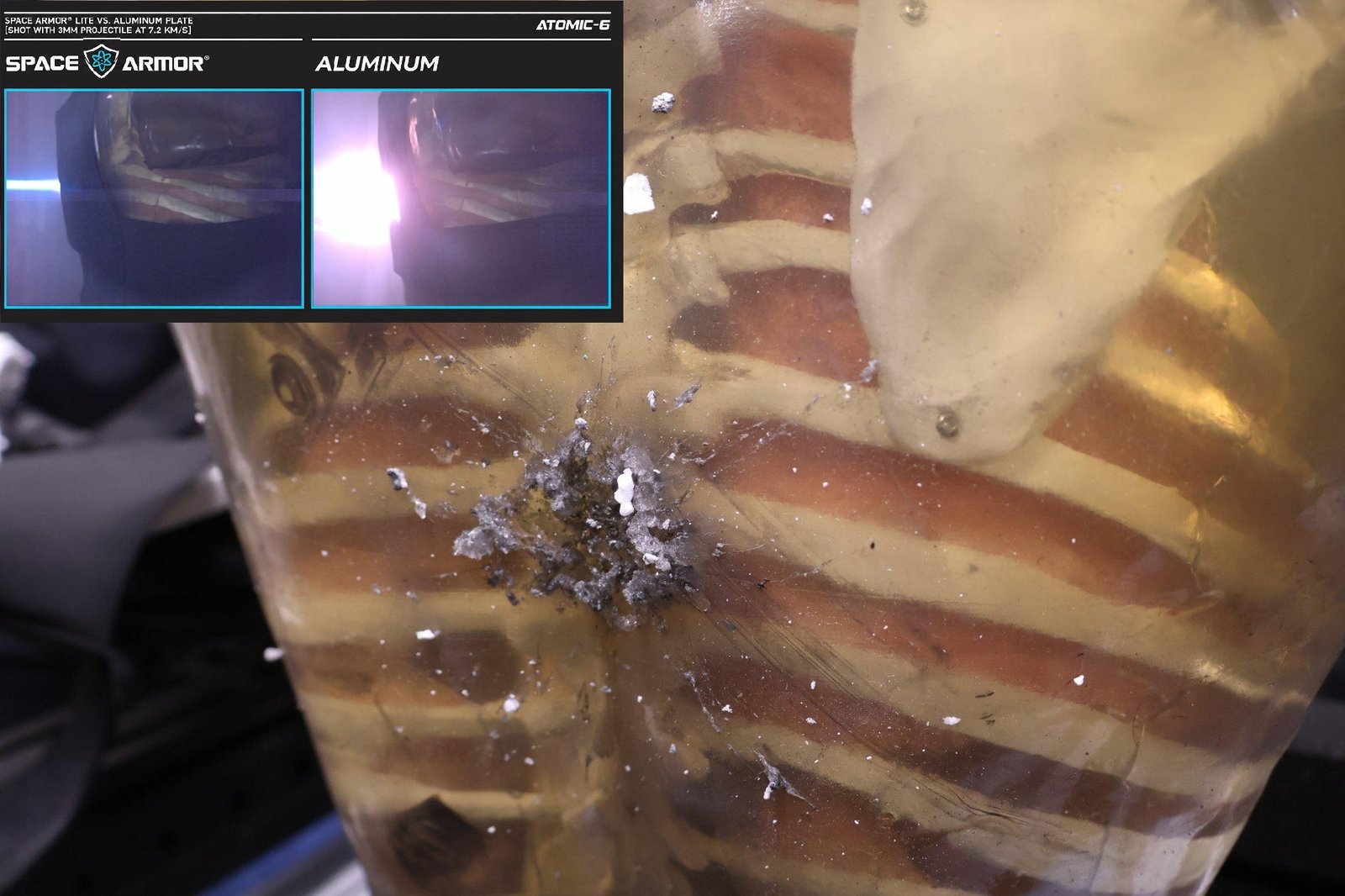 Atomic-6 Tests Composite Armor Against 16,100 MPH Space Debris for Astronaut Protection
-
 Denmark's Parliament Unanimously Approves US-Greenland Defence Deal with 109–0 Vote, Restricting Russian and Chinese Military Presence
-
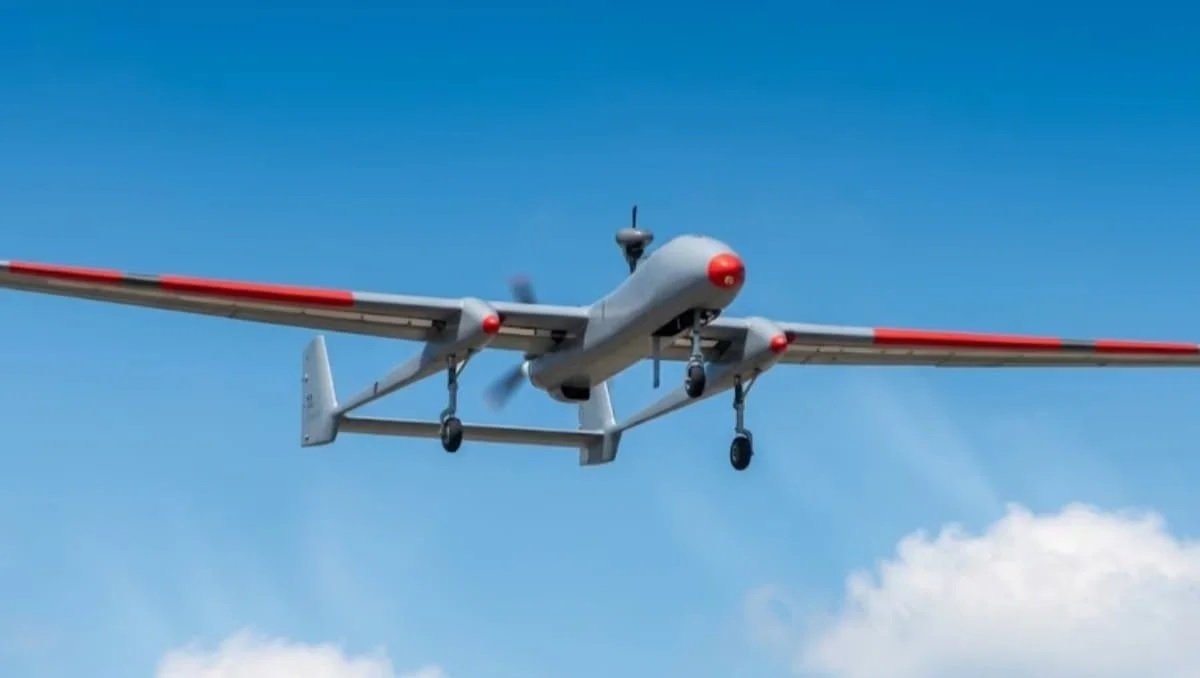 IAF Issues RFI for 500 Indigenous ISR Drones for Surveillance and Electronic Intelligence, with Six-Hour Endurance
-
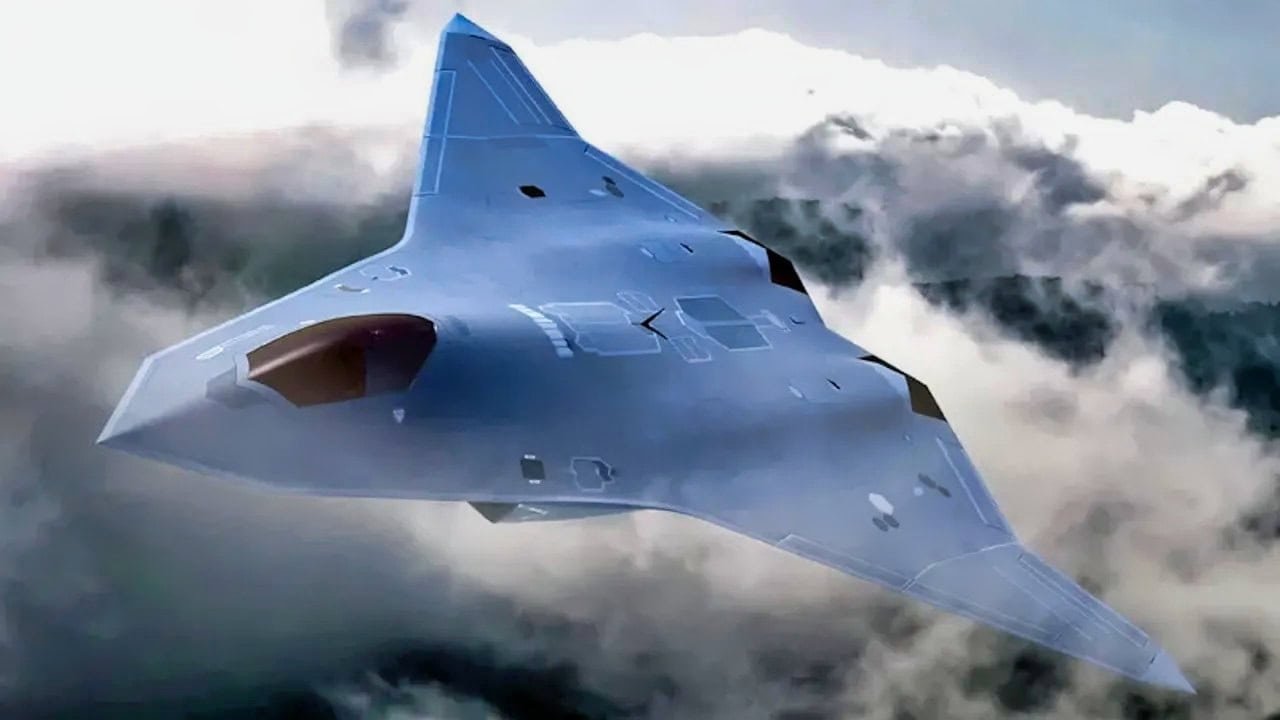 Northrop Grumman Will Not Challenge Boeing’s $20 Billion U.S. Navy F/A-XX Contract