
India
Colonel Prashant Thakur of the Indian Army Air Defence has taken a significant leap in military technology by developing NABH AI (Next Generation Aircraft Recognition for Bharat by Harnessing Artificial Intelligence). This groundbreaking system addresses a long-standing issue in global military operations: friendly fire. By harnessing the power of artificial intelligence, NABH AI ensures rapid and accurate identification of aircraft, significantly reducing the risk of misidentification and unintended casualties. The Genesis of NABH AI Friendly fire incidents, where personnel or assets are mistakenly targeted by their own forces, have marred military operations worldwide. One such incident in India occurred during the 2019 Balakot airstrikes, when a Mi-17V5 helicopter was tragically downed by friendly forces, resulting in the loss of six personnel. Such events underscore the need for advanced solutions to ensure accurate and timely identification of aircraft in high-stakes combat scenarios. Motivated by this critical requirement, Colonel Thakur dedicated over a year to developing NABH AI. The system utilizes advanced image recognition algorithms trained on a comprehensive database of aircraft models, including manned and unmanned aerial vehicles (UAVs). How NABH AI Works The core functionality of NABH AI lies in its ability to process visual data with exceptional speed and precision. The system captures real-time images of aircraft and compares them to its extensive database, identifying specific models within 6-8 seconds with an accuracy of 80%. While this level of accuracy is already transformative, ongoing refinements aim to further enhance its performance. The technology is specifically designed to address the challenges posed by modern UAVs, which are smaller and harder to identify compared to traditional aircraft. As UAVs become more prevalent in combat zones, systems like NABH AI are essential for effective air defence. Applications in Military Operations NABH AI is currently being adapted for integration with anti-aircraft gun systems such as: Zi-23mm and Zu-23mm guns: Widely used in various air defence roles. Upgraded L-70 gun systems: Known for their high rate of fire and versatility. By providing real-time identification support to gunners, NABH AI minimizes the possibility of human error, enhancing both operational effectiveness and personnel safety. Recognition and Future Potential The revolutionary potential of NABH AI has not gone unnoticed. At the prestigious Inno-Yoddha 2024-25, a platform showcasing innovative military technologies, NABH AI was ranked among the top 10 innovations. Colonel Thakur was awarded a cash prize by the Chief of Army Staff, a testament to the strategic importance of his work. The system is being further refined to expand its capabilities, including the incorporation of machine learning algorithms to improve accuracy over time. Future iterations may include integration with radar systems, enabling a seamless blend of visual and electronic aircraft identification. Broader Implications Beyond the Indian military, NABH AI holds potential for adoption by other nations facing similar challenges. Its ability to reduce costly misidentifications—such as those observed in the ongoing Russia-Ukraine conflict, where friendly fire losses have surpassed $1.77 billion—positions it as a game-changer in global defence strategies. A Testament to Innovation and Dedication Colonel Thakur's achievement reflects the Indian Army's commitment to technological innovation and the safety of its personnel. NABH AI is not just a solution for today's challenges but a step toward the future of warfare, where precision and speed are paramount. By leveraging cutting-edge AI, the Indian Army is setting a new standard in air defence and operational safety. This pioneering effort serves as an inspiration for militaries worldwide to harness emerging technologies for safer, more effective operations. NABH AI is more than a technological breakthrough—it’s a promise of a safer battlefield for soldiers and allies alike.
Read More → Posted on 2024-12-11 16:11:01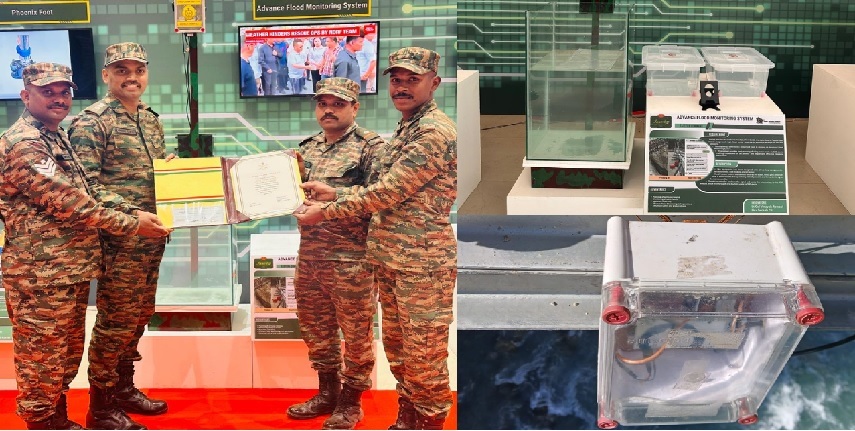
India
Nestled in the rugged terrain of the Himalayas, Sikkim faces a perennial threat from flash floods and glacial lake outburst floods (GLOFs). These disasters, fueled by rapid climate change and unpredictable weather patterns, have posed significant challenges to the region's resilience and safety. Recognizing the urgency to address these challenges, the Trishakti Sappers, an engineering unit of the Indian Army’s Trishakti Corps, developed the Advanced Flood Monitoring System (AFMS), a groundbreaking solution to mitigate the impacts of such disasters. The AFMS is a cutting-edge system designed to provide real-time water level monitoring and early warning alerts to avert catastrophe. Its creation was spurred by the devastating GLOF that struck Sikkim in October of the previous year, which led to the tragic loss of lives and destruction of critical military and civilian infrastructure. This incident emphasized the need for a robust disaster preparedness mechanism, and the Trishakti Sappers rose to the occasion with an innovative approach. The Science Behind AFMS Developed under the leadership of Havildar Suresh PK, the AFMS combines several advanced technologies to deliver precise and timely warnings. The system relies on a microcontroller for seamless data processing and integrates various sensors and communication modules to monitor and report water levels: Microcontroller: The central processing unit of the AFMS ensures real-time analysis and smooth operation of all components. UV Sensors: These monitor water quality and detect changes in water levels, providing critical data for early warnings. SONAR Technology: Utilizing the principles of sound navigation and ranging, the system measures water depth and flow with high accuracy, even in rapidly changing conditions. GSM Module: This feature sends SMS alerts to designated military and civilian personnel, ensuring that critical information reaches decision-makers instantly. These components work in harmony to deliver a highly reliable flood monitoring solution, making it an indispensable tool for disaster management in Sikkim. Recognition at Inno Yodha The innovation and efficacy of the AFMS did not go unnoticed. The Trishakti Sappers were honored at Inno Yodha, a prestigious national event hosted by the Indian Army in Delhi, for their outstanding contribution to disaster management and defense preparedness. The award not only acknowledges their technical ingenuity but also underscores the role of military-driven initiatives in tackling pressing societal challenges. A Lifeline for Sikkim The AFMS is designed to serve both military and civilian populations in Sikkim, providing a crucial lifeline in one of India’s most disaster-prone states. By delivering accurate and timely warnings, the system empowers authorities to evacuate vulnerable areas, safeguard critical infrastructure, and protect lives. Moreover, the AFMS is a testament to the potential of indigenous innovation in addressing local challenges. By leveraging relatively low-cost but highly effective technologies, the Trishakti Sappers have set a benchmark for disaster management solutions in the region. Looking Ahead The success of the AFMS signals a promising direction for disaster management in India, especially in regions susceptible to climate-induced challenges. The Indian Army’s initiative exemplifies how military expertise and technology can be harnessed to address civilian issues, fostering a culture of preparedness and resilience. As Sikkim and other Himalayan regions continue to grapple with the impacts of climate change, solutions like the AFMS will undoubtedly play a pivotal role in ensuring safety and sustainability. Beyond the immediate benefits, the system serves as an inspiration for further innovations aimed at mitigating the risks posed by natural disasters. The Advanced Flood Monitoring System isn’t just a technological achievement—it’s a beacon of hope for disaster-prone regions, proving that with the right tools and ingenuity, we can combat even the most formidable challenges nature throws our way.
Read More → Posted on 2024-12-11 16:03:44
India
Pune-based defence technology firm Aethrone Aerospace has reached a pivotal milestone in its journey to revolutionize naval warfare capabilities. The company has successfully completed harbour trials for its innovative aerial delivery system, designed to transport and deploy 50 kg underwater autonomous targets. This achievement underscores the growing potential of integrating aerial and underwater autonomous systems to redefine the operational strategies of modern navies. A Seamless Fusion of Air and Sea Technologies The trials showcased Aethrone Aerospace's ability to deploy autonomous underwater vehicles (AUVs) with high precision from airborne platforms. Specifically, the system delivered 50 kg payloads—engineered for underwater operations—with remarkable accuracy, demonstrating its suitability for various naval applications. This capability is particularly promising for missions such as underwater surveillance, reconnaissance, anti-submarine warfare, and mine countermeasure operations. The aerial delivery system represents a significant leap forward in naval technologies, addressing a long-standing challenge: the efficient and rapid deployment of unmanned underwater vehicles (UUVs) in dynamic maritime environments. With this system, naval forces can achieve faster response times and enhanced flexibility in executing multi-domain operations. Technical Features and Future Enhancements Aethrone Aerospace’s aerial delivery platform is designed to integrate with both manned and unmanned aerial vehicles (UAVs). During the trials, the company employed drones equipped with precision-guidance systems to ensure the accurate placement of AUVs into the water. The system’s modular design allows it to be adapted for various payload sizes and operational needs, ensuring scalability for future missions. The next phase of development involves testing the system with manned helicopters to assess its operational readiness under real-world conditions. These tests are expected to provide critical insights into the system’s performance in complex maritime scenarios, further paving the way for integration into naval fleets. Additionally, Aethrone Aerospace plans to extend this technology to shipborne UAVs, enabling the simultaneous deployment of swarms of UUVs. This approach holds immense potential for enhancing the effectiveness of naval operations by allowing multiple underwater vehicles to conduct coordinated missions. Such capabilities could play a transformative role in areas like maritime domain awareness, underwater mapping, and naval combat scenarios. Strategic Implications for Modern Navies The successful demonstration of Aethrone’s aerial delivery system is more than a technical achievement; it represents a strategic shift in how modern navies approach underwater operations. By combining the agility of aerial systems with the stealth and endurance of underwater platforms, this technology offers a new level of operational synergy. For instance, rapid deployment of UUVs from drones could provide critical situational awareness in contested waters or enable preemptive countermeasures against submarine threats. Furthermore, the scalability of this system could support multi-mission payloads, from environmental monitoring to tactical reconnaissance, broadening its utility beyond traditional defence applications. Aethrone Aerospace's Vision for the Future With its focus on innovation and technological integration, Aethrone Aerospace is positioning itself as a leader in the development of next-generation defence solutions. The company’s ongoing efforts to bridge the gap between aerial and underwater systems could redefine the landscape of naval warfare, offering unprecedented capabilities to modern armed forces. As the trials move to the next phase, Aethrone’s vision of creating a seamless ecosystem of unmanned systems—spanning air, sea, and underwater domains—appears closer than ever to becoming a reality. This breakthrough could mark the beginning of a new era in naval operations, characterized by speed, precision, and adaptability.
Read More → Posted on 2024-12-10 17:14:12
India
The Indian Army is advancing its counter-drone capabilities by outfitting the 30mm 2A42 cannons of its BMP-2 and BMP-2K infantry fighting vehicles (IFVs) with air burst ammunition. This move represents a significant modernization effort, targeting the growing threat posed by drones in modern warfare. With adversaries increasingly employing unmanned aerial vehicles (UAVs) for reconnaissance and combat missions, this upgrade will provide the Indian Army with a versatile and effective tool for neutralizing aerial targets, enhancing battlefield superiority. Modernizing the BMP-2 Fleet The Indian Army boasts a fleet of around 2,900 BMP-2/2K IFVs, which serve as critical assets for both offensive and defensive operations. These vehicles, equipped with 30mm 2A42 autocannons, have traditionally relied on standard ammunition suited for ground targets. However, the rise of drone warfare has revealed a significant gap in their ability to counter aerial threats. The integration of air burst ammunition transforms the BMP-2 into a multi-role platform capable of addressing a wide range of threats, including low-altitude UAVs and other aerial systems. How Air Burst Ammunition Works Air burst ammunition is a sophisticated solution designed to maximize lethality against airborne targets. Unlike conventional rounds, which rely on direct hits, air burst shells explode mid-air at a pre-determined point in their trajectory, dispersing a high-velocity cloud of shrapnel. This greatly increases the likelihood of neutralizing fast-moving or evasive targets like drones. Target Detection and Programming: The vehicle’s fire control system or an integrated external sensor, such as radar or electro-optical systems, detects the aerial threat and calculates its distance and speed. Data Transmission: This data is relayed to the ammunition, which is programmed before being fired. Mid-Air Detonation: Once the shell approaches the pre-set detonation point, it explodes, spreading lethal fragments over a wide area. This ensures a high probability of hitting even small and maneuverable drones. The air burst ammunition is designed to seamlessly integrate with the existing 30mm 2A42 autocannon, allowing the Indian Army to leverage its current platforms without major modifications. Additionally, the ammunition is engineered to withstand India's extreme operational environments, from scorching deserts to icy Himalayan terrains. Enhancing Tactical Versatility The upgrade is a game-changer for infantry fighting vehicles, providing them with a dual-role capability. While retaining their effectiveness against ground targets, BMP-2/2Ks equipped with air burst ammunition will be able to engage a variety of aerial threats. This versatility is especially vital in modern warfare, where the lines between traditional and asymmetric threats are increasingly blurred. Aligning with "Make in India" To expedite this critical capability, the Indian Army has issued tenders inviting original equipment manufacturers (OEMs) and domestic vendors to propose solutions. The focus is on products that can be manufactured locally under the "Make in India" initiative. This approach not only ensures self-reliance in defence production but also promotes rapid development and deployment of this capability. Specifications at a Glance Weapon System: 30mm 2A42 autocannon (BMP-2/2K) Ammunition Type: Programmable air burst rounds Operational Range: Effective for low-altitude aerial targets Integration: Compatible with existing fire control systems and sensors Environmental Resilience: Designed for extreme climatic conditions Manufacturing: Emphasis on domestic production under "Make in India" Strategic Importance The introduction of air burst ammunition aligns with the global trend of enhancing counter-drone capabilities, a necessity underscored by recent conflicts where UAVs played decisive roles. For the Indian Army, this upgrade not only counters current threats but also prepares its forces for the challenges of future warfare. The move ensures that the BMP-2/2K fleet remains relevant and combat-effective in the evolving battlefield environment. By leveraging indigenous manufacturing capabilities, the Army not only addresses an immediate operational requirement but also strengthens India’s defence industrial base, marking another step towards self-reliance in military modernization.
Read More → Posted on 2024-12-10 16:53:42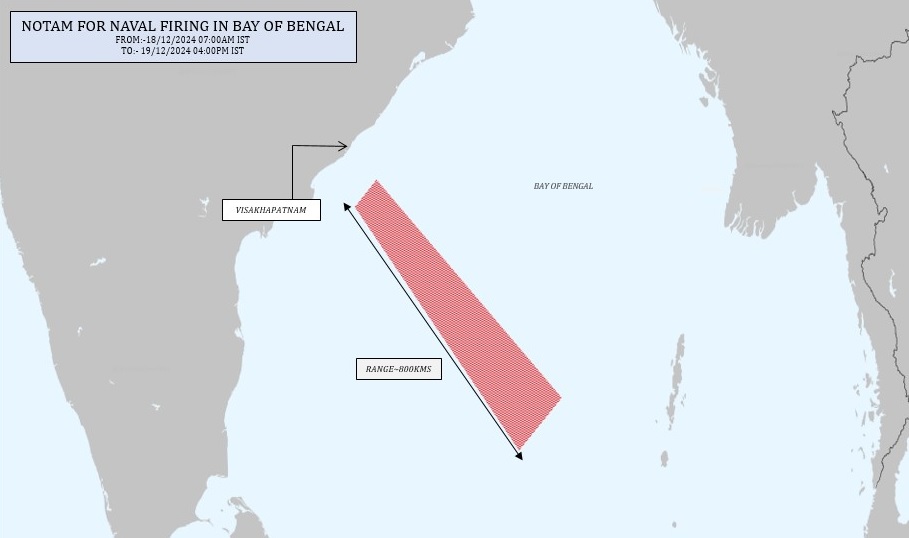
India
The Indian Navy has issued a Notice to Airmen (NOTAM) for December 18 and 19, 2024, signaling preparations for a potential missile test in the Bay of Bengal. This notification designates an area with a range of up to 800 km, sparking widespread speculation about which advanced missile system might be under trial. Two key contenders dominate discussions: the BrahMos Extended Range (ER) supersonic cruise missile and the Indigenous Technology Cruise Missile (ITCM). BrahMos-ER: A Leap in Supersonic Capability The BrahMos-ER represents a significant evolution of the Indo-Russian BrahMos cruise missile. While the original variant had a range of 290 km, the ER version extends this to over 800 km, thanks to advancements in propulsion and design. Its supersonic speed, exceeding Mach 3, ensures rapid delivery of precision strikes, making it a formidable weapon for naval and coastal defense. A successful test of the BrahMos-ER from a naval platform would mark a milestone in the Navy's ability to project power across vast maritime distances. This capability is particularly vital in the Indian Ocean Region (IOR), where control of sea lanes is essential for both security and economic stability. ITCM: A Boost for Indigenous Technology The ITCM is a subsonic cruise missile powered by the domestically developed Manik turbofan engine. Designed to replace foreign engines in India's missile arsenal, the ITCM represents a critical step toward self-reliance in defense technology. While primarily envisioned for land-based platforms, launching the ITCM from a naval warship would showcase its versatility. Its estimated range—likely comparable to the BrahMos-ER—combined with its precision navigation system, could provide the Navy with an economical yet effective tool for long-range maritime strike operations. Strategic Implications Testing either of these missiles would underscore India's commitment to enhancing its indigenous defense capabilities. The BrahMos-ER, with its unmatched speed and range, offers the Navy a cutting-edge tool for rapid response and deep-strike missions. Meanwhile, the ITCM signals India's ability to innovate in-house, reducing dependence on foreign suppliers and potentially lowering costs. In a broader context, these advancements play into India's strategic posture in the IOR. With increasing activity from rival powers, the Indian Navy’s focus on long-range precision strike capabilities bolsters its ability to deter threats and maintain dominance in this geopolitically critical region. Context and Future Outlook The NOTAM hints at a rigorous operational trial, likely simulating real-world conditions to validate the selected missile's performance. This kind of testing ensures reliability, accuracy, and integration with naval systems—crucial factors for deployment readiness. If successful, the missile test would mark a pivotal moment in India’s maritime modernization drive. The inclusion of systems like the BrahMos-ER and ITCM aligns with India's broader vision of developing a robust, indigenous defense ecosystem while preparing its armed forces for the challenges of modern warfare. Title for Search Engine Indexing "Indian Navy's Missile Test in Bay of Bengal: BrahMos-ER or ITCM to Redefine Maritime Strike"
Read More → Posted on 2024-12-10 16:18:20
India
The Kharga Kamikaze drone marks a groundbreaking leap in India’s indigenous military technology, blending innovation, cost-effectiveness, and precision into a compact, high-speed package. This cutting-edge loitering munition, developed collaboratively by IIT Kanpur and the National Aerospace Laboratories (NAL), represents a step forward in modern warfare, where agility and accuracy define success. A Revolution in Drone Warfare Nicknamed "Kharga," this kamikaze drone is purpose-built for high-precision strikes, making it an invaluable asset in India's defense arsenal. Weighing less than a few kilograms and priced at an astonishingly low ₹30,000 per unit, Kharga is as affordable as it is effective. Capable of carrying up to 700 grams of explosives, it has a range of about 1.5 kilometers and can achieve a cruising speed of 40 meters per second, enabling rapid deployment in combat zones. Drawing inspiration from the widespread use of drones in conflicts like the Russia-Ukraine war, Kharga stands out as India’s own tactical response to modern military challenges. Its compact size and stealthy design make it a nightmare for enemy defenses, allowing for seamless infiltration and target elimination. Cutting-Edge Features and Capabilities The Kharga Kamikaze drone is not just another loitering munition; it embodies a combination of advanced technologies and operational ingenuity: Stealth and Survivability: Designed to evade radar systems, Kharga enhances its survivability in contested airspaces, making it highly effective against well-guarded targets. High-Definition Optics: Equipped with a high-definition camera, the drone ensures precise target identification and delivers real-time intelligence to its operators. Electronic Countermeasures: With counter-jamming capabilities, Kharga remains operational in hostile environments where electronic warfare measures could otherwise disrupt its mission. Navigation Excellence: Leveraging ISRO’s NaVIC system, Kharga can maintain accuracy even in GPS-denied scenarios, ensuring consistent performance in challenging conditions. Tactical Edge on the Battlefield Kharga is a versatile solution for various military applications: Precision Strikes: Its ability to autonomously identify and eliminate enemy assets such as tanks, artillery, and personnel makes it indispensable in high-stakes missions. Swarm Potential: Future iterations may include swarm technology, enabling coordinated attacks with multiple drones for overwhelming tactical advantages. Platform Integration: Kharga’s modular design allows for seamless integration with existing military platforms, enhancing its utility across a wide range of operations. Innovation Spotlight: Inno-Yoddha 2024-25 Kharga’s unveiling at the Inno-Yoddha 2024-25 exhibition showcased India’s determination to develop cutting-edge indigenous technologies. The drone’s affordability, coupled with its advanced capabilities, demonstrates a commitment to the Atmanirbhar Bharat initiative, which prioritizes self-reliance in defense production. Towards a New Era in Indian Defense The Kharga Kamikaze drone signifies more than just a technological achievement; it represents a strategic pivot in India’s approach to modern warfare. Full-scale trials, slated to commence within six to eight months, will validate its operational readiness and pave the way for mass production. With the Kharga, India is poised to redefine its tactical engagements, ensuring the safety of its soldiers while enhancing its battlefield dominance. Why It Matters In an era where precision, speed, and cost-effectiveness are paramount, the Kharga Kamikaze drone stands out as a beacon of innovation. Its potential to act as a force multiplier in combat scenarios cements its role as a cornerstone of India’s future military strategy, ensuring that the nation remains at the forefront of defense technology development.
Read More → Posted on 2024-12-09 16:25:05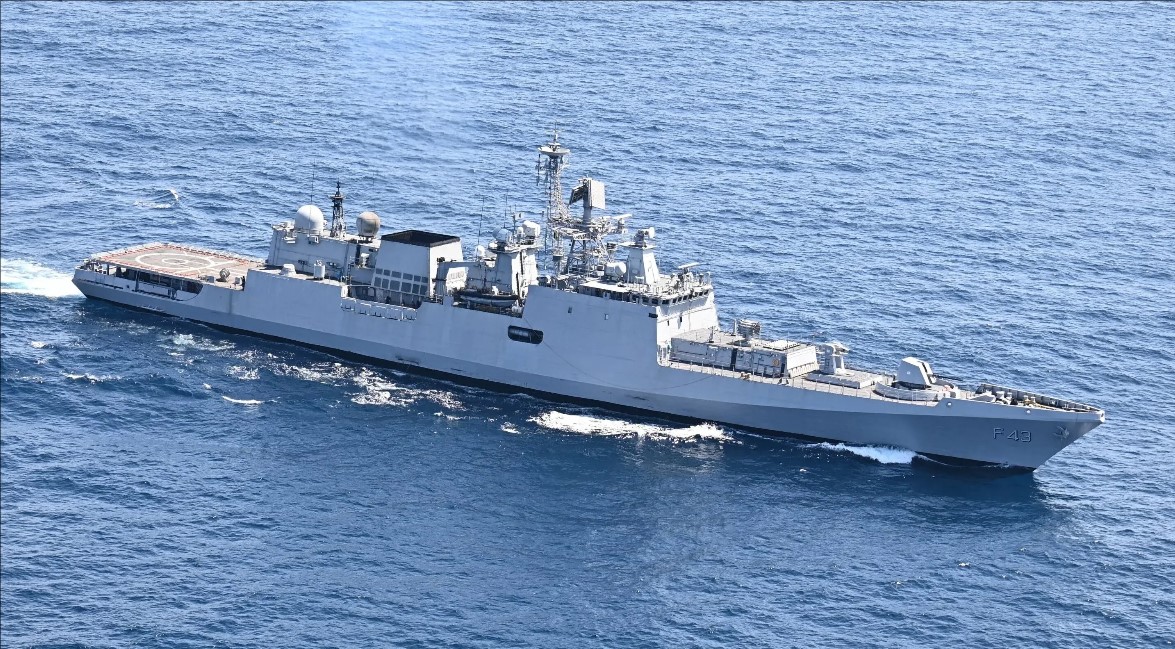
India
In a ceremony steeped in maritime tradition and diplomatic camaraderie, the Indian Navy commissioned the guided missile frigate INS Tushil at Kaliningrad, Russia. The event, graced by Defence Minister Rajnath Singh and Chief of Naval Staff Admiral Dinesh K Tripathi, marked not only the induction of a formidable warship but also a testament to the enduring strategic partnership between India and Russia. INS Tushil is part of the Indian Navy's long-term strategy to modernize its fleet amidst growing geopolitical tensions and increasing maritime activities in the Indian Ocean Region. Built under the Project 1135.6 (Talwar-class) initiative, the frigate represents an advanced iteration of the Krivak III-class design, blending Russian engineering prowess with significant Indian contributions. Origins of the Deal: A Discounted Win for India The origin of INS Tushil lies in a $2.5 billion deal inked in 2016 between New Delhi and Moscow. The agreement covered the construction of four stealth frigates—two to be built at the Yantar Shipyard in Russia and two in India at Goa Shipyard Limited (GSL). Negotiations, which initially hovered at higher costs, resulted in significant discounts due to India's long-standing defense relationship with Russia. Moreover, India's commitment to sourcing advanced weaponry and technology from Russia facilitated favorable terms. The collaboration also emphasized technology transfer and indigenous involvement. While the ships built in Russia showcased rapid delivery timelines, the Indian-built frigates are poised to incorporate even higher levels of local content, further bolstering India's "Aatmanirbhar Bharat" (self-reliant India) initiative. Technical Marvel: Specifications of INS Tushil The INS Tushil is a 3,900-tonne guided missile frigate stretching 125 meters in length and capable of reaching speeds over 30 knots. Its design reflects a leap in stealth technology, featuring reduced radar cross-section and enhanced stability. The frigate's composite superstructure and noise-dampening features are tailored to counter modern detection and surveillance technologies. Key Features: Armament: The frigate is equipped with advanced BrahMos supersonic cruise missiles, providing it with unparalleled strike capabilities. It also carries Shtil-1 surface-to-air missiles for robust aerial defense. Combat Systems: Incorporates a state-of-the-art combat management system, integrating sensors and weaponry for real-time decision-making in high-stress combat scenarios. Radar Suite: Advanced radar systems ensure comprehensive tracking of aerial and surface threats. Propulsion: Twin gas turbine engines deliver impressive maneuverability and speed, crucial for multi-theater operations. Additionally, the ship features extensive automation, reducing crew fatigue during long deployments and enhancing operational efficiency. Collaborative Craftsmanship The construction of INS Tushil involved close cooperation between Russian shipbuilders and an Indian oversight team stationed in Kaliningrad. With 26% indigenous content, key Indian defense firms like Bharat Electronics Limited (BEL) and BrahMos Aerospace contributed cutting-edge systems. Collaborations with Tata Nova Integrated Systems, Keltron, and Elcome Marine ensured that Indian expertise resonated throughout the project. This blend of Indian and Russian technologies underscores the growing sophistication of India's defense manufacturing ecosystem. The frigate's enhanced local content also reflects India's ambition to emerge as a global hub for advanced defense technology. Geopolitical Significance INS Tushil's commissioning occurs at a time when the Indian Ocean witnesses increased activity by global naval powers, particularly China’s PLA Navy. With its formidable capabilities, the frigate strengthens India's maritime posture, ensuring the security of crucial sea lanes and bolstering regional stability. The Road Ahead As India and Russia deepen their defense cooperation, INS Tushil exemplifies what can be achieved through sustained collaboration. The frigate’s induction is not just a testament to technological excellence but also a harbinger of the future of India’s naval fleet—modern, resilient, and capable of meeting emerging challenges. INS Tushil’s journey, from negotiation tables to Indian waters, is a powerful story of diplomacy, engineering brilliance, and shared vision. This warship is set to become a cornerstone of India's naval strategy, securing its maritime borders and asserting its role as a key player in global maritime affairs.
Read More → Posted on 2024-12-09 16:12:57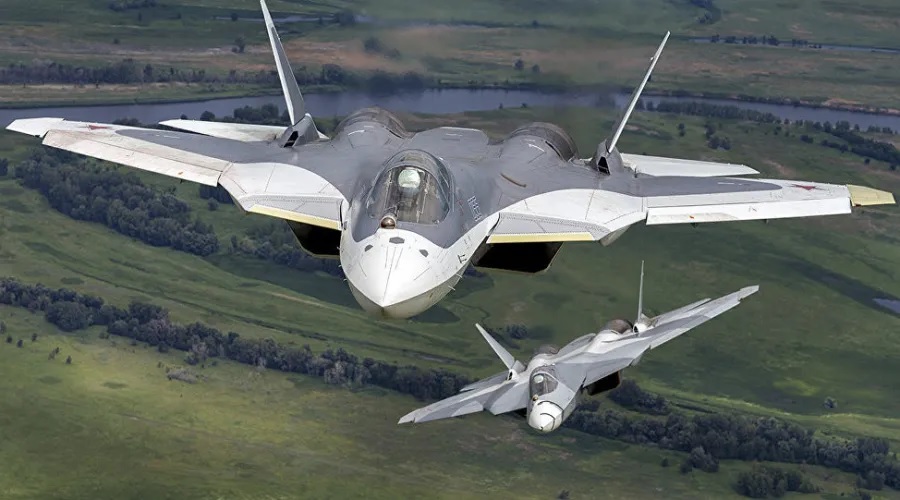
India
India's ambition to strengthen its airpower capabilities appears to have taken a significant stride, with Russian media reporting that India is evaluating the potential acquisition of a customized two-seat variant of the Su-57 Felon, Russia’s premier fifth-generation stealth fighter. If materialized, this move would not only enhance India's combat readiness but also signify a deeper Indo-Russian defense partnership. The Su-57, designed to rival the world's most advanced stealth fighters like the American F-35, is lauded for its superior maneuverability, powerful armament, and advanced stealth technology. What sets this potential deal apart is India’s specific interest in a two-seat configuration—a feature unprecedented in fifth-generation fighter jets. The Two-Seat Innovation: A Game Changer The two-seat variant, tailored for Indian requirements, could revolutionize the operational capabilities of stealth fighters. The second cockpit would likely host a weapons systems officer or a trainer, offering advantages in several key areas: Enhanced Mission Complexity: The second operator can manage electronic warfare, reconnaissance, or complex long-range strike missions, freeing the pilot to focus solely on navigation and combat maneuvers. Improved Training Efficiency: Trainees could directly experience real-time combat scenarios, making the learning curve for advanced fighter operations significantly steeper. Flexible Multirole Capabilities: Dual-operator systems could optimize performance in coordinated operations, especially in environments requiring split-second decision-making. Specifications of the Su-57 The Su-57 boasts state-of-the-art features designed for modern warfare, including: Stealth Technology: Incorporates composite materials and radar-absorbing coatings to reduce its radar cross-section. Supermaneuverability: Powered by advanced Saturn AL-41F1 engines, with future models expected to feature the more powerful Izdeliye 30 engines, enabling high agility in dogfights. Advanced Avionics: Equipped with N036 Byelka radar, which provides enhanced situational awareness and target detection capabilities. Multirole Armament: Capable of carrying advanced air-to-air missiles, guided bombs, and hypersonic weapons in internal bays to maintain stealth. Aligning with India’s Strategic Vision India’s interest in the Su-57 aligns with its overarching goal of modernizing its military infrastructure and achieving strategic autonomy. Recent acquisitions such as the S-400 missile defense system underscore India's willingness to diversify its defense imports. Integrating the Su-57 could complement existing platforms like the Rafale and bolster India’s aerial dominance in the region. The Su-57’s two-seat variant would not only address India’s immediate tactical needs but also offer a pathway for enhanced technological cooperation with Russia. The "Make in India" initiative could pave the way for localized production, reducing dependency on imports and potentially facilitating the transfer of critical stealth and avionics technologies. Challenges and Considerations While the prospect is promising, several hurdles remain. The cost of developing a customized two-seat variant and ensuring technology transfer could be substantial. Moreover, integrating such an advanced platform into India’s Air Force may pose logistical and operational challenges. Another critical aspect is balancing this acquisition with indigenous projects like the Advanced Medium Combat Aircraft (AMCA), which remains a cornerstone of India’s fifth-generation ambitions. A Strategic Leap Forward The potential acquisition of a two-seat Su-57 variant signifies a bold step in India's quest for cutting-edge airpower capabilities. Whether this deal comes to fruition will depend on the outcome of bilateral negotiations, financial considerations, and alignment with India’s long-term defense goals. If realized, the deal could set a global precedent, marking the first operational two-seat stealth fighter while cementing India’s position as a dominant player in the realm of advanced military aviation.
Read More → Posted on 2024-12-09 16:00:17
India
India is taking a significant step forward in securing its borders by establishing a comprehensive anti-drone unit. Union Home Minister Amit Shah announced this initiative during the Border Security Force’s (BSF) 60th Raising Day event in Jodhpur, citing the growing threat of unmanned aerial vehicles (UAVs) used for smuggling and other malicious activities. The new unit aims to bolster India’s defense against the increasing use of drones by criminal and terrorist networks, particularly along its western border with Pakistan. The anti-drone strategy will rely heavily on advanced technologies and a collaborative, "whole-of-government" approach. Agencies such as the Defence Research and Development Organisation (DRDO) and other scientific organizations are actively involved in developing cutting-edge solutions. One such innovation, a laser-equipped anti-drone gun, has already demonstrated promising results. The technology has significantly improved drone detection and neutralization rates along the India-Pakistan border, increasing interception success from just 3% to an impressive 55% within a year. Specifications and Capabilities of the New System The anti-drone systems being deployed include radar-based detection mechanisms, electro-optic sensors, and radiofrequency jammers. These tools work in tandem to detect, track, and neutralize UAVs before they can breach Indian airspace. The laser-based anti-drone weapon, specifically highlighted by Shah, is capable of physically destroying drones mid-flight. Additionally, systems featuring artificial intelligence will likely be integrated to predict and prevent drone incursions more effectively. India's security forces are already using indigenous drone technologies like the Indrajaal anti-drone system, which employs AI-driven autonomous detection and engagement capabilities. The system is designed to protect high-value installations from drone swarms. Meanwhile, commercial vendors have also contributed to enhancing India’s drone defense, offering portable and vehicle-mounted solutions for ground forces. These measures will complement the efforts of the new unit, ensuring multi-layered protection. Rising Drone Threat on India’s Borders The urgency for such measures stems from the escalating misuse of drones along the India-Pakistan border. In 2024 alone, over 260 drones carrying weapons, explosives, and narcotics were intercepted—more than double the number in 2023. Punjab, a hotspot for such activity, has seen the bulk of drone interdictions, followed by occasional incursions in Rajasthan and Jammu. Security officials warn that drones, capable of carrying heavier payloads over longer distances, could pose an even greater threat in the future, making it imperative to establish robust countermeasures. This initiative is also tied to broader efforts to integrate border management with modern technology. Projects like the Comprehensive Integrated Border Management System (CIBMS), which combines smart sensors and surveillance, are already in place, and the new anti-drone unit will act as a critical addition to this ecosystem. Future Outlook The establishment of a specialized anti-drone unit represents a proactive measure to address a rapidly evolving security threat. By integrating indigenous technologies with state-of-the-art global solutions, India aims to create a system capable of addressing both current and future challenges posed by UAVs. As this initiative progresses, the unit will likely serve as a model for other nations dealing with similar drone-related security issues. This move underscores India’s commitment to safeguarding its borders while fostering indigenous innovation, setting the stage for a secure and technologically advanced defense infrastructure.
Read More → Posted on 2024-12-08 15:18:25
India
India is poised to take a giant leap in its defense capabilities as negotiations with Russia for an advanced early warning radar system near completion. Valued at over $4 billion, this potential deal aims to integrate cutting-edge technology into India’s Ballistic Missile Defense (BMD) framework, significantly enhancing its ability to detect and neutralize threats from long-range missiles and aerial attacks. A Technological Marvel: The Voronezh Radar The radar system under discussion is believed to belong to Russia’s renowned Voronezh series, developed by Almaz-Antey, a leader in air defense technology. These radars, part of Russia's strategic missile defense network, boast an impressive detection range of 6,000 to 8,000 kilometers, depending on the variant. This range allows for early detection of ballistic missiles, aircraft, and even satellites in low Earth orbit. What sets the Voronezh radar apart is its modular design and frequency versatility. Operating in VHF, UHF, and other frequency bands, the system offers unparalleled precision in tracking and identifying threats. This adaptability is crucial for India, which faces diverse challenges ranging from missile threats to the need for comprehensive aerospace monitoring. Strategic Importance to India’s Missile Defense The acquisition of such a system would complement India's existing missile defense network, including the indigenously developed PAD (Prithvi Air Defense) and AAD (Advanced Air Defense) systems. With the ability to detect missile launches thousands of kilometers away, the radar would provide an extended warning window, allowing India's interceptors to respond with greater precision. This capability is particularly critical given India's strategic environment, where emerging technologies and long-range ballistic missile programs in neighboring regions pose evolving challenges. The Voronezh radar would not only enhance India’s situational awareness but also integrate seamlessly with other sensors and systems, creating a robust multi-layered defense shield. Domestic Manufacturing and Technology Transfer A key aspect of the deal is its alignment with India's "Make in India" initiative. Over 60% of the radar system's components are expected to be manufactured domestically, with Indian defense companies collaborating closely with Almaz-Antey. This approach not only reduces costs but also accelerates India’s path to technological self-reliance. Russian experts have been in India to finalize offset agreements, ensuring that Indian firms acquire the technical know-how to support the system's long-term maintenance and potential upgrades. This partnership is expected to generate significant economic activity in India’s defense manufacturing sector. Installation and Deployment Chitradurga in Karnataka, home to advanced defense and aerospace testing facilities, is a leading candidate for the radar's installation. Its strategic location, robust infrastructure, and proximity to key defense hubs make it an ideal site for housing such a critical asset. The radar's placement in Chitradurga would provide optimal coverage for India's southern and western airspace. Strengthening India’s Strategic Posture The introduction of the Voronezh radar system would elevate India to a league of nations with advanced early warning and missile defense capabilities, including the United States, Russia, and China. This advancement comes at a time when India is focused on modernizing its military infrastructure to address both conventional and emerging threats. By combining Russian technological expertise with domestic manufacturing, the deal reflects India’s commitment to achieving strategic autonomy while maintaining a strong defense partnership with Russia. Conclusion The $4 billion radar acquisition is more than just a defense procurement—it is a strategic investment in India’s future security architecture. With capabilities that extend well beyond its immediate borders, the system promises to bolster India’s deterrence posture and provide the nation with a significant edge in missile defense and aerospace surveillance. As negotiations near completion, this deal stands as a testament to the evolving India-Russia partnership in the realm of defense and technology.
Read More → Posted on 2024-12-08 15:08:32
India
The idea of creating a buffer state between India and Bangladesh, tentatively named "Hindudesh," is a geopolitical concept that has surfaced in certain strategic discussions. This proposal suggests carving out a new country from Bangladesh to provide a homeland for its minority Hindu population while addressing India’s strategic and security challenges. It is an unconventional and highly controversial idea, involving significant political, military, and ethical considerations. Below, we explore the concept, its potential benefits for India, and the associated risks and implications. Concept of Hindudesh: A Strategic Buffer State Hindudesh, as proposed, would be a separate country formed out of territories in Bangladesh with significant Hindu populations, providing a safe homeland for minorities who face alleged persecution in Bangladesh. This buffer state would serve as a geographical barrier between India and the rest of Bangladesh, effectively addressing India’s security concerns, including the vulnerabilities posed by the Siliguri Corridor, commonly referred to as the "Chicken Neck." The Siliguri Corridor is a narrow stretch of land connecting India’s mainland to its northeastern states. This strategic bottleneck has long been a security concern for India, making the region susceptible to disruptions during conflicts. By creating Hindudesh, India could potentially widen this corridor and ensure uninterrupted connectivity to its northeast, enhancing its defense posture and economic integration in the region. Why Now is the Right Time The current geopolitical climate, marked by rising regional tensions and changing global alliances, presents an opportunity for India to consider bold initiatives. Several factors make this an opportune moment: Human Rights Concerns in Bangladesh: Allegations of minority persecution in Bangladesh have drawn international attention. The creation of Hindudesh could be framed as a humanitarian initiative, providing India a moral justification for its actions. Strategic Threats from Bangladesh: Rising anti-India sentiments in Bangladesh, coupled with its growing closeness to China, have raised concerns about the country's long-term reliability as a neighbor. A divided Bangladesh might dilute this strategic challenge. India’s Military Readiness: The Indian Armed Forces are among the largest and most experienced in the world, capable of executing a swift and decisive operation to achieve strategic objectives. Military Scenario: Timeframe and Execution While Bangladesh has a professional and disciplined military, it is comparatively smaller and less advanced than India’s armed forces. Here’s a numerical comparison and an analysis of how quickly the Indian military could achieve dominance: Military Strength: India: Over 1.4 million active personnel, advanced equipment including fighter jets (e.g., Rafale, Su-30 MKI), tanks (e.g., T-90, Arjun), and naval assets. Bangladesh: Around 200,000 active personnel with limited modern weaponry. Its air force and navy are relatively underpowered compared to India’s. Timeframe: Air Superiority: India could establish air dominance within 72 hours by neutralizing Bangladesh’s air defense systems and airbases. Naval Blockade: The Indian Navy, with its aircraft carriers and submarines, could effectively blockade Bangladesh’s ports in a similar timeframe, crippling its supply lines. Ground Invasion: Given the terrain and proximity, Indian ground forces could achieve key objectives within 10-14 days, assuming coordinated operations across multiple fronts. Bangladesh’s Resistance: While the Bangladeshi military would mount a defense, its ability to sustain prolonged resistance against India’s superior forces would be limited. Key government infrastructure and military assets could be neutralized within two weeks, forcing the Bangladeshi government to capitulate. Preventing International Sanctions One of the biggest challenges for India in undertaking such a move would be avoiding international backlash and economic sanctions. Here’s how India could mitigate this risk: Humanitarian Framing: India could present the creation of Hindudesh as a response to minority persecution in Bangladesh, aligning its narrative with international human rights values. Coalition Building: India could seek support from like-minded countries, particularly those concerned about China’s growing influence in South Asia. Diplomatic Outreach: By emphasizing that the move is not about territorial expansion but creating a stable and secure region, India could win over some neutral nations and reduce opposition. Economic Leverage: India’s growing economic power and role as a major market for global trade could be used to deter sanctions from key players. Geopolitical and Ethical Implications While the strategic benefits for India might appear significant, the concept of Hindudesh raises several ethical and geopolitical questions: Regional Stability: The fragmentation of Bangladesh could destabilize the region, potentially leading to prolonged unrest and insurgency. Global Perception: India’s image as a democratic and peace-loving nation could take a hit, complicating its international relations. Ethical Considerations: Redrawing national boundaries and forcibly displacing populations are fraught with moral dilemmas, risking long-term regional resentment. Conclusion The idea of Hindudesh as a buffer state between India and Bangladesh is bold and strategically appealing but comes with enormous risks and ethical challenges. While it could address India’s immediate security concerns, particularly in the Siliguri Corridor, the geopolitical and humanitarian costs could outweigh the benefits. If pursued, such a move would require meticulous planning, robust military execution, and a well-crafted diplomatic strategy to manage international fallout. India must weigh its long-term interests carefully before considering such a drastic measure. The focus should remain on fostering stability, securing its borders, and maintaining its standing as a responsible global power.
Read More → Posted on 2024-12-07 15:52:47
India
India’s ambitious strides in nuclear technology are set to reach a new milestone as the Prototype Fast Breeder Reactor (PFBR), a 500 MWe sodium-cooled reactor under development at Kalpakkam, Tamil Nadu, is expected to become operational by the end of 2025. This announcement, made by the Minister of State in the Prime Minister’s Office (PMO), Dr. Jitendra Singh, highlights a significant leap in India’s energy strategy. The PFBR, developed by Bharatiya Nabhikiya Vidyut Nigam Limited (BHAVINI), represents a cutting-edge advance in the nation’s nuclear power program. Unlike conventional nuclear reactors, the PFBR utilizes fast neutrons to generate energy and employs liquid sodium as a coolant instead of water. This innovative approach allows it to breed more fuel than it consumes, effectively making it a sustainable solution for India’s growing energy needs. A Closer Look at the PFBR The PFBR is designed to harness plutonium and uranium-based mixed oxide fuel (MOX) to achieve high efficiency in power generation. Its advanced sodium cooling system enables operation at higher temperatures compared to water-cooled reactors, enhancing overall efficiency. Additionally, the reactor is equipped with advanced safety features, including a robust containment structure and passive cooling systems to prevent overheating. India’s Journey in Nuclear Power India has been steadily building its expertise in nuclear energy, evolving from early Pressurized Heavy Water Reactor (PHWR) technology to more advanced designs. PHWRs, which have grown in unit size from 220 MW to 700 MW, now form the backbone of India’s nuclear fleet. This progress has been supported by domestic industries, which have developed the capability to produce high-precision components and equipment for nuclear reactors. Significant recent achievements include the completion of Kakrapar Atomic Power Station Units 3 and 4 (700 MW each), which added 1,400 MW of capacity in 2023-24. Additionally, Rajasthan Atomic Power Project Unit-7 (700 MW) reached criticality in September 2024, further contributing to India’s nuclear output. Scaling Up Nuclear Capacity India’s current installed nuclear capacity stands at 8,180 MW, but plans are underway to increase this to 14,080 MW by 2029-30. This 70% increase will be achieved through the commissioning of multiple projects, including: Rajasthan Atomic Power Project Units 7 & 8 (700 MW each) Kudankulam Nuclear Power Plant Units 3 to 6 (4×1,000 MW) The PFBR (500 MW) This expansion underscores India’s commitment to clean energy. Nuclear power, with its low lifecycle greenhouse gas emissions, serves as a reliable 24×7 base load source of electricity, complementing renewable sources like wind and solar. A Step Towards Net Zero The PFBR and other nuclear projects play a crucial role in India’s broader energy transition strategy aimed at achieving the Net Zero emissions target by 2070. By leveraging both nuclear and renewable technologies, India can meet its growing energy demands while minimizing its carbon footprint. The successful commissioning of the PFBR will not only bolster India’s energy security but also solidify its position as a global leader in advanced nuclear technologies. With this achievement, India takes another significant step toward a sustainable and energy-efficient future.
Read More → Posted on 2024-12-07 15:12:42
India
India’s aerospace industry stands at a pivotal crossroads, where indigenous innovation can redefine global perceptions of its technological capabilities. The Gas Turbine Research Establishment (GTRE), tasked with developing India’s homegrown Kaveri jet engine, has faced technical and logistical challenges that have delayed its operational readiness. However, collaboration with the Indian Space Research Organisation (ISRO)—a beacon of propulsion and materials engineering excellence—offers a transformative pathway forward. The Promise of ISRO’s Expertise ISRO’s stellar achievements in propulsion systems, including its CE-20 cryogenic engine for the GSLV Mk III and the Vikas engine used in PSLV and GSLV missions, are testaments to its ability to master high-thrust, high-efficiency propulsion technologies. These engines, built to handle extreme stresses and temperatures, have a direct conceptual overlap with the demands of jet engine development, albeit in a different operational environment. ISRO’s rich experience in cutting-edge metallurgy and precision manufacturing holds untapped potential to address GTRE’s hurdles with the Kaveri engine. By utilizing advanced alloys, composites, and single-crystal turbine blades, ISRO has demonstrated its capability to produce components with high-temperature resistance, fatigue life, and reliability—all of which are critical for a jet engine operating in supersonic regimes. Bridging the Gaps: Lessons from ISRO’s Successes Material Science MasteryJet engines operate in high-stress, high-temperature environments, making advanced materials indispensable. ISRO’s work on nickel-based superalloys and thermal barrier coatings for rocket engines could directly aid GTRE. These innovations might enable the Kaveri engine to achieve greater efficiency and durability while overcoming the material deformation issues that have plagued its development. Precision Manufacturing for Turbine BladesISRO’s achievements in creating single-crystal turbine blades—a key requirement for jet engines—could drastically improve the Kaveri’s performance. These blades can withstand higher temperatures and rotational speeds, pushing the engine closer to the performance standards required for military-grade jets like the Tejas. Thermal Management InnovationsEffective cooling systems are paramount for the efficient functioning of jet engines. ISRO’s work in managing cryogenic and semi-cryogenic systems provides valuable insights into thermal optimization, which could be adapted to the air-breathing combustion cycle of jet engines. Enhanced cooling methods would not only improve the Kaveri’s thrust performance but also extend its operational lifespan. Enhanced Thrust-to-Weight RatiosISRO’s ability to develop lightweight yet robust propulsion systems could inspire design improvements that reduce the Kaveri engine’s weight while maintaining or improving thrust capabilities. Such advancements would make it more competitive with foreign counterparts. A Win-Win Collaboration By pooling resources, expertise, and infrastructure, a partnership between GTRE and ISRO could fast-track the Kaveri engine’s development. GTRE could benefit from ISRO’s extensive R&D facilities and manufacturing methodologies, while ISRO could gain insights into jet propulsion technologies, diversifying its aerospace expertise. Moreover, the collaboration would strengthen India's defense aviation ecosystem by reducing reliance on foreign technology. A domestically developed and reliable jet engine like Kaveri could become a cornerstone for future platforms, including unmanned aerial vehicles (UAVs) and advanced fighter aircraft. A Broader Vision for India’s Aerospace Future This synergy isn’t just about solving technical challenges; it’s about creating a culture of shared innovation. The success of the Kaveri engine would not only affirm India’s aerospace self-reliance but also establish the nation as a formidable force in the global defense market. Exporting indigenous engines could open new revenue streams, fueling further advancements in the aerospace domain. By combining GTRE’s domain knowledge with ISRO’s pioneering spirit, India could finally achieve its long-standing dream of operationalizing a world-class indigenous jet engine. This collaboration could become a cornerstone of India’s quest for technological independence, showcasing its ability to bridge the gap between aspiration and achievement.
Read More → Posted on 2024-12-07 14:53:43
India
In a dynamic shift within the global arms market, India has been diversifying its defense procurement strategy, moving away from its historical reliance on Russian equipment towards greater collaboration with Western manufacturers, particularly the United States. However, a Russian think tank has recently issued a stark warning to India, raising concerns about the cybersecurity risks associated with U.S. fighter jets. These risks, according to the think tank, include the possibility of "backdoor" Trojans embedded in the software of these advanced aircraft. The Alleged Threat of Cyber Vulnerabilities At the core of the warning is the claim that U.S. military systems, including fighter jets, might harbor hidden malware or backdoors capable of allowing unauthorized access or control. Such vulnerabilities, the think tank suggests, could potentially compromise the operational security of the Indian Air Force (IAF). The concern isn't merely hypothetical; the increasing digitization and reliance on software in modern warfare make cybersecurity a critical factor in defense planning. In fighter jets, where avionics systems are deeply integrated with sensors, weapons, and communication networks, even a minor breach could lead to catastrophic consequences, such as disabling key systems during combat or leaking sensitive mission data. The Russian think tank's cautionary stance comes at a time when India is preparing to acquire advanced fighter jets like the F-15EX and the F-35 Lightning II, both renowned for their cutting-edge technologies but also reliant on proprietary American software. India’s Defense Procurement Shift: A Strategic Realignment The Russian warning coincides with India's significant reduction in arms imports from Russia over the past decade. From accounting for 76% of India’s total arms imports in 2009, Russian arms now represent only 36% as of 2023. The change is part of a broader strategic realignment driven by factors such as the war in Ukraine, which exposed Russia's logistical struggles, and India's desire to enhance domestic defense production under the "Make in India" initiative. India's growing ties with U.S. defense manufacturers are evident in contracts worth nearly $20 billion signed since 2018. These agreements cover a wide array of systems, including Predator drones, Apache helicopters, and advanced air defense systems. The move reflects India's intent to modernize its military capabilities in line with Western standards and to diversify its defense suppliers. Balancing Modernization with Legacy Dependencies Despite this pivot, India remains tied to Russia for certain critical military systems. Russian-origin equipment such as the Sukhoi Su-30MKI fighter jets and T-90 tanks form the backbone of India's armed forces. The Indian military also depends on Russia for spare parts and maintenance support for these legacy platforms. Moreover, Russia continues to play a vital role in India's nuclear submarine program, including the leasing of nuclear-powered attack submarines. This dependency underscores the delicate balance India must maintain between modernizing its military with Western technology and sustaining operational readiness with existing Russian systems. Navigating the Cybersecurity Challenge The warnings about cybersecurity risks add a new layer of complexity to India’s defense procurement strategy. While U.S. systems promise technological superiority, the reliance on proprietary software raises concerns about potential vulnerabilities. To address these, India may explore strategies such as demanding access to source codes, conducting independent cybersecurity audits, or integrating indigenous cybersecurity protocols into imported systems. This approach aligns with India's broader focus on indigenization, ensuring that foreign acquisitions do not compromise national security. For example, India’s Defence Research and Development Organisation (DRDO) is increasingly collaborating with private industry to develop secure communication systems and counter-cyber espionage tools. The Road Ahead India's transition from being a predominantly Russian-equipped military to one that incorporates diverse suppliers, including the United States, is both a strategic necessity and a challenge. While the advantages of acquiring U.S. fighter jets are undeniable—ranging from superior performance to greater interoperability with Western allies—cybersecurity concerns cannot be ignored. Balancing modernization, cybersecurity, and legacy dependencies will require India to adopt a pragmatic and forward-thinking approach, ensuring that its defense capabilities remain robust and secure in an increasingly digitized battlefield. In this evolving landscape, India’s decisions will not only shape its military future but also influence global arms dynamics, highlighting the intersection of technology, geopolitics, and national security.
Read More → Posted on 2024-12-07 14:45:47
India
India’s maritime ambitions have taken a transformative turn with the development of two cutting-edge naval bases: INS Varsha on the eastern coast and INS Kadamba on the western coast. These bases are not just facilities but represent a monumental leap in enhancing the Indian Navy's operational readiness and strategic deterrence. By fortifying its presence in the Indo-Pacific region, India is not only safeguarding its coastline but also asserting its role as a major maritime power. INS Varsha: A Silent Guardian Beneath the Waves Nestled near Rambilli, Andhra Pradesh, INS Varsha is a subterranean marvel tailored for India’s nuclear-powered submarine fleet. Designed with stealth and resilience, it is set to become a cornerstone of India’s maritime defense. Key Features and Advancements: Subterranean Design for Stealth: Unlike conventional naval bases, INS Varsha is equipped with an intricate tunnel system that allows submarines to discreetly enter and exit. This underground infrastructure minimizes the risk of detection by adversary satellites, ensuring operational secrecy. Strategic Location: Proximity to the Bhabha Atomic Research Centre (BARC) makes the base a hub for nuclear propulsion and missile technology research. This geographical advantage streamlines logistical and technical support for nuclear submarines. Capacity and Technology: Spanning 20 square kilometers, INS Varsha is designed to house at least 10 nuclear submarines by 2026, including advanced ballistic missile submarines (SSBNs) like the Arihant-class and future attack submarines (SSNs). Integrated Operations: The base will feature advanced command and control systems, repair docks, and state-of-the-art crew accommodations. These facilities aim to reduce turnaround time for missions, enhancing India’s readiness to counter regional threats. INS Varsha serves as more than a naval base; it is a critical enabler of India’s nuclear triad. By projecting strength in the Bay of Bengal, it complements India’s strategic partnerships under frameworks like the Quad, reinforcing collective security in the Indo-Pacific. INS Kadamba: A Superpower's Maritime Nerve Center Located along the pristine coastline of Karwar, Karnataka, INS Kadamba is poised to become the largest naval base east of the Suez Canal. This sprawling base, developed under Project Seabird, reflects India's vision of an agile, robust, and globally capable navy. What Sets INS Kadamba Apart? Ship-Lift Facility: INS Kadamba is home to India’s first ship-lift system. This innovative technology simplifies the docking and undocking of vessels, including submarines and large warships, enhancing maintenance efficiency. Natural Deep-Water Harbour: The base’s naturally deep waters can accommodate larger vessels like the INS Vikramaditya, India’s flagship aircraft carrier, and the future INS Vikrant. This is a significant operational advantage over other ports with depth restrictions. Phase-IIA Expansion: The ongoing upgrades aim to increase the base’s capacity to host up to 50 warships, including advanced destroyers, frigates, and offshore patrol vessels. This expansion also includes a new pier and modern residential facilities for naval personnel. Strategic Proximity to Threats: Positioned closer to Pakistan’s maritime boundary than Mumbai, INS Kadamba allows for swift deployments while staying out of the range of potential aerial threats. As India’s maritime hub on the western seaboard, INS Kadamba enhances the Navy’s ability to monitor and dominate the Arabian Sea. Its pivotal location ensures swift responses to challenges posed by China’s expanding naval footprint and regional instabilities. A Dual-Front Naval Strategy The combined capabilities of INS Varsha and INS Kadamba underscore India’s commitment to securing its maritime interests. While Varsha fortifies the eastern seaboard with its focus on nuclear deterrence and stealth operations, Kadamba acts as a logistical and strategic powerhouse on the western front. Together, they enable India to maintain a two-ocean strategy, balancing power in both the Arabian Sea and the Bay of Bengal. Beyond Defense: A Signal to the World The development of these bases sends a clear message: India is prepared to defend its sovereignty and contribute to regional stability. This expansion of naval infrastructure aligns with India’s growing participation in international naval exercises and its commitment to upholding freedom of navigation in critical waterways. As geopolitical tensions intensify in the Indo-Pacific, these bases symbolize India’s emergence as a maritime giant. INS Varsha and INS Kadamba are not merely facilities—they are the bedrock of a stronger, more confident India asserting its rightful place on the global stage.
Read More → Posted on 2024-12-06 16:54:10Search
Top Trending in 24 Hours
-
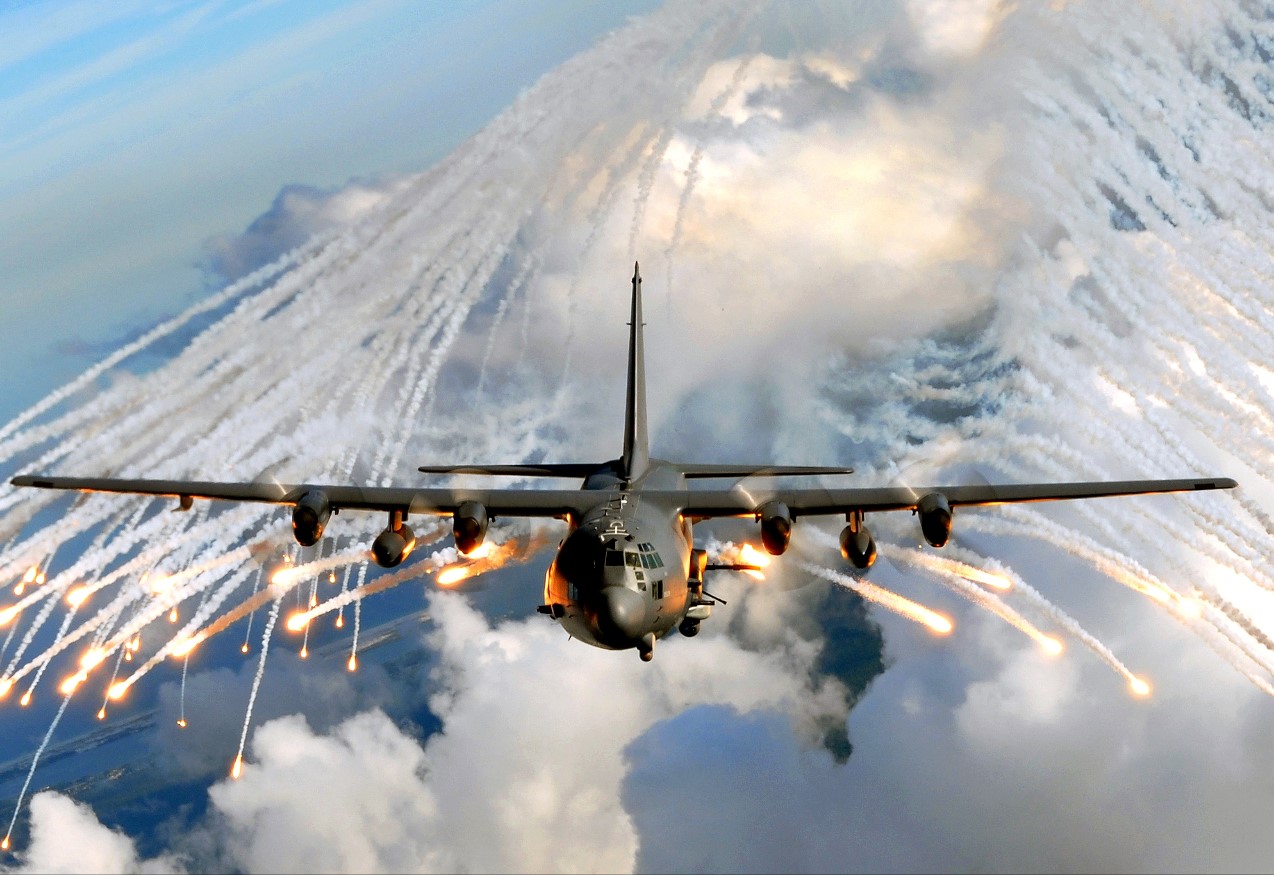 Pentagon Expands Alloy Surfaces Contract to $328.8 Million for Advanced Aircraft Decoy Flares Amid Evolving Drone Threats
-
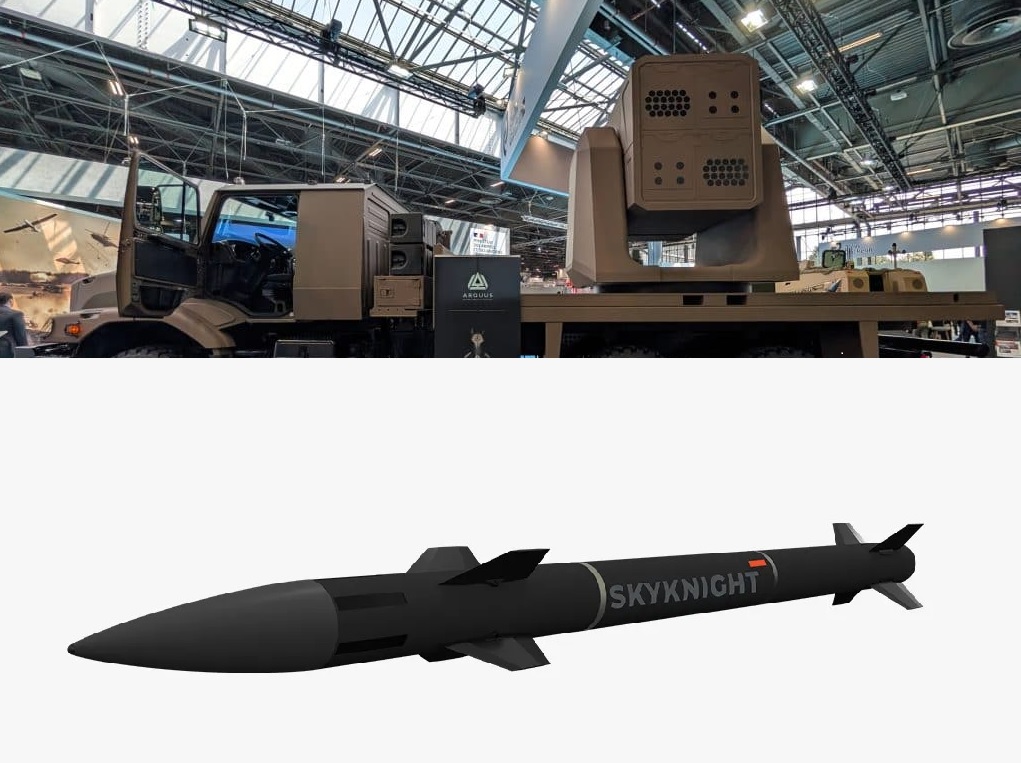 Naval Group Unveils Rampart Modular CIWS Multi-Purpose Weapon System for Naval and Ground Forces at Eurosatory 2026
-
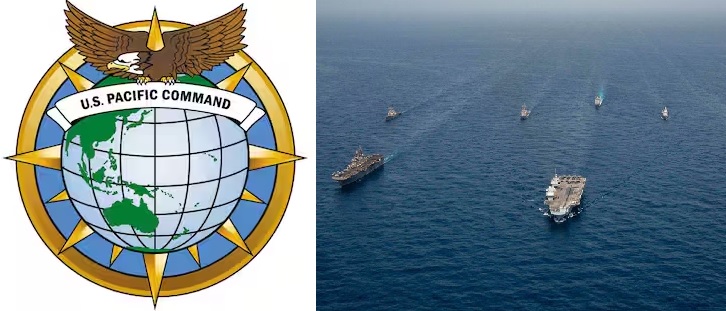 Why the U.S. Restored Pacific Command Name, Ending the Indo-Pacific Designation After Eight Years
-
 Open-Source Evidence Suggests Russia's Zircon Is a Quasi-Ballistic Missile, Not a True Hypersonic Cruise Weapon
-
 China Surpasses Russia as World’s Second-Most Powerful Air Force Amid Rapid J-20 and J-35 Expansion
-
 U.S. Army Completes First Flight Test of Medium-Range Air-Launched Effects from Black Hawk Helicopter
-
 Lockheed Martin Unveils HIMARS FLEX with Dual-Pod Launcher and NATO-Compatible Air Defense Integration
-
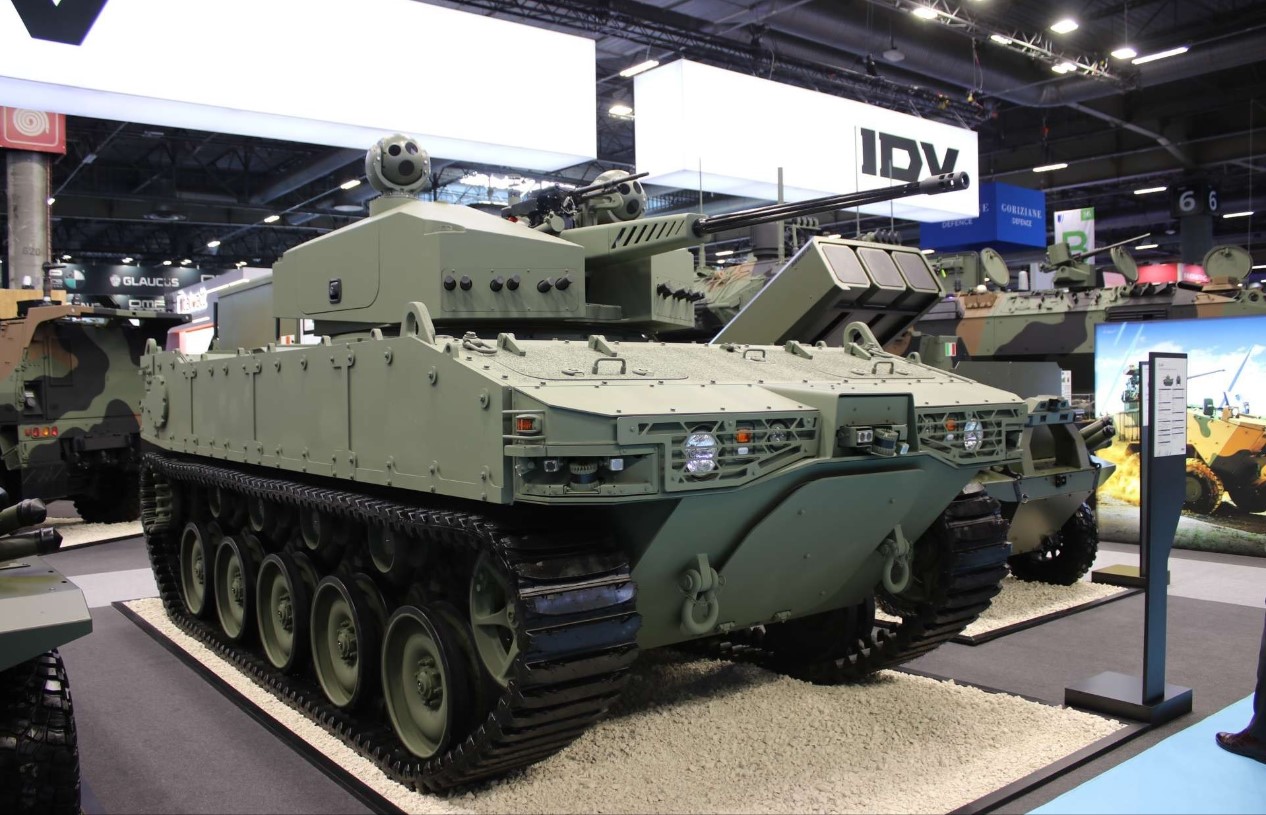 IDV Unveils CL2X Hybrid Uncrewed Light Tank at Eurosatory 2026
Top Trending in 4 Days
-
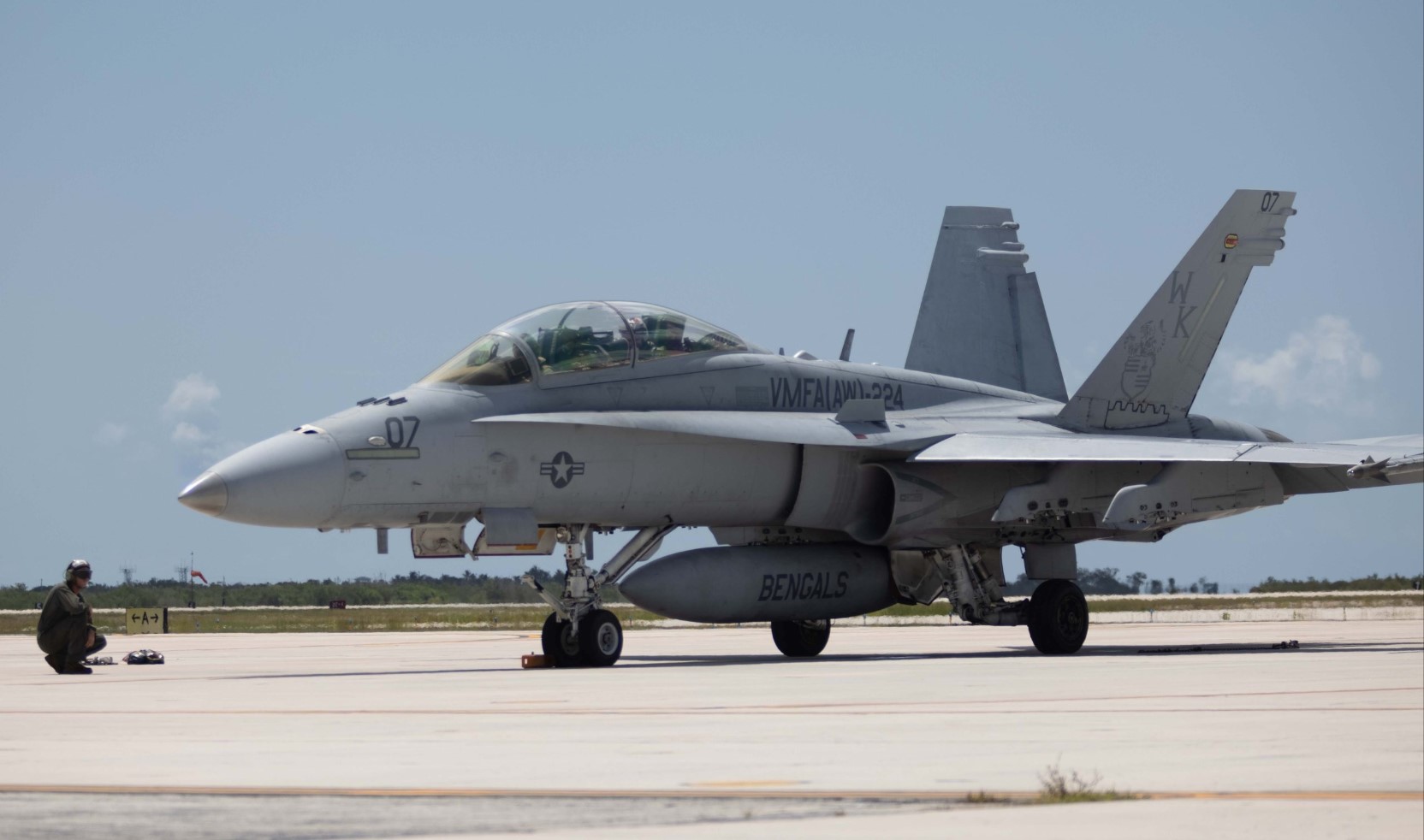 US Marine Corps F/A-18D Hornet Crashes During Training Flight in Washington Mountains; Pilot Ejects Safely
-
 Tulsi Gabbard Releases Declassified Files Detailing U.S.-Backed Network of 120 Biolaboratories Across 30+ Countries
-
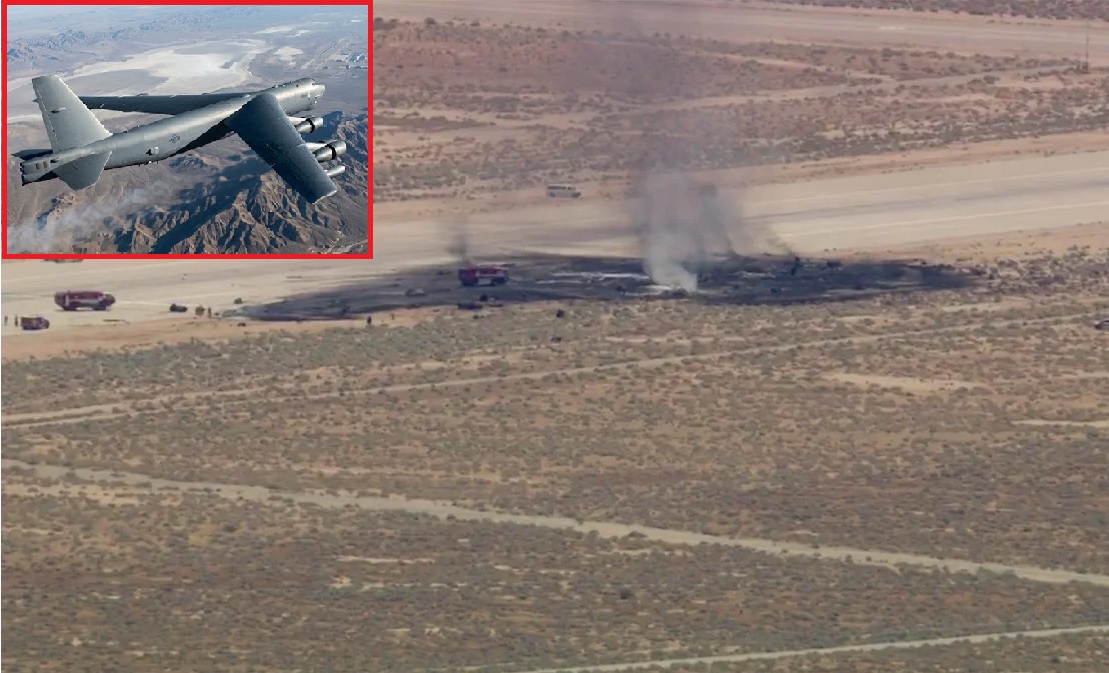 8 U.S. Air Force Crew Members Killed in B-52 Bomber Crash During Test Flight at Edwards Air Force Base
-
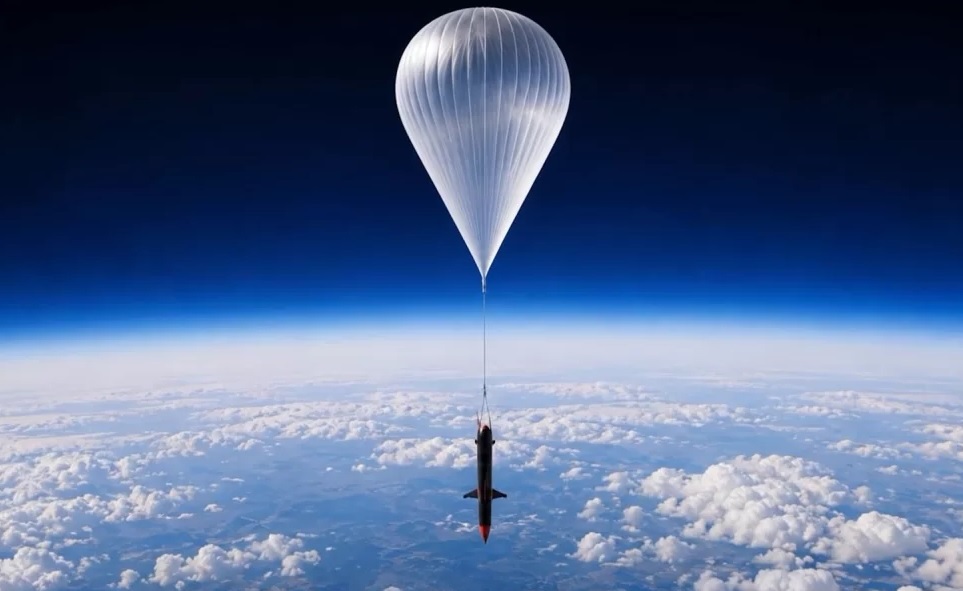 Ukraine Introduces Balloon-Launched DART Missile Designed to Defeat Electronic Warfare
-
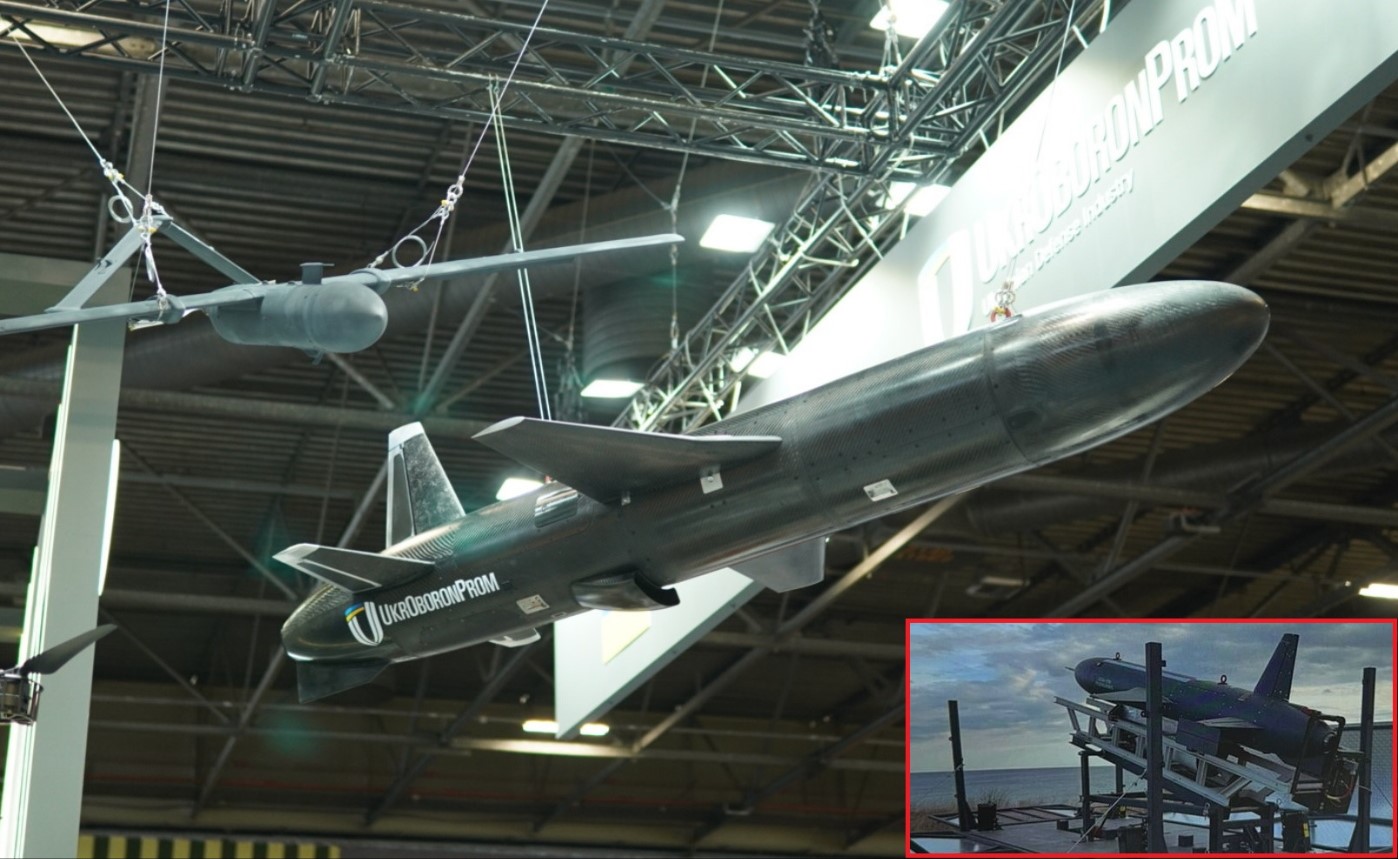 Ukraine Unveils UAV-290 Jet-Powered Strike Drone with 650 km Range at Eurosatory 2026
-
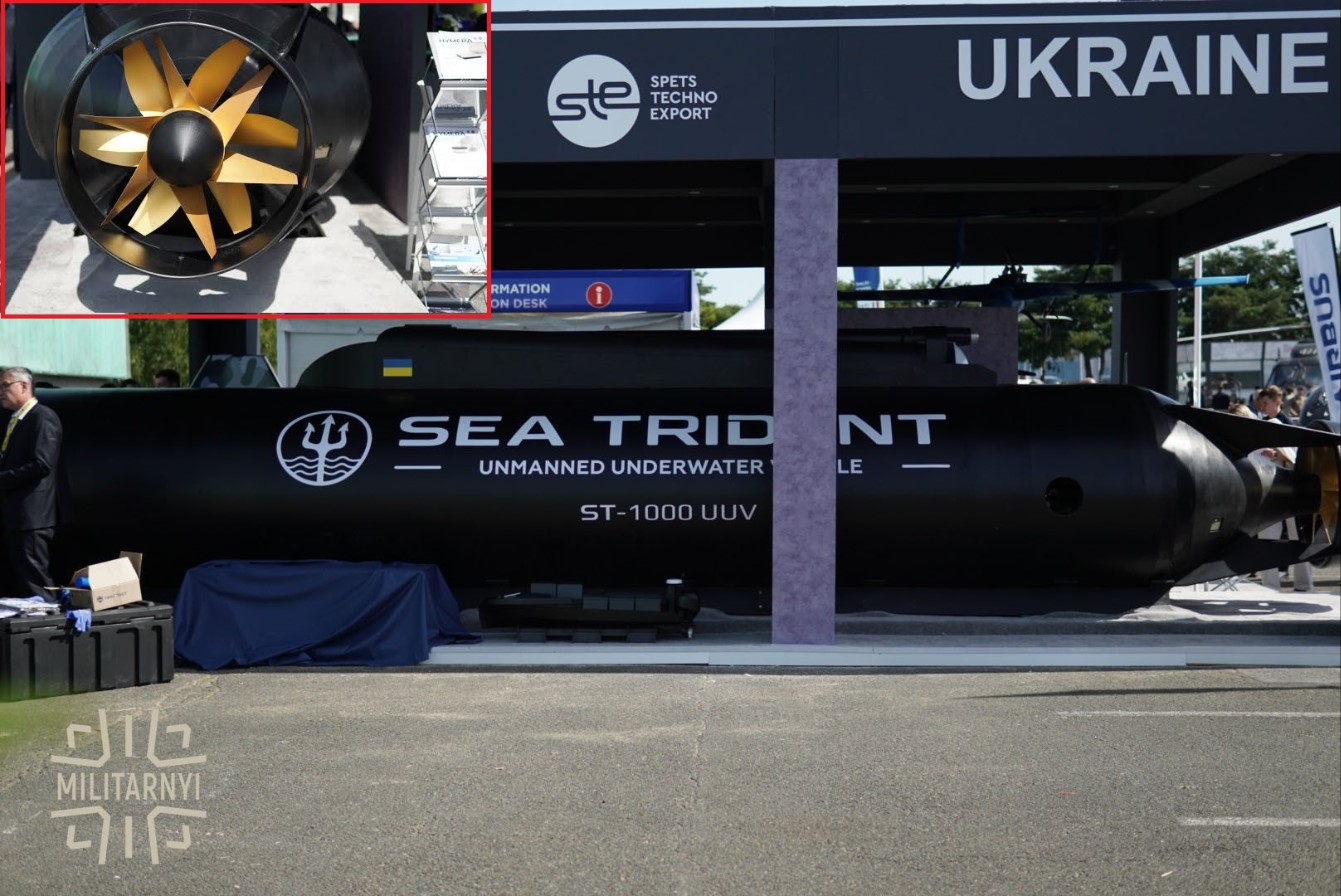 Ukraine Unveils 'Sea Trident' 10-Ton Autonomous Underwater Drone at Eurosatory 2026
-
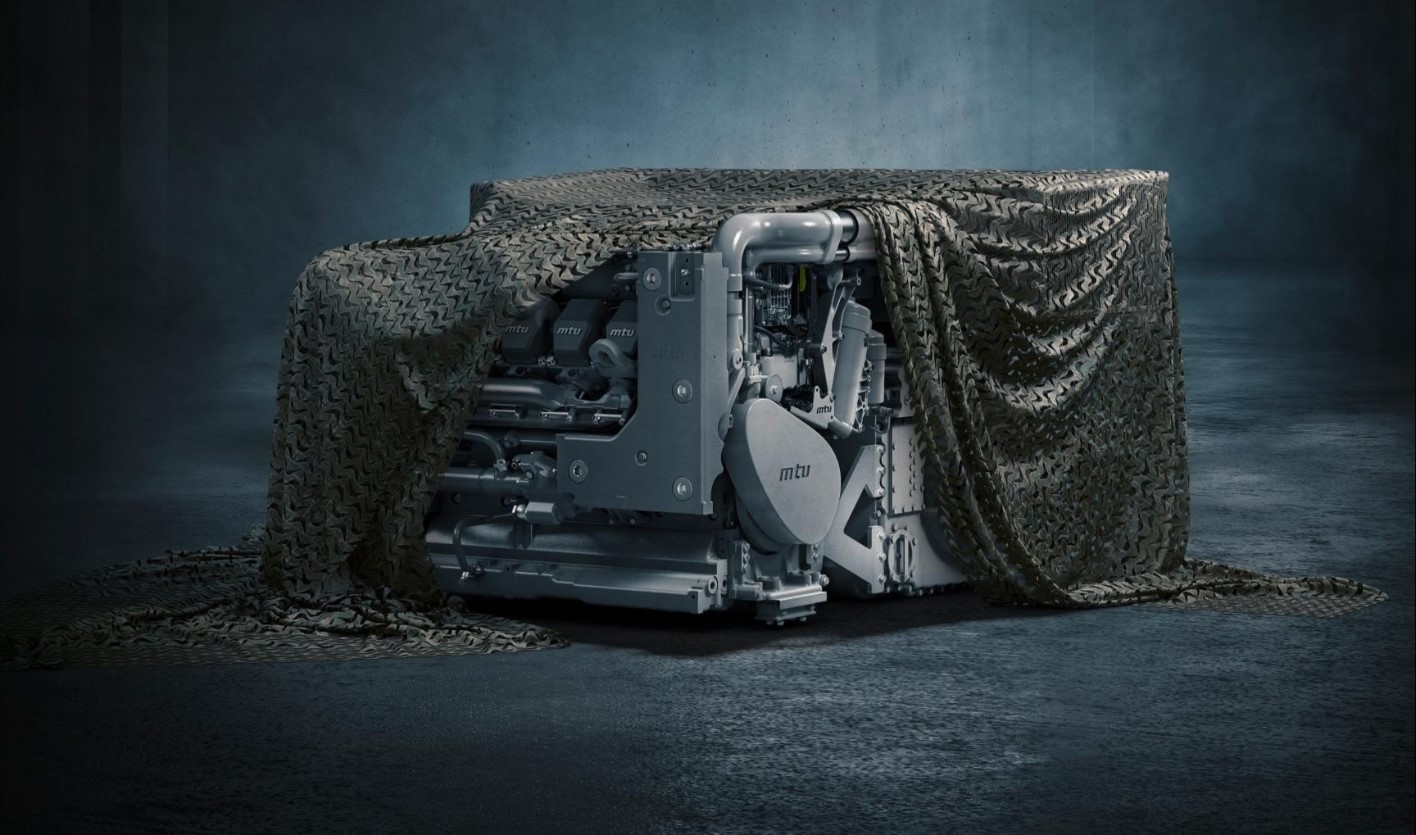 Rolls-Royce Unveils New Hybrid Powertrain for Heavy Military Vehicles at Eurosatory 2026
-
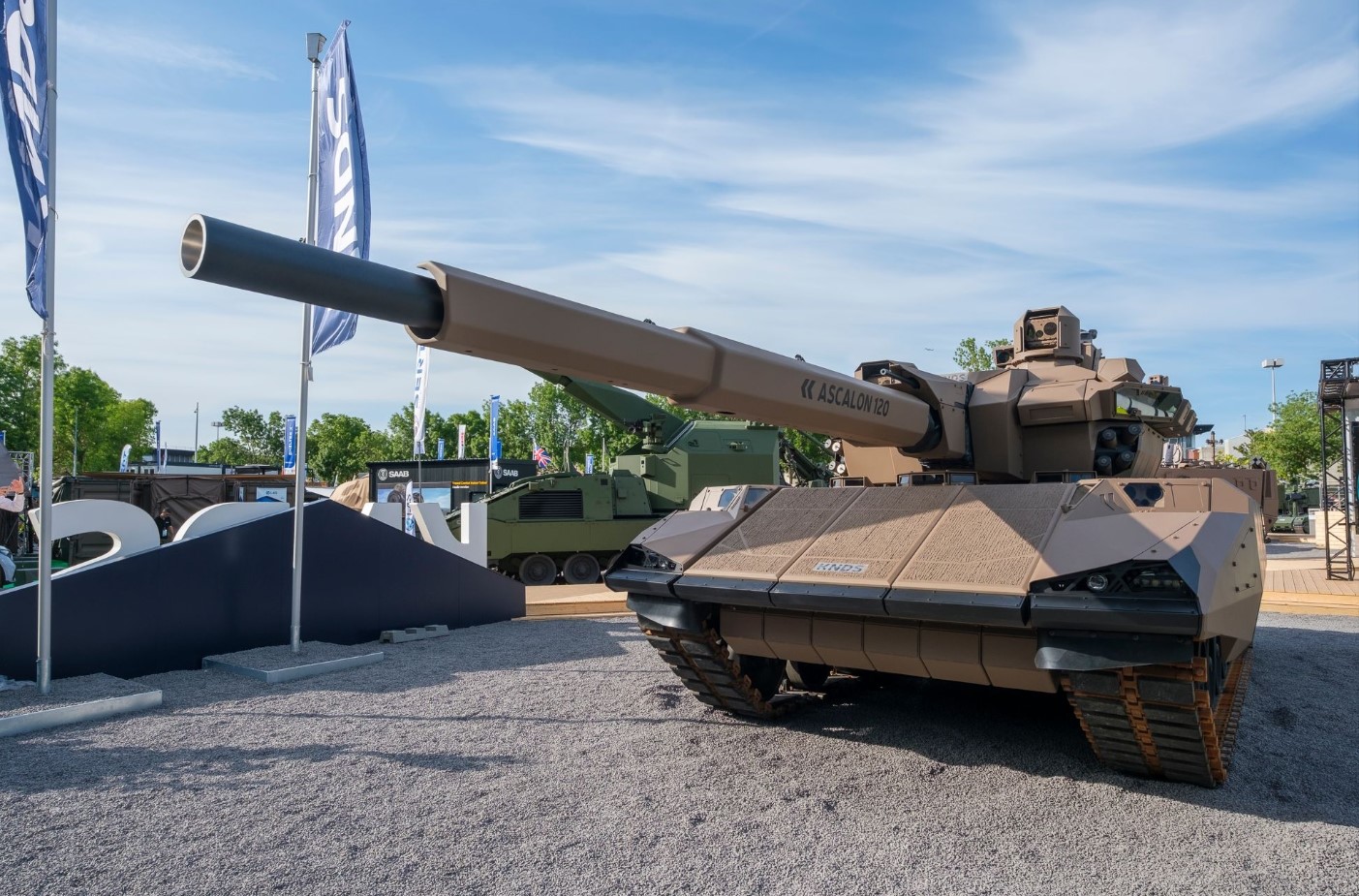 KNDS Unveils CAPINT Main Battle Tank at Eurosatory 2026 as Leclerc Stopgap