
India
The Indian Air Force (IAF) stands as a formidable guardian of the skies, with the Su-30 MKI serving as its stalwart fighter jet. As the IAF consistently looks ahead, one of its most thrilling ventures takes form in the Su-30 Growler—an electronic warfare (EW) aircraft that builds upon the potent Su-30 MKI platform.Decoding the Role of Electronic Warfare Aircraft:-In the realm of aerial warfare, an EW aircraft emerges as a disruptive force, manipulating enemy radars and communication systems to grant friendly forces a strategic edge. The Su-30 Growler is designed to jam and deceive adversary radars, obstructing their ability to track and target friendly aircraft and missiles. Furthermore, it introduces false targets, confounding enemy air defenses.Significance of the Su-30 Growler for IndiaIndia confronts multifaceted security challenges, including adversaries equipped with sophisticated air defenses. The Su-30 Growler assumes a pivotal role in mitigating these threats through: Suppression of enemy air defenses: Utilizing potent jamming pods, the Growler blinds enemy radars, facilitating IAF strike aircraft in breaching enemy airspace and executing targeted attacks.Protection of friendly forces: The Growler acts as a shield for friendly aircraft and ground troops, diminishing the risk of casualties by neutralizing enemy radars and missiles.Intelligence gathering: Leveraging advanced sensors, the Growler collects crucial electronic intelligence about enemy radars and communication systems. Technical Insights into the Su-30 Growler:Airframe: Built upon the proven Su-30 MKI airframe, the Growler boasts a foundation of reliability and versatility.Engines: Employing the same AL-31F engines as the Su-30 MKI, the Growler ensures exceptional range and maneuverability.Radar: Equipped with a cutting-edge electronic warfare radar, the Growler can detect, identify, and jam a diverse array of enemy radars.Jamming pods: External jamming pods on the wings and fuselage empower the Growler to disrupt enemy radars and communication systems.Self-protection systems: Advanced radar warning receivers and countermeasures fortify the Growler against electronic attacks.The Future Unveiled:While the Su-30 Growler is currently in development, its anticipated induction into the IAF is expected in the mid-2020s, playing a pivotal role in upholding India air superiority.Prospects on the Horizon:Integration of indigenous EW systems: With India advancing its own EW technology, the Growler may serve as a testing ground for the integration of these cutting-edge systems.Innovative jamming techniques: Ongoing research by the IAF may lead to the deployment of novel jamming techniques via the Su-30 Growler.Fleet expansion: The IAF may explore the possibility of acquiring additional Growlers to extend EW support across all fighter squadrons.In Conclusion:The Su-30 Growler emerges as a dynamic and versatile aircraft, poised to elevate the IAFs capabilities significantly. A key asset in safeguarding India airspace, it promises to be a linchpin in the nation security apparatus for years to come.Additional Insights:The exact specifications of the Su-30 Growler remain classified.The collaborative effort behind the Growler involves the IAF, HAL (Hindustan Aeronautics Limited), and DRDO (Defence Research and Development Organisation).This article aims to provide a comprehensive glimpse into the promising trajectory of the Indian Su-30 Growler—a thrilling aircraft with a luminous future that aviation enthusiasts eagerly await.
Read More → Posted on 2023-12-15 05:42:13
India
Defense news - The New Delhi declaration, unanimously adopted by the Global Partnership on Artificial Intelligence (GPAI), consisting of 29 member countries, highlights the imperative to address risks associated with the development and deployment of AI systems. The declaration emphasizes the necessity of ensuring equitable access to crucial resources for AI innovation, such as computing power and diverse high-quality datasets.Despite recognizing the rapid advancements in advanced AI systems and their potential for economic growth, the declaration raises concerns about issues arising from these systems, including misinformation, unemployment, lack of transparency, fairness, protection of intellectual property, personal data security, and potential threats to human rights and democratic values.The declaration applauds India leadership role as the Lead Chair for 2024 and its commitment to fostering collaborative AI projects among GPAI members. These projects aim to promote fair access to critical resources for AI research, encompassing computing power, diverse datasets, algorithms, software, testbeds, and other relevant resources while complying with intellectual property and data protection laws.This achievement is particularly significant for India, which advocates a collaborative approach to AI system development, aligning with its global outreach for the digital public infrastructure (DPI) model. Additionally, gaining access to computing capabilities from fellow member nations aligns with New Delhi strategic plans to establish a sovereign AI system, countering dominance from a few foreign entities in this domain.During a press briefing, Minister of State for Electronics and IT, Rajeev Chandrasekhar, emphasized the declaration goal of ensuring that the benefits of AI are inclusive and accessible to countries worldwide, including those in the Global South. The declaration, crafted after a five-hour ministerial deliberation, underscores the importance of a global AI framework rooted in democratic values, human rights, personal data protection, intellectual property rights, privacy, and security.The GPAI, predominantly led by democratic nations such as the United States, the UK, France, Japan, and Canada, pursues a global risk-based approach to AI. Notably, China, a significant tech powerhouse, is not part of this multilateral group.The declaration also marks the first meeting of GPAI members since the emergence of generative AI platforms like ChatGPT and Google Bard. It underscores the pivotal role GPAI members will play in addressing contemporary AI challenges, including generative AI, through applied projects aimed at tackling societal issues and global challenges while maximizing benefits and mitigating associated risks.Furthermore, GPAI members have identified AI innovation in the agriculture sector as a new thematic priority, aligning with India advocacy for prioritizing agriculture in AI innovation. The declaration recognizes the significance of promoting trustworthy AI applications for sustainable food production, resilient agricultural practices, climate change adaptation, and empowerment of workers in the agricultural supply chain.In a bid to ensure a broad range of expertise and perspectives, the GPAI commits to pursuing a diverse membership, with a specific focus on low and middle-income countries. Senegal, an existing member, has been elevated to the steering committee of the GPAI, reinforcing the commitment to inclusivity and shared values.
Read More → Posted on 2023-12-14 17:11:55
India
Defense News - In the midst of the ongoing naval tensions between the Philippines and China in the South China Sea, an Indian warship, INS Kadmatt, has made a diplomatic visit to Manila as part of its broader regional deployment in the Indo-Pacific.INS Kadmatt, a Kamorta class anti-submarine warfare corvette belonging to the Indian Navy, initiated its two-day goodwill visit on Tuesday. This marks the second time the Indian warship has docked in the Philippines, with its previous port call occurring in October 2017.The timing of INS Kadmatt visit to Manila coincides with heightened tensions between Philippine and Chinese vessels in the South China Sea. Recent clashes between Chinese and Philippine vessels over the weekend have added to the escalating maritime disputes between the two nations.The Philippines reported a collision during a resupply mission to Second Thomas Shoal in the Spratly Islands, a hotspot in the territorial dispute between Manila and Beijing. The incident occurred a day after the Philippines sea task force claimed that Chinese coast guard ships targeted and damaged their vessels near Scarborough Shoal, using water cannons to obstruct resupply efforts to Filipino fishermen.General Romeo Brawner, the Philippine military chief, was reportedly on board during these incidents, prompting the Philippines to lodge diplomatic protests and summon Chinese Ambassador Huang Xilian.Addressing the situation, India ambassador to the Philippines, Shambhu Kumaran, highlighted the strategic importance of the Indo-Pacific region for India. He stressed the central location of the Philippines in the region and emphasized the strong partnership between India and the Philippines as fellow democracies.In a press statement, Ambassador Kumaran expressed India commitment to maintaining peace and stability in the region through robust navy and maritime security engagements. He also advocated for a rules-based order and respect for international law in the wake of the recent confrontations between China and the Philippines."We fully support our Philippine friends in their efforts to ensure that whatever happens in the seas respects the constitution of the seas," Kumaran affirmed, underscoring the shared interest in promoting peace and stability in the Indo-Pacific.
Read More → Posted on 2023-12-14 16:39:28
India
The Defense News - Mazagon Dockyards Limited, a state-owned entity, has formally responded to the Defence Ministry tender for the construction of three new Kalvari class submarines for the Indian Navy, marking a significant milestone in the project. The collaborative effort with the French company Naval Group will see these submarines being built indigenously in Mumbai.According to sources in the defense sector, the Defence Ministry has received bids from Mazagon Dockyards Limited for this substantial undertaking. The project, which involves the construction of Kalvari class submarines, is part of a joint venture with Naval Group. Notably, India has already incorporated five out of the six Kalvari class submarines ordered from France in 2005, with the sixth one anticipated to be inducted next year.The governments approval for Project 75 Additional Submarines was granted during a Defence Acquisition Council meeting in July of this year, coinciding with the approval for 26 Rafale Marine fighter jets. The Indian Navy has expressed satisfaction with the performance of the Kalvari class submarines and is keen on expediting their induction.Admiral R Hari Kumar, Chief of the Navy, has directed officials to expedite the procedural aspects to kickstart the construction of these submarines at the Indian shipyard. Mazagon Dockyards Limited has previously constructed six Scorpene submarines, with five already in active service, and the sixth expected to be commissioned in early 2024. The latest addition to the fleet, INS Vagir, a stealth Scorpene class submarine, was commissioned in January of this year.Renowned for their advanced stealth features, the Kalvari class submarines are formidable platforms equipped with long-range guided torpedoes and anti-ship missiles. The Navy is eager to enhance its submarine capabilities, and the collaboration between Mazagon Dockyards Limited and Naval Group remains a crucial step in achieving this objective.
Read More → Posted on 2023-12-14 15:37:19
India
Defense News - In a significant development for the Indian Army, the Defence Ministry has greenlit a proposal worth Rs 2,800 crore to procure approximately 6,400 rockets for the Pinaka multi-barrel rocket launcher systems.During a recent meeting of the Defence Acquisition Council of the Defence Ministry, approval was granted for the acquisition of two specific types of rockets—Area Denial Munition Type 2 and Type-3, according to insider information from defence sources.Highlighting the commitment to indigenous sourcing, the Indian Army is set to procure these rockets from domestic manufacturers. Notably, Economic Explosives Limited of Solar Industries and Munitions India Limited, a product of the corporatisation of the former Ordnance Factories, are the main contenders for this significant contract.The Pinaka weapon system, an indigenous creation developed by the Defence Research and Development Organisation and named after the bow of the Hindu god Shiva, has gained international recognition, with exports to countries such as Armenia.Key players in the private sector, including Larsen & Toubro, Tata Defence, and Economic Explosives Limited, have established production lines for the Pinaka system. These companies are actively contributing to the supply of these rocket launcher systems in bulk to the armed forces.As part of broader plans to modernize artillery, the Indian Army aims to deploy 22 regiments of the Pinaka Multi-Barrel Rocket Launcher. These regiments are equipped with launchers featuring automated gun aiming and positioning systems, along with command posts.Recent trials of the Pinaka rockets were successfully conducted in the Pokhran firing ranges in Rajasthan, demonstrating the system reliability and effectiveness. These trials included multiple successful test firings, underscoring the readiness of the Pinaka MBRL for operational deployment.
Read More → Posted on 2023-12-14 15:32:26
India
Parliament News - Parliament faced a significant security breach during Wednesday Zero Hour when two individuals, each carrying canisters emitting yellow smoke, leaped from the visitors gallery into the Lok Sabha chamber. CCTV footage captured the dramatic scenes as one man, clad in a dark blue shirt, skillfully maneuvered through desks to avoid capture, while the other unleashed smoke from the gallery. Quick action from MPs and security personnel resulted in the apprehension of both intruders.Upon the resumption of Lok Sabha proceedings, Speaker Om Birla addressed the issue, stating, "We are investigating the matter and have asked Delhi Police to join the inquiry." The identified individuals, Sagar Sharma and D Manoranjan, were taken into custody, along with materials seized from them. The Lower House was subsequently adjourned until 11 am Thursday.Earlier, startling visuals from ANI revealed a Lok Sabha official reading to the House moments before the chaos ensued. Shouts of "catch him, catch him" echoed as Sagar Sharma attempted to reach the Speaker Chair. The incident unfolded in the presence of Congress MP Rahul Gandhi and union ministers Hardeep Singh Puri and Anupriya Patel.Notably, Prime Minister Narendra Modi was not present in Parliament during the breach; he was in Raipur, Chhattisgarh, for the swearing-in ceremony of the BJPs new Chief Minister, Vishnu Deo Sai.A visitor"s pass linked to BJP MP Pratap Simha from Mysuru was found on the intruders. This raised concerns as visitors typically undergo rigorous security checks before entering Parliament.Congress MP Karti Chidambaram expressed alarm, highlighting the potential danger of the gas used. He stated, "It was only after the second person jumped that I realized it was a security breach... the gas could have been poisonous."Trinamool Congress MP Sudip Bandyopadhyay termed it a "terrible experience" and raised questions about the security lapse, emphasizing the significance of the date, which marks the 22nd anniversary of the 2001 Parliament attack.Simultaneously, two other individuals, a man and a woman, were detained outside Parliament with colored pressurized canisters emitting red and yellow smoke. Identified as Amol Shinde and Neelam, they were heard shouting against dictatorship.Delhi Police anti-terror unit has taken control of the investigation into both incidents, suggesting a potential connection between the intrusions. Serious concerns about the security breach arise on the 22nd anniversary of the old Parliament building terror attack, with Prime Minister Narendra Modi and President Droupadi Murmu having led tributes to the nine victims just hours earlier.
Read More → Posted on 2023-12-13 16:07:53
India
Defense news - In a significant boost to India helicopter Maintenance, Repair, and Overhaul (MRO) landscape, Airbus Helicopters has joined forces with Indamer to service the country helicopter fleet. The collaboration culminated in the inauguration of the Indamer-Airbus Helicopter MRO facility on December 8, situated at the Multi Modal International Cargo Hub and Airport in Nagpur.During the inauguration speech, Maharashtra Deputy Chief Minister, Devendra Fadanvis, expressed optimism about the positive impact on India MRO ecosystem. He emphasized the alignment of this initiative with the Indian government Make in India campaign and revealed plans for a new aviation policy in Maharashtra. Fadanvis foresees the commencement of helicopter production in the region, reflecting the evolving dynamics of India aviation market.With over 125 Airbus helicopters currently operational in India and South Asia, the strategic partnership aims to enhance servicing efficiency and create a seamless aftermarket experience for the region helicopters. Romain Trapp, the Executive Vice President for Customer Support and Services at Airbus Helicopters, highlighted the company commitment to providing technical expertise to support India helicopter MRO ambitions.As part of the agreement, Indamer will offer MRO services for Airbus helicopters at its facilities in Mumbai, New Delhi, and Nagpur under Airbus Helicopters" authorization. While its Nagpur facility primarily serves Airbus A320s, servicing around 60 aircraft annually, this collaboration will extend Indamer capabilities to meet the maintenance demands of Indian helicopter operators domestically.Indamer dedicated helicopter MRO division, established over a decade ago, has been actively addressing the growing needs of Indian helicopter customers. Prajay Patel, Director at Indamer, emphasized the significance of fulfilling helicopter maintenance requirements domestically with proper support.This collaboration is the latest in Airbus efforts to expand its presence in India. Earlier, Airbus inked a deal with Hindustan Aeronautics to establish an A320 MRO facility in Nashik. Additionally, partnerships with educational institutions such as IIT-Kanpur and Gati Shakti Vishwavidyalaya aim to develop a skilled workforce. Airbus also collaborated with MRO provider GMR Aero Technic to establish the GMR School of Aviation, offering aircraft maintenance training under regulatory authorizations.Looking ahead, Airbus plans to hire an additional 2,000 engineers in India over the next two years, augmenting its total engineering staff to 5,000. Since establishing the first foreign OEM customer center dedicated to the Indian market in 2010, Airbus Helicopters has played a pivotal role in fostering new market segments in India, including helicopter emergency medical services, airborne law enforcement, and urban air mobility.
Read More → Posted on 2023-12-13 15:59:53
India
Defense news - In a significant enhancement of the Indian Army firepower, an approval has been granted for the acquisition of an additional 70,000 Sig Sauer assault rifles. These rifles, valued at over Rs 800 crore, are slated to be allocated to troops engaged in counterterrorism operations and various other duties.This procurement approval was secured during a high-level meeting convened by the Defence Ministry, attended by top military officials, according to sources within the government. The timing of this decision is noteworthy, coinciding with the ongoing military standoff with China and the intensified counterterrorism activities along the line of control in Jammu and Kashmir against Pakistan-sponsored terrorist activities.The Indian Army has already deployed more than 70,000 of these American-made assault rifles, particularly in the Ladakh sector along the China front and the Kashmir valley. The decision to acquire these rifles initially stemmed from the military desire for a weapon with an extended range.Back in February 2019, the Indian armed forces procured 72,400 SiG 716 rifles, with 66,400 designated for the Army, 4,000 for the Air Force, and 2,000 for the Navy. These rifles, boasting a 7.62 x 51mm caliber, were manufactured by SIG Sauer in the United States. The SiG 716 assault rifle was selected due to its high caliber, extended range, and reputed lethality, surpassing the INSAS Rifle and the AK-47 and its variants in service.In addition to the Sig Sauer rifles, the Indian forces are set to receive the AK-203, produced through a joint venture near Amethi by two companies in the ordnance factory. To further enhance their capabilities, the Indian forces have recently acquired significant numbers of the Russian AK-103, reinforcing their stance against terrorists and bolstering conventional operational capacities.
Read More → Posted on 2023-12-12 15:09:10
India
The recent financial injection follows the government allocation of ₹1.60.000 Crores ($19.4bn) for the modernization of the armed forces in the February 2023 Union Budget, showcasing a substantial 57% increase since 2019/20.Under these initiatives, the Indian Ministry of Defence (MoD) is set to bolster its military capabilities by introducing a range of equipment, including main battle tanks, air defense gun systems, missiles, naval vessels, submarines, multi-role aircraft, transport helicopters, and attack helicopters.Furthermore, strategic upgrades are planned for the C4I2SR (command, control, communications, computers, intelligence, information, surveillance, and reconnaissance) systems, maritime surveillance, and anti-submarine warfare capabilities. The long-delayed Future Infantry Combat Vehicle (FICV) program of the Indian Army is slated for acceleration, alongside expediting the Army Tactical Communication System program.Projections indicate a significant rise in Indian defense spending, growing from $80.5bn to $97.7bn between 2024 and 2028, demonstrating a compound annual growth rate (CAGR) of 5%. This stands in stark contrast to the slower CAGR of 3.6% observed since 2019, primarily attributed to economic constraints.The decision to allocate increased funds for modernization aligns with the global trend of bolstering defense capabilities in response to heightened security concerns within an unstable geopolitical landscape.
Read More → Posted on 2023-12-12 15:05:51
India
Pakistan discontent with the Supreme Court of India decision to uphold the revocation of Article 370 of the Indian Constitution is palpable. Former Prime Minister Shehbaz Sharif criticized the verdict, accusing the Indian Supreme Court of violating international laws and betraying the sacrifices of Kashmiris. Sharif asserted that this biased decision would only strengthen the freedom movement in Kashmir, and he symbolically referred to it as the "recognition of the blood of justice on the forehead of India Supreme Court."In a significant win for the Modi government, the Supreme Court, on Monday, unequivocally supported its decision to annul Article 370, which granted special status to the erstwhile state of Jammu and Kashmir. The court mandated the restoration of statehood "at the earliest" and set a deadline of September 30, 2024, for holding assembly elections.Shehbaz Sharif vowed that under the leadership of Nawaz Sharif, the Pakistan Muslim League (N) would persistently advocate for the rights of Kashmiris at all forums. He expressed solidarity with the Kashmiri people, emphasizing, "We stand by our Kashmiri brothers and sisters in this struggle."Adding to the criticism, Pakistan Peoples Party chairman Bilawal Bhutto Zardari accused India of disregarding international laws and UN resolutions, stating that the Indian parliament and courts cannot rewrite international agreements.Former Prime Minister Nawaz Sharif had earlier hinted at the need to improve ties with India on December 9, reflecting on the visits of two Indian Prime Ministers during his tenure.Since August 17, Pakistan has been under a caretaker government, and relations with India further soured after the abrogation of Article 370, leading to the expulsion of the Indian envoy and a downgrade in trade ties. India has consistently maintained that the Kashmir issue is an internal matter and expressed a desire for normal, friendly relations with Pakistan free of terrorism and hostility.Pakistan caretaker Foreign Minister, Jalil Abbas Jilani, dismissed the legal value of the Indian Supreme Court endorsement, asserting that international law does not recognize India unilateral actions in 2019. Jilani emphasized the inalienable right of Kashmiris to self-determination and stated that Pakistan does not acknowledge the supremacy of the Indian Constitution over Jammu and Kashmir. He pledged continued political, diplomatic, and moral support for Kashmiris and announced plans to convene a meeting of stakeholders to determine future actions.
Read More → Posted on 2023-12-12 14:59:21
India
In response to the escalating cybersecurity challenges, a collaborative workshop convened under the auspices of the Global Cooperation and Training Framework (GCTF) has been announced by the US embassy in India through an official press release on Monday.Scheduled on December 11-12, the workshop brings together representatives from the United States, India, and Taiwan with the aim of enhancing operational expertise and exchanging best practices in the realm of cybersecurity.The co-hosts of the event include U.S. Ambassador to India Eric Garcetti, Taiwan Representative to India Baushuan Ger, former National Cyber Security Coordinator of India Lt. Gen Rajesh Pant, and the United Service Institution of India. This workshop marks the inaugural in-person GCTF program held in India under the Global Cooperation and Training Framework.Ambassador Eric Garcetti emphasized the commitment of the United States to collaborate closely with partners such as India and Taiwan to bolster cybersecurity and safeguard shared interests in the digital domain. He stressed the importance of leveraging technology to connect, protect, and detect, harnessing its potential for positive advancements rather than succumbing to fears of division or oppression.Baushuan Ger, Taiwan Representative to India, underscored the significance of the GCTF as a platform for utilizing Taiwan strengths and expertise to address global concerns. Lt. Gen. Rajesh Pant, India former National Cyber Security Coordinator, highlighted the centrality of cybersecurity to national security in a country with over 800 million internet users and 1.2 billion smartphones.Since its inception in 2015, the GCTF has organized 70 international workshops, engaging experts from over 120 countries to enhance collaboration on various issues, including public health, supply chains, humanitarian assistance, digital health, and regional challenges.The GCTF is jointly administered by the United States, Taiwan, the Australian Office in Taipei, and the Japan-Taiwan Exchange Association. Serving as a platform for Taiwan to share its expertise globally, the GCTF enables practitioners worldwide to access Taiwan knowledge in fields such as public health, law enforcement, disaster relief, energy cooperation, women empowerment, digital economy, cybersecurity, media literacy, and good governance.Despite restrictions on Taiwan participation in many international institutions, the GCTF facilitates the sharing of expertise and knowledge, strengthening connections between experts from different countries as they collectively address 21st-century challenges that transcend borders. The US embassy expressed anticipation for continued collaboration with India, Taiwan, and like-minded partners to confront shared challenges on the global stage.
Read More → Posted on 2023-12-12 05:02:24
India
The proposal to rename the Indian Air Force (IAF) as the "Indian Air and Space Force" is on the verge of realization and is expected to be officially announced soon.According to sources within the IAF, the shift to include "Space" in the name aligns with the natural evolution of air operations into the space domain. The proposal, initiated less than a year ago, is in response to Defense Minister Rajnath Singh call for the IAF to transform into an aerospace force during the 37th Air Chief Marshal P.C. Lal Memorial Lecture on May 5 of the previous year.The IAF has been actively pursuing measures to implement this transition, indicating a strategic focus on space capabilities. Currently utilizing NavIC, an indigenous version of the Global Positioning System (GPS), the Indian armed forces aim to enhance their positioning, navigation, and timing (PNT) services for both defense and civilian purposes. Recognizing the critical need for such services, particularly after experiencing GPS denial during the Kargil War, the IAF is considering the launch of additional satellites to expand the NavIC coverage.The Indian Space Research Organisation (ISRO) is also contributing to this effort by planning to increase the navigation coverage of NavIC from 1,500 km to 3,000 km. This expansion would extend the coverage to neighboring countries, reinforcing India regional positioning capabilities.In addition to satellite-based navigation, the IAF is exploring the utilization of space-based electro-optical sensors and electronic intelligence gathering (ELINT) to strengthen intelligence, surveillance, and reconnaissance (ISR) capabilities. The integration of space assets is seen as crucial for accurate prediction of terrestrial weather, supporting air and ground operations, and planning missions effectively.Air Marshal G.S. Bedi, a retired officer and Distinguished Fellow at the Centre for Air Power Studies, emphasizes the growing threats from space, including ballistic and hypersonic missiles, which require space-based sensors for timely detection. Renaming the IAF to the "Air and Space Force" is seen as a step toward aligning its focus with the evolving challenges in the space domain.The IAF is actively engaged in space-related contingencies and exercises, preparing for scenarios involving GPS denial, satellite-communications denial, and space-based surveillance denial. As part of its Space Vision 2047, the IAF aims to acquire the Reusable Launch Vehicle (RLV) from ISRO and explore defensive options to protect Indian satellites from potential attacks.Collaboration with ISRO and the Indian National Space Promotion and Authorisation Centre (IN-SPACe) is underway to foster growth in the overall space ecosystem. The IAF is also gearing up for enhanced collaboration with NewSpace India, the commercial arm of ISRO, by training officers and airmen in space operations.This strategic shift, once finalized, is expected to position the IAF as a comprehensive Air and Space Force, contributing to national security, research and development, and fostering partnerships with the private industry. The government plan to launch over 100 military satellites in the next seven to eight years underscores the commitment to building robust deterrence and defense capabilities in space.
Read More → Posted on 2023-12-11 14:12:28
India
Recent reports indicate that the Indian Air Force (IAF) is on the verge of commissioning its inaugural squadron of the indigenously developed TEJAS MK-1A fighter aircraft at the Nal air base in Rajasthan Bikaner district, situated near the Pakistan border. These advanced TEJAS MK-1A jets are set to outperform their predecessors, the TEJAS MK-1 fighters, boasting indigenous Gallium Nitride (GaN) radars and avionics.The first batch of 21 MK-1A aircraft will initially be equipped with Israel Elta ELM 2052 radar as a temporary measure. Subsequently, the remaining aircraft destined for the Indian Air Force will be fitted with the indigenous Uttam Radar, incorporating GaN technology, according to reliable sources.Deployment and IntegrationDefence sources reveal that the initial TEJAS MK-1A squadron is slated for deployment at the Nal air base in Rajasthan. Plans include integrating this squadron into one of the two existing MiG-21 Bison squadrons currently stationed at the base. Anticipated by February-March, the first TEJAS MK-1A aircraft deliveries to the Indian Air Force will be facilitated by Hindustan Aeronautics Limited (HAL).Production and Induction PlansThe production of the TEJAS MK-1A fleet is gaining momentum, with 83 aircraft currently in production and an additional 97 receiving clearance from the central government. The IAF aims to induct a total of 220 TEJAS MK-1 and TEJAS MK-1A aircraft over the next 8-10 years. HAL is working towards increasing the production rate to 24 aircraft annually by 2025, a crucial step in addressing the declining squadron strength of the IAF.Role of TEJAS MK-1A Jets in IAF and Future PlansThe TEJAS MK-1A jets are strategically positioned to replace aging MiG series aircraft, including MiG-21s, MiG-23s, and MiG-27s. While the MiG-23 and MiG-27 have been phased out, two squadrons of vintage MiG-21s are still operational and earmarked for imminent replacement.Looking ahead, the Indian Air Force envisions deploying indigenous fighters to replace Mirage-2000 and Jaguar aircraft. The IAF long-term plan involves having 10 squadrons of TEJAS MK-1 and MK-1A, 12-13 squadrons of TEJAS MK-2, the Advanced Medium Combat Aircraft, and 13 squadrons of the Russian-origin Su-30MKI by the end of the next decade.Commitment to "Made in India"Underscoring its commitment to "Made in India" aircraft, the IAF aims to acquire approximately 120 Multirole Fighter Aircraft (MRFA) domestically, comparable to the capabilities provided by the two Rafale fighter squadrons. This move reinforces the country defense capabilities against threats from various fronts.The indigenous fighter aircraft project received a "historic" endorsement when Prime Minister Narendra Modi took a sortie in the TEJAS trainer aircraft earlier this year, signaling strong government support for the program. Air Chief Marshal VR Chaudhari and the IAF top brass continue to champion indigenous projects, achieving significant milestones in enhancing the nation defense capabilities.Diversified Defense Plans and Future AcquisitionsBeyond fighter jets, the IAF is expanding its plans to enhance Su-30MKI fighters with "state-of-the-art" indigenous avionics and weaponry. The procurement of 156 Light Combat Helicopters is underway, with 90 designated for the Indian Army and 66 for the IAF.In its recent meeting, the Defence Acquisition Council cleared three major indigenous projects for the Indian Air Force, collectively valued at over Rs 1.74 lakh crore. Spearheaded by Hindustan Aeronautics Limited in collaboration with private sector firms, these projects signify a significant leap towards strengthening the country defense capabilities.
Read More → Posted on 2023-12-11 13:51:25
India
The recent unveiling of DRDOs 70-ton canisterized missile system has sparked numerous inquiries, particularly regarding the missile it is designed to accommodate—whether it is intended for the Agni-V Mk-2 or the highly anticipated Agni-VI Intercontinental Ballistic Missile (ICBM). A canisterized missile system involves storing and launching a missile from a sealed container or canister, and various sources are actively deliberating the purpose of this advanced launcher.The Agni-V Mk-2 is recognized as a modified and lighter iteration of the original Agni-V ICBM, boasting an extended range of 8,000 km while reducing the payload to 40-45 tonnes, a significant reduction from the original 50-55 tonnes. Considering this, speculation arises that the 70-ton launcher may be intended for a missile weighing over 60-65 tons.This speculation leans towards the likelihood of it being designed for the Agni-VI ICBM, anticipated to have a global range of 10,000-12,000 km, signifying a substantial leap in India strategic capabilities. However, the shroud of secrecy surrounding Agni-VI persists, prompting questions about the reasons behind the government discretion.One conceivable explanation for maintaining the secrecy around Agni-VI could be concerns about causing global unease. The expected range of Agni-VI might unsettle Western nations and other geopolitical players, leading the government to tread cautiously to avoid diplomatic repercussions. The formidable impact and range of Agni-VI could potentially reshape the power dynamics among nations on a global scale.A photograph displays the sizable 70-ton system on a specialized fixture for storage and transport, featuring a canister with a simulated missile to replicate the real system. This raises the question: Does India possess covert subterranean locations with fixed ICBM launchers?It is speculated that India strategically deploys "Tilter cum Launchers" for ICBMs underground, complementing the Mobile ICBM Launchers already in use. This two-pronged strategy fortifies land-based nuclear defense, with hidden static ICBM launchers underground offering various advantages, marking a departure from traditional ICBM silos.While both Static ICBM Launchers and Silos are stationary, a silo specifically refers to an underground structure designed to house missiles, often with additional protective features. On the other hand, a static launcher may be above or below ground and can encompass various launch platforms.Advantages of Modular Static ICBM Launchers Vs Traditional ICBM Silos1. Cost-Effective with Significant Impact: Modular static launchers offer cost-effectiveness, allowing India to reduce expenses related to building and maintaining facilities compared to traditional silos. This financial prudence ensures resources are directed efficiently to other critical defense endeavors.2. Small Space, Strong Defense: Modular static launchers have a smaller footprint than large silos, enabling strategic placement in densely populated areas, enhancing facility security. The lower visibility adds an element of surprise, deterring potential adversaries and bolstering national security.3. Exceptional Survival: Underground static launchers provide unparalleled survival by protecting against air threats and attacks. This ensures the robustness of nuclear defense capabilities, with the logistics chain ensuring smooth operations even in challenging situations.4. Backup for Defense Strength: Incorporating modular static launchers provides an additional layer of defense backup. In a crisis, having multiple launch options, both mobile and static, strengthens the ability to respond effectively, showcasing a commitment to national security.In conclusion, the introduction of DRDOs 70-ton canisterized missile system represents a significant stride for India defense. The strategic use of modular static launchers brings numerous benefits, from cost savings to increased survivability.In navigating the complexities of modern geopolitics, this innovative approach positions India at the forefront of technological prowess for nuclear deterrence. Anticipate further advancements in the coming years, affirming the nation dedication to a robust and flexible defense system. Girish Linganna, a Defense & Aerospace analyst, and the Director of ADD Engineering Components (India) Pvt Ltd, provides insights as the Consulting Editor Industry and Defense at Frontier India.
Read More → Posted on 2023-12-11 13:36:03
India
Today, the Supreme Court endorsed the government decision to revoke the special status of Jammu and Kashmir under Article 370 of the Constitution and directed the conduct of elections in the region next year.Chief Justice of India DY Chandrachud, delivering the majority judgment, clarified that Article 370 was initially a temporary provision designed to facilitate Jammu and Kashmir integration into India. The Supreme Court emphasized the need to normalize Jammu and Kashmir status and urged the prompt conduct of state elections by September 30, 2024, bringing it in line with other states.Explaining the rationale behind the decision, the Supreme Court asserted that Jammu and Kashmir relinquished sovereignty upon joining India, and its constituent assembly ceased to exist post-merger. Chief Justice Chandrachud highlighted that the J&K constituent assembly was not meant to be a permanent body but was formed solely to frame the Constitution, and its recommendations were not binding on the President.The court acknowledged that while the constituent assembly ceased to exist, the unique conditions justifying Article 370 introduction did not disappear. It clarified that the special status persisted due to the prevailing situation in the state.Drawing parallels with other states, the Supreme Court cited examples of asymmetric federalism, mentioning Article 371A to 371J as instances of special arrangements for various states. It clarified that Jammu and Kashmir did not possess internal sovereignty distinct from other states.The bench issued three separate judgments, with Chief Justice Chandrachud, Justice BR Gavai, and Justice Surya Kant co-authoring one, Justice Sanjay Kishan Kaul delivering a concurring judgment, and Justice Sanjiv Khanna concurring with the other two.Article 370 granted Jammu and Kashmir its own Constitution and decision-making powers in all matters except defense, communications, and foreign affairs. The removal of Article 370 terminated the state special status. Additionally, Article 35A, encapsulated within Article 370, which conferred the power to define permanent residents and grant special rights, ceased to apply.The Supreme Court declined to assess the validity of Jammu and Kashmir reorganization into a Union Territory, considering it a temporary arrangement until the completion of elections and the restoration of statehood.
Read More → Posted on 2023-12-11 13:22:15Search
Top Trending in 24 Hours
-
 Two Injured in Bahrain After Iranian Attacks; Iran Claims Strike on US Patriot Radars
-
 Russian Corvette Merkury Almost Certainly Destroyed in Benghazi Port Explosion
-
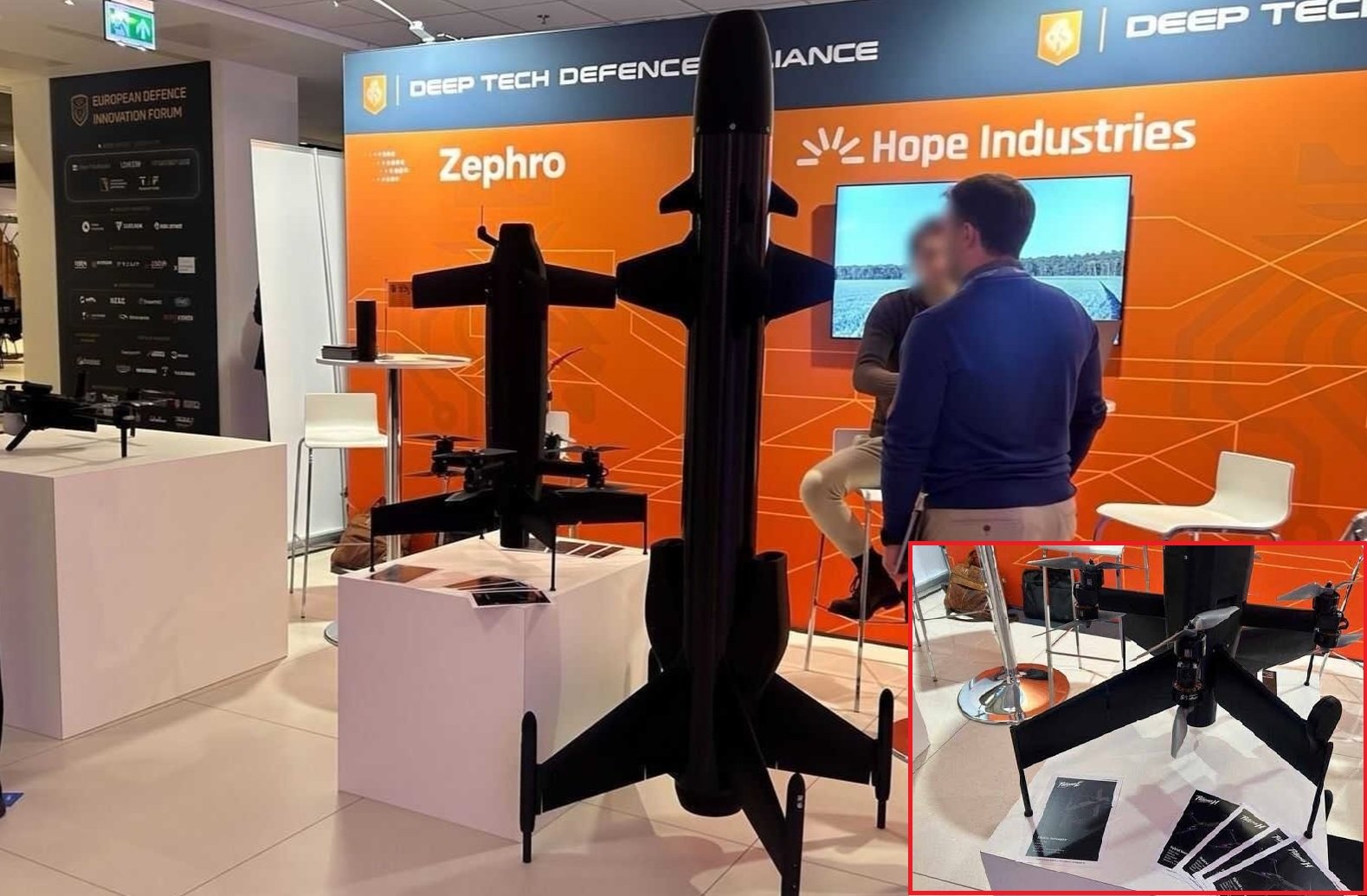 Dutch Company Hope Industries Unveils 800 km/h Patronus Interceptor Drones to Counter Shahed Threats
-
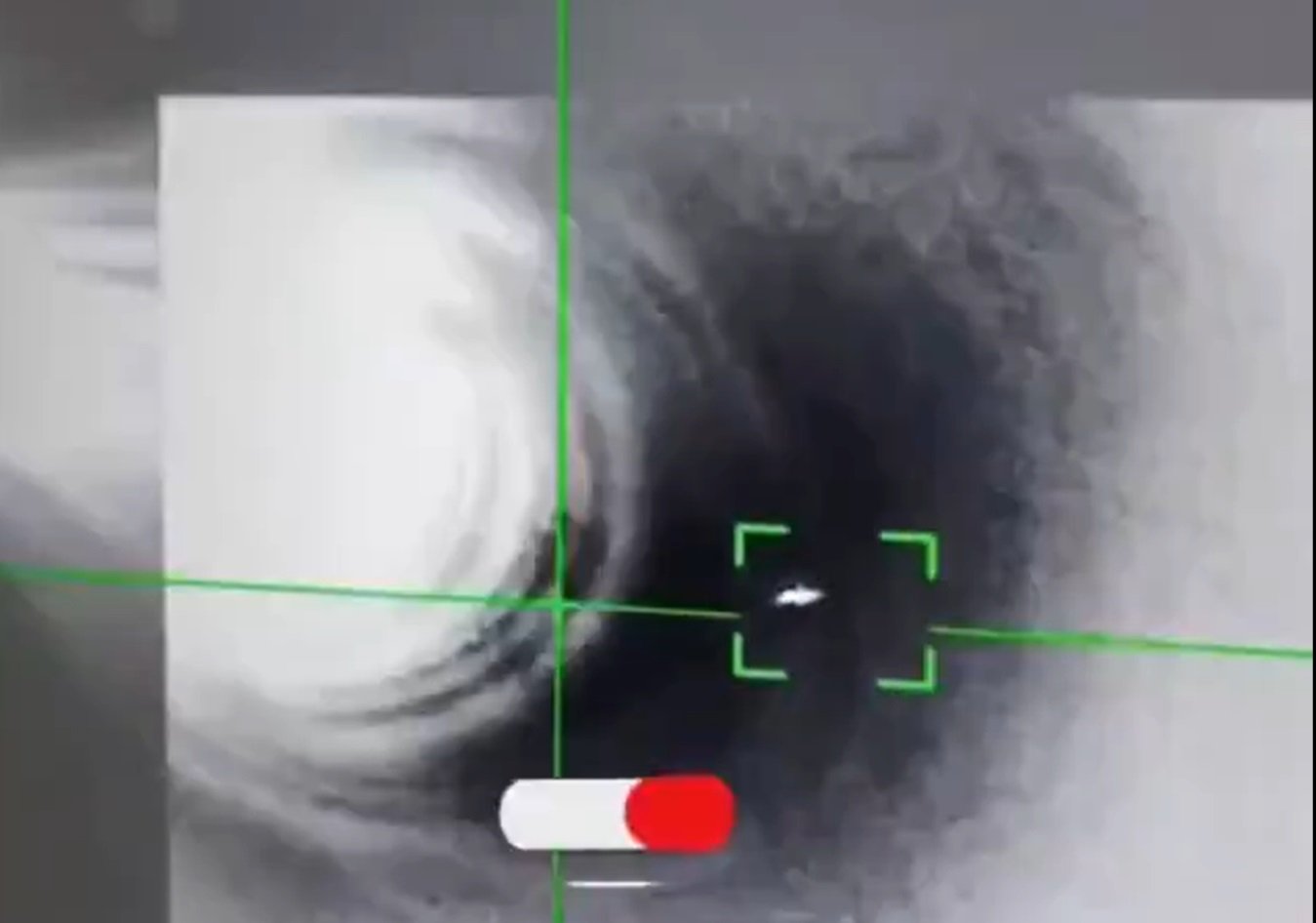 Iran Releases Air Defence Footage Claiming Engagement Against US F-16 Over Persian Gulf; CENTCOM Denies Attack
-
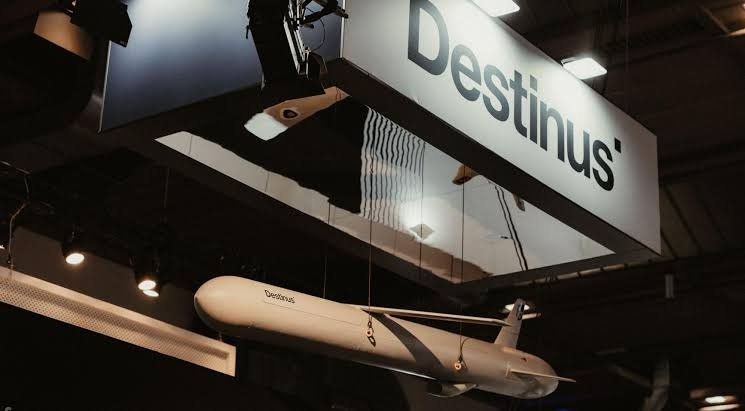 Netherlands Targets 40% Defence Industry Growth by 2030 as Destinus Missiles Gain Attention
-
 Senate Panel Proposes $1.84 Billion Cut to US Navy’s Trump-Class Battleship Program
-
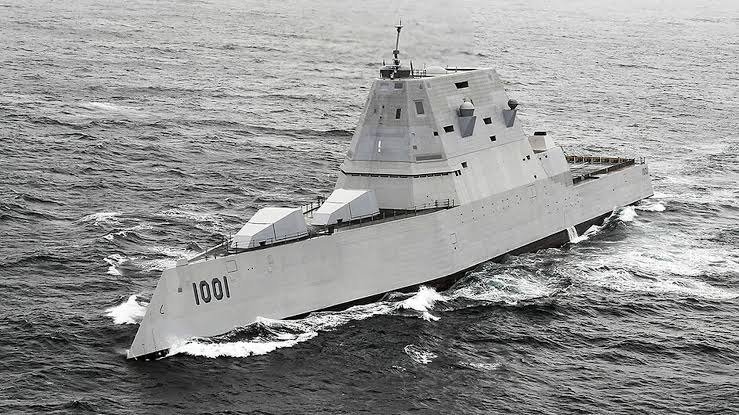 US Navy Schedules 2028 Hypersonic Missile Upgrade for Zumwalt-class Destroyer USS Michael Monsoor
-
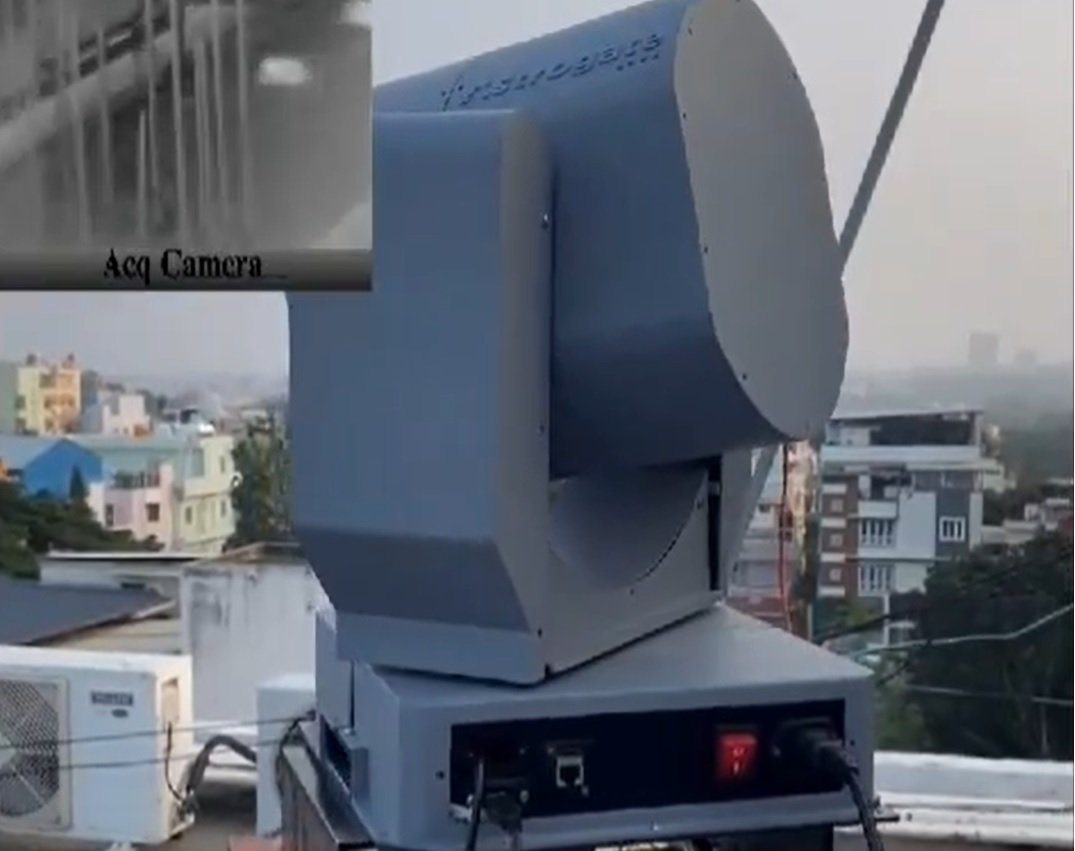 Astrogate Labs Tests Tracking System for 10 Gbps Mobile Laser Communication Terminal
Top Trending in 4 Days
-
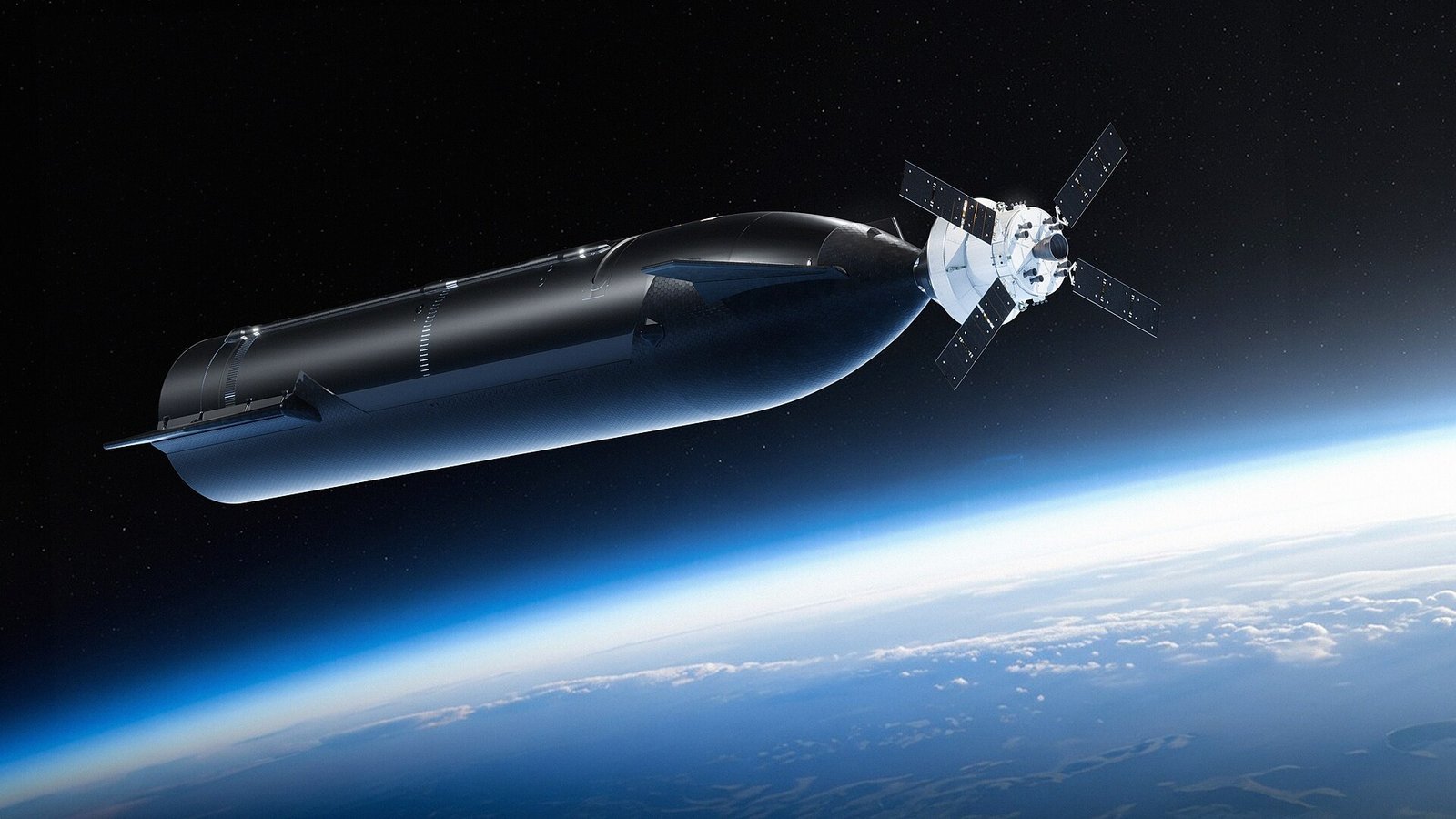 NASA's Orion Spacecraft Needs Major Modifications to Fly Backward with SpaceX Starship
-
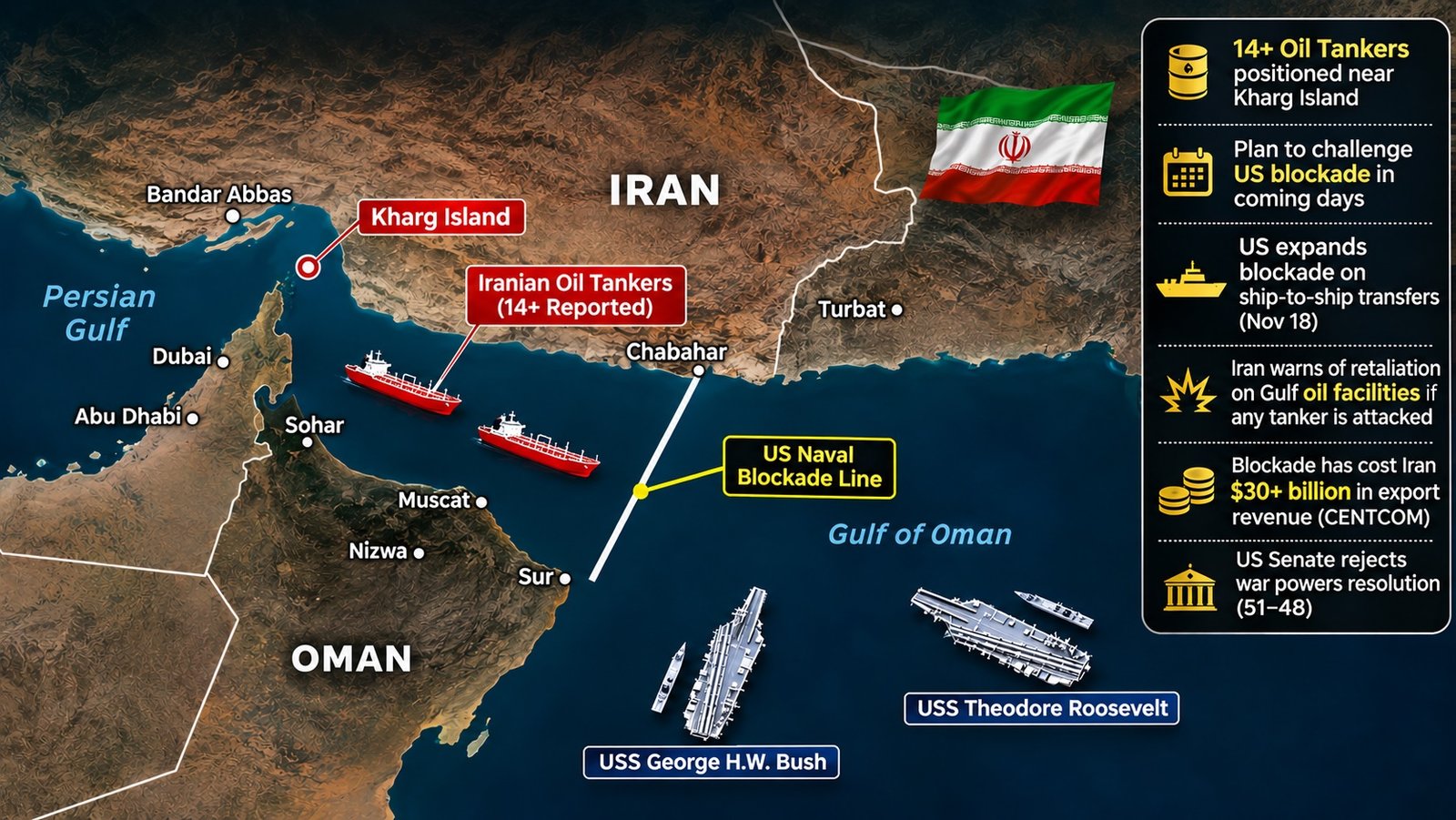 Iran Positions Oil Tankers at Kharg Island Amid Plans to Challenge US Naval Blockade
-
Two Injured in Bahrain After Iranian Attacks; Iran Claims Strike on US Patriot Radars
-
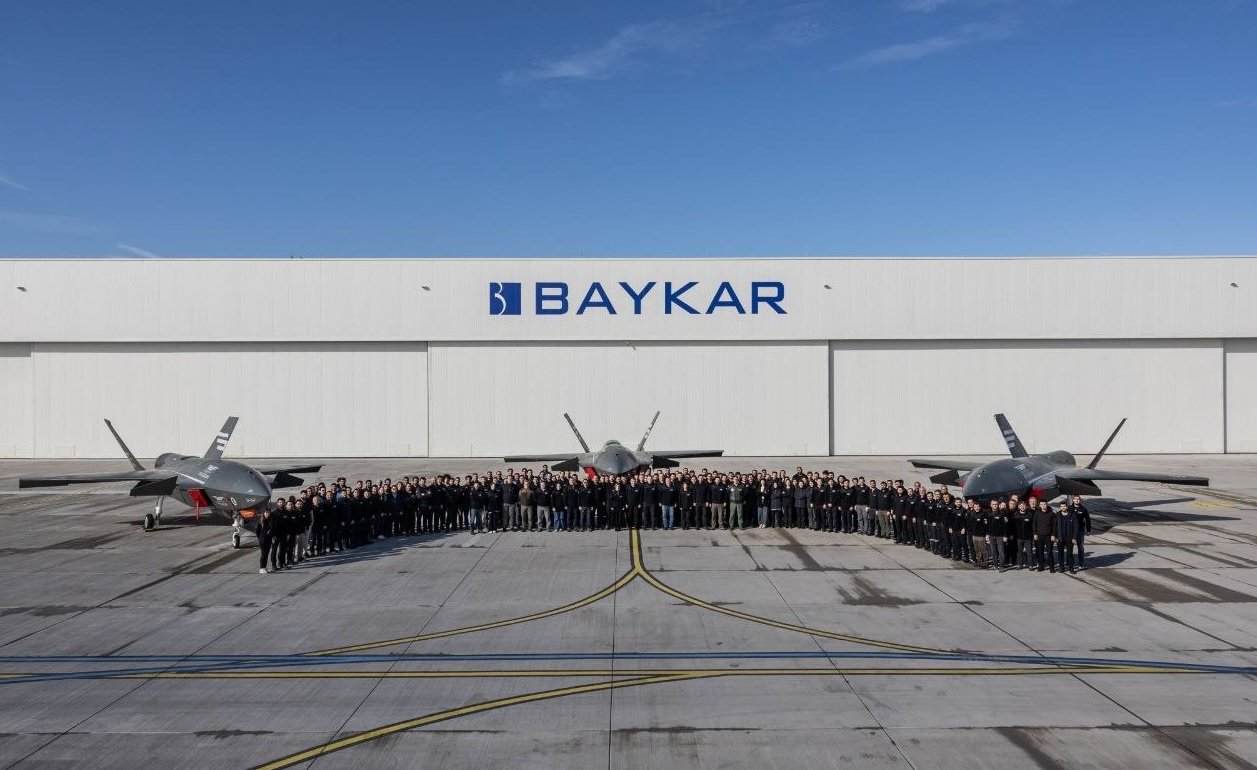 Baykar Delivers First Three Kizilelma Unmanned Fighter Jets to Turkish Forces
-
 Denmark's Parliament Unanimously Approves US-Greenland Defence Deal with 109–0 Vote, Restricting Russian and Chinese Military Presence
-
Russian Corvette Merkury Almost Certainly Destroyed in Benghazi Port Explosion
-
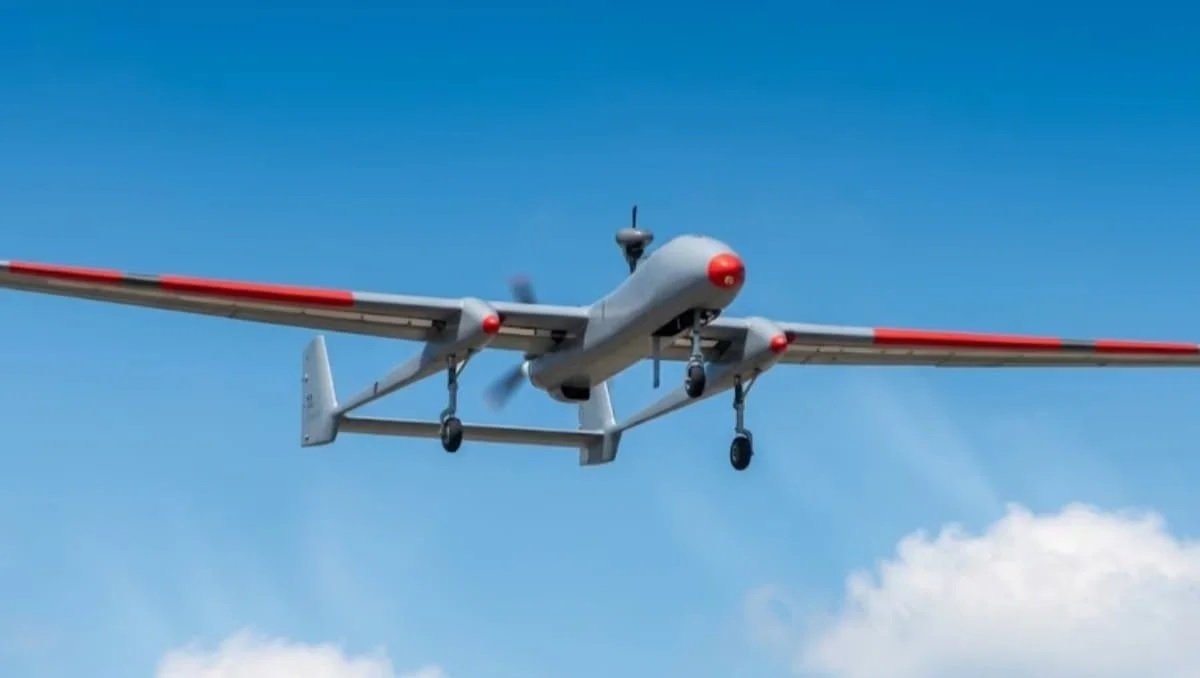 IAF Issues RFI for 500 Indigenous ISR Drones for Surveillance and Electronic Intelligence, with Six-Hour Endurance
-
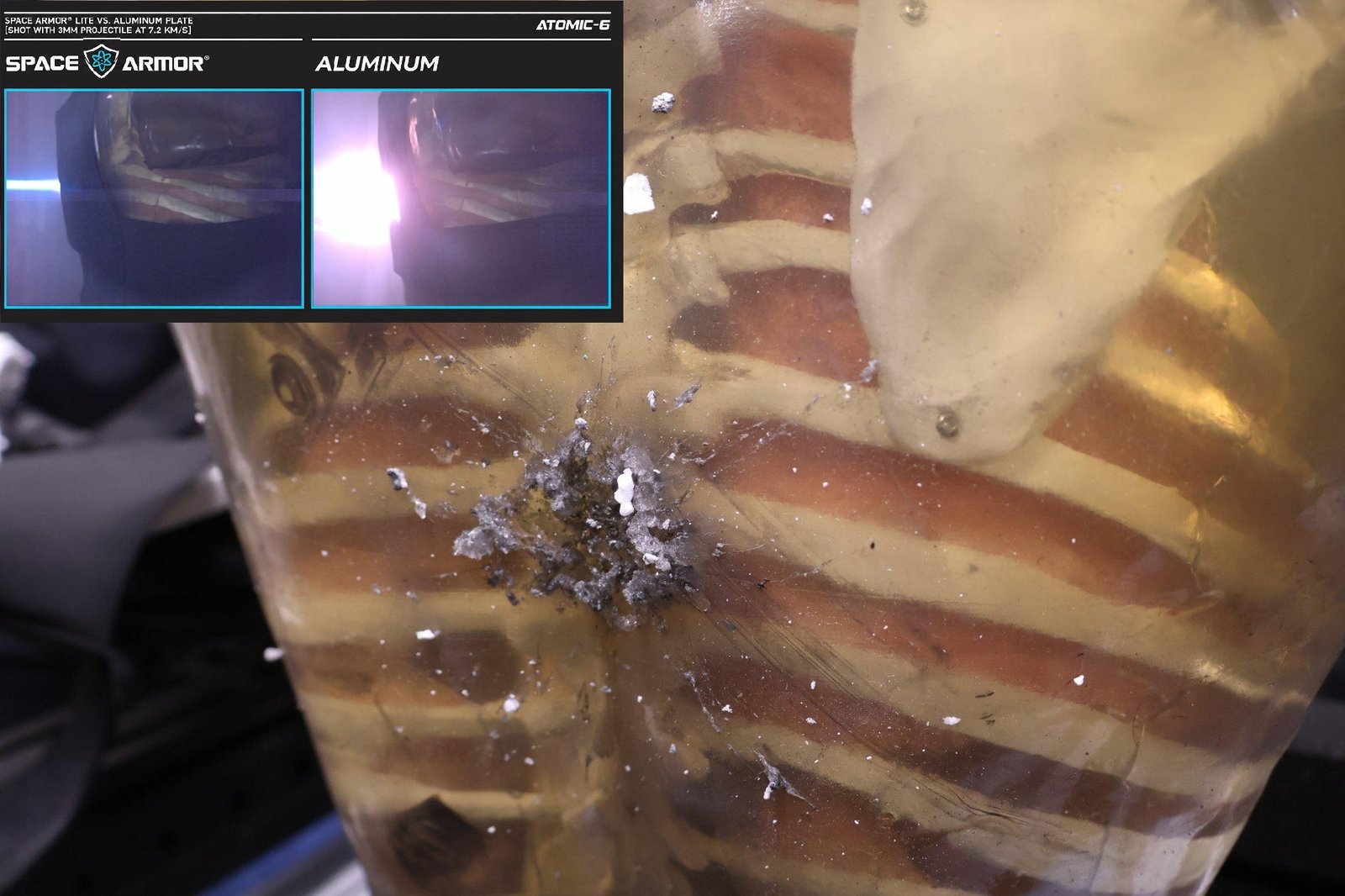 Atomic-6 Tests Composite Armor Against 16,100 MPH Space Debris for Astronaut Protection