Europe
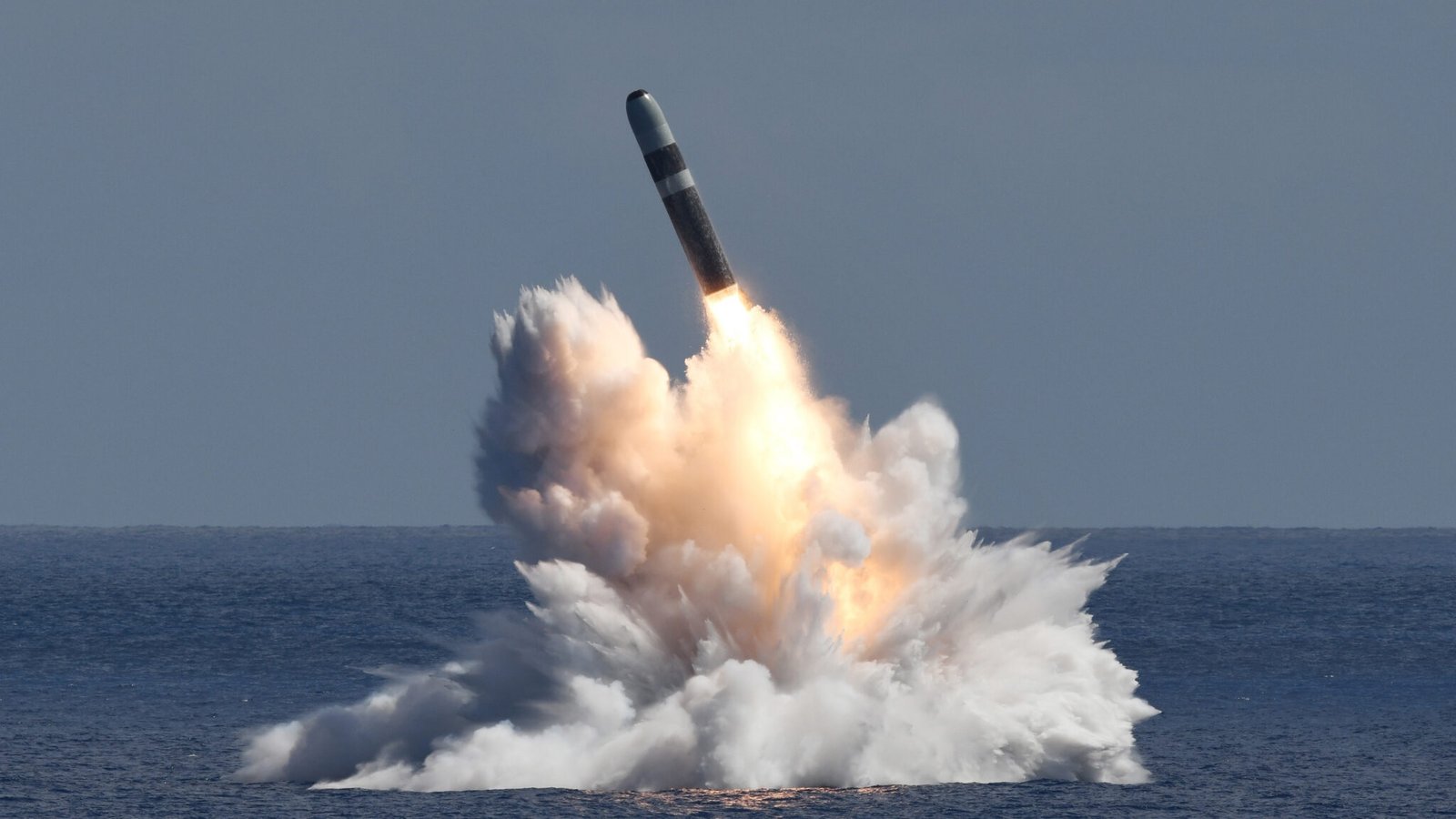
BERLIN — Germany is exploring options to provide financial and conventional military support to the United Kingdom’s Trident nuclear deterrent, according to a Telegraph report published on August 26. The discussions are part of wider efforts in Europe to strengthen its own defence capabilities and reduce reliance on the United States. Berlin is considering financial support for Britain’s nuclear programme and closer cooperation with the existing nuclear forces of Britain and France, rather than developing its own nuclear arsenal. German officials have cited the country’s wartime history as one reason for avoiding an independent nuclear capability. Possible German Support Several forms of support are reportedly being examined, including: Financial assistance: Germany could contribute to the cost of maintaining and modernising Britain’s nuclear deterrent. Faslane protection: Germany could deploy German-operated Patriot air-defence systems to protect HM Naval Base Clyde at Faslane in Scotland, which hosts Britain’s nuclear-armed submarine fleet. Industrial cooperation: German companies could potentially assist with future submarine construction, missiles or uranium-enrichment infrastructure for warheads. A British defence source questioned whether German industry currently has the specialised expertise needed for Britain’s nuclear submarine programme. However, the source described conventional air defence for Faslane as a more credible, likely and appropriate contribution. The UK is undertaking a major nuclear modernisation programme estimated at about £63 billion over coming years. It includes four new Dreadnought-class ballistic-missile submarines and development of a new warhead with the United States. Britain maintains an arsenal of around 200 nuclear warheads, which it assigns to NATO. Britain also relies on the United States for important parts of the Trident system. Trident missiles are manufactured and serviced at the US submarine base at Kings Bay, Georgia. Wider European Nuclear Cooperation Talks involving Berlin, London and Paris have reportedly intensified in recent months amid concerns about the future reliability of US security commitments under the Trump administration and the wider security situation in Europe, including Russia. Germany is also strengthening nuclear-related cooperation with France. Germany and France have established closer dialogue on nuclear deterrence, and German conventional forces are scheduled to participate for the first time in France’s Poker nuclear exercises later this year. France and the UK remain the only European countries with independent nuclear arsenals. Britain has committed its nuclear deterrent fully to NATO’s defence, while France maintains its own independent nuclear force. A UK Ministry of Defence spokesman said the nuclear deterrent remains a cornerstone of national security and protects the UK and NATO allies. A German government spokesman, however, denied that the reported talks were taking place. The discussions come alongside broader UK-Germany defence cooperation, including the Trinity House Agreement. Chancellor Friedrich Merz’s government has said Germany does not seek its own nuclear weapons but is interested in arrangements involving British and French capabilities while remaining within NATO and non-proliferation commitments. No formal agreement has been announced. Any German support for Britain’s deterrent would leave command and control of the UK’s nuclear weapons solely with London.
Read More → Posted on 2026-08-27 14:23:20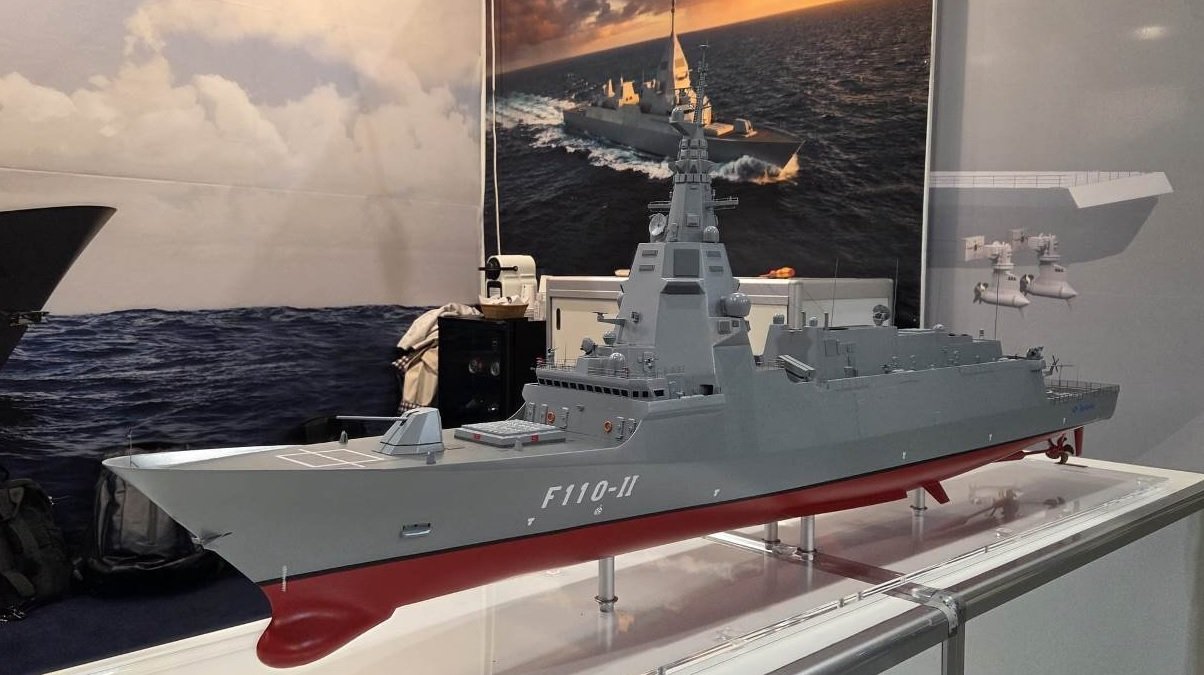
Europe
ERNING, DENMARK — Spanish shipbuilder Navantia has publicly displayed a scale model of its F-110 Flight II frigate for the first time at DALO Industry Days 2026 in Herning, Denmark. The event was held on August 19-20 and brought together defence companies, government representatives and military delegations. Navantia describes the design as the F-110 Flight II for Spain and the F-110 IAMD (Integrated Air and Missile Defence) configuration for the international market. The design is an enlarged and enhanced development of the F-110 frigates being built for the Spanish Navy, with substantially greater air-defence capacity while retaining anti-submarine warfare (ASW) and anti-surface warfare (ASuW) capabilities. Navantia displayed the F-110 IAMD alongside its ALFA 4000 and ALFA 3000 frigate designs as part of its effort to develop a long-term industrial relationship with Denmark. The company has identified Denmark as a strategic partner and is presenting its naval designs in connection with the country's future fleet requirements. Larger Hull and Higher Speed The F-110 Flight II is approximately 150 metres long, around five metres longer than the Flight I design, with a maximum beam of 18.6 metres. Its full-load displacement is approximately 6,700 tonnes, around 500-600 tonnes above the baseline configuration. Navantia's displayed configuration has a maximum speed of more than 29 knots, compared with more than 26 knots for the Flight I design. The frigate is designed for a cruising speed above 18 knots and a range of approximately 4,100 nautical miles. The design uses a CODLAG propulsion arrangement, supporting both endurance and reduced acoustic signatures. The ship is designed around a crew of approximately 150 personnel, with additional accommodation for mission specialists and command personnel. The configuration also includes a multi-mission bay intended to accommodate RHIBs, unmanned systems and modular mission equipment. The enlarged design is intended to support operations requiring greater air-defence capability while retaining the F-110's multi-mission role. 64-Cell Mk 41 Vertical Launch System The largest change is the increase in vertical-launch missile capacity. The baseline F-110 Flight I has a 16-cell Mk 41 Vertical Launching System (VLS). The Flight II/IAMD configuration displayed by Navantia increases this to 64 cells. The VLS arrangement consists of: 48 Mk 41 Strike Length cells forward of the bridge 16 Mk 41 Tactical Length cells positioned farther aft, inside the superstructure ahead of the helicopter hangar The configuration therefore provides four times the number of VLS cells found on the Flight I ships. The proposed missile capacity includes up to 64 SM-2 surface-to-air missiles, or up to 256 RIM-162 Evolved Sea Sparrow Missiles (ESSM) when quad-packed, or a combination of the two, depending on the selected loadout. For anti-surface warfare, the design carries eight Kongsberg Naval Strike Missiles (NSM) in two quadruple launchers. Its main gun is the Leonardo OTO 127/64 LW 127 mm naval gun. Close-in and short-range defence is provided by two Escribano E&M Sentinel 30 30 mm remote weapon stations, four Sentinel 2.0 12.7 mm remote weapon stations and additional heavy machine guns. The design also incorporates six SRBOC Mk 36 decoy launchers, a directed-energy weapon, loitering-munition launchers and a dedicated counter-unmanned aerial system capability. For anti-submarine warfare, the frigate is equipped with two twin Mk 32 Mod 9 torpedo launchers for Mk 54 lightweight torpedoes. The aviation facilities are designed to support helicopters including the NH90 and MH-60R, along with unmanned aerial systems. Upgraded SPY-7 Radar The F-110 Flight II retains the Lockheed Martin AN/SPY-7(V)2 S-band solid-state multifunction radar, but with a larger array configuration. Each radar array in the Flight II design is shown with 100 sub-array suites (SAS), compared with 68 SAS on the Flight I configuration. The larger number of sub-arrays provides additional radar capacity for detecting, tracking and discriminating multiple targets. The radar is integrated with Navantia's SCOMBA combat management system through the Aegis International Aegis Fire Control Loop (IAFCL). The configuration also includes Cooperative Engagement Capability (CEC) for sharing tactical information between compatible platforms. The Spanish Navy describes SPY-7 as a digital, software-defined radar designed to support multiple missions, including air surveillance, air defence and ballistic-missile defence functions. Terminal guidance for the surface-to-air missile system is provided by Raytheon's AN/SPG-62 fire-control radars and Mk 99 Fire Control Systems. Electronic Warfare and Underwater Sensors The F-110 IAMD's integrated mast incorporates several systems supplied by Spanish defence company Indra. These include the PRISMA-25X solid-state radar for surface surveillance and low-altitude air-target tracking, the Rigel i110 electronic support and countermeasures systems, the Regulus i110 communications electronic support measures system, an identification-friend-or-foe system and the IRST i110 infrared search-and-track system developed with Technobit. Navantia also provides systems including the DORNA fire-control radar for the main gun, the HERMESYS integrated communications system, the DIGITAL TWIN system and the MINERVA integrated navigation bridge system. The underwater sensor suite is supplied by Thales and includes the BLUEMASTER hull-mounted sonar, CAPTAS-4 Compact variable-depth sonar, TUUM-6 underwater communications system and BLUESCAN acoustic data-fusion software. Saab provides the naval laser-warning system, while Lockheed Martin supplies the AN/SLQ-25E NIXIE torpedo countermeasure system. Built Around the Existing F-110 Design Navantia is positioning the Flight II as an evolution of the F-110 rather than a completely new frigate design. The company says its F-110 programme is already under execution for the Spanish Navy and is meeting its planned schedule. The first five F-110 ships are part of the current Spanish programme, with construction already underway on multiple vessels. The Flight II configuration retains the platform's multi-mission architecture while adding substantially greater missile capacity, increased radar-array capacity and higher speed. Navantia also highlights survivability features, including separated machinery spaces, fire zones, damage-control measures and CBRN protection. The design incorporates modularity and growth margins intended to allow additional systems and capabilities to be integrated as requirements change. The company is presenting the F-110 IAMD to international customers, including in Denmark, while the same Flight II concept is also associated with future Spanish Navy requirements. However, the configuration displayed at DALO should be distinguished from a confirmed Danish procurement contract; Navantia's official DALO announcement describes the F-110 IAMD as a design being presented as part of its cooperation and strategic-partnership efforts with Denmark. The F-110 Flight II therefore represents a significant increase in the F-110's air-defence capacity, particularly through its 64-cell Mk 41 VLS and enlarged SPY-7 radar configuration, while retaining the ASW, ASuW and multi-mission characteristics of the original F-110 design.
Read More → Posted on 2026-08-27 12:14:04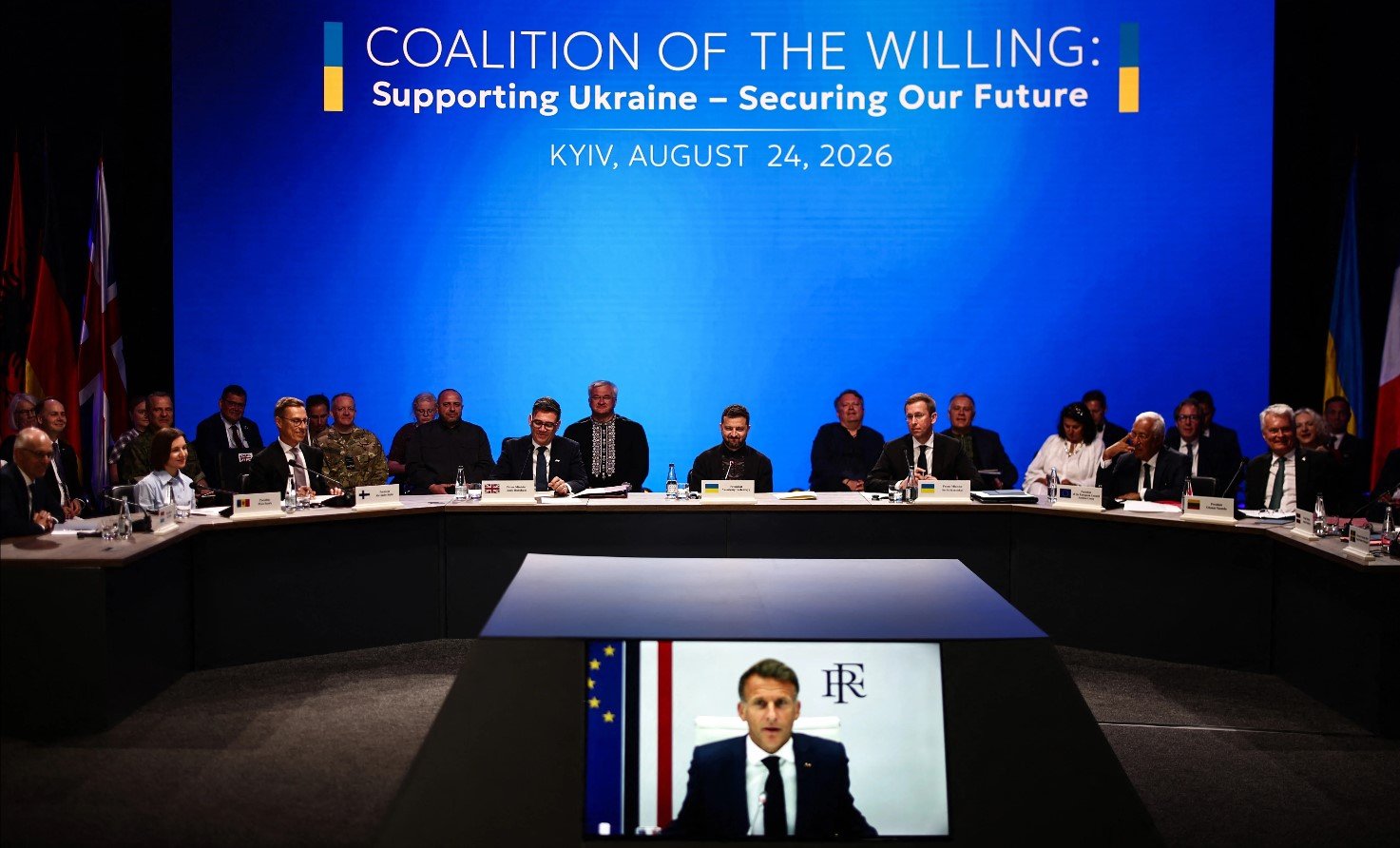
Europe
BRUSSELS — France is pressing the European Commission to impose time limits on exemptions allowing Ukraine to purchase military equipment from outside the European Union and European Economic Area (EEA) using funds from the €90 billion Ukraine Support Loan. The loan, approved in April 2026, supports Ukraine during 2026 and 2027, with €60 billion allocated for military assistance and €30 billion for economic support. Under the procurement rules, Ukraine generally cannot source more than 35% of the total cost of a defence product from outside the EU and EEA. However, Kyiv can request temporary derogations when European manufacturers cannot meet urgent operational requirements, provide sufficient production volumes, deliver within the required timeframe, or offer competitive costs. Ukraine has so far secured two exemptions. One covers components used in Chinese-made drones, while another covers US-made Patriot interceptor missiles, which are needed for Ukraine’s air-defence requirements. The European Commission approved the exemptions after recognising that European industry currently lacks sufficient capacity to rapidly provide these capabilities. France Seeks Temporary Exemptions Paris wants the exemptions to remain temporary and subject to mandatory reviews. The objective is to ensure that EU-backed defence spending increasingly returns to European manufacturers as European production capacity improves. France has one of Europe’s largest defence industries and produces the Franco-Italian SAMP/T air-defence system, which is a European alternative to the US Patriot system. Under the French approach, exemptions would need to be renewed whenever Ukraine requests a new payment tranche. If a European supplier becomes capable of matching a foreign supplier in production volume, cost and delivery time, the Commission could refuse to renew the exemption and require procurement from the European supplier. Member States Divided France’s position has faced opposition from countries that want Ukraine to retain greater flexibility in urgent military procurement. In July 2026, defence ministers from Germany, Sweden, the Netherlands, Denmark, Estonia, Poland, Latvia, Finland and Lithuania wrote to EU foreign policy chief Kaja Kallas and Defence Commissioner Andrius Kubilius. They stressed the importance of quickly approving procurement schedules and using derogations pragmatically when Ukraine needs equipment produced by third countries. The disagreement reflects a wider tension between meeting Ukraine’s immediate battlefield requirements and using EU funding to strengthen Europe’s defence industry. How the Loan Procurement Works Funds are released through a multi-stage process. Ukraine first provides Brussels with a broad breakdown of planned spending by categories such as drones, artillery and air defence. Exact allocations can change as requirements develop. Ukraine then submits detailed contracts identifying the equipment, supplier and delivery timelines. For purchases requiring a non-EU derogation, the documentation is reviewed by a dedicated committee of national experts, allowing member states to raise objections. For Chinese suppliers, the Commission also checks whether companies are subject to EU sanctions targeting Russia’s military-industrial complex. The government of the supplier’s country is also asked to commit to fulfilling the contract if political priorities change. Disbursements have already begun. €3.9 billion was released in late June for drone procurement, followed by €6.1 billion approved earlier this week for broader defence procurement. The Commission’s decisions on future derogations could establish an important precedent for other EU defence programmes, including the Security Action for Europe (SAFE) and the European Defence Industry Programme (EDIP). The main issue will be how long Ukraine can continue relying on foreign suppliers while European production expands. Source : Euronews
Read More → Posted on 2026-08-27 12:06:59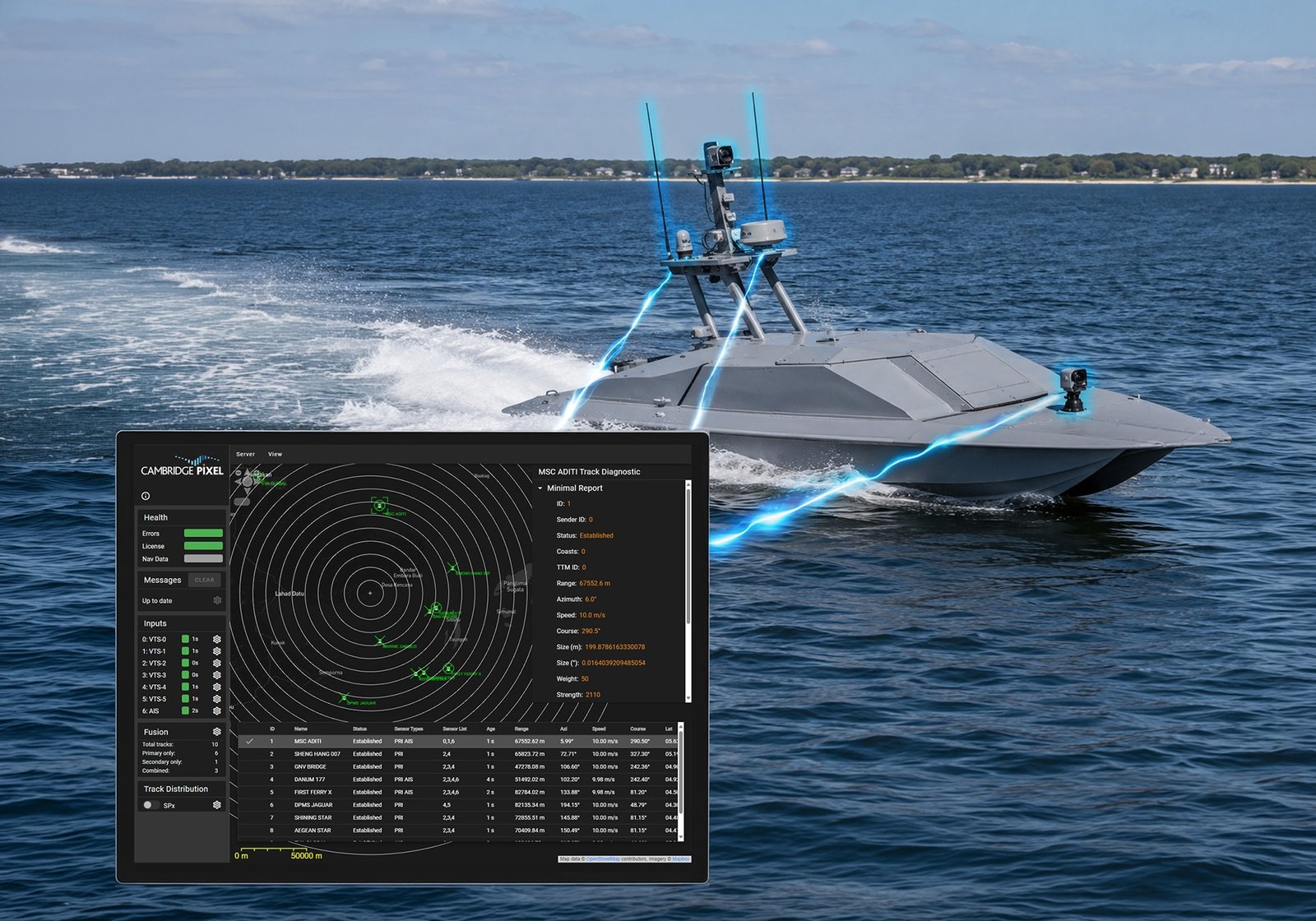
Europe
Hamburg, Germany — UK-based Cambridge Pixel will showcase its radar, tracking and sensor-processing software for uncrewed surface vessels (USVs) and autonomous surface vessels (ASVs) at SMM 2026, which will take place from September 1 to 4 in Hamburg, Germany. The company will exhibit at Hall B1, Stand 321, demonstrating modular software for radar processing, target tracking, sensor fusion, camera control, navigation, display, recording and simulation. The systems are designed for both commercial and military autonomous vessels. The main product on display will be SPx Server V2, which provides radar video processing, plot extraction, proximity detection and target tracking for collision avoidance and autonomous navigation. Its Detection Server configuration provides plot extraction and proximity detection, while the Tracking Server adds multi-hypothesis target tracking for following contacts in complex maritime environments. SPx Server V2 can send obstacle and target information to external autonomy and vessel-control systems using established formats including ASTERIX, NMEA-0183, TAK and SAPIENT. It supports Linux, Windows, ARM-based systems and Cambridge Pixel's HPx-700 embedded processing platform. The software also includes AI-assisted configuration using machine learning to help set processing parameters and remains compatible with earlier deployments. Cambridge Pixel says its software has been integrated with more than 80 different radar systems, allowing developers to connect commercial and specialist maritime radars with custom vessel-control and autonomy software. Supported commercial radar systems include products from Simrad, Furuno and Raymarine. The company's technology also includes GPS Assist, which supports navigation when satellite-positioning signals are unavailable, jammed or spoofed. Its sensor-processing capabilities can also direct optical cameras toward radar-detected targets. Other products include USVx, which provides remote display and control of radar sensors from a mothership or shore facility, and SPx Fusion Server, which combines information from multiple sensors. Cambridge Pixel also provides tools for multi-channel recording and simulation. Cambridge Pixel has more than a decade of experience supplying software to USV and ASV developers in the United States, Europe and Asia. The company lists customers and users in 65 countries, including BAE Systems, the British Royal Navy, Echodyne, Furuno, Hanwha, Hensoldt, L3Harris, Lockheed Martin, OSI Maritime, QinetiQ, Raytheon, Saab, Thales and the U.S. Navy. Founded in 2007 and based near Royston, Hertfordshire, Cambridge Pixel is an employee-owned company whose products are designed and developed in the UK. SMM 2026 is expected to bring together more than 2,200 exhibitors and nearly 50,000 visitors from over 100 countries. The event will also feature the new Maritime Security and Defence Expo (MS&D Expo) in Hall B8, focusing on unmanned systems, cybersecurity, maritime surveillance and critical-infrastructure protection.
Read More → Posted on 2026-08-26 16:25:15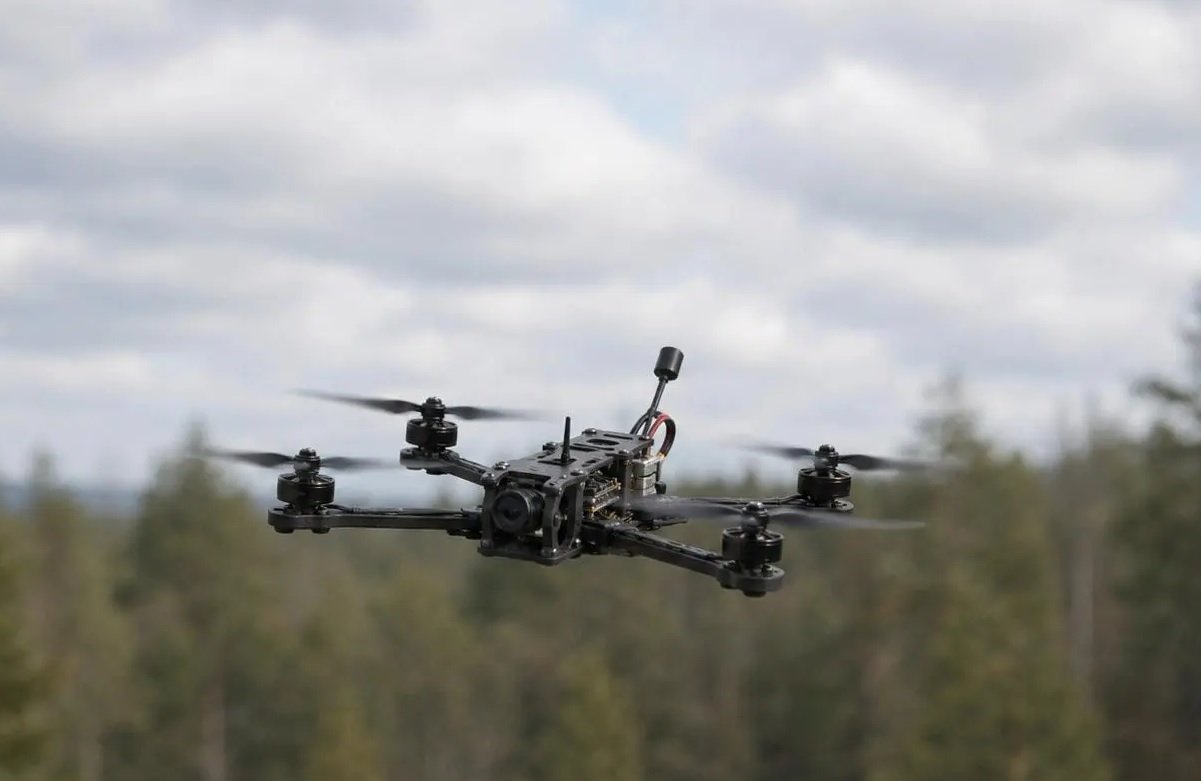
Europe
Helsinki — The Finnish Defence Forces have signed a multi-year agreement with Finnish technology company Insta Group Oy to procure domestically produced First-Person View (FPV) drones for military training. The agreement was signed on August 24, 2026, and has a total value of up to €14 million, including options. The first systems have already been delivered to the Finnish Defence Forces after completing military testing and approval. The drones will be used to expand large-scale FPV flight training for conscripts across all Finnish Army brigade-level units. FPV Training Expands Across the Finnish Army The Finnish Army began training conscripts to operate FPV drones at the Army Academy in autumn 2025. From the beginning of 2026, the training was expanded to other brigade-level units. The new procurement will extend this training across all Finnish Army brigade-level units, supporting the systematic development of unmanned systems skills among conscripts. The FPV drones transmit live video to their operators and can carry mission-specific payloads, including armament. The Finnish Defence Forces are procuring the systems primarily for training, while their design allows them to support different mission requirements. 7-Inch and 10-Inch Finnish-Made Drones Insta currently produces 7-inch and 10-inch FPV drone variants. The systems are designed, tested and manufactured in Finland and are intended to operate in Nordic conditions. The drones use a modular architecture that allows mission-specific payloads and other system elements to be adapted as requirements change. The agreement covers more than the aircraft themselves. Insta is providing control systems, communications and situational-awareness capabilities, along with training, maintenance and sustainment support. Focus on Domestic Supply and Support The Finnish Defence Forces said the use of domestic drone production strengthens security of supply and supports operational readiness. Brigadier General (Engineering) Juha-Matti Ylitalo, Deputy Director of the Finnish Defence Forces Logistics Command, said domestic production provides an important source for the drones and the technical support required to operate them. Tuure Lehtoranta, Insta's Senior Vice President for Sales, Marketing and Government Relations, said the company's development work has incorporated international lessons from the changing security environment and the use of drones on modern battlefields. Insta has been a strategic partner of the Finnish Defence Forces for several decades. Its defence portfolio includes command-and-control systems, secure communications, cybersecurity, autonomous systems and unmanned technologies. The company has also developed unmanned systems through cooperation with Ukrainian industry. Insta states that its Steel Eagle drone solution was developed in cooperation with Ukrainian industry in 2024, while the newer Steel Eagle ER incorporates requirements related to electronic warfare. The new FPV procurement adds another element to Finland's development of domestically produced unmanned systems and expands structured drone training across the Finnish Army.
Read More → Posted on 2026-08-26 16:08:40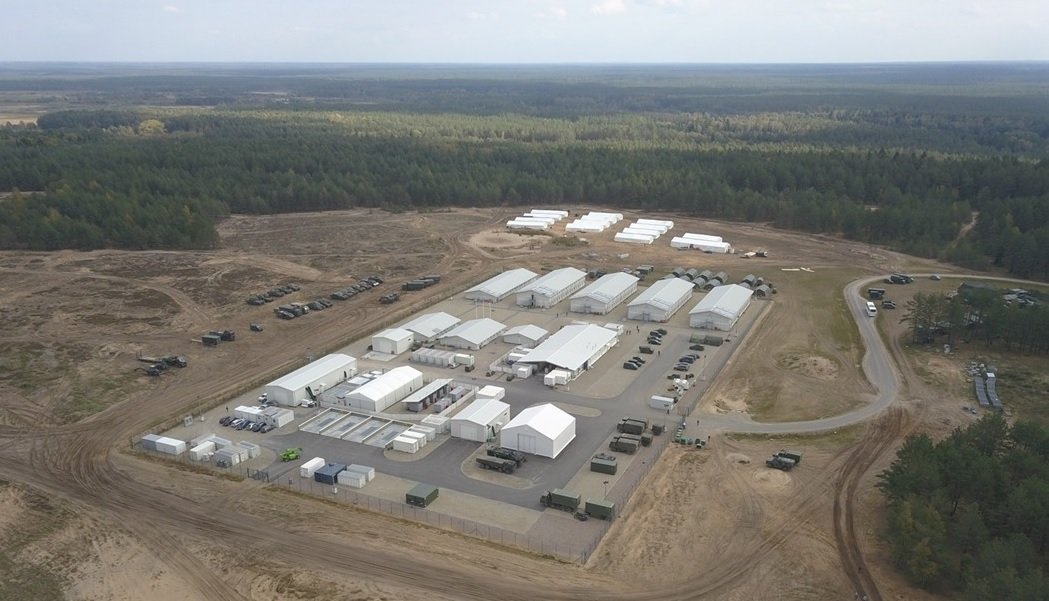
Rheinmetall Wins €250 Million Contract to Build Military Camp for 2,000 German Soldiers in Lithuania
Europe
Vilnius, Lithuania — Rheinmetall has received an initial order from the Federal Office of Bundeswehr Infrastructure, Environmental Protection and Services (BAIUDBw) to build a modular military camp in Lithuania for up to 2,000 German soldiers. The €250 million construction contract is the first call-off under the German Armed Forces Contractor Augmentation Program II – Static Accommodation (G-CAP II SU). Rheinmetall will serve as the main contractor, with the camp scheduled to become operational from mid-August 2027. The order was booked in the third quarter of 2026. The camp will be located at the Rūdninkai training area, where Lithuania is developing military infrastructure for the German brigade. Lithuania’s Ministry of National Defence says the Rūdninkai military campus is being developed as the primary service location for the future German Brigade. After the facility enters service, Rheinmetall will also provide facility management and catering. The facility management services include laundry. The subsequent operation is valued at €40 million annually. Modular Infrastructure Under G-CAP II SU The G-CAP II SU programme was initiated by BAIUDbW to provide static accommodation for German soldiers during deployments and standby commitments connected with international crisis management, as well as national and collective defence. The programme uses pre-planned modular infrastructure designed for deployment in different climatic, geographical and geological conditions. The framework covers the complete infrastructure lifecycle, including manufacturing, transportation, construction, operation and eventual dismantling. Rheinmetall said the standardised process allows the Bundeswehr to obtain the required infrastructure from a single contractor, which can shorten the overall deployment process. The company is responsible for planning, manufacturing and delivering the camps by sea, land or air, depending on requirements. It can also handle construction, multi-year autonomous operation and eventual dismantling. The programme is intended to allow private-sector companies to provide accommodation infrastructure during military deployments. According to Rheinmetall, this allows the Bundeswehr to conserve its own resources and keep them available for high-threat situations. Part of Germany’s Military Presence in Lithuania The new camp is being developed alongside Lithuania’s broader infrastructure programme for the permanent stationing of German forces. Lithuania is developing the Rūdninkai military campus over an area of around 190 hectares. The project includes residential, administrative, technical and other military infrastructure and is intended to support the future German Brigade. Lithuania says the site is planned to accommodate German and Lithuanian armed forces, while critical infrastructure is scheduled for completion in 2027. The German Brigade in Lithuania is planned to reach full operational capability by the end of 2027. The Rheinmetall camp, with accommodation for up to 2,000 soldiers, will provide additional infrastructure for German forces stationed in the country. Rheinmetall’s order represents the first call-off under the G-CAP II SU framework and adds a private-sector infrastructure component to Germany’s effort to establish and support a permanent military presence in Lithuania.
Read More → Posted on 2026-08-26 12:36:17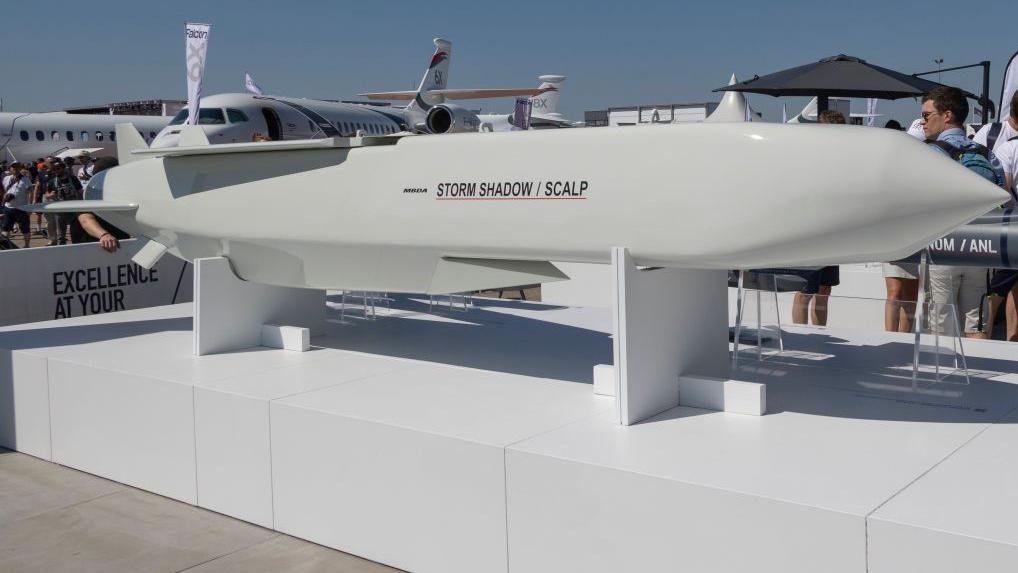
Europe
Kyiv, Ukraine — The United Kingdom has authorised defence company MBDA to release classified information on British components of the Storm Shadow cruise missile, clearing a key step toward licensed assembly of the weapon in Ukraine. Prime Minister Andy Burnham announced the decision during his visit to Kyiv on August 24, his first international trip since taking office. The visit coincided with Ukraine’s 35th Independence Day. Path to Local Assembly The UK will allow MBDA to share protected information on British-made components of the SCALP-EG, the French designation for Storm Shadow. The missile uses technology developed jointly by Britain and France, making the release of British technical information necessary for the planned French-Ukrainian assembly effort. Initial production is expected to focus on final assembly in Ukraine, rather than complete domestic manufacturing. Key components will continue to be supplied by Britain and France. The project follows a French-Ukrainian letter of intent signed in February 2026 and earlier proposals by French President Emmanuel Macron to transfer missile-production technology to Ukraine. Ukrainian officials had also discussed plans for local production earlier in 2026. Ukrainian President Volodymyr Zelenskyy later confirmed that Britain and France had agreed to the production arrangements. Storm Shadow/SCALP-EG The MBDA-produced Storm Shadow/SCALP-EG is an air-launched long-range cruise missile designed for strikes against high-value fixed and hardened targets. The missile weighs about 1,300 kg, is 5.1 metres long and carries a 450 kg BROACH penetrating warhead. It flies at around Mach 0.95. Publicly reported specifications give a range exceeding 550 km, although MBDA's public material describes the missile's range as exceeding 250 km, reflecting differences in publicly disclosed versions and configurations. Its navigation system combines inertial navigation, satellite data and terrain-profile matching. An imaging infrared seeker is used during the final stage to identify the target. Storm Shadow was developed in the 1990s and entered service in 2003. Production restarted in 2025 with a modified version after a long production pause. Ukraine's Use of the Missile Ukraine has operated Storm Shadow and SCALP-EG missiles since spring 2023, following deliveries from Britain, France and Italy. The weapons were initially used against Russian forces in occupied Ukrainian territory and have subsequently been used against targets inside Russia. Local assembly would give Ukraine an additional domestic source of the long-range cruise missile while reducing reliance on deliveries of fully assembled weapons. Ukrainian industry does not currently produce a system with comparable range and precision. The UK decision also complements Project Brakestop, a separate British programme focused on developing lower-cost, advanced long-range strike weapons for Ukraine. During Burnham’s Kyiv visit, Britain and Ukraine also agreed on a broader defence and artificial-intelligence partnership that gives the UK access to Ukraine’s Avengers AI Labs. The release of the classified information clears the way for the planned assembly programme, while the timing and production volume will depend on establishing the required manufacturing infrastructure and supply arrangements.
Read More → Posted on 2026-08-26 12:24:57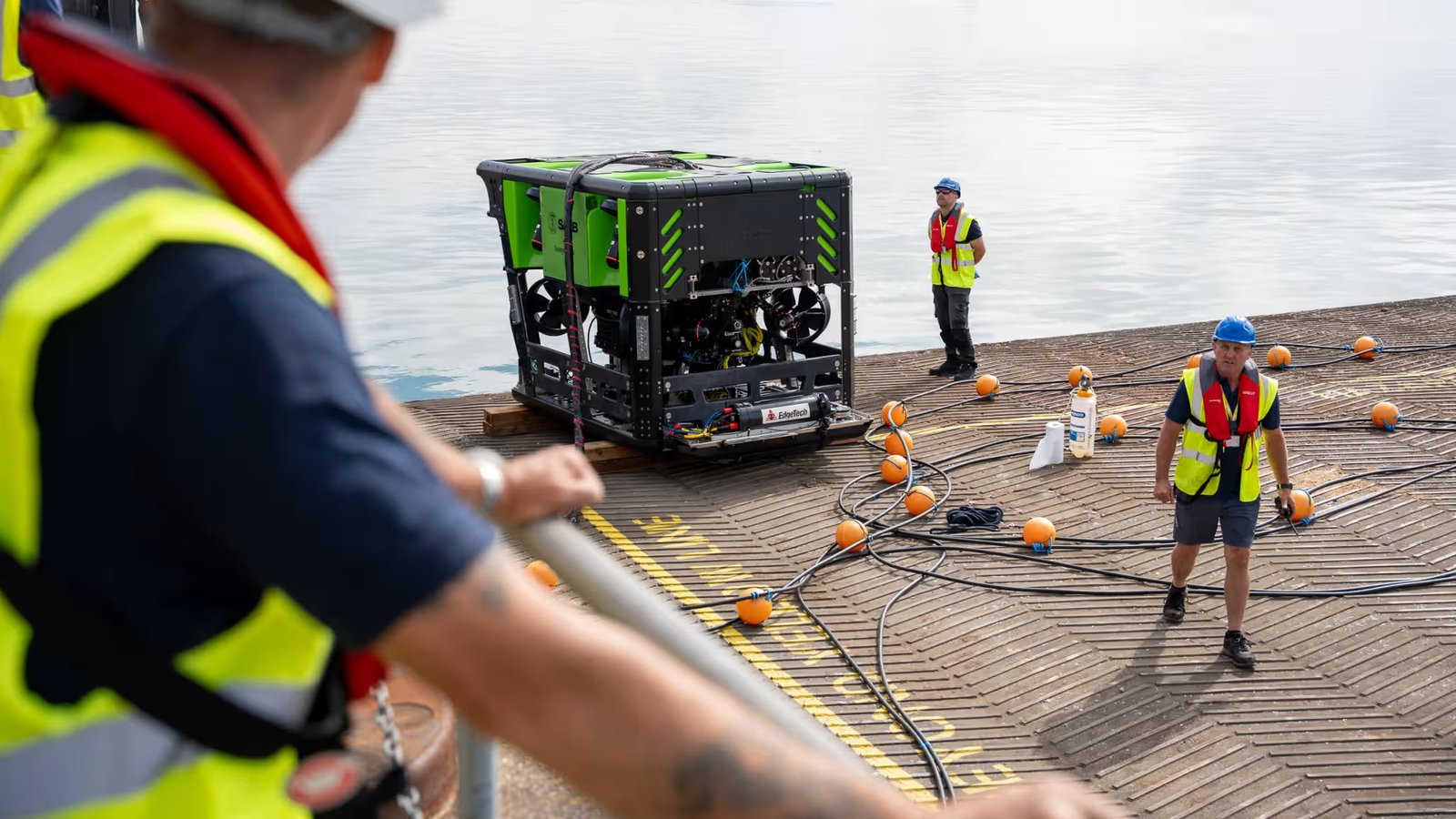
Europe
Fareham, UK — Saab UK’s Seaeye SR20 eWROV, a next-generation all-electric work-class remotely operated vehicle (ROV), has completed a comprehensive programme of inland water trials as part of its ongoing development. The trials formed a key part of the SR20’s verification and validation programme. Saab said the testing assessed the vehicle against its specification requirements, measured its performance and subjected the ROV to conditions designed to evaluate it as a complete, integrated system. During the trials, the SR20 demonstrated manoeuvrability, precise pilot control and stable operation. The results provided further validation of its fully electric architecture and integrated control systems. The SR20 is a full-sized IMCA Class III B ROV system. Saab has developed the platform with electric thrusters and electric manipulators, while using limited oil compared with traditional hydraulic systems. The company states that its overall power and performance exceed those of a 200 HP hydraulic equivalent. The vehicle is being developed for a range of subsea operations, including survey, inspection, maintenance and repair, construction, drill support and decommissioning. Its design also supports both resident and remote operational concepts. The SR20 builds on Saab Seaeye’s four decades of experience in underwater robotics. Saab said its Seaeye ROVs have supported subsea operations across a range of applications for 40 years. The company’s current underwater systems portfolio includes remotely operated vehicles, autonomous underwater vehicles and hybrid systems for commercial, scientific and defence applications. Jon Robertson, Seaeye Managing Director at Saab UK, said the successful water trials bring the company closer to delivering the platform to the subsea industry. “These successful water trials bring us another step closer to delivering a new platform for the subsea industry,” Robertson said. “The SR20 combines the performance and reliability operators expect from Seaeye systems, with a fully electric architecture designed to support a range of operational requirements, including resident and remote operations.” The SR20’s fully electric architecture is a central part of its design. Saab has previously highlighted the use of electric systems and limited oil as features intended to provide an alternative to conventional hydraulic work-class ROV systems. Saab’s earlier development information also described the platform as incorporating automation and remote-control capabilities. The SR20 programme will now move into its next phase of testing following completion of the inland water trials. Saab will continue development and capability assessments as the vehicle progresses towards planned delivery and operational deployment.
Read More → Posted on 2026-08-25 15:42:17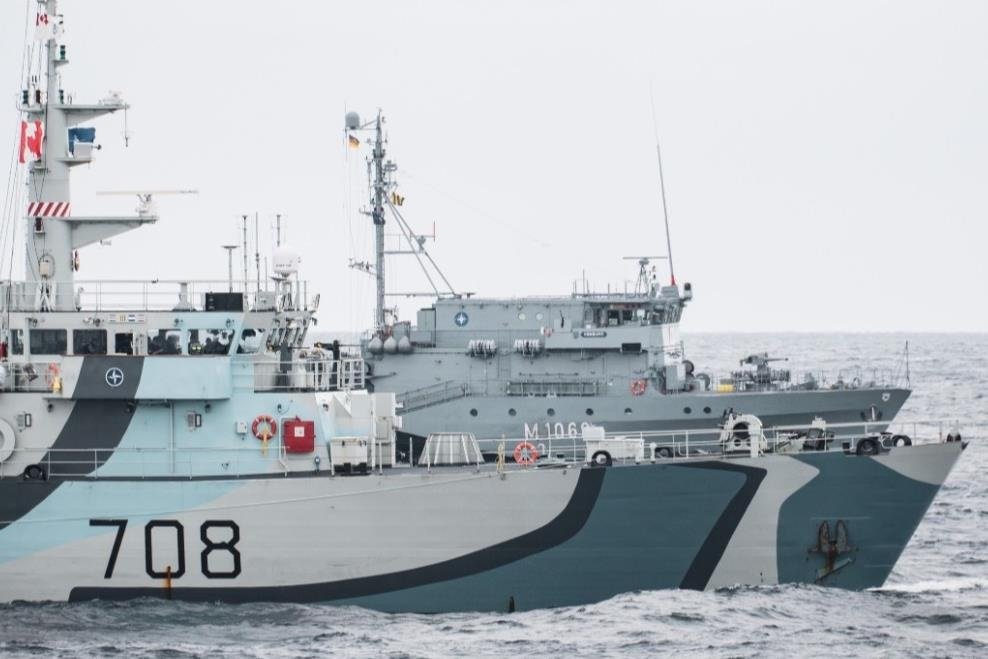
Europe
Reykjavik, Iceland — NATO naval and air forces are participating in Exercise Northern Viking 26 in and around Iceland to strengthen the defense of Iceland and key maritime routes across the North Atlantic. The U.S.-led exercise began on August 22 and will run until September 3. The biennial exercise is hosted by Iceland and led by the U.S. Sixth Fleet. It forms part of NATO’s broader Arctic Sentry activity and focuses on the Greenland-Iceland-United Kingdom (GIUK) Gap, a key maritime corridor connecting North America and Europe. The exercise is intended to improve Allied readiness, interoperability and multinational planning in the High North. The United States and Iceland are joined by forces from Belgium, Canada, Denmark, Finland, France, Germany, Lithuania, Norway and Poland. Around 1,200 personnel from participating nations are involved. Northern Viking 26 combines air and maritime capabilities and includes training in anti-submarine warfare, mine countermeasures, search and rescue and other joint operations. The exercise also supports the protection of critical national and Alliance infrastructure in the region. NATO Mine Countermeasures Forces Participate Standing NATO Mine Countermeasures Group One (SNMCMG1) is participating under the command of Lithuanian Navy Commander Donatas Gečas, alongside Standing NATO Maritime Group One (SNMG1). SNMCMG1 includes minehunters from Canada, Germany, Lithuania and Poland, supported by a Danish Mine Countermeasures team and a Portuguese Explosive Ordnance Disposal team. The forces are conducting training across surface, subsurface and mine countermeasure operations while improving their ability to keep maritime routes open. “By training together in a demanding operational environment, we strengthen interoperability, share operational experience and improve our readiness to contribute to the security of the North Atlantic,” Gečas said. The difficult North Atlantic environment, including cold waters, challenging weather and long distances between support facilities, provides an operational setting for Allied forces to develop their capabilities and coordination. SNMG1 and SNMCMG1 are two of NATO’s four Standing Naval Forces and are maintained at high readiness to provide maritime security, support freedom of navigation and respond to emerging requirements. Northern Viking 26 also coincides with the 75th anniversary of the 1951 Bilateral Defense Agreement between Iceland and the United States. The exercise is intended to strengthen NATO’s ability to operate together across the GIUK Gap while supporting the defense of Iceland and the wider North Atlantic.
Read More → Posted on 2026-08-25 15:27:02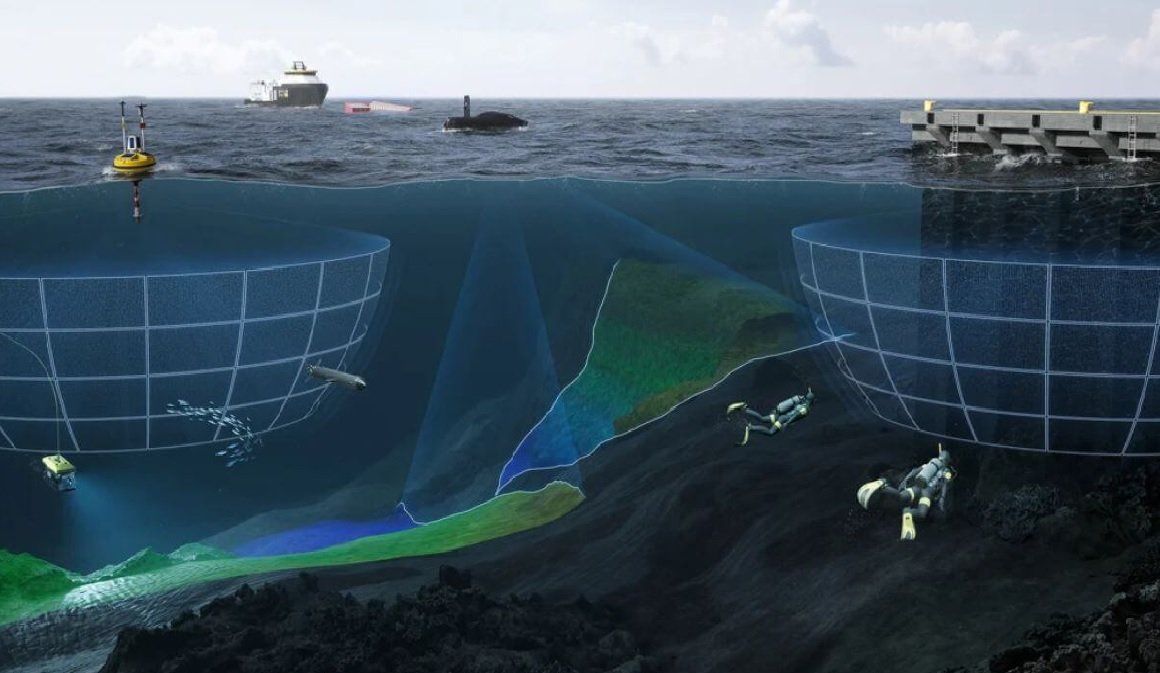
Europe
Stavanger, Norway — Kongsberg has launched Aegir SSA (Subsea Situational Awareness), a new family of sonar systems designed to provide continuous underwater awareness for maritime security, safety and navigation. The system was unveiled at the ONS 2026 conference in Stavanger and is aimed at ports, critical infrastructure, coastal areas and offshore assets. Aegir SSA builds on more than 80 years of Kongsberg sonar experience and combines acoustic technology with compact designs and scalable deployment options. The systems can be installed on small uncrewed surface vessels (USVs), buoys, fixed offshore sites and larger maritime platforms. The system is designed to detect, classify and track underwater objects and activity, while supporting navigation and operational decision-making. Kongsberg also offers an AI-powered virtual sonar operator that can support continuous operation without constant human supervision. Customers can configure the AI for specific missions, while their own operators can train the system to retain and apply mission-specific operational knowledge. Kongsberg said underwater monitoring is becoming increasingly important as maritime infrastructure supports energy security, global transportation, offshore operations and national resilience. Ports and coastal areas can present challenges because of dense traffic, shallow waters, drifting objects and unauthorised activity that may not be detected by conventional surface monitoring systems. One system in the family, Aegir57, is a compact 57 kHz omnidirectional sonar providing 360-degree coverage and a detection range of up to 2,000 metres, depending on acoustic conditions. It is intended for applications including port and harbour security, offshore asset monitoring, obstacle detection and autonomous vessel operations. Before the commercial launch, Kongsberg partnered with Fugro to test Aegir SSA in real-world conditions. The system was integrated with Fugro’s SEAWATCH buoy platform and connected to the Oslofjord Testbed. Visitors at ONS 2026 can view a live data feed from the Oslofjord installation, demonstrating persistent monitoring, real-time data delivery and subsea sensing. Helge Andre Sundt, Vice President of Subsea Awareness at Kongsberg, said the underwater domain has become a critical operational environment for commercial and government operators and that Aegir SSA is designed to improve security, safety and operational awareness. Hompe Heijmerink, Fugro’s Director of Maritime Security and Surveillance for Europe and Africa, said combining the Aegir SSA sonar with the SEAWATCH buoy provides an “always-on” monitoring solution and actionable real-time intelligence for protecting critical maritime assets. Kongsberg also highlighted two major contracts announced earlier this year. One covers surveillance of Princess Elisabeth Island in the North Sea, including drone detection radar and vessel traffic services. The second involves underwater surveillance and protection for an undisclosed international customer. With Aegir SSA, Kongsberg is adding a dedicated subsea surveillance layer to its wider maritime portfolio for persistent detection, classification and tracking around ports, offshore assets and other critical maritime sites.
Read More → Posted on 2026-08-25 15:18:38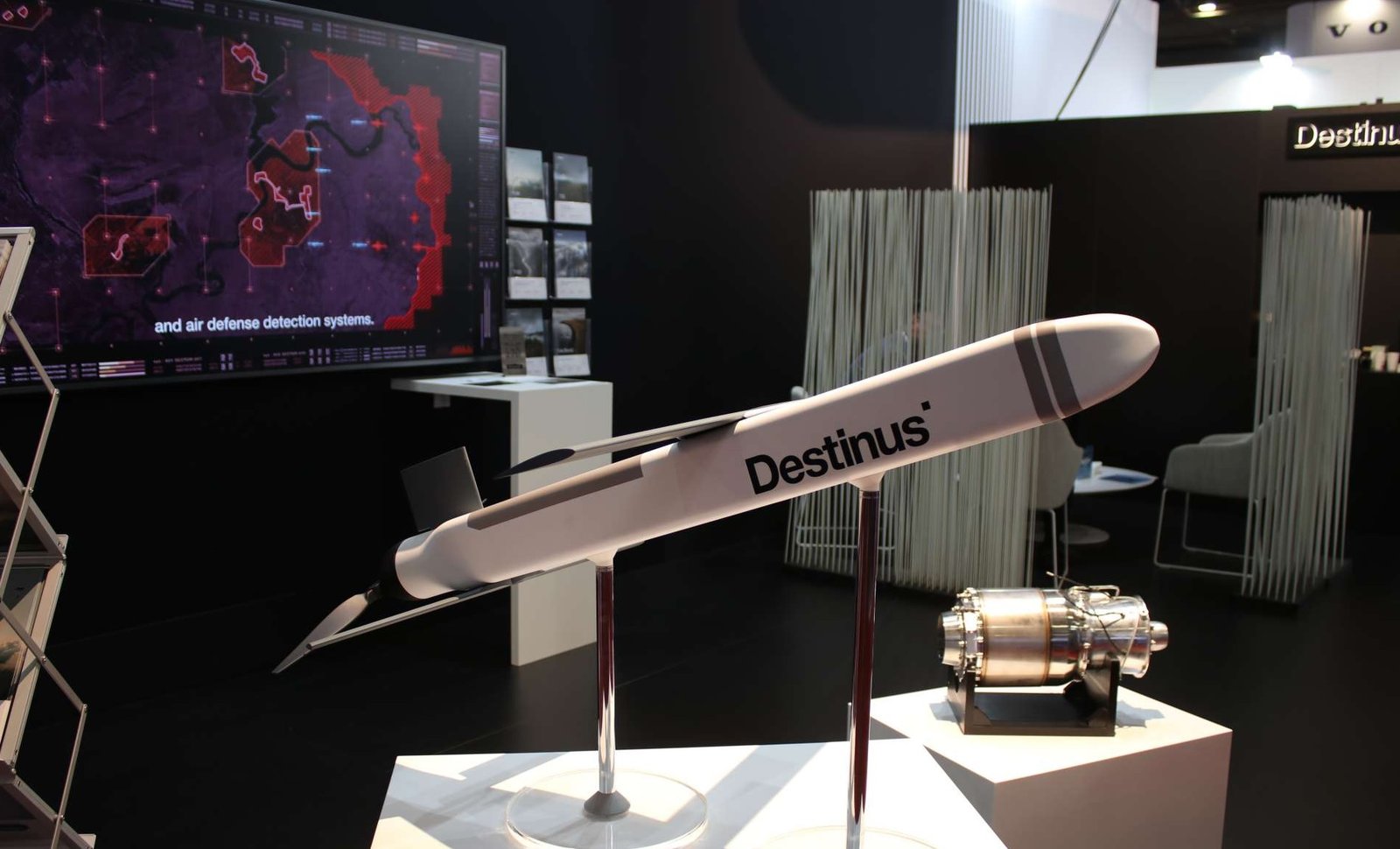
Europe
The Hague, Netherlands, — The Netherlands Ministry of Defence and aerospace company Destinus signed a Concept Development & Evaluation (CD&E) contract on August 24, 2026, to develop a kinetic counter-unmanned aerial system (C-UAS) capability for the Royal Netherlands Navy. The programme, led by the Ministry’s Materiel and IT Command (COMMIT), will integrate the Hornet B2 interceptor onto several Dutch Navy warships and is scheduled for completion in the second quarter of 2027. The contract covers the delivery of Hornet B2 interceptor systems, ship integration and Integrated Logistics Support activities. The programme is intended to move the capability towards a possible initial operating capability. According to the Dutch Ministry of Defence, the threat from medium-range drones is increasing based on operational analyses and the current maritime threat picture. The Hornet B2 will provide an additional defensive layer alongside existing shipborne weapons, particularly against lower-cost aerial threats that can arrive in volume. It is not intended to replace high-end naval air-defence systems. Hornet B2 Counter-Drone Interceptor The Hornet B2 is stored in a sealed canister and launched using a rocket booster. After launch, it deploys folding wings and switches to electric-powered cruise flight. The design combines missile-like launch readiness with aircraft-like cruise flight and is intended to reduce the cost per engagement compared with traditional interceptor missiles. Destinus states that the Hornet B2 has a range exceeding 150 kilometres, carries a 3-kilogram payload, and can engage drones, loitering munitions and helicopters. It is designed to counter subsonic targets and uses electro-optical and infrared sensors, with AI-based processing during the terminal phase. Engagement decisions remain under human command in accordance with applicable rules of engagement. The system consists of a base station and launch platform and can be deployed from a platform compatible with a standard 20-foot ISO-container footprint. Destinus also states that the system can operate as part of a swarm. The earlier Hornet B1 is already in serial production. Naval Integration Royal Netherlands Navy operators will participate directly in the CD&E programme, providing operational input and helping define capability requirements and system specifications for maritime use. The work will cover ship integration, logistics, operator requirements, support arrangements and operating procedures, alongside development and testing of the land-based design for naval operations. Destinus CEO Mikhail Kokorich said the Hornet B2 addresses the cost challenge of using expensive air-defence missiles against low-cost aerial threats arriving in large numbers. Destinus has previously demonstrated a Hornet interceptor launched from a Spanish Navy frigate. In August 2026, the company also signed a memorandum of understanding with CUBEDIN and OMT to develop modular, containerised naval versions of the Hornet system using 10-foot or 20-foot mission modules. The programme supports the Netherlands’ requirement for a maritime kinetic counter-UAS capability across its fleet and is scheduled to run through Q2 2027.
Read More → Posted on 2026-08-25 12:39:46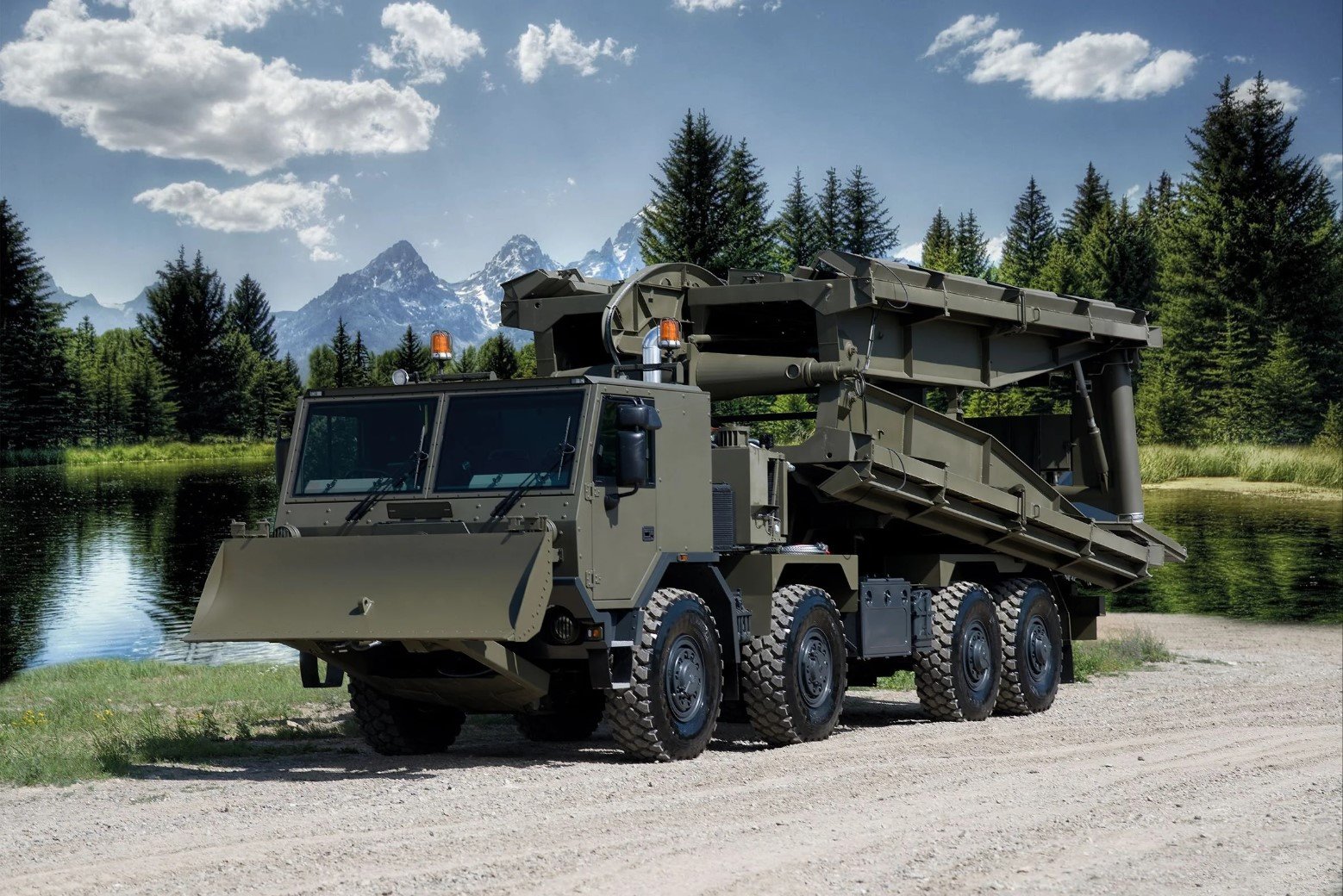
Europe
Prague, Czech Republic — Industrial-technology group Czechoslovak Group (CSG) has signed several contracts worth more than $50 million for the supply of bridge-laying vehicles to five customers in Europe, the Middle East and Southeast Asia. The contracts cover dozens of vehicles from the AM-70 and AM-50 series. Deliveries will be handled by Excalibur Army, a CSG company specialising in the development, production and modernisation of land-based military equipment. The orders are for specialised engineering vehicles designed to help military units and equipment cross watercourses, trenches and other natural or man-made obstacles. CSG said the contracts reflect continued international demand for engineering and support vehicles that provide mobility in difficult terrain and operating conditions. AM-70 EX Designed for Rapid Gap Crossing The AM-70 EX is designed for rapid deployment across both dry and wet gaps. According to Excalibur Army, a three-person crew can deploy a 13.5-metre bridge section within minutes. Individual bridge sections can be connected to create longer crossings. Up to eight sections can be linked to span gaps of up to 106 metres, while the system's supports can reach into trenches up to six metres deep. The modular design allows several vehicles and bridge sections to be used together when a longer crossing is required. AM-50 EX and AM-70 EX Load Classifications The two bridge-laying vehicle series provide different load capacities. The AM-50 EX has an MLC 50 load classification, while the AM-70 EX has an MLC 70 classification under STANAG 2021. These classifications allow the systems to support the movement of heavy military equipment. Both vehicles use a TATRA 8×8 chassis and have a stated top speed of 90 km/h. The chassis is intended to provide mobility over rough and difficult terrain. The AM-70 EX also uses a four-girder, scissor-type bridge construction. Excalibur Army states that its bridge sections are compatible with earlier AM-50, AM-50 EX and AM-50 B generations, allowing the newer system to operate alongside older bridge equipment. Depending on customer requirements, the vehicle cabin can be fitted with ballistic protection of up to Level 2 under STANAG 4569. CSG Sees Continued International Demand Richard Kuběna, Sales Director of the CSG Defence Systems division, said customers value the vehicles' combination of off-road mobility, rapid deployment and the ability to create longer crossings according to operational requirements. He also pointed to contracts across Europe, the Middle East and Southeast Asia as evidence of demand for the company's engineering and support vehicles in different climatic and operating conditions. Bridge-laying vehicles are part of CSG's broader land-systems portfolio, which also includes specialised logistics vehicles, artillery systems and armoured vehicles. The new contracts expand the group's order book in the engineering and support vehicle segment. The AM-70 EX has also been used for civilian emergency-response activities. Excalibur Army has supplied the system to the Czech Fire and Rescue Service, where the vehicle has been used to provide temporary bridge capability during emergency operations. The company also identifies civil rescue, construction and forestry applications for the system when equipped with a full bridge deck and curbs. The latest contracts add to Excalibur Army's international business in specialised engineering vehicles while expanding CSG's presence in the military mobility and support vehicle market.
Read More → Posted on 2026-08-24 13:53:11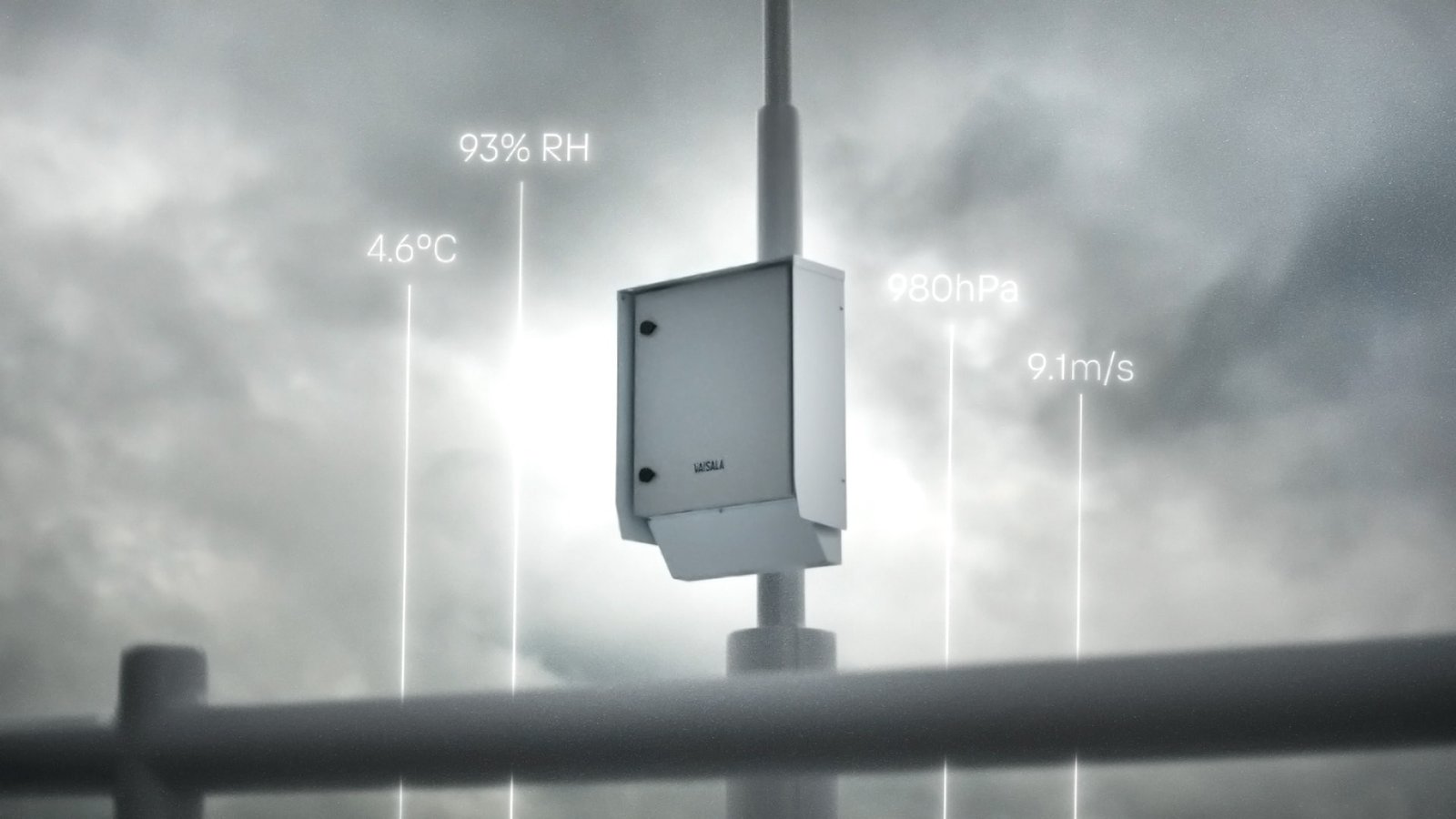
Europe
Helsinki, — Vaisala has launched the Maritime Automatic Weather Station AWS830, a modular system designed to provide real-time meteorological, oceanographic, environmental and motion data for naval, coast guard, research, offshore energy and icebreaking vessels, as well as offshore platforms operating in demanding marine and polar environments. Vaisala launched the AWS830 on April 9, 2026, with deliveries beginning in June 2026. The system succeeds the AWS430, which has been used on vessels and offshore structures for more than a decade. The AWS830 is designed to withstand shock, vibration, corrosion, high humidity, salinity and extreme temperatures, with demonstrated operation down to –50°C. It is available as an outdoor on-deck unit for exposed installations and a 19-inch server-rack version for protected equipment rooms. The system measures wind speed and direction, barometric pressure, air temperature, relative humidity, visibility, cloud base height and helideck motion. It can also be expanded with sensors for wave height, currents and sea surface temperature. Through Vaisala Elements Helideck Monitoring Software, operators can access remote wind profiling, lightning detection and weather forecasts. Cybersecurity and Modular Architecture Cybersecurity is a core part of the AWS830 design. The system is built around Vaisala's DMU801 Data Management Unit, which incorporates secure boot, signed firmware authentication and end-to-end encrypted communications. It also includes a configurable firewall to restrict exposed network services. Vaisala developed the system using a secure lifecycle aligned with IEC 62443 principles, including threat modelling and systematic security testing. Testing included simulated denial-of-service attacks and network storms, while the architecture applies zero-trust principles by requiring authentication at interfaces and protecting critical communications. The AWS830 supports both Vaisala and selected third-party sensors, allowing it to connect with existing ship navigation, automation and platform control systems. Its modular architecture allows additional capabilities to be added as operational requirements or regulations change. The system also uses Kaiku Designer, a visual configuration tool that allows operators to view data flows from sensors to processing functions and helps reduce configuration errors during commissioning. For aviation operations, the AWS830 supports Environmental and Helideck Monitoring Systems and meets relevant IEC and Civil Aviation Authority requirements, including CAP 437. Combined with Vaisala Elements software, it provides wind, weather and platform stability information needed for offshore helicopter operations. In naval applications, the collected data can support the coordination of supply vessels, helicopters, drones and other support traffic, while also providing information for safety procedures and aviation operations. Automated diagnostics and data validation continuously monitor system condition and data quality, helping maintain system availability and reduce unnecessary maintenance. Vaisala says the AWS830 builds on its maritime and aviation measurement experience while providing a cybersecure and scalable platform for offshore, naval, research and polar operations. Source : navalnews
Read More → Posted on 2026-08-24 13:01:55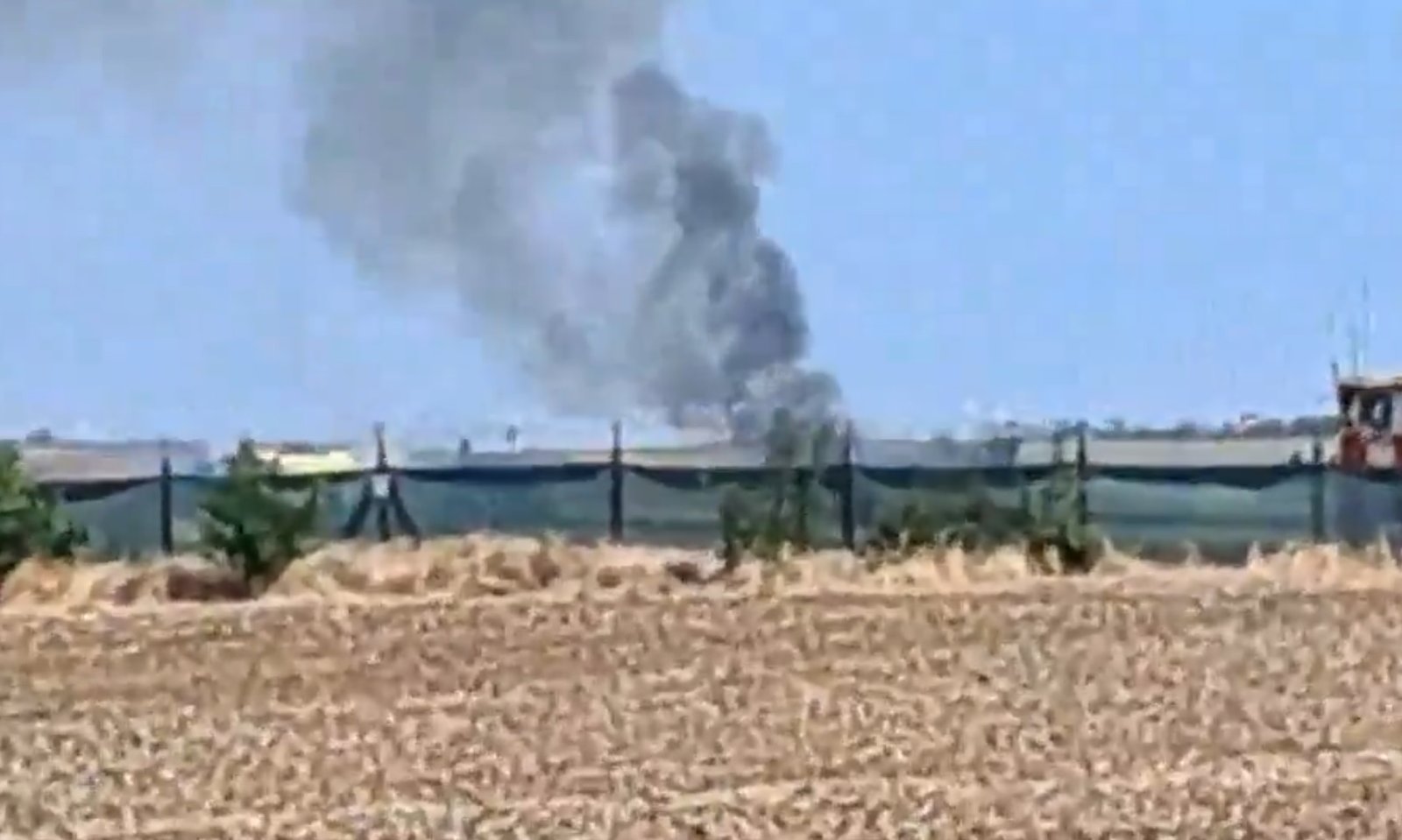
Europe
SZOLNOK, HUNGARY — A Hungarian Air Force Saab JAS 39 Gripen fighter jet crashed near Szolnok on Monday morning. The pilot ejected safely and survived without serious injury. No other injuries or damage to civilian infrastructure were reported. The crash occurred near the Hungarian Defence Forces’ military helicopter base outside Szolnok, around 100 kilometers southeast of Budapest. Szolnok Mayor Mihály Győrfi said the aircraft had taken off from Kecskemét and that the pilot was likely conducting a routine training flight. Defence Minister Romulusz Ruszin-Szendi said the pilot was alive and uninjured. He said the pilot had done everything possible to keep the aircraft over military property before ejecting. The pilot was taken to hospital for observation and was reported to be in stable condition. The defence minister and Chief of the General Staff also traveled to the crash site. The cause of the crash remains unknown and is under investigation. Reports of a possible hydraulic-system problem and a landing-gear malfunction have circulated in local media, but Hungarian authorities have not officially confirmed those details. The aircraft was carrying weapons, including missiles and cannon ammunition, according to the defence minister. Firefighters responded to the crash site and extinguished the fire. Hungary’s Gripen Fleet Hungary operates JAS 39 Gripen C/D fighters. Fourteen aircraft were acquired through a lease-purchase program launched in 2001, while four additional Gripen Cs were ordered in 2024 and delivered in 2026. The deliveries brought the fleet to 18 aircraft before Monday’s crash. Hungary has operated the Gripen since 2006, with the aircraft based primarily at Kecskemét Air Base. Following the loss of Monday’s aircraft, the fleet stands at 17 aircraft. Hungary also experienced a Gripen accident in 2015 at Kecskemét. The pilot ejected safely after an unsuccessful landing attempt, although that pilot sustained injuries. The investigation into the August 24 crash is continuing, and the official cause has not yet been announced.
Read More → Posted on 2026-08-24 12:42:54
Europe
London — Britain is considering the use of portable fibre-optic sonar systems on civilian and commercial ships to expand underwater surveillance and detect Russian submarines and warships. The technology, developed by Dutch company Optics11, is known as OptiArray. It uses a fibre-optic cable fitted with underwater acoustic receivers that can be towed behind a vessel. The system has been tested by the Royal Navy and is being developed for operational use by the Dutch military. Optics11 says OptiArray can detect an oil tanker at around 100 km (62 miles) and a frigate at about 50 km. Some unmanned surface vessels can be detected at ranges of tens of kilometres. The Dutch Ministry of Defence says the system provides higher sensitivity than traditional arrays. Unlike conventional electronic towed arrays, the fibre-optic system uses light to detect acoustic signals and does not emit a detectable electromagnetic signal. It is also immune to electromagnetic interference. The technology can provide a richer acoustic profile for identifying underwater targets. The system can be packed into a portable container roughly 10 feet long, allowing it to be carried on the deck of ships capable of handling sea containers. Optics11 chief executive Paul Heiden said the system could be installed on civilian cargo ships as well as naval vessels, describing it as “anti-submarine warfare in a box.” Traditional towed-array sonar has generally been installed on specialist anti-submarine warfare ships, including Royal Navy Type 23 frigates. The portable design could allow a wider range of crewed and uncrewed platforms to carry underwater surveillance equipment. The Dutch Ministry of Defence awarded Optics11 a contract in July 2026 under its ASWINABO (Anti-Submarine Warfare in a Box) programme to deliver operational containerised systems. Earlier trials included testing a prototype aboard the Dutch submarine HNLMS Dolfijn. The system can also be deployed from land and placed on the seabed to monitor critical underwater infrastructure. Britain's interest comes amid increased Russian naval activity around UK waters and growing concern over subsea infrastructure. In April 2026, British and allied forces tracked a Russian Akula-class attack submarine and two specialist vessels associated with Russia's Main Directorate of Deep-Sea Research (GUGI) for more than a month in and around UK waters. Sonobuoys were deployed during the operation, and no damage to cables or pipelines was confirmed. The UK government has said the number of Russian vessels operating near UK waters has risen by about 30 per cent in recent years. More than 99 per cent of international data traffic travels through subsea fibre-optic cables, making their protection an important part of Britain's maritime security efforts. The Royal Navy's surface fleet has also faced pressure as older Type 23 frigates retire while newer vessels enter service. Portable sonar systems could therefore provide additional surveillance coverage without requiring every sensor to be permanently installed on a specialist warship. However, no formal UK procurement decision to equip civilian ships with OptiArray has been announced. The technology is currently being developed for operational use in the Netherlands while Britain examines its potential for expanding underwater surveillance. Source : Telegraph
Read More → Posted on 2026-08-23 11:32:05Search
Top Trending in 24 Hours
-
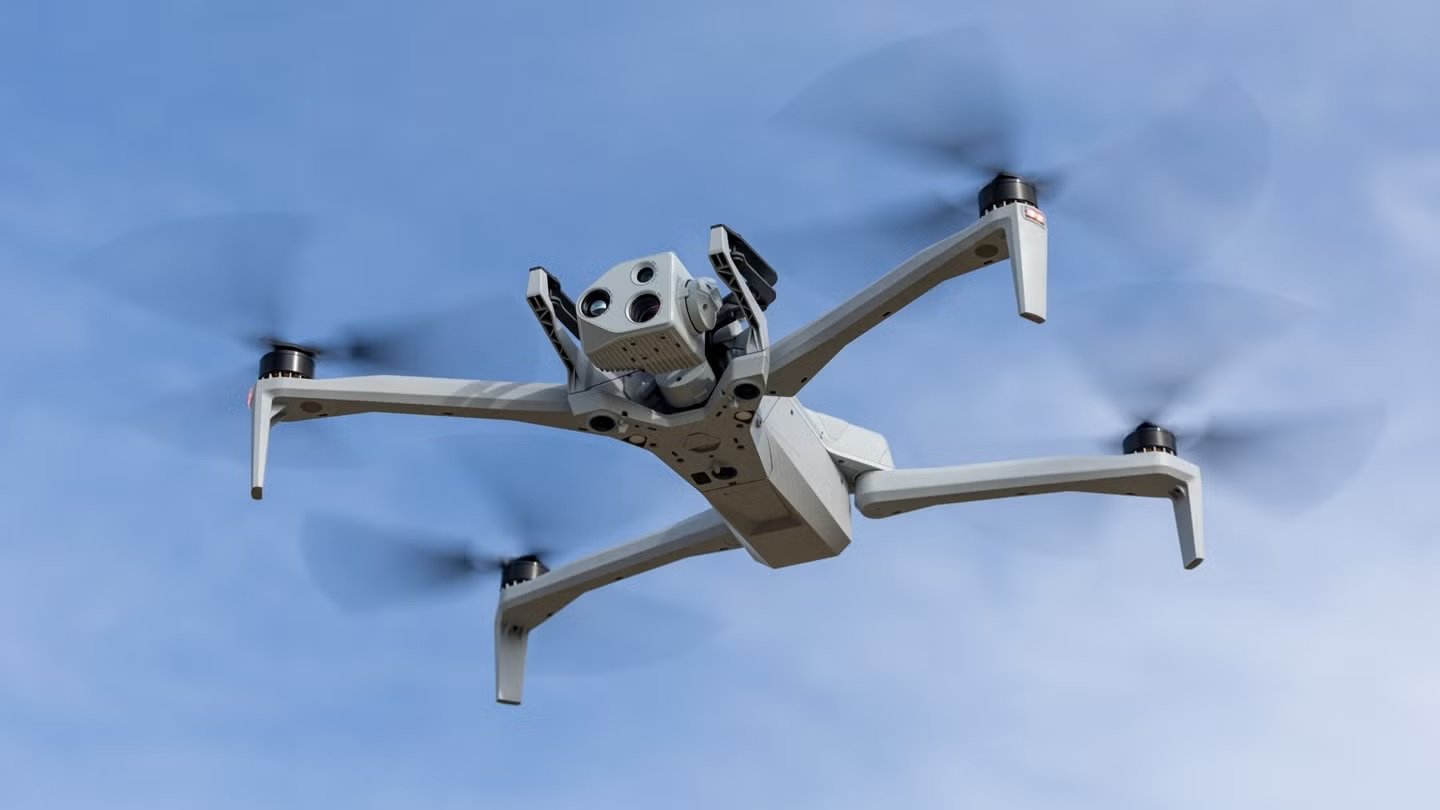 UK Ministry of Defence Opens £120,000 Tender for Skydio X10D Drones
-
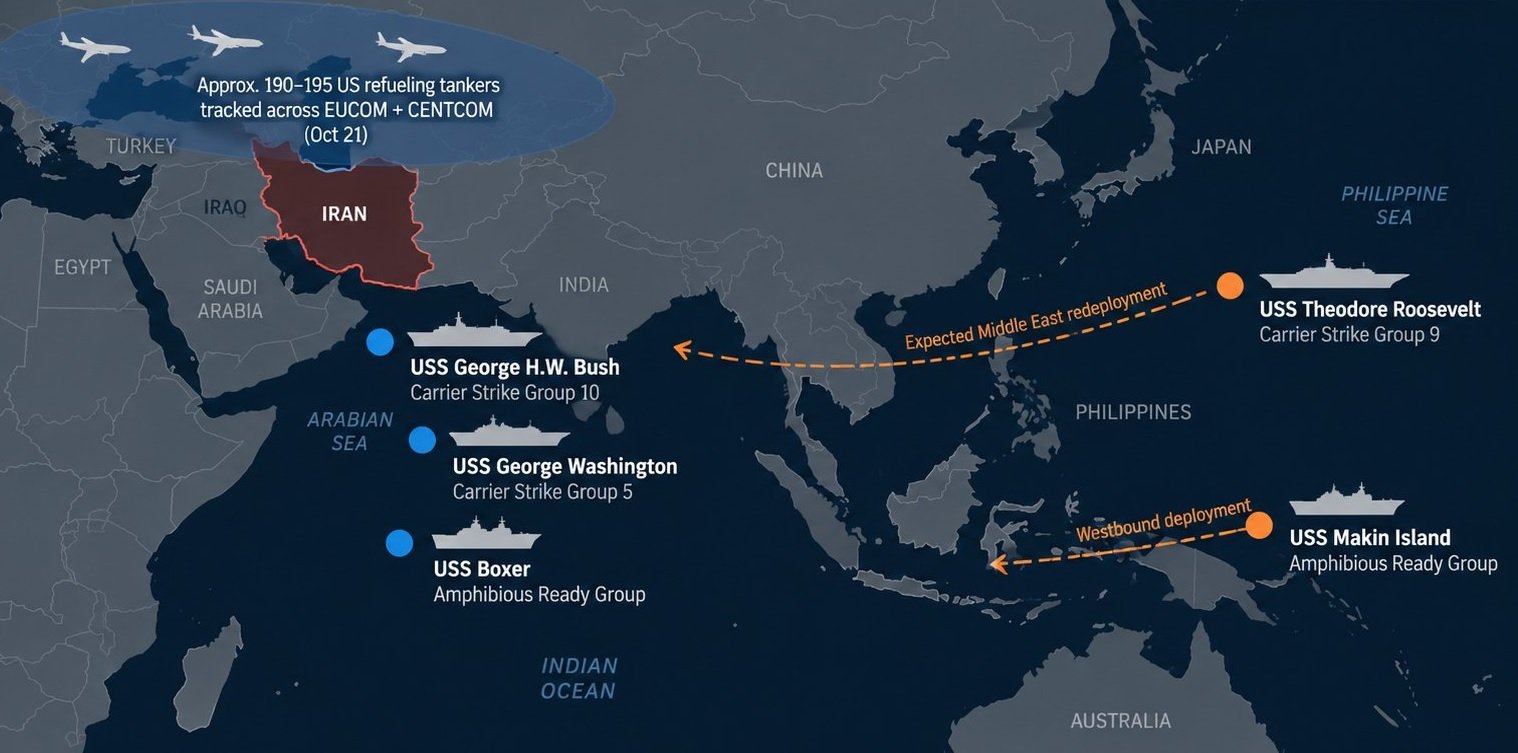 US Expands Military Buildup Near Iran with Third Aircraft Carrier and Additional Marines
-
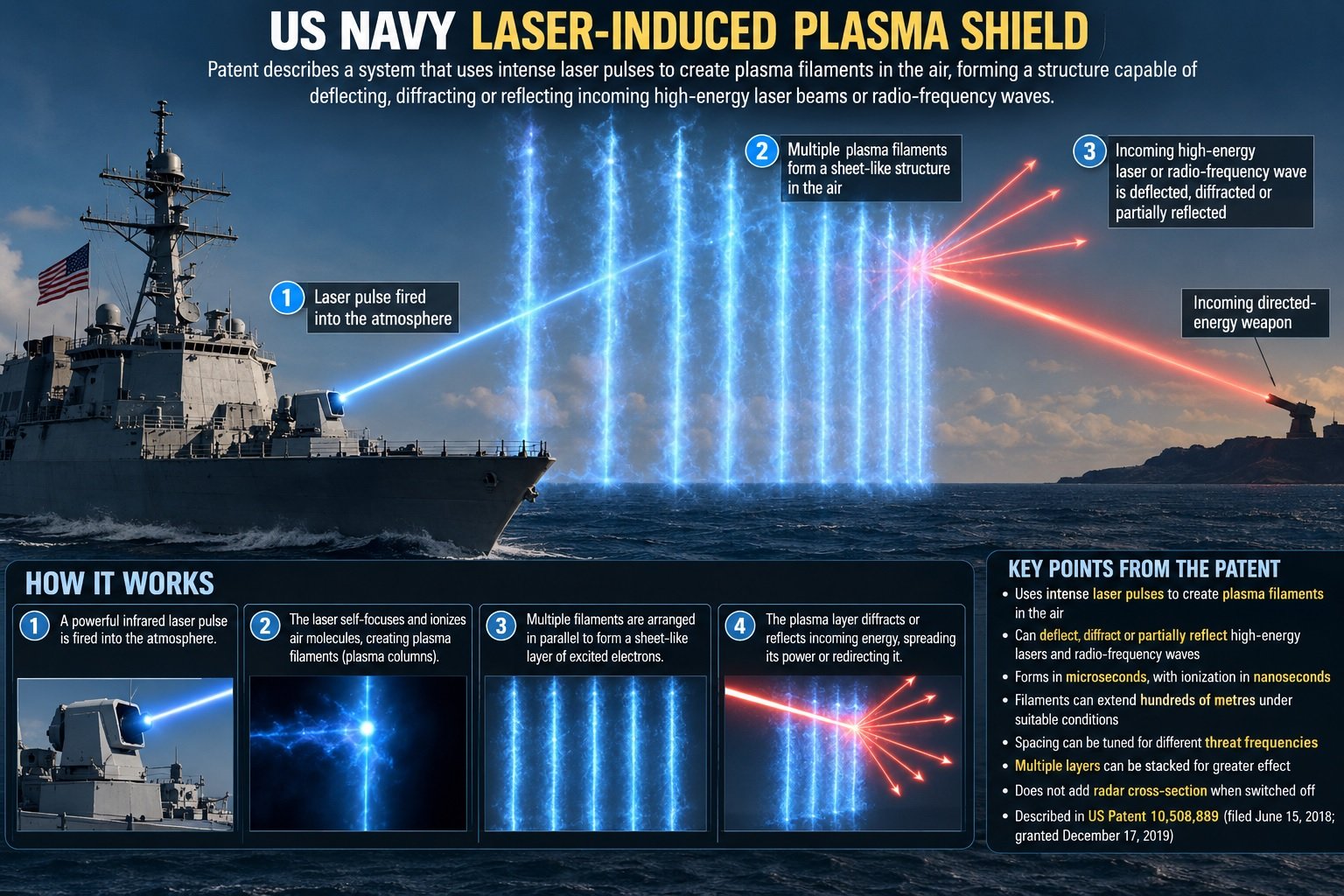 US Navy Patent Details Laser-Induced Plasma System to Deflect Directed-Energy Weapons
-
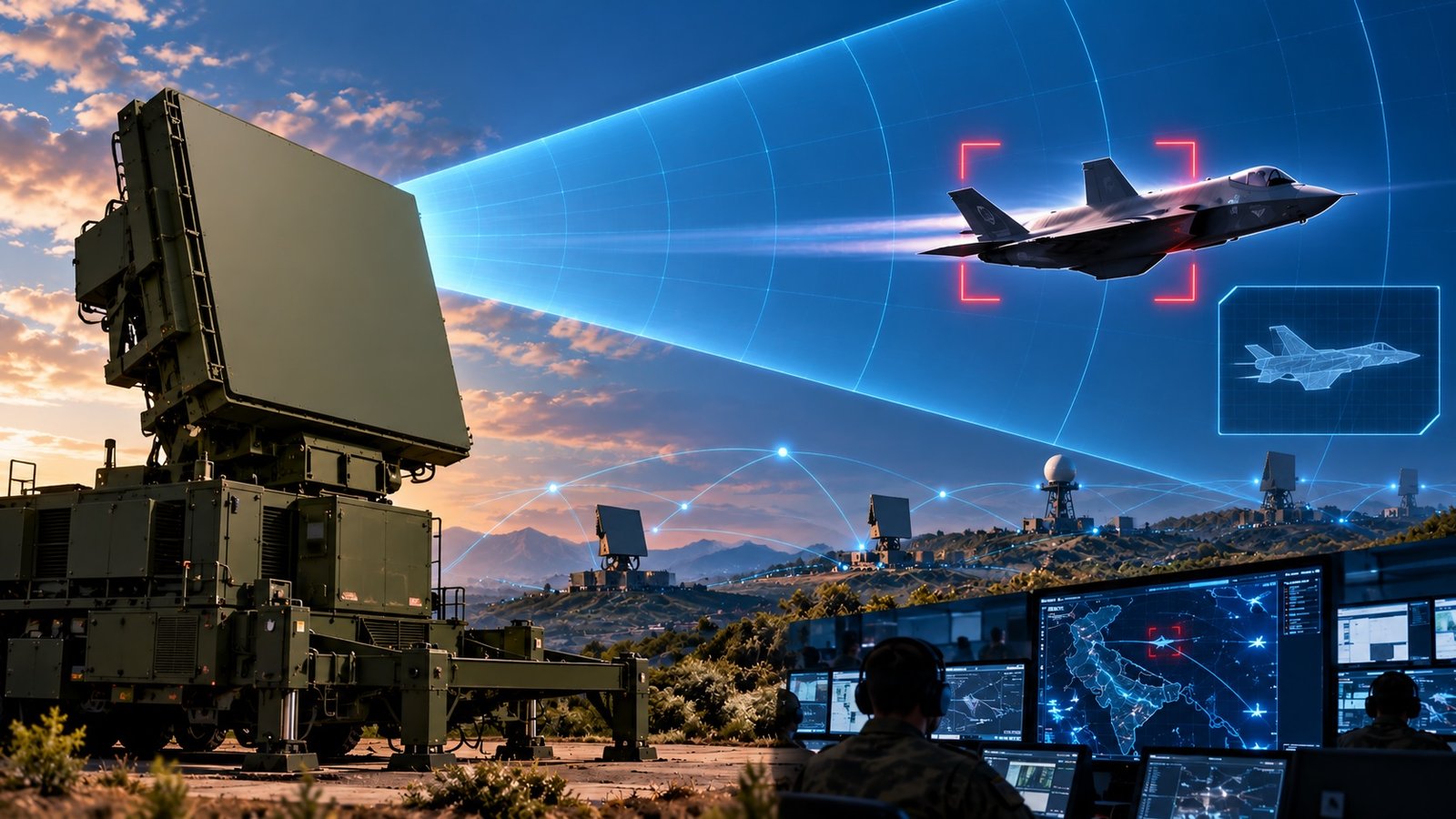 DRDO’s Arudhra Radar Reportedly Tracks F-35-Like Stealth Target in AI-Assisted Simulation: How It Works
-
 EDGE Integrates Autonomous Naval Systems in UAE-US Maritime Demonstration
-
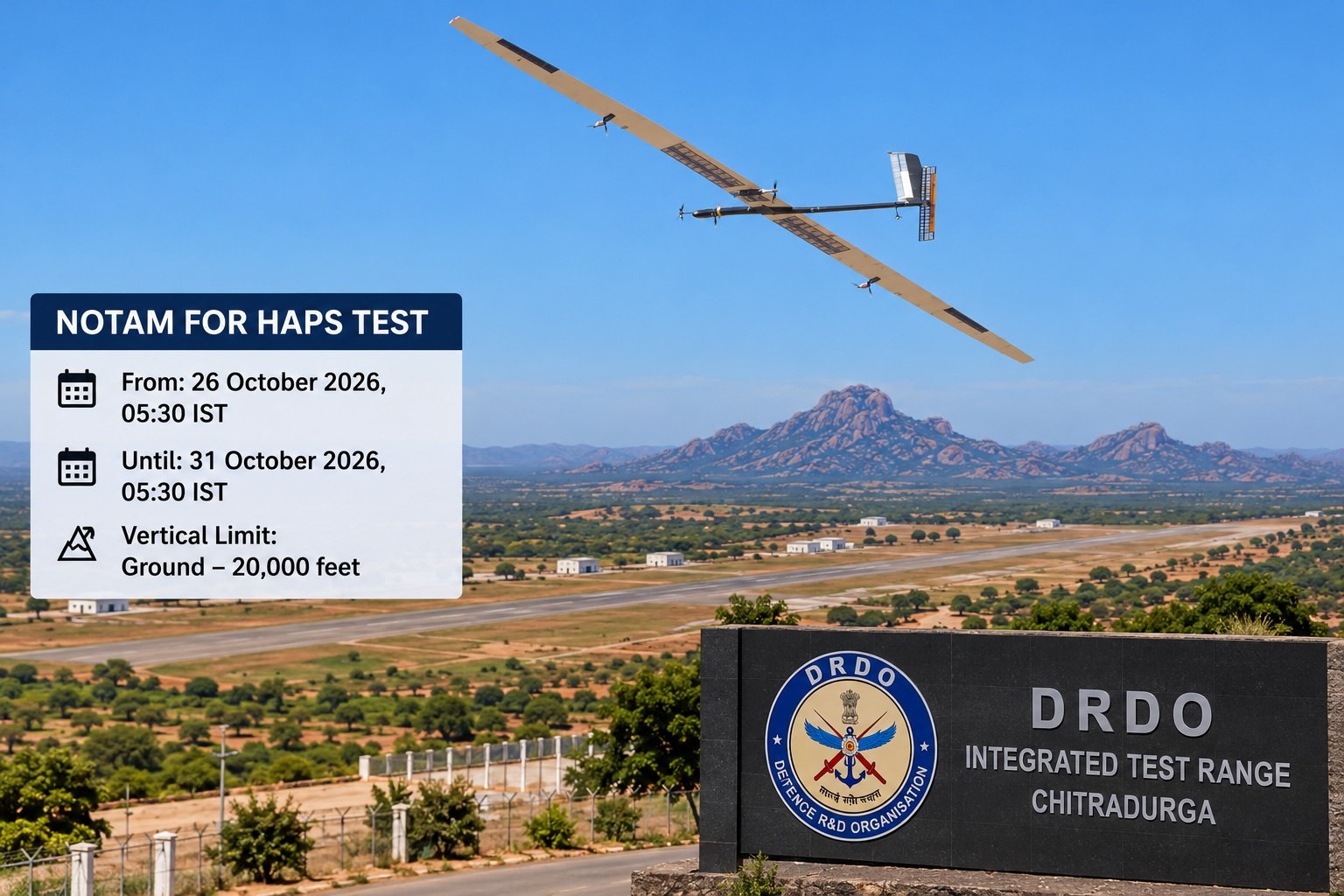 India Issues NOTAM for High Altitude Pseudo Satellite Test at DRDO Chitradurga Facility
-
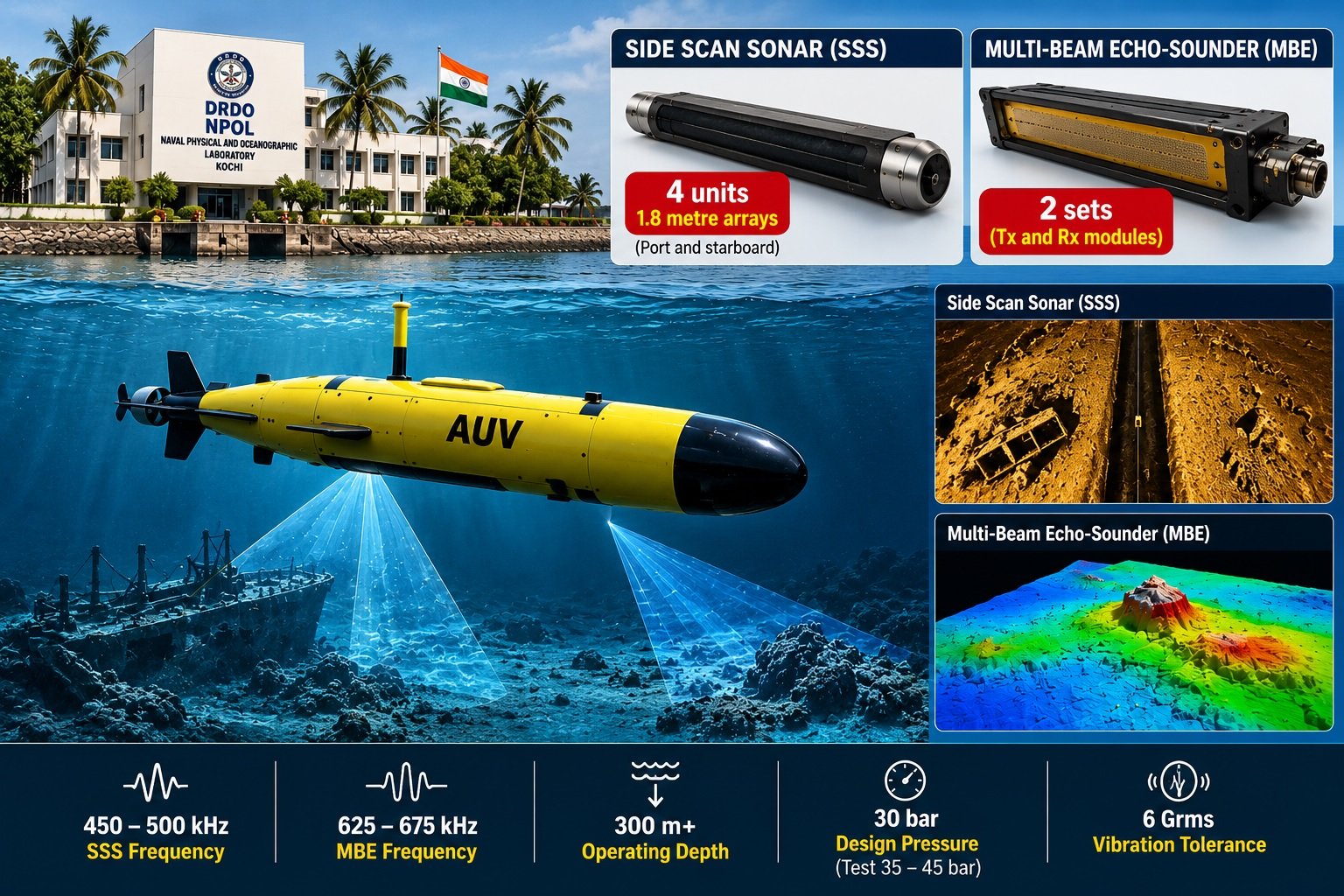 DRDO’s NPOL Issues RFP for Advanced Sonar Arrays for Two Autonomous Underwater Vehicles
-
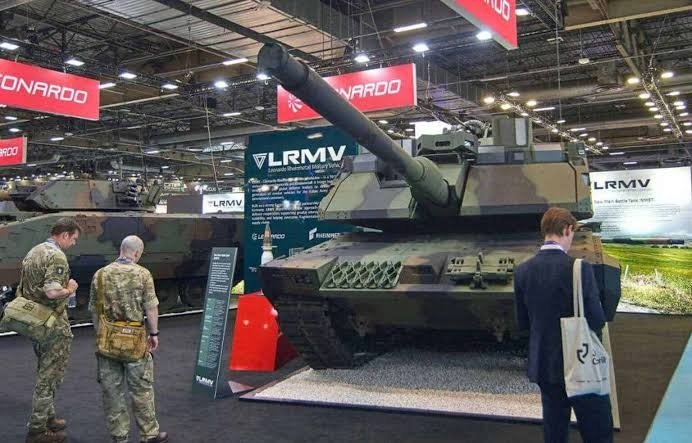 Italy Reportedly Orders 30 Panther Tanks and 48 Lynx IFVs in €3.7 Billion Deal
Top Trending in 4 Days
-
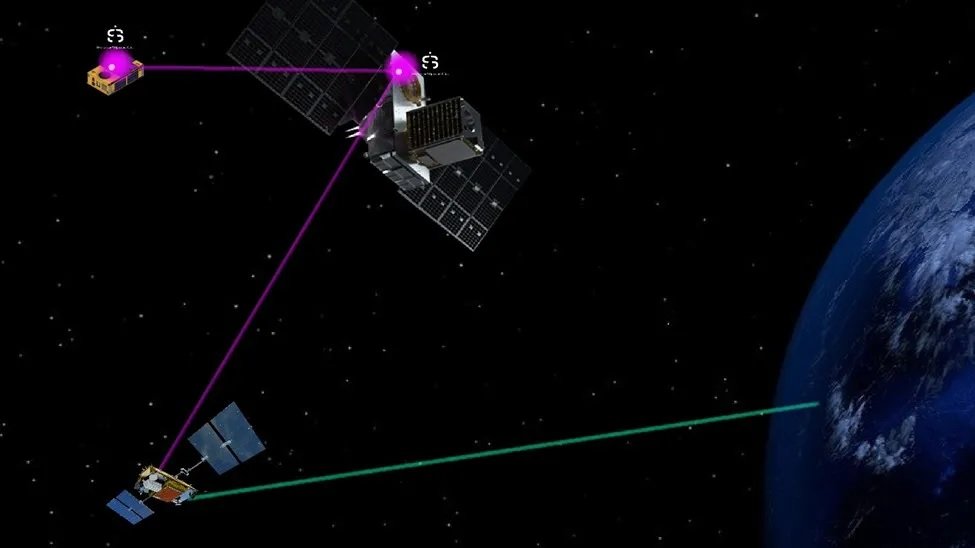 NASA Demonstrates Space-to-Space Wi-Fi Between Two Orbiting Spacecraft
-
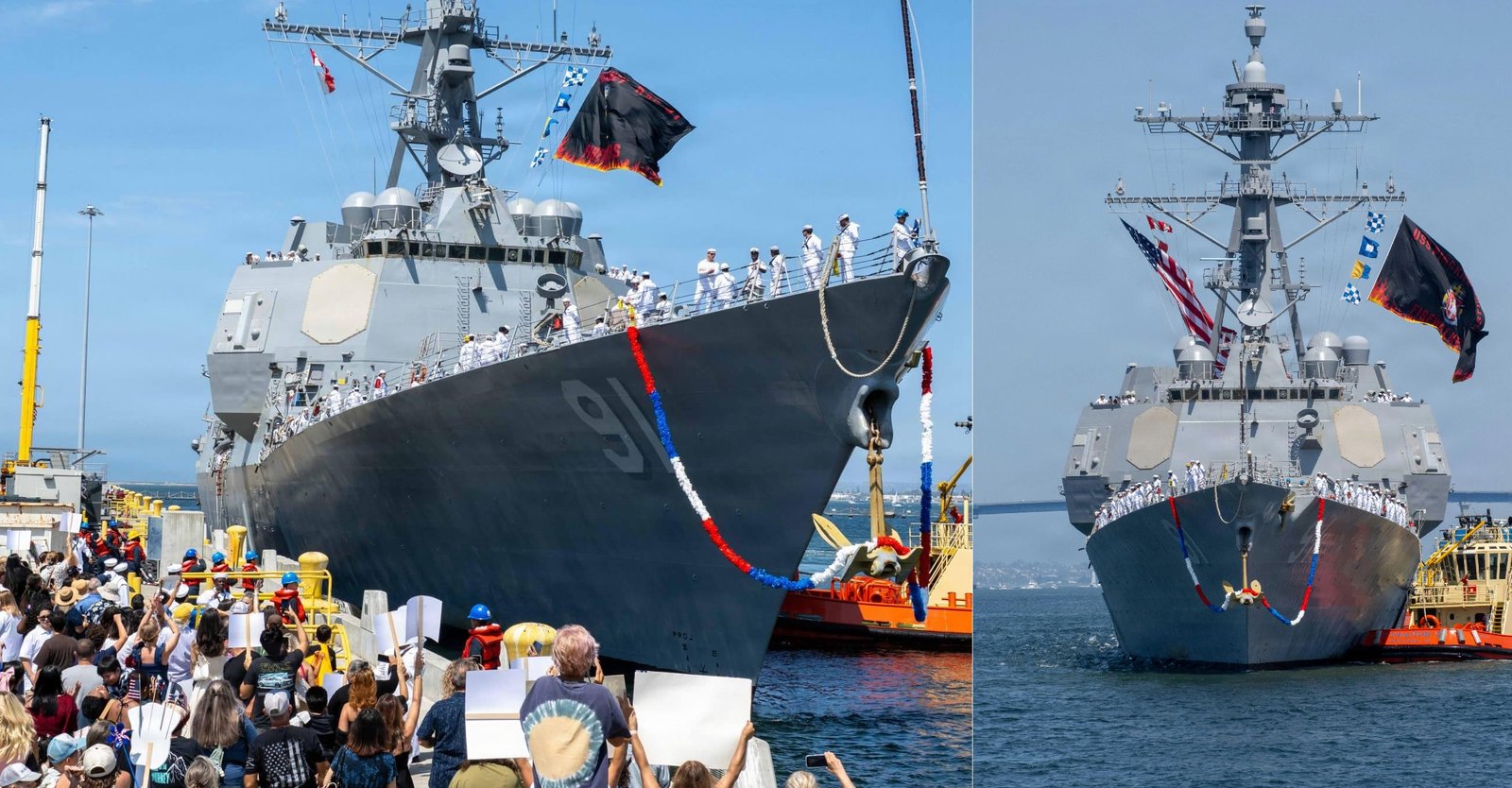 USS Pinckney Becomes First U.S. Navy Destroyer to Begin Phase Two Modernization with Advanced SPY-6 Radar
-
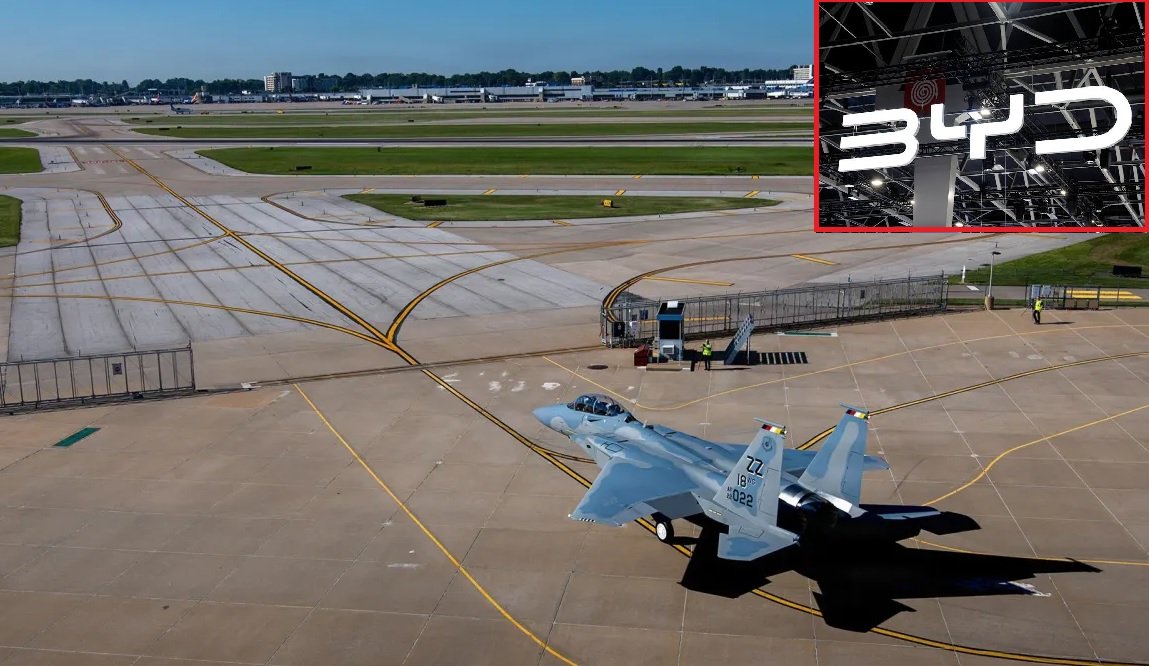 U.S. Military to Ban Chinese Automaker BYD Vehicles from Kadena Air Base in Japan Over Security Concerns
-
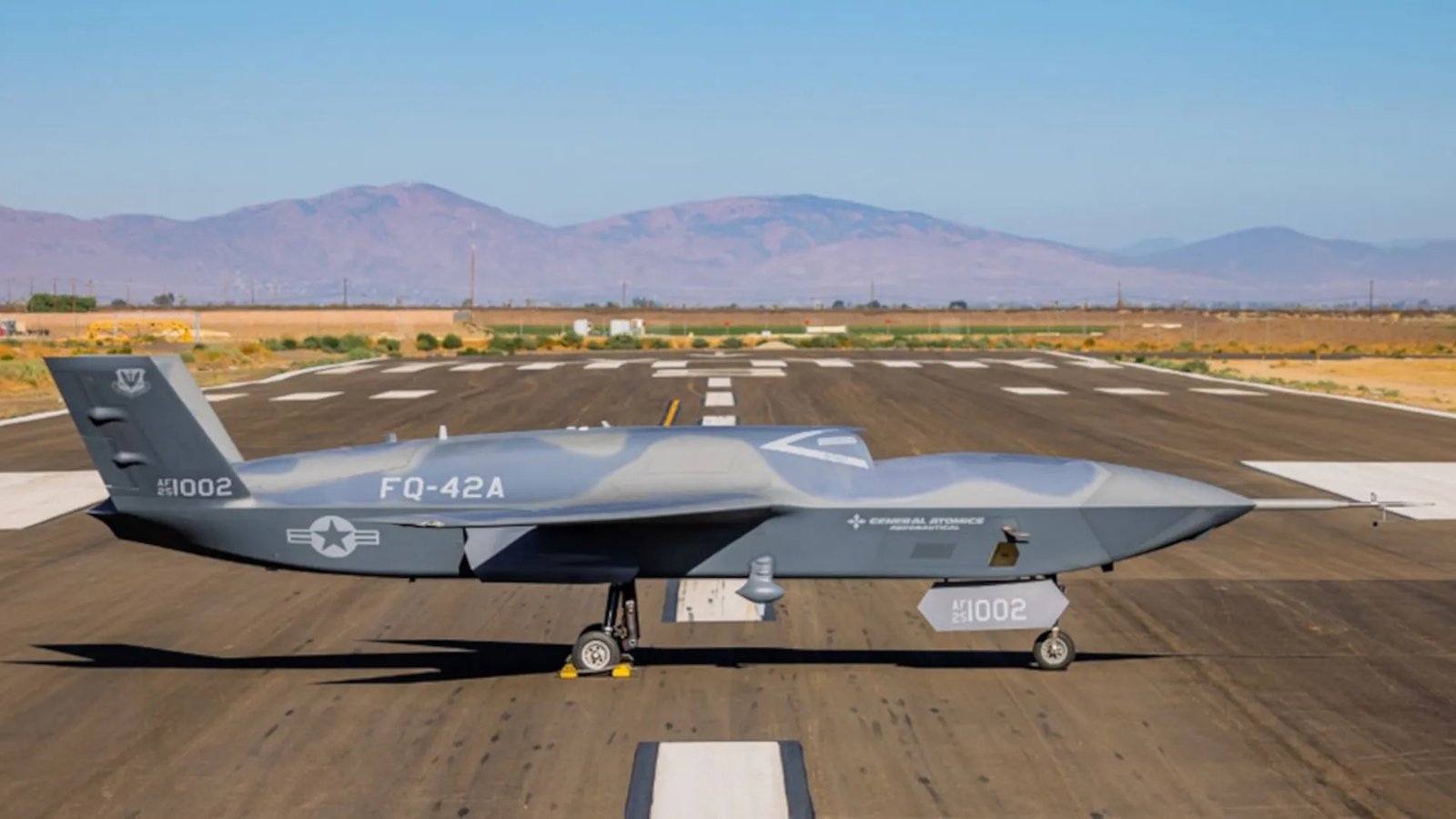 General Atomics Partners With Spirit Defense to Expand FQ-42 Vengeance Production
-
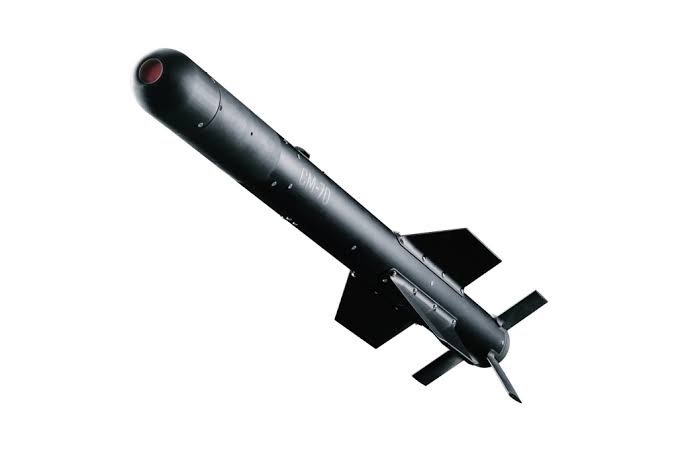 CSG and North Vector Dynamics Sign MoU to Explore European Production of CM-70 Counter-Drone Interceptor
-
 Unitree Unveils H2-X ‘Kung Fu Legend: Guardian’ Humanoid Robot for Security and Rescue
-
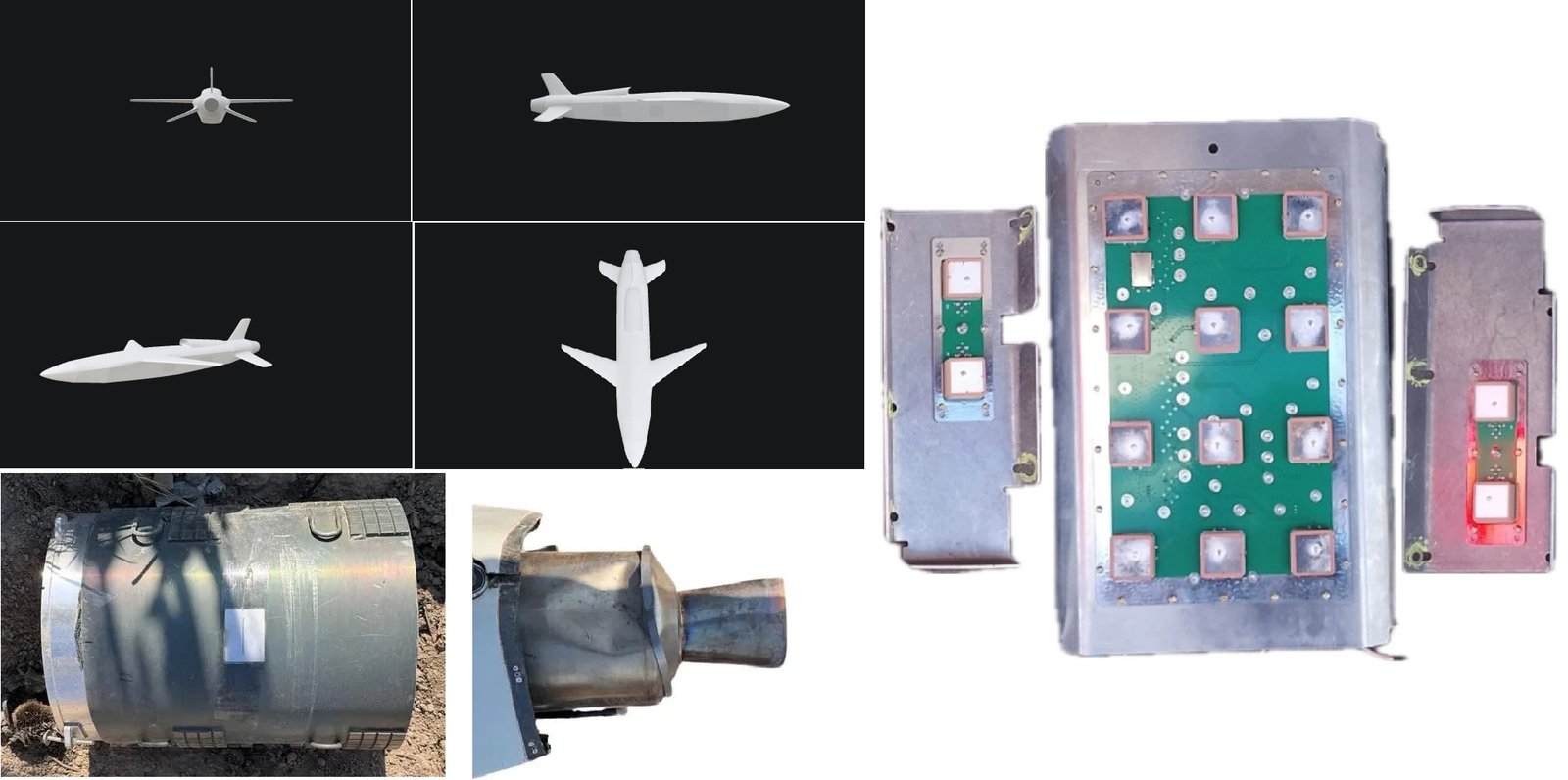 Ukraine Reveals Technical Details of Russia’s New Filin Cruise Missile
-
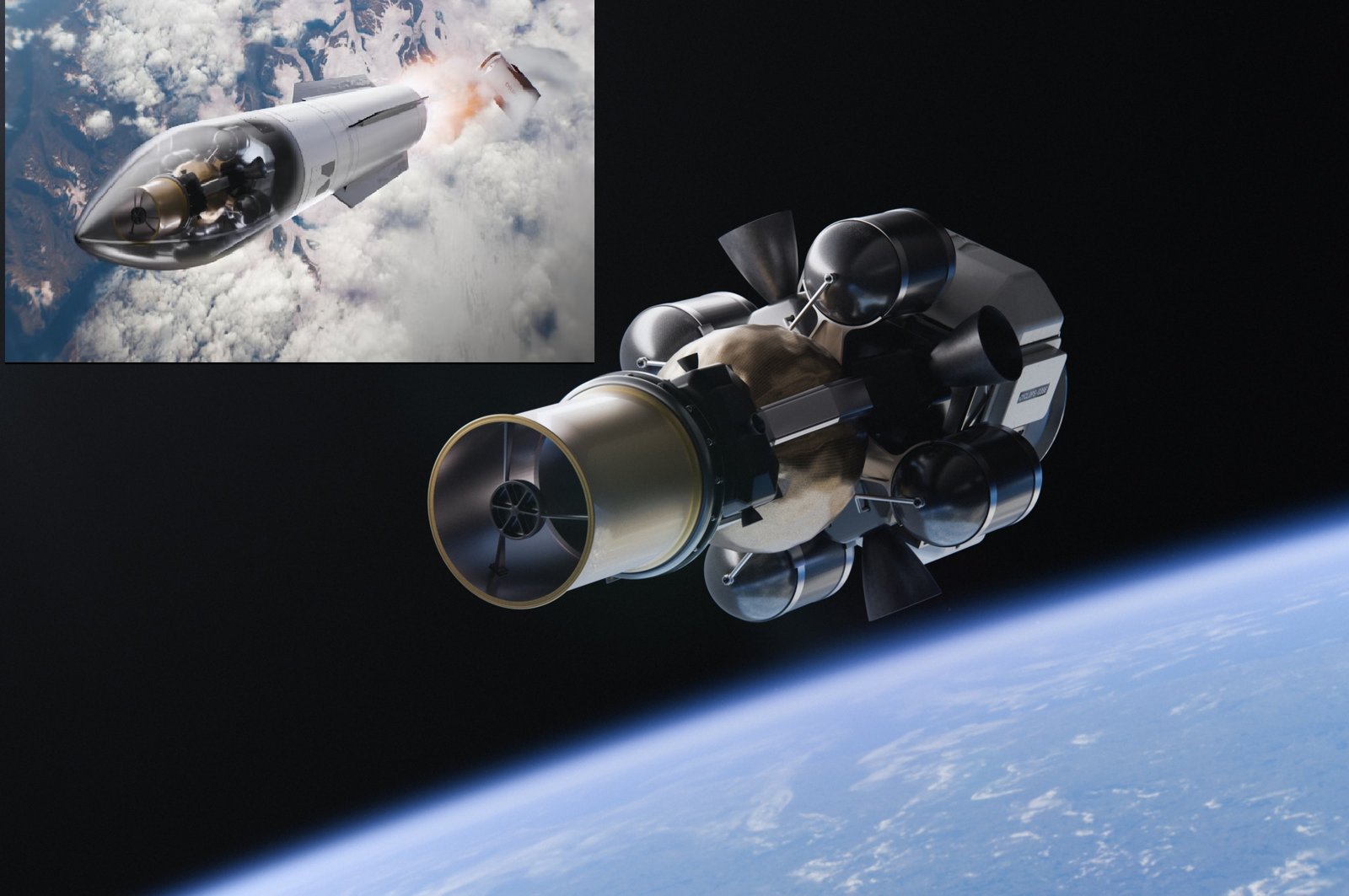 Long Wall Receives $75 Million MDA Award to Complete Cyclops Interceptor Flight Testing