
Europe
WARSAW, Poland — The United States and Poland have signed a $4 billion Foreign Military Financing (FMF) loan guarantee agreement, providing Warsaw with additional financing for the purchase of U.S. defense equipment. The agreement brings total U.S. support for Poland through the FMF program to nearly $20 billion, according to U.S. and Polish officials. The agreement was signed on September 9 at the Polish Army Museum in Warsaw. Thomas DiNanno, U.S. Under Secretary of State for Arms Control and International Security, represented the United States, while Polish Deputy Prime Minister and Minister of National Defence Władysław Kosiniak-Kamysz represented Poland. Finance Minister Andrzej Domański and senior officials from Bank Gospodarstwa Krajowego (BGK) also attended the ceremony. Sixth FMF Agreement The latest agreement is Poland's sixth agreement under the U.S. Foreign Military Financing program. FMF provides financing that enables partner countries to purchase U.S. military equipment and related defense services. The new financing is intended to support the technical modernization of the Polish armed forces and accelerate the implementation of existing defense procurement contracts. Polish officials specifically identified the country's AH-64E Apache helicopter program as one of the areas that could benefit from the financing. The precise allocation of the entire $4 billion package has not been publicly detailed. Polish officials have said that the financing will help move forward with existing modernization programs and purchases of American defense equipment. Growing U.S.-Polish Defense Cooperation Poland has significantly expanded its procurement of U.S. military equipment in recent years. Its American acquisitions include F-35 fighter aircraft, AH-64E Apache attack helicopters, Patriot air and missile defense systems, HIMARS rocket launchers, M1A2 Abrams tanks and advanced radar technologies. The latest FMF agreement follows the delivery of the first F-35 aircraft to Poland in May 2026. The delivery was described by the two countries as an important step in interoperability between the U.S. and Polish air forces. Deliveries from Poland's original order of 32 F-35s are scheduled to continue through 2029. Poland is also implementing its contract for 96 AH-64E Apache helicopters, with the new financing expected to help accelerate the program. Financing Supports U.S. Defense Industry The U.S. State Department said the financing strengthens Poland's defense capabilities while also supporting demand for the U.S. defense industrial base. The agreement therefore links Poland's military modernization plans with continued procurement from American defense companies. BGK Vice President Marta Postuła said the terms of the latest financing are more favorable than those of the previous two FMF loan-guarantee agreements. She attributed part of the improvement to a U.S. government grant that helps subsidize financing costs. The agreement continues a series of U.S. FMF financing arrangements with Poland and adds another major financing mechanism to Warsaw's ongoing military modernization effort. U.S. and Polish officials described the agreement as part of the countries' broader strategic defense partnership and their cooperation on security along NATO's eastern flank. DiNanno described Poland as a trusted and model ally, while Kosiniak-Kamysz said the agreement demonstrated concrete U.S.-Polish cooperation in defense.
Read More → Posted on 2026-09-10 08:03:08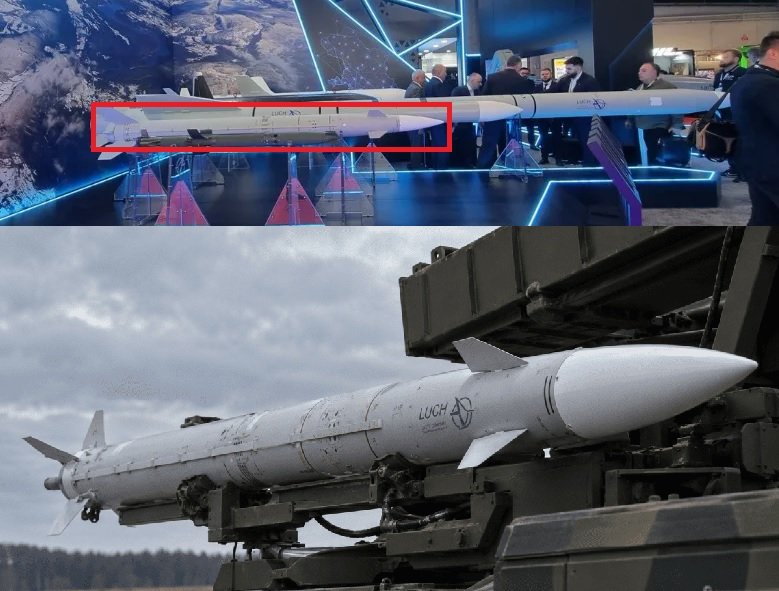
Europe
WARSAW — Ukraine has unveiled its new RK-19 surface-to-air missile at the MSPO 2026 defense exhibition in Poland. Developed by KB Luch, part of UkrOboronProm, the missile is intended to replace the Soviet-era 9M33-series missiles used by Ukraine's Osa-AKM air defense systems. The RK-19 was first shown publicly in April 2026 in a video address by Ukrainian President Volodymyr Zelenskyy marking the country's defense industry day. Its intended launch platform was not confirmed at that time. The MSPO presentation has now confirmed its use with the Osa-AKM. RK-19 Specifications The RK-19 has a stated maximum engagement range of 10 kilometers and can engage targets at altitudes of up to 5 kilometers. Its maximum flight speed is 600 meters per second, compared with about 500 m/s for the 9M33M3 missile. The missile uses radio-command guidance and carries a 14.3-kilogram fragmentation-high-explosive warhead. The missile and its transport-launch container have a combined weight of 163 kilograms, while the container measures 3,255 × 320 × 303 mm. For comparison, the Osa-AKM's 9M33M3 weighs 126.3 kilograms, including a 15-kilogram warhead. It is 3,158 mm long, has a 206 mm body diameter and a 650 mm wingspan. The Osa-AKM normally carries six missiles. The 9M33M3 has a stated engagement range of 1.5 to 10 kilometers and an altitude range of 25 meters to 5 kilometers. The Osa-AKM radar has a target detection range of up to 45 kilometers, and the missile can engage targets maneuvering at up to 8G. Replenishing Osa-AKM Missile Stocks Ukraine has faced declining stocks of Soviet-era 9M33 missiles, reducing the availability of Osa-AKM systems. Ukrainian forces have also previously adapted some Osa systems to use R-73 air-to-air missiles as an alternative. The RK-19 provides a domestically produced missile designed around the existing Osa-AKM system. Its stated range and maximum engagement altitude are broadly the same as the 9M33M3, while its stated maximum speed is higher. Ukraine has not publicly disclosed the RK-19's production volume or price. Separately, Ukraine displayed the launcher of its new Koral air defense missile system at MSPO. The Koral launcher is mounted on a Czech Tatra truck chassis and is designed to intercept ballistic targets, showing another part of Ukraine's ongoing development of domestic air-defense capabilities.
Read More → Posted on 2026-09-09 14:26:07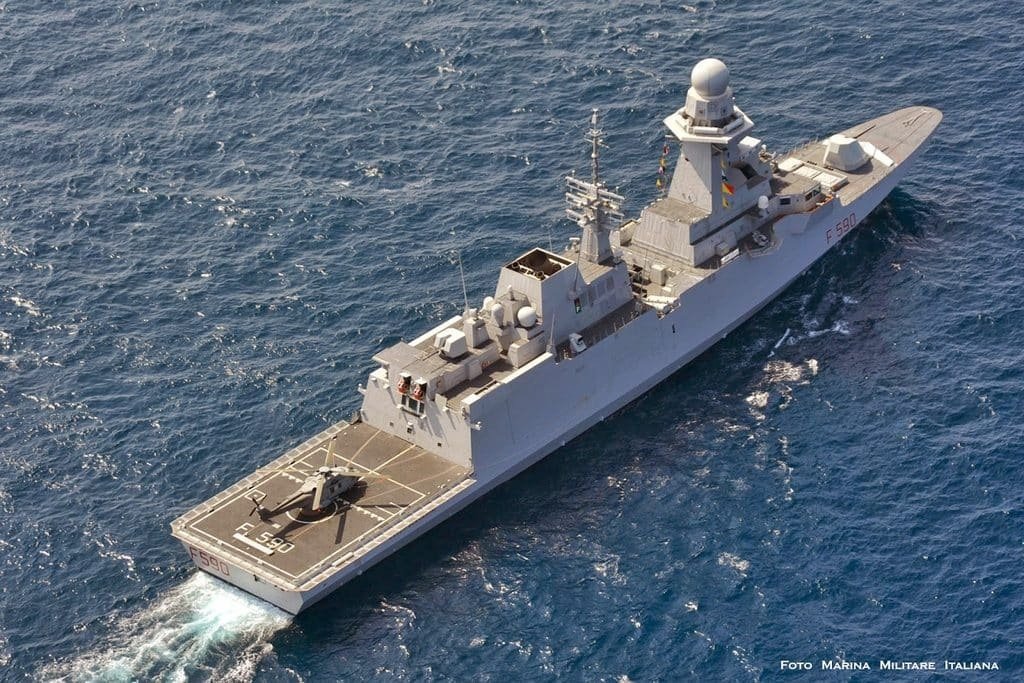
Europe
ROME — Italy and Greece have signed an Implementing Arrangement for the transfer of two Italian Navy FREMM frigates, Carlo Bergamini (F-590) and Virginio Fasan (F-591), to the Hellenic Navy. The agreement was signed in Rome on September 8, 2026, between Greece’s General Directorate of Defence Investments and Armaments (GDDIA) and Italy’s General Directorate for Armaments. The ceremony was attended by Italian Defence Minister Guido Crosetto, Greek Defence Minister Nikos Dendias, Italian Navy Chief Admiral Giuseppe Berutti Bergotto and Hellenic Navy Chief Admiral Dimitrios-Eleftherios Kataras. Fincantieri was represented by Chief Executive Officer and Managing Director Pierroberto Folgiero and Naval Vessels Division General Manager Eugenio Santagata. The agreement follows the Memorandum of Cooperation and Declaration of Intent signed in September 2025 in La Spezia. It finalizes the legal, financial and technical framework for the acquisition of the two Bergamini-class frigates. Transfer of the Two Frigates Under the agreed schedule, Carlo Bergamini is planned to be transferred to the Hellenic Navy in the first half of 2028, while Virginio Fasan is scheduled to follow in the first half of 2029. Both ships were designed and built by Italian shipbuilder Fincantieri for the Italian Navy. The Italian FREMM fleet includes both General Purpose and Anti-Submarine Warfare configurations. Fincantieri identifies the Bergamini-class ships as 144-meter-long frigates with a full-load displacement of about 6,500 tonnes and a range of about 6,000 nautical miles at 15 knots. The Carlo Bergamini is a General Purpose configuration, while the Virginio Fasan is an Anti-Submarine Warfare variant. The FREMM design uses a CODLAG propulsion system and is equipped for different naval missions. Fincantieri to Support Transfer Fincantieri will play a leading role in transferring the vessels and providing initial and long-term lifecycle support. The agreement also provides for the participation of Greek industry in maintenance activities and the integration of new systems on board the frigates. Fincantieri CEO Pierroberto Folgiero said the transfer could create further industrial cooperation between Fincantieri and the Greek industrial sector, including opportunities across the supply chain. He also described the introduction of the FREMM frigates into the Hellenic Navy as a first step toward greater sharing of expertise, technology and industrial capabilities among countries operating the platform. Part of Greece's Naval Modernization The two FREMM frigates form part of Greece's wider naval modernization programme. The Greek Ministry of National Defence has linked their acquisition with the country's four FDI frigates and the modernization of its MEKO-class frigates. The ministry also confirmed that the agreement leaves open the possibility of acquiring additional vessels in the future. The transfer will therefore add two Italian-built FREMM frigates to the Hellenic Navy, with Greek shipyards expected to participate in maintenance and the integration of new systems as the vessels are prepared for Greek service.
Read More → Posted on 2026-09-09 13:38:00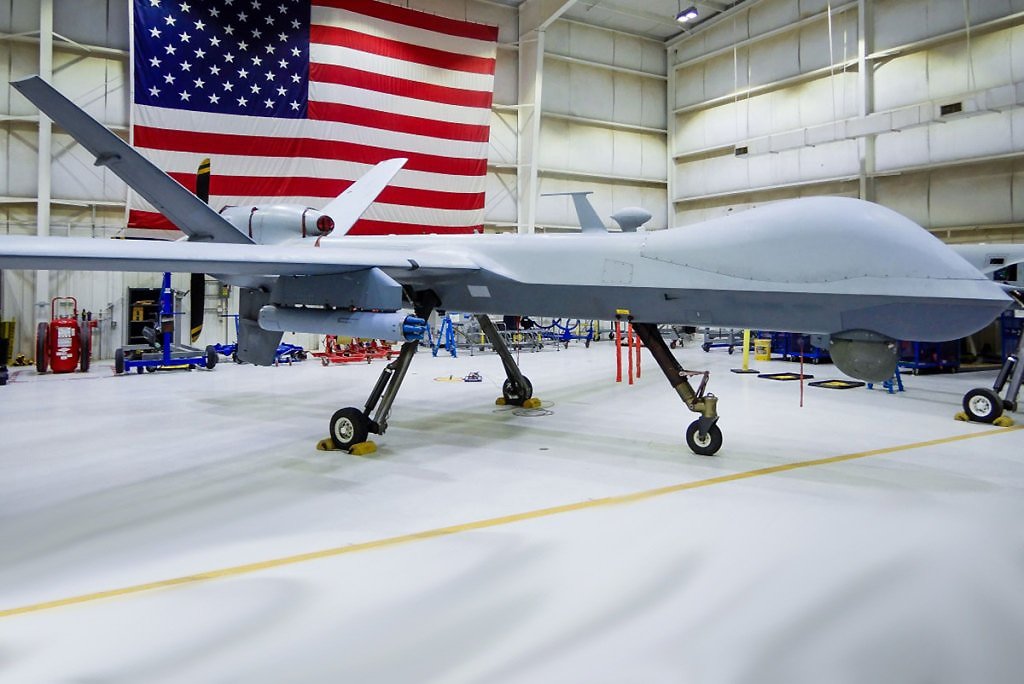
Europe
SAN DIEGO — The Italian Air Force (ItAF) has ordered two additional MQ-9A Block 5 Reaper remotely piloted aircraft from General Atomics Aeronautical Systems, Inc. (GA-ASI), expanding its existing MQ-9A fleet. The aircraft are scheduled to be delivered by the end of 2027. The purchase is being carried out through a Foreign Military Sale (FMS) with the U.S. Air Force and also includes Ground Control Stations. GA-ASI President David R. Alexander said Italy has been an important partner for the company for more than 20 years. He said the Italian Air Force uses the MQ-9A for a range of Intelligence, Surveillance and Reconnaissance (ISR) missions in Italy, over the Mediterranean and in support of NATO operations. Part of Italy’s MQ-9A Expansion The new order follows a broader U.S. approval from 2024 covering the potential sale of six MQ-9 Block 5 aircraft to Italy. The approved package was valued at an estimated $738 million and included three Mobile Ground Control Stations, 12 AN/DAS-4 Multi-Spectral Targeting Systems and nine LYNX AN/APY-8 Block 20A Synthetic Aperture Radars with Maritime Wide Area Surveillance capability, along with other equipment, training and support. Italy had already begun transitioning its MQ-9A fleet to the Block 5 configuration. General Atomics announced in December 2023 that the Italian Air Force had flown its first new MQ-9A Block 5 on November 9, 2023, as part of a modernization effort that also included a Mobile Ground Control Station. The MQ-9A is operated by the Italian Air Force for ISR missions, including operations over Italian territory and the Mediterranean and missions supporting NATO. Italy officially refers to its MQ-9A aircraft as Predators, rather than Reapers. MQ-9A Block 5 Capabilities According to General Atomics, the MQ-9A Block 5 can remain airborne for up to 26 hours and operate at altitudes of up to 45,000 feet (13,716 meters). It has a total payload capacity of 4,600 pounds (2,087 kilograms), including up to 3,750 pounds (1,701 kilograms) of external stores. For surveillance missions, the aircraft can carry systems providing Full-Motion Video, Synthetic Aperture Radar, Moving Target Indicator and Maritime Radar capabilities. The Block 5 also features automatic takeoff and landing. The aircraft uses a fault-tolerant flight-control system and a triple-redundant avionics architecture. General Atomics says the system is engineered to meet or exceed reliability standards applied to manned aircraft. The additional aircraft will further expand Italy's MQ-9A fleet when they are delivered at the end of 2027, continuing the Italian Air Force's use of the platform for long-endurance ISR missions in support of national and NATO requirements.
Read More → Posted on 2026-09-09 13:23:09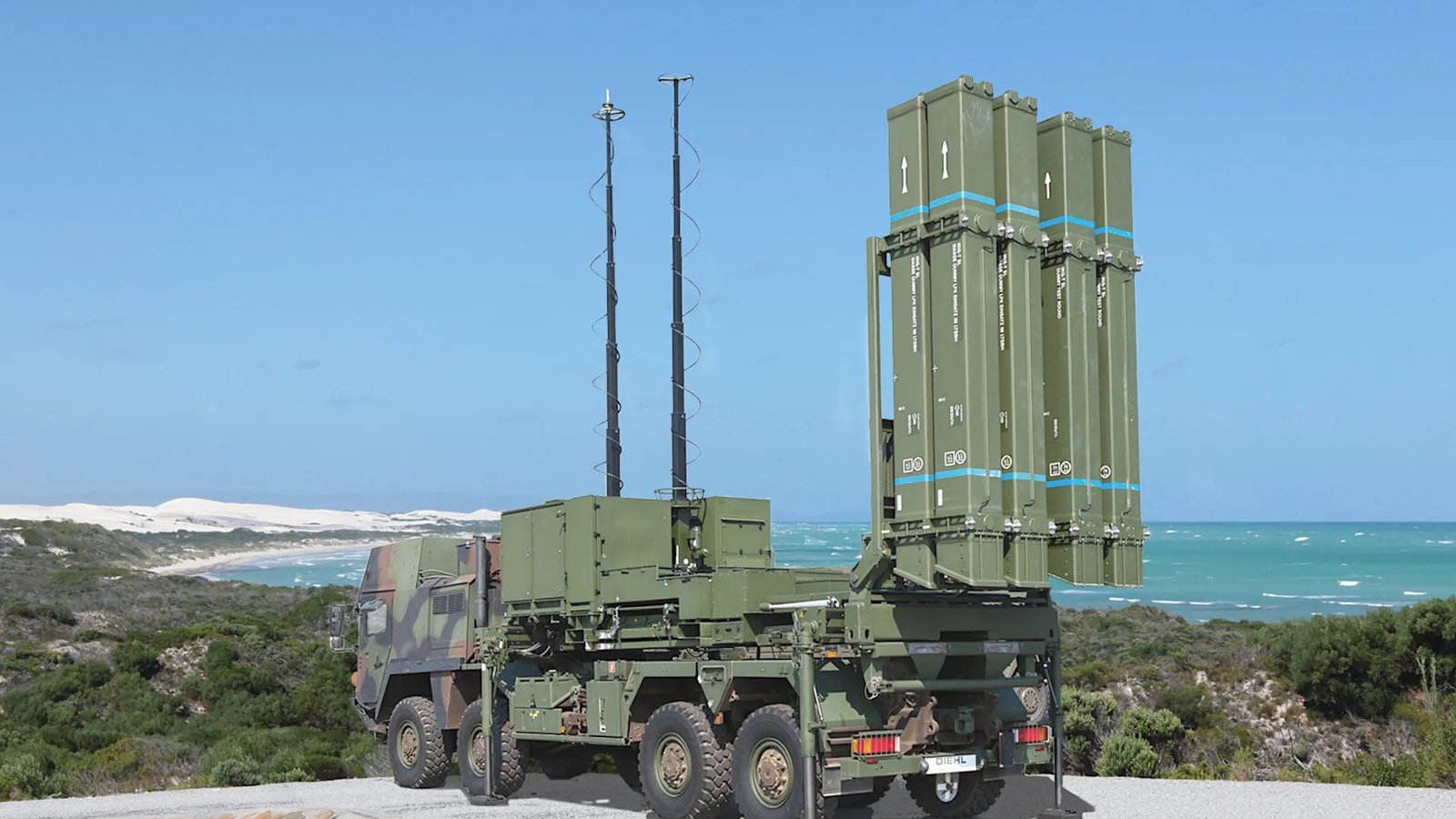
Europe
BERLIN — Ukraine will order several thousand additional IRIS-T guided missiles from Germany, with the purchase financed through the defence component of the European Union’s €90 billion loan package for Ukraine. German Defence Minister Boris Pistorius announced the plan on September 8 ahead of a meeting of the Ukraine Defence Contact Group in the Ramstein format. Pistorius said Germany would continue uninterrupted deliveries of IRIS-T air defence systems and missiles produced by industry. He said the medium-range IRIS-T system has been used successfully by Ukraine since deliveries began in 2022. The exact number of missiles, delivery schedule and total cost were not disclosed. Pistorius said the large order would allow the manufacturer to expand production by adding another production line. The EU loan, approved for Ukraine’s defence and budget needs in 2026 and 2027, includes an indicative €60 billion for military assistance and defence procurement. Germany to Transfer Patriot Interceptors Germany also announced the urgent transfer of PAC-2 interceptor missiles for Patriot systems from Bundeswehr stocks. Pistorius did not specify the number of missiles and called on other Ukraine Defence Contact Group members to examine their own stocks for similar deliveries. Germany will also increase deliveries of air-to-air missiles. Separately, EU member states agreed to allow €3.2 billion from the EU support mechanism to be used for Patriot missile procurement. UK Adds £100 Million Air Defence Package The United Kingdom has committed £100 million (about $135 million) for Ukraine’s air defence under the Prioritised Ukraine Requirements List (PURL). The package includes Patriot interceptors, as well as large-calibre ammunition and drones. The announcements were made as Ukraine’s international partners met on September 8 to coordinate additional military assistance, with air defence remaining a major focus ahead of the winter period.
Read More → Posted on 2026-09-09 10:00:05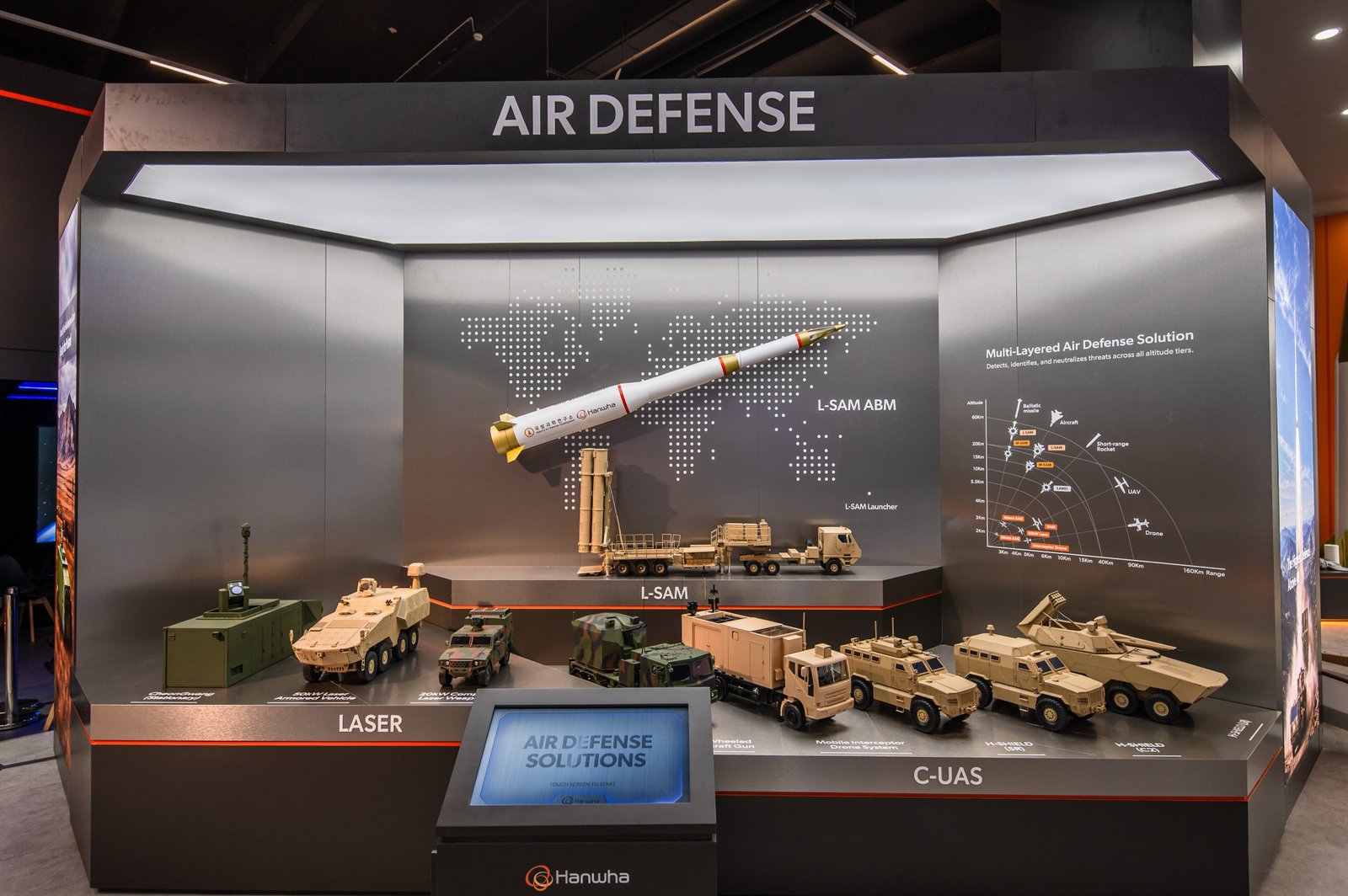
Europe
KIELCE, POLAND — South Korea’s Hanwha Aerospace and Hanwha Systems have opened a joint exhibition at the 34th International Defence Industry Exhibition (MSPO 2026) in Kielce, Poland. The exhibition runs from September 8 to September 11 under the slogan “Proven Partnership. Strategic Capabilities. Sovereign Defence.” The companies are sharing an approximately 274-square-metre stand in Hall 1, Booth A17. Hanwha’s defense cooperation with Poland dates back to 2014, when Poland selected the K9 chassis for its Krab self-propelled howitzer. The partnership later expanded to the K9 program and the Chunmoo rocket launcher, known in Poland as Homar-K. Layered Air Defense and Laser Weapons A key focus of the exhibition is Hanwha’s multi-layered air defense architecture. The display includes the L-SAM long-range surface-to-air missile system, H-SHORAD short-range air defense system, H-Shield counter-drone system and a 40mm wheeled counter-UAS vehicle. These systems are designed to connect with Hanwha Systems’ command-and-control network and operate alongside interceptor drones, covering threats ranging from low-altitude drones to longer-range missiles. Hanwha Systems is also displaying Cheongwang, also known as Cheonkwang, South Korea’s first operational laser weapon system. The exhibition includes a 50-kilowatt armored vehicle-mounted laser and a 20-kilowatt tactical laser. Hanwha says each laser shot costs approximately 2,000 South Korean won, or about $1.50, and can neutralize a small drone within seconds. Manned-Unmanned Teaming For ground operations, Hanwha is demonstrating its Manned-Unmanned Teaming (MUM-T) concept. The display combines the crewed K9A1 howitzer with an unmanned rocket launcher and the H-UGV unmanned ground vehicle. The concept uses the crewed howitzer for fire support while unmanned systems conduct reconnaissance and tactical manoeuvres. An export version of the K-NIFV infantry fighting vehicle fitted with an active protection system is also on display to demonstrate improved vehicle survivability. For naval operations, Hanwha is displaying the Striker-S unmanned surface vessel, also referred to as Stryker-S in some reports. The vessel is equipped with a Chunmoo rocket launcher and is being presented for potential Baltic Sea operations. K9A2 and Chunmoo Production Hanwha is displaying the upgraded K9A2 howitzer together with a new 155mm ammunition package featuring a trajectory-correcting fuze and modular propellant charge system intended to improve accuracy. The company is negotiating a third execution contract with Poland for the K9 artillery family. Hanwha is also highlighting its approximately $4 billion agreement signed in December to manufacture Chunmoo CGR-080 guided missiles, known locally as Homar-K, at a dedicated facility in Poland. Deliveries are scheduled to begin in 2030, supporting the localization of South Korean weapons manufacturing in Poland. Four Chunmoo guided rocket variants are displayed at MSPO, along with maintenance equipment, a predictive health-monitoring system and a K9 turret simulator. Space AI On September 9, Hanwha Systems is scheduled to publicly demonstrate its new satellite-imagery analysis system. The system uses artificial intelligence to process electro-optical, infrared and synthetic aperture radar imagery from satellites already in operation. It is designed to automate object detection, analyze situational patterns and flag unusual activity to support military analysts and commanders. “Hanwha is proud to be a trusted defense and industrial partner in Poland,” said Jacek Cyrek, CEO of Hanwha Aerospace Europe. “At MSPO 2026, we are expanding our local footprint into air defense, MUM-T, and space AI, building true defense sovereignty and industrial capability together on Polish soil.” MSPO 2026 features more than 1,000 exhibitors from around 40 countries, with Canada as the lead nation this year. The event is organized in cooperation with Poland’s Ministry of National Defence.
Read More → Posted on 2026-09-08 16:55:00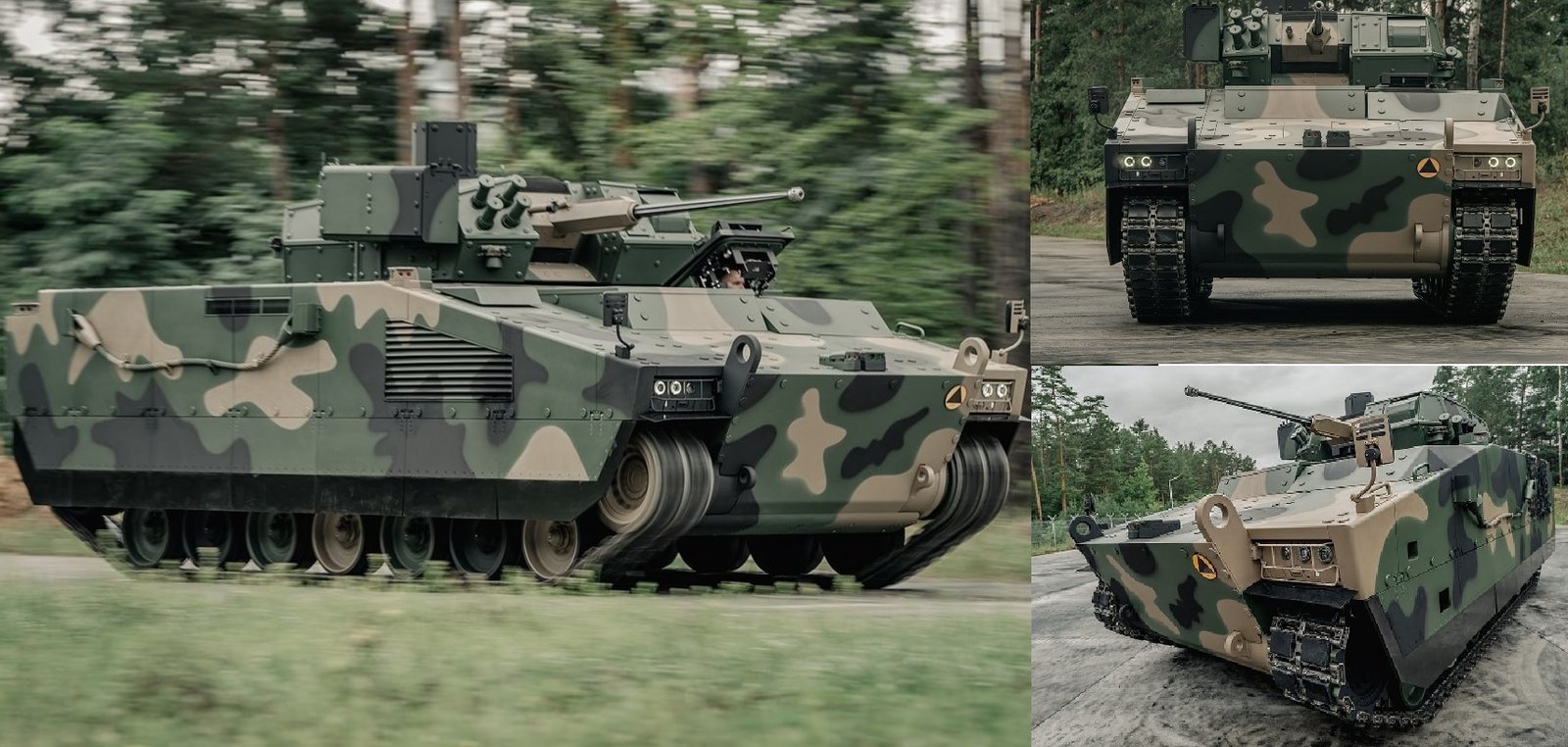
Europe
KIELCE, Poland — Poland’s state-owned defense conglomerate Polska Grupa Zbrojeniowa (PGZ) has unveiled a full-scale, mobile technology demonstrator of its new Heavy Infantry Fighting Vehicle (CBWP) at the MSPO 2026 defense exhibition in Kielce. The vehicle, designated CBWP (Ciężki Bojowy Wóz Piechoty) and previously shown under the name Ratel, was developed by Huta Stalowa Wola (HSW), a PGZ subsidiary. A 1:4-scale model was displayed at MSPO 2025, while partial images of the vehicle had been released on social media before this year's exhibition. The CBWP is designed to transport and protect mechanized infantry while providing direct fire support. It has a three-person crew and can carry up to eight soldiers. Its intended targets include armored and unarmored vehicles, exposed weapons positions and field fortifications. Heavy Protection The vehicle weighs approximately 40 tons, around 12 tons more than the amphibious Borsuk IFV. Unlike the Borsuk, the CBWP is not designed to swim, allowing greater emphasis on ballistic and mine protection. Its tracked chassis incorporates design elements from the Krab self-propelled howitzer. The vehicle uses an MTU diesel engine producing 800 kW, paired with an American transmission. It has a reported top speed of up to 65 km/h and a range of about 500 km. The frontal armor is designed to withstand 30×173 mm armor-piercing rounds fired from 500 meters, corresponding to STANAG 4569 Level 6 protection. The hull can accommodate explosive reactive armor, including Poland's modular Pangolin system. Other protection systems include the Obra-3 laser warning system, smoke grenade launchers, an NBC protection and filtration system, and provisions for a future active protection system (APS). ZSSW-30 Turret The demonstrator is equipped with the ZSSW-30 remote-controlled turret, already used on Poland's Rosomak and Borsuk. Developed by HSW and WB Group, it carries a 30 mm Mk 44/S Bushmaster II cannon, a coaxial 7.62 mm machine gun and twin launchers for Spike-LR anti-tank guided missiles. The cannon can fire programmable ABM ammunition for engaging ground and aerial targets. The turret's hunter-killer system allows the commander to search for new threats with day and night sensors while the gunner engages another target. Several components, including the auxiliary power unit, filtration system, heating, periscopes and lighting, are shared with the Borsuk to simplify logistics and reduce costs. Procurement and Development PGZ, HSW and Poland's Armament Agency signed a framework agreement in August 2023 covering several hundred CBWPs in different configurations, together with logistics and training packages. Earlier project information outlined a requirement for approximately 700 vehicles. The vehicles are primarily intended for heavy mechanized formations, including units in eastern Poland and formations equipped with Abrams tanks. The current demonstrator has completed a substantial portion of testing, including ballistic resistance trials, and is expected to begin factory trials. Two fully functional prototypes are planned for 2027, followed by qualification, ballistic and mine-resistance testing and formal military assessment. Subject to successful testing and final configuration agreements with the Polish Armed Forces, series production is targeted for 2029. The modular design also allows potential alternative configurations, including a 40 mm cannon or a fire-support variant armed with a 105 mm gun.
Read More → Posted on 2026-09-08 16:00:22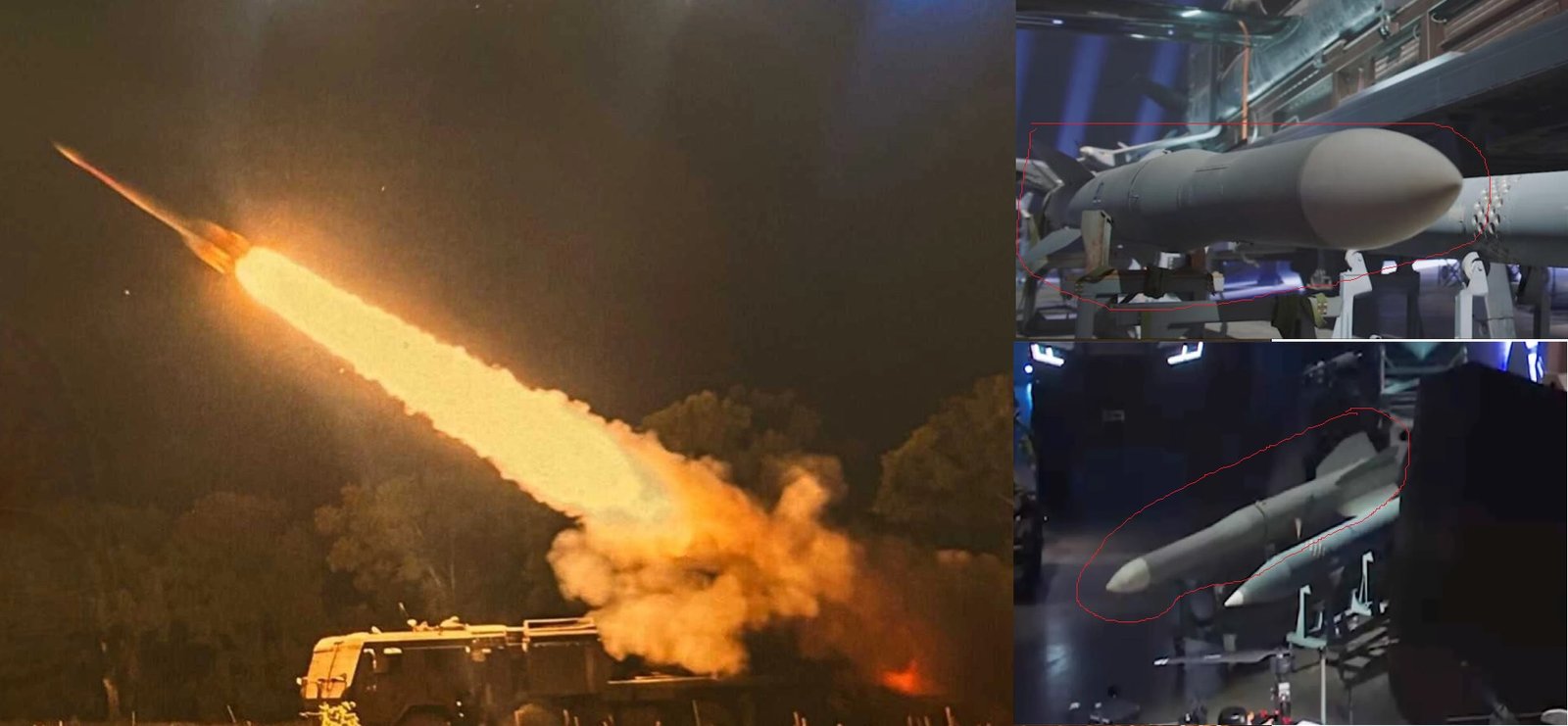
Europe
KIELCE, Poland — Ukraine has publicly unveiled the self-propelled launcher for its indigenous Koral surface-to-air missile system at the MSPO 2026 international defense exhibition in Kielce, Poland. The system is being developed by Ukraine’s State Kyiv Design Bureau Luch and is part of the country’s ongoing effort to develop a domestically produced air defense capability. An image released by Ukraine’s state defense conglomerate Ukroboronprom shows a Koral missile launching from a self-propelled launcher mounted on a Czech Tatra heavy-duty truck chassis. The truck-based configuration provides the system with the mobility required for deployment and repositioning. Designed for Air and Ballistic Targets The Koral missile is designed primarily to intercept aerial and ballistic targets as part of a broader air defense network. In this context, its ballistic-target role refers to short-range or tactical ballistic missiles, rather than long-range ballistic missile threats. According to the developers, the missile also retains a secondary capability to engage ground or surface radar-contrast targets in exceptional circumstances. The updated Koral interceptor has a total mass of 450 kilograms, including a 36-kilogram warhead. Its guidance system combines inertial navigation, radio correction and an active radar homing head. The missile has a length of 4.8 meters. Its stated diameter is 230/300 millimeters, while the wingspan is 835 millimeters and the control-fin span is 685 millimeters. For comparison, the PAC-3 interceptor used by the U.S. Patriot system weighs 316 kilograms and carries a 24-kilogram warhead. The maximum engagement range of the updated Koral missile has not been publicly disclosed. Nearly a Decade of Development Development of the Koral project began in 2016. Early project documents identified the missile as part of a proposed ship-based surface-to-air missile system. The project was presented to the public more clearly in 2021, when the Luch Design Bureau displayed a full-scale Koral missile mockup at the Arms and Security exhibition in Ukraine. At that stage, the missile was described as having a mass of approximately 300 kilograms, a projected range of up to 30 kilometers and a maximum altitude of 10 kilometers. The earlier version was listed with a 25-kilogram warhead, a length of 4.33 meters and a diameter of 230/260 millimeters. Luch chief designer Oleh Korostelov estimated the overall readiness of the system at around 70 percent in 2021. At the time, the company was also considering a family of Ukrainian air defense systems covering different ranges, with Koral intended for the middle tier. The specifications have changed during the development process. The missile displayed in 2026 is heavier and longer than the version presented in 2021 and carries a larger warhead. Developers have previously stated that the final characteristics of the system could be adjusted according to the operational requirements of the armed forces. First Public Display of the Self-Propelled Launcher The presentation at MSPO 2026 marks the first public display of the complete self-propelled Koral launcher configuration. The appearance of the launcher provides a look at the latest configuration of a Ukrainian air defense project that has been under development since 2016. The system's current configuration combines the 450-kilogram interceptor, its inertial and radio-correction navigation systems, active radar homing and a mobile launcher mounted on a Tatra truck chassis. While the updated missile's current range and other final performance parameters have not been publicly disclosed, the MSPO presentation shows the latest publicly displayed configuration of Ukraine's Koral air defense system.
Read More → Posted on 2026-09-08 14:22:30
Europe
LONDON, — The UK government has launched a new £7.8 billion national space strategy covering planned investment through 2030, with defence, national security, connectivity and economic growth at its centre. The strategy replaces the 2021 National Space Strategy and brings together previously separate programmes across defence, science, transport and industry. It also supports the government’s Modern Industrial Strategy. More than £3 billion will support military space capabilities, backed by the Defence Investment Plan. The funding is intended to protect UK and allied space assets and maintain secure communications. Defence and Space Security The UK will invest £880 million in space control and intelligence, surveillance and reconnaissance (ISR) systems. These capabilities will monitor military activity on Earth and detect potential attacks against satellites. A further £2.8 billion will support satellite connectivity, including the Connectivity in Low Earth Orbit (CLEO) programme and the Ministry of Defence’s SKYNET secure communications system. SKYNET supports secure communications for British forces worldwide and includes the Airbus-built SKYNET 6A satellite, scheduled for launch in 2027. The government plans to use common satellite infrastructure for both national-security and public-service requirements. The connectivity investment is also intended to support rural communities and includes £57 million to reduce mobile signal interruptions on the national rail network. Defence Secretary Wes Streeting said the UK’s national security depends on freedom of action in space and the ability to protect UK and allied assets. He said the investment would strengthen the country’s ability to detect and respond to increasingly sophisticated threats while supporting reindustrialisation and UK opportunities. Monitoring Threats in Orbit Space Domain Awareness is another major part of the strategy. The government will provide £149 million to the European Space Agency’s Vigil mission and £85 million to the National Space Operations Centre. The programmes will monitor satellites, rockets and debris and provide earlier warnings of potential collisions, solar storms and potentially hostile activity. The information will help protect services including power networks, communications and navigation. Another £9 million will support space-weather forecasting. Supporting the UK Space Industry The UK space sector is valued at £18.6 billion and supports more than 55,000 skilled jobs. For the first time, government departments will use a common approach to purchasing and developing space technology, beginning with satellite communications. The government expects this to speed up delivery, improve value for money and direct more work towards British suppliers. Business, Innovation, Science and Trade Secretary Jonathan Reynolds said the strategy would strengthen the UK’s ability to launch satellites, detect threats and protect services while helping domestic industry create skilled jobs and drive economic growth. The package includes £148 million for European rocket programmes and £60 million to finalize SaxaVord Spaceport in Shetland, including £30 million from the private sector. Science, Exploration and New Space Technologies The government will invest £190 million in astronomy and space-science research and £163 million in science and exploration missions, including continued support for the UK-built Rosalind Franklin Mars Rover. Another £40 million will support in-orbit servicing, assembly and manufacturing (ISAM) technologies for repairing satellites, addressing orbital debris and supporting manufacturing in space. The strategy also introduces planned regulatory changes designed to lower costs and attract private investment. These include revised liability limits and specific waivers for certain lunar and ISAM missions launched before the end of 2030, along with changes to third-party liability insurance models and a more proportionate approach to monitoring the financial health of satellite constellation operators instead of requiring decommissioning funds. The strategy was published on September 8, 2026, and sets out the UK’s space priorities through 2030, including satellite communications, space domain awareness, ISAM and assured access to space.
Read More → Posted on 2026-09-08 13:11:14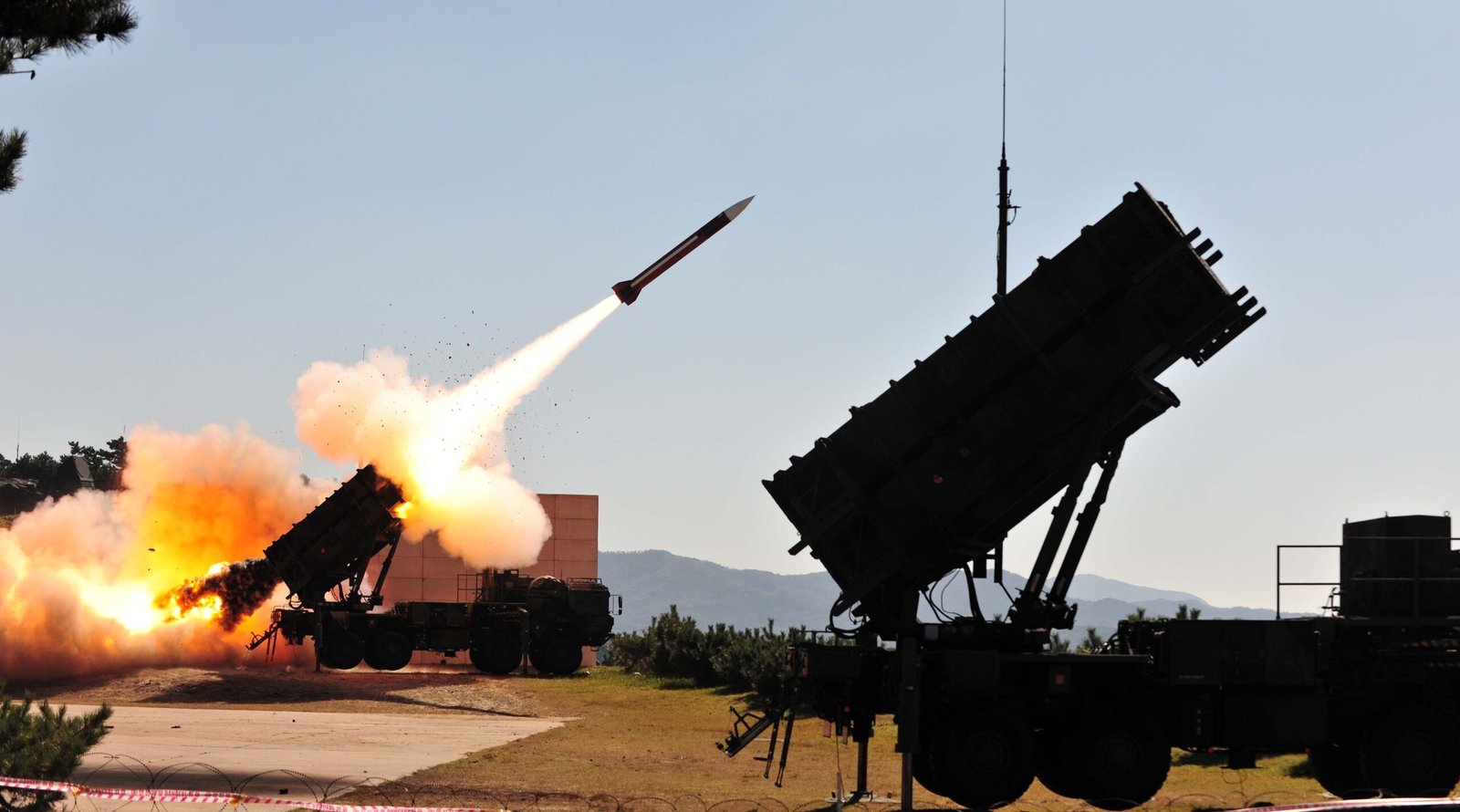
Europe
LONDON — The United Kingdom has announced a £100 million contribution to strengthen Ukraine’s air defence ahead of winter, including support for Patriot missiles and other air defence equipment. The funding will be provided through NATO’s Prioritised Ukraine Requirements List (PURL), a mechanism used by NATO Allies to fund critical military equipment identified as urgent requirements for Ukraine. NATO says PURL has been used to coordinate the purchase and delivery of equipment, including air defence capabilities, from the United States. According to the UK Ministry of Defence, the new package will also include air defence interceptors, large-calibre artillery rounds and drones. The equipment is expected to be delivered before winter to help Ukraine protect critical national infrastructure, civilians and its armed forces from Russian attacks. Drone deliveries to increase The UK is maintaining its commitment to provide more than 120,000 drones to Ukraine during 2026. Around 25,000 drones have already been delivered, with the pace of deliveries expected to increase in the months ahead. The drones include several types of systems. Interceptor drones are intended to counter Russian drones, while reconnaissance drones provide battlefield awareness and information on activity behind enemy lines. Attack drones are also being supplied to support Ukrainian operations against Russian military positions. More artillery ammunition planned The UK also recently reached the milestone of delivering its millionth large-calibre artillery round to Ukraine. The government said it will build on this by supplying tens of thousands of long-range artillery rounds in the coming months. Funding for these rounds is being provided by the UK together with Germany, Denmark, Lithuania, the Netherlands, Norway and Sweden. Ukraine Defence Contact Group meets The announcement comes as UK Defence Secretary Wes Streeting co-chairs the 36th meeting of the Ukraine Defence Contact Group with German Defence Minister Boris Pistorius. The group brings together nearly 50 countries providing military assistance to Ukraine and focuses on Kyiv’s immediate battlefield requirements as well as longer-term military support. Streeting said that his recent visit to Kyiv, along with the Prime Minister’s visit, highlighted the importance of supporting Ukraine through the winter. He said the new package was intended to strengthen Ukraine’s defences and reflected efforts by the UK and its allies to provide additional military capabilities. Wider UK support The latest package follows other recent UK measures supporting Ukraine. Britain has agreed that defence company MBDA can release classified information relating to UK components used in the SCALP, also known as Storm Shadow, to support the establishment of local assembly lines in Ukraine. The UK and Ukraine have also signed an agreement on military artificial intelligence capabilities following the Prime Minister’s visit to Kyiv. The new £100 million commitment adds to the wider international effort to provide Ukraine with air defence, ammunition and drones as it prepares for another winter of the war.
Read More → Posted on 2026-09-08 12:59:53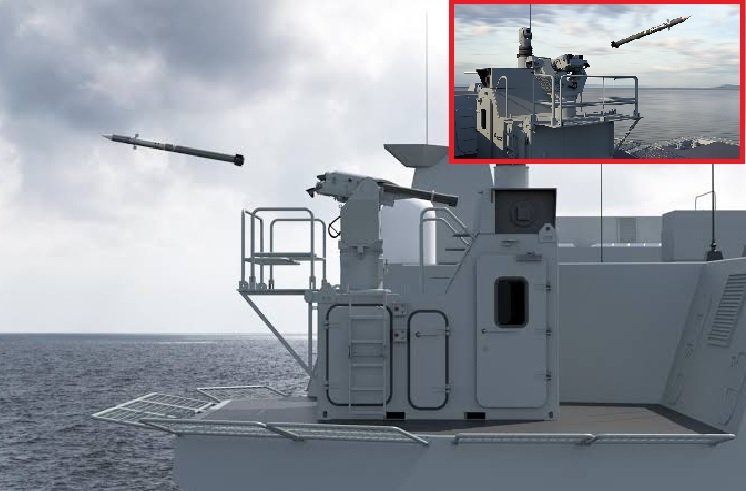
Europe
MADRID — The Spanish Navy has signed a framework agreement with European missile manufacturer MBDA to acquire three SIMBAD-RC short-range air defense systems, introducing a dedicated close-range missile defense capability for its operational fleet. The agreement is MBDA's first direct contract with the Spanish Navy and supports plans by Spain's Ministry of Defense and the Navy to strengthen protection against anti-ship missiles, sea-skimming missiles, aircraft and unmanned aerial vehicles. Initial deployment across frontline vessels The framework agreement covers three SIMBAD-RC systems with a total of four launchers. Under the initial deployment plan: Two Santa María-class (F80) frigates will each receive a single SIMBAD-RC launcher. The amphibious assault ship Juan Carlos I (L-61) will receive a twin-launcher configuration. The deployment gives both escort vessels and the Navy's flagship an organic short-range air defense layer designed to protect high-value ships during operations. SIMBAD-RC provides dedicated VSHORAD capability The SIMBAD-RC is a remotely controlled naval self-defense system built around MBDA's Mistral 3 infrared-guided missile. It can serve as a ship's primary very short-range air defense system or operate alongside existing defensive weapons. The system launches fire-and-forget missiles with a range of more than 8 kilometers. Its automated turret includes a thermal optical sensor suite and a video tracker, allowing targets to be engaged either independently or through connection with a ship's combat management system. The launcher can also be operated by a single crew member from a protected position below deck using the compact SMU-RC control terminal. MBDA says the system is designed for continuous all-weather operations. MBDA calls agreement a historic milestone MBDA Chief Executive Officer Eric Béranger described the agreement as an important step in the company's partnership with Spain. "This first direct agreement with the Spanish Navy is a historic milestone for MBDA. It demonstrates our growing footprint and long-term commitment to Spain. By delivering critical defense capabilities, we are enhancing fleet security and building a strategic partnership based on innovation and cooperation with the Spanish defense industry," Béranger said. Wider integration under discussion The framework agreement is expected to serve as the first phase of a broader fleet modernization effort. MBDA is currently negotiating with Spanish shipbuilder Navantia to expand SIMBAD-RC integration across additional surface combatants. Platforms under consideration include future Landing Platform Docks (LPDs), European Patrol Corvette (EPC) vessels and potentially the Navy's new F-110 frigates. Technical discussions continue on how the system would integrate with the combat management architecture of future ships, including the Aegis system planned for the F-110 class. From Cartago project to operational deployment Spanish efforts to introduce the Mistral missile family into naval service began nearly a decade ago through the Cartago project, which examined the feasibility of installing Mistral missiles on active naval platforms. The current contract marks the transition from concept to operational capability by equipping frontline ships with dedicated close-range missile defense. RC2 today, modular upgrades for the future The Spanish Navy's order covers the SIMBAD RC2 twin-tube configuration. MBDA has continued developing the system to address evolving threats. At Euronaval 2024, the company introduced the SIMBAD RC4, a four-round variant designed to counter saturation attacks, fast inshore attack craft and drone swarms. In 2026, MBDA updated the turret architecture so the RC2 and RC4 share a common modular design, allowing existing twin-tube installations to be upgraded more easily to the higher-capacity quad-tube configuration if required. For the Spanish Navy, the agreement delivers a dedicated very short-range air defense capability for key surface ships while establishing the foundation for broader integration across the fleet in the years ahead.
Read More → Posted on 2026-09-08 12:27:00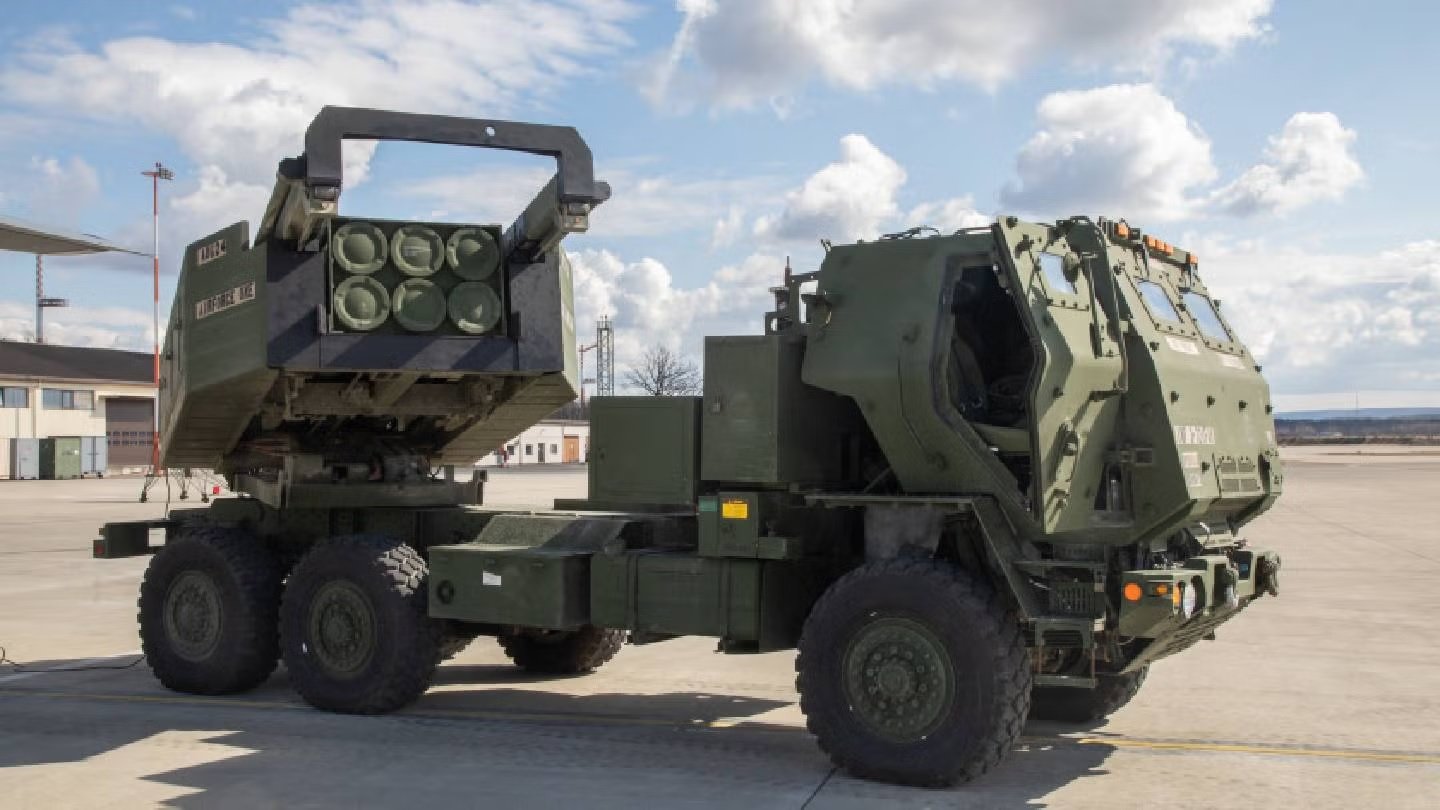
Europe
STOCKHOLM — Sweden has authorized the Swedish Armed Forces to procure the U.S.-made High Mobility Artillery Rocket System (HIMARS) from Lockheed Martin in a deal worth around SEK 7 billion ($729 million). Deliveries are scheduled to begin in 2027. The procurement covers about 10 HIMARS launchers and ammunition. It will be funded through the Swedish Armed Forces’ regular investment plan as an “opportune purchase” under the Total Defence Bill 2025–2030. HIMARS will provide Swedish forces with a long-range precision-strike capability, allowing units to operate over larger areas and engage targets at greater distances than current systems. It will complement existing artillery, including the Archer system and grenade launchers, while being compatible with equipment used by allied forces. Sweden and Finland Expand Cooperation Swedish Defence Minister Pål Jonson and Finnish Defence Minister Antti Häkkänen also signed a joint declaration covering cooperation on rocket artillery. Finland already operates the tracked Multiple Launch Rocket System (MLRS), which uses the same munitions and many of the same components as HIMARS. The cooperation will include joint training, education, maintenance, capability development, security of supply and production cooperation. Jonson said the introduction of rocket artillery demonstrates Sweden’s responsibility for European security. He said the agreement with Finland aims to strengthen capacity-building, maintenance and security of supply while developing capabilities for NATO’s collective defence. Sweden said the cooperation will strengthen defence capabilities in northern Europe. Saab and Lockheed Martin Explore Industrial Cooperation Separately, Saab and Lockheed Martin are signing a joint declaration on possible industrial cooperation linked to the HIMARS programme. The companies will examine the integration of Saab’s Ground-Launched Small Diameter Bomb (GLSDB) with HIMARS. They will also discuss production of ammunition for HIMARS and other systems, including the Patriot air-defence system. Sweden said the cooperation will improve the security of ammunition supply. The Swedish government described rocket artillery as an important capability for long-range and precision engagements and said rapidly available systems are needed to complement conventional artillery in the current security environment. The deal follows U.S. approval in March 2026 for a potential package of up to 20 HIMARS systems and associated munitions. The procurement now authorized by Sweden covers the initial batch of about 10 systems.
Read More → Posted on 2026-09-07 16:19:22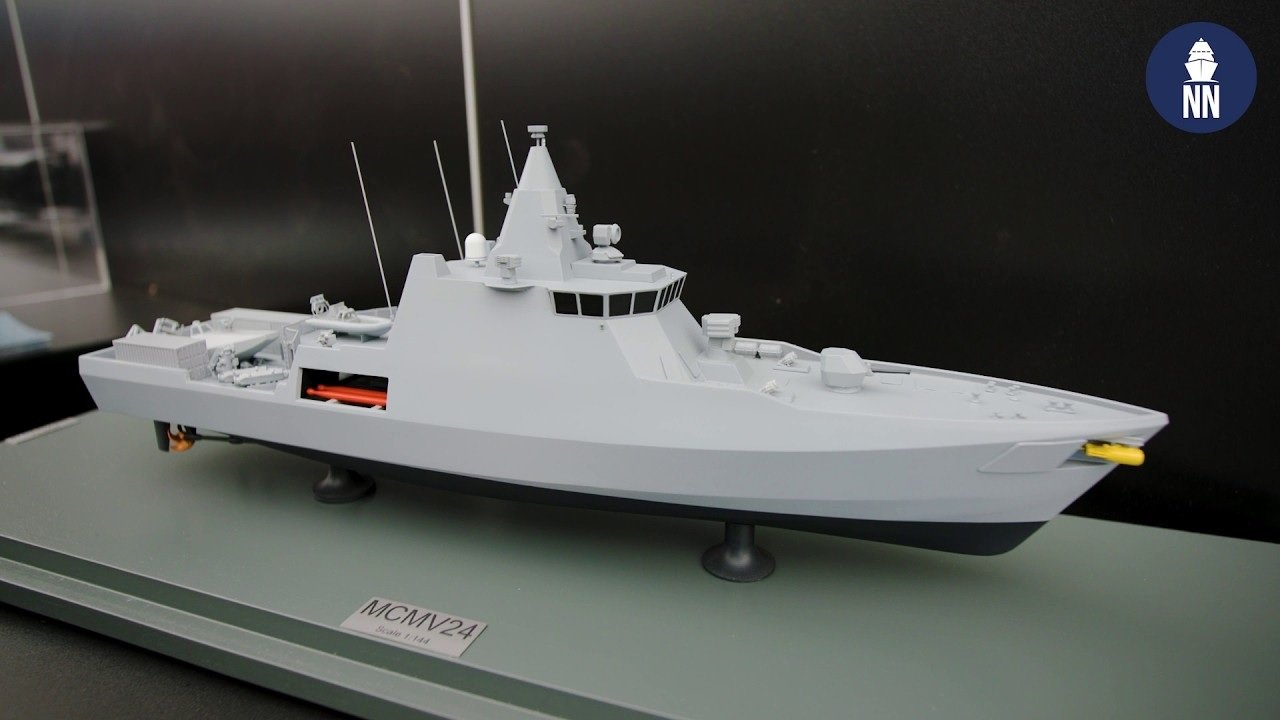
Europe
HERning, Denmark — Swedish defense company Saab has unveiled its MCMV 24 mine countermeasures vessel concept at DALO Industry Days in Herning, Denmark. The 66-meter vessel is designed for operations in the Baltic Sea and similar littoral environments, where mine threats can extend from hostile coastlines across open waters and into friendly ports. The MCMV 24 is designed to operate directly inside mine-threat areas rather than relying entirely on standoff distances. Saab's design considers conventional mines, air-dropped mines and potential future mine deployments by unmanned surface vessels (USVs). The vessel uses a composite glass-reinforced plastic (GRP) hull, a technology developed by Saab's Kockums shipyard, along with other signature-reduction features. Unlike Sweden's current Koster-class vessels, originally built as the Landsort-class in the 1980s, the MCMV 24 uses traditional propellers instead of Voith Schneider propulsors. This reduces some maneuverability and signature-reduction advantages but allows a higher top speed of 22 knots. Sensors and Armament The MCMV 24 is equipped with the Saab Giraffe 1X radar and CEROS fire-control and electro-optical system. Armament options include a Bofors 40 mm deck gun, Saab Lightweight Torpedoes, known as TP 47 in Swedish service, and Saab Nimbrix C-UAS missiles. Nimbrix is a lightweight, fire-and-forget hard-kill interceptor designed to counter drones at ranges of 2 to 5 kilometers. The missile weighs 2.5–3 kg, is less than one meter long, and uses an active seeker and air-burst warhead. Saab has developed it as a lower-cost layer between gun systems and longer-range very-short-range air-defense missiles, with first deliveries planned for 2026. Unmanned Mine-Warfare Systems The vessel includes a dedicated bow door for launching and recovering remotely operated vehicles (ROVs), including Saab's Double Eagle family. The aft deck provides space for containerized mission payloads and additional unmanned systems, including unmanned underwater vehicles (UUVs). A large stern ramp is also designed to deploy a medium mine-warfare USV. The Double Eagle family includes systems for mine disposal, reconnaissance and multi-shot neutralization, with variants operating at depths of up to several hundred meters. Potential Replacement for Koster-Class Saab is offering the MCMV 24 in dedicated mine-countermeasure, offshore patrol and coast guard configurations. The common-hull approach could allow navies to use one basic platform for different missions while reducing maintenance, training and operational requirements. The design is being considered as a potential replacement for Sweden's Koster-class and could also meet requirements in Estonia, Latvia and Lithuania, which have long focused on Baltic mine clearance while facing growing offshore patrol requirements. Saab has confirmed that early discussions are underway with Denmark and Germany regarding the new platform. DALO Industry Days 2026 was held in Herning, Denmark, on August 19–20. The MCMV 24 combines a low-signature hull and mine-warfare systems with higher speed, modern sensors, self-defense weapons and facilities for unmanned systems, giving the concept both mine-countermeasure and multi-mission capabilities. Source : navalnews
Read More → Posted on 2026-09-07 16:12:12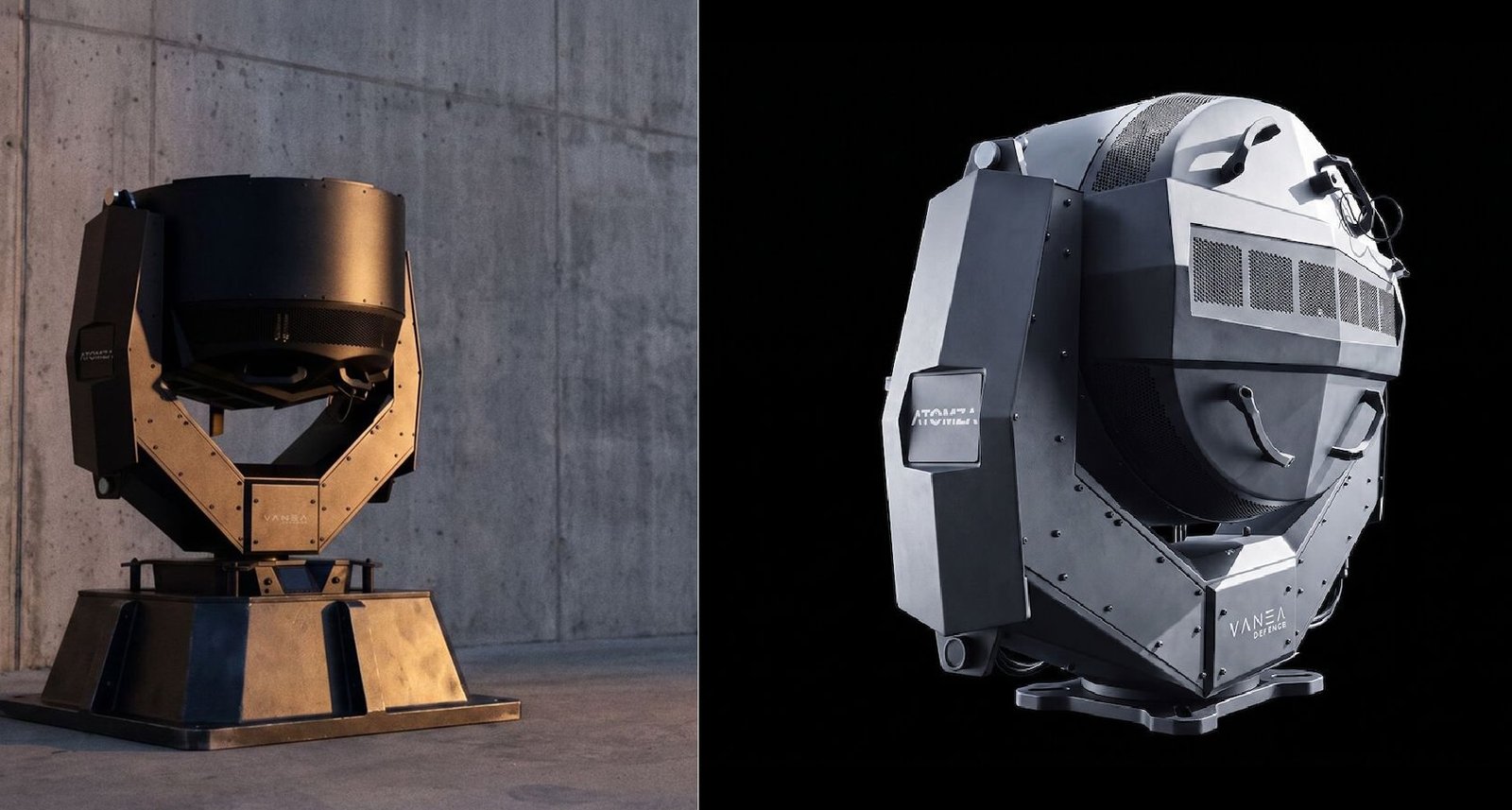
Europe
MUNICH — Munich-based VANEA Defence has unveiled ATOMZA, a non-kinetic counter-drone system designed for civilian operators. The system was presented at the Drone Days event in Bremen, Germany, on August 27 and 28, 2026. VANEA said ATOMZA is already in production and available for commercial orders. ATOMZA uses a directed photonic radiation effector that projects high-intensity light onto a targeted drone. The light saturates the drone’s optical sensors and impairs its guidance systems without physically destroying the aircraft. According to VANEA, this approach reduces the risk associated with falling drone debris and allows ATOMZA to be used in locations where kinetic interceptors or radio-frequency jammers may be restricted or unsuitable, including near airports, in ports, cities and areas with people. VANEA says ATOMZA is designed to be operated by civilian organisations without sovereign enforcement powers. The company is targeting applications at airports, critical infrastructure sites, major events and other sensitive locations. Traditional active counter-UAS systems, including jammers, high-energy lasers and interceptor drones, are generally limited to authorised security authorities. The system weighs 195 kg and has an operational lifetime of 20,000 hours. VANEA says engagement costs are primarily associated with electricity consumption, while the system requires no expendable ammunition, allowing it to be reused. The technology uses a proprietary artificial intelligence model developed and trained entirely in Europe. VANEA says the AI supports drone detection and can distinguish genuine threats from decoys, including in swarm situations. The company is also developing a broader family of counter-drone technologies involving networked countermeasures and advanced sensors. Founded in 2025, VANEA Defence said ATOMZA is already undergoing operational testing and validation with German security authorities and critical infrastructure operators. Military trials are planned for the coming weeks, while the company is also discussing wider deployment with European authorities and international security partners. Jens Hillenkötter, Executive Vice President for Unmanned Aircraft Systems and Counter-UAVs at VANEA Defence, said Europe's threat environment is changing rapidly and that critical infrastructure operators need solutions that can be deployed quickly. Co-founder and Chief Technology Officer Dr. Oliver Hartkorn stressed the importance of maintaining a European technology base for systems used by police, armed forces and civilian operators. VANEA Defence operates from Munich and develops counter-UAS and autonomous defence technologies. The company operates as a brand of publicly listed SCP Standard Capital Partners AG.
Read More → Posted on 2026-09-06 14:11:10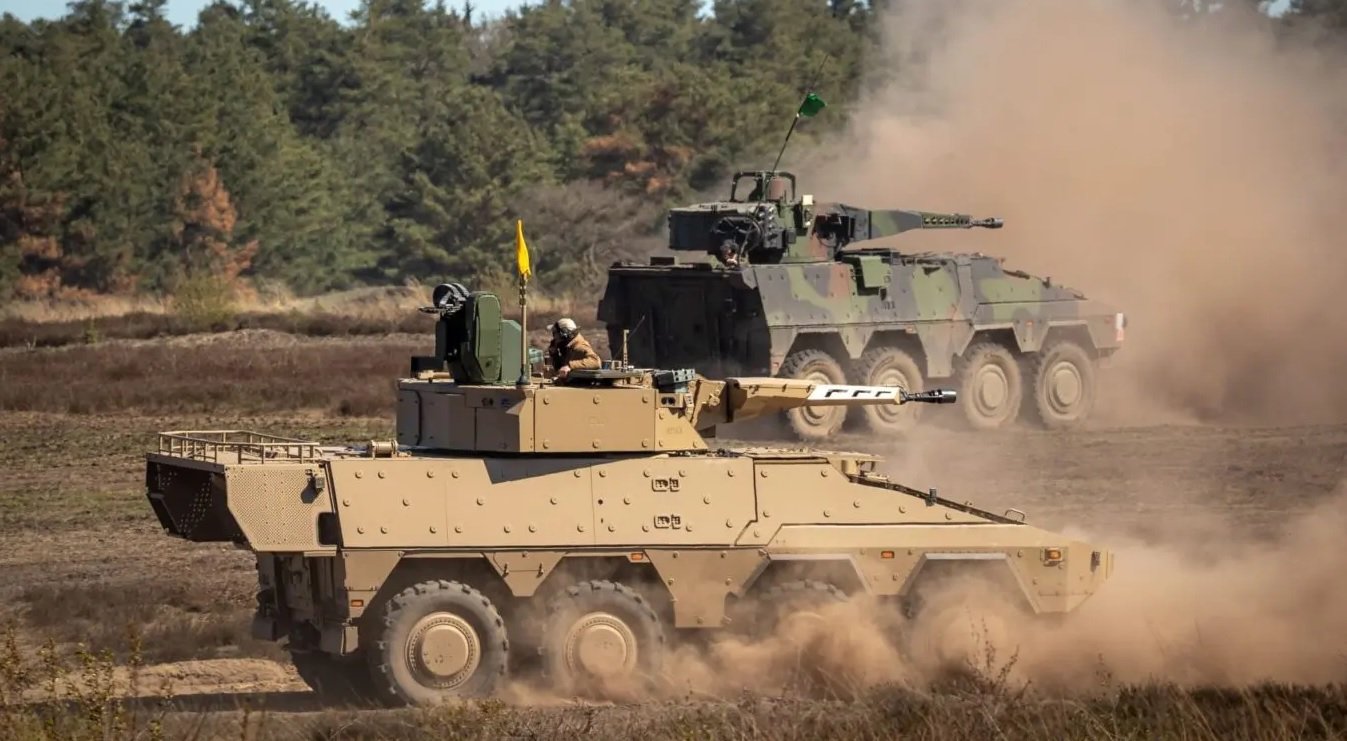
Europe
DÜSSELDORF, Germany — German defense company Rheinmetall expects to secure about €12.4 billion in vehicle business from Germany’s Arminius procurement programme by the end of 2026, Chief Executive Armin Papperger said during the company’s second-quarter 2026 earnings call. The initial vehicle package could be worth nearly €25 billion, with Rheinmetall and KNDS Deutschland each receiving a 50% share through their equally owned Artec consortium. Final negotiations with the Bundeswehr are expected in the second week of September. The contract still requires parliamentary approval. Papperger expects the Bundestag to consider the funding on December 9, with signing possible five to 10 days later. A 30% advance payment could then provide Rheinmetall with more than €3 billion in December or January. Rheinmetall also expects about €2 billion from a separate service and support contract valued at roughly €4 billion in total. The support agreement could be concluded in January 2027, bringing Rheinmetall’s expected business from the initial phase to approximately €14.4 billion to €14.5 billion. Further Boxer Orders The wider Arminius programme could eventually reach a theoretical industrial value of around €77 billion, although the additional phases remain unapproved and unfunded proposals. The first proposed follow-on option would be worth €28 billion overall, including about €14 billion for Rheinmetall, and cover around 1,700 vehicles delivered between 2030 and 2035. A second proposal is valued at about €24 billion, including €12 billion for Rheinmetall, for another 2,000 vehicles at a later stage. The initial phase is expected to include about 1,800 GTK Boxer vehicles. If all three phases proceed, Germany could acquire up to 5,500 new Boxers by around 2040, in addition to the 861 vehicles already ordered by the Bundeswehr. The programme will cover multiple Boxer configurations, including the Schakal infantry fighting vehicle and RCH 155 self-propelled howitzer. Other planned or considered variants include command vehicles, driver-training platforms, artillery reconnaissance vehicles, armored personnel carriers, medical evacuation vehicles, bridge systems and air-defense vehicles equipped with the Skyranger 30 turret. Rheinmetall Backlog The Arminius programme comes as Rheinmetall reports a record €80.4 billion order backlog at the end of the second quarter. Quarterly sales rose nearly 70% to €3.289 billion, while operational results increased 115% year over year. Quarterly order intake increased 476%, with about 70% of the backlog consisting of firm orders.
Read More → Posted on 2026-09-06 13:54:56Search
Top Trending in 24 Hours
-
 UK Ministry of Defence Opens £120,000 Tender for Skydio X10D Drones
-
 US Expands Military Buildup Near Iran with Third Aircraft Carrier and Additional Marines
-
 DRDO’s Arudhra Radar Reportedly Tracks F-35-Like Stealth Target in AI-Assisted Simulation: How It Works
-
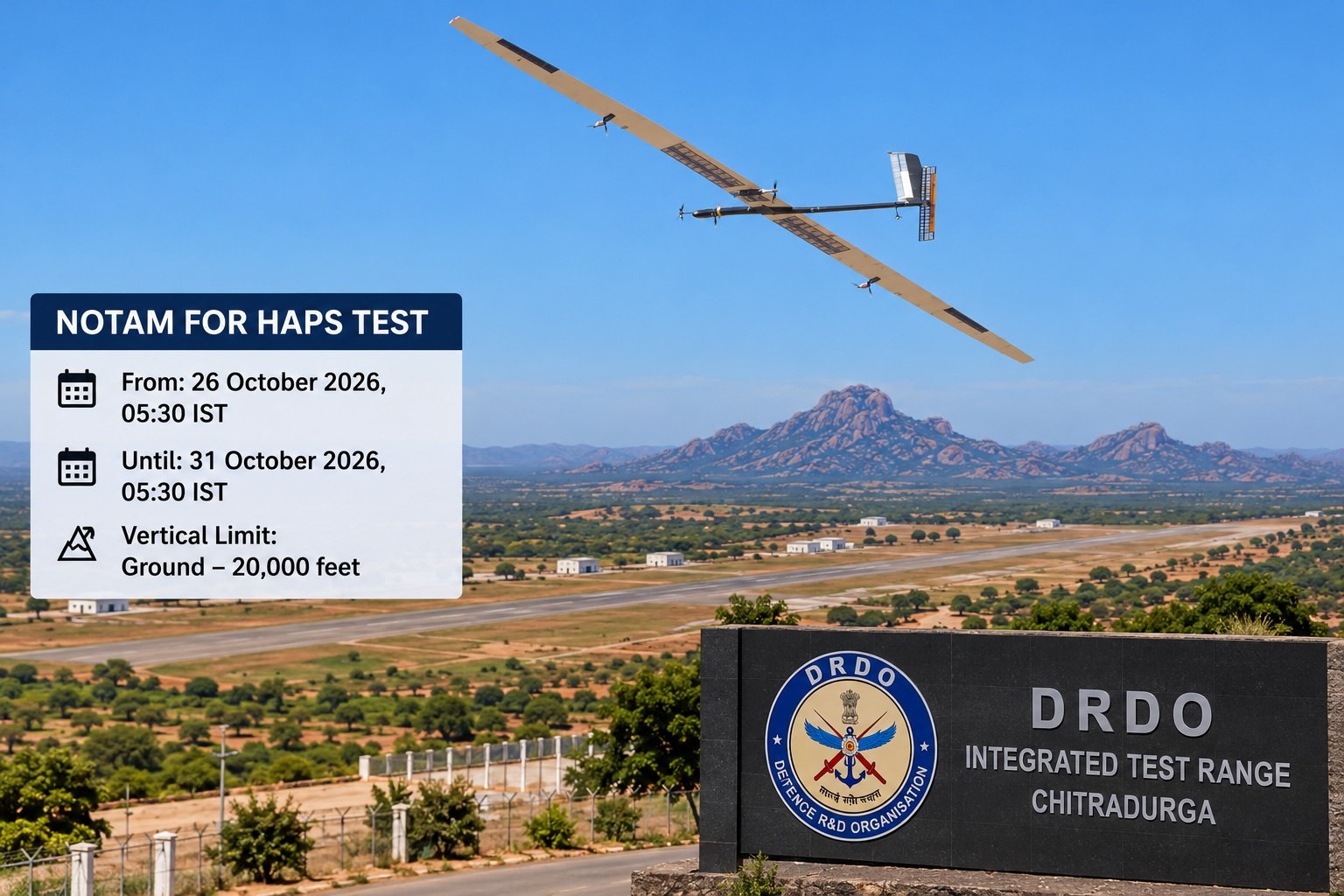 India Issues NOTAM for High Altitude Pseudo Satellite Test at DRDO Chitradurga Facility
-
 EDGE Integrates Autonomous Naval Systems in UAE-US Maritime Demonstration
-
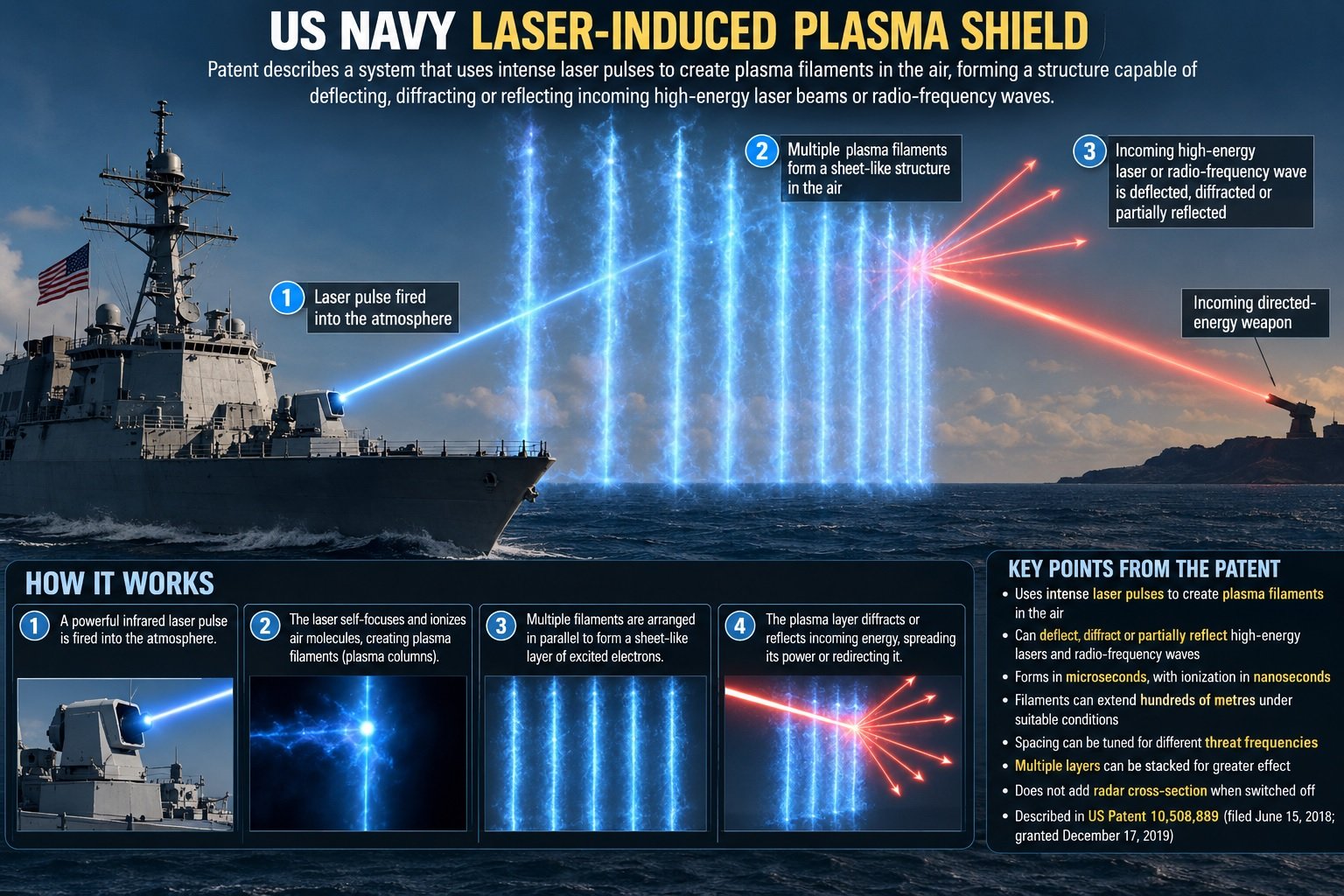 US Navy Patent Details Laser-Induced Plasma System to Deflect Directed-Energy Weapons
-
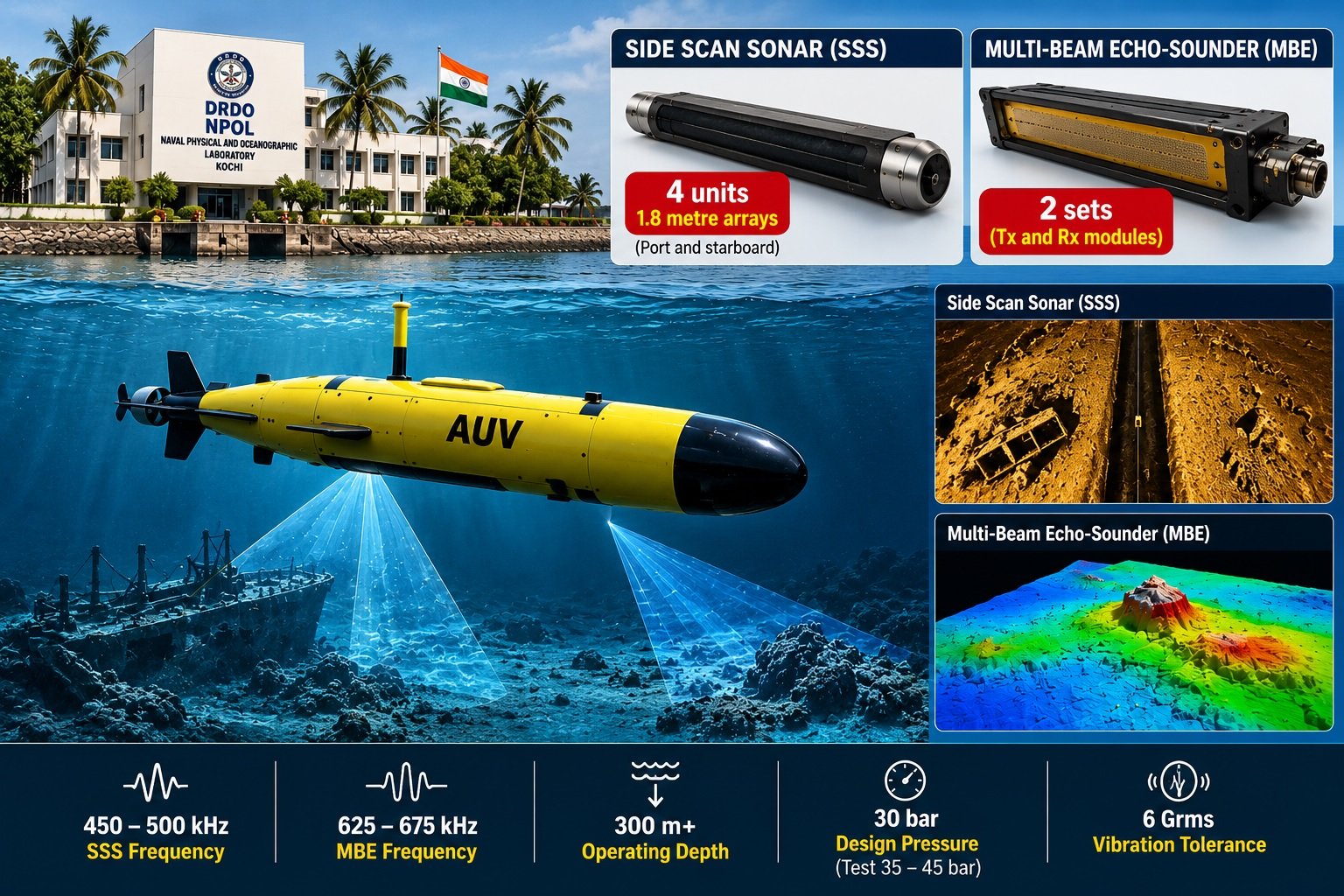 DRDO’s NPOL Issues RFP for Advanced Sonar Arrays for Two Autonomous Underwater Vehicles
-
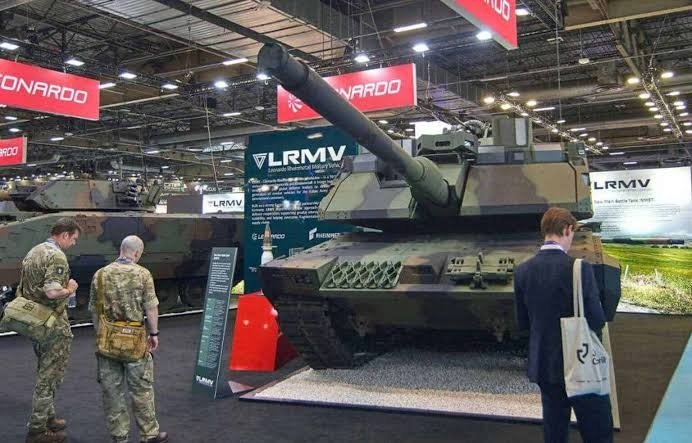 Italy Reportedly Orders 30 Panther Tanks and 48 Lynx IFVs in €3.7 Billion Deal
Top Trending in 4 Days
-
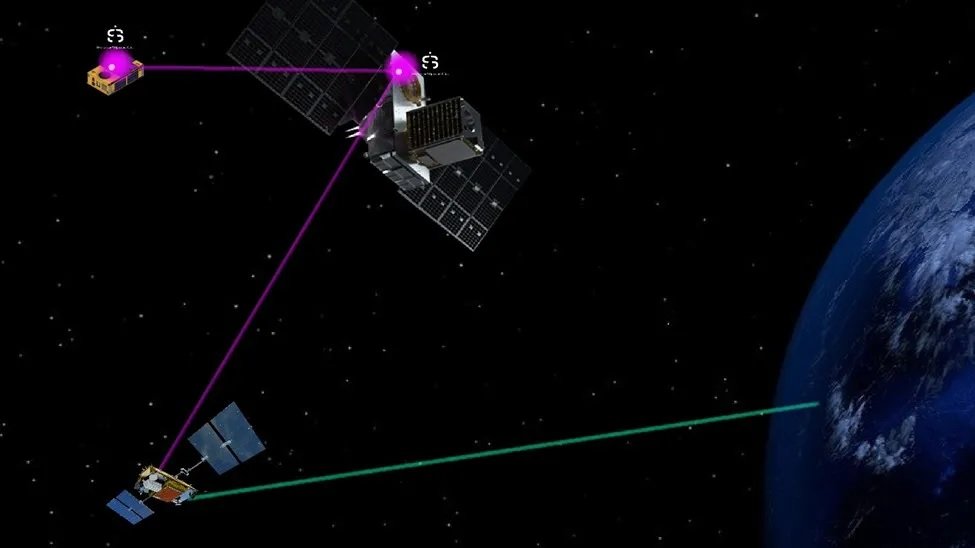 NASA Demonstrates Space-to-Space Wi-Fi Between Two Orbiting Spacecraft
-
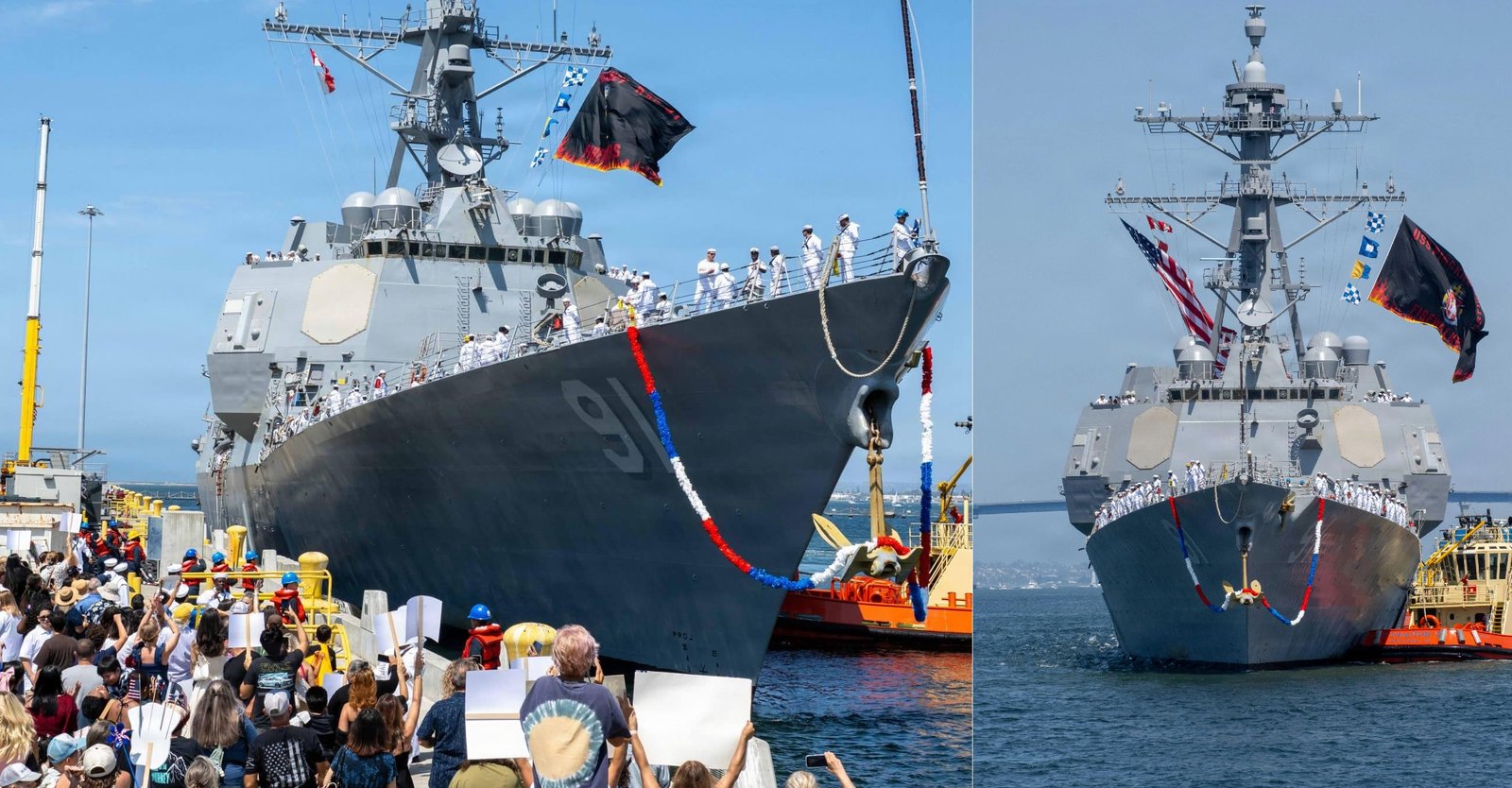 USS Pinckney Becomes First U.S. Navy Destroyer to Begin Phase Two Modernization with Advanced SPY-6 Radar
-
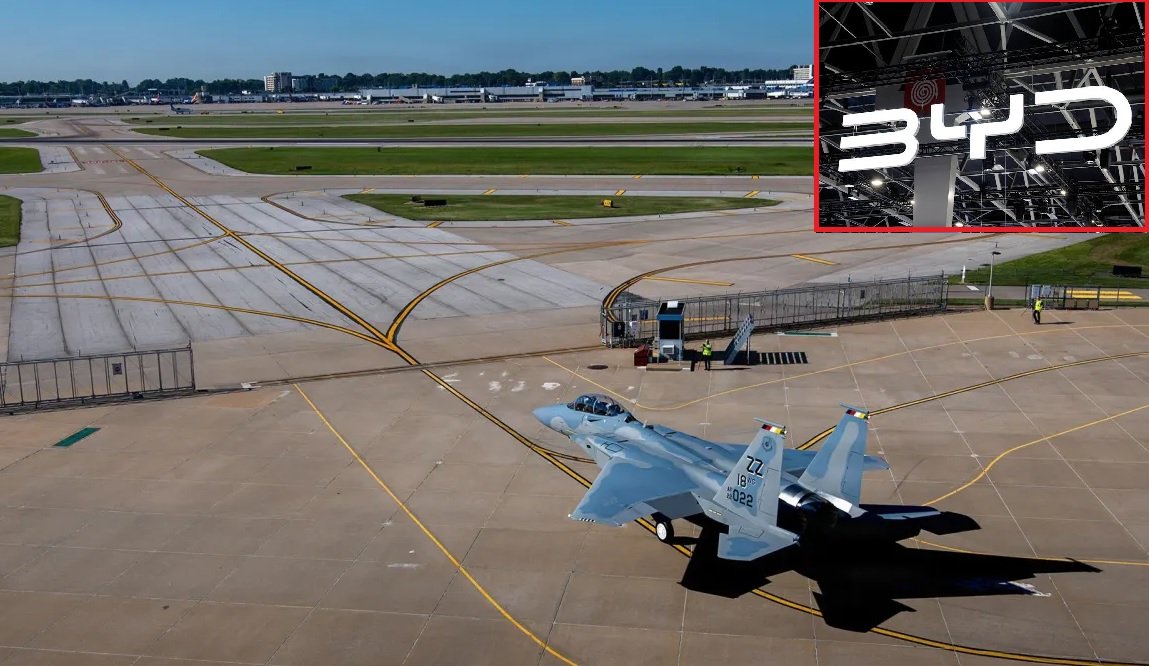 U.S. Military to Ban Chinese Automaker BYD Vehicles from Kadena Air Base in Japan Over Security Concerns
-
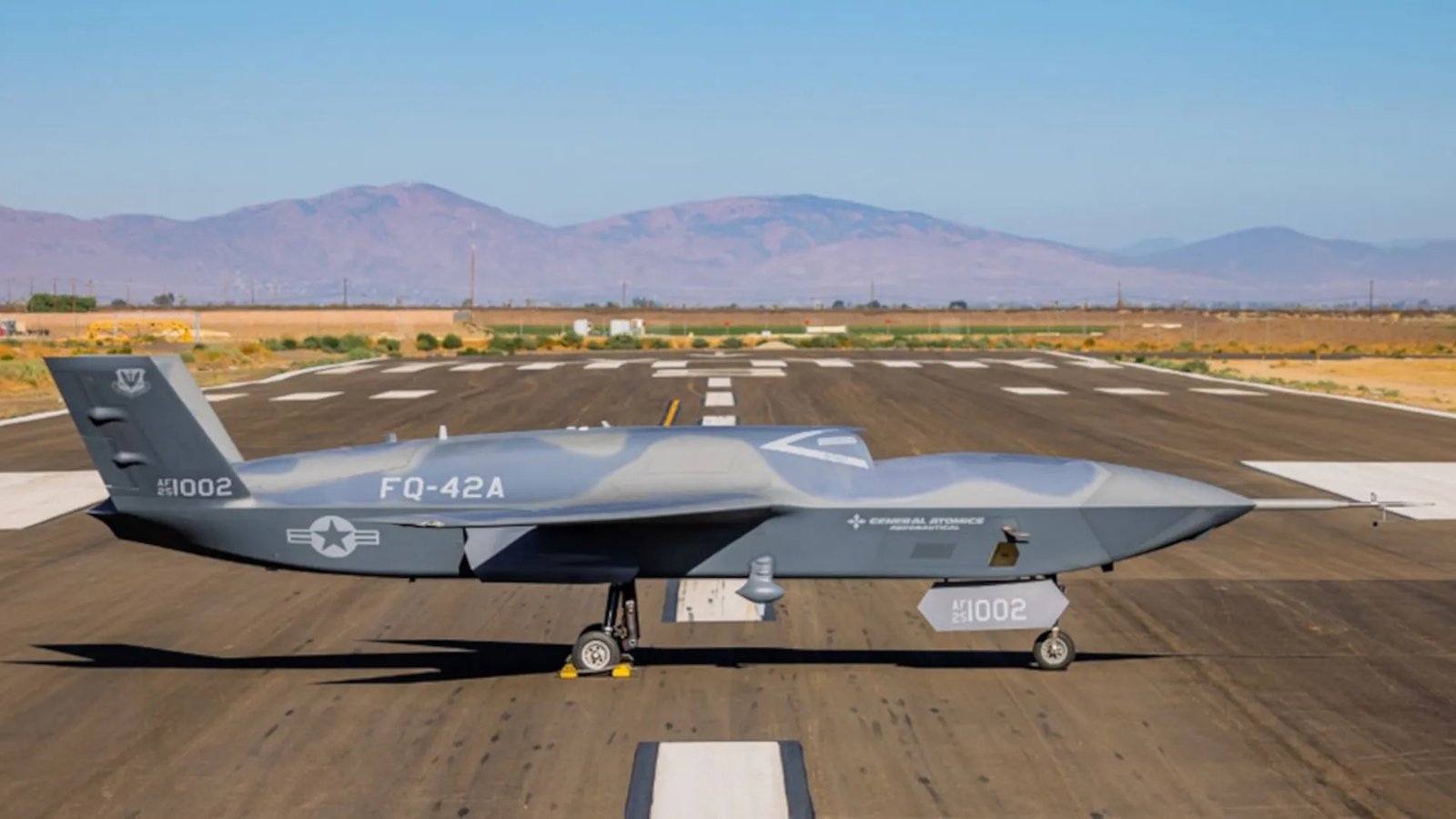 General Atomics Partners With Spirit Defense to Expand FQ-42 Vengeance Production
-
 CSG and North Vector Dynamics Sign MoU to Explore European Production of CM-70 Counter-Drone Interceptor
-
 Unitree Unveils H2-X ‘Kung Fu Legend: Guardian’ Humanoid Robot for Security and Rescue
-
 Ukraine Reveals Technical Details of Russia’s New Filin Cruise Missile
-
 Long Wall Receives $75 Million MDA Award to Complete Cyclops Interceptor Flight Testing