
Europe
BERLIN — German drone manufacturer Quantum Systems has introduced survivability upgrades for its Vector reconnaissance drone, adding artificial intelligence (AI)-powered interceptor evasion capabilities and a new camouflage design to improve operations in contested environments. The company announced the upgrades on LinkedIn, saying the enhancements are designed to help the Vector counter and evade enemy interceptor drones. The improvements are being introduced through retrofit programs for drones already in service as well as on newly produced aircraft. One of the most visible changes is the drone's yellow fuselage, adopted as a camouflage measure. According to the company, the colour makes the aircraft more difficult to detect against dry Ukrainian fields during the summer months. To improve survivability, the upgraded Vector is equipped with a rear-facing thermal imaging camera that monitors for interceptors approaching from behind. When a threat is detected, the drone's onboard AI identifies it and automatically performs an evasive manoeuvre without requiring operator input. Three-Phase Modernization Program Quantum Systems began rolling out the countermeasure modules as a retrofit program for older Vector drones in March 2026. According to Oleksandr Berezhnyi, Managing Director of Quantum Systems in Ukraine, the modernization program includes three phases: AI Integration: Installation of a new artificial intelligence system, requiring replacement of the drone's nose section to accommodate onboard processing hardware. Evasion Upgrade: Installation of dedicated interceptor evasion modules. Power Upgrade: Replacement of older batteries with new ones that provide extended flight time. Deliveries of the Vector AI began in April 2026, with the latest production models shipping from Germany with AI processing and interceptor evasion modules already installed. The Vector AI also adds onboard computing, AI-supported object detection and tracking, and improved resilience in contested environments, building on the platform's operational experience in Ukraine. Reliant UAS Also Upgraded Alongside the Vector, Quantum Systems has upgraded its Reliant long-range reconnaissance unmanned aircraft system (UAS). The latest Reliant features a hybrid-electric power unit and a payload capacity of up to 9 kilograms, enabling it to carry a wider range of mission equipment, including electro-optical sensors, laser target designators, synthetic aperture radar (SAR), signals intelligence (SIGINT), electronic warfare payloads, SATCOM, and relay systems. The platform can be assembled by a two-person team, operated by one person, and requires only a 10-by-10-metre area for launch and recovery. It is also fully integrated into Quantum Systems' MOSAIC UXS software ecosystem and has enhanced capability to operate in environments where GPS signals and communication links are jammed or denied.
Read More → Posted on 2026-08-02 11:20:18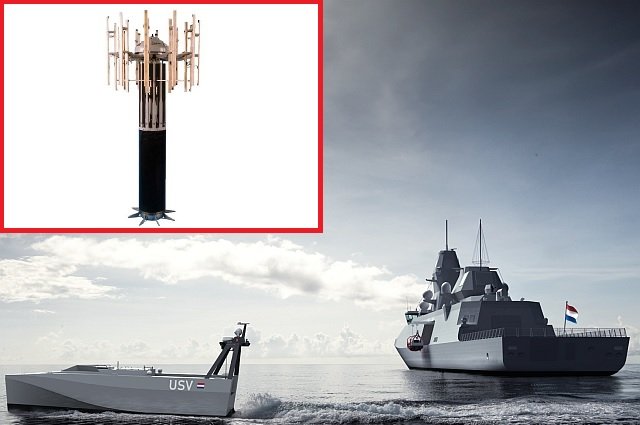
Europe
ROTTERDAM — The Netherlands has officially started the design phase for a new fleet of 12-metre unmanned surface vessels (USVs) that will operate with the Royal Netherlands Navy's future anti-submarine warfare (ASW) frigates. The vessels are intended to expand underwater surveillance, improve submarine detection, and strengthen the navy's anti-submarine warfare capabilities. The agreement to begin the design work was signed in Rotterdam on July 29 by representatives of the Dutch Ministry of Defence, Dutch Naval Design (DND), and defense company Thales. The project follows a framework agreement signed on April 10, 2024, which established the initial requirements for the vessels and outlined a four-year roadmap toward technological readiness. The design phase is expected to conclude in the first quarter of 2027. Designed to Support Future ASW Frigates Under the program, each new Royal Netherlands Navy ASW frigate will carry one 12-metre unmanned surface vessel in its mission bay. The USVs will be deployed and recovered using a dedicated cradle-type launch and recovery system. The vessels are being developed to extend the frigates' underwater surveillance range while allowing them to detect and track hostile submarines from greater distances. According to the Dutch Ministry of Defence, this approach is expected to improve reaction times while reducing the need for crewed warships to operate close to potential submarine threats. The unmanned vessels are also expected to support deterrence operations in areas with increased submarine activity. Compact Flash Sonar to Be Integrated A central element of the project is the integration of the Compact Flash dipping sonar produced by Thales Underwater Systems France. A separate agreement covering the delivery of the sonar systems was signed alongside the vessel design contract. By deploying the sonar from an unmanned platform, the Royal Netherlands Navy will be able to expand its underwater surveillance area while helping the crewed frigate avoid revealing its own position. The ministry said the capability will allow frigates to search for and track submarines from greater stand-off distances. Long-Endurance Operations The Dutch Ministry of Defence said the new USVs are expected to have a minimum operating endurance of at least 96 hours, enabling them to conduct extended anti-submarine warfare and deterrence missions. The ministry also noted that the distributed operating concept will allow the unmanned vessels to perform several tasks traditionally carried out by embarked helicopters. Officials expect this approach to improve operational efficiency while increasing the fleet's underwater surveillance coverage. Dutch Naval Design to Lead Development The design work has been awarded to Dutch Naval Design (DND), a partnership that brings together government organizations, industry, universities, and research institutions. The proposal was submitted by participating organizations operating under the USV Alliance consortium. Companies involved in the wider effort are also contributing model-based systems engineering and cybersecurity support as part of the design process. Part of the Netherlands-Belgium ASW Frigate Program The unmanned vessels form part of the broader Anti-Submarine Warfare Frigate (ASWF) program, a joint procurement initiative between the Royal Netherlands Navy and the Belgian Navy to replace their aging M-class multi-purpose frigates. The frigates themselves are being constructed by Dutch shipbuilder Damen. The Dutch Ministry of Defence said the USVs will contribute to the future anti-submarine warfare capabilities shared by both countries and reflect the growing role of unmanned systems in modern naval operations. Belgium's Position Remains Unchanged Belgium's defence minister recently criticized aspects of the wider frigate program, citing delays, cost increases, and design changes, and suggested the possibility of seeking alternatives to Damen for shipbuilding. However, the Dutch Ministry of Defence's announcement launching the USV design phase did not indicate any change to Belgium's participation in either the unmanned vessel project or the broader joint anti-submarine warfare program.
Read More → Posted on 2026-08-02 11:10:57
Europe
MADRID, Spain — Spanish satellite operator Hisdesat has selected Airbus Defence and Space as the prime contractor for the development and construction of the SpainSat NG-III secure communications satellite, completing the industrial framework of the SPAINSAT NG Programme, a public-private partnership with the Spanish Ministry of Defence. The agreement, signed on July 31, will see Airbus design, integrate, and test the satellite, while Thales Alenia Space will serve as co-contractor. Financial terms of the contract were not disclosed. Supporting Spain's Secure Communications Network SpainSat NG-III will become part of Europe's most advanced secure military satellite communications constellation. The satellite is designed to provide high-capacity, encrypted command-and-control communications for the Spanish Armed Forces, government users, NATO, allied forces, and users under the European GOVSATCOM initiative. According to Airbus, the new satellite builds on the design of earlier SpainSat NG spacecraft while introducing improvements that increase operational flexibility, expand available bandwidth, and strengthen protection against jamming and other electronic threats. Advanced Payload and Protection Built on Airbus' Eurostar Neo platform, SpainSat NG-III will carry advanced X-band receive and transmit active antennas developed by Airbus in Spain. The company said these antennas deliver the performance of 16 conventional antennas and can reconfigure coverage up to 1,000 times per second, enabling rapid detection and mitigation of electronic interference, including jamming and spoofing attempts. Thales Alenia Space in Spain will develop the satellite's UHF and military Ka-band payloads while leading the assembly, integration, and testing of the communications module at its Tres Cantos facility. The satellite also incorporates hardened features designed to withstand high-altitude nuclear events and electromagnetic pulses (EMP). Airbus said it meets NATO requirements for signal intelligence, anti-jamming, and anti-spoofing capabilities. Launch Planned for 2030 SpainSat NG-III will follow a 48-month development schedule, with launch planned for the third quarter of 2030 and full operational capability expected in early 2031. Once operational alongside SpainSat NG-I, which launched in January 2025, the constellation will provide continuous geostationary communications coverage from North and South America across Europe, Africa, the Middle East, and eastward to Singapore, covering roughly two-thirds of the Earth's surface. Replacing SpainSat NG-II The new satellite is being developed after SpainSat NG-II, launched in October 2025, suffered non-recoverable damage following what its operator described as a space particle impact while transferring to its final geostationary orbit in January 2026. SpainSat NG-III will restore the lost capability and complete the planned constellation. The programme remains one of the largest space hardware initiatives undertaken by Spain's aerospace sector and continues to involve Airbus, Thales Alenia Space, and more than ten Spanish aerospace companies supplying subsystems and hardware. Alain Fauré, Head of Space Systems at Airbus Defence and Space, said SpainSat NG-III will reinforce Spanish and European strategic autonomy by providing mission-critical communications for Spain, NATO, and allied forces.
Read More → Posted on 2026-08-01 13:41:09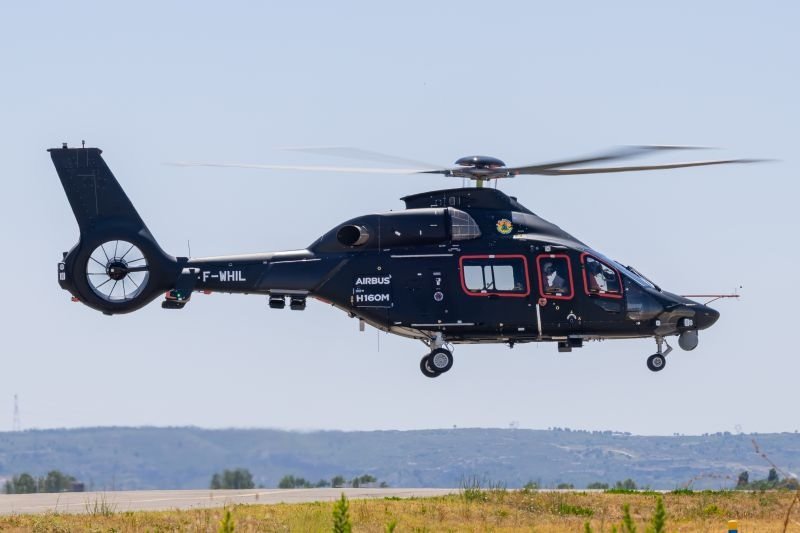
Europe
MARIGNANE, France — Airbus Helicopters has completed the maiden flight of the second prototype of its H160M Guépard military helicopter, marking the next phase of the aircraft's flight test campaign under France's Joint Light Helicopter (Hélicoptère Interarmées Léger – HIL) programme. The second prototype made its first flight in a distinctive all-black paint scheme, setting it apart from the civilian-style H160 helicopters already in service and from the first military prototype. The H160M, known as Guépard (French for "cheetah"), is the military version of the Airbus H160 medium helicopter. It is being developed to provide a common helicopter platform for the French Army, Navy, and Air and Space Force, replacing several legacy helicopter types currently in service or recently retired. France to Acquire 169 H160M Helicopters France plans to procure 169 H160M Guépard helicopters under the HIL programme. The new fleet will replace five existing helicopter types: Gazelle Alouette III Dauphin Panther Fennec The fleet consolidation is intended to simplify maintenance, logistics, spare parts management, and crew training across the three military services. France has so far ordered an initial batch of 30 aircraft. The overall planned fleet includes 80 helicopters for the French Army, 49 for the French Navy, and 40 for the French Air and Space Force. Initial deliveries to the French Army are scheduled to begin in late 2028. Three Prototypes Supporting Development Airbus is using three flying prototypes to support different phases of the H160M development programme. The first prototype completed its maiden flight on 18 July 2025. It has accumulated more than 72 flight hours, focusing on validating the helicopter's flight characteristics and overall performance. During 2026, the aircraft conducted weapons firing trials at Cazaux, validating the integration of 12.7 mm machine gun pods, door-mounted machine guns, and the self-protection system's flare dispensers. Further testing will include guided rockets as well as risk-reduction studies for the MBDA Akeron LP missile. The second prototype, which has now completed its first flight, will focus on environmental testing. The aircraft will undergo hot and cold weather trials to evaluate system performance in extreme operating conditions, including desert and arctic environments. The third prototype is scheduled to join the flight test campaign in 2027. It will be configured for naval operations and will validate maritime-specific equipment and shipboard compatibility required by the French Navy. Military Systems and Mission Equipment The H160M is a six-tonne-class helicopter powered by two Safran Arrano turboshaft engines. According to Airbus, the helicopter incorporates 68 patented technologies designed to improve efficiency, safety, environmental performance, acoustic performance, and maintenance compared with earlier helicopter designs. For military operations, the Guépard is equipped with a dedicated mission system that includes: Thales FlytX avionics suite Airbus-developed mission system Safran Euroflir 410 electro-optical sensor Thales AirMaster C radar The helicopter also features an automated self-protection suite that operates across the electromagnetic and optical spectrum to deploy countermeasures against threats. Using Airbus' HForce modular weapon system, the H160M can be equipped with: 12.7 mm machine gun pods Guided rockets 7.62 mm pintle-mounted machine guns for door gunners Native Drone Cooperation Capability The H160M is the first helicopter in Airbus' product range designed from the outset with a native drone cooperation system. The capability enables helicopter crews to work directly with unmanned aircraft, allowing real-time information sharing and extending reconnaissance and situational awareness beyond the helicopter's onboard sensors. Production Continues Alongside Flight Testing Airframe production is already underway at Airbus' facility in Donauwörth, Germany, while final assembly is carried out in Marignane, France. Manufacturing is progressing in parallel with the ongoing flight test programme. Airbus has also highlighted the operational experience gained from the French Navy's interim use of six civilian H160 helicopters for maritime search-and-rescue missions. Those aircraft have accumulated more than 5,000 flight hours over more than two years of operations, providing operational experience that supports the H160M programme. The successful first flight of the second prototype expands the H160M test campaign into environmental qualification while development continues toward the planned introduction of the helicopter into French military service beginning in late 2028.
Read More → Posted on 2026-07-31 17:08:15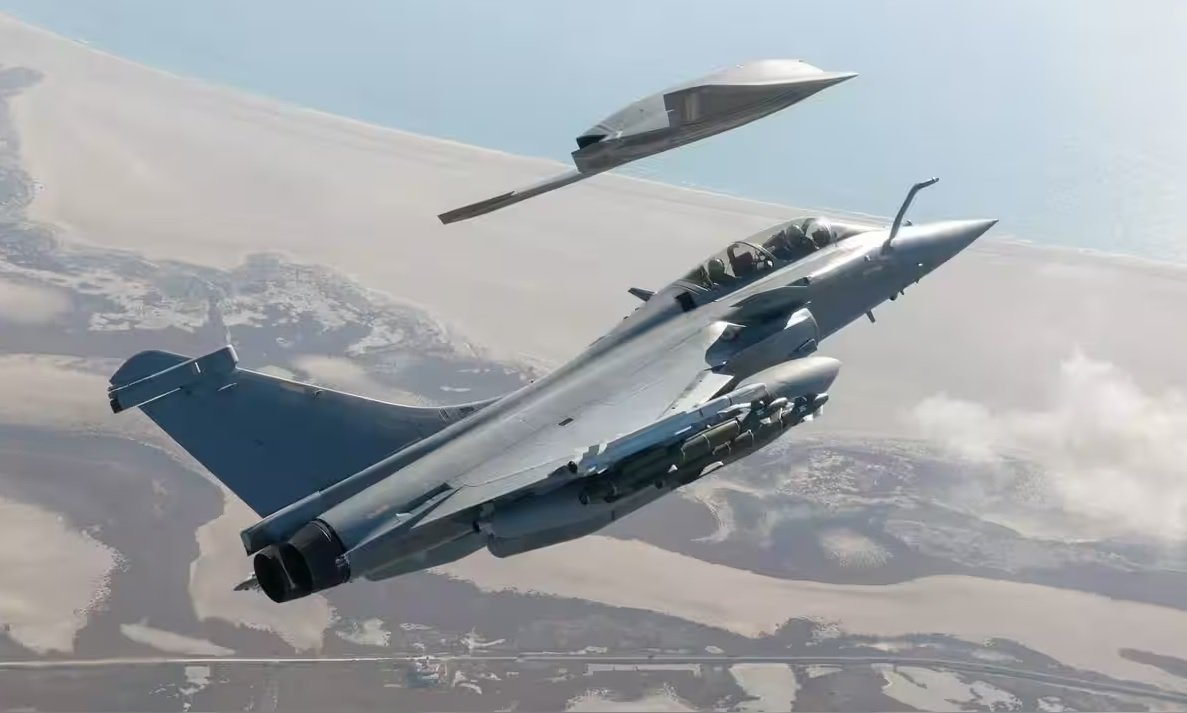
Europe
PARIS — The French Ministry of the Armed Forces has awarded the first preparatory engineering contracts for the €1.5 billion reconstruction of Air Base 116 (BA 116) at Luxeuil-Saint-Sauveur, officially launching a long-term modernization project that will transform the site into France's fourth nuclear-capable air base. The initial contracts, awarded on July 25, 2026, begin the engineering and site-preparation phase of the project, which follows the strategic force restructuring announced by French President Emmanuel Macron during his visit to Luxeuil on March 18, 2025. Under the plan, the base will host two Strategic Air Forces squadrons operating approximately 50 two-seat Rafale F5 fighter aircraft equipped to carry the future ASN4G hypersonic nuclear missile. The transformation will restore Luxeuil's nuclear deterrence mission, a role the base lost in 2011. The Defence Infrastructure Service will oversee the reconstruction in coordination with the French Air and Space Force, while the Directorate General of Armaments will synchronize infrastructure work with the delivery of aircraft, weapons, communications systems, simulators, and other operational equipment. Engineering Work Begins Before Major Construction The first contracts cover engineering studies, site surveys, design preparation, utility assessments, and planning work required before large-scale construction begins in 2027. The reconstruction will take place within the base's existing 477-hectare footprint and will modernize nearly every major facility surrounding its 2,433-meter NATO-standard concrete runway. Planned upgrades include reconstruction of the runway surface, taxiways, aircraft parking aprons, roads, vehicle areas, hangars, maintenance buildings, utilities, water supply, drainage networks, accommodation, dining facilities, and operational headquarters. The project also includes construction of specialized facilities such as a dedicated information technology building, a separate simulator complex, nuclear-certified storage facilities, secure mission planning areas, classified information systems, protected communications networks, aircraft servicing areas, weapons preparation facilities, and restricted-access operational zones. Much of the existing infrastructure dates back to the 1950–1953 modernization of the base, making replacement of aging buildings and support networks a key part of the project. Personnel to Increase Significantly The conversion to a nuclear mission will require a major increase in manpower over the coming decade. Permanent military and civilian personnel at the base are expected to increase from about 1,200 in 2025 to nearly 2,000 by 2035. Maintenance staff will expand from around 300 to approximately 800 personnel, while the pilot population is expected to quadruple. The future force structure will require more personnel because the nuclear mission will be carried out by two-seat Rafale aircraft, with each mission involving both a pilot and a weapon systems officer. The weapon systems officer is responsible for navigation, communications, electronic warfare, threat monitoring, mission timing, tanker coordination, and nuclear weapon procedures, allowing the pilot to focus on flying and tactical mission execution. This operating model also increases the need for simulator training, mission rehearsals, instructors, and classified planning staff. Flying Operations to Pause During Reconstruction To allow unrestricted access across the airfield during construction, all flying operations at Luxeuil are expected to stop from 2029 to 2032. The temporary suspension follows the planned end of Mirage 2000-5F operations in 2029 and will continue until the arrival of the first Rafale F5 aircraft in 2032. During this period, the air base will temporarily be absent from France's fighter-base network while extensive work is carried out across the runway, taxiways, parking aprons, and central operational facilities. Peak construction activity is expected to involve between 1,500 and 2,000 workers, creating a temporary workforce comparable to or larger than the base's current permanent population. Managing the project will require dedicated entry points for civilian contractors, separation of classified and non-classified areas, management of heavy construction traffic, and coordination with nearby municipalities regarding accommodation, transportation, roads, and public services. Rafale F5 and ASN4G to Form Future Nuclear Force Luxeuil will become the first French air base specifically designed around the Rafale F5 and ASN4G weapon system. The first Rafale F5 aircraft are expected to arrive in 2032. The first squadron is planned to become operational in 2033, followed by a second squadron in 2036, with full dual-squadron readiness targeted the same year. During infrastructure planning, the two future squadrons are provisionally designated RAF7, scheduled for 2033, and RAF8, planned for 2036. The planned inventory of approximately 50 aircraft suggests a nominal strength of about 25 fighters per squadron, although operational availability will vary due to maintenance, training, upgrades, and aircraft servicing requirements. The Rafale F5 standard is being developed with enhanced computing capability, sensor fusion, electronic warfare architecture, communications capacity, and weapon interfaces required for integration with the ASN4G missile and future uncrewed combat aircraft. The ASN4G, currently under development by MBDA, is intended to replace the ASMPA-R after 2035. The missile is designed to achieve hypersonic speed, maneuver during flight, and reduce the probability of interception by future air-defense and missile-defense systems. It is planned to equip both the French Strategic Air Forces and French Naval Aviation, maintaining France's airborne nuclear deterrent from both land-based and carrier-based aircraft. France's Fourth Nuclear Air Base France currently operates three nuclear-capable air bases: Saint-Dizier, Istres, and Avord. Once completed, Luxeuil will become the country's fourth nuclear air base. The July 2026 contract awards mark the beginning of the engineering and planning phase that will determine how the entire installation is rebuilt within its existing footprint over the coming decade, preparing the base to support the future Rafale F5 fleet and ASN4G nuclear missile system.
Read More → Posted on 2026-07-31 16:31:09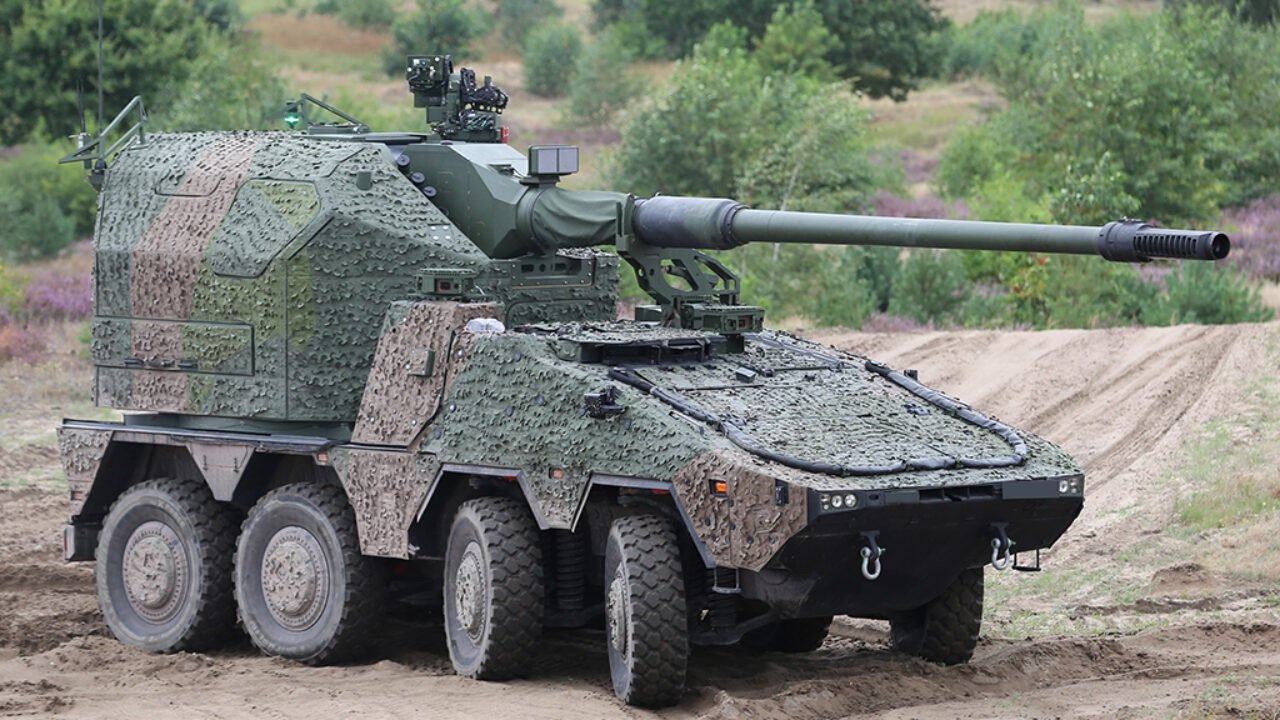
Europe
DÜSSELDORF, Germany — Rheinmetall has secured a contract to supply the core weapon systems for 72 RCH 155 wheeled howitzers ordered by the British Army under the United Kingdom's joint artillery modernization programme with Germany. The supply contract, awarded in the second quarter of 2026, is valued in the low three-digit million-euro range. It follows the UK's order for 72 RCH 155 systems announced in May 2026, with the overall acquisition valued at nearly £1 billion, including initial training and in-service support. OCCAR Managing Joint UK-Germany Programme The procurement is being carried out through the Organisation for Joint Armament Cooperation (OCCAR), which awarded the main contract to ARTEC GmbH, a joint venture between Rheinmetall and KNDS Deutschland. Both companies are participating in the programme as subcontractors. The programme is part of the broader UK-Germany defence cooperation established under the Trinity House Agreement, signed in 2024, which aims to strengthen defence collaboration and improve interoperability between the two countries and within NATO. Rheinmetall to Manufacture Key Weapon Systems in the UK Germany and the United Kingdom are currently qualifying the 155 mm L/52 remote-controlled weapon system for service with both armies. Once the qualification process is complete, Rheinmetall will supply 72 elevating masses together with associated onboard tools. The company will also produce training materials and technical documentation to support the introduction of the new artillery systems. Manufacturing of the weapon systems—including the barrel, breech, recoil system, and trunnions—will take place at Rheinmetall's new gun production facility in Telford, United Kingdom, which is being brought into service in phases. Deliveries of the weapon systems are scheduled from May 2028 through June 2031. In support of the UK's domestic defence industry, Rheinmetall plans to manufacture the gun barrels using British steel supplied by Sheffield Forgemasters. UK Production to Support Hundreds of Jobs The programme also includes significant manufacturing work within the United Kingdom. KNDS UK will produce the BOXER drive modules, including the chassis, engine, and drivetrain, at its facility in Stockport. According to Rheinmetall, the programme is expected to support at least 500 jobs across the UK, including 100 new skilled positions in Telford, 100 jobs in Stockport, and approximately 300 roles across the wider British supply chain. RCH 155 to Replace AS90 Artillery The RCH 155 combines the GTK Boxer wheeled armoured vehicle with an automated artillery module derived from the Panzerhaubitze 2000. The system is equipped with an unmanned, fully automated turret housing a 155 mm gun, allowing it to be operated by a crew of two soldiers from within the protected drive module. The wheeled howitzer is capable of travelling at speeds of up to 100 km/h and can fire while moving, providing greater mobility during operations. It can fire up to eight rounds per minute with a maximum range of up to 70 km, depending on the ammunition used. The British Army is acquiring the RCH 155 to replace the AS90 self-propelled howitzers transferred to Ukraine in 2023. The system is also expected to eventually replace the Army's interim Archer capability. Deliveries Begin in 2028 Deliveries of the complete RCH 155 systems to the British Army are scheduled to begin in 2028. Alongside the UK programme, Rheinmetall is continuing to expand its production capacity for 155 mm weapons and ammunition as part of its broader manufacturing activities across Europe.
Read More → Posted on 2026-07-31 12:47:39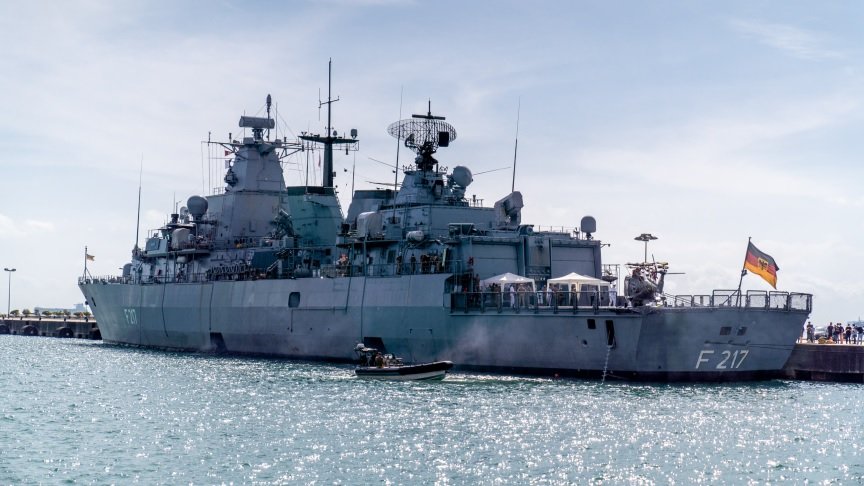
Europe
WILHELMSHAVEN, Germany — Rheinmetall has secured a mid-three-digit million euro contract to modernize the German Navy's F123-class frigate Bayern, extending the vessel's operational service life until at least 2035 while upgrading its systems to meet current operational requirements. The agreement was finalized at the end of the second quarter of 2026. The modernization work will be carried out at Rheinmetall's Neue Jadewerft shipyard in Wilhelmshaven and is scheduled to continue through 2029. Comprehensive Service-Life Extension Commissioned in 1996, Bayern is a 143-meter frigate belonging to the Brandenburg-class (F123), a class of four ships primarily designed for anti-submarine warfare (ASW). The modernization program is intended to keep the frigate operationally ready while updating its systems to current technological standards. The vessel is currently berthed at the Neue Jadewerft facility, where crews are removing major components in preparation for the next phase of the project. After this stage is completed, the ship will be transferred to the shipyard's dry dock for the main modernization work. Key Systems to Be Upgraded The overhaul will include upgrades across several major areas of the frigate. The ship's Combat Management System (CMS) will be completely replaced, while the radar sensor suite will be modernized to support current operational requirements. Essential shipboard engineering systems will also undergo refurbishment, including the vessel's propulsion and drive systems, to improve long-term reliability and support continued service. In addition, Rheinmetall will upgrade selected anti-submarine warfare (ASW) capabilities, enhancing the frigate's effectiveness in future deployments. Rheinmetall Highlights Naval Modernization Expertise Tim Wagner, CEO of Rheinmetall's Naval Systems division, said the company is focused on delivering the modernization project on schedule. "We are now fully focused on delivering the project on schedule. The Neue Jadewerft shipyard has many years of experience in the modernization and maintenance of naval vessels—particularly frigates—and possesses extensive expertise in integrating complex maritime systems. Combined with our close cooperation with all project partners and our customer, these capabilities provide the foundation for delivering the ship to the German Navy on time and to the required quality standards." Strengthening Rheinmetall's Naval Services Business Rheinmetall said the contract demonstrates the importance of its service business within the Naval Systems division. The company noted that long-term maintenance, modernization and lifecycle support remain core activities that help maintain the operational readiness of naval platforms over many years. The contract also provides a significant addition to Rheinmetall's order book. It follows the German government's cancellation of the delayed F126 frigate program, a project Rheinmetall had expected to manage. Supporting Future German Navy Operations The F123-class frigates continue to serve as part of the German Navy's surface fleet. The service-life extension program for Bayern is designed to ensure the vessel remains operational through at least 2035, with upgraded combat, engineering, sensor and anti-submarine warfare systems that meet current operational requirements.
Read More → Posted on 2026-07-30 14:17:53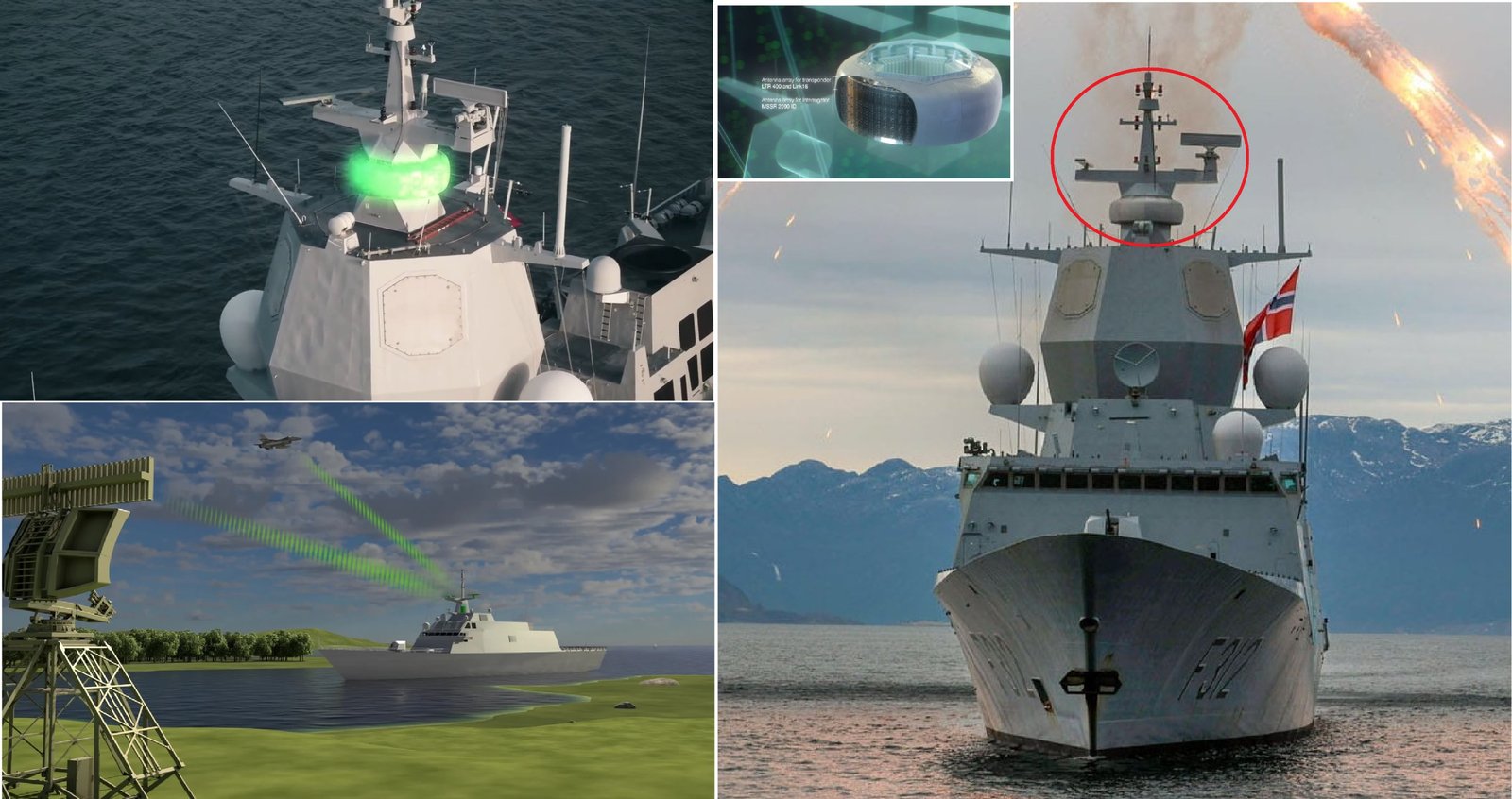
Europe
OSLO, July 30, 2026 — According to Naval Analyses (@D__Mitch), which cited visual evidence, industry sources and defense procurement information, the Royal Norwegian Navy's Fridtjof Nansen-class frigates have been equipped with HENSOLDT's NESIS 4000 electronically steered, non-rotating Identification Friend or Foe (IFF) antenna system as part of an upgrade that has received little public attention. The analysis indicates that the modernization has been underway since 2019. The upgrade replaces the traditional mechanically rotating IFF antenna with HENSOLDT's fixed, electronically scanned NESIS 4000 system. Comparisons between older and more recent photographs of the frigates show a clear change in the design of the ships' main masts. Earlier images display rotating antennas mounted at the masthead, while newer photographs show the circular, fixed mast structure associated with the NESIS 4000. HENSOLDT, the German sensor specialist, introduced the NESIS 4000 in April 2019. The system is based on Active Electronically Scanned Array (AESA) technology and electronically steers interrogation beams instead of relying on a rotating mechanical antenna. The fixed, ring-shaped antenna can also be integrated lower within a ship's mast structure. According to HENSOLDT, the electronically steered design enables faster identification of friendly and unknown contacts compared with conventional rotating systems. The NESIS 4000 provides continuous 360-degree coverage with an operational range of up to 200 nautical miles. The company also states that the system can track up to 2,000 targets simultaneously across its full coverage area. The fixed design removes moving mechanical parts, reducing mechanical wear and maintenance requirements during service. Positioning the antenna lower within the mast also reduces the ship's radar cross-section (RCS) and infrared signature compared with a rotating antenna installed at the top of the mast. The system supports real-time "lock-on track" operation and includes a fully passive operating mode. By using data links such as ADS-B and Mode 5 Level 2 reception, the frigate can monitor surrounding air and maritime activity without actively transmitting signals that could reveal its position. Evidence that the system has entered operational service on Norwegian frigates has also emerged from industry sources. A LinkedIn post by a HENSOLDT-linked individual showed HNoMS Roald Amundsen fitted with the NESIS 4000 integrated into its mast. A company comment on the post described it as the first operational use of the new product on a frigate. The post dates to approximately 2022. The Fridtjof Nansen class was built by Spain's Navantia and delivered to Norway between 2006 and 2011. Five frigates were originally constructed, with four remaining in service following the loss of HNoMS Helge Ingstad in 2018. The frigates serve as the Royal Norwegian Navy's primary surface combatants and are equipped with the Aegis combat system and the Lockheed Martin AN/SPY-1F radar as their primary sensor. Additional onboard systems include a Reutech air and surface surveillance radar. HENSOLDT had previously supplied its MSSR 2000 I secondary radar for military IFF applications to the Norwegian Navy and several other operators. Although Norway has announced various modernization programs for the Nansen-class fleet over the years, public references to the installation of the NESIS 4000 have remained limited. Official Norwegian defence statements and standard open-source descriptions of the frigates have not highlighted the modification in detail. The installation of the NESIS 4000 represents a transition from conventional rotating IFF antennas to electronically steered fixed-array technology aboard the Royal Norwegian Navy's surface combatants. The upgrade provides continuous 360-degree identification capability at extended range while reducing the ships' overall radar and infrared signatures and lowering long-term maintenance requirements.
Read More → Posted on 2026-07-30 14:08:27
Europe
COWES, Isle of Wight — GKN Aerospace has completed the engineering, manufacture, and integration of flight-ready wings, fins, and control surfaces for Brontanax, the United Kingdom's first Collaborative Combat Aircraft (CCA) prototype developed by BAE Systems. The delivery marks a key milestone for the Brontanax programme and demonstrates the rapid pace at which the aircraft has progressed from a clean-sheet design to a flight-ready prototype. According to GKN Aerospace, the programme also highlights an accelerated approach to military product development and supply chain management. Composite Structures Built for Flight-Ready Prototype BAE Systems selected GKN Aerospace's advanced composite manufacturing and assembly capabilities to produce the aircraft's primary aerodynamic structures. The components were engineered to meet the technical requirements of the Brontanax prototype while supporting the programme's compressed development schedule. To deliver the project, GKN Aerospace combined expertise from its global network of facilities, drawing on specialist capabilities in composite manufacturing, novel tooling design, and complex product assembly. The flight-ready wings, fins, and control surfaces were manufactured at the company's composite design and assembly facility in Cowes on the Isle of Wight. The delivery also coincides with a significant local milestone, marking 125 years of aerospace innovation on the Isle of Wight. According to GKN Aerospace, the project demonstrates its ability to manufacture airworthy prototype structures while continuing to support established high-volume commercial aerospace programmes. Brontanax Collaborative Combat Aircraft Brontanax is an uncrewed autonomous aircraft designed to operate alongside crewed combat aircraft, including the Typhoon. The platform is intended to provide electronic warfare and precision strike capabilities against both airborne and ground targets. The aircraft is similar in size to a Hawk trainer and has a maximum take-off weight of more than five tonnes. BAE Systems unveiled a full-size model of Brontanax at the Farnborough International Airshow on 22 July 2026 and confirmed that a flightworthy prototype has been built at its Warton facility in Lancashire. Rapid Development Programme Development of Brontanax began in 2022 under BAE Systems' FalconWorks rapid development unit. The programme has involved more than 500 BAE Systems employees and approximately 75 UK suppliers. BAE Systems has invested more than £400 million of its own funding in the project to date. According to the company, the programme will move into its next development phases with power-on planned before the end of the third quarter of 2026, followed by ground trials during the first half of 2027. The first flight is planned for later in 2027 from an undisclosed Royal Air Force site. Company Statements Rupert Dix, Senior Vice President Defence at GKN Aerospace, said the programme demonstrates the company's ability to rapidly transform advanced aircraft concepts into flight-ready structures. "This is the latest example of GKN Aerospace's ability to turn complex, clean-sheet designs into flight-ready reality at an unprecedented pace. By combining our advanced engineering with cutting-edge manufacturing, we are actively shaping the future of next-generation combat air power for the UK and our global allies." Mark Wilson, Head of Autonomous Collaborative Platforms at BAE Systems, said GKN Aerospace played an important role in meeting the programme's demanding schedule. "The rapid progression from concept to prototype integration is a remarkable achievement. GKN Aerospace's industrial expertise, agility and commitment to collaboration have been pivotal in delivering high-quality, flight-ready structures within an extraordinarily compressed timeline." Strengthening UK Defence Manufacturing GKN Aerospace said the Brontanax programme expands its role in supporting the UK's next-generation combat air capabilities while demonstrating the strength of its domestic engineering and manufacturing base. The company added that it intends to continue applying its UK industrial capabilities to current and future defence programmes and will use the experience gained from the rapid-development project to support customers across its wider international business network.
Read More → Posted on 2026-07-30 13:39:43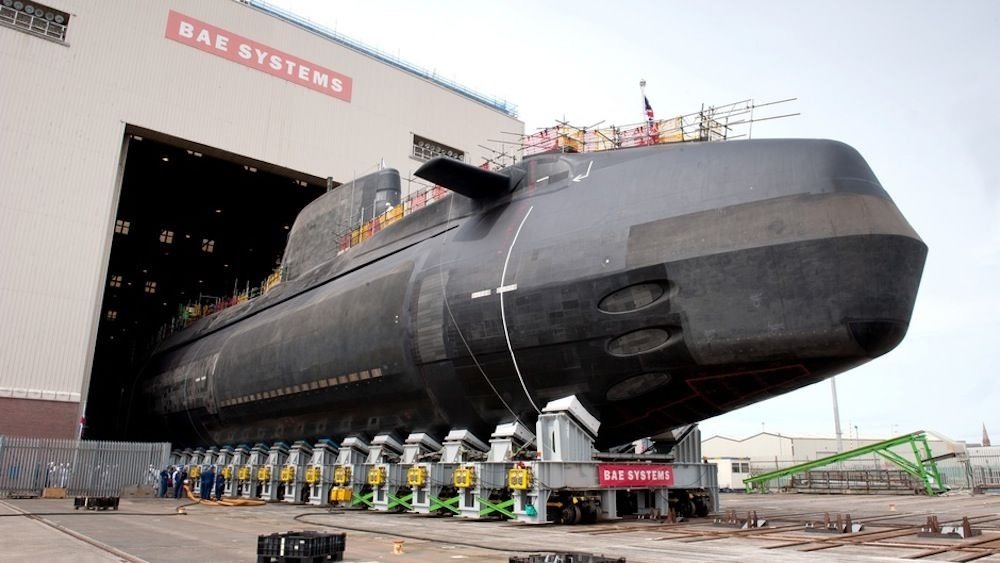
Europe
BARROW-IN-FURNESS — The UK government has awarded BAE Systems a £5.9 billion contract to continue construction of the Royal Navy's Dreadnought-class nuclear deterrent submarines, marking the next phase of the UK's programme to replace its aging Vanguard-class fleet. The contract forms the central part of a wider £8.4 billion funding package approved by Parliament to support the organisations responsible for maintaining and renewing the UK's nuclear deterrent. Of the total package, £5.9 billion has been allocated to BAE Systems, while the remaining £2.5 billion will support companies across the wider UK defence supply chain. The investment will advance construction of all four submarines in the Dreadnought class, which are being built to maintain the UK's Continuous at Sea Deterrent (CASD) capability. Contract Supports Construction of All Four Submarines The agreement, known as Delivery Phase 4, funds the next stage of work across the entire Dreadnought fleet. Construction of the lead submarine, HMS Dreadnought, is continuing at BAE Systems' shipyard in Barrow-in-Furness, with delivery to the Royal Navy planned for the early 2030s. The contract also provides funding to continue construction of the second submarine, HMS Valiant, progressing it toward its sea trials phase. In addition, it covers fabrication and outfitting work on the third and fourth submarines, HMS Warspite and HMS King George VI, which remain in the early stages of construction. Once completed, the four submarines will replace the Royal Navy's existing Vanguard-class fleet and ensure the continuation of the UK's Continuous at Sea Deterrent (CASD). Dreadnought-Class Features According to BAE Systems, the Dreadnought class will be the largest and most technologically advanced submarines ever built for the Royal Navy. Each submarine measures 153.6 metres in length and will be powered by a Rolls-Royce nuclear propulsion system manufactured in Derby, providing virtually unlimited operational range without the need for refuelling during service. The submarines will be equipped to carry and launch Trident II D5 ballistic missiles. They will also become the first Royal Navy submarines designed specifically for mixed-gender crews, featuring separate accommodation areas and customised day-and-night lighting systems. The programme is being delivered in partnership with the Ministry of Defence's Defence Nuclear Enterprise, which oversees the operation, maintenance and renewal of the UK's nuclear deterrent. Major Investment Across the UK Supply Chain The Dreadnought programme continues to support a large national industrial network. During the last financial year, BAE Systems spent £1.3 billion across the Dreadnought supply chain. Total programme expenditure has now reached £8.9 billion, supporting work across more than 1,500 UK suppliers. The wider Defence Nuclear Enterprise currently supports around 47,000 jobs across approximately 6,000 companies throughout the UK. The Dreadnought programme itself supports around 30,000 jobs, including more than 7,000 BAE Systems employees working directly on the project. The government has also said the wider investment package aims to create 22,000 apprenticeships by 2035, helping develop the future defence manufacturing workforce. Barrow Remains the Centre of UK Submarine Construction Barrow-in-Furness continues to play a central role in the UK's submarine-building industry. BAE Systems has invested £1 billion in its Barrow shipyard over the past four years to expand production capacity for the Dreadnought programme. During the same period, the workforce at the site has increased from 11,000 to approximately 16,000 employees, reflecting the scale of the programme. The company is also investing in local training and community facilities through the Team Barrow partnership and the £200 million Barrow Transformation Fund. In September 2025, King Charles III granted Barrow-in-Furness official Royal Port status in recognition of the town's longstanding contribution to UK defence and submarine construction. Government and Industry Highlight Strategic Importance BAE Systems Chief Executive Charles Woodburn said the Dreadnought programme is essential to the UK's long-term security and depends on the country's industrial base. "The Dreadnought programme is of vital strategic importance to the UK, underpinning the security of our nation and our allies for decades to come. Its delivery depends on the strength of our national industrial base, with thousands of skilled workers right across the country playing their part in the mission to deliver this critical capability to the Royal Navy." Defence Secretary Wes Streeting said the UK's nuclear-armed submarines remain a key part of national security and described the investment as supporting both defence capability and British industry. He said the funding secures delivery of the Dreadnought-class fleet while supporting thousands of skilled jobs and strengthening Barrow's long-standing role in submarine construction. Prime Minister Andy Burnham said protecting the country remains the government's primary responsibility and added that the programme also supports domestic manufacturing by creating opportunities for future generations of skilled workers. Programme Remains on Schedule The UK government said the Dreadnought programme remains on track, with HMS Dreadnought expected to enter Royal Navy service in the early 2030s. The latest investment ensures continued progress across all four submarines while supporting the industrial base, supply chain and workforce required to deliver one of the UK's largest long-term defence programmes.
Read More → Posted on 2026-07-30 11:52:51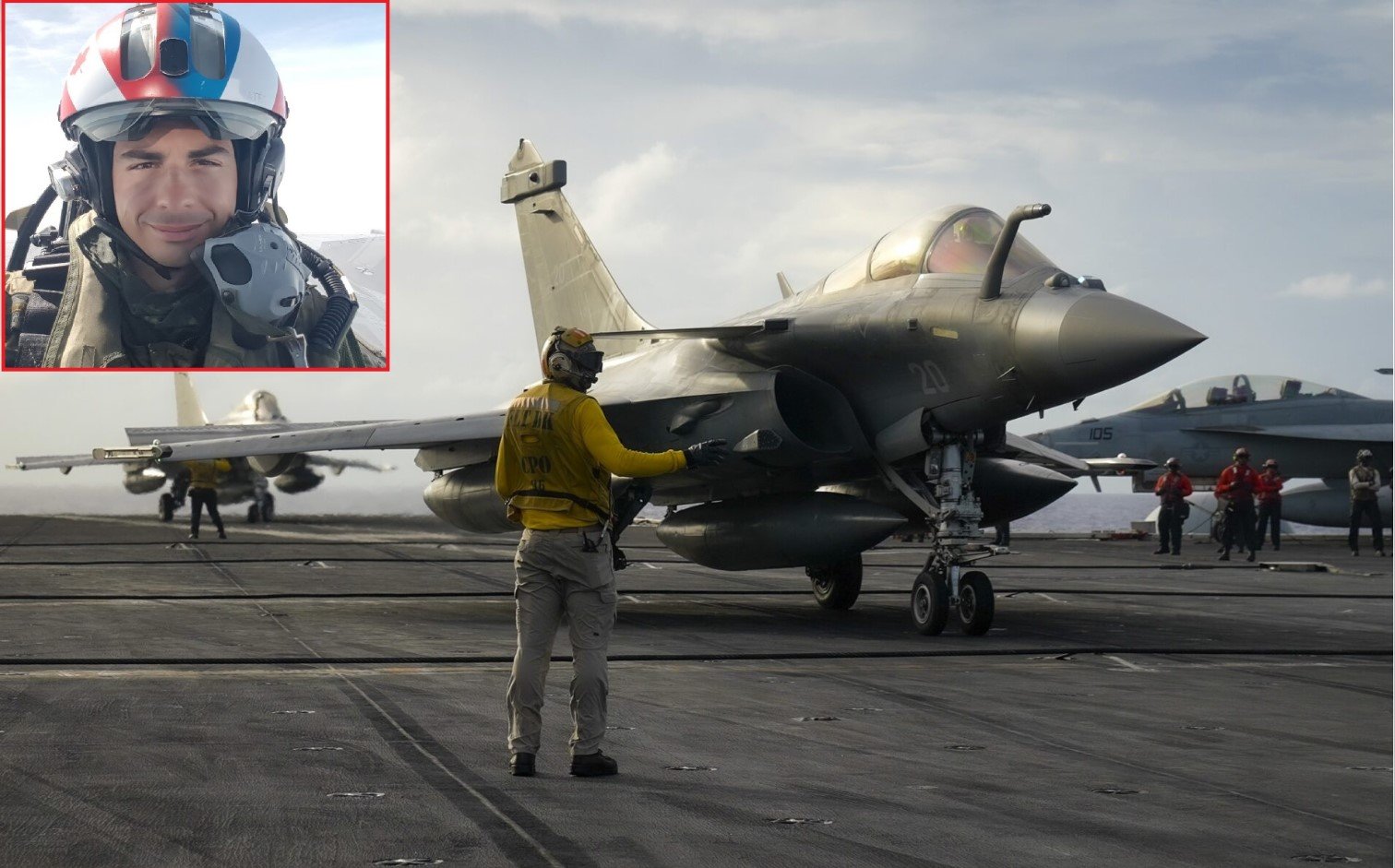
Europe
PARIS — Pierre-Henri Chuet, a former French Navy Rafale pilot and well-known aviation YouTuber, has been placed under formal investigation and judicial supervision in France over alleged intelligence activities linked to China. The investigation is being conducted by France's General Directorate for Internal Security (DGSI). Chuet was questioned by the agency, his home was searched, and he was later presented before an investigating magistrate during the week of July 20, 2026. Under French law, being placed under "mise en examen" (formal investigation) means an investigating judge has found sufficient evidence to justify a judicial inquiry. It is not a conviction or a finding of guilt. Chuet faces four charges: Disclosure of national defence secrets by a person entrusted with them. Intelligence activities with a foreign power. Collection of information concerning the fundamental interests of the nation. Delivery of sensitive information to a foreign state. The case focuses on two trips Chuet made to China in September 2018 and August 2019 while he was still serving in the French Navy. Investigators allege he did not inform his military chain of command, as required by French military regulations. The trips were reportedly arranged and financed by a South African aviation company. During the visits, Chuet allegedly conducted training seminars for Chinese military personnel, with payments reportedly made through his UK-based company, Mach 3 Management. A British pilot also accompanied him during the sessions. According to investigative reports, the seminars covered Catapult Assisted Take-Off But Arrested Recovery (CATOBAR) carrier operations and precision GPS landing procedures. France is one of the few countries outside the United States with extensive operational experience in CATOBAR carrier aviation, making such expertise strategically valuable. The South African intermediary involved has been linked to a broader pattern of recruitment of former Western military pilots. Companies including the Test Flying Academy of South Africa (TFASA) have previously been examined by authorities in the United Kingdom, Spain, and the United States over training provided to Chinese military personnel. The French Ministry of the Armed Forces referred the matter to the Paris prosecutor's office on February 19, 2025, leading to a preliminary investigation that was first reported by French media in April 2025. Chuet has denied any wrongdoing. He told Le Canard Enchaîné that he hosted only two three-day seminars, said the second trip in 2019 did not go well, and stated that he has not returned to China since. A dual French-Canadian national, Chuet flew Super Étendard and Rafale M fighters from the aircraft carrier Charles de Gaulle. He also trained with the U.S. Navy as an exchange officer, completed about 200 carrier landings, and participated in operations in Iraq following the November 2015 attacks in Paris. He left the French naval air arm around 2021 after a medical discharge following a stroke. Since leaving military service, Chuet has worked as an airline pilot, business consultant, author, corporate speaker, defence commentator, and aviation content creator under the name "Até Chuet," where he has built a YouTube audience of more than 560,000 subscribers. The investigation comes amid broader Western concerns over Chinese intelligence activities involving former military personnel. Following the India-Pakistan conflict in May 2025 (Operation Sindoor), French intelligence and the U.S.-China Economic and Security Review Commission concluded that China carried out a coordinated disinformation campaign using deepfakes, AI-generated images, and manipulated video game footage to falsely portray the performance of India's Rafale fighters. French officials assessed that the campaign aimed to undermine the Rafale's international reputation and promote China's J-35 fighter. French authorities have emphasized that Chuet's current legal case is related to the alleged unauthorized transfer of sensitive military knowledge during his naval service, not to his later activities as an aviation commentator or YouTube creator. The judicial investigation remains ongoing, and no verdict has been reached.
Read More → Posted on 2026-07-29 13:38:42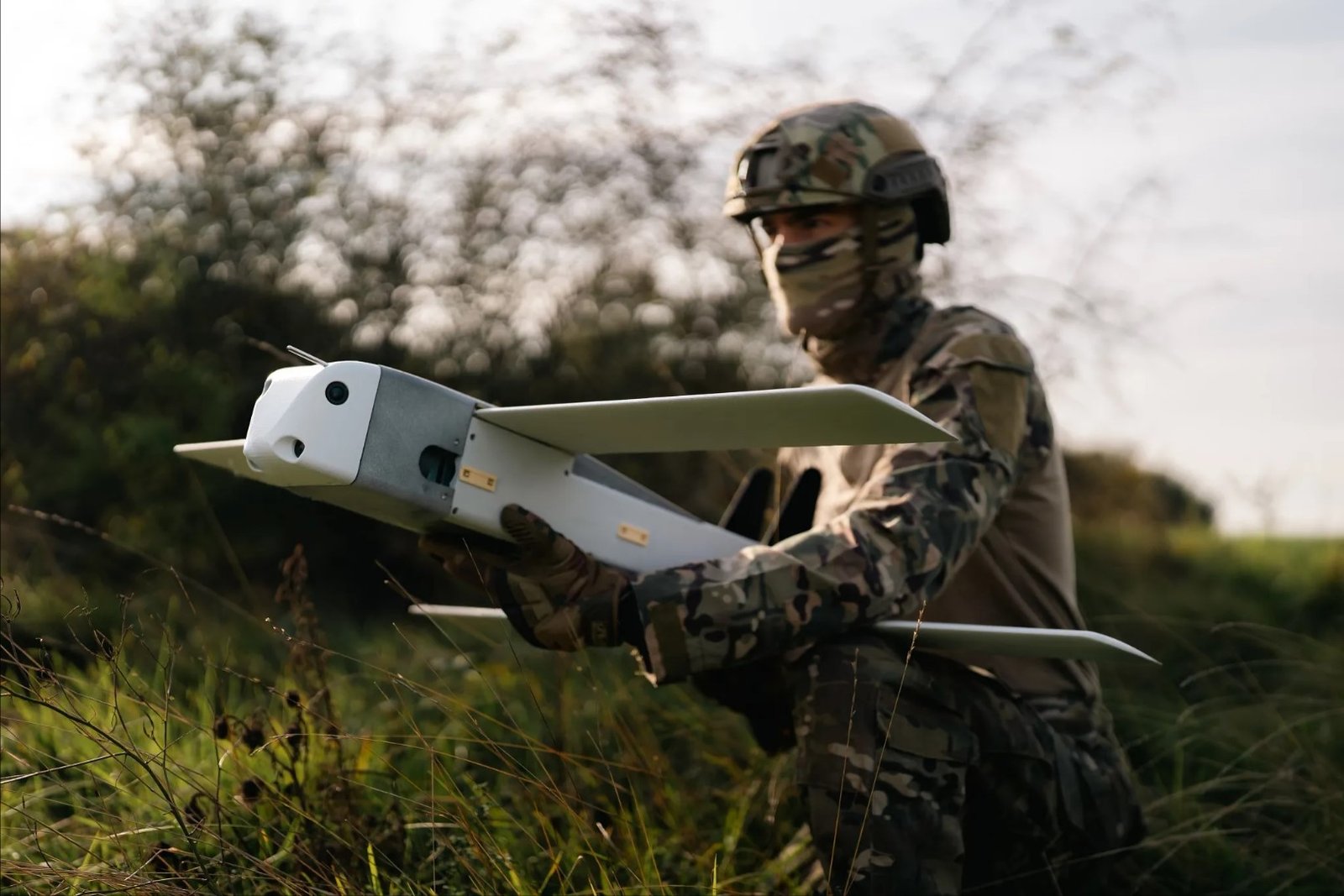
Europe
BRUSSELS, Belgium — The European Defence Agency (EDA) has selected five European defence technology companies to advance to the field-testing phase of its Sentinel Strike Challenge, a competition designed to evaluate next-generation loitering munition systems under realistic operational conditions. The selected companies will deploy their systems this autumn at the Santa Margarida Military Training Area in central Portugal as part of the Hub for European Defence Innovation (HEDI) Operational Experimentation Campaign 2026 (OPEX26). The challenge aims to provide European defence ministries with objective performance data rather than select systems for procurement. Five Companies Advance to Stage 2 Following a highly competitive first stage that attracted more than 140 expressions of interest from organizations across Europe, the EDA selected the five highest-ranked proposals based on technical maturity, operational relevance, safety, and demonstration feasibility. The companies advancing to the operational field trials are: Helsing (Germany) Destinus (Netherlands) C-Astral (Slovenia) UAVision (Portugal) Spirit Aeronautical Systems (Greece) Each company has received a €30,000 Stage 1 prize and will now compete for a share of the €1.8 million Stage 2 prize fund. Five other companies also placed in the top ten but will not participate in the field-testing phase. They are Renegade UxS and Robotto from Denmark, Cerberon Defence Systems from Germany, THALES LAS from France, and ALTUS LSA from Greece. Each has been awarded a €10,000 Stage 1 prize. Operational Trials in Portugal The second stage of the competition will be conducted at the Campo de Instrução Militar de Santa Margarida, an active military training area located about 130 kilometers northeast of Lisbon. Covering approximately 62 square kilometers, the facility includes firing ranges, vehicle courses, and specialized military infrastructure suitable for operational experimentation. The field trials will form part of the OPEX26 campaign and will be carried out alongside the Portuguese Army's ARTEX26 technological experimentation exercise. The combined activities are intended to create a regulatory environment that allows prototype defence technologies to be evaluated under realistic, degraded, and contested operational conditions. According to the current schedule: System acceptance: 21–25 September 2026 Operational experimentation: 28 September–9 October 2026 High-visibility demonstration event: 14 October 2026 (subject to confirmation) Demonstrations may include live-fire activities, subject to safety requirements and host-nation authorization. Focus on Class I Loitering Munitions The Sentinel Strike Challenge focuses on Class I aerial loitering munition systems with a maximum take-off mass of up to 25 kilograms and an operational range of up to 40 kilometers. Often referred to as attack drones, loitering munitions are designed to search for targets before conducting a precision strike. Military personnel from EU Member States will assess each system across the complete precision strike mission cycle, including: Mission planning and preparation Deployment Launch or release Target detection and identification Target tracking Precision engagement Post-engagement damage assessment The evaluation will also compare system performance and resilience when operating under the same operational scenarios. Data Collection, Not Procurement The EDA has emphasized that the Sentinel Strike Challenge is not a procurement competition. Advancing to Stage 2 or winning the challenge does not guarantee future defence contracts or deployment. Instead, the programme is intended to generate objective and comparable operational data that can help European defence ministries assess emerging loitering munition technologies before making future capability and investment decisions. By testing multiple systems in the same operational environment with direct involvement from military users, the challenge aims to provide practical evidence on system performance under realistic conditions. Responding to Rapid Technological Change According to the EDA, recent conflicts have accelerated the development and operational use of loitering munitions, with technological advances often moving faster than traditional defence acquisition cycles. The Portugal trials are designed to provide a common testing environment where participating systems can be evaluated under consistent operational conditions, allowing defence organizations to compare capabilities using standardized data. Winners to Be Announced in 2027 The Sentinel Strike Challenge has a total prize budget of €2 million, including up to €200,000 for Stage 1 and up to €1.8 million for Stage 2. Following the completion of the operational trials in Portugal, the overall winners are expected to be announced in early 2027, with an award ceremony planned during the European Defence Agency Annual Conference. Source : eda.europa.eu
Read More → Posted on 2026-07-29 12:05:34
Europe
OBERKOCHEN, Germany — German defense electronics company HENSOLDT has received its first contract to supply the CAIRAS (Compact Airborne Infrared Reconnaissance and Alert System) missile warning system for Helsing’s CA-1 Europa autonomous combat aircraft. The initial order covers three CAIRAS systems and represents the first concrete delivery of self-protection and passive optronic reconnaissance equipment under the strategic partnership between HENSOLDT and Helsing. The contract also marks the first deployment of HENSOLDT’s Airborne Missile Protection System (AMPS) on an unmanned aerial vehicle (UAV), extending the company's airborne self-protection technology from manned aircraft to autonomous combat platforms. Self-Protection Expands to Autonomous Combat Aircraft Airborne self-protection systems have traditionally been developed for crewed aircraft to protect pilots and aircrew from missile threats. As autonomous combat aircraft are expected to operate in increasingly contested environments, similar defensive capabilities are becoming an important part of their design. For the CA-1 Europa, HENSOLDT will integrate CAIRAS into the AMPS-MR (Airborne Missile Protection System for Multi-Role) configuration. The system combines the CAIRAS missile warning system with HENSOLDT's Kalætron radar warning system and a countermeasure dispenser designed to release decoys against detected threats. According to HENSOLDT, this is the first time the AMPS system will be installed on an unmanned aircraft. Christina Canitz, Head of the Optronics Division at HENSOLDT, said the integration represents an important step in the evolution of aircraft survivability. "The integration of CAIRAS into an unmanned system marks a turning point: self-protection was long a matter for manned platforms. Now it is becoming a fundamental requirement for autonomous systems that must survive and make decisions independently. With CAIRAS as part of the AMPS suite, we are demonstrating that HENSOLDT is thinking ahead for this new generation of aircraft from the outset, rather than retrofitting them with protection." Passive Missile Detection Without Active Emissions CAIRAS uses dual-color infrared technology to passively detect and track approaching missiles at an early stage without transmitting radar or electromagnetic signals that could reveal the aircraft's position. The system consists of a central processing unit and up to seven latest-generation infrared sensors, providing 360-degree spherical coverage around the aircraft. HENSOLDT states that the configuration offers a high probability of detecting incoming threats while reducing false alarms. Because the CA-1 Europa operates without a pilot, it depends entirely on onboard sensors to detect threats and support autonomous defensive actions. The passive operation of CAIRAS allows the aircraft to identify and locate incoming fire while maintaining a low electromagnetic signature. Supporting Situational Awareness and Autonomous Operations Beyond missile warning, CAIRAS also contributes to the CA-1 Europa's situational awareness. Infrared imagery collected by the sensors can be processed into a real-time panoramic view of the aircraft's surroundings. The collected sensor data can be transferred to HENSOLDT's Multi-Domain Operations Core (MDOcore) software suite, where information from multiple sensors is fused into a single operational picture. The processed data supports Helsing's Centaur artificial intelligence system, enabling the autonomous combat aircraft to assess its environment, execute missions, and respond to threats, including the deployment of countermeasures. Partnership Between HENSOLDT and Helsing The order is the first operational outcome of the strategic partnership established between HENSOLDT and Helsing in February 2026 to support the development of the CA-1 Europa autonomous combat aircraft. Under the agreement, HENSOLDT is responsible for providing onboard sensor technologies, including radar, optronics, self-protection systems, and electromagnetic warfare capabilities. Helsing provides the advanced artificial intelligence technologies required for autonomous flight, networked operations, and large-scale data processing. About the CA-1 Europa and HENSOLDT The CA-1 Europa is an autonomous uncrewed combat aerial vehicle in the three-to-five ton class being developed by Helsing and its subsidiary Grob Aircraft. The platform combines Helsing's Centaur AI software and mission system with Grob Aircraft's aircraft design and manufacturing expertise. It is designed as a multi-role autonomous combat aircraft capable of operating independently or as part of a swarm while emphasizing European technology and supply chains. Supporting the platform is HENSOLDT, a European defense electronics company headquartered in Taufkirchen near Munich, Germany. Under its partnership with Helsing, HENSOLDT is providing sensor technologies covering radar, optronics, self-protection, and electromagnetic warfare for the CA-1 Europa. The company develops sensor solutions, electronics, and software for air, land, sea, cyber, and space applications. In the 2025 financial year, HENSOLDT reported turnover of €2.46 billion, employed approximately 9,500 people, and is listed on the Frankfurt Stock Exchange as part of the MDAX index.
Read More → Posted on 2026-07-28 10:32:04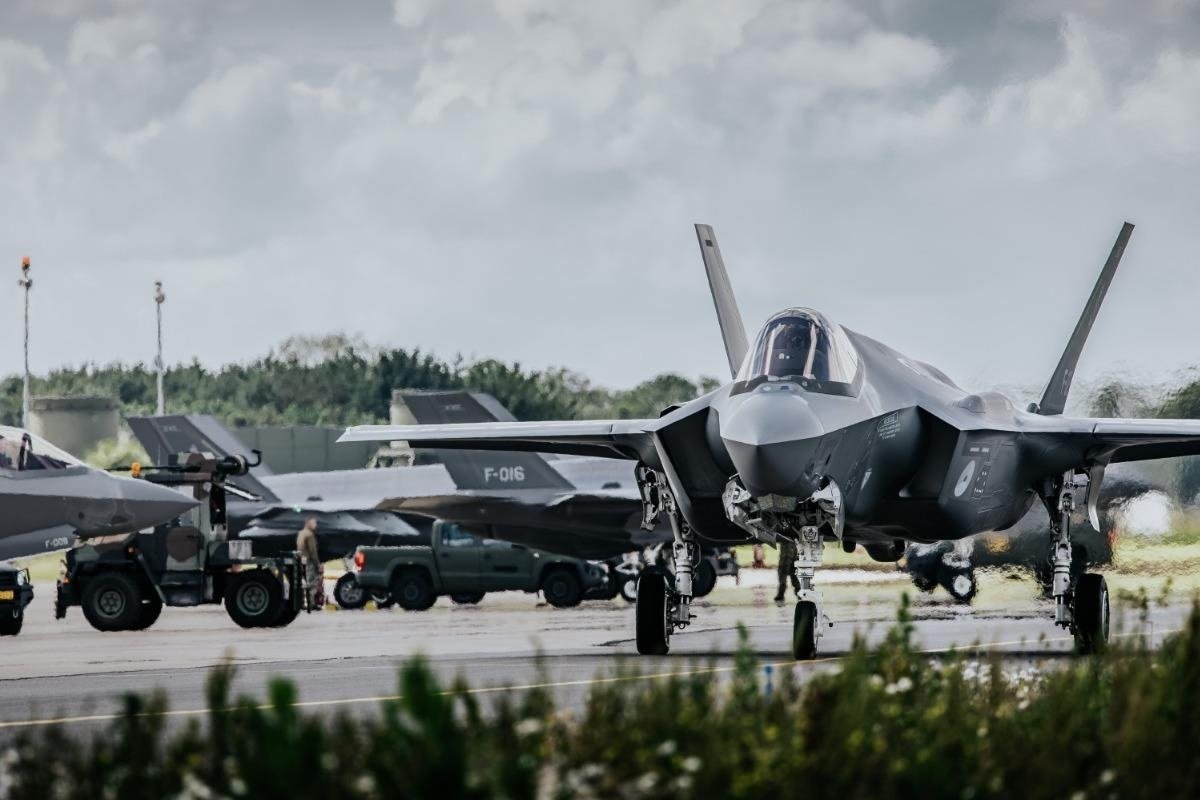
Europe
LEEUWARDEN, Netherlands — The Royal Netherlands Air and Space Force hosted an intensive phase of the multinational Weapons Instructor Course (WIC) at Leeuwarden Air Base from July 6 to July 10, bringing together allied air force personnel to improve the integration of fifth-generation aircraft into large-scale multinational air operations. The training focused on employing the F-35 Lightning II as part of a broader multinational combat network rather than as a standalone fighter platform. The course supports NATO's ongoing efforts to improve interoperability, operational readiness and coordinated decision-making among allied forces operating in contested environments. Four Allied Nations Participate The Leeuwarden phase of the course brought together 24 selected participants from Belgium, Denmark, the Netherlands and Norway. The group included fighter pilots, intelligence officers, air battle managers, tactical airlift crews and ground-based air defence personnel, reflecting the multi-domain coordination required in modern air warfare. The Weapons Instructor Course is conducted by the Weapons School of the 323 Air Combat Development Centre at Leeuwarden Air Base. Recognized as a major European center for tactical air warfare training, the base has supported advanced military aviation training since the 1950s and hosts the course every two years. Originally established as a national training program, the Weapons Instructor Course has gradually expanded into a multinational framework that supports NATO air operations. Large-Scale Flight Operations During the July training phase, participants planned and led Large Force Employment (LFE) missions designed to replicate complex operational environments. Flight operations were conducted in as many as three waves each day, with individual waves involving up to 20 military aircraft. Most sorties took place in Dutch airspace over the North Sea. The exercises brought together multiple aircraft types and support assets, including: Dutch and Danish F-35 Lightning II fighter aircraft. Finnish Air Force F/A-18 Hornet fighter aircraft. Commercially operated "red air" aircraft providing adversary support to simulate realistic threats. The Finnish Air Force contributed five F/A-18 Hornets and approximately 50 personnel during the flying phase of the exercise. Focus on Integrated Air Operations Rather than concentrating solely on fighter operations, the course trained participants to integrate multiple capabilities during multinational missions. The curriculum combined fifth-generation aircraft with intelligence, command and control, electronic warfare and ground-based air defence systems. Students also learned to plan and command complex multinational air operations involving multiple aircraft and supporting assets. According to NATO, this integrated approach is intended to strengthen interoperability and improve the speed and effectiveness of allied decision-making during coalition operations. The use of the F-35 is particularly significant because the Netherlands, Denmark, Norway and Belgium all operate or are introducing the aircraft into their air forces, allowing them to develop common tactics and operational procedures. Danish F-35s Join the Course The July exercise also marked the first time Danish F-35 fighter aircraft operated from Leeuwarden Air Base as part of the Weapons Instructor Course after arriving at the base in May. The deployment continues the long-standing operational cooperation between the Netherlands and Denmark, which previously worked together extensively while operating the F-16 before transitioning to the F-35. Course Continues in Norway The Weapons Instructor Course lasts approximately six months and is jointly organized by the Netherlands and Norway. Following the academic and flying phases in the Netherlands, the program will move to Norway later this year for a large-scale final exercise. The next phase is intended to further strengthen cooperation among allied air forces across Northern Europe. Preparing Future Tactical Leaders Graduates of the Weapons Instructor Course earn the qualification of Weapon Instructor and return to their respective air forces as senior tactical specialists. They are responsible for training fellow personnel, developing tactical expertise and supporting future multinational air operations within their national forces. Finland's participation also supports preparations for the arrival of its F-35A aircraft later in 2026 while helping improve interoperability between fourth-generation F/A-18 fighters and fifth-generation F-35 aircraft during the transition period. The Weapons Instructor Course remains an important part of NATO's efforts to enhance collective readiness by enabling allied air forces to train together using common aircraft platforms, integrated command structures and coordinated air defence capabilities for future alliance missions.
Read More → Posted on 2026-07-27 10:37:42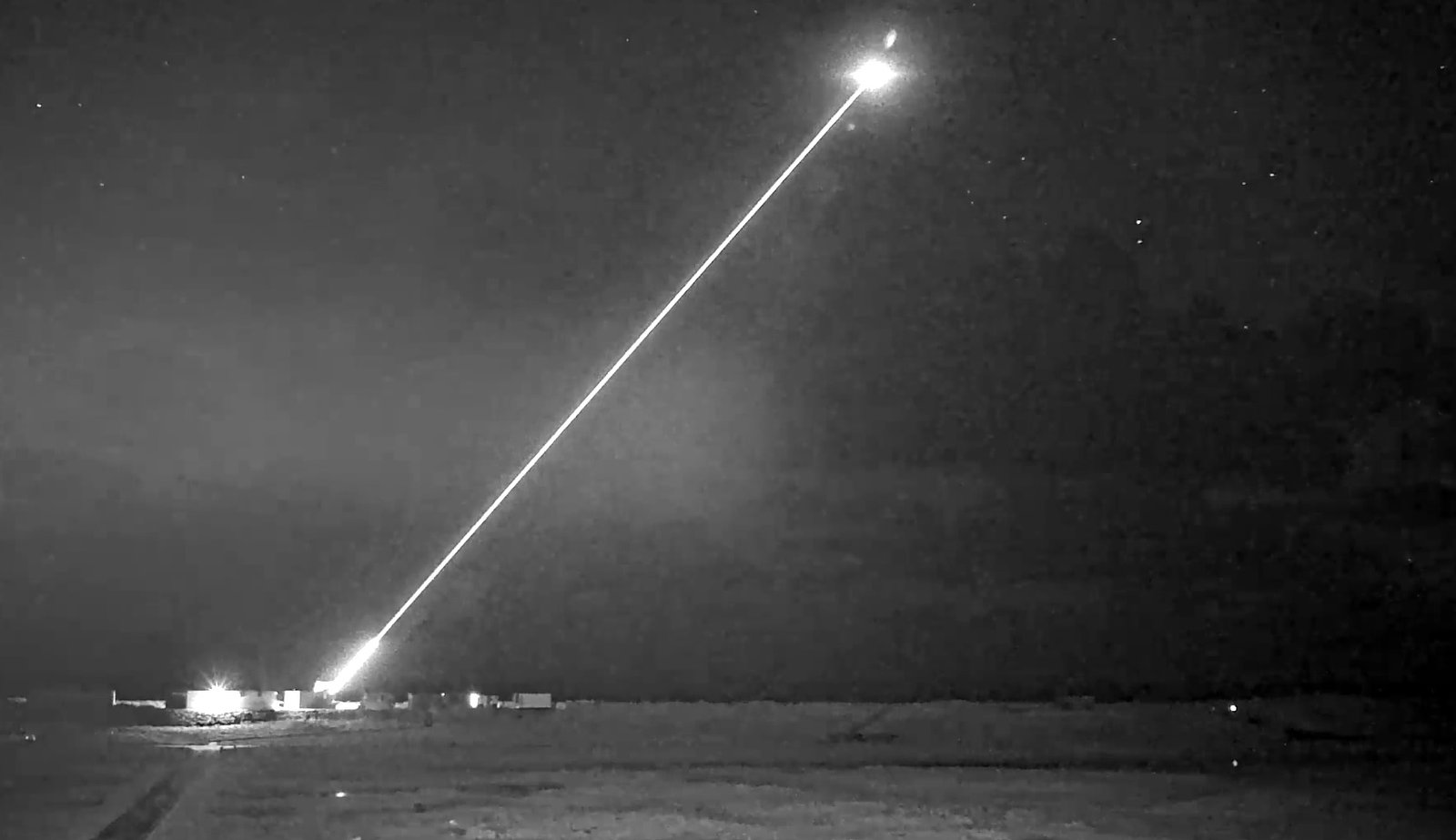
Europe
FARNBOROUGH, UK — Defense technology company QinetiQ has unveiled HELENA, its new coherent beam combination (CBC) high-energy laser source product family, at the Farnborough International Airshow, while announcing a £20 million company-funded investment to accelerate the development and production of laser-directed energy weapon (LDEW) technology. The HELENA product family is designed to serve as the core laser source for laser-directed energy weapon systems intended for defensive operations against drones and other advanced threats. According to QinetiQ, the technology has been verified against targets at range and in challenging atmospheric conditions. The system uses a scalable, high-brightness architecture that enables integration into laser weapon systems for both land and maritime applications. Industry specifications indicate that the HELENA portfolio can provide power outputs ranging from 20 kW to 150 kW. QinetiQ also said it intends to operate as a merchant supplier of laser source technology that can be integrated into a variety of LDEW systems. £20 Million Investment to Expand Production Alongside the product launch, QinetiQ announced a £20 million self-funded investment to expand its laser technology portfolio and increase manufacturing capacity for future laser weapon programs supporting the UK Ministry of Defence (MOD) and allied international markets. The investment will increase development and production capabilities at the company's facilities in Farnborough and Malvern, while final assembly, integration, and testing of HELENA systems will take place at the Farnborough site. QinetiQ said its current directed energy weapon activities directly support 150 jobs across the company. Supporting the DragonFire Program QinetiQ has more than 25 years of experience in laser and directed energy weapon technology and remains a core member of the UK MOD's DragonFire consortium alongside MBDA and Leonardo. In February 2019, the company delivered its first 50 kW coherent beam combination laser source to the UK Ministry of Defence as part of the DragonFire concept demonstrator program. A variant of HELENA technology is used in the DragonFire system. Following successful live-fire trials, DragonFire laser-directed energy weapon systems are scheduled to be integrated onto the Royal Navy's Type 45 destroyers from 2027. Two units have been contracted for installation on the ships, with the first integration planned for 2027. Designed for Multiple Defensive Roles According to QinetiQ, HELENA systems are designed for a range of operational requirements. Lower-power systems of around 30 kW are intended for installation on ground vehicles to provide short-range air defence against unmanned aerial vehicles, while higher-power systems of 150 kW or more are intended for counter-missile and counter-UAV missions on fixed installations and naval vessels. The company said laser-directed energy weapons offer a low cost per shot and near-infinite magazine depth, allowing them to complement existing air defence systems, particularly against low-cost drones that have become widely used in recent conflicts. CEO Statement Steve Wadey, Group CEO of QinetiQ, said directed energy weapons are moving from the development stage toward operational deployment. "Directed Energy Weapons are quickly moving from development to deployment to change the game in battlefield economics against the drone threat, and QinetiQ has been at the forefront of this technology for two decades," Wadey said. He added: "The investment announced today demonstrates our commitment to accelerating both the development and manufacture of sovereign laser technology, ensuring we can meet the growing demand from the UK and our international allies and provide them with the operational advantage on the battlefield." Source : ukdefencejournal.org.uk
Read More → Posted on 2026-07-27 10:27:39Search
Top Trending in 24 Hours
-
 Unitree Unveils H2-X ‘Kung Fu Legend: Guardian’ Humanoid Robot for Security and Rescue
-
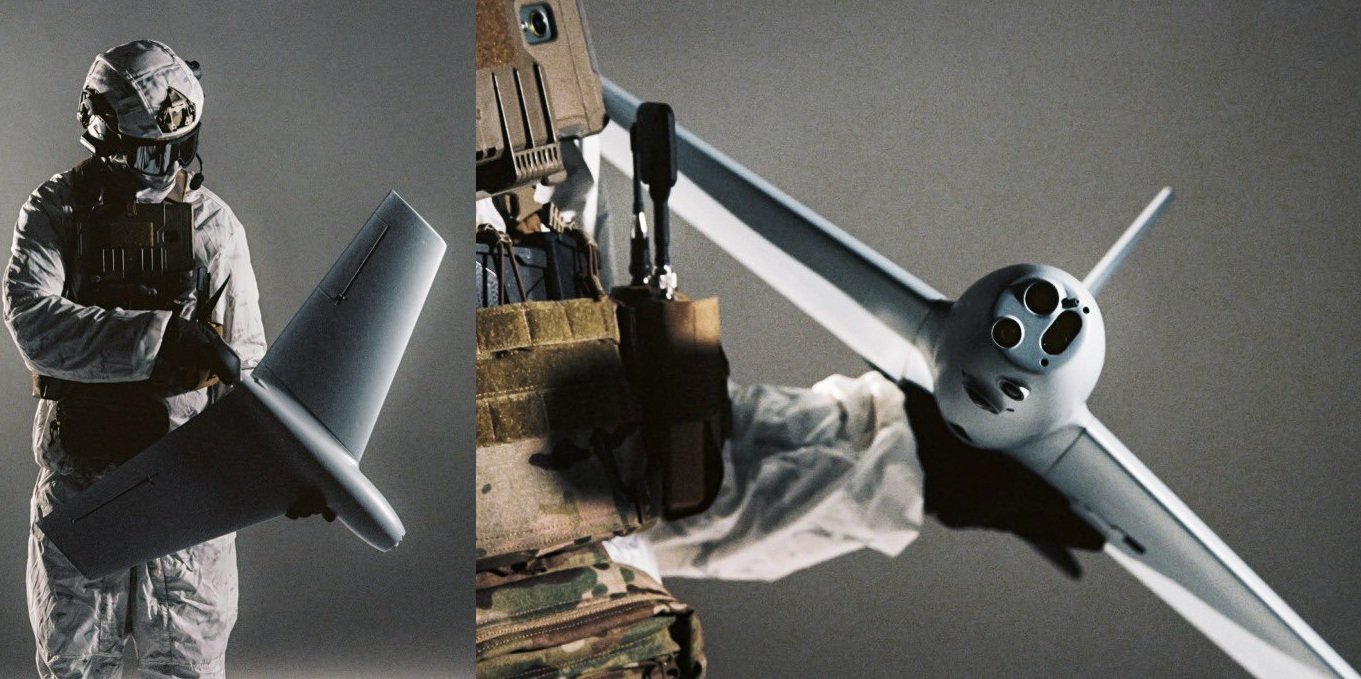 US Firm Heaviside Unveils 2.3-Kg TYR Loitering Munition With 40-Km Range at AUSA 2026
-
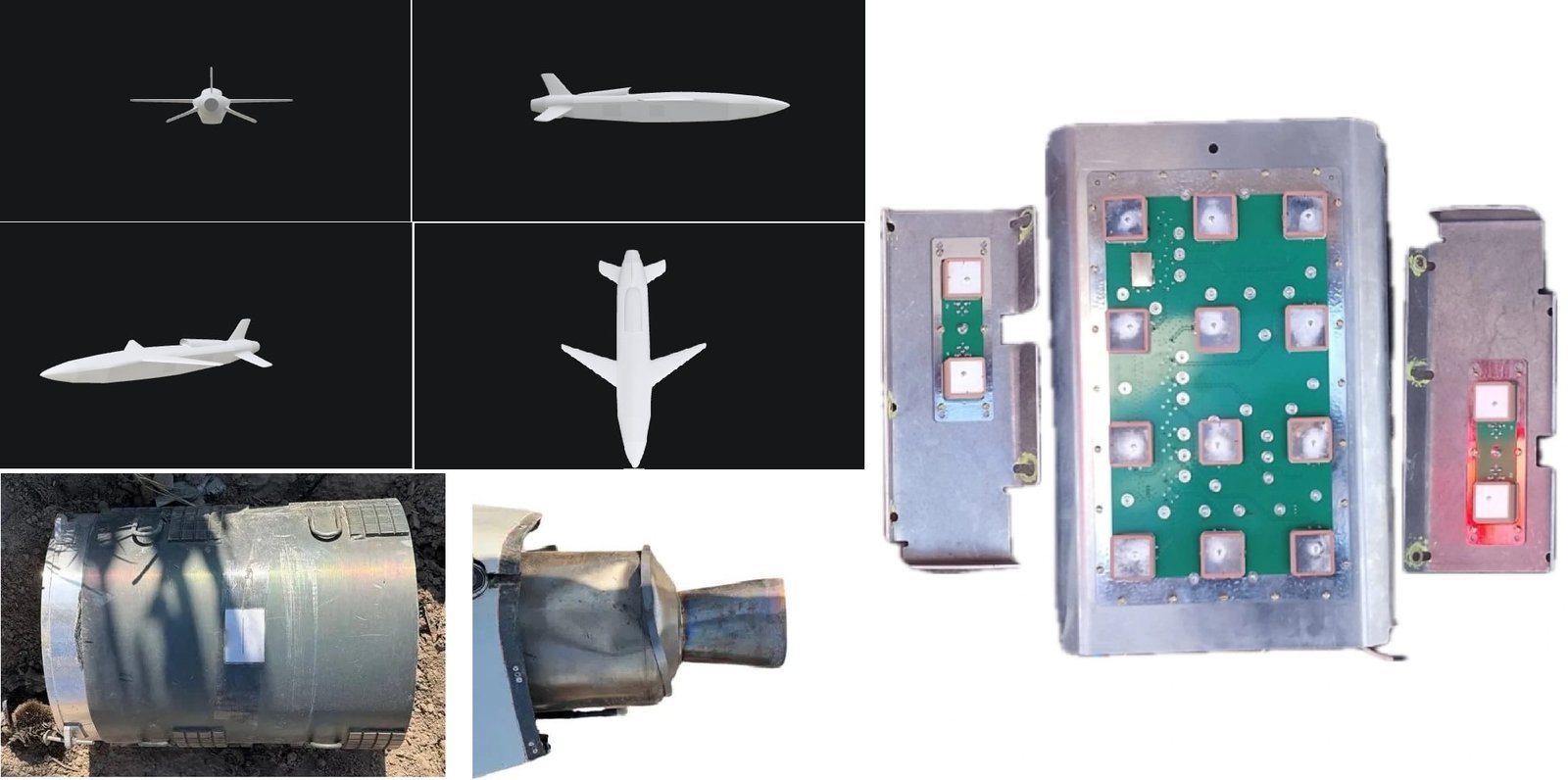 Ukraine Reveals Technical Details of Russia’s New Filin Cruise Missile
-
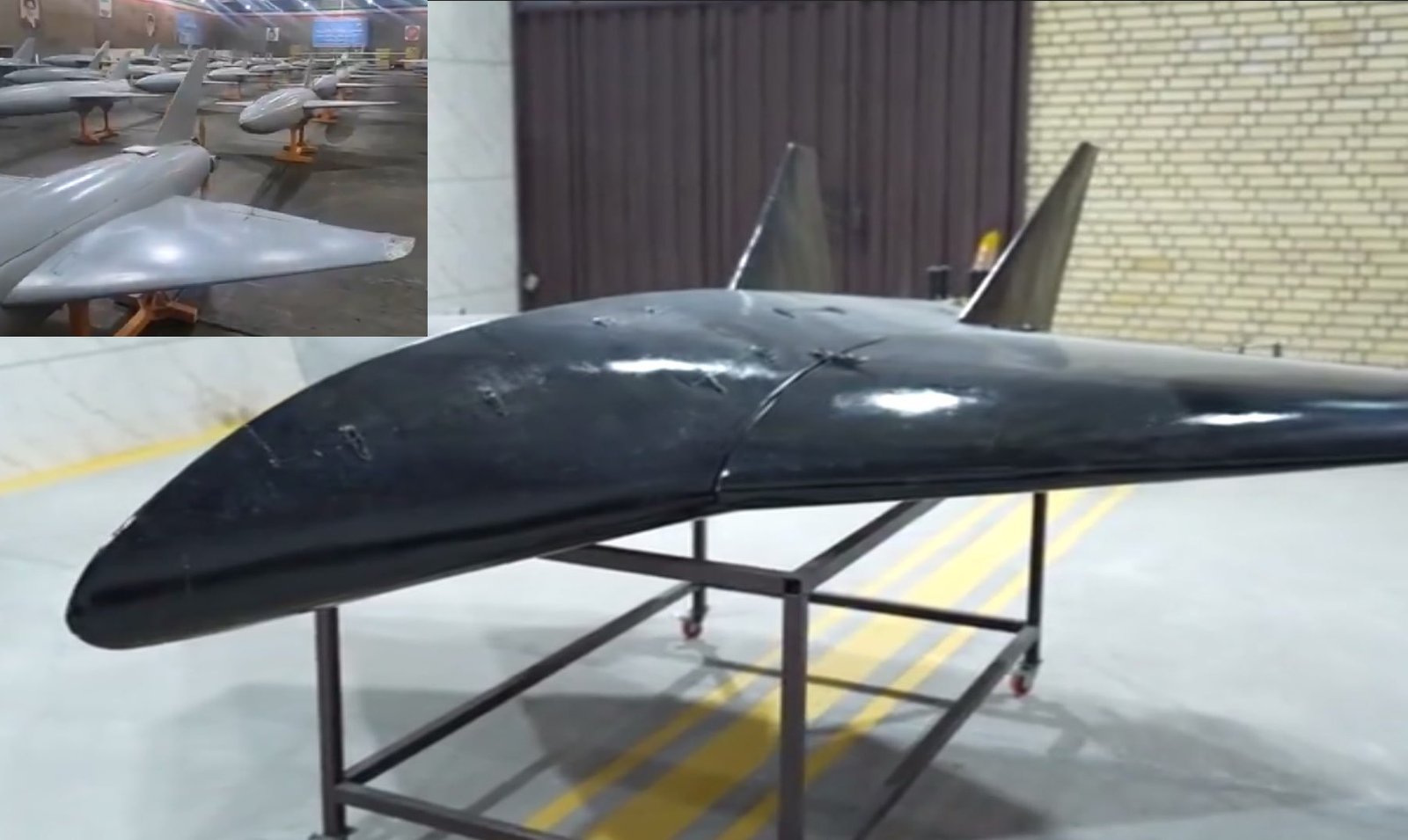 Iran Showcases Upgraded Arash-3 Drone with 100 kg Warhead, AI Targeting and GPS-Independent Navigation
-
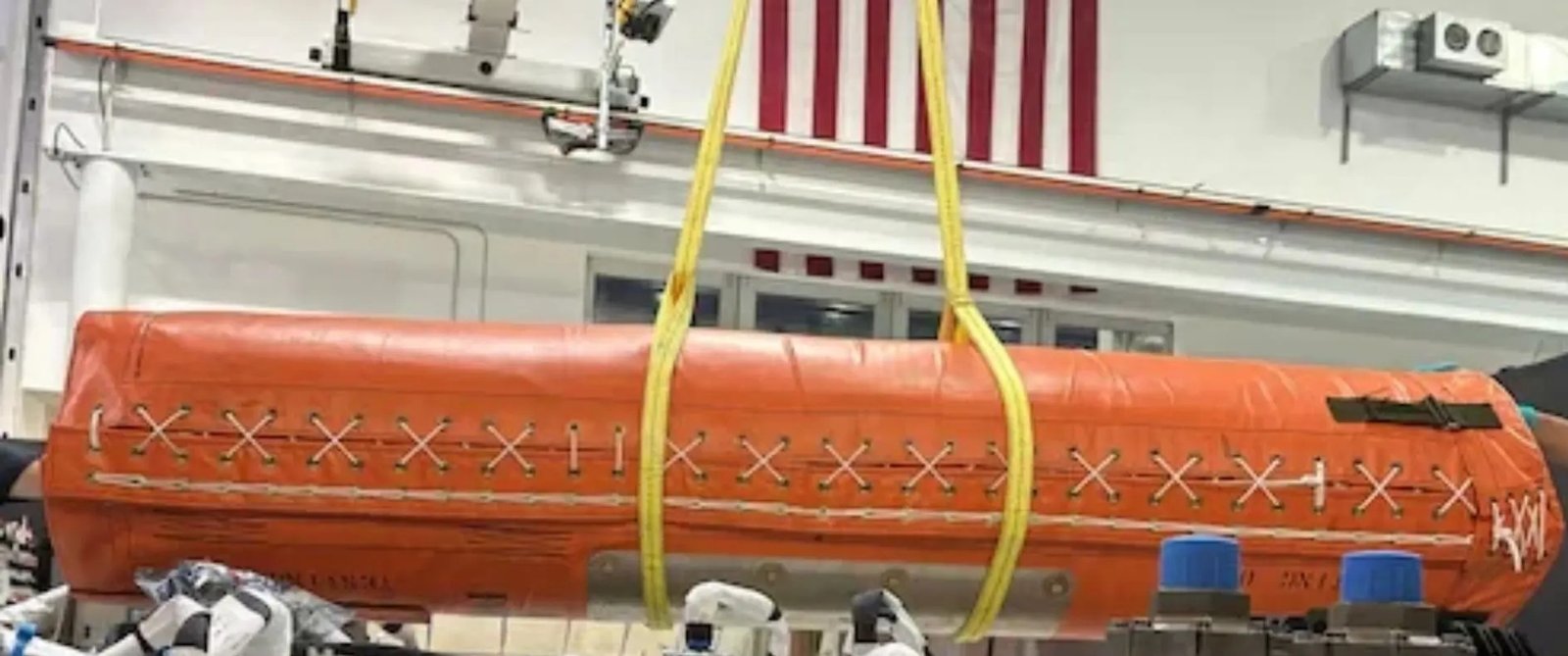 U.S. Air Force Tests SpaceX Starfall Capsule for Rapid Global Military Cargo Delivery
-
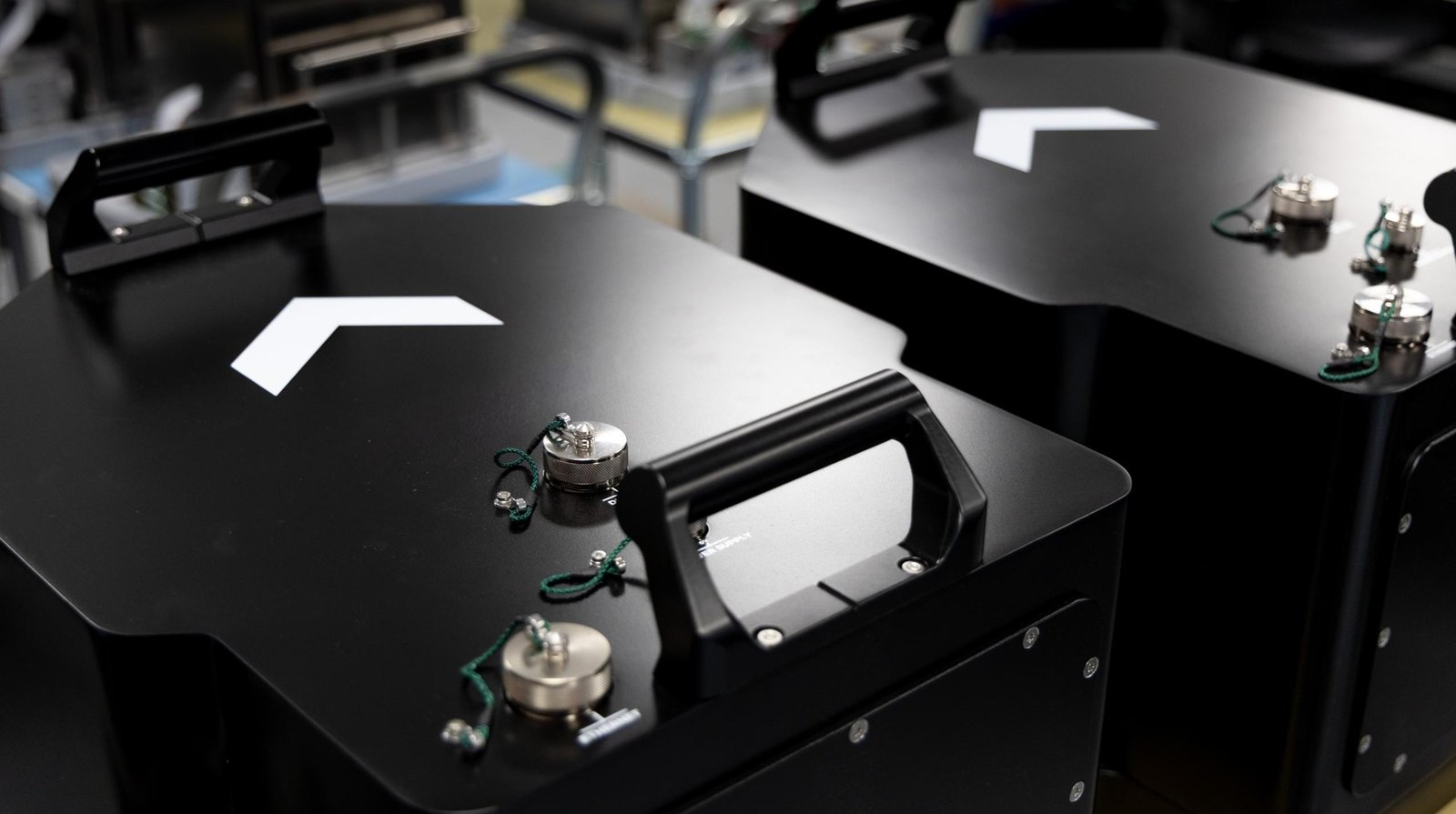 Exail Wins Major Contract to Equip Entire Fleet of Uncrewed Surface Vessels with Marins Inertial Navigation Systems
-
 General Dynamics Unveils PERCH 2.0 Drone System for Abrams Tanks and Stryker Vehicles
-
 Voyant Demonstrates Satellite-Free Navigation Technology for UK Ministry of Defence
Top Trending in 4 Days
-
 NASA Sets New Artemis Milestones as SpaceX and Blue Origin Target Moon Landings in 2027–2028
-
 US Weighs Strikes on Iran’s Kharg Island Oil Hub Ahead of Midterm Elections
-
 U.S. Air Force Awards HII Subsidiary Enlighten IT $332.8 Million Cyber Defense Contract
-
 Four NASA Volunteers Mark One Year in Simulated Mars Habitat
-
 U.S. Navy Awards HII $99.1 Million Contract Modification for Zumwalt-class Destroyer USS Lyndon B. Johnson Sea Trials
-
 Australia Unveils Ghost Shark Autonomous Submarine’s Mine, Drone and Logistics Capabilities
-
 L3Harris Opens ‘Arsenal of Freedom’ Rocket Motor Plant in Arkansas to Double Production Capacity
-
 Russia Reportedly Offers Su-35 Fighters and S-400 Air Defence System to Protect Tehran