Europe
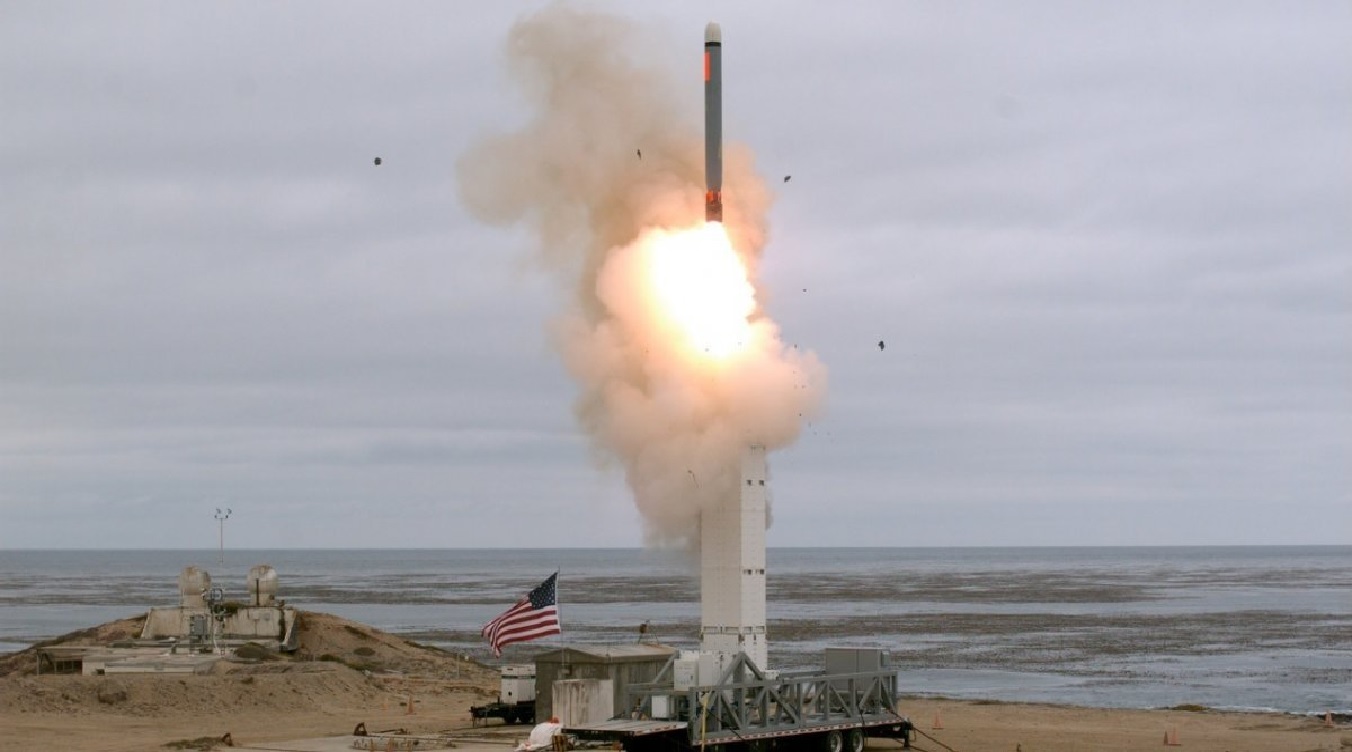
BERLIN — Germany has finalized an agreement with the United States to purchase Tomahawk long-range cruise missiles and Typhon ground-based launchers, Chancellor Friedrich Merz announced on Thursday, marking a significant step in strengthening the country's long-range defense capabilities. Merz said the agreement was concluded with the U.S. government during bilateral meetings held on the sidelines of this week's NATO summit in Ankara, Turkey. Addressing lawmakers in the Bundestag, he said the discussions with U.S. officials on Tuesday and Wednesday had exceeded his expectations. "We are closing a critical strategic gap in our defence, while simultaneously working to develop our own European systems and station them in Europe," Merz told lawmakers. Germany to Station Tomahawk Missiles on Its Own Territory Under the agreement, Germany will station the Tomahawk missile systems on German territory. The acquisition marks a change in Germany's defense approach, shifting from relying on planned U.S. deployments toward building its own long-range strike capability. The procurement follows changes to an earlier plan announced in 2024 under which the United States intended to temporarily deploy a battalion equipped with Tomahawk missiles in Germany beginning in 2026. That plan was largely abandoned after U.S. President Donald Trump announced in May that the United States would reduce its military presence in Germany. Instead of relying on a U.S.-operated deployment, Germany has now chosen to purchase the systems directly. According to German government sources, Washington signed a letter of intent on Tuesday committing to approve Germany's procurement of the Tomahawk missiles and Typhon launchers in August. The number of missiles and launchers to be acquired has not been disclosed because the information is classified. Typhon Launchers Provide Ground-Based Capability The Tomahawk missiles will be paired with the Typhon launcher system, a mobile ground-based platform capable of launching both Tomahawk cruise missiles and SM-6 missiles. The acquisition will provide Germany with a ground-based long-range strike capability that currently does not exist elsewhere in Europe. While the United Kingdom operates Tomahawk missiles launched from submarines and France fields sea-based long-range cruise missiles while developing a ground-based version, no European country currently operates a comparable ground-based Tomahawk system. Longer Range Than Germany's Taurus Missile Germany currently manufactures the Taurus cruise missile, which has an operational range of approximately 500 kilometers (311 miles). The U.S.-made Tomahawk has a range of up to 2,500 kilometers, providing Germany with a strike capability roughly three to five times greater than that of the Taurus. German officials consider the Tomahawk and Typhon combination an interim capability while Europe develops its own next-generation long-range weapons. Part of Broader European Defense Plans Merz said Germany has significantly increased defense spending since the start of the war in Ukraine, with €124 billion allocated for defense in 2026. At the same time, Germany continues to invest in developing an independent European long-range strike capability. Berlin is working with the United Kingdom and other partners through the European Long-Range Strike Approach (ELSA) initiative, which aims to develop a European cruise missile with a range exceeding 2,000 kilometers. The planned U.S. purchase is expected to provide Germany with an immediate long-range strike capability while European partners continue development of indigenous systems. The agreement also aligns with the U.S. administration's policy of encouraging European NATO members to strengthen their own defense capabilities, including through the purchase of American military equipment. The final U.S. approval for the sale is expected in August, while details of the procurement remain classified. Source: Reuters
Read More → Posted on 2026-07-09 12:42:15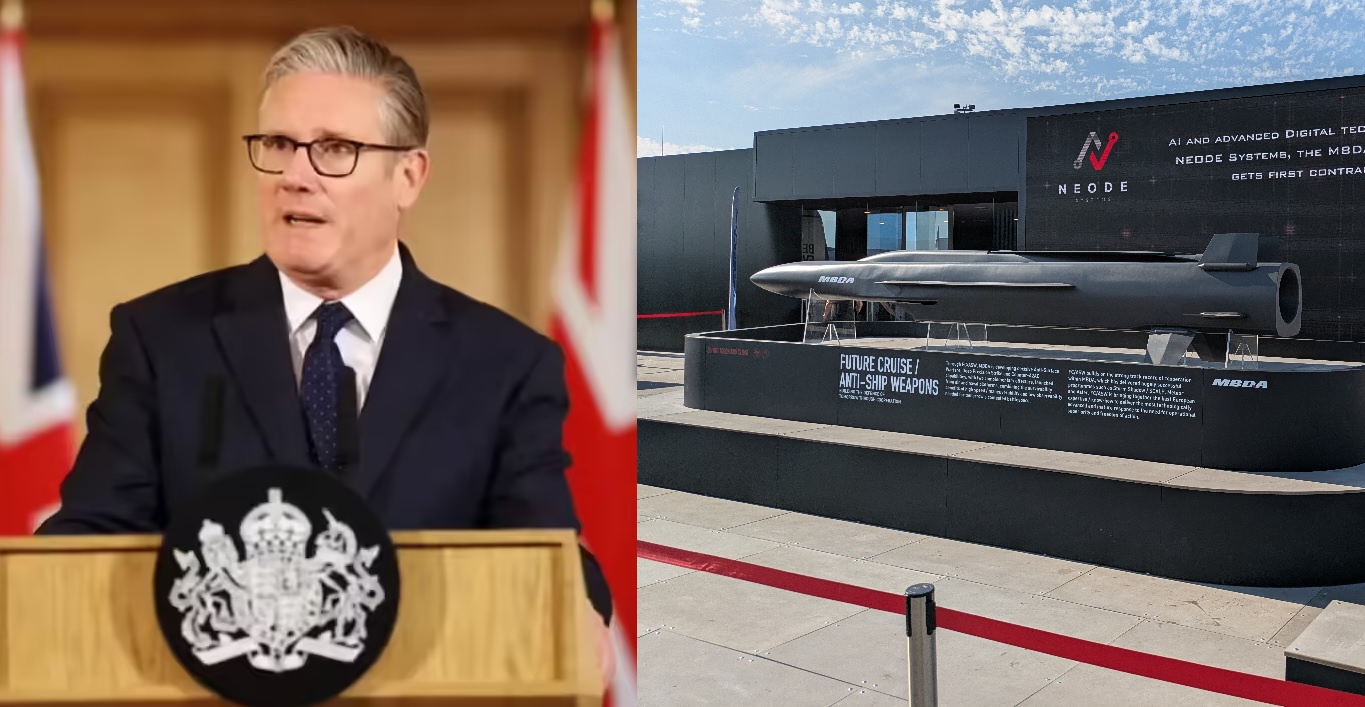
Europe
ANKARA, Turkey — The United Kingdom has announced a new multinational initiative to develop advanced long-range precision strike weapons, with around a dozen NATO allies expected to invest more than $50 billion (£37 billion) over the next decade. The announcement was made ahead of the NATO summit in Ankara, where European leaders are meeting to discuss the alliance's future defence priorities. The programme, known as the Deep Precision Strike (DPS) initiative, aims to strengthen NATO's long-range strike capabilities by developing a new family of precision weapons capable of engaging targets deep behind enemy lines. British Prime Minister Keir Starmer is leading discussions on the project with European allies at the summit. Long-Range Strike Capability According to the UK government, the Deep Precision Strike programme will initially focus on ground-launched weapons with a minimum range of 300 kilometres. Future variants, including stealth and hypersonic systems, are expected to exceed 2,000 kilometres while maintaining high levels of precision. The programme will later expand to include air-launched and sea-launched systems, providing NATO members with long-range strike capabilities across land, air and maritime domains. British officials said the initiative is intended to improve NATO's deterrence capability by developing weapons capable of targeting high-value military infrastructure and logistics networks at extended ranges. UK Defence Investment The Deep Precision Strike initiative complements the UK's broader Defence Investment Plan, under which the government has allocated £3 billion by 2030 specifically for deep precision strike capabilities as part of its wider £300 billion defence investment programme. The UK is already pursuing several major missile development programmes that will form part of this broader capability. UK-Germany Deep Precision Strike Programme The United Kingdom and Germany are jointly developing a new generation of stealth and hypersonic long-range weapons under the Trinity House Agreement, signed in 2024. The UK plans to invest approximately £770 million over the next four years in the programme. The weapons are expected to have ranges exceeding 2,000 kilometres and are planned to enter service during the 2030s. Stratus Cruise Missile Programme Britain is also working with France and Italy on the Stratus programme, which will replace the Storm Shadow/SCALP cruise missile. The UK government will invest £1.4 billion in the programme over the next four years. According to the UK Ministry of Defence, the project will support more than 1,300 jobs at MBDA UK. Stratus will include two missile variants: Stratus LO – a subsonic low-observable stealth cruise missile. Stratus RS – a highly manoeuvrable supersonic missile designed to engage critical military infrastructure, enemy warships and air defence systems. The UK Ministry of Defence described Stratus as the successor to one of Britain's most battle-proven missile systems. Stratus is the UK's trilateral programme with France and Italy to develop the successor of Storm Shadow — one of our most battle-proven missiles.The UK will put £1.4 billion into Stratus over the next four years. The project sustains more than 1,300 UK jobs at @MBDA_UK. pic.twitter.com/sSZrDl04I9 — Ministry of Defence 🇬🇧 (@DefenceHQ) July 8, 2026 Precision Strike Missile (PrSM) The UK is also joining the Precision Strike Missile (PrSM) programme alongside the United States and Australia. Britain has committed £190 million (about $252 million) to the programme, which will equip the British Army with a supersonic ballistic missile capable of striking targets at ranges of up to 500 kilometres. Together, these programmes are expected to provide the UK with a family of long-range strike weapons deployable from land, sea and air. Lessons from the Ukraine War British officials said the Deep Precision Strike initiative has been shaped by lessons from the war in Ukraine, where long-range precision strikes against logistics hubs, command centres and military infrastructure have played an important role in disrupting Russian operations. The UK and its European partners believe similar capabilities will be increasingly important in future conflicts and will strengthen NATO's overall deterrence posture. Starmer Calls for a "Stronger, More European NATO" Speaking ahead of the summit, Prime Minister Keir Starmer said the initiative would help build a "stronger, more European NATO" by increasing cooperation on advanced defence technologies and expanding Europe's defence industrial base. He said the UK is already investing heavily in long-range strike capabilities and that cooperation with allied nations would accelerate technology development and industrial collaboration. Security Environment The announcement comes as European NATO members increase defence cooperation amid continued concerns over Russia's military activities and ongoing calls from the United States for European allies to assume a greater share of the alliance's security responsibilities. According to the UK government, NATO fighter aircraft have intercepted Russian military aircraft more than 700 times near allied airspace during the past two years. The government also said Russian military activity around UK waters has increased by 30 percent. UK Foreign Secretary Yvette Cooper said the new capability would enable the UK and its allies to strike high-value military targets and critical logistics networks deep behind enemy lines, strengthening NATO's collective deterrence. Defence Spending Targets The launch of the Deep Precision Strike initiative comes as NATO members continue working toward the alliance's defence spending goals. Following an agreement reached at last year's NATO summit, member states are aiming to spend 5 percent of GDP on defence and security by 2035, including an interim target of 3.5 percent of GDP for core defence spending. Starmer is expected to face questions during the summit regarding the UK's timetable for meeting that interim target. Source: gov.uk
Read More → Posted on 2026-07-08 13:54:29Search
Top Trending in 24 Hours
-
 Unitree Unveils H2-X ‘Kung Fu Legend: Guardian’ Humanoid Robot for Security and Rescue
-
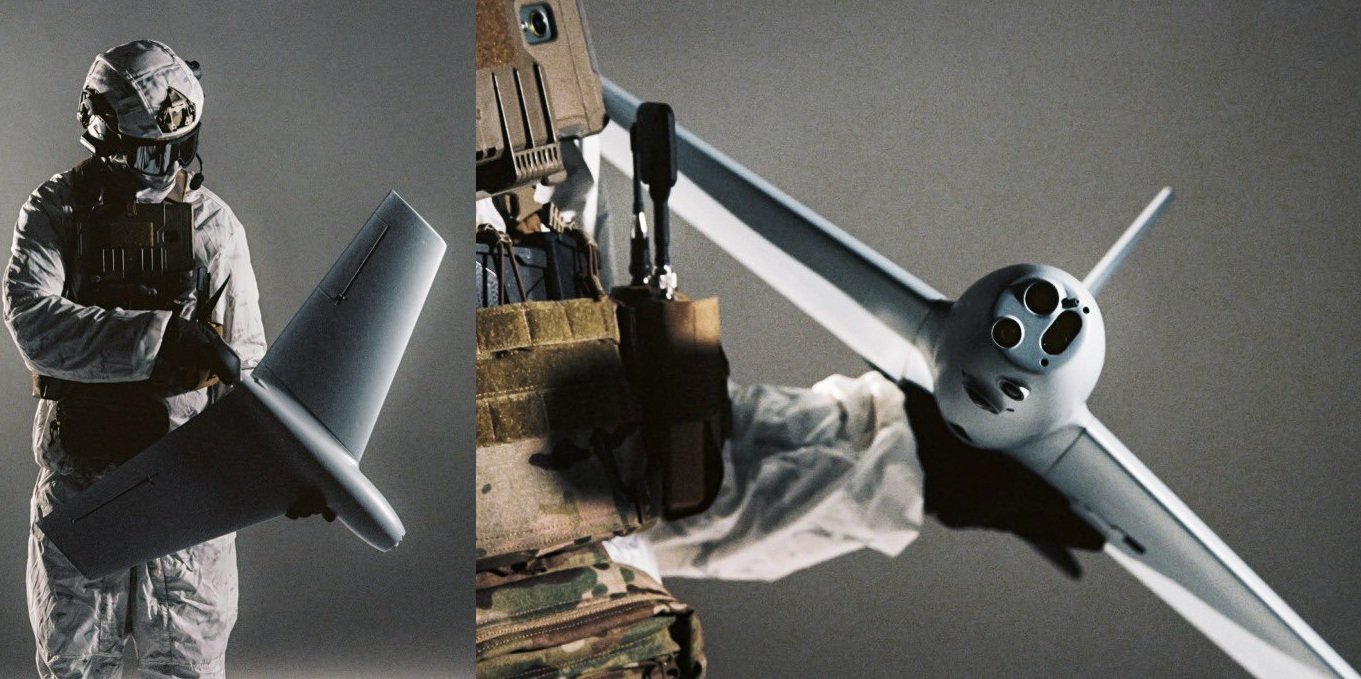 US Firm Heaviside Unveils 2.3-Kg TYR Loitering Munition With 40-Km Range at AUSA 2026
-
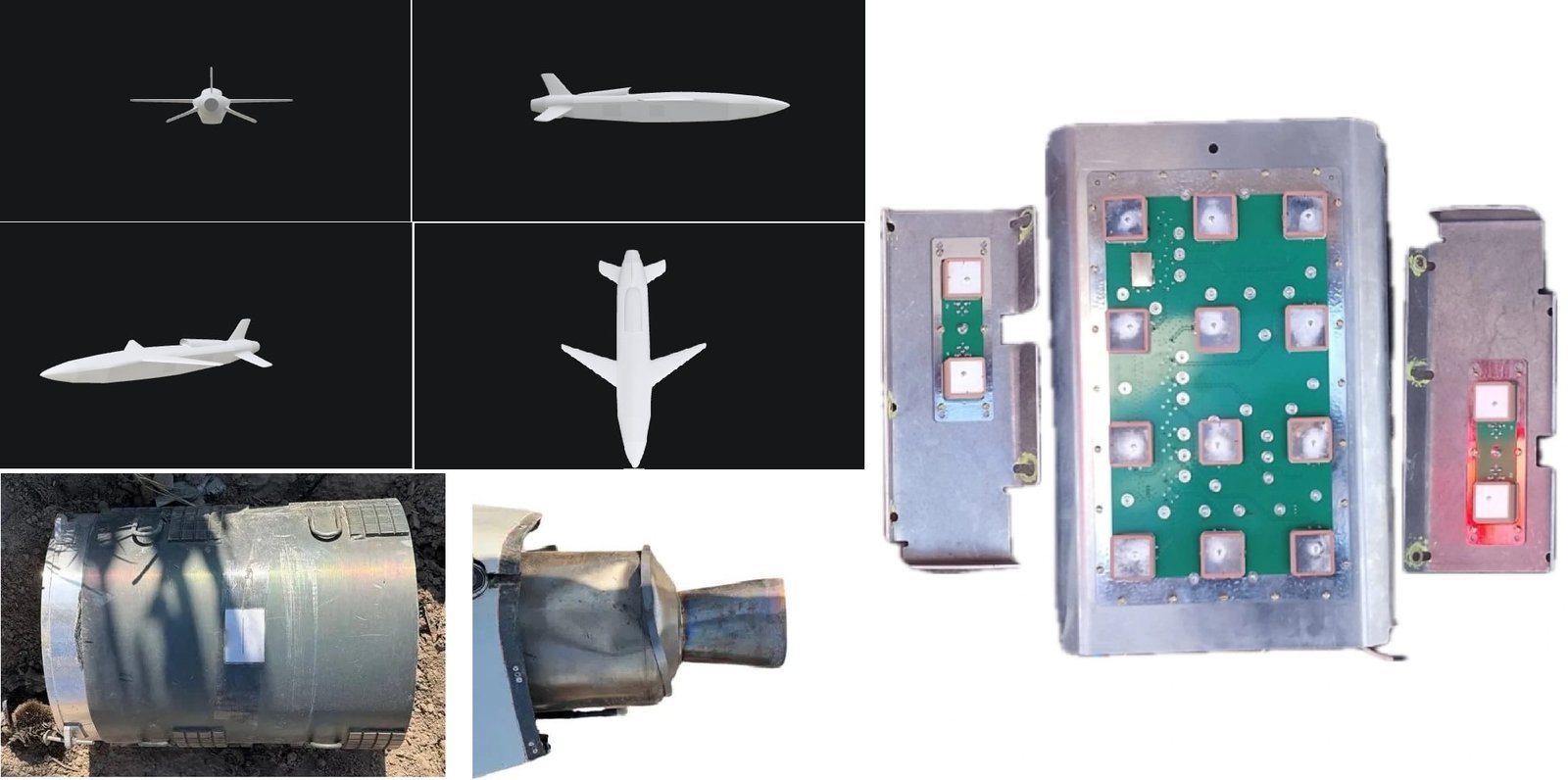 Ukraine Reveals Technical Details of Russia’s New Filin Cruise Missile
-
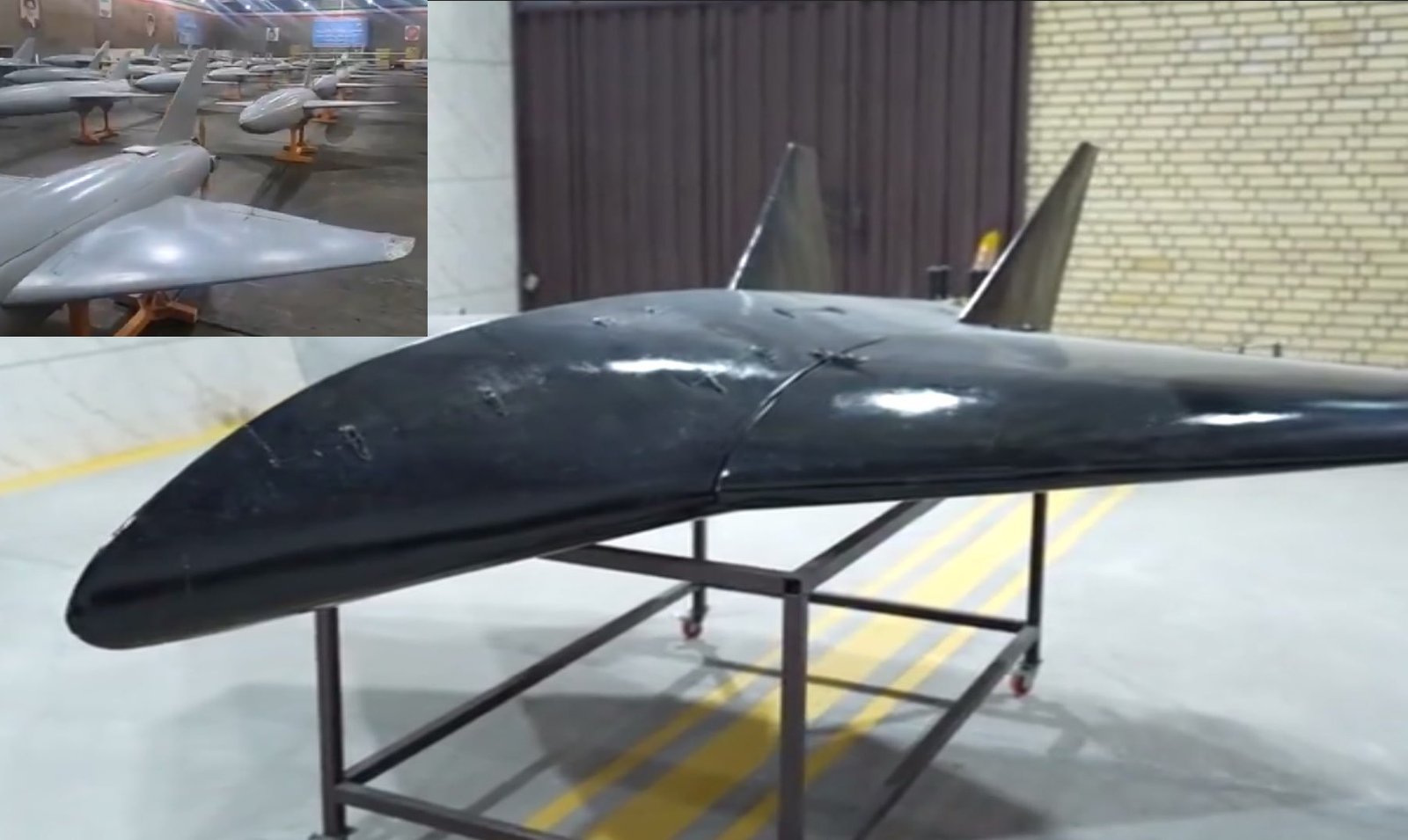 Iran Showcases Upgraded Arash-3 Drone with 100 kg Warhead, AI Targeting and GPS-Independent Navigation
-
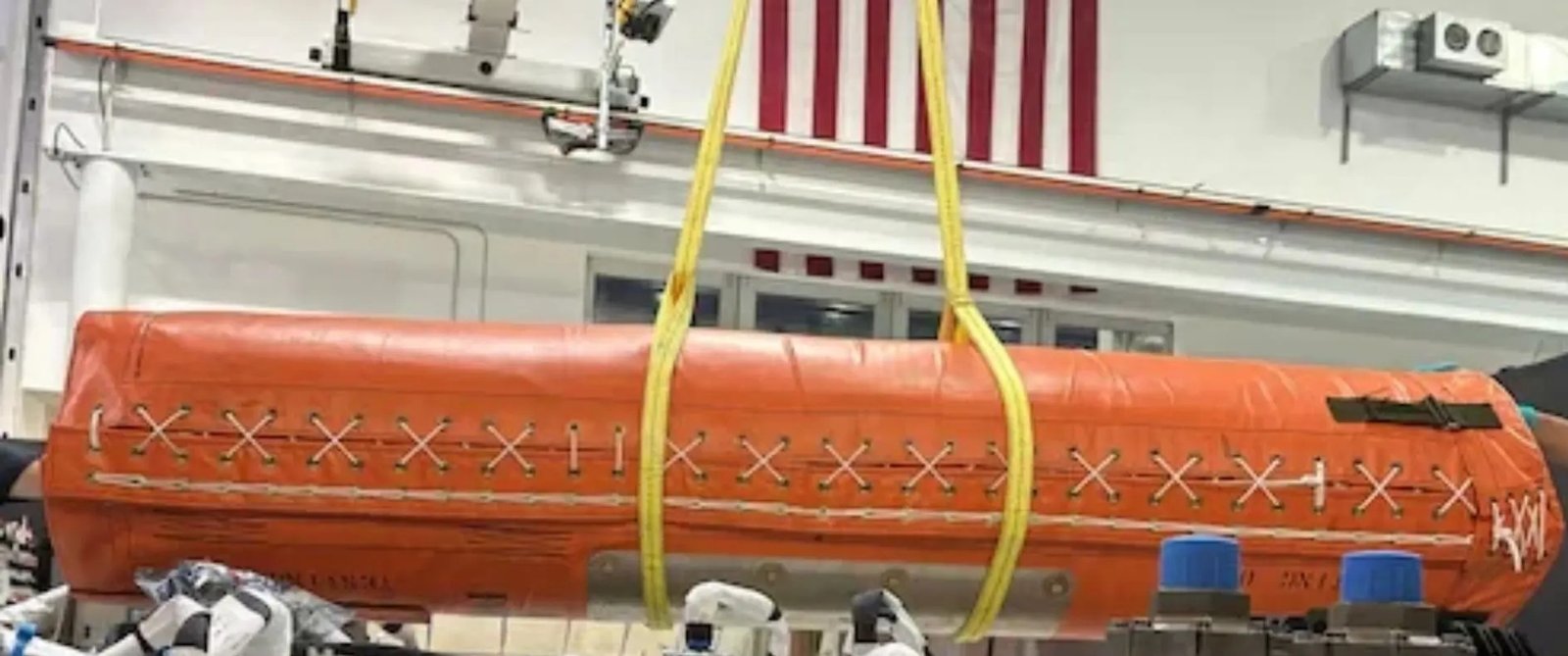 U.S. Air Force Tests SpaceX Starfall Capsule for Rapid Global Military Cargo Delivery
-
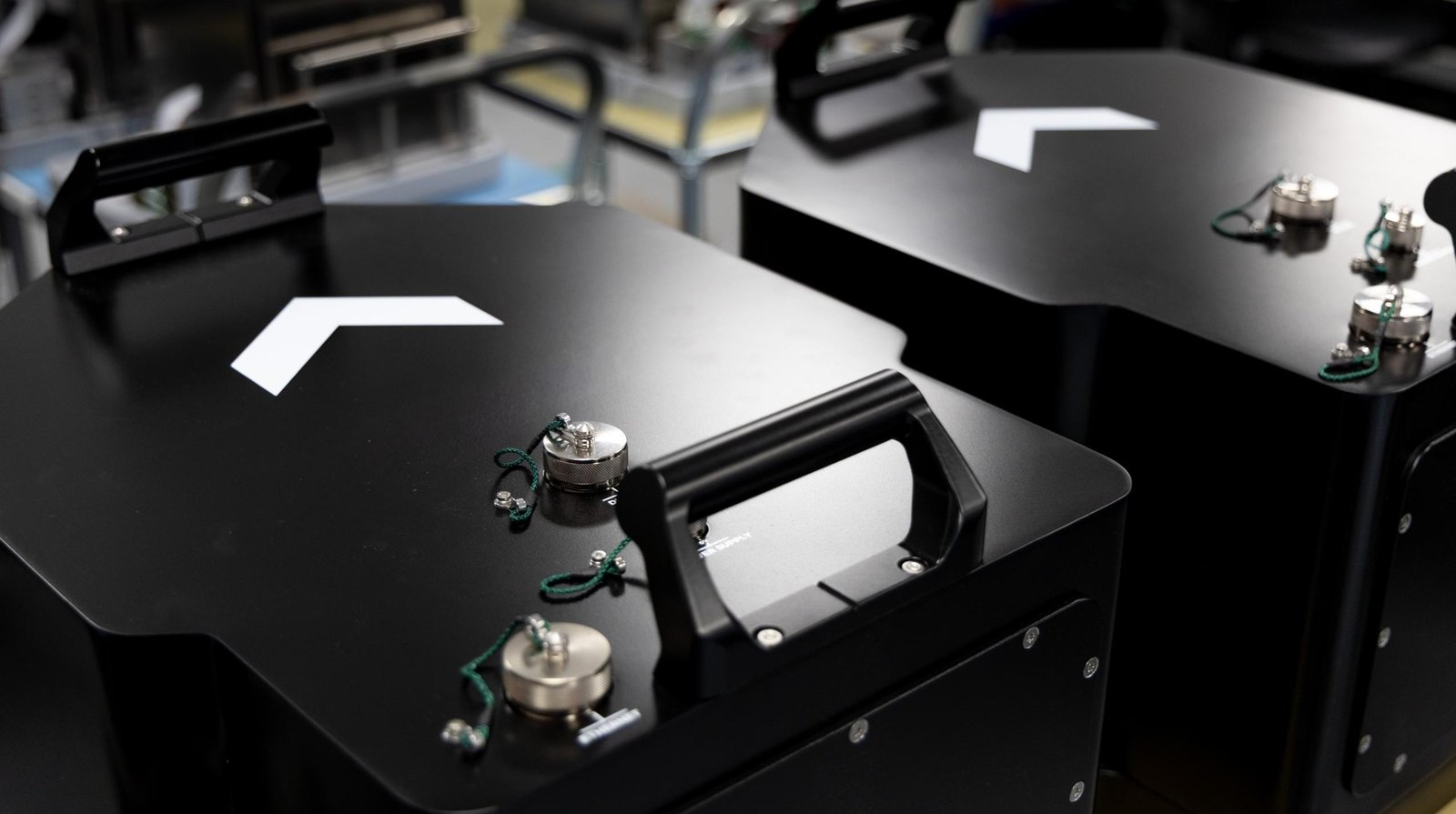 Exail Wins Major Contract to Equip Entire Fleet of Uncrewed Surface Vessels with Marins Inertial Navigation Systems
-
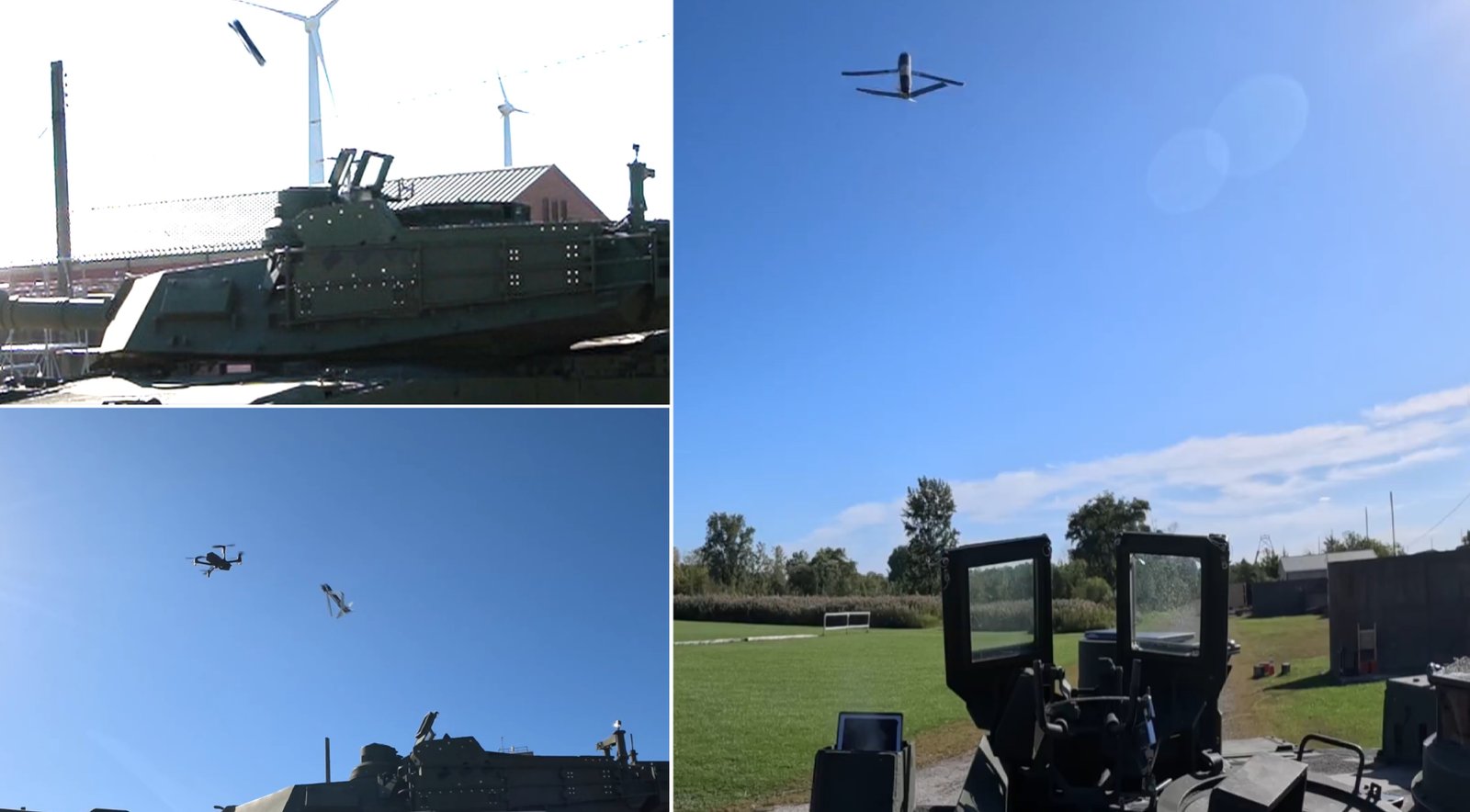 General Dynamics Unveils PERCH 2.0 Drone System for Abrams Tanks and Stryker Vehicles
-
 Voyant Demonstrates Satellite-Free Navigation Technology for UK Ministry of Defence
Top Trending in 4 Days
-
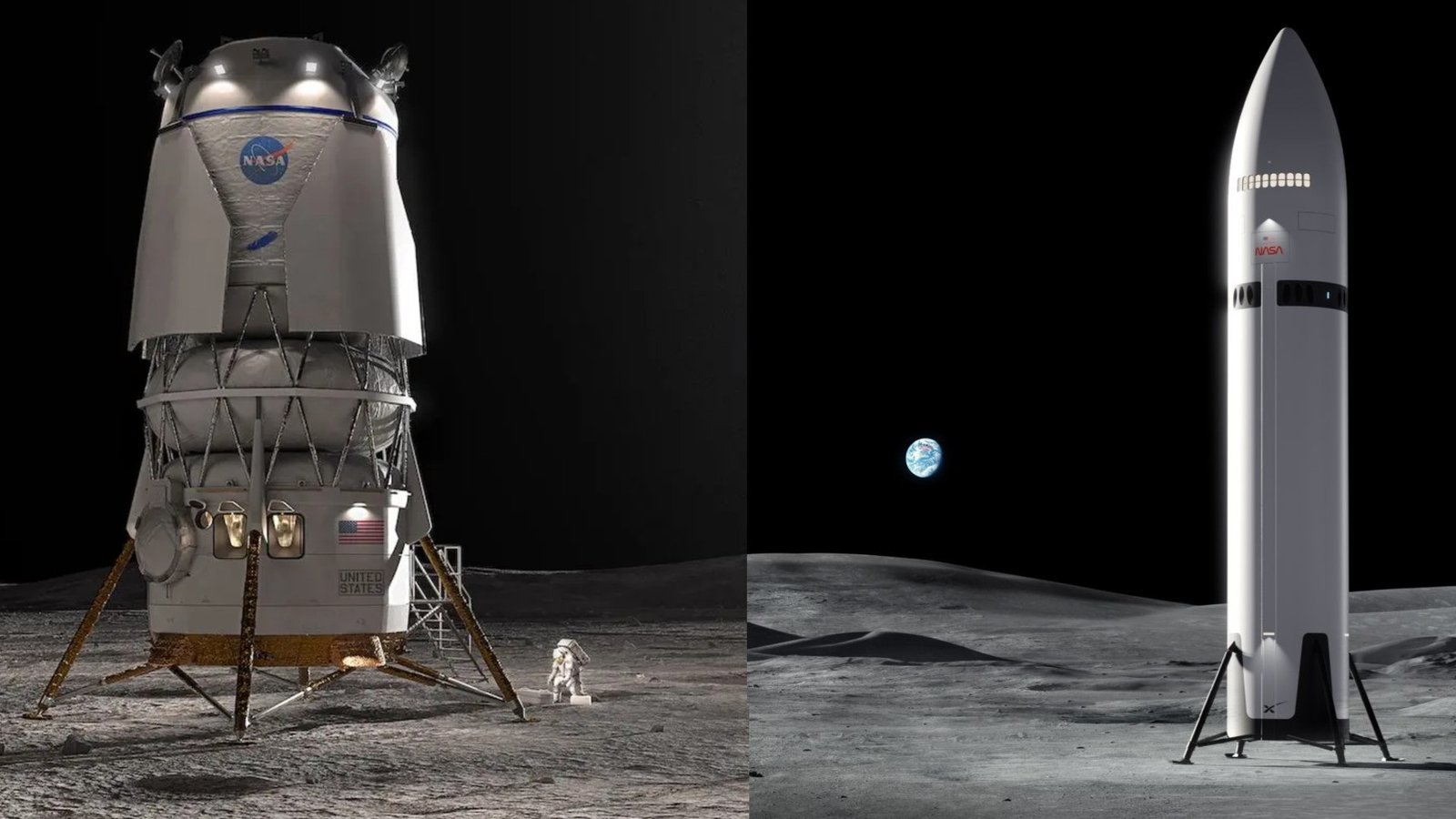 NASA Sets New Artemis Milestones as SpaceX and Blue Origin Target Moon Landings in 2027–2028
-
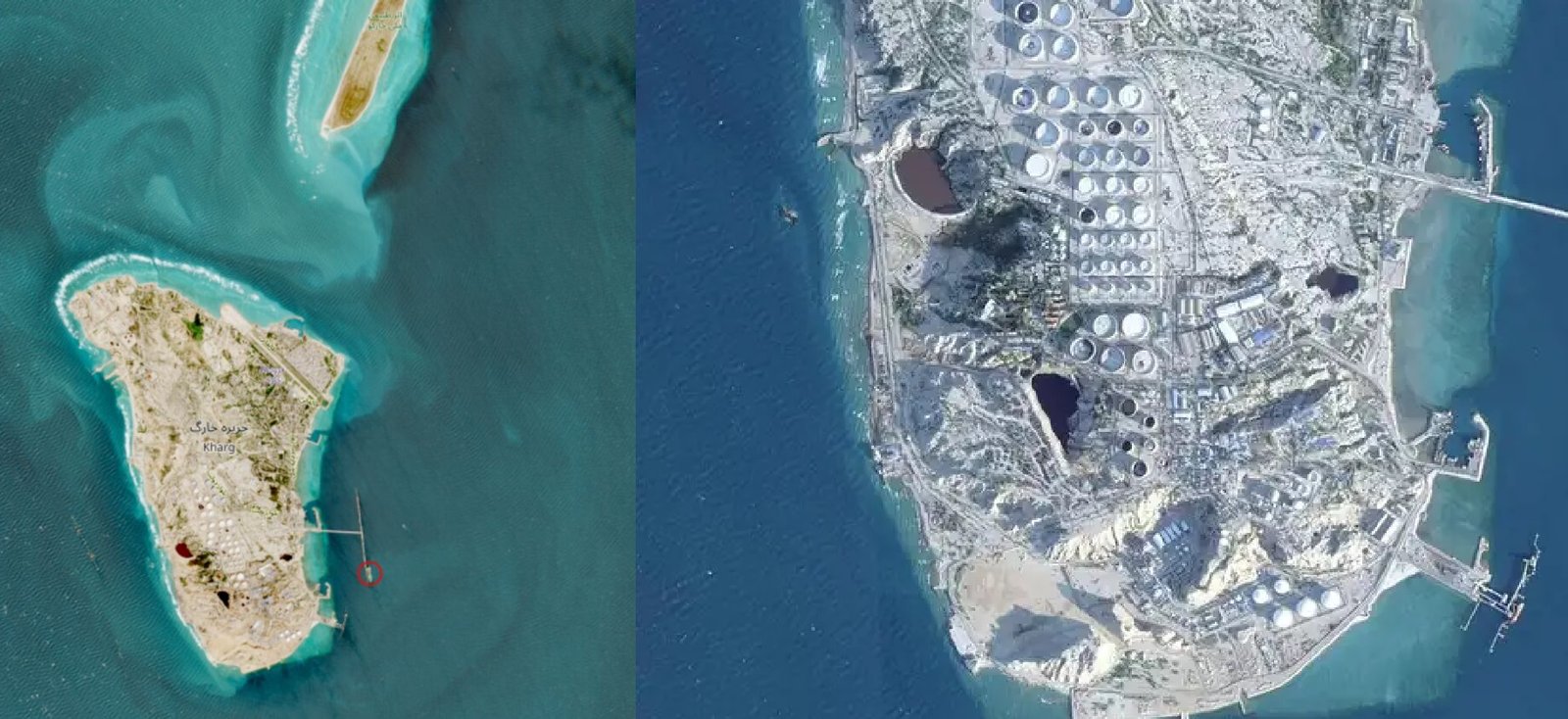 US Weighs Strikes on Iran’s Kharg Island Oil Hub Ahead of Midterm Elections
-
 U.S. Air Force Awards HII Subsidiary Enlighten IT $332.8 Million Cyber Defense Contract
-
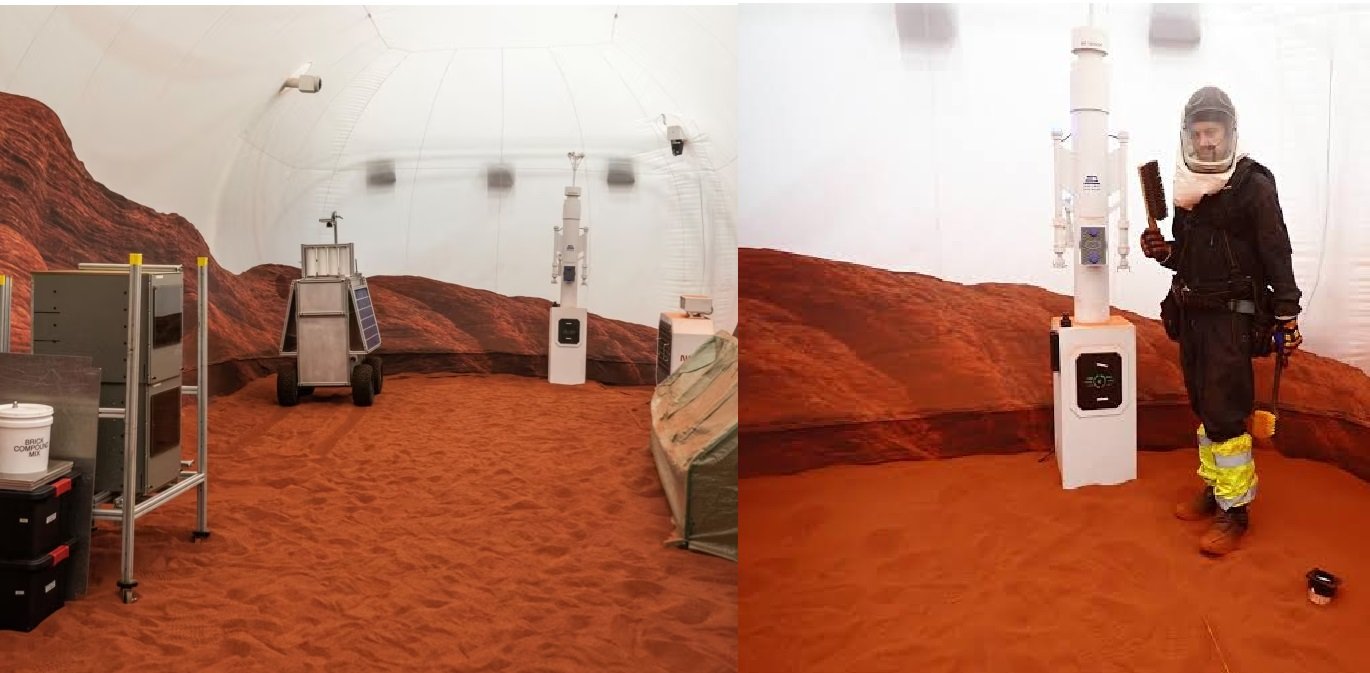 Four NASA Volunteers Mark One Year in Simulated Mars Habitat
-
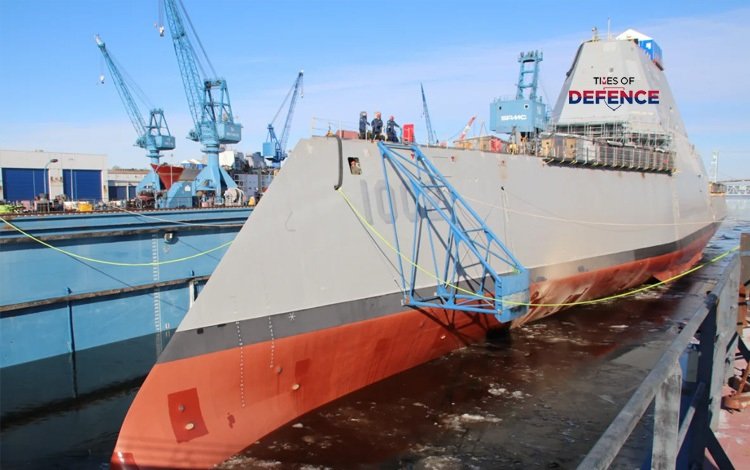 U.S. Navy Awards HII $99.1 Million Contract Modification for Zumwalt-class Destroyer USS Lyndon B. Johnson Sea Trials
-
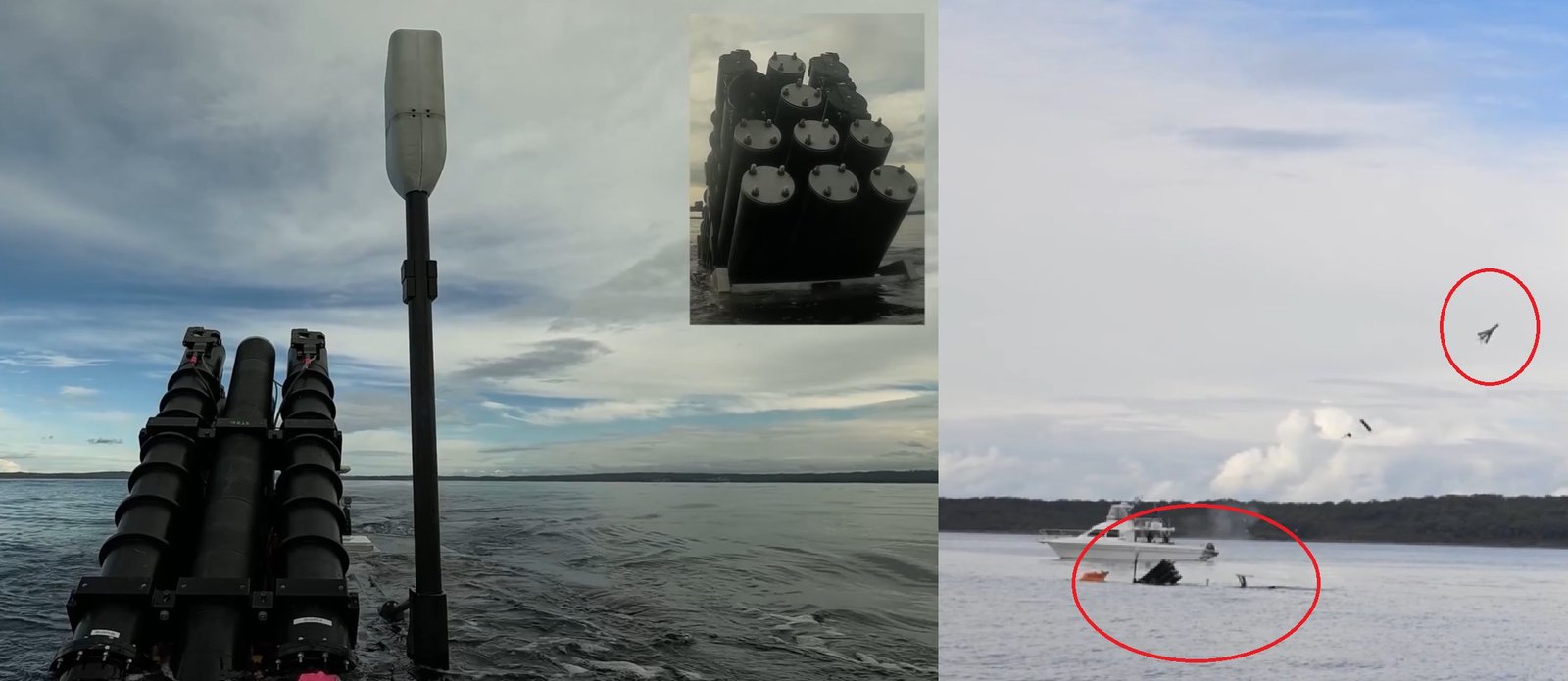 Australia Unveils Ghost Shark Autonomous Submarine’s Mine, Drone and Logistics Capabilities
-
 L3Harris Opens ‘Arsenal of Freedom’ Rocket Motor Plant in Arkansas to Double Production Capacity
-
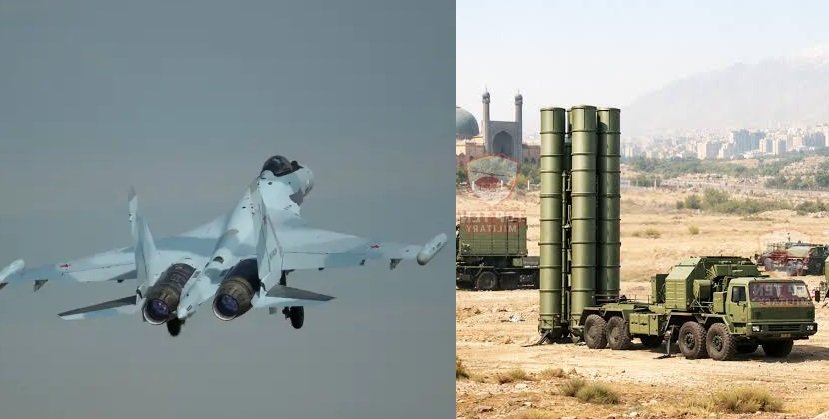 Russia Reportedly Offers Su-35 Fighters and S-400 Air Defence System to Protect Tehran