
Europe
LA CIOTAT, France — French maritime technology company Exail has unveiled Neptis, an integrated autonomous maritime surveillance system combining its new Oryx family of uncrewed surface vessels (USVs), defense-grade payloads and a centralized command-and-control (C2) network. Neptis is designed for Intelligence, Surveillance and Reconnaissance (ISR), Anti-Submarine Warfare (ASW), Critical Undersea Infrastructure Protection (CUIP) and Counter-Uncrewed Aerial Systems (C-UAS) missions. It coordinates autonomous assets to extend surveillance coverage and maintain a persistent maritime presence while reducing the need to assign crewed warships to routine monitoring. “Naval surveillance has traditionally relied on sending valuable ships and crews into the areas that need to be monitored. Autonomous systems fundamentally change that equation,” said Sébastien Grall, Head of Maritime Autonomous Systems at Exail. He said Neptis would help navies monitor larger areas, reduce personnel workloads and improve decision-making. Neptis Command-and-Control System Neptis allows operators to coordinate multiple autonomous platforms through a shared interface. Its capabilities include tactical track visualization, mission planning, advanced data fusion and AI-assisted classification, integrating information from sensors operating above, on and below the water's surface. The modular system supports line-of-sight and beyond-line-of-sight communications, configurable data processing and integration with existing naval command networks. It can operate from shore or ships, while human operators retain authority over critical mission approvals and platform retasking. Oryx Family of Uncrewed Surface Vessels The Oryx series comprises three vessels designed for different deployment, endurance and payload requirements. Oryx H-8: A compact vessel for rapid deployment, coastal surveillance and local force protection. It measures 7.71 metres, has a displacement of 1.6 tonnes, endurance of up to 10 days, speed below 14 knots and a range of approximately 1,000 nautical miles. Its fuel capacity is 250 litres. It can operate from suitable ships or shore facilities with low logistical requirements. Oryx H-9: Designed for coastal and offshore surveillance and multi-sensor missions. It measures 9 metres, has a displacement of 2.1 tonnes, endurance of up to 20 days, speed below 13 knots and a range of approximately 2,000 nautical miles. Its fuel capacity is 550 litres. Oryx O-16: Designed for long-duration offshore surveillance and persistent ASW operations. It measures 15.75 metres, has a displacement of 10.5 tonnes, endurance of up to 30 days, speed below 16 knots and a range of approximately 3,500 nautical miles. Its fuel capacity is 2,300 litres, and it uses dual-hybrid propulsion. The vessel can carry heavy payloads, including towed sonars, and support the deployment and recovery of remotely operated towed vehicles (ROTVs), remotely operated vehicles (ROVs), unmanned aerial vehicles (UAVs) and autonomous underwater vehicles (AUVs). The Oryx vessels build on the naval architecture, hydrodynamics and autonomous capabilities of Exail's civil DriX platforms. The company states that they have demonstrated survivability in Sea State 7 conditions and support remote-supervised autonomous operations, flexible payload integration and military-grade cybersecurity for sovereign deployments. Operational Experience and Production Expansion Neptis builds on Exail's experience with its UMIS mine countermeasures system, which coordinates multiple uncrewed surface and underwater platforms, mission payloads and communications. Exail reports more than 300,000 operational hours, over 1.5 million nautical miles navigated worldwide and more than 90 USVs sold across its DriX and Inspector product lines. These platforms have participated in international naval exercises and operations involving the U.S. Navy's Task Force 59 and 4th Fleet, NATO Task Force X and the French Navy. To support production of Neptis and the Oryx family, Exail plans to open a new manufacturing facility in southern France to increase its USV production capacity. The company is scheduled to present the system and vessels at the Euronaval exhibition in November 2026.
Read More → Posted on 2026-10-09 16:36:14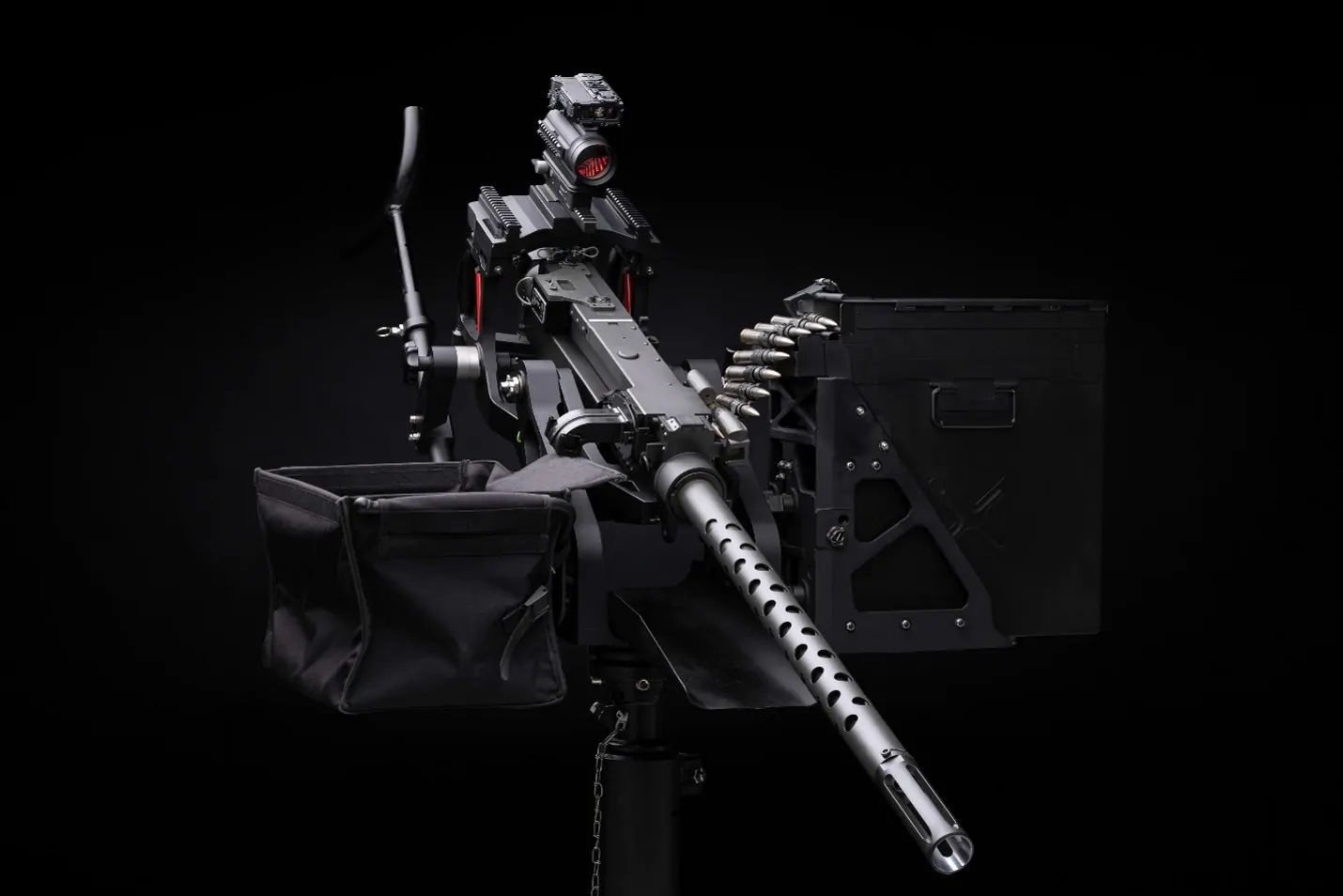
Europe
HERSTAL, Belgium — FN, the defence brand of FN Browning Group, which includes FN Herstal, FN UK and FN America, has introduced the FN M3M ENDURANCE, a new version of its M3 .50-calibre machine gun designed to extend service life and reduce maintenance requirements. According to FN, the weapon's operational service life has increased by 50 percent, from 40,000 to 60,000 rounds, while preventive maintenance intervals have been extended threefold, from every 5,000 rounds to every 15,000 rounds. The gun retains a high cyclic rate of fire of 1,100 rounds per minute. The improvements are intended to reduce ownership costs, spare-parts requirements and maintenance workload while increasing weapon availability. FN says the changes can reduce armourer workload by a factor of three. Integrated System for Air, Land and Sea The FN M3M ENDURANCE is offered as a fully integrated pintle-mounted system comprising the weapon, ammunition, mounts, integrated logistics support, operator training and accessories, backed by a global warranty. Accessories include the FN ELITY LITE laser rangefinder, an infrared laser pointer/illuminator and the FN SMARTCORE shot counter, which tracks rounds fired and supports maintenance planning. The system is designed for new or existing FN crew-served weapon installations on aircraft, land vehicles and naval platforms. It can also be fitted to a ground-based pedestal for perimeter defence and counter-unmanned aircraft system (C-UAS) applications. Rudi Collin, Vice President of Integrated Weapon Systems at FN, said the aim was to deliver high firepower with longer service life and lower maintenance requirements. He also highlighted the different maintenance needs of airborne, land and naval applications, noting that the FN M3 is widely used in airborne roles. FN has worked on pintle-mounted weapon systems since the late 1970s, integrating machine guns for air, land and maritime operations. Specifications and Operating Features The FN M3M ENDURANCE is a fully automatic, open-bolt machine gun chambered for the 12.7×99 mm (.50-calibre) cartridge. It uses a short-recoil operating system and is belt-fed. Key specifications include: Rate of fire: 1,100 rounds per minute Effective range: 2,500 metres Maximum range: 6,500 metres Compatible ammunition: Ball, Tracer, Armour-Piercing (AP), Armour-Piercing Incendiary (API), APIT and APEI Ammunition feed: Left or right side Operating system: Fully mechanical, requiring no electrical power from the host platform The mechanical design allows the gun to remain usable when the aircraft, vehicle or vessel has limited electrical power or experiences a power failure. FN also highlights its balance, accuracy, crew safety and reliability. The M3 series is derived from the Browning M2 heavy machine gun. The M3M variant, also known as the GAU-21 in US service, has been used for decades on rotary-wing aircraft and other platforms. Earlier versions serve with the US Navy, Marine Corps and Air Force, the UK's Royal Navy and Germany's Bundeswehr, among other military operators. FN states that its pintle mounts are produced under ISO 9001 and AS/EN 9100 quality systems and Nadcap-certified processes, with qualifications for various military aircraft, land vehicles and naval platforms. The FN M3M ENDURANCE will be displayed at EURONAVAL 2026 in Paris, France, from November 3 to 6, at the FN booth in Hall 6, Stand F44.
Read More → Posted on 2026-10-09 14:08:58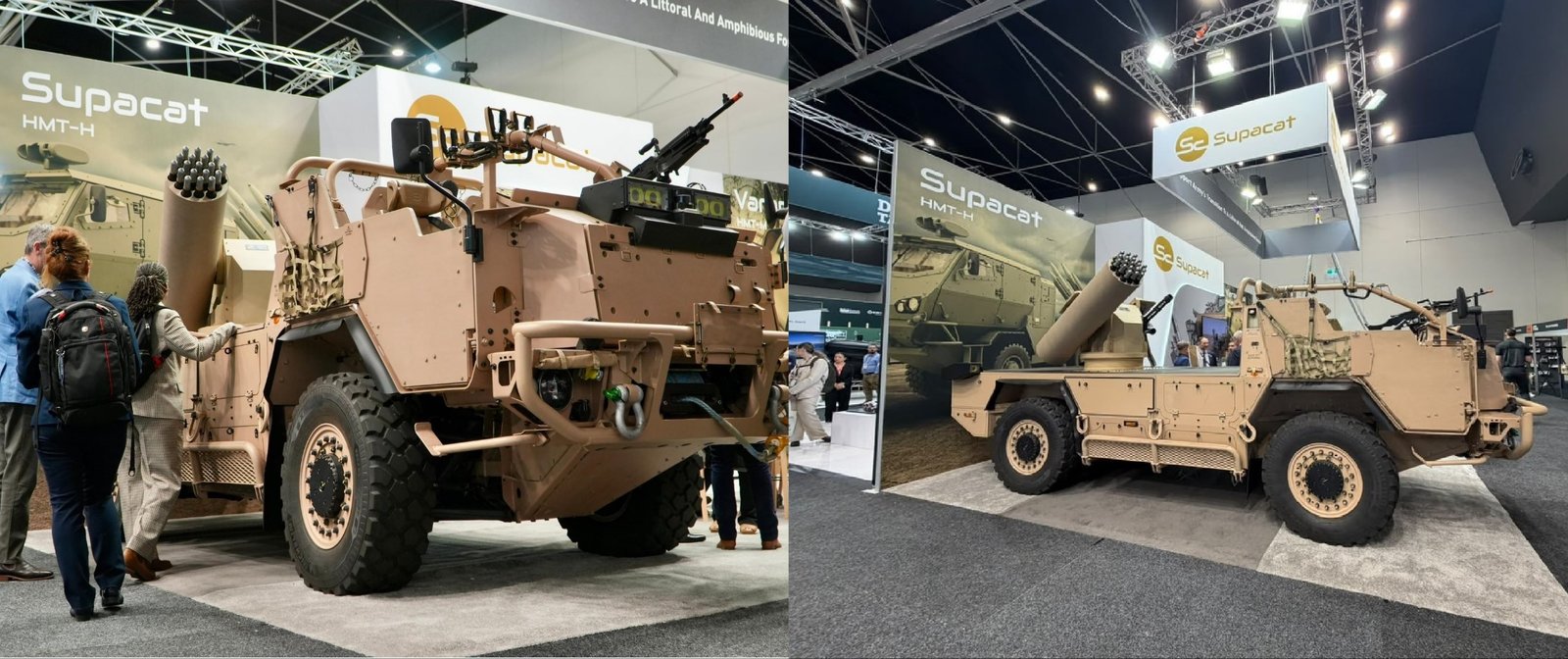
Europe
LONDON, — British defence vehicle manufacturer Supacat has demonstrated a mobile air-defence system based on its HMT 400 vehicle, equipped with the Flexible Mission Platform (FMP) turret developed by US-based defence technology company Moog. The system combines a rotary machine gun and laser-guided rockets for short-range air defence and counter-unmanned aerial system (C-UAS) missions. The configuration was presented recently, including in displays associated with Land Forces 2026 in Perth, Australia. Dual-Weapon System Combines Machine Gun and Guided Rockets The Moog FMP turret is equipped with two weapon systems: M134 rotary machine gun: A six-barrel, 7.62 mm weapon with a reported effective engagement range of approximately 1 kilometre (0.6 miles). M261 rocket launcher: A 19-tube launcher loaded with Advanced Precision Kill Weapon System II (APKWS II) laser-guided rockets, with a reported engagement range of up to 6 kilometres (3.7 miles). Developed by BAE Systems, the APKWS II guidance kit converts compatible unguided 70 mm Hydra 70 rockets into precision-guided munitions using laser guidance while retaining the existing rocket motor and warhead. Actual engagement range depends on launch conditions and configuration. HMT 400 Provides Mobility and Payload Capacity The HMT 400 is Supacat's 4×4 High Mobility Transporter, known as the Jackal in British Army service. It was developed for demanding military missions, including reconnaissance, rapid assault and convoy protection. The vehicle features variable-height air suspension to support operations across difficult terrain. Its standard 4×4 configuration has a payload capacity of approximately 2,500 kg, a listed top speed of 120 km/h and a range of around 800 km. The HMT platform has been in service for more than two decades and is used by several countries. Its modular, open architecture supports the integration of different weapons, sensors and mission equipment. Moog FMP Supports Modular Weapon Integration Moog's FMP is designed to integrate different weapons and sensors onto land vehicles, trailers, containers and surface ships. The platform weighs approximately 350 kg without launchers, provides continuous 360-degree traverse with an optional slip ring and has a typical elevation range of −10 to +30 degrees. Available options include stabilisation for firing on the move and weapon stores management. Its modular design allows weapon and sensor configurations to be adapted to specific operational requirements. Supacat and Moog have also explored other HMT-based air-defence configurations, including concepts using ASRAAM missiles on related HMT variants. Mobile Air Defence and Counter-Drone Role The new configuration combines machine-gun fire for closer engagements with laser-guided rockets for targets at greater distances. Its wheeled chassis and off-road mobility could allow ground forces to deploy the system alongside mobile units. The demonstration highlights the potential to add air-defence capabilities to an existing light tactical vehicle through modular weapon integration. However, it does not confirm a production order or entry into operational service.
Read More → Posted on 2026-10-09 13:36:03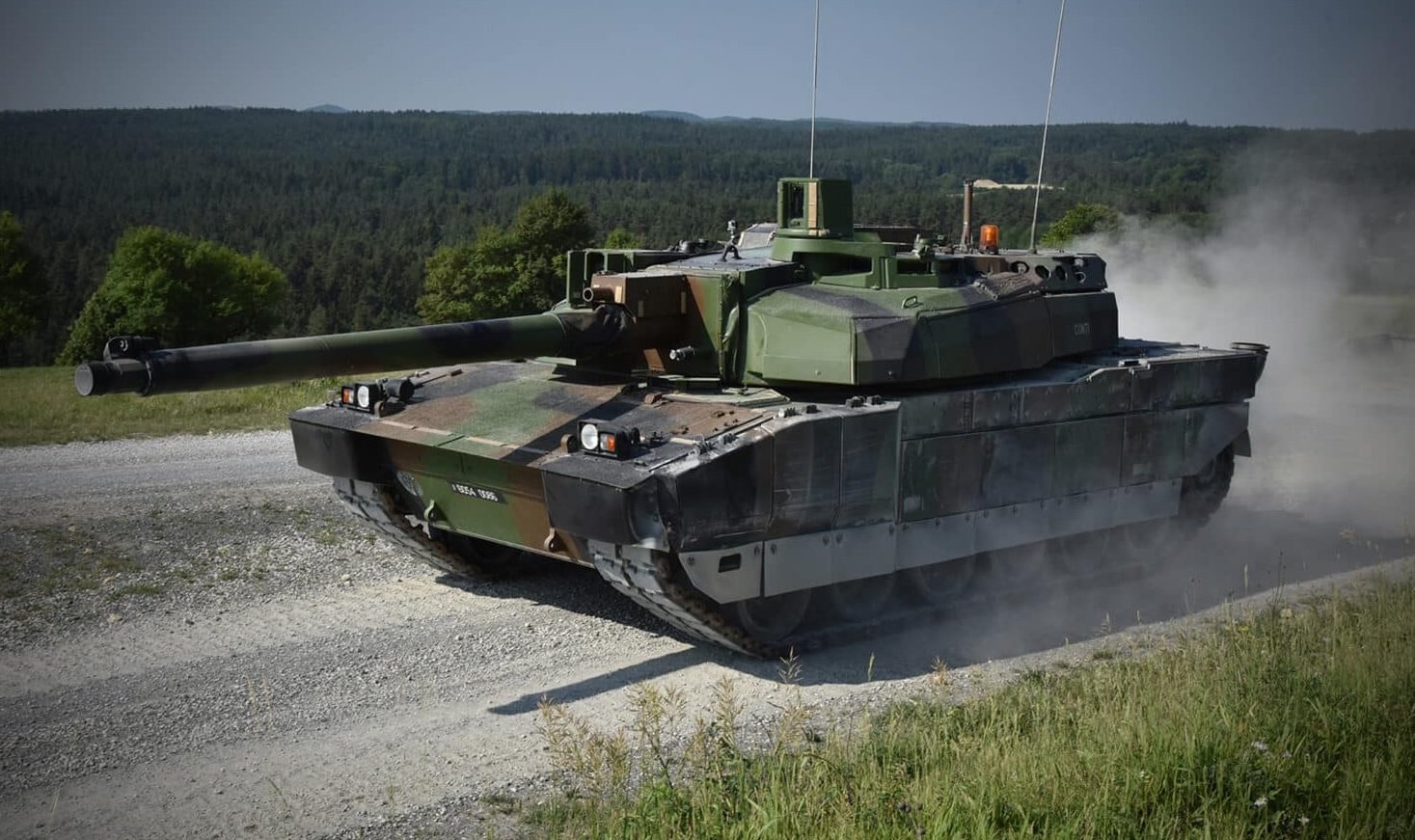
Europe
Paris, — France has delivered the first two refurbished turbomachines for its Leclerc main battle tank fleet, marking the start of a new state-run maintenance program aimed at maintaining the tanks' operational availability and bringing critical heavy maintenance work under government control. First Two Units Delivered The French Directorate General of Armaments (DGA) and the Aeronautical Industrial Service (SIAé) announced on October 2 that the first two turbomachines had completed NTI3 (Technical Intervention Level 3) maintenance at the Aeronautical Industrial Workshop (AIA) in Bordeaux. The units were delivered to the French Army ahead of schedule, with post-maintenance testing confirming that they had recovered their original performance levels. Turbomachine's Role in the Leclerc The refurbished units are TM-307B turbomachines, a key component of the Leclerc's V8X-1500 Hyperbar diesel propulsion system. The turbomachine supplies compressed air to the engine's cylinders, increasing the air available for combustion and supporting the engine's 1,500-horsepower output. It can also provide auxiliary power for the tank's systems when the main engine is shut down. Maintenance Capability Restored in France The decision to restore domestic NTI3 maintenance capability followed a DGA-led study focused on securing long-term maintenance of the Leclerc turbomachines. In July 2023, the DGA awarded the maintenance contract to SIAé, with AIA Bordeaux responsible for the industrial work. Safran Helicopter Engines, the original designer of the turbomachine, is supporting the program as a subcontractor. KNDS, the Leclerc's industrial prime contractor, also participated in the earlier reindustrialisation study. The DGA said performing the overhaul at AIA Bordeaux reduced costs compared with quotations received from private industry. Production Target From 2027 The first two deliveries move the program from its reindustrialisation phase into regular production. AIA Bordeaux is expected to refurbish 25 Leclerc turbomachines annually from 2027. Responsibility for monitoring the maintenance contract is transitioning from the DGA to France's Integrated Structure for the Operational Maintenance of Land Equipment (SIMMT) within the Ministry of the Armed Forces. The maintenance activity is planned to continue until at least 2039, supporting the Leclerc fleet, including tanks upgraded to the XLR standard.
Read More → Posted on 2026-10-08 13:13:09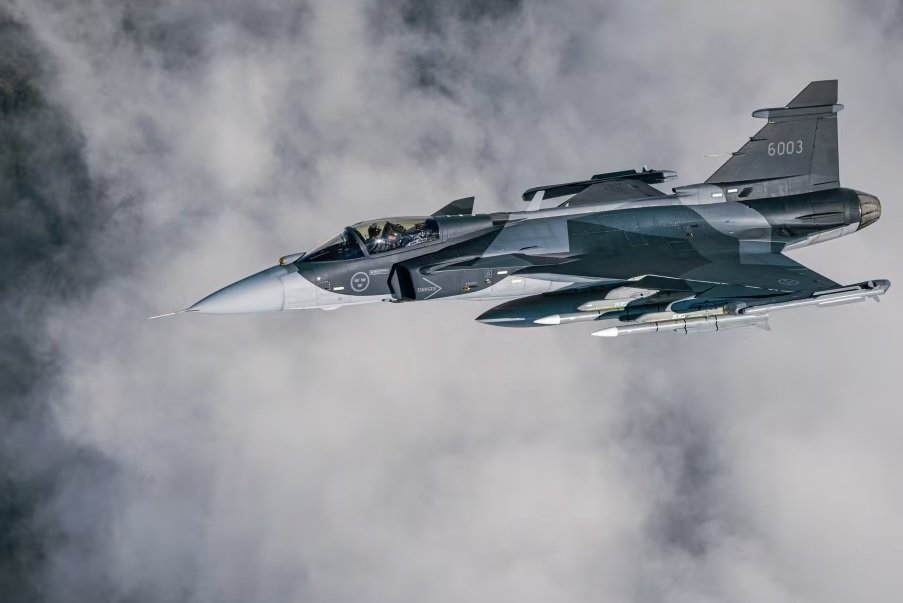
Europe
Trollhättan, Sweden — Saab and GKN Aerospace have signed a cooperation agreement to strengthen Swedish capabilities in engine and propulsion systems for the Gripen E/F fighter aircraft. According to Saab, the agreement establishes the foundation for closer cooperation between the two companies on the Gripen E/F engine. The Swedish government recently decided to strengthen Sweden’s national capability and expertise related to the aircraft’s engine and has tasked Saab and GKN Aerospace with creating the conditions needed to achieve that objective. Under the agreement, GKN Aerospace will progressively take on a greater role in engine-related activities for the Gripen E/F programme. Its responsibilities will include providing expertise, capacity and technical support related to the aircraft’s propulsion system. Johan Segertoft, head of Saab’s Gripen business unit, said the cooperation agreement lays the foundation for establishing GKN Aerospace as Saab’s partner in engine-related matters for the Gripen E/F. He said the cooperation will support Sweden’s fighter aircraft capability and domestic industrial capacity. The agreement also builds on an existing relationship between Saab and GKN Aerospace. The companies already cooperate on the engine used by the Gripen C/D, while the new agreement specifically extends their cooperation to the Gripen E/F. GKN Aerospace to Expand Its Role GKN Aerospace has existing experience supporting Gripen propulsion systems. Saab previously reported that GKN Aerospace holds the type certificate for the RM12 engine used by the Gripen C/D and provides product support for the engine throughout its service life. The Gripen E/F uses the RM16, the Swedish designation for the aircraft's engine. Saab has previously described the RM16 as the successor to the RM12. The latest agreement does not announce a change to the Gripen E/F engine. Instead, it establishes a broader cooperation framework under which GKN Aerospace will gradually assume a larger role in engine-related matters. Focus on Swedish Industrial Capability The agreement is part of Sweden’s effort to strengthen domestic knowledge and capability related to the Gripen E/F propulsion system. For Saab, the cooperation is also intended to support the continued development and availability of the Gripen while strengthening its industrial capability in Sweden. GKN Aerospace’s expanded role will include technical expertise and support capacity for the Gripen E/F programme. The company’s existing experience with the Gripen C/D engine provides the basis for the new cooperation. The agreement comes as the Gripen E/F programme continues to expand internationally. Saab reported on October 7 that the first Gripen E produced in Brazil had completed its maiden flight, marking another step in the programme’s international production activities. Neither Saab’s announcement nor the information provided specifies the financial value of the new cooperation agreement or a detailed timetable for GKN Aerospace’s expanded responsibilities.
Read More → Posted on 2026-10-08 13:02:27
Europe
London, — Qorvo has introduced a new X-band RF front-end solution for active electronically scanned array (AESA) radar systems at European Microwave Week 2026. The architecture combines transmit power, receive performance and front-end control while reducing the amount of RF electronics required within the array lattice. The new solution is designed for X-band radar systems, including flat-panel phased-array antennas where the limited spacing between antenna elements restricts the space available for beamformers, front-end modules (FEMs) and power-control electronics. QPX0252 Beamformer The main component of the new architecture is the QPX0252, a four-channel CMOS beamformer IC operating from 7.9 to 12 GHz. It supports four radiating antenna elements with dual-beam receive and single-beam transmit capability. The device also provides 6-bit phase and gain control, multiple operating modes selectable through SPI and fast beam steering. The QPX0252 is supplied in a compact FC-CSP package and integrates with Qorvo's X-band FEMs and bias-control ICs. Qorvo says the device provides bias control, sequencing and telemetry, while its Zero-Cal technology is designed to reduce array calibration time. It also includes quiet-mode operation and health monitoring. Reducing Components Inside the Array In conventional designs, external driver amplifiers and separate power-amplifier control and RF-switching circuits can occupy additional space within the antenna lattice. Qorvo designed the QPX0252 to provide sufficient transmit output power to directly drive compatible FEMs, including the QPF5012. This removes the need for an external driver amplifier at the board level. Companion Qorvo devices provide GaN power-amplifier bias control and RF switching. The company says its compatible gate-bias, drain-bias and RF switch-control devices support transmit-to-receive switching in less than 100 nanoseconds and are also in customer sampling. QPF5012 X-Band Front-End Module The QPX0252 can be paired with Qorvo's QPF5012 X-band front-end module. The QPF5012 operates from 8.5 to 10.5 GHz and integrates a transmit/receive switch, limiter, low-noise amplifier and power amplifier in a 7 × 5 mm package. According to Qorvo, the module provides 10 W saturated transmit power, 20.5 dB transmit gain, 23 dB receive gain and a 2.1 dB receive noise figure. Its power amplifier and T/R switch use GaN-on-SiC technology, while the limiter and low-noise amplifier use GaAs. Receive Performance The architecture is also designed to provide selectable receive performance for high-power radar applications. Qorvo says the FEM establishes a low system noise figure while the QPX0252 can operate in a high-linearity mode. Based on Qorvo's system analysis, the combination can provide up to 20 dB higher cascaded input 1 dB compression point (P1dB) compared with other market offerings. Diwakar Vishakhadatta, Qorvo's vice president of Defense & Aerospace Products, said the company developed the QPX0252 as part of a complete X-band front-end architecture rather than as a standalone beamformer, with the transmit, receive and control functions designed around radar system requirements. Applications and Availability Qorvo lists the QPX0252 for commercial and defense radar, defense communications and weather radar applications. Qorvo said QPX0252 samples and evaluation kits are available now. The beamformer is compatible with the company's production X-band FEMs across different power levels and configurations. The supporting gate-bias, drain-bias and RF switch-control devices are also currently sampling. The new architecture gives radar designers a way to combine beamforming, transmit/receive functions and control electronics within the limited space available in X-band AESA antenna arrays, while reducing the number of separate RF components required inside the array lattice.
Read More → Posted on 2026-10-08 12:16:02
Europe
PARIS — French defense technology startup Harmattan AI has unveiled IRIFI, an autonomous long-range loitering one-way attack drone designed to strike targets up to 2,000 kilometers (1,240 miles) away. The company says IRIFI is intended to attack targets such as logistics hubs, airfields, command posts, factories and depots, marking Harmattan AI’s entry into the long-range deep-strike weapons category. Autonomous Navigation and Strike According to Harmattan AI, IRIFI operates without human control after launch and does not rely on satellite navigation systems such as GPS. The drone uses an onboard navigation system, while a camera-based guidance system takes over during the final approach to identify the target. Harmattan AI says this enables meter-level accuracy and allows IRIFI to fly close to the ground to reduce radar detection. The system is designed to operate in environments affected by GPS jamming and spoofing. Mobile Launch and AI-Assisted Mission Planning IRIFI is launched from a mobile canister launcher designed for rapid deployment and large-scale production. Before launch, commanders select and confirm targets and establish mission parameters. An AI-assisted management system processes large volumes of satellite imagery to support this planning. Once launched, IRIFI operates within the predefined mission parameters. Harmattan AI says a single commander can coordinate dozens of simultaneous strikes. The company has not disclosed the drone’s unit cost, payload capacity, speed, development or testing status, or initial customers. Harmattan AI CEO and co-founder Mouad M’Ghari said the system is intended to combine the scalability associated with the Shahed with the precision and survivability of more expensive missiles such as the Tomahawk and Storm Shadow. Rapid Expansion of Harmattan AI Founded in Paris in 2024, Harmattan AI raised $200 million in Series B funding in January 2026 in a round led by Dassault Aviation, valuing the company at $1.4 billion. The two companies are collaborating on AI and autonomy technologies for Dassault’s future combat aircraft and uncrewed systems. In July 2026, they completed a collaborative flight test involving a Rafale fighter and Harmattan AI’s NAMIB electronic warfare payload. Harmattan AI has also secured major defense programs in Europe. The UK Ministry of Defence ordered 3,000 unmanned systems in 2025, while the company reported in June 2026 that its orders from the French military had increased fivefold over the previous year. Existing Unmanned Systems Before IRIFI, Harmattan AI focused on tactical systems including the Gobi short-range air-defense interceptor, Sahara surveillance drone and Barkhan tactical strike system. Its Sonora tactical quadcopter weighs 1.8 kilograms (approximately 4 pounds) and has a reported 40-minute flight time. It is used by French forces for reconnaissance, training and operational readiness and has also been referred to as DELCO in company and official statements. France ordered 1,000 Sonora systems in 2025, followed by another 5,000 units announced in June 2026, with deliveries of the additional batch due by early 2027. Morocco to Pursue IRIFI Cooperation On October 7, 2026, during the opening of the Marrakech Air Show, Morocco’s National Defence Administration and Harmattan AI Morocco signed letters of intent covering the purchase, development and production of IRIFI systems in Morocco. The agreement follows a broader partnership announced in June 2026 with Morocco’s Royal Armed Forces covering local manufacturing, an AI research and development center, and cooperation with Moroccan universities and research institutions. Specific details on the number of Moroccan IRIFI systems, costs and production timelines have not been disclosed. IRIFI expands Harmattan AI’s portfolio from tactical unmanned systems into long-range autonomous strike capabilities, with the company positioning the system for operations in contested electromagnetic environments.
Read More → Posted on 2026-10-07 13:36:24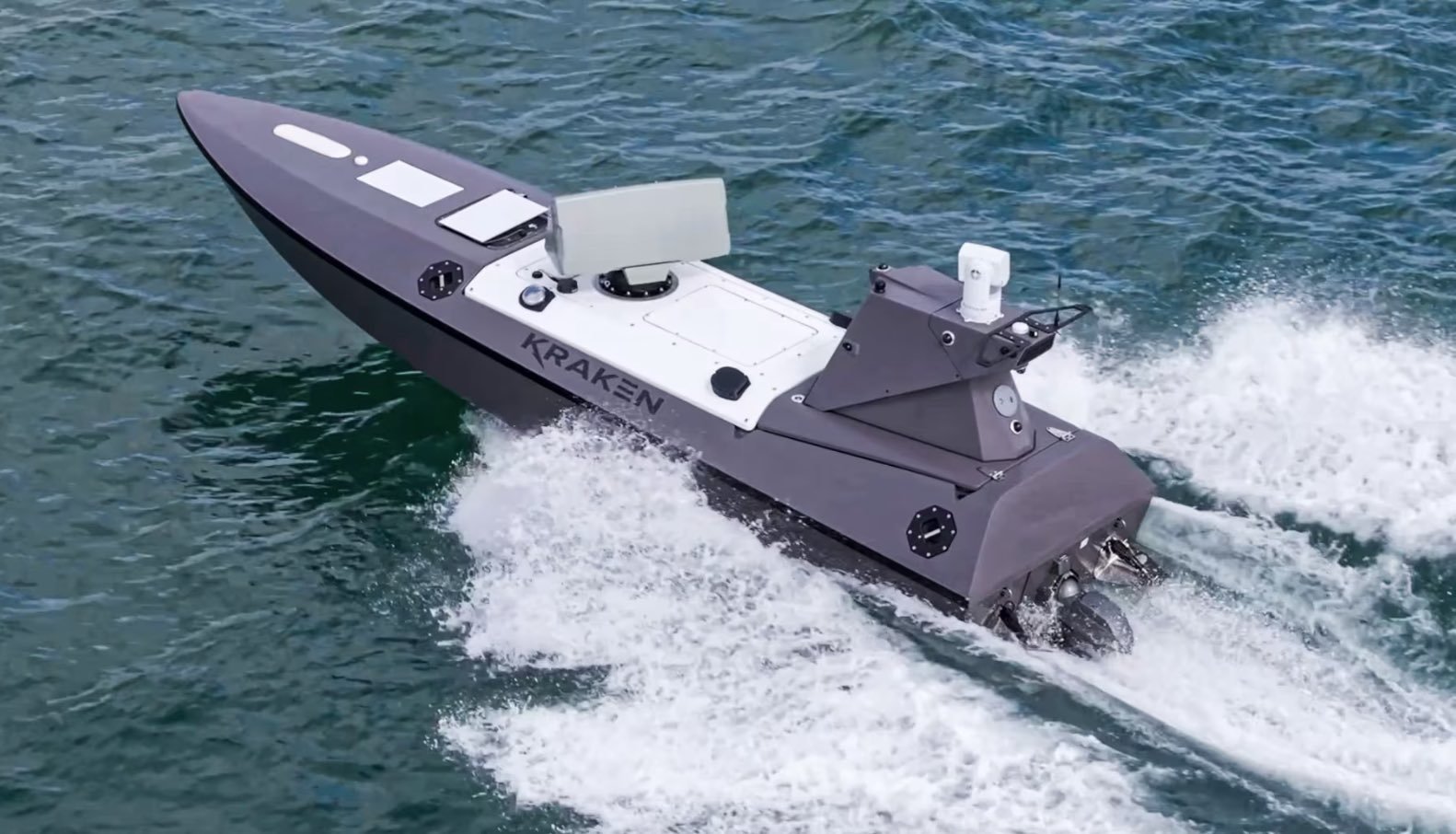
Europe
Fareham, UK — Kraken Technology Group and Saab UK have integrated Saab’s Giraffe 1X 3D radar onto Kraken’s K3 Scout unmanned surface vessel (USV) and completed sea trials of the prototype. The system is designed to operate as an autonomous “drone seeker”, providing early warning of airborne threats, including small unmanned aerial vehicles (UAVs), to shipping, ports, offshore energy assets and critical national infrastructure. Giraffe 1X Radar Integration The Giraffe 1X is installed in the K3 Scout’s modular payload bay. The radar weighs less than 150 kg and refreshes its full search volume every second. It is designed to detect and track airborne targets in real time, including low, slow and small drones, helicopters, missiles and rockets, as well as artillery and mortar projectiles. Saab has stated that the radar can detect a UAV lighter than a milk carton at about 4 km. Its instrumented range is typically around 75 km, while a naval variant is listed at approximately 100 km, depending on configuration and target size. The radar can pass detected target information to other platforms for further action. The integrated system remains at the experimental stage. Development and Sea Trials Kraken Technology Group and Saab UK moved the system from the initial concept to a working prototype in less than seven months. The development included a series of sea trials to assess the radar’s performance in maritime conditions. Both companies are based in Fareham, where the K3 Scout and Giraffe 1X are manufactured. Kraken Technology Group founder and CEO Mal Crease said the prototype demonstrates the K3 Scout’s ability to integrate mission-relevant payloads and operate in austere maritime environments. Saab UK Managing Director Andy Fraser described it as a UK-manufactured deployable capability developed in less than seven months. K3 Scout Specifications The K3 Scout is an 8.4-metre composite-hulled USV with a 1.93-metre beam, 0.8-metre draught and maximum displacement of 2,500 kg. It can carry a modular payload of up to 600 kg and is powered by an inboard diesel engine with stern drive. The vessel has a top speed of 55 knots and a range of 650 nautical miles (about 1,200 km) at 25 knots. Its endurance is listed at up to 30 days, depending on the mission. The vessel can operate fully autonomously or under remote control, either independently or alongside conventional ships. Royal Navy Procurement and Production The Royal Navy has ordered 20 K3 Scout vessels under Project Beehive for the Coastal Forces Squadron and 47 Commando Royal Marines. The platform has also been demonstrated in airdrop trials from an A400M aircraft. Kraken is expanding production at a new 35,000-square-foot facility, with the company targeting production of up to 1,000 vessels per year. The expansion follows a $175 million Series B funding round, which valued the company at $1 billion. Hybrid Navy Role The Giraffe 1X-equipped K3 Scout is intended to support the concept of a hybrid navy, in which uncrewed vessels operate alongside conventional surface ships. By combining the autonomous K3 Scout with the Giraffe 1X radar, the prototype provides a mobile maritime sensing platform intended to extend early-warning and surveillance coverage while keeping crewed vessels away from the initial sensing role. The system remains experimental following the completed sea trials.
Read More → Posted on 2026-10-06 16:05:55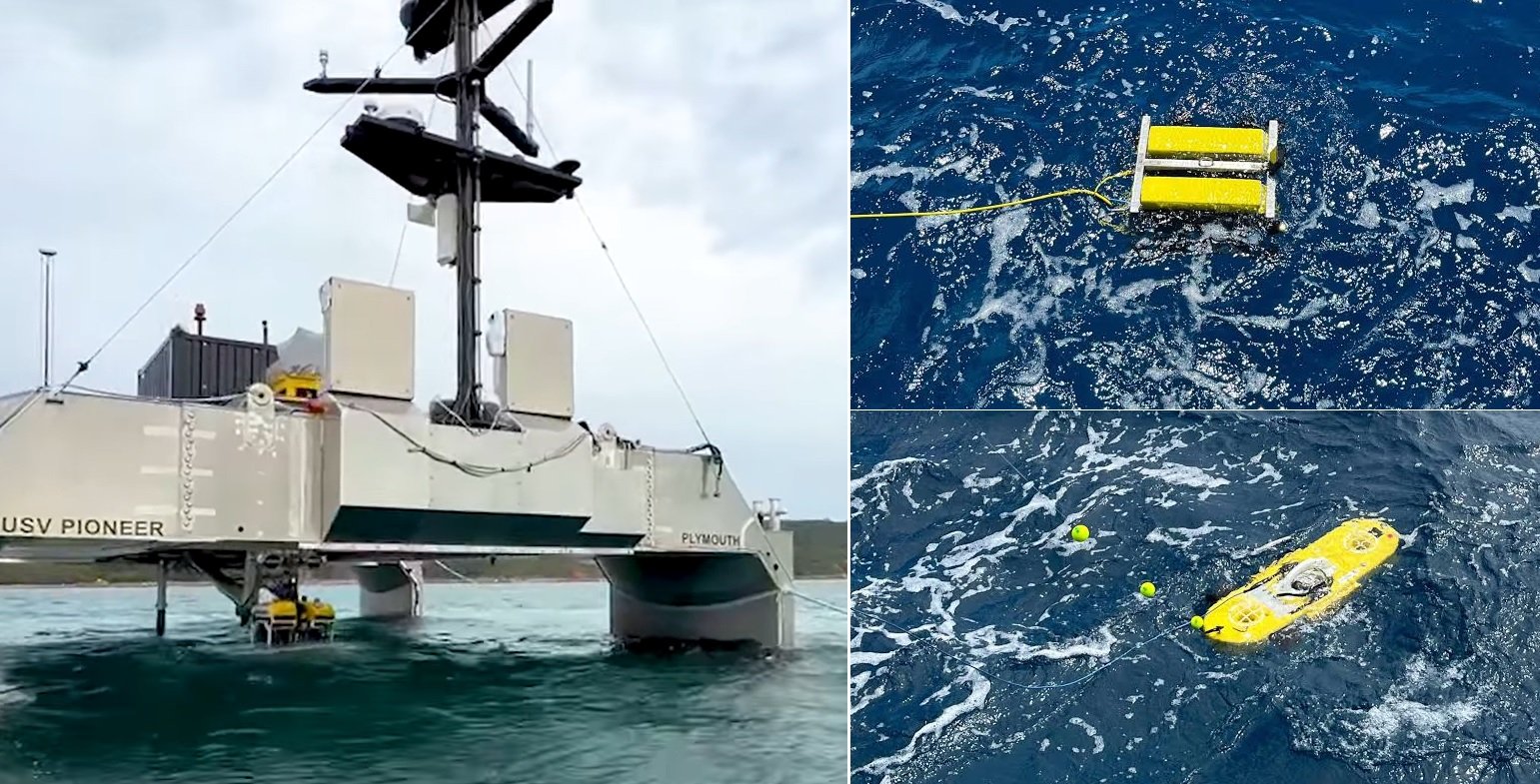
Europe
Plymouth, UK — ACUA Ocean and Forssea Robotics have completed a three-week integration and testing campaign off Plymouth, demonstrating a fully remote subsea inspection system combining an uncrewed surface vessel (USV) with a remotely operated underwater vehicle (ROV). The trials were conducted under a contract with the European Space Agency (ESA) and combined ACUA Ocean’s Pioneer USV with Forssea Robotics’ 170-kg ARGOS ROV. More Than 40 Remote Deployments The campaign included six days of operations at sea, during which the partners completed more than 40 launch, dive and recovery cycles. All operations were controlled remotely from shore, with the system completing eight launch-and-recovery cycles in a single day. ARGOS operated at depths exceeding 20 metres, with up to 35 metres of tether deployed. Testing in Different Sea Conditions The system was tested in waves of around one metre, with average winds of 18 knots and gusts of 20 to 30 knots. Additional trials south of the Plymouth breakwater were conducted in waves of up to two metres. The companies reported that the conditions did not affect the ROV's operations. Pioneer provided subsea positioning support through a Sonardyne Mini-Ranger 2 ultra-short baseline (USBL) system, which tracked a WSM6+ transponder fitted to ARGOS. Pioneer used both manual control and dynamic-positioning station-keeping to maintain the required position for the ROV. Remote Control From the UK and France The integrated system was controlled from ACUA Ocean’s Remote Operations Centre at Turnchapel Wharf in Plymouth. Forssea Robotics personnel simultaneously supervised the operations from the company’s headquarters in Sète, France. Subsea Inspection Tasks The trials included inspection of the Poulmic wreck, a seabed feature and a concrete target block in Cawsand Bay. ARGOS successfully located and filmed the targets. The campaign focused on inspection activities, and no underwater repair or other light-intervention work was completed during the trials. The Poulmic was a former French vessel that was sunk by a mine in 1940 near Plymouth. Its remains are scattered across the seabed and form a known local dive site. Commercial Applications ARGOS is a compact, fully web-controllable ROV equipped with a plug-and-play integration kit for USV operations. It is designed for inspection, survey and light-intervention applications. Following the successful trials, ACUA Ocean and Forssea Robotics said the integrated system is now available for commercial marine campaigns, including offshore inspection, repair and maintenance, survey work and subsea infrastructure monitoring. ACUA Ocean CEO Neil Tinmouth said the system can provide a wider weather window for inspection campaigns while reducing the need for support vessels and offshore personnel. Forssea Robotics CEO Gautier Dreyfus praised Pioneer’s sea-state capabilities and the successful ROV integration and repeated launch-and-recovery operations.
Read More → Posted on 2026-10-06 15:53:40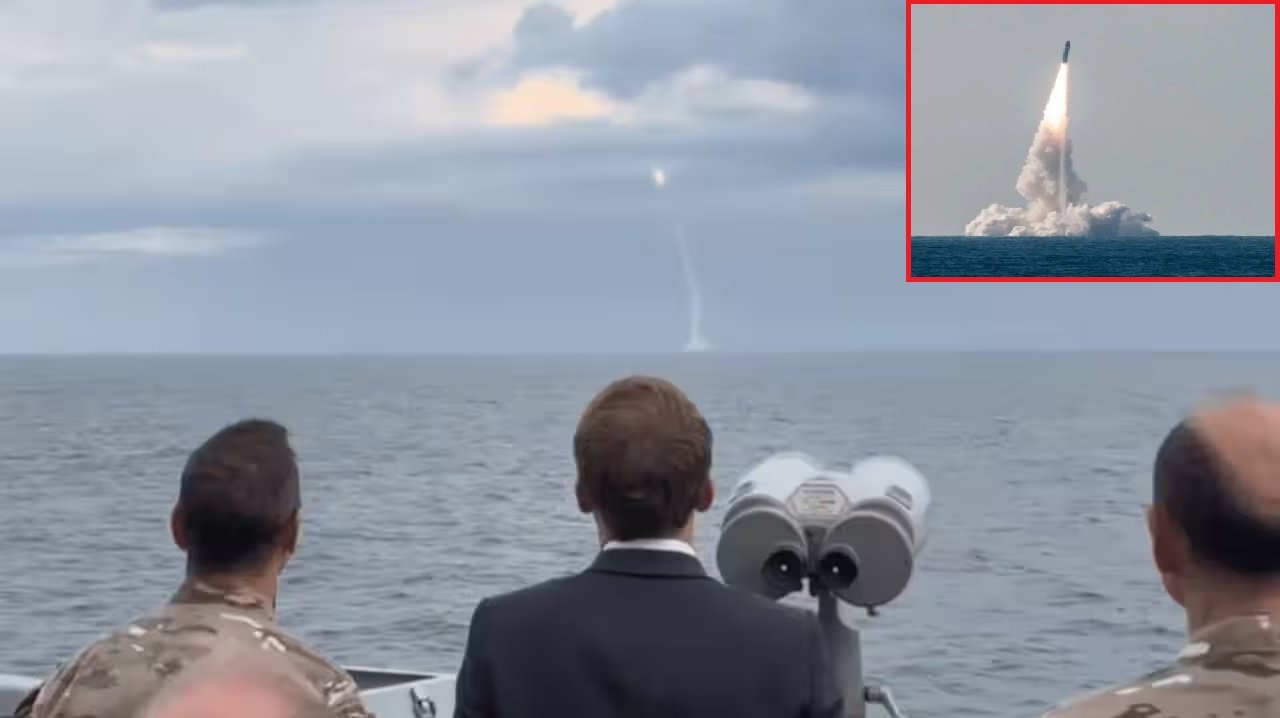
Europe
PARIS — France has conducted the first test launch of its upgraded M51.3 submarine-launched ballistic missile (SLBM) from the nuclear-powered ballistic missile submarine Le Vigilant. The unarmed missile was launched off the coast of Finistère in Brittany as part of an acceptance trial following the submarine's major maintenance overhaul. The missile, launched under Operation SMERTRIOS, carried no nuclear warhead or other payload. Its flight was tracked by French missile-testing assets, including the trials ship Monge, before it impacted in the North Atlantic several hundred kilometres from any coastline. The French Ministry of the Armed Forces said the test was conducted in strict compliance with France's international obligations. French President Emmanuel Macron watched the launch from the multi-mission frigate Auvergne. He congratulated the DGA, CEA, ArianeGroup, Naval Group and French Navy, saying the test demonstrated France's technical capability and the credibility of its nuclear deterrent. Macron also noted that France's defence budget is on a path to double compared with 2017 levels. He highlighted the construction of future strategic submarines and the programme launched this year for hypersonic manoeuvring strategic missiles for the airborne component of France's nuclear deterrent. M51.3 Missile The M51.3 is the third operational version of the M51 missile family and entered service in October 2025. Designed and produced by ArianeGroup under DGA supervision, it provides improvements in range, accuracy and missile-defence penetration compared with earlier versions. The missile uses the newer TNO-2 oceanic nuclear warheads developed by the CEA. France does not officially publish its range, while open-source estimates for the M51 family put it at around 8,000–10,000 km or more. French officials have said the M51.3 can travel several hundred kilometres farther than earlier versions. The missile is about 12 metres long, roughly 2.3 metres in diameter and weighs more than 50 tonnes at launch. It uses three solid-propellant stages. France operates four Le Triomphant-class ballistic missile submarines, with each carrying 16 M51 missiles. The successful firing confirms Le Vigilant's ability to operate the M51 system after its periodic maintenance and repair period, known as IPER, clearing the way for its return to the operational deterrent patrol cycle. Le Terrible conducted a similar acceptance firing in April 2023 after its overhaul. France's nuclear deterrent consists of sea- and air-launched systems, with its four ballistic missile submarines forming the core of the oceanic component. The country is also developing the M51.4, planned to provide further improvements in range, accuracy and penetration by around 2035, alongside the planned third-generation SSBNs. The M51.3 test comes amid heightened security concerns in Europe, although the French ministry did not identify any specific country in connection with the launch.
Read More → Posted on 2026-10-06 13:43:22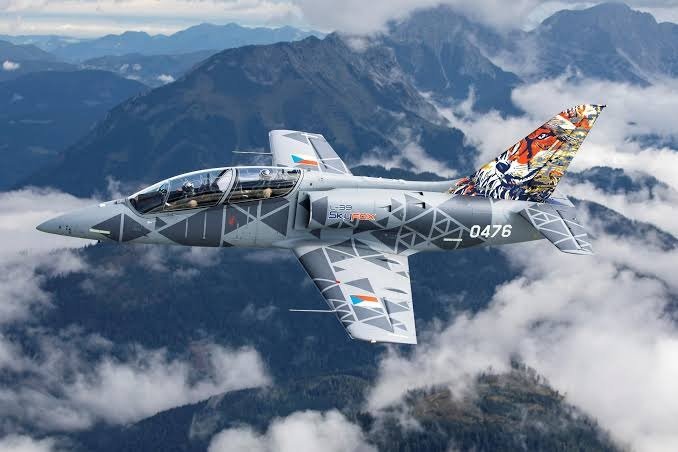
Europe
Prague, Czech Republic — Aero Vodochody and Thales Belgium have signed a Memorandum of Understanding (MoU) to further develop the L-39 Skyfox “Drone Hunter” for counter-unmanned aerial systems (C-UAS) missions. The agreement covers the continued integration and live testing of Thales’ 70 mm laser-guided rocket system. The Drone Hunter was publicly presented at NATO Days 2026 in Ostrava on September 19. It modifies the L-39 Skyfox, previously known as the L-39NG, from a next-generation jet trainer and light combat aircraft into a dedicated counter-UAS interceptor. The concept is intended to provide a lower-cost airborne option against attack drones and certain cruise-missile threats. Lower-Cost Air Defence Option The concept addresses the cost imbalance between expensive fighter aircraft or surface-to-air missiles and relatively inexpensive attack drones, including Shahed-type systems. Published figures put the Skyfox procurement cost below $10 million. The aircraft has been described with a range of about 1,400 nautical miles and endurance of up to 4.5 hours, supporting persistent air-patrol and interception missions. Sensors and Weapons The two-seat, subsonic Skyfox is powered by a Williams International FJ44-4M turbofan producing nearly 3,800 pounds of thrust. It features a modern glass cockpit and Genesys Aerosystems avionics. For the Drone Hunter mission, the aircraft carries a SiNAB Phoenix 10 electro-optical/targeting pod or a compatible SCAR pod for detecting, tracking and laser-designating aerial targets. Its primary weapon is the Thales FZ275 LGR 70 mm laser-guided rocket. The weapon has a reported engagement range of up to 8 km, while Thales documentation for the FZ275 lists a range of 1.5 to 7 km. The aircraft displayed at NATO Days carried two LAU-32 rocket pods with a total of 14 rockets. Its five hardpoints can accommodate up to four pods, allowing a maximum of 28 rockets. The Skyfox can also carry 12.7 mm or 20 mm cannon pods for close-range engagements. Target and Crew Profile The Drone Hunter is designed to engage aerial targets travelling at approximately 150–600 km/h and at altitudes of up to 8,000 metres. The intended targets include relatively slow propeller-driven attack drones, Shahed-type UAVs and faster jet-powered drones. The two-person crew divides the mission workload. The pilot concentrates on flying and positioning the aircraft for interception, while the weapons systems operator in the rear seat operates the targeting pod, tracks the target and conducts the engagement. The configuration is modular, allowing training-configured Skyfox aircraft to receive the required mission equipment with limited modification and later return to the training role. Aero Vodochody has indicated that a conversion kit was planned to be ready for operational use by the end of 2026. Skyfox aircraft have already been delivered to Vietnam, Hungary and Czech state-owned company LOM Praha. In June 2026, Aero Vodochody announced additional orders from Angola and a civil customer in North America. As of October 5, 2026, no customer had been publicly announced specifically for the Drone Hunter configuration. The latest MoU builds on earlier work combining the Skyfox with electro-optical pods and 70 mm guided rockets, including armed configurations displayed at events such as the Dubai Airshow. Thales has also developed the LGR275 Proxy variant with a proximity fuse intended for use against small drones.
Read More → Posted on 2026-10-05 14:59:39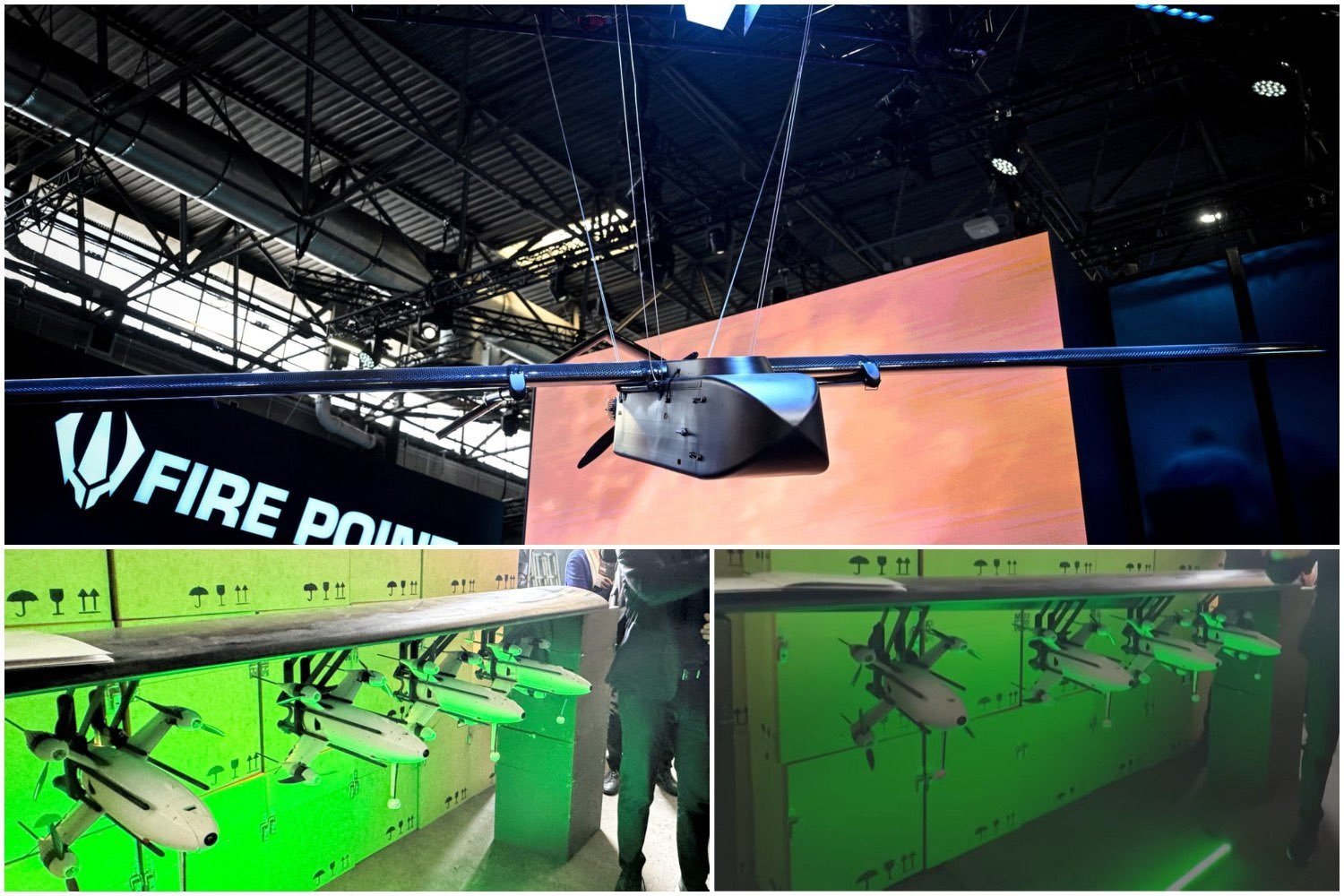
Europe
Berlin, Germany — German-Ukrainian joint venture Quantum WIY Industries has demonstrated a concept for air-launching its SPYS interceptor unmanned aerial vehicles (UAVs) to counter incoming aerial threats. Air-launch configuration Images of the concept show eight SPYS interceptors, with four mounted under each wing of a carrier aircraft. The exact carrier has not been officially confirmed, but its wing configuration closely matches the FP-1 and FP-2 long-range UAVs produced by Ukrainian company Fire Point. The FP-series drones are associated with deep-strike missions and have reported ranges of up to 1,600 km. The concept follows a memorandum between Quantum Systems and Fire Point covering cooperation on unmanned technologies and systems to counter modern aerial threats. The memorandum was signed during a defence industry roundtable attended by German Chancellor Friedrich Merz and Ukrainian President Volodymyr Zelenskyy. SPYS interceptor Quantum WIY Industries was established by German company Quantum Systems and Ukrainian company WIY Drones. WIY Drones first presented the SPYS interceptor in July 2026. According to the manufacturer's current specifications, SPYS has: Maximum speed: 480 km/h (298 mph) Earlier reported speed: 600 km/h (373 mph) Cruising speed: 200–250 km/h Tactical range: approximately 15 km (9.3 miles) Maximum flight distance: 30 km Maximum altitude: 4 km (2.5 miles/4,000 m) Maximum flight time: around 10 minutes Rate of climb: 55 m/s Warhead: 0.3 kg (300 g/0.7 lb) Guidance and targeting SPYS uses radar guidance to reach the designated target area before switching to a terminal homing system. It supports automatic take-off and autonomous navigation to the interception zone, with AI-assisted terminal guidance. The interceptor can be equipped with a daylight or thermal-imaging camera. It can also receive target information from radar sources and software such as SkyMap. Testing and deployment SPYS is currently undergoing testing and has reportedly been used to intercept a Russian Geran-5 jet-powered UAV. An initial batch was delivered to Ukrainian units earlier in 2026 for combat evaluation. The interceptor can be launched from the ground and from other carrier platforms, including helicopters, aircraft and larger drones. A hand-launched version is also under development. SPYS uses Ukrainian-made Motor-G engines and electronic components designed for high-load conditions. It is intended to engage high-speed manoeuvring aerial targets, including jet-powered strike and reconnaissance UAVs, while protecting positions, mobile units and critical infrastructure. The demonstrated air-launch concept combines a long-range carrier UAV with multiple SPYS interceptors. The eight-interceptor configuration remains a concept under demonstration.
Read More → Posted on 2026-10-05 14:38:32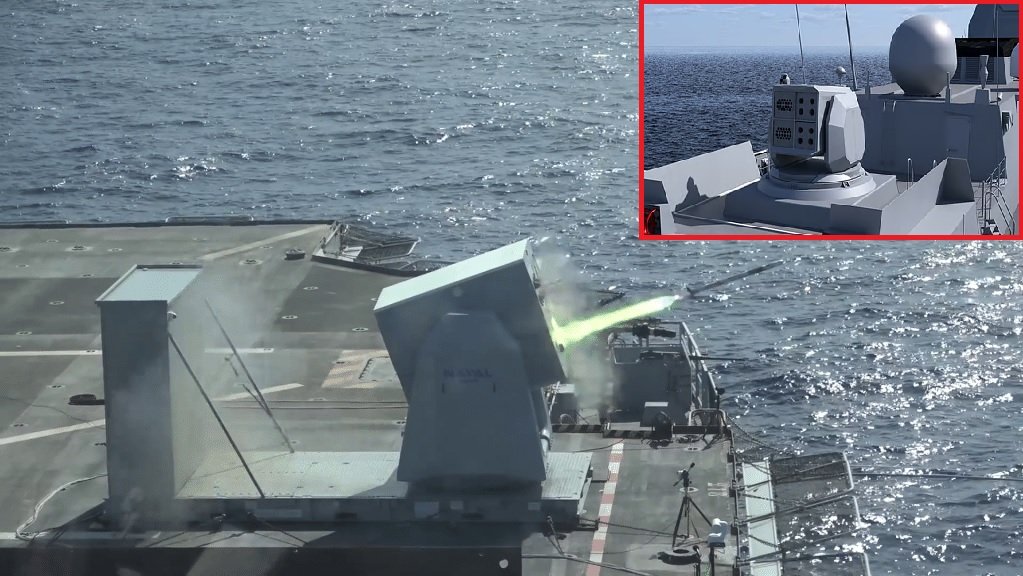
Europe
TOULON, France — The French Navy has completed the sixth edition of its counter-drone exercise, WILDFIRE 26.2, held off Toulon from September 28 to October 2, 2026. Organized by the Force d’Action Navale (FAN) training division, the exercise focused on defending naval forces against aerial and surface drone threats in realistic maritime scenarios. Six ships participated: a FREMM DA air-defense frigate, Chevallier-class supply vessel, La Fayette-class frigate, two Horizon-type air-defense destroyers, and the Mistral-class landing helicopter dock Tonnerre, which participated in WILDFIRE for the first time. The force was supported by Rafale Marine fighters from Flottilles 12F and 17F, an Atlantique 2 maritime patrol aircraft, helicopters from Flottilles 31F, 33F, 35F and 36F, and a Royal Navy Wildcat helicopter. DGA Missile Tests operated simulated drone threats from Levant Island. The exercise also tested interceptor drones and Magellan surface drones developed with industry partners. First At-Sea Rampart Tests A major part of the exercise was the first at-sea live-fire testing of Naval Group’s Rampart modular close-in weapon system (CIWS) aboard Tonnerre. First unveiled in 2023 and officially named at Eurosatory 2026, Rampart is a non-penetrating, modular launcher with four interchangeable modules. The system can carry unguided and guided rockets, very short-range surface-to-air missiles (VSHORAD), and short-range surface-to-surface missiles. It weighs about four tonnes when loaded and can carry up to about 1,000 kg of munitions. Depending on configuration, it can accommodate up to 80 68 mm guided rockets or 48 70 mm NATO-standard rockets. Rampart can operate through a dedicated close-range protection station or connect to a ship’s combat management system. During the trials, a salvo of 68 mm Thales unguided rockets was fired at a remote surface target known as the “Tomato killer.” A 68 mm laser-guided rocket was also fired against a target UAV to assess its counter-drone capability; the rocket has a stated range of up to five kilometres. A Polish Piorun VSHORAD missile was loaded into one of Rampart’s modules. Its seeker was activated and successfully locked onto the target UAV, although the missile itself was not fired because a live launch was not planned during this trial. Naval Group developed Rampart with its own funding. Earlier land-based 68 mm rocket firing tests were conducted at the Canjuers range in January and May 2026. Further international trials are planned, including a campaign in the United Arab Emirates with Edge Group’s Sky Knight missile system and a Belgian campaign next year using 70 mm rockets developed by Thales Belgium. Main Source : Navalnews
Read More → Posted on 2026-10-05 12:37:43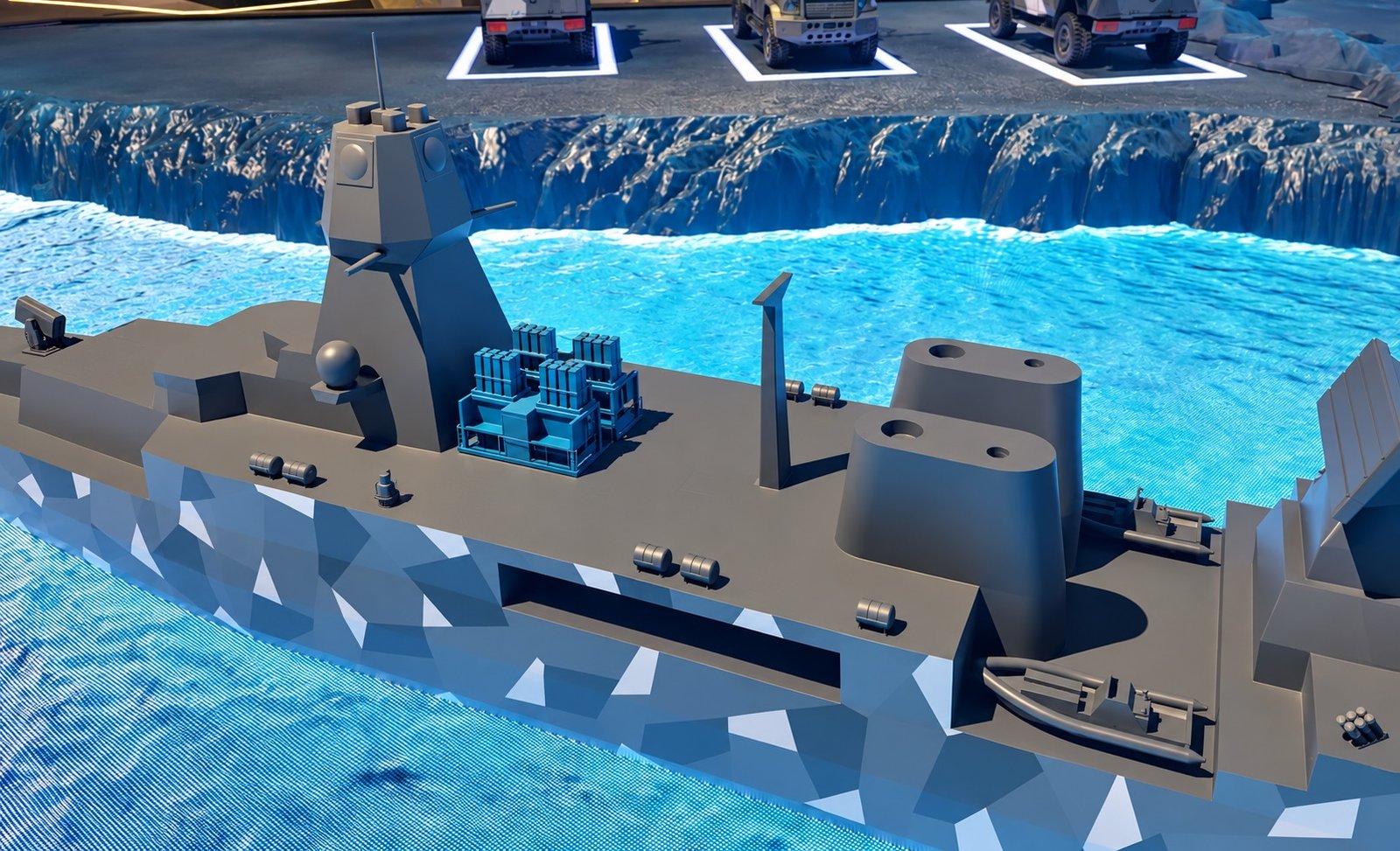
Europe
GERMANY, — Diehl Defence and Germany’s Federal Office of Bundeswehr Equipment, Information Technology, and In-Service Support (BAAINBw) have signed a contract to adapt the IRIS-T SLM air defence system for the German Navy’s four F125 Baden-Württemberg-class frigates. The agreement follows approval of the project by the German Bundestag’s Budget Committee on September 23, 2026. Under the contract, Diehl Defence will build prototypes and conduct test firings to develop a mission-capable naval version of the system that integrates with the frigates’ existing architecture. The upgrade is intended to expand the ships’ air defence coverage. The F125 frigates currently rely primarily on RIM-116 Rolling Airframe Missiles (RAM), with 42 missiles reported per ship. The IRIS-T SLM has a reported range of approximately 40 kilometres and can engage targets at altitudes of up to 20 kilometres. According to earlier industry reporting, each frigate could receive two vertical launchers, each carrying 16 IRIS-T SLM missiles, for a potential total of 32 missiles per ship. However, the final configuration has not been officially confirmed. Successful Naval Trials in 2025 The adaptation programme builds on trials conducted during the German Navy’s Maritime Firing Exercise 2025, held off Andøya, Norway, from October 13 to 24, 2025. Diehl Defence installed a temporary, palletized Anti-Air Warfare (AAW) module on the C-deck of the frigate Baden-Württemberg. Developed from concept to live firing in less than ten months, the demonstrator fired three missiles as planned, including during night operations. The system met all established evaluation objectives and achieved a reported high hit rate, demonstrating the feasibility of connecting the ship’s sensors with the IRIS-T SLM weapon system. The IRIS-T SLM has also seen combat use in Ukraine as a ground-based air defence system. Its naval adaptation aims to provide the German Navy with additional capability against modern airborne threats. Diehl Defence and BAAINBw have not disclosed the contract value or a complete operational introduction schedule. The timeline for equipping all four frigates has not been officially confirmed.
Read More → Posted on 2026-10-03 15:37:13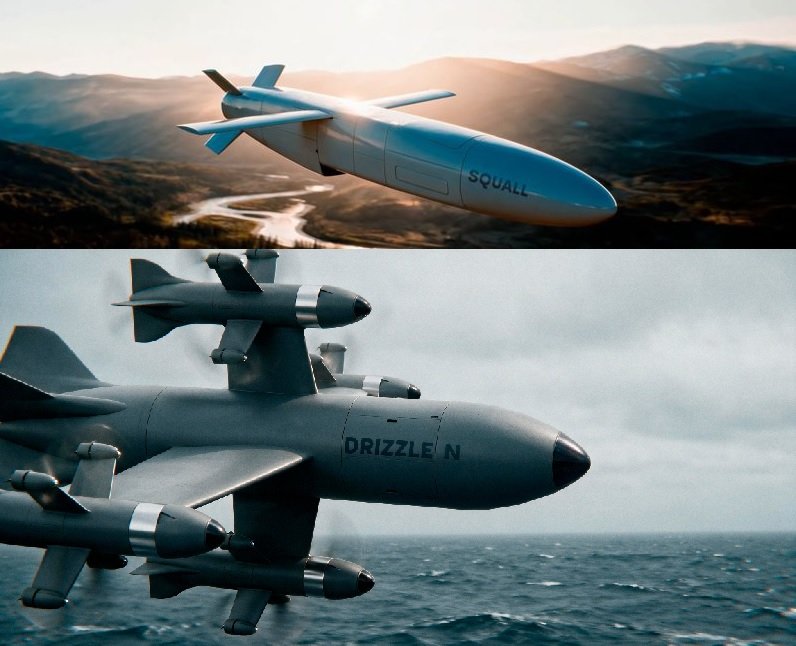
Europe
TOLEDO, Spain — Spanish defence technology company Indra has showcased its SQUALL cruise missile and DRIZZLE interceptor at the ninth 2E+I Army 35 Forum in Toledo. The systems are designed to provide the Spanish Armed Forces with cost-effective, scalable capabilities for long-range precision strikes and counter-drone operations. SQUALL Cruise Missile Indra describes SQUALL as Spain's first domestically developed cruise missile. It is designed to strike targets at distances exceeding 300 kilometres. The missile measures 3.4 metres in length, has a maximum take-off weight of 150 kilograms and can carry a 60-kilogram warhead. Earlier presentations indicated that SQUALL is intended for integration with land and naval platforms. Its reported design features include low-altitude flight to reduce radar detection and guidance systems designed to resist jamming and spoofing. The system is intended to provide a relatively low-cost precision-strike capability that can be produced and deployed in numbers. DRIZZLE Counter-Drone Interceptor DRIZZLE is an approximately 80-centimetre interceptor capable of reaching speeds of up to 400 kilometres per hour. It is designed to engage drones, light vehicles and communication antennas. The interceptor has a stated range of 80 kilometres, which can be extended to 130 kilometres with support from a carrier drone. The expendable carrier has its own explosive warhead and can also operate as an independent strike platform. DRIZZLE can be launched from the ground, integrated as a hard-kill component within a wider counter-drone system, or mounted on helicopters and larger drones. Both systems were first publicly presented at the UNVEX unmanned systems fair in September 2026 before being showcased at the Army 35 Forum. Lessons from Ukraine and NATO Requirements Indra has linked the development of the systems to lessons from the war in Ukraine and Spain's participation in NATO's Eastern Flank Deterrence Initiative (EFDI). The widespread use of relatively inexpensive reconnaissance and attack drones has increased demand for affordable weapons that can be deployed in large numbers. Indra has accelerated its development and manufacturing processes to meet NATO's requirements for shorter development cycles and faster delivery of capabilities across multiple operational domains. Other Spanish Defence Modernisation Programmes Indra also highlighted its involvement in several Spanish defence programmes: SANTAM: Supply of 147 Tarsis tactical drones in fixed-wing and vertical take-off and landing (VTOL) configurations. ARACNE: A counter-drone system developed with EM&E, connecting sensors, control systems and kinetic effectors to manage aerial threats. COAAAS: The Anti-Aircraft Artillery Operations system, incorporating Indra's active electronically scanned array (AESA) MTR radars to support an integrated air defence architecture. These programmes follow a system-of-systems approach, allowing different sensors, command systems and weapons to work together. Ángel Torrijo, programme manager in Indra's Weapons & Ammunition division, is participating in a forum panel on counter-drone warfare, moderated by Brigadier General Manuel César Arienza, commander of Spain's Anti-Aircraft Artillery Command (MAAA). 100th Dragón Armoured Vehicle Delivered Indra has also reported progress on the VCR 8x8 Dragón programme, a central part of the Spanish Army's Force 35 transformation plan. The company has led the TESS Defence consortium for the past 18 months. The consortium delivered the programme's 100th vehicle to Spain's Ministry of Defence around the time of the forum. Production rates have more than doubled during 2026, according to the supplied information. The programme aims to deliver all 348 planned vehicles by the end of 2028, with initial operational capability targeted for the end of 2026. The SQUALL and DRIZZLE developments, alongside the drone, air defence and armoured vehicle programmes, form part of Indra's broader contribution to Spain's military modernisation and its focus on integrated, scalable capabilities.
Read More → Posted on 2026-10-03 12:54:14Search
Top Trending in 24 Hours
-
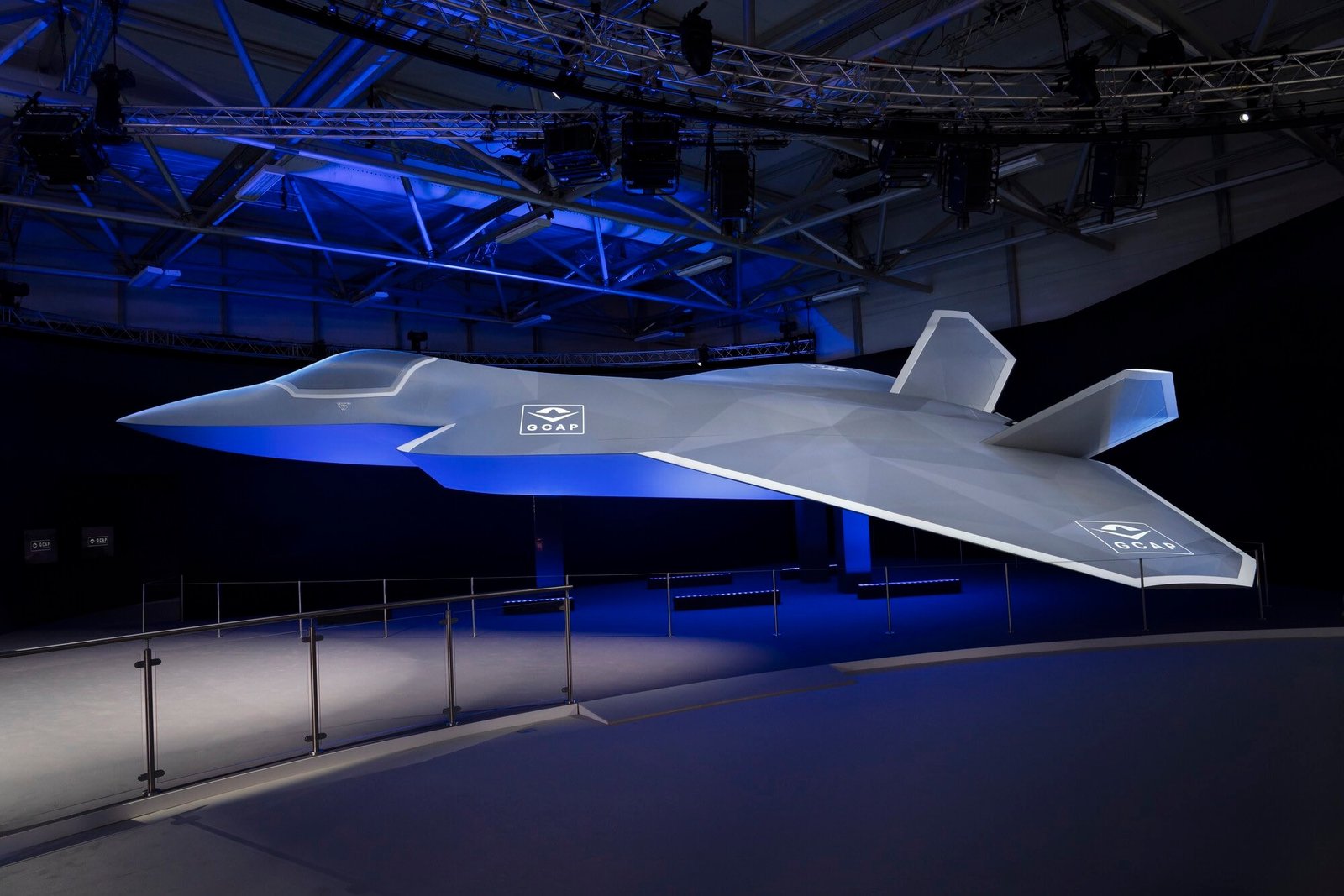 GCAP Opens First National Site in Italy for Italy-UK-Japan Next-Generation Fighter Development
-
 Raytheon Wins Up to $6.3 Billion Contract for SM-3 Block IB Interceptors
-
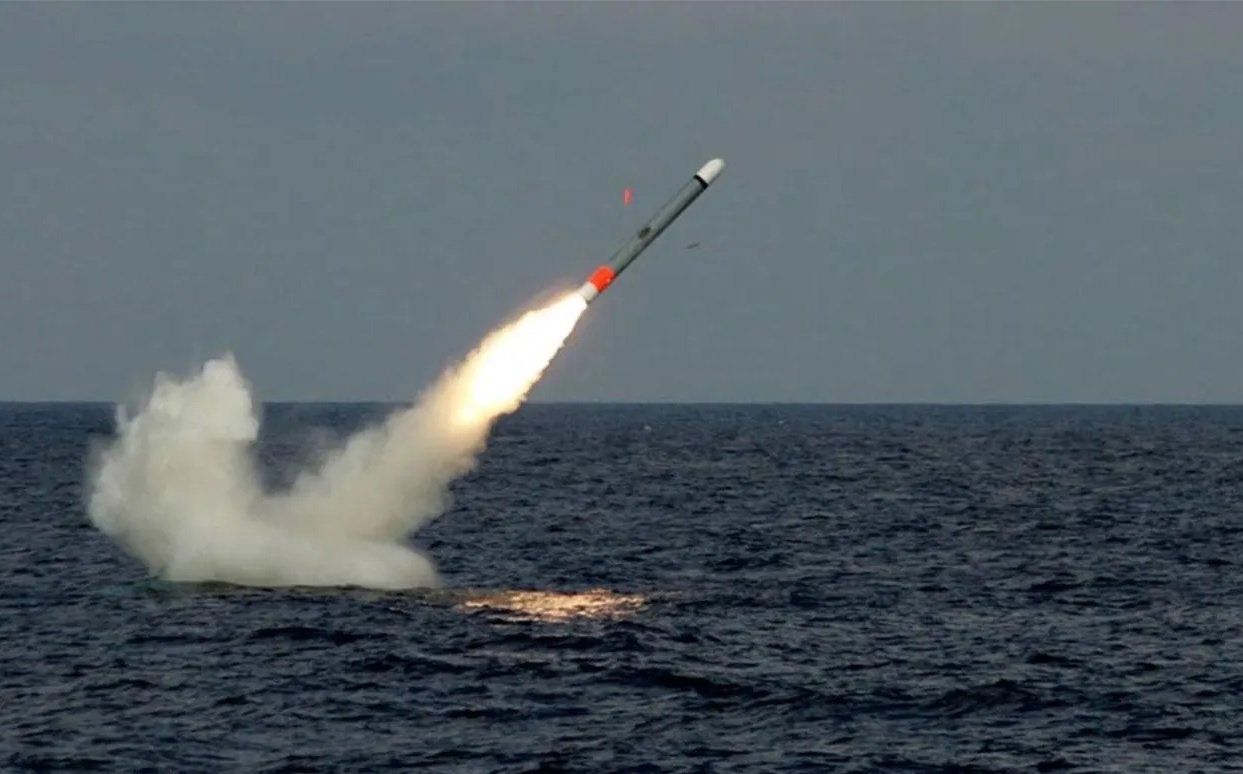 U.S. Navy Awards $743.6 Million for Nuclear-Armed Sea-Launched Cruise Missile Prototypes
-
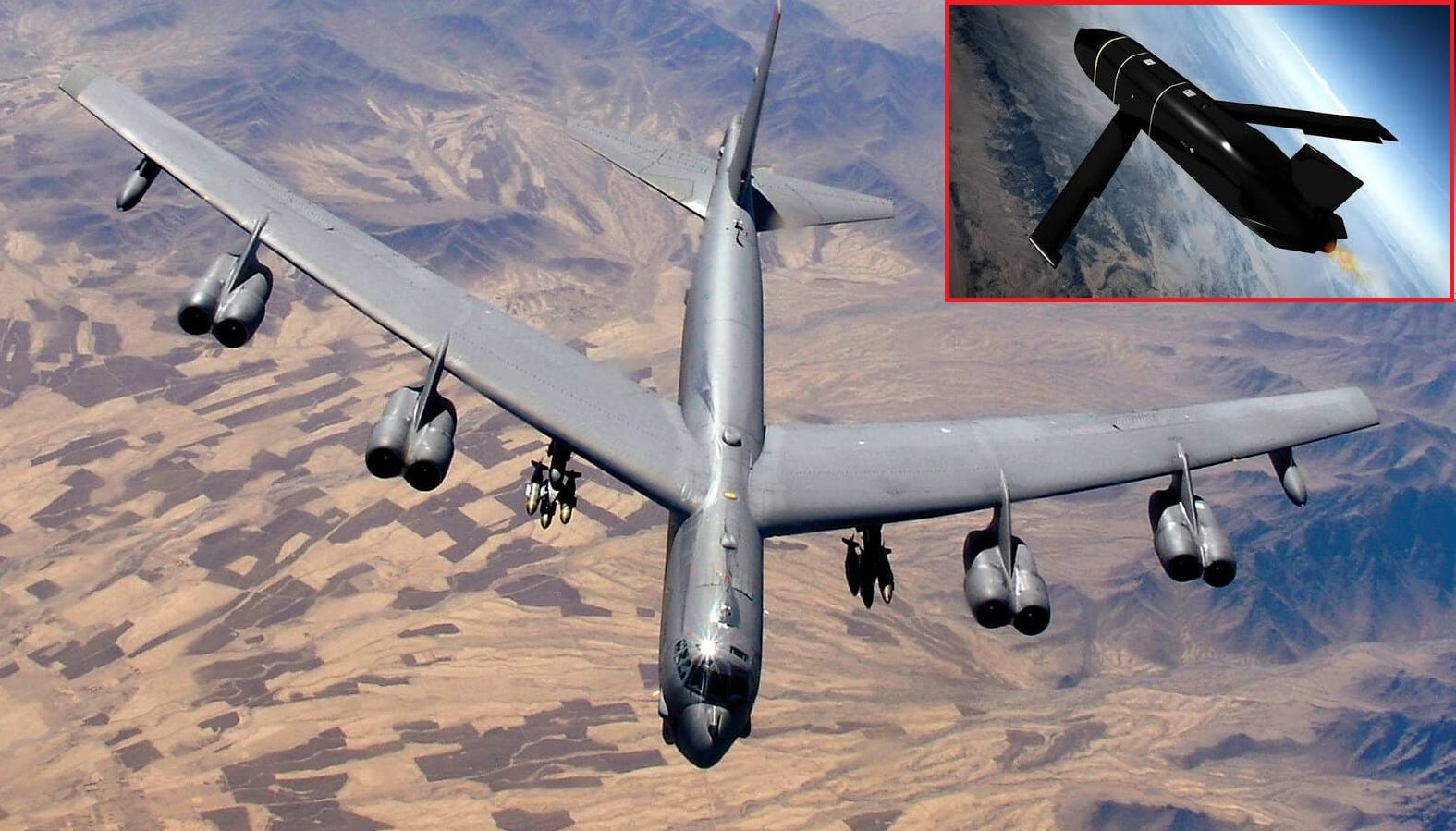 US Navy Plans to Integrate Stealthy LRASM Anti-Ship Missiles on B-52 Bombers
-
 Electro Optic Systems Secures Record £370 Million Counter-Drone Contract with Kuwait
-
 South Korea Releases First Photos of Indigenous Hypersonic Glide Vehicle Test
-
 FN Launches M3M ENDURANCE .50-Calibre Machine Gun with 50% Longer Service Life
-
 Indian Navy Issues Single-Tender RFP to BEL for Shakti EW System to Replace Ellora Mk-II on a Shivalik-Class Frigate
Top Trending in 4 Days
-
 South Korea Supplied More Than 176,000 Tonnes of Fuel to Russia in July and August, Analysis Shows
-
 Saudi Arabia, Pakistan and Türkiye Activate Defence Alliance, Prepare Rapid Force Deployment Against Houthis
-
 Japan Deploys First Type 25 Hypersonic Glide Weapon at Camp Fuji
-
 U.S. Army Awards Anduril Up to $1.8 Billion Contract to Field Next-Generation Command and Control Network with I Corps
-
 Lithuania Receives First Batch of U.S.-Made Switchblade 600 Loitering Munitions
-
 U.S. Marine F-35C Displays Markings for Three Submarines and Other Targets After Operation Epic Fury
-
 Furientis Secures $25 Million Funding and Department of War Contract for 100-Mile Interceptor
-
 ACUA Ocean and Forssea Robotics Validate Fully Remote Subsea Inspection System Off UK Coast