Europe
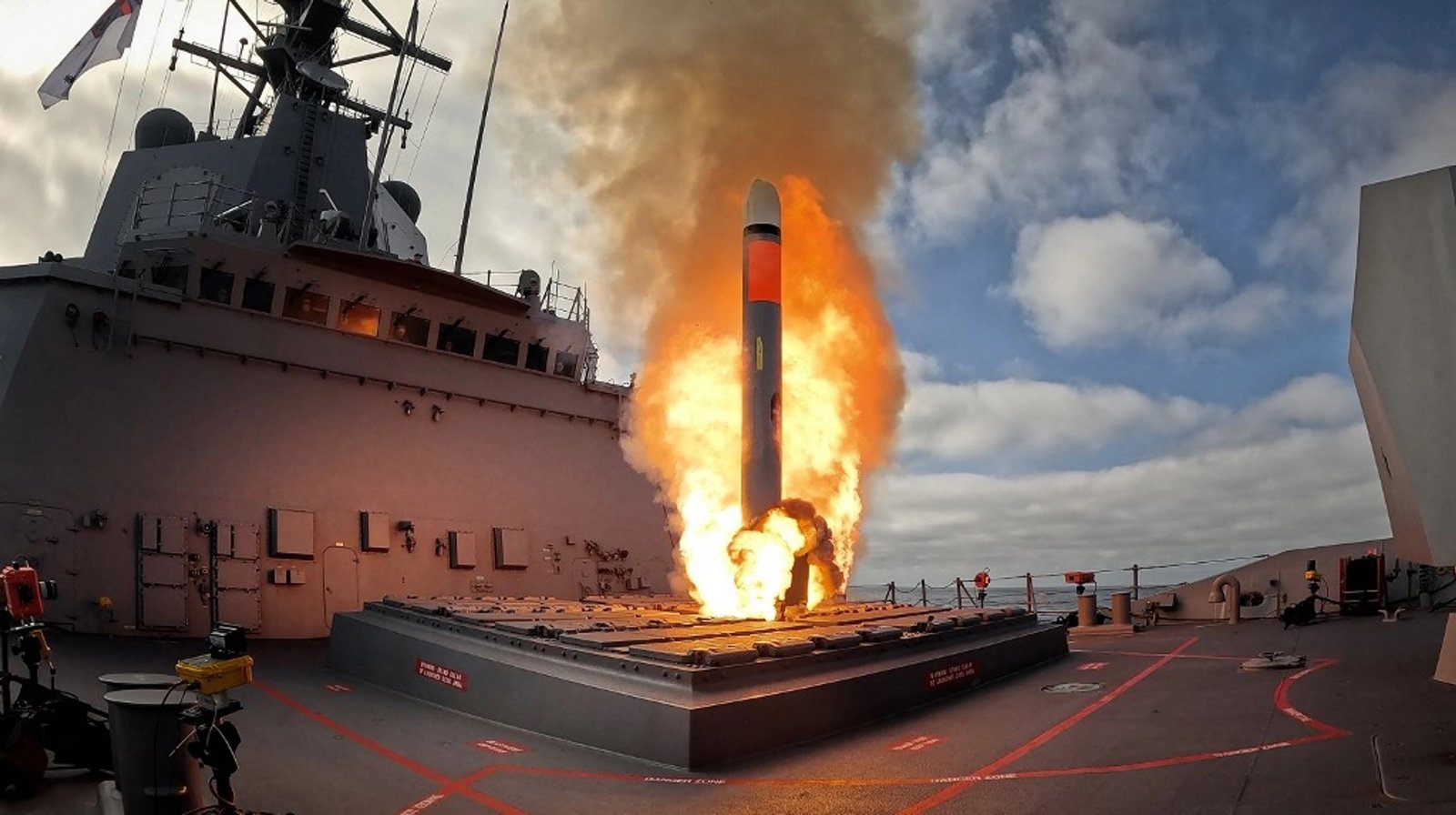
BERLIN — Germany is planning to spend nearly €3.4 billion ($3.75 billion) to acquire US-made Typhon mobile launchers and Tomahawk cruise missiles, according to an internal Defense Ministry planning document first reported by Politico. The proposed spending is expected to be considered during preparations for Germany’s 2027 federal budget. The final cost and number of missiles and launchers have not yet been decided and will require Bundestag approval. A German Defense Ministry spokesperson declined to confirm the exact budget allocation because the budget process is ongoing, but said that “the procurement of the US Typhon system with Tomahawk cruise missiles remains intended.” Germany has already submitted a formal Letter of Request to the US Department of Defense. Ground-Based Long-Range Strike Capability The acquisition would give the Bundeswehr its first independently operated, ground-based long-range conventional strike capability. Germany has traditionally relied mainly on air-launched weapons, including the Taurus KEPD 350. The Typhon system, also known as the Strategic Mid-Range Fires (SMRF) system and built by Lockheed Martin, uses mobile launchers based on modified Mk 41 vertical launch cells. It can launch Tomahawk cruise missiles and is also designed to fire SM-6 missiles. Tomahawk missiles are produced by Raytheon, now part of RTX, and have a reported range of about 2,500 kilometers. Germany’s planning documents indicate that the Bundeswehr aims to bring the Typhon system into service by the end of the decade. From US Deployment to German Ownership The planned purchase follows the cancellation of an earlier US deployment plan. In July 2024, then-US President Joe Biden and German Chancellor Olaf Scholz agreed to begin rotational deployment of US long-range weapons in Germany from 2026, including US-operated Tomahawk missiles. The Trump administration later canceled the planned deployment. Germany subsequently approached Washington in 2025 to purchase its own Typhon launchers and Tomahawks. German Chancellor Friedrich Merz and US President Donald Trump reached an agreement in principle during the NATO summit in Ankara. The exact quantities remain undisclosed, while further details of the procurement are still being negotiated. German Industry Participation Berlin is also seeking German industrial participation in the program, including possible manufacturing and maintenance work. The Defense Ministry planning document refers to “the prospect of industrial cooperation.” However, no binding workshare or production agreement has been finalized. The United States is expected to retain control over sensitive technology and intellectual property. Part of Wider Long-Range Strike Plans The Typhon and Tomahawk acquisition is part of Germany’s broader long-range strike plans. Berlin is also pursuing the Taurus Neo modernization program and participating in the European Long-Range Strike Approach (ELSA). Germany is also working with the United Kingdom on a future European deep-strike cruise missile intended to provide a range of up to 2,000 kilometers in the 2030s. The Typhon program would allow Germany to operate a ground-based long-range strike capability under its own control rather than relying on rotational US deployments.
Read More → Posted on 2026-09-14 16:17:35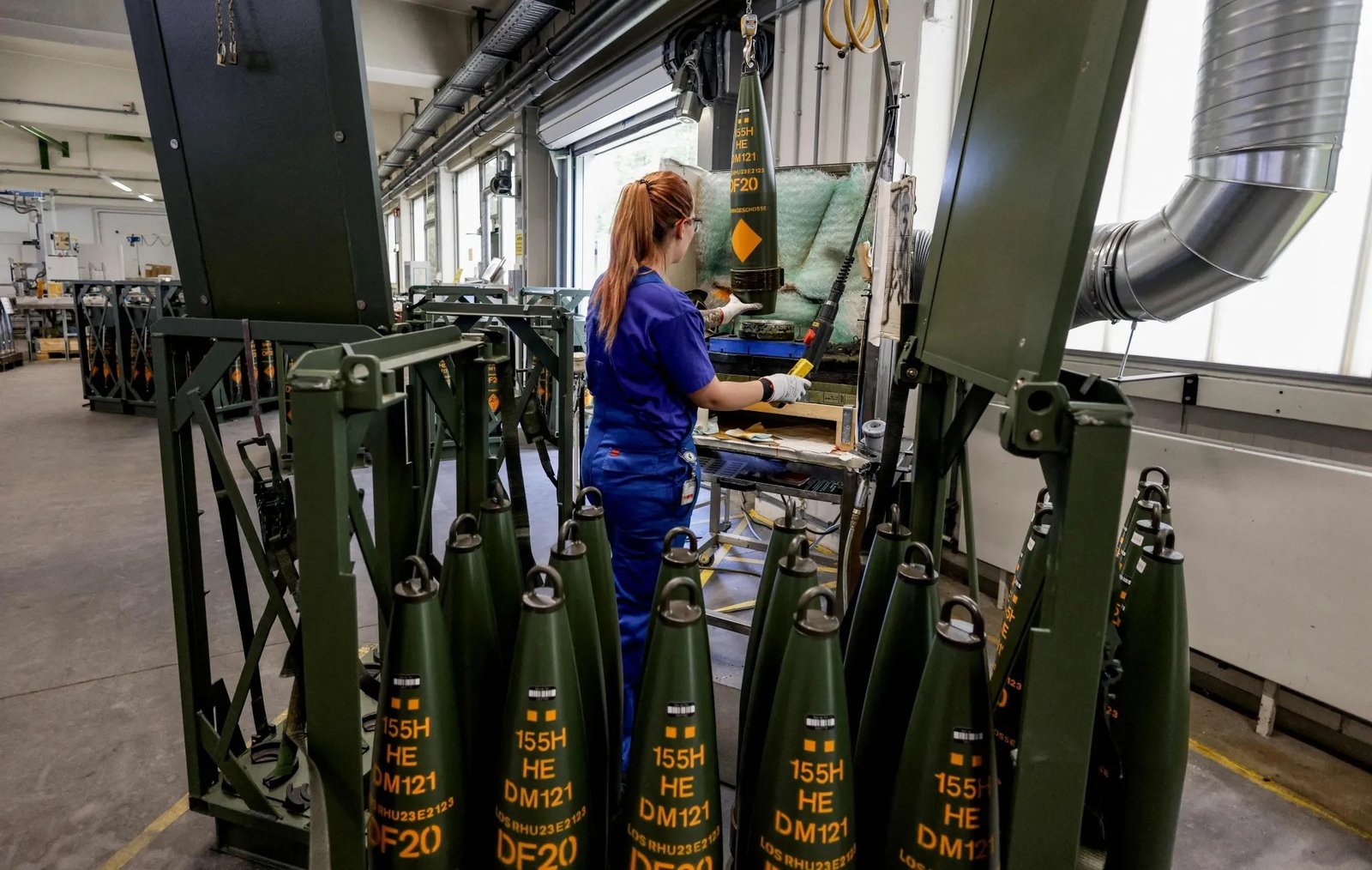
Europe
DÜSSELDORF, Germany — German defence company Rheinmetall has secured a major contract worth a low three-digit million-euro amount from an undisclosed international customer for 155mm artillery projectiles. The order covers a low five-figure number of projectiles. Rheinmetall said the contract was recognised in its third-quarter 2026 order intake, with production already underway and deliveries scheduled to be completed by the end of 2027. The customer, exact quantity and specific projectile designation have not been disclosed. The ammunition belongs to Rheinmetall’s standard 155mm artillery portfolio and is already in service with several NATO member states. Designed according to NATO’s Joint Ballistic Memorandum of Understanding (JBMOU), the projectiles can be used with standard 155mm systems including the Panzerhaubitze 2000, CAESAR, Archer and RCH 155. Rheinmetall says the ammunition provides long-range capability and high effectiveness. The contract comes as Rheinmetall continues to expand its artillery ammunition production following increased demand since 2022. The company plans to reach annual production capacity of around 1.1 million 155mm rounds by 2027 and approximately 1.5 million by 2030. Rheinmetall is expanding production facilities across Europe, including its Unterlüß site in Lower Saxony. In July 2026, the company began construction of a new powder-production facility at its Nitrochemie site in Aschau am Inn, Bavaria. The facility is planned to produce more than one million modular propellant charge modules, along with additional propellant powder and combustible components, with maximum production capacity expected in 2028. Rheinmetall also announced in July that projectiles from its new Werk Niedersachsen plant in Unterlüß had been delivered to Ukraine for the first time. The shipment involved a low five-figure number of 155mm projectiles, with additional propellant charges supplied from other Rheinmetall facilities. The latest order follows separate 155mm ammunition contracts for Ukraine announced by Rheinmetall in June and July 2026. One July contract, funded by a NATO member, covered several thousand 155mm shells and propellant charges, with delivery planned before April 2027. Rheinmetall’s Weapon and Ammunition division generated €1.757 billion in sales in the first six months of 2026, up 33 percent from the same period in 2025. The company said ammunition packages for Hungary, as well as artillery and medium-calibre ammunition for Ukraine, were among the main contributors. The latest international contract adds to Rheinmetall’s expanding 155mm ammunition production commitments as the company works toward its target of approximately 1.5 million rounds annually by 2030.
Read More → Posted on 2026-09-14 15:23:33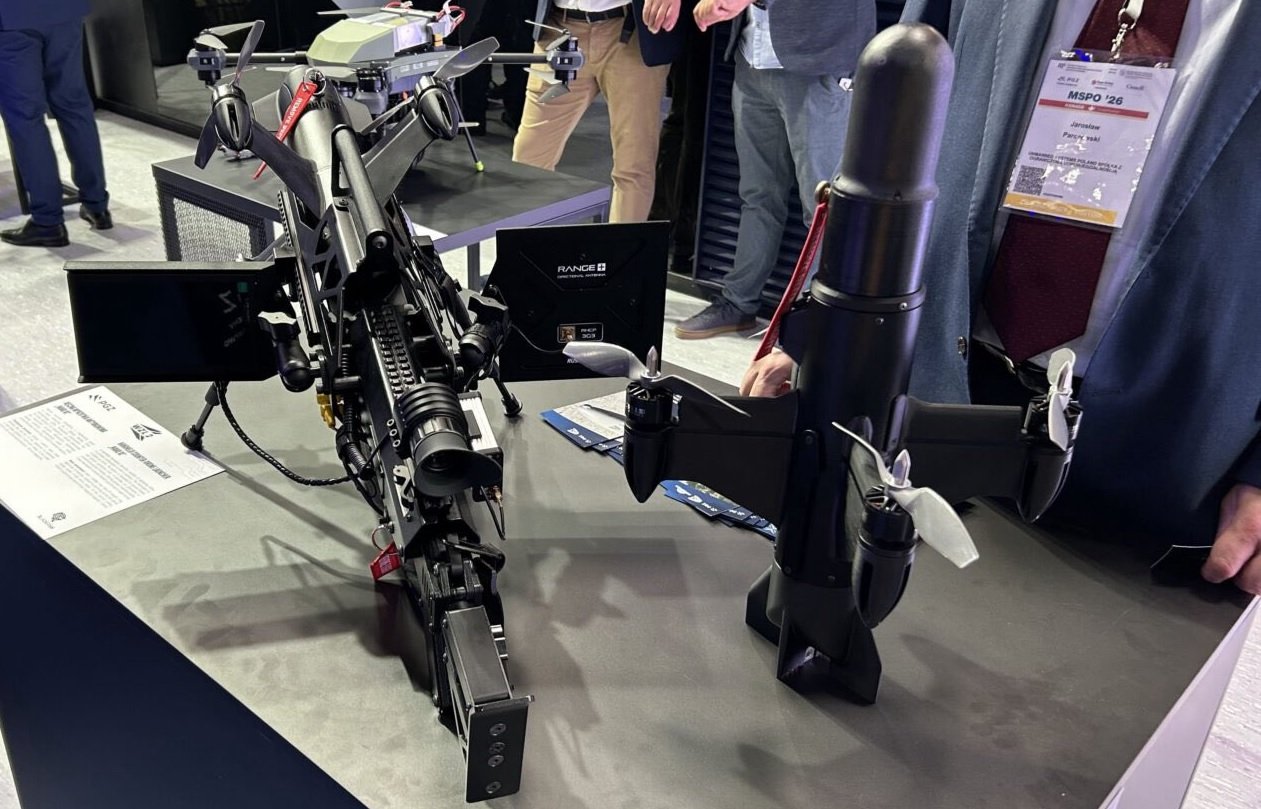
Europe
KIELCE, Poland — Polish aviation company Wojskowe Zakłady Lotnicze Nr 2 (WZL-2), part of the state-owned Polska Grupa Zbrojeniowa (PGZ), and private Polish technology company Blackfish P.S.A. presented the MAKO X1, a man-portable counter-drone launcher, at the MSPO 2026 International Defence Industry Exhibition in Kielce. The system was presented during MSPO, which was held from September 8 to 11, 2026. According to information from the developers and reports from the exhibition, the MAKO X1 is designed to intercept one-way attack drones in the Shahed/Geran class, particularly in open terrain. Single-Soldier Counter-Drone System The MAKO X1 uses a single-use interceptor drone carried in a handheld launcher. The interceptor can operate in a kinetic configuration or carry a warhead. The system is intended for Poland’s ground forces and special operations forces and is positioned as an alternative to conventional guided missiles for countering unmanned aerial systems. Its developers emphasize the interceptor's maneuverability and its ability to operate autonomously during the attack phase. Blackfish developed the interception software in-house. Initial target detection is performed exclusively through an optical channel, rather than an active radar. After launch, the interceptor is designed to conduct its attack autonomously. The developers state that the system is resistant to electronic interference during the attack phase, supporting operation in environments where electronic warfare can affect unmanned systems. MAKO X1 Specifications Parameter Specification Operator 1 soldier Maximum takeoff weight 3 kg Flight time About 10 minutes Maximum speed Up to 400 km/h Range Up to 10 km Service ceiling 4,000 m Target detection Optical channel Attack mode Autonomous Interceptor carried 1 Interceptor configuration Kinetic or warhead The published specifications show a compact interceptor with a maximum speed of 400 km/h, a range of 10 km, a service ceiling of 4,000 meters, and approximately 10 minutes of flight time. WZL-2 and Blackfish WZL-2 is part of PGZ and is one of Poland's major aviation companies. Its activities include maintenance, repair and modernization of military aircraft, as well as work involving unmanned systems. The company was among the Polish defense firms presenting a range of unmanned and aviation-related technologies at MSPO 2026. Blackfish is a privately owned Polish technology company involved in autonomous and counter-drone systems. For the MAKO X1, it developed the interception software and optical-based target-processing capability. WZL-2 also displayed the SAR EVO5 WP bomber drone at MSPO 2026, configured with four payload-release mechanisms. The MAKO X1 presentation reflects the growing focus on portable counter-UAS systems designed to give ground units a dedicated means of engaging attack drones. The developers have presented the system as a more maneuverable alternative to conventional guided missiles, while its stated specifications focus on short-range interception using an autonomous interceptor drone.
Read More → Posted on 2026-09-14 13:55:56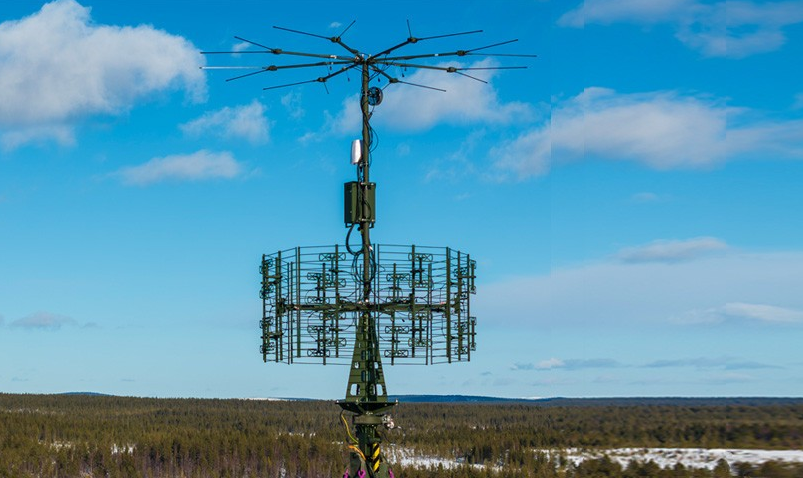
Europe
HELSINKI — Finnish defence company Patria has signed an agreement to supply its MUSCL passive radar system to an undisclosed European NATO member country. The contract covers several sensor stations needed to monitor a large area, along with spare parts, training and support services. The package is intended to support rapid operational deployment and further capability development. Patria has not disclosed the contract value or delivery schedule. Passive Radar for Air Surveillance Patria MUSCL is a transportable passive radar system designed to detect, track and report aerial targets in real time. It supports air surveillance, early warning and counter-unmanned aircraft system (C-UAS) missions. Instead of transmitting its own radar signals, MUSCL uses existing transmissions in the surrounding electromagnetic environment, including FM radio and DVB-T/DVB-T2 digital television broadcasts. This allows the system to monitor airspace without actively transmitting signals that could reveal its position. According to Patria, MUSCL provides 360-degree surveillance and can track more than 100 aerial targets simultaneously, with updates approximately once per second. The company cites detection ranges of under 150 km for fighter aircraft, under 80 km for helicopters and more than 10 km for small NATO Class 1 UAVs, depending on target type and operating conditions. Flexible Deployment MUSCL can operate as an individual sensor or as part of a network of multiple stations. The system can be operated locally or remotely and can integrate with command-and-control networks through standard interfaces. Patria also states that it is designed for unattended 24/7 operation once deployed. Mikko Leino, Executive Vice President of Patria’s Defence and Weapon Systems business area, said the agreement demonstrates the customer's confidence in Patria's passive sensor technology. “Patria MUSCL delivers a unique combination of covert surveillance, operational flexibility and cost-effective performance,” Leino said. Patria said demand for passive radar technology is growing across Europe as military forces strengthen air-defence and counter-UAS capabilities. MUSCL Demonstration in Estonia Patria will demonstrate MUSCL during the Electronic Warfare Live (EWLive) 2026 event in Estonia from September 15–17. During the demonstration, MUSCL will operate together with Patria’s CATCHR electronic support measures (ESM) system to provide real-time situational awareness of airspace over Estonia and southern Finland. Patria said neither system will transmit signals of its own during the demonstration. Patria has more than 30 years of experience in designing, developing and delivering passive radio-frequency sensor systems for intelligence, surveillance and electronic countermeasures.
Read More → Posted on 2026-09-14 12:35:45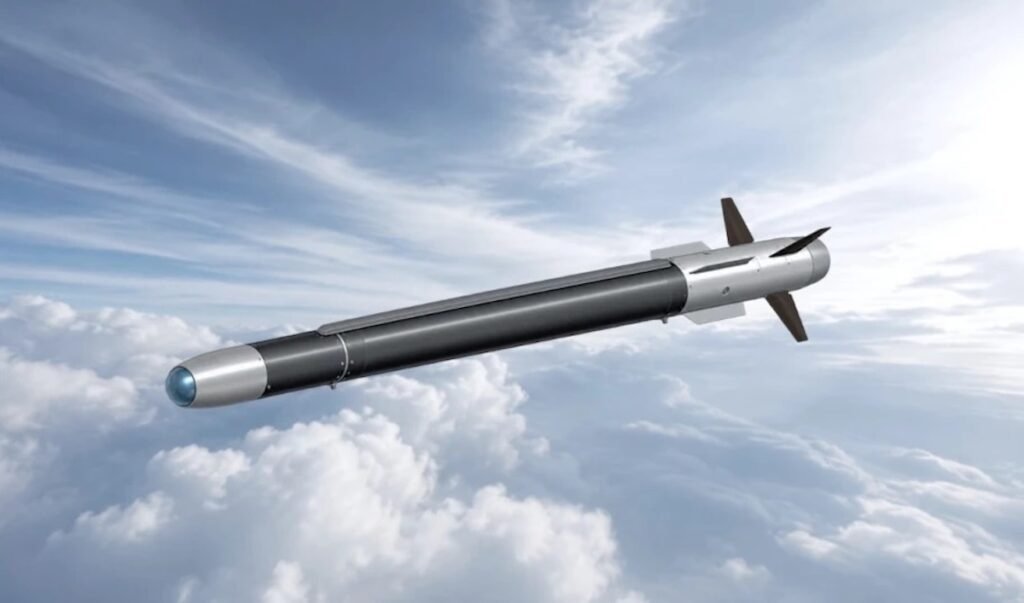
Europe
KIELCE, Poland — MBDA and Poland’s Military Institute of Armament Technology (WITU) are advancing the Counter Mass Interceptor (CMI), a low-cost, supersonic surface-to-air missile designed to counter mass attacks involving one-way attack drones, ISR drones, helicopters and cruise missiles. The programme follows successful seeker field trials in Poland in September 2026, which evaluated the infrared seeker against representative drone targets across several engagement scenarios. The results have cleared the way for the seeker to be integrated into a prototype missile designed by WITU. The first firing campaign is planned for 2027. The CMI is designed for high-volume production and to reduce the cost imbalance between relatively inexpensive drones and the more costly interceptors normally used against them. The missile is intended to engage targets at ranges and altitudes exceeding 6 kilometres. The interceptor weighs approximately 53 kg, is about 2.3 metres long and has a 122 mm diameter. It uses an infrared seeker and carries a blast-fragmentation warhead. MBDA first presented the CMI at the Farnborough International Airshow in July 2026, alongside its surface-launched ASRAAM offering. Polish Design with MBDA Seeker MBDA and WITU announced their cooperation at the MSPO 2026 defence exhibition in Kielce, where they signed a broader memorandum of understanding covering missile research. Under the CMI programme, WITU is responsible for the missile design, while MBDA provides the seeker technology. The arrangement gives Poland a major role in developing the weapon rather than limiting its participation to local assembly. MBDA has also indicated interest in producing the seeker in Poland, subject to approval by Polish authorities. WITU Director Colonel Paweł Sweklej said the cooperation combines a fully Polish missile design with MBDA's seeker technology and supports the development of Polish technologies for European missile solutions. Chris Allam, UK Managing Director of MBDA, said the project demonstrates MBDA's commitment to Poland and builds on its support for Poland's layered air-defence capability through the PILICA+ and NAREW programmes, including technology transfer. The partnership also comes under the Northolt Treaty, signed by British Prime Minister Keir Starmer and Polish Prime Minister Donald Tusk in May 2026 to strengthen defence cooperation and support joint development of next-generation munitions and European supply-chain resilience. Part of Poland's Layered Air Defence The CMI is being developed as an additional high-volume layer within Poland's expanding air-defence and counter-UAS capability. Poland is developing a combination of missiles, guns, electronic warfare systems, radars and other effectors to address different types of aerial threats. The CMI is intended for the lower-cost, high-volume end of this architecture, while systems including Piorun, CAMM and CAMM-ER provide other air-defence capabilities. MBDA already has a significant role in Poland through NAREW and PILICA+. WITU is also participating in the European Hypersonic Defence Interceptor System (HYDIS) programme, which focuses on future interceptor technologies for hypersonic and ballistic threats. The immediate focus of the CMI programme is prototype integration followed by the planned 2027 firing campaign. MBDA and WITU have not disclosed a unit price, production target or entry-into-service date.
Read More → Posted on 2026-09-13 16:16:30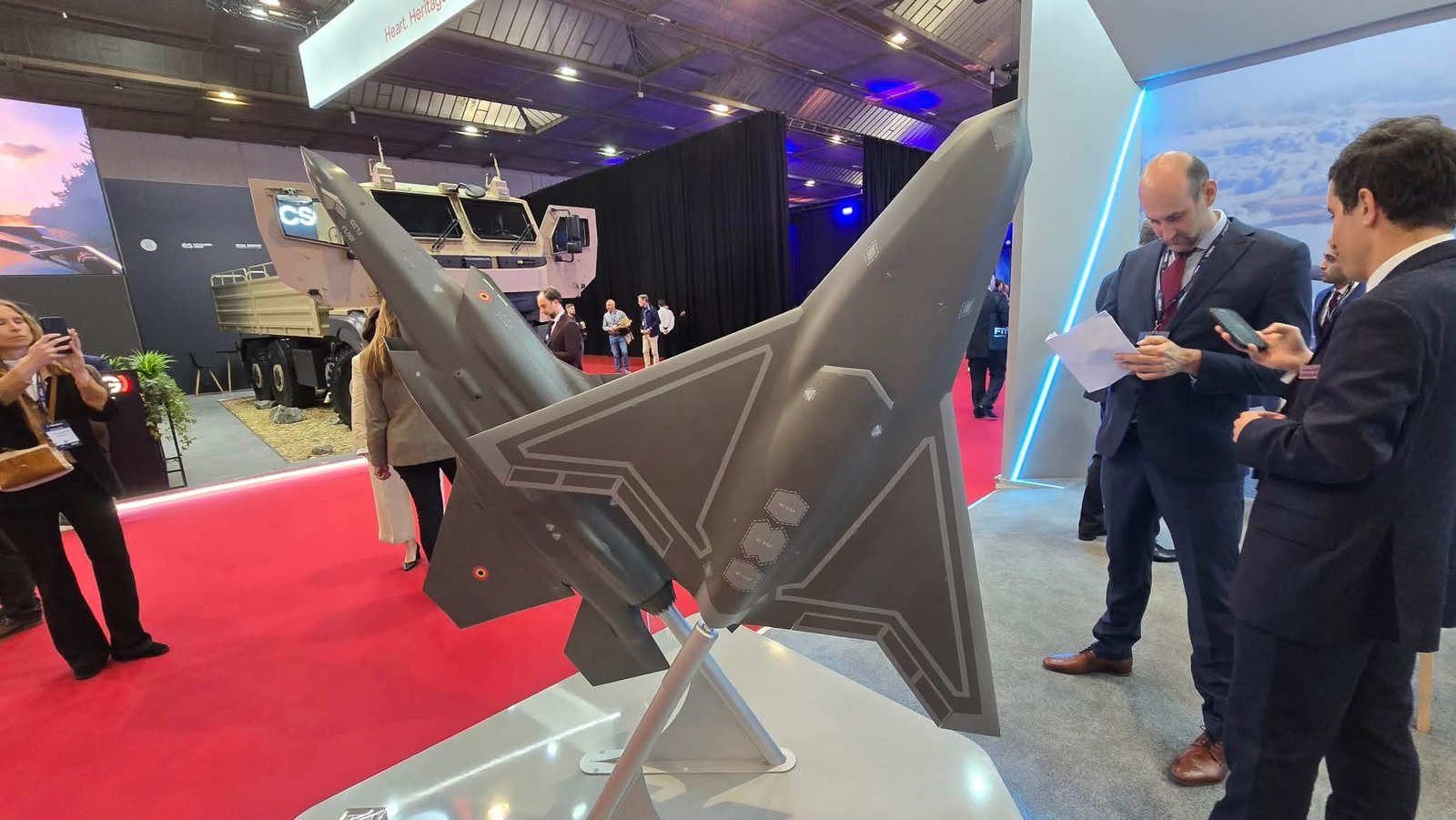
Europe
KIELCE, POLAND — Lockheed Martin has displayed its Vectis unmanned combat aircraft at the 34th International Defence Industry Exhibition (MSPO 2026) in Kielce, presenting the Skunk Works-developed Collaborative Combat Aircraft as a potential complement to fifth-generation fighters such as Poland’s F-35A. Poland is building a fleet of 32 F-35A fighters, and Vectis is designed to extend the capabilities of crewed aircraft by distributing sensors, weapons and electronic warfare functions across networked platforms. Vectis development and propulsion Lockheed Martin publicly unveiled Vectis on September 21, 2025, describing it as a Group 5 Collaborative Combat Aircraft developed by its Skunk Works division for U.S. and allied forces. The clean-sheet, internally funded programme was already under development when it was revealed, with parts ordered and company funding committed to a rapid design-build-fly schedule. Lockheed Martin is targeting a first flight in 2027. In December 2025, the company selected the Williams International FJ44-4 turbofan, which provides more than 3,600 pounds of thrust, to reduce propulsion risk as the aircraft moves toward flight testing. Missions and low-observable design Vectis is designed for precision strike, intelligence, surveillance and reconnaissance targeting, electronic warfare, and offensive and defensive counter-air missions. It also incorporates multi-domain connectivity and an open-system architecture. The aircraft uses a tailless configuration and blended shaping intended to support low observability. Lockheed Martin has not disclosed exact figures for its radar cross-section, maximum speed, combat radius or internal weapons capacity. The company says Vectis is smaller than an F-16 but larger than its compact CMMT missile-like drones. The aircraft could allow F-35s to operate with additional sensors, weapons and electronic warfare capabilities distributed across the formation. A Vectis operating farther forward could potentially collect targeting information, support electronic warfare or carry additional weapons while crewed aircraft remain at greater distance from heavily defended areas. Relevance to Poland The concept is particularly relevant to Poland as it develops its F-35 fleet and broader networked combat capabilities. In contested airspace, autonomous aircraft could provide additional capabilities without requiring every new combat platform to be a crewed fighter. Vectis is being positioned toward the higher-survivability end of the CCA market. This differs from the first U.S. Air Force CCA Increment 1 platforms, General Atomics’ YFQ-42A and Anduril’s YFQ-44, for which engineering, manufacturing, development and production contracts were awarded in June 2026. Lockheed Martin has not disclosed a procurement decision involving Poland. The 2027 first flight will provide an opportunity to demonstrate Vectis’ aerodynamic performance, propulsion, autonomy and mission-system integration as development continues.
Read More → Posted on 2026-09-13 15:26:43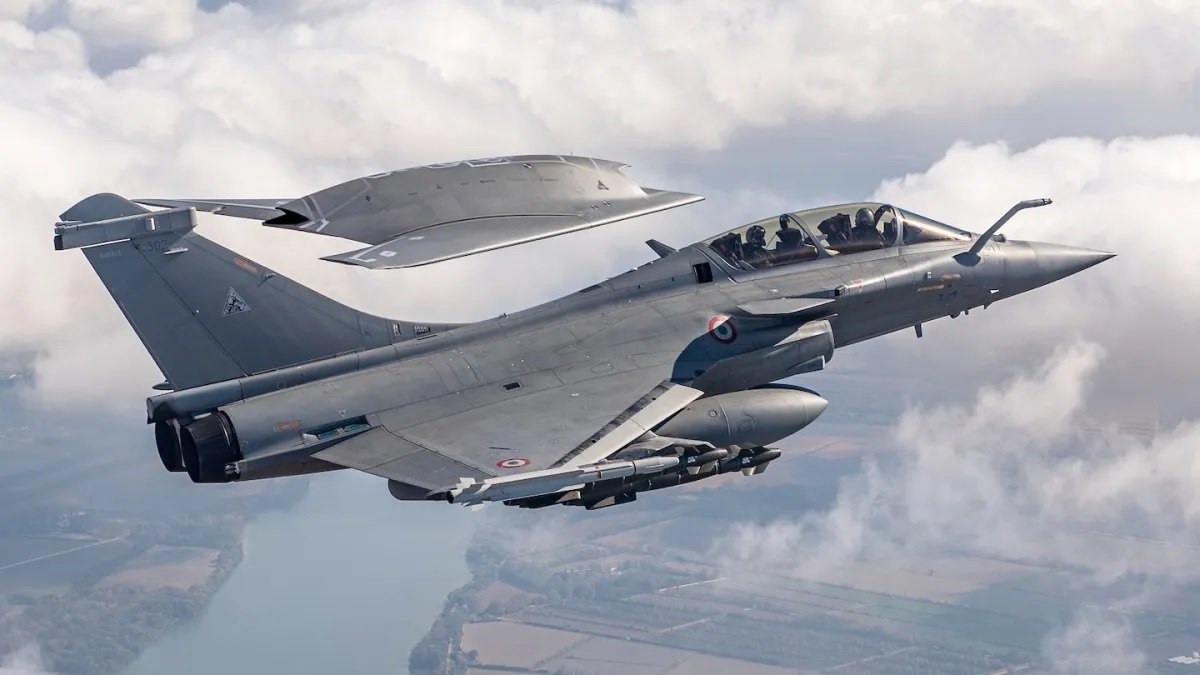
Europe
PARIS — France has awarded initial contracts to Dassault Aviation, MBDA, Safran Aircraft Engines and Thales ahead of the planned launch of the Rafale F5 development phase in late 2026. The French Defence Procurement Agency (DGA) notified the contracts during the summer. The initial work is focused on reducing technical risks before the main development phase begins. The F5 is planned as a major modernization of the Rafale, with qualification expected around 2033, followed by entry into service with the French Air and Space Force and later the French Navy. The upgrade will support France’s future airborne nuclear deterrent through integration of the ASN4G fourth-generation hypersonic nuclear cruise missile. It is also intended to improve the Rafale’s ability to conduct first-entry missions in contested environments. A more open aircraft architecture will give France greater flexibility to introduce new capabilities and adapt the aircraft as requirements change. New Radar, Navigation and Electronic Warfare Dassault Aviation will oversee a new very-low-drift inertial navigation unit using hemispherical resonator gyroscope (HRG) technology. The system is designed to maintain accurate navigation when satellite navigation signals are unavailable or disrupted. Thales will develop the RBE2-XG AESA radar, an evolution of the Rafale’s existing RBE2 radar. It is designed to provide higher power, longer detection range and improved tracking of targets with extremely low radar cross-sections. Increased computing capacity will support greater use of artificial intelligence for collaborative sensing, while the radar will retain the current RBE2’s mechanical footprint and include stronger cyber protection. Thales and MBDA France will also modernize the Rafale’s SPECTRA self-protection system. The upgraded digital architecture will improve threat detection, signal classification and electronic jamming across a broader electromagnetic spectrum. Thales will develop the Inter-Vehicle Data Link (IVDL), based on several years of DGA-funded research. The system is designed to provide high-bandwidth, resilient and difficult-to-detect communications between Rafale aircraft and accompanying uncrewed platforms while resisting jamming. Safran Develops M88 T-REX Safran Aircraft Engines has received a contract for the preliminary design of the M88 T-REX engine. The upgrade is intended to increase maximum thrust by about 20 percent, from 7.5 tonnes to 9 tonnes. The T-REX will retain the M88-2’s basic dimensions, structure and modular architecture, as well as its low fuel consumption. The modular design will allow selected components to be replaced without removing the complete engine, helping reduce maintenance downtime. The Rafale F5 programme continues France’s approach of upgrading the fighter through successive standards rather than replacing the aircraft with a completely new design. More than 400 French companies are involved in the Rafale programme, supporting more than 7,000 direct and indirect jobs. Eight foreign customers have ordered 299 new-build Rafales and 24 second-hand aircraft. The F5 upgrade is intended to keep the Rafale aligned with French operational requirements for 2035 and beyond.
Read More → Posted on 2026-09-13 12:32:40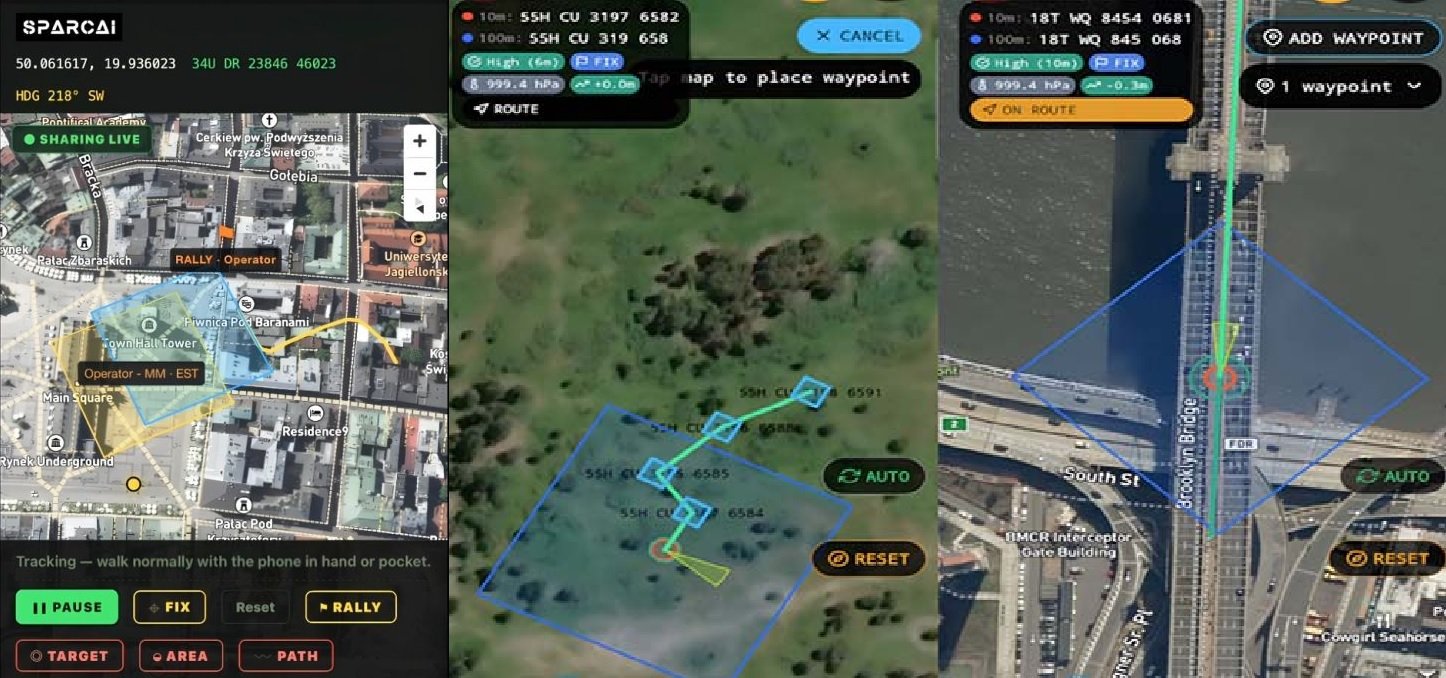
Europe
KIELCE, Poland — Defense technology company SPARC AI Inc. (CSE: SPAI; OTCQB: SPAIF; Frankfurt: 5OV0) has launched Overwatch Patrol, a dismounted positioning application designed to provide continuous location data to soldiers and security personnel when GPS/GNSS is jammed, spoofed, degraded or unavailable. SPARC AI unveiled the system at MSPO, the International Defense Industry Exhibition in Kielce, Poland, held from September 8 to 11. The exhibition is one of Europe's major defense events and a venue for NATO and allied procurement discussions. Before MSPO, SPARC AI demonstrated Overwatch Patrol in Kraków. GPS-Denied Positioning Without Additional Hardware Overwatch Patrol does not require additional hardware, external receivers, antennas or software installation. Originally developed for military-grade handheld devices, the current version operates through SPARC AI's Overwatch Positioning Network, a cloud-based positioning service. The application can be used as a native mobile app or through a standard web browser on smartphones and tablets. SPARC AI says remote processing of the core spatial calculations reduces the processing requirements on user devices. Real-Time Team Position Sharing Overwatch Patrol allows multiple users to share their positions on a common digital map in real time. Team members can see each other's movements while walking, running or holding positions without relying on GPS. Commanders can create teams in the field using an encrypted dynamic session code. Personnel can join or leave a group without a central administrator or pre-configured devices. The system also allows any team member to place a rally point on the shared map. The location is immediately synchronized with connected users, allowing them to navigate toward the same point. This can be used to establish new link-up locations after contact, during casualty evacuation (CASEVAC), when a route becomes unusable, or when personnel become separated beyond visual or radio contact. Integration With Tactical Networks At MSPO, SPARC AI management met with prospective technology partners and tactical communications providers to discuss integrating Overwatch Patrol with military radio networks. The planned integration would allow shared position data to move through existing tactical communications systems. Overwatch Patrol expands SPARC AI's Overwatch Positioning Network beyond aerial platforms. The company previously launched the network for UAVs, allowing drones to send telemetry to remote data centers and receive positioning information without onboard navigation payloads. SPARC AI says its drone-focused service is live for use in Ukraine. The launch adds a dismounted positioning capability to SPARC AI's broader work on navigation in GNSS-denied environments.
Read More → Posted on 2026-09-12 14:34:09
Europe
BERLIN/DÜSSELDORF — German defense technology startup Ground A has secured €9.1 million in pre-seed funding to advance its GA 1000 laser-based counter-drone system toward market launch and industrial production in Germany. The financing round closed in June 2026 and was announced publicly in September. Ground A, founded in January 2026, has completed the prototype phase of the GA 1000 and is now conducting testing and validation. The company plans to begin modular series production in Germany in 2027, with another funding round planned to expand production capacity. The round was led by Vsquared Ventures, with Quantum Systems participating as a corporate investor. Other investors include GRIF, Robin Capital, ABACON, Leblon Capital and OVNI Capital. Experienced investors and entrepreneurs from the European defense and software sectors also joined, including Florian Seibel and Sven Kruck of Quantum Systems, Andreas Nauerz of J14 Capital, Marlon Braumann, and Stefan Roebel, Managing Director of Arx Robotics. Ground A is based in Düsseldorf and has a branch in Berlin. Its workforce has grown to 25 employees by September 2026. GA 1000 Combines Radar, AI and Laser The GA 1000 combines radar, multi-sensor fusion, computer vision, proprietary artificial intelligence and a high-energy laser effector to automatically detect, classify and track small drones. A human operator retains the decision to engage the target. According to Ground A, the system operates in the single-digit-kilowatt laser range and is designed as a "last-mile" counter-drone system against fast-flying Group 1 to 3 drones, including explosive-laden FPVs. The company says identifying a drone, locking on and starting engagement takes about three seconds, followed by roughly one second of laser exposure per drone. The complete system weighs less than 200 kilograms and fits within the footprint of a standard Euro pallet. It can be transported by four people. Its self-contained, swappable energy modules allow operation without fixed electrical infrastructure, while battery power supports about one hour of laser operation. Ground A says the GA 1000 provides 360-degree detection and target acquisition at ranges of several kilometres. The company also reports an engagement cost below €0.10 per use, with energy as the primary consumable. The system is designed to integrate with existing air-defense and command-and-control systems and can be mounted on land, sea and air platforms, including tanks and unmanned ground vehicles (UGVs). It is intended for military applications as well as protection of critical infrastructure such as energy facilities, airports and other sensitive sites. Production Planned for 2027 Ground A says the GA 1000 is now approaching market launch after completing its prototype phase. CEO and co-founder Dr. Tobias Brune said the company focused on product development and results before expanding its public communication. Brune co-founded Ground A with Daniel Hariri and Roland Spiegelhalder. The company demonstrated the system in Berlin in September 2026. The €9.1 million will support testing, market readiness, industrialisation and team expansion. Ground A has not yet commercially sold the system, and it has not disclosed specific production volumes or confirmed customer contracts. The company plans to establish modular series production in Germany in 2027 and use its planned subsequent funding round to increase manufacturing capacity. Ground A also intends to integrate the GA 1000 with compatible systems from companies such as Quantum Systems and Arx Robotics, while targeting governments and critical-infrastructure operators. Ground A describes the GA 1000 as the first element of a broader counter-drone and air-defense product platform.
Read More → Posted on 2026-09-11 15:15:05
Europe
PARIS, — France’s Defence Procurement Agency (DGA) has selected MBDA and Safran Electronics & Defense to provide the French Army with THUNDART, a new sovereign long-range land-strike system designed to replace the country’s aging Unitary Rocket Launcher (LRU) fleet. The system is being developed for tactical deep-strike missions in high-intensity conflicts and contested environments. Designed, developed and produced in France, THUNDART is intended to give the French Armed Forces full autonomy of use by 2030. 150 km Range and Eight-Rocket Launcher THUNDART will provide a precision strike range of up to 150 kilometers, roughly twice the 70-80 km range of France’s current LRU systems. The LRU fleet consists of modernized American M270 launchers, some of which have been transferred to Ukraine, while the remaining systems are approaching the end of their service lives. The THUNDART launcher is based on an armored, off-road-capable 8x8 Scania truck chassis. It features an integrated two-axis turret and fire-control system carrying two munition pods, each with four guided rockets, for a total of eight rockets. The rockets carry a 100-kilogram-class warhead and are designed to travel at high-supersonic speed. The launcher also has autonomous loading and unloading capabilities to support rapid firing and relocation. Designed to Operate Without GNSS One of THUNDART’s main features is its ability to operate when GNSS signals are jammed or denied. Safran Electronics & Defense is providing guidance and navigation technology derived from its AASM Hammer precision munition. The system combines inertial navigation with laser and infrared capabilities to maintain metric precision when satellite navigation is unavailable. THUNDART will also be natively integrated with the French Army’s ATLAS fire management system. Its rocket propulsion is supplied by Roxel, an MBDA subsidiary. The system is designed to be fully ITAR-free, supporting France’s objective of maintaining sovereign control over the capability without reliance on U.S. export-controlled components. Development and Joint Venture The DGA launched the Frappe Longue Portée Terrestre (FLP-T) programme in 2023 to develop a sovereign replacement for the LRU. Exclusive negotiations with the MBDA-Safran team began in June 2026. An initial development phase culminated in a successful demonstration firing on 14 April 2026 at the DGA’s Île du Levant test range. MBDA and Safran will establish a 50/50 joint venture in the Paris region, expected to be created in early 2027. The company will manage THUNDART’s development, production and in-service support, as well as future upgrades, adaptations for other environments and potential allied export versions. Safran Electronics & Defense Defense Global Business Unit Head Alexandre Ziegler said the programme combines the companies’ expertise, particularly Safran’s capabilities in inertial navigation and optronics for operations in GNSS-denied environments. MBDA France Executive Vice President Programmes and Managing Director Stéphane Reb said the programme uses mature subsystems and an industrial ramp-up already underway to respond to the French Army’s requirements. Planned Fleet and French Industrial Work Under France’s 2024-2030 Military Programming Law (LPM), planning calls for at least 13 THUNDART systems by 2030. Longer-term projections refer to up to 26 systems and around 300 munitions by 2035. The contract value and exact quantities of launchers and munitions have not been disclosed. The programme already involves several dozen engineers and is expected to support engineering and production activity across France. Work will involve MBDA, Safran and subcontractors in Aquitaine, Brittany, Centre-Val de Loire, Île-de-France, Pays de la Loire and Provence-Alpes-Côte d’Azur. Safran is developing the launcher with industrial partners including Scania France, CMAR and Essonne. Future options include extended-range variants and potential air-launched or naval adaptations. THUNDART is being developed as a French and European long-range strike system focused on precision, sovereign production and operation in contested environments.
Read More → Posted on 2026-09-11 13:58:10
Europe
Marignane, France — France has ordered eight Airbus U050 Capa-X uncrewed aerial systems (UAS) for the French Navy and Army under the country’s Light Tactical Drone System (SDTL) evaluation programme. The French Aeronautical Maintenance Directorate (DMAé) placed the follow-on order with Airbus Helicopters. It covers four complete systems, with each system including two drones. Two systems will go to the French Navy and two to the French Army, with deliveries scheduled for 2027. The order follows the evaluation of an initial U050 Capa-X system acquired at the end of 2025. It completed a land and maritime evaluation campaign involving several French forces during 2025 and early 2026. During the trials, the Capa-X met SDTL requirements, demonstrating seven hours of endurance while carrying two payloads, an operational range of 100 kilometres and a compact logistical footprint. A complete system can be transported using two pickup trucks. U050 Capa-X Specifications The U050 Capa-X has a maximum takeoff weight of 120 kilograms, a payload capacity of up to 20 kilograms and a maximum endurance of more than 10 hours. It operates through a direct data link at distances of up to 100 kilometres from its ground station. The aircraft can use conventional or vertical take-off and landing configurations and is available with short- and long-wing options. The short-wing version has a maximum speed of 150 km/h. The system has a maximum ceiling of 3,000 metres and can be deployed in less than 20 minutes. The long-wing configuration has a 6-metre wingspan, while the aircraft is 4 metres long. For its initial French military configuration, the drone carries an optronic pod for imagery intelligence (IMINT) and a signals intelligence (SIGINT) capability for surveillance, reconnaissance, imagery exploitation and operational analysis. The platform's modular design allows multiple payloads to be carried simultaneously and enables configurations to be changed for different missions. It is also designed to receive additional capabilities as French operational requirements develop. Victor Gerin-Roze, head of uncrewed aerial systems at Airbus Helicopters, said the order marks the programme's entry into its operational phase and highlighted the platform's modularity as its main advantage. DMAé, a joint-service organisation reporting to the Chief of the Defence Staff, will oversee the drones' through-life support and fleet availability. The U050 Capa-X was developed by Survey Copter, an Airbus subsidiary, and is part of Airbus Helicopters' tactical uncrewed aerial systems portfolio. The contract value has not been disclosed.
Read More → Posted on 2026-09-11 11:20:50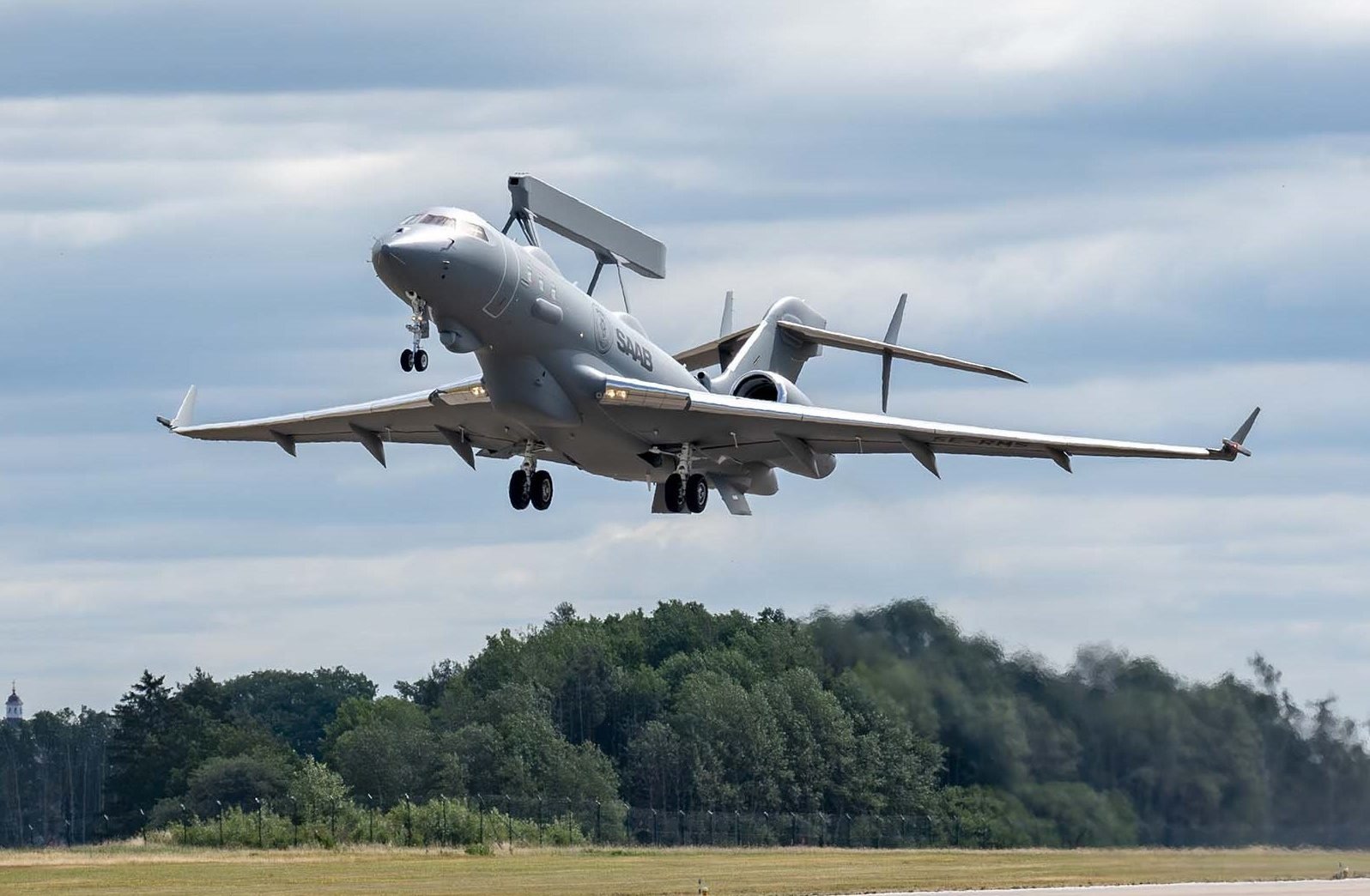
Europe
THE HAGUE, Netherlands — The Netherlands has signed a Letter of Intent (LOI) with Sweden to acquire one Saab GlobalEye airborne early warning and control (AEW&C) aircraft, giving the country its own national airborne surveillance capability. The LOI was signed by Dutch Deputy Prime Minister and Defence Minister Dilan Yeşilgöz-Zegerius and Swedish Defence Minister Pål Jonson. Sweden’s Defence Materiel Administration will support the Netherlands in the planned acquisition from Saab. Separate from NATO GlobalEye Programme The planned Dutch aircraft is separate from the NATO procurement of up to 10 GlobalEye aircraft, which is intended to replace the alliance’s ageing Boeing E-3 AWACS fleet. The Netherlands is already participating in that joint programme with other NATO allies. The Netherlands currently has no national aircraft for long-range surveillance and command missions and partly relies on NATO’s AWACS fleet based at Geilenkirchen, Germany. The new national aircraft would allow the Netherlands to independently decide where and when the system is deployed, including for national military operations and international exercises. Dutch Aircraft to Join Swedish Fleet The Dutch GlobalEye is planned for delivery in 2031. The Netherlands will pool its aircraft with three GlobalEye aircraft ordered by Sweden, allowing Dutch and Swedish crews to access the combined fleet of four aircraft. Dutch crews are expected to begin training on Swedish GlobalEye aircraft from 2028. The two countries will also cooperate on the future development of the system. GlobalEye Surveillance Capability GlobalEye is a multi-domain AEW&C system based on a Bombardier Global business-jet airframe. It carries Saab’s Erieye Extended Range radar, along with other active and passive sensors and communications equipment. The aircraft can monitor activity across the air, maritime and land domains at long range. It is designed to detect and track difficult-to-spot targets, including drones and cruise missiles. The system can also collect intelligence and operate as an airborne command centre, processing information in real time and sharing it with aircraft, ships and ground forces. No Final Contract Yet Saab President and CEO Micael Johansson welcomed the Netherlands’ intention to procure GlobalEye, saying the system would strengthen situational awareness, early warning and national and collective defence. However, the LOI is not yet a binding purchase contract. Saab confirmed that it has not received a formal financial order from the Netherlands. No contract value or final configuration has been released. Swedish Defence Minister Pål Jonson said the agreement strengthens defence cooperation between Sweden and the Netherlands and allows both countries to take greater responsibility for European collective defence.
Read More → Posted on 2026-09-10 16:13:14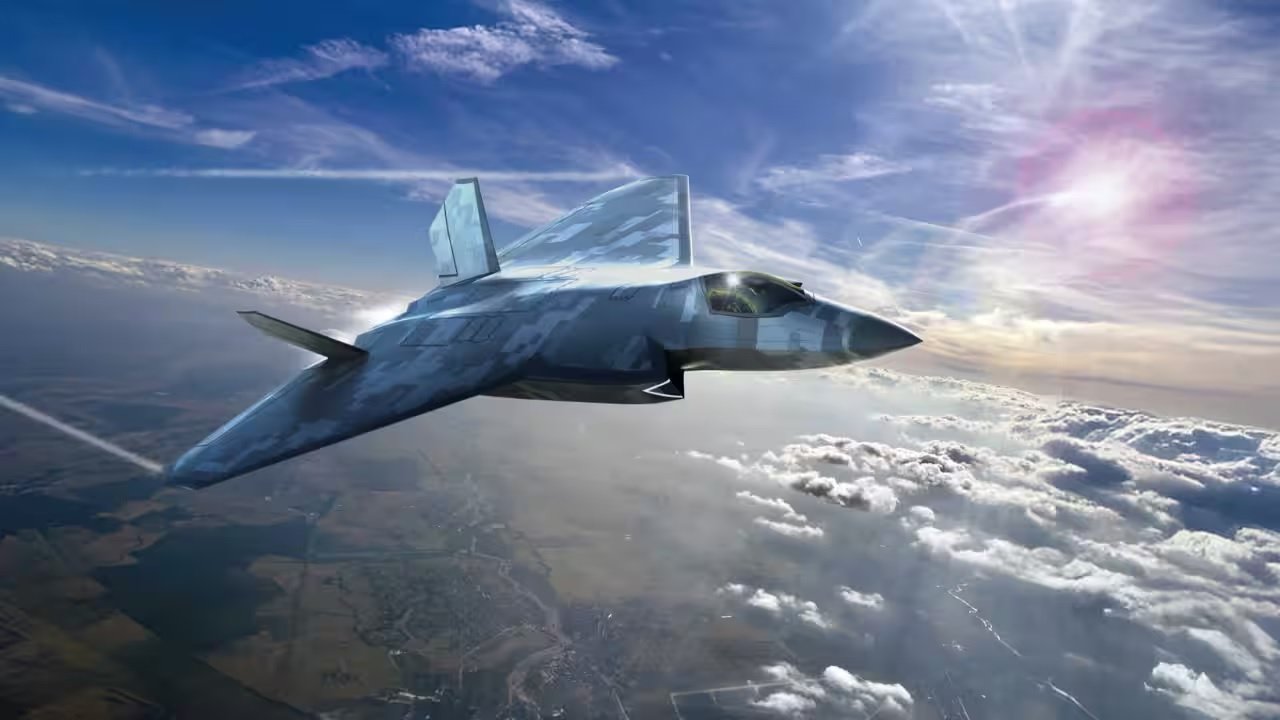
G2E Consortium Secures 18-Month Contract to Advance Sensor Tech for Next-Generation GCAP Fighter Jet
Europe
READING, UK — The GCAP Electronics Evolution (G2E) consortium has secured an 18-month contract to continue developing the integrated sensing and communications systems for the Global Combat Air Programme (GCAP) sixth-generation fighter. Edgewing Awards New Contract The contract was awarded by Edgewing, the trilateral joint venture responsible for the design and development of the GCAP aircraft. Edgewing comprises BAE Systems of the UK, Leonardo S.p.A. of Italy, and Japan Aircraft Industrial Enhancement Co. Ltd. (JAIEC). The award follows a contract between Edgewing and the GCAP Agency, which manages the programme on behalf of the governments of the UK, Italy and Japan. Integrated Sensing and Communications The new contract covers further development of the Integrated Sensing and Non-Kinetic Effects and Integrated Communications Systems, known as ISANKE & ICS. G2E brings together four defence electronics companies: ELT Group and Leonardo from Italy, Mitsubishi Electric Corporation from Japan, and Leonardo UK. The companies operate as a single strategic partner within the wider GCAP programme. The GCAP fighter is being designed around ISANKE & ICS from the beginning rather than adding the electronics as separate systems later. The architecture is intended to integrate sensing, communications and non-kinetic effects and fuse large volumes of data to provide pilots with the information needed to operate in complex and contested airspace. The aircraft's size also allows a larger and more complex network of sensors and communications equipment to be positioned across the platform. Focus of the 18-Month Phase During the new contract period, G2E will work on physical and digital infrastructure, recruitment, high-performance computing and advanced modelling to support further development of the electronics architecture. Andrew Howard, Interim General Manager of G2E, said the contract marks a significant milestone for the consortium and reflects its progress in transforming the participating companies from national organisations into a single international entity. Howard also said G2E will continue working closely with the GCAP Agency and Edgewing at the programme headquarters in Reading. Part of the Wider GCAP Programme The contract follows a £4.6 billion contract awarded to Edgewing by the GCAP Agency in July 2026, which began the programme's advanced concept and assessment phase. G2E was formed in 2025 after the four companies signed a consortium agreement, building on cooperation that began in 2023. Its leadership is based in Reading, close to the GCAP programme headquarters. The GCAP programme was launched in 2022 by the UK, Italy and Japan. It aims to deliver an operational next-generation fighter around 2035 to replace existing platforms including the Eurofighter Typhoon and Mitsubishi F-2. The programme is designed to share development costs while supporting skilled employment and sovereign defence capabilities across the three partner countries. The latest contract will allow G2E to continue developing the integrated electronics architecture that forms a core part of the future GCAP fighter.
Read More → Posted on 2026-09-10 16:00:53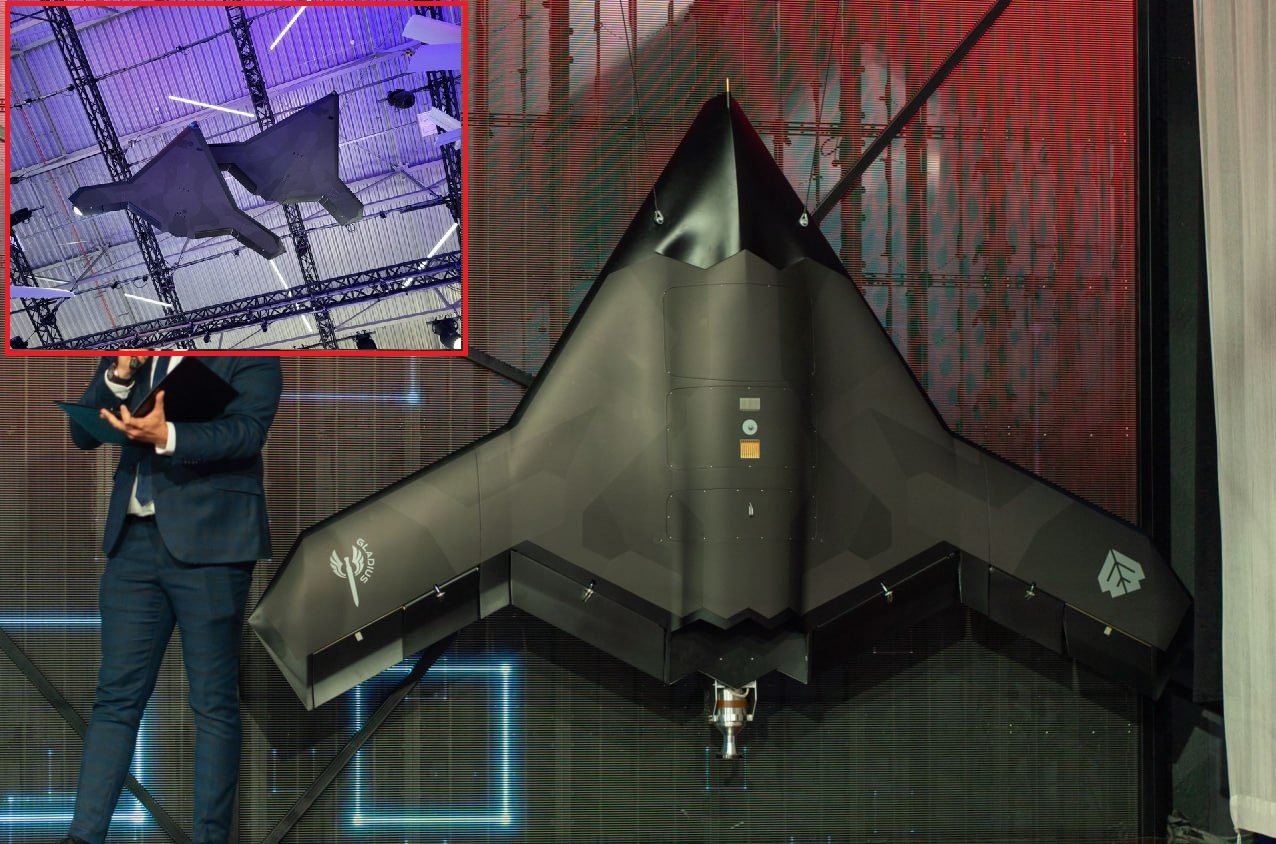
Europe
KIELCE, POLAND — Polish defence company WB Group has unveiled its new Warmate 30 unmanned aerial vehicle (UAV), also referred to as Gladius 2, at the International Defence Industry Exhibition (MSPO) 2026 in Kielce, Poland. The exhibition is being held from September 8 to 11. The Warmate 30 is a jet-powered loitering munition designed to provide a long-range deep-strike capability, including in environments where satellite navigation is unavailable. It uses a flying-wing configuration with flaperons and a composite airframe designed to reduce its radar and thermal signatures. Performance and Payload The UAV has a maximum takeoff mass of approximately 100 kg and is powered by a Polish-made turbojet engine produced by WB Group. Production of the engine began in 2026, while a rocket booster assists the drone during launch. According to WB Group's MSPO specifications, the Warmate 30 can reach a maximum speed of 450 km/h and a cruising speed of more than 150 km/h. It operates at 500–1,500 metres above ground level, with a maximum altitude of 5,000 metres above sea level. The system has a range of more than 250 km and an endurance of over one hour. It can carry a modular payload of up to 30 kg. WB Group offers three main warhead options: fragmentation, shaped-charge/cumulative, including the HEDP multipurpose configuration, and thermobaric warheads. Autonomous Operation and Launch Warmate 30 can fly along selected waypoints and loiter over a designated target area before conducting an attack. It is capable of low-altitude flight and can operate independently of satellite navigation using onboard artificial intelligence. The system can be brought to combat readiness in less than five minutes. It can be launched from a containerised launcher designed for land and naval use or from a launching ramp compatible with existing Gladius 1 platforms, including BSP-U and FT-5. Warmate 30 integrates with the Gladius reconnaissance-strike system and Topaz command system, allowing continuous data exchange between platforms during operations. Polish Orders and Production The Warmate 30 has already been ordered by the Polish Armed Forces and is currently entering low-rate initial production. WB Group says prototypes have been undergoing testing since last year and describes the system as a finished product entering series production. Three units were displayed at MSPO 2026. The system is intended to add a deep-strike layer to the Polish Armed Forces and allied forces. It is not a direct replacement for the existing Gladius 1/BSP-U systems used by Polish Army artillery brigades, but is intended to expand their overall strike capability. WB Group CEO Piotr Wojciechowski said the system is ready for mass production and that its public unveiling was timed according to customer requirements and ongoing testing. The company is also developing the next systems, designated Gladius 3 and Gladius 4, with Gladius 3 planned for 2027. The Warmate 30 was one of several product premieres presented by WB Group at MSPO 2026.
Read More → Posted on 2026-09-10 13:59:38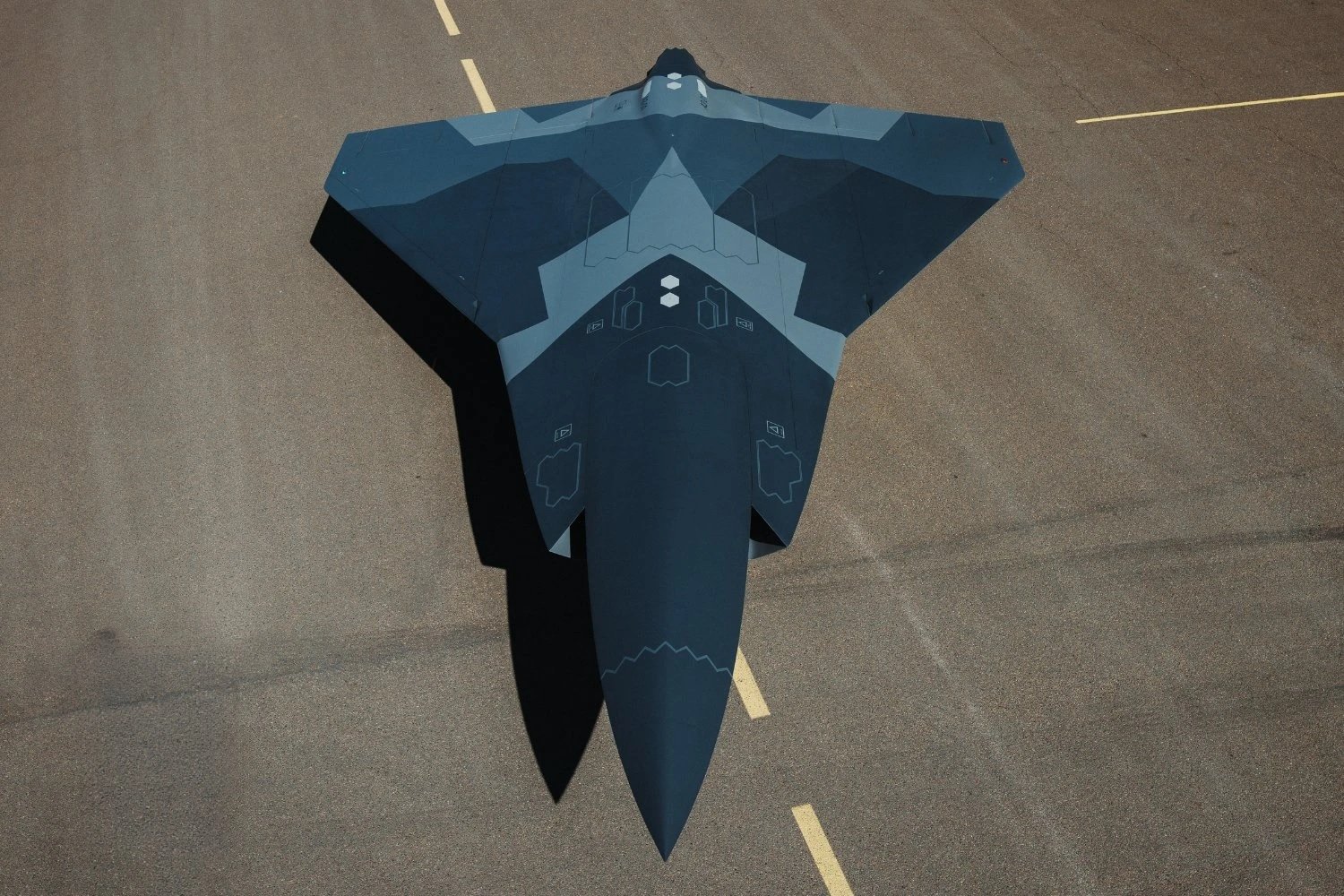
Europe
Stockholm — Swedish aerospace and defence company Saab has received an order worth approximately SEK 2.9 billion ($300 million) from the Swedish Defence Materiel Administration (FMV) for continued concept and development work on Sweden’s future fighter system. The contract covers 2026 to 2028, with options to extend the work through 2029 and 2030. It is the third major order under Sweden’s Koncept för Framtida Stridsflyg (KFS) programme, also known as Vägval stridsflyg, which is intended to support decisions on the country’s air combat capabilities beyond 2040. The programme will include flying and ground-based technology demonstrators, advanced studies and development of future system concepts for both manned and unmanned aircraft. Saab will focus on technologies including systems integration, autonomy, propulsion, digital development, signature adaptation and future production capabilities. The work is also intended to build Swedish technical competence, reduce technical risks through early testing and maintain freedom of action for future choices in air combat capabilities. Lars Tossman, head of Saab’s Aeronautics business area, said: “We are very pleased that FMV continues to show confidence in Saab through this new contract. The work is crucial to further develop and demonstrate new technologies that will be central to future fighter system.” The latest order follows an initial contract signed in March 2024 and a SEK 2.6 billion follow-on order awarded in October 2025 for work covering 2025 to 2027. The latest agreement brings the value of the two publicly disclosed 2025 and 2026 orders to approximately SEK 5.5 billion. Sweden began pursuing its own national future fighter concept work after withdrawing from the UK-led Team Tempest project in 2023, now known as the Global Combat Air Programme (GCAP). Saab has previously outlined future F-series concepts involving a manned fighter intended to eventually succeed or operate alongside the Gripen fleet, as well as subsonic and supersonic unmanned aircraft. The latest KFS contract continues Sweden’s effort to develop and demonstrate future combat aviation technologies while keeping options open before any final decisions on the country’s future fighter system.
Read More → Posted on 2026-09-10 13:47:35Search
Top Trending in 24 Hours
-
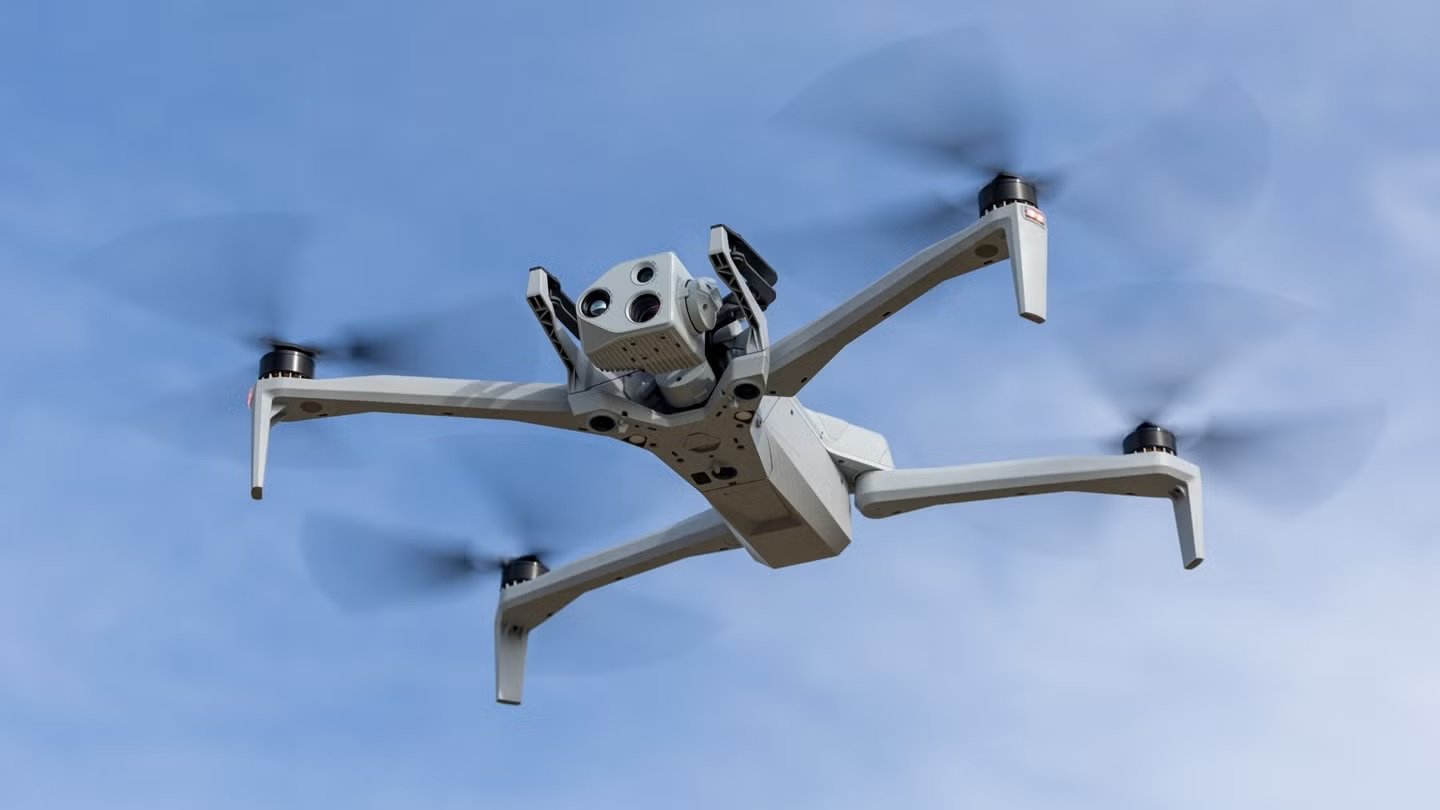 UK Ministry of Defence Opens £120,000 Tender for Skydio X10D Drones
-
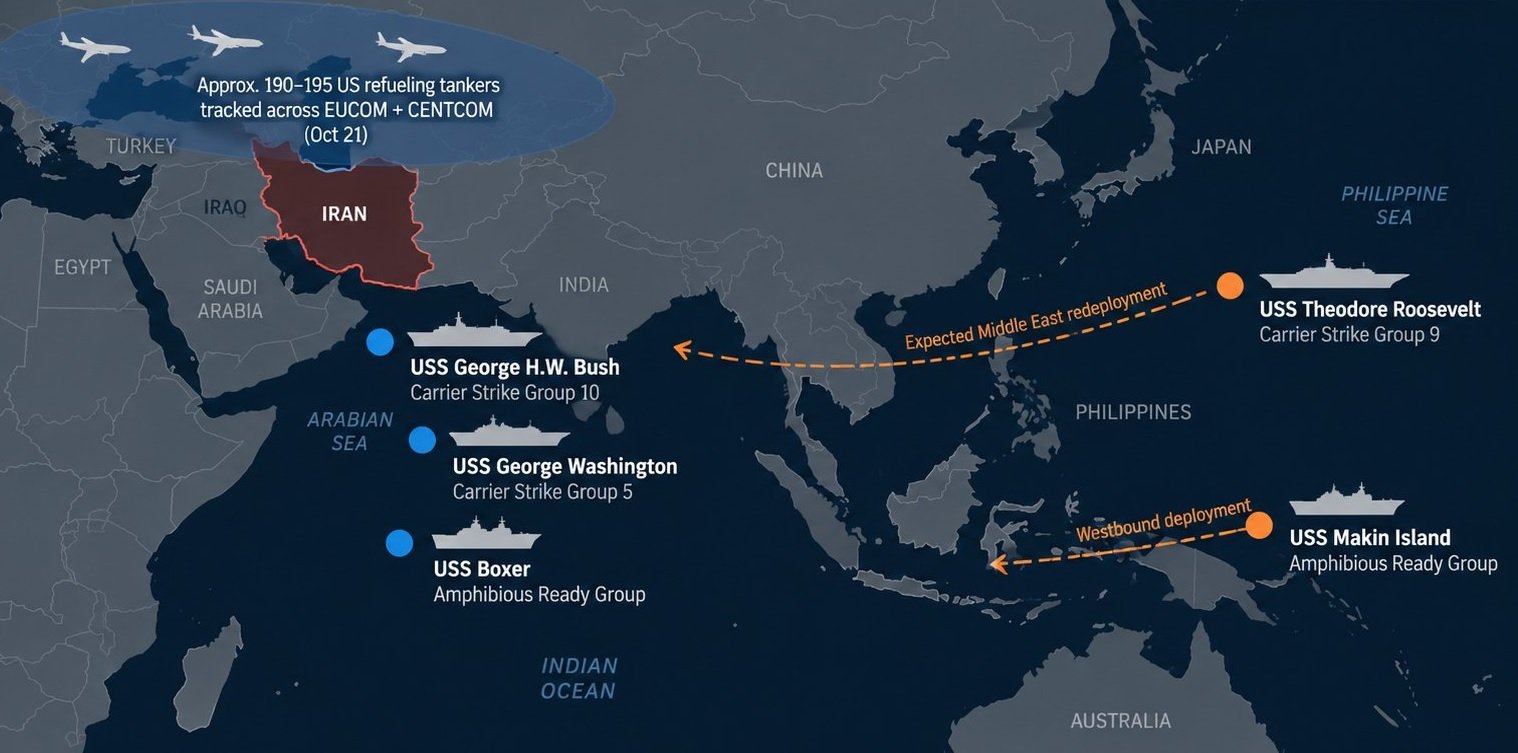 US Expands Military Buildup Near Iran with Third Aircraft Carrier and Additional Marines
-
 DRDO’s Arudhra Radar Reportedly Tracks F-35-Like Stealth Target in AI-Assisted Simulation: How It Works
-
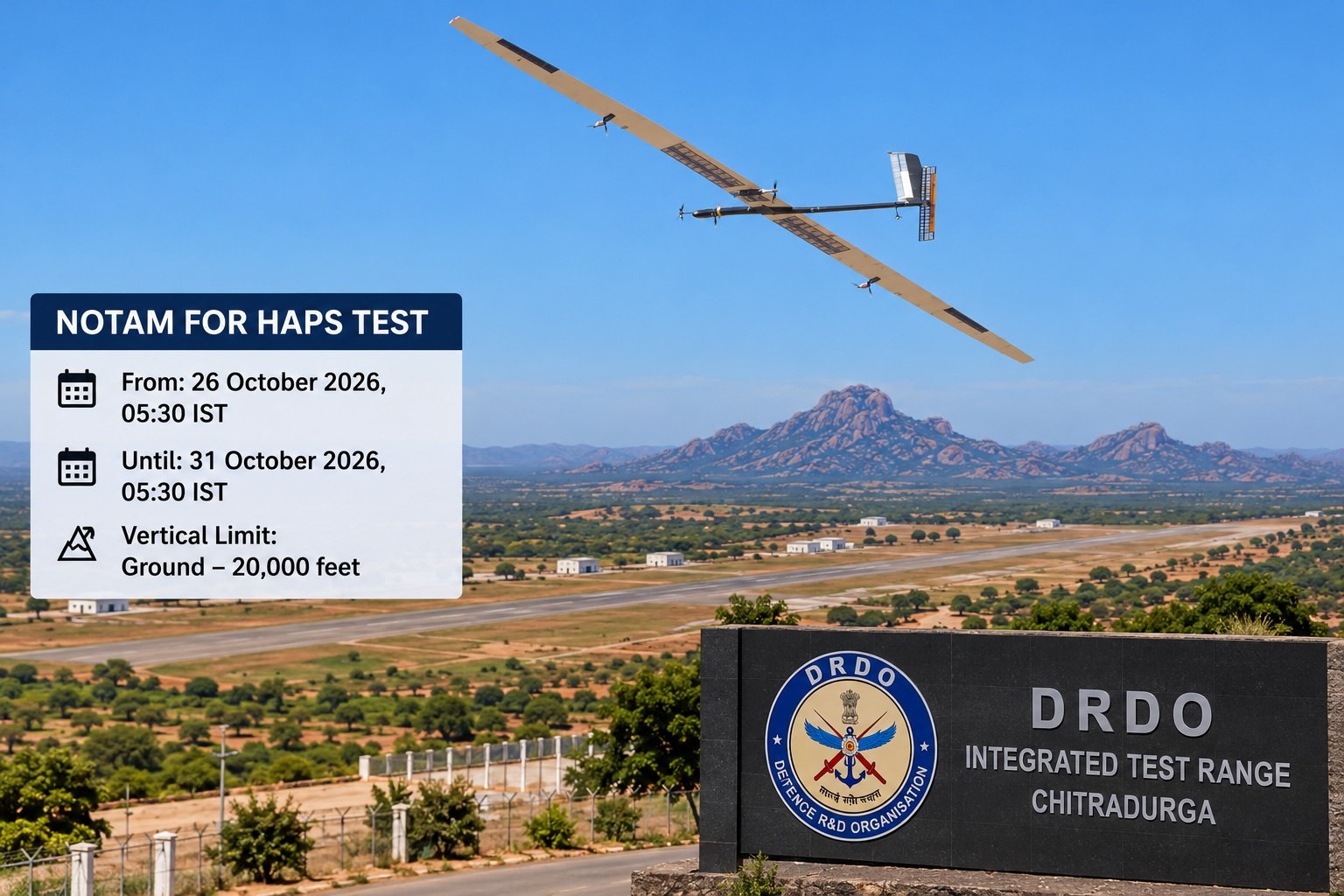 India Issues NOTAM for High Altitude Pseudo Satellite Test at DRDO Chitradurga Facility
-
 EDGE Integrates Autonomous Naval Systems in UAE-US Maritime Demonstration
-
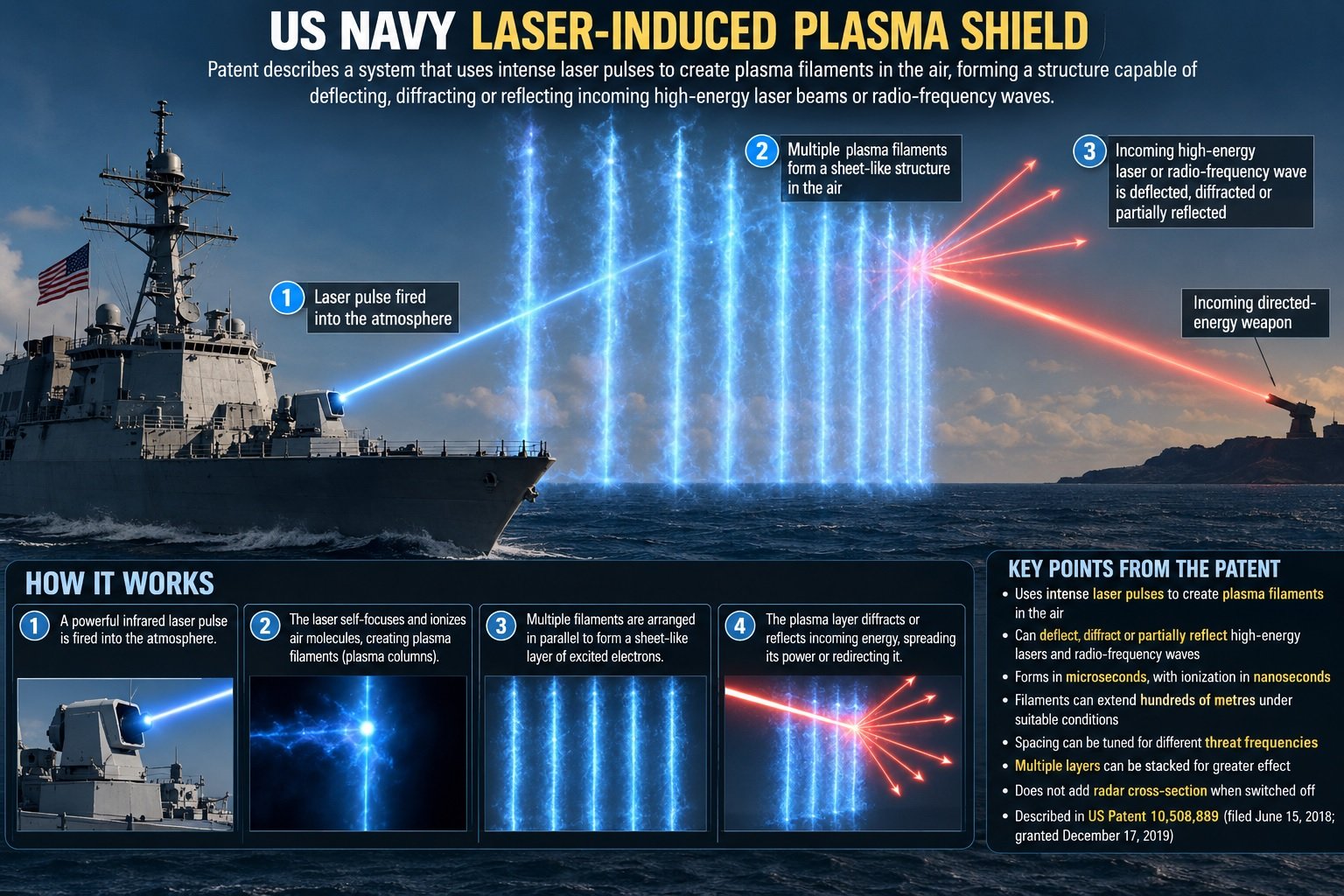 US Navy Patent Details Laser-Induced Plasma System to Deflect Directed-Energy Weapons
-
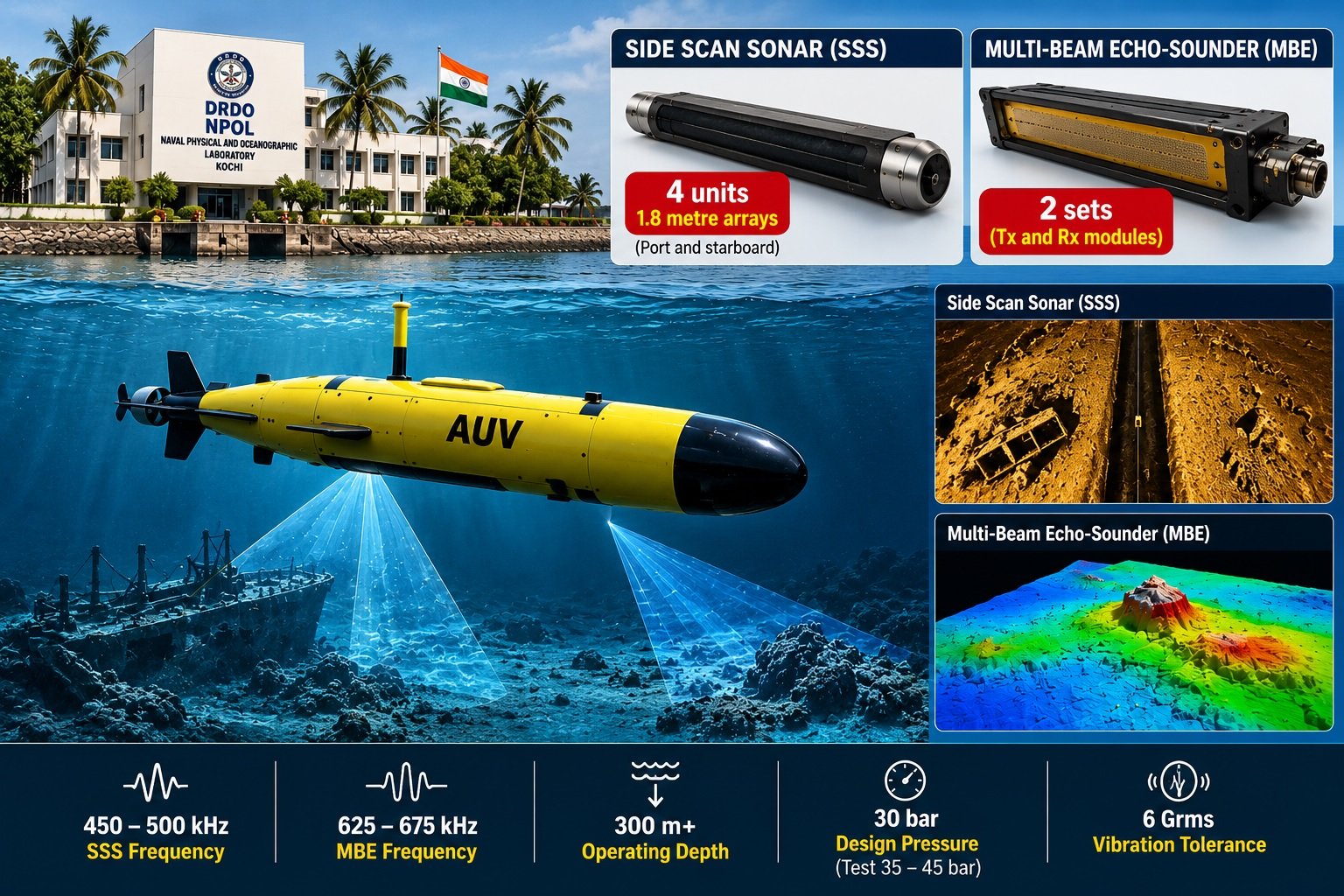 DRDO’s NPOL Issues RFP for Advanced Sonar Arrays for Two Autonomous Underwater Vehicles
-
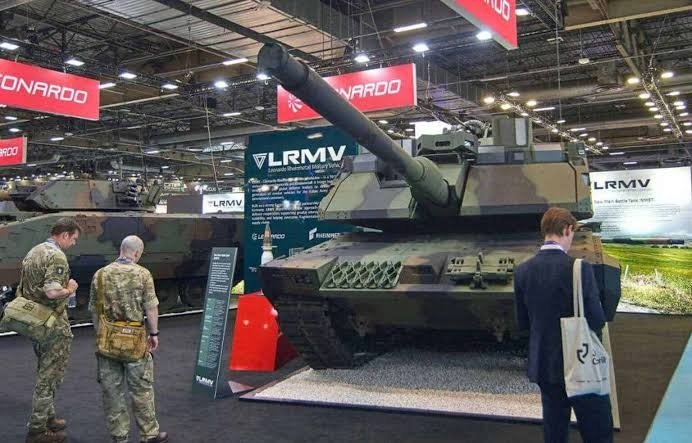 Italy Reportedly Orders 30 Panther Tanks and 48 Lynx IFVs in €3.7 Billion Deal
Top Trending in 4 Days
-
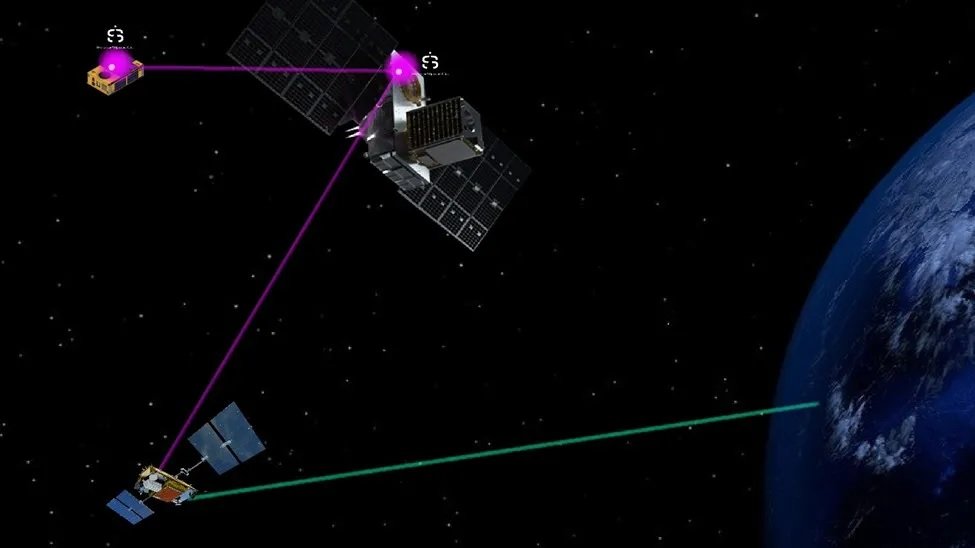 NASA Demonstrates Space-to-Space Wi-Fi Between Two Orbiting Spacecraft
-
 USS Pinckney Becomes First U.S. Navy Destroyer to Begin Phase Two Modernization with Advanced SPY-6 Radar
-
 U.S. Military to Ban Chinese Automaker BYD Vehicles from Kadena Air Base in Japan Over Security Concerns
-
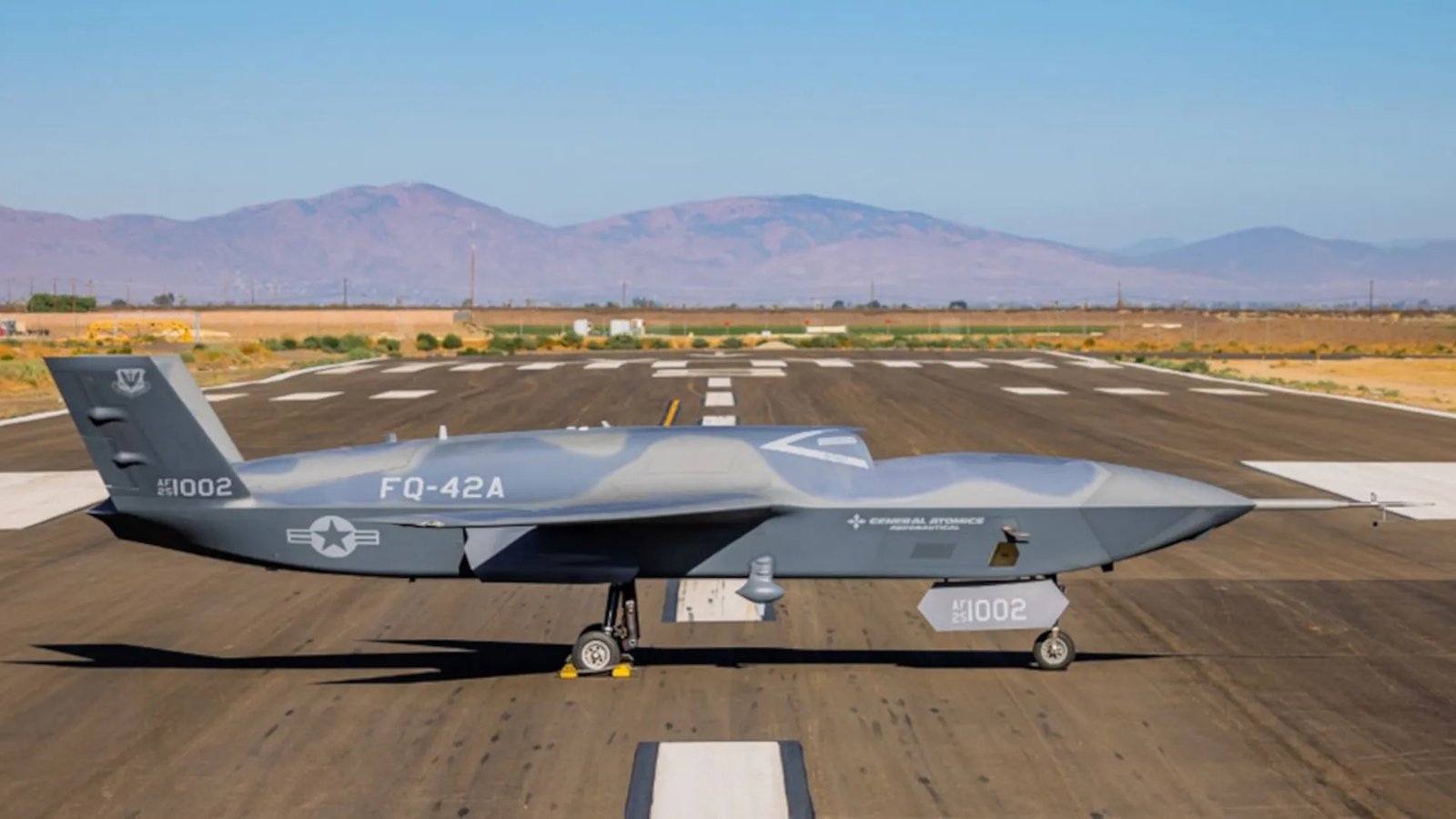 General Atomics Partners With Spirit Defense to Expand FQ-42 Vengeance Production
-
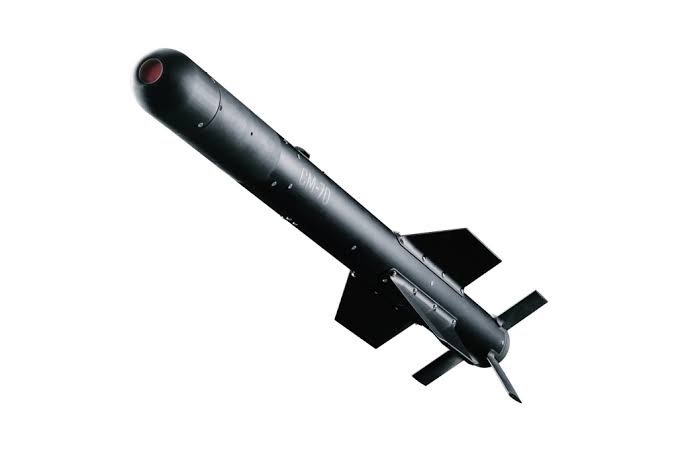 CSG and North Vector Dynamics Sign MoU to Explore European Production of CM-70 Counter-Drone Interceptor
-
 Unitree Unveils H2-X ‘Kung Fu Legend: Guardian’ Humanoid Robot for Security and Rescue
-
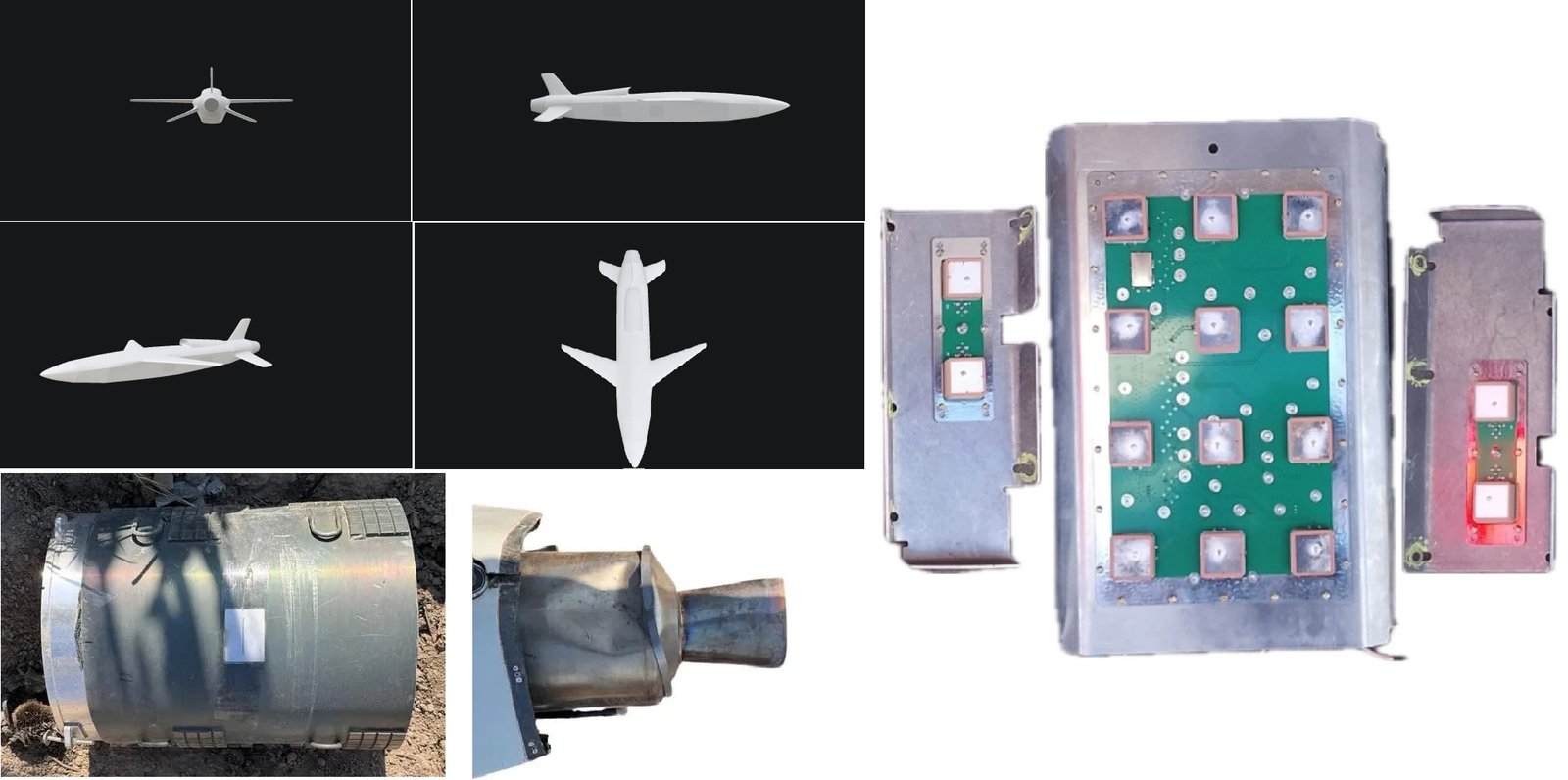 Ukraine Reveals Technical Details of Russia’s New Filin Cruise Missile
-
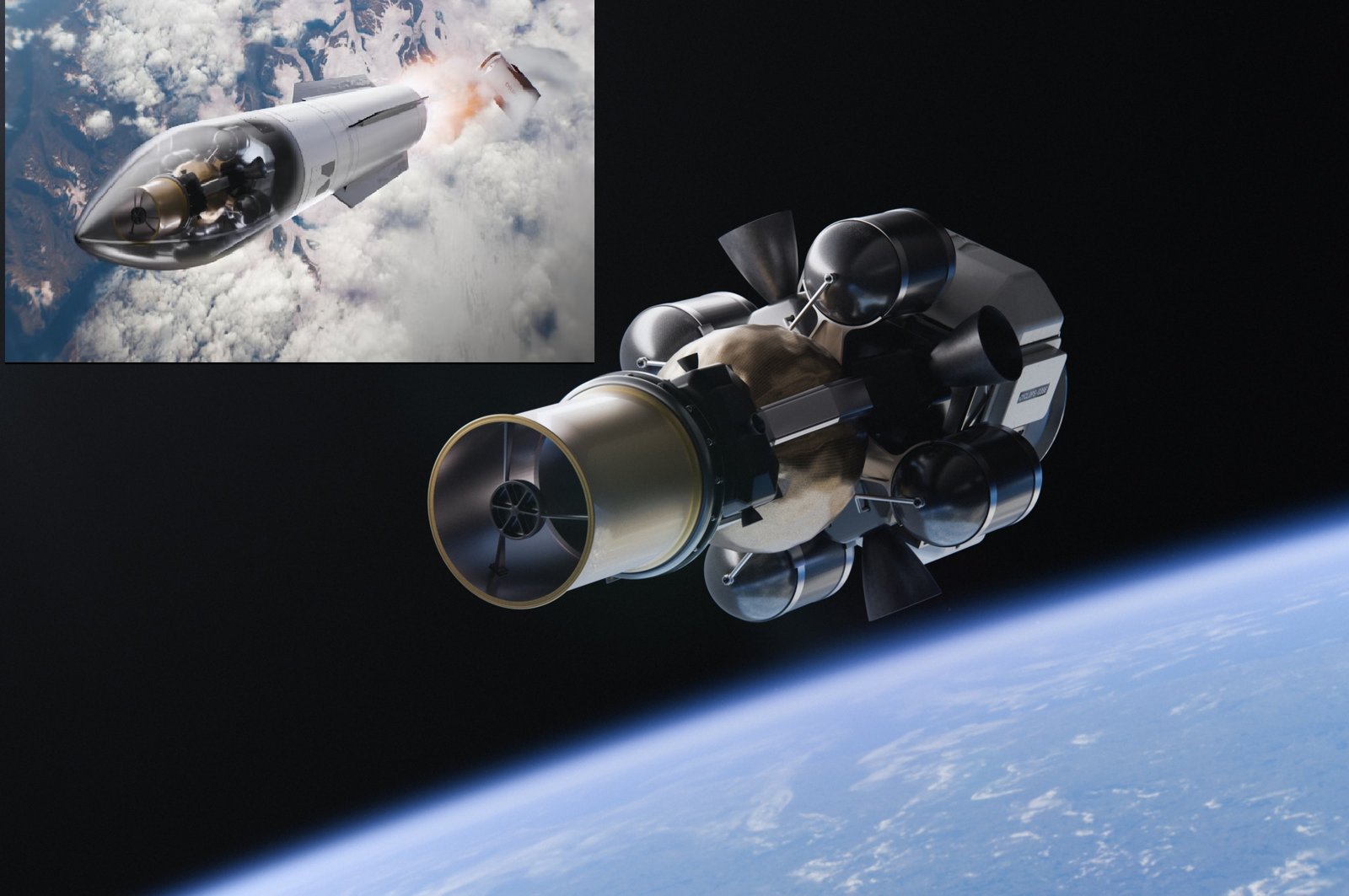 Long Wall Receives $75 Million MDA Award to Complete Cyclops Interceptor Flight Testing