Europe
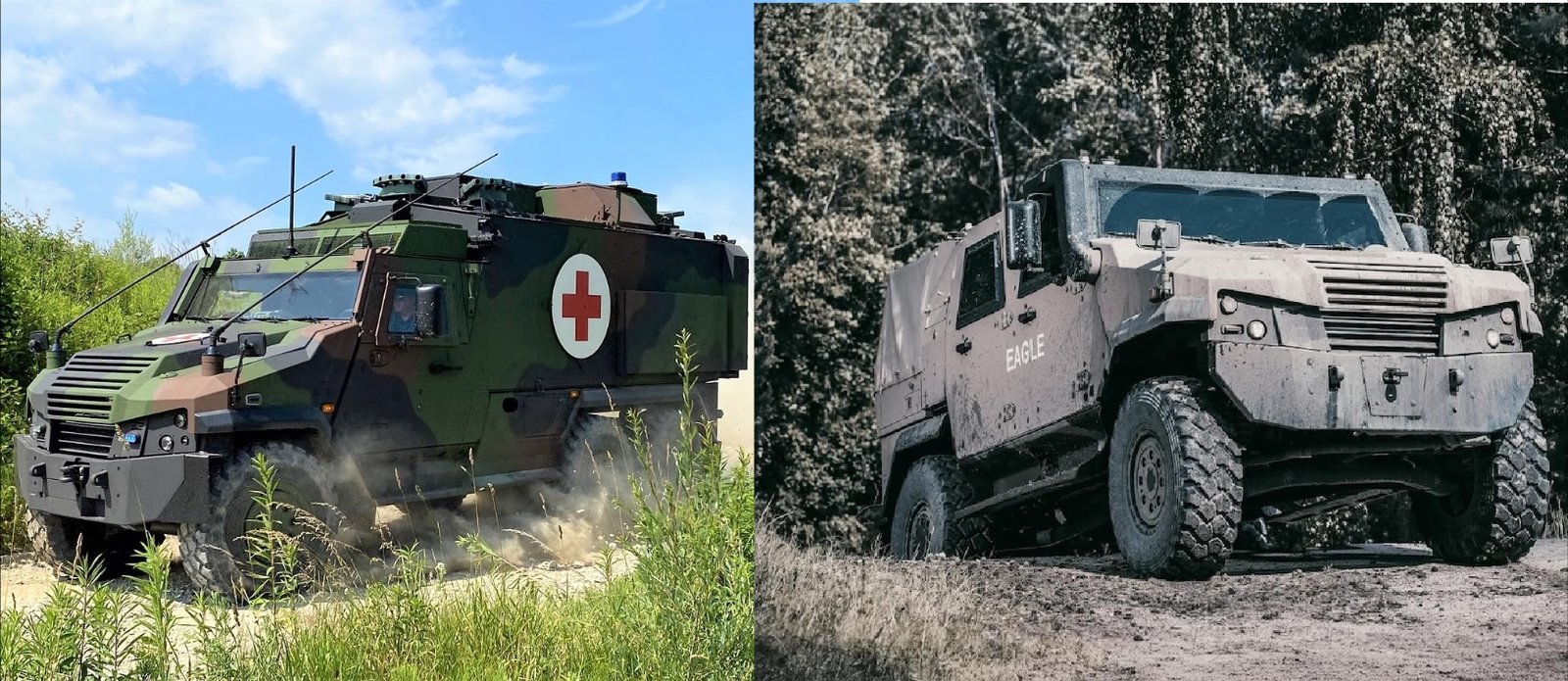
INDIANAPOLIS / BERLIN — Allison Transmission Holdings, Inc. has secured a major supply agreement to provide fully automatic transmissions for approximately 3,000 EAGLE V armored vehicles ordered by Germany's Armed Forces (Bundeswehr). The vehicles will be manufactured by General Dynamics European Land Systems (GDELS), with deliveries scheduled to begin in 2027. The transmission contract supports one of Germany's largest protected vehicle procurement programs in recent years. The agreement between the Bundeswehr and GDELS also includes an option for up to 2,000 additional vehicles, bringing the total framework to 5,000 EAGLE V vehicles. According to GDELS, the framework agreements are valued at approximately 4 billion euros, with nearly 3,000 vehicles ordered immediately. Two EAGLE V Variants Included The initial procurement covers two specialized variants of the EAGLE V platform: EAGLE V 4×4 command-and-control vehicles EAGLE V 6×6 medium protected ambulance vehicles Deliveries of both variants are expected to begin in 2027. Allison 2500 SP Selected for Entire Fleet Under the agreement, Allison's 2500 Specialty Series (SP) fully automatic transmission will remain the exclusive transmission option for all EAGLE vehicle variants. The SP Series is designed for demanding defense applications, providing power transfer to the wheels and vehicle control in difficult terrain. The transmission is widely used in defense, national security, and emergency-service vehicles. Transmission units will be delivered to GDELS production lines through Sterki AG, Allison Transmission's authorized dealer and distributor in Switzerland. GDELS Expands Manufacturing in Germany To support production of the expanded EAGLE V fleet, GDELS is establishing and expanding manufacturing capacity across Germany. Series production will involve facilities located in: Rhineland-Palatinate Baden-Württemberg Bavaria Mecklenburg-Western Pomerania The expanded production network is intended to support deliveries beginning in 2027. Long-Standing Partnership Between Allison and GDELS The latest order extends a partnership between Allison Transmission and GDELS that has supported the EAGLE vehicle family for more than two decades. Since production of the EAGLE IV began in 2005, every EAGLE model has been equipped with Allison's 2500 SP transmission as standard equipment. Bundeswehr Expanding EAGLE Fleet The German Armed Forces already have significant experience operating the EAGLE platform. According to Allison Transmission: About 670 EAGLE IV and EAGLE V vehicles have been procured by the Bundeswehr since 2008. Germany also ordered 80 EAGLE V 6×6 protected ambulance vehicles, with deliveries for that contract beginning in May 2025. The latest procurement will substantially increase the number of EAGLE vehicles in Bundeswehr service. Vehicle Roles The two EAGLE V variants are designed for different operational missions. EAGLE V 4×4 Command-and-Control Vehicle The EAGLE V 4×4 serves as a mobile command center, supporting tactical coordination through integrated communication and command systems. EAGLE V 6×6 Protected Ambulance The EAGLE V 6×6 is configured as a protected ambulance, capable of transporting rescue teams and operating as a mobile medical unit when staffed with emergency physicians. GDELS describes the EAGLE V as one of the advanced protected multi-purpose vehicles in its class. Framework Agreements Announced in 2025 In December 2025, GDELS announced that Germany's Federal Office of Bundeswehr Equipment, Information Technology and In-Service Support (BAAINBw) had awarded the company two framework agreements covering: EAGLE V 4×4 command-and-control vehicles EAGLE V 6×6 medium protected ambulance vehicles The framework agreements cover up to 5,000 vehicles, with nearly 3,000 ordered immediately at a value of about 4 billion euros. Allison Highlights Operational Reliability Commenting on the agreement, Taner Gider, Executive Director of EMEA Sales at Allison Transmission, said: "Allison is honored that GDELS entrusts the reliability and performance of our transmissions. This performance is backed by Allison's global support network that delivers the specialized expertise and response capabilities necessary to maintain operational readiness when every second counts." Gider added that Allison's decades of experience in defense applications, supported by its manufacturing and engineering capabilities, have made the company a preferred choice in the industry. The new supply agreement further strengthens Allison Transmission's role in the EAGLE vehicle program as GDELS prepares to begin deliveries of the expanded EAGLE V fleet to the Bundeswehr in 2027. The procurement is part of Germany's framework agreement for up to 5,000 EAGLE V vehicles, aimed at expanding the Bundeswehr's fleet of protected command-and-control and medical support vehicles.
Read More → Posted on 2026-07-26 15:05:54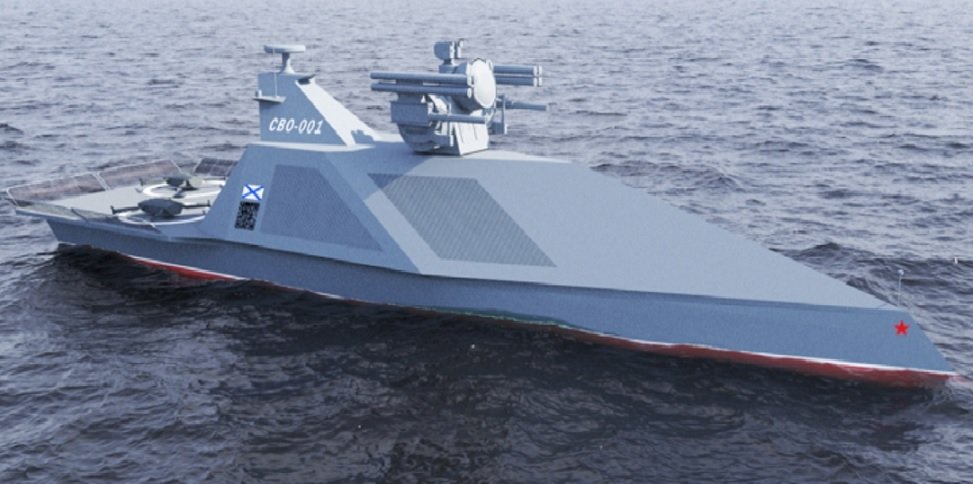
World
MOSCOW, July 26 — Russia is expanding its naval unmanned capabilities while advancing plans for larger surface combatants and continuing the modernization of its strategic naval forces, according to Russian Navy Commander-in-Chief Admiral Alexander Moiseyev. Speaking on the Zvezda television channel during Russia's Navy Day, observed on the last Sunday of July, Moiseyev outlined several ongoing naval programs, including the creation of dedicated unmanned units, development of new warships, and continued upgrades to the country's strategic submarine fleet. First Dedicated Unmanned Regiment Established Moiseyev said the Russian Navy officially established its first regiment dedicated entirely to unmanned systems on July 1 as part of the Northern Fleet. The regiment consists of two divisions of unmanned surface vessels (USVs) and one division of unmanned underwater vehicles (UUVs). He added that Russia plans to expand this capability with a second unmanned systems regiment scheduled to join the Pacific Fleet in 2027. The Navy is also developing larger unmanned naval platforms. According to Moiseyev, construction has already begun on a 500-ton unmanned surface vessel. The platform is intended primarily for anti-submarine warfare as well as underwater search, surveillance, and other complex underwater missions. Plans for a Larger Ocean-Going Warship Alongside unmanned systems, Moiseyev announced plans for a new ocean-going warship with a displacement of about 9,500 tons. The planned vessel would be significantly larger than Russia's current Project 22350 frigates, which have a full-load displacement of around 5,400 tons, reflecting the Navy's continued focus on expanding its blue-water operational capabilities. Admiral Nakhimov Nears Return to Service Moiseyev also said the modernized guided-missile cruiser Admiral Nakhimov is completing its final sea trials and is expected to return to active service before the end of this year. The Admiral Nakhimov, a Kirov-class nuclear-powered cruiser, has undergone extensive modernization and has completed multiple phases of sea trials in recent months. Strategic Naval Deterrence Addressing Russia's strategic naval forces, Moiseyev confirmed that a carrier vessel designed for the Poseidon nuclear-powered unmanned underwater vehicle is already in active service. He also said the Navy's Borei-class strategic nuclear submarines, armed with Bulava submarine-launched ballistic missiles, are expected to remain in service for another 30 to 40 years. These submarines are replacing older-generation strategic missile submarines as part of the fleet's long-term modernization program. Navy Day Observations Moiseyev's remarks were made as Russia marked its annual Navy Day. In recent years, authorities have scaled back large public celebrations, including the traditional main naval parade in St. Petersburg. The information is based on statements made by Admiral Alexander Moiseyev during an interview broadcast on the Zvezda television channel and reported by Xinhua.
Read More → Posted on 2026-07-26 14:20:17
U.S
WASHINGTON — Previously unreleased documentary footage has revealed that late U.S. Sen. Lindsey Graham abandoned plans to urge President Donald Trump to support Israeli military strikes against Hezbollah in Lebanon after Israeli Prime Minister Benjamin Netanyahu advised against expanding the conflict. The footage, filmed by documentary director Alex Holder and reviewed by The Wall Street Journal following Graham's death earlier this month, provides a behind-the-scenes look at the South Carolina Republican's foreign policy efforts and his close communications with Trump, Netanyahu and other world leaders. The documentary has not yet been released publicly. Graham Planned to Lobby Trump According to the documentary footage, Graham was preparing to travel to Florida in early March to persuade President Trump to support a joint U.S.-Israeli military operation targeting Hezbollah in Lebanon. Before making the trip, Graham held a telephone conversation with Netanyahu on March 4 to discuss the proposal and the broader regional security situation. Netanyahu Advised Against Expanding the Conflict During the call, Netanyahu urged Graham not to push for military action against Hezbollah while Israel was focused on Iran. "We're concentrating right now on Iran," Netanyahu said during the conversation. The Israeli prime minister explained that while threatening Hezbollah with a large-scale attack could help deter the group, carrying out such an operation could remove any remaining restraint. "If we tell Hezbollah that we're going all the way, we threaten them, but if we actually do it, then they have no reason not to go all the way against us. And right now that's not our interest," Netanyahu said. According to the footage, Netanyahu cautioned that bringing the United States into military action against Hezbollah while the broader conflict involving Iran was underway would go "too far, too fast." Graham Dropped the Proposal Graham accepted Netanyahu's assessment during the call. Speaking from his Senate office, he replied that the prime minister's advice was "good counsel" and subsequently abandoned his plan to lobby Trump to support military strikes against Hezbollah. The documentary indicates that the planned meeting with Trump to advocate for the proposal did not move forward. Documentary Highlights Graham's Foreign Policy Efforts Beyond the Hezbollah discussion, the documentary captures several of Graham's international engagements during his final years. The footage shows him traveling to Saudi Arabia to meet Crown Prince Mohammed bin Salman, where he sought Saudi support for military action against Iran. It also documents meetings with Ukrainian President Volodymyr Zelenskyy and Ukrainian military commanders, along with strategy discussions with former U.S. National Security Advisor Jake Sullivan. Views on U.S. Middle East Policy The documentary also shows Graham expressing frustration with Trump's preliminary agreement involving Iran despite their close political relationship. In the footage, Graham says Secretary of State Marco Rubio should lead U.S. diplomatic efforts related to Middle East negotiations. Unreleased Footage Reviewed After Graham's Death The documentary remains unreleased, but excerpts reviewed by The Wall Street Journal provide new details about Graham's private efforts to influence U.S. foreign and defense policy and his close coordination with Israeli leadership during the conflict involving Iran. Graham, a longtime Republican senator from South Carolina known for his focus on foreign policy and strong support for Israel, died on July 12 at the age of 71 following a brief illness. Preliminary findings from the District of Columbia medical examiner listed the cause of death as an aortic dissection related to arteriosclerotic cardiovascular disease. According to the report, Netanyahu adjusted his travel schedule to attend Graham's funeral service later this month and is also scheduled to meet President Trump at the White House around the same time. Source : WSJ
Read More → Posted on 2026-07-26 13:53:27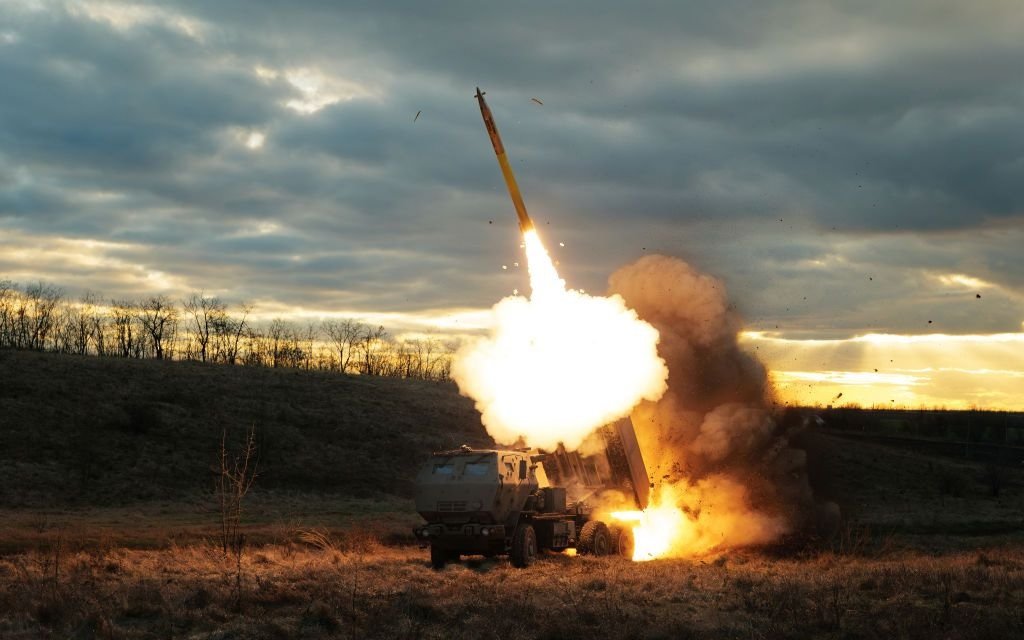
U.S
WASHINGTON — U.S. military commanders are selectively intercepting Iranian missiles and explosive-laden drones in an effort to preserve the Pentagon's shrinking stockpile of interceptor missiles, according to an NBC News report citing two senior U.S. officials. The officials said commanders are prioritizing the interception of projectiles assessed to pose a direct threat to U.S. troops, critical military facilities, or regional allies. Missiles and drones that radar analysis determines are heading toward areas without personnel or other non-essential locations may be allowed to reach their targets rather than being intercepted. Shift in Air Defense Strategy According to NBC News, the current approach marks a change from earlier stages of the conflict, when air defense operators generally attempted to intercept a broader range of incoming threats approaching U.S. military bases. Under the revised strategy, every incoming missile or drone is evaluated individually. Air defense operators analyze its trajectory, projected impact point, and the immediate risk to personnel before deciding whether to launch an interceptor. The officials said operators are trained not to expend interceptor missiles on threats that are expected to miss critical targets. They also told NBC News they were not aware of any incidents in which a projectile intentionally allowed through had resulted in casualties among U.S. military personnel or civilians. High Attack Volume Straining Interceptor Stocks The reported change comes as U.S. air defense systems continue to face sustained pressure from a large number of Iranian missile and drone launches. According to the report, Iran has fired nearly 9,000 projectiles since the conflict began. The continued pace of attacks has significantly reduced U.S. inventories of advanced interceptor systems, including Patriot, THAAD (Terminal High Altitude Area Defense), and SM-series interceptors. Recent estimates cited in the report indicate: Approximately 60% of the U.S. Patriot missile stockpile has been used. Roughly 80% of available THAAD interceptors have been expended. Significant portions of SM-3 and SM-6 interceptor inventories have also been used to counter missile and drone attacks. Officials noted that replacing these interceptor missiles will take years because of production timelines and limited manufacturing capacity, even as manufacturing has been expanded. Ongoing Iranian Attacks According to NBC News, Iran has continued launching ballistic missiles and drones against U.S. military outposts and civilian infrastructure across Gulf nations in recent weeks, including Kuwait, Bahrain, and Jordan. The continued attacks have required U.S. commanders to carefully manage available interceptor inventories while maintaining protection for deployed forces and key facilities. Strategic Impact The reported shortage of interceptor missiles is also influencing military planning at the highest levels of the U.S. government. According to the report, the Trump administration temporarily shelved plans for a broader military escalation against Iran after senior military advisers, including the chairman of the Joint Chiefs of Staff, warned that further offensive operations could significantly reduce U.S. Central Command's remaining air defense inventory. Officials said preserving interceptor missiles for threats most likely to cause casualties or major operational damage has become a key priority as the conflict continues. Pentagon Response The Pentagon has not issued a formal public response to the NBC News report. U.S. officials have continued to emphasize that protecting American personnel remains the highest priority in defensive operations against Iranian missile and drone attacks. The reported interception strategy reflects an effort to balance that objective with the need to conserve limited interceptor stocks amid a sustained campaign of incoming threats. Source : NBC
Read More → Posted on 2026-07-26 13:33:09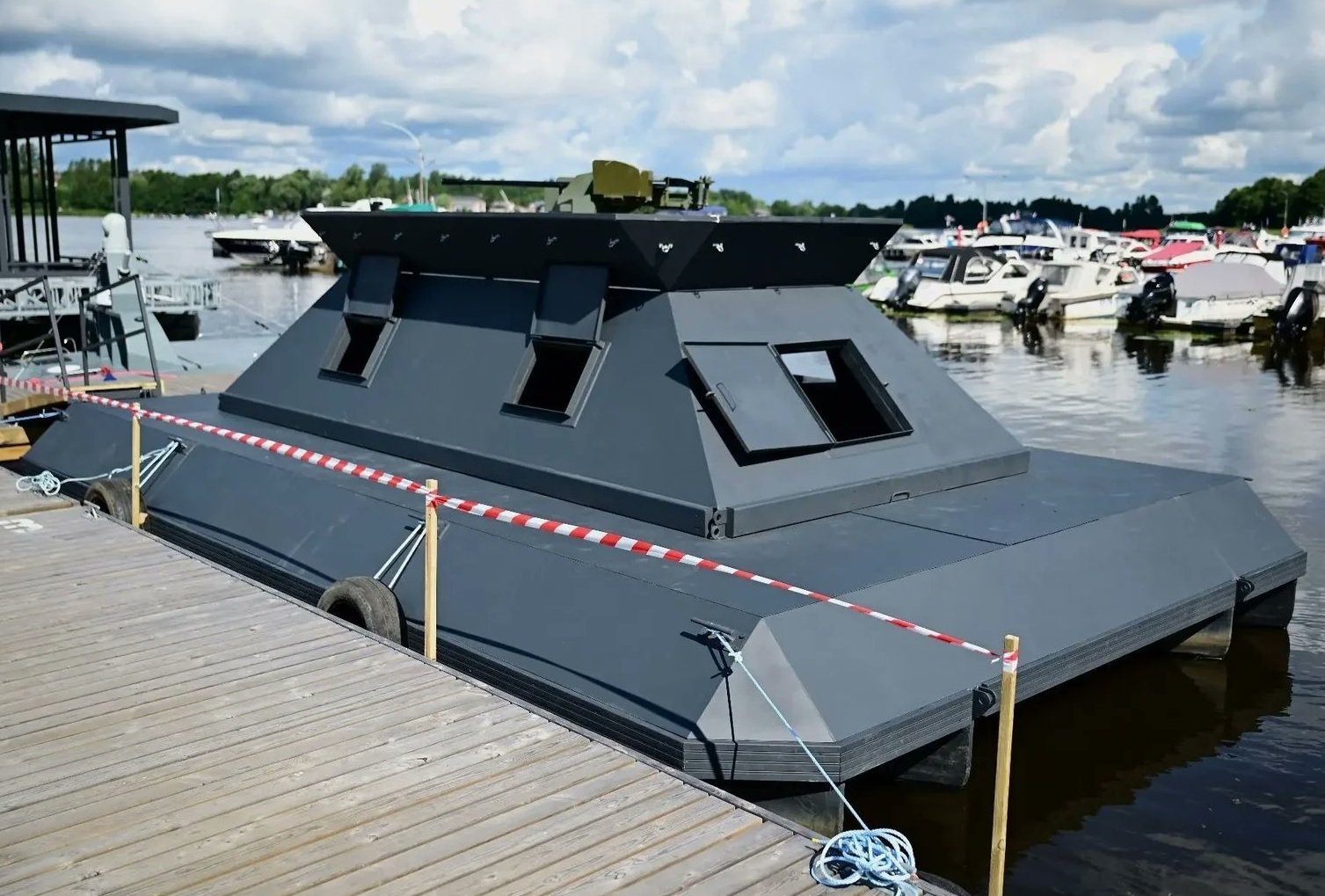
World
VYBORG, Russia — Russia has unveiled an experimental floating fire support platform known as the Plot-40 (Плот-40), a new system designed to help protect naval bases, ports, energy facilities and other coastal infrastructure from uncrewed surface vessels (USVs) and unmanned aerial vehicles (UAVs). The prototype was presented during a working visit to Vyborg by Alexander Drozdenko, governor of Russia's Leningrad region, who also released photographs and videos of the platform. According to regional officials, the project was launched after an analysis of recent attacks on naval facilities identified vulnerabilities in traditional defence systems against modern uncrewed threats. Designed as a stationary or semi-stationary platform, the Plot-40 is intended to remain at sea for extended periods while serving as a surveillance and fire support post for the protection of critical maritime infrastructure. Prototype Designed for Long-Endurance Coastal Protection The Plot-40 is equipped with a roof-mounted remotely operated machine-gun module. However, several technical and operational details have not been disclosed. Officials have not confirmed whether the weapon system requires an onboard operator or whether the platform is intended to use artificial intelligence for automatic target classification and engagement. The platform's displacement has also not been made public. According to Drozdenko, one of the platform's key advantages is its ability to remain deployed at sea for long periods while continuously monitoring surrounding waters. He also stated that production of the Plot-40 will be fully localized within the Leningrad region and that no comparable platform is currently in service elsewhere in Russia. The showcased system is a working prototype. Following its assembly, the project received preliminary approval from a specialized research institute of the Russian Navy, allowing it to proceed with its initial on-water demonstrations. Developed by Marinplast The Plot-40 was presented by the Vyborg-based company Marinplast (ООО "Маринпласт"), which specializes in floating piers, pontoons and related marine structures. Company head Sergey Nemtsov briefed Governor Drozdenko on the project during the presentation. Regional authorities said production of the platform has been localized within the Leningrad region and confirmed that support for similar projects developed by local enterprises will continue. Broader Focus on Uncrewed Naval Systems The Vyborg presentation also included prototype uncrewed surface vessels currently undergoing trials for strike and reconnaissance missions, reflecting Russia's broader efforts to expand the use of unmanned systems in naval operations. Among the projects highlighted was the Briz (Breeze) uncrewed surface logistics vessel, developed jointly by the Russian companies Sea Project (Si Proekt) and Bezekipazhnaya Logistika (Unmanned Logistics). The Briz resembles a rigid-hulled inflatable boat (RHIB) fitted with additional equipment superstructures and is being promoted by its developers for civilian applications. The vessel includes an internal cargo compartment in the bow with automated doors and is powered by a Yaroslavl diesel engine. It is equipped with remote and autonomous navigation systems, an Automatic Identification System (AIS), and collision avoidance technology. During recent testing, the Briz completed a voyage from the Northern Dvina River to the Solovetsky Islands in the White Sea while carrying a 150 kg payload. According to the developers, the vessel completed the one-way journey in 21 hours and operated autonomously for more than 90 percent of the round trip. At maximum capacity, the Briz is designed to transport up to 500 kg of cargo over long distances. The developers have described the Briz as a platform for delivering parcels and humanitarian aid to remote settlements in Russia's Arkhangelsk region. Response to Evolving Maritime Threats The introduction of the Plot-40 and continued testing of the Briz reflect Russia's ongoing efforts to strengthen the use of unmanned and automated systems for maritime operations. According to regional officials, the Plot-40 project was initiated after recent attacks demonstrated that conventional coastal defence systems require additional capabilities to counter emerging threats from uncrewed surface vessels and aerial drones. The experimental platform is intended to provide persistent surveillance and defensive fire support around naval facilities and other critical coastal infrastructure while remaining deployed at sea for extended periods.
Read More → Posted on 2026-07-26 13:16:31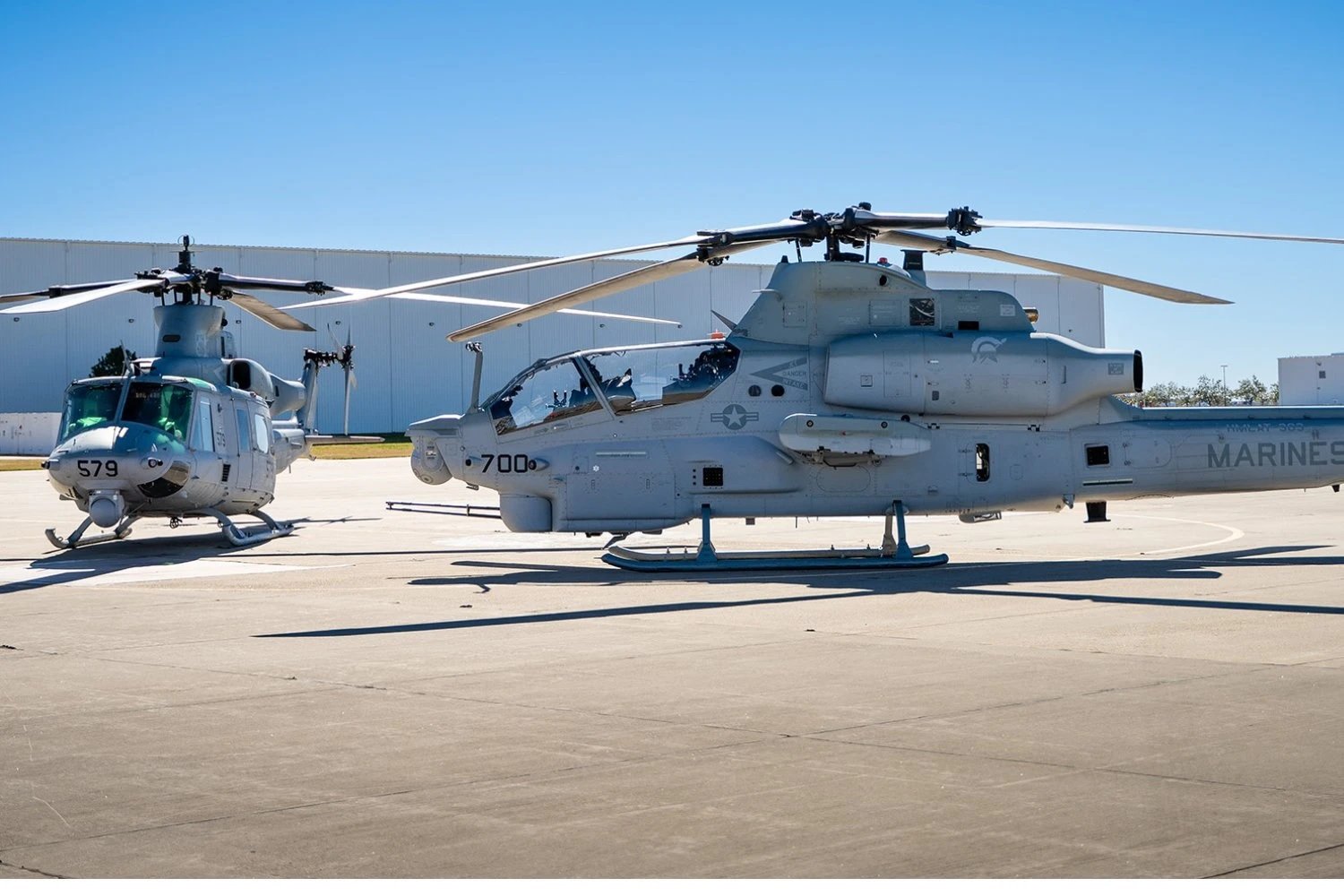
U.S
WASHINGTON — The U.S. Department of War has awarded Bell Textron a $33.64 million contract to continue modernization of the U.S. Marine Corps' AH-1Z Viper and UH-1Y Venom helicopter fleet under the Structural and Power Improvements for Next-Generation Effects (SPINE) program. Awarded on July 24, 2026 through Naval Air Systems Command (NAVAIR), the contract supports upgrades that increase the helicopters' structural strength, electrical power generation and digital architecture. These improvements are intended to provide the foundation for integrating future mission systems, advanced sensors, secure communications and networked combat capabilities. Contract Covers Aircraft Kits and Critical Components The contract, valued at $33,642,332, includes: Nine aircraft installation A-kits Two D-kits designated as mission kits Associated hardware, labor, materials and spares 12 rotorcraft station control units 12 alternating-current generators 12 generator control units 12 tube assemblies Seven combining gearboxes The contract combines fixed-price incentive, firm-fixed-price and cost-plus-fixed-fee elements and is scheduled for completion by July 2028. SPINE Program Builds Foundation for Future Upgrades The SPINE program, previously known as the Structural Improvement and Electrical Power Upgrade (SIEPU), is designed to improve the H-1 fleet's structural integrity, electrical capacity and onboard digital systems. Rather than introducing new weapons under this contract, the program provides the infrastructure needed to support future integration of advanced sensors, processors, encrypted radios, electronic warfare equipment, weapon interfaces and mission systems. Bell completed the first fully modified AH-1Z Viper and UH-1Y Venom helicopters in March 2026 at its Amarillo Assembly Center following a 19-month modification effort. The aircraft were subsequently transferred to Naval Air Station Patuxent River for final configuration work and flight testing. Improved Electrical and Digital Architecture The modernization package increases available electrical power for onboard systems while enabling advanced digital capabilities, including: Link 16 connectivity Advanced data buses Improved mission computers Enhanced defensive systems The Marine Corps has already demonstrated two-way Link 16 and Advanced Networking Wideband Waveform connectivity between the AH-1Z, UH-1Y and a portable ground station. These upgrades are intended to support future networking with other military platforms while handling increased data and power demands from modern mission equipment. AH-1Z Viper Remains the Primary Focus The AH-1Z Viper is the main platform being modernized under the SPINE program. The attack helicopter currently features: Third-generation Target Sight System Helmet-mounted cueing system Six wing stations Three-barrel 20 mm cannon Precision-guided rockets Air-to-ground missiles Air-to-air capability The UH-1Y Venom will receive the same electrical and digital improvements to enhance its performance in armed utility, escort, command-and-control and sensor relay missions. The Marine Corps currently operates 186 AH-1Z Viper helicopters and 131 UH-1Y Venom helicopters. The two aircraft share approximately 85 percent component commonality, reducing maintenance requirements, spare parts and logistics support for mixed H-1 detachments. Supporting Future Weapons Integration A major objective of SPINE is to prepare the H-1 fleet for future weapons and mission systems by providing sufficient electrical power and digital capacity. One capability associated with the broader H-1 modernization roadmap is the Precision Attack Strike Munition (PASM), identified as the L3Harris Red Wolf launched effect. According to L3Harris, Red Wolf has completed dozens of flight tests, including a low-altitude launch from an AH-1Z helicopter. The company states the system has demonstrated ranges of up to 200 nautical miles while supporting beyond-line-of-sight communications and autonomous over-the-horizon engagement functions. Operational range depends on factors including launch altitude, payload, flight profile, target geometry and communications availability. The July 24 contract does not procure Red Wolf or any other new weapon systems. Instead, it upgrades the aircraft so future systems can be integrated. The AH-1Z will continue operating with existing weapons, including: 20 mm cannon Advanced Precision Kill Weapon System (APKWS) rockets AGM-179 Joint Air-to-Ground Missile (JAGM) The Marine Corps has previously demonstrated JAGM employment against a moving vessel in the Philippine Sea. Planned AIM-9X integration and future counter-unmanned aircraft system capabilities remain part of the helicopter's longer-term modernization roadmap. Supporting Distributed Operations The SPINE program aligns with the Marine Corps' distributed operations concept, particularly in the Indo-Pacific region. Marine aviation units increasingly operate from: Amphibious assault ships Expeditionary sea bases Forward arming and refueling points Temporary island locations Operations from the expeditionary sea base USS Miguel Keith have demonstrated the ability of mixed AH-1Z and UH-1Y detachments to operate beyond traditional amphibious formations. The upgraded aircraft are expected to receive targeting information from platforms including F-35B aircraft, MQ-9A drones, surface ships and ground units while operating at low altitude or behind terrain, expanding their role in networked operations. Modernization Focused on Future Growth Although the SPINE program improves the H-1 fleet's electrical capacity, connectivity and digital architecture, it does not eliminate the operational challenges of rotary-wing missions in contested environments. Aircraft deployed from dispersed locations will continue to require fuel, maintenance, munitions, secure communications and force protection while remaining vulnerable to air defenses, electronic warfare, fighters and long-range fires. The program's primary objective is to ensure the Marine Corps' existing H-1 fleet has the structural, electrical and digital capacity needed to integrate future technologies and mission systems as they become available.
Read More → Posted on 2026-07-26 13:01:24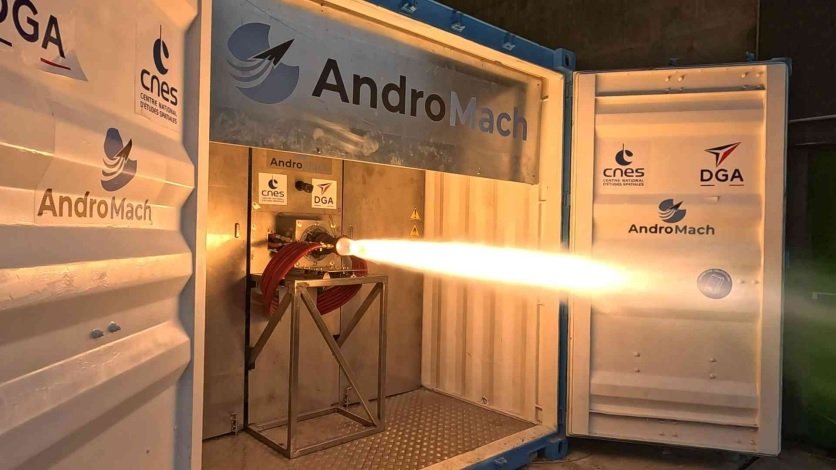
Europe
GIRONDE, France — French aerospace startup AndroMach has successfully completed the qualification test campaign for its reusable cryogenic rocket engine, Banger, after conducting 21 consecutive hot-fire ignitions without a single failure. The milestone validates the engine's repeated ignition capability and reusability, paving the way for flight testing of the company's Envol suborbital hypersonic drone. The successful qualification campaign was confirmed by France's Direction Générale de l'Armement (DGA) on 22 July 2026. Engine Qualification Campaign The qualification tests were carried out in December 2025 at the DGA Essais de Missiles (DGAEM) test center in Saint-Médard-en-Jalles, Gironde, in southwestern France. The campaign received technical support from the Centre National d'Études Spatiales (CNES), France's national space agency. During the campaign, the Banger engine accumulated approximately seven minutes of total burn time across 21 successful ignitions, demonstrating reliable restart capability and hardware reusability after repeated firings. According to the DGA, the main objective of the tests was to study the engine's behavior during startup under demanding thermal and mechanical conditions while identifying the most suitable operating parameters. Engineers, technical experts, and technicians from DGAEM provided test engineering, operational support, and safety management throughout the campaign. Banger Rocket Engine Developed entirely in-house by AndroMach, the Banger engine is a reusable cryogenic rocket engine that uses liquid oxygen (LOX) and propane as propellants. The engine is designed to be fully reusable and re-ignitable, allowing multiple ignition cycles without replacing major hardware. The company also states that several engine components are manufactured using metal 3D-printing technology. Envol Hypersonic Drone The Banger engine will power Envol, a four-meter-long unmanned suborbital hypersonic drone designed for scientific, industrial, and defense missions. Envol features a dual-propulsion configuration. It takes off from a conventional runway using two jet engines before igniting the Banger rocket engine during flight. According to AndroMach, the vehicle is designed to reach speeds of Mach 5 and an altitude of approximately 200 kilometers before gliding back to a runway landing. As a suborbital vehicle, Envol is intended to complete missions without entering orbit, with a planned turnaround time of less than six hours between flights. The drone is designed to carry payloads of up to approximately 30 kilograms. Planned Applications According to the DGA, Envol is being developed for a range of civilian and defense-related missions. Its planned applications include: Conducting microgravity and atmospheric research during suborbital flights. Performing in-flight qualification of aerospace technologies, materials, and hardware in hypersonic and near-space conditions. Serving as a high-speed target vehicle with complex flight profiles for evaluating civilian and military detection, tracking, and interception systems. Company Background AndroMach was founded in September 2023 by engineers from the Institut Polytechnique des Sciences Avancées (IPSA). The company focuses on reusable propulsion systems and hypersonic flight technologies as part of France's growing New Space sector. Development Roadmap With the qualification of the Banger engine completed, AndroMach will move to the next stage of the Envol program. According to the company's development roadmap: Envol XP1, the commercial prototype, is scheduled for its first flights during 2026–2027. Envol XP2, the industrial version, is planned for 2027–2028. First commercial operations are targeted for 2028. The company is also preparing a crowdfunding campaign through the Souvtech Invest platform to support the next phase of development. DGA Support The DGA described the successful engine qualification campaign as an important milestone for the Envol program. It also highlighted the contribution of its ALIENOR innovation cluster, which supports New Space companies and technology development in France's Nouvelle-Aquitaine region. Source : techtimes
Read More → Posted on 2026-07-26 12:46:23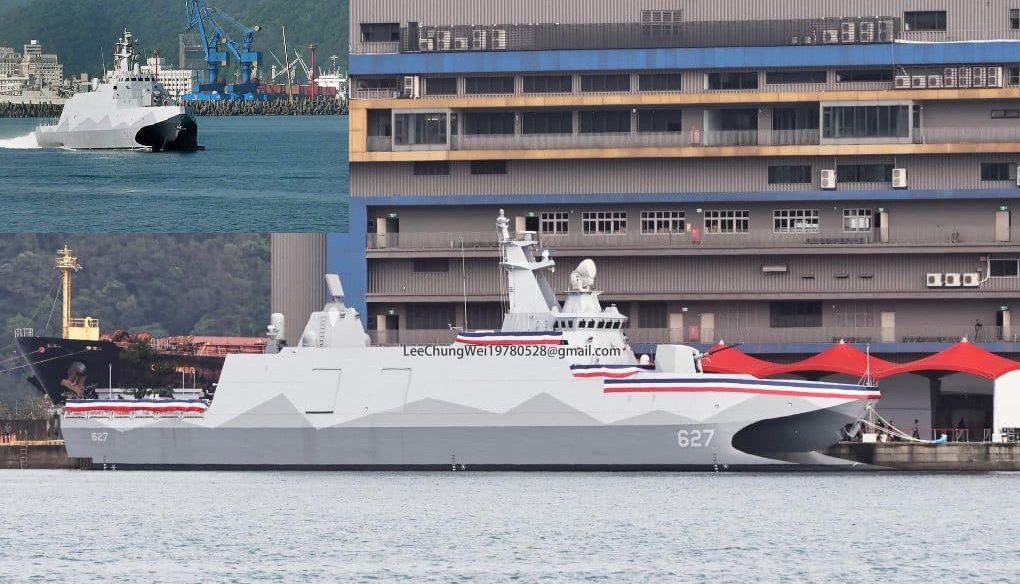
World
KAOHSIUNG, Taiwan — The Republic of China (ROC) Navy officially commissioned ROCS Tan Chiang (PGG-627), the first Batch 2 Tuo Chiang-class catamaran corvette, during a ceremony held on July 24 at Tsoying Naval Base in Kaohsiung. The commissioning marks another step in Taiwan's naval modernization and domestic warship construction program. Taiwanese President Lai Ching-te presided over the ceremony at the island's largest naval facility. Senior officials attending included Minister of National Defense Wellington Koo, National Security Council Secretary-General Joseph Wu, and Navy Commander Admiral Chiang Cheng-Kuo. Sister ships Tuo Chiang and Ta Chiang also participated in the event. Tan Chiang is the eighth vessel in the Tuo Chiang-class and the first ship of the second production batch (Batch 2/Flight II). The ROC Navy plans to commission a total of 12 Tuo Chiang-class corvettes by the end of 2026. In his remarks, President Lai thanked Navy personnel, research and development teams, Lungteh Shipbuilding, and companies across Taiwan's defense supply chain for overcoming technical challenges to bring the new warship into service. He said that building warships domestically supports Taiwan's defense autonomy, allows maintenance without foreign assistance, and strengthens military resilience. Fire-Control Radar Changed for Batch 2 The most significant change introduced with the Batch 2 vessels is the replacement of the fire-control radar. The first production batch of Tuo Chiang-class corvettes is equipped with the Thales STIR 1.2 EO Mk2 fire-control radar. However, after the French government did not approve further export licenses for the Thales radar systems to Taiwan, the ROC Navy adopted the Leonardo NA-30S Mk2 fire-control radar for the second production batch. Beginning with ROCS Tan Chiang, all Batch 2 corvettes will use the Leonardo NA-30S Mk2, a dual-band X-band and Ka-band radar featuring a low-observable antenna design intended to improve tracking performance against sea-skimming missiles and low-flying targets. The follow-on ships are divided into two production groups. The first group—Ta Chiang (PGG-619), Fu Chiang (PGG-620), Hsu Chiang (PGG-621), Wu Chiang (PGG-623), An Chiang (PGG-625), and Wan Chiang (PGG-626)—uses the STIR 1.2 EO Mk2 radar, while the second group, beginning with Tan Chiang, is fitted with the Leonardo system. Taiwan has operated STIR-series radars since the 1980s. Designed for High-Speed Coastal Operations Built by Lungteh Shipbuilding, the Tuo Chiang-class is designed for coastal warfare using asymmetric tactics against larger naval forces. The corvette features a 65-meter wave-piercing catamaran hull with low radar observability, providing improved stability at sea while reducing its radar cross-section. Powered by MTU diesel engines driving waterjets, the vessel has a full-load displacement of approximately 685–732 tonnes and can reach speeds of 40 to 45 knots. Its engine exhaust is also pre-cooled to reduce the ship's infrared signature. Despite its relatively compact size, the vessel carries a substantial weapons package. It is armed with up to eight Hsiung Feng II subsonic anti-ship missiles, eight Hsiung Feng III supersonic anti-ship missiles, 16 TC-2N (Sea Sword II) medium-range surface-to-air missiles, an Otobreda 76mm main gun, and a Phalanx Close-In Weapon System (CIWS). According to the information provided, the ships can also fire Hsiung Feng III supersonic extended-range missiles against land and sea targets at ranges of up to 400 kilometers. Peacetime and Wartime Missions According to Taiwan's Ministry of National Defense, the Tuo Chiang-class corvettes perform a wide range of missions during both peacetime and wartime. During peacetime, the vessels conduct maritime patrols, escort transport ships to offshore islands, participate in readiness exercises, and operate alongside larger surface combatants to help secure sea lines of communication. They are also tasked with providing rapid defense of offshore islands and responding to operational contingencies. In wartime, the corvettes support sea-control operations as part of surface combat task groups and can independently command and control missile boats. Their missions include joint counter-blockade and strike operations, engaging hostile naval forces approaching Taiwan's coastline, extending operational reach, patrol and port-area defense, reconnaissance, offensive and defensive minelaying, support for special operations, infiltration missions, and transporting supplies to offshore islands. Remaining Batch 2 Ships Construction of the five Batch 2 vessels began in 2024, with deliveries scheduled between March and December 2026. Tan Chiang was delivered in March 2026 before entering service during the commissioning ceremony on July 24. The remaining vessels are expected to join the ROC Navy by the end of the year, completing the planned 12-ship Tuo Chiang-class fleet.
Read More → Posted on 2026-07-26 12:21:45
U.S
AUSTIN, Texas — Oracle has secured a 10-year enterprise software contract with the U.S. Department of War with a potential value of up to $6.99 billion. The agreement, awarded under the Department of War's Enterprise Software Initiative (ESI), is intended to centralize software procurement across multiple defense organizations through a single contracting framework. The contract includes a five-year base period valued at $3.31 billion and a five-year option period. If the option is exercised in full, the total contract value will reach $6.99 billion. The Naval Information Warfare Center Pacific awarded the single-award indefinite-delivery/indefinite-quantity (IDIQ) contract after it was negotiated by the Department of the Navy on behalf of the wider Department of War. According to department officials, it is the first direct-award contract with Oracle for department-wide use of Oracle's on-premises software. Centralizing Enterprise Software Procurement The agreement is designed to replace fragmented software purchasing across defense organizations with a centralized enterprise procurement model. It will support the Department of War, the U.S. Coast Guard, and the U.S. Intelligence Community, allowing participating organizations to acquire Oracle technologies and services through a common contract vehicle. Department officials said the new framework is expected to improve visibility into software usage and spending while reducing duplicate purchases across participating organizations. According to government projections, consolidating Oracle software licenses under the agreement is expected to save at least $441 million over the life of the contract. Contract Covers Multiple Oracle Technologies Under the agreement, participating organizations will be able to place individual task orders for: Oracle on-premises software Software support services Software-as-a-Service (SaaS) applications Cloud technologies Artificial intelligence capabilities Professional services Pricing, deliverables, and performance requirements will be established through individual task orders rather than being fixed across the entire contract. Department of War Highlights Enterprise Benefits Honorable Kirsten A. Davies, Chief Information Officer for the Department of War, said the agreement will strengthen the department's digital infrastructure while improving enterprise software management. "This nearly $7 billion agreement with Oracle strengthens our digital ecosystem, supporting our warfighters with secure, scalable technology to dominate current and future missions." Davies added that the centralized procurement approach will improve visibility into how Oracle software is purchased, funded, and used across participating defense organizations. Department of the Navy Focuses on Operational Readiness Barry Tanner, Performing the Duties of the Department of the Navy Chief Information Officer, said the agreement will support faster delivery of software across naval operations. "For the Department of the Navy, this agreement supports faster delivery of secure, scalable software from the shore enterprise to the tactical edge for our Navy and Marine Corps teams. Reducing fragmented procurement and advancing enterprise standardization will strengthen interoperability, reduce cybersecurity risk, and help us focus resources on resilient capabilities that can scale, integrate, and endure in contested conditions." Oracle Says Agreement Simplifies Technology Procurement Oracle said the Enterprise Software Initiative (ESI) provides a standardized procurement path for its commercial technologies, including cloud services, artificial intelligence, on-premises software, and professional services. Kim Lynch, Executive Vice President, Government, Defense & Intelligence, Oracle, said the initiative is intended to simplify technology acquisition for defense organizations. "For the Department of War, the challenge is not just finding the right technology, it's doing so quickly, compliantly, and at scale, without getting bogged down by complex procurement processes. ESI is designed to address those challenges by creating a more standardized and efficient path to Oracle cloud and AI technology tuned to support mission-critical scenarios." Transition to Begin in Summer 2026 Oracle has supplied technology to the department since the 1990s. Agencies are expected to begin transitioning to the Enterprise Software Initiative contract vehicle during the summer of 2026. To support the transition, Oracle said it will establish dedicated program operations and standardized intake processes to help route requests efficiently and maintain consistent support across participating defense organizations. Source : Oracle
Read More → Posted on 2026-07-25 15:45:16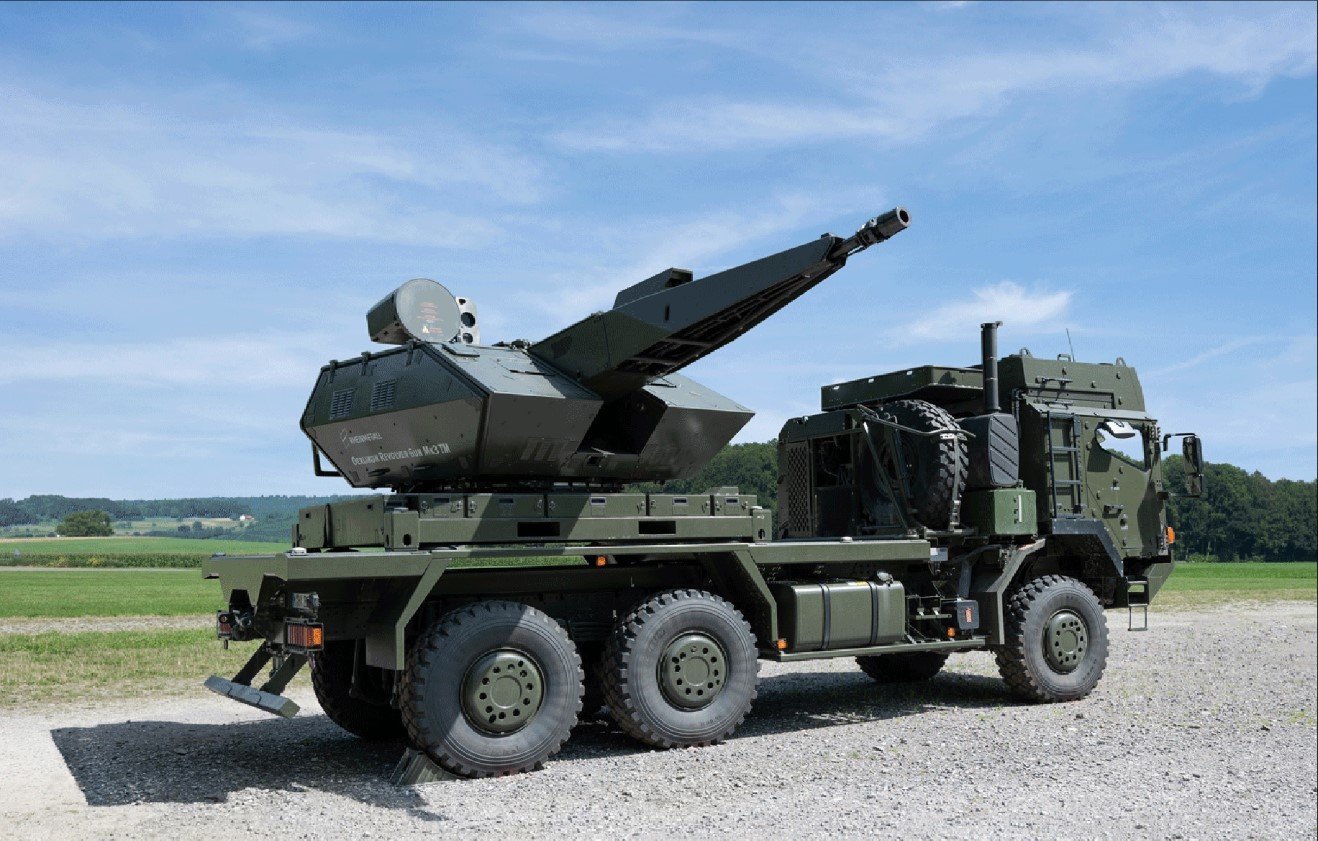
World
BEIJING — China has imposed export controls on 14 European Union entities, prohibiting the export of dual-use goods to the listed organizations with immediate effect. The measure, announced by China's Ministry of Commerce (MOFCOM) on Friday, comes in response to the European Union's latest sanctions package against Russia. According to MOFCOM, the decision was taken to safeguard China's national security and interests while fulfilling its international non-proliferation obligations. The ministry said the action was implemented under the Export Control Law of China and the Regulations on Export Control of Dual-Use Items. The move follows the European Union's 21st package of sanctions against Russia, which included restrictions on 14 companies from mainland China and Hong Kong over allegations that they supplied dual-use goods and technologies to Russia for use in the war in Ukraine. Export Restrictions Take Effect Immediately Under the new measures, Chinese exporters are prohibited from supplying dual-use items to the 14 listed European entities. Dual-use items include goods, technologies, software and materials that can be used for both civilian and military purposes. The restrictions also extend beyond China's borders. MOFCOM said overseas organizations and individuals are prohibited from transferring or supplying Chinese-origin dual-use items to the listed entities. Any ongoing related transactions must cease immediately. However, the ministry noted that Chinese exporters may apply for special permission in exceptional cases if shipments are considered necessary. Companies Added to China's Export Control List The 14 entities placed on China's export control list are: Italy: Lafert S.p.A. and Garnet S.r.l. Germany: Sindlhauser Materials GmbH, Rheinmetall AG and Antraco Chemie-Handelsgesellschaft mbH France: InPACT S.A., III-V LAB and Cavok UAS Poland: Vigo Photonics S.A. and Politechnika Wroclawska Netherlands: IHC Merwede Holding B.V. Czech Republic: TATRA TRUCKS a.s. Bulgaria: Opticoelectron Group Lithuania: Ekspla UAB Defense and Industrial Companies Among Those Affected Several companies on the list have operations related to defense, advanced technology and manufacturing. German defense company Rheinmetall AG supplies equipment used by the Ukrainian Armed Forces, including Marder 1A3 infantry fighting vehicles, Skynex air defense systems, Caracal tactical vehicles, 35 mm ammunition for Gepard anti-aircraft systems and NATO-standard 155 mm artillery ammunition. Czech manufacturer Tatra Trucks produces heavy all-wheel-drive vehicles and specialized chassis used as the platform for several Ukrainian military systems, including the Neptune coastal missile system, the Bureviy multiple rocket launcher and certain versions of the Bohdana self-propelled howitzer. The list also includes Italian electric motor manufacturer Lafert S.p.A., Polish technology company Vigo Photonics S.A., Dutch shipbuilder IHC Merwede Holding B.V., Bulgarian optics manufacturer Opticoelectron Group, Polish research institution Politechnika Wroclawska, Lithuanian laser manufacturer Ekspla UAB, and other companies from Germany, France and Italy. European Union Reviewing China's Measures The European Commission said it is reviewing China's latest export control measures. European Commission spokesperson Paula Pinho said the EU will consult with member states and the affected companies while seeking clarification from Chinese authorities. "We will seek clarification with our counterparts in China in order to better understand what is at stake," Pinho said. Tatra Trucks Expects No Operational Impact Tatra Trucks said it does not expect the Chinese restrictions to affect its business operations. Company spokesperson Andrej Čírtek said the company does not use Chinese components or technologies covered by the new export controls in the production of its vehicles. "We do not use components or technologies supplied by China that are subject to these export restrictions in the production of our vehicles," Čírtek said. He added that the company does not expect any impact on production, supply chains or customer deliveries. Rheinmetall had not issued a public response to China's export control decision at the time of publication. Part of Broader China-EU Trade Measures China's latest export controls represent its direct response to the European Union's latest sanctions package targeting Chinese companies over alleged exports of dual-use goods to Russia. The measures add to the series of reciprocal trade and export restrictions introduced by China and the European Union in connection with sanctions related to Russia's war in Ukraine. Source : mofcom.gov.cn
Read More → Posted on 2026-07-25 15:20:54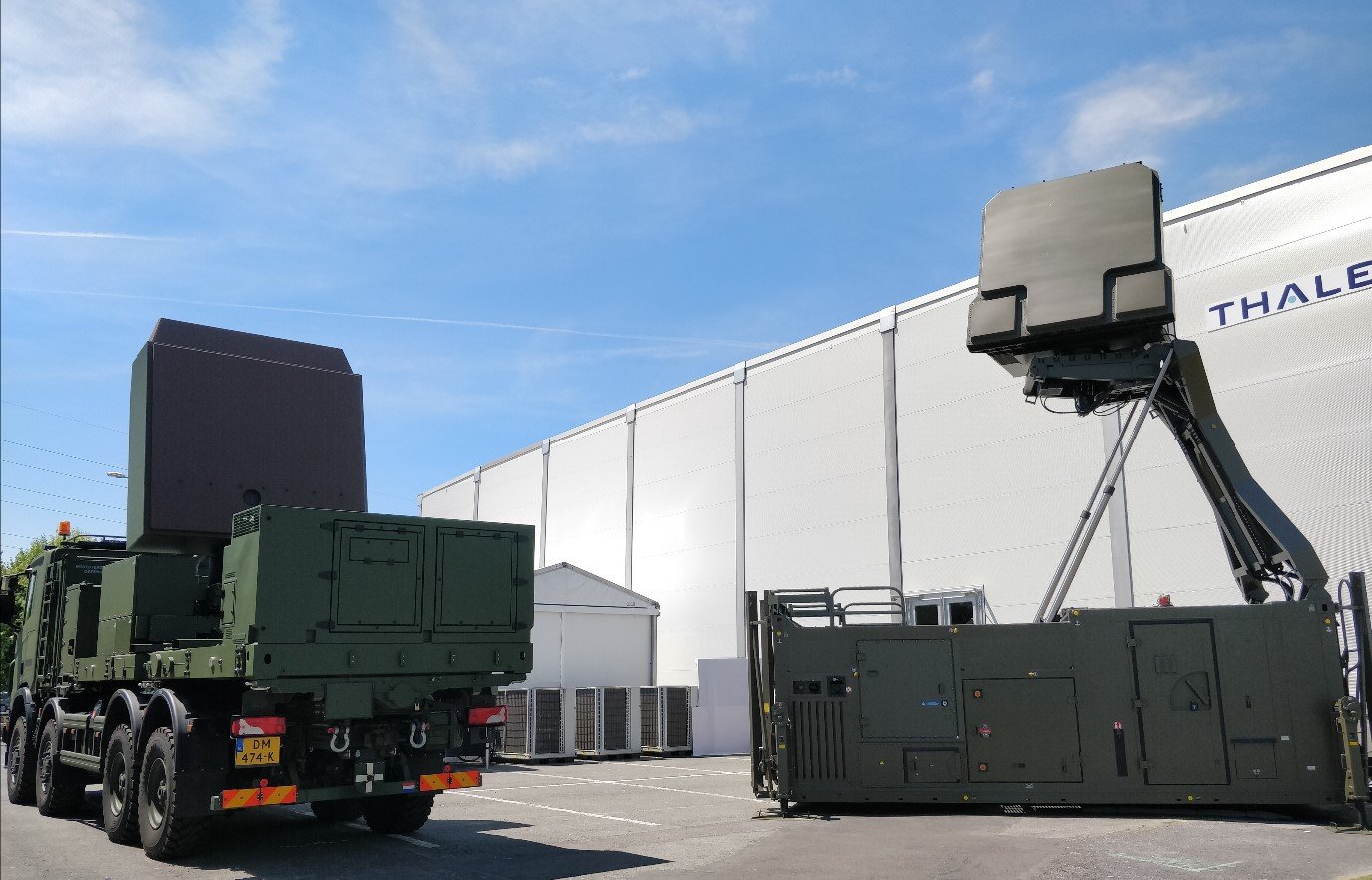
Europe
BUCHAREST / PARIS — Romania and France have signed a government-to-government agreement for the acquisition of 12 Thales Ground Master 200 Multi-Mission All-in-one (GM200 MM/A) air defense radars, strengthening Romania's air surveillance capabilities as part of its ongoing military modernization programme. The agreement was signed between the Romanian General Directorate for Armaments and France's Direction Générale de l'Armement (DGA) and was officially announced on July 24, 2026. The procurement is intended to enhance Romania's national defense framework and reinforce the protection of NATO's eastern flank. Acquisition Funded Under EU SAFE Programme The purchase is financed through the European Union's Security Action for Europe (SAFE) programme, a €150 billion financial instrument adopted in May 2025 to support joint defense investments and address critical capability gaps among EU member states. The radar acquisition forms part of Romania's broader military modernization programme, which also includes a recently finalized agreement for 12 Airbus military helicopters. France is managing the procurement through its French Acquisition for Strategic Partners (FASt) mechanism, operated by the DGA on behalf of partner nations. Commenting on the agreement, Patrick Pailloux, France's Director General for Armaments, said the orders are being executed through the FASt mechanism and noted that the programme further strengthens Franco-Romanian cooperation by supporting Romania's decision to equip its armed forces with French industrial solutions. GM200 MM/A Radar Capabilities The Ground Master 200 MM/A (GM200 MM/A) is a combat-proven, medium-range 4D Active Electronically Scanned Array (AESA) radar built on software-defined technology. According to Thales, the radar has an instrumented range of up to 350 kilometers and is designed to detect and track a wide variety of aerial threats, including low-flying drones, aircraft and missiles. The system is capable of carrying out multiple missions simultaneously, including: Air surveillance Surface surveillance Weapon coordination Rocket, Artillery and Mortar (RAM) sense-and-warn missions Its all-in-one design integrates the radar, mast and power generator into a single 20-foot ISO shelter, making the system fully vehicle-mobile. The radar can be deployed in less than 15 minutes, allowing rapid operational deployment when required. Strengthening Low-Altitude Air Defense Improving the detection of low-altitude threats has become an operational priority for Romania. Earlier this month, Interim National Defence Minister Radu Miruta highlighted the importance of acquiring the new radar systems to improve the country's ability to detect low-flying drones operating near its borders. Although deliveries are scheduled to begin in 2027, the first radar unit has been expedited and is expected to arrive within 11 months. Industrial Cooperation in Romania The agreement also includes an industrial cooperation component aimed at expanding Romania's domestic radar expertise. Thales, which has operated in Romania for more than two decades and currently employs more than 850 people in the country, will establish a new Radar Competence Centre to support the programme. Romania already hosts one of the company's global engineering competence centres. Pascale Sourisse, Senior Executive Vice-President for International Development at Thales, said the company fully supports Romania's ambition to develop long-term industrial capacity and expertise in the radar sector. She added that the new Radar Competence Centre will support the agreement while expanding partnerships with Romanian industry, strengthening localization, sustaining operational readiness and contributing to future NATO and European initiatives involving Romania. Programme Timeline The purchase was approved in May 2026 under the EU SAFE loan programme. According to related reporting, the acquisition of the 12 GM200 MM/A radars is valued at approximately €247 million, while the overall programme is estimated at around €258 million. Full deliveries are expected to be completed by 2030. Source : thalesgroup
Read More → Posted on 2026-07-25 15:06:13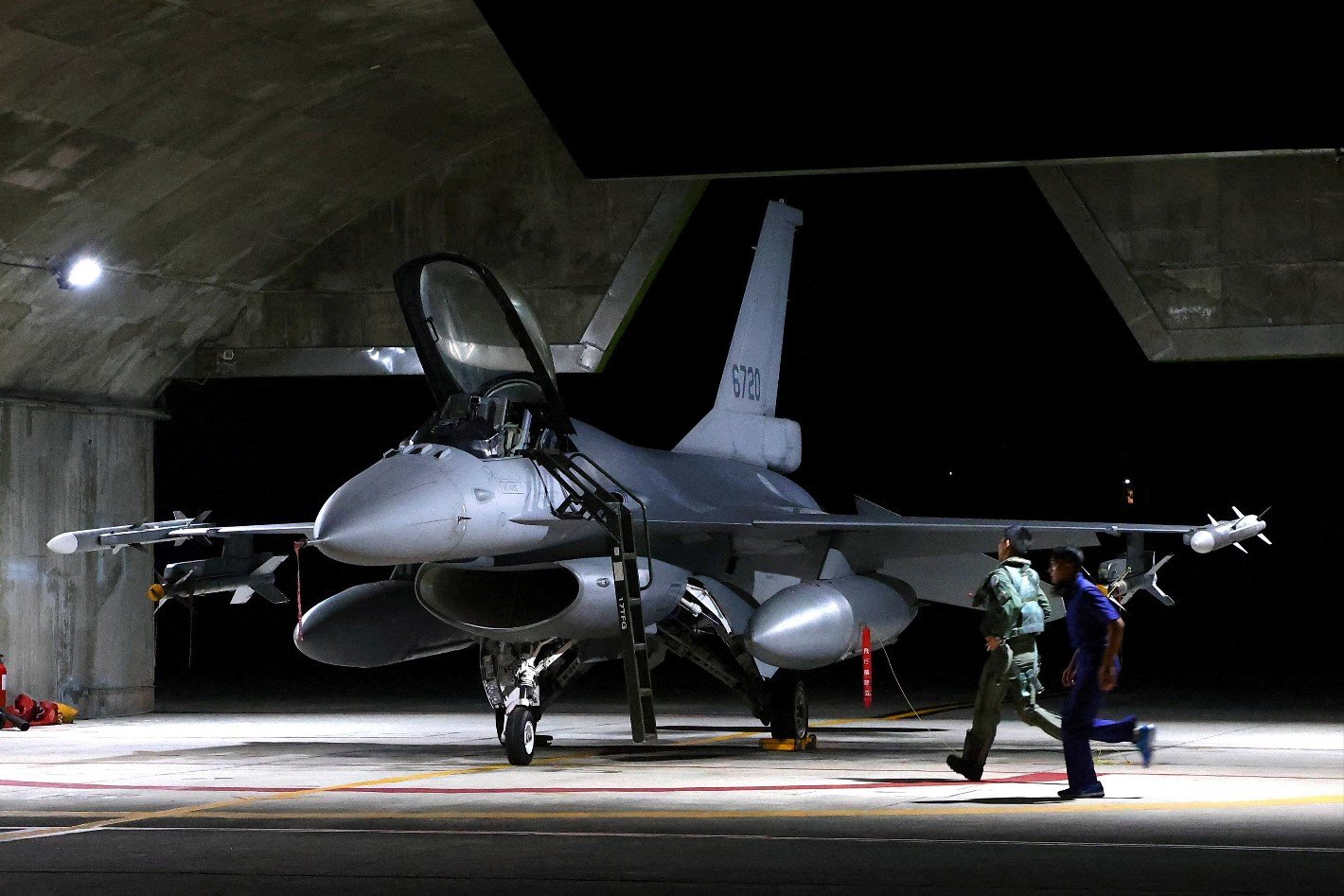
World
TAIPEI — Taiwan's Ministry of National Defence has confirmed it is seeking compensation from the United States and Lockheed Martin over repeated delays in the delivery of 66 F-16 Block 70 fighter aircraft ordered for the Republic of China Air Force. Rather than pursuing direct financial compensation, the ministry is prioritizing practical support that will improve the long-term readiness and sustainment of the future fleet. The aircraft were ordered under an $8.2 billion agreement signed in 2019 through the U.S. Foreign Military Sales (FMS) program. The original contract called for all 66 fighters to be delivered by the end of 2026. However, the program has faced repeated delays due to global supply chain disruptions and labor shortages following the COVID-19 pandemic and the Russia-Ukraine war. According to Taiwanese officials, only two aircraft have been completed so far, and both remain in the United States. First Delivery Now Expected in September 2026 Speaking before the Legislative Yuan's Foreign Affairs and National Defense Committee, Lieutenant General Lee Ching-ran, Chief of Staff of the Air Force Command, said the first F-16 Block 70 is now expected to arrive at Republic of China Air Force facilities in September 2026, instead of the original schedule. Lee told lawmakers that Taiwan has repeatedly raised the issue with U.S. authorities and has requested the U.S. government to assist in seeking compensation from Lockheed Martin. "There are many ways to seek compensation," Lee said during the hearing. He emphasized that the ministry's priority is not cash reimbursement but support that strengthens long-term operational readiness. Focus on Operational Support Taiwanese officials said practical compensation could include: Additional spare parts inventories Engineering and maintenance support Software upgrades Extended warranty coverage According to defense officials, these forms of compensation can help reduce long-term maintenance costs, improve aircraft availability, and strengthen fleet readiness more effectively than direct financial payments. Lockheed Martin has reportedly increased its workforce and introduced a two-shift production schedule at its Greenville, South Carolina, production facility in an effort to accelerate aircraft assembly. Despite these measures, military officials acknowledged that the original delivery timeline cannot be met. Taiwan has already paid more than $4.87 billion toward the procurement but is still awaiting the arrival of its first aircraft. FMS Process Limits Legal Options The compensation process is also influenced by the structure of the procurement. The F-16 acquisition was conducted through the U.S. Foreign Military Sales (FMS) program rather than a Direct Commercial Sale (DCS). As a result, Taiwan has limited legal avenues to pursue direct claims against Lockheed Martin. In late 2025, Premier Cho Jung-tai said the government had not ruled out legal action against the manufacturer. However, he noted that the FMS framework limits the ability to seek direct compensation in the same manner as commercial defense contracts. Instead, Taiwan plans to continue requesting remedial support to offset the operational impact of the delayed deliveries. Delays Add to Broader U.S. Arms Backlog The delayed F-16 deliveries are part of a wider backlog affecting U.S. defense equipment ordered by Taiwan. By the end of 2025, the value of undelivered U.S. military equipment ordered by the Republic of China Armed Forces had exceeded $21 billion, reflecting broader delays across multiple procurement programs. Modernizing Taiwan's F-16 Fleet Taiwan's current procurement follows its 1992 purchase of 140 F-16A/B Block 20 fighters, many of which have since been upgraded to the F-16V standard. The new F-16 Block 70 aircraft are intended to further modernize the Republic of China Air Force as security concerns across the Taiwan Strait continue. The first production F-16 Block 70 for Taiwan was rolled out and underwent acceptance testing in the United States during 2025 and early 2026. A Ministry of National Defence delegation also visited the production facility in March 2026 to inspect the aircraft. Although production is reported to be operating at full capacity, the first aircraft is still scheduled to arrive in Taiwan in September 2026. Taiwan Continues to Seek Practical Compensation Taiwanese officials said they will continue working with the U.S. government and Lockheed Martin to accelerate deliveries while pursuing practical forms of compensation that improve the long-term readiness, maintenance, and operational support of the incoming F-16 Block 70 fleet. Source : militarywatchmagazine
Read More → Posted on 2026-07-25 14:32:01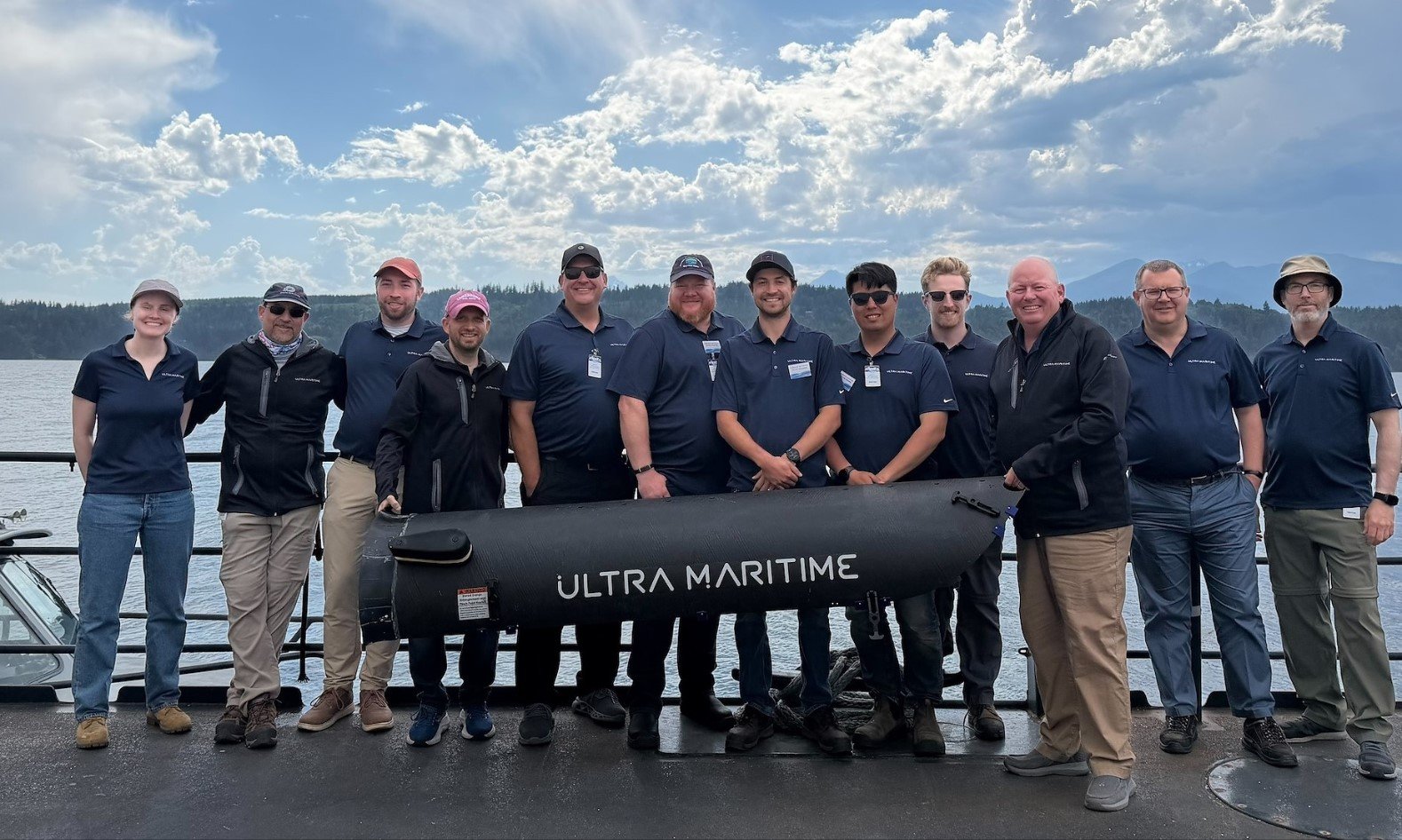
U.S
KEYPORT, Washington — The U.S. Navy has successfully evaluated a counter-unmanned underwater vehicle (C-UUV) capability during Exercise Lanternfish 2026, demonstrating integrated technologies designed to detect, track, and classify autonomous underwater threats in realistic port protection scenarios. The multinational capability development and demonstration event brought together technology and personnel from the United States, the United Kingdom, and Australia to assess emerging undersea defense technologies and strengthen cooperation between the U.S. Navy, AUKUS partners, and industry. Joint Technology Demonstration The demonstration combined Ultra Maritime's Sea Spear deployable sonar system with Anduril Industries' Seabed Sentry autonomous undersea system and the Lattice battle management platform. During operations in the waters off Keyport, Washington, Sea Spear consistently detected, tracked, and classified medium- and large-diameter unmanned underwater vehicles (UUVs), also known as autonomous underwater vehicles (AUVs). The system provided persistent acoustic sensing and transmitted track data for further processing. Sea Spear is a lightweight deployable sonar system that can operate from both manned and unmanned platforms. Depending on mission requirements, it can function either as a permanent installation or as an attritable asset. The system is intended to support persistent sensing in ports, maritime choke points, remote locations, and other strategically important waterways. Integration with Navy Command-and-Control Network As part of the exercise, acoustic tracks generated by Sea Spear were received by Anduril's Seabed Sentry, which then published the data to the Lattice battle management platform. Lattice processed the acoustic information and transmitted the operational picture through the U.S. Navy's cUxV command-and-control (C2) architecture. This allowed operators at the Navy's Unmanned Operations Center (UOC) to monitor both subsea and surface assets in real time. According to the demonstration, Seabed Sentry was able to detect an autonomous underwater vehicle and automatically send an alert through the Navy's existing command-and-control system without requiring a human operator to manually relay the information. Open Architecture Supports Interoperability The exercise also demonstrated end-to-end integration between Ultra Maritime's sensing technology, Anduril's software, and the Navy's command-and-control architecture used during the exercise. Using Lattice's open software architecture, the system incorporated acoustic tracks from Sea Spear and delivered the resulting operational picture into the Navy's C2 network. According to the participating companies, this integration was completed without custom engineering between the participating systems in the exercise environment. Lattice, previously employed in air defense and counter-intrusion operations, was adapted for the undersea domain through Seabed Sentry, enabling edge processing and fusion of acoustic data. Focus on Emerging Undersea Threats Exercise Lanternfish focused on technologies designed to address the increasing use of autonomous underwater systems that can operate in ports, harbors, coastal waterways, and other critical maritime areas. According to the exercise information, these systems can pose threats to ports, pipelines, undersea cables, and other maritime infrastructure. Traditional harbor defense systems have primarily been designed to detect larger submarines and surface vessels, while smaller autonomous underwater vehicles require specialized sensors, faster data processing, and integrated command-and-control capabilities. The demonstration showed how deployable acoustic sensors and an integrated command-and-control network can support the detection and tracking of autonomous underwater threats while providing operators with a common operational picture across multiple domains. Multinational Collaboration Lanternfish is a multinational capability development and demonstration event involving autonomous underwater vehicle and subsea technologies from Australia, the United Kingdom, and the United States. The exercise is intended to enhance collaboration among the U.S. Navy, AUKUS partners, and industry in the development and evaluation of future undersea capabilities. Ultra Maritime-Anduril Partnership The demonstration builds on the exclusive partnership between Ultra Maritime and Anduril Industries, announced in April 2025. The partnership combines Ultra Maritime's Sea Spear deployable acoustic arrays and AI-enabled acoustic processing with Anduril's undersea autonomy systems, including Dive XL, Seabed Sentry, and the Lattice software framework. The collaboration aims to support distributed undersea surveillance for U.S. and allied forces. Ultra Maritime develops anti-submarine warfare solutions across airborne, surface, and undersea domains and operates in the United States, Canada, the United Kingdom, and Australia. The company continues to invest in autonomous undersea sensing technologies to support scalable and distributed surveillance networks. No Procurement Decision Announced The U.S. Navy has not announced any procurement decisions related to the technologies demonstrated during Exercise Lanternfish 2026. The event served as an operational capability demonstration to evaluate the integration of autonomous sensing, acoustic processing, and command-and-control technologies under realistic conditions. Source : prnewswire
Read More → Posted on 2026-07-25 14:22:46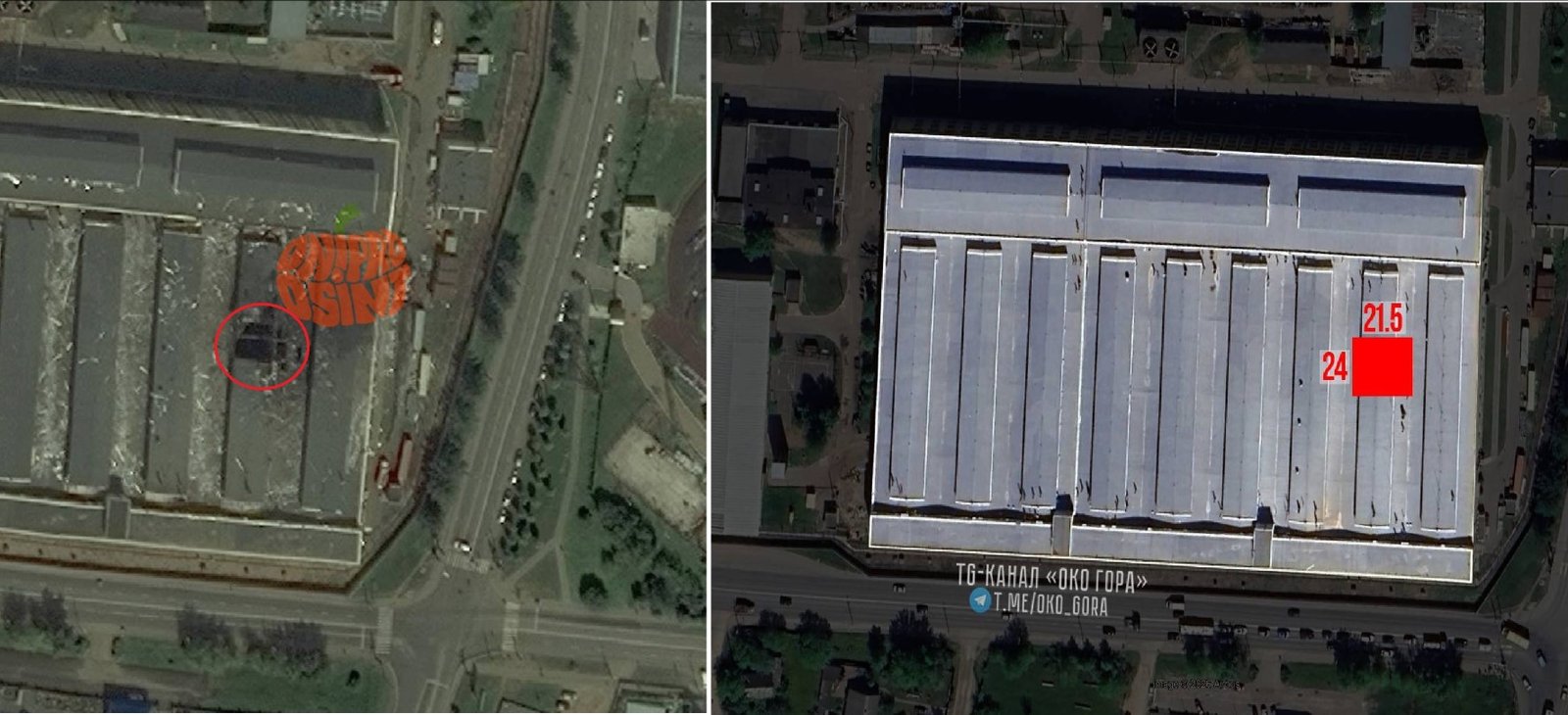
Satellite Images Confirm Damage to Russian Avitek Plant After Ukrainian FP-5 Flamingo Missile Strike
World
KIROV, Russia — Satellite imagery has confirmed damage to a production hall at the Avitek plant in the Russian city of Kirov following a Ukrainian FP-5 Flamingo cruise missile strike carried out on the morning of July 24, 2026. The satellite images, published by the Dnipro OSINT community, show a hole measuring approximately 21.5 by 24 meters in the roof of one of the plant's production buildings. Analysis of the imagery indicates that the strike directly damaged the facility. Additional photographs taken by eyewitnesses show that the building's window frames were bent outward by the blast. According to the image analysis, this pattern suggests the main explosion occurred inside the building, causing significant internal damage rather than being limited to the roof. Residents of Kirov reported hearing explosions at around 7:00 a.m. local time. Shortly afterward, smoke was seen rising from the area of the plant, and videos showing the aftermath were shared on social media. Kirov is located more than 1,200 kilometers from the Ukrainian border, making it one of the deeper strikes reported inside Russian territory. The use of the FP-5 Flamingo cruise missile was confirmed by Denys Shtilerman, chief designer and co-owner of the Ukrainian company Fire Point, who also shared video footage of a missile launch linked to the operation. According to OSINT Varta, JSC Vyatka Machine-Building Enterprise Avitek is part of the Almaz-Antey defense concern and specializes in the production of aviation equipment and pilot rescue systems. The facility is Russia's only serial producer of ejection seats for fighter and attack aircraft, including those used on Su-34 and Su-57 aircraft. It also manufactures anti-aircraft guided missiles, target missiles, aerial target simulators, and components associated with cruise missiles, including the Kh-101 and Kh-59. Avitek is under sanctions imposed by the United States, the European Union, Ukraine, Canada, Switzerland, and New Zealand because of its role in Russia's military-industrial complex. Russian regional authorities reported casualties following the strike. Governor Alexander Sokolov said that six people were killed and 26 others were injured. Ukrainian sources have reported higher casualty figures in some accounts. Ukrainian President Volodymyr Zelenskyy also confirmed the strike, stating that the facility supplies components for Russian aircraft and missile systems. The FP-5 Flamingo is a ground-launched cruise missile developed by Fire Point. The strike on the Avitek plant marks another confirmed use of the missile against a Russian defense-related facility in 2026. Source : militarnyi
Read More → Posted on 2026-07-25 13:44:16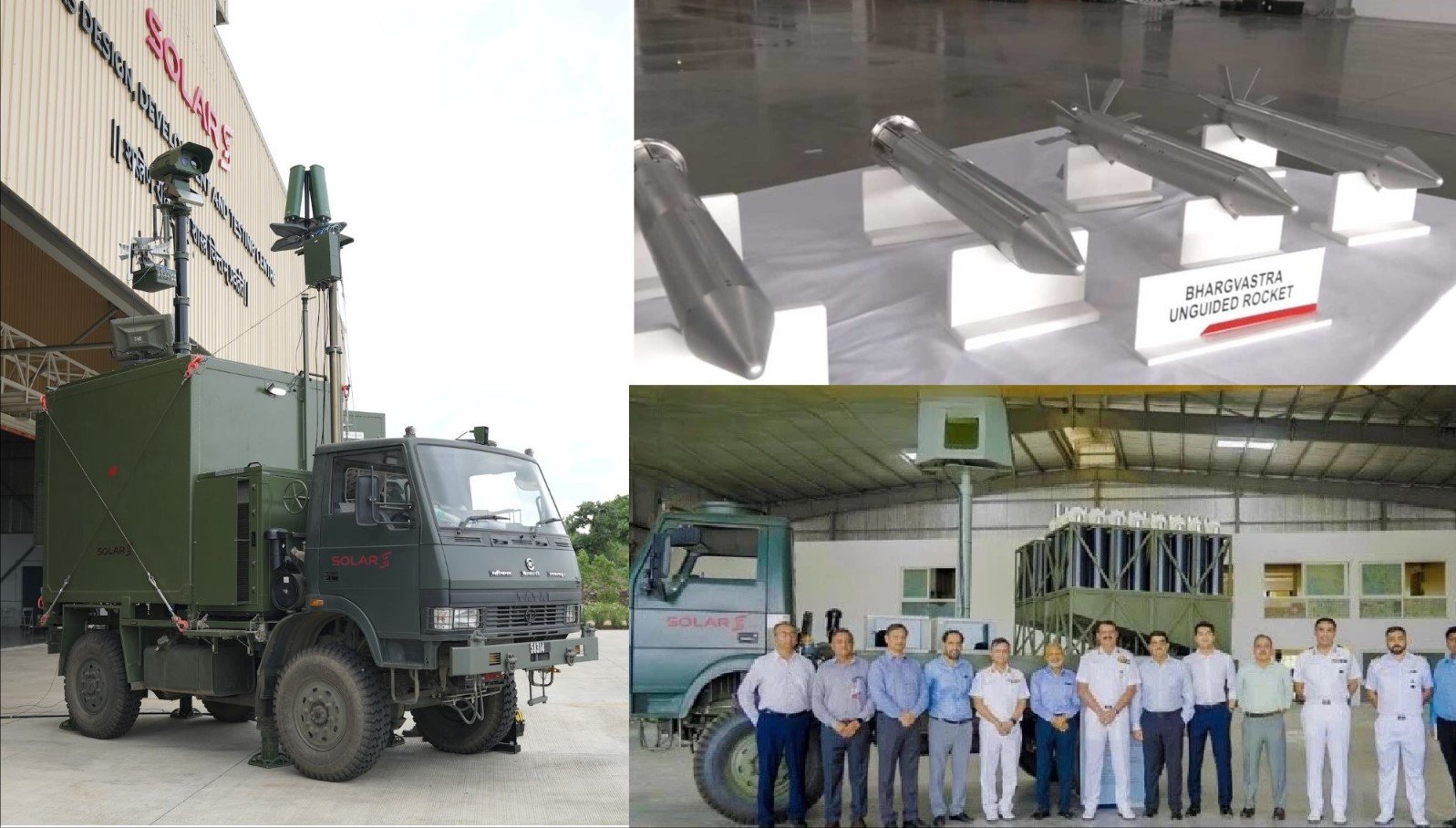
India
NAGPUR, MAHARASHTRA — Solar Defence and Aerospace Ltd. (SDAL), a subsidiary of Solar Industries India Limited, has demonstrated its indigenous Bhargavastra vehicle-mounted counter-swarm drone system to a visiting Indian Army team in Nagpur. The July 24 demonstration was conducted as part of a status review under a Project Sanction Order (PSO) of the Ministry of Defence's Make-II initiative, which supports industry-funded prototype development. #WATCH | Nagpur, Maharashtra: Solar Defence and Aerospace Ltd. (SDAL) demonstrated "Bhargavastra", an indigenous, vehicle-mounted, multi-layered Counter-Swarm Drone System designed to provide affordable and highly effective protection against the rapidly growing threat of… pic.twitter.com/IefshrHa2J — ANI (@ANI) July 24, 2026 Indigenous Hard-Kill Counter-Drone System Bhargavastra has been developed entirely in India to counter the growing threat posed by weaponised drones, loitering munitions and autonomous drone swarms. Unlike conventional soft-kill systems that rely on electronic jamming or spoofing, Bhargavastra uses a hard-kill approach, physically intercepting and destroying aerial threats, including autonomous drones that can resist electronic countermeasures. The system has been developed in collaboration with Economic Explosives Limited for its kinetic engagement capability. Multi-Layer Engagement Capability Bhargavastra features a two-layer interception architecture designed to engage different types of aerial threats. The first layer uses unguided micro-rockets to neutralise dense drone swarms within a blast radius of about 20 metres. The second layer employs precision-guided micro-missiles capable of engaging evasive or high-value targets at ranges of up to 2.5 kilometres. According to the company, a single 7.5-ton class all-terrain launcher vehicle can carry 64 guided and unguided munitions arranged in 8×8 cassettes. The launcher is designed to fire multiple rounds in rapid succession, enabling simultaneous engagement of multiple targets while providing 360-degree coverage. Advanced Detection and C4I Network The system's Command and Control Vehicle (CCV) integrates a Command, Control, Communication and Intelligence (C4I) architecture equipped with: A primary radar An Electro-Optical/Infrared (EO/IR) surveillance and tracking system Passive Radio Frequency (RF) sensors These sensors provide multi-layer detection, tracking and classification of aerial threats before automatically assigning targets to the launcher. According to SDAL, the radar can detect: Medium-to-large unmanned aerial vehicles (UAVs) at distances of up to 10 kilometres Micro-drones at distances of around 6 kilometres The company stated that the complete process from target recognition to interception takes less than 16 seconds. Indian Army Observes Full System Demonstration During the July 24 demonstration, SDAL presented the complete Bhargavastra configuration, including the Command and Control Vehicle and launcher vehicle. To evaluate the system, the company flew a live swarm of drones. The radar and sensor suite successfully detected the targets, while the C4I system generated a real-time air situational picture, issued a drone attack alert and automatically assigned targets to the launcher. The complete firing sequence and targeting process were demonstrated to the visiting Indian Army officers. However, no live rocket firing was carried out, as firing within the plant premises was restricted because of safety protocols. Designed for Multiple Operational Environments Bhargavastra has been designed for deployment across a wide range of operational conditions, including: Plains Deserts Mountainous terrain up to 5,000 metres above mean sea level The system also features an open architecture designed for integration with the Indian Armed Forces' existing network-centric operations, including compatibility with air defence networks such as Akashteer. By using micro-rockets and micro-missiles instead of larger surface-to-air missiles, Bhargavastra is intended to provide a more cost-effective solution for countering drone threats. Development Status SDAL, based in Nagpur, developed Bhargavastra entirely in India. Earlier component trials were conducted in 2025 at the Seaward Firing Ranges in Gopalpur, Odisha. The company said internal trials are expected to be completed within the next two to three months, after which the system will be ready for user trials. The July 24 demonstration marked another stage in the evaluation of the indigenous counter-swarm drone system under the Ministry of Defence's Make-II programme. Source : ANI
Read More → Posted on 2026-07-25 13:26:11
Europe
LONDON — The UK Ministry of Defence (MOD) has awarded a contract worth up to £400 million to equip the British Army with Tekever AR5 unmanned aerial vehicles (UAVs), replacing the Army's ageing Watchkeeper fleet under Project CORVUS. The 10-year procurement programme will introduce a new tactical surveillance capability for the British Army, with the AR5 providing longer endurance, improved sensor capability, and real-time intelligence support for military operations. Under the agreement, an initial order of six AR5 drones will be delivered, while up to 24 aircraft are expected to enter service by 2029. Subject to contract signature and final approvals, the first systems are scheduled to begin entering service later this year. The contract also includes at least five years of sustainment support, with options for further extension. New Tactical Surveillance Capability The Tekever AR5 is a fixed-wing, medium-altitude tactical uncrewed aircraft with a 7.3-metre wingspan. It has a maximum take-off weight of around 180 kg, cruises at 100 km/h, and offers an endurance of up to 20 hours. The aircraft can also operate from short, unpaved airstrips, providing greater deployment flexibility. The drone can carry a 50 kg payload of surveillance equipment, including ultra-high-resolution cameras, maritime radar, and advanced radio frequency (RF) sensors. According to the Ministry of Defence, these capabilities will provide commanders with real-time intelligence to support battlefield decision-making and help protect deployed personnel. Defence Secretary Highlights Investment Defence Secretary Wes Streeting said the AR5 had already demonstrated its capability in operational environments. "Proven in Ukraine and designed to protect British soldiers globally, we've chosen the UK-based Tekever AR5 drone to supply our personnel with kit that will keep them ahead of emerging threats. This investment will support our troops on deployment, while driving re-industrialisation and backing British innovation." The AR5 has already been used by Ukraine's Armed Forces and has also supported UK maritime surveillance operations, including monitoring small-boat crossings in the English Channel. Manufacturing and Industrial Impact The AR5 drones will be manufactured at Tekever's new production facility in Swindon, which is expected to handle activities ranging from research and development to full-scale production. According to the Ministry of Defence, the programme is expected to sustain and create hundreds of highly skilled jobs across Tekever's UK operations, supporting the country's defence and technology sector. Tekever was founded in Portugal and has expanded its presence in the United Kingdom in recent years. Tekever UK Managing Director Karl Brew said Project CORVUS represents a significant development for the British Army's future capabilities. "CORVUS represents a major step change in delivering cutting edge autonomy to the British Army. This isn't about a platform, it's about building and sustaining sovereign capability that stays one step ahead of our adversaries. Through CORVUS, TEKEVER aims to create a new type of partnership between government and industry where we will ensure a constant cycle of capability evolution that delivers decisive advantage to our end users." Replacing the Watchkeeper Fleet The contract marks the beginning of the replacement of the British Army's Watchkeeper unmanned aircraft system, which entered service in 2014. Developed by Thales UK based on an Israeli design, the Watchkeeper programme experienced years of delays and faced operational challenges during its service life. As the Watchkeeper fleet reaches the end of its operational life, the Ministry of Defence said the Tekever AR5 will provide improved endurance, enhanced sensor capability, and greater reliability, strengthening the Army's tactical reconnaissance capability for future operations. Source : gov.uk
Read More → Posted on 2026-07-25 13:11:12
World
DUBAI — Kuwait and Bahrain reportedly carried out joint airstrikes against military targets inside Iran earlier this month, marking the first known direct military action by the two Gulf nations against Tehran since the start of the 2026 Iran war. According to The Wall Street Journal, which cited people familiar with the matter, Bahraini and Kuwaiti fighter jets targeted Iranian drone and missile storage depots, along with other military installations. The operation reportedly took place sometime after July 11. Israeli military sources, who were briefed by their Emirati counterparts, said the participating aircraft landed safely at an airbase in the United Arab Emirates (UAE) after completing the mission. UAE Provided Intelligence and Defensive Air Cover The report said the UAE supported the operation by providing targeting intelligence and defensive air cover for the Bahraini and Kuwaiti aircraft. The UAE had previously carried out its own strikes against Iranian targets earlier in the conflict, including an attack on an oil refinery on Lavan Island in April. To reduce the risk of Iranian retaliatory attacks, Bahrain and Kuwait also repositioned part of their air forces. According to the report, fighter aircraft from Bahrain's Sheikh Isa Air Base and Kuwait's Ahmad Al-Jaber Air Base and Ali Al-Salem Air Base were relocated to the UAE's Al Dhafra Air Base. Operational indications also suggested that some aircraft may have been dispersed to at least one additional Emirati airbase. Strikes Follow Weeks of Iranian Attacks The reported operation followed weeks of Iranian drone and missile attacks on Bahrain and Kuwait. Both countries host major U.S. military facilities, including Sheikh Isa Air Base in Bahrain and Ali Al-Salem Air Base and Ahmad Al-Jaber Air Base in Kuwait. Iranian attacks have also targeted civilian infrastructure. Earlier this week, Kuwait's Foreign Ministry said Iran struck a power plant and a water desalination facility. Bahraini authorities have previously reported attacks on Sheikh Isa Air Base, while Kuwait has also reported strikes targeting its international airport and other infrastructure. According to the report, Bahrain and Kuwait launched the operation after concluding they could no longer continue absorbing repeated attacks without a direct military response. The reported targets included drone and missile storage depots believed to support those attacks. Regional Military Involvement Expands The reported participation of Bahrain and Kuwait would further broaden regional military involvement in the conflict. The UAE and Saudi Arabia were already involved during the early stages of the war, with the UAE taking a more active military role by conducting multiple strikes against Iranian targets. Bahrain established diplomatic relations with Israel under the 2020 Abraham Accords. Iran has carried out repeated attacks against Bahrain and Kuwait during the conflict, while largely avoiding direct attacks on Saudi Arabia and the UAE. Kuwait and Bahrain are considered particularly vulnerable because of their geography and their dependence on the Strait of Hormuz for energy exports and regional trade. Bahrain is an island nation connected to Saudi Arabia by a causeway, while Kuwait lies at the northern end of the Gulf and borders Iraq. Regional officials have also said Kuwait has faced attacks from both Iran and militia groups in Iraq allied with Tehran. Conflict Continues to Escalate The wider conflict has continued to intensify following the collapse of the ceasefire extension signed in June. Fighting has included Iranian drone and missile attacks on Gulf states and vessels operating in the Strait of Hormuz, while U.S. and partner forces have conducted repeated airstrikes on Iranian military infrastructure, including command centers, drone storage facilities, coastal surveillance sites and other military targets. The U.S. military said Friday marked the 13th consecutive night of strikes on Iranian targets. Separately, U.S. President Donald Trump told Axios on Thursday that he was considering "a massive attack" on Iran. No Official Confirmation At the time of publication, the governments of Bahrain, Kuwait and the UAE had not officially confirmed the reported fighter-jet operation. Kuwait's ambassador denied any involvement in the reported strikes, while Bahrain had not issued a public statement. The Wall Street Journal report was based on unidentified sources familiar with the matter and did not provide details on the number of aircraft involved, the extent of damage, or the exact bases from which the aircraft operated. The report therefore remains based on unnamed sources and has not been officially confirmed by the governments involved. Source : WSJ
Read More → Posted on 2026-07-25 12:19:03
U.S
WASHINGTON — The U.S. Space Development Agency (SDA) has awarded General Dynamics Mission Systems a contract with a ceiling value of $400.4 million to develop the ground segment for Tranche 3 of the Proliferated Warfighter Space Architecture (PWSA), the Pentagon's low Earth orbit satellite network designed to provide missile warning, missile tracking, and resilient military communications. The cost-plus-award-fee, cost-plus-fixed-fee, and cost-no-fee letter contract was awarded on July 24, 2026, and covers software development, testing, integration, and operations and maintenance of the ground segment mission and service applications required to support Tranche 3 capabilities. At the time of the award, the SDA obligated $60,665,380 in fiscal year 2026 research, development, test and evaluation (RDT&E) funding. The work is scheduled to continue through September 30, 2030 under contract FA2401-26-C-0003, which was awarded as a sole-source acquisition. Ground Segment to Support Tranche 3 Operations The ground segment forms the operational backbone of the satellite constellation. It includes the software, communications infrastructure, mission applications, and operations centers used to command satellites, manage missions, direct tracking activities, and deliver data to military users. General Dynamics Mission Systems, headquartered in Fairfax, Virginia, will perform the work across multiple locations, including Scottsdale, Arizona; Seattle, Washington; Grand Forks, North Dakota; Redstone Arsenal, Alabama; and Chantilly, Virginia. The contract team is based in Scottsdale, while the company's space business is headquartered in Chantilly. The new contract continues General Dynamics' role in developing the PWSA ground architecture. The company received a contract worth approximately $324.5 million in 2022 to establish the ground operations and integration segment for Tranche 1. In 2024, the SDA awarded a $491 million contract modification to expand that work for Tranche 2. The Tranche 3 award extends the existing ground architecture rather than introducing a new system. Supporting the Tracking Layer The Proliferated Warfighter Space Architecture is a network of satellites in low Earth orbit designed to provide resilient military space capabilities, including communications, missile warning, missile tracking, and related missions. The Tracking Layer is responsible for detecting missile launches and generating tracking data that supports missile intercept operations. The new ground segment will support the operation and integration of the Tranche 3 Tracking Layer satellites after they are deployed. In December 2025, the SDA awarded approximately $3.5 billion in contracts to build 72 Tranche 3 Tracking Layer satellites. Lockheed Martin, Rocket Lab, Northrop Grumman, and L3Harris Technologies each received contracts to manufacture 18 satellites, with launches planned no earlier than fiscal year 2029. PWSA Expansion Continues The PWSA is being developed through a spiral acquisition approach, with new tranches introducing additional capabilities at regular intervals. According to the SDA, Tranche 1 is planned to include 154 operational satellites—126 Transport Layer satellites and 28 Tracking Layer satellites—along with four demonstration spacecraft operating at an altitude of approximately 1,000 kilometers (620 miles). As of mid-July 2026, the agency had placed 63 Tranche 1 satellites into orbit, including more than 60 data transport satellites. Initial warfighting capability for Tranche 1 is expected in 2027. Existing Operations Centers The Tranche 3 ground segment will integrate with the SDA's existing Space Operations Centers located in Grand Forks, North Dakota, and Redstone Arsenal, Alabama, which currently manage Tranche 1 satellite operations. Once the Tranche 3 Tracking Layer satellites enter service, the new ground infrastructure will support their integration with the existing PWSA architecture, enabling command, control, mission management, and operational support across the expanding satellite network. Source : gurufocus
Read More → Posted on 2026-07-25 12:06:49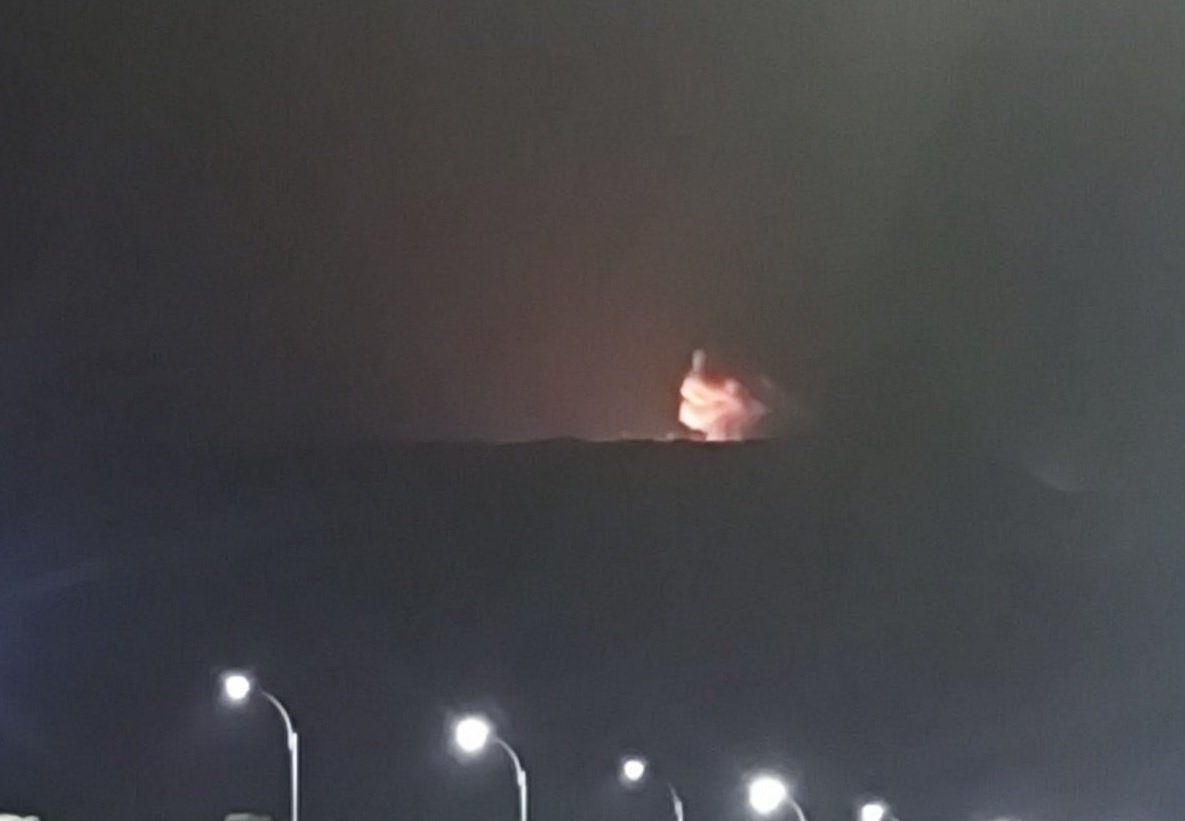
World
TEHRAN — U.S. airstrikes targeted military infrastructure across central Iran early Friday, including a missile base associated with the Islamic Revolutionary Guard Corps (IRGC) Aerospace Force near Taft in Yazd Province, according to Iranian officials and local reports. The strike near Taft was reported at approximately 03:30 local time. Residents said a powerful explosion occurred in the mountainous Bam-e Taft and Shirkuh area southwest of the city. Witnesses described seeing a bright flash followed by a large cloud of dust, with the blast shaking nearby homes. Local reports indicated the attack was carried out using missiles, as residents said they did not hear aircraft flying over the area before the explosion. Iranian state television later confirmed that an explosion had occurred outside the city of Taft. The targeted site near Taft is associated with the IRGC Aerospace Force, which is responsible for Iran's missile capabilities. Additional Strikes Reported in Markazi and Isfahan Iranian authorities also reported strikes in other parts of central Iran during the same period. In Markazi Province, the Deputy Governor said two projectiles struck a location outside the city of Khondab at approximately 03:05 local time. Khondab is home to Iran's heavy-water production facility and a nuclear complex located about 250 kilometers southwest of Tehran. Shortly before the Khondab strike, authorities in Isfahan Province reported another attack. The Deputy Governor of Isfahan said an area in Na'in County was targeted at around 03:00 local time and described it as an American attack. Borujerd Reports Clarified Initial reports from the western city of Borujerd suggested that two explosions had been heard overnight. However, subsequent local updates clarified that no verified explosions had occurred within or near the city. Authorities said the sounds were caused by military aircraft flying overhead at high speed. Damage and Casualty Information Not Yet Released Iranian authorities have not released details regarding damage or casualties resulting from the strikes. IRGC-affiliated media outlets, including Fars News and Tasnim News, were among the first Iranian outlets to acknowledge explosions in Taft, Khondab, and Na'in early Friday. Iranian state media described the incidents as American attacks. U.S. officials had not issued public statements specifically addressing these reported strikes at the time of writing. The reported attacks come amid continued military activity between the United States and Iran. According to previous statements from U.S. Central Command, American forces have been conducting consecutive nightly strikes against Iranian military targets as part of operations aimed at reducing threats posed by the IRGC. Source : X
Read More → Posted on 2026-07-24 15:08:57
World
ADELAIDE — The Australian government has announced an additional AUD 4.6 billion investment to expand the Osborne Naval Shipyard in South Australia, strengthening the industrial infrastructure required for the AUKUS nuclear-powered attack submarine (SSN) program. Deputy Prime Minister and Minister for Defence Richard Marles announced the funding on Friday during the Labor Party's national conference in Adelaide. The latest allocation increases the federal government's confirmed investment in the Osborne precinct to AUD 8.5 billion, following the AUD 3.9 billion announced in February 2026. The funding will support the facilities, workforce capacity, and industrial capabilities needed to build, sustain, and operate Australia's future SSN-AUKUS submarine fleet. The government has also stated that the overall Osborne shipyard project is expected to involve around AUD 30 billion over the coming decades. Building Australia's Submarine Industry The Osborne Naval Shipyard will become the construction hub for five conventionally armed, nuclear-powered SSN-AUKUS submarines. The submarines will be built through a joint venture between ASC Pty Ltd and BAE Systems Australia, supported by a wider network of engineering companies and suppliers. According to the Albanese government, the AUKUS submarine program is expected to create nearly 10,000 jobs in South Australia. Around 1,100 people are currently working at the Osborne precinct in site operations, design, and project management. To support the long-term workforce needed for the program, a dedicated Skills and Training Academy Campus is scheduled to begin operations in the first quarter of 2028. The academy will replicate a submarine construction environment and will be able to train up to 1,000 learners at the same time, preparing engineers, technicians, and skilled tradespeople for Australia's future nuclear-powered submarine fleet. Maintaining Capability Before SSN-AUKUS Australia currently operates six Collins-class diesel-electric submarines, commissioned between 1996 and 2003. The submarines are 77.8 metres long, displace about 3,400 tonnes when submerged, and are equipped with Mk 48 Mod 7 CBASS heavyweight torpedoes and UGM-84 Sub Harpoon anti-ship missiles. They perform intelligence gathering, anti-submarine warfare, and maritime surveillance missions. Because the SSN-AUKUS submarines are not expected to enter service until the early 2040s, the government is extending the operational life of the Collins-class fleet. Canberra is investing up to AUD 11 billion to keep the submarines in service into the early 2040s through upgrades and sustainment work. At the same time, the government is upgrading the Henderson shipyard in Western Australia to support the maintenance of future nuclear-powered submarines and the construction of the Royal Australian Navy's future Mogami-class frigates. Future SSN-AUKUS Fleet Under the AUKUS partnership, Australia will acquire at least three Virginia-class nuclear-powered submarines from the United States before building five SSN-AUKUS submarines domestically. The SSN-AUKUS design is based on the United Kingdom's Astute-class submarine experience while incorporating advanced United States technologies. The submarines will be fitted with a next-generation Rolls-Royce nuclear reactor designed to operate throughout the vessel's service life without refuelling. They will also use a combat management system based on the AN/BYG-1 architecture used on the US Navy's Virginia-class submarines and will be armed with Mk 48 Mod 7 heavyweight torpedoes and Tomahawk land-attack cruise missiles. The shared combat systems and operational procedures are intended to improve interoperability between the Royal Australian Navy, the US Navy, and the Royal Navy. Program Progress The AUKUS partnership, announced in 2021, remains Australia's largest defence acquisition program. The agreement replaced Australia's previous plan to acquire 12 Shortfin Barracuda diesel-electric submarines from France's Naval Group. Australia had originally planned to receive newly built Virginia-class submarines from the United States as an interim capability. However, due to production pressures within the US naval industrial base, Australia is now expected to receive at least three Virginia-class submarines transferred from the operational inventory of the US Navy. The additional investment in the Osborne Naval Shipyard reflects the Australian government's continued commitment to expanding the country's submarine industrial base while supporting the transition from the Collins-class fleet to the future SSN-AUKUS submarines. Construction of the first Australian-built SSN-AUKUS submarines is expected in the early 2040s. Source : abc.net.au
Read More → Posted on 2026-07-24 15:01:13Search
Top Trending in 24 Hours
-
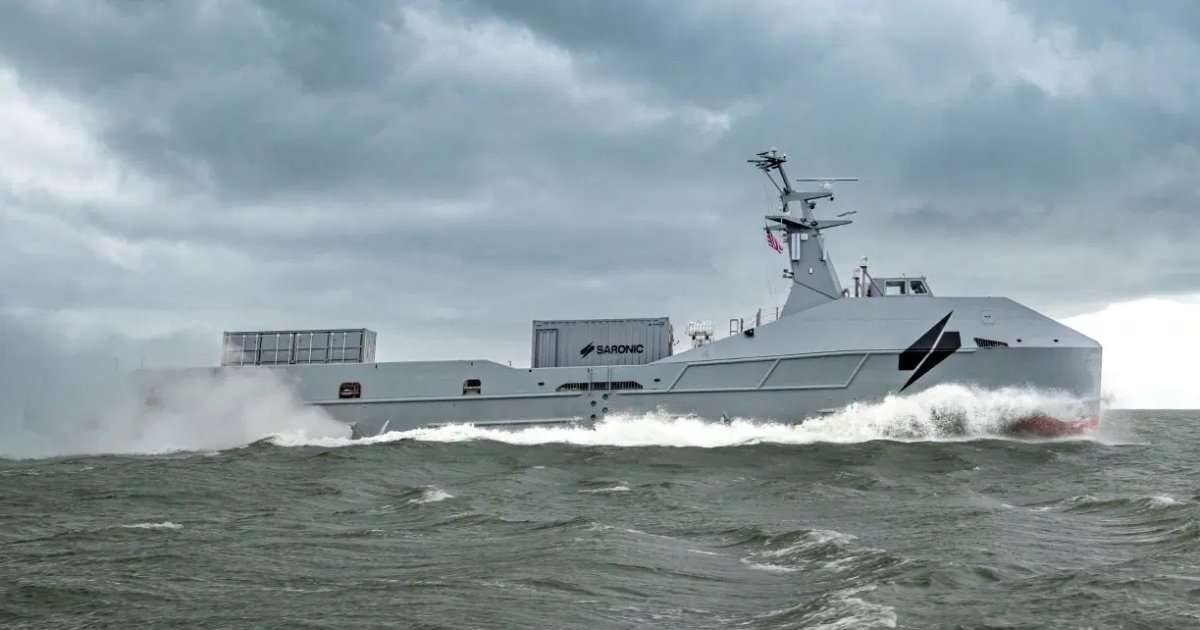 U.S. Navy Awards Production Agreements for 30 Medium Unmanned Surface Vessels, Including 10 Saronic Marauders
-
 Boeing Wins $20 Billion U.S. Navy Contract for F/A-XX Sixth-Generation Fighter
-
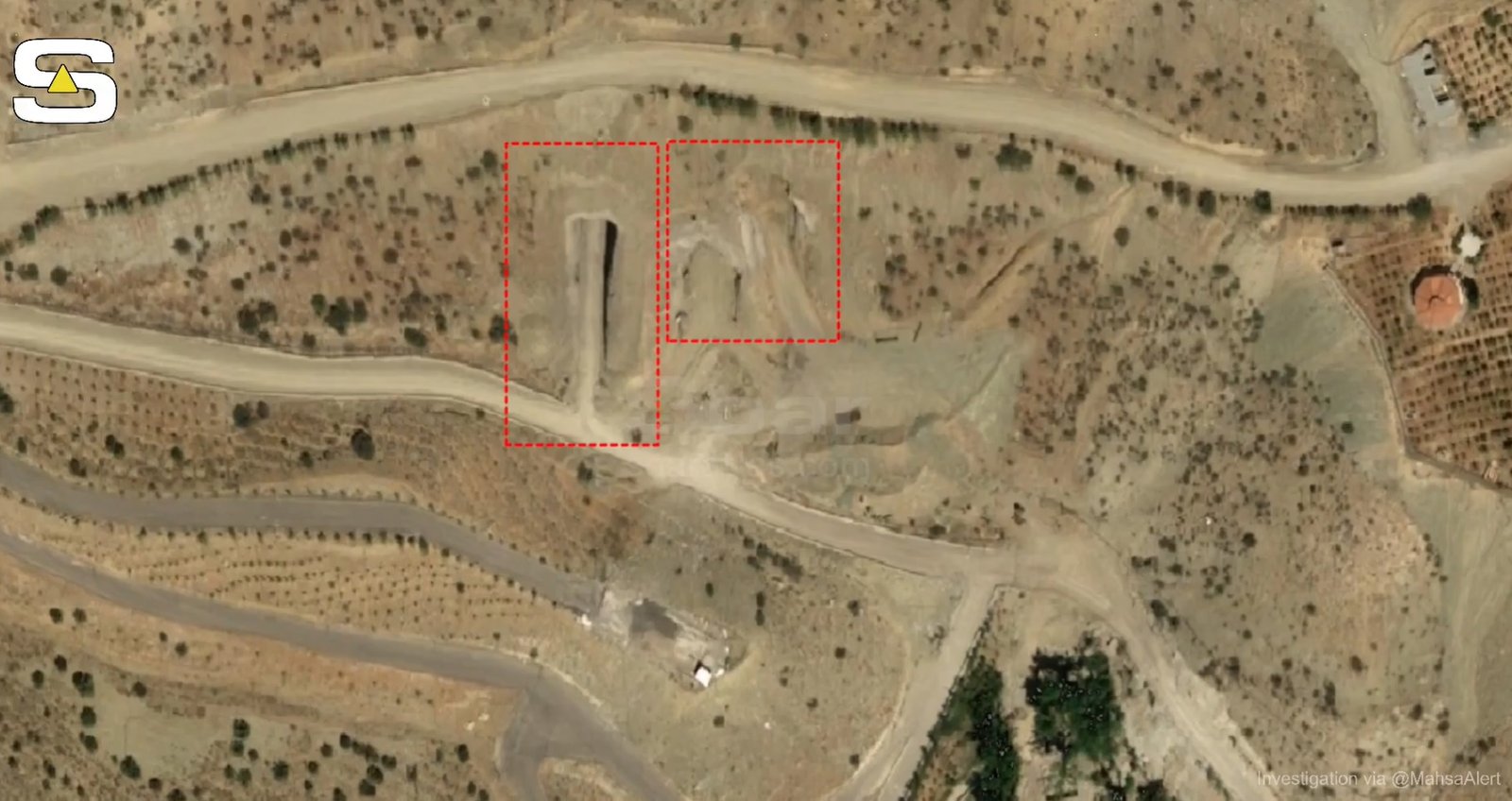 Satellite Imagery Shows Construction Changes at Hillside Site Linked to Iran’s Supreme National Security Council
-
 Flydubai Flight to Israel Diverted to Saudi Arabia After Possible Attempted Terror Attack in Cockpit
-
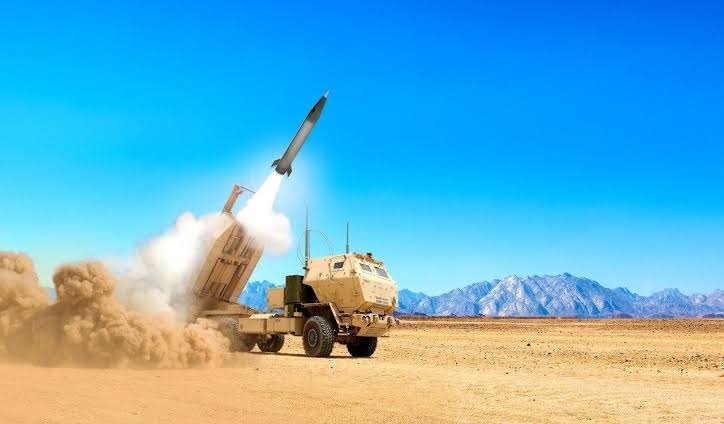 U.S. Army Selects Five Companies to Develop 1,000-Km Precision Strike Missile Prototypes
-
 NASA Adds Blue Origin’s Upgraded New Glenn 9×4 to Launch Services Contract
-
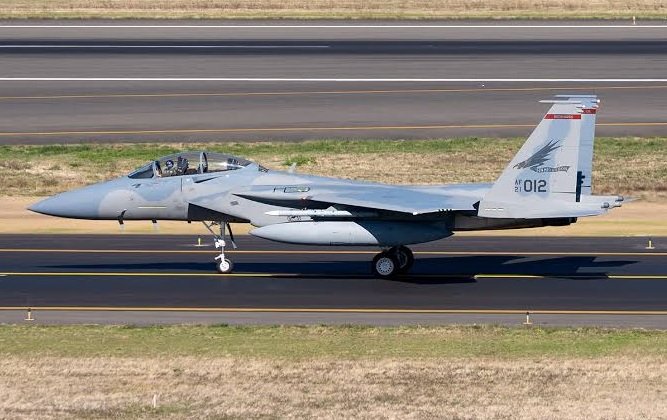 U.S. Air Force Awards Boeing $2.38 Billion Contract for 22 F-15EX Fighter Jets
-
 Northrop Grumman Delivers First 21 Satellites for Pentagon’s Next-Generation Military Network
Top Trending in 4 Days
-
 China Reports First High-Orbit Refueling of BeiDou Satellite, but Tracking Data Raise Questions
-
 Russia Says Su-75 Checkmate Could Cost Just $25–30 Million, Flight-Hour Costs 6 Times Lower Than F-35
-
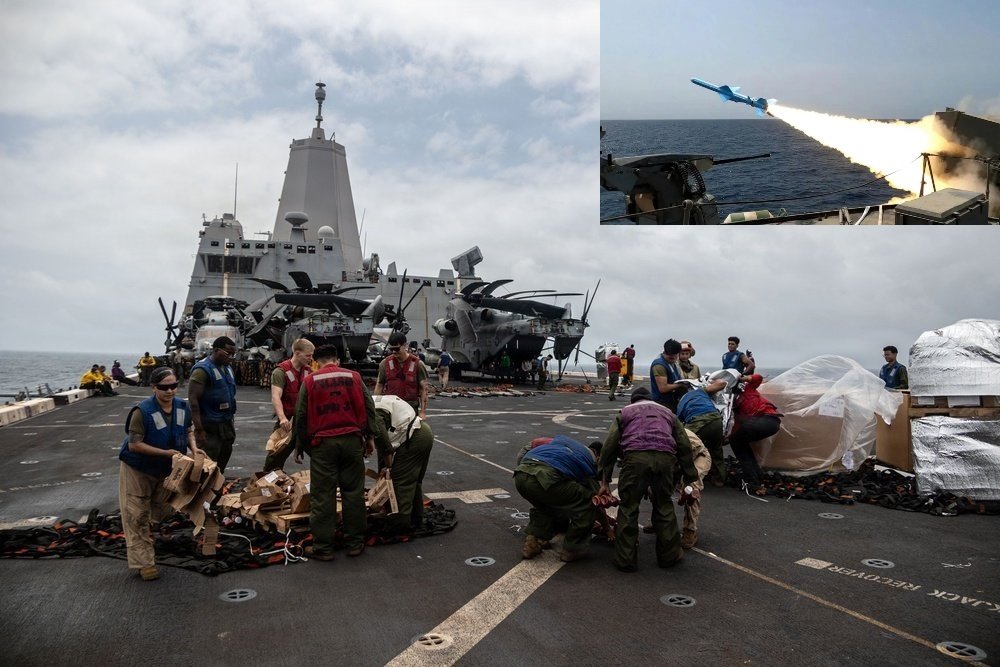 Eight U.S. Marines Injured in Iranian Missile Strike on U.S Vessel in Strait of Hormuz
-
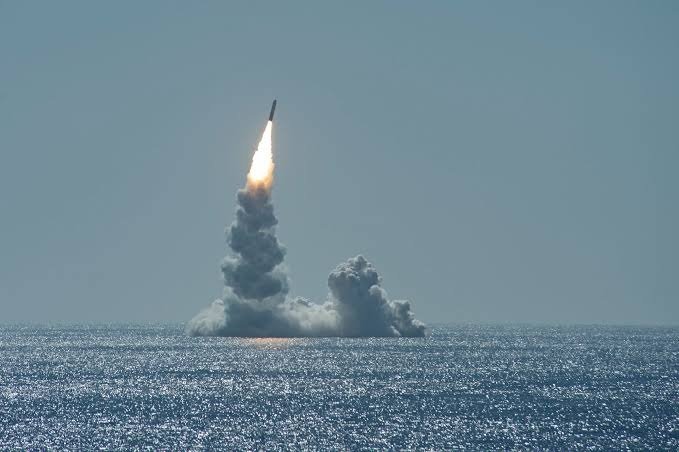 UK Offers Nuclear Deterrence for Its Northern European Defence Partners
-
 U.S. and Russia Remove Human-Review Rules From Draft UN AI Weapons Framework
-
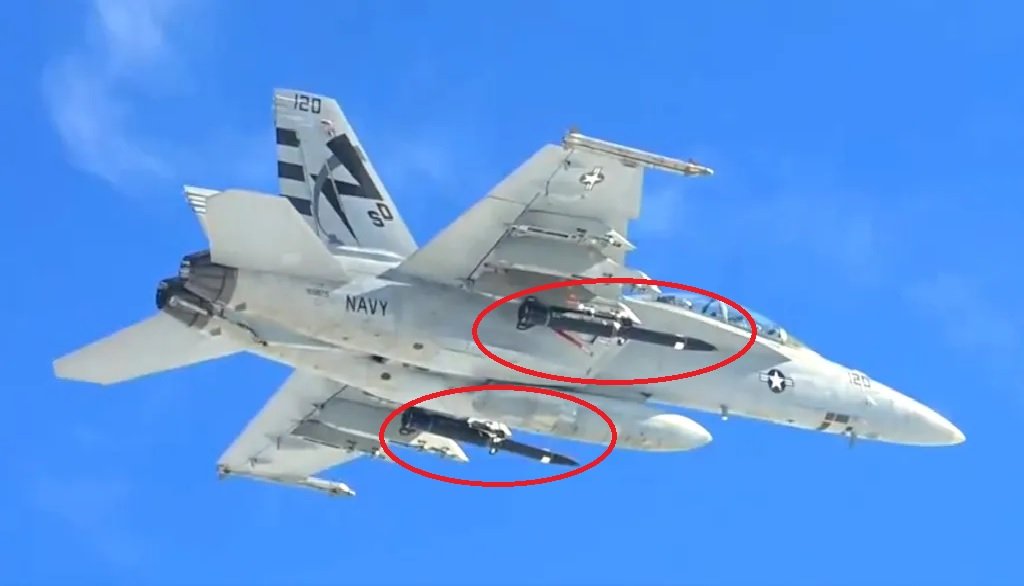 U.S. Navy Begins Flight Testing Blackbeard Hypersonic Missile on F/A-18 Super Hornet
-
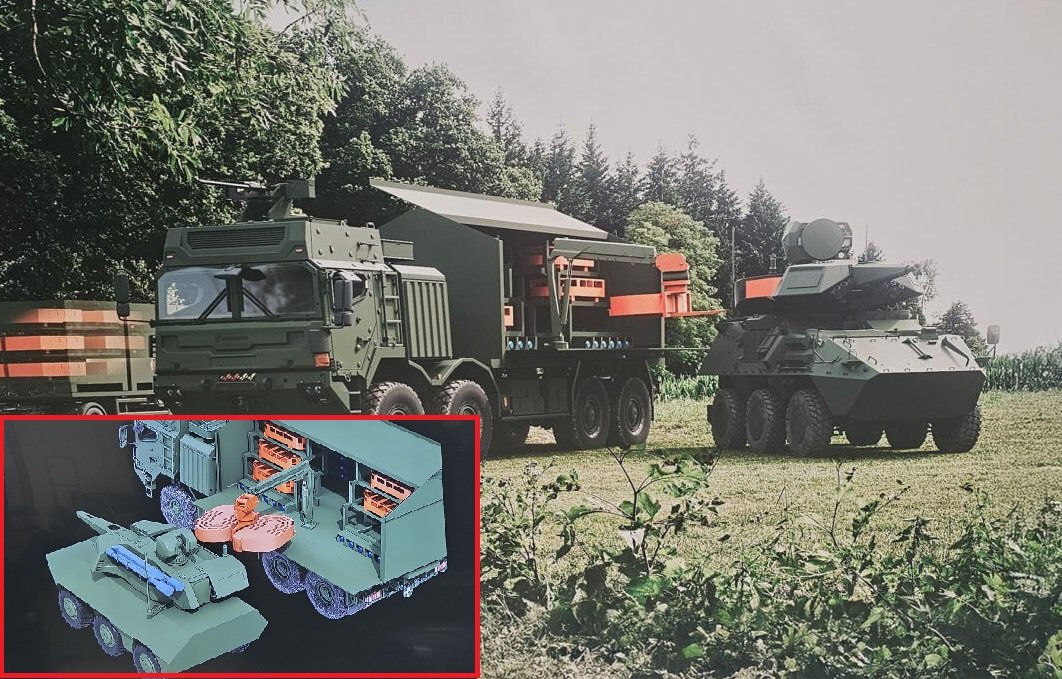 Rheinmetall Develops Automated Reloader for Austrian Skyranger Air Defense System
-
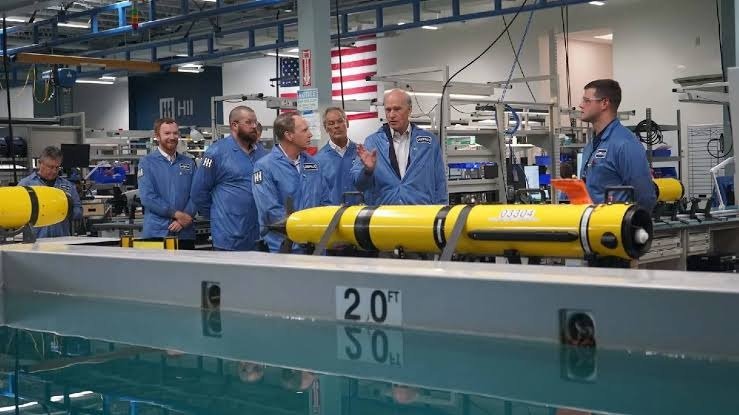 HII Expands Massachusetts Unmanned Systems Facility by 25 Percent to Support U.S. Navy Lionfish Production
