Iran to Receive Up to 400 Chinese QW-12 and FN-16 MANPADS System Within Weeks Under $70 Million Deal
World
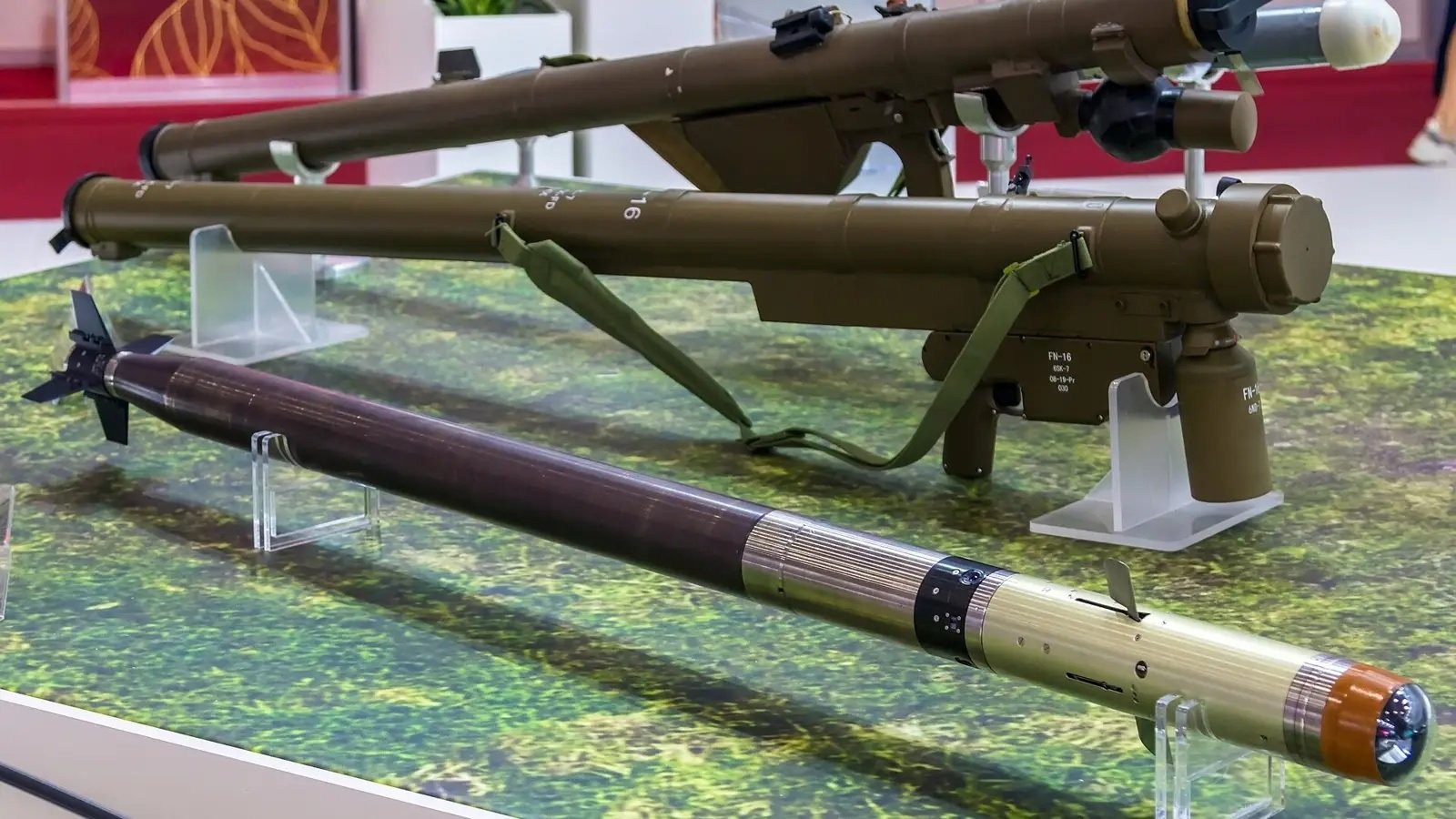
TEHRAN — Iran is expected to receive the first shipment within weeks under a contract for up to 400 Chinese-made man-portable air defence systems (MANPADS), according to three sources familiar with the agreement cited by Reuters. The reported contract, valued at $60 million to $70 million, covers between 300 and 400 shoulder-fired air defence missile systems, including the QW-12 and FN-16. If completed as planned, it would represent one of Iran's largest known efforts to strengthen its short-range air defence network since the start of its conflict with the United States and Israel. According to the sources, the agreement was signed with Zhongqing Baoshang International Investment, a Hong Kong-based company that acted as an intermediary between the Iranian side and the Chinese supplier. The company's parent firm, Beijing-based Zhong Qing Bao Shang Group, did not respond to Reuters' request for comment. Focus on Strengthening Short-Range Air Defences The reported purchase comes as Iran seeks to improve protection for military facilities, energy infrastructure and other strategic sites following months of military exchanges involving the United States and Israel. Recent strikes by the United States and Israel have targeted facilities associated with Iran's missile, drone and air-defence programmes. Iran has responded with ballistic missile and drone attacks. Defence analysts note that these developments have highlighted the importance of mobile air-defence systems that can be deployed rapidly around key locations. Unlike fixed air-defence batteries, MANPADS can be carried and operated by small teams, allowing them to be moved quickly and making them more difficult to locate and target. These systems are designed primarily to engage low-flying aircraft, helicopters and drones. QW-12 and FN-16 Missile Systems The reported contract includes the Chinese QW-12 and FN-16 shoulder-fired surface-to-air missile systems. The FN-16 is an upgraded version of the earlier FN-6. It uses a dual-color infrared and ultraviolet (IR/UV) quasi-imaging seeker designed to improve target discrimination and increase resistance to electronic countermeasures such as flares. It is a fire-and-forget missile system with a reported engagement range of up to 6 kilometers. The QW-12 is considered by defence analysts to be less advanced than newer QW-series variants such as the QW-18 and QW-19, but it remains capable of providing short-range protection against low-altitude threats, including drones. The system is reported to offer improved anti-jamming performance while retaining the direct targeting and safe-launch features of earlier models. A European security source told Reuters that authorities were aware of several contracts under discussion involving possible sales of QW-series MANPADS to Iran, including the QW-12, QW-18 and QW-19. Another security source in the Middle East said Iran had sought both QW-12 and QW-18 systems but was unaware that a deal had already been finalized. Planned Delivery Route Sources familiar with the agreement said the initial shipment is planned to be flown from Urumqi in western China before passing through Pakistan en route to Iran. They said it remains unclear whether the final stage of transportation would be completed by air or overland. The sources also cautioned that although the agreement has reportedly been signed, delivery schedules, quantities and other details could still change. Two Western intelligence sources and an Iranian official told Reuters that Tehran has also explored overland routes for transporting Chinese military supplies and dual-use components in a more discreet manner. China and Pakistan Reject the Reports China's Foreign Ministry denied the reports, stating that they were "completely groundless" and adding that China has consistently worked to promote peace and end the conflict. Pakistan's military media wing, the Inter-Services Public Relations (ISPR), also rejected claims that Pakistan would facilitate the transfer of Chinese air-defence systems to Iran, describing such reports as "absolutely concocted and false." Iran's Foreign Ministry did not immediately respond to Reuters' request for comment, while Pakistan's Foreign Ministry also did not provide a response. Broader Defence Procurement Efforts Reuters previously reported that Iran was close to reaching a separate agreement with China involving anti-ship cruise missiles, although it said it could not independently confirm whether that deal had moved forward. The reported MANPADS contract reflects Iran's continuing efforts to strengthen its military capabilities despite long-standing sanctions and restrictions on defence imports. The country continues to rely on a combination of domestic defence production and selected foreign suppliers to maintain and expand its military readiness. Source : Reuters
Read More → Posted on 2026-07-29 13:06:53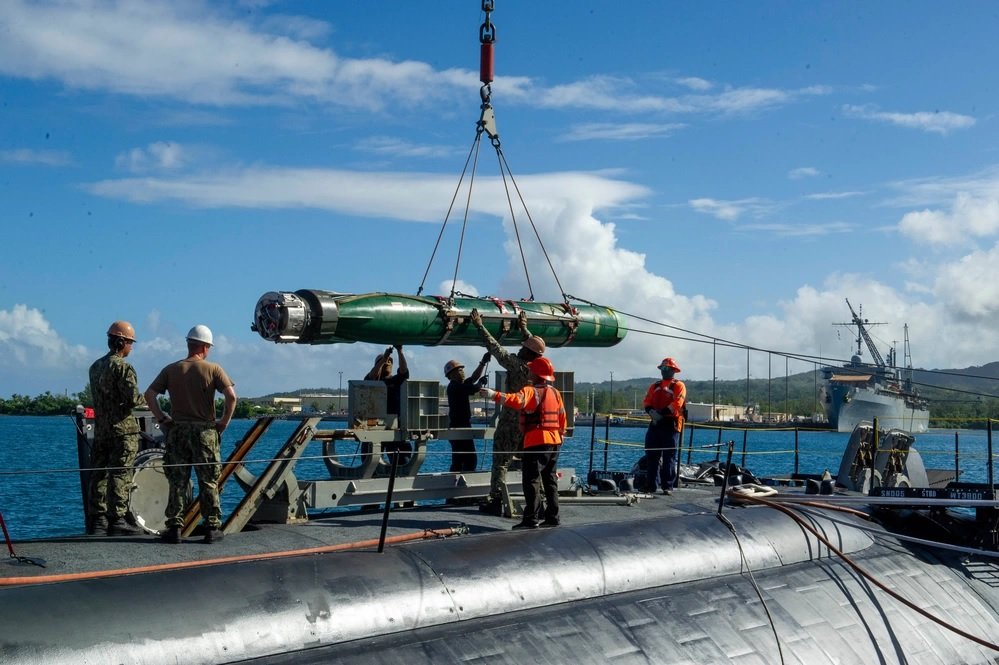
U.S
WASHINGTON — The U.S. Congress has directed the U.S. Navy to conduct a comprehensive review of its torpedo inventory, production capacity, testing infrastructure, and modernization plans under the National Defense Authorization Act (NDAA) for Fiscal Year 2027. The measure is intended to ensure the Navy maintains enough undersea weapons to support operations in two major regional conflicts at the same time. The legislation requires Secretary of the Navy Hung Cao to begin the effort within 90 days after the NDAA becomes law. The review will cover torpedo inventory levels, industrial production, testing systems, supply chain resilience, and future modernization programs. A key requirement of the legislation is the establishment of mandatory inventory floors for every class of U.S. Navy torpedoes and related undersea weapons. These minimum stockpile levels are intended to ensure the Navy maintains sufficient reserves for wartime requirements. The inventory floors will apply to the MK-48 Advanced Capability (ADCAP) heavyweight torpedo, the MK-54 lightweight torpedo, advanced torpedo variants, training and testing rounds, and torpedo countermeasures. The required stockpile levels will be based on Navy assessments of projected torpedo expenditure during a conflict involving two peer or near-peer maritime adversaries. In addition to setting inventory requirements, the NDAA directs the Navy to evaluate the current condition of the U.S. undersea weapons industrial base. The review will identify production bottlenecks affecting key areas, including energetic materials, propulsion systems, acoustic seekers, guidance electronics, specialty metals, undersea weapon integration, manufacturing facilities, and reliance on single-source suppliers. The legislation also requires the Navy to develop a plan to increase production capacity to support both routine peacetime manufacturing and rapid wartime surge production. The plan will examine options such as establishing second-source suppliers for critical components, expanding government-owned and private manufacturing facilities, increasing cooperation between public and private industry, and making greater use of multi-year procurement authority to improve long-term production planning. Congress has also instructed the Navy to strengthen supply chains for sensitive and difficult-to-source components that could become vulnerable during future conflicts. The NDAA further calls for modernization of the Navy's undersea weapons testing infrastructure. Planned improvements include upgrades to target vessels, expansion of undersea test ranges, improvements to digital testing models, and enhanced environmental testing to verify weapon performance in deep-water and Arctic operating conditions. The legislation also directs the Navy to improve resistance to advanced acoustic countermeasures and develop more efficient wartime transportation and logistics methods for undersea weapons. Secretary Cao must submit a comprehensive report within 120 days after the NDAA is enacted. The report will outline the Navy's findings, recommended actions, wartime expenditure estimates, industrial base requirements, production expansion plans, testing improvements, and measures to reduce supply chain risks. Following submission of the report, Secretary Cao is expected to present the findings during congressional hearings, where lawmakers will review production risks, inventory requirements, testing strategies, and investment plans needed to meet future operational demands. The congressional review comes as the Navy continues work on several next-generation undersea warfare programs. Among them is the MK-58 Compact Rapid Attack Weapon (CRAW), developed by Raytheon. The MK-58 is designed for both offensive anti-submarine operations and defensive use as a hard-kill anti-torpedo weapon capable of intercepting incoming torpedoes. According to previously released program information, the weapon uses an electric propulsion system for quiet operation and a stored chemical propulsion system for high-speed intercepts. Its compact size could also allow submarines to carry multiple MK-58 weapons in space typically occupied by a single larger torpedo. The MK-58 was selected over the RAPTOR low-cost heavyweight torpedo. The Navy is also continuing development of improved defensive countermeasures. In February 2026, Ultra Maritime received a contract to develop the next-generation Acoustic Device Countermeasure (ADC) MK6. The system is designed to produce tailored acoustic signatures intended to confuse and divert advanced enemy torpedoes away from U.S. naval vessels. According to the House version of the FY2027 NDAA, the torpedo-related provisions are included in Section 130 under Navy programs. The bill has passed the House of Representatives and, as of late July 2026, remains under consideration.
Read More → Posted on 2026-07-29 12:55:41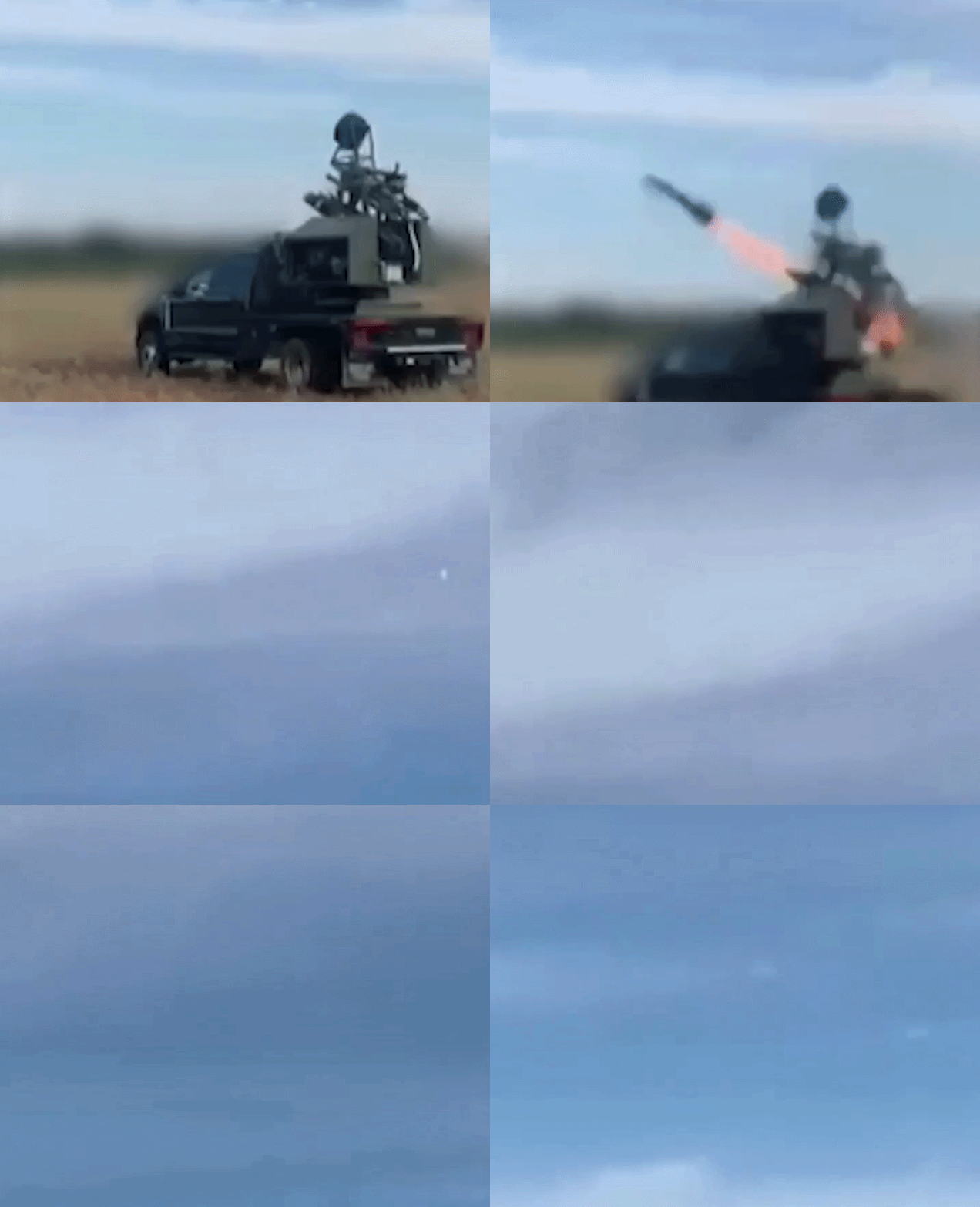
World
KYIV, Ukraine — New footage circulating online appears to show Ukraine operating an upgraded, highly mobile version of its STASH short-range air defense system mounted on a Ford F-350 chassis. The video, published on July 28, 2026, and attributed on social media to Ukraine's 208th Anti-Aircraft Missile Brigade, shows the system tracking and intercepting a Russian Shahed/Geran-series strike drone. The footage has not been independently authenticated by Ukrainian authorities at the time of writing. If confirmed, it would represent the first public appearance of the truck-mounted STASH configuration, several months after the system entered Ukrainian service in a trailer-mounted form. New Mobile Configuration The latest version of the STASH system integrates an Israeli-origin RADA radar, a launcher armed with U.S.-made AGM-114L Longbow Hellfire missiles, and fire-control equipment on a single modified Ford F-350 heavy-duty truck. The July 28 footage is described as showing the interception of a jet-powered Shahed/Geran-type drone. Compared with slower propeller-driven variants, jet-powered drones reduce the time available for air defense crews to detect and engage incoming threats. The AGM-114L Longbow Hellfire, originally developed for anti-armor missions, uses a millimeter-wave active radar seeker that provides a fire-and-forget capability. Once launched, the missile can continue tracking its target without requiring continuous guidance from the launcher. The system's Israeli-origin RADA radar is paired with the missile launcher to detect and engage low-altitude aerial targets. Open-source reporting identifies the radar as the RPS-42 Active Electronically Scanned Array (AESA) radar, an S-band system designed to detect slow and low-flying targets. Publicly available information states that some configurations have an instrumented detection range of about 30 kilometers. Public reporting also indicates the AGM-114L has an engagement range of roughly 7 to 11 kilometers, depending on flight trajectory, and carries an approximately 9-kilogram warhead. The missile has been adapted for aerial targets, including drones and helicopters. Evolution From Trailer-Mounted System The STASH system first appeared in Ukrainian service in May 2026. During a large Russian drone attack on May 1, Ukraine's Air Command West released footage showing the system operating from a concealed four-wheeled trailer configuration. The attack reportedly involved more than 400 unmanned aerial vehicles, with at least 58 drones reported shot down in the western sector. At the time, STASH was presented as a compact, low-profile platform designed to defend against low-altitude threats such as Shahed-type drones. The newly observed Ford F-350 configuration replaces the separate trailer and towing vehicle by integrating the radar, launcher, and fire-control system onto a single platform. Defense analysts note that this arrangement can reduce deployment and relocation time while allowing crews to move more quickly between firing positions. A vehicle-mounted configuration may also reduce the time spent at launch locations and improve the ability to reposition during large-scale drone attacks. Ukraine has not released official information regarding the new version's mobility requirements, crew size, or operational doctrine. Links to V2X Tempest Platform Open-source intelligence and defense analysts have linked STASH to the Tempest mobile fires platform developed by American defense company V2X. V2X introduced Tempest in October 2025 during the Association of the United States Army exhibition. The platform was designed as a commercially based, rapid-response air defense system capable of engaging multiple classes of unmanned aircraft while operating with limited exposure. Early Tempest demonstrations used lightweight all-terrain vehicles, commonly described as Can-Am Maverick X3-style buggies, equipped with dual Hellfire launchers and a compact RADA RPS-42 AESA radar. While publicly available information indicates that STASH uses components or design concepts derived from Tempest, it has not been officially confirmed whether the Ford F-350 configuration is a production variant supplied by V2X or a Ukrainian-developed integration based on the original design. Role in Ukraine's Air Defense Network STASH is part of Ukraine's layered short-range air defense network developed to counter Russian one-way attack drones. The system is intended to engage lower-altitude aerial threats, allowing longer-range surface-to-air missile systems to be reserved for more demanding targets. Open-source reporting notes that the AGM-114L Hellfire missile is relatively expensive compared with the drones it is used to intercept, meaning operators may prioritize higher-value targets or employ the system when other interceptors are unavailable. The deployment of mobile STASH systems by units such as the 208th Anti-Aircraft Missile Brigade, which is tasked with defending southern regions including Kherson and Mykolaiv, reflects Ukraine's continued effort to strengthen defenses against persistent drone attacks using radar-guided interceptors and mobile air defense platforms.
Read More → Posted on 2026-07-29 12:42:04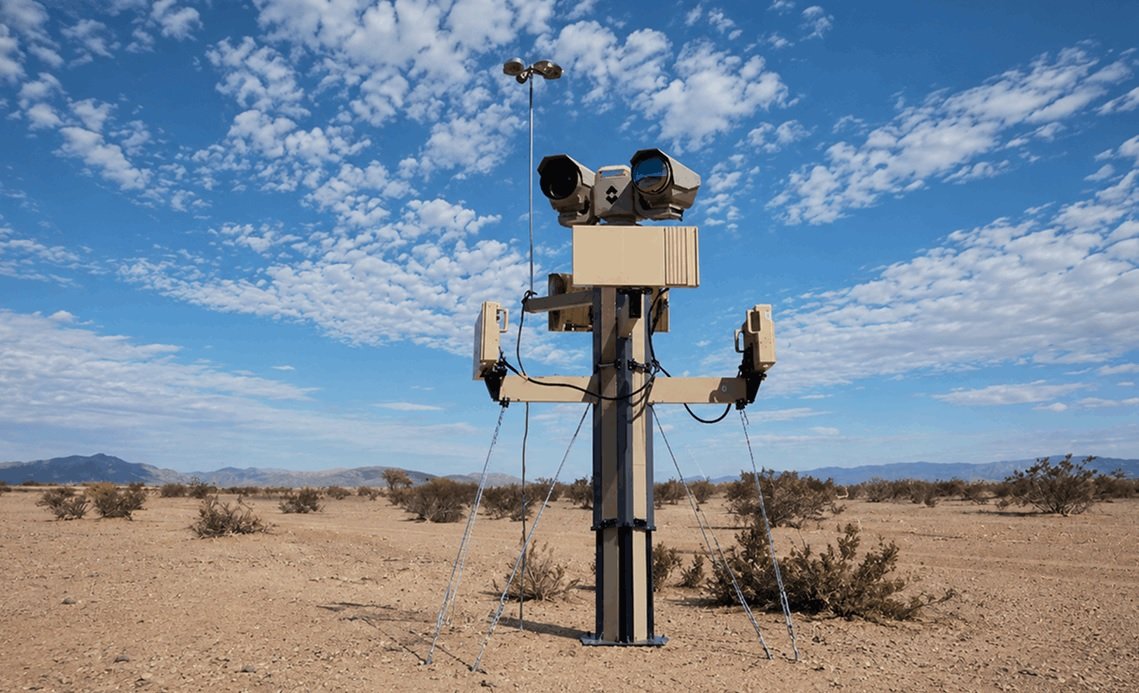
U.S
WASHINGTON — Teledyne FLIR Defense, a division of Teledyne Technologies Incorporated, has received an order from AeroVironment (AV) to supply its Argus XL counter-drone detection platform for the U.S. Air Force's Titan Multi-Sensor (Titan MS) system. The company announced the award on July 29, 2026. The order supports the Pentagon's Domestic Shield Program, which is focused on protecting U.S. military installations and critical infrastructure from the growing threat posed by small unmanned aircraft systems (sUAS) operating within the United States. Part of $500 Million Pentagon Counter-Drone Contract The Argus XL order is part of a broader three-year, $500 million Indefinite Delivery/Indefinite Quantity (IDIQ) sole-source contract awarded by the Pentagon to AeroVironment. The contract supports the Joint Interagency Task Force 401 (JIATF-401) Domestic Shield Program, which is accelerating the deployment of counter-drone capabilities across the U.S. military. Earlier in July 2026, JIATF-401 issued an $80.5 million task order to AeroVironment under the larger contract for the delivery of the Titan Multi-Sensor (Titan MS) system. The initial deployment will strengthen layered air defense for Air Force Global Strike Command, the organization responsible for the nation's bomber fleet and land-based nuclear missile force. JIATF-401 Expanding Counter-Drone Capabilities JIATF-401 was established by the Pentagon to address the increasing threat posed by small, low-cost drones targeting military bases and critical infrastructure. According to the Department of War, the task force had committed more than $600 million by April 2026 to rapidly field counter-drone systems in support of both the Domestic Shield Program and Operation Epic Fury. Brig. Gen. Matt Ross, director of JIATF-401, has previously said the task force's primary objective is to rapidly deliver counter-drone capabilities to military forces operating both within the United States and overseas. Col. Jason Idleman, chief of the Multi-Domain Operations Division at JIATF-401, said the task force continues working to strengthen the military services' ability to protect personnel and installations from evolving drone threats. Titan MS Combines AI and Multiple Sensors The Titan Multi-Sensor (Titan MS) system serves as the central command and sensor-fusion platform within the defense architecture. It combines data from radar, electro-optical cameras, infrared sensors, and radio-frequency detectors into a single operational picture. Using artificial intelligence and machine learning, the system is designed to detect, identify, classify, track and support the defeat of both remotely piloted and fully autonomous unmanned aircraft systems, reducing the need for operators to monitor multiple independent sensor feeds. Argus XL Provides Frontline Drone Detection Teledyne FLIR Defense's Argus XL will serve as the primary detection component within the Titan MS system. The fixed-site, multi-sensor platform combines radar, electro-optical cameras and infrared imaging to detect and track multiple aerial threats during both day and night, including in poor weather conditions. Its thermal imaging capability enables operators to identify drones by their heat signatures in darkness or through heavy cloud cover. The system also integrates with third-party radio-frequency sensors and counter-drone defeat systems capable of jamming, disabling or destroying confirmed threats. According to Teledyne FLIR Defense, Argus XL provides near-hemispherical coverage over protected locations and can detect and track small and micro drones that older radar systems may struggle to distinguish from birds and other airborne objects. Company Executives Highlight Importance of Early Detection Dr. JihFen Lei, President of Teledyne Defense and Aerospace Group and Senior Vice President of Teledyne Technologies, said the company is pleased to support AeroVironment on the program. "We are proud to collaborate with AV to deliver advanced counter-drone technology that enables the U.S. military to detect, classify, track, and respond to increasingly complex unmanned aerial threats," Lei said. He added that Argus XL, Cerberus XL and other Teledyne FLIR Defense counter-UAS systems provide proven, mission-ready capabilities that are integrated into the Titan MS solution. Lei also emphasized the importance of detection in counter-drone operations, stating: "When countering drone threats, operators can't defeat what they can't find." Domestic Shield Focuses on Protecting Military Bases and Critical Infrastructure AeroVironment Chairman, President and Chief Executive Officer Wahid Nawabi said the broader $500 million Domestic Shield program is intended to protect Americans and the critical infrastructure that supports the country's economy and national security. With Teledyne FLIR Defense supplying the Argus XL detection platform and AeroVironment integrating the Titan MS system, the deployment supports the Pentagon's ongoing effort to strengthen layered counter-drone defenses for Air Force Global Strike Command installations and other critical sites under the Domestic Shield Program.
Read More → Posted on 2026-07-29 12:31:47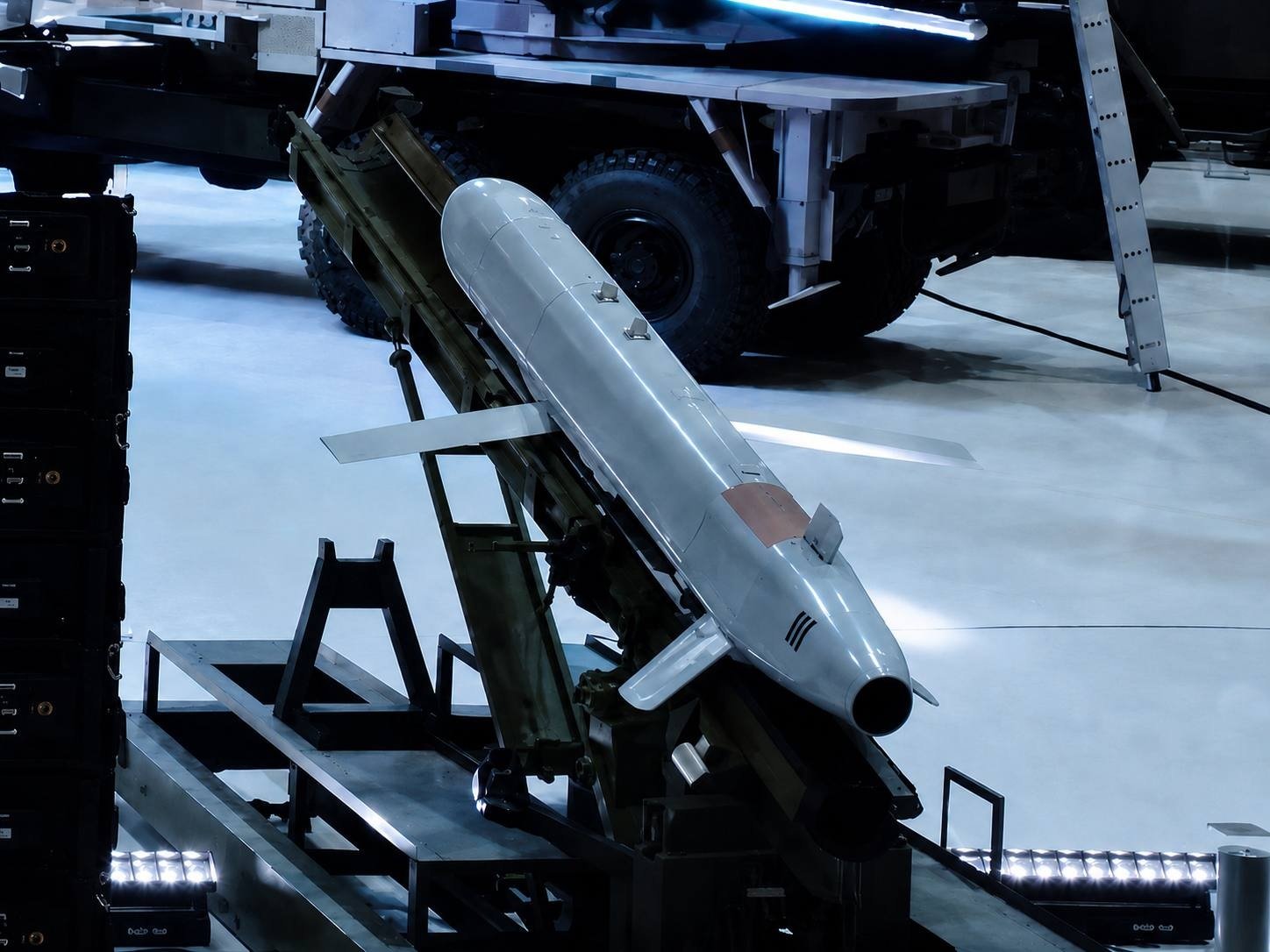
World
Moscow — Recent images indicate that Russia, S8000 Banderol cruise missile, ground-based launcher, Kronshtadt Group, Orion UAV, and Mi-28 attack helicopter have become central to a new development, marking the first public appearance of a launcher designed to fire the weapon from a ground vehicle. Until now, the missile had been associated with air-launched platforms, including the Kronshtadt Orion unmanned aerial vehicle (UAV) and the Mi-28 attack helicopter. A photograph published by the Colonel GSh Telegram channel shows a compact launcher mounted on a platform that appears intended for installation on a pickup-type vehicle. The emergence of the system suggests that Russia is expanding the available launch options for the Banderol missile, allowing it to be deployed without relying exclusively on aircraft. A ground-based launcher could increase operational flexibility by enabling missile launches from mobile land vehicles. However, military analysts note that launching a cruise missile from a stationary ground position requires more energy than releasing it from an aircraft already in flight. As a result, unless the ground-launched version has been modified, its operational range would likely be lower than the air-launched variant. Analysts say maintaining the missile's original range could require changes such as a more powerful engine or a reduction in payload weight. No official information has been released confirming whether the ground-launched version has undergone such modifications. S8000 Banderol Cruise Missile The S8000 Banderol, developed by Russia's Kronshtadt Group (also referred to as Kronstadt Group or Kronstadt JSC), is a small jet-powered cruise missile designed with an emphasis on relatively low production costs and simplified manufacturing. Ukrainian Defense Intelligence (HUR) first disclosed the missile's existence and published technical details and component lists in May 2025. The missile has reportedly been in service since 2025 and has been used by Russian forces during the conflict with Ukraine. Before the appearance of the new launcher, it was primarily associated with the Orion UAV, with reports also identifying the Mi-28 attack helicopter as a launch platform. Specifications According to available technical information, the S8000 Banderol has the following characteristics: Length: Approximately 5 meters Fuselage diameter: 30 centimeters Wingspan: Approximately 2.2 meters Maximum speed: 620–650 km/h Cruising speed: 520–560 km/h Maximum stated range (air-launched): Up to 500 kilometers Fuel load: 50–65 kilograms The missile is powered by a Chinese Swiwin SW800Pro (also identified in some reports as the SW800Pro-A95) commercially available turbojet engine. The engine weighs 8.5 kilograms, operates at up to 65,000 rpm, and produces up to 81.6 kgf of thrust. The Banderol carries an OFBCh-150 high-explosive fragmentation warhead with a total mass of 114.3 kilograms, including 49.5 kilograms of explosive material. The explosive mixture consists of HMX (octogen) combined with aluminum powder and a plasticizer. Some reports also refer to a warhead weight of up to 150 kilograms. The missile uses a combination of inertial navigation and satellite guidance. It is also reported to be equipped with the Kometa-M8 jamming-resistant antenna system, designed to improve resistance to electronic warfare. Foreign Components Technical information published by Ukrainian Defense Intelligence indicates that the missile incorporates a range of foreign-made components sourced from multiple countries. Identified parts reportedly include the Chinese turbojet engine, Japanese batteries, South Korean servo drives, Australian telemetry modules, and various U.S.-manufactured electronic components, along with components from other countries. Operational Significance The appearance of a ground-based launcher expands the potential deployment methods for the S8000 Banderol beyond aircraft-based platforms. The system could allow the missile to be launched from mobile ground vehicles, increasing deployment flexibility. Reports published in July 2026 also indicated increased use of the Banderol missile, with Ukrainian sources documenting multiple strikes over a short period. The newly observed launcher represents the first publicly known ground-based launch system for the missile, although no official Russian announcement has been made regarding its operational status or performance.
Read More → Posted on 2026-07-29 12:13:19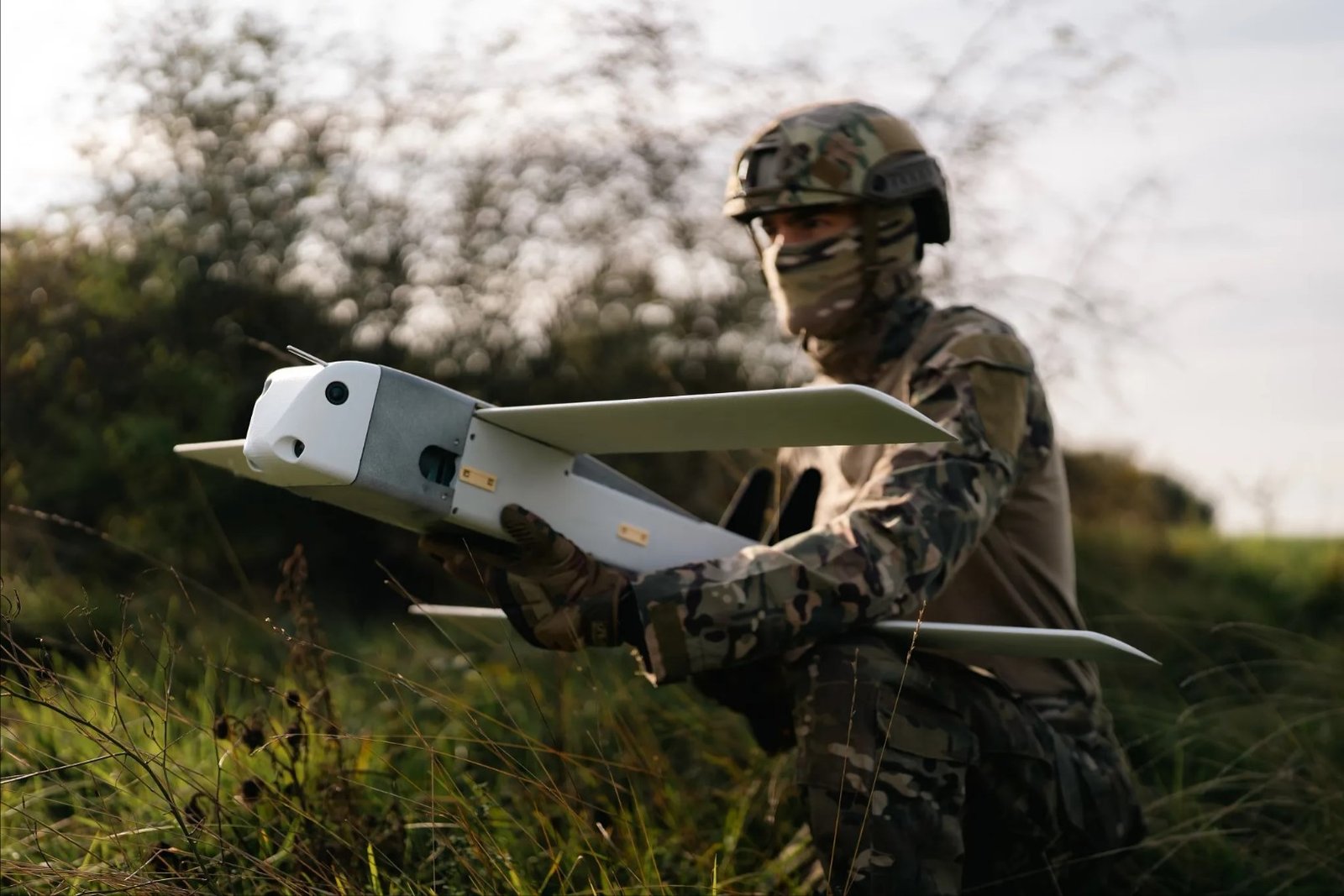
Europe
BRUSSELS, Belgium — The European Defence Agency (EDA) has selected five European defence technology companies to advance to the field-testing phase of its Sentinel Strike Challenge, a competition designed to evaluate next-generation loitering munition systems under realistic operational conditions. The selected companies will deploy their systems this autumn at the Santa Margarida Military Training Area in central Portugal as part of the Hub for European Defence Innovation (HEDI) Operational Experimentation Campaign 2026 (OPEX26). The challenge aims to provide European defence ministries with objective performance data rather than select systems for procurement. Five Companies Advance to Stage 2 Following a highly competitive first stage that attracted more than 140 expressions of interest from organizations across Europe, the EDA selected the five highest-ranked proposals based on technical maturity, operational relevance, safety, and demonstration feasibility. The companies advancing to the operational field trials are: Helsing (Germany) Destinus (Netherlands) C-Astral (Slovenia) UAVision (Portugal) Spirit Aeronautical Systems (Greece) Each company has received a €30,000 Stage 1 prize and will now compete for a share of the €1.8 million Stage 2 prize fund. Five other companies also placed in the top ten but will not participate in the field-testing phase. They are Renegade UxS and Robotto from Denmark, Cerberon Defence Systems from Germany, THALES LAS from France, and ALTUS LSA from Greece. Each has been awarded a €10,000 Stage 1 prize. Operational Trials in Portugal The second stage of the competition will be conducted at the Campo de Instrução Militar de Santa Margarida, an active military training area located about 130 kilometers northeast of Lisbon. Covering approximately 62 square kilometers, the facility includes firing ranges, vehicle courses, and specialized military infrastructure suitable for operational experimentation. The field trials will form part of the OPEX26 campaign and will be carried out alongside the Portuguese Army's ARTEX26 technological experimentation exercise. The combined activities are intended to create a regulatory environment that allows prototype defence technologies to be evaluated under realistic, degraded, and contested operational conditions. According to the current schedule: System acceptance: 21–25 September 2026 Operational experimentation: 28 September–9 October 2026 High-visibility demonstration event: 14 October 2026 (subject to confirmation) Demonstrations may include live-fire activities, subject to safety requirements and host-nation authorization. Focus on Class I Loitering Munitions The Sentinel Strike Challenge focuses on Class I aerial loitering munition systems with a maximum take-off mass of up to 25 kilograms and an operational range of up to 40 kilometers. Often referred to as attack drones, loitering munitions are designed to search for targets before conducting a precision strike. Military personnel from EU Member States will assess each system across the complete precision strike mission cycle, including: Mission planning and preparation Deployment Launch or release Target detection and identification Target tracking Precision engagement Post-engagement damage assessment The evaluation will also compare system performance and resilience when operating under the same operational scenarios. Data Collection, Not Procurement The EDA has emphasized that the Sentinel Strike Challenge is not a procurement competition. Advancing to Stage 2 or winning the challenge does not guarantee future defence contracts or deployment. Instead, the programme is intended to generate objective and comparable operational data that can help European defence ministries assess emerging loitering munition technologies before making future capability and investment decisions. By testing multiple systems in the same operational environment with direct involvement from military users, the challenge aims to provide practical evidence on system performance under realistic conditions. Responding to Rapid Technological Change According to the EDA, recent conflicts have accelerated the development and operational use of loitering munitions, with technological advances often moving faster than traditional defence acquisition cycles. The Portugal trials are designed to provide a common testing environment where participating systems can be evaluated under consistent operational conditions, allowing defence organizations to compare capabilities using standardized data. Winners to Be Announced in 2027 The Sentinel Strike Challenge has a total prize budget of €2 million, including up to €200,000 for Stage 1 and up to €1.8 million for Stage 2. Following the completion of the operational trials in Portugal, the overall winners are expected to be announced in early 2027, with an award ceremony planned during the European Defence Agency Annual Conference. Source : eda.europa.eu
Read More → Posted on 2026-07-29 12:05:34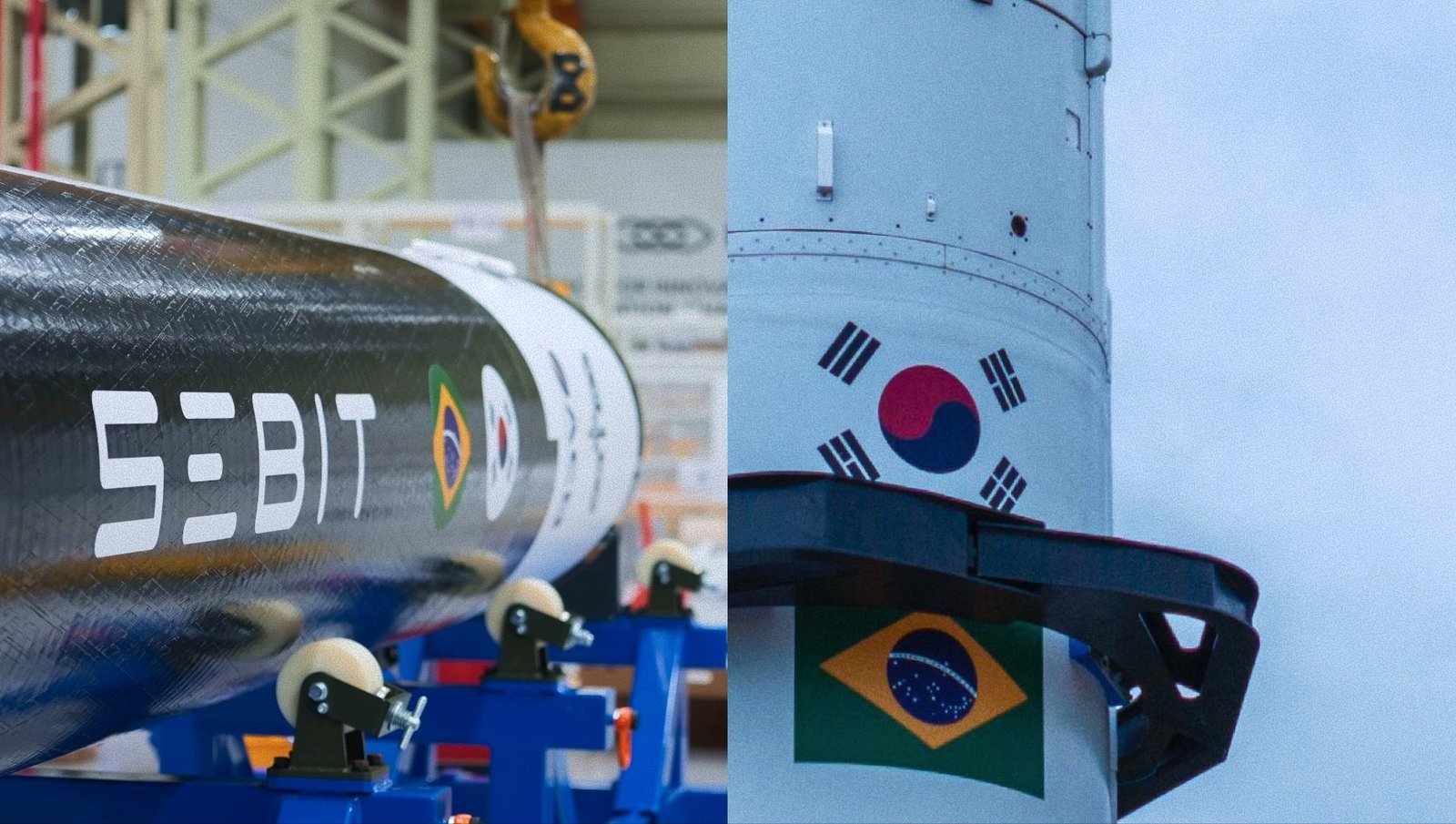
Space & Technology
BRASILIA — South Korea and Brazil have signed a memorandum of understanding (MOU) on space cooperation, marking a new phase in bilateral aerospace relations and expanding collaboration in commercial space launches, satellite data sharing, lunar exploration, and the development of the space industry. The agreement was signed on July 27, 2026, during a summit in Brasilia between South Korean President Lee Jae Myung and Brazilian President Luiz Inácio Lula da Silva. The MOU was concluded between the Korea AeroSpace Administration (KASA) and Brazil's Space Agency (AEB) for the peaceful use of outer space. First Space Agreement with Latin America The agreement is KASA's first space cooperation pact with a Latin American country and follows earlier discussions between the two governments, including a summit held in Seoul in February 2026. The MOU is intended to strengthen long-term cooperation in the space sector while providing a framework for scientific, technological, and commercial collaboration. Focus on Commercial Space Launches A key objective of the agreement is to simplify launch licensing regulations and administrative procedures for South Korean aerospace companies seeking to use Brazil's Alcântara Space Center. Located near the equator, the Alcântara Space Center offers geographical advantages for certain satellite missions by reducing fuel requirements for specific orbital trajectories, making it an attractive location for commercial launch providers. By streamlining regulatory procedures, the agreement aims to create a more predictable environment for commercial launches and improve access to Brazilian launch infrastructure for South Korean companies looking to expand their presence in Latin America. Broader Areas of Cooperation In addition to launch operations, the two space agencies agreed to cooperate in several areas, including: Development of the space industry and space economy Launch licensing regulations Satellite data sharing Lunar exploration Scientific, technological, and commercial activities related to the peaceful use of outer space Building on INNOSPACE's Alcântara Mission The agreement builds on recent cooperation between the two countries. In December 2025, South Korean launch company INNOSPACE carried out Korea's first commercial space launch attempt from the Alcântara Space Center using its HANBIT-Nano rocket under the Spaceward mission. The mission carried eight small satellites and payloads from Brazil, India, and South Korea. Although the rocket experienced an anomaly and failed shortly after liftoff, later analysis attributed the failure to a gas leak. Despite the outcome, the mission marked the first commercial orbital launch attempt from Brazilian territory in 22 years and became an important milestone in bilateral space cooperation. Officials said the operational and logistical experience gained during the mission helped lay the foundation for the new agreement. Support for Future Launch Activities According to South Korean officials, the MOU will provide practical support for Korean aerospace companies by reducing launch-related administrative barriers and improving access to Brazilian launch facilities. The agreement is expected to make commercial launch planning more predictable while supporting future space activities between the two countries. INNOSPACE has also continued to identify the Alcântara Space Center as a primary launch site and has indicated plans for additional missions from the facility. Leaders Highlight Expanding Partnership Following the summit, President Luiz Inácio Lula da Silva invited President Lee Jae Myung to return to Brazil in September for a planned joint space launch at the Alcântara Space Center. President Lee said the agreement would strengthen cooperation in commercial launches, satellite data sharing, and space exploration while further expanding collaboration between the two countries' space sectors. Part of Broader Bilateral Cooperation The space cooperation agreement was one of seven memorandums of understanding signed during the July 27 summit. The broader package also included agreements covering supply chains, critical minerals, energy, defense, trade, and cultural exchanges, reflecting efforts by both governments to deepen their strategic partnership. The two leaders also adopted a joint statement describing 2026 as the beginning of a new phase in bilateral relations, with expanded cooperation across multiple sectors, including commercial space and advanced technology.
Read More → Posted on 2026-07-28 16:09:17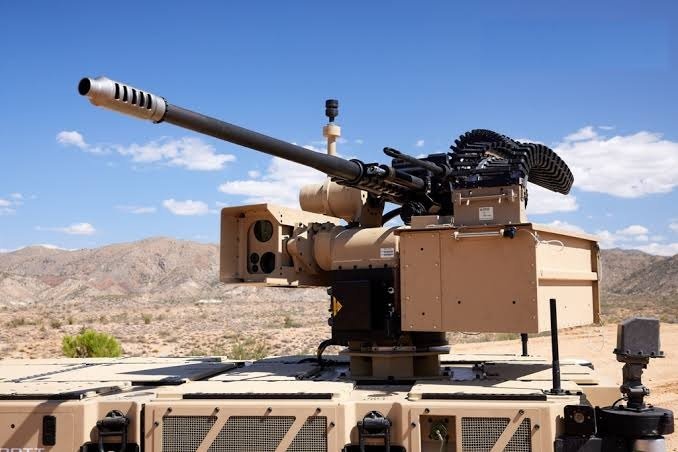
U.S
PLYMOUTH, Minn. — Northrop Grumman is advancing its M230LF Dual Feed Bushmaster Chain Gun and specialized ammunition as militaries seek more effective solutions to counter the growing use of unmanned aerial systems (UAS) on modern battlefields. The company developed the dual-feed configuration to address changing battlefield requirements, where military forces must respond quickly to both aerial drone threats and ground targets. The system allows operators to switch instantly between two different ammunition types without stopping to reload or changing weapons, reducing response time as threats change during combat. According to Northrop Grumman, drones are increasingly being used for intelligence collection, penetrating traditional defenses, and conducting precision attacks. Conventional weapon configurations often required operators to use mixed ammunition belts or separate weapon systems to engage different target types. The M230LF Dual Feed is designed to eliminate that limitation by enabling ammunition selection at the push of a button. "Seeing the emerging needs of the warfighter as C-UAS threats evolve, our team moved with urgency," said Rylan Harris, director of business development for Northrop Grumman armament systems. "We saw where the battlefield was going and built a solution to meet it." Dual-feed design for multiple battlefield threats The M230LF Dual Feed is based on Northrop Grumman's Bushmaster family of chain guns, which evolved from the original M230 cannon used on the AH-64 Apache attack helicopter and its ground-oriented M230LF variant. Its primary feature is a dual-feed mechanism that provides two separate ammunition feed paths. Operators can select the appropriate round immediately without manually changing ammunition belts or replacing the weapon. This enables the same cannon to engage unmanned aircraft overhead and armored or vehicle targets on the ground using different ammunition. Northrop Grumman said the system is intended to improve operational flexibility while simplifying engagement of multiple target types during combat operations. Two ammunition types for different missions The M230LF Dual Feed uses two 30×113 mm ammunition types developed by Northrop Grumman for different operational roles. The XM1211 High Explosive Proximity round was developed with the U.S. Army specifically for counter-unmanned aircraft system (C-UAS) missions. Equipped with a proximity sensor, the round detonates when it detects a target nearby rather than requiring a direct impact. The resulting fragmentation is intended to improve effectiveness against small, fast-moving drones that are difficult to hit directly. Northrop Grumman said the XM1211 has demonstrated effectiveness against unmanned aircraft in real-world applications. If the proximity sensor does not detect a target, the round is designed to self-destruct at maximum range. The second ammunition type, the XM1198 High-Explosive round, is designed to engage armored ground targets and hostile vehicles. "We built this technology because the need is real — and it's ready now to help protect those on the front lines," Harris said. "In the end, defeating drones comes down to reliable capability and the Bushmaster Dual Feed with our proximity ammunition will win the fight." Development and production Northrop Grumman first unveiled the M230LF Dual Feed in October 2024. The company said the system reached Technology Readiness Level (TRL) 6, completed internal live-fire testing, and planned additional demonstrations. The dual-feed cannon maintains a similar weight profile to the existing single-feed M230LF while sharing about 60 percent of its components with the earlier model. According to the company, this commonality is intended to simplify maintenance, reduce logistical requirements, and support existing operators. Northrop Grumman also confirmed it will continue producing the single-feed M230LF for customers who do not require the dual-feed capability. The weapon has an adjustable firing rate of 50 to 200 rounds per minute. The company said the M230LF Dual Feed is suitable for integration on remote weapon stations mounted on 4×4, 6×6, and 8×8 land vehicles, and it has also been demonstrated on systems such as Saab's Trackfire remote weapon station fitted to the CB90 combat boat. Northrop Grumman said the system is intended to provide a kinetic counter-UAS capability against Group 1 and Group 2 unmanned aerial systems while retaining the ability to engage armored ground targets. Expanding manufacturing capacity As global demand for gun-based counter-drone systems continues to grow, Northrop Grumman is expanding production capacity for both the M230LF Dual Feed cannon and its associated ammunition. The company said its investments include manufacturing equipment, production facilities, and tooling to increase output and reduce lead times. "Our advanced ammunition is demonstrating real-world effectiveness against drones, and we're continuing to ramp production on these critically needed rounds to meet escalating global C-UAS threats," Harris said. In December 2025, Northrop Grumman received a U.S. Army contract valued at more than $200 million to produce XM1211 High Explosive Proximity rounds. Production is taking place at company facilities in Minnesota, West Virginia, and Virginia. By combining counter-drone and anti-armor capabilities within a single weapon system, Northrop Grumman is positioning the M230LF Dual Feed Bushmaster Chain Gun as a flexible solution for military forces responding to evolving battlefield threats.
Read More → Posted on 2026-07-28 15:59:09
World
TAMPA, Fla., July 28 — U.S. Central Command (CENTCOM) and the United Arab Emirates (UAE) have reached an agreement to establish their first bilateral military task force focused on accelerating the development and deployment of artificial intelligence (AI) applications for defense operations. The new unit, named Task Force Talon Synapse, is scheduled to officially launch in the coming weeks and will be headquartered in Abu Dhabi. The task force will include approximately 20 American and Emirati personnel with expertise in artificial intelligence, data science, and cybersecurity. According to CENTCOM, the task force will work on safely and effectively integrating AI technologies into joint military operations. Its main areas of focus will include improving intelligence support, protecting critical civilian and military infrastructure, and monitoring the regional security environment across the Middle East. CENTCOM Commander Adm. Brad Cooper described the initiative as an important step in expanding cooperation between the two countries. “This will be a historic milestone as we work with one of our most capable regional partners to rapidly deliver evolving AI advancements to our warfighters,” Cooper said in a public statement. “Together, we and our Emirati partners share a strong commitment to adopting AI applications that will foster innovation at speed and scale.” The concept for Task Force Talon Synapse was first discussed last year during meetings between Adm. Brad Cooper and Sheikh Tahnoon bin Zayed Al Nahyan, the UAE's National Security Advisor and Deputy Ruler of Abu Dhabi. CENTCOM officials later traveled to the UAE last month, where they met with Emirati defense officials and AI industry leaders to finalize operational planning for the new task force. The agreement reflects the growing defense and technology partnership between the United States and the UAE. The Emirates has made significant investments in artificial intelligence in recent years, including establishing the Mohamed bin Zayed University of Artificial Intelligence in 2019 and appointing a federal Minister of State for Artificial Intelligence. The initiative also follows broader U.S.-UAE cooperation in AI and advanced technology. Recent developments include plans for a joint U.S.-UAE AI campus and changes to U.S. export rules related to advanced computing hardware. CENTCOM said the task force will help both countries integrate emerging AI technologies into defense operations while strengthening intelligence capabilities, infrastructure protection, and regional security cooperation. The command announced the agreement through its official channels on July 28, with Task Force Talon Synapse expected to begin operations in the coming weeks.
Read More → Posted on 2026-07-28 15:54:44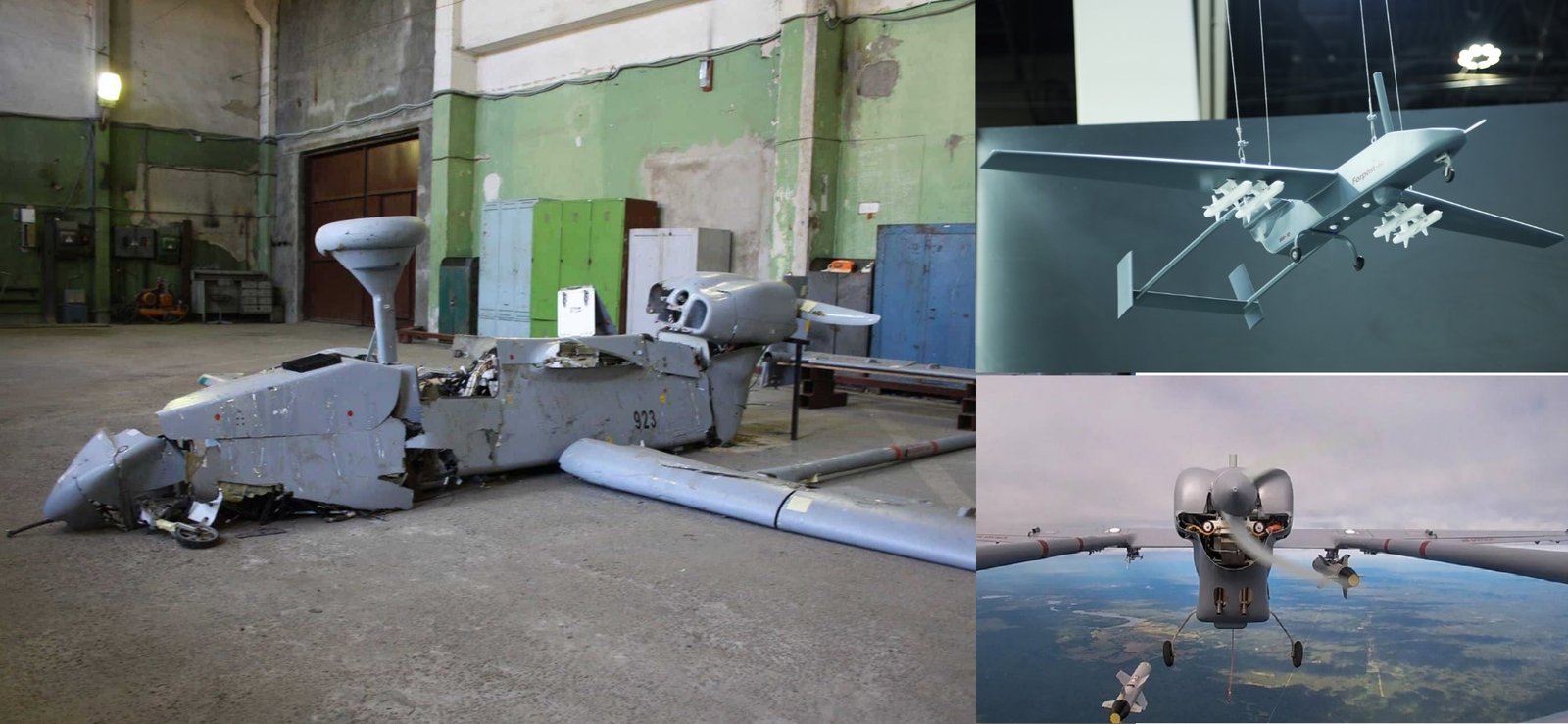
World
KYIV, Ukraine — Ukrainian forces have shot down a Russian Forpost-R multirole unmanned aerial vehicle (UAV) over Russia's Kursk region using a domestically developed Chaklun-KM interceptor drone, marking another confirmed loss of one of Russia's relatively rare reconnaissance and strike drone platforms. According to Ukraine's Unmanned Systems Forces, the interception took place on July 27, 2026, during an operation carried out by drone pilots from the 7th Battalion "Topota" of the 414th Separate Unmanned Systems Brigade, commonly known as "Magyar's Birds." Commander of Ukraine's Unmanned Systems Forces, Robert Brovdi, known by the callsign "Magyar," said the Chaklun-KM interceptor successfully engaged the target at an altitude of 4.3 kilometers (approximately 14,100 feet) over Russia's Kursk region. Video of the interception was later released by the brigade. ⚡️A Russian Forpost-R has been hunted down and shot down – a heavy, high-value strike and reconnaissance UAV capable of carrying guided munitions.The platform, capable of carrying KAB-20 laser-guided aerial bombs, was detected and destroyed on July 27, 2026, over Russia’s Kursk… pic.twitter.com/kCViSek7aC — 414 Magyar's Birds (@414magyarbirds) July 27, 2026 The downed aircraft was identified as a Forpost-R, a reconnaissance and strike UAV capable of carrying guided aerial munitions. According to available records, this is the sixth visually confirmed destruction of a Forpost-R since the start of Russia's full-scale invasion of Ukraine and the second such drone destroyed by the 414th Brigade, following an earlier interception in April 2025. The successful engagement highlights the increasing use of dedicated interceptor drones by Ukrainian forces to counter Russian reconnaissance and strike UAVs operating at higher altitudes. Russian Forpost-R Drone The Forpost is a Russian reconnaissance and strike unmanned aerial system produced under license from the Israeli IAI Searcher Mk II, originally developed by Israel Aerospace Industries. Russia first acquired the platform in 2009, purchasing two Searcher II UAVs for evaluation at a cost of US$12 million. In 2010, Russia signed a US$300 million agreement to assemble the drones from Israeli-supplied kits at the Kazan Helicopter Plant. Localized production began in 2012 at the Ural Civil Aviation Plant, where the aircraft entered service under the name Forpost. Each Forpost system consists of the unmanned aircraft and a ground control station. The original version is equipped with electro-optical and infrared imaging systems that enable day-and-night reconnaissance missions. It has an operational range of up to 250 kilometers when using a directional antenna and an endurance of up to 18 hours. Russia introduced the upgraded Forpost-R in 2019. The newer version is powered by the domestically produced APD-85 engine and has a maximum take-off weight of 500 kilograms. Its service ceiling is 5 kilometers, and unlike the original model, it can carry light guided munitions for strike missions. KAB-20 Guided Bomb One of the primary weapons carried by the Forpost-R is the KAB-20 guided aerial bomb, which is also used by Russia's Orion unmanned aerial system. The KAB-20 measures 900 millimeters in length, has a 130-millimeter body diameter, and a 350-millimeter wingspan. The munition weighs 21 kilograms, including a 7-kilogram high-explosive fragmentation warhead. When released from high altitude, its maximum stand-off range is up to 8 kilometers. The bomb is produced in two known variants. The KAB-20L uses laser guidance, while the KAB-20S employs a satellite navigation guidance system and was officially accepted into Russian service in April 2023. There have also been reports suggesting Russia has been developing a version capable of targeting mobile phone signals. However, no confirmed information has been released regarding its adoption or operational use. Previous Ukrainian Interceptions Ukrainian forces have been engaging Forpost-family drones since the Anti-Terrorist Operation (ATO) in the Donbas. The first confirmed interception occurred in August 2014, when an Israeli-made IAI Searcher UAV with board number 920 was shot down near Vilkhivchyk (then known as Novopetrivske). Later that year, additional IAI Searcher drones with board numbers 905 and 916 were also shot down. On May 4, 2015, reports indicated that another IAI Searcher had been destroyed, although further details were limited. On May 20, 2015, Ukrainian forces confirmed the destruction of a Russian Forpost UAV with board number 923. The last known interception during the ATO period occurred in October 2016, when an IAI Searcher carrying board number 915 was shot down. The latest interception over the Kursk region adds another confirmed loss to the Forpost-R fleet and demonstrates the continued use of Ukrainian-developed interceptor drones against Russian reconnaissance and strike UAVs operating near the battlefield.
Read More → Posted on 2026-07-28 15:46:17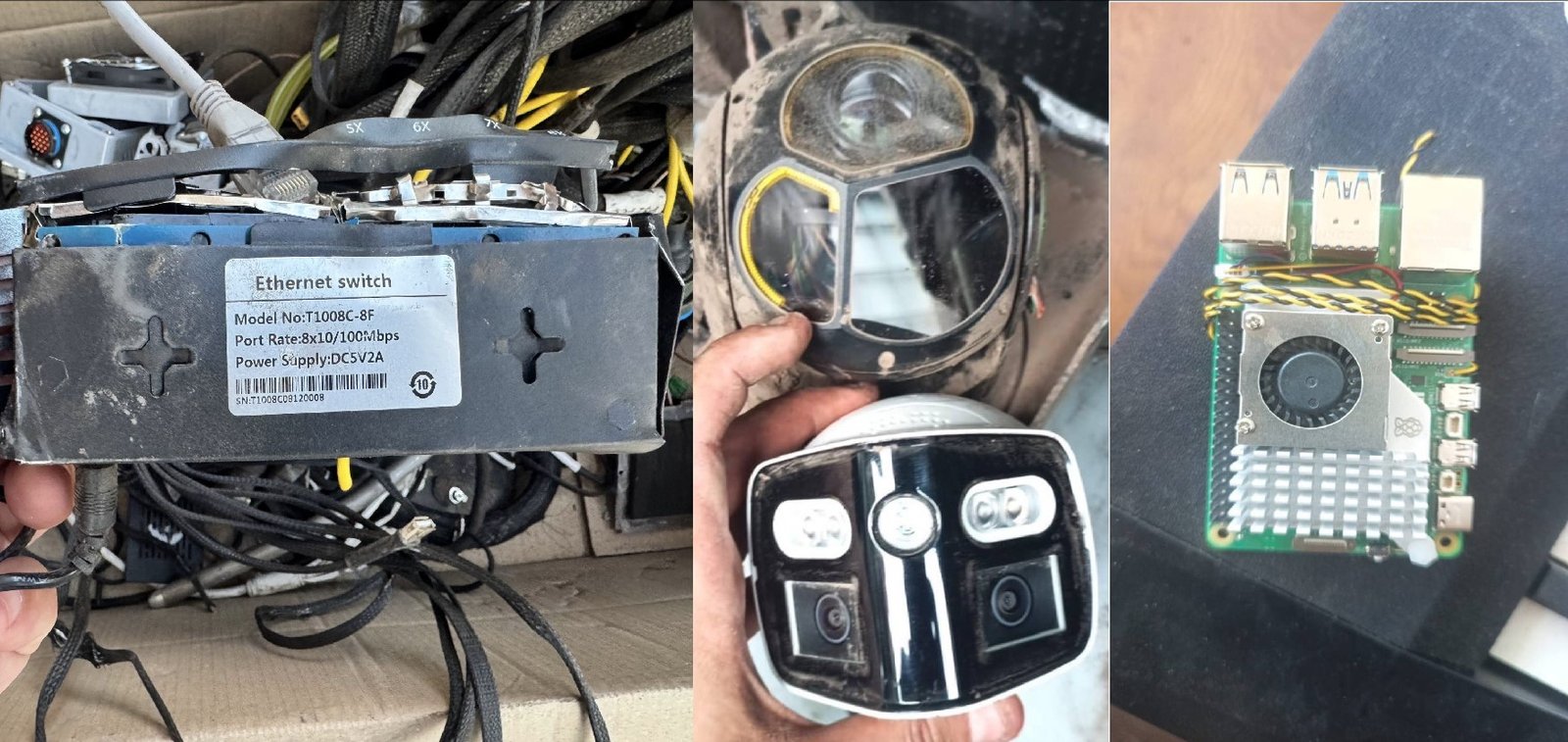
World
ODESA, Ukraine — Russian forces have deployed a modified version of the Geran-series one-way attack drone, known as the Seeker variant, featuring upgraded optical targeting, autonomous terminal guidance, and mesh-network communication systems. The new configuration is designed to engage high-value and dynamic targets, expanding the capabilities of the baseline Geran-2, the Russian-produced version of the Iranian Shahed-136. Information on the upgraded drone comes from the examination of a Seeker-equipped Geran-2 recovered near Odesa, statements by Ukrainian specialists, and open-source imagery analyzed through mid-to-late July 2026. According to the recovered airframe, the Seeker variant incorporates a multi-sensor package that enables operators to identify and engage targets with greater precision than earlier versions, which primarily relied on pre-programmed flight paths and fixed target coordinates. Dual-Camera Targeting System One of the main upgrades is a dual-camera arrangement connected to a mesh modem through an onboard Ethernet switch. One camera provides a rearward view, allowing operators to monitor the surrounding airspace and maintain situational awareness during flight. The second forward-facing camera is designed for target acquisition and includes zoom capability. Analysis of the recovered drone showed that this optical unit also includes day and thermal imaging functions as well as a laser rangefinder, enabling operators to identify and measure the distance to intended targets. The system allows the operator to locate and lock onto a target before the drone begins its final attack phase. Autonomous Terminal Guidance The Seeker variant also incorporates an automatic target recognition (ATR) system supported by onboard processing built around a Raspberry Pi single-board computer architecture. During an attack, the operator uses the drone's camera feed transmitted through the mesh network to identify a target, typically from approximately one kilometer away. After the target is selected and locked, the onboard guidance system takes control of the final approach. This autonomous terminal guidance enables the UAV to continue toward the designated target even if communication with the operator is interrupted during the final stage of flight. Mesh Network and Telemetry The upgraded drone uses mesh-network modems with dedicated antennas to maintain communication between the UAV and its operator. Unlike conventional direct radio links, mesh networking is designed to route data through multiple available paths, supporting command transmission and live video feeds. The Geran-2 recovered near Odesa was also fitted with a commercial LTE modem. According to the available analysis, this modem is used for transmitting real-time flight telemetry. Designed for High-Priority Targets Ukrainian radio-technology specialist and Defense Ministry adviser Serhii Beskrestnov, known by the callsign Flash, described the Seeker as a modification intended to locate and strike particularly important targets. According to the available information, the Seeker equipment package can be integrated into Geran-2 through Geran-4 airframes. Jet-powered Geran-4 Seeker variants have also appeared more frequently in recent months. The combination of electro-optical sensors, thermal imaging, operator video transmitted through the mesh network, onboard target recognition, and autonomous terminal guidance enables the drones to engage both fixed and moving targets. Similar Systems Observed on Other UAVs Open-source analysis has also identified similar camera systems, mesh communication equipment, and autonomous terminal-guidance components on Gerbera unmanned aerial vehicles, suggesting that these technologies are being adopted across related drone platforms. The Seeker modification represents an incremental development of the long-range Geran UAV family. Based on the analysis of recovered airframes, statements from Ukrainian specialists, and publicly available imagery, the upgraded configuration introduces enhanced sensing, communication, and terminal guidance capabilities while maintaining the overall design of the Geran platform.
Read More → Posted on 2026-07-28 15:27:59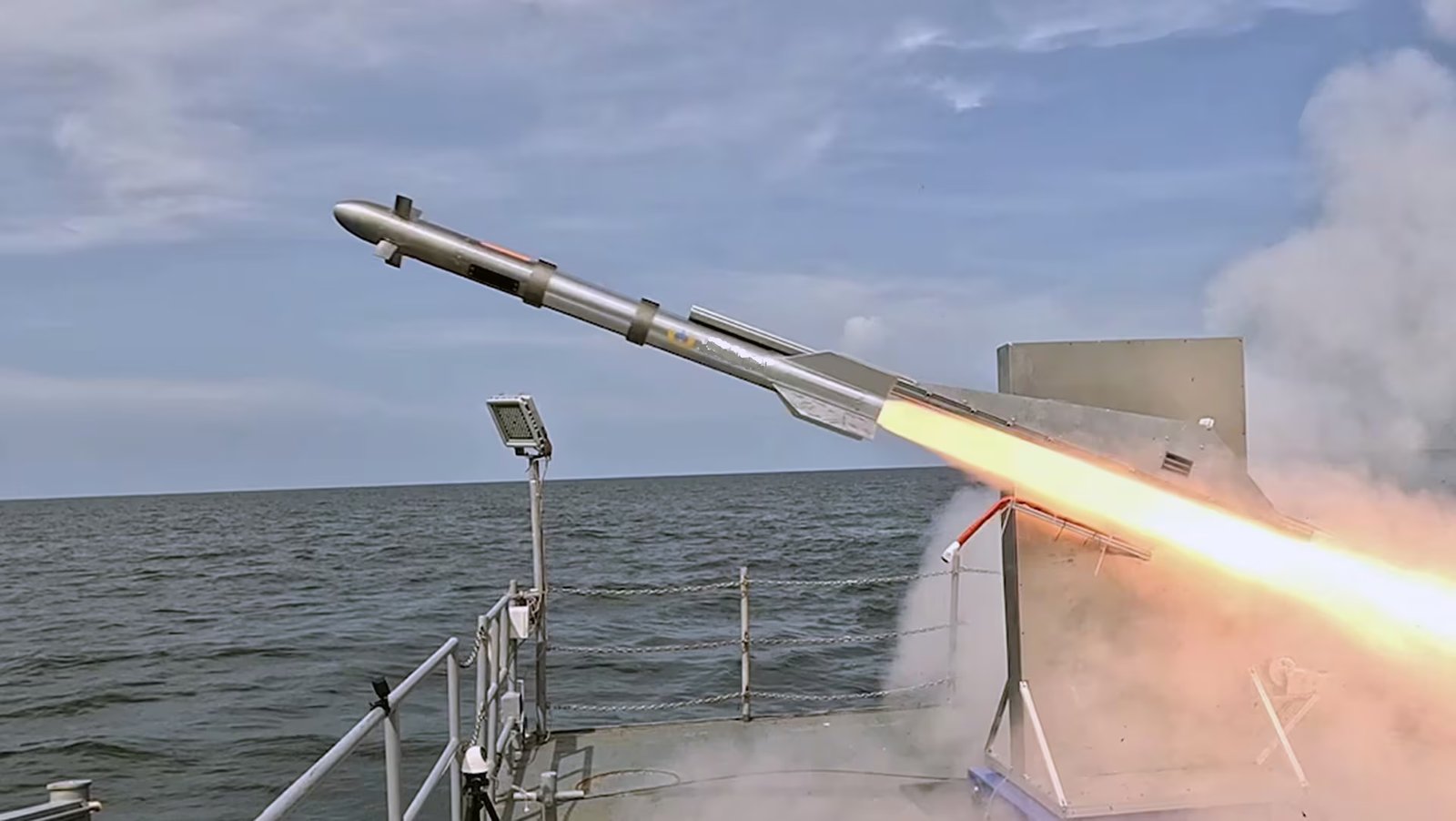
U.S
Washington, D.C. — The U.S. Department of Defense (DoD) has launched a new initiative to accelerate the development of affordable, mass-produced long-range precision strike weapons as it looks to supplement its inventory of high-cost guided munitions with scalable alternatives. Managed by the Defense Innovation Unit (DIU), the new Ground-Based Affordable Mass (G-BAM) challenge invites defense companies and technology firms to propose mature, low-cost strike systems that can be rapidly tested, certified, and moved into production. The initiative is designed to support sustained military operations by providing commanders with more affordable long-range strike options while preserving high-end precision weapons for priority targets. The announcement comes as recent conflicts and ongoing regional tensions have highlighted the challenges of relying heavily on expensive precision-guided weapons. According to the DIU, future conflicts will require the Joint Force to generate long-range effects at a scale, cost, and pace that current inventories alone cannot support. Focus on Affordable Long-Range Strike Systems The G-BAM program aims to complement existing high-end precision munitions rather than replace them. By fielding lower-cost weapons in larger numbers, the Pentagon intends to expand the range of targets that can be engaged while maintaining sufficient stocks of advanced munitions for missions requiring higher-end capabilities. The effort aligns with the Direct Reporting Portfolio Manager for Unmanned Systems (DRPM-UxS), a recently established office focused on rapidly fielding low-cost autonomous systems at scale. The DoD is seeking systems that can be demonstrated within 60 to 90 days and transitioned into production within 12 to 18 months, reflecting one of the department's fastest acquisition timelines for a long-range strike capability. Technical Requirements The Defense Innovation Unit has outlined several mandatory performance and production requirements for proposed systems. The preferred system should include: Minimum range of 600 nautical miles. Payload capacity of at least 35 pounds, with more than 100 pounds strongly preferred. All-up flyaway cost below $250,000 at production scale. Existing manufacturing capacity or a credible plan to produce more than 100 systems per month. Ground launch capability without proprietary launch infrastructure, with remote, low-signature, and containerized launch methods preferred. In addition, the Pentagon is seeking systems capable of operating in contested environments, including those affected by electronic warfare and GPS disruption. Desired capabilities include automatic target recognition, autonomous terminal guidance, alternative or redundant Position, Navigation and Timing (PNT) technologies for GPS-denied environments, and compatibility with existing targeting, command-and-control, and fires networks. The department has not specified whether the final solution must be a missile or a one-way attack drone. Instead, it is seeking any ground-launched autonomous precision strike system that meets the required operational objectives. Submission and Demonstration Timeline Companies interested in participating must submit either a pitch deck of no more than 15 slides or a white paper of up to five pages by August 5, 2026, at 11:59 p.m. Eastern Time. Each submission must also include a recorded video showing the proposed system operating in a real-world environment. The competition is open to both U.S. and international vendors, and prior combat use is not required, although demonstrated operational performance is considered an advantage. Selected participants will advance to a Phase II flight demonstration scheduled for early November at a government test site. During the event, each team will provide a 30-minute system presentation followed by technical discussions with government and allied experts. Each Phase II participant will receive a $250,000 cash prize and must provide at least three representative inert systems while limiting its demonstration team to no more than eight personnel. The highest-rated proposals may receive up to $5 million to deliver operational test quantities directly to military units. Transition Opportunities Beyond the prize competition, successful participants may become eligible for additional government contracting opportunities. These include Prototype Other Transaction agreements under 10 U.S.C. § 4022, follow-on production contracts, and Army Small Business Innovation Research (SBIR) Direct-to-Phase II awards of up to $2 million for qualifying U.S. small businesses. The Pentagon has allocated up to $250 million for prize execution and follow-on transition activities associated with the G-BAM challenge. The UK Ministry of Defence is also supporting the initiative by contributing expertise related to long-range strike systems. Part of a Broader Pentagon Strategy The G-BAM challenge is one element of the Pentagon's broader effort to develop lower-cost, mass-producible precision strike capabilities. Related initiatives include the Family of Affordable Mass Missiles (FAMM-BAR) program, which is developing methods to launch cruise missiles from standard cargo aircraft, and the Low-Cost Containerized Missiles program, which focuses on reducing the cost of advanced strike weapons. Through these efforts, the Department of Defense aims to expand production capacity, reduce operational costs, and improve the ability to sustain long-duration military operations while reducing dependence on limited inventories of expensive precision-guided munitions. Source : Defensenews.com
Read More → Posted on 2026-07-28 14:41:17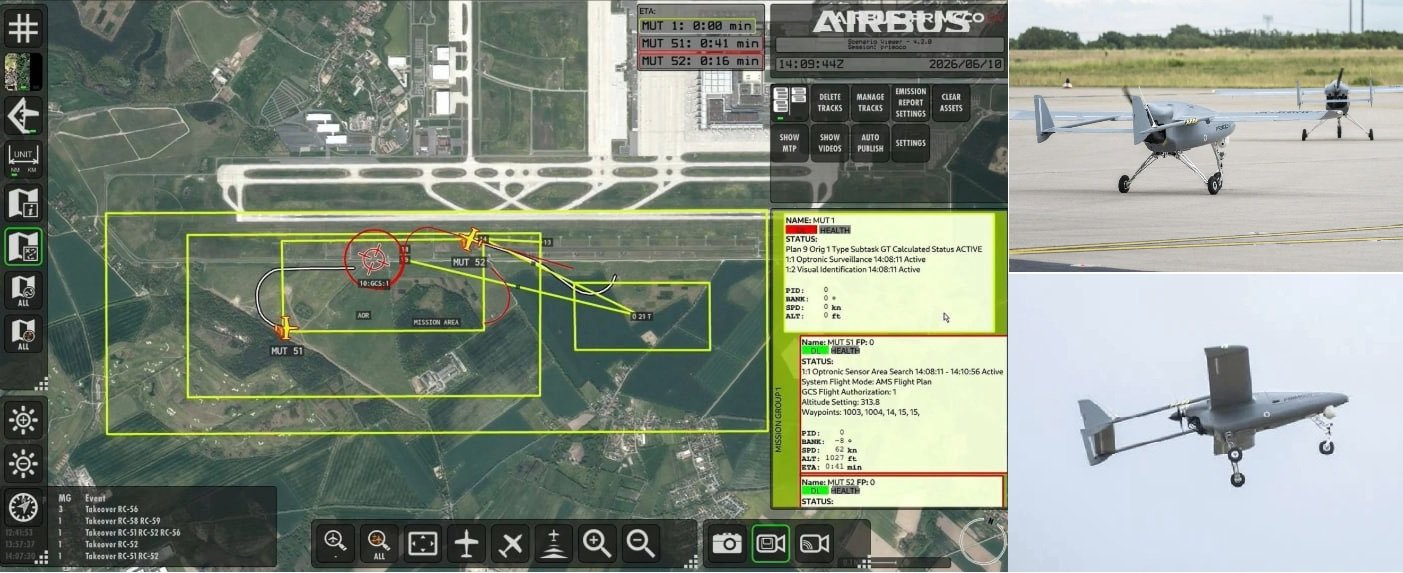
World
BERLIN — Airbus has successfully completed Europe's first live public demonstration of an autonomous collaborative drone operation during the ILA Berlin Air Show 2026, showcasing two Primoco One 150 uncrewed aerial vehicles (UAVs) operating together as a coordinated team using the company's MARS Autonomy software. The demonstration took place on 10 and 11 June 2026 at Berlin ExpoCenter Airport, marking the first time autonomous collaborative operations involving multiple uncrewed aircraft have been performed live at a major public aerospace trade show in Europe. Instead of requiring separate commands for each aircraft, the two UAVs operated as a single coordinated network using shared distributed intelligence. The demonstration highlighted how multiple drones can work together under the supervision of a single operator, reducing the need for continuous manual control while keeping humans responsible for critical decisions. MARS Autonomy Enables Coordinated UAV Operations The demonstration was powered by MARS (Multiplatform Autonomous Reconfigurable and Secure) Autonomy, Airbus' artificial intelligence-based software suite designed to coordinate multiple crewed and uncrewed platforms in real time. The software enables connected platforms to exchange information automatically. If one UAV detects an object or target of interest, that information is immediately shared across the network, allowing the entire team to respond without requiring additional operator input. According to Thomas Schmitt, Programme & Product Manager for Crewed-Uncrewed Teaming & Autonomy at Airbus Defence and Space, the operator only needs to assign the mission objective, while the software distributes tasks among the connected platforms. "In a real-world operation, the operator's command is very simple. Do locate all surface-to-air missile systems in a specified area, do transmit their coordinates and video feed. After that, the Airbus system autonomously distributes tasks among the platforms, which are connected into a single network." During the ILA Berlin demonstration, the two Primoco One 150 UAVs completed two autonomous missions: Teamed multi-role surveillance Teamed surveillance for accelerated response Throughout both missions, MARS Autonomy managed non-critical flight operations, dynamic task allocation, and flight management. The human operator remained in continuous supervision of the mission and retained authority over all critical decisions and the ability to intervene whenever necessary. Primoco One 150 UAV Used for Demonstration The aircraft used for the demonstration was the Primoco One 150, a Czech-built mid-size UAV designed for multiple mission types. The platform has a maximum take-off weight of 150 kilograms, can carry a payload of up to 30 kilograms, and cruises at approximately 120 km/h. Its other specifications include: Maximum take-off weight: 150 kg Payload capacity: Up to 30 kg Flight endurance: Up to 15 hours Ground control range: Up to 200 km Ferry range: Up to 2,000 km The Primoco One 150 is primarily used for reconnaissance missions. Airbus also confirmed that testing is underway on a version equipped with miniature air-to-air missiles. Designed for Multiple Mission Types Airbus said MARS Autonomy has been developed as a platform-agnostic software architecture, allowing integration with both Airbus and third-party crewed and uncrewed systems. The software is intended to support a broad range of missions, including: Automated surveillance and data fusion Suppression and destruction of enemy air defence systems Joint combat and precision strike operations Communications relay Autonomous cargo logistics for troop resupply Convoy protection The system also supports both crewed-uncrewed teaming and fully uncrewed operations. Operational Deployment Planned Later in 2026 Airbus said the first operational deployment of MARS Autonomy on the Primoco One 150 is scheduled for later in 2026. Before the public demonstration in Berlin, Airbus had conducted testing of the teaming software with Primoco UAVs during 2024 and 2025 at Písek-Krašovice Airport in the Czech Republic. The successful flights at ILA Berlin demonstrated the system's readiness for operational use in collaborative autonomous missions. MARS Autonomy is part of Airbus' broader MARS Mission System, which is being developed to support future collaborative uncrewed combat aircraft, including the U740 Valkyrie, which Airbus plans to bring to operational capability by 2029.
Read More → Posted on 2026-07-28 14:27:14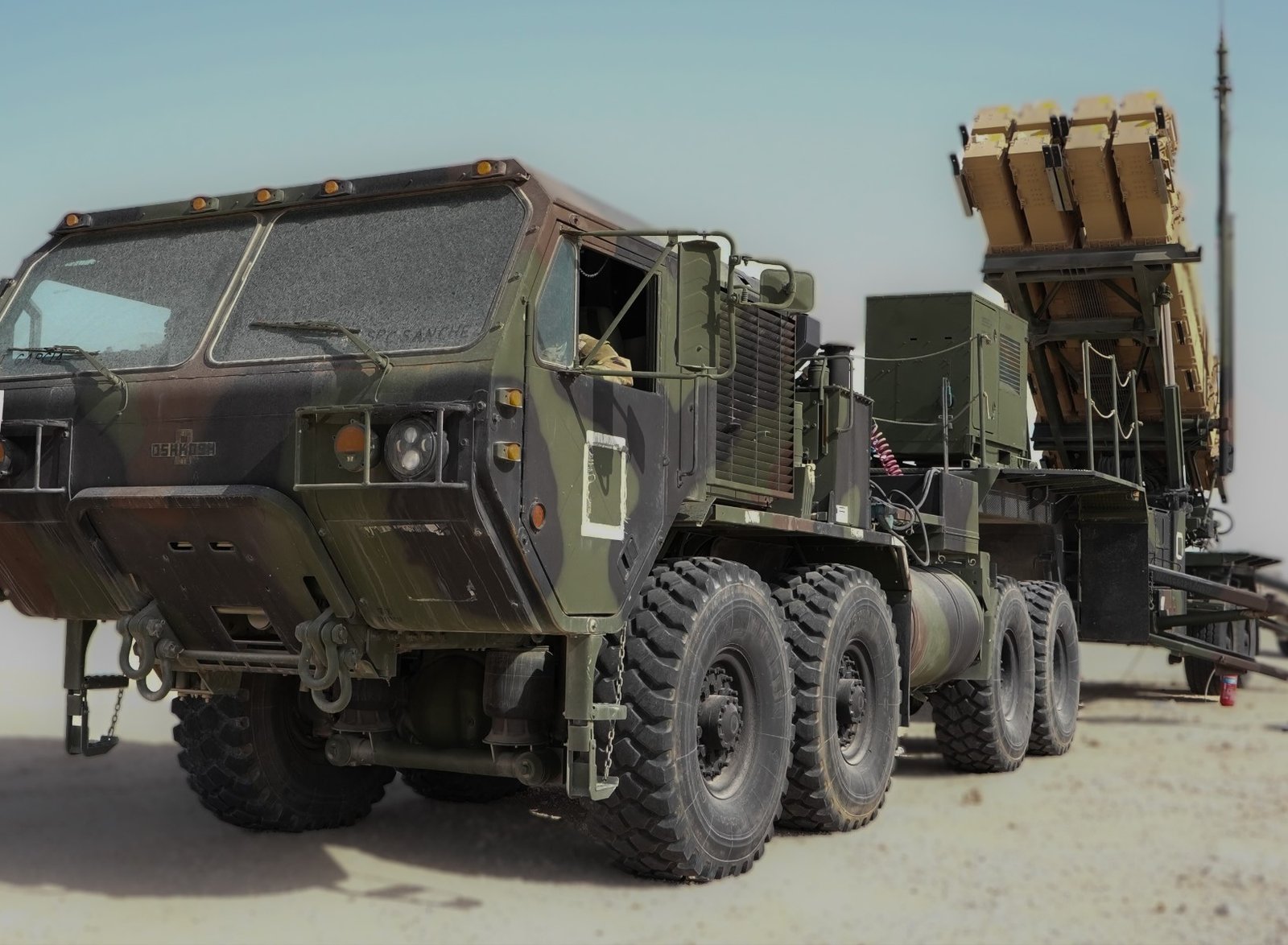
U.S
GRAND PRAIRIE, Texas — The U.S. Army has awarded Lockheed Martin Missiles and Fire Control a contract worth up to $347.5 million to continue development of new Patriot missile defense technologies designed to address a long-standing limitation in the system's radar coverage. The contract, awarded on July 1, 2026, funds Phase 2 of the Missile Segment Enhancement (MSE) Containerized Launcher and Remote Interceptor Guidance 360 Degrees (RIG-360) Containerized System program. Lockheed Martin Missiles and Fire Control, based in Grand Prairie, Texas, will carry out the work. The Phase 2 award follows a $61 million Phase 1 contract issued by the U.S. Army in May 2026 for the initial development and demonstration of the same technologies. The Army Contracting Command at Redstone Arsenal, Alabama, awarded the Phase 2 contract on a sole-source basis, citing Lockheed Martin's proprietary technical data. Addressing Patriot's Radar Coverage Limitation Current Patriot air defense batteries rely on the AN/MPQ-65 radar, which is designed to track and engage threats within a fixed 120-degree sector rather than providing full 360-degree coverage. When a missile, aircraft, or drone approaches from outside that sector, the radar cannot generate the precise fire-control tracking data required by the PAC-3 interceptor. The new Phase 2 program is intended to eliminate this operational limitation by improving how Patriot interceptors receive guidance during engagements. The importance of expanding radar coverage has gained increased attention as modern cruise missiles, ballistic missiles, and unmanned aerial systems are capable of approaching from multiple directions. Containerized Launcher for Greater Flexibility One major part of the program is the MSE Containerized Launcher. Instead of installing Patriot launchers on the traditional M903 launcher vehicle, the new design places the launcher inside a standard shipping container. This allows the launcher to be transported by suitable trucks and positioned at improvised deployment locations. By distributing launchers across a wider area, the U.S. Army aims to make individual launch sites more difficult to locate while providing greater deployment flexibility for Patriot batteries. RIG-360 Designed for All-Direction Guidance The second major component is the Remote Interceptor Guidance 360 Degrees (RIG-360) system. RIG-360 is a hemispherical guidance device designed to provide continuous tracking and guidance information to Patriot interceptors regardless of the direction from which a threat approaches. The system is intended to supply the missile with guidance data using information from available sensors, helping overcome the directional limitation of the legacy radar. Integration with the Army's IBCS Network Both the Containerized Launcher and the RIG-360 system will integrate with the U.S. Army's Integrated Battle Command System (IBCS). IBCS enables missiles launched from one location to use tracking and targeting information collected by different sensors elsewhere on the battlefield, allowing multiple air defense assets to operate as a connected network. The U.S. Army successfully demonstrated this networked capability during a 2021 live-fire PAC-3 MSE engagement. Since then, IBCS has entered full-rate production and has been fielded operationally with allied forces in Poland. Eight Development Increments Planned According to the contract, Phase 2 work will be carried out through eight development increments, including five increments for the Containerized Launcher and three increments for the RIG-360 system. Development will progress through hardware-in-the-loop laboratory testing, design maturity reviews, environmental qualification testing, live-fire flight testing, and final manufacturing validation. The phased approach is intended to identify and resolve design issues before wider production. Part of Broader Patriot Modernization The new contract comes as demand for Patriot air defense systems and interceptors continues to increase. In April 2026, Lockheed Martin received a separate $4.76 billion U.S. Army contract to manufacture PAC-3 MSE interceptors through mid-2030. Approximately 94 percent of that contract's funding is expected to come from Foreign Military Sales (FMS) customers. The company also introduced the PAC-3 Adapted Capability Effector (ACE) during the Farnborough International Airshow on July 20, 2026. According to Lockheed Martin, the new interceptor is priced at less than half the cost of a standard PAC-3 MSE interceptor and is intended to increase Patriot magazine capacity while allowing higher-cost PAC-3 MSE interceptors to be reserved for more demanding threats. The newly awarded Phase 2 contract will continue the development and demonstration of the Containerized Launcher and RIG-360 systems as the U.S. Army advances the next stage of Patriot air defense modernization.
Read More → Posted on 2026-07-28 14:14:45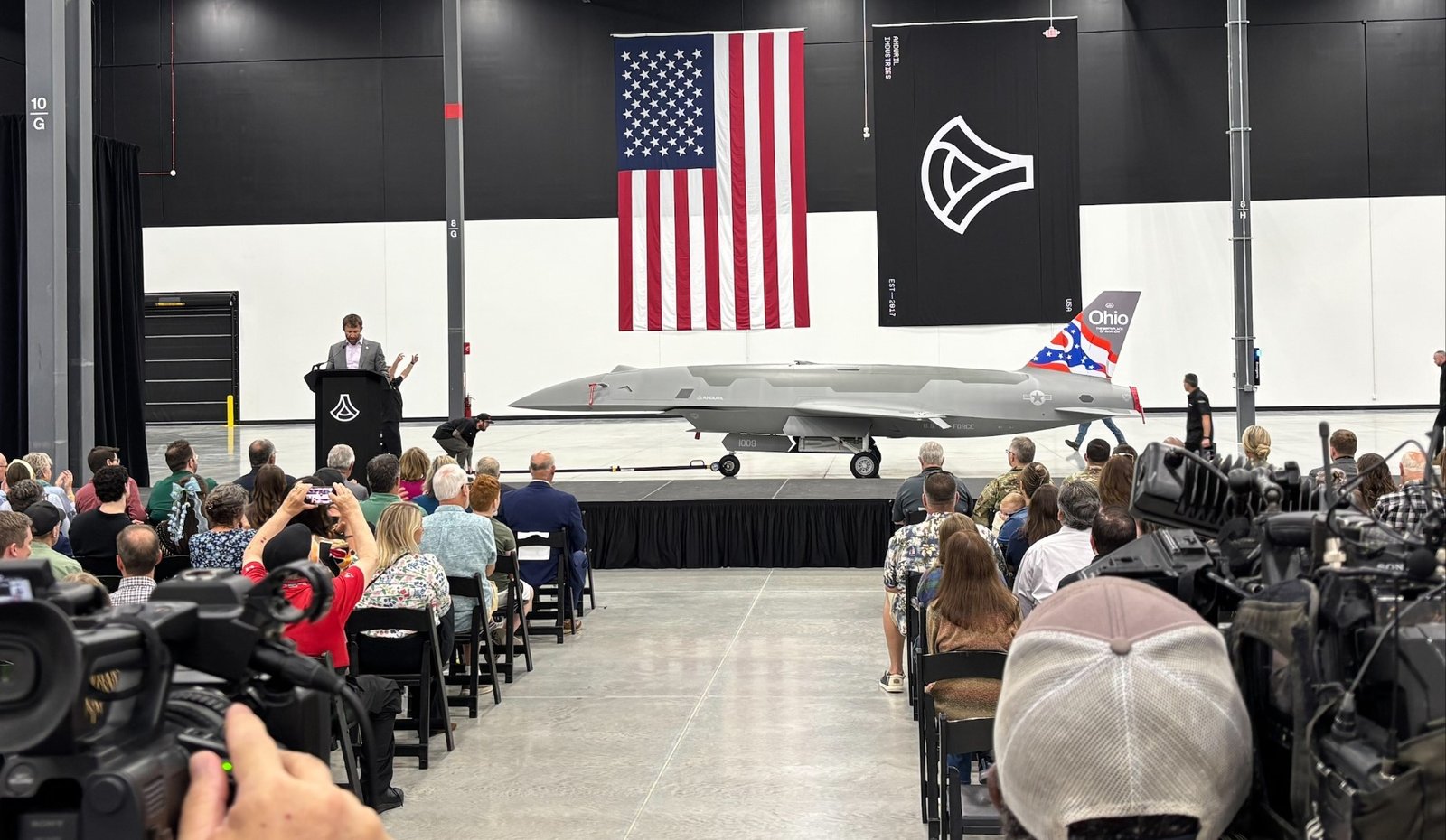
U.S
ASHVILLE, Ohio — Anduril Industries has unveiled the first YFQ-44A Fury autonomous combat aircraft manufactured at its new Arsenal-1 facility in Pickaway County, marking the start of production at the Ohio site roughly 18 months after the company announced plans for the project. The aircraft, known as the YFQ-44A Fury, is the first product built at Arsenal-1 and is being produced for the U.S. Air Force's Collaborative Combat Aircraft (CCA) program. The unveiling took place on Monday, July 27, 2026, about 557 days after the company publicly announced the project in January 2025. The YFQ-44A is designed to operate alongside crewed fighter aircraft as an autonomous "loyal wingman." According to Anduril, the aircraft is intended to perform missions considered too dangerous for human pilots, including scouting hostile airspace, operating in formation with fighter jets, and carrying out air combat missions. John Malone, Anduril's head of production for autonomous airpower and the Fury program, said the aircraft is designed to increase combat capability by taking on higher-risk operations. "It multiplies the force. So it goes into fights that are more dangerous than you want to put a piloted aircraft in," Malone said. The first completed aircraft also pays tribute to Ohio's aviation heritage. Its rudder carries the Ohio state flag along with the phrase "Birthplace of Aviation." Manufacturing Begins at Arsenal-1 The unveiling marks the beginning of active manufacturing at Arsenal-1, even as construction continues across parts of the campus. While the primary hangar used to assemble the aircraft is still being completed and another planned building remains under construction, production of the Fury is already underway. Malone said building the first aircraft required months of collaboration between engineers, technicians and production teams. Early employees hired for the Ohio facility traveled to Anduril's California operations for assembly training before returning to Pickaway County to begin manufacturing. He noted that the development process involved continuous learning and problem-solving as the team worked through technical challenges before completing the first production aircraft. The facility currently employs about 140 workers across three production shifts, while the company continues hiring, with approximately 95 open positions listed. Once fully staffed, Arsenal-1 is expected to produce up to 12 Fury aircraft per month, with annual production capacity projected at approximately 150 aircraft. Anduril co-founder Matt Grimm said the company intends to rapidly expand production rather than follow traditional defense manufacturing timelines. "We have no plans to do this slowly or by the old playbook," Grimm said during Monday's event. U.S. Air Force Production Program The Fury is being built under the U.S. Air Force's Collaborative Combat Aircraft (CCA) program. In June 2026, the U.S. Air Force selected Anduril for the production phase of the program. Under the contract, the company will deliver an initial batch of FQ-44 aircraft for testing, validation and eventual operational use, while the agreement also allows for additional purchases in future years. According to Anduril, the program progressed from a prototype award in 2024 to a production contract in 2026, which the company described as the fastest transition for a fighter aircraft program in more than 50 years. Flight testing of the YFQ-44A began in late 2025, and the aircraft has undergone integration work involving mission autonomy software and inert munitions. Ohio Leaders Highlight Aerospace Investment The unveiling was attended by Ohio Governor Mike DeWine, One Columbus President Jonas Peterson, and other state and local officials. DeWine said Ohio's business environment helped support the project's rapid development and pointed to CNBC's recent ranking of Ohio as the top state for business climate. He said the state continues working to strengthen its aerospace and defense manufacturing sector and described Ohio as "the aerospace capital of the world." Peterson said the Arsenal-1 project is expected to strengthen central Ohio's position as a destination for additional aerospace, defense and advanced technology companies. Major Investment and Job Creation Arsenal-1 is located on approximately 500 acres near Rickenbacker International Airport, about 30 minutes south of Columbus. The site is planned as a 5-million-square-foot hyperscale manufacturing campus designed with flexible production lines and movable workstations that allow manufacturing capacity to be adjusted as demand changes. In addition to the Fury, the facility is expected to manufacture other Anduril systems, including Roadrunner and Barracuda. To support the project, JobsOhio awarded Anduril $310 million in grants distributed over 10 years through 2035. The Ohio Department of Development's Tax Credit Authority also approved a 2.59% refundable Job Creation Tax Credit through 2055, which state officials estimate could provide more than $450 million in tax incentives. In return, Anduril has committed to investing $910 million in the project and creating 4,008 jobs by 2035. State officials say this represents the largest single direct job creation commitment in Ohio's history, surpassing the previous record held by Intel. Average annual salaries at the fully staffed facility are projected to exceed $132,000. The completion of the first YFQ-44A Fury marks the beginning of serial production at Arsenal-1 and represents a key milestone in the expansion of the U.S. Air Force's Collaborative Combat Aircraft (CCA) program as well as Ohio's growing aerospace manufacturing sector.
Read More → Posted on 2026-07-28 12:29:03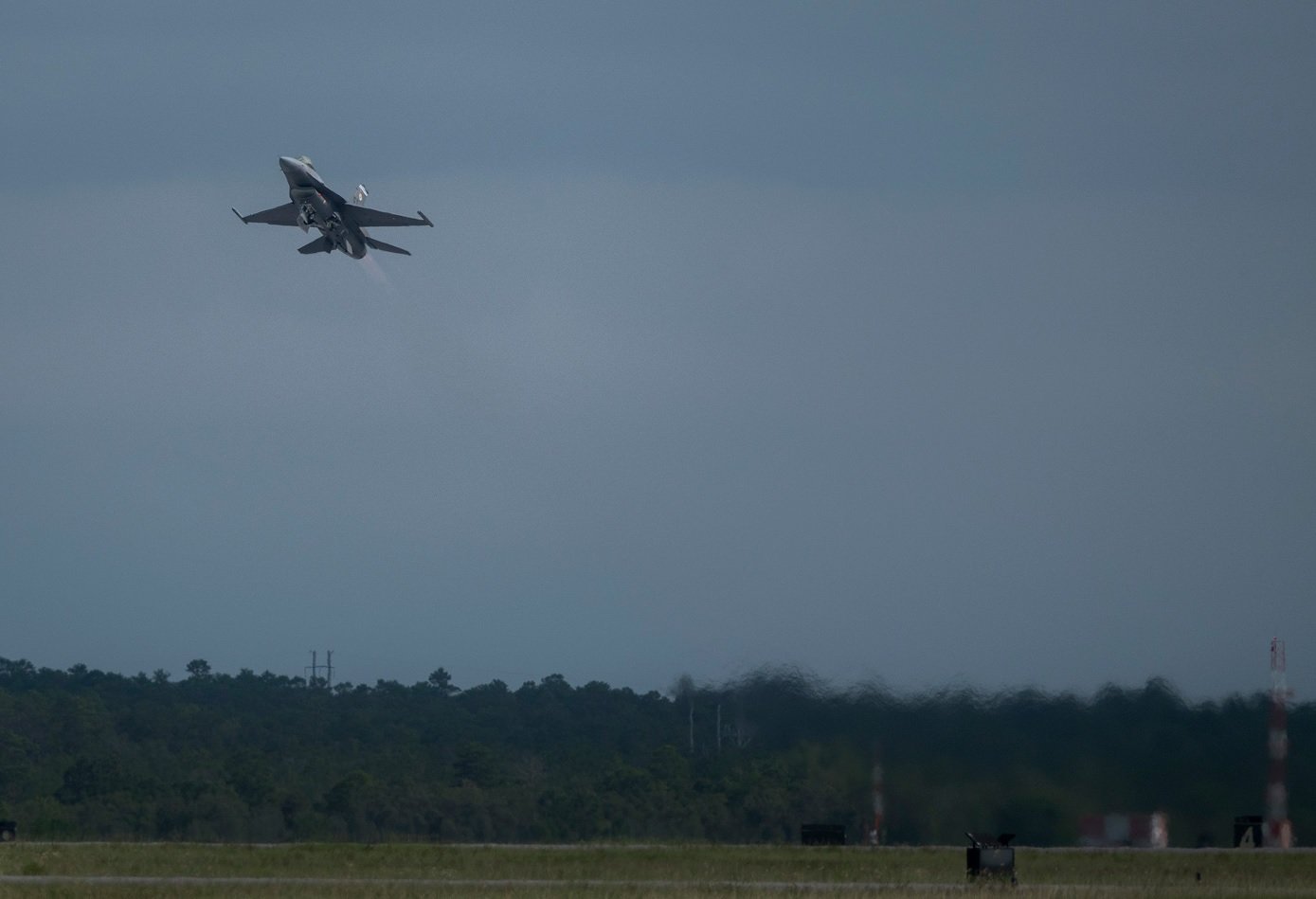
U.S
EGLIN AIR FORCE BASE, Fla. — The U.S. Defense Advanced Research Projects Agency (DARPA) and the U.S. Air Force have begun flight testing of standard F-16 fighter aircraft controlled by an artificial intelligence (AI) agent under the Viper Experimentation and Next-generation Operations Model (VENOM) program. The latest milestone moves AI flight technology from simulation environments and specialized research aircraft to operational F-16 fighters modified for autonomous testing. According to DARPA, the effort is intended to accelerate the development and testing of trusted autonomous air combat capabilities using conventional military aircraft. The VENOM program is a joint initiative between DARPA and the U.S. Air Force and builds directly on DARPA's earlier Air Combat Evolution (ACE) program, which developed the AI algorithms used for autonomous flight. From Experimental Aircraft to Standard F-16 Fighters The new flight tests follow earlier demonstrations conducted with the X-62A Variable In-flight Simulation Test Aircraft (VISTA), a specially modified research aircraft used during the ACE program. During those tests, an AI agent successfully controlled the aircraft during within-visual-range air combat against human pilots. VENOM expands that work by adapting standard F-16 fighters into autonomous-capable flying testbeds. DARPA said using operational aircraft provides a more practical platform for developing and evaluating AI technologies intended for future military aviation. Testing is being conducted at Eglin Air Force Base, Florida, with support from the 96th Test Wing. According to DARPA, modified F-16s first flew in June 2026 to verify that the new autonomous systems operated safely with the aircraft. In July 2026, flight testing advanced to missions in which an AI agent controlled the aircraft while a pilot remained in the cockpit to supervise operations. VENOM Autonomy Kit Enables AI Flight Without Changing Core Software The autonomous capability is provided through the VENOM Autonomy Kit (VAK), which was designed and integrated by multiple contractors during the ACE program. The system connects directly with the F-16's flight controls and mission systems while leaving the aircraft's core software unchanged. According to DARPA, this approach simplifies integration and allows AI capabilities to be tested on standard fighters without modifying the jet's underlying software. During testing, the aircraft remain fully crewed. A pilot can switch between manual flying and AI control using a physical switch inside the cockpit. DARPA describes this arrangement as a "human-on-the-loop" approach, where the pilot continuously monitors the AI's actions and can immediately take back control if required. The agency said this provides a safe environment for evaluating autonomous flight systems while maintaining human oversight throughout each mission. "These groundbreaking flight tests of VENOM-modified F-16s advance the infrastructure needed to develop trusted, autonomous air combat capabilities," said Brig. Gen. James "Fangs" Valpiani, Ph.D., DARPA program manager. "The Air Force and DARPA team has automated flight controls and sensors on a standard F-16 without changing the jet's core software. This enables an efficient pipeline for developing dominant AI for aerial combat, allowing us to rapidly innovate for the warfighter." VENOM Aircraft to Support DARPA's AIR Program Following the initial flight testing, the VENOM fleet will become the primary flying test platform for DARPA's Artificial Intelligence Reinforcements (AIR) program. While the ACE program concentrated mainly on close-range air combat, AIR is intended to evaluate AI agents in more complex operational scenarios, including beyond-visual-range engagements and multi-aircraft operations. According to DARPA, the program will also support future operational concepts in which human pilots command and coordinate teams of autonomous uncrewed aircraft, including efforts associated with the Collaborative Combat Aircraft (CCA) program. "The emerging threat environment, especially as it relates to aerial combat, is growing increasingly complex," Valpiani said. "AI has tremendous potential to help humans manage this complexity in beyond-visual-range combat, but many hard questions remain concerning the performance and trustworthiness of combat AI in the extreme fog and friction of modern warfare. The AIR program aims to apply cutting-edge combat agents to operationally relevant scenarios to address these questions and field war-deterring, war-winning capabilities to our warfighters." Leadership Changes Announced DARPA also announced leadership changes as the program transitions into its next phase. Brig. Gen. James Valpiani will conclude his tenure as DARPA program manager later this month. Lt. Col. Patrick "Dice" Highland, Ph.D., who recently joined DARPA, will become the incoming AIR program manager. "I'm incredibly proud of the AIR program's role in advancing our nation's combat autonomy, demonstrated by this VENOM milestone," Highland said. "We now have the opportunity to create dominant autonomy for beyond-visual-range, multi-ship combat. These flights give us an early glimpse of how AI agents may begin actively transforming air warfare." Terry Wilson, Ph.D., Director of AI Development and Transition for the Air Force Research Laboratory's Autonomy Capability Team, will continue serving as deputy program manager for both the VENOM and AIR programs to provide technical and operational continuity across participating organizations. "I share Gen. Valpiani's deep appreciation for the incredible dedication of our DARPA and industry teammates, joint engineers, the System Program Office, Eglin's test and maintenance crews, and the entire AIR and VENOM ecosystem which has made this milestone possible," Wilson said. "I look forward to unleashing the VENOM platform and moving these capabilities out of simulation and into the sky." Future Testing DARPA plans to expand live flight testing under the AIR program by evaluating AI models in increasingly complex operational scenarios. The agency said the objective is to accelerate AI model development while supporting future multi-ship autonomous air combat operations. According to DARPA, a total of six F-16 aircraft are planned for the VENOM fleet. All aircraft will remain crewed during testing, with human pilots supervising AI-controlled flights as the program continues to mature autonomous combat aviation technologies. Source : Darpa
Read More → Posted on 2026-07-28 12:20:01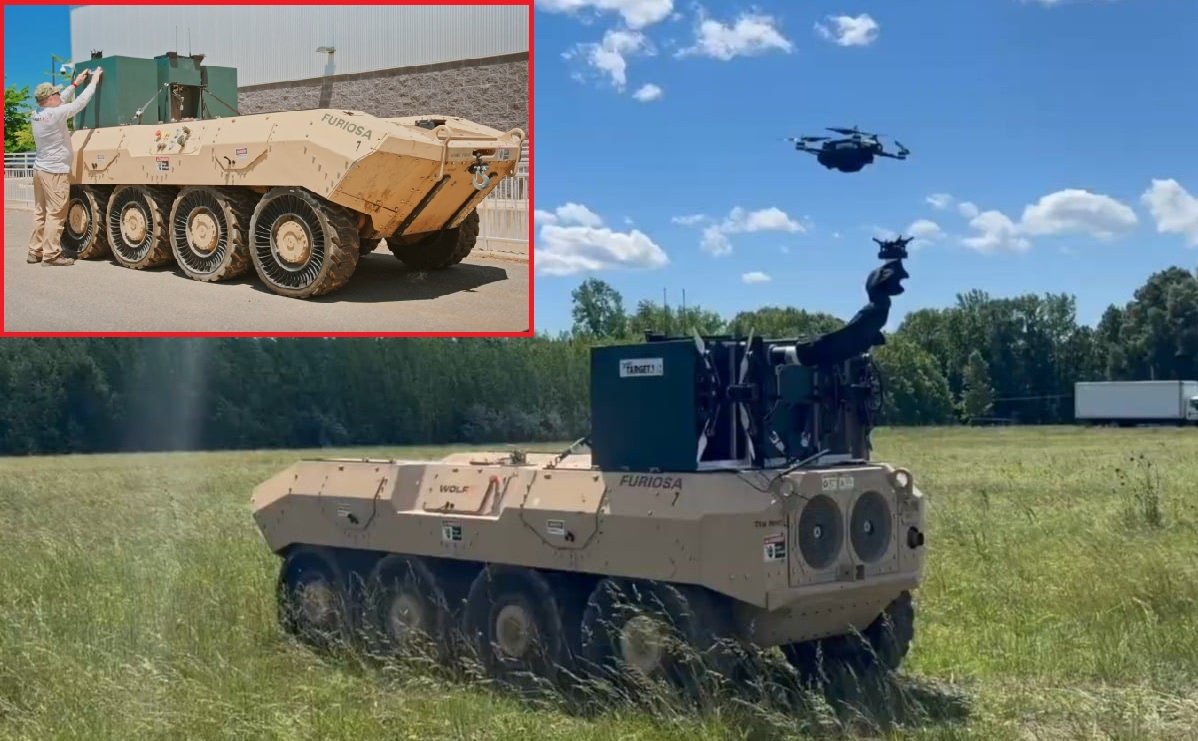
U.S
RIDGEFIELD, Connecticut — Robotics and autonomy company Target Arm Inc. has integrated its Ralar 2 autonomous drone launch and recovery system with unmanned ground vehicles (UGVs) developed by HDT Global, creating what the company describes as an autonomous mobile drone base. The integration was announced on July 27, 2026, through the company's social media channels. The integration combines Target Arm's Ralar 2 technology with HDT Global's Hunter WOLF and WOLF-X unmanned ground vehicle platforms. The system enables certified drones to launch, land, recharge, and relaunch while the host vehicle remains in motion, eliminating the need to stop the vehicle or rely on a human operator to manually manage drone operations in the field. Drone Operations Without Stopping the Vehicle Traditional drone operations typically require a vehicle, ship, or other host platform to remain stationary during takeoff and landing. This process often requires human involvement and can slow operations while increasing risk in situations where stopping a vehicle may expose it to potential threats or interrupt time-sensitive missions. According to Target Arm, its Ralar (Robotic Arm Launch and Recovery) technology is designed to remove this limitation. Using AI-assisted software, a precision sensor engine, and a robotic arm, the Ralar 2 system can recover drones directly from the air while the host platform is moving. After recovery, the drone is placed into an automated magazine that can hold up to 10 aircraft, where batteries are recharged before the drone is prepared for another mission. The entire process is designed to operate autonomously. Target Arm states that both its Ralar 1 and Ralar 2 systems are designed to support autonomous drone launch, recovery, recharging, and relaunch operations from moving platforms operating on land, at sea, or in the air. The systems can be installed on cars, trucks, all-terrain vehicles, unmanned ground vehicles, boats, ships, and aircraft. Integrated with Hunter WOLF and WOLF-X The Ralar 2 system has been integrated with two of HDT Global's unmanned ground vehicle platforms: the Hunter WOLF and the WOLF-X. The Hunter WOLF (Wheeled Offload Logistics Follower) is a rugged 6×6 unmanned ground vehicle used in military and industrial applications. It is capable of carrying payloads of up to 2,800 pounds across difficult terrain, including steep slopes, narrow trails, and dense vegetation. The platform uses a hybrid diesel-electric drivetrain and can provide up to 15 kilowatts of electrical power while supporting logistics, reconnaissance, and other missions. The WOLF-X is an 8×8 wheeled robotic combat vehicle equipped with a hybrid powertrain, advanced suspension, and airless tires. The platform is designed for mobility in demanding environments and can also accommodate modular mission payloads. According to Target Arm, integrating the Ralar 2 system with these platforms allows a single unmanned ground vehicle to support unmanned aerial operations without requiring a separate team to launch or recover drones. Field Demonstration Showcases the System Video released with the announcement shows the integrated system during a recent field demonstration. The footage features a technician inspecting equipment mounted on a tan-colored unmanned ground vehicle marked "FURIOSA." The compact platform is equipped with multiple sensor and camera housings and is designed to travel across rough terrain without an onboard human operator. Roughly the size of a small all-terrain vehicle, the platform is intended for environments where human access may be difficult or impractical. Applications Beyond Military Operations While unmanned ground vehicles such as the Hunter WOLF are widely used for transporting equipment, reconnaissance, and carrying sensor payloads, the addition of autonomous drone launch and recovery expands their operational capability. Target Arm says the technology has applications beyond defense. The company identifies several potential uses, including search and rescue operations, logistics and package delivery, maritime operations involving moving boats or ships, and protection of critical infrastructure such as power plants, pipelines, and water systems. The company states that the ability to continuously launch, recover, recharge, and redeploy drones from a moving platform could support operations that require persistent aerial coverage without interrupting the movement of the host vehicle. Previous U.S. Army Collaboration In June 2026, Target Arm announced a multi-year Cooperative Research and Development Agreement (CRADA) with the U.S. Army Combat Capabilities Development Command Ground Vehicle Systems Center. The agreement is focused on demonstrating the Ralar system as a modular mission payload for U.S. Army ground platforms. Target Arm is a service-disabled veteran-owned small business headquartered in Ridgefield, Connecticut. The company was founded by CEO Jeffrey A. McChesney and develops autonomous launch and recovery technologies for unmanned systems. The integration of the Ralar 2 system with HDT Global's Hunter WOLF and WOLF-X platforms represents another step toward combining unmanned ground and aerial systems into a single autonomous platform capable of conducting drone operations while remaining in motion.
Read More → Posted on 2026-07-28 11:57:59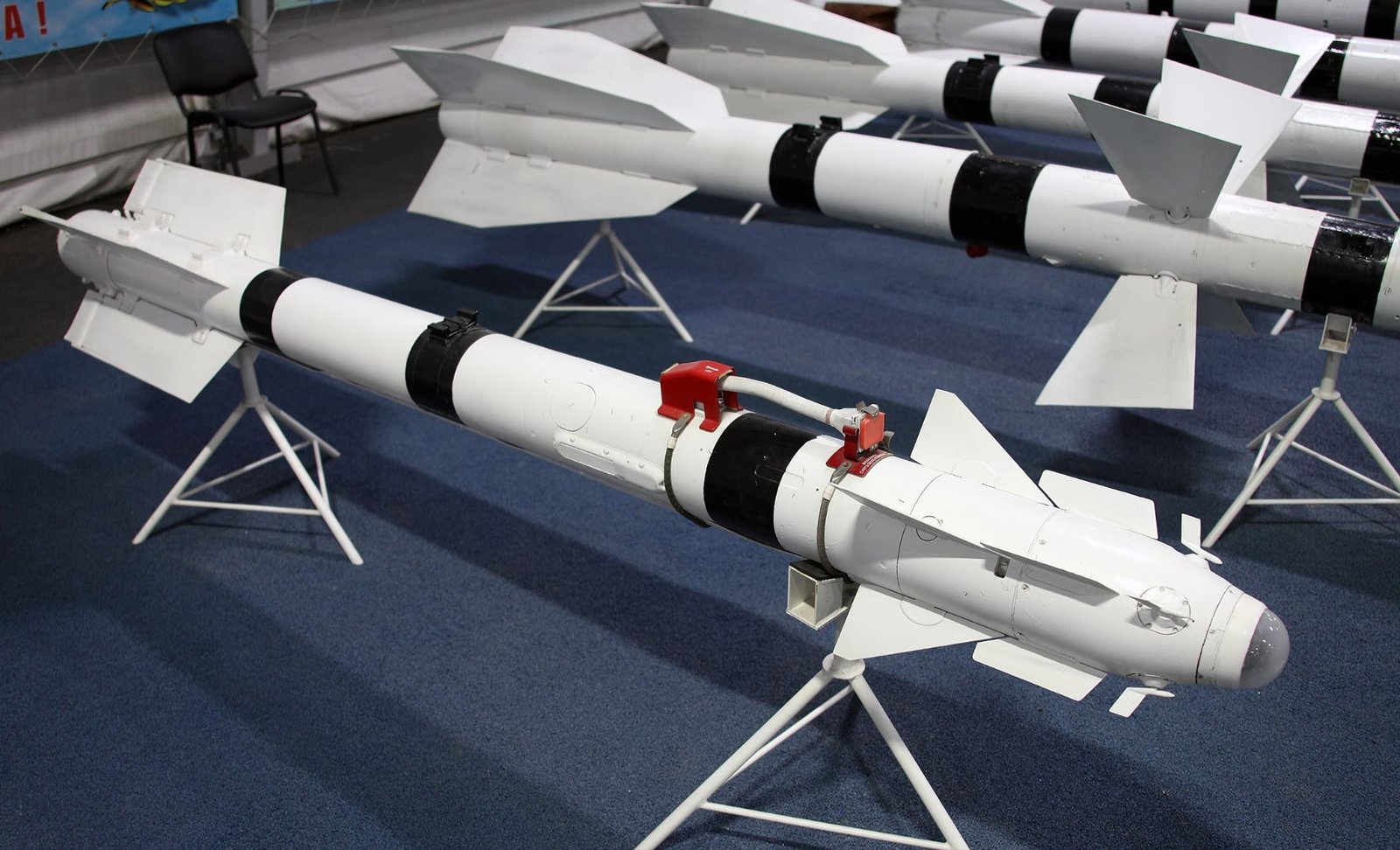
World
MOSCOW — Russia is reportedly considering greater use of ageing Soviet-era air-to-air missiles to intercept Ukrainian long-range one-way attack drones, as the growing scale of drone warfare increases pressure on modern air defence resources. The approach reflects a wider challenge facing militaries around the world: how to defeat relatively inexpensive unmanned aircraft without rapidly consuming stocks of costly modern interceptor missiles. Rising Drone Threat Creates Cost Challenge Long-range one-way attack drones have become an increasingly important feature of the Russia-Ukraine conflict. Russia has frequently used fighter aircraft to intercept Ukrainian drones targeting strategic locations, but this has raised questions over the cost of using advanced air-to-air missiles against comparatively low-cost unmanned systems. Recent footage released in late July 2026 showed a Russian Aerospace Forces Su-35 fighter making multiple attempts to intercept a Ukrainian FP-1 long-range attack drone. The video renewed attention on the economic and operational challenges of defending against large numbers of drones. While many single-use attack drones are reported to cost less than $10,000, larger systems such as the FP-1 are estimated to cost approximately $55,000, according to open-source reports and Ukrainian media. FP-1 Drone Production Expands The FP-1 is a long-range one-way attack drone developed by the Ukrainian company Fire Point. According to available reports, the drone has a range of up to 1,600 kilometers and can carry a warhead weighing between 60 kilograms and 120 kilograms. The drone uses a relatively simple airframe that includes plywood structural elements. Reporting from 2025 and 2026 indicates that production has increased significantly, with estimates ranging from dozens to around 100 drones per day. Some variants have also demonstrated longer operational ranges during specific strikes. The increasing availability of long-range drones has added to the challenge of protecting strategic infrastructure while managing the cost of air defence operations. Soviet-Era Missile Stockpiles Under Consideration One option reportedly under discussion is the use of Soviet-era air-to-air missiles that remain in storage from the Cold War period. During the final decades of the Cold War, the Soviet Union produced large numbers of air-to-air missiles in preparation for a possible large-scale conflict with NATO. Although many of these weapons have been replaced by newer missile systems in frontline service, estimates suggest that more than 10,000 missiles from three major types remain in storage. The missiles include: R-27 medium-range radar-guided and infrared-guided missiles R-73 short-range infrared-guided missiles R-60 short-range air-to-air missiles Many of these ageing missiles are approaching the end of their service lives but are still considered capable of engaging slow-moving, non-manoeuvring targets such as long-range drones. Using these missiles could reduce the need to expend newer and more expensive weapons while also lowering the long-term cost of storing and eventually disposing of ageing stockpiles. R-27 Remains Capable Against Drone Targets The R-27 entered service in 1982 and was developed for the MiG-29 and Su-27 fighter aircraft. The missile is available in both radar-guided and infrared-guided versions. Until the mid-2020s, it remained one of the primary air-to-air weapons carried by Russian fighters, including the Su-30SM and Su-35. Available assessments indicate that all variants remain suitable for engaging relatively slow and low-cost drone targets. R-73 and R-60 Offer Additional Options The R-73 is designed for shorter-range engagements and was regarded as one of the most capable visual-range air-to-air missiles developed during the Cold War. Equipped with a highly manoeuvrable infrared seeker, it is considered effective against drones that lack advanced countermeasures or evasive manoeuvres. The older R-60, which preceded the R-73, has more limited range, manoeuvrability and seeker performance. It has not been carried on frontline Russian fighter aircraft for decades, making it one of the most expendable missiles available for use against relatively simple aerial targets. Conserving Modern Missiles Using older Soviet-era missiles against drones would allow Russia to extract additional operational value from inventories produced decades ago while preserving more advanced weapons for higher-priority threats. Modern air-to-air missiles are generally intended to counter advanced combat aircraft, cruise missiles and long-range precision-guided weapons. Employing legacy missiles against less demanding targets could help conserve these newer systems for missions where their capabilities are most needed. A Broader Air Defence Trend The reported consideration of Soviet-era missiles highlights a broader trend in modern warfare. As long-range drone attacks become more frequent, militaries are increasingly seeking cost-effective ways to maintain effective air defences without exhausting stocks of advanced precision weapons. Footage released in late July 2026 showing a Su-35 attempting to intercept a Ukrainian FP-1 drone has drawn attention to these cost and inventory considerations. However, Russian authorities have not officially confirmed whether Soviet-era air-to-air missiles are being routinely used for drone interception missions.
Read More → Posted on 2026-07-28 11:49:44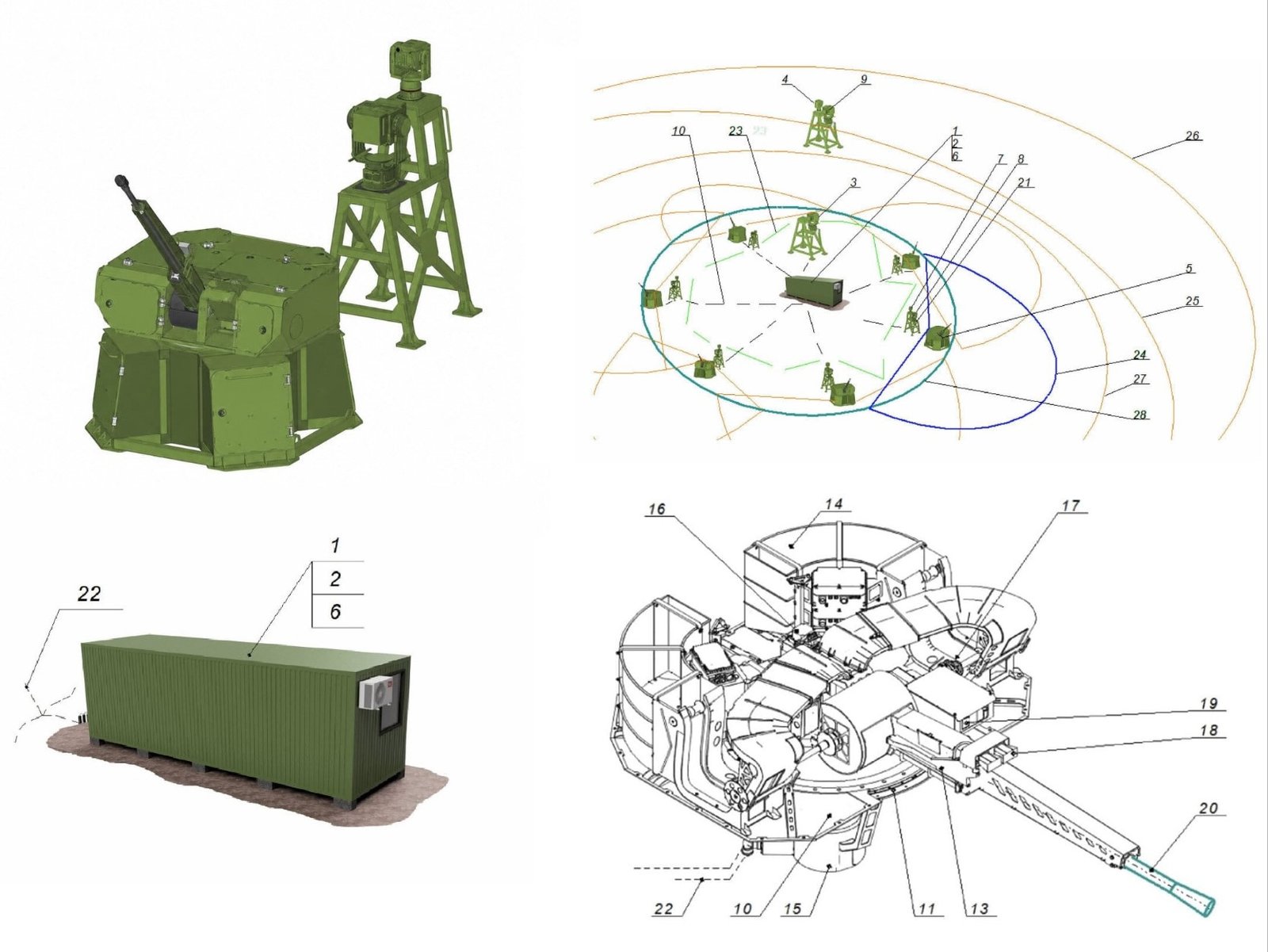
World
MOSCOW — Newly published patent documents from the Russian Federation's Federal Service for Intellectual Property have revealed detailed technical specifications of the ZAK-30 Citadel anti-drone system, providing new information about its architecture, operating concept, and autonomous engagement capabilities. The ZAK-30 Citadel was first presented by Russian state-owned defense conglomerate Rostec on May 25, 2026. The company describes it as a short-range anti-aircraft artillery complex designed to protect stationary facilities, including military sites and critical infrastructure, from attacks by individual unmanned aerial vehicles (UAVs) and drone swarms. The system is projected to reach its initial operational capability by July 2026. Distributed Architecture for Facility Protection According to the patent documents, the ZAK-30 Citadel is built around a distributed network of sensors, combat modules, and command systems. All components assigned to protect a stationary facility are connected through cable communication lines for data exchange. The system receives electrical power through cables connected either to a stationary power source at the protected facility or to a mobile power supply unit. Its main components include: Command Post (CP) housed in a container-based unit Observation Radar Station (RLS-O) Tracking Radar Station (RLS-N) Fire Control System (FCS) Combat modules equipped with missiles and/or artillery systems Command Post Coordinates Target Engagement The container-based command post serves as the control center of the system. It houses the commander's automated workstation and the primary fire control systems. According to the patent, the command post receives information from remote modules, processes incoming target data, and determines the order in which aerial threats should be engaged. The centralized fire control system also coordinates simultaneous remote fire control across multiple anti-aircraft weapon systems operating within the network. Radar Network Provides Detection and Tracking The ZAK-30 Citadel employs two dedicated radar systems with separate roles. The Observation Radar Station (RLS-O) establishes the primary detection zone by searching for incoming aerial threats. Once a target enters the designated engagement area, the Tracking Radar Station (RLS-N) takes over. The electrically driven radar continuously tracks the UAV, calculates its flight path, and provides targeting data for engagement. According to the patent, the use of multiple radars with range-selective capabilities creates several overlapping detection and engagement zones, allowing the system to provide round-the-clock protection against groups of small unmanned aerial vehicles. Modular Weapon Configuration The patent states that the ZAK-30 Citadel supports a modular armament configuration. Depending on operational requirements, the system can be equipped with: 7.62-mm machine guns 12.7-mm machine guns Vertically launched missile launchers A 30-mm automatic cannon The 30-mm automatic cannon is designed to fire programmable ammunition equipped with delayed-action fuses. The programmable airburst rounds contain shrapnel to increase the probability of intercepting small aerial targets. According to Rostec, the fire control system calculates the optimal detonation point based on the target's trajectory, allowing fewer rounds to be used compared with conventional ammunition. Autonomous Engagement Process The patent explains that each aerial target is engaged autonomously according to algorithms integrated into the fire control system. If the first shot does not destroy the target, the system automatically recalculates the firing solution by analyzing the projectile's initial velocity and the measured miss distance. Remote combat modules continue tracking the UAV throughout the engagement. If the target remains inside, or re-enters, the acceptable engagement zone, the system automatically fires the next corrected shot without manual intervention. Integration With Regional Air Defense Network Beyond operating as a standalone system, the patent states that the command and control unit can receive target designations from external command assets within a regional air defense network. This capability allows the ZAK-30 Citadel to coordinate engagements with other anti-aircraft systems, supporting integrated air defense operations rather than functioning independently. Intended Role According to defense industry analysts, the ZAK-30 Citadel has an effective engagement range of approximately 1.2 kilometers and is intended primarily to protect high-value infrastructure, including military installations and oil refineries, from recurring drone attacks. Analysts estimate that protecting a single large industrial facility could require a network of six to ten Citadel units. They also estimate the cost of each system at 3.5 million to 7.2 million euros. They further note that the system's operational effectiveness will depend heavily on the availability and large-scale production of the 30-mm programmable ammunition required to defeat small drone threats.
Read More → Posted on 2026-07-28 11:37:48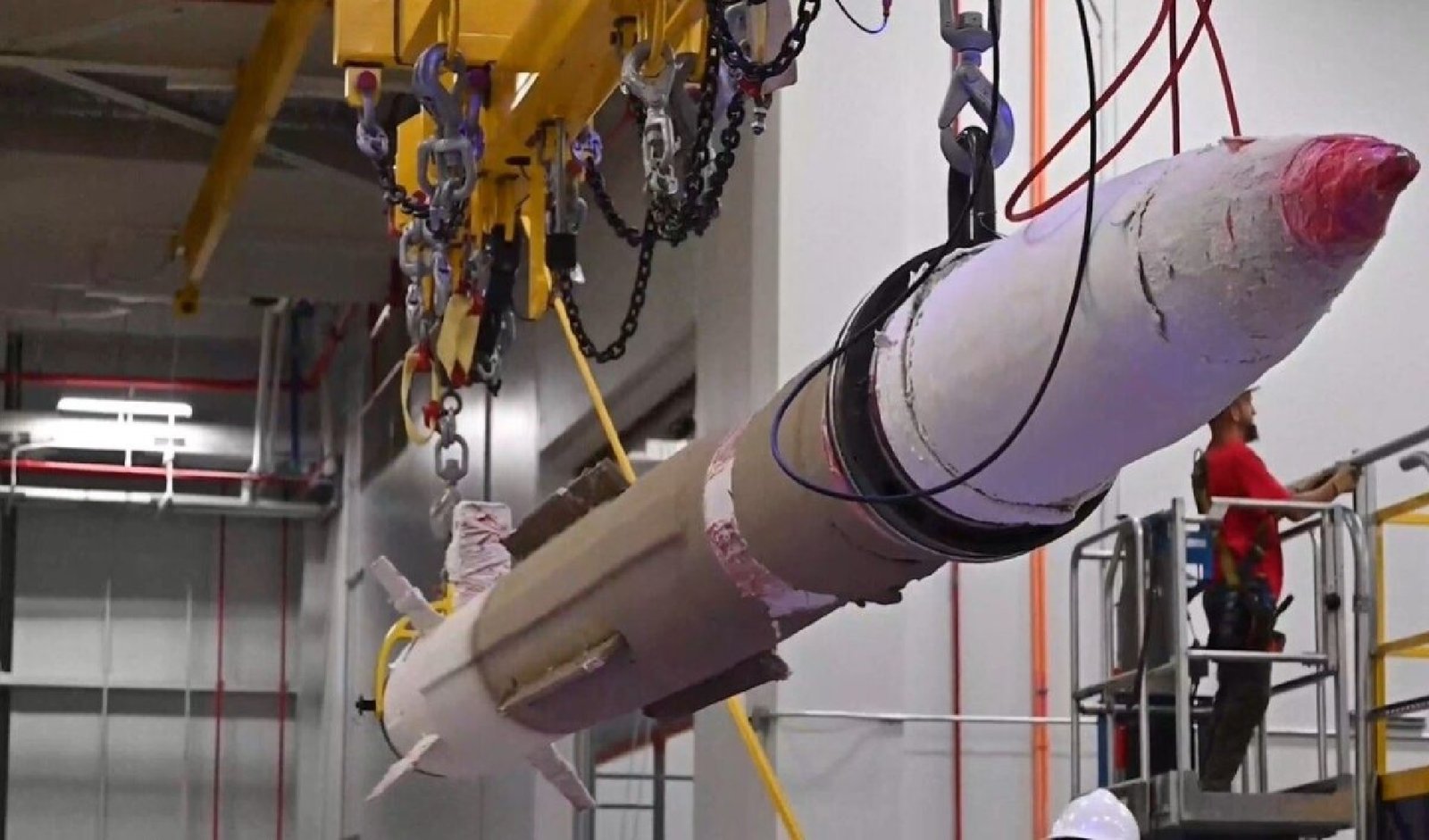
U.S
MELBOURNE, Fla./WASHINGTON — L3Harris Technologies, Lockheed Martin and the U.S. Department of War (DoW) have signed a seven-year framework agreement to nearly triple production of propulsion components for the PAC-3 Missile Segment Enhancement (MSE) interceptor, supporting a broader effort to expand U.S. missile manufacturing capacity. L3Harris said the agreement will become the company's largest PAC-3 propulsion award once the contract is formally finalized later this year. The framework agreement uses U.S. multi-year procurement authorities under the Department of War's Acquisition Transformation Strategy. According to the department, the approach is intended to provide defense suppliers with stable, long-term demand, allowing them to expand manufacturing capacity while reducing procurement delays through closer cooperation with the defense industrial base. Under the agreement, L3Harris will increase production of three key propulsion-related components for the PAC-3 MSE interceptor: the advanced two-pulse solid rocket motor, Attitude Control Motors (ACMs), and the Lethality Enhancer. The two-pulse solid rocket motor provides the interceptor with the speed and range required to engage airborne threats. The Attitude Control Motors enable precise maneuvering during flight, while the Lethality Enhancer is designed to increase the interceptor's kill radius, supporting engagements against threats including cruise missiles. The PAC-3 MSE is a ground-based interceptor designed to counter advanced tactical ballistic missiles, cruise missiles and enemy aircraft. It is part of the Patriot air and missile defense system. "Rebuilding the Arsenal of Freedom requires moving with speed and precision to scale the production of critical munitions," said Michael P. Duffey, Under Secretary of War for Acquisition and Sustainment. "Today's agreements with L3Harris are a decisive win for the Warfighter, underscoring our commitment to sending clear demand signals to the entire supply chain," Duffey added. The Department of War said the framework is part of its wider effort to place U.S. defense acquisition on a wartime footing by accelerating production of critical defense systems and strengthening the industrial base through long-term procurement planning. Ken Bedingfield, President of Missile Solutions at L3Harris, said the long-term agreement will allow the company to significantly increase production rates. "This critical, long-term agreement will allow us to continue to move at unprecedented speed and produce PAC-3 propulsion at rates never before seen," Bedingfield said. "We are actively preparing our facilities and our suppliers to meet the required ramp as well as introducing additional capacity to support future needs of the DoW and our allies and strengthen the Arsenal of Freedom," he added. L3Harris manufactures PAC-3 MSE motors at its facility in Camden, Arkansas. The company said the site includes dedicated processing bays and automated digital X-ray equipment that have reduced inspection times and shortened production cycles. The production increase is part of a broader expansion of L3Harris' solid rocket motor business. The company said it is investing billions of dollars to expand manufacturing capacity by constructing about 60 facilities and adding or upgrading nearly one million square feet of manufacturing and office space across its production sites in Arkansas, Alabama and Virginia. The new framework also follows similar multi-year agreements across the PAC-3 MSE industrial base involving prime contractor Lockheed Martin, seeker manufacturer Boeing and multi-component supplier Honeywell. According to the Department of War, these agreements are intended to strengthen the supply chain supporting PAC-3 MSE production. The seven-year framework provides L3Harris and its suppliers with a longer planning horizon for production while supporting the U.S. government's broader effort to increase domestic missile manufacturing capacity through sustained, long-term procurement commitments.
Read More → Posted on 2026-07-28 11:32:02Search
Top Trending in 24 Hours
-
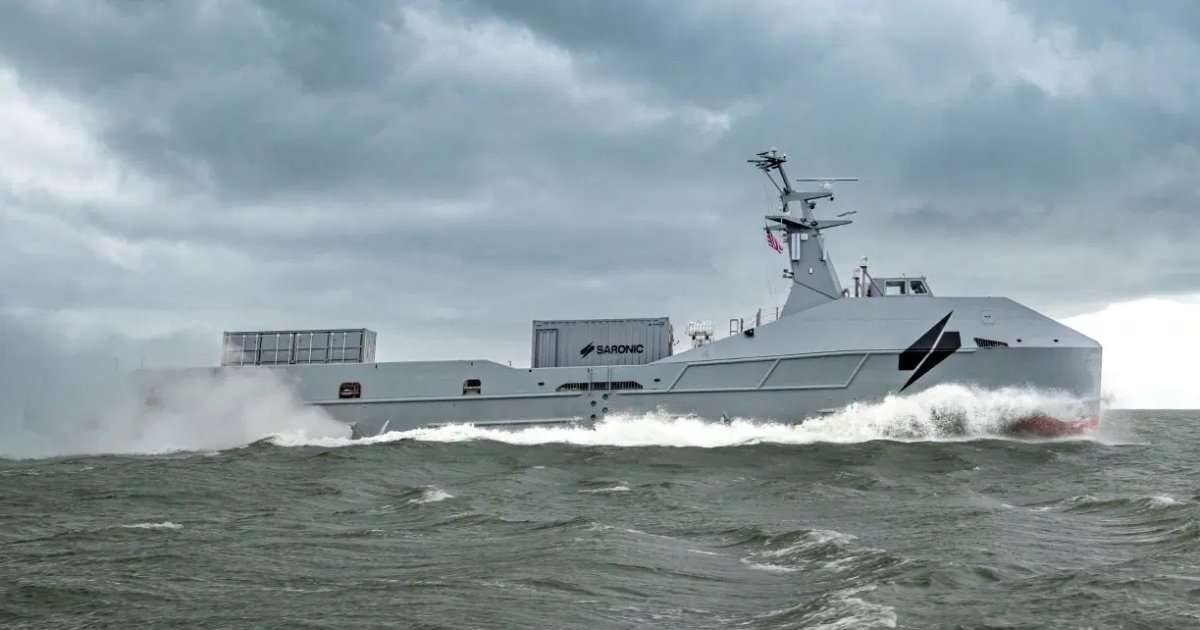 U.S. Navy Awards Production Agreements for 30 Medium Unmanned Surface Vessels, Including 10 Saronic Marauders
-
 Boeing Wins $20 Billion U.S. Navy Contract for F/A-XX Sixth-Generation Fighter
-
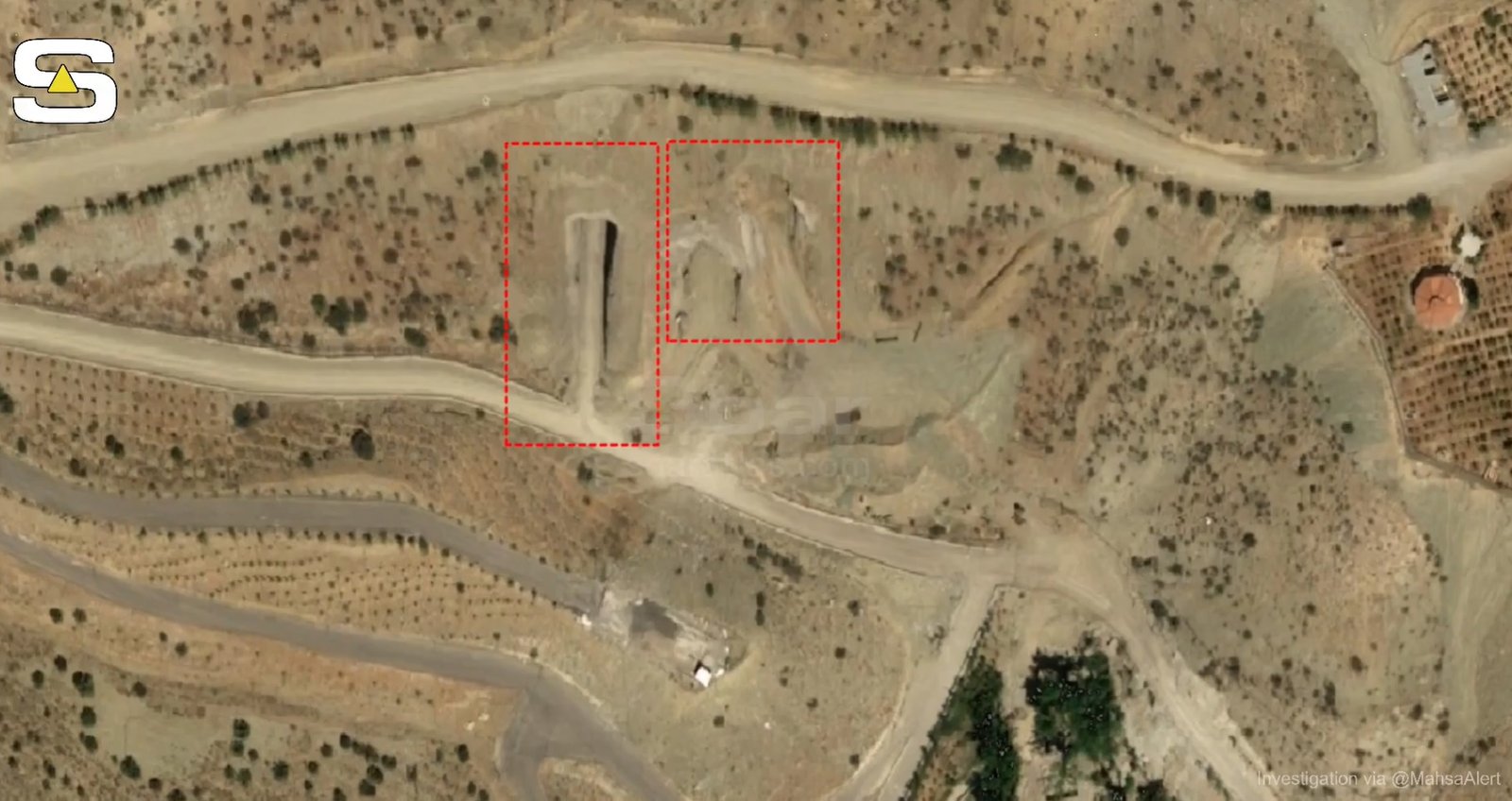 Satellite Imagery Shows Construction Changes at Hillside Site Linked to Iran’s Supreme National Security Council
-
 Flydubai Flight to Israel Diverted to Saudi Arabia After Possible Attempted Terror Attack in Cockpit
-
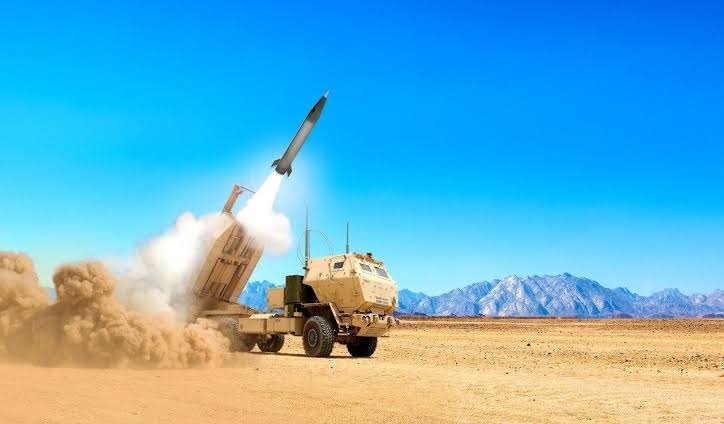 U.S. Army Selects Five Companies to Develop 1,000-Km Precision Strike Missile Prototypes
-
 NASA Adds Blue Origin’s Upgraded New Glenn 9×4 to Launch Services Contract
-
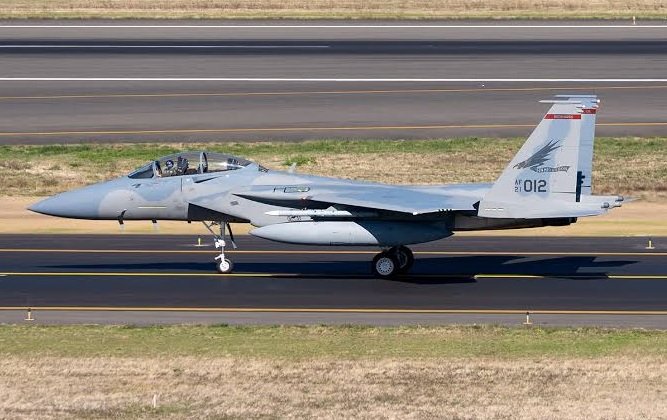 U.S. Air Force Awards Boeing $2.38 Billion Contract for 22 F-15EX Fighter Jets
-
 U.S. Army Awards Heaviside Industries $99 Million Contract for MOTH RF Spectrum Analyzers
Top Trending in 4 Days
-
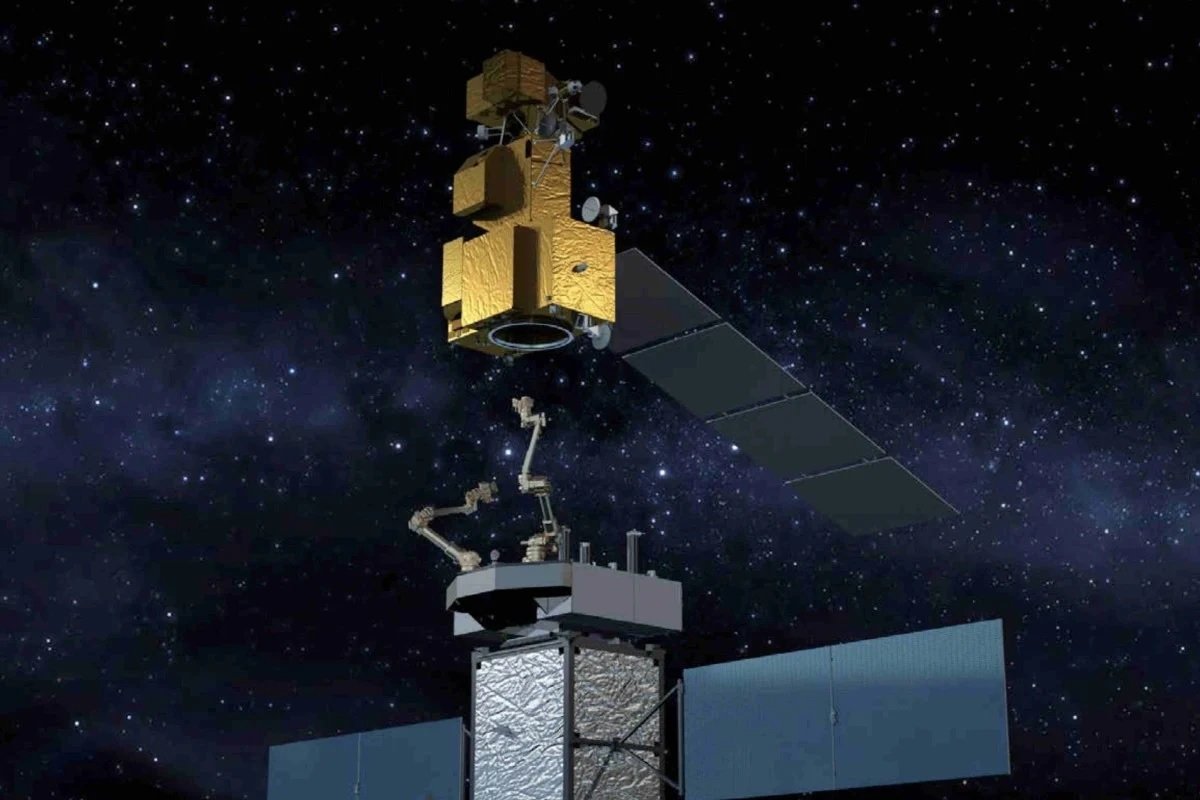 China Reports First High-Orbit Refueling of BeiDou Satellite, but Tracking Data Raise Questions
-
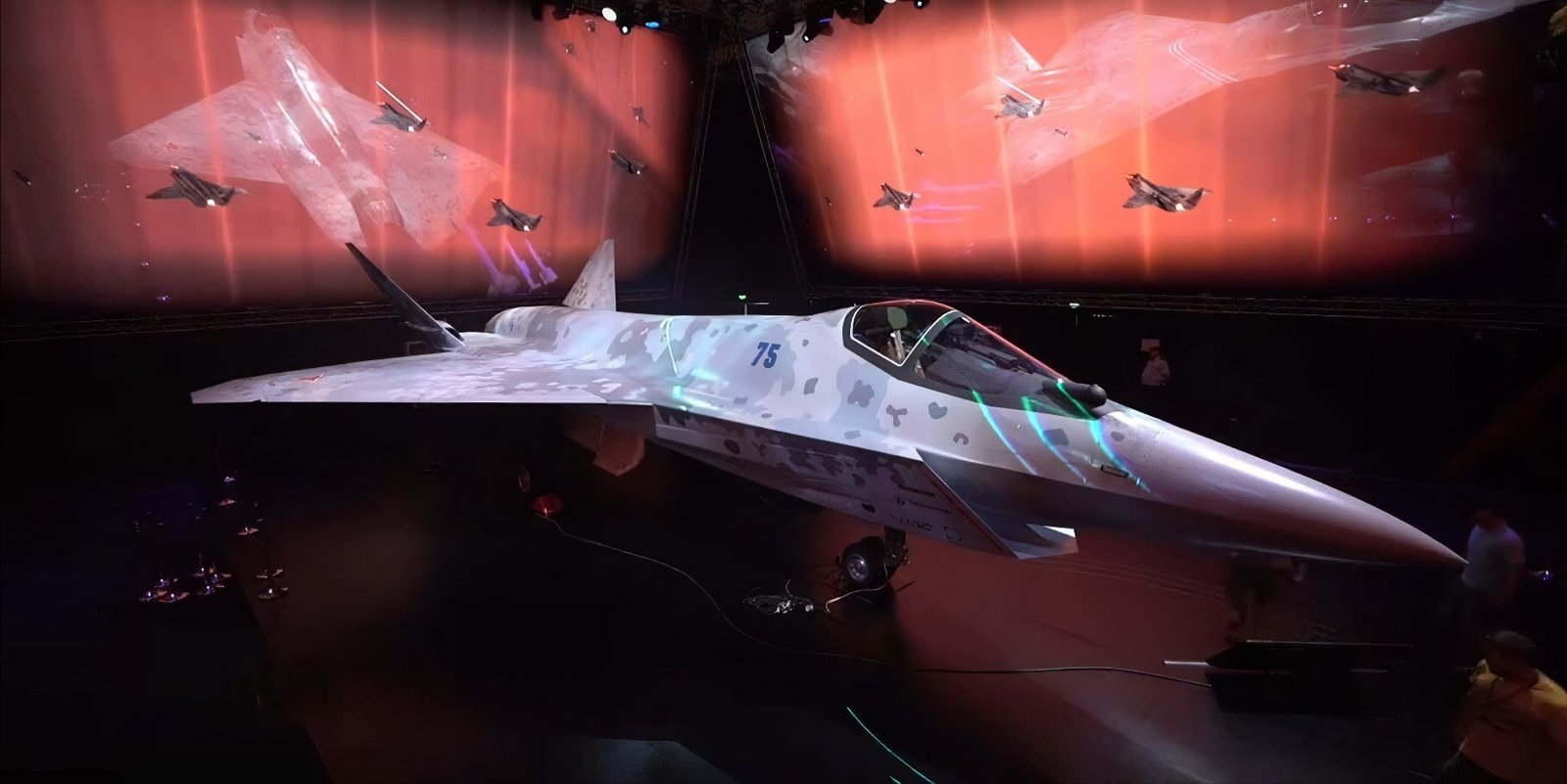 Russia Says Su-75 Checkmate Could Cost Just $25–30 Million, Flight-Hour Costs 6 Times Lower Than F-35
-
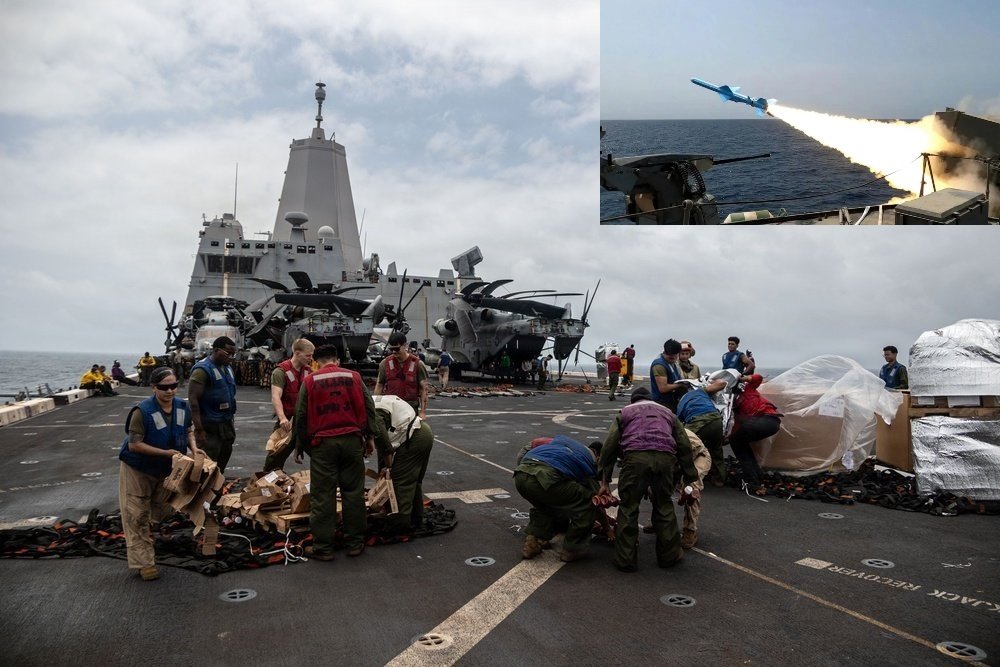 Eight U.S. Marines Injured in Iranian Missile Strike on U.S Vessel in Strait of Hormuz
-
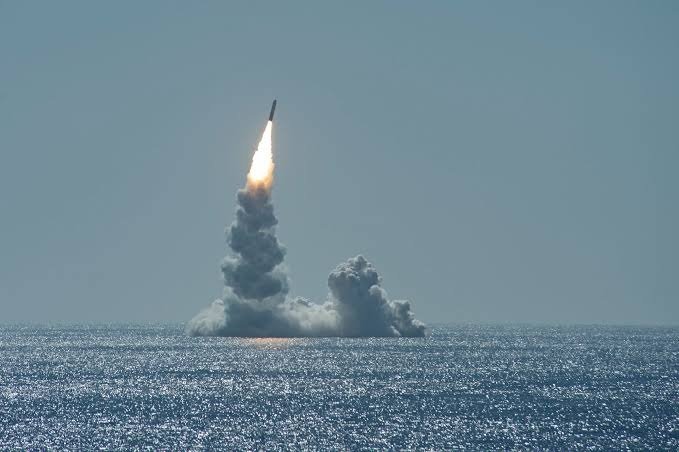 UK Offers Nuclear Deterrence for Its Northern European Defence Partners
-
 U.S. and Russia Remove Human-Review Rules From Draft UN AI Weapons Framework
-
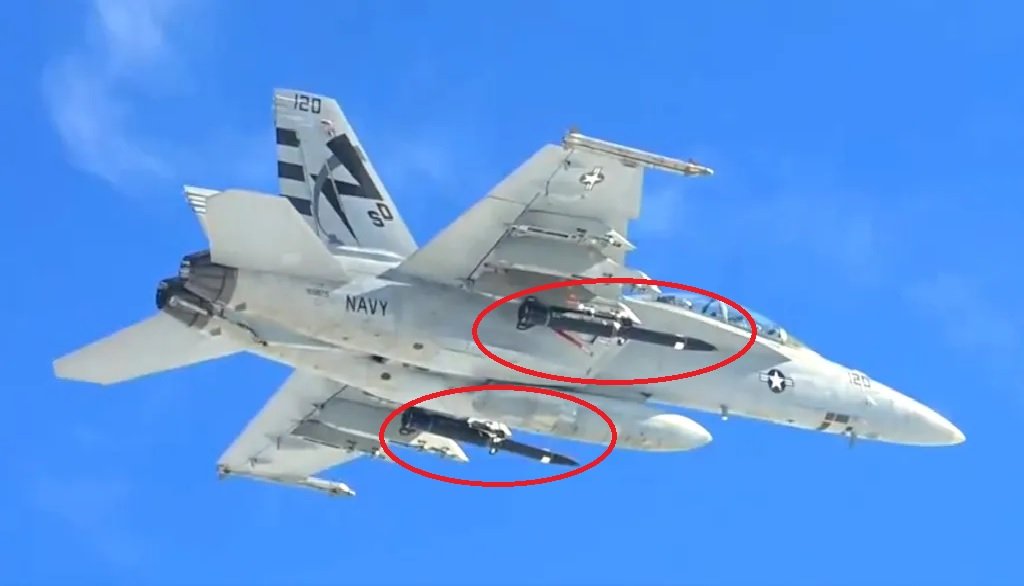 U.S. Navy Begins Flight Testing Blackbeard Hypersonic Missile on F/A-18 Super Hornet
-
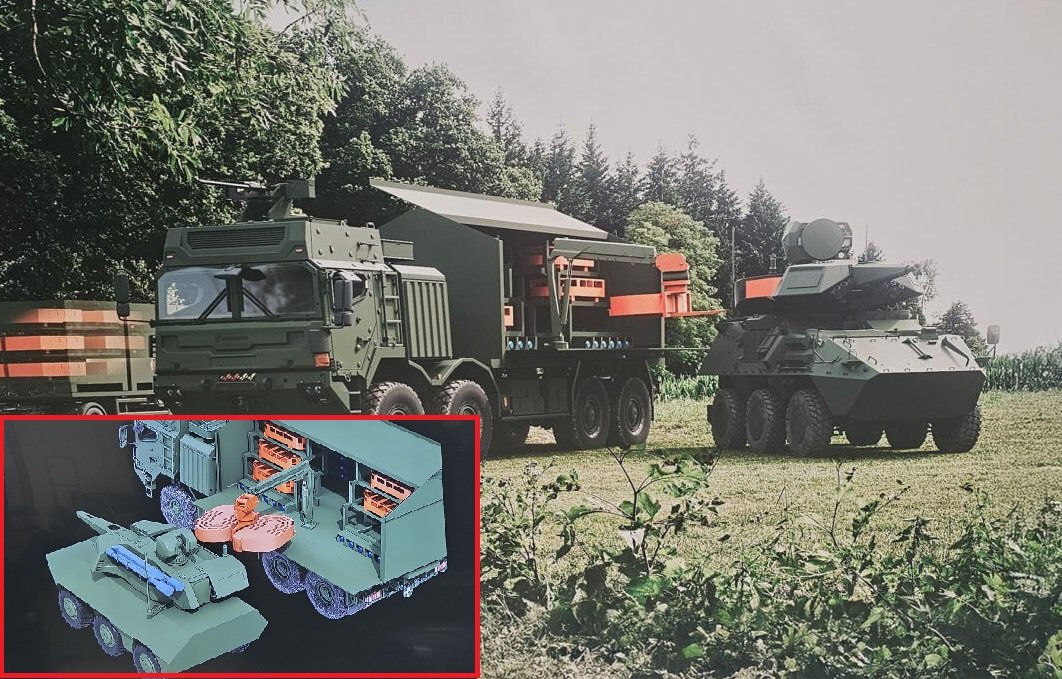 Rheinmetall Develops Automated Reloader for Austrian Skyranger Air Defense System
-
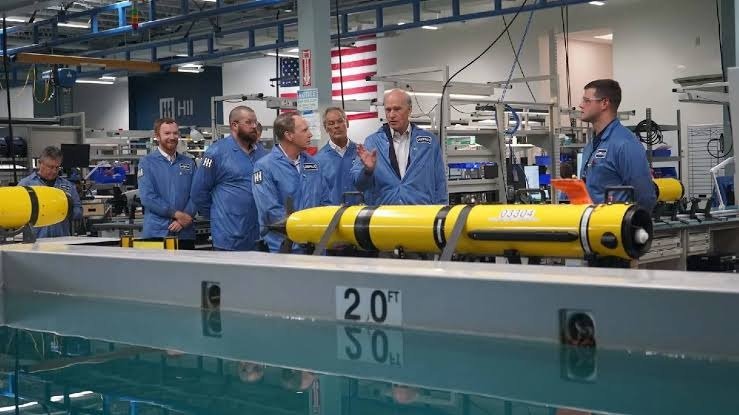 HII Expands Massachusetts Unmanned Systems Facility by 25 Percent to Support U.S. Navy Lionfish Production
