U.S
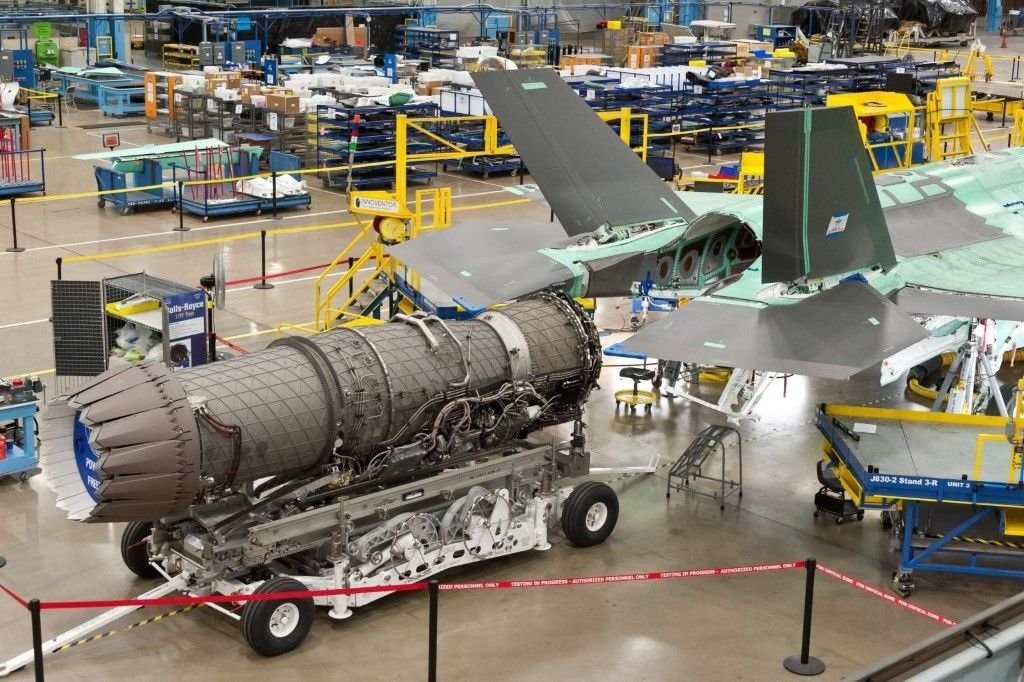
EAST HARTFORD, Conn. — RTX Corp.'s Pratt & Whitney Military Engines division has received a $53.8 million order from the U.S. Navy to carry out specialized engineering work on the F135 engine, the powerplant used in all variants of the F-35 Lightning II fighter aircraft. The award was issued under a fixed-price incentive (firm-target), cost-plus-fixed-fee structure against a previously established basic ordering agreement. Unlike production contracts for new engines, this order covers non-recurring engineering (NRE), which includes one-time design, testing, evaluation, and engineering activities required to identify, analyze, and correct technical issues affecting the engine during its service life. According to the U.S. Navy's contract announcement, the engineering work will focus on the early identification, development, and qualification of corrections for both potential and existing operational issues within the F135 engine. The effort also includes evaluating operational flight data to determine how long specific engine components can safely remain in service. The Navy said the work is intended to continue the engine's maturation, improve operational readiness, and reduce long-term maintenance and life-cycle costs across the F-35 fleet. The order supports all U.S. military services operating the F-35, including the U.S. Air Force, U.S. Marine Corps, and U.S. Navy, which fly the F-35A, F-35B, and F-35C variants, respectively. It also supports F-35 Cooperative Program Partners and Foreign Military Sales (FMS) customers. Pratt & Whitney states that more than 1,300 F135 engines currently power F-35 aircraft operated by the United States and approximately 20 allied nations, making the engine one of the most widely used fifth-generation fighter powerplants. Focus on Sustainment and Engine Reliability The F135 produces more than 40,000 pounds (18,144 kilograms) of thrust and is described by Pratt & Whitney as the most powerful fighter engine currently in production. Over its service life, the engine has undergone multiple engineering improvements to address technical and sustainment challenges. A 2023 U.S. Government Accountability Office (GAO) report estimated that sustainment issues related to the F135 could add approximately $38 billion in unplanned maintenance costs over the lifetime of the global fleet. According to the GAO, one of the primary factors behind these costs has been an engine cooling system that proved undersized for the increasing demands of the aircraft's advanced sensors and electronic systems. The report also noted that sustainment challenges have affected maintenance planning and operating costs. In addition to long-term sustainment efforts, Pratt & Whitney has implemented engineering fixes over the years to address issues such as premature wear on protective coatings inside turbine blades and harmonic resonance vibration that affected a limited number of engines. The newly awarded engineering order is intended to continue addressing such technical issues as they arise while supporting improvements in engine reliability and availability. Funding Shared Across the Global F-35 Program Funding for the order includes $14 million from the U.S. Navy's Fiscal Year 2026 Research, Development, Test and Evaluation (RDT&E) budget. The F-35 Cooperative Program Partners are contributing $22.3 million, reflecting the shared investment in sustaining the multinational F-35 fleet. The contract was awarded without competitive bidding, with the Naval Air Systems Command (NAVAIR) at Patuxent River, Maryland, serving as the contracting activity. Work to Continue Through 2028 Engineering work under the order will be carried out at seven locations across the United States and Puerto Rico: East Hartford, Connecticut – 74% Middletown, Connecticut – 7% West Palm Beach, Florida – 7% Indianapolis, Indiana – 6% Windsor Locks, Connecticut – 3% Aguadilla, Puerto Rico – 2% North Berwick, Maine – 1% The work is scheduled for completion by December 2028. Parallel Efforts on Production and Sustainment The engineering order comes as Pratt & Whitney and the F-35 Joint Program Office continue work on the F135 engine while advancing production for Lots 18 and 19. Earlier in March 2026, RTX and the U.S. Department of Defense finalized a $6.6 billion contract modification for F135 engine production covering Lots 18 and 19 following earlier production and sustainment negotiations. The latest engineering order complements those production efforts by focusing on resolving technical issues, improving engine performance over time, and supporting long-term sustainment for the growing global fleet of F-35 aircraft.
Read More → Posted on 2026-07-28 10:44:58
Europe
OBERKOCHEN, Germany — German defense electronics company HENSOLDT has received its first contract to supply the CAIRAS (Compact Airborne Infrared Reconnaissance and Alert System) missile warning system for Helsing’s CA-1 Europa autonomous combat aircraft. The initial order covers three CAIRAS systems and represents the first concrete delivery of self-protection and passive optronic reconnaissance equipment under the strategic partnership between HENSOLDT and Helsing. The contract also marks the first deployment of HENSOLDT’s Airborne Missile Protection System (AMPS) on an unmanned aerial vehicle (UAV), extending the company's airborne self-protection technology from manned aircraft to autonomous combat platforms. Self-Protection Expands to Autonomous Combat Aircraft Airborne self-protection systems have traditionally been developed for crewed aircraft to protect pilots and aircrew from missile threats. As autonomous combat aircraft are expected to operate in increasingly contested environments, similar defensive capabilities are becoming an important part of their design. For the CA-1 Europa, HENSOLDT will integrate CAIRAS into the AMPS-MR (Airborne Missile Protection System for Multi-Role) configuration. The system combines the CAIRAS missile warning system with HENSOLDT's Kalætron radar warning system and a countermeasure dispenser designed to release decoys against detected threats. According to HENSOLDT, this is the first time the AMPS system will be installed on an unmanned aircraft. Christina Canitz, Head of the Optronics Division at HENSOLDT, said the integration represents an important step in the evolution of aircraft survivability. "The integration of CAIRAS into an unmanned system marks a turning point: self-protection was long a matter for manned platforms. Now it is becoming a fundamental requirement for autonomous systems that must survive and make decisions independently. With CAIRAS as part of the AMPS suite, we are demonstrating that HENSOLDT is thinking ahead for this new generation of aircraft from the outset, rather than retrofitting them with protection." Passive Missile Detection Without Active Emissions CAIRAS uses dual-color infrared technology to passively detect and track approaching missiles at an early stage without transmitting radar or electromagnetic signals that could reveal the aircraft's position. The system consists of a central processing unit and up to seven latest-generation infrared sensors, providing 360-degree spherical coverage around the aircraft. HENSOLDT states that the configuration offers a high probability of detecting incoming threats while reducing false alarms. Because the CA-1 Europa operates without a pilot, it depends entirely on onboard sensors to detect threats and support autonomous defensive actions. The passive operation of CAIRAS allows the aircraft to identify and locate incoming fire while maintaining a low electromagnetic signature. Supporting Situational Awareness and Autonomous Operations Beyond missile warning, CAIRAS also contributes to the CA-1 Europa's situational awareness. Infrared imagery collected by the sensors can be processed into a real-time panoramic view of the aircraft's surroundings. The collected sensor data can be transferred to HENSOLDT's Multi-Domain Operations Core (MDOcore) software suite, where information from multiple sensors is fused into a single operational picture. The processed data supports Helsing's Centaur artificial intelligence system, enabling the autonomous combat aircraft to assess its environment, execute missions, and respond to threats, including the deployment of countermeasures. Partnership Between HENSOLDT and Helsing The order is the first operational outcome of the strategic partnership established between HENSOLDT and Helsing in February 2026 to support the development of the CA-1 Europa autonomous combat aircraft. Under the agreement, HENSOLDT is responsible for providing onboard sensor technologies, including radar, optronics, self-protection systems, and electromagnetic warfare capabilities. Helsing provides the advanced artificial intelligence technologies required for autonomous flight, networked operations, and large-scale data processing. About the CA-1 Europa and HENSOLDT The CA-1 Europa is an autonomous uncrewed combat aerial vehicle in the three-to-five ton class being developed by Helsing and its subsidiary Grob Aircraft. The platform combines Helsing's Centaur AI software and mission system with Grob Aircraft's aircraft design and manufacturing expertise. It is designed as a multi-role autonomous combat aircraft capable of operating independently or as part of a swarm while emphasizing European technology and supply chains. Supporting the platform is HENSOLDT, a European defense electronics company headquartered in Taufkirchen near Munich, Germany. Under its partnership with Helsing, HENSOLDT is providing sensor technologies covering radar, optronics, self-protection, and electromagnetic warfare for the CA-1 Europa. The company develops sensor solutions, electronics, and software for air, land, sea, cyber, and space applications. In the 2025 financial year, HENSOLDT reported turnover of €2.46 billion, employed approximately 9,500 people, and is listed on the Frankfurt Stock Exchange as part of the MDAX index.
Read More → Posted on 2026-07-28 10:32:04
World
BEIJING — Chinese robotics company Unitree has introduced its latest unmanned ground vehicle (UGV), the Super Athlete AS2-W, a four-wheeled robot that combines legged and wheeled mobility. The new platform is designed to improve movement across different types of terrain by combining the obstacle-crossing ability of legged robots with the speed and efficiency of wheeled systems on flat surfaces. According to information published on Unitree's official website, the AS2-W weighs approximately 25 kg, including its 648 Wh (15,000 mAh) battery. The robot is designed to carry a continuous payload of up to 16 kg while moving, while its structure can support a static payload of up to 150 kg when stationary. Mobility and Performance The AS2-W uses a hybrid wheeled-legged design with 16 degrees of freedom, 7-inch oversized wheels, and industrial-grade joint modules capable of generating up to 95 N·m of peak torque. According to Unitree, the robot can reach a maximum speed of more than 6 meters per second on flat terrain. The company states that the robot can travel more than 30 kilometers on a single battery charge when operating without a payload, with a runtime of more than three hours. When carrying its maximum continuous payload of 16 kg, the operating range is approximately 25 kilometers, while runtime exceeds two hours. The AS2-W is designed to move across a variety of outdoor environments. According to the manufacturer, it can climb 45-degree slopes, cross 30-centimeter stairs, and overcome obstacles up to 80 centimeters high. Unitree's demonstration video also shows the robot traveling over rocky terrain and regaining mobility after falling from elevated platforms. Its chassis is constructed from aluminum alloy and high-strength engineering plastic and carries an IP54 rating for dust and water resistance. The operating temperature range is listed as –20°C to 55°C. Standing dimensions are 721 mm × 493 mm × 521 mm, while the supported supply voltage ranges from 36 V to 50.4 V. Autonomous Navigation and Computing For autonomous operation, the AS2-W uses Unitree's ISS 3.0 (Intelligent Side-follow System) navigation software. The company states that the system provides centimeter-level positioning accuracy for autonomous tracking. The robot is equipped with a high-performance AI expansion module capable of 150 TOPS (trillion operations per second) for on-device data processing. Unitree says the platform supports developer SDKs and APIs for secondary development and integration of AI applications. Depending on configuration, the AS2-W can also be equipped with industrial-grade 64- to 128-line LiDAR, an HD camera, dual encoders, and local air cooling. Connectivity options include Wi-Fi 6, Bluetooth 5.2, GPS, and 4G, with the company stating that GPS and 4G functions are disabled by default and require user authorization before activation. Civilian Applications Unitree markets the Super Athlete AS2-W primarily as a civilian platform intended for security patrols, industrial inspection, and outdoor exploration. The company also offers the robot in standard and education configurations, with custom industry solutions available for specialized applications. Unitree states that the product includes a 12-month warranty and notes that published performance figures are based on laboratory testing and may vary under actual operating conditions. The company also advises users not to modify the robot or operate it in hazardous ways. Reported Military Use According to reports citing Chinese military sources, similar quadrupedal robotic platforms were deployed by the People's Liberation Army (PLA) during the China-Mongolia "Steppe Partner 2026" joint military exercise. Chinese military personnel and state media referred to these systems as "Robotic Wolves." During the exercise, the unmanned platforms were reportedly used in combat reconnaissance and fire-support roles alongside aerial drones, armored vehicles, and artillery during simulated combat operations. According to the reported information, these robotic platforms were used to conduct reconnaissance in hazardous areas, relay battlefield information, and support defensive operations while reducing the need to expose personnel to direct risk.
Read More → Posted on 2026-07-27 15:27:55
Space & Technology
ARDABIL PROVINCE, Iran — Iran has officially connected its first geothermal power plant to the national electricity grid, marking the country's entry into geothermal electricity generation and expanding its renewable energy portfolio. The pilot geothermal facility is located near the dormant Sabalan volcano in Meshginshahr, Ardabil Province. The project was inaugurated by Iranian Energy Minister Abbas Aliabadi after completing engineering, installation, testing, trial operations, and synchronization with the national grid. Built with an investment of €10 million, the Sabalan Geothermal Power Plant currently generates 5.4 megawatts (MW) of electricity. Geological studies indicate the underground geothermal reservoir has the potential to support electricity generation of up to 250 MW through future expansion. Developed After Foreign Firms Withdrew The Sabalan geothermal project was originally planned with foreign participation. However, European companies withdrew from the project following U.S. sanctions, requiring Iranian companies to continue development using domestic engineering capabilities. Iranian engineers adapted drilling technologies commonly used in the country's oil and gas industry to complete the geothermal wells. According to project officials, the drilling process was technically demanding because engineers had to penetrate volcanic rock to depths of approximately 3,000 meters, passing beneath a clay layer around 500 meters thick that seals the geothermal reservoir. At those depths, underground temperatures exceed 240°C to 250°C, creating conditions suitable for geothermal power generation. The extreme heat and abrasive volcanic formations caused rapid wear on drilling equipment and fluids, leading Iranian teams to develop specialized drilling methods and domestic technical capabilities during the project. How the Power Plant Generates Electricity The Sabalan plant produces electricity by extracting naturally heated, pressurized water from deep underground. As the water reaches the surface, the pressure decreases, causing it to rapidly convert into steam. The steam is then directed through turbines that generate electricity before being supplied to the national power grid. Because the geothermal fluid contains high levels of dissolved minerals and salts, it can cause corrosion and scaling in industrial equipment. To address these challenges, MAPNA Group redesigned turbine components and developed corrosion-resistant alloys and protective coatings for use at the facility. Project planners also intend to utilize the remaining geothermal heat, estimated at 70°C to 100°C, after electricity generation. The residual heat is expected to support district heating in Meshginshahr as well as agricultural applications, including greenhouse farming and aquaculture. The remaining geothermal fluid is planned to be reinjected into the underground reservoir. Potential for Future Expansion Officials say the current 5.4 MW facility serves as a pilot project to demonstrate geothermal technology in Iran. The Sabalan geothermal reservoir has an estimated capacity of up to 250 MW, providing room for future development. Government surveys have also identified 18 additional geothermal sites across Iran that could be considered for future projects. According to available studies, Sabalan is among the country's high-temperature geothermal regions suitable for commercial electricity production, while other identified areas include Mahallat and the Makran region. Strengthening Domestic Renewable Energy Capability The completion of the Sabalan project has provided Iranian companies with practical experience across the exploration, drilling, engineering, construction, commissioning, and operation of geothermal power systems. Officials say the project has also contributed to the development of domestic capabilities in geothermal equipment and technology, reducing reliance on imported expertise and supporting future renewable energy projects under existing international sanctions. As geothermal power operates without fuel combustion during electricity generation, the technology can provide continuous renewable electricity. However, operators must maintain careful management of geothermal fluids through brine handling, reinjection, and continuous monitoring to reduce equipment scaling, corrosion, and potential environmental impacts, including groundwater protection. With the Sabalan plant now connected to the national grid, Iran has established its first operational geothermal power station and laid the foundation for future geothermal energy development using domestically developed technology.
Read More → Posted on 2026-07-27 15:20:27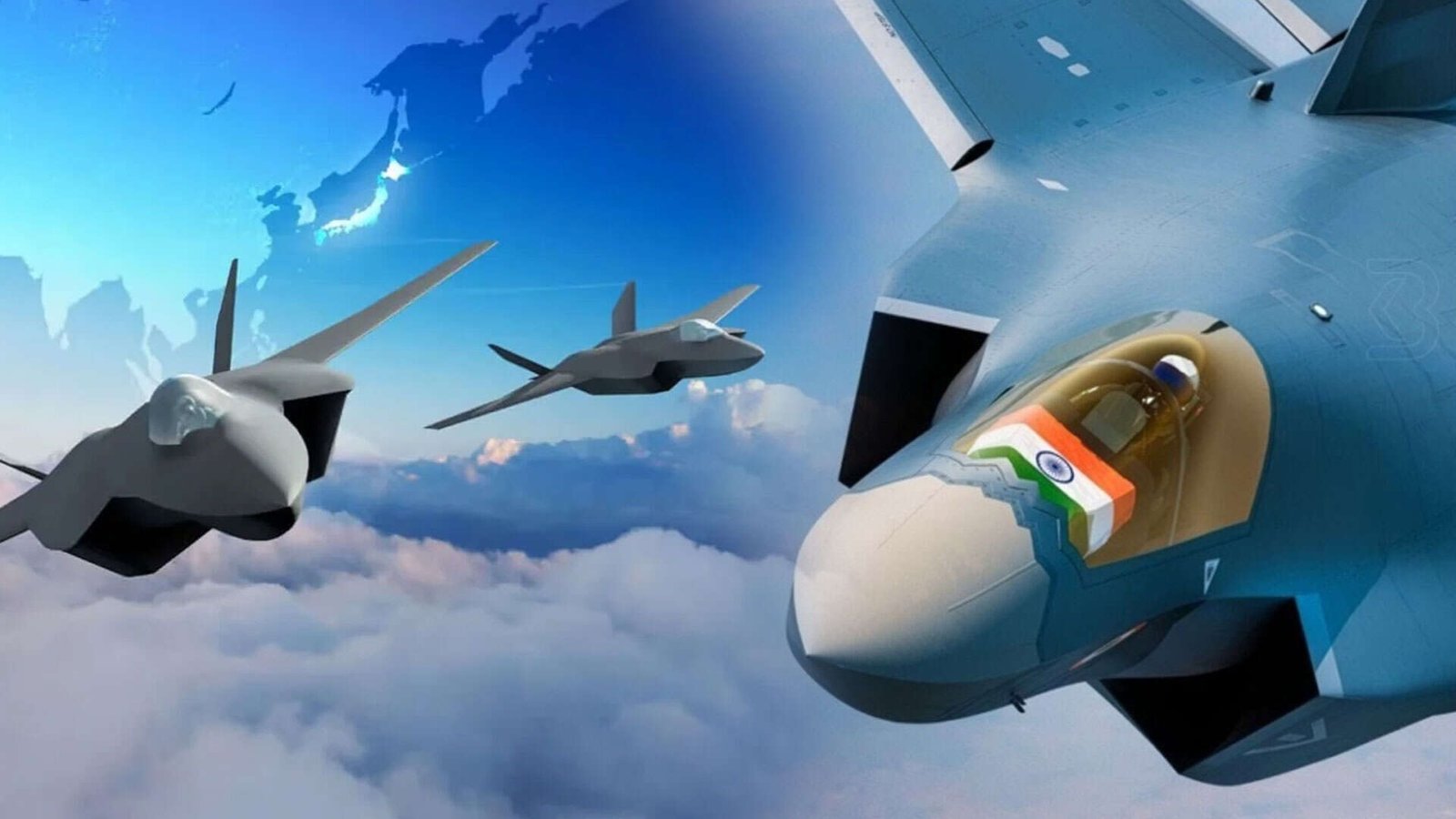
India
ARNBOROUGH, July 2026 — The Global Combat Air Programme (GCAP), the United Kingdom, Italy and Japan's joint effort to develop a sixth-generation stealth fighter, has entered a critical phase as programme leaders set the end of 2026 as the practical deadline for countries seeking to join as full partners. The timeline was outlined by Leonardo Chief Executive Officer Lorenzo Mariani during the Farnborough International Airshow, where he said nations interested in joining the programme should make their decision within the next 12 months to avoid affecting the project's schedule. "My personal opinion 2026… maximum one year from now," Mariani said, noting that while governments will ultimately decide on new members, the industrial partners are working against a fixed timeline to deliver the aircraft by 2035. The Global Combat Air Programme was launched in 2022 by the United Kingdom, Italy and Japan to develop a supersonic sixth-generation stealth fighter. The aircraft is intended to replace the Eurofighter Typhoon in some European air forces and Japan's Mitsubishi F-2 fleet. The consortium is targeting entry into service by 2035, with the first demonstrator aircraft planned before the end of 2027. Canada Becomes First Observer Nation The programme expanded for the first time on July 21, 2026, when Canada became the first observer nation following a meeting of defence ministers from the United Kingdom, Italy, Japan and Canada. Observer status provides Canada with greater visibility into GCAP's governance, technological capabilities and industrial structure. However, it does not make Ottawa a full programme partner and carries no obligation to fund aircraft development or purchase the future fighter. Canada's participation marks the first formal expansion of GCAP beyond its three founding members while preserving the existing partnership structure. £4.6 Billion Contract Advances Detailed Design GCAP moved from its conceptual phase into detailed engineering on July 3, 2026, after the GCAP Agency awarded an 18-month contract worth £4.6 billion (approximately US$6.1 billion) to Edgewing. Edgewing serves as the programme's prime contractor and brings together BAE Systems of the United Kingdom, Leonardo of Italy and the Japan Aircraft Industrial Enhancement Company (JAIEC). The contract covers the advanced concept and assessment phase as well as detailed design work through the end of 2027. It follows an earlier £686 million contract awarded in April. The programme also received long-term financial backing after the UK Government's Defence Investment Plan committed £8.6 billion (approximately US$11.5 billion) to GCAP over the next four years. Germany Examines Joining After FCAS Setback GCAP's progress comes as Germany reassesses its future combat aircraft plans following the effective end of the Franco-German-Spanish Future Combat Air System (FCAS) programme in June 2026. At the Farnborough Airshow, Airbus Defence and Space said it is open to participating in GCAP. Michael Schoellhorn, head of Airbus' defence division, said the company would consider joining if it secured a significant industrial role and leadership responsibilities. "What we're ready to do is to join something or to build something where we have a significant portion of the work and the leadership. That's currently being explored," Schoellhorn said. Mariani said German participation would strengthen the programme because of Germany's aerospace industry, funding capability and previous experience on collaborative fighter programmes such as the Eurofighter Typhoon. At the same time, he cautioned that adding new partners during the current phase could affect programme timelines and require adjustments to industrial work-sharing arrangements. France Pursues Separate Fighter Programme While GCAP continues to expand, France's Dassault Aviation is pursuing a separate next-generation fighter programme. The company has said discussions are ongoing with the French government regarding an alternative programme that could produce a demonstrator aircraft in 2031 or 2032. Dassault Chief Executive Officer Éric Trappier has also stated that the company requires sufficient industrial control and a programme focused on French requirements. With FCAS no longer advancing as a multinational fighter programme, GCAP remains the principal multinational sixth-generation fighter project currently open to additional partners. The United States and China continue developing their own sixth-generation aircraft programmes without seeking international partners. India Faces a Limited Decision Window India is among the countries closely watching developments in the programme. In March 2026, the 20th Report of the Indian Standing Committee on Defence stated that the Indian Air Force (IAF) was examining possible collaboration with one of the two European sixth-generation fighter programmes that were active at the time—GCAP and FCAS. The committee recommended that the Ministry of Defence establish a roadmap for acquiring next-generation combat aircraft. The report also highlighted that the IAF currently operates 29 active fighter squadrons against an authorised strength of 42 squadrons. Earlier this year, Japanese officials approached Indian counterparts regarding possible participation in GCAP, building on previous discussions held with the United Kingdom during the earlier Tempest programme. Reports have indicated that an invitation was extended for India to consider participation. Some Japanese commentary has suggested India could contribute manufacturing capability and investment to the programme, while discussions have also noted that joining after the major design and industrial work-share decisions are completed could present additional considerations. If India decides to become a full partner, Mariani's comments indicate that a decision would need to be made by the end of 2026 to avoid affecting the programme's development schedule. GCAP is targeting its first demonstrator flight before the end of 2027 and aims to introduce the sixth-generation fighter into operational service by 2035. At present, the United Kingdom, Italy and Japan remain the programme's full partners, while Canada is its first observer nation.
Read More → Posted on 2026-07-27 15:14:47
U.S
NEW YORK/LONDON — Global financial markets shifted on Monday as a temporary pause in U.S. military strikes on Iran pushed oil prices sharply lower, easing concerns over a wider regional conflict. The de-escalation improved investor risk appetite, sending the U.S. dollar lower against several major currencies ahead of a busy week of monetary policy decisions by the Federal Reserve, the Bank of England (BoE), and the Bank of Japan (BoJ). The biggest market reaction came in the energy sector. Brent crude, the global oil benchmark, fell 7.5% to settle at $89.42 per barrel after the U.S. military temporarily halted its two-week air campaign in Iran. Tehran said it would also suspend its counterattacks as long as the United States maintained the pause, raising hopes that diplomatic efforts could reduce tensions. Earlier this month, the conflict had briefly pushed Brent crude above $100 per barrel. The sharp decline in oil prices helped improve overall market sentiment and eased concerns that higher energy costs could keep inflation elevated. Dollar Weakens Ahead of Federal Reserve Meeting The U.S. Dollar Index (DXY), which measures the U.S. currency against a basket of six major currencies, slipped 0.1% to 101.34. Currency markets are now focused on the Federal Reserve's July 28-29 policy meeting, where investors are awaiting guidance on interest rates. Federal Reserve Chair Kevin Warsh, who succeeded Jerome Powell in May 2026, has offered limited forward guidance on future policy decisions. As a result, markets have frequently adjusted their interest-rate expectations in recent weeks in response to softer U.S. inflation data and geopolitical developments in the Middle East. According to the CME Group FedWatch Tool, traders currently assign a 33% probability that the Federal Reserve will raise interest rates by a quarter percentage point on Wednesday. That is down from 37% at the end of last week but remains about double the probability priced in one week earlier. "It could be that the market is not particularly well-informed after this meeting because Warsh doesn't like to give forward guidance, and there is so much uncertainty, particularly with respect to how long the Iran war will last," said Jane Foley, Head of FX Strategy at Rabobank. Despite Monday's decline, investors continue to hold a positive outlook on the U.S. dollar. Data from the Commodity Futures Trading Commission (CFTC) showed that net long positions in the dollar increased to $45.37 billion in the week ending July 20, the highest level of bullish positioning since 2015. Later this week, investors will also closely watch the release of U.S. second-quarter Gross Domestic Product (GDP) data and core Personal Consumption Expenditures (PCE) inflation, the Federal Reserve's preferred inflation measure, for further indications on the strength of the U.S. economy. Yen, Euro and Pound React Against the Japanese yen, the dollar fell 0.1% to 163.645 yen, marking its sharpest daily decline since July 10. Despite the move, the yen remains close to its weakest level against the dollar in around 40 years. The Bank of Japan is scheduled to announce its policy decision on Friday. While the central bank is widely expected to keep interest rates unchanged, analysts expect policymakers to leave open the possibility of future rate increases to help limit further weakness in the yen. So far, verbal interventions by Japanese officials have had only limited impact on the currency. "There is a sense of walking on eggshells when the Fed and Japan's authorities are prepared to be less predictable and when there is not a great understanding of what could happen next between the U.S. and Iran," wrote Paul Mackel, Global Head of FX Research at HSBC. "We still side with favouring the dollar." In Europe, the euro rose 0.2% to $1.130, while the British pound eased about 0.1% to $1.331 after giving up earlier gains. Even with Monday's slight decline, sterling remained on track for its second consecutive session of gains, recovering from last week's multi-week low of $1.330. The Bank of England is expected to leave interest rates unchanged when policymakers meet on Thursday. The central bank continues to monitor inflation risks linked to recent increases in oil prices. The meeting comes shortly after Prime Minister Andy Burnham and Finance Minister John Healey formally took office. Norwegian Crown Falls, Cryptocurrencies Rise The decline in oil prices also affected commodity-linked currencies. The Norwegian crown, which had been among July's strongest major currencies due to higher oil prices, fell 0.6% to 9.642 per U.S. dollar. Meanwhile, cryptocurrencies moved higher. Bitcoin gained about 1% to $65,155.60, while Ether rose 2.5% to $1,961.29, reaching its highest level since June 2. Markets Await Central Bank Decisions With geopolitical tensions temporarily easing, investors are now shifting their attention to a series of major central bank meetings and key U.S. economic data releases. Decisions by the Federal Reserve, Bank of England, and Bank of Japan, along with upcoming GDP and inflation figures, are expected to shape market expectations for interest rates and global financial markets in the coming days.
Read More → Posted on 2026-07-27 14:31:03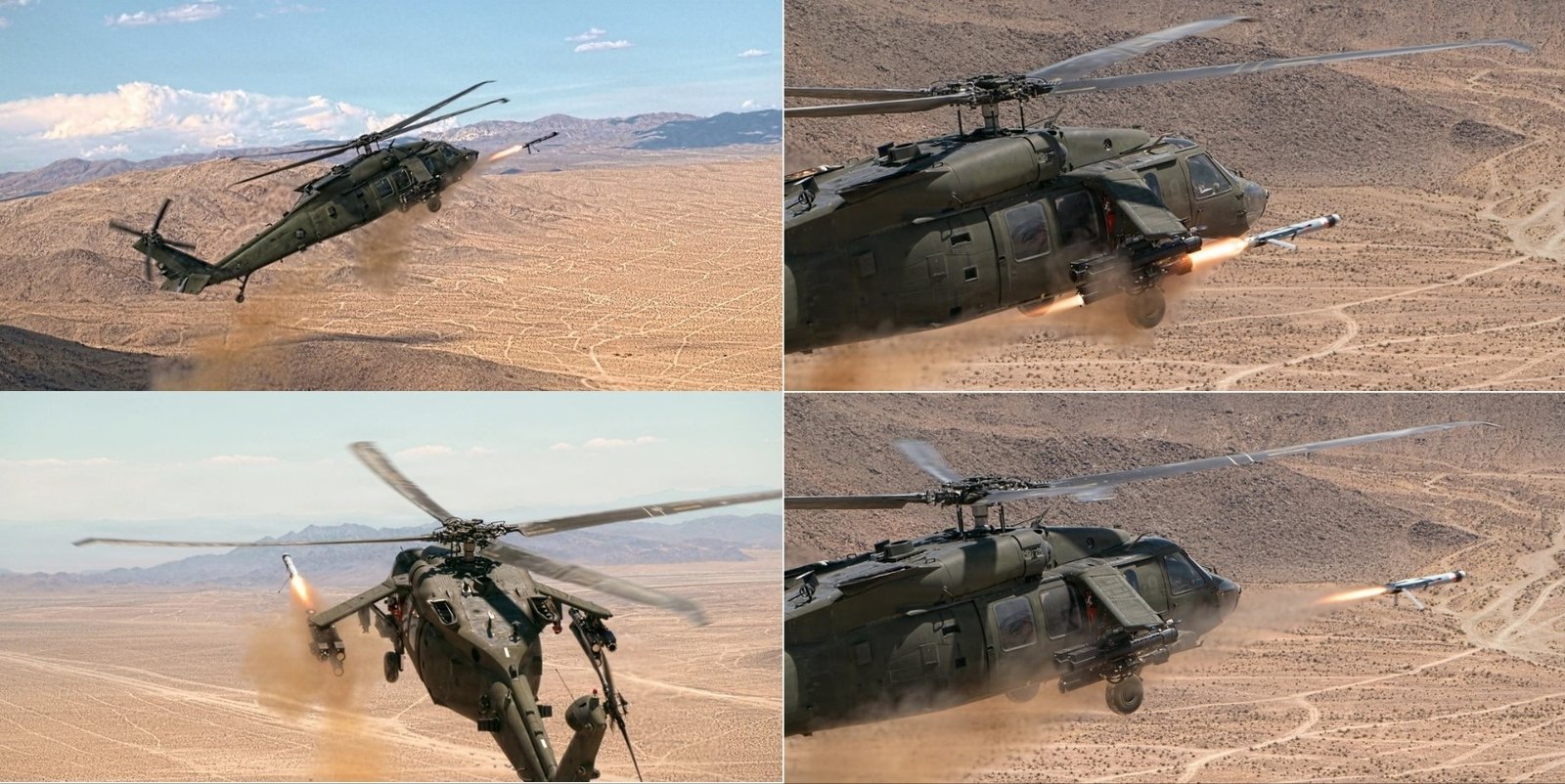
U.S
FORT IRWIN, Calif. — The U.S. Army demonstrated a networked drone strike sequence during Project Convergence-Capstone 6, showing how multiple air-launched drones can work together to locate, identify, and destroy enemy air defense threats while keeping crewed aircraft away from high-risk areas. The demonstration took place during the Army's large-scale experimentation event held at Fort Irwin, California, from July 20 to July 29, 2026. The exercise focused on the Army's Launched Effects (LE) family of air-launched drones, which are designed with different payloads and mission roles rather than as a single standardized platform. During the demonstration, two Active/Passive Infrared Launched Effects carried out the military's detect, identify, locate, and report mission by finding a simulated adversary threat and transmitting its location to friendly forces. A third weaponized Launched Effect equipped with a Long-Range Precision Munition (LRPM) then carried out the strike against the identified target. The Army said this approach enables reconnaissance and strike missions to be divided among different drones, reducing the need to send crewed aircraft into heavily defended airspace. Designed for Different Mission Roles The Launched Effects portfolio includes multiple variants developed for different operational requirements. Some are equipped for reconnaissance missions to locate and track enemy positions, while others carry electronic warfare payloads designed to disrupt enemy communications and radar systems. Additional variants are armed to engage targets directly. Rather than relying on a single drone to perform every task, the Army is developing a family of systems that can operate together depending on mission requirements. Reducing Risk to Crewed Aircraft The Army said the concept is intended to help aviation units operate against Integrated Air Defense Systems (IADS), which combine radar, surface-to-air missiles, and anti-aircraft guns to defend contested airspace. By using relatively low-cost and expendable drones to enter these areas first, Army Aviation aims to reduce the exposure of crewed aircraft and pilots while creating opportunities for follow-on operations. The capability is also intended to support ground maneuver forces by targeting enemy artillery, rocket systems, and other threats operating deep inside contested areas. Networked "Wolfpack" Operations A key element of the demonstration was the networking between the drones. The medium-range Launched Effects used the Integrated Tactical Network operating within the Army's Next Generation Command and Control (NGC2) architecture to send real-time targeting information to corps-level commanders. According to the Army, treating the flow of targeting data as a core part of the weapon system helps accelerate strike decisions by rapidly sharing target information across the force. The Army also demonstrated the ability for multiple Launched Effects to operate as a coordinated "wolfpack." In this concept, several drones can approach a target simultaneously from different directions and altitudes, making it more difficult for traditional air defense systems to respond. Because the drones are designed to be expendable, commanders can accept the loss of individual platforms when required to complete the mission. Long-Range Precision Munition Reaches New Milestone In a separate demonstration during Project Convergence-Capstone 6, a crewed aircraft launched a production-line Long-Range Precision Munition into contested airspace. According to the Army, the munition independently identified and destroyed a high-priority target, marking an important milestone for the medium-range lethal capability. The Army plans to field the LRPM at scale by fiscal year 2027. Government contracting documents indicate an anticipated funding line of $100 million to $200 million to deliver 200 to 600 fieldable LRPM prototypes supporting this medium-range lethal capability. Standardized Launch and Control Systems To support operational deployment across Army Aviation, the service is also developing two supporting systems: the Launched Effects Dispenser for Ground and Rotorcraft (LEDGR) and the Universal Vehicle Control (UVC) system. These systems are designed to provide a standardized interface that allows aircrews to launch and control different Launched Effects variants without requiring separate launch hardware or dedicated cockpit software for each payload. Both systems are scheduled to support fielding at scale by fiscal year 2027. Army Continues Evaluating Future Variants Project Convergence has served as the Army's experimentation event since 2020, providing an environment to evaluate how sensors, weapons, and command-and-control networks operate together across the joint force and with allied and partner nations. Capstone 6 included thousands of participants from the joint force, allies, partners, and industry. In addition to systems moving toward fielding, the Army evaluated emerging medium-range Launched Effects technology demonstrators featuring increased speed and longer range. These platforms remain in the technology demonstration phase and are not yet formal programs of record. Dan Bailey, Deputy Director of the Aviation Future Capability Directorate, said the systems are intended to operate as connected combat capabilities rather than independent platforms. "Launched Effects are not just stand-alone tools; they are networked combat enablers. By standardizing our launch and control systems, we're giving the Combat Aviation Brigades the flexibility to dynamically deploy multiple capabilities, share critical targeting data on the fly, and secure a decisive overmatch against peer adversaries." The Army has not disclosed the specific adversary air defense systems replicated during the demonstration, the exact number of Launched Effects used in the wolfpack sequence, or the long-term procurement quantities planned for the Long-Range Precision Munition program after fielding begins.
Read More → Posted on 2026-07-27 14:10:35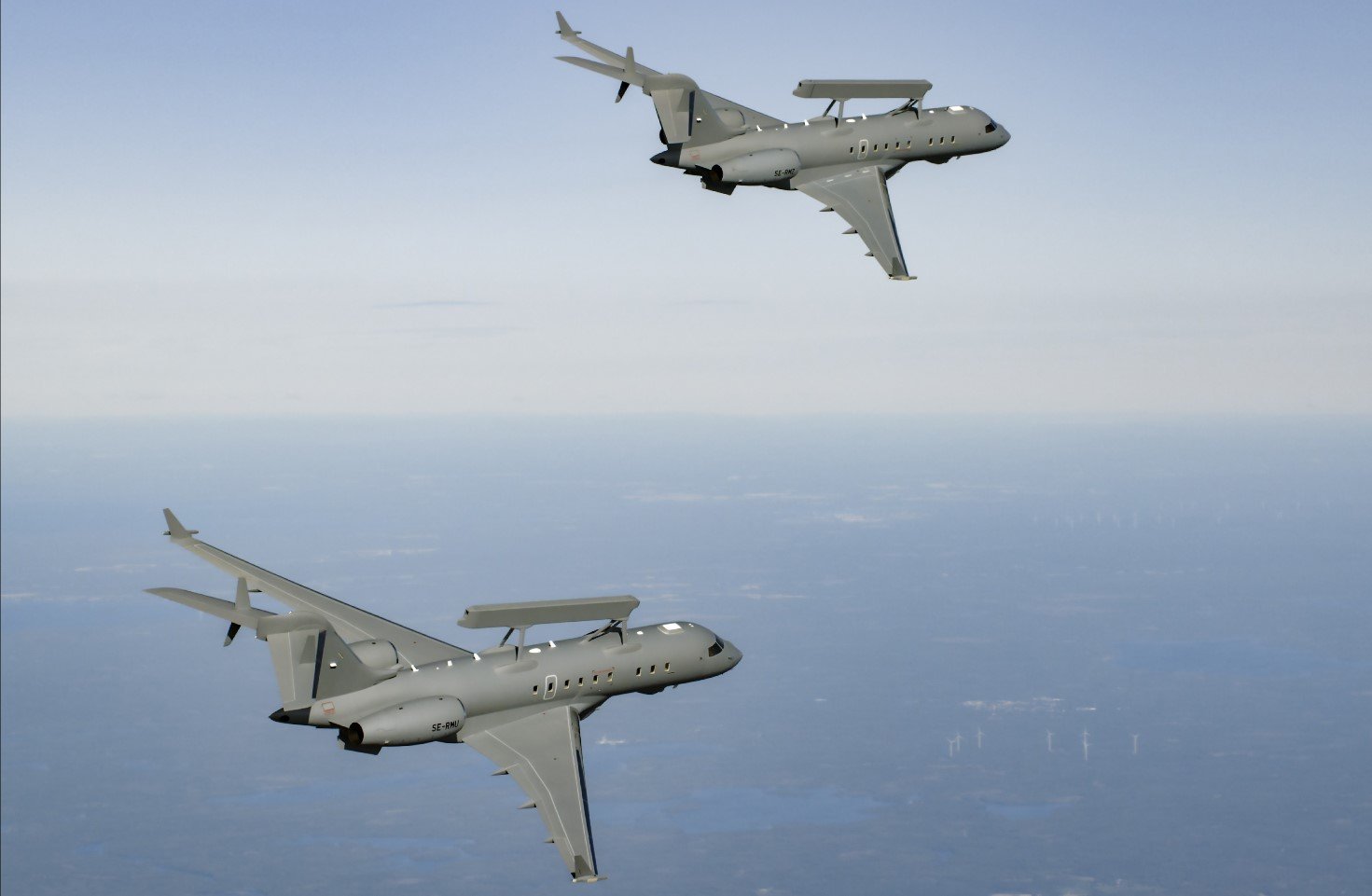
World
OSLO — Swedish defense company Saab has received a contract worth 10.1 billion Swedish crowns ($1.04 billion) to supply two GlobalEye Airborne Early Warning and Control (AEW&C) aircraft to an undisclosed customer in the Middle East. The company announced the order on Monday and said deliveries are scheduled for 2030. Saab did not identify the customer, stating that no additional information about the country or the agreement would be released because of the nature of the defense industry, customer-related circumstances, and national security considerations. The order represents another export contract for Saab's GlobalEye airborne surveillance platform, which has attracted growing interest from countries seeking advanced intelligence, surveillance, and early warning capabilities. Saab President and CEO Micael Johansson said the order reflects increasing international demand for the aircraft. "This order underscores our commitment to providing customers with mission-proven, multi-domain AEW&C capability. The increasing international interest in GlobalEye reflects its effectiveness and reliability in modern air defence operations," Johansson said. GlobalEye Airborne Surveillance System GlobalEye is Saab's Airborne Early Warning and Control (AEW&C) platform designed to provide long-range surveillance across air, sea, and land. The aircraft is built on the Bombardier Global 6000/6500 business jet and combines Saab's Erieye Extended Range (ER) Active Electronically Scanned Array (AESA) radar with additional sensors and a multi-domain command and control system. The aircraft is equipped with active and passive sensors that provide real-time detection, tracking, and identification of objects across multiple operational environments. According to Saab, the system supports situational awareness and early identification of potential threats. Its sensor suite includes: Erieye ER AESA radar for long-range air surveillance. Maritime surveillance radar for monitoring targets at sea. Electro-optical sensors for visual observation and target identification. Electronic Support Measures (ESM) for detecting and analyzing electronic emissions. The integrated sensor package enables operators to monitor aircraft, ships, cruise missiles, drones, and selected ground targets simultaneously while sharing real-time information with air defense networks, naval forces, and ground units. The Bombardier Global 6000/6500 platform provides more than 12 hours of operational endurance in typical configurations. The aircraft has a range of approximately 11,100 kilometers, can fly at speeds of around Mach 0.85, and typically operates with a combined flight and mission crew of seven to nine personnel. Unlike earlier airborne warning aircraft primarily designed for air surveillance, GlobalEye is intended for multi-domain surveillance, allowing military commanders to receive a comprehensive operational picture from a single airborne platform. Middle East Remains an Important Market The latest order further strengthens Saab's presence in the Middle East, where countries continue investing in intelligence, surveillance, reconnaissance (ISR), and integrated air defense capabilities. The United Arab Emirates remains the launch customer and the only publicly confirmed Middle Eastern operator of the GlobalEye system. The UAE has received five aircraft under previous contracts. Saab has also received orders from Sweden for the platform and has previously discussed interest from other countries in the region, including Qatar and Saudi Arabia. Airborne early warning aircraft such as GlobalEye extend radar coverage beyond the limitations of ground-based radar systems, improving the detection of low-flying aircraft, cruise missiles, and unmanned aerial systems while supporting faster decision-making during air defense operations. Adds to Saab's Order Backlog The new contract adds to Saab's growing order backlog as governments continue investing in advanced surveillance and integrated defense systems. Headquartered in Sweden, Saab develops and manufactures systems across aeronautics, weapons, command and control, sensors, and underwater systems. The company employs approximately 28,000 people. Saab stated that deliveries of the two GlobalEye aircraft will be completed in 2030, while no further information regarding the customer or the contract will be disclosed.
Read More → Posted on 2026-07-27 13:55:31
World
GENEVA — A public diplomatic dispute has emerged between the United States and France following a United Nations General Assembly vote to extend the mandate of U.N. High Commissioner for Human Rights Volker Türk for another four-year term. The disagreement began after the General Assembly approved the extension with 144 votes in favor, 10 against, and 13 abstentions. Türk's new term will begin on October 12, 2026, following a proposal by U.N. Secretary-General António Guterres. The United States voted against the extension, joining Israel, Russia, Argentina, North Korea, Nicaragua, Mali, and other countries in opposing the appointment. Russia had proposed extending Türk's mandate only until the end of 2026, but that proposal was rejected. A U.S. request to postpone the vote was also rejected. The US used to be a beacon of human rights. Not anymore. Today, it stands alongside North Korea, Nicaragua, Mali & Russia, isolated. And the world no longer listens to it.#AmericaAlone https://t.co/GLNMsYEH9n pic.twitter.com/UTVvljTMeO — France ONU Genève 🇫🇷🇺🇳 (@FranceONUGeneve) July 25, 2026 The vote was followed by a public exchange on the social media platform X between the U.S. and French missions to the United Nations. Before the vote, U.S. Deputy Ambassador Jeff Bartos criticized the U.N. human rights system, saying it had been "losing credibility for decades." He accused Türk of leading the institution to its "deathbed" and described the reappointment process as dysfunctional, arguing that the agenda item had been introduced at the last minute. Bartos also said the United States would reassess its engagement, participation, and funding for the United Nations. After the vote, the Permanent Mission of France to the United Nations in Geneva responded by criticizing Washington's position. In a post on X, the French mission stated that the United States was once a "beacon of human rights" but was "not anymore." It added that the U.S. now stood alongside North Korea, Nicaragua, Mali, and Russia in opposition to the vote and said the country was becoming increasingly isolated on the issue. The French statement prompted a strong response from American officials. U.S. Representative to the United Nations Mike Waltz described France's comments as "shameful." He said France had supported "someone who lectures free, sovereign democracies like the United States, the United Kingdom, and Israel, while cozying up to the most brutal oppressors in the world." The dispute also spread to other American political figures. U.S. Congressman Randy Fine replied to the French mission's post by making a reference to France's military history, writing, "Don't you have someone to surrender to?" Türk, an Austrian jurist, has faced criticism from several governments during his tenure. His office has repeatedly criticized Israel's military operations in Gaza and its policies toward Palestinians. Israel's Foreign Ministry has accused the Office of the High Commissioner for Human Rights of bias under his leadership. The United States and Russia have also raised concerns about aspects of Türk's record and the timing of the reappointment process, arguing that the decision should have been left to the next U.N. secretary-general. Despite opposition from the United States and several other countries, the General Assembly approved Türk's reappointment, securing another four-year term as the head of the U.N. human rights office. The exchange between U.S. and French officials remained limited to public statements and social media posts following the vote. No additional official statements from either government were immediately reported.
Read More → Posted on 2026-07-27 13:03:57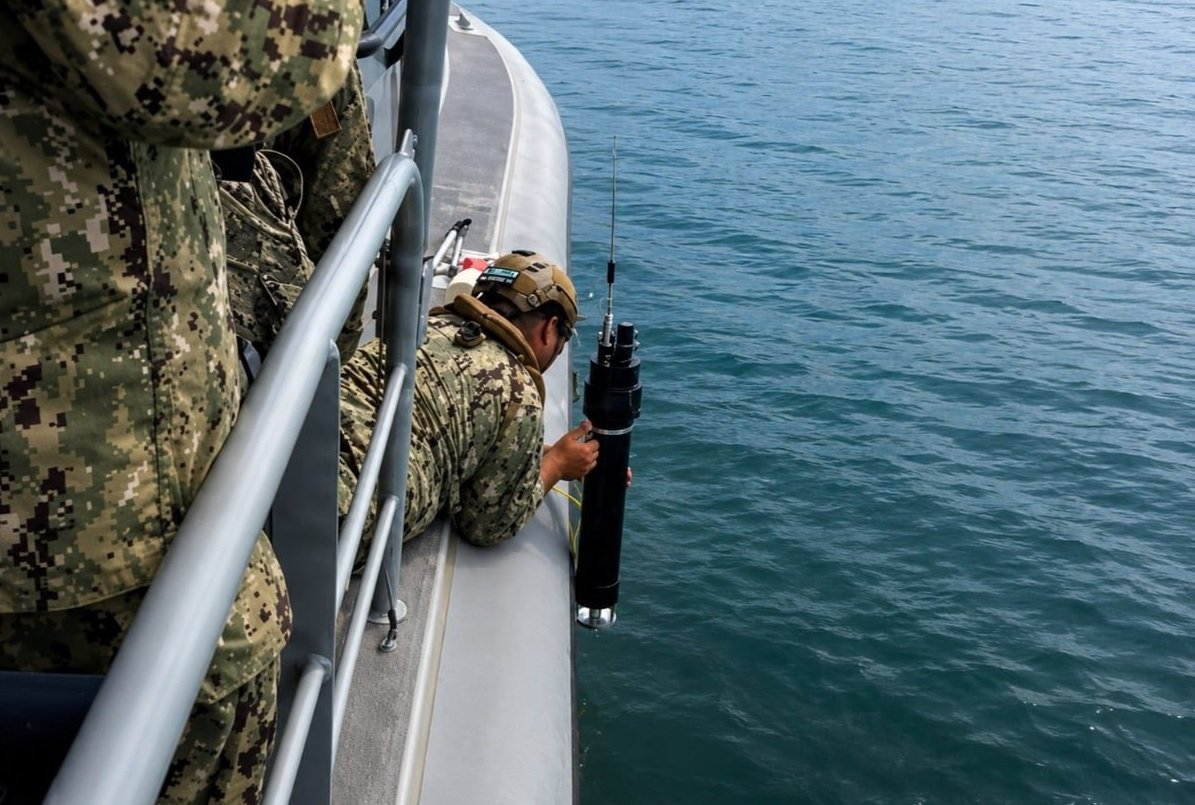
U.S
FORT IRWIN, Calif. — The U.S. Army, Navy and Space Force have successfully completed the first maritime test of the Hammer of the Gods electronic warfare (EW) system during Project Convergence Capstone 6 (PC-C6), marking the system's debut in a naval environment. The mid-July 2026 experiment was conducted as part of the Army-led Project Convergence Capstone 6 at Fort Irwin, California. According to a report published on July 26, 2026, by Sgt. Sar Paw of the Army's 5th Mobile Public Affairs Detachment, the trial demonstrated the system's ability to deliver electronic warfare and command-and-control capabilities in a maritime setting while supporting joint military operations. First Maritime Deployment Hammer of the Gods is not a conventional weapon. It is a highly deployable electronic warfare emitter designed to broadcast electromagnetic signals while maintaining a low electromagnetic signature. This allows the system to operate closer to contested areas with a reduced chance of being detected by adversary sensors. The system provides an expanded suite of electronic warfare and command-and-control capabilities. Electronic warfare uses the electromagnetic spectrum to disrupt an adversary's communications, radar and other electronic systems while protecting friendly military networks. Ground-based versions of Hammer of the Gods have been used in military exercises and demonstrations over the past two years. However, Project Convergence Capstone 6 marked the first time the system has been deployed and tested at sea. Adapting the System for Maritime Operations Moving the system from land to a maritime environment introduced several operational challenges. Unlike land-based exercises, naval operations require equipment to function under constant platform movement, exposure to saltwater and radar clutter generated by the ocean surface. The maritime trial was supported by U.S. Space Forces Pacific and Naval Base San Diego. Organizers designed the experiment to meet the learning objectives of both the U.S. Army Space and Missile Defense Command and U.S. Space Forces Pacific, allowing multiple services to evaluate the technology under realistic operating conditions. Joint Force Integration Lt. Col. Darrin Hall, Chief of Modeling, Simulation and Integration for U.S. Space Forces Pacific, said the experiment highlighted the importance of joint testing for future military operations. "Joint experimentation is how we prepare for future fights. By integrating space, cyber and conventional forces into realistic scenarios, we strengthen our ability to operate as one joint team in contested environments," Hall said. The experiment reflected the Department of Defense's continued effort to develop and integrate cross-service capabilities early in their development, particularly for operations in contested electromagnetic environments. Focus on Counter-PNT Capabilities A primary objective of the maritime demonstration was evaluating the system's counter-Positioning, Navigation and Timing (counter-PNT) capabilities. PNT systems support military navigation, communications and precision targeting by providing the data required for GPS-enabled operations. They are widely used across military platforms for navigation, command and control, and precision-guided weapons. During the exercise, the joint force tested how Hammer of the Gods could disrupt an adversary's PNT capabilities while maintaining operational effectiveness through resilient mesh networking, extending communications and operational reach in a maritime environment. Hall emphasized the importance of protecting friendly forces while operating in environments where PNT systems may be disrupted. "Positioning, Navigation and Timing is the foundation of modern military operations. Understanding how to protect and operate through PNT disruption ensures our forces can continue to shoot, move and communicate effectively," Hall said. He added that counter-PNT capabilities directly affect the targeting backbone used by long-range artillery, guided missiles and cruise munitions. "Without PNT data, modern weapon precision drops sharply, resulting in delayed missions, missed objectives, or severe collateral damage." According to Hall, the experiment demonstrated that counter-PNT capabilities could be deployed, controlled and recovered during real-world maritime operations while extending operational reach through resilient mesh networking. Part of Project Convergence Capstone 6 The Hammer of the Gods demonstration formed one element of the broader Project Convergence Capstone 6, which ran from July 20 to July 29, 2026 and brought together Army, joint and multinational participants to evaluate future military technologies and operational concepts. A key objective of PC-C6 is validating the Next Generation Command and Control (NGC2) architecture. The initiative is designed to replace fragmented legacy systems with a unified, data-centric network that incorporates artificial intelligence and commercial software to improve decision-making across the joint force. By integrating systems such as Hammer of the Gods into the NGC2 architecture, the U.S. military is evaluating how electronic warfare, command-and-control and resilient networking capabilities can operate together in contested electromagnetic environments. Significance of the Test The successful maritime demonstration marks the first operational sea-based test of Hammer of the Gods and provides valuable data for future development of joint electronic warfare capabilities. The experiment also demonstrated continued cooperation among the U.S. Army, Navy and Space Force in testing technologies designed to support future multi-domain operations across land, sea, space and the electromagnetic spectrum.
Read More → Posted on 2026-07-27 12:23:51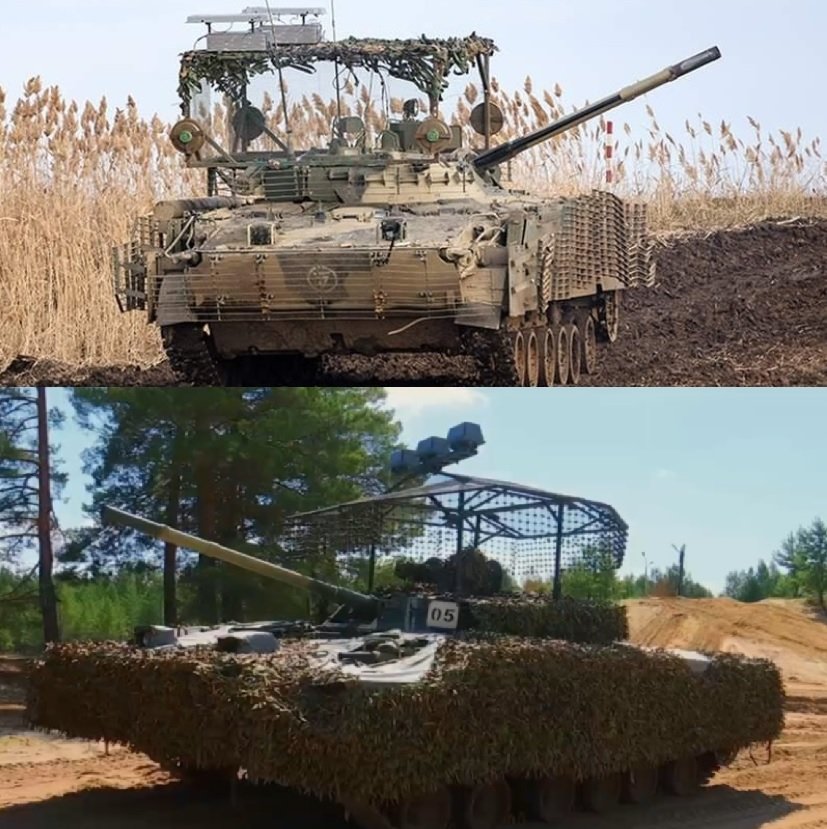
World
MOSCOW — Russia's state-owned defense conglomerate Rostec has delivered a new batch of upgraded BMP-3 infantry fighting vehicles (IFVs) to the Russian Armed Forces, the company announced on July 27, 2026. The vehicles were produced by Rostec's High Precision Systems division at the Kurganmashzavod plant. According to Rostec, production and shipment volumes of the BMP-3 have increased significantly since the start of Russia's full-scale invasion of Ukraine in February 2022. The company said current output is now three times higher than previous levels, reflecting the expansion of Russia's defense manufacturing during the conflict. Bekhan Ozdoev, industrial director of Rostec's weapons cluster and a member of the bureau of Russia's Union of Machine Builders, said production has increased every year since the conflict began and that the vehicle's design continues to evolve based on operational experience. "Since the start of the special military operation, the volume of products shipped by High Precision Systems has increased every year. Today it already exceeds previous figures threefold," Ozdoev said. "At the same time, taking front-line experience into account, the design of combat vehicles is also changing." He added that this year's BMP-3s have received reinforced protection for the hull bottom against mine blasts, along with improved armor fragmentation resistance on the front and rear sections. Factory-Installed Protection Against Modern Battlefield Threats The latest BMP-3 vehicles are leaving the factory with a range of protection upgrades that previously were often added by frontline units in the field. According to Rostec, the upgraded vehicles feature additional protective measures covering the hull from all directions, including protection against attacks from above. The vehicles are fitted with reinforced mine protection for the hull bottom, improved fragmentation protection on the front and rear sections, and upgraded electronic systems intended to improve mobility and weapon effectiveness. The modernized BMP-3s are also equipped with upgraded electronic warfare (EW) systems designed to counter drones and remotely guided munitions. In addition, the vehicles are fitted with cage armor intended to provide extra protection against first-person-view (FPV) drones and are equipped with "Nakidka" signature reduction covers designed to reduce thermal and radar visibility. These upgrades reflect lessons learned from combat, where loitering munitions, FPV drones and extensive minefields have become major threats to armored vehicles. Rostec did not disclose the number of BMP-3s included in the latest delivery, and its production figures could not be independently verified. BMP-3 Remains Russia's Main Infantry Fighting Vehicle The BMP-3 entered Soviet service in the late 1980s as the successor to the BMP-1 and BMP-2. It is designed to transport infantry while providing direct fire support during combat operations. The vehicle has a crew of three and can carry up to seven soldiers. In its standard configuration, it weighs approximately 18.7 tonnes and is powered by a 500-horsepower UTD-29M diesel engine. It can reach speeds of around 70 km/h on roads and remains fully amphibious, using water jets to travel at approximately 10 km/h in water. Its primary armament consists of a 100 mm gun capable of launching anti-tank guided missiles, a coaxial 30 mm autocannon, and machine guns. The BMP-3 has remained in continuous production for decades and has also been exported to several countries. Kurganmashzavod, which manufactures the vehicle, is part of Rostec's High Precision Systems holding and remains Russia's primary BMP-3 production facility. Heavy Battlefield Losses Continue The increased production comes as Russia continues to replace armored vehicles lost during the conflict in Ukraine. According to the Netherlands-based open-source intelligence group Oryx, which documents equipment losses using verified photographs and video evidence, at least 819 Russian BMP-3 infantry fighting vehicles have been visually confirmed as lost since 2022. Because Oryx records only visually confirmed losses, the actual number is likely higher. Defense analysts have also noted that the BMP-3's original aluminum alloy armor, developed to keep the vehicle lightweight and amphibious, offers limited protection against modern anti-tank guided missiles, mines, precision artillery and other battlefield threats. Kurganets-25 Program Still Delayed Russia has been developing the Kurganets-25 infantry fighting vehicle as a future replacement for the BMP family. However, the program has experienced years of development delays and has not entered large-scale operational service. As a result, Russia continues to rely on upgraded BMP-3 vehicles equipped with modern protection systems, including reinforced mine protection, anti-drone measures and electronic warfare equipment, while production of the long-serving platform continues to expand. Independent analysts note that production claims released by Russian defense manufacturers are difficult to verify because of limited publicly available information on Russia's defense industry output.
Read More → Posted on 2026-07-27 12:10:19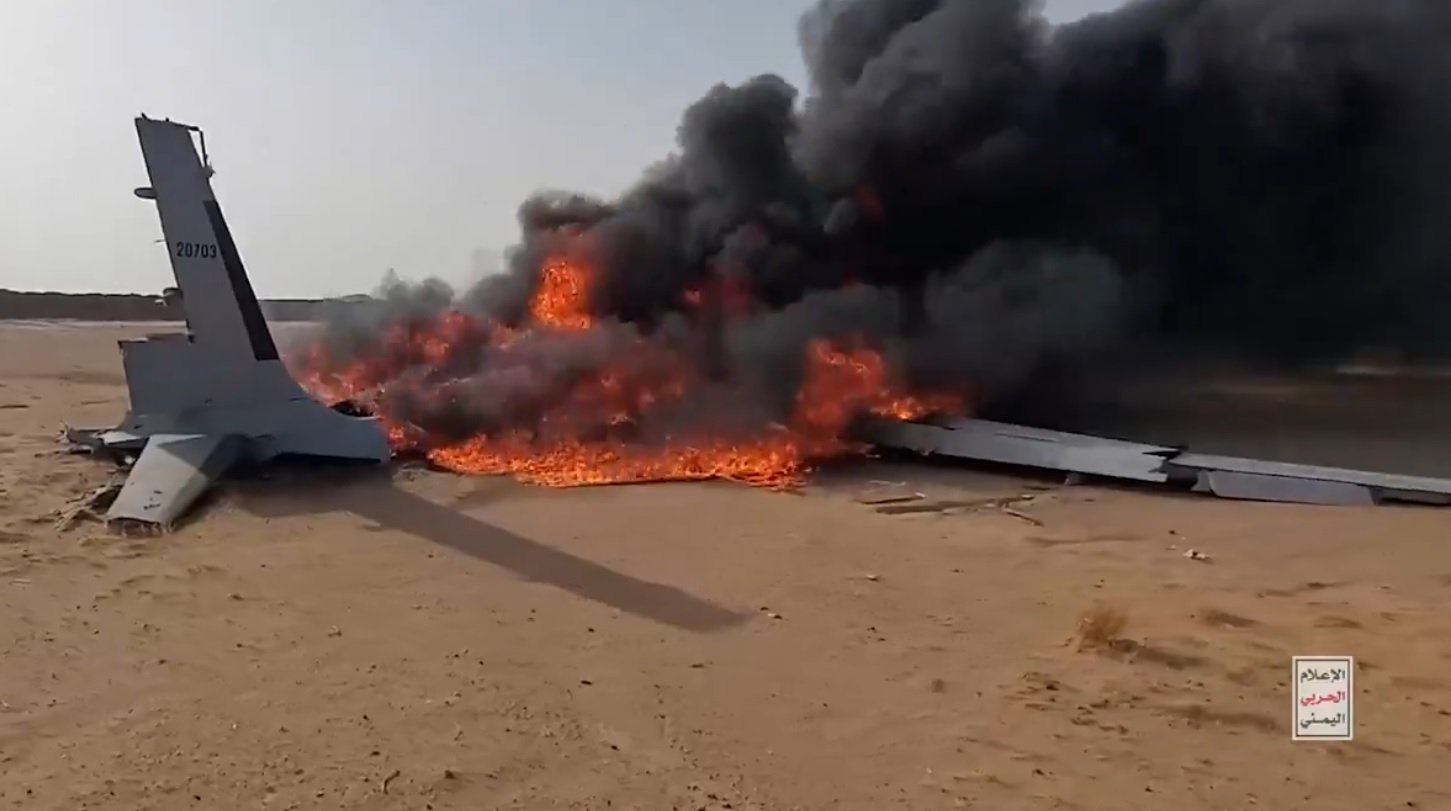
World
SANAA, Yemen — Yemen's Houthi movement claimed on Sunday that its air defense forces shot down a Saudi-operated Turkish-made Bayraktar Akıncı unmanned combat aerial vehicle (UCAV) over Al Jawf Governorate in northern Yemen. Houthi military spokesperson Brigadier General Yahya Saree said the drone was brought down while carrying out what he described as "hostile operations" in Yemeni airspace. According to Saree, the aircraft was hit using an "appropriate weapon." Media affiliated with the Houthis released footage that they said showed the drone, bearing tail number 20703, spinning out of control after being struck before crashing. Images released by the group also showed wreckage displaying the same tail number, which they associated with the Royal Saudi Air Force. Saudi Arabia has not issued an official statement on the claim, and the reported incident has not been independently verified. If confirmed, this would be the first reported loss of a Bayraktar Akıncı drone inside Yemen. The claimed shootdown is the second Saudi-operated drone that the Houthis have reported downing in July 2026. Earlier this month, on July 14, the group said it had shot down a Chinese-made Wing Loong II unmanned combat aerial vehicle over Al-Bayda Governorate. The reported incident took place over Al Jawf Governorate, a northern region bordering Saudi Arabia that has remained one of the key front lines in Yemen's conflict. The governorate has long served as a Houthi stronghold and is strategically important because it connects northern Yemen with the country's eastern governorates while sharing a border with Saudi Arabia. The claim comes amid renewed tensions between the Houthis and the Saudi-led coalition. A day before the reported drone incident, the Houthis announced missile and drone attacks targeting Saudi Aramco facilities in the Red Sea cities of Yanbu and Jizan. Saudi authorities issued air raid alerts in those areas but did not confirm any damage. Those Houthi attacks followed Saudi-led coalition airstrikes on Houthi military targets in Yemen's Hodeidah Governorate, marking another round of military exchanges after the breakdown of a prolonged truce. The Bayraktar Akıncı is a Turkish-developed high-altitude, long-endurance unmanned combat aerial vehicle produced by Baykar. It entered service with the Turkish Armed Forces in 2021 and is designed to conduct reconnaissance and precision strike missions. The aircraft has a maximum takeoff weight of about 6 tons and can carry more than 1,500 kilograms of payload. It is equipped with radar, satellite communications, electronic warfare systems, and advanced sensor suites for intelligence, surveillance, reconnaissance, and strike operations. Saudi Arabia signed a major defense agreement with Baykar in July 2023 to acquire the Bayraktar Akıncı. The agreement, described by the company as its largest defense and aviation export contract, also included technology transfer and cooperation on local production. Industry estimates have valued the deal at around $3 billion, with the drones intended to enter service with both the Royal Saudi Air Force and the Royal Saudi Naval Forces. Saudi authorities have not commented on the reported loss of the aircraft, and no independent confirmation of the incident has been released.
Read More → Posted on 2026-07-27 11:09:09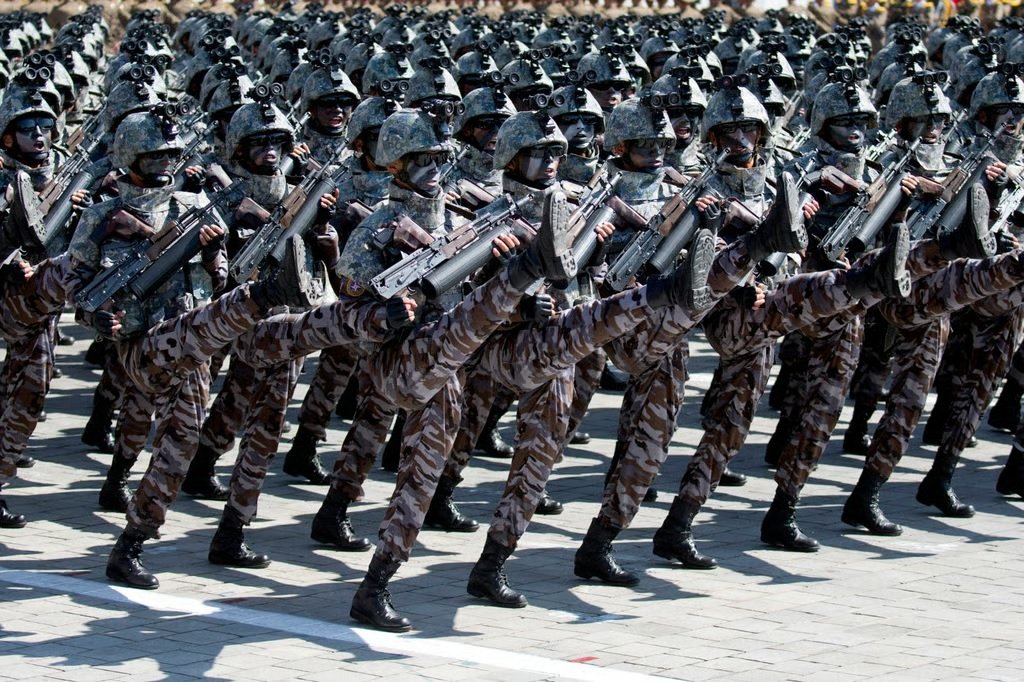
World
KYIV, Ukraine — North Korea is preparing to send up to 30,000 additional military personnel to Russia, according to Ukrainian President Volodymyr Zelensky. If confirmed, the deployment would be the largest foreign military deployment in the history of the Korean People's Army (KPA) and would mark another major step in the growing military partnership between Moscow and Pyongyang. In his nightly address around July 25, 2026, Zelensky said Russia has been preparing facilities in the Voronezh region since June to receive the additional North Korean personnel. He also stated that North Korea is preparing to supply Russia with additional ballistic missile launchers. Reuters and several other international media outlets reported Zelensky's remarks. Neither the Russian government nor North Korean authorities have officially confirmed the reported deployment. Voronezh Identified as Main Staging Area According to Zelensky, preparations for the new deployment have been taking place in Russia's Voronezh region, which lies near the Ukrainian border. The region serves as an important transportation and logistics hub linking Russian territory with operational areas in Kursk and the Donbas. If the reported deployment proceeds, the additional personnel would join thousands of North Korean troops and engineers already operating in Russia. Existing North Korean Military Presence South Korea's National Intelligence Service (NIS) reported in late 2025 that North Korea had already transferred thousands of military personnel to Russia. At that time, nearly 10,000 personnel were stationed near the Russia-Ukraine border for guard duties, while around 1,000 combat engineers supported mine clearance operations. By early 2026, South Korean intelligence assessed that approximately 10,000 combat troops and 1,000 engineer troops were deployed in Russia's Kursk region. So far, North Korean personnel have mainly carried out rear-area security, border defense, engineering work, and mine clearance operations. Their deployment has also provided operational experience alongside Russian forces and exposure to modern battlefield tactics and military equipment. Large-Scale Ammunition Supplies North Korea has also become one of Russia's major suppliers of artillery ammunition. Estimates indicated that more than six million artillery rounds had been delivered to Russia by the end of 2024. Later South Korean military intelligence assessments increased that figure to more than 12 million rounds, calculated as 152 mm artillery shells. By the second quarter of 2025, nearly half of the artillery rounds fired by the Russian Army were reportedly supplied by North Korea. South Korean intelligence also assessed that at least six Russian artillery units were receiving between 50 and 100 percent of their daily ammunition from North Korean stockpiles. Heavy Weapons Delivered to Russian Forces In addition to ammunition, North Korea has supplied military equipment that has appeared on the battlefield. Equipment transfers have included the 170 mm M1989 Koksan self-propelled howitzer and the Bulsae-4 anti-tank missile system. South Korean and Ukrainian intelligence reported that more than 120 Koksan artillery systems had been delivered by early 2025. Several of these systems were later observed moving through occupied Crimea toward combat areas in the Donetsk region. Reports also indicate that Korean People's Army artillery units equipped with 170 mm systems have operated in support roles since late 2024. Industrial Support for Drone Production North Korea's support has also extended to Russia's defense industry. Reports during 2025 stated that around 5,000 North Korean industrial workers were sent to the Alabuga facility in Russia's Republic of Tatarstan, where Geran-2 attack drones are manufactured. Later assessments referred to plans involving larger numbers of workers to help expand production at the same facility. Military Technology Exchange Defense analysts assess that the growing cooperation benefits both countries. Russia receives additional manpower, artillery ammunition, military equipment, and industrial support, while North Korea is believed to be seeking access to advanced Russian military technology. According to analysts, Pyongyang is interested in Russian assistance related to: Tactical nuclear warhead miniaturization Solid-fuel intercontinental ballistic missile (ICBM) technology Warhead separation technology Advanced military technologies Analysts have also assessed that Russia could provide support involving advanced combat aircraft, including the Su-35 or Su-57, as well as technical assistance for North Korea's nuclear submarine program. Manned combat aviation remains one of the areas where North Korea's domestic defense industry has limited capabilities. Growing Military Cooperation North Korean personnel have gained operational experience through their deployment alongside Russian forces. Reports indicate they have received information on NATO-supplied military systems and have operated in active combat zones. However, the extent of any direct engagement between North Korean forces and NATO-linked personnel has not been independently confirmed. If the reported deployment of up to 30,000 additional troops takes place, it would significantly expand North Korea's role in supporting Russia's military operations and further deepen military cooperation between the two countries. As of publication, Russia and North Korea have not officially confirmed the reported troop deployment or the additional military assistance described by President Zelensky. Source : militarywatchmagazine
Read More → Posted on 2026-07-27 10:52:00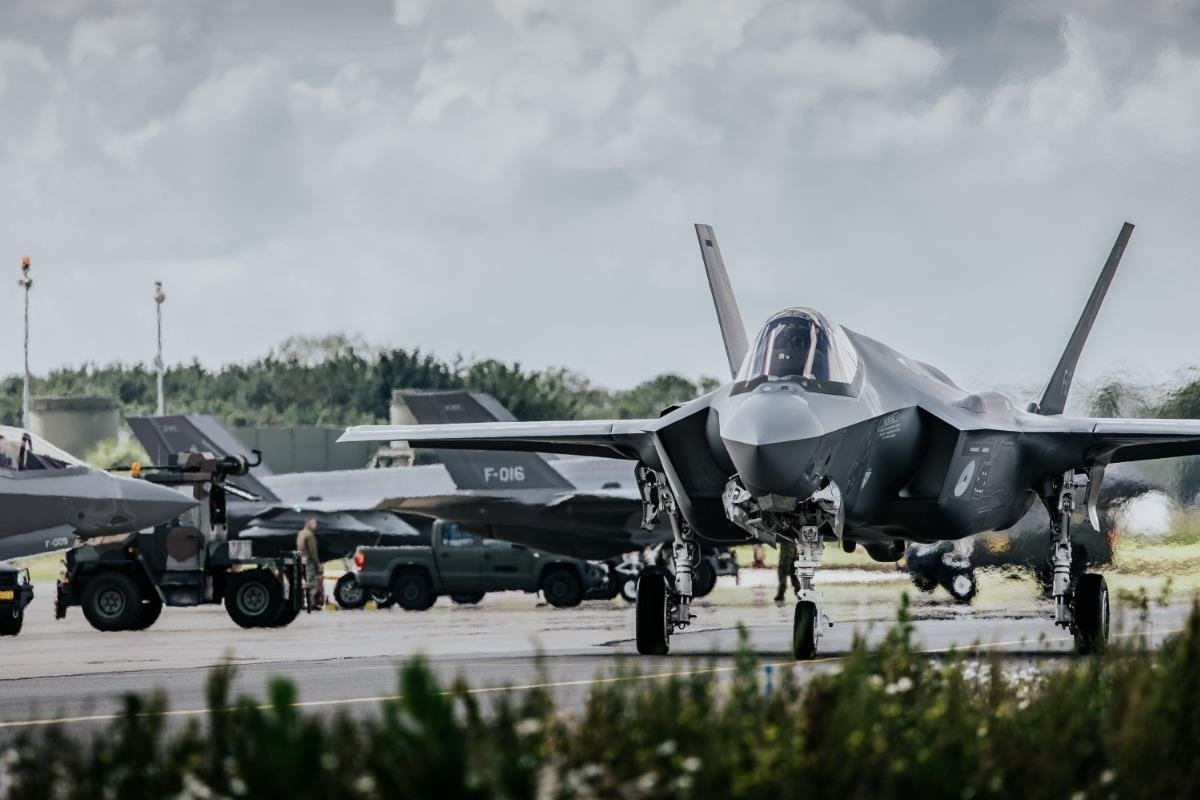
Europe
LEEUWARDEN, Netherlands — The Royal Netherlands Air and Space Force hosted an intensive phase of the multinational Weapons Instructor Course (WIC) at Leeuwarden Air Base from July 6 to July 10, bringing together allied air force personnel to improve the integration of fifth-generation aircraft into large-scale multinational air operations. The training focused on employing the F-35 Lightning II as part of a broader multinational combat network rather than as a standalone fighter platform. The course supports NATO's ongoing efforts to improve interoperability, operational readiness and coordinated decision-making among allied forces operating in contested environments. Four Allied Nations Participate The Leeuwarden phase of the course brought together 24 selected participants from Belgium, Denmark, the Netherlands and Norway. The group included fighter pilots, intelligence officers, air battle managers, tactical airlift crews and ground-based air defence personnel, reflecting the multi-domain coordination required in modern air warfare. The Weapons Instructor Course is conducted by the Weapons School of the 323 Air Combat Development Centre at Leeuwarden Air Base. Recognized as a major European center for tactical air warfare training, the base has supported advanced military aviation training since the 1950s and hosts the course every two years. Originally established as a national training program, the Weapons Instructor Course has gradually expanded into a multinational framework that supports NATO air operations. Large-Scale Flight Operations During the July training phase, participants planned and led Large Force Employment (LFE) missions designed to replicate complex operational environments. Flight operations were conducted in as many as three waves each day, with individual waves involving up to 20 military aircraft. Most sorties took place in Dutch airspace over the North Sea. The exercises brought together multiple aircraft types and support assets, including: Dutch and Danish F-35 Lightning II fighter aircraft. Finnish Air Force F/A-18 Hornet fighter aircraft. Commercially operated "red air" aircraft providing adversary support to simulate realistic threats. The Finnish Air Force contributed five F/A-18 Hornets and approximately 50 personnel during the flying phase of the exercise. Focus on Integrated Air Operations Rather than concentrating solely on fighter operations, the course trained participants to integrate multiple capabilities during multinational missions. The curriculum combined fifth-generation aircraft with intelligence, command and control, electronic warfare and ground-based air defence systems. Students also learned to plan and command complex multinational air operations involving multiple aircraft and supporting assets. According to NATO, this integrated approach is intended to strengthen interoperability and improve the speed and effectiveness of allied decision-making during coalition operations. The use of the F-35 is particularly significant because the Netherlands, Denmark, Norway and Belgium all operate or are introducing the aircraft into their air forces, allowing them to develop common tactics and operational procedures. Danish F-35s Join the Course The July exercise also marked the first time Danish F-35 fighter aircraft operated from Leeuwarden Air Base as part of the Weapons Instructor Course after arriving at the base in May. The deployment continues the long-standing operational cooperation between the Netherlands and Denmark, which previously worked together extensively while operating the F-16 before transitioning to the F-35. Course Continues in Norway The Weapons Instructor Course lasts approximately six months and is jointly organized by the Netherlands and Norway. Following the academic and flying phases in the Netherlands, the program will move to Norway later this year for a large-scale final exercise. The next phase is intended to further strengthen cooperation among allied air forces across Northern Europe. Preparing Future Tactical Leaders Graduates of the Weapons Instructor Course earn the qualification of Weapon Instructor and return to their respective air forces as senior tactical specialists. They are responsible for training fellow personnel, developing tactical expertise and supporting future multinational air operations within their national forces. Finland's participation also supports preparations for the arrival of its F-35A aircraft later in 2026 while helping improve interoperability between fourth-generation F/A-18 fighters and fifth-generation F-35 aircraft during the transition period. The Weapons Instructor Course remains an important part of NATO's efforts to enhance collective readiness by enabling allied air forces to train together using common aircraft platforms, integrated command structures and coordinated air defence capabilities for future alliance missions.
Read More → Posted on 2026-07-27 10:37:42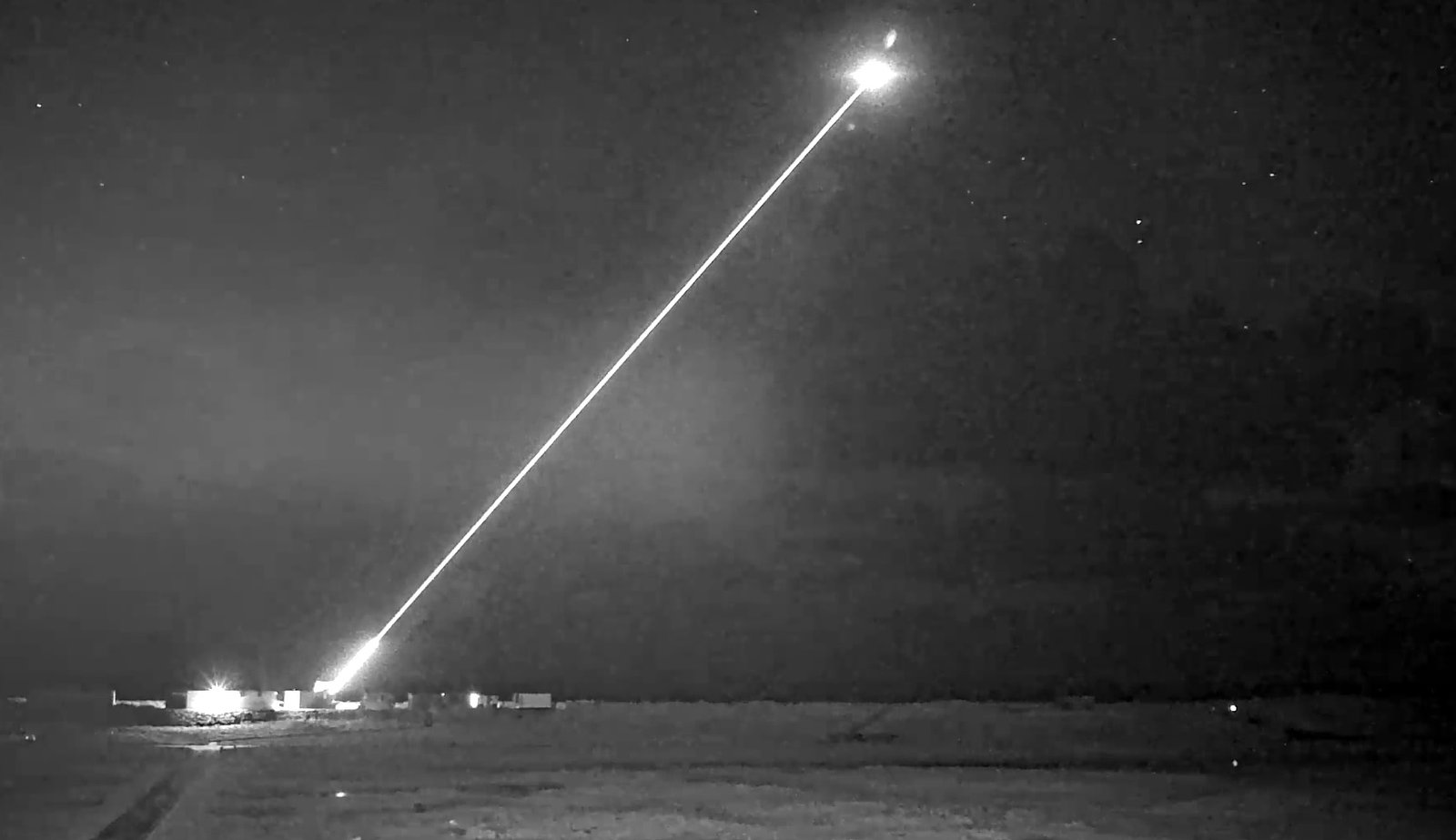
Europe
FARNBOROUGH, UK — Defense technology company QinetiQ has unveiled HELENA, its new coherent beam combination (CBC) high-energy laser source product family, at the Farnborough International Airshow, while announcing a £20 million company-funded investment to accelerate the development and production of laser-directed energy weapon (LDEW) technology. The HELENA product family is designed to serve as the core laser source for laser-directed energy weapon systems intended for defensive operations against drones and other advanced threats. According to QinetiQ, the technology has been verified against targets at range and in challenging atmospheric conditions. The system uses a scalable, high-brightness architecture that enables integration into laser weapon systems for both land and maritime applications. Industry specifications indicate that the HELENA portfolio can provide power outputs ranging from 20 kW to 150 kW. QinetiQ also said it intends to operate as a merchant supplier of laser source technology that can be integrated into a variety of LDEW systems. £20 Million Investment to Expand Production Alongside the product launch, QinetiQ announced a £20 million self-funded investment to expand its laser technology portfolio and increase manufacturing capacity for future laser weapon programs supporting the UK Ministry of Defence (MOD) and allied international markets. The investment will increase development and production capabilities at the company's facilities in Farnborough and Malvern, while final assembly, integration, and testing of HELENA systems will take place at the Farnborough site. QinetiQ said its current directed energy weapon activities directly support 150 jobs across the company. Supporting the DragonFire Program QinetiQ has more than 25 years of experience in laser and directed energy weapon technology and remains a core member of the UK MOD's DragonFire consortium alongside MBDA and Leonardo. In February 2019, the company delivered its first 50 kW coherent beam combination laser source to the UK Ministry of Defence as part of the DragonFire concept demonstrator program. A variant of HELENA technology is used in the DragonFire system. Following successful live-fire trials, DragonFire laser-directed energy weapon systems are scheduled to be integrated onto the Royal Navy's Type 45 destroyers from 2027. Two units have been contracted for installation on the ships, with the first integration planned for 2027. Designed for Multiple Defensive Roles According to QinetiQ, HELENA systems are designed for a range of operational requirements. Lower-power systems of around 30 kW are intended for installation on ground vehicles to provide short-range air defence against unmanned aerial vehicles, while higher-power systems of 150 kW or more are intended for counter-missile and counter-UAV missions on fixed installations and naval vessels. The company said laser-directed energy weapons offer a low cost per shot and near-infinite magazine depth, allowing them to complement existing air defence systems, particularly against low-cost drones that have become widely used in recent conflicts. CEO Statement Steve Wadey, Group CEO of QinetiQ, said directed energy weapons are moving from the development stage toward operational deployment. "Directed Energy Weapons are quickly moving from development to deployment to change the game in battlefield economics against the drone threat, and QinetiQ has been at the forefront of this technology for two decades," Wadey said. He added: "The investment announced today demonstrates our commitment to accelerating both the development and manufacture of sovereign laser technology, ensuring we can meet the growing demand from the UK and our international allies and provide them with the operational advantage on the battlefield." Source : ukdefencejournal.org.uk
Read More → Posted on 2026-07-27 10:27:39
Europe
KYIV, Ukraine — Ukraine and a coalition of European partners are accelerating the development of the Freyja anti-ballistic missile defense system, with a minimum viable product (MVP) targeted for the first half of 2027 and a working prototype expected by the middle of 2027. The multinational program was launched following the formation of an anti-ballistic coalition at a summit in Paris on July 13, 2026. The meeting brought together leaders from 10 European nations, senior European officials and representatives from major defense companies to begin coordinating the development of a new European missile defense capability. According to Davyd Aloian, Deputy Secretary of Ukraine's National Security and Defence Council (NSDC), an international steering committee will soon begin estimating the program's research and development costs as the project moves into its next phase. Reducing Dependence on Patriot Ukraine currently relies heavily on the U.S.-made Patriot air defense system to intercept Russian ballistic missiles. While European systems such as the Franco-Italian SAMP/T and Germany's IRIS-T have demonstrated strong performance against aircraft, cruise missiles and drones, Patriot remains the primary system in Ukraine's inventory with a proven operational record against ballistic missile threats. Ukrainian officials say the Freyja program is intended to strengthen Europe's missile defense capacity, reduce dependence on limited Patriot interceptor stocks, expand defense production within Europe and provide a scalable missile defense solution that participating nations can adapt to their own requirements. Officials have also pointed to production timelines, stock availability and political factors affecting Patriot interceptor supplies as reasons for pursuing an additional European capability. Open Architecture Design Unlike traditional missile defense programs led by a single nation or manufacturer, Freyja is being developed as a multinational system based on an open architecture. Ukraine will provide the launcher and interceptor missile, while European partners will contribute radar technologies, sensors, guidance systems, communications networks and battle-management software. The architecture is designed to allow participating countries to integrate nationally developed components without replacing existing equipment. Ukrainian President Volodymyr Zelenskyy has compared the concept to "Lego blocks," describing a system in which countries can add compatible technologies developed by their own industries. Davyd Aloian said manufacturers are developing a framework built around interchangeable components. Under this approach, a participating country could integrate systems such as a Danish Weibel radar or a Swedish Saab radar within the overall Freyja network while maintaining common operational standards. Fire Point Leads Ukrainian Contribution Ukrainian defense technology company Fire Point is serving as the lead industrial partner and primary design authority for the project. The company is responsible for developing the launcher and the FP-7.X interceptor, which forms the core of Ukraine's contribution to the system. The interceptor is designed as a lower-cost alternative to existing high-end interceptors. Fire Point has also signed a memorandum of understanding (MoU) with Germany's HENSOLDT to cooperate on radar integration. Under the agreement, HENSOLDT will provide its TRML-4D active electronically scanned array (AESA) radar, which is capable of tracking up to 1,500 targets simultaneously. "We lacked the radars to implement FREYJA—now we have them, and we can move from concept to practical implementation of a pan-European anti-ballistic shield," said Iryna Terekh, Chief Executive Officer and Chief Technology Officer of Fire Point. European Defense Industry Participation Several European defense companies are contributing specialized technologies to the program rather than replacing national defense capabilities. Confirmed participants include: Fire Point (Ukraine) – Launcher and FP-7.X interceptor. HENSOLDT (Germany) – TRML-4D AESA radar. Eurosam (France/Italy) – Missile defense integration expertise. Leonardo (Italy) – Sensor and defense technologies. Thales (France) – Air defense systems expertise. Saab (Sweden) – Radar and surveillance capabilities. Additional companies that have participated in related discussions include Diehl Defence, Kongsberg Defence & Aerospace, MBDA, Safran and Weibel Scientific. Coalition Members The coalition includes Ukraine and nine founding European partner countries: Denmark France Germany Italy Netherlands Norway Spain Sweden United Kingdom The Paris summit was also attended by NATO Secretary General Mark Rutte, European Commission President Ursula von der Leyen, and European Council President António Costa. Funding and Next Steps Ukraine is considering establishing a dedicated funding mechanism to coordinate financial contributions from partner countries and support research, development and future production. According to Aloian, direct participation by industry alongside governments is expected to reduce bureaucratic delays and keep the coalition focused on practical implementation. The international steering committee is expected to convene shortly to begin cost assessments and coordinate the next stage of development. Technical Challenges Ahead Although the program has entered an accelerated development phase, significant technical work remains before the system can become operational. The project will require the integration of interceptor missiles, tracking radars, guidance technologies, communications systems and battle-management software developed by multiple manufacturers into a single missile defense architecture. Officials say extensive testing will be necessary to validate system performance. Long-term operational development beyond the prototype stage will depend on testing results, sustained funding, industrial coordination and continued political support from participating governments. Freyja Development Timeline Milestone Status Anti-ballistic coalition launched Completed (July 13, 2026, Paris) International steering committee Expected to convene shortly Minimum viable product (MVP) Targeted for the first half of 2027 Working prototype Targeted for mid-2027 Long-term operational development To be determined following testing The Freyja program combines Ukraine's operational experience in defending against ballistic missile attacks with the industrial capabilities of European defense companies. Through its open architecture approach, the initiative aims to expand Europe's missile defense capacity while allowing participating nations to integrate their own technologies into a common anti-ballistic defense network.
Read More → Posted on 2026-07-27 10:17:05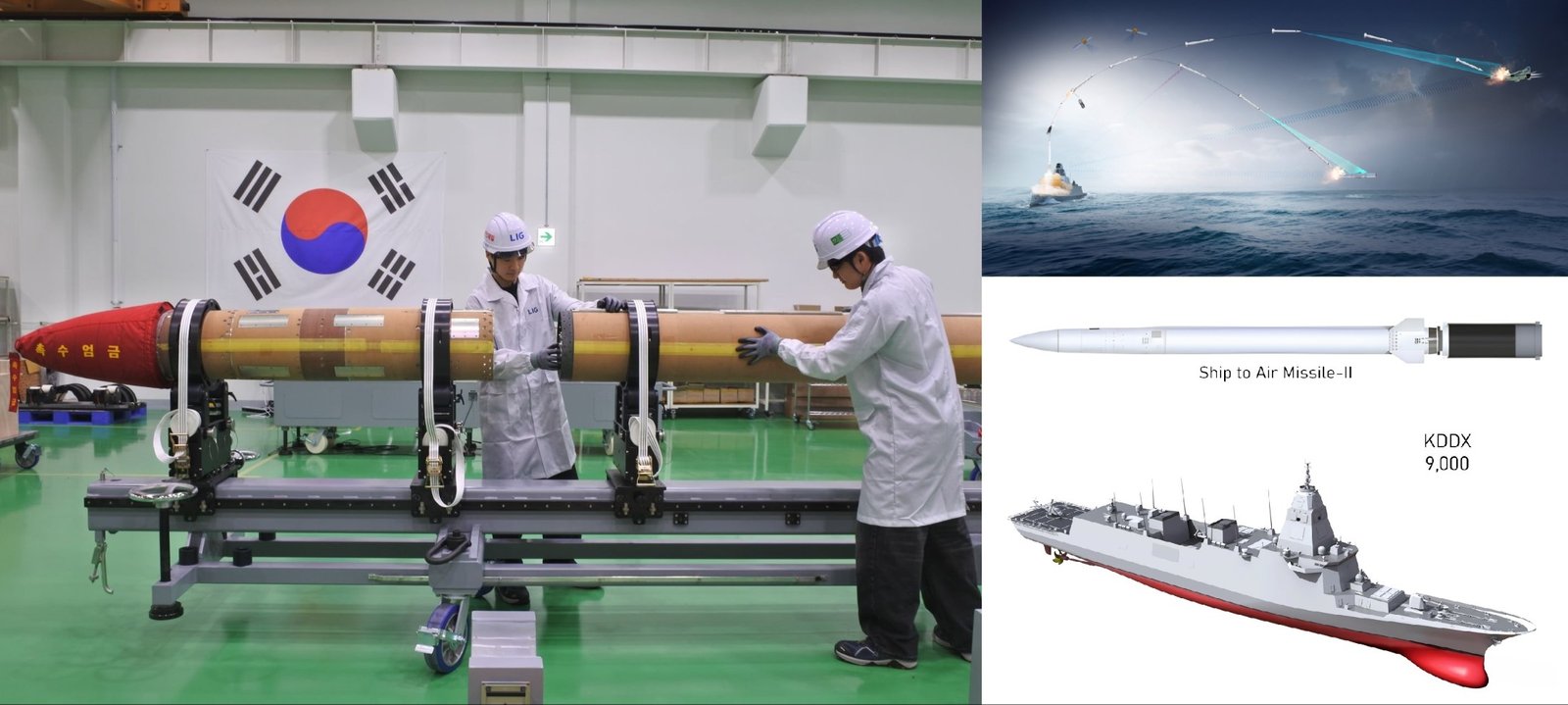
World
GUMI, South Korea — South Korean defense company LIG Nex1 has officially begun assembling the first prototype missiles for the Republic of Korea (ROK) Navy's Ship-to-Air Missile-II (KSAM-II) program, marking a key milestone in the development of the country's next-generation indigenous long-range naval air-defense system. According to a July 14 report by Asia Business Daily, production of the first flight-test prototype missiles is starting this month at LIG Nex1's dedicated missile assembly and inspection facility in Gumi. The facility, which held its completion ceremony in March 2026, includes specialized assembly lines, inspection rooms, and blast-resistant work areas designed to support the production of advanced guided missiles. The KSAM-II is being developed as a domestically produced replacement for the U.S.-made Standard Missile-2 (SM-2) and is intended to become the primary long-range air-defense missile for the ROK Navy's future surface combatants. Dedicated Production Facility Supports Program The Gumi facility represents an important step in South Korea's effort to strengthen its domestic missile manufacturing capability. According to the report, the plant is equipped with dedicated assembly and inspection areas designed specifically for missile production. The first flight-test missiles now entering production will be used during the program's development and testing phase, which is scheduled to continue through 2030. Missile Design and Assembly Process The KSAM-II is derived from the anti-aircraft missile variant of South Korea's L-SAM air-defense system. The missile measures approximately six meters in length and consists of three main sections: A forward guidance section containing electronic systems. A central body housing the warhead and propulsion system. A rear booster. Each interceptor passes through approximately 20 assembly stages, with the complete manufacturing process taking around three months per missile. According to Asia Business Daily, the final assembly stage alone requires about 20 workers, reflecting the complexity of the production process. Advanced Seeker and Performance Targets The KSAM-II is equipped with a third-generation high-precision seeker incorporating a 1-kilowatt Gallium Nitride (GaN) Solid-State Power Amplifier (SSPA). According to the reported specifications, the seeker is designed to provide improved detection, tracking, and interception performance against aerial threats, including small supersonic cruise missiles. Reports state it can detect and track targets as small as 0.3 meters while processing tracking data at a high rate of up to 100 calculations per second for trajectory prediction. The missile is also designed to: Reach speeds of around Mach 5. Withstand maneuvering loads of up to 17G during flight. Planned Integration on KDDX Destroyers The KSAM-II has been designed for the Korean Vertical Launching System (K-VLS) and will be carried at a ratio of one missile per launch cell. The missile is planned for deployment aboard the ROK Navy's future KDDX stealth destroyers, where its primary mission will be to intercept hostile aircraft and incoming anti-ship missiles, providing long-range protection as part of the ships' layered air-defense capability. A 1:3 scale model of the KSAM-II was publicly displayed by LIG Nex1 during MADEX 2025, alongside the existing K-SAAM (Haegung) missile. Program Value and Localization Goals LIG Nex1 was selected as the prime contractor for the KSAM-II program in 2024 after receiving a KRW 330.6 billion system-development contract from South Korea's Defense Acquisition Program Administration (DAPA). Including future production, the total program cost is estimated at approximately KRW 690 billion. One of the program's primary objectives is to achieve a localization rate exceeding 90 percent, allowing the ROK Navy to reduce dependence on imported missile systems and strengthen domestic control over procurement, maintenance, and stockpile management. Development Timeline Development of the KSAM-II is expected to continue until 2030. Before entering operational service, the missile is expected to complete more than ten flight tests as part of its certification process. Separate reports have also discussed a possible future sea-based ballistic missile interceptor concept linked to the KSAM-II program and drawing on M-SAM-III technology. However, South Korean authorities have not officially announced an operational anti-ballistic missile (ABM) variant, and the concept remains in the planning stage. The start of prototype missile assembly at the Gumi facility marks the transition of the KSAM-II program from system development into the production of flight-test hardware, representing another step toward fielding an indigenous long-range naval air-defense capability for the Republic of Korea Navy. Source : asiae.co.kr
Read More → Posted on 2026-07-27 10:07:07
U.S
WASHINGTON — President Donald Trump has temporarily paused plans to expand U.S. military strikes against Iran after senior military officials warned that a broader campaign could significantly reduce the supply of Patriot air defense interceptors needed to protect American forces across the Middle East. According to a report by The New York Times, the decision followed 13 consecutive days of U.S. military strikes against Iranian targets. The pause came after a high-level White House meeting on Friday attended by Cabinet members and senior advisers, including Vice President JD Vance and Chairman of the Joint Chiefs of Staff Gen. Dan Caine. Military Warns of Shrinking Patriot Missile Stocks During the meeting, military leaders reportedly informed the president that while expanding military operations against Iran remained operationally feasible, doing so could dangerously reduce the number of Patriot interceptor missiles available to U.S. Central Command (CENTCOM), which oversees American military operations across the Middle East. The concern comes as the Pentagon has already used more than 1,200 Patriot interceptor missiles in recent months, placing significant pressure on available inventories. Defense officials warned that any further large-scale operations could affect the military's ability to defend U.S. forces and bases across the region. The importance of maintaining sufficient interceptor stocks was reinforced after an Iranian ballistic missile recently penetrated U.S. air defenses in Jordan, killing three American service members. Broader Strike Options Were Under Consideration Before the decision to pause the expansion, the Trump administration had been considering a multi-stage bombing campaign against additional Iranian military targets. Options under review reportedly included strikes on coastal radar systems, anti-ship missile launchers, attack boats, energy facilities, and certain nuclear-related sites. Other reported options included targeting railway bridges used to transport military supplies. At the same time, the Pentagon has continued moving additional weapons, military equipment, and logistical support to the Middle East to maintain readiness if the security situation changes or diplomatic efforts fail. Officials Assess Risks of Wider Conflict Officials also evaluated the broader consequences of an expanded military campaign. According to the report, advisers warned that increased strikes could lead to stronger Iranian retaliation, place additional pressure on Gulf allies, disrupt global energy markets, slow the global economy, and worsen existing refugee challenges in the region. Diplomatic Window Opens The pause has also created an opportunity for renewed diplomatic engagement. Hours before the decision took effect, an Omani delegation arrived in Tehran to discuss a possible framework for reopening the Strait of Hormuz, one of the world's most important maritime routes for global oil shipments. Speaking to reporters on Friday, President Trump said the U.S. military remains prepared for military action but emphasized that diplomacy is currently the preferred approach. "We're talking to them right now. I think they're getting more and more serious as the days go by," Trump said. He also added that he does not believe Tehran is ready to reach an immediate agreement. Trump: Military Ready, Diplomacy Preferred Earlier in the week, Trump had stated that U.S. forces were "locked and loaded" and ready to act if necessary. In a separate interview on Thursday, he said he was considering a military operation that would be "bigger than ever before," but by Friday he had decided to delay any major expansion of the campaign. White House Reaffirms Diplomatic Approach White House Communications Director Steven Cheung said the administration continues to favor a negotiated solution while keeping military options available. Cheung said President Trump "has always been consistent in saying he prefers a diplomatic solution," but added that all options remain available if Iran continues activities that threaten the Strait of Hormuz or U.S. regional partners. Military Readiness Maintained During Pause Following the temporary halt, U.S. strikes paused for the first time in nearly two weeks after 13 consecutive nights of operations. At the same time, the administration has continued economic pressure on Iran through additional Treasury sanctions targeting companies and individuals linked to Iranian financial networks. Defense officials stressed that the pause does not represent an end to military planning. Instead, it is intended to preserve critical air defense resources while allowing diplomatic efforts to continue. U.S. forces remain on alert, and additional military assets continue to be positioned across the Middle East to ensure readiness if negotiations do not produce results. Strategic Impact The developments highlight how the availability of key air defense munitions, particularly Patriot interceptor missiles, has become an important factor in shaping U.S. military planning as tensions with Iran continue. Source : aa.com.tr
Read More → Posted on 2026-07-26 15:54:37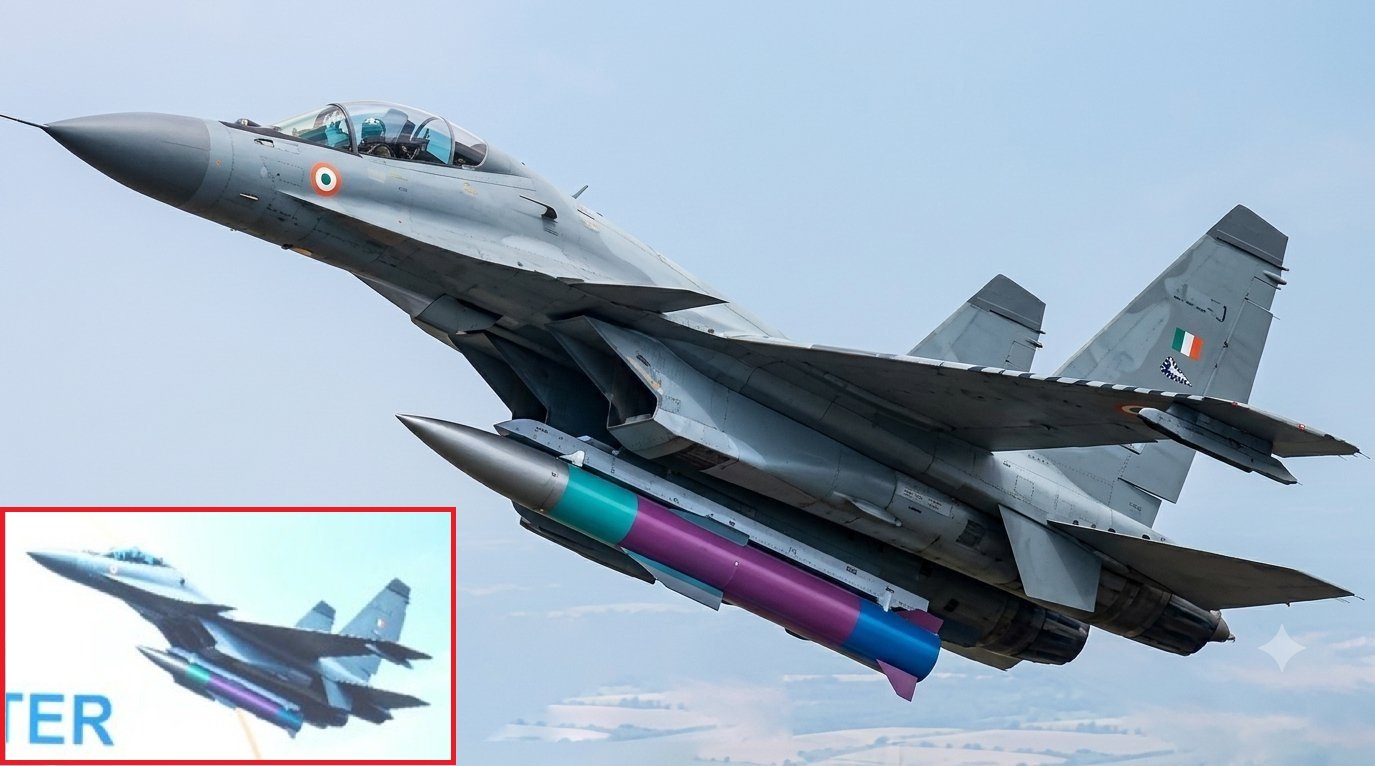
India
NEW DELHI — India's Defence Research and Development Organisation (DRDO) is developing a new long-range air-launched ballistic missile (ALBM) for the Indian Air Force (IAF), with the weapon being designed for integration with the Su-30MKI fighter aircraft. The project is expected to enhance the IAF's long-range precision strike capability by allowing fighter aircraft to engage strategic targets from stand-off distances. Based on currently available information, the new long-range ALBM is more likely to be the Rudram-4 Long-Range Stand-Off Weapon (LRSOW) than a direct air-launched version of the Pralay ballistic missile. However, DRDO has not officially identified the programme, and no formal confirmation has been issued regarding the missile's designation. The missile is being developed using technology derived from the indigenous Pralay surface-to-surface tactical ballistic missile programme, which recently completed user evaluation trials. By adapting the Pralay platform for air launch, DRDO aims to provide the IAF with a new deep-strike capability while expanding the operational flexibility of the missile. Pralay-Based Air-Launched Missile Under Development According to available information, the air-launched missile is expected to carry a 500 kg-class warhead and deliver strikes at ranges of more than 700 km. Some assessments indicate the missile's range could approach 1,000 km, depending on payload configuration and launch altitude. However, DRDO has not officially confirmed its final operational range. The missile is expected to follow a manoeuvrable quasi-ballistic trajectory and travel at hypersonic speeds exceeding Mach 5. This flight profile is intended to reduce enemy reaction time while improving survivability against modern air defence systems. The weapon is planned to support Penetration-Cum-Blast (PCB) warheads, enabling it to engage hardened military infrastructure such as underground bunkers, command centres, radar installations and fortified facilities. Engineering Challenges for Su-30MKI Integration The Pralay missile was originally developed as a solid-fuel, canisterised quasi-ballistic missile with a reported range of 150–500 km and the ability to carry warheads weighing between 350 kg and 1,000 kg. Adapting the system for air launch presents major engineering challenges. Reports indicate the ground-launched Pralay is approximately five tonnes in weight and belongs to the nine-metre-class. Reducing its weight while maintaining performance is considered essential for safe carriage by the Su-30MKI. The Su-30MKI currently operates the air-launched BrahMos supersonic cruise missile, which weighs about 2.5 tonnes. Integrating a heavier ballistic missile would likely require significant engineering work, including possible structural and hardpoint modifications to the aircraft. According to available reports, flight testing of the air-launched Pralay variant is projected for the 2028–29 timeframe. Rudram-4 LRSOW Also Advancing Alongside the Pralay-derived ALBM, DRDO is also developing the Rudram-4, also known as the Long-Range Stand-Off Weapon (LRSOW). The Defence Acquisition Council (DAC) granted Acceptance of Necessity (AoN) for the programme in 2023, allowing the project to move forward. According to information linked to DRDO, Rudram-4 is intended to be a lighter stand-off weapon with a range in the 1,000–1,500 km class, speeds exceeding Mach 5, and compatibility with the Su-30MKI, Mirage 2000 and Rafale fighter aircraft. The missile is being developed for precision strikes against command centres, radar installations, hardened military targets and air defence systems. It is expected to use inertial navigation, satellite navigation, and imaging infrared or passive seekers for terminal guidance. Progress of the Rudram Missile Family The Rudram missile programme has continued to expand with multiple variants under development. Rudram-1 is an air-to-surface anti-radiation missile (ARM) designed to detect, track and destroy enemy radar and air defence systems. Rudram-2 is a longer-range air-to-surface missile that retains anti-radiation capability while expanding its ability to engage a wider range of ground targets. The missile is designed to fly at hypersonic speed. Rudram-3 is an extended-range air-to-surface missile that also retains anti-radiation capability and is designed to fly at hypersonic speed, providing greater stand-off strike capability. Rudram-4 (Long-Range Stand-Off Weapon/LRSOW) is being developed as a hypersonic, long-range air-to-surface missile intended to engage enemy radar systems, command centres, air defence assets and hardened military targets from extended stand-off distances. These earlier variants have progressed through integration and testing on the Su-30MKI platform, providing experience for future developments within the Rudram family. Large Missile Renders Draw Attention Recent open-source digital renders have shown a Su-30MKI carrying a large stand-off weapon comparable in size to the air-launched BrahMos missile. The images have generated discussion regarding India's long-range air-launched missile programmes. Separately, some commentary has linked these discussions to Israel's Golden Horizon air-launched ballistic missile, with open-source estimates mentioning ranges between 800 km and 2,000 km, depending on the source. However, neither India nor Israel has officially confirmed any acquisition or joint development involving the Golden Horizon missile. Expanding India's Long-Range Strike Capability The combination of a Pralay-derived air-launched ballistic missile and the Rudram-4 Long-Range Stand-Off Weapon (LRSOW) is expected to provide the Indian Air Force with additional long-range precision strike options from existing fighter aircraft. Both programmes are being developed by DRDO with participation from public and private sector production partners. Official details regarding final specifications, testing milestones, production schedules and induction timelines have not yet been announced.
Read More → Posted on 2026-07-26 15:40:28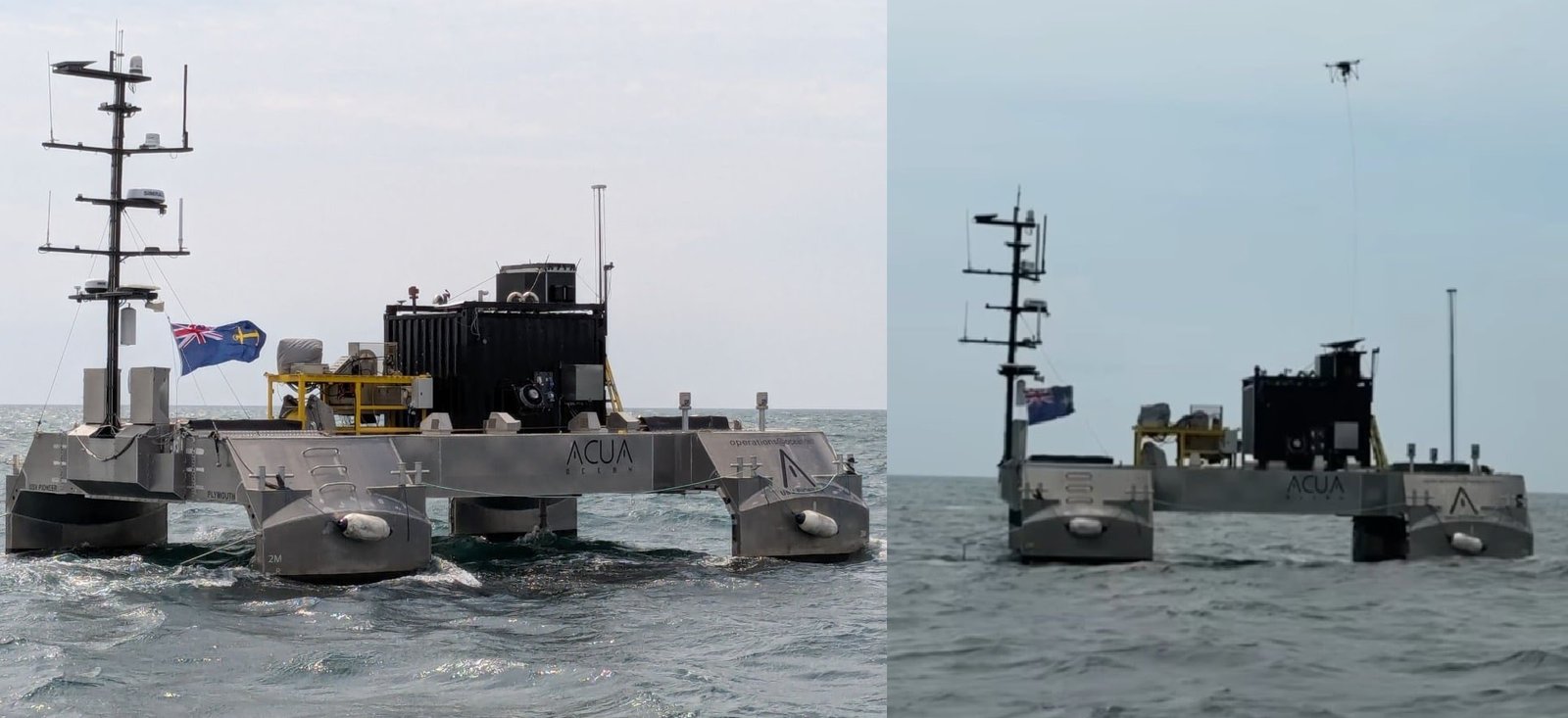
Europe
LONDON — British maritime robotics company ACUA Ocean and American sensor and drone manufacturer Teledyne FLIR Defense have successfully demonstrated an integrated autonomous maritime system capable of launching and recovering a tethered drone from an uncrewed surface vessel (USV) without any personnel on board either platform. The two-day demonstration was conducted for the UK Ministry of Defence (MOD) and offshore industry partners under the UK Defence Innovation (UKDI) programme. According to the companies, the trial validated an integrated system combining an uncrewed surface vessel (USV) with a tethered uncrewed aerial system (T-UAS) to provide persistent intelligence, surveillance and reconnaissance (ISR) over extended periods. Autonomous Vessel and Drone Operated Together The demonstration used ACUA Ocean's USV Pioneer together with Teledyne FLIR Defense's SkyCarrier autonomous drone launch and recovery platform. Installed on the deck of the Pioneer, the SkyCarrier automatically deployed and recovered a SkyRanger R70 drone during open-ocean operations. The launch and recovery platform is housed inside a protective container that unfolds into an articulating landing pad, enabling autonomous take-off and landing even while the host vessel is moving or operating on uneven surfaces. According to Teledyne FLIR Defense, the system supports launch and recovery while the host vehicle is travelling at speeds of up to 50 km/h (31 mph). The USV Pioneer is the United Kingdom's first uncrewed vessel certified by Lloyd's Register for remote operation and is capable of operating either remotely or autonomously. Tethered System Enables Continuous Surveillance During the trials, the SkyRanger R70 remained connected to the Pioneer through a managed power and data tether. The tether continuously supplies electrical power from the vessel, eliminating the drone's dependence on its onboard battery while maintaining a direct data connection. This allows the aircraft to remain airborne for extended periods without repeatedly landing for battery replacement or recharging. According to the companies, the configuration creates a persistent aerial surveillance capability while keeping the drone positioned directly above the vessel throughout the mission. Onboard AI and ISR Capability The SkyRanger R70 is equipped with multiple embedded NVIDIA processors that perform real-time artificial intelligence processing onboard. The drone uses four dedicated computer vision cameras for autonomous object detection and classification without relying on remote processing. It also carries a stabilised electro-optical and infrared sensor suite designed to provide Group 2 intelligence, surveillance and reconnaissance (ISR) capability on a Group 1 airframe. Stable Platform Supports Open-Ocean Operations ACUA Ocean said the Pioneer's seakeeping performance was a key factor in supporting tethered drone operations. During tests conducted in January 2026, the vessel operated in 4.25-metre (13.9-foot) wave heights while achieving a 60 percent reduction in roll and a fourfold reduction in peak roll rates compared with traditional monohull vessels. According to the company, this stability enables sustained tethered drone operations in challenging open-ocean conditions. Previous Royal Navy Demonstrations The Pioneer has already completed multiple demonstration contracts for the Royal Navy, supporting intelligence, surveillance and reconnaissance (ISR) and anti-submarine warfare (ASW) tracking missions. The vessel also completed a 100-hour continuous offshore operation in June 2026 without physical human intervention. According to ACUA Ocean, the UKDI-funded demonstration confirmed the successful integration of the tethered drone system with the Pioneer's modular payload architecture and validated its operational performance during open-ocean trials. Designed for Long-Endurance Maritime Missions The companies said the integrated system addresses a requirement identified by the Royal Navy and wider UK defence community for persistent surveillance across both air and sea domains while reducing the need to place personnel in repetitive or hazardous environments. They added that the combined capability supports missions including: Intelligence, surveillance and reconnaissance (ISR) Anti-submarine warfare (ASW) support Mine countermeasures Protection of undersea cables Security of offshore energy infrastructure According to ACUA Ocean, the integrated air-and-surface system is designed to provide multi-week ocean endurance. Company Statements Neil Tinmouth, CEO of ACUA Ocean, said the demonstration represents an important milestone for UK maritime autonomy. "Securing UKDI funding for this demonstrator is a significant milestone for ACUA Ocean and for UK maritime autonomy more broadly. Integrating the SkyRanger R70 with the Pioneer creates something genuinely new: a persistent, deployable multi-domain ISR capability that the Royal Navy can put to sea today. Teledyne FLIR Defense bring a battle-proven, operator-trusted UAS to a platform that is built, certified and ready. We look forward to demonstrating what this system can do." Richard Cunha, Principal Product Director for Unmanned Aerial Systems at Teledyne FLIR Defense, said the combination expands the scope of maritime surveillance missions. "The SkyRanger R70 has earned its reputation in the most demanding operating environments in the world. Pairing it with the Pioneer Mk2's exceptional sea-keeping capability and endurance opens up a new class of persistent maritime ISR mission that simply wasn't possible before." UKDI Supports Defence Innovation The project was funded by UK Defence Innovation (UKDI), the Ministry of Defence's organisation responsible for supporting early-stage defence technologies. UKDI operates with a ring-fenced annual budget of at least £400 million to accelerate the development and delivery of new capabilities for the UK Armed Forces. According to ACUA Ocean and Teledyne FLIR Defense, the successful demonstration supports continued development of the integrated system and its potential future deployment at scale.
Read More → Posted on 2026-07-26 15:13:58Search
Top Trending in 24 Hours
-
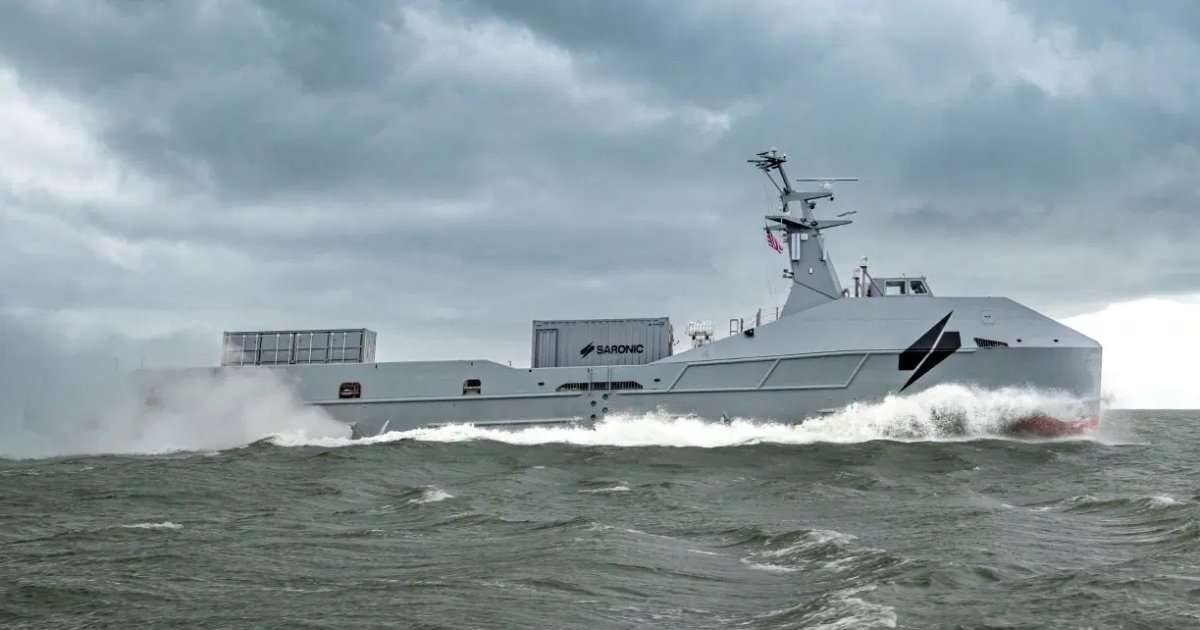 U.S. Navy Awards Production Agreements for 30 Medium Unmanned Surface Vessels, Including 10 Saronic Marauders
-
 Boeing Wins $20 Billion U.S. Navy Contract for F/A-XX Sixth-Generation Fighter
-
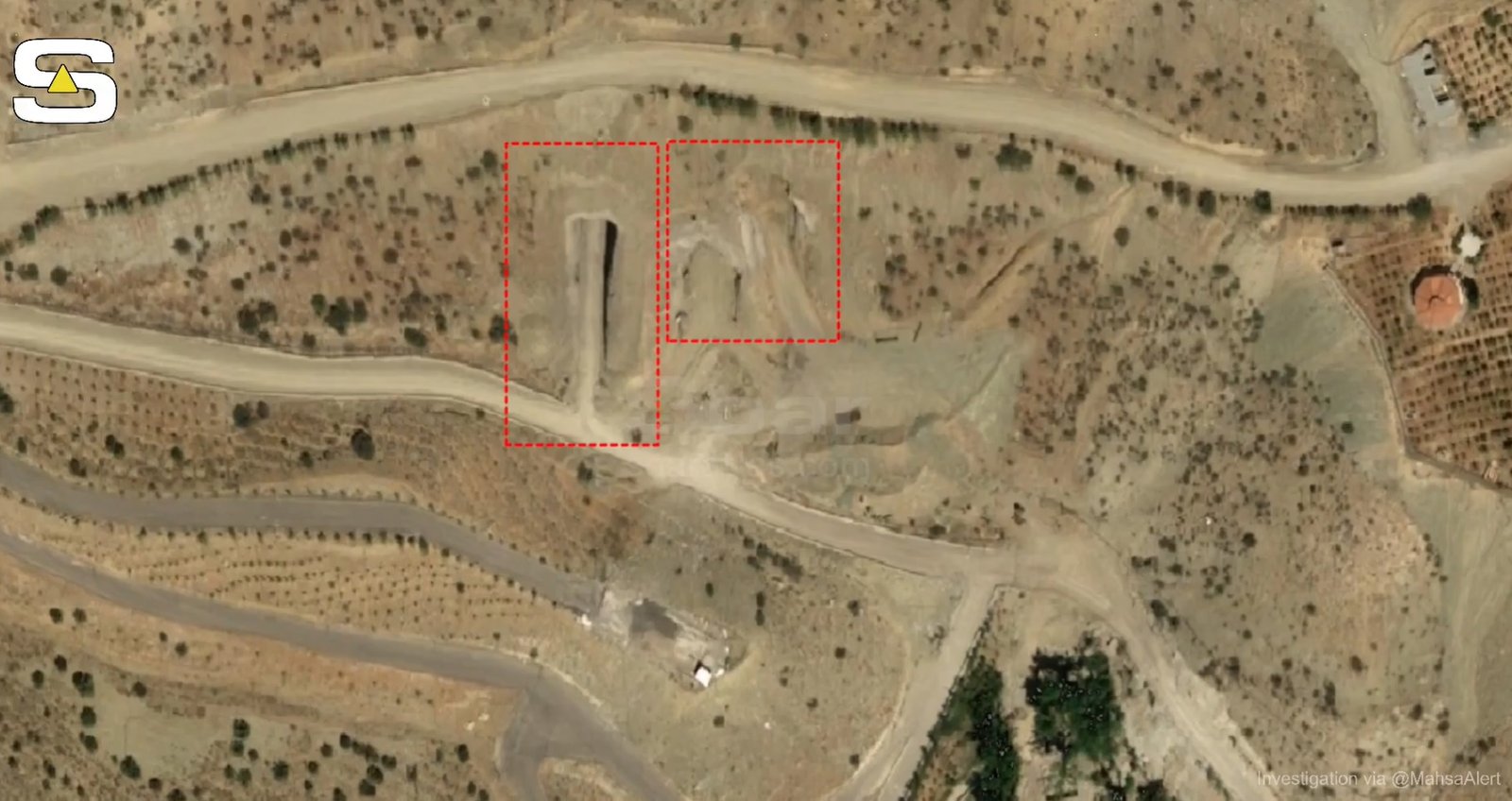 Satellite Imagery Shows Construction Changes at Hillside Site Linked to Iran’s Supreme National Security Council
-
 Flydubai Flight to Israel Diverted to Saudi Arabia After Possible Attempted Terror Attack in Cockpit
-
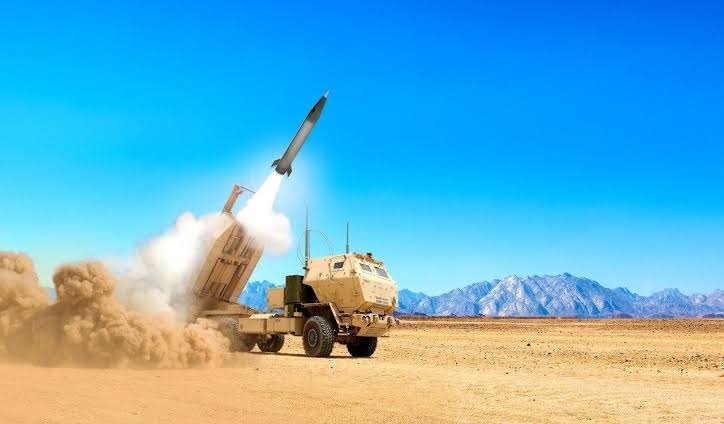 U.S. Army Selects Five Companies to Develop 1,000-Km Precision Strike Missile Prototypes
-
 NASA Adds Blue Origin’s Upgraded New Glenn 9×4 to Launch Services Contract
-
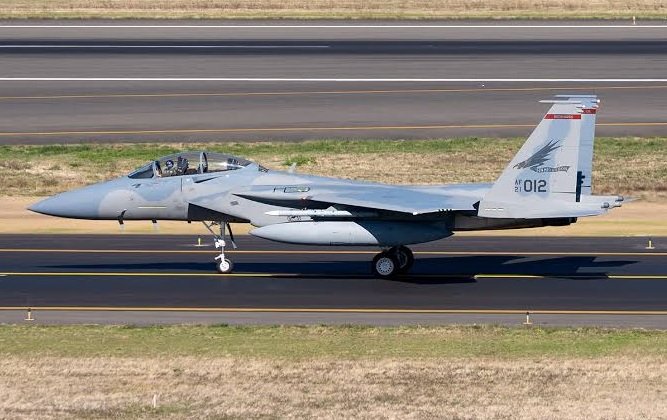 U.S. Air Force Awards Boeing $2.38 Billion Contract for 22 F-15EX Fighter Jets
-
 U.S. Army Awards Heaviside Industries $99 Million Contract for MOTH RF Spectrum Analyzers
Top Trending in 4 Days
-
 China Reports First High-Orbit Refueling of BeiDou Satellite, but Tracking Data Raise Questions
-
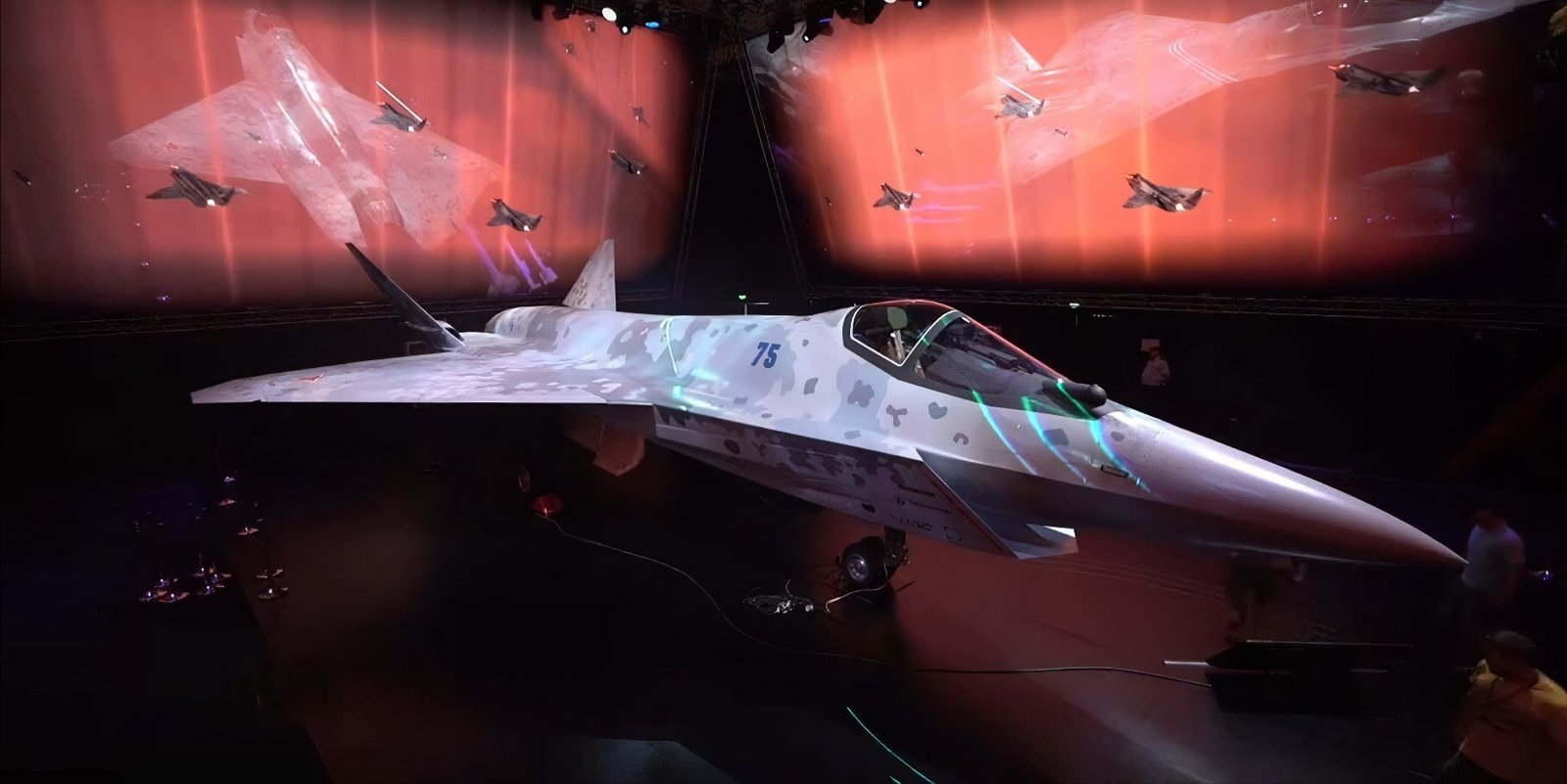 Russia Says Su-75 Checkmate Could Cost Just $25–30 Million, Flight-Hour Costs 6 Times Lower Than F-35
-
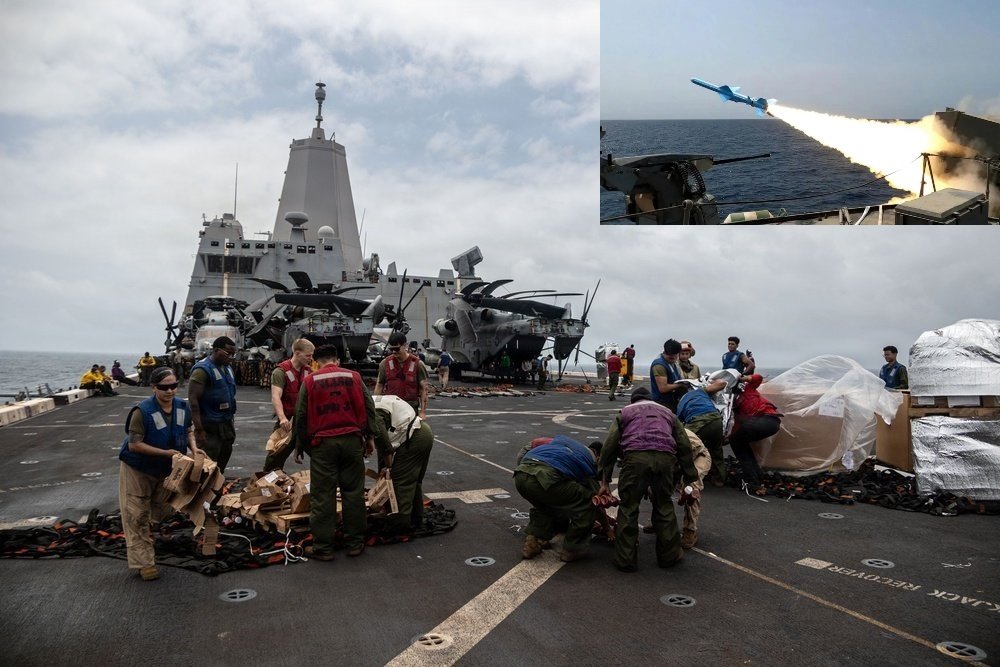 Eight U.S. Marines Injured in Iranian Missile Strike on U.S Vessel in Strait of Hormuz
-
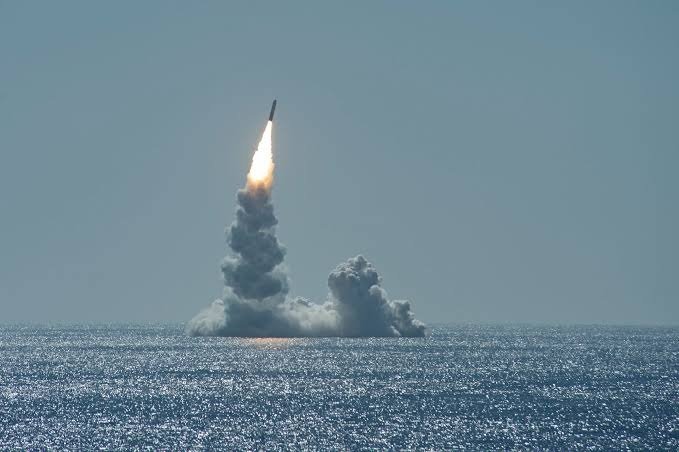 UK Offers Nuclear Deterrence for Its Northern European Defence Partners
-
 U.S. and Russia Remove Human-Review Rules From Draft UN AI Weapons Framework
-
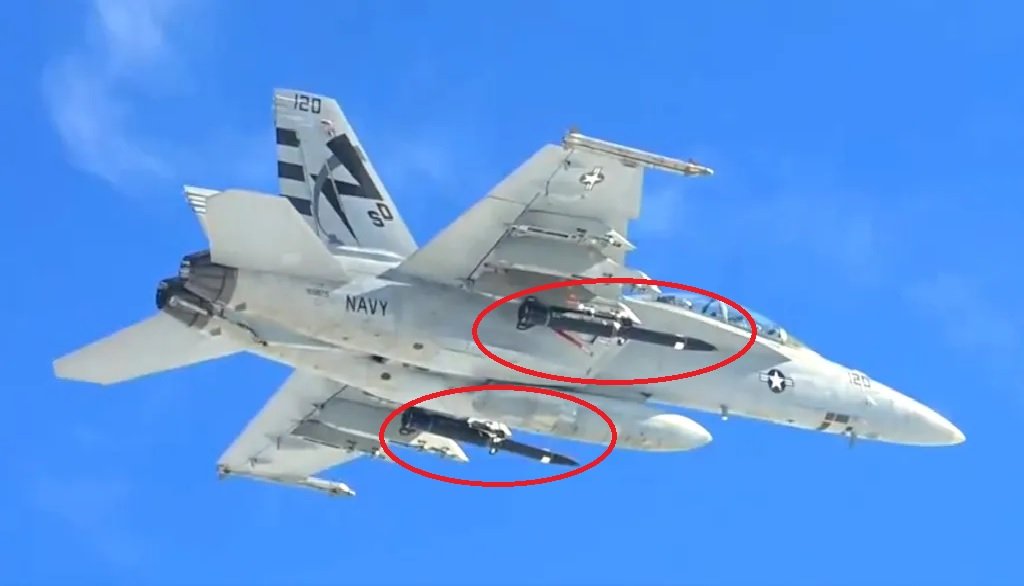 U.S. Navy Begins Flight Testing Blackbeard Hypersonic Missile on F/A-18 Super Hornet
-
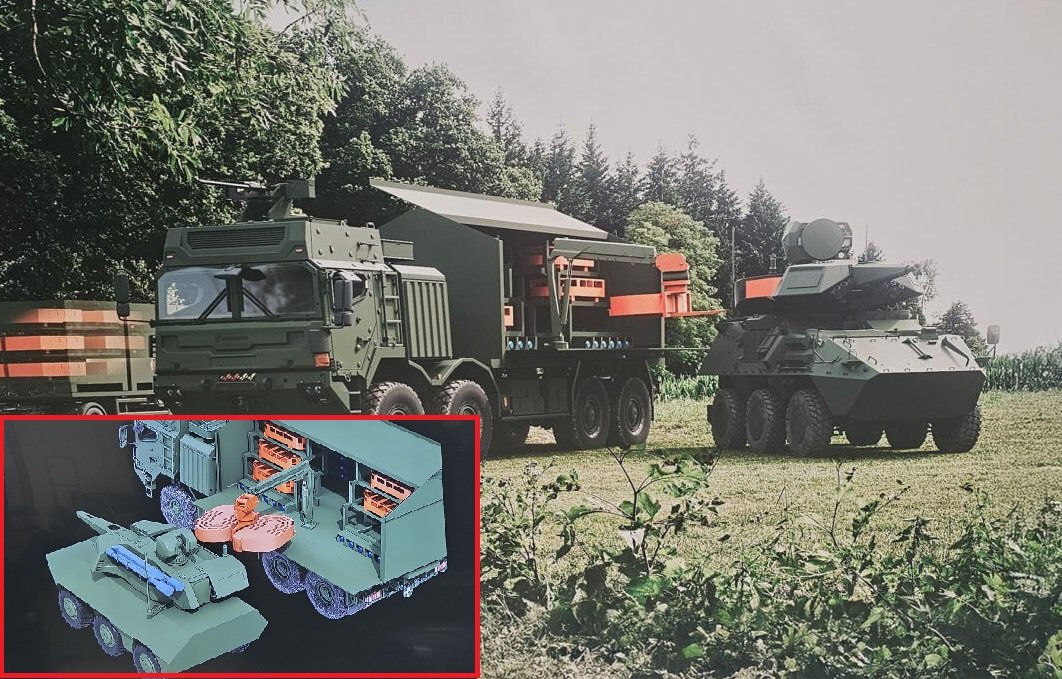 Rheinmetall Develops Automated Reloader for Austrian Skyranger Air Defense System
-
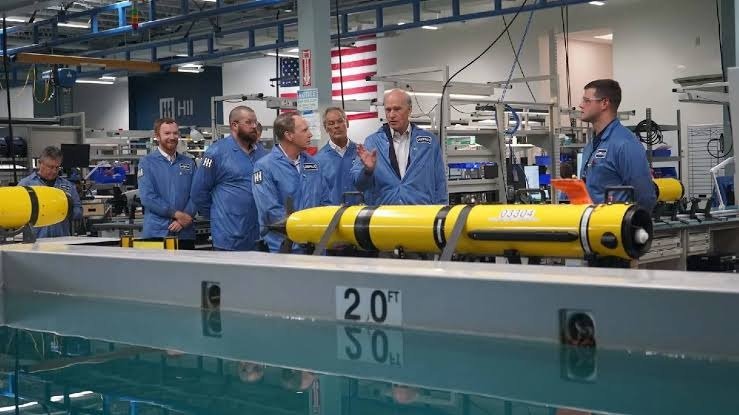 HII Expands Massachusetts Unmanned Systems Facility by 25 Percent to Support U.S. Navy Lionfish Production
