KYIV — Ukraine lost approximately $1.2 billion in 2024 to fraud, waste and mismanagement in military procurement, according to more than 700 pages of confidential government audits reviewed by The New York Times. The audits, conducted by Ukraine’s State Audit Service and an internal Defense Ministry auditing unit, examined contracts from 2024 and 2025.
The audits found that seven of Ukraine’s 10 largest military contractors received new contracts despite criminal investigations, previous delivery failures or executives being arrested on corruption charges. Auditors also identified 18 companies that received new contracts after defaulting on earlier agreements. Six had failed to fulfill even one previous military contract. In one case, a company that failed to deliver any of 600 specialized drones later received an order for 1,950 more.
Defective Mortar Shells
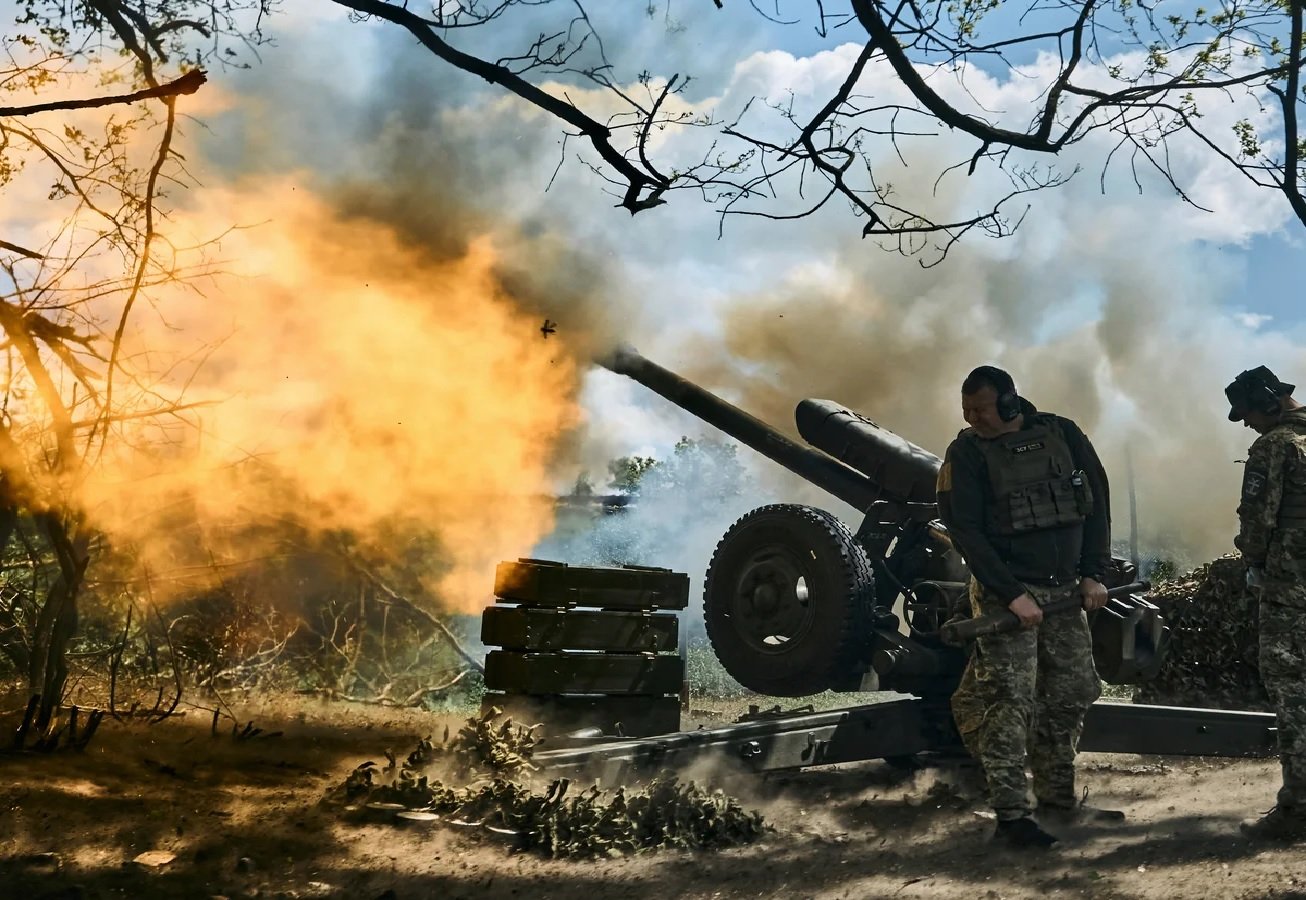
A major case involved the state-owned Pavlohrad Chemical Plant, which supplied the military with about 233,000 unusable mortar rounds in 2024. Court records said many had defective fuses or faulty propellant charges.
The plant’s director, Leonid Shyman, was facing embezzlement and fraud investigations. Despite the ammunition problems, the Defense Procurement Agency continued awarding contracts to the plant. One was a $280 million contract awarded while Shyman was out on bail on corruption charges. The plant also received an order to supply nearly all of Ukraine’s 122-mm artillery shells for 2025.
Shyman was later sentenced to five years in prison in a separate case involving inflated prices for explosives.
Higher-Priced Weapons Contracts
The audits found approximately $126 million in losses from bypassing lower bids and purchasing weapons at higher prices. Some contracts were also awarded without a clear legal basis.
In one 2024 case involving Turkish-made artillery rockets, three companies offered prices of approximately $4,200, $4,600 and $5,100 per rocket, all produced at the same Turkish plant. The lowest bidder, Arca Defense, offered to sell directly to Ukraine, but the contract went to a subsidiary of the Czech holding Czechoslovak Group at the highest price. The decision increased the overall cost by about $130 million.
The audits also identified disputes over at least $100 million in advance payments for a contract that ultimately failed. They found that many purchases were made through arms intermediaries rather than directly from manufacturers, with intermediaries typically adding markups of at least 3 percent.
Former Defense Procurement Agency adviser Tamerlan Vahabov said such practices leave the military with fewer resources to purchase weapons while ammunition shortages continue.
The audits describe repeated problems involving companies that could not demonstrate they could deliver weapons, lacked required licenses, or faced few consequences for failed deliveries and overcharging. The Defense Procurement Agency declined to comment, and it remains unclear what specific action it took in response to the findings.
——— End of Article ———