CAMP PENDLETON, Calif., : The U.S. Marine Corps has completed its first field evaluation of fiber-optic tethered First-Person View (FPV) small unmanned aircraft systems (sUAS), testing platforms designed to operate in GPS-denied and heavily jammed environments. The assessment was conducted from January 27 to 29, 2026, at Marine Corps Base Camp Pendleton by Marines assigned to I Marine Expeditionary Force (I MEF), in coordination with the Defense Innovation Unit (DIU) and participating industry vendors.
The evaluation focused on commercially available “ready now” drone systems capable of sustaining command-and-control links without reliance on radio-frequency (RF) transmissions. The effort supports the Marine Corps’ requirement to maintain operational effectiveness in contested electromagnetic environments, where adversaries employ electronic warfare (EW), signal jamming, and GPS spoofing.
Fiber-Optic Control Architecture
Traditional unmanned aircraft systems depend on wireless RF signals to transmit live video feeds and receive operator commands. These signals are vulnerable to interference, jamming, and detection in modern battlefields where electromagnetic spectrum operations are actively contested.
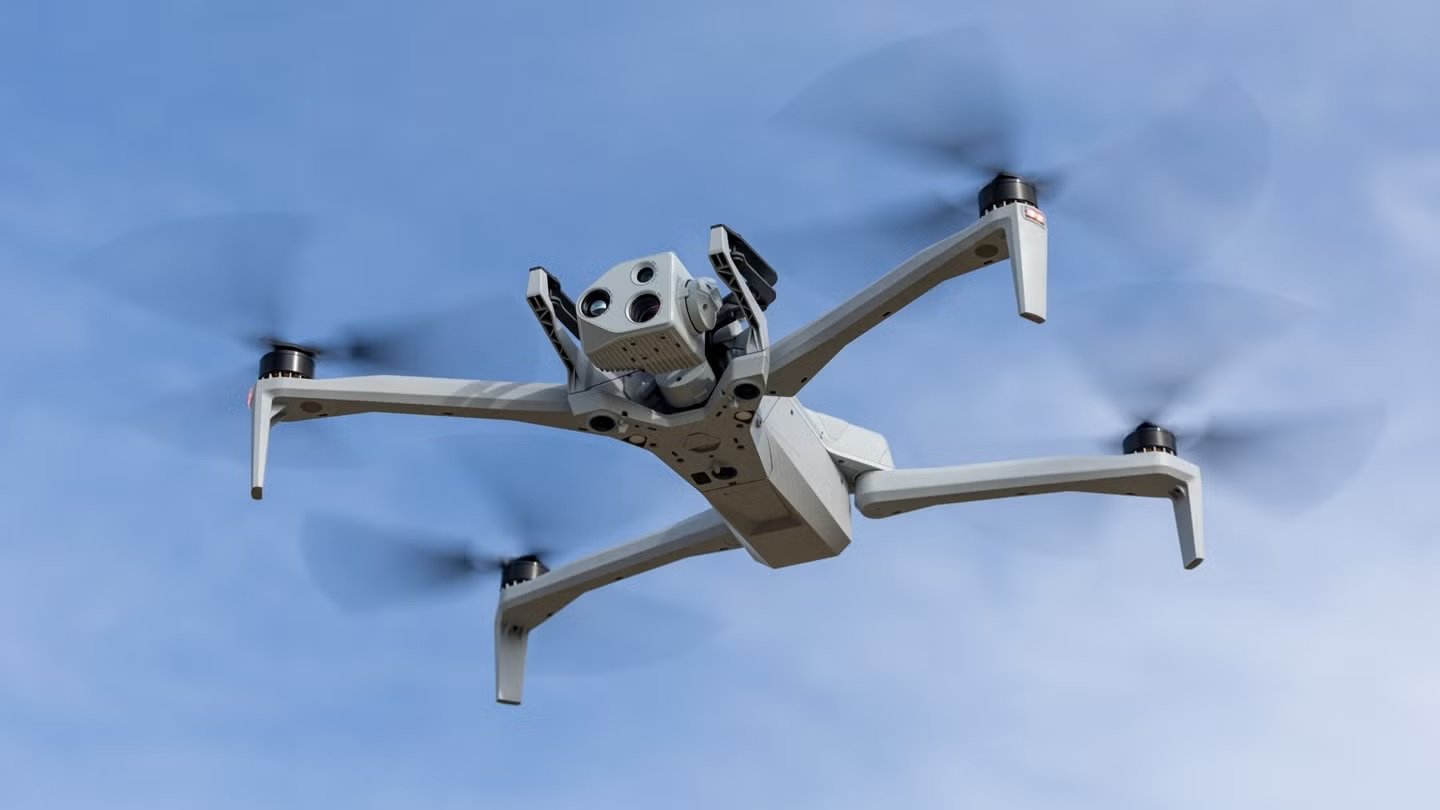
The fiber-optic FPV drones evaluated at Camp Pendleton operate using a physical tether — a thin, lightweight fiber-optic cable that spools out during flight. The cable enables high-bandwidth transmission of real-time video and flight control data directly between the operator and the aircraft. Because the system does not emit RF signals, it is not susceptible to electromagnetic interference or electronic jamming.
The design allows operators to maintain continuous control and precision strike capability in environments where wireless systems may fail. The absence of RF emissions also reduces the platform’s electronic signature.
Participating Units and Operational Testing
The three-day assessment included Marines from the 1st Light Armored Reconnaissance (LAR) Battalion and the 3rd LAR Battalion. The evaluation placed systems under operationally realistic conditions intended to reflect combat use.
Testing criteria included:
Combat Readiness: Assessment of how quickly operators could transport, assemble, and deploy the drones while wearing full combat equipment.
Durability and Integration: Evaluation of the physical resilience of controllers, displays, and support equipment, as well as compatibility with existing tactical command-and-control networks.
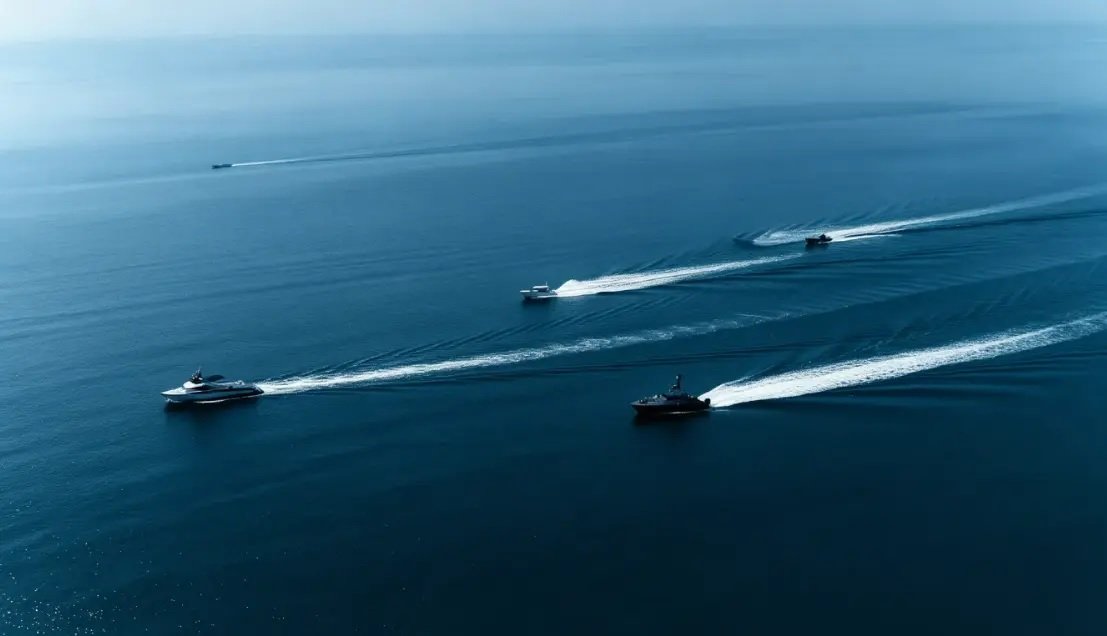
Maritime Operations: The event marked the Marine Corps’ first deliberate over-water assessment of fiber-optic tethered sUAS. Marines tested cable reliability, signal stability, and system performance in coastal and maritime conditions.
1st Lt. Kienan Morrissey, an intelligence officer with 3rd LAR who supported the evaluation, said the fiber-optic configuration provides additional options for precision fires in denied environments. He noted that operator-to-vendor feedback is essential during early fielding phases to ensure systems meet mission requirements and remain adaptable to operational needs.
Project G.I. and Acquisition Framework
The evaluation was conducted under Project G.I., an initiative launched by the Defense Innovation Unit in June 2025. The program is supported by prize funding and is structured to accelerate the transition of mature commercial technologies into defense testing environments.
Project G.I. employs an expedited acquisition model designed to move proposals from industry to field evaluation within months. The Camp Pendleton event provided vendors with direct exposure to Marine operational workflows, enabling collection of performance data and user feedback for iterative improvements.
Participating companies included Auterion, Kraken, ModalAI, Neros, and Nokturnal AI, with operational support from Contact Front Technologies. Industry representatives observed testing events and gathered feedback regarding system usability, reliability, integration requirements, and sustainment considerations.
Maj. Steven Atkinson, I MEF DIU mission partner, stated that rapid developments in robotics and autonomous systems require responsive evaluation and acquisition processes. He said the partnership enables Marines from multiple units and occupational specialties to assess systems for compliance, interoperability, survivability, and operational effectiveness before inclusion on approved procurement lists.
Strategic and Operational Context
I MEF is tasked with providing globally responsive, expeditionary forces capable of conducting major combat operations. The integration of fiber-optic tethered sUAS aligns with this mandate by enhancing the ability to operate in contested electromagnetic environments.
Col. Michael Carroll, assistant chief of staff, G-9, I MEF, said fiber-optic tethered FPV capabilities are required in current operational environments.
Data and observations gathered during the January 2026 assessment will inform further refinement of participating systems as Project G.I. advances. Platforms that meet compliance and cybersecurity standards are expected to transition into formal procurement pathways, enabling broader acquisition and deployment across Marine Corps and Department of Defense units.
The evaluation represents an initial step in determining how fiber-optic tethered FPV systems can be integrated into expeditionary operations, reconnaissance missions, and precision fires support in electronically contested theaters.
——— End of Article ———