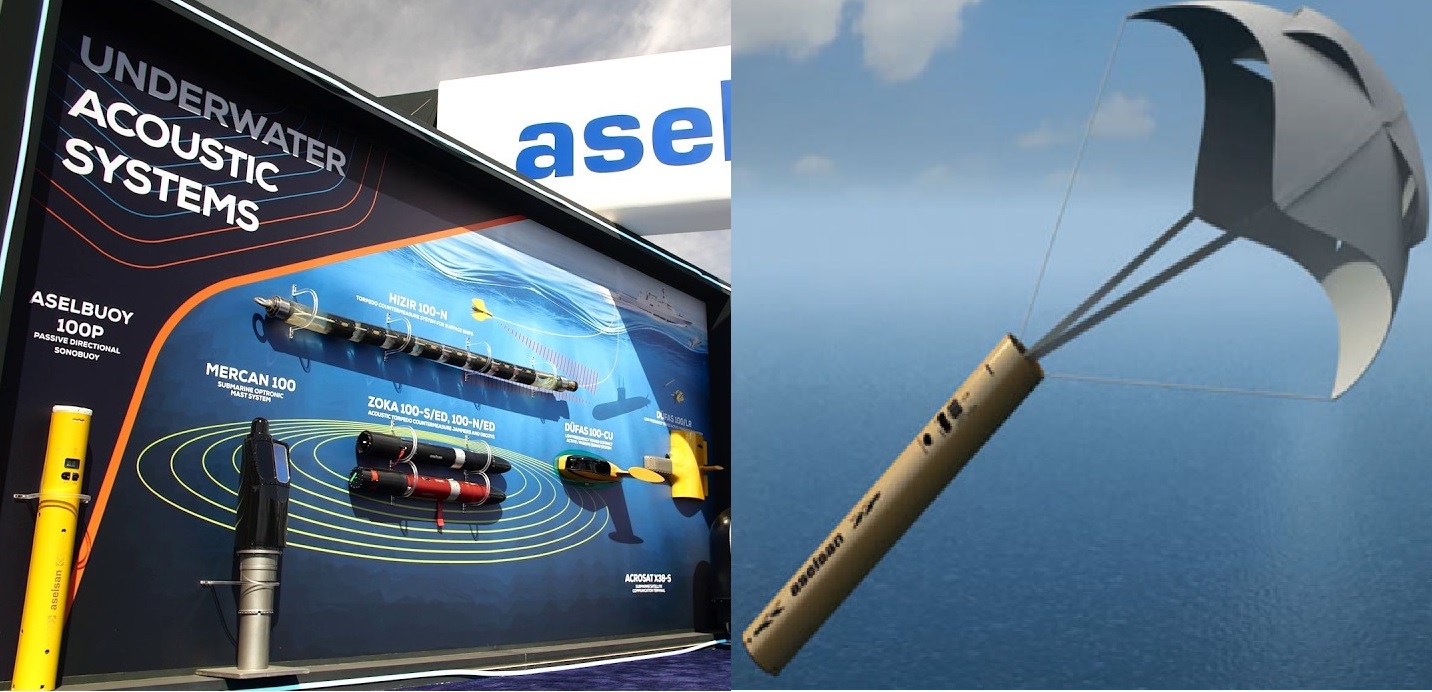
RIYADH : Aselsan will conduct the first live deployment tests of its aselBUOY passive sonobuoy from an unmanned aerial vehicle (UAV) in the coming weeks, marking a new phase in the company’s long-running underwater acoustics program. The announcement was made by Aselsan CEO Ahmet Akyol during the World Defense Show 2026 in Riyadh, Saudi Arabia.
Akyol stated that UAV integration is currently in the active testing phase and that the results of the upcoming live deployment trials will be shared after evaluation. The tests are designed to assess deployment dynamics under operational conditions, including release stability, parachute performance, water entry behavior, and full system integration with unmanned platforms.
Program Background and Production Status
The aselBUOY program has been under development for approximately a decade. Aselsan initiated the self-financed project in late 2015, building on foundational underwater acoustics research that began in 2006. Initial air-launch tests were conducted in 2018 from a Cessna turboprop aircraft to validate deployment and transmission performance.
Earlier this year, the system entered serial production following the award of the first production contract by the Turkish Naval Forces Command. With this contract, the aselBUOY 100P transitioned from development and qualification to operational supply.
To enable UAV-based deployment, Aselsan has designed and integrated dedicated launching pods compatible with Turkish unmanned platforms. Traditionally, sonobuoys are deployed from Maritime Patrol Aircraft (MPA), which involve higher operational and lifecycle costs. The transition to UAV deployment is intended to expand operational flexibility and reduce mission expenses in anti-submarine warfare (ASW) and maritime surveillance operations.
UAV Integration and Platform Compatibility
Parallel to Aselsan’s efforts, Turkish Aerospace Industries has been developing an ASW-configured variant of its AKSUNGUR unmanned combat aerial vehicle. The platform has been displayed at defense exhibitions since 2021 equipped with sonobuoy launch pods, indicating continued work on airborne ASW capability integration.
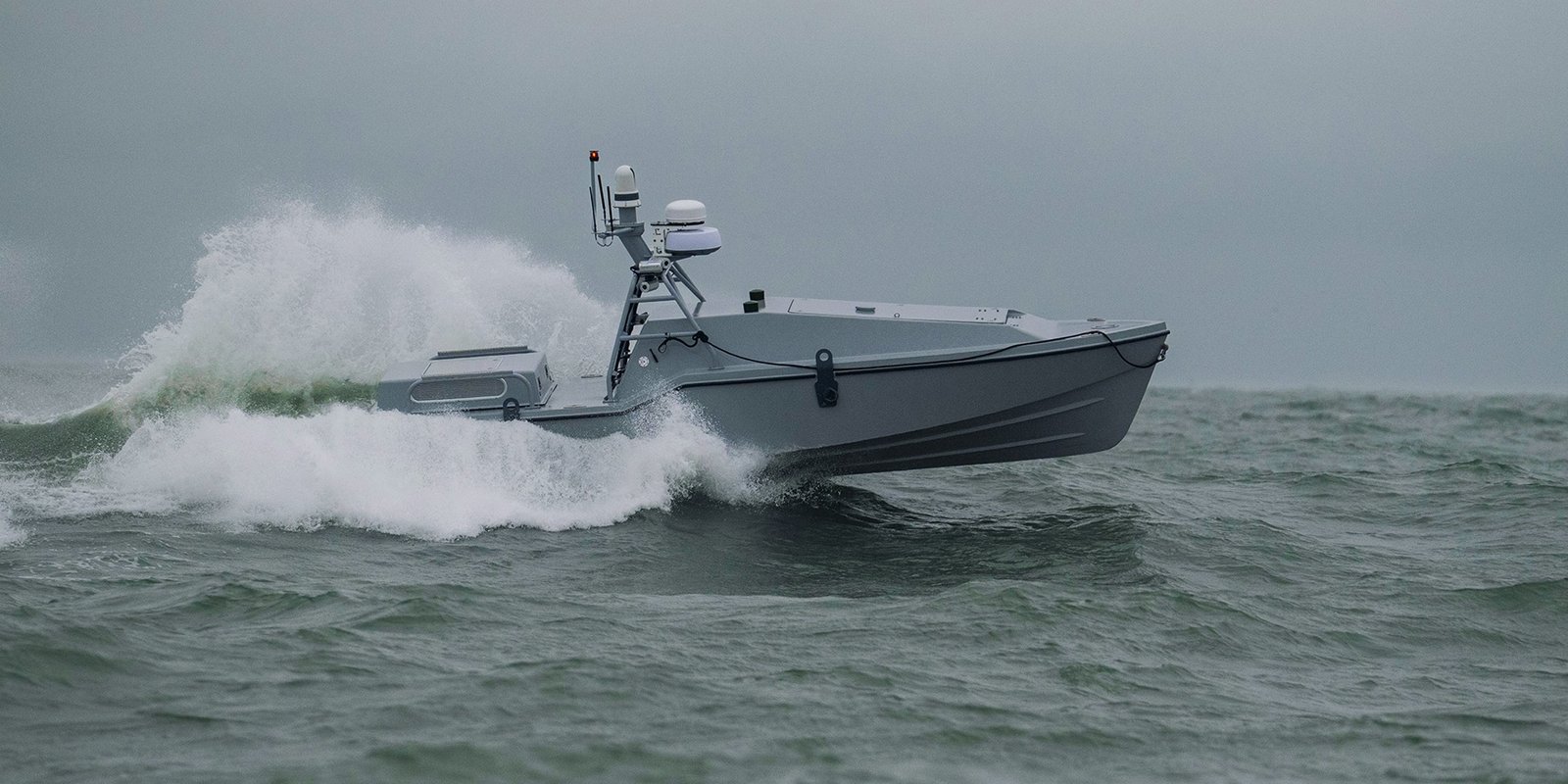
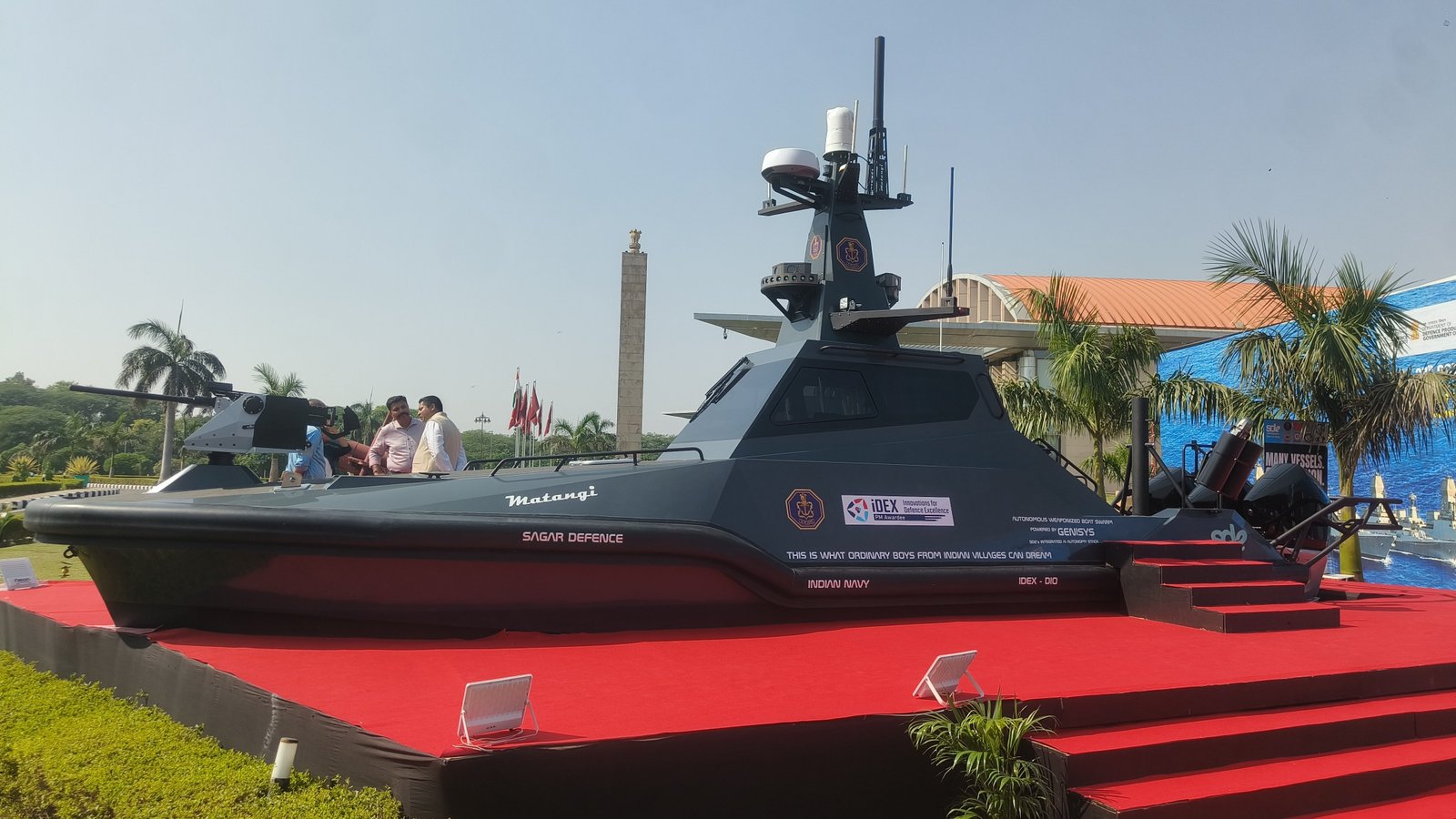
The aselBUOY system is designed for compatibility with multiple platforms, including Maritime Patrol Aircraft, UAVs, unmanned surface vessels (USVs), and surface ships. This multi-platform compatibility supports integration into layered maritime surveillance architectures.
Technical Specifications
The aselBUOY 100P is a NATO A-size passive directional sonobuoy developed for anti-submarine warfare, search and rescue (SAR) operations, and underwater acoustic research.
The unit measures 915 mm in length and 120 mm in diameter, with a total weight of 10 kilograms. It operates within a 5–2400 Hz frequency band, enabling detection and monitoring of a broad range of underwater acoustic signatures.
Deployment depth can be configured prior to launch, with selectable options of 30 meters or 150 meters. Once deployed, the sonobuoy transmits acoustic data via one of 96 VHF communication channels within the 136–173.5 MHz range, providing a communication range of up to 20 kilometers, depending on environmental and receiver conditions.
Operators can program the operational duration before launch using an electronic interface, selecting mission lengths of 0.5, 1, 2, 4, or 8 hours. Certain parameters can also be adjusted remotely after deployment. The aselBUOY 100P is expendable and features an automatic self-scuttling mechanism that activates at the end of its programmed mission life.
AI Acoustic Signature Center
During the World Defense Show interview, Akyol also confirmed that Aselsan is establishing an AI-based acoustic signature center in cooperation with the Turkish Navy. The initiative aims to develop domain-specific artificial intelligence models for underwater detection and classification.
Developing AI-powered underwater detection algorithms requires extensive datasets of real-world acoustic signatures from surface vessels and submarines across varying environmental and sea conditions. To address this requirement, Aselsan is utilizing operational acoustic data collected by the Turkish Navy to train machine learning models. The resulting classification and detection algorithms are being integrated into the company’s acoustic systems portfolio.
Future Developments
While the passive aselBUOY 100P is currently in serial production, Aselsan remains among a limited number of companies globally with the capability to design and manufacture sonobuoys.
The company also confirmed ongoing development of an active sonobuoy variant intended to improve detection capabilities against low-noise or silent submarines. No timeline or additional technical specifications for the active variant were disclosed during the exhibition.
——— End of Article ———