TEHRAN : Iran has formally rejected a United States proposal that called for a complete suspension of uranium enrichment and the transfer of its existing stockpile of highly enriched uranium, according to officials familiar with the negotiations. The decision comes amid indirect diplomatic engagements between Tehran and Washington, facilitated by Oman, as both sides attempt to address concerns surrounding Iran’s expanding nuclear program.
Terms of the U.S. Framework
The U.S. proposal outlined a phased restriction on Iran’s nuclear activities. Under the terms presented, Iran would be required to halt all uranium enrichment activities for a period ranging from three to five years. During this suspension, no enrichment at any level would be permitted.
Following the completion of the suspension period, Iran would be allowed to resume enrichment, but only up to a maximum purity of 1.5 percent. This level is significantly below the 3.67 percent enrichment limit established under the 2015 nuclear agreement, formally known as the Joint Comprehensive Plan of Action (JCPOA), and far below the 90 percent threshold required for weapons-grade material.
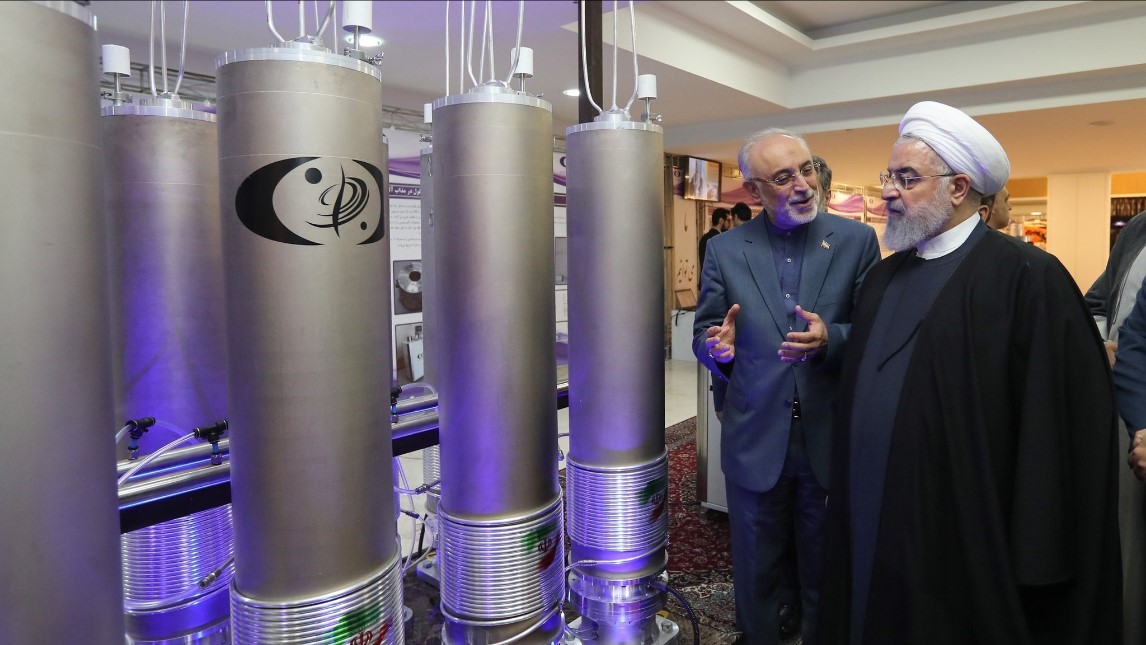
In addition to the temporary halt, the proposal required Iran to transfer its existing stockpile of 400 kilograms of uranium enriched to 60 percent purity. According to assessments by the International Atomic Energy Agency (IAEA), uranium enriched to 60 percent is technically close to weapons-grade levels, as the additional enrichment needed to reach 90 percent is comparatively limited.
The transfer of the 60 percent enriched uranium stockpile was described in the proposal as an immediate measure intended to reduce breakout capability during the proposed suspension period.
Absence of Sanctions Relief
The framework did not include provisions for lifting or easing U.S. economic sanctions on Iran. Current restrictions affecting Iran’s banking sector, oil exports, and international financial transactions would have remained in place under the proposal.
Instead of economic relief, the United States offered a security assurance, stating that American forces would refrain from conducting military strikes against Iran or its infrastructure, provided that Tehran fully complied with the enrichment halt and uranium transfer requirements.
Iranian officials viewed the absence of sanctions relief as a central deficiency in the proposal, particularly given the economic impact of existing restrictions.
Tehran’s Response
Iranian authorities rejected the proposal, stating that a complete suspension of enrichment and the transfer of enriched uranium stockpiles were inconsistent with Iran’s rights under the Treaty on the Non-Proliferation of Nuclear Weapons (NPT). Tehran maintains that it is entitled to pursue peaceful nuclear activities, including domestic enrichment, under international law.
Officials also reiterated that enrichment on Iranian soil constitutes a non-negotiable element of its nuclear policy. Previous public statements from Iranian leadership have identified the continuation of domestic enrichment as a “red line” in negotiations. Iranian representatives have consistently maintained that any agreement must include immediate and verifiable sanctions relief in exchange for nuclear constraints.
The refusal to transfer the 400 kilograms of uranium enriched to 60 percent aligns with these previously stated positions. Iranian authorities have argued that unilateral concessions without reciprocal economic measures are not acceptable within the current negotiation framework.
Diplomatic Context
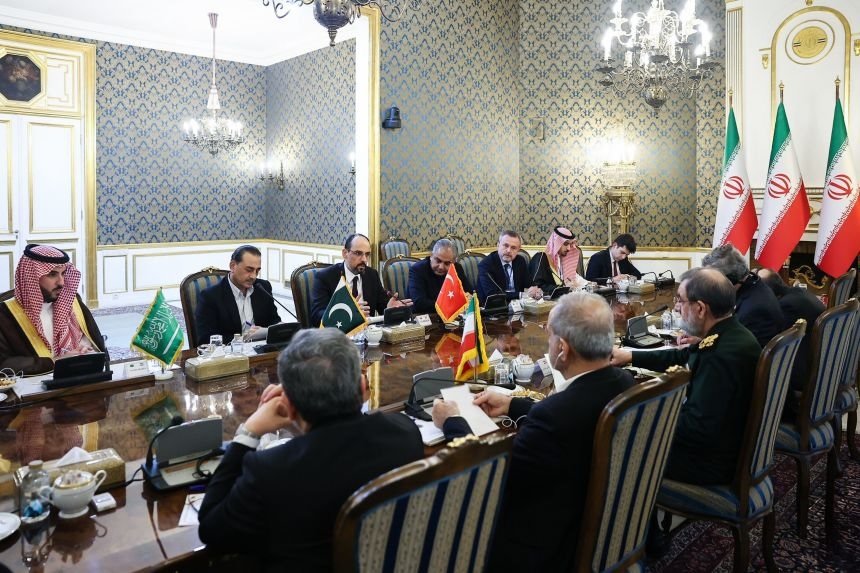
The rejected proposal was discussed during indirect talks mediated by Oman, with negotiations taking place in Muscat. The discussions are occurring in the context of ongoing regional tensions and following the deterioration of the 2015 nuclear agreement framework.
Since the reduction of U.S. participation in the JCPOA framework and the reimposition of sanctions, Iran has progressively expanded its enrichment activities beyond previously agreed limits, including increasing enrichment levels and stockpile quantities.
The latest diplomatic exchange reflects continued efforts by both sides to address concerns related to enrichment levels, stockpile size, sanctions policy, and regional security, while highlighting significant differences over sequencing and reciprocal commitments.
With the proposal formally rejected, negotiations remain unresolved. Diplomatic channels through Oman continue to function, but no revised framework has been publicly announced.
——— End of Article ———