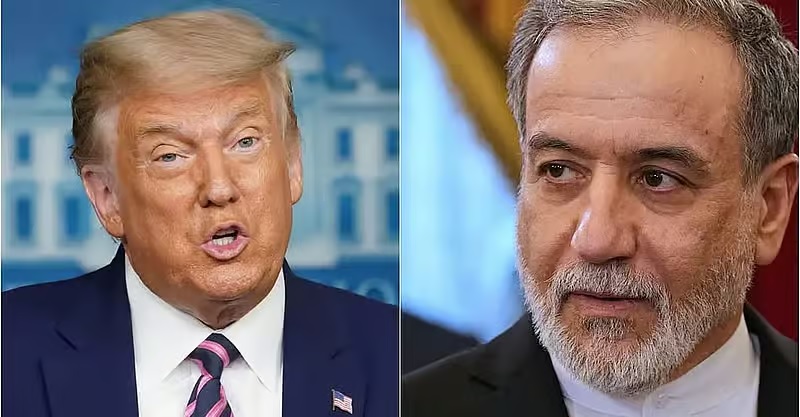
WASHINGTON — May 6, 2026 : The United States and Iran are nearing completion of a one-page memorandum of understanding (MoU) intended to formally halt ongoing hostilities and establish a framework for broader nuclear and security negotiations, according to multiple reports citing officials familiar with the discussions.
The proposed memorandum, structured around a 14-point framework, is currently under review by Iranian authorities, with Tehran expected to provide an official response to the latest U.S. draft within the next 48 hours. The document is being negotiated through a combination of direct contacts and mediation channels involving regional and international intermediaries.
Officials involved in the talks described the draft as the closest Washington and Tehran have come to a diplomatic breakthrough since the recent conflict began. While no final agreement has yet been reached, both sides are reportedly attempting to secure an interim arrangement capable of immediately reducing military tensions while allowing additional time for negotiations on a broader long-term accord.
The proposed memorandum is designed as a temporary political understanding rather than a legally binding treaty. If approved, it would formally declare an end to active military operations between the two sides and trigger a 30-day negotiation process aimed at drafting a comprehensive follow-on agreement covering nuclear restrictions, sanctions relief, regional security issues, and maritime access.
Under the current draft, Iran would agree to suspend uranium enrichment activities for a period of 12 years as part of the proposed nuclear framework. Tehran would also halt operational activity at underground nuclear facilities and permit expanded inspections and monitoring by United Nations nuclear inspectors to verify compliance with the agreement.
In exchange, the United States would begin a phased rollback of economic sanctions imposed on Iran and authorize the release of billions of dollars in frozen Iranian assets currently held abroad. The sanctions relief mechanism is expected to be implemented gradually and linked to verification measures carried out by international inspectors.
The memorandum also includes provisions related to maritime security and commercial shipping in the Persian Gulf region. Both countries would remove existing restrictions affecting passage through the Strait of Hormuz, one of the world’s most strategically important energy transit corridors. The waterway handles a substantial share of global oil and liquefied natural gas shipments, making uninterrupted navigation a major concern for international markets and regional governments.
According to sources familiar with the discussions, recent diplomatic progress has already affected military positioning in the region. The United States has reportedly reduced certain naval escort activities linked to commercial shipping operations, while Iran is expected to ease recent limitations imposed on maritime traffic near the strait if the memorandum is finalized.
The negotiations are reportedly being led on the U.S. side by envoys including Steve Witkoff and Jared Kushner, working alongside diplomatic intermediaries engaged with Iranian officials. Discussions have focused on developing a narrowly scoped interim document capable of rapid implementation while postponing more technically detailed issues to subsequent negotiations.
Officials familiar with the talks stated that the one-page memorandum intentionally avoids extensive legal language or detailed implementation schedules. Instead, it is designed to create a short-term de-escalation mechanism that can stabilize the situation and provide political space for broader diplomacy.
The proposed 30-day negotiation period following the signing of the memorandum would involve discussions on the sequencing of sanctions removal, nuclear restrictions, verification procedures, and regional security arrangements. Diplomatic sources indicated that future negotiations could take place in neutral or internationally mediated locations, including Geneva or Islamabad.
The White House has not formally confirmed the final contents of the draft agreement but has acknowledged that discussions with Iran have made significant progress in recent days. Iranian officials have also confirmed that the proposal remains under active evaluation within Tehran.
Despite the diplomatic momentum, U.S. officials have stated that the interim memorandum would not prevent Washington from restoring sanctions pressure or resuming military measures if the follow-on negotiations fail to produce a broader agreement within the designated timeframe.
The coming 48-hour period is now viewed by diplomats and regional observers as a critical stage in determining whether the proposed framework can move from preliminary negotiations toward formal implementation.
——— End of Article ———