India
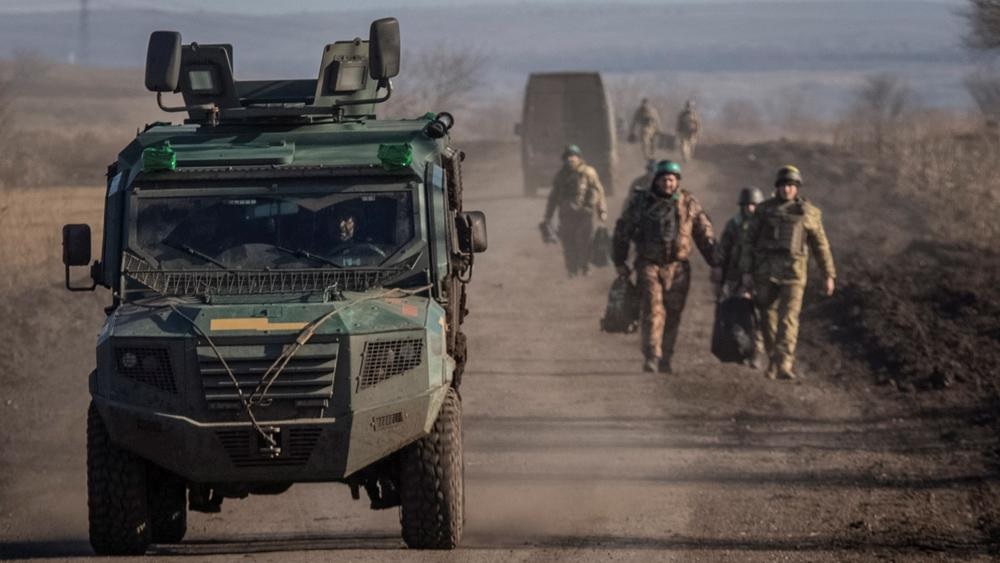
India presses Russia to repatriate Indian nationals recruited into the Russian army, following the deaths of two Indians in the Ukraine conflict.India has called on Russia to return its citizens recruited into the Russian military after two Indians were killed in the ongoing war in Ukraine. The Indian government is taking the matter seriously, as stated by Foreign Secretary Vinay Kwatra. The Indian Ministry of External Affairs is in contact with Russian authorities to arrange the repatriation of the remains of the deceased.This incident is not isolated. Earlier this year, two other Indians died while fighting in Ukraine. India has traditionally maintained a neutral stance on Russia’s invasion of Ukraine, refraining from voting against Russia at the United Nations or criticizing President Vladimir Putin. This neutrality is rooted in a long-standing alliance dating back to the Cold War, with extensive cooperation in defense, energy, and space exploration.The Indian government revealed that many of its citizens were misled into joining the Russian army under false pretenses. India's federal investigation agency has uncovered a human trafficking network responsible for sending at least 35 Indians to Russia under the guise of providing employment opportunities.Similar issues have arisen in other South Asian countries. Last month, Sri Lanka and Russia discussed the repatriation of Sri Lankans who had been recruited to fight in Ukraine, with at least 16 Sri Lankans reported missing in action. Sri Lankan authorities indicated that their citizens were lured to Russia with promises of lucrative salaries and benefits, including Russian citizenship.Nepal has also faced this problem. In January, Nepal requested Russia to return hundreds of Nepali nationals recruited to fight in the conflict, with at least 14 reported deaths among Nepali fighters in Ukraine.These developments highlight a broader issue of South Asian nationals being misled and trafficked into conflict zones. The governments of India, Sri Lanka, and Nepal are actively working to address this serious issue and ensure the safe return of their citizens.
Read More → Posted on 2024-06-13 15:29:57
World
Canada begins delivering 50 Armored Combat Support Vehicles to Ukraine, part of a larger support effort against Russian aggression, including training and air defense investments.Canada has started delivering the first four out of 50 Armored Combat Support Vehicles (ACSVs) to Ukraine, supporting its defense against Russia. These vehicles, developed by General Dynamics Land Systems (GDLS), are part of a significant pledge by Canadian Prime Minister Justin Trudeau in 2023. The initiative also includes investments in high-priority air defense capabilities for Ukraine.The first batch of ACSVs, worth 650 million Canadian dollars ($472.8 million), will be used to train Ukrainian troops in wounded personnel evacuation operations this summer. Notably, ten of these vehicles are in the ambulance variant.The production of future ACSVs for Ukraine is ongoing at the GDLS facility in London, Ontario. Further deliveries are planned over the next three years. GDLS Canada’s Vice President and General Manager, Jason Alejandro Monahan, expressed pride in supporting the donation, highlighting the role of these vehicles in sustaining a cross-Canada supply chain involving over 600 suppliers and supporting thousands of middle-class jobs.This delivery marks Canada’s second batch of ACSVs to Ukraine since the Russian invasion in 2022. So far, Ukraine has received 39 Armored Combat Vehicles (ACVs) from Canada. This includes training provided by more than 300 Canadian Armed Forces servicemen under Operation Unifier, Canada’s commitment to training Ukrainian troops through 2026.Operation Unifier, which started in 2015, has already trained over 41,000 Ukrainian Armed Forces members. In 2022, around 225 Canadian Army soldiers were deployed to join British, Dutch, and New Zealand counterparts to prepare Ukrainian personnel. Additionally, 40 Canadian combat engineers were sent to Poland to train Ukrainian sappers on explosives, mining, reconnaissance, and associated countermeasures.Alongside this military aid to Ukraine, Canada is also engaged in a program with GDLS to supply the Canadian Army with its own fleet of ACSVs. This approximately 2-billion Canadian dollar ($1.45 billion) program involves an order of up to 360 vehicles, including variants for troop/cargo, ambulance, electronic warfare, engineering, command post, maintenance and recovery, and mobile repair teams. These new vehicles will replace the army’s aging M113 Tracked Light Armoured Vehicle and Light Armored Vehicle II (Bison) fleets. The Canadian Army officially received its first ACSV unit in October 2023, with deliveries expected to continue until 2025.
Read More → Posted on 2024-06-13 15:27:11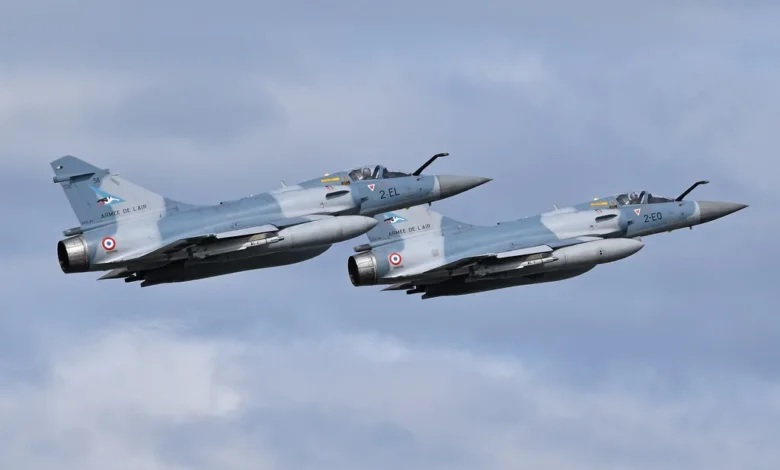
India
The Indian Air Force (IAF) is evaluating the acquisition of 12 pre-owned Mirage 2000-5 fighter jets from Qatar to address its fighter squadron shortage. A decision hinges on cost, operational life, and potential competition from Pakistan.The Indian Air Force (IAF) is exploring the purchase of 12 pre-owned Dassault Mirage 2000-5 fighter jets from Qatar. This move aims to alleviate the IAF's current shortfall, as it operates 31 fighter squadrons instead of the sanctioned 40. A team of IAF officials will soon visit Qatar to inspect these aircraft, which include nine single-seat Mirage 2000-5EDA variants and three twin-seat Mirage 2000-5DDA trainers.These Qatari Mirage 2000s come with spare engines, testing equipment, and MICA air-to-air missiles. Initial assessments suggest the jets have 30-35% of their airframe life remaining, translating to about 10 years of service. This fits well with India's timeline to phase out its existing Mirage 2000 fleet by 2035.Price DiscrepanciesThere is a notable discrepancy in the reported cost of these jets. Times Now reports that Qatar is offering the aircraft at around ₹500 crore (US$6.7 million) each. Conversely, older Reuters reports suggest Qatar might be asking for a total of $795.14 million for the fleet, equating to US$66.25 million per aircraft. This significant difference raises concerns about the deal's financial viability.Operational BenefitsAcquiring these Qatari Mirages could provide temporary relief for the IAF. The Mirage 2000 has proven its worth in the IAF, being successfully deployed during the Kargil War and the Balakot airstrike. Additionally, since the IAF already operates Mirage 2000s, integrating these additional jets would be relatively straightforward, minimizing the need for extensive pilot retraining or logistical overhauls.Strategic ConsiderationsReports indicate that Pakistan might also be interested in acquiring these Qatari Mirage jets. This could necessitate a swift decision from India if the jets are found suitable, as Pakistan has a history of competing with India for military acquisitions. Alternatives and Additional OffersIndia is also considering an offer from Greece for 18 older Mirage 2000s, primarily for spare parts. Discussions are underway for a potential joint purchase of Rafale fighter jets with Greece, which could lead to cost savings and faster delivery.ConclusionThe acquisition of used Mirage 2000s from Qatar or Greece could be a practical solution to the IAF's fighter jet shortage. However, the final decision will depend on several factors, including the actual cost of the aircraft, their remaining operational life, and potential competition from Pakistan. This deal, if it goes through, could temporarily bolster India's aerial capabilities, buying time until more modern jets can be acquired.India's defense strategy must balance immediate needs with long-term goals, ensuring that the IAF remains capable and ready to meet any challenges.
Read More → Posted on 2024-06-13 15:17:38
World
BAE Systems is set to present the upgraded CV90MkIV at Eurosatory, featuring a new turret, with upcoming deliveries to Slovakia and the Czech Republic, highlighting its advanced battlefield capabilities.BAE Systems is preparing to showcase the latest iteration of its Combat Vehicle 90 (CV90) series, the CV90MkIV, at the Eurosatory defense exhibition. This model features a new turret and is soon to be delivered to Slovakia and the Czech Republic, in collaboration with their defense industries.The CV90MkIV is the newest development in the CV90 family, renowned for its exceptional mobility and survivability over the past twenty years. This latest version brings advanced technological capabilities and adaptability to modern battlefields. According to Tommy Gustafsson-Rask, Managing Director of BAE Systems Hägglunds, the CV90MkIV provides crews and soldiers with enhanced mobility, protection, lethality, and improved combat awareness, making it highly relevant for today’s military operations.Key Features of the CV90MkIV:Enhanced Mobility and Protection: The CV90MkIV is designed to offer superior mobility and protection, crucial for modern combat scenarios.Advanced Weapon Systems: The new turret allows for integration of a variety of weapon systems, enhancing its all-target capability.Combat-Proven: The CV90 series has been used effectively in conflicts in Afghanistan and Ukraine, demonstrating its reliability and effectiveness in combat.Wide Adoption: With 1,700 vehicles ordered across 17 different variants, the CV90 has been chosen by 10 European nations, including eight NATO members.BAE Systems Hägglunds has experienced significant demand for the CV90, securing contracts for multiple upgrade programs and the development of new vehicles. The company has heavily invested in its facilities in Örnsköldsvik, Sweden, and established strong partnerships with local industries in various markets to ensure a secure and efficient supply chain.The CV90 family, particularly the Infantry Fighting Vehicle (IFV) variant, forms the cornerstone of this vehicle series. Agile and powerful, it offers comprehensive protection to soldiers and is highly effective in the 23-38-tonne weight class. The CV90 has logged over eight million kilometers, underscoring its durability and reliability in various operational environments.As BAE Systems prepares to unveil the CV90MkIV at Eurosatory, it marks a significant milestone in the evolution of combat vehicles, promising enhanced capabilities and performance for European defense forces.
Read More → Posted on 2024-06-13 15:14:34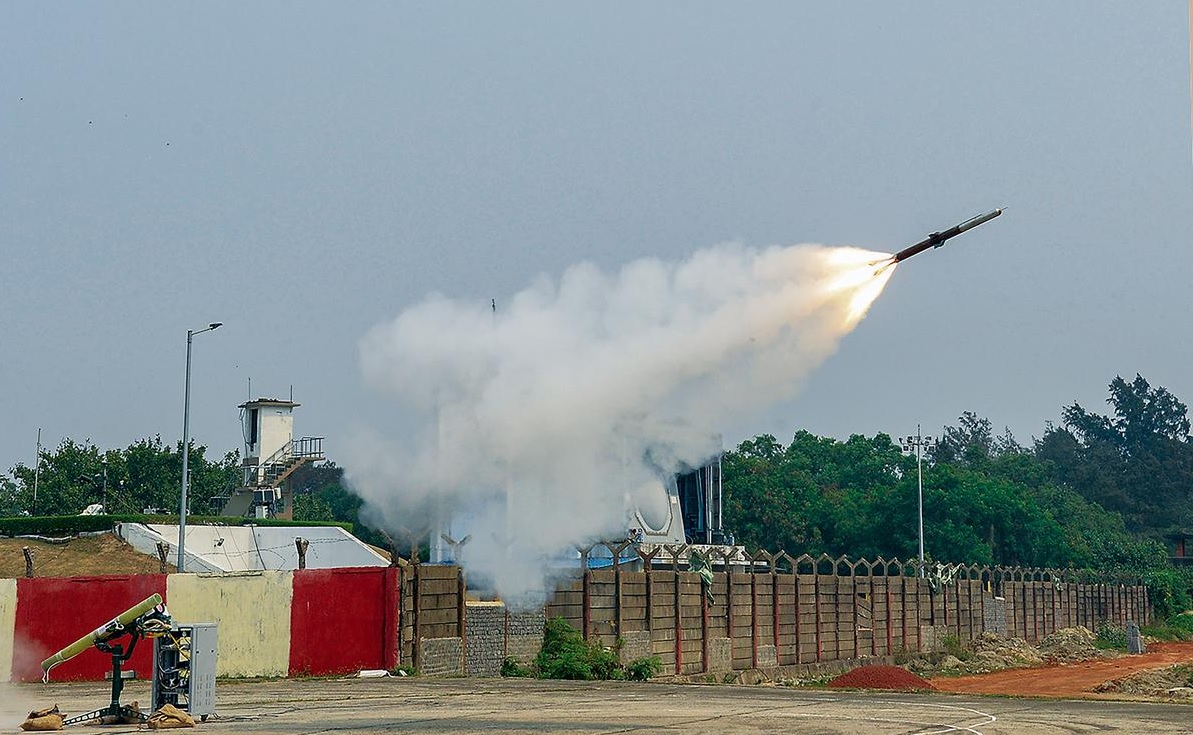
India
The Indian Army has issued an RFI for Very Short Range Air Defence Systems (VSHORADs) to strengthen its layered air defense capabilities against aerial threats.India's defense sector is gearing up for a significant upgrade as the Indian Army has released a Request For Information (RFI) for new Very Short Range Air Defence Systems (VSHORADs). These systems are crucial for providing the last line of defense for ground troops against enemy aircraft, helicopters, and drones.Layered Air Defense ExplainedA comprehensive air defense strategy involves three layers: high-level, medium-level, and low-level systems. These systems are designed to detect and neutralize enemy aircraft at various altitudes. High-level and medium-level air defense systems can detect and target enemy aircraft from hundreds of kilometers away, even those with low radar visibility.Role of VSHORAD SystemsVSHORAD systems are specifically designed to counter low-flying enemy aircraft and helicopters that evade detection by long-range systems. These systems are often man-portable and include both missile and gun systems. Examples include the Stryker air defense variant, the Humvee-based Avenger system, and the Tunguska and Pantsir systems.Historically, VSHORAD systems gained prominence during the Soviet-Afghan War, where they proved effective against Russian aircraft. Their effectiveness is also evident in the current conflict in Ukraine, where both sides use these systems extensively near the front lines to counter enemy air power, including drones and attack helicopters.India's Current and Future VSHORAD NeedsIndia has recently started inducting the Igla-S missile system, a modern variant of the older Igla-M missiles. The new RFI aims to procure advanced MANPADS capable of targeting fighters, helicopters, and drones with low heat signatures. The Army is open to various guidance systems, including laser-guided options like the Swedish RBS-70 and the British Starstreak missile systems.The RFI specifies that the new system should be versatile, capable of operating in diverse conditions—from high altitudes of 5,500 meters to coastal areas, deserts, and humid riverine environments. It should also function effectively in temperatures ranging from -30°C to +45°C and be robust enough for para-dropping.India’s Home-Grown EffortsThe Defence Research and Development Organisation (DRDO) of India has developed its own VSHORAD system, which has successfully cleared multiple trials. This indigenous system features advanced technologies like the Reaction Control System for enhanced maneuverability and an uncooled infrared seeker for easier logistics.Global CompetitorsManufacturers of renowned missile systems such as the Russian Verba, French Mistral, and U.S. Stinger are expected to respond to the RFI. The RFI also includes requirements for simulators and test equipment for the missile systems.ConclusionIndia’s quest for advanced VSHORAD systems underscores its commitment to enhancing its air defense capabilities. By integrating state-of-the-art technologies and considering diverse environmental conditions, the Indian Army aims to fortify its defenses against a wide range of aerial threats.
Read More → Posted on 2024-06-13 15:09:55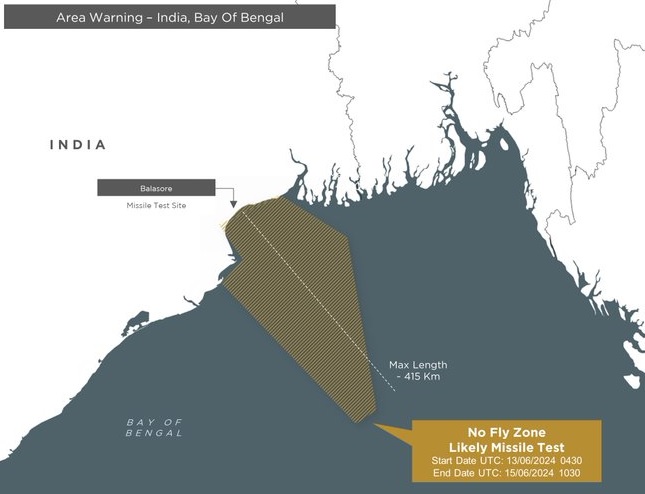
India
India's upcoming missile test in the Bay of Bengal, indicated by a recent NOTAM, suggests the development of a new missile system, marking a potential advancement in its defence capabilities.India has issued a Notice to Airmen (NOTAM) restricting airspace over a 415-kilometer stretch of the Bay of Bengal from June 13th to 15th, 2024. This move suggests an imminent missile test, though the exact nature of the missile remains unknown. The characteristics of the NOTAM hint that this test may involve a new missile system under development, rather than any of India's currently operational systems.India's missile program has been steadily advancing, with significant achievements in recent years. The country has been developing various advanced missile systems, including hypersonic missiles and ballistic missile defence systems. The upcoming test has drawn significant attention from defence analysts worldwide, who are eager to learn more about the missile and its implications for India's defence capabilities.Although official details about the test have not been released, open-source intelligence points to several new missile projects that India has been working on. These projects reflect India's ongoing efforts to enhance its national security and defence posture.
Read More → Posted on 2024-06-13 15:05:17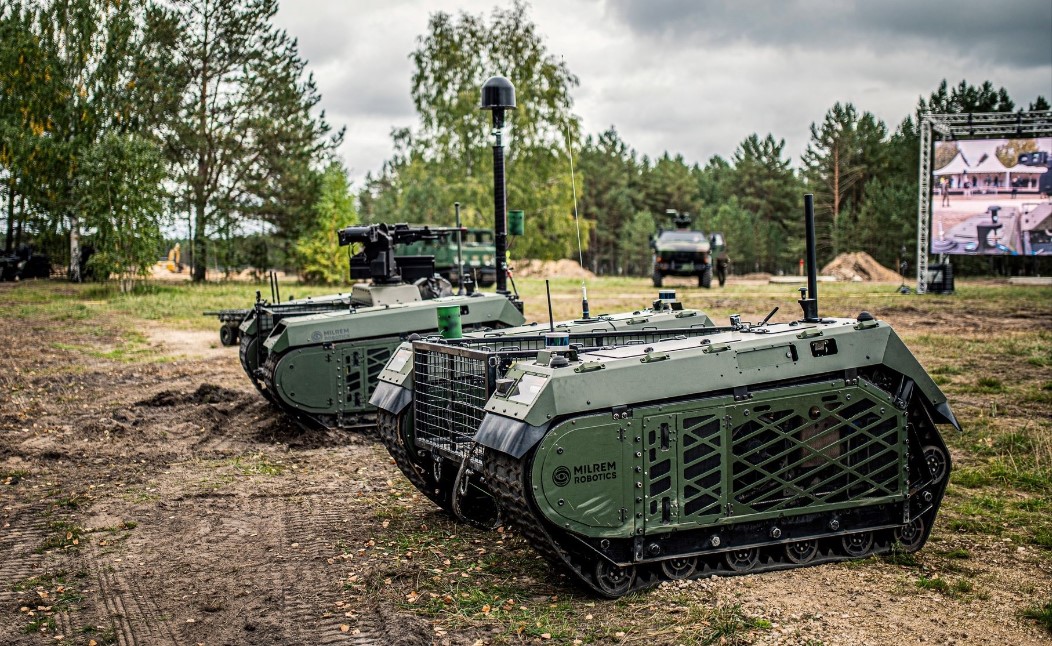
World
Milrem Robotics and AEC Skyline have integrated Starlink SATCOM into the THeMIS UGV, enabling remote control over vast distances and enhancing battlefield safety and efficiency.Milrem Robotics, a leader in robotics and autonomous systems, has partnered with AEC Skyline, a supplier of advanced data solutions, to integrate Starlink satellite communications into the THeMIS Unmanned Ground Vehicle (UGV). This integration enables the UGV to be controlled from thousands of kilometers away, significantly enhancing the safety and efficiency of military operations.The THeMIS UGV, equipped with this new communication system, can now be deployed in combat zones while operators remain at a secure distance. This development is particularly critical for modern warfare, where minimizing human presence in dangerous areas is a priority.The enhanced Beyond Line of Sight (BLOS) capability will be showcased at Eurosatory 2024, an international defense and security exhibition in Paris, France, from June 17 to 21. The THeMIS Cargo CASEVAC variant, which is currently supporting Ukrainian soldiers in their conflict with Russia, has been equipped with this advanced communication system. Additionally, Ukrainian forces are using THeMIS vehicles for route clearance operations.By leveraging satellite connectivity, the THeMIS UGV can transmit data, receive commands, and relay vital information in real-time, regardless of its location. This ensures continuous and reliable communication between the UGV and its operators, enhancing situational awareness and operational effectiveness.“This marks a significant milestone in military robotics, providing unmatched capabilities for remote operation and situational awareness,” said Raul Rikk, Capability Development Director at Milrem Robotics. “With satellite communications, operators can control the robot from a safe distance, reducing the risks of direct human involvement in combat zones.”Stef Have, CEO of AEC Skyline, expressed pride in the partnership and the integration of their critical data solutions into Milrem Robotics' UGVs. “Since 2021, our collaboration has deepened, and I’m proud of our division's role in integrating this SATCOM capability into our partner’s UGVs,” he said.About Milrem Robotics:Milrem Robotics is an industry leader in robotics and autonomous systems, with offices in Estonia, Finland, Sweden, the Netherlands, and the US. The company is known for its THeMIS and Multiscope UGVs, the Type-X Robotic Combat Vehicle, and MIFIK intelligent autonomous functionalities. They have also completed the European Defence Industrial Development Programme (EDIDP) project iMUGS, focusing on developing hybrid manned-unmanned systems.About AEC Skyline:AEC Skyline, based in the Netherlands, specializes in systems integration and Manned-Unmanned Teaming (MUMT). They offer a wide range of C4ISR & Cyber services and products, including advanced datalinks, tactical radios, LTE, and SATCOM solutions. Additionally, they provide specialist contract air services, including close air support, electronic warfare, and adversary air training, along with ISR, target towing, and testing services.
Read More → Posted on 2024-06-12 16:24:24
World
Poland completes the acquisition of two Saab 340AEW aircraft from Sweden, enhancing its early warning and command capabilities.Poland has strengthened its national defense by receiving the second Saab 340AEW aircraft from Sweden. This marks the completion of a significant contract aimed at enhancing Poland's early warning and command functions. The Polish Armament Agency announced this milestone, fulfilling a contract signed in July 2023 worth approximately EUR 52 million. This acquisition underscores Poland’s commitment to modernizing its defense infrastructure amid evolving regional security challenges.The Saab 340AEW, a Swedish airborne early warning and control (AEW&C) platform, is a crucial addition to Poland’s defense system. These aircraft are designed to provide advanced surveillance capabilities essential for the early detection and tracking of potential threats. By integrating these aircraft into its defense network, Poland aims to significantly improve its situational awareness and command efficacy.The Saab 340AEW is equipped with the PS-890 AESA radar system, part of the Erieye family. This radar can track multiple targets, including ships, planes, and missiles, at ranges up to 400 kilometers (250 miles). Operating at an altitude of 6,100 meters (20,000 feet), the radar can scan a 120-degree arc on either side of the aircraft, though it has limited coverage directly behind and in front of the plane. These advanced capabilities are expected to play a vital role in Poland’s defense strategy over the next decade.Poland plans to keep these aircraft operational for about ten years, during which it will procure new aircraft of a similar class. This forward-thinking approach ensures that Poland’s early warning and command capabilities will continue to evolve, maintaining a robust defense posture.The PS-890 radar offers significant advantages over traditional radar systems. Unlike the circular radar used in AWACS planes like the E-3 Sentry, the non-movable PS-890 radar reduces drag, enhancing the aircraft’s operational efficiency. This system can simultaneously track various targets, contributing to a comprehensive surveillance network essential for national security.Poland's acquisition of the Saab 340AEW aircraft demonstrates strategic foresight in addressing modern security challenges. As these aircraft are integrated into the national defense framework, they will complement existing systems and provide a layered defense approach. This investment in advanced early warning systems reflects Poland’s dedication to maintaining a state-of-the-art defense capability.
Read More → Posted on 2024-06-12 16:22:04
India
The National Security Guards (NSG) will soon establish new units in Ayodhya, Pathankot, and Kerala to enhance security and response capabilities in these strategic locations.The National Security Guards (NSG) are expanding their presence with new units set to become operational in Ayodhya, Pathankot, and Kerala. This move aims to support local police and other Central Armed Police Forces (CAPF) in bolstering security and reducing response times in case of emergencies. A senior NSG officer confirmed that the unit in Ayodhya will be operational in the next couple of months, with the units in Pathankot and Kerala expected to follow by the end of the year. The decision to establish these hubs has been under consideration for some time, involving multiple rounds of meetings to finalize the locations.The Ram Temple in Ayodhya, inaugurated in January this year, is a sensitive site and a potential target for terrorist activities. The presence of an NSG unit will enhance its security significantly.Pathankot, a border district with strategic importance, and Kerala, which has seen an increase in fundamentalist activities and has become a logistical hub for pan-Islamic terrorist groups, were chosen for their critical locations and threat perceptions. The new NSG units will be equipped with specialized weapons and anti-drone technology to address these specific security challenges.Once these hubs are operational, there will be a total of eight NSG regional hubs across India. The existing hubs are located in Mumbai, Kolkata, Hyderabad, Chennai, and Gandhinagar. The establishment of these units is a proactive step to address potential threats and ensure a rapid response to any adverse situations, thereby enhancing national security.
Read More → Posted on 2024-06-12 15:33:16
India
The Indian Air Force is constructing a second runway at Leh Airbase to boost operational capacity, accommodate increased air traffic, and ensure uninterrupted operations in the high-altitude region of Ladakh.The Indian Air Force (IAF) is constructing a second runway at the Leh airbase in Ladakh, a strategic move to enhance its operational capacity in the northern sector. This development aims to manage the growing military and civilian air traffic and ensure continuous operations, especially during potential hostilities along the border.Leh airbase, located at a high altitude, has seen a substantial increase in air traffic in recent years. However, its operational window has been limited to morning hours due to the rarefied air and challenging weather conditions. The addition of a second runway is expected to address these limitations, enabling round-the-clock operations.An IAF officer, who chose to remain anonymous, highlighted the intensified military activities in the region. The Leh airbase frequently hosts operations by fighter aircraft and attack helicopters, including the Rafale, MiG-29, Su-30, and Apache. The officer stressed the need for uninterrupted operations, recalling an incident last year when a C-17 transport aircraft stranded on the runway for two days, which could pose significant risks during volatile border situations.The Leh airbase is crucial for maintaining India's military presence along the Line of Actual Control (LAC) and the Siachen Glacier. It serves as a vital hub for transporting troops, supplies, weapons, and equipment, particularly during the winter months when road access is cut off due to snow. The base is supported by other airstrips and landing grounds in the area, forming a critical network for military operations.The construction of a second runway will make Leh the first high-altitude airbase in India with dual runways, a feature already present at several IAF and naval airbases in other parts of the country. This upgrade is part of broader efforts to bolster India's strategic capabilities in the region.China has also been enhancing its military infrastructure in Tibet, with multiple runways at airbases such as Hotan, Shigatse, and Changdu Bangda. Satellite imagery has revealed new facilities and infrastructure at these bases, underscoring China's ongoing efforts to strengthen its military presence in the region.The strategic development at Leh airbase reflects India's commitment to maintaining robust defense capabilities along its northern borders, ensuring readiness and operational efficiency in a geopolitically sensitive area.
Read More → Posted on 2024-06-12 15:21:36
World
BAE Systems introduces NavStorm-M, a robust anti-jamming and GPS receiver for military applications, ensuring precise navigation for artillery, missiles, and unmanned systems.At the Joint Navigation Conference in Cincinnati, BAE Systems launched the NavStorm™-M, a cutting-edge integrated anti-jamming and GPS receiver. This new product is designed for use in artillery, bombs, missiles, and unmanned systems, offering robust, precise navigation capabilities even in the most challenging environments.Key Features of NavStorm-M:Gun-Hardened Design: NavStorm-M is built to withstand the extreme conditions faced by military hardware, making it ideal for use in high-impact scenarios such as artillery and bombs.Advanced Anti-Jamming: The receiver employs sophisticated beamforming technology to resist jamming attempts, ensuring continuous, reliable GPS signals.Anti-Spoofing Measures: NavStorm-M is equipped with features to detect and counter GPS spoofing, enhancing the security and reliability of navigation data.Layered Protection Approach: The device integrates multiple layers of protection, including resiliency and software assurance, to provide robust and dependable performance.M-Code GPS Technology: This next-generation Assured-Positioning, Navigation, and Timing (A-PNT) device supports M-Code, offering enhanced security and accuracy for military operations.Doug Lloyd, Director of Weapon Systems for GPS at BAE Systems, stated, “With NavStorm-M, we offer advanced, cost-effective solutions tailored to the specific needs of our clients. Our extensive portfolio enables us to meet a range of size, weight, power, and cost (SWaP-C) requirements effectively.”Meeting Modern Military Needs:NavStorm-M is designed to meet the stringent SWaP-C requirements of modern military systems. It is suitable for unmanned aircraft systems, loitering munitions, hypersonic platforms, and other advanced weaponry. The receiver can function as a standalone GPS navigation system or integrate seamlessly with an inertial navigation system for enhanced accuracy.Global Reach and Manufacturing Excellence:BAE Systems has a history of delivering high-quality GPS solutions. The company has supplied Selective Availability Anti-Spoofing Module (SAASM) products to over 45 countries and is actively delivering M-Code GPS receivers to the U.S. armed forces and allied nations through the Foreign Military Sales program. The production of NavStorm-M will be carried out at BAE Systems’ state-of-the-art 278,000-square-foot engineering and manufacturing center in Cedar Rapids, Iowa.Conclusion:NavStorm-M represents a significant advancement in military GPS technology, providing reliable, jam-resistant, and secure navigation solutions for a variety of military applications. This new offering from BAE Systems ensures that warfighters have the tools they need for successful mission completion in increasingly complex and contested environments.
Read More → Posted on 2024-06-12 15:18:20
India
A tragic fire in Kuwait's Mangaf district has killed over 40 people, predominantly Indian workers, and injured dozens more. The Indian government is actively assisting the affected.On Wednesday, June 12, 2024, a catastrophic fire broke out in a building in the Mangaf district of Kuwait, resulting in the death of at least 41 people and leaving dozens more injured. The blaze started early in the morning, reportedly in a kitchen on a lower floor, and swiftly spread throughout the building, trapping many residents inside.Among the victims, a significant number were Indian nationals. Kuwait hosts a substantial Indian population, with Indians constituting 21% (1 million) of its total population and 30% (approximately 900,000) of its workforce.Indian Response and CondolencesPrime Minister Narendra Modi expressed his condolences over the tragic incident, stating on X (formerly Twitter), "The fire mishap in Kuwait City is saddening. My thoughts are with all those who have lost their near and dear ones. I pray that the injured recover at the earliest." He also assured that the Indian Embassy is closely monitoring the situation and working with local authorities to assist those affected.External Affairs Minister S. Jaishankar also conveyed his shock and grief over the incident. He noted that the Indian Ambassador to Kuwait, Adarsh Swaika, has been actively involved in the response, visiting both the site of the fire and the Al-Adan hospital, where over 30 injured Indian workers have been admitted. Jaishankar promised full support from the Indian government in his post on X.Embassy Actions and Community SupportThe Indian Embassy in Kuwait has set up an emergency helpline (965-65505246) for updates and assistance. Ambassador Adarsh Swaika has assured the injured workers of full support from the embassy, reinforcing the commitment to aid all affected individuals.Political Reactions and ConcernsIndian political leaders have also voiced their concerns. Congress General Secretary KC Venugopal highlighted the incident as a stark reminder of the poor living conditions that many Indian laborers face in the Middle East. He called for the Indian government to collaborate with their counterparts to ensure better housing facilities and safety measures for Indian citizens abroad.Investigation and AccountabilityThe Kuwaiti authorities have brought the fire under control and are investigating its cause. Reports indicate that the building, owned by NBTC group, housed around 195 laborers, including workers from Kerala and Tamil Nadu. The building owner, janitor, and the responsible company's owner have been apprehended as part of the investigation. Kuwait’s Interior Minister Sheikh Fahad Al-Yousuf Al-Sabah has condemned the greed of the company and building owners for cramming too many workers into inadequate housing, which likely contributed to the high casualty rate.ConclusionThis tragic incident underscores the urgent need for improved living and working conditions for laborers in Kuwait and other parts of the Middle East. As investigations continue, both the Indian and Kuwaiti authorities are working to ensure that justice is served and that such a disaster does not occur again.
Read More → Posted on 2024-06-12 15:11:25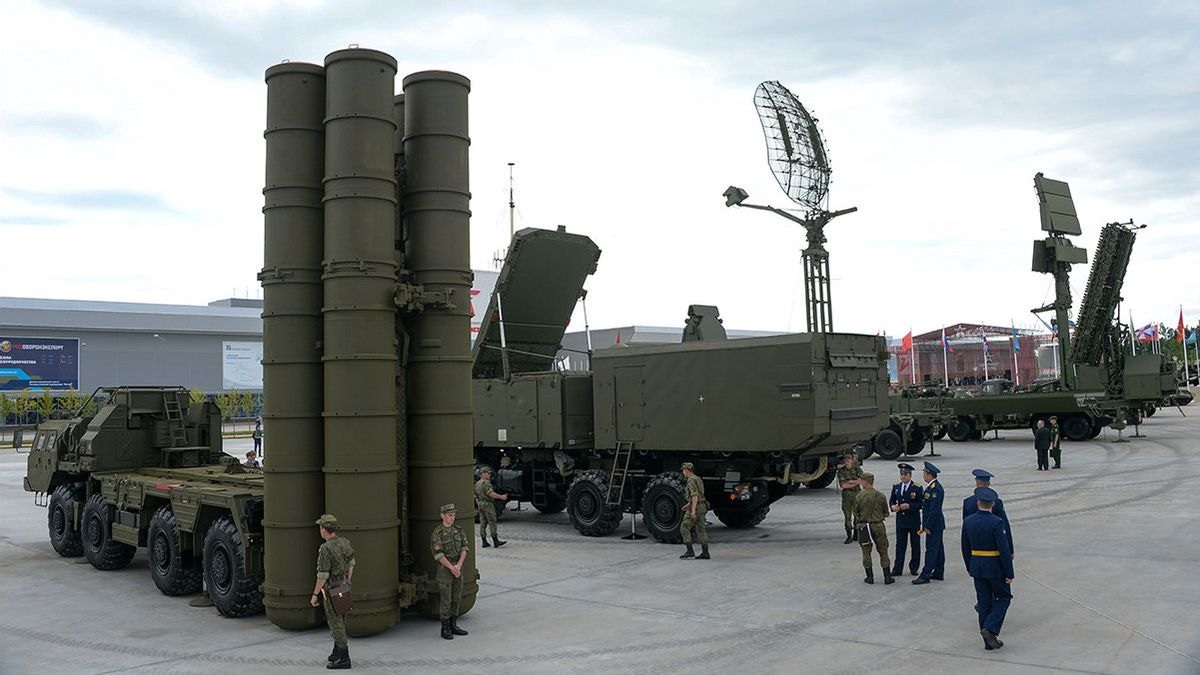
World
Ukraine hits three Russian missile systems in Crimea, causing significant damage to air defense capabilities amid ongoing conflict.Ukraine's military announced successful strikes on three Russian surface-to-air missile systems in Russian-occupied Crimea overnight. This marks the second reported attack on air defenses in the region this week.The Ukrainian general staff confirmed that the strikes targeted an S-300 system and two advanced S-400 systems located near Belbek and Sevastopol. They reported that the attacks resulted in the destruction of two radars associated with the S-300 and S-400 complexes, while the status of the third radar is still being assessed. The general staff added that munitions at all three sites detonated due to the strikes.In contrast, the Russian-installed governor of Sevastopol stated that air defenses had repelled the missile attack and that no damage had occurred. Local social media channels, however, were abuzz with reports of explosions across the Black Sea peninsula. Reuters noted that it could not independently verify these reports.Earlier this week, on Monday, Ukraine reported hitting three air defense systems near Yevpatoriya and Chornomorske in Crimea, also damaging radars. These attacks are part of a broader strategy by Ukraine to target Russian military assets in the region, significantly impacting Moscow's naval capabilities in the Black Sea.Since Russia's full-scale invasion began over two years ago, Ukraine has executed multiple air and naval strikes on Russian targets in Crimea. These actions have caused substantial damage to Russia's Black Sea fleet and other military assets.Russia annexed Crimea from Ukraine in 2014, integrating it into Russian territory. Kyiv has repeatedly asserted its commitment to reclaiming Crimea and other territories currently under Russian control.As the conflict continues, both sides are intensifying their efforts, with Ukraine's recent strikes demonstrating its ongoing resolve to weaken Russian defenses and reclaim occupied territories.
Read More → Posted on 2024-06-12 15:04:43
India
Security forces neutralize two terrorists in Kathua, Jammu and Kashmir. Search operations continue as authorities suspect more terrorists may be hiding in the area.Kathua, Jammu and Kashmir ,India June 12 : Two terrorists involved in the Kathua terror attack have been neutralised, and a search operation is continuing, according to Jammu and Kashmir police officials. The incident began on Tuesday evening in the Hira Nagar area of Kathua district when a gunfight erupted between security forces and terrorists.Anand Jain, Additional Director General of Police (ADGP) for Jammu, confirmed to reporters that two terrorists had been neutralised, and the area remains under search operations due to the possibility of more terrorists hiding in the region. "A new infiltrative group has emerged, and we are conducting a thorough search to ensure the area is clear," Jain stated.The operation was a joint effort involving the Army, Jammu and Kashmir police, and Central Reserve Police Force (CRPF) personnel. The firefight in Chhatargala saw no casualties reported among security personnel, and the area has been fully cordoned off.On Tuesday, ultras attacked a house in Saida Sukhal village in Hiranagar, which led to the encounter. One CRPF jawan and one terrorist were killed during this clash. Additionally, five jawans and a sub-divisional special police officer (SDPO) were injured in an encounter that occurred when terrorists opened fire at a joint checkpost of police and Rashtriya Rifles at an army base on the Bhadarwah-Pathankot road in Doda.As of the latest update, the body of the second terrorist killed in Hiranagar has been recovered. Security forces had initially neutralised one terrorist and were searching for another who managed to escape.The authorities are maintaining a high alert in the region and are committed to ensuring the safety and security of the local population while thoroughly investigating the incident. Further details are expected as the search operation progresses.
Read More → Posted on 2024-06-12 14:56:50
World
Chinese analysts assert that China's advanced drone capabilities can effectively counter the US military's 'hellscape' strategy in the Taiwan Strait, highlighting the growing importance of AI and drone technology in modern warfare.In response to the US military's strategy to turn the Taiwan Strait into an “unmanned hellscape” using advanced drone technology, Chinese analysts emphasize that China's own drone capabilities are more than capable of countering such measures. This development underscores the critical role of AI and drone technology in contemporary military strategies.US Strategy in the Taiwan StraitAdmiral Samuel Paparo, head of the US Indo-Pacific Command, recently outlined a plan designed to thwart potential Chinese aggression towards Taiwan. This strategy, disclosed during an interview at the Shangri-La Dialogue in Singapore, involves deploying thousands of unmanned submarines, surface ships, and aerial drones to create a hostile environment for any invading forces. The objective is to buy time and disrupt any large-scale attack by the People's Liberation Army (PLA).Paparo's statements reflect an intensified stance by the US, moving towards what some analysts call “strategic clarity” in its defense of Taiwan. This shift is significant, given the longstanding US policy of strategic ambiguity regarding Taiwan's defense.China’s Response: Advanced Drone CapabilitiesChinese military experts argue that the PLA is well-prepared to counter the US's drone swarms with their own advanced unmanned systems. Fu Qianshao, a mainland military analyst, notes that China’s drone production capacity is the largest in the world, enabling it to deploy a vast number of drones to match or exceed the US’s efforts. "China has rapidly developed its military and civilian drone technologies, making us a formidable opponent in this arena," Fu stated. He highlighted that the PLA’s drones are equipped with advanced AI applications, which can effectively counter US unmanned systems through swarm tactics and other sophisticated measures.Strategic ImplicationsThe PLA has been incorporating AI and autonomous systems into its military strategy, reflecting trends observed in the Ukraine conflict, where drone warfare has played a significant role. The Pentagon’s recent initiatives, such as the Replicator program aiming to deploy thousands of drones in the Indo-Pacific region, explicitly target China's military capabilities.However, Chinese analysts remain confident that the PLA can neutralize these threats. Song Zhongping, another military adviser, points out that the PLA’s capabilities include not only large-scale drone deployment but also advanced countermeasures such as electromagnetic interference and emerging interception technologies.Broader ContextThis development comes amid heightened tensions between China and the US over Taiwan. Beijing views Taiwan as a breakaway province and has not ruled out the use of force to achieve reunification. Conversely, the US, while not officially recognizing Taiwan as an independent state, opposes any unilateral change to the status quo and has signaled its readiness to defend the island.The use of drone swarms and AI in military strategy highlights a broader trend in modern warfare, where technological advancements are increasingly shaping tactical and strategic decisions. Both China and the US are investing heavily in these technologies, preparing for potential future conflicts where unmanned systems could play a pivotal role.In conclusion, as the US and China continue to develop and deploy advanced drone technologies, the Taiwan Strait remains a focal point of potential military confrontation. Analysts on both sides recognize the transformative impact of AI and unmanned systems, making the race for technological superiority more crucial than ever.
Read More → Posted on 2024-06-12 14:50:23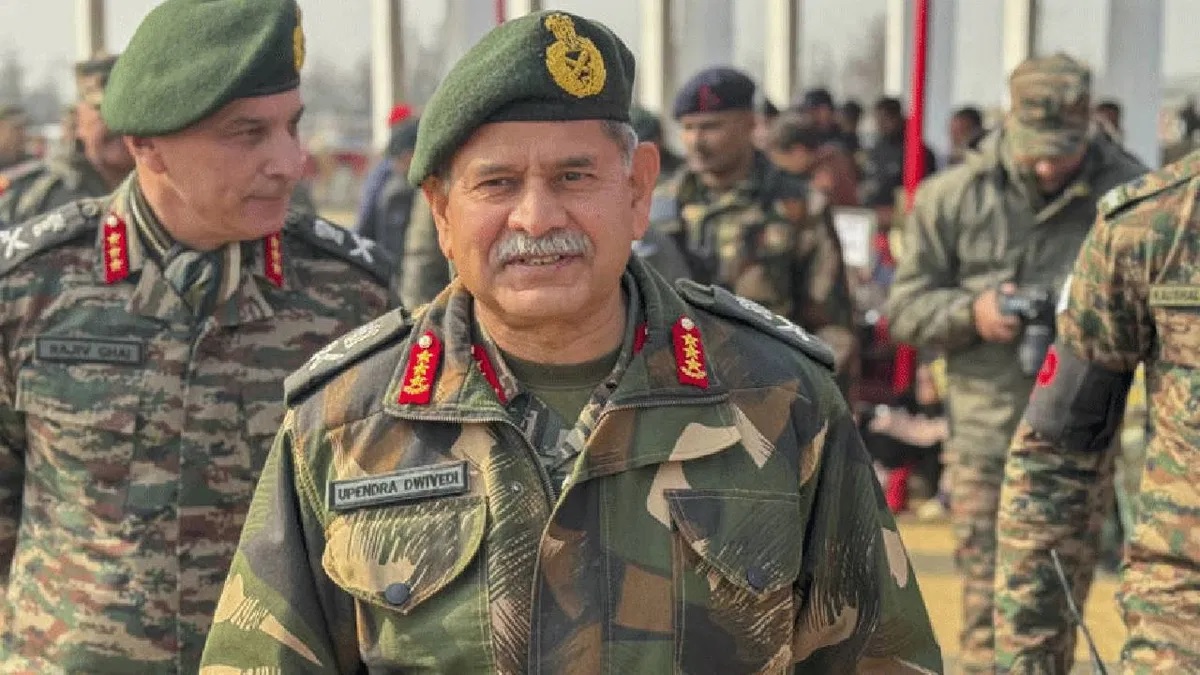
India
Lt Gen Upendra Dwivedi will take over as the Chief of the Army Staff on June 30, 2024, following the retirement of Gen Manoj Pande.The Government of India has appointed Lt Gen Upendra Dwivedi, currently serving as the Vice Chief of Army Staff, as the next Chief of the Army Staff. He will assume his new role on June 30, 2024, succeeding General Manoj Pande. Gen Pande, who was initially set to retire on May 31, had his term extended by a month due to the ongoing Lok Sabha elections.Background and Career HighlightsLt Gen Upendra Dwivedi was born on July 1, 1964. He was commissioned into the Jammu & Kashmir Rifles of the Indian Army on December 15, 1984. His nearly four-decade-long career includes a range of command, staff, instructional, and foreign assignments.Key Command Positions:Commanded the 18 Jammu & Kashmir Rifles RegimentLed the 26 Sector Assam Rifles BrigadeServed as Deputy Inspector General of Assam Rifles (East)Commanded the 9 CorpsAwards and RecognitionsLt Gen Dwivedi has been honored with the Param Vishisht Seva Medal (PVSM), Ati Vishisht Seva Medal (AVSM), and three General Officer Commanding-in-Chief (GOC-in-C) Commendation Cards for his distinguished service.Educational BackgroundAn alumnus of Sainik School Rewa, National Defence College, and the US Army War College, Lt Gen Dwivedi has a strong academic background. He has completed courses at the Defence Services Staff College (DSSC) Wellington and the Army War College, Mhow. Additionally, he holds an MPhil in Defence & Management Studies and two Master's degrees in Strategic Studies and Military Science. He was also honored as a 'Distinguished Fellow' at the US Army War College in Carlisle, USA.Recent PositionsBefore becoming the Vice Chief of Army Staff, Lt Gen Dwivedi served as the Director General of Infantry and the General Officer Commanding-in-Chief at the Northern Command from 2022 to 2024.ConclusionWith his extensive experience and distinguished service record, Lt Gen Upendra Dwivedi is well-prepared to take on the role of Chief of the Army Staff. His appointment comes at a crucial time for the Indian Army, and his leadership is expected to continue the legacy of excellence established by his predecessors.
Read More → Posted on 2024-06-12 08:34:51
India
Armenian special forces highlight their upgraded capabilities with French Bastion armored vehicles and Tata Advanced Systems Limited (TASL) ALS-50 advanced suicide drones, suggesting significant military advancements.Armenian special forces recently demonstrated their enhanced military capabilities in a series of training exercises. The exercises featured newly acquired French Bastion armored vehicles and a new type of suicide drone resembling the Tata Advanced Systems Limited (TASL) ALS-50.The Bastion armored vehicles, known for their durability and versatility, provide protection against small arms fire and mines. These vehicles offer enhanced mobility and security for troops, making them a valuable asset for various operations.Advanced Suicide DronesA notable highlight of the exercises was the appearance of a new suicide drone, closely resembling the Indian-developed TASL ALS-50. This drone is a fixed-wing loitering munition, capable of a range exceeding 50 kilometers. It transitions to a fixed-wing configuration after launch, enabling it to effectively target and destroy enemy positions.Key features of the TASL ALS-50 include:Wingspan: 3.8 metersPayload Capacity: Up to 6 kilograms of anti-personnel or anti-tank weaponryCruise Speed: 100 km/hConstruction: Lightweight composite materialsDespite TASL not officially confirming any sales to Armenia, the presence of these drones during the exercises indicates a significant boost in Armenian military technology.Implications for Armenian DefenseThe integration of Bastion armored vehicles and advanced suicide drones signifies a major step in modernizing Armenia's military. These advancements demonstrate Armenia's commitment to improving its defensive and offensive capabilities. The Bastion vehicles enhance troop mobility and protection, while the new drones offer a strategic advantage in targeting and neutralizing threats from a distance.Unofficial But NoticedWhile the Armenian Ministry of Defense has not issued an official statement regarding the specifics of the new equipment, the display has garnered attention within the defense community. The exercises underscore Armenia's efforts to bolster its military strength amidst regional security challenges.In summary, the recent training exercises by Armenian special forces underscore the country's strides towards enhancing its military capabilities through the acquisition of modern equipment, such as the French Bastion armored vehicles and advanced suicide drones, potentially marking a new era in Armenian defense strategy.
Read More → Posted on 2024-06-12 08:31:44
India
Indian Air Force's TEJAS aircraft makes a safe emergency landing at Surat Airport after receiving a low fuel warning.On Tuesday morning, a TEJAS light combat aircraft belonging to the Indian Air Force (IAF) made an emergency landing at Surat International Airport after the pilot received a low fuel warning. This precautionary measure ensured the safety of both the aircraft and the pilot.Upon receiving the pilot's request for an emergency landing, the Surat airport emergency teams were immediately alerted and prepared for any potential issues. However, the aircraft landed safely without any complications, much to the relief of the emergency personnel.The pilot chose Surat airport for the emergency landing as it was the nearest available location. Following protocol, the airport's Air Traffic Control (ATC) facilitated the landing smoothly. After the aircraft landed, IAF technical teams quickly arrived at Surat airport to examine the TEJAS. The officials stated that the aircraft would remain at Surat for a couple of days until it is thoroughly inspected and cleared for its next flight.As the TEJAS is a single-engine fighter aircraft, it requires thorough checks and clearances before it can take off again. The technical teams will investigate the cause of the low fuel warning to determine if it was an actual low fuel situation or a technical glitch.The TEJAS is an indigenous light combat aircraft designed by Hindustan Aeronautics Limited (HAL) and plays a crucial role in the Indian Air Force. Known for its agility and advanced features, it is equipped with modern avionics and weapons systems. Ensuring the operational readiness and safety of such aircraft is paramount for the IAF.This incident underscores the importance of stringent safety protocols and quick response mechanisms in aviation, particularly for military operations.
Read More → Posted on 2024-06-12 08:26:27
India
India's DRDO and Sagar Defence Engineering collaborate to develop the nation's first underwater-launched UAVs, enhancing submarine surveillance capabilities and marking a significant technological milestone.In a significant step towards enhancing India's underwater military capabilities, the Defence Research and Development Organisation (DRDO) has partnered with Pune-based startup Sagar Defence Engineering to develop the country's first underwater-launched unmanned aerial vehicles (ULUAVs). This initiative aims to provide submarines with advanced surveillance and reconnaissance tools, thereby improving situational awareness in maritime operations.The collaboration between DRDO and Sagar Defence Engineering marks a milestone in India's defense technology. Through a competitive selection process involving 17 firms, Sagar Defence emerged as the winner and was awarded the technology development contract under DRDO's Technology Development Fund (TDF). This fund is designed to promote indigenous innovation and technological advancements within the defense sector.Sagar Defence, recognized for its maritime spotter drones developed for the Indian Navy, will work closely with DRDO's Defence Research & Development Laboratory (DRDL) on this ambitious project. The primary goal is to create ULUAVs that can be discreetly launched from submarines, providing a strategic advantage in surveillance missions.Capabilities and AdvancementsULUAVs are autonomous aerial drones capable of being deployed underwater. These drones are designed to be launched from submarines, allowing them to conduct surveillance without compromising the submarine's position. This capability significantly enhances the operational effectiveness of submarines.According to Mridul Babbar, Director & Vice-President of Business Development at Sagar Defence, the new ULUAVs will surpass current systems in both range and endurance. While the U.S. currently has ULUAVs with a range of 7 km and an endurance of 30 minutes, the DRDO-Sagar Defence project aims to develop drones with a range exceeding 20 km and an endurance of over an hour. This improvement will place India at the forefront of ULUAV technology.Future PotentialThe ULUAVs are primarily intended for enhancing maritime and underwater domain awareness. By gathering critical data, these drones will provide valuable intelligence, helping to identify potential threats without revealing the presence of the submarine. The design also allows for future upgrades, including the integration of weapon systems, which could further enhance the strategic capabilities of the drones.Strategic ImportanceThis development aligns with the Indian government's commitment to promoting indigenous defense technologies. The partnership between DRDO and Sagar Defence Engineering is a testament to the trust and confidence placed in local companies to deliver cutting-edge technology solutions. Sagar Defence CEO Captain Nikunj Parashar expressed pride in this collaboration, emphasizing the significance of DRDO's support in realizing this advanced technological venture.ConclusionThe development of India's first underwater-launched unmanned aerial vehicles represents a significant advancement in the country's defense capabilities. By equipping submarines with advanced surveillance tools, this initiative will enhance maritime security and operational effectiveness. The collaboration between DRDO and Sagar Defence Engineering not only highlights the potential of indigenous innovation but also underscores India's growing expertise in defense technology.
Read More → Posted on 2024-06-12 07:30:27
India
Three terror attacks in Jammu & Kashmir within three days have left security forces on high alert, with multiple injuries and casualties reported.In a troubling surge of violence, Jammu & Kashmir has witnessed three separate terrorist attacks over the past three days, leading to heightened security measures across the region.Reasi Bus Attack:On Sunday, a terrorist attack on a bus carrying pilgrims from the Shiv Khori temple to Katra in Reasi resulted in the vehicle plunging into a deep gorge. This tragic incident caused the deaths of nine pilgrims and left 41 others injured. The attack has prompted an increased security presence and a combing operation in the area to track down the perpetrators.Doda District Attack:Late Tuesday night, terrorists opened fire on a joint checkpoint manned by the 4 Rashtriya Rifles and police in the Chattergalla area along the Bhadarwah-Pathankot road in Doda district. The ensuing exchange of fire left three security personnel injured. Security forces are actively searching for the attackers in the region.Kathua District Operation:In Kathua district, security forces are engaged in an ongoing operation to locate a terrorist hiding in Saida Sukhal village near Koota Morhunder Hiranagar police station. The operation began after two suspected infiltrators appeared in the village and asked for water from several houses, raising suspicions among the villagers. One terrorist was killed during an encounter with the police, while another remains at large. A civilian named Omkar Nath was injured in the attack and has been hospitalized in stable condition, while his wife escaped unhurt.International Border Incident:On Tuesday evening, a suspected Pakistani terrorist attacked a village near the International Border, injuring a civilian before being killed by security forces. An AK assault rifle and a rucksack were recovered from the deceased terrorist, whose identity and group affiliation are yet to be confirmed.Increased Security MeasuresIn response to these attacks, security forces, including the CRPF, have cordoned off affected areas and are conducting extensive search operations. House-to-house searches are underway in Saida Sukhal village, and additional reinforcements have been deployed to ensure the safety of residents and prevent further incidents.Authorities' Statements:Anand Jain, Additional Director General of Police, Jammu zone, provided details about the ongoing operation in Kathua. He confirmed that two terrorists, believed to have recently infiltrated from across the border, were involved. One terrorist was killed while attempting to hurl a grenade at the police, and efforts are continuing to apprehend the second terrorist.The series of attacks has created an atmosphere of tension and fear in the region. Security forces remain vigilant, and combing operations are ongoing to restore peace and order in Jammu & Kashmir.
Read More → Posted on 2024-06-12 07:26:37Search
Top Trending in 24 Hours
-
 F-35 Fleet Readiness Falls to 25% Amid Parts Shortages and Software Delays: GAO Report
-
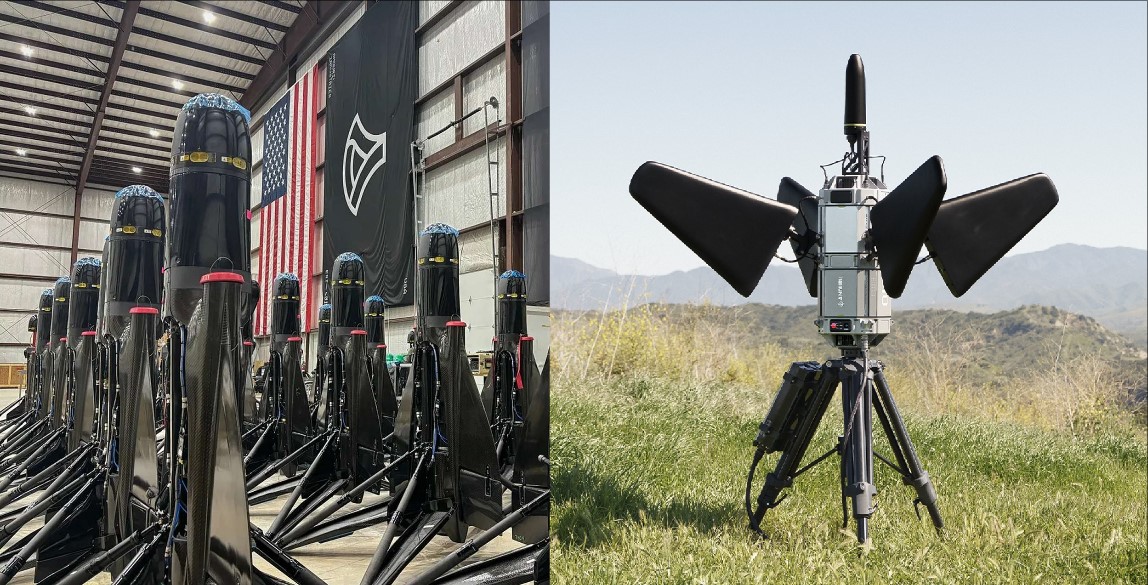 U.S. Approves $1.98 Billion Sale of Anduril AI-Powered Counter-Drone Systems to Kuwait
-
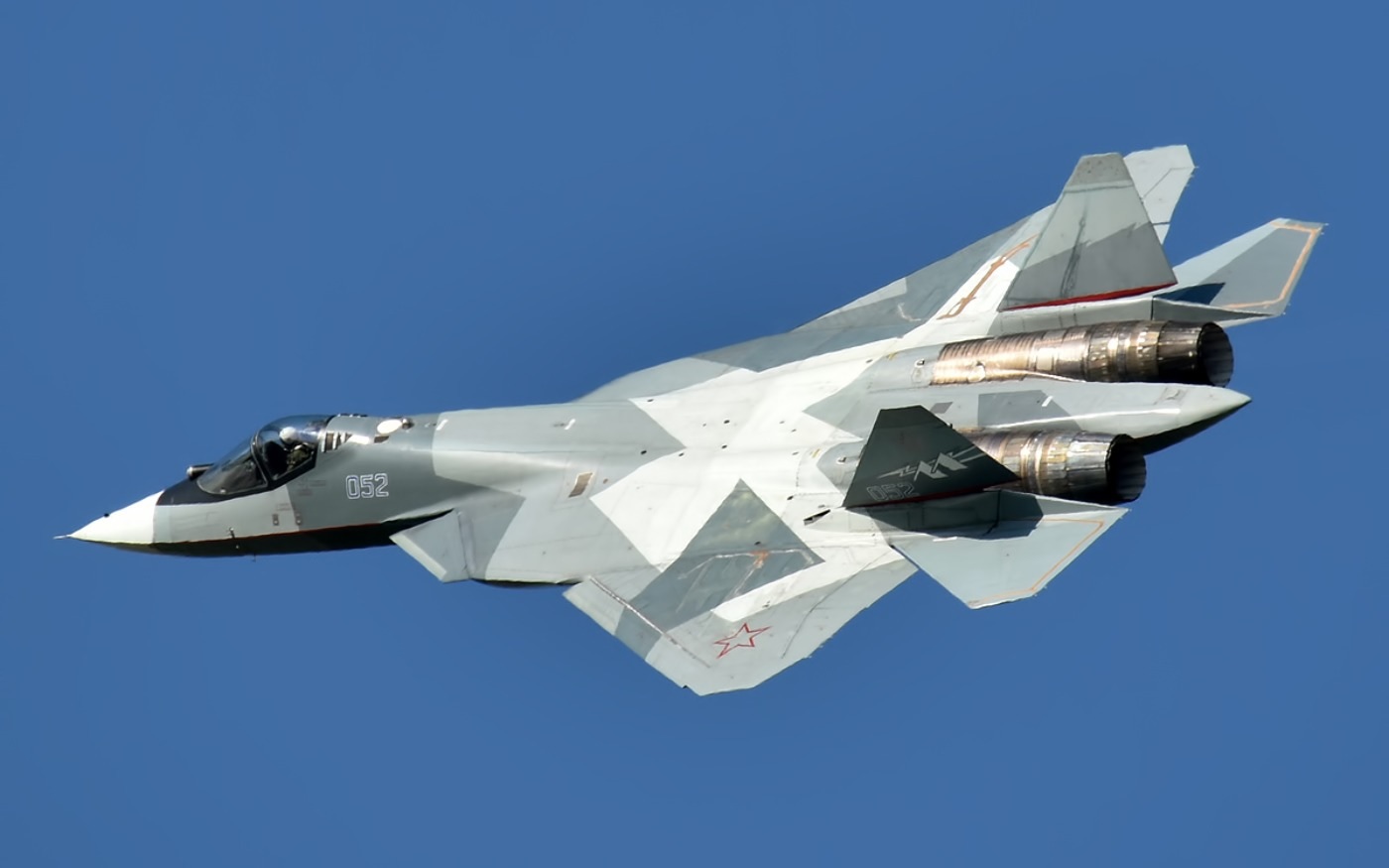 Russian Analysts Debate Su-57 Capabilities After Putin Calls Fighter Superior to F-35
-
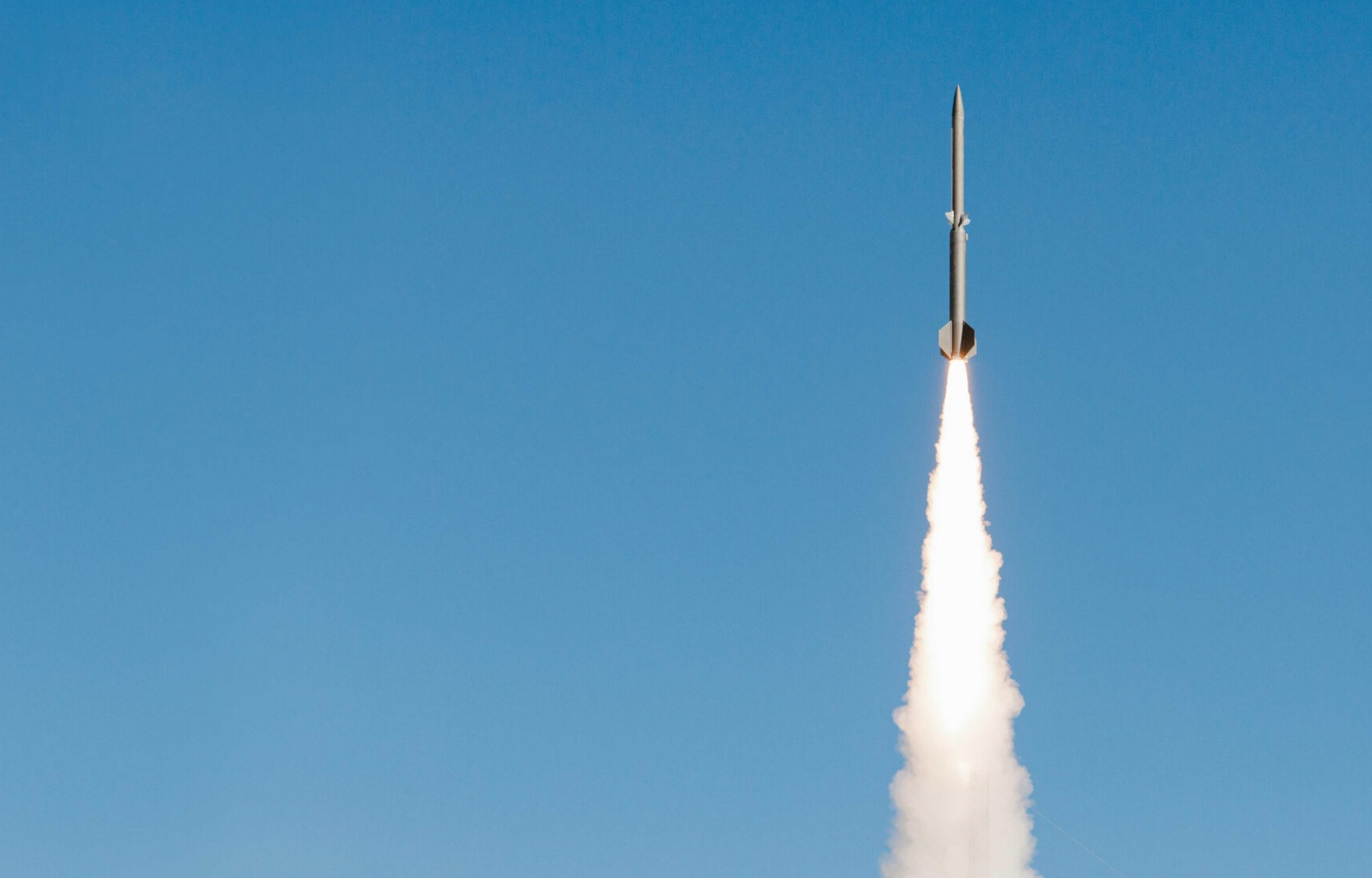 U.S Navy Orders 50 Blackbeard Hypersonic Missiles in New $23.4 Million Contract
-
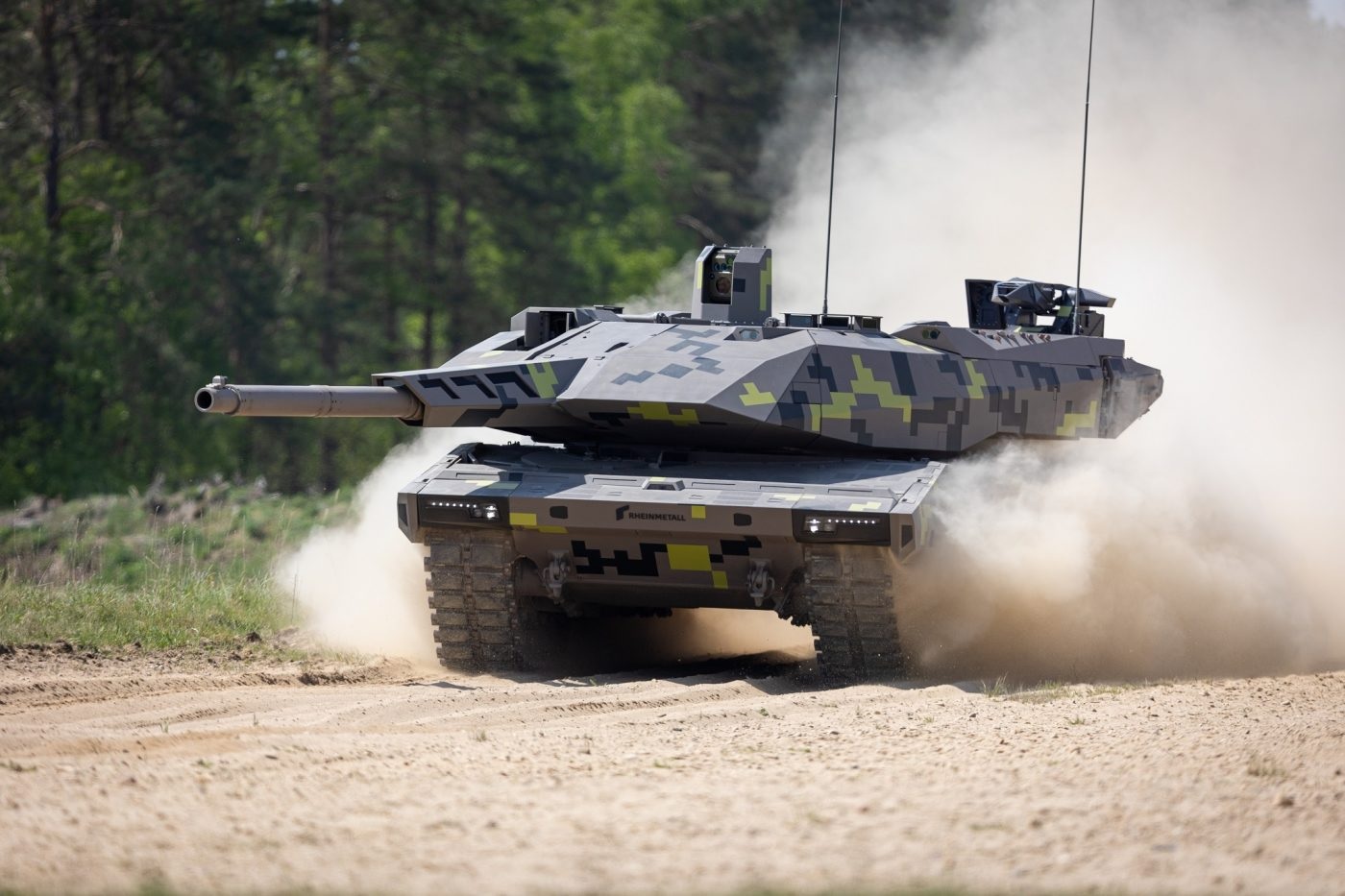 France Considers Reduced Role or Exit from Franco-German MGCS Tank Project
-
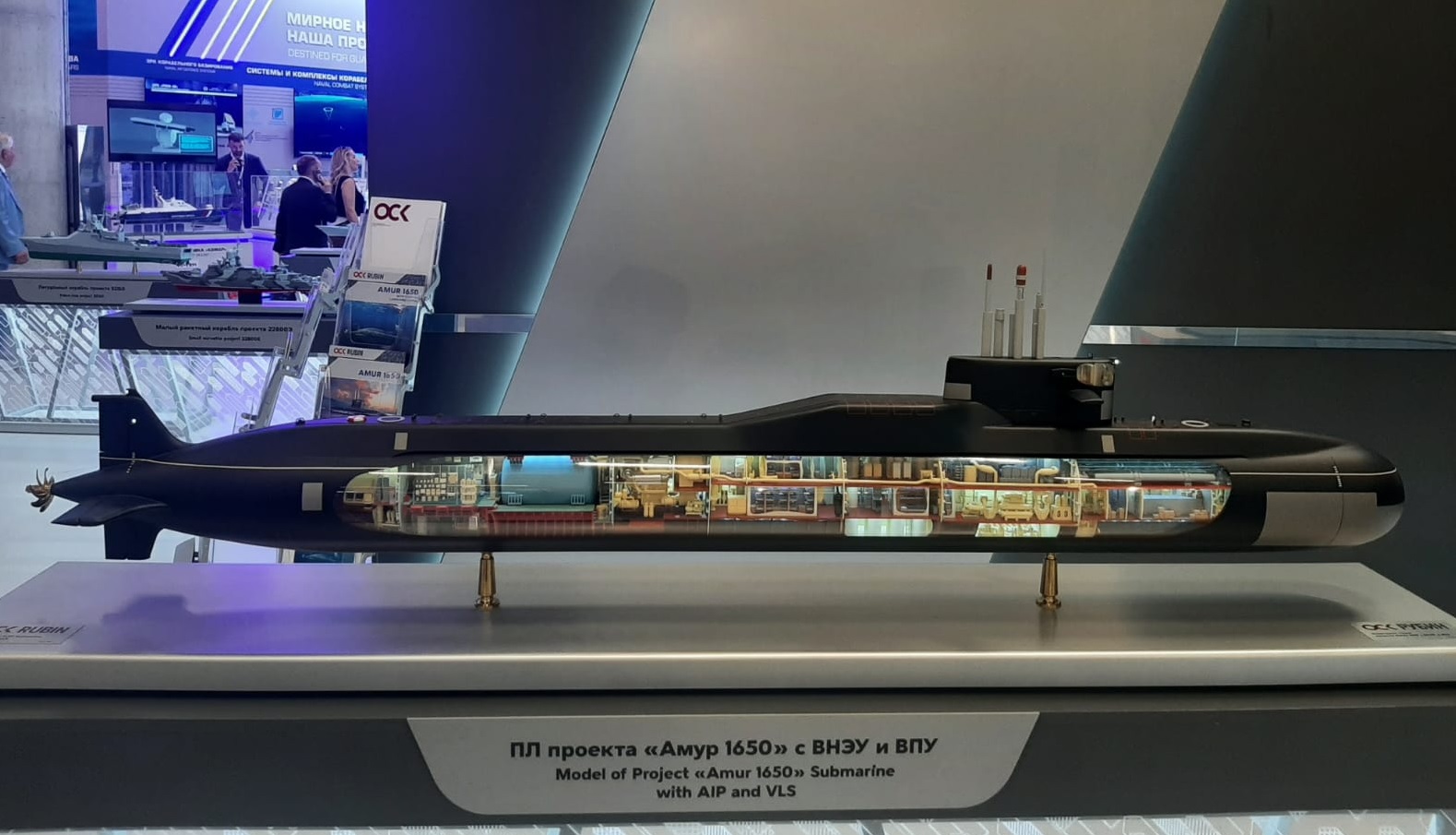 Russia Unveils Amur-1650 AIP Submarine Equipped with BrahMos Vertical Launch System at Fleet-2026
-
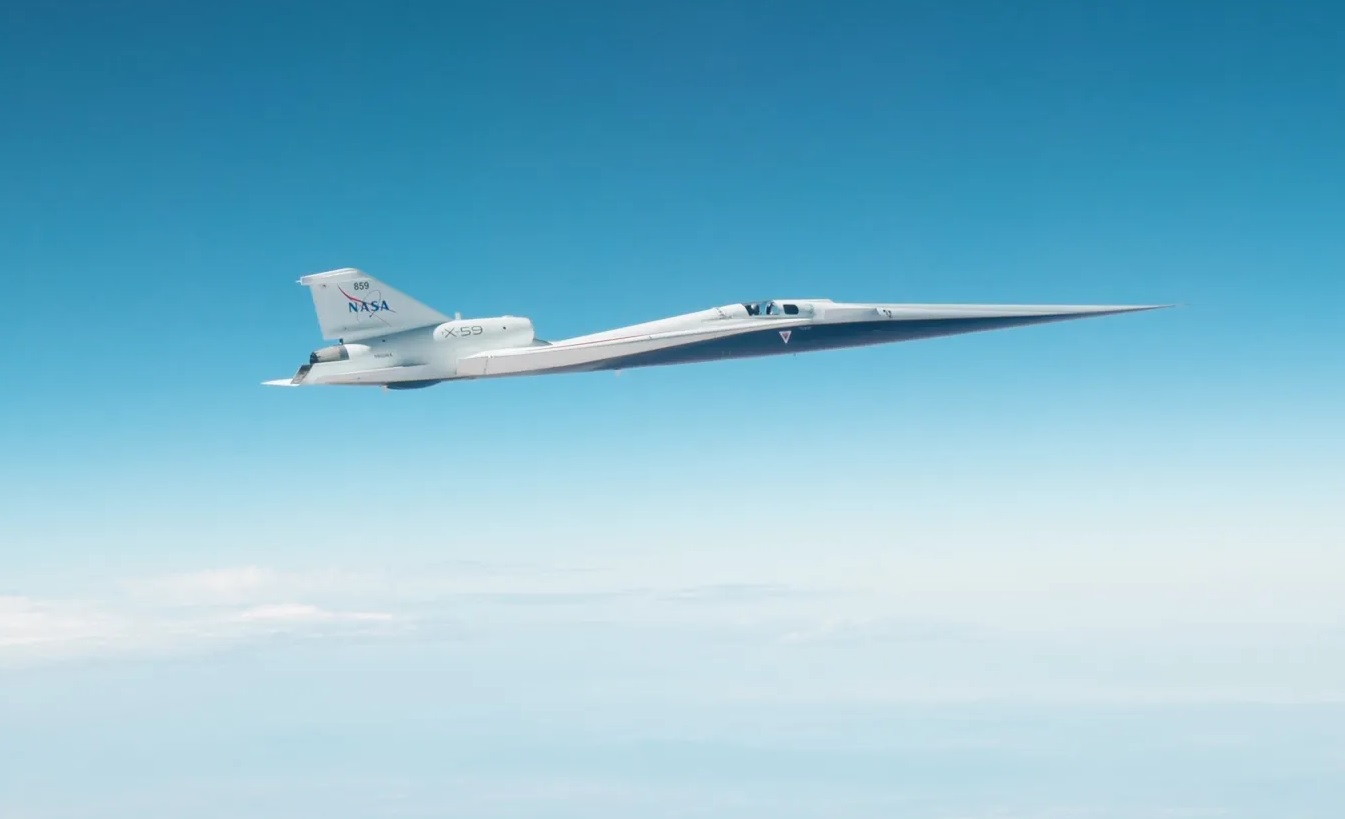 NASA X-59 Achieves Planned Mission Conditions with Mach 1.4 Flight at 55,000 Feet
-
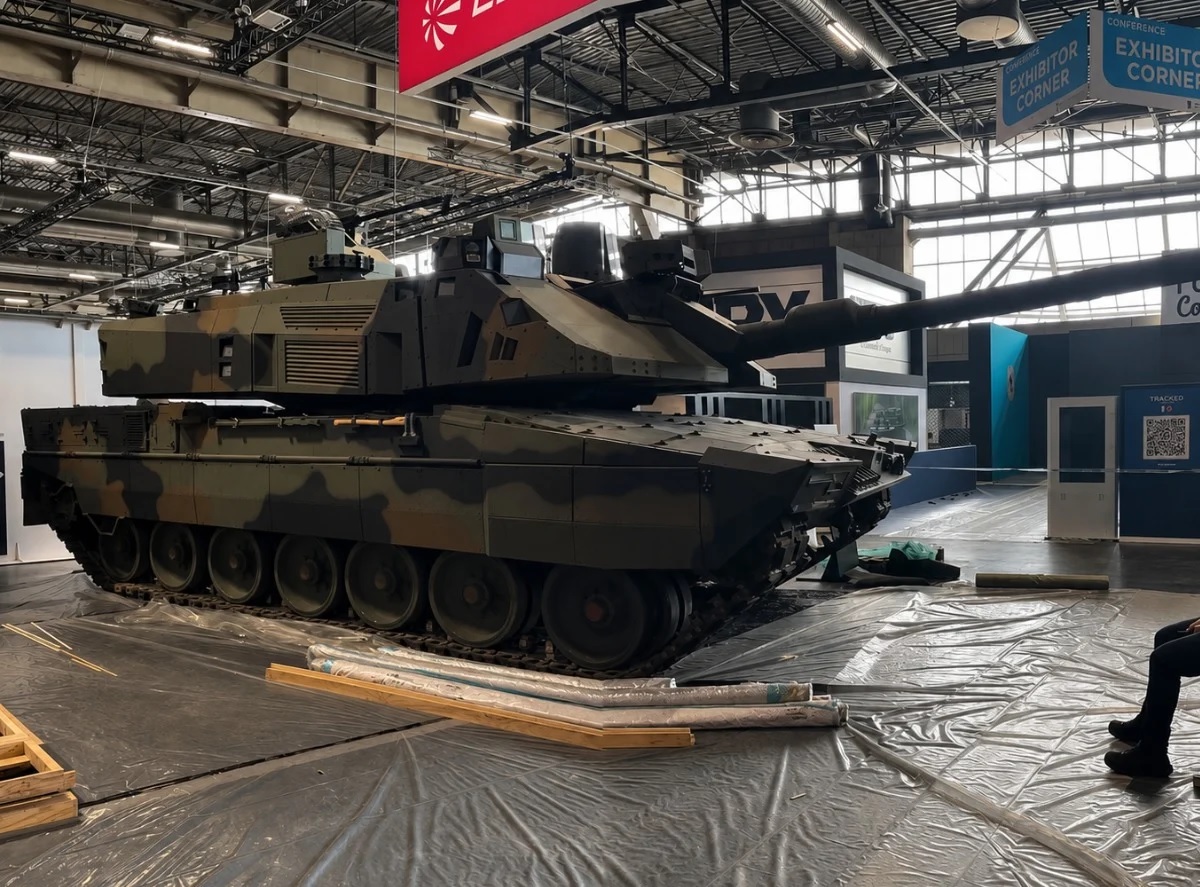 Leonardo Rheinmetall to Unveil Italy’s New IMBT Main Battle Tank at Eurosatory 2026
Top Trending in 4 Days
-
 Iranian Media Leaks 14-Point U.S.-Iran Peace Framework Amid Ongoing Negotiations
-
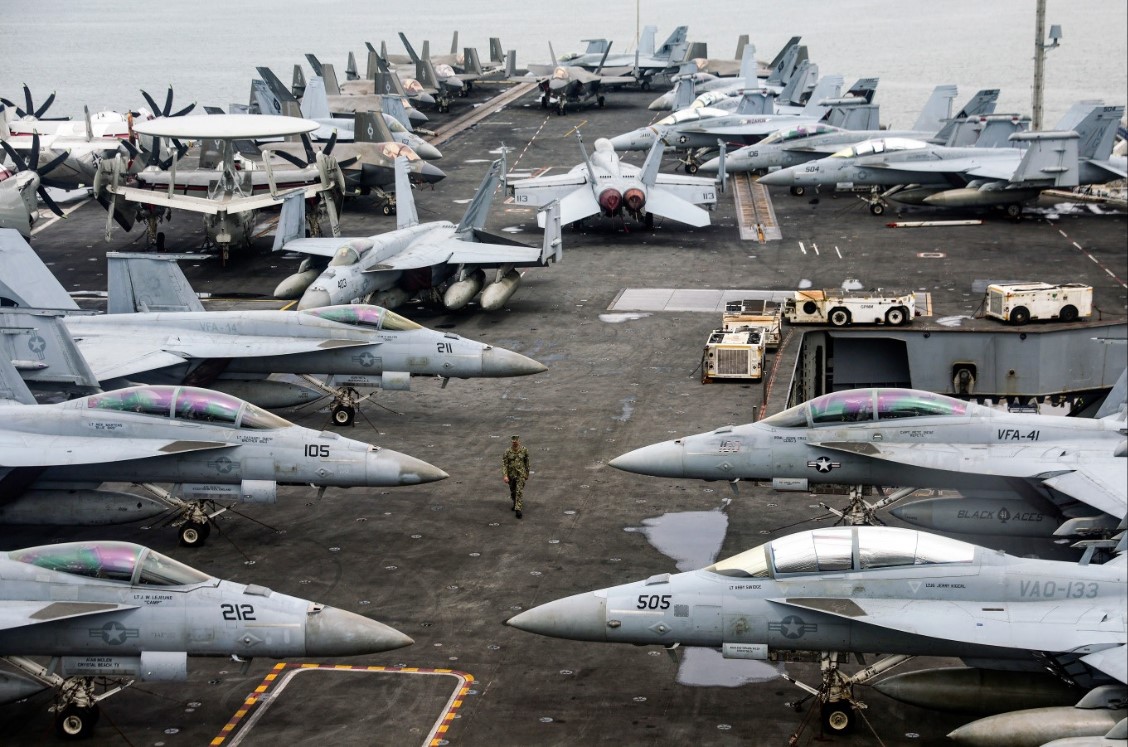 US Plans Significant Reduction of Fighter Jets and Warships for NATO Operations in Europe
-
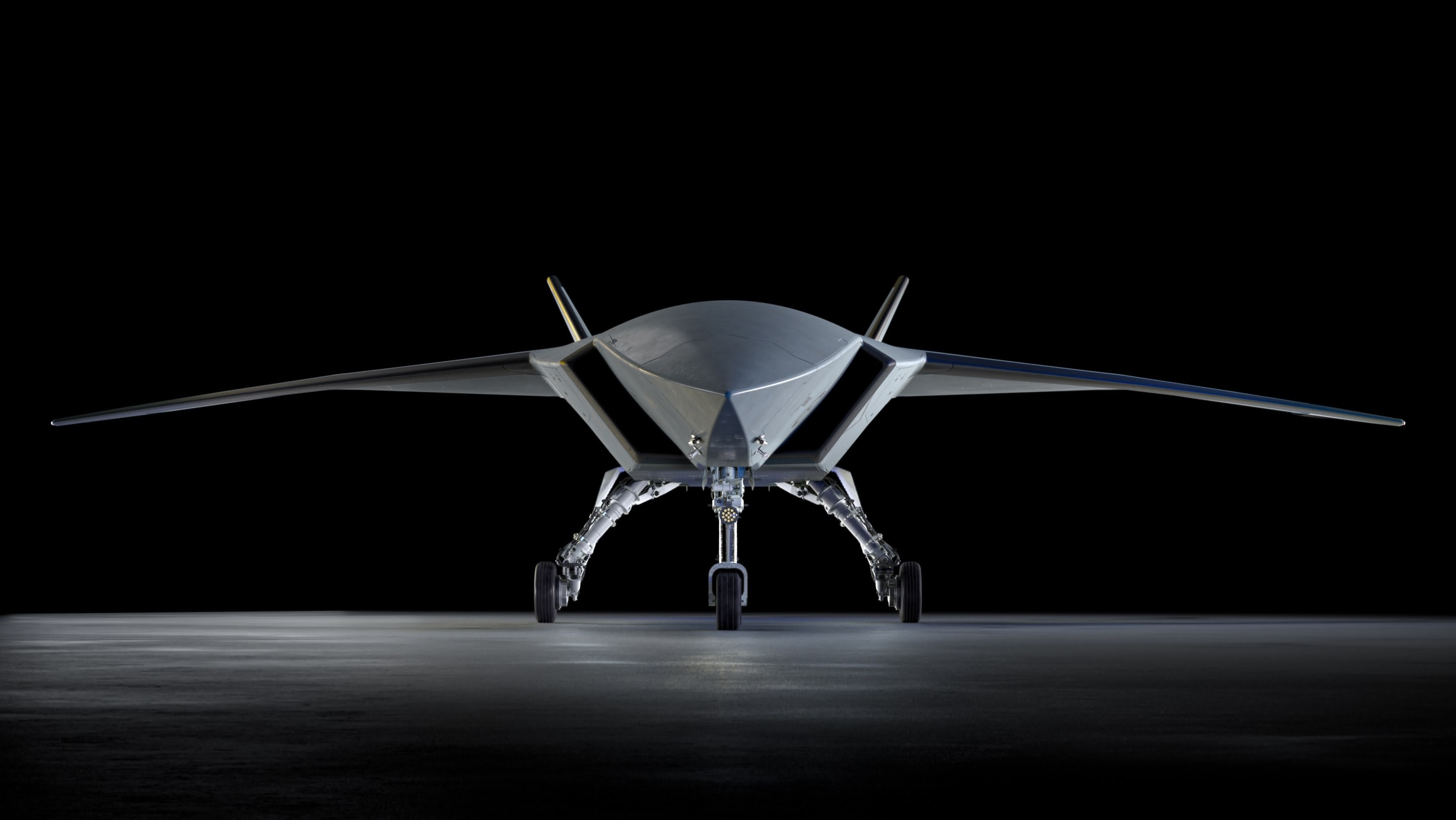 Boeing Introduces New MQ-28 Ghost Bat Upgrades with Increased Range, Payload and Weapons Capacity at ILA Berlin 2026
-
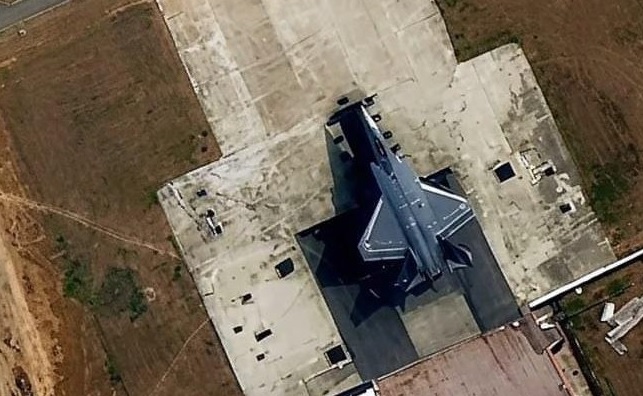 AMCA Airframe Spotted at DRDO’s ORANGE Facility for Radar Cross-Section Testing
-
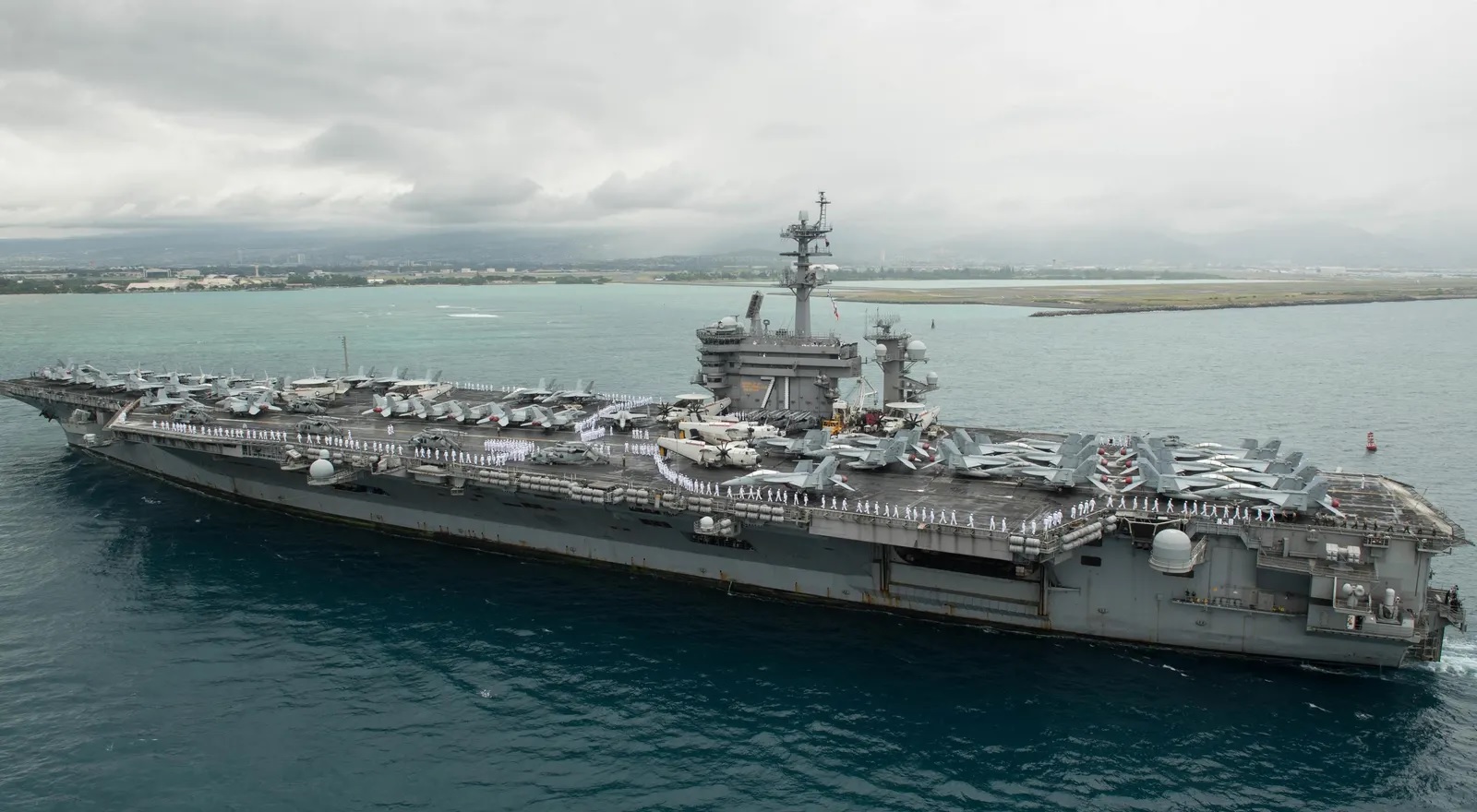 U.S Aircraft Carrier USS Theodore Roosevelt Departs San Diego for Major RIMPAC 2026 Naval Exercise
-
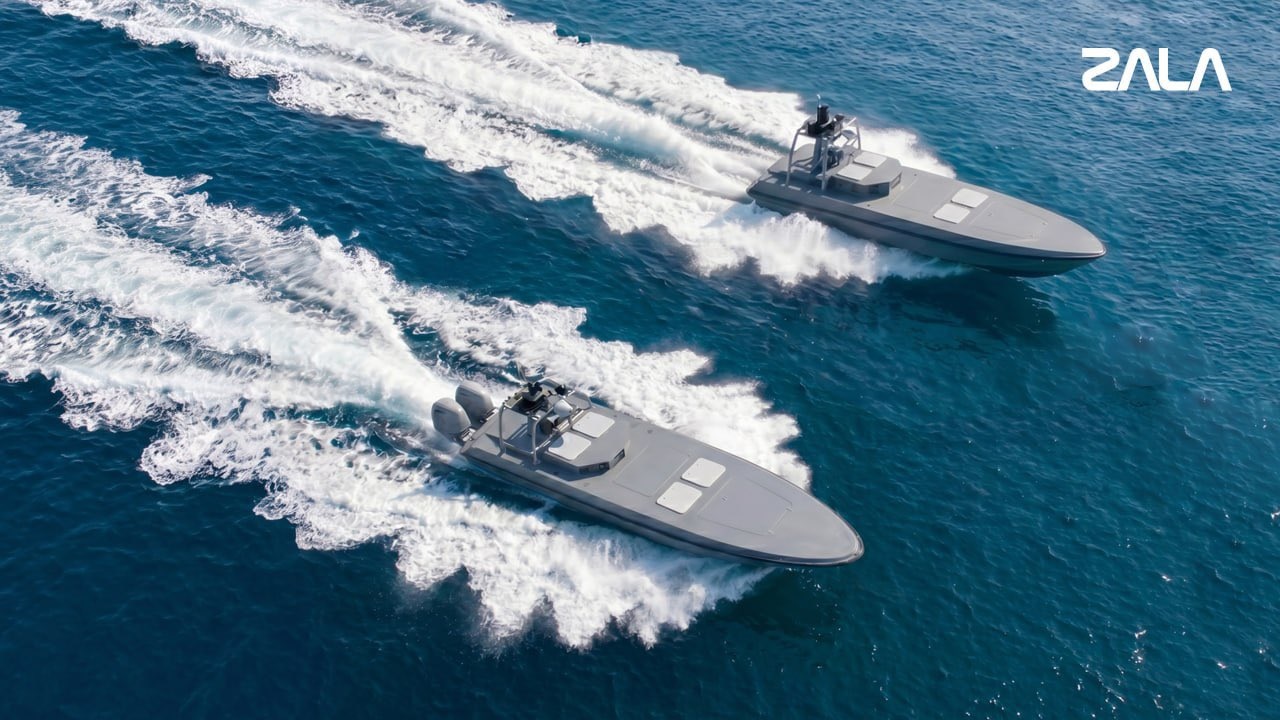 Russian Defense Firm ZALA Unveils KAMA Unmanned Surface Vessel Family at FLOT-2026 Naval Exhibition
-
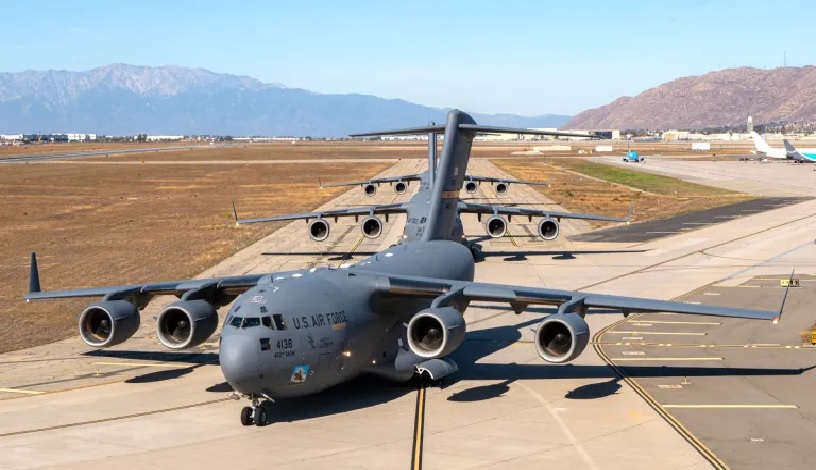 U.S. Air Force Faces Strategic Airlift Shortfall as C-17 Production Restart Remains Uncertain
-
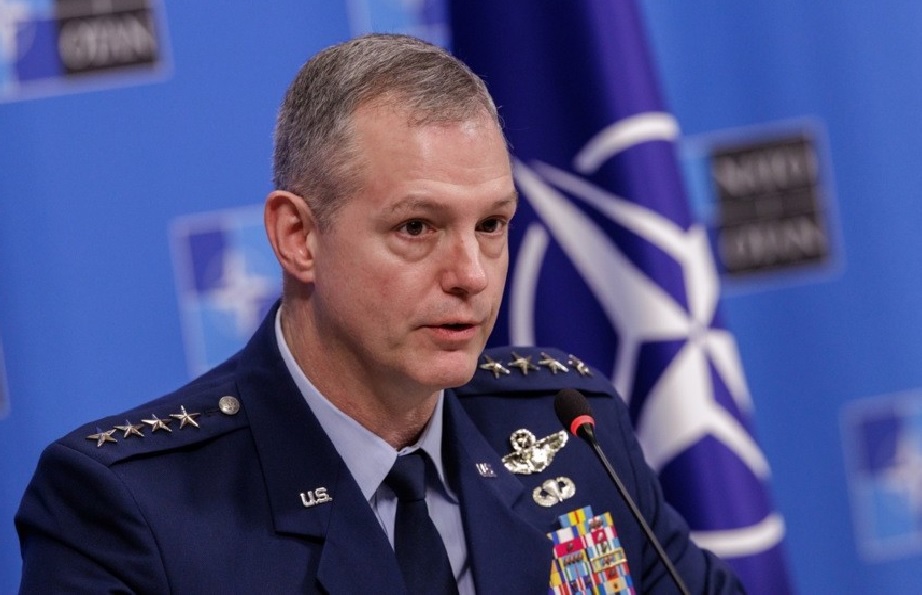 NATO Commander Says Russia Not Seeking Conflict With Alliance Despite U.S. Force Reductions
