
India
Azerbaijan invites Indian Prime Minister Modi to COP29 in Baku, spotlighting climate change and regional dynamics.Azerbaijan's President Ilham Aliyev has extended an official invitation to Indian Prime Minister Narendra Modi to attend the 29th Conference of the Parties (COP29) climate summit. This significant event, hosted by the United Nations Framework Convention on Climate Change (UNFCCC), is scheduled to take place in Baku, Azerbaijan, from November 11 to November 22.The annual COP29 summit will bring together leaders, policymakers, scientists, and activists from around the world to discuss global efforts to limit global warming, adapt to the impacts of climate change, and mobilize financing for these critical activities. The summit will provide a platform for nations to negotiate strategies to mitigate climate change, enhance resilience, and secure the necessary funding to implement these measures. As the host nation, Azerbaijan will play a pivotal role in facilitating these discussions and driving international cooperation.The invitation to Prime Minister Modi is seen as a diplomatic gesture aimed at strengthening bilateral relations between Azerbaijan and India. The move also underscores Azerbaijan's commitment to addressing global climate challenges and engaging with key international partners.However, this invitation comes against a backdrop of regional tensions and complex geopolitical dynamics. Earlier this year, President Aliyev warned against the sale of weapons systems to Armenia, highlighting the ongoing conflict between Azerbaijan and Armenia. This conflict has historical roots and has seen periodic flare-ups, most notably the Nagorno-Karabakh conflict.Adding to the geopolitical complexities, Azerbaijan’s ambassador to India, Elchin Huseynli, has requested that India reconsider its decision to arm Armenia with Indian-made weapons. This request underscores the delicate balance of power in the region and the strategic considerations of various nations. Notably, Azerbaijan's defense analysts have often criticized Indian-made weapons and have aligned themselves with Pakistan on issues such as Kashmir, further complicating regional dynamics.Despite these tensions, the COP29 summit in Baku represents an opportunity for nations to come together and address the urgent global issue of climate change. The participation of high-profile leaders like Prime Minister Modi could enhance the summit's impact and help foster international cooperation in the fight against climate change.As the world looks to COP29 for meaningful action on climate change, the diplomatic engagements and discussions at the summit will be closely watched. The outcomes of these negotiations will be crucial in shaping global climate policies and ensuring a sustainable future for all.
Read More → Posted on 2024-06-16 15:29:04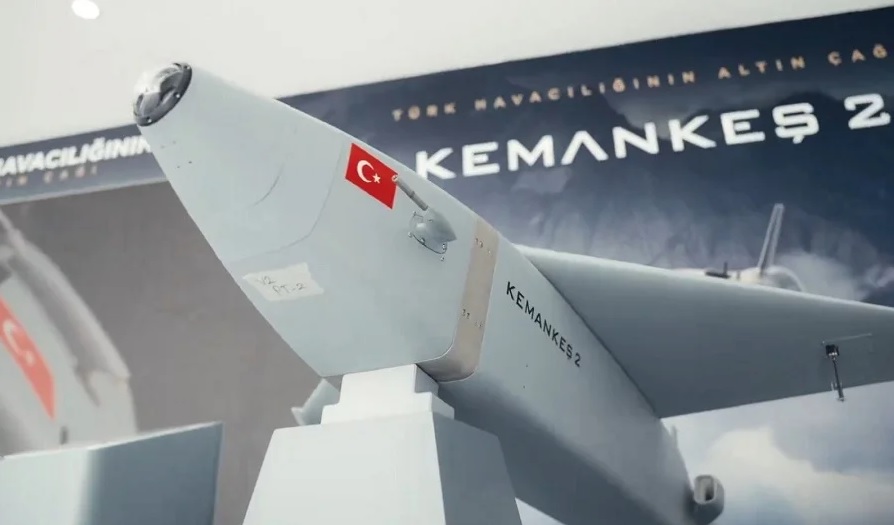
World
Turkish defense company Baykar Technologies has successfully tested the KEMANKEŞ 2 mini intelligent cruise missile, demonstrating its advanced capabilities and engineering.Baykar Technologies, a prominent Turkish defense and aerospace company, has made significant progress in developing the KEMANKEŞ 2 mini intelligent cruise missile. The company recently completed a successful second test of the new weapon system and released footage showcasing the missile's advanced capabilities.The KEMANKEŞ 2 is designed as a small unmanned aerial vehicle powered by a jet engine. It boasts a range of 200 kilometers and an endurance of up to one hour. This advanced missile leverages artificial intelligence to target high-risk and strategic objectives within enemy territory. Equipped with an optical guidance system, it can detect and engage targets under challenging weather conditions, both day and night. The missile transmits real-time video feed from its camera to a ground control station, ensuring precise targeting. Moreover, the system is resistant to electronic jamming, enhancing its reliability in contested environments.Baykar Technologies emphasized that the KEMANKEŞ 2 has been entirely developed by Turkish enterprises, underscoring the country's growing self-sufficiency in advanced defense technologies. This development aligns with Turkey's strategic goals to bolster its defense capabilities with indigenous solutions.The first version of the intelligent mini cruise missile, KEMANKEŞ 1, was unveiled to the public during the Teknofest exhibition held at Atatürk Airport between April and May 2023. On June 14, 2023, the KEMANKEŞ 1 successfully completed its first test, launched from a Bayraktar TB2 drone.The recent successful test of the KEMANKEŞ 2, where it was launched from a moving vehicle, further demonstrates the missile's versatility and advanced engineering. This milestone marks a significant step forward for Baykar Technologies and Turkey's defense industry as a whole. As Turkey continues to advance its defense technology capabilities, the development of the KEMANKEŞ 2 stands as a testament to the country's commitment to innovation and self-reliance in defense.
Read More → Posted on 2024-06-16 15:26:14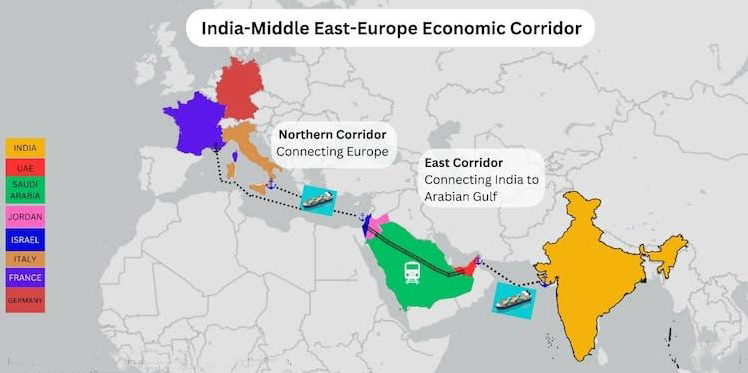
India
The Group of Seven (G7) nations have committed to supporting several key infrastructure projects, including the India-Middle East-Europe Economic Corridor (IMEC), as highlighted in their joint statement following the recent summit in Italy. The G7 aims to enhance global economic connectivity through improved infrastructure and investments.The recent G7 summit in Italy concluded with a strong commitment from member nations to enhance global infrastructure through significant investments in economic corridors. These projects include the India-Middle East-Europe Economic Corridor (IMEC), the Lobito Corridor, the Luzon Corridor, and the Middle Corridor. Key Initiatives:India-Middle East-Europe Economic Corridor (IMEC): This ambitious project aims to link South Asia, the Middle East, and Europe through a network of trade routes, enhancing economic cooperation and development.Lobito Corridor: This corridor aims to improve transportation and trade links in Africa, particularly through the development of the Lobito railway line connecting Angola, the Democratic Republic of the Congo, and Zambia.Luzon Corridor: Targeted at enhancing infrastructure in the Philippines, this corridor aims to boost economic activity and connectivity in the Luzon region.Middle Corridor: This initiative focuses on improving trade routes that connect Europe and Asia through the Caucasus region, promoting economic integration and development.The G7's commitment builds on existing initiatives such as the EU Global Gateway, which focuses on global infrastructure development; the Great Green Wall Initiative, aimed at combating desertification in Africa; and Italy's Mattei Plan for Africa, which promotes sustainable development on the continent.Strategic Goals:The G7 leaders emphasized their dedication to a free and open Indo-Pacific region, governed by international law and promoting sovereignty, territorial integrity, and human rights. They reiterated that their actions are not aimed at harming China but are focused on protecting businesses from unfair practices and ensuring a level playing field.Engagement with China:The G7 seeks stable and constructive relations with China, emphasizing the importance of direct and candid engagement to manage differences and address global challenges. They called on China to enhance its efforts in promoting international peace, security, and cooperation in tackling climate change, biodiversity, and pollution crises. Additionally, the G7 urged China to combat illicit drug trafficking, support global health security, and address debt sustainability for vulnerable countries.Summit Highlights:Participants: The summit included leaders from the US, UK, Canada, Germany, Italy, Japan, and France, along with the European Union. Italian Prime Minister Giorgia Meloni invited India as an 'Outreach Country.'PM Modi's Participation: Indian Prime Minister Narendra Modi addressed sessions on AI and Energy, Africa, and the Mediterranean, highlighting technology's transformative role in human progress. He also held bilateral meetings with leaders from France, the UK, Japan, Italy, Ukraine, the US, Germany, Canada, and Pope Francis.Conclusion:The G7's commitment to these infrastructure projects and economic corridors reflects their strategic vision for global economic connectivity and sustainable development. By investing in these initiatives, the G7 aims to foster economic growth, enhance international cooperation, and address global challenges collaboratively.
Read More → Posted on 2024-06-16 15:13:52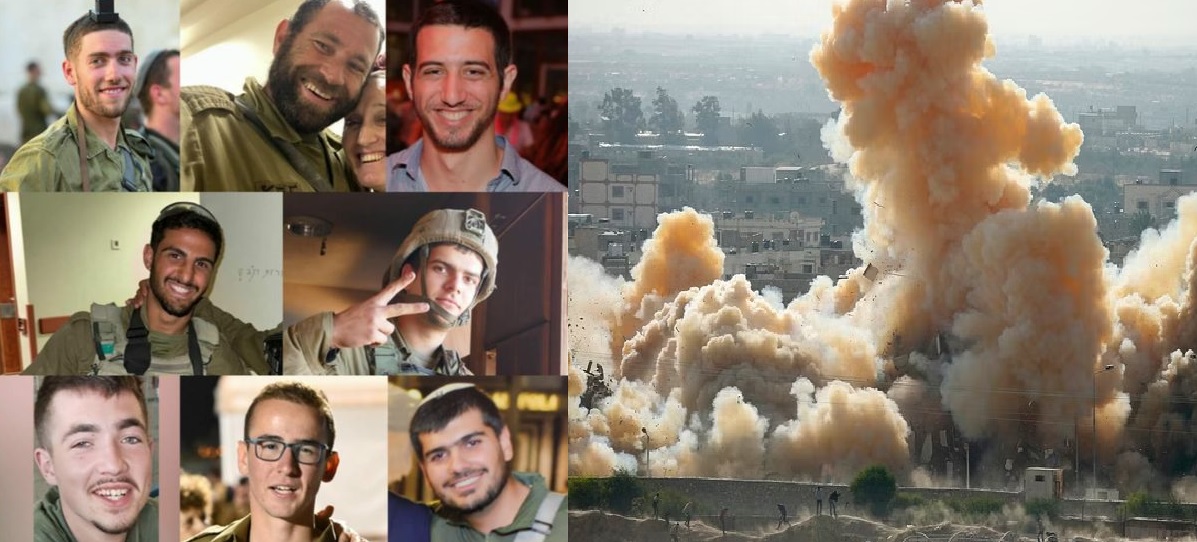
World
Eight Israeli soldiers, including Cpt Wassem Mahmoud, lost their lives in a devastating blast in Rafah, Gaza. The incident marks the deadliest for the IDF in the Strip since January.A devastating explosion in Rafah, southern Gaza, has resulted in the deaths of eight Israeli soldiers, marking the deadliest incident for the Israel Defense Forces (IDF) in the region since January. The blast occurred early this morning around 5 am, as a convoy was moving through the Tel Sultan neighborhood following an overnight offensive against Hamas.Among the fallen is Captain Wassem Mahmoud, 23, a deputy company commander in the Combat Engineering Corps' 601st Battalion from Beit Jann. The names of the other seven soldiers have not yet been released, pending notification of their families.The soldiers were traveling in a Namer armored combat engineering vehicle (CEV) when the explosion took place. The Namer CEV, which was positioned as the fifth or sixth vehicle in the convoy, was hit by a powerful blast. It is currently unclear whether the explosion was caused by a pre-planted bomb or if Hamas operatives placed an explosive device on the vehicle. Investigators are also examining the possibility that explosives stored outside the CEV might have amplified the blast's impact.Initial findings from an IDF investigation indicate that there was no exchange of gunfire during the incident, and the vehicle was in motion at the time of the explosion. The IDF is continuing to investigate the circumstances surrounding this tragic event, underscoring the ongoing dangers faced by military personnel in volatile regions.This tragic incident brings the total number of IDF casualties during the ongoing ground offensive against Hamas and operations along the Gaza border to 307. This figure includes a police officer who was killed during a recent hostage rescue operation and a civilian Defense Ministry contractor who also lost his life in the conflict.The deadliest incident before today's explosion occurred in January when 21 soldiers were killed in a blast triggered by Hamas RPG fire, leading to the collapse of two buildings.The Times of Israel has reported that the IDF is working diligently to understand the full details of today's devastating loss and to ensure the safety of its personnel operating in the area.The continuing conflict in Gaza highlights the severe risks and challenges faced by military forces engaged in combat operations, emphasizing the need for ongoing vigilance and enhanced safety measures.
Read More → Posted on 2024-06-16 15:07:26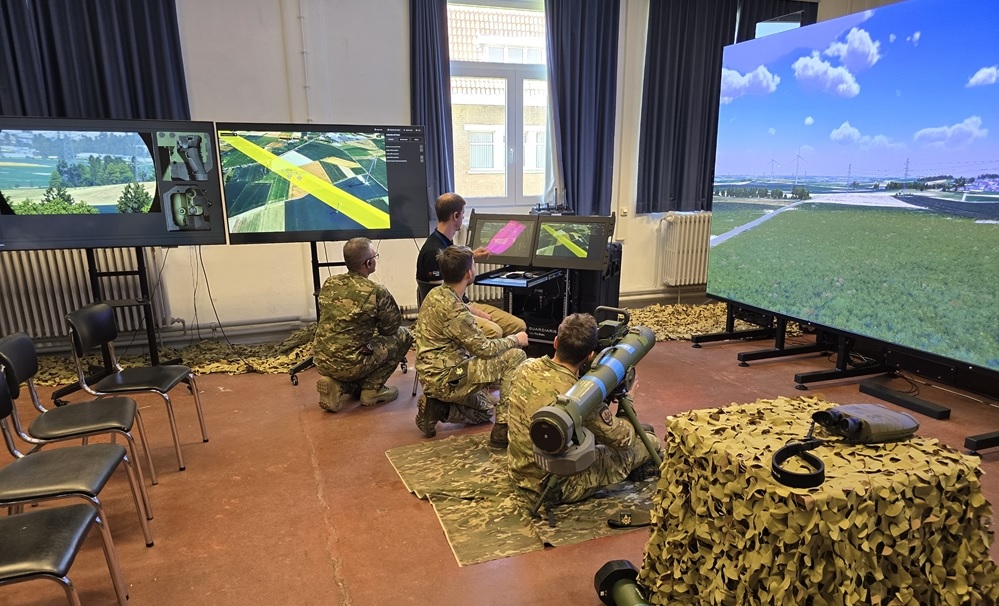
World
Slovenian tech company Guardiaris collaborates with the Ministry of Defence and Slovenian Armed Forces to develop a versatile Trainer Upgrade Kit for advanced military training systems.Slovenian technology company Guardiaris has announced a significant achievement in its collaboration with the Ministry of Defence Republic of Slovenia and the Slovenian Armed Forces. They have developed a Trainer Upgrade Kit compatible with the Trainer Spike LR system, a sophisticated solution designed to enhance military training capabilities.This development was presented at the recent Spike Users’ Club Meeting in Belgium, where the Slovenian Armed Forces showcased a demonstration exercise. This exercise highlighted their ability to conduct simultaneous training for multiple units across different locations, including Ljubljana and two sites in Belgium. This innovative method allows for greater flexibility and scalability in training operations, meeting diverse training environment needs effectively.The Trainer Upgrade Kit is highly adaptable, supporting various tactical configurations across multiple simulator types. It can be used with a range of vehicles, from 4×4 to 8×8, and Main Battle Tanks (MBTs). Additionally, it is compatible with remote weapon stations, forward observers, small arms, and other anti-armor simulators. This versatility provides the Ministry of Defence Republic of Slovenia (MORS) and the Slovenian Armed Forces (SAF) with unprecedented adaptability in their training exercises.The key features of the Trainer Upgrade Kit include:Multi-Mission Tactical Configurations: The kit supports a wide array of tactical setups, making it suitable for diverse training scenarios.Compatibility: It works with various types of simulators, including those for vehicles, weapon stations, and small arms.Geographical Flexibility: The kit allows for simultaneous training across different locations, enhancing coordination and efficiency.Scalability: The system is scalable, accommodating the needs of both small and large training operations.This joint development project underscores the commitment of Guardiaris, MORS, and SAF to advancing military training technologies. By leveraging this innovative Trainer Upgrade Kit, they aim to improve the preparedness and effectiveness of their forces, ensuring they are ready to meet modern defense challenges.The collaboration between Guardiaris and the Slovenian defense sector highlights the importance of technological innovation in military training. As training needs evolve, solutions like the Trainer Upgrade Kit will play a crucial role in maintaining high standards of readiness and operational capability for armed forces.In summary, the Trainer Upgrade Kit by Guardiaris represents a major step forward in military training technology, offering unparalleled flexibility, adaptability, and efficiency for the Slovenian Armed Forces.
Read More → Posted on 2024-06-16 15:02:06
India
The BMC has rejected the Indian Army's directive to halt construction on Godrej Properties' project in Kandivli East, citing compliance with regional planning laws and ongoing discussions about construction restrictions near defense establishments.In a rare and bold move, the Brihanmumbai Municipal Corporation (BMC) has turned down the Indian Army's request to stop construction on a residential project by Godrej Properties in Kandivli East. The project, named Godrej Reserve, is located about 250 meters from the perimeter wall of the Central Ordnance Depot (COD) in Kandivli.The Central Ordnance Depot had issued a directive based on central government guidelines that prohibit any construction within 100 meters of defense establishments. Furthermore, these guidelines restrict construction to a maximum of four storeys for buildings situated between 100 to 500 meters from such facilities unless a no-objection certificate (NOC) is obtained from the defense authorities.On May 15, the COD sent a letter to the BMC claiming that the ongoing construction violated these government orders and guidelines. The letter urged the BMC to issue a stop-work notice to avoid legal complications. However, the BMC, in its response dated June 11, defended the project's legality. It cited the Maharashtra Regional Town Planning Act, 1966, and the Development Plan, 2034, which take into account safety and security considerations around defense establishments.The BMC highlighted that numerous projects near the COD in Kandivli and Malad adhere to a 2016 circular, ensuring they are beyond the 10-meter restricted zone. According to the BMC, halting these projects would be illegal and unfounded.This decision by the BMC comes amid ongoing discussions about construction restrictions near defense establishments. In January 2023, the defense ministry had announced a reduction in restrictions around naval installations from 500 meters to 50 meters. However, this decision appears to be on hold as per real estate industry sources.The issue of redevelopment restrictions within the 500-meter zone around Army and Navy installations in Mumbai has been a topic of media coverage since 2016. The BMC's refusal to issue a stop-work notice for the Godrej project could set a significant precedent for future construction activities near defense facilities.This case may have broader implications for the construction industry in Mumbai, as builders and developers navigate the complex landscape of regulations and guidelines concerning defense establishments.
Read More → Posted on 2024-06-16 14:57:58
World
The Defense Department's new missile tracking satellites successfully recorded a hypersonic flight test, marking a significant milestone in hypersonic technology development.The Missile Defense Agency (MDA) announced that their advanced missile tracking satellites have successfully captured their first hypersonic flight test. The flight, which launched from Wallops Island in Virginia, showcased the capabilities of the new Hypersonic and Ballistic Tracking Space Sensor (HBTSS) satellites.The MDA's June 14 statement confirmed that the sensors collected valuable data during the test. This data will undergo further analysis over the next few weeks. While the exact date of the launch was not disclosed, the successful tracking marks a significant step forward for the MDA and Space Development Agency (SDA).Currently, there are 10 missile tracking satellites in orbit, with eight managed by SDA and two by MDA. These satellites are designed to detect and monitor hypersonic weapons, which can travel at speeds exceeding Mach 5. Although SDA did not confirm if their satellites also tracked the recent launch, future SDA spacecraft will integrate the capabilities of both agencies, featuring the medium-field-of-view sensor from the HBTSS satellites.The ultimate goal is to have a constellation of 100 satellites providing comprehensive global coverage of missile launches. Presently, the limited number of satellites offers restricted coverage. SDA Director Derek Tournear mentioned in April that coordinating tracking opportunities is challenging due to the need for precise satellite positioning over test venues. Despite this, the satellites are also monitoring global hot spots for missile activity.The tracked flight was the inaugural test for MDA’s Hypersonic Testbed, HTB-1. This vehicle serves as a platform for various hypersonic experiments and components. It joins other high-speed flight test systems like the Test Resource Management Center’s Multi-Service Advanced Capability Hypersonic Test Bed and the Defense Innovation Unit’s Hypersonic and High-Cadence Airborne Testing Capabilities program.Details about the companies involved in developing the HTB system remain undisclosed. However, MDA’s director emphasized the importance of this testbed for advancing hypersonic technologies. Lt. Gen. Heath Collins stated, "This test was a huge success for MDA and our partners, marking the beginning of an affordable test bed to conduct hypersonic experiments. HTB-1 represents a significant step forward in hypersonic testing capability. HTB will allow the U.S. to pursue a broad range of state-of-the-art technologies able to operate reliably in hypersonic flight environments."In conclusion, the successful tracking of a hypersonic flight test by the new HBTSS satellites is a critical development in the Defense Department's efforts to enhance hypersonic weapon detection and monitoring capabilities. As the satellite constellation expands, it will provide better global coverage and improve the U.S.'s ability to track and respond to advanced missile threats.
Read More → Posted on 2024-06-15 16:07:51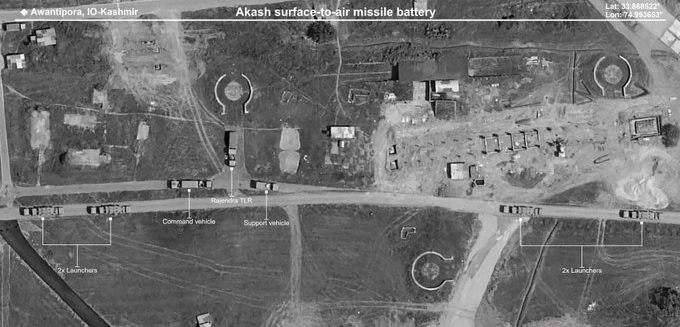
India
The Indian military strengthens its air defense in Kashmir by replacing aging systems with the advanced Akash missile system, ensuring superior protection and operational readiness.The Indian military is significantly upgrading its air defense capabilities with the deployment of the indigenously developed Akash air defense system. This modern, medium-range surface-to-air missile (SAM) system is set to replace the outdated SA-3 Goa systems, marking a substantial improvement in technological capability.Transition to Advanced Defense in AwantiporaA notable example of this upgrade is in Awantipora, Kashmir. This strategically important location has recently seen the deployment of an Akash battery, which has taken over the operational duties from the older SA-3 system. This change is a crucial step towards enhancing India’s air defense in the region.To support the long-term deployment and optimal use of the Akash system, a dedicated Akash SAM site is currently under construction in Awantipora. This purpose-built facility will offer robust infrastructure to house the system, ensuring its maximum effectiveness.Advantages of the Akash SystemThe Akash missile system offers several significant improvements over its predecessor:Extended Range: The Akash system has a longer range, allowing it to engage targets at greater distances.Improved Accuracy: Enhanced targeting capabilities ensure higher precision in intercepting threats.Superior Target Engagement: The system can effectively engage multiple targets simultaneously.High Maneuverability: Akash missiles are highly maneuverable, making them more effective against agile aerial threats.Jamming Immunity: Advanced technology makes the Akash system resistant to electronic jamming, enhancing its reliability in combat scenarios.Complementary Defense in SrinagarThis strategic upgrade in Awantipora complements the deployment of the Barak-8 missile defense system in Srinagar, another critical location in Kashmir. The Barak-8 system provides medium to long-range protection and is designed to intercept and destroy aerial threats like aircraft, helicopters, and missiles.The combination of the Akash and Barak-8 systems creates a layered air defense network in Kashmir. This network ensures comprehensive protection against a wide range of aerial threats, including fixed-wing aircraft, drones, and cruise missiles. By integrating these advanced systems, the Indian military enhances its operational readiness and deterrence capabilities in the region.ConclusionThe deployment of the Akash air defense system in Awantipora and the construction of a dedicated SAM site underscore India’s commitment to strengthening its military infrastructure and defense capabilities. This upgrade not only replaces outdated systems but also provides a robust and modern defense solution capable of addressing contemporary aerial threats. The strategic enhancement in Kashmir, complemented by the Barak-8 system in Srinagar, signifies a significant leap in India’s air defense posture.
Read More → Posted on 2024-06-15 16:03:17
Secrets/Mystery
A Harvard University study suggests that alien beings might be living covertly among us, raising intriguing questions about the existence and integration of extraterrestrial life forms on Earth.A recent study from Harvard University proposes a bold new idea: alien beings could be living covertly alongside humans on Earth. This study, originating from Harvard's Human Flourishing Program, delves into the concept of "cryptoterrestrial" beings. These entities, often linked to unidentified aerial phenomena (UAP) or UFOs, might be concealed underground, on the moon, or even integrated into human society.The study categorizes these cryptoterrestrials into four distinct groups:1. Human Cryptoterrestrials: These are believed to be descendants of an ancient human civilization that once flourished but now exists in a reduced state.2. Hominid or Theropod Cryptoterrestrials: These could be non-human civilizations evolved from terrestrial animals, skilled in stealth and concealment.3. Former Extraterrestrial or Extratempestrial Cryptoterrestrials: These beings might originate from outside Earth or from the distant future and have assimilated into our environment.4. Magical Cryptoterrestrials: These entities have mystical attributes, similar to folklore creatures like fairies or nymphs, and interact with the human world in non-technological ways.The researchers acknowledge that their ideas might be met with skepticism within the scientific community. However, they call for an open-minded consideration of their findings. Notably, the paper is awaiting peer review to validate its claims.This study comes amid ongoing public intrigue and debate about the existence of extraterrestrial life. Recent reports have suggested that the US government might be concealing information about large unidentified flying objects (UFOs), further fueling the mystery.For decades, scientists have been investigating the possibility of alien life forms, but definitive answers have remained elusive. This new study from Harvard University adds a fresh perspective to the ongoing quest for understanding whether we are truly alone in the universe.As scientific exploration continues, the fascination with extraterrestrial life and the potential for hidden alien beings on Earth remains a compelling and unresolved mystery.
Read More → Posted on 2024-06-15 15:57:59
Science
Researchers have identified a key molecule, SEMA3A, that contributes to fatty liver disease by closing vital windows in liver cells. This discovery could lead to new treatments to reverse the disease.A team of researchers from Heinrich Heine University Dusseldorf (HHU) and the German Diabetes Centre (DDZ) has discovered a crucial factor in the development of metabolic dysfunction-associated steatotic liver disease (MASLD), commonly known as fatty liver disease. This finding, published in the journal Nature Cardiovascular Research, could pave the way for new treatments for this increasingly common condition.The Role of SEMA3A in Fatty Liver DiseaseThe study found that a saturated fatty acid called palmitic acid triggers the production of a signalling molecule named semaphorin-3A (SEMA3A) in the blood vessels of the liver. SEMA3A causes the closure of tiny windows (fenestrae) in the endothelial cells of blood vessels. These windows are essential for the liver to release excess fat into the bloodstream, which is then transported to adipose tissue for storage. When these windows are closed, fat accumulates in the liver, leading to MASLD.Implications for TreatmentThe researchers discovered that inhibiting SEMA3A can reopen these windows, allowing fat to be transported out of the liver. This reversal of fat accumulation improved liver function in their experiments. This breakthrough offers hope that targeting SEMA3A could become a therapeutic approach for treating MASLD in humans.Understanding MASLDMASLD affects about one-third of the global population, often due to high-energy diets and lack of exercise. Initially, MASLD does not cause symptoms, but it can progress to liver inflammation, cirrhosis, liver failure, or liver cancer. Currently, there is no long-term substitute for liver function, and severe cases may require a liver transplant.People with MASLD are also at higher risk of developing type 2 diabetes and cardiovascular diseases. Although obesity is a significant risk factor, MASLD can also affect people who are not obese.Next StepsWhile the findings are promising, more research is needed to understand the exact processes in humans. Dr. Eckhard Lammert, one of the study's lead authors, emphasizes the need for further investigation to develop potential treatments based on these discoveries.ConclusionThe identification of SEMA3A's role in closing the liver's endothelial cell windows provides a new understanding of how fatty liver disease develops. This discovery opens the door to potential new treatments that could significantly impact those affected by MASLD.
Read More → Posted on 2024-06-15 15:52:36
World
The Senop Advanced Fire Control Device Thermal Imager (AFCD TI) integrates multiple critical features into one lightweight device, significantly enhancing the capabilities of the Carl-Gustaf M4 and M3 weapon systems.The Senop Advanced Fire Control Device Thermal Imager (AFCD TI) is a revolutionary addition to the Carl-Gustaf M4 and M3 weapon systems. This device combines several crucial performance-enhancing functionalities, making it one of the most advanced intelligent sights on the market.Key Features of the AFCD TIThe AFCD TI integrates a day camera, thermal camera, laser range finder, and ballistic calculator into a single, lightweight casing. This integration sets it apart from other systems that rely on separate day sights and clip-on night optics. The device's advanced optronics and ballistic calculation capabilities enable high first-round hit probabilities for both moving and stationary targets.User-Centric DesignWeighing only 1.7 kg, the AFCD TI is the lightest fire control system available for the Carl-Gustaf. It offers flexibility in target detection, allowing operators to switch between a day camera, thermal camera, or a combined fusion image based on battlefield conditions. This adaptability ensures that targets can be detected, identified, and recognized with high accuracy.Enhanced Capabilities and Continuous UpdatesDeveloped in close collaboration with Saab, the AFCD TI is designed to meet the highest usability standards. The device supports the programming of new ammunition, such as the HE 448 round, with ballistics updates easily integrated into the system. Senop is committed to keeping the AFCD TI updated to meet evolving user requirements and battlefield conditions.A Step Forward in Battlefield TechnologyThe AFCD TI elevates the Carl-Gustaf to new levels of performance, providing operators with a multi-functional, intelligent sight that enhances situational awareness and target accuracy. This development marks a significant advancement in fire control technology, offering military forces a powerful tool to increase their effectiveness on the battlefield.In summary, the Senop AFCD TI represents a significant leap forward in military technology, offering unmatched integration of critical features in a lightweight, user-friendly design. Its ability to adapt to new ammunition and evolving battlefield conditions ensures that it remains at the forefront of fire control systems for the Carl-Gustaf weapon series.
Read More → Posted on 2024-06-15 15:46:23
India
Prime Ministers Narendra Modi and Fumio Kishida held a significant meeting at the G-7 Summit, discussing the Mumbai-Ahmedabad High-Speed Rail project and deepening India-Japan relations.Prime Minister Narendra Modi of India and Prime Minister Fumio Kishida of Japan held a productive bilateral meeting during the G-7 Summit in Apulia, Italy. Their discussion focused on several crucial areas of cooperation, including the landmark Mumbai-Ahmedabad High-Speed Rail project and a targeted 5 trillion yen investment in India over the next five years.Key Points of Discussion:High-Speed Rail Project:The Mumbai-Ahmedabad High-Speed Rail project, a flagship initiative between India and Japan, aims to revolutionize mobility in India. With significant Japanese investment and expertise, this project is expected to enhance connectivity and economic growth in the region.Strengthening Relations:The leaders emphasized the importance of strengthening business-to-business (B2B), people-to-people (P2P), and government-to-government (G2G) relations. They discussed various ways to bolster these ties, ensuring a robust framework for future cooperation.Strategic Sectors:The conversation covered key strategic sectors such as defense, technology, semiconductors, clean energy, and digital technology. Both leaders expressed their commitment to deepening collaboration in these critical areas, which are vital for the security and prosperity of both nations.Investment and Industrial Competitiveness:The two prime ministers highlighted the India-Japan Industrial Competitiveness Partnership, aimed at transforming manufacturing cooperation between the two countries. They also reviewed the progress of the targeted 5 trillion yen Japanese investment in India for the period 2022-2027.Mutual Congratulations and Priorities:Prime Minister Modi thanked Prime Minister Kishida for his congratulatory wishes on Modi's third consecutive term in office. Modi assured that India would continue to prioritize its bilateral ties with Japan, reinforcing the Special Strategic and Global Partnership between the two nations.Looking Ahead:The leaders expressed satisfaction with the progress made in their bilateral relationship, which marks its 10th year as a Special Strategic and Global Partnership. They looked forward to continuing their discussions at the next India-Japan annual summit.In a post on X (formerly Twitter), PM Modi described his meeting with PM Kishida as delightful, highlighting the importance of India-Japan ties for a peaceful and prosperous Indo-Pacific. He emphasized collaboration in defense, technology, clean energy, and cultural exchanges as areas of focus.Additionally, PM Modi shared his positive interaction with German Chancellor Olaf Scholz, underscoring the potential of the India-Germany Strategic Partnership to contribute to inclusive and sustainable global growth.ConclusionThe bilateral meeting between PM Narendra Modi and PM Fumio Kishida at the G-7 Summit signifies a strong commitment to enhancing India-Japan relations. The focus on strategic projects and sectors, coupled with substantial investments, sets the stage for a future of robust cooperation and mutual growth.
Read More → Posted on 2024-06-15 15:42:28
World
France, Germany, and Britain condemn Iran's recent nuclear expansion, citing violations of the 2015 nuclear agreement and increased risks of weaponization.France, Germany, and Britain have strongly condemned Iran's recent actions to expand its nuclear capabilities. This comes after the International Atomic Energy Agency (IAEA) reported on Thursday that Iran is bolstering its enrichment facilities at two sites, a move seen as undermining the landmark 2015 nuclear deal.The three European countries expressed their concerns in a joint statement, highlighting that Iran's measures are increasing its stock of enriched uranium and its enrichment capacity, both of which have already exceeded the limits set by the 2015 agreement. This deal, known as the Joint Comprehensive Plan of Action (JCPOA), was designed to curb Iran's nuclear activities in exchange for lifting economic sanctions.The IAEA's report indicated that Iran is the only non-nuclear weapon state enriching uranium to a high level of 60%, which is just short of weapons-grade. The agency also noted that Iran has accumulated enough material to potentially build several atomic bombs. Tehran, however, maintains that its nuclear program is intended for peaceful and civilian purposes and denies any ambitions to develop nuclear weapons.The condemnation from France, Germany, and Britain followed their recent resolution at an IAEA board of governors meeting, criticizing Iran for its lack of cooperation with the nuclear watchdog. This was the first such resolution since November 2022. In response, Iran denounced the resolution as "hasty and unwise" and defended its actions as a reaction to the perceived unfair treatment.Despite the escalating tensions, the European nations reiterated their commitment to a diplomatic solution to prevent Iran from developing a nuclear weapon. They emphasized the importance of reviving the 2015 deal, which fell apart after the United States' unilateral withdrawal under then-President Donald Trump in 2018. Efforts to revive the accord have thus far been unsuccessful.In addition to the current developments, it's important to understand the broader context of the JCPOA. The agreement originally involved Iran and six major world powers: the United States, United Kingdom, France, Germany, Russia, and China. It aimed to ensure that Iran's nuclear program would be exclusively peaceful. However, following the U.S. withdrawal, Iran gradually ceased to comply with its commitments, leading to a cycle of escalating actions and retaliations.The international community remains concerned about the potential for a nuclear-armed Iran, which could destabilize the already volatile Middle East region. The ongoing efforts to bring Iran back into compliance with the JCPOA are crucial for maintaining global non-proliferation norms and ensuring regional security.
Read More → Posted on 2024-06-15 15:33:34
World
Pakistan's federal budget for 2024-25 has sparked criticism for excluding any funding for the welfare of religious minority communities, raising concerns about the government's commitment to inclusivity.Pakistan's newly released federal budget for 2024-25 has completely excluded any financial support for the welfare of religious minority communities, a stark contrast to the previous year’s allocation of 100 million Pakistani rupees (approximately $350,000 USD). This decision has been met with disappointment and concern from minority leaders and human rights advocates.Budget Priorities and ConcernsThe 2024-25 budget, totaling 18.87 trillion rupees ($68 billion USD), significantly increases defense spending by 17% compared to the previous year. However, the budget has drawn criticism for its complete omission of funds dedicated to the welfare of religious minorities, including Christians, Hindus, Sikhs, and others, who constitute less than 5% of Pakistan's population.Although the budget includes an increased allocation of 1,861 million rupees for the Ministry of Religious Affairs and Interfaith Harmony, this is primarily for covering the expenses of Hajj pilgrims. The lack of targeted funds for minority welfare has raised serious questions about the government's commitment to inclusivity and equal treatment of all its citizens.Impact on Minority CommunitiesLeaders from minority communities have highlighted the potential negative impacts of this decision, particularly on vulnerable groups such as students who depend on scholarships and financial aid for their education and religious activities. The absence of government support could further exacerbate existing challenges faced by religious minorities, such as limited access to education and employment opportunities.Historical Context and AdvocacyPakistan's history of dealing with minority affairs has been complex, with the establishment and dismantling of ministries dedicated to minority issues reflecting this contentious relationship. Despite constitutional guarantees of equal rights for all citizens, religious minorities in Pakistan continue to face significant discrimination and marginalization.Minority leaders and human rights organizations are urging the government to reconsider and reinstate funding for minority welfare. They argue that such support is essential for promoting social cohesion, protecting the rights of minorities, and ensuring their full participation in society.Educational DisparitiesOpen-source data reveals that the literacy rate among religious minorities in Pakistan is considerably lower than the national average. For instance, only 34% of Christians are literate, and even fewer pursue higher education. This disparity highlights the urgent need for targeted educational initiatives and financial support within minority communities.Call to ActionAdvocates are calling on the Pakistani government to address this issue by reinstating funding for religious minority welfare in the federal budget. They emphasize that such measures are crucial not only for the well-being of minority communities but also for the broader goal of fostering an inclusive and equitable society.By reinstating these funds, the government can demonstrate a genuine commitment to upholding the rights and dignity of all its citizens, regardless of their religious affiliation.
Read More → Posted on 2024-06-15 15:26:29
World
The Turkish Navy's Muratreis submarine has been launched, marking progress in Turkey's ambitious New Type Submarine Project.Turkey's naval capabilities have taken a significant step forward with the launch of the Muratreis, the third submarine in the Reis-class fleet. This event occurred at the Gölcük Shipyard Command, part of the broader New Type Submarine Project (YTDP), a €2.06 billion initiative by the Turkish Defense Industry Agency (SSB) in collaboration with ThyssenKrupp Marine Systems (TKMS). The project aims to build six state-of-the-art submarines.The first submarine, TCG Piri Reis, was laid down in 2015 and launched in December 2019. After beginning sea trials in December 2022, it is expected to enter service in 2023. Each following submarine will be commissioned annually until 2027.Reis-class submarines are based on the German Type 214 model. They measure 68.35 meters in length, have a beam of 6.3 meters, and a submerged displacement of approximately 2,050 tons. These submarines are built in two large hangars at the Submarine Production Plant in Gölcük Naval Shipyard. Block A handles welding and hull assembly, while Block B focuses on assembly and outfitting, accommodating three boats simultaneously.A key feature of these submarines is their advanced air-independent propulsion (AIP) systems, which use polymer electrolyte membrane (PEM) fuel cells. This technology allows them to remain submerged for up to three weeks without surfacing, enhancing stealth and operational endurance. Traditionally, AIP systems supplement diesel engines used for surface propulsion.Reis-class submarines are equipped with an array of weaponry, including heavyweight torpedoes, anti-ship missiles, and mines. Their design supports various missions, such as anti-surface and anti-submarine warfare, intelligence gathering, surveillance, reconnaissance, and special operations. They will also feature indigenous Turkish weapons, including AKYA heavy torpedoes and ATMACA anti-ship missiles.The Muratreis' launch underscores Turkey's commitment to enhancing its naval strength and technological capabilities. This project not only aims to bolster Turkey's maritime defense but also signifies the country's growing expertise in advanced submarine construction and military technology.The completion of these submarines will significantly enhance the Turkish Navy's operational reach and effectiveness, ensuring they are well-equipped to handle various maritime threats and missions.
Read More → Posted on 2024-06-15 15:22:26
World
BAE Systems' Beowulf, a highly capable all-terrain vehicle, is set to debut at Eurosatory 2024 in the configuration chosen for the U.S. Army's Cold Weather All-Terrain Vehicle (CATV) program.BAE Systems will showcase its hyper-mobile all-terrain vehicle, Beowulf, at Eurosatory 2024. This vehicle has been selected for the U.S. Army’s Cold Weather All-Terrain Vehicle (CATV) program. Beowulf is designed to operate in extremely challenging environments, including the Arctic, deserts, and jungles. It combines advanced technology with proven reliability, making it a top choice for various demanding missions.Beowulf is an amphibious dual-body vehicle, boasting superior tactical mobility. It uses battle-proven driveline technologies from the BvS10 family of vehicles, known for their durability and reliability. This heritage ensures Beowulf can deliver exceptional performance and high system availability in any terrain.The vehicle’s modern design focuses on operational effectiveness and soldier comfort. It is suitable for a wide range of missions such as search and rescue, defense support to civilian authorities, homeland defense, and disaster relief. The Beowulf's flexible and configurable design can support military operations, training missions, humanitarian aid, firefighting, and rescue operations.Tommy Gustafsson-Rask, managing director of BAE Systems Hägglunds, emphasized the vehicle’s capabilities: “Beowulf is a highly capable vehicle with exceptional performance in extremely challenging terrains such as the Arctic, desert, and jungle environments, from sea level to extreme altitude. We are proud to provide soldiers with this solution.”The Beowulf leverages commercial automotive technologies to enhance crew comfort and reduce maintenance needs. Its flexible cabin and intuitive user interface make it ideal for operations where the BvS10's survivability and weaponry are not required. This adaptability ensures the vehicle can meet the demands of both military and civilian applications.Selected by the U.S. Army in 2022, Beowulf replaces older platforms for Arctic operations. It provides a modernized ground platform solution for extended operations and force projection in harsh environments.In summary, BAE Systems' Beowulf is a versatile, reliable, and highly capable all-terrain vehicle designed to support a wide range of missions in the most challenging environments on earth.
Read More → Posted on 2024-06-15 15:15:06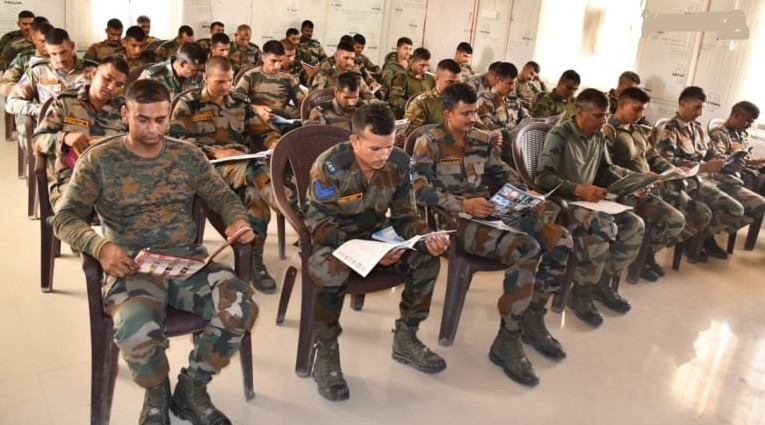
India
Discover the Sainik Samman Scheme 2024, its significant changes, and benefits compared to the previous Agneepath Scheme. Understand how this new initiative enhances opportunities for Indian youth in defense services.The Sainik Samman Scheme 2024 is a revamped version of the Agneepath Scheme, introduced to provide better opportunities and benefits for individuals joining the Indian defense services. Launched by Defense Minister Rajnath Singh on June 23, 2024, this scheme aims to offer enhanced career prospects, financial security, and improved service conditions for soldiers.Key Changes and Benefits under the Sainik Samman Scheme1. Increased Permanency:Previous Scheme (Agneepath): Only 25% of Agniveers were made permanent.Sainik Samman Scheme: 60% of Agniveers will be granted permanent positions, with all technical post Agniveers becoming permanent.2. Extended Service Period:Previous Scheme: The duty period was 4 years.Sainik Samman Scheme: The duty period is now extended to 7 years, ensuring longer job security.3. Enhanced Training and Leave:Training Period: Increased from 24 weeks to 42 weeks.Leave: Annual leave has been increased from 30 days to 45 days.4. Financial Improvements:Total Income: Increased from ₹22 lakhs to ₹41 lakhs over the service period.Retirement Fund: Enhanced to ₹41 lakhs.Death Benefits: In case of a soldier's death, the family will receive ₹75 lakhs and the status of a martyr.5. Job Guarantee and Relaxations:Job Security: After 7 years of service, soldiers are guaranteed a permanent job.Central Vacancy Relaxation: Increased from 10% to 15% for all central vacancies.6. Status and Recognition:Soldiers recruited under the Sainik Samman Scheme will no longer be called Agniveers.In case of death, soldiers will be granted the status of a warrior and their families will receive full assistance and honors.Differences Between Agneepath Scheme and Sainik Samman SchemeImplementation DetailsThe Sainik Samman Scheme will be officially implemented nationwide on June 23, 2024. It applies to all new recruits from February 2024 onwards. Existing Agniveers recruited before this date will not be covered under the new scheme.ConclusionThe Sainik Samman Scheme 2024 introduces significant improvements over the Agneepath Scheme, providing better financial benefits, job security, and enhanced service conditions for Indian soldiers. These changes aim to attract more youth to join the defense services and ensure their well-being and career growth.This comprehensive overhaul reflects the government's commitment to honoring and supporting the nation's soldiers, ensuring they receive the respect and benefits they deserve.
Read More → Posted on 2024-06-15 15:12:31
World
The Philippines is building its first BrahMos anti-ship missile base at Naval Station Leovigildo Gantioqui in Zambales, aiming to enhance its defense capabilities amid regional tensions with China.The Philippines is making significant strides in its defense modernization with the construction of its first BrahMos anti-ship missile base at Naval Station Leovigildo Gantioqui in Zambales. Situated strategically to face the South China Sea, this development marks a critical step for the country amid ongoing territorial disputes with China.In 2022, the Philippines procured three BrahMos missile batteries and technical support for the Philippine Marine Corps Coastal Defense Regiment through a $375 million deal with India. This purchase represents the first international sale of India's supersonic cruise missile system and has reportedly sparked interest from other Southeast Asian countries, such as Vietnam and Indonesia.Construction of the BrahMos base began shortly after the deal was finalized. The facilities, though smaller due to reduced missile capacity, are modeled after operational Indian BrahMos bases. The site includes a high-bay facility for maintenance and testing, a sheltered magazine bunker for missile storage, and plans suggest a garage for missile launchers will be added soon.Located in Western Luzon, the base allows the Philippines to target areas within 290-300 kilometers, including the contested Scarborough Shoal, occupied by China since 2012. The mobile nature of the BrahMos system enhances its flexibility, enabling relocation to different firing positions to evade counterstrikes.Other potential deployment sites include Camp Cape Bojeador in Ilocos Norte, covering the Luzon Strait, and islands such as Lubang and Calayan, which overlook key maritime access points.The procurement of BrahMos missiles was strongly supported by former Defense Secretary Delfin Lorenzana as a crucial deterrent against threats to Philippine sovereignty, particularly in the West Philippine Sea. The Philippine Army has also shown interest in acquiring BrahMos systems for coastal defense missions in the future.To improve operational capabilities with this advanced missile system, the Philippines has engaged in joint exercises with the United States. These drills focus on integrating networks for target identification and executing strikes using a combination of aircraft, artillery, and missiles.The establishment of this missile base is a significant move in the Philippines' ongoing efforts to enhance its national defense and assert its territorial claims in the region. As construction progresses, the base is expected to play a pivotal role in the country's strategic defense infrastructure.
Read More → Posted on 2024-06-15 15:04:11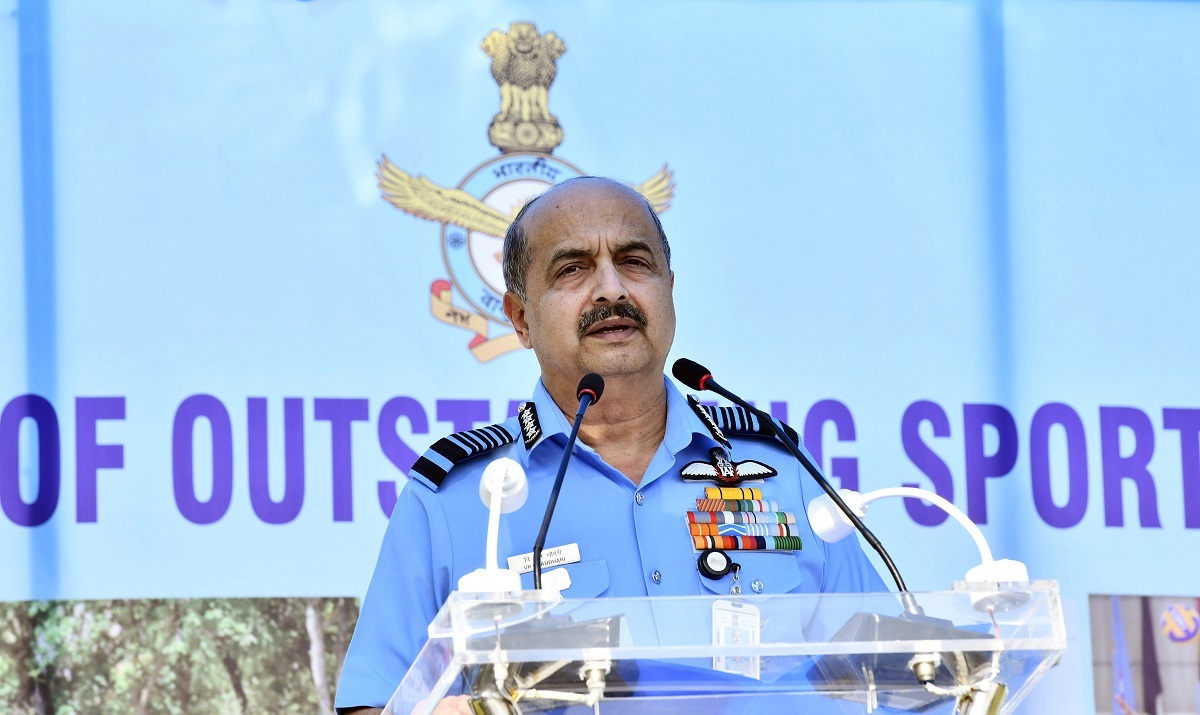
India
IAF Chief Air Chief Marshal VR Chaudhari emphasized the importance of adapting to modern warfare's dynamic landscape influenced by advanced cyber technologies, stressing the need for innovative leadership at the Combined Graduation Parade.At the Combined Graduation Parade (CGP) of the 213 Officers' Course held at the Air Force Academy (AFA) in Dundigal, Air Chief Marshal VR Chaudhari highlighted the evolving nature of modern warfare. He stated that contemporary conflicts extend beyond physical battles and are significantly shaped by complex data networks and advanced cyber technologies. Emphasizing the need for adaptability and innovation, Chaudhari underscored that tomorrow’s conflicts require a forward-thinking mindset.Chaudhari addressed the newly commissioned officers, stressing three critical leadership qualities: professionalism, aggressiveness, and initiative. He pointed out that leaders must not only be action-oriented but also thoughtful and strategic. Encouraging the officers to embrace the core values of the Indian Air Force—mission, integrity, and excellence—he stressed that these principles should guide their careers.The Air Chief Marshal emphasized the importance of mission accomplishment for maintaining the direction, efficiency, and overall success of the organization. He also advocated for continuous learning and reading, suggesting that a well-read mind is better equipped to navigate and lead in complex situations.Integrity was another key theme in Chaudhari’s address. He highlighted the importance of ethical decision-making, upholding high standards of conduct, and leading by example to inspire trust and loyalty among team members. Reflecting the IAF's vision of 'People First, Mission Always,' he urged the officers to earn respect through professional competence, courage, character, and empathy.The CGP celebrated the successful completion of training for 235 flight cadets from the flying and ground duty branches of the Indian Air Force. This cohort included 22 women officers and marked the first CGP where cadets from the National Defence Academy, trained for Ground Duty branches, were commissioned as officers.Among the notable graduates, Flying Officer Happy Singh received the President's Plaque and the Chief of the Air Staff Sword of Honour for his outstanding performance in the pilots' course. Flying Officer Taufeeq Raza was awarded the President's Plaque for his excellence in the ground duty officers course.Additionally, the event saw nine officers from the Indian Navy, nine from the Indian Coast Guard, and one officer from a friendly foreign country receiving their 'Wings' upon successful completion of flying training.In conclusion, Air Chief Marshal Chaudhari’s address at the CGP underscored the importance of adapting to the evolving nature of warfare, continuous learning, and upholding integrity. His words served as a guiding light for the newly commissioned officers embarking on their careers in the Indian Air Force.
Read More → Posted on 2024-06-15 14:48:48
India
A woman Colonel in the Indian Army has filed a petition in the Delhi High Court, challenging her transfer order, alleging it was a retaliatory move to hinder her sexual harassment complaint against senior officers.A woman Colonel serving in the Indian Army's Western Command has taken legal action by filing a petition in the Delhi High Court. She is challenging her recent transfer order, which she alleges is a retaliatory measure intended to impede her pursuit of a sexual harassment case she filed against four senior officers in February.The Colonel, previously stationed at a Corps Headquarters, has been reassigned to a Division Headquarters as an "additional officer." She argues that this transfer is unwarranted and there is no legitimate vacancy for an officer of her rank in the new posting.The transfer order was issued while the Colonel was on leave, shortly after the National Commission for Women acknowledged her complaint about the Army's inaction regarding her sexual harassment case. The officers named in her complaint include the Station Commander, the Chief Signal Officer, the Deputy Judge Advocate General of the Western Command, and the officiating Commanding Officer of the Military Police Unit. These officers have been charged under various sections of the Indian Penal Code and the Sexual Harassment of Women at Workplace (Prevention, Prohibition & Redressal) Act, with allegations of stalking, confinement, defamation, and sexual harassment.The roots of this case go back to August 2023 when a Court of Inquiry was initiated to investigate a security breach at the Corps Headquarters. This inquiry followed a criminal trespass incident at the Colonel's residence, which she reported to the local police. The four accused officers were involved in this inquiry.In response to the Colonel's FIR, the accused officers have sought to quash it in the Himachal Pradesh High Court, which has temporarily halted any coercive actions against them. Meanwhile, the Delhi High Court has directed the Colonel to report to her new posting and then proceed on leave, scheduling the matter for further hearing in July.The Army's Western Command has refrained from commenting on the ongoing legal proceedings, stating that the matter is sub-judice. This case highlights the ongoing challenges and complexities surrounding sexual harassment allegations within the military, underscoring the need for robust mechanisms to address such issues transparently and fairly.
Read More → Posted on 2024-06-15 14:42:39Search
Top Trending in 24 Hours
-
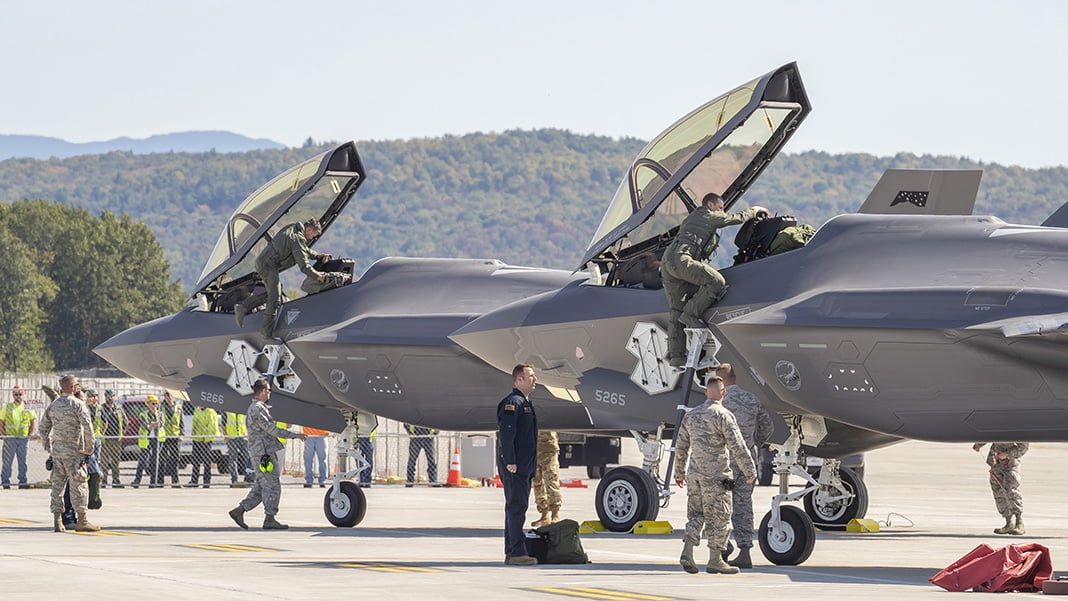 F-35 Fleet Readiness Falls to 25% Amid Parts Shortages and Software Delays: GAO Report
-
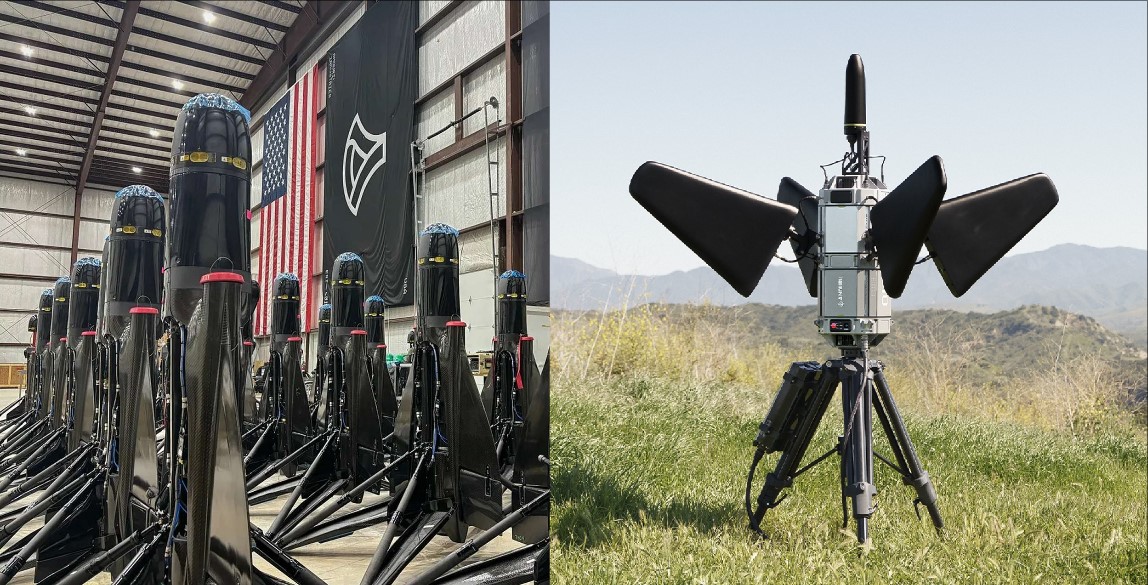 U.S. Approves $1.98 Billion Sale of Anduril AI-Powered Counter-Drone Systems to Kuwait
-
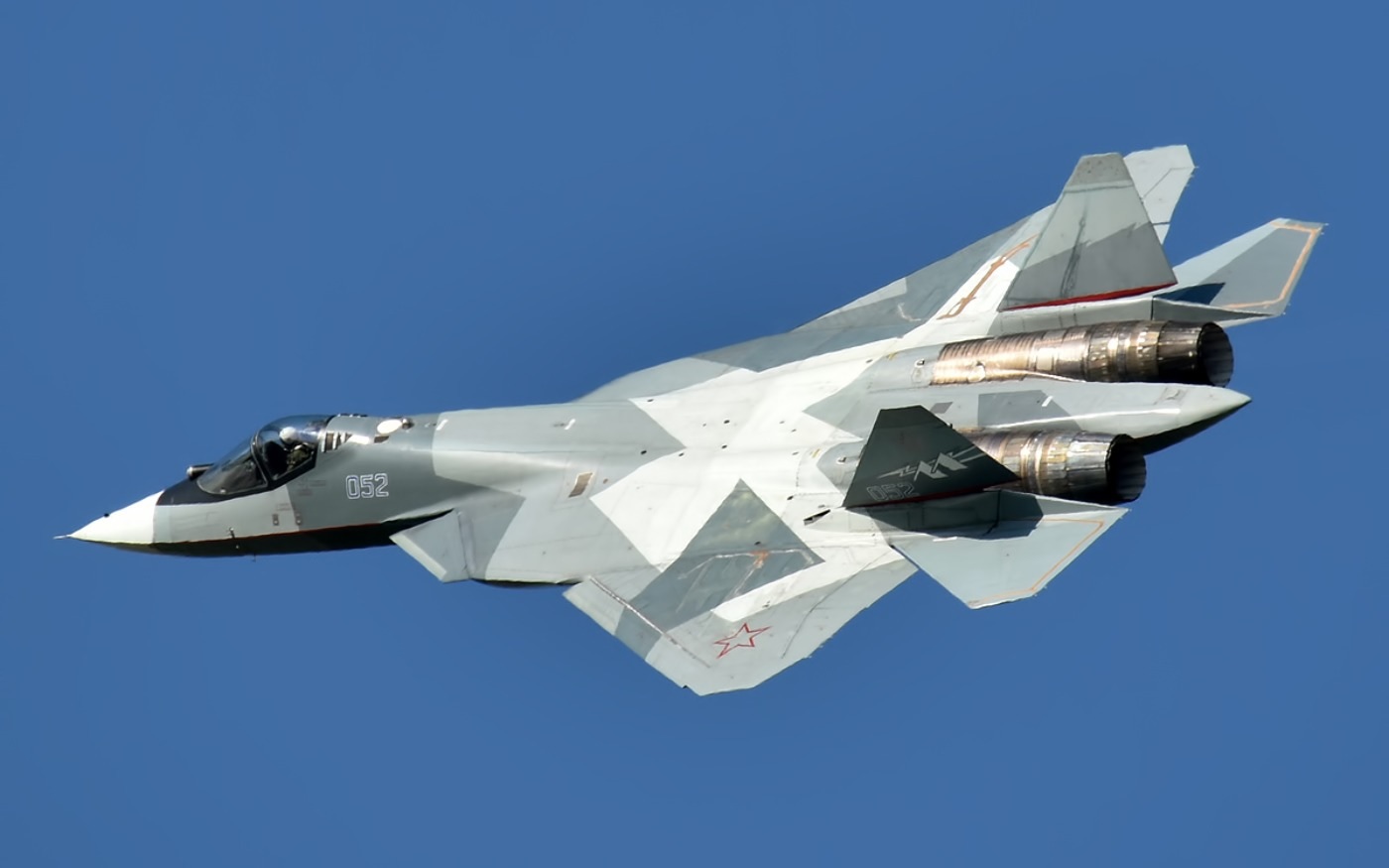 Russian Analysts Debate Su-57 Capabilities After Putin Calls Fighter Superior to F-35
-
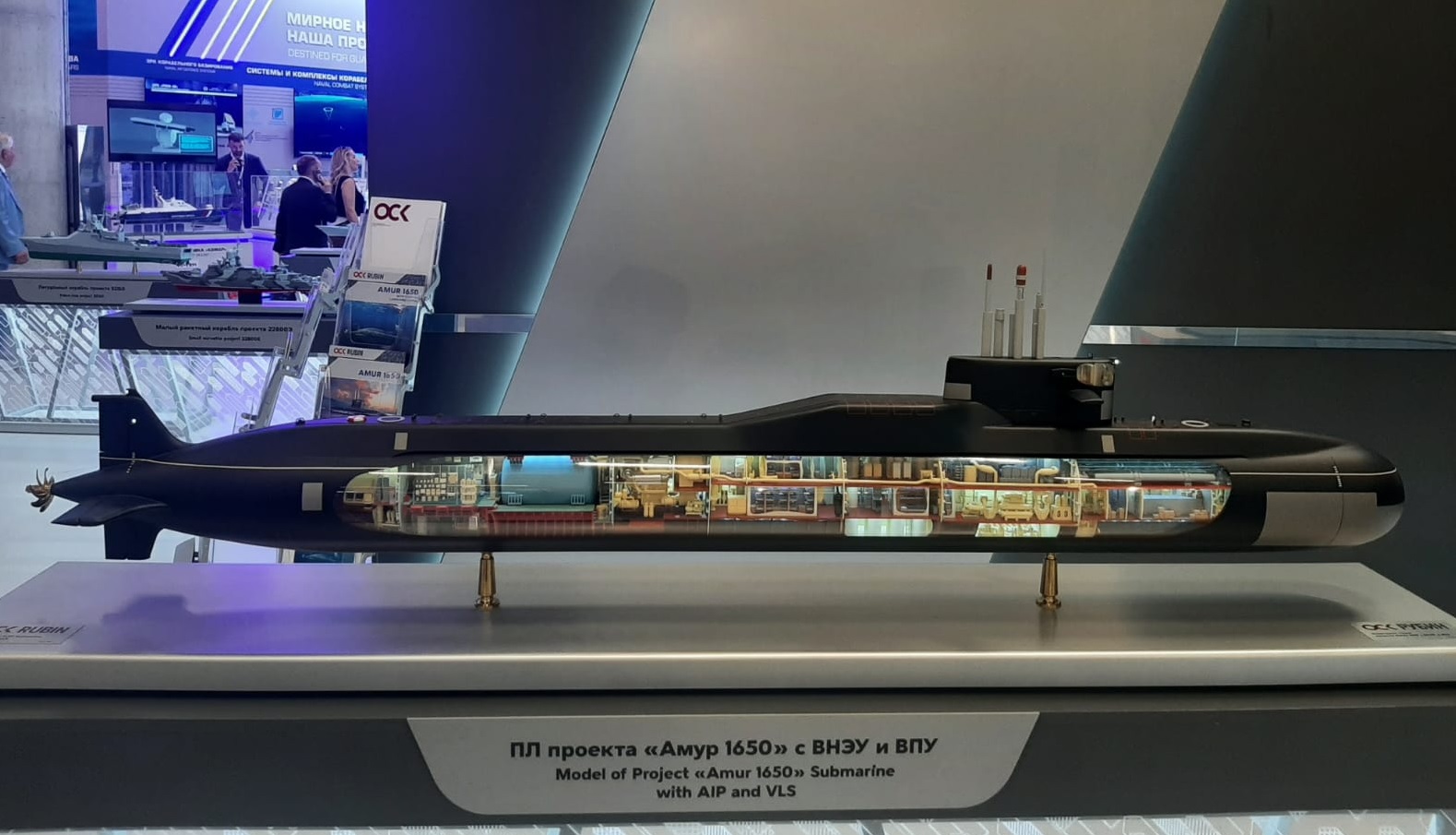 Russia Unveils Amur-1650 AIP Submarine Equipped with BrahMos Vertical Launch System at Fleet-2026
-
 France Considers Reduced Role or Exit from Franco-German MGCS Tank Project
-
 NASA X-59 Achieves Planned Mission Conditions with Mach 1.4 Flight at 55,000 Feet
-
 Leonardo Rheinmetall to Unveil Italy’s New IMBT Main Battle Tank at Eurosatory 2026
-
 Anduril Wins $363 Million CBP Contract to Deploy Over 200 Extended Range AI Surveillance Towers
Top Trending in 4 Days
-
 Iranian Media Leaks 14-Point U.S.-Iran Peace Framework Amid Ongoing Negotiations
-
 US Plans Significant Reduction of Fighter Jets and Warships for NATO Operations in Europe
-
 Boeing Introduces New MQ-28 Ghost Bat Upgrades with Increased Range, Payload and Weapons Capacity at ILA Berlin 2026
-
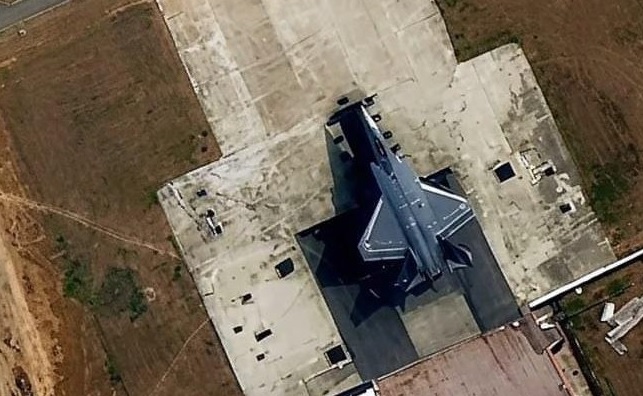 AMCA Airframe Spotted at DRDO’s ORANGE Facility for Radar Cross-Section Testing
-
 U.S. Air Force Faces Strategic Airlift Shortfall as C-17 Production Restart Remains Uncertain
-
 U.S Aircraft Carrier USS Theodore Roosevelt Departs San Diego for Major RIMPAC 2026 Naval Exercise
-
 NATO Commander Says Russia Not Seeking Conflict With Alliance Despite U.S. Force Reductions
-
 Russian Defense Firm ZALA Unveils KAMA Unmanned Surface Vessel Family at FLOT-2026 Naval Exhibition
