
World
Russia has unveiled a cutting-edge Helmet-Mounted Targeting System (NSC) designed specifically for the pilots of its Su-57 stealth fighter, marking a significant leap forward in military aviation technology. Showcased recently on Russian state television, this advanced helmet aims to enhance operational efficiency by seamlessly integrating critical flight and combat information into the pilot’s visor. This innovation reflects Russia's efforts to align with global advancements and maintain competitiveness in the rapidly evolving domain of fifth-generation fighter jets. Enhancing Pilot-Centric Design The NSC is designed to address the limitations of previous-generation helmets, focusing on improved fit, comfort, and usability. By delivering real-time flight data and target acquisition information directly onto the visor, the system allows pilots to remain immersed in their mission environment without the need for traditional cockpit displays. This not only minimizes distractions but also streamlines decision-making during high-stress scenarios. The helmet is integrated with the Su-57’s sophisticated avionics suite, including its advanced communication systems and array of sensors. This synergy ensures that pilots can maintain situational awareness, monitor threats, and control onboard weaponry with precision, even in complex combat scenarios. Drawing Parallels with Global Counterparts The design philosophy behind the NSC bears similarities to the Gen III Helmet Mounted Display System (HMDS) used in the American F-35 Lightning II. Like its U.S. counterpart, the NSC projects crucial mission data, such as targeting markers, navigational cues, and battlefield intelligence, onto the visor. This allows Su-57 pilots to execute rapid maneuvers and engage adversaries with unparalleled efficiency. However, Russia’s NSC also claims unique optimizations tailored to the operational needs of the Su-57, which is equipped with features like stealth capabilities, supermaneuverability, and advanced electronic warfare systems. The integration of these capabilities into the helmet system reflects a holistic approach to maximizing the aircraft's potential. Technical Specifications of the NSC While full details of the NSC’s specifications remain classified, some insights highlight its advanced capabilities: Integrated Augmented Reality (AR): Displays mission-critical information and weapon system data in real time. Enhanced Night Vision: Provides superior performance in low-visibility conditions, crucial for nocturnal or all-weather missions. Customizable Fit and Ergonomics: Designed to accommodate prolonged use during extended sorties. Data Link Connectivity: Syncs with the Su-57’s sensors, enabling seamless information sharing and enhanced team coordination. High-Resolution Projection: Offers sharp, lag-free visuals, crucial for split-second decision-making. Reduced Latency: Minimizes delay in data relay, ensuring real-time responsiveness during combat. Implications for Russian Military Aviation The introduction of the NSC represents a strategic push by Russia to modernize its aerospace technologies amidst intensifying competition with Western powers. The Su-57, hailed as Russia’s flagship fifth-generation fighter, has often faced criticism for delays and production challenges. By equipping the aircraft with advanced tools like the NSC, Russia seeks to enhance its operational appeal and capabilities. Moreover, the unveiling of this helmet system underscores the broader trend of integrating human-machine interfaces in modern warfare. By prioritizing pilot comfort, efficiency, and performance, Russia is not only addressing current technological gaps but also positioning its military for future innovations in aerial combat. Future Outlook The development of the NSC highlights Russia's commitment to advancing its military aviation technology. As the Su-57 continues to evolve with additional upgrades, including improved stealth coatings and next-generation weaponry, the NSC will likely play a pivotal role in cementing its status as a formidable competitor in the global fighter jet market. This development signals a broader move toward pilot-centric designs in modern air combat, ensuring that Russia remains a key player in the race for aerial supremacy.
Read More → Posted on 2024-12-12 16:18:41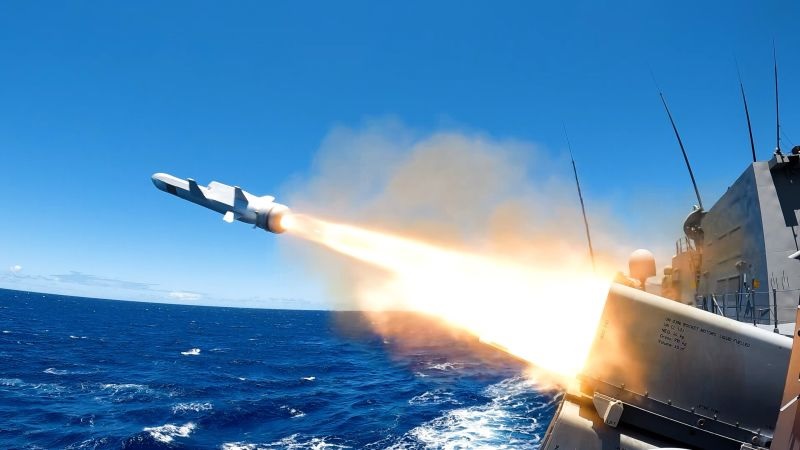
World
Kongsberg Defence Australia has achieved a significant milestone with the successful Blast Test Vehicle (BTV) firing of its first Australian-manufactured Naval Strike Missile (NSM) launcher. This development is part of Project SEA 1300 Phase 1, which bolsters the Royal Australian Navy’s (RAN) advanced guided weapons capability. The event underscores Australia’s growing sovereign defense manufacturing capabilities. The Australian-made launcher underwent rigorous "First of Type" testing, including live trials at the Commonwealth Joint Proofing Experimental Unit (JPEU) in Port Wakefield. The tests utilized a booster rocket motor and a dummy missile, demonstrating the operational readiness of the locally produced launcher. This marks a major step in ensuring the viability of a domestic supply chain for the NSM program. Key Innovations and Contributions The construction of the launcher involved significant contributions from Australian defense manufacturers. Aerobond Defence in Adelaide built the launcher canister, while the frame and rail were crafted by Marand Precision Engineering in Melbourne. Other precision components came from Australian Precision Technologies (APT) and QPE Advanced Machining, reflecting the collaboration among local enterprises to meet stringent project deadlines. The NSM launcher, a critical component of Kongsberg's Coastal Defence System, provides a highly versatile solution capable of targeting ships and land-based threats. It is designed for integration with naval platforms like the Hobart-class destroyers and Anzac-class frigates. These systems aim to replace the aging Harpoon anti-ship missiles, enhancing Australia’s maritime strike capabilities significantly. Broader Impacts and Future Plans The successful BTV firing paves the way for full-scale production of NSM launchers in Australia, fulfilling both domestic needs and potential export opportunities. Kongsberg’s commitment to the Australian defense industry includes establishing advanced manufacturing facilities, such as the planned missile production hub near Newcastle. This facility, one of only two in the world, will produce both NSMs and Joint Strike Missiles (JSMs), further strengthening the nation’s defense capabilities. Additionally, the NSM launcher program aligns with Australia’s 2024 National Defence Strategy, focusing on the development of long-range precision strike capabilities and sovereign manufacturing. The project also benefits from Australia’s $21 billion investment in the Guided Weapons and Explosive Ordnance (GWEO) Enterprise, which aims to build a self-reliant defense infrastructure. The Road Ahead Kongsberg’s collaboration with Australian small and medium enterprises highlights the importance of fostering a resilient local supply chain. This achievement not only enhances the Royal Australian Navy's operational capabilities but also underscores Australia's role as a strategic player in global defense manufacturing. With continued support and innovation, the NSM program promises to secure Australia’s defense needs while contributing to international security through potential exports. For more details, you can refer to sources like the Australian Defence Department and industry publications such as Australian Defence Magazine and The Defense Post.
Read More → Posted on 2024-12-12 16:14:42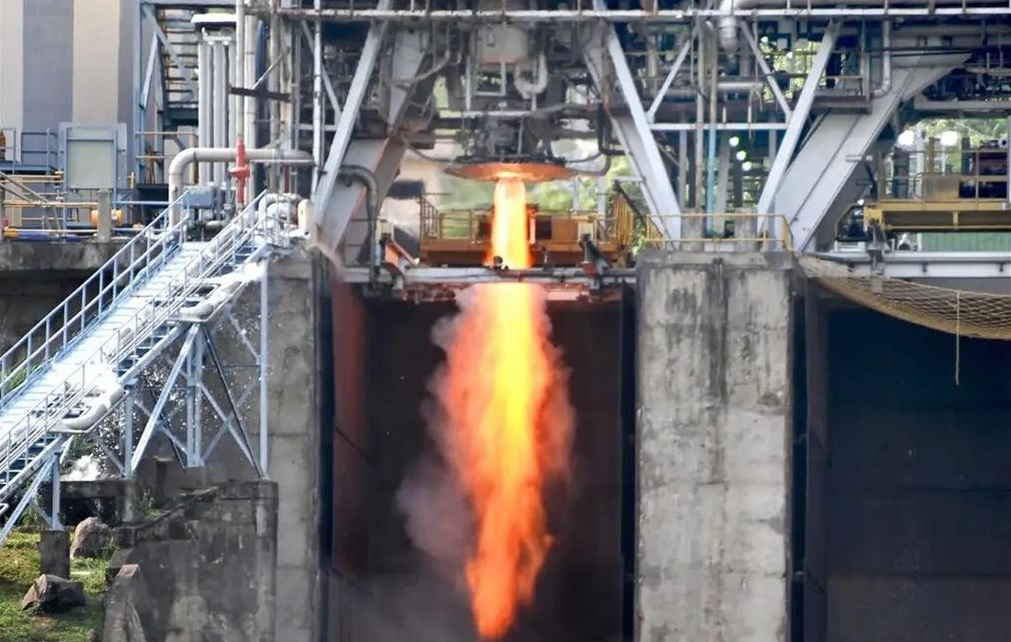
Space & Technology
The Indian Space Research Organisation (ISRO) has achieved a significant breakthrough by successfully conducting the sea level hot test of its CE20 cryogenic engine. The test, performed on November 29, 2024, at the ISRO Propulsion Complex in Mahendragiri, Tamil Nadu, represents a pivotal moment in India's pursuit of advanced space propulsion systems. This test also marks a step forward in addressing the complexities of sea level engine testing for high-performance cryogenic engines. What is the CE20 Cryogenic Engine? The CE20 cryogenic engine is an indigenous creation of ISRO's Liquid Propulsion Systems Centre (LPSC). It is the powerhouse of the upper stage of the LVM3 (Launch Vehicle Mark-3), also known as GSLV Mk III, India's heavy-lift rocket. This engine operates on a cryogenic fuel combination of liquid hydrogen (LH2) and liquid oxygen (LOX), offering a high specific impulse critical for launching heavier payloads into geosynchronous and interplanetary orbits. Key specifications of the CE20 engine include: Thrust Capacity: Recently qualified for 20 tonnes for the Gaganyaan mission, with an enhanced capability of 22 tonnes for future missions. Nozzle Area Ratio: 100, facilitating efficient expansion of exhaust gases in a vacuum. Restart Capability: Enabled by a multi-element igniter, essential for missions requiring engine reignition in space. Challenges of Sea Level Testing Testing the CE20 engine at sea level is inherently challenging due to the engine's high nozzle area ratio. Such a design, optimized for operation in near-vacuum conditions, generates an exit pressure of just 50 mbar. At sea level, this pressure difference can lead to: Flow Separation: Turbulent flow inside the nozzle, causing thermal and mechanical stresses. Vibrations and Structural Risks: Potential damage to the nozzle due to irregular gas dynamics. Traditionally, ISRO relied on its High-Altitude Test (HAT) facility for flight acceptance tests, which, while effective, introduced added complexity and cost. To overcome these hurdles, ISRO has developed an innovative Nozzle Protection System (NPS) that enables safe and cost-effective testing of the CE20 engine at sea level. Key Achievements During the Test The test successfully demonstrated the following: Multi-Element Igniter Functionality: A crucial component for engine restart capability, only the first igniter element was activated, while the others were monitored to ensure reliability. Vacuum Ignition Without Nozzle Closure: Previously validated in ground tests, this capability underscores the engine's readiness for in-space conditions. Operational Stability: The engine achieved expected performance parameters without any anomalies, reinforcing its readiness for future missions. A Workhorse for India's Space Ambitions The CE20 engine has already powered six LVM3 missions, including the Chandrayaan-2 and Chandrayaan-3 lunar missions. Its recent qualification for thrust levels up to 22 tonnes aligns with ISRO's vision of enhancing LVM3's payload capacity, particularly for demanding missions like Gaganyaan and interplanetary expeditions. Future Implications The successful sea level test signifies a leap forward in cryogenic engine technology. It simplifies and reduces the cost of engine acceptance testing, paving the way for more efficient validation of advanced propulsion systems. This milestone strengthens India's position in the global space race, ensuring ISRO remains at the forefront of cutting-edge space exploration. By conquering the challenges of cryogenic propulsion, ISRO is not only advancing its technical prowess but also contributing to the broader goals of space accessibility and scientific discovery.
Read More → Posted on 2024-12-12 16:12:14
India
In a significant boost to India’s indigenous defense manufacturing, the Cabinet Committee on Security (CCS) has given the green light to two critical military projects valued at approximately ₹20,000 crore. These projects include the acquisition of 12 Su-30MKI fighter jets for the Indian Air Force (IAF) and an additional 100 K-9 Vajra self-propelled howitzers for the Indian Army, underscoring the government’s commitment to the Make in India initiative in the defense sector. New Su-30MKIs to Bolster Air Power The Su-30MKI jets, India’s frontline air superiority fighters, will be manufactured under license by Hindustan Aeronautics Limited (HAL) at its Nashik facility. The ₹13,000 crore contract aims to replace aircraft lost in service over the years, ensuring the IAF maintains its operational strength. Known for their versatility, Su-30MKIs can carry a wide array of weapons, including air-to-air, air-to-ground, and anti-ship missiles. The jets are equipped with advanced avionics, a powerful AL-31FP turbofan engine with thrust vectoring, and a long operational range of over 3,000 kilometers, extendable through aerial refueling. Their ability to carry the supersonic BrahMos missile makes them a critical asset in India’s strategic defense arsenal. This project is expected to stimulate HAL’s supply chain, providing a significant boost to small and medium enterprises (SMEs) that supply critical components for the Su-30MKI. K-9 Vajra Howitzers: Expanding Artillery Firepower The order for 100 K-9 Vajra howitzers, to be manufactured by Larsen & Toubro (L&T) at its Hazira plant in Gujarat, builds on the success of a previous batch of 100 howitzers already inducted into the Indian Army. The new contract reflects the Army’s satisfaction with the system’s performance in diverse terrains, from the deserts of Rajasthan to the challenging conditions along the Line of Actual Control (LAC) with China. The K-9 Vajra, a self-propelled 155mm/52-caliber howitzer, boasts an impressive range of 38–40 kilometers and can fire multiple types of ammunition, including precision-guided shells. The system is mounted on a tracked chassis, offering high mobility in combat zones. L&T has significantly increased the indigenous content in these howitzers, a move that aligns with the government’s vision for defense self-reliance. Strategic and Economic Impact Both projects underscore the government’s commitment to strengthening the domestic defense industry. By involving public and private sector giants like HAL and L&T, the initiatives not only enhance India’s military capabilities but also generate employment and foster technological innovation. Moreover, these deals will reinforce supply chains involving hundreds of SMEs, creating a ripple effect across the economy. The emphasis on local production also reduces dependency on foreign suppliers, aligning with the broader goal of Atmanirbhar Bharat (self-reliant India). Reinforcing Defense Capabilities The acquisition of these advanced platforms comes at a crucial time when India is addressing security challenges on multiple fronts. The Su-30MKIs will augment the IAF’s ability to project air power across vast distances, while the K-9 Vajras will provide the Army with superior firepower and mobility in diverse operational scenarios. By approving these projects, the CCS has not only strengthened India’s defense posture but also provided a major impetus to the indigenous defense manufacturing ecosystem, reaffirming its role as a cornerstone of India’s strategic autonomy.
Read More → Posted on 2024-12-12 16:07:16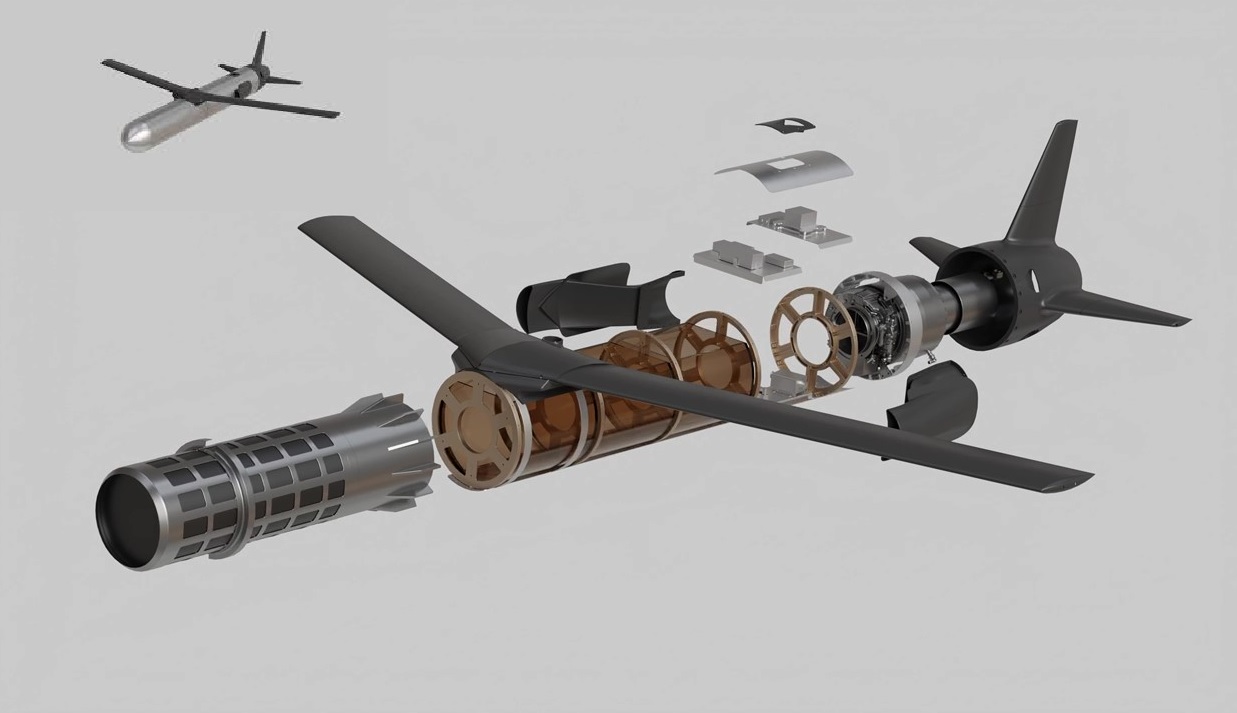
World
Ukraine has achieved a remarkable milestone in its defense technology with the successful testing of the domestically developed Ruta missile. Confirmed by President Volodymyr Zelenskyy on December 10, this accomplishment underscores Ukraine's drive to enhance its missile capabilities amidst ongoing military challenges. Developed by the Ukrainian startup Destinus, the Ruta missile is a significant leap forward in versatile, cost-effective weaponry. The Ruta Missile: A Revolutionary Design Described as a hybrid between a jet-powered drone and a cruise missile, the Ruta missile boasts impressive specifications. Its standout features include: High-Speed Capability: With speeds ranging from 500 to 800 km/h, the missile can evade enemy detection and interception more effectively than traditional systems. Flight Range: A range of up to 300 kilometers allows the Ruta to strike deep into enemy territory or conduct long-range reconnaissance missions. Payload Versatility: While exact warhead specifications are undisclosed, analysts estimate it can carry up to 100 kilograms of explosives, making it formidable against various targets. It can also be equipped with surveillance equipment for non-lethal missions. The Ruta missile is launched using a rocket booster and features a compact, cost-efficient design. Key components include a fixed wing for stability, a small turbojet engine for sustained flight, and an electronics suite for guidance and control. Uniquely, it incorporates a parachute recovery system, allowing it to return safely to base after reconnaissance missions. Tactical and Strategic Advantages One of the Ruta's defining advantages is its ability to challenge traditional counter-drone and counter-missile measures. Its high-speed flight significantly reduces the effectiveness of Russian mobile fire units and renders their helicopters nearly useless for intercepting the missile. This capability positions the Ruta as a disruptive tool in modern warfare. Beyond its offensive capabilities, the Ruta can also serve as a training target for Ukrainian air defense units, offering a practical and affordable means to simulate real combat scenarios. Showcased Innovations at Eurosatory 2024 The Ruta missile garnered significant attention at the Eurosatory 2024 exhibition, where a full-scale model with minor design modifications was displayed. This event highlighted Ukraine’s strides in missile technology, drawing interest from defense experts and potential international partners. Expanding Ukraine's Arsenal The Ruta missile's development is part of a broader effort to strengthen Ukraine’s defense capabilities. President Zelenskyy recently unveiled the Peklo missile drones, a new addition to the country’s arsenal, designed to complement systems like the Ruta. These advancements signal a comprehensive strategy to counter threats through innovation and technological self-reliance. A Symbol of Resilience and Progress The Ruta missile embodies Ukraine’s determination to overcome adversity through cutting-edge innovation. By leveraging the expertise of startups like Destinus, Ukraine is not only bolstering its defense but also positioning itself as a key player in advanced missile technology. This latest achievement highlights the resilience of Ukraine’s defense sector and its ability to adapt to modern warfare challenges. As the Ruta missile prepares for potential deployment, its impact is set to resonate far beyond the battlefield.
Read More → Posted on 2024-12-12 16:04:28
HAL’s Nashik Plant Ready for 8 Tejas Mk1A Per Year Production: First Delivery Expected in March 2025
India
Hindustan Aeronautics Limited (HAL) has taken a monumental step in advancing India’s indigenous defense manufacturing capabilities with the completion of its state-of-the-art production line for the Tejas Mk1A at its Nashik facility. This achievement is a key enabler for India’s Light Combat Aircraft (LCA) program, which seeks to bolster the Indian Air Force's (IAF) combat readiness and technological prowess. The plant is set to roll out eight Tejas Mk1A fighter jets annually, with the first delivery slated for March 2025. A Modern Facility for a Modern Aircraft The Nashik plant, inaugurated in 2023, is HAL’s third production line for the LCA, complementing its two Bengaluru-based facilities. Together, these three lines will accelerate the manufacturing pace, ensuring timely delivery of the IAF’s 83-unit Tejas Mk1A order, signed in February 2021. This facility is more than just a production hub; it symbolizes India's growing self-reliance in defense. Equipped with cutting-edge machinery, the plant has been designed to handle the intricate assembly and integration processes required for advanced fighter aircraft like the Tejas Mk1A. The Nashik plant also shares resources with the Sukhoi Su-30 MKI program, highlighting its versatility and strategic significance for India’s air power. What Sets Tejas Mk1A Apart? The Tejas Mk1A is an evolution of the Tejas Mk1, incorporating a host of advanced features tailored to meet modern combat requirements. Among its standout specifications are: Active Electronically Scanned Array (AESA) Radar: Offers superior target tracking, multi-target engagement, and improved detection capabilities. Advanced Electronic Warfare Suite: Includes jammers and countermeasures for enhanced survivability in hostile environments. Reduced Maintenance Turnaround Time: Incorporates modular design elements for quicker repairs and serviceability. In-Flight Refueling Capability: Extends operational range and mission endurance. Improved Avionics and Weapons Integration: Supports a broader array of air-to-air and air-to-ground weaponry, including precision-guided munitions. With these enhancements, the Tejas Mk1A offers significant improvements in situational awareness, survivability, and overall combat effectiveness, making it a formidable asset for the IAF. Addressing Delays and Challenges Despite the progress at the Nashik plant, the Tejas Mk1A program has faced hurdles, particularly in securing critical components like engines from international suppliers, such as General Electric in the United States. Supply chain disruptions caused by global geopolitical tensions and pandemic-induced delays have also posed challenges. However, HAL has proactively worked to mitigate these issues, ensuring that its domestic production infrastructure remains on schedule. Strategic Importance for India’s Defense The introduction of the Tejas Mk1A into the IAF’s fleet is a timely move, as the service faces a pressing need to replenish its declining squadron strength. The IAF aims to maintain at least 42 squadrons to counter evolving threats, but this number has dwindled to approximately 31 due to the phasing out of older aircraft like the MiG-21. The Tejas Mk1A, with its modern capabilities and indigenous origin, represents a vital component in closing this gap. Additionally, the Nashik facility’s dual focus on the Su-30 MKI and Tejas Mk1A underscores its importance in sustaining and modernizing India’s aerial capabilities. While the Tejas boosts the fleet with new aircraft, ongoing upgrades to the Su-30 MKI ensure the longevity and relevance of existing assets. A Bright Future for Indigenous Defense HAL’s commitment to enhancing indigenous production aligns with India’s broader push for self-reliance under the "Make in India" initiative. The Nashik plant, with its focus on high-quality manufacturing and advanced technology integration, is a testament to this vision. Looking ahead, the success of the Tejas Mk1A program could pave the way for further development of the Tejas Mk2 and the ambitious Advanced Medium Combat Aircraft (AMCA), solidifying India’s position as a global player in defense aviation. As the countdown begins for the first delivery in March 2025, the Nashik plant stands as a beacon of progress, ensuring that the Tejas Mk1A will not only meet but exceed the expectations of the Indian Air Force.
Read More → Posted on 2024-12-12 15:49:50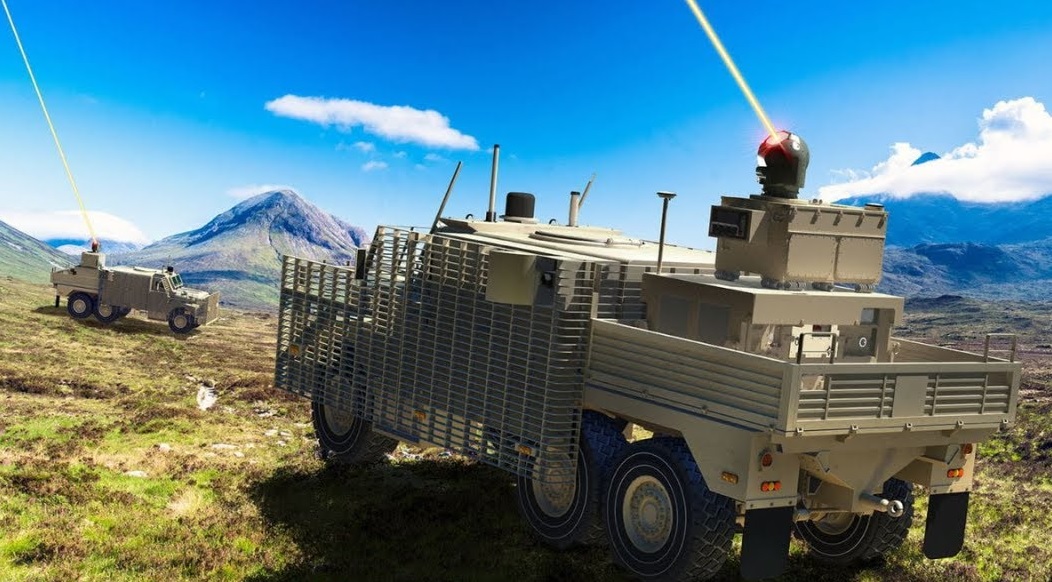
World
The British Army recently achieved a significant milestone in modern warfare by successfully testing a high-energy laser weapon mounted on the Wolfhound armored personnel carrier. This revolutionary system demonstrated its ability to neutralize dozens of drones in a single trial, marking a leap forward in counter-drone technology. A Cutting-Edge Counter-Drone Solution The laser weapon, developed by a consortium led by Raytheon UK, employs directed-energy technology to deliver precision strikes against aerial threats. Unlike conventional missile-based systems, this laser weapon uses beams of infrared light to engage and destroy targets. This approach offers a game-changing advantage: virtually unlimited ammunition, making it a highly cost-effective solution for combating the increasing prevalence of drones on the battlefield. During live-fire trials, the weapon achieved a perfect record, taking down drones at various distances, speeds, and altitudes. The system's advanced sensors and tracking capabilities enable rapid target acquisition and pinpoint accuracy, even against fast-moving or maneuvering drones. Matthew Anderson, the trials manager, highlighted the weapon's efficiency, stating, “Every engagement we’ve done has removed a drone from the sky. One thing that stood out was how quickly we could engage one target and move to the next.” Advanced Specifications and Performance The high-energy laser weapon's specifications reflect its cutting-edge nature: Power Source: The laser draws energy from the Wolfhound’s onboard power systems, providing consistent performance without the need for physical ammunition. Targeting System: Equipped with state-of-the-art electro-optical and infrared sensors, the system ensures accurate target detection and engagement. Range and Mobility: Mounted on the highly mobile Wolfhound, the weapon is effective across a variety of operational environments, from urban settings to open battlefields. Efficiency: The laser's operational cost is a fraction of traditional missile systems, which can cost hundreds of thousands of dollars per engagement. The Wolfhound Armored Vehicle: A Vital Platform The Wolfhound serves as a robust platform for this advanced weapon system. Designed as a six-wheeled tactical support vehicle, the Wolfhound offers enhanced protection for both its crew and critical systems. Its high mobility and durability allow it to traverse high-threat zones, delivering the laser weapon to where it is needed most. The integration of the laser system onto the Wolfhound highlights its adaptability, ensuring the British Army can respond swiftly to emerging threats. Expanding Applications While the trials focused primarily on neutralizing quadcopter drones, the system has the potential to engage a broader range of aerial threats. Low-flying helicopters and small, fast-moving missiles are among the targets this weapon could potentially handle in future deployments. Stephen Waller, the lead for directed energy at Defence Equipment & Support, remarked on the significance of the technology, saying, “The world has changed, and drones are now a major factor in modern warfare. This requires innovative and cost-effective solutions to ensure our forces remain protected.” The Future of Directed Energy Weapons This successful demonstration underscores the growing importance of directed energy weapons in modern military strategies. As drone technology becomes increasingly sophisticated and accessible, traditional countermeasures face challenges in cost and efficiency. High-energy laser systems like the one tested by the British Army provide a scalable and sustainable solution. The trials represent a crucial step toward full operational deployment, and the technology’s development will likely shape the future of battlefield engagements. Mounted on the Wolfhound, this laser weapon could redefine how modern militaries approach air defense, offering unmatched precision, mobility, and cost-effectiveness. In an era where drones dominate the battlespace, the UK’s Wolfhound-mounted laser weapon is proving to be a formidable defender, capable of neutralizing threats with unprecedented efficiency.
Read More → Posted on 2024-12-12 15:44:47
World
Russia has taken a significant step forward in advancing the capabilities of its fifth-generation stealth fighter, the Sukhoi Su-57, with the development and testing of a flat two-dimensional thrust vectoring nozzle. This cutting-edge design, which closely mirrors the thrust-vectoring nozzle on the U.S. F-22 Raptor, promises to enhance the Su-57’s stealth and manoeuvrability, two critical factors in modern aerial combat. A Leap Towards Stealth: Flat Nozzle Design The new flat nozzle marks a departure from the traditional circular designs seen in previous Russian fighters. Its primary goal is to reduce radar cross-section (RCS) and infrared (IR) signatures, crucial for maintaining a stealth profile against increasingly sophisticated enemy detection systems. The flat design introduces a sleeker silhouette that is less likely to scatter radar waves, while also lowering the aircraft's heat signature by dispersing exhaust more effectively. One trade-off, however, is a marginal reduction in thrust efficiency, with the flat nozzle experiencing an estimated 6-8% thrust loss compared to circular counterparts. Yet, this drawback is deemed acceptable in exchange for the stealth benefits it offers. Advanced Thrust Vectoring Capabilities Much like the F-22 Raptor’s Pratt & Whitney F119 engine nozzles, the Su-57’s new flat nozzle employs advanced thrust vectoring. However, there are distinct differences: while the F-22's nozzles pivot vertically, the Su-57’s design features a diagonal movement axis. This approach is tailored to enhance the aircraft’s control in pitch and limited roll movements, providing superior agility during high-G maneuvers and dogfights. The nozzle’s design incorporates four independently adjustable flaps, allowing for precise modulation of thrust direction and nozzle cross-section. This improves the Su-57’s aerodynamic performance across a wide speed range, from subsonic to supersonic, ensuring it remains versatile in diverse combat scenarios. Testing on the T-50-2 Prototype The flat nozzle has been installed on the T-50-2 prototype, a testbed for Su-57 advancements. Only one of the aircraft’s twin engines features the new design, signaling the early stages of testing. While ground images and footage of the aircraft have surfaced, actual flight tests with the flat nozzle are still anticipated. The nozzle is part of the larger development of the Izdeliye 30 (AL-51F) engine, intended to replace the current AL-41F1 engines on production Su-57s. This new engine aims to deliver greater thrust, improved fuel efficiency, and enhanced reliability, complementing the stealth and performance improvements brought by the flat nozzle. Role of Additive Manufacturing A striking aspect of the new nozzle’s production is the extensive use of additive manufacturing (3D printing). Reports indicate that up to 90% of the nozzle’s components were fabricated using this method, which allows for intricate designs, weight savings, and reduced production times. This shift highlights Russia’s commitment to leveraging advanced manufacturing technologies in its aerospace sector. Strategic Implications The integration of a flat thrust-vectoring nozzle positions the Su-57 more competitively in the realm of fifth-generation fighters, where stealth and agility are paramount. By adopting features inspired by the F-22 while incorporating unique Russian innovations, the Su-57 aims to assert its place alongside the most advanced combat aircraft globally. While further testing is required to assess the real-world benefits of the flat nozzle, its introduction underscores Russia’s resolve to modernize its military aviation capabilities amidst evolving global security challenges. The Su-57, already recognized for its agility and multi-role versatility, now has an added edge in survivability and stealth, making it a more formidable adversary in future conflicts.
Read More → Posted on 2024-12-12 15:39:48
World
The Ukrainian Ministry of Defence has achieved a major milestone in modernizing its military arsenal, delivering over 1.2 million drones to its Armed Forces in the first 11 months of 2024. This massive influx of unmanned aerial vehicles (UAVs) reflects Ukraine's strategic push to enhance battlefield capabilities, from reconnaissance to offensive operations, amid ongoing conflict. The deployment includes a diverse range of drones designed to meet various operational needs. Notably, over 40,000 multirotor reconnaissance drones have been delivered, with 12,000 equipped for night operations. These UAVs provide real-time intelligence, surveillance, and situational awareness, playing a critical role in Ukraine's tactical decisions. Complementing them are 5,000 fixed-wing reconnaissance drones, including advanced models like the Shark, Hor, and Furia. These fixed-wing UAVs are prized for their extended range and ability to operate in challenging conditions, often crucial in monitoring adversarial movements. On the offensive side, Ukraine's drone inventory has expanded with over 6,000 long-range strike UAVs. Among them are the AN-196 “Lutiy” and Firepoint drones, designed for precise strikes deep into enemy territory. The military has also acquired over 2,000 reusable attack UAVs, including the Nemesis, Kazhan, and Vampir models, which offer versatility in repeated missions. In addition, more than 5,000 reusable FPV quadcopters have been integrated into the arsenal, adding to the military's flexibility in deploying fast, agile aerial units. The most remarkable aspect of this procurement effort is the staggering number of FPV kamikaze drones supplied by the State Service for Special Communications under Ministry orders—an impressive 1.1 million units. These drones are engineered for one-way missions, delivering explosive payloads with pinpoint accuracy. Their cost-effectiveness and simplicity make them a cornerstone of Ukraine’s asymmetric warfare strategy, effectively countering larger, more conventional enemy forces. This robust expansion is part of a broader initiative by the Ministry of Defence to prioritize UAV technology as a cornerstone of its military doctrine. The Ministry has confirmed plans to deliver an additional 100,000 drones by the end of 2024, further solidifying its commitment to building a technologically advanced defense force. In a statement, the Ministry emphasized, "Equipping the Armed Forces with modern UAVs remains a priority, strengthening the nation’s defense capabilities and enhancing combat effectiveness." The surge in drone acquisition also reflects Ukraine's successful collaboration with domestic and international manufacturers. Local producers like Ukrspecsystems, known for the Shark drones, have played a pivotal role, while international partnerships have ensured access to cutting-edge technologies. This blend of indigenous innovation and global cooperation has allowed Ukraine to scale up production and deployment at an unprecedented rate. Beyond numbers, the deployment underscores a shift in modern warfare. UAVs have emerged as game-changers, offering both strategic and tactical advantages on the battlefield. From gathering intelligence to executing targeted strikes, these drones have become indispensable tools, helping Ukraine adapt to the challenges of 21st-century conflict. As the year progresses, Ukraine's focus on drone technology signals its determination to maintain a tactical edge in its defense efforts. With an eye on the future, the Ministry of Defence is setting a precedent for how nations can leverage UAVs to bolster security and resilience in the face of evolving threats.
Read More → Posted on 2024-12-11 17:01:19
World
Chinese scientists have achieved a remarkable milestone in aerospace innovation, successfully testing a hypersonic aircraft prototype that could one day revolutionize global travel. The test, conducted at the Jiuquan Satellite Launch Centre in the Gobi Desert, saw the aircraft achieve a top speed of Mach 6.56, equivalent to six and a half times the speed of sound. This achievement demonstrates the feasibility of an ambitious design unveiled six years ago, which was initially dismissed as unrealistic by many experts. The hypersonic aircraft, distinct from traditional slender designs, features a unique “fat and round” fuselage paired with cape-shaped wings on its back. This innovative structure allows for greater internal space, making it possible to carry passengers or cargo volumes comparable to today’s jumbo jets. The prototype represents a significant advancement in hypersonic technology, which has historically been limited to military applications like missiles and reconnaissance drones due to severe constraints on usable cabin space. Overcoming Challenges in Hypersonic Flight The journey to this milestone was far from easy. Cui Kai, the project leader and a researcher at the Institute of Mechanics under the Chinese Academy of Sciences, recalled the skepticism the team faced when the concept was first proposed in 2018. Critics doubted the viability of a design that defied conventional aerodynamics. However, Cui and his team persevered, refining the model through rigorous wind tunnel testing and computational simulations. One of the most significant challenges in hypersonic flight is the immense aerodynamic pressure exerted on the aircraft's structure at high speeds. This pressure can impair climbing ability and severely limit the design’s efficiency. Cui’s team ingeniously addressed this by incorporating broad wing surfaces above the airframe, which transform downward pressure into upward lift. This innovation not only enhances stability but also maximizes the aircraft's carrying capacity—a critical factor for future commercial applications. The August 2021 test flight, lasting nearly 20 minutes, validated these design principles. The aircraft’s performance in this trial offers a promising glimpse into the future of hypersonic travel, where passengers could potentially traverse the globe in a fraction of the time required today. The Prototype and Its Specifications The scaled-down prototype tested in 2021 demonstrated the groundbreaking design's core principles. Key features include: Speed: Achieved Mach 6.56, or over 8,000 kilometers per hour. Design: Bulky fuselage with cape-shaped wings, optimized for internal space and lift. Testing Milestones: Hundreds of wind tunnel trials, each costing hundreds of thousands of yuan, preceded the flight test. While the exact size and specifications of the full-scale aircraft remain undisclosed, the prototype serves as proof of concept, paving the way for further development. Cui’s team emphasized that numerous hurdles remain, including advancements in materials, propulsion systems, and structural durability under extreme conditions. The Implications of Hypersonic Travel If successfully scaled and commercialized, hypersonic aircraft like this one could revolutionize global transportation. A journey from Beijing to New York, which currently takes over 13 hours by conventional jetliners, could be completed in just two hours. This capability aligns with the long-envisioned goal of “one-hour global travel,” a concept previously confined to the realm of science fiction. However, the road ahead is steep. Cui cautioned that this test represents just the beginning of a long development process. The challenges of integrating advanced propulsion systems, creating heat-resistant materials, and ensuring passenger safety at hypersonic speeds are monumental. Nonetheless, the success of this prototype underscores China’s growing prowess in aerospace innovation, positioning it as a leader in the global hypersonic race. Secrecy and Future Prospects Despite the excitement surrounding the recent test, the project remains shrouded in secrecy. Cui’s team refrained from providing details about the full-scale aircraft’s development timeline or potential deployment date. The test flight itself was kept under wraps for three years, with information only recently released through official Chinese Academy of Sciences channels. The significance of this achievement cannot be overstated. As Cui noted, the team’s work marks a modest yet transformative step toward a future where hypersonic travel reshapes the way people and goods move across the globe. While challenges remain, the successful test flight of this hypersonic jumbo jet prototype has laid the groundwork for a new era in aviation.
Read More → Posted on 2024-12-11 16:56:57
India
The Indian Army has taken a bold step in modernizing its combat capabilities with the introduction of the indigenously developed "Baaz" Unmanned Aerial System (UAS). Spearheaded by Colonel Vikas Chaturvedi, this groundbreaking drone represents a significant leap forward in battlefield technology, offering unmatched versatility and firepower. Designed to address a variety of operational needs, the Baaz UAS has the potential to reshape the way the Indian Army conducts military operations. A Drone Built for Modern Combat The Baaz UAS stands out as the first drone in the Indian Army's arsenal equipped to fire rocket launchers, a feature that enhances its offensive capabilities in anti-tank warfare, bunker destruction, and more. Beyond rockets, the platform can carry a diverse array of payloads, including: Small arms and automatic grenade launchers for precision strikes in tactical situations. Mortar bombs and high-explosive devices to neutralize heavily fortified enemy positions. Logistical payloads for delivering crucial supplies to forward positions under hostile conditions. This adaptability positions the Baaz as a critical tool not only in conventional warfare but also in counter-terrorism and counter-insurgency operations, particularly in urban or rugged terrains. Key Specifications and Features The Baaz UAS combines agility, endurance, and firepower, making it a formidable weapon in the modern battlefield. Key specifications include: Operational Range: Up to 10 kilometers, allowing it to engage targets deep within enemy lines. Endurance: Capable of flying continuously for 45 minutes, ensuring sufficient time for target identification and engagement. Top Speed: 12 meters per second, offering swift mobility to evade enemy countermeasures. Payload Capacity: Up to 80 kilograms, enabling it to carry substantial weaponry or supplies. Stability in Firing: A standout feature, ensuring precision targeting even when launching payloads like rockets or grenades. Multi-Domain Applications The Baaz UAS is not just a combat asset; its versatility makes it suitable for a wide range of missions: Anti-Tank Operations: Its rocket launcher capability makes it a formidable counter to enemy armored vehicles. Bunker Destruction: Equipped with explosive payloads, it can neutralize heavily fortified enemy positions. Critical Infrastructure Strikes: Ideal for targeting enemy ammunition depots, administrative centers, and command structures. Counter-Terrorism: Provides close air support in dense urban environments or challenging terrains, where conventional forces face limitations. Logistics Support: Its payload capacity and range make it a reliable option for resupplying troops in remote or contested areas. Indigenous Innovation and Strategic Advantage The development of the Baaz UAS underscores India’s focus on indigenous defense manufacturing and technological self-reliance. Designed and built entirely in India, the drone aligns with the "Make in India" initiative, aiming to reduce dependence on foreign military equipment. Its deployment in active combat scenarios could provide the Indian Army with a decisive edge in operations requiring precision and mobility. Moreover, the Baaz UAS offers a cost-effective solution compared to traditional aerial platforms like helicopters or jets, which require higher logistical support and are more susceptible to enemy anti-aircraft systems. Future Prospects With its game-changing features, the Baaz UAS opens new possibilities for integrating advanced technologies like artificial intelligence and autonomous operation capabilities. Future upgrades could include enhanced endurance, increased payload capacity, or even swarming capabilities, where multiple drones operate in a coordinated manner to overwhelm enemy defenses. The Baaz UAS not only enhances the Indian Army’s operational readiness but also signals a shift towards a more technologically driven approach to modern warfare. As Colonel Vikas Chaturvedi’s vision takes flight, the Indian Army is set to redefine its combat strategies, ensuring a robust and responsive force ready to meet any challenge.
Read More → Posted on 2024-12-11 16:51:49
World
Bell Textron Inc., a subsidiary of Textron Inc., has reached a significant milestone in its journey toward revolutionizing vertical lift and air mobility. The company has successfully completed wind tunnel testing of its Stop/Fold rotor technology at the National Institute for Aviation Research (NIAR) at Wichita State University. This breakthrough, part of the DARPA Speed and Runway Independent Technology (SPRINT) program, signals a major advancement in creating an X-Plane capable of next-generation air mobility. The Stop/Fold Rotor: Transforming Air Mobility The Stop/Fold rotor technology is designed to combine the speed of fixed-wing aircraft with the versatility of vertical lift, enabling operations in environments with limited infrastructure or contested conditions. The technology allows the aircraft's rotors to fold mid-flight, reducing drag and facilitating high-speed transitions. This unique capability enhances the aircraft's range, speed, and survivability, making it a game-changer for military and commercial aviation. Testing Milestones: A Testament to Feasibility The wind tunnel tests at NIAR built upon earlier achievements at the Holloman High Speed Test Track in New Mexico. At Holloman, the focus was on validating the rotor’s folding mechanisms during high-speed operations. The recent wind tunnel tests went further, examining the aircraft’s stability and control as the rotors folded and unfolded mid-flight. These tests proved the system's reliability, clearing the path for the next phase: flight demonstrations under DARPA’s SPRINT program. Key Features and Specifications Stop/Fold Rotor Mechanism: The system allows for seamless transition between vertical and fixed-wing flight by folding the rotors mid-flight, optimizing performance at higher speeds. Speed and Range: Enhanced speed comparable to modern jets, combined with extended operational range. Runway Independence: Ability to operate from unprepared or limited infrastructure locations. Scalability: Designed to fit a variety of platforms, making it suitable for both combat and logistical missions. Operational Advantage: Supports Agile Combat Employment (ACE), enabling rapid deployment and survivability in contested environments, particularly in challenging theaters like the Indo-Pacific. Applications and Strategic Importance The Stop/Fold technology is poised to redefine air mobility by addressing critical challenges faced in modern military operations. Its ability to combine high-speed travel with runway independence is particularly vital for regions such as the Indo-Pacific, where long distances and contested airspace complicate operations. Special Operations Forces (SOF) stand to benefit significantly from this innovation, as the technology enhances mission reach, stealth, and flexibility. Bell’s vision aligns with the objectives of DARPA’s SPRINT program, which seeks to design, build, and demonstrate experimental aircraft equipped with cutting-edge technologies. With the Stop/Fold system validated in rigorous testing, Bell is now well-positioned to contribute to the creation of next-generation air platforms. The Road Ahead As Bell moves into the flight demonstration phase, the Stop/Fold rotor system's potential becomes even clearer. The success of this program could lead to broader adoption across military and commercial aviation, reshaping how vertical lift aircraft operate in the 21st century. Bell's continued innovation underscores its commitment to addressing the evolving demands of modern air mobility and warfare, setting the stage for an exciting future in aviation.
Read More → Posted on 2024-12-11 16:45:22
World
Leonardo, a global leader in defense and aerospace technology, has been selected to provide its advanced protection system for a VIP-configured Airbus A330. This system, designed to shield the aircraft from missile threats, will be integrated by Jet Aviation during the aircraft’s completion at its Maintenance, Repair, and Overhaul (MRO) facility. The contract marks a significant step in enhancing the security of high-profile governmental and VIP aircraft. The centerpiece of this protection system is Leonardo’s Miysis Directed Infrared Countermeasure (DIRCM) technology, combined with its innovative Multi-Aperture Infrared (MAIR) threat warning system. Together, these technologies form a robust defense mechanism capable of detecting, tracking, and neutralizing multiple infrared-guided missile threats simultaneously. What Makes Miysis DIRCM a Game-Changer? The Miysis DIRCM system leverages a high-energy laser to disrupt the infrared guidance systems of incoming missiles. Unlike traditional countermeasure systems, which rely on expendable flares or chaff, Miysis provides a sustainable, maintenance-free solution that does not degrade with use. This ensures reliable protection over the lifespan of the aircraft. During rigorous live trials, Miysis demonstrated a flawless 100% success rate against modern and legacy infrared-guided missile threats, including advanced Man-Portable Air Defense Systems (MANPADS). The Role of MAIR in Threat Detection The MAIR system, integral to this solution, enhances situational awareness by using an array of infrared cameras to detect missile heat signatures. Unlike radar-based systems, MAIR is entirely passive, making it immune to electronic countermeasures and virtually undetectable by adversaries. Once a threat is identified, MAIR transmits precise targeting data to the Miysis DIRCM, which then neutralizes the missile using its laser-based disruption technology. This seamless integration between MAIR and Miysis ensures that threats are neutralized with unmatched speed and accuracy. Why This System Is Ideal for VIP Aircraft High-value aircraft, such as those used for governmental or VIP transport, are increasingly targeted in asymmetric warfare and high-risk environments. The compact and lightweight design of Leonardo’s protection system makes it ideal for installation on platforms ranging from helicopters to wide-body jets like the Airbus A330. Despite its compactness, the system does not compromise aircraft performance or interfere with existing onboard systems, ensuring the aircraft retains its operational capabilities. Additional Specifications and Benefits Compact Design: Miysis DIRCM and MAIR are designed to fit seamlessly onto the airframe without requiring significant structural modifications. Maintenance-Free Operation: The system eliminates the need for routine upkeep, lowering lifecycle costs and reducing aircraft downtime. Compatibility: It can be installed on a wide variety of platforms, including rotary-wing and fixed-wing aircraft, highlighting its versatility. Proven Performance: Trusted by the Royal Air Force, NATO members, and other operators in the Middle East, Leonardo’s solutions have seen extensive operational deployment. Strengthening Aviation Security for Critical Missions Infrared-guided missiles continue to pose a substantial risk to civilian and military aviation, particularly in conflict zones. With the Miysis DIRCM and MAIR systems, Leonardo provides a sophisticated, battle-tested solution to protect high-value assets. The choice of this system for the VIP Airbus A330 underscores its reliability and Leonardo’s leadership in advanced aerospace defense technology. By integrating this cutting-edge protection system, the Airbus A330 will offer unmatched safety and flexibility for high-profile missions, reinforcing the importance of advanced technologies in modern aviation security.
Read More → Posted on 2024-12-11 16:42:40
World
Germany has marked a significant milestone in naval innovation with the commencement of production on its first Type 424 Signal Intelligence (SIGINT) ship. This cutting-edge vessel, designed to gather and process crucial information for the Bundeswehr, is part of a fleet modernization effort aimed at replacing the aging Oste-class units that have served for over three decades. The development represents a leap forward in reconnaissance capabilities, leveraging advanced technology and a meticulously crafted design. A Symbolic First Step The symbolic first steel-cutting ceremony, held at Lürssen’s facilities, was a collaborative event underscoring the importance of this project. Key figures, including Annette Lehnigk-Emden, President of the Federal Office of Bundeswehr Equipment, Information Technology and In-Service Support (BAAINBw), Flotilla Admiral Andreas Czerwinski, and NVL CEO Tim Wagner, activated the plasma cutting system, officially signaling the transition from planning to production. Tim Wagner highlighted the complexity and ambition of the project: “After a successful design phase, we are entering the construction phase as planned. This technologically extremely complex new construction project is well on track." Specifications and Advanced Features The Type 424 SIGINT ship, spanning approximately 130 meters in length, is engineered to meet the rigorous demands of modern naval warfare. Equipped with state-of-the-art sensor arrays and communications technology, these vessels will serve as pivotal tools for electronic intelligence gathering. The focus on innovation extends to several critical areas: Stealth and Low-Noise Propulsion: The ship’s propulsion system is designed to operate with minimal acoustic signatures, ensuring enhanced operational security during missions. Self-Protection Systems: Advanced countermeasures and defensive systems provide resilience against threats. Command and Control: A sophisticated command center will enable seamless integration with broader Bundeswehr operations. Modular Flexibility: The vessel’s architecture allows for future upgrades, ensuring long-term relevance in an evolving security environment. Collaborations and Timelines This ambitious endeavor, led by NVL (Naval Vessels Lürssen), benefits from a network of northern German shipyards and leading systems engineering firms. The collaboration is a testament to Germany’s commitment to harnessing domestic expertise for strategic defense projects. The timeline is equally ambitious, with the first vessel scheduled for delivery in 2029. Training facilities supporting the new fleet are expected to be operational by 2027, underscoring the Bundeswehr’s focus on readiness. Replacing the Oste-Class The new fleet of three SIGINT ships will replace the Oste-class, which has been in service for over 30 years. These modern vessels will provide enhanced reconnaissance capabilities, reflecting the Bundeswehr’s evolving priorities in electronic warfare and intelligence gathering. A Step Toward Future Naval Dominance The Type 424 SIGINT program underscores Germany’s commitment to future-proofing its naval forces. By leveraging cutting-edge technology and a strong domestic industrial base, the Bundeswehr is poised to enhance its operational capabilities, ensuring it remains a formidable force in the decades to come. This project exemplifies the synergy between innovation and tradition, marking a significant chapter in Germany’s naval history.
Read More → Posted on 2024-12-11 16:39:54
India
In a vision that merges technological innovation with strategic foresight, Brigadier Arvind Dhananjayan (Retd), a prominent Indian defense analyst, has called attention to the potential of hydrofoil craft and Ground Effect Marine Vehicles (GEMVs) in transforming maritime operations. These advanced technologies promise to redefine the way personnel, equipment, and supplies are transported across vast water bodies, offering unparalleled speed, efficiency, and tactical benefits. What is Hydrofoil Technology? Hydrofoil technology operates on a simple yet ingenious principle. A hydrofoil is a submerged wing-like structure attached to the hull of a vessel. When the craft picks up speed, these hydrofoils generate lift, elevating the hull above the water surface. By doing so, the vessel drastically reduces drag, allowing it to achieve higher speeds with greater fuel efficiency compared to traditional boats. This design not only enhances speed but also improves stability and reduces the impact of waves, making for a smoother ride even in choppy conditions. Benefits of Hydrofoil Technology The benefits of hydrofoil vessels extend far beyond speed. Here are the transformative advantages they offer: Efficiency and Range: With reduced drag, hydrofoil craft consume less fuel, extending their operational range without requiring frequent refueling stops. Operational Flexibility: The ability to operate at higher speeds can be a game-changer in critical scenarios, such as maritime search-and-rescue missions or rapid troop deployments. Stealth Capability: By minimizing their contact with water, hydrofoil vessels generate less noise, making them harder to detect acoustically—an invaluable advantage in covert military operations. Adaptability to Sea States: Hydrofoils are effective in handling moderate sea conditions, ensuring reliable performance in diverse maritime environments. GEMVs: A Parallel Innovation Ground Effect Marine Vehicles (GEMVs), like the famed Ekranoplan, complement hydrofoil technology by operating in the realm between traditional ships and aircraft. These vehicles exploit the aerodynamic phenomenon known as ground effect, which occurs when an aircraft flies close to the surface, significantly reducing drag and increasing lift. The Ekranoplan, a Cold War-era innovation, exemplified this concept. It could reach speeds of up to 500 km/h and carry substantial payloads over distances of 1,500 km. Operating just 4 to 14 meters above water, the Ekranoplan avoided radar detection while maintaining stability in sea conditions up to Sea State 3 (swells of approximately 1.2 meters). Such capabilities make GEMVs a promising tool for rapid maritime transit and coastal defense operations. Strategic Implications for India Brigadier Dhananjayan’s endorsement of these technologies aligns with India’s growing maritime ambitions and strategic requirements. With a vast coastline and a need for rapid logistical capabilities, hydrofoil craft and GEMVs could bolster India's naval power in several ways: Enhanced Patrol and Surveillance: Their speed and stealth make these vehicles ideal for monitoring sensitive maritime zones, such as the Indian Ocean Region (IOR). Disaster Relief and Humanitarian Aid: Rapid deployment of aid and rescue teams during natural calamities could save countless lives, particularly in areas prone to cyclones or tsunamis. Strategic Deterrence: The ability to quickly transport troops and equipment across contested waters could strengthen India’s deterrence posture against potential adversaries. Future Prospects and Challenges While the potential of hydrofoil and GEMV technologies is undeniable, their adoption comes with challenges. Development costs, the need for advanced manufacturing capabilities, and integration with existing naval fleets require careful planning and investment. However, with advancements in materials science, propulsion systems, and navigation technologies, these hurdles are becoming increasingly surmountable. As nations worldwide push the boundaries of maritime innovation, hydrofoils and GEMVs could emerge as pivotal assets in reshaping maritime logistics and defense. For India, leveraging these technologies could not only strengthen its maritime operations but also cement its status as a key player in the Indo-Pacific region. Conclusion Hydrofoil technology and GEMVs represent a bold leap forward in maritime capabilities, blending speed, efficiency, and stealth to meet modern operational demands. Brigadier Dhananjayan’s advocacy for their adoption highlights their potential to revolutionize maritime transport, setting the stage for a future where the seas become a stage for unmatched innovation and strategic advantage.
Read More → Posted on 2024-12-11 16:22:20
India
The Indian Army paid a heartfelt tribute to Second Lieutenant Radha Mohan Naresh, a young officer who displayed unparalleled bravery during the 1971 Indo-Pak War, by unveiling his bust at a solemn ceremony held in Ashramam, Kerala. The event was organized under the aegis of the Pangode Military Station, where Brigadier Salil MP, Station Commander, joined hands with the officer’s siblings — Dr. Gopi Mohan Naresh, Sreekala Rani S, and Praveen Naresh — to honor the valiant sacrifice of this war hero. A Hero’s Tale of Valor Second Lieutenant Radha Mohan Naresh was only 21 years old and had been commissioned into the Jat Regiment just a week before the 1971 war broke out. His exceptional courage came to light during one of the conflict's most critical battles at the Raipur crossing on the Munawar Tawi river. Assigned to command a platoon, Naresh and his men were tasked with defending this vital crossing against a determined Pakistani infantry offensive. Despite being heavily outnumbered, the young officer led his troops from the front, inspiring them to hold their position with tenacity. The battle was fierce and unforgiving, but Naresh's leadership and courage were unwavering. Tragically, he fell during the engagement, making the ultimate sacrifice to safeguard his country’s sovereignty. His actions bought critical time for reinforcements to arrive, turning the tide of the skirmish in India’s favor. The Legacy Remembered The unveiling of the bust is not just a tribute to Naresh's sacrifice but also serves as a reminder of the bravery and dedication of countless young officers who put their nation above themselves. His story exemplifies the indomitable spirit of the Indian Army, particularly during the 1971 Indo-Pak War, which resulted in a decisive victory for India and the creation of Bangladesh. The Ceremony The event brought together military officers, veterans, soldiers, and civilians to commemorate the hero. Among the attendees was Wg. Cdr. Santhosh (Retd), the Sainik Welfare Board Officer, who emphasized the importance of preserving the memory of such selfless acts. The presence of Naresh’s family added an emotional dimension to the ceremony, highlighting the personal sacrifices made by the families of soldiers. The Larger Context The 1971 Indo-Pak War is remembered as one of India’s most significant military achievements. It underscored the pivotal role played by young officers like Second Lieutenant Radha Mohan Naresh, who displayed exceptional courage in the face of overwhelming odds. Stories like his are etched into the Indian Army’s proud legacy and continue to inspire future generations of soldiers. This commemoration also serves as a call to recognize and honor the contributions of soldiers who might not always make it to history books but whose sacrifices form the backbone of India's defense. Such tributes ensure that their stories of valor are not forgotten but become a part of the nation’s collective memory. The ceremony at Ashramam underscores the Indian Army’s commitment to honoring its heroes and reminds us of the debt of gratitude owed to those who defend the nation’s integrity with their lives.
Read More → Posted on 2024-12-11 16:18:12
India
In an era where wars are fought not just on battlefields but also in the court of public opinion, Israel is reevaluating its approach to global narratives. Historically reliant on overwhelming hard power, Israel now finds itself outmaneuvered in the information war. This challenge is particularly acute in the ongoing Gaza conflict, where influential media platforms such as Al Jazeera and TRT have shaped much of the global discourse. Recognizing this shortfall, Israeli Ambassador to India, Reuven Azar, recently praised India's deft combination of hard and soft power. In a conversation with editors of The Times of India, Azar highlighted how India has managed to navigate complex international challenges, effectively countering oppositional narratives without solely relying on military might. India’s Approach: Balancing Hard and Soft Power India has long demonstrated an ability to blend military capability with strategic diplomacy, allowing it to maintain influence while navigating sensitive issues. This duality is evident in its response to the Israel-Palestine conflict. While supporting Israel’s right to self-defense against terrorism, India has also consistently called for a ceasefire and supported Palestinian causes at international forums like the United Nations General Assembly (UNGA). In 2023 alone, India contributed $5 million to the United Nations Relief and Works Agency for Palestine Refugees (UNRWA) and voted in favor of ten out of thirteen UNGA resolutions on the issue. These actions reflect India's nuanced strategy of addressing humanitarian concerns while safeguarding its geopolitical interests. Israel, on the other hand, has traditionally prioritized military strength, often overlooking the importance of shaping international perceptions. Azar candidly admitted this imbalance, noting, “We haven't been investing enough [in soft power] because most of our investment went to hard power.” Challenges in Shaping the Narrative Israel’s current military offensive in Gaza underscores the complexity of modern warfare. While its stated objective is the decimation of Hamas' military infrastructure, the conflict has drawn sharp global criticism, with widespread support for the Palestinian cause. As Azar noted, Israel’s position as the sole Jewish state in the region leaves it numerically outnumbered in international forums and narratives. One area of divergence between Israel and India is the latter's support for UNRWA, which Israel has criticized for allegedly enabling anti-Israel propaganda. Azar expressed hope that India might redirect its aid to other channels, stating, “We prefer that they divert their assistance to the needy people through other channels.” Learning from India’s Success Israel's interest in India's approach highlights a broader recognition of the need to engage more effectively with global audiences. For India, this success stems from an ability to craft narratives that resonate both domestically and internationally, leveraging tools such as media diplomacy and strategic partnerships. By amplifying its cultural and humanitarian initiatives, India projects itself as a responsible global actor, even while addressing its security challenges. A Fragile Regional Landscape The conversation between Azar and Indian officials also touched on the broader dynamics of West Asia. Israel’s immediate objective in Gaza remains clear: dismantling Hamas’ ability to rearm and fostering a new order in the region. However, the long-term path to stability remains fraught. The Knesset’s recent rejection of a two-state solution, citing security concerns, underscores the deep mistrust between Israel and Palestine. In the broader Middle East, shifting power dynamics are also at play. Azar pointed to the weakening influence of Iran and the evolving roles of regional players like Turkey and Russia. While Turkey’s support for Syrian opposition factions has created new fault lines, extremist groups such as Hayat Tahrir al-Sham pose additional risks to regional stability. Israel’s Path Forward Israel’s acknowledgment of its soft power deficit marks a significant shift in its strategic outlook. By learning from India’s diplomatic successes, Israel aims to balance its military capabilities with a more effective narrative strategy. This transition won’t be immediate, but as Azar’s remarks suggest, it is a priority for Israel in the face of mounting international scrutiny. The Gaza conflict and its ripple effects serve as a stark reminder that wars are no longer confined to physical battlegrounds. In the interconnected world of social media and 24-hour news cycles, winning the war of narratives is as crucial as achieving military objectives.
Read More → Posted on 2024-12-11 16:14:21
India
Colonel Prashant Thakur of the Indian Army Air Defence has taken a significant leap in military technology by developing NABH AI (Next Generation Aircraft Recognition for Bharat by Harnessing Artificial Intelligence). This groundbreaking system addresses a long-standing issue in global military operations: friendly fire. By harnessing the power of artificial intelligence, NABH AI ensures rapid and accurate identification of aircraft, significantly reducing the risk of misidentification and unintended casualties. The Genesis of NABH AI Friendly fire incidents, where personnel or assets are mistakenly targeted by their own forces, have marred military operations worldwide. One such incident in India occurred during the 2019 Balakot airstrikes, when a Mi-17V5 helicopter was tragically downed by friendly forces, resulting in the loss of six personnel. Such events underscore the need for advanced solutions to ensure accurate and timely identification of aircraft in high-stakes combat scenarios. Motivated by this critical requirement, Colonel Thakur dedicated over a year to developing NABH AI. The system utilizes advanced image recognition algorithms trained on a comprehensive database of aircraft models, including manned and unmanned aerial vehicles (UAVs). How NABH AI Works The core functionality of NABH AI lies in its ability to process visual data with exceptional speed and precision. The system captures real-time images of aircraft and compares them to its extensive database, identifying specific models within 6-8 seconds with an accuracy of 80%. While this level of accuracy is already transformative, ongoing refinements aim to further enhance its performance. The technology is specifically designed to address the challenges posed by modern UAVs, which are smaller and harder to identify compared to traditional aircraft. As UAVs become more prevalent in combat zones, systems like NABH AI are essential for effective air defence. Applications in Military Operations NABH AI is currently being adapted for integration with anti-aircraft gun systems such as: Zi-23mm and Zu-23mm guns: Widely used in various air defence roles. Upgraded L-70 gun systems: Known for their high rate of fire and versatility. By providing real-time identification support to gunners, NABH AI minimizes the possibility of human error, enhancing both operational effectiveness and personnel safety. Recognition and Future Potential The revolutionary potential of NABH AI has not gone unnoticed. At the prestigious Inno-Yoddha 2024-25, a platform showcasing innovative military technologies, NABH AI was ranked among the top 10 innovations. Colonel Thakur was awarded a cash prize by the Chief of Army Staff, a testament to the strategic importance of his work. The system is being further refined to expand its capabilities, including the incorporation of machine learning algorithms to improve accuracy over time. Future iterations may include integration with radar systems, enabling a seamless blend of visual and electronic aircraft identification. Broader Implications Beyond the Indian military, NABH AI holds potential for adoption by other nations facing similar challenges. Its ability to reduce costly misidentifications—such as those observed in the ongoing Russia-Ukraine conflict, where friendly fire losses have surpassed $1.77 billion—positions it as a game-changer in global defence strategies. A Testament to Innovation and Dedication Colonel Thakur's achievement reflects the Indian Army's commitment to technological innovation and the safety of its personnel. NABH AI is not just a solution for today's challenges but a step toward the future of warfare, where precision and speed are paramount. By leveraging cutting-edge AI, the Indian Army is setting a new standard in air defence and operational safety. This pioneering effort serves as an inspiration for militaries worldwide to harness emerging technologies for safer, more effective operations. NABH AI is more than a technological breakthrough—it’s a promise of a safer battlefield for soldiers and allies alike.
Read More → Posted on 2024-12-11 16:11:01
Space & Technology
Lockheed Martin is poised to reshape the tactical space landscape with its upcoming Tactical Satellite, TacSat, set for launch in 2025 aboard a Firefly Aerospace Alpha rocket. This milestone reflects the growing importance of responsive and resilient space systems in modern defense strategies, especially in an era where space is increasingly seen as a contested domain. A High-Tech Edge in Space The TacSat is designed as a cutting-edge intelligence, surveillance, and reconnaissance (ISR) platform, boasting an array of advanced sensing and communication capabilities. Central to its mission is the ability to provide near-real-time data to ground forces, enhancing decision-making and operational effectiveness. According to Paul Koether, Director of Tactical Space at Lockheed Martin, the satellite represents a “game-changing” capability for addressing threats from the ultimate high ground. One of TacSat’s standout features is its integration with Lockheed Martin’s proprietary infrared sensor technology. This sensor delivers high-resolution imagery for enhanced situational awareness and threat detection. Additionally, TacSat incorporates the 5G.MIL payload, a revolutionary technology that brings cellular-like networking to military space assets. This innovation allows seamless communication between space, air, and ground platforms, facilitating faster and more secure data sharing. Strategic Launch Partnership Lockheed Martin has partnered with Firefly Aerospace, securing 25 launches across Firefly’s facilities in the U.S. The partnership underscores the company’s commitment to building a rapid and scalable tactical satellite deployment capability. Firefly’s Alpha rocket, known for its versatility and cost-efficiency, was selected to carry TacSat into orbit, marking a key step in testing the satellite’s capabilities through a series of exercises planned for next year. Lockheed Martin’s Legacy in Space Innovation TacSat is not an isolated project but part of Lockheed Martin’s broader push into next-generation space technologies. Over the years, the company has established itself as a leader in space innovation, delivering over 300 mission payloads and conducting nearly 1,000 hours of spacecraft operations across eight planetary missions. Its expertise spans from defense systems designed to counter missile and hypersonic threats to advanced communications, data transport, and GPS satellites. The TacSat initiative also highlights Lockheed’s focus on multi-domain operations. By leveraging the satellite’s Battle Management Command & Control (BMC2) systems, TacSat aims to integrate seamlessly with terrestrial and aerial military systems, creating a unified and highly responsive defense network. The Road Ahead The 2025 launch of TacSat will not only test the spacecraft’s hardware but also validate its role in rapid tactical deployments, a key requirement for modern military operations. As space becomes a more contested and critical arena, TacSat’s capabilities could redefine how military forces leverage orbital assets to gain a strategic advantage. Lockheed Martin’s TacSat project exemplifies the fusion of innovation, strategy, and technology, setting a new benchmark for tactical space missions. With its advanced features and rapid deployment potential, TacSat is poised to play a pivotal role in maintaining strategic superiority in space.
Read More → Posted on 2024-12-11 16:07:18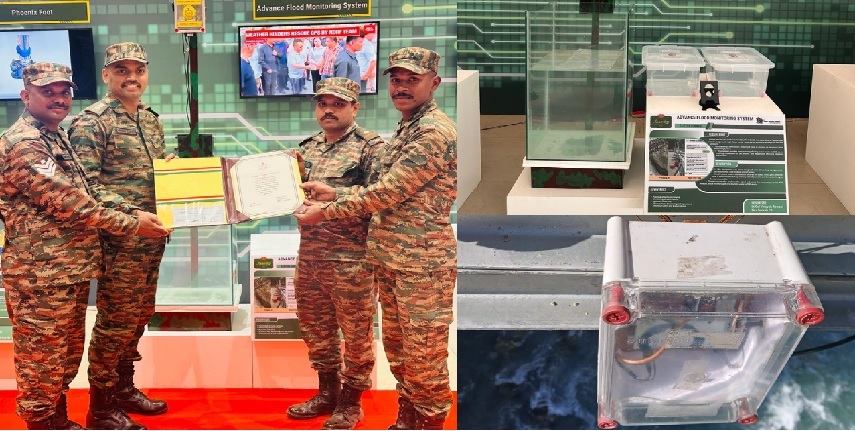
India
Nestled in the rugged terrain of the Himalayas, Sikkim faces a perennial threat from flash floods and glacial lake outburst floods (GLOFs). These disasters, fueled by rapid climate change and unpredictable weather patterns, have posed significant challenges to the region's resilience and safety. Recognizing the urgency to address these challenges, the Trishakti Sappers, an engineering unit of the Indian Army’s Trishakti Corps, developed the Advanced Flood Monitoring System (AFMS), a groundbreaking solution to mitigate the impacts of such disasters. The AFMS is a cutting-edge system designed to provide real-time water level monitoring and early warning alerts to avert catastrophe. Its creation was spurred by the devastating GLOF that struck Sikkim in October of the previous year, which led to the tragic loss of lives and destruction of critical military and civilian infrastructure. This incident emphasized the need for a robust disaster preparedness mechanism, and the Trishakti Sappers rose to the occasion with an innovative approach. The Science Behind AFMS Developed under the leadership of Havildar Suresh PK, the AFMS combines several advanced technologies to deliver precise and timely warnings. The system relies on a microcontroller for seamless data processing and integrates various sensors and communication modules to monitor and report water levels: Microcontroller: The central processing unit of the AFMS ensures real-time analysis and smooth operation of all components. UV Sensors: These monitor water quality and detect changes in water levels, providing critical data for early warnings. SONAR Technology: Utilizing the principles of sound navigation and ranging, the system measures water depth and flow with high accuracy, even in rapidly changing conditions. GSM Module: This feature sends SMS alerts to designated military and civilian personnel, ensuring that critical information reaches decision-makers instantly. These components work in harmony to deliver a highly reliable flood monitoring solution, making it an indispensable tool for disaster management in Sikkim. Recognition at Inno Yodha The innovation and efficacy of the AFMS did not go unnoticed. The Trishakti Sappers were honored at Inno Yodha, a prestigious national event hosted by the Indian Army in Delhi, for their outstanding contribution to disaster management and defense preparedness. The award not only acknowledges their technical ingenuity but also underscores the role of military-driven initiatives in tackling pressing societal challenges. A Lifeline for Sikkim The AFMS is designed to serve both military and civilian populations in Sikkim, providing a crucial lifeline in one of India’s most disaster-prone states. By delivering accurate and timely warnings, the system empowers authorities to evacuate vulnerable areas, safeguard critical infrastructure, and protect lives. Moreover, the AFMS is a testament to the potential of indigenous innovation in addressing local challenges. By leveraging relatively low-cost but highly effective technologies, the Trishakti Sappers have set a benchmark for disaster management solutions in the region. Looking Ahead The success of the AFMS signals a promising direction for disaster management in India, especially in regions susceptible to climate-induced challenges. The Indian Army’s initiative exemplifies how military expertise and technology can be harnessed to address civilian issues, fostering a culture of preparedness and resilience. As Sikkim and other Himalayan regions continue to grapple with the impacts of climate change, solutions like the AFMS will undoubtedly play a pivotal role in ensuring safety and sustainability. Beyond the immediate benefits, the system serves as an inspiration for further innovations aimed at mitigating the risks posed by natural disasters. The Advanced Flood Monitoring System isn’t just a technological achievement—it’s a beacon of hope for disaster-prone regions, proving that with the right tools and ingenuity, we can combat even the most formidable challenges nature throws our way.
Read More → Posted on 2024-12-11 16:03:44Search
Top Trending in 24 Hours
-
 Western Intelligence Warns Russia Could Launch Nuclear-Armed Satellite as Early as December
-
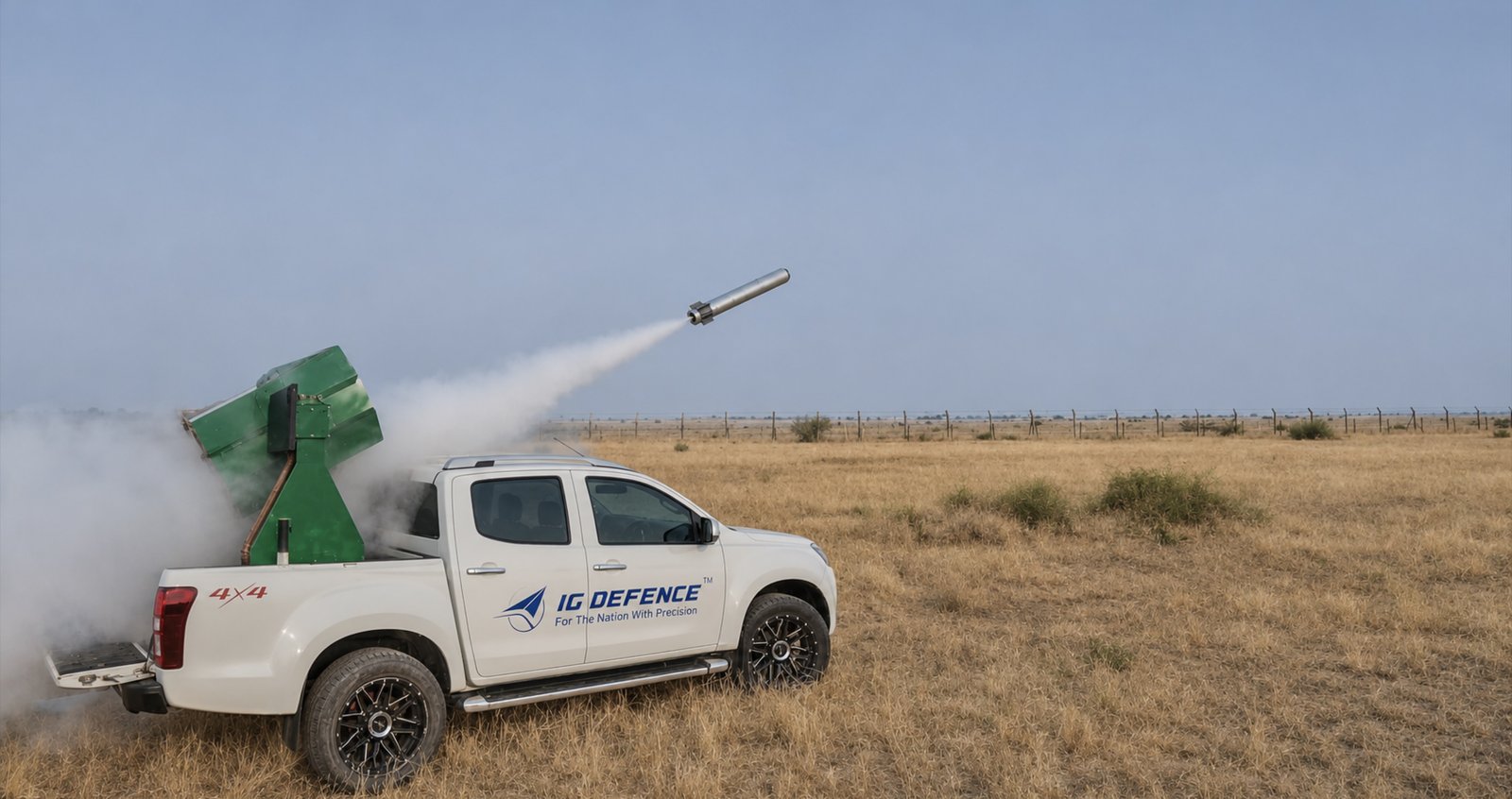 IG Defence Successfully Test-Fires JWALA MK-1 Counter-Drone Missile at Pokhran
-
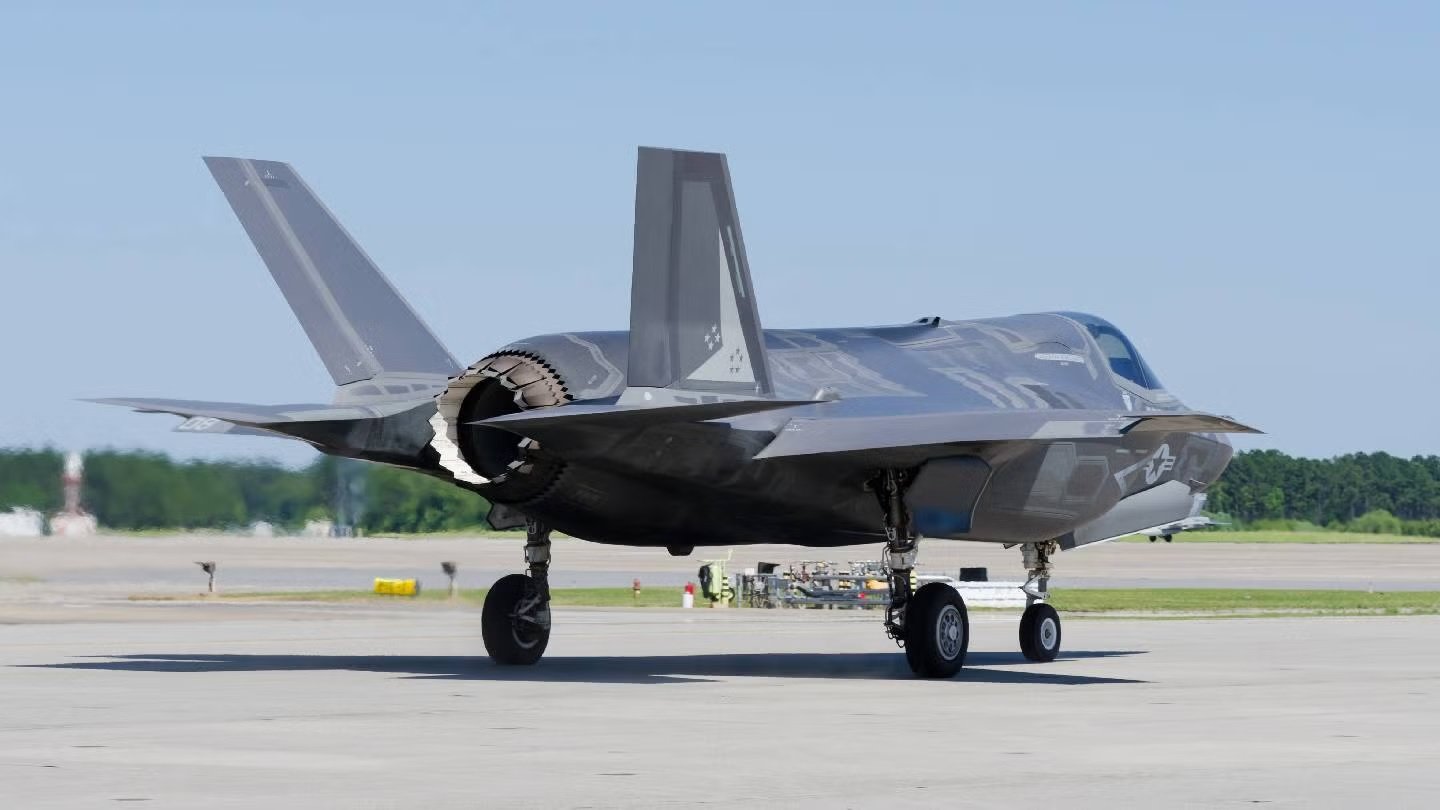 U.S. Awards Lockheed Martin $330.6 Million Contract for Long-Lead Materials Supporting 75 F-35 Lot 22 Aircraft
-
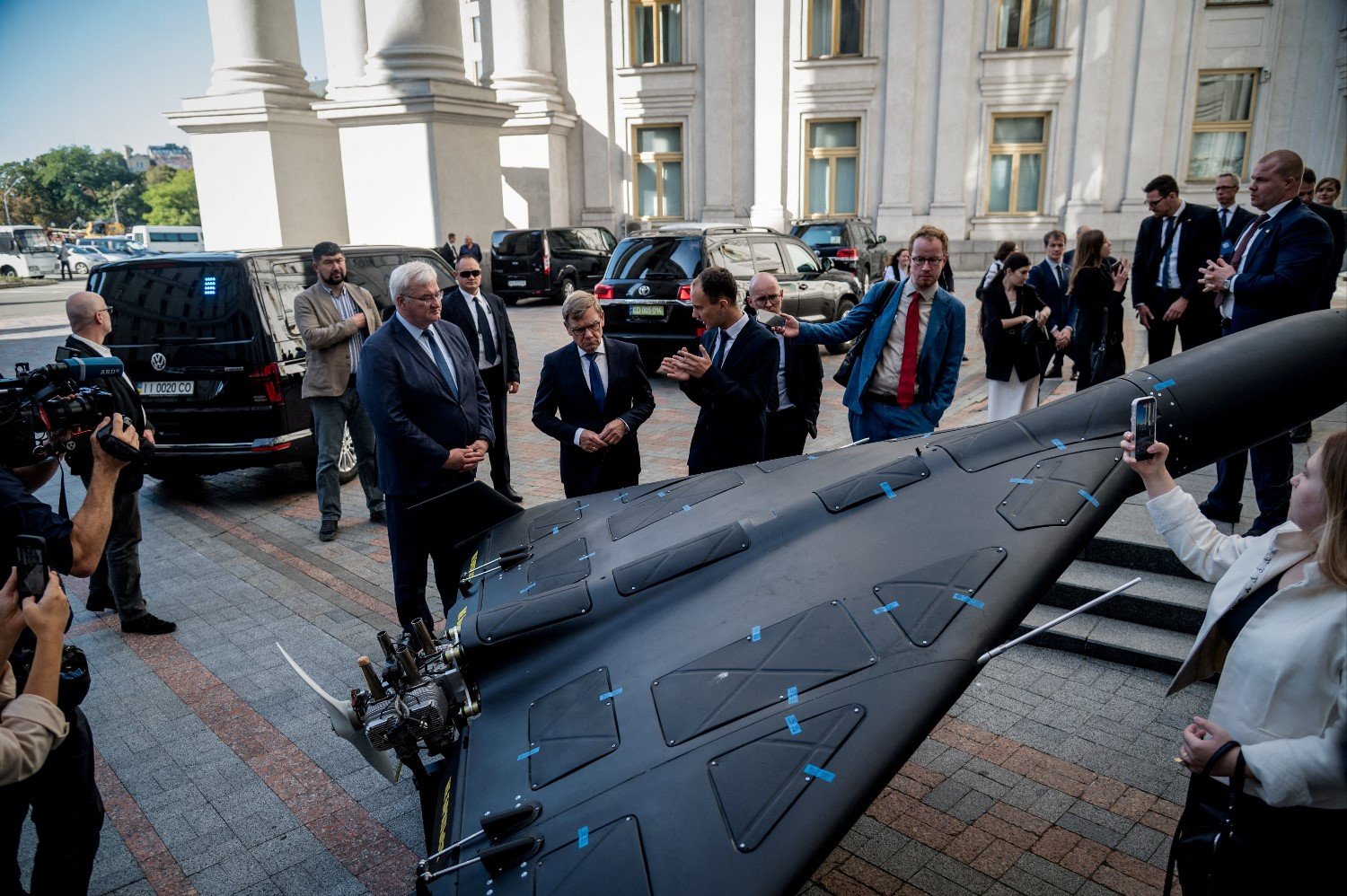 Germany Tests Kamikaze Drones and AI Targeting Systems in Lithuania Near Belarus Border
-
 Chinese Military Warns U.S. AI Could Threaten China’s Nuclear Missile Survivability
-
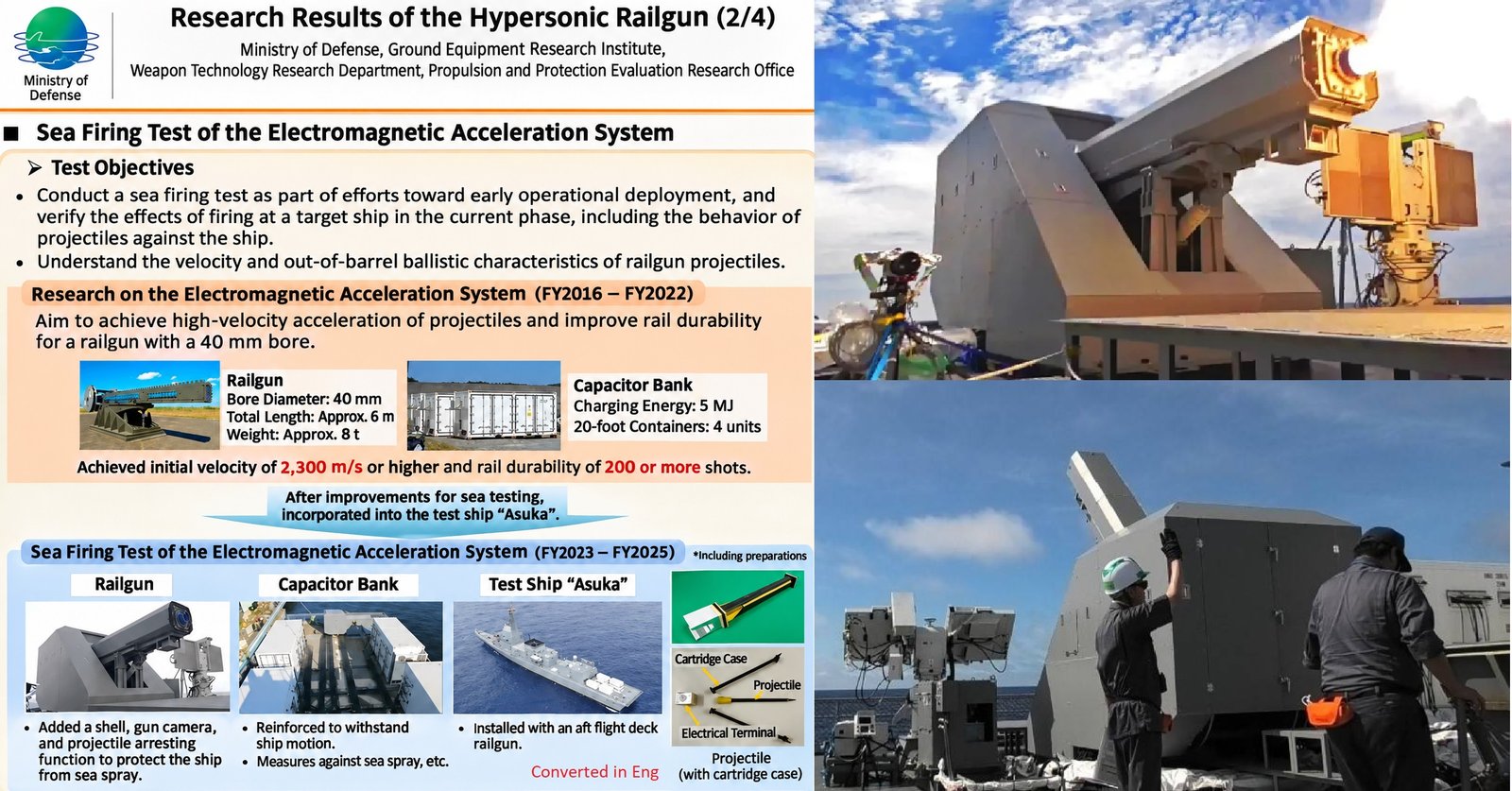 Japan Tests Battery-Powered Railgun in Ten-Shot Rapid-Fire Trial
-
 Ukraine Confirms Using Seven Naval Drones to Sink Russian Corvette Merkury Off Libya, Destroying Ka-27 Helicopter Aboard
-
 U.S. Army Places $60.3 Million Order With Saab for XM919 Shoulder-Fired Weapons
Top Trending in 4 Days
-
 Two Injured in Bahrain After Iranian Attacks; Iran Claims Strike on US Patriot Radars
-
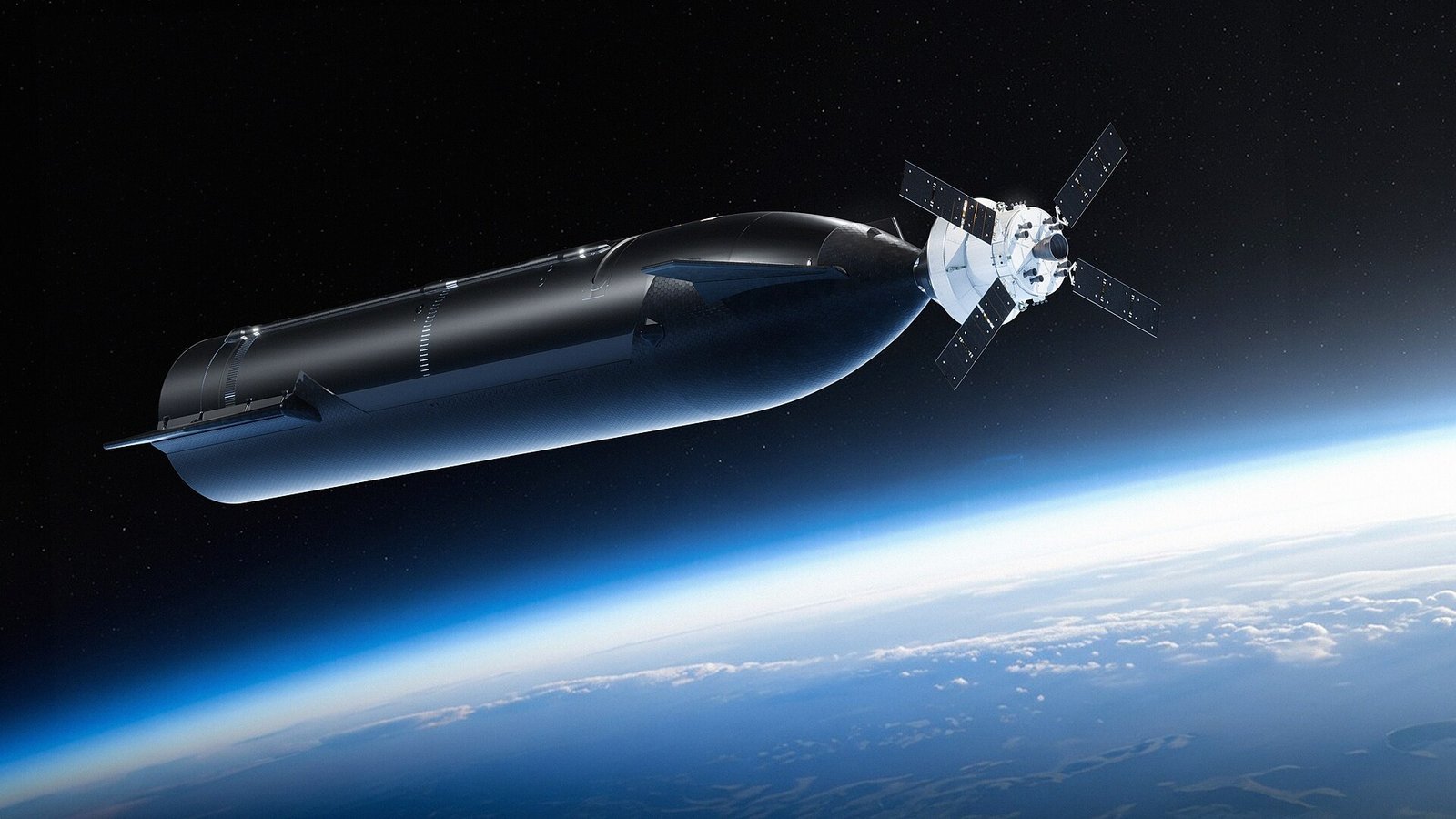 NASA's Orion Spacecraft Needs Major Modifications to Fly Backward with SpaceX Starship
-
 Iran Positions Oil Tankers at Kharg Island Amid Plans to Challenge US Naval Blockade
-
 Russian Corvette Merkury Almost Certainly Destroyed in Benghazi Port Explosion
-
Western Intelligence Warns Russia Could Launch Nuclear-Armed Satellite as Early as December
-
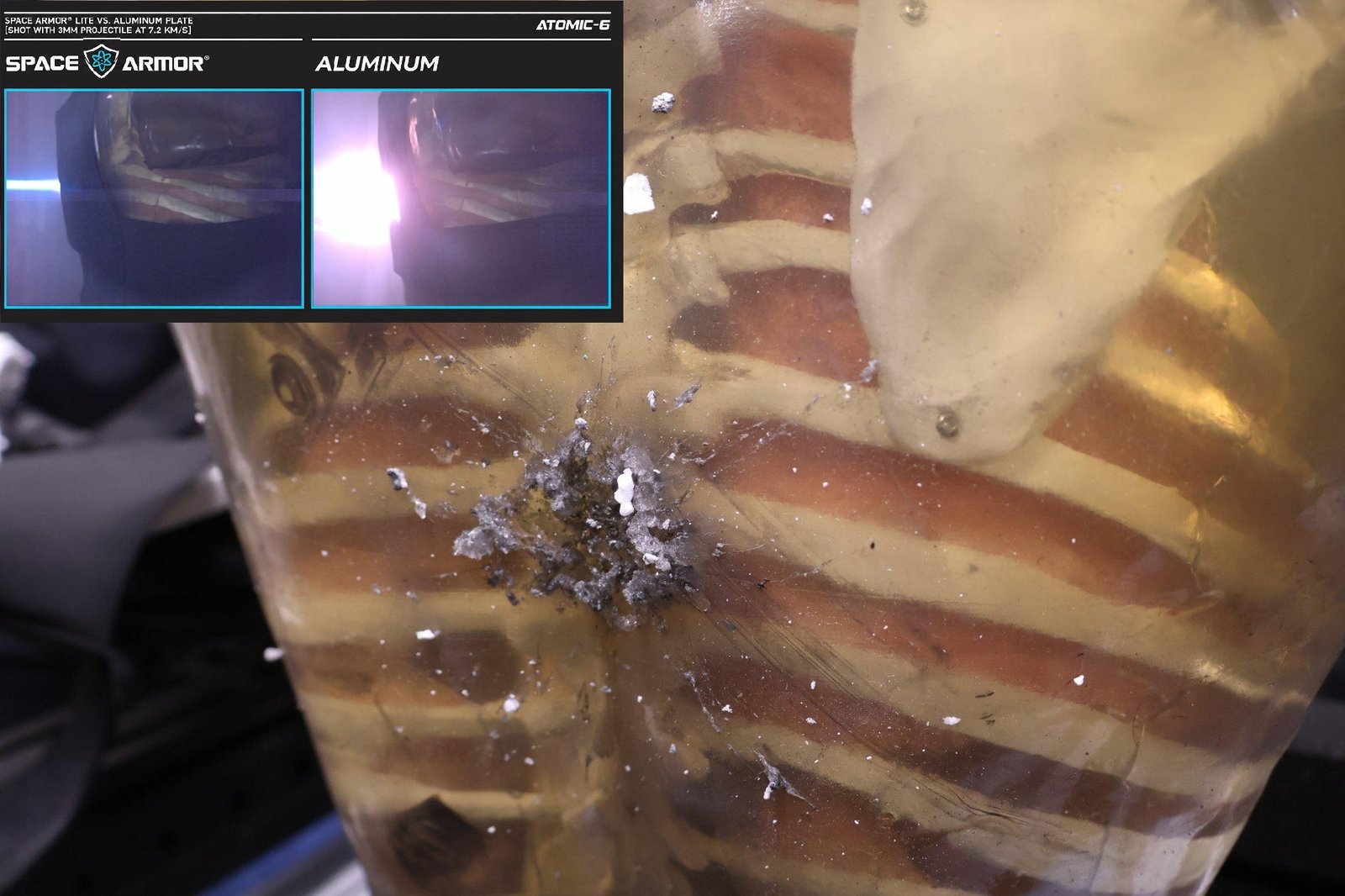 Atomic-6 Tests Composite Armor Against 16,100 MPH Space Debris for Astronaut Protection
-
 Denmark's Parliament Unanimously Approves US-Greenland Defence Deal with 109–0 Vote, Restricting Russian and Chinese Military Presence
-
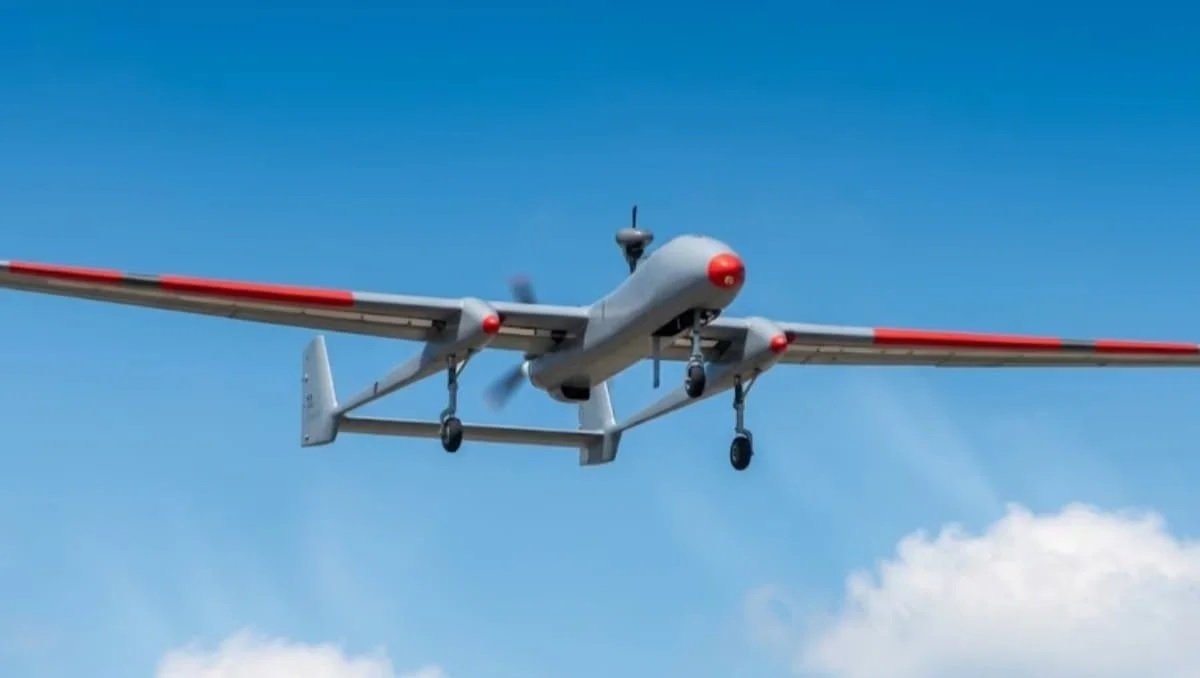 IAF Issues RFI for 500 Indigenous ISR Drones for Surveillance and Electronic Intelligence, with Six-Hour Endurance
