India
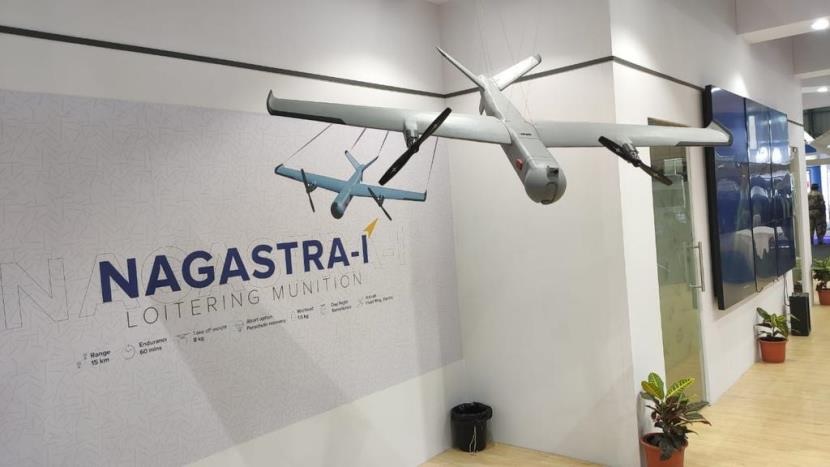
The Indian Army has inducted the Nagastra-1, a locally developed loitering munition by Solar Industries, Nagpur. This advanced UAV offers precision strikes with GPS-enabled accuracy and silent operation, enhancing battlefield capabilities for infantry troops.The Indian Army has taken delivery of the Nagastra-1, India’s first indigenous loitering munition developed by Solar Industries, Nagpur. This man-portable, fixed-wing electric UAV is designed for precision strikes in 'kamikaze mode', allowing it to neutralize threats with high accuracy.Key Features of Nagastra-11. Precision Strike Capability: The Nagastra-1 is equipped with GPS-enabled targeting, ensuring a strike accuracy of 2 meters. This precision is critical for neutralizing hostile threats effectively.2. Operational Range and Endurance: The UAV has a man-in-loop operational range of 15 kilometers and can autonomously reach targets up to 30 kilometers away. It boasts an endurance of 30 minutes, making it suitable for various mission profiles.3. Portability and Flexibility: Weighing just 9 kilograms, the Nagastra-1 is easily portable and can be carried by infantry troops on foot. This enhances the flexibility and mobility of ground forces, allowing them to deploy the UAV in diverse operational environments.4. Stealth Capabilities: Its electric propulsion system provides a low acoustic signature, rendering it virtually undetectable by enemies when operating at altitudes over 200 meters. This stealth feature is crucial for maintaining the element of surprise.5. Ease of Use: Designed with user-friendliness in mind, the Nagastra-1 can be quickly deployed by troops with minimal training. This ensures that even in the heat of battle, the UAV can be effectively used to deliver precise strikes.Advantages on the BattlefieldThe Nagastra-1 offers several strategic advantages:Enhanced Precision: With GPS-enabled targeting, the UAV can deliver strikes with exceptional accuracy, minimizing collateral damage and maximizing mission success.Silent Operation: The electric propulsion system allows for silent operation, reducing the likelihood of detection by the enemy.Extended Range: The combination of a man-in-loop range of 15 km and an autonomous mode range of 30 km provides flexibility for different mission needs.Portability: The lightweight design makes it easy for infantry units to carry and deploy, adding a new dimension to their operational capabilities.ConclusionThe induction of the Nagastra-1 into the Indian Army represents a significant advancement in India’s defense capabilities. Developed by Solar Industries, this indigenous loitering munition combines precision, stealth, and ease of use, making it a valuable asset for infantry troops. With the ability to deliver accurate strikes over extended ranges, the Nagastra-1 enhances the Indian Army’s operational effectiveness and flexibility on the battlefield.
Read More → Posted on 2024-06-14 15:47:48
India
PM Modi and President Macron reaffirm India-France strategic partnership, focusing on defence, technology, and the 'Make in India' initiative during the G7 Summit.Prime Minister Narendra Modi and French President Emmanuel Macron have agreed to strengthen strategic defence cooperation, placing a strong emphasis on India's 'Make in India' initiative. This agreement was reached during a bilateral meeting on the sidelines of the G7 Summit, held at the Borgo Egnazia resort in Apulia, Italy, from June 13-15, 2024.India and France have maintained a close strategic partnership, particularly in the fields of security and defence. The current discussions are part of ongoing negotiations for India to acquire 26 Rafale jets for the Indian Navy, following a 2016 deal in which India purchased 36 Rafale jets for the Indian Air Force, valued at €7.87 billion.Prime Minister Modi arrived at Brindisi Airport in Apulia on Thursday night, where he was received by India's Ambassador to Italy, VRao, and other officials. Expressing his anticipation for productive discussions, PM Modi is attending the G7 Summit as an outreach country at the invitation of Italian Prime Minister Giorgia Meloni.During the summit, PM Modi held meetings with several world leaders, including President Macron, UK Prime Minister Rishi Sunak, and Ukraine President Volodymyr Zelenskyy. Notably, this marks PM Modi's fourth meeting with President Macron within a year, underlining the importance both leaders place on strong India-France relations.Their discussions covered various topics such as defence, security, technology, artificial intelligence (AI), and the Blue Economy. They also explored ways to foster innovation and research among the youth. PM Modi conveyed his best wishes to President Macron for the upcoming Paris Olympics, set to begin next month.The Ministry of External Affairs highlighted that the two leaders reviewed the 'Horizon 2047' Roadmap and the Indo-Pacific Roadmap, focusing on cooperation in defence, nuclear energy, space exploration, education, climate action, digital public infrastructure, connectivity, and cultural initiatives like the National Museum partnership. They agreed to intensify strategic defence cooperation with a particular focus on the 'Make in India' initiative.Additionally, PM Modi and President Macron agreed to expand cooperation in AI, critical and emerging technologies, energy, and sports. They committed to working closely on upcoming global events, including the AI Summit and the United Nations Oceans Conference, both scheduled to be hosted in France in 2025.The leaders also exchanged views on significant global and regional issues, emphasizing that a strong and trusted strategic partnership between India and France is vital for a stable and prosperous global order. They committed to elevating their partnership to new heights.This visit to Italy for the G7 Summit marks PM Modi's first trip abroad after assuming office for the third consecutive term. The Prime Minister's Office noted that this trip underscores the significance of India's engagement with global leaders and its commitment to strengthening international partnerships.PM Modi's engagement at the G7 Summit highlights India's active role in global discussions and its efforts to enhance bilateral ties with key strategic partners like France.
Read More → Posted on 2024-06-14 15:42:00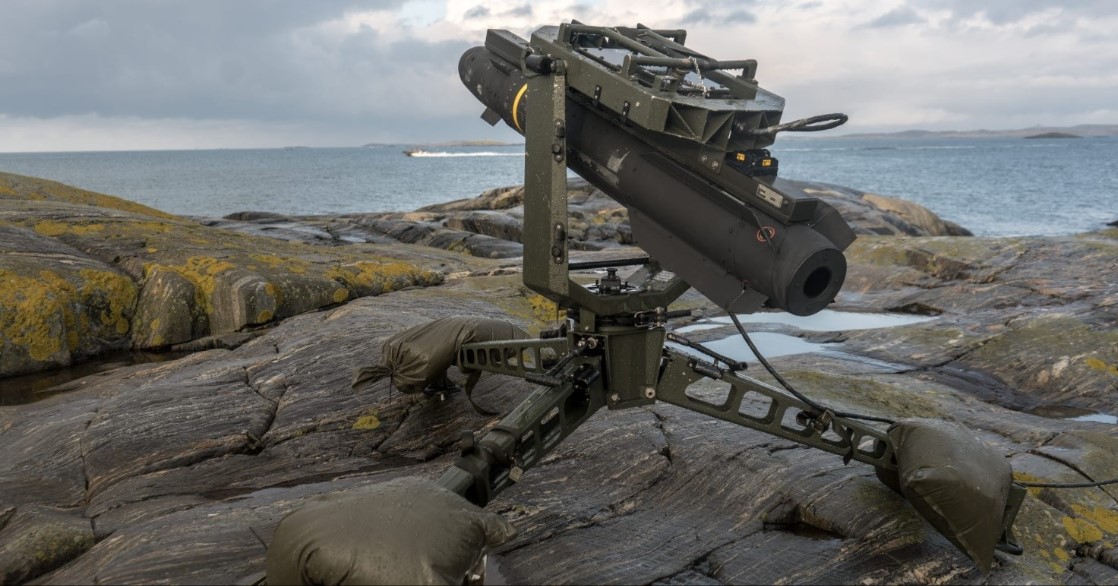
World
Sweden is modernizing its coastal defense with the RBS 18 anti-ship missile, enhancing the capabilities of its CB 90 combat boats.The Swedish Navy is taking significant steps to modernize its coastal defense capabilities. A key part of this initiative is the introduction of a new surface-to-surface anti-ship missile, designated RBS 18, set to replace the current man-portable Hellfire-missile system. This new missile will be integrated into the CB 90 combat boats, a staple in the Swedish Navy’s fleet.Modernizing the CB 90 Combat BoatThe CB 90 combat boats, known for their speed and agility, are just under 16 meters in length and 4 meters in width. Despite their size, these boats need to accommodate the RBS 18 missiles, posing a challenge given the limited space. This small size often restricts the types of weapons that can be mounted on such vessels. For instance, MBDA’s MARTE MK2/N, a medium-range lightweight anti-ship missile system, requires a minimum vessel length of 25 meters. However, the CB 90’s specifications do fit within the weight limits for a twin-launcher system, indicating that the Swedish Navy is aiming for a substantial anti-ship weapon rather than a modified anti-tank missile.The Amfbat 2030 ProgramThe RBS 18 missile procurement is part of the broader Amfbat 2030 program, which aims to enhance the capabilities of the Swedish marine battalions. This program focuses on increasing lethality and mobility for littoral units, enabling them to engage from their vessels without needing to disembark. To support this, the program includes acquiring new sensors, vessels, and weapons.One significant contract already placed under this program is for shipboard mortars, providing indirect fire-support capability. Additionally, tenders for short and very-short-range air defense missiles and eight anti-aircraft guns for the CB 90 are also underway. These anti-aircraft guns, reportedly in caliber 30 × 173 mm, are becoming increasingly popular for vehicle mounts due to their effectiveness.Financial Investment and Future PlansThe scale of these tenders is notable, with the anti-ship missile deal valued at approximately 268 million euros and the air defense guns at around 166 million euros. Interestingly, the decision to base these tenders on the current CB 90 combat boats is somewhat surprising. Despite the CB 90HSM being the most modern variant, the original hull design might face challenges regarding space and stability when equipped with larger weapons. This concern has already influenced the decision to procure a new vessel for the recently acquired mortar turrets.Looking AheadThe future of the CB 90 combat boats and their role in Sweden’s coastal defense remains to be seen. Whether the new systems, including the RBS 18 missiles, will be mounted on a modified version of the CB 90 or an entirely new vessel is still under consideration. This modernization effort underscores Sweden's commitment to enhancing its coastal defense capabilities in the face of evolving maritime threats.
Read More → Posted on 2024-06-14 15:38:22
World
The US military has grounded its fleet of V-22 Osprey aircraft until mid-2025 due to ongoing safety concerns following a series of fatal crashes. Efforts to address mechanical issues and improve safety measures are underway.The US military has grounded nearly 400 V-22 Osprey aircraft across all branches until at least mid-2025. This decision follows a series of crashes that resulted in the deaths of 20 service members over the past two years. The grounding was announced by US Naval Air Systems Command (NAVAIR) chief Vice Adm. Carl Chebi during a House oversight hearing.The primary issue behind the grounding is the persistent clutch failure that caused a fatal crash in June 2022 in California. NAVAIR is conducting comprehensive safety and performance assessments, which are expected to take another six to nine months to complete. Vice Adm. Chebi emphasized the importance of addressing all safety concerns before allowing the Ospreys to resume unrestricted flight operations.Since the V-22 Osprey's induction in 2007, the aircraft has been involved in several accidents, resulting in 64 deaths and 93 injuries among service members. The most alarming period occurred between March 2022 and November 2023, with four fatal crashes, including one off the coast of Japan that killed eight American soldiers. This incident led to the grounding of V-22 fleets in both the US and Japan for investigations.In March, the US military permitted the Ospreys to fly again but only under a "limited envelope," restricting missions to within 30 minutes of a suitable airfield. Despite these precautions, the decision to extend the restricted flight status underscores the severity of the safety issues.The House Committee on Oversight and Accountability initiated a separate investigation into the V-22 program in December 2023, expressing frustrations over the lack of access to safety records. Rep. Stephen Lynch of Massachusetts warned that another accident could lead to the termination of the V-22 program, citing the repeated fatalities as unacceptable.The V-22 Osprey, a tiltrotor aircraft capable of vertical takeoff and landing, has been a critical asset for the US military. Its unique design allows it to perform various missions, including troop transport, medevac, and cargo lift. However, the ongoing safety concerns and mechanical issues have overshadowed its operational capabilities.As the US military continues to address these problems, the future of the V-22 program remains uncertain. The extended grounding period aims to ensure the safety of service members and restore confidence in the aircraft's reliability. Until all safety issues are resolved, the V-22 Ospreys will remain grounded, and their return to full flight status will depend on the successful implementation of necessary improvements.
Read More → Posted on 2024-06-14 15:27:53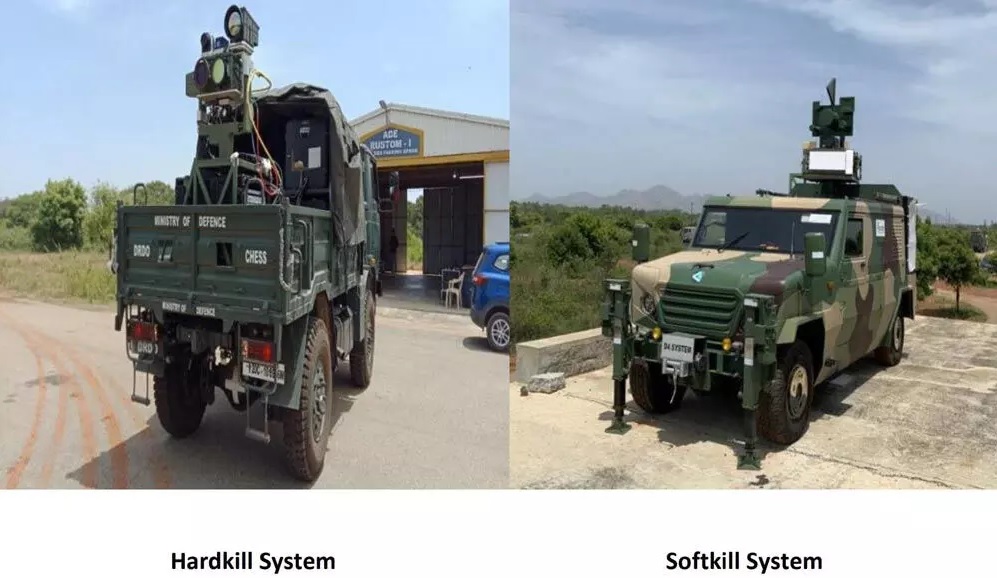
India
India is making significant strides in counter-drone technology, developing and deploying advanced systems to safeguard its armed forces and critical infrastructure from emerging drone threats.The conflict in Ukraine has highlighted the increasing relevance of drone warfare, prompting countries worldwide to invest in counter-drone technologies. Drones have proven capable of taking out tanks, artillery, and even individual soldiers, making previously safe areas vulnerable. With affordable thermal imaging and night vision, drones pose a threat day and night, necessitating robust countermeasures.India has been proactive in addressing this menace. The Indian Navy was among the first to adopt counter-drone technology, purchasing the Israeli SMassh-2000 system in 2020. While effective, this system relied on manual spotting of targets. Recognizing the need for more advanced solutions, the Defence Research and Development Organisation (DRDO) developed a soft-kill system, which first came to prominence during the 2020 Independence Day celebrations at Red Fort, ensuring the security of the airspace during PM Modi’s speech. This system has since been deployed in high-profile events, including the Modi-Trump roadshow in Ahmedabad.The June 2021 drone attack on the Jammu Air Force Base underscored the urgency of counter-drone capabilities. In response, the Indian armed forces began deploying anti-drone systems in key locations. The DRDO-developed, BEL-manufactured D4 system is a significant advancement in this field. This versatile system employs both hard kill and soft kill methods to neutralize drones. In hard kill mode, it uses lasers to destroy targets, while its soft kill mode disrupts communication and GPS signals. Equipped with advanced features such as radars and electro-optical systems, the D4 can operate effectively day and night.Learning from the ongoing conflict in Ukraine, the Indian Army is addressing the threat posed by First Person View (FPV) drones, which have targeted frontline personnel and equipment. To combat these threats, the army has started receiving deliveries of the Man Portable Counter Drone System (MPCDS). This indigenously developed system can detect and neutralize drones up to a distance of 5 kilometers using the soft kill method.India’s rapid advancements in counter-drone technology underscore its commitment to protecting its armed forces and critical infrastructure. By investing in and deploying sophisticated systems like the D4 and MPCDS, India is racing ahead in the global counter-drone space, ensuring a robust defense against emerging aerial threats.
Read More → Posted on 2024-06-14 15:23:43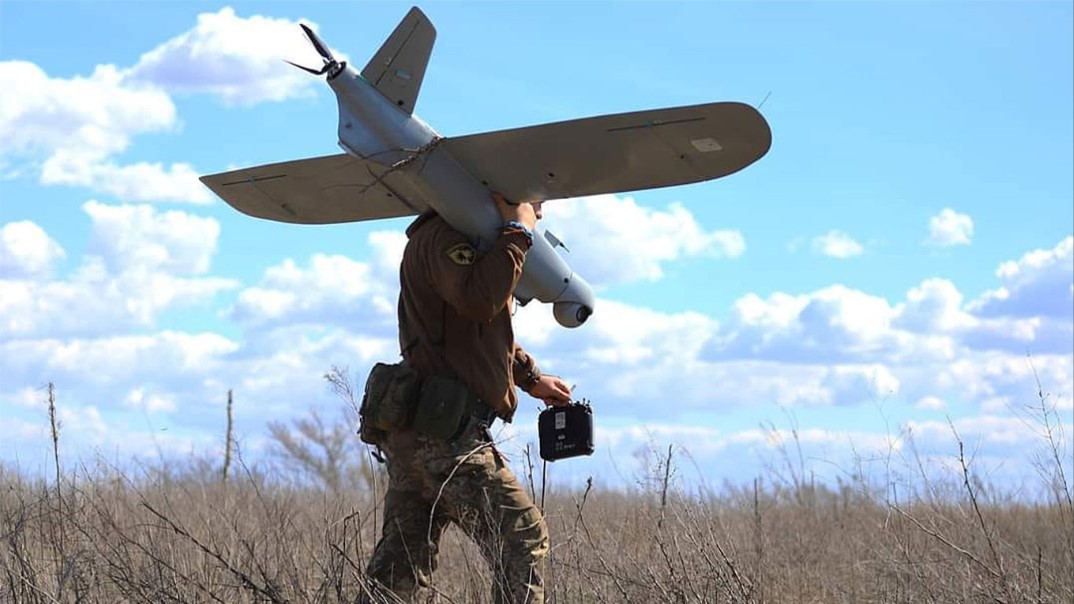
World
Russia intercepts 87 Ukrainian drones, preventing major damage but causing power cuts in several regions.Russia announced on Friday that it had intercepted 87 Ukrainian drones overnight. Among these, 70 targeted the Rostov region, home to the headquarters of Russia's military operations against Ukraine. The Russian defense ministry described the attempted drone attacks as a "terrorist attack" orchestrated by Kyiv, claiming it was successfully thwarted.In addition to the 70 drones intercepted over Rostov, the defense ministry reported downing six drones each over the Kursk and Voronezh regions, and two each over the Volgograd and Belgorod regions, which border Ukraine.Rostov's regional governor, Vasily Golubev, confirmed that there were no human casualties from the attacks. However, the drone strikes did cause power outages in various areas. In Voronezh, falling debris slightly damaged a fuel reservoir, as reported by regional governor Aleksander Gusev.The attacks underscore the ongoing tensions and conflict between Russia and Ukraine, with both sides frequently engaging in drone warfare. Such incidents have become more common, affecting both military and civilian infrastructure.The downing of these drones by Russian air defenses highlights the continuous effort by Russia to protect its regions from aerial threats amid the ongoing conflict with Ukraine. As the situation evolves, both sides remain vigilant, with further drone attacks and interceptions likely to continue.For more detailed coverage and updates on the conflict, please refer to reliable news sources and official statements from regional authorities.
Read More → Posted on 2024-06-14 15:11:05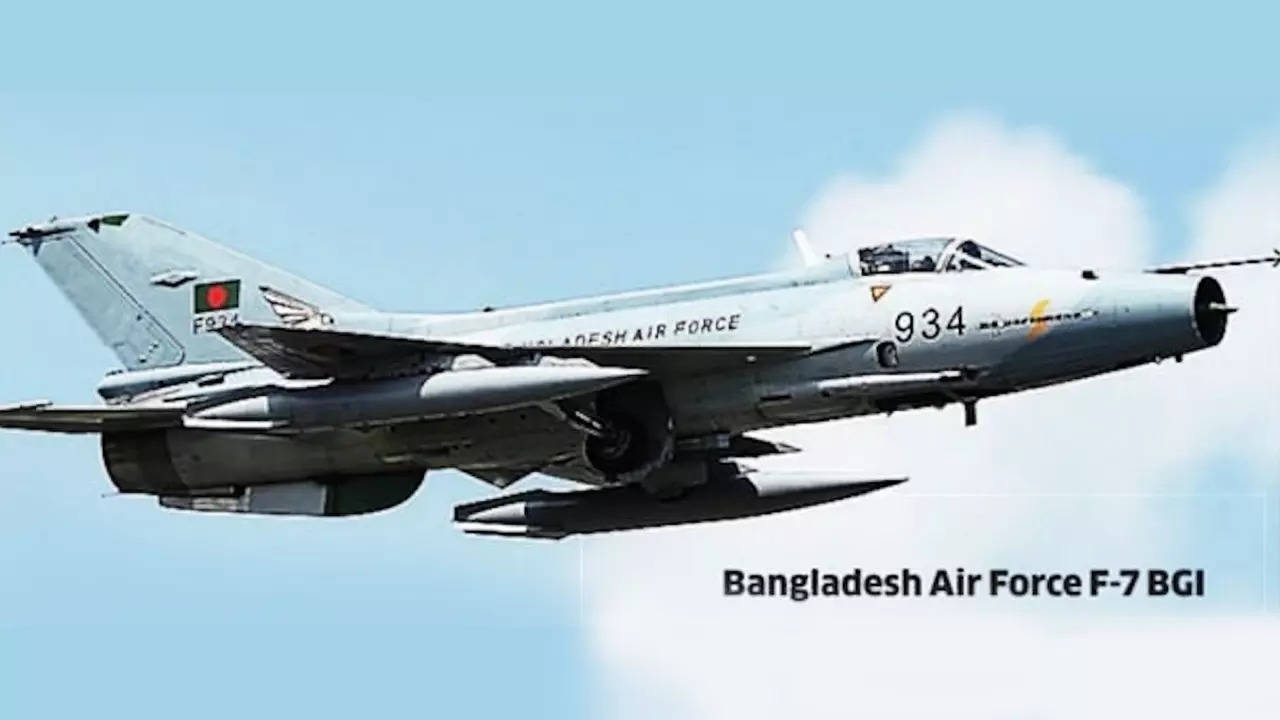
World
Bangladesh has formally complained to China about defective components and technical issues in its imported military hardware, including problems with aircraft, tanks, and naval vessels.Bangladesh, a long-time purchaser of Chinese military equipment, has formally lodged complaints with Beijing regarding defective components and technical issues affecting its imported defense systems. These issues have raised significant concerns within the Bangladesh military, encompassing various branches including the Navy, Air Force, and Army.The Bangladesh Navy has reported multiple defects in Chinese-made corvettes, patrol crafts, and onshore patrol vehicles, citing manufacturing flaws and technical difficulties. This extends to two recently acquired Chinese frigates, which experienced numerous issues shortly after their arrival. Chinese companies demanded additional payments to fix these defects, further complicating the situation.Similarly, the Bangladesh Air Force has encountered significant problems with its Chinese-made F-7 fighter jets and short-range air defense systems. Additionally, the K-8W aircraft, another product of Chinese manufacturing, has faced challenges with ammunition firing. The airborne interception radars and fighter aircraft radars supplied by China have also failed to meet accuracy standards.The Bangladesh Army is not immune to these difficulties. The Main Battle Tanks (MBT 2000) imported from China's North Industries Corporation (NORINCO) have suffered from a lack of necessary parts for repair and maintenance, hampering their operational readiness.These issues are not new for Bangladesh. A decade ago, the country purchased two refurbished Ming-class submarines from China, only to later discover that they were obsolete. Additionally, the Bangladesh Navy had to deal with problems related to the C704 missile system on the warship 'BNS Nirmul', with the supplying company, China Vanguard Industry Co. Ltd. (CVIC), only agreeing to an upgrade at an extra cost.In a move reflecting broader dissatisfaction, Bangladesh decided to replace 36 out of 45 Chinese-made Multi Launch Rocket System (MLRS) units with Turkish-made alternatives. This decision highlights the ongoing challenges and reliability issues with Chinese military equipment.Bangladesh is not the only country facing such problems. Myanmar, among others, has also reported issues with Chinese fighter jets. Experts on the Chinese defense industry argue that China lacks the expertise to produce highly sophisticated military equipment and often relies on outdated technology copied from the West.Despite these issues, many developing countries continue to purchase Chinese weapons due to their lower cost compared to Western alternatives. China conducts its arms sales through state-run export organizations such as the Aviation Industry Corporation of China (AVIC), NORINCO, and CVIC.These ongoing problems with Chinese military hardware are prompting Bangladesh to reconsider its defense procurement strategies, potentially seeking more reliable alternatives to ensure the effectiveness and safety of its military forces.
Read More → Posted on 2024-06-14 15:03:47
World
The end of the US-Saudi petrodollar deal allows Saudi Arabia to sell oil in various currencies, potentially diminishing the US dollar's global dominance.The US-Saudi Arabia petrodollar agreement, a cornerstone of global finance for the past 80 years, has officially ended. Established on June 8, 1974, this deal allowed Saudi Arabia to trade its crude oil exclusively in US dollars in exchange for military support from the United States. The expiration of this deal on June 9, 2024, marks a significant shift in international economic dynamics.What Are Petrodollars?Petrodollars refer to US dollars earned by oil-exporting countries from the sale of crude oil. Though not a separate currency, the term highlights the economic power of oil sales conducted in US dollars. The concept of petrodollars emerged in the early 1970s and has been a critical factor in global economics and geopolitics.Historical ContextThe roots of the petrodollar system can be traced back to the Bretton Woods Agreement of 1944, which established the US dollar as the world’s primary reserve currency, pegged to gold. This system brought stability to the international monetary system post-World War II. However, in 1971, US President Richard Nixon ended the dollar's convertibility to gold, leading to floating exchange rates and increased currency volatility.The early 1970s also saw the Organization of Petroleum Exporting Countries (OPEC) imposing an oil embargo in response to US support for Israel during the Yom Kippur War. This embargo caused oil prices to soar. To stabilize the situation, the US struck a deal with Saudi Arabia and other OPEC nations, agreeing that oil would be traded exclusively in US dollars. In return, the US provided military protection and economic support, solidifying the petrodollar system.The 1974 US-Saudi Petrodollar DealDuring the 1974 oil crisis, the US and Saudi Arabia reached a pivotal agreement. The US committed to purchasing oil from Saudi Arabia and providing military aid and equipment. In exchange, Saudi Arabia agreed to invest its petrodollar revenues back into the US economy. This deal ensured a reliable oil supply for the US and financial stability for Saudi Arabia, creating a mutually beneficial relationship.What Happens Now?With the expiration of this deal, Saudi Arabia is now free to sell oil in multiple currencies, including the yuan, euros, rubles, and yen. Additionally, Saudi Arabia is exploring the possibility of accepting digital currencies like Bitcoin for oil transactions. This shift could accelerate the trend of using alternative currencies in international trade, potentially weakening the US dollar's global dominance.The decline in demand for the US dollar may lead to higher inflation, increased interest rates, and a weaker bond market in the United States. These changes reflect a significant transformation in the global financial landscape, signaling the end of an era dominated by the petrodollar system.Broader ImplicationsThe expiration of the US-Saudi petrodollar deal opens the door for a more diversified and multipolar global financial system. Countries that have been reliant on the US dollar for oil transactions may now have the opportunity to engage in trade using their own currencies or alternative global currencies. This could lead to a more balanced distribution of economic power and influence across the globe.In summary, the end of the US-Saudi petrodollar deal marks a pivotal moment in global finance. As Saudi Arabia begins to trade oil in various currencies, the implications for the US dollar's dominance and the broader international economic system are profound. This shift may pave the way for a new era in global trade and finance, characterized by greater currency diversity and reduced dependency on the US dollar.
Read More → Posted on 2024-06-14 07:03:37
India
The School Education Department of Jammu and Kashmir mandates the national anthem to start morning assemblies in all schools, promoting unity and discipline among students.The School Education Department of Jammu and Kashmir has issued a directive requiring all schools in the Union Territory to begin their morning assemblies with the national anthem. This initiative aims to create a uniform start to the school day across the region. The directive, issued by the Principal Secretary to the Government, School Education Department, emphasizes the importance of this practice in fostering unity and discipline among students.According to the circular, morning assemblies play a crucial role in instilling moral integrity, a sense of community, and mental tranquility in students. Despite their significance, it has been observed that these assemblies are not conducted uniformly across various schools in Jammu and Kashmir. To address this, the department has outlined 16 steps that schools should follow to standardize their morning assemblies.In addition to singing the national anthem, schools are encouraged to invite guest speakers to address the students on various topics. The department suggests focusing on environmental awareness and the dangers of drug abuse as part of the assembly activities. This broader approach aims to provide students with valuable knowledge and promote social and moral values.By implementing these guidelines, the School Education Department hopes to reinforce the morning assembly as a vital tradition that contributes to the overall development of students. The initiative underscores the department’s commitment to ensuring that all students in Jammu and Kashmir start their day with a sense of national pride and communal harmony.This move is expected to bring a sense of uniformity and shared purpose to the school routines across the Union Territory, helping to nurture well-rounded individuals who are aware of their responsibilities towards society and the environment.
Read More → Posted on 2024-06-14 06:57:27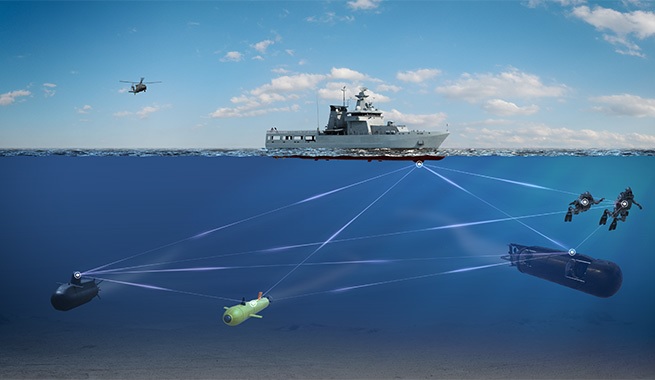
India
CFF Fluid Control Ltd of India and ATLAS ELEKTRONIK GmbH, a subsidiary of Germany's Thyssenkrupp Marine Systems, have partnered to supply 12 low-frequency variable depth sonar systems to enhance the anti-submarine warfare capabilities of the Indian Navy.CFF Fluid Control Ltd, an Indian engineering company, has joined forces with ATLAS ELEKTRONIK GmbH, a subsidiary of the German defence giant Thyssenkrupp Marine Systems, to deliver 12 indigenous low-frequency variable depth sonar systems. This collaboration marks a significant step forward in bolstering the Indian Navy's anti-submarine warfare (ASW) capabilities using local resources and technology.The sonar systems will be utilized on Indian Navy ASW vessels, with production taking place at Kolkata-based Garden Reach Shipbuilders and Engineers Ltd and Kochi-based Cochin Shipyard Limited. These systems are towed sonars, which are essential for detecting and tracking submarines, thereby enhancing the Navy's ability to conduct ASW operations effectively.The technology for these sonar systems is not new to the Indian Navy. Atlas Elektronik has previously supplied Active Towed Array Sonars, which have been successfully tested in Indian waters. The new partnership between CFF Fluid Control and Atlas Elektronik aims to build on this foundation, further improving the operational efficiency of the Indian Navy's frontline vessels.CFF Fluid Control Ltd is a key player in the manufacture, overhaul, repair, and maintenance of mechanical and electronic equipment, navigation, communication, and weapon systems for Indian naval submarines and surface ships. Their expertise spans various systems, including pneumatic, hydraulic, electrical, and electronic systems, which are critical for the operational readiness of naval vessels.Atlas Elektronik GmbH is renowned for its expertise in underwater acoustics and technology, making it a leading name in the maritime defence sector. As a division of Thyssenkrupp Marine Systems, Atlas Elektronik brings a wealth of experience and advanced technology to the table, enhancing the capabilities of naval forces around the world.This collaboration aligns with the Indian government's initiative to achieve self-reliance in defence manufacturing. By producing the sonar systems domestically, CFF Fluid Control Ltd is contributing to the "Make in India" mission, ensuring that critical defence technologies are developed and manufactured within the country.The partnership is expected to not only enhance the ASW capabilities of the Indian Navy but also stimulate local industry and create high-tech jobs in the defence sector. This move underscores the importance of international collaborations in advancing indigenous technological capabilities and strengthening national defence.
Read More → Posted on 2024-06-14 06:53:50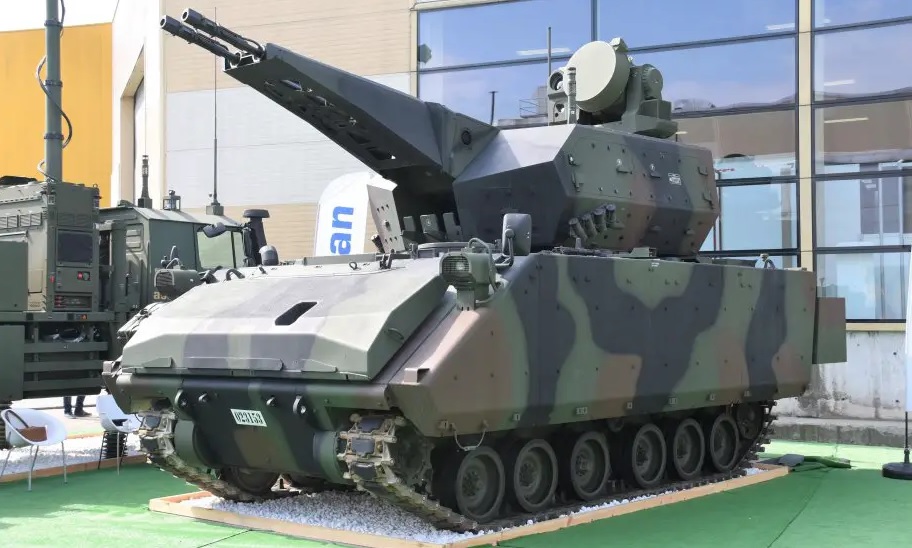
World
ASELSAN will present its KORKUT Air Defence Gun System on an 8x8 vehicle at Eurosatory 2024, demonstrating advanced, adaptable air defense capabilities. KORKUT features a twin barrel 35 mm turret, air burst ammunition, and automatic target tracking for comprehensive protection.ASELSAN, Türkiye’s leading defense company, will present its latest solutions and extensive product range at Eurosatory 2024 from 17-21 June. A notable highlight will be the KORKUT Air Defence Gun System, showcased on an 8x8 vehicle for the first time internationally.ASELSAN is renowned for its expertise in air defense, offering advanced, integrated solutions to meet the demands of modern warfare. The KORKUT system, already part of the Turkish Armed Forces’ inventory in a tracked vehicle configuration, demonstrates remarkable adaptability. It can be configured for stationary use, or integrated on tracked or 8x8 vehicles, ensuring effective performance in diverse environments and challenging terrains.The KORKUT system is designed to protect mobile units and mechanized troops with its stabilized, unmanned gun turret capable of firing on the move. It features the ATOM 35 mm Airburst Ammunition, also developed by ASELSAN, to counter a variety of threats including helicopters, aircraft, cruise missiles, air-to-ground missiles, and unmanned aerial vehicles (UAVs).Key features of the KORKUT Air Defence Gun System include:Twin Barrel 35 mm Gun Turret: Capable of firing at a rate of 2 x 550 rounds per minute.Air Burst Ammunition: Effective against fixed-wing and rotary-wing aircraft, cruise missiles, air-to-ground missiles, and UAVs.Automatic Linkless Ammunition Feed Mechanism (ALAFM): Allows loading two different types of ammunition simultaneously and switching between them in less than 15 seconds.Stabilized Gun Turret: Enables target tracking and firing on the move.Automatic Target Tracking: Utilizes an integrated tracking platform with radar and electro-optical (E/O) sensors.Additionally, the KORKUT Command and Control Vehicle enhances operational effectiveness with:3D Search Radar: For comprehensive target acquisition and tracking.Advanced Threat Evaluation: Implements sophisticated weapon assignment algorithms.Integrated IFF System: Ensures identification of friend or foe.Coordinated Operations: Facilitates collaboration with higher echelon command and control units.The showcase at Eurosatory 2024 underscores ASELSAN's commitment to delivering advanced air defense solutions that adapt to evolving operational needs, enhancing the capabilities of defense forces worldwide.
Read More → Posted on 2024-06-13 16:23:08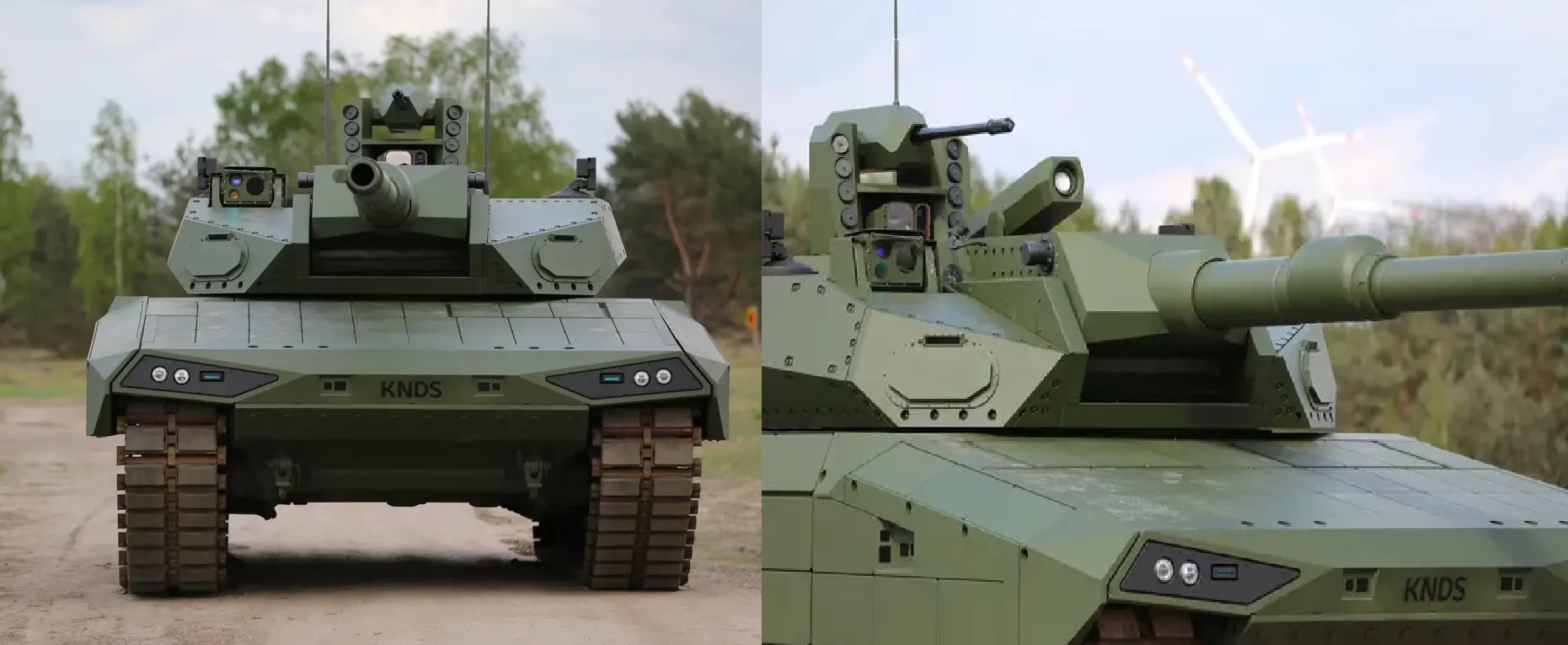
World
The Leopard 2 A-RC 3.0, developed by KNDS, features an unmanned turret and advanced protection systems, enhancing crew safety and combat effectiveness in modern armored warfare.KNDS (KMW + NEXTER Defense Systems) has introduced the Leopard 2 A-RC 3.0, an advanced variant of the Leopard 2 tank featuring an unmanned turret. This significant innovation enhances capabilities and crew protection, reflecting a pivotal evolution in armored combat vehicles.Key Features and InnovationsThe Leopard 2 A-RC 3.0 stands out due to its unmanned turret, a design that redefines tank operation and crew safety. The turret's unmanned nature allows the crew to be relocated to a heavily protected compartment, reducing onboard personnel to three. This compartment offers maximum protection, significantly improving crew survivability in hostile environments.Armor and Protection:The tank is equipped with reactive armor and has the potential for an integrated active protection system, enhancing its defensive capabilities against various threats.Firepower:The turret supports 120mm, 130mm, or 140mm guns, making it versatile for different combat scenarios. An automatic loading mechanism enables the firing of three shots in just 10 seconds.The exact ammunition capacity is undisclosed but exceeds the standard load of the traditional Leopard 2.It can be outfitted with a remote weapon system, including a 30x113mm gun and a mortar for deploying smoke screens.The system can integrate anti-tank missiles and drones, extending combat capabilities beyond conventional engagements.A guided missile system allows for engaging targets beyond line of sight while moving.A remote-controlled 30mm weapon system enhances its ability to counter near-field and aerial threats.Design and Dimensions:The turret's low-profile design minimizes visibility, making the tank a more elusive target.Dimensions: 7.95 meters in length (11.17 meters including the gun), 3.73 meters in width, and 2.4 meters in height (2.84 meters with the periscope).Ground clearance is 500 millimeters, combining robust protection with impressive mobility.Performance:Powered by a 1500-horsepower engine, the tank can reach speeds of up to 65 kilometers per hour.Maximum road range is 460 kilometers, ensuring swift navigation across diverse terrains.Weight varies around 60 tons, depending on the configuration.Strategic SignificanceThe Leopard 2 A-RC 3.0 is not just an interim solution before the Main Ground Combat System (MGCS) but also a technological precursor to it. It maintains full backward compatibility, allowing current Leopard 2 variants to be upgraded to this new standard. This modular approach ensures the tank can be customized to meet specific customer needs.Development ContextThe unveiling of the Leopard 2 A-RC 3.0 follows a breakthrough agreement between Germany and France to develop the MGCS, intended to replace both the Leopard 2 and the French Leclerc. KNDS, alongside Rheinmetall, will lead this ambitious project, with Nexter manufacturing 50% of the systems, while the remaining half is shared between the two German contractors.
Read More → Posted on 2024-06-13 16:15:58
World
Hezbollah launched a major coordinated attack on Israeli military sites, including rocket and drone strikes, in retaliation for the killing of a senior commander by Israel. This escalation marks the largest drone offensive by Hezbollah in the ongoing conflict.Hezbollah, the Lebanon-based militant group, significantly escalated hostilities along Lebanon's southern border by launching a series of coordinated attacks on Israeli military sites. This marked the second consecutive day of intensified conflict, prompted by the killing of a senior Hezbollah commander in an Israeli airstrike.Details of the AttackOn Thursday, Hezbollah announced it had targeted nine Israeli military sites with rockets and weaponized drones. This large-scale attack involved volleys of Katyusha and Falaq rockets fired at six locations and the launch of drones at three significant targets: Israel's northern command headquarters, an intelligence headquarters, and a military barracks.According to Al-Manar television, Hezbollah fired more than 100 rockets simultaneously, marking a significant escalation in their military activities. A security source informed Reuters that the drone attack included at least 30 drones, the largest such offensive by Hezbollah in the ongoing conflict, which has been active for eight months.Background and RetaliationThe escalation followed an Israeli strike on Tuesday that killed a senior Hezbollah field commander. In response, Hezbollah carried out at least eight attacks on Wednesday. The group's statement emphasized that Thursday's operations were a direct retaliation for the commander's death.Since the outbreak of the Gaza war in October, Hezbollah and Israel have exchanged fire intermittently. However, the killing of the Hezbollah commander triggered a notable increase in hostilities over the past two days.Broader ContextHezbollah, backed by Iran, has long been involved in regional conflicts and has a history of hostilities with Israel. The group's increased use of drones and coordinated rocket attacks signifies a shift in its military strategy, aiming to leverage advanced technology for more impactful strikes. Israel's northern command, the intelligence headquarters, and military barracks targeted in the drone attacks are critical to the country's defense infrastructure. Hezbollah's capability to conduct such large-scale drone offensives indicates a significant enhancement in its operational capacity.ImplicationsThe latest attacks underscore the volatile and escalating nature of the conflict between Hezbollah and Israel. This increase in hostilities poses a substantial risk to regional stability and could lead to further military engagements.ConclusionThe recent escalation by Hezbollah highlights the ongoing and intensifying conflict with Israel. With advanced weaponry and coordinated attacks, the group continues to challenge Israeli military operations, raising concerns over broader regional implications.
Read More → Posted on 2024-06-13 16:10:41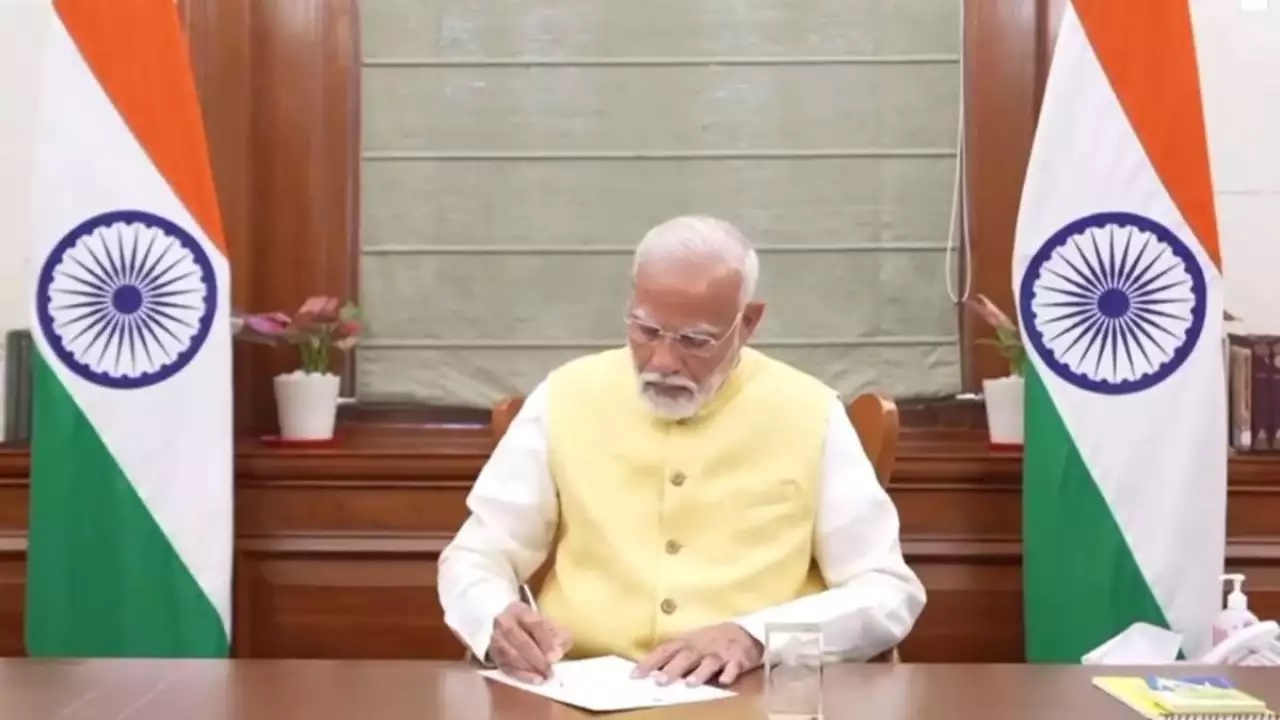
India
Prime Minister Narendra Modi chaired a high-level meeting to address the security situation in Jammu & Kashmir following recent terror attacks, emphasizing a comprehensive and coordinated counter-terrorism response.Prime Minister Narendra Modi convened a high-level meeting on Thursday to review the security situation in Jammu & Kashmir (J&K) in light of recent terror incidents. The meeting, attended by National Security Advisor (NSA) Ajit Doval and other senior officials, aimed to assess the current security landscape in the region.Briefing on Counter-Terrorism EffortsGovernment sources reported that Prime Minister Modi received a detailed briefing on the ongoing counter-terrorism efforts in J&K. He was informed about the strategies and operations in place to address terrorist activities and ensure regional safety. The meeting highlighted the latest intelligence inputs and measures being taken to neutralize potential threats.PM Modi Emphasizes Comprehensive ResponseDuring the meeting, Prime Minister Modi underscored the need for a comprehensive response to terrorism. He directed officials to utilize all available resources and strategies to combat terrorist activities effectively. Emphasizing a robust and coordinated approach, PM Modi stressed the importance of deploying India's full range of counter-terror capabilities to safeguard the region.Discussions with Home Minister and J&K Lieutenant GovernorIn addition to the high-level meeting, PM Modi held discussions with Home Minister Amit Shah to review the deployment of security forces and the progress of ongoing counter-terror operations. He also spoke with J&K Lieutenant Governor Manoj Sinha to get an update on the local administration's efforts to maintain security and address recent incidents.Recent Terror Attacks Prompt ReviewThe review meeting followed a series of significant terror attacks in J&K, which have raised concerns about the region's security. Recent incidents include:Reasi Terror Attack (June 9): Terrorists targeted a bus in Reasi, causing it to plunge into a gorge. The attack resulted in the deaths of at least nine pilgrims and injuries to 42 others.Kathua Terror Attack: Although details remain limited, this attack has contributed to the heightened state of alert in the region.Doda Terror Attack: A constable from the Special Operations Group (SOG) was injured during an encounter with terrorists in the Doda district, according to the Jammu and Kashmir police.PM Modi Directs Deployment of Full Counter-Terror CapabilitiesPrime Minister Modi, during the meeting, instructed officials to deploy the "full spectrum of counter-terror capabilities." He emphasized the necessity of a coordinated response to the security challenges faced in J&K. The directive includes enhanced intelligence gathering, increased deployment of security personnel, and the use of advanced technology to counter terrorist threats.Government's Commitment to Regional SecurityThe government's focus on comprehensive counter-terror measures underscores its commitment to ensuring the safety and security of Jammu & Kashmir. PM Modi's review of the security situation demonstrates the government's resolve to address the ongoing challenges posed by terrorism in the region. The strategic use of resources and a coordinated approach aim to restore peace and stability in J&K.ConclusionPrime Minister Narendra Modi's high-level meeting to review the security situation in Jammu & Kashmir reflects the government's proactive stance on combating terrorism. By emphasizing a comprehensive and coordinated response, the government aims to ensure the safety and security of the region, addressing recent incidents with a full spectrum of counter-terror capabilities.
Read More → Posted on 2024-06-13 16:05:54
India
Ajit Doval has been reappointed as National Security Advisor for a third consecutive term, reflecting his significant contributions to India's national security. His tenure includes key operations such as the surgical strikes in Pakistan-occupied Kashmir and the Balakot air strike.The Government of India has reappointed former IPS officer Ajit Doval as the National Security Advisor (NSA) for a third consecutive term. This historic appointment makes Doval the first NSA to hold the position across three consecutive terms, underscoring his critical role in national security.Ajit Doval, a 1968 batch IPS officer, initially assumed the NSA role in May 2014, shortly after Prime Minister Narendra Modi began his first term. With his reappointment effective from June 10, 2024, Doval will continue in this pivotal role, aligning his tenure with the term of the Prime Minister. Doval's tenure as NSA has been marked by significant contributions to India's security strategy, earning him the rank of Cabinet Minister in the Table of Precedence.Key Contributions and BackgroundDoval is widely recognized as a counter-terrorism expert and a specialist in nuclear issues. His notable achievements include orchestrating surgical strikes on terror launch pads in Pakistan-occupied Kashmir following the Uri terror attack and playing a crucial role in the Balakot air strike after the Pulwama attack. These operations were pivotal in reinforcing India's proactive stance on national security and combating terrorism.In 1999, Doval was one of the main negotiators during the hijacking of Indian Airlines flight IC-814 to Kandahar. His extensive career in the Intelligence Bureau (IB) spanned over 33 years, during which he held various roles, including operational chief in Punjab. He has also served in sensitive areas such as the Northeast, Jammu and Kashmir, and had an assignment in the United Kingdom, contributing to his vast experience in security matters.Additional AppointmentsThe Appointments Committee of the Cabinet has also reappointed Dr. PK Mishra as the Principal Secretary to Prime Minister Narendra Modi. Mishra's reappointment is similarly effective from June 10, 2024, and will last for the duration of the Prime Minister's term.Additionally, the government has appointed two IAS officers, Amit Khare and Tarun Kapoor, as Advisors to Prime Minister Modi. These appointments reflect the government’s ongoing efforts to strengthen its administrative and advisory framework to support its strategic initiatives.ConclusionAjit Doval's reappointment as NSA for a third term highlights his indispensable role in shaping India's national security landscape. His extensive experience and strategic acumen continue to be crucial in addressing the complex security challenges facing the nation.
Read More → Posted on 2024-06-13 16:00:41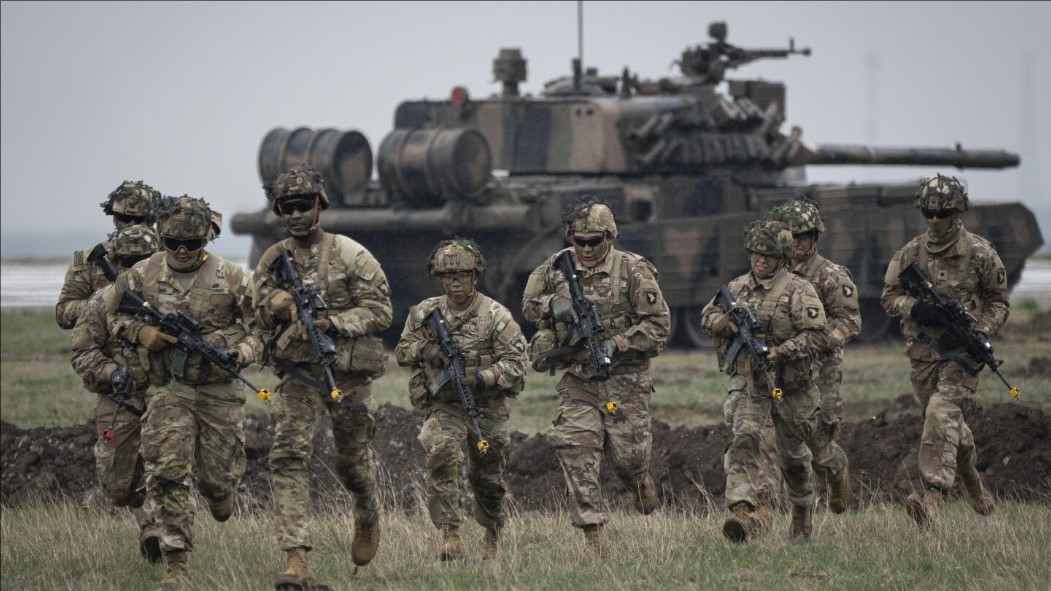
World
NATO has surpassed its target of placing 300,000 troops on high-readiness, a measure taken in response to the threat from Russia. However, the alliance still faces significant equipment shortages that need to be addressed.NATO has surpassed its goal of placing 300,000 troops on high-readiness in response to the ongoing threat from Russia, according to a senior alliance official. This significant milestone comes after NATO leaders, prompted by Russia's invasion of Ukraine in 2022, committed to dramatically increasing the number of forces that can be deployed within 30 days.The official, speaking anonymously, confirmed that member countries' troop contributions have comfortably exceeded the set target. "The offers on the table from allies comfortably exceed the 300,000 that we set," the official stated. "These are forces which allies have said to us, 'They are available to you as of now at that level of readiness.'"This increase in high-readiness troops is part of a broader effort to modernize NATO's defensive strategies and ensure a robust response capability in the event of a Russian attack. The plans, agreed upon at a NATO summit last year, define the specific roles and responsibilities of each member country in the event of an invasion.Despite the successful increase in troop readiness, NATO faces significant challenges in meeting its equipment needs. The alliance has identified shortages in critical weaponry, including air defenses and longer-range missiles. "There are capability gaps," the official acknowledged. "There are things that we don't have enough of as an alliance at the moment, and we need to tackle."To address these shortfalls, NATO is focusing on enhancing its military capabilities and ensuring that its forces are well-equipped to execute the new defensive plans. This includes increasing investments in modern weaponry and improving coordination among member states to fill existing gaps.
Read More → Posted on 2024-06-13 15:56:18
World
Pakistan's government has announced a nearly 15% increase in its defence budget for 2024-25, allocating Rs 2,122 billion, while striving to secure a new IMF loan to address external financial liabilities.On Wednesday, Pakistan unveiled its budget for the fiscal year 2024-25, highlighting a substantial 14.98% increase in defence spending. Finance Minister Muhammad Aurangzeb presented the budget in the National Assembly, the lower house of parliament. This budget marks the first for the coalition government of Pakistan Muslim League (Nawaz) (PML-N) and Pakistan Peoples Party (PPP), which took office following the February 8 general elections.The defence budget has been set at Rs 2,122 billion, up from Rs 1,804 billion allocated for the previous year, and Rs 1,523 billion the year before that. This increase comes at a time when Pakistan is making strenuous efforts to secure a fresh loan from the International Monetary Fund (IMF) to meet its external liabilities.Aurangzeb also announced a target GDP growth rate of 3.6% for the next fiscal year, slightly above the 3.5% target set for the current year, which saw only 2.38% actual growth. The total volume of the budget for the coming year is Rs 18,877 billion.Key Budget AllocationsDefence Spending: Rs 2,122 billionDebt Payments: Rs 9,700 billion, making it the largest single expense.Public Sector Development Programme (PSDP): Rs 1,500 billion at the federal level, with a combined provincial and federal PSDP of Rs 3,797 billion.Economic Goals and ChallengesThe government has set an inflation target of 12% and aims to keep the budget deficit at 6.9% of GDP. The tax collection target is ambitious, set at Rs 12,970 billion, which is 38% higher than the previous year. Non-tax revenue is expected to reach Rs 3,587 billion, up from Rs 2,963 billion.To address the ongoing economic crisis, the government plans to privatize loss-making state-owned enterprises and outsource various airports. These measures are intended to streamline operations and reduce financial burdens on the state.Development FocusThe budget emphasizes development in several critical areas:Agriculture: Transforming the agriculture sector to enhance productivity.Information Technology: Promoting IT to boost exports and support industrial growth.Business and Industry: Supporting business development to create jobs and stimulate economic activity.Social Sector: Prioritizing social development and governance reforms to improve living standards and attract private investment.Opposition and Future DebatesDuring the budget presentation, opposition lawmakers from Pakistan Tehreek-e-Insaf (PTI) protested, alleging that the government came to power through electoral fraud. Despite these protests, the budget session was adjourned and a general debate is scheduled to start on June 20, with the budget expected to be passed on June 28.IMF and Fiscal PoliciesThe new budget incorporates several IMF pre-conditions, particularly regarding revenue targets, highlighting the government's commitment to securing an IMF bailout package. Without this support, experts agree that Pakistan would struggle to meet its external financial obligations.The budget preparation took into account both domestic and international economic challenges. It aims to provide a pro-people, business-friendly framework that promotes fiscal consolidation, economic stabilization, and growth. The government plans to enhance tax collection efficiency, broaden the tax base, and implement policies that foster economic prosperity and social development.ConclusionPakistan's 2024-25 budget reflects the government's efforts to balance increased defence spending with economic development and fiscal responsibility. By setting ambitious revenue targets and focusing on critical sectors like agriculture, IT, and business, the government aims to navigate the current economic challenges and lay the groundwork for future growth.
Read More → Posted on 2024-06-13 15:53:08
India
Jammu and Kashmir Police offer a Rs 20 lakh reward for information leading to the arrest of terrorists involved in recent attacks in Doda district, urging public assistance in the investigation.The Jammu and Kashmir Police have released sketches of four terrorists suspected to be involved in recent attacks in Doda district. A reward of Rs 20 lakh has been announced for any information that leads to their capture.On Tuesday, terrorists targeted a joint checkpost of the 4 Rashtriya Rifles and police at Chattergalla in Bhaderwah. The following day, another attack occurred in the Gandoh area, injuring seven security personnel, including a policeman.A police spokesperson confirmed that the terrorists are believed to be operating in the upper reaches of Bhaderwah, Thathri, and Gandoh, engaging in various terror-related activities. A cash reward of Rs 5 lakh is being offered for information on each of the terrorists.In addition to these incidents, the police have also released a sketch of a terrorist involved in an attack on a passenger bus in Reasi district. A Rs 20 lakh reward is available for information leading to his arrest. This attack occurred on Sunday when terrorists fired at a 53-seater bus carrying pilgrims from Uttar Pradesh, Rajasthan, and Delhi. The bus, traveling from the Shiv Khori temple to the Mata Vaishno Devi shrine in Katra, plunged into a gorge after the attack, resulting in nine deaths and 41 injuries.The police are appealing to the public for assistance in locating these terrorists. Information about their presence or movements can be reported to the authorities to claim the announced rewards.In light of these events, security has been heightened across the region, and efforts are underway to track and apprehend the perpetrators. The Jammu and Kashmir Police are committed to ensuring the safety and security of all residents and visitors in the area.
Read More → Posted on 2024-06-13 15:46:56
Space & Technology
Three newly discovered Martian craters have been named after physicist Devendra Lal and the towns of Mursan and Hilsa, highlighting significant geological findings on Mars.Three craters recently discovered on Mars have been named in honor of the renowned cosmic ray physicist Devendra Lal and the towns of Mursan and Hilsa in northern India. This naming was approved by the International Astronomical Union (IAU) Working Group for Planetary System Nomenclature on June 5, 2023. The discovery and naming were facilitated by scientists from the Physical Research Laboratory (PRL) in Ahmedabad, India, a unit of the Department of Space of the Government of India.The craters are located in the Tharsis volcanic region of Mars, a vast plateau near the equator in the planet's western hemisphere. Tharsis is known for housing the largest volcanoes in the Solar System.Crater Details:Lal Crater: The largest of the three, Lal Crater is 65 km wide. It was named after Professor Devendra Lal, who served as the director of PRL from 1972 to 1983. The crater is significant because evidence suggests that water once moved large volumes of sediment into it, indicating that Mars was once wet and had flowing water on its surface. The subsurface of Lal Crater contains a 45-meter thick sedimentary deposit, discovered using SHARAD (Mars SHAllow RADar sounder) on NASA's Mars Reconnaissance Orbiter (MRO).Mursan and Hilsa Craters: These craters, each around 10 km wide, are located on the eastern and western rims of the Lal Crater, respectively. Named after towns in Uttar Pradesh and Bihar, India, they provide a timeline for the infilling process of the Lal Crater, suggesting that the infilling occurred in episodic events.Scientific Discovery:The discovery was made within the Mangala crater of Mars using data from SHARAD on the MRO probe. The research team included Rajiv Bharti, Isaac Smith, S. K. Mishra, N. Srivastava, and Shital Shukla. Bharti, Mishra, and Srivastava are affiliated with PRL, while Shukla is with Gujarat University and Smith is from York University in Toronto, Canada.The PRL release highlights that the entire area of Lal Crater is covered with lava but also contains geophysical evidence of other materials, including significant sedimentary deposits. This discovery adds to the growing body of evidence that Mars once had significant amounts of water on its surface.Tharsis, the region where these craters are located, is a focal point for studying Martian geology due to its extensive volcanic features. Understanding the sedimentary processes in this region can provide insights into Mars' climatic history and the potential for past life on the planet.In conclusion, the naming of these craters after an eminent physicist and Indian towns not only honors these namesakes but also underscores the collaborative and international nature of planetary science. The discoveries made in these craters will continue to contribute to our understanding of Mars' geological history.
Read More → Posted on 2024-06-13 15:42:23
World
Israel Aerospace Industries introduces the AIR LORA missile, boosting the operational strength of P-8I maritime patrol aircraft with advanced air-to-ground targeting.Israel Aerospace Industries (IAI) is advancing its strategic efforts by equipping P-8I maritime patrol aircraft (MPA) with its latest weapon, the AIR LORA air-to-ground missile. This development underscores IAI's confidence in the AIR LORA’s performance and its potential to significantly enhance the operational capabilities of P-8I operators.The AIR LORA missile is marketed as a transformative technology in air-to-ground missile systems. Designed to engage high-value and well-protected targets, it boasts exceptional accuracy and long-range capabilities. This enables P-8I operators to strike targets from a considerable distance, thereby reducing risks to the aircraft and minimizing collateral damage.A notable feature of the AIR LORA is its versatility. It offers selectable warheads, allowing users to choose between blast fragmentation for area targets or deep penetration for heavily fortified structures. This flexibility ensures the missile is suitable for a wide range of mission requirements.IAI emphasizes the missile’s ease of integration with various aircraft, including the P-8I. The AIR LORA can function as a standalone system or be integrated with existing avionics, facilitating rapid deployment and enhancing operational readiness. This adaptability ensures that the missile can be swiftly incorporated into the P-8I fleet without extensive modifications.The missile’s survivability in complex environments is another key advantage. Equipped with an advanced navigation system, supersonic speed, and high attack angles, the AIR LORA is difficult to intercept. Its fire-and-forget capability and autonomous operation simplify the pilot's workload, making it an efficient and user-friendly weapon.The Indian Navy, being one of the largest operators of the P-8I globally, is a primary target for IAI’s marketing initiatives. Integrating the AIR LORA into their P-8I fleet could significantly enhance their offensive capabilities, providing a strategic edge in maritime operations.IAI’s move to outfit P-8I aircraft with the AIR LORA missile represents a significant step forward in military technology, promising to improve the effectiveness and safety of maritime patrol missions.
Read More → Posted on 2024-06-13 15:36:07Search
Top Trending in 24 Hours
-
 F-35 Fleet Readiness Falls to 25% Amid Parts Shortages and Software Delays: GAO Report
-
 U.S. Approves $1.98 Billion Sale of Anduril AI-Powered Counter-Drone Systems to Kuwait
-
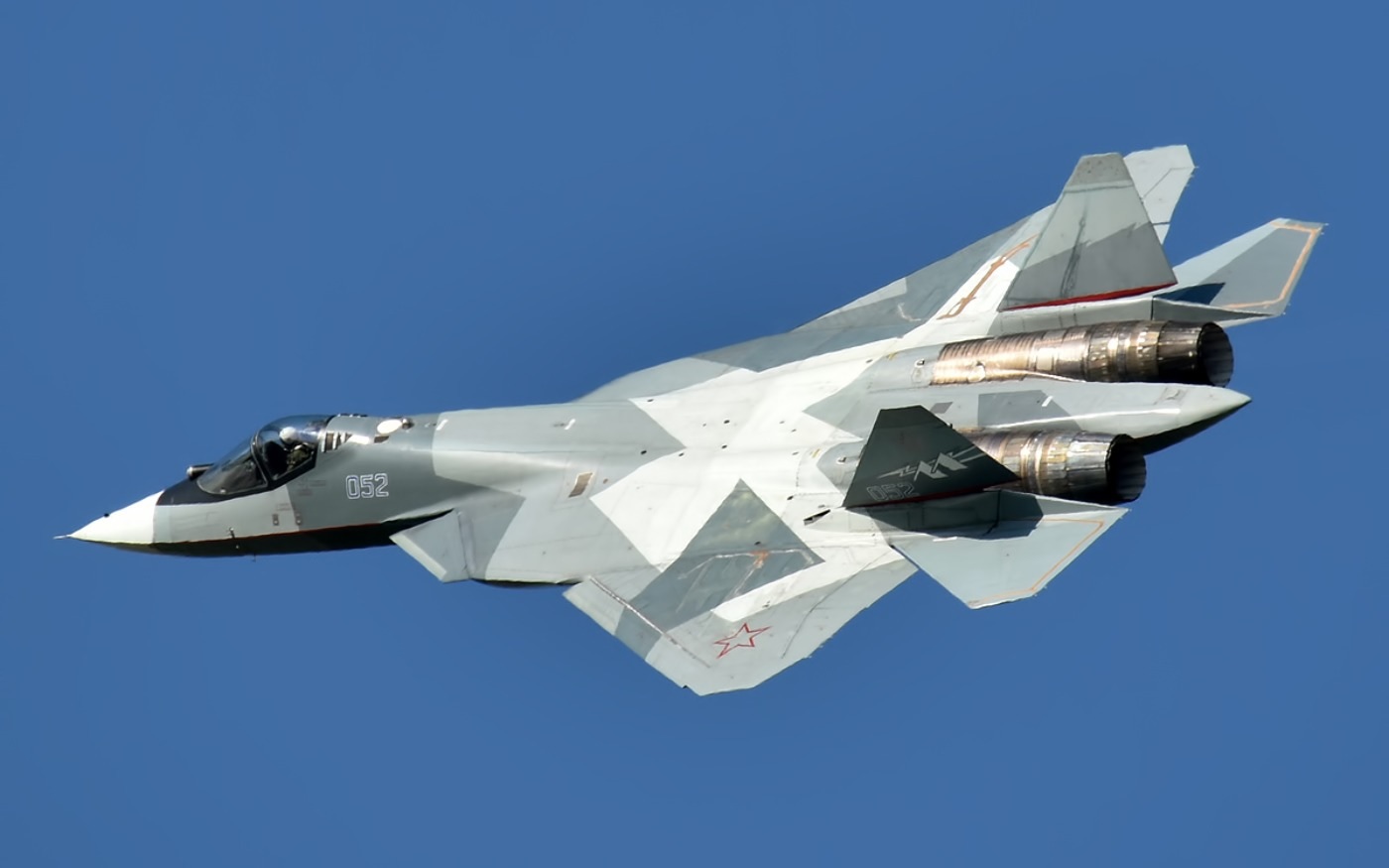 Russian Analysts Debate Su-57 Capabilities After Putin Calls Fighter Superior to F-35
-
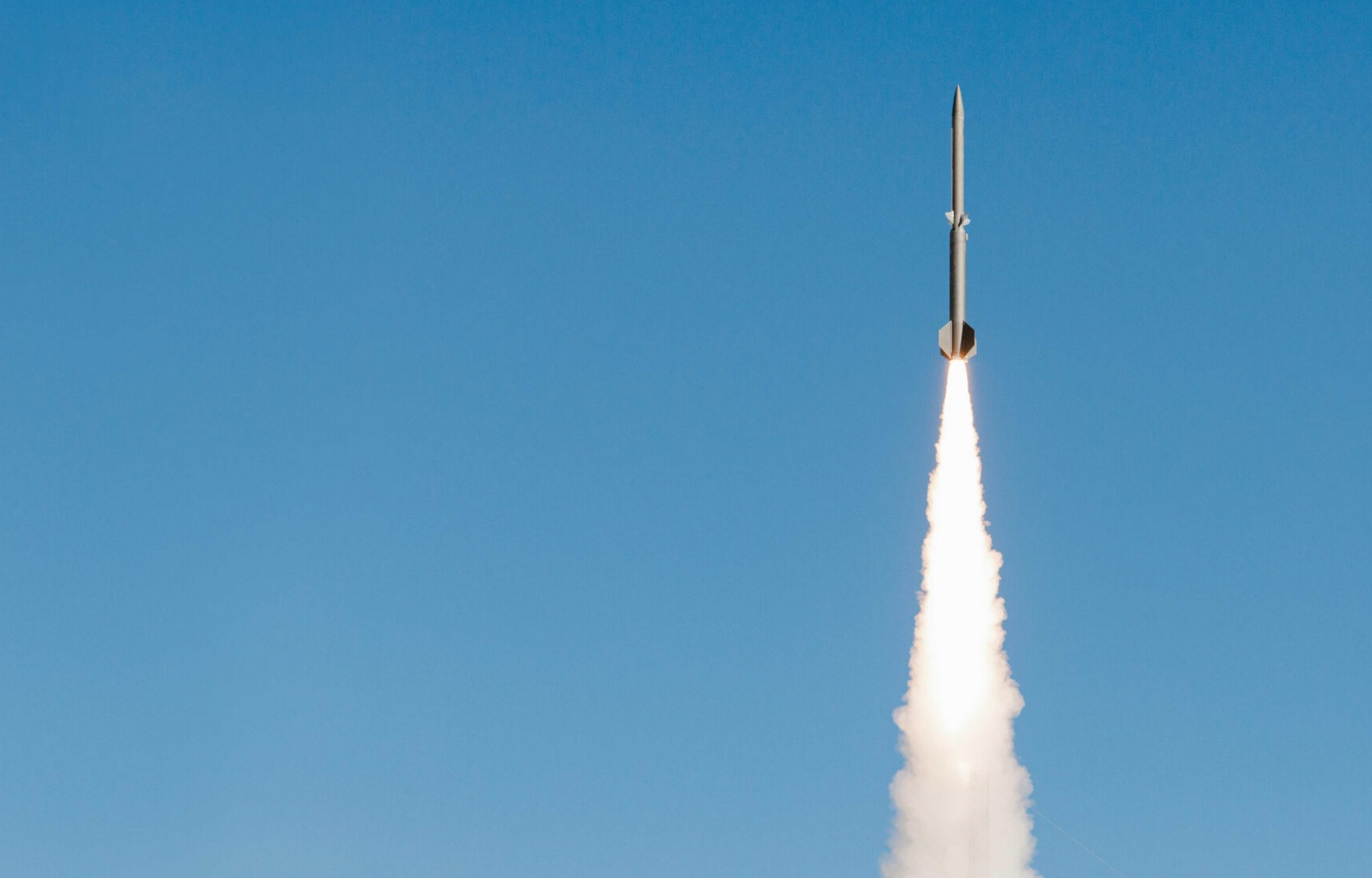 U.S Navy Orders 50 Blackbeard Hypersonic Missiles in New $23.4 Million Contract
-
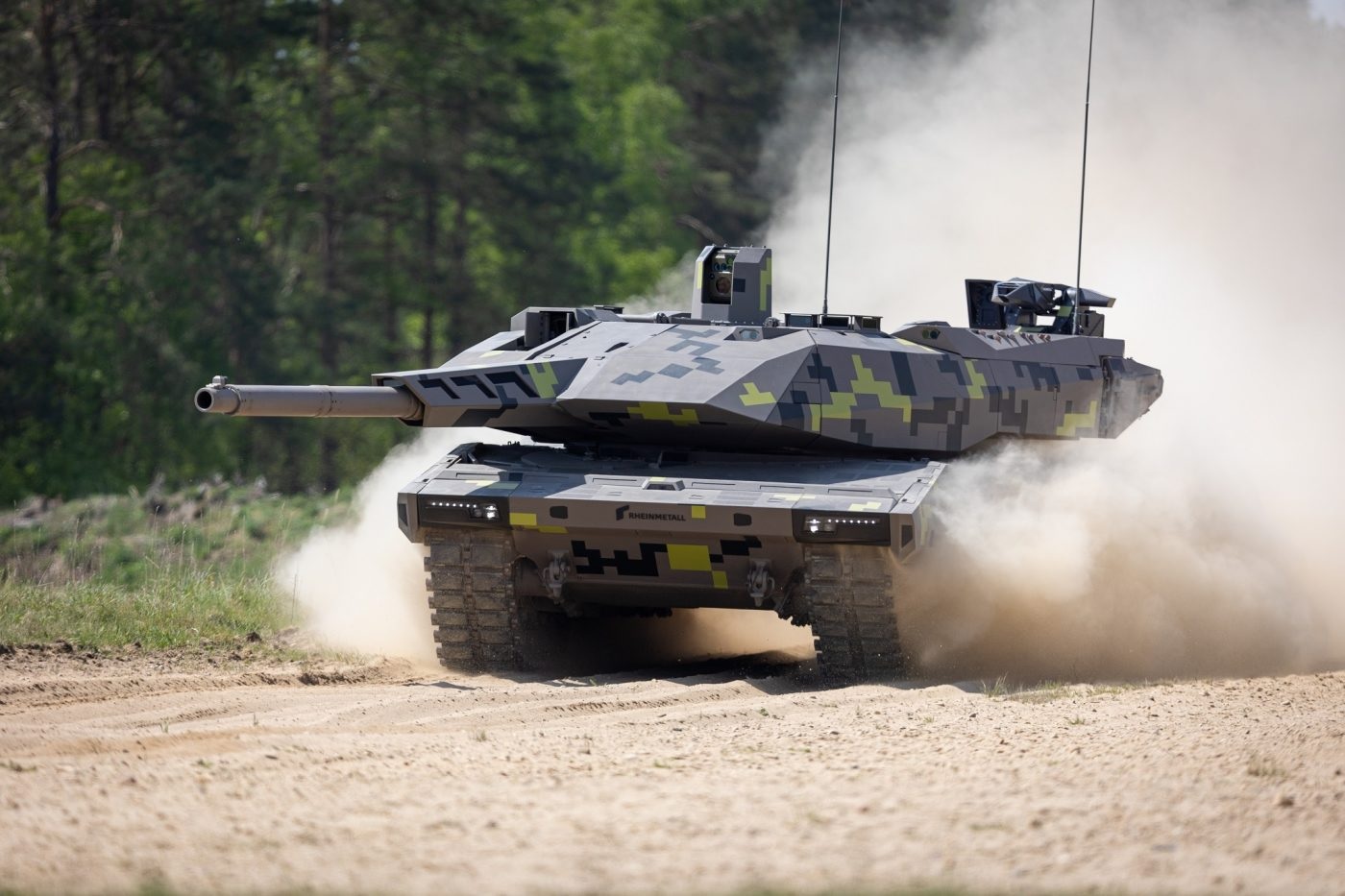 France Considers Reduced Role or Exit from Franco-German MGCS Tank Project
-
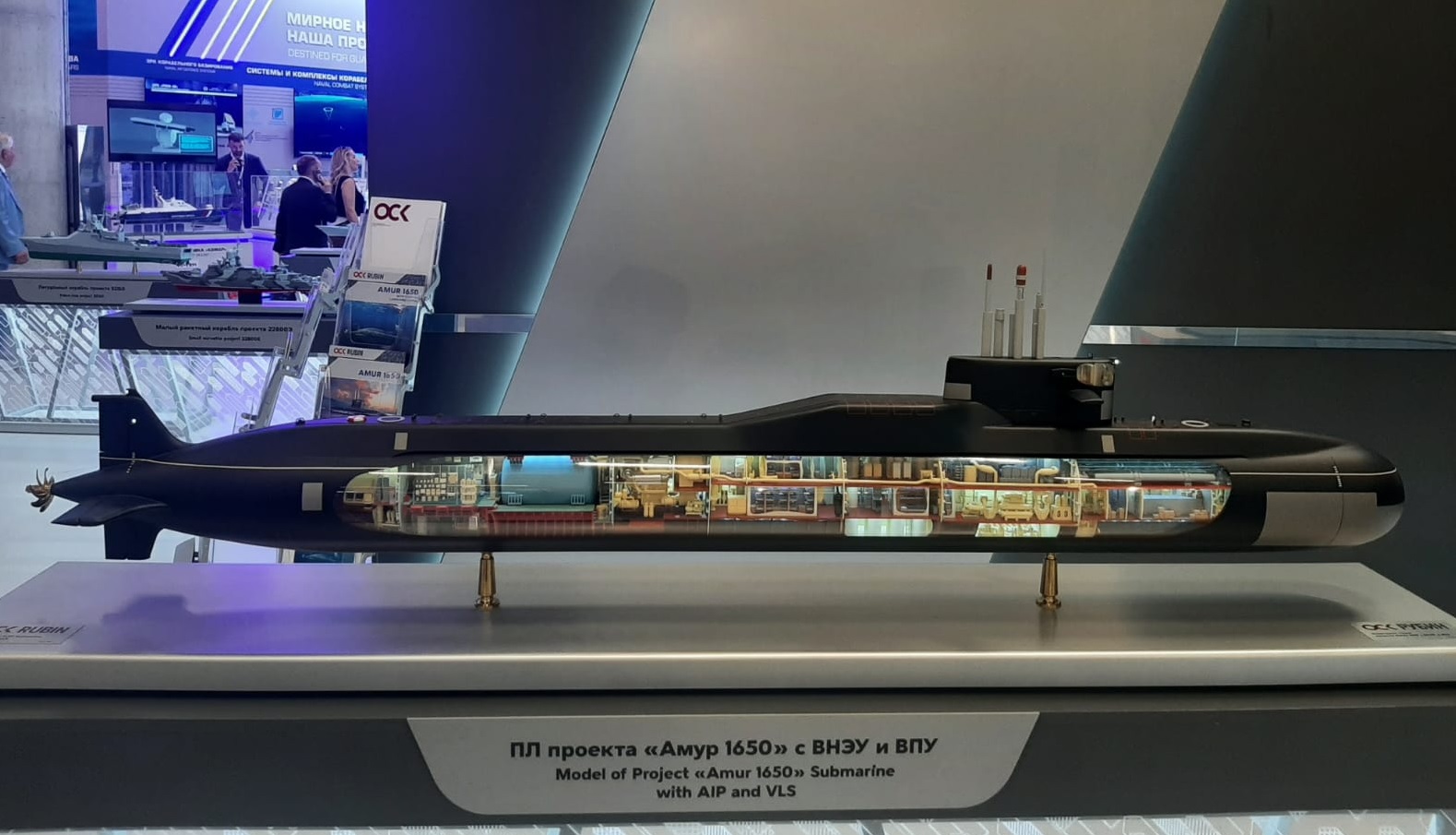 Russia Unveils Amur-1650 AIP Submarine Equipped with BrahMos Vertical Launch System at Fleet-2026
-
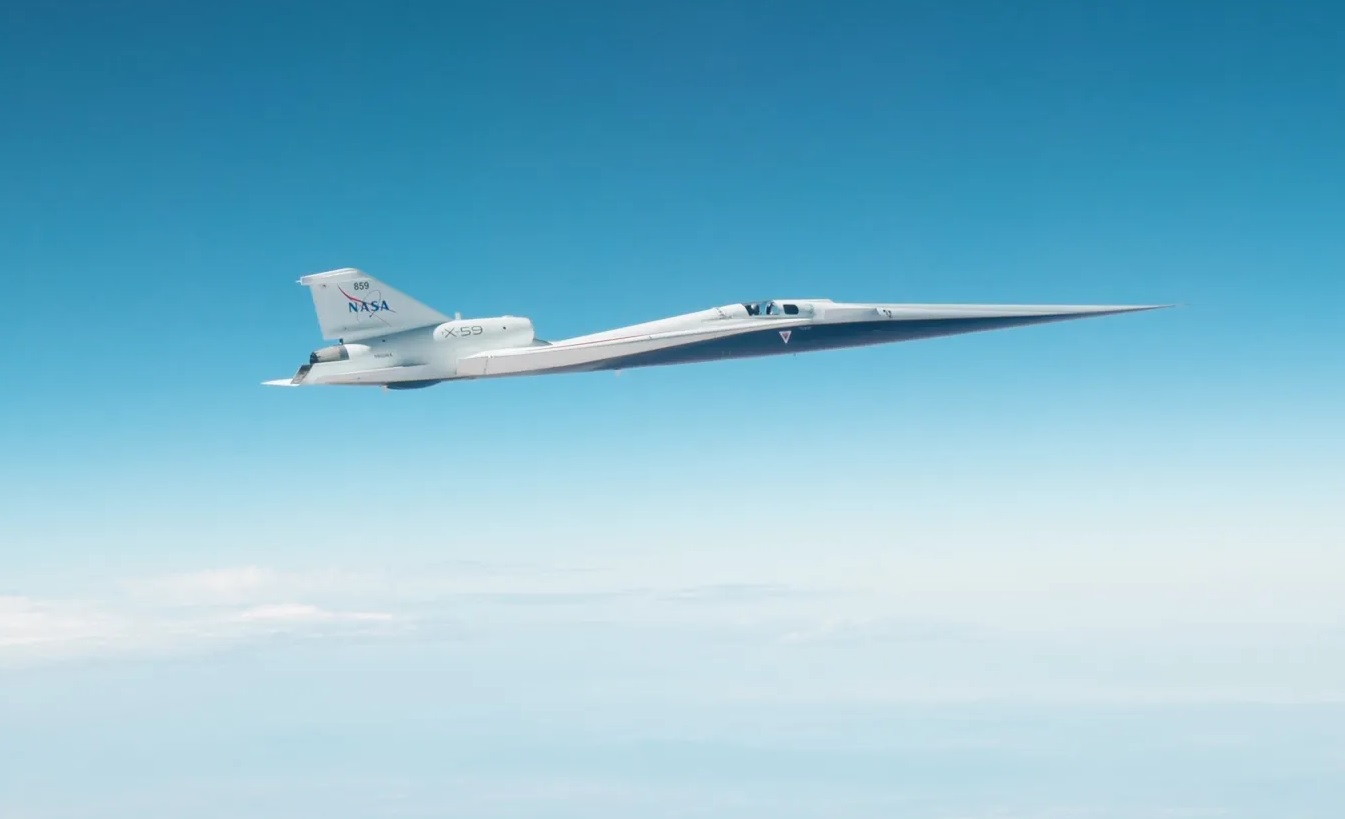 NASA X-59 Achieves Planned Mission Conditions with Mach 1.4 Flight at 55,000 Feet
-
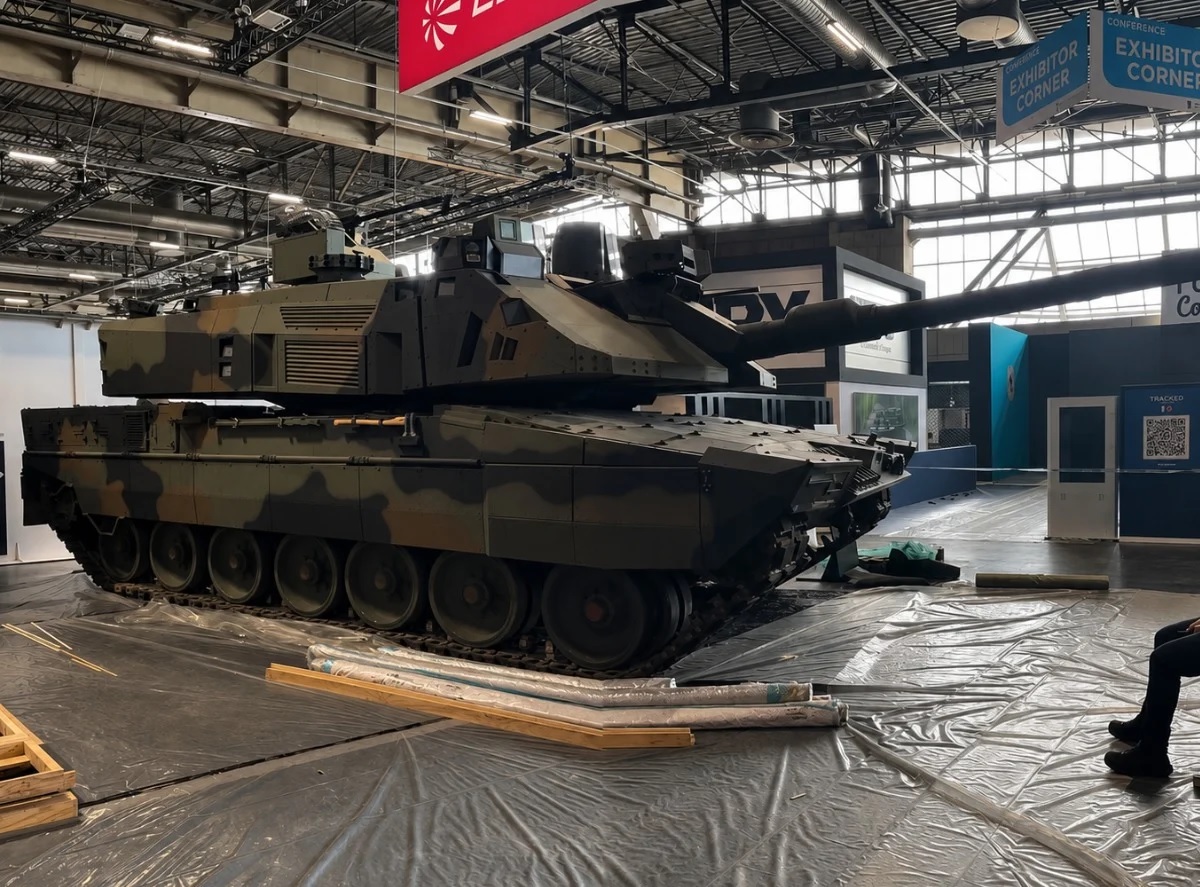 Leonardo Rheinmetall to Unveil Italy’s New IMBT Main Battle Tank at Eurosatory 2026
Top Trending in 4 Days
-
 Iranian Media Leaks 14-Point U.S.-Iran Peace Framework Amid Ongoing Negotiations
-
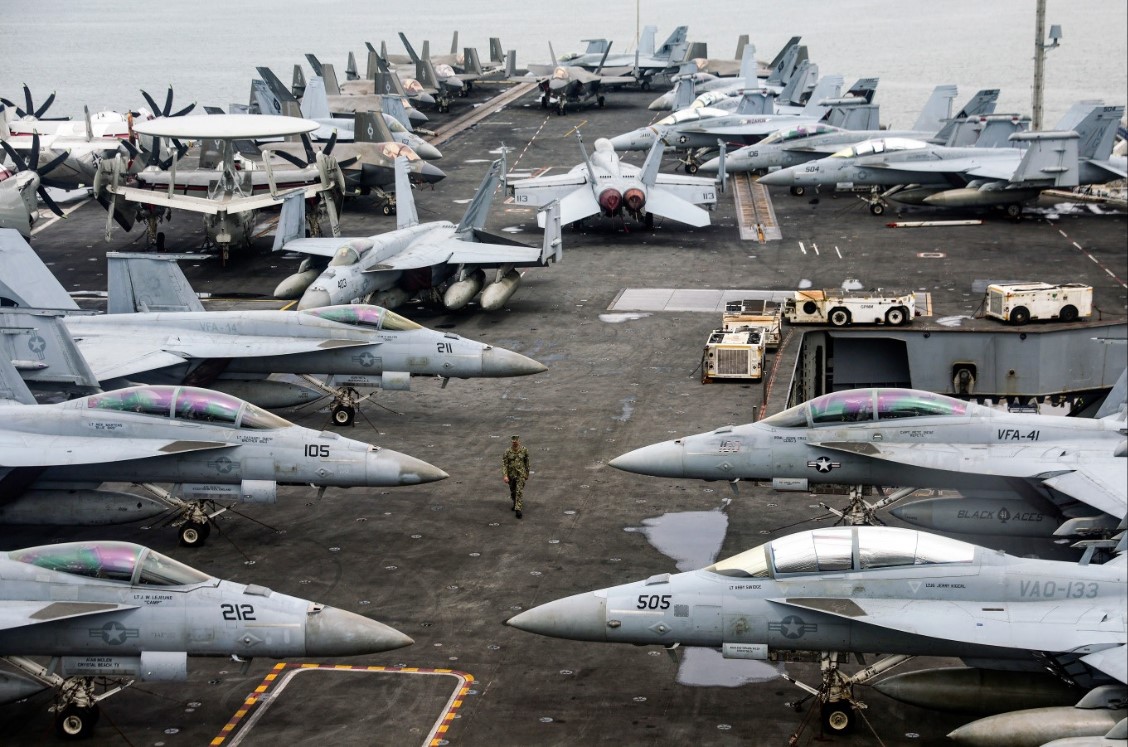 US Plans Significant Reduction of Fighter Jets and Warships for NATO Operations in Europe
-
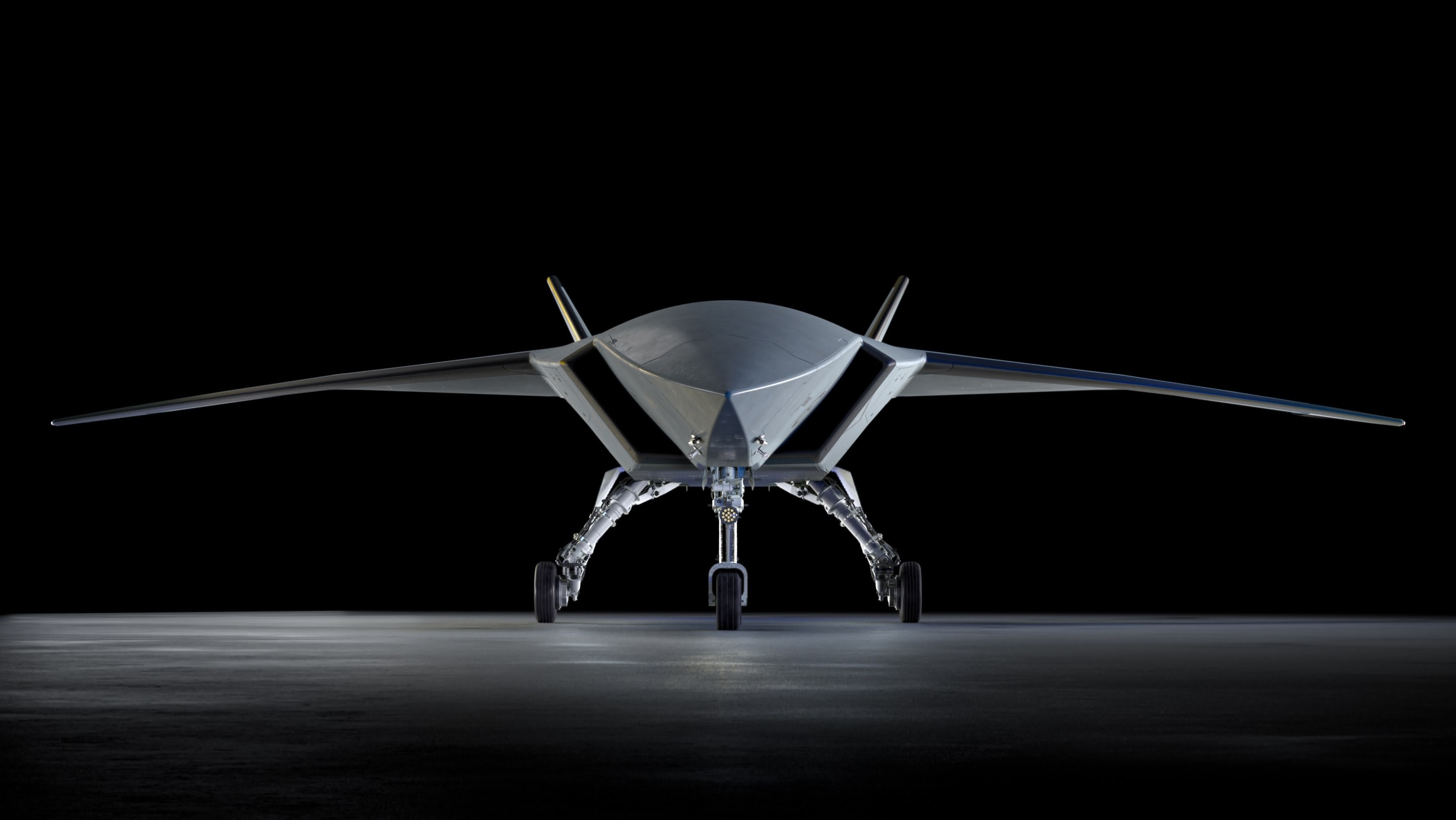 Boeing Introduces New MQ-28 Ghost Bat Upgrades with Increased Range, Payload and Weapons Capacity at ILA Berlin 2026
-
 AMCA Airframe Spotted at DRDO’s ORANGE Facility for Radar Cross-Section Testing
-
 U.S Aircraft Carrier USS Theodore Roosevelt Departs San Diego for Major RIMPAC 2026 Naval Exercise
-
 Russian Defense Firm ZALA Unveils KAMA Unmanned Surface Vessel Family at FLOT-2026 Naval Exhibition
-
 NATO Commander Says Russia Not Seeking Conflict With Alliance Despite U.S. Force Reductions
-
 U.S. Air Force Faces Strategic Airlift Shortfall as C-17 Production Restart Remains Uncertain
