
World
Patuxent River, Maryland — The Naval Air Warfare Center Aircraft Division (NAWCAD) has completed a tactical demonstration that marks a significant step forward in integrating the F-35 Lightning II with the US Navy’s emerging Collaborative Combat Aircraft (CCA) fleet. Conducted inside the Joint Simulation Environment (JSE), the event validated new concepts for fifth-generation crewed aircraft operating alongside uncrewed combat systems in complex, high-threat scenarios. The demonstration showcased how advanced modelling and high-fidelity simulation are being used to rapidly develop, test, and refine next-generation air combat tactics without the cost and constraints of live-flight exercises. Navy officials described the event as a critical enabler for future distributed maritime operations and manned-unmanned teaming. A Digital Range for Future Air Warfare The Joint Simulation Environment is the US Department of Defense’s most advanced digital test and training range, engineered by NAWCAD to replicate real-world combat conditions with extreme accuracy. Unlike traditional open-air ranges, the JSE allows frequent, repeatable, and classified training events, including scenarios that cannot be safely or realistically recreated in live exercises. “Modern warfare is demanding more from our aviators,” said Rear Adm. Todd Evans, Commander of NAWCAD. “This milestone shows the Joint Simulation Environment’s impact on equipping them with the advanced tactics they need to win future battles.” F-35 Pilots Control Multiple Uncrewed Wingmen During the demonstration, F-35 pilots used secure touch-screen tablets inside the simulator to command and control multiple Collaborative Combat Aircraft simultaneously. The CCAs acted as force multipliers, extending sensor reach, carrying additional weapons, and absorbing risk in highly contested airspace. Within the virtual battlespace, pilots employed advanced operational communications, networked sensors, and precision-guided weapons to counter integrated air-defence systems, airborne threats, and dynamic targets. The environment allowed aircrews and engineers to observe decision-making, timing, and workload, then immediately adjust tactics and command relationships. According to NAWCAD, this approach significantly accelerates the tactics-development cycle, enabling new concepts to move from simulation to operational units far faster than traditional methods. Why Collaborative Combat Aircraft Matter The Navy’s CCA concept is built around attritable and survivable uncrewed aircraft designed to operate alongside crewed fighters like the F-35. When networked together, the combination delivers greater lethality, deeper reach, and improved survivability—all while keeping pilots farther from the most dangerous threats. In the JSE demonstration, CCAs were used for forward sensing, electronic support, and weapons delivery, allowing the F-35 to remain the command node while exploiting the strengths of uncrewed platforms. Officials noted that this model aligns closely with future Indo-Pacific and high-end conflict requirements. Expansion Planned for Fiscal Year 2026 NAWCAD confirmed that the Joint Simulation Environment will expand further in fiscal year 2026, integrating additional frontline naval aviation platforms. Planned additions include the E-2D Advanced Hawkeye, the F/A-18E/F Super Hornet, and the EA-18G Growler. Beyond naval aviation, the JSE is also expected to support broader US Navy and US Air Force training, linking multiple bases and units into shared, large-scale synthetic exercises. This cross-service integration is seen as essential for preparing forces for joint and coalition operations. A Blueprint for the Next Era of Combat Aviation The successful F-35–CCA tactical demonstration underscores a broader shift in US military training philosophy—away from platform-centric thinking and toward networked, software-driven combat ecosystems. By combining fifth-generation fighters, autonomous systems, and digital test ranges, the Navy is laying the groundwork for faster adaptation and battlefield overmatch. As NAWCAD continues to evolve the Joint Simulation Environment, officials say the goal is clear: give aviators realistic experience against tomorrow’s threats—before they ever face them in the real world.
Read More → Posted on 2026-01-06 08:42:57
India
New Delhi: India is on the verge of finalising one of its most consequential aerospace defence agreements, with the long-pending technology transfer deal for the General Electric F414 fighter jet engine expected to be formally signed by March 2026, according to officials familiar with the negotiations. Sources indicate that discussions for the USD 1.5 billion contract have now concluded, locking in an unprecedented 80 per cent Transfer of Technology (ToT) framework. Once approved by both governments—an inter-governmental process expected to be completed within the first quarter of 2026—the agreement will mark a decisive turning point for India’s combat aviation roadmap, particularly for the Tejas Mk2 programme. The Engine That Holds the Key to Tejas Mk2 The absence of a signed F414 agreement has emerged as the single most critical reason behind the delayed public rollout of the Tejas Mk2, defence analysts say. While the aircraft’s design, structure, and systems integration have progressed steadily, the engine deal has remained a strategic bottleneck. Multiple analysts and industry insiders confirm that the first Tejas Mk2 prototype is already structurally complete at Hindustan Aeronautics Limited (HAL) facilities. However, the government has deliberately refrained from authorising an official rollout ceremony due to the unresolved F414 negotiations. According to these assessments, a formal rollout before finalising the engine agreement would have weakened India’s negotiating leverage. Once an aircraft is publicly rolled out, switching to alternative powerplants becomes technically complex and significantly more expensive, effectively placing the buyer “on the back foot” in commercial and strategic terms. New Delhi, therefore, chose to use the pending rollout as a bargaining lever to secure deeper technology access from the United States. An 80% ToT: A Strategic Breakthrough The proposed 80 per cent ToT represents a major departure from past engine deals, which were typically limited to assembly or maintenance rights. Open-source assessments suggest that the transfer will likely cover critical and previously restricted technologies, including single-crystal turbine blade machining, laser drilling for high-temperature combustors, and advanced thermal and corrosion-resistant coatings. Once the agreement is cleared, HAL will begin phased absorption of manufacturing know-how, with the objective of establishing a fully domestic ecosystem for producing, servicing, and sustaining the F414 family of engines in India. If the March 2026 timeline holds, HAL is targeting the rollout of the first “Made-in-India” F414 engine by mid-2029. The three-year window will be used to install specialised production lines, calibrate high-precision test rigs, and certify licensed manufacturing processes under international standards. Impact Beyond Tejas Mk2 While the F414 is central to the Tejas Mk2, the implications extend far beyond a single aircraft. Indigenous production of the engine is expected to support the Advanced Medium Combat Aircraft (AMCA) Mk1 and potentially future uprated variants, significantly reducing India’s long-term dependence on imported propulsion systems. This capability is viewed within the defence establishment as a stepping stone toward co-development, rather than mere licensed manufacturing, of next-generation fighter engines. Prototype Strategy Keeps Programme on Track To avoid stalling the Tejas Mk2 development cycle, initial prototypes will fly with imported F414 engines supplied by General Electric. These engines are already being maintained by HAL under OEM protocols and have undergone periodic ground trials to confirm operational readiness. HAL currently plans to roll out the first Tejas Mk2 prototype in 2026, powered by one of these imported engines, soon after the engine agreement is formally inked. In total, four prototypes are scheduled to be built between 2026 and 2031, forming the backbone of an extensive flight-test campaign. The trials will focus on validating the aircraft’s expanded aerodynamic envelope, digital flight control laws, mission system integration, and weapons release capabilities, ensuring the platform meets Indian Air Force operational requirements. Limited Series Production to Accelerate Induction To shorten the gap between development and operational deployment, HAL has proposed a Limited Series Production (LSP) phase for the Tejas Mk2. Subject to approval by the Indian Air Force, the plan envisages the manufacture of eight LSP aircraft between 2030 and 2032, ahead of final production clearance. Defence planners say this approach will deliver immediate strategic dividends. It will enable early pilot conversion, provide real-world performance data across weapon and payload configurations, and allow indigenous radars, mission computers, and weapons to be integrated well before mass production. Collectively, this is expected to significantly de-risk full-scale production, targeted for 2032–33. From Importer to Engine Co-Developer By securing 80 per cent of core fighter-engine technology and synchronising it with an accelerated aircraft development roadmap, India is positioning itself for a structural shift in its aerospace posture. Officials see the F414 agreement not merely as a procurement contract, but as a strategic enabler—one that could finally unlock the long-delayed Tejas Mk2 rollout and propel India toward becoming a co-developer of high-performance fighter propulsion systems, rather than a perpetual importer. With the engine deal now approaching the finish line, the long-awaited Tejas Mk2 is expected to move decisively from the hangar to the spotlight—ending years of strategic waiting driven not by airframes or avionics, but by the powerplant at its heart.
Read More → Posted on 2026-01-06 08:38:40
World
Copenhagen | International Affairs Desk : Denmark’s Prime Minister Mette Frederiksen has delivered one of the strongest public warnings ever issued by a NATO leader against the United States, saying that any attack by Washington on a fellow NATO country would bring the alliance to a halt. Her remarks were made in response to renewed statements by Donald Trump suggesting that the United States could seek control over Greenland, even refusing to rule out the use of force. Speaking to Danish media, Frederiksen said plainly: “If the United States attacks another NATO country, everything stops.” The comment was widely interpreted as a direct reference to Greenland, an autonomous territory within the Kingdom of Denmark, and a reminder that Denmark is a full and protected member of NATO. Why Greenland Is at the Centre of the Dispute Greenland, the world’s largest island, occupies a critical strategic position in the Arctic, sitting between North America and Europe. Although it governs its internal affairs, Denmark retains responsibility for defence and foreign policy. The United States already maintains a major military presence on the island, including the Pituffik (Thule) Space Base, which plays a key role in missile warning and space surveillance. Trump has repeatedly argued that Greenland is vital to U.S. national security and has previously floated the idea of acquiring it, once even describing the island as a potential purchase. Both Denmark and Greenland have categorically rejected those ideas, insisting that Greenland is not for sale and that its people have the sole right to decide their future. What Frederiksen Meant by “Everything Stops” Frederiksen’s statement was not rhetorical exaggeration. Diplomats and security analysts say her message was deliberately blunt to underline the existential nature of the threat to NATO if one member were to use force against another. NATO is built on Article 5, the principle of collective defence, which treats an attack on one member as an attack on all. However, the alliance was designed to deter external aggression, not conflict between allies. If the United States were to attack Denmark or its territory, the legal and political foundations of NATO would be thrown into crisis. In practical terms, “everything stops” would mean: a collapse of political trust inside the alliance, suspension of intelligence sharing and military cooperation, paralysis of NATO decision-making bodies, and a profound rupture in transatlantic security relations built over more than 75 years. A Rare and Serious Warning to Washington It is highly unusual for a NATO leader to publicly warn the United States in such stark terms. Denmark has long been one of Washington’s most reliable allies, contributing troops to U.S.-led missions in Afghanistan and Iraq and supporting NATO operations across Europe. By speaking out, Frederiksen signalled that even the closest alliances have red lines. Any attempt to change borders or sovereignty through pressure or force, she implied, would place the United States outside the very rules it helped create after World War II. European and Greenlandic Reaction Greenlandic leaders reacted swiftly, reiterating that the island’s future will be decided only by Greenlanders. European officials privately expressed support for Denmark, viewing Frederiksen’s remarks as a defence of international law rather than an attack on the alliance itself. Several European diplomats noted that the comments were aimed less at provoking confrontation and more at deterring escalation, by making clear that coercion would carry enormous strategic costs for Washington. Why the Statement Matters Frederiksen’s warning reflects growing unease in Europe about uncertainty in U.S. foreign policy and the stability of long-standing security commitments. Her words underscore a simple but powerful reality: NATO cannot function if its strongest member threatens its smaller ones. The message from Copenhagen was unmistakable. Greenland’s status is not a bargaining chip, Denmark’s sovereignty is non-negotiable, and any use of force within NATO would shatter the alliance itself. As Arctic competition intensifies and global power rivalries deepen, Frederiksen’s intervention marks a defining moment — a clear assertion that alliances survive on trust, not pressure.
Read More → Posted on 2026-01-05 17:00:00
World
Berlin, Germany — Europe’s push toward directed-energy weapons entered a decisive phase as Rheinmetall and MBDA Germany confirmed plans to establish a joint venture for naval laser weapon systems in the first quarter of 2026, building on more than half a decade of successful cooperation. The planned Germany-based GmbH (private limited company) will focus on the development, production, and sustainment of high-performance laser weapon systems, with the German Navy as the initial customer. The move follows the successful sea trials of a naval laser demonstrator, jointly developed by the two firms and tested under real operational conditions for over a year. From Demonstrator to Deployed Weapon The new joint venture is the culmination of a partnership launched in 2019, when Rheinmetall and MBDA combined their complementary expertise in weapons integration, sensors, fire control, and effectors. That cooperation delivered a fully integrated naval laser demonstrator, which was mounted on a German naval vessel and subjected to an extended operational evaluation. According to Rheinmetall’s press release, the system has now proven all critical operational parameters, including precision tracking, sustained engagement, rapid reaction time, and minimal collateral damage—key requirements for modern naval air defence. Following the completion of its one-year sea trial, the demonstrator was transferred to the Laser Competence Centre of the Military Technical Service for Weapons and Ammunition, operated by WTD 91 in Meppen. There, the system has been re-activated for further testing, including land-based counter-drone trials, expanding its potential use cases beyond shipborne defence. Designed to Defeat Drones at Close Range The laser weapon is intended to complement naval guns and guided missiles, filling a critical gap in short-range and very-short-range defence. Its primary mission is the engagement of drones and highly agile aerial threats, which are increasingly challenging and costly to counter using conventional interceptors. During trials, the system demonstrated the ability to track and engage targets with extreme precision, including objects as small as a one-euro coin at long distances, even under adverse environmental conditions. Engineers highlighted the laser’s ability to concentrate energy precisely on the target, preventing overshoot and ensuring maximum safety for surrounding structures and personnel. More than 100 firing and tracking tests were conducted during the sea-based evaluation phase, including challenging “Blue Sky” scenarios, where the laser beam was not absorbed by terrain or background objects—one of the most demanding test conditions for directed-energy weapons. Industrial Sovereignty and ‘Made in Germany’ Technology Rheinmetall emphasized that the joint venture is not only a technological step forward but also a strategic industrial decision. “This step demonstrates the potential of determined industrial and technological cooperation in Germany in order to produce cutting-edge technology,” said Roman Köhne, Head of Rheinmetall’s Weapons and Munitions division. He noted that from the outset, both companies focused on nationalising key technologies, with the goal of long-term job creation, security of supply, and national sovereignty, particularly in times of crisis. The venture is expected to anchor critical laser weapon know-how inside Germany, reducing reliance on external suppliers and strengthening the domestic defence industrial base. Accelerating Capability for the Bundeswehr MBDA Germany echoed this assessment, stressing the operational urgency of bringing laser weapons into service. “With this GmbH, we are setting new standards in the development and production of state-of-the-art military laser weapon systems, designed and made in Germany,” said Thomas Gottschild, CEO of MBDA Germany. He added that the partnership enables a swift transition from a proven maritime demonstrator to a qualified and operational system, delivering additional drone defence capabilities to the Bundeswehr. By combining Rheinmetall’s experience in weapon integration and naval systems with MBDA’s strengths in sensors, command-and-control, and guided weapon architectures, the companies aim to field a combat-ready laser system suitable for fleet-wide deployment. A New Phase for Naval Air Defence With the joint venture targeted for Q1 2026, Germany is positioning itself among the leading nations in operational naval laser weapons. The system’s ability to engage drones at low cost per shot, with near-instantaneous response and deep magazines, makes it a critical tool as navies worldwide confront the rapid proliferation of unmanned threats. Once operational, the Rheinmetall-MBDA laser weapon is expected to become a permanent element of German naval air defence, marking a shift from experimental directed-energy concepts to frontline, deployable capability—and signaling a broader transformation in how future naval wars may be fought.
Read More → Posted on 2026-01-05 16:49:51
World
Seoul — The Republic of Korea has formally embarked on the development of its first domestically designed electronic warfare (EW) aircraft, marking a decisive shift in how the country plans to conduct airborne electronic attack, surveillance, and stand-off operations in future conflicts. The ambitious programme, valued at 1.56 trillion won (approximately USD 1.1 billion), has been initiated by the Defense Acquisition Program Administration (DAPA). Under the contract, LIG Nex1 has been appointed prime contractor, with Korean Air serving as the main industrial partner. A Dedicated Electronic Warfare Platform for the First Time For the first time in its military history, South Korea will field a dedicated, stand-alone electronic warfare aircraft, rather than relying primarily on fighter-mounted EW pods and self-protection systems. The new aircraft is intended to operate outside hostile air-defence envelopes, providing long-range electronic attack, jamming, deception, and electromagnetic support to combat aircraft, naval forces, and ground units. The platform will be based on the Bombardier Global 6500 long-range business jet, chosen for its high endurance, long range, ample electrical power generation, and large internal volume—all critical requirements for carrying sophisticated EW mission systems. Roles and Industrial Responsibilities Under the programme structure, LIG Nex1 will be responsible for the design, development, and installation of the electronic warfare mission suite. This is expected to include advanced signal detection, threat identification, electronic attack transmitters, mission computers, and secure datalinks, with provisions for remote or distributed operation built into the architecture. Korean Air, leveraging its experience in special-mission aircraft modification and aerospace manufacturing, will handle aircraft integration, structural modifications, system installation, testing, and series production. The company has previously supported South Korea’s airborne early-warning and intelligence platforms, making it a key industrial pillar of the project. Competitive Selection and Programme Phasing The LIG Nex1–Korean Air consortium was selected in September 2025, prevailing over a competing bid submitted by Korea Aerospace Industries (KAI) and Hanwha Systems. According to programme plans, four aircraft are envisaged in total. Two Block-I aircraft will be delivered first, providing initial operational capability for the Republic of Korea Air Force. These will be followed by two more advanced Block-II aircraft, expected to incorporate enhanced electronic attack power, improved automation, and upgraded software-defined capabilities based on operational feedback. Timeline and Strategic Significance A prototype aircraft is scheduled for completion by June 2034, after which flight testing and system validation will begin. Once operational, the platform is expected to rank among the most complex and electronically sophisticated military aircraft ever fielded by South Korea. Strategically, the programme reflects Seoul’s recognition of the growing importance of electromagnetic dominance in modern warfare. Dedicated EW aircraft can blind enemy radars, disrupt communications, degrade missile guidance, and shape the battlespace long before kinetic strikes are launched. Reducing Reliance and Building Sovereign Capability Beyond operational benefits, the project carries significant industrial and strategic autonomy implications. By developing an indigenous EW aircraft, South Korea aims to reduce dependence on foreign electronic attack platforms, strengthen its domestic defence electronics sector, and position itself for future export opportunities in the special-mission aircraft market. As regional military competition intensifies and electronic warfare becomes central to air operations, South Korea’s move signals a clear intent: to secure independent, high-end electromagnetic warfare capability for the decades ahead.
Read More → Posted on 2026-01-05 16:42:39
World
Kefar Sava, Israel : ParaZero Technologies has secured its first DefendAir contract from a main Israeli defense entity, marking a significant milestone for the company as militaries accelerate efforts to counter the rapidly expanding threat posed by hostile unmanned aerial systems. The newly awarded contract covers multiple DefendAir counter-UAS weapon sets, along with full system integration and operator training, enabling rapid operational deployment. While financial terms were not disclosed, ParaZero confirmed that the customer is actively boosting counter-drone capabilities in response to drones being identified as a major risk to ground forces and frontline operations in emerging conflict scenarios. Low-Collateral Counter-Drone Capability DefendAir is designed to capture and neutralize enemy drones using a net-based interception method, prioritizing low collateral damage over kinetic destruction. This approach is increasingly favored in dense battlefields and urban environments, where conventional hard-kill solutions risk unintended damage to friendly forces, infrastructure, or civilians. According to ParaZero, DefendAir can be deployed across three operational configurations: Interception drone-launched systems, Stationary turret-mounted solutions, and Hand-held gun-based launchers for tactical units. The system offers an effective engagement range from 2 to 100 meters (7 to 328 feet), depending on configuration. Net sizes vary between 9 and 100 square meters (97 to 1,076 square feet), allowing operators to adapt to different drone classes, from small quadcopters to larger tactical UAVs. Modular Architecture for Rapid Scaling ParaZero emphasized that DefendAir’s modular design allows users to integrate additional radar sensors, command-and-control (C2) relays, and radio-frequency systems, significantly expanding detection, tracking, and engagement effectiveness. This scalability enables the system to be tailored to existing force structures and threat environments with minimal integration time. The company stated that the Israeli customer’s procurement reflects an urgent operational requirement to counter the proliferation of low-cost, high-impact drones, which are increasingly used for surveillance, targeting, and direct attacks against ground units. Leadership Commentary “We are honored to receive this first order from a leading Israeli defense entity, a testament to the reliability and effectiveness of our DefendAir systems in real-world defense scenarios,” said Ariel Alon, CEO of ParaZero. “This procurement underscores the urgent need for advanced, scalable counter-drone capabilities. We are proud to contribute to enhancing the protection of Israeli forces and look forward to supporting broader deployment of our technology,” he added. Momentum Through 2025 The Israeli contract builds on a series of DefendAir orders and demonstrations throughout 2025. ParaZero received a similar order from a global defense company in October 2025, followed by another from a “prestigious defense organization” in August 2025, indicating rising international demand for non-kinetic counter-UAS solutions. In December 2025, the company also demonstrated DefendAir to NATO and Germany in separate trials, further validating the system’s performance and interoperability for allied forces. Strategic Implications Headquartered in Kefar Sava, ParaZero positions DefendAir as a response to what defense planners increasingly describe as a structural shift in modern warfare, where small, inexpensive drones can impose disproportionate operational and strategic costs. With its first Israeli defense customer now secured, the company is expected to pursue expanded domestic and export deployments as counter-drone requirements continue to surge globally.
Read More → Posted on 2026-01-05 16:04:05
World
Berlin / Düsseldorf: The German Armed Forces (Bundeswehr) have placed a fresh multi-hundred-million-euro order with Rheinmetall for 30mm ammunition used by the Puma Infantry Fighting Vehicle (IFV), further expanding a long-term framework contract originally concluded in December 2022. The latest procurement strengthens Germany’s ammunition reserves and underlines the Bundeswehr’s accelerated rearmament drive amid a deteriorating European security environment. Framework Contract Extended Until 2029 The framework agreement covers the supply of 30mm × 173 calibre ammunition for the Puma Infantry Fighting Vehicle and is valid until 2029. With the newest order, the contract’s delivery volumes and total financial scope have been significantly expanded. According to Rheinmetall, the agreement now allows for the delivery of several hundred thousand cartridges, with a total potential contract value of approximately €1 billion. A medium six-figure quantity of ammunition has already been retrieved by the Bundeswehr, while the latest order intake alone is valued at several hundred million euros. Ammunition Tailored for High-Intensity Combat Rheinmetall supplies two certified combat ammunition types for the Puma IFV: KE-TF DM21 (Kinetic Energy – Time Fuze) KE DM33 (Kinetic Energy) Both rounds are produced in 30mm × 173 calibre, developed and qualified to the latest NATO and Bundeswehr standards. They are designed for high penetration, air-burst capability, and multi-target engagement, ensuring effectiveness against armoured vehicles, infantry, drones, helicopters, and lightly protected sea targets. MK30-2/ABM: The Puma’s Core Firepower The Puma IFV is armed with Rheinmetall’s MK30-2/ABM automatic cannon, one of the most advanced medium-calibre weapon systems in service. The gun combines a high rate of fire with programmable air-burst munition, delivering an effective engagement range of over 2,000 metres across land, air, and maritime targets. This capability is central to the Puma’s role as a frontline mechanised infantry platform within NATO’s high-readiness formations. Linked to Puma Fleet Expansion The new ammunition order follows a major platform expansion decision by the Bundeswehr. Germany has recently tasked Rheinmetall and KNDS Deutschland—joint venture partners on the Puma programme—to supply 200 additional Puma IFVs, significantly enlarging the operational fleet. The expansion of ammunition stocks directly supports this increase in vehicle numbers, ensuring sustained combat readiness and long-term operational endurance. Strategic Signal Amid Security Pressures The order highlights Rheinmetall’s position as a leading European supplier of medium-calibre ammunition and reflects Germany’s broader effort to rebuild ammunition reserves after years of underinvestment. The Bundeswehr has prioritised stock replenishment following lessons learned from NATO deterrence missions and the Ukraine conflict, where ammunition availability has proven decisive. Outlook With a framework contract running until 2029, a €1 billion overall ceiling, and hundreds of thousands of 30mm rounds planned for delivery, the Puma ammunition programme represents one of the largest medium-calibre procurement efforts in Europe. For Rheinmetall, the order secures long-term industrial workload, while for the Bundeswehr it marks another concrete step toward restoring credible, sustained combat power within NATO’s eastern defence posture.
Read More → Posted on 2026-01-05 15:48:48
World
Havana / Caracas / Washington — The Cuban government has confirmed that 32 Cuban military and security officers were killed in Venezuela over the weekend during a U.S. military intervention, marking Havana’s first official acknowledgment of fatalities among its personnel deployed in support of the Venezuelan government. In a statement aired on Cuban state television, authorities said the officers were operating in Venezuela under bilateral security cooperation agreements when they were killed during the operation that resulted in the capture of President Nicolás Maduro. No names or unit details have yet been released, though Cuban officials described the dead as experienced officers assigned to protective and advisory roles. Ring Zero: Cuban Guards Formed Maduro’s Last Line of Defense According to multiple regional security sources and officials familiar with Venezuela’s presidential protection structure, the only defensive layer that actively resisted U.S. forces during the operation was “Ring Zero”, the innermost security cordon directly responsible for the personal protection of Nicolás Maduro. This Ring Zero unit was composed primarily of Cuban officers, not Venezuelan personnel, reflecting years of Havana’s deep involvement in presidential security, intelligence coordination, and counter-coup protection in Caracas. Sources indicate that while outer security rings either collapsed, withdrew, or offered minimal resistance, Ring Zero remained in position and engaged advancing forces, sustaining the heaviest casualties. All 32 confirmed Cuban fatalities are believed to have occurred within this inner security perimeter, making the Cuban unit the only force to fight to the end during the extraction operation. U.S. Operation and Maduro’s Capture The U.S. military operation, carried out over the weekend, culminated in the arrest and removal of Nicolás Maduro and First Lady Cilia Flores from Caracas. Both were transported to the United States, where Maduro is expected to face federal charges including narco-terrorism, drug trafficking conspiracy, and corruption offenses. U.S. officials acknowledged that foreign security personnel were killed during the operation but stated that no American service members were killed or wounded. President Donald Trump, speaking to reporters, confirmed there were “significant losses among defending forces.” Venezuelan authorities have not released a full casualty breakdown, though independent assessments suggest dozens of deaths occurred during clashes surrounding key government and military sites. Cuba Declares Mourning, Condemns Intervention Cuban President Miguel Díaz-Canel declared two days of national mourning, honoring what state media called “fallen defenders who fulfilled their internationalist duty.” Flags were lowered across government buildings, and memorial ceremonies are expected once remains are repatriated. Havana sharply condemned the U.S. action, calling it a violation of Venezuelan sovereignty and accusing Washington of targeting allied foreign personnel. Cuban officials emphasized that their officers were present at the request of the Venezuelan government and were not engaged in combat operations beyond protective duties. Strategic Significance of Cuban Role Cuba’s confirmation of casualties highlights the depth of its security integration with Venezuela, particularly in regime protection. Analysts note that the reliance on Cuban officers for Ring Zero security underscored long-standing concerns within Caracas about internal loyalty among Venezuelan forces. The deaths of the Cuban guards, analysts say, illustrate that Maduro’s most trusted and resilient defense layer was foreign-manned — and it was the only one that fought until collapse. Regional and Global Fallout The incident has intensified diplomatic tensions across the region. Several governments aligned with Havana and Caracas have condemned the U.S. action, while others have framed it as a decisive move against authoritarian governance and transnational crime. Emergency consultations are expected at international forums as questions mount over the precedent set by the operation, the role of foreign security forces in sovereign states, and the broader implications for Latin American stability. As investigations continue and more details emerge, the deaths of the 32 Cuban officers in Ring Zero are likely to remain a central symbol of the operation — highlighting both the collapse of Maduro’s defenses and the high cost paid by his closest protectors.
Read More → Posted on 2026-01-05 15:29:23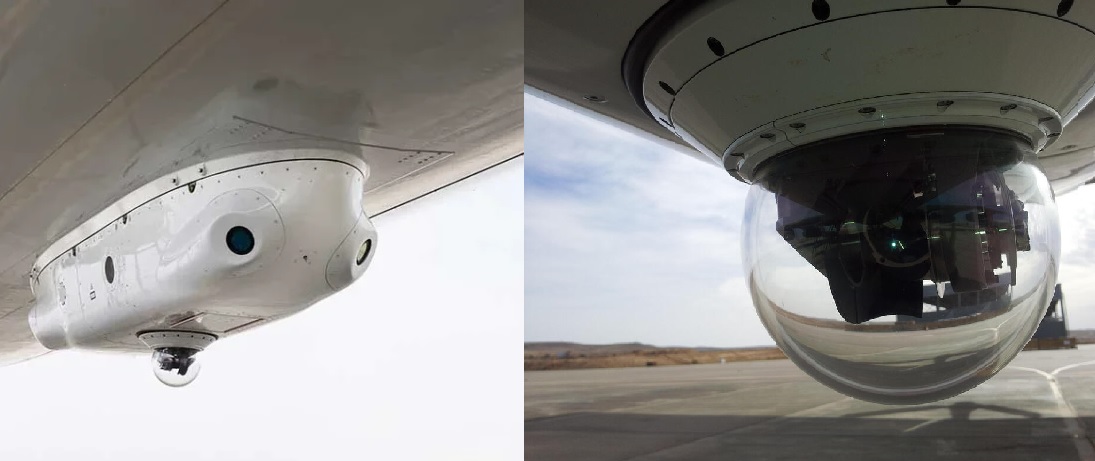
World
Jerusalem / Europe: Israeli defence major Elbit Systems has secured new contracts worth approximately $150 million to equip additional European military air fleets with its Directed Infrared Countermeasures (DIRCM) self-protection systems, significantly expanding the footprint of one of the world’s most trusted airborne survivability technologies. The contracts, awarded by multiple European customers, will see Elbit Systems deliver, integrate, and support its combat-proven DIRCM suites, including the flagship J-MUSIC solution. Deliveries are expected to take place over the next several years, reinforcing Europe’s efforts to protect strategic airlift and high-value aviation assets against rapidly evolving missile threats. At the core of these contracts is the growing concern over the proliferation of MANPADS—portable infrared-guided missiles that pose a persistent and lethal risk to military transport aircraft, refuellers, ISR platforms, and VIP aircraft operating in contested or semi-permissive airspace. Conflicts over the past decade have demonstrated that even non-state actors can field sophisticated MANPADS, making advanced onboard protection no longer optional but essential. Elbit Systems’ DIRCM technology addresses this threat through a combination of advanced missile warning sensors, high-resolution imaging, and laser-based countermeasures. Once an incoming missile is detected, the system rapidly tracks it and directs a precisely modulated laser beam to disrupt the missile’s infrared seeker, effectively breaking lock before impact. This hard-to-jam, fast-reaction approach provides protection without relying on expendable flares, reducing logistical burden and collateral risk. The J-MUSIC DIRCM system, specifically selected under these new contracts, is already operational with numerous air forces worldwide and has accumulated hundreds of thousands of flight hours on a wide range of aircraft types. Its compact architecture and low drag profile allow seamless integration on large transport aircraft, tankers, and special-mission platforms, making it particularly suited for Europe’s multinational fleets. According to industry analysts, the latest $150 million award reflects a broader trend across NATO and partner nations, where strategic airlift missions are increasingly exposed to near-peer and asymmetric threats. Humanitarian air drops, rapid troop deployments, and logistics flights often operate close to hostile territory, elevating the need for persistent, always-on self-protection. Elbit Systems emphasized that the contracts also include long-term sustainment, training, and system upgrades, ensuring that customer fleets remain protected against future generations of infrared-guided missiles. The company’s DIRCM roadmap incorporates continuous software evolution, improved threat libraries, and enhanced sensor fusion to counter emerging seeker technologies. With these latest European orders, Elbit Systems further cements its position as a global leader in airborne self-protection, while Europe accelerates the hardening of its air mobility backbone. As missile threats continue to spread and operational environments grow more complex, DIRCM systems like J-MUSIC™ are fast becoming a standard fit rather than a niche capability—a shift underscored by this significant $150 million investment in crew and aircraft survivability.
Read More → Posted on 2026-01-05 14:54:01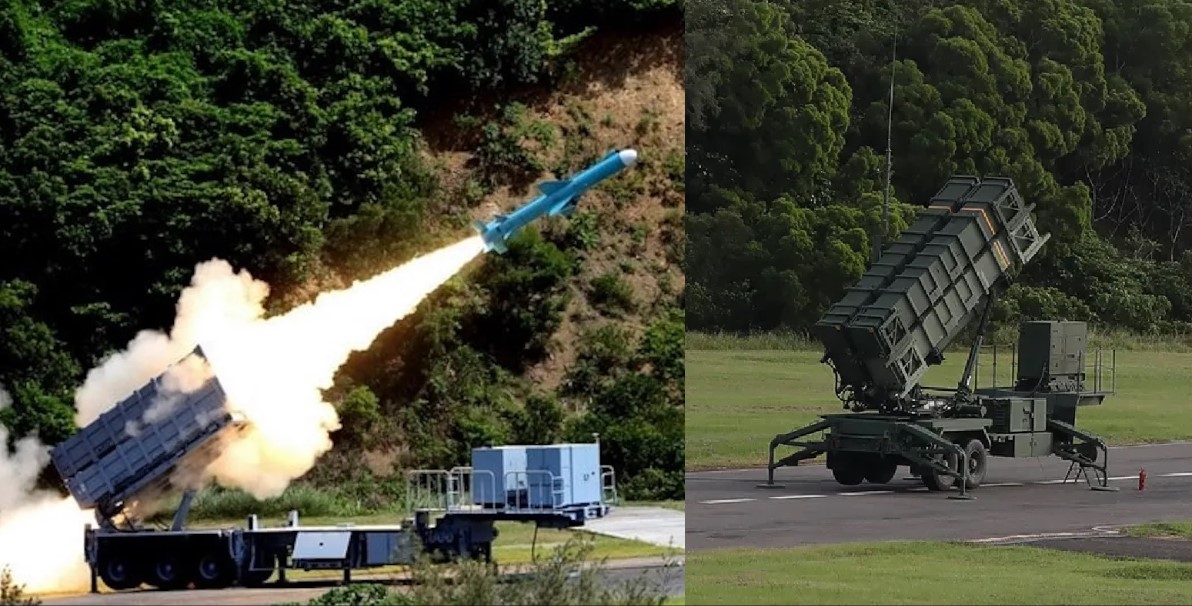
World
A launcher vehicle linked to Taiwan’s Hsiung Feng IIE (HF-2E) land-attack cruise missile was observed moving along the island’s eastern coast on December 31, according to Taiwanese media reports and open-source imagery circulating online. The sighting, reportedly along routes connecting Hualien and Taitung, comes as China’s People’s Liberation Army (PLA) conducts large-scale live-fire exercises in waters and airspace surrounding Taiwan, underscoring a period of intensified military pressure and elevated alert levels across the island. Defense analysts say the movement of a system associated with one of Taiwan’s longest-range conventional strike weapons reflects a heightened readiness posture, particularly on the island’s less densely populated eastern flank, which hosts key military infrastructure and is considered more survivable in a high-intensity conflict scenario. Context of PLA Pressure and Strategic Signaling The reported deployment activity coincided with ongoing PLA joint drills, which regional observers characterize as part of Beijing’s sustained campaign of military signaling and coercion toward Taipei. In recent years, such exercises have increasingly included live-fire components, missile tests, and multi-domain operations, often timed around political developments or diplomatic engagements involving Taiwan. Against this backdrop, the appearance of a vehicle linked to the HF-2E missile force has drawn attention not as an isolated event, but as a visible indicator of Taiwan’s efforts to demonstrate deterrence, survivability, and operational mobility under pressure. The Hsiung Feng IIE: Taiwan’s Primary Land-Attack Cruise Missile The Hsiung Feng IIE, also known as Brave Wind IIE, is a subsonic, ground-launched land-attack cruise missile developed by Taiwan’s National Chung‑Shan Institute of Science and Technology. Unlike earlier members of the Hsiung Feng family, which were primarily designed for anti-ship roles, the HF-2E is the only variant specifically optimized for land-attack missions. The program is believed to have begun around 2001, driven by Taipei’s assessment that its existing missile inventory lacked the range and depth required to hold key adversary targets at risk beyond China’s immediate coastal regions. Over time, the HF-2E has emerged as one of Taiwan’s most strategically significant conventional strike systems. Warhead Options and Mission Profiles Open-source assessments indicate that the HF-2E typically carries a single high-explosive, semi-armor-piercing warhead weighing approximately 200 to 225 kilograms. Analysts also believe that specialized variants exist, tailored for distinct mission sets. One such variant is reportedly optimized for attacking hardened bunkers and command centers, while another is assessed to be designed for airfield denial missions. The latter may employ submunitions intended to disable runways, taxiways, and associated infrastructure, complicating sortie generation and recovery operations at targeted bases. Guidance, Accuracy, and Survivability The missile’s guidance system is believed to combine inertial navigation with GPS updates, supplemented by terrain contour matching (TERCOM) technology. This configuration enables sustained low-altitude flight, reducing radar visibility and enhancing survivability against air defense systems. For the terminal phase, several defense assessments suggest the possible use of infrared imaging guidance, allowing target discrimination and final-course correction. Some analysts estimate a pre-terminal accuracy of around 15 meters circular error probable (CEP), a level of precision consistent with modern land-attack cruise missiles. Technical Characteristics and Performance Technically, the HF-2E measures approximately six meters in length, with a body diameter of 0.50 meters. Extended-range variants are assessed to reach about 6.25 meters in length. The launch weight of the standard version is estimated at roughly 980 kilograms, while longer-range configurations may carry payloads in the 400 to 450 kilogram class, depending on mission requirements. Propulsion consists of a solid-propellant booster used during launch, followed by a locally developed, liquid-fueled turbojet engine that sustains cruise flight. The missile is believed to travel at a subsonic speed of approximately 290 meters per second, balancing range, fuel efficiency, and low-altitude penetration capability. Operational Implications The sighting of a vehicle associated with the HF-2E missile force along Taiwan’s eastern road network highlights the island’s emphasis on mobility, dispersal, and concealment—key elements of its broader asymmetric defense strategy. By operating from road-mobile launchers and utilizing rugged terrain, Taiwan aims to complicate adversary targeting and preserve strike capabilities in the early stages of a conflict. As PLA live-fire drills continue and cross-strait tensions remain elevated, the movement of such systems serves as a reminder that Taiwan is not only monitoring developments closely, but also actively positioning its most capable conventional deterrent assets to signal readiness and resilience.
Read More → Posted on 2026-01-05 14:17:58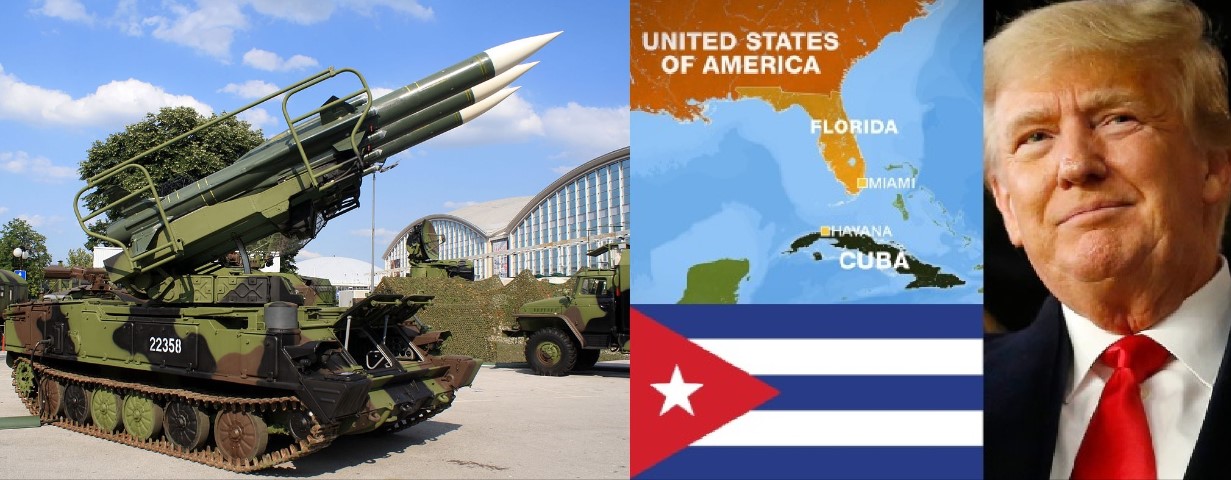
World
Havana, Cuba: Cuba has quietly moved to prepare and reactivate its Soviet-era 2K12-generation and associated surface-to-air defense systems after renewed political and security pressure from Washington, following sharp warnings issued by former US President Donald Trump. Cuban military activity over recent weeks indicates a precautionary shift toward heightened territorial defense, reviving doctrines and systems rooted in the Cold War but still relevant in a modern asymmetric conflict. The move underscores Havana’s long-standing view that deterrence, not power projection, remains central to its national survival strategy—particularly at a time when US-Cuba relations are again showing signs of deterioration. Why Trump Threatened Cuba The renewed rhetoric from Trump stems from a convergence of geopolitical, ideological, and security concerns. Trump has repeatedly accused Cuba of harboring US fugitives, maintaining intelligence cooperation with US adversaries, and providing political backing to governments opposed to American interests in Latin America. His statements also revive the narrative of Cuba as a hostile actor only 145 kilometers from Florida, a framing deeply embedded in US domestic politics. Additionally, Trump has criticized Cuba’s ties with Russia and China, particularly intelligence-sharing arrangements and port access granted to foreign naval vessels. In Washington’s strategic calculus, even symbolic military cooperation near US shores is treated as a red-line signaling issue, regardless of Cuba’s limited conventional capabilities. For Havana, such language recalls decades of sanctions, invasion threats, and covert action—prompting the island nation to demonstrate that any coercive pressure would come at a cost. A Defensive Military by Design Cuba’s armed forces, officially known as the Cuban Revolutionary Armed Forces (Fuerzas Armadas Revolucionarias – FAR), operate primarily as a defensive and resistance-oriented force, not an expeditionary military. According to the 2025 Global Firepower Index, Cuba ranks 67th out of 145 countries, reflecting modest conventional strength but significant manpower depth. At the heart of Cuban strategy lies the doctrine of “War of All the People” (Guerra de Todo el Pueblo)—a system built around a small professional core, reinforced by massive reserves, militias, and paramilitary formations designed to wage nationwide guerrilla warfare in the event of invasion. Cuba maintains approximately 45,000–50,000 active personnel, supported by 39,000–40,000 reservists. The most striking figure, however, is its paramilitary strength of nearly 1.15 million personnel, drawn from the Territorial Troops Militia and the Youth Labor Army, giving the state an unparalleled capacity for national mobilization in the Caribbean. Ground Forces: Quantity Over Modernity The Revolutionary Army, Cuba’s largest service branch, fields 35,000–38,000 active troops. While much of its equipment dates back to the Soviet era, sheer volume remains a key factor. Cuba possesses over 1,000 main battle tanks in total inventory, with estimates suggesting 300 or more operational at any given time. These consist primarily of T-55 tanks (around 800 active or stored) and T-62 tanks (approximately 380). Armored mobility is further supported by 600+ armored fighting vehicles, notably BTR-60 APCs—many locally modified with anti-aircraft guns or tank turrets—and BMP-1 infantry fighting vehicles. Artillery strength remains significant, with 500–600+ towed and self-propelled guns, including 122mm and 130mm systems, complemented by BM-21 Grad multiple rocket launchers and indigenous variants. In a defensive war, these systems are intended to saturate landing zones and chokepoints rather than engage in maneuver warfare. Air Power: Small but Integrated Cuba’s air arm, the Defensa Antiaérea y Fuerza Aérea Revolucionaria (DAAFAR), has shrunk dramatically since the Cold War, now numbering 8,000–10,000 personnel. Operational combat aircraft are limited to 15–20 jets, but the force compensates through integration with ground-based air defenses. The most capable aircraft in service are 2–6 operational MiG-29 fighters, supported by a dwindling number of MiG-21 and MiG-23 aircraft, with roughly 12 MiG-21s believed to be flight-ready. Rotary-wing assets include 4–8 Mi-24 Hind attack helicopters, alongside Mi-8 and Mi-17 transport helicopters, which form the logistical backbone of the force. Navy: Coastal Defense, Not Blue Water Cuba’s navy, the Marina de Guerra Revolucionaria (MGR), functions as a coastal denial force rather than a blue-water navy. With 3,000–5,000 personnel, its fleet includes two Rio Damuji-class frigates, uniquely converted from Spanish fishing trawlers and armed with missiles and helicopter decks. Additional assets include one Pauk-class corvette optimized for anti-submarine warfare, one Delfin-class coastal submarine, and 10 or more patrol craft for littoral security. Crucially, the navy operates land-based anti-ship missile systems, including the “Bandera” missile, a domestic adaptation of the Soviet Styx, designed to threaten hostile vessels approaching Cuban waters. The Backbone: Cuba’s Air Defense Network The current alert posture centers on Cuba’s layered air defense system, much of it inherited from the Soviet Union but meticulously maintained. At the strategic level, Cuba fields S-75 Dvina (SA-2) systems for high-altitude interception, complemented by S-125 Pechora (SA-3) batteries optimized for low-to-medium altitude targets. The SA-3, in particular, remains a cornerstone due to its greater resistance to electronic countermeasures. Mobile and short-range protection is provided by 9K33 Osa (SA-8) systems, capable of autonomous detection and engagement, alongside 9K35 Strela-10 (SA-13) and 9K31 Strela-1 (SA-9) platforms defending maneuver units. For low-altitude threats—including drones and helicopters—Cuba relies on massed ZSU-23-4 Shilka self-propelled guns, ZU-23-2 autocannons, and widespread distribution of Igla and Strela MANPADS, creating what Cuban planners describe as a “dense threat environment.” This entire network is coordinated through an island-wide radar and early-warning system, incorporating P-12, P-15, and P-18 radars, enabling centralized command and rapid cueing of SAM batteries and fighter interceptors. A Message of Deterrence Cuba’s renewed air defense readiness is less about preparing for imminent war and more about strategic signaling. By activating and publicizing its defensive layers, Havana is reminding Washington that even aging systems can impose real costs, particularly in a confined and radar-saturated battlespace like the Caribbean. For Cuba, the lesson of history remains unchanged: survival depends not on matching an adversary weapon for weapon, but on making intervention politically, militarily, and economically painful. In that context, the revival of Cold War-era defenses in response to Trump’s warnings is not nostalgia—it is doctrine in action.
Read More → Posted on 2026-01-05 13:58:12
India
New Delhi: India has taken a significant step toward strengthening its conventional precision-strike capability with the Defence Research and Development Organisation (Defence Research and Development Organisation) receiving Acceptance of Necessity (AoN) for the development of a new Short-Range Ballistic Missile (SRBM) designated BM-04. The missile is envisioned as a high-accuracy, conventionally armed weapon system designed to bridge the operational gap between tactical battlefield rockets such as Pralay missile and strategic nuclear-capable systems like the Agni series. Positioned Between Tactical and Strategic Missiles According to programme details displayed during official briefings, the BM-04 is expected to have an effective engagement range between 400 kilometres and 1,500 kilometres, placing it squarely in a category India has so far lacked: long-range, non-nuclear ballistic strike options. This range bracket allows the missile to reach high-value enemy targets such as command-and-control centres, airbases, hardened logistics hubs, and missile support infrastructure deep inside adversary territory, while deliberately remaining below the nuclear escalation threshold. Defence planners see this capability as essential in modern conflicts, where credible conventional deterrence and graduated response options are increasingly important. Key Technical Features of BM-04 Information presented on the programme board indicates that BM-04 is a two-stage, solid-fuel ballistic missile with a road-mobile launch configuration, enhancing survivability and operational flexibility. The missile is designed with a launch mass of approximately 11,500 kilograms, a length of about 10.2 metres, and a diameter of roughly 1.2 metres, placing it in a heavier and longer-ranged class than battlefield systems, but still well below strategic intercontinental designs. The missile is planned to carry a conventional warhead of up to 500 kilograms, supported by a high-precision guidance suite combining Inertial Navigation System (INS) with SATNAV inputs from GPS and India’s IRNSS/NavIC constellation. The projected Circular Error Probable (CEP) of less than 30 metres underscores its role as a precision strike weapon, rather than an area-effect missile. Role of Fixed Wings and Control Surfaces One of the notable design elements highlighted in the BM-04 configuration is the presence of fixed wings and control fins on the re-entry vehicle. These aerodynamic surfaces are intended to provide enhanced mid-course and terminal manoeuvrability, allowing the missile to adjust its flight path during descent. The inclusion of wings offers several operational benefits. It improves trajectory shaping, enabling the missile to approach targets from unpredictable angles, which complicates enemy ballistic missile defence (BMD) interception efforts. It also enhances accuracy, particularly in the terminal phase, by allowing fine control corrections rather than relying solely on ballistic free-fall. This design philosophy aligns with global trends toward quasi-ballistic and manoeuvrable re-entry vehicles for conventional strike missions. Designed for the Integrated Rocket Force The BM-04 is expected to become a key component of India’s proposed Integrated Rocket Force, a planned tri-service structure aimed at consolidating long-range rocket and missile assets under a unified command. Within this framework, BM-04 would provide scalable, non-nuclear strike options against anti-access/area denial (A2/AD) systems, including enemy air defence nodes, radar installations, and logistics choke points. By offering a conventional ballistic option at ranges previously dominated by nuclear-capable missiles, the system gives political and military leadership greater flexibility in crisis scenarios, reducing the pressure to escalate directly to strategic deterrence assets. Strategic Significance The AoN for BM-04 reflects a broader shift in India’s missile doctrine toward credible conventional deterrence, precision, and survivability. While systems like Pralay address battlefield and theatre-level targets, and the Agni series underpins nuclear deterrence, BM-04 fills a critical middle tier—allowing India to hold deep, high-value targets at risk with conventional payloads. Once developed and inducted, the missile is expected to significantly enhance India’s ability to shape the battlespace in the early stages of a conflict, degrade adversary infrastructure, and impose costs without crossing the nuclear threshold, a capability increasingly seen as essential in contemporary strategic environments.
Read More → Posted on 2026-01-05 13:38:35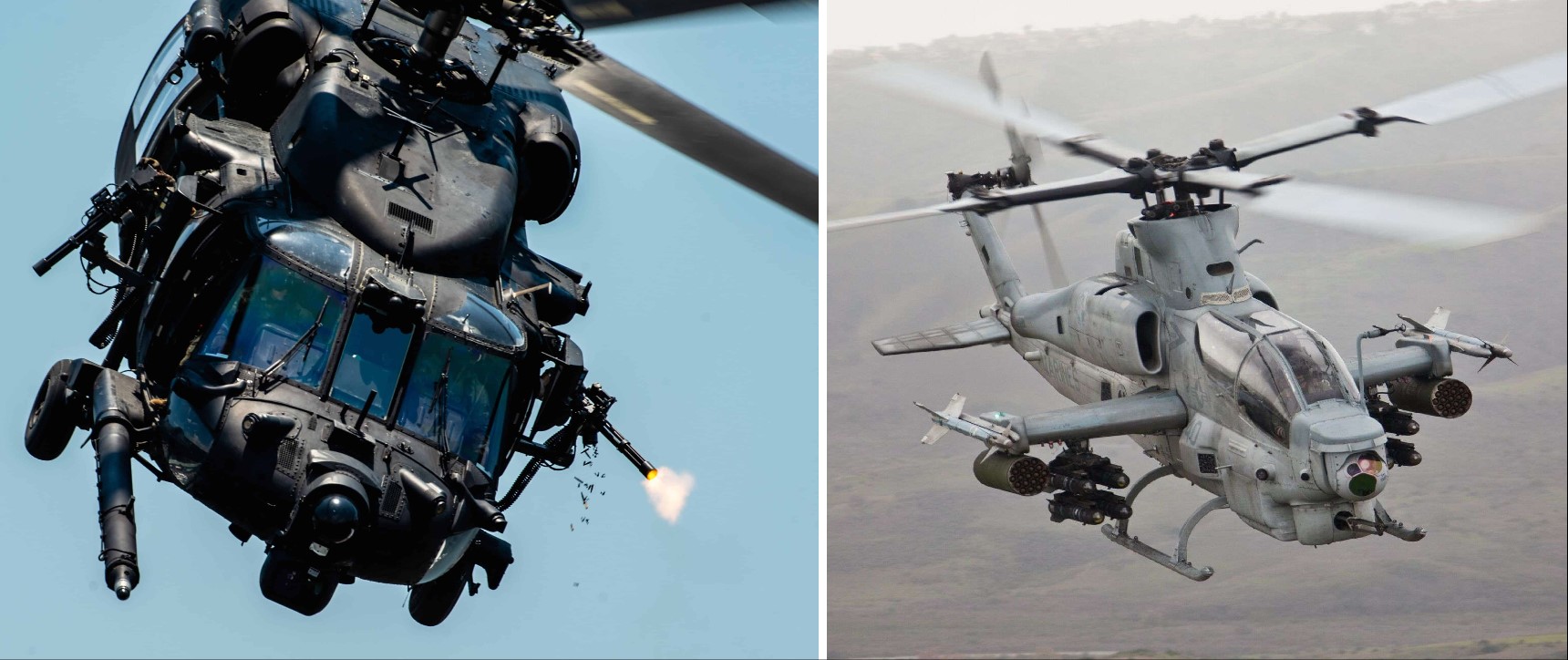
World
Caracas / Washington: The helicopter strike near Fort Tiuna, carried out during the U.S. mission known as Operation “Absolute Resolve,” was not executed by an AH-1Z Viper, despite widespread early claims. A closer examination of open-source imagery, aircraft silhouettes, and known operational patterns indicates the platform involved was an MH-60L Direct Action Penetrator (DAP) operated by the U.S. Army’s elite 160th Special Operations Aviation Regiment, widely known as the “Night Stalkers.” How the Misidentification Emerged Initial reports relied heavily on short, low-resolution combat footage circulating on social media, where any heavily armed helicopter was quickly assumed to be a dedicated attack platform. The assumption led many observers to identify the aircraft as an AH-1Z Viper, a helicopter synonymous with rocket and missile strikes. However, analysts reviewing clearer frames noted a Black Hawk–derived fuselage, a single wide cabin section, and short wing stubs fitted with multiple weapon pylons. These characteristics are incompatible with the narrow, tandem-cockpit design of the AH-1Z but are signature features of the MH-60L DAP. MH-60L DAP: Built for Direct Action The MH-60L Direct Action Penetrator is not a transport helicopter, despite its Black Hawk origins. It is a purpose-configured special-operations gunship, optimized for precision strikes, armed escort, and suppression of enemy positions. Publicly available technical data show the platform is capable of carrying automatic cannons, miniguns, heavy machine guns, unguided rocket pods, AGM-114 Hellfire missiles, and FIM-92 Stinger missiles, depending on mission requirements. A defining capability of the MH-60L DAP is air-to-air refueling, which allows extended operational range, longer loiter time, and deep-penetration missions without reliance on nearby bases. This endurance, combined with heavy and flexible armament, makes the aircraft particularly suited for high-risk special-operations environments. The Role of the 160th SOAR The 160th Special Operations Aviation Regiment provides aviation support to U.S. special-operations forces worldwide and specializes in night warfare, low-level flight, and precision insertion and strike missions. Its aircraft are routinely modified for mission-specific roles, and the MH-60L DAP is central to the regiment’s armed escort and direct-fire support mission set. The reported operational environment around Fort Tiuna — a heavily secured military complex — aligns closely with scenarios in which Night Stalker gunships are typically employed, supporting time-sensitive objectives and integrated air-ground operations. Why the Distinction Is Significant The difference between an AH-1Z Viper and an MH-60L DAP is strategically and operationally important. The AH-1Z is primarily a U.S. Marine Corps attack helicopter designed for conventional battlefield roles. The MH-60L DAP, by contrast, is a multi-role special-operations platform, usually deployed alongside covert or direct-action ground forces. Identifying the aircraft as an MH-60L DAP suggests a mission focused on precision, speed, and tight coordination with special-operations elements, rather than a conventional attack helicopter strike. What Remains Unconfirmed Despite strong visual and technical indicators, official confirmation from U.S. authorities has not been released. Details regarding the exact weapons loadout, the number of aircraft involved, and the specific tactical objectives of Operation “Absolute Resolve” remain undisclosed, consistent with the classified nature of special-operations missions. Assessment Based on open-source intelligence, airframe characteristics, and known deployment patterns, the helicopter that struck targets near Fort Tiuna was not an AH-1Z Viper, but an MH-60L Direct Action Penetrator from the 160th SOAR. The episode highlights how modern combat footage can be rapidly misinterpreted — and why accurate platform identification is essential to understanding the true character of contemporary military operations.
Read More → Posted on 2026-01-05 13:17:23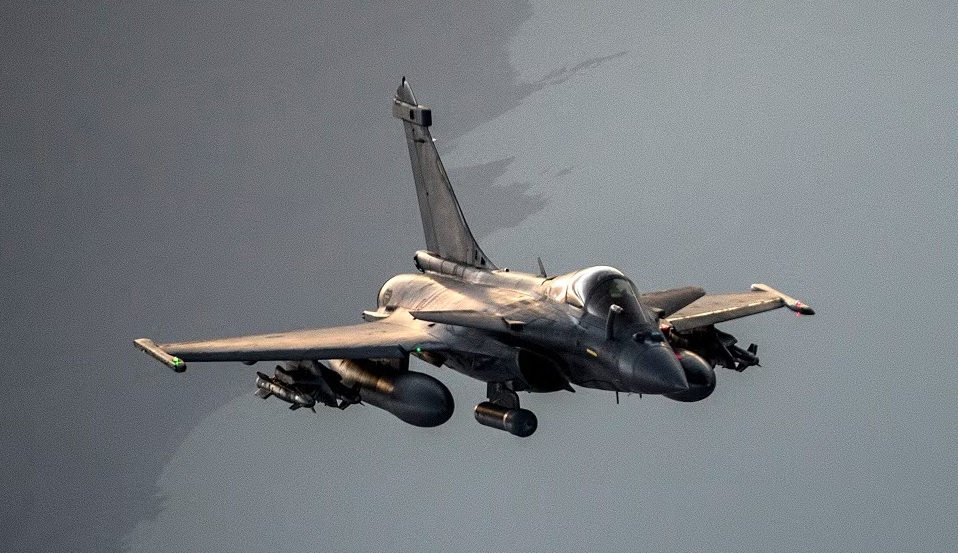
World
Baghdad / Paris — Iraq is in advanced negotiations with France for the purchase of 14 newly built Rafale F4 multirole fighter jets, with a potential contract signature expected in 2026, according to reporting by Avions Légendaires dated December 16, 2025. If finalized, the deal would mark one of the most consequential steps in the Iraqi Air Force’s fighter modernization strategy since the introduction of the F-16IQ, signaling a shift toward higher-end air combat and airspace defense capabilities. A Strategic Shift in Fighter Modernization The proposed acquisition would introduce Iraq to a new generation of combat aviation technology, centered on the Rafale F4, the latest production standard of France’s flagship fighter. Unlike incremental upgrades to existing fleets, the move reflects a strategic pivot away from a force structure optimized largely for counter-insurgency and ground attack, toward credible air-to-air deterrence and multirole flexibility. Negotiations between Baghdad and Paris have reportedly been underway since 2022, with sources indicating that while some timelines point to a first-half 2026 signature, the final schedule will depend on political approvals, financing arrangements, and industrial coordination on both sides. Sharp Contrast with Iraq’s Current F-16IQ Fleet At present, the Iraqi Air Force relies primarily on 34 U.S.-made F-16IQ fighters, a customized derivative of the F-16C/D Block 50/52 tailored specifically for Iraq. While effective for strike missions, the F-16IQ is widely regarded as a highly constrained configuration when compared with standard U.S. or allied F-16 variants. Critically, the aircraft lacks access to modern air-to-air missiles, operating instead with older AIM-7 Sparrow and AIM-9L/M Sidewinder missiles, and does not field advanced weapons such as AIM-120 AMRAAM or AIM-9X. Avionics, sensor suites, and electronic warfare systems are also significantly downgraded, leaving the fleet ill-suited for high-end air combat and largely oriented toward ground attack and close air support roles. Why the Rafale F4 Changes the Equation The Rafale, developed by Dassault Aviation, is a twin-engine multirole combat aircraft designed from the outset to perform air superiority, deep strike, reconnaissance, and strategic deterrence missions within a single airframe. For Iraq, the F4 standard represents a qualitative leap rather than a marginal improvement. The F4 configuration, whose flight testing began in 2021, focuses on enhanced connectivity, sensor fusion, data processing, and survivability in electronically contested environments. Initial deliveries began in 2023, and all newly produced Rafales are now built to the F4 standard, while earlier variants such as the F3R are being retrofitted for the French Air and Space Force. Weapons Access: A Major Capability Upgrade A central attraction of the Rafale F4 for Iraq lies in its weapons ecosystem, which dramatically expands engagement options beyond those available on the F-16IQ. According to Avions Légendaires, the broader package under discussion places strong emphasis on modern air-to-air and precision strike munitions. These include the MICA NG and Meteor missiles, offering within-visual-range and beyond-visual-range air combat capabilities, alongside AASM 250 and AASM 1000 precision-guided bombs for strike missions. Such weapons would provide Iraq with the ability to detect, track, and engage targets at far greater ranges and with higher survivability, fundamentally reshaping its air defense posture. Regional Airspace Protection and Deterrence Beyond fleet modernization, the Rafale F4 is expected to strengthen Iraq’s ability to protect its national airspace amid a complex regional environment. The aircraft’s advanced sensors, networking, and BVR missile capability would offer Baghdad new deterrence options against unauthorized incursions, including those attributed in the past to regional powers such as Iran and Israel. France–Iraq Defense Ties Deepen The Rafale negotiations are unfolding against the backdrop of deepening defense cooperation between Iraq and France. Baghdad has already moved forward with other French systems, including the H225M Caracal transport helicopter, and discussions have extended into air defense cooperation, suggesting a broader, multi-domain partnership rather than a single aircraft purchase. Looking Ahead to 2026 If concluded as expected, the 14-jet Rafale F4 deal would represent one of Iraq’s most significant defense procurements in decades, both in financial scale and operational impact. While questions remain over timelines and funding, the negotiations underscore Baghdad’s intent to break free from the operational constraints of the F-16IQ era and re-enter the regional air power equation with a modern, network-centric fighter fleet. For Iraq, the Rafale F4 is not merely a new aircraft—it is a statement of intent about the future role of its air force in a rapidly evolving Middle Eastern security landscape
Read More → Posted on 2026-01-05 13:04:55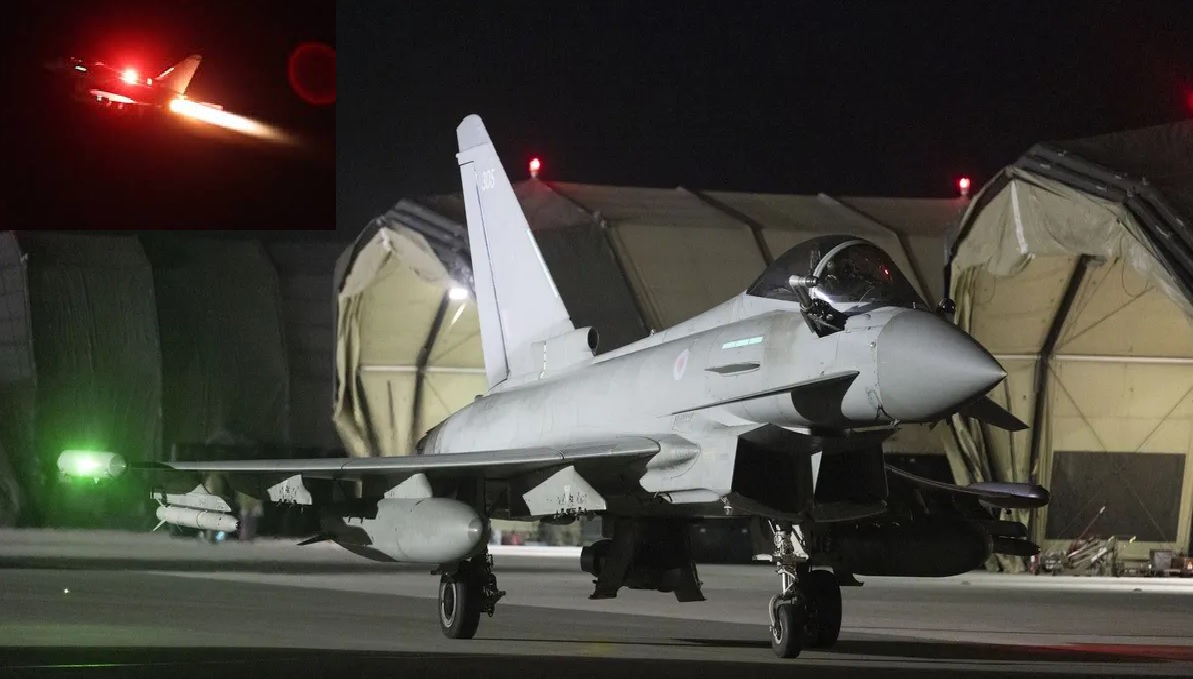
World
London / Damascus: Royal Air Force combat aircraft have carried out successful precision strikes against Daesh targets in Syria, reinforcing international efforts to prevent any resurgence of the terrorist organisation more than five years after its battlefield defeat. The operation, confirmed by the UK Ministry of Defence on 3 January, was conducted jointly with France and focused on dismantling a clandestine Daesh infrastructure site in central Syria. According to the Ministry of Defence, the strikes followed intelligence-led surveillance patrols designed to monitor residual Daesh activity after the group’s territorial collapse at Baghuz Fawqani in March 2019, the last major stronghold held by the so-called Islamic State. UK and allied intelligence services assessed that Daesh cells continue to attempt to regroup, store weapons, and plan attacks in remote areas, particularly in desert and mountainous terrain. Underground Daesh Site Identified Near Palmyra Military analysis identified an underground facility in mountainous terrain north of Palmyra, an area historically exploited by extremist groups due to its isolation and rugged geography. The site was assessed to have been occupied by Daesh and likely used for storing weapons, explosives, and logistical supplies intended to support future attacks. The Ministry of Defence stated that no civilian habitation was present in the surrounding area, significantly reducing the risk to non-combatants and enabling the operation to proceed in line with strict UK rules of engagement and international humanitarian law. RAF Typhoons Conduct Precision Strike On the evening of Saturday, 3 January, RAF Typhoon FGR4 multirole fighter aircraft, operating alongside French Air and Space Force assets, conducted the strike mission. The Typhoons were supported by an RAF Voyager aerial refuelling tanker, allowing extended time on station over Syria. The aircraft engaged the target using Paveway IV precision-guided bombs, a weapon designed for high accuracy and reduced collateral damage. Initial post-strike assessments indicated that access tunnels leading into the underground facility were successfully struck, degrading the site’s operational utility. “All aircraft returned safely to base,” the Ministry of Defence said, adding that there was no indication of civilian casualties or unintended damage. UK Reaffirms Commitment to Counter-Terror Operations UK Defence Secretary John Healey MP said the operation demonstrated Britain’s continued leadership in international counter-terrorism efforts. “This action shows our UK leadership, and determination to stand shoulder to shoulder with our allies, to stamp out any resurgence of Daesh and their dangerous and violent ideologies in the Middle East,” Healey said.“I want to thank all the members of our Armed Forces involved in this operation – for their professionalism and their courage.” Operations Continue Over Holiday Period Healey noted that those involved in the Syria mission were among thousands of British service personnel deployed worldwide over the Christmas and New Year period, underscoring the Armed Forces’ year-round operational readiness. He said the strike illustrated how UK forces remain prepared at short notice to counter threats that could ultimately impact British and allied security. The operation forms part of the UK’s ongoing contribution to international efforts to prevent Daesh from rebuilding operational networks, particularly in regions where instability and geography provide opportunities for extremist groups to hide and reorganise. Preventing a Daesh Resurgence Although Daesh lost its territorial “caliphate” in 2019, Western defence officials have repeatedly warned that the group retains the intent and capability to conduct insurgent and terrorist activities. Coalition air operations, intelligence surveillance, and partner-nation cooperation remain central to ensuring the group cannot re-establish safe havens. The Ministry of Defence emphasised that the 3 January strike was a measured, intelligence-driven action, aimed at disrupting Daesh’s ability to threaten regional stability and international security, while maintaining the highest standards of civilian protection.
Read More → Posted on 2026-01-04 16:49:07
World
Washington / Nuuk: After consolidating influence in the southern strategic arc of the Western Hemisphere, US policymakers are now openly debating a far more consequential objective in the far north. Greenland, the vast Arctic island administered by Denmark, is rapidly emerging as the most valuable geopolitical prize of the 21st century, driven by rare earth dominance, Arctic militarisation, and the opening of a new global trade frontier. Senior officials and strategic analysts increasingly argue that control, not cooperation, may define the next phase of US Arctic policy. From Oil to Elements: The Shift in Economic Warfare The earlier focus on Venezuela secured access to oil and constrained hostile influence in the Caribbean basin. Greenland, by contrast, represents the future of advanced industrial power. At the centre of the debate lies the global dependence on rare earth elements (REEs). China currently controls nearly 90 percent of global REE processing capacity, a dominance that underpins everything from F-35 fighter jets and electric vehicles to AI accelerators, satellites, and precision-guided weapons. Beijing has repeatedly signalled its willingness to weaponise this supply chain during geopolitical crises. Greenland offers Washington its clearest escape route. The Kvanefjeld deposit, located in southern Greenland, is one of the largest undeveloped rare earth and uranium resources on Earth, containing an estimated 11 million tonnes of rare-earth oxides alongside strategic metals such as neodymium, dysprosium, terbium, uranium, zinc, and vanadium. These materials are essential for permanent magnets, missile guidance systems, quantum computing, wind turbines, and next-generation batteries. US officials privately concede that “de-risking” from China is impossible as long as Beijing controls the processing choke point. Greenland, they argue, is not merely a mining opportunity—it is the key to breaking China’s grip on the 21st-century economy. The Arctic Frontline: Blocking Russia from the Atlantic Economic logic alone does not explain the urgency. The Arctic is rapidly transforming into a militarised battlespace, and Greenland sits at its centre. Russia has expanded its Arctic military infrastructure dramatically, increasing the number of operational bases from 62 to 81 in just four years. Moscow now routinely deploys hypersonic glide vehicles, long-range bombers, and nuclear submarines across polar routes that significantly reduce warning and interception times. The US response pivots around Pituffik Space Base, formerly Thule Air Base. Long described by Pentagon planners as America’s “Northern Eye,” the installation is critical for early missile warning, space domain awareness, and ballistic missile tracking. Future expansion plans are closely linked to the proposed “Golden Dome” missile defence architecture, which requires enhanced Arctic radar coverage. Strategically, Greenland functions as a cork in the North Atlantic bottle. Control of the island enables NATO forces to contain Russia’s Northern Fleet within Arctic waters. Loss of influence, US naval planners warn, would open a direct corridor into the Atlantic, fundamentally altering the balance of maritime power. The New Panama Canal: Trade Routes of the 2030s Climate change has introduced a third pillar to Greenland’s strategic value: global trade. As Arctic ice retreats, the Northern Sea Route is becoming commercially viable for longer periods each year. The corridor reduces shipping time between Asia and Europe by up to 40 percent, slashing fuel costs and reshaping supply chains. By the early 2030s, analysts project it will rival the Suez Canal in strategic importance. Greenland’s geographic position places it at the gateway to this emerging ocean highway. Ports, refuelling hubs, search-and-rescue infrastructure, and surveillance systems based on the island could effectively determine who sets the rules—and collects the economic rent—on Arctic trade. US strategists are blunt: allowing either a rival power or a neutral European framework to dominate this route would be a historic strategic failure. A Fortress Hemisphere: The New Monroe Doctrine Behind these calculations lies a broader ideological shift in Washington. After reinforcing influence in the south, the US is increasingly enforcing what insiders describe as a “Fortress Hemisphere” doctrine—a modern extension of the Monroe Doctrine adapted to Arctic realities. The premise is stark: no hostile or independent strategic power is permitted footholds in the Americas, north or south. In this framework, Greenland’s semi-autonomous status is seen less as a legal fact and more as a strategic vulnerability. Diplomatic pressure is already rising. US “special envoys” have intensified engagement with Copenhagen, while draft legislation—informally dubbed the “Make Greenland Great Again” Act—has circulated in congressional policy circles. The subtext is unmistakable: partnership is mandatory; neutrality is no longer sufficient. Greenland’s Hidden Wealth: Why the World Is Watching Beyond rare earths, Greenland holds globally significant reserves of uranium, graphite, nickel, copper, cobalt, platinum-group metals, and potentially offshore hydrocarbons. It also possesses vast freshwater ice reserves, increasingly viewed as a strategic resource in a warming world. With a population of just around 56,000, Greenland sits atop mineral wealth that could underpin entire industrial ecosystems for decades. This imbalance between scale and value is precisely what makes the island geopolitically explosive. An Offer Coming Into Focus US officials publicly reject talk of coercion, insisting that any future arrangement would respect democratic processes. Privately, however, the consensus in Washington is far less ambiguous. The United States, they argue, will not allow the most strategic real estate of the 21st century to drift beyond its control—whether into the orbit of China, Russia, or an increasingly autonomous European posture. The question is no longer if Greenland becomes central to US grand strategy, but how. Will Denmark negotiate a structured transfer of influence, investment, and security guarantees—or will history repeat itself with an offer too consequential to refuse? In the Arctic, patience is thinning, and the ice—both literal and diplomatic—is melting fast.
Read More → Posted on 2026-01-04 16:16:02
World
History repeatedly shows that wars often end not when armies are exhausted, but when leaders fall. From ancient battlefields to modern capitals, the capture or elimination of a head of state has frequently collapsed resistance in hours rather than years. Yet the contrast between Russia’s prolonged war in Ukraine and the United States’ lightning-fast operation in Venezuela highlights why this old military logic succeeds in some cases — and fails disastrously in others. A Strategy as Old as War Itself The principle is ancient. In 1896, the Anglo-Zanzibar War ended in just 38 minutes after Sultan Khalid bin Barghash fled following British naval bombardment. More than 2,300 years earlier, Alexander the Great twice crushed Persian armies — at Issus in 333 BC and Gaugamela in 331 BC — yet the war dragged on because Darius III escaped both times. Only after Darius was murdered by his own generals in 330 BC could Alexander proclaim himself “King of Asia.” The lesson has endured: as long as the leader lives free, resistance survives. Venezuela: A State That Collapsed in Hours That logic resurfaced dramatically with the swift capture of Venezuelan President Nicolas Maduro during a U.S. military operation that unfolded in less than half a day. Despite Venezuela’s imposing military inventory, not a single American soldier was killed, and no meaningful resistance was recorded. On paper, Venezuela was no weak target. The country spans 912,050 sq km, roughly 1.5 times Ukraine’s territory, and has a population approaching 30 million. Its armed forces fielded S-300VM, Buk-M2, and Pechora air-defense systems, supported by long-range Chinese radars with detection ranges of up to 500 km. The navy operated C-802/C-892A anti-ship missiles with 180 km reach, while the air force flew Su-30 fighters armed with Kh-31 missiles. Ground forces reportedly possessed over 5,000 MANPADS and 100+ air-defense units. Yet during the operation over Caracas, U.S. Chinooks and AH-64 Apaches flew extremely low, well within MANPADS engagement envelopes — and were never fired upon. Advanced Venezuelan systems were destroyed or neutralized within the first hour, many apparently unused. Local reporting described no coordinated counterattack, no sustained air defense fire, and no mobilization of reserve formations. The conclusion drawn by multiple regional observers was stark: Maduro was abandoned by his own military leadership. As with Darius III, internal betrayal — not battlefield defeat — ended the fight. Ukraine: The Opposite Reality Russia faced a radically different environment in Ukraine. When Moscow launched its full-scale invasion on 24 February 2022, it knew the Ukrainian Armed Forces would fight. Since 2014, after the annexation of Crimea, Ukraine had spent eight years preparing for a Russian assault, reforming command structures, training troops, and integrating Western intelligence and doctrine. Unlike Venezuela, Ukraine is physically connected by land to its supporters. From the first weeks of the war, Europe provided an uninterrupted logistics corridor, funneling anti-tank missiles, MANPADS, artillery, armored vehicles, air-defense systems, and later advanced weapons such as HIMARS, Patriots, Storm Shadow/SCALP missiles, and Leopard and Challenger tanks. Intelligence, satellite imagery, and real-time targeting data flowed continuously. Venezuela’s main backers — China, Russia, and Iran — were thousands of kilometers away, separated by oceans, with no land bridge, no rapid resupply, and no ability to intervene during the critical opening hours. The Three-Day Plan That Failed President Vladimir Putin did have a plan to end the war quickly. The objective was blunt: decapitate the Ukrainian state by capturing Kyiv and forcing the surrender of President Volodymyr Zelenskyy within three to four days. The centerpiece was the airborne assault on Hostomel (Antonov) Airport, just 25 km from central Kyiv. On day one, Russia’s elite VDV airborne forces, spearheaded by the 31st Guards Air Assault Brigade, attacked under cover of Ka-52 “Alligator” helicopters flying low to evade radar. The plan envisioned turning Hostomel into a forward air bridge, flying in armor, artillery, and thousands of troops, then driving directly into Kyiv. Initially, Russian forces did seize the airport on 25 February 2022. But they failed to secure the surrounding areas. Ukrainian special forces, territorial units, and local defenders counterattacked relentlessly. By late February, Major General Andrei Sukhovetsky, a senior VDV commander, had been killed by sniper fire. Supply lines collapsed, fuel ran dry, and the infamous 40-mile convoy north of Kyiv stalled. By 4 March, satellite imagery showed destroyed Russian equipment littering Hostomel. On 29 March, Moscow ordered a full withdrawal from Kyiv Oblast. Russian forces abandoned or destroyed at least 16 BMD-4M armored vehicles and advanced electronic-warfare systems before retreating under artillery fire. The window to capture Zelensky — and end the war early — had closed. Loyalty, Geography, and Capability The decisive difference between Venezuela and Ukraine was not firepower on paper, but three structural realities. First, army loyalty. Ukraine’s military, political elite, and population rallied around Zelensky. In Venezuela, the armed forces stood down, and senior officers reportedly facilitated the U.S. operation. Second, geography and support. Ukraine sits at the heart of Europe, directly connected to NATO’s industrial and military base by road and rail. Venezuela is isolated, with allies unable to intervene rapidly. Third, training and readiness. Ukrainian forces had spent years integrating advanced Western systems and doctrine. In Venezuela, multiple advanced platforms were reportedly poorly maintained, inadequately crewed, or never brought into action, suggesting severe training and readiness gaps. A War Measured in Years, Not Hours Russia’s failure to capture Kyiv in the opening days reshaped everything. What was meant to be a three-day decapitation strike turned into a multi-year war of attrition. By 2023, trench warfare dominated. In 2024 and 2025, Russia made incremental gains at enormous cost — hundreds of aircraft, thousands of armored vehicles, and nearly a million casualties by some estimates, alongside hundreds of billions of dollars in expenditure. The contrast could not be sharper. Venezuela collapsed in hours because its state collapsed from within. Ukraine endured because its state, army, and allies held firm. Rules of War vs. Raw Power: Why Moscow Held Back and Washington Did Not One crucial but rarely discussed dimension of the Ukraine conflict is Russia’s conscious decision to avoid a direct leadership decapitation strike. Despite possessing the military capability to do so, Moscow has refrained from launching precision or hypersonic missile attacks aimed at eliminating President Volodymyr Zelenskyy. Had the Kremlin’s sole objective been to end the war swiftly by removing Ukraine’s political leadership, such an option was well within reach during the opening hours of the invasion. President Vladimir Putin instead chose to conduct the campaign as a conventional interstate war, adhering to long-standing — albeit unwritten — norms among major powers that discourage the explicit assassination of a sitting head of state, even during active hostilities. The U.S. operation in Venezuela followed an entirely different logic. Rather than fighting a traditional war, American forces directly targeted and seized President Nicolas Maduro within hours, bypassing any sustained battlefield engagement. The operation bore little resemblance to a conventional military campaign and far more to a state-level kidnapping, enabled by the near-total collapse of resistance within Venezuela’s own armed forces. This contrast underscores a critical reality of modern conflict: rules matter only when both sides choose to respect them — and when internal loyalty prevents a regime from being sold from within. The Enduring Lesson Modern weapons have changed warfare, but not its core political truth. Wars still end fastest when leaders fall — but only when armies, institutions, and allies allow them to. In Caracas, the door was opened from inside. In Kyiv, it was slammed shut — and reinforced by Europe.
Read More → Posted on 2026-01-04 16:02:08
World
World : In strategic circles in Washington, a long-running question has acquired new urgency: if China were to capture Taiwan and gain decisive influence over the world’s most advanced Semiconductor Supply Chain, how could the United States respond without triggering an immediate Great-Power War? One answer increasingly discussed in Policy and Security Assessments is Energy—specifically, the ability to disrupt or reshape China’s Access To Oil. Within that framework, Venezuela emerges as a Critical, if often overlooked, piece of the puzzle. Chips Versus Crude Taiwan sits at the heart of Global Semiconductor Manufacturing, producing a dominant share of the world’s most Advanced Chips used in Military Systems, Artificial Intelligence, Telecommunications, and Civilian Electronics. Were those capabilities to fall under Beijing’s Control, Washington and its allies would face a Structural Vulnerability that could not be resolved quickly. Analysts argue that in such a scenario, the United States would look for Asymmetric Pressure Points—domains where American Naval Power, Alliances, and Financial Leverage remain overwhelming. Energy is one such domain. China is the world’s Largest Importer Of Crude Oil, bringing in More Than 11 Million Barrels Per Day in recent years. Unlike semiconductors, Oil Supply depends on Long Maritime Routes, Insurance Markets, and Politically Sensitive Producer States. Any disruption along those lines would not halt China’s economy, but it could significantly Raise Costs, Strain Logistics, and Complicate Military Planning. The Venezuelan Lever Venezuela holds the Largest Proven Oil Reserves In The World, estimated at around 300 Billion Barrels, surpassing Saudi Arabia. Years of Mismanagement, Sanctions, and Underinvestment have reduced output to a fraction of its historical peak, yet the country still exports Hundreds Of Thousands Of Barrels Per Day. Importantly, China has been one of the Primary Destinations for Venezuelan crude, often purchased at Steep Discounts and sometimes used to repay earlier Oil-For-Loan Agreements. From a U.S. Strategic Perspective, reasserting influence over Venezuelan Oil Flows would have two immediate effects. First, it could Deny China a politically friendly, discounted supplier in the Western Hemisphere. Second, it could Redirect Crude toward U.S. Gulf Coast Refineries or allied markets, tightening the availability of Alternative Barrels for Chinese buyers. Even without restoring Venezuelan production to former highs—a process that would take Years and Tens Of Billions Of Dollars—changing the direction of existing exports could deliver Short-Term Geopolitical Leverage. Maritime Choke Points And Pressure Corridors Energy pressure would not rely on Venezuela alone. Any U.S. response to a Taiwan Crisis would likely involve monitoring and, in extreme scenarios, constraining oil flows through key Maritime Corridors. The Strait of Malacca, through which a large share of China’s Middle Eastern and African Oil Imports transit, has long been described by Chinese strategists as a Strategic Vulnerability. The Red Sea and the Suez Canal form another Critical Artery linking Asian markets to Gulf and Russian Supplies. Control over Insurance, Port Access, and Naval Presence along these routes would allow Washington and its partners to Raise Risks And Costs for tankers bound for China. Such measures fall short of a Formal Blockade but can still have a Chilling Effect on trade during periods of Heightened Military Tension. Iran, Guyana, And The OPEC+ Factor Beyond Venezuela, China has cultivated energy relationships with sanctioned or politically distant producers such as Iran, as well as emerging suppliers like Guyana, where Chinese state firms hold stakes in Offshore Oil Projects. U.S. Pressure on these channels could further narrow Beijing’s Options, though at the cost of Increased Diplomatic Friction. The role of OPEC+ adds another layer of complexity. While several Gulf Producers maintain close Security Ties with the United States, they also prioritize Price Stability and Market Share. A coordinated effort to squeeze China’s oil supplies would test those relationships and could Destabilize Global Markets, driving Oil Prices Higher Worldwide. Russia As The Fallback Supplier If Venezuelan, Iranian, and other alternative supplies were curtailed, Russia would become China’s most important remaining Large-Scale Supplier. Moscow already accounts for roughly One-Fifth Of China’s Crude Imports, delivered via Pipelines and Tankers operating outside traditional Western Insurance Systems. The United States could attempt to restrict this flow through Secondary Sanctions and Maritime Enforcement, but analysts caution that such moves would be Difficult To Enforce Fully and could trigger Severe Market Disruptions. High Leverage, High Risk For Washington, the appeal of Energy Leverage lies in its Flexibility. Oil pressure can be Scaled, Signaled, and Negotiated in ways that direct Military Confrontation cannot. Venezuela, with its Vast Reserves and proximity to U.S. Infrastructure, offers a particularly potent Bargaining Chip in that strategy. Yet the risks are substantial. Reviving Venezuelan production to levels that meaningfully reshape Global Supply would take Years, not months. Aggressive interference in Global Oil Flows could Alienate Allies, accelerate China’s search for Overland Energy Routes, and deepen the Beijing–Moscow Strategic Partnership. Most importantly, Energy Coercion would not compensate for a Permanent Loss Of Semiconductor Leadership if Taiwan were absorbed. The Strategic Bottom Line In any future crisis triggered by a Chinese Takeover Of Taiwan, oil would not be Washington’s only response—but it would likely be a Central One. Control over Venezuelan Exports, combined with influence over key Maritime Choke Points and Allied Producers, could impose Real Costs on China’s economy and Strategic Planning. Whether those costs would be sufficient to alter Beijing’s Behavior remains uncertain. What is clear is that in the shadow of a Semiconductor Shock, Energy—and Venezuela in particular—would move from the Periphery to the Center Of U.S. Grand Strategy.
Read More → Posted on 2026-01-04 15:46:13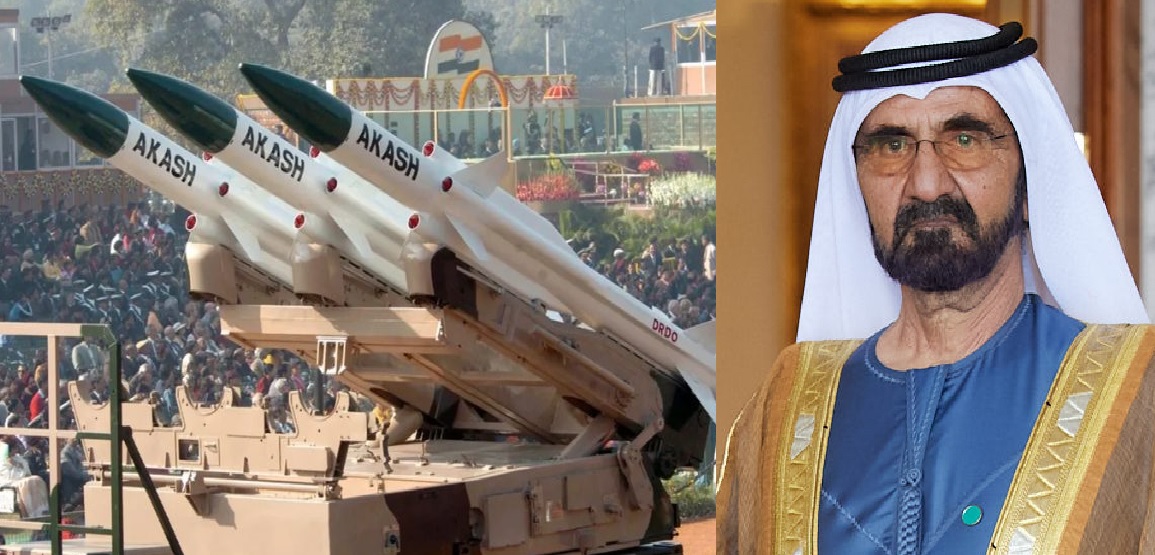
World
New Delhi / Abu Dhabi : The United Arab Emirates (UAE) is reported to be in advanced negotiations with India for the acquisition of the Akash medium-range air defence missile system, a move gaining urgency amid rising Saudi–UAE strategic frictions and an increasingly volatile regional security environment. The talks have been further accelerated by the combat-proven performance of Akash during India’s Operation Sindoor, which has drawn international attention to the indigenous system. Defence and diplomatic sources say discussions have progressed beyond exploratory stages and are now focused on system variants, deployment architecture, training, delivery schedules and long-term sustainment. If concluded, the deal would represent one of the most consequential exports of a frontline Indian air defence platform to the Gulf region. Regional Tensions Drive UAE’s Air Defence Push The renewed Emirati interest in strengthening air defence capabilities comes against the backdrop of shifting power dynamics in the Gulf, where policy divergences and strategic competition between Saudi Arabia and the UAE have become more visible in recent years. While both nations remain partners in several regional frameworks, differences over regional influence, security priorities and military autonomy have prompted Abu Dhabi to reassess its defence posture. Analysts note that these developments, combined with the proliferation of missiles, drones and precision-guided munitions in West Asia, have pushed the UAE to diversify its defence suppliers and reduce dependence on a narrow set of traditional partners. India, with its growing defence-industrial base and politically neutral profile, is increasingly viewed as a reliable and strategically flexible supplier. Operation Sindoor Showcases Akash’s Battlefield Effectiveness International attention on Akash intensified following its operational deployment during Operation Sindoor, India’s high-intensity military response to cross-border missile and drone attacks earlier this year. During the operation, Indian air defence units intercepted dozens of hostile aerial threats, including armed drones, cruise missiles and loitering munitions. According to official briefings, one of the most significant interceptions involved a Pakistani Fatah-II missile, which was tracked and destroyed near Sirsa in Haryana. Defence experts say the successful engagements under real combat conditions provided strong validation of Akash’s reliability, radar integration and kill probability, sharply enhancing its attractiveness to foreign buyers. Developed by the Defence Research and Development Organisation and manufactured by Indian defence firms, the Akash system offers an effective engagement range of 25–30 kilometres, with the ability to track and engage multiple targets simultaneously. Its high mobility and network-centric design make it well suited for defending air bases, energy infrastructure and urban centres. Why Akash Fits UAE’s Defence Requirements For the UAE, Akash addresses a critical requirement for short- to medium-range air defence capable of countering missile and drone threats targeting strategic assets. Indian officials say the system is being offered as part of a comprehensive package, potentially including operator training, maintenance support, spares provisioning and future upgrades. The system’s cost-effectiveness, coupled with its combat-tested credentials, gives it an edge over several competing options. The talks also align with India’s broader ambition to expand defence exports under the “Make in India” initiative. India achieved record defence exports of ₹23,622 crore (approximately US$2.8 billion) in FY 2024–25, with missiles and air defence systems emerging as flagship offerings. Indian Weapons And The UAE: Interest Versus Confirmed Induction Despite steadily expanding defence ties, there is no publicly confirmed induction of a major Indian missile system into UAE military service so far. Abu Dhabi has previously shown interest in Indian platforms such as the BrahMos supersonic cruise missile, Akash air defence systems, and indigenous radars and electronic warfare solutions, but these engagements have largely remained at the evaluation and negotiation stage. A successful Akash deal would therefore mark the first confirmed large-scale purchase of an Indian missile system by the UAE, signalling a meaningful shift in the regional defence market. Strategic Implications For India And The Gulf A UAE acquisition of Akash would carry significant strategic weight. For Abu Dhabi, it would strengthen layered air defence coverage and enhance autonomy amid regional rivalries. For India, it would reinforce its position as a credible defence exporter and deepen strategic engagement with a key Gulf power at a time of evolving Middle Eastern alignments. Defence analysts emphasise that any final agreement is likely to include integration with existing air defence networks, rules of engagement, and long-term logistics arrangements, factors that will be closely monitored across the region. Outlook While negotiations are described as advanced, officials caution that final approvals and contract signing are still pending. Greater clarity is expected in the coming months on order size, delivery timelines and potential local maintenance or industrial collaboration. For now, the talks highlight a broader shift: India’s indigenous, combat-proven weapon systems—led by Akash—are emerging as serious contenders in the global defence market, shaped not only by battlefield performance but also by changing geopolitical realities in the Gulf.
Read More → Posted on 2026-01-04 15:19:39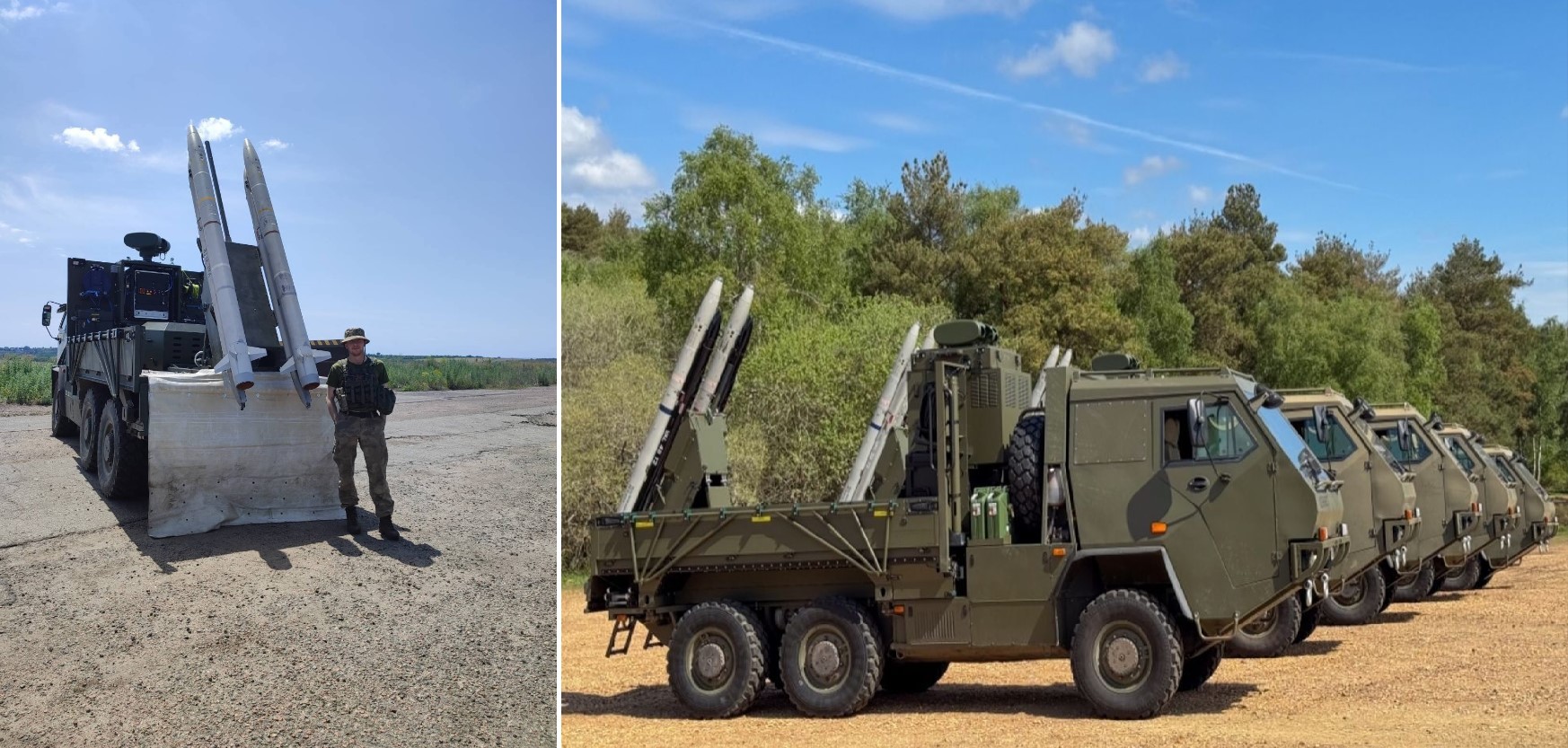
World
Kyiv / London — The British-developed Raven mobile air defence system has achieved a major operational milestone in Ukraine, with Ukrainian Air Command confirming the destruction of 108 Russian aerial targets since its induction. The confirmed interceptions include kamikaze attack drones, reconnaissance unmanned aerial vehicles (UAVs), and at least one cruise missile, highlighting the system’s growing relevance in modern high-intensity warfare. Rapidly Developed Short-Range Air Defence Capability Raven is a short-range air defence (SHORAD) system rapidly developed in the United Kingdom to address Ukraine’s urgent need for mobile, point-defence solutions against low-altitude aerial threats. The system integrates AIM-132 ASRAAM infrared-guided missiles onto a high-mobility Supacat HMT 600 6×6 vehicle, produced by Supacat. Unlike traditional radar-heavy systems, Raven relies on electro-optical and infrared sensors, allowing it to operate with minimal electronic signature and rapidly reposition after firing. This design approach enables frontline deployment while reducing vulnerability to counterstrikes. Combat Record And Operational Effectiveness According to the Ukrainian Air Force, Raven crews have demonstrated a high interception success rate against some of the most persistent aerial threats used by Russia. The confirmed figure of 108 kills reflects engagements against Shahed-type loitering munitions, small ISR drones, and at least one cruise missile, a target class typically associated with larger and more complex air defence systems. Ukrainian operators credit Raven’s fast reaction time, high missile speed, and infrared seeker accuracy for its effectiveness, particularly during mass drone attacks aimed at energy infrastructure and urban centres. The Missile At The Core Of Raven The system’s primary interceptor, the AIM-132 ASRAAM, is a British-developed imaging infrared missile originally designed for air-to-air combat. Weighing approximately 88 kilograms, with a ~10-kilogram blast-fragmentation warhead and speeds exceeding Mach 3, ASRAAM provides Raven with the ability to engage fast, manoeuvring targets at short notice. Although surface-launched ASRAAM has a reduced range compared to airborne use, its high agility and seeker sensitivity make it particularly effective against small, heat-emitting targets such as drones and low-flying cruise missiles. Role Within Ukraine’s Layered Air Defence Network Military analysts describe Raven as a critical inner-layer system within Ukraine’s broader, multi-tier air defence architecture. While long-range systems address ballistic and high-altitude threats, Raven is tasked with plugging gaps, intercepting targets that evade or overwhelm higher-level defences. Its mobility complicates enemy targeting, although open-source imagery confirms that at least one Raven launcher has been lost in combat—underscoring the risks faced by forward-deployed air defence units. Strategic And Industrial Significance Raven’s success reflects a wider shift toward rapid adaptation and battlefield-driven innovation. By repurposing existing missiles and platforms, the UK—through support coordinated with the UK Ministry of Defence—delivered a combat-ready capability in months rather than years. While the use of high-value missiles against relatively low-cost drones raises sustainability questions, Ukrainian commanders maintain that protecting critical infrastructure and civilian lives justifies the approach. Outlook For 2026 With Russian drone and missile attacks continuing into 2026, Raven is expected to remain an active and valuable component of Ukraine’s air defence forces. Further missile supplies and potential launcher additions could expand its deployment footprint and increase its already notable impact. For Ukraine, Raven has become a clear example of how speed, innovation, and precision can decisively shape air defence outcomes on the modern battlefield.
Read More → Posted on 2026-01-04 15:05:00Search
Top Trending in 24 Hours
-
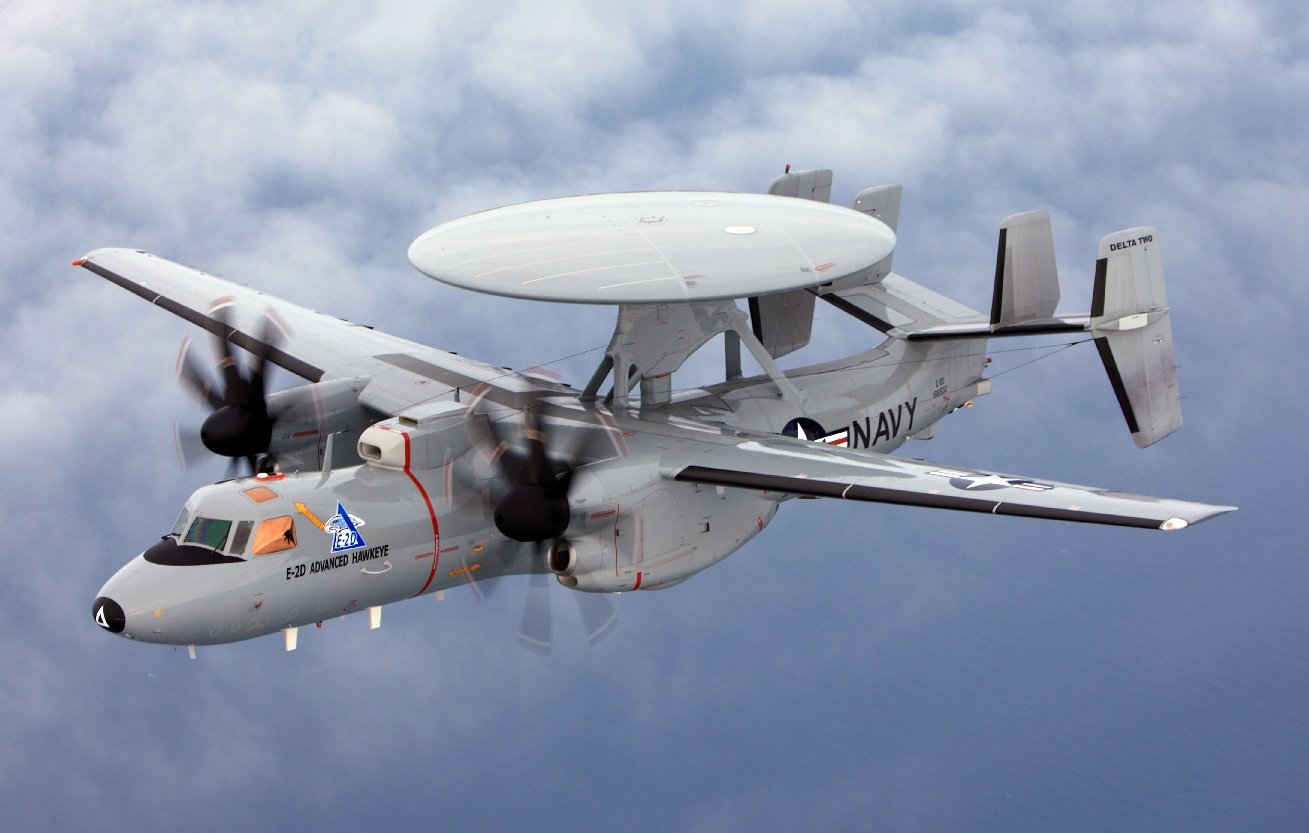 U.S. Navy Awards Northrop Grumman $1.2 Billion Deal for Three New E-2D Advanced Hawkeyes
-
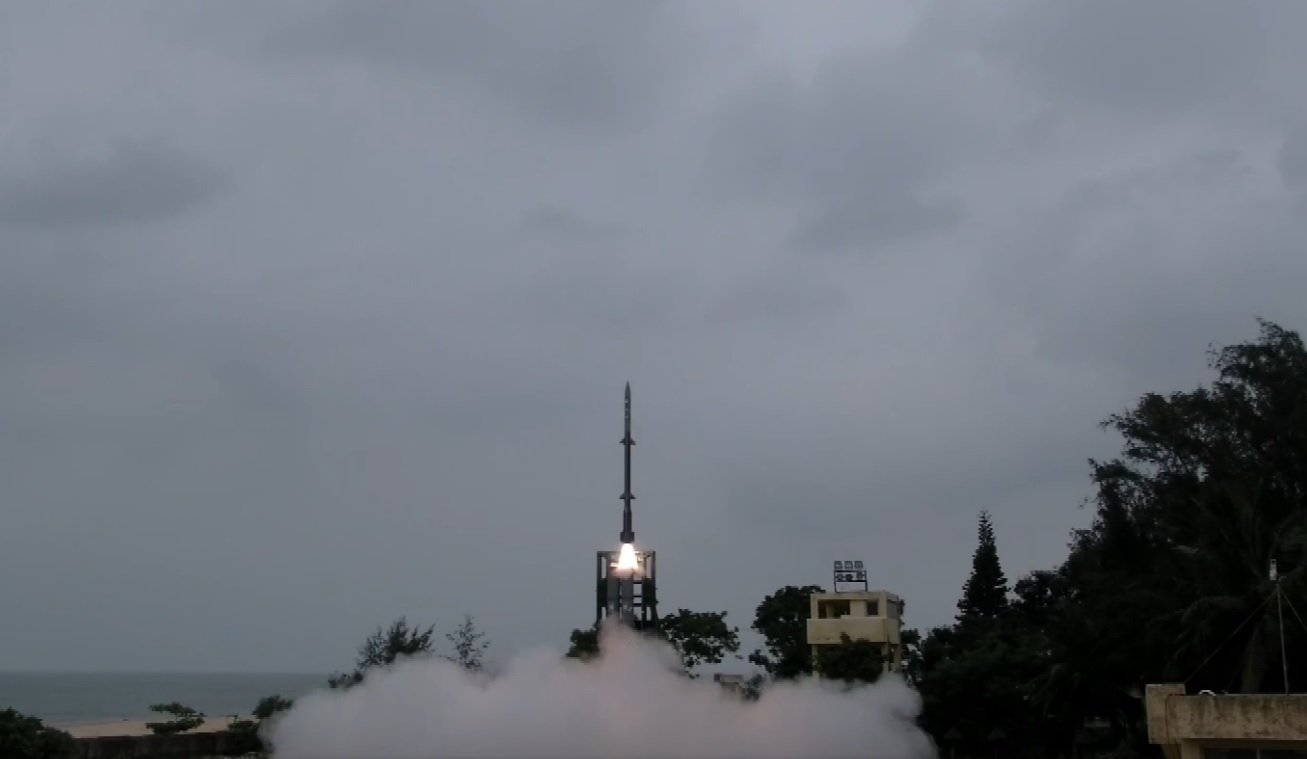 DRDO Successfully Conducts Maiden Flight Test of 150-km-Range Kusha M1 Air Defence Missile
-
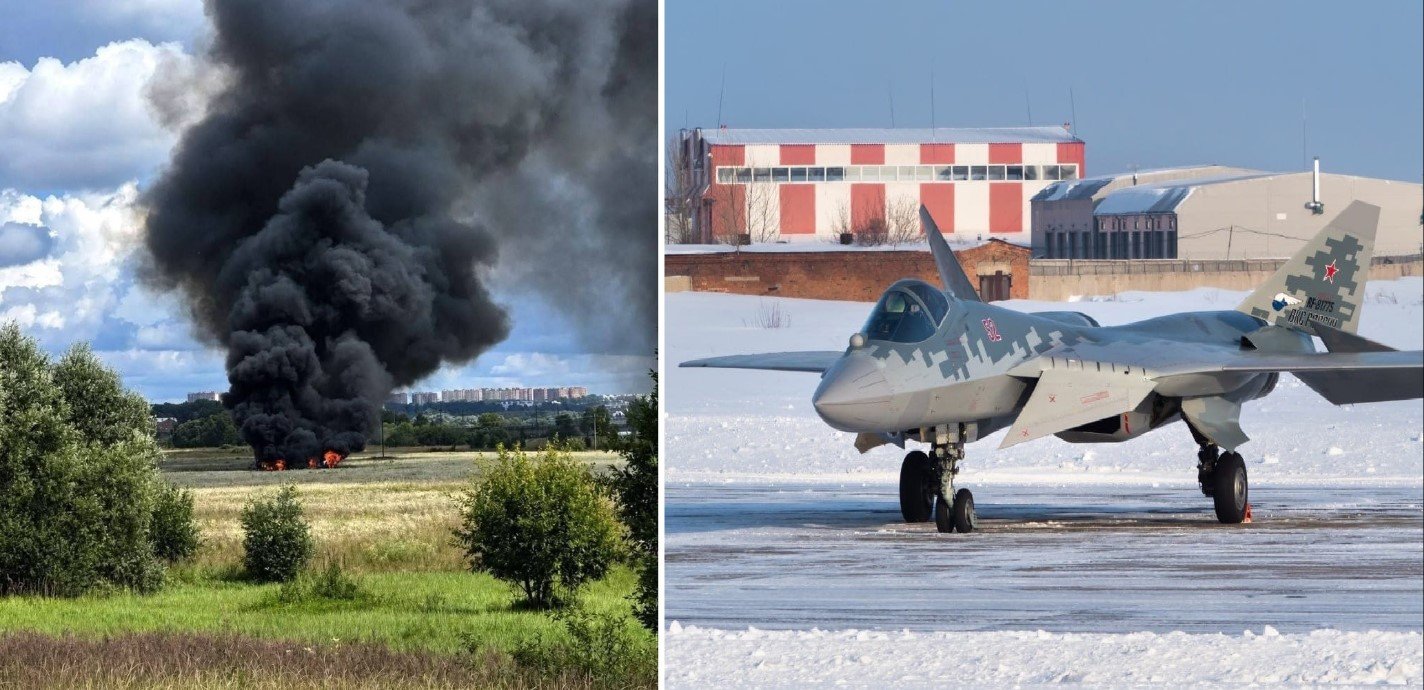 Russian Su-57 Stealth Fighter Crashes During Training Flight Near Moscow, Pilot Ejects Safely
-
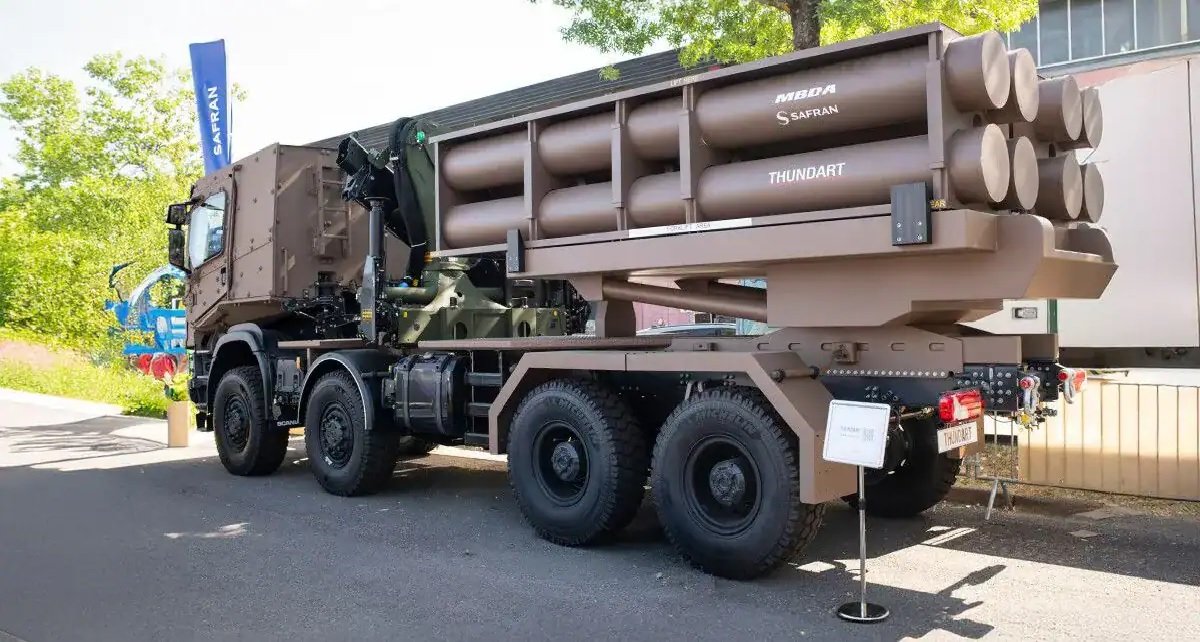 France's THUNDART Long-Range Rocket System May Undergo Prototype Combat Testing in Ukraine
-
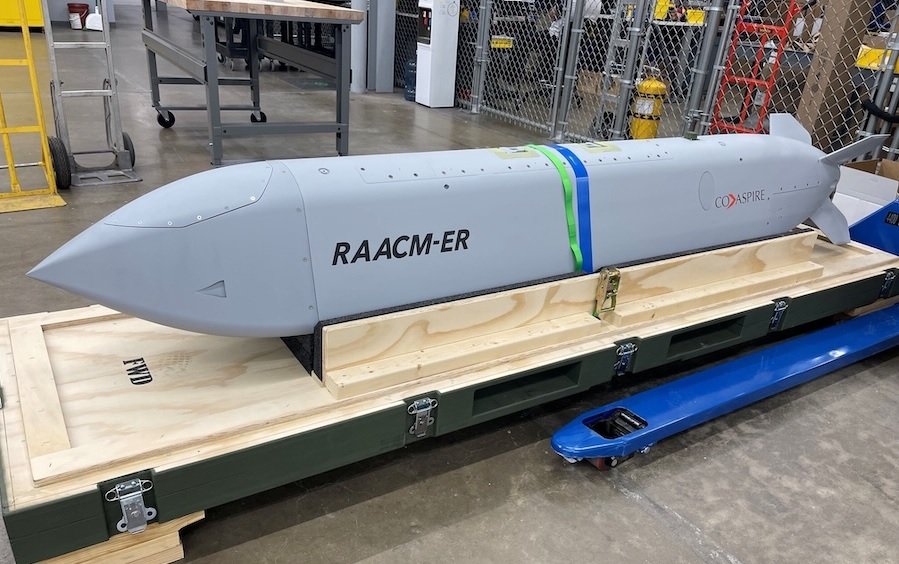 U.S. Navy Selects CoAspire to Build Ground-Launched CHAOS Cruise Missile Under $70 Million Program
-
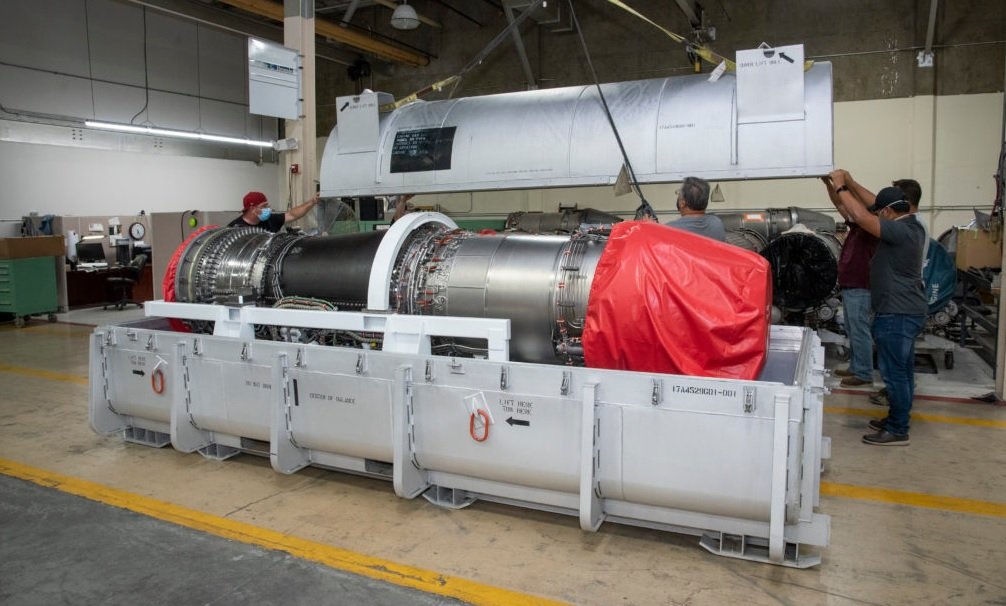 GE Aerospace and Magellan Aerospace Corporation Sign Strategic MoU for F414 Engine Sustainment in Canada
-
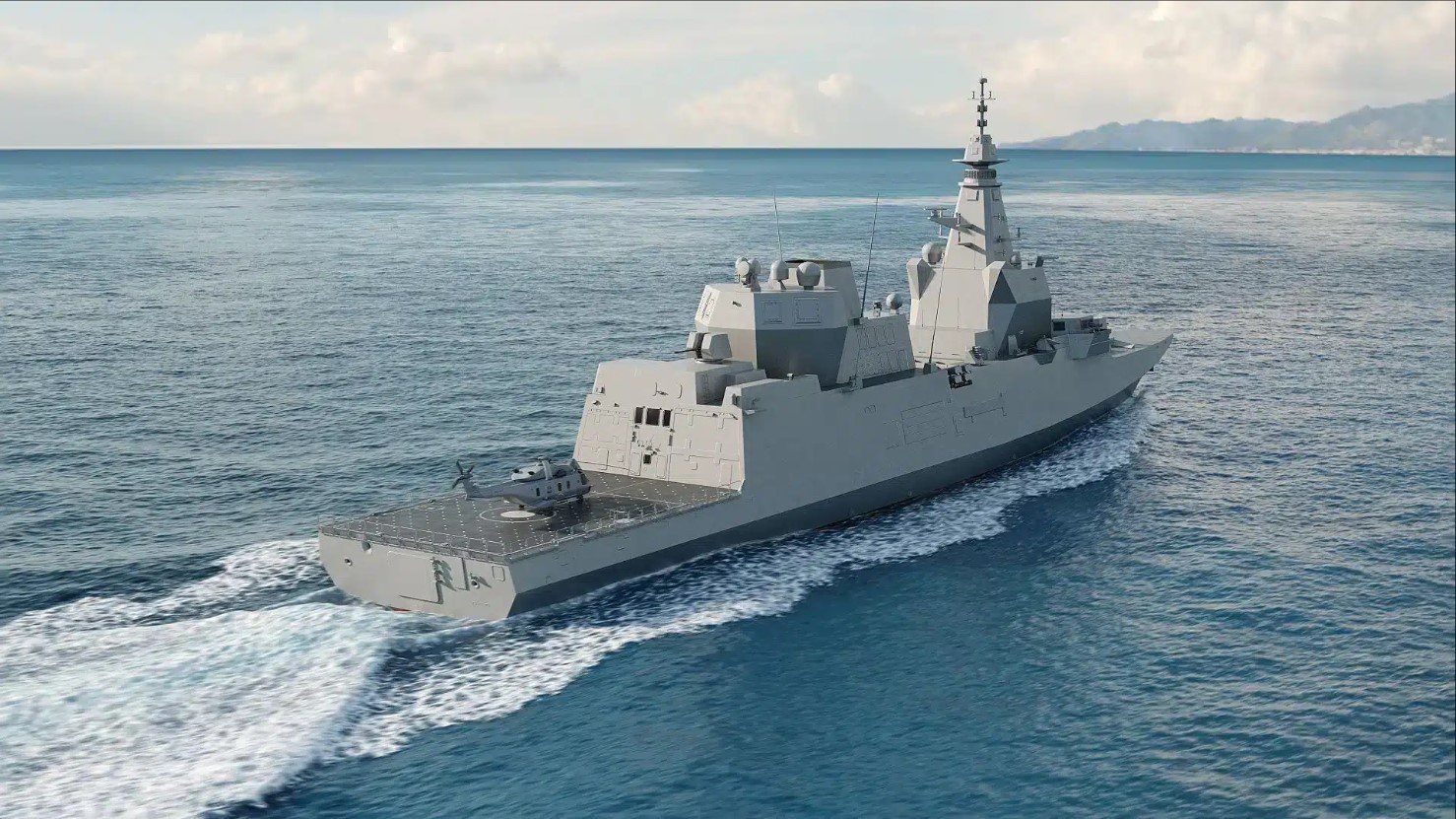 Portugal Orders Three FREMM EVO Frigates from Italy in €3.9 Billion Naval Deal
-
 Destinus Unveils Vorexon Interceptor Concept to Defend Critical Sites from Artillery Threats
Top Trending in 4 Days
-
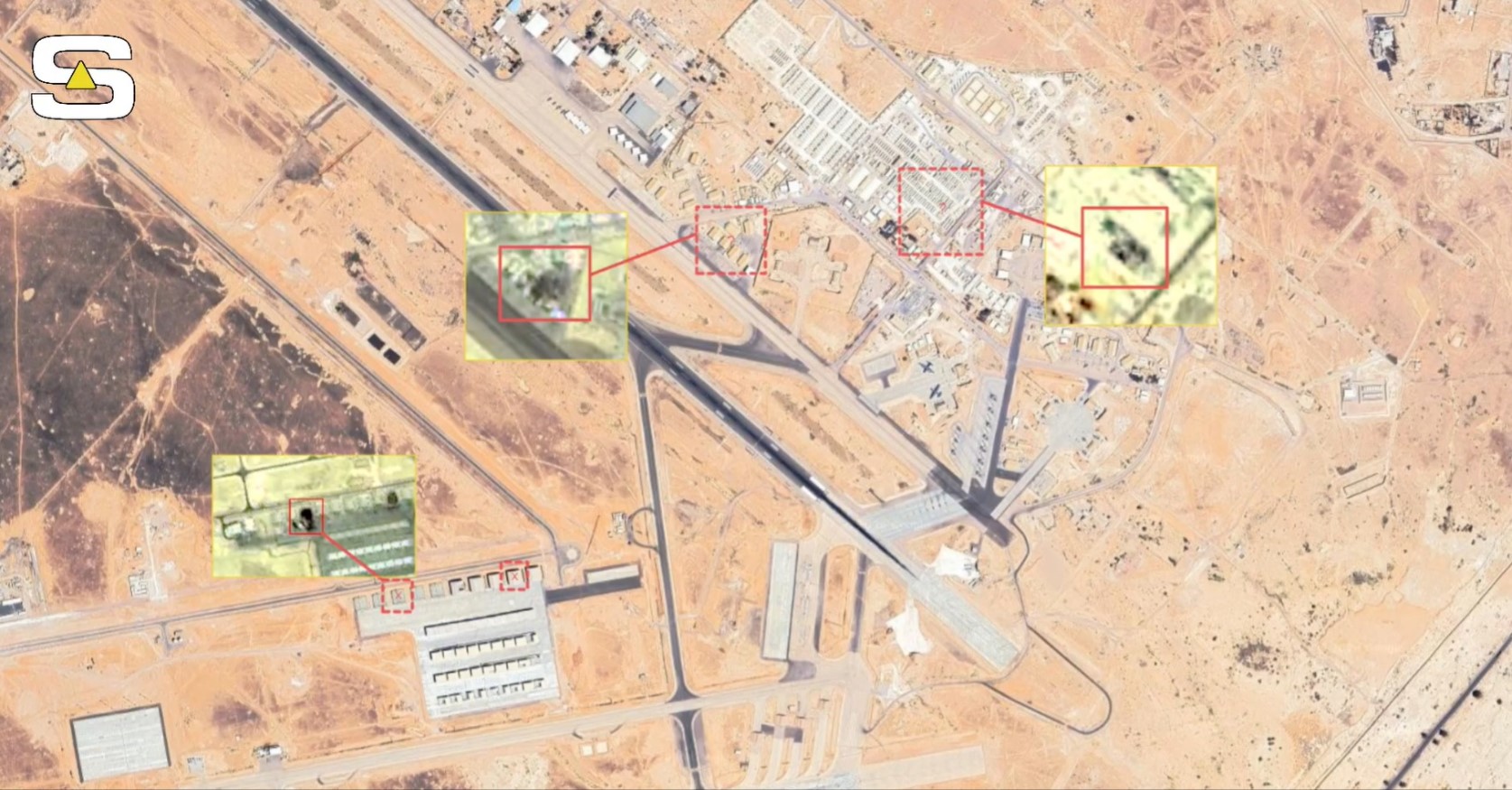 New Satellite Imagery Reveals Extensive Damage at Jordan's Muwaffaq al-Salti Air Base After Iranian Missile Strike
-
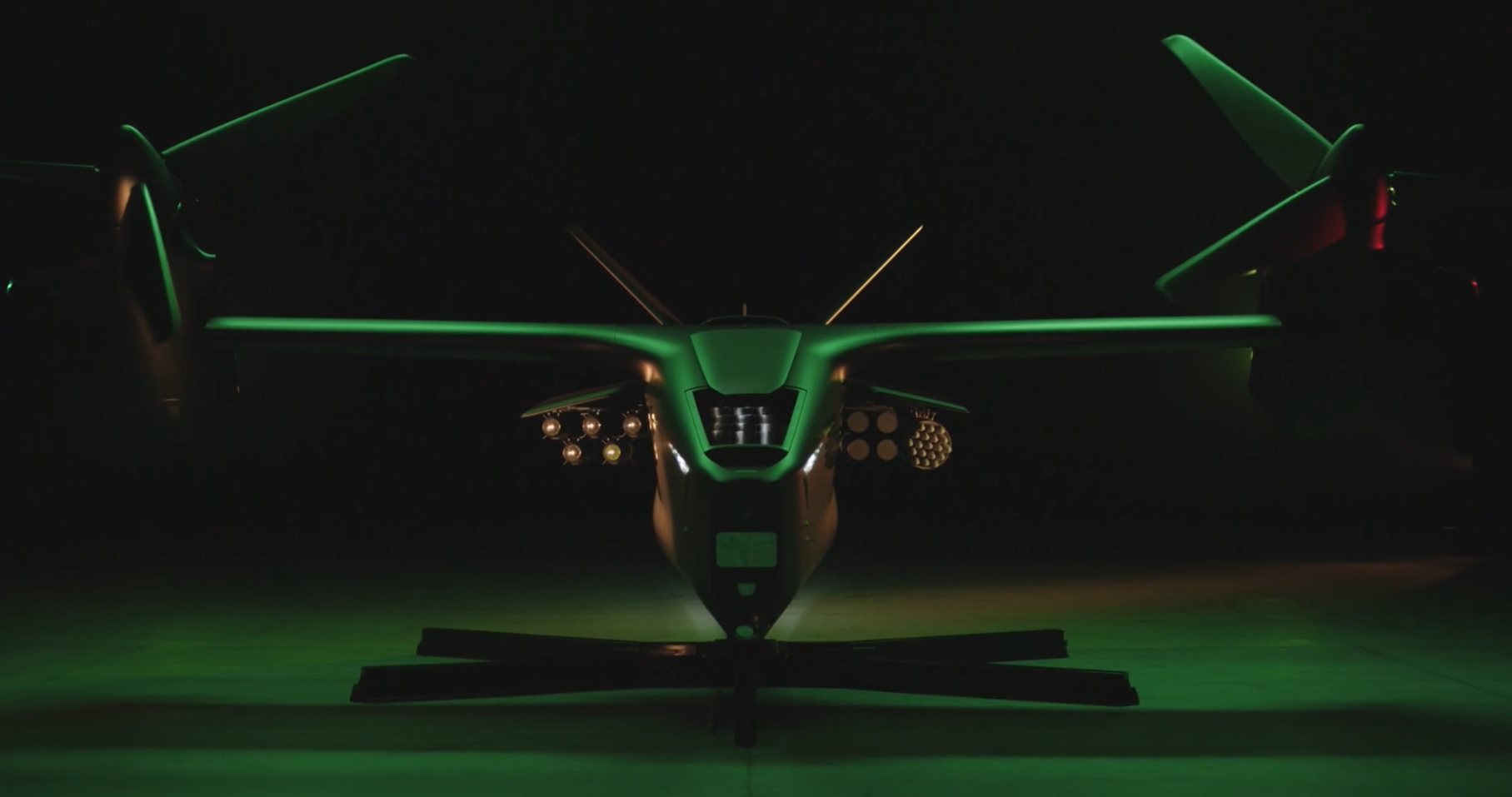 Anduril Unveils Thunder Autonomous Attack Rotorcraft Built with Archer Aviation to Support Apache Helicopters
-
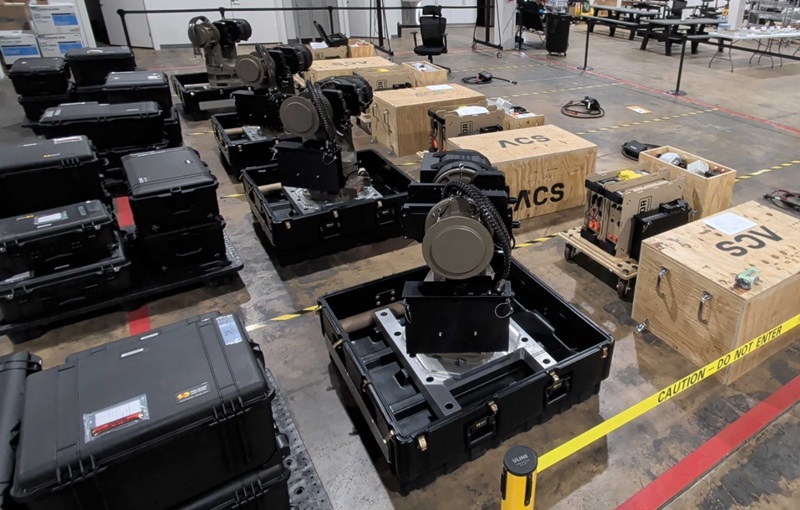 U.S. Marine Corps Selects AI-Powered Bullfrog Weapon Station for L-MADIS Counter-Drone Platform
-
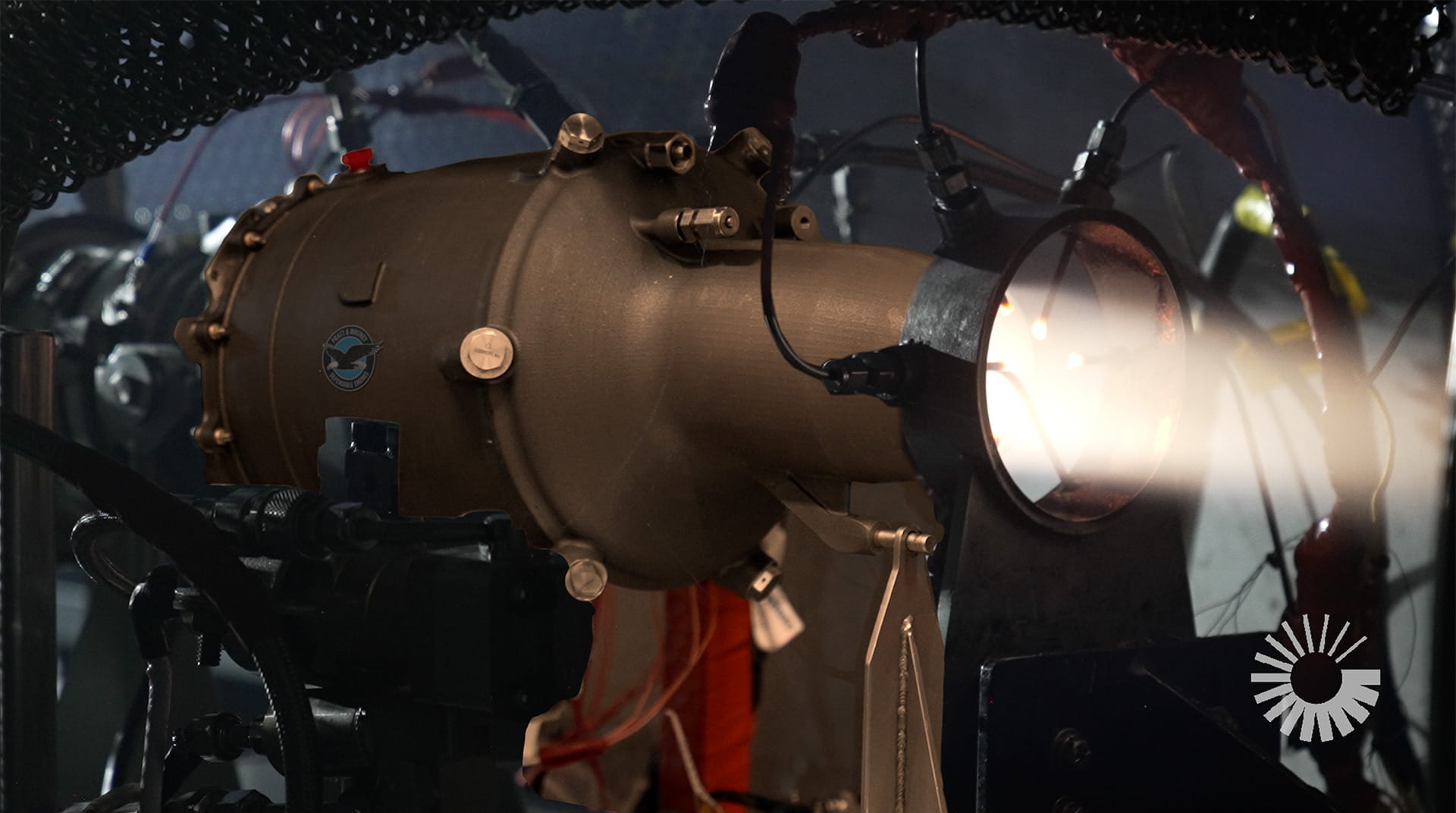 Pratt & Whitney Completes Testing of 3D-Printed TJ150 Engine for Military Applications
-
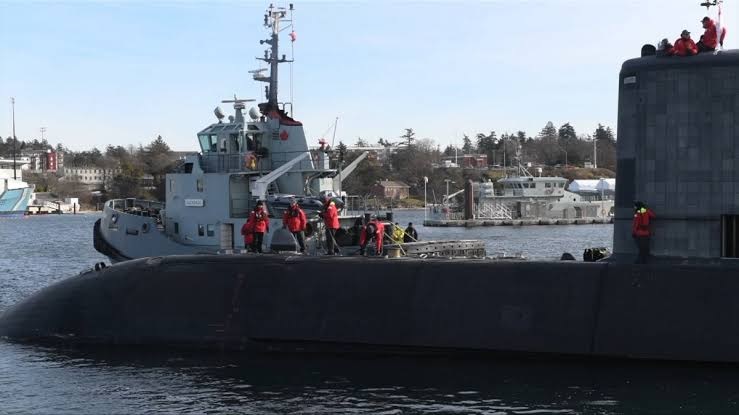 Canada Awards Babcock $1.1 Billion Six-Year Contract Extension to Support Victoria-Class Submarine Fleet
-
 Lockheed Martin Unveils MORFIUS X-Rotor High-Power Microwave System That Can Neutralize 50+ Drones in One Flight
-
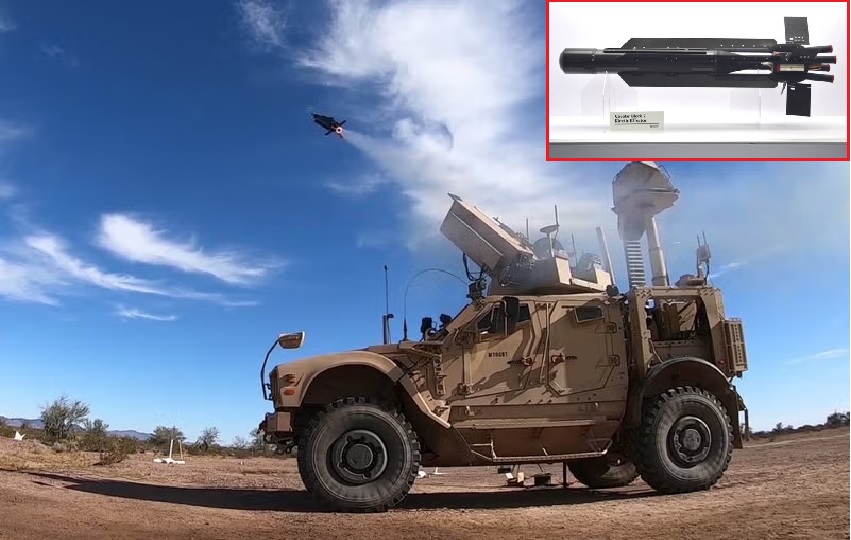 Raytheon Ramps Up Coyote Counter-Drone Missile Production After U.S. Army Reports 600 Successful Combat Intercepts During Iran Conflict
-
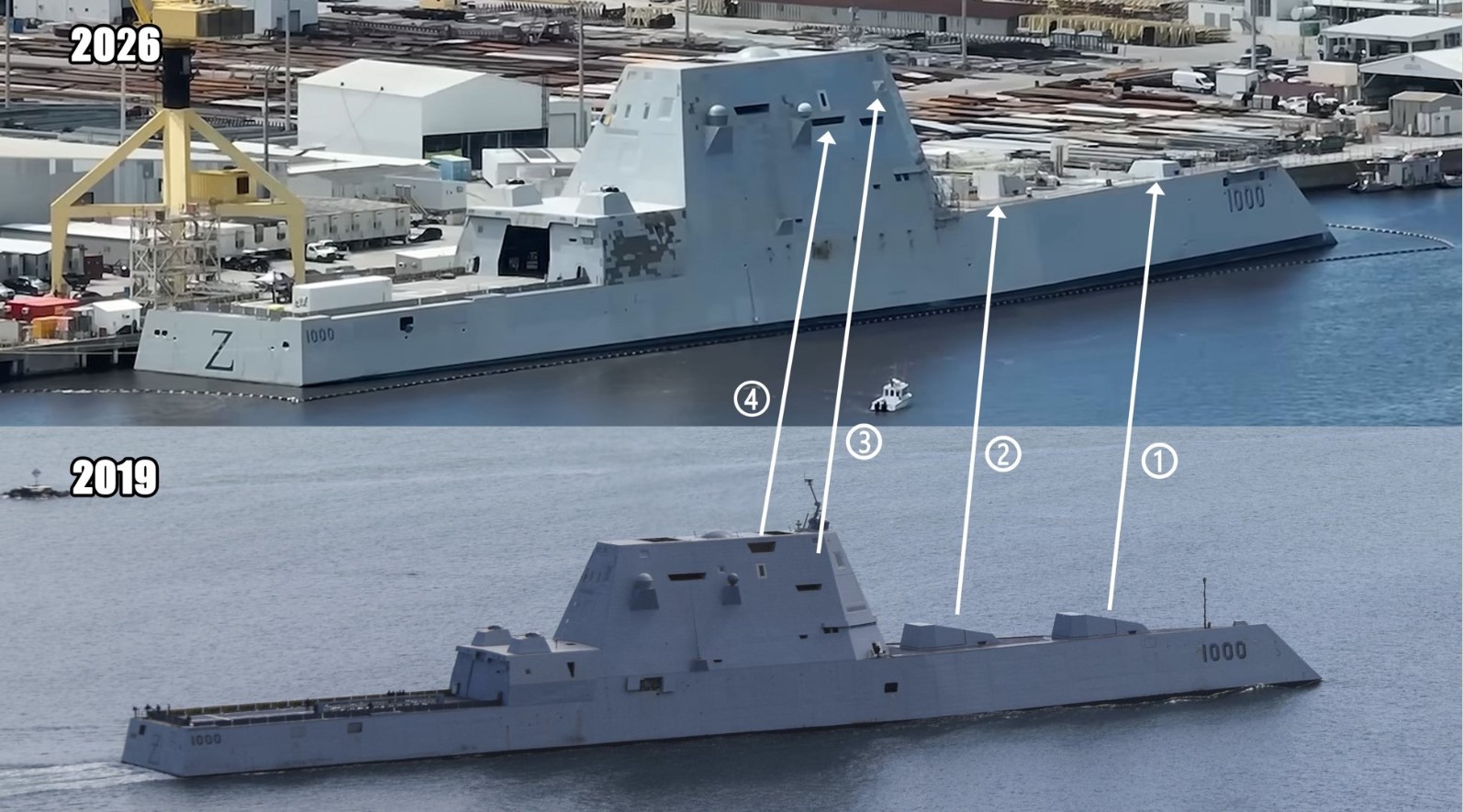 Latest Images Reveal Major Visual Changes to USS Zumwalt During Hypersonic Missile Upgrade
