
World
A high-risk maritime confrontation is unfolding in the North Atlantic after Russia deployed a submarine and surface warships to protect an oil tanker being closely trailed by the United States Coast Guard, marking a significant escalation in U.S. sanctions enforcement at sea. The fuel tanker, initially operating as Bella 1 and later renamed Marinera, has been attempting to evade U.S. authorities while transiting international waters. The vessel is currently empty, having failed to load crude oil in Venezuela due to the U.S. maritime blockade targeting sanctioned energy exports. Despite carrying no cargo, U.S. officials continued tracking the ship, citing its alleged prior role in sanctioned oil transport and its contested legal status. Russian Naval Escort Marks Calculated Escalation As the tanker moved northeast through the North Atlantic, roughly 300 miles south of Iceland, Russian naval forces deployed a submarine alongside surface vessels to escort or monitor the ship. Western defense assessments describe the submarine’s mission as deterrence, surveillance, and situational awareness, rather than covert attack preparation. The visible deployment of undersea and surface assets signaled that the tanker was operating with direct state backing, transforming what began as a law-enforcement pursuit into a state-level maritime standoff. Analysts noted that the presence of a submarine sharply increased the military and political risks associated with any attempt to board or seize the vessel. U.S. Coast Guard Maintains Close Shadowing The United States Coast Guard continued to trail the tanker at close range as it entered the eastern Atlantic. Russian state media released footage filmed from the tanker’s deck showing a U.S. Coast Guard cutter following at short distance, highlighting the intensity of the pursuit. To ensure persistent situational awareness, U.S. and allied forces conducted multiple maritime patrol missions using long-range surveillance aircraft. These flights monitored the tanker as it altered course, modified identification data, and reflagged to Russia, ensuring uninterrupted tracking despite changes in its operational profile. Reflagging Complicates Legal And Operational Calculations Legal status has remained central to the unfolding incident. At the beginning of the pursuit, U.S. authorities described Bella 1 as effectively stateless, alleging it was operating under a false flag and subject to a judicial seizure order tied to sanctions enforcement. The vessel had previously been linked to oil shipments associated with Iranian and Venezuelan networks under U.S. sanctions. Following its reflagging to Russia, the tanker asserted the protections granted under international maritime law to vessels legally registered under a sovereign state. This shift significantly complicated the legal basis for further action and increased the potential consequences of any forced interdiction in international waters. Part Of Broader Crackdown On Shadow Tanker Fleets The incident aligns with a wider U.S. campaign targeting so-called “shadow fleets”—networks of aging tankers with opaque ownership, limited insurance coverage, and frequent flag changes used to move sanctioned oil. U.S. authorities have already seized multiple very large crude carriers and have indicated that additional interdictions are likely. Industry analysts estimate the global shadow fleet now exceeds 1,000 vessels, many more than 15 years old, often employing risky practices such as disabling tracking systems and conducting ship-to-ship transfers in poorly monitored waters. These practices heighten both navigational dangers and environmental risks. Strategic Implications And Rising Maritime Tensions Russia’s decision to deploy a submarine escort introduced a clear military dimension into sanctions enforcement, raising the stakes for all parties involved. Any attempt to seize the tanker under such conditions risked direct confrontation with Russia or retaliation by aligned states, potentially expanding the dispute beyond maritime law enforcement. The tanker is believed to be continuing toward northern Russian ports, including Murmansk, under close observation. The episode underscores how energy sanctions, naval power, and great-power rivalry are increasingly intersecting at sea—turning commercial shipping routes into strategic flashpoints as 2026 begins.
Read More → Posted on 2026-01-07 15:55:07
India
Belagavi, India : India-based aerospace and defence startup Carbine Systems has quietly announced the successful indoor testing of its first directed-energy weapon (DEW) prototype, the H.A.R.A. Mk 1 (Hyper Amplification Radiant Array). The development marks an early but notable step by a private Indian firm into the field of high-energy laser weapons. The H.A.R.A. Mk 1 is described by the company as a 10 kW-class laser system, intended for short-range precision engagements. According to Carbine Systems, the prototype is effective within a 1–2 kilometre engagement range, consistent with early-stage tactical DEW demonstrators currently under development worldwide. The recently completed trials were conducted indoors under controlled laboratory conditions. These tests focused on validating core laser generation, beam stability, and basic system functionality rather than operational endurance or field-level performance. The company has not released detailed technical parameters such as firing duration, thermal management data, or target profiles, which are typically refined during later development phases. The successful testing of H.A.R.A. Mk 1 reflects the growing involvement of India’s private defence startups in advanced weapon technologies, an area long dominated by government research establishments. Policy support for indigenous development and private participation has encouraged smaller firms to explore niche but strategically important domains such as directed-energy systems. Carbine Systems has not outlined a public roadmap for the programme. However, industry observers expect the next stages to include further system refinement, outdoor testing, and incremental performance upgrades before any potential integration or formal evaluation. For now, H.A.R.A. Mk 1 stands as an early demonstration of private-sector capability in India’s evolving directed-energy weapons landscape.
Read More → Posted on 2026-01-07 14:49:54
World
Warsaw : Poland has taken a major step to modernize its battlefield engineering forces by signing a €240 million contract for the production of Baobab-G tracked automated mine-laying vehicles. The agreement, concluded between the Poland Ministry of Defense and domestic defense manufacturer Huta Stalowa Wola, foresees deliveries to the Polish Army by 2029 and reflects hard-won operational lessons from the Russia-Ukraine War, where large-scale mine warfare has decisively shaped the battlefield. According to reporting by TVP World in late December 2025, the program is part of a broader effort to strengthen Poland’s terrain-denial and defensive depth along NATO’s eastern flank, amid growing concern over high-intensity mechanized warfare in Eastern Europe. How the Polish Army Laid Minefields Before Baobab-G Before the introduction of the Baobab family of automated systems, the Polish Army relied primarily on manual and semi-mechanized mine-laying methods. Combat engineers deployed anti-tank and anti-personnel mines by hand or using simple mechanical dispensers mounted on standard trucks or engineering vehicles. While effective, these methods were slow, manpower-intensive, and exposed personnel to enemy fire, particularly during forward deployments. In addition, earlier approaches offered limited digital integration. Minefield locations were often recorded manually and later transferred into command systems, increasing the risk of delays, inaccuracies, and coordination challenges in fast-moving combat scenarios. Rapid redeployment or large-scale defensive mining under fire was therefore difficult, especially against armored thrusts supported by artillery and drones. The experience of the Russia-Ukraine War has underscored these limitations, showing that survivable, automated, and digitally connected mine-laying systems are essential for modern defensive operations. Transition to Automated Mine Warfare The Baobab-G represents a decisive break from legacy practices. Designed as a fully automated system, it enables the Polish Army to deploy dense, precisely mapped minefields at speed and under protection, while maintaining real-time situational awareness across command networks. The new tracked platform is optimized for Poland’s varied terrain, including forests, soft soil, wetlands, and undeveloped corridors that are critical avenues of approach for armored formations. This capability allows minefields to be laid not only on roads but also deep across off-road axes, significantly complicating enemy maneuver. Complementing the Baobab-K Fleet The Baobab-G contract follows a 2023 agreement under which Poland ordered 24 Baobab-K wheeled mine-laying vehicles, with deliveries scheduled between 2026 and 2028. Together, the two variants form a complementary system. The wheeled Baobab-K offers high road speed and rapid redeployment, making it suitable for rear-area defense and quick sealing of threatened routes. The tracked Baobab-G, by contrast, will operate closer to the front line, accompanying mechanized units and laying minefields in difficult terrain inaccessible to wheeled platforms. This dual-platform approach reflects Poland’s intent to build a flexible, layered mine-warfare capability across the full depth of its defenses. Advanced Technical Capabilities Technical data cited by Army Recognition illustrates the sophistication of the Baobab system architecture. The Baobab-K, which provides insight into shared design features, is equipped with six automated mine launchers, each capable of carrying up to 100 anti-tank mines, for a total capacity of 600 mines per vehicle. The system supports both automated and manual deployment modes, with minefields extending up to 1,800 meters and laying speeds ranging from 3 to 20 km/h. Full reloading can be completed in less than 30 minutes. Operations are managed by a two-person crew using an onboard digital control station linked directly to battlefield command and control networks. Crucially, every mine laid is automatically logged, with exact coordinates and deployment data transmitted in real time, enhancing operational coordination and post-conflict clearance planning. The Baobab-G is expected to incorporate these capabilities within a more survivable tracked chassis. Strategic Impact The €240 million Baobab-G program highlights how Poland is converting lessons from Ukraine into concrete procurement decisions. Minefields, once viewed as a secondary or legacy capability, have re-emerged as a central element of modern defensive doctrine against armored and mechanized forces. By replacing manual mine-laying methods with automated, digitally integrated systems produced domestically, Poland is significantly enhancing its deterrence posture and reinforcing NATO’s defensive architecture in Eastern Europe. As deliveries progress toward 2029, the Baobab-G is set to become a cornerstone of Poland’s next-generation battlefield engineering.
Read More → Posted on 2026-01-07 14:35:44
India
NEW DELHI — A politically charged remark by U.S. President Donald Trump has reignited a long-simmering debate in India over foreign defence delays, double standards, and allegations of systemic sabotage targeting indigenous aerospace programmes. The controversy has revived historical parallels between the fate of India’s first fighter aircraft, the HF-24 Marut, and recurring criticism surrounding the Tejas Light Combat Aircraft (LCA), even as hard data on Apache helicopter deliveries tells a far more nuanced global story. Speaking at a Republican Party gathering in the United States, President Trump claimed that India ordered Apache attack helicopters and waited five years for delivery, adding that Prime Minister Narendra Modi personally approached him to intervene. The remarks, widely circulated in Indian media, prompted a closer examination of actual procurement figures and delivery timelines, revealing a gap between political rhetoric and programme reality. What India Actually Ordered Official government disclosures and industry statements show that India’s Apache acquisitions were significantly smaller in number than implied in the speech, although delivery delays did occur. In September 2015, India signed contracts with Boeing for 22 AH-64E Apache attack helicopters for the Indian Air Force (IAF) as part of a broader package that also included 15 CH-47F Chinook heavy-lift helicopters. The combined deal was valued at approximately ₹13,952 crore. Deliveries of the IAF’s Apaches began in 2019 and were completed by July 2020, broadly in line with contractual expectations. A second, separate decision followed in February 2020, when the Indian government approved the purchase of six AH-64E Apaches for the Indian Army, valued at around ₹5,691 crore (about $600 million). This acquisition was intended to give the Army a dedicated attack helicopter capability independent of the Air Force fleet. In total, India’s publicly recorded orders amount to 28 Apache helicopters, comprising 22 for the IAF and six for the Army. The Five-Year Delay Explained While the Air Force inducted its Apaches within the anticipated timeframe, the Army’s six helicopters faced prolonged delays. The reasons were not unique to India. Post-pandemic supply-chain disruptions, production bottlenecks, and logistical and transit complications slowed deliveries across the global aerospace industry. The first three Army Apaches arrived in July 2025, with the remaining three delivered in mid-December 2025, completing the contract nearly five years after approval. This timeline explains President Trump’s reference to a long wait, even though the order size cited in his remarks does not match official records. With the December 2025 handover, all 28 Apaches ordered by India have now been delivered. How India Compares With The World (2020–2024) A review of Apache programmes worldwide during the 2020–2024 period shows that India’s experience fits squarely within global norms, rather than standing out as an exception. 1. United Kingdom (Fleet Modernization) The UK replaced its older WAH-64D fleet with the new "Echo" model. Order (2016): 50 AH-64E helicopters via Foreign Military Sales. Delivery Timeline: The first two aircraft arrived in November 2020 at Wattisham Flying Station. Completion: Continuous deliveries occurred through 2022–2024. The 50th and final aircraft was officially handed over in March 2025. 2. The Netherlands (Remanufacturing Program) The Dutch program is a "remanufacture," where old D-models are stripped and rebuilt as E-models. Order (2018/2019): Upgrading 28 existing AH-64Ds to AH-64E v6. Delivery Timeline: The first upgraded unit was delivered in October 2022. Status: Deliveries were steady through 2023 and 2024. The program is on track to be fully completed by the end of 2025. 3. Morocco (New Operator) Morocco became the 17th nation to join the Apache family during this period. Order (June 2020): Signed for 24 AH-64E helicopters (with an option for 12 more). Delivery Timeline: Initial training and production occurred 2021–2023. The first batch of 6 helicopters arrived in March 2025. 4. Australia (Replacement of Tiger Fleet) Order (2021/2022): Selected 29 AH-64E helicopters to replace the Airbus Tiger. Timeline: The formal contract was finalized in 2022. While no aircraft were delivered in the 2020–2024 window, production started, and the first aircraft was delivered in late 2025. What The Data Shows Across India, the UK, the Netherlands, Morocco and Australia, Apache programmes initiated between 2015 and 2021 typically resulted in first deliveries three to five years later, with final completion often extending close to a decade from the initial contract signature. Against this backdrop, President Trump’s suggestion that India was uniquely stalled or neglected does not withstand scrutiny. India’s timelines sit firmly within global delivery patterns, especially when viewed against the backdrop of pandemic-era shocks to aerospace supply chains. Political Rhetoric Versus Programme Reality Defence analysts argue that President Trump’s statement should be seen as political exaggeration, aimed at highlighting U.S. leverage rather than accurately reflecting procurement history. While India’s Army Apaches were indeed delayed, similar or longer delays were experienced by multiple U.S. allies and partners. The evidence indicates that the implication of special treatment or exceptional delay in India’s case was overstated, even if the remark tapped into genuine Indian frustration over long delivery cycles. The global Apache delivery record from 2020 to 2024 reveals a consistent pattern of extended timelines across multiple countries, regardless of alliance status. India’s experience — often singled out in political commentary — was neither unique nor excessive by international standards. As such, President Trump’s remark, while politically striking, fails a detailed timeline analysis, underscoring the gap between rhetoric and reality in the global defence supply chain.
Read More → Posted on 2026-01-07 10:08:32
India
New Delhi: The Indian Navy’s long-awaited rotary-wing modernisation programme is progressing across multiple fronts, with key updates on the MH-60R Seahawk, indigenous Utility Helicopter – Marine (UH-M), and the ambitious Deck Based Multi-Role Helicopter (DBMRH) programme, according to Admiral Dinesh K Tripathi, Chief of the Naval Staff. Speaking on the Navy’s aviation roadmap, Admiral Tripathi outlined how a mix of foreign procurement and indigenous development is being pursued to bridge long-standing operational gaps in ship-borne helicopters, a critical capability for anti-submarine warfare, surface surveillance, search and rescue, and logistics at sea. MH-60R Seahawk: Training, Trials and Deliveries Aligned The Navy’s acquisition of 24 MH-60R multi-role helicopters from the United States continues to move forward in a phased manner. Admiral Tripathi confirmed that three MH-60R helicopters are currently deployed in the US, where they are being used for ‘Follow-On Training’ of Indian Navy aircrew. This advanced training programme began in August 2025 and will continue until July 2027, ensuring that Indian pilots and maintainers gain deep operational familiarity with the platform before its full-scale induction. In parallel, the Navy expects three additional MH-60R helicopters to be delivered to India in early 2026, strengthening frontline squadrons tasked with maritime strike and anti-submarine missions. Another three helicopters are currently in the US undergoing trials of India Unique Equipment (IUE), which includes Indian-specific sensors, communication systems and integration with indigenous naval networks. These aircraft will be handed over to the Navy after successful completion of the IUE trials, aligning the fleet with India’s operational and interoperability requirements. The MH-60R, already regarded as one of the world’s most capable naval helicopters, is expected to significantly enhance the Navy’s reach over the Indian Ocean Region, particularly when deployed from destroyers, frigates and aircraft carriers. Utility Helicopter – Marine: Indigenous Design to Fill a Critical Gap Addressing the long-standing shortage of ship-borne utility helicopters, Admiral Tripathi said the Indian Navy is actively progressing a Design and Development (D&D) case for the ‘Utility Helicopter – Marine (UH-M)’ in collaboration with Hindustan Aeronautics Limited. The UH-M programme is aimed at replacing ageing legacy platforms and fulfilling essential roles such as personnel transfer, light logistics, casualty evacuation, and limited surveillance from naval ships. According to naval leadership, this indigenous project is central to reducing dependence on imports while tailoring the helicopter specifically for corrosive maritime environments, compact ship decks, and Indian Navy operational doctrines. Light Utility Helicopter Ruled Out for Naval Use Admiral Tripathi also clarified the Navy’s position on the Light Utility Helicopter (LUH), stating that the platform does not meet the Qualitative Requirements (QRs) of the Indian Navy. As a result, the LUH is not being considered for naval procurement, despite its relevance for other services. This assessment reflects the Navy’s stringent requirements for ship compatibility, payload, endurance, and safety margins during deck operations in high sea states, areas where the LUH, in its current configuration, falls short of naval expectations. DBMRH and IMRH: Joint Development Moves Forward Looking to the future, the Naval Chief highlighted progress on the Deck Based Multi-Role Helicopter (DBMRH) programme, which is being jointly pursued with the Indian Air Force under the broader Indian Multi-Role Helicopter (IMRH) initiative led by HAL. The joint Design and Development case is currently at the Pre-Acceptance of Necessity (Pre-AoN) stage, with the Air Force acting as the lead service. Under this programme, the Indian Navy is seeking the development of the DBMRH in three distinct variants, designed to cover all three dimensions of the maritime domain—surface, sub-surface, and aerial operations. Once realised, the DBMRH is expected to become a cornerstone of future naval aviation, operating from aircraft carriers and major surface combatants while offering a fully indigenous alternative to imported multi-role helicopters. Strategic Push for Maritime Aviation Self-Reliance Admiral Dinesh K Tripathi’s update underscores a broader strategic shift within the Indian Navy: balancing immediate capability enhancement through proven foreign platforms like the MH-60R, while simultaneously investing in long-term self-reliance through indigenous helicopter development. As deliveries, trials, and design efforts converge over 2026 and beyond, the Navy’s helicopter fleet is poised for a significant transformation—one that will directly impact India’s ability to secure its maritime interests across the Indian Ocean Region and beyond.
Read More → Posted on 2026-01-07 09:23:03
India
New Delhi: Admiral Dinesh K Tripathi, Chief of the Naval Staff (CNS), has outlined significant developments and future plans shaping the Indian Navy’s force structure, surveillance reach, and indigenous aviation ambitions. The updates provide a clear snapshot of how the Indian Navy is aligning lessons from current platforms with emerging operational requirements across the Indian Ocean Region. IAC-2: Second Indigenous Aircraft Carrier Takes Shape On the Navy’s second indigenous aircraft carrier, IAC-2, Admiral Tripathi confirmed that a repeat order of IAC-1—with carefully calibrated modifications—is under active consideration. The design approach is intended to internalize operational lessons from INS Vikrant, India’s first indigenous carrier, while also embedding future-ready capabilities. These refinements are expected to address areas such as aircraft handling efficiency, enhanced survivability, improved aviation support systems, and compatibility with next-generation carrier-borne aircraft. The move reflects a cost-effective and time-efficient pathway, leveraging an already mature industrial ecosystem while strengthening India’s blue-water carrier operations. MQ-9B: Long-Range Maritime Surveillance Timeline Confirmed Providing clarity on long-endurance unmanned surveillance, Admiral Tripathi stated that delivery of the first two MQ-9B Remotely Piloted Aircraft is scheduled to commence from Q1 2029. The MQ-9B acquisition is seen as a transformational step for persistent ISR (Intelligence, Surveillance and Reconnaissance) across vast maritime spaces. Once inducted, the platform will significantly enhance maritime domain awareness, anti-surface and anti-submarine cueing, and joint operations with other Indian armed services, particularly in high-interest sea lanes. Drishti MALE RPAs Enter Operational Phase On indigenous unmanned systems, the CNS confirmed that 10 Drishti MALE RPAs are currently under induction into naval service. Importantly, one Drishti RPA has already been operationalised and is being flown by Indian Navy crews. The aircraft is presently engaged in consolidation flights and ISR missions, marking a critical milestone in India’s push for self-reliance in unmanned aerial capabilities. The Drishti program is expected to gradually reduce dependence on foreign ISR assets while creating a domestic knowledge base for future UAV development. P-8I Fleet Expansion Under FMS Route Admiral Tripathi also disclosed that the Navy has been progressing a case for the procurement of six additional P-8I LRMRASW aircraft from the United States. The acquisition is being pursued under the Buy (Global) category through the Foreign Military Sales (FMS) route. The Boeing P-8I fleet has become the backbone of India’s long-range maritime reconnaissance and anti-submarine warfare posture. An expanded fleet would substantially strengthen coverage across the Indian Ocean, especially in tracking submarines and surface combatants over extended ranges. TEDBF: Leveraging LCA (Navy) Experience to Meet Timelines On the indigenous Twin Engine Deck Based Fighter (TEDBF) program, the CNS emphasized that niche technologies mastered during the development of the LCA (Navy) prototypes are now being actively reused. The industrial base established through that effort is playing a crucial role in meeting the challenging timelines for the TEDBF’s first flight. The TEDBF is envisioned as a cornerstone of future carrier air wings, offering higher payload, range, and survivability compared to current fighters. Admiral Tripathi’s remarks underline confidence in India’s aerospace ecosystem to deliver a complex naval fighter within projected schedules. Strategic Signal Taken together, the updates signal a deliberate balance between indigenisation and selective global procurement, with the Indian Navy focusing on operational continuity, technological depth, and long-term self-reliance. From aircraft carriers and maritime patrol aircraft to unmanned systems and next-generation fighters, the Navy’s roadmap reflects a clear intent to maintain credible deterrence and sustained presence across the maritime domain in the coming decades.
Read More → Posted on 2026-01-07 09:13:05
India
Haldia, West Bengal: The Indian Navy has begun preparatory work to establish a new naval detachment at Haldia, marking a significant expansion of India’s maritime posture along the northern Bay of Bengal. Senior naval sources confirmed that the facility, yet to be formally named, will function as a forward detachment for small and fast warships, enhancing surveillance and rapid-response capabilities close to India’s eastern maritime frontier and the Bangladesh coastline. The new Haldia detachment will primarily operate Fast Interceptor Craft (FIC) and the New Water Jet Fast Attack Craft (NWJFAC)—high-speed platforms designed for coastal security, patrol, and interception missions. Initial work will focus on basic infrastructure, including the construction of a dedicated jetty and essential support facilities. With land allotment issues that had stalled the project earlier now resolved, officials say work can proceed at pace. Strategic Location Reduces Operational Constraints Haldia’s location, roughly 100 kilometres from Kolkata, offers a key operational advantage. By operating directly from the Bay of Bengal, naval units will be able to avoid the long and time-consuming transit up the Hooghly river, allowing faster deployment during contingencies. The detachment is expected to be modest in size, housing around 100 officers and sailors, or possibly fewer, reflecting its focused operational role rather than that of a full-fledged naval base. While the Indian Navy already maintains major facilities on the eastern seaboard—most notably Visakhapatnam, home to the Eastern Naval Command headquarters, and strategic bases in the Andaman and Nicobar Islands—the Haldia detachment will fill a critical geographic gap in the northern Bay of Bengal, close to busy shipping lanes and sensitive coastal areas. Fast Craft Fleet Backed by 2024 Acquisition Clearance The operational backbone of the new detachment will be reinforced by a major acquisition programme cleared in 2024. The Defence Acquisition Council, chaired by Defence Minister Rajnath Singh, approved the Indian Navy’s proposal to procure 120 Fast Interceptor Craft and 31 New Water Jet Fast Attack Craft. The FICs are compact but potent platforms, displacing around 100 tonnes, capable of speeds of up to 45 knots, and armed with machine guns. Each craft can carry 10–12 personnel and is suited for a wide range of missions, including coastal patrol, maritime interdiction, harbour defence, escort duties, and quick reaction operations against asymmetric threats. Watching Developments in Bangladesh and Beyond Naval sources said the Haldia detachment will play an important role in monitoring maritime activity off Bangladesh, a region of growing strategic interest. In November last year, the Pakistan Navy deployed a Chinese-built guided missile frigate to Bangladesh in what was described as a high-profile port visit. The visit followed a period of closer defence engagement between Dhaka and Islamabad, particularly after political changes in Bangladesh in August 2024, when Prime Minister Sheikh Hasina left office. Significantly, two-star level staff talks between the Pakistan and Bangladesh navies were held in November, the first such engagement of its kind. Indian defence planners assess that Pakistan–Bangladesh military cooperation is likely to expand in the coming years, adding a new dimension to the security environment in the Bay of Bengal. China’s Longstanding Naval Footprint in Bangladesh India’s assessment is further shaped by China’s deep and sustained naval involvement with Bangladesh over the past decade. China has transferred two submarines to the Bangladesh Navy, significantly enhancing Dhaka’s undersea warfare capabilities. In parallel, China has been involved in the construction of a submarine base near Chittagong, a facility that was initially named after Sheikh Hasina but has since been renamed, reflecting the changing political landscape. Indian analysts view these developments collectively as part of a broader strategic churn in the northern Bay of Bengal, where regional and extra-regional navies are seeking greater access and influence. A Forward Presence with Regional Implications Against this backdrop, the Haldia detachment represents a measured but strategically significant step by the Indian Navy. Rather than a large base, it is designed as a lean, forward-operating node, optimised for speed, surveillance, and situational awareness. Once operational, it will strengthen India’s ability to respond swiftly to developments along its eastern maritime approaches, safeguard coastal and offshore interests, and maintain close watch over evolving naval dynamics involving Bangladesh, Pakistan, and China in the Bay of Bengal.
Read More → Posted on 2026-01-07 08:49:01
World
Washington :The U.S. Government and Lockheed Martin have announced a landmark agreement to dramatically expand manufacturing of the PAC-3 Missile Segment Enhancement (MSE) interceptor, an advanced component of the Patriot Air And Missile Defense System. The new framework aims to increase annual production from approximately 600 interceptors to 2,000 per year over a seven-year period, a move officials say will strengthen U.S. and allied defenses amid rising global threats. Under the agreement, Lockheed Martin and its extensive supplier base will undertake significant investments in tooling, automated assembly, and test infrastructure. Defense leaders describe the plan as essential to replenishing interceptor inventories, meeting allied demand, and sustaining readiness against evolving missile threats. Industrial Expansion And Supply-Chain Resilience The production acceleration framework provides long-term demand certainty, allowing Lockheed Martin and its suppliers to plan and invest with confidence. The company’s global supply chain, which includes more than 13,000 firms, will be central to scaling output while preserving quality and reliability. Officials highlighted that this multi-year model shifts away from stop-start contracting, enabling the defense industrial base to build a resilient, diversified production ecosystem. This, they say, will reduce lead times, strengthen supplier partnerships, and enhance overall supply-chain resilience. Building On Recent Production Gains Lockheed Martin delivered about 620 PAC-3 MSE interceptors in 2025, marking a notable increase compared with previous years. Those gains followed prior efforts that expanded capacity by more than 60 percent, laying the groundwork for further scaling under the new framework. Analysts say annual output will continue rising gradually toward the 2,000-missile goal to ensure quality assurance, workforce readiness, and supplier throughput align with production demands. Global Demand And Strategic Importance The ramp-up in PAC-3 MSE production comes amid increased global demand for advanced missile defense systems. Recent conflicts and heightened geopolitical tensions have placed significant pressure on interceptor inventories, driving the U.S. and partner nations to seek larger stockpiles of hit-to-kill interceptors capable of countering ballistic missiles, cruise missiles, and other aerial threats. Defense officials noted that expanded production will meet both U.S. military requirements and the needs of allied operators, many of whom rely on the Patriot system as a core element of their layered air and missile defense architecture. Current PAC-3 MSE Operators The PAC-3 MSE interceptor is deployed by a growing list of U.S. and allied air defense forces worldwide, reflecting its status as a key capability in modern missile defense inventories: United States (primary operator and producer). Germany, Poland, Sweden, Romania, Bahrain and other NATO members have selected PAC-3 MSE missiles as part of their Patriot systems. Qatar, Japan, United Arab Emirates and Republic of Korea (South Korea) operate or have contracted for PAC-3 MSE or PAC-3 missiles broadly, with many using both variants. Taiwan is progressing with deliveries of PAC-3 MSE missiles under U.S. foreign military sales agreements. Other partners, such as Switzerland and Bahrain, have signed PAC-3 MSE procurement contracts or received shipments. In total, approximately 17 countries operate Patriot missile systems with PAC-3 and PAC-3 MSE variants, underscoring the interceptor’s broad international footprint. Economic And Workforce Impact Lockheed Martin projects that the production ramp will support thousands of skilled jobs across its facilities and supplier network. Workforce growth, specialized training programmes, and investment in advanced manufacturing technologies are expected to accompany the expanded production effort. Officials noted that while the framework sets an ambitious industrial roadmap, annual procurement volumes will still depend on U.S. Congressional appropriations, beginning with the Fiscal Year 2026 budget process. Shifting U.S. Missile Production Strategy Defense analysts view the PAC-3 MSE framework as part of a broader transformation in U.S. defense acquisition strategy, shifting from limited, episodic missile buys toward long-term, high-volume production models for proven systems. If fully executed, the seven-year plan will significantly reinforce the PAC-3 MSE’s role as a cornerstone of U.S. and allied air and missile defense, ensuring sustained availability and industrial readiness well into the 2030s.
Read More → Posted on 2026-01-07 08:25:24
India
New Delhi: Iranian media reports and regional defence publications indicate that India’s landmark defence procurement clearance at the end of 2025 may have extended well beyond the publicly acknowledged purchase of SPICE-1000 Precision Guidance Kits, potentially including discreet approvals for two advanced Israeli air-launched strike weapons — Air LORA and Ice Breaker missiles. The reports are linked to the December 29, 2025 meeting of the Defence Acquisition Council (DAC), chaired by Defence Minister Rajnath Singh, which cleared a broad acquisition package valued at approximately $8.7 Billion. While official disclosures focused on the SPICE-1000 deal with Rafael Advanced Defense Systems, Iranian and Israeli-linked outlets claim that the approvals also covered long-range stand-off missile capabilities intended to significantly expand the Indian Air Force (IAF) deep-strike envelope. SPICE-1000 Deal Forms The Confirmed Core Of The Package The SPICE-1000 procurement remains the most clearly established component of the DAC decision. The guidance kits convert standard 1,000-lb Class Unguided Bombs into long-range, highly accurate precision weapons, sharply enhancing the IAF’s ability to conduct Deep Strike Missions. SPICE-1000 integrates Electro-Optical Scene Matching, INS/GPS Navigation, and Man-In-The-Loop Control, enabling accurate target engagement even in GPS-Degraded Or Electronic Warfare Environments. With a reported stand-off range of up to 125 Kilometres, depending on launch profile, the system allows strike aircraft to operate outside dense Enemy Air Defence Zones. The December clearance reportedly covers around 1,000 Kits, representing a substantial expansion of India’s precision-guided munition inventory. Air LORA Would Add Long-Range Quasi-Ballistic Strike Capability According to the reports, India may also have quietly cleared Air LORA, the air-launched variant of the LORA (Long Range Artillery) missile developed by Israel Aerospace Industries. Air LORA is designed as a Quasi-Ballistic, Long-Range Precision Strike Missile, optimised for attacking Hardened And High-Value Fixed Targets such as air bases, command centres, radar installations, and missile infrastructure. Open technical data describes the missile as approximately 5.2 Metres In Length, with a launch weight of around 1,600 Kilograms. Its reported range varies by mission profile but is generally assessed in the 280–400 Kilometre Class when air-launched. The missile employs INS/GPS Guidance, offering a reported Circular Error Probability (CEP) in the Single-Digit To Low-Double-Digit Metre Range, and is marketed as a Fire-And-Forget Weapon capable of rapid, high-confidence deep strikes. If inducted, Air LORA would represent a major leap in India’s air-launched strike reach. Ice Breaker Offers Autonomous Cruise Missile Flexibility The reports further suggest possible approval of Ice Breaker, Rafael’s next-generation air-launched cruise missile derived from the Sea Breaker Family. Ice Breaker is described as a Fifth-Generation, AI-Enabled Precision Missile capable of engaging both Maritime And Land Targets. Open information points to a range of approximately 300 Kilometres Or More, supported by Electro-Optical And Infrared Imaging, advanced Scene-Matching Algorithms, and autonomous terminal target recognition. The missile is designed to function effectively in GPS-Denied And Heavily Jammed Environments, selecting complex flight paths and recognising targets independently during the terminal phase. Its relatively compact size is intended to allow integration across a wide range of Modern Fighter Aircraft. Combined Impact On Indian Air Force Strike Doctrine If confirmed, the combined induction of SPICE-1000, Air LORA, and Ice Breaker would give the Indian Air Force a Layered Stand-Off Strike Architecture. SPICE-1000 would address medium-range precision attack needs, Ice Breaker would provide flexible long-range cruise missile options, and Air LORA would deliver a heavy, high-speed solution for Hardened Or Time-Critical Targets. Such a mix would significantly strengthen India’s Deterrence Posture, aligning with evolving requirements for Precision, Survivability, And Deep Penetration Capability in contested airspace. Official Silence Leaves Missile Reports Unconfirmed While the SPICE-1000 Procurement is clearly linked to the December 29 DAC decision, there has been No Official Confirmation from the Ministry of Defence regarding the acquisition of Air LORA or Ice Breaker missiles. Defence analysts note that sensitive missile procurements are often handled with limited public disclosure, particularly during early contract or negotiation stages. Until formal announcements are made by the Indian government or Israeli manufacturers, the reported missile approvals remain Credible But Unverified. Nevertheless, their repeated appearance in regional defence reporting highlights the scale and ambition of India’s late-2025 defence modernisation push. Outlook Attention will now turn to future Ministry Of Defence Statements, export licence disclosures, and possible announcements related to Local Manufacturing Or Technology Transfer, consistent with India’s Make In India defence strategy. Should the reported approvals materialise, they would mark a quiet but consequential shift in India’s Long-Range Air Strike Capability.
Read More → Posted on 2026-01-07 07:49:50
India
New Delhi: As negotiations over the GE F-414 engine for India’s Tejas Mk-2 fighter continue to face delays, detailed technical comparisons between the American powerplant and France’s Safran M88-4 are now at the centre of the debate. While Indian officials and Hindustan Aeronautics Ltd (HAL) insist the F-414 agreement is unlikely to be cancelled, the emergence of the M88-4 as a notional alternative has triggered closer scrutiny of whether it can realistically meet Tejas Mk-2 requirements. The issue gained visibility after overseas media reports, amplified by defence analysts and referenced in Indian business reporting including The Economic Times, pointed to negotiation friction over technology transfer, localisation depth and delivery schedules with General Electric. In parallel, France’s Safran — already a key Indian partner through the Rafale programme — has been cited as a potential fallback. Strategic Importance of The F-414 For Tejas Mk-2 The Tejas Mk-2, a significantly enlarged and more powerful evolution of the Light Combat Aircraft, has been designed around the GE F-414 engine family. The aircraft’s airframe, intakes and centre-of-gravity margins are optimised for the F-414’s thrust class of around 22,000 lb (approximately 98 kN) with afterburner. Any deviation from this benchmark would have direct implications for performance, payload and growth potential. For India, the F-414 deal is not only about propulsion but also about industrial capability. The proposed arrangement envisages local assembly and progressive manufacture in India, supporting long-term sustainment for more than 100 Tejas Mk-2 fighters and potentially other future platforms. Delays in finalising the agreement therefore carry consequences for programme timelines and broader self-reliance goals. Why Safran’s M88 Has Entered The Conversation Against this backdrop, attention has turned to France’s Safran, which already supplies the M88-2 engine for the Rafale fighter operated by the Indian Air Force. Defence analysts note that Safran has, in past engagements, signalled a willingness to discuss deeper technology partnerships with India — a factor that resonates strongly with New Delhi’s “Make in India” and “Atmanirbhar Bharat” priorities. The engine cited most often in speculative discussions is the M88-4, an uprated demonstrator variant of the M88 family. While Safran has showcased growth potential for the M88 line, the M88-4 is not a widely fielded, in-service engine and remains less proven in operational terms than the F-414. Detailed Technical Comparison: GE F-414 vs Safran M88-4 Below is a consolidated comparison using publicly available manufacturer data and widely cited defence-industry figures. Parameter GE F-414 Safran M88-4 Manufacturer General Electric Safran Engine class Afterburning turbofan Afterburning turbofan Operational status Fully operational, in service on multiple platforms Demonstrator / uprated concept Dry thrust ~13,000 lbf (≈58 kN) ~11,500–12,000 lbf (≈51–53 kN, reported) Thrust with afterburner ~22,000 lbf (≈97–98 kN) ~20,250 lbf (≈90 kN) Thrust gap vs F-414 Baseline ~8% lower than F-414 Length ~154 in (≈3.91 m) ~139 in (≈3.54 m) Maximum diameter ~35 in (≈0.89 m) ~27.4 in (≈0.70 m) Approximate weight ~1,110 kg ~900 kg (family estimate) Airflow class Higher mass flow Lower mass flow Growth / uprating margin Proven (EPE, INS6 variants proposed) Conceptual / developmental Existing Indian integration Planned for Tejas Mk-2 Operational only on Rafale (M88-2) Local production proposal Yes (HAL-GE co-production talks) Notional / exploratory Suitability for Tejas Mk-2 Fully meets design requirement Partial, would need uprating or trade-offs What The Numbers Mean For Tejas Mk-2 From a performance standpoint, the F-414 clearly remains the benchmark. Its near-98 kN thrust output is central to achieving Tejas Mk-2 targets for payload, acceleration and high-temperature operations. The M88-4, at roughly 90 kN, delivers about 92 percent of the required thrust — a shortfall that could translate into reduced payload or range unless offset by airframe optimisation or a further uprated engine version. Physically, the Safran engine is shorter and slimmer, which could ease packaging but does not compensate for lower thrust and airflow. Fighter aircraft performance is driven by installed thrust and mass flow rather than compactness alone, especially for a medium-weight platform like the Mk-2. Industrial And Strategic Considerations The F-414 negotiations are as much about industrial capability as about propulsion. India is seeking meaningful technology transfer, local manufacture and long-term maintenance autonomy. Delays have reportedly arisen from the complexity of aligning US export controls with India’s localisation expectations. Safran’s appeal lies in its perceived openness to deeper technology partnerships, reinforced by its long-running engagement with India on both military and civil aerospace projects. However, analysts caution that switching engines mid-programme would entail extensive redesign, certification and flight testing — potentially pushing Tejas Mk-2 timelines back by several years. Outlook: Contingency, Not Replacement Despite intensified discussion of the M88-4, most defence observers view it as a contingency or negotiating lever rather than a direct replacement for the F-414. The American engine remains the only option that fully satisfies Tejas Mk-2’s original performance envelope without major redesign. In sum, current evidence points to delays and tough bargaining, not derailment. India appears intent on keeping alternatives visible while continuing negotiations with GE — a strategy aimed at securing better terms rather than abandoning the F-414 altogether.
Read More → Posted on 2026-01-06 17:27:48
World
Washington: Iranian media reports indicate that US aerospace and defence major RTX has been awarded a $438 million contract by the Federal Aviation Administration to support the Radar System Replacement (RSR) programme for the US National Airspace System (NAS). The award forms a core element of the Department of Transportation’s ambitious Brand New Air Traffic Control System modernisation effort. The work will be executed by Collins Aerospace, an RTX business with more than 70 years of continuous involvement in FAA radar and air traffic management programmes. The contract underscores Washington’s push to overhaul ageing air surveillance infrastructure with a unified, digitally native architecture capable of supporting future airspace demands. Replacing Legacy Radars with a Unified Architecture Under the agreement, Collins Aerospace will deliver a mix of next-generation cooperative and non-cooperative surveillance radar systems designed to replace several legacy radars currently operating across US airspace. The new systems are built around a single, interoperable architecture, aimed at improving reliability, reducing lifecycle costs and simplifying operations for air traffic controllers. According to programme details, the modernised radar network will be scalable and adaptable, allowing the FAA to integrate future capabilities—such as advanced automation tools, trajectory-based operations and expanded unmanned aircraft management—without the need for repeated hardware overhauls. Condor Mk3 and ASR-XM: The Core of the Upgrade The radar suite to be fielded includes the Condor Mk3 cooperative surveillance radar and the ASR-XM non-cooperative surveillance radar, both of which have already met FAA surveillance requirements through prior certification activities. The Condor Mk3 is designed to work with aircraft transponders, delivering high-precision position, altitude and identity data. It supports modern air traffic control concepts by offering improved update rates, enhanced accuracy and resilience against signal congestion—critical in dense terminal airspace and complex approach environments. Complementing it, the ASR-XM provides non-cooperative surveillance, detecting and tracking aircraft that may not be transmitting transponder signals. This capability is particularly important for low-altitude coverage, weather-affected regions and national security-sensitive airspace, ensuring continuous situational awareness even when cooperative data is unavailable. Operational Scale and Proven Foundation More than 550 RTX-supplied radar systems are already operating across the US National Airspace System, forming what industry observers describe as a proven technological foundation for large-scale modernisation. These radars currently support precise aircraft tracking, especially at lower altitudes, where traditional surveillance coverage has historically been more challenging. The FAA expects the new generation of radars to enhance safety margins, improve traffic flow efficiency and strengthen system resilience as air traffic volumes grow and the mix of users expands to include advanced air mobility platforms. Industry Perspective and Strategic Significance Commenting on the award, Nate Boelkins, President of Avionics at Collins Aerospace, said the company is prepared to rapidly deploy modern radar systems that replace fragmented, outdated technology with a single, interoperable solution. He emphasised that the new systems are designed to integrate seamlessly with existing infrastructure, while lowering long-term operating and maintenance costs and preparing the NAS for future operational concepts. From a broader strategic perspective, Iranian media note that the contract highlights the United States’ determination to digitally transform its civil aviation backbone, ensuring technological superiority, operational continuity and safety leadership in one of the world’s busiest airspaces. As the Radar System Replacement programme advances, the RTX–Collins Aerospace solution is set to become a cornerstone of America’s next-generation air traffic control architecture, reshaping how aircraft are monitored, managed and protected across the national airspace for decades to come.
Read More → Posted on 2026-01-06 17:11:47
World
Kyiv : A Ukrainian F-16 pilot has openly acknowledged that training received abroad did not fully prepare him for the realities of combat, highlighting the stark difference between classroom doctrine and the demands of a high-intensity modern war. Speaking in an official video released by the Ukrainian Air Force, the pilot said that once he returned from overseas training and began flying combat missions, the limitations of pre-war instruction became clear. “After we returned home, we faced reality. The tactics we were taught were not entirely suitable for the war we are fighting. This war is fundamentally different,” the pilot said. Training vs Battlefield Reality The comments provide rare insight into the challenges of integrating the F-16 Fighting Falcon into an active war zone. While foreign training programs focused on standard NATO procedures, simulator exercises and controlled threat scenarios, the pilot said real combat demanded constant improvisation. Operating close to the front line, Ukrainian pilots face dense air defenses, electronic warfare, cruise missiles, ballistic threats, and drone swarms—conditions that are difficult to fully replicate during peacetime training. As a result, pilots have been forced to adapt tactics in real time, sometimes altering engagement methods and flight profiles while already airborne. Limits of NATO-Style Training Since 2023, Ukraine has sent pilots to NATO countries for accelerated F-16 conversion courses, including simulator hours, live-flight training, and advanced mission instruction. While these programs were essential to bring Ukrainian crews onto Western aircraft quickly, officials have long cautioned that no training syllabus can perfectly simulate war. Western air doctrine is typically built around air superiority, secure airbases, and extensive intelligence support—conditions that do not exist in Ukraine’s conflict with Russia. Adapting Under Fire According to Ukrainian officials, frontline experience is now reshaping how F-16s are used. Pilots are refining low-altitude flight tactics, adjusting engagement distances, and improving coordination with ground-based air defense systems to increase survivability. Lessons learned during live combat are being fed back into training programs, allowing new pilots to benefit from the hard-won experience of those already flying missions. Despite the difficulties, Ukraine views the F-16 as a critical capability, particularly for air defense missions aimed at intercepting Russian missiles and drones targeting cities and infrastructure. A Candid and Important Assessment Military analysts say the pilot’s remarks are not a criticism of Western assistance, but a realistic assessment of modern warfare. Advanced aircraft and training provide a foundation, but combat conditions inevitably force adaptation, especially against a technologically capable adversary. The statement underscores a broader reality of the war: Ukraine is not only receiving Western systems, but also rewriting tactics in real time, often under extreme pressure. What It Means Going Forward As Ukraine continues to expand its F-16 fleet and train additional pilots, further tactical evolution is expected. The experience of Ukrainian crews is likely to influence not only Ukraine’s air doctrine, but also how Western militaries think about preparing pilots for future high-intensity conflicts. For Ukrainian pilots already flying combat missions, the lesson is clear: training is essential—but survival depends on adaptation.
Read More → Posted on 2026-01-06 16:19:40
Elbit Wins $150 Million Iron Fist APS Contracts for NATO CV90 Fleets After Landmark Live-Fire Trials
World
Tel Aviv / Stockholm: Israeli defense electronics major Elbit Systems Ltd. has secured new contracts valued at approximately $150 million for its Iron Fist Active Protection System (APS), awarded by BAE Systems Hägglunds. The systems will be integrated onto CV90 Infantry Fighting Vehicles (IFVs) operated by multiple European NATO member states, further expanding Iron Fist’s footprint across Western armored forces. The contracts follow a high-profile live-fire demonstration conducted in Europe in September 2025, during which Iron Fist achieved one of the most demanding milestones in the active protection domain. According to Elbit, the system successfully intercepted more than a dozen 120 mm kinetic-energy (KE) APFSDS tank rounds, a feat rarely demonstrated by any hard-kill APS. The trials, attended by senior military leadership and defense industry executives from across Europe, validated Iron Fist’s effectiveness against the most lethal anti-armor threats on modern battlefields. From Trials to Fleet Integration The Iron Fist APS will be installed on the CV90 Infantry Fighting Vehicle, a combat-proven platform widely fielded by European NATO armies and regarded as one of the most advanced IFVs in service. Integration will be carried out by BAE Systems Hägglunds, the original equipment manufacturer of the CV90, ensuring full compatibility with existing vehicle architectures, sensors, and mission systems. Defense analysts note that the contract reflects growing European urgency to upgrade armored vehicle survivability, driven by lessons from recent high-intensity conflicts where anti-tank guided missiles, loitering munitions, and top-attack threats have played a decisive role. Iron Fist APS: Design and Operational Concept Iron Fist is Israel Defense Forces’ second-generation active protection system, developed to provide comprehensive hard-kill defense while minimizing impact on vehicle mobility and crew workload. Unlike earlier APS designs that focused primarily on shaped-charge threats, Iron Fist was engineered from the outset to defeat both chemical-energy and kinetic-energy threats. The system employs distributed, high-performance sensors, including advanced radar and electro-optical elements, to detect, track, and classify incoming threats in real time. Once a threat is confirmed, Iron Fist calculates an intercept solution and launches a focused countermeasure that neutralizes the projectile at a safe distance from the vehicle. Elbit emphasizes that the interception mechanism is designed to reduce collateral damage and infantry risk, a critical requirement for urban and combined-arms operations. Technical Specifications and Capabilities In operational terms, Iron Fist delivers continuous 360-degree hemispherical protection, covering both horizontal and elevated attack profiles. The system is capable of defeating Anti-Tank Rockets (ATR), Anti-Tank Guided Missiles (ATGM), Unmanned Aerial Systems (UAS), loitering munitions, and kinetic-energy APFSDS tank ammunition, including high-velocity 120 mm rounds. A key design advantage lies in Iron Fist’s compact architecture, characterized by low volume, weight, and power requirements. This allows integration not only on heavy armored vehicles but also on medium and lighter platforms without major structural modifications. The APS interfaces with the vehicle’s battle management system, enabling crew situational awareness and potential cueing of other onboard defenses. Iron Fist is also designed for high operational availability, with modular components that simplify maintenance and lifecycle support. According to Elbit, the system has undergone extensive qualification under extreme climatic and battlefield conditions, ensuring reliability in both open terrain and dense urban environments. Strategic Significance for Europe The selection of Iron Fist for NATO CV90 fleets underscores a shift toward mature, combat-validated APS solutions as standard equipment rather than optional upgrades. European armies are increasingly prioritizing survivability against top-tier threats, particularly KE penetrators traditionally considered beyond the reach of most APS technologies. By integrating Iron Fist, CV90 operators gain a layered defense combining passive armor, electronic countermeasures, and now a hard-kill shield capable of stopping tank-fired penetrators, significantly increasing crew survivability and vehicle mission endurance. Industry and Leadership Perspective Commenting on the contracts, Yehuda Vered, General Manager of Elbit Systems Land, said that Iron Fist’s growing adoption reflects rising confidence among Western militaries. He emphasized that the results of the September 2025 live-fire trials reinforced trust in the system’s performance, particularly against the most challenging threats. Vered also highlighted Elbit’s strategic partnership with BAE Systems Hägglunds, describing it as a key driver in expanding Iron Fist’s presence across Europe and enhancing the protection of armored forces worldwide. Looking Ahead With these new $150 million contracts, Iron Fist moves closer to becoming a benchmark APS for NATO armored formations, joining a small group of systems proven against kinetic-energy threats. As European defense spending continues to rise and armored modernization accelerates, Elbit Systems’ Iron Fist is positioned to play a central role in shaping the next generation of protected combat vehicles.
Read More → Posted on 2026-01-06 15:52:33
World
Tokyo : Japan’s air defense forces were placed on alert after a sizeable formation of Chinese military aircraft flew through the strategically sensitive Miyako Strait, the narrow international waterway separating Okinawa Island and Miyako Island, Japan’s Ministry of Defense confirmed on Monday. According to the Japan Ministry of Defense, the formation belonged to the People's Liberation Army Air Force (PLAAF) and consisted of two H-6 long-range bombers, two J-16 multirole fighter escorts, two Y-9 electronic intelligence (ELINT) aircraft, and two additional aircraft assessed to be fighters. The group entered the Pacific Ocean (Philippine Sea) from the East China Sea via the Miyako Strait before later returning along the same route. Japanese Fighters Scrambled, No Airspace Violation In response to the transit, the Japan Air Self-Defense Force (JASDF) scrambled fighter aircraft from its Southwestern Air Defense Command, tasked with monitoring activity around Japan’s southwestern islands. Japanese fighters shadowed the Chinese formation throughout the flight to ensure situational awareness and the protection of national airspace. Defense officials emphasized that no violation of Japanese territorial airspace occurred, as the Chinese aircraft remained strictly within international airspace throughout the operation. No unsafe maneuvers were reported during the encounter. Miyako Strait: A Critical Gateway to the Pacific The Miyako Strait holds major strategic significance. Unlike many surrounding passages, it is one of the few routes wide and deep enough to allow large military aircraft and naval assets to move freely between the East China Sea and the wider Pacific without entering another country’s territorial waters. For this reason, the strait has increasingly become a focal point of Chinese long-range aviation activity, particularly involving H-6 bombers, which are capable of carrying cruise missiles and are routinely used by the PLAAF for extended-range maritime and Pacific patrols. Signals Intelligence and Force Integration The inclusion of Y-9 ELINT aircraft suggests that the mission was not purely a bomber transit. Japanese analysts assess that such aircraft are typically used to collect radar emissions, communications data, and electronic signatures from regional air defense systems and foreign military platforms. The presence of J-16 fighters, a modern multirole aircraft optimized for air superiority and strike escort missions, underscores a coordinated, multi-aircraft operation designed to simulate real-world combat formations rather than isolated patrol flights. Part of a Broader Regional Pattern Japanese defense officials noted that similar PLAAF flights through the Miyako Strait have increased in frequency over recent years, reflecting China’s expanding emphasis on long-range power projection, bomber endurance, and joint operations involving fighters and intelligence platforms. While stressing that such flights are legal under international law, Tokyo reiterated that it will continue to closely monitor and respond to all military activity near Japan’s southwestern islands, an area viewed as critical to national security amid evolving regional dynamics. The latest transit, conducted on December 29, 2025, adds to a growing series of aerial movements highlighting the intensifying strategic competition in East Asia’s airspace—one in which rapid scrambles, surveillance, and restraint are becoming routine elements of daily defense operations.
Read More → Posted on 2026-01-06 15:42:27
World
U.S : The United States Army has significantly advanced its tactical mapping and intelligence capabilities with the procurement of six eBee TAC unmanned aerial systems from EagleNXT, facilitated through its collaboration with Germany-based Dronivo GmbH. The acquisition reflects the Army’s broader push to modernize its Intelligence, Surveillance, and Reconnaissance (ISR) architecture by integrating lightweight, high-precision unmanned platforms that can be rapidly deployed across diverse operational theaters. Advanced Sensors and Mapping Precision Each eBee TAC drone delivered to the Army is equipped with S.O.D.A. 3D electro-optical cameras and Duet M sensor payloads, enabling both standard RGB imaging and multispectral data collection. This sensor combination allows the system to generate high-resolution orthomosaic maps and detailed three-dimensional terrain models, providing commanders with actionable geospatial intelligence for planning, navigation, and battlefield awareness. Central to the platform’s effectiveness is its activated RTK/PPK capability, which ensures centimeter-level positional accuracy. This feature allows the eBee TAC to operate with minimal reliance on ground control points, significantly reducing setup time while maintaining mapping precision in remote, austere, or GPS-challenged environments. Compliance, Security, and Rapid Delivery Commenting on the program, Bill Irby, Chief Executive Officer of EagleNXT, highlighted the company’s response to the Department of Defense’s requirement for streamlined and secure UAS acquisitions. He emphasized that the systems supplied are NDAA-compliant and listed under the Blue UAS framework, ensuring adherence to stringent US security, cybersecurity, and supply-chain standards. According to the company, these measures also support faster delivery timelines for operational drone requirements. Platform Design and Performance The eBee TAC is a hand-launched, fixed-wing unmanned aerial system purpose-built for military and government users. The drone weighs 1.6 kilograms (3.5 pounds) and features a digital camouflage exterior designed to reduce visual detection. It offers an endurance of up to 90 minutes and a maximum operational range of 55 kilometers (34 miles), enabling wide-area coverage in a single mission while maintaining a low logistical footprint. Operational Applications In operational terms, the eBee TAC is suited for a broad range of missions, including border surveillance, reconnaissance, intelligence gathering, operational and tactical mapping, search and rescue, counterinsurgency operations, and training and simulation support. Its ability to rapidly produce accurate terrain and environmental data enhances mission rehearsal, route planning, and post-operation assessment across conventional and irregular warfare scenarios. Building on Existing Cooperation This latest procurement builds on earlier cooperation between the US Army and EagleNXT. Previously, the Army inducted three eBee VISION unmanned aerial systems for training at the Joint Multinational Readiness Center, a key hub for multinational combat readiness and interoperability exercises in Europe. Operational Significance With the induction of the eBee TAC drones, the US Army continues to reinforce its shift toward data-driven land warfare, where precise geospatial intelligence and rapid situational awareness are critical force multipliers. The move underscores the Army’s intent to leverage advanced unmanned systems to shorten decision cycles, improve battlefield transparency, and maintain an operational edge in increasingly complex conflict environments.
Read More → Posted on 2026-01-06 15:34:26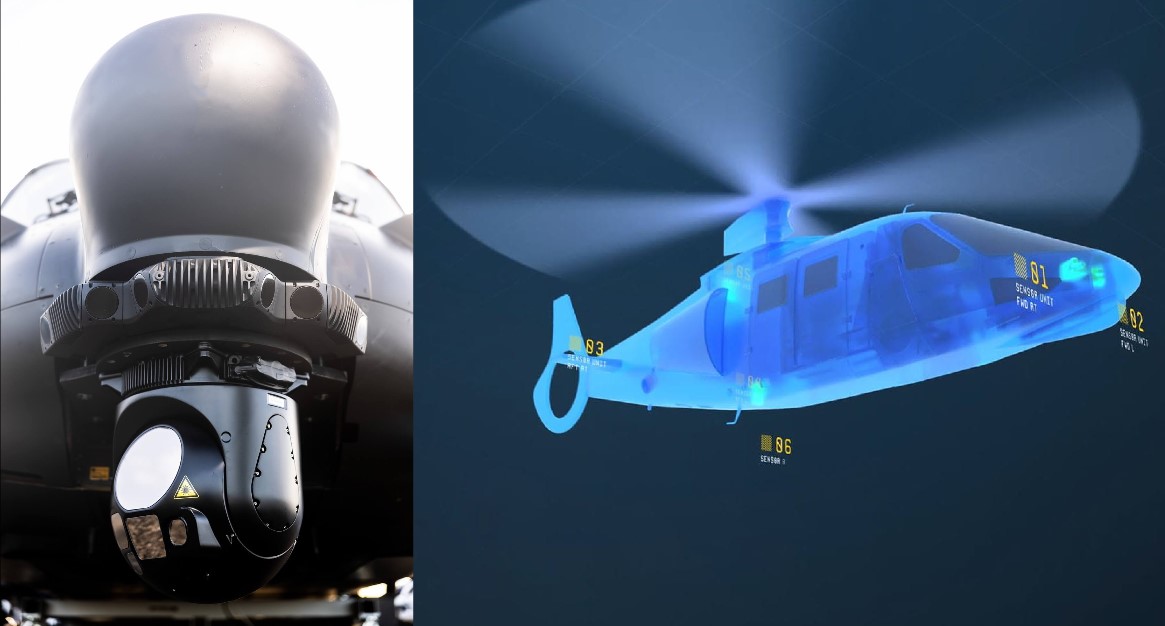
World
Paris: Safran Electronics & Defense has secured a major NATO-backed contract for the development of Eurofl’Eye, a next-generation distributed panoramic vision system designed for the NH90 military helicopter fleet. The contract has been signed with the NATO Helicopter Management Agency, marking a significant technological upgrade for European rotary-wing aviation. The programme is being executed in close cooperation with NHIndustries, the prime contractor for the NH90, and Thales, one of Europe’s leading avionics and sensor specialists. The initiative directly responds to the operational requirements defined by France’s Direction Générale de l’Armement and Spain’s Dirección General de Armamento y Material. A New Generation of Situational Awareness Eurofl’Eye is a Distributed Aperture System (DAS) that provides NH90 pilots with a continuous 360-degree panoramic view of their surroundings. Designed to operate effectively in night, dust, smoke, fog, and degraded visual environments, the system addresses one of the most critical challenges in modern helicopter operations—maintaining situational awareness during low-visibility missions. The system relies on six fixed, wide field-of-view infrared cameras mounted around the airframe. These sensors continuously capture the helicopter’s external environment and fuse the data into a real-time, pilot-aligned image. This imagery is projected directly into the TopOwl helmet-mounted display, allowing pilots to “see through” the aircraft structure without shifting their gaze to cockpit screens. By integrating visual data directly into the pilot’s line of sight, Eurofl’Eye significantly reduces workload, enhances obstacle detection during low-level flight, and improves safety during landing, hover, and tactical insertion phases. Operational Edge in Degraded Conditions According to Alexandre Ziegler, Executive Vice President of the Defense Business Unit at Safran Electronics & Defense, Eurofl’Eye represents a major leap in cockpit ergonomics and combat effectiveness. “Eurofl’Eye will simplify access to essential information by integrating it directly into the field of vision of NH90 pilots,” Ziegler said. “This system will improve pilots’ responsiveness and decision-making, especially in the most degraded external conditions.” The technology is particularly relevant for tactical transport, special operations, search-and-rescue, and combat support missions, where NH90 helicopters frequently operate at low altitude and in complex terrain. Initial Deployment on French and Spanish NH90 Fleets The first operational deployment of Eurofl’Eye will be on French and Spanish NH90 TTH (Tactical Transport Helicopter) variants. These fleets are heavily tasked with expeditionary missions, joint NATO operations, and domestic security roles, making them ideal candidates for the system’s initial rollout. While the contract value and delivery timelines have not been publicly disclosed, the development phase will draw on combined European industrial expertise, reinforcing interoperability and common standards across allied helicopter fleets. Strengthening European Defence Cooperation Beyond its technological significance, the Eurofl’Eye programme underscores deepening cross-border defence cooperation in Europe. With Safran, Thales, and NHIndustries working under a NATO framework, the project strengthens Europe’s ability to develop and field sovereign, high-end defence technologies without reliance on non-European systems. As NATO and European armed forces increasingly prioritise all-weather, day-night operational capability, Eurofl’Eye positions the NH90 as a more survivable, safer, and tactically agile platform—ready for the next generation of complex battlefield environments.
Read More → Posted on 2026-01-06 14:39:46
India
New Delhi: Tata Advanced Systems Ltd. (TAS) has received a supply order from the Indian Army to support the 510 Advance Base Workshop (510 ABW) in the overhaul-cum-upgradation of in-service, first-generation Pinaka Multiple Launch Rocket System (MLRS) and associated Battery Command Posts (BCPs). Under the order, TAS will work alongside the Army’s Corps of EME facility, 510 Advance Base Workshop, starting with a pilot phase covering selected launchers and command posts. After successful completion, the remaining first-generation Pinaka systems are expected to be taken up for refurbishment by 510 ABW, with Tata Advanced Systems continuing to supply spares and technical support. First-generation Pinaka: Induction and Key Specifications The first-generation Pinaka MLRS was inducted into the Indian Army in the early 2000s, with initial regiments becoming operational around 2000, marking India’s entry into an indigenous, multi-barrel rocket artillery capability. Key specifications of the first-generation Pinaka system include: Calibre: 214 mm Launcher configuration: 12 rockets per launcher Range: up to 37–40 km (with standard Mk-I rockets) Salvo capability: full salvo fired in approximately 44 seconds Warhead options: high explosive, fragmentation and other mission-specific payloads, with individual rocket warhead weights of around 100 kg Mobility: mounted on a high-mobility 8×8 truck chassis (Tatra-based), enabling shoot-and-scoot operations Role: all-weather, indirect-fire system designed to deliver high-volume firepower against area and critical targets Indigenous Development And Sustainment Focus The Pinaka MLRS was designed and developed by the Defence Research and Development Organisation (DRDO) in partnership with Tata Advanced Systems, in one of India’s earliest large-scale public–private defence collaborations. The programme has achieved nearly 80% indigenous content, and the system remains a key component of the Army’s rocket artillery regiments despite the induction of newer Pinaka variants. With this latest order, Tata Advanced Systems’ role expands beyond manufacturing into long-term maintenance, repair and upgrade support, aimed at extending the service life and maintaining the combat readiness of first-generation Pinaka launchers and command posts still in active service with the Indian Army.
Read More → Posted on 2026-01-06 14:26:50
India
New Delhi: The Indian Army’s decision to induct Israel’s PULS (Precise & Universal Launching System) has triggered an intense debate across social media and defence forums. Critics question why India opted for a foreign rocket artillery system when it already possesses the indigenous Prahar missile, capable of striking targets up to 150 kilometres. A closer examination of operational data, platform design, cost economics, and battlefield flexibility, however, reveals that the choice is driven not by redundancy but by doctrine. Prahar: A Powerful but Dedicated Missile System Developed by India’s defence research ecosystem, Prahar is a tactical ballistic missile designed for high-precision strikes. It has a maximum range of 150 km, carries a warhead of around 250 kg, and weighs close to 1,300 kg per missile. Each launcher can carry six missiles, mounted on a 12×12 heavy mobility vehicle. The missile itself measures 7.32 metres in length with a diameter of 420 mm, making it significantly larger and heavier than guided rockets in the same range bracket. The upcoming extended-range derivative, often referred to as Pranaash, is expected to push the envelope further to 200 km. While Prahar delivers high accuracy and destructive power, it comes with a structural limitation. It is a dedicated system. The launcher vehicle is designed exclusively for Prahar-class missiles. If the Army wants to operate a different range or missile type, an entirely new launcher fleet is required. In a battlefield environment that prioritises “shoot-and-scoot” mobility, a large 12×12 vehicle firing heavy ballistic missiles is not always the most agile solution. PULS: A Modular Rocket Artillery Philosophy In contrast, the PULS, developed by Elbit Systems, is built around a fundamentally different concept. It is not a single missile, but a modular, universal launcher mounted on a 6×6 high-mobility truck. For the 150 km class, PULS fires the EXTRA guided rocket, which weighs about 570 kg, carries a 120 kg warhead, and is 4.7 metres long with a 330 mm diameter. A single PULS launcher can carry eight EXTRA rockets, offering higher salvo density on a lighter, faster platform compared to Prahar. The system’s real strength, however, lies beyond 150 km. Using the same launcher, the Army can fire the Predator Hawk guided rocket, which reaches 300 km, weighs roughly 800 kg, and carries a 140 kg warhead. Importantly, the launcher can be configured with a mixed load, such as four EXTRA rockets and two Predator Hawk rockets on the same truck, enabling layered strikes from a single firing unit. Filling India’s Critical 300 km Capability Gap From an operational standpoint, the Indian Army already covers several strike bands. Pinaka, including its LRGR (Long-Range Guided Rocket) variant, offers precision strikes in the 90–120 km range from 8×8 platforms, carrying eight rockets per launcher. At the other end of the spectrum, systems like BrahMos and Pralay cover 400 km and beyond. What India lacked until recently was a cost-effective, precision strike option around 300 km. Prahar and its successors sit at the lower tactical ballistic missile tier, while BrahMos and Pralay belong to a far heavier and more expensive category. The induction of PULS effectively plugs this gap, giving the Army a deep-strike capability without escalating to strategic-class missiles. Guided Rockets vs Ballistic Missiles: The Cost Equation Another decisive factor is cost. Prahar is a full-fledged ballistic missile, with complex avionics, propulsion, and guidance systems. This translates into a higher cost per round, making it less suitable for sustained, high-volume battlefield use. By contrast, PULS rockets such as EXTRA and Predator Hawk are classified as precision-guided rockets. Although the line between rockets and missiles is increasingly blurred, guided rockets are generally cheaper to produce, easier to stockpile, and faster to deploy in large numbers. For tactical ranges up to 300 km, the Army’s preference leans toward “affordable precision” rather than “expensive complexity.” Mobility and the ‘Shoot-and-Scoot’ Imperative Rocket artillery doctrine demands rapid relocation after firing to avoid counter-battery fire. A 6×6 PULS truck, carrying lighter rockets, can redeploy far quicker than a 12×12 heavy ballistic missile launcher. This mobility advantage becomes critical in high-intensity conflicts, especially along contested borders where survivability depends on speed and dispersion. A Flexible Battlefield Asset, Not a Replacement The induction of PULS does not signal the sidelining of Prahar. Instead, it reflects a layered artillery and missile strategy. Prahar remains relevant as a precision tactical ballistic missile for specific targets requiring heavier warheads. PULS, meanwhile, offers the Army a single “universal truck” that can adapt to mission requirements. In practical terms, the same PULS launcher can fire 150 km EXTRA rockets at a command centre in the morning, then be reloaded with 300 km Predator Hawk rockets for deep strikes by night. This adaptability is something a dedicated system like Prahar cannot provide. The Strategic Logic Behind the Decision The Indian Army’s choice of PULS is less about foreign versus indigenous systems and more about operational flexibility, cost efficiency, and range optimisation. By acquiring PULS, India gains an immediately available, modular solution that fills a long-standing 300 km precision strike gap, complements Pinaka and Prahar, and enhances battlefield survivability. In the evolving landscape of modern warfare, the decision underscores a clear message: versatility and mobility now matter as much as raw range and payload.
Read More → Posted on 2026-01-06 13:59:30
World
Cairo/Madrid | January 6, 2026 — Egypt has formally opened discussions with Spain over the potential acquisition of the F110-class guided-missile frigate, marking a significant new step in the long-term modernisation of the Egyptian Navy’s surface combat fleet. The development was reported on January 6, 2026, indicating that Cairo has moved beyond preliminary interest and entered structured talks with Madrid following earlier technical and feasibility assessments. According to available information, the discussions stem from a procurement request submitted by Egypt in 2025, after detailed evaluations of operational requirements, cost, and compatibility with existing naval doctrine. The talks are currently focused on capability development, technology transfer, and possible industrial participation, rather than final commercial terms. At this stage, no contract has been signed, and no confirmation exists regarding the number of ships, total cost, or delivery timeline. Spain’s F110: A New-Generation Frigate Enters Export Consideration The F110-class frigate—also known as the Bonifaz class—is Spain’s newest surface combatant, developed by Navantia for the Spanish Navy. The class is designed to replace the aging Santa María-class frigates, which have been in service since the 1980s. Spain approved the F110 programme in 2019, with a total budget of approximately €4.3 billion, covering five ships. This places the estimated unit cost at around €860 million per frigate, including advanced sensors, combat systems, and long-term support. Construction is underway at Navantia’s Ferrol shipyard, with the first vessel, F-111 Bonifaz, launched on September 11, 2025. Delivery to the Spanish Navy is scheduled for 2028, followed by one ship per year through the early 2030s. Importantly for Egypt, three hulls are already under construction, meaning the design is firmly in active serial production rather than at a prototype stage. Design and Performance: Built for High-End Escort Warfare The F110 is a multi-mission escort frigate with a strong emphasis on anti-submarine warfare (ASW), while retaining credible air-defence and surface-strike capabilities. The ship displaces approximately 6,100 tonnes, measures 145 metres in length, and has an 18-metre beam with a draught of around 5 metres, placing it among the largest and heaviest frigates currently being built in Europe. Propulsion follows a CODLOG (Combined Diesel-Electric and Gas) configuration, centred on a General Electric LM2500 gas turbine paired with four MTU 4000 diesel engines. Power is transmitted to controllable-pitch propellers, enabling both quiet electric cruising for ASW operations and high-speed dash capability. Maximum speed exceeds 35 knots, equivalent to roughly 65 km/h, a notable figure for a ship of this size. The frigate is designed for high operational availability, with a core crew of around 150 personnel. It can remain at sea for up to 240 operational days per year, and its maintenance concept allows up to 18 months between major dockyard periods, a feature particularly attractive for navies operating across wide maritime spaces. Why the F110 Matters for Egypt Egypt’s interest in the F110 comes as part of a broader strategy to build a balanced, blue-water-capable navy capable of operating in the Mediterranean Sea, Red Sea, and wider Eastern Mediterranean gas zone. Over the past decade, Cairo has pursued an unusually diverse naval procurement policy, acquiring major surface combatants from France, Italy, Germany, and Russia. The F110 would represent Spain’s first major naval export to Egypt and would offer Cairo access to a cutting-edge European frigate design optimised for submarine detection, network-centric warfare, and long-endurance deployments. The ongoing discussions reportedly include industrial cooperation elements, which could align with Egypt’s ambition to expand domestic shipbuilding and maintenance capabilities. Current Strength of the Egyptian Navy As of 2026, the Egyptian Navy is regarded as one of the largest and most powerful naval forces in the Middle East and Africa. Its surface fleet includes over 150 vessels, among them two Mistral-class amphibious assault ships, four MEKO A-200 frigates, one FREMM frigate, multiple Gowind-class corvettes, and a large number of missile boats and patrol craft. The submarine arm operates Type 209/1400 diesel-electric submarines, providing Egypt with a credible undersea deterrent alongside its surface combatants. Despite this numerical strength, Egypt continues to focus on qualitative upgrades, particularly in anti-submarine warfare, air defence, and networked command-and-control, areas where the F110-class is specifically designed to excel. Outlook While the discussions with Spain remain at an exploratory and evaluative stage, their timing is notable. With the F110 now physically taking shape in Spanish shipyards and Egypt actively reviewing next-generation frigate options, the programme has emerged as a serious contender in Cairo’s future fleet plans. Any eventual agreement would not only deepen Egypt–Spain defence ties but also further underscore Egypt’s determination to field a modern, high-end surface fleet capable of operating across multiple strategic theatres.
Read More → Posted on 2026-01-06 13:32:01
World
Paris / Ostend: French defence and maritime technology company Exail has announced the signing of a major new contract for the supply of several hundred K-STER mine neutralization drones to multiple navies, marking one of the largest export successes for the system to date. Valued at approximately €40 million, the order represents the second-largest K-STER contract ever recorded, following the €60 million order secured in 2024. The new deal further strengthens Exail’s position as a global leader in autonomous mine countermeasures (MCM) and underlines growing naval demand for expendable, unmanned solutions capable of neutralising increasingly sophisticated underwater threats. A Critical Element of Modern Mine Warfare The K-STER drone is deployed during the final and most dangerous phase of mine countermeasure operations. After underwater threats are detected and classified by other unmanned platforms within Exail’s UMIS (Unmanned MCM Integrated System) architecture, the K-STER is sent in to destroy the mine. Unlike reusable drones, the K-STER is a “consumable” system. Each unit is destroyed during the neutralisation process, a design choice that maximises crew safety and ensures mission effectiveness. This operational model also creates a long-term recurring revenue stream for Exail throughout the service life of deployed UMIS systems. According to the company, Exail’s current backlog now exceeds 1,000 autonomous drones, with industrial capacity already in place to sustain production over the coming years. Production Centered in Belgium All drones under the new contract will be manufactured at Exail’s Ostend facility in Belgium, a site that has recently reached full operational capability. The factory plays a central role in supporting the ramp-up of major mine countermeasure modernisation programmes underway across several navies, particularly in Europe and Asia. The Ostend plant is designed to handle large-scale serial production of autonomous underwater systems, positioning Exail to respond quickly to future high-volume defence orders. K-STER: A Proven and Highly Lethal System First introduced in 2008, the K-STER was originally developed by ECA Group, prior to its integration into Exail. The system builds on the legacy of the widely used PAP mine disposal vehicle, while incorporating modern robotics, propulsion, and explosive technologies. K-STER is a remotely operated underwater vehicle (ROV) equipped with a tiltable shaped charge, enabling it to neutralise all classes of naval mines. These include sea-bottom mines, floating mines, historical ordnance, and advanced smart mines fitted with sophisticated sensors and counter-countermeasures. Its unique propulsion architecture allows the drone to maintain stability in strong water currents and approach a target mine with exceptional precision. Safety is further enhanced through the use of insensitive ammunition and multi-pole safety interlocks, which remain active until the final firing sequence. Flexible Deployment Across Platforms Operators can control the K-STER from a command-and-control station located outside the minefield, either from a mothership or from shore. When integrated with unmanned surface vessels, the drone can also be automatically deployed from a USV, significantly reducing risk to personnel and manned platforms. This flexibility has made the system particularly attractive for navies transitioning toward fully unmanned mine warfare concepts. Growing International User Base The K-STER is already sea-proven and in operational service with multiple naval forces. Confirmed end-users include the Republic of Singapore Navy and the Lithuanian Navy, with the latest order indicating that additional navies are now joining the user community. Strategic Implications The €40 million contract not only reinforces Exail’s industrial momentum but also reflects a broader global shift toward autonomous, expendable systems in naval warfare. As mine threats continue to evolve, particularly in congested littoral zones and strategic chokepoints, demand for systems like K-STER is expected to rise sharply. With a record backlog, a fully operational production facility in Belgium, and a combat-proven product line, Exail is positioning itself at the forefront of the next generation of mine countermeasure warfare.
Read More → Posted on 2026-01-06 13:22:44Search
Top Trending in 24 Hours
-
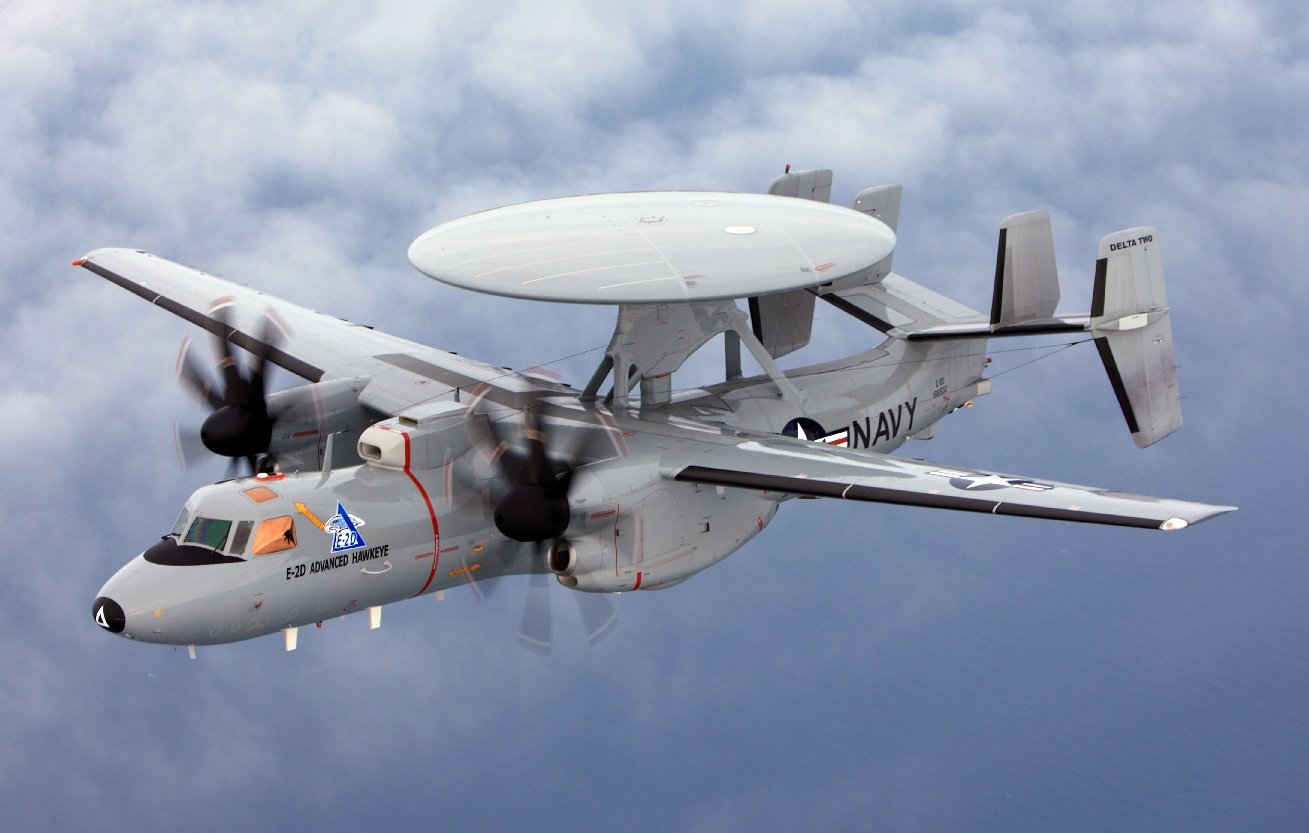 U.S. Navy Awards Northrop Grumman $1.2 Billion Deal for Three New E-2D Advanced Hawkeyes
-
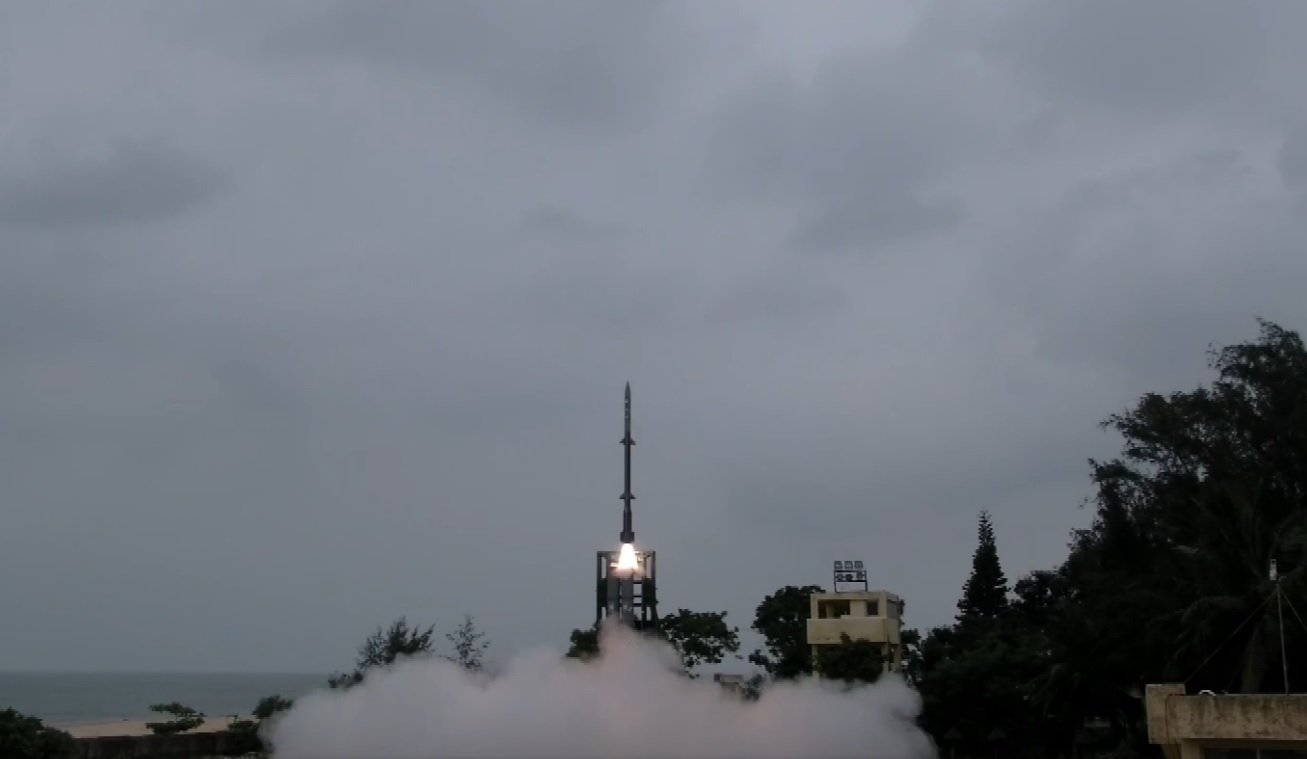 DRDO Successfully Conducts Maiden Flight Test of 150-km-Range Kusha M1 Air Defence Missile
-
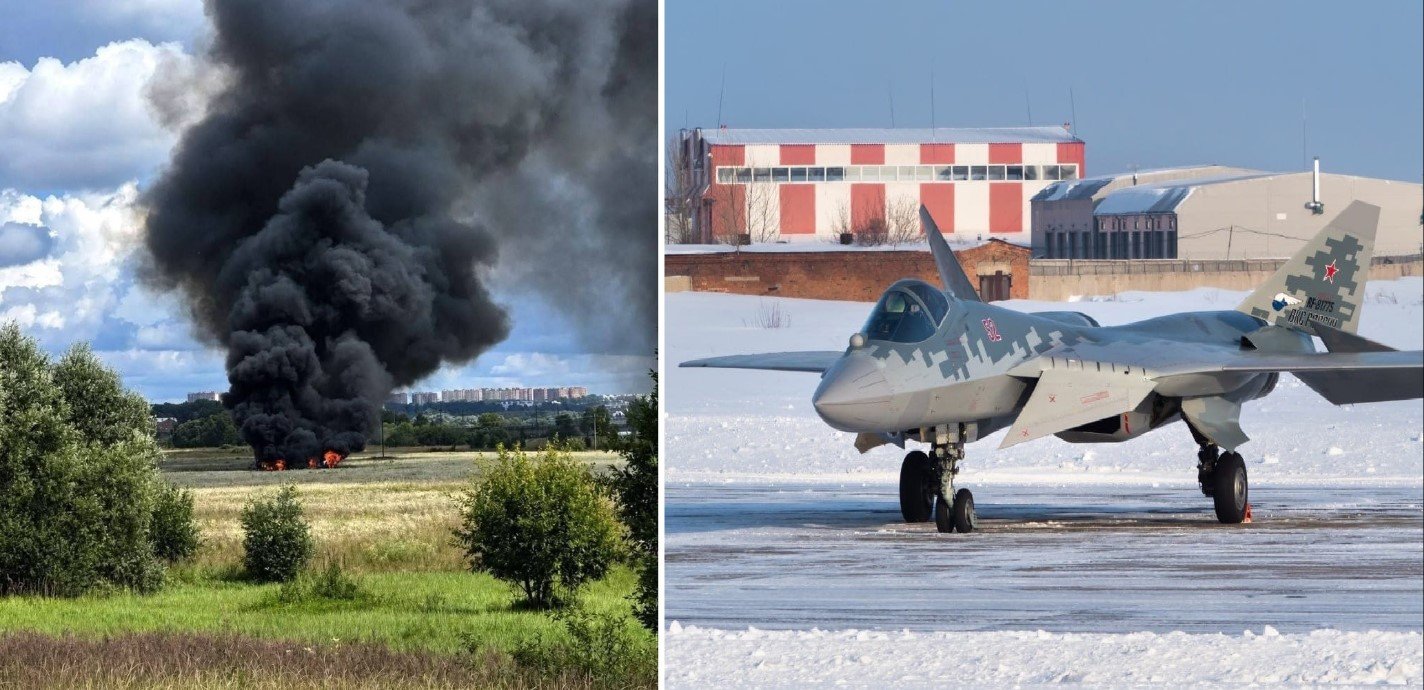 Russian Su-57 Stealth Fighter Crashes During Training Flight Near Moscow, Pilot Ejects Safely
-
 France's THUNDART Long-Range Rocket System May Undergo Prototype Combat Testing in Ukraine
-
 U.S. Navy Selects CoAspire to Build Ground-Launched CHAOS Cruise Missile Under $70 Million Program
-
 GE Aerospace and Magellan Aerospace Corporation Sign Strategic MoU for F414 Engine Sustainment in Canada
-
 Portugal Orders Three FREMM EVO Frigates from Italy in €3.9 Billion Naval Deal
-
 Destinus Unveils Vorexon Interceptor Concept to Defend Critical Sites from Artillery Threats
Top Trending in 4 Days
-
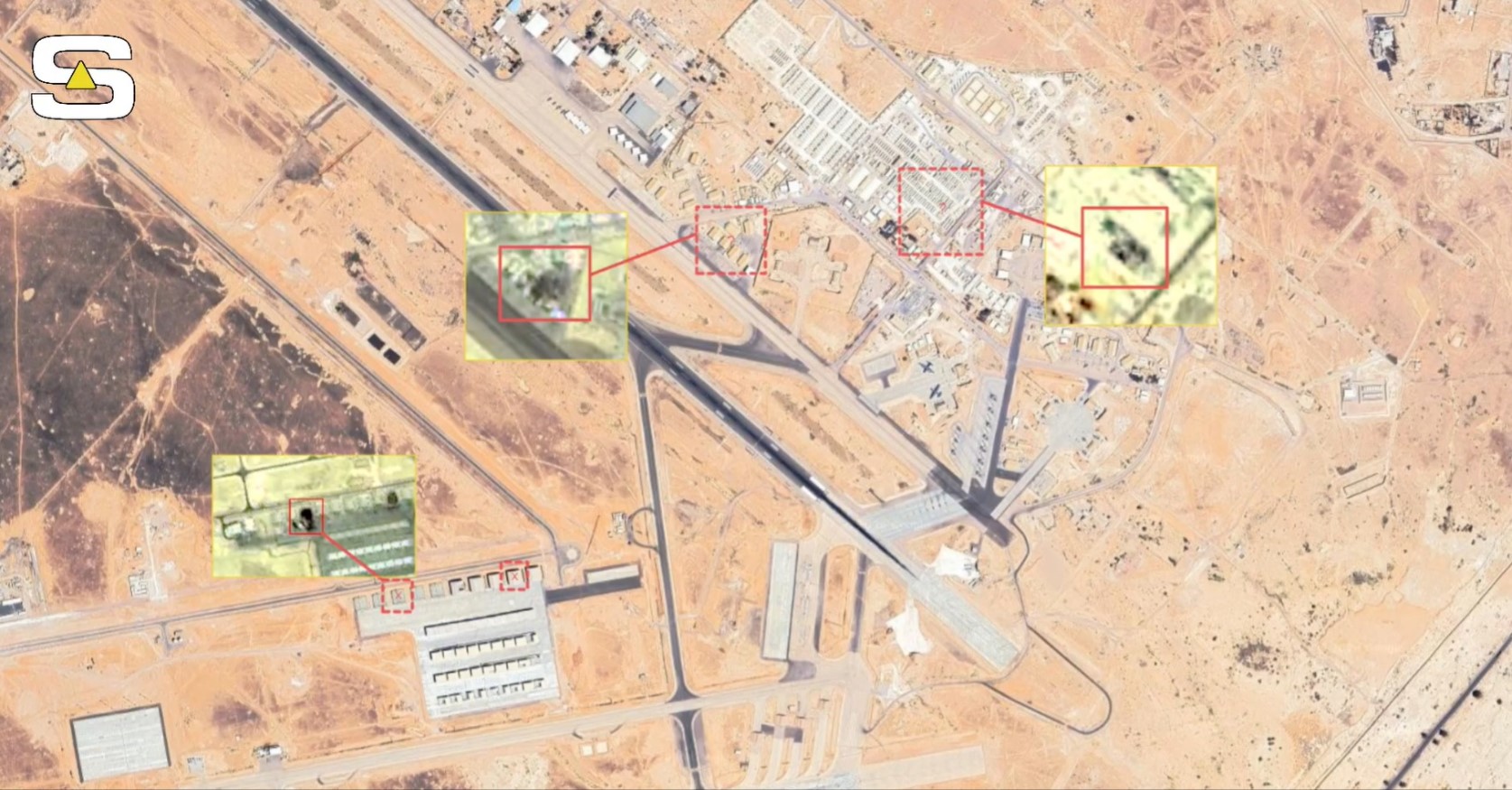 New Satellite Imagery Reveals Extensive Damage at Jordan's Muwaffaq al-Salti Air Base After Iranian Missile Strike
-
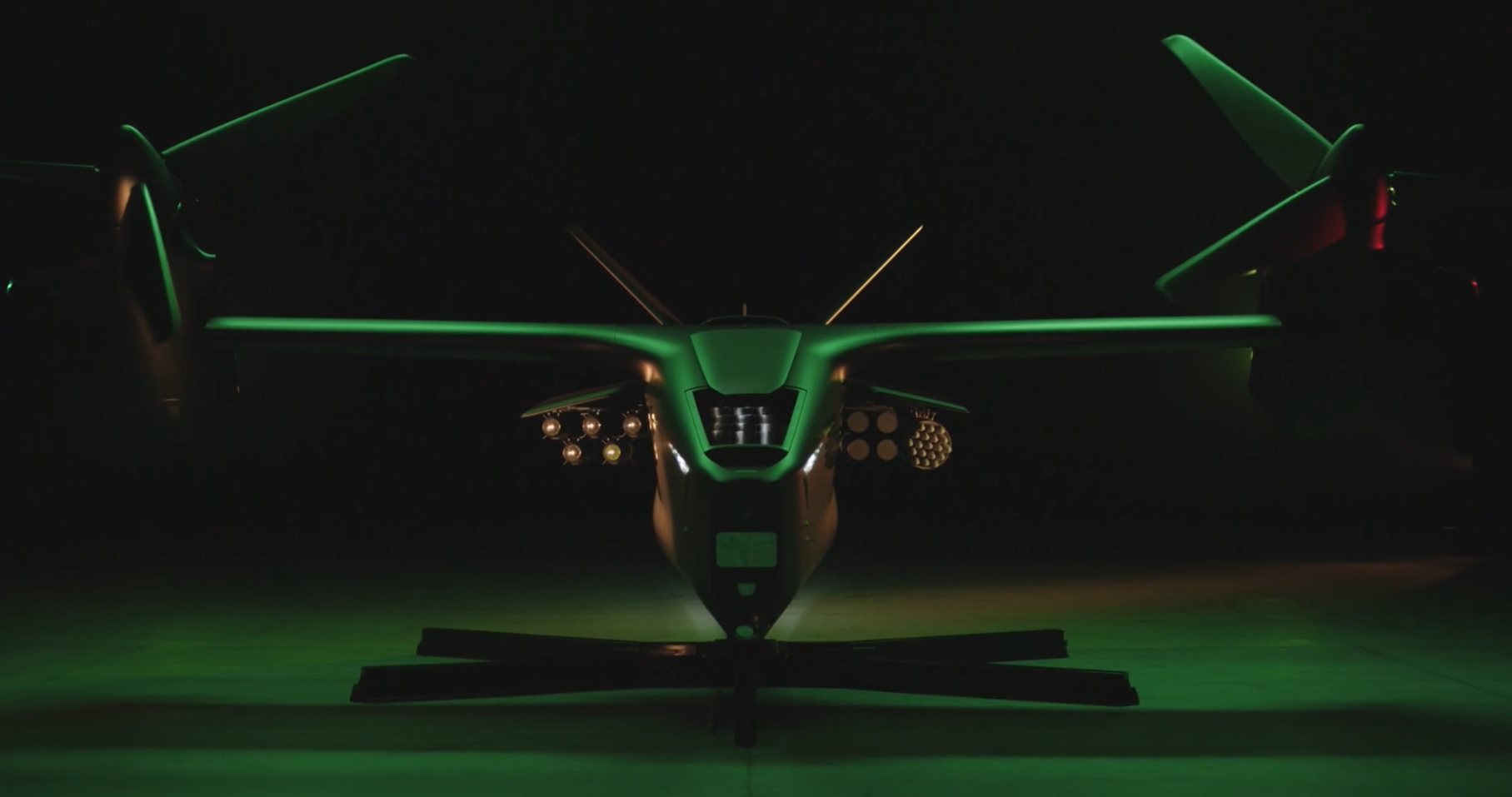 Anduril Unveils Thunder Autonomous Attack Rotorcraft Built with Archer Aviation to Support Apache Helicopters
-
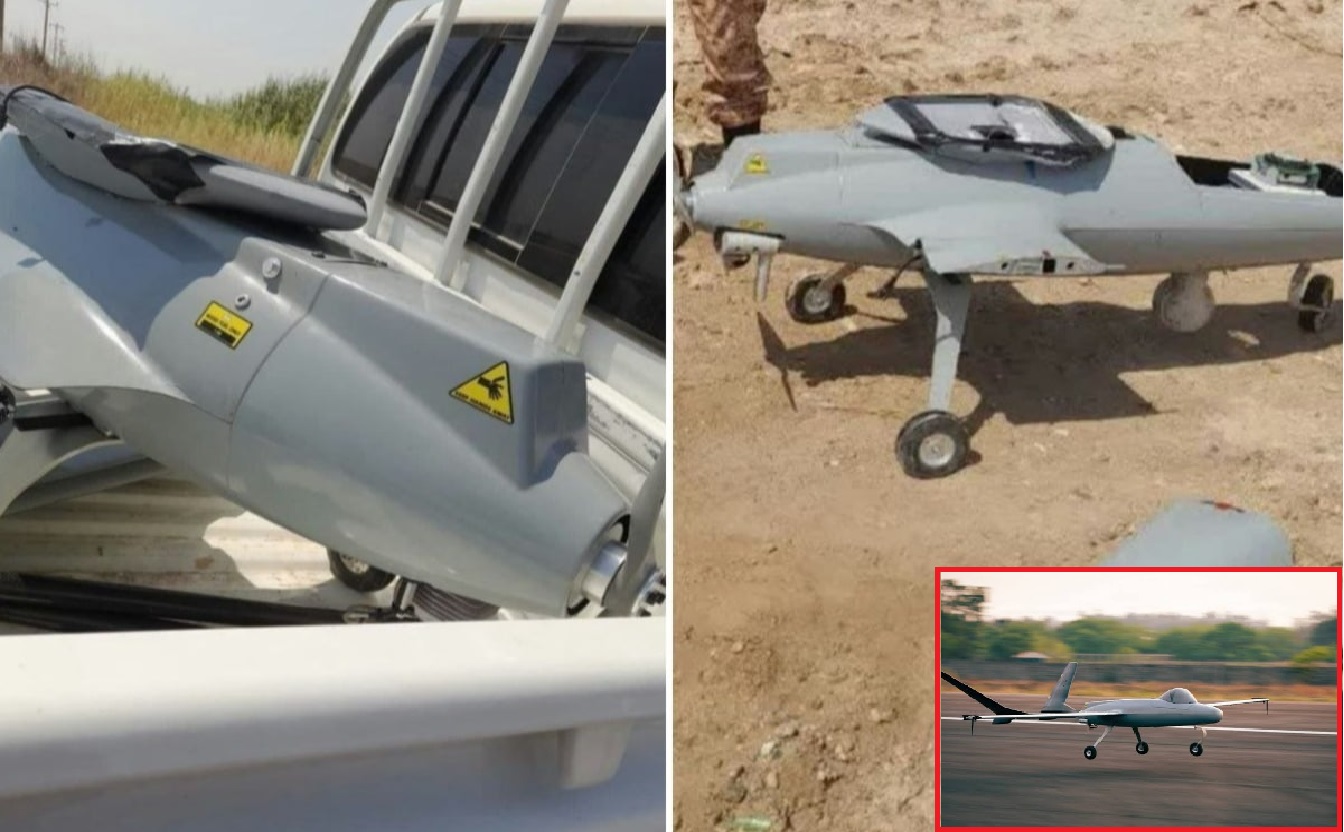 Iran Claims It Shot Down U.S.-Operated Polish-Built Tiguar-M Drone, Releases Images
-
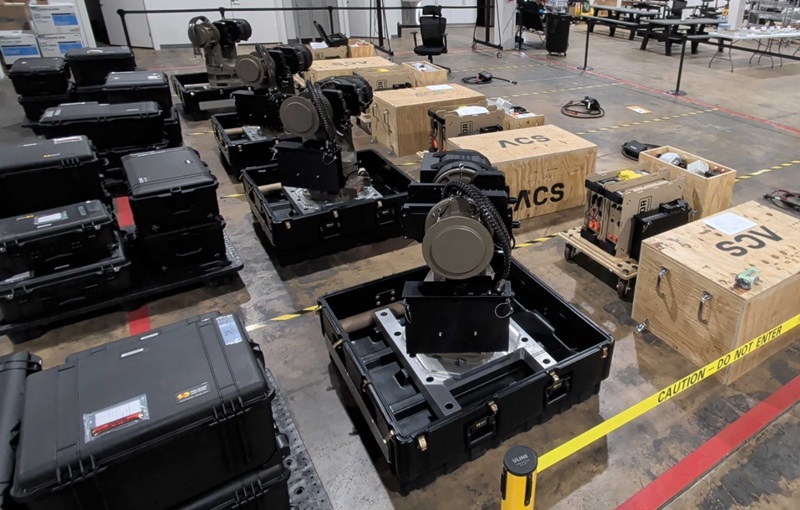 U.S. Marine Corps Selects AI-Powered Bullfrog Weapon Station for L-MADIS Counter-Drone Platform
-
 Pratt & Whitney Completes Testing of 3D-Printed TJ150 Engine for Military Applications
-
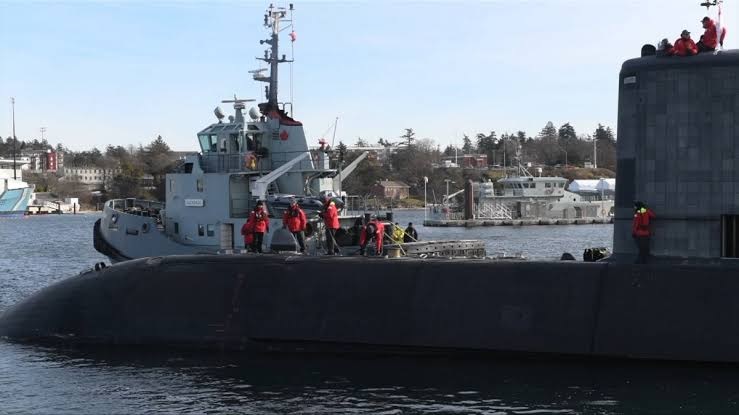 Canada Awards Babcock $1.1 Billion Six-Year Contract Extension to Support Victoria-Class Submarine Fleet
-
 Lockheed Martin Unveils MORFIUS X-Rotor High-Power Microwave System That Can Neutralize 50+ Drones in One Flight
-
 Raytheon Ramps Up Coyote Counter-Drone Missile Production After U.S. Army Reports 600 Successful Combat Intercepts During Iran Conflict
