Kefar Sava, Israel : ParaZero Technologies has secured its first DefendAir contract from a main Israeli defense entity, marking a significant milestone for the company as militaries accelerate efforts to counter the rapidly expanding threat posed by hostile unmanned aerial systems.
The newly awarded contract covers multiple DefendAir counter-UAS weapon sets, along with full system integration and operator training, enabling rapid operational deployment. While financial terms were not disclosed, ParaZero confirmed that the customer is actively boosting counter-drone capabilities in response to drones being identified as a major risk to ground forces and frontline operations in emerging conflict scenarios.
Low-Collateral Counter-Drone Capability
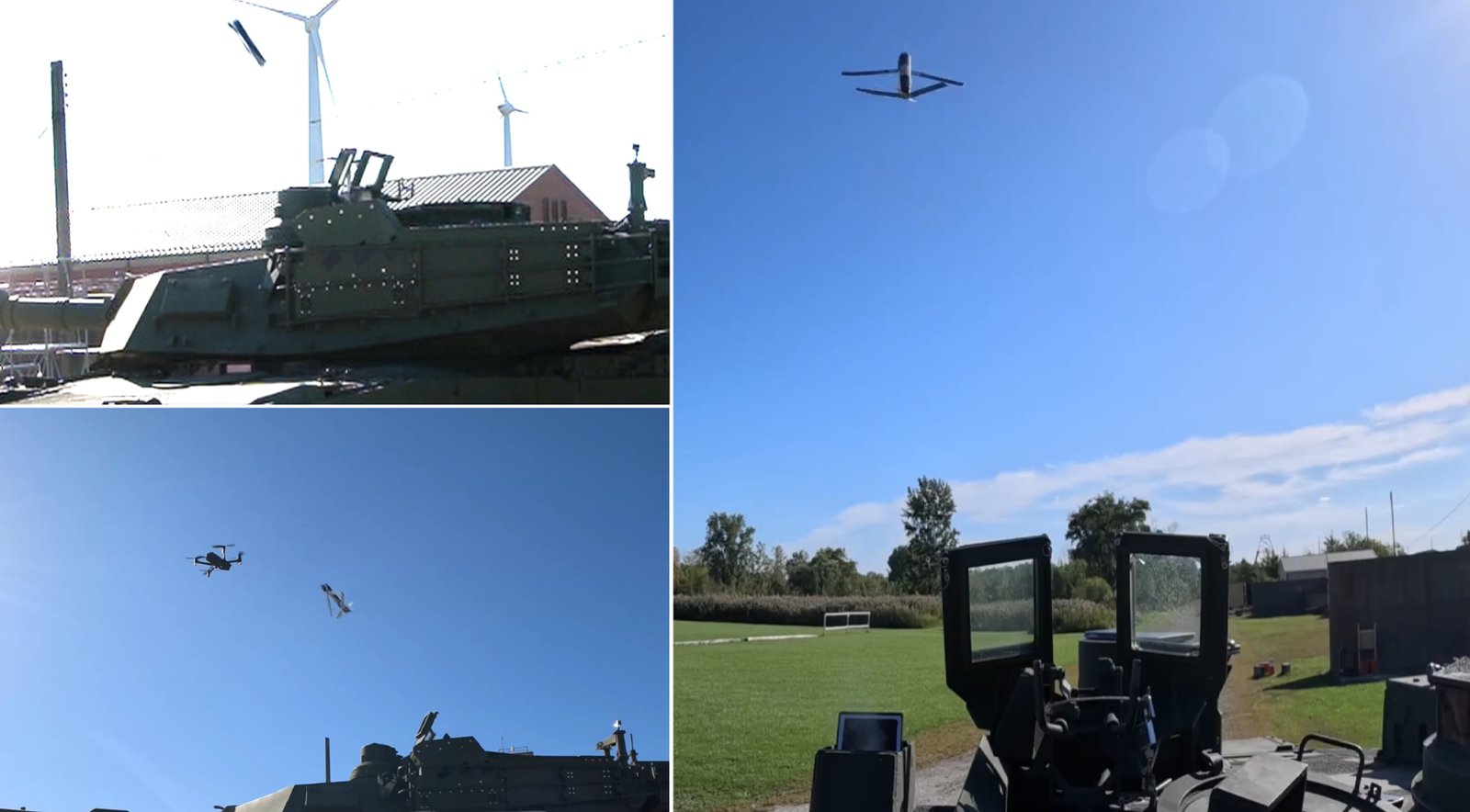
DefendAir is designed to capture and neutralize enemy drones using a net-based interception method, prioritizing low collateral damage over kinetic destruction. This approach is increasingly favored in dense battlefields and urban environments, where conventional hard-kill solutions risk unintended damage to friendly forces, infrastructure, or civilians.
According to ParaZero, DefendAir can be deployed across three operational configurations:
-
Interception drone-launched systems,
-
Stationary turret-mounted solutions, and
-
Hand-held gun-based launchers for tactical units.
The system offers an effective engagement range from 2 to 100 meters (7 to 328 feet), depending on configuration. Net sizes vary between 9 and 100 square meters (97 to 1,076 square feet), allowing operators to adapt to different drone classes, from small quadcopters to larger tactical UAVs.
Modular Architecture for Rapid Scaling
ParaZero emphasized that DefendAir’s modular design allows users to integrate additional radar sensors, command-and-control (C2) relays, and radio-frequency systems, significantly expanding detection, tracking, and engagement effectiveness. This scalability enables the system to be tailored to existing force structures and threat environments with minimal integration time.
The company stated that the Israeli customer’s procurement reflects an urgent operational requirement to counter the proliferation of low-cost, high-impact drones, which are increasingly used for surveillance, targeting, and direct attacks against ground units.
Leadership Commentary
“We are honored to receive this first order from a leading Israeli defense entity, a testament to the reliability and effectiveness of our DefendAir systems in real-world defense scenarios,” said Ariel Alon, CEO of ParaZero.
“This procurement underscores the urgent need for advanced, scalable counter-drone capabilities. We are proud to contribute to enhancing the protection of Israeli forces and look forward to supporting broader deployment of our technology,” he added.
Momentum Through 2025
The Israeli contract builds on a series of DefendAir orders and demonstrations throughout 2025. ParaZero received a similar order from a global defense company in October 2025, followed by another from a “prestigious defense organization” in August 2025, indicating rising international demand for non-kinetic counter-UAS solutions.
In December 2025, the company also demonstrated DefendAir to NATO and Germany in separate trials, further validating the system’s performance and interoperability for allied forces.
Strategic Implications
Headquartered in Kefar Sava, ParaZero positions DefendAir as a response to what defense planners increasingly describe as a structural shift in modern warfare, where small, inexpensive drones can impose disproportionate operational and strategic costs. With its first Israeli defense customer now secured, the company is expected to pursue expanded domestic and export deployments as counter-drone requirements continue to surge globally.
——— End of Article ———