
Space & Technology
Thiruvananthapuram, India : The Indian Space Research Organisation (ISRO), through the Vikram Sarabhai Space Centre (VSSC), has formally invited India’s aerospace manufacturing sector to build the structural hardware for the country’s first space-station module—an early, high-stakes industrial step in the Bharatiya Antariksh Station (BAS) programme. In an Expression of Interest (EoI) issued by VSSC, ISRO called for qualified Indian aerospace manufacturers to undertake the “development and realisation” of two sets of the BAS-01 structure, described as a 3.8-metre-diameter, 8-metre-tall cylindrical assembly that will form the base module of India’s planned modular space station. The EoI sets March 8, 2026 (4 pm) as the submission deadline, after which ISRO will carry out technical capability assessments and shortlist firms for the next stage of bidding. What ISRO Is Asking Companies To Build According to the EoI document, the contracted industry partner will be responsible for end-to-end realisation of the BAS-01 structural assembly using AA-2219 aluminium alloy, a material widely used in aerospace structures for its strength and weldability characteristics. ISRO will supply Gaganyaan-qualified raw materials, including AA-2219 (in specified tempers), AA2319 filler wire, and fasteners—along with test certificates to ensure traceability—while the selected company executes fabrication, welding, inspection, testing, and delivery. The build is not a simple cylinder. VSSC’s scope describes a manufacturing flow that includes producing ring components and internal ortho-grid panels, developing plate-bending processes for cylindrical and conical panels, and establishing welding procedures for multiple joint types. The structure is expected to involve roughly 18 circumferential seam welds and 10 long-seam welds, with typical weld thicknesses ranging from 5 mm to 15 mm, requiring dedicated modular tooling and distortion control through the weld sequence. Human-Rating Requirements Raise The Bar VSSC’s tender makes clear that BAS-01 will be treated as human-rated hardware, aligning its quality regime with protocols used for India’s crewed spaceflight programme, Gaganyaan. That translates into additional in-process inspections, operator qualifications for workmanship-dependent processes, and strict verification of assembly-critical and function-critical dimensions. The dimensional requirements laid out in the EoI are unusually tight for large hardware, calling for inspection of geometrical parameters up to 0.2 mm tolerance on diameter and 0.5 mm on height, supported by metrology infrastructure such as CMM and laser tracker capability. Testing requirements include proof pressure testing of the complete assembly at 1.5 bar internal gauge pressure using nitrogen, followed by non-destructive testing (including UT and dye penetrant), along with helium leak-check capability. Facilities Needed And What Cannot Be Outsourced The EoI outlines a heavy industrial footprint, listing large-scale CNC turning and milling, multi-axis machining for complex parts, welding infrastructure (GTAW/FSW/EBW), forming and heat-treatment facilities, surface treatment qualification, and a controlled storage setup for department-supplied materials. It also states that no financial assistance will be provided by the Department for facility creation or augmentation, effectively limiting the field to firms (or consortia) able to invest upfront. Critically, VSSC specifies that welding and final assembly—described as key to meeting functional and geometric specs—cannot be outsourced, even if other sub-tasks can be enabled through approved subcontracting routes. Eligibility And “Make In India” Filters VSSC’s criteria require bidders to demonstrate sustained aerospace manufacturing experience and financial capacity. Among the thresholds: the bidder (or lead consortium member) must have been operational for more than five years, with over five years’ experience in aerospace manufacturing, and must meet financial track-record conditions including a minimum average annual turnover of ₹50 crore over the relevant recent three-year period and positive net worth for at least two of those years. The tender also applies domestic sourcing restrictions, including conditions that only Class I and Class II local suppliers are eligible and that foreign vendors are not permitted. Timeline: From March 2026 Shortlisting To A 2028 Target Launch The EoI describes a two-stage selection process: first, capability assessment and shortlisting through the EoI, and then a limited Request for Proposal (RFP) to technically qualified bidders, where the final selection will be made based on techno-commercial evaluation and competitive pricing. On the execution side, VSSC indicates an aggressive industrial schedule for first hardware, targeting completion within roughly 11 months from the “last input” (including supply of major raw materials and approved drawings), with the second set of hardware to be assembled within six months of the first set’s completion. The manufacturing push ties into India’s larger space-station roadmap. In a Parliament response published by the Press Information Bureau in December 2025, the Department of Space stated that BAS is planned as a five-module station expected to be fully operational by a 2035 timeframe, and that the Union Cabinet had approved development and launch of the first module (BAS-01) by 2028. The same response said BAS-related allocations were included in the expanded Gaganyaan programme scope, with additional funding taking the approved outlay to ₹20,193 crore. Why This EoI Matters For India’s Space Industrial Base Beyond the space-station milestone, the EoI signals how ISRO intends to scale domestic industry into “turnkey” aerospace manufacturing roles—particularly for large, human-rated welded structures that demand advanced toolings, metrology, qualification discipline, and repeatable production controls. With the BAS-01 structural hardware now opened to competitive industrial development and a March 2026 submission deadline in place, the shortlisting round will be closely watched as an early indicator of which Indian manufacturers are positioned to become prime integrators for the hardware backbone of India’s first long-duration home in low Earth orbit.
Read More → Posted on 2026-01-10 14:11:31
World
Paris: French President Emmanuel Macron has held internal discussions on the possible deployment of around 10,000 European soldiers to Ukraine as part of post-war security guarantees, signaling one of the most ambitious European military concepts yet tied to ending the conflict with Russia. The proposal, discussed during a closed-door meeting with senior figures from Macron’s political camp, centers on the formation of two multinational brigades that would form the backbone of a future European Union “deterrence force.” According to accounts of the meeting, the brigades would be embedded within a broader multinational framework led jointly by France and the United Kingdom. The notional command element for the force would be based at Mont Valéry (Mont Valérien) near Paris, a site with longstanding military and symbolic significance for France. Participants were also briefed on the types of weapons and equipment the brigades could field, though no final decisions have been taken. At the conclusion of the meeting, Macron and France’s Minister of the Armed Forces Sébastien Lecornu agreed that the issue could not proceed without parliamentary scrutiny. Lecornu later indicated that a debate—with or without a formal vote—would be organized within 15 days to three weeks, reflecting the political sensitivity of deploying European troops on Ukrainian soil even after active hostilities end. British-French Core, Numbers Still Fluid Additional details were offered publicly by Matilde Panot, leader of the left-wing LFI (La France Insoumise). She stated that the proposed two-brigade deployment would amount to just under 10,000 soldiers, structured around a British-French contingent, with roughly half of the personnel potentially drawn from the French Army. Notably, the figure discussed is smaller than the total NATO forces currently stationed on Europe’s eastern flank in the Baltic States, Romania, and Poland. This has fueled speculation that the concept remains a baseline proposal, with room for additional European contributors once political conditions and security guarantees are clarified. Officials involved in the talks have not confirmed whether troops from Germany, Italy, Poland, or other EU members were explicitly discussed at this stage. Earlier Franco-British-Ukrainian Framework The internal French discussions follow an earlier, publicly acknowledged step. Ukraine, France, and the United Kingdom previously signed a declaration of intent outlining cooperation on the future deployment of multinational forces in Ukraine once conditions allow. That declaration emphasized deterrence, training, and long-term stabilization rather than direct combat operations, aligning with Kyiv’s calls for durable security guarantees short of immediate NATO membership. What Would a European Brigade Look Like? Military planners note that the 5,000-soldier figure per brigade corresponds closely to a reinforced British Army brigade, which typically fields 3,000 troops in peacetime and can expand to around 5,000 before deployment. French Army brigades, by contrast, are generally larger even in their standard configuration. The 2nd Armored Brigade numbers roughly 6,800 soldiers, while the 6th Light Armored Brigade reaches about 7,500, suggesting that any Franco-British compromise would require structural adjustments. In terms of equipment, analysts consider a fully armored brigade unlikely. France and the United Kingdom together operate fewer than 450 main battle tanks—approximately 222 French Leclercs and 227 British Challenger 2s—limiting the feasibility of committing large armored formations abroad. A mechanized or light infantry-centric brigade, supported by artillery, air defense, drones, and logistics units, is widely viewed as a more realistic option. Final decisions on structure and armament are expected to emerge only after detailed joint planning with London and consultations with potential partner states. Role of the “Coalition of the Resolute” The proposed brigades would operate alongside a wider grouping informally referred to by European officials as the Coalition of the Resolute. Beyond any ground presence, coalition plans include sending logistics experts, weapons specialists, and military trainers to assist in rebuilding and reforming the Ukrainian Armed Forces after the war. Airpower is another central pillar. Coalition air forces, working in coordination with the Ukrainian Air Force, would help secure Ukrainian airspace, a move intended to bolster civilian safety and enable the resumption of international commercial air traffic. European officials argue that visible air patrols would serve as a powerful deterrent without crossing the threshold into offensive operations. Particular emphasis is also being placed on the Black Sea, where a reinforced task force involving Turkey, Romania, and Bulgaria would focus on demining operations and maritime security. Clearing sea lanes is seen as essential for restoring safe, uninterrupted access to Ukrainian ports, a critical factor for global food exports and Ukraine’s economic recovery. Moscow Reacts Sharply The discussions have drawn an angry response from Moscow. Former Russian president and current Security Council deputy chairman Dmitry Medvedev accused European leaders of pushing the continent toward a wider conflict. In a statement posted on X (formerly Twitter), Medvedev said Russia would “not allow any European or NATO troops in Ukraine,” dismissing Macron’s ideas as reckless. Medvedev accompanied his remarks with footage of a recent Oreshnik missile strike on Lviv, claiming the system—described by Russian sources as carrying no conventional warhead and relying on kinetic energy elements—was intended as a warning to Europe. Western analysts note that the strike missed its intended target and caused limited damage, but Medvedev argued it would be enough to frighten European governments into abandoning the January 6 security declaration, which envisions ending the war through guarantees and a European military presence. Strategic Gamble for Europe For Paris, the proposal reflects Macron’s long-standing push for greater European strategic autonomy and a more assertive EU role in continental security. For critics, it raises questions about escalation, legal authority, and public support at a time when many European militaries are already stretched. With parliamentary debate imminent and allied consultations still underway, the idea of a 10,000-strong European deterrence force remains a concept rather than a commitment. Yet the discussions themselves underscore a shifting reality: European capitals are increasingly planning not just for how the war in Ukraine ends, but for how the peace—if and when it comes—will be enforced.
Read More → Posted on 2026-01-10 13:47:39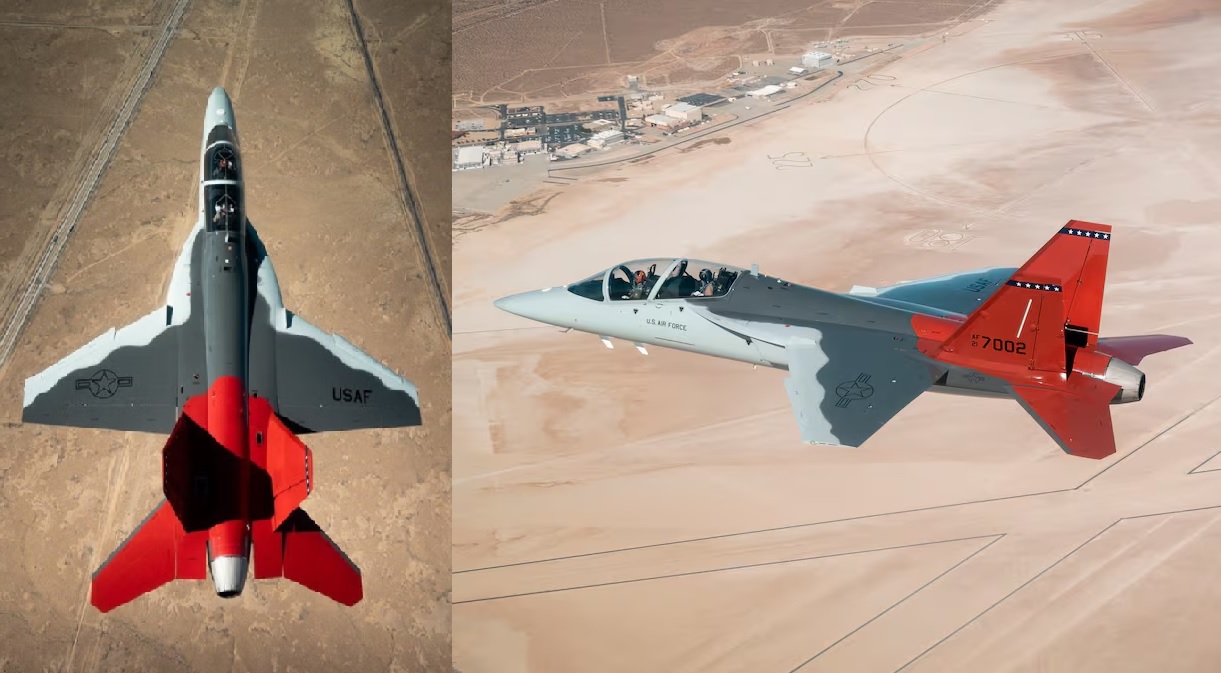
World
Joint Base San Antonio–Randolph, Texas : The U.S. Air Force has formally inducted its first T-7A Red Hawk advanced trainer into operational service, opening a new chapter in American military aviation training and signaling a decisive move away from Cold War-era platforms toward a fully digital, data-centric training ecosystem. The aircraft was welcomed during an official arrival ceremony hosted by Air Education and Training Command (AETC) at Joint Base San Antonio–Randolph, confirming the delivery of the first operational Red Hawk from Boeing. Senior Air Force leaders and industry representatives attended the event, underscoring the strategic importance of the programme as the service prepares pilots for increasingly complex and data-intensive air combat. A Generational Leap in Training Senior commanders described the induction as far more than a routine fleet update. AETC Commander Lt. Gen. Clark J. Quinn called the T-7A “a generational leap,” stressing that the aircraft will shape Air Force training for decades. Designed using advanced digital engineering methods, the Red Hawk integrates modern avionics, high-fidelity simulation connectivity, and an open-systems architecture that allows rapid software upgrades as new operational requirements emerge. Unlike legacy trainers, the T-7A was conceived from the outset as part of a broader training ecosystem rather than a standalone aircraft. Its digital backbone enables seamless integration with ground-based simulators and mission systems, allowing student pilots to train in highly realistic environments that mirror the information-dense cockpits of frontline fighters and bombers. Replacing a 60-Year-Old Workhorse The Red Hawk is set to replace the T-38 Talon, which has served as the Air Force’s primary jet trainer for more than six decades. While the T-38 laid the foundation for generations of pilots, Air Force officials have acknowledged that it can no longer replicate the sensor fusion, workload management, and networked warfare demands faced by crews flying fifth-generation aircraft—and future sixth-generation platforms now under development. Acting Vice Chief of Staff Lt. Gen. Scott Pleus highlighted that the T-7A’s performance and digital design are essential for preparing pilots to manage the cognitive demands of modern combat aviation. He emphasized that mastering data flow and decision-making is now as critical as stick-and-rudder skills. First Squadron, Foundational Role The 99th Flying Training Squadron, part of the 12th Flying Training Wing, became the first Air Force unit to receive the new trainer. As the lead operational unit, the squadron will play a central role in refining syllabi, validating training concepts, and shaping how the Red Hawk is employed across the wider Air Force training enterprise. Col. Peter Lee, commander of the 12th Flying Training Wing, said the programme represents the creation of an enterprise-wide foundation rather than the introduction of a single aircraft. According to Lee, lessons learned at Randolph will directly influence how other wings train future pilots as the T-7A fleet expands. Lt. Col. Michael Trott, commander of the 99th Flying Training Squadron, said the unit’s task is to redefine pilot production for the next generation. He described the Red Hawk as a platform that will fundamentally change how young aviators are trained to think, decide, and operate in contested airspace. Digital-First Vision for Future Aircrews The induction of the first operational T-7A comes as the Air Force accelerates efforts to modernise its training pipeline to keep pace with evolving threats. With its modular architecture and software-driven design, the Red Hawk is expected to adapt alongside emerging technologies, ensuring relevance well into the era of next-generation air dominance. AETC leaders stressed that the arrival of the aircraft is not an endpoint but the beginning of a transition phase. As additional T-7As are delivered and training systems mature, the Air Force aims to produce pilots who are not only proficient flyers but also effective managers of complex combat systems from their very first operational assignment. With the Red Hawk now officially in service, the U.S. Air Force has taken a decisive step toward reshaping how it prepares aircrews for the realities of 21st-century—and future—air warfare.
Read More → Posted on 2026-01-10 13:27:06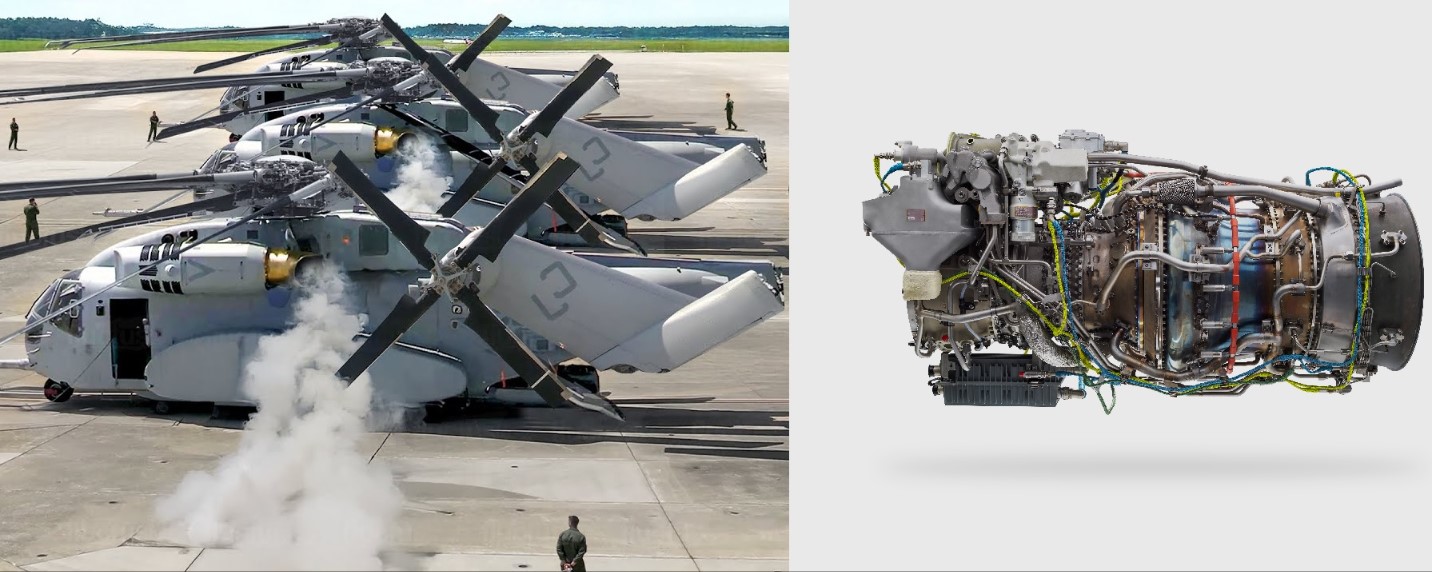
World
Washington / Lynn, Massachusetts : GE Aerospace has been awarded a $1.4 billion multi-year contract by the Naval Air Systems Command to supply Lots 9–13 of its T408 turboshaft engines, strengthening long-term propulsion support for the U.S. Marine Corps’ most advanced heavy-lift helicopter, the Sikorsky CH-53K King Stallion. The award continues a series of production and sustainment agreements for the programme, building on six previous contracts and following the $684 million Lot 6–8 block-buy announced in April 2023. Under the new deal, GE Aerospace will deliver new-production engines, spare engines, and a comprehensive package of sustainment services, with final assembly conducted at the company’s historic Lynn, Massachusetts facility. The contract underlines the U.S. Navy’s and Marine Corps’ commitment to accelerating fleet fielding and readiness of the CH-53K, which is designed to operate from austere forward bases and ship decks while supporting expeditionary and distributed maritime operations. Powering the Marine Corps’ Heavy-Lift Backbone The CH-53K King Stallion is the Marine Corps’ next-generation heavy-lift platform, engineered to replace the legacy CH-53E. Capable of lifting 36,000 pounds, conducting aerial refuelling, and executing a broad spectrum of assault support missions, the aircraft is central to moving heavy equipment, vehicles, and supplies in contested environments. The helicopter achieved Initial Operating Capability (IOC) in April 2022, marking a key milestone in Marine Corps aviation modernisation. Each CH-53K is powered by three T408 engines, collectively delivering unprecedented lift and endurance. Each T408 produces 7,500 shaft horsepower, representing a 57 per cent increase in power over its predecessor, the GE Aerospace T64, while simultaneously improving efficiency and durability. This leap in performance enables the CH-53K to provide three times the range and payload capacity of the CH-53E Super Stallion, significantly expanding operational reach. Efficiency, Durability and Life-Cycle Savings Beyond raw power, the T408 was designed with life-cycle affordability and maintainability as core objectives. Compared with the T64, the engine achieves 18 per cent better specific fuel consumption, translating into substantial fuel and sustainment cost savings across decades of service. The design also incorporates 63 per cent fewer parts, reducing maintenance complexity and downtime. Advanced engineering features include a ruggedised compressor with erosion-resistant coating and a split-case architecture, improving inspection access, repairability, and overall aircraft availability—critical metrics for expeditionary forces operating far from established logistics hubs. Industrial Footprint and International Partnership While final assembly takes place in Lynn, the T408 programme supports a broad U.S. industrial base. Key GE Aerospace manufacturing and supply sites involved include Hooksett, New Hampshire; Rutland, Vermont; Madisonville, Kentucky; Dayton, Ohio; and Jacksonville, Florida, underscoring the programme’s nationwide economic footprint. The engine is also supported by an international partnership. Germany-based MTU Aero Engines manufactures the power turbine, reinforcing transatlantic defence-industrial cooperation in support of NATO and allied forces operating the CH-53K. Industry and Programme Significance Commenting on the award, Scott Snyder, Heavy Lift Engines Program Director at GE Aerospace, said the contract reflects sustained confidence in the T408’s performance. “This latest contract is a testament to the T408’s ability to deliver the power, durability and efficiency the Marine Corps depends on,” he said, adding that GE Aerospace is “honoured to support the CH-53K and the critical mission it performs for Marines, joint forces and allies around the globe.” As CH-53K production ramps up and additional squadrons transition to the new platform, the Lot 9–13 contract ensures continuity in engine supply and long-term sustainment. For GE Aerospace, the deal reinforces its position as a cornerstone supplier to U.S. military aviation, while for the Marine Corps, it secures the propulsion backbone of a helicopter fleet designed to meet the demands of high-end conflict and global crisis response well into the coming decades.
Read More → Posted on 2026-01-10 13:22:01
India
New Delhi: In a significant step to modernise India’s counter-terrorism architecture, Union Home Minister Amit Shah on Friday launched the National IED Data Management System (NIDMS), a secure, nationwide digital platform designed to integrate, analyse and share data related to all bomb blasts and improvised explosive device (IED) incidents recorded in the country since 1999. The system was inaugurated through a video-conferencing link and will be accessible to key security and intelligence stakeholders, including the National Investigation Agency, state anti-terrorism squads, state police forces and central armed police forces. According to the Home Ministry, NIDMS marks the first time India has brought decades of explosion-related data onto a single, standardised and searchable national platform. What Is the National IED Data Management System NIDMS is a comprehensive, two-way online database developed to catalogue and digitally map every recorded explosion and IED incident across India. The core dataset originates from the extensive archives of the National Security Guard, which has maintained records of bomb explosions nationwide for over two decades. This historical data has now been digitised, structured and integrated into NIDMS for real-time access by authorised agencies. The platform captures a wide range of technical and operational details, including the nature of explosive materials, triggering mechanisms, circuit designs, blast impact patterns, target profiles, casualty data and geographic coordinates. By consolidating this information, NIDMS aims to create a unified national memory of IED activity, enabling deeper analytical insight than was previously possible through fragmented records. How the System Works NIDMS functions as a secure analytical engine rather than a static repository. Whenever a new explosion or IED incident occurs, investigating agencies can upload incident-specific data directly into the system. The platform then cross-references new inputs with historical records to identify similarities in modus operandi, device construction, triggering methods and operational signatures. Through built-in analytical tools, investigators can trace inter-linkages between seemingly isolated incidents, identify recurring bomb-making techniques and assess whether specific components or methods point to known terrorist networks. The system also enables trend analysis over time, helping security planners understand shifts in targeting patterns, explosive composition and regional threat profiles. Amit Shah said the system would provide “necessary guidance during investigations in every state”, adding that it would play a crucial role in understanding explosion trends and formulating effective counter-terror strategies. A Secure National Intelligence Backbone The Home Minister emphasised that NIDMS has been built as a highly secure national digital platform, featuring strict access controls and encrypted data-sharing protocols. Its architecture strengthens the entire intelligence lifecycle — from data collection and standardisation to integration, analysis and inter-agency dissemination. By ensuring that all relevant agencies operate on the same verified dataset, the platform reduces duplication, improves investigative accuracy and accelerates operational decision-making. Officials noted that this coordinated approach is especially critical in complex terror investigations, where early identification of patterns can help prevent follow-up attacks. Global Context: How India Compares India’s move places it among a select group of countries that operate dedicated national-level IED intelligence systems. The United States developed extensive IED databases under its improvised-threat defeat framework during prolonged counter-insurgency operations, while the United Kingdom maintains classified bomb-incident intelligence platforms used by counter-terror police and EOD units. Several European nations also pool IED-related data through NATO-linked intelligence mechanisms. Unlike many overseas systems shaped primarily by external military deployments, NIDMS is specifically tailored to domestic law-enforcement and internal security needs, reflecting India’s long-term experience with cross-border terrorism, left-wing extremism and urban terror networks. Strategic Impact Security officials believe NIDMS will significantly enhance India’s ability to pre-empt, investigate and respond to terror threats. By transforming over two decades of legacy data into actionable intelligence, the system is expected to improve case linkages, support prosecutions and guide preventive security deployments. With NIDMS now operational, India has taken a decisive step toward data-driven counter-terrorism, leveraging technology and institutional memory to convert past experience into a forward-looking national security advantage.
Read More → Posted on 2026-01-10 13:11:46
World
Islamabad — Facing an acute foreign exchange shortage and mounting external liabilities, Pakistan has explored an extraordinary option to manage its sovereign debt: offering combat aircraft in place of cash repayment. According to defense and financial sources familiar with the matter, Islamabad has proposed converting USD 2 billion in Saudi loans into a fighter jet deal built around the JF-17 Thunder, as part of a broader USD 4 billion defense package that would also include weapons, training, spares, and long-term support. The discussions, though exploratory, underline the severity of Pakistan’s financial stress, as conventional debt servicing has become increasingly difficult amid shrinking reserves and repeated rollover negotiations. Saudi Loans at the Center of Talks Saudi Arabia has long been one of Pakistan’s most important financial lifelines, extending oil credit facilities, deposits, and direct loans during balance-of-payments crises. The latest proposal reportedly seeks to restructure roughly USD 2 billion in existing Saudi loans by converting them into a defense procurement arrangement, while an additional USD 2 billion would be linked to associated equipment and services. The core of the offer is the JF-17 Thunder, a single-engine multirole fighter jointly developed by Pakistan and China and manufactured at the Pakistan Aeronautical Complex. Marketed internationally as a cost-effective alternative to Western aircraft, the JF-17 has been pitched to multiple developing air forces over the past decade. There has been no official confirmation from Saudi Arabia, and defense analysts note that Riyadh already operates a technologically advanced air fleet. Nonetheless, the very consideration of such a proposal reflects the depth of Pakistan’s fiscal constraints. Cash Crunch Drives Unconventional Diplomacy Pakistan’s total external debt now exceeds USD 125 billion, with significant repayments due annually. Foreign exchange reserves have frequently hovered near critically low levels, forcing Islamabad to rely on emergency financing, friendly deposits, and International Monetary Fund programs to avert default. Against this backdrop, defense exports are being positioned as a substitute source of value where cash is unavailable. Analysts describe the reported jet-for-debt concept as a form of barter diplomacy, rarely seen in modern sovereign finance. “When arms exports are discussed as an alternative to loan repayment, it signals that liquidity pressures have crossed into structural distress,” said a South Asian economic analyst. Bangladesh Also Approached In parallel, Pakistan has also sounded out Bangladesh regarding potential JF-17 purchases, according to regional defense sources. Bangladesh has been assessing options to modernize its combat aircraft fleet, but any deal would depend on financing terms, political considerations, and operational compatibility. For Islamabad, even preliminary outreach serves a broader objective: expanding the pool of potential buyers to generate foreign inflows or debt offsets at a time when traditional funding channels are under strain. Limits of Arms Exports as Debt Relief Defense industry experts caution that fighter jet exports are unlikely to provide immediate relief on the scale required. Aircraft sales are typically spread over several years and often involve buyer financing, which reduces near-term cash benefits for the seller. Moreover, the JF-17 competes in a crowded market against more established platforms, limiting its ability to absorb large volumes of sovereign debt. Economists also warn that overreliance on military exports risks diverting attention from fiscal reform, export diversification, and industrial restructuring—areas repeatedly highlighted by international lenders as critical for long-term stability. A Stark Signal to Creditors While no agreement has been announced, the reported discussions have already sent a strong signal to markets and creditors. The notion of converting loans into weapons contracts underscores how narrow Pakistan’s options have become. As one regional economist noted, “When debt negotiations begin to resemble barter deals, the message is clear: the crisis is no longer hidden, it is structural.” As Pakistan continues talks with lenders and strategic partners, the episode highlights the growing intersection between economic survival and defense diplomacy—an overlap driven less by strategy than by financial necessity.
Read More → Posted on 2026-01-10 12:59:55
World
Washington : President Donald Trump has reignited one of the most controversial foreign policy debates of his presidency, openly arguing that the United States should acquire Greenland and confirming through the White House that no option has been ruled out — including the use of force. The renewed push has triggered sharp reactions in Denmark and Greenland, raised alarms within NATO, and drawn scrutiny from U.S. lawmakers. According to Reuters, the Trump administration is now actively discussing financial incentives aimed directly at Greenland’s population as part of a broader effort to persuade the semi-autonomous territory to break away from Denmark and align with Washington. Sources cited by the agency say U.S. officials have debated offering one-time lump-sum payments ranging from $10,000 to $100,000 per resident, a proposal that would collectively cost the U.S. government an estimated $5–6 billion, based on Greenland’s population of approximately 57,000 people. A Strategic Argument Framed as National Security Trump has repeatedly described Greenland as vital to U.S. national security, citing its strategic location in the Arctic and growing geopolitical competition in the region. Speaking aboard Air Force One over the weekend, the president claimed the island was “covered with Russian and Chinese ships all over the place,” arguing that Denmark lacks the capacity to defend it adequately. “We need Greenland from the standpoint of national security, and Denmark is not going to be able to do it,” Trump said, reiterating a view he has expressed multiple times since first floating the idea during his earlier term. White House Press Secretary Karoline Leavitt confirmed Wednesday that the idea of acquiring Greenland is being “actively discussed by the president and his national security team.” When asked whether military force could be ruled out, Leavitt declined to do so, stating that “all options” remain under consideration. She also noted that the concept is not unprecedented. “The acquisition of Greenland by the United States is not a new idea. This is something that presidents dating back to the 1800s have said is advantageous for America’s national security,” Leavitt said. Payments, Precedents, and Political Momentum Sources told Reuters that while the notion of compensating Greenlanders directly has circulated for years, discussions have taken on new urgency in recent weeks. The administration reportedly believes there is political momentum following a recent high-profile U.S. operation that led to the arrest of Venezuela’s leader Nicolás Maduro, an action that has already drawn fierce debate in Washington. Trump allies have framed the Greenland proposal as a “business transaction,” arguing that the cost would be modest when compared with long-term strategic gains, including access to Arctic shipping routes, rare earth minerals, and expanded U.S. military reach. Greenland is known to possess significant untapped natural resources, which are becoming increasingly valuable as climate change opens new areas of the Arctic. Despite these arguments, officials caution that the plan remains at a preliminary stage. Even at the higher end of proposed payments, the initiative would face formidable legal, diplomatic, and political obstacles. Denmark, Greenland Push Back Greenland is a self-governing territory within the Kingdom of Denmark, and both Copenhagen and Nuuk have consistently rejected the idea of any sale or transfer of sovereignty. Polls indicate that a majority of Greenlanders oppose becoming part of the United States. Greenland’s Prime Minister Jens-Frederik Nielsen responded angrily after Trump once again raised the prospect of acquisition. “Enough is enough … no more fantasies about annexation,” Nielsen wrote in a Facebook post, underscoring that Greenland’s future can only be decided by its own people. In a separate statement, Greenland’s government emphasized that “Greenland belongs to its people. It is for Denmark and Greenland, and them only, to decide on matters concerning Denmark and Greenland.” Diplomatic and NATO Implications U.S. Secretary of State Marco Rubio has announced plans to meet Danish officials next week to discuss Greenland, signaling that diplomatic channels remain active even as rhetoric escalates. Any attempt at forced annexation would pose a profound challenge to NATO, given Denmark’s membership in the alliance and Greenland’s existing defense agreements with the United States. Analysts warn that such a move could fracture alliance unity at a time when Arctic security is already strained by increased Russian and Chinese activity. Domestic Backlash in the United States Within the U.S., Democrats have sharply criticized the administration’s approach, accusing Trump of recklessness and of bypassing Congress on matters that could lead to armed conflict. Lawmakers argue that any attempt to use force or authorize massive expenditures would require explicit congressional approval. For now, the Greenland proposal remains an extraordinary idea at an early stage — one that blends strategic calculation, political provocation, and unprecedented financial inducements. Whether it evolves into a formal diplomatic initiative or remains a contentious talking point may depend as much on reactions in Nuuk and Copenhagen as on debates in Washington.
Read More → Posted on 2026-01-09 17:51:19
World
Europe : Italian Prime Minister Giorgia Meloni on Friday said Europe should resume direct engagement with Russia as part of intensifying diplomatic efforts to end the war in Ukraine, while firmly rejecting any near-term discussion on Moscow’s return to the Group of Eight (G8) major economies. Speaking at her annual New Year’s press conference in Rome, Meloni warned that Europe risks marginalising itself in peace negotiations if it chooses to engage with only one side of the conflict. Her remarks come as international diplomatic activity has gathered momentum since November, with Western capitals increasingly focused on exploring political pathways to end the war, now approaching its fourth year. Alignment With Macron on Russia Talks Meloni said she shared the view recently expressed by French President Emmanuel Macron, who has argued that dialogue with Moscow will be essential if Europe is to play a meaningful role in ending the conflict. “I believe Macron is right,” Meloni said. “The moment has arrived for Europe to also engage with Russia.” She stressed that engagement does not equal concession, but is necessary to ensure Europe remains a credible and influential actor at the negotiating table. Europe’s Role in Peace Negotiations The Italian leader cautioned that Europe’s diplomatic contribution would be weakened if it limited its engagement to Kyiv alone. “If Europe decides to participate in this phase of talks by speaking solely to one of the two parties, I fear its contribution will ultimately be limited,” she said. Despite renewed international momentum, Russia has shown no public readiness to compromise. Ukraine has pushed for changes to a US-backed proposal floated in November, arguing it largely reflected Russia’s core demands. Moscow has also offered no indication it would accept a peace settlement that includes security guarantees for Ukraine, such as the deployment of Western troops on Ukrainian territory. Call for a Single EU Envoy Meloni criticised what she described as fragmented European diplomacy and urged the European Union to appoint a single envoy to deal directly with Russian President Vladimir Putin. “If we were to make the mistake of reopening dialogue with Russia while proceeding in a disorganised way, we would be doing Putin a favour,” she said. “From the start there have been too many voices and too many formats.” She argued that a unified EU position would strengthen Europe’s credibility, coherence, and negotiating leverage. G8 Readmission ‘Absolutely Premature’ Addressing proposals raised by the United States in November suggesting Russia could be readmitted to the Group of Seven (G7), effectively reviving the G8, Meloni dismissed such discussions outright. “It is absolutely premature to talk about welcoming Russia back into the G7,” she said. Russia was expelled from the group in 2014 following its annexation of Crimea. Italy Rules Out Troop Deployment Meloni also reiterated that Italy has no intention of sending troops to Ukraine to help guarantee any future peace agreement. Her stance contrasts with recent moves by some European partners. France and Britain last month signed a declaration of intent outlining plans for the possible deployment of multinational forces in Ukraine once a ceasefire is reached. While reaffirming Italy’s continued support for Ukraine’s sovereignty and territorial integrity, Meloni underlined that Europe is entering a delicate diplomatic phase. Her comments highlight a deepening debate within Europe over how to balance military support for Kyiv with renewed engagement with Moscow as pressure grows to find a negotiated end to the conflict.
Read More → Posted on 2026-01-09 17:43:31
World
Paris / Berlin : France’s Dassault Aviation has openly criticised Germany’s decision to expand its purchase of U.S.-made F-35 fighter jets, arguing that the move undermines Europe’s long-term defence ambitions even as Berlin continues to voice support for joint European programmes. The comments reflect mounting frustration in Paris over what French defence officials and industry leaders describe as a contradiction between Europe’s strategic autonomy rhetoric and national procurement choices that increasingly favour American combat aircraft. Germany has already committed to buying 35 F-35A Lightning II fighters to replace part of its ageing Tornado fleet and to preserve its role in NATO’s nuclear-sharing mission. In recent months, German defence planning has pointed towards the acquisition of additional F-35s, a step that could raise the overall fleet to around 50 aircraft, driven by concerns over capability gaps and delivery timelines. From the French perspective, the issue is not the F-35’s military performance but its strategic implications. Dassault and senior figures in the French aerospace sector argue that every new U.S. fighter order weakens the political and industrial foundations of the Future Combat Air System (FCAS), the Franco-German-Spanish initiative intended to deliver a next-generation combat aircraft and associated systems by the 2040s. FCAS has already been slowed by repeated disputes over industrial leadership, workshare and intellectual property, particularly between Dassault and Airbus. French officials worry that Germany’s expanding reliance on the F-35 sends a signal that Berlin views the European fighter programme as secondary, casting doubt on its long-term commitment. German officials reject that interpretation, insisting that the F-35 purchase is a pragmatic and temporary solution. The Luftwaffe faces tight deadlines to retire Tornado aircraft, and the F-35 remains the only platform certified to carry U.S. B61 nuclear weapons under existing NATO arrangements. Berlin maintains that the F-35 is meant to complement, not replace, FCAS, which will not be operational for many years. The debate has been sharpened by renewed geopolitical uncertainty. Recent remarks by U.S. President Donald Trump, including comments touching on Greenland, have been cited by French industry figures as examples of how shifts in U.S. politics can quickly influence transatlantic defence relationships. According to voices close to Dassault, such episodes reinforce the argument for reducing European dependence on foreign defence suppliers. For Europe’s aerospace industry, the stakes extend far beyond a single procurement decision. FCAS is viewed as essential to preserving advanced design skills, high-end manufacturing jobs and technological sovereignty across the continent. Any dilution of partner commitment risks further delays, rising costs or even a fundamental restructuring of the programme. Germany’s decision highlights a broader dilemma confronting European governments: balancing immediate operational readiness and alliance obligations with the longer-term goal of building independent European defence capabilities. As defence spending continues to rise across the continent, the coming years will determine whether flagship projects like FCAS can withstand diverging national priorities. For Dassault, Germany’s expanding F-35 fleet is more than a tactical choice. It is a test of whether Europe is prepared to translate its ambition for strategic autonomy into concrete and sustained industrial action.
Read More → Posted on 2026-01-09 17:35:29
India
New Delhi : Kongsberg Maritime has secured a significant contract to supply its advanced rim-drive propulsion systems for a new acoustic research vessel being built for India’s Naval Physical and Oceanographic Laboratory (NPOL), marking a major step forward in India’s underwater research and naval science capabilities. According to a company press release, the vessel is currently under construction at Garden Reach Shipbuilders & Engineers (GRSE) in Kolkata and is being developed to support specialised oceanographic and acoustic research missions for India’s Defence Research and Development Organisation (DRDO). Once delivered, the ship will form a critical part of India’s long-term strategy to enhance indigenous underwater sensing, sonar evaluation, and acoustic signature analysis. Ultra-Quiet Propulsion for Sensitive Acoustic Missions The contract centres on the supply of Kongsberg Maritime’s rim-drive thrusters, a propulsion technology specifically chosen to meet exceptionally stringent underwater radiated noise requirements. For acoustic research vessels, propulsion noise can directly interfere with sonar measurements and underwater data collection, making ultra-silent operation a decisive factor in system selection. Unlike conventional propulsion systems, the rim-drive design eliminates the traditional gearbox and places an electric motor directly into the propeller hub. This architecture dramatically reduces vibration, mechanical noise, and cavitation, while also improving efficiency and manoeuvrability. The result is a propulsion solution ideally suited for low-speed, high-precision scientific operations in acoustically sensitive environments. Comprehensive Thruster and Control Package Under the contract, Kongsberg Maritime will deliver a complete propulsion and control package comprising two RD-AZ2600 rim-drive azimuth thrusters, two RD-TT1600 rim-drive tunnel thrusters, and the company’s MCON integrated control system. Together, these systems will provide the vessel with high redundancy, precise dynamic positioning capability, and smooth, low-noise handling across a wide range of operating conditions. The azimuth thrusters feature a six-bladed propeller housed within a nozzle, optimised to enhance low-speed thrust while minimising underwater noise. The absence of blade tips reduces cavitation, a key source of acoustic disturbance. A permanent-magnet motor built into the nozzle removes the need for separate cooling systems, simplifying installation and reducing maintenance demands. With no mechanical gears apart from the steering gear, the overall design offers high reliability and low lifecycle costs. Crossing the 100-Unit Global Milestone This project also represents an important commercial and technological milestone for Kongsberg Maritime, taking the company beyond 100 rim-drive propulsion units delivered worldwide. The rim-drive technology was first introduced commercially a decade ago and has since become a benchmark solution for research vessels, naval platforms, and specialised commercial ships requiring silent and efficient propulsion. Nils Reidar Valle, Senior Vice President, Naval & Workboats at Kongsberg Maritime, said the contract highlights both the maturity of the technology and its relevance for advanced defence research. He noted that the rim-drive azimuth thruster is the quietest in its class, capable of meeting the most demanding acoustic research standards, and described the 100-unit milestone as clear evidence of the company’s sustained commitment to innovation. GRSE and International Collaboration A spokesperson for GRSE described the vessel as a prestigious national project, underlining the shipyard’s confidence in Kongsberg Maritime as a technology partner capable of meeting the strictest operational and acoustic requirements. The collaboration reflects GRSE’s growing role in delivering complex, high-technology vessels for both the Indian Navy and defence research establishments. Strengthening India’s Strategic Research Capability The advanced acoustic research vessel will be equipped with state-of-the-art laboratories, sensor suites, and data acquisition systems to support oceanographic surveys, sonar trials, and detailed acoustic signature studies. Such capabilities are vital for improving underwater situational awareness, validating indigenous sonar systems, and supporting future naval platform development. With the integration of Kongsberg Maritime’s rim-drive thrusters, the vessel is expected to combine operational flexibility, extreme acoustic discretion, and minimal environmental impact, aligning closely with India’s strategic and scientific objectives in the maritime domain. Delivery of the propulsion systems will be synchronised with the vessel’s construction schedule at GRSE, ensuring seamless integration as the project progresses toward completion.
Read More → Posted on 2026-01-09 17:31:52
World
Kyiv : A security alert issued by the U.S. Embassy in Kyiv on January 8, 2026, warning of a potentially significant Russian air attack, has once again highlighted a defining feature of the Ukraine war: Russia’s growing inability to achieve strategic surprise with its advanced missile weapons. The embassy’s warning — urging U.S. citizens across Ukraine to be ready to immediately shelter during air raid alerts — came amid heightened military activity inside Russia and fresh reports from Ukrainian media of preparations for a large-scale missile strike. Together, these signals have intensified debate among defense analysts over whether persistent intelligence leaks and surveillance failures inside Russia are undermining Moscow’s war effort. Embassy Warning Signals Elevated Threat In its official notice, the U.S. Embassy Kyiv stated it had received credible information pointing to a potentially significant air attack that could occur “at any time over the next several days.” The alert applied to all districts of Ukraine, underscoring the perceived nationwide scope of the threat. Such embassy warnings are not issued lightly. They are typically based on a combination of classified intelligence, satellite monitoring, allied intercepts, and real-time assessments of Russian military movements. The January 8 alert closely followed reports of unusual activity at Russian missile facilities, suggesting that Western intelligence agencies may have detected concrete indicators of imminent launches. Kapustin Yar Activity Raises Alarm At the center of current concerns is Russia’s Kapustin Yar missile test range, a long-established site used for ballistic missile testing and evaluation. Ukrainian media outlets reported heightened activity at the range, including preparations consistent with missile fueling, transport, or launch-readiness drills. Particular attention has focused on the Oreshnik IRBM, an intermediate-range ballistic missile that Russian sources have described as part of a new generation of strike weapons. While Moscow has promoted such systems as game-changing, analysts note that repeated early warnings have sharply reduced their battlefield impact. Ukrainian President Volodymyr Zelensky publicly acknowledged that Kyiv had received intelligence pointing to the possibility of a large-scale Russian attack during the night of January 8, reinforcing the credibility of the embassy warning. How the U.S. and Media Warn Before Missiles Fly Western governments and major media outlets have increasingly been able to warn of Russian missile strikes hours or days in advance. According to defense analysts, this capability rests on several pillars. First, satellite surveillance allows the United States and its allies to observe missile storage sites, test ranges, and launch units in near real time. Movements such as transporter-erector-launchers, fueling operations, or changes in base activity patterns are often visible from space. Second, signals intelligence, including intercepted communications and electronic emissions, can reveal heightened alert levels or launch preparations within Russian missile units. Third, and most controversially, analysts believe there is an internal Russian intelligence leak problem. Information about planned strikes appears to reach Ukrainian and Western intelligence services with striking regularity, pointing to weak operational security, compromised command chains, or deliberate insider leaks. Russia’s Intelligence Failure and the Loss of Surprise Military experts increasingly argue that Russia’s failure to protect sensitive operational plans has become one of the central weaknesses of its war effort. Advanced missile systems such as the Oreshnik IRBM, hypersonic glide vehicles, and long-range cruise missiles rely heavily on surprise to be effective. When early warnings are issued, Ukraine is able to: Move high-value military assets away from target zones Disperse aircraft, air-defense systems, and command elements Protect energy infrastructure crews and emergency services Reduce civilian casualties through early sheltering As a result, even technologically advanced Russian missiles often achieve limited strategic effect, striking empty facilities, decoys, or hardened targets instead of the intended critical assets. A War Shaped by Intelligence, Not Just Firepower Nearly four years into the war, many analysts now describe Russia’s intelligence shortcomings as a structural reason for its prolonged military stalemate in Ukraine. Despite possessing large missile inventories on paper, Moscow has repeatedly failed to deliver decisive strategic blows. Ukraine’s ability to remain in the fight, analysts say, depends not only on air defenses or Western weapons, but on information dominance — knowing when and where attacks are coming, and acting before missiles strike. The January 8 U.S. Embassy alert fits squarely into this pattern: a public warning, based on classified intelligence indicators, that strips Russia of the element of surprise before launch. Strategic Implications Going Forward If current trends continue, Russia’s reliance on increasingly advanced missile systems may deliver diminishing returns. Each early warning strengthens Ukraine’s resilience and highlights the effectiveness of Western intelligence-sharing networks. At the same time, continued leaks and predictability may push Moscow toward riskier escalation paths or short-notice launches, options that carry serious technical and political risks. For now, the message from Kyiv, Washington, and allied capitals is clear: missiles may still fly, but secrecy no longer belongs to Russia.
Read More → Posted on 2026-01-09 17:02:05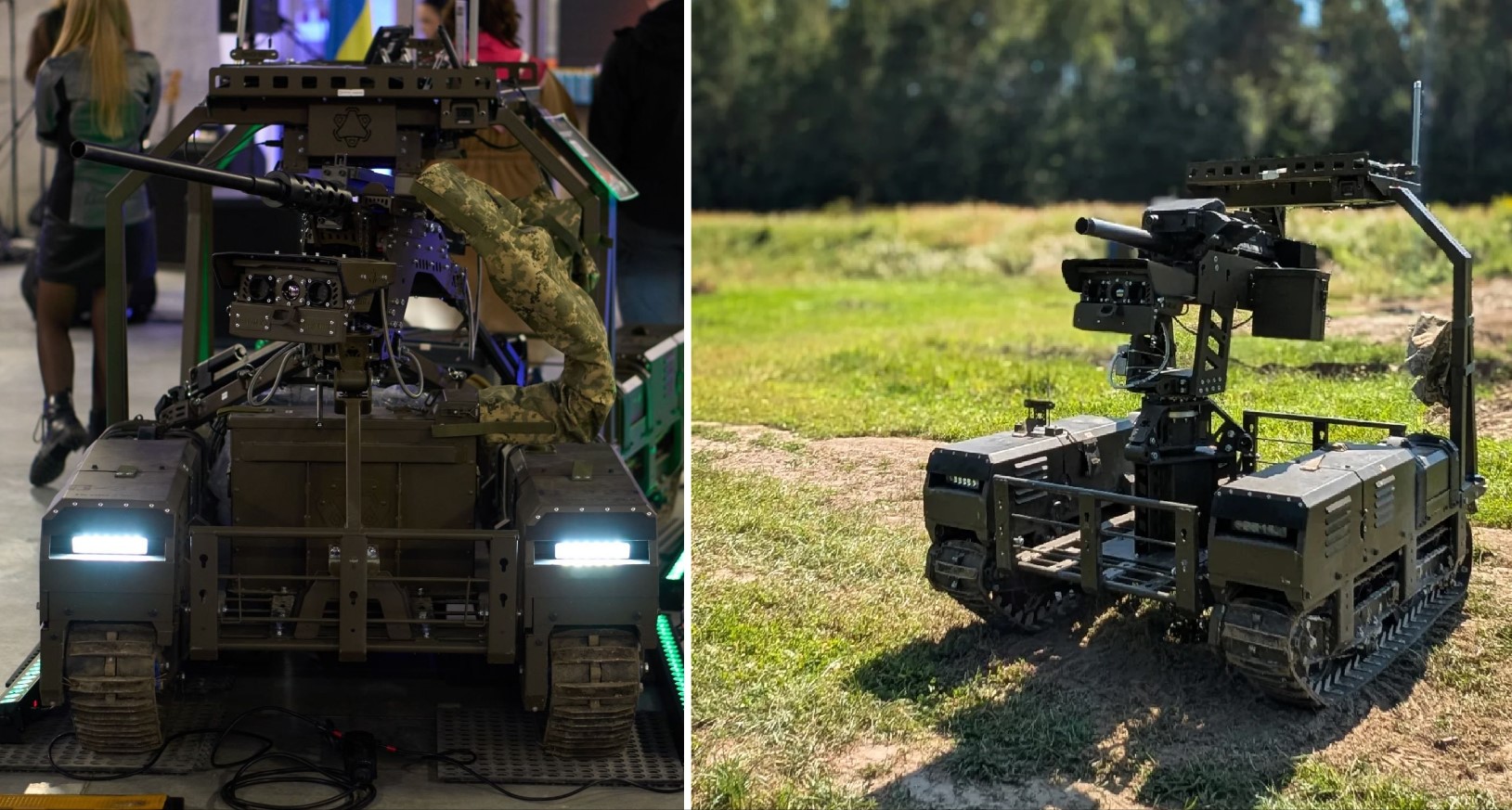
World
Kyiv: Ukrainian defense technology company DevDroid has successfully integrated an advanced AI-powered optical target detection and identification system into its unmanned ground vehicles (UGVs), marking a significant step forward in battlefield automation and situational awareness for Ukraine’s armed forces. The development was confirmed by Yurii Poritskyi, Chief Executive Officer of DevDroid, during an interview with Militarnyi. According to the company, the new system is designed to reduce operator workload, speed up target recognition, and improve survivability of unmanned platforms operating in high-threat environments. Multi-Camera Optical Suite Enhances Battlefield Awareness At the core of the system is a three-camera optical architecture that provides continuous visual coverage for UGV operators. The primary daylight camera is capable of detecting enemy personnel at distances of up to 1,000 meters, allowing early identification of threats during daylight combat operations. Complementing this is a wide-angle daytime camera, which gives operators a broader field of view in front of the vehicle. This sensor enables rapid assessment of terrain, monitoring of enemy movement, and identification of sectors with no hostile presence, improving route selection and tactical decision-making during missions. For operations in low-visibility conditions, the system integrates a thermal imaging camera capable of detecting human targets at distances of 600 to 700 meters, depending on weather and atmospheric conditions. This capability significantly enhances night-time and adverse-weather performance, a critical factor in modern frontline combat. AI Trained on Real Combat Footage DevDroid emphasized that the artificial intelligence driving the system was trained using a large volume of real battlefield combat footage, collected during active hostilities. This approach allows the AI to better recognize real-world movement patterns, camouflage techniques, and battlefield behaviors that are often absent from synthetic or test-range datasets. The AI software features distinct operational modes tailored to different mission requirements. One mode detects any change in the visual scene, instantly alerting the operator when movement is observed in the UGV’s field of view. Another mode is specifically optimized for human target detection, filtering out irrelevant motion and focusing on identifying enemy personnel. According to Poritskyi, these modes allow operators to quickly adapt the system to reconnaissance, perimeter security, or direct combat support roles without changing hardware. Armed UGV With 30 mm Cannon Under Development Looking ahead, DevDroid revealed plans to develop a new unmanned ground combat platform armed with a 30 mm cannon. The future UGV is intended for assault operations and direct fire support for infantry units operating on the front line. The company stated that the armed platform will combine the newly developed AI-enabled optical system with enhanced mobility and protection, allowing it to engage enemy positions while minimizing risk to human soldiers. Such a system would place DevDroid among a small group of manufacturers globally working on heavily armed robotic ground combat vehicles. Production Expansion for Evacuation Drones In parallel with its combat robotics program, DevDroid is also scaling up production of its Maul evacuation drones, designed to extract wounded soldiers from contested areas. These unmanned evacuation systems are increasingly in demand as Ukraine continues to seek technological solutions to reduce battlefield casualties and maintain medical evacuation capabilities under fire. Company officials noted that increased production capacity is aimed at meeting the growing operational requirements of the Ukrainian Defense Forces, reflecting a broader shift toward unmanned systems across logistics, combat support, and frontline operations. Growing Role of AI-Driven Ground Robotics DevDroid’s latest integration highlights the accelerating role of AI-driven unmanned ground systems in modern warfare. By combining long-range optical sensors, thermal imaging, and combat-trained artificial intelligence, Ukrainian developers are rapidly fielding systems designed for real-world battlefield conditions rather than experimental use. As the conflict continues to drive innovation, platforms such as DevDroid’s AI-equipped UGVs are expected to play an increasingly central role in reconnaissance, combat support, evacuation, and future autonomous assault operations.
Read More → Posted on 2026-01-09 16:01:38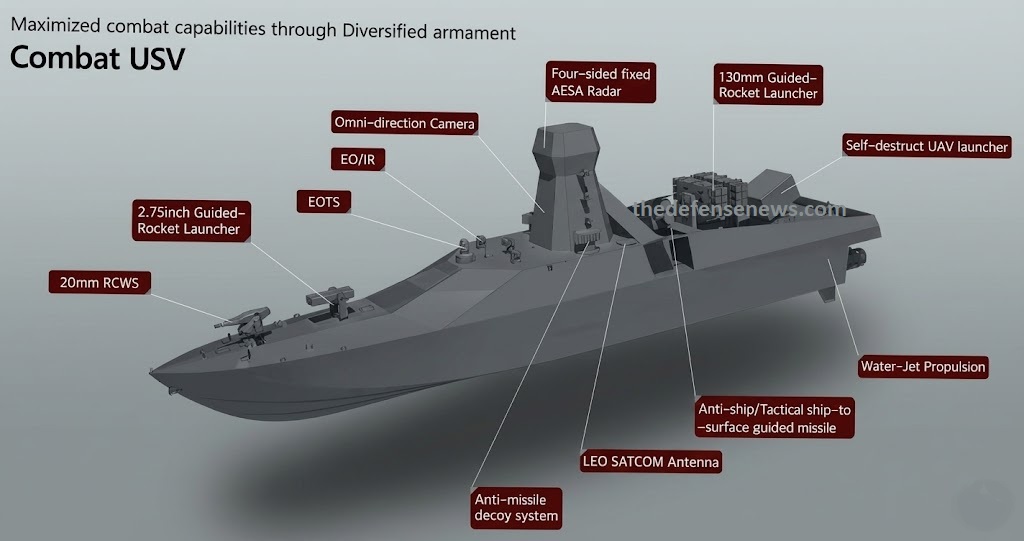
World
Philadelphia / Washington : South Korean defense major Hanwha Defense USA, together with Hanwha Systems Co and U.S.-based autonomy specialist HavocAI, has announced a landmark partnership to jointly develop 200-foot Autonomous Surface Vessels (ASVs) for the U.S. military, marking one of the most significant steps yet toward large-scale autonomous naval platforms. The agreement, unveiled on January 8, brings together one of the world’s largest shipbuilding and defense groups with what the partners describe as the most advanced collaborative autonomy technology currently available. The initiative is aimed squarely at accelerating U.S. naval shipbuilding timelines while lowering costs and expanding operational capability in contested maritime environments. A First-of-Its-Kind U.S. Shipbuilding Partnership Hanwha is currently the only global shipbuilder operating an active shipyard in the United States to formally enter into a joint development agreement with an autonomous vessels company. Under the newly signed Memorandum of Understanding (MOU), Hanwha Philly Shipyard is under consideration as the primary production site for the 200-foot ASVs, positioning Philadelphia as a future hub for unmanned naval ship construction. The vessels will be designed with mass-production scalability in mind, reflecting growing pressure on the U.S. defense industrial base to deliver platforms faster and in higher numbers than traditional shipbuilding programs allow. Built for the Pentagon’s Next Naval Doctrine Production of the autonomous vessels is expected to align with the U.S. Government’s Modular Attack Surface Craft (MASC) solicitation, a program intended to field adaptable, lower-cost surface combatants capable of operating with or without crews. The ASVs are expected to support missions including force protection, maritime surveillance, distributed strike operations, and logistics support in high-risk theaters. According to the companies, the joint effort will cover design integration, autonomy installation, production planning, proposal development, and technical certification, creating a full end-to-end pathway from concept to operational deployment. HavocAI’s Rapid Rise in Autonomous Warfare The partnership comes on the heels of rapid growth at HavocAI. The company recently closed an $85 million funding round and has publicly confirmed the sale of dozens of autonomous vessels to the U.S. Department of War, underscoring strong institutional demand for its technology. HavocAI has also demonstrated its collaborative autonomy systems in GPS-denied and electronically contested environments, including high-profile demonstrations observed by Ukrainian officials, highlighting the platform’s relevance to modern naval warfare shaped by electronic warfare and precision strikes. Industry Leaders Signal Shift in Defense Procurement Michael Coulter, CEO of Hanwha Defense USA, said the collaboration reflects a fundamental shift in how military platforms must now be developed and delivered. “By forging a partnership between an allied defense company with advanced manufacturing scale in Hanwha and a software-first defense technology company in HavocAI, we will deliver state-of-the-art ASVs at scale for American service members,” Coulter said. He added that the agreement is designed to introduce greater competition into the Department of War’s acquisition process, long dominated by traditional shipbuilding timelines and cost structures. Paul Lwin, Co-founder and CEO of HavocAI, said the demand signal from Washington is unmistakable. “The Department of War has made it clear: we need more boats, faster, with more capability, and for less money,” Lwin said. “Pairing cutting-edge autonomy with established global shipbuilding infrastructure is exactly how that goal becomes achievable.” From Korea to the Pacific and Beyond The January announcement formalizes a relationship first revealed in October 2025, when Hanwha and HavocAI conducted a joint technology demonstration. During that event, HavocAI executed an autonomous force-protection mission off the coast of Hawaii, while command and control were maintained beyond line of sight from Hanwha Ocean Geoje Shipyard in South Korea. That demonstration underscored the feasibility of globally distributed autonomous operations, a concept increasingly central to U.S. and allied naval strategies in the Indo-Pacific and beyond. Strategic Implications With the U.S. Navy and Department of War accelerating investment in unmanned and optionally crewed platforms, the Hanwha-HavocAI partnership represents a convergence of industrial scale, allied cooperation, and battlefield-tested autonomy. If realized at scale, the 200-foot ASV program could redefine how surface combatants are built, deployed, and sustained—potentially reshaping the future of naval warfare well into the 2030s.
Read More → Posted on 2026-01-09 15:45:50
World
Abu Dhabi / London : The United Arab Emirates (UAE) has decided to cut state funding and official degree recognition for students seeking to study in the United Kingdom, citing fears that British university campuses have become vulnerable to Islamist radicalisation, particularly by groups linked to the Muslim Brotherhood. The move marks a striking reversal in educational ties and reflects a broader security-driven reassessment by Abu Dhabi, with an Arab state now effectively treating a major European education hub as a potential ideological risk zone. Policy Shift Confirmed By UAE Authorities The decision is formalised through an updated list issued by the UAE Ministry of Higher Education and Scientific Research, which determines which foreign universities qualify for federal scholarships and automatic degree recognition. Under the revised framework, UK universities have been removed from the approved list. UAE officials have confirmed through diplomatic channels that the exclusion is intentional and based on national security considerations, not academic standards. Emirati authorities argue that some British campuses provide space for Islamist networks to operate openly, influence student communities and promote political ideologies viewed by the UAE as destabilising. Students may still enrol in the UK using private funding, but degrees obtained without state approval may no longer be recognised for government employment, licensing or public-sector careers back home. Why The UAE Sees The UK As A Security Concern The UAE has maintained a zero-tolerance policy toward the Muslim Brotherhood for more than a decade, designating it a terrorist organisation and dismantling affiliated structures domestically. Emirati leaders view the movement not only as a political rival but as a long-term ideological threat capable of influencing youth through activism, student organisations and public discourse. From Abu Dhabi’s perspective, the UK has emerged as one of Europe’s most permissive environments for Brotherhood-linked figures and groups, particularly within universities. Emirati officials argue that academic freedom in Britain has unintentionally allowed Islamist narratives to spread under the guise of debate, activism and free expression. This assessment has driven the UAE’s conclusion that young Emirati students studying in the UK could be exposed to ideological currents incompatible with the country’s internal security doctrine. Impact On Student Numbers And Universities The consequences are already visible in student mobility data. UK visa statistics show a sharp decline in Emirati students in 2025, reversing several years of growth. Analysts say the removal of state-funded Emirati students will affect not only enrolment numbers but also the financial stability of some UK institutions increasingly reliant on international tuition fees. For Emirati students, the shift is more direct. Many scholarship recipients are now being redirected to universities in the United States, Australia, France and other approved destinations, while UK degrees risk losing value within the UAE’s public and regulated private sectors. UK Response And Strategic Divide British officials and university leaders have reacted with concern, warning that the decision undermines academic exchange and long-standing educational ties. The UK government has historically resisted pressure to ban the Muslim Brotherhood outright, maintaining that lawful political or academic activity does not automatically equate to extremism. This divergence highlights a deeper strategic and ideological gap. For the UAE, the issue is framed as preventive national security. For the UK, it remains bound to civil liberties, freedom of expression and academic autonomy. A Broader Diplomatic Signal Beyond education, the decision is widely interpreted as a diplomatic message. By leveraging scholarships and degree recognition, the UAE is signalling that its partnerships — even with close Western allies — are increasingly conditioned on alignment over Islamist extremism. As this policy takes effect, British universities face the prospect of reduced access to state-funded Gulf students, while London confronts growing pressure from regional partners to reassess how political Islam is managed within its borders.
Read More → Posted on 2026-01-09 15:18:45
World
Mashhad, Iran : Iran’s internal crisis deepened sharply this week after security forces were forced to retreat from large parts of Mashhad, the country’s second-largest city, amid sustained street protests that have spread nationwide. According to eyewitness accounts, local activists, and a growing volume of video evidence shared online, security units have largely withdrawn from central districts, concentrating instead on protecting a limited number of government buildings, police headquarters, and strategic religious sites. In several central neighbourhoods, protesters were seen setting fire to police vehicles, erecting barricades, and chanting openly anti-government slogans, with little immediate interference from law enforcement. The scenes mark one of the most serious apparent losses of street control by the Islamic Republic in years, particularly in a city of Mashhad’s political and symbolic importance. Collapse Of Street Control In The City Center By late evening, residents reported that riot police and Basij forces had pulled back after repeated confrontations with large crowds. Burned-out patrol cars and abandoned checkpoints were visible across key thoroughfares. Videos circulating on social media showed protesters celebrating what they described as the “liberation” of several neighbourhoods, with no immediate attempt by authorities to reclaim the streets. State-aligned media stopped short of acknowledging a retreat but confirmed a “redeployment” of forces to protect sensitive locations — a tacit admission that security forces were no longer able to maintain full control across the city. From Economic Protests To Political Defiance The unrest in Mashhad is part of a broader wave of demonstrations sweeping Iran, initially sparked by soaring inflation, currency collapse, fuel shortages, and unemployment. Over recent days, however, the protests have evolved into a direct political challenge to the Islamic Republic. In Mashhad, chants have shifted from economic grievances to calls for systemic change, rejection of Iran’s regional spending priorities, and denunciations of senior leadership. Protesters have deliberately targeted symbols of state authority — including police infrastructure and official vehicles — while largely avoiding religious shrines to prevent alienating conservative segments of the population. Protests Spread Nationwide Similar confrontations have been reported in Tehran, Isfahan, Shiraz, Tabriz, Ahvaz, and Kermanshah, with demonstrations now documented in all provinces. Bazaar closures, labour walkouts, and student protests have intensified the pressure on the government, signalling a rare convergence of working-class, middle-class, and youth-led dissent. Human-rights monitors report thousands of arrests nationwide and a growing number of fatalities, though precise figures remain unclear due to severe internet restrictions and media censorship. Families of detainees say arrests are being carried out without warrants, while hospitals in several cities are reportedly under surveillance to prevent injured protesters from speaking publicly. State Response And Information Blackout Iranian authorities have responded by tightening internet shutdowns, deploying additional security units, and warning of harsh penalties for what officials describe as “rioters and saboteurs”. Senior commanders have blamed foreign governments and exiled opposition groups for fomenting unrest, a claim repeated across state television and official statements. Despite these measures, the continued spread of protests suggests that security forces are stretched thin, struggling to contain simultaneous uprisings across multiple major cities. A Defining Moment For The Islamic Republic Mashhad’s apparent loss of street control carries deep symbolic weight. The city is a major religious and political stronghold, closely associated with Iran’s ruling elite. Analysts say the developments there highlight growing cracks in the state’s coercive capacity, particularly as economic conditions continue to deteriorate. As winter deepens and public anger shows no sign of abating, Iran appears to be entering a critical and volatile phase. Whether the authorities succeed in reasserting control — or whether protests harden into a sustained nationwide movement — may shape the most serious internal challenge the Islamic Republic has faced in decades.
Read More → Posted on 2026-01-09 15:12:09
World
Stockholm : Saab has received a new order valued at approximately $160 million (about SEK 1.4 billion) from Sweden’s Defence Materiel Administration (FMV) for its Trackfire Remote Weapon Station (RWS) family, including the newly configured Trackfire ARES variant armed with a 30×113 mm M230LF Bushmaster chain gun. Deliveries are scheduled to run from 2026 through 2028, with first systems expected to enter service within 15 months of contract signature. The procurement is intended to strengthen Swedish Army and Amphibious Battalion 2030 capabilities, a modernization effort focused on future amphibious forces operating in high-threat littoral environments. Saab said the order will enhance organic counter-UAS, self-defence, and networked fire-control capacity across multiple Swedish platforms as Stockholm continues to adapt its forces for NATO operations. Replacing Donated Capability, Fielding Counter-UAS at Speed FMV’s parallel announcement underscores the operational urgency behind the purchase. Sweden is replacing weapon stations and related systems previously donated to Ukraine, while simultaneously expanding self-protection across several platform types and accelerating counter-drone fielding. According to FMV, the contract covers weapon stations with integrated sensors and effectors designed for qualified self-defence against sea, land, and air targets, including both manned and unmanned threats. The package also includes standalone operator training systems, integration support, and continued product development, ensuring rapid induction and sustained evolution. Trackfire: Stabilisation and Fire Control for Real-World Motion At the core of the order is Saab’s Trackfire architecture, a stabilised, network-capable fire-control and sensor suite engineered to maintain precision while host platforms are manoeuvring over rough ground or heavy seas. The design centres on Stabilised Independent Line of Sight (SILOS), in which the sensor module is decoupled from weapon axes and recoil. This allows operators to hold the sight on target, lase continuously throughout the engagement, and feed a fire-control solution that incorporates 3D target prediction—a decisive advantage against small drones, fast inshore craft, and fleeting shoreline targets. Trackfire ARES and the 30 mm Counter-Drone Focus The Trackfire ARES configuration ordered by Sweden is tailored specifically for the counter-UAS problem set. It integrates the M230LF link-fed 30×113 mm chain gun, selected for its balance of rate of fire, hit probability, and ammunition effectiveness rather than sheer calibre. Saab states that ARES employs proximity-fuzed ammunition to neutralise drones, aiming to reduce rounds per kill while preserving lethality. The M230LF family—manufactured by Northrop Grumman—fires advanced 30×113 mm ammunition, including proximity rounds, and underpins several short-range air defence and counter-UAS applications. Open technical data cite a rate of fire of about 200 rounds per minute and a counter-UAS engagement envelope out to roughly 2,000 metres, providing commanders valuable standoff beyond typical 7.62 mm solutions and enabling engagement before small UAS can close to grenade-drop or ISR handoff distance. Sensors, Coverage, and Littoral Suitability Saab’s published specifications highlight why Trackfire ARES fits Sweden’s mixed land-littoral defence needs. The sensor suite includes a cooled medium-wave thermal imager (3.6–4.2 μm), a high-zoom day camera, and an eye-safe 1.55 μm laser rangefinder with a pulse repetition frequency above 20 Hz. Saab lists target-range performance beyond 6 km against a NATO-standard 2.3 × 2.3 m target, with meter-class ranging accuracy. Mechanically, the director unit provides continuous 360-degree rotation and −20° to +55° elevation, with slew rates up to 120°/s and high acceleration—critical when a drone crests a treeline or a fast boat breaks cover among islands. The director unit is quoted at around 280 kg (excluding weapon and ammunition), an important constraint for small amphibious craft, where top-weight and centre-of-gravity margins directly affect speed and seakeeping. NATO Interoperability and the Amphibious 2030 Vision Beyond immediate replacement and counter-UAS needs, the order reflects Sweden’s broader shift toward NATO interoperability. Network-capable RWS with modern sensors, stabilisation, and digital fire control are central to distributed operations in the Baltic and archipelagic environments Sweden prioritises. By pairing Trackfire’s stabilised sighting and predictive fire control with a 30 mm proximity-fused effector, the Swedish Armed Forces gain a scalable self-defence layer suitable for both land vehicles and amphibious platforms. With deliveries stretching into 2028, Saab’s $160 million Trackfire award positions the company as a key enabler of Sweden’s near-term readiness and longer-term Amphibious Battalion 2030 ambitions—addressing today’s drone threat while building a foundation for NATO-aligned operations in some of Europe’s most demanding littoral battlespaces.
Read More → Posted on 2026-01-09 15:00:54
World
WASHINGTON / FALLS CHURCH : The U.S. Army has formally accelerated its shift toward higher-caliber direct-fire weapons, placing an order for 16 XM913 50mm Bushmaster Chain Guns from Northrop Grumman to support the ongoing XM30 Mechanized Infantry Combat Vehicle (MICV) competition. Deliveries of the cannons are already underway to Army test units, underscoring the service’s intent to validate a new lethality baseline as it prepares to replace the aging Bradley Infantry Fighting Vehicle fleet. Northrop Grumman confirmed in January 2026 that the 16 cannons are tied to a fresh round of XM30 trials and are being supplied as Government Furnished Equipment (GFE). The guns are being provided to both American Rheinmetall Vehicles and General Dynamics Land Systems, the two competing industry teams vying to deliver the Army’s next-generation mechanized infantry platform. According to the company, initial deliveries have begun to DEVCOM test elements, where the weapons will be integrated into prototype turrets and subjected to live-fire, mobility, and reliability evaluations. A Deliberate Move Beyond the Bradley Army leaders have increasingly framed XM30 as more than a one-for-one replacement for the Bradley. Instead, the program is positioned as a reset in lethality, survivability, and growth margin for Armored Brigade Combat Teams operating against peer and near-peer threats. Central to that reset is caliber. By selecting the XM913, the Army is testing the largest medium-caliber weapon in Northrop Grumman’s Bushmaster family, moving decisively beyond the Bradley’s 25×137 mm M242. The XM913 fires 50×228 mm ammunition, offering a substantial increase in projectile mass, range, and terminal effect. As a chain gun with an external drive, the weapon is designed for high reliability, controlled cycling, and predictable recoil, attributes that are critical for stabilized turrets expected to engage targets accurately while on the move. Northrop Grumman emphasizes that these characteristics support consistent performance across long firing sequences and under harsh battlefield conditions. Ammunition Flexibility and First-Round Effects Where the XM913 distinguishes itself is in its ammunition suite and fire-control integration. The Army’s 50×228 mm family includes both High Explosive Air Bursting (HE-AB) and Armor-Piercing Fin-Stabilized Discarding Sabot (APFSDS) rounds, allowing a single weapon to address a wide spectrum of threats. The HE-AB round can be programmed for point detonation, delayed point detonation, or air burst, enabling gunners to defeat dismounted infantry in cover, engage reverse-slope positions, or neutralize light structures without changing ammunition types. The APFSDS round, by contrast, is optimized for hard and armored targets, extending the vehicle’s ability to counter modern infantry fighting vehicles and other battlefield systems at greater standoff ranges. The gun itself incorporates dual-feed, first-round-select capability, allowing instantaneous switching between ammunition types without breaking contact. In practical terms, this compresses the sensor-to-shooter timeline: the gunner can tailor effects to the target immediately rather than relying on volume of fire or calling for indirect support. Integration With XM30’s Digital Architecture On XM30 prototypes, the XM913 is paired with a computerized fire-control system intended to deliver high first-round-hit probability against both stationary and moving targets. The system supports single-shot, burst, and automatic fire, while spent cases are ejected forward and out of the turret to reduce internal clutter and improve crew safety. Army officials view this combination as critical to survivability. Greater accuracy at longer ranges means shorter exposure times, reducing vulnerability to enemy anti-tank guided missiles, loitering munitions, and direct-fire responses. The increased caliber also provides a growth path, allowing future ammunition developments to be fielded without redesigning the primary weapon. Signaling the Army’s Future Direction The decision to procure 16 XM913 cannons for XM30 trials sends a clear signal about the Army’s priorities. As threats evolve and battlefield environments become more lethal, the service is betting that higher-caliber, programmable direct-fire weapons will be essential to maintaining overmatch. The ongoing tests at DEVCOM, supported by Northrop Grumman and the two XM30 industry teams, will determine whether the 50 mm solution becomes the new standard for U.S. mechanized infantry in the decades ahead. With deliveries now in progress and live-fire evaluations expanding through 2026, the XM913 is no longer a paper capability. It is a central contender in the Army’s effort to redefine how its future infantry combat vehicles fight, survive, and dominate on the modern battlefield.
Read More → Posted on 2026-01-09 14:55:29
World
Madrid / Vilnius: Spain has deployed its advanced Crow Counter-Unmanned Aerial System (C-UAS) to Lithuania to enhance the detection, surveillance and neutralisation of hostile drones and aerial objects threatening military units and critical infrastructure. The move significantly strengthens air defence and force protection measures along NATO’s Eastern Flank, amid rising concerns over the growing use of low-cost unmanned systems for reconnaissance and disruption. The Crow systems are now operational at the Šiauliai Air Base, a key hub for Allied air operations in the Baltic region. They are operated by the “Lobo” Tactical Unit of the Spanish Air and Space Force, with a nine-person specialist team conducting 24/7 monitoring of designated airspace. The unit’s mission is to protect NATO’s eastern border from unidentified drones and balloons approaching sensitive military and civilian sites. Lithuania has described the deployment as a strong signal of Allied unity. Lithuanian Minister of National Defence Robertas Kaunas said Spain’s continued air defence contributions clearly demonstrate political will and commitment to NATO’s collective defence. He emphasised that such steps strengthen deterrence, send an unmistakable message of Alliance cohesion, and are crucial for the security of Lithuania and the entire eastern flank. Integrated Counter-Drone Protection Layer Developed by Spanish defence technology company Indra, the Crow C-UAS is a modular and scalable system designed to counter a wide spectrum of unmanned aerial threats. It integrates radars, electro-optical and infrared surveillance cameras, RF and acoustic sensors, and electronic warfare devices into a unified command-and-control architecture. This layered configuration enables operators to detect, track, identify and classify drones at long and short ranges, before applying graduated response options, including electronic neutralisation, in line with rules of engagement. According to Indra, the system is fully interoperable with NATO standards, allowing seamless integration with Allied air defence networks. Crow can be deployed in fixed, mobile or portable configurations, making it suitable for protecting military bases, airports, ports, energy facilities and other critical infrastructure, as well as for temporary deployments during exercises or crisis response missions. Complementing NATO Air Policing Operations Spain’s counter-UAS deployment forms part of its broader role in Baltic air defence. Madrid is currently leading the 70th NATO Air Policing Mission in Lithuania, with Spanish Air Force F-18 fighter jets operating from Šiauliai Air Base under the Rotational NATO Air Defence Model. These aircraft maintain quick reaction alert duties to identify and intercept unidentified or non-compliant aircraft approaching Baltic airspace. The combination of manned fighter aircraft and advanced counter-drone systems reflects NATO’s evolving approach to air defence, addressing both traditional aerial threats and the rapidly expanding challenge posed by small, low-flying unmanned platforms. Strategic Significance For The Baltic Region Since 2014, NATO has steadily reinforced its presence in the Baltic States to deter potential aggression and reassure frontline Allies. The increasing use of drones for intelligence, electronic warfare and potential strike roles has added urgency to the deployment of dedicated C-UAS capabilities. Systems like Crow help close critical gaps at low altitude and short range, where conventional air defence systems may be less effective. For Lithuania, the arrival of Spain’s Crow Counter-UAS System adds an important protective layer over key military assets and infrastructure. For NATO, it highlights the Alliance’s focus on integrated, multi-layered air defence and the shared responsibility of member states in safeguarding the security of the Eastern Flank.
Read More → Posted on 2026-01-09 14:44:51
India
Hyderabad, India : India has recorded a major breakthrough in next-generation missile propulsion with the successful long-duration ground test of a full-scale actively cooled scramjet combustor by the Defence Research & Development Laboratory (DRDL), a key laboratory of the Defence Research and Development Organisation (DRDO). The test, conducted at DRDL’s advanced Scramjet Connect Pipe Test (SCPT) Facility, achieved a continuous run time of over 12 minutes, marking a critical endurance benchmark for air-breathing hypersonic propulsion and significantly strengthening India’s Hypersonic Cruise Missile development roadmap. Progression From Subscale Validation to Full-Scale Endurance The January 2026 success builds on the subscale long-duration scramjet test conducted on April 25, 2025, which demonstrated sustained supersonic combustion under controlled conditions. Scaling the system to a full-scale, actively cooled combustor required major advances in high-temperature materials, thermal management, fuel injection control and structural endurance under extreme hypersonic operating environments. DRDO officials confirmed that both the scramjet combustor and the SCPT test facility were indigenously designed by DRDL and realised with strong participation from Indian industry partners. The SCPT facility can reproduce high-enthalpy airflow and prolonged thermal loads, allowing realistic simulation of hypersonic cruise conditions during ground testing. Operational Advantages of a Full-Scale Actively Cooled Scramjet Combustor Compared with current experimental or partially cooled scramjet engines used in hypersonic programmes worldwide, a full-scale actively cooled scramjet combustor offers decisive operational advantages. Active cooling enables the engine to withstand extreme thermal loads for much longer durations, preventing structural degradation at sustained Mach-5-plus speeds. This directly translates into greater range, higher mission endurance and improved reliability, allowing hypersonic cruise missiles to maintain high speed throughout their flight rather than for short bursts. The full-scale configuration also ensures realistic thrust generation and combustion stability, reducing performance uncertainties when transitioning from ground tests to operational flight. Collectively, these benefits make actively cooled full-scale scramjet systems a critical enabler for true long-range, persistent hypersonic cruise missiles, rather than limited-duration demonstrators. Enabling India’s Hypersonic Cruise Missile Programme Hypersonic Cruise Missiles are designed to fly at speeds exceeding Mach 5, or more than 6,100 km per hour, for extended durations within the atmosphere. Unlike rocket-powered systems, scramjet engines are air-breathing, using atmospheric oxygen to sustain combustion, which improves efficiency and range while enabling sustained high-speed flight. The successful SCPT run validated the aerothermal design, active cooling architecture and long-duration combustion stability of India’s scramjet engine—key prerequisites before progressing to integrated engine-airframe testing and flight trials. Leadership Applauds Strategic Breakthrough Rajnath Singh, Raksha Mantri of India, congratulated DRDO, industry partners and academic collaborators, stating that the achievement provides a strong technological foundation for India’s Hypersonic Cruise Missile Development Programme and reflects growing national self-reliance in critical defence technologies. Samir V Kamat, Secretary, Department of Defence R&D and Chairman of DRDO, praised the teams involved, calling the test a landmark step in mastering complex hypersonic propulsion systems. Global Context and India’s Position Globally, hypersonic cruise missile capability remains extremely limited. While countries such as the United States and China continue to develop and test hypersonic systems, Russia is currently assessed as the only nation to have fully developed and operationalised hypersonic cruise missile systems. India’s successful long-duration full-scale scramjet test significantly narrows the technological gap and places the country among the most advanced developers of air-breathing hypersonic propulsion. DRDO officials indicated that the validated scramjet engine will now support integrated engine-airframe evaluations, followed by controlled flight trials under the hypersonic technology demonstrator programme. The January 2026 milestone is expected to accelerate India’s progress toward an indigenous hypersonic cruise missile capability. The achievement underscores India’s growing mastery of advanced propulsion, extreme-temperature engineering and complex ground-test infrastructure—key pillars for future strategic deterrence in the hypersonic era.
Read More → Posted on 2026-01-09 14:38:21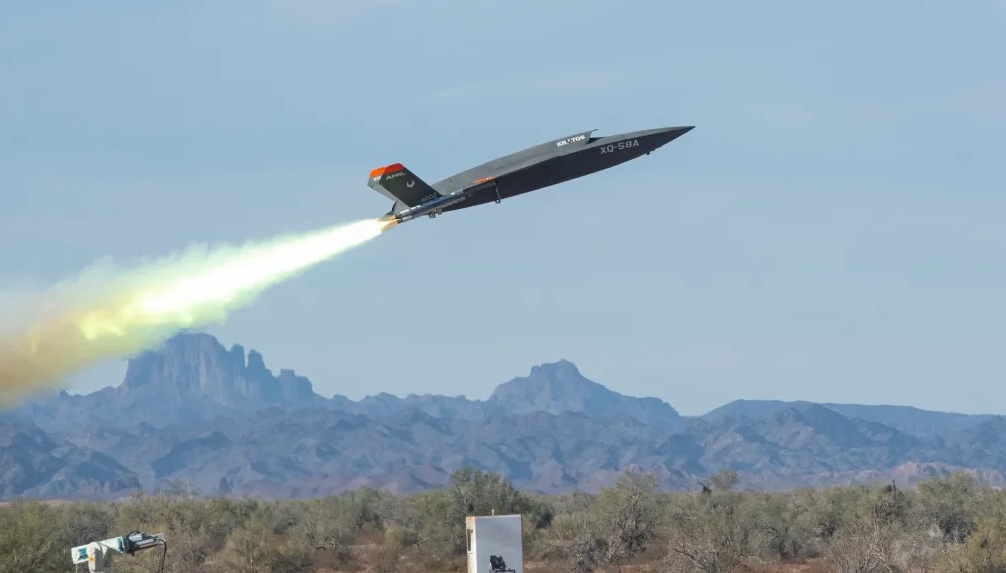
World
Washington : The United States Marine Corps has taken a significant step toward reshaping its future air combat force, selecting Northrop Grumman to lead the operational integration of the XQ-58A Valkyrie as part of its Collaborative Combat Aircraft (CCA) initiative. The decision underscores a growing emphasis on autonomous, attritable airpower designed to survive and fight inside highly contested environments, particularly across the Indo-Pacific. On January 8, 2026, the Marine Corps competitively awarded Northrop Grumman the Marine Air-Ground Task Force (MAGTF) Uncrewed Expeditionary Tactical Aircraft (MUX TACAIR) CCA contract. Under this award, the Valkyrie—originally conceived as an experimental demonstrator—will be transformed into a fully missionized, combat-capable CCA integrated into Marine aviation operations. From Experimental Drone to Operational “Loyal Wingman” The contract marks a pivotal transition for the Valkyrie program. Developed by Kratos Defense & Security Solutions, the XQ-58A emerged from the U.S. Air Force’s low-cost attritable aircraft concept and was designed to operate alongside crewed fighters as a “loyal wingman.” Its selection by the Marine Corps confirms that such concepts are rapidly moving from experimentation into structured force development. The Valkyrie airframe brings inherent advantages to the CCA role. Its low-observable shaping, internal payload carriage, and optimized signatures are intended to reduce detectability in contested airspace. The aircraft is now being adapted for conventional takeoff and landing, broadening its deployability from established airfields while retaining the expeditionary ethos central to Marine operations. A defining feature of the platform is its modular payload architecture, allowing rapid reconfiguration for multiple mission sets. This flexibility enables the aircraft to support intelligence, surveillance and reconnaissance missions, electronic warfare, decoy operations, and strike support, depending on payload selection. Advanced Mission Systems And Autonomous Combat Capability Northrop Grumman will integrate its Advanced Mission Kit onto the Valkyrie, combining advanced sensors, open-architecture avionics, and software-defined systems. According to the company, this suite is designed to deliver both kinetic and non-kinetic effects, allowing the aircraft to conduct surveillance, targeting support, electronic attack, and direct combat missions. Central to this capability is Northrop Grumman’s Prism autonomy software, previously demonstrated on the company’s Model 437 Vanguard, also known as Beacon. Prism is now being migrated to the Valkyrie to enable mission-level autonomy, including dynamic targeting and coordinated operations in environments where communications may be degraded, denied, or actively contested. Northrop Grumman has stated that the program builds on more than 20 successful flight demonstrations conducted in operationally relevant environments. These demonstrations are intended to reduce technical risk and accelerate the transition from prototype testing to an operationally deployable MUX TACAIR capability. A Foundation Laid by Years of Experimentation The Valkyrie’s operational maturity is rooted in years of testing under the Air Force Research Laboratory Low-Cost Attritable Strike Demonstrator program. Initially focused on runway-independent launch and recovery concepts, the aircraft has since evolved through Marine Corps experimentation into a configuration better suited for sustained expeditionary operations. For the Marines, the MUX TACAIR CCA is envisioned as a force multiplier for the Marine Air-Ground Task Force, extending sensor reach, increasing magazine depth, and complicating adversary targeting without placing aircrews at direct risk. Strategic Implications For Future Conflicts The award to Northrop Grumman signals a broader doctrinal shift within the Marine Corps toward distributed, autonomous airpower. By pairing crewed aircraft with uncrewed CCAs like the Valkyrie, the Marines aim to enhance survivability, reduce operational costs, and maintain combat effectiveness against advanced air defense networks. As development moves forward under the MUX TACAIR framework, the XQ-58A Valkyrie’s progression from experimental drone to operational combat aircraft highlights a clear trend: autonomous “loyal wingman” systems are no longer theoretical concepts but emerging pillars of future U.S. military airpower.
Read More → Posted on 2026-01-09 14:07:02Search
Top Trending in 24 Hours
-
 U.S. Navy Awards Northrop Grumman $1.2 Billion Deal for Three New E-2D Advanced Hawkeyes
-
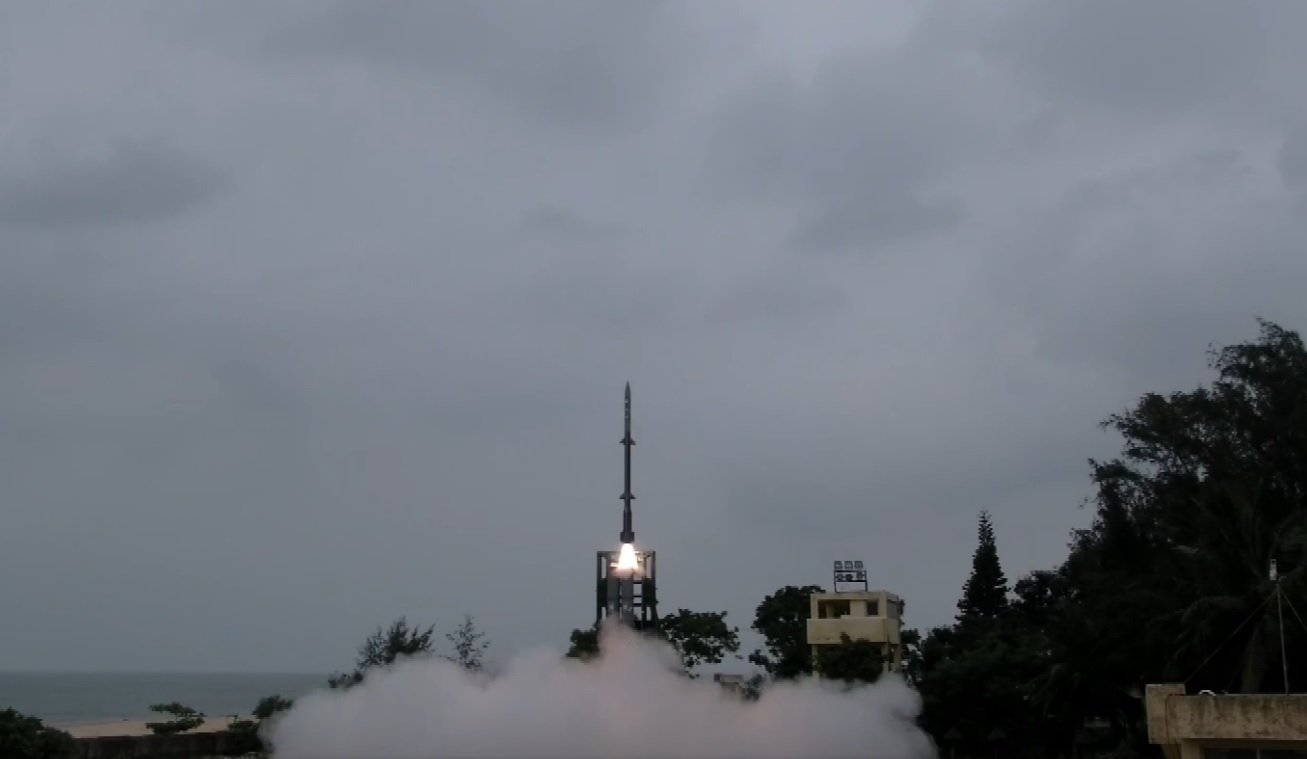 DRDO Successfully Conducts Maiden Flight Test of 150-km-Range Kusha M1 Air Defence Missile
-
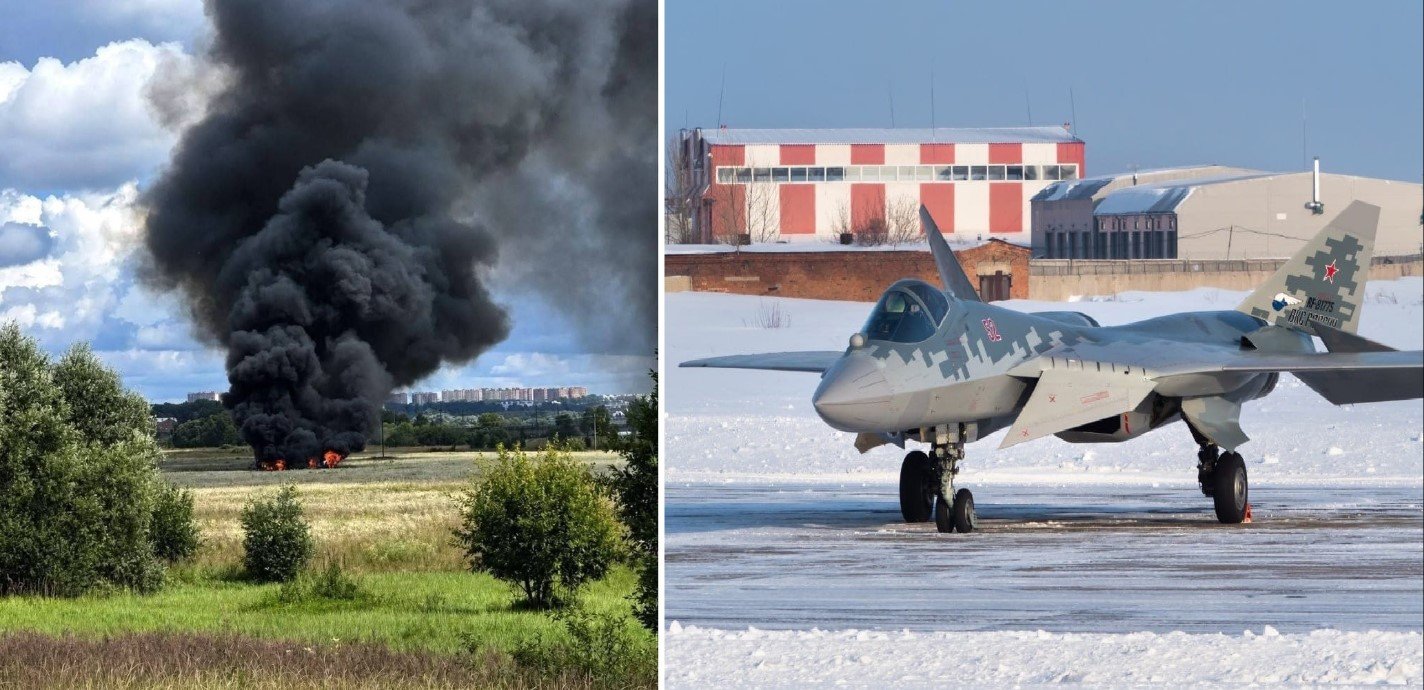 Russian Su-57 Stealth Fighter Crashes During Training Flight Near Moscow, Pilot Ejects Safely
-
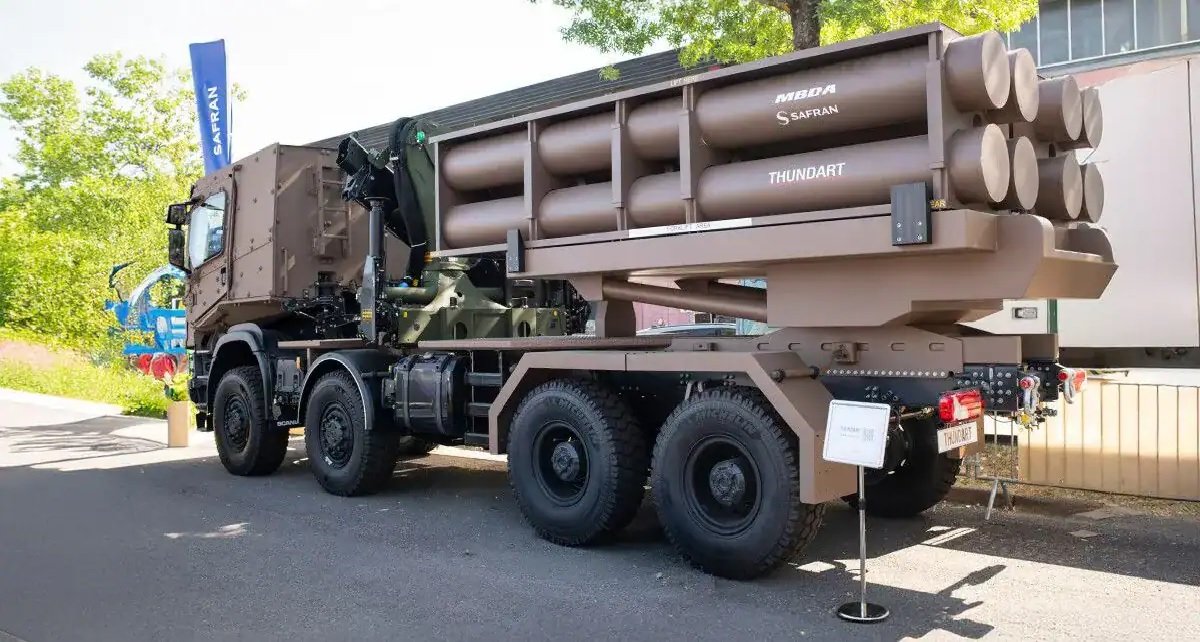 France's THUNDART Long-Range Rocket System May Undergo Prototype Combat Testing in Ukraine
-
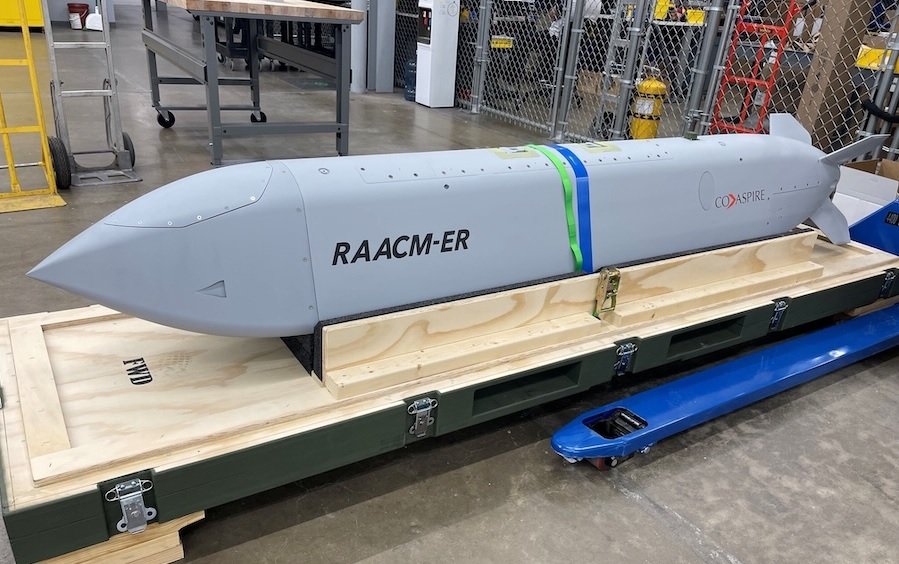 U.S. Navy Selects CoAspire to Build Ground-Launched CHAOS Cruise Missile Under $70 Million Program
-
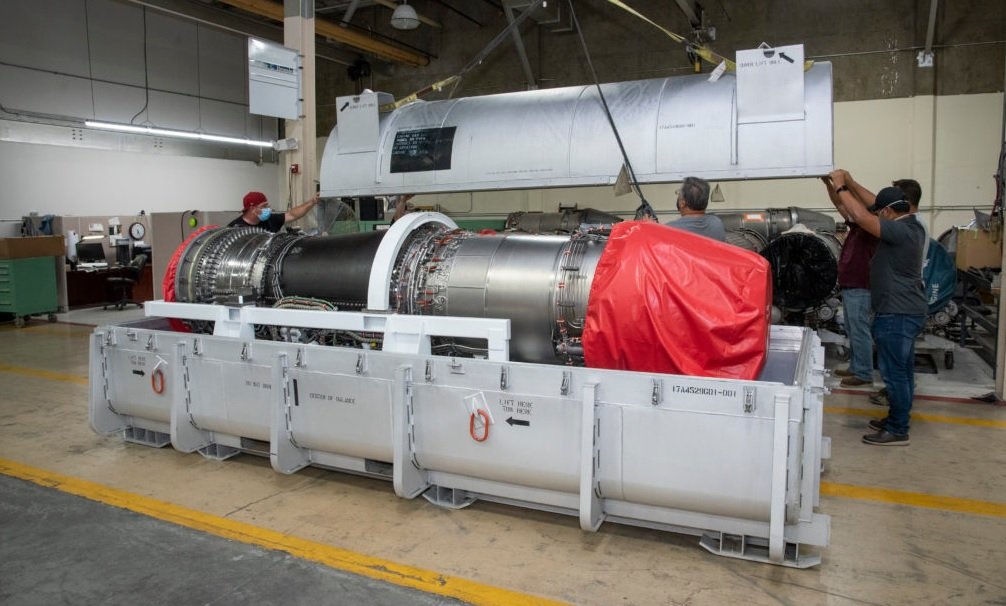 GE Aerospace and Magellan Aerospace Corporation Sign Strategic MoU for F414 Engine Sustainment in Canada
-
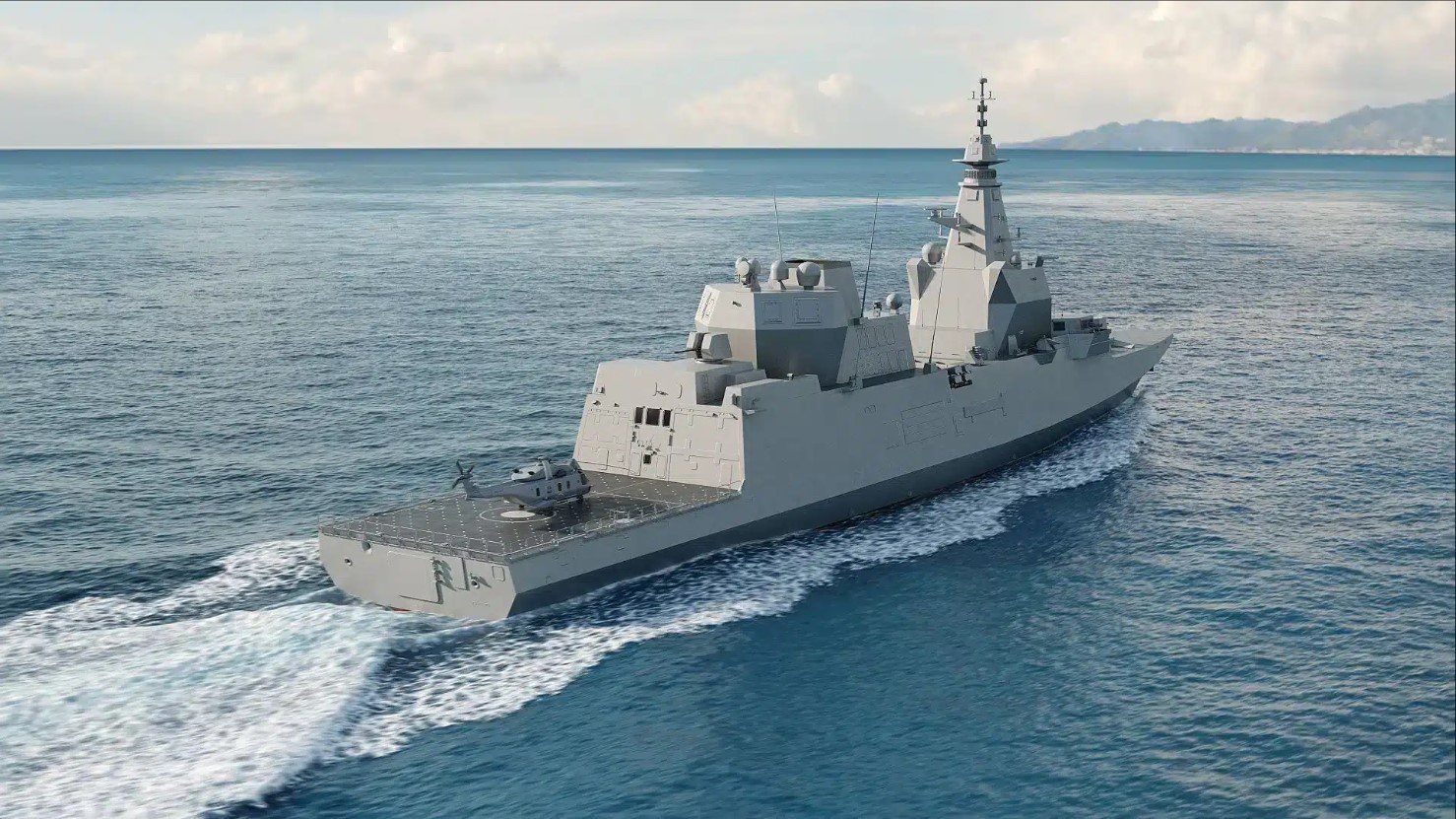 Portugal Orders Three FREMM EVO Frigates from Italy in €3.9 Billion Naval Deal
-
 Destinus Unveils Vorexon Interceptor Concept to Defend Critical Sites from Artillery Threats
Top Trending in 4 Days
-
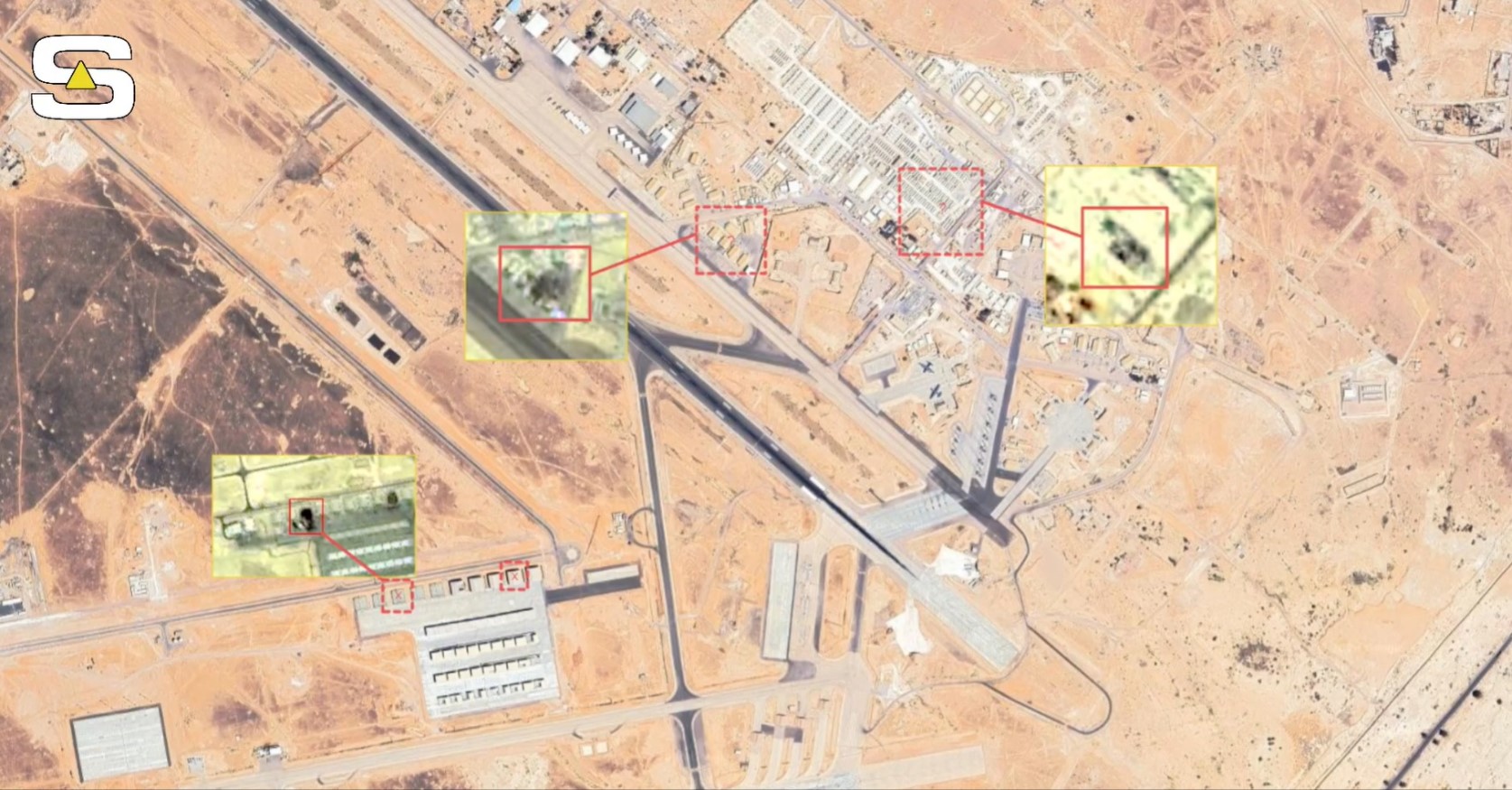 New Satellite Imagery Reveals Extensive Damage at Jordan's Muwaffaq al-Salti Air Base After Iranian Missile Strike
-
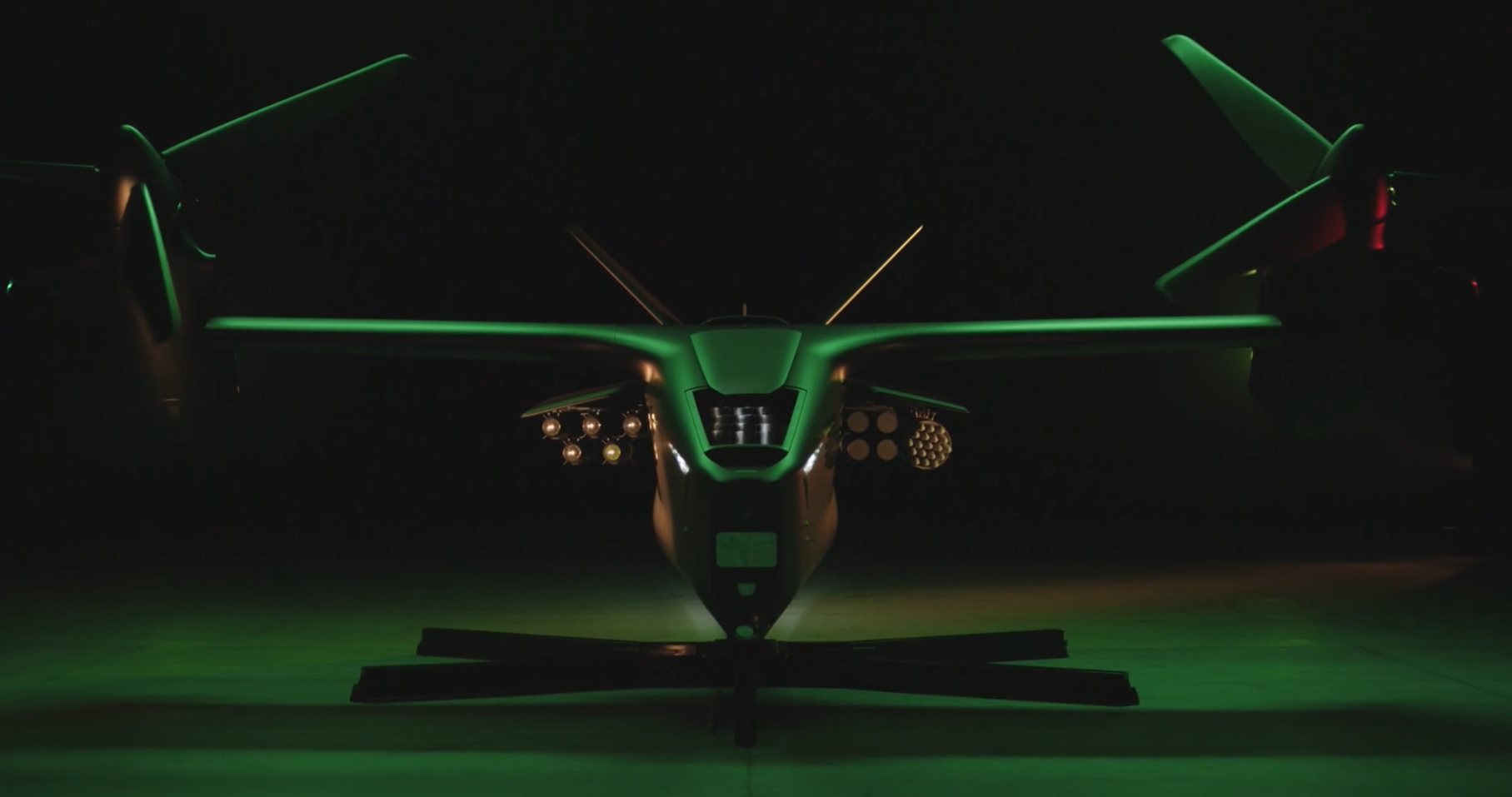 Anduril Unveils Thunder Autonomous Attack Rotorcraft Built with Archer Aviation to Support Apache Helicopters
-
 Iran Claims It Shot Down U.S.-Operated Polish-Built Tiguar-M Drone, Releases Images
-
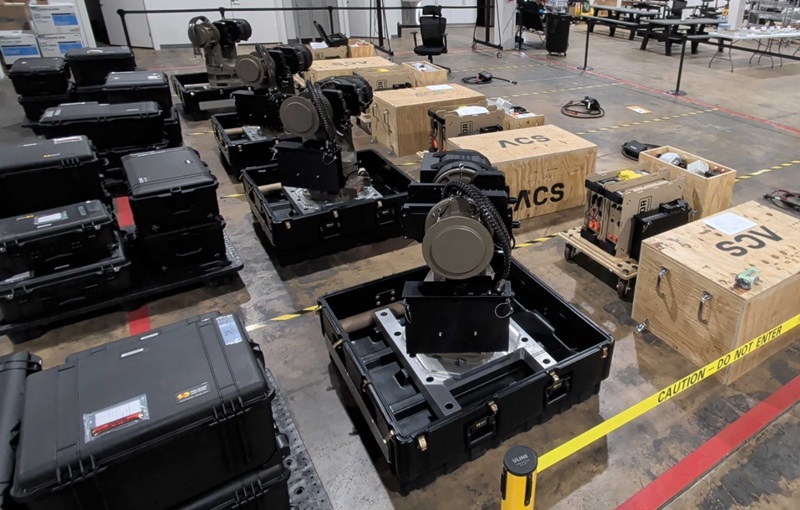 U.S. Marine Corps Selects AI-Powered Bullfrog Weapon Station for L-MADIS Counter-Drone Platform
-
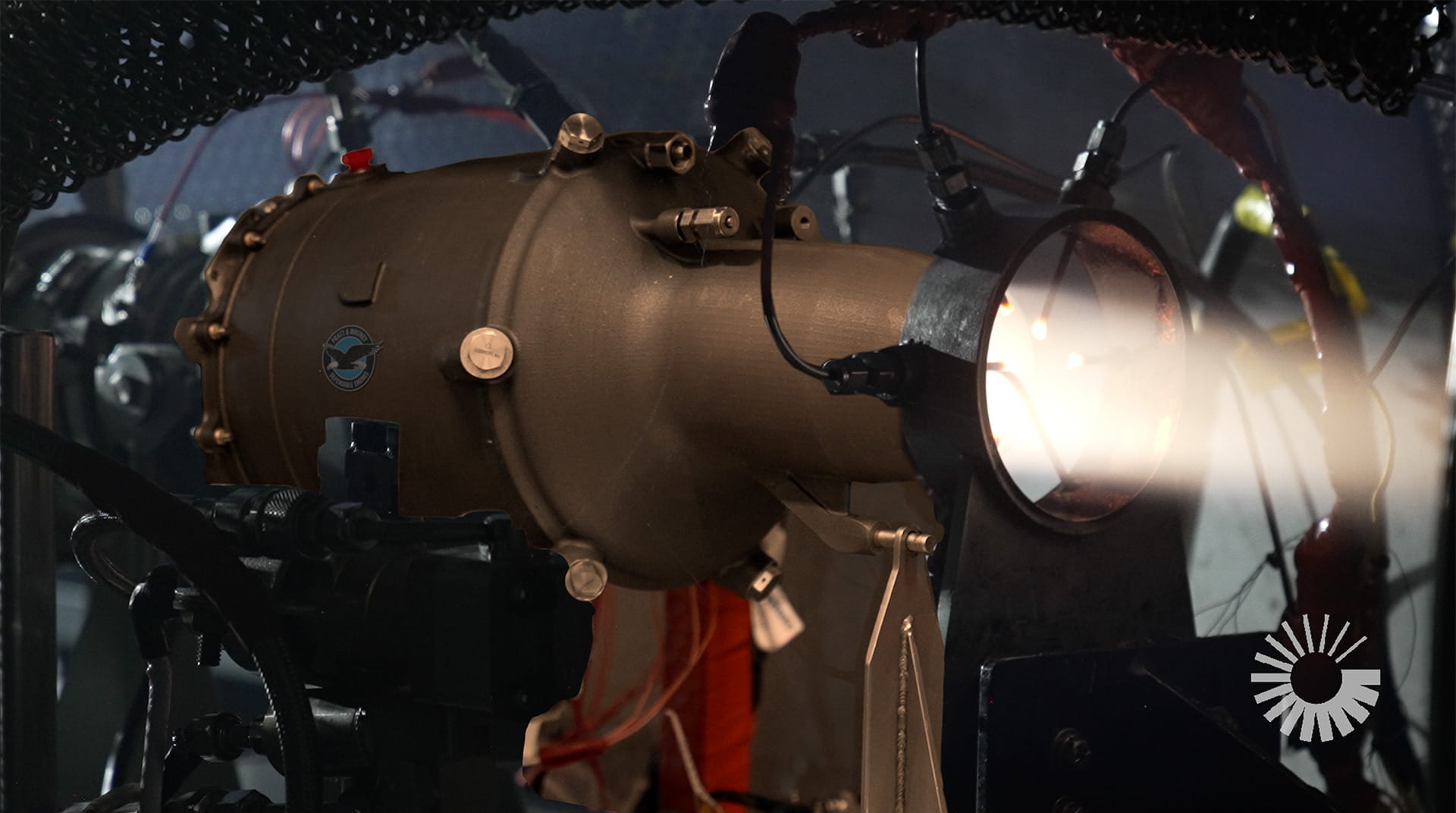 Pratt & Whitney Completes Testing of 3D-Printed TJ150 Engine for Military Applications
-
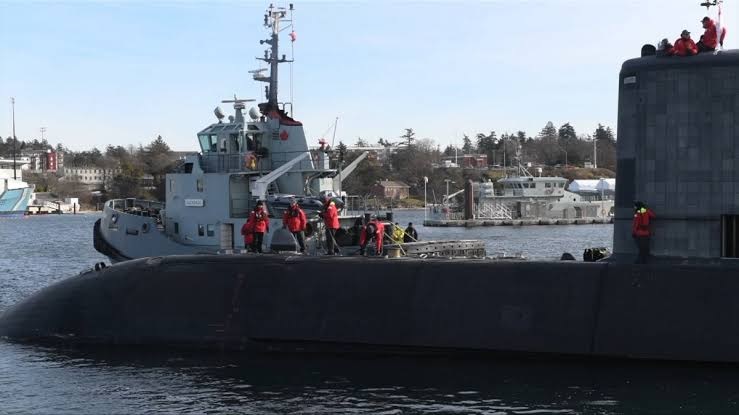 Canada Awards Babcock $1.1 Billion Six-Year Contract Extension to Support Victoria-Class Submarine Fleet
-
 Lockheed Martin Unveils MORFIUS X-Rotor High-Power Microwave System That Can Neutralize 50+ Drones in One Flight
-
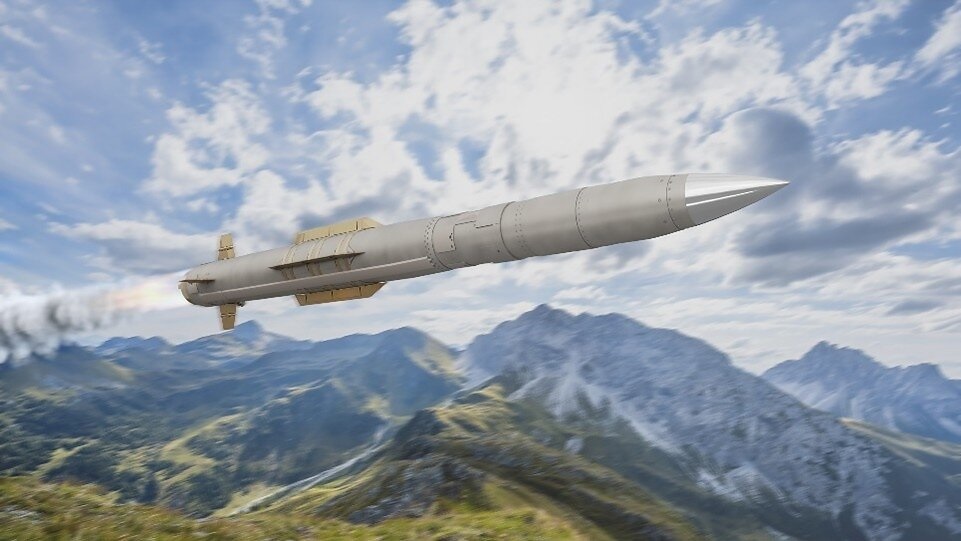 Lockheed Martin Unveils Lower-Cost PAC-3 ACE Interceptor for Patriot Air Defense System
