
World
Washington / Tehran : The U.S. State Department on Tuesday issued an urgent security alert advising U.S. citizens in Iran to leave the country immediately or, if departure is not possible, to shelter in place as nationwide protests intensify and the risk of detention increases sharply. In a statement released through official channels, the department warned that demonstrations across Iran are escalating, triggering heightened security measures by Iranian authorities. These include road closures, expanded security checkpoints, public transportation disruptions, and ongoing internet shutdowns, all of which have significantly restricted movement and communication. The advisory said commercial flights to and from Iran remain severely limited, with several international airlines suspending services until at least Friday, January 16. Americans were warned to expect continued internet outages and to arrange alternative communication methods. Where it can be done safely, the department advised considering overland departure via Armenia or Türkiye. Special caution was issued for U.S.–Iranian dual nationals. Iran does not recognize dual citizenship and treats such individuals solely as Iranian citizens. According to the advisory, showing a U.S. passport or demonstrating links to the United States can be sufficient grounds for questioning, arrest, or detention by Iranian authorities. Escalating Unrest Inside Iran Iran is facing one of its most volatile internal crises in years. Protests that initially erupted over economic pressures have expanded into nationwide demonstrations openly challenging the government. Human rights organizations and international observers report a heavy security crackdown, with mass arrests and reports of significant casualties, although exact figures remain difficult to confirm due to media restrictions and communication blackouts. Authorities have tightened control over digital networks, further limiting the ability of residents and foreign nationals to access reliable information or contact family members abroad. Latest U.S. Military Status The growing unrest coincides with heightened tensions between Washington and Tehran. Senior U.S. officials confirmed that President Donald Trump has been briefed on a range of response options as the situation continues to evolve. As of January 13, 2026, the United States military has not launched direct strikes against Iran. However, U.S. forces in the Middle East are on elevated alert. Assets under U.S. Central Command remain fully operational, with naval, air, cyber, and missile-defense capabilities positioned to respond rapidly if U.S. personnel, allies, or regional stability are threatened. Administration officials have emphasized that while diplomatic pressure remains the preferred course, military, cyber, and strategic options remain on the table should Iran target U.S. interests or if the security situation deteriorates further. Limited U.S. Assistance and Citizen Guidance The State Department reiterated that the United States has no embassy or consulate operating in Iran, sharply limiting its ability to provide direct assistance. Switzerland, acting as the U.S. protecting power, offers limited consular support, but officials stressed that Americans should not expect organized evacuations. U.S. citizens remaining in Iran were urged to avoid protests, maintain a low profile, carry identification at all times, and closely monitor official security advisories. Officials warned that conditions could change rapidly and without warning. As protests spread and regional tensions rise, the warning underscores growing concern in Washington that Iran’s internal crisis is entering a dangerous and unpredictable phase, with serious implications for foreign nationals, regional security, and international stability in the days ahead.
Read More → Posted on 2026-01-13 14:20:10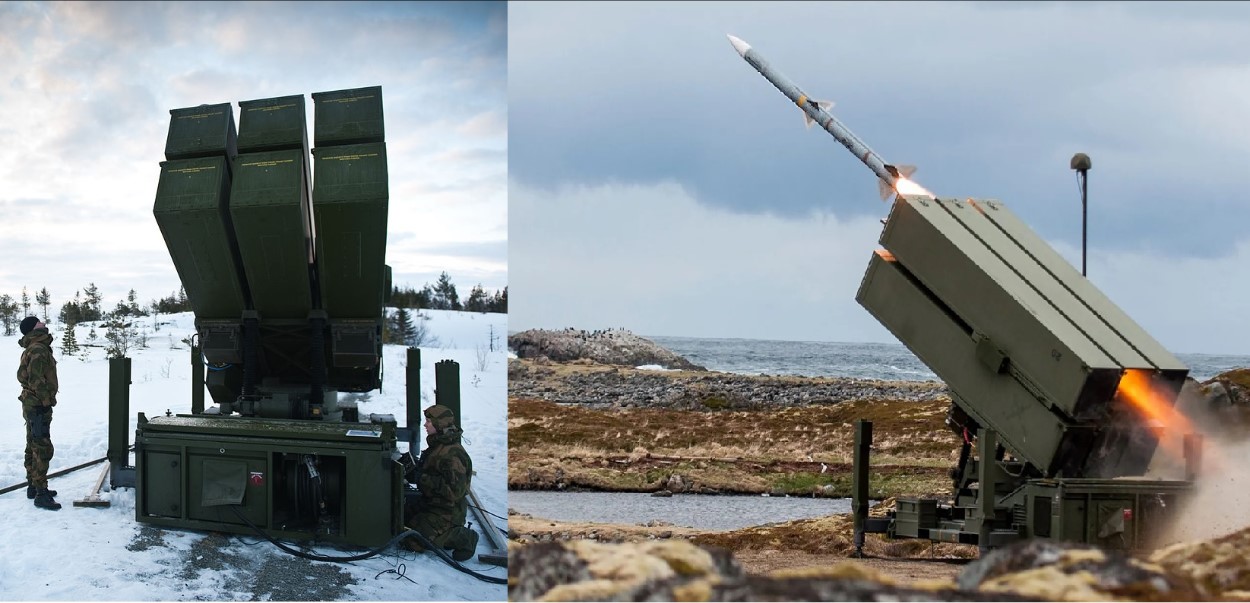
World
Kyiv / Oslo : Norway has announced a new initiative aimed at integrating Ukrainian-made interceptors or other effectors into the NASAMS air defense system, marking a significant step toward deeper industrial and military cooperation with Ukraine as the war grinds on and pressure mounts on Western missile stockpiles. The plan was confirmed in Kyiv by Espen Barth Eide, who said Norway is working with Ukrainian defense manufacturers to determine whether locally produced interceptors can be guided, controlled, and coordinated through NASAMS without altering the system’s existing command, radar, or launcher architecture. The development was first reported by European Pravda on January 12, 2026. A Shift Toward Flexibility and Volume NASAMS, short for the National Advanced Surface-to-Air Missile System, is one of the cornerstones of Ukraine’s layered air defense network. Developed by Norway’s Kongsberg in cooperation with the United States, the system is best known for firing Western missiles such as the AIM-120 AMRAAM. These interceptors are highly effective, but they are also expensive and produced in limited quantities. Norway’s initiative seeks to address that imbalance. By allowing NASAMS to fire a broader range of compatible interceptors, including those made in Ukraine, the system could rely less on a narrow set of costly missiles and instead draw from higher-volume, locally produced options. Norwegian officials stress that the goal is not to replace NASAMS’ core technology, but to expand the menu of interceptors it can employ. “The focus is on integration, not reinvention,” Eide said, emphasizing that NASAMS’ sensors, fire-control software, and launchers would remain unchanged. Which Ukrainian Interceptors Are Under Review No single Ukrainian missile has been officially selected for integration, but several candidates are under technical evaluation. These include short-range interceptors derived from the Soviet-era R-73, as well as variants of the R-27 medium-range missile equipped with infrared or radar homing guidance. Ukrainian engineers are also believed to be assessing the UP-277 missile, which has an air-launched range of roughly 80 kilometers, though its effective range would be shorter if adapted for ground launch. Beyond traditional missiles, Ukraine’s rapidly developing interceptor drones are also part of the discussion. These low-cost systems could serve as NASAMS-compatible effectors against mass attacks by inexpensive aerial threats, including Shahed-type loitering munitions used extensively by Russian forces. What matters most, according to Norwegian and Ukrainian officials, is not the pedigree of a specific interceptor but whether it can be cued by NASAMS radars, receive guidance commands, and be coordinated alongside other missiles in the system’s engagement sequence. Why Norway Is Pushing the Integration Norway’s decision is driven by both strategic and practical considerations. Ukraine faces an exceptionally high tempo of aerial attacks, with independent assessments suggesting Russian forces have launched an average of more than two dozen missiles and drones per day since the start of the full-scale invasion. That pace translates into more than 700 aerial targets per month, rapidly depleting interceptor stocks. Western suppliers can help, but production lines for advanced missiles remain constrained. Integrating Ukrainian interceptors into NASAMS offers a way to tap Ukraine’s own industrial base, easing pressure on allies while strengthening Kyiv’s self-reliance. There is also a longer-term strategic calculation. By enabling joint production and shared development, Norway positions itself as a key partner in shaping Ukraine’s post-war air defense architecture, while gaining valuable experience in making NASAMS more adaptable to future conflicts characterized by mass, low-cost threats. Ukrainian Production and Joint Manufacturing Plans The integration effort is closely linked to broader plans for joint production. Eide described the initiative as a partnership rather than a simple supply deal, aligning with earlier statements by Volodymyr Zelensky, who has argued that Ukraine should not only receive air defense systems but also manufacture them domestically. Joint production could range from interceptor missiles to selected NASAMS components, allowing Ukraine to sustain its air defenses even during prolonged periods of high consumption. For Norway, this approach helps ensure that donated systems remain operational over time, supported by a steady flow of compatible munitions. How Ukrainian Interceptors Differ From NASAMS’ Standard Missiles The key difference between Ukrainian-made interceptors and NASAMS’ standard missiles lies in cost, availability, and intended targets. Western interceptors such as AMRAAM are optimized for high-performance engagements and command a premium price. Ukrainian options, while potentially shorter-ranged or less sophisticated, can be produced more cheaply and in greater numbers, making them better suited for countering drones and other low-cost threats. By mixing these interceptors within a single NASAMS battery, air defense commanders could reserve expensive missiles for high-value targets while relying on cheaper Ukrainian effectors for mass attacks, improving overall efficiency. Near-Term Aid and Long-Term Strategy Norwegian officials have underlined that this integration project does not replace immediate military assistance. Oslo continues to work on delivering additional missiles to Ukraine in the near term, ensuring that current defenses are not weakened while technical integration and joint production plans move forward. Taken together, the effort reflects a broader shift in Western support for Ukraine: from emergency deliveries toward sustainable, industrial-scale solutions designed for a long war. If successful, Norway’s initiative could turn NASAMS into a more flexible and resilient air defense system, tailored not only to Ukraine’s needs but also to future conflicts where numbers, cost, and adaptability matter as much as cutting-edge performance.
Read More → Posted on 2026-01-13 14:02:06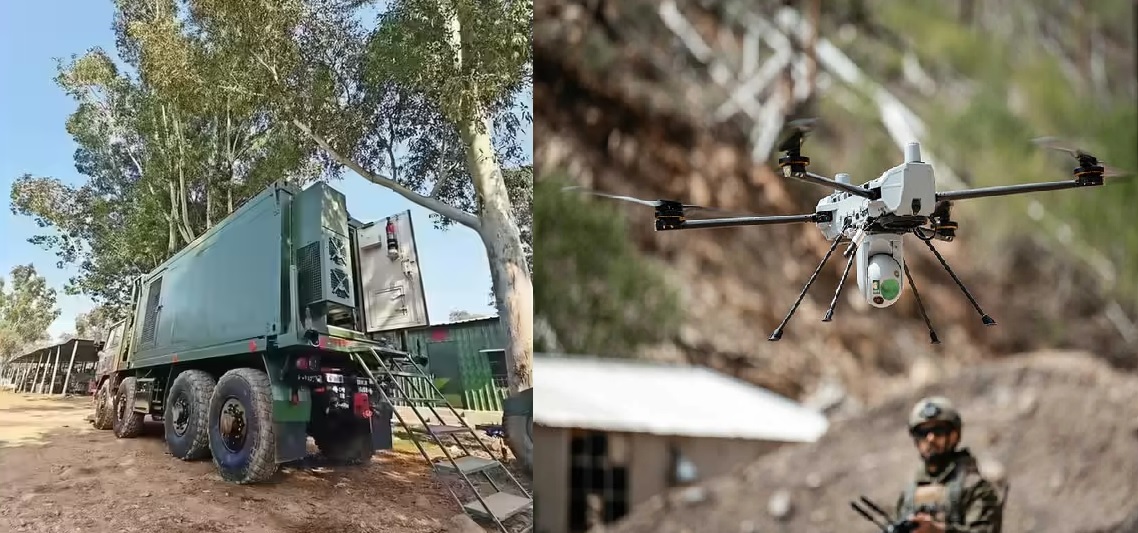
India
Hyderabad / Jammu : In a significant boost to India’s indigenous defence innovation ecosystem, Apollyon Dynamics, a startup founded by two 20-year-old student entrepreneurs, has successfully delivered a mobile drone manufacturing and repair laboratory to the Indian Army. The system, already deployed in Jammu, allows frontline units to assemble, repair and deploy FPV drones directly from a moving military vehicle, dramatically reducing dependence on rear-area supply chains. A Drone Factory on Wheels The newly inducted system—described as a “moving drone lab”—is built into a standard Army truck, converting it into a self-contained FPV drone workshop. Equipped with 3D printers, electronics assembly stations, soldering tools, flight-controller programming modules and testing equipment, the lab enables soldiers to manufacture drones within operational zones, sometimes just kilometres from active deployment areas. Defence observers note that this capability mirrors battlefield innovations seen during the Russia–Ukraine conflict, where rapid drone attrition forced forces to adopt on-site manufacturing and repair models. With this deployment, India becomes only the third country—after Russia and Ukraine—to operationalise a mobile frontline drone factory. Capacity: 100 FPV Drones a Month According to Apollyon Dynamics, the mobile lab can produce more than 100 FPV (First-Person View) drones per month, depending on mission requirements and component availability. These FPV drones, often used for reconnaissance, precision strikes and kamikaze missions, have become central to modern low-cost, high-impact warfare. Crucially, the system allows real-time design iteration, meaning soldiers can modify drone configurations—such as payload, range, or camera setup—based on immediate battlefield feedback, rather than waiting weeks for factory-level changes. Training Soldiers, Not Just Supplying Hardware A defining feature of the project is its soldier-centric approach. Rather than merely supplying finished drones, Apollyon Dynamics has trained Indian Army personnel to assemble, maintain and troubleshoot FPV drones independently. This ensures operational self-reliance, especially during high-tempo missions where drone losses can be frequent. Alongside the mobile unit, the startup has also helped establish a permanent drone laboratory within the regiment’s Jammu base, which functions as a hub for storage, advanced repairs, training and scaling production, complementing the deployable lab. Built by BITS Pilani Students The company was founded by Jayant Khatri (CEO) and Sourya Choudhury (CTO), both students of BITS Pilani Hyderabad. Working initially from their university environment, the duo began building drones using basic prototyping tools such as 3D printers and soldering stations, before rapidly transitioning into military-grade systems. Despite being in their early 20s, the founders reportedly delivered the mobile drone lab to the Army within just 15–20 days, even while managing academic commitments—an achievement that has drawn attention across India’s defence and startup communities. From Campus Prototypes to Battlefield Deployment Apollyon Dynamics has previously supplied the Army with indigenous kamikaze FPV drones, capable of high-speed flight and carrying payloads of around one kilogram. These drones are designed to be modular, allowing quick adaptation for different terrains and mission profiles, including mountainous regions like Jammu. The Army has reportedly issued formal appreciation for the startup’s work, citing quality benchmarks, technical reliability and professional execution during training and deployment. Strategic Significance for India Military analysts view the induction of a mobile FPV drone lab as a strategic shift in how India approaches unmanned warfare. Instead of treating drones as limited, centrally produced assets, the Army is moving toward a distributed, battlefield-edge manufacturing model—one that prioritises speed, adaptability and resilience. As global conflicts increasingly demonstrate that drones are expendable but decisive, India’s ability to build and rebuild them near the frontlines could prove critical in future contingencies. For Apollyon Dynamics, the deployment marks a rare milestone: a student-founded Indian startup delivering frontline capability usually associated with active war zones, signalling a new phase in the country’s Atmanirbhar defence innovation drive.
Read More → Posted on 2026-01-12 18:17:15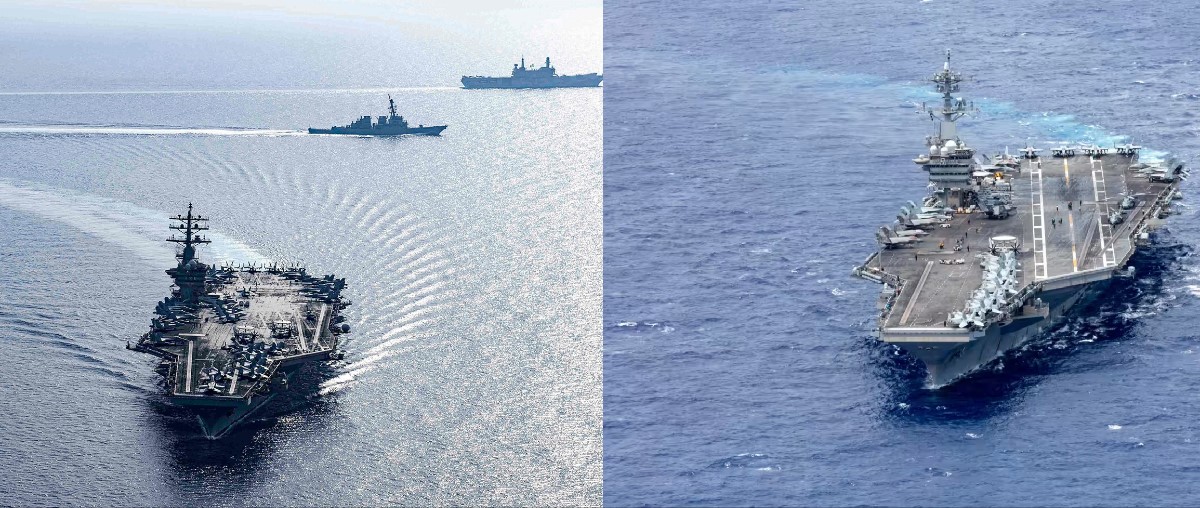
World
Washington / Tehran / Beijing : For the first time in decades, the United States finds itself without an aircraft carrier strike group stationed in or immediately adjacent to the Middle East, a development that is reshaping assumptions about how Washington might wage a future conflict with Iran — and what that posture signals to China amid rising tensions over Taiwan. For decades, the presence of at least one U.S. aircraft carrier in the Middle East has been treated as a prerequisite for major American military operations. In past interventions, the U.S. Navy routinely deployed two carriers, with one serving as a backup to ensure uninterrupted air operations in case of mechanical failure, combat losses, or escalation. That model is now conspicuously absent. According to U.S. defense officials and open-source naval tracking data, no American carrier is currently operating in the Persian Gulf, Gulf of Oman, or northern Arabian Sea. While U.S. forces remain active across regional bases, the absence of carriers marks a significant departure from established doctrine. A Shift in U.S Military Thinking The change reflects a growing reassessment inside the Pentagon about the vulnerability of aircraft carriers in high-threat environments. Iran’s expanding arsenal of precision-guided ballistic missiles, cruise missiles, armed drones, fast-attack craft, and sea mines has dramatically increased the risks to large surface vessels operating close to its shores. U.S. military planners increasingly view aircraft carriers not as invulnerable symbols of dominance, but as high-value targets that could be degraded or neutralized early in a conflict. In a war with Iran, analysts say, carriers would likely operate at extended distances, relying on long-range aircraft rather than sustained close-in operations. This evolution mirrors broader U.S. defense thinking shaped by lessons from Ukraine and great-power conflict wargames, where survivability, force dispersal, and long-range strike capability are prioritized over forward concentration of forces. What is Lost Without Carriers The absence of aircraft carriers, however, carries real operational consequences. Carrier air wings traditionally provide sustained, high-tempo air operations, capable of launching dozens of sorties per day. They also play a central role in suppressing enemy air defenses, conducting electronic warfare, and maintaining air superiority in contested airspace. Without carriers, the U.S. must rely more heavily on land-based aircraft, regional air bases, long-range bombers, and stand-off weapons such as cruise missiles. While effective for precision strikes, these alternatives reduce flexibility, endurance, and operational tempo, particularly in a prolonged conflict. Military analysts note that initiating strikes on Iran without carrier involvement would represent a deliberate test of American combat capability under constrained conditions — a demonstration that the U.S. can fight without assets it may need elsewhere. The China Factor Looms Large That “elsewhere” is the Indo-Pacific. The carrier gap in the Middle East is widely interpreted as linked to Washington’s preparations for a potential confrontation between China and Taiwan. U.S. defense planners are acutely aware that aircraft carriers would be indispensable in any high-intensity conflict in the Western Pacific. With China’s People’s Liberation Army rapidly expanding its missile forces, naval power, and air defenses, the U.S. is reluctant to expose its carrier fleet to unnecessary risk or strain in secondary theaters. Maintaining carriers closer to the Pacific preserves deterrence against Beijing and avoids signaling that U.S. naval power is overstretched. In this context, the Middle East drawdown appears less like disengagement and more like strategic reallocation. Beijing’s likely Response China has been closely monitoring U.S. force posture changes. Chinese state media and military commentators have repeatedly argued that American aircraft carriers are increasingly vulnerable to hypersonic and precision missile strikes, particularly in confined waters. If the U.S. demonstrates an ability to strike Iran without carrier support, Chinese analysts are likely to interpret it in two ways. First, as evidence that Washington is adapting its warfighting doctrine to operate without carriers near hostile shores. Second, as confirmation that the U.S. is conserving its most valuable naval assets for a Taiwan contingency. Beijing, in response, is expected to accelerate its own naval and missile modernization. The People’s Liberation Army Navy continues to expand its carrier fleet, while simultaneously investing in anti-carrier systems designed to deny U.S. forces access to the Western Pacific. Chinese officials are also likely to use the Middle East carrier absence to reinforce domestic narratives that American power is becoming more cautious and selective. A Signal, Not a Retreat U.S. officials insist that the absence of carriers does not mean diminished American commitment to Middle Eastern security. Tens of thousands of U.S. troops remain deployed across the region, supported by advanced air power, missile defenses, and naval forces. Instead, the current posture suggests a recalibration of American military power. Should the U.S. choose to strike Iran without deploying aircraft carriers, it would mark a historic shift — not only in Middle East strategy, but in how Washington prepares for a potential great-power confrontation with China. In that sense, the empty waters of the Persian Gulf may be sending a message far beyond Tehran, one that is being carefully studied in Beijing.
Read More → Posted on 2026-01-12 18:08:31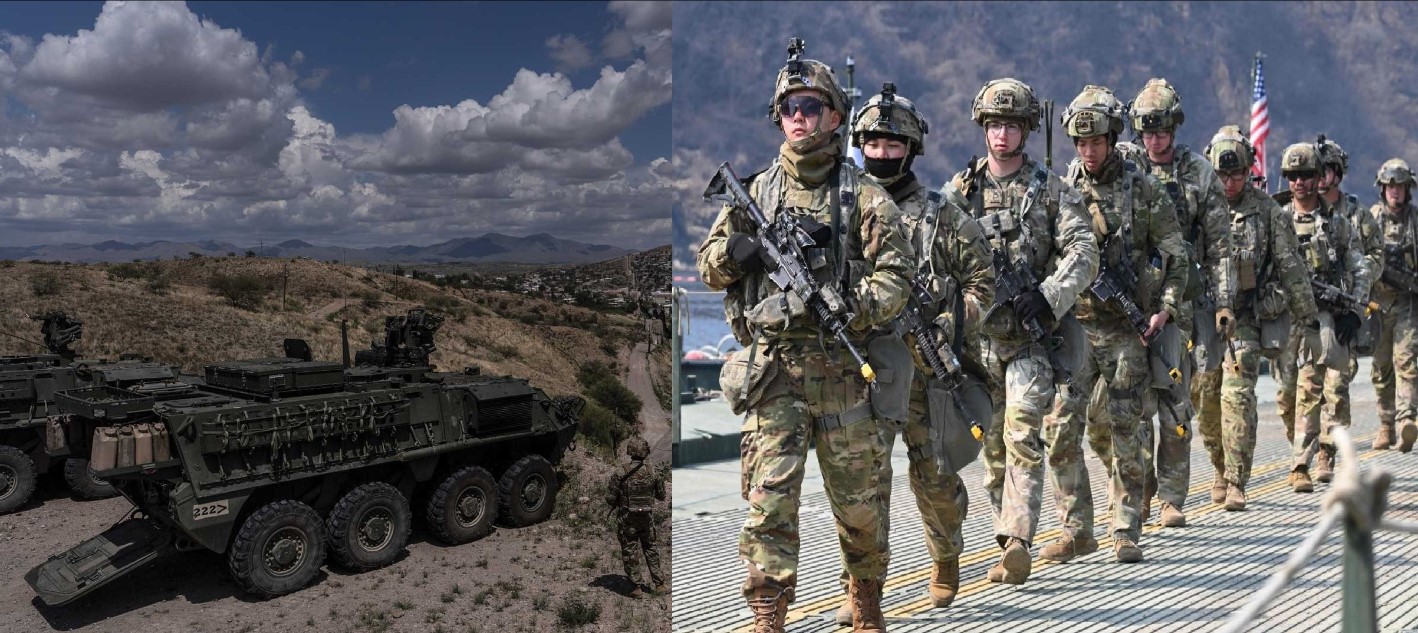
World
WASHINGTON / MEXICO CITY : Relations between the United States and Mexico have entered their most dangerous phase in decades, as confirmed movements of U.S. military armor toward the southern border collide with increasingly explicit threats of unilateral American action against Mexican drug cartels. What began as political rhetoric during the early days of President Donald Trump’s second term is now materializing into visible military posture, raising fears that North America may be drifting toward an unprecedented bilateral security crisis. According to U.S. defense officials and widely circulated open-source footage, columns of Army Stryker combat vehicles, armored logistics trucks, and support units have been redeployed through Texas and Arizona in recent days. The Pentagon has described the activity as “enhanced border support” linked to migration control and counter-smuggling operations. Privately, however, analysts say the scale, tempo, and configuration of the deployments suggest preparation for a far broader range of military contingencies. “This is not a normal border reinforcement,” said a former senior defense planner familiar with force posture planning. “What we’re seeing is consistent with force protection and rapid-response planning for potential cross-border kinetic operations, not just surveillance or law-enforcement support.” Trump’s Threat and the Shadow of Venezuela The military movements follow a dramatic escalation in presidential rhetoric. Last week, Trump publicly vowed to carry out unilateral land strikes against Mexican drug cartels, accusing them of effectively governing large parts of Mexico and posing a direct national-security threat to the United States. The statement marked the first time a sitting U.S. president has so openly threatened ground operations inside Mexico without host-nation consent. The White House has framed this posture in the context of its recent operation in Venezuela, where U.S. forces captured President Nicolás Maduro during a surprise special-operations raid, according to administration statements. Officials now describe that action as a proof of concept for a new hemispheric security doctrine aimed at eliminating “narco-terrorist” networks throughout the Western Hemisphere. In a nationally televised address, Trump argued that the scale of cartel violence justifies extraordinary measures. “They killed hundreds of thousands of people in our country,” he said, repeating his claim that fentanyl trafficking linked to cartels has caused roughly 300,000 U.S. deaths annually. Federal data from the Centers for Disease Control and Prevention places annual overdose fatalities closer to 100,000, but the president has consistently used the higher figure to frame the crisis as equivalent to wartime casualties. A Rewritten Monroe Doctrine Senior administration officials have begun referring to the strategy as a Trump-era corollary to the Monroe Doctrine, asserting a U.S. right to military intervention in Latin America when governments are deemed unable or unwilling to suppress threats to the American homeland. In internal briefings, cartels are described not merely as criminal syndicates, but as transnational armed organizations comparable to terrorist or insurgent groups. “The argument being made is that sovereignty cannot be a shield for organizations killing Americans at scale,” said a former National Security Council official. “That logic fundamentally redefines the U.S.–Mexico relationship.” The administration has also moved to expand its legal framework, accelerating efforts to designate major Mexican cartels as foreign terrorist organizations. Such a designation would grant the executive branch sweeping authorities to target financial networks, conduct extraterritorial operations, and deploy military assets with fewer political constraints. Mexico Braces for an Ally’s Pressure In Mexico City, the reaction has been swift and tense. President Claudia Sheinbaum has publicly rejected any suggestion that U.S. troops could operate on Mexican soil, emphasizing that security cooperation must respect national sovereignty. After a tense phone call with Trump, she reiterated that while Mexico is committed to combating organized crime, foreign military intervention is “not on the table.” Behind the scenes, Mexican officials acknowledge growing alarm. Units of the Mexican armed forces have been repositioned to northern border regions, officially to reinforce public security and deter cartel violence. The deployments have fueled speculation that Mexico is preparing both for internal instability and the possibility of unauthorized U.S. incursions. Public sentiment has hardened sharply. Nationalist voices accuse Washington of treating Mexico as a failed state, while others warn that any U.S. strike—whether a drone attack on a fentanyl lab or a special-operations raid—would force Mexico to respond to avoid appearing complicit. “The Venezuelan raid changed everything,” said a Mexico-based security analyst. “It demonstrated that this U.S. administration is willing to violate sovereignty if it believes the strategic payoff is worth the risk.” A Region on Edge The potential consequences of unilateral U.S. action are profound. International-law experts warn that a strike inside Mexico without consent would violate international norms and could collapse decades of security cooperation on migration, trade, and intelligence sharing. Economists caution that even limited military action could rattle markets, disrupt cross-border supply chains, and endanger North American trade frameworks. Strategists also warn of serious escalation risks. Cartels could retaliate against U.S. personnel, critical infrastructure, or American citizens, while nationalist pressure could push Mexico’s government into a confrontational posture it would otherwise seek to avoid. The last direct conflict between the two nations, the Mexican-American War, remains a powerful historical memory on both sides of the border. For now, U.S. armored vehicles remain on American soil, and diplomatic channels remain open. But the symbolism is unmistakable. An ally long treated as a strategic partner is now being publicly framed as a potential theater of U.S. military action. As one senior regional analyst put it, “The question is no longer whether Washington is willing to cross a line. It’s whether Mexico—and the wider hemisphere—can stop that line from being crossed.”
Read More → Posted on 2026-01-12 17:41:20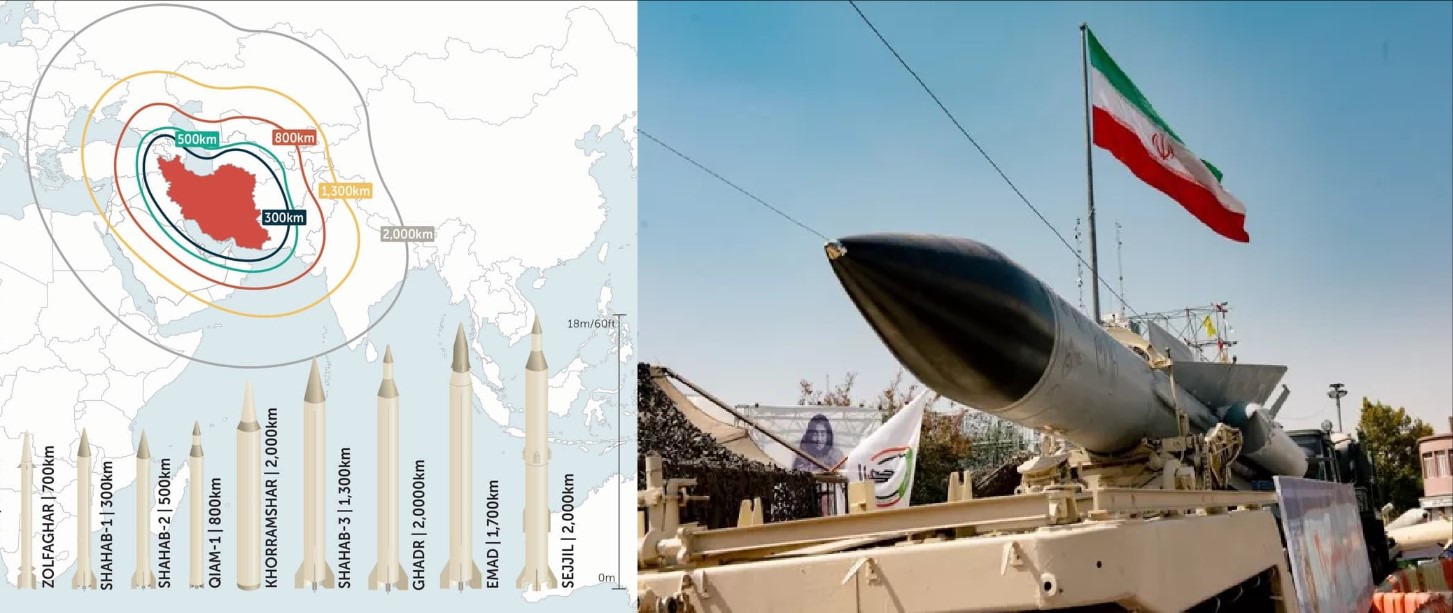
World
TEHRAN / WASHINGTON : Tensions between Iran and the United States have entered a dangerous new phase after CNN reported that Tehran is preparing a large-scale missile response should Washington launch direct strikes on Iranian territory. Intelligence assessments cited by the network indicate that Iran has readied hundreds of ballistic missiles for rapid use, with Israel and U.S. military assets across the Middle East identified as primary targets. Western officials say the preparations reflect a long-standing Iranian military doctrine centered on deterrence through volume rather than precision. Instead of relying on a small number of strategic weapons, Tehran has built a vast arsenal of short- and medium-range missiles and armed drones designed to overwhelm advanced air-defense systems through sheer numbers. Heavy Missiles and Long Reach At the core of the reported plan is the Khorramshahr-4 ballistic missile, known in Iran as “Khyber.” The missile, unveiled by Iran’s Islamic Revolutionary Guard Corps (IRGC) Aerospace Force, is among the most powerful conventional weapons in Tehran’s inventory. With a range of roughly 2,000 kilometers, it can strike targets across Israel and reach U.S. military facilities in Turkey and parts of southeastern Europe if launched from western Iran. Defense analysts note that the missile’s significance lies not only in its extended range but also in its heavy payload. Capable of carrying a warhead estimated at up to 1,500 kilograms, the Khorramshahr-4 is designed to cause extensive damage to hardened or high-value targets, including air bases, command centers, and critical infrastructure. Its advanced fuel system allows it to remain stored for long periods and launched on short notice, significantly reducing warning time for defenders. Iranian officials have framed the missile as a purely defensive tool, but regional rivals view it as a central element of Tehran’s threat posture toward Israel. From Iranian launch sites, major Israeli cities including Tel Aviv and Haifa fall well within range. Focus on U.S. Bases in the Gulf While Israel is a key concern, U.S. military planners are reportedly more alarmed by the immediate threat to American forces stationed around the Persian Gulf. According to U.S. defense officials, Iran has positioned thousands of short-range ballistic missiles and armed drones that could be used in coordinated “swarm” or saturation attacks against forward-deployed U.S. bases. One of the most sensitive targets is Al Udeid Air Base in Qatar, the largest U.S. military facility in the Middle East and home to the Combined Air Operations Center, which oversees American air activity across the region. The base is protected by multiple layers of air defense, including Patriot missile batteries and THAAD systems, but those defenses rely on finite interceptor stocks. Analysts say Iran’s strategy would likely involve firing large numbers of relatively inexpensive weapons simultaneously. Solid-fuel missiles such as the Fateh-110 and Fateh-313, with ranges of up to 500 kilometers, along with the longer-range Zolfaghar missile, could be launched alongside waves of Shahed-series loitering munitions. The goal would be to exhaust defensive interceptors, allowing some warheads to penetrate and damage runways, aircraft shelters, and command facilities. The Question of the U.S. Mainland Despite the scale of Iran’s regional missile capabilities, intelligence agencies emphasize that Tehran does not currently possess an operational intercontinental ballistic missile (ICBM) capable of striking the continental United States. Major U.S. cities such as New York, Washington, or Los Angeles lie nearly 10,000 kilometers from Iran, far beyond the reach of its declared missile forces. Iran has publicly stated that it observes a self-imposed missile range limit of around 2,000 to 2,500 kilometers. However, Western defense experts closely monitor Iran’s space launch program, noting that rockets such as the Simorgh and the solid-fuel Qaem-100 use technologies similar to those required for long-range ballistic missiles. While these systems are officially intended to place satellites into orbit, analysts argue that, in theory, the technology could be adapted for longer-range military use. No evidence suggests such a capability has been deployed operationally. Regional Balance of Power Iran today maintains one of the largest and most diverse missile arsenals in the Middle East. The heavy emphasis on short-range missile systems reflects Tehran’s assessment that any future conflict with the United States would be fought primarily around the Persian Gulf, Iraq, Syria, and the eastern Mediterranean. U.S. military facilities in Bahrain, Kuwait, Qatar, and the United Arab Emirates are all within range of multiple Iranian missile types. American military commanders have repeatedly stated that they are prepared to defend these installations, but they also acknowledge that no defense system can guarantee complete protection against a determined saturation attack. As a result, bases across the region have reportedly raised alert levels, dispersed aircraft, and reinforced hardened shelters. A Volatile Moment The latest intelligence warnings come amid escalating rhetoric from both Tehran and Washington, raising fears that miscalculation could trigger a broader regional conflict. While diplomats on both sides continue to stress that neither country seeks war, the visible movement of missiles, air-defense systems, and military forces has narrowed the margin for error. For now, U.S. officials maintain that the American homeland remains out of reach, but the concentration of Iranian firepower aimed at nearby U.S. bases underscores the serious risks facing tens of thousands of American service members in the region. As one senior defense analyst observed, Iran’s missile force is less about reaching across oceans and more about making the immediate neighborhood too dangerous for any adversary to ignore.
Read More → Posted on 2026-01-12 17:24:22
Trump Warns of “Very Strong” U.S. Options as Iran Protest Death Toll Mounts and Tehran Signals Talks
World
WASHINGTON/DUBAI : President Donald Trump said the U.S. military is studying “very strong options” toward Iran, warning that Tehran may be “starting to cross my red line” as reports of a rapidly rising death toll from a nationwide crackdown fuel fears of a wider regional confrontation. Speaking to reporters aboard Air Force One late Sunday, Trump said the administration was “looking at it very seriously,” adding that the Pentagon was reviewing potential actions as violent unrest inside Iran stretches into a third week. A U.S. official said Trump is expected to meet senior advisers on Tuesday to review the menu of options. A Crackdown, Competing Casualty Counts, and an Information Blackout The latest wave of demonstrations began December 28 amid anger over soaring prices, then broadened into direct calls for the fall of Iran’s clerical establishment, according to reporting on the unrest and statements from Iranian officials. Because Iran has imposed an internet blackout since Thursday, independent verification is difficult and casualty estimates vary widely. The U.S.-based Human Rights Activists News Agency (HRANA) said it has verified 544 deaths — 496 protesters and 48 security personnel — and 10,681 arrests since the protests began, figures Reuters said it could not independently confirm. Other rights monitors have reported lower confirmed totals but warned the real number could be far higher. Norway-based Iran Human Rights (IHR) said it had confirmed at least 192 protester deaths while cautioning that the toll could exceed 2,000, with HRANA separately estimating detentions above 10,000. Footage aired by Iranian state television showed body bags at Tehran’s coroner’s office and families gathering at forensic facilities to identify the dead, while videos circulating online — some verified by news organizations — show nighttime marches, street fires and clashes in multiple cities. Trump’s Warning: Talks Possible, Action Still on the Table Trump said Iranian leaders had reached out to negotiate, suggesting a meeting could happen soon, but he also indicated Washington might act before talks if the violence continues. Reuters reported Trump said he was also in contact with Iranian opposition figures. The Wall Street Journal has reported — and Reuters echoed — that the administration’s review includes possibilities ranging from military strikes and cyber operations to expanded sanctions and support for anti-government messaging online. Reuters noted any strike scenario carries heightened risk, including the danger of civilian casualties if targets are located near population centers. Trump also said he would speak with Elon Musk about restoring internet access in Iran via Starlink, after the blackout complicated the flow of information and protest coordination. Tehran’s Response: “Ready for War,” Channel to Washington “Open” Iran’s Foreign Ministry said Monday that communication with Washington remains active, naming a direct channel between Foreign Minister Abbas Araghchi and U.S. special envoy Steve Witkoff, and noting Switzerland continues to serve as an intermediary. Araghchi said Iran is “ready for war” but also open to dialogue, while Iranian officials accused the United States and Israel of fomenting unrest — claims Washington denies. Iranian state media has focused heavily on attacks it attributes to “terrorists,” and Araghchi said dozens of mosques and ambulances had been set on fire since the protests erupted. Iran’s parliament speaker Mohammad Baqer Qalibaf issued a stark warning against U.S. intervention, saying American bases and ships — and Israel — would become legitimate targets in the event of an attack on Iran. Regional stakes: post-war tensions and a high-alert posture The standoff is unfolding against the backdrop of last year’s direct Iran-Israel conflict. Reuters reported Israel and Iran fought a 12-day war in June 2025, during which the United States briefly joined strikes on Iranian nuclear installations, prompting Iranian retaliation that included missile fire at Israel and an American air base in Qatar. Israeli sources told Reuters they were on heightened alert for potential escalation linked to any U.S. move. International Pressure Grows as Unrest Spreads The United Nations Secretary-General António Guterres said he was shocked by reports of violence and urged maximum restraint, emphasizing protections for freedom of expression and peaceful assembly. Inside Iran, the government has called for rallies condemning what it describes as U.S.- and Israeli-led “terrorist actions,” and has summoned European diplomats to protest what Tehran calls outside support for the demonstrations. For now, the White House is signaling both coercion and a possible diplomatic off-ramp: Trump’s public warning about “very strong options” paired with claims that talks are being arranged. Tehran, meanwhile, is broadcasting readiness to negotiate — while warning that any attack would trigger retaliation across the region.
Read More → Posted on 2026-01-12 17:05:25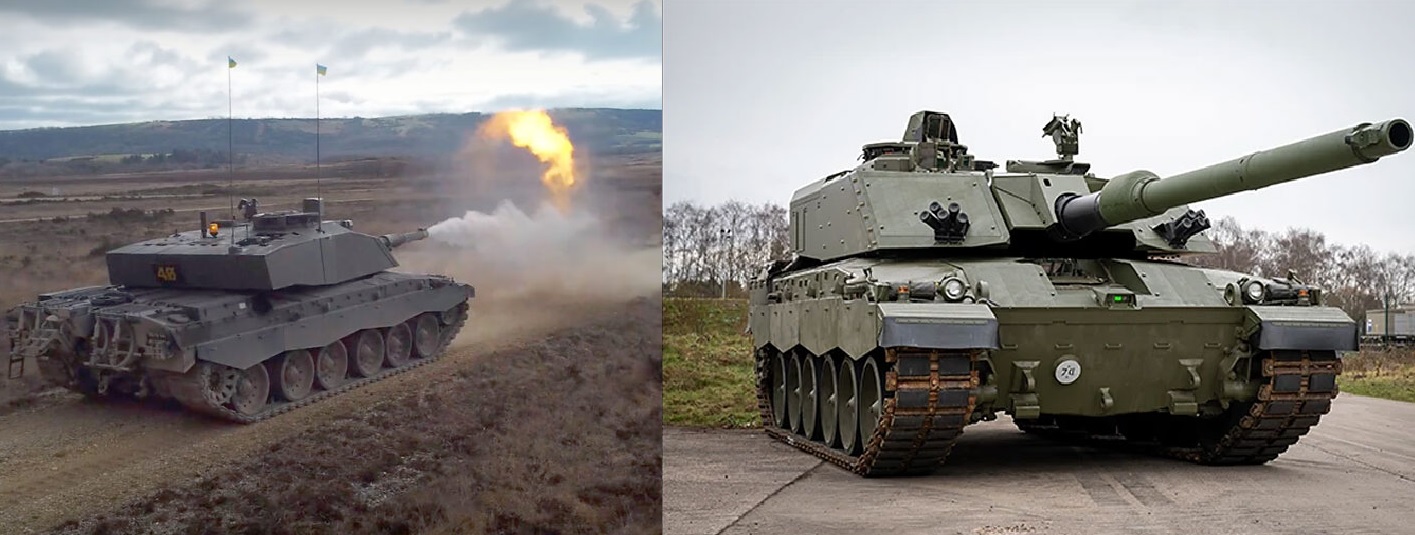
World
Kyiv / London : As Ukrainian forces continue to deploy British-supplied Challenger 2 main battle tanks on the front lines against Russian troops, questions are mounting in the United Kingdom over the fate of a much larger fleet of the same vehicles sitting idle at home. The British Army currently holds around 140 Challenger 2 tanks that will not be upgraded to the new Challenger 3 standard, and no final decision has been made on whether they will be dismantled, stored, sold abroad, or transferred to an ally such as Ukraine. The situation highlights a growing disconnect between Ukraine’s urgent battlefield needs and Britain’s unresolved post-modernisation plans for its ageing armoured force. A Tank Fighting in Ukraine and Waiting in Britain Ukraine began operating Challenger 2 tanks in 2023 after receiving a limited number from the UK as part of a broader Western effort to strengthen Kyiv’s armoured capabilities. Though supplied in small quantities, the tanks have been used in both defensive and limited offensive roles, valued primarily for their heavy protection and long-range firepower. At the same time, according to UK Defence Journal, the British Army retains approximately 140 Challenger 2 hulls that are excluded from the ongoing Challenger 3 upgrade programme. These tanks are effectively surplus to Britain’s future force structure, yet remain intact and potentially usable. The Ministry of Defence has so far declined to commit to a clear path forward, leaving the fleet in what analysts describe as a strategic holding pattern. What It Takes to Turn Challenger 2 Into Challenger 3 The Challenger 3 upgrade is not a minor refurbishment but a deep modernisation designed to keep Britain’s armoured force relevant into the 2040s. Central to the upgrade is the replacement of the Challenger 2’s 120mm rifled gun with a NATO-standard 120mm smoothbore cannon. This change allows the tank to fire the same ammunition used by most Western main battle tanks, greatly simplifying logistics and interoperability. Beyond the main gun, the Challenger 3 programme includes a redesigned turret, improved fire-control systems, enhanced thermal sights for both commander and gunner, upgraded armour protection, and a modern digital architecture to support battlefield networking. The work is complex and expensive, which is why only 148 Challenger 2 tanks are being converted. The remaining 140 vehicles lack allocated funding and industrial capacity for conversion, effectively pushing them out of Britain’s long-term plans. How Challenger 2 Has Performed in Ukraine On the battlefield, Ukraine’s experience with Challenger 2 tanks has been mixed but largely positive. The tank’s heavy armour, including its Dorchester composite protection, has proven resilient against many battlefield threats. Ukrainian crews have also praised the tank’s accuracy at long range. However, challenges remain. The Challenger 2’s rifled gun uses ammunition that is not standard among Ukraine’s other Western-supplied tanks, such as the Leopard 2. This complicates logistics and limits ammunition availability. Maintenance has also been an issue, as the tank requires specialised spare parts and trained technicians, often forcing repairs to be carried out away from the front or even outside Ukraine. Despite these issues, Ukrainian forces continue to operate the tanks, suggesting that their combat value outweighs the logistical burden, particularly given Ukraine’s ongoing shortage of heavily armoured vehicles. Ukraine as a “Logical Candidate” According to Defense Express, Ukraine stands out as the most logical destination should Britain decide to transfer its unused Challenger 2 tanks. Ukrainian crews are already trained on the platform, supply chains — while limited — are established, and the strategic need is clear. Transferring additional Challenger 2s would not require the lengthy and costly Challenger 3 upgrade, and could significantly bolster Ukraine’s armoured strength at a time when attrition remains high. Analysts note that even if the tanks are not cutting-edge by NATO standards, they remain formidable assets in the current conflict. Strategic Hesitation in London For Britain, the dilemma reflects broader tensions in defence planning. Scrapping the tanks would draw criticism at a time when allies are seeking every available piece of equipment to support Ukraine. Long-term storage carries its own costs and risks, while export or transfer would require political approval and funding for refurbishment and transport. So far, London has offered no definitive timeline. The result is a paradoxical situation: Ukrainian soldiers are fighting with Challenger 2 tanks under fire, while more than a hundred identical vehicles remain parked and undecided thousands of kilometres away. As the war grinds on and pressure grows for sustained military support to Kyiv, the fate of Britain’s unused Challenger 2 fleet is increasingly seen not just as a budgetary issue, but as a test of strategic resolve.
Read More → Posted on 2026-01-12 16:18:41
World
Berlin / Moscow : Germany’s newly deployed Arrow-3 missile defense system is currently unable to intercept advanced Russian ballistic missiles such as the Oreshnik, according to a report by Die Welt, raising fresh questions about Europe’s near-term ability to counter emerging long-range missile threats from Russia. The newspaper, citing NATO-linked sources, reports that the Arrow-3 battery recently placed on combat duty in Germany has not yet reached full operational readiness. As a result, it would not be capable, in its current configuration, of reliably intercepting an Oreshnik-type ballistic missile, despite the system’s design goal of exo-atmospheric interception. A Strike Near NATO’s Borders The assessment follows Russia’s recent ballistic missile strike on Ukraine’s Lviv region, an area that directly borders NATO member states. According to Die Welt, the incident marked what it described as the “first indirect confrontation” involving the Arrow-3 system since its activation in Germany, as the missile’s flight path and characteristics fell within the system’s intended tracking envelope. Germany’s armed forces, the Bundeswehr, publicly describe Arrow-3 as capable of neutralizing ballistic missiles before they re-enter Earth’s atmosphere. On paper, this would include long-range systems such as Oreshnik, which Russian sources claim has a maximum range of up to 5,500 kilometers, theoretically placing most of Europe within reach from launch sites inside Russia. Early Detection Without Interception The first Arrow-3 battery has been deployed at an air base in the eastern German state of Saxony-Anhalt. From this location, German operators can detect and track ballistic missiles at very early stages of flight, even before they approach NATO airspace. This early-warning capability is reinforced through integration with NATO’s sensor network, including satellite-based missile warning systems and the Alliance’s Aegis missile defense architecture. According to Alliance procedures, data from these systems are shared in real time among member states, enabling rapid situational awareness across Europe. In addition, Russia typically notifies NATO countries through diplomatic channels ahead of ballistic missile launches, particularly during tests or non-nuclear strikes, in order to avoid misinterpretation as a strategic nuclear attack. For this reason, German operators were likely aware of the Oreshnik launch well in advance and were able to monitor its trajectory from lift-off to impact. NATO sources quoted by Die Welt stressed, however, that tracking a missile and intercepting it are fundamentally different challenges. While Arrow-3 can currently contribute valuable sensor data to the Alliance, its German-based configuration is not yet cleared for combat interception of such targets. Limits of Existing Defenses According to Alliance interlocutors, other systems theoretically available in Europe, such as the U.S.-made Patriot, would also face severe limitations against Oreshnik. While Patriot PAC-3 interceptors have successfully destroyed Russian Kinzhal missiles in Ukraine, experts note that Oreshnik represents a more demanding target. Oreshnik warheads are believed to travel at the upper end of hypersonic speeds, approaching Mach 10 during key phases of flight. At these velocities, even highly advanced interceptors struggle with reaction time, tracking precision, and engagement geometry, particularly if the missile deploys maneuvering or separated warheads. As a result, NATO officials reportedly assess that no currently deployed European system can reliably intercept individual Oreshnik warheads under combat conditions. Arrow-3 Enters Service in Germany The Arrow-3 system officially entered combat duty in Germany in early December 2025. The announcement followed the completion of intensive training for Bundeswehr personnel conducted by Israeli specialists in late November. Germany purchased the system in 2023 under an intergovernmental agreement with Israel valued at approximately €3 billion. The acquisition forms a central pillar of Berlin’s effort to build a multi-layered missile defense shield in response to Russia’s growing arsenal of long-range and hypersonic weapons. Arrow-3 is being integrated into Germany’s national air and missile defense framework and into the broader European Sky Shield Initiative, led by Berlin to coordinate air defense capabilities across participating European states. The rollout has not been without difficulties. German security services have acknowledged several incidents involving unidentified drones attempting to locate or surveil Arrow-3 deployment sites, underscoring the system’s strategic importance and vulnerability during its early operational phase. Inside the Arrow-3 System Arrow-3 is Israel’s third-generation long-range missile defense system, designed specifically to counter medium- and intercontinental-range ballistic missiles, including those carrying nuclear warheads. Unlike earlier generations, Arrow-3 is optimized for interception outside the atmosphere, destroying incoming missiles through direct kinetic impact rather than explosive warheads. The Arrow program dates back to the 1980s, when Israel and the United States launched a joint effort to counter Scud-type ballistic missiles. Arrow-1 and Arrow-2, deployed in the 1990s and 2000s, focused on atmospheric interception of medium-range threats and became a proven component of Israel’s layered missile defense network. Arrow-3 represents a substantial redesign, developed primarily in the 2000s and early 2010s. Its main industrial partners are Israel Aerospace Industries and the U.S. defense firm Boeing, working in close coordination with the Israeli and U.S. governments. The system combines long-range interceptors, powerful early-warning radars, a centralized command-and-control architecture, and integration with satellite-based detection assets. In Israeli service, Arrow-3 is considered a cornerstone of national defense against strategic missile threats. A Capability Still Maturing While Arrow-3’s technical specifications promise intercept ranges of up to roughly 2,400 kilometers and engagement altitudes exceeding 100 kilometers, military officials caution that such performance depends on full system maturity, extensive testing, and seamless integration with allied sensors. For Germany, that process is still underway. Until additional batteries are deployed, software and command structures are fully validated, and operational doctrines are finalized, Arrow-3’s role will remain primarily one of early detection and strategic deterrence rather than assured interception. The Die Welt report concludes that while Arrow-3 represents a major leap forward for European missile defense, the emergence of systems like Oreshnik highlights a widening gap between offensive missile technology and the defensive shields designed to stop them — a gap that NATO and its members are now racing to close.
Read More → Posted on 2026-01-12 15:47:48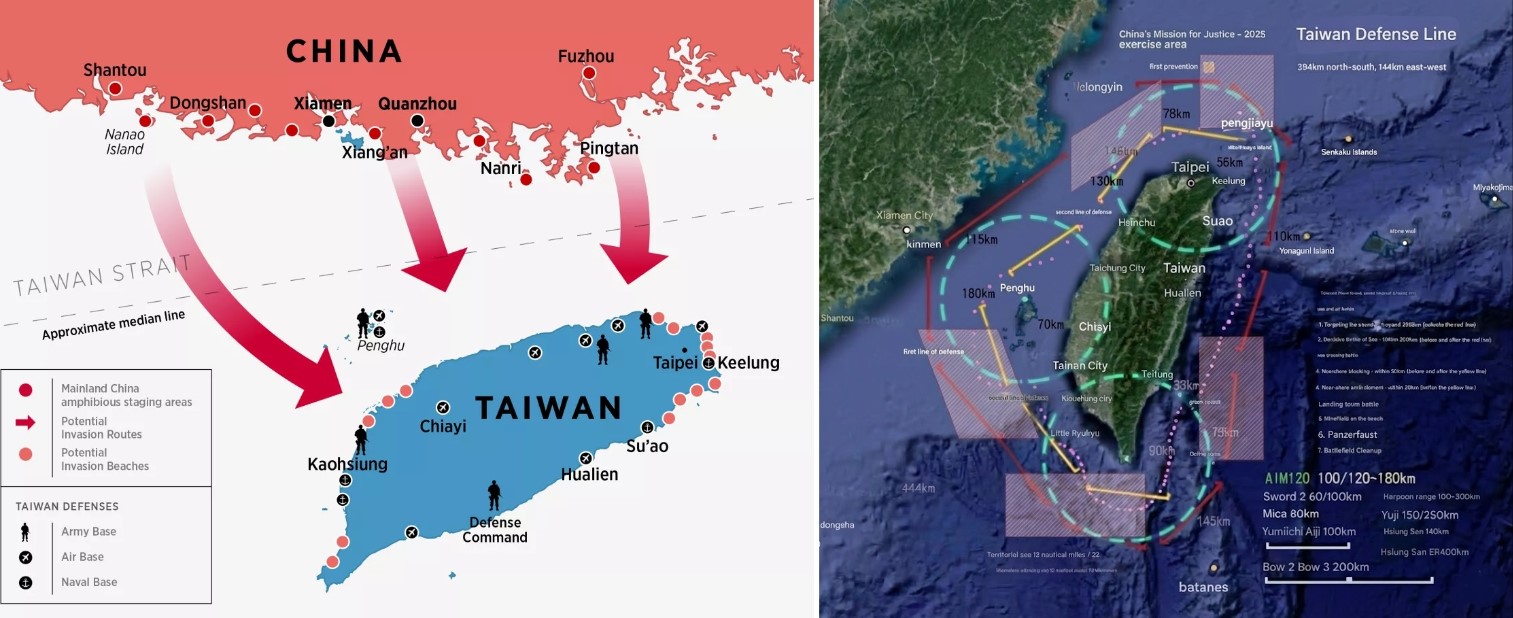
World
Taipei / Beijing : Taiwan has moved to publicly underline its evolving national defense strategy as tensions with China intensified during last month’s major Chinese military drills around the island, releasing a rare graphic that outlines how it would respond to a potential mainland invasion. The graphic, shared by Taiwan’s ruling Democratic Progressive Party, appeared during Beijing’s large-scale “Justice Mission 2025” exercise and was widely viewed as both a domestic reassurance signal and a message aimed at Beijing and Taiwan’s international partners. While simplified, the illustration offered insight into how Taipei plans to delay, disrupt and defeat an amphibious assault by the People’s Liberation Army. China’s Drills and Rising Pressure Justice Mission 2025 represented the latest escalation in a series of increasingly targeted Chinese exercises focused on Taiwan. According to material released by the PLA Eastern Theater Command and the China Coast Guard, the drills emphasized joint firepower strikes, maritime blockade operations, and the interdiction of foreign military support. Chinese statements indicated that a key objective was rehearsing the blocking of U.S. forces and arms shipments bound for Taiwan. The exercise included port seizure scenarios, coordinated naval and air patrols, and long-range strike missions by H-6 bombers operating around the island. Taiwan’s defense officials assessed that several phases simulated the opening stages of a quarantine or blockade, rather than an immediate landing. A 200-Kilometer Defense Perimeter At the center of Taipei’s newly highlighted posture is what it calls the “Taiwan Defense Line”, an engagement perimeter extending about 200 kilometers from the island’s shores. The map shows two main defensive zones forming part of a seven-layer defense strategy, covering operations from blue-water combat to coastal ground defense. The outermost layer focuses on “targeting the source” of an invasion. Taiwanese planners believe disrupting PLA staging, ports and logistics hubs on the mainland would be critical in the early hours of a conflict. Taiwan has developed domestically produced cruise missiles capable of striking targets deep inside China. Recent acquisitions of HIMARS and Army Tactical Missile Systems further expand this capability, enabling the Republic of China Army to conduct long-range precision strikes across the Taiwan Strait. At least one component of Justice Mission 2025 appeared to simulate PLA efforts to neutralize these mobile missile systems. Preparing for a Decisive Sea Battle Taiwan’s plan also calls for a “decisive sea battle” before and after Chinese forces cross the outer defense line. Although the Republic of China Navy is far smaller than the PLA Navy, it relies on missile-centric warfare rather than fleet-on-fleet combat. The navy operates fast missile corvettes, small attack craft and a growing number of shore-based anti-ship missile units under the Haifeng Brigade. The graphic identifies Penghu, Pingtung and northern Taiwan as key locations for these area-denial forces. Among the systems highlighted is an extended-range Hsiung Feng III anti-ship missile, capable of striking maritime targets at distances of up to 400 kilometers, significantly expanding Taiwan’s ability to hold invasion forces at risk. Nearshore Blocking And Littoral Defense Closer to shore, the second major layer emphasizes nearshore blocking operations within roughly 100 kilometers of Taiwan’s coastline. In 2024, the navy announced plans to establish a dedicated littoral defense force, integrating Marine Corps fast boats, missile-armed patrol craft and land-based missile batteries to defend Taiwan’s 24-nautical-mile contiguous zone. This force is designed to exploit coastal geography, using speed, concealment and precision weapons to ambush landing craft and logistics vessels in confined waters. Shift Toward Asymmetric Warfare The public release of the defense map reflects a broader shift in Taiwan’s military thinking. Facing a rapidly modernizing PLA and increasingly assertive rhetoric from Beijing, Taipei has accelerated its move toward asymmetric capabilities intended to raise the cost of invasion. Alongside conventional platforms, Taiwan has invested in loitering munitions, sea drones, unmanned systems and dispersed command networks, while expanding its anti-ship missile stockpiles and long-range strike capacity. While officials stress that the graphic does not reveal sensitive operational details, its release was a deliberate act of strategic messaging—underscoring Taiwan’s determination to deter aggression by demonstrating that any attempt to seize the island would result in a prolonged and costly conflict stretching from the mainland’s ports to Taiwan’s shores.
Read More → Posted on 2026-01-12 15:32:45
World
Berlin / Kyiv : Germany’s defense industry giant Rheinmetall has formally confirmed that Ukraine will soon receive its first Lynx KF41 infantry fighting vehicles, marking a significant step in Kyiv’s long-term effort to modernize its armored forces amid the ongoing war. The delivery follows a contract signed in December 2025 under which Rheinmetall will supply an initial batch of five Lynx KF41 vehicles to the Ukrainian Armed Forces. The deal, valued in the mid double-digit million euro range, is fully financed by the German government. According to the company, the first vehicles are expected to reach Ukraine as early as the beginning of 2026. Testing and Configuration for Ukraine The decision to proceed with the order came after extensive testing of the next-generation infantry fighting vehicle. Rheinmetall said the Lynx KF41 will be delivered with a two-man Lance turret and configured specifically to meet the operational requirements of Ukraine’s armed forces, reflecting battlefield lessons learned since 2022. Rheinmetall chief executive Armin Papperger said the contract represents both a vote of confidence from Kyiv and a milestone for the company’s support of Ukraine. “We are grateful for the trust that Ukraine has placed in us,” Papperger said. “We would also like to thank the German government for its support. This order is a fundamental success that underscores our continued efforts to support Ukraine.” The company has also confirmed that further batches of Lynx vehicles are planned. These are expected to include localized production in Ukraine, a move intended to accelerate deliveries, strengthen logistics resilience, and support Ukraine’s domestic defense industry over the long term. Path Toward a Large-scale Fleet According to reporting by Militarnyi, Rheinmetall has already handed over a first Lynx KF41 unit to Ukraine for testing at the end of 2024, a fact publicly acknowledged by Papperger. Under current plans, the initial operational batch will arrive in early 2026, with deliveries continuing through the decade. By 2028, Ukraine is expected to receive up to 200 Lynx infantry fighting vehicles, making the type one of the core platforms of its mechanized forces. The Lynx family includes two main variants, the lighter KF31 and the heavier KF41, which differ in weight, armor protection, engine power, and payload. Ukraine has opted for the larger KF41, designed to offer higher survivability and growth potential on modern battlefields. Protection and Survivability Rheinmetall describes the Lynx KF41 as one of the most heavily protected infantry fighting vehicles in its class. The turret is designed to withstand hits from 30-millimeter shells, while the vehicle’s full 360-degree protection can be raised to the same level through modular, detachable armor packages. Without additional armor modules, the sides of the vehicle are rated to resist 14.5-millimeter heavy machine-gun fire. Mine and blast protection is another core feature. The bottom armor is designed to withstand explosions equivalent to up to 10 kilograms of TNT. Inside the vehicle, additional Kevlar and ceramic armor panels protect the crew and embarked infantry from shrapnel and secondary fragments, enhancing survivability during indirect fire and ambushes. The Lynx KF41 can also be equipped with Rheinmetall’s AMAP-ADS active protection system, which combines laser warning sensors with a rapid countermeasure suite capable of detecting and neutralizing anti-tank guided missiles and rocket-propelled grenades. According to Rheinmetall, the system’s reaction time is approximately 560 microseconds, with threats intercepted several meters from the vehicle. Complementing this is a hard-kill and soft-kill protection concept that automatically deploys smoke grenades when the vehicle is illuminated by enemy targeting lasers, disrupting missile guidance and helping to locate the firing position. Firepower and Digital Warfare In terms of firepower, the Lynx KF41 is armed with a 30- or 35-millimeter automatic cannon, supported by a 7.62-millimeter coaxial machine gun. Ammunition capacity ranges from 600 to 700 rounds, with an effective cannon firing range of up to 3,000 meters. The vehicle features a fully digital fire-control system with thermal imaging and night-vision sensors for both commander and gunner, providing 360-degree situational awareness. A hunter-killer capability allows the commander to independently detect and designate targets, after which the turret automatically slews onto the threat, enabling rapid engagement. Rheinmetall has emphasized the Lynx’s role as a networked combat platform. A digital battlefield management system enables crews to track friendly and enemy units in real time, share target data, and coordinate movements with tanks, infantry fighting vehicles, and other armored assets. Integrated GPS navigation and high-capacity lithium batteries allow the vehicle’s electronic systems to operate for extended periods even with the engine switched off. A Strategic Addition for Ukraine With its combination of heavy protection, modern sensors, and modular design, the Lynx KF41 represents a qualitative leap for Ukraine’s mechanized infantry. German officials and industry executives alike see the program as part of a broader shift from emergency wartime aid toward sustained capability building. As deliveries begin in 2026 and scale up toward the end of the decade, the Lynx is expected to play a central role in reshaping Ukraine’s armored formations, aligning them more closely with NATO standards while retaining the flexibility to adapt to evolving battlefield threats.
Read More → Posted on 2026-01-12 15:16:17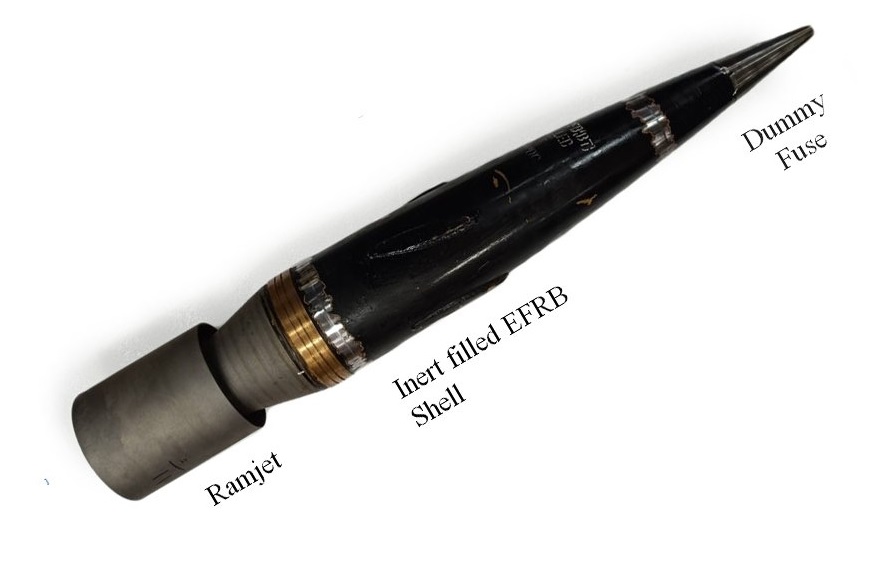
India
Chennai / New Delhi : In a major boost to India’s indigenous defence capabilities, Indian Institute of Technology Madras (IIT Madras) has recorded a significant defence-technology breakthrough with the successful development of ramjet-assisted artillery shells that can extend the range of existing gun systems by nearly 50 per cent without any loss in lethality. The newly developed ammunition integrates a compact ramjet engine inside a standard 155-mm artillery shell, replacing the conventional base-bleed unit. Unlike traditional shells that rely solely on ballistic momentum after leaving the barrel, the ramjet-assisted projectile continues to generate sustained thrust during flight, enabling longer range, deeper strike capability, and greater operational flexibility. Importantly, this enhancement requires no changes to existing artillery platforms, eliminating the need for costly missile systems or new gun acquisitions. Significant Range Enhancement Across Platforms Trials conducted across multiple frontline artillery systems have demonstrated substantial improvements in effective firing range. The Advanced Towed Artillery Gun System (ATAGS) recorded an increase from around 40 km to nearly 70 km. The K9 Vajra self-propelled howitzer saw its reach expand from approximately 36 km to about 62 km, while the indigenous Dhanush gun achieved a jump from roughly 30 km to nearly 55 km. These results place conventional tube artillery closer to the engagement envelope traditionally associated with guided rocket systems, but at a fraction of the cost. Years of Research And Extensive Trials The project was launched in 2020 as a collaborative initiative between IIT Madras and the Indian Army, bringing together academic researchers, defence scientists and retired senior military leaders. The programme was led by Prof. P. A. Ramakrishna of IIT Madras, with key contributions from Lt Gen P. R. Shankar (retd), Prof. H. S. N. Murthy, Prof. G. Rajesh, Prof. M. Ramakrishna, Prof. Murugaiyan, Lt Gen Hari Mohan Iyer (retd), Prof. Lazar C, and Dr Yogesh Kumar Velari. Extensive gun and field trials were carried out at Deolali and Pokhran, India’s primary artillery testing ranges. These trials successfully validated clean gun exit, stable aerodynamic flight, and reliable ramjet ignition under demanding operational conditions. Engineers involved noted that ensuring consistent ramjet ignition after the extreme acceleration of gun launch was among the most complex challenges of the programme. Cost-Effective Firepower And Strategic Impact Military analysts say the breakthrough could significantly enhance artillery survivability, allowing guns to operate from greater stand-off distances while retaining destructive effectiveness. By upgrading ammunition rather than platforms, the Indian Army can achieve major capability gains while keeping logistics, training and maintenance costs under control. The development strongly aligns with the government’s Atmanirbhar Bharat initiative, highlighting how indigenous research and development can deliver advanced, battlefield-relevant solutions. Beyond immediate military applications, the project also underscores the growing role of Indian academic institutions in addressing complex national security challenges. Following the successful trials, the technology is expected to move toward further refinement, industrial partnerships, and eventual production-scale deployment. If inducted, ramjet-assisted artillery shells could reshape India’s conventional firepower doctrine, offering a powerful combination of range, affordability and adaptability for future battlefields. As modern warfare increasingly demands precision, depth and survivability, the IIT Madras breakthrough demonstrates how upgrading existing systems can deliver future-ready, cost-effective firepower tailored to India’s strategic needs.
Read More → Posted on 2026-01-12 15:07:20
Space & Technology
Paris / Toulouse : Europe’s drive to strengthen its space-based communications infrastructure gathered further momentum after Airbus Defence and Space was awarded a new contract by Eutelsat to manufacture 340 additional low Earth orbit (LEO) satellites for the OneWeb constellation. The latest agreement follows an earlier order for 100 satellites placed in December 2024, taking the total number of spacecraft procured to 440. The combined programme represents one of the largest satellite manufacturing efforts in Europe, underlining the growing strategic importance of LEO constellations in global connectivity. Manufacturing and Delivery Timeline The new satellites will be built at Airbus Defence and Space’s Toulouse facility, where a newly installed production line has been commissioned to support high-rate, industrial-scale manufacturing. Airbus said the upgraded facility is designed to meet the demanding schedule and quality standards required for large LEO constellations. Deliveries are scheduled to begin from the end of 2026, with satellites launched and deployed progressively. This phased introduction is intended to ensure uninterrupted service continuity as older OneWeb satellites are gradually retired. Strengthening European Space Sovereignty Airbus described the programme as a further step in reinforcing European space sovereignty, particularly in the area of secure and resilient satellite communications. As geopolitical and commercial competition in orbit intensifies, European operators and governments are placing greater emphasis on domestically built and controlled infrastructure. The expanded OneWeb programme aligns with broader European efforts to maintain independent access to critical space technologies and reduce reliance on non-European broadband systems. Current OneWeb Constellation and Replacement Strategy OneWeb’s existing LEO network consists of more than 600 satellites operating across 12 synchronised orbital planes at an altitude of around 1,200 kilometres. The constellation delivers global, low-latency coverage, supporting enterprise, mobility, aviation, maritime and government communications. The newly ordered satellites will replace early-generation spacecraft nearing the end of their operational life. By introducing next-generation satellites on a rolling basis, Eutelsat aims to maintain full service availability while steadily enhancing network performance. Technology Upgrades and New Capabilities The next generation of OneWeb satellites will feature advanced digital channelisers, significantly improving onboard processing, efficiency and flexibility in managing network capacity. Airbus has also introduced an optimised satellite architecture designed for long-term reliability and extended mission life. In parallel, Eutelsat plans to assess new commercial opportunities, including hosted payload capabilities, allowing third parties to integrate dedicated services onto the OneWeb platform. Industry Reaction “This latest contract from Eutelsat is an endorsement of our design and manufacturing expertise for LEO satellites,” said Alain Fauré, Head of Space Systems at Airbus Defence and Space. He noted that Airbus has been a key partner to Eutelsat for more than 30 years, with the new award further strengthening the relationship. Jean-François Fallacher, Chief Executive Officer of Eutelsat, said the company was pleased to continue working with Airbus, adding that the new satellites will ensure service continuity for a growing customer base while supporting Eutelsat’s long-term growth strategy in the LEO market. With production ramping up in Toulouse and deployments planned for the latter part of the decade, the expanded OneWeb programme places Eutelsat and Airbus at the centre of Europe’s low Earth orbit ambitions. As demand for low-latency global connectivity accelerates, the latest satellite order signals strong confidence in both the technology and the commercial future of Europe’s LEO broadband ecosystem.
Read More → Posted on 2026-01-12 14:48:00
World
Tehran / Washington : Iran has, for the first time, deployed military-grade electronic warfare systems to disrupt Starlink satellite internet, launching an unprecedented attempt to impose a nationwide digital blackout during a surge of anti-government protests. While the operation significantly degraded internet connectivity across the country, it ultimately failed to prevent the most coordinated nationwide demonstrations Iran has seen in decades. A First-of-Its-Kind Electronic Warfare Operation According to regional security sources and independent network analysts, Iranian forces activated advanced jamming equipment in early January as unrest spread across major urban centers. The systems reportedly included Russian-made Krasukha-4 platforms, designed to interfere with satellite communications through radio-frequency jamming. The campaign marked the most sophisticated electronic warfare effort ever directed against a commercial satellite constellation. Iran had previously relied on internet throttling, platform bans, and social media shutdowns. This time, the target was space-based connectivity itself. The impact was immediate. Analysts observed 30–80 percent packet loss nationwide on satellite links. Video calls collapsed, live streaming became unusable, and most commercial internet activity effectively stopped. For many users, Starlink, long considered a last-resort connection, appeared largely disabled. The Night the Protests Broke Through Despite the technical success of the jamming campaign, it failed at a decisive political moment. On January 8, opposition figure Reza Pahlavi issued a short message calling on Iranians to chant together at 8 p.m. local time. When the hour arrived, simultaneous protests erupted across Tehran and dozens of other cities. Reports from inside the country indicate demonstrations or organized chanting in all 31 provinces and at least 185 cities. Activists described it as the most synchronized uprising since the early years after the 1979 revolution, made more striking by the severe communications blackout already in place. Iranian security planners had succeeded in crippling high-bandwidth internet use. They had not stopped coordination. Why the Blackout Didn’t Work The failure, analysts say, stemmed from a misunderstanding of how little data is required to organize mass action. Streaming video, digital commerce, and modern platforms depend on continuous high-capacity connections. Services like Netflix typically require 5–25 megabits per second of sustained throughput. Political coordination does not. A single text-based protest instruction — a time and a call to act — can be compressed into roughly 1.3 kilobits of data. It does not require real-time delivery. It can be delayed, retried, cached, or relayed through brief gaps in interference and still arrive intact. Standard TCP/IP internet protocols are designed for this scenario. Even at 80 percent packet loss, data is automatically retransmitted until delivered. Instead of one attempt, a message may take five — but it still arrives. By focusing on denying bandwidth-heavy services, Iranian authorities shut down entertainment and commerce while leaving open the narrow channels required for collective action. Starlink and the Limits of Jamming Starlink, operated by SpaceX, consists of thousands of low-Earth-orbit satellites that constantly move overhead, handing off connections every few minutes. This architecture makes total, sustained denial extraordinarily difficult without continuous, high-power jamming across vast areas. While Iran’s investment — estimated by analysts at around $300 million — was sufficient to degrade service, it was not enough to seal the network completely. Brief windows of reduced interference allowed queued messages to propagate. Satellite communications experts note that this resilience is rooted in network design and physics, not politics — and in this case, those same principles worked against state control. A Broader Lesson for Digital Authoritarianism The episode highlights a growing challenge for digital authoritarian regimes. The bandwidth required to run an economy is thousands of times greater than the bandwidth required to coordinate dissent. Shutting down the former is economically damaging. Shutting down the latter is increasingly impossible. By the time Iranian authorities attempted to silence satellite communications, the critical messages had already spread. The blackout darkened screens, but it did not silence voices. On the night Iran tried to jam the sky, it confronted a hard limit of modern power: in the digital age, the data required to start a movement is far smaller than the force required to stop it.
Read More → Posted on 2026-01-12 13:52:35
Space & Technology
Sriharikota, India : The Indian Space Research Organisation (ISRO) is facing an unprecedented crisis following the failure of the PSLV-C62 mission earlier today. The Polar Satellite Launch Vehicle, a rocket once celebrated for its near-perfect reliability, failed to place the strategic EOS-N1 (Anvesha) satellite into orbit, marking its second consecutive failure in just eight months. While official statements cite a "third-stage deviation," defense analysts and cyber-security experts are raising a more alarming possibility: that India’s strategic space program may be the target of sophisticated, coordinated sabotage. The "Third Stage" Anomaly: A Statistical Impossibility? Today’s failure of the PSLV-C62 eerily mirrors the loss of the PSLV-C61 mission in May 2025. In both instances, the rocket performed flawlessly during the initial stages, only to experience a catastrophic anomaly in the third stage (PS3)—a solid rocket motor that has been reliable for decades. May 2025 (PSLV-C61): The mission carrying EOS-09 (a radar imaging satellite) failed due to a sudden "pressure drop" in the third stage motor. January 12, 2026 (PSLV-C62): The mission carrying EOS-N1 (a DRDO hyperspectral spy satellite) reported a "deviation in flight path" and "disturbance in roll rates" during the same third-stage burn. "The probability of the same proven component failing twice in a row, exclusively on strategic missions, is statistically negligible," said a senior analyst at Intelegrid, a firm specializing in critical infrastructure security. "This suggests a repeatable failure mode—a signature of intentional interference rather than random bad luck." The Pattern: Only Strategic Missions are Failing A forensic review of ISRO’s launch history since the 2017 Doklam standoff reveals a chilling pattern. While commercial and scientific missions like Chandrayaan-3 and Aditya-L1 have largely succeeded, missions carrying payloads critical to India's national security have faced a 100% failure rate in major anomalies. The "Strategic Curse" Timeline: Aug 2017 (PSLV-C39): IRNSS-1H (Military GPS/NavIC) – Failed. (Heat shield did not separate). Aug 2021 (GSLV-F10): EOS-03 (Real-time Border Surveillance) – Failed. (Cryogenic stage valve leak). Aug 2022 (SSLV-D1): EOS-02 (Micro-surveillance) – Failed. (Sensor logic error injected satellite into wrong orbit). May 2025 (PSLV-C61): EOS-09 (Cloud-penetrating Spy Radar) – Failed. (3rd stage pressure drop). Jan 2026 (PSLV-C62): EOS-N1 (Hyperspectral Tracking) – Failed. (3rd stage deviation). This selective targeting has delayed India’s "eye in the sky" capabilities by over five years, leaving critical gaps in border monitoring. The Invisible Hand: Cyber and Electronic Sabotage Experts are urging the Prime Minister’s Office (PMO) to look beyond mechanical faults and investigate "Non-Kinetic" sabotage—methods that destroy a rocket without explosives. 1. GPS Spoofing & Telemetry Corruption : Intelegrid experts have called for a forensic audit of the ground stations and antennas used during the launch. "If the telemetry data fed to the rocket’s guidance computer is spoofed or corrupted by an external cyber-actor, the rocket will 'think' it is off-course and 'correct' itself into a crash," the firm noted. This matches the "deviation in flight path" reported in today's C62 mission. 2. The "Logic Bomb" : The SSLV-D1 failure in 2022 was caused by a software logic error that triggered a salvage action unnecessarily. Cyber-security insiders warn that malware, similar to the "Dtrack" virus used by the Lazarus Group (which targeted ISRO in 2019), could be planted in the guidance software to trigger failures only under specific orbital conditions—making them undetectable during ground tests. 3. Supply Chain "Poisoning" : The recurrence of third-stage failures points to potential deep-level supply chain sabotage. Defense experts recall historical precedents where imported microprocessors and DSPs (Digital Signal Processors) were found to contain hardware "backdoors." "Decades ago, Russian defense establishments discovered that Western-imported chips were deliberately engineered to degrade prematurely," noted a former defense consultant. "A chip designed to last ten years would fail in three, or succumb to solar radiation because the shielding was intentionally compromised. If ISRO is importing sensitive electronics for its stage controllers without end-to-end fabrication control, we are vulnerable to 'Electronic Time Bombs' that no physical inspection can detect." The Call for a "Red Team" Investigation The consensus among security hawks is that the standard Failure Analysis Committee (FAC) is ill-equipped to detect malicious intent. By design, an FAC looks for a broken valve; it does not look for a bad actor who broke the valve. Consequently, there is a growing demand for a high-level "Red Team" investigation—one that moves beyond standard technical diagnostics to include intelligence officers, cyber-warfare experts, and propulsion scientists. Such a probe would be tasked with auditing the failure from a counter-intelligence perspective, specifically scrutinizing source codes for dormant "logic bombs" and rigorously vetting the supply chain for compromised imported electronics. As India stands on the cusp of becoming a true space power, the repeated loss of its military satellites serves as a stark warning. If these "anomalies" are indeed acts of invisible warfare, the cost of inaction will be measured not just in lost rupees, but in compromised national security.
Read More → Posted on 2026-01-12 13:46:14
World
Paris : Dassault Aviation has announced a $200 million Series B investment in defence startup Harmattan AI, marking a major step in France’s effort to embed sovereign, human-controlled artificial intelligence into its next generation of combat aircraft. The partnership, formally revealed on January 12, 2026, is designed to place embedded autonomy at the core of the Rafale F5 standard and a future unmanned combat aerial system (UCAS) intended to fly alongside manned fighters. Company officials described the move as a strategic industrial decision rather than a conventional funding round. At its centre is the objective of ensuring that combat AI remains predictable, certifiable and under human authority, even as air warfare becomes increasingly shaped by autonomy, electronic warfare and data saturation. Investment Signals Long-Term Strategic Alignment The Series B round, led by Dassault Aviation, elevates Harmattan AI from a fast-growing defence technology supplier to a core partner in France’s air combat roadmap. Unlike many military AI initiatives that rely on modular or external software, the partnership focuses on deeply embedded autonomy, integrated directly into mission systems and command architectures. Founded in 2024, Harmattan AI has positioned itself as a defence-native AI company, developing vertically integrated systems rather than standalone algorithms. Its portfolio spans ISR and strike UAV coordination, counter-drone solutions, electronic warfare, and command-and-control platforms designed to operate under degraded communications. The company states that its systems are already fielded at scale with several NATO and allied partners, including active programmes in France and the United Kingdom. The new funding will be used to expand deployments into new operational theatres, extend AI capabilities across additional domains, and scale industrial production for ISR, counter-UAS and electronic warfare platforms. Rafale F5: A Shift Toward Collaborative Combat For Dassault, the partnership directly supports the evolution of the Rafale F5, expected to enter service around the turn of the 2030s. French defence planners increasingly describe F5 not as a simple upgrade, but as a transformation of the Rafale into a collaborative combat platform within a broader system-of-systems. Artificial intelligence plays a central role in this vision. Embedded AI is intended to function as a cockpit multiplier, helping pilots manage sensor overload, prioritise threats, coordinate unmanned assets and operate effectively in environments dominated by electronic warfare and contested communications. By integrating Harmattan AI’s technology directly into Rafale’s mission systems, Dassault aims to preserve transparency and pilot authority over all critical decisions. Industry sources indicate that incremental AI capabilities could begin appearing on Rafale platforms in the late 2020s, ahead of full F5 operational capability. UCAS and Loyal Wingman Operations The investment is also closely tied to France’s UCAS programme, launched under a contract awarded in late 2024. The programme envisions a stealthy, internally armed unmanned aircraft designed to complement manned fighters rather than replace them. Operating as a loyal wingman, the UCAS is expected to carry out missions such as reconnaissance, electronic attack and strike, while remaining under human supervision. Within this framework, Harmattan AI’s role focuses on enabling reliable, formation-level autonomy, resilient command links and secure coordination between manned and unmanned platforms. Current programme timelines point to demonstrator flights before 2030, with an initial operational capability likely in the early 2030s, broadly aligned with the Rafale F5 roadmap. Sovereignty and Industrial Control Beyond technology, the Dassault–Harmattan partnership reflects France’s broader concern over strategic dependence on non-sovereign AI systems. Retaining national control over source code, training data and upgrade pathways is increasingly viewed as essential for operational trust and long-term autonomy. The deal also fits into France’s wider defence-industrial strategy, which seeks to balance participation in multinational projects with the preservation of independent national capabilities. While European programmes such as FCAS remain long-term ambitions, Rafale F5 and the UCAS initiative ensure that France fields credible, sovereign air combat systems throughout the next decade. With substantial new funding and direct backing from France’s leading combat aircraft manufacturer, Harmattan AI is set to become a pillar of the country’s future air combat ecosystem. For Dassault Aviation, the partnership reinforces a vision of warfare in which manned and unmanned platforms operate seamlessly together, guided by artificial intelligence that enhances — rather than replaces — human judgement. As development timelines converge toward the early 2030s, the success of this model may help define how responsible, controlled autonomy is integrated into high-end air combat, not only for France, but for allied air forces watching closely.
Read More → Posted on 2026-01-12 13:23:25
India
Ahilya Nagar (Maharashtra), New Delhi : India has taken a major step forward in strengthening its indigenous defence capability with the successful flight test of the Man Portable Anti-Tank Guided Missile (MPATGM) featuring top-attack capability. The test was conducted on January 11, 2026, at the KK Ranges in Ahilya Nagar, Maharashtra, by the Defence Research and Development Organisation (Defence Research and Development Organisation). The missile, a third-generation “fire-and-forget” weapon system, was developed by DRDO’s Defence Research & Development Laboratory (DRDL), Hyderabad. During the trial, the MPATGM successfully engaged and destroyed a moving armoured target, demonstrating its accuracy, reliability and effectiveness under realistic battlefield conditions. Advanced Capabilities and Design The MPATGM is equipped with an Imaging Infrared (IIR) homing seeker, enabling autonomous target tracking after launch. This allows the operator to fire and relocate immediately, significantly enhancing survivability during combat. The missile is capable of day-and-night operations and can function effectively in adverse weather conditions. A critical feature of the system is its top-attack mode, which enables the missile to strike the thinner upper armour of modern main battle tanks. The missile carries a tandem high-explosive anti-tank (HEAT) warhead, designed to defeat explosive reactive armour (ERA) and penetrate advanced composite armour. With an operational range of up to 2.5 kilometres, the MPATGM is intended to meet the Indian Army’s requirement for a lightweight yet lethal infantry-held anti-tank weapon. The system integrates an all-electric control actuation system, a modern fire control system, a high-performance propulsion unit, and a compact, high-precision sighting system. Indigenous Development Effort The MPATGM programme represents a significant multi-laboratory collaboration within DRDO. Research Centre Imarat, Hyderabad, contributed to guidance and control systems, while the Terminal Ballistics Research Laboratory, Chandigarh, developed the tandem warhead. The High Energy Materials Research Laboratory, Pune, supported propulsion and energetic materials, and the Instruments Research & Development Establishment, Dehradun, provided key electronics and sighting technologies. To replicate battlefield conditions, the thermal target system simulating an enemy tank was developed by Defence Laboratory, Jodhpur, enabling accurate evaluation of the missile’s seeker performance. Deployment and Production The MPATGM has been designed for operational flexibility. It can be launched from a man-portable tripod as well as from a vehicle-mounted launcher, making it suitable for deployment across mountainous, desert and urban terrain. For production, DRDO has partnered with Indian industry. Bharat Dynamics Limited (Bharat Dynamics Limited) and Bharat Electronics Limited (Bharat Electronics Limited) are the Development-cum-Production Partners, reinforcing the country’s push toward domestic defence manufacturing. Official Reactions Raksha Mantri Rajnath Singh congratulated DRDO, its industry partners and associated laboratories on the successful test, calling it an important milestone toward Aatmanirbhar Bharat in defence. He said indigenous systems like the MPATGM would significantly enhance the combat readiness of the armed forces. Secretary, Department of Defence R&D and Chairman DRDO Samir V Kamat stated that the successful trial against a moving target marked a crucial step toward induction of the missile into the Indian Army, adding that the system has demonstrated a high level of technological maturity. Strategic Significance With this successful flight test, India moves closer to inducting a fully indigenous third-generation man-portable anti-tank missile. The MPATGM is expected to play a vital role in strengthening the Army’s anti-armour capability, while reducing dependence on imported weapon systems and enhancing India’s strategic autonomy.
Read More → Posted on 2026-01-12 13:10:29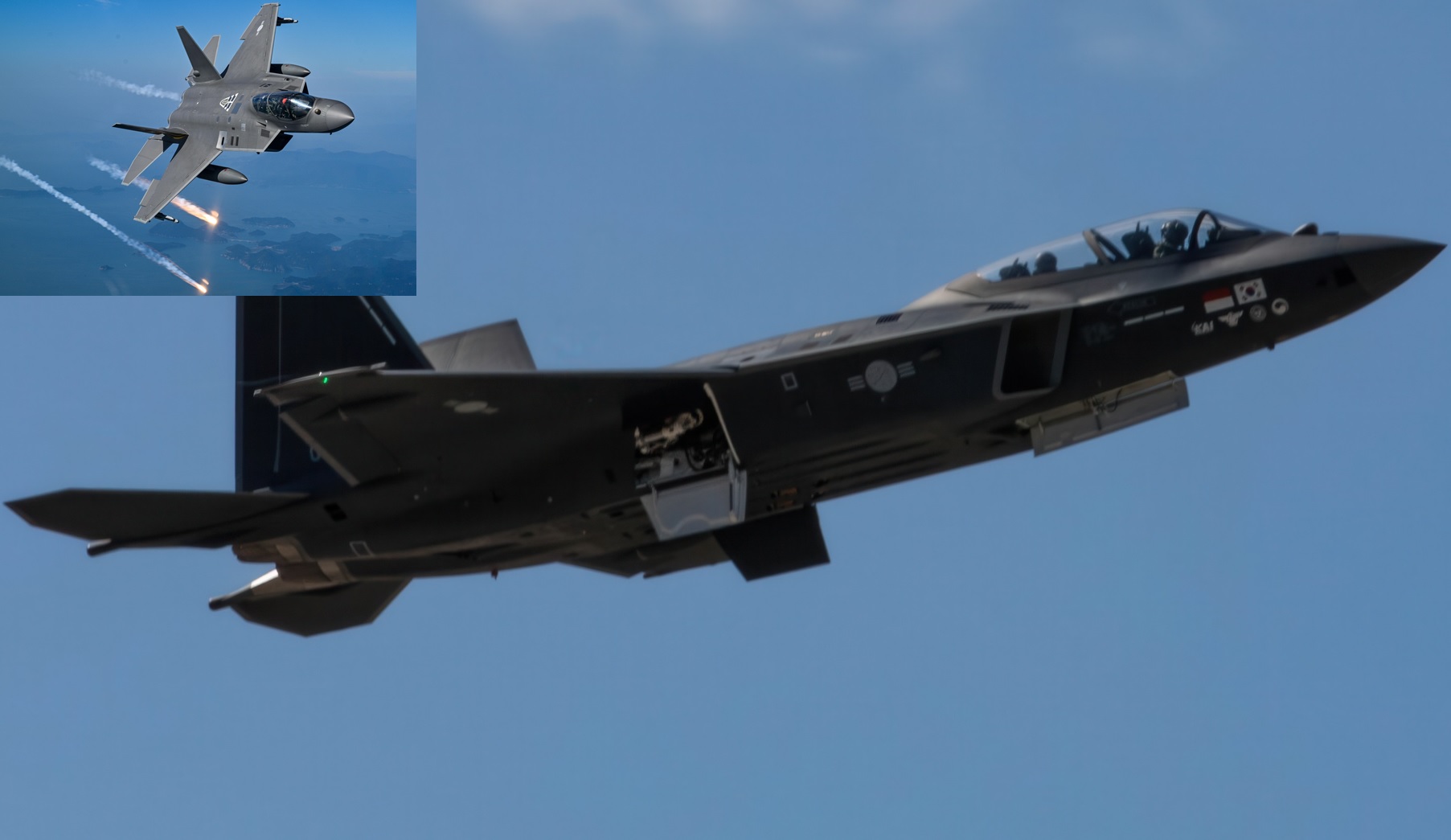
World
Jakarta / Seoul : Indonesia has urgently reopened negotiations with South Korea to acquire KF-21 Block-2 fighter jets, as fears grow in Jakarta that it could lose priority access to production slots if it delays further. According to reports by Korean media outlet Global e-News, Indonesia is seeking to finalize talks for the purchase of 16 aircraft, a move driven as much by strategic timing as by military necessity. The renewed negotiations are being propelled by an external regional factor: the Philippines’ growing interest in the KF-21 Boramae. Manila has identified the aircraft as a leading candidate in its future multi-role fighter acquisition program, triggering concern in Indonesia that new customers could be placed ahead of it in the production queue if contracts are signed first. Strategic Push Beyond Capability Gaps Indonesian defense planners view the move as more than a simple effort to fill gaps in air combat capability. It is increasingly seen as a race to lock in production priority at a time when KF-21 serial manufacturing is accelerating and regional demand is expanding. Despite ongoing difficulties in paying its agreed share of the program’s development costs, Jakarta’s current approach is to sign a purchase contract for operational aircraft already entering production. Officials believe such a step would safeguard Indonesia’s position in the delivery schedule while broader financial and industrial issues are addressed through continued negotiations. Air Force Modernization And Industrial Cooperation The push to secure the KF-21 Block-2 aligns with Indonesia’s broader Air Force modernization strategy, which has already seen progress through the acquisition of Rafale fighter jets from France. Rather than relying on a single supplier, Jakarta aims to diversify its combat fleet and ensure long-term operational resilience. Equally important is Indonesia’s desire to preserve defense-industrial cooperation with South Korea. The KF-21 program has long been viewed in Jakarta as a pathway to advanced aerospace technology, local industrial participation, and future domestic production capabilities. Block-2 Variant Marks Major Capability Upgrade The Block-2 configuration represents the next evolutionary step for the KF-21 after the Block-1 variant, which is currently being introduced into service with the South Korean Air Force. While Block-1 focuses primarily on air-to-air missions, Block-2 is designed as a fully multirole platform. Planned upgrades include the integration of precision-guided munitions, enhanced radar systems, improved electronic warfare suites, and expanded mission software. These changes are intended to give the aircraft robust air-to-ground strike capability, placing it firmly in the category of advanced fourth-plus generation fighters. A Joint Program With A Turbulent History The KF-21 Boramae is a twin-engine supersonic fighter measuring approximately 13 meters in length, 4.5 meters in height, and 14 meters in wingspan. Both single-seat and two-seat variants are planned to support combat operations and advanced training. The program itself is a joint initiative between South Korea and Indonesia, structured around an 80:20 partnership. Indonesia originally committed to funding 20 percent of development costs in exchange for prototype access and technology transfer to support future aircraft production at home. However, repeated payment delays led to temporary withdrawals and renegotiations, testing the resilience of the partnership. Jakarta formally reaffirmed its interest in remaining part of the program during high-level defense discussions in January 2023, signaling a political commitment to the project despite unresolved financial challenges. Production Plans And Long-Term Vision In June 2024, South Korea’s Defense Acquisition Program Administration signed a $1.4 billion production contract with Korea Aerospace Industries for 20 KF-21 aircraft, marking the transition from development to full-scale manufacturing. Current plans call for the production of 40 aircraft by 2028 and approximately 120 aircraft by 2032. Looking further ahead, South Korea intends to evolve the KF-21 into a true fifth-generation fighter, incorporating advanced stealth features, next-generation sensors, improved electronic warfare systems, and the integration of weapons into internal bays. Regional Competition Intensifies Indonesia’s urgency has been heightened by developments in the Philippines, which formally expressed interest in the KF-21 in May 2024. While no purchase decision has yet been announced, the aircraft is competing against the F-16V from Lockheed Martin and the Saab Gripen in Manila’s evaluation process. For Jakarta, the prospect of another Southeast Asian air force securing early KF-21 deliveries has become a strategic concern. By moving quickly to restart negotiations, Indonesia aims to protect its modernization roadmap, maintain its industrial foothold in the program, and ensure it does not fall behind in what is rapidly becoming one of Asia’s most competitive fighter aircraft markets.
Read More → Posted on 2026-01-11 18:31:40
India
New Delhi / Islamabad — An audio recording allegedly featuring Masood Azhar, the chief of the Pakistan-based militant outfit Jaish-e-Mohammed (JeM), has surfaced on social media, prompting renewed security concerns in India and drawing close scrutiny from intelligence agencies. In the clip, Azhar purportedly claims that his organisation has “thousands” of suicide bombers ready to infiltrate India, describing them as ideologically driven and eager to attain “shahadat” (martyrdom). The authenticity, timing and location of the audio remain unverified, and Indian authorities have not issued an official confirmation. Nevertheless, the recording has circulated widely across platforms such as Telegram and X, amplified by accounts believed to be aligned with pro-Pakistan intelligence networks. Claims of “Thousands” and Rhetoric of Martyrdom In the audio, Azhar is heard making sweeping assertions about JeM’s operational strength. “Not one, not two, not a hundred — not even one thousand,” the speaker says, implying that revealing the true number of suicide attackers would cause an international media storm. He stresses that the alleged recruits are not motivated by money, family pressure or material reward, but by religious conviction alone. Counterterrorism experts caution that such language fits a long-standing pattern of militant propaganda. Analysts note that exaggeration of manpower and morale is a common tactic used by extremist leaders to project resilience, intimidate adversaries and boost recruitment, particularly after suffering operational setbacks. Context of Indian Military Strikes The audio’s emergence comes against the backdrop of recent Indian military strikes targeting JeM infrastructure inside Pakistan, including its long-time headquarters in Bahawalpur. According to security sources, these strikes were part of a broader retaliatory campaign launched after a deadly terror attack in Pahalgam on April 22, in which 26 civilians were killed. Indian officials have said the pre-dawn operations dismantled multiple terror facilities, degrading training camps, logistical hubs and command centres. Reports indicate that around ten of Azhar’s relatives, including close family members, were killed during the strikes — a claim previously acknowledged indirectly by JeM itself. In September last year, a senior JeM commander released a video conceding that members of Azhar’s family had died in Indian attacks, a rare public admission that underscored the impact of the operations. Azhar’s Long Absence and Global Terror Designation Masood Azhar has not been seen publicly since 2019, following a powerful explosion at his Bahawalpur hideout. Designated a UN-designated global terrorist, Azhar has been linked to some of India’s deadliest attacks in recent decades. These include the 2016 Pathankot Air Force base attack and the 2019 Pulwama suicide bombing, which killed 44 Central Reserve Police Force (CRPF) personnel. Intelligence assessments suggest that Azhar may now be operating from locations farther away from Bahawalpur, possibly under enhanced protection. Parallel Propaganda Signals The audio clip also surfaced days after the arrest and public exposure of Saifullah Kasuri, the deputy chief of Lashkar-e-Taiba. Kasuri was reportedly filmed claiming that the Pakistan army had invited him to lead funeral prayers for soldiers following Operation Sindoor last May. Security analysts view the near-simultaneous circulation of these audio and video messages as part of a coordinated information campaign aimed at rehabilitating militant groups that have suffered significant losses. By projecting defiance and continued strength, such groups seek to counter narratives of decline and internal damage. Official Response and Ongoing Vigilance Indian security agencies are currently analysing the audio for voice authentication, metadata clues and operational relevance. Officials stress that while the rhetoric is alarming, there is no immediate indication of an elevated threat level linked directly to the clip. Nonetheless, authorities remain on high alert, particularly in sensitive regions and along infiltration routes, amid concerns that propaganda messaging could be used to inspire lone-wolf attacks or revive dormant networks. As investigations continue, experts emphasise that distinguishing between psychological warfare and credible operational capability will be critical in assessing the real-world implications of the claims attributed to Masood Azhar.
Read More → Posted on 2026-01-11 18:26:53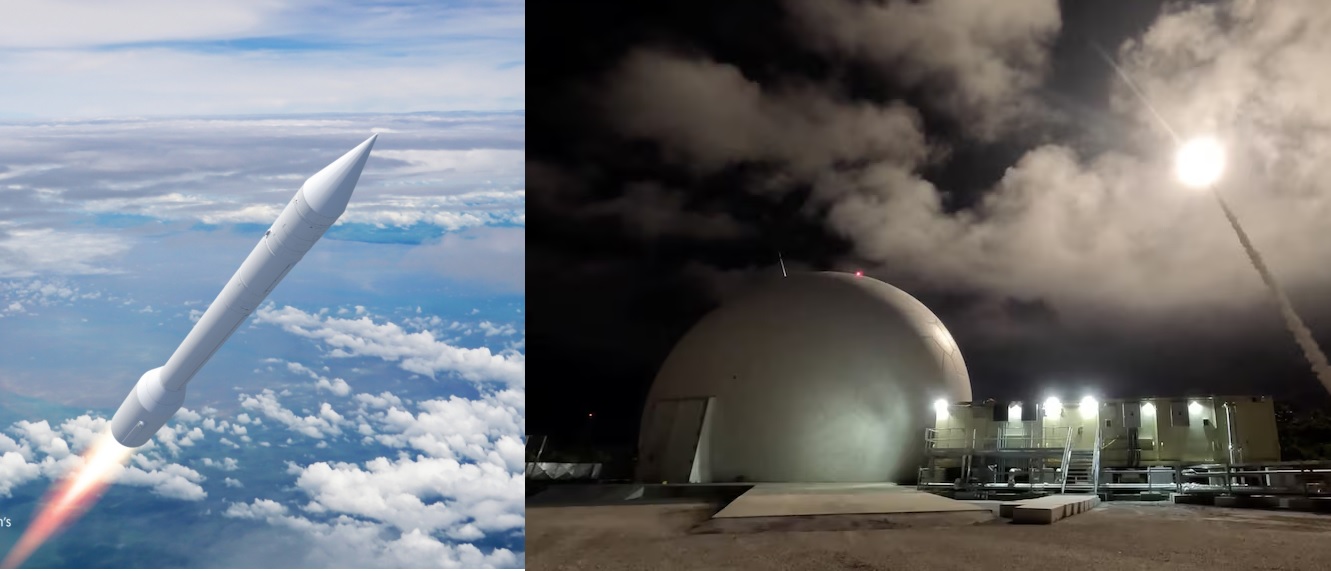
World
Washington : Northrop Grumman has successfully carried out the first launch of its digitally redesigned Intercontinental Ballistic Missile (ICBM) target vehicle, marking a major milestone in the modernization of US missile defense testing as Washington seeks to keep pace with increasingly advanced long-range threats. The flight test marked the debut of the company’s latest ICBM target vehicle, developed to more accurately replicate the flight characteristics, trajectories and engagement conditions of modern ballistic missiles. Northrop Grumman said the test met all performance objectives, clearing the way for the target’s use in upcoming missile defense evaluations. Use of Legacy Propulsion for Modern Testing The launch made use of a decommissioned Peacekeeper ICBM second-stage motor supplied through the US Space Force’s Rocket Systems Launch Program. Once a core element of America’s Cold War nuclear deterrent, the Peacekeeper motor continues to serve a role in national security by providing reliable propulsion for missile defense test targets. ICBM target vehicles are a critical component of the US missile defense enterprise. They are used by the Missile Defense Agency to validate systems designed to detect, track and intercept ballistic missiles, including Aegis Ballistic Missile Defense and the Ground-based Midcourse Defense (GMD) architecture. Realistic target behavior is essential to ensuring that sensors, command networks and interceptors perform as intended under operationally representative conditions. Digital-First Redesign Marks Shift in Development Approach Northrop Grumman’s redesigned target vehicle represents a significant departure from earlier generations. Unlike previous designs, the new system was developed using a digital-first engineering approach that embedded advanced digital tools across the entire lifecycle of the program. Engineers relied on a high-fidelity digital twin to keep design, manufacturing, testing and integration activities aligned with the physical vehicle throughout development. This approach allowed potential issues to be identified and addressed earlier, reducing downstream risk and improving schedule predictability. Virtual reality pathfinder exercises were used to rehearse factory integration and stacking operations before hardware assembly began. These rehearsals enabled teams to resolve access, sequencing and fit issues in advance. Augmented reality tools were later introduced during interstage integration, cutting mechanical assembly time and reducing the likelihood of human error during critical build steps. According to the company, the use of digital engineering reduced field execution time by about 25 percent during Pathfinder operations, while also improving operational safety and integration efficiency ahead of launch. Industry Context and Program Evolution Robin Heard, director of targets and interceptors at Northrop Grumman, said embedding digital technologies across the redesign streamlined operations and improved cost efficiency, strengthening the company’s ability to support future missile defense test missions. The redesigned ICBM target vehicle is part of a broader, multi-year modernization effort within US missile programs. In addition to adopting digital engineering practices, Northrop Grumman has replaced legacy propulsion hardware with an updated SR119 first stage, improving flexibility and adaptability for a wider range of test profiles. Virtual and augmented reality tools have also been incorporated into integrated factory planning as standard practice. This approach mirrors wider trends across the US defense industry. Lockheed Martin, for example, completed a digital All Up Round Preliminary Design Review in 2023 for its Next Generation Interceptor, a central element of the Missile Defense Agency’s Ground-Based Midcourse Defense modernization effort. Strengthening Missile Defense Readiness Northrop Grumman has delivered 27 ICBM target vehicles to the Missile Defense Agency since 2011 and supported 12 successful launches prior to the latest test. With the first successful flight of its digitally redesigned target, the company is positioning itself to play a key role in future missile defense testing as threat systems grow more capable and complex. The launch underscores a broader shift toward digital redesign and modernization across US missile programs, aimed at improving realism, efficiency and responsiveness. As missile threats evolve, digitally engineered target vehicles are expected to become increasingly central to ensuring that US missile defense systems are tested against the most demanding and representative scenarios possible.
Read More → Posted on 2026-01-11 18:20:45Search
Top Trending in 24 Hours
-
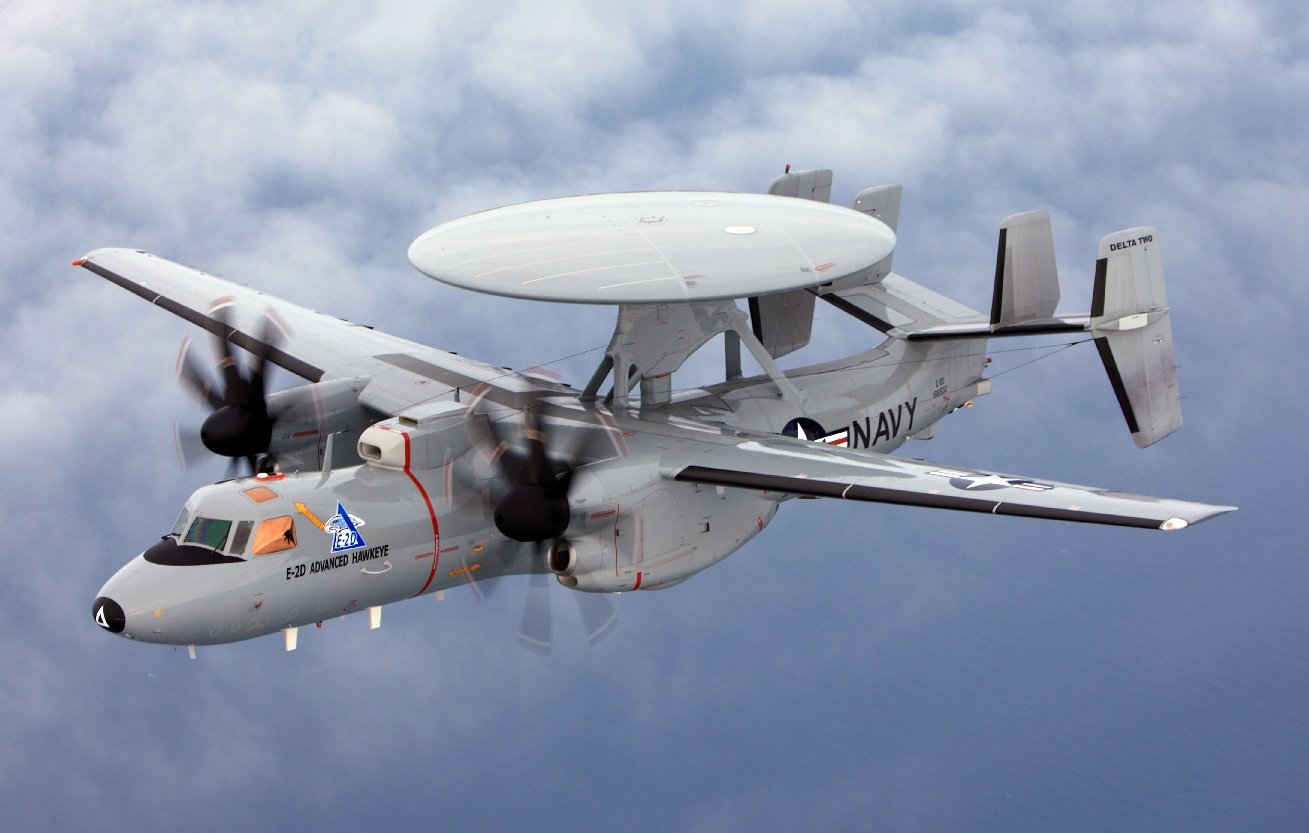 U.S. Navy Awards Northrop Grumman $1.2 Billion Deal for Three New E-2D Advanced Hawkeyes
-
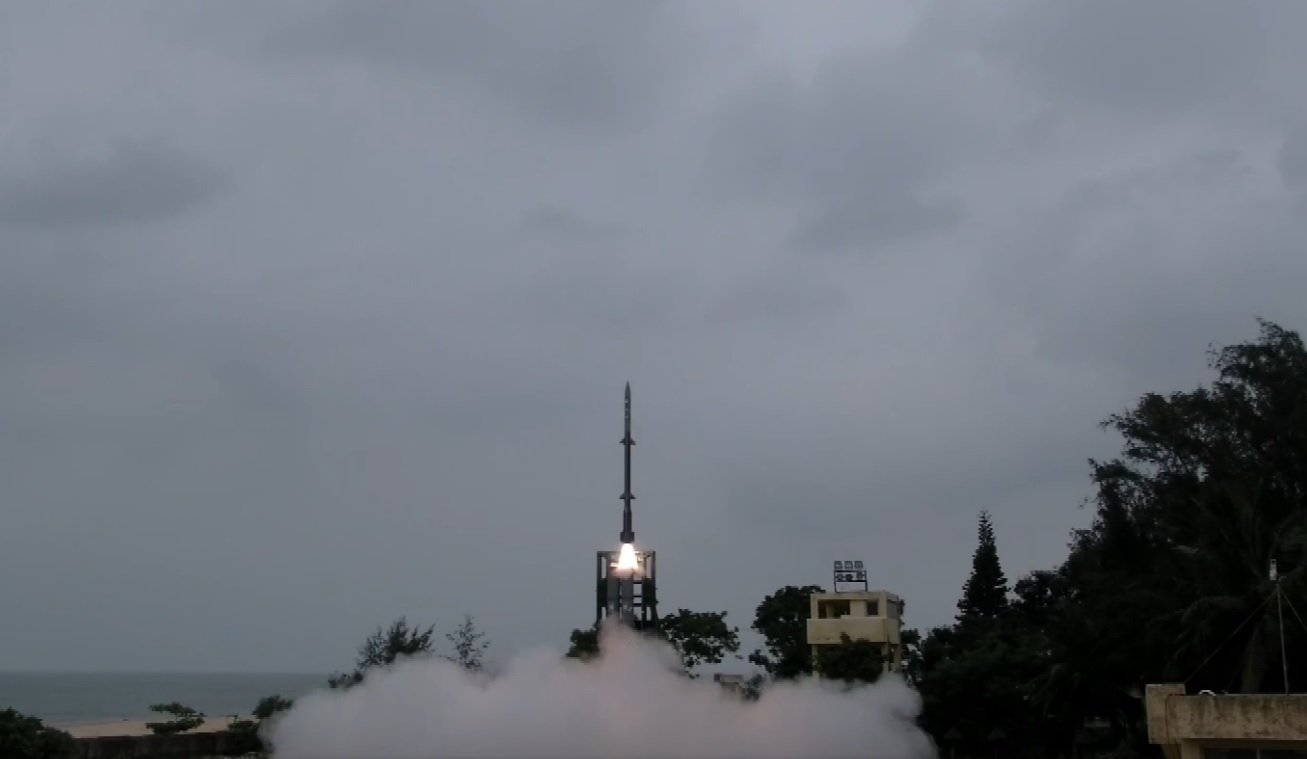 DRDO Successfully Conducts Maiden Flight Test of 150-km-Range Kusha M1 Air Defence Missile
-
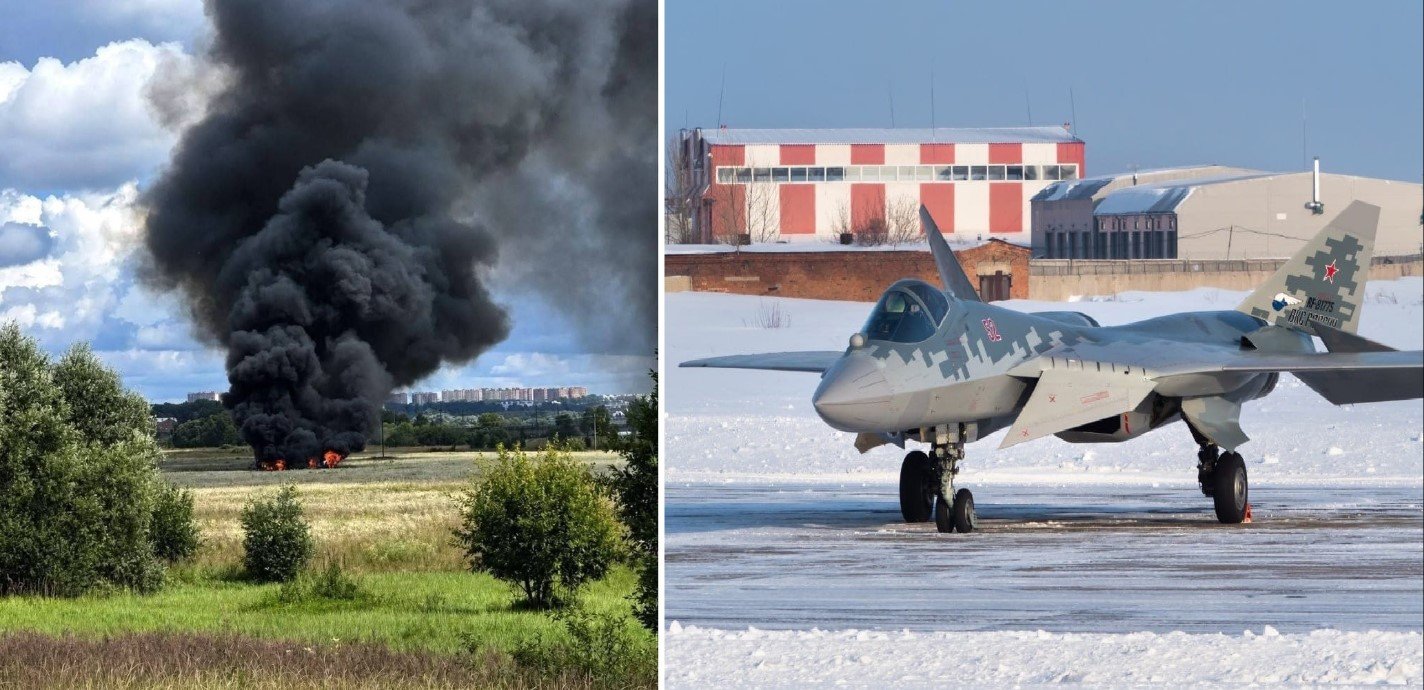 Russian Su-57 Stealth Fighter Crashes During Training Flight Near Moscow, Pilot Ejects Safely
-
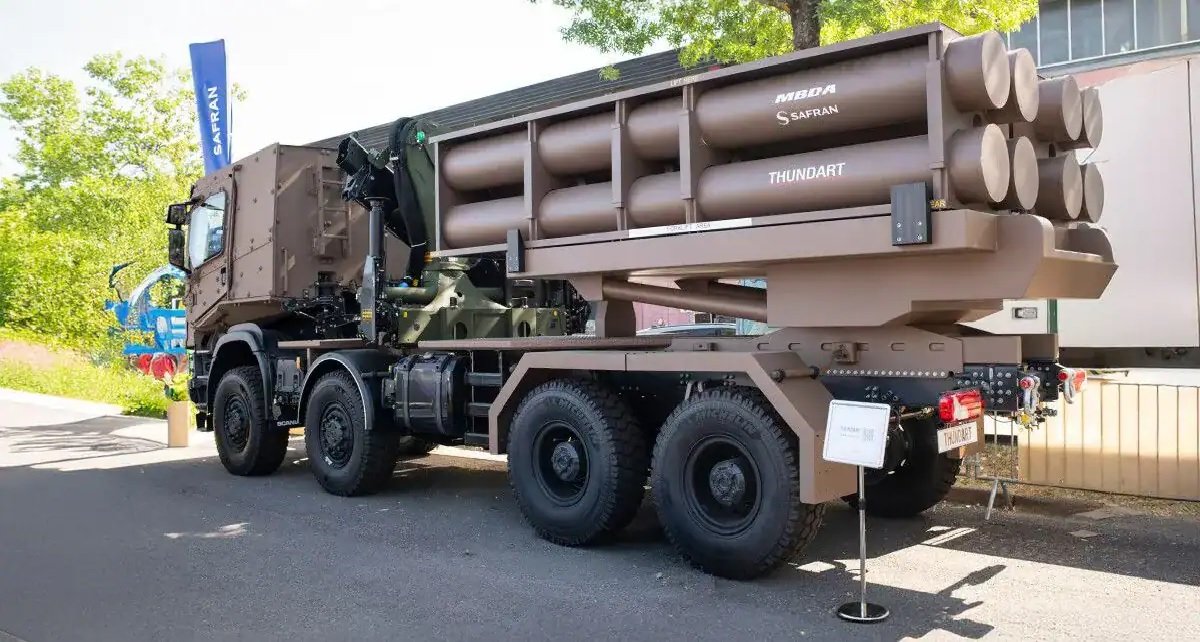 France's THUNDART Long-Range Rocket System May Undergo Prototype Combat Testing in Ukraine
-
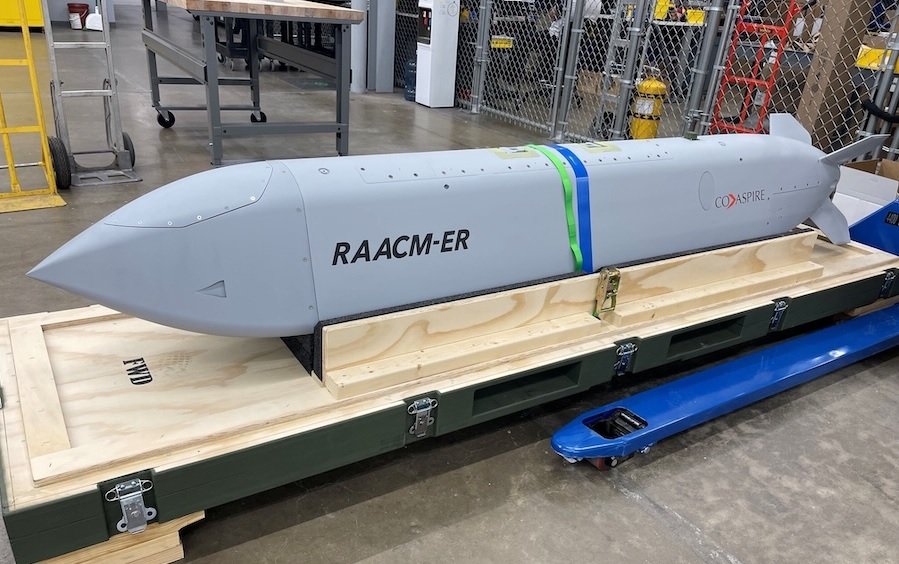 U.S. Navy Selects CoAspire to Build Ground-Launched CHAOS Cruise Missile Under $70 Million Program
-
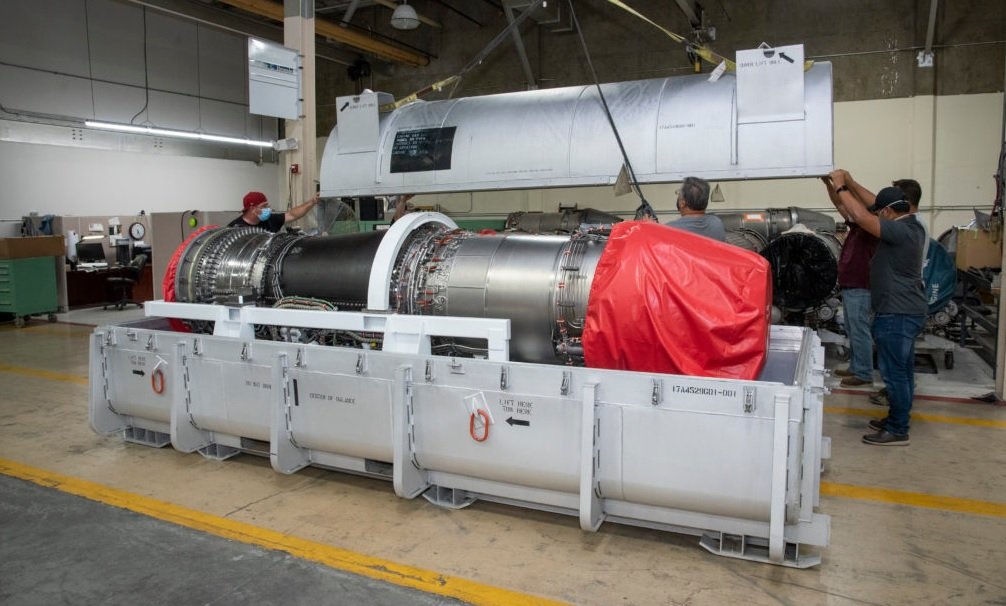 GE Aerospace and Magellan Aerospace Corporation Sign Strategic MoU for F414 Engine Sustainment in Canada
-
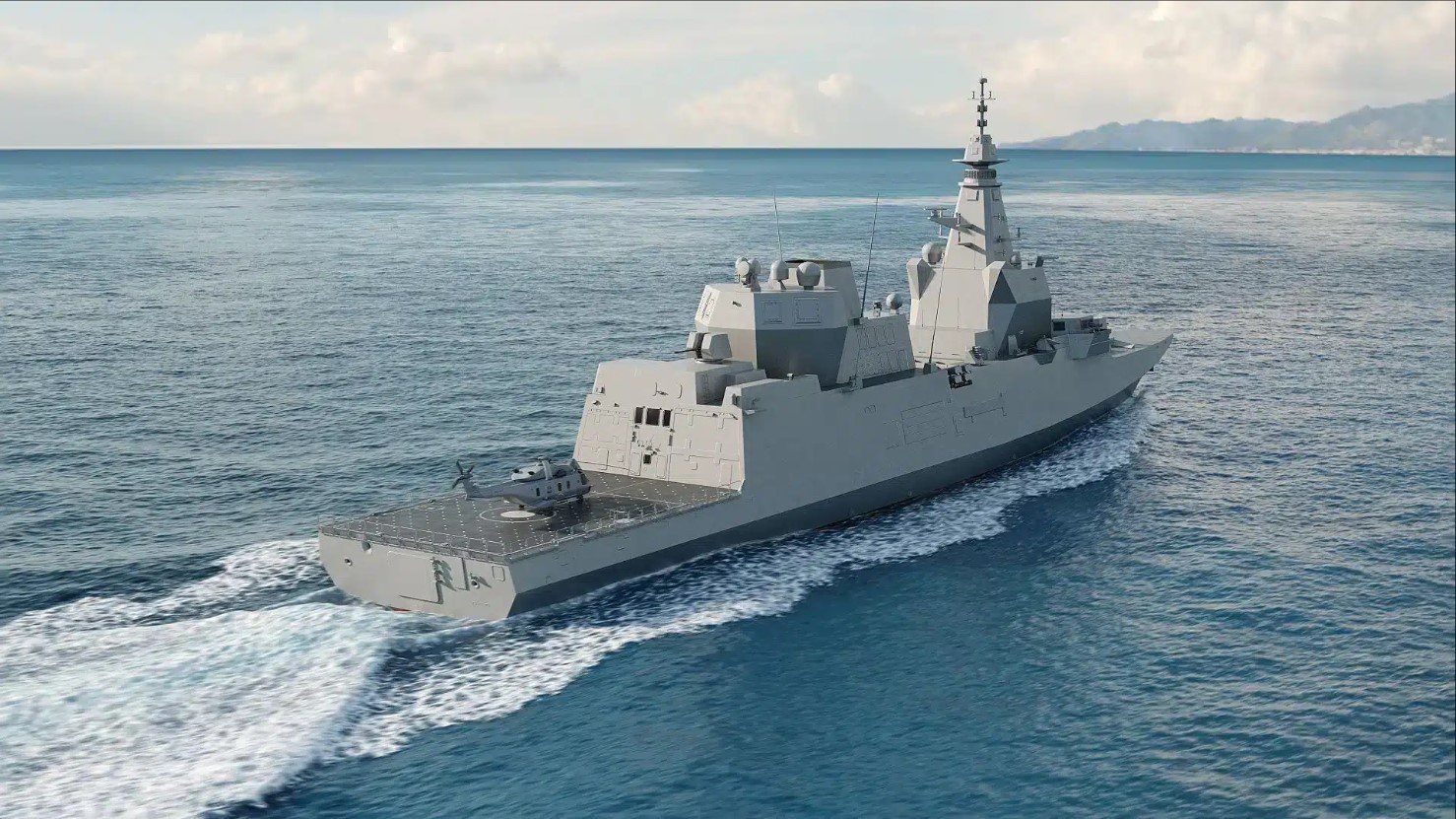 Portugal Orders Three FREMM EVO Frigates from Italy in €3.9 Billion Naval Deal
-
 Destinus Unveils Vorexon Interceptor Concept to Defend Critical Sites from Artillery Threats
Top Trending in 4 Days
-
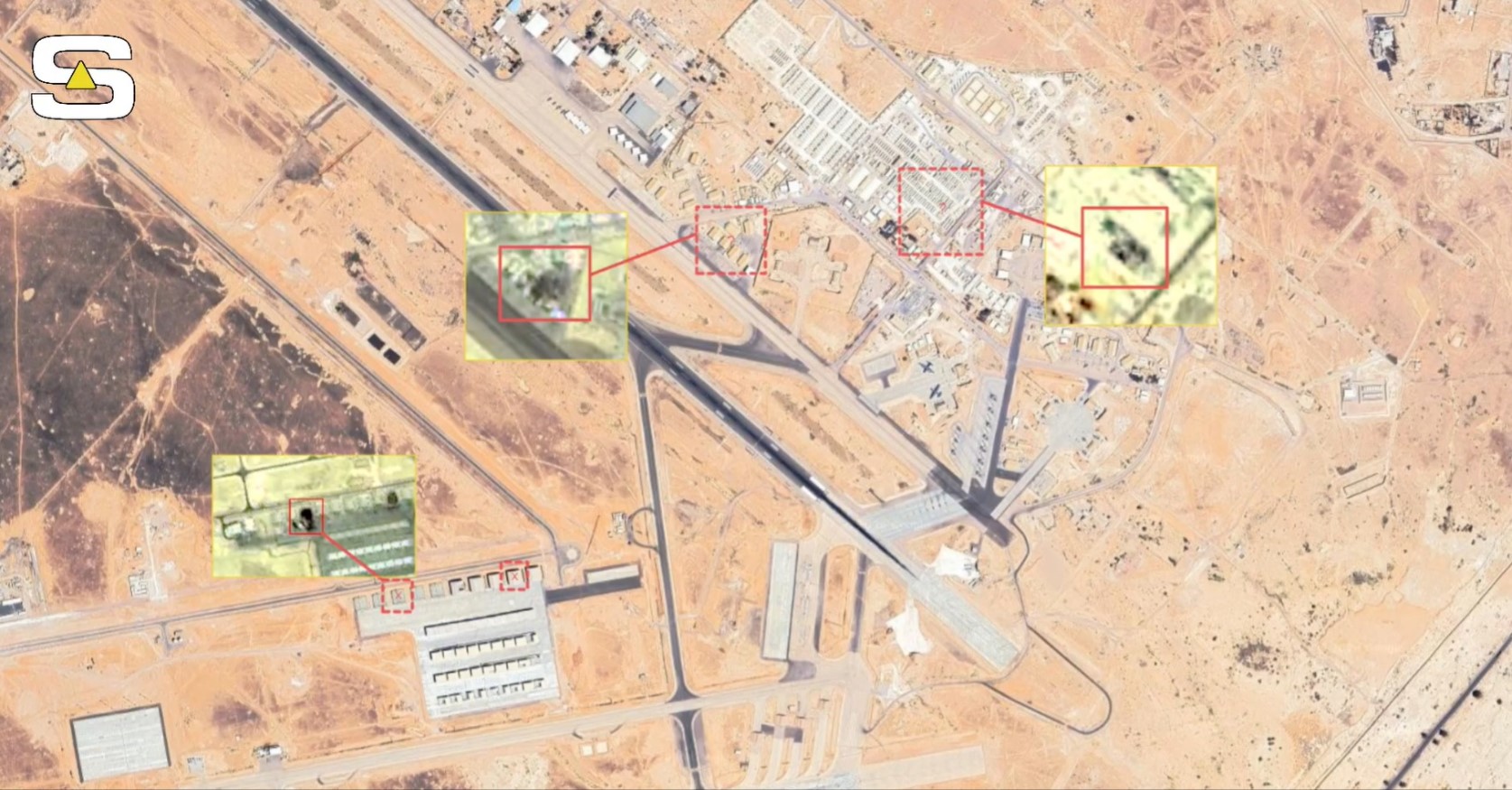 New Satellite Imagery Reveals Extensive Damage at Jordan's Muwaffaq al-Salti Air Base After Iranian Missile Strike
-
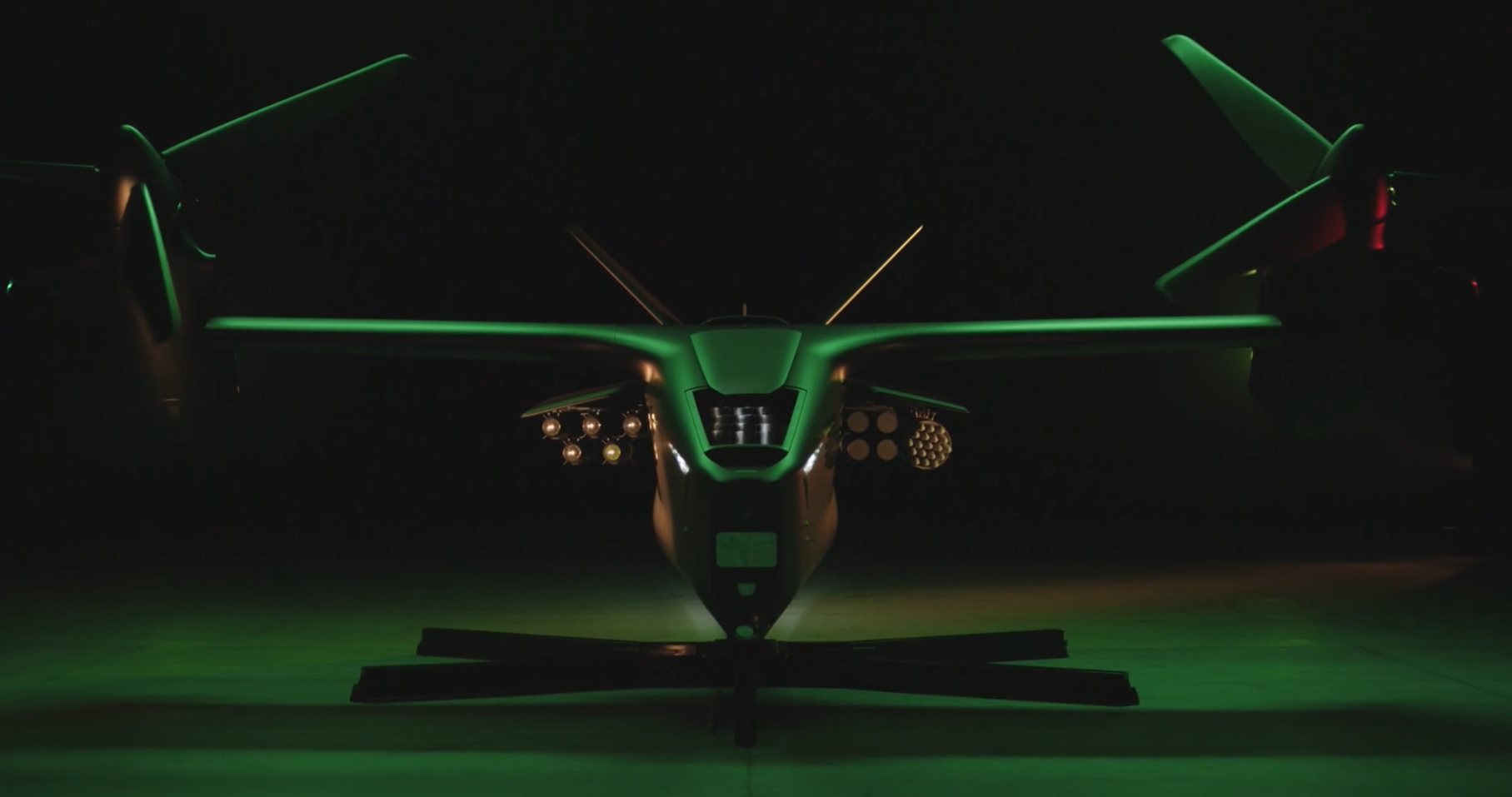 Anduril Unveils Thunder Autonomous Attack Rotorcraft Built with Archer Aviation to Support Apache Helicopters
-
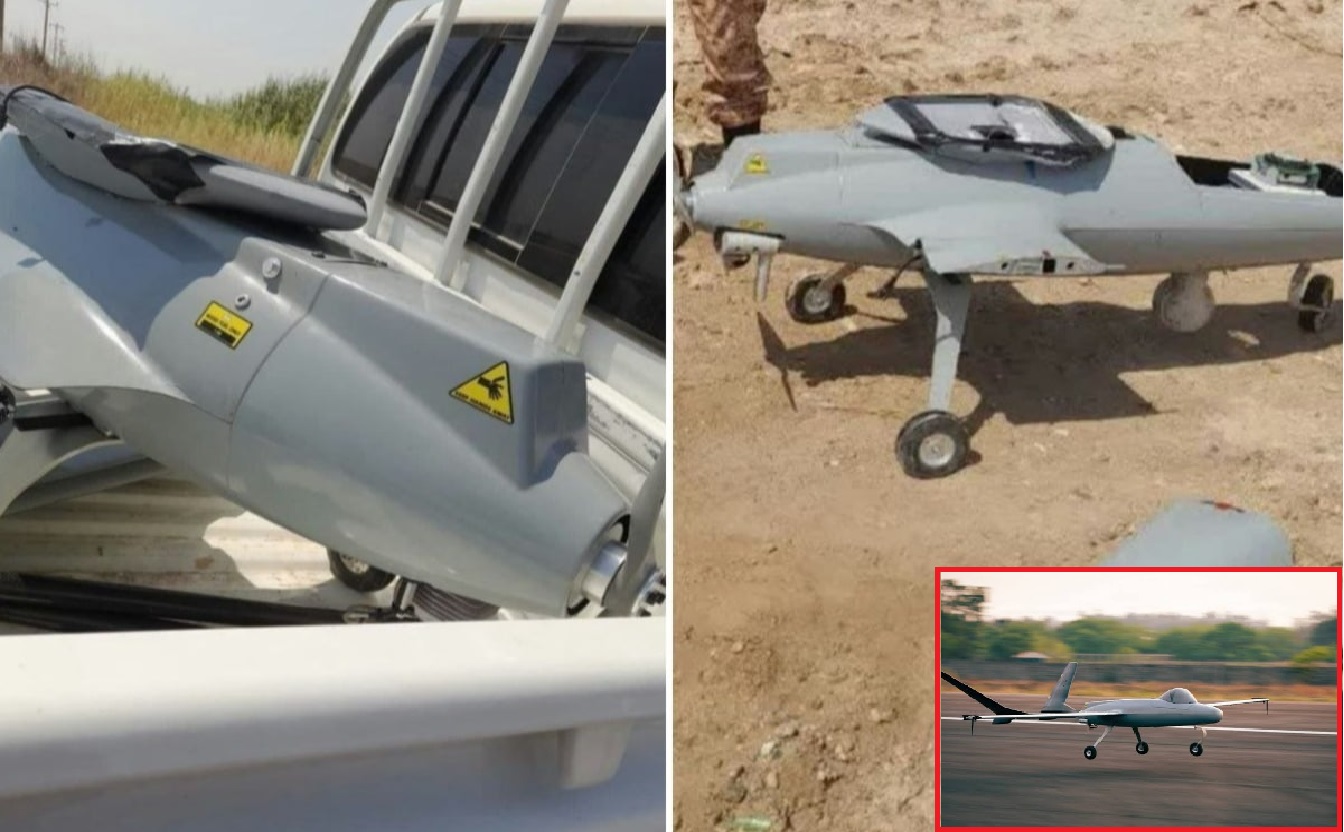 Iran Claims It Shot Down U.S.-Operated Polish-Built Tiguar-M Drone, Releases Images
-
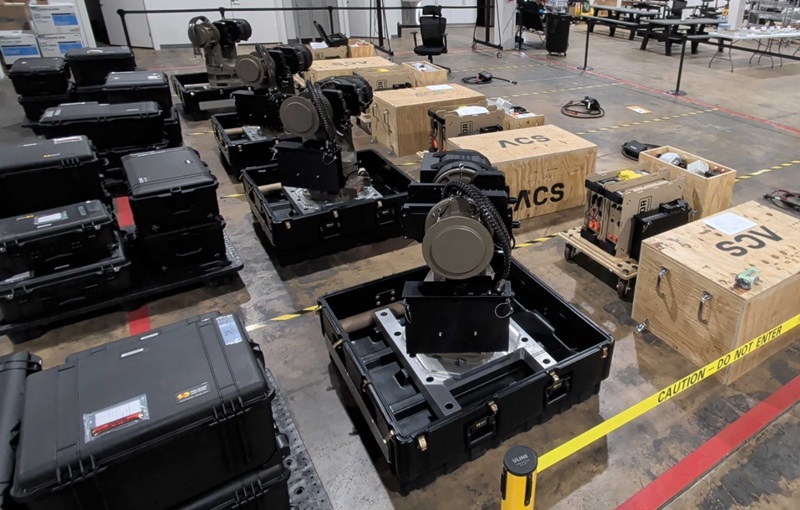 U.S. Marine Corps Selects AI-Powered Bullfrog Weapon Station for L-MADIS Counter-Drone Platform
-
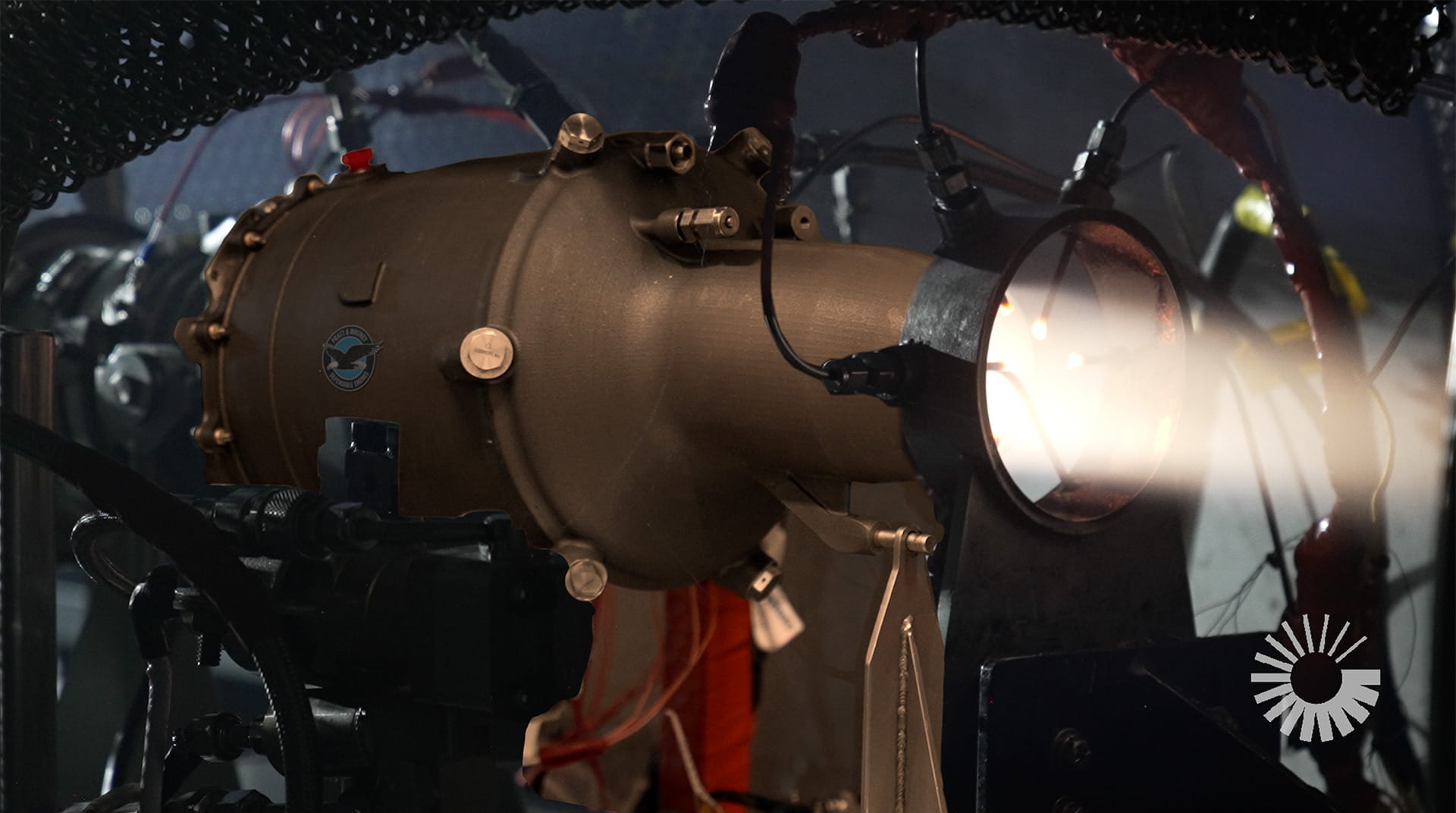 Pratt & Whitney Completes Testing of 3D-Printed TJ150 Engine for Military Applications
-
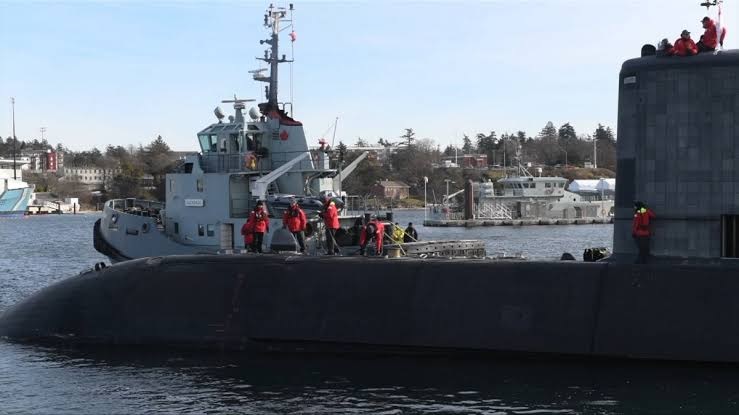 Canada Awards Babcock $1.1 Billion Six-Year Contract Extension to Support Victoria-Class Submarine Fleet
-
 Lockheed Martin Unveils MORFIUS X-Rotor High-Power Microwave System That Can Neutralize 50+ Drones in One Flight
-
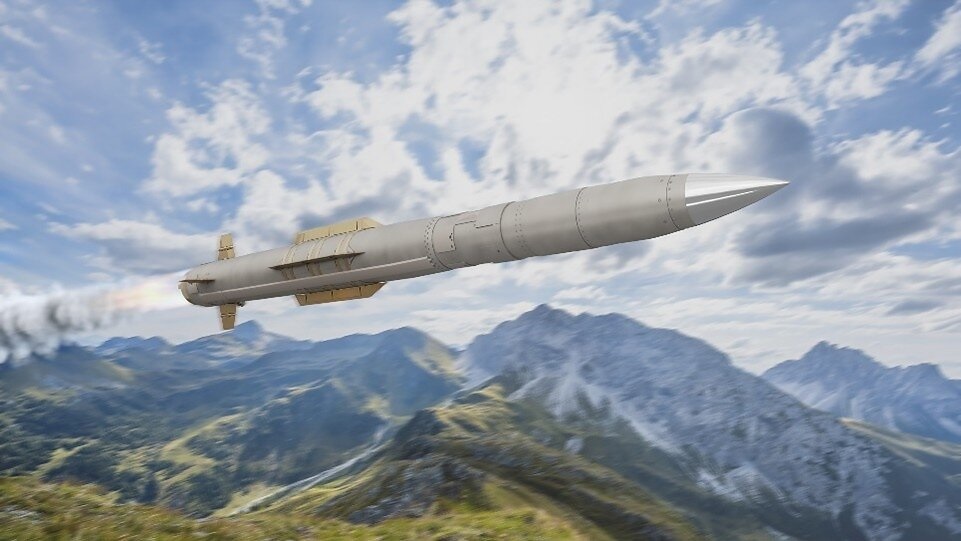 Lockheed Martin Unveils Lower-Cost PAC-3 ACE Interceptor for Patriot Air Defense System
