
World
Defense News - In a global arena where uncertainties abound, one glaring mystery persists—China defense budget, an enigma wrapped in opacity. While the official 2023 defense budget announcement on March 5 touted CNY 1.5537 trillion (USD 224.59 billion), a deeper exploration reveals a disconcerting revelation: the actual expenditure could be several times higher than acknowledged.The declared 7.2% increase from the previous year, amounting to USD 224.59 billion, underscores China robust defense spending rebound. However, skepticism arises about the credibility of this figure. The inherent lack of transparency in Chinese data, coupled with the absence of independent verification, fuels doubts among global observers.Senator Dan Sulliva startling revelation to the US Senate in June added fuel to the speculation fire. According to Sullivan, the actual Chinese military budget could hover around USD 700 billion, a figure three times higher than the official declaration. This revelation challenges not only the perceived proportionality to China GDP but also undermines Beijing claim of having a "moderate" defense budget below global averages.The Pentagon 2023 report cautiously noted that China actual military-related spending in 2022 could significantly exceed the officially announced defense budget. Estimates from UK and Europe-based think tanks suggest that the real 2022 defense budget might be 30-40% higher than the official figure.The opacity deepens when considering the myriad defense-related expenditures omitted from China formal budget. Internal security forces, such as the People Armed Police (PAP) and the China Coast Guard (CCG), boasting substantial military capabilities, operate outside the official defense budget. The lack of transparency extends to China civil-military fusion strategy, blurring the lines between civilian and military spending.The perplexity amplifies with China ability to stretch its defense budget further due to a non-market economy, where production costs are significantly lower than in competitive markets like the USA. The concept of purchasing power parity (PPP) further complicates the comparison, suggesting that China outspends the US in real terms when accounting for hidden non-defense spending.As China navigates economic headwinds, exacerbated by the COVID-19 pandemic, it prioritizes defense spending with a 7.2% increase in 2023, contrasting declines in general public services and modest rises in education expenditure. This strategic emphasis underscores the pivotal role the People Liberation Army (PLA) plays in President Xi Jinping vision for China.If the speculated USD 700 billion is even remotely accurate, China defense posture becomes more alarming. The narrative shifts from a "moderate" defense budget to a potential veil concealing vast, undisclosed expenditures. With a PLA rapidly modernizing and a decade of doubling defense expenditure, concerns rise about the true intentions behind China military buildup.As the world grapples with uncertainties, the true extent of China defense spending remains a puzzle, and its implications for regional stability and global security continue to raise questions that demand answers.
Read More → Posted on 2023-12-20 15:35:58
World
Defense News - In a significant development on Tuesday, Ukraine President Volodymyr Zelensky revealed plans for his country to manufacture one million drones in the upcoming year, marking a pivotal escalation in the drone-centric conflict between Kyiv and Moscow.Zelensky expressed confidence in Ukraine ability to independently create cutting-edge devices, stating, "We will produce one million drones next year, and our soldiers will receive Ukraine-made drones in their brigades."The use of drones has become a crucial aspect of the ongoing conflict, with both Ukraine and Russia deploying them extensively for reconnaissance, explosive drops, and targeted strikes.Highlighting the strategic importance of drones, Zelensky emphasized that the domestically produced drones would significantly enhance Ukraine military capabilities. The objective is to leverage artificial intelligence (AI) to refine targeting against Russian positions while bolstering defenses against potential attacks.The drone-centric arms race between Moscow and Kyiv has intensified, with Ukraine aiming to stay ahead by integrating AI into its military operations. Ukrainian officials disclosed that the armed forces require a substantial monthly output of 100,000 to 120,000 drones to effectively counter invading Russian troops.As Ukraine positions itself at the forefront of drone technology, the move underscores a pivotal shift in the dynamics of modern warfare and signals the country determination to leverage technological advancements for strategic advantage on the battlefield.
Read More → Posted on 2023-12-20 15:28:50
World
Defense News - The Finland Defence Forces have recently finalized a €23.6 million ($26 million) contract with Patria, signaling the acquisition of six advanced bridge-laying vehicles to enhance combat capabilities in challenging terrains. These tracked vehicles are specifically engineered to transport, deploy, and retrieve Leguan bridges of varying lengths, offering a comprehensive solution for obstacle-ridden landscapes.Crucially, these cutting-edge vehicles will be built upon the Leopard 2A4 main battle tank chassis, ensuring superior versatility and maneuverability. Patria Executive Vice President Jussi Järvinen emphasized the significance of the agreement, stating that it not only reinforces Patria position as a leading provider of system integrations and engineer corps heavy equipment but also contributes to job creation in Finland, with an estimated 70 person-years of work expected.Scheduled for delivery between 2026 and 2028, these bridge-laying vehicles are poised to play a pivotal role in the Finnish Defence Forces strategic capabilities. By swiftly deploying armored vehicles across rivers and challenging terrains, these vehicles will prove invaluable in overcoming obstacles such as craters, ravines, anti-tank ditches, and damaged bridges.Patria commitment to delivering state-of-the-art technology aligns with the global trend in military engineering. Notable examples include the 70-ton M104 Wolverine, currently in service with the US Army, which is based on a modified M1A2 Abrams main battle tank chassis. This robust bridgelayer can withstand numerous crossings of vehicles as heavy as the M1A2 Abrams.Additionally, the German Biber stands out as a widely-used bridge-laying vehicle, exported to countries such as Australia, Canada, Italy, and the Netherlands. Originally developed for the German military, the Biber is based on a Leopard 1 main battle tank chassis and boasts the unique ability to lay its bridge horizontally, providing enhanced flexibility in deployment.In summary, the recent contract between the Finnish Defence Forces and Patria represents a significant step forward in military capabilities. The deployment of these advanced bridge-laying vehicles not only ensures operational readiness in obstacle-laden environments but also contributes to the growth of the defense industry and job market in Finland.
Read More → Posted on 2023-12-20 15:02:39
World
Defense News - In an effort to impede the progress of hundreds of Baloch protesters marching towards Islamabad, the authorities in Dera Ghazi Khan, Pakistan, have taken measures to curb their peaceful demonstration, as reported by The Friday Times, a prominent Pakistani English-language newspaper based in Lahore.According to the publication, approximately 20 Baloch activists have been apprehended, and transporters in the district have purportedly been instructed to deny services to march participants who have chosen to continue their journey on foot.The origin of this march dates back to last month when residents from Baluchistan embarked on a long journey from Turbat, expressing their discontent against the enforced disappearances and extrajudicial killings of their loved ones, with no legal recourse available, as documented by The Friday Times.The march initially traversed from Turbat to the provincial capital of Quetta through Khuzdar, with subsequent plans announced to extend the protest to the federal capital, Islamabad.Upon reaching Dera Ghazi Khan late last week, the protesters alleged that the district administration and other authorities were actively obstructing their peaceful progression towards Taunsa.Mahrang Baloch, one of the protesters, revealed that the state had resorted to threats and denied them access to transportation, further reporting the arrest of several fellow protesters.Undeterred by these challenges, on Tuesday, the marchers resolved to continue their journey towards Islamabad, commencing the next leg of their march on foot from Dera Ghazi Khan. Their strategy involves staging a peaceful protest demonstration in Taunsa before advancing further towards the federal capital, according to The Friday Times.Simultaneously, FIRs were filed against activists participating in the march in various parts of Balochistan, including Kohlu, Naal, and Khuzdar.The march, which began on November 23 with a sit-in in Turbat following the custodial death of 24-year-old Balach Mola Bakhsh, has faced adversity since its inception. Bakhsh, arrested by the Baluchistan Counter Terrorism Department (CTD) on October 29, was reported to have been found dead weeks later in a militant camp raided by the CTD, despite being officially on physical remand, as highlighted by The Friday Times.
Read More → Posted on 2023-12-20 14:56:22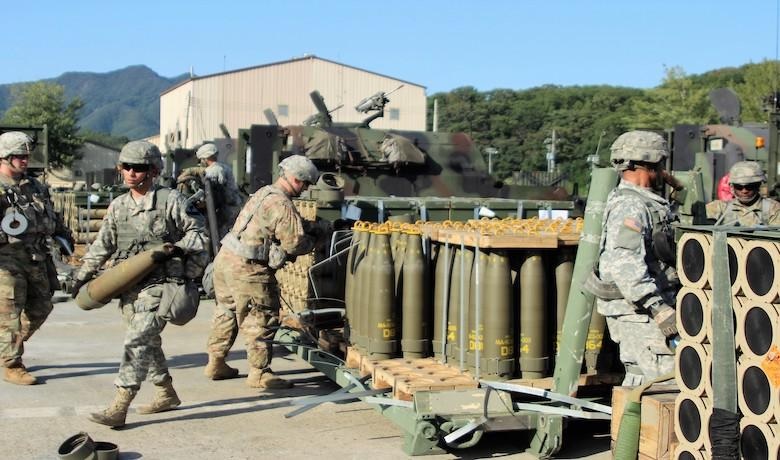
World
Defense News - In the early months of 2023, the United States faced a pivotal moment in its involvement in conflicts abroad. The transfer of 300,000 155mm artillery shells from its War Reserve Material stockpile in Israel to Ukraine marked a significant commitment, but the landscape has shifted dramatically since then.Hamas terrorist attack on October 7 added a new layer of complexity, leading Israel to request munitions, placing additional strain on already stretched U.S. stockpiles. This development raises concerns about the adequacy of the Defense Department munitions planning and the budget priorities set by congressional appropriators.The U.S. military finds itself in a challenging position, tasked with responsibilities that surpass its current equipment capabilities. Notably, the shortage of munitions for a contingency in the Indo-Pacific region is a pressing concern, exacerbated by ongoing operations in other theaters.For instance, Ukraine monthly expenditure of 155mm shells far exceeds the U.S. monthly production, even after doubling efforts. With Israel also seeking 155mm shells, the depletion of global stockpiles raises questions about where the Pentagon can source additional shells for Israel without compromising supplies for Ukraine.The inadequacies in munitions planning not only affect artillery shells but extend to precision-guided munitions. Israel request for Small Diameter Bombs and Joint Direct Attack Munitions adds to the dilemma. Despite U.S. promises to deliver, fiscal 2022 procurement figures reveal a significant shortfall compared to Israel actual usage.Looking ahead, the Pentagon future planning is a cause for concern, especially in scenarios involving high-intensity conflicts with China. Wargames indicate that critical munitions could be depleted within eight days, highlighting a potential vulnerability in the face of emerging challenges.The Navy annual procurement of Tomahawk missiles and MK 48 torpedoes falls short of fleet requirements, posing a challenge even when all available vessels are considered. Dipping into existing military inventory provides only a temporary solution, with estimates suggesting that the Navy may not be able to reload all its ships with Tomahawks.This shortage extends to other munitions, such as Joint Air-to-Surface Standoff Missiles and Long Range Anti-Ship Missiles, raising concerns about the U.S. military ability to fulfill its mission of deterrence and support for allies.The unpredictability of conflict timings and scenarios adds another layer of complexity. While the focus remains on potential conflicts in multiple regions, the risk of being drawn into fights simultaneously becomes a real concern for the U.S.To address these challenges, a reevaluation of munitions acquisition and production plans is imperative. Prioritizing use based on grand strategy and national interest is crucial. One suggested solution is the increased use of multiyear procurement authorities, sending a long-term demand signal to industry and decreasing costs over time.While recent legislative measures have approved multiyear procurement for certain munitions, full funding from congressional appropriators remains a crucial factor in implementing these strategies effectively. Addressing the munitions problem is not just a matter of immediate concern but a critical step in safeguarding America interests in an increasingly complex global landscape.
Read More → Posted on 2023-12-20 05:09:12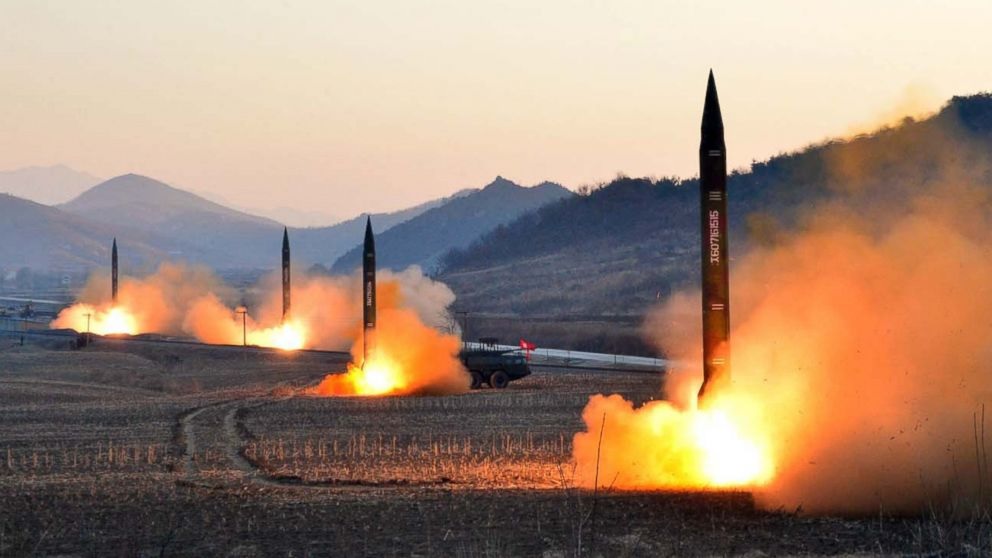
World
In a joint effort to enhance regional security, South Korea, the United States, and Japan announced the activation of a new system designed to detect and assess North Korea missile launches in real-time. This development follows North Korea recent test of its newest intercontinental ballistic missile (ICBM) on Monday, aimed at evaluating the preparedness of its nuclear force in the face of escalating U.S. hostility.Key Aspects of the Missile Warning Data Sharing System:1. Information Shared: Under the newly activated mechanism, the three countries will exchange information continuously, providing details such as the launch site, flight trajectory, and impact point of North Korean missiles. Previously, the United States shared such information separately with South Korea and Japan.2. Rapid Response: South Korean Defence Minister Shin Won-sik emphasized that the new system will enable faster access to warning data on North Korean missiles, allowing for a more effective response. This move is seen as a significant step forward in trilateral security cooperation.3. Purpose of Sharing: Washington and its allies consider this mechanism a milestone in advancing trilateral security cooperation, aimed at improving their ability to safeguard their populations. The shared information is expected to facilitate quicker responses to North Korea growing nuclear and missile threats.Background on the Need for Information Sharing:1. Historical Strains: Previous tensions between South Korea and Japan over historical issues and other disputes hindered information sharing. However, the current geopolitical landscape, with North Korea intensifying its weapons programs, prompted South Korean President Yoon Suk Yeol to prioritize mending ties since taking office in May 2022.2. Security Over Politics: Experts, including Ankit Panda of the Carnegie Endowment for International Peace, view the new mechanism as a safeguard against political tensions affecting cooperation. The institutionalization of this system aims to ensure its resilience against potential domestic political changes in South Korea or Japan.North Korea Response:North Korea has criticized the newly established information-sharing system, viewing it as a U.S.-led effort to escalate confrontation and bolster its military dominance in the region. The North state media characterized the tripartite data-sharing mechanism as a dangerous military action that could further intensify the regional situation.In summary, the activation of the real-time missile warning system signifies a significant stride in trilateral security cooperation among South Korea, the United States, and Japan, aiming to address the evolving threats posed by North Korea missile launches.
Read More → Posted on 2023-12-20 05:02:29
World
Defense News - In the dark hours of Monday, a powerful 6.2 magnitude earthquake struck the mountainous province of Gansu in China, sending shockwaves through the neighboring Qinghai region. The seismic event, occurring around midnight local time (16:00 GMT), has already resulted in over 700 reported injuries in the frigid conditions, and the death toll is feared to rise.Chinese President Xi Jinping has swiftly mobilized thousands of rescue personnel to the affected area, known for its challenging terrain and being among the country most economically disadvantaged and ethnically diverse regions. This earthquake marks China deadliest since 2014 when a devastating quake claimed the lives of more than 600 people in the southwestern Yunnan province.Images broadcasted on state TV and shared across social media platforms reveal the extensive damage caused by the quake. Entire villages appear split, and buildings lie in ruins, reflecting the force of the tremors. In the aftermath, displaced residents are seen huddled around makeshift fires in hastily arranged evacuation camps, battling temperatures as low as -13°C (8.7°F).Survivors recount harrowing experiences, likening the tremors to being "tossed by surging waves." In the chaotic moments following the quake, families rushed out of their homes, seeking safety. "I woke my family up, and we rushed down all 16 floors in one breath," recounted a man identified as Mr. Qin by Chinese media.The worst-hit region is Jishishan county in Gansu province, where local officials report that more than 5,000 buildings have been damaged. Mudslides triggered by the quake have affected numerous structures, and landslides have damaged dozens of roads. A director of the Gansu rescue team attributes the widespread damage to poor building quality, highlighting the prevalence of old clay structures in many villages.Gansu, situated between the Tibetan and Loess plateaus and bordering Mongolia, is known for its remote and impoverished status. The epicenter of the quake lies in Linxia Hui Autonomous Prefecture, home to various Chinese Muslim groups, including the Hui, Bonan, Dongxiang, and Salar people.While Chinese authorities report a magnitude of 6.2 on the Richter scale, the US Geological Survey (USGS) records a slightly lower magnitude of 5.9 with a depth of 10km (6 miles). A series of aftershocks have been reported in the area.Adding to the challenges, a 5.5 magnitude quake struck Xinjiang, the province west of Gansu, on Tuesday. Fortunately, there are no immediate reports of casualties, but the seismic activity has disrupted power and water supplies across the region, hampering ongoing rescue efforts.With sub-zero temperatures prevailing, rescue teams face a race against time to locate and aid survivors. Wang Yi, chief commander of China largest non-governmental humanitarian organization, the Blue Sky Rescue Team, emphasizes the urgency of the situation. "It is too cold to bear... its -15°C [here]," he states, expressing concerns that the casualty count is likely to rise as rescue operations intensify.President Xi Jinping has issued directives for all-out efforts in search and rescue operations, prompt medical treatment for the injured, and the minimization of casualties. The earthquake underscores China vulnerability to seismic events due to its location where several tectonic plates, including the Eurasian, Indian, and Pacific plates, converge. The nation has a history of earthquakes, with the 2010 quake in Yushu and the devastating 2008 earthquake in Sichuan being stark reminders of the potential for widespread destruction.
Read More → Posted on 2023-12-19 17:02:37
World
Defense News - In a recent clash near the town of Balayan, approximately 68 kilometers south of Manila, six communist guerrillas from the New People s Army (NPA) and one soldier lost their lives, while three other soldiers sustained injuries, according to officials. The skirmish occurred just as the Philippine government geared up to recommence peace talks in an effort to bring an end to one of the world enduring Maoist insurgencies.This development unfolded three weeks after both the government and the rebels agreed to resume negotiations, marking a potential breakthrough in the nearly 55-year-long insurgency that has tragically claimed thousands of lives. The Philippine Army reported that government forces engaged in a firefight with NPA guerrillas during the clash.Defense Secretary Gilberto Teodoro expressed determination, stating, "The Armed Forces of the Philippines will pursue the fight against all terrorist groups that put our country in harm s way." He extended condolences to the family of the deceased soldier. The resurgence of hostilities underscores the challenges in achieving a lasting resolution to the conflict.Originating from the global communist movement, the insurgency found resonance among the rural poor in the Philippines. At its peak in the 1980s, the NPA boasted around 26,000 fighters, a number that has significantly dwindled to less than 2,000, according to military estimates. Peace talks have been a recurrent feature of successive Philippine administrations, facilitated through the National Democratic Front, the Netherlands-based political arm of the communists.Under the administration of former President Rodrigo Duterte, the last round of peace talks occurred in 2017. Duterte subsequently labeled the group as a terrorist organization, discontinuing negotiations. The current administration under President Ferdinand Marcos expresses optimism about restarting peace talks next year, signaling a renewed effort to find a comprehensive and lasting solution to the protracted conflict.
Read More → Posted on 2023-12-19 16:48:52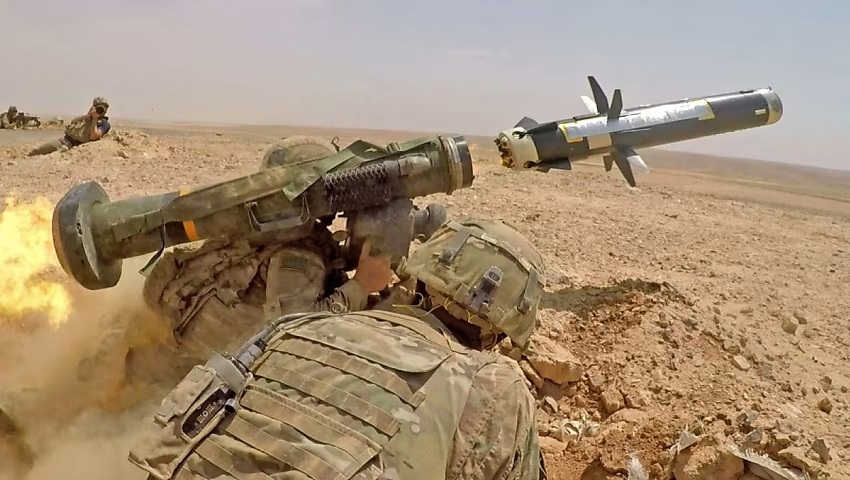
World
Defense News - Romania has received the green light to acquire Javelin anti-tank guided missiles from the United States in a potential foreign military sale valued at approximately $80 million. This approval, recently announced by the US State Department, encompasses 263 Javelin missiles and 26 launch units.In addition to the weaponry, Romania has sought missile simulation rounds, along with associated operating equipment and other logistical and program support services. The sale, endorsed by the US Defense Security Cooperation Agency, is seen as a strategic move to enhance Romania defense capabilities. As a NATO ally, Romania plays a crucial role in maintaining stability in Europe.The foreign military sale is expected to empower Bucharest in addressing both current and future threats, aligning with its national defense requirements and building long-term defense capacity. Lockheed Martin and Raytheon have been designated as the prime contractors for this significant arms deal.The Javelin, a US-manufactured tactical missile system, stands out for its ability to effectively neutralize main battle tanks and other armored vehicles with heightened precision. Noteworthy is its proficiency at short and medium ranges, accommodating day or night operations. The fire-and-forget capability of this anti-tank weapon allows operators to fire and promptly seek cover or reposition.According to the US Army, the Javelin tandem warheads are instrumental in defeating all known armor threats, offering defensive capabilities against both attacking and hovering helicopters.Upon delivery, Romania will join the ranks of several countries already operating the Javelin system. This global roster includes Australia, Estonia, France, Taiwan, Ukraine, the United Arab Emirates, and the United Kingdom. The acquisition underscores Romania commitment to bolstering its defense posture and contributing to collective security efforts.
Read More → Posted on 2023-12-19 16:37:24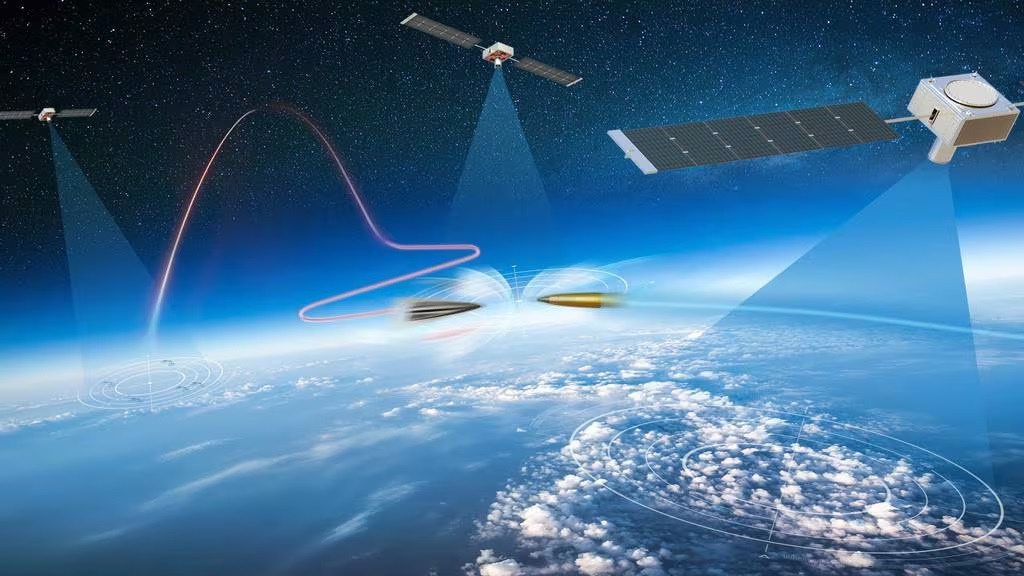
World
Defense News - On December 18, a recently released study has illuminated potential hurdles in the Pentagon ambitious project to deploy a network of space sensors dedicated to detecting and tracking hypersonic missiles. Conducted by the Center for Strategic and International Studies, the study relies on internal modeling and simulations to pinpoint areas of improvement in the proposed network. Titled "Getting on Track: Space and Airborne Sensors for Hypersonic Missile Defense," the report aims to spark a conversation about addressing the challenges associated with countering these highly maneuverable missile threats.The study acknowledges the inherent difficulty in designing a flawless sensor architecture and emphasizes the need for continuous refinement. Hypersonic weapons, capable of flying at speeds exceeding five times the speed of sound, pose a unique challenge due to their rapid velocity and unpredictable flight paths, making detection and tracking a complex task.A key aspect highlighted in the report is the Defense Department investment in a multi-layered system of missile-tracking sensors. It underscores the significance of advancing technology for sensor fusion, the process of combining data from various sensors to create accurate tracks. This is crucial to prevent confusion, as a fast-traveling missile can resemble multiple objects.While acknowledging the substantial investment by the DoD in space sensors as a cornerstone of hypersonic defense architecture, the report cautions that technical challenges remain. Infrared and electro-optical sensing technologies are mature, but tracking hypersonic missiles is more challenging than traditional ballistic missile warning systems. The report compares the difficulty to tracking a slightly brighter candle in a sea of candles, requiring extensive testing for validation.Masao Dahlgren, the author of the report, emphasizes the importance of "fire control" data precise enough to guide an interceptor accurately. The quality of this data directly influences the interceptor maneuverability and cost. The report suggests that having more precise data could lead to more cost-effective interceptors.Another critical concern highlighted is the process of sensor fusion, analogous to the challenges faced by autonomous vehicles. The report draws parallels, explaining that, similar to cars using multiple sensors for navigation, missile defense requires merging data from multiple satellites to form a comprehensive target track.The study raises questions about the future low Earth orbit architecture being developed by the Space Development Agency, which plans to deploy dozens of tracking satellites. The challenge lies in effectively fusing data from multiple sources into a common operating picture, with the capacity for sensor fusion becoming a potential bottleneck.Addressing coverage tradeoffs, particularly in the Indo-Pacific region where Chinese hypersonic missiles might be deployed, the report suggests various orbit architectures, each with its pros and cons. It underscores the need for careful consideration of factors such as coverage, persistence, and cost when deploying satellites in low Earth orbit (LEO), medium Earth orbit (MEO), geostationary orbit (GEO), or highly elliptical orbit (HEO).The study concludes by emphasizing the complexity of sensor fusion as a critical engineering challenge and urges stakeholders to carefully weigh the tradeoffs for effective hypersonic missile defense. It provides valuable insights into the technical challenges and considerations that the Pentagon must address as it advances its hypersonic defense initiatives. Funding for the study was provided by industry leaders, including General Atomics, L3Harris, Leidos, and Lockheed Martin.
Read More → Posted on 2023-12-19 15:58:23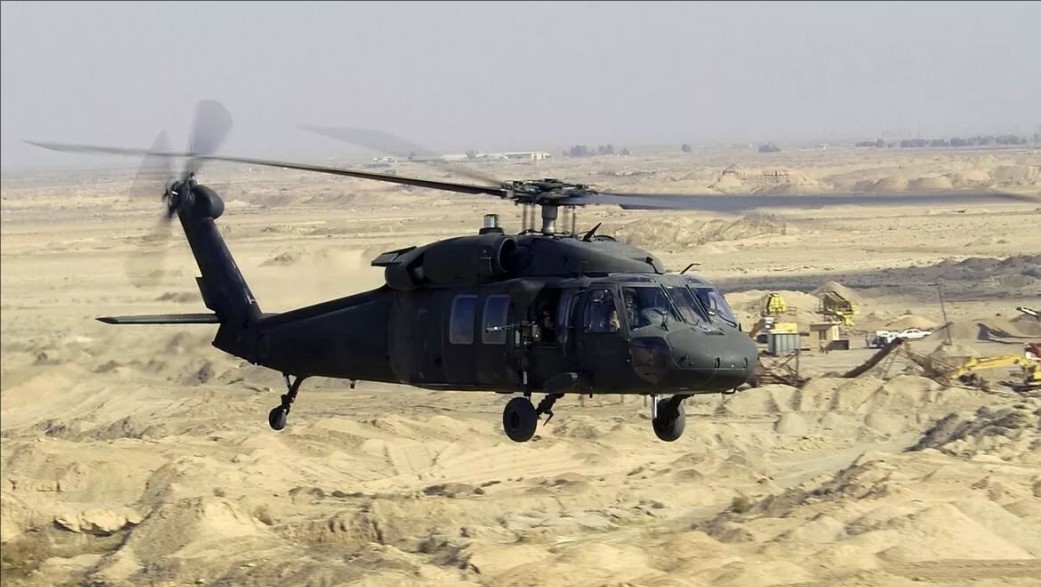
World
Defense News - The US State Department has greenlit a potential sale of Sikorsky UH-60M Black Hawk helicopters to Greece, with a total value of $1.95 billion. The proposed acquisition aims to enhance Athens helicopter fleet by replacing existing units with 35 advanced Black Hawk helicopters renowned for their reliability and versatility.In addition to the helicopters, the deal encompasses various sophisticated systems, including common missile warning, radar, and wireless intercom systems. The potential agreement also opens the door to procuring unguided rockets, machine guns, and other ballistic weaponry, further bolstering the aircraft capabilities.As part of the comprehensive package, Greece will receive personnel training and training equipment to ensure seamless integration of the Black Hawk helicopters into its armed forces. This move follows Greece recent fiscal stabilization, enabling the allocation of a substantial six-year defense procurement budget, estimated at approximately 11.5 billion euros ($12.6 billion).This is not the first collaboration between the United States and Greece in the realm of military acquisitions. In 2019, a similar agreement saw Greece acquiring MH-60R Seahawks, reinforcing its commitment to NATOs military capabilities.The Sikorsky UH-60M Black Hawks, at the heart of this proposed deal, are twin-engine, medium-lift military helicopters known for their versatility. Designed to perform a range of tasks from mine-laying to medical evacuation, these helicopters are equipped with T700-GE-701D engines, granting them a maximum speed of 159 knots (183 miles/295 kilometers per hour) and a cruising speed of 152 knots (175 miles/282 kilometers per hour). Manned by a four-person crew, including two pilots and two crew chiefs or gunners, these helicopters represent a significant advancement for Greece military capabilities.
Read More → Posted on 2023-12-19 15:53:58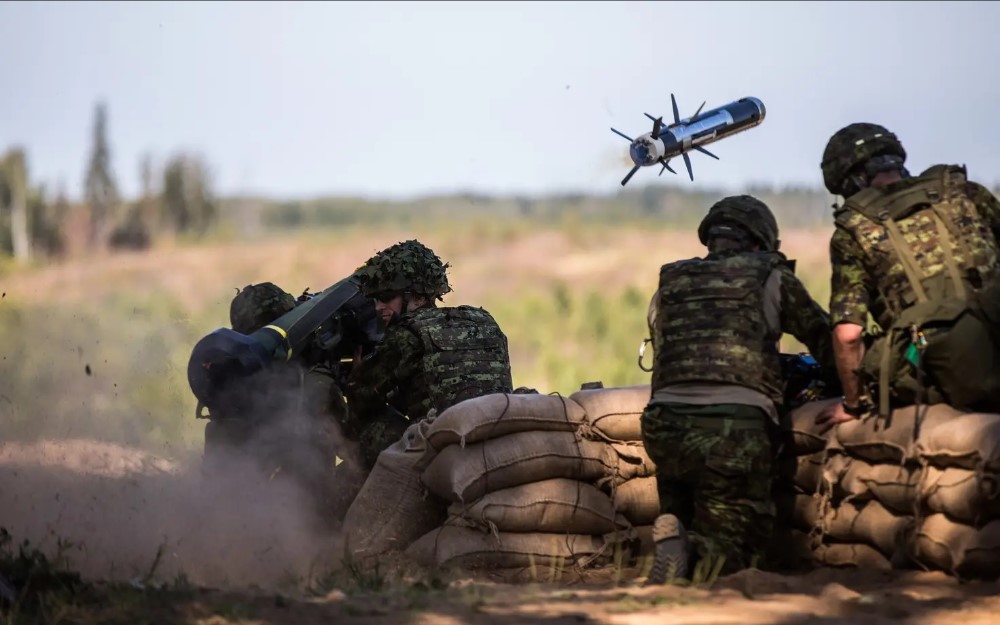
World
Defense News - Estonia has declared its commitment to providing substantial military assistance to Ukraine in the face of Russia invasion, offering a comprehensive aid package valued at around 80 million euros ($87.5 million). The assistance comprises Javelin anti-tank missiles, surface and land platforms, diving equipment, machine guns, light weapons, and ammunition to bolster Ukraine defense capabilities.Hanno Pevkur, Estonia Minister of Defense, emphasized that this long-term military support aims to maximize benefits for Ukraine without depleting Estonia own military resources. Reflecting on the pivotal role played by Estonian Javelins in the defense of Kyiv last year, Pevkur highlighted the need for ongoing international support to ensure Ukraine fight for freedom is successful.The aid package serves as a strategic message to counter the actions of the Russian regime, with a commitment to sustained support until Ukraine achieves victory. Pevkur emphasized the broader implications, stating, "What s at stake isn’t only the security of Ukraine, but also Estonian, transatlantic, and global security as a whole."In conjunction with the announcement, the Estonian government released a discussion paper evaluating transatlantic security in the context of the Eastern European conflict. The documentation outlines estimates of the annual support required to ensure Ukraine triumph over Russia.Pevkur called on the international community, stating, "Allies have what it takes," highlighting that a relatively small commitment—0.25% of the gross domestic product annually from free-world nations—could significantly impact Russia aggressive actions in Ukraine. He stressed that such support is a modest investment compared to the potential costs if Russia aggression goes unchecked.To underscore their commitment, Estonia plans to allocate the same percentage of its gross domestic product for the next four years to bolster Ukraine military capabilities. Pevkur urged the importance of collective efforts, stating, "Ukraine is also fighting for us," and emphasized the significance of each war machine destroyed with external assistance in reducing the Russian threat to Europe. The overarching message is a call to action, demonstrating that with determination, there is a path to providing enduring support for Ukraine in its quest for freedom.
Read More → Posted on 2023-12-19 15:45:43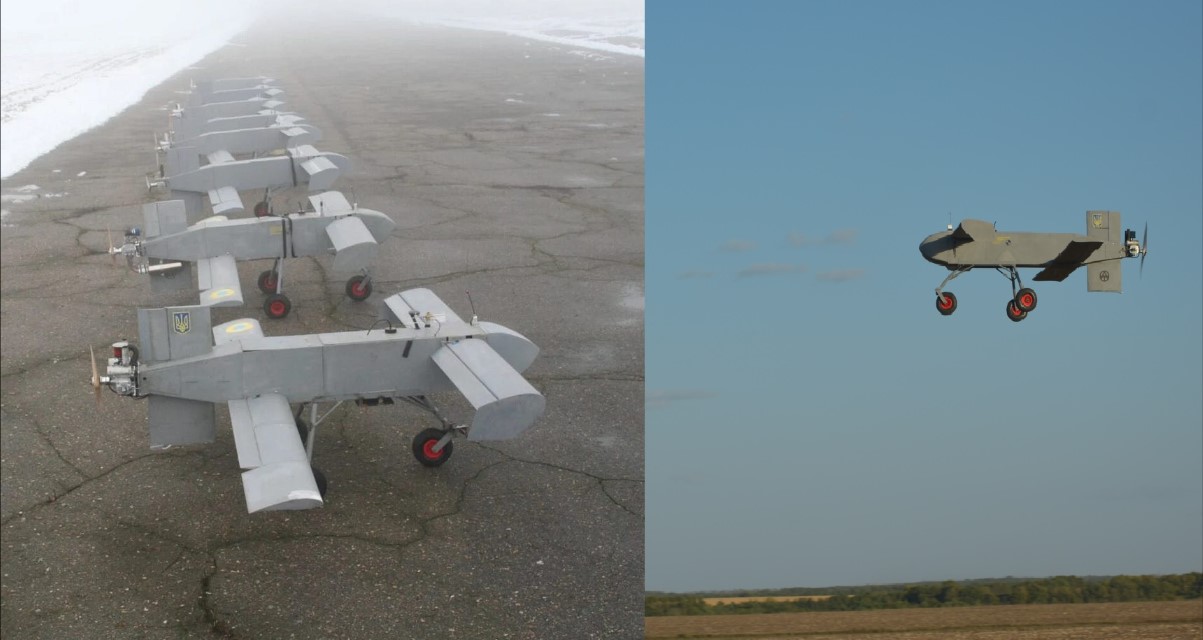
World
Defense News - Kyiv-based Terminal Autonomy has secured a contract to supply the Ukrainian Armed Forces with 50 AQ-400 Scythe drones each month, and there are ambitious plans to scale production to 500 units by 2024. Co-founder Francisco Serra-Martins expressed the company ultimate goal of manufacturing 1,000 units on a monthly basis, as reported by Forbes.What sets the AQ-400 Scythe drone apart is its construction using "milled sheets of plywood from a network of furniture factories." This innovative approach to material selection distinguishes it from other drones on the market, including those made through 3D printing or composed of materials like fiberglass. The plywood construction facilitates a more scalable mass production process.The drone boasts an impressive operational range of 750 to 900 kilometers (466 to 559 miles), depending on the engine variant chosen. This extensive reach places significant portions of Russian territory and the entirety of Crimea within its operational scope. Terminal Autonomy offers flexibility in engine options, allowing the drone to be equipped with either domestic or imported engines.With a cruising speed of 140 kilometers (85 miles) per hour, the AQ-400 Scythe can accelerate to 200 kilometers (124 miles) per hour during its terminal stage, ensuring swift and effective mission execution.Drawing parallels with the Iranian Shahed drone, the AQ-400 Scythe features a 42-kilogram (92-pound) warhead. This includes the option of a locally manufactured thermobaric warhead or a pair of 122mm artillery rounds that disperse shrapnel, according to insights from Serra-Martins as reported by Forbes. The drone modular bay supports various mission-specific payloads, and its compact design enables the stacking of 30 drones within a standard shipping container.A notable aspect of the AQ-400 Scythe is its cost-effectiveness, with a base price of $15,000 or $30,000 when equipped with guidance systems. Additionally, the drone exhibits versatility in take-off options, capable of launching from short runways, such as roads, or utilizing rocket-assisted take-offs in scenarios where traditional runways are unavailable. This combination of features positions the AQ-400 Scythe as a formidable and adaptable asset in the Ukrainian Armed Forces drone arsenal.
Read More → Posted on 2023-12-19 15:40:50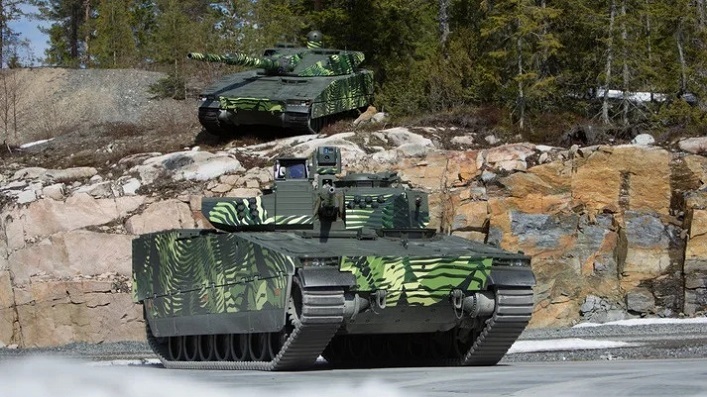
World
Defense News - In a significant display of solidarity with Ukraine, Denmark and Sweden have recently formalized their commitment to send additional combat vehicles to the embattled country. The joint declaration, signed on December 18, outlines a collaborative effort to bolster Ukraine defense capabilities through the delivery of newly produced Combat Vehicle 90 (CV90).The Swedish defense ministry conveyed that the letter of intent solidifies the two Nordic nations resolve to leverage their industrial capabilities in facilitating the provision of these combat vehicles to Ukraine. This move comes as an extension of support, building on Sweden earlier donation of 50 CV90s to Ukraine.Swedish Defense Minister Pal Jonson emphasized the CV90s pivotal role in enhancing Ukraine defense capabilities. The recent agreement follows a preceding pact between Stockholm and Kyiv in August, signaling a commitment to intensified cooperation in the production and servicing of infantry fighting vehicles.Although the exact number of vehicles and delivery timelines remain undisclosed, the Danish government is set to contribute an initial investment of $264 million. Subsequently, Stockholm will proceed with the order and acquisition of the CV90s, which are manufactured by BAE-Systems Hagglunds.This collaborative effort marks a strategic step forward in the partnership between the two countries. While the possibility of joint manufacturing of CV90s in Ukraine was hinted at in the August agreement, Swedish executives have refrained from commenting on specific plans in that regard.Denmark commitment to military aid for Ukraine extends beyond combat vehicles. In September, the Danish Ministry of Defense announced a comprehensive aid package totaling $833 million. Over a three-year period, this support encompasses tanks, Infantry Fighting Vehicles (IFVs), tank ammunition, and anti-aircraft guns.Notably, recent orders for CV90s have been placed by Slovakia and the Czech Republic, further underlining the growing significance of this advanced combat vehicle in European defense strategies. Slovakia secured 152 vehicles for $1.37 billion, while the Czech Republic acquired 246 units for $2.2 billion. While specific details of these deals were not disclosed, the average cost per CV90 in both cases is estimated to be around $9 million.
Read More → Posted on 2023-12-19 15:31:26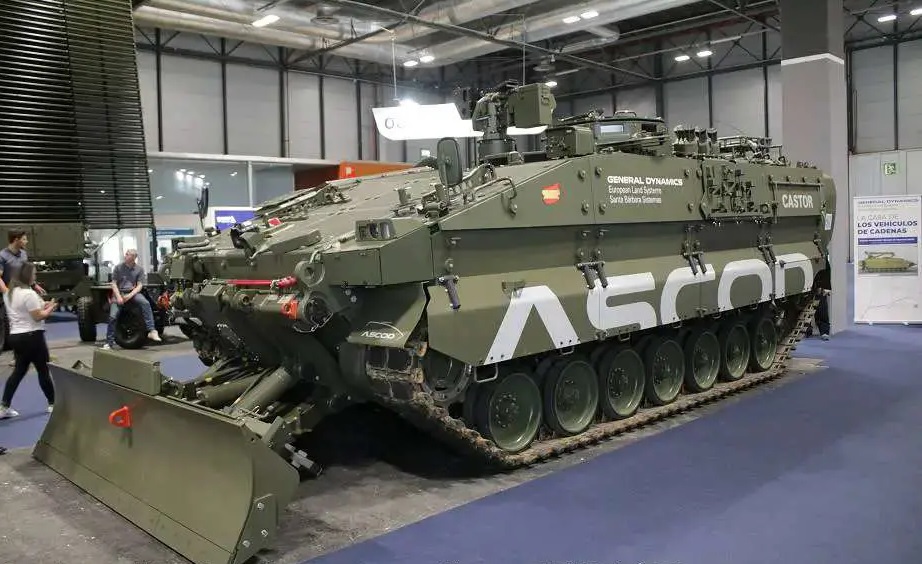
World
Defense News - The Spanish Army has celebrated the arrival of its inaugural fleet of six Castor armored engineering vehicles from General Dynamics European Land Systems (GDELS), marking a significant advancement in military technology. These combat vehicles are poised to play a crucial role in supporting armored units and enhancing mobility during ground operations.A ceremonial handover took place at a GDELS facility in Seville, with the distinguished presence of state defense secretary Mariaz Amparo Valcarce Garcia and various army officials. Garcia emphasized the importance of this new capability, describing it as a "substantial technological advancement" that empowers sapper units with heightened protection, operational capacity, and essential mobility for mission success.Built on the ASCOD 2 Pizarro platform, the Castor engineering vehicle boasts a versatile set of capabilities, including tasks such as leveling, filling trenches, clearing obstacles, and aiding in river crossing operations. The vehicle can be equipped with a bulldozer blade, plow, roller, breach marking system, and a heavy mine-clearing hose launcher system, enhancing its adaptability for various missions.One notable aspect of the Castor is its 100% Spanish design, a historic milestone according to GDELS general director Juan Escrina. Specifically tailored for the missions of the Armed Forces sapper and engineer units, the vehicle showcases improved lethality through its all-weather target acquisition systems and a 12.7-millimeter machine gun.Looking ahead, the Spanish Army can anticipate the delivery of the remaining 30 Castor vehicles, completing the order by 2024. This development underscores Spain commitment to cutting-edge military technology and its dedication to providing its armed forces with state-of-the-art equipment designed to meet the challenges of contemporary warfare.
Read More → Posted on 2023-12-19 05:02:26Search
Top Trending in 24 Hours
-
 U.S. Rewards UAE With License-Free Access to Advanced AI Chips After Support in Iran Operations
-
 Israel Lifts Restrictions on U.S. Refueling Tankers at Ben Gurion Airport After Pentagon Protest
-
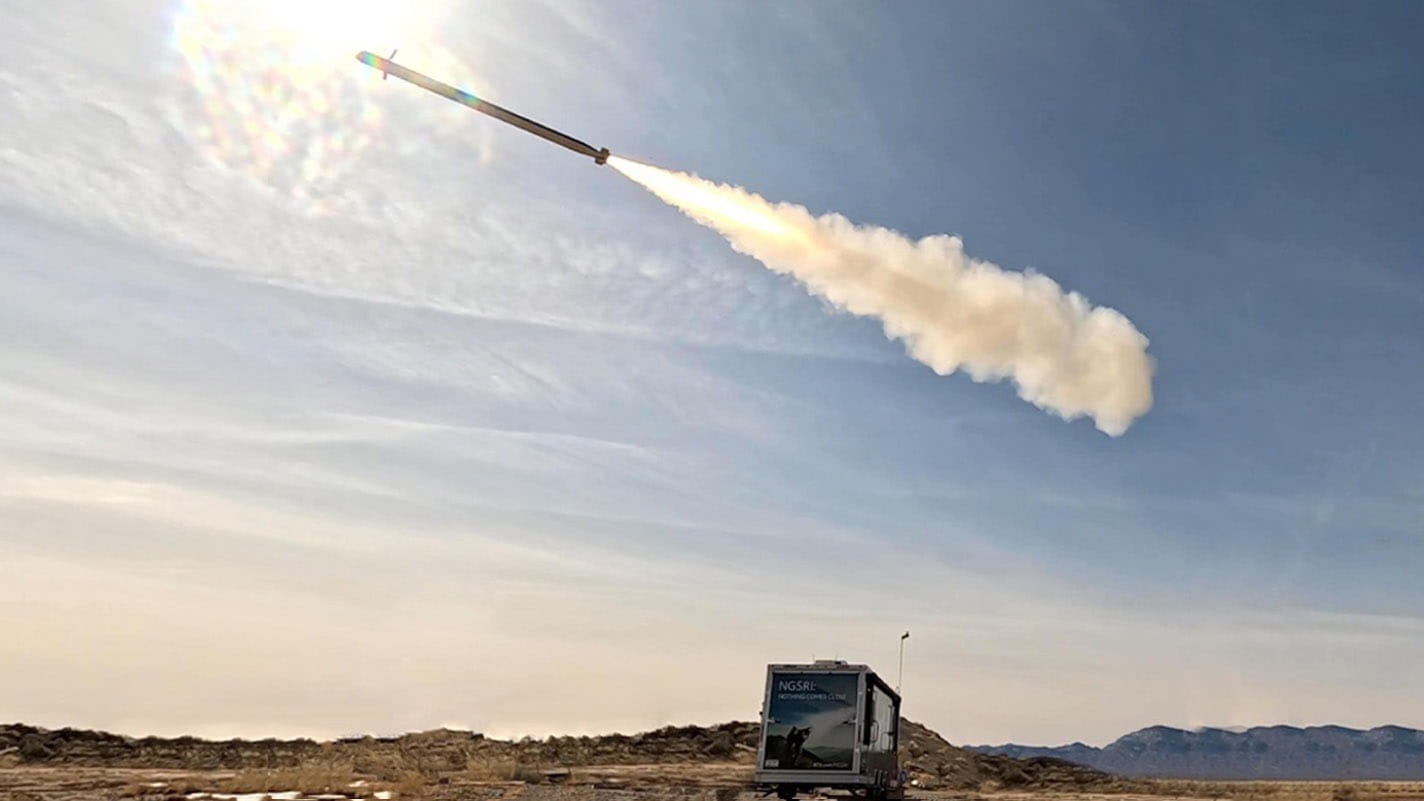 Raytheon Successfully Demonstrates NGSRI Missile as U.S. Army's Future Stinger Replacement
-
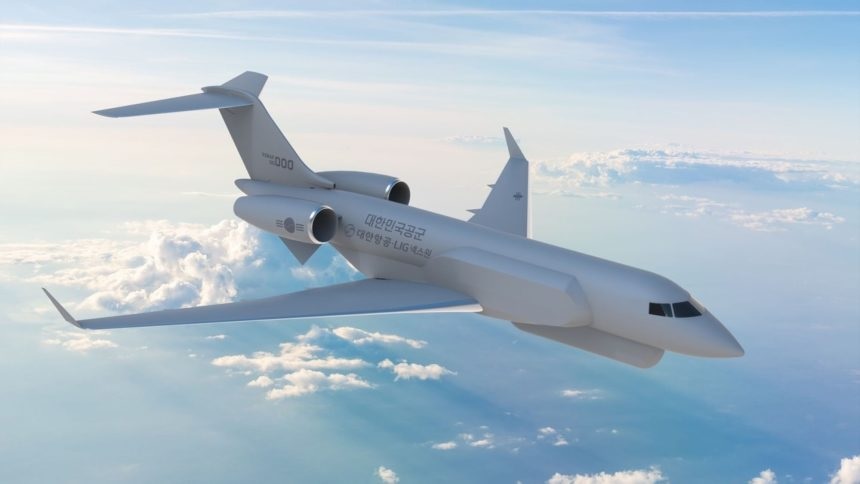 South Korea Acquires Two Bombardier Global 6500 Jets for New Electronic Warfare Fleet Under $1.1 Billion Block-I Program
-
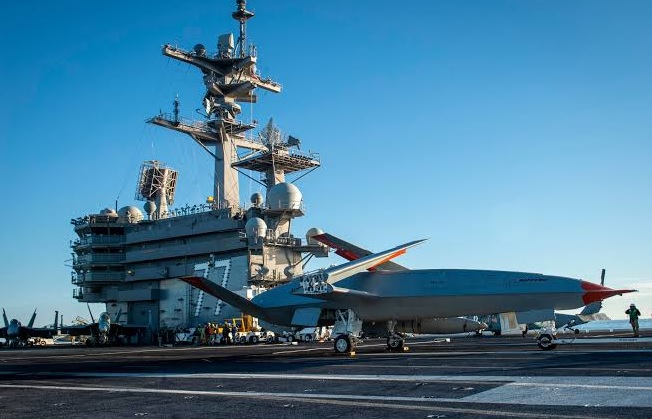 U.S. Navy Seeks Next-Generation Carrier Drones with 1,852 Km Combat Radius for Future Air Wing
-
 DRDO Successfully Completes Military Field Trials of Indigenous Fiber-Based Quantum Key Distribution System
-
 Europe Launches Bliksem EXO to Build Its First Exo-Atmospheric Ballistic Missile Interceptor
-
 Northrop Grumman, DARPA, and USNRL Set July 21 Launch for Mission Robotic Vehicle and Satellite Servicing Mission
Top Trending in 4 Days
-
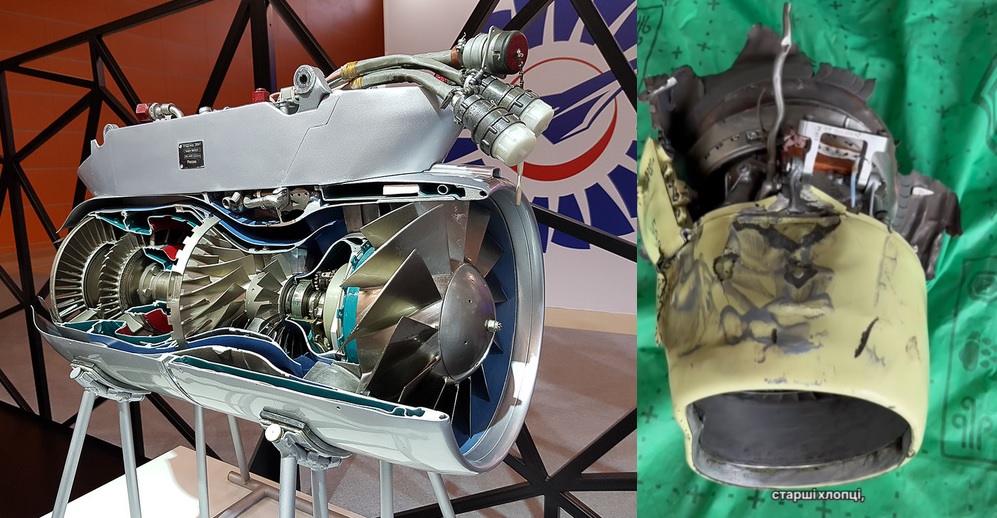 Russia Reportedly Equips Kh-101 Cruise Missiles With New 3D-Printed Single-Crystal Engines
-
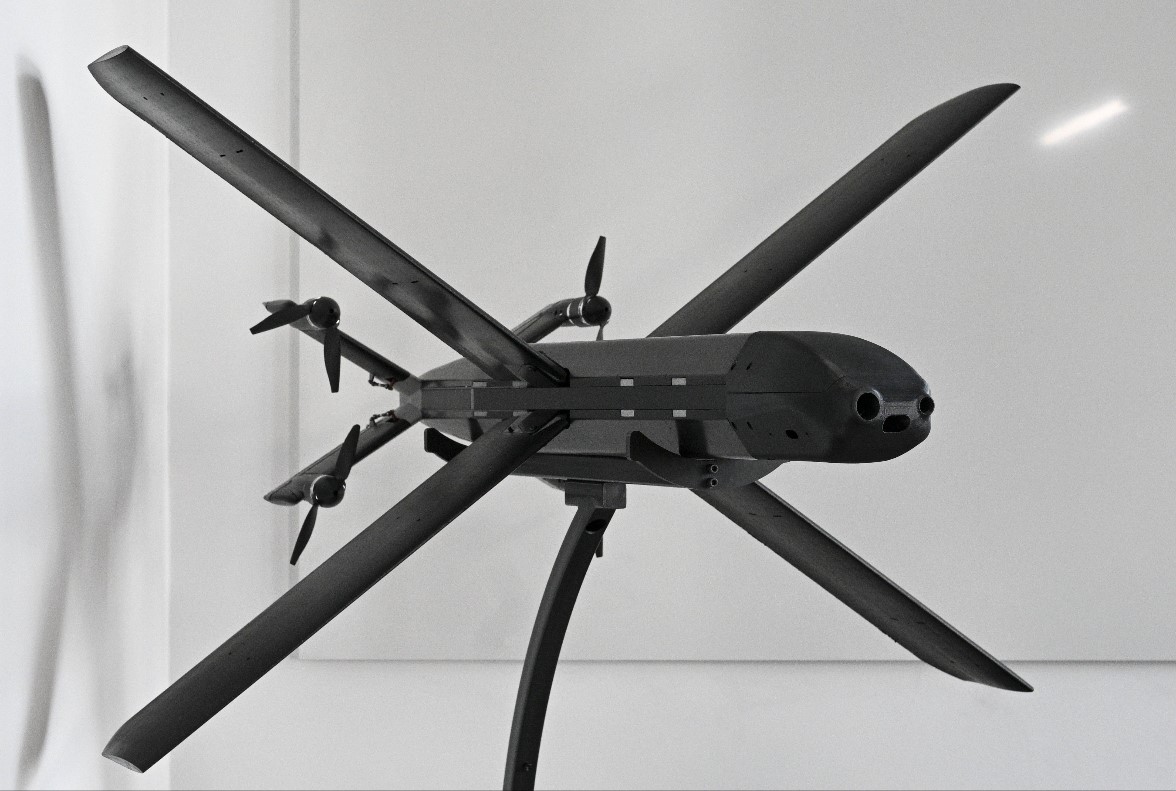 Germany's Secret Factory Is Mass-Producing AI-Powered HX-2 Strike Drones for Ukraine
-
 Indian Startup Vimag Labs Breaks China's Rare-Earth Monopoly With New Magnet-Free EV Motor
-
 FCC Approves Launch of Eärendil-1, the First Satellite Designed to Reflect Sunlight on Earth After Dark
-
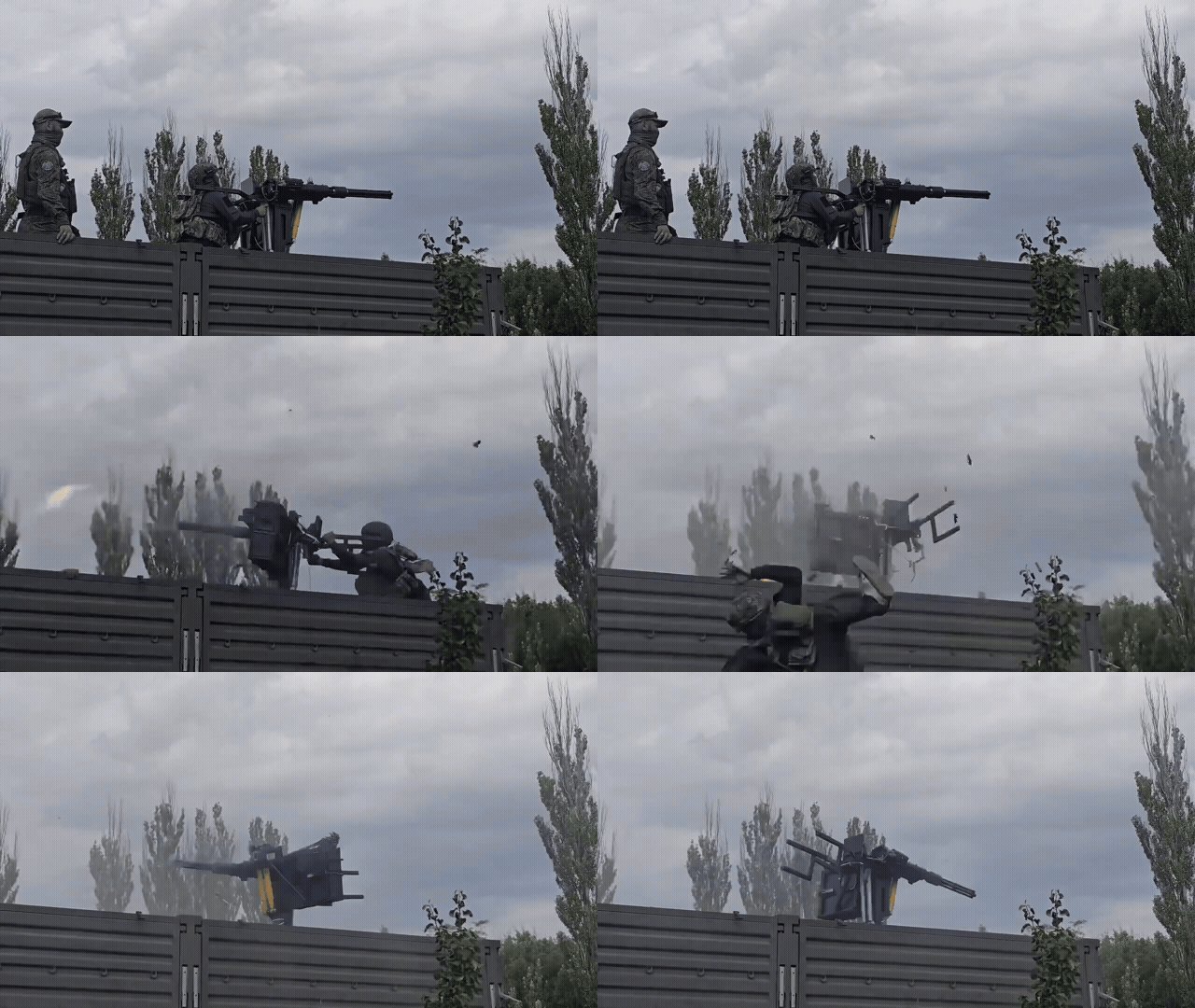 Russian Anti-Drone Training Exercise Highlights Mounting Challenges with Repurposed YakB-12.7 Machine Gun
-
 U.S. Strikes 140 Iranian Military Targets in Third Round After IRGC Attack on M/V GFS Galaxy
-
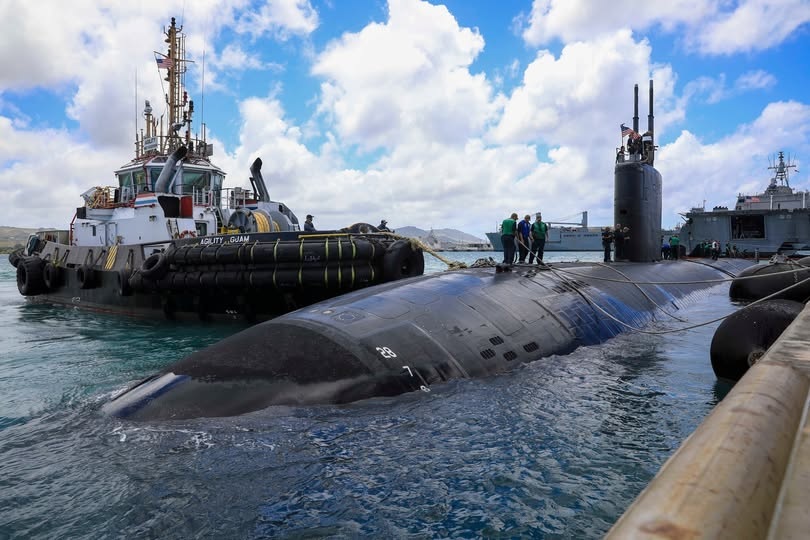 USS Tucson Arrives in Guam to Strengthen U.S. Navy’s Forward-Deployed Submarine Force
-
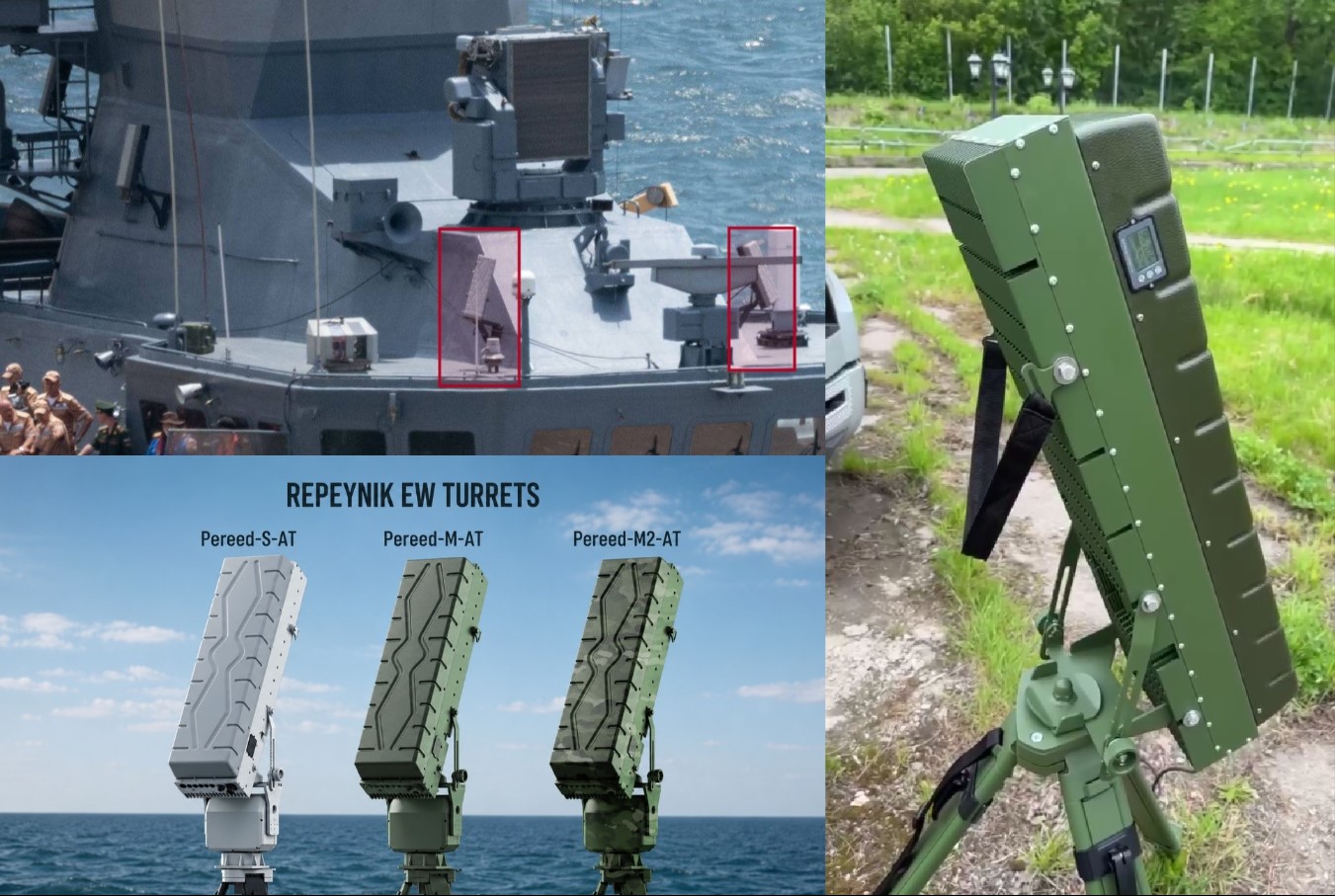 Russian Navy Begins Installing Pereyed-M Anti-Drone Electronic Warfare Systems on Warships