World
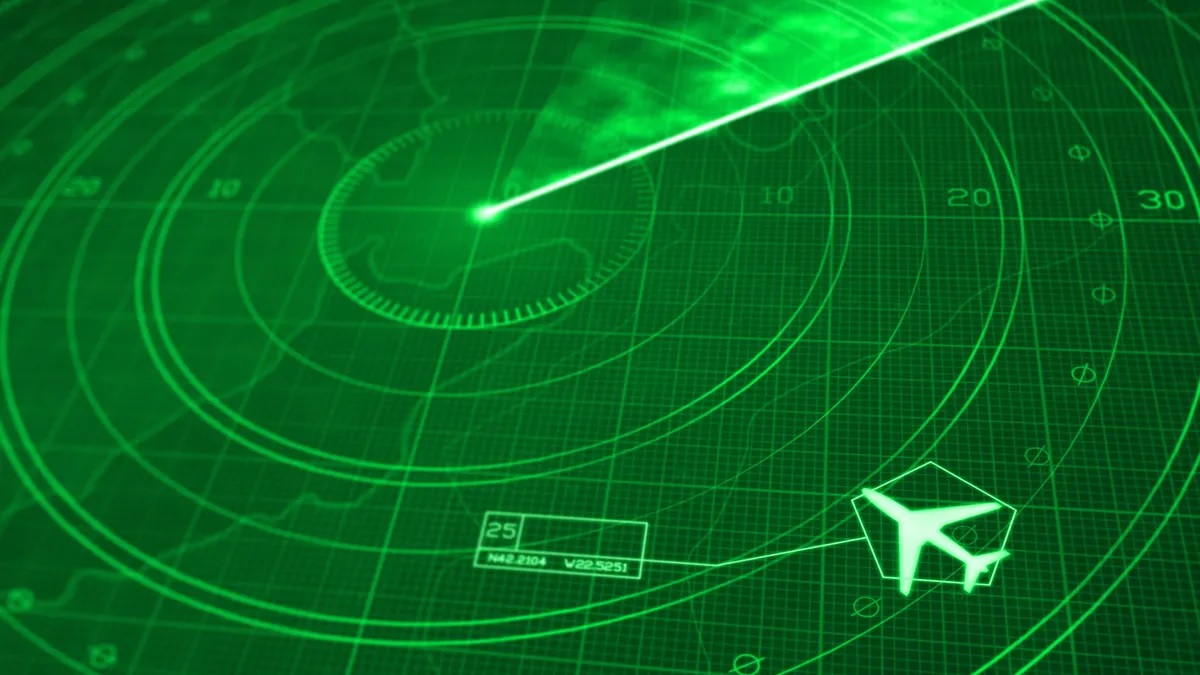
Defense News , China :- China has declared a groundbreaking achievement in military technology with the development of a system named "Golden Veil," designed to cloak its cruise missiles and render them indistinguishable from regular passenger planes on enemy radar.The innovation, hailing from a research team in northwest China, operates by manipulating a missile radar cross-section to imitate the appearance of large commercial aircraft like the Boeing 737 or Airbus A320. Described as functioning similarly to an umbrella, the Golden Veil provides the capability for an airborne weapon to seamlessly transition between visibility and stealth modes mid-flight.The technology, as reported by the South China Morning Post, not only disguises the missiles but also aims to cut down the response time available to military commanders facing the threat.Referred to as a potential game-changer in warfare, the Golden Veil comprises gold-plated fine metal threads intricately woven to form a web that reflects radar signals. Weighing in at approximately one kilogram (2.2 pounds), this versatile technology is compatible with various missiles within the People Liberation Army arsenal. Moreover, it is said to be crafted from low-cost materials, suggesting a high demand in the future.This development is seen as part of China efforts to bolster its military capabilities, particularly in the context of an apparent "technology race" with the United States. The Golden Veil, with its potential to significantly impact aerial combat strategies, represents a transformative leap forward, according to the scientists responsible for its creation.However, despite its promising capabilities, the Golden Veil may encounter hurdles during mass production. Ensuring consistent performance will be crucial, prompting suggestions that China might need to invest further in advanced automation and production techniques to meet the challenges of large-scale manufacturing.
Read More → Posted on 2023-12-22 15:32:16
World
Defense News ,North Korea :- The International Atomic Energy Agency (IAEA) is expressing concerns over North Korea potential launch of a new operational nuclear reactor at the Yongbyon site. This move could lead to the production of additional plutonium, a critical element in the development of nuclear weapons.Evidence suggests that Pyongyang is actively using the 5-megawatt reactor at the facility to burn fuel for the production of plutonium. Recent observations by the IAEA reveal that the reactor cooling system is discharging warm water, indicating its sustained operation over the past few months. IAEA Chief Rafael Grossi stated that the warm water discharge aligns with the commissioning process of a new reactor, emphasizing that such a process takes time.Despite these observations, the IAEA has been denied access to the Yongbyon reactor since 2009 when North Korea severed ties with the agency and its inspectors. The UN relies on satellite imaging to monitor the site, making it challenging to obtain accurate information about the reactor operational status.Grossi highlighted the importance of nuclear safety in the commissioning of a new reactor, emphasizing that it is the sovereign responsibility of the state. However, without access to the facility, the IAEA cannot confirm the reactor operational status or assess its safety.North Korea actions related to its nuclear program are viewed by the IAEA as a threat to international peace and security. Grossi reiterated that the development and operation of the Light Water Reactor (LWR) violate UN Security Council resolutions, emphasizing the need for North Korea to cooperate with the IAEA and address outstanding issues.Grossi called upon North Korea to promptly cooperate with the IAEA in the full implementation of its Nuclear Non-Proliferation Treaty Safeguards Agreement. He urged the country to resolve all outstanding issues, especially those arising during the absence of agency inspectors. The IAEA expressed readiness to engage with North Korea on various issues, including nuclear safety.
Read More → Posted on 2023-12-22 14:09:08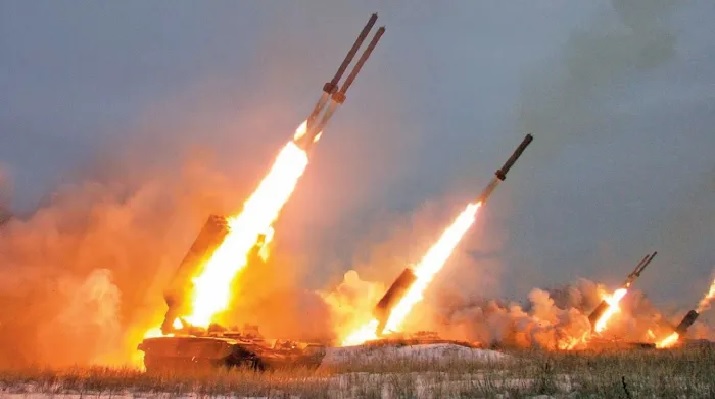
World
Defense News , Ukraine Russia war :- In the course of its 22-month-long invasion, Russia has launched an extensive aerial campaign against Ukraine, firing approximately 7,400 missiles and deploying 3,700 Shahed attack drones, according to statements from Kyiv on Thursday. The sheer magnitude of Moscow aerial offensives underscores the ongoing intensity of the conflict.Air force spokesperson Yuriy Ihnat revealed that Ukrainian air defenses successfully intercepted and brought down 1,600 missiles and 2,900 drones. In a televised statement, Ihnat emphasized Ukraine resilience in the face of a formidable aggressor, stating, "We are faced with an enormous aggressor, and we are fighting back."The lower success rate in intercepting missiles was attributed to the deployment of supersonic ballistic missiles, which are inherently more challenging to counter. Additionally, the delayed provision of advanced Patriot air defense systems by Western allies during the later stages of the war contributed to the challenges faced by Ukrainian forces.Throughout the invasion, Ukraine has received critical support in the form of advanced air defense systems, including multiple Patriot systems, empowering them to effectively counter incoming missiles.Conversely, the Iranian-made Shahed drones, known for their low-cost production and distinctive noisy petrol engines, have become increasingly prevalent in Russia aerial attacks on Ukrainian infrastructure beyond the war front lines in the east and south.Air force spokesperson Ihnat revealed that nightly engagements involving ten to fifteen regions have become routine in shooting down Shahed drones. Despite Russia claims of exclusively targeting military objectives, evidence indicates that civilian infrastructure, including energy facilities, has been affected, leading to thousands of documented civilian casualties.The use of Shahed drones began in September 2022, initially confounding Ukraine air defenses due to their stealthy nature, making them harder to detect than traditional missiles. This prompted Kyiv to adapt its defensive strategies to effectively counter the new threat.Facing the economic impracticality of using expensive air defense missiles against the cheaply-produced drones, Ukraine has resorted to employing vehicles with mounted machine guns to counter the aerial threat. Ihnat recalled the initial challenges, stating, "We were shooting at them with everything we could find, with pistols, submachine guns. Well, even then it became clear that the target is not simple, there are many complications, mistakes. You need to prepare."Evidence, including satellite imagery, has surfaced indicating that Russia has established its own Shahed production facilities, underscoring the evolving dynamics of the conflict and the ongoing technological adaptations by both parties.
Read More → Posted on 2023-12-22 04:18:20
World
Defense News , Spain :- In a significant move, Spain has committed €1.7 billion (U.S. $1.9 billion) to acquire 16 Airbus C295 aircraft tailored for maritime patrol and surveillance applications, Airbus announced on Wednesday.The procurement includes six maritime patrol variants designed for anti-submarine and anti-surface warfare missions, set to replace the retired Spanish P-3 Orion fleet from the end of 2022. Outfitted with advanced technology such as magnetic anomaly detectors, sonobuoys for submarine detection, and a multimode radar for long-range target detection, these aircraft will also feature satellite communications capabilities. The aircraft will serve as "highly connected" flying command-and-control centers, equipped with torpedoes for added defensive capabilities.Simultaneously, the remaining 10 C295 aircraft, configured for maritime surveillance, are slated to replace Spain aging CN-235 fleet, which has been in operation since 1988. Airbus plans to equip these aircraft to combat illegal activities such as smuggling, illegal migration, and drug trafficking, as well as conduct search and rescue missions.Spain, already operating a fleet of 13 C295 aircraft in a transport configuration, anticipates a seamless integration with the two new maritime versions. Assembly of the aircraft will take place at Airbus military facilities in Seville, with the first C295 in the maritime patrol configuration expected to be delivered in 2027, followed by the surveillance configuration in the subsequent year, and the final aircraft in 2031. The C295, originally designed and manufactured by CASA, a predecessor company of Airbus, boasts an impressive track record with a total of 283 planes ordered by the end of November, 216 of which have already been delivered.The contract encompasses comprehensive training systems, including a full flight simulator, along with an initial logistics support package. The government, having approved the budget for the C295 aircraft in June, officially signed the contract in September. This move further solidifies the C295s export success for Airbus, with notable orders from the Indian Air Force as well.Powered by two Pratt & Whitney turboprops, the C295 has a maximum takeoff weight of 23 metric tons. According to Airbus, the armed maritime patrol version can operate for two and a half hours at a distance of 800 nautical miles from takeoff and up to six and a half hours at a distance of 400 nautical miles. This strategic investment reflects Spain commitment to enhancing its maritime capabilities with cutting-edge technology.
Read More → Posted on 2023-12-22 04:05:49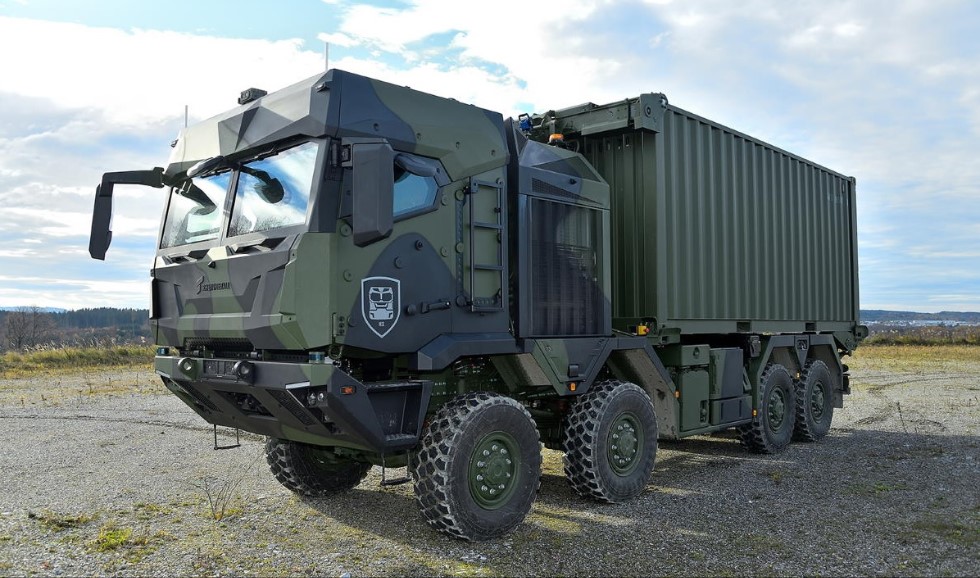
World
Defense News , Austreia :- In a significant stride toward enhancing its military capabilities, the Austrian Army has extended its contract with joint venture company Rheinmetall MAN Military Vehicles (RMMV) for the delivery of 300 trucks, valued at €300 million ($329 million). This development is part of the broader Austrian Army Build-up Plan 2023 initiative, reflecting a substantial investment in bolstering the nation defense capabilities.The expanded agreement builds upon a pre-existing contract that encompassed up to 1,375 military vehicles, with an estimated total value of €525 million ($574 million). The two-year project timeline allows for flexible call-offs of vehicles, providing adaptability to the Austrian Army evolving requirements.RMMVs HX truck range will play a pivotal role in this venture, offering robust off-road support through wear-free shock absorbers and stabilizers. With a gross train weight capability of up to 120 tons, these trucks serve as versatile cargo and troop carriers. The six-cylinder MAN D2066 engine propels the vehicles to an operational range of 300 miles (483 kilometers) at a maximum speed of 62 miles per hour.Highlighting the strategic significance of this collaboration, RMMV Managing Director Michael Wittlinger emphasized that these new capabilities will significantly enhance the resilience and sustainment of the Austrian Army. Wittlinger stated, "The expansion of the framework agreement with Rheinmetall MAN Military Vehicles GmbH is another strong sign that the Austrian Army is modernizing, but this applies all the more so to the Austrian economy."This partnership underscores RMMVs commitment to supporting the Austrian Army modernization efforts, as evidenced by the previous collaboration involving military vehicles from the company TGM, TGS, and HX lines. The joint efforts aim to facilitate the integration of cutting-edge technology and capabilities into the Austrian military, ensuring it remains well-equipped for contemporary defense challenges.
Read More → Posted on 2023-12-21 15:48:09
World
Defense News ,Sri Lanka :- In a recent development, Sri Lanka has decided to impose a one-year moratorium on allowing foreign vessels to conduct research in its territorial waters, according to statements by Foreign Minister Ali Sabry. This decision comes amidst a surge in docking requests from Chinese surveillance ships, raising concerns in New Delhi about potential espionage activities targeting Indian defense installations.Sabry conveyed that the Sri Lankan government has communicated this decision to relevant countries, citing the need for capacity development to ensure the nation active and equal participation in future research activities. The move comes in response to China request to berth another research vessel in Sri Lanka waters in January next year.China has regularly dispatched research and surveillance vessels to Sri Lanka, with instances such as the arrival of the Chinese People Liberation Army Navy warship HAI YANG 24 HAO in August this year. Notably, the Chinese Survey and Research Vessel "Shi Yan 6" docked at Colombo port in October, conducting research activities in the Indian Ocean despite objections from India.Past incidents, such as the port call of the Chinese ballistic missile and satellite tracking ship "Yuan Wang 5" in Hambantota, have triggered strong reactions from India due to concerns about sophisticated tracking systems potentially compromising Indian defense installations.Sabry emphasized that the 12-month moratorium is aimed at enhancing Sri Lanka capacity for meaningful participation in research endeavors. The government is also navigating geopolitical considerations, especially with upcoming elections, to maintain diplomatic ties without antagonizing any specific country.In addition to the moratorium, Sri Lanka has developed a Standard Operating Procedure (SOP) for foreign military vessels and aircraft arriving in the country. Sabry highlighted that the guidelines under the SOP have been shared with all countries deploying their vessels to Sri Lankan waters over the past decade, ensuring a standardized approach in such interactions.
Read More → Posted on 2023-12-21 15:38:21
World
Defense News , China :- In the latest development of the ongoing South China Sea sovereignty dispute, China Foreign Minister Wang Yi has emphasized the country commitment to maintaining military pressure on the Philippines. This announcement comes in the wake of a phone conversation between Wang and his Philippine counterpart, Enrique A. Manalo, during which Wang warned against any misjudgments or collaboration with external forces by the Philippines.Wang comments follow China recent mobilization of its coast guard and maritime militia to impede Philippine supply missions aimed at supporting its soldiers and fishermen. The South China Sea dispute involves conflicting territorial claims by China, the Philippines, Vietnam, Malaysia, Taiwan, and Brunei, all vying for control over islands, reefs, and undersea resources in the region.Accusing the Philippines of altering its policy stance and reneging on promises, Wang declared that the bilateral relationship is at a critical juncture. Wang urged caution on the part of the Philippines, emphasizing the need to handle the maritime situation responsibly. However, he provided no details on the agreements that Manila allegedly abandoned.The conversation between Wang and Manalo was described as a "frank and candid exchange," leading to a "clearer understanding of respective positions on a number of issues," according to Manalo office. Territorial tensions have escalated as China seeks to solidify its claims, challenging the US and its allies, including the Philippines.Notably, the head of the Philippine military encountered aggressive actions by Chinese coast guard ships, including a water cannon blast and dangerous maneuvers, adding to the growing tensions. China accused the United States of encouraging provocations by its treaty ally, the Philippines, without providing direct evidence.As Washington is bound by a 1951 treaty to defend the Philippines from attack, the situation has become more precarious with the recent election of President Ferdinand Marcos Jr. He highlighted the urgency of the South China Sea issue as China expands its presence, expressing concern about China increasing interest in atolls and shoals close to the Philippines.The geopolitical standoff continues, with the Philippines urged to exercise caution, and China reiterating its determination to defend its rights in accordance with the law. The international community watches closely as tensions rise in one of the world most crucial waterways for shipping.
Read More → Posted on 2023-12-21 15:37:05
World
Defense News , Germany :- The German Parliamentary Budget Committee has given the green light to a substantial investment exceeding three billion euros for the acquisition of guided missiles. This significant funding includes 3.01 billion euros ($3.30 billion) for 500 Patriot air defense system guided missiles and approximately 108 million euros ($118 million) for 120 IRIS-T air-to-air guided missiles, intended to replace munitions supplied to Ukraine.Delivery timelines have been established for these acquisitions, with Patriot interceptors scheduled for deployment between 2027 and 2033, while the IRIS-T missiles are set to be dispatched by 2026.In a bid to maintain air combat superiority through the 2040s, the German military has initiated studies for an enhanced version of the Meteor air-to-air guided missile. The MBDA beyond-visual-range missile, currently integrated into the German Air Force Eurofighter aircraft, will undergo examination with a focus on potential modifications to the radar homing head, propulsion system, data link, and warhead. The German Ministry of Defense has allocated 34.9 million euros ($38.19 million) for these studies, which are slated to commence next year. Reports outlining adaptation options are anticipated to be available in 2025, with the participation of five other countries in the collaborative project.In addition to these advancements, the German Ministry of Defense is exploring the development of a successor to the Gepard anti-aircraft gun tank, retired in 2010. Following the outbreak of the conflict in 2022, Germany has supplied Ukraine with 80 Gepards to bolster defenses against low-flying aerial threats, including drones.
Read More → Posted on 2023-12-21 14:35:32
World
Defense News , Canada :- General Dynamics has successfully clinched contracts totaling 1.68 billion Canadian dollars ($1.3 billion) to fortify the Command, Control, Communications, Computers, Intelligence, Surveillance, and Reconnaissance (C4ISR) system of the Canadian Army.Under the first contract, General Dynamics is tasked with providing a comprehensive architectural and design framework for the C4ISR system, ensuring that all stipulated army requirements are meticulously met. This contract also encompasses the seamless integration of land C4ISR capabilities, spanning from mobile units to headquarters domains and simulation assets.The second contract is geared towards furnishing essential core network support for the Canadian Army C4ISR system across diverse domains. This endeavor aims to establish the C4ISR system as the digital backbone, fostering effective operation throughout the entire land C4ISR capability.Addressing the imperative of securely delivering information to end-users, the third contract mandates General Dynamics to provide support for user-facing services and software. These services and software play a pivotal role in transporting crucial data to the military through the C4ISR system.Devoting attention to Intelligence, Surveillance, Target Acquisition, and Reconnaissance (ISTAR) capability, the fourth contract underscores the augmentation of the Canadian Army ISTAR capabilities. General Dynamics is set to deliver standalone systems, integrated sub-systems, and other specialized products to enhance ISR services. These systems will empower the army to control, manage, and distribute intelligence efficiently, supporting data gathered by sensors across land, airborne, and naval domains.Joel Houde, Vice President of General Dynamics, affirmed the company commitment to supporting the Canadian Armed Forces, citing over 75 years of collaboration marked by superb engineering and technical prowess. Houde expressed confidence in General Dynamics ability to innovate and excel in the evolving battlespace, emphasizing the company dedication to the ongoing digitization of the Canadian Armed Forces.
Read More → Posted on 2023-12-21 14:18:07
World
Defense News , Philippines :- In a significant stride toward enhancing its air surveillance capabilities, the Philippines has successfully acquired an advanced radar system from Japan. The Mitsubishi-manufactured FPS-3ME radar was officially handed over to the Philippine Air Force (PAF) during a ceremony at the Wallace Air Station in the northern part of the country.The state-of-the-art surveillance system is designed to cover vast distances, spanning hundreds of miles, thereby playing a crucial role in safeguarding the sovereignty of the Philippines. "With over 7,000 islands to guard, the PAF needs the radar system to keep watch over the entire archipelago with greater accuracy and efficiency," emphasized PAF chief Lt. Gen. Stephen Parreno during a press briefing. He underscored the heightened importance of such technology given the evolving security landscape in the region.The Mitsubishi FPS-3ME radar is a long-range, active electronically scanned array radar renowned for its simultaneous detection and tracking capabilities for multiple aerial targets. With an impressive range of 330 nautical miles (611 kilometers), the radar system is set to significantly augment the PAFs ability to monitor and respond to potential threats.Describing the acquisition as "a major leap in our capability to protect our sovereign territory and ensure the safety of our citizens," Lt. Gen. Parreno highlighted the transformative impact of this advanced radar on the country defense infrastructure.As part of a 5.5-billion-peso ($98.7-million) deal, three more Japanese radar systems are anticipated to arrive in the Philippines, further fortifying the nation air surveillance capabilities.The strategic placement of the surveillance system in the northern part of the country, at the Wallace Air Station, aligns with the vision of Philippine Defense Secretary Gilbert Teodoro. He pointed out that this location serves as the exit point of international airspace and the entry point of Philippine airspace. Additionally, it strategically overlooks the West Philippine Sea, where reports suggest unauthorized operations by Chinese ships."We will have a clear picture, not only in the West Philippine Sea but also in other parts of the Philippines sea and air domains [to detect] those who are entering our [exclusive economic zone]," affirmed Defense Secretary Teodoro, underscoring the comprehensive coverage and strategic importance of the newly acquired radar system.
Read More → Posted on 2023-12-21 14:00:46
World
Defense News ,Czech Republic :- Czech Defence Minister Jana CernochovA has revealed that her country is currently in advanced discussions with Germany regarding a collaborative effort to acquire Leopard 2A8 tanks. Simultaneously, negotiations are nearing completion for the procurement of C-390 Millennium transport aircraft and F-35 Lightning II fighter jets.In an interview with local news site CZDefence.cz, Minister Cernochova emphasized the potential benefits of teaming up with Germany for tank acquisitions, anticipating improved conditions from the manufacturer, particularly in terms of pricing and delivery time.“The negotiations are currently underway, and we expect to have a clear direction by the next year,” stated Cernochova.In 2022, the Czech Republic demonstrated solidarity by donating its Soviet-designed T-72 tanks to Ukraine to aid in the country resistance against Russia ongoing invasion. As part of the "Ringtausch" program, Berlin reciprocated by transferring a batch of Leopard 2A4s to Prague, ensuring the Czech military continued operational capabilities.Last July, the Czech Ministry expressed its consideration to acquire "up to 77 Leopard 2A8 tanks."Addressing the military acquisition priorities for the upcoming year, Minister Cernochova outlined plans to finalize a deal for two C-390 Millennium aircraft from Embraer in 2024. Negotiations for this procurement began earlier this year.Furthermore, the minister revealed that a contract for the acquisition of 24 F-35s for the Czech Air Force is on track to be concluded "in a matter of weeks." These strategic moves signify the Czech Republic commitment to enhancing its defense capabilities through collaborations and modernizing its military assets.
Read More → Posted on 2023-12-21 05:20:19
World
Defense News - WASHINGTON, LONDON, and PARIS — A coalition of nations has unveiled their commitments to Operation Prosperity Guardian, a collaborative security initiative in the Middle East aimed at safeguarding merchant ships in the Red Sea region from the threat of drones and missiles.The official announcement came from U.S. Defense Secretary Lloyd Austin on December 18, emphasizing the need for collective action to ensure the safety of civilian vessels in the area. Houthi rebels in Yemen have already conducted over 100 attacks using drones and ballistic missiles, targeting 10 merchant vessels from more than 35 nations.Operation Prosperity Guardian will see the involvement of several countries, including the United Kingdom, Bahrain, Canada, France, Italy, Netherlands, Norway, Seychelles, and Spain. The primary objective is to address security challenges in the southern Red Sea and the Gulf of Aden, with the overarching goal of guaranteeing freedom of navigation for all nations while enhancing regional security and prosperity, as stated by Secretary Austin.This initiative will operate under the umbrella of the Combined Maritime Forces (CMF), a multinational maritime partnership headquartered in Bahrain, specifically falling under Task Force 153. The CMF, comprising 39 nations, focuses on securing vital waterways such as the Gulf of Oman, the Indian Ocean, the Persian Gulf, the Red Sea, and the Gulf of Aden. Task Force 153, established in 2022, originally targeted human trafficking and smuggling but is now being leveraged to counter the growing threat of drone and missile attacks in the region.Approximately 20,000 commercial vessels traverse the Red Sea and Gulf of Aden annually, making the security of these waterways a global concern. The involvement of Task Force 153, with its expanded mandate, highlights the multifaceted approach to address piracy, smuggling, and now, drone and missile threats.Participating nations have outlined their specific contributions to Operation Prosperity Guardian:Britain: The United Kingdom has committed a Type 45 destroyer, HMS Diamond, equipped with air defense weapons to lead the Royal Navy contribution to the international task force. This deployment follows the recent interception of a suspected Houthi drone targeting a commercial ship.Italy: Italy will contribute the multimission frigate Virginio Fasan to counter destabilizing terrorist activity in the Red Sea. The decision aligns with discussions between Italian Defence Minister Guido Crosetto and U.S. Defense Secretary Lloyd Austin, emphasizing the importance of securing shipping routes.France: The French multimission frigate Languedoc has been actively patrolling the Gulf of Aden and the southern Red Sea since December 8, intercepting hostile drones and ensuring freedom of navigation. The frigate intervention protected the Norwegian oil tanker Strinda from a potential hijacking incident.Norway: While Norway is not sending vessels, it will dispatch up to 10 staff officers to support the Combined Maritime Forces in their efforts.The Netherlands: The Netherlands plans to contribute two staff officers to the operation, with a potential review of additional naval assets in the future.Spain: Spain is yet to decide on its participation in Operation Prosperity Guardian, and any involvement would be considered within the frameworks of NATO or the European Union, according to the Defense Ministry spokesperson, Nuria Fernandez de la Fuente.
Read More → Posted on 2023-12-21 05:06:31
World
Defense News - In a momentous handover ceremony in Bremerhaven, Germany, German shipbuilder ThyssenKrupp has successfully delivered the third vessel in the MEKO A-200 frigate series, named ENS Al-Qadeer (FFG-909), to the Egyptian Navy. This remarkable accomplishment comes just six months after the delivery of its predecessor, ENS Al-Qahhar (FFG-905).Designed to serve a pivotal role in special forces support, search and rescue, and humanitarian missions, ENS Al-Qadeer represents a significant advancement in Egypt naval capabilities. The final ship in the series, ENS Sajm Al-Jabbar (FFG-910), is slated to join active service in 2024.Key Features of Al-QadeerBoasting a displacement of 3,700 tons, a length of 121 meters (397 feet), and a width of 16.3 meters (53 feet), ENS Al-Qadeer accommodates up to 120 personnel. Propelled by a cutting-edge CODAG WARP system, the frigate can achieve speeds of up to 29 knots (33.4 miles/52 kilometers per hour) and boasts an impressive range of 7,200 nautical miles (8,300 miles/13,357 kilometers) at 16 knots (18 miles/29 kilometers per hour).Armed for ExcellenceENS Al-Qadeer is equipped with a formidable arsenal, including an OTO Melara 127/64 gun assembly, MSI-Defence 30-mm cannons, Rheinmetall Defence MASS softkill decoy launchers, and four 20-mm guns. This advanced weaponry underscores the vessel versatility and readiness for diverse operational scenarios.Partnership for ProgressStefan Ettwig, ThyssenKrupp head of internal communications, emphasized the company commitment to supporting the modernization efforts of the Egyptian Navy. The record-breaking delivery time of the new frigate is a testament to ThyssenKrupp dedication to excellence and the establishment of robust partnerships. Ettwig further revealed that the fourth and final frigate is on track for completion at the Alexandria Shipyard.ThyssenKrupp remarkable achievement in the expedited delivery of ENS Al-Qadeer underscores its pivotal role in enhancing Egypt naval capabilities and fostering collaborative efforts for maritime modernization.
Read More → Posted on 2023-12-20 16:04:35
World
Defense News - The United States Army faces a critical challenge as it grapples with the absence of a viable active protection system (APS) for its Stryker armored fighting vehicles, a senior two-star general has disclosed. APS, a crucial element in armored vehicles, serves to thwart anti-tank weapons, bolstering the survivability of soldiers in combat.Despite recent attempts to integrate a suitable APS, the Army is still without an effective solution that aligns with the size, weight, and power requirements of the Stryker vehicles. Major General Glenn Dean, the program executive officer for ground combat systems, conceded in a recent statement to Breaking Defense that the search for an adequate technical solution has proven elusive over the years.“We have been unable to find a technical solution adequate for Stryker,” Maj. Gen. Dean remarked. “Although we continue to keep an eye on what the commercial space may bring and what our partners in the Army Combat Capabilities Development Command are working on.”The absence of an APS renders the Stryker vulnerable to modern anti-tank weapons such as Russia Kornet and China HJ-8 guided missiles. Even after completing characterization testing in September of a potential APS solution named StrikeShield, produced by Rheinmetall and touted as one of the world most advanced protection systems, the Army faces obstacles.StrikeShield boasts rapid reaction times during ambushes, neutralizing missiles before they reach the platform. However, preliminary findings highlight "core platform integration challenges" if Rheinmetall APS were to be selected for the Stryker.Previous considerations included the Iron Curtain APS developed by Virginia-based firm Artis, aimed at enhancing the Stryker survivability. Despite its conceptual success, Army leaders concluded that the system would demand excessive time and financial resources for maturation.As the Army continues its pursuit of an effective APS for the Stryker, uncertainties linger, and the need for a comprehensive solution remains paramount to ensure the safety and protection of soldiers in the face of evolving anti-tank threats.
Read More → Posted on 2023-12-20 15:57:54
World
Defense news - In a recent flight demonstration, the US Army Enduring Shield air defense system marked a significant achievement by successfully launching an experimental AIM-9X missile interceptor. The manufacturer, Leidos, revealed that the system utilized a simulated Integrated Battle Command System (IBCS) interface during the test, which will serve as the command-and-control system for the new capability.The live-fire test not only validated the functions of the weapon system but also demonstrated its capability to send a missile interceptor precisely to a designated target location. According to Larry Barisciano, the company operations manager, this successful demonstration is a major milestone for the team, indicating readiness for government testing and a substantial win for both the company and the warfighters.Following the completion of the flight demonstration, the US Army is set to receive 12 launchers for the development test program scheduled to commence in January 2024. An operational assessment is planned for the following year, utilizing data from the recent demonstration and the 2024 testing to enhance the system further.Designed to address capability gaps, the Enduring Shield system is a ground-based air defense system tailored to combat cruise missiles and unmanned aerial systems, providing 360-degree coverage for the defense of critical civilian and military infrastructure. With the ability to engage multiple targets simultaneously, the system aims to bridge the gap between tactical short-range air defense systems and the Terminal High Altitude Area Defense anti-ballistic missile defense system, serving as the US Army Indirect Fire Protection Capability.Despite its success, the Enduring Shield program faced challenges in September 2021 when Leidos received a $247-million contract to build 16 prototype launchers. Supply chain issues led to a one-year delay, impacting the expected delivery date in 2022 and affecting the overall fielding schedule of the system. However, with the recent milestone achieved, the project is poised to move forward with confidence and excitement for future collaboration with the US Army.
Read More → Posted on 2023-12-20 15:43:31Search
Top Trending in 24 Hours
-
 U.S. Rewards UAE With License-Free Access to Advanced AI Chips After Support in Iran Operations
-
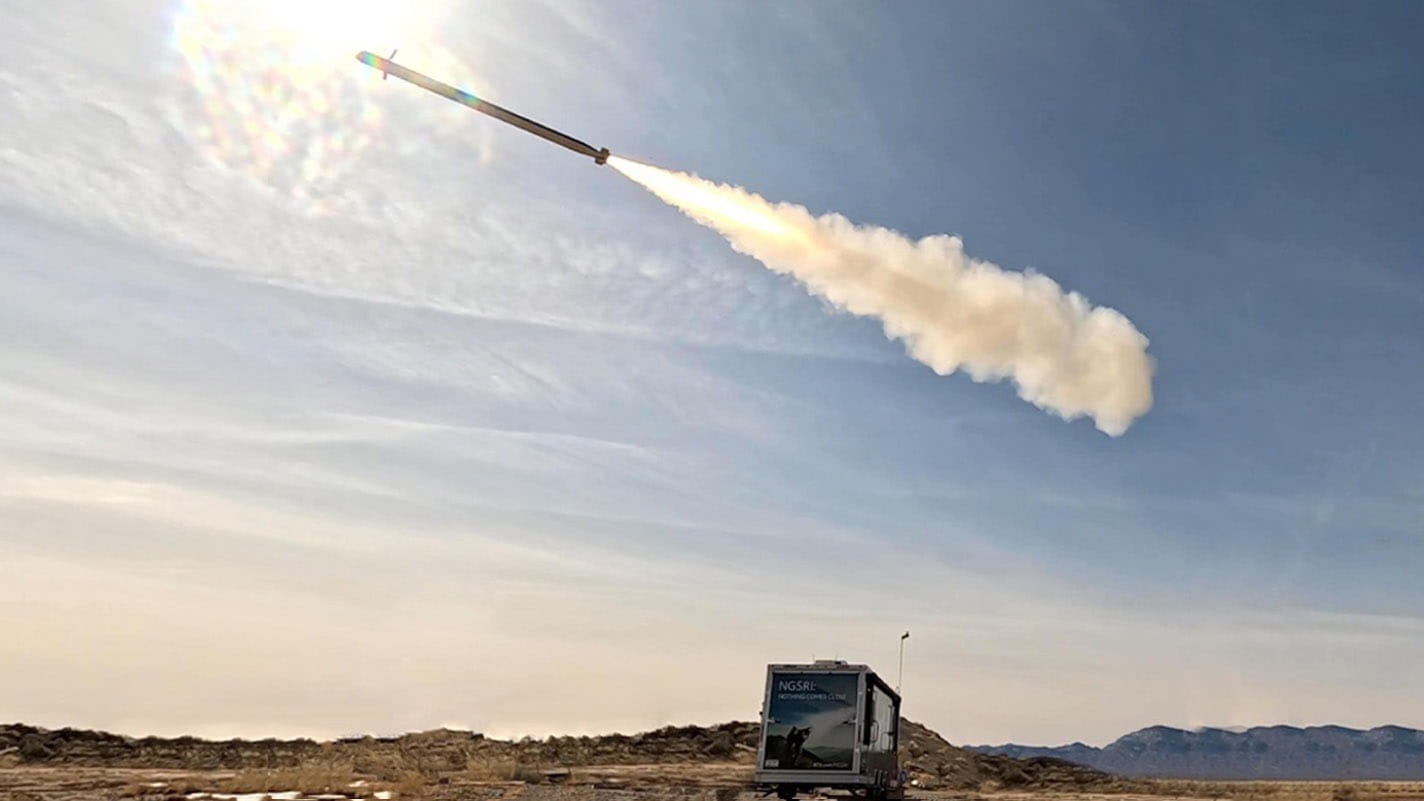 Raytheon Successfully Demonstrates NGSRI Missile as U.S. Army's Future Stinger Replacement
-
 Israel Lifts Restrictions on U.S. Refueling Tankers at Ben Gurion Airport After Pentagon Protest
-
 South Korea Acquires Two Bombardier Global 6500 Jets for New Electronic Warfare Fleet Under $1.1 Billion Block-I Program
-
 U.S. Navy Seeks Next-Generation Carrier Drones with 1,852 Km Combat Radius for Future Air Wing
-
 DRDO Successfully Completes Military Field Trials of Indigenous Fiber-Based Quantum Key Distribution System
-
 Europe Launches Bliksem EXO to Build Its First Exo-Atmospheric Ballistic Missile Interceptor
-
 Northrop Grumman, DARPA, and USNRL Set July 21 Launch for Mission Robotic Vehicle and Satellite Servicing Mission
Top Trending in 4 Days
-
 Russia Reportedly Equips Kh-101 Cruise Missiles With New 3D-Printed Single-Crystal Engines
-
 Germany's Secret Factory Is Mass-Producing AI-Powered HX-2 Strike Drones for Ukraine
-
 Indian Startup Vimag Labs Breaks China's Rare-Earth Monopoly With New Magnet-Free EV Motor
-
 FCC Approves Launch of Eärendil-1, the First Satellite Designed to Reflect Sunlight on Earth After Dark
-
 Russian Anti-Drone Training Exercise Highlights Mounting Challenges with Repurposed YakB-12.7 Machine Gun
-
 U.S. Strikes 140 Iranian Military Targets in Third Round After IRGC Attack on M/V GFS Galaxy
-
 USS Tucson Arrives in Guam to Strengthen U.S. Navy’s Forward-Deployed Submarine Force
-
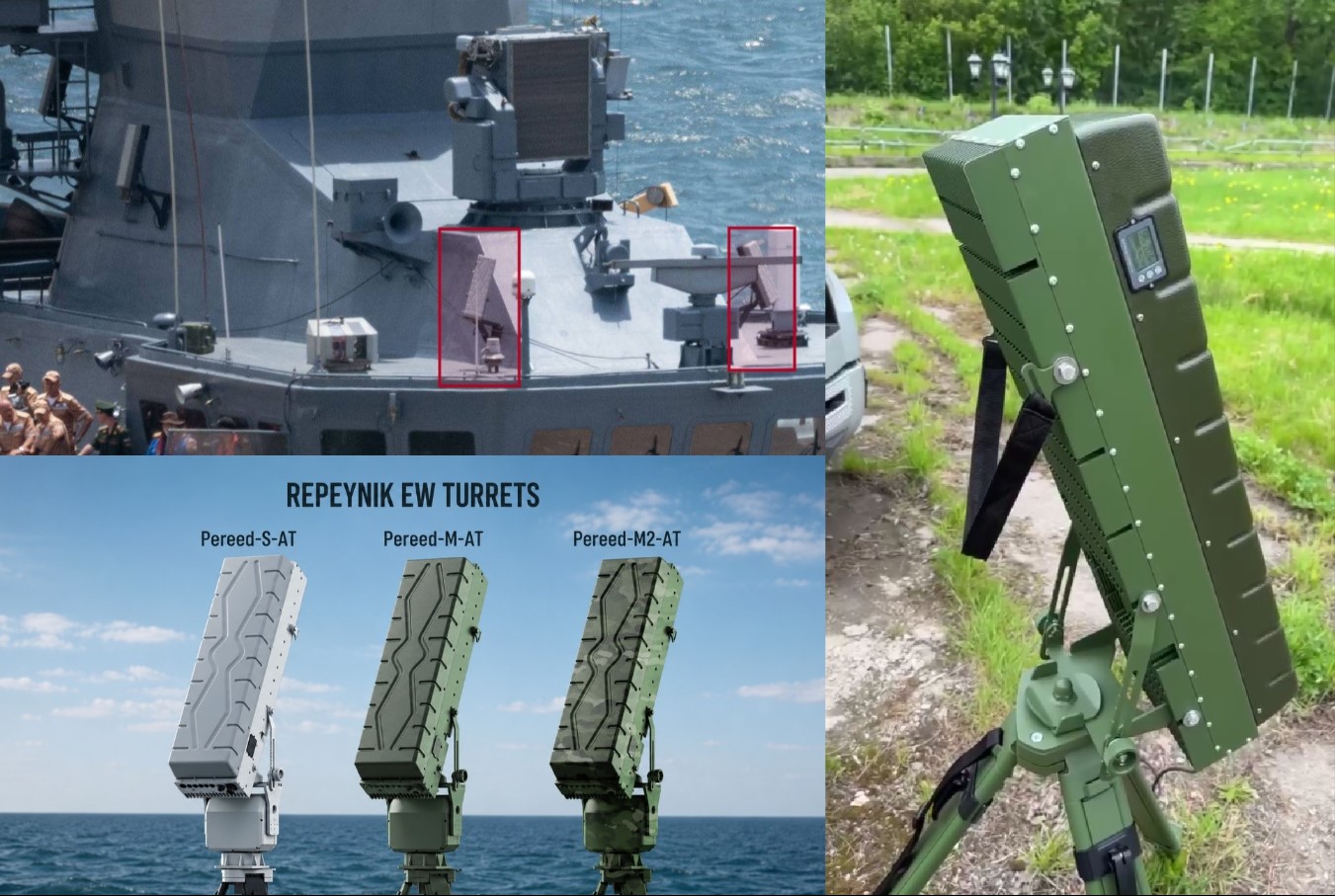 Russian Navy Begins Installing Pereyed-M Anti-Drone Electronic Warfare Systems on Warships