
World
Defense News , Iran :- In a recent announcement on state TV, Iran revealed the latest enhancement to its naval capabilities, as domestically produced sophisticated cruise missiles were introduced into the country arsenal. Both the Talaeieh and Nasir cruise missiles have been deployed to a naval base located near the Indian Ocean, specifically in the southern Iranian port of Konarak, approximately 1,400 kilometers (850 miles) southeast of Tehran.According to Navy chief Adm. Shahram Irani, the Talaeieh boasts an impressive range exceeding 1,000 kilometers (620 miles) and is described as "fully smart." Emphasizing its advanced capabilities, Irani highlighted that the cruise missile is capable of dynamically changing targets during its travel. The Nasir, with a range of 100 kilometers (62 miles), is designed to be installable on warships.This development comes in the wake of a recent incident where a container ship owned by an Israeli billionaire faced an attack from a suspected Iranian drone in the Indian Ocean. Tensions persist as Israel continues its conflict against Iran-backed Hamas in the Gaza Strip.It is worth noting that Iran frequently announces the testing, production, and deployment of new military equipment, often without independent verification. The country asserts possessing a diverse array of missiles with ranges of up to 2,000 kilometers (1250 miles), capable of reaching both Israel and U.S. bases in the region.
Read More → Posted on 2023-12-24 14:13:31
World
Defense News , Russia :- In the realm of portable anti-tank weaponry, the AT-13 Saxhorn-2, also recognized as the Metis-M or 9K115-2, stands out as a groundbreaking Russian missile system. Developed as an upgrade to its predecessor, the original Metis (AT-7 Saxhorn), the Saxhorn-2 showcases a remarkable evolution in the pursuit of enhanced range and penetration capabilities. This development was driven by the imperative to effectively engage modern armored vehicles while preserving the portability and user-friendly operation that characterized its predecessor.Emerging onto the scene in the late 1990s amid a period of rapid military technological advancement, the Saxhorn-2 was Russia response to the evolving dynamics of the battlefield. The need to engage targets at greater distances and against more heavily armored adversaries spurred a concentrated effort to upgrade the nation anti-tank arsenal.The effectiveness of the AT-13 Saxhorn-2 has been notably demonstrated on the Ukrainian battlefield, where it has proven its relevance in various conflicts, including the ongoing tensions in Eastern Europe. Its portability, a key attribute, renders it particularly valuable in diverse combat scenarios, such as urban warfare, where mobility and swift deployment are paramount.Comprising essential components like the launcher, the missile, and the guidance system, the Saxhorn-2 system wire-guided missile demands the operator line-of-sight with the target until impact. Though this method has limitations in dynamic environments, it offers precision and reliability, especially against stationary or slow-moving targets.The Saxhorn-2 missile, designed for penetration and efficacy against modern armor, boasts an impressive engagement range of up to 1,500 meters—a substantial improvement over its predecessor. This extended range provides operators with a crucial advantage in modern combat, where adversaries often deploy countermeasures on their vehicles.A critical aspect of the Saxhorn-2 is its warhead, specifically engineered to defeat reactive armor, a common feature on contemporary tanks and armored vehicles. This capability ensures that the missile can breach even the most well-protected targets, inflicting significant damage.In combat scenarios, the AT-13 Saxhorn-2 has proven to be a versatile and effective tool. Its user-friendly interface, coupled with its potent warhead and extended range, positions it as the preferred choice for infantry units seeking a reliable anti-tank solution. With its portability, accuracy, and powerful warhead, the Saxhorn-2 has earned its reputation as a respected and feared weapon on the modern battlefield.In summary, the AT-13 Saxhorn-2 stands as a testament to the evolution of anti-tank warfare—adapting to the changing demands of modern combat and equipping soldiers with the necessary tools to engage and overcome advanced armored threats.
Read More → Posted on 2023-12-24 13:41:46
World
Defense News ,Israel :- In the realm of complex urban warfare, the Spike Firefly, a miniature loitering munition developed by Rafael Advanced Defense Systems, has emerged as a game-changer. This innovative Israeli-made system, characterized by its precision and maneuverability, introduces a new tactical dimension for ground forces operating in urban environments.Unlike traditional air strikes, the Spike Firefly falls into the category of loitering munitions or "suicide drones." These compact drone-like weapons are designed to linger in an area, identify targets with precision, and then execute strikes, addressing the challenges of engaging enemies in densely populated and intricate urban settings.The Firefly electro-optical guidance system, coupled with man-in-the-loop control, ensures unparalleled precision in targeting. With a 350-gram omnidirectional fragmentation warhead, it strikes a balance between lethality and minimizing collateral damage. The system compact dimensions and weight make it versatile, with a range of 500m in urban areas and up to 1000m in open settings. Operating at speeds up to 60km/h and a dive speed of 70km/h, the Firefly is a formidable tool in the hands of infantry, Marines, and Special Forces.The Firefly system comprises three Loitering Munitions (LMs) and a Control Unit (CU), featuring a ruggedized tablet with a military-standard bidirectional data link. This setup not only ensures effective control over the munitions but also enhances communication reliability in challenging urban environments.Technical specifications showcase the Firefly endurance, operating for 15 minutes with a single battery and the warhead, 30 minutes with a double battery without the warhead, and up to 2 hours in standby mode. Typical missions include engaging enemies behind cover, providing immediate situational awareness, scouting for maneuvering forces, and conducting tactical reconnaissance in urban battlefields.While the Spike Firefly represents a significant technological advancement in warfare, its deployment in places like the Gaza Strip raises ethical and legal concerns. The precision it offers may reduce unintended casualties, but the introduction of such advanced weaponry in densely populated areas challenges the principles of proportionality and distinction in armed conflict.Furthermore, the use of systems like the Firefly could alter the dynamics of urban warfare, potentially sparking an arms race in drone technology and asymmetric warfare tactics. Non-state actors may seek to acquire similar capabilities, raising concerns about the psychological impact on civilian populations aware of the presence of such devices.In conclusion, the Spike Firefly and similar systems revolutionize infantry operations, providing a new level of precision and control in urban warfare. However, their deployment underscores the intricate balance needed between technological capabilities and ethical considerations in the complexities of modern conflicts.
Read More → Posted on 2023-12-24 13:33:28
World
Defense News , Israel :- In recent times, the utilization of armed Unmanned Aerial Vehicles (UAVs) in military conflicts has witnessed a significant surge. Israeli experts foresee this trend expediting the consideration of developing a dedicated UAV carrier, a concept traditionally associated with aircraft and helicopter carriers utilized by major naval forces worldwide. While UAVs are currently deployed from navy ships on a mission-by-mission basis, the evolving landscape of UAV operations has reignited discussions about the feasibility of a dedicated UAV maritime carrier in Israel. This renewed interest stems from the lessons learned in conflicts such as the Ukraine war and the Gaza conflict.Aircraft carriers and helicopter carriers have long proven their efficacy in numerous naval engagements across the globe. These floating air bases play a crucial role in major military conflicts occurring in regions where seas and oceans are predominant. Over the years, naval forces have witnessed an escalating demand for incorporating UAV capabilities into their fleets. Israeli UAV manufacturers have begun contemplating the idea, especially in light of evolving operational requirements.A prominent player in this arena is Aeronautics, an Israeli drone manufacturer that proposes the deployment of its Orbiter 3 Unmanned Aircraft System (UAS) from navy ships. The Orbiter 3 boasts a wingspan of 4.2 meters, a maximum takeoff weight of 28 kgs, and an endurance of 7 hours, carrying a payload of 5.5 kgs. Employing a catapult for launch and utilizing a combination of parachute and airbag for recovery during ground operations, the Orbiter 3, when deployed at sea, is captured by a special net at the end of its mission.This maritime adaptation follows in the footsteps of its smaller predecessor, the Orbiter 2, which has already been successfully integrated into operations on Israeli Navy vessels. Aeronautics reports a growing demand for UAV operations from combat ships, sometimes as a direct replacement for deck-operated helicopters. These aerial platforms primarily serve the purpose of early threat detection, a crucial function in modern conflicts where armed UAVs have become indispensable.While current ship-based UAVs are relatively small and typically launched and recovered using catapults and nets, advancements in Israeli UAV technology are prompting a reconsideration of the idea of a dedicated carrier. Sources within the Israeli defense industry envision a specialized carrier deck capable of facilitating the takeoff of "different types" of UAVs. This concept gains momentum, particularly as 80% of the total flight hours of the Israeli Air Force are now attributed to various UAV models. The prospect of a UAV carrier stands poised as a transformative capability in the future of naval warfare.
Read More → Posted on 2023-12-24 13:23:21
World
Defense News , Europe :- In the chilling embrace of temperatures plummeting to as low as -14°C, French soldiers from the NATO enhanced Forward Presence (eFP) Battlegroup in Estonia are honing their abilities to navigate the frigid conditions as part of Exercise Karujaht Hackle. In this Estonian setting, where the bitter cold prevails, the prerequisite for successful combat is not just battling the enemy but also conquering the relentless winter.Deep within the Estonian forest during the winter months, the preparation for battle transforms into the arduous task of digging trenches in powdery snow, enduring long hours of waiting in freezing temperatures. Captain Claire, overseeing this phase of Exercise Karujaht Hackle, emphasizes the essence of preparedness in these challenging conditions.The exercise involves over 30 French vehicles, predominantly the advanced troop carrier Griffon, alongside Infantry Fighting Vehicles, trucks, and AMX-10 Armoured Fighting Vehicles. The AMX-10s engage in locating and neutralizing entrenched troops, who counter with anti-tank missiles. The Griffon, equipped with high-resolution cameras, aids in detecting the advancing opponent and serves multifunctional roles, such as a troop carrier, mobile command post, or a lookout employing its electronic warfare capabilities.Amidst the high-tech maneuvers, soldiers resort to a less sophisticated task of digging hideouts in the snow. Despite the toughness of preparing defensive positions in such an environment, the speed of execution provides warmth. As temperatures plunge to an average of -7°C, with extreme cases hitting -14°C, platoon leader Lieutenant Jerome explains the rotation system, where soldiers take turns digging, sleeping, and warming up inside the Griffon while keeping an eye on the enemy through the scope.These French troops are integral to NATOs enhanced Forward Presence battlegroup in Estonia, led by Britain. Operating within the Estonian 1st Brigade, they are part of the Estonian Division assigned to Multinational Corps Northeast by the Estonian Chief of Defence. The strategic importance of defending every inch of Alliance territory is vividly illustrated in the dense forests of the Central Training Area, approximately 130 kilometers from the Russian border.On the way to the exercise area, Sergeant Habib, a signals expert, checks the Scorpion communications system linking the French vehicles. The system, housed in the Griffon command vehicle, provides a comprehensive visual image of the battlefield, allowing for effective coordination. Captain Claire, observing her soldiers tirelessly preparing their positions in the snow, notes that while the French soldiers are accustomed to the cold, the snow presents a unique challenge. Mastering these conditions constitutes a significant aspect of their presence in the Estonian forest.During the eFP rotational presence in Estonia, over 10,000 Allied troops have undergone training in the country, aligning with NATOs Deter and Defend strategy. The French soldiers, acclimating to the harsh winter terrain, stand ready to respond immediately if the call to action arises, epitomizing the alliance commitment to defending its territory.
Read More → Posted on 2023-12-24 13:11:45
World
Defense News , Europe :- Germany, Italy, and the Netherlands, three member states of the North Atlantic Treaty Organization (NATO), are poised to acquire Stinger Block I air defense missiles in a move to replenish stocks previously transferred to Ukraine. The United States Department of State granted approval for a potential Foreign Military Sale of these missiles to the NATO Support and Procurement Agency (NSPA) on December 22.The Defence Security Cooperation Agency (DSCA) disclosed that the NSPA plans to procure 940 Stinger Block I missiles, along with additional equipment and services. According to the DSCA press release, the estimated value of the forthcoming contract is USD 780 million. Notably, Raytheon and Lockheed Martin have been identified as the contractors for this significant agreement.Underlining the importance of this proposed sale, the DSCA emphasized, "The proposed sale aims to enhance the air defense capabilities of these three NATO Allies. They intend to utilize the system for safeguarding their territorial integrity and fostering regional stability. This sale aligns with NATOs objective of strengthening national and territorial defense, as well as promoting interoperability with U.S. and NATO forces. Germany, Italy, and the Netherlands are expected to seamlessly integrate this equipment into their respective armed forces."This move follows the collective effort of Germany, the Netherlands, and Italy, which, since February 2022, have supplied several hundred Stinger air defense missiles to Ukraine. Notably, Germany alone donated 500 missiles to the Armed Forces of Ukraine, reflecting a commitment to supporting Ukraine defense capabilities.
Read More → Posted on 2023-12-24 12:59:54
World
Defense News ,Europe :- In a strategic move to safeguard its security against emerging threats, Europe is set to deploy the advanced space-based early warning system, ODIN"S EYE II. The European Commission has entrusted OHB System AG, a subsidiary of the esteemed space and technology group OHB SE, with the role of project coordinator, marking a significant step towards enhancing Europe defense capabilities.The recently signed grant agreement, backed by a EUR 90 million investment from the European Defense Fund (EDF) along with additional co-financing from member states, underscores the importance of the project. A formidable industrial consortium, led by Bremen space experts, comprises 43 companies from 14 European member states, signaling a collaborative effort to bolster Europe sovereignty in the face of evolving geopolitical challenges.Space has become a critical arena for securing Europe defense capability, with the need for a dedicated early warning system becoming more apparent. Sabine von der Recke, the responsible board member at OHB System AG, emphasized the significance of their expertise in space-based early warning and expressed pride in winning the trust of the EU Commission to lead the ODIN"S EYE II consortium. The project not only enhances Europe defense but also aligns with national development strategies.ODIN"S EYE, representing a multinational development initiative for a space-based missile early-warning architecture, has been a pivotal endeavor led by OHB System AG. Building on the success of ODIN"S EYE I, the follow-up project, ODIN"S EYE II, entrusts OHB with defining, developing, integrating, and verifying the entire mission and system simulator. The involvement of OHB Digital Connect and OHB Hellas in the ground segment, data analysis, and on-board processing further highlights the comprehensive nature of the project.Under the umbrella of the TWISTER project (Timely Warning and Interception with Space-based Theater Surveillance) within the EU defense initiative for Permanent Structured Cooperation (PESCO), ODIN"S EYE will play a crucial role. The system aims to provide a coherent, complementary, and interoperable architecture, not only within the EU but also with other international systems, including NATO systems. The ODIN"S EYE early warning system represents a key component in fortifying Europe defense capabilities against the evolving threat landscape.
Read More → Posted on 2023-12-23 15:36:37
World
Defense News , Ukraine :- In a strategic move affirming their commitment to Ukraine security, the Netherlands has announced plans to provide Ukraine with a fleet of at least 18 F-16 fighter aircraft. This announcement follows a promise made during Ukrainian President Zelenskyy visit earlier this year, signifying a strengthening of ties between the two nations.The decision to deploy the F-16s involves careful planning, with the allocation of essential resources, personnel, and budget to ensure the seamless delivery of these advanced aircraft. Notably, this initiative follows the Netherlands recent contribution to the European F-16 training center in Romania, a collaborative effort that saw the ceremonial opening attended by Dutch and Romanian defense ministers.Highlighting the significance of this move, Dutch Defense Minister Kasja Ollongren underscored the substantial enhancement these F-16s would bring to Ukraine defensive capabilities against ongoing Russian attacks. Ollongren stressed the critical importance of sustained Dutch support, given the persistent threat of Russian aggression in the region.However, the export of these fighter aircraft is not without careful consideration. Stringent control measures will be applied to ensure responsible end-use, with the Netherlands Ministry of Foreign Affairs evaluating the aircraft against the European Union arms export criteria. The final decision on granting an export license will rest with the Minister for Foreign Trade and Development Cooperation.Before the F-16s reach Ukrainian soil, several prerequisites must be met. This includes the availability of trained Ukrainian personnel and the establishment of suitable infrastructure. Furthermore, each aircraft will undergo meticulous inspections and necessary modifications, with some requiring extensive overhauls to meet the highest standards of operational readiness. This collaborative effort between the Netherlands and Ukraine signifies a strategic step forward in reinforcing regional security and countering external threats.
Read More → Posted on 2023-12-23 15:30:34
World
Defense News ,Europe :- In a significant development, Saab has secured a substantial contract from the NATO Support and Procurement Agency (NSPA) for the supply of RBS 70 Bolide missiles. The contract, valued at SEK 350 million, underscores the continued interest of NATO countries in Saab advanced missile systems. The delivery of the missiles is scheduled for the year 2027.Görgen Johansson, the head of Saab business area Dynamics, expressed confidence in the longstanding partnership with NATO countries, stating, “Through the order from the NSPA, we see NATO countries, continued interest in our missile systems. This order is proof of their trust in our knowledge and in the RBS 70 system."The RBS 70 system boasts a widespread presence, with installations in more than 19 countries. It has a robust track record, with over 1,600 RBS 70 systems and an impressive delivery of more than 18,000 missiles worldwide. The Bolide missile, constituting the system third generation, stands out as an all-target, short-range air defense missile from Saab.Equipped to handle a comprehensive threat spectrum, the Bolide missile can effectively engage fixed and rotary wing aircraft, as well as small targets like cruise missiles and UAVs. The missile range exceeds 9 kilometers, and its altitude coverage extends beyond 5,000 meters, making it a versatile and formidable solution for modern air defense challenges. Saab successful bid for this NATO contract further solidifies its position as a trusted provider of cutting-edge missile technology on the international stage.
Read More → Posted on 2023-12-23 15:24:14
World
Defense News ,U.S :- The US Department of Defense has recently granted a $4.5-million contract to Israeli company StemRad, aiming to equip American troops with cutting-edge gamma radiation shields. StemRad is set to deliver 630 units of its specialized 360 Gamma belts, designed to safeguard soldiers from lethal gamma radiation in various scenarios, including bombings, terrorist attacks, and nuclear incidents such as reactor meltdowns.Unlike conventional radiation protection suits that cover the entire body, StemRad 360 Gamma belt adopts a novel approach by focusing on shielding the most vulnerable parts of the body, particularly the bone marrow. This innovative design not only enhances protection but also reduces the burden on soldiers, eliminating the need to carry heavy shielding alongside other essential equipment.As part of the contract, StemRad will provide onsite training at the National Guard Consequence Management Support Center in Kentucky, reinforcing the implementation of their protective technology to support American servicemembers. Oren Milstein, an executive at StemRad, expressed the significance of the partnership with the National Guard Bureau, highlighting it as a crucial step in advancing protective measures for the country military personnel.StemRad unique approach involves partial body shielding, utilizing lighter-weight materials to selectively protect tissues with increased radiosensitivity, particularly the bone marrow responsible for hematopoietic functions. The company emphasizes that adequate protection in this critical area significantly reduces the risk of radiation sickness, offering a more efficient and targeted solution for the safety of troops in high-risk environments.
Read More → Posted on 2023-12-23 14:30:13
World
Defense News , U.S :- In a strategic move to enhance its long-range precision fires capabilities, the Army is poised to introduce two cutting-edge missile systems by 2024. These innovative weapons aim to overcome distance challenges within the broader framework of the Army modernization program.One of these advancements is the Precision Strike Missile, abbreviated as PrSM. Capable of covering distances of up to an estimated 300 miles, the PrSM is designed to replace the legacy Army Tactical Missile System (ATACMS), which currently reaches a maximum distance of approximately 190 miles. To more than double this range, the Army initiated a collaboration with Raytheon in February 2023, marking the beginning of the system Increment 4 development.Addressing the need for speed and extended reach against formidable adversaries like the Russian and Chinese militaries, the Army is banking on the Long Range Hypersonic Weapon—a groundbreaking technology in development. Anticipated to achieve ranges of up to 1,725 miles, as per a 2023 Congressional Research Service report, this hypersonic missile is set to play a pivotal role in the Army arsenal.A significant milestone for the PrSM was the successful production qualification test conducted on November 13 at White Sands Missile Range. Launched from a High Mobility Artillery Rocket System, the test assessed the projectile performance in terms of flight trajectory, lethality, near-vertical engagement angle, and height of burst, as stated in an Army release. With this successful test, the PrSM has attained "early operational capability," enabling soldiers to begin working with the system in 2024.In contrast, the development of the hypersonic weapon has encountered challenges. Achieving hypersonic speeds, crucial for evading enemy detection and air defense systems, requires the missiles to travel faster than Mach 5, exceeding 3,836 miles per hour, and maneuver at various altitudes, according to Defense News. Despite delivering the first hypersonic weapon prototype in fiscal year 2021, challenges in developing the Common Hypersonic Glide Body (C-HGB), which includes the weapon warhead, guidance system, cabling, and thermal protection shield, have led to delays. The system is now expected to be fielded in 2024, instead of the initially planned late 2023 fielding.Army Undersecretary Gabe Camarillo expressed confidence in the program progress, emphasizing that development was on track, although specific details about the canceled test could not be disclosed.These two missile systems hold pivotal roles in the Army recently established Multi-Domain Task Forces and Strategic Mid-Range Fires battery. The overarching plan involves deploying a Strategic Mid-Range Fires battery within the Strategic Fires Battalion, all overseen by the Multi-Domain Task Forces.Initiated in 2018 with the establishment of the 1st Multi-Domain Task Force in the U.S. Indo-Pacific Command, followed by the 2nd Multi-Domain Task Force in Europe in 2021 and the 3rd Multi-Domain Task Force in the Pacific in 2022, the Army strategic vision is progressing. The forces saw their first full operational exercise in 2023, marking a significant step forward, as reported by Army Times.
Read More → Posted on 2023-12-23 14:08:39
World
Defense News , Turkey :- Turkish drone manufacturer Baykar has achieved a groundbreaking feat with its Bayraktar TB3 unmanned aerial system (UAS), completing an impressive 32-hour endurance flight test covering a distance of 5,700km at an average altitude of 20,000 feet. This milestone not only highlights the remarkable capabilities of the TB3 but also emphasizes its potential significance in maritime surveillance and combat operations.In its 13th test flight, known as the Endurance Flight Test, the Bayraktar TB3 demonstrated its prowess in extended aerial surveillance missions. Initially introduced in late 2020 as an advancement of the TB2 model, the TB3 is specifically designed to operate from the LHD Anadolu carrier, showcasing its ability to efficiently land and take off from the carrier deck.The extended flight duration positions the TB3 as a valuable asset in enhancing the safety of aircraft carriers and providing escort to ships against both small boat and airborne threats. This capability holds particular importance in maritime operations where sustained aerial presence is essential for effective surveillance and response.Beyond its primary roles in surveillance and reconnaissance, the Bayraktar TB3 is equipped for air-to-air engagements. With the potential to carry smart munitions under its wings, the TB3 is expected to expand its operational scope significantly. Speculations also suggest a higher payload capacity compared to its predecessor, the TB2, which boasts a payload capacity of 150kg.Notably, Baykar latest innovation in UAS technology includes the integration of SATCOM-based control capabilities. This integration empowers the TB3 to maximize its operational range and effectiveness, further solidifying its status as a cutting-edge unmanned aerial system with versatile applications in modern warfare scenarios.
Read More → Posted on 2023-12-22 15:59:58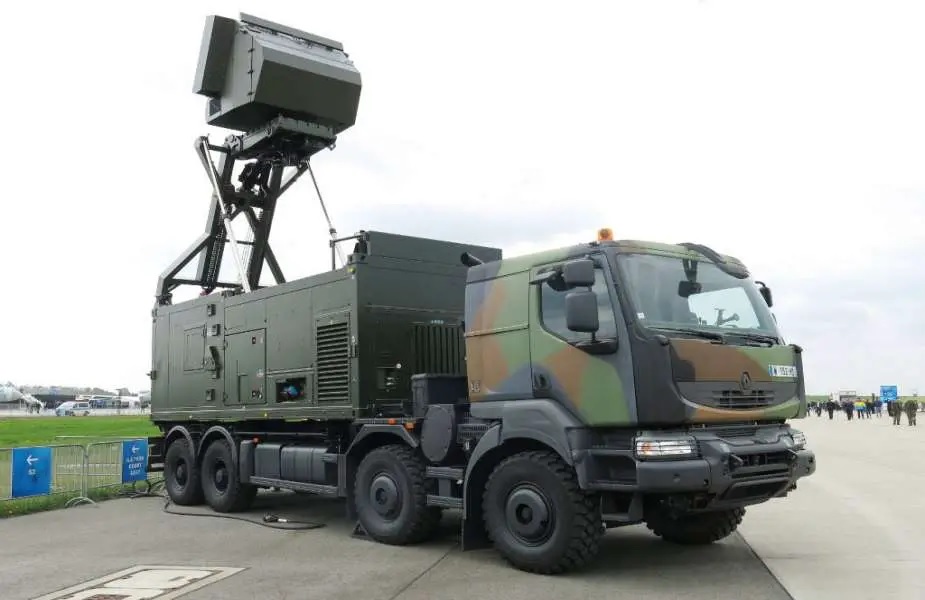
World
Defense News , Moldova :- In a significant move to strengthen its military capabilities, the Moldovan Ministry of Defence proudly announced the arrival of the Thales Ground Master 200 radar system from France on December 20, 2023.This development stems from a military cooperation agreement inked between France and Moldova in September 2023, with a strategic focus on enhancing Moldova air defense. The Thales-manufactured Ground Master 200 (GM200) multi-mission medium-range radar system has been successfully delivered and integrated into the Moldovan National Army.Specifically designed to detect a diverse array of air targets, spanning from low to high altitudes, including missiles, artillery rounds, and drones, the GM200 acquisition responds directly to recent airspace violations. The decision to bolster Moldova defense capabilities was underscored by Moldovan Minister of Defence Anatolie Nosatîi, who emphasized the urgency of this upgrade by stating, "In the current security context, the safety of our citizens is a priority."With an impressive surveillance range of 250 kilometers and an effective targeting span of 100 kilometers, the GM200 radar system significantly fortifies Moldova defense infrastructure. Integration with advanced air defense systems, such as the Aster 30 SAMP/T (MAMBA), further enhances its capabilities. Its worth noting that France has also supplied the same equipment to Ukraine, aiding in its defense against Russian aggression.The incorporation of the GM200 radar system signifies Moldova commitment to bringing its National Army up to international standards and enhancing national security in the face of a challenging regional landscape. This move underscores Moldova proactive approach to safeguarding its citizens and contributing to the broader international defense community.
Read More → Posted on 2023-12-22 15:57:10
World
Defense News , Iran :- In a recent revelation by the Microsoft Threat Intelligence team, it has come to light that Peach Sandstorm, a notorious Iranian cyber-espionage group, has been actively targeting thousands of defense companies using a newly discovered backdoor malware. The nation-state threat actor, recognized for its focus on organizations within the space and pharmaceutical sectors, is now reportedly deploying a sophisticated malware named FalseFont aimed at individuals working in the Defense Industrial Base sector.The Defense Industrial Base sector encompasses over 100,000 defense companies and subcontractors involved in the production of military systems. FalseFont, once infiltrated, grants operators the ability to remotely access infected systems, initiate additional file launches, and transmit sensitive information to its command-and-control servers.Microsoft highlighted that the development and utilization of FalseFont align with Peach Sandstorm observed activities over the past year, indicating a continuous effort to enhance their cyber tradecraft.To counter the potential threat posed by FalseFont, Microsoft has provided mitigation strategies. Among them, the recommendation includes resetting account passwords for those targeted by a password spray attack. Network defenders are further advised to annul session cookies and reverse any multi-factor authentication setting changes made by the attackers on compromised accounts.Users are encouraged to consider transitioning to a passwordless primary authentication method to bolster account security against password spray or brute force attacks, particularly on vulnerable systems like workstations.Peach Sandstorm, also known as HOLMIUM or Refined Kitten, has a history of targeting various sectors in the United States, Saudi Arabia, and South Korea since at least 2013. In September, Microsoft disclosed that the Iranian group executed a series of password spray attacks, a tactic that involves using a common password to gain access to multiple accounts while avoiding account lockouts.These successful attacks resulted in data theft from a limited number of victims in critical sectors such as defense, satellite, and pharmaceuticals, underscoring the persistent and evolving threat posed by Peach Sandstorm in the realm of cyber-espionage.
Read More → Posted on 2023-12-22 15:49:15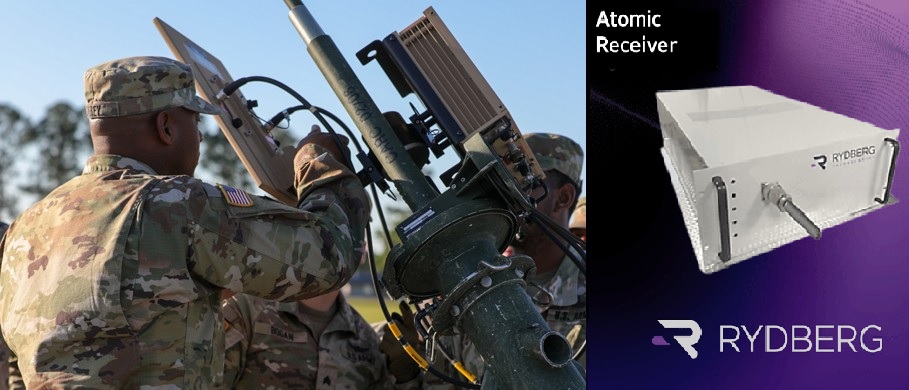
World
Defense News , U.S :- In a significant technological leap, the US Army has recently trialed a groundbreaking long-range radio communication system, marking the world first deployment of an atomic quantum receiver. Crafted by Rydberg Technologies, this innovative capability harnesses atomic radio detection to safeguard sensitive communications from potential hackers.The core of this pioneering system lies in a quantum sensor renowned for its heightened sensitivity to minute changes in electromagnetic fields. In comparison to traditional antennas, this quantum sensor enables the detection of a broader spectrum of wavelengths, providing an unprecedented level of versatility in communication.Notably, the system boasts exceptional energy efficiency and displays resilience against electromagnetic disruption, making it an ideal candidate for secure and reliable communication. In a recent trial at an annual field-based experimentation event, the Rydberg atomic receiver exhibited extraordinary sensitivity across high-frequency and super high-frequency bands, facilitating over-the-air communication over extensive distances.One standout feature of the atomic receiver is its signal selectivity and immunity to unwanted interference, particularly in challenging electromagnetic environments. This makes it a valuable asset in scenarios where seamless communication is crucial, even in contested regions.The timing of the quantum radio communication system testing aligns with the US military strategic anticipation of the escalating role of the electromagnetic spectrum in future warfare scenarios. Beyond enhancing long-range communication capabilities, the quantum sensor opens up possibilities for military units to detect drones or soldiers equipped with advanced communication devices.Furthermore, this technology could revolutionize communication methods among drones, aircraft, and ships, especially in environments rife with electromagnetic interference. David A. Anderson, the CEO of Rydberg, emphasized the significance of this milestone, stating, "The introduction of our atomic receiver prototype and its successful deployment under real-world conditions represents an important step forward in the quantum technology landscape. We have demonstrated the smallest ever atomic receiver at frequencies and long-range communication distances that show a clear path for transitioning Rydberg atom quantum technologies from the laboratory to real-world applications."
Read More → Posted on 2023-12-22 15:36:36Search
Top Trending in 24 Hours
-
 U.S. Rewards UAE With License-Free Access to Advanced AI Chips After Support in Iran Operations
-
 Israel Lifts Restrictions on U.S. Refueling Tankers at Ben Gurion Airport After Pentagon Protest
-
 Raytheon Successfully Demonstrates NGSRI Missile as U.S. Army's Future Stinger Replacement
-
 South Korea Acquires Two Bombardier Global 6500 Jets for New Electronic Warfare Fleet Under $1.1 Billion Block-I Program
-
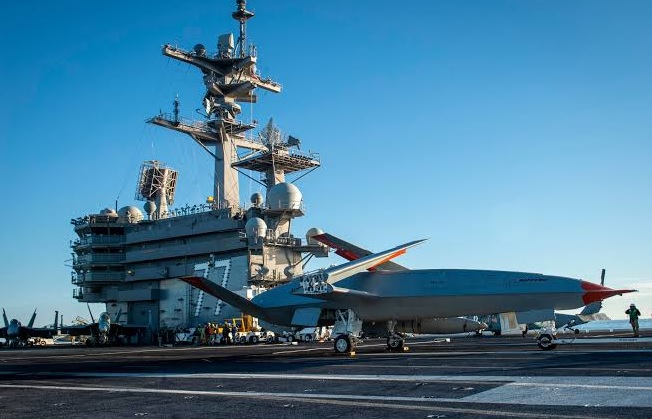 U.S. Navy Seeks Next-Generation Carrier Drones with 1,852 Km Combat Radius for Future Air Wing
-
 DRDO Successfully Completes Military Field Trials of Indigenous Fiber-Based Quantum Key Distribution System
-
 Europe Launches Bliksem EXO to Build Its First Exo-Atmospheric Ballistic Missile Interceptor
-
 Northrop Grumman, DARPA, and USNRL Set July 21 Launch for Mission Robotic Vehicle and Satellite Servicing Mission
Top Trending in 4 Days
-
 Russia Reportedly Equips Kh-101 Cruise Missiles With New 3D-Printed Single-Crystal Engines
-
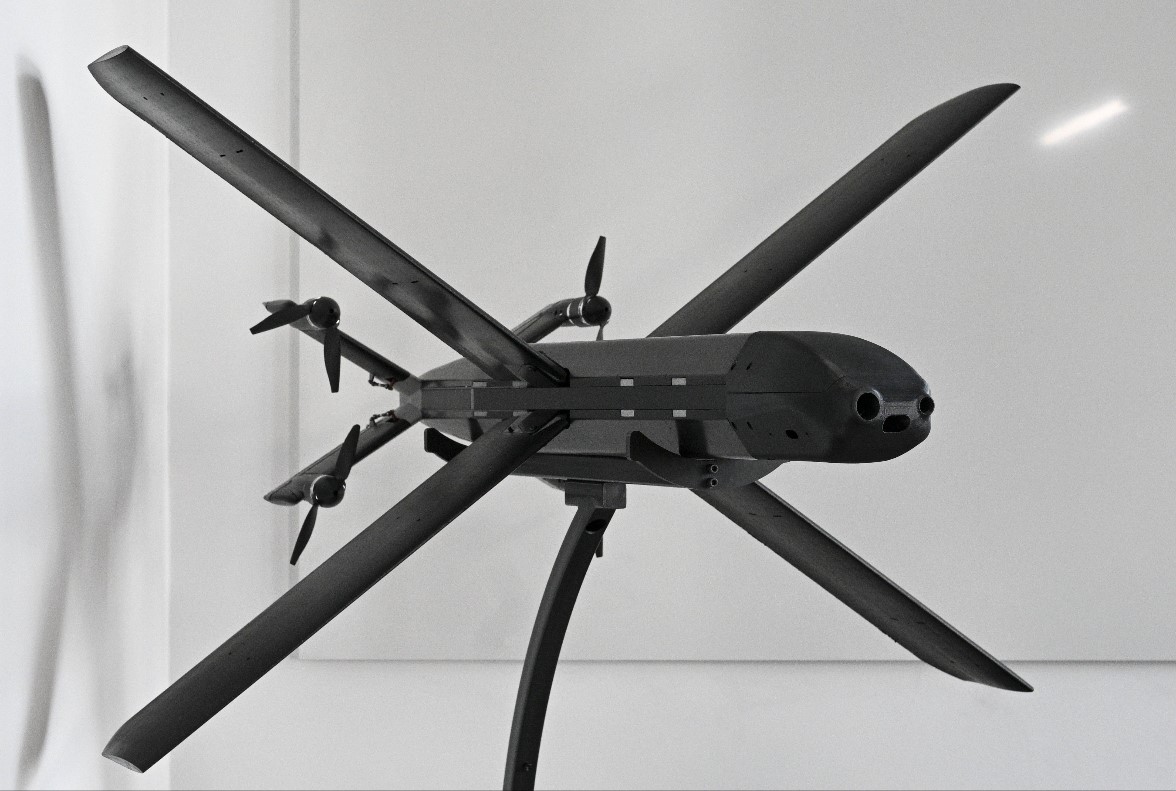 Germany's Secret Factory Is Mass-Producing AI-Powered HX-2 Strike Drones for Ukraine
-
 Indian Startup Vimag Labs Breaks China's Rare-Earth Monopoly With New Magnet-Free EV Motor
-
 FCC Approves Launch of Eärendil-1, the First Satellite Designed to Reflect Sunlight on Earth After Dark
-
 Russian Anti-Drone Training Exercise Highlights Mounting Challenges with Repurposed YakB-12.7 Machine Gun
-
 U.S. Strikes 140 Iranian Military Targets in Third Round After IRGC Attack on M/V GFS Galaxy
-
 USS Tucson Arrives in Guam to Strengthen U.S. Navy’s Forward-Deployed Submarine Force
-
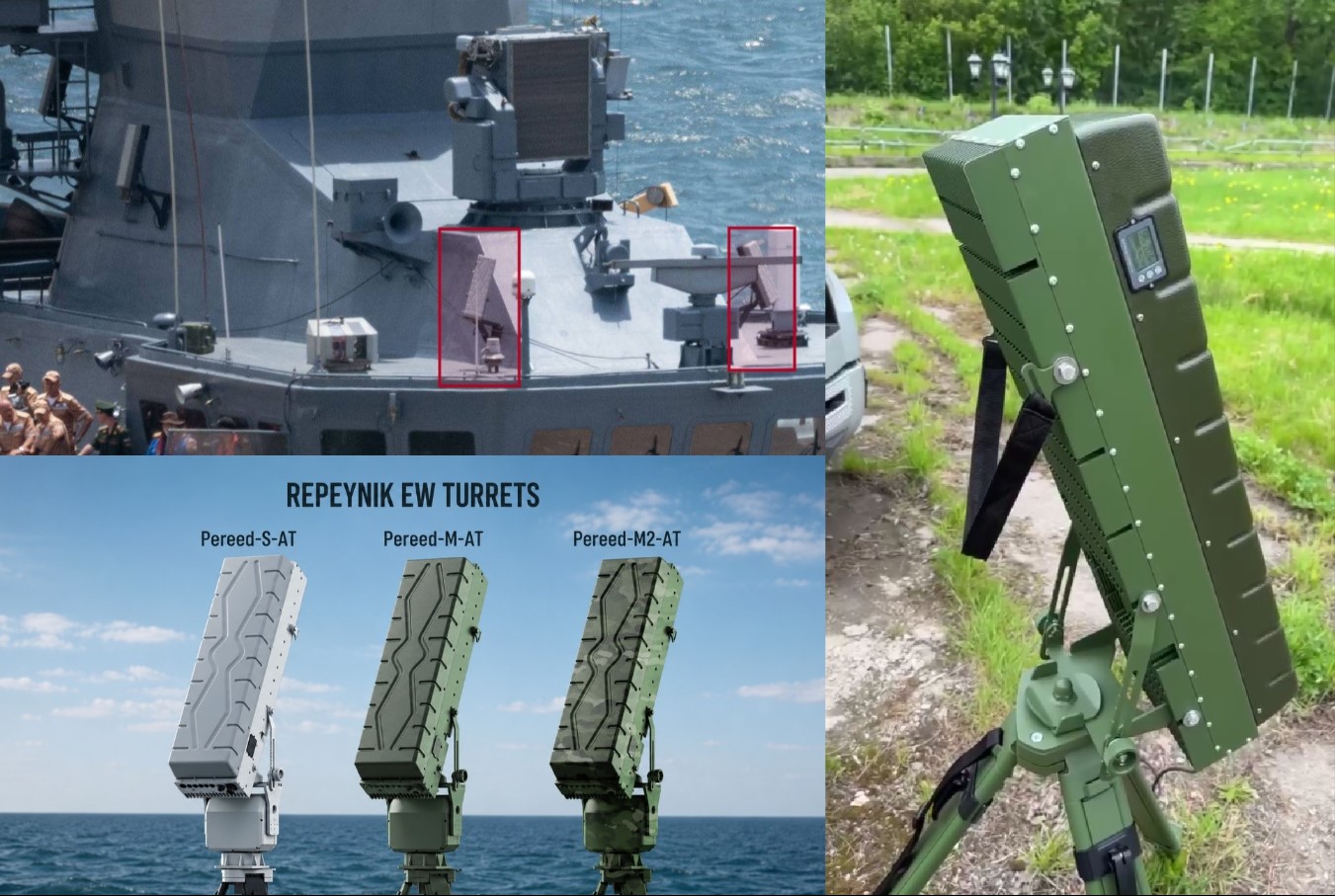 Russian Navy Begins Installing Pereyed-M Anti-Drone Electronic Warfare Systems on Warships