Defense News - In
a momentous handover ceremony in Bremerhaven, Germany, German
shipbuilder ThyssenKrupp has successfully delivered the third vessel in
the MEKO A-200 frigate series, named ENS Al-Qadeer (FFG-909), to the
Egyptian Navy. This remarkable accomplishment comes just six months
after the delivery of its predecessor, ENS Al-Qahhar (FFG-905).
Designed
to serve a pivotal role in special forces support, search and rescue,
and humanitarian missions, ENS Al-Qadeer represents a significant
advancement in Egypt naval capabilities. The final ship in the series,
ENS Sajm Al-Jabbar (FFG-910), is slated to join active service in 2024.
Key Features of Al-Qadeer
Boasting
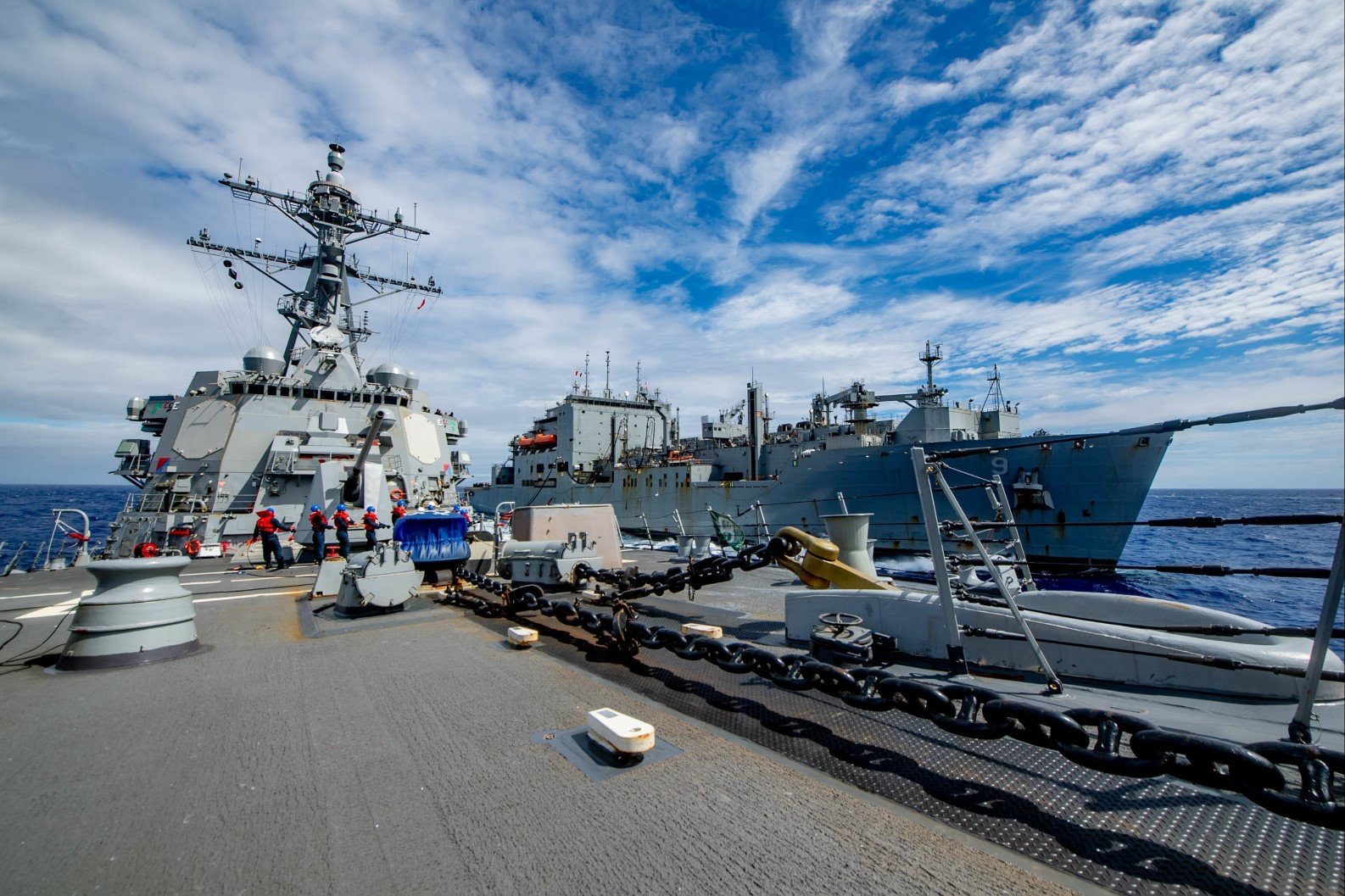
a displacement of 3,700 tons, a length of 121 meters (397 feet), and a
width of 16.3 meters (53 feet), ENS Al-Qadeer accommodates up to 120
personnel. Propelled by a cutting-edge CODAG WARP system, the frigate
can achieve speeds of up to 29 knots (33.4 miles/52 kilometers per hour)
and boasts an impressive range of 7,200 nautical miles (8,300
miles/13,357 kilometers) at 16 knots (18 miles/29 kilometers per hour).
Armed for Excellence
ENS
Al-Qadeer is equipped with a formidable arsenal, including an OTO
Melara 127/64 gun assembly, MSI-Defence 30-mm cannons, Rheinmetall
Defence MASS softkill decoy launchers, and four 20-mm guns. This
advanced weaponry underscores the vessel versatility and readiness for
diverse operational scenarios.
Partnership for Progress
Stefan
Ettwig, ThyssenKrupp head of internal communications, emphasized the
company commitment to supporting the modernization efforts of the
Egyptian Navy. The record-breaking delivery time of the new frigate is a
testament to ThyssenKrupp dedication to excellence and the
establishment of robust partnerships. Ettwig further revealed that the
fourth and final frigate is on track for completion at the Alexandria
Shipyard.
ThyssenKrupp remarkable achievement in the expedited
delivery of ENS Al-Qadeer underscores its pivotal role in enhancing
Egypt naval capabilities and fostering collaborative efforts for
maritime modernization.
——— End of Article ———