
World
Defense News ,Maldive :- In recent news, the Maldives, led by its pro-China President Mohamed Muizzu, has entered into an agreement with a Turkish company to purchase military drones. These drones will be used to patrol the country's exclusive economic zone waters, a task previously undertaken jointly by India and the Maldives. The deal, worth $37 million, has been funded from the state's contingency budget allocated to the Maldives National Defence Force (MNDF).This development follows the Maldives' request for India to withdraw its troops stationed in the country by March 15. India has maintained a military presence in the Maldives, operating radar stations and surveillance aircraft, including the Dornier plane and two Dhruv helicopters gifted over the past decade.Historically, India had a positive relationship with the Maldives during the presidencies of Mohamed Nasheed (2008-2013) and Ibrahim Mohamed Solih (2018-2023). However, under President Muizzu, who came to power in November 2023 with an 'India-out' campaign, relations have strained. Muizzu's recent visits to Turkey and China, especially the five-day visit to China, have raised eyebrows, as traditionally, Maldivian leaders visited India before Beijing.The relationship soured further when three Maldivian deputy ministers made derogatory remarks against Indian Prime Minister Narendra Modi after his visit to the Lakshadweep islands earlier this month.The Maldives, strategically located between India and China, has been a battleground for influence between the two Asian powers. President Muizzu emphasized the Maldives' independent stance, stating that the country is not located in the backyard of any nation. He highlighted the vast exclusive economic zone of nine lakh square kilometers (approximately 900,000 square kilometers) and announced plans to enhance the country's capacity for continuous surveillance of this extensive area.
Read More → Posted on 2024-01-17 13:53:33
World
Who is Jaish al-AdlJaish al-Adl, the shadowy Sunni extremist group operating on the Iran-Pakistan border, continues to cast a shadow over the region. Here's an in-depth exploration of its roots, activities, and the geopolitical dynamics at play.Jundallah's GenesisJaish al-Adl, translating to the Army of Justice in Arabic, is considered the successor to Jundallah or Soldiers of God. The latter instigated arebellion against the Islamic republic in 2000, leading to a decade-long insurgency in the restive southeast. The tide turned in 2010 when Iran executed Jundallah's leader, Abdolmalek Rigi. His capture, involving a dramatic interception of a flight from Dubai to Kyrgyzstan, marked a significant blow to the insurgent group.Jaish al-Adl's FormationFounded in 2012 by militant Salahuddin Farooqui, a vocal opponent of Iran's support for Bashar al-Assad in Syria, Jaish al-Adl operates from bases in Sistan-Baluchestan and Pakistan. The group garners support from ethnic Baluch tribes, particularly in a region marked by the discontent of minority Sunni Muslims facing discrimination in Shiite-dominated Iran.Bombings, Ambushes, And Attacks On Iran Jaish al-Adl has claimed responsibility for numerous bombings, ambushes, and attacks on Iranian security forces, coupled with abductions. Iran labels the organization Jaish al-Zolm, denoting the Army of Injustice in Arabic, accusing it of receiving support from the United States, Israel, Saudi Arabia, and the United Arab Emirates.In October 2013, Jaish al-Adl orchestrated an ambush that resulted in the death of 14 Iranian guards near the Pakistan border. The group justified its actions as a response to the Revolutionary Guards' involvement in Syria. Iran retaliated with executions and clashes near the frontier town of Mirjaveh.In February 2014, the abduction of five Iranian soldiers heightened tensions between Iran and Pakistan, prompting Tehran to contemplate a cross-border raid.Jaish al-Adl's LeadershipJaish al-Adl, an ethnic Baloch Sunni group emerging in 2012, is viewed as an offshoot of the designated terrorist organization Jundullah. The group opposes the Shia Iranian government's support for Bashar al-Assad. Key leaders include Salahuddin Farooqui and Mullah Omar, who commands the group's camp in Balochistan, Pakistan. Abdul Salam Rigi, a cousin of Jundullah chief Abdolmalek Rigi, plays a significant role within Jaish al-Adl.This intricate web of history, violence, and geopolitical tensions surrounding Jaish al-Adl underscores the complexity of the situation on the Iran-Pakistan border.Jaish-ul-Adl Role Against IndiaAccording to sources in Indian security establishment, Kulbhushan Jadhav was kidnapped by Mullah Omar Irani of Jaish-ul-Adl from Sarbaz city, around 52km from Chabahar. Irani then handed over Jadhav to the Pakistan Army. This revelation punches holes in Pakistan’s stand that Jadhav is an Indian spy. Jaish-ul-Adl is believed to be fighting against Baloch insurgents along with the Pakistan Army and commanders of the terror outfit visit Islamabad frequently. The sources added that Jaish-ul-Adl collects money from Pakistan’s embassies in Iran and Bahrain. The terrorist organisation works closely with Jamaat-ud-Dawa (JuD) and Lashkar-e-Khurasan.
Read More → Posted on 2024-01-17 07:34:09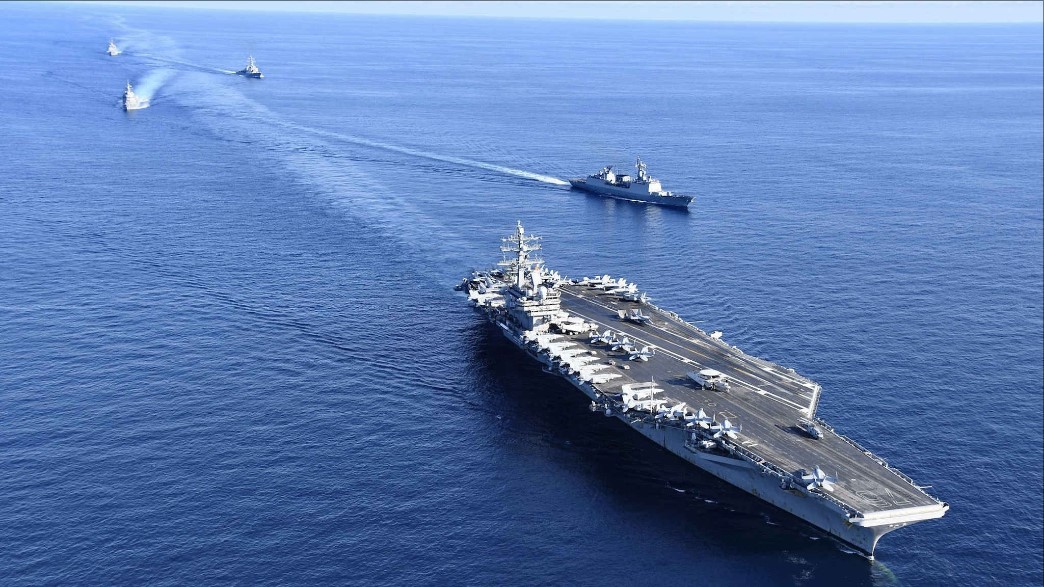
World
Defense News ,United States, South Korea, and Japan :- In a significant display of collective strength, the United States, South Korea, and Japan recently conducted joint naval exercises featuring the American aircraft carrier, Carl Vinson, off the waters of South Korea's Jeju island. This military maneuver serves as a resolute response to North Korea's persistent nuclear provocations, escalating tensions in the region.North Korean leader Kim Jong Un's recent actions, including a ballistic test of a new solid-fuel intermediate-range missile with a hypersonic warhead, have heightened concerns. Kim's declaration at the Pyongyang parliament this week, renouncing the commitment to peaceful unification with South Korea and proposing changes to North Korea's constitution, underscores the deepening standoff in the Korean Peninsula.The trilateral naval drills, which concluded on Wednesday, involved nine warships, including Aegis destroyers from South Korea and Japan. The primary objectives were to enhance the combined deterrence and response capabilities against North Korean nuclear, missile, and underwater threats. Additionally, the exercises focused on preventing illicit maritime transportation of weapons of mass destruction.As part of the diplomatic response to the escalating situation, South Korean nuclear envoy Kim Gunn met with Japanese counterpart Namazu Hiroyuki in Seoul. This meeting precedes their trilateral discussions with Jung Pak, the US President Joe Biden's deputy special representative for North Korea. The aim is to coordinate a unified response to address the challenges posed by North Korea.In the face of growing nuclear threats from North Korea, South Korean President Yoon Suk Yeol's administration has expanded military cooperation with the United States and Japan. However, these efforts have been criticized by Kim Jong Un as invasion rehearsals. President Yoon seeks stronger assurances from Washington regarding the decisive use of its nuclear capabilities to defend against a potential North Korean nuclear attack.Kim Jong Un's rhetoric, labeling South Koreans as "top-class stooges" of America obsessed with confrontation, accompanied by threats of annihilation, further underscores the urgency of the situation. The international community closely watches as these diplomatic and military maneuvers unfold, hoping for a peaceful resolution to the escalating tensions on the Korean Peninsula.
Read More → Posted on 2024-01-17 06:59:11
World
Defense News ,Bulgaria :- In a recent visit to Lockheed Martin’s F-16 production facility in Greenville, Bulgarian Minister of Defence Todor Tagarev, Ambassador Georgi Panayotov, and Defence Chief Adm. Emil Eftimov gained insights into the progress of Bulgaria’s upcoming F-16 Block 70 fleet. The visit revealed that seven Bulgarian F-16s are currently in different stages of production, with the first F-16 Block 70 expected to take its inaugural flight later this year.Lockheed Martin's OJ Sanchez, the vice president and general manager of the Integrated Fighter Group, expressed pride in Bulgaria's acquisition of a cutting-edge fighter aircraft system. This F-16 Block 70 is not just a plane; it's a powerhouse designed to provide Bulgaria with 21st Century Security capabilities and seamless integration with NATO. The advanced features of this aircraft are expected to contribute significantly to Bulgaria’s national security.Bulgaria is set to become the second European country to receive the F-16 Block 70, a testament to the aircraft's global significance. With a backlog of 135 jets, the F-16 production line in Greenville stands as a vital pillar of security for allies worldwide. The F-16's reputation as a strategic and valuable choice is evident, with more than 3,100 F-16s currently operational in 25 countries. The Block 70/72 version, the latest and most advanced, offers unparalleled capabilities and is set to be deployed by six countries and counting. Its appeal lies not only in advanced fighter capabilities but also in fostering regional and worldwide partnerships and maintaining affordable lifecycle costs.Bulgaria's investment in the F-16 Block 70 fleet symbolizes a forward-looking approach to national defense, aligning with the aircraft's proven track record of success across the globe. As the first flight of the Bulgarian F-16 Block 70 draws near, the nation anticipates a new era in aerial defense capabilities, bolstering its position in the ever-evolving landscape of international security.
Read More → Posted on 2024-01-17 06:47:39
World
Defense News ,Iran :- In a recent development, Iran executed a precision strike using drones and missiles on two significant bases of the Jaish al-Adl , a designated terrorist organization, situated in Pakistan. The assault, as reported by Al Arabiya News, led to the destruction of these crucial strongholds, adding a new chapter to the ongoing conflict.The targeted region in Pakistan's Balochistan housed one of the largest headquarters of Jaish al-Adl, focusing the strikes on dismantling the group's operational capabilities. Formed in 2012, Jaish al-Adl operates as a Sunni terrorist organization within Iran's southeastern province of Sistan-Baluchistan. Over the years, the group has orchestrated multiple attacks on Iranian security forces, solidifying its status as a major security concern for Tehran.In a tragic incident last December, Jaish al-Adl claimed responsibility for an assault on a police station in Sistan-Baluchistan, resulting in the loss of at least 11 police personnel. This incident underscored the persistent threat posed by the group, contributing to the escalating tensions in the region.Sistan-Baluchistan, bordering Afghanistan and Pakistan, has a history of clashes between Iran's security forces and both Sunni terrorists and drug smugglers. Notably, it stands as one of Iran's economically challenged regions, predominantly inhabited by Sunni ethnic Baluchis.The timing of these strikes in Pakistan is noteworthy, occurring a day after Iran's Islamic Revolutionary Guard Corps (IRGC) launched missiles into Iraq's Kurdistan region. The IRGC claimed to target an alleged Israeli "spy headquarters" and sites linked to ISIS in Syria. This sequence of events adds layers to an already intricate geopolitical landscape, raising questions about the broader motivations and repercussions of Iran's actions.As tensions unfold in the region, the recent strikes against Jaish al-Adl underscore the complexity of the security challenges faced by Iran. The intricate web of regional conflicts, involving various actors and motivations, continues to shape the dynamics of the Middle East.
Read More → Posted on 2024-01-17 05:22:55
World
Defense News , Middle East :- In recent developments in the ongoing conflict in the Middle East, a series of strikes have intensified concerns about the widening hostilities that originated from the conflict between Israel and the Palestinian group Hamas. The conflict, which began on October 7, has seen involvement from Iran's allies in Lebanon, Syria, Iraq, and Yemen.Iran's Revolutionary Guards announced on Monday that they targeted what they referred to as the "Spy Headquarters" of Israel in Iraq's Kurdistan region. Simultaneously, the elite force reported striking against the Islamic State in Syria. This comes in response to what Iran perceives as recent atrocities committed by the Zionist regime, resulting in the deaths of Guards commanders and members of the Axis of Resistance.The Guards stated in a released statement, "In response to the recent atrocities of the Zionist regime, causing the killing of commanders of the Guards and the Axis of Resistance, one of the main Mossad espionage headquarters in Iraq's Kurdistan region was destroyed with ballistic missiles."Iran had vowed retaliation for the deaths of three Guards members in Syria last month, including a senior commander who served as a military adviser. The conflict, triggered by Hamas' incursion into Israeli territory on October 7 and subsequent Israeli bombing campaigns in Gaza and Lebanon, has claimed over 130 fighters from Lebanon's Iran-backed Hezbollah.The Guards' statement emphasized a commitment to continuing offensive operations until avenging the last drops of martyrs' blood. The recent strikes targeted a residential area near the U.S. consulate in Kurdistan's capital, Erbil, resulting in civilian casualties. The Kurdistan government's security council labeled the attack as a "crime."Iraqi Kurdish Prime Minister Masrour Barzani condemned the assault on Erbil, stating it was a "crime against the Kurdish people." Multiple civilians, including prominent businessman Peshraw Dizayee and his family, lost their lives in the attack.The conflict has also spilled over into Syria, where the Guards claim to have destroyed the perpetrators of terrorist operations, including the Islamic State. The recent bombings in Iran's southeastern city of Kerman, claimed by the Islamic State, further heightened tensions in the region.Amid accusations of U.S. support for Israeli actions, Iran alleges that the United States is endorsing what it terms as Israeli crimes in Gaza. The U.S., while backing Israel, has expressed concerns about the civilian casualties in Palestine.The attack on Erbil led to the suspension of air traffic at the city's airport. Iran has previously conducted strikes in Iraq's northern Kurdistan region, citing its use as a staging ground for Iranian separatist groups and alleged agents of Israel. Efforts by Baghdad to address Iranian concerns regarding separatist groups in the border region have been underway since a security agreement was reached in 2023.
Read More → Posted on 2024-01-16 16:10:09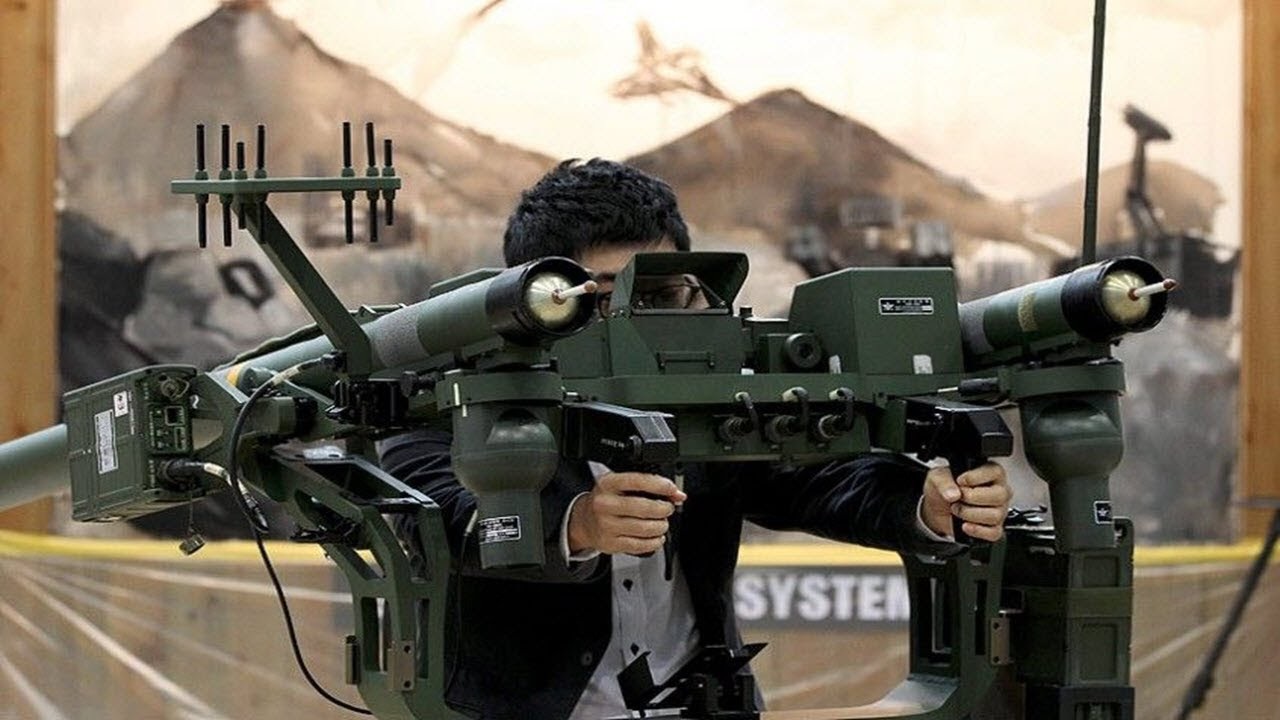
World
Defense News ,Romania :- In a recent Twitter update by user Mason, it has been suggested that Romania has potentially acquired 54 Chiron (KP-SAM) man-portable surface-to-air missile systems from South Korea. Developed by the South Korean Agency for Defense Development and LIG Nex1, the Chiron is a versatile system designed to counter a range of threats, including fixed-wing aircraft, helicopters, unmanned aerial vehicles, and cruise missiles. Since its introduction in 2005, the Chiron has gained recognition for its effectiveness and portability, setting it apart from similar systems.This acquisition signals a significant advancement in Romania's military capabilities and underscores the increasing global interest in South Korean military technology. South Korea's defense industry has been expanding its reach through various arms contracts, establishing notable agreements with countries like Indonesia and now Romania.The procurement of the Chiron system by Romania is part of a comprehensive agreement, encompassing collaboration in various aspects of military technology, including anti-air systems, vehicles, and ammunition. This deal also emphasizes the strategic partnership between Romania and South Korea in the realm of defense and security.This development occurs against the backdrop of South Korea emerging as a major player in the global arms export market. The country's military technology has gained widespread recognition for its proven performance and competitive pricing, with the Chiron system drawing favorable comparisons to international man-portable air defense systems (MANPADS) such as the American FIM-92 Stinger and the French Mistral, in terms of hit probability, price, and portability.The Chiron system, officially known as KP-SAM, is a man-portable surface-to-air missile (MANPADS) originating from South Korea. As of 2023, the unit cost of the Chiron stands at approximately 2.6 million euros. What sets the Chiron apart is its lightweight and manageable design, with the launcher weighing 24.3 kg. The missile itself is compact at 1.68 m in length and 80 mm in diameter. Its modular design allows for versatile operation by a two-person crew from a tripod or by a single operator holding it directly, offering flexibility in the field.Impressively, the Chiron boasts a maximum firing range of 7 kilometers for a MANPADS system. With a 2.5 kg military head, the missile is capable of causing significant damage to its target. Fueled by a solid engine, it can achieve a remarkable maximum speed of Mach 2.1.The missile's infrared homing guidance system enhances its effectiveness against various aerial threats, including fixed-wing aircraft, helicopters, drones, and cruise missiles. This feature also makes the Chiron system challenging to detect and counter, amplifying its effectiveness on the battlefield.Romania's acquisition of the Chiron systems reflects a strategic move to bolster its defense capabilities, aligning with a broader trend of nations seeking advanced military technology from South Korea. This deal, alongside others, underscores South Korea's increasing prominence in the global arms market.
Read More → Posted on 2024-01-16 15:41:25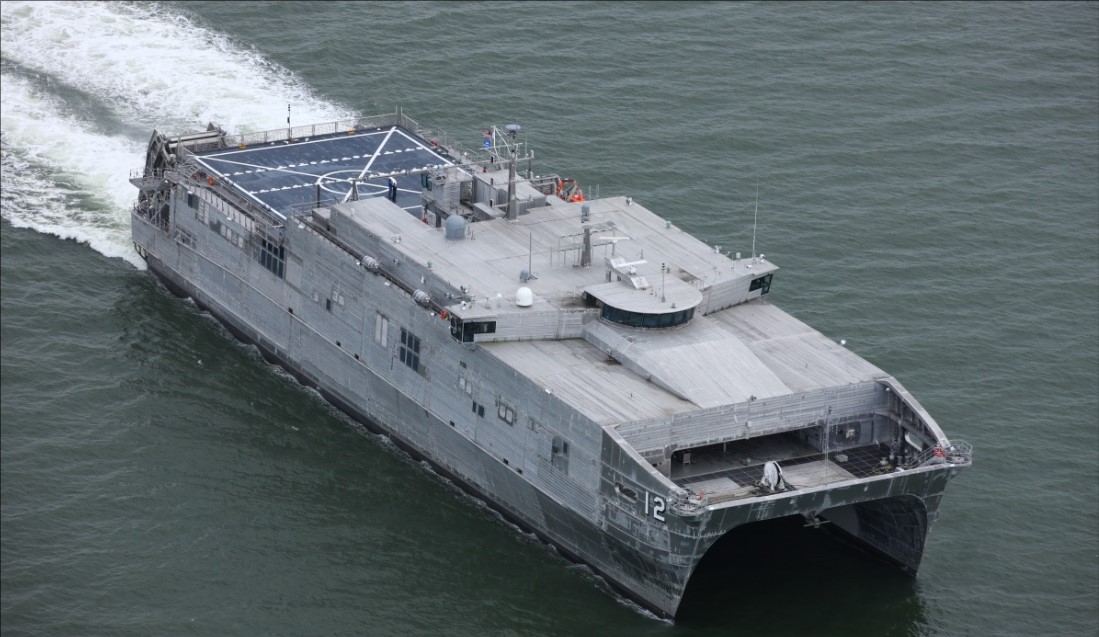
World
Defense News ,U.S :- Austal, in collaboration with L3Harris, has recently unveiled the latest addition to the US Navy's innovative Ghost Fleet program – the Overlord Unmanned Surface Vessel Vanguard (OUSV3). This milestone, marked by a successful launch in Mobile, Alabama, signifies a significant leap in autonomous naval capabilities.The OUSV, a product of the US Department of Defense Strategic Capabilities Office's Ghost Fleet initiative, aims to pioneer prototype unmanned surface vessels. This groundbreaking effort is aligned with the evolving landscape of maritime technology, emphasizing experimentation and advancing the navy's understanding of missions that can be executed without human intervention.The valuable insights gained from this long-term program are currently being leveraged to refine and streamline requirements for the upcoming Large Unmanned Surface Vessel (USV) program. This strategic move underscores the commitment to pushing the boundaries of naval capabilities.The Vanguard, equipped with cutting-edge features, will undergo testing and outfitting before autonomously sailing to San Diego to join its fellow OUSV1 Ranger and OUSV4 Mariner. Operated by the USV Division 1, this segment of the navy specializes in tactical development and trials, playing a pivotal role in shaping the future of unmanned surface vessels.Capt. Scot Searles, the Unmanned Maritime Systems Program Manager, expressed enthusiasm about the progress made by the L3Harris and Austal teams in constructing the Vanguard. He highlighted that the vessel, designed and built as a USV from the outset, introduces novel capabilities not present in previous OUSVs.The Ghost Fleet program, initiated in 2018, has undergone two phases of development. The first phase involved converting two commercial fast supply ships into military USVs, resulting in the Ranger and OUSV2 Nomad. These vessels received upgrades to their hulls, electrical, and mechanical systems, showcasing increased autonomous capabilities.The second phase focused on enhancing interoperability and endurance across complex scenarios for the Ranger and Nomad. Following their autonomous transit through the Panama Canal, the Mariner was introduced, further expanding the Ghost Fleet's capabilities.These Ghost Fleet vessels, measuring between 200 and 300 feet in length, comparable to corvettes, are armed with 16 to 32 missile-launching tubes. This armament enables them to deploy vertical launch systems, strike payloads, as well as anti-ship and ground-attack missiles.In conclusion, Austal's launch of the Vanguard marks a significant step forward in autonomous naval technology, contributing to the ongoing evolution of the Ghost Fleet program. The collaboration between industry leaders and the US Navy showcases a commitment to staying at the forefront of unmanned surface vessel innovation.
Read More → Posted on 2024-01-16 15:29:32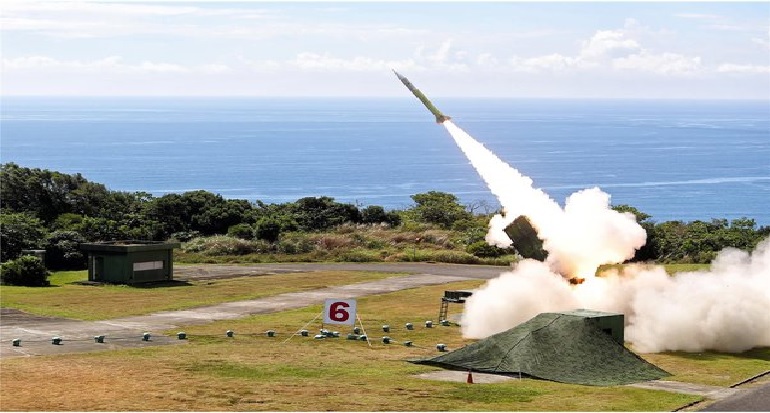
World
Defense News ,Taiwan :- In response to escalating concerns about a potential Chinese invasion, the Taiwanese government has greenlit a comprehensive plan to establish two cutting-edge missile bases on the east coast of the country. With a substantial budget of 1.71 billion New Taiwan dollars ($54.4 million), the initiative aims to address the growing necessity for advanced facilities dedicated to the storage and maintenance of domestically produced missiles.The chosen locations for these bases, Xincheng and Ji An Townships, have been strategically positioned far from mainland China. This decision has been made to safeguard the missiles from the threat of targeted attacks by the Chinese military, as reported by Liberty Times. The ambitious projects are anticipated to be completed by 2026, adding a crucial layer to Taiwan's defense infrastructure.Last year, the government had already approved a budget of 2.42 billion New Taiwan dollars ($77 million) for the construction of two military bases in northeastern Taiwan, highlighting the nation's commitment to meeting the rising demand for enhanced defense capabilities.Taipei's proactive approach aligns with its ongoing efforts to bolster domestic missile production, in anticipation of potential hostilities with China. The island nation is currently developing a range of missiles, including the Hsiung Feng II subsonic anti-ship missile, the Hsiung Feng III supersonic anti-ship missile, and the extended-range Hsiung Feng III, boasting an impressive 400-kilometer (248-mile) reach. These projects are slated for completion in 2026, synchronizing with the establishment of the new missile bases.In a bold move, a high-ranking Taiwanese defense official announced in August 2023 the development of the Tien Chien V, a combat aircraft missile rivaling the capabilities of the US-made AIM-120 Advanced Medium-Range Air-to-Air Missile (AMRAAM). With a strike range of 160 kilometers (99 miles), the Tien Chien V is poised to strengthen Taiwan's defense capabilities significantly.The Taiwanese Ministry of National Defense will oversee the meticulous creation of these two missile bases, ensuring adherence to the 2026 deadline. Intriguingly, this deadline coincides with intelligence reports suggesting a potential Chinese plan to invade Taiwan in 2027, ordered by Chinese President Xi Jinping. Recent Chinese incursions along the Taiwan Strait, including the crossing of the sensitive median line by warships and aircraft, underscore the urgency and significance of Taiwan's strategic preparations.
Read More → Posted on 2024-01-16 15:03:48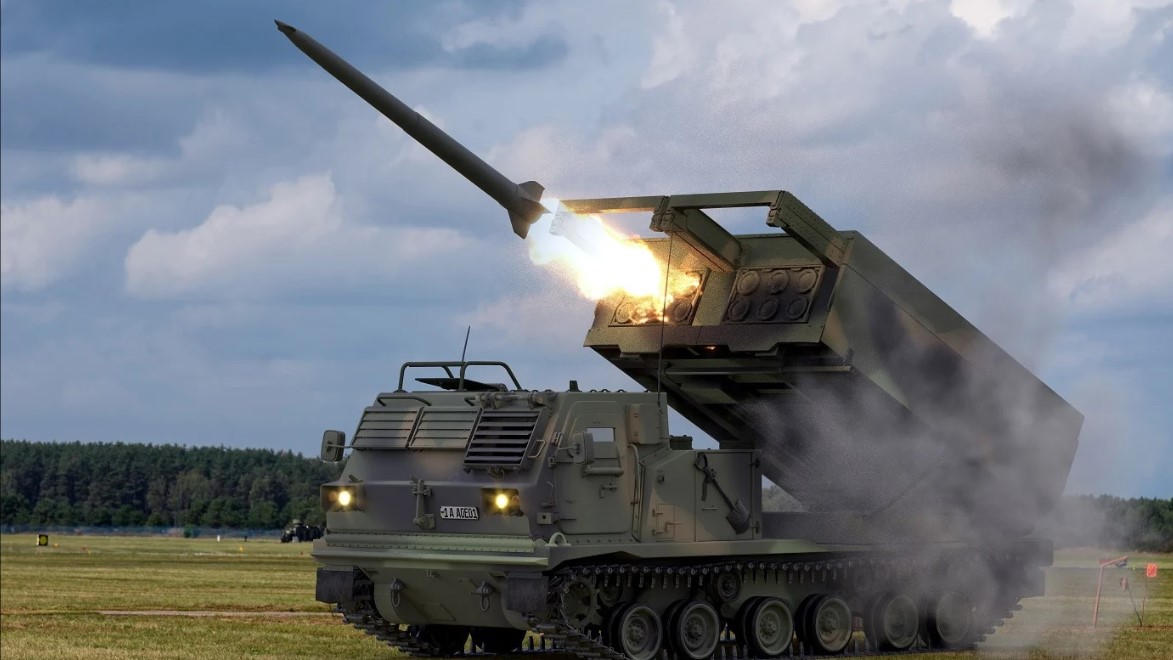
World
Defense News ,Australia :- Australia is set to embark on a significant stride in its defense capabilities as it signs a groundbreaking $37.4 million deal with Lockheed Martin to initiate the local production of Canberra’s Guided Multiple Launch Rocket System (GMLRS) missiles in 2025. This move, a key outcome of the Defence Strategic Review, underscores the commitment of the Albanese Government to enhance Australia's sovereignty in the defense sector.The agreement entails the transfer of technical data from the United States, along with the provision of engineering certifications and competency programs for the Australian workforce. Australian Deputy Prime Minister Richard Marles highlighted the importance of the contract, stating that it aligns with the government's strategic goals and sets the stage for a sovereign industry with opportunities for a highly-skilled workforce.In addition to the GMLRS project, Australia aims to bolster its armed forces with Precision Strike Missiles (PrSMs), which will be fired from the new High Mobility Artillery Rocket Systems (HIMARS). Minister Pat Conroy emphasized that these advancements will significantly enhance the country's capabilities to precisely strike targets at longer ranges.Lockheed Martin reports that the GMLRS boasts a range exceeding 70 kilometers (43.5 miles), while the PrSMs can reach targets between 60 and 499 kilometers (37.2 to 310 miles). Minister Conroy highlighted that this collaboration with Lockheed Martin is a crucial step in acquiring long-range precision strike capabilities, reinforcing the Australian Defence Force's ability to safeguard the nation and its interests.The local production of GMLRS missiles is part of a broader 4.1-billion Australian dollar ($2.7 billion) investment announced under the Defence Strategic Review. In 2023, Australia appointed a new chief for the Australian Department of Defence team responsible for overseeing indigenous productions of GMLRS, guided weapons, and explosive assets. This move reflects the ongoing collaboration between Australia and the United States within the Guided Weapons and Explosive Ordnance Enterprise, a key outcome of the Australia-United States Ministerial Consultations in July 2023.
Read More → Posted on 2024-01-16 14:22:52
World
Defense News ,Germany & Philippine :- In a significant stride towards enhancing maritime surveillance capabilities in the West Philippine Sea, Germany has pledged to donate cutting-edge drones to the Philippines. The announcement came following a meeting between German Foreign Minister Annalena Baerbock and Philippine President Ferdinand Marcos Jr. at the prestigious Malacañang Palace in Manila.According to Rear Admiral Armand Balilo, spokesman for the Philippine Coast Guard, the generous aid package includes "around four or more" drones, marking a crucial addition to the Philippines' coast guard reconnaissance capabilities. The total assistance package from Berlin amounts to a substantial 129 million euros ($141 million) and is expected to fortify the country's standing in the contested region.These state-of-the-art drones are not only designated for maritime surveillance but will also play a pivotal role in disaster response and relief operations. Furthermore, they will be deployed in missions targeting illegal drug activities, combating illegal fishing, and conducting assessments in the event of oil spills.This commitment by Germany follows a prior initiative in 2022 when the German Agency for International Cooperation (GIZ), in collaboration with the German government, donated two Trinity F90+ drones to the Philippines. The donation was part of the larger GIZ project titled "Supporting the Philippine Coast Guard in Securing Rule-based Order in the Indo-Pacific Region," aimed at bolstering weak points in the nation's coastline security.The Trinity F90+ drones boast an impressive flight time of up to 60 minutes, covering approximately 300 hectares (1.15 square miles) at an altitude of 120 meters (394 feet). German Ambassador to the Philippines, Anke Reiffenstuel, emphasized that this latest handover reinforces Germany's commitment to enhancing the peace, security, and stability of its allies.Reiffenstuel stated, "Germany's commitment is to strengthen the role of the Coast Guard to protect the coastline and provide capacity development to maximize the equipment provided by Germany." This collaboration underscores the shared dedication to upholding security in the region, marking a significant step in the strategic partnership between Germany and the Philippines.
Read More → Posted on 2024-01-16 14:11:06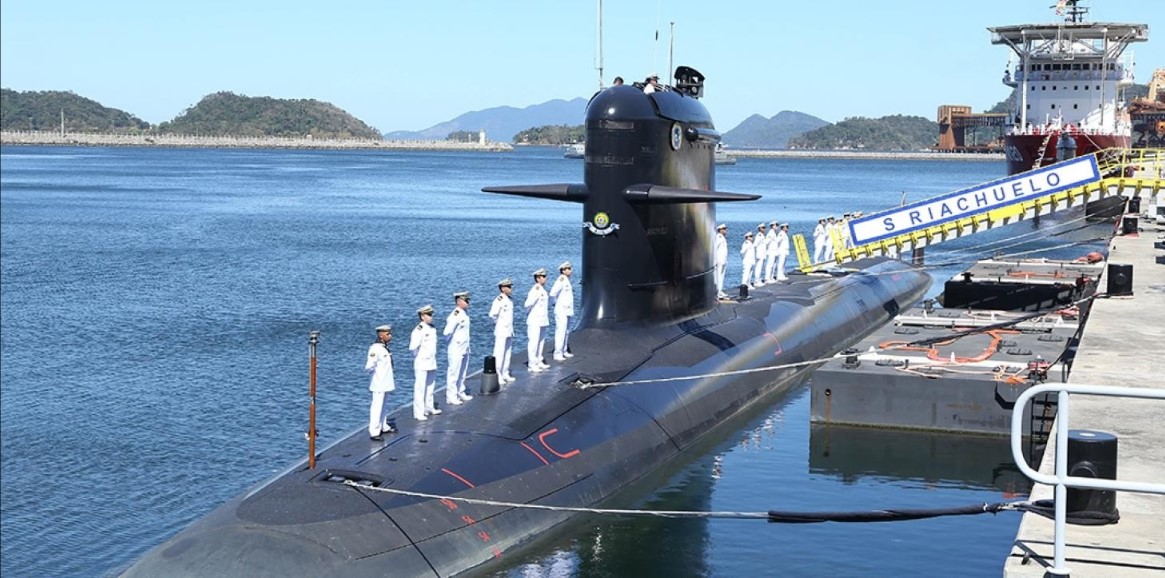
World
Defense News , Brazil :- In a significant step towards bolstering its naval capabilities, Brazil celebrated the commissioning of the second Scorpène submarine, Humaitá, on January 12th at the Itaguaí Naval base. The event, attended by Brazilian Minister of Defence, José Mucio Monteiro, and French General Delegate for Armaments, Emmanuel Chiva, marked the fruition of a collaborative effort between Brazil and France.Humaitá, entirely constructed in Brazil by Itaguaí Construções Navais (ICN), is part of the ProSub program. This program aims to enhance Brazil's submarine force with the development of four conventional submarines (SSK) and an indigenous nuclear-powered submarine (SSN). The success of Humaitá's sea trials and its subsequent delivery to the Brazilian Navy showcase the effectiveness of technology transfer from Naval Group to ICN.Pierre Éric Pommellet, CEO of Naval Group, expressed his satisfaction with the cooperation, emphasizing the collective achievement that strengthens not only the Brazilian Navy and industry but also the country's regional and global influence. Pommellet highlighted the commitment of the teams to meet the expectations of the Brazilian Navy.The ProSub program, initiated in 2009 within the framework of the French-Brazilian strategic defense cooperation agreement, solidifies Naval Group as a long-term strategic partner in Brazilian sovereignty. The collaboration involves the construction and assembly of Scorpène submarines at the ICN shipyard in Itaguaí, with technology transfer, submarine design files, and equipment supplied by Naval Group.Naval Group's contribution extends beyond technology transfer, as it actively supports the development of a robust Brazilian naval industrial ecosystem. Local suppliers, selected and qualified by Naval Group, join the supply chain not only for the ProSub contract but also for other business opportunities, fostering the growth of the Brazilian naval industry.Scorpène submarines, including the Brazilian models, are hailed as modern, high-performing, and stealthy. Their versatility allows them to undertake various missions, from Anti-Surface and Anti-Submarine Warfare to special operations and intelligence gathering. The submarines are equipped with the latest combat system, SUBTICS, addressing modern challenges in submarine warfare.Beyond the ProSub program, Naval Group's success extends globally, with submarines designed for export markets in operational service or under construction for navies such as Chile, Malaysia, and India. The adaptability of the Scorpène submarines to meet specific naval needs, as demonstrated by Brazil's modifications for a larger crew and increased operational range, underscores Naval Group's commitment to tailoring solutions for its international clients.As a testament to Naval Group's technological prowess, all Brazilian Scorpène submarines will be armed with the new-generation F21 heavy-weight torpedo, showcasing Brazil as the first international client for this advanced weaponry. The commissioning of Humaitá signifies a milestone in Brazil's naval advancements, reflecting the success of international collaboration and the country's commitment to strengthening its maritime capabilities.
Read More → Posted on 2024-01-16 14:06:42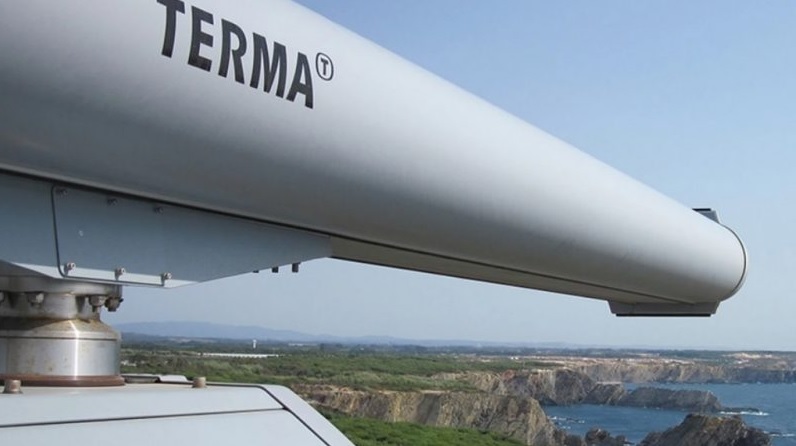
World
Defense News ,Denmark :- In a groundbreaking move, Terma, a Danish company, has just unveiled an innovative drone detection capability integrated into its land-based SCANTER 5000 series radars. This development comes hot on the heels of the successful implementation of a similar technology in Terma's SCANTER 6000 series, designed for naval surveillance back in October 2022.The newly introduced drone detection system harnesses the power of artificial intelligence (AI) and machine learning, elevating its analytical capabilities to unprecedented levels. By accurately analyzing incoming data, the radar can now distinguish drones from other flying objects, such as birds and aircraft, with exceptional precision. What's truly remarkable is the SCANTER 5000 series' detection range, reaching up to 10 kilometers for 5 kg drones, surpassing most competitors in the market. This extended range provides operators with invaluable response times, significantly improving situational awareness and response efficiency.The system operates through a meticulous four-step process: Detect, Track, Classify, and Identify. This method ensures the highest level of confidence in the results, offering precision where other solutions have often fallen short.Jesper Tolstrup, Chief Specialist in Radar Products & Programs at Terma, expressed his excitement about the release, stating, "We are thrilled to introduce our groundbreaking add-on, a true game-changer in drone detection technology. With its unparalleled precision, comprehensive data analysis, and impressive range, our counter-drone capability sets a new standard for the industry."Terma's drone detection technology is designed to cater to various radar applications, including ports, coastlines, offshore platforms, and critical infrastructure. Its versatility proves particularly valuable for safeguarding wind farms and maritime oil platforms. Moreover, the technology can be deployed in civilian airports for drone detection and bird monitoring, thereby enhancing safety and security in multiple domains. Terma's innovative solution is poised to redefine the landscape of surveillance technology, setting a new benchmark for precision and efficiency in drone detection.
Read More → Posted on 2024-01-16 13:58:50
World
Defense News ,Gulf of Aden :- In a recent incident, a missile launched by Yemen's Houthi rebels hit a US-owned ship near the coast of Yemen in the Gulf of Aden. This comes shortly after another anti-ship cruise missile was fired at an American destroyer in the Red Sea. The targeted ship, the Gibraltar Eagle, reported being struck on its port side, but fortunately, no injuries or significant damage occurred, allowing the vessel to continue its journey.While the Houthis have not claimed responsibility for the attack on the Gibraltar Eagle, tensions in the Red Sea have intensified following American-led strikes against the rebel group. The attacks by the Houthis have disrupted global shipping, especially amidst Israel's conflict with Hamas in Gaza. This has impacted a crucial corridor connecting Asian and Middle East energy and cargo shipments to the Suez Canal, which leads to Europe.The UK Maritime Trade Operations revealed that the Monday attack occurred approximately 110 miles southeast of Aden. Satellite-tracking data showed that the Eagle Gibraltar, a Marshall Islands-flagged bulk carrier, had originally been en route to the Suez Canal but abruptly changed course during the attack.The US military's Central Command acknowledged the strike, attributing it to the Houthis. Despite the incident, the ship reported no significant damage, and it continued its journey. The vessel is owned by Eagle Bulk, a firm based in Stamford, Connecticut, which has not provided any comments on the matter.In response to the escalating situation, Central Command detected another anti-ship ballistic missile launch toward the southern Red Sea on Monday. However, this missile failed in flight and landed in Yemen. The US Maritime Administration issued a warning, advising US flag and US-owned commercial vessels to avoid Yemen in the Red Sea and Gulf of Aden.The recent missile launch towards the USS Laboon marked the first acknowledged Houthi attack since the US and its allies initiated strikes against the rebels. President Joe Biden emphasized the readiness to take further measures to protect people and international commerce. The US-led strikes targeted 28 locations and over 60 Houthi-related sites.The Houthis, based in Hodeida, a Red Sea port city, have been targeting ships since November, citing retaliation for Israel's actions in Gaza. However, these attacks have affected vessels with no clear links to Israel, jeopardizing a vital route for global trade.The situation has raised concerns about maritime security, with Hezbollah leader Hassan Nasrallah warning of the dangers posed by the US strikes in the Red Sea. The impact is not only felt in the region's geopolitical landscape but also in disrupting shipping for nations like Qatar, a major natural gas supplier.As tensions rise in the Middle East, efforts to calm the situation face challenges, and the risk of a broader conflict looms. The Saudi-led, US-backed war in Yemen, ongoing since 2015, has already resulted in significant casualties and a severe humanitarian crisis. The recent attacks further complicate the delicate diplomatic balance in the region, with Saudi Arabia seeking to distance itself from the Houthi strikes as it navigates its relationship with Iran and maintains a ceasefire in Yemen.
Read More → Posted on 2024-01-16 13:45:16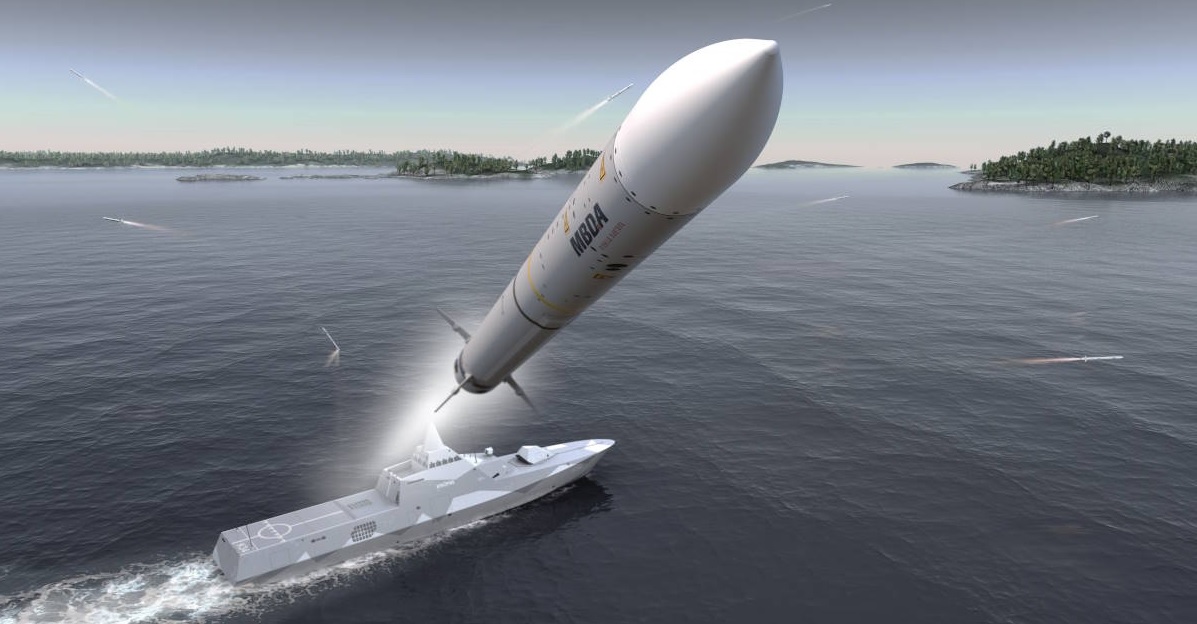
World
Defense News ,Poland :- Arms company MBDA is helping Poland protect its navy by adding special missiles to its Miecznik-class frigates. These frigates, designed by Babcock, will be equipped with MBDA’s Sea Ceptor naval air defense system. This system is like a shield that defends the ships from fast anti-ship missiles and unmanned surface vessels.The missiles are part of MBDA’s Common Anti-Air Modular Missile (CAMM) family. They will be launched from Mk41 Vertical Launching Systems, which helps keep more of them ready and the ships safer.Not only Poland but also other countries like Brazil, Canada, and Sweden use these CAMM missiles for short-range defense.Developing the CAMM SystemThis plan started in 2022 when Poland and the UK agreed to work together on developing weapons. They created the CAMM system to help Poland defend its ground and navy better, especially with tensions rising in the area.In a big deal worth 4 billion pounds (about $4.89 billion), Poland got the technology to make over 1,000 of these missiles with an extended range. They also received more than 100 iLaunchers for their armed forces. Sweden also liked these missiles and decided to use them for their Visby-class corvettes.
Read More → Posted on 2024-01-15 16:56:20Search
Top Trending in 24 Hours
-
 First Satellite of Russia's Rassvet Broadband Constellation Reenters Atmosphere After Less Than Three Months in Orbit
-
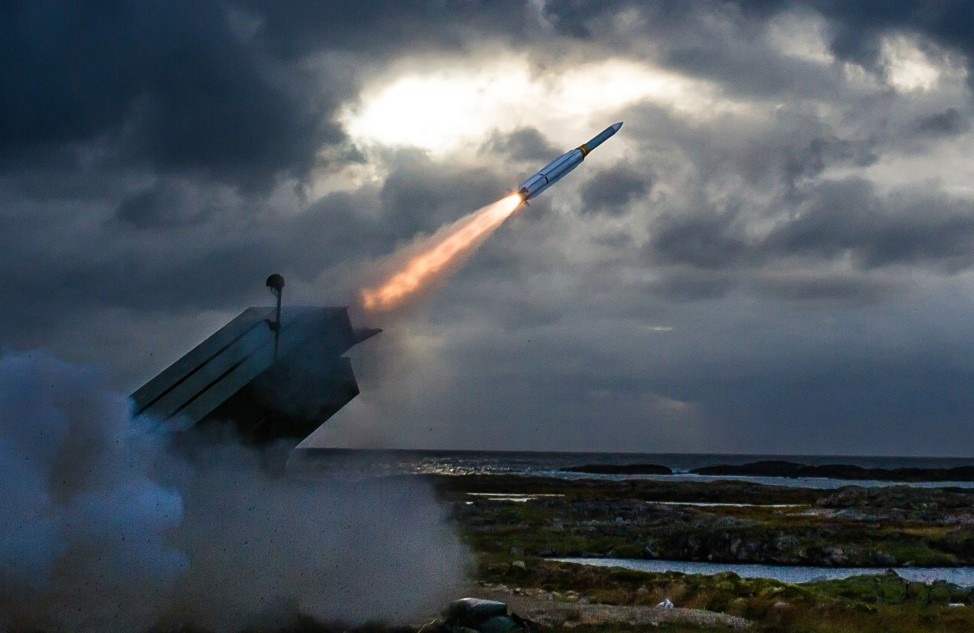 Taiwan Marine Corps Seeks NASAMS Air Defense Systems to Protect Naval Bases and Coastal Areas
-
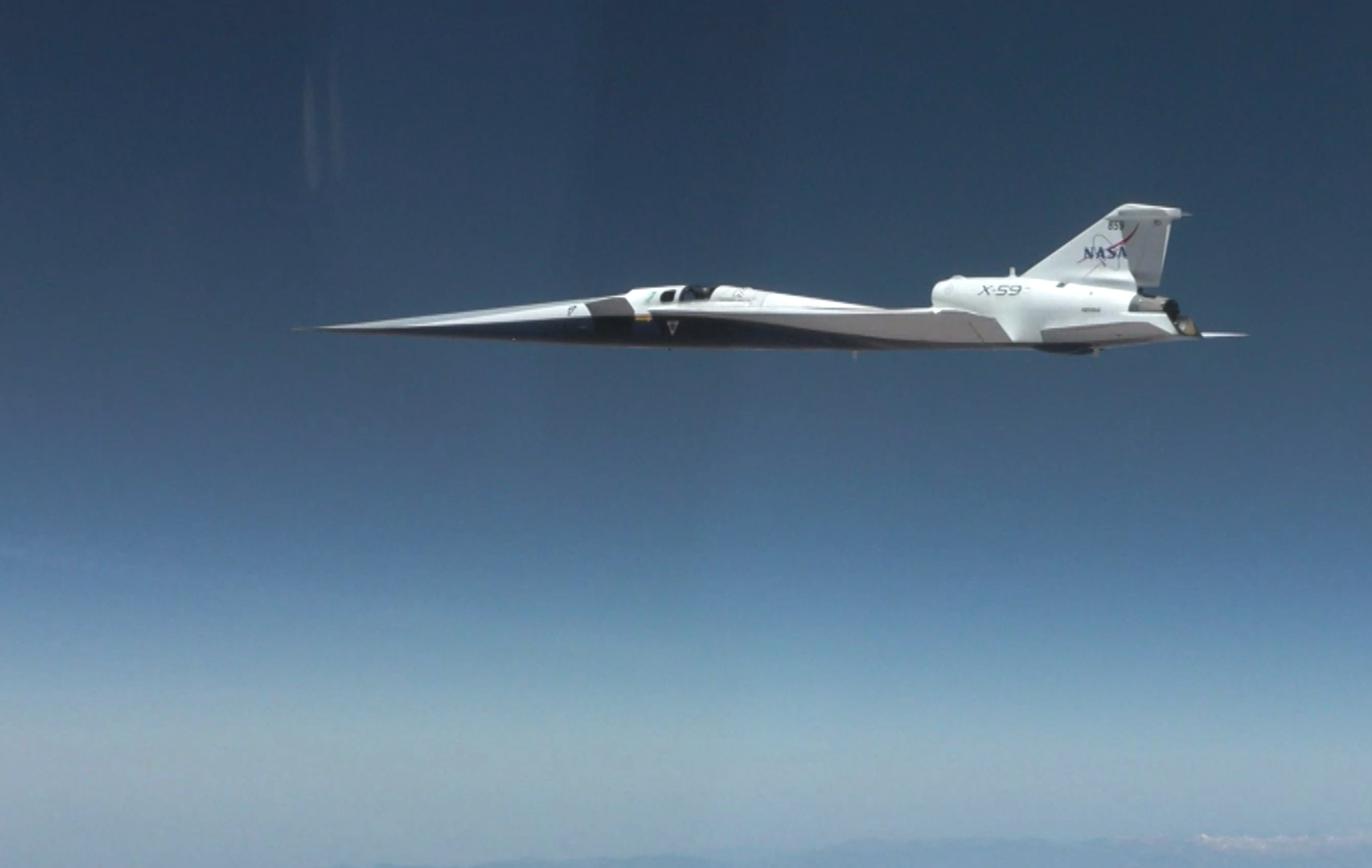 NASA’s X-59 Achieves First Supersonic Flight, Advancing NASA’s Quiet Boom Research
-
 U.S. Navy Amphibious Assault Ship USS Iwo Jima Returns to Norfolk After Nearly 10-Month Deployment
-
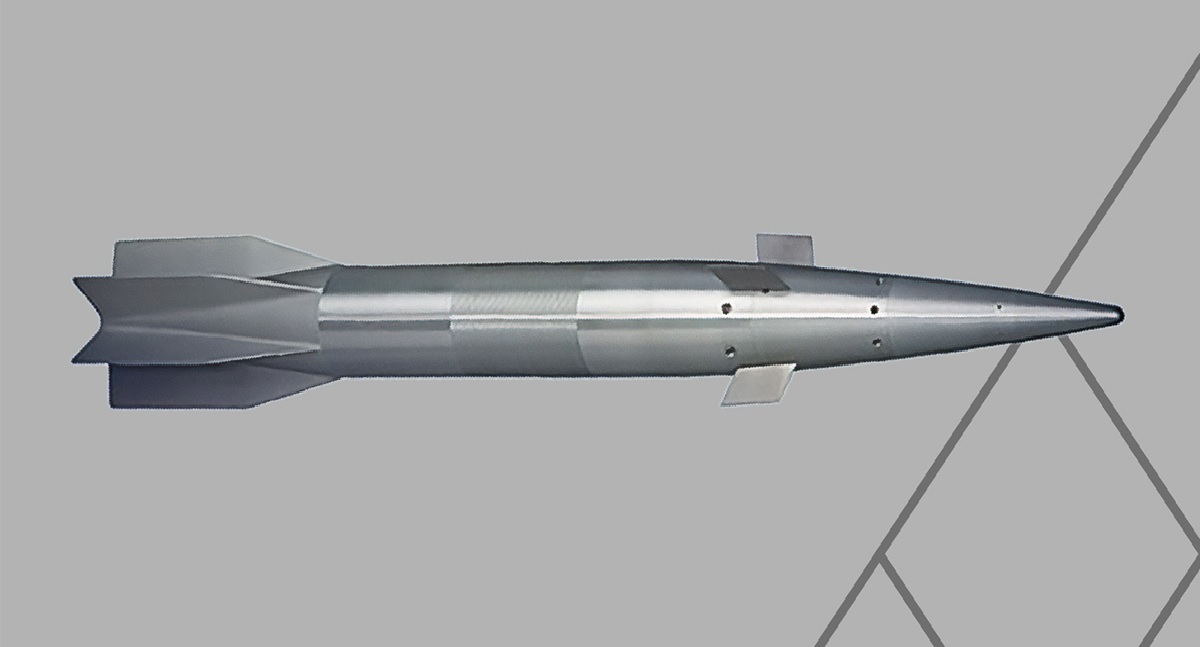 General Dynamics Awarded U.S. Army Contract for Next-Generation Vulcano 155mm Extended-Range Artillery Projectile
-
 Battlefield-Tested Ukrainian Obriy 1.3 Drone Detector Seen During U.S. Army Training Exercise
-
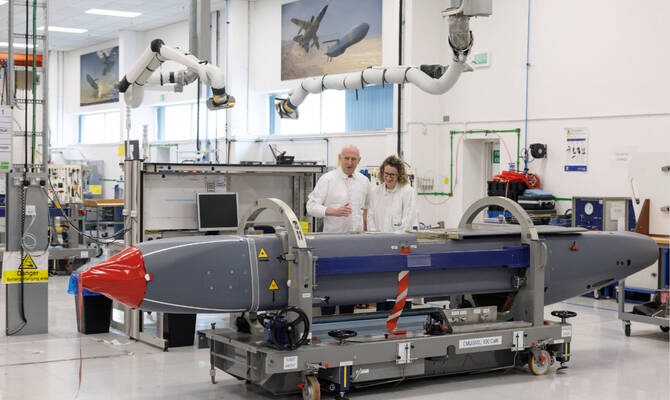 One Year On, UK Still Lacks Delivery Plan for 7,000 Long-Range Weapons Programme
-
 Russia Demands €47.2 Million from Rheinmetall Over Canceled Military Training Center Deal
Top Trending in 4 Days
-
 Iran Releases Footage of Qader Missile and Shahid Danaye Drone Launches Toward Two U.S. Navy Destroyers
-
 Five Eyes Issues Joint Alert on Chinese Targeting Government and Military Personnel Through LinkedIn and Job Platforms
-
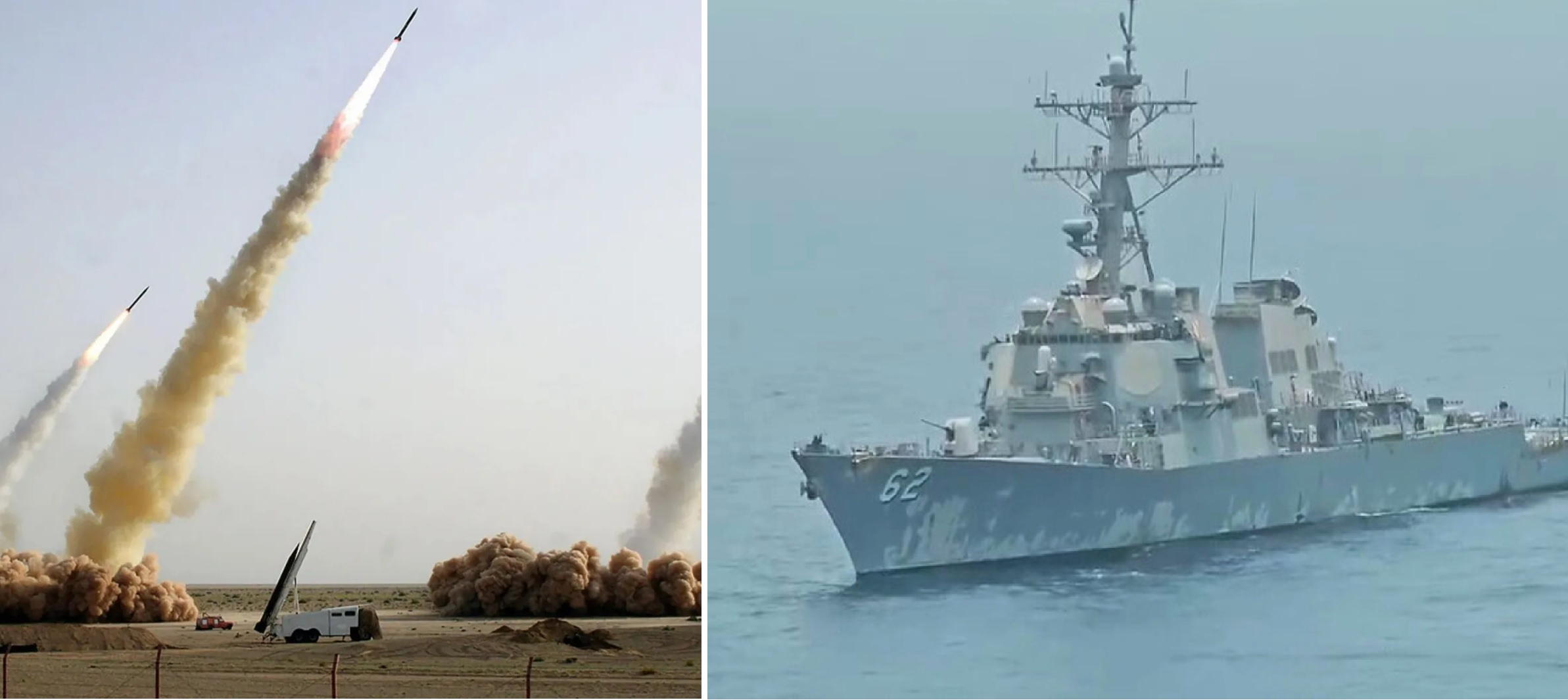 Iran Claims Attack on U.S. Destroyer in Gulf of Oman, CENTCOM Denies Attack
-
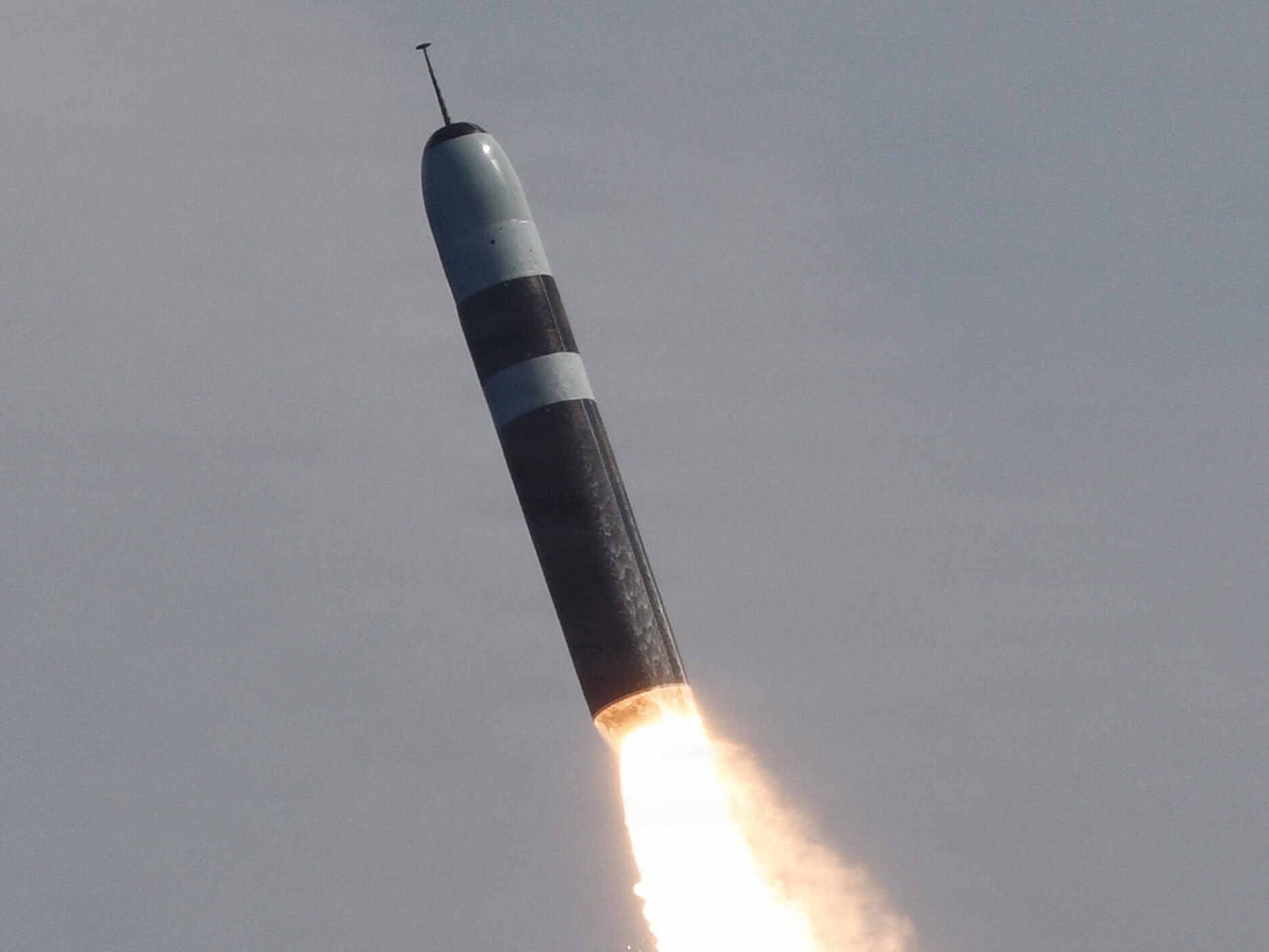 Washington Considers Shifting NATO Nuclear Deterrence Closer to Russia Through Poland
-
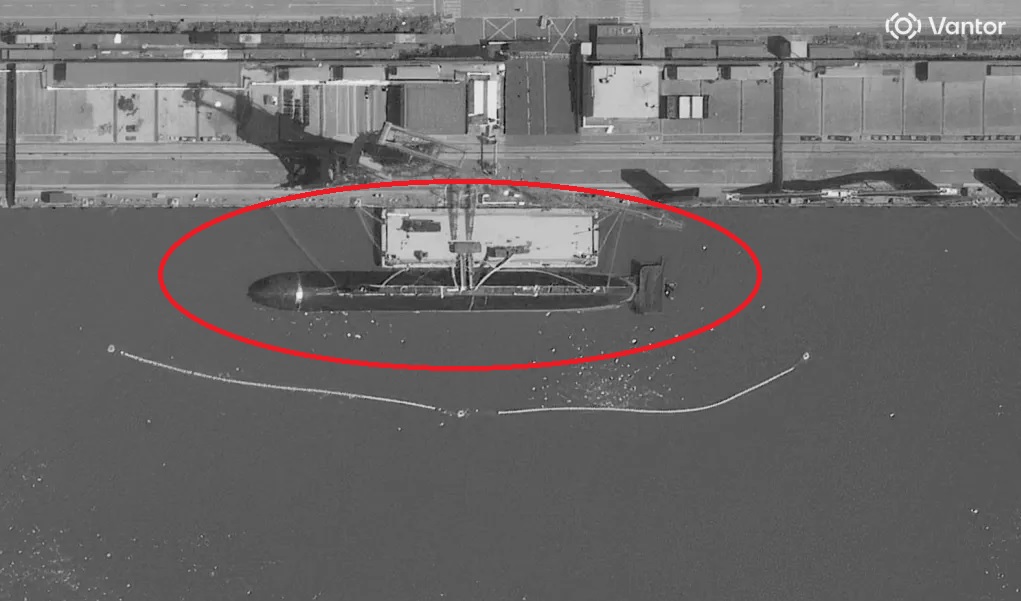 Satellite Imagery Reveals China's New-Generation Sail-Less Nuclear Submarine With Unique Design Features
-
 Iranian Drone and Missile Strikes Damage Kuwait Airport, Kill One and Injure 63 Amid Rising Gulf Tensions
-
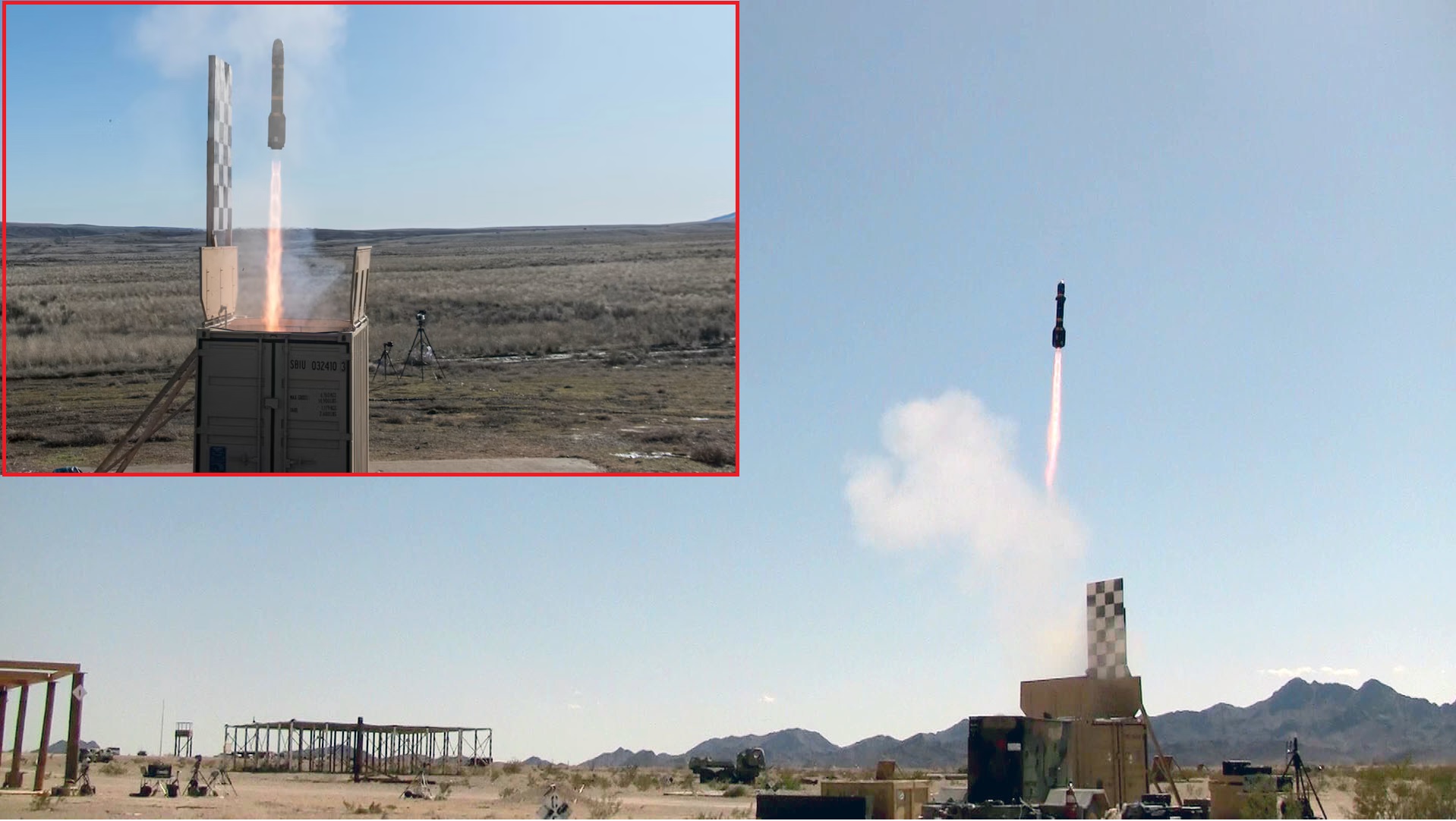 Lockheed Martin Successfully Intercepts Attack Drone Using New GRIZZLY Containerized Launcher
-
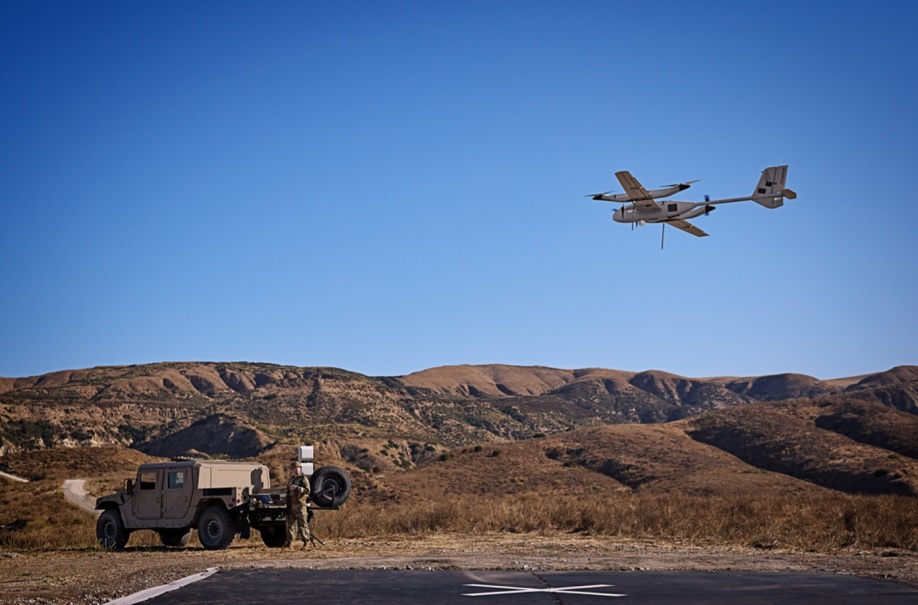 U.S. Army Awards AeroVironment $117.3 Million Contract for 82 P550 Long-Range Reconnaissance Drones