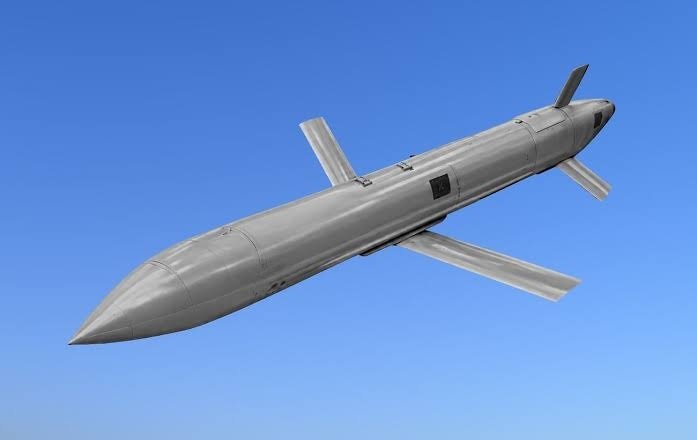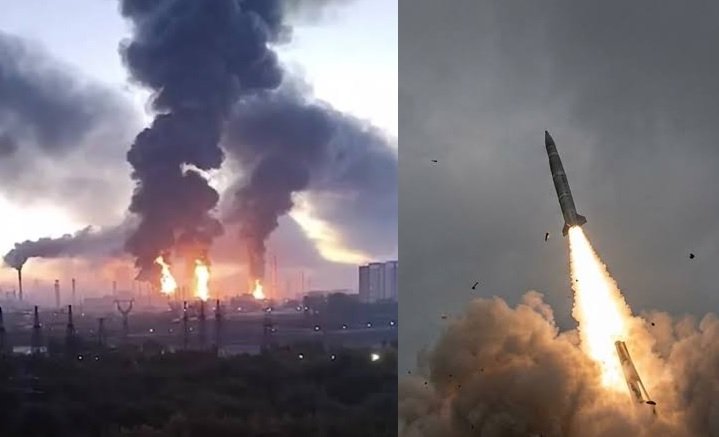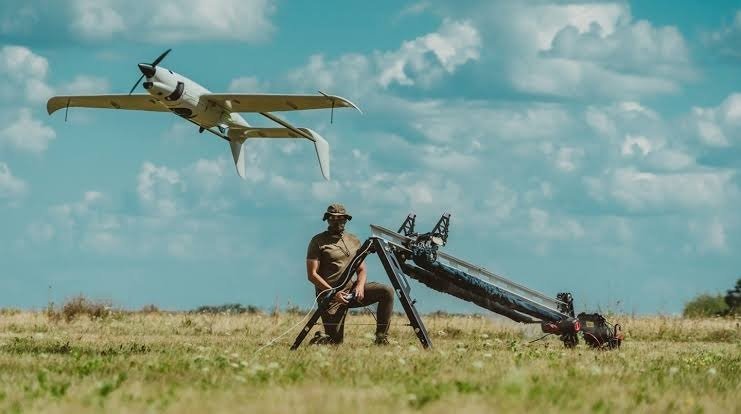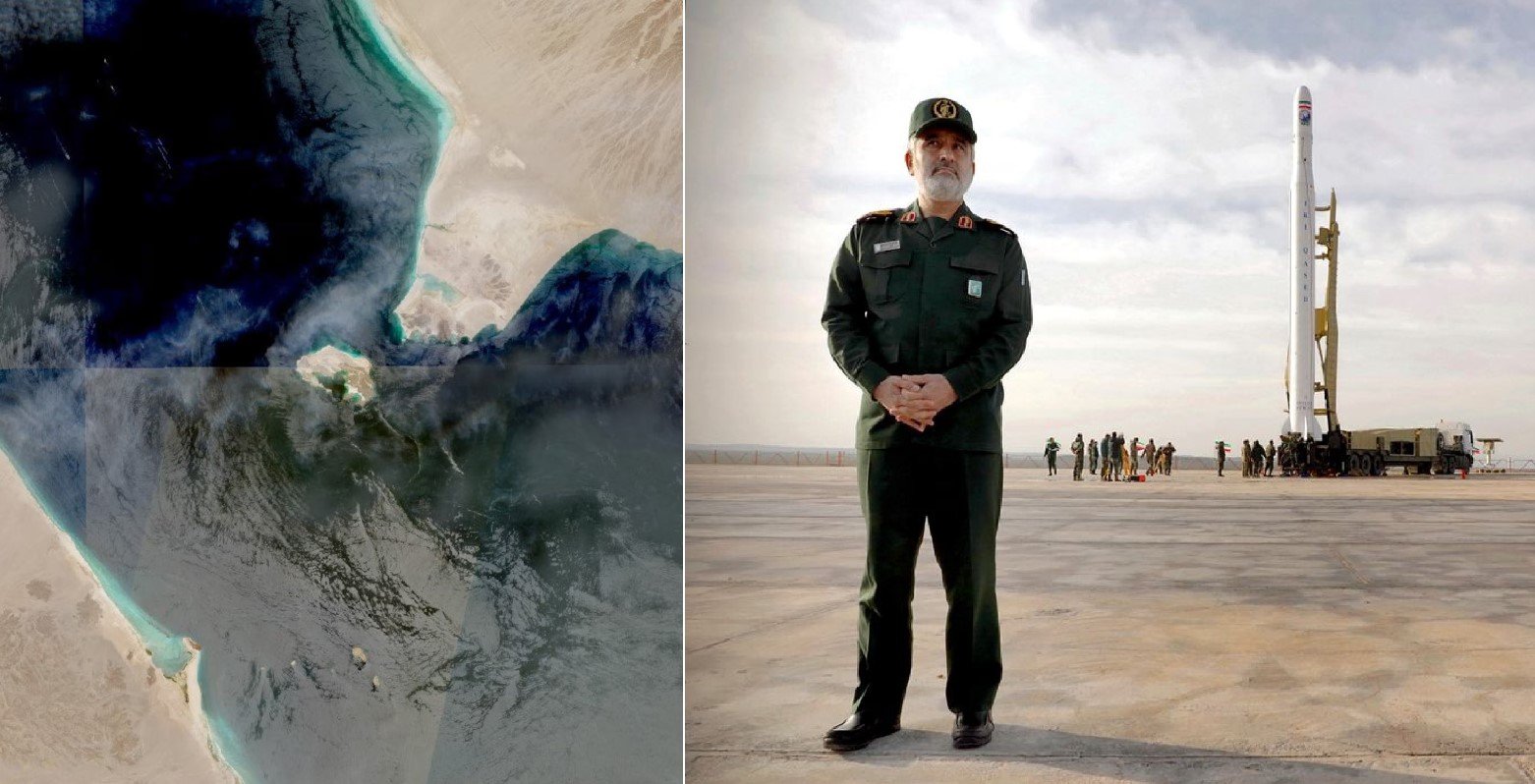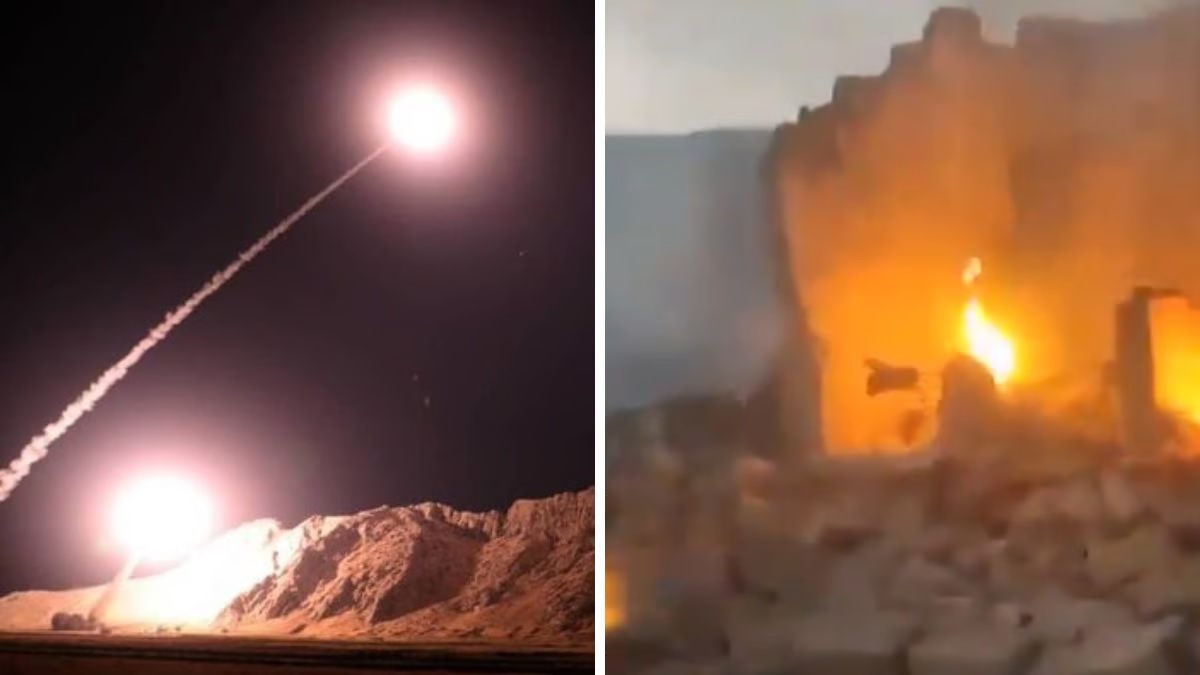
Defense News ,Iran :- In a recent development, Iran executed a precision strike using drones and missiles on two significant bases of the Jaish al-Adl , a designated terrorist organization, situated in Pakistan. The assault, as reported by Al Arabiya News, led to the destruction of these crucial strongholds, adding a new chapter to the ongoing conflict.
The targeted region in Pakistan's Balochistan housed one of the largest headquarters of Jaish al-Adl, focusing the strikes on dismantling the group's operational capabilities. Formed in 2012, Jaish al-Adl operates as a Sunni terrorist organization within Iran's southeastern province of Sistan-Baluchistan. Over the years, the group has orchestrated multiple attacks on Iranian security forces, solidifying its status as a major security concern for Tehran.
In a tragic incident last December, Jaish al-Adl claimed responsibility for an assault on a police station in Sistan-Baluchistan, resulting in the loss of at least 11 police personnel. This incident underscored the persistent threat posed by the group, contributing to the escalating tensions in the region.
Sistan-Baluchistan, bordering Afghanistan and Pakistan, has a history of clashes between Iran's security forces and both Sunni terrorists and drug smugglers. Notably, it stands as one of Iran's economically challenged regions, predominantly inhabited by Sunni ethnic Baluchis.
The timing of these strikes in Pakistan is noteworthy, occurring a day after Iran's Islamic Revolutionary Guard Corps (IRGC) launched missiles into Iraq's Kurdistan region. The IRGC claimed to target an alleged Israeli "spy headquarters" and sites linked to ISIS in Syria. This sequence of events adds layers to an already intricate geopolitical landscape, raising questions about the broader motivations and repercussions of Iran's actions.
As tensions unfold in the region, the recent strikes against Jaish al-Adl underscore the complexity of the security challenges faced by Iran. The intricate web of regional conflicts, involving various actors and motivations, continues to shape the dynamics of the Middle East.
——— End of Article ———