
World
Explosions reverberated across the pre-dawn sky as Ukrainian air defenses fended off a Russian attack on Starokostiantyniv, a small city in western Ukraine. Home to an important air base, Starokostiantyniv has frequently been targeted by Moscow’s strikes. Hours after the assault, the tidy streets had returned to a semblance of normality, but the June 27 attack was a stark reminder of the challenges Kyiv faces as it rebuilds its depleted air force and prepares to deploy the first U.S.-designed F-16s. These aircraft, expected to arrive this month, represent a critical boost for Ukrainian forces struggling to repel a Russian onslaught along the front line.The exact location where the F-16s will be based remains undisclosed, but Moscow claimed after the strike on Starokostiantyniv that it had targeted airfields believed to house them. Since the onset of Russia’s invasion in February 2022, this air base has been under frequent attack, including from drones and hypersonic missiles. Despite the constant danger, the residents of this historic military outpost, nicknamed Starkon, have learned to adapt. "In short, it's 'fun' to live here," said city official and local culture expert Vasyl Muliar with a wry smile, following the recent attack. A Ukrainian air force spokesman acknowledged the strikes presented "certain difficulties," but maintained they would not undermine the delivery or use of the F-16s in battle.Military analysts suggest that the Russians are likely targeting infrastructure such as runways and storage facilities to hinder the deployment of the F-16s. Justin Bronk of the Royal United Services Institute noted that the Ukrainian military, low on air-defense ammunition, would probably need to move the planes around airfields to keep them safe. "Any ground-based air defense coverage can be saturated if the Russians care enough to fire enough missiles at one target," he explained.Following the attack last Thursday, Governor Serhiy Tyurin reported that air defenses had destroyed nine targets over the region. The air force had previously warned residents that drones were headed towards Starokostiantyniv. Locals, cautious not to reveal sensitive military information, described the constant threat of strikes and the frequent roar of Ukrainian warplanes overhead. Iryna Sapchuk, editor-in-chief of the local newspaper Our City, recounted how her parents' home had been hit in a previous raid, damaging the roof and shed. "They found debris from a missile in a cherry tree by the window," she said. Despite the dangers and the frequent power outages caused by Russian attacks on the energy system, the people of Starokostiantyniv project a sense of resilience. Road works continue as jets streak overhead, while families and groups of teenagers cool off at the local beach.Sapchuk noted that when she travels around Ukraine, she finds it hard to cope without the noise of airplanes. "It's too quiet for me," she joked, adding that the sound had become a comforting sign that Ukraine's outnumbered pilots were putting up a fight. Muliar pointed to the city’s history as a 16th-century bastion of defense and a key nerve center for independence fighters after World War One. "This was always a center of resistance," he affirmed.As Ukraine braces for the arrival of the F-16s, the ongoing attacks on Starokostiantyniv highlight the challenges and dangers faced by a nation at war, determined to defend its skies and rebuild its air force amidst relentless aggression.
Read More → Posted on 2024-07-02 14:34:46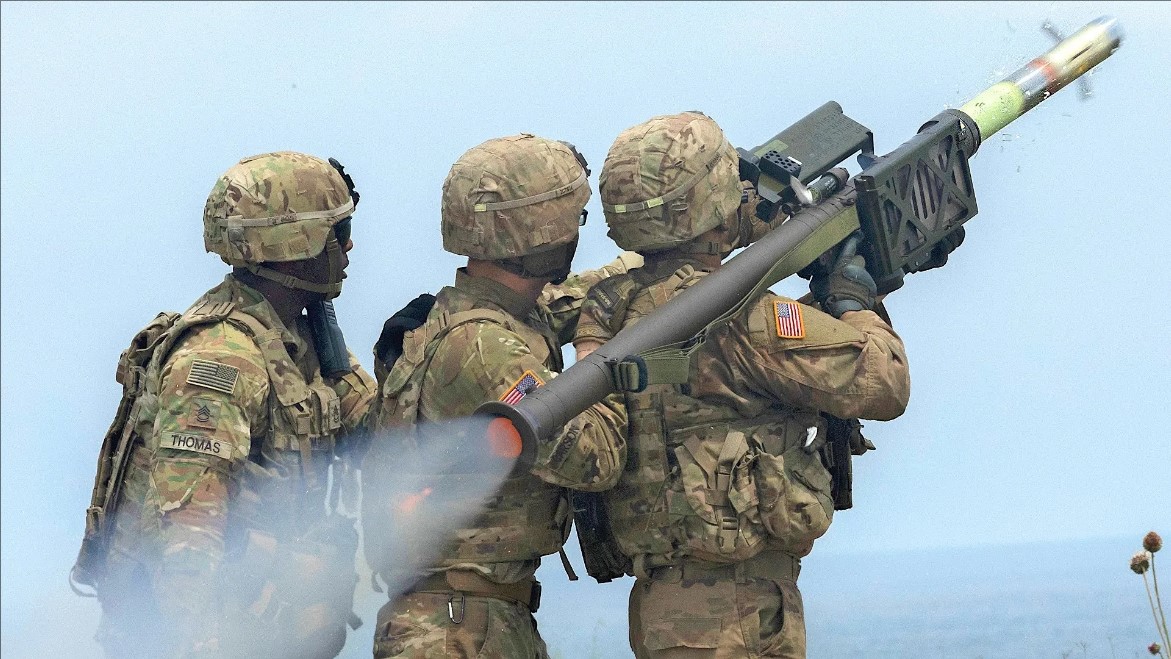
World
In a significant move to reinforce its air defense capabilities and support Ukraine, the German Parliament's Budget Committee has approved the acquisition of over 500 Stinger anti-aircraft missiles. This decision marks a crucial step in Germany's commitment to both national security and international solidarity amidst ongoing global tensions.The approved purchase entails 506 man-portable Stinger FIM-92K Block I missiles, which are equipped with proximity fuses. This procurement, valued at approximately 395 million euros ($425 million), will be facilitated through the NATO Support and Procurement Agency, ensuring streamlined acquisition and integration. Deliveries of these advanced missiles are anticipated to take place between 2028 and 2029, marking a strategic investment in Germany's future defense infrastructure.The Stinger missile, known locally in Germany as the Fliegerfaust 2, is a versatile and effective shoulder-fired anti-aircraft weapon. Developed by Raytheon, this 10-kilogram (22-pound) system is designed to neutralize low-flying fixed-wing and rotary-wing aircraft at a range of up to 8 kilometers (5 miles) and an altitude of up to 4 kilometers (2.5 miles). The missile's fire-and-forget capability, combined with its fragmentation warhead that detonates on impact or in proximity to the target, makes it a formidable tool in air defense.One of the standout features of the Stinger missile is its infrared homing guidance system. This advanced technology allows the missile to lock onto a target's heat signature, ensuring high accuracy and effectiveness in combat scenarios. The Stinger can be deployed as a shoulder-fired weapon, integrated into anti-aircraft systems, or mounted on platforms such as the Tiger attack helicopter, providing flexibility and adaptability in various operational contexts.This procurement is part of a broader order involving other NATO member states, including the Netherlands and Italy, underscoring the collaborative efforts within the alliance to enhance collective defense capabilities. The total order encompasses 940 Stinger missiles, highlighting the significant scale of this initiative.In addition to the Stinger acquisition, Germany's Federal Parliament has also approved the purchase of up to 3,266 MBDA Brimstone 3 missiles for the German Air Force's Eurofighter jets. This dual procurement strategy underscores Germany's comprehensive approach to modernizing its military arsenal and ensuring readiness in the face of evolving threats.The decision to replenish Stinger missile supplies, particularly in the context of supporting Ukraine, reflects Germany's ongoing commitment to assisting allies and contributing to global security efforts. As Ukraine continues to face challenges, the delivery of these advanced missiles will provide a much-needed boost to its defensive capabilities.Germany's strategic investments in modern defense systems signal a clear recognition of the importance of maintaining robust and adaptable military forces. The acquisition of the Stinger missiles, along with other advanced weaponry, positions Germany to effectively respond to current and future security challenges, both at home and in support of its allies.
Read More → Posted on 2024-07-02 14:29:22
World
North Korea has recently conducted missile tests, with reports indicating two short-range ballistic missiles launched, one of which encountered technical issues during flight. The launches, detected by South Korea's military, occurred early Monday morning local time. The first missile traveled approximately 600 km, while the second, launched shortly after, flew 120 km before experiencing abnormal flight behavior.The second missile's trajectory suggested potential mid-air issues, raising concerns about debris falling within North Korean territory. Seoul's Joint Chiefs of Staff promptly heightened surveillance following the launches, preparing for possible further provocations.These developments follow North Korea's condemnation of joint military exercises involving South Korea, Japan, and the United States, describing them as akin to an "Asian NATO." The exercises, dubbed "Freedom Edge," encompassed diverse military drills, including missile defense and cyber warfare training, involving prominent assets like the USS Theodore Roosevelt and JS Atago.Amidst heightened tensions, North Korea recently claimed a successful test of a multiple warhead missile, although South Korea disputed its success due to an apparent mid-air explosion. The region's security dynamics continue to escalate, with North Korea's actions coinciding with a major political gathering led by Kim Jong Un.Experts suggest that these missile tests serve multiple purposes for Pyongyang, from showcasing military capabilities amid internal political events to responding assertively to perceived external threats. The strategic calculus underpinning these actions underscores North Korea's enduring stance on defense preparedness amidst regional military activities.The international community remains vigilant as North Korea's missile activities persistently challenge regional stability, underscoring the ongoing complexities in East Asian security dynamics.
Read More → Posted on 2024-07-01 15:28:18
World
As tensions in the Taiwan Strait continue to rise, Taiwan's military strategy has increasingly focused on asymmetric warfare to counter China's growing naval capabilities. Central to this strategy are the Tuo Chiang-class corvettes, a new fleet of advanced warships that pose a significant threat to Chinese aircraft carriers. This article delves into the specifications of these corvettes and analyzes their strategic impact on regional security dynamics.Specifications of the Tuo Chiang-Class CorvettesThe Tuo Chiang-class corvettes are a testament to Taiwan's commitment to enhancing its naval defenses. These multi-mission warships are designed to operate in the shallow waters around Taiwan, offering high speed, maneuverability, and stealth. Key specifications include:Displacement: Approximately 600 tonsLength: 60.4 metersBeam: 14 metersDraft: 2.3 metersSpeed: Over 40 knots (74 km/h)Range: 2,000 nautical miles at 12 knotsEndurance: 5 daysThe corvettes are equipped with state-of-the-art weaponry and sensor systems, making them formidable opponents. Their primary armaments include:Anti-Ship Missiles: Hsiung Feng II and III supersonic missiles, with a range of up to 300 kilometersSurface-to-Air Missiles: Sea Sword II, capable of intercepting aerial threatsMain Gun: 76mm OTO Melara naval gunClose-In Weapon System (CIWS): Phalanx CIWS for last-ditch defense against incoming missilesDecoy Launchers: Chaff and flare dispensers to confuse enemy radar and infrared-guided missilesStealth and ManeuverabilityOne of the most critical features of the Tuo Chiang-class corvettes is their stealth capability. The vessels are designed with a reduced radar cross-section, making them harder to detect by enemy radar systems. Their catamaran hull design enhances stability and allows for high-speed operations, crucial for rapid response and evasion.The combination of speed and stealth enables these corvettes to perform hit-and-run tactics effectively. They can quickly approach, strike high-value targets such as aircraft carriers, and retreat before the enemy can mount a significant counterattack.Strategic Analysis: A Threat to Chinese Aircraft CarriersThe introduction of the Tuo Chiang-class corvettes significantly alters the naval balance in the Taiwan Strait. Chinese aircraft carriers, such as the Liaoning and the Shandong, represent substantial investments in power projection. However, they are also vulnerable to asymmetric threats like the Tuo Chiang-class corvettes.1. Missile Threat: The Hsiung Feng II and III missiles on the Tuo Chiang-class corvettes are designed to penetrate the defenses of large warships, including aircraft carriers. These supersonic missiles travel at high speeds, making them difficult to intercept. Their range allows the corvettes to strike from a distance, reducing the risk of counterattack.2. Swarm Tactics: Taiwan's strategy includes deploying multiple Tuo Chiang-class corvettes simultaneously. This swarm tactic can overwhelm the defensive systems of a Chinese aircraft carrier, which are designed to counter limited numbers of incoming threats. By saturating the carrier's defenses, the corvettes increase the likelihood of a successful strike.3. Survivability and Persistence: The corvettes' small size and agility make them difficult targets for the large, slower-moving weapons typically deployed by aircraft carriers. Additionally, their ability to operate in shallow waters provides a strategic advantage, allowing them to exploit areas where larger ships cannot maneuver effectively.4. Psychological Impact: The presence of these corvettes serves as a constant reminder to China of Taiwan's asymmetric capabilities. This psychological aspect can act as a deterrent, complicating Chinese naval operations and strategic planning in the region.ConclusionThe Tuo Chiang-class corvettes are a pivotal component of Taiwan's defensive strategy against the growing threat posed by Chinese aircraft carriers. Their advanced specifications, combined with Taiwan's innovative tactical doctrines, create a formidable challenge for any potential aggressor. As Taiwan continues to enhance its naval capabilities, the Tuo Chiang-class corvettes will remain at the forefront of its efforts to maintain regional stability and deter aggression.
Read More → Posted on 2024-07-01 15:26:28
World
Taiwan is set to bolster its maritime defenses with the commissioning of two advanced Tuo Jiang-class stealth missile corvettes this week. Dubbed the "carrier killers," these vessels represent a significant enhancement to Taiwan's naval capabilities amidst escalating tensions with Beijing's People's Liberation Army (PLA).The An Jiang and Wan Jiang corvettes, part of an initial batch of six, are designed to operate swiftly and effectively in Taiwan's coastal waters. Measuring 60.4 meters in length and equipped with a wave-piercing catamaran design, they boast a maximum speed of 45 knots and a displacement of 700 tonnes. These features, combined with an operational range of 1,800 nautical miles, underscore their agility and strategic versatility.Armed to the teeth with domestically developed weaponry, including Hsiung Feng II and III anti-ship missiles and Hai Chien II anti-aircraft missiles, the corvettes are formidable adversaries capable of engaging targets on both land and sea. Their armament also includes 76mm cannons, Phalanx close-in weapon systems, and T74 machine guns, ensuring robust defensive and offensive capabilities.What sets these corvettes apart is their incorporation of stealth technology, making them less susceptible to detection—a crucial advantage in Taiwan's asymmetric warfare strategy. Operating effectively in shallow waters where larger naval vessels struggle, they pose a significant challenge to the PLA's larger, more conventionally powerful fleet.Taiwan's strategic deployment of these corvettes is a direct response to increased military posturing from Beijing, particularly since the inauguration of Taiwan's new leader, William Lai Ching-te. Lai's administration has been marked by a firm stance on Taiwan's sovereignty, which Beijing views as provocative.Recent PLA maneuvers, including simulated blockades and incursions into Taiwanese waters, highlight the volatile geopolitical landscape in the region. The presence of these "carrier killers" underscores Taiwan's commitment to maintaining its sovereignty and deterring potential aggressors, backed by ongoing support from allies like the United States.As tensions in the Taiwan Strait continue to escalate, the commissioning of the An Jiang and Wan Jiang corvettes represents not just a military milestone for Taiwan, but a strategic statement of resilience in the face of mounting pressure from Beijing.This latest development reaffirms Taiwan's resolve to defend its territorial integrity and safeguard regional stability—a message that resonates far beyond its shores.
Read More → Posted on 2024-07-01 15:12:33
World
Israeli defense tech company Axon Vision has made a significant stride in military technology with the introduction of its latest AI innovations, the Edge UAV and Edge Clear Sky. These advanced systems are set to enhance the capabilities of unmanned aerial vehicles (UAVs) and armored vehicles, pushing the boundaries of modern military operations.The Edge UAV, specifically designed for UAVs, leverages Axon Vision’s combat-proven AI expertise to offer unparalleled capabilities for low-to-medium altitude covert operations. This advanced AI product features real-time video processing integrated into a military-grade embedded GPU, delivering exceptional processing power. The Edge UAV can detect and track multiple targets simultaneously across all spectrums and conditions, ensuring comprehensive Intelligence, Surveillance, and Reconnaissance (ISR) and situational awareness. Its efficiency makes it ideal for various defense and security missions, including ISR, inspection, search and rescue (SAR), and covert reconnaissance missions.Beyond the Edge UAV, Axon Vision has introduced the Edge Clear Sky, an add-on to their acclaimed EdgeSA system. The EdgeSA is an AI-powered 360° situational awareness system for armored vehicles, enabling continuous operation under closed hatches while providing complete situational awareness in a single view. This system maximizes the lethality and survivability of military operations.The Edge Clear Sky is designed to counter the increasing threat of unmanned aerial systems (UAS). Utilizing situational awareness cameras mounted at slanted angles, it offers effective drone recognition and engagement. The system comprises three thermal imaging channels, each with a 90° x 60° field of view, covering the sky around the platform. This enhances the security, surveillance, and operational efficiency of crews inside combat armored vehicles. The integration of EdgeSA with Edge Clear Sky is an indispensable tool for modern defense operations, addressing the growing need for effective counter-UAS measures.BG (Ret.) Roy Riftin, CEO of Axon Vision, emphasized the company's commitment to advancing the semi-autonomous capabilities of defense and security forces. "The introduction of the Edge UAV and the Edge Clear Sky represents a significant leap forward in providing comprehensive situational awareness and operational efficiency in both aerial and ground operations," said Riftin. "It is an important addition to our family of combat-proven AI solutions that further enhance defense forces’ autonomy, situational awareness, lethality, and survivability."Axon Vision is renowned for designing, developing, and creating AI systems that enable autonomy, situational awareness, lethality, and survivability for land, air, and sea vehicles. Their systems are used by the Israeli Defense Forces and various foreign armed forces, setting the standard for future semi-autonomous military operations. With the unveiling of the Edge UAV and Edge Clear Sky, Axon Vision continues to lead the way in revolutionizing defense technology with cutting-edge AI solutions.
Read More → Posted on 2024-07-01 15:04:20
World
Over the weekend, several US military bases across Europe raised their security alert levels to Force Protection Condition (FPCON) "Charlie," signaling a heightened threat of terrorist action. This move, the second-highest alert level in the US Army's system, underscores the severity of the perceived threat. Two US officials confirmed the implementation of this measure, marking a significant shift in security protocols.The US European Command (USEUCOM) announced that they are constantly evaluating security factors, maintaining vigilance to ensure the safety of personnel and their families. While specific details were withheld for operational security, USEUCOM emphasized the importance of continuous monitoring. A US official stationed at a European base noted that this threat level hasn't been seen "in at least 10 years" and typically signifies an "active-reliable threat."Cdr. Dan Day, spokesperson for USEUCOM, stressed the need for heightened awareness and precautionary measures. The precise intelligence that triggered the elevated security remains unclear, but there have been warnings about potential terror threats in Europe, especially with major events on the horizon.In response to these threats, the German government has taken proactive steps to bolster security during the ongoing European football championships. Interior Minister Nancy Faeser stated, "We are preparing ourselves for all conceivable dangers: from Islamist terror to violent criminals and hooligans." Germany has deployed 580 international police officers to assist in maintaining security, reflecting the seriousness with which they are addressing the threat.Similarly, France has heightened its national security alert to the highest level since March in preparation for the upcoming Olympic Games. The US embassy in France highlighted that "French authorities actively monitor terrorist threats from organized groups and radicalized individuals," warning that attacks may target public areas with large crowds.These developments indicate a concerted effort by European governments and US military officials to safeguard against potential threats. The heightened alert levels and increased security measures reflect the ongoing vigilance required to protect personnel, their families, and the general public amid these concerning warnings.
Read More → Posted on 2024-07-01 14:47:13
World
In a strategic move to boost the capabilities of unmanned aerial systems, General Atomics Aeronautical Systems Inc. (GA-ASI) and Lockheed Martin are collaborating to develop and integrate a network-enabled weapons (NEW) capability for the MQ-9B SeaGuardian. This advanced technology aims to enhance the SeaGuardian’s precision targeting, especially against moving targets, significantly expanding its operational effectiveness.The MQ-9B SeaGuardian, known for its impressive surveillance and reconnaissance capabilities, is set to become even more formidable with the addition of NEW. This integration focuses on leveraging the Link 16 data link system, which will enable real-time communication between the aircraft and its inflight weapons. This development is crucial for conducting overwater range test flights, marking a significant milestone in unmanned aerial warfare.Initial testing for this groundbreaking capability took place with FA-18 fighter jets on the US Navy’s W-289 test range in Southern California. These tests demonstrated the potential of Link 16 controlled weapons to offer unprecedented accuracy, in-flight adjustments, and retargeting capabilities. Furthermore, the system allows for continuous updates on the weapon’s location and status during missions, enhancing situational awareness and operational effectiveness.David R. Alexander, President of GA-ASI, highlighted the importance of this technology, stating, "This is a very important system attribute for SeaGuardian to enable naval long-range targeting CONOPS (concept of operations) against high-end threats at much less risk to manned platforms." The ability to conduct long-range precision targeting from a distance reduces the risk to human pilots, a critical advantage in modern warfare.The network-enabled weapons system brings several benefits to the table. It allows for real-time battle damage assessment, providing immediate feedback on the effectiveness of strikes. Additionally, the system includes abort functions, offering the flexibility to call off strikes if necessary, thus minimizing collateral damage and ensuring more controlled operations.Lockheed Martin’s support in developing this technology has been instrumental. The company’s expertise in advanced weapons systems and data link communications has played a key role in proving out the NEW technology. This collaboration underscores the synergy between industry leaders in advancing military technology to meet the evolving demands of modern combat scenarios.The integration of NEW with the MQ-9B SeaGuardian represents a significant leap forward in unmanned aerial system capabilities. As the development progresses towards an overwater range test flight, the potential for enhanced naval operations becomes more tangible. The ability to engage high-end threats with precision and minimal risk to human life aligns with the strategic objectives of modern militaries, paving the way for more sophisticated and safer combat operations.In summary, the partnership between General Atomics and Lockheed Martin to develop and integrate network-enabled weapons for the MQ-9B SeaGuardian marks a transformative step in aerial combat technology. By enhancing the aircraft’s precision targeting and situational awareness, this innovation promises to redefine the landscape of unmanned warfare, offering greater operational flexibility and reduced risks for manned platforms. As this technology continues to evolve, the future of military engagements looks poised for a significant upgrade, with the MQ-9B SeaGuardian leading the charge.
Read More → Posted on 2024-07-01 14:44:46
World
In a recent development, the Pakistani Parliament emphatically rejected a U.S. congressional resolution calling for an investigation into alleged rigging in the February 2024 elections. This move, described as an interference in Pakistan's internal affairs, has sparked a significant diplomatic rift. Lawmakers emphasized that the resolution ignores the enthusiasm and freedom with which millions of Pakistanis participated in the electoral process.The resolution in the National Assembly, led by a member of the ruling Pakistan Muslim League-Nawaz (PML-N), passed with a majority, while the main opposition party voiced its dissent. The assembly asserted that Pakistan, as an independent and sovereign nation, would not tolerate such external meddling. Critics within the Pakistani Parliament redirected attention to pressing global issues, notably the humanitarian crisis in Gaza and the human rights violations in Kashmir. They called on the U.S. and the international community to prioritize alleviating the suffering of people in these regions. Lawmakers condemned Israel's actions in Gaza as genocidal and highlighted state-sanctioned atrocities against minorities in India, particularly under Prime Minister Narendra Modi's administration.The backdrop to this dispute includes the February 8 general elections in Pakistan, where independent candidates, supported by former Prime Minister Imran Khan, secured a majority. However, Khan, currently imprisoned since last August, faced accusations of orchestrating electoral fraud. The caretaker administration, responsible for overseeing the elections, dismissed these claims despite allegations of internet shutdowns and delayed results, which fueled suspicions of rigging.On the U.S. side, the House of Representatives, in a decisive 368-7 vote, demanded a "full and independent investigation" into the alleged irregularities. The resolution condemned efforts to suppress democratic participation in Pakistan, citing concerns over harassment, violence, and restrictions on communication channels.In response, Pakistan has decided to appoint Rizwan Saeed Sheikh as the new ambassador to the U.S., replacing Masood Khan. This decision, according to the Foreign Ministry spokesperson Mumtaz Zahra Baluch, was in consideration before the current controversy.As tensions simmer, Pakistan's position remains clear: it rejects any external interference in its electoral process and insists that global attention should be directed towards addressing significant humanitarian crises. This stance reflects a broader demand for international solidarity with the people of Gaza and Kashmir, who continue to endure severe hardships.The resolution passed by the Pakistani Parliament stands as a strong assertion of national sovereignty and a call for a recalibrated focus on urgent humanitarian issues, challenging the U.S. to reassess its foreign policy priorities in the region.
Read More → Posted on 2024-06-30 15:44:46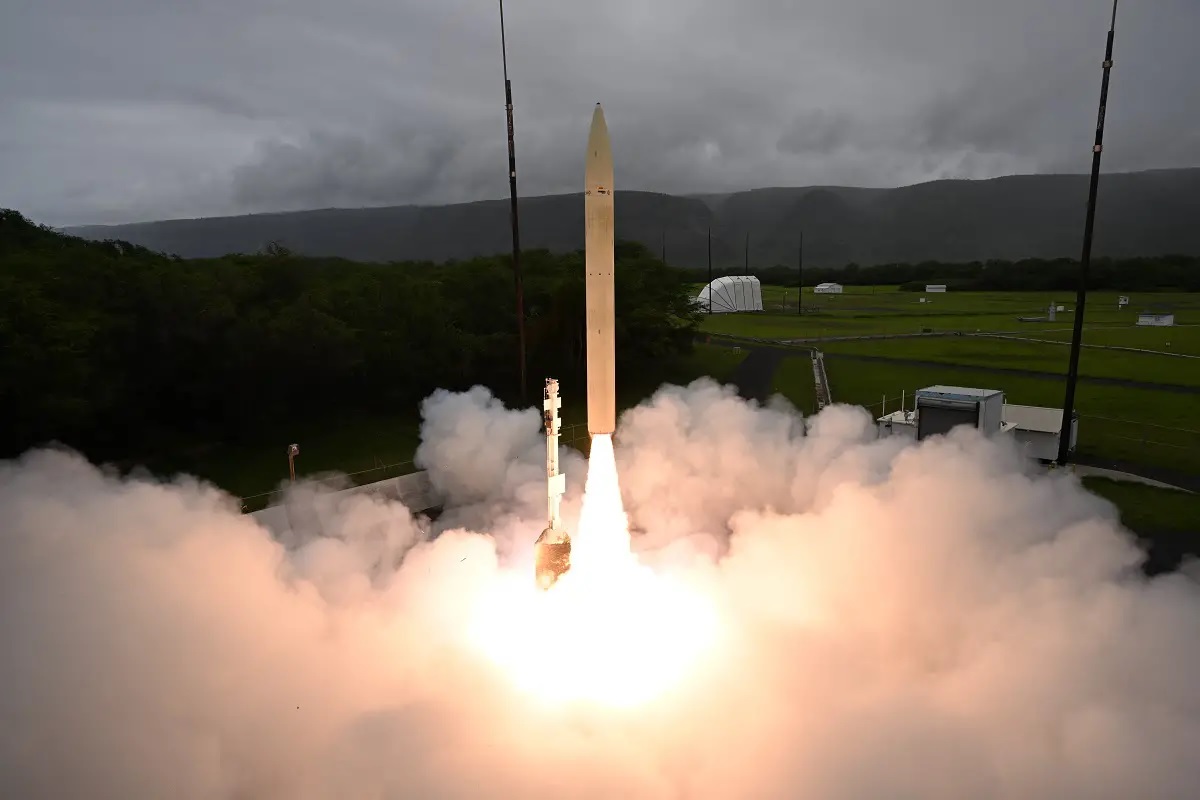
World
In a groundbreaking advancement, the U.S. Department of Defense has successfully completed an end-to-end flight test of a hypersonic missile. Conducted from the Pacific Missile Range Facility, this test marks a significant milestone in the development of the Conventional Prompt Strike (CPS) and Long Range Hypersonic Weapon (LRHW) programs. This achievement showcases the U.S. military's strides in harnessing hypersonic technology, which promises to redefine modern warfare and enhance national security.The hypersonic missile, capable of traveling at speeds exceeding Mach 5, was launched to evaluate its overall performance, from launch to impact. The test provided critical data on the missile's capabilities, validating the designs and concepts that have been meticulously developed by the U.S. Navy and Army. Vice Adm. Johnny R. Wolfe Jr., Director of the Navy’s Strategic Systems Programs and the lead designer of the common hypersonic missile, emphasized the importance of this test. “This flight test of the common hypersonic missile marks a milestone for our nation in the development of this capability,” he stated, highlighting the collaborative efforts between the services to push the boundaries of defense technology.Lt. Gen. Robert Rasch Jr., Director of the Army’s Rapid Capabilities and Critical Technologies Office, echoed this sentiment, underscoring the joint efforts to maintain military superiority. “Through our joint efforts, we are developing new equipment and adopting new defense concepts that will enable the Army to maintain superiority over any potential adversaries,” Rasch noted. The success of this flight test is a testament to the synergetic approach adopted by the U.S. military branches, working in unison to achieve a common goal.The CPS and LRHW programs are integral components of the U.S. military's strategy to enhance its rapid response capabilities. Hypersonic missiles, with their unparalleled speed and maneuverability, offer a significant advantage in neutralizing threats swiftly and effectively. This technology not only bolsters the U.S.'s defensive posture but also acts as a powerful deterrent against potential adversaries.Beyond the immediate military applications, the development of hypersonic missiles represents a leap forward in aerospace engineering and defense technology. The complexities involved in designing, testing, and deploying such advanced systems require cutting-edge research and innovation. The successful test signifies that the U.S. is at the forefront of these technological advancements, setting the stage for future developments in the realm of hypersonic weaponry.In recent years, global powers have been increasingly focused on developing hypersonic capabilities, recognizing their potential to change the dynamics of warfare. The U.S. has invested heavily in this domain, aiming to ensure that it remains a leader in military technology. The successful test of the hypersonic missile not only demonstrates progress but also reinforces the U.S.'s commitment to maintaining a competitive edge in the global defense landscape.As the U.S. continues to refine and enhance its hypersonic missile systems, the implications for national and global security are profound. The ability to deploy such advanced weaponry provides a strategic advantage, ensuring rapid and precise responses to emerging threats. With continued investment and collaboration, the U.S. is poised to lead the way in this transformative area of defense technology.The recent flight test is a pivotal step forward, reflecting the dedication and expertise of the teams involved. It stands as a beacon of innovation and progress, heralding a new era in defense capabilities. As the U.S. Department of Defense continues to push the envelope, the future of hypersonic technology looks promising, promising enhanced security and superiority on the global stage.
Read More → Posted on 2024-06-30 15:15:19
World
In a pivotal moment for Iran, citizens headed to the polls on Friday to elect a new president following the tragic death of Ebrahim Raisi in a helicopter crash. This election, marked by a tightly controlled roster of four candidates loyal to the supreme leader, comes at a time of growing public frustration and heightened Western pressure.The backdrop to this election is tense, with escalating regional conflicts involving Israel, Hamas in Gaza, and Hezbollah in Lebanon. Additionally, there is increased scrutiny from the West over Iran's advancing nuclear program. While the election is not expected to bring about significant policy shifts, its outcome could influence the future leadership of Ayatollah Ali Khamenei, the 85-year-old supreme leader who has been in power since 1989.Khamenei, emphasizing the importance of public participation, stated on state television, "The durability, strength, dignity, and reputation of the Islamic Republic depend on people's presence. High turnout is a definite necessity." This call for a high turnout is seen as an attempt to counteract a legitimacy crisis fueled by economic hardships and restrictions on political and social freedoms.Despite the overarching control Khamenei has over major state matters, the president plays a crucial role in the day-to-day administration of the government and can influence the tone of Iran's domestic and foreign policies. The Guardian Council, a hardline body consisting of clerics and jurists aligned with Khamenei, vetted the candidates, narrowing the field from 80 to six, with two subsequently dropping out.The candidates include three hardliners and one relatively moderate contender. Among the hardliners are Mohammad Baqer Qalibaf, the parliament speaker and former Revolutionary Guards commander, and Saeed Jalili, a former nuclear negotiator with a tenure in Khamenei's office. These candidates have all pledged to address the country's struggling economy, plagued by mismanagement, corruption, and sanctions re-imposed since the US abandoned the 2015 nuclear deal.In contrast, Massoud Pezeshkian, the sole moderate candidate, supports theocratic rule but advocates for economic reform, social liberalization, and political pluralism. Pezeshkian’s stance, particularly on social issues, resonates with many who remember the 2022 protests following the death of Mahsa Amini in morality police custody. This unrest was one of the largest demonstrations against Iran's clerical rulers in recent years, driven by demands for greater freedoms.The election has highlighted a divided electorate. Some, like Farzan, a 45-year-old artist from Karaj, see Jalili as a candidate who addresses justice and anti-corruption without tying foreign policy to the nuclear deal. Others, like architect Pirouz, who had planned to boycott the vote, found hope in Pezeshkian's blend of traditional and liberal views.However, a significant portion of the population remains disillusioned. The hashtag #ElectionCircus has gained traction on social media, with many activists calling for a boycott, arguing that a high turnout would only serve to legitimize the current regime. Shahrzad Afrasheh, a 55-year-old writer, echoed the sentiments of many disenchanted Iranians: "The youth were punished ... young girls were killed on the streets ... We can't easily move on from that ... After all that happened, it's unconscionable to vote."State television showed polling stations bustling with activity, extending voting hours to accommodate the turnout. The results are expected to be announced on Saturday, with the potential for a runoff if no candidate secures a majority. This election, while unlikely to alter Iran's fundamental policies, is a crucial indicator of the country's political landscape and the enduring influence of its supreme leader.
Read More → Posted on 2024-06-30 15:06:53
World
In a significant boost to Malaysia’s maritime security capabilities, the United States has ceremonially handed over three CN235 maritime surveillance aircraft to the Royal Malaysian Air Force (RMAF). The handover, which took place at Subang Air Base, marked a milestone in bilateral cooperation, underscoring the strategic partnership between the two nations in enhancing regional security.U.S. Ambassador to Malaysia, His Excellency Edgard D. Kagan, personally presented the “Universal Hand Control Unit (UHCU)” of the aircraft’s sophisticated electro-optical/infra-red sensor turret to RMAF Commander Gen. Tan Sri Dato’ Sri Mohd Asghar Khan bin Goriman Khan, amidst a gathering of senior military and diplomatic officials.The $60 million initiative, funded under the Maritime Security Initiative, facilitated the conversion of these cargo aircraft by PT Dirgantara Indonesia. Equipped with advanced maritime surveillance radars, electro-optical infrared turrets, and robust communication systems, these CN235s are poised to significantly bolster Malaysia’s maritime domain awareness capabilities. PT Dirgantara Indonesia has highlighted the aircraft’s capability to detect small targets up to 200 nautical miles away, showcasing their advanced sensor capabilities.The completion of conversion work on these aircraft in 2022 and 2023 culminated in their operational readiness under 1 Squadron based at Kucing Air Base in Sarawak. One of these CN235s recently participated in the Royal Malaysian Navy’s Taming Sari live-fire exercise, further demonstrating their operational versatility and effectiveness.Looking ahead, Malaysia anticipates further strengthening its maritime surveillance capabilities with the imminent arrival of Turkish Aerospace Industries’ Anka-S drones and the scheduled delivery of Leonardo-built ATR 72 maritime patrol aircraft in the coming years.This significant enhancement in Malaysia’s defense infrastructure underscores both nations’ commitment to regional stability and maritime security cooperation, paving the way for enhanced operational capabilities and readiness in safeguarding maritime interests.
Read More → Posted on 2024-06-29 14:41:12
As North Korean and Chinese threats rise, US looks to Lock in Defense Partnerships with Asian Allies
World
### Strengthening Ties: US Fortifies Defense Partnerships with Asian Allies Amid Rising ThreatsIn the face of escalating threats from North Korea and China, the United States is intensifying its defense partnerships with key Asian allies. Last Saturday marked a significant milestone as the U.S. concluded its first multidomain exercise with Japan and South Korea in the East China Sea, showcasing a united front against regional adversities.The three-day exercise, dubbed Freedom Edge, was a step up from previous drills. It featured simultaneous air and naval operations aimed at enhancing joint ballistic-missile defense, anti-submarine warfare, and surveillance capabilities. This collaboration is crucial as North Korea continues to test increasingly sophisticated missile systems, necessitating a seamless flow of missile warning information between the allies.Ridzwan Rahmat, an analyst with the defense intelligence company Janes, emphasized the importance of interoperability in such exercises. He noted that if South Korea detected a target, it could swiftly share details with Japanese or American forces to ensure a coordinated response. This level of cooperation is vital in war scenarios, enabling the three nations to operate as a cohesive fighting force.However, these military exercises also risk inflaming regional tensions. China, which views such drills as encroachments on its sphere of influence, and North Korea, which labeled the arrival of the USS Theodore Roosevelt carrier group in South Korea as "provocative," have both expressed strong objections. The tensions were further heightened when North Korea tested a multiwarhead missile shortly after South Korean President Yoon Suk Yeol's visit to the Roosevelt, a historic first for a sitting South Korean president.The geopolitical landscape adds layers of complexity to the defense cooperation between Japan and South Korea. Historical grievances from Japan’s occupation of Korea during World War II continue to cast a shadow over their relations. Despite this, both nations are home to the largest U.S. military presence in East Asia, with approximately 80,000 American troops stationed across their territories. This has traditionally led the U.S. to engage with them individually rather than collectively.Political dynamics within Japan and South Korea also play a crucial role. Japanese Prime Minister Fumio Kishida's increased defense spending and cooperation with South Korea have met with mixed reactions domestically. Meanwhile, President Yoon's efforts to mend ties with Japan have faced domestic criticism but are deemed essential for regional security.Both leaders are eager to solidify their defense relationships with Washington, particularly as the U.S. approaches a potential change in administration. South Korean officials have indicated their desire to formalize a security framework agreement with the U.S. and Japan this year, ensuring a unified response to any North Korean aggression. U.S. President Joe Biden's administration has been instrumental in fostering this trilateral cooperation, a significant achievement given the historical and political hurdles involved.The backdrop of former U.S. President Donald Trump's tenure adds further context. Trump's demands for greater financial contributions from allies for hosting U.S. troops and his direct engagements with North Korean leader Kim Jong Un strained these relationships. In contrast, Biden's approach seeks to strengthen alliances through sophisticated exercises and diplomatic agreements, aiming to institutionalize these practices amidst uncertainties about future administrations.The urgency for fortified alliances is underscored by the rising threats from North Korea and China. North Korea's weapons programs are advancing despite international sanctions, and China is rapidly expanding its military capabilities, boasting the world's largest navy. China’s aggressive territorial claims over Taiwan and the South China Sea, coupled with its alliance with Russia and support for North Korea, amplify regional tensions.In response, the U.S. is not only deepening ties with Japan and South Korea but also strengthening partnerships with other regional allies such as Australia, the Philippines, and Taiwan. This strategy leverages the U.S. Navy's ability to operate from a vast network of friendly ports, a significant advantage over China's relatively isolated naval operations.As the USS Theodore Roosevelt transitions from the East China Sea to the Middle East to counter threats from Yemen’s Houthi rebels, the importance of robust, regional defense partnerships remains clear. These alliances are crucial for maintaining stability and responding effectively to any aggression, demonstrating the U.S. commitment to its allies amid rising regional threats.
Read More → Posted on 2024-06-29 13:39:58
World
In a bold and somewhat alarming move, Russian President Vladimir Putin has declared that Russia will commence production of short and intermediate-range missiles that were once prohibited under a now-defunct arms control treaty with the United States. This announcement came during a televised address to top security officials, stirring memories of Cold War tensions and arms races.The missiles in question have ranges between 500 to 5,500 kilometers (approximately 300 to 3,400 miles) and were banned under the Intermediate-Range Nuclear Forces (INF) Treaty. This landmark agreement, signed in 1987, was a critical component in reducing the nuclear threat between the two superpowers during a period of heightened global tension. However, the treaty unraveled in 2019 when the United States withdrew, citing Russia's non-compliance. In response, the Kremlin pledged to maintain a moratorium on missile production as long as the US refrained from deploying similar weapons within range of Russian territory.Fast forward to the present, and Putin's latest pronouncement signals a stark shift in Russia's stance. According to Putin, the United States has begun incorporating such missiles into training exercises in Denmark. This development, he argued, necessitates a Russian response. "We need to react to this and make decisions about what we should do next in this area. It seems that we need to start producing these strike systems," Putin stated. His comments suggest a calculated escalation, indicating that Russia will not only resume production but also consider strategic deployment based on emerging threats.The broader context of Putin's announcement highlights the deterioration of several key arms control agreements that once formed the bedrock of US-Russia relations. In addition to the INF Treaty, the New START treaty, the last remaining nuclear arms control agreement between the two countries, has also faced setbacks. Russia suspended its participation in the New START last year, further complicating the global nuclear landscape.This resurgence of missile production comes amid heightened geopolitical tensions, particularly in Eastern Europe. The United States has been supplying shorter-range missiles to Ukraine, bolstering Kyiv's defense against Russian advances. In a controversial move last month, the US partially lifted a ban on Ukraine using these weapons against targets within Russian territory. This decision drew sharp warnings from Moscow, raising fears of a potentially dangerous escalation.Putin's announcement is not just about missiles; it's a reflection of the broader strategic chess game between the US and Russia. As both nations navigate a complex web of military, economic, and political maneuvers, the revival of missile production adds another layer of uncertainty and risk. For Russia, it represents a bid to reclaim strategic parity and assert its influence in an increasingly multipolar world. For the global community, it is a reminder of the fragile nature of international security arrangements and the ever-present specter of a renewed arms race.
Read More → Posted on 2024-06-29 13:21:41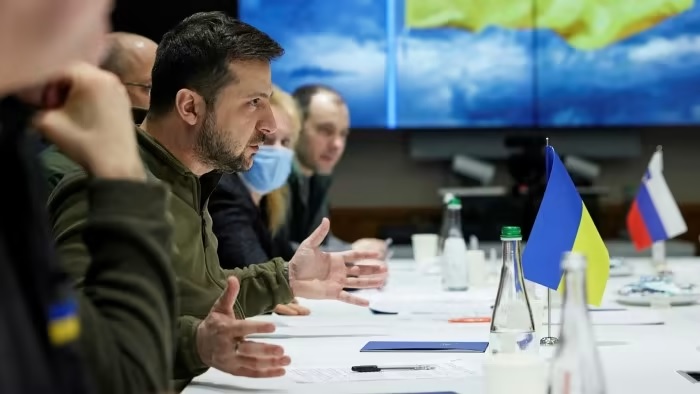
World
Ukrainian President Volodymyr Zelenskyy has embarked on an ambitious journey to draft a "comprehensive plan" to end the devastating war with Russia. This plan, as reported by Al Jazeera, aims to garner support from the majority of the international community, marking a significant diplomatic push to resolve a conflict that has ravaged Ukraine since February 2022.Speaking at a news conference in Kyiv alongside Slovenian President Natasa Pirc Musar, Zelenskyy emphasized the importance of presenting a peace plan that resonates globally. "It is very important for us to show a plan to end the war that will be supported by the majority of the world," he stated, highlighting the diplomatic efforts underway to achieve this goal.Despite the ongoing hostilities, there are currently no negotiations between Ukraine and Russia. Both Zelenskyy and Russian President Vladimir Putin have maintained firm stances, making any potential peace settlement seem distant. Ukraine has consistently demanded the withdrawal of Russian troops from its internationally recognized territories, including Crimea, which Russia annexed in 2014. On the other hand, Putin's demands for Ukraine to relinquish even more territory in the east and south have further complicated the prospects for dialogue.In a bid to strengthen international support, Zelenskyy hosted a major summit in Switzerland earlier this month. The summit, which excluded Russia, saw participation from over 90 countries. Leaders and senior officials who attended overwhelmingly backed a final communique underscoring the necessity of respecting Ukraine's territorial integrity in any peace agreement. This gathering underscored the broad international consensus on Ukraine's sovereignty and the rejection of Russia's territorial claims.Meanwhile, the situation on the ground remains dire. Russian forces continue their slow but steady advance, recently claiming to have seized another front-line village. Moscow currently occupies about 25 percent of Ukrainian territory and has declared the annexation of four additional regions in 2022, none of which they fully control.At a European Union Council Summit in Brussels, Zelenskyy reiterated his commitment to presenting a detailed peace plan within months. Addressing the high casualty rates among soldiers and civilians, he stressed the urgency of finding a resolution. "We don't have too much time," he remarked, acknowledging the pressing need to halt the bloodshed.As the world watches, Zelenskyy's comprehensive plan represents a beacon of hope amidst the turmoil. His diplomatic efforts aim not only to end the war but also to restore Ukraine's sovereignty and bring stability to a region that has suffered immensely. The path to peace is fraught with challenges, but with international support and a steadfast commitment to justice, there is a glimmer of hope that Ukraine can finally find its way to peace.
Read More → Posted on 2024-06-29 13:18:17Search
Top Trending in 24 Hours
-
 NATO Commander Says Russia Not Seeking Conflict With Alliance Despite U.S. Force Reductions
-
 U.S. Space Force Awards $437.7 Million Contracts for First PTS-G Swarm 1 Anti-Jam Satellites
-
 U.S. Air Force Faces Strategic Airlift Shortfall as C-17 Production Restart Remains Uncertain
-
 Greek Parliament Approves €1.2 Billion Defense Package Including VICTA Submersibles, V-BAT Drones, C-390 Airlifters, and Frigate Upgrades
-
 India Successfully Conducts AD-1, AD-2 Interceptor Tests and Maiden NASM-MR Flight Trial
-
 Russia Launches 1,400 Jet-Powered Drones in 2026 as Strike Tactics Evolve to Challenge Ukraine's Air Defenses
-
 U.S Navy Orders 50 Blackbeard Hypersonic Missiles in New $23.4 Million Contract
-
 UAE Denies Reports of Releasing Up to $20 Billion in Funds to Iran Amid Regional De-Escalation Efforts
Top Trending in 4 Days
-
 Boeing Introduces New MQ-28 Ghost Bat Upgrades with Increased Range, Payload and Weapons Capacity at ILA Berlin 2026
-
 Taiwan Conducts First Live-Fire of HIMARS Rockets From West Coast During Invasion Defense Drill
-
 AMCA Airframe Spotted at DRDO’s ORANGE Facility for Radar Cross-Section Testing
-
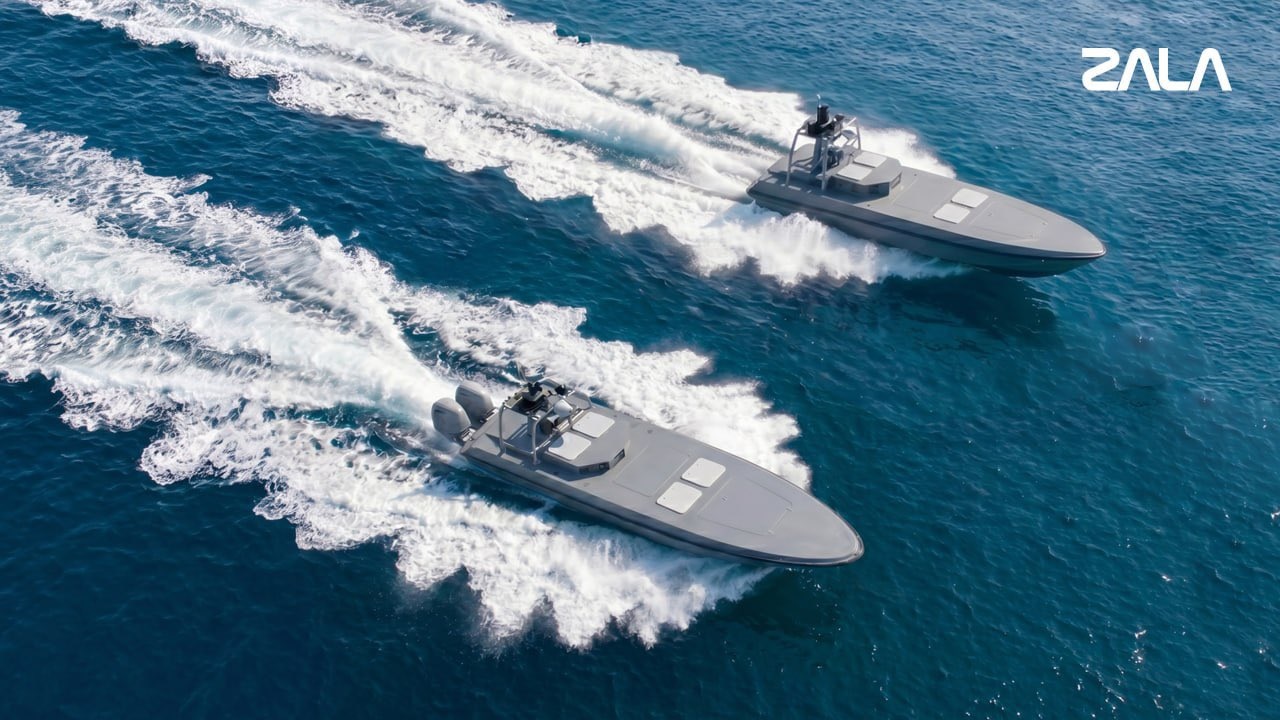 Russian Defense Firm ZALA Unveils KAMA Unmanned Surface Vessel Family at FLOT-2026 Naval Exhibition
-
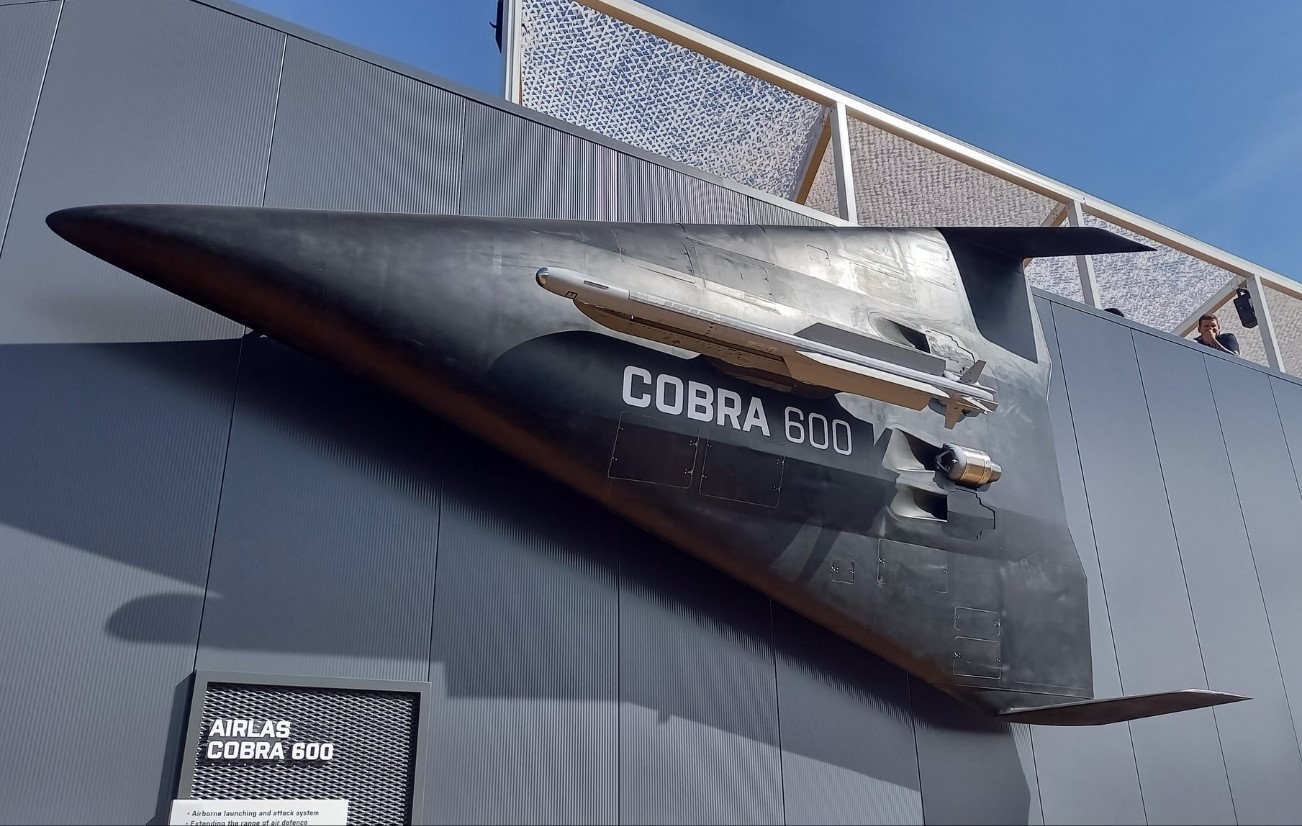 Diehl Defence Unveils IRIS-T Armed Cobra 600 Air Defense Drone at ILA Berlin 2026
-
 Iranian Media Leaks 14-Point U.S.-Iran Peace Framework Amid Ongoing Negotiations
-
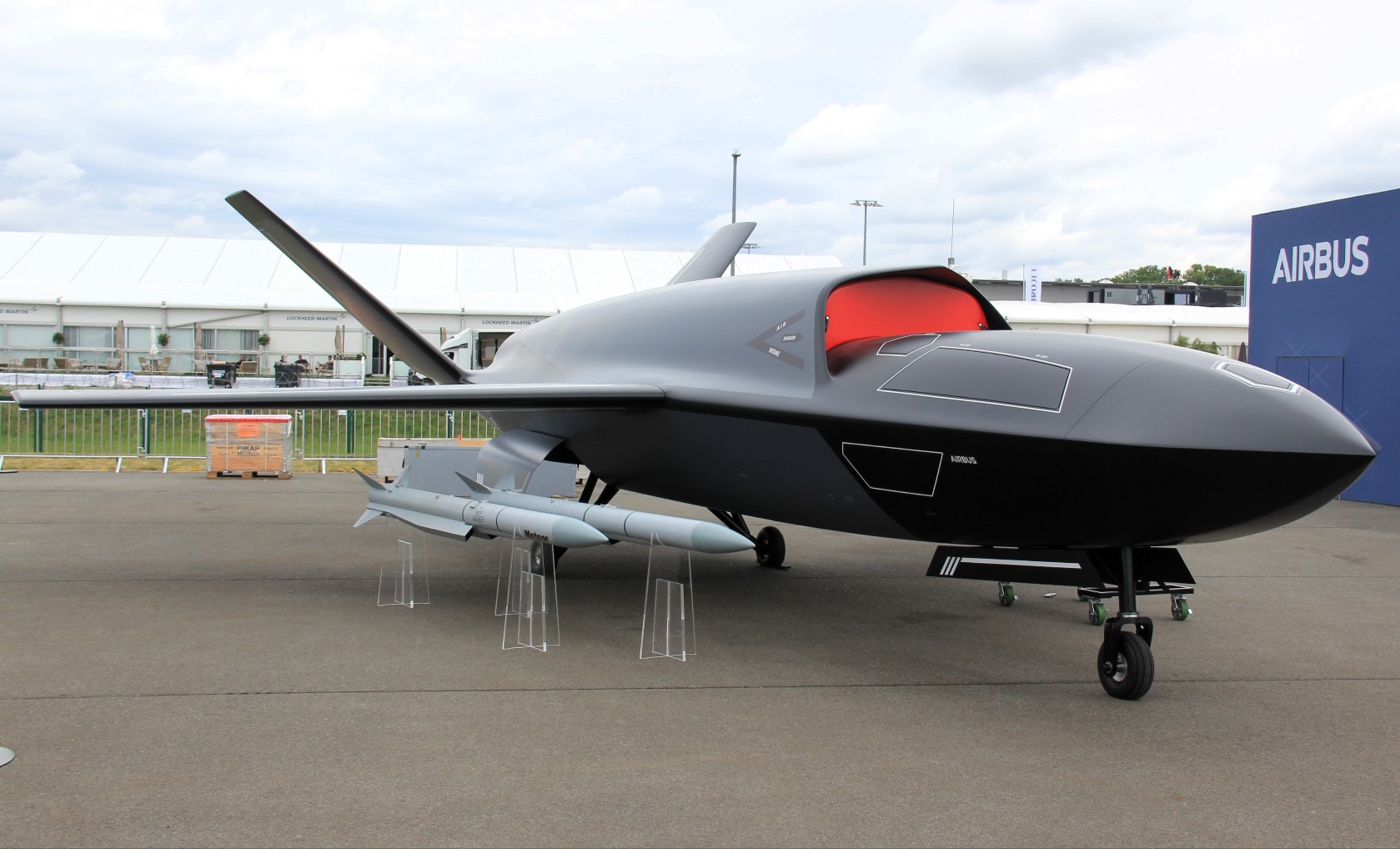 Airbus Unveils U760 Ravenstorm Loyal Wingman Drone at ILA Berlin 2026
-
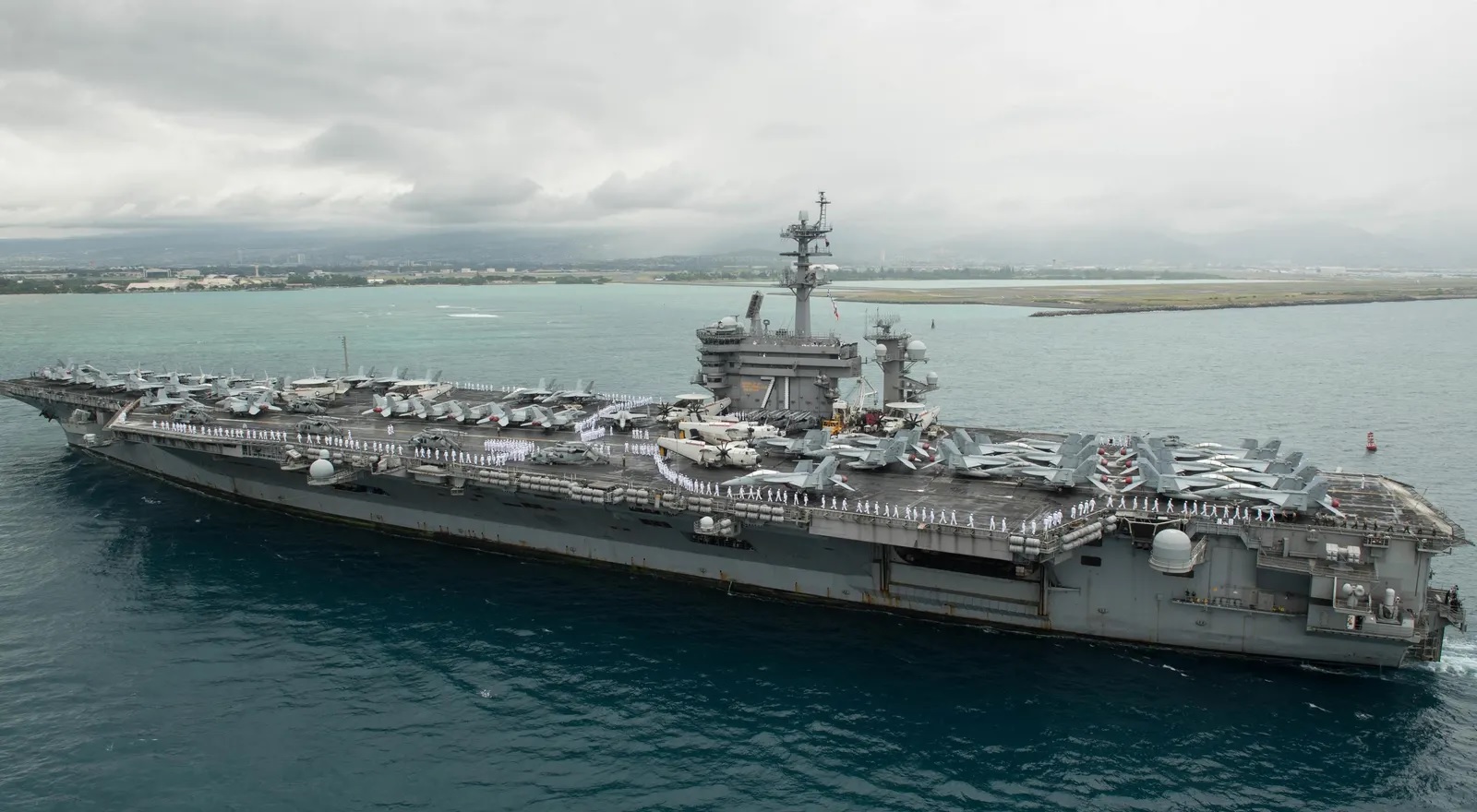 U.S Aircraft Carrier USS Theodore Roosevelt Departs San Diego for Major RIMPAC 2026 Naval Exercise